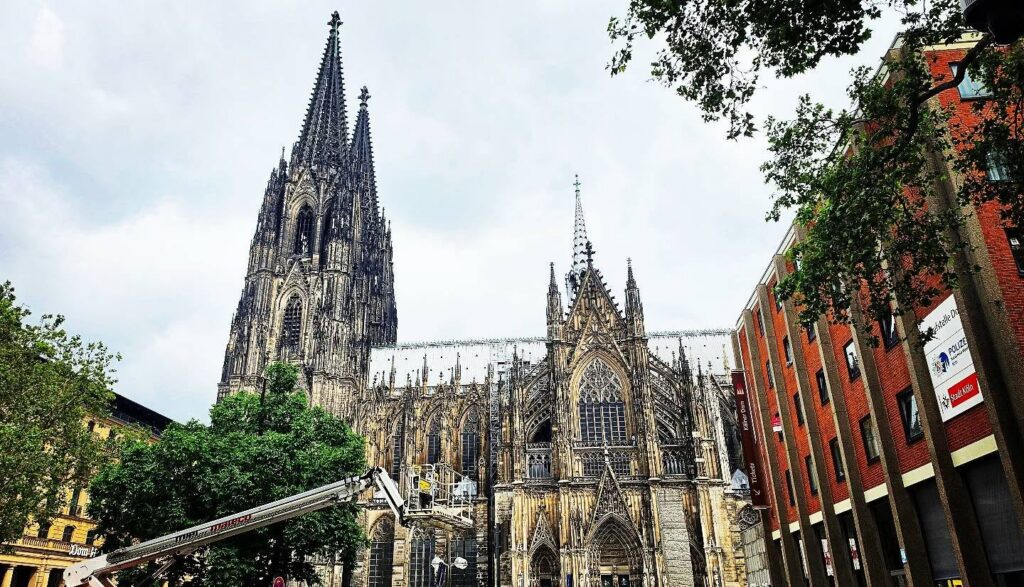
Germany can be a rather gloomy place at times, and Cologne is certainly no exception. Arriving there in the middle of what is usually the height of summer, I was welcomed by what might just be Germany’s most iconic colour: grey.
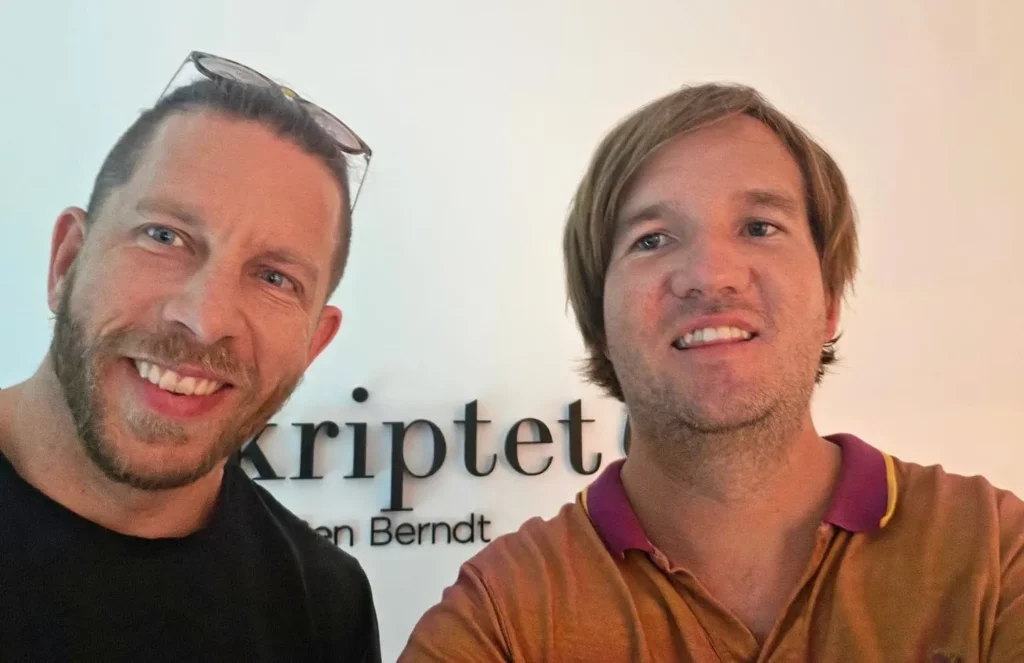
Fortunately, the weather would not define my time there. Quite the opposite, in fact. Several exciting events were lined up, including my very first public reading for my first non-fiction book. After years of trying to make it happen, I also finally managed to visit Ben Ungeskriptet for his podcast. Ben has invited me several times for years, to this day, where we finally made it happen. You can see that interview here. On top of that, one of my friends was celebrating her birthday, making the trip even more worthwhile.
And, naturally, there was also the traveller – and the nerd – in me to satisfy. Germany still had a surprising number of MTP and TCC regions I had never visited before, some of them indeed really satisfying the travel nerd in me. As it turned out, a few real surprises were waiting just around the corner.

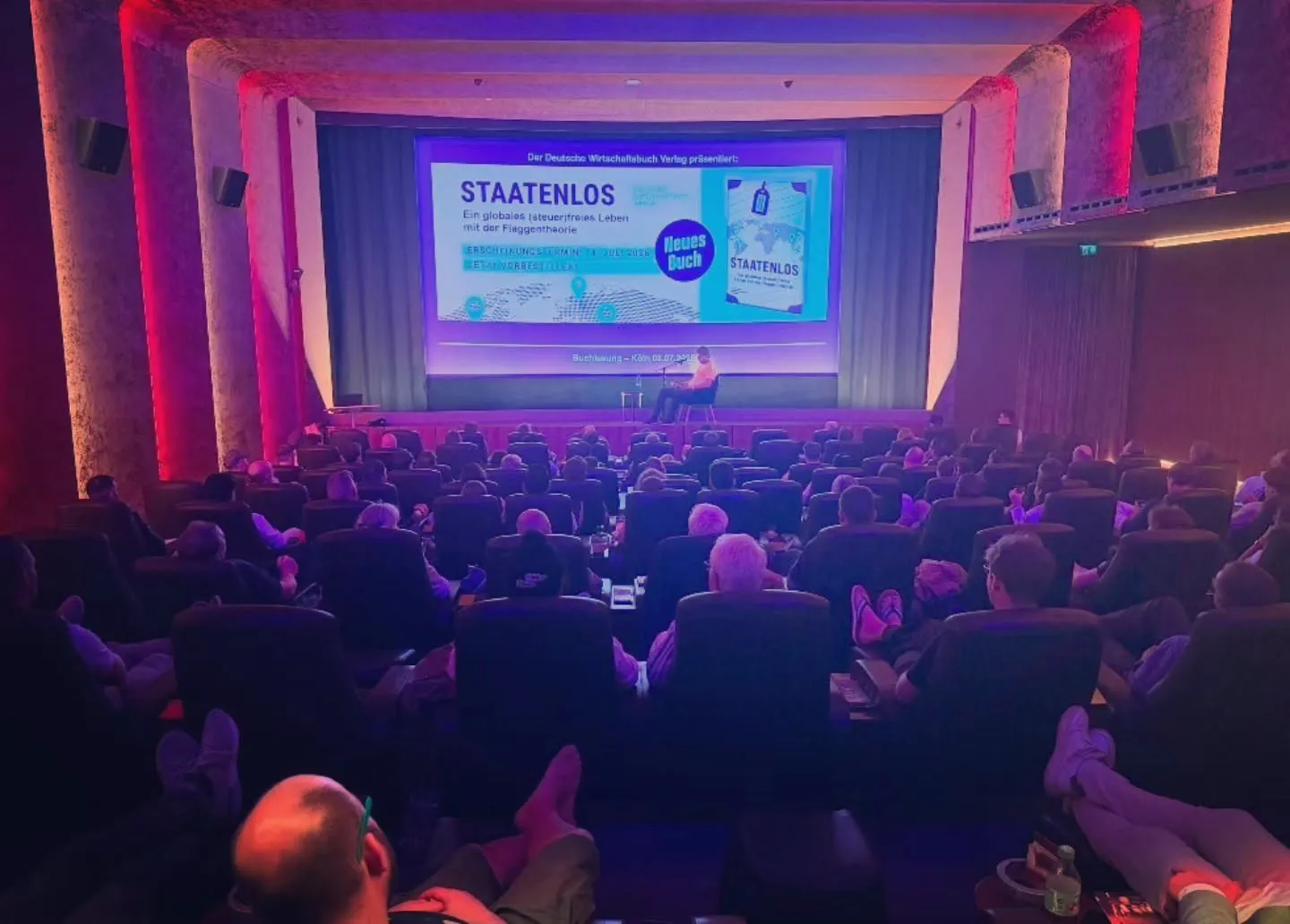
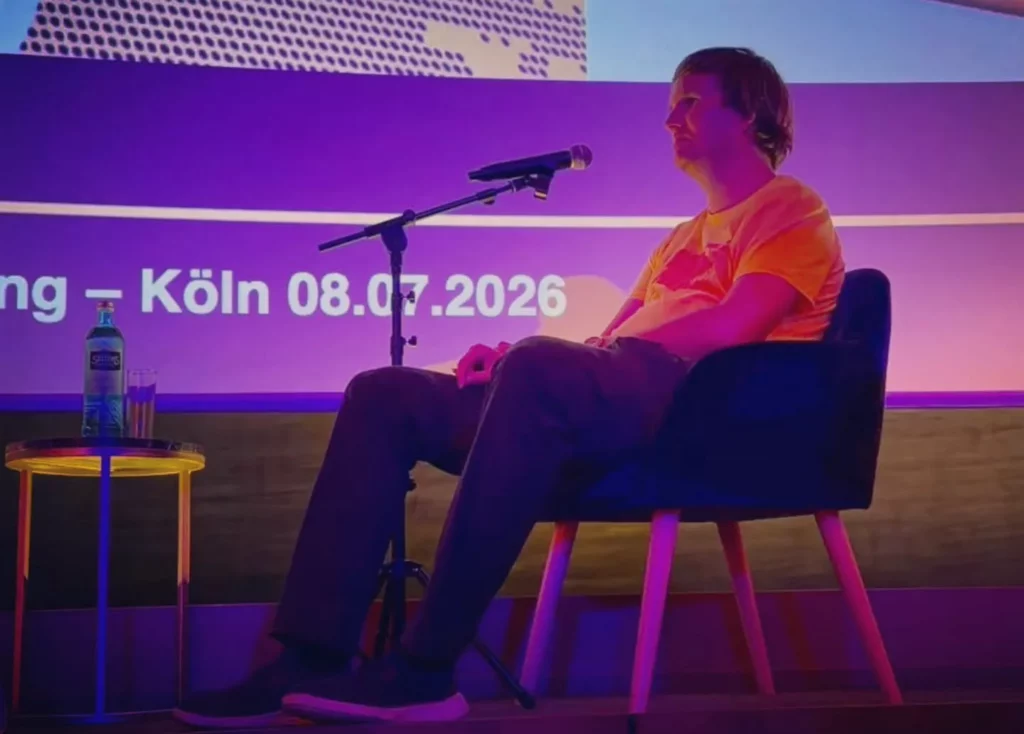
Straight after the podcast, it was already time for the next event. That evening, our book launch took place in front of a packed audience of more than one hundred guests. I have been working on and waiting for this book for so long, that it was really a special moment for me. It marked also the first public reading of my book – and thankfully, the evening turned out to be a great success.
After the reading, I spent a long time answering questions from the audience. What I had expected happened: the conversations would continue long after the official event had ended. They followed us to the kebab shop next door and eventually all the way to the entrance of my hotel. But I was happy to answer every last question until late after midnight. After all, it was all in the service of freedom.

After the intense, but fun two days in Cologne and another private birthday following, it was finally time to get back on the road. While many people plan their trips around famous landmarks or beautiful beaches, I often find myself chasing something rather different: borders. Some are centuries old, some only exist because of forgotten treaties, while others have become almost invisible. Yet all of them have shaped Europe in one way or another.
Leaving Cologne behind, I headed west towards the German-Belgian border. My first destination was one of Germany’s smallest exclaves: Rückschlag. Covering just 1.5 hectares and completely surrounded by Belgium, it is one of those places most Germans have probably never even heard of. Standing there, it is almost impossible to notice that you have technically crossed into another country.
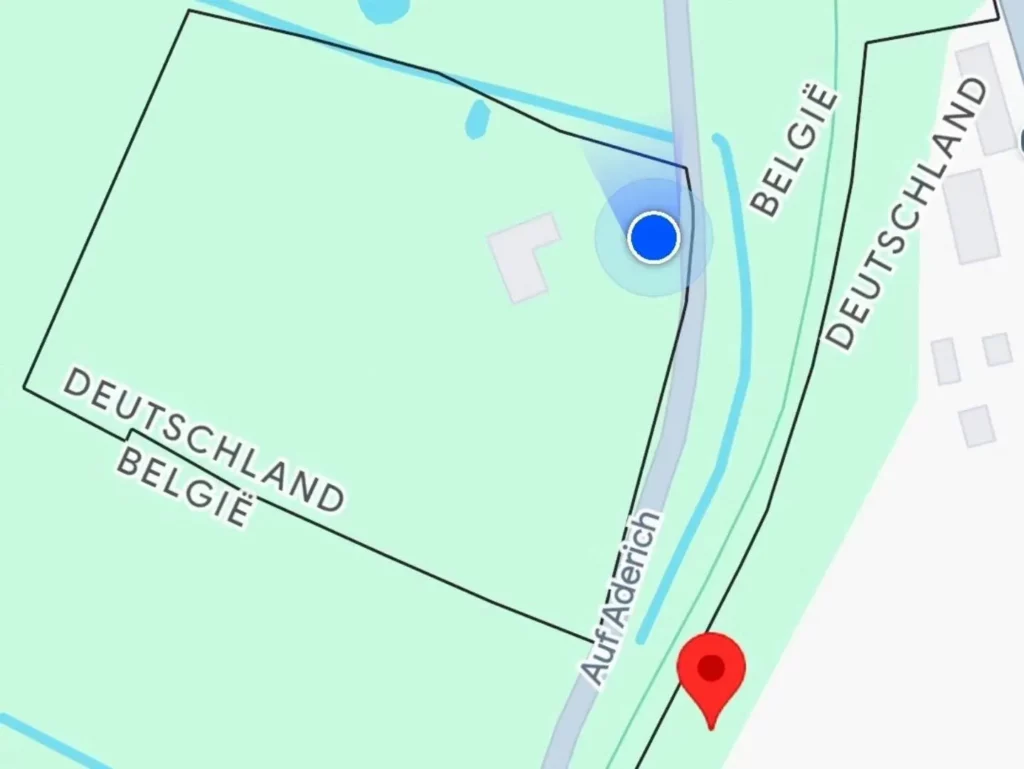
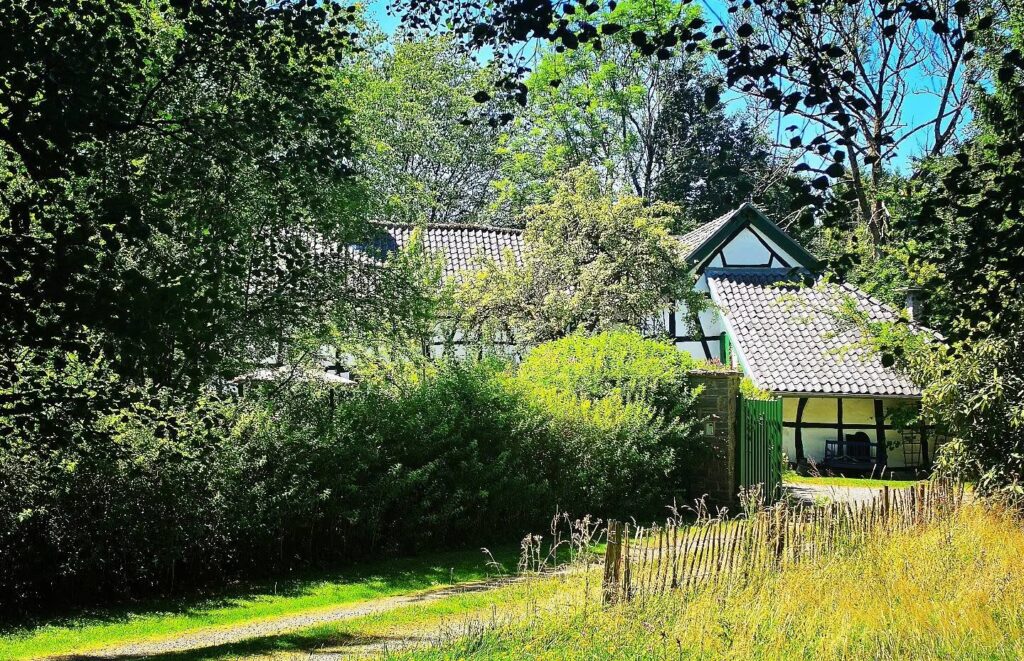
📍Vennbahnweg, Aachen, Germany
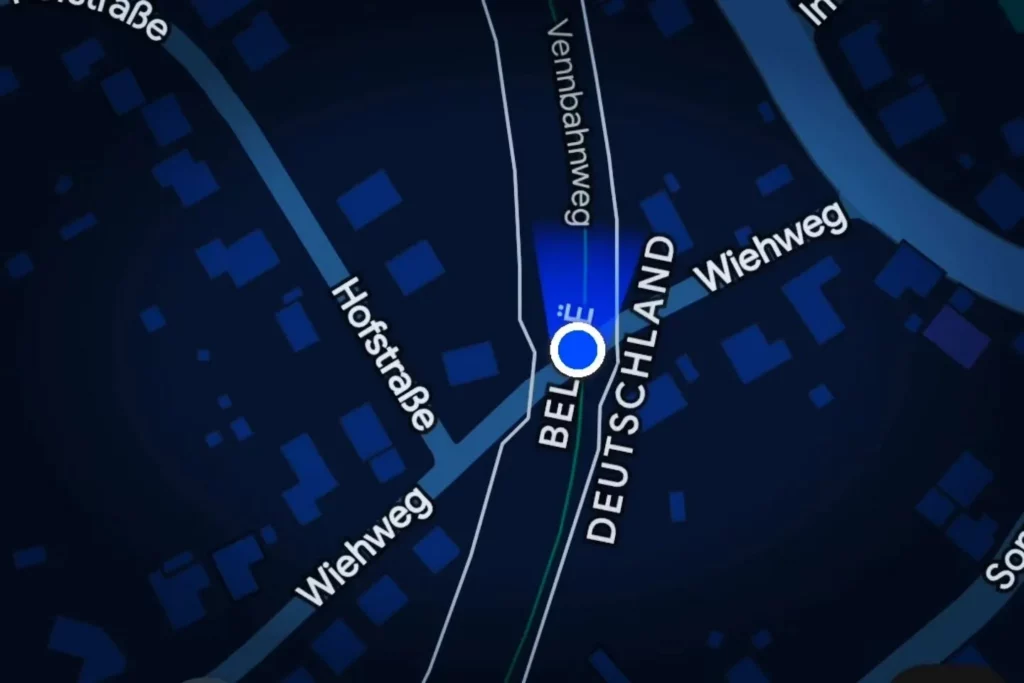
Only a short drive away lies one of Europe’s strangest border anomalies: the Vennbahn. Originally built as a railway, the entire railway corridor was awarded to Belgium after the Treaty of Versailles in 1920. Today it has become a popular cycling route, but the political consequences remain. Because the railway itself belongs to Belgium, it cuts through German territory and leaves behind several tiny German exclaves. For a few metres, cyclists unknowingly enter Belgium before returning to Germany again—a legal curiosity that has even led to amusing questions about which country’s laws apply to something as simple as riding a bicycle after having one beer too many.
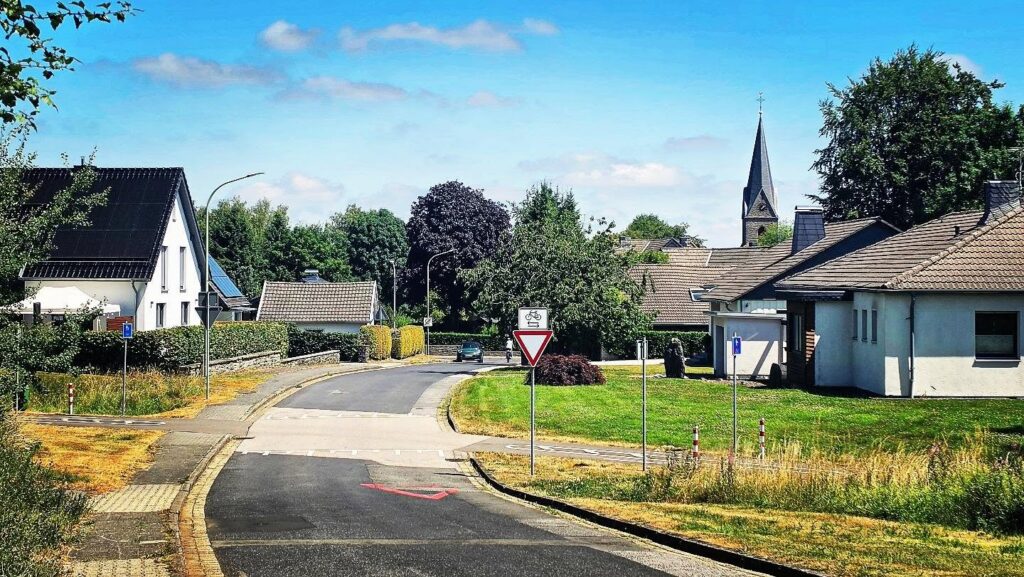

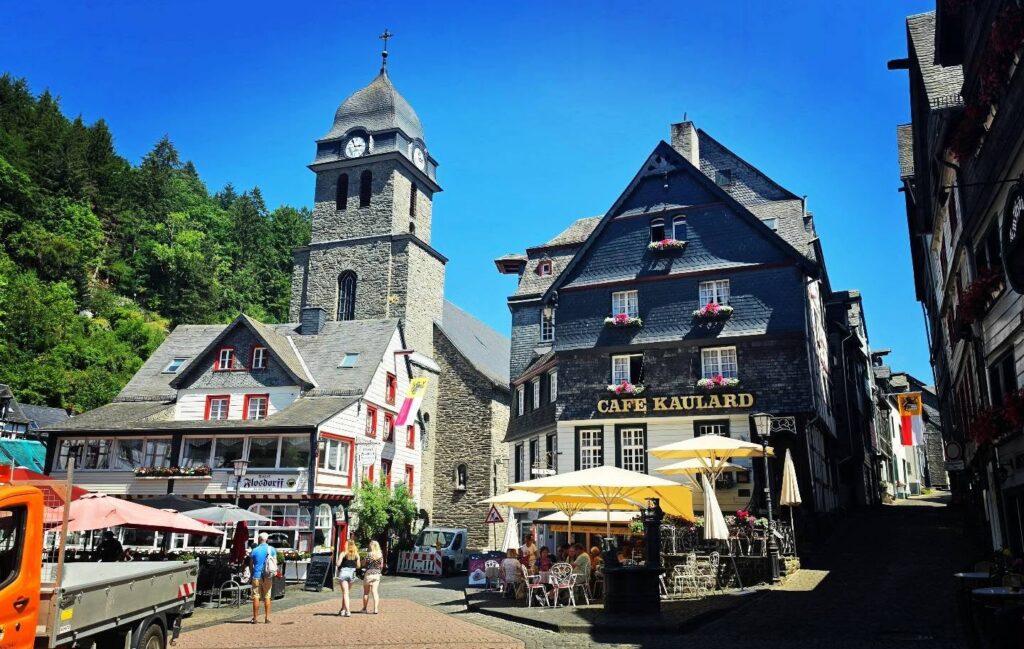
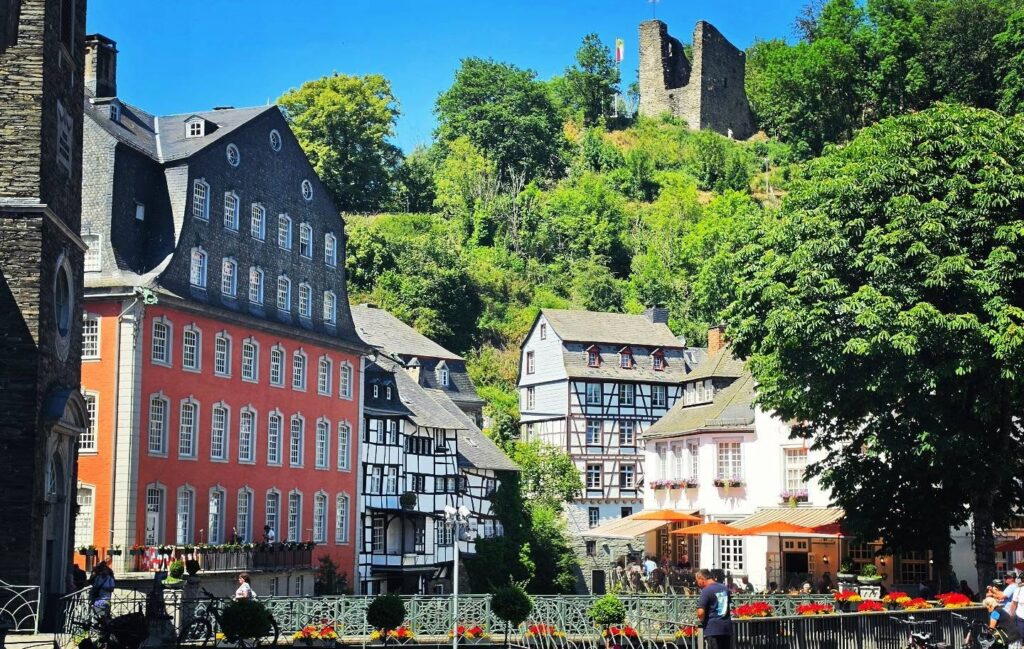
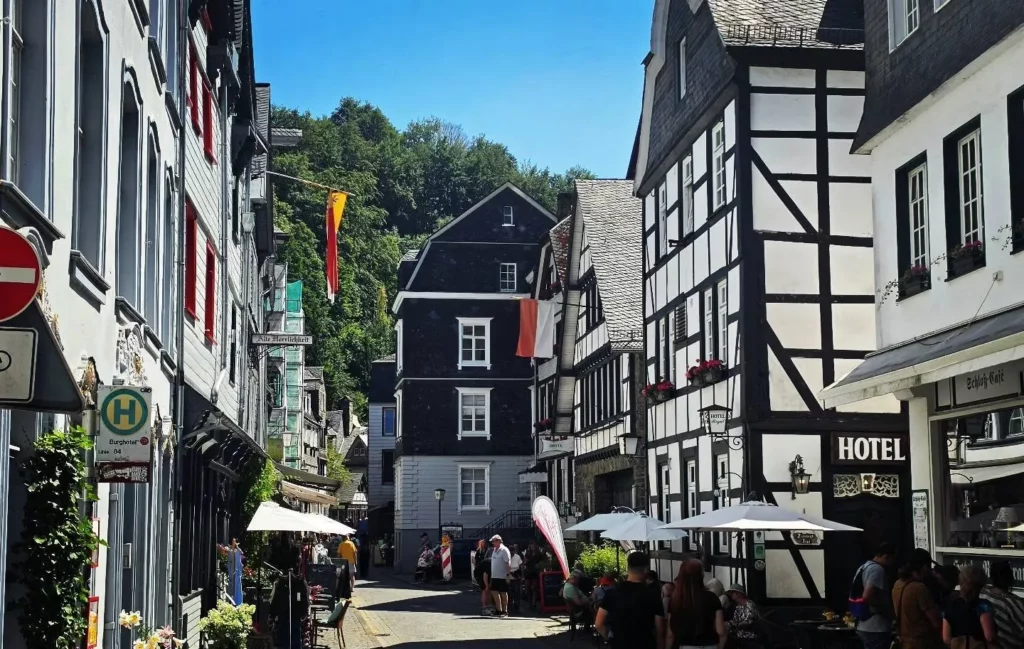
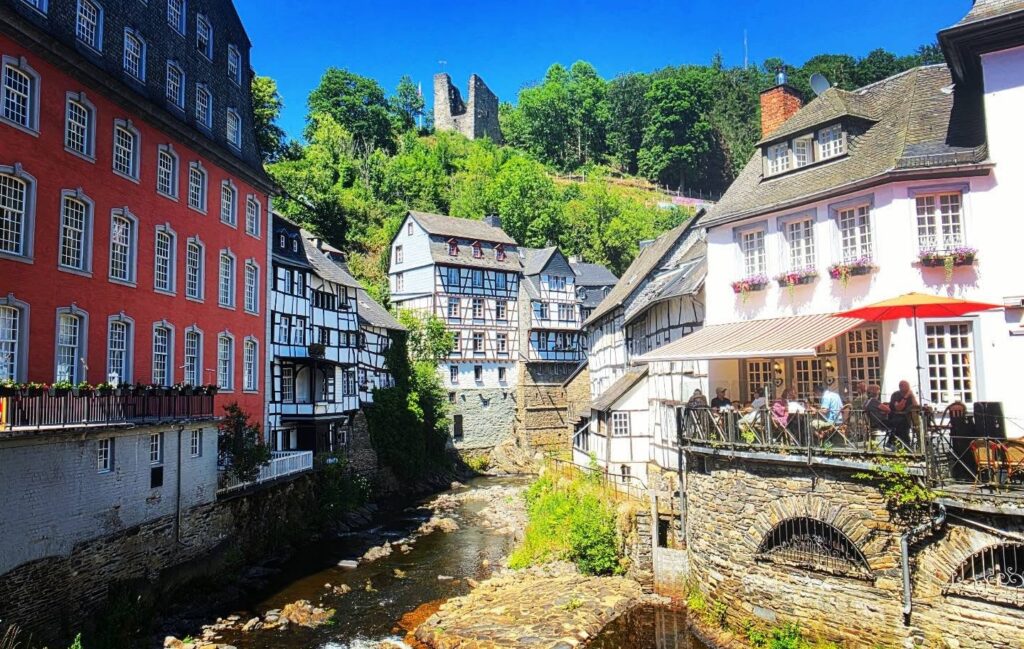
Not far from there, I stopped in Monschau, a picturesque little town tucked away in the hills close to the Belgian border. With its half-timbered houses, narrow streets and river running through the old centre, it feels like one of those places where time has slowed down.
📍Monschau, Germany
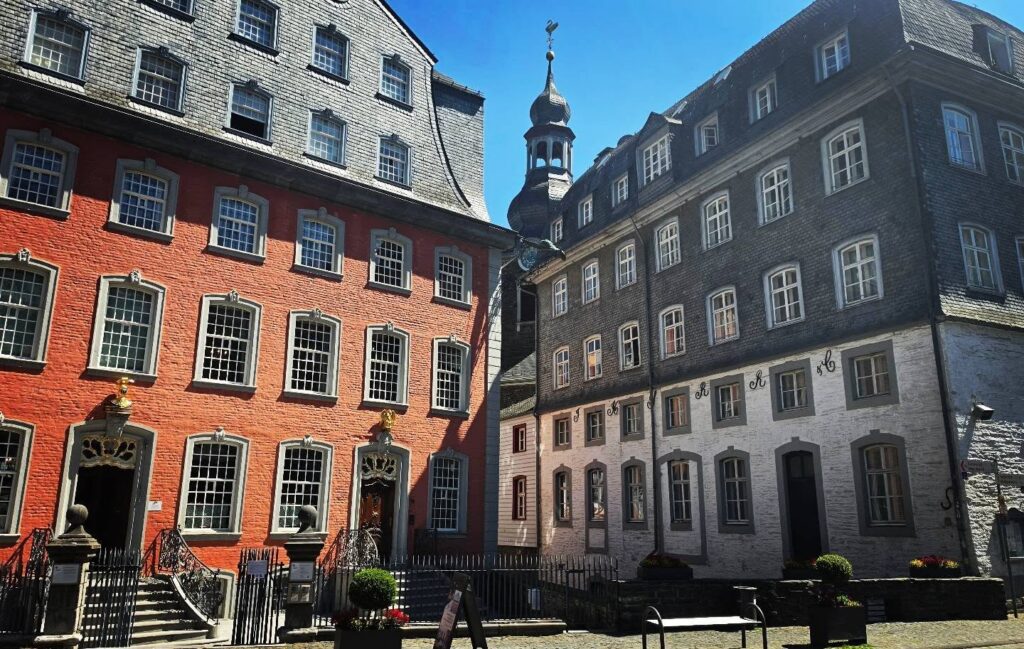
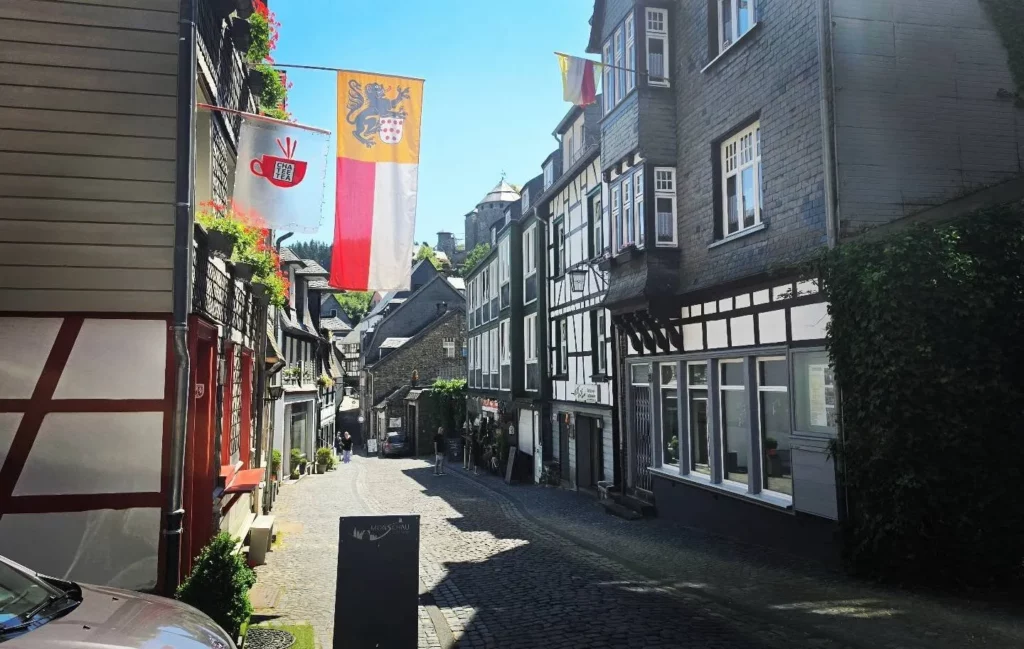

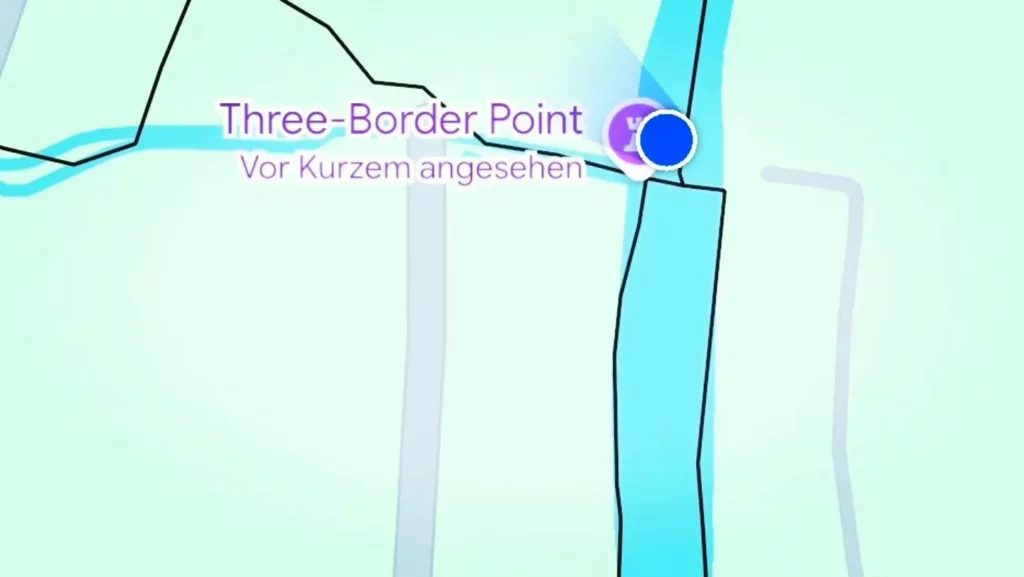
From there, the journey continued towards another fascinating corner of Europe: the tripoint where Germany, Belgium and Luxembourg meet. Right next to it stands the Europe Memorial, commemorating the Treaties of Rome that laid the foundations for what would eventually become today’s European Union. It felt like an appropriate place to continue a journey dedicated almost entirely to Europe’s borders.
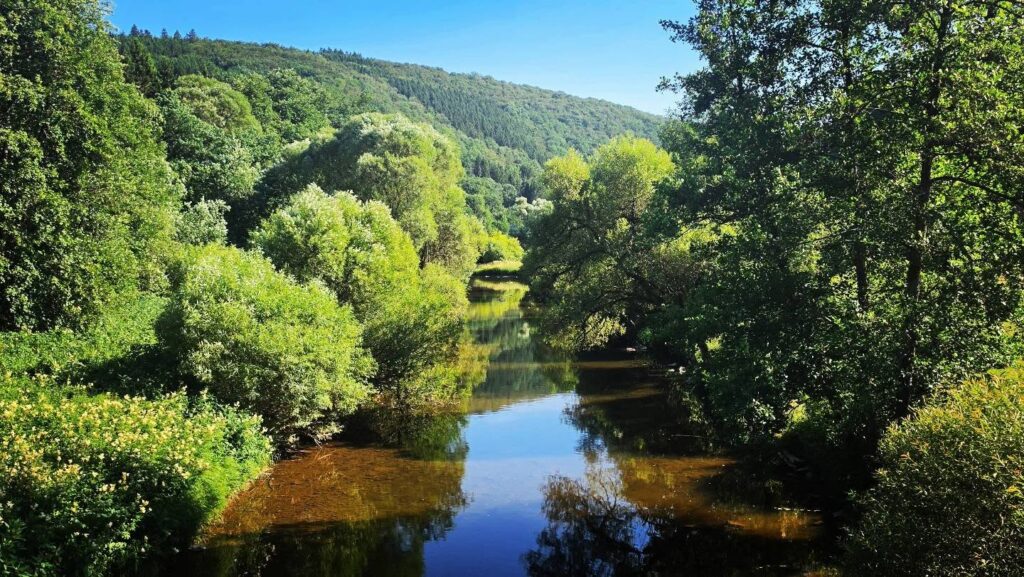
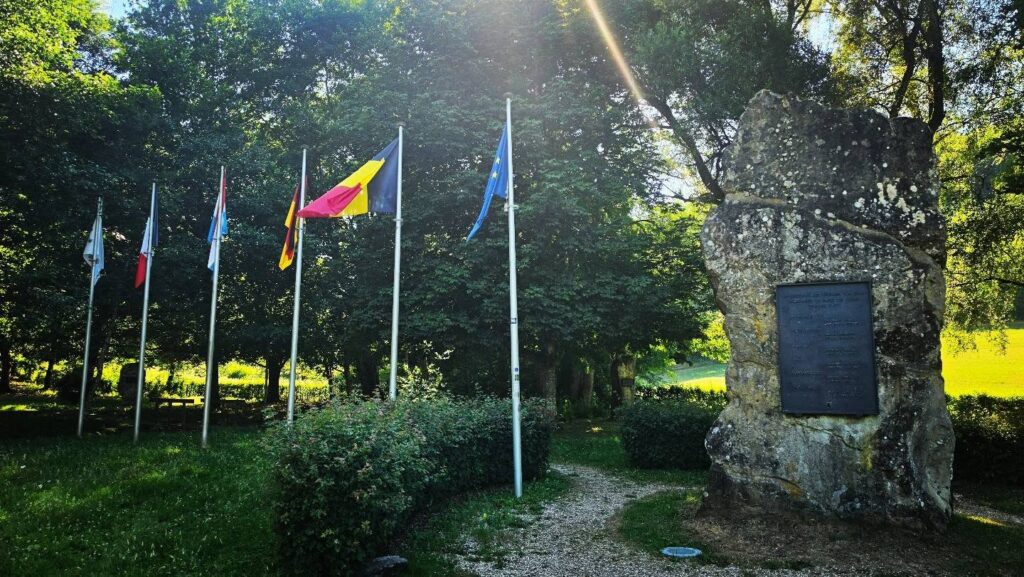
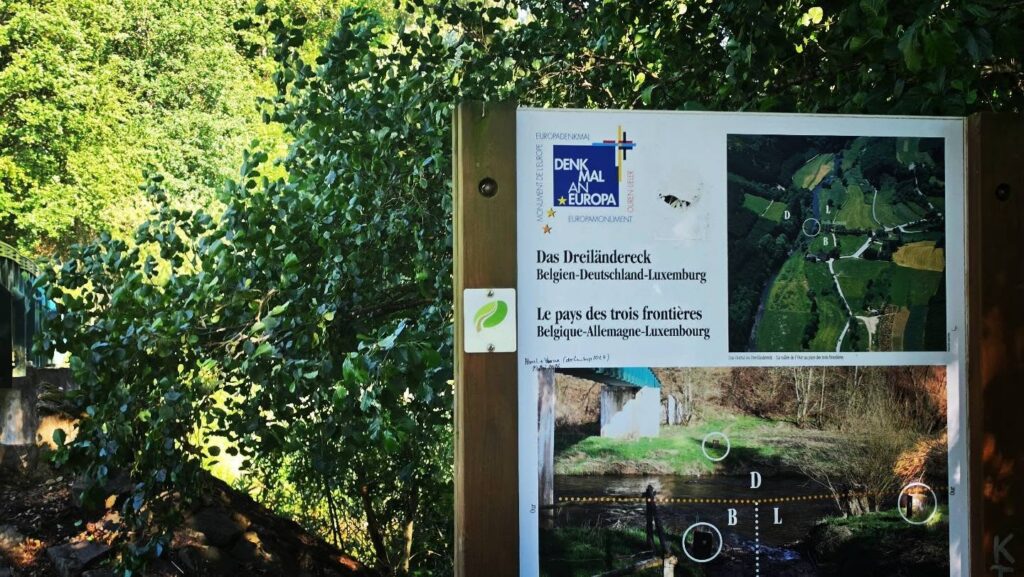
Instead of heading directly to my hotel, I made a spontaneous decision. Since I had barely explored Luxembourg beyond its capital before, why not drive through the entire country from north to south?
It turned out to be a great decision of the trip.
Rolling green hills, quiet villages, medieval castles and endless vineyards accompanied me all the way to the Moselle River. Luxembourg may be one of Europe’s smallest countries, but it never felt small while driving through it.
📍Luxemburg, Schengen, Weiskirchen, Germany
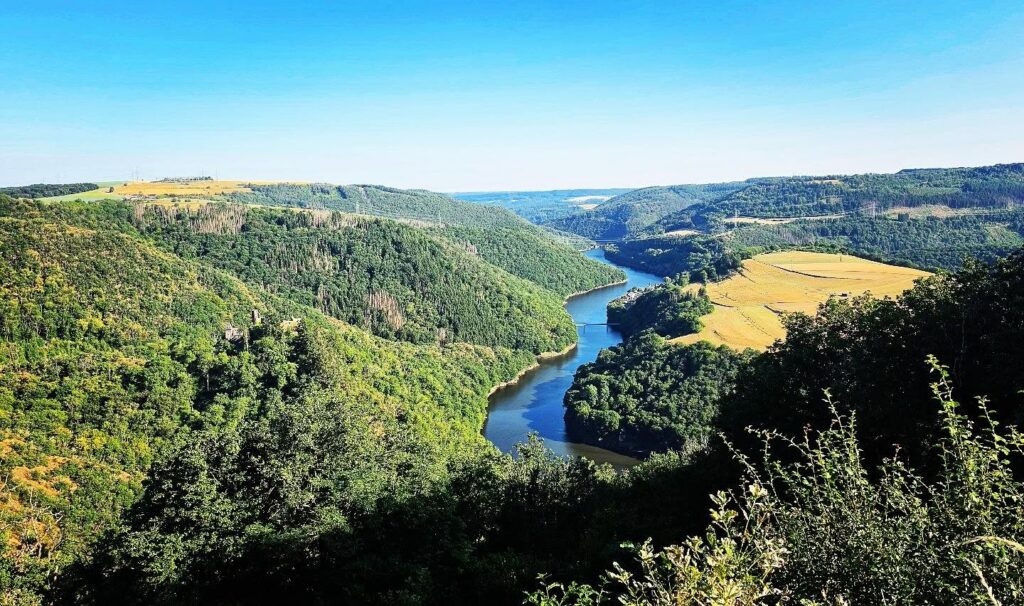
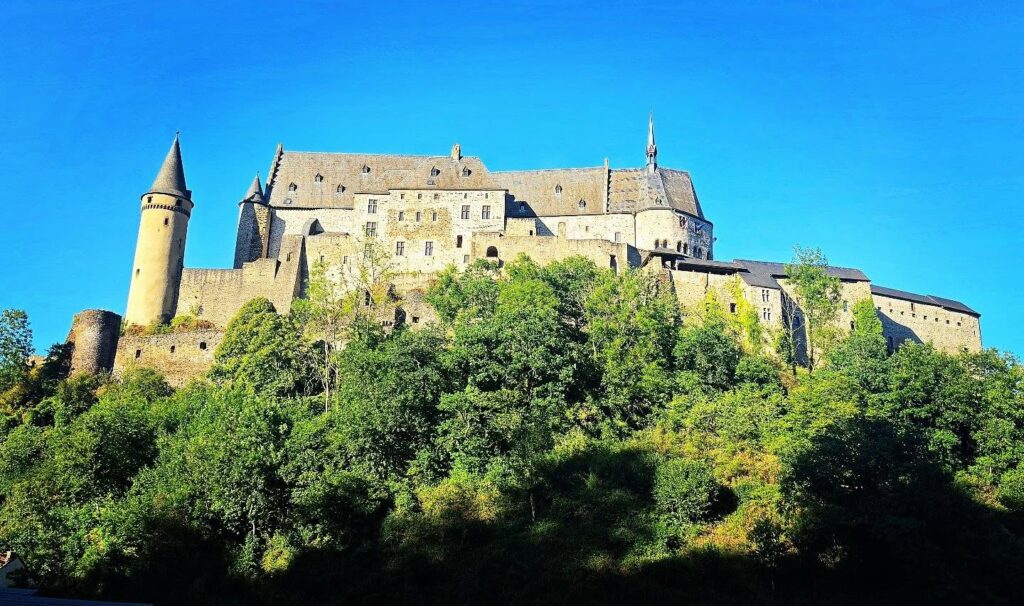
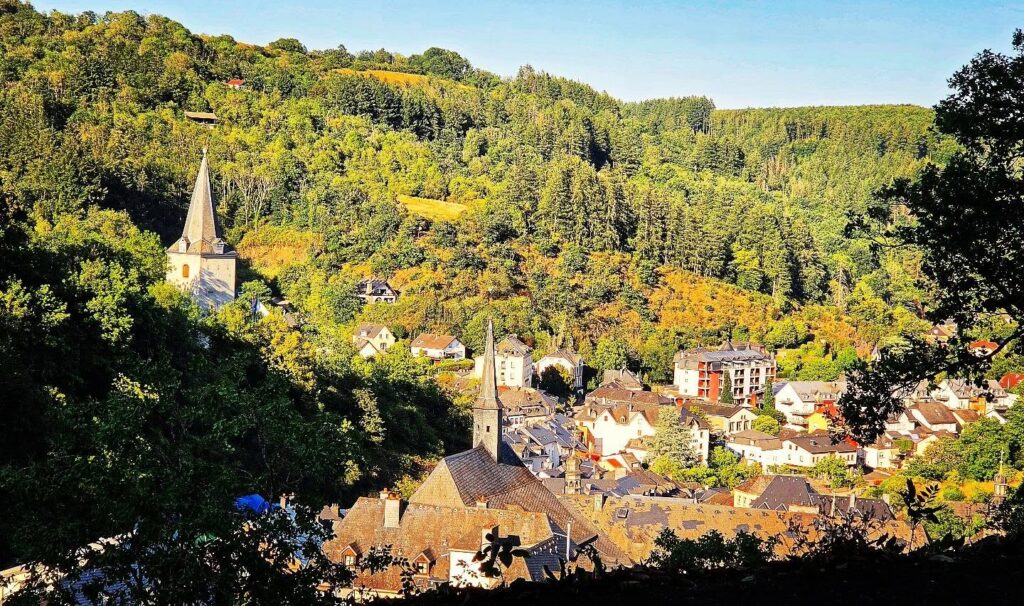
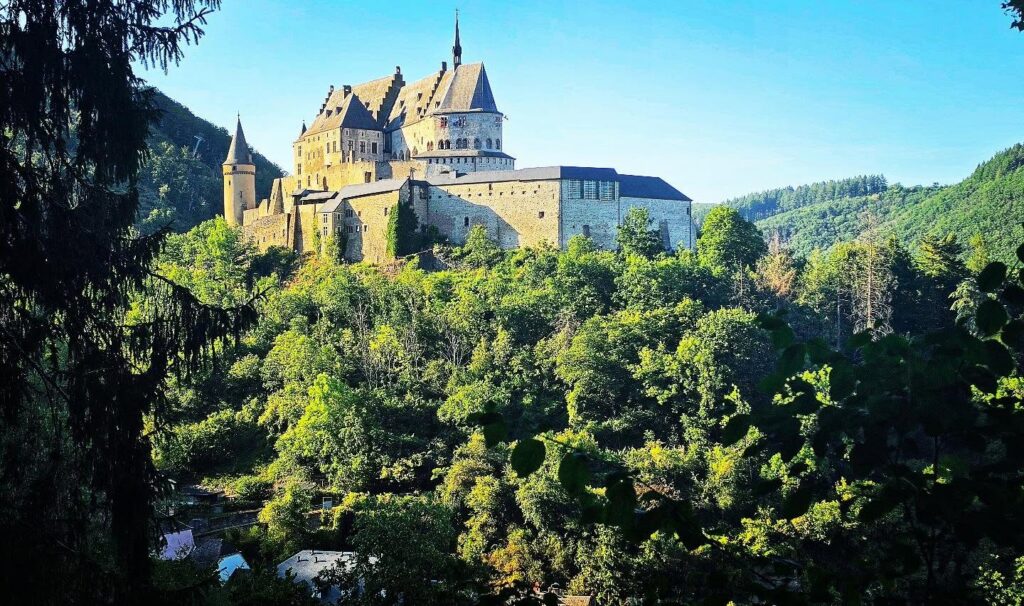
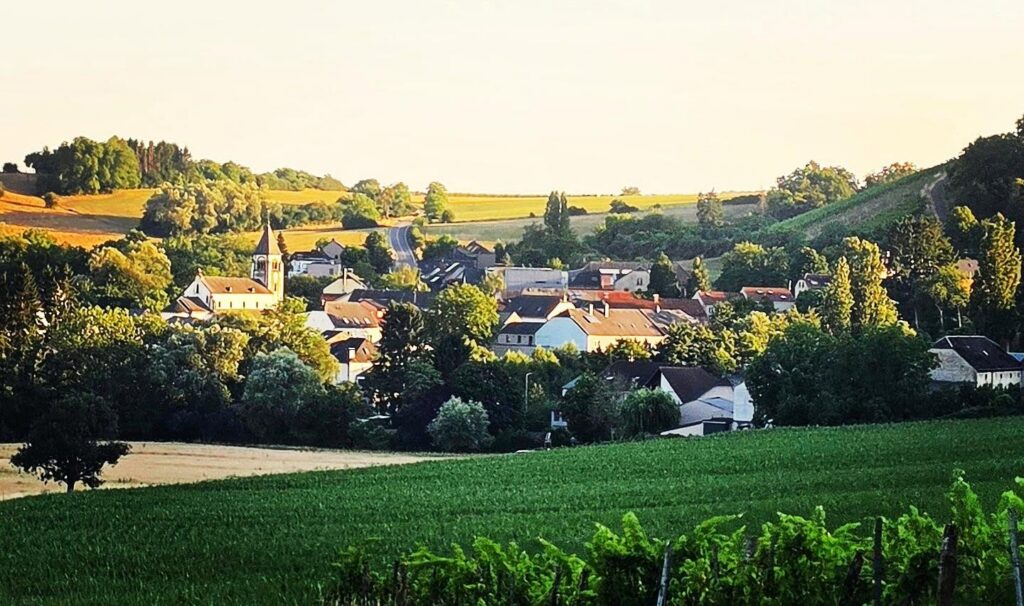
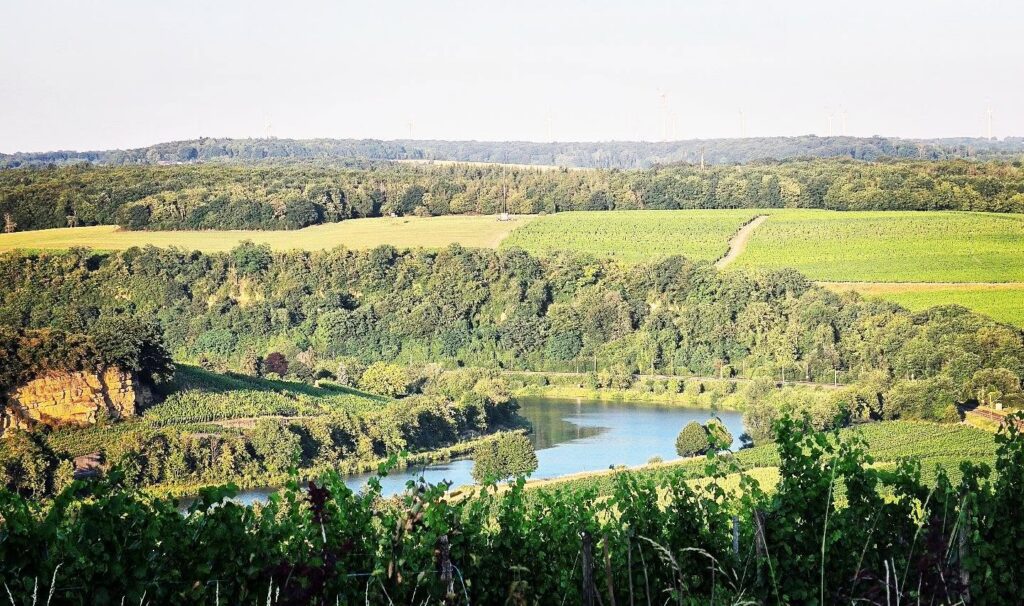
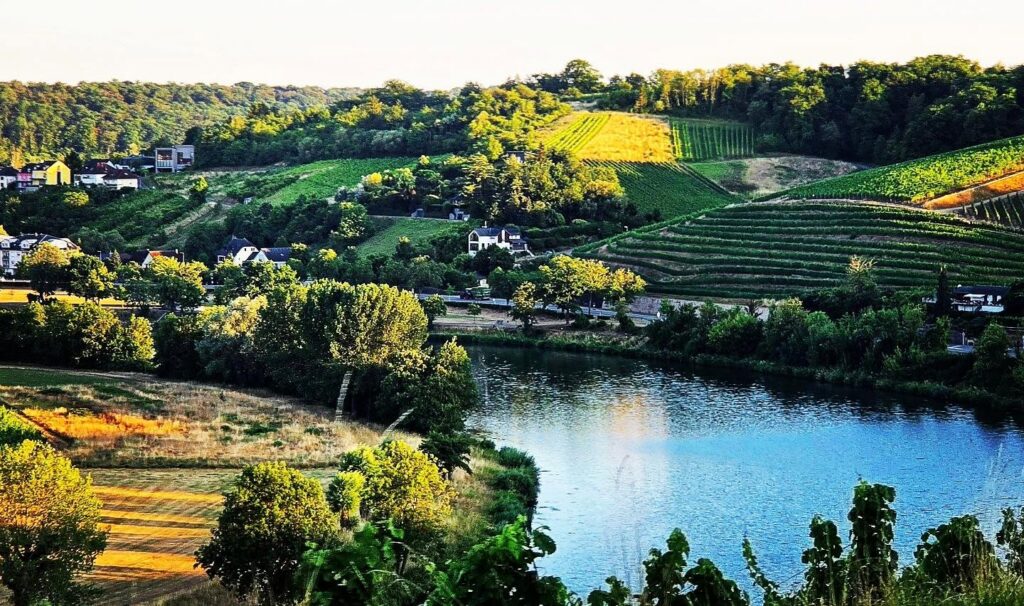
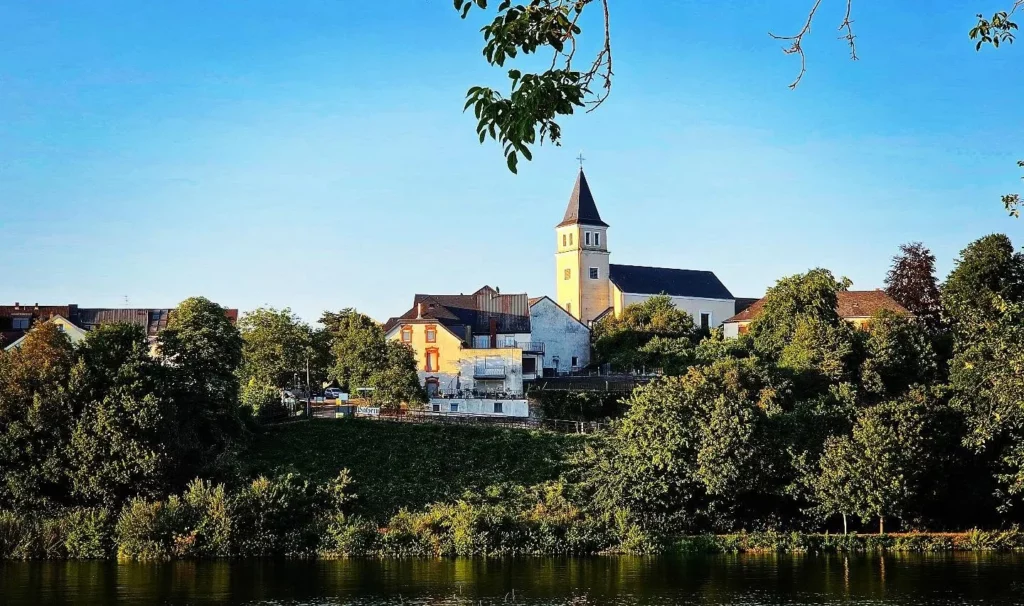
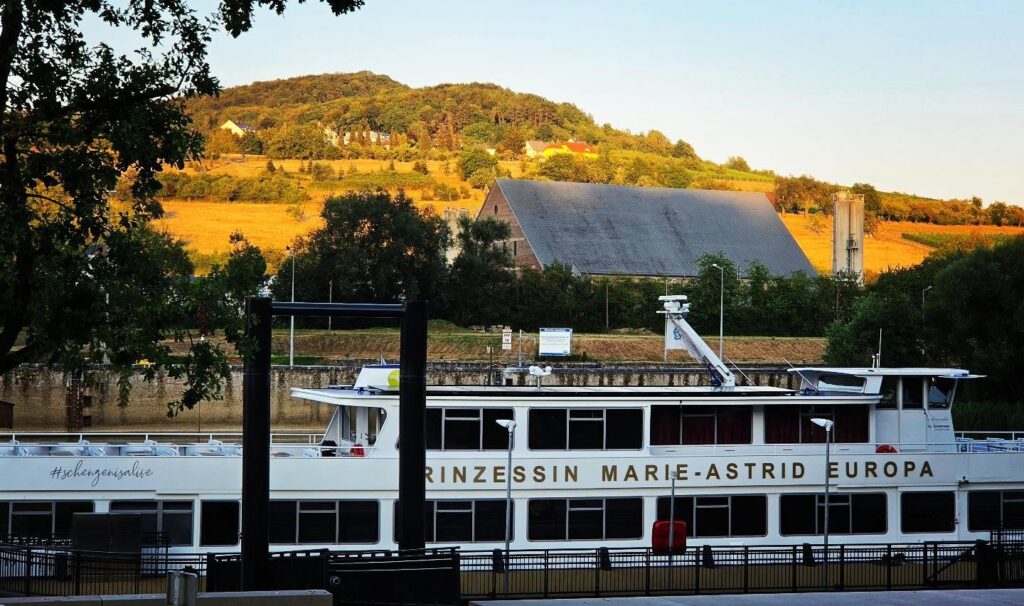
The day naturally ended in Schengen.
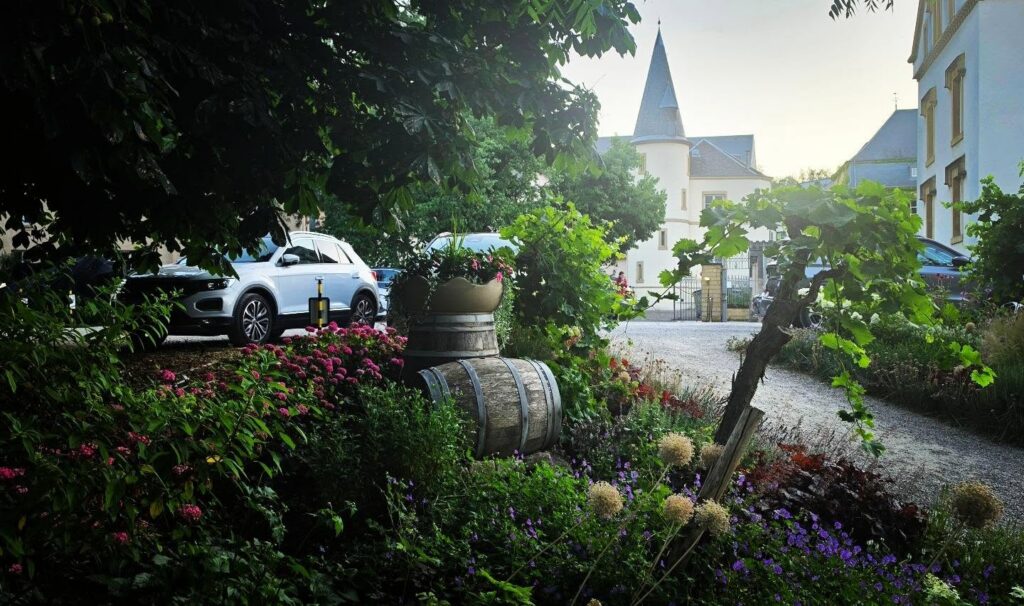
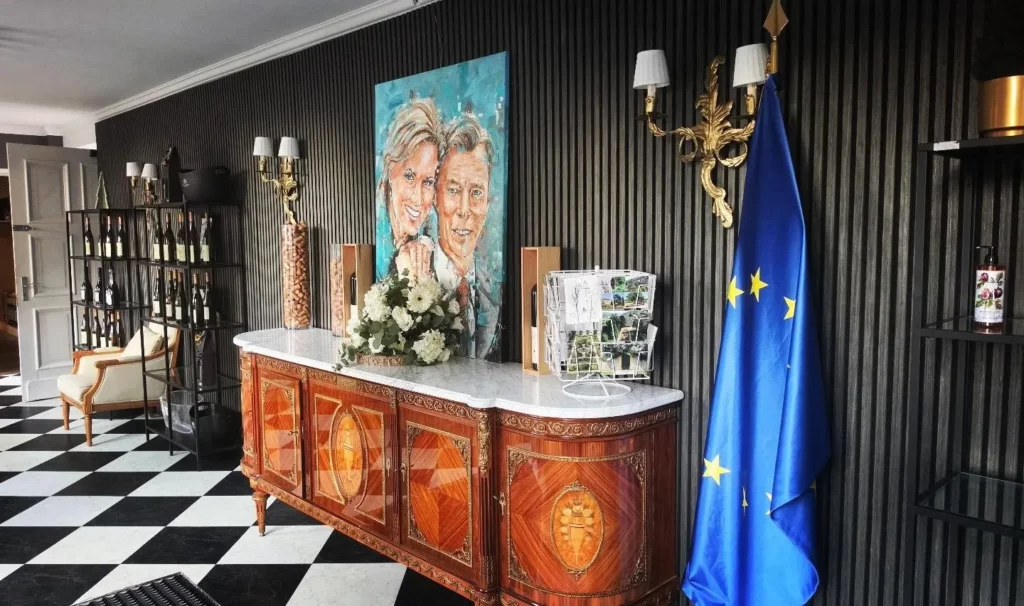
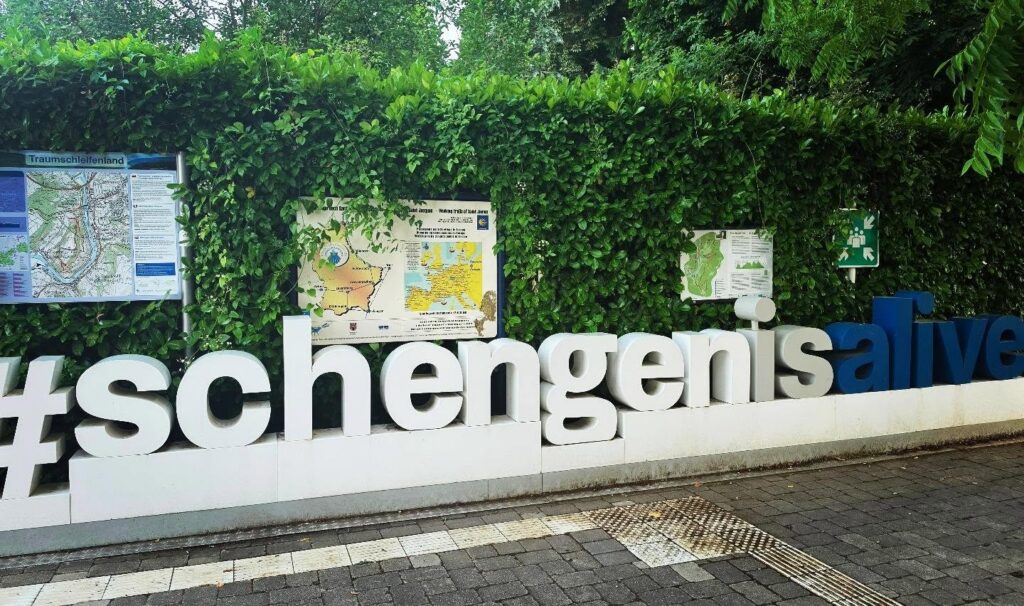
If there is one place that symbolises modern Europe, it is this tiny Luxembourgish village. I spent the night in Château de Schengen, where delegates once stayed after signing the Schengen Agreement aboard the ship permanently moored just outside. Standing on the banks of the Moselle the following morning, Germany lay only a few metres to one side and France just across the river. Few places illustrate Europe’s disappearing borders quite so beautifully.
Of course, there were still more border oddities waiting.
📍Luxemburg, Schengen, Weiskirchen, Germany
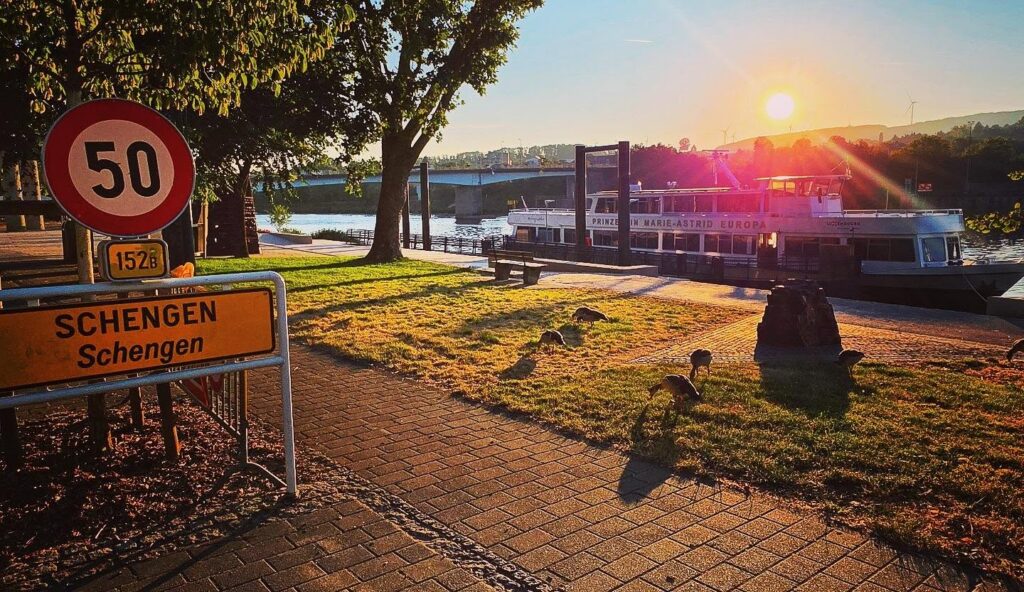
📍Centre Européen Schengen, Luxemburg, Germany

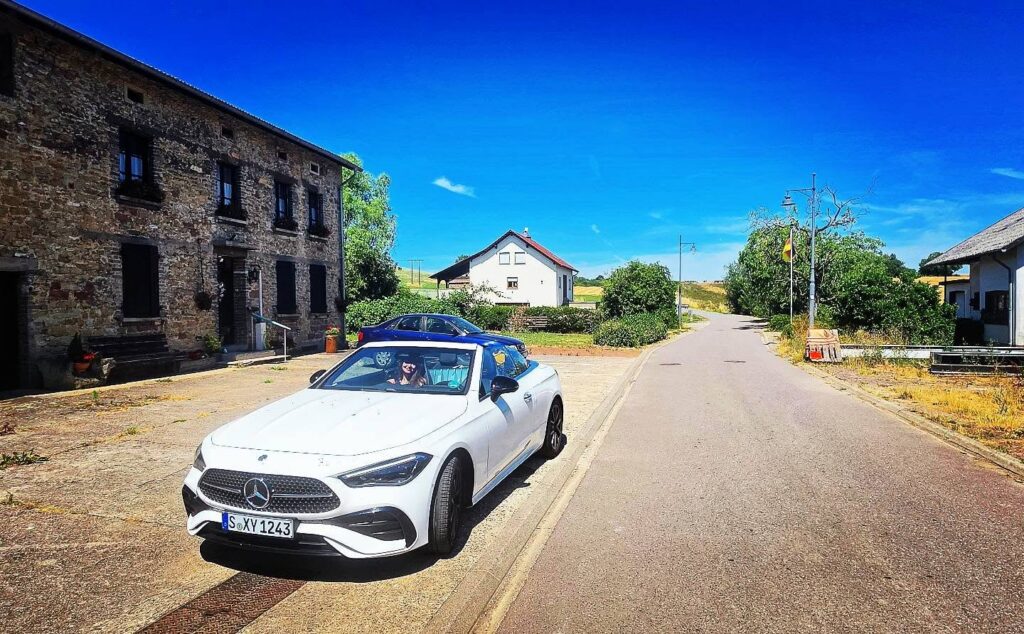
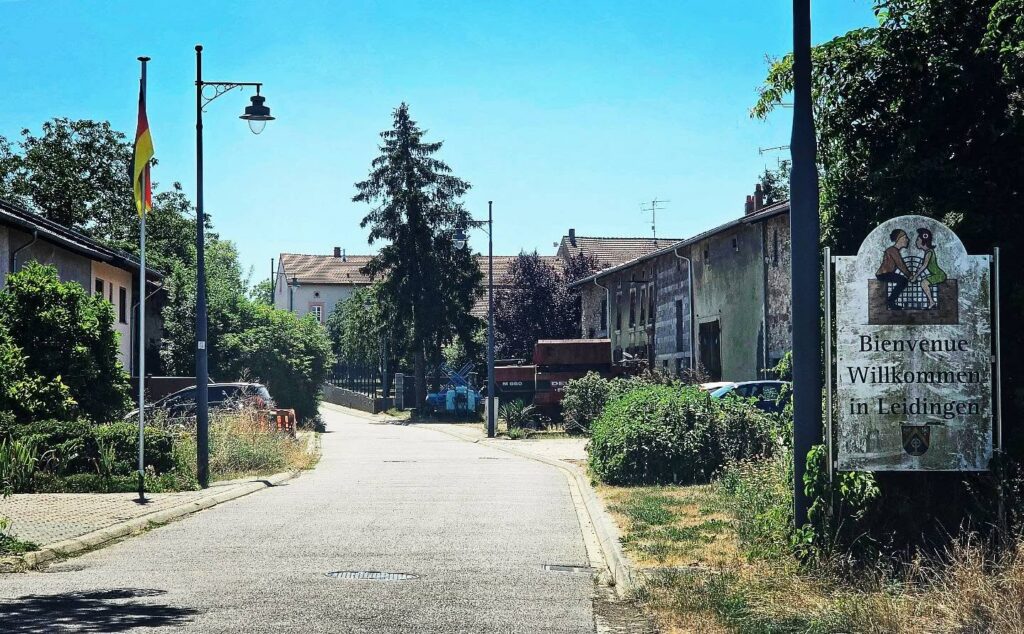
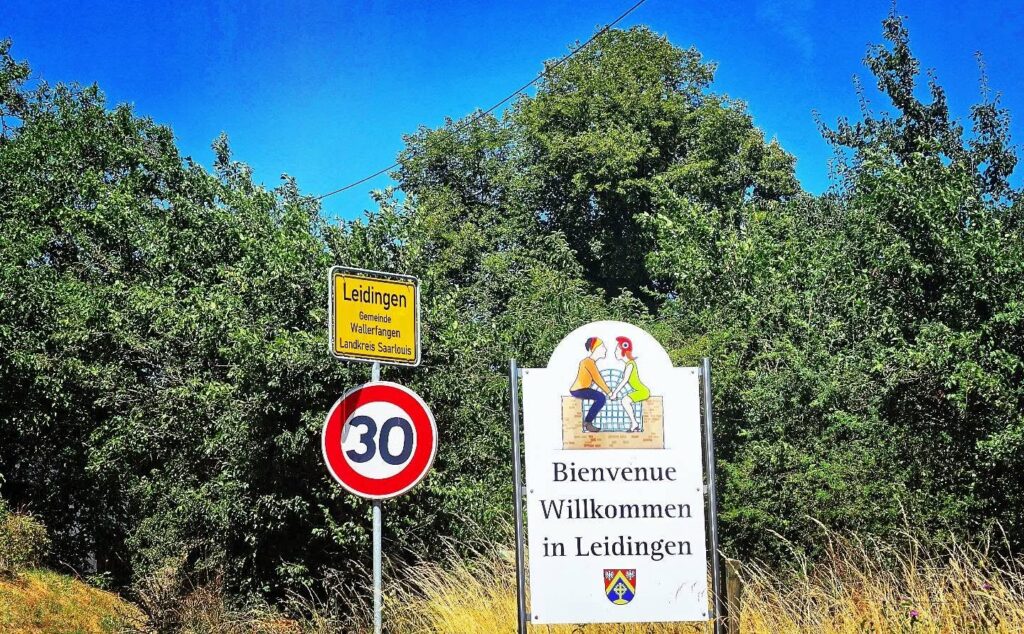
The village of Leidingen is split straight down the middle by the French-German border. Houses on one side have German addresses and licence plates, while directly opposite, their neighbours live under French administration. The border itself has largely disappeared from the street, yet everyday life still quietly reflects the fact that two different countries meet here. As you see, I was really enjoying border anomalies today. The border runs through the middle of the street, but is not visible any more.
📍Leidingen, Saarland, Germany
📍Luxemburg, Schengen, Weiskirchen, Germany
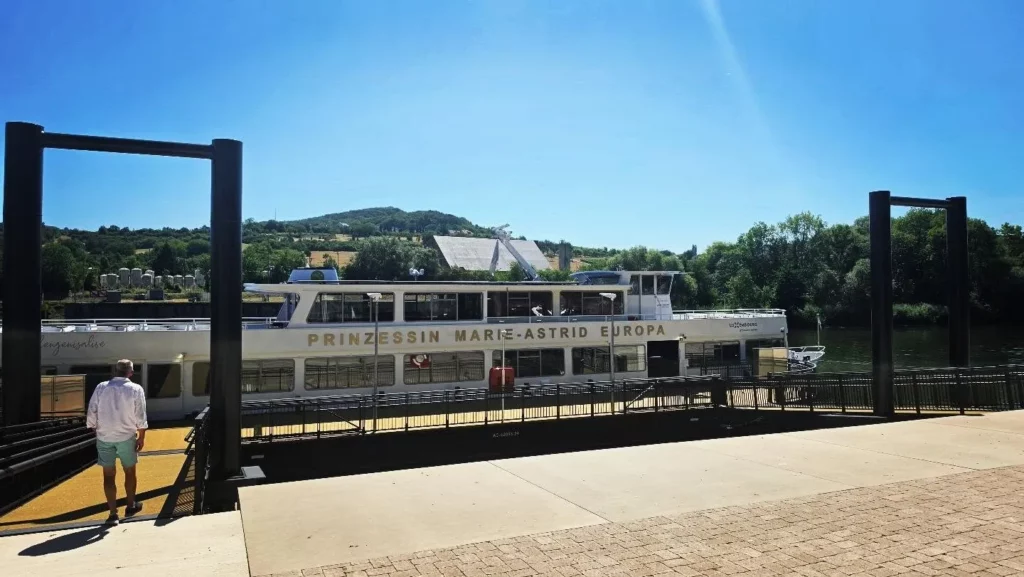

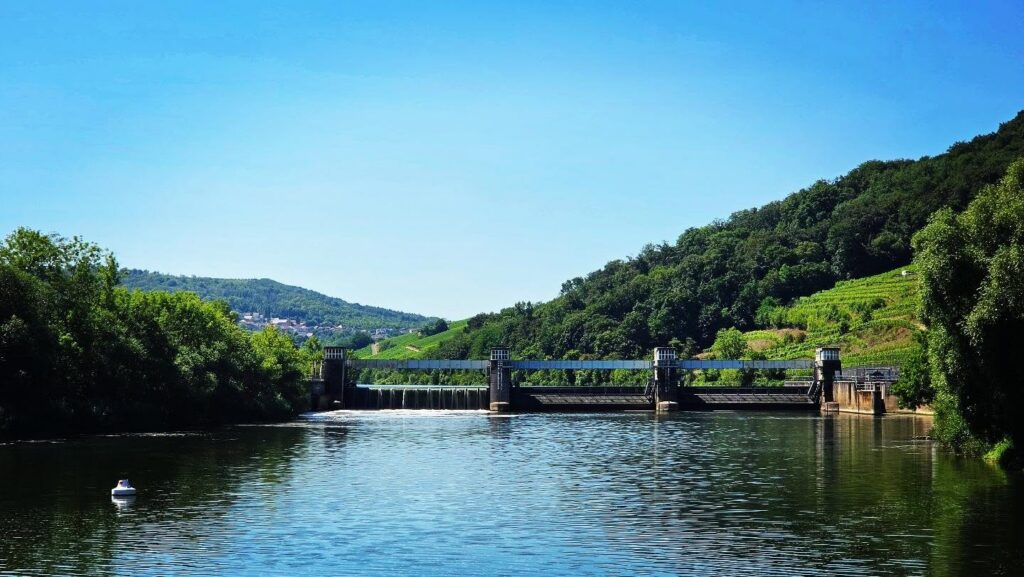
Not every stop on the journey revolved around borders, though.
The Saarschleife, where the Saar River winds through densely forested hills, is easily one of Germany’s most spectacular natural landscapes. Looking out over the sweeping bend from above, it becomes obvious that Germany can be remarkably beautiful—although, jokingly, I couldn’t resist wondering whether perhaps this part should simply be given back to France.
With time running short, Saarbrücken had to remain on the list for another visit. Instead, I stopped for lunch in nearby Saarlouis before slowly making my way back towards Frankfurt.
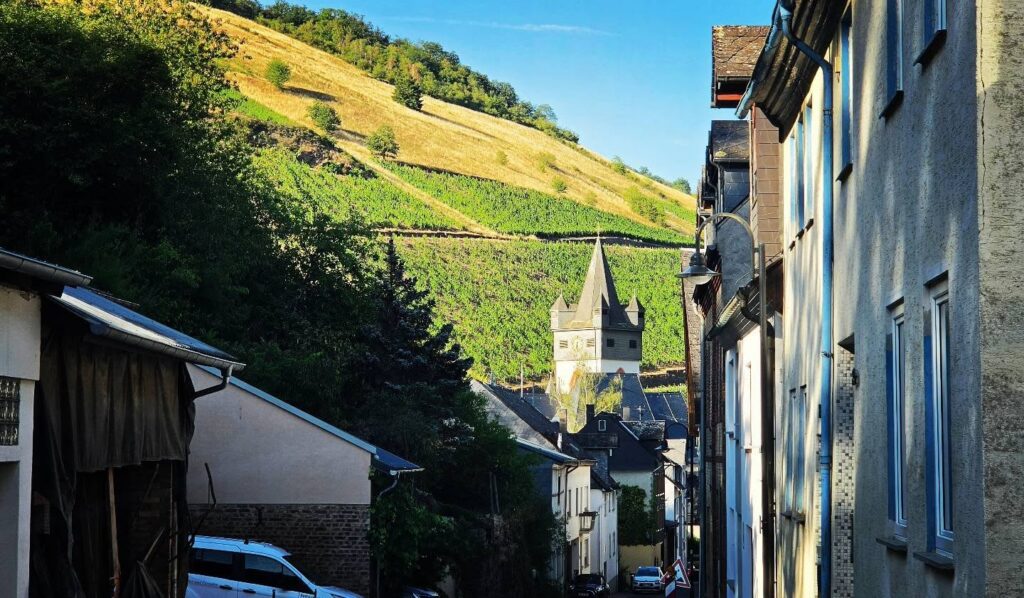
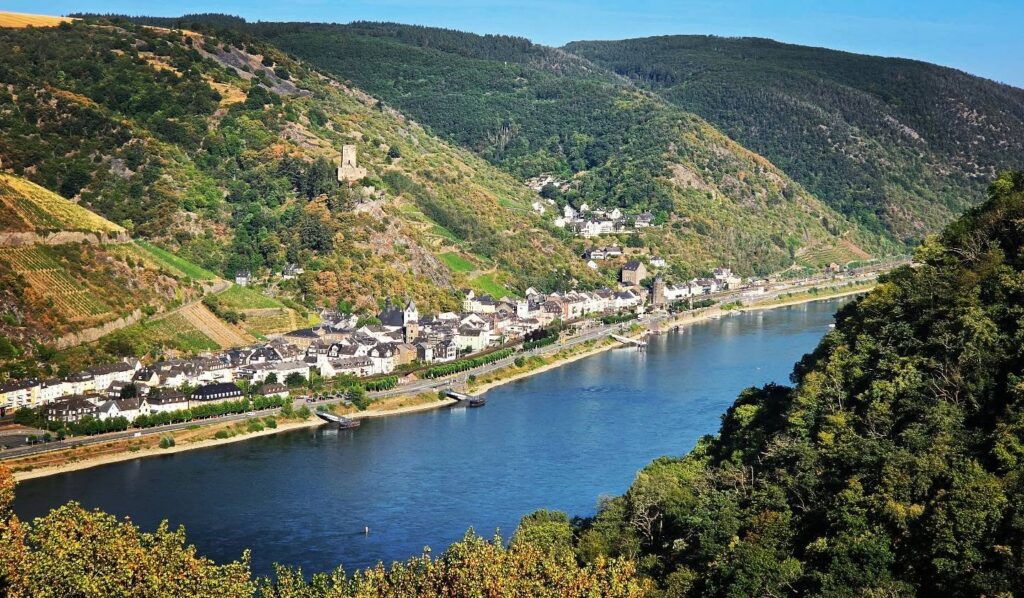
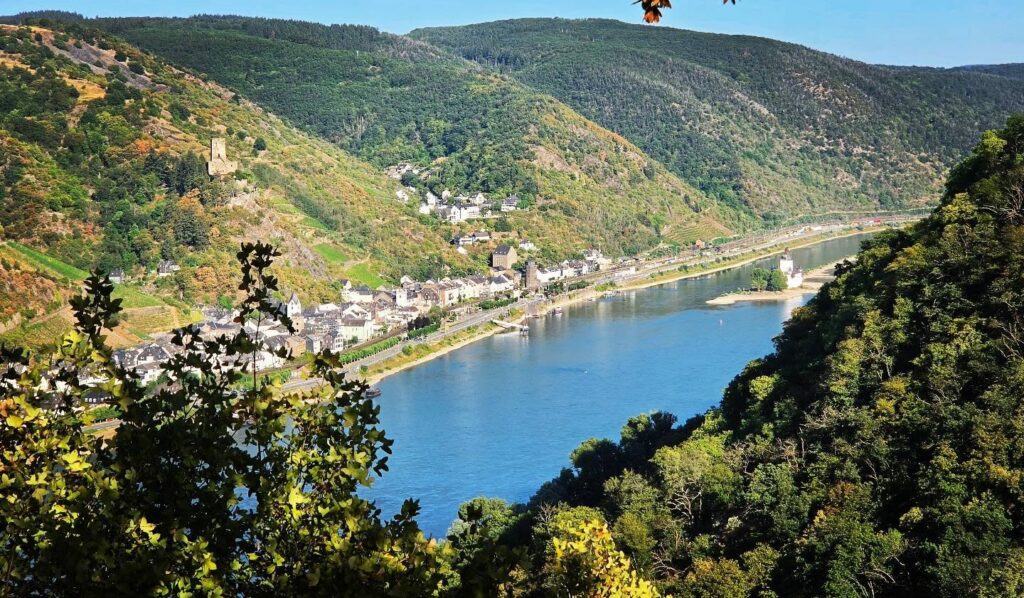
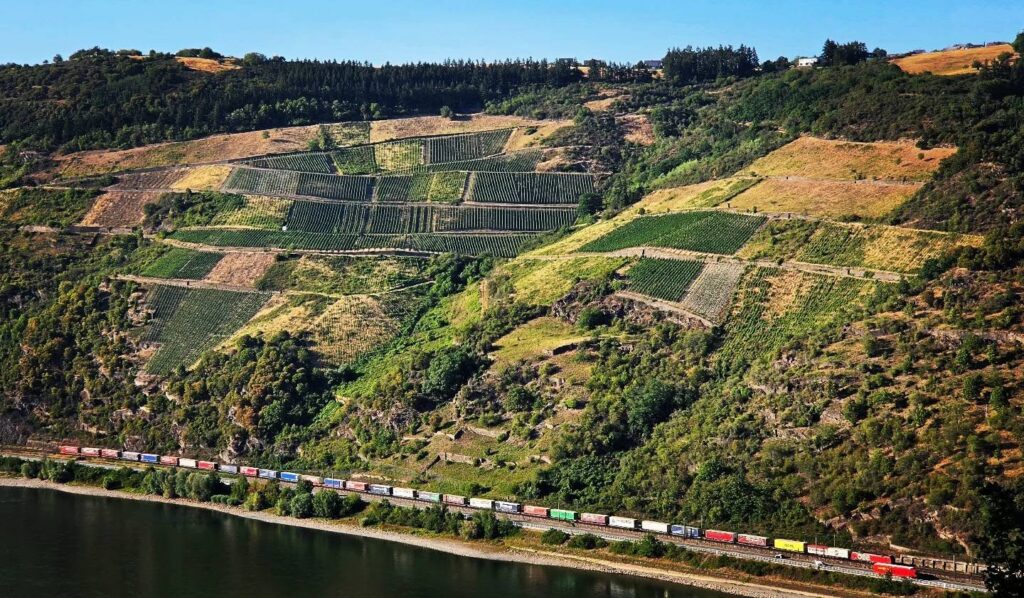
The final stretch followed the Rhine Valley on a perfect summer day. Cruising along one of Europe’s great rivers in a convertible provided a fitting end to several days spent crossing borders that, in many places, have become little more than lines on old maps.
📍 Saarschleife, Germany
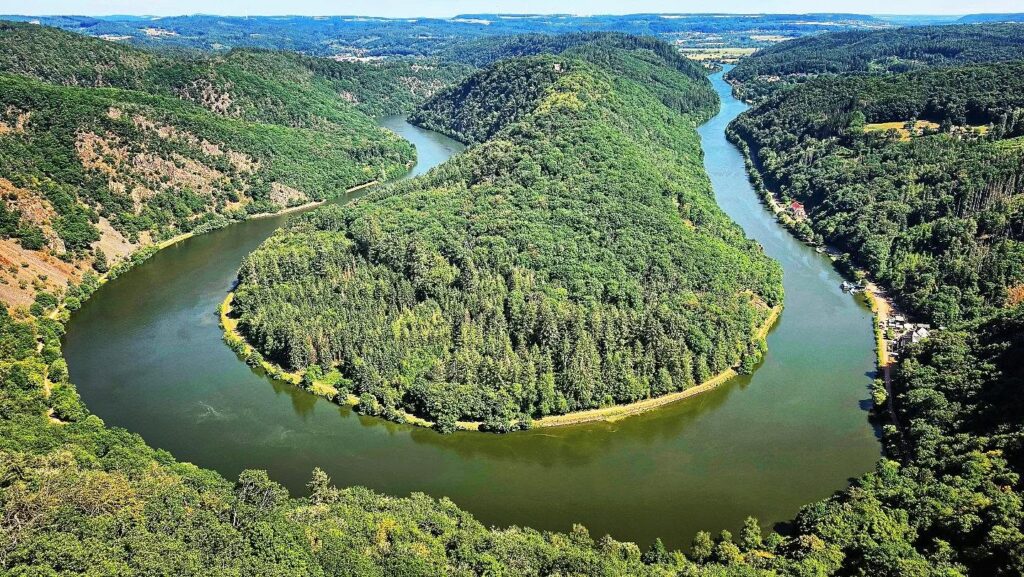
July 11, 2026
📍 Saarlouis, Germany
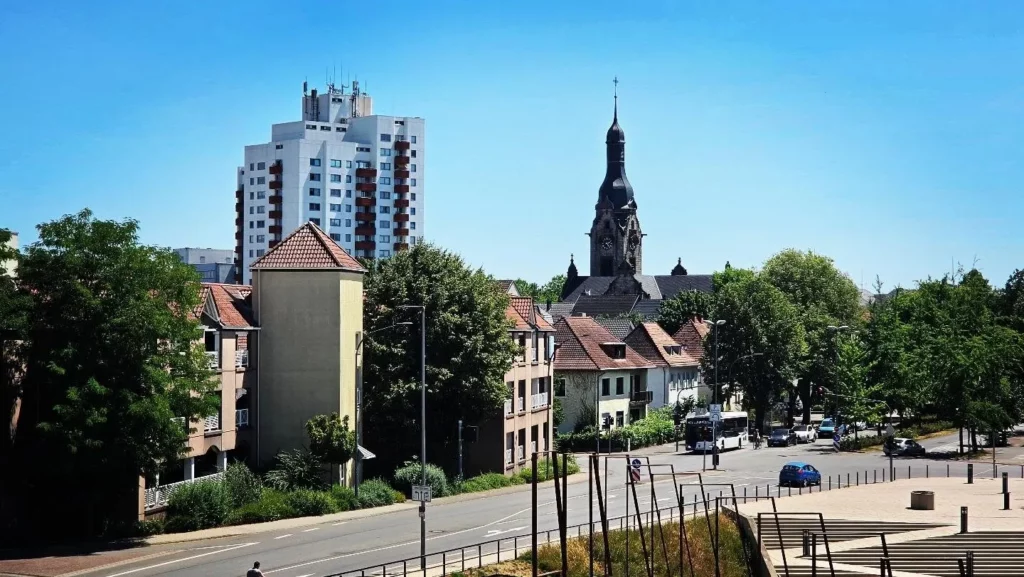
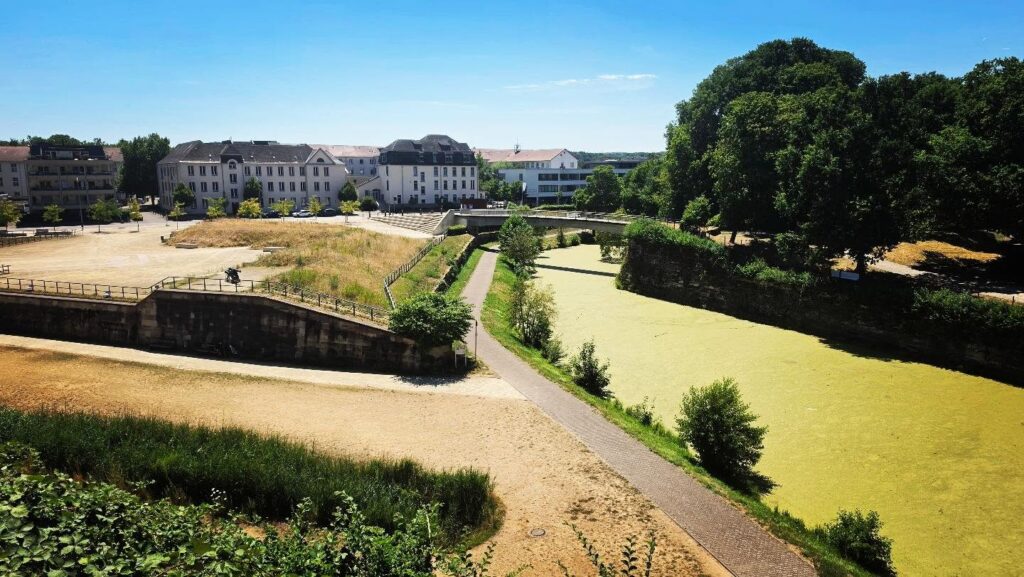


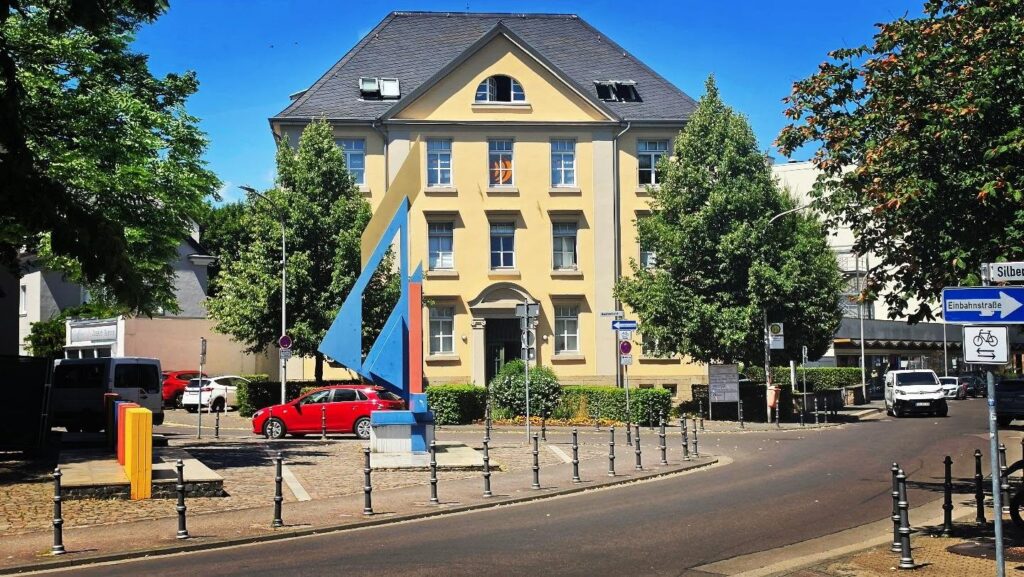
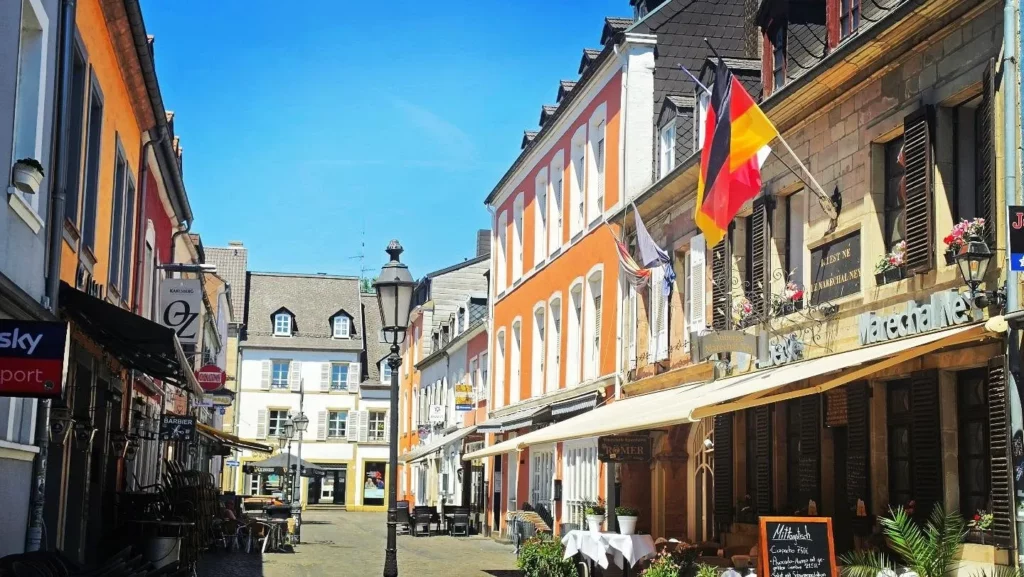
Through the Rhine Valley back to Frankfurt on this beautiful day. Great fun in an convertible car.
📍 Rhein River, Frankfurt, Germany
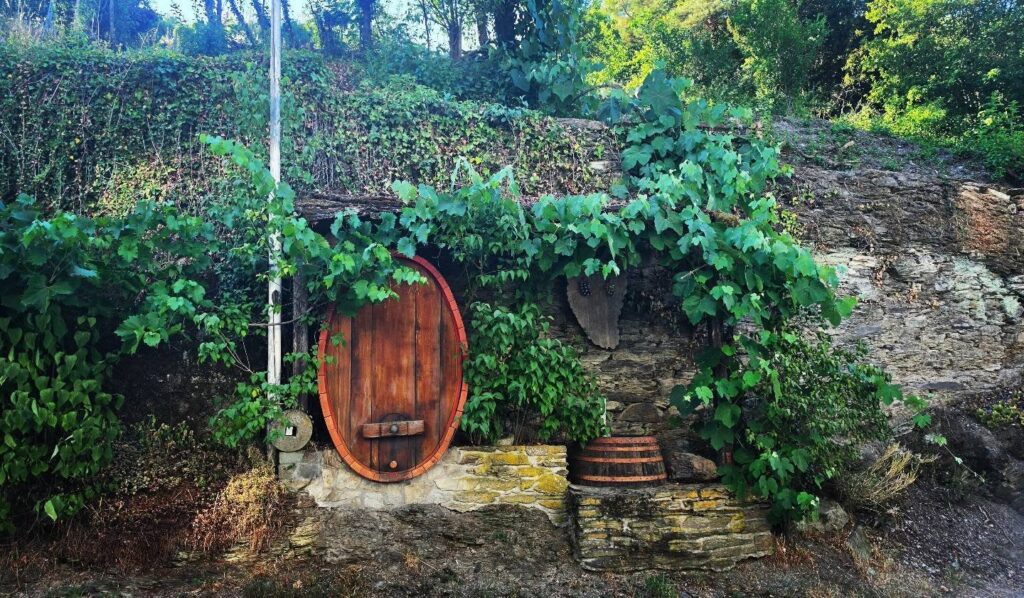
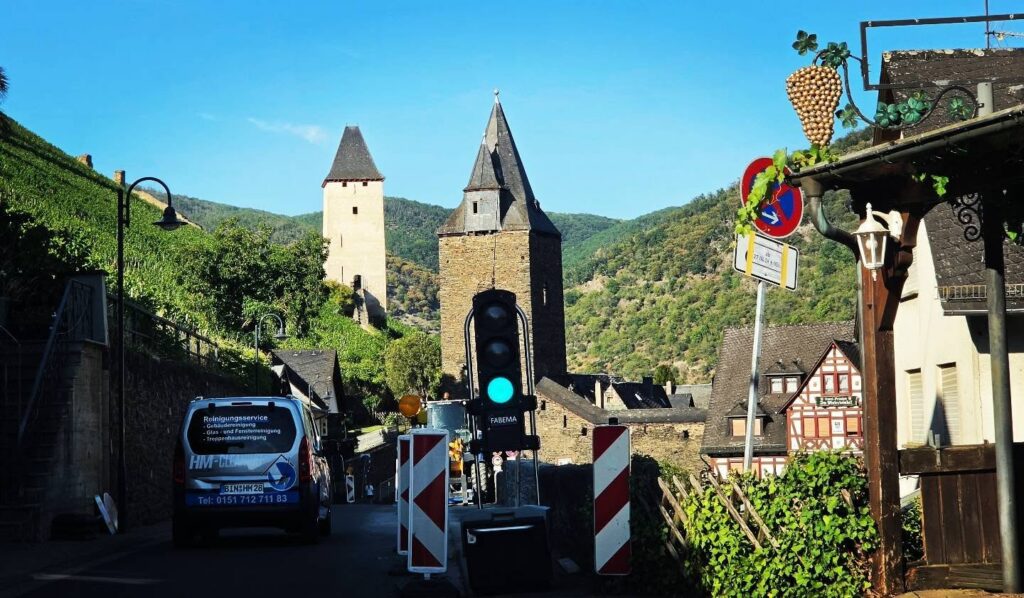
Between unusual border anomalies, beautiful landscapes the book events and many kilometres on the road, there was still plenty of time to simply enjoy being together with my girlfriend, Karyna. After the usual busy schedule, those quieter moments together often end up becoming the ones I remember most.
Luckily, there wasn’t much time to slow down, though. The next destination was already waiting: Croatia. Or to be precise: Istria. Besides meeting many familiar faces at the annual Staatenlos Family Gathering, I would finally get to see Citadel Garden for myself – a project I had been invested in for years and had closely followed since its very beginning. I even helped scouting some of the locations in the beginning. After watching it develop from an idea into reality, I was eager to see just how far it had come.