Anyone who knows me or has been following me for a while knows that Italy ranks among my favourite countries in the world. Few places combine history, culture, food, architecture and quality of life quite like it does. So it probably won’t come as much of a surprise that Istria in Croatia instantly felt familiar to me.
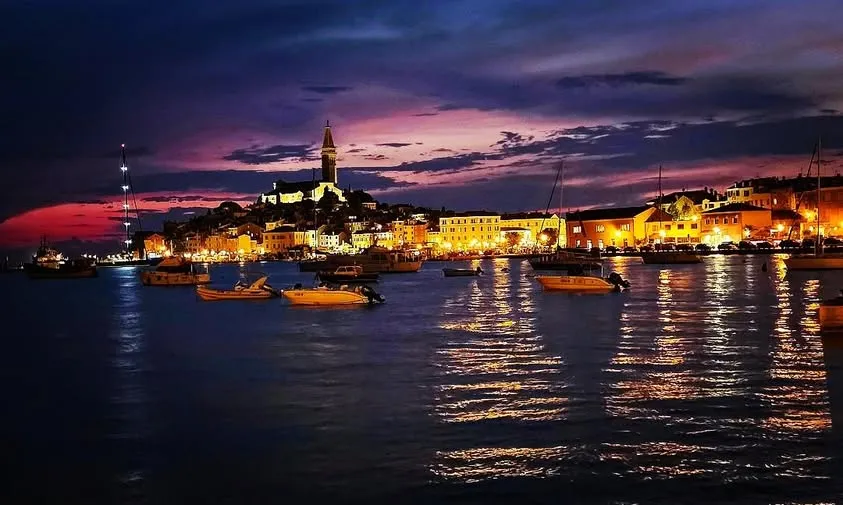
Although the peninsula is now mostly part of Croatia, its Italian character is impossible to miss – and that’s no coincidence. Venetian-style harbours, pastel-coloured facades, elegant bell towers and lively piazzas give many coastal towns an atmosphere that often feels far closer to Venice than to what many people expect from the Balkans. Istria spent by the way centuries under the rule of the Republic of Venice, while its Italian roots reach back even further to the Roman Empire, whose remarkably preserved amphitheatres, temples and basilicas remain among the region’s greatest landmarks.
The peninsula later became part of Austria-Hungary before being annexed by Italy after the First World War. Only after 1945 did most of Istria become part of Yugoslavia, prompting a large exodus of the Italian population. Yet despite shifting borders, the Italian influence never truly disappeared.
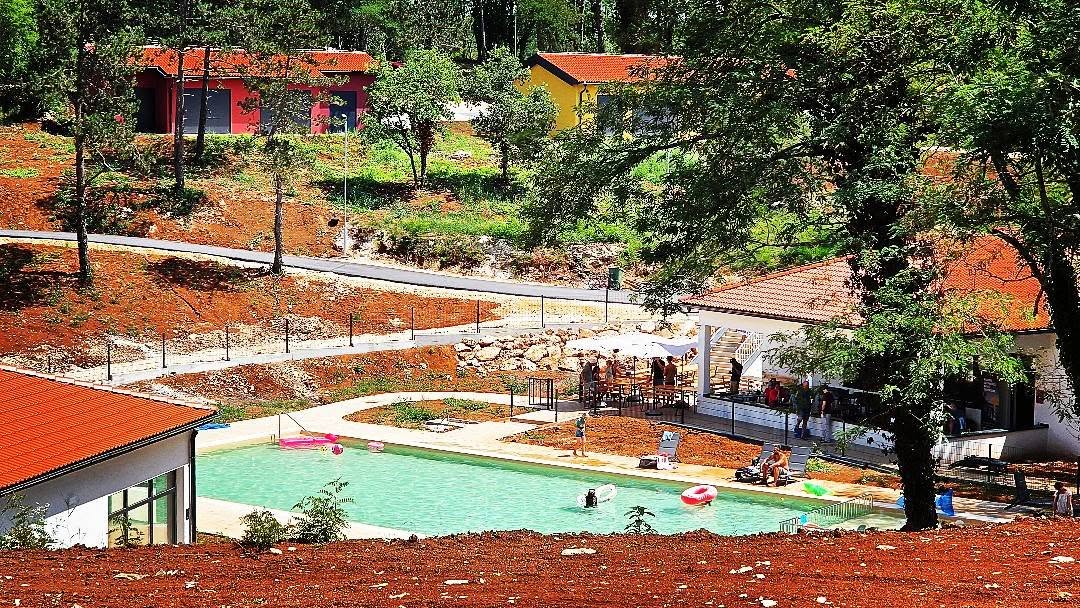
My short trip to Istria, however, was not without a reason or not simply for leisure. There had been a major event in a project I have been invested in for many years: citadel.garden, founded by my long-time friend Rahim Taghizadegan. As it would soon turn out, there was even more good news waiting for us. The project has already made remarkable progress and is now much further along than many people might expect. The first night I still had the chance to see a bit of Croatia though.
The next day, I finally got the chance to see the progress in Citadel.Garden with my own eyes. After scouting the spots many years ago together with Rahim and following the project now for years, I was eager to see how far it had come. It would also host this year’s Staatenlos Family Gathering (the third of its kind already), where families meet, network, connect and find ways to educate their children more freely.
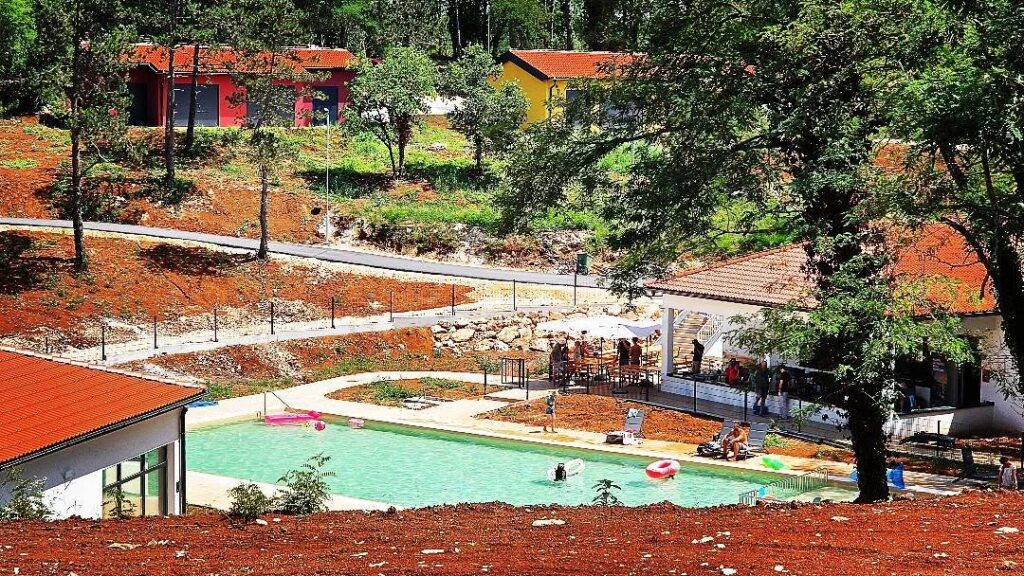
So, the following days were dedicated to the annual Staatenlos Family Gathering, bringing together freedom-minded families from across Europe in the beautiful surroundings of Citadel Garden. The program combined keynote talks, workshops, panel discussions and informal networking with plenty of time to simply sit together, exchange experiences and build new friendships.
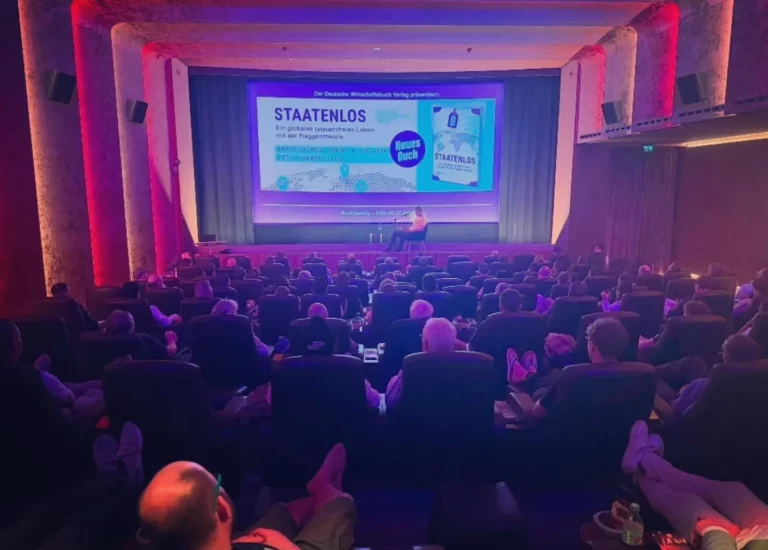
Parents discussed homeschooling, international living and alternative ways of raising children, while the younger participants explored the grounds, joined activities and enjoyed the freedom of learning through play. I personally spent several hours hosting open Q&A sessions, answering countless questions on taxes, residencies, citizenships and of course my new book. This way we spend a great time under the Istrian sky. It was one of those rare events where the official program was only one part of the experience – the real value came from the people that met and the conversations that followed.
Perhaps that is what I enjoy most about these gatherings. Beyond the talks and presentations, they bring together people who would probably never have met otherwise. Friendships are formed, ideas are exchanged and, every now and then, entirely new projects are born. All in the name of freedom.
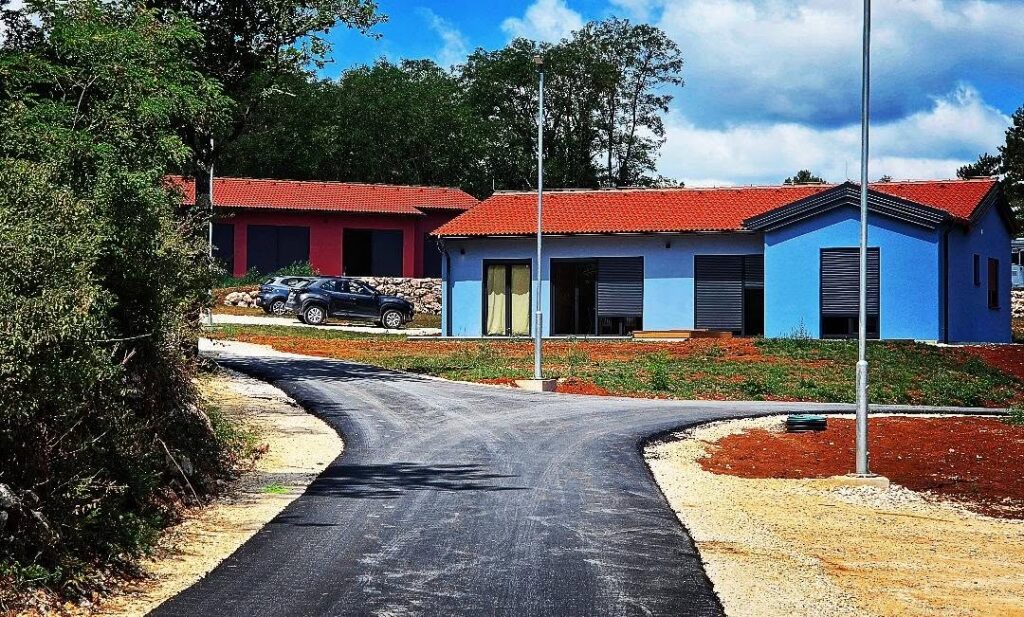
The community from Citadel Garden in Istria is by the way also only the beginning. Similar communities are already planned for Madeira, Georgia, Panama, Argentina, Canada and other locations around the world. The project uses Bitcoin-based tokenisation to create a modern co-ownership model for perpetual travellers, Bitcoiners and globally mobile families. Investors gain access not only to the Croatian site but also to future locations, while the communities themselves focus on freedom, education and international networking. Entry starts at €250,000, with Bitcoin being the preferred payment method.
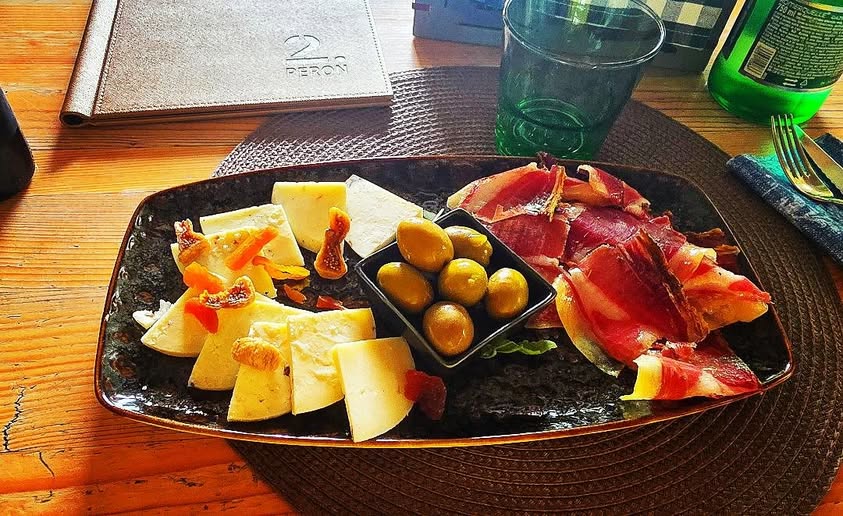
Looking back, Istria turned out to be far more than just the location of an event or investment. Between its Venetian towns, Mediterranean cuisine and fascinating history, it quickly became one of those places I know I’ll return to sooner rather than later.
And so, after two packed days in Istria, it was already time to move on. England was next on the itinerary, bringing with it some new adventures. The trip would also allow me to explore and collect several more regions on both my NomadMania and my Most Traveled People (MTP) list – as always an enjoyable excuse to venture far beyond the country’s best-known destinations.