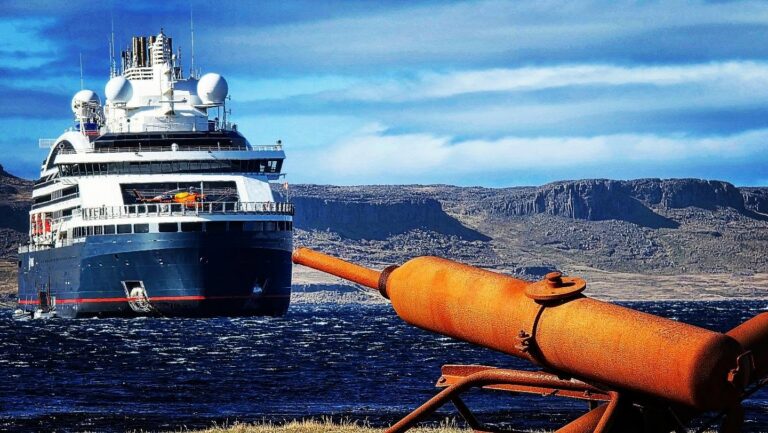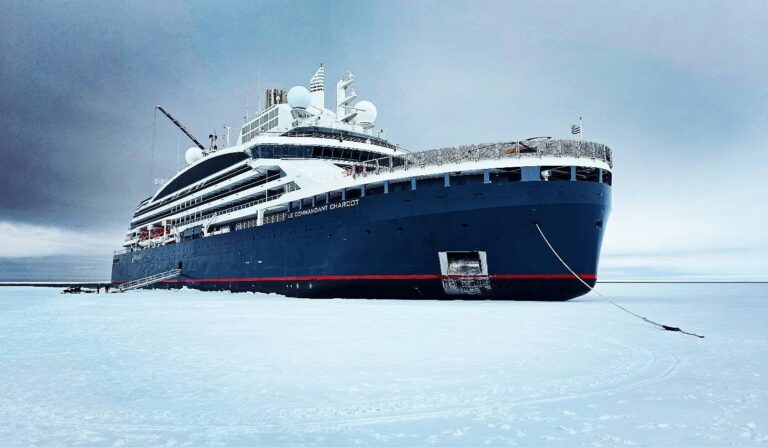
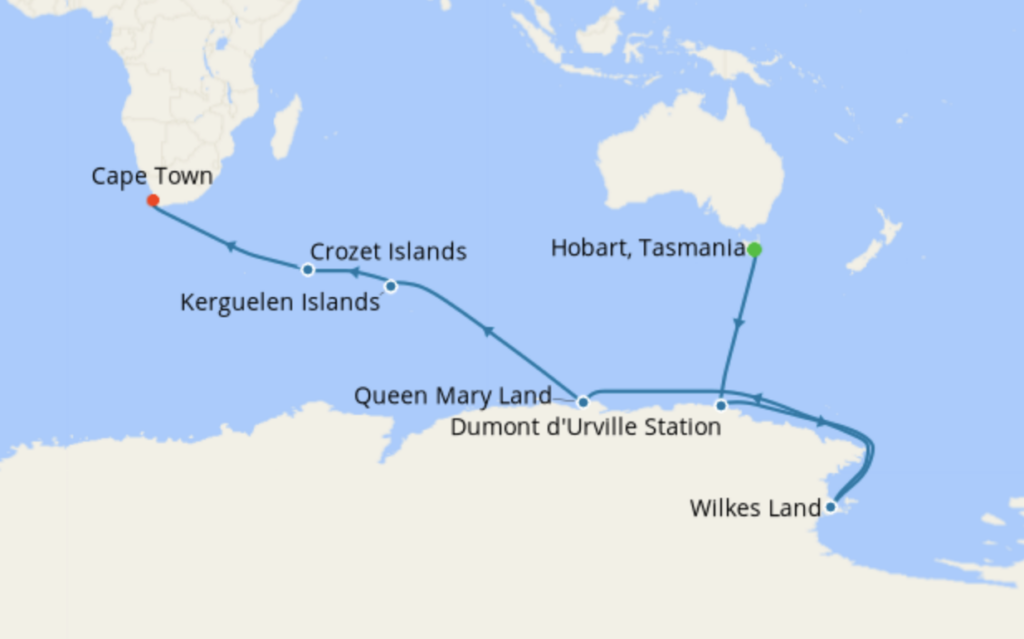
The month long journey on Le Commandant Charcot along the remote coast of East Antarctica was far from over. The first leg of the expedition had already taken us deep into one of the most remote corners of the planet, covering the first long crossing from Hobart to the Antarctic continent. But the days that followed would lead us even further into this rarely visited region – along vast ice shelves, past remote research stations such as Dumont d’Urville, and westward toward the ice-bound landscapes of Queen Mary Land.
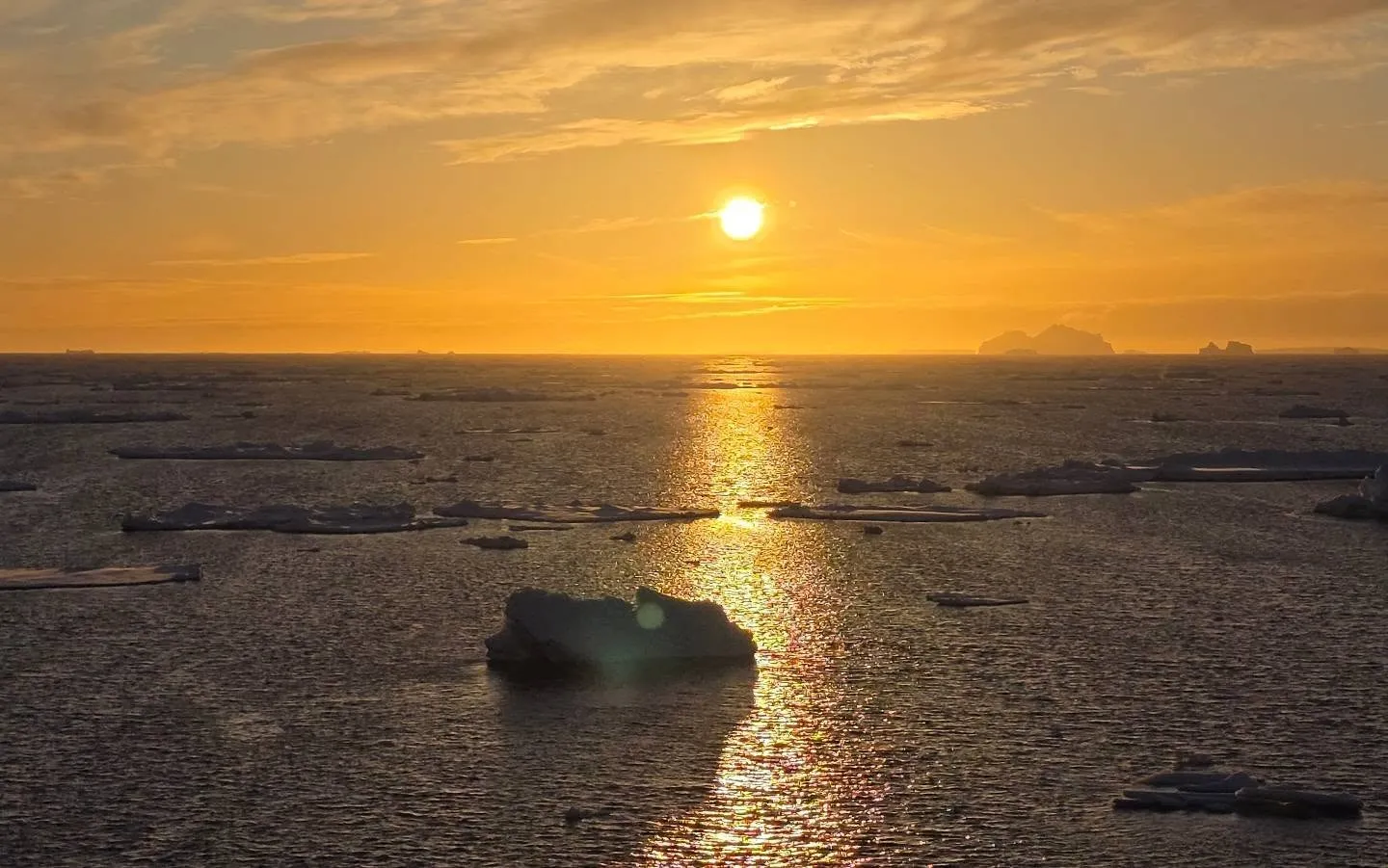
The further we moved along the coast, the more the landscape seemed to be reduced to its most elemental forms. Ice, sea, and sky. Occasionally broken by dark rock, or the movement of wildlife that manages to exist in this environment. At first, the coastline appeared almost empty. Endless stretches of ice, shaped by wind and ocean, with no obvious signs of life. But the closer you look, the more the details begin to reveal themselves.
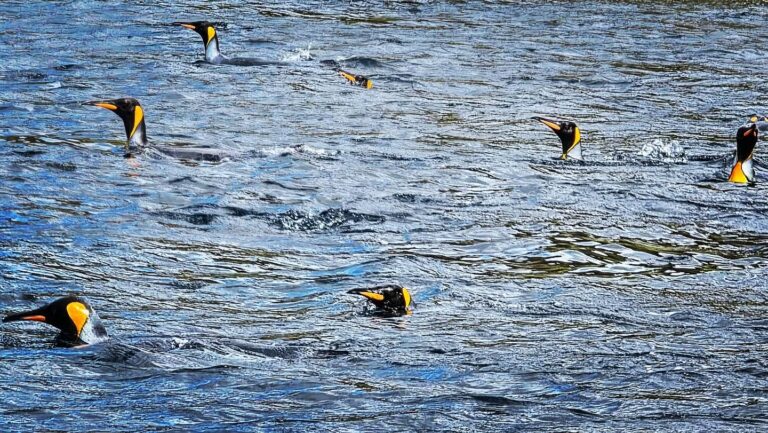
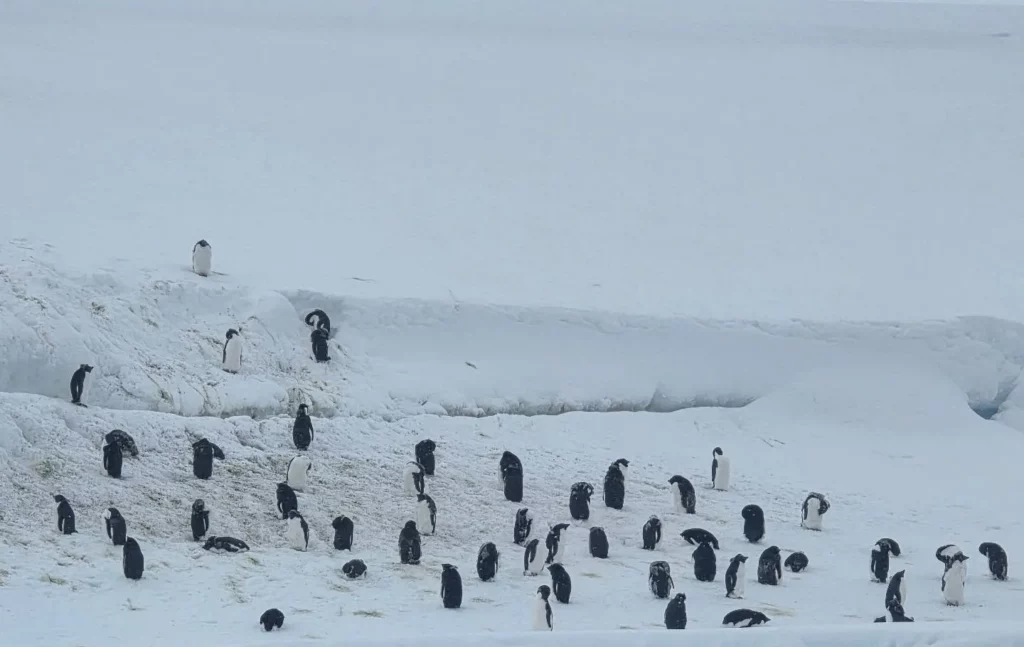
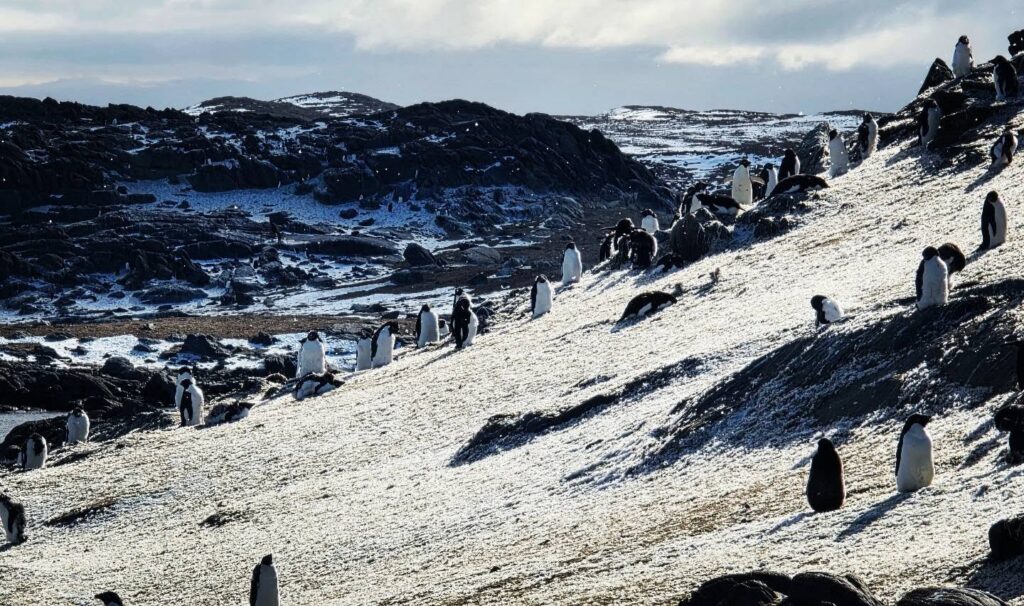
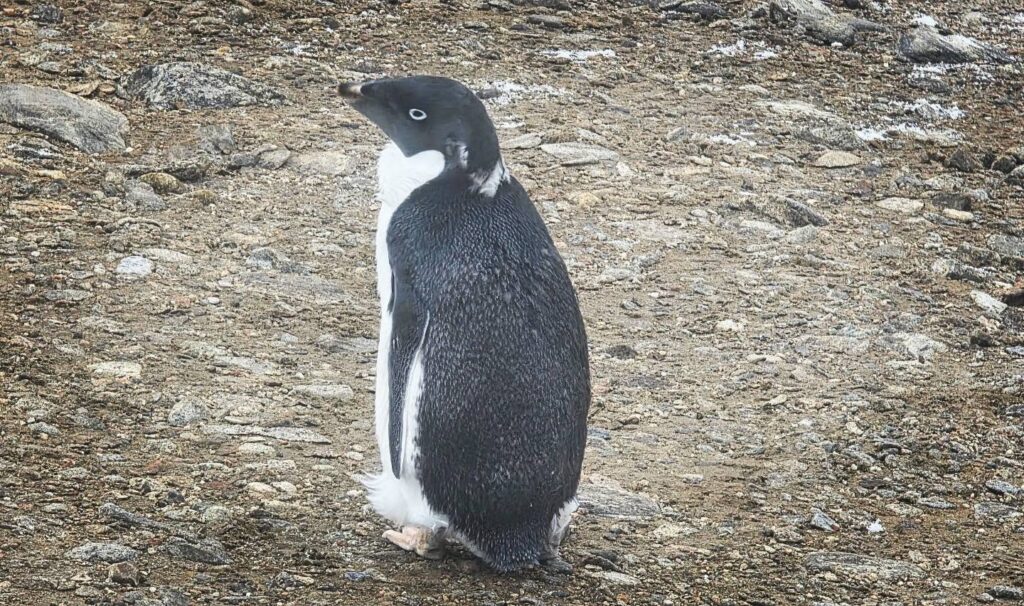
It is easy to underestimate how much life there is in these regions. From a distance, everything seems still. Almost lifeless. Yet the moment you focus on a single stretch of coastline, the scene begins to change. Colonies of penguins or seals emerge where there seemed to be nothing before. Hundreds, sometimes thousands of penguins gathering along the narrow edges between land and sea.
Some stood quietly, facing into the wind, as if conserving energy in a place where every movement matters. Others moved with a surprising sense of purpose, following invisible paths across the ice. There was no chaos, no noise in the way one might expect – just a constant presence of life, adapted absolutely perfectly to the harsh conditions here in Antarctica.
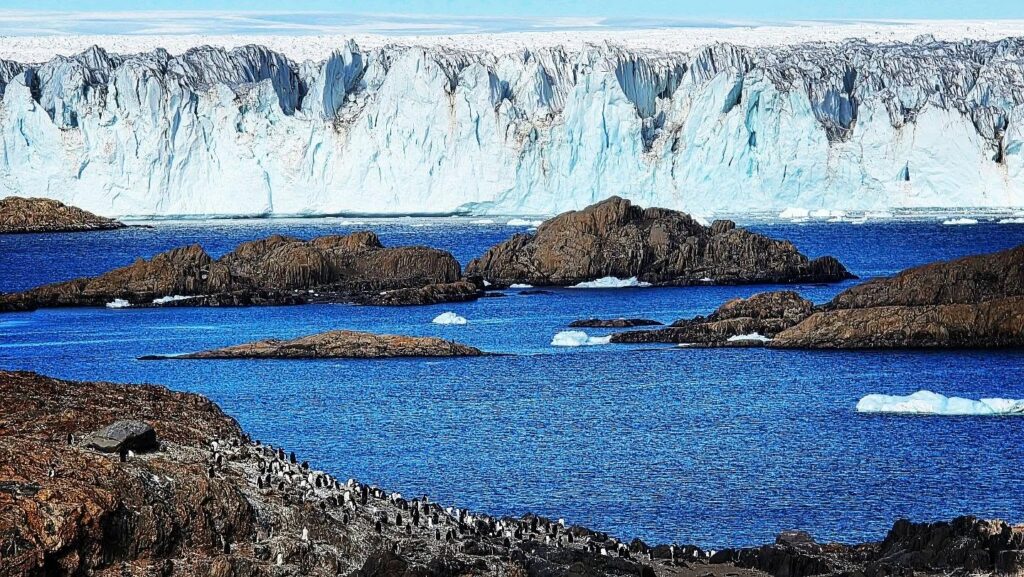
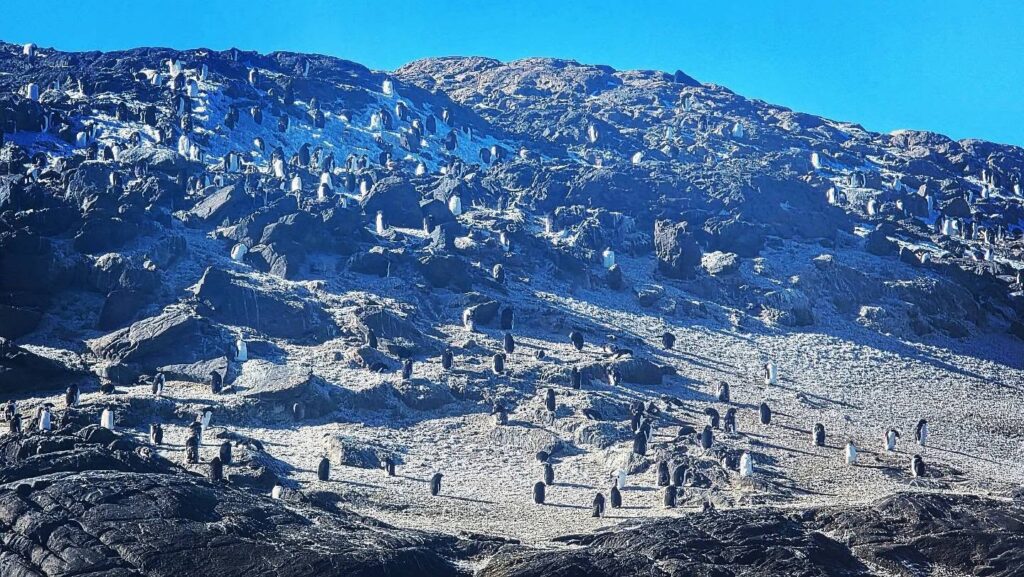
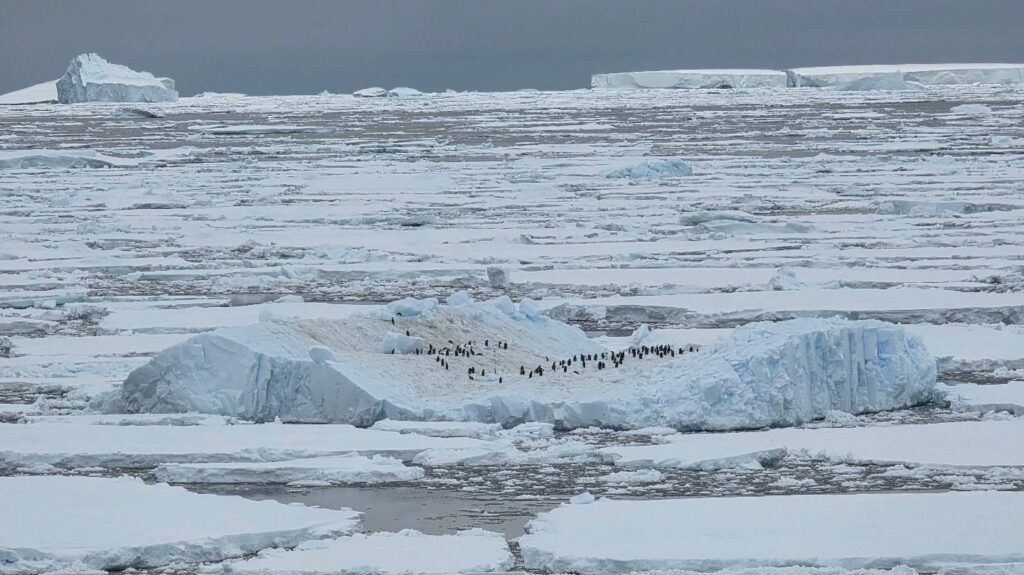
Moving through this landscape did not feel like traveling from one place to another. It felt more like drifting through a system in motion – where nothing is truly fixed, and where even the smallest details are constantly changing. And somewhere within all of it, the penguins remained – scattered across the ice, perfectly at home in a world that, at first glance, appears almost uninhabitable.
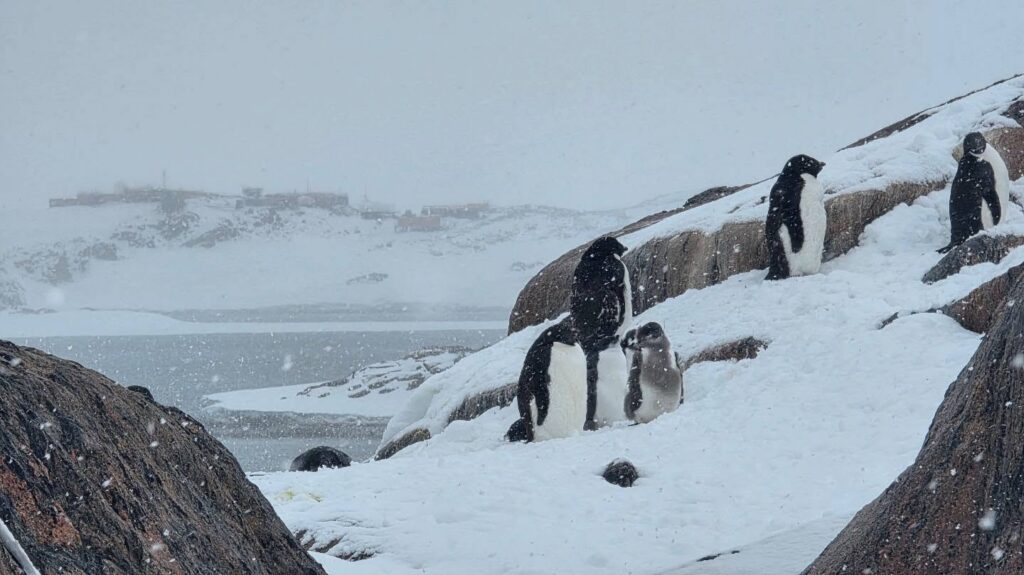
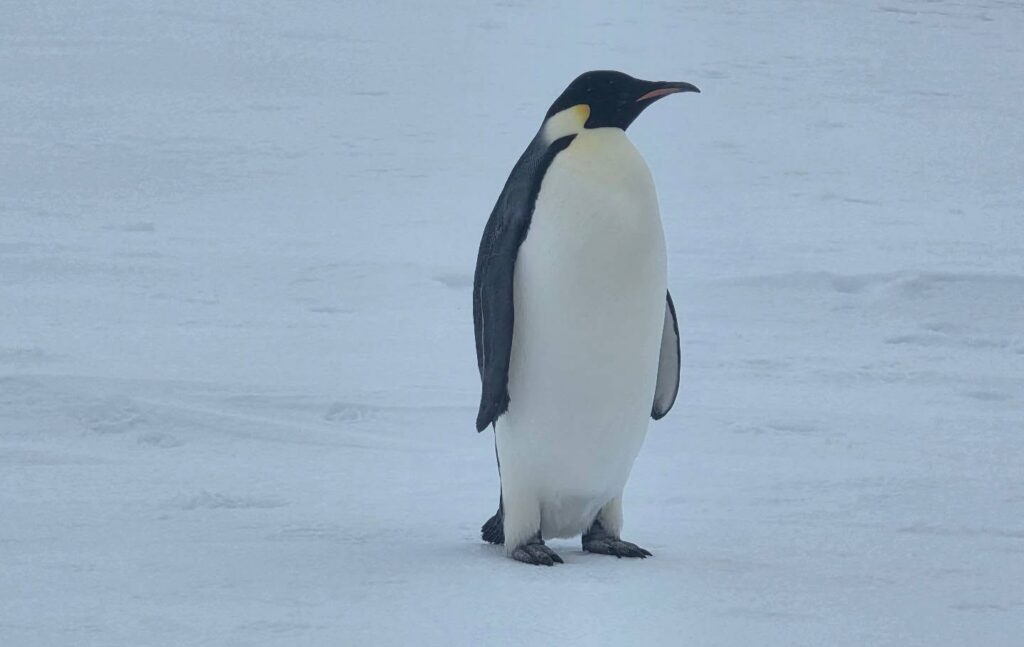
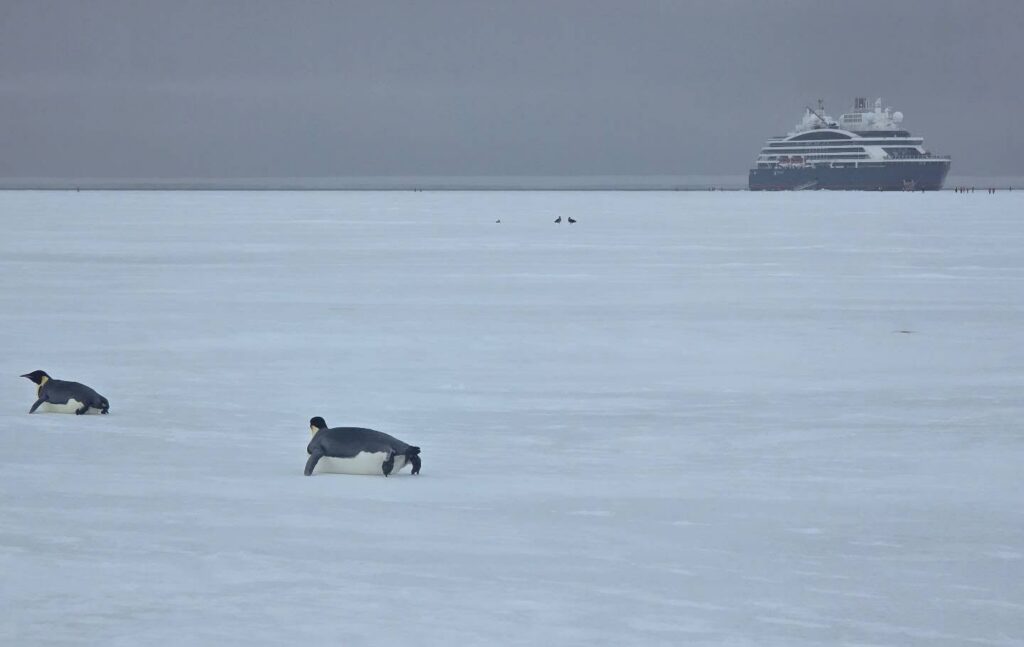
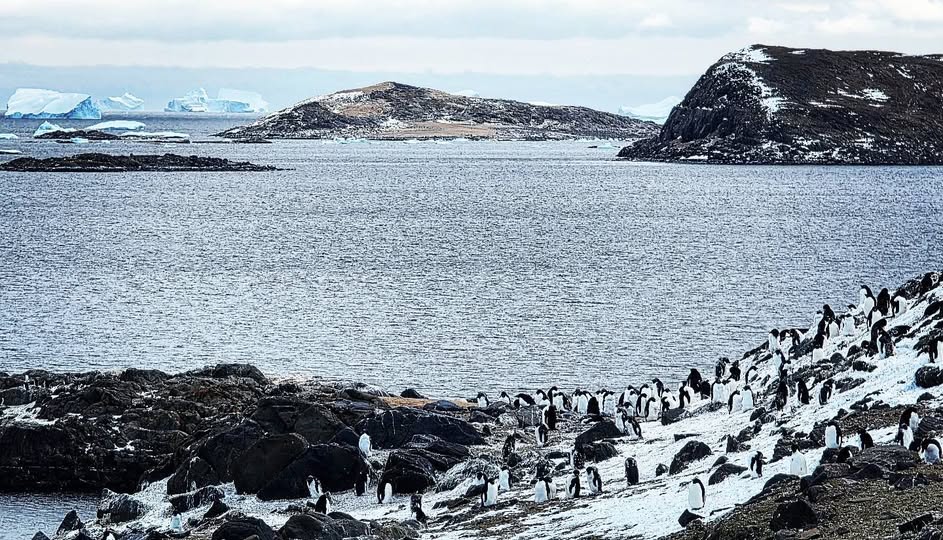
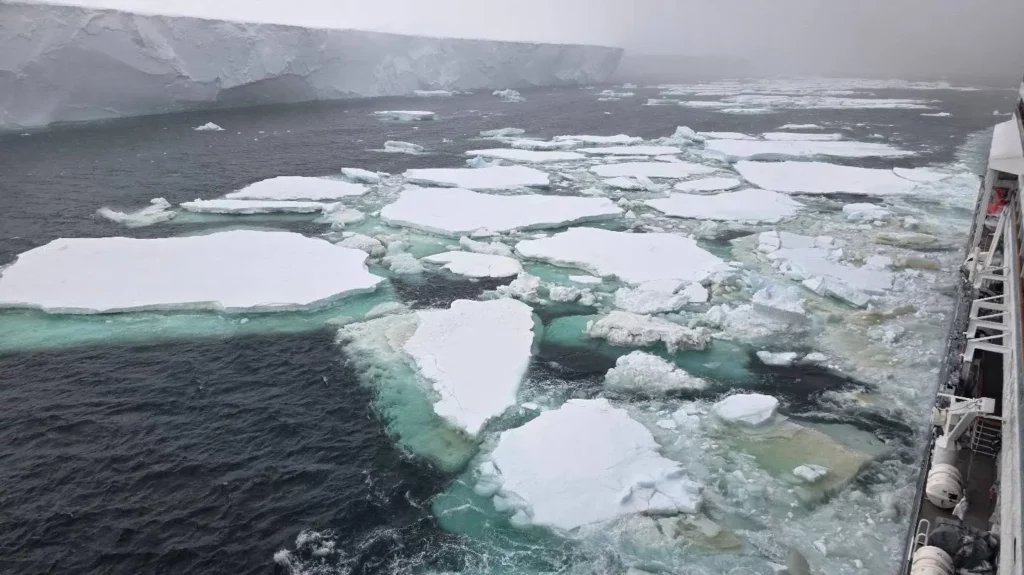
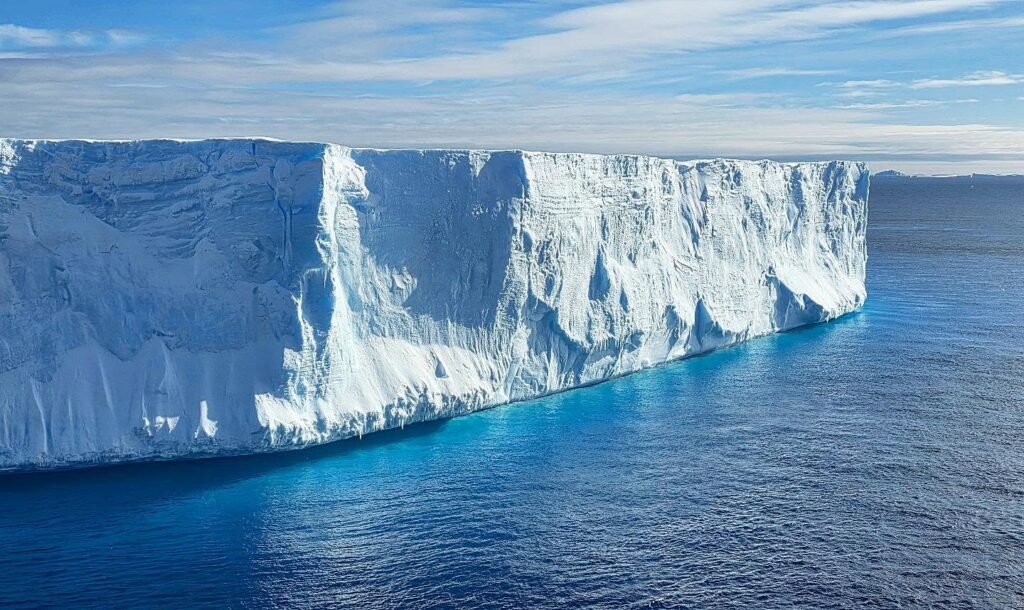
Weather actually makes a big difference here in Antarctica. The first few days were not particularly kind to us. Low clouds hung over the coastline, rain and snowfall blurred the horizon, and strong winds swept across the ice, often reducing visibility. And yet there is something fascinating about it. Despite the conditions though, we still had a great time exploring French-claimed Adélieland. Through shifting fog and drifting snow, the outlines of ice formations slowly emerged, and with them all the signs of life out here.
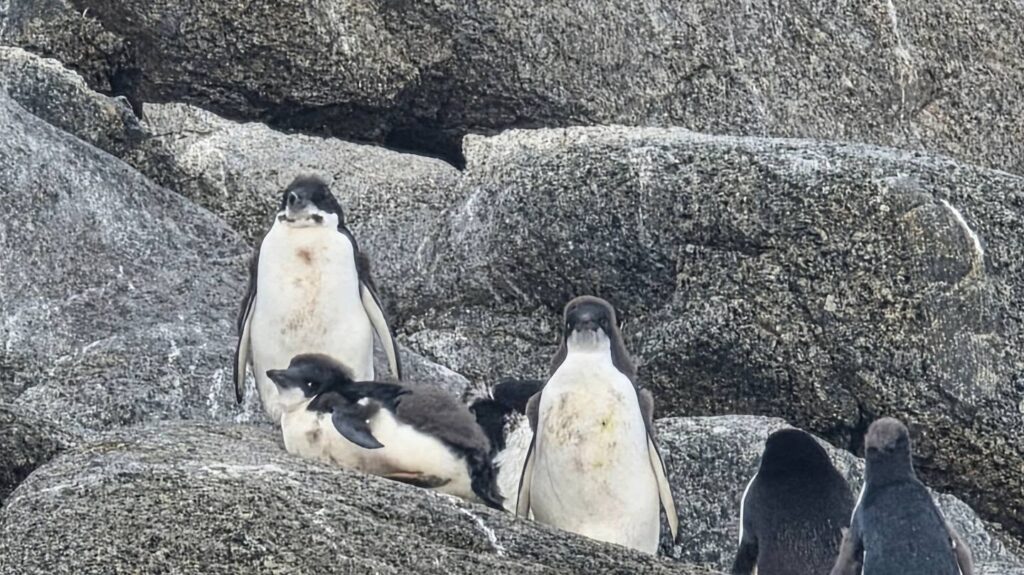
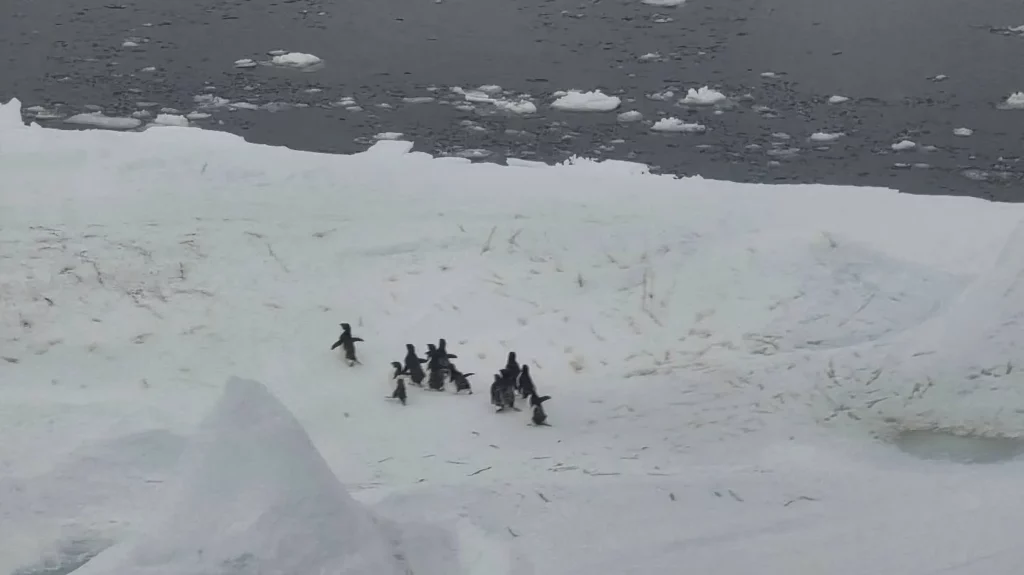

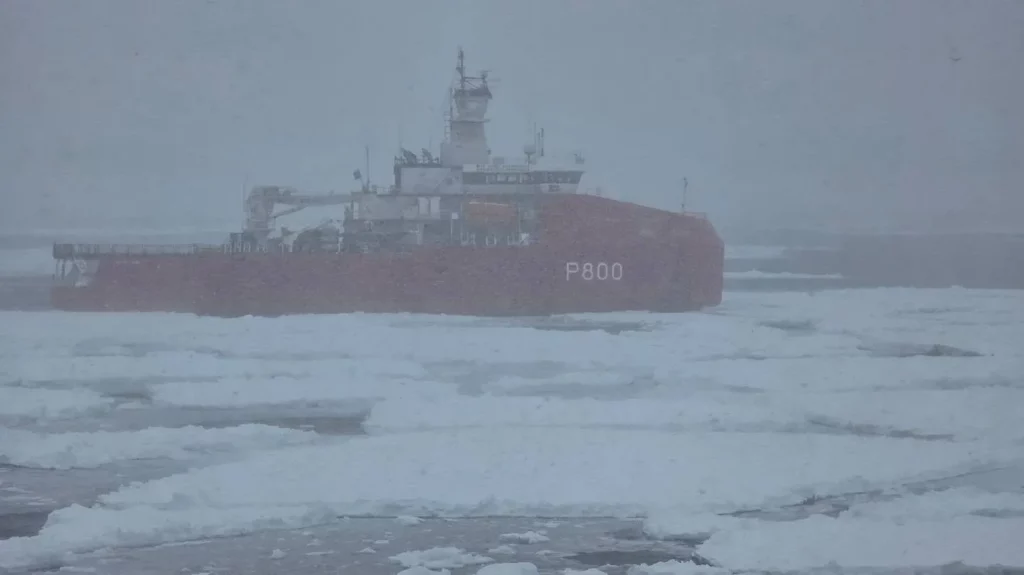
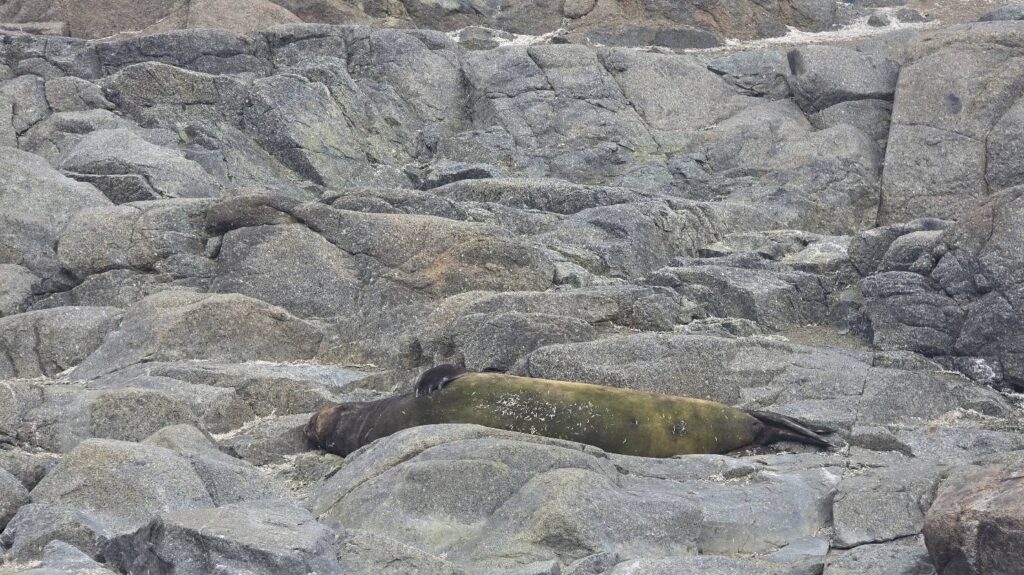
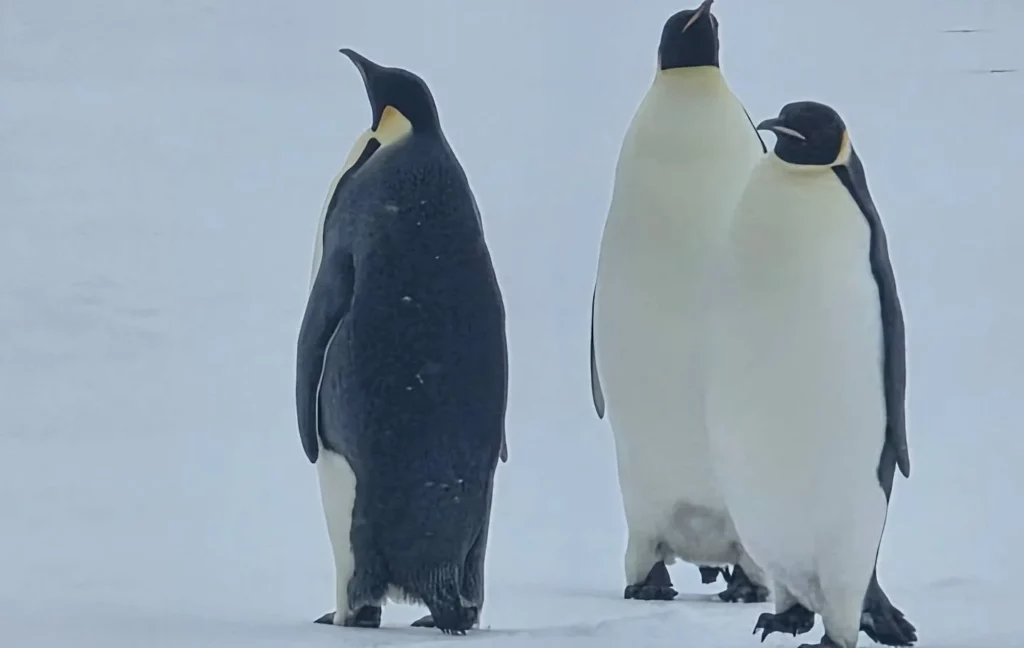
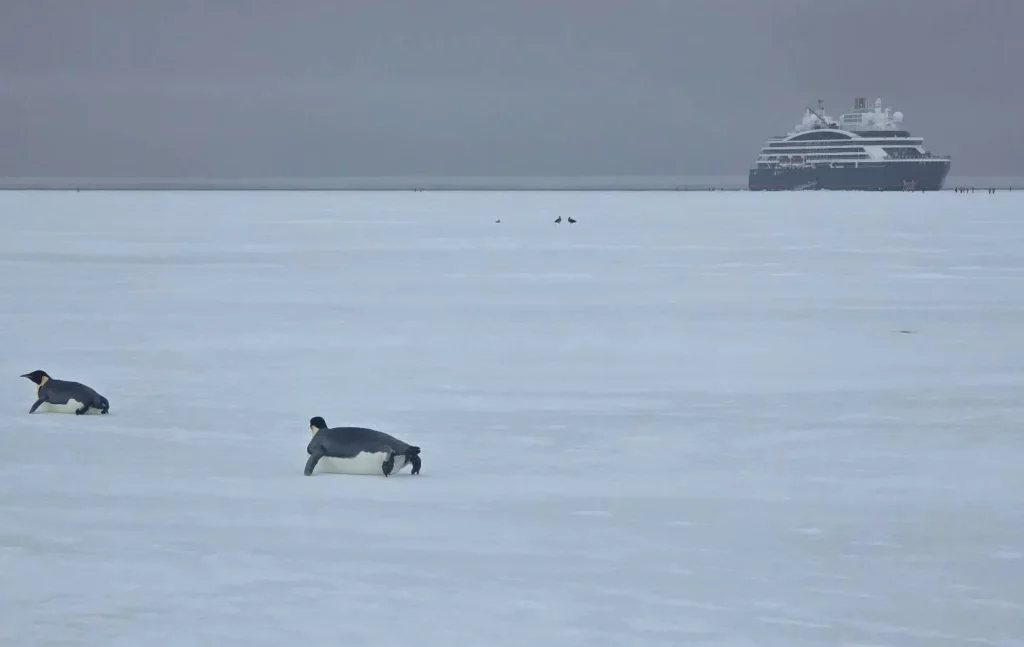
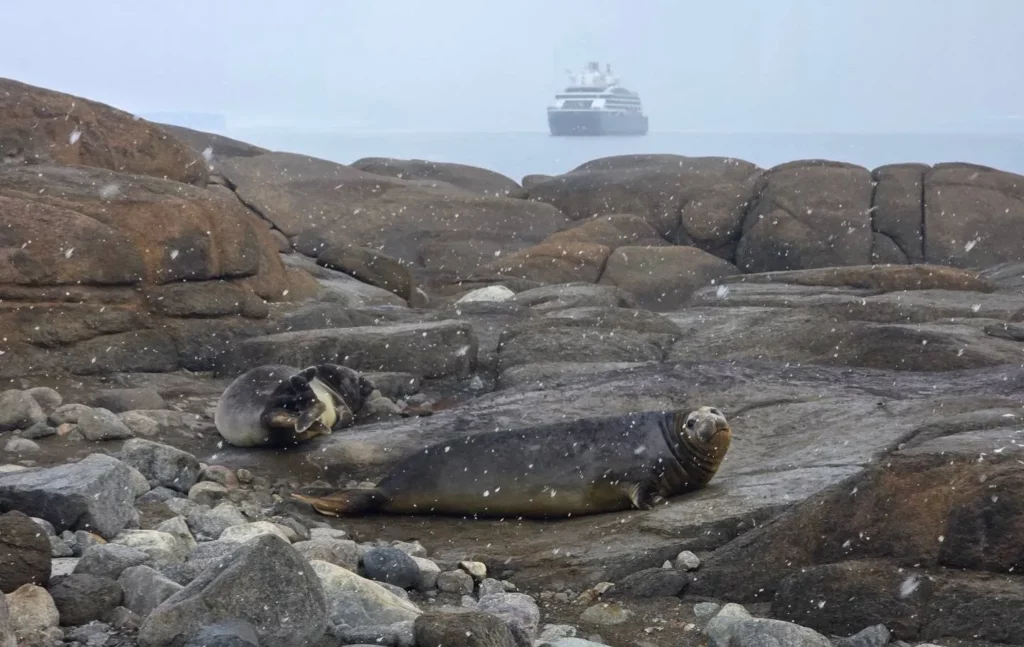
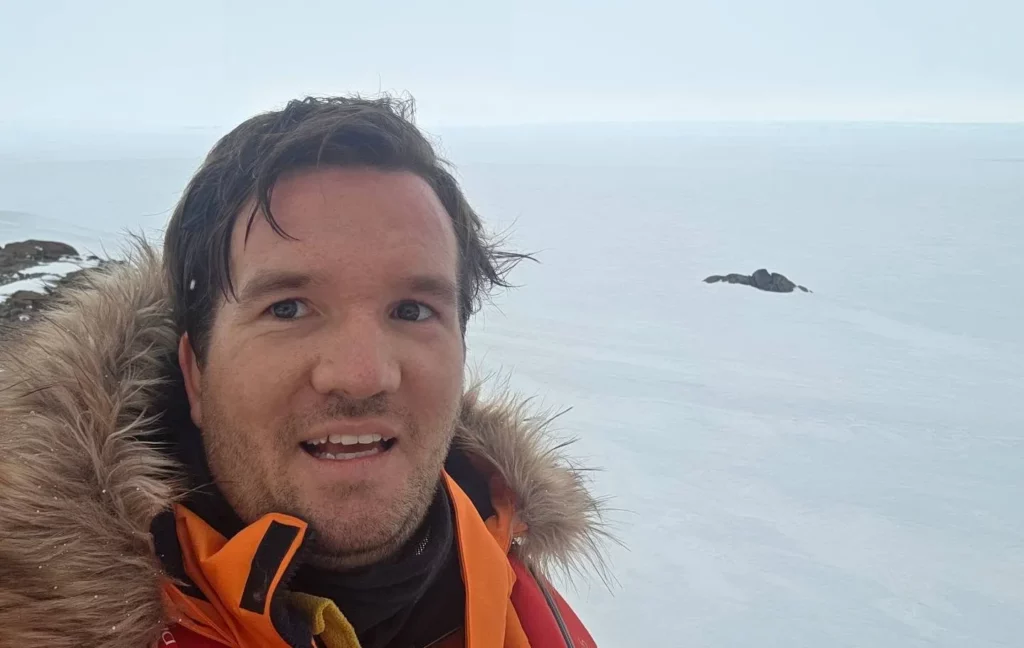
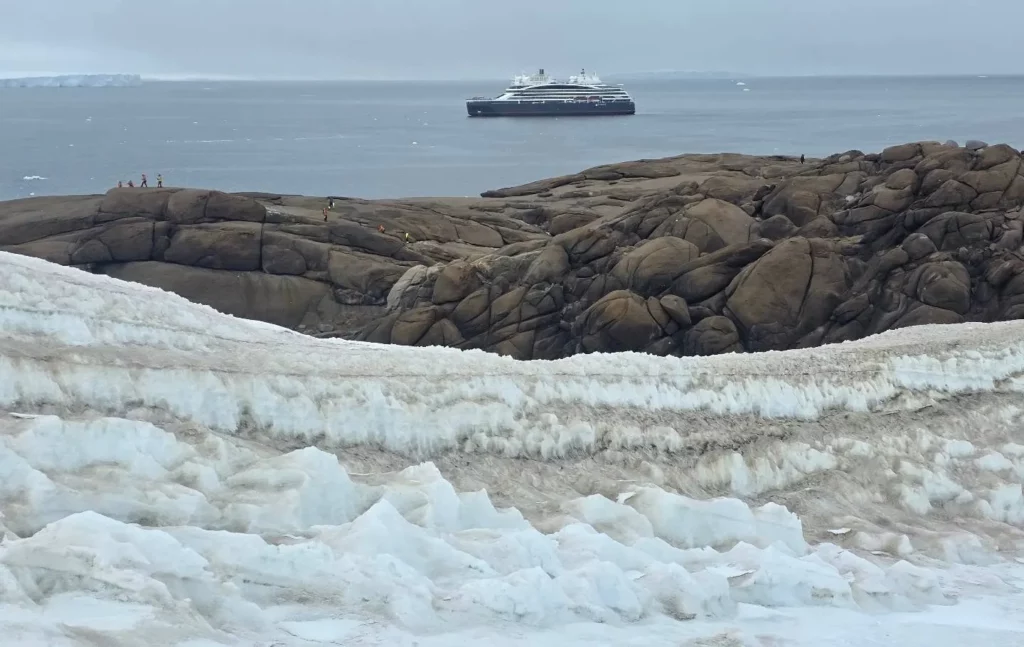
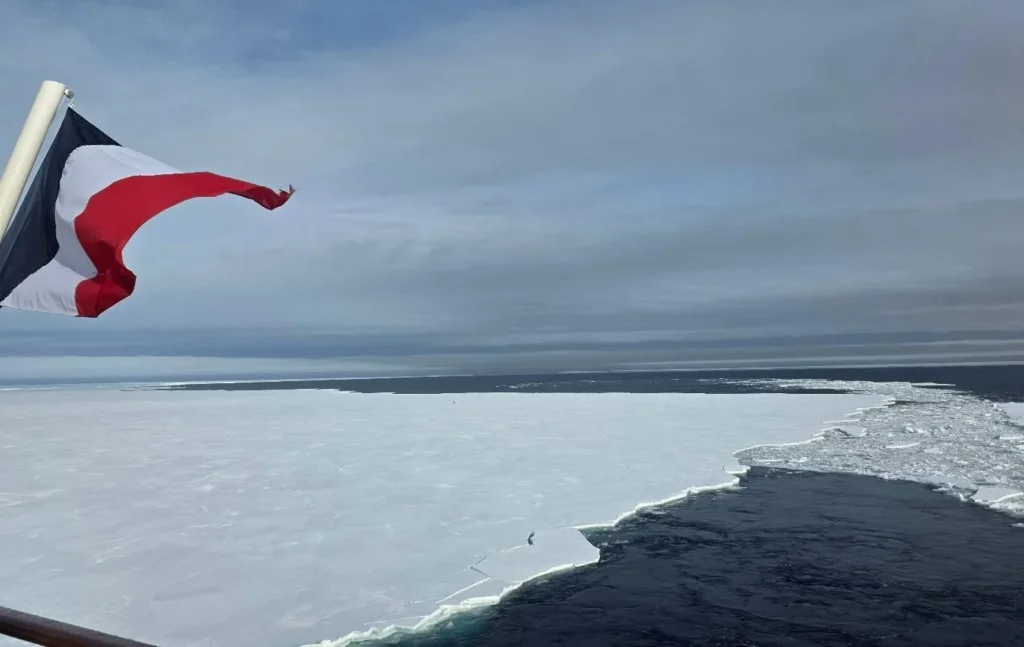
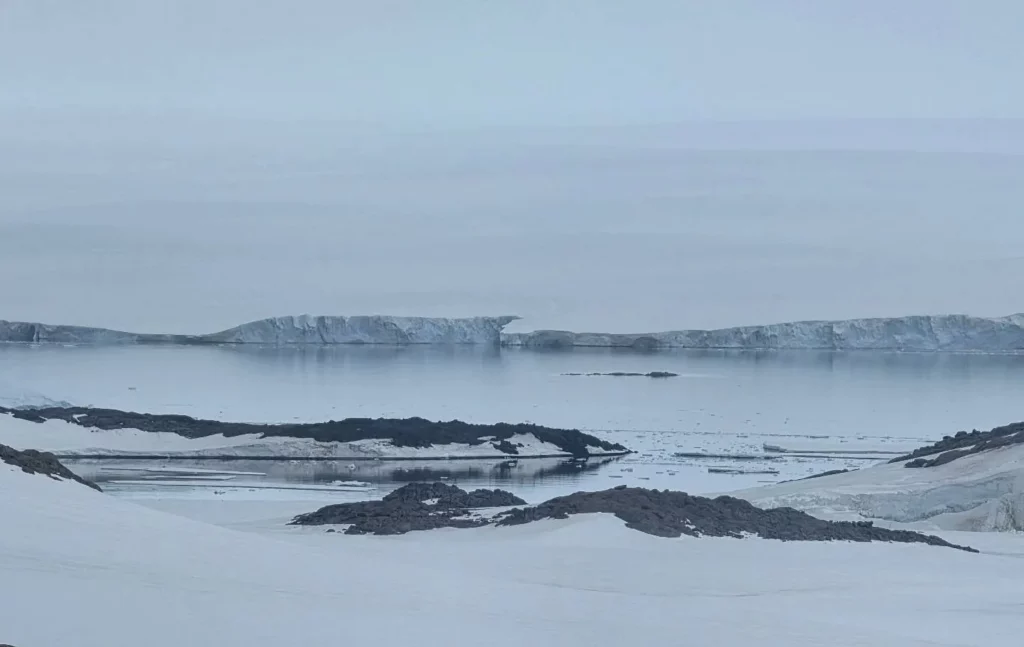
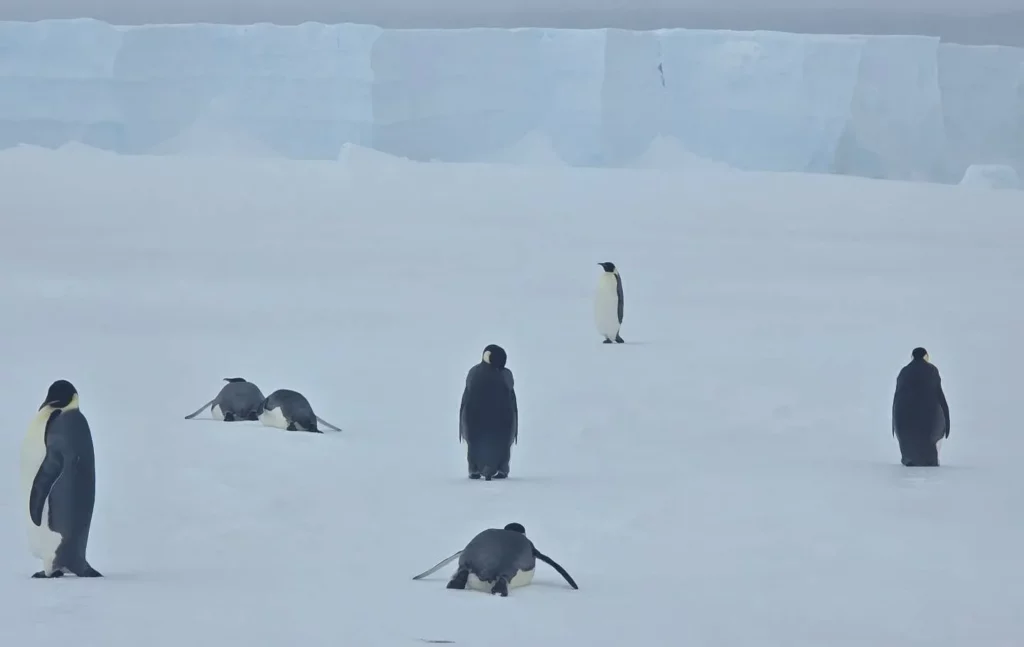
Our journey continued with another beautiful day at sea in Antarctica, offering time to reflect on everything we had experienced so far while the breathtaking polar scenery slowly unfolded around us.
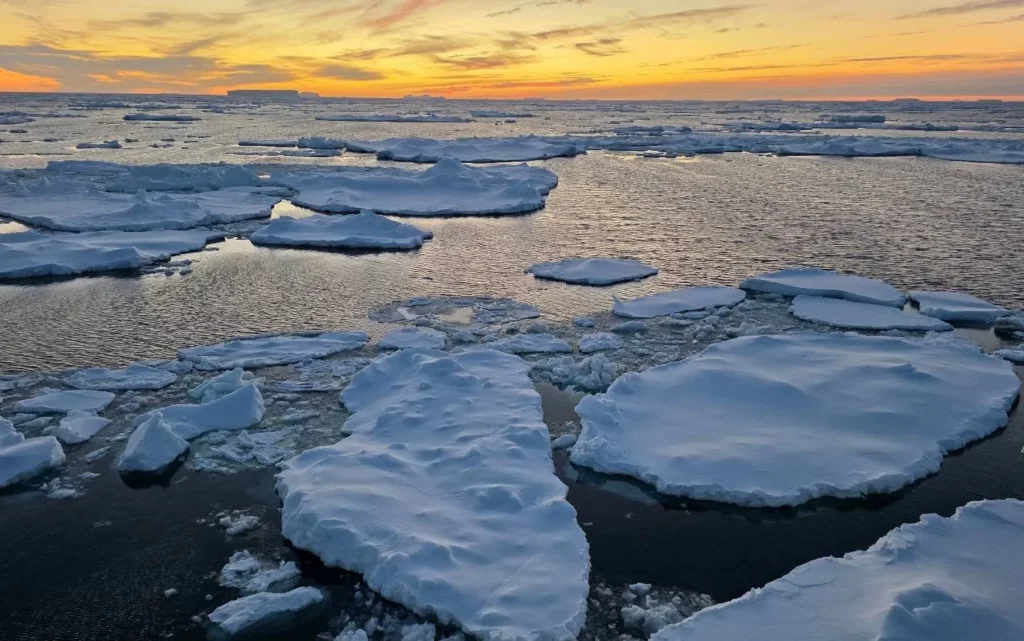
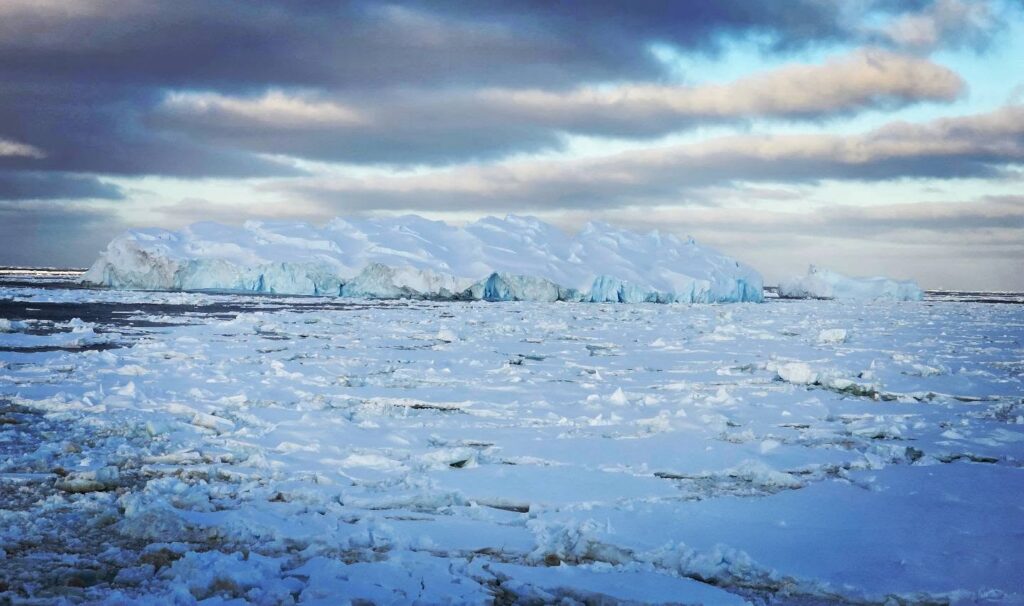
Just as Antarctica invites silence rather than words, I will let the images speak for themselves.
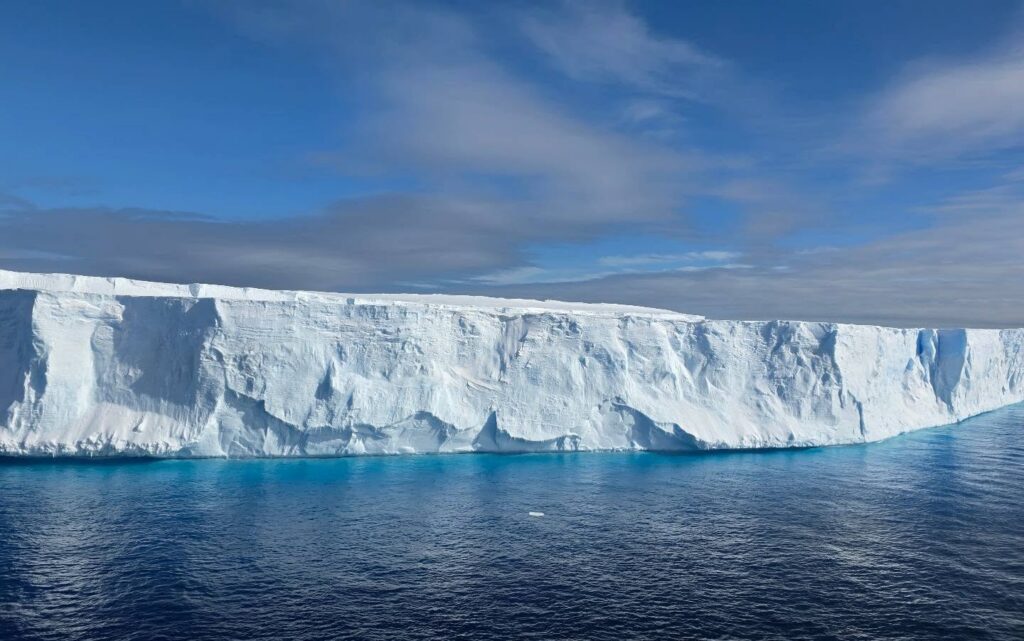
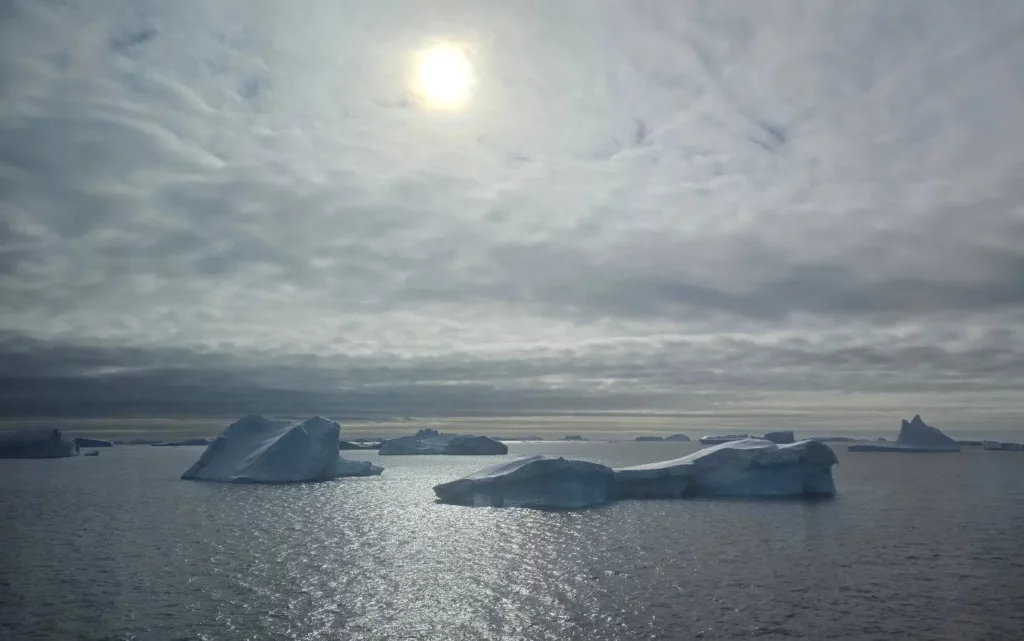
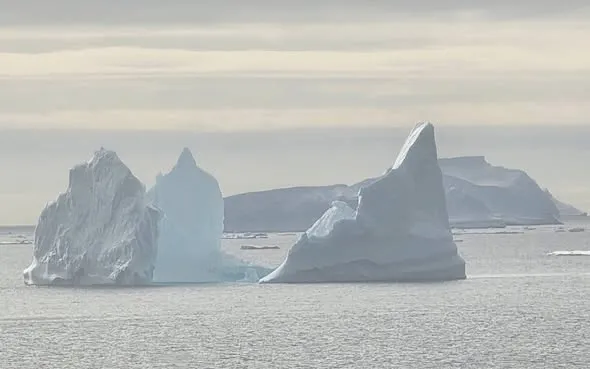
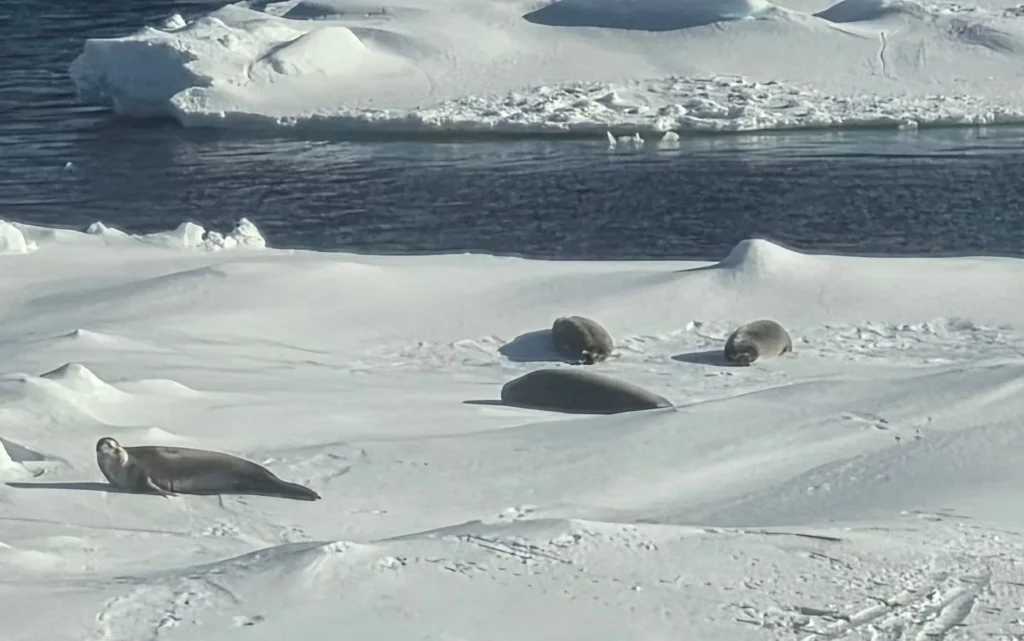
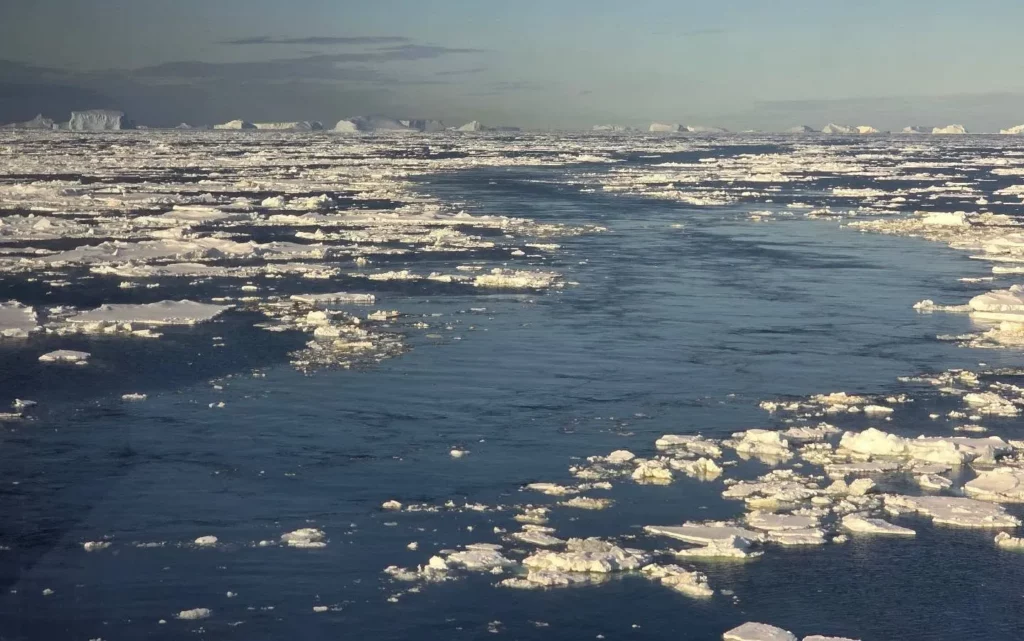
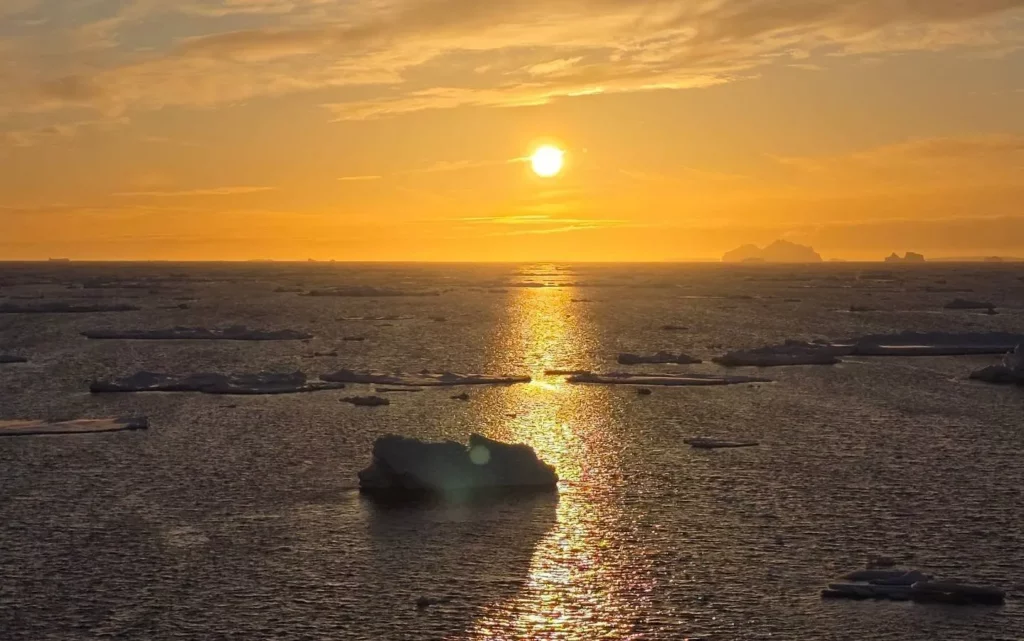
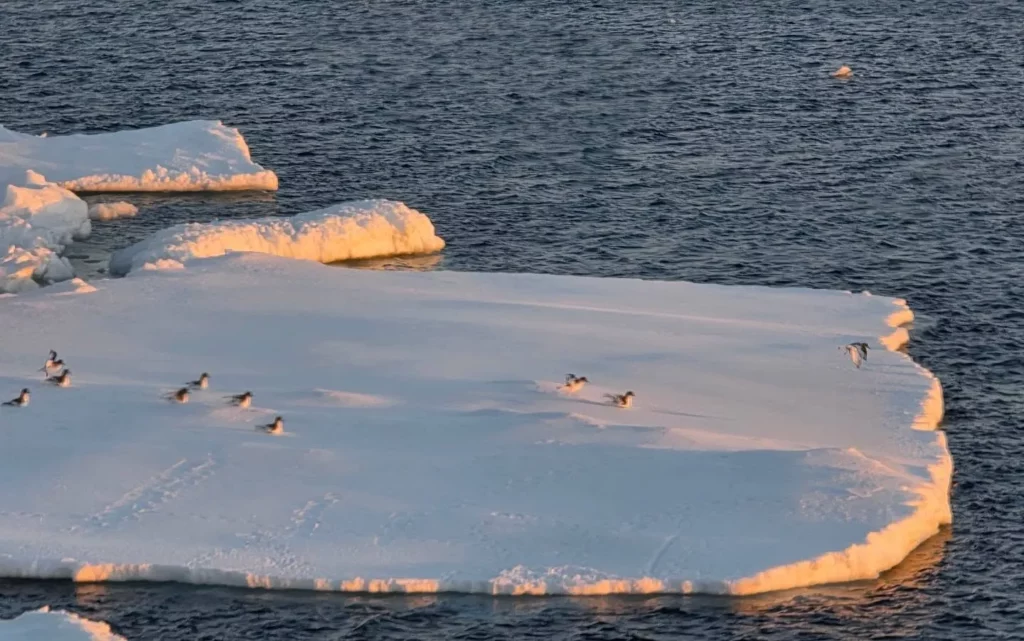
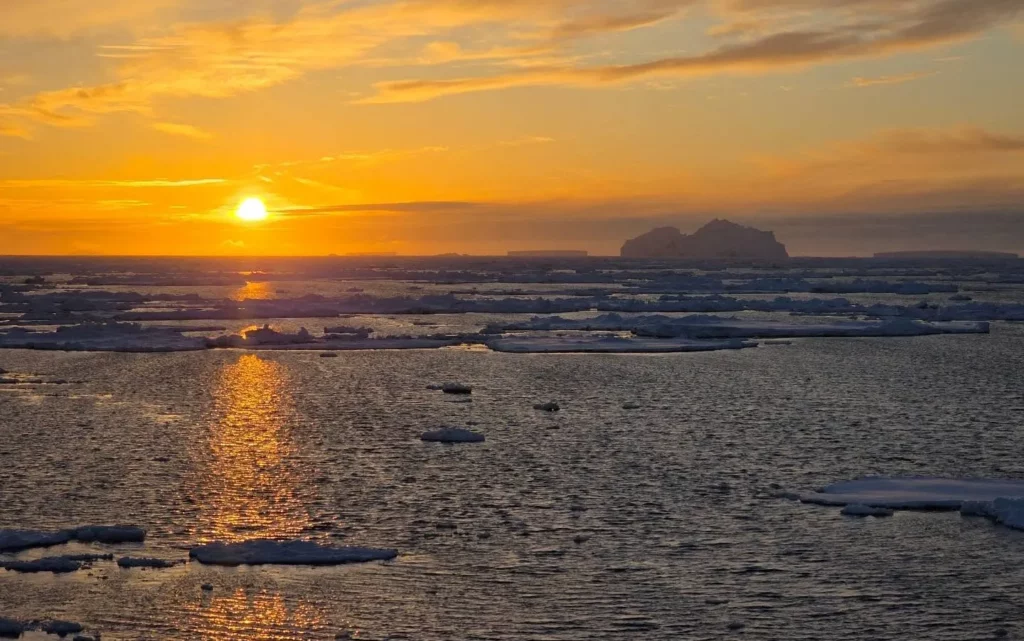
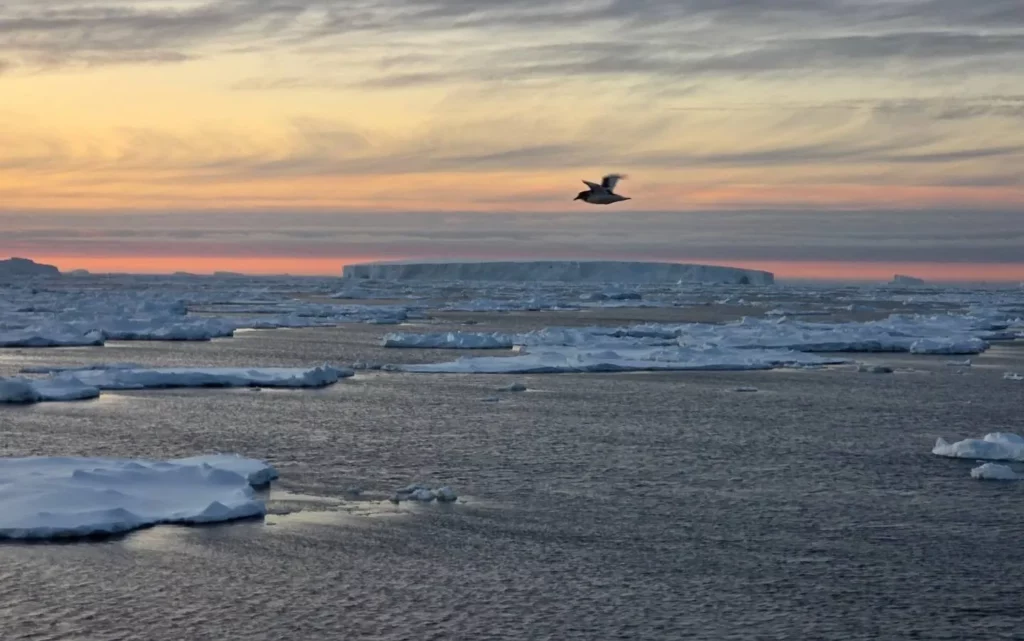
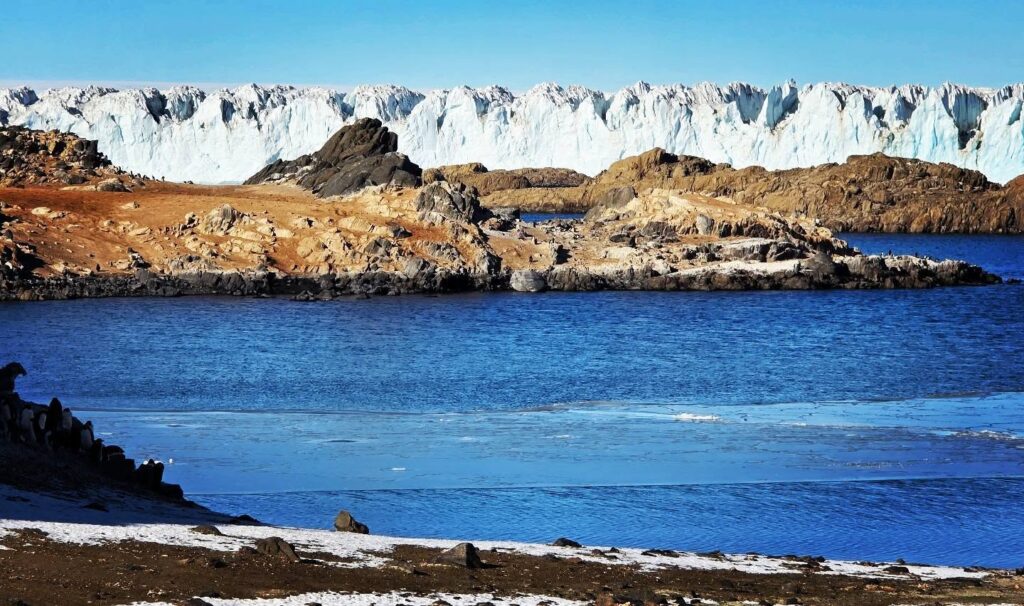
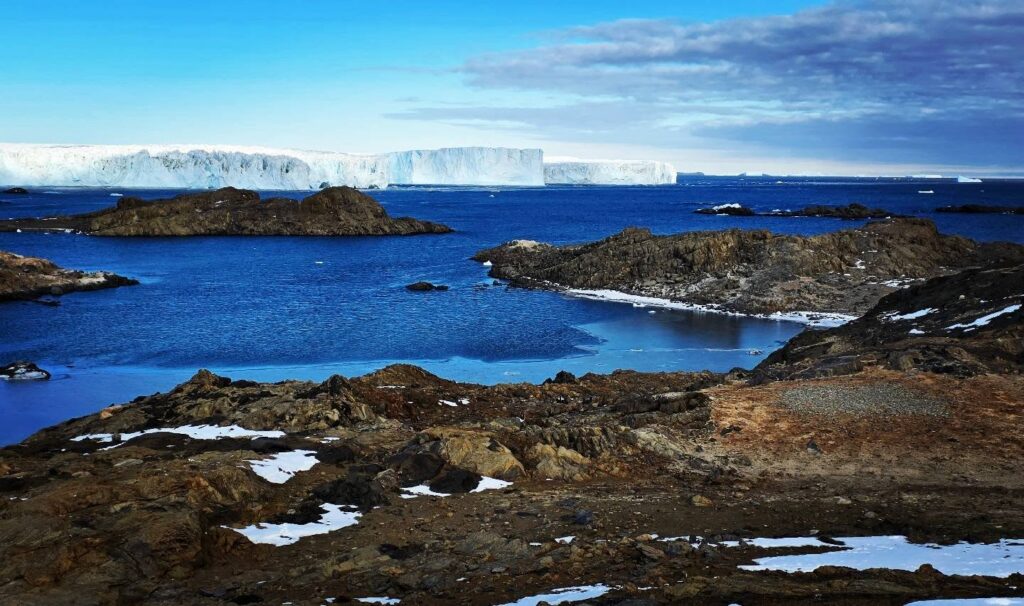
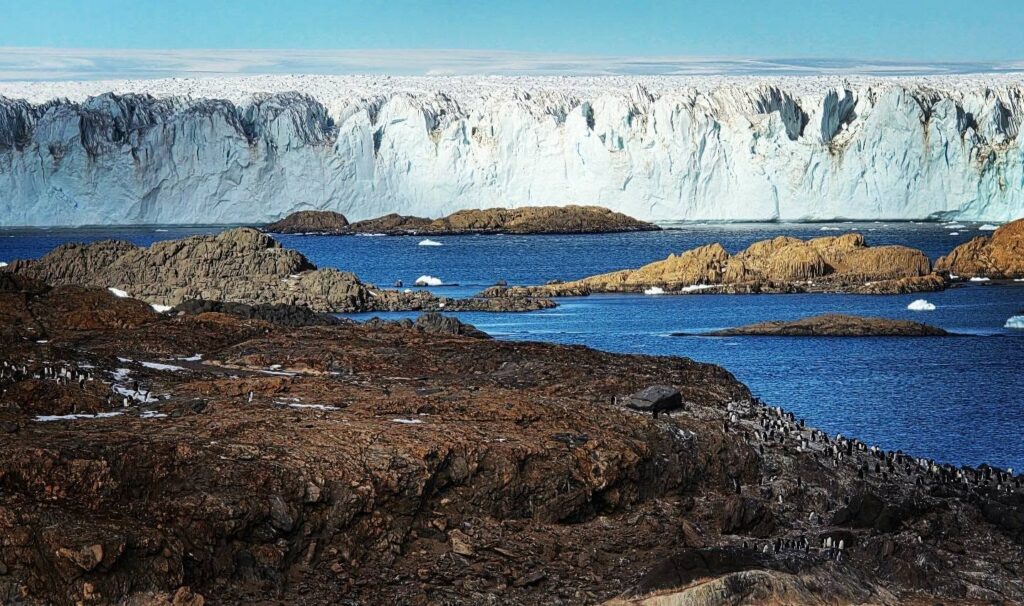
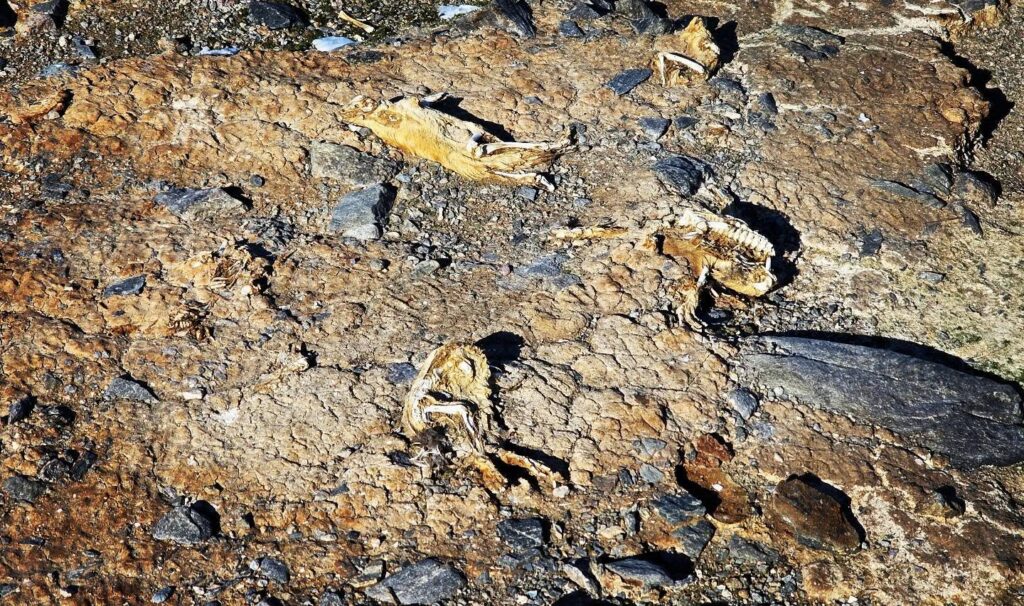
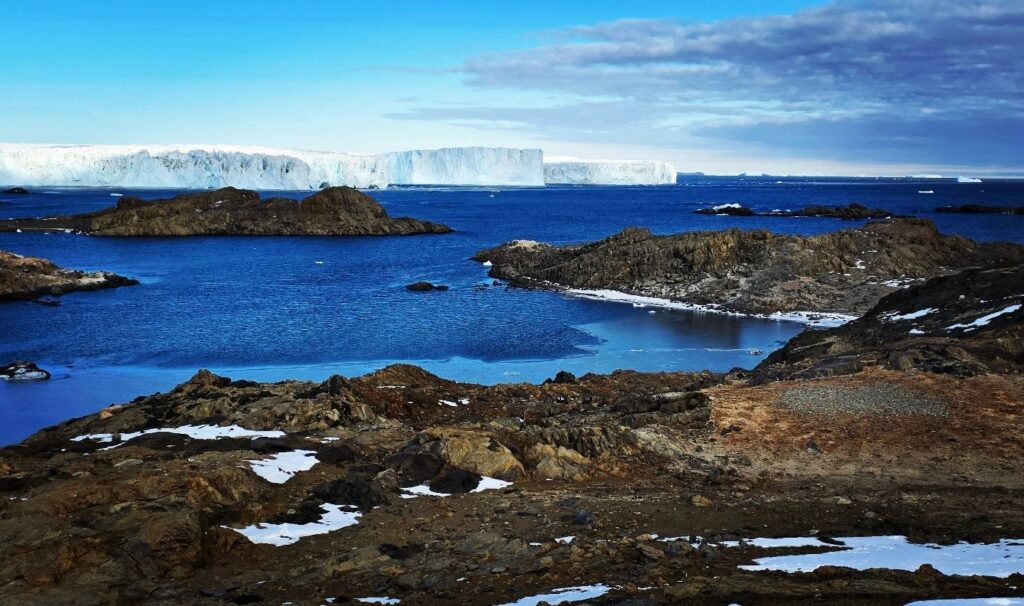
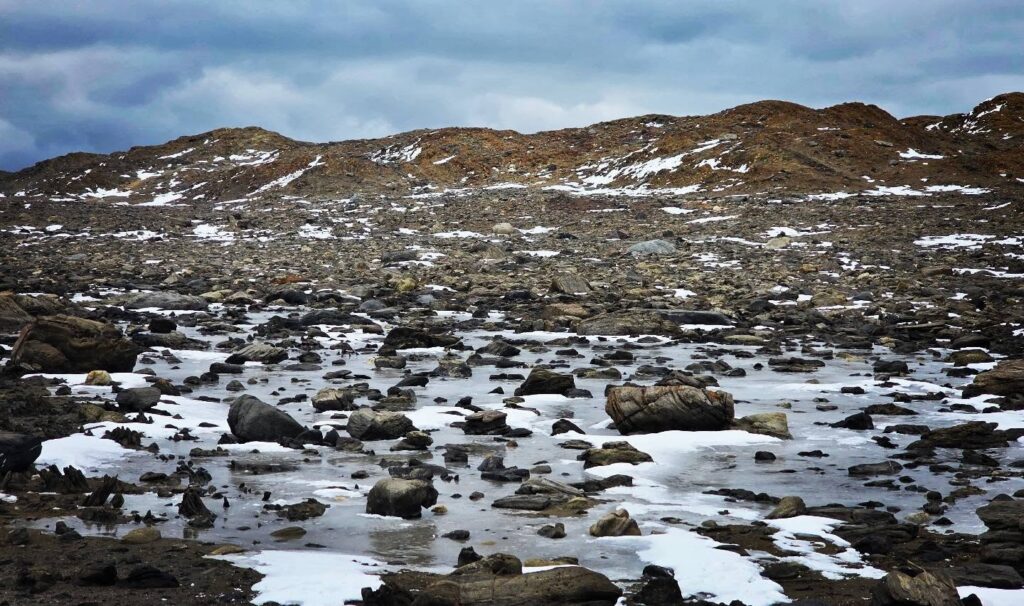
Our last stop in Antarctica were the rocky Vestfold Islands, lying just off the vast ice cap. Dark, exposed rock broke through the ice here, forming a rugged coastal terrain. Scattered lakes, frozen in place, lay between the hills, while patches of snow and ice clung to the ground in sheltered areas. The Vestfold Hills offered a rare glimpse of Antarctica’s more varied and surprisingly complex landscape.
And as the ice of East Antarctica slowly faded behind us, it became clear that this journey was far from over – although we were leaving the iced continent. The journey so far had already taken us deep into one of the most remote corners of the planet – across stormy seas, along the frozen coastline, and into landscapes like Wilkes Land or Adelieland few people ever get to witness. But ahead lay an entirely different chapter of the voyage: the long passage northward through the vast Southern Ocean, toward some of the most isolated islands on Earth –places I had long been looking forward to visiting: the Kerguelen Islands, often called the “Desolation Islands,” and the windswept Crozet Islands.
Yet the transition from Antarctica to the subantarctic islands marked far more than a simple change of destination. It was the beginning of an entirely different kind of expedition – one where towering glaciers gave way to volcanic landscapes and where human presence became even scarcer. Let me take you there in the next chapter.