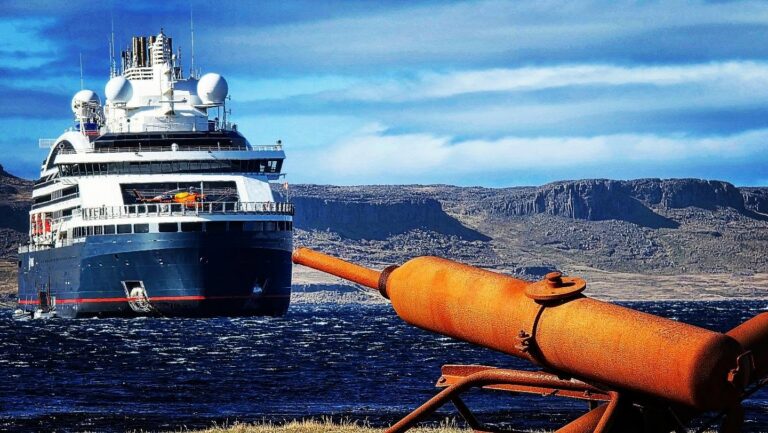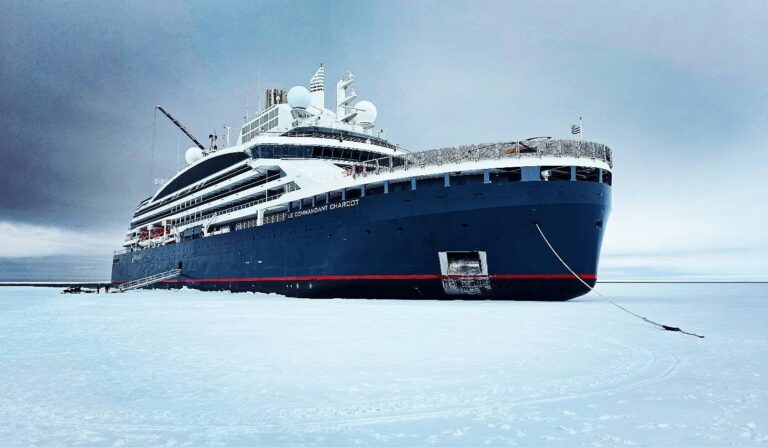
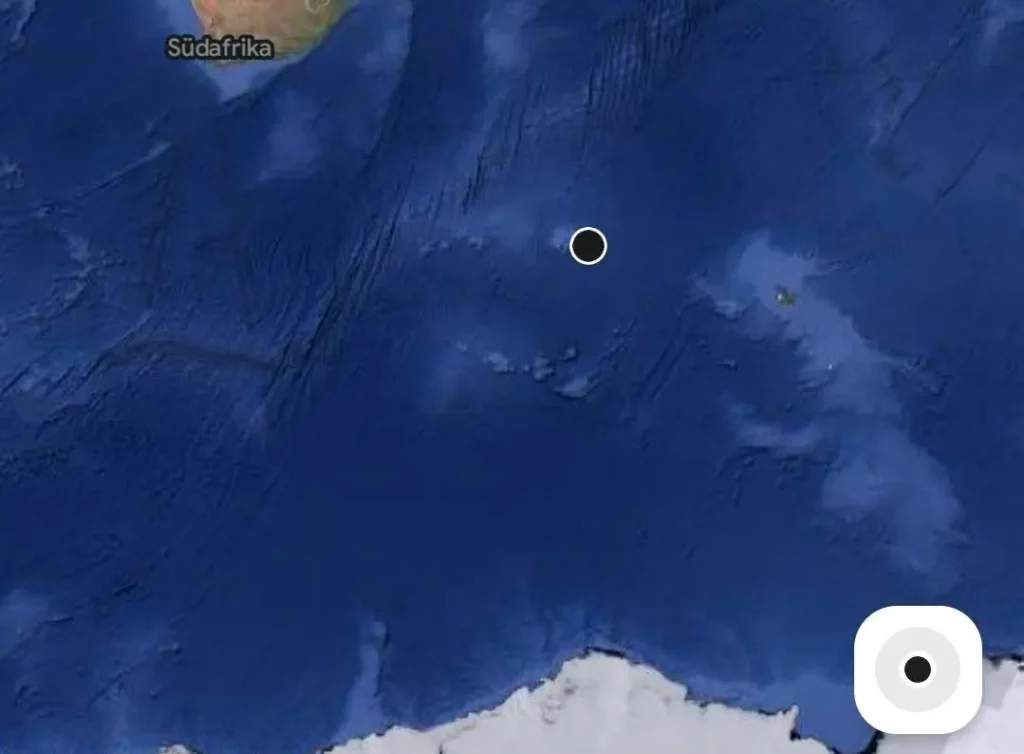
After some days of rough seas, the Indian Ocean finally began to calm. The swell gradually eased, the horizon settled once more, and life on board returned to its familiar rhythm. Yet our journey was far from over – Cape Town still lay more than three days ahead when we arrived in the Crozet Islands – a few small islands in the middle of the Indian Ocean you probably never thought to exist.

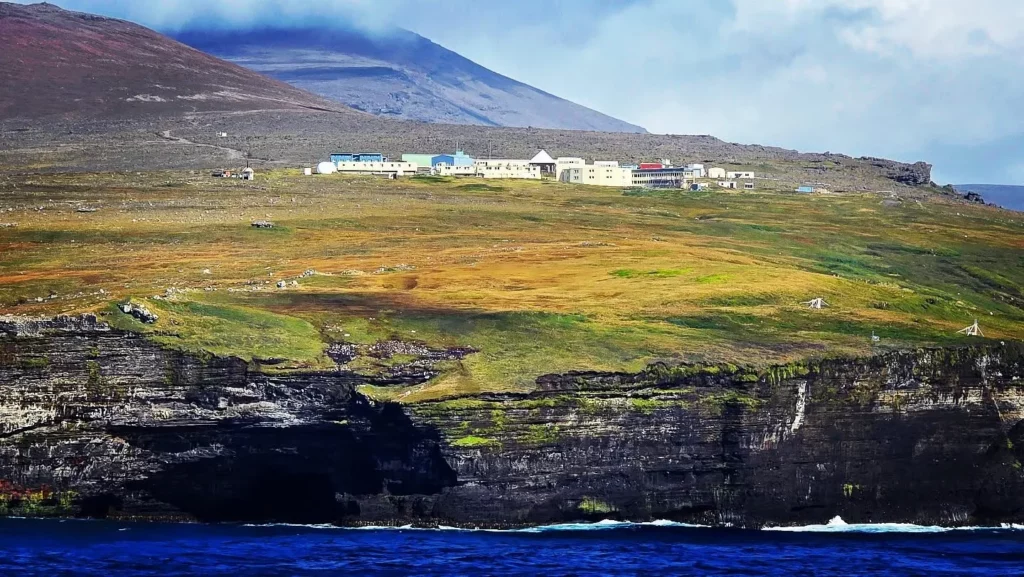
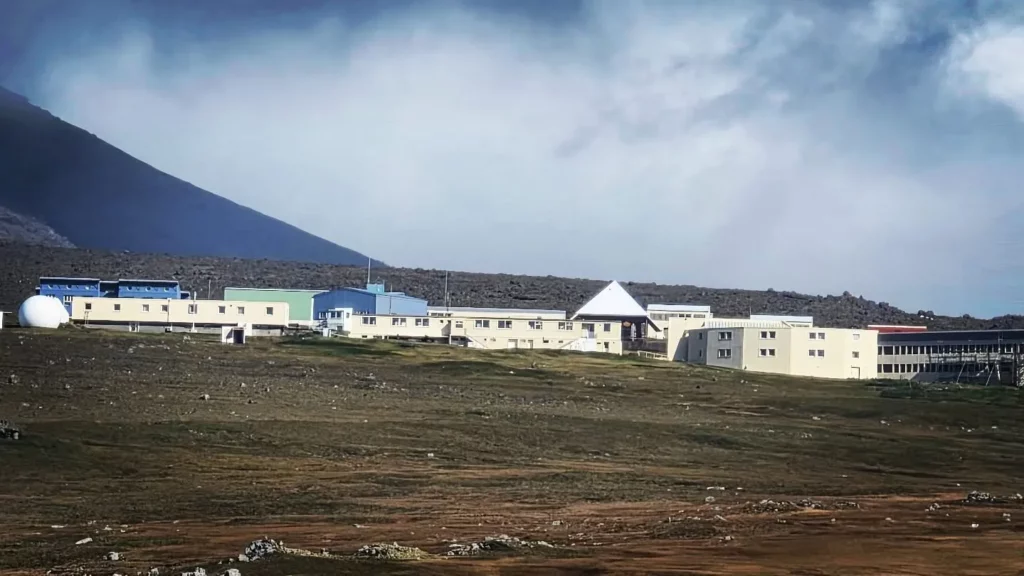
Despite its tiny population, Alfred Faure is effectively the nearest “community” for thousands of kilometres in every direction. Life here revolves entirely around scientific research, logistics and the relentless rhythm of the Southern Ocean. For most of the year, the station remains cut off from the rest of the world, supplied only by occasional ships and connected to civilisation primarily through satellite communications.
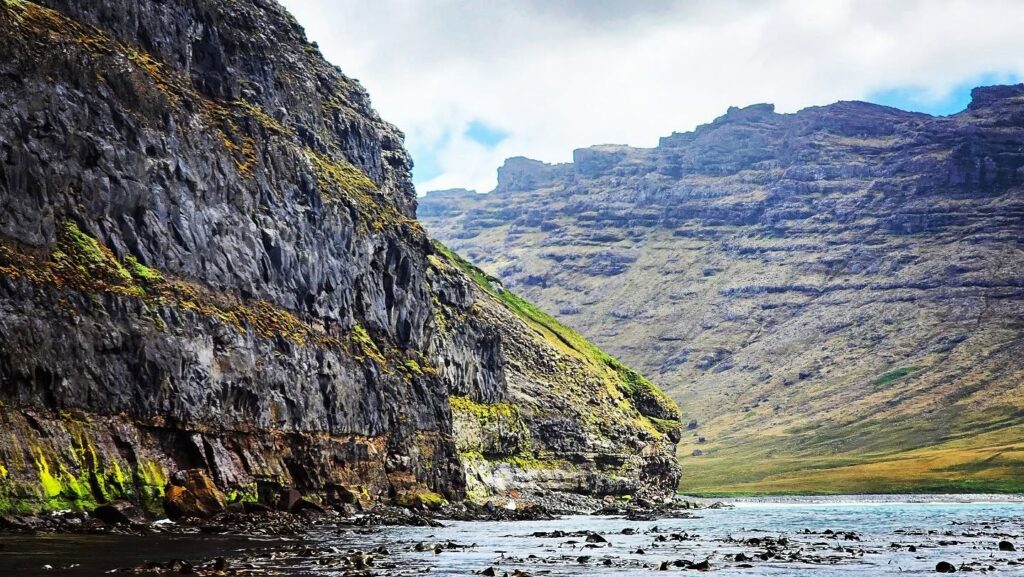
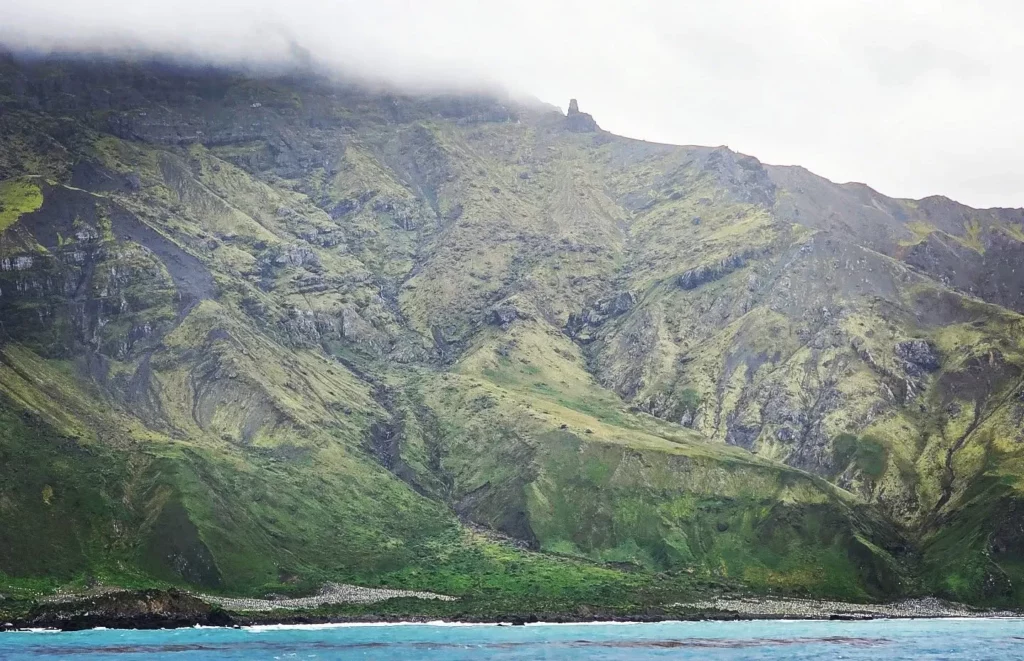
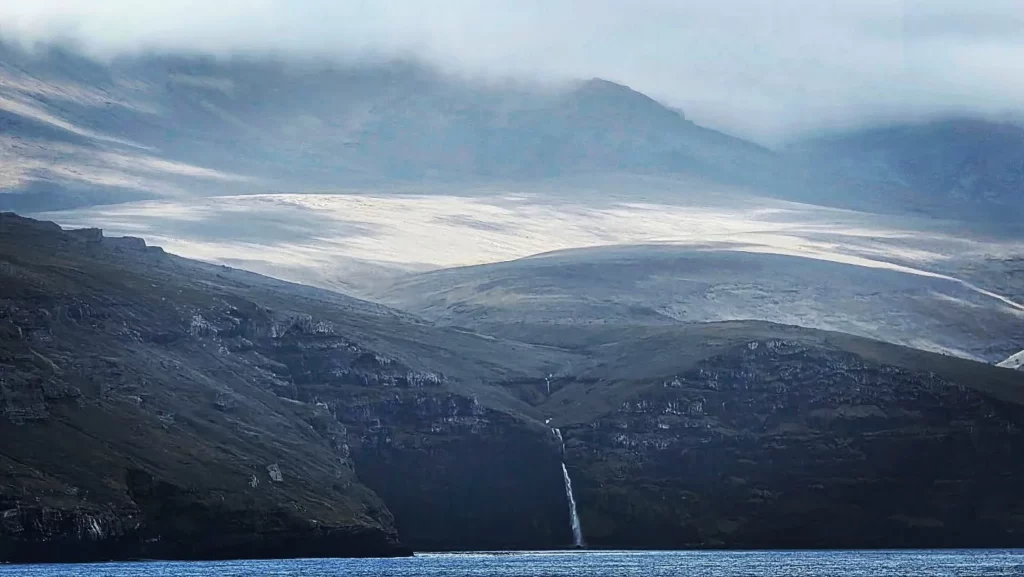
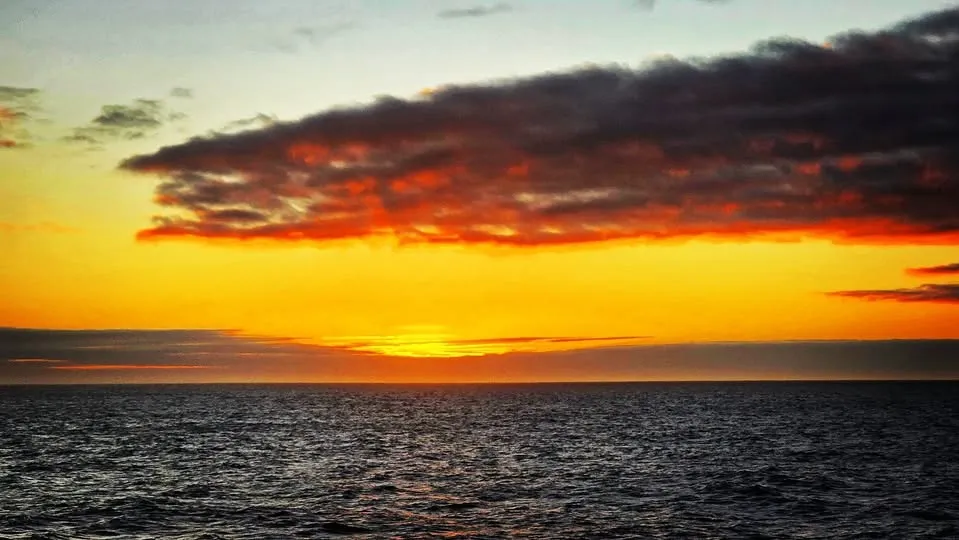
The Crozet Archipelago consists of a handful of rugged volcanic islands scattered across the vast Southern Ocean. During our expedition, we were fortunate enough to explore two of them—places where nature reigns almost entirely undisturbed and human presence is limited to a single small research station elsewhere in the archipelago. Really as remote as it can get.
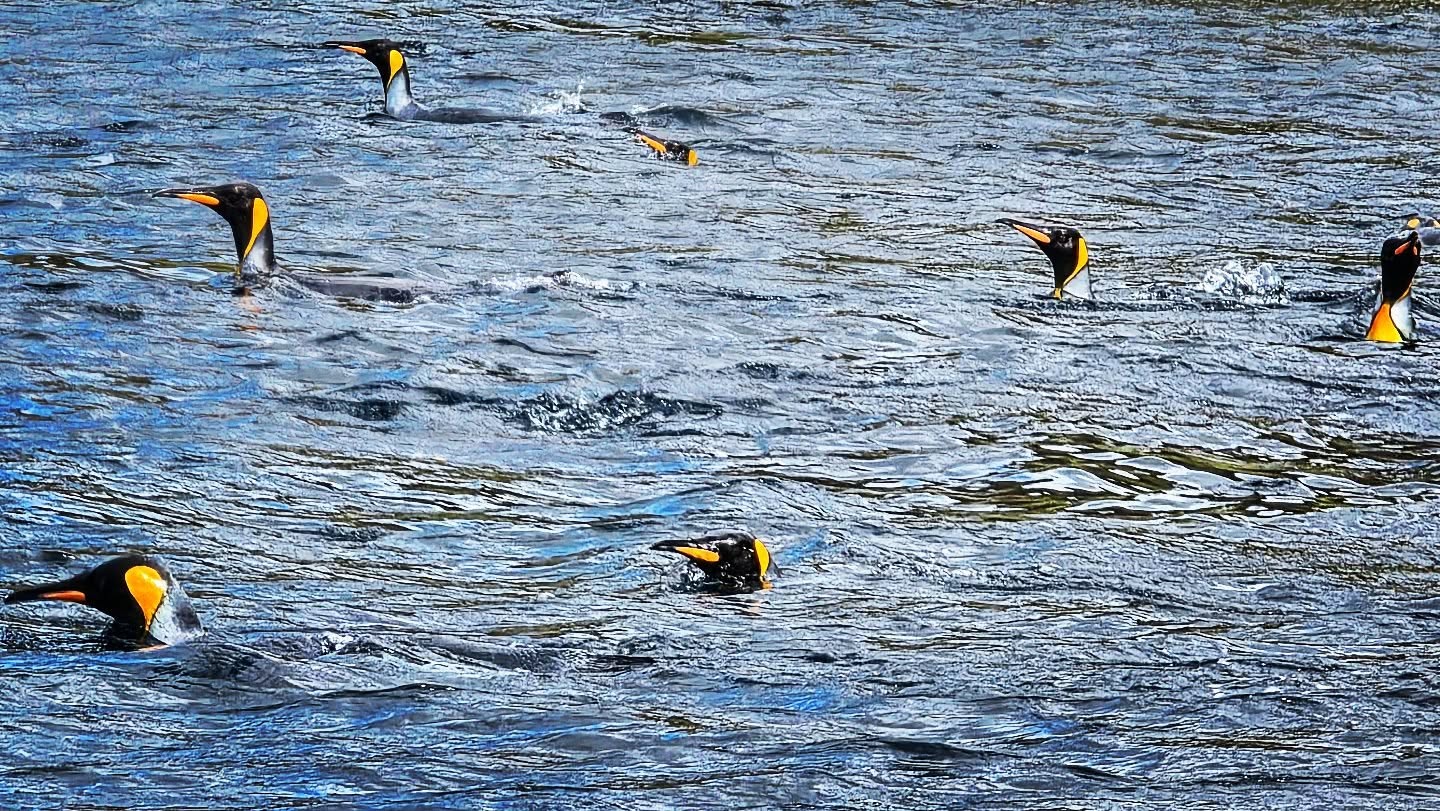
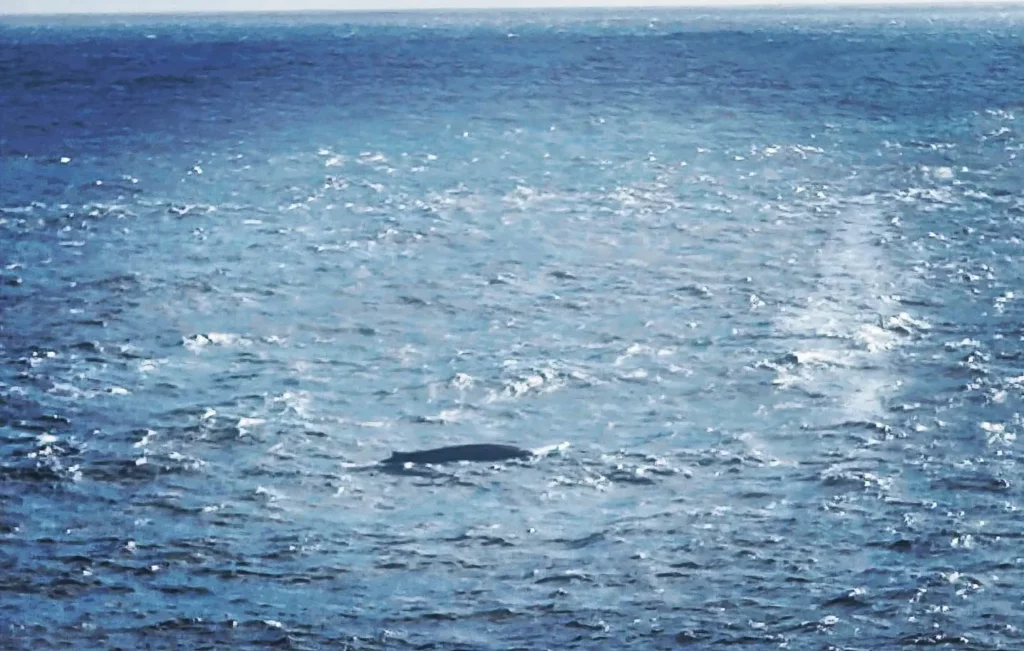
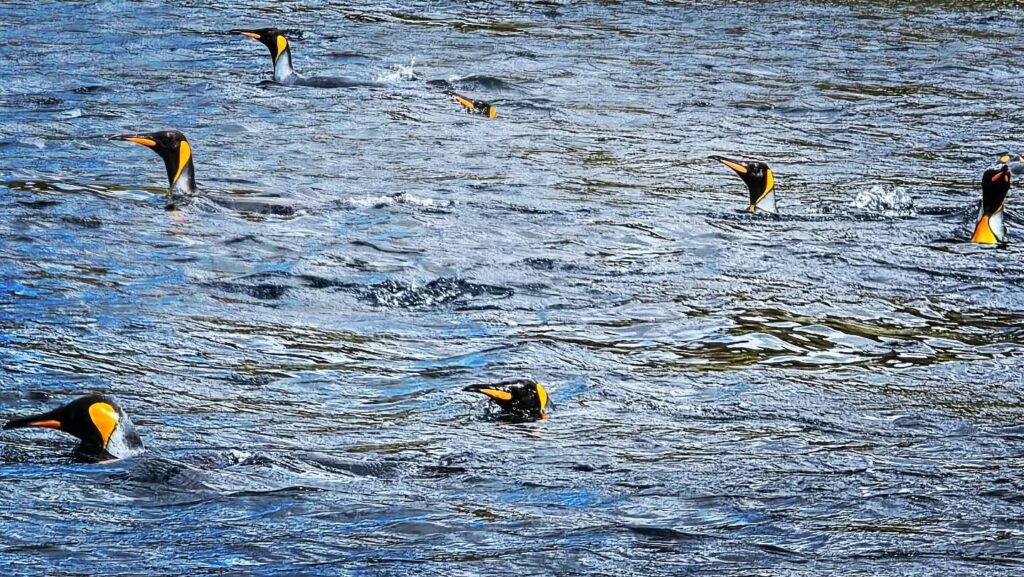
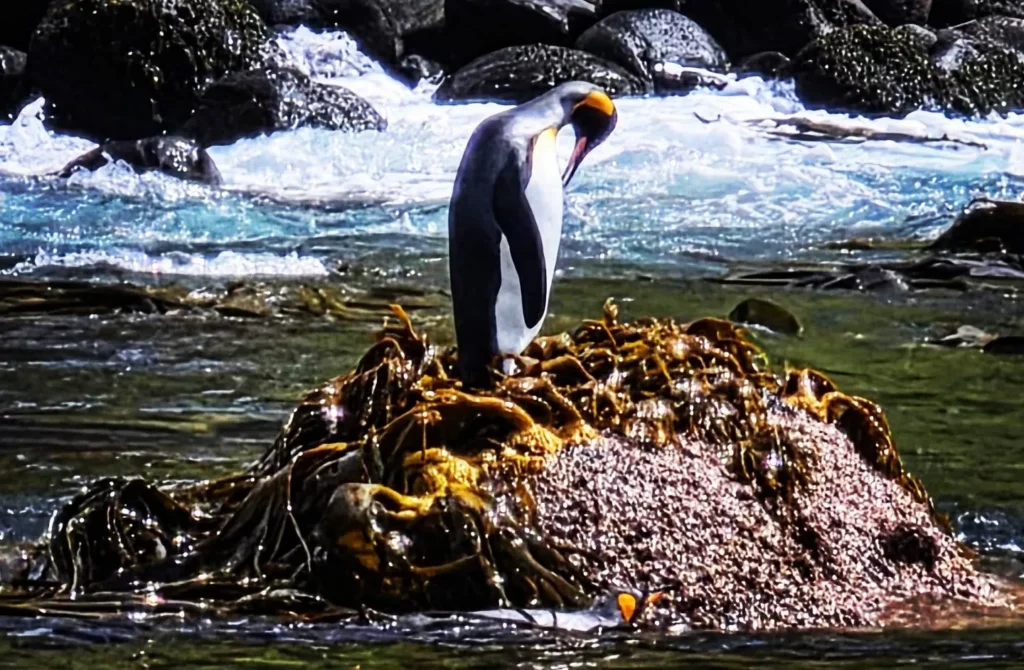
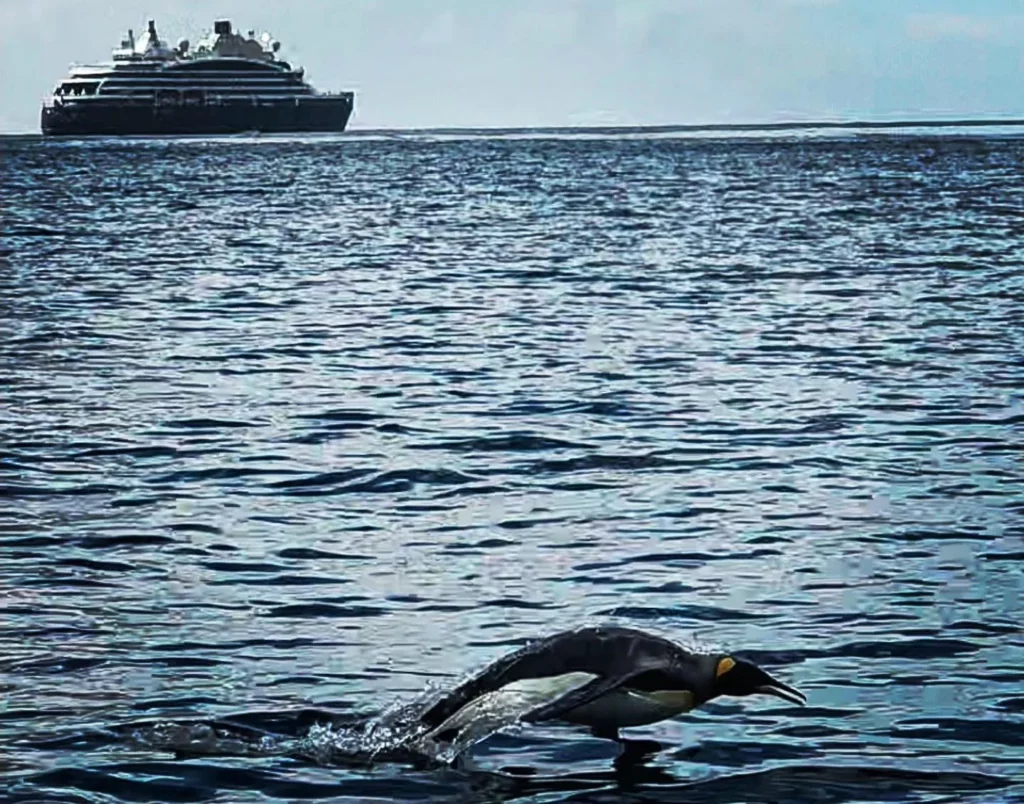
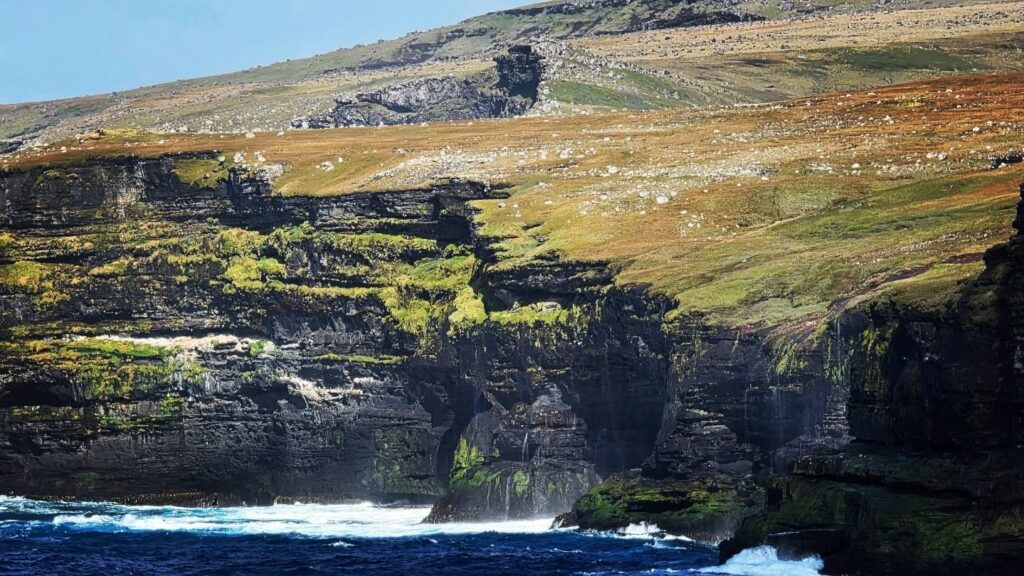
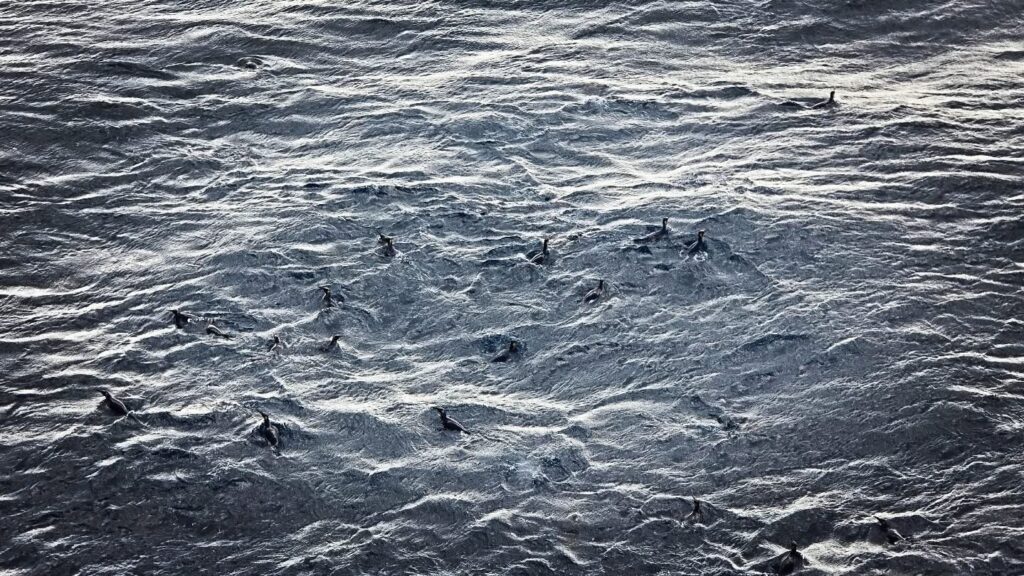
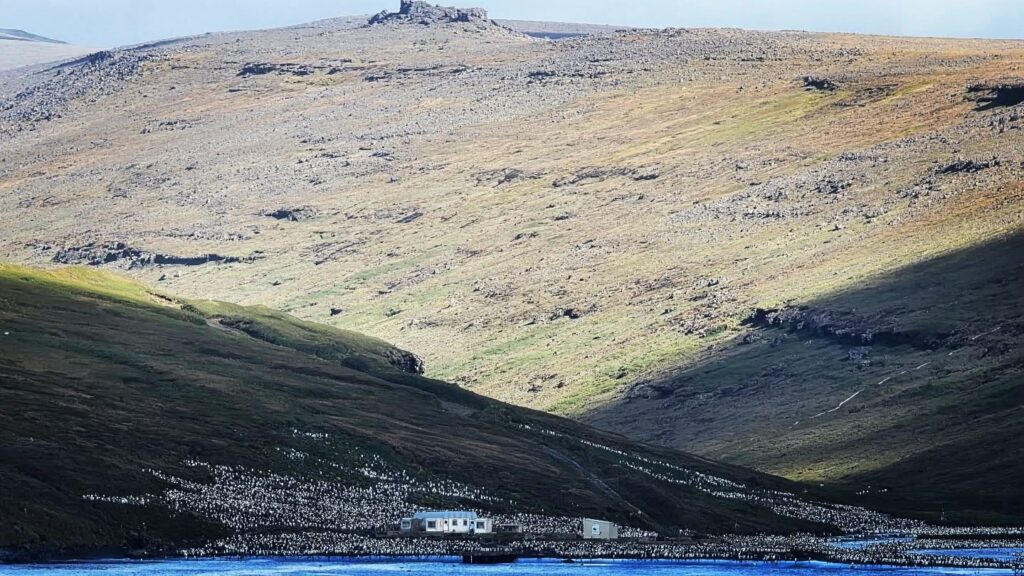
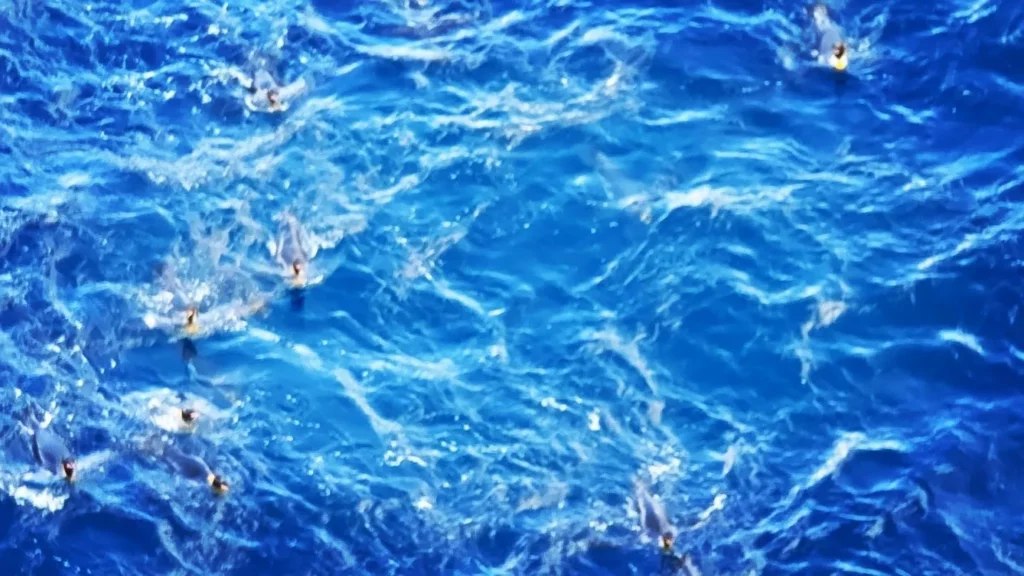
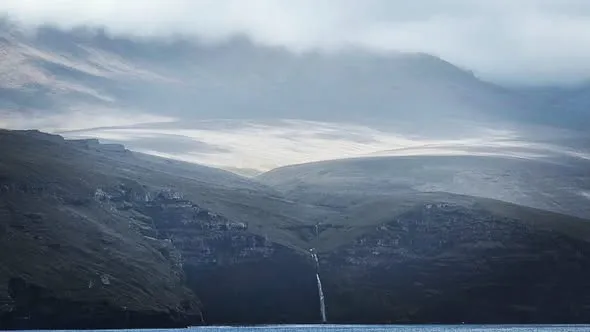
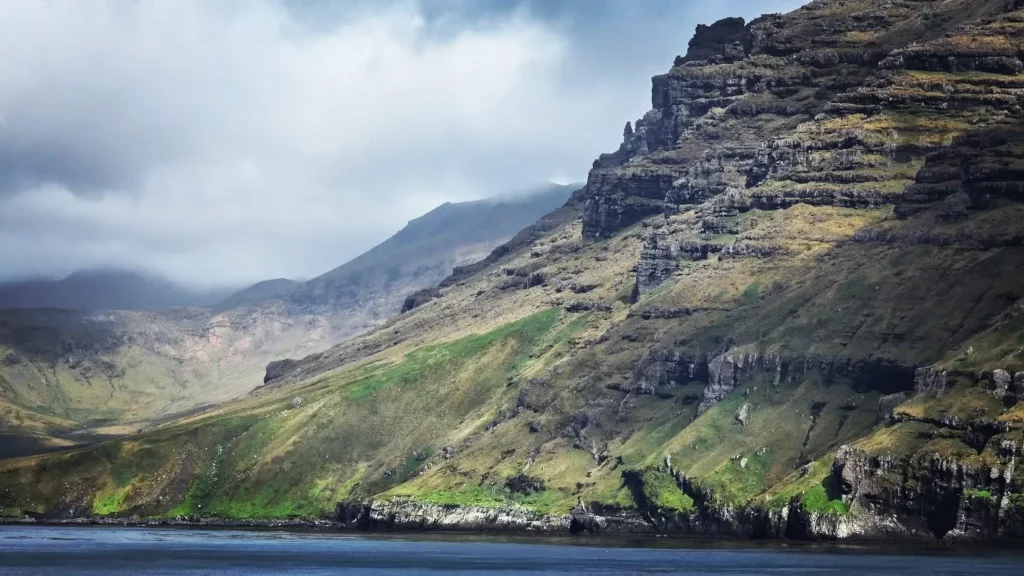
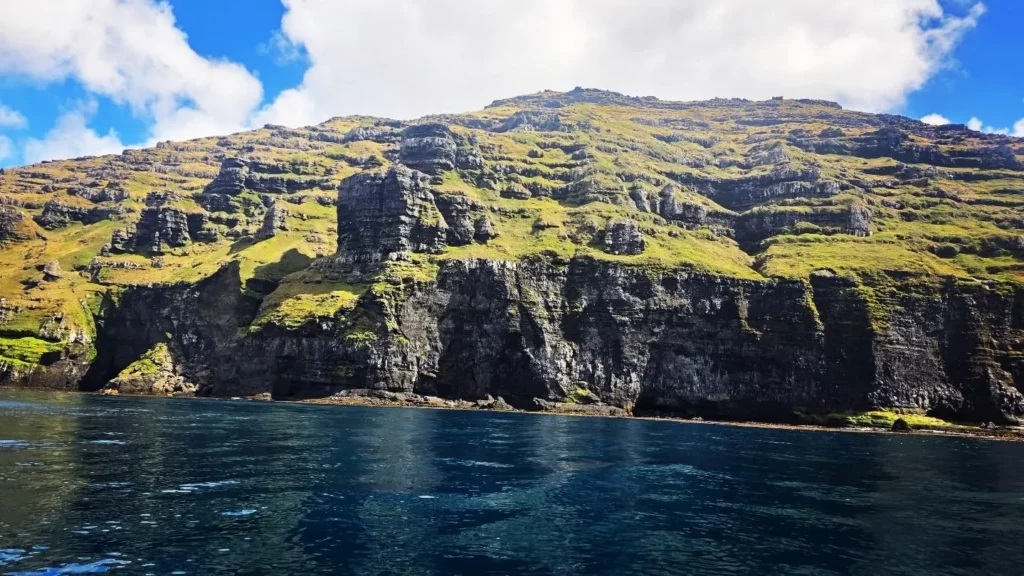
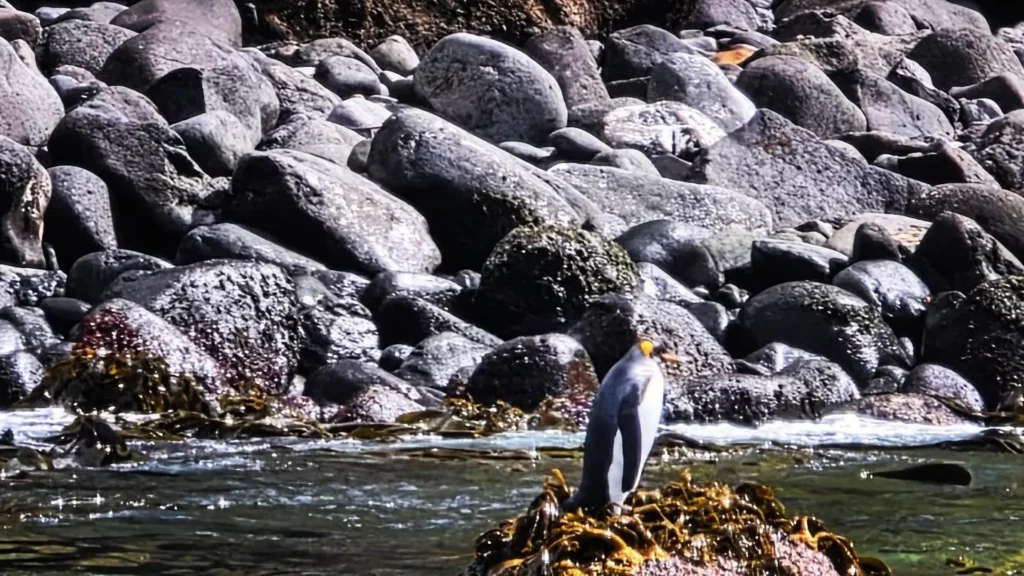
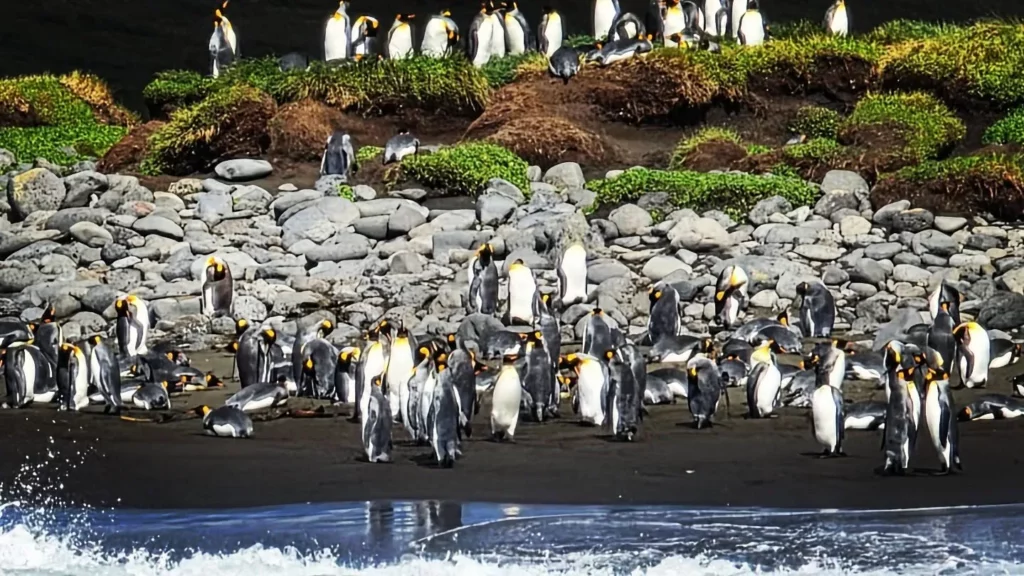
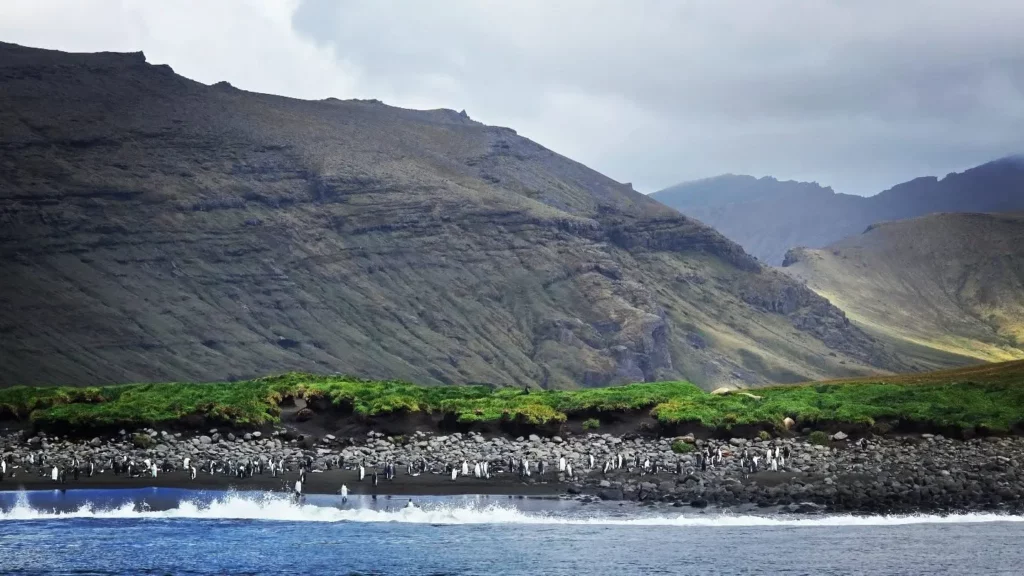
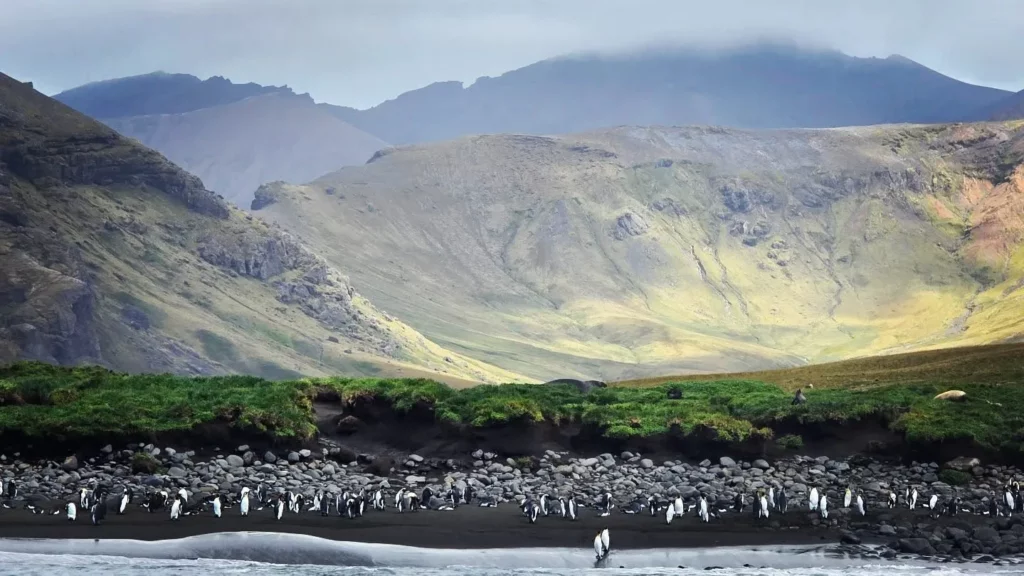
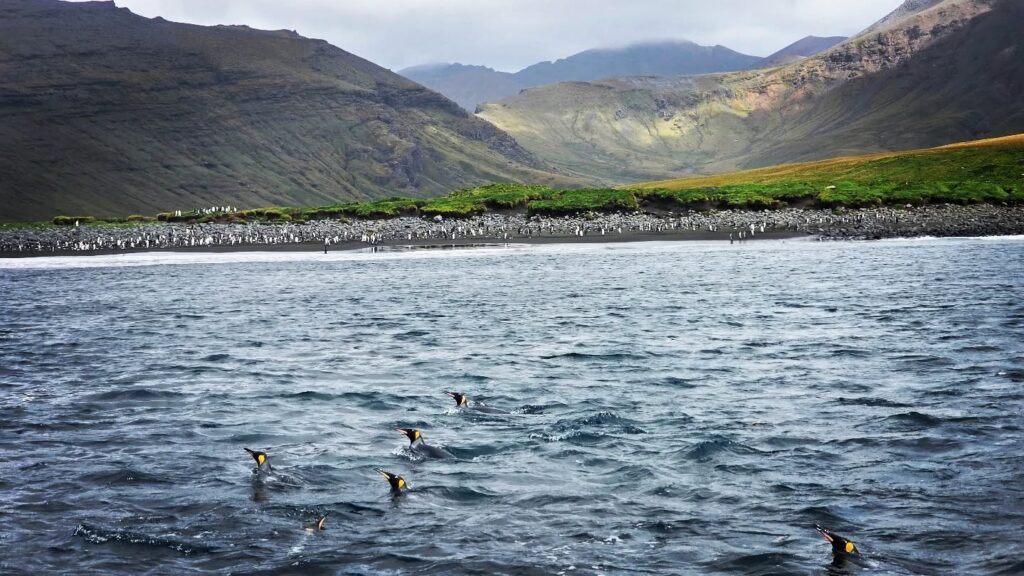
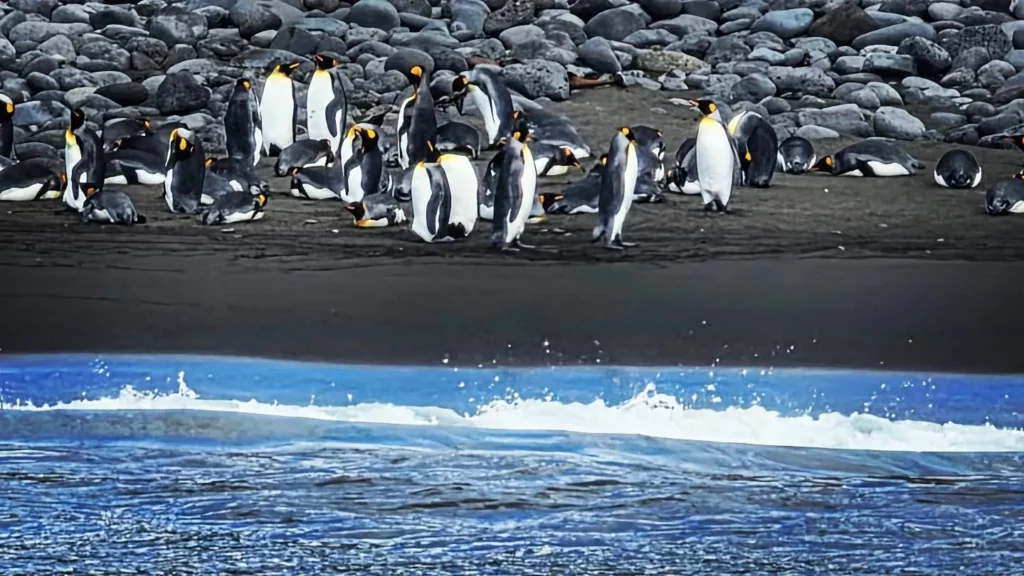
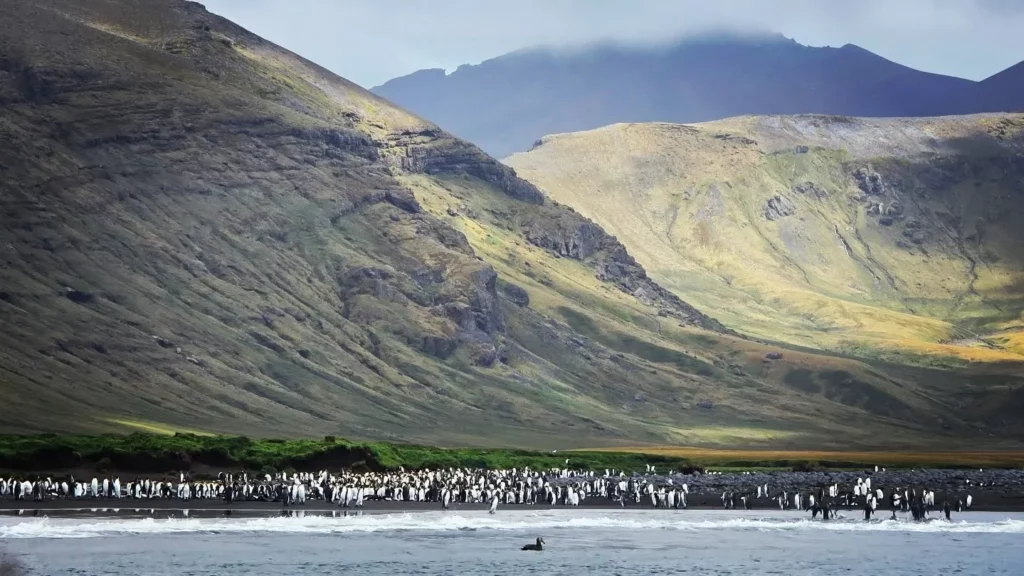
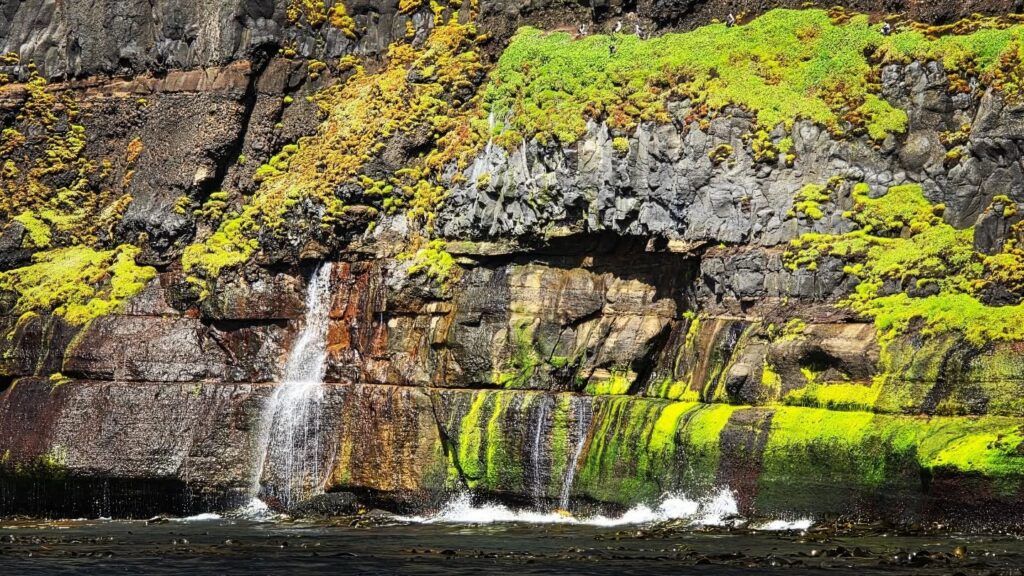
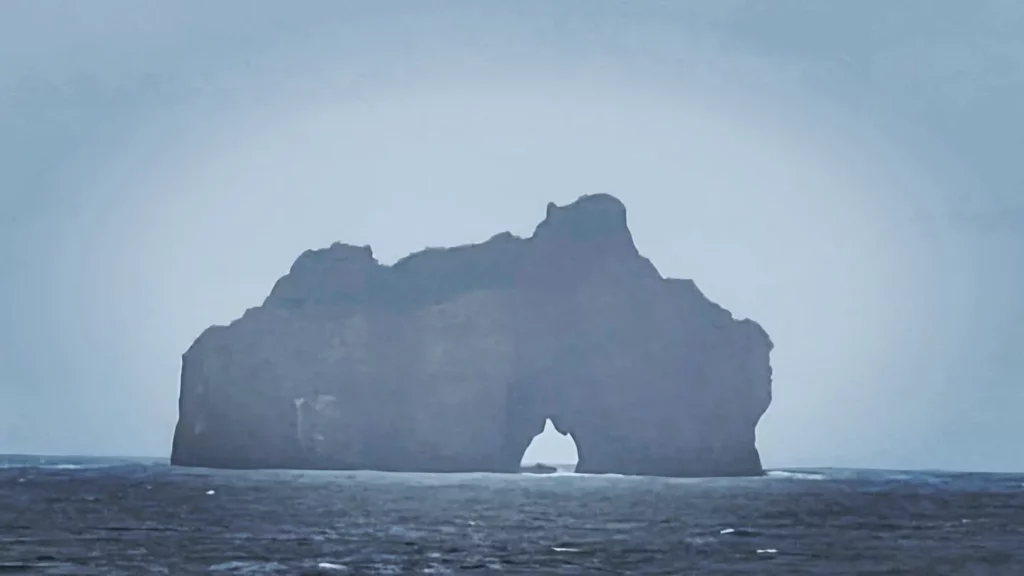
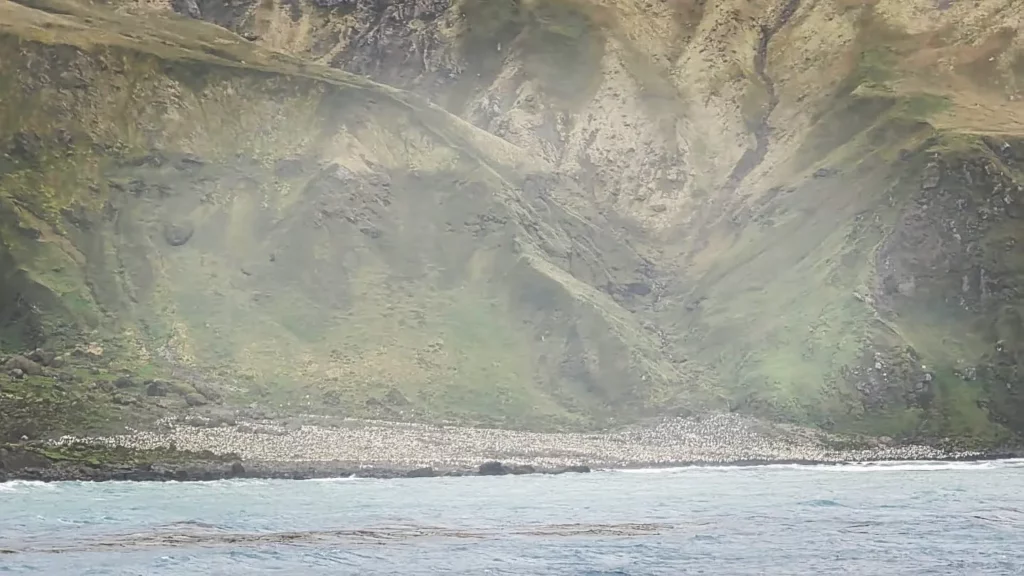
Our last stop of the trip was the main island of Crozet Archipelago, where we enjoyed the local wildlife by zodiac cruise. Some places are difficult to capture in words. The Crozet Islands are certainly among them. So instead of adding lengthy descriptions, I’ll simply let the following photographs tell the story.
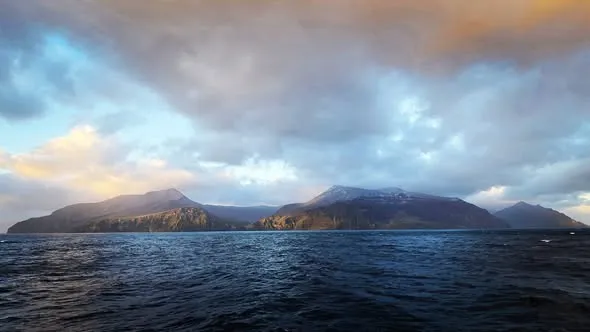
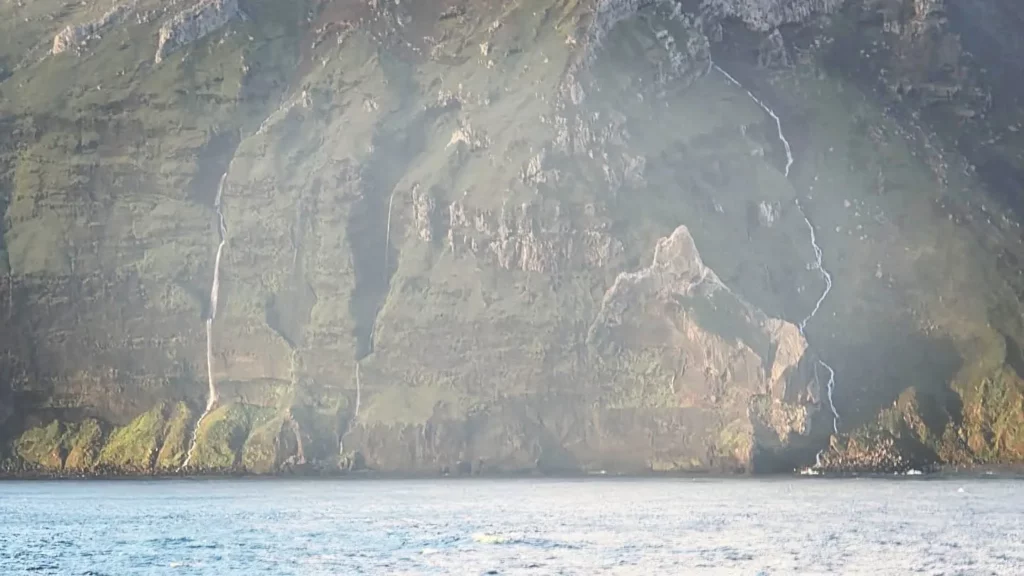
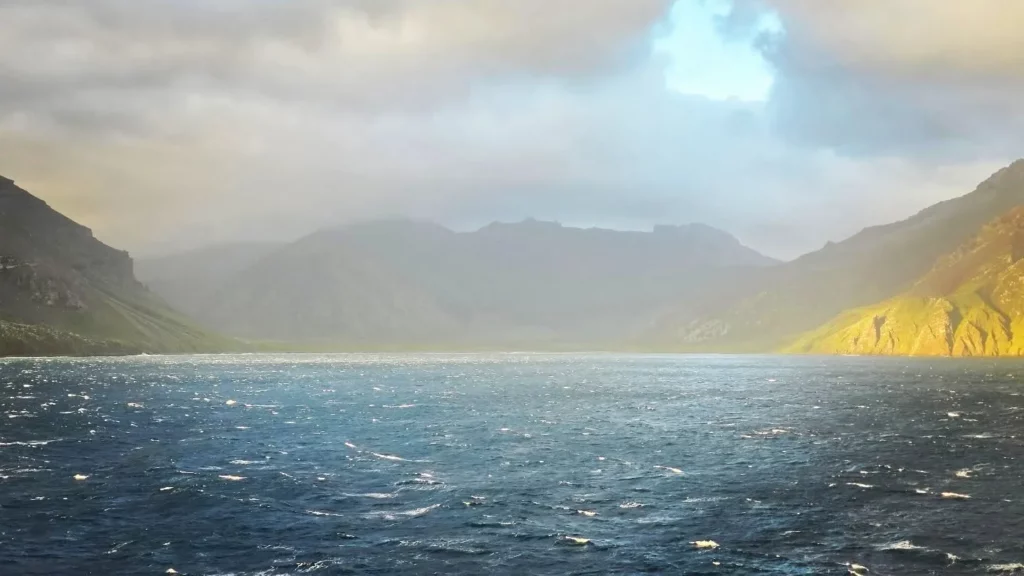
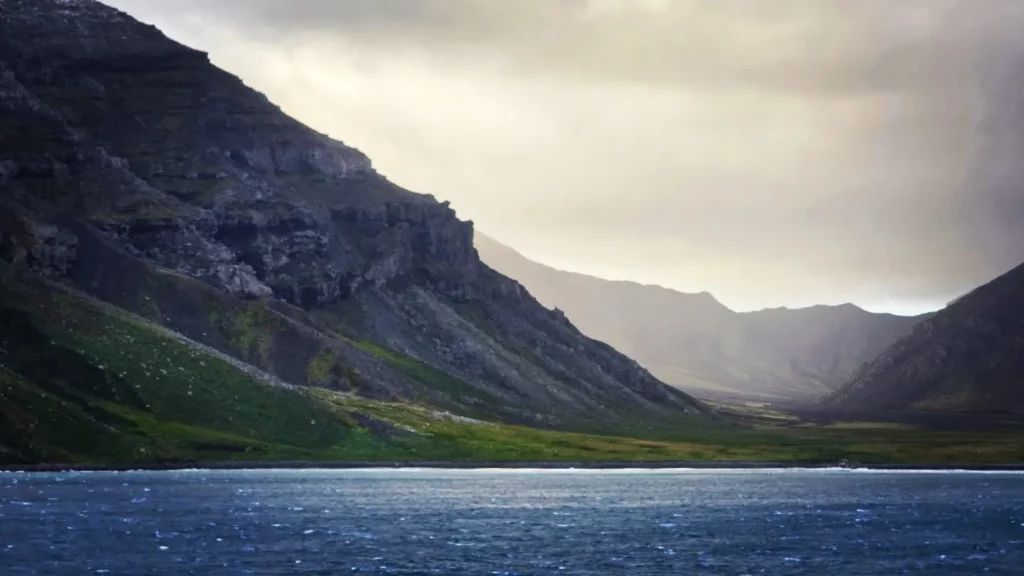
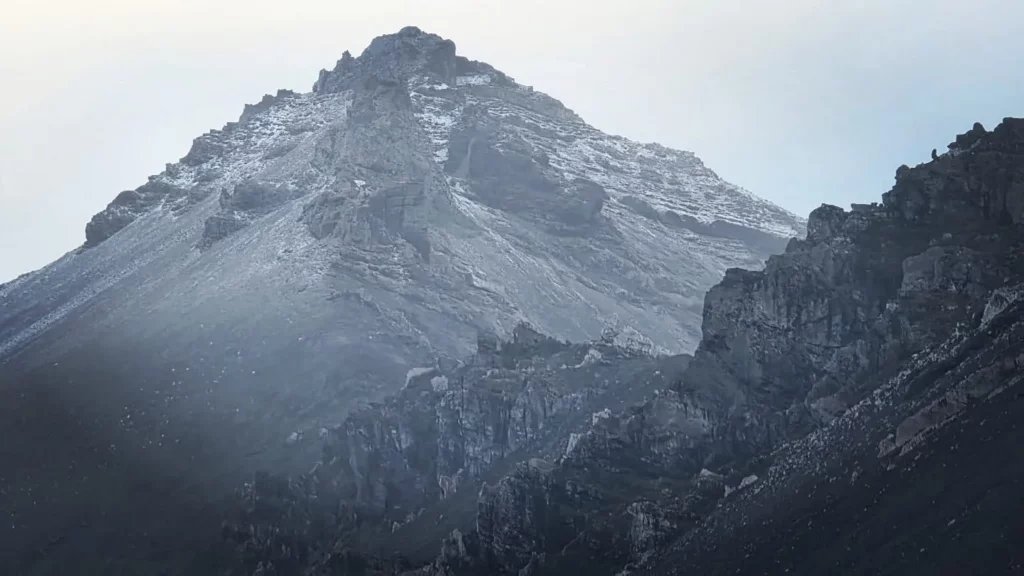
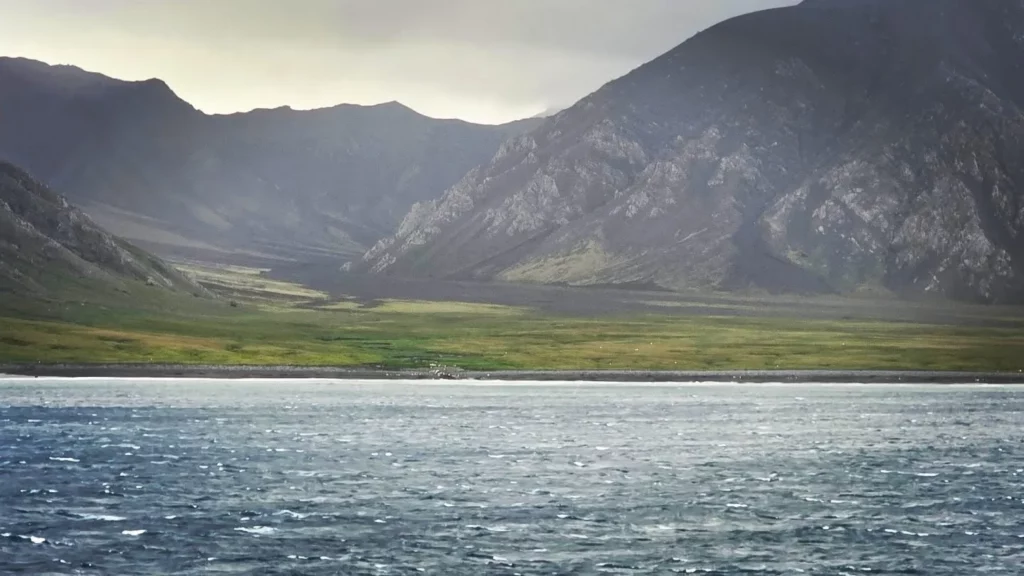
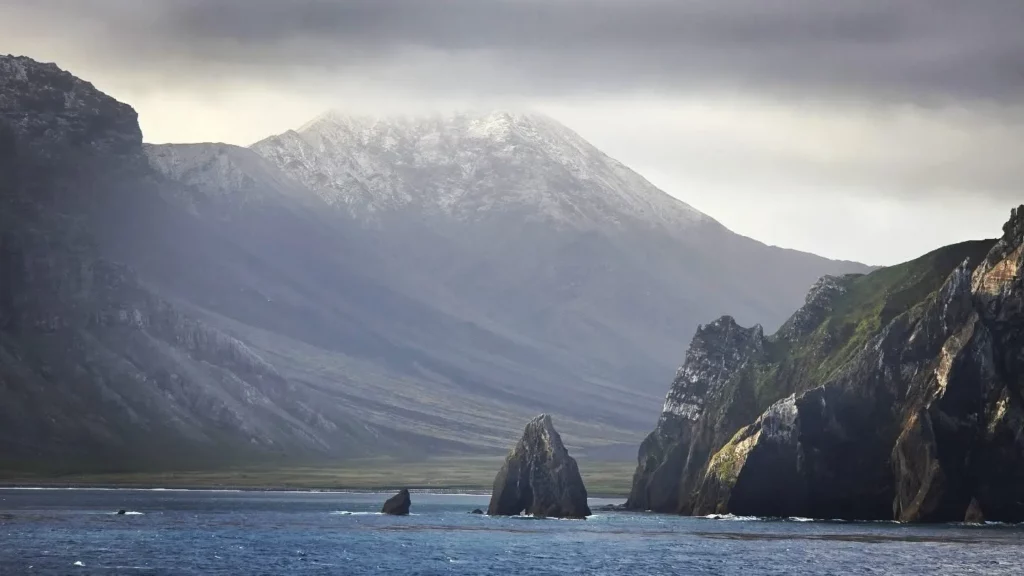
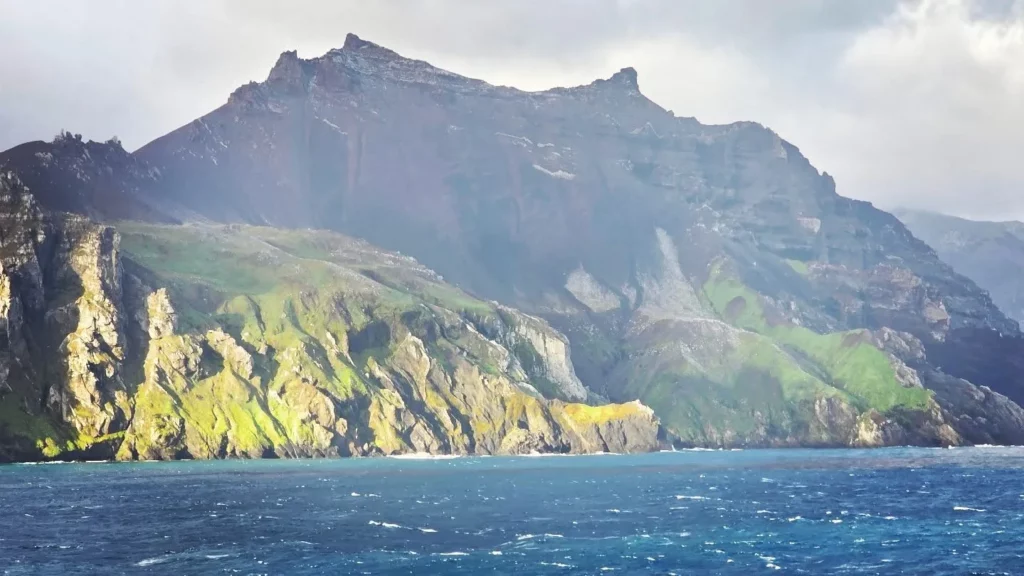

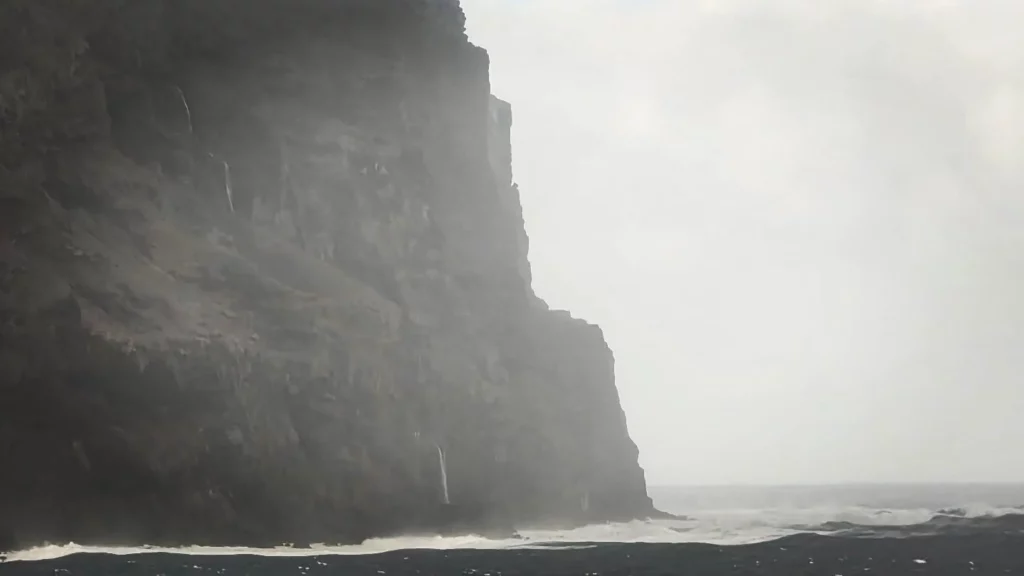
Our final destination was Île de la Possession, the principal island of the Crozet Archipelago and one of the last truly wild places on Earth. Home to the small Alfred Faure Research Station, it is otherwise dominated entirely by nature. As strict conservation measures limit access ashore, we explored the coastline by Zodiac, drifting past dramatic cliffs, secluded beaches and thriving wildlife colonies. Thousands of king penguins, elephant seals, fur seals and nesting seabirds made this a fitting finale to an expedition through some of the most remote corners of our planet.
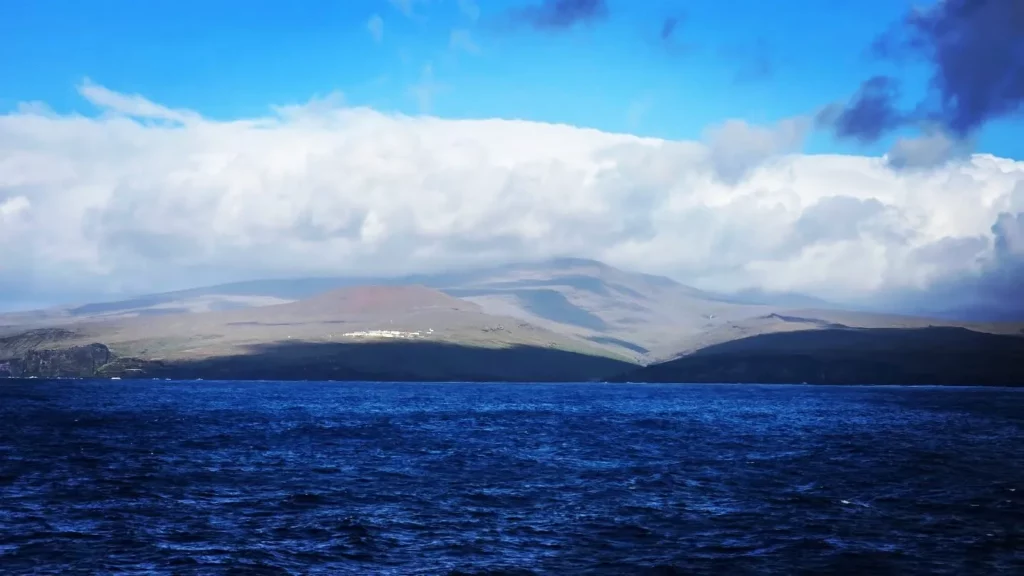
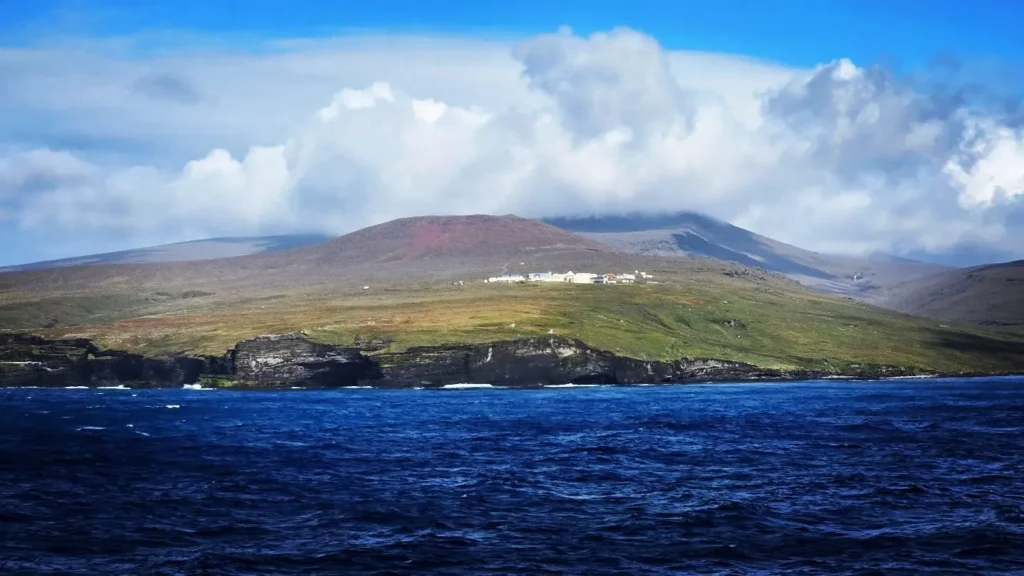
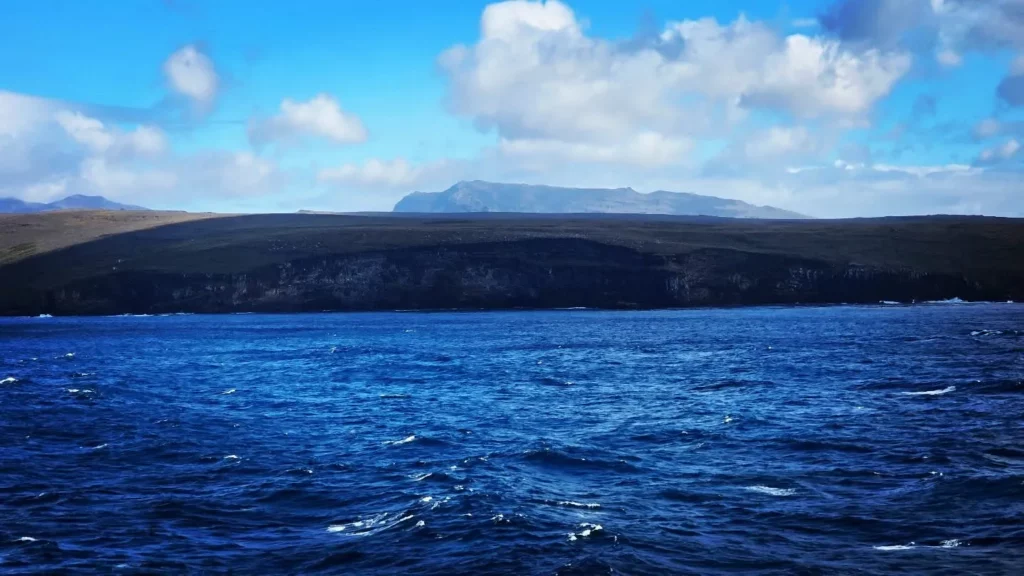
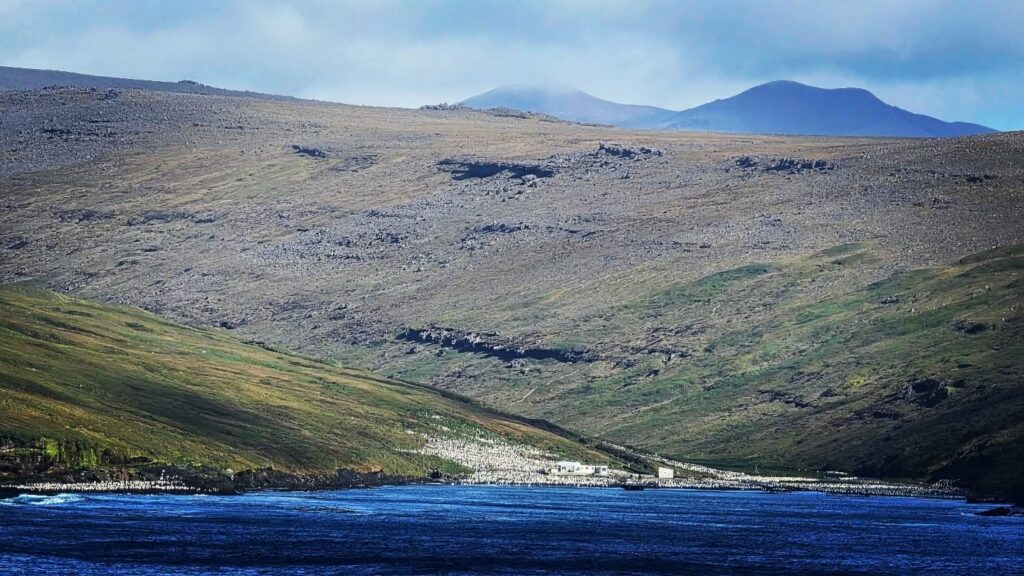
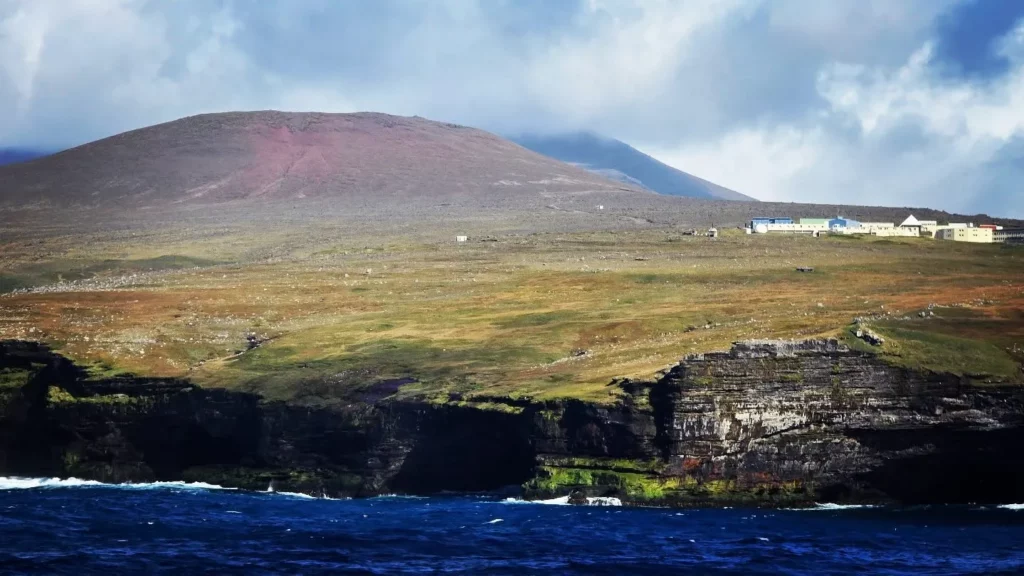




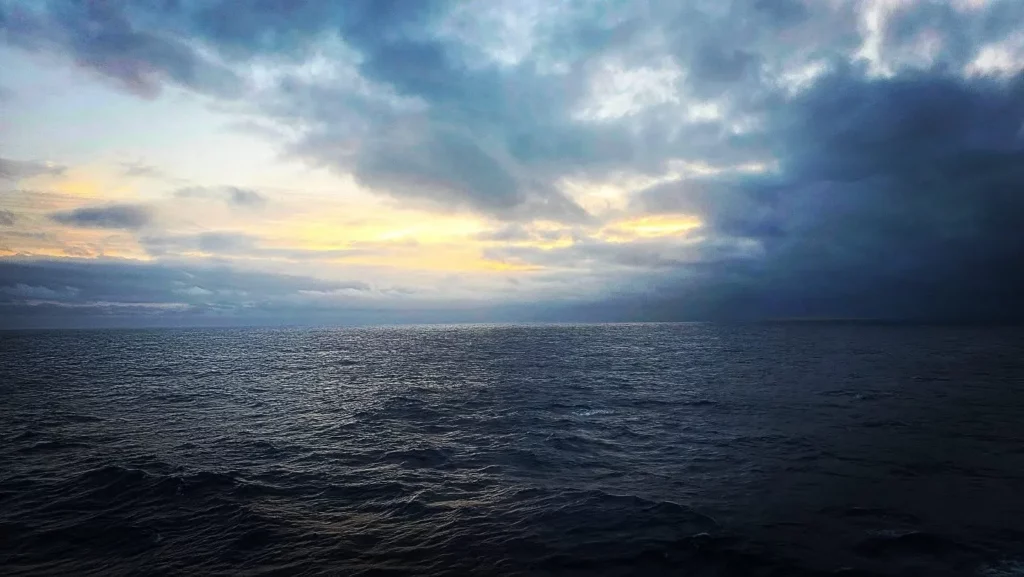
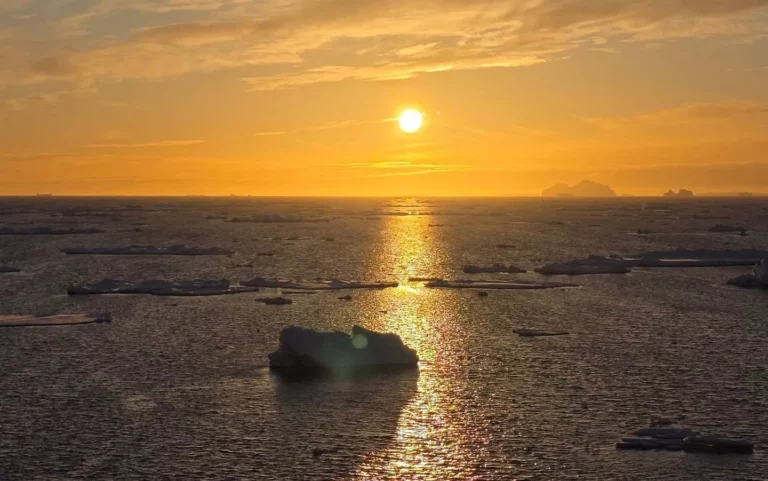
And with that, our last evening on the open ocean had already arrived—for now, at least. Fortunately, there will be plenty more opportunities this year. A ten-day Galápagos liveaboard diving expedition awaits in May, followed by the long-awaited return to my own sailing yacht, SY Staatenlos, in Colombia and Panama. There are also several longer ferry crossings planned between Iceland and the United Kingdom aboard Nemesis, as well as a two-week expedition to East Greenland in September. At the moment, no further Antarctic voyages are booked—but knowing myself, that will probably change sooner rather than later. There are still a few dreams left to fulfil: the South Sandwich Islands, the South Orkney Islands, and perhaps even the legendary Bouvet Island.
Looking back, this expedition was everything I had hoped for and more. From the endless ice of East Antarctica to the forgotten shores of the Kerguelen and Crozet Islands, it took me to places that only a tiny fraction of humanity will ever have the chance to experience. It was a journey through some of the wildest, most remote and least visited corners of our planet—one that will stay with me for the rest of my life.
Thank you for following along on this adventure. I hope these stories and photographs managed to capture at least a small part of what makes these extraordinary places so unforgettable. Until the next expedition in Antarctica.