
Japan in Autumn: Kobe, the Deer of Nara, Kyoto's Maples and a Day with Mount Fuji
11–18 November 2022 · Kobe, Nara, Kyoto, Hikone, Nagoya, Hakone, Mount Fuji, Tokyo · Regions: Japan (Kansai, Chūbu, Kantō)
It sounds strange for someone who had been to almost every country in the world, but until November 2022 I had never set foot in Japan. When I finally came, it was the second-to-last country on my own list. After it only Eritrea remained, and its visa was still pending. I had one week to cross the country from Kobe to Tokyo, and it fell right into the peak of the autumn colours.
Kobe: there is a reason I came
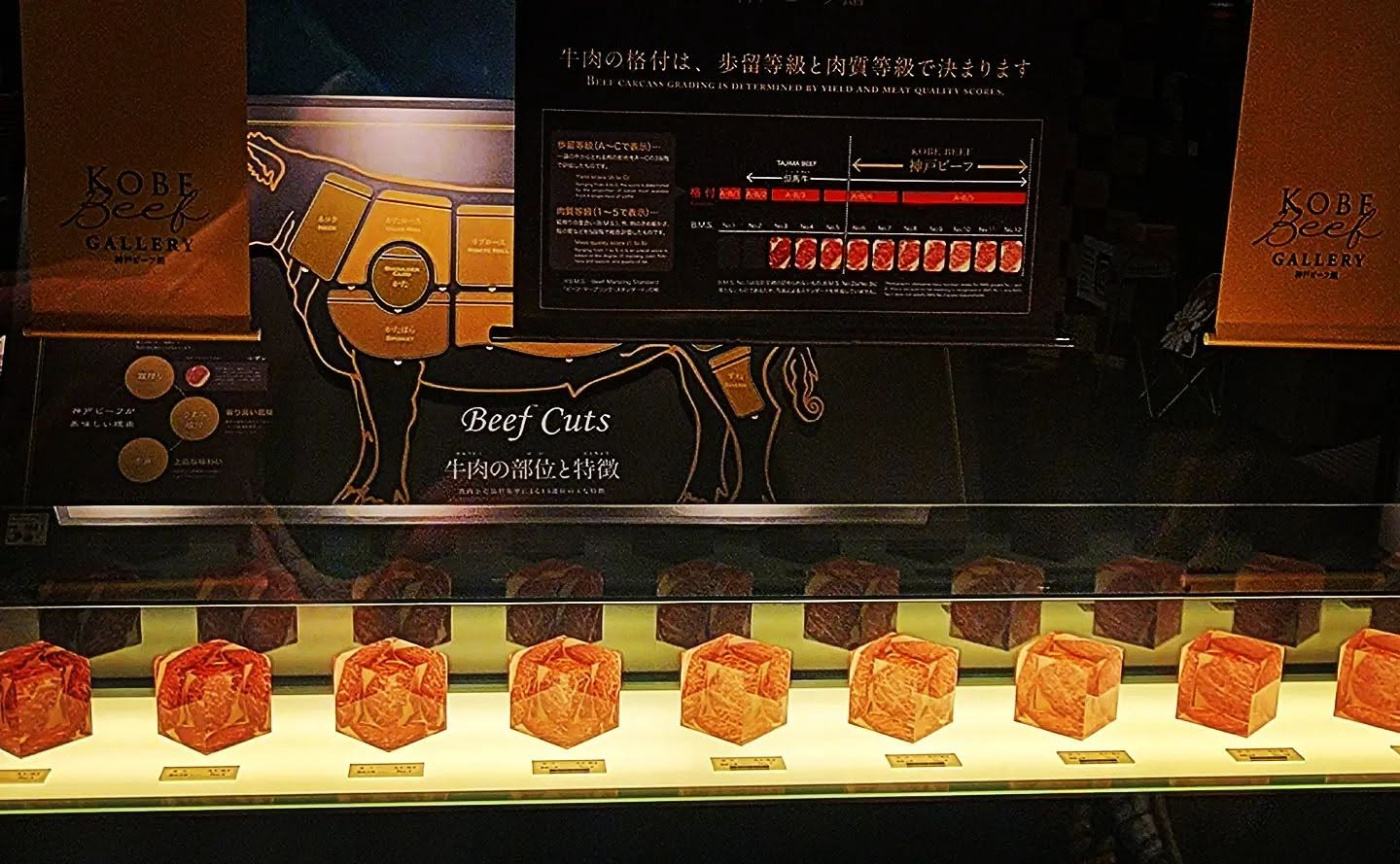
I started in Kobe, and I did not hide why. My first post from Japan showed a glass case at the Kobe Beef Gallery with models of every cut, and the comment that there was a reason I was here.
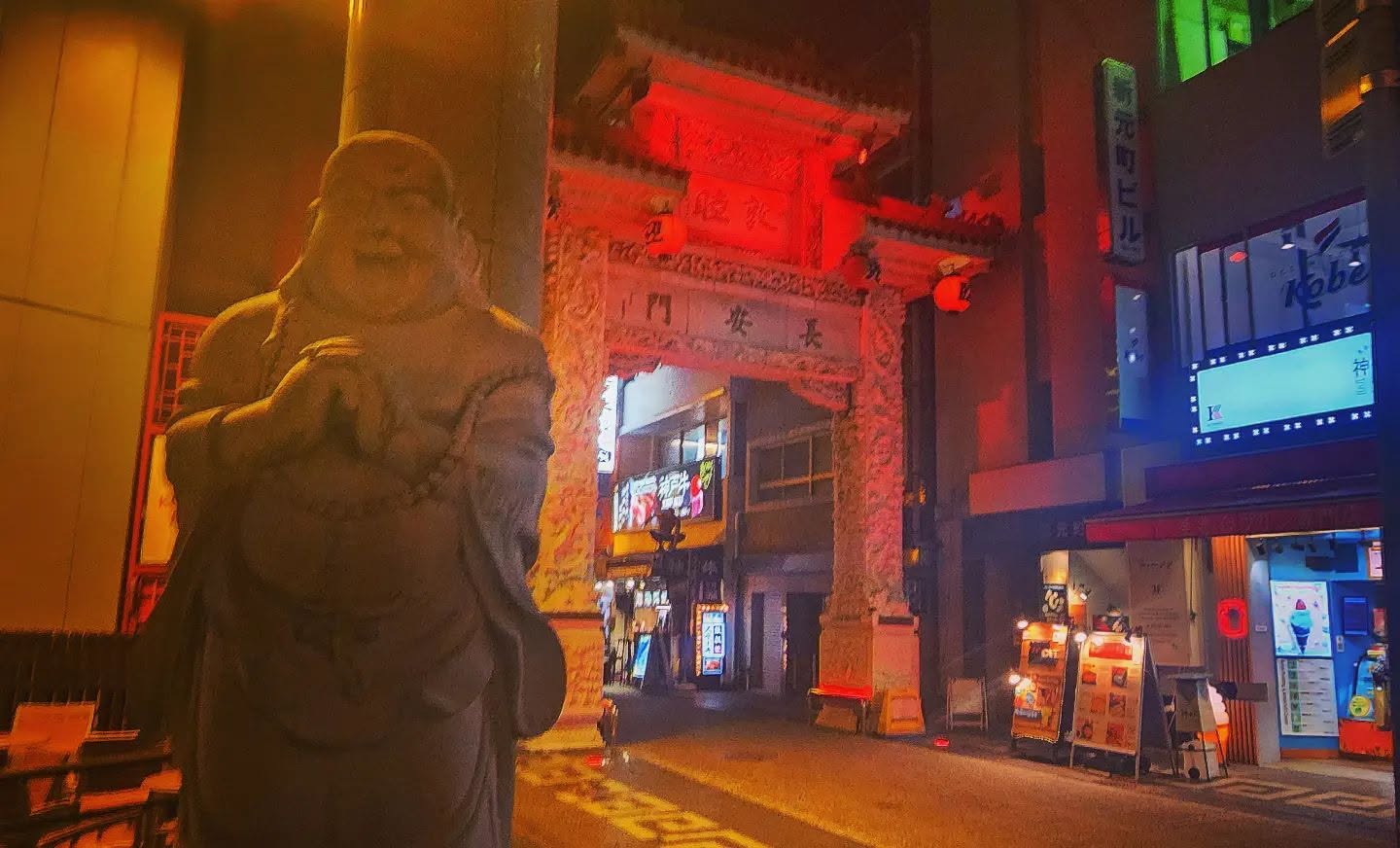
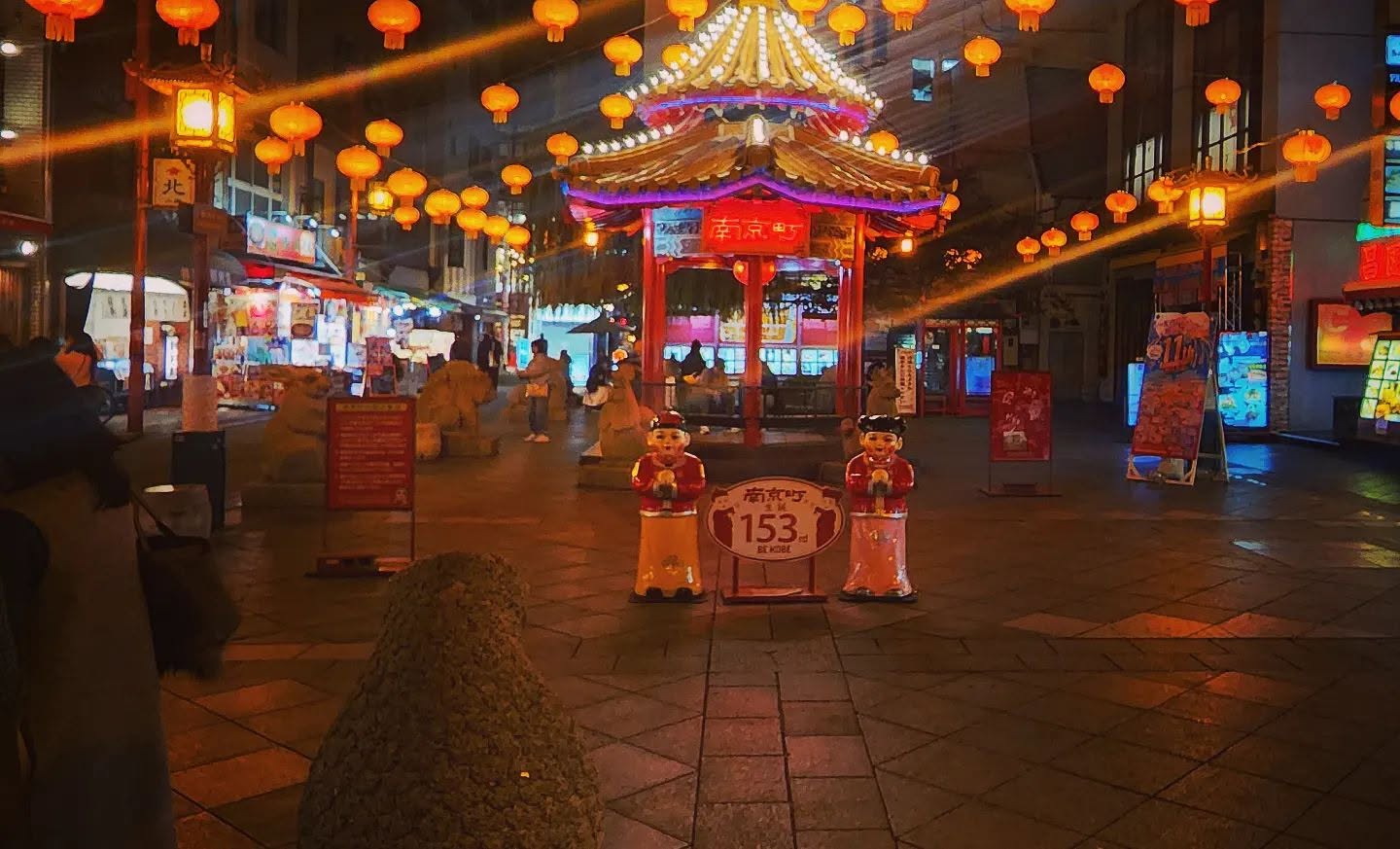
At night I walked through Nankinmachi, Kobe's Chinatown, where red lanterns hang over the lanes and a pavilion stands in the middle of the main square. The port city has had a Chinese community since it opened to foreign trade in the 1860s.
Nara: temples, a giant Buddha and a thousand deer
The next day took me to Nara Park under a perfectly blue sky. Its centrepiece is Tōdai-ji with its enormous Great Buddha Hall.
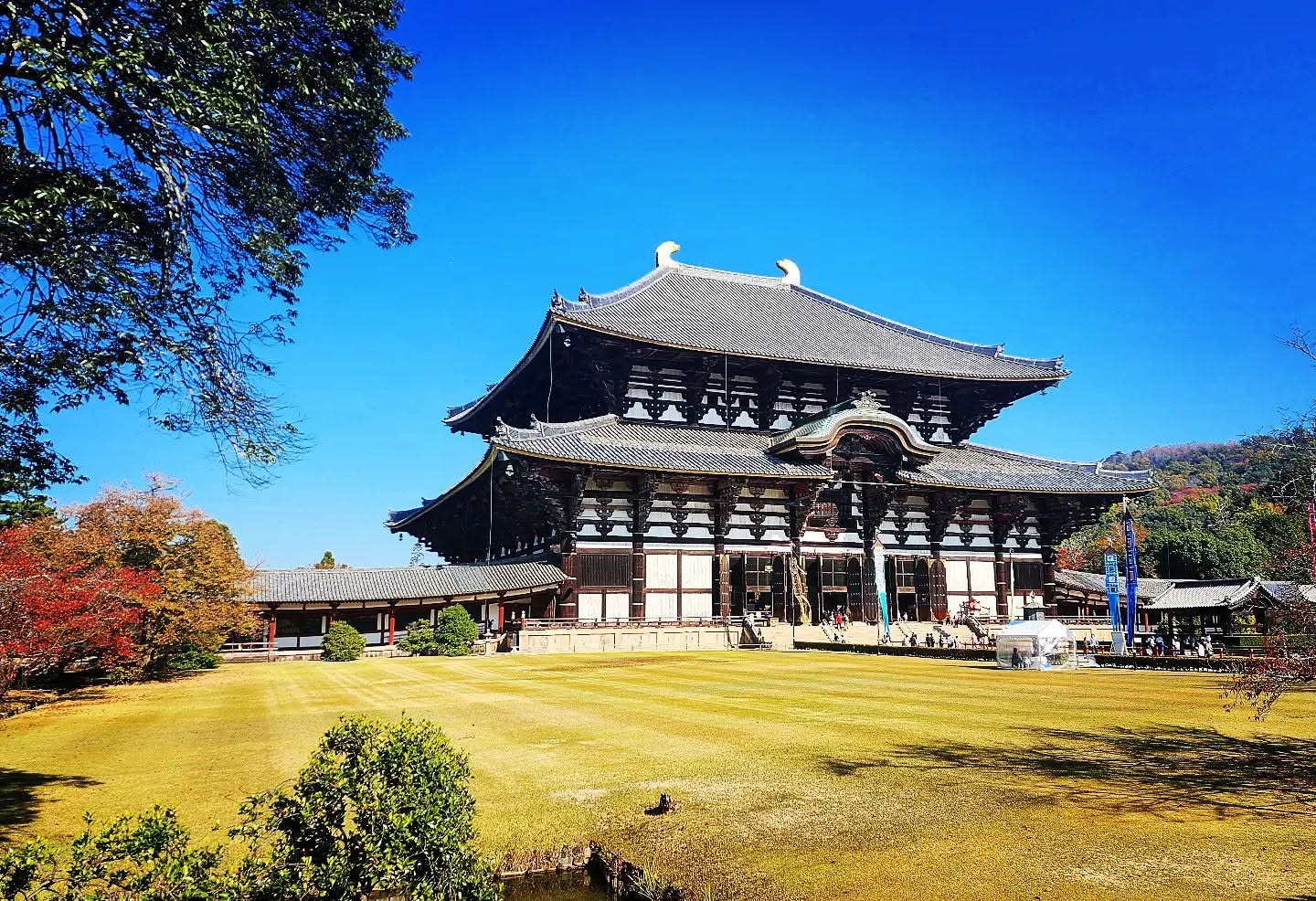
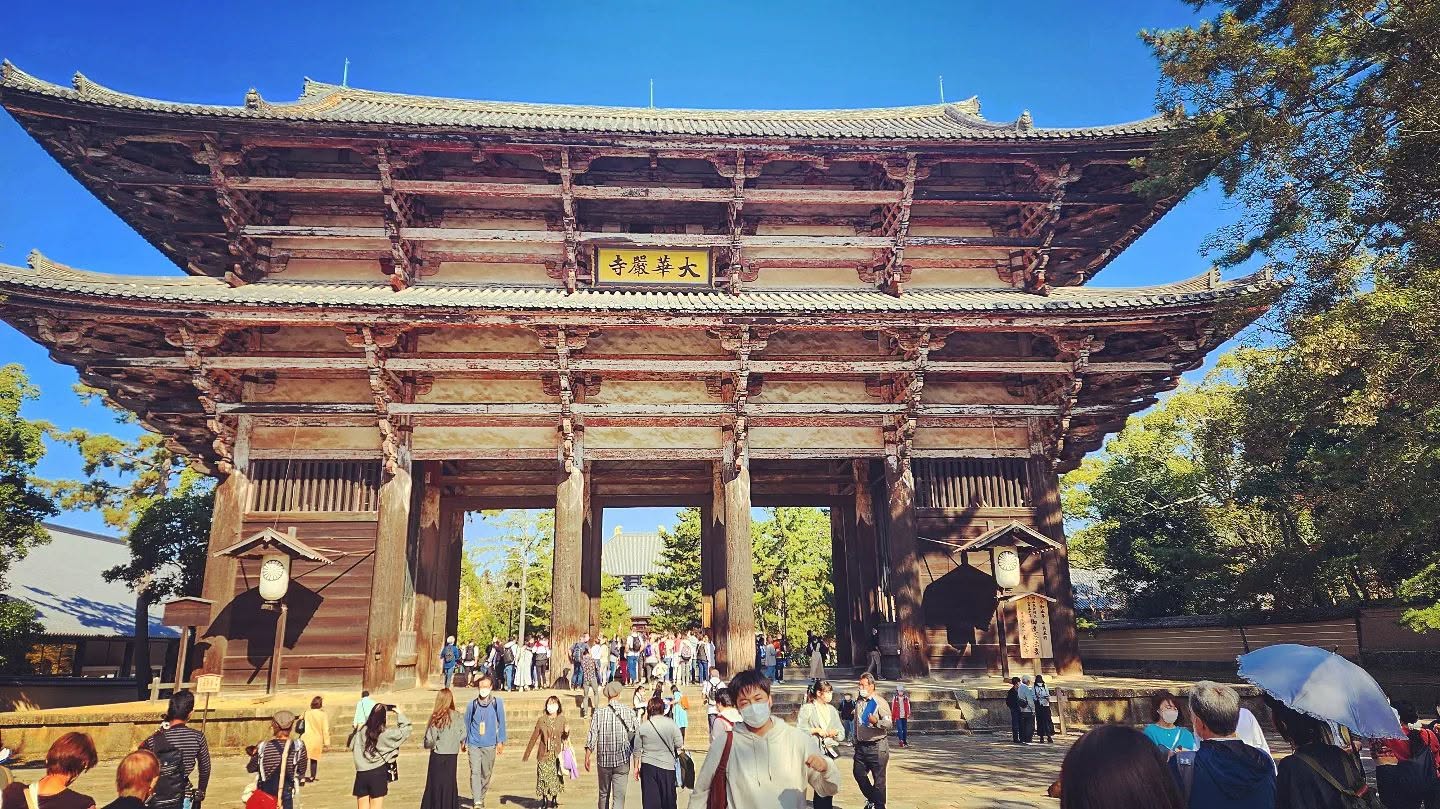
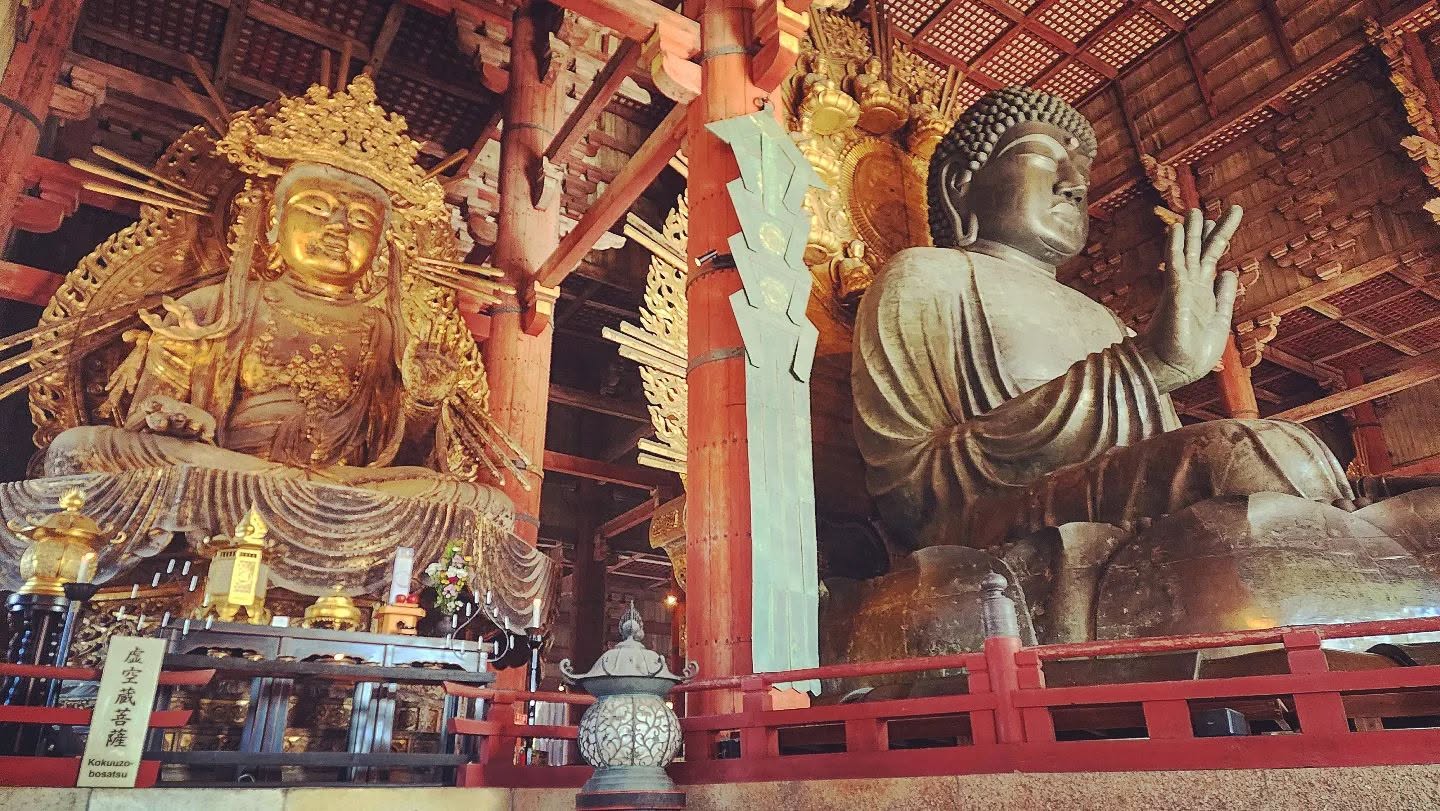
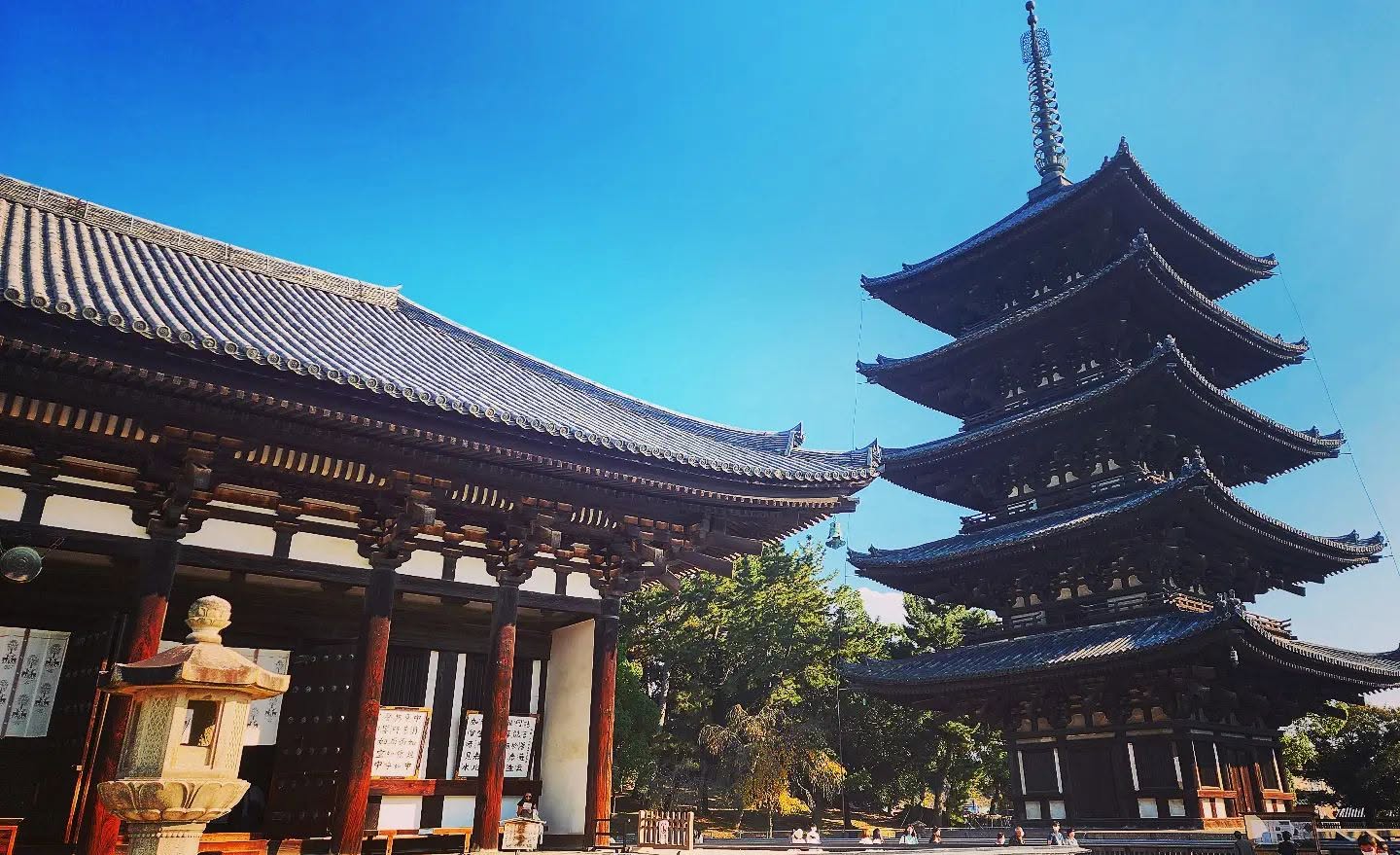
You enter through the Nandaimon, a two-storey wooden gate guarded by fierce temple guardians, and inside the hall the bronze Buddha sits between gilded attendants. A little further on, the five-storey pagoda of Kōfuku-ji rises above the trees.
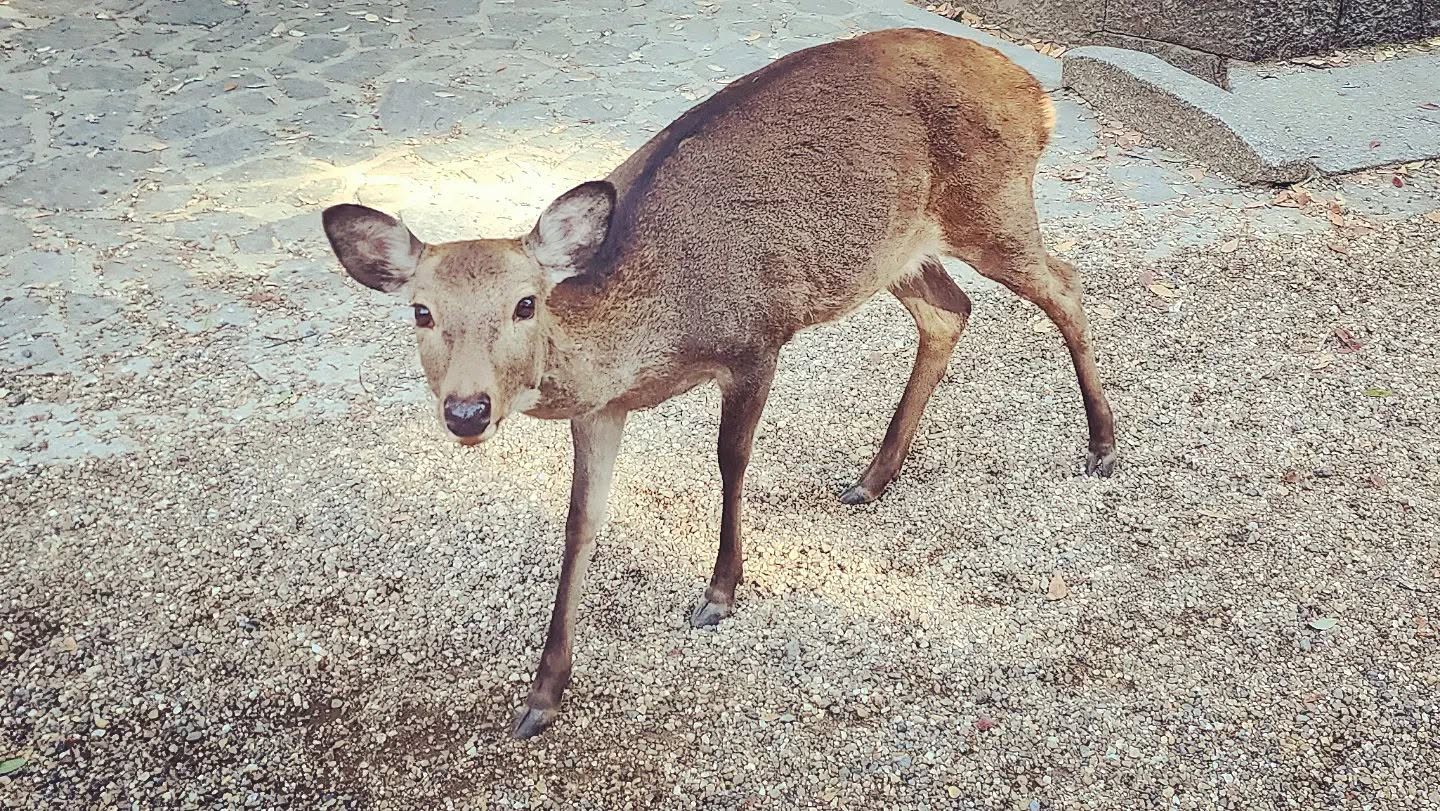
The real stars of Nara, though, are its deer. More than a thousand of them roam freely through the park and between the temples, and they have learned to bow to visitors in the hope of a deer cracker. According to legend, a god of the Kasuga shrine arrived in Nara riding a white deer, so the animals are treated as sacred messengers and are protected as a national natural monument.
Kyoto at the peak of the colours
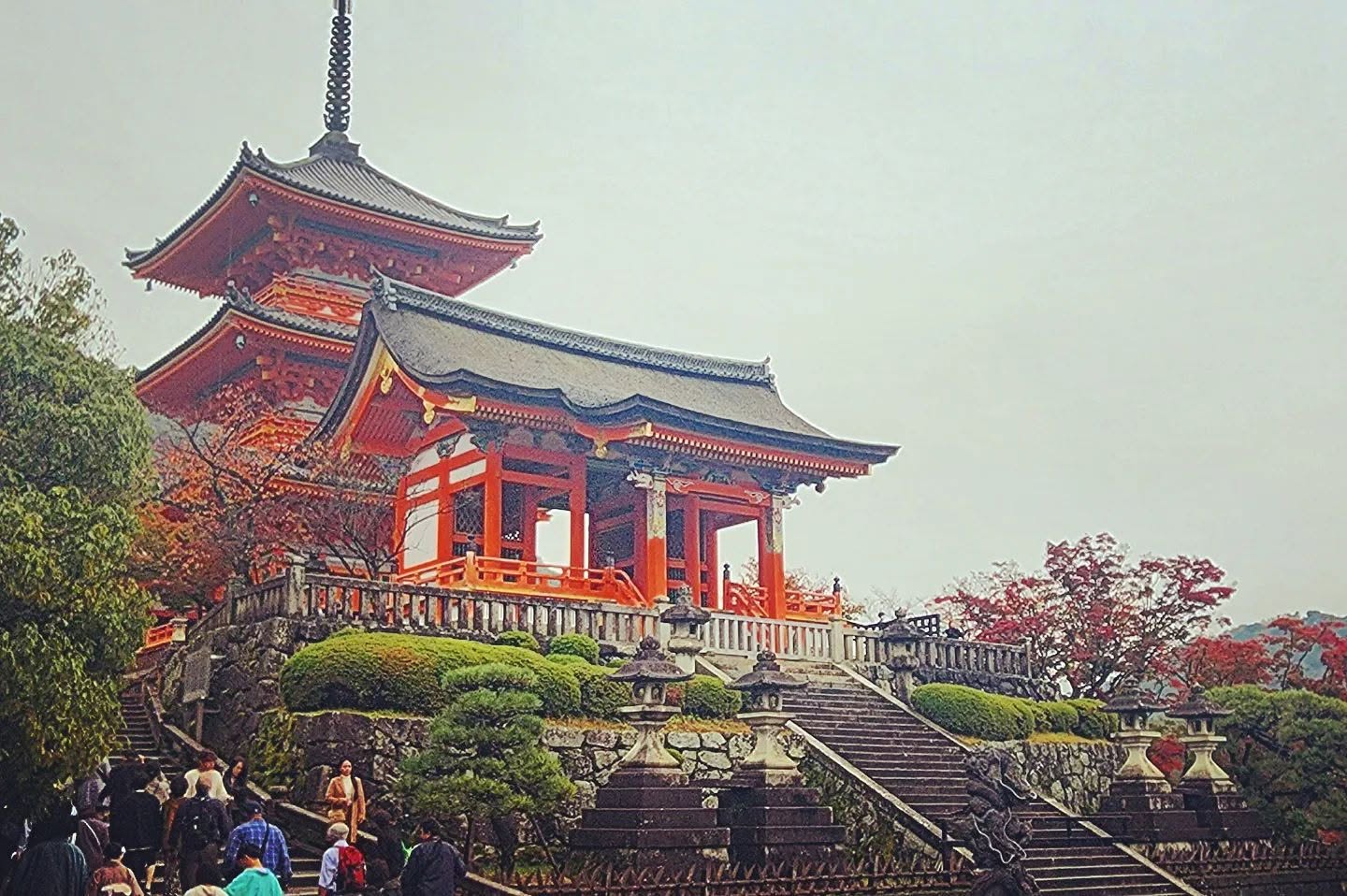
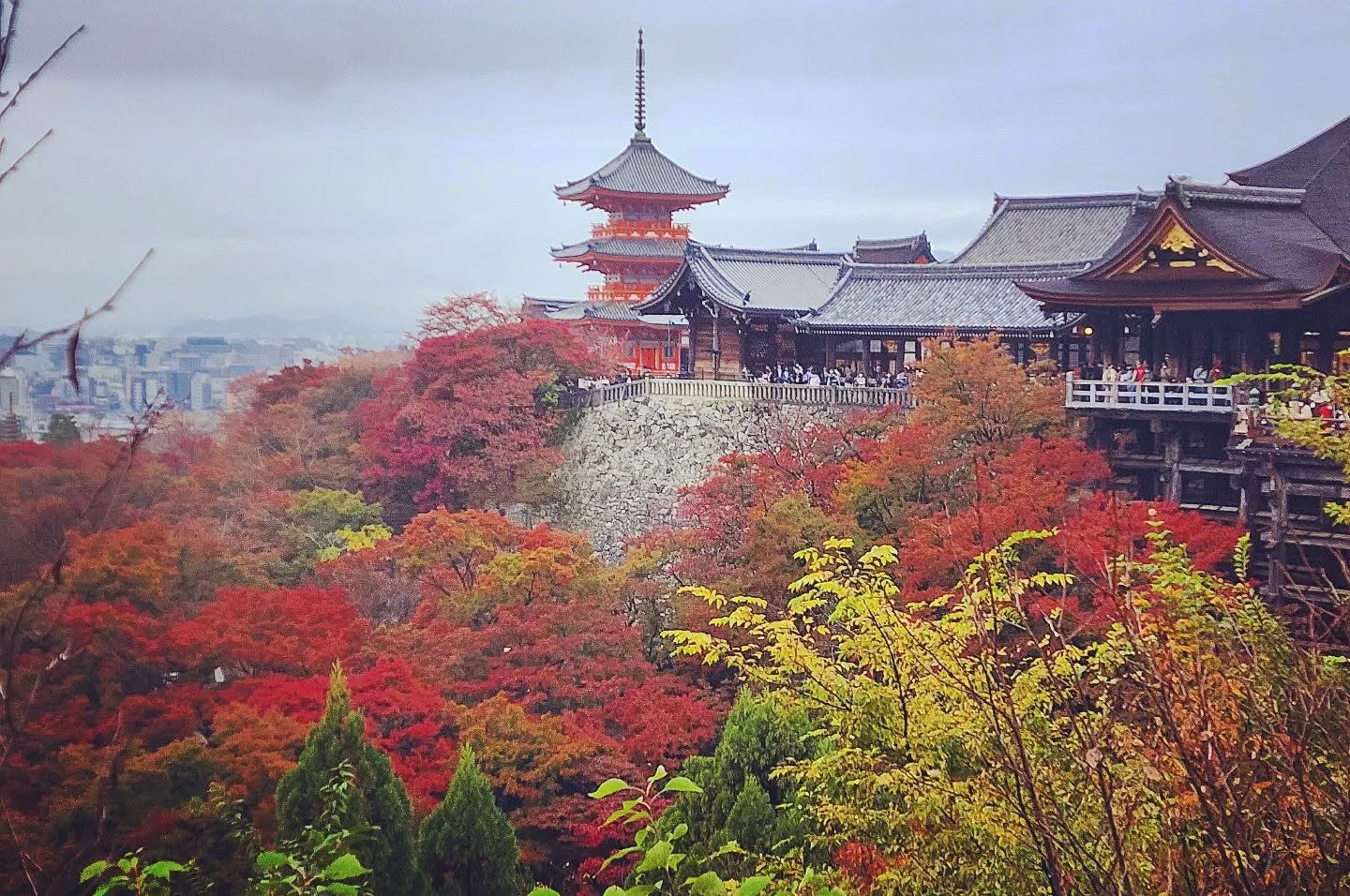
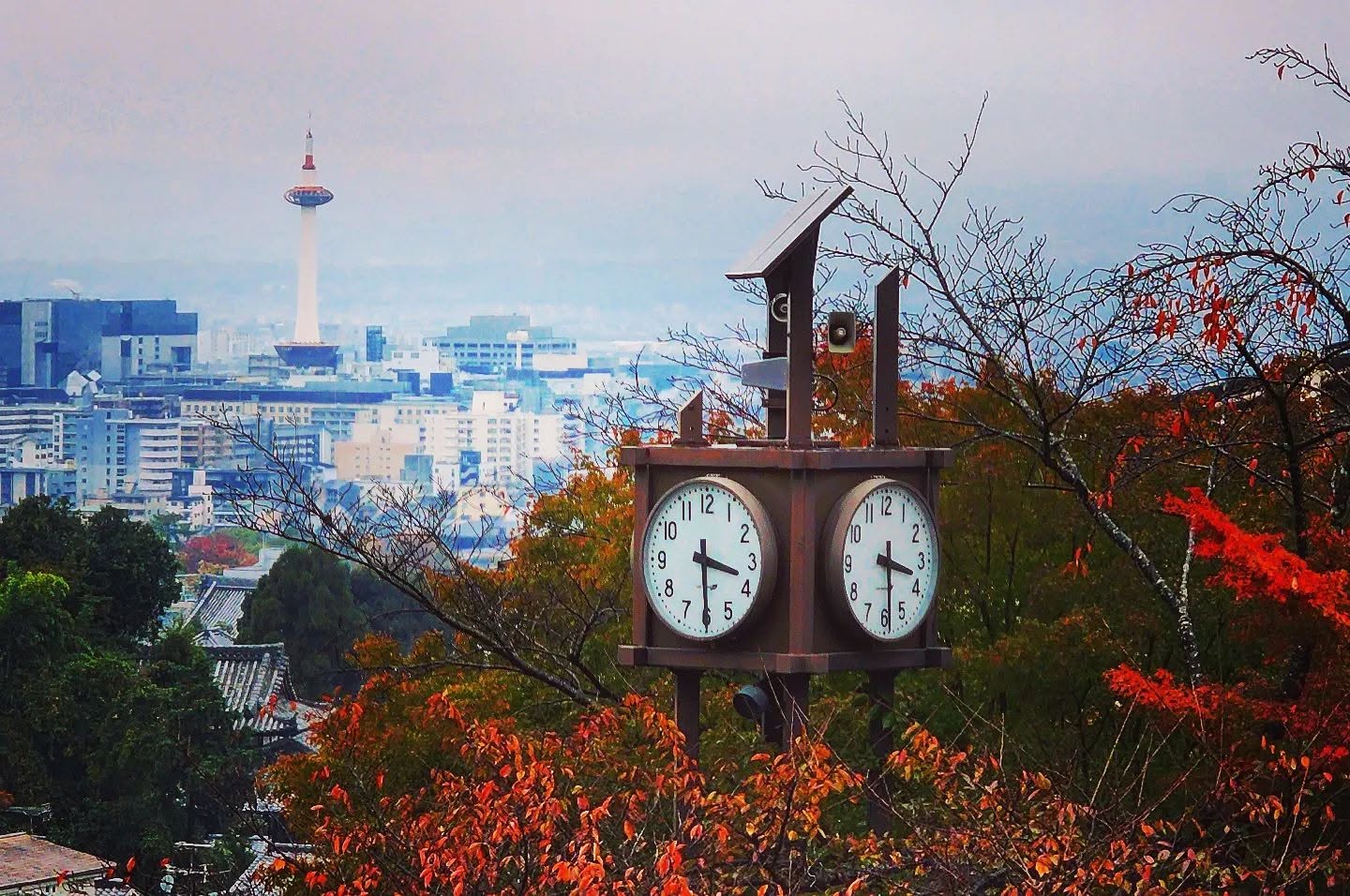
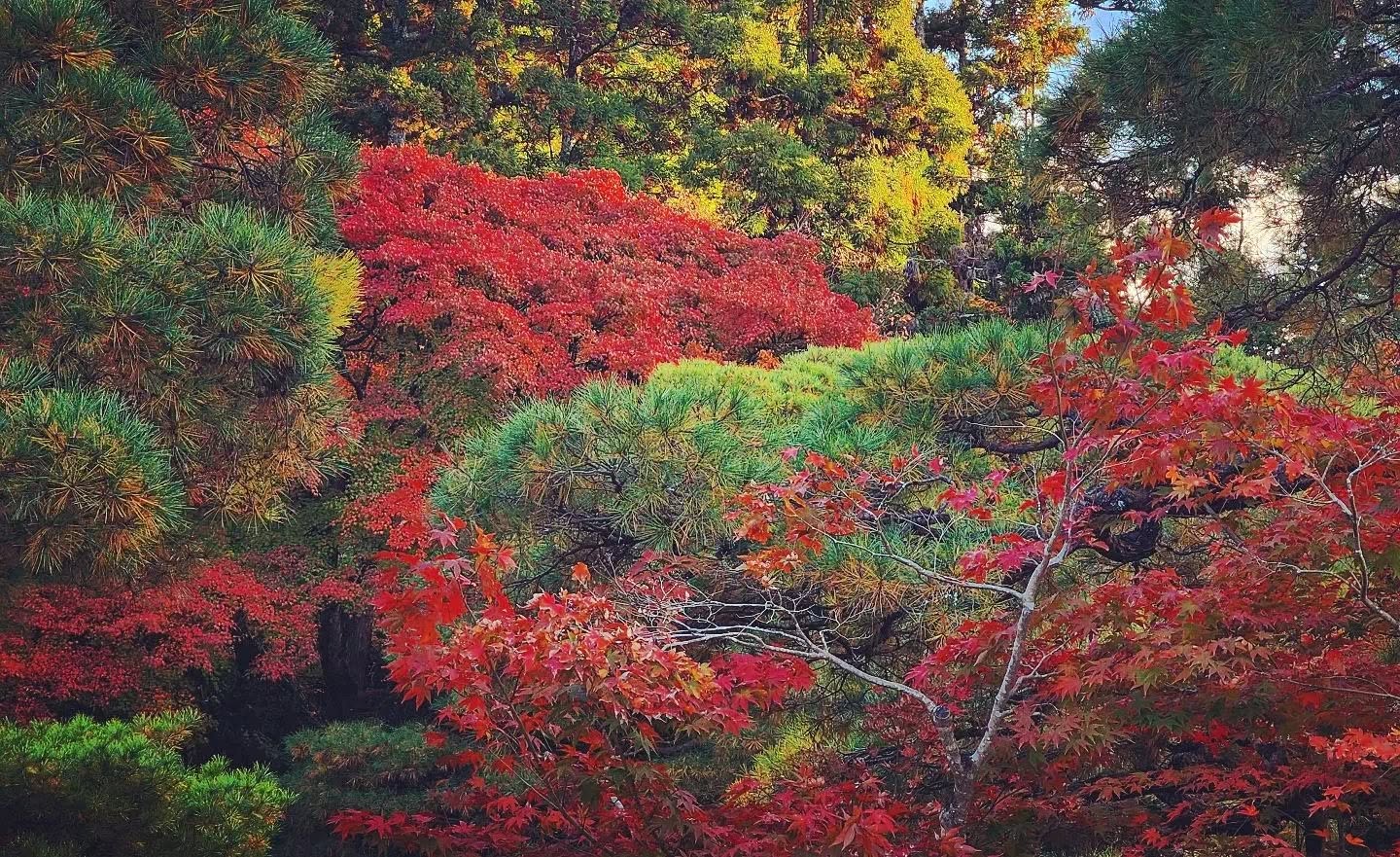
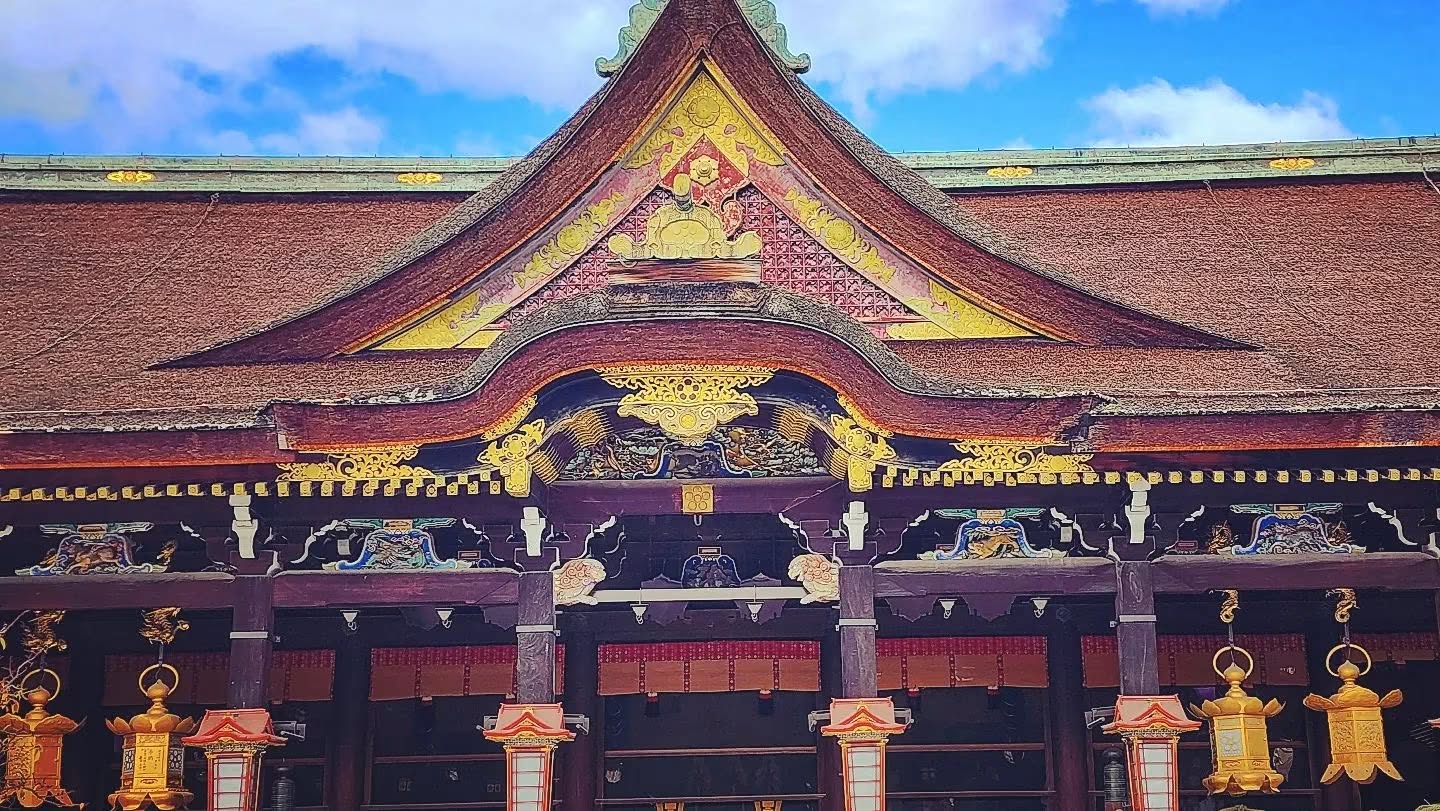
From Nara I moved on to Kyoto for three days. The timing was perfect: the maples were at their reddest, and every temple garden seemed to compete with the next one. On the first, rather grey day I went up to Kiyomizu-dera on the eastern hills, with its vermilion gate and three-storey pagoda.
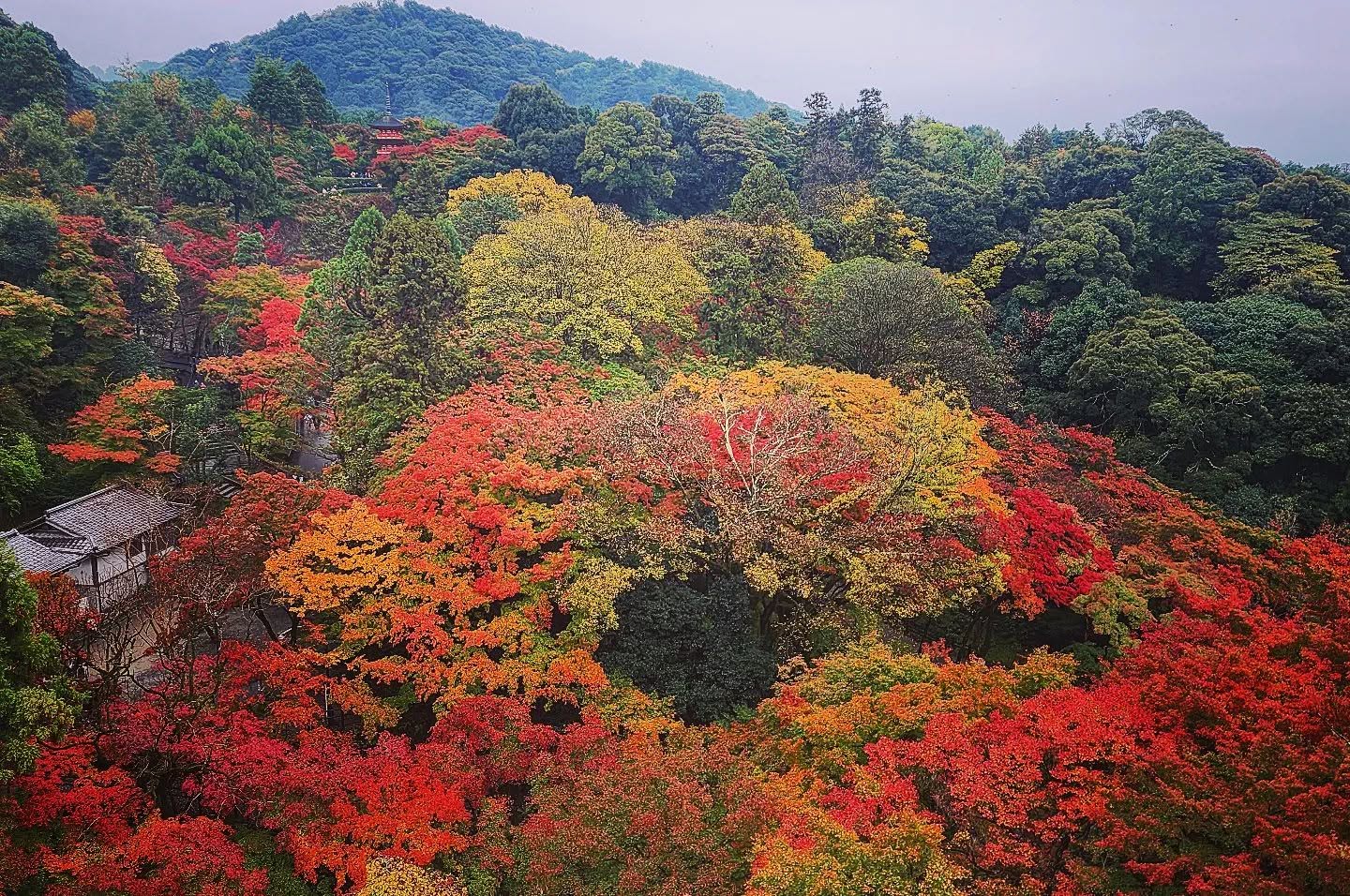
Around the temple the slopes were a carpet of maples in red, orange and yellow. From the eastern hills you look across the city to Kyoto Tower, the white needle next to the main station.
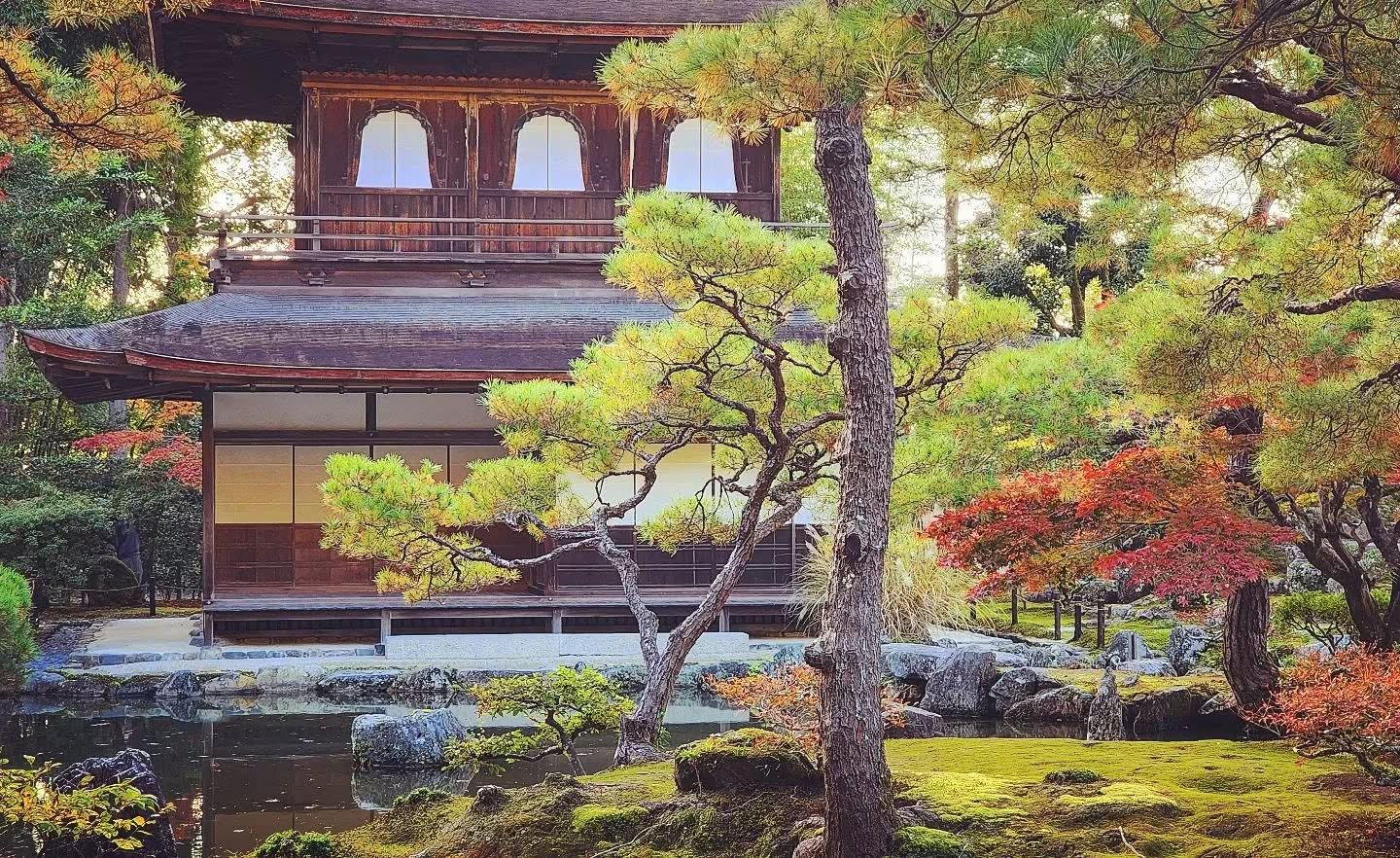
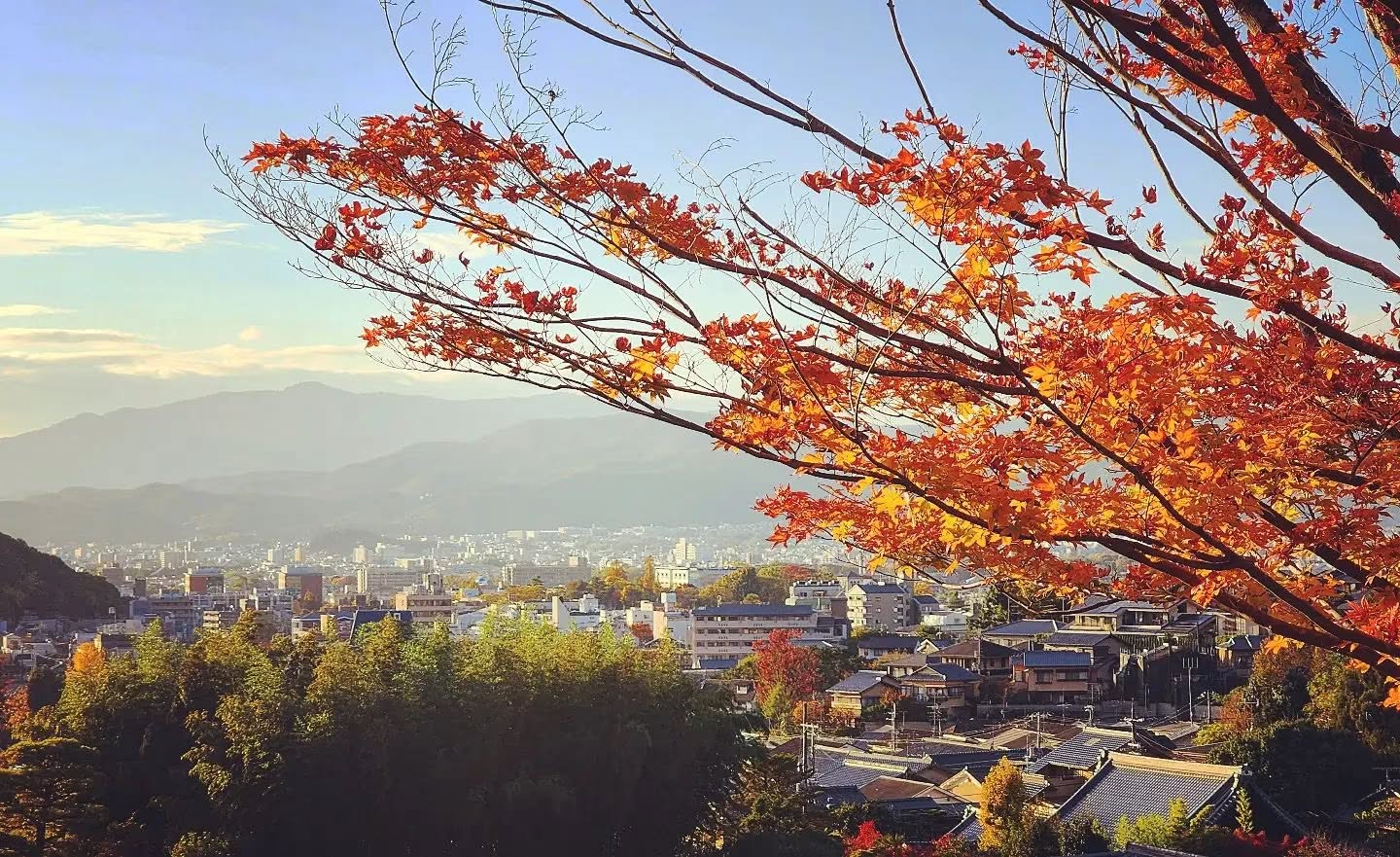
The next days were sunnier. At the northern end of the eastern hills I visited Ginkaku-ji, the Silver Pavilion, with its moss garden and old pines. From the hillside paths up here, the whole city lies at your feet.
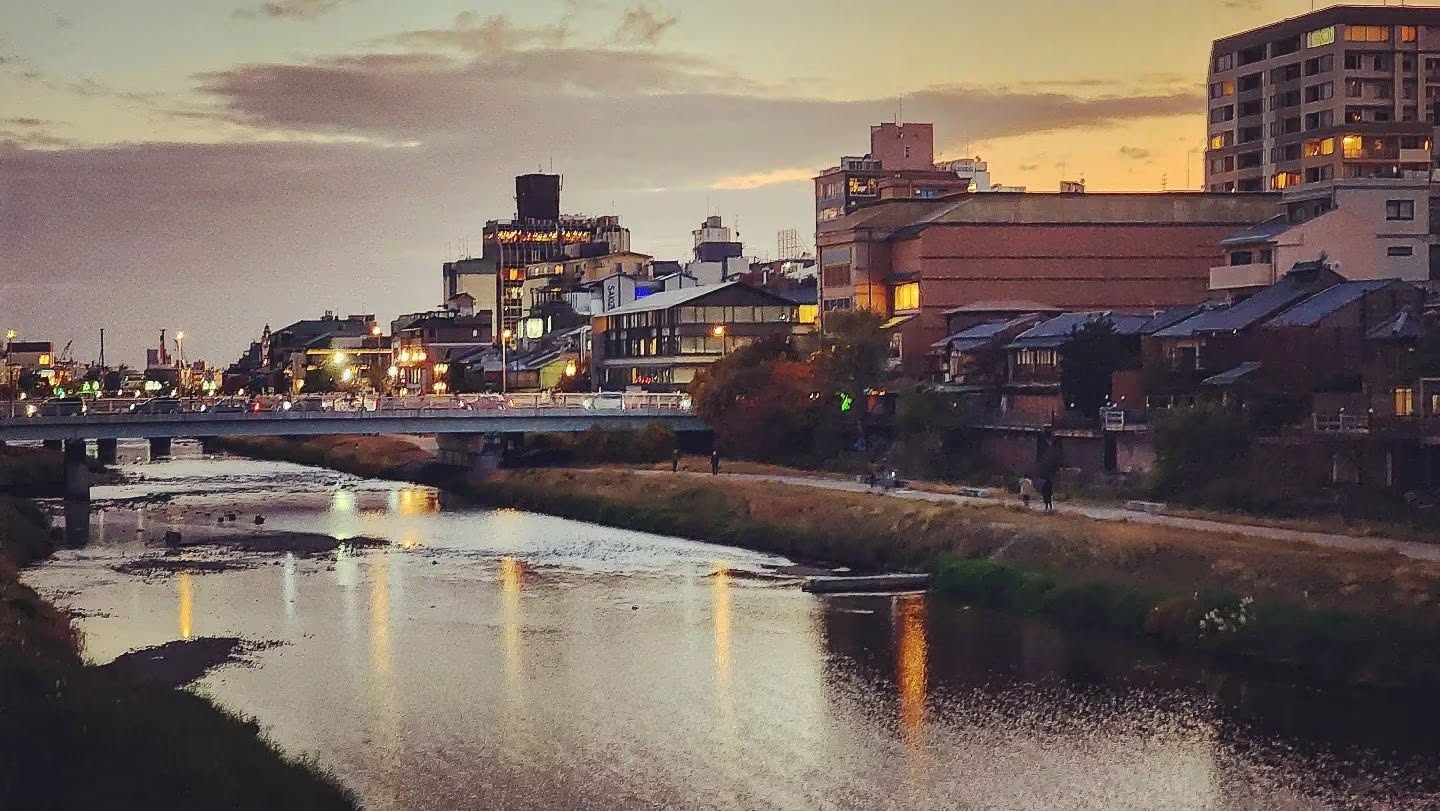
At dusk the Kamo River, which runs through the centre of the city, was the perfect place to end the day.
Two castles: Hikone and Nagoya
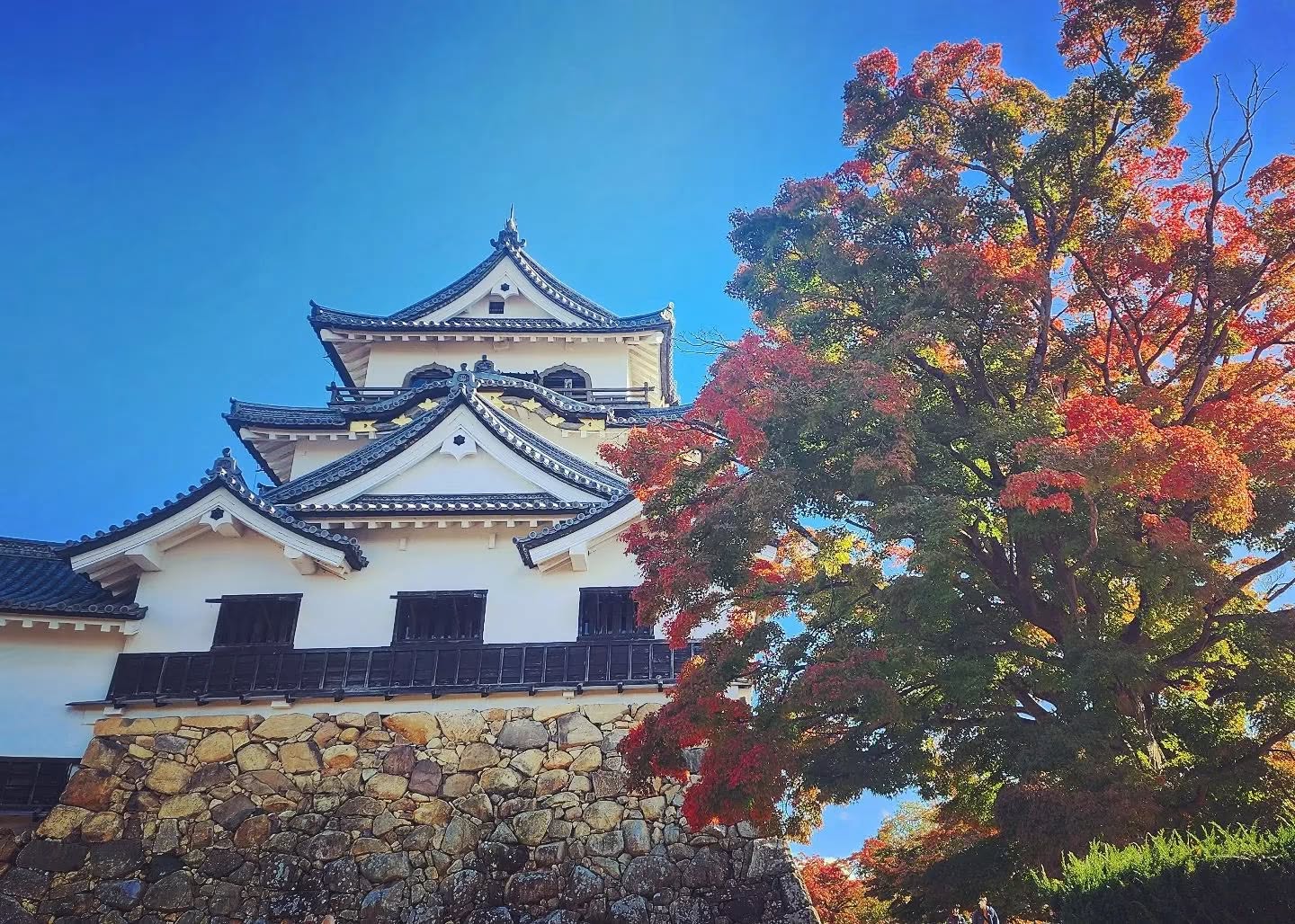
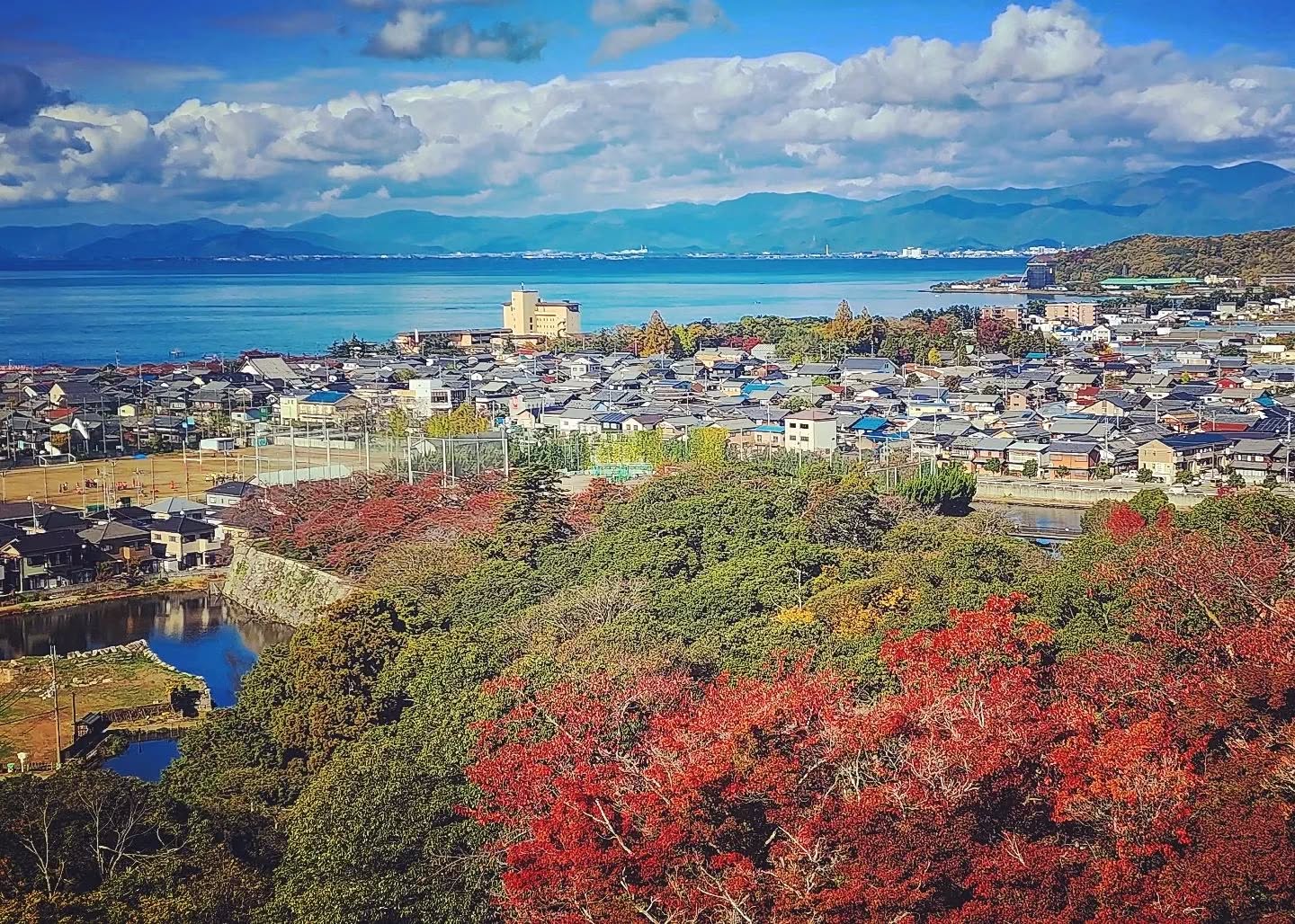
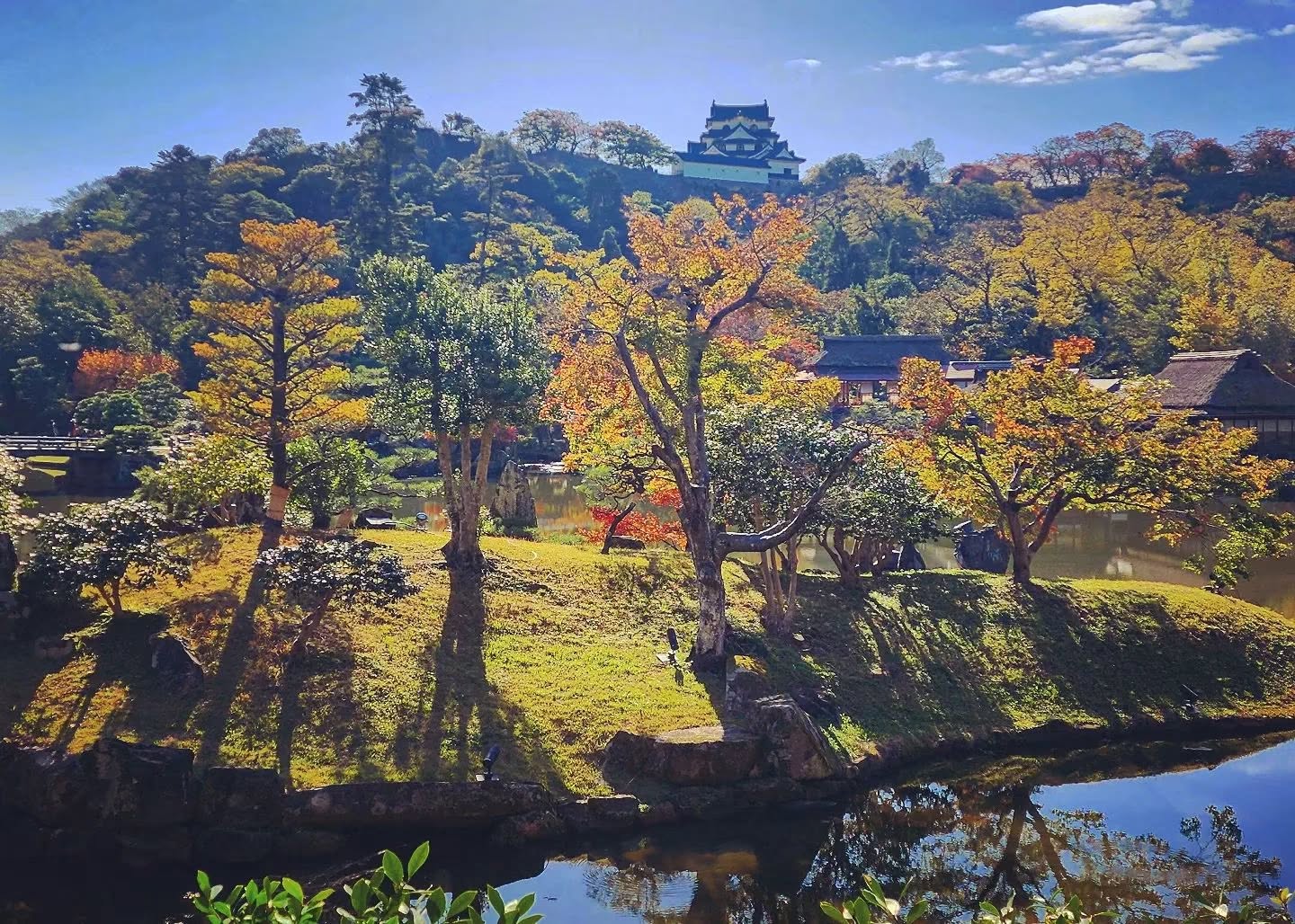
Heading east, I stopped at Hikone on the shore of Lake Biwa, Japan's largest lake. Its castle stands on a hill above the town, white and compact, with curved gables and bell-shaped windows, and in November it is framed by red maples. From the top you look out over the lake to the mountains on the other side.
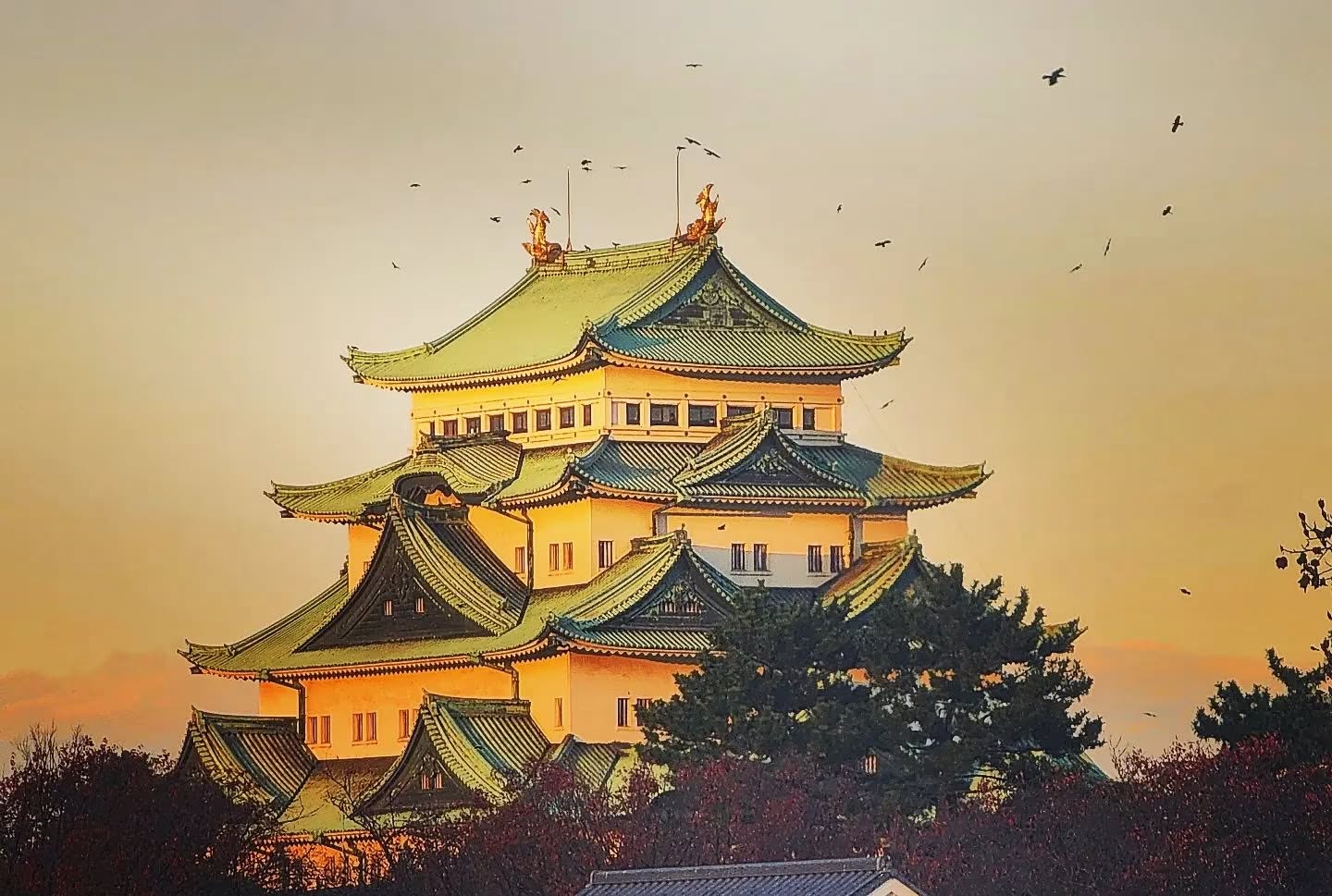
In Nagoya I reached the castle at sunset, when the two golden dolphin-like shachihoko on the roof catch the last light.
Hakone and my day with Mount Fuji
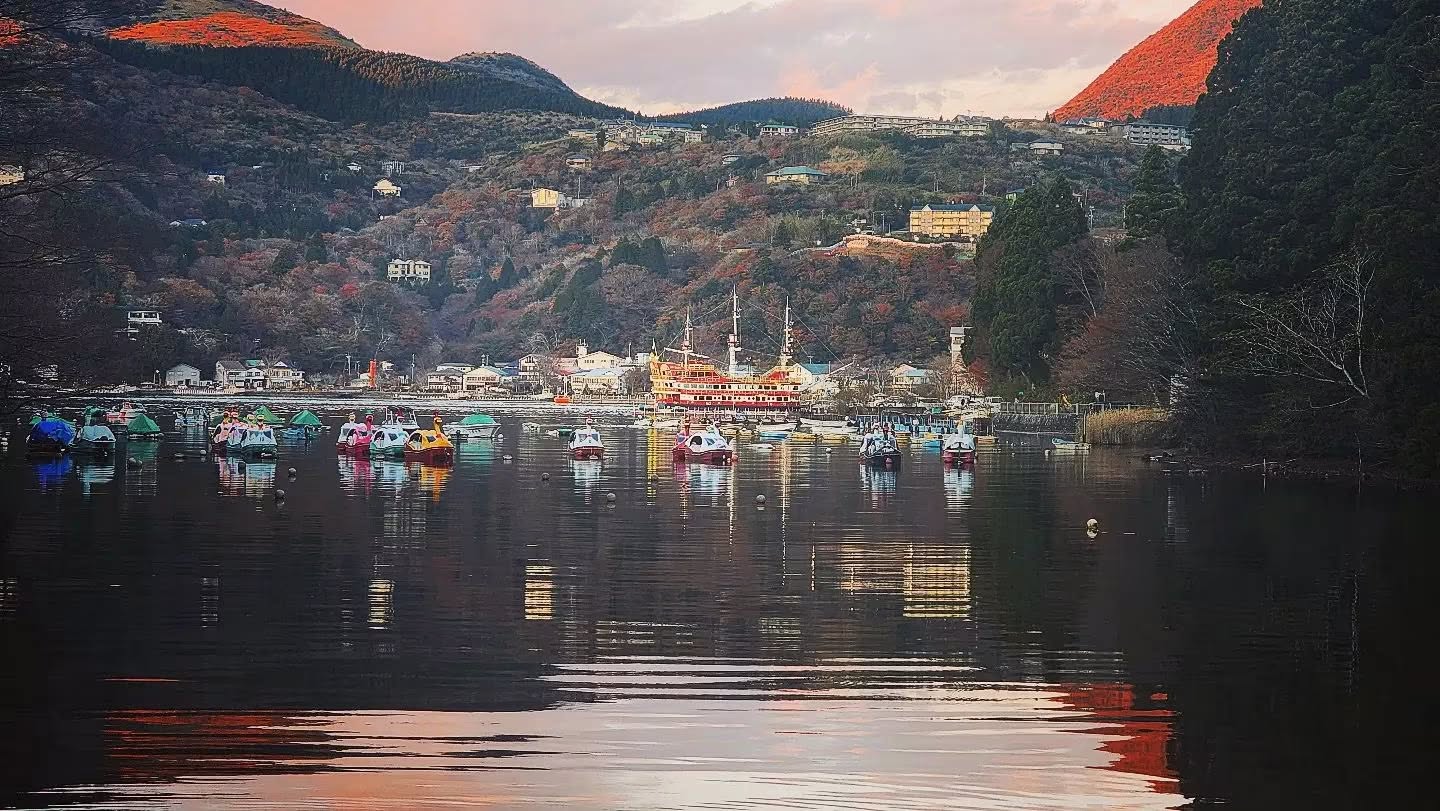
The next stop was Hakone, the hot-spring area in the mountains south-west of Tokyo. On Lake Ashi the tourist boats are built as pirate ships, and in the evening the last sun turned the hilltops red above the harbour full of swan pedal boats.
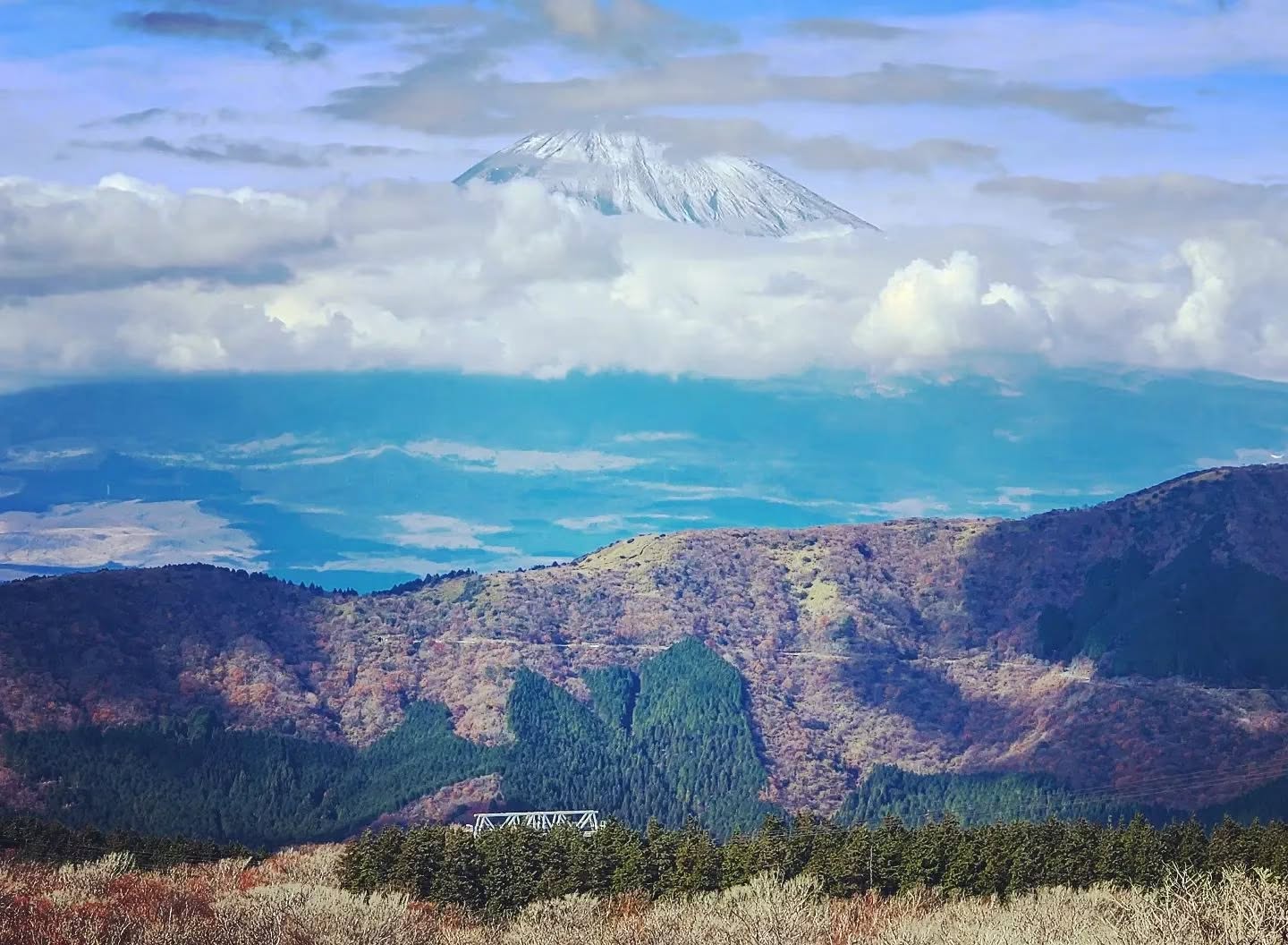
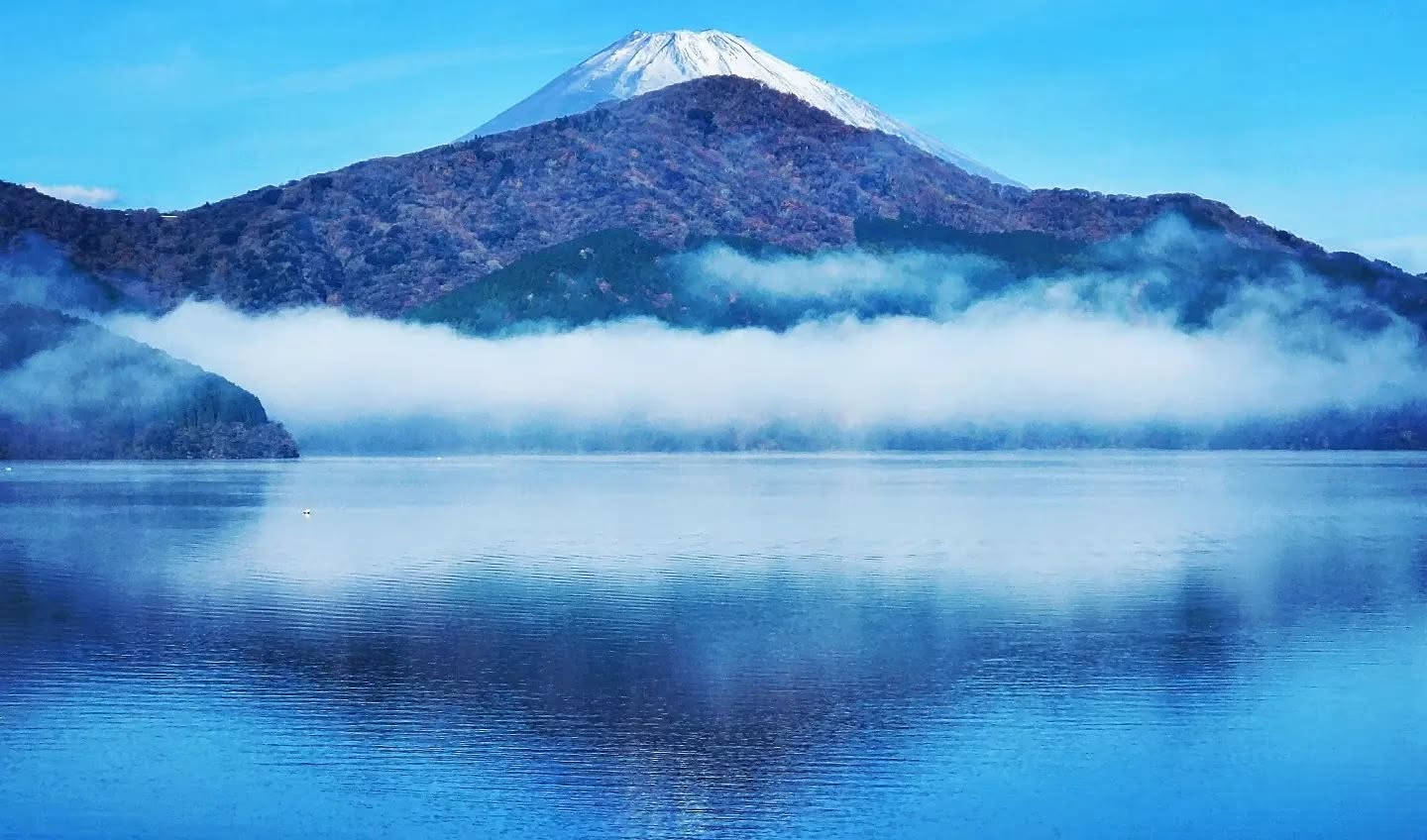
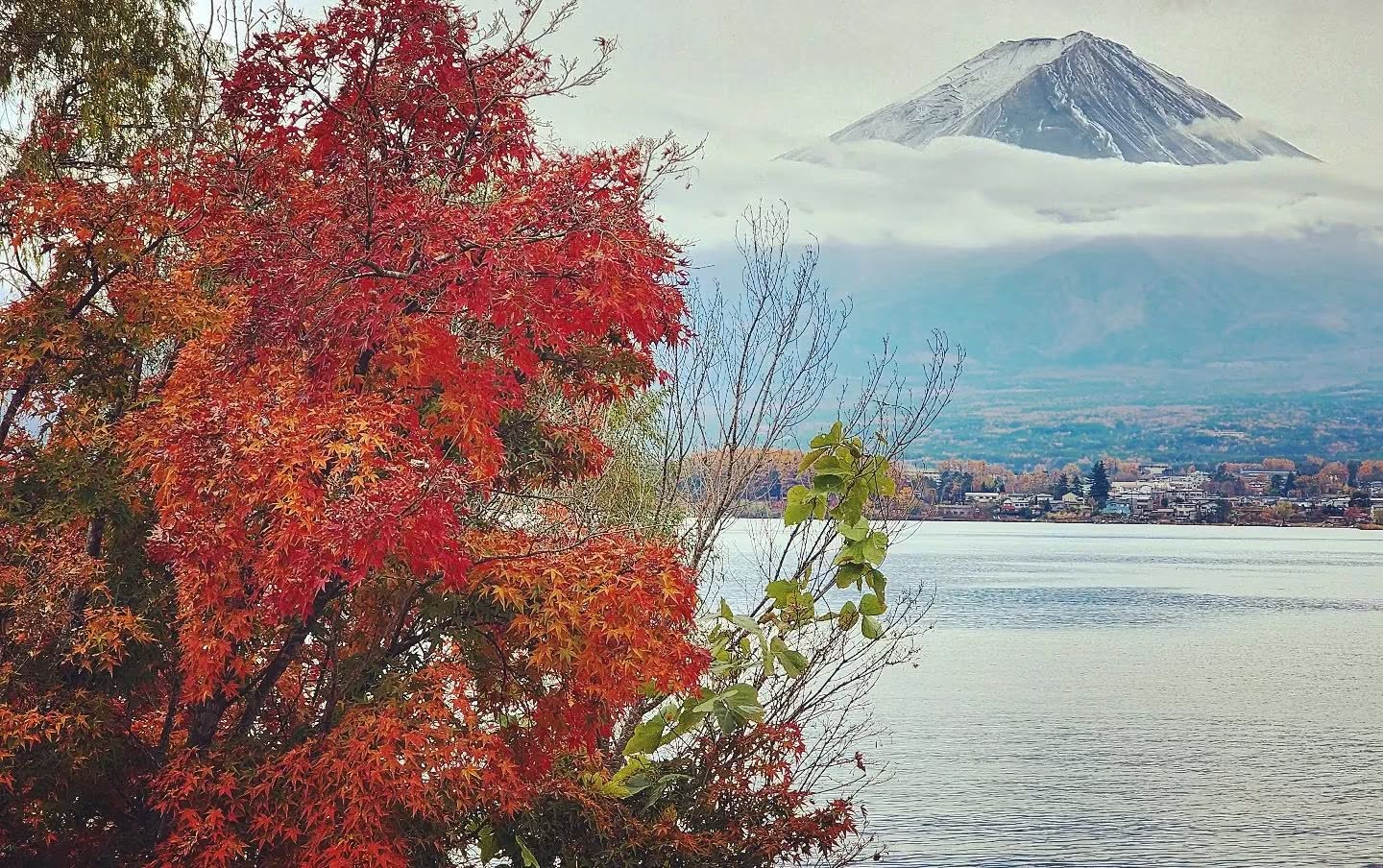
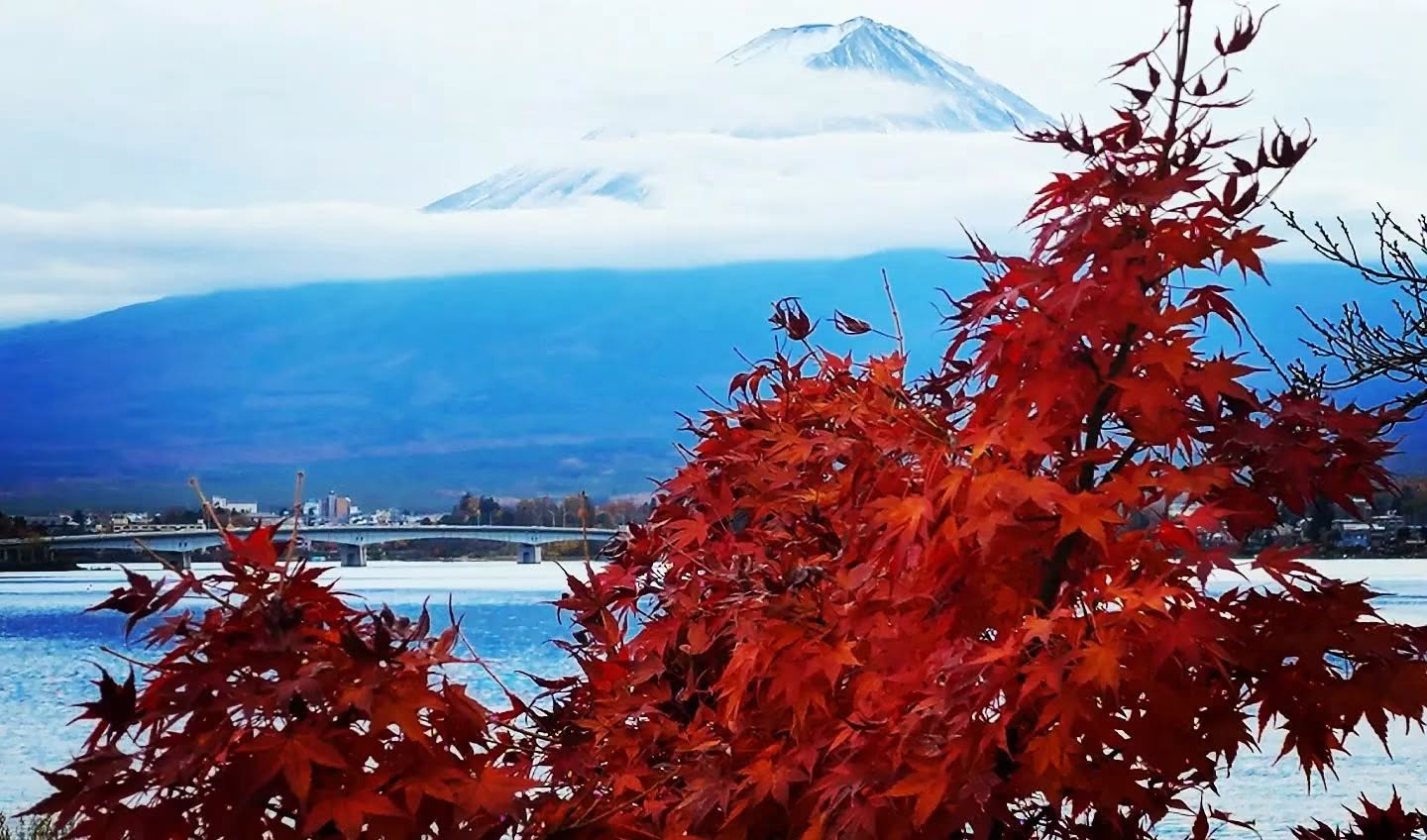
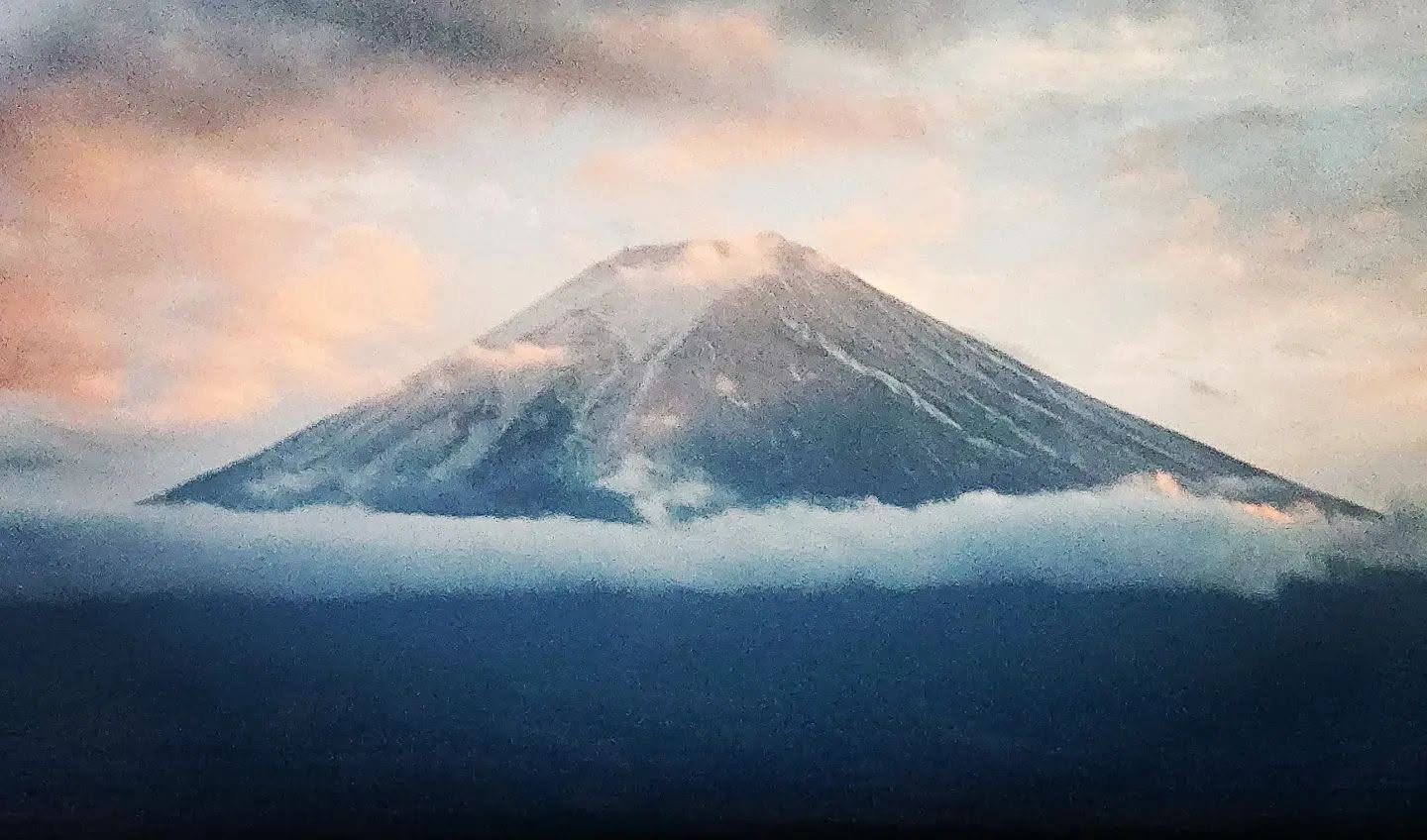
Then came my day with Mount Fuji. The mountain is famous for hiding in clouds, but it showed itself, with snow on the summit and a band of cloud around its flanks.
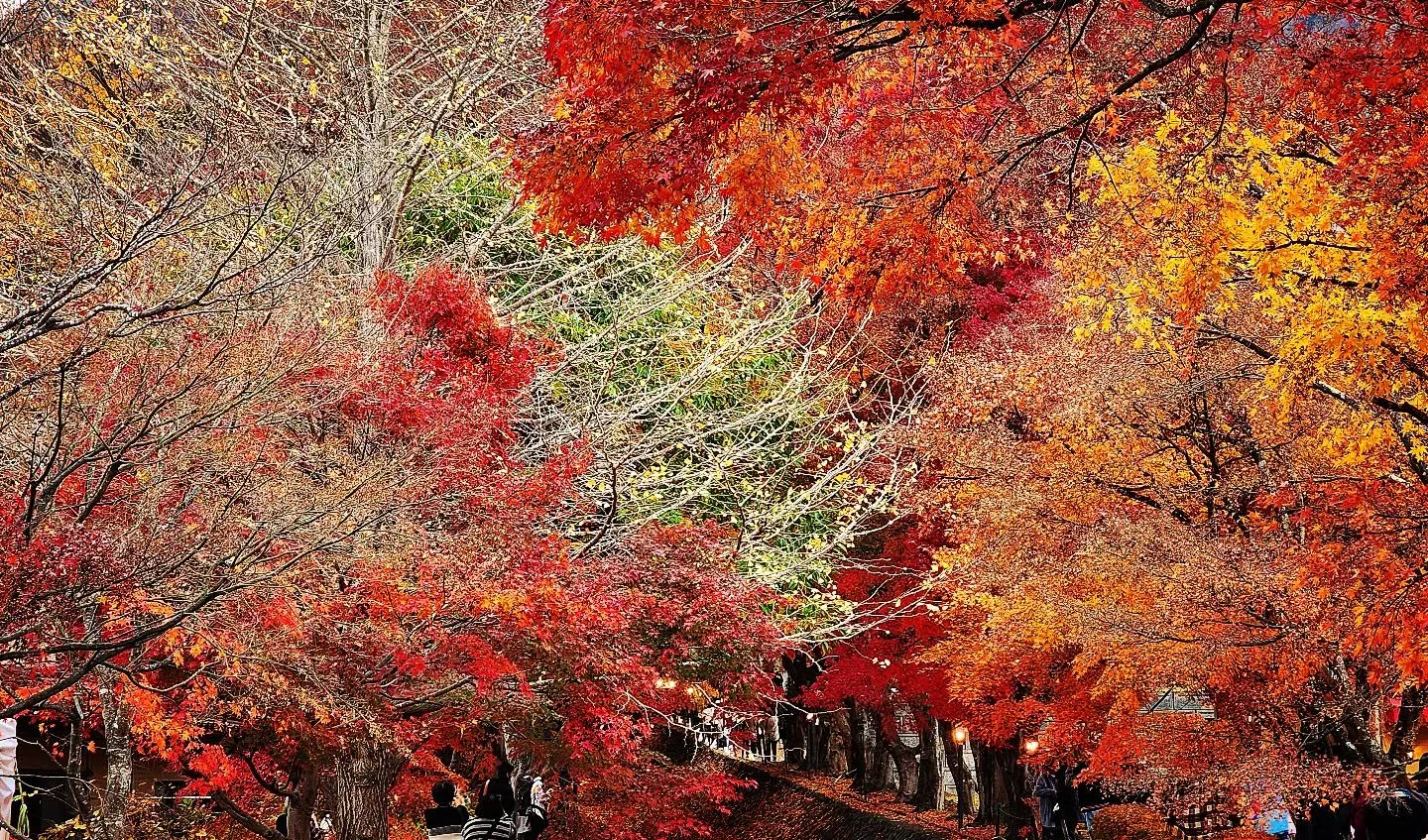
At the lakes at the foot of the mountain the autumn colours were just as intense as in Kyoto, and the maples made the perfect frame for the snowy cone.
The same day brought the news I needed: my visa for Eritrea had been approved. The following Tuesday I could fly to my 55th and final country in Africa.
Ending in Tokyo
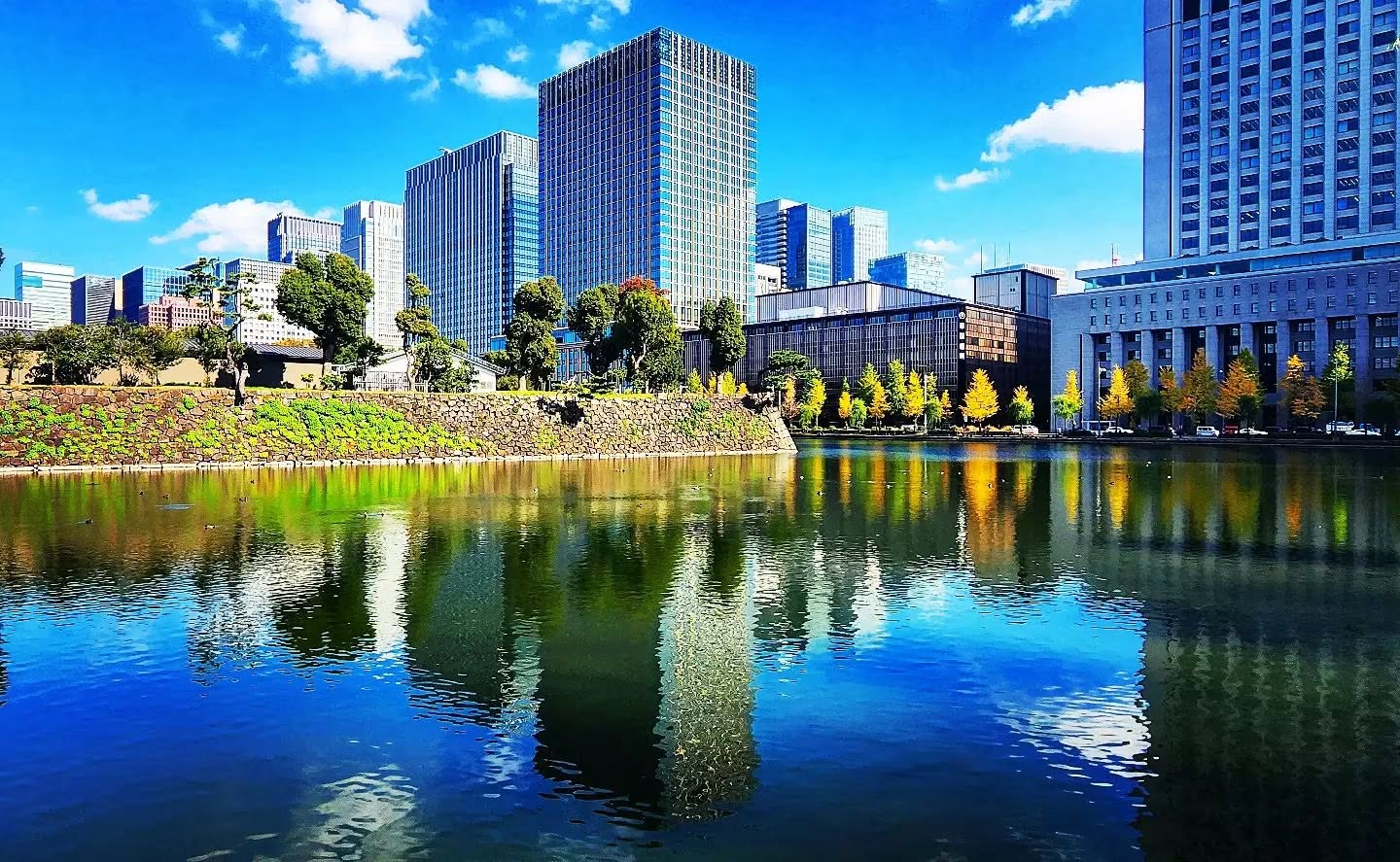
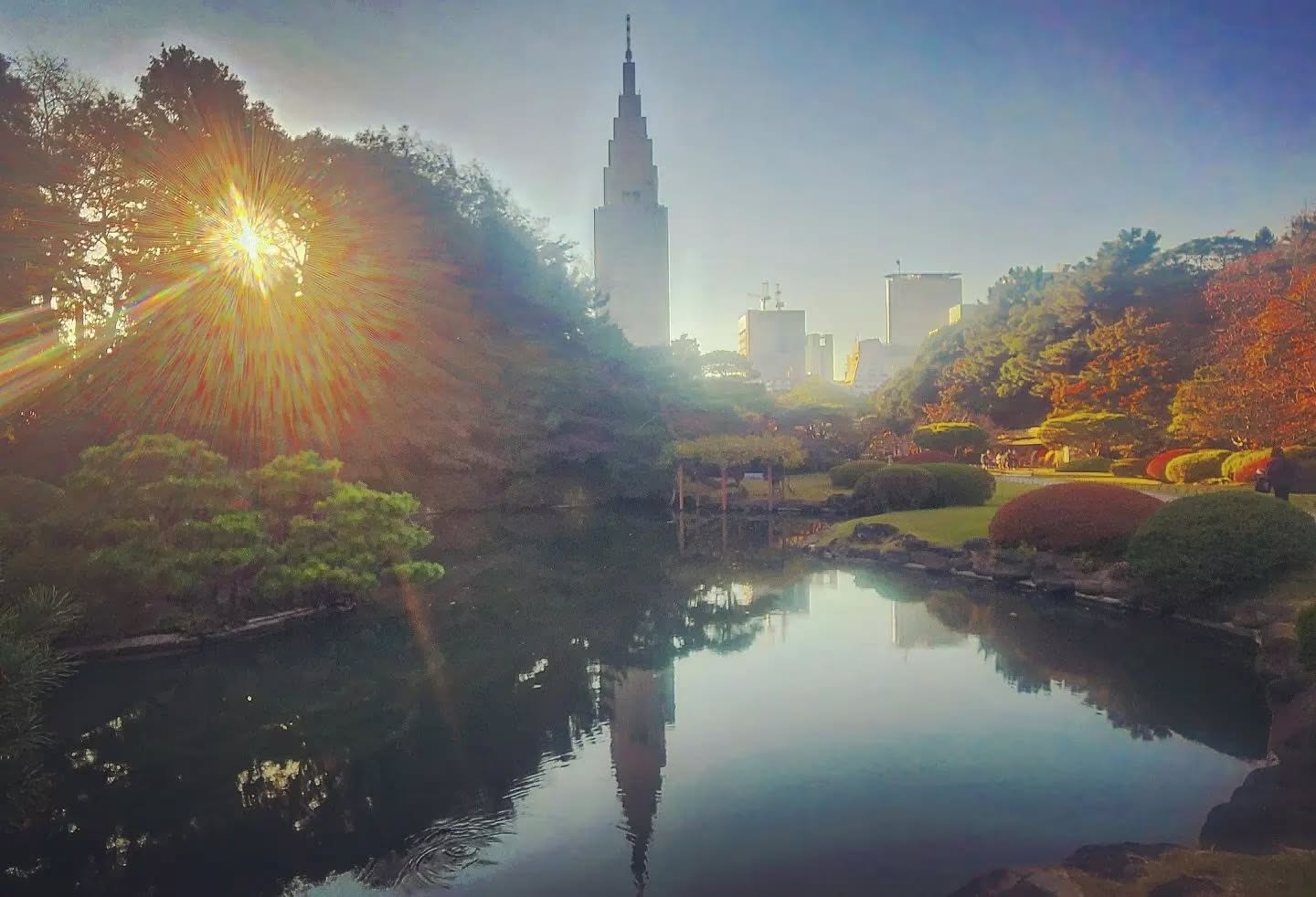
I ended my Japan trip in Tokyo. Near Ginza, the office towers of central Tokyo were reflected in the still water of an old moat, and in the afternoon I went to the Shinjuku Gyoen garden, with the spire of the Docomo tower rising behind the autumn trees.
It was only one week, but a beautiful way to collect my second-to-last country. From Tokyo I flew to Dubai and from there on to Asmara, as told in Eritrea: My 55th and Last Country in Africa. Two years later I came back for a very different side of Japan: Tokyo and the Ogasawara Islands, a full day by ferry out in the Pacific.