Nemesis Heads North: The Maiden Voyage of My Expedition Truck through Norway and Denmark
18 September – 7 October 2025 · Thuringia, Herford, Kiel, Heddal, Hardangerfjord, Stegastein, Jotunheimen, Geiranger, Trollveggen, Trondheim, Atlantic Ocean Road, Preikestolen, Lysebotn, Lindesnes, Rubjerg Knude, Skagen, Aarhus, Christiansfeld · Regions: Germany, Denmark, Norway
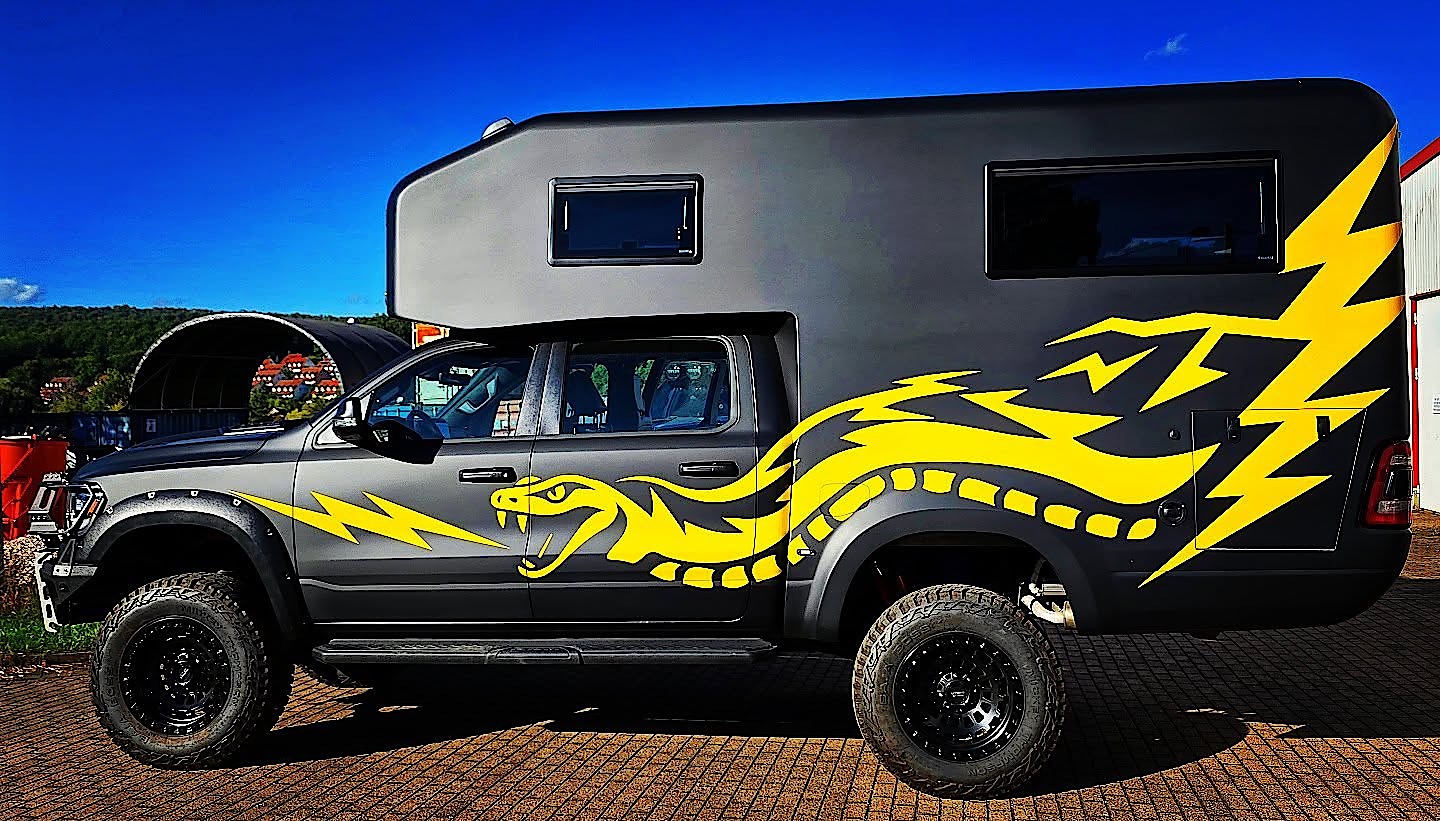
After Brazil, from the Pantanal to the Lençóis Maranhenses, a different kind of journey began. For years I have travelled with carry-on luggage only, but in the background I had been building an expedition truck: a black pickup with a living cabin on its back. Four months later than planned it was finally ready, and I took it straight on its first big trip: across the Baltic to Norway, through the fjords to Trondheim, and back through Denmark.
Commissioning Nemesis
On 18 September a last appointment in Nuremberg made it official: the truck was registered as a motorhome. The workshop had used the last six weeks to build a weight-saving aluminium bumper and add air suspension and a winch, both controlled from my phone. My first night was semi-wild (and legal) camping in Thuringia, with no bedding yet, but with the drone, obviously.
In Herford, so many deliveries were waiting in my grandmother's garage that unboxing them felt like fifteen Christmas Eves at once. Finally I could travel with toys that don't fit into carry-on luggage: a grill that sears steaks at 900 °C, a projector, satellite internet, e-scooters and an inflatable kayak. The bathroom doubles as the entrance hall, and its centrepiece is a dry composting toilet filled with coconut fibre, which I would praise more than once in the weeks to come.
On 21 September I took the overnight ferry from Kiel to Oslo, under Denmark's Great Belt Bridge. I first made this crossing at 18, when the number 23 saved my first ever casino evening on board. This time it came up again in the very first round.
Stave churches, waterfalls and the Hardangerfjord
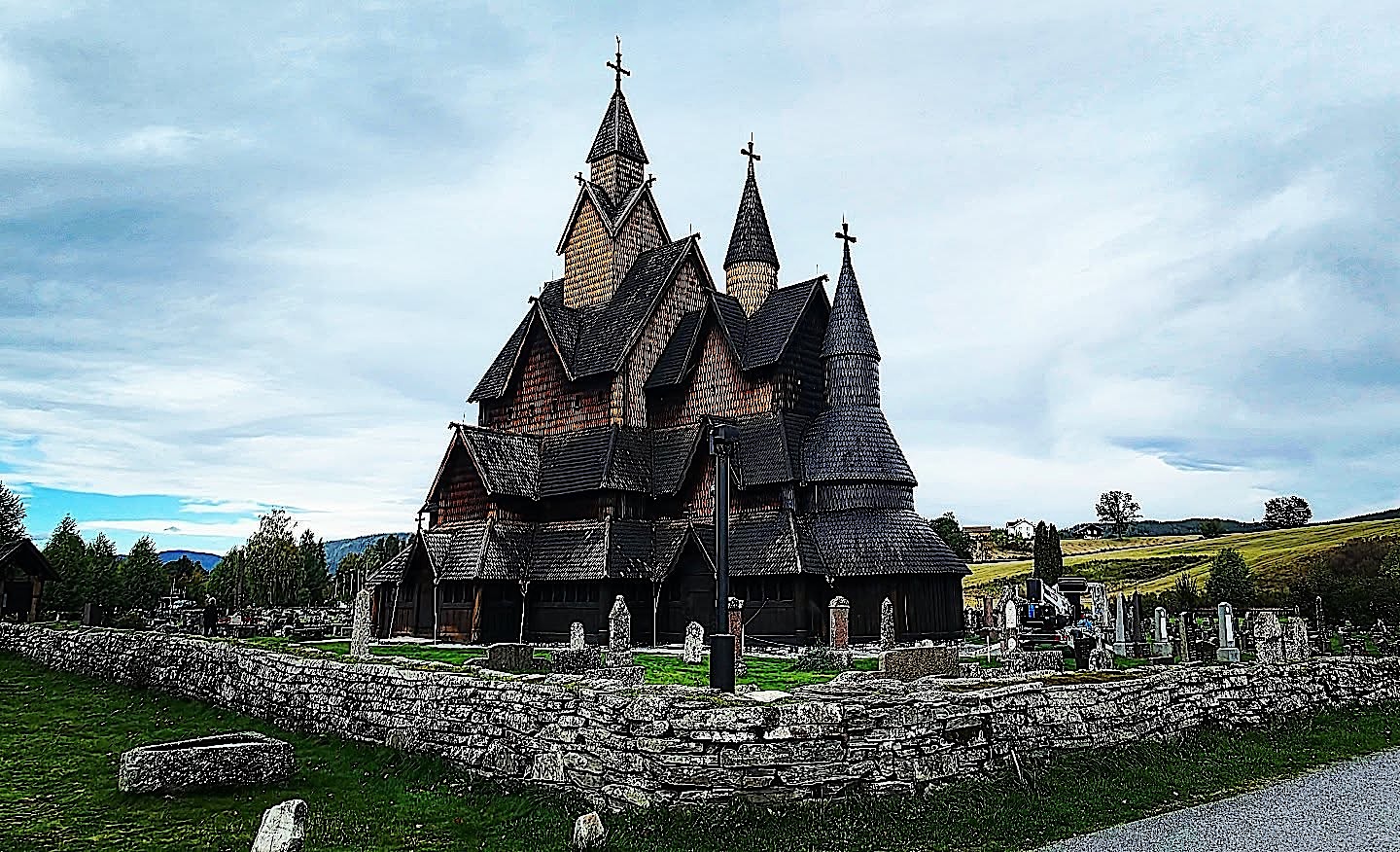
With no customs check in Oslo, I drove straight to Heddal, Norway's largest stave church, and then up steep serpentines to Gaustatoppen, at 1,883 metres the highest peak in Telemark, where a funicular runs through a former secret NATO base inside the mountain.
The first night on the Haukelifjell plateau was exactly the vanlife I had imagined: a quiet spot facing snowy mountains and lakes. I cooked steak on battery power alone, and then my aurora tracker reported high activity. The northern lights appeared even here in southern Norway, faint to the eye but clear on camera.
After a late start, as work had piled up, I passed Langfossen, one of Norway's most impressive waterfalls, and reached the Åkrafjord, my first real fjord. Odda lies at the end of the southern arm of the Hardangerfjord, Norway's second-longest fjord, below Folgefonna, the third-largest glacier on the mainland. I drove the gravel road up Bondhusdalen instead of walking (not lazy, just efficient) to Bondhusvatnet, a lake that mirrors the mountains and one of the glacier's tongues.
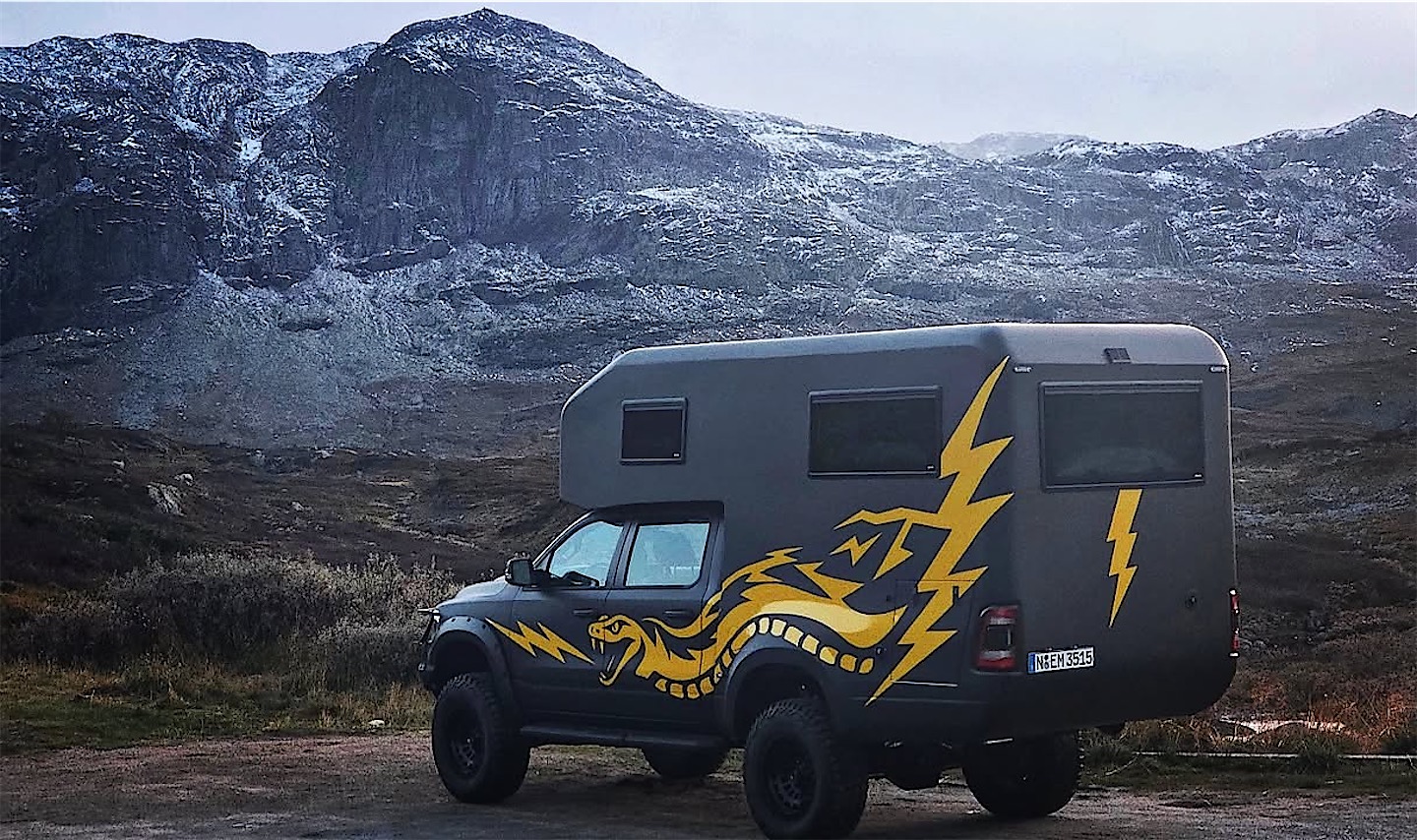
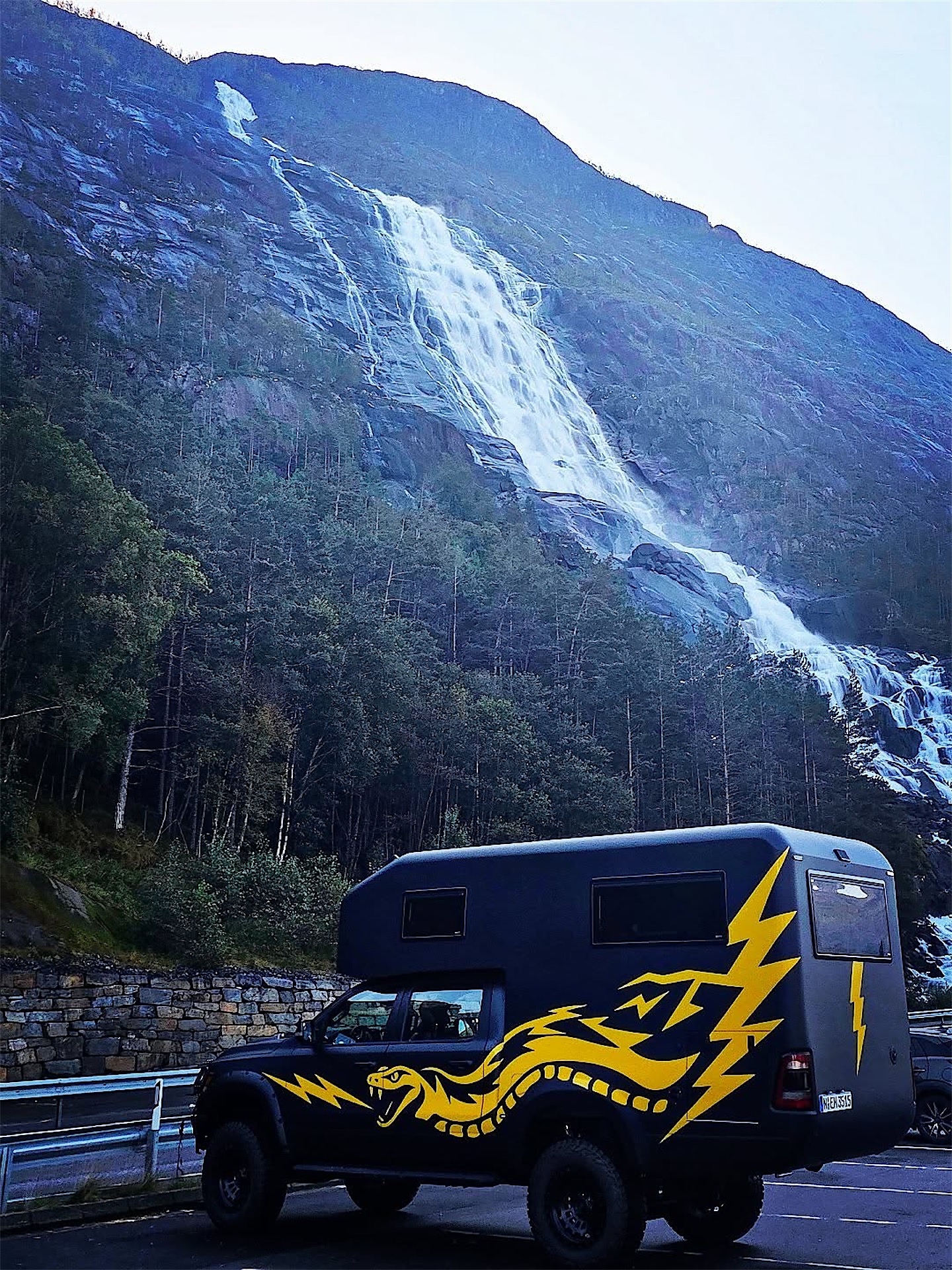
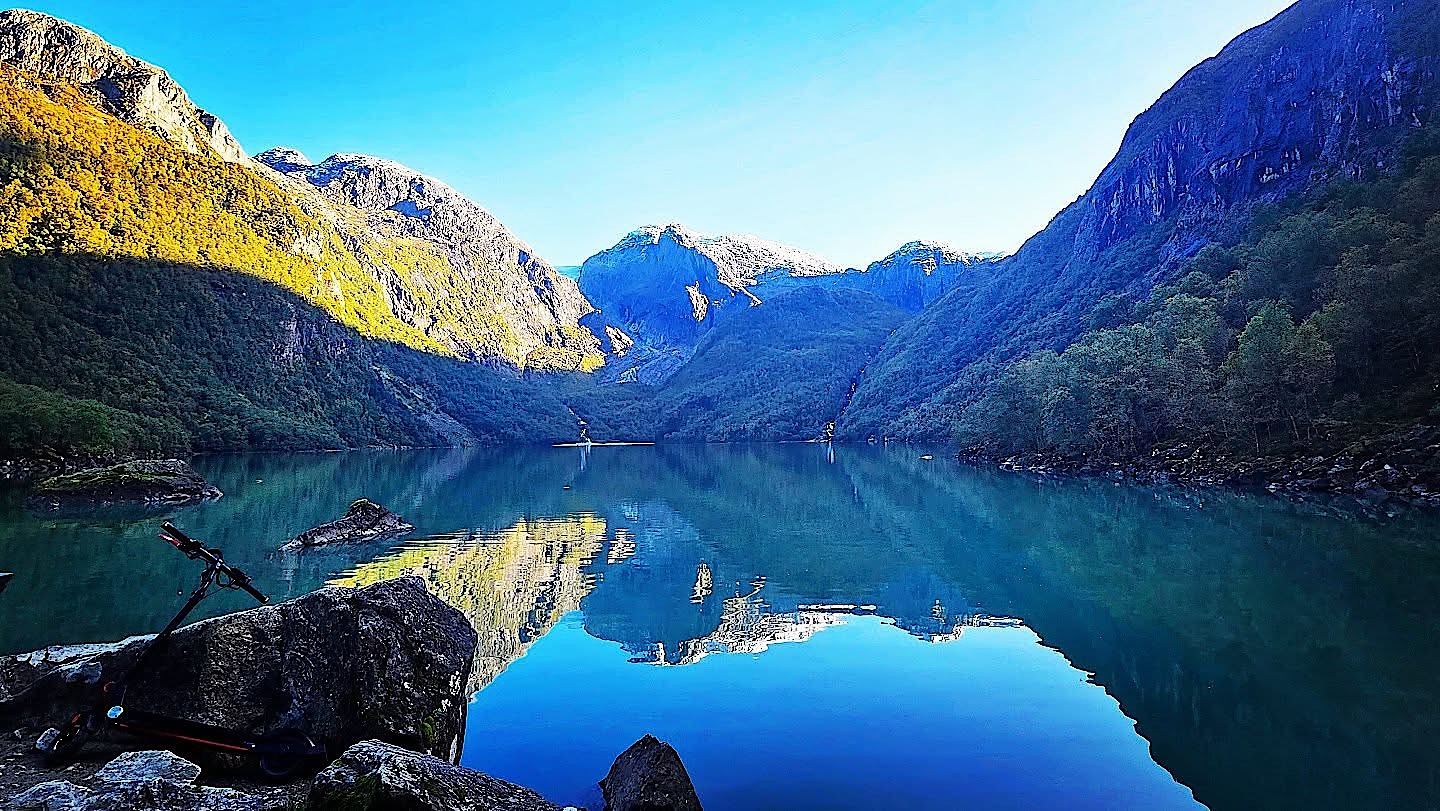
I spent the night by the fjord near Jondal. The truck stood a little tilted, but my new living room had a view that changes daily, and the bed was so comfortable that getting up early became a problem. Then I crossed the Hardanger Bridge, whose ends both vanish into tunnels with a roundabout inside, and took the old mountain passes instead of new tunnels: no traffic, views all the way.
Along the National Tourist Routes
Stalheimskleiva, one of the steepest roads in northern Europe, led towards the Nærøyfjord, and in the evening I reached the Stegastein viewpoint. The third night, at a lake where I saw wild reindeer, topped the previous ones again. Instead of the Lærdal Tunnel, at almost 25 kilometres the world's longest road tunnel, I drove 50 kilometres over the mountains on Aurlandsfjellet, which was far more rewarding.
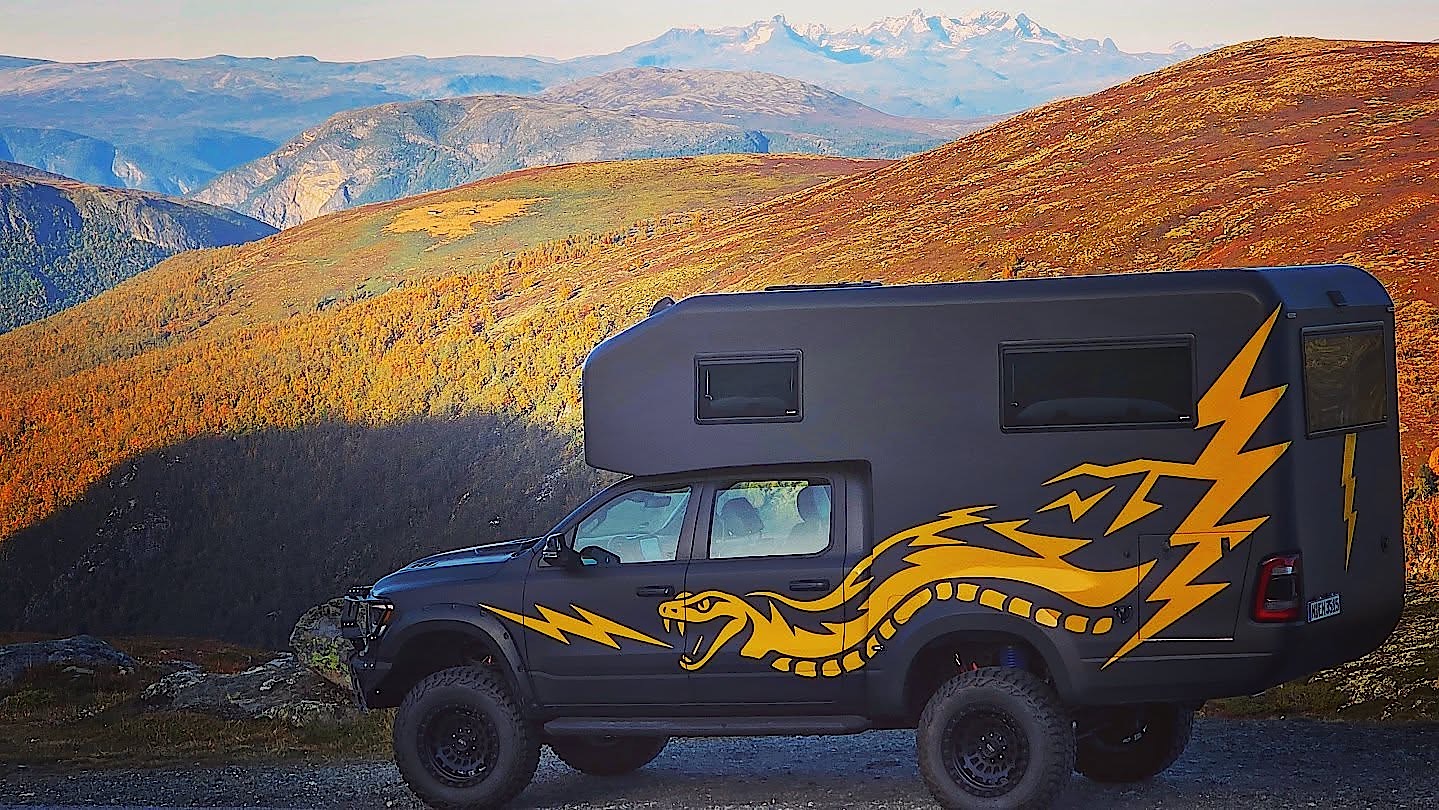
In Jotunheimen, home of Norway's highest mountains, a road climbs towards Galdhøpiggen, at 2,469 metres the highest peak in Scandinavia, up to a summer ski area at about 1,850 metres, with snow beside the road.
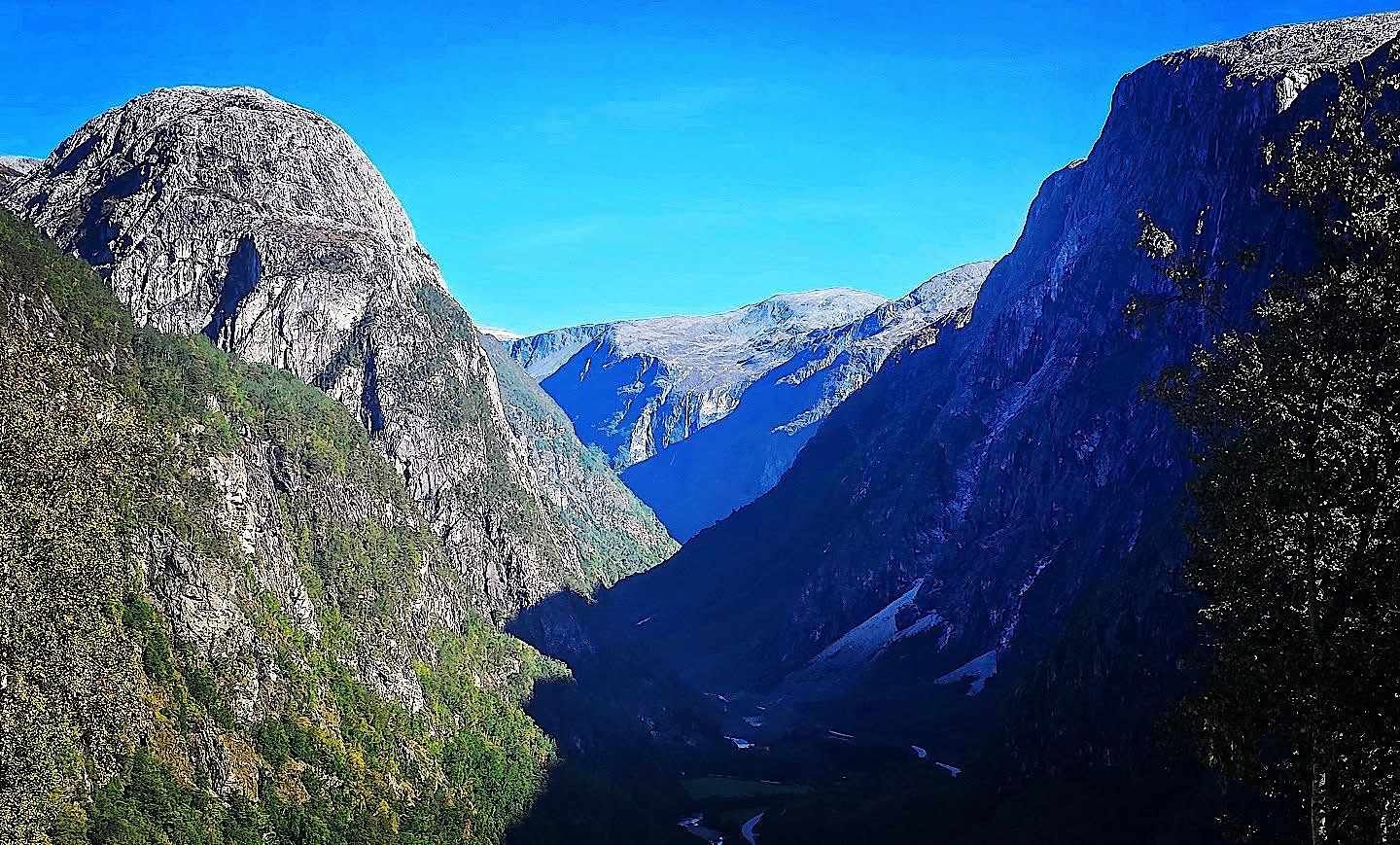
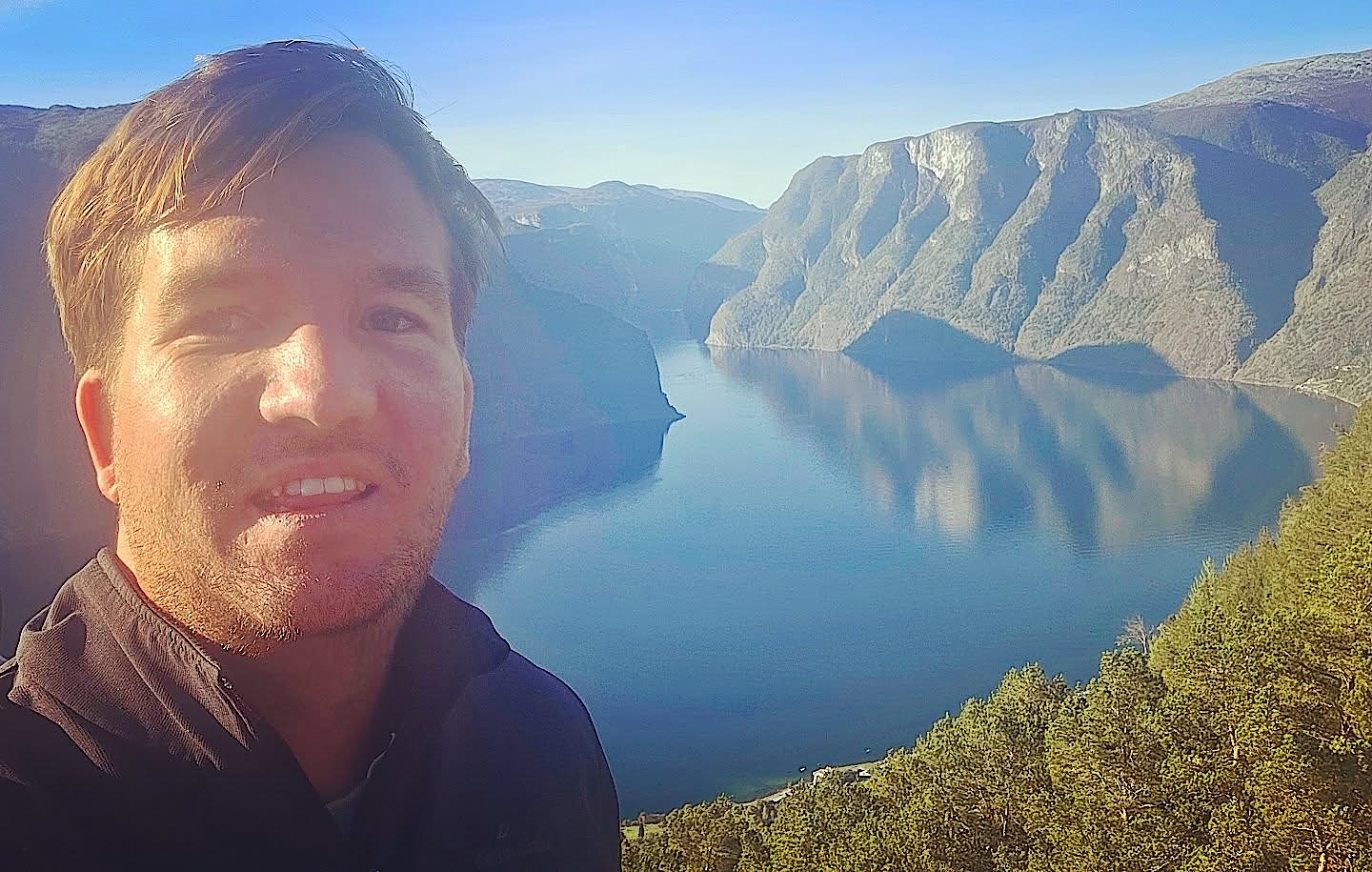
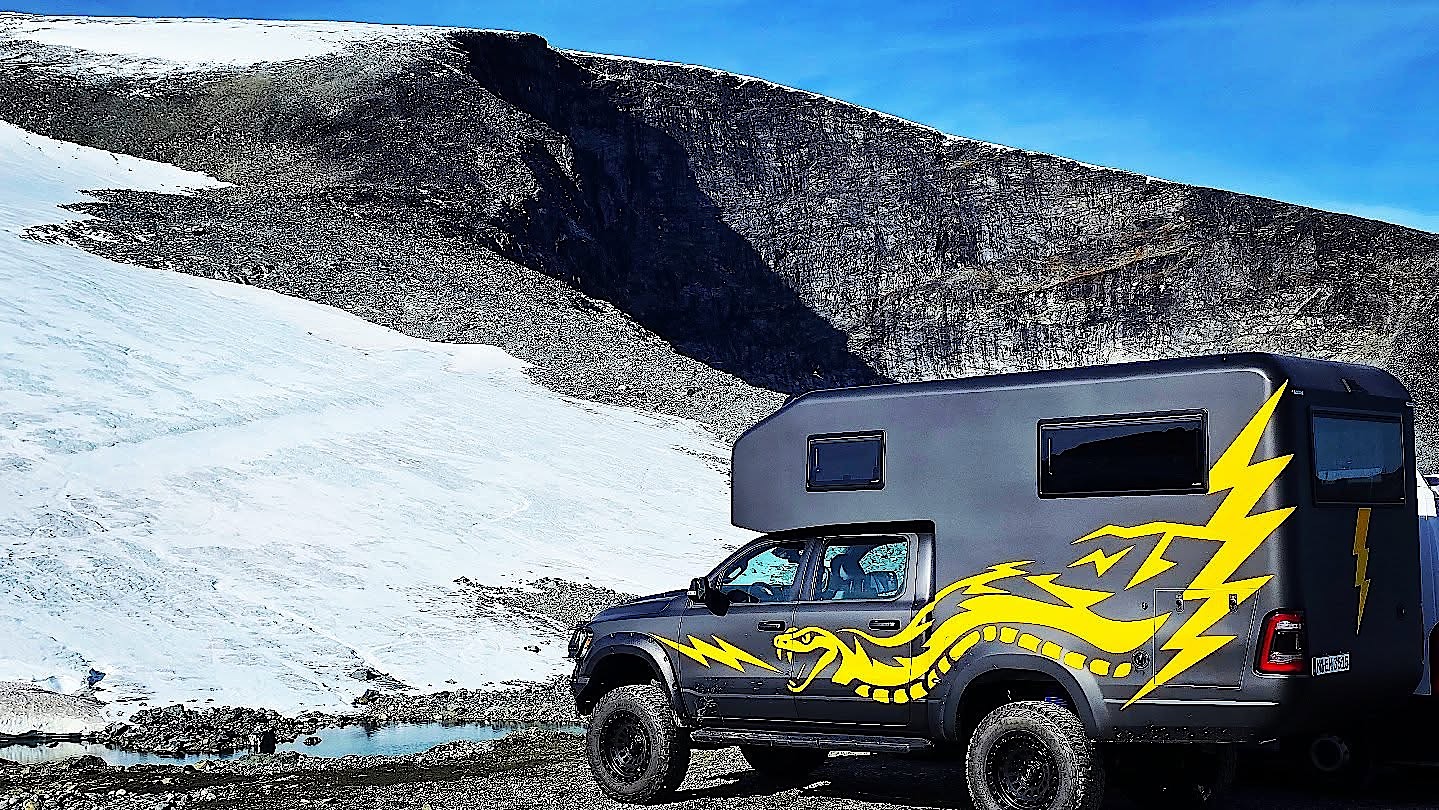
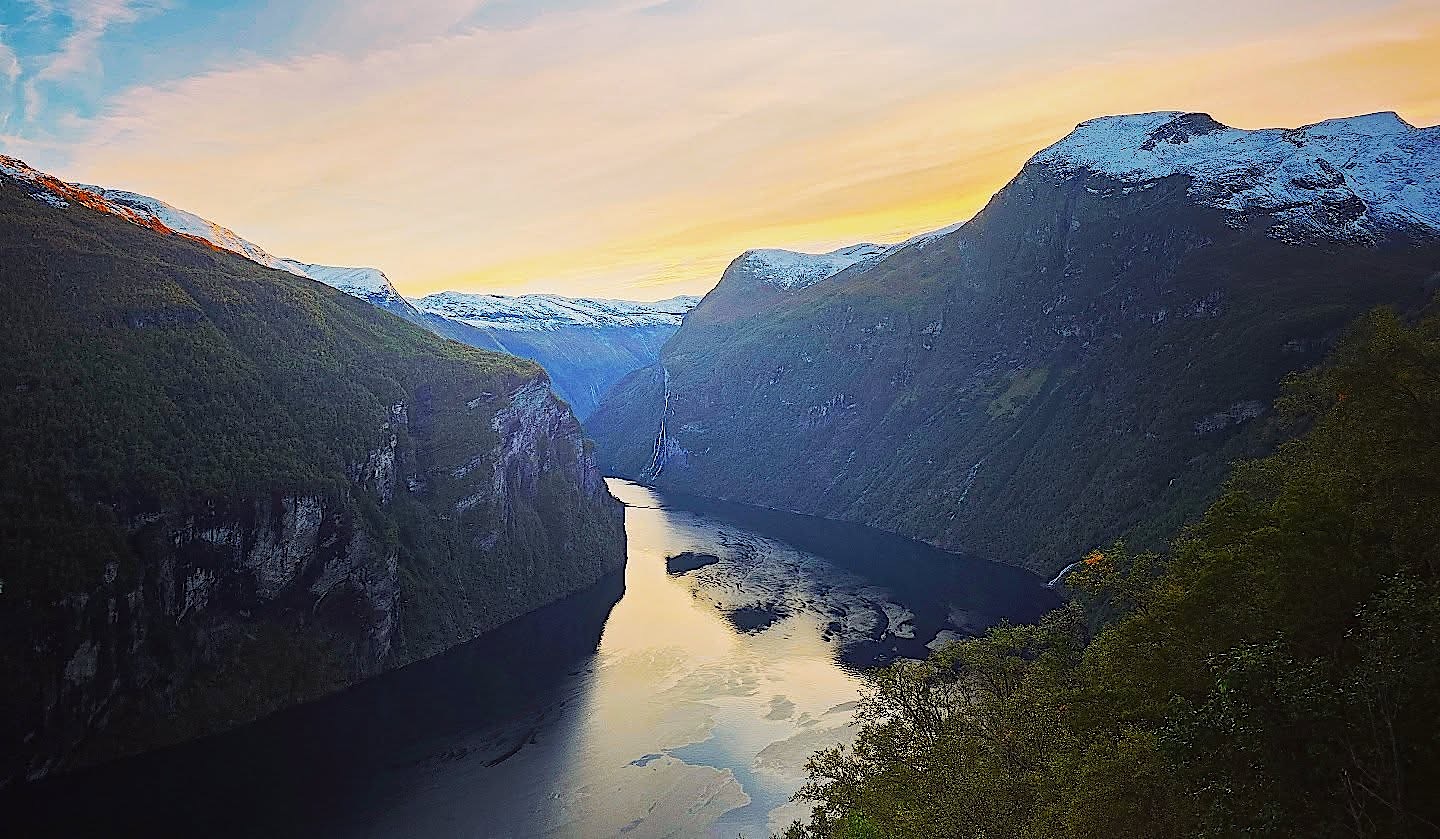
I reached Flydalsjuvet above the Geirangerfjord just before sunset, and then lost my drone: in the dusk its obstacle avoidance failed, and it flew into the biggest tree around, too high to reach even after a scramble over loose boulders. The night made up for it, with the aurora over my wild camping spot at the end of the fjord.
Trolls, musk oxen and the Atlantic Road
The next morning I drove over Trollstigen into Romsdalen, where Trollveggen, the Troll Wall, rises about 1,000 metres: Europe's tallest vertical rock face. Then I hiked onto Dovrefjell in search of its musk oxen.
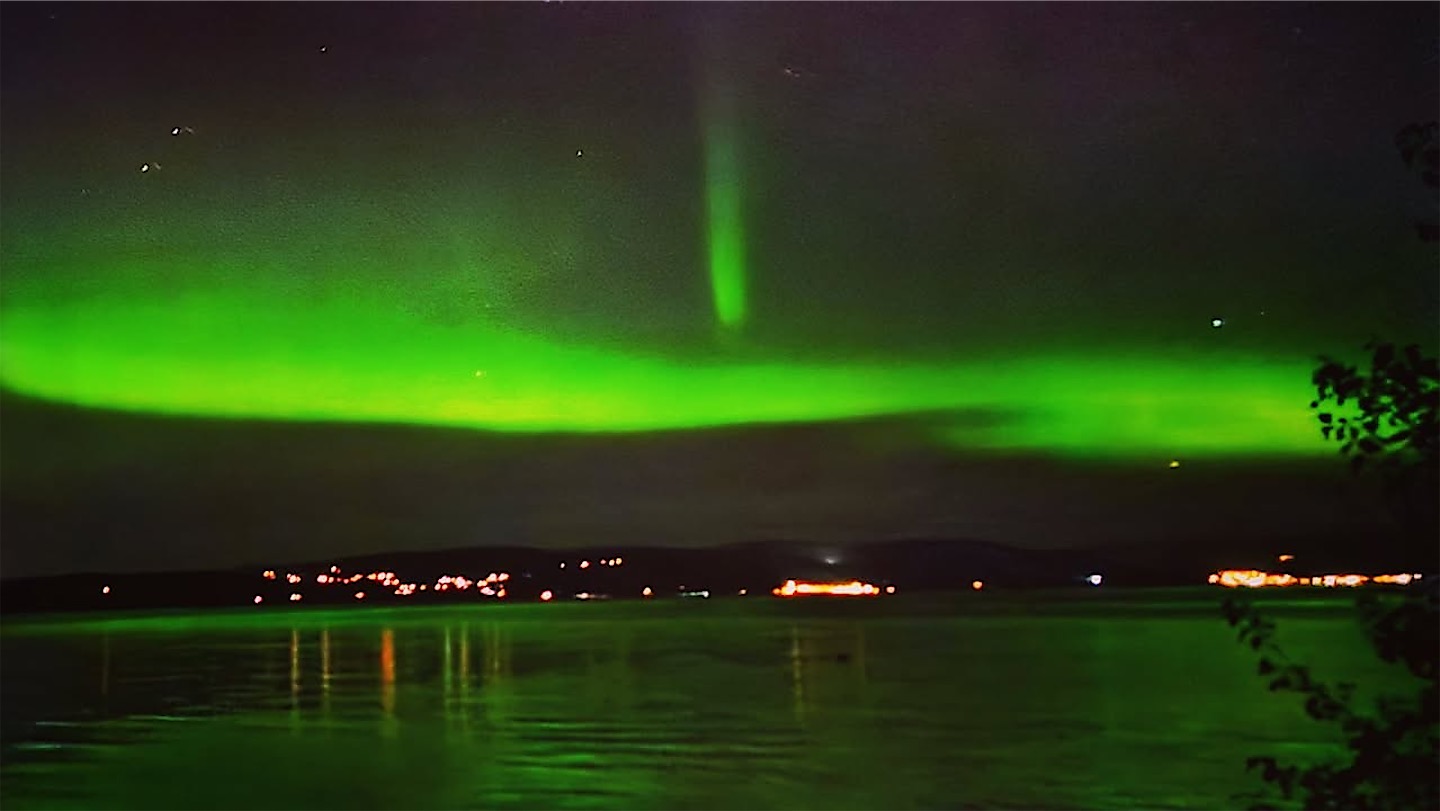
Trondheim, Norway's third-largest city, was nicer than expected. After four days without restaurants I treated myself to dry-aged wagyu and bought a new drone. This was the northernmost point of the trip, and I left the city to sleep at a quiet fjord, a good decision: the northern lights were clearly visible to the naked eye.
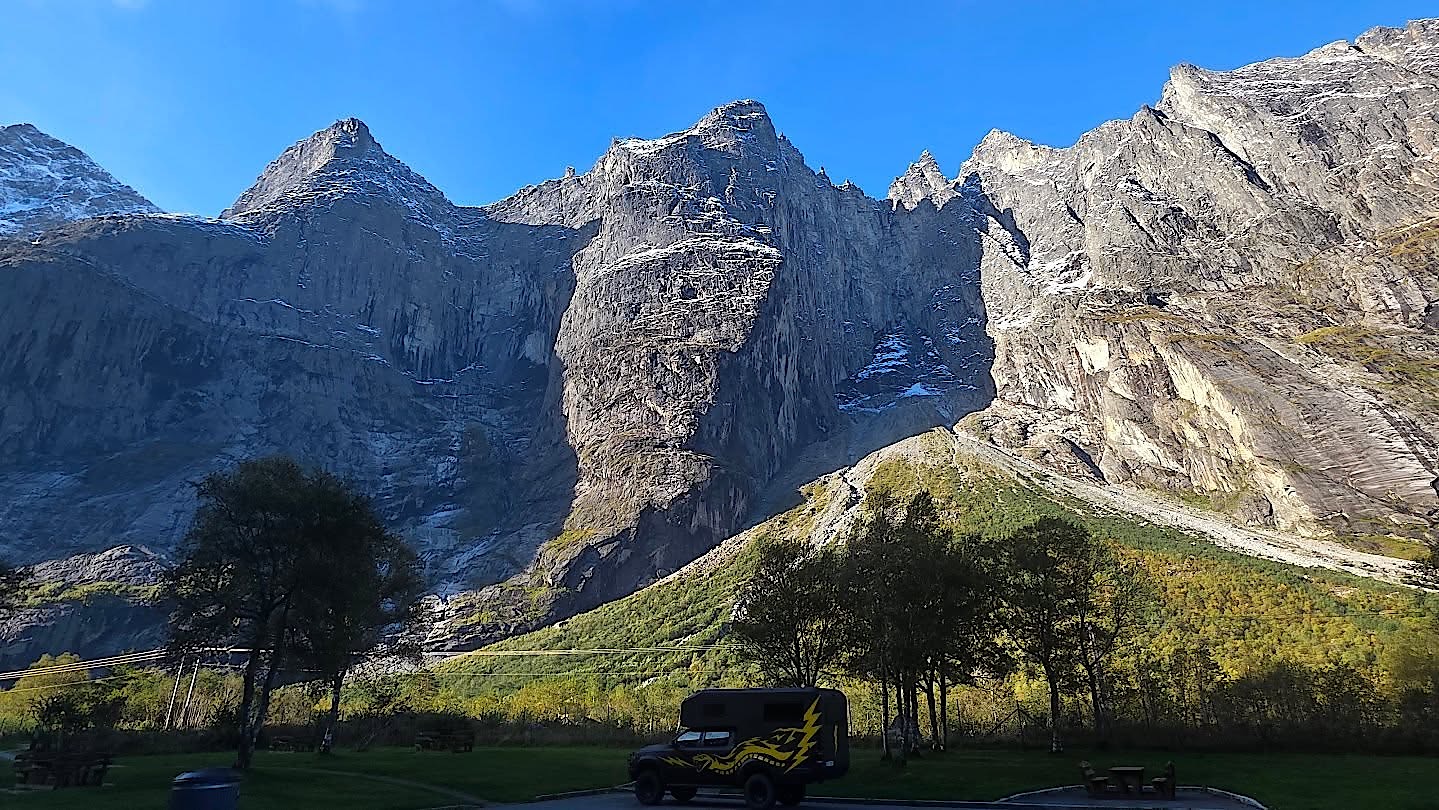
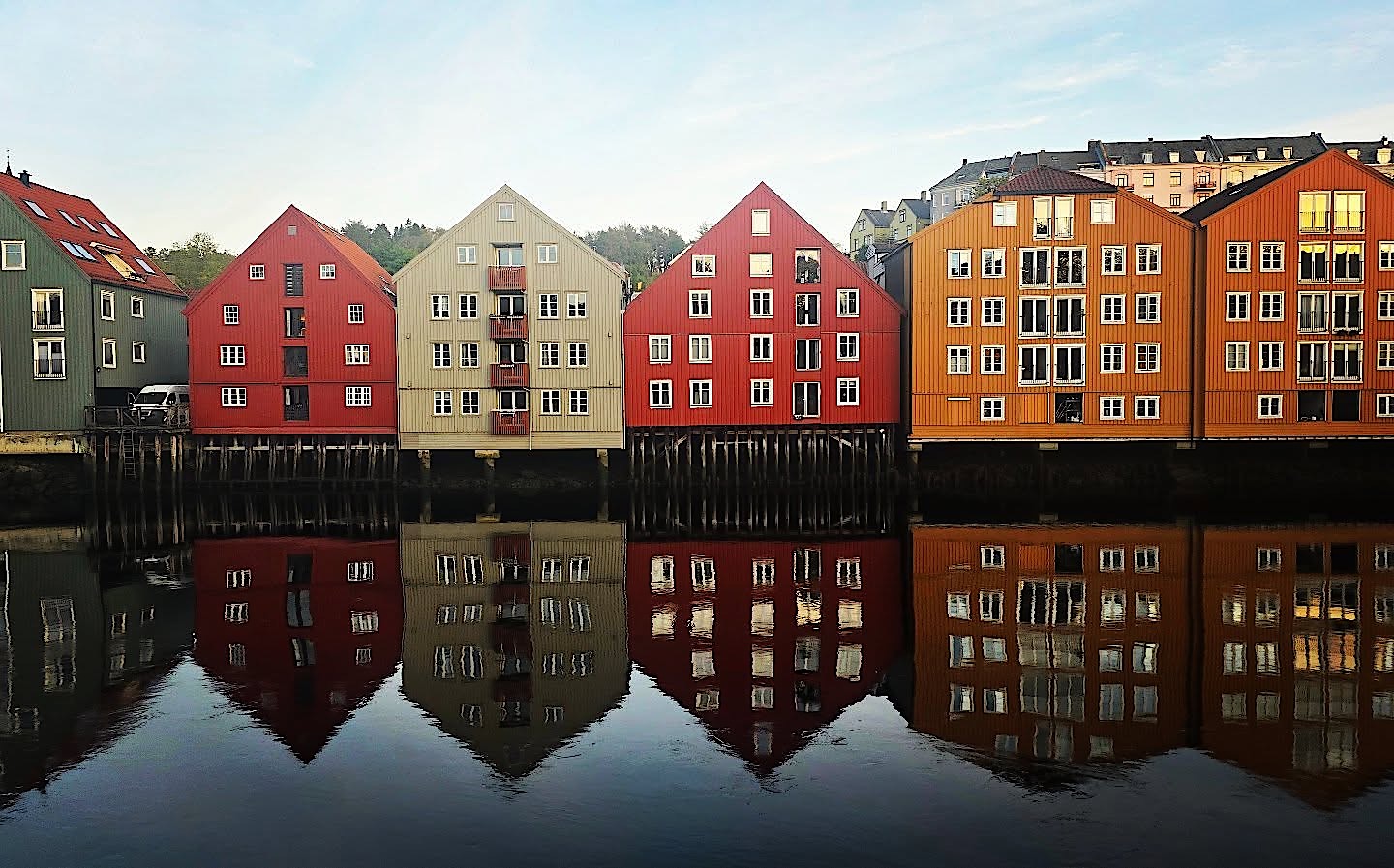
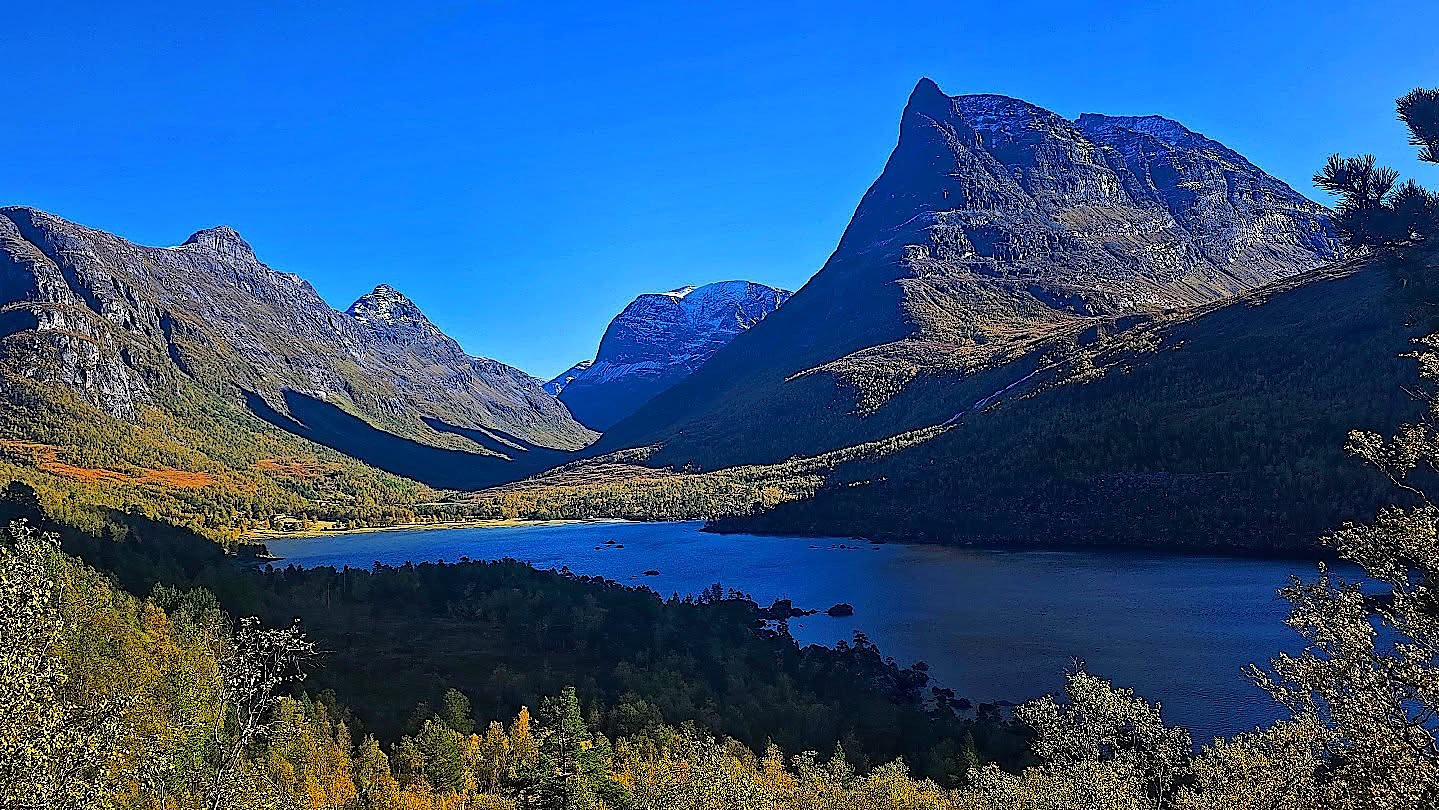
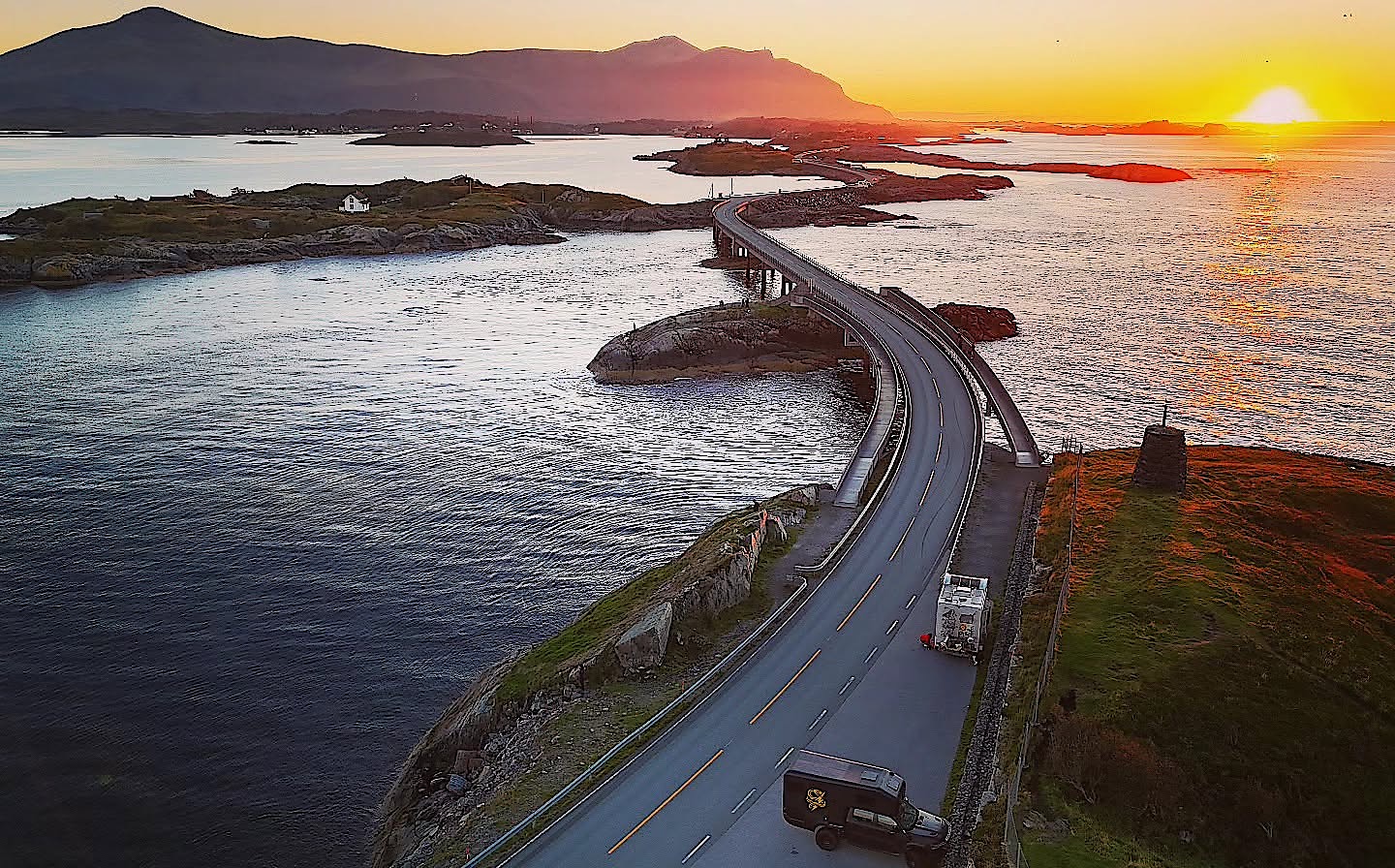
Heading west, I hiked 45 steep minutes above Innerdalen, often called Norway's most beautiful valley, and let the new drone do the rest. After Kristiansund I reached the Atlantic Ocean Road just in time for sunset. Opened in 1989, it hops across islets and skerries on eight bridges. The other casualty of those days was a glass bottle of tomato sauce that lost a fight with a speed bump. The cabin looked like a crime scene.
South along the coast to Preikestolen
From Molde, ferries and bridges took me via the outer islands to Ålesund, the Art Nouveau town rebuilt after a fire in 1904. I slept on a back road above the Hjørundfjord, where logic says no car passes after dark, and found little left of the Briksdalsbreen glacier.
Too lazy to hike to Trolltunga, I took a helicopter instead. At 50 euros per minute it was my most expensive helicopter flight so far, and one of the most rewarding. Trolltunga is barely visible from the air, but the fjords and the Folgefonna glacier below were stunning.
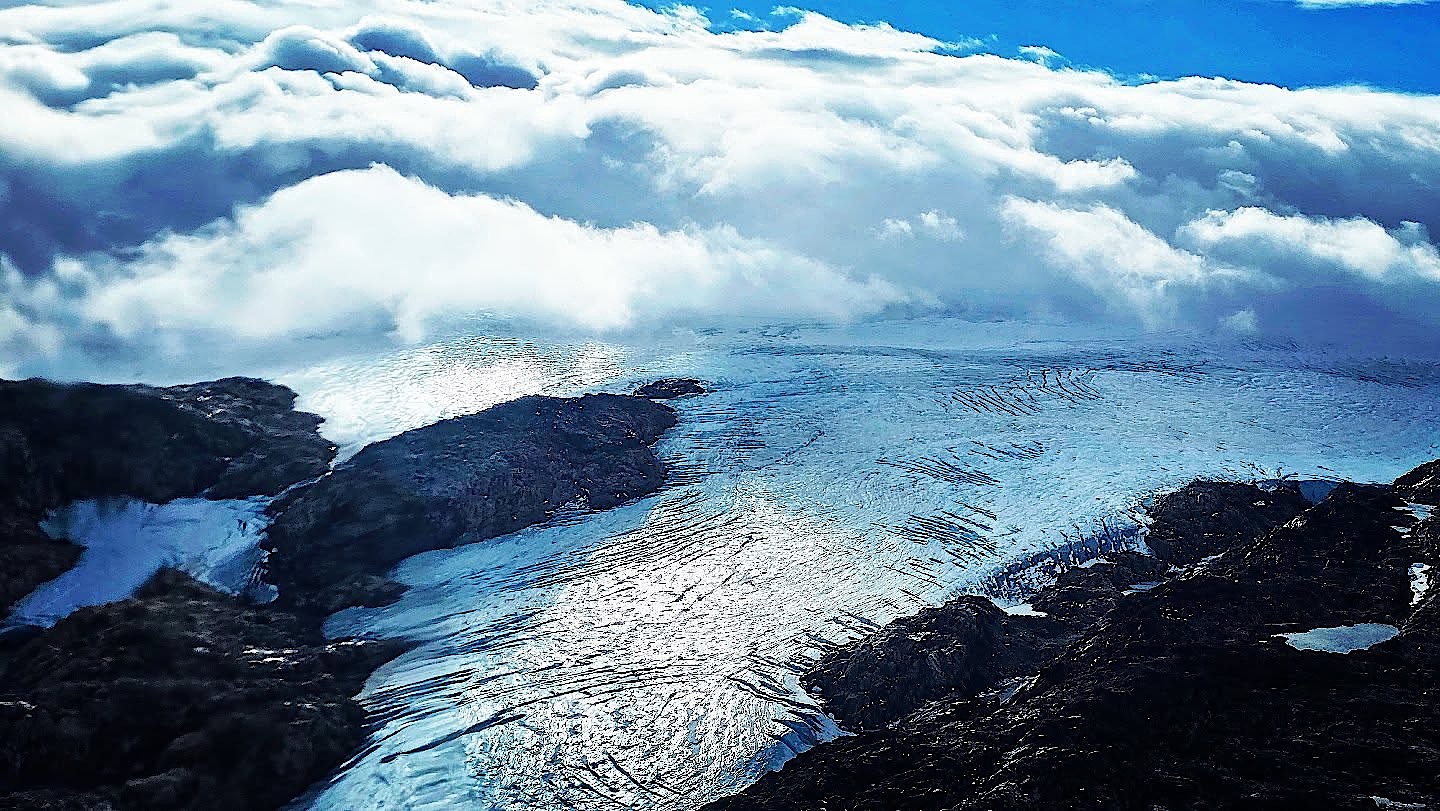
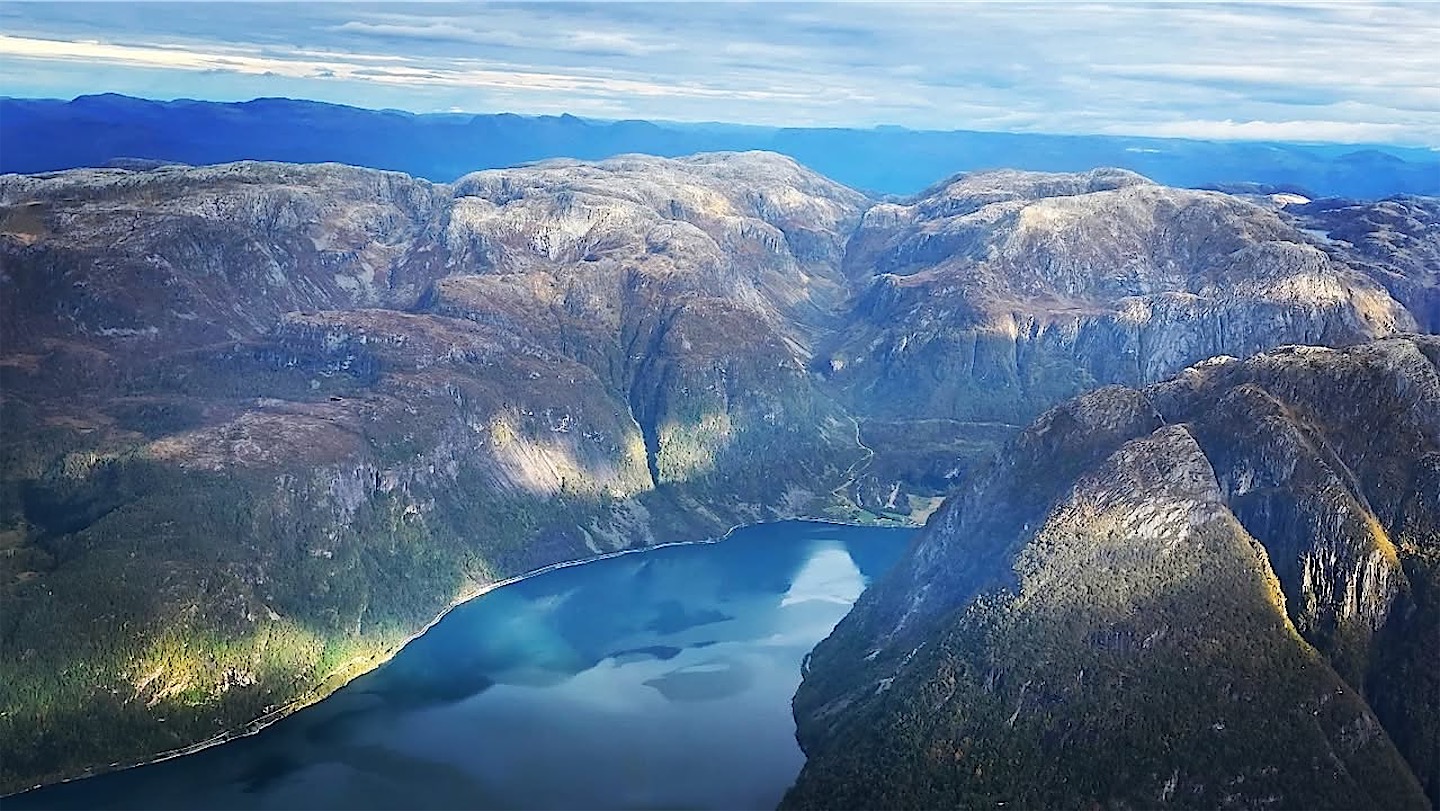
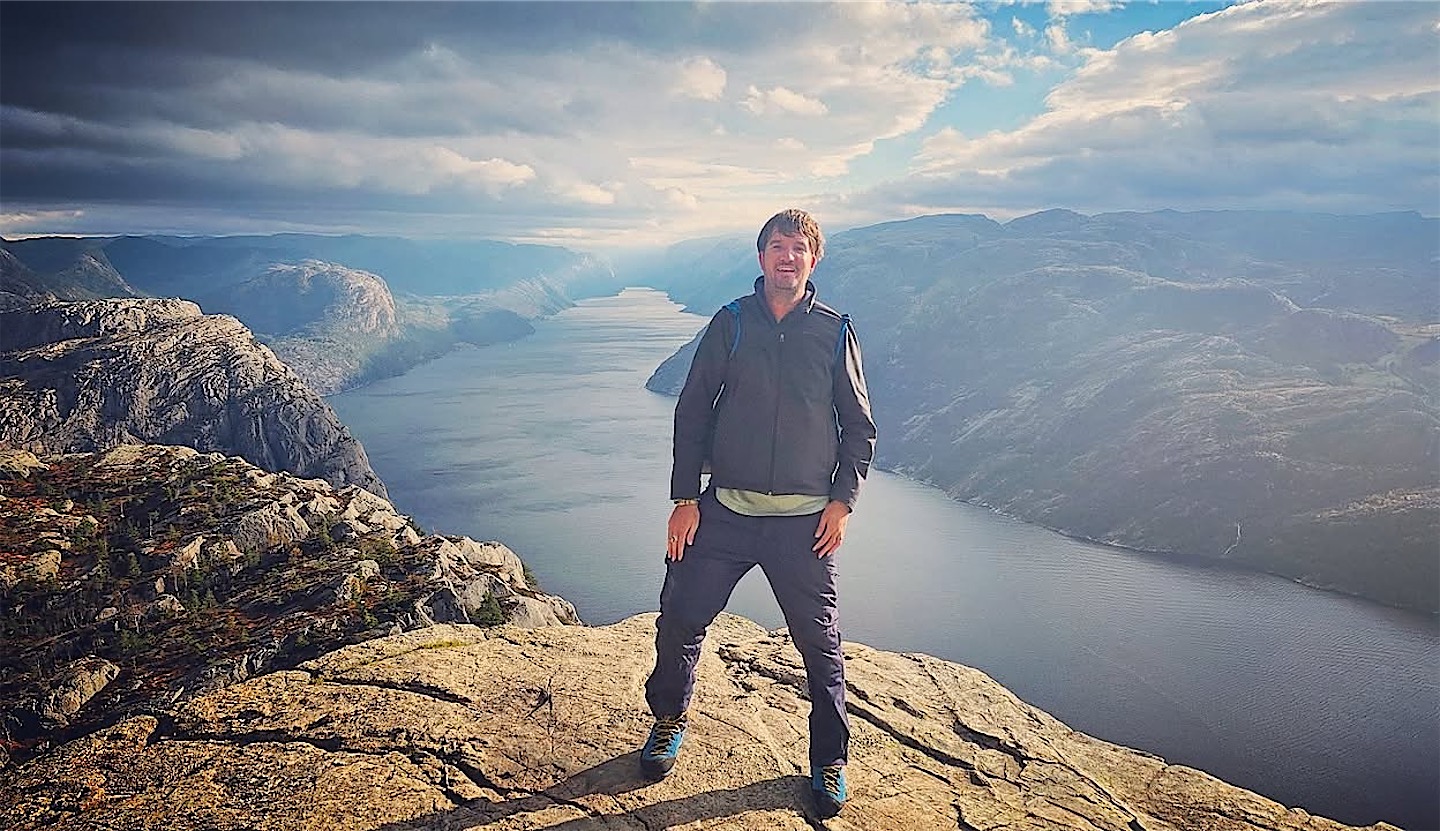
On narrow fjord lanes an oncoming truck made me reverse for almost a kilometre. Haugesund I visited mainly for its name, which to German ears means "beat someone healthy", not my preferred method of education. Near Stavanger I camped with the sheep and started early on the steep hike to Preikestolen. I had the top almost to myself; on the way down, the crowds were coming up.
Family time and the real South Cape
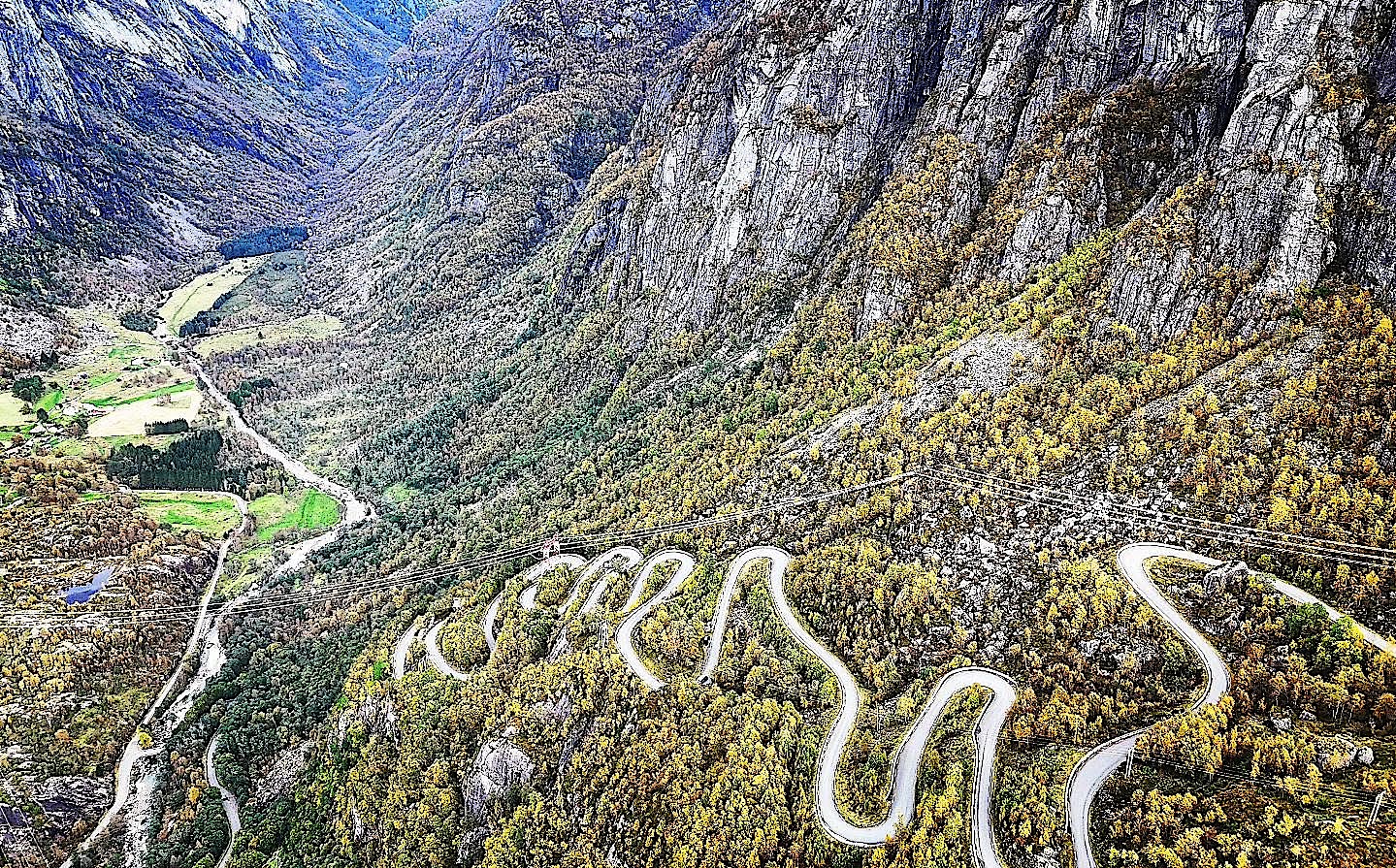
The car ferry took me through the Lysefjord to Lysebotn, where reinforcements arrived: the family had flown in from Dubai, officially to rescue my truck from the Norwegian wilderness. We drove up the famous mountain road, tested the floodlights at night and, the next morning, whether the truck can swim. We spent a quiet Yom Kippur at that spot.
Through the last fjords we reached Lindesnes, the real South Cape of Norway, whose lighthouse was first lit in 1655. Nearby we broke the fast at Under, Europe's first underwater restaurant, five metres below the surface of the Skagerrak. Thanks to my seafood allergy I mostly got vegetarian alternatives of the 14 courses, a little ironic in a place like this, while Todd the Cod swam by to say hello.
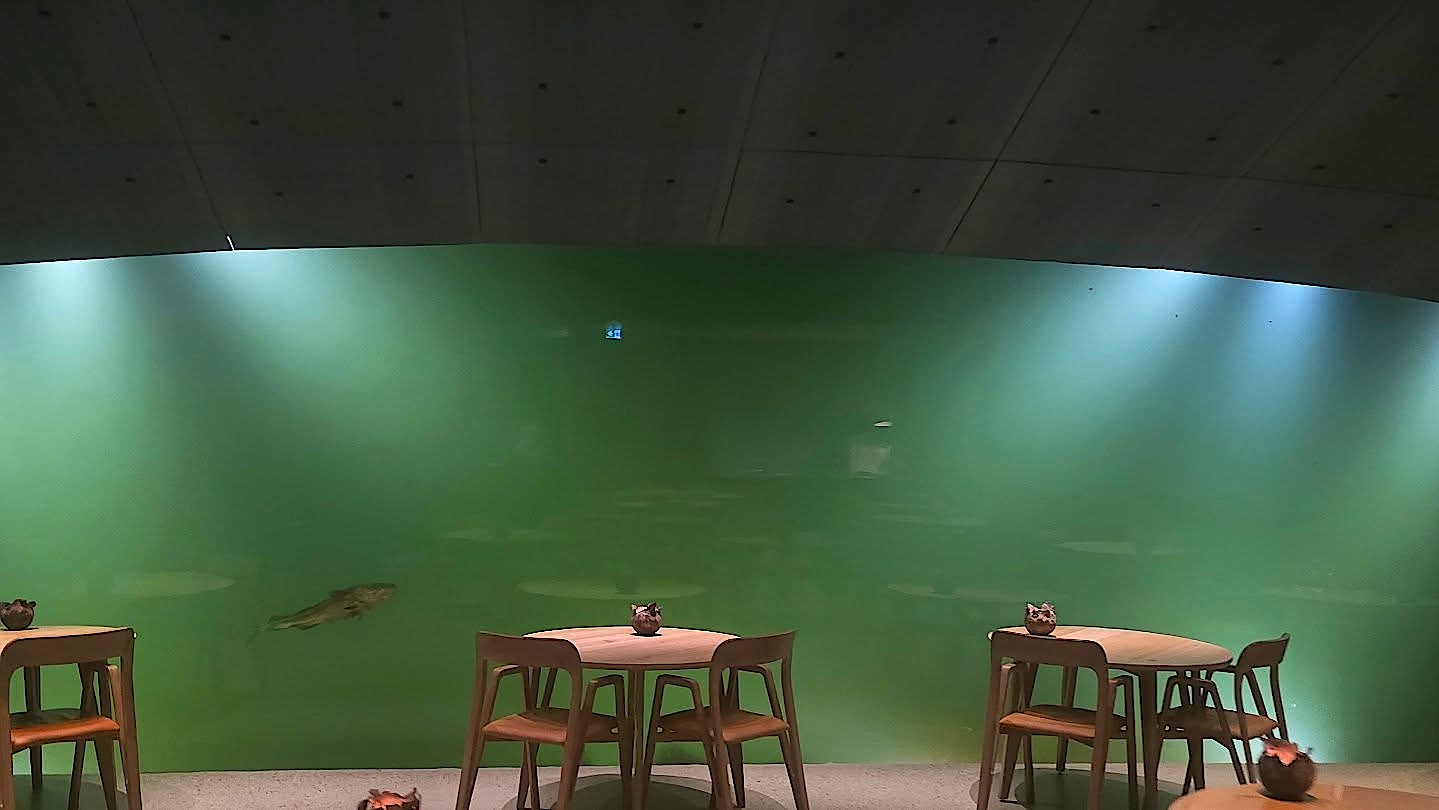
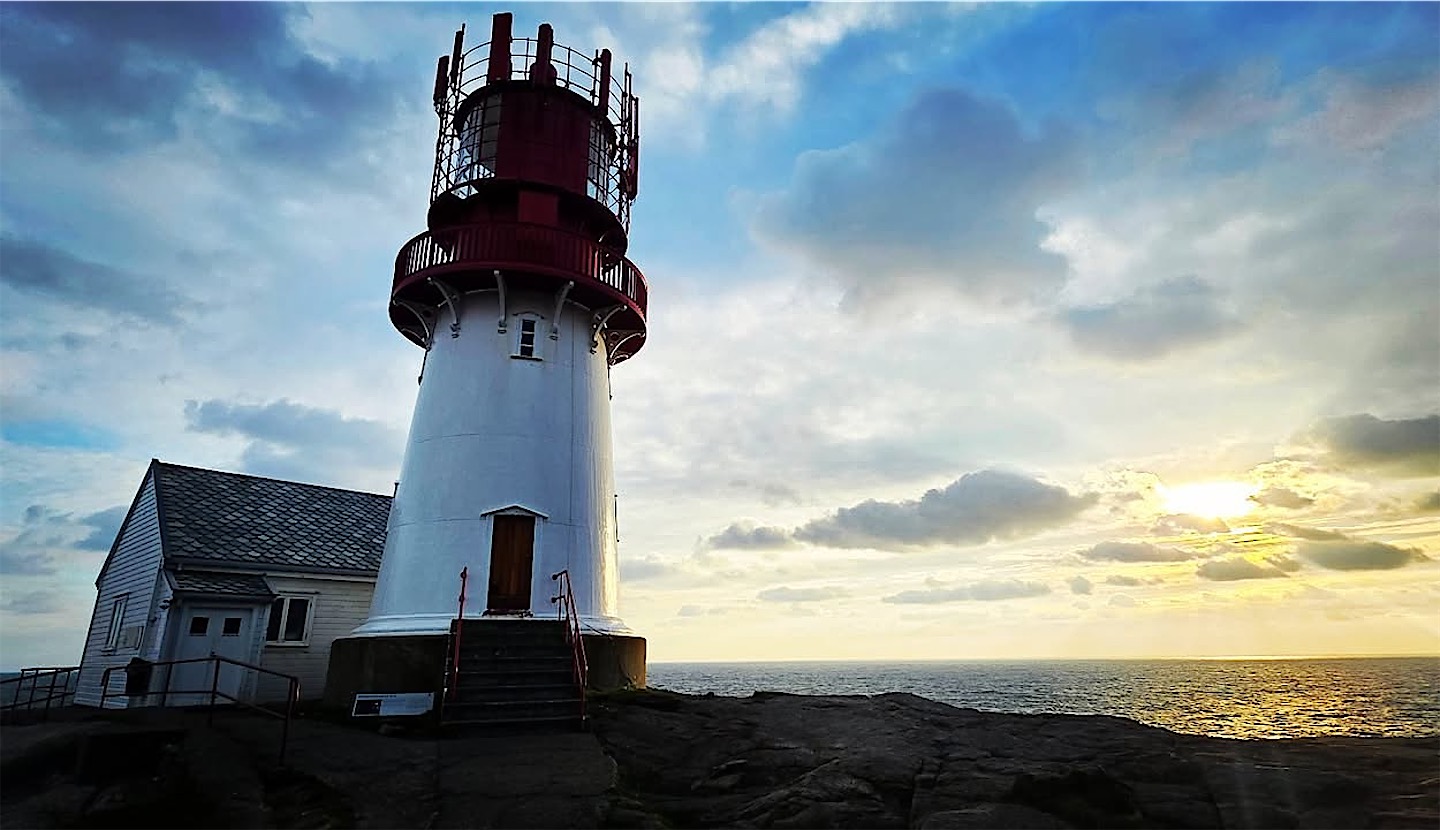
A huge storm was forecast, so after a look at Kristiansand we crossed to Denmark a day early. Norway had given me eleven fabulous days and almost 3,500 kilometres, a road trip I can only recommend.
Storm and dunes in Denmark
Our first night in Denmark, near Rubjerg Knude, brought gales of over 100 km/h, and the truck stood firm. By morning we were exploring the big dunes around the lighthouse.
Near Hirtshals the truck ran excellently on the beach without even deflating the tyres. At Grenen, Denmark's northernmost point, the Skagerrak and the Kattegat clashed fiercely after the storm, and a perfect rainbow appeared just as I arrived.
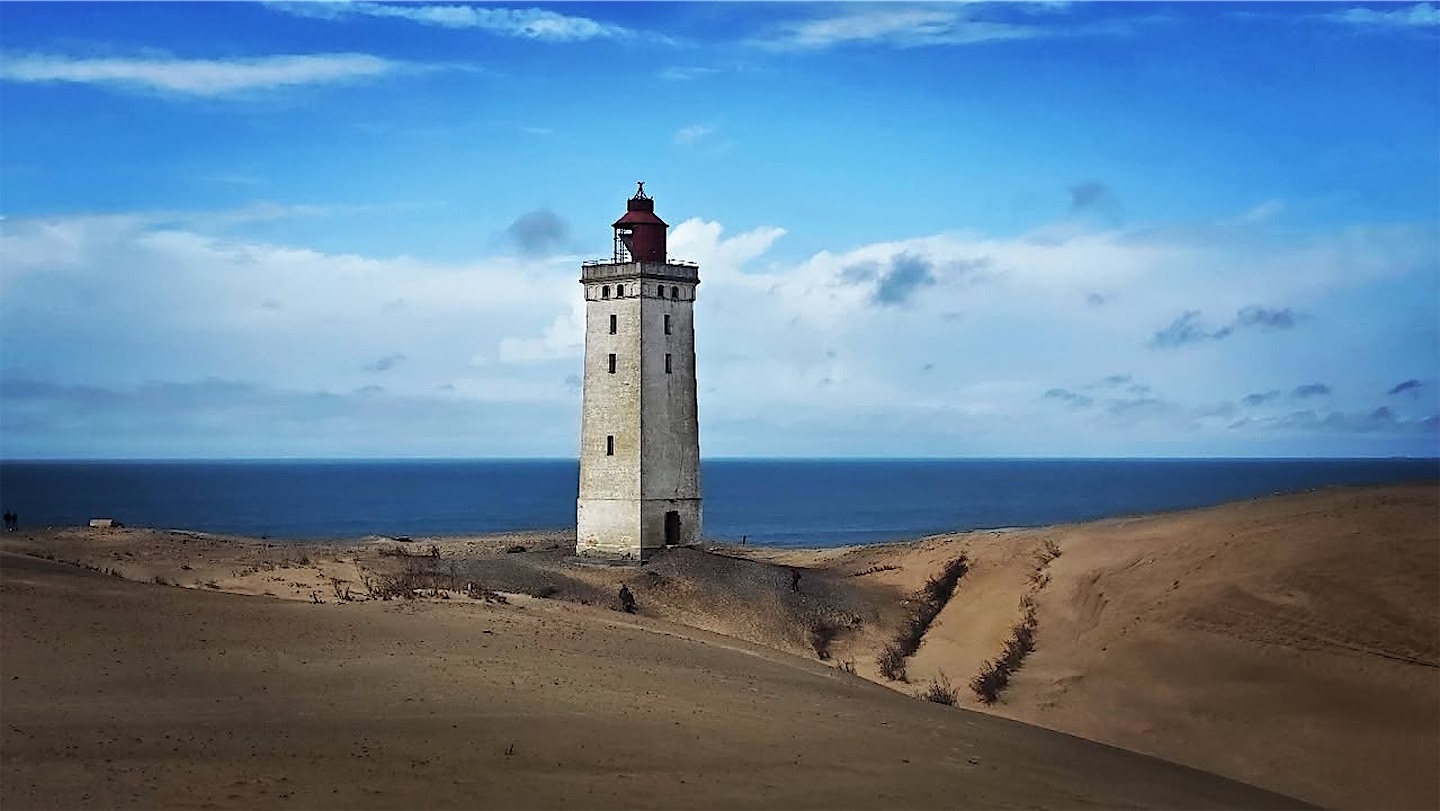
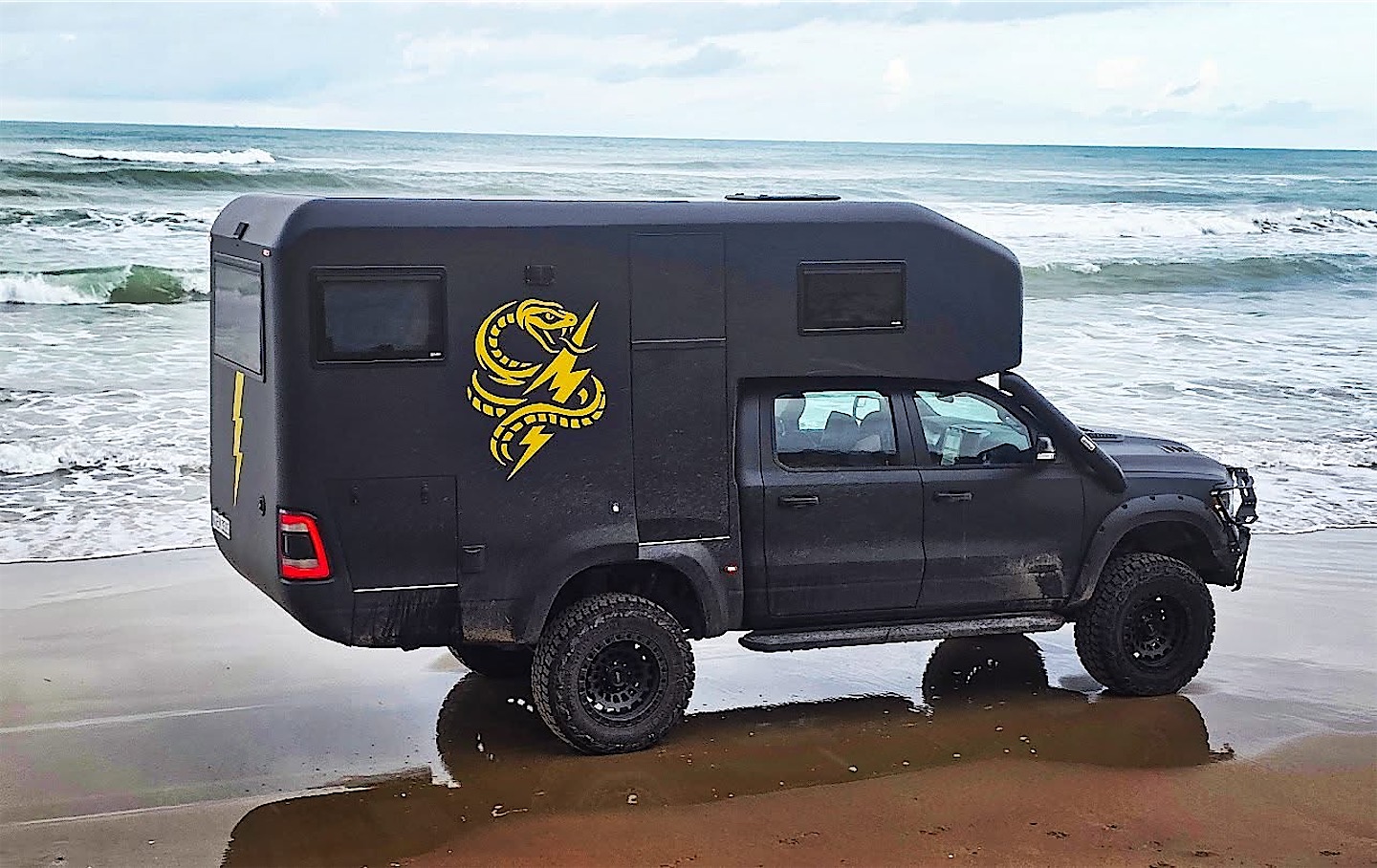
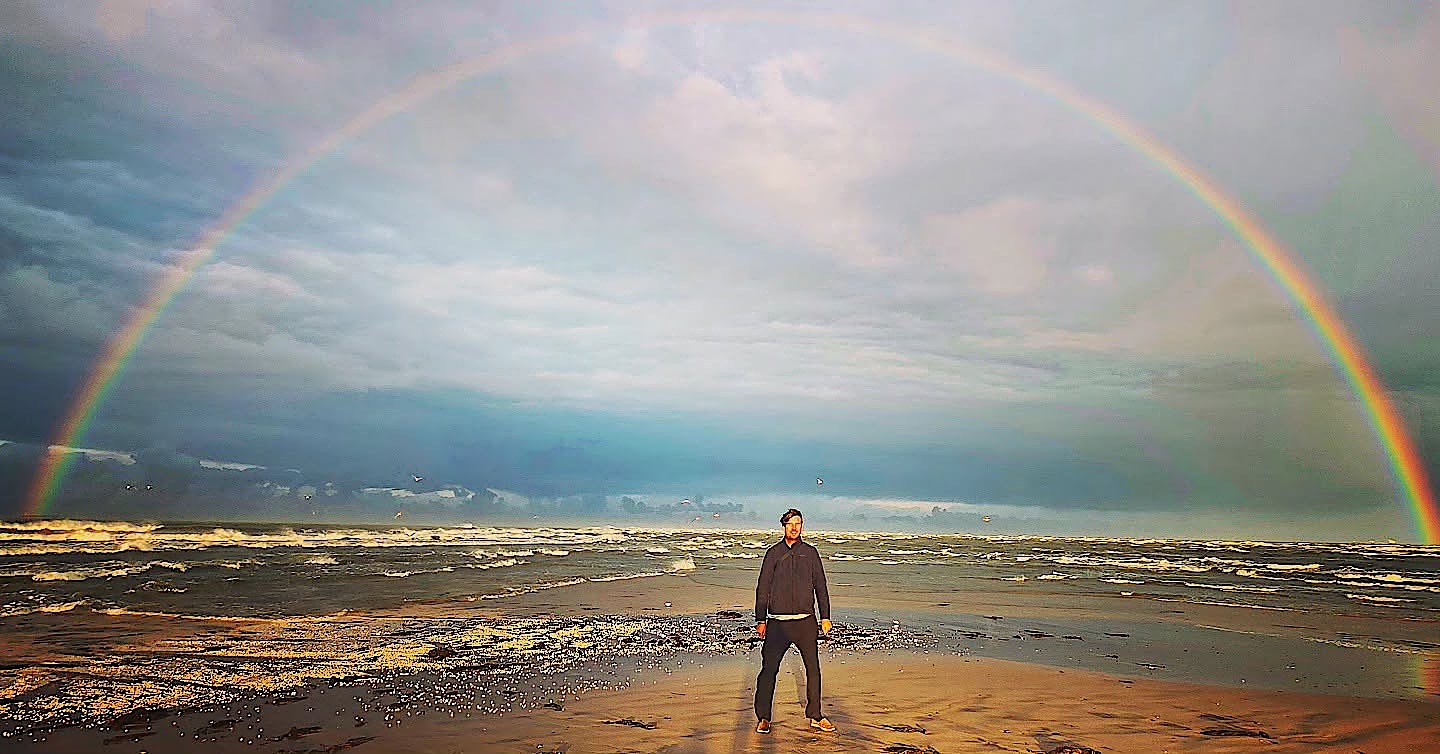
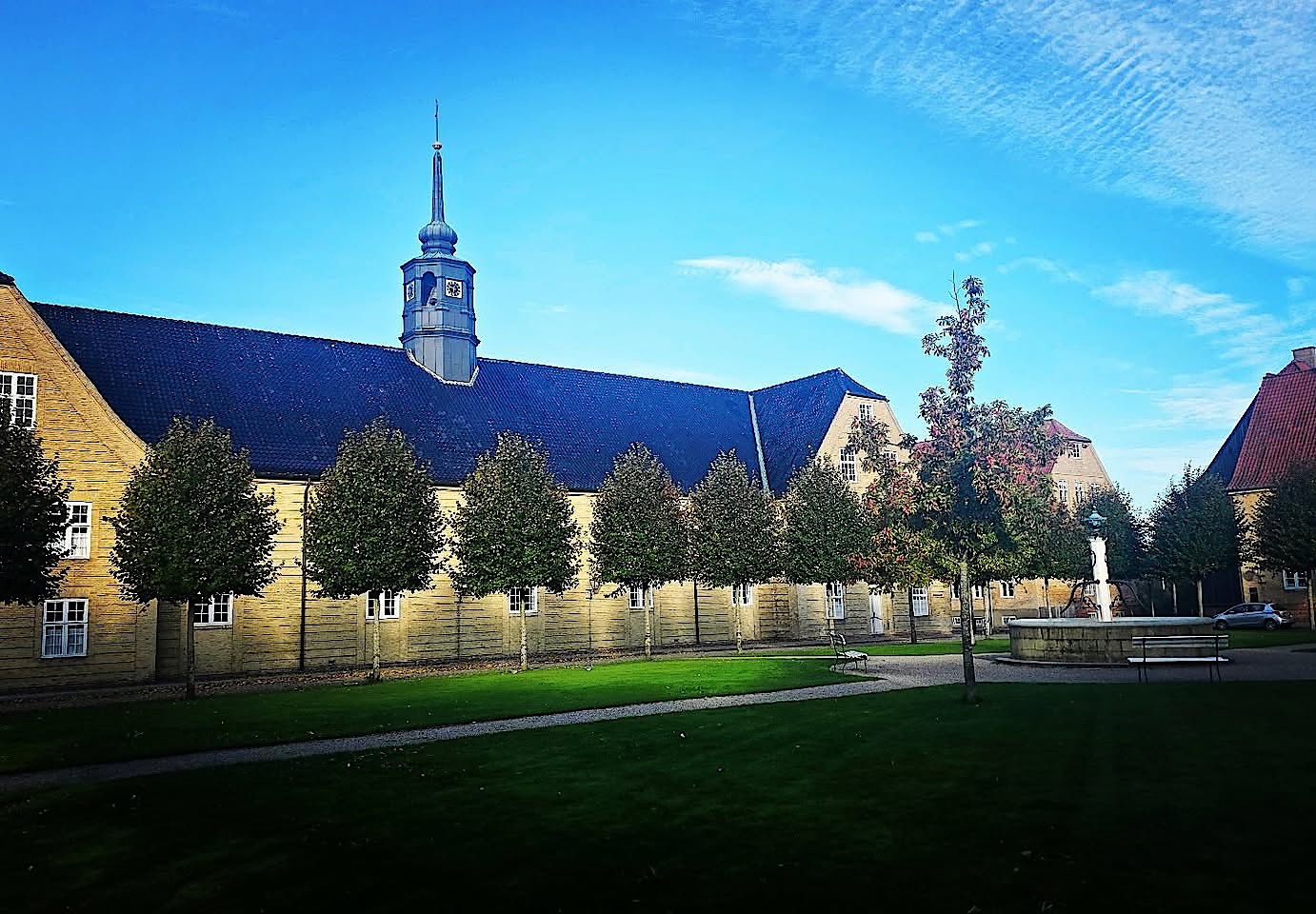
After dropping the family at Aalborg airport I visited Aalborg and Aarhus and climbed Møllehøj, at 170.86 metres Denmark's highest point, in darkness and a rainstorm. I only wanted an overnight spot afterwards, but woke up in a World Heritage Site: Christiansfeld, founded in 1773 by the Moravian Church and barely changed since.
After 5,000 kilometres the composting toilet still didn't need emptying and never smelled, even with three of us on board. Back in Herford, my mother took over Nemesis, named after its leetspeak number plate and the Greek goddess who punishes hubris, to drive it to northern Spain. I flew to Dubai, with a short trip in between to AlUla and the Saudi Red Sea.