
Built for Iceland: By Ferry and Expedition Truck through Denmark, the Faroe Islands and Iceland
8–30 June 2026 · Jelling, Hirtshals, Tórshavn, Seyðisfjörður, Kjölur, Kerlingarfjöll, Þórsmörk, Vík, Drangey, Húsavík, Raufarhöfn, Stuðlagil, Dalatangi, Gjógv, Suðuroy, Kalsoy · Regions: Denmark, Faroe Islands, Iceland
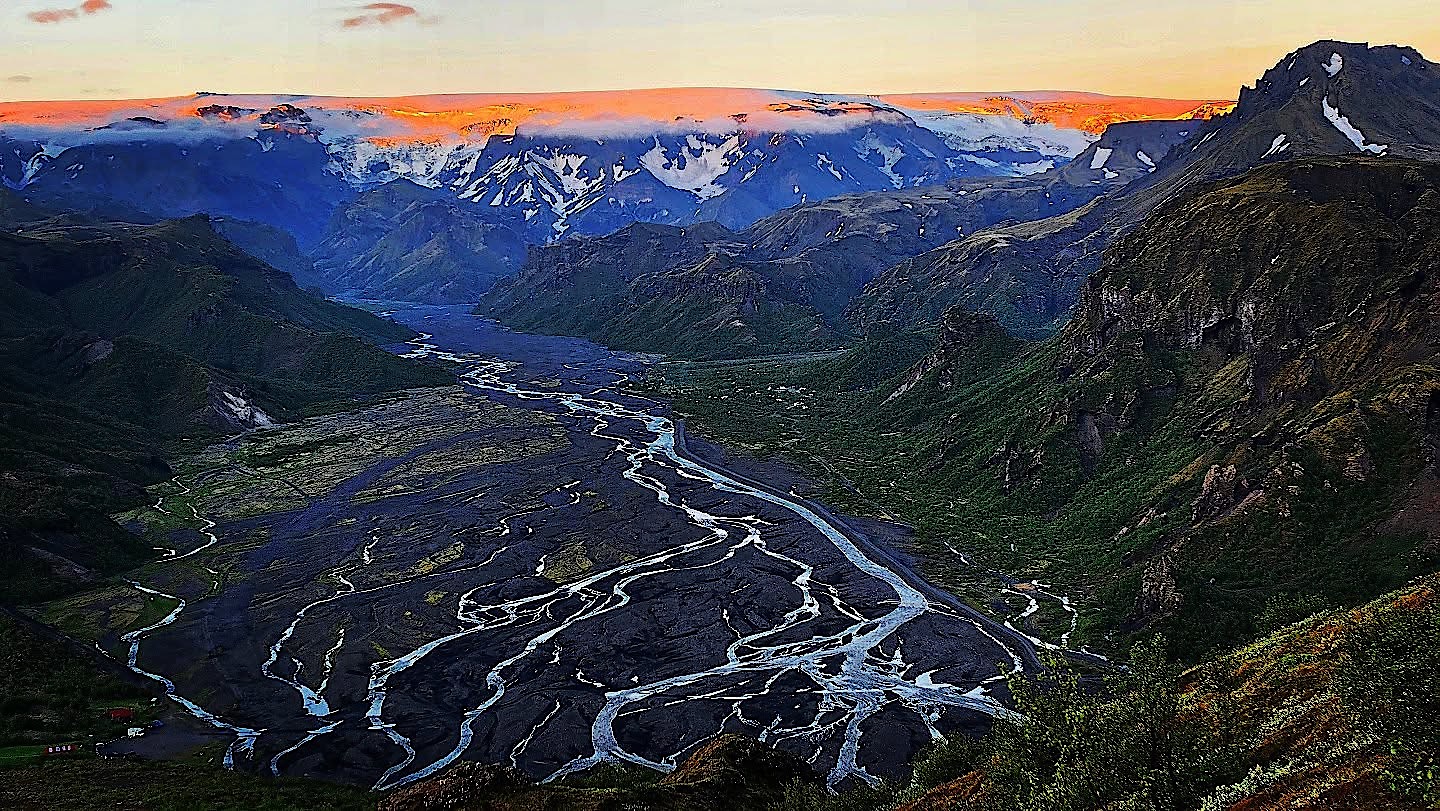
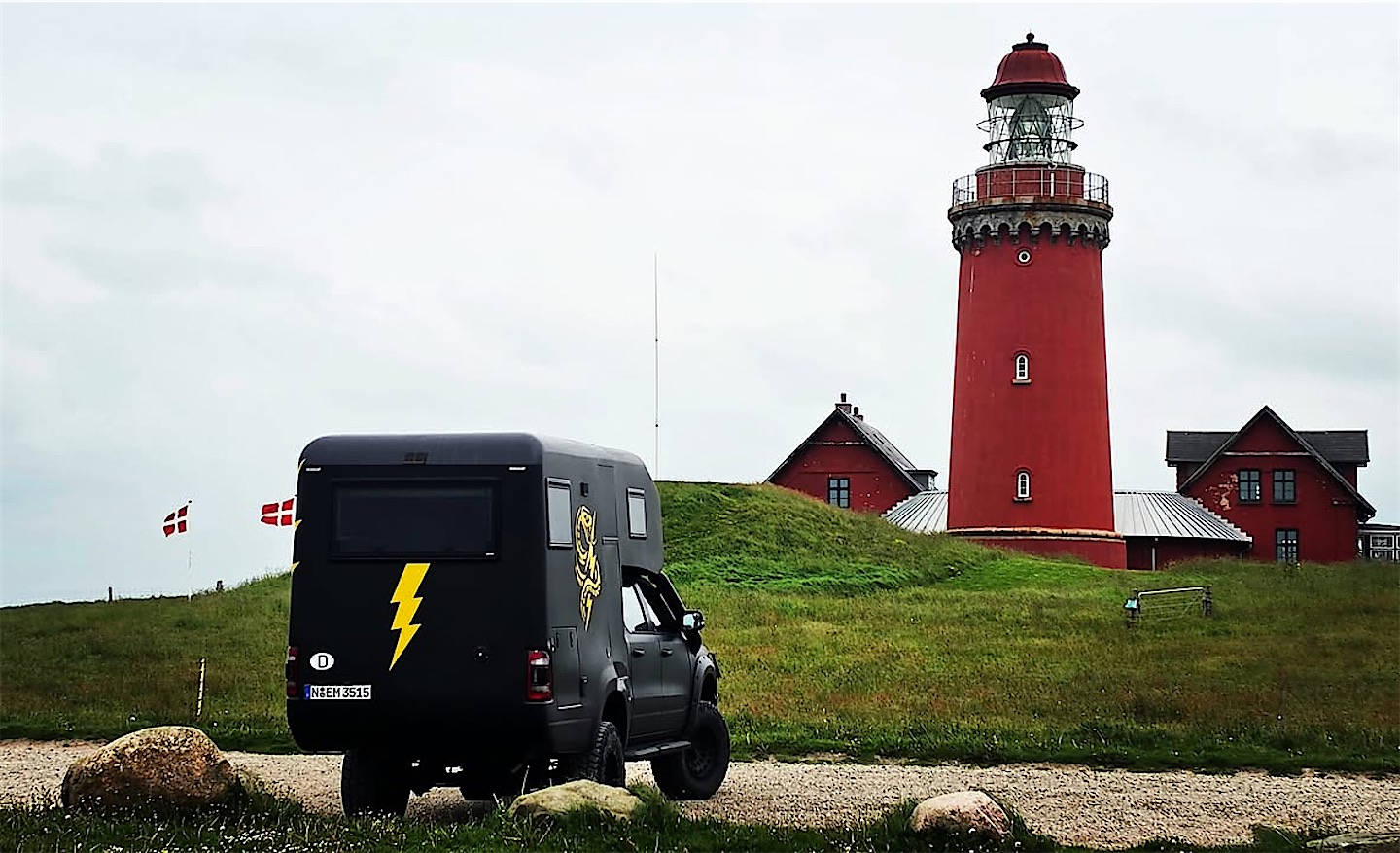
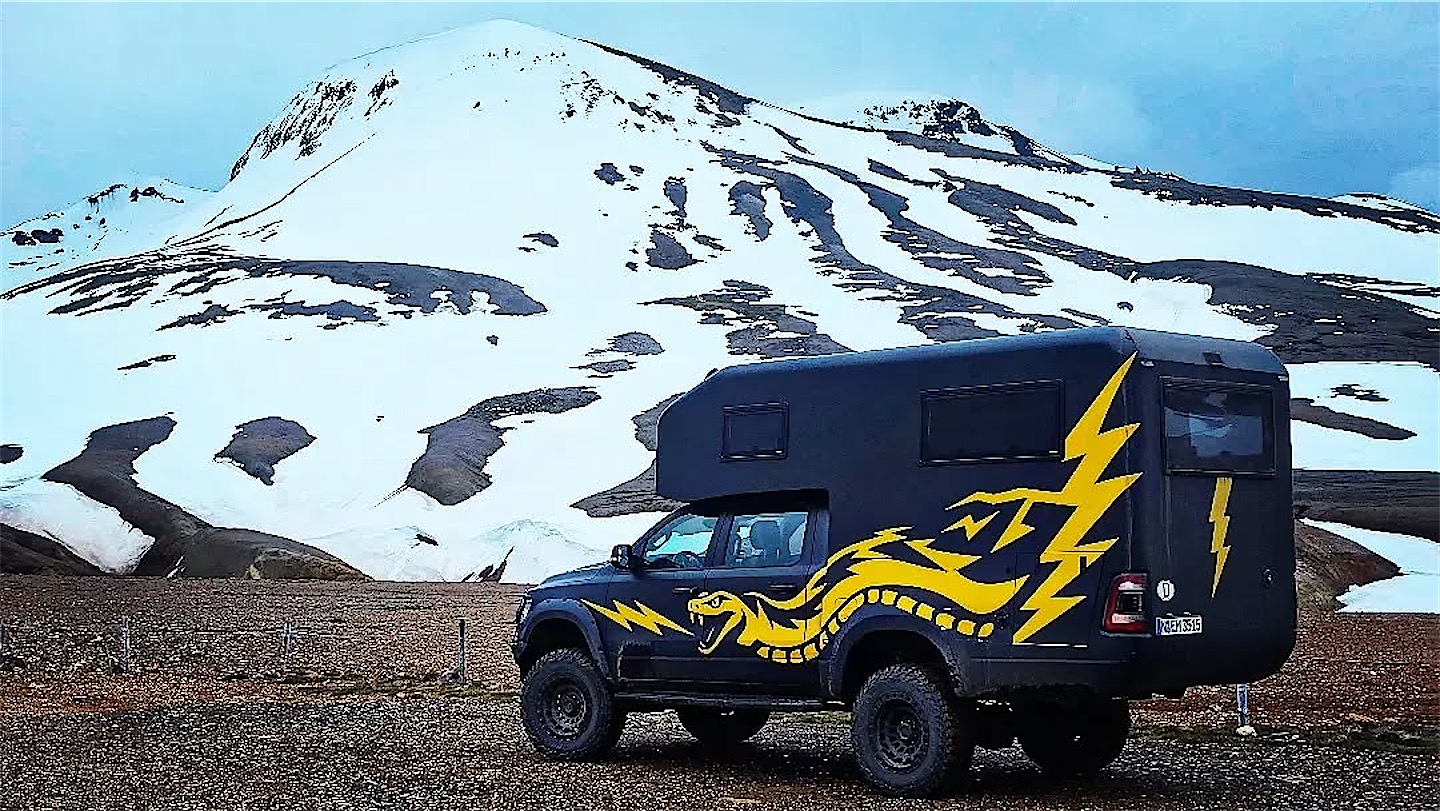
After Panama by sailing yacht and an event in Portugal, I flew to my home town of Herford in early June 2026 to collect Nemesis, my black 4x4 expedition truck, or Nemi for short. It was built with Iceland in mind, for metre-deep rivers and the solitude beyond them, and this trip was a year overdue: in 2025, registration delays had forced me to cancel. The plan: through Denmark, by ferry across the North Atlantic, two weeks in Iceland and a week in the Faroe Islands.
After six hours of filming with a TV crew and four on the motorway, I reached Wassersleben on the Flensburg Fjord, the westernmost point of the Baltic Sea.
Through Jutland to Hirtshals
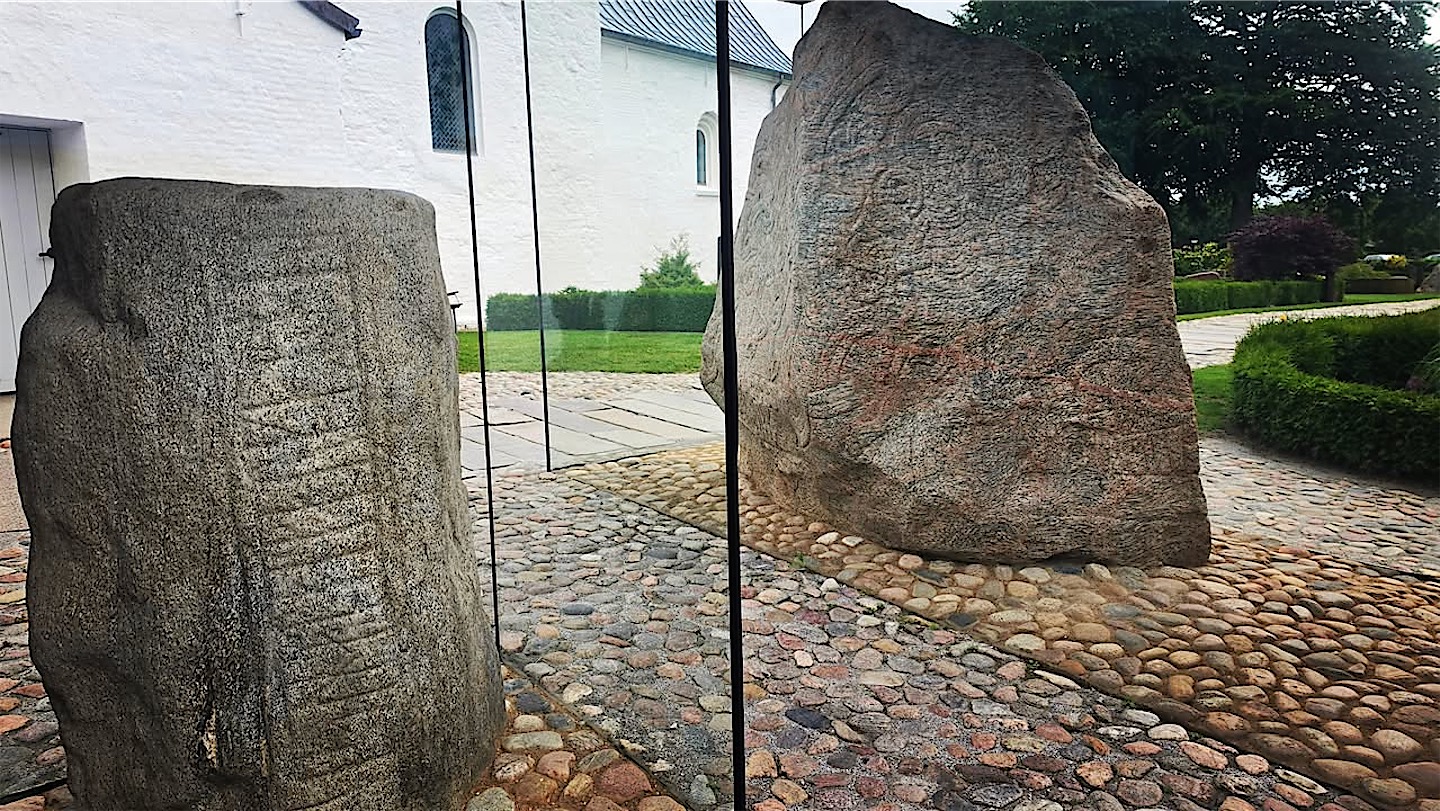
My first night in Denmark was in a forest outside Kolding; I usually go where nobody disturbs me. The next morning I visited Jelling, a place I had always wanted to see given my Viking ancestry, and my 551st UNESCO World Heritage Site. Its museum taught me that Bluetooth is a Viking technology: the logo combines the runes for H and B, the initials of King Harald Bluetooth.
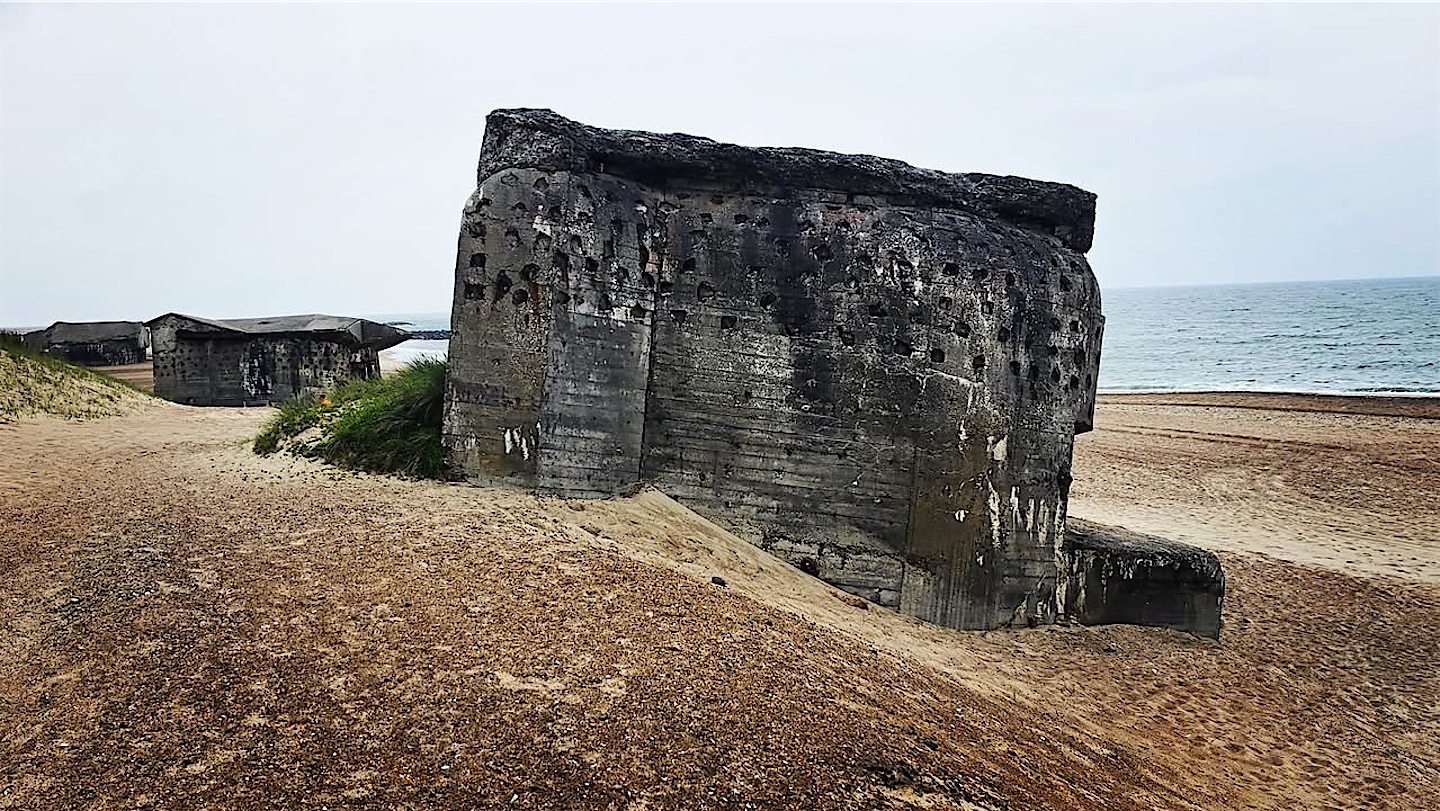
On the North Sea coast I learned that Denmark isn't completely flat, and in Thyborøn I stopped at Sneglehuset, a house covered in shells inside and out. Further north, the beaches are dotted with bunkers of the Atlantic Wall, the fortifications Nazi Germany built from Norway to the Spanish border against an Allied invasion. Many have been undermined by the sea and now lie tilted in the sand. On one beach I gave Nemi some practice on soft sand for Iceland's F-roads.
Across the North Atlantic
In Hirtshals, Nemi was squeezed in between rows of white motorhomes for a 45-hour crossing of a luckily calm North Atlantic. The Norröna felt more like a cruise ship, with decent cabins and hot tubs on deck: the start of a month of cold air and daily hot water.
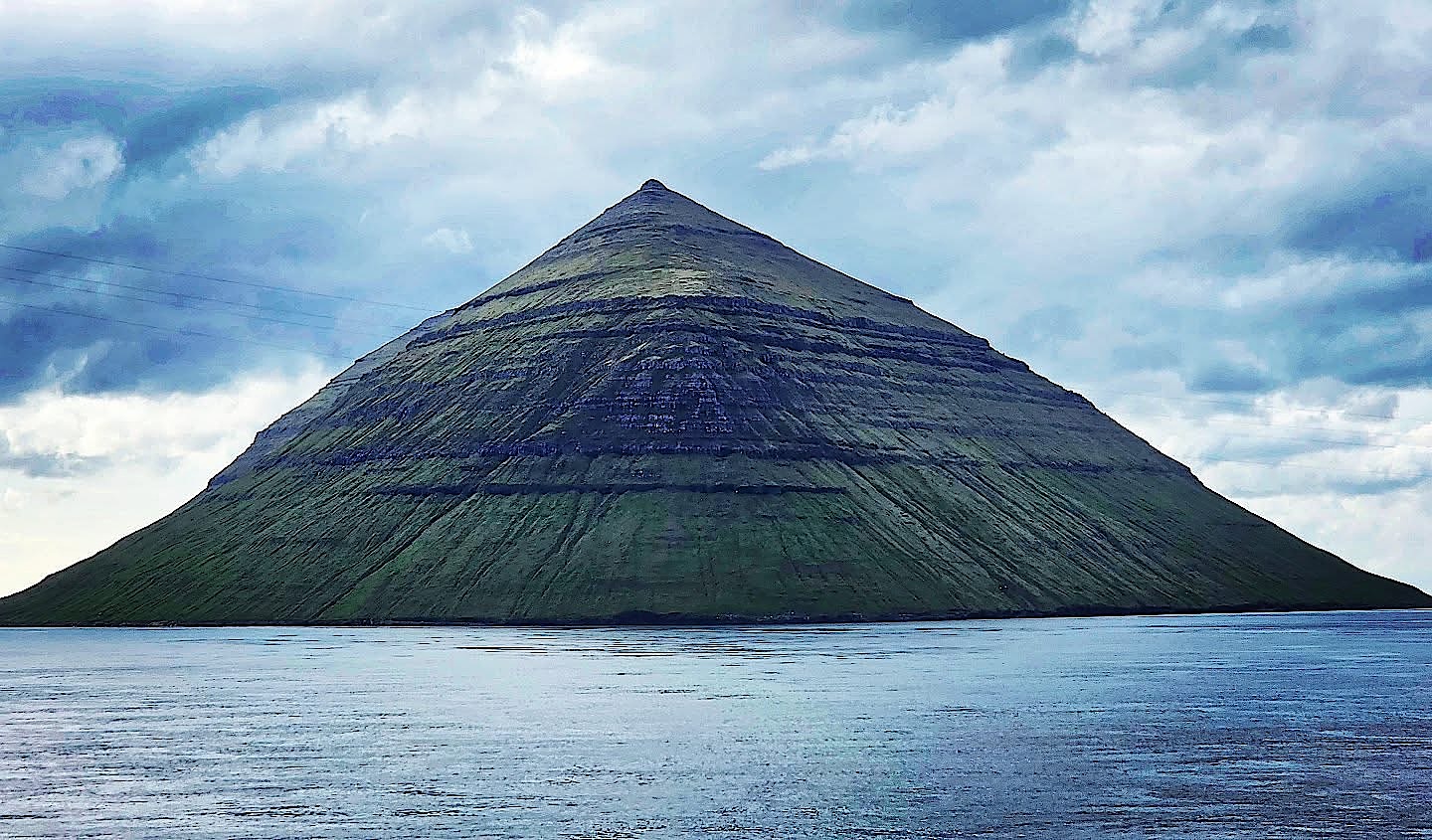
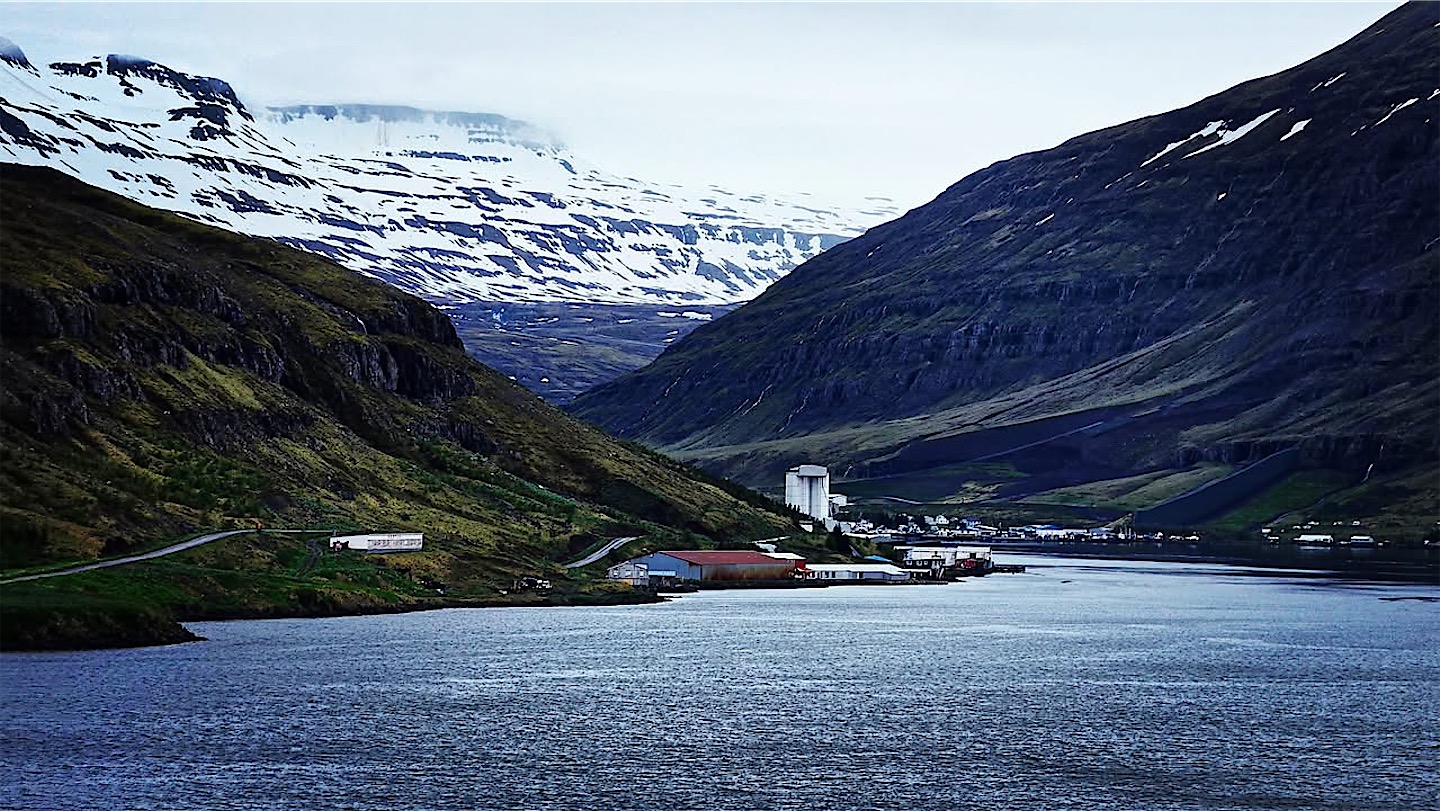
After a short stop in Tórshavn we sailed past an island shaped like an almost perfect pyramid, and the next morning we entered the fjord of Seyðisfjörður. I had left Iceland by ship before, in 2024 on an Arctic voyage with my mother, but this was my first arrival by sea in one of my favourite countries. After customs, a long drive lay ahead to an event near the Golden Circle.
Into the Highlands
The first fill-up cost 280 euros, as Nemi holds 240 litres. Since January 2026 Iceland has replaced most of its fuel tax with a kilometre fee that every vehicle pays, tourists included, which has made fuel cheaper.
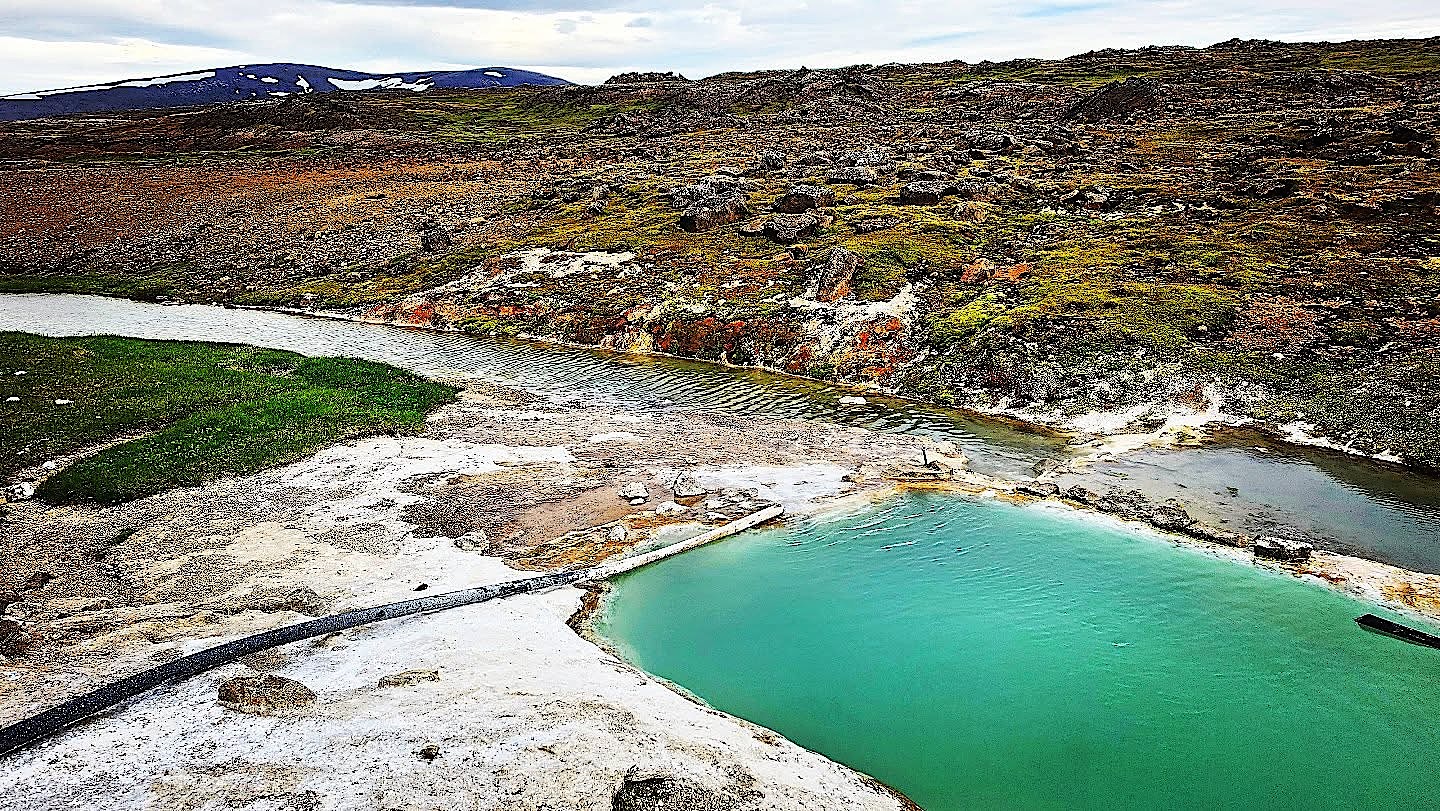
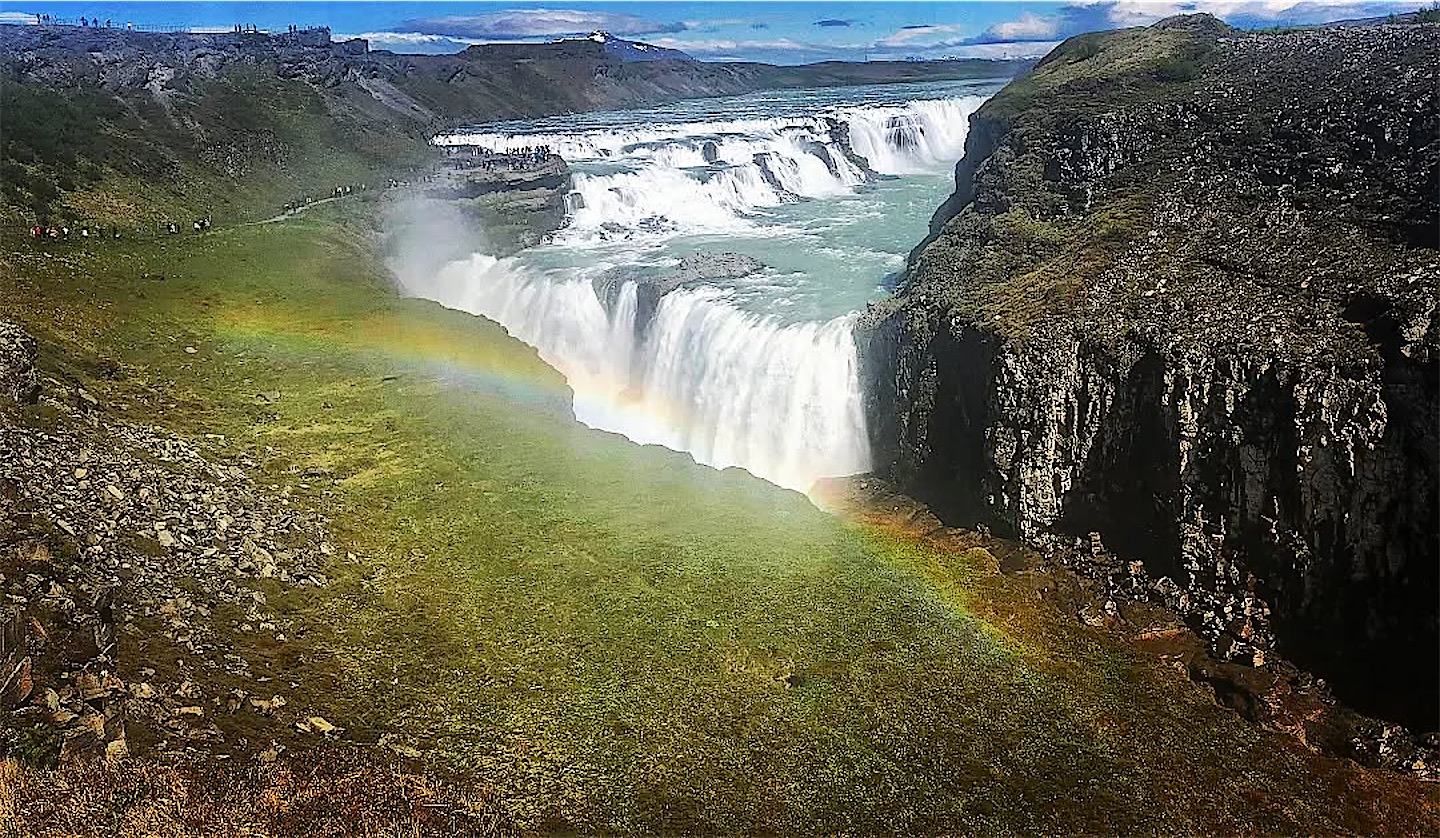
From the northern Ring Road I took the F35 over Kjölur as a shortcut through the interior. The F347 into the geothermal Kerlingarfjöll mountains had opened only the day before, and on the muddy track I was probably the first car of the season. At a highland rest stop I found a turquoise pool with nobody around, a Blue Lagoon just for me and much nicer than the original. The day took 15 hours, and I reached Gullfoss after midnight, completely alone. Nature has no opening hours, and in midsummer the light lasts all night.
Þórsmörk and the south
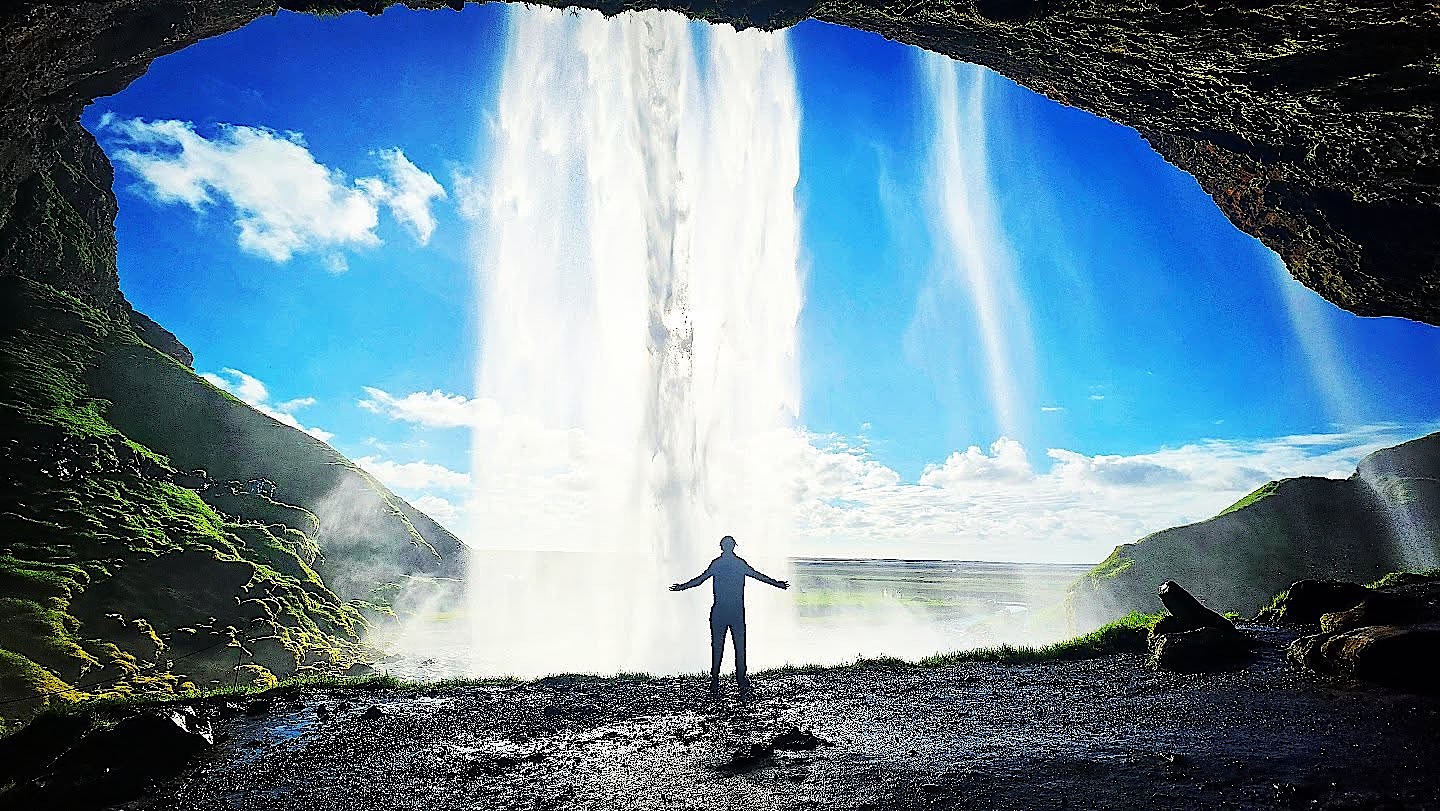
After the event I was free to explore, and a friend joined me for three days. We started in Gjáin, a green valley of waterfalls that feels like an oasis in the barren landscape, and below a waterfall I took my first ice bath of the trip. From then on I tried to have one every day. A black desert road straight out of Mordor led on to Seljalandsfoss, which I have visited many times but which is always worth a stop.
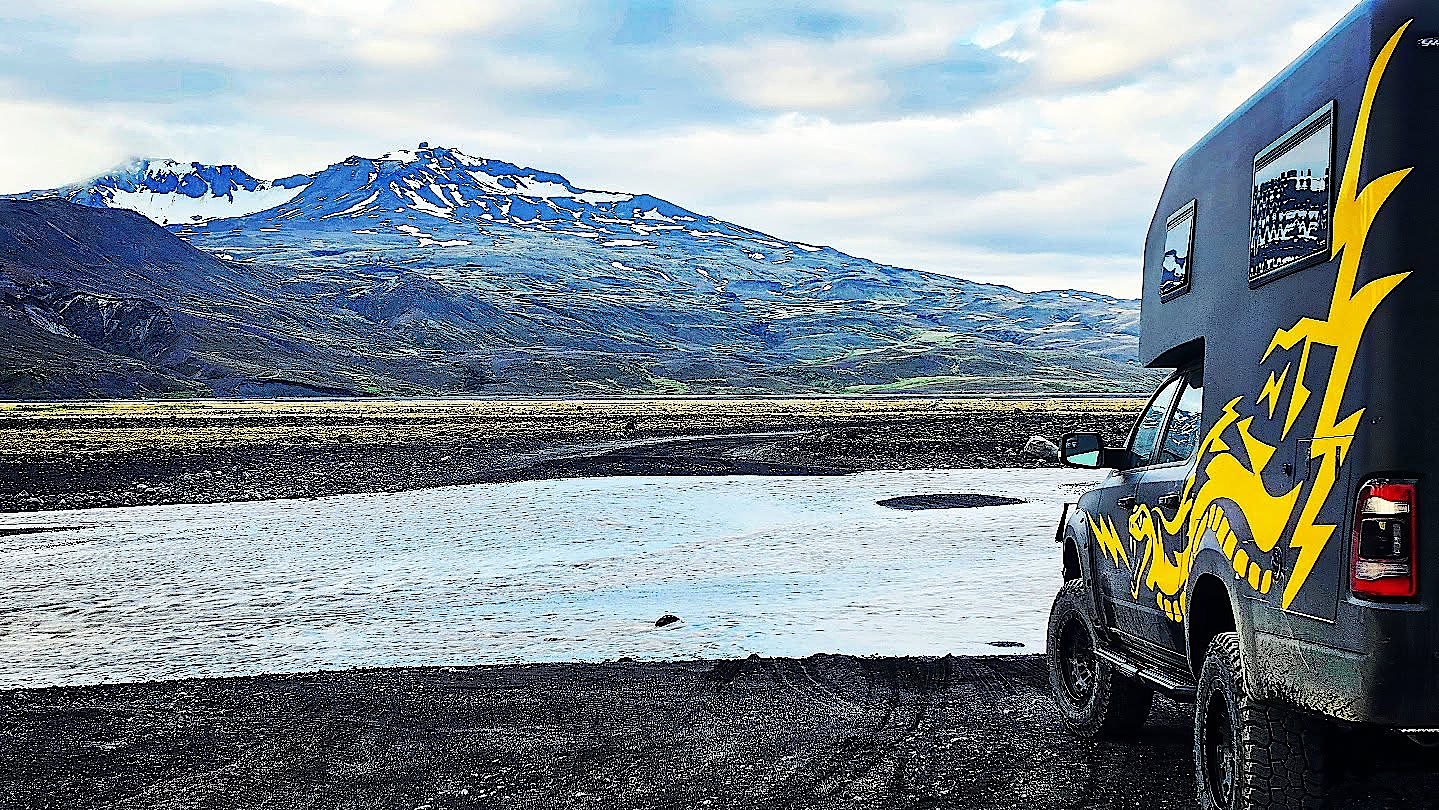
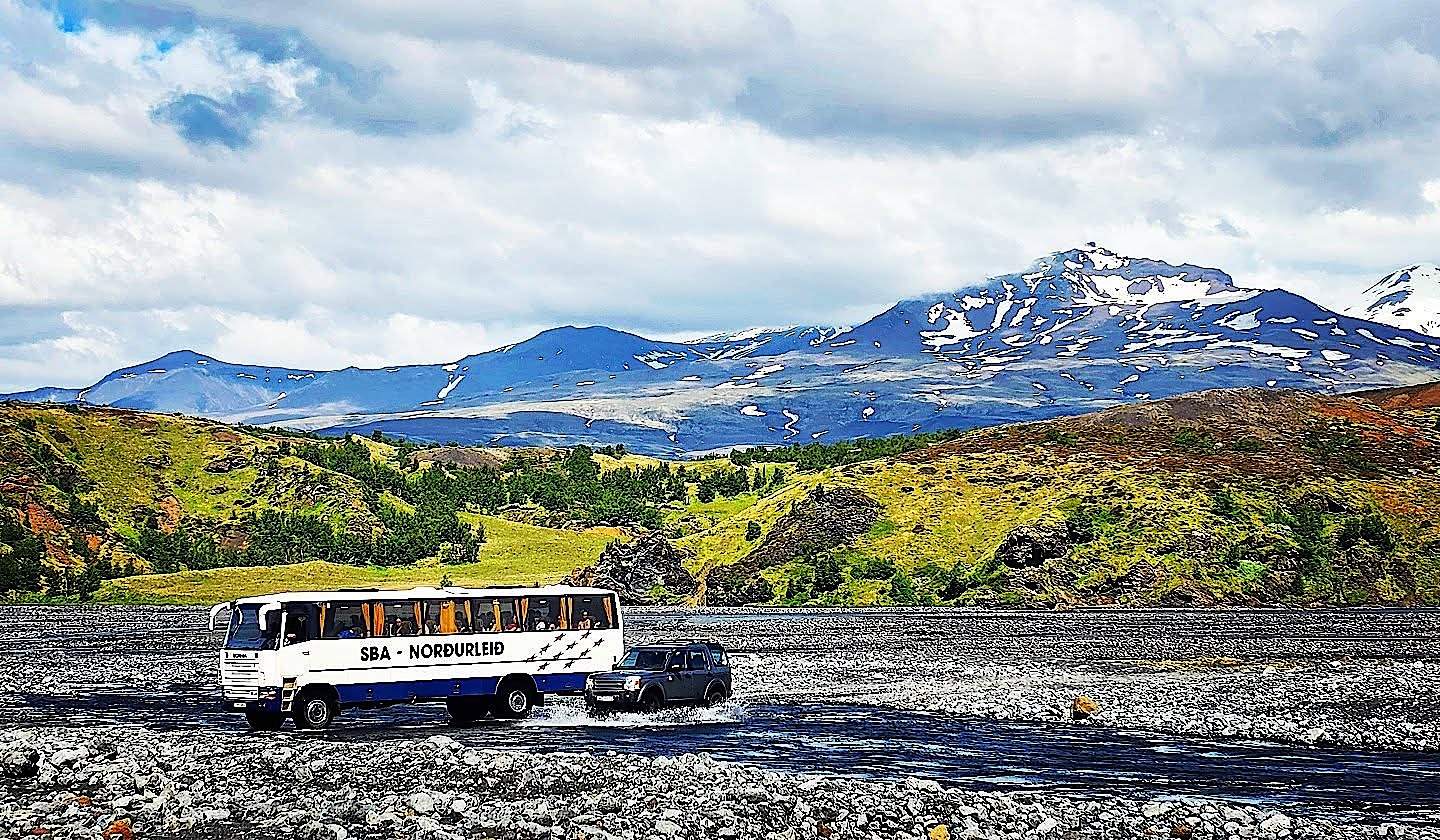
Then came the river crossings I had been waiting for. The last one before Þórsmörk, the Krossá at Langidalur, is one of the most notorious in Iceland, and Nemi made it through waist-deep water and a strong current.
The next morning we climbed Valahnúkur above the valley for some of the best views in Iceland, and my new drone made its maiden flight. Camping like this suits me: with the air fryer, steak and bacon-wrapped asparagus took less than 15 minutes, and breakfast was skyr with fresh berries.
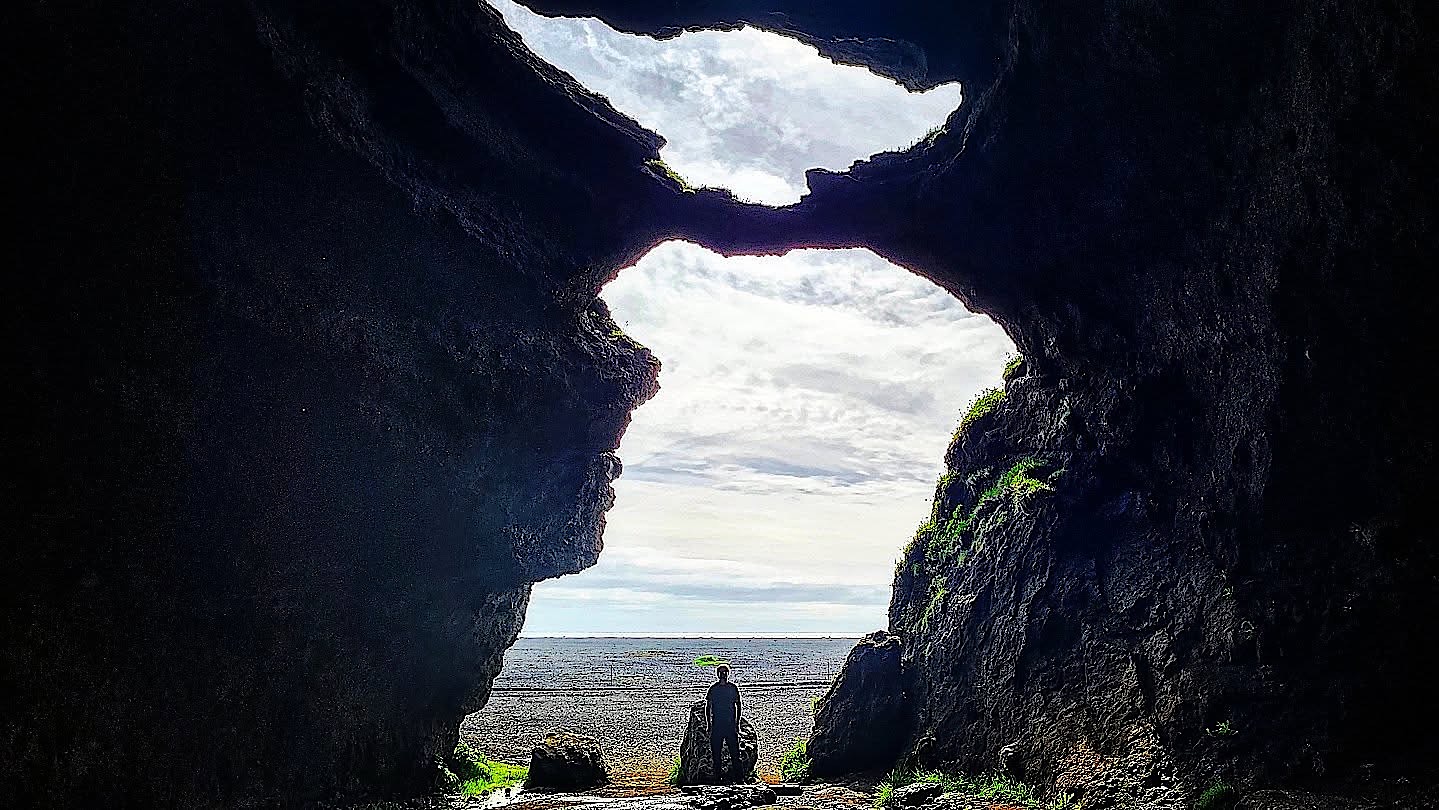
Back on the south coast we passed horses grazing like a scene from Rohan, slept at Þakgil, a campsite in a green valley near Vík, and found the Yoda cave, whose opening really does look like the Jedi master's head. One morning a tyre was flat. Someone had let the air out while we slept, the downside of camping among lots of people. With the built-in compressor we could laugh about it, although it took a while. A puffin at Dyrhólaey made up for it.
Puffins, whales and the Arctic Henge
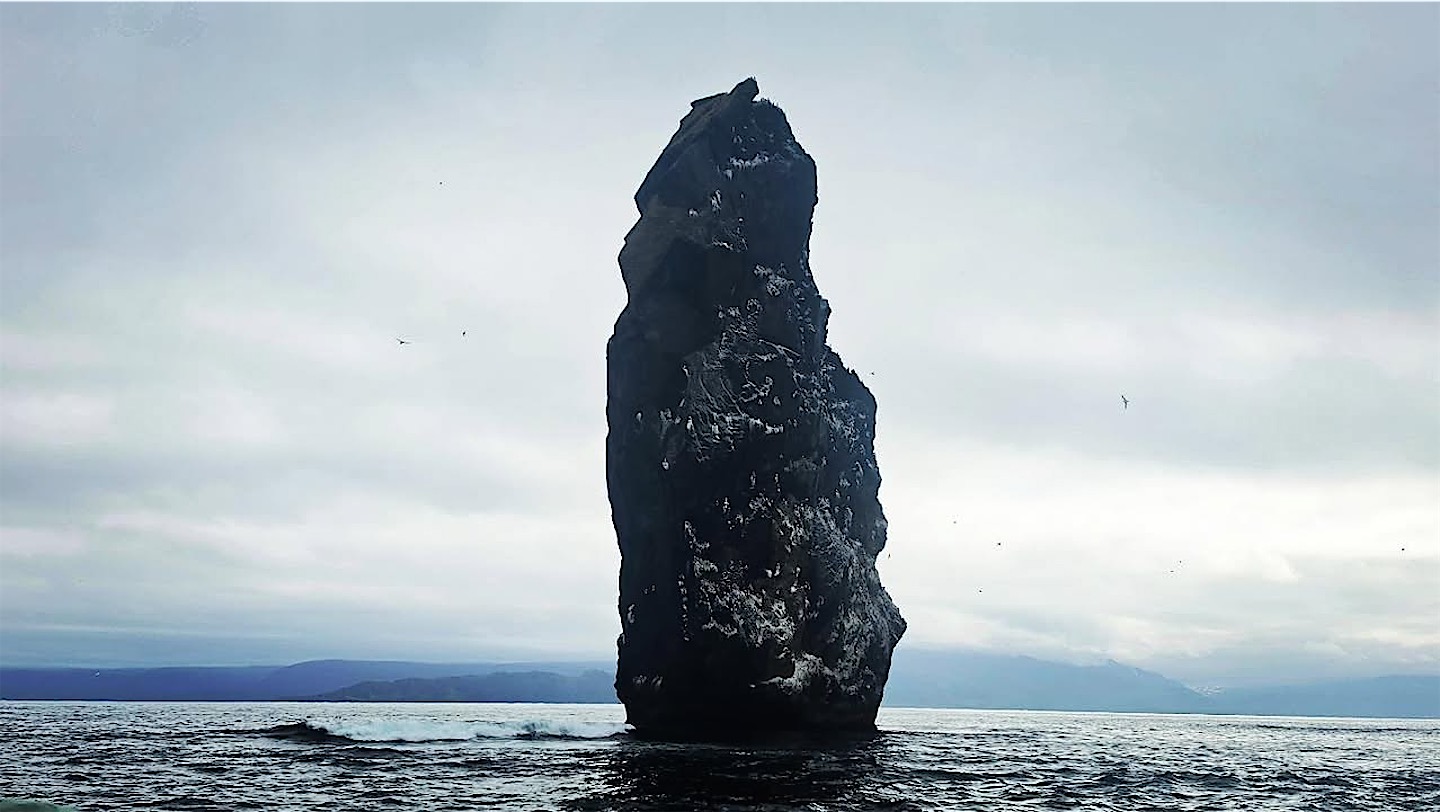
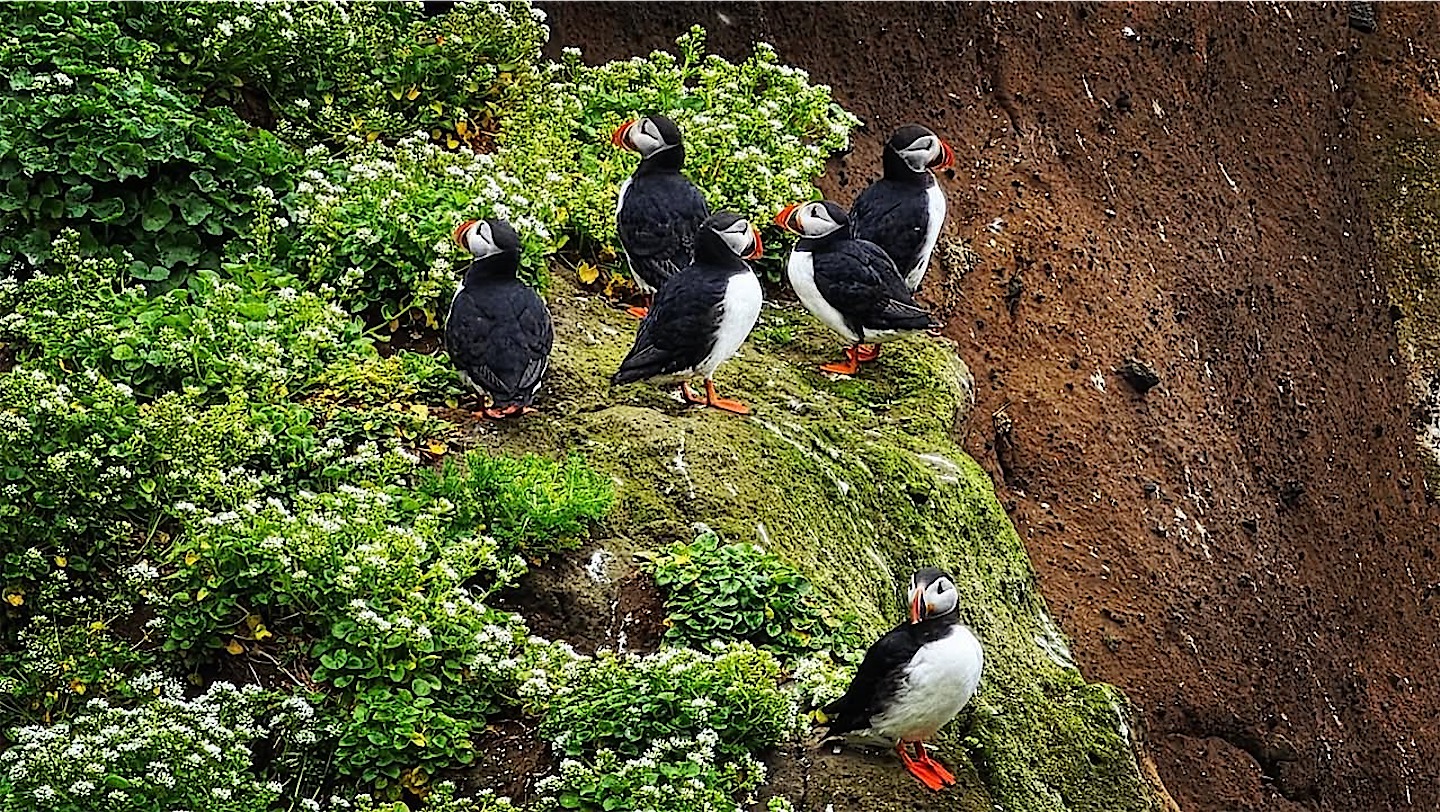
By the summer solstice I had reached the north. Drangey, a sheer-sided island in Skagafjörður, is where the outlaw Grettir the Strong spent his last years, according to his saga, until his enemies killed him there. Today its cliffs belong to the seabirds, and I filmed puffins flying past in slow motion.
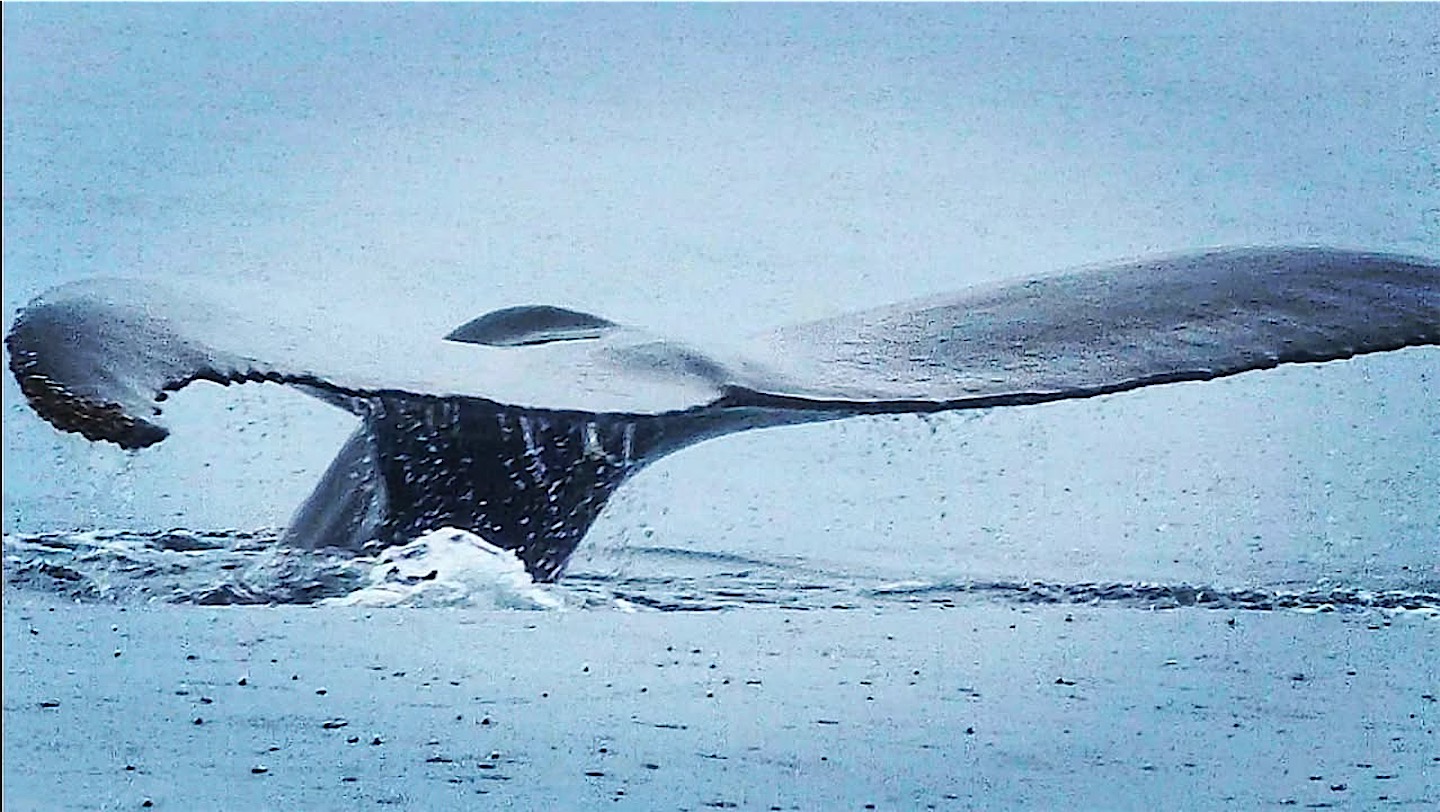
Húsavík on Skjálfandi Bay is often called Iceland's whale-watching capital. On the evening of the solstice the encounters were incredible, including a baby humpback popping its head out of the water. The next day I went out again by RIB, through typically uncomfortable Icelandic weather, and it was magical once more. The town's whale museum even displays the skeleton of a blue whale.
The far northeast is for me one of the most beautiful parts of Iceland, and almost free of tourists. Beyond the Arctic Henge I found a stretch of coast with no humans for miles, just me and the birds. I won't say where, so it stays that way.
Heading south, I finally reached Stuðlagil, a canyon of basalt columns that only became visible after a dam upstream lowered the river. Another friend joined me for the last days, and at the Vök Baths near Egilsstaðir we tried both the cold lake and the floating hot pools, with clearly different preferences. Around midnight the low sun lit up a sheep meadow as fog rose from the grass. At the Dalatangi lighthouses, the most accessible of Iceland's eastern extremes, I completed all four corners of the country.
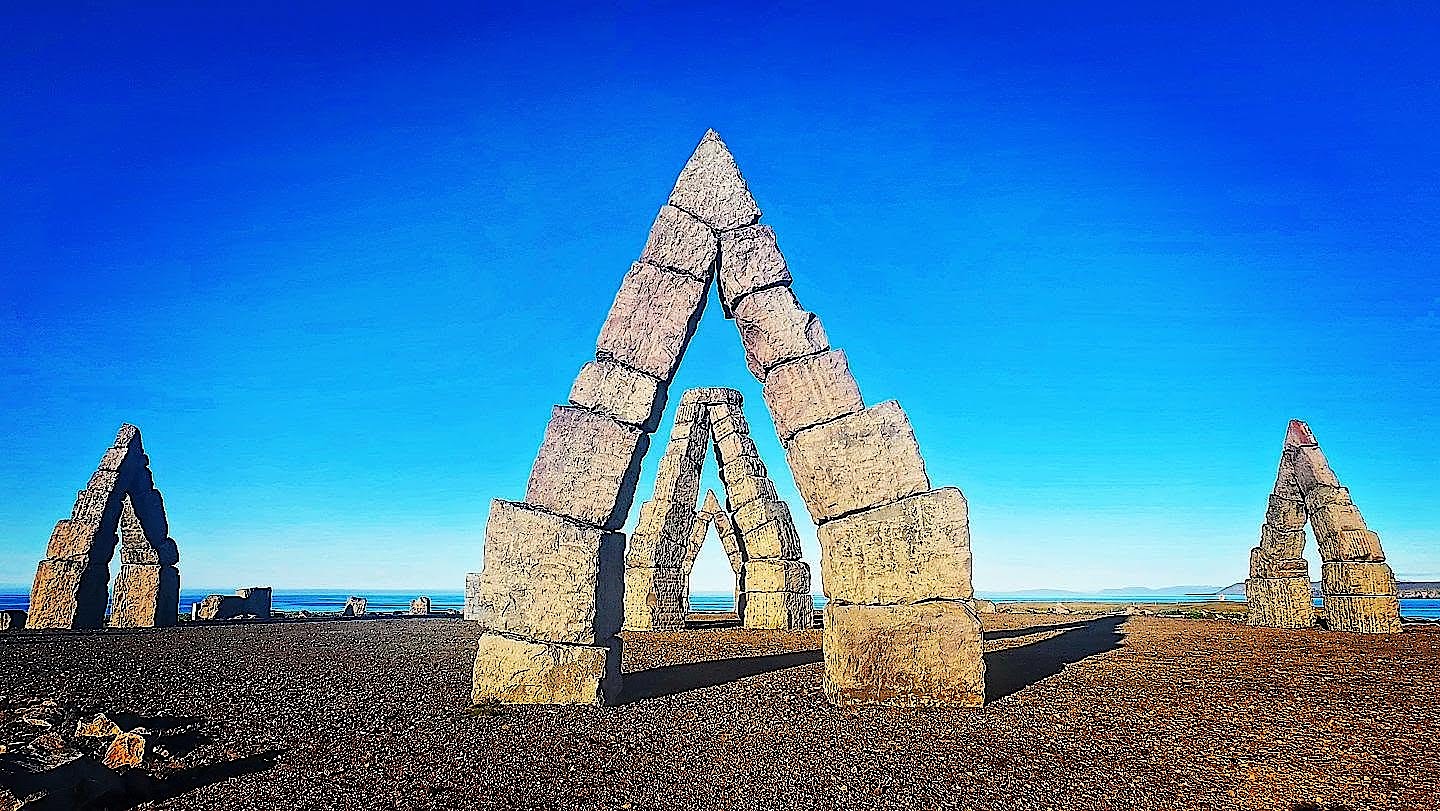
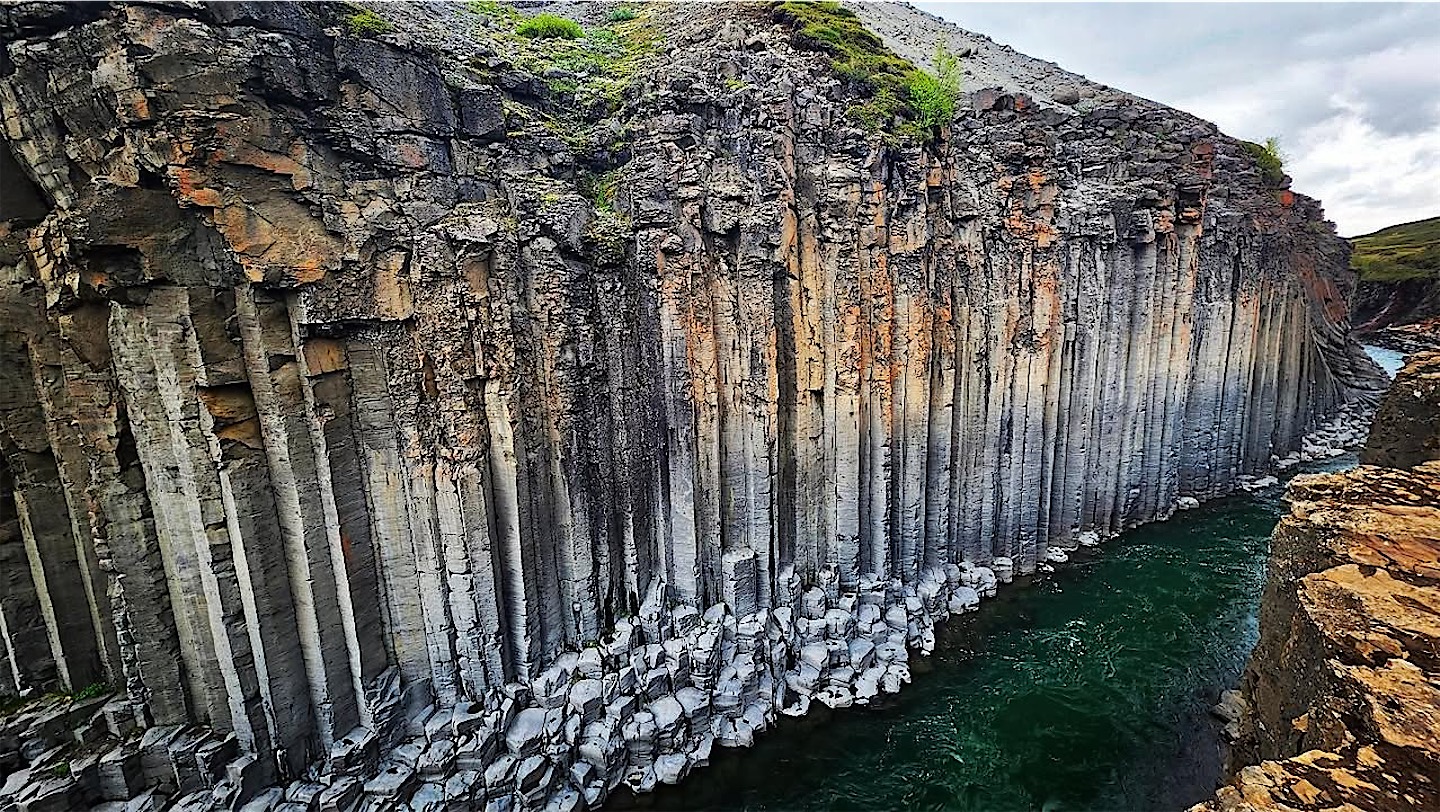
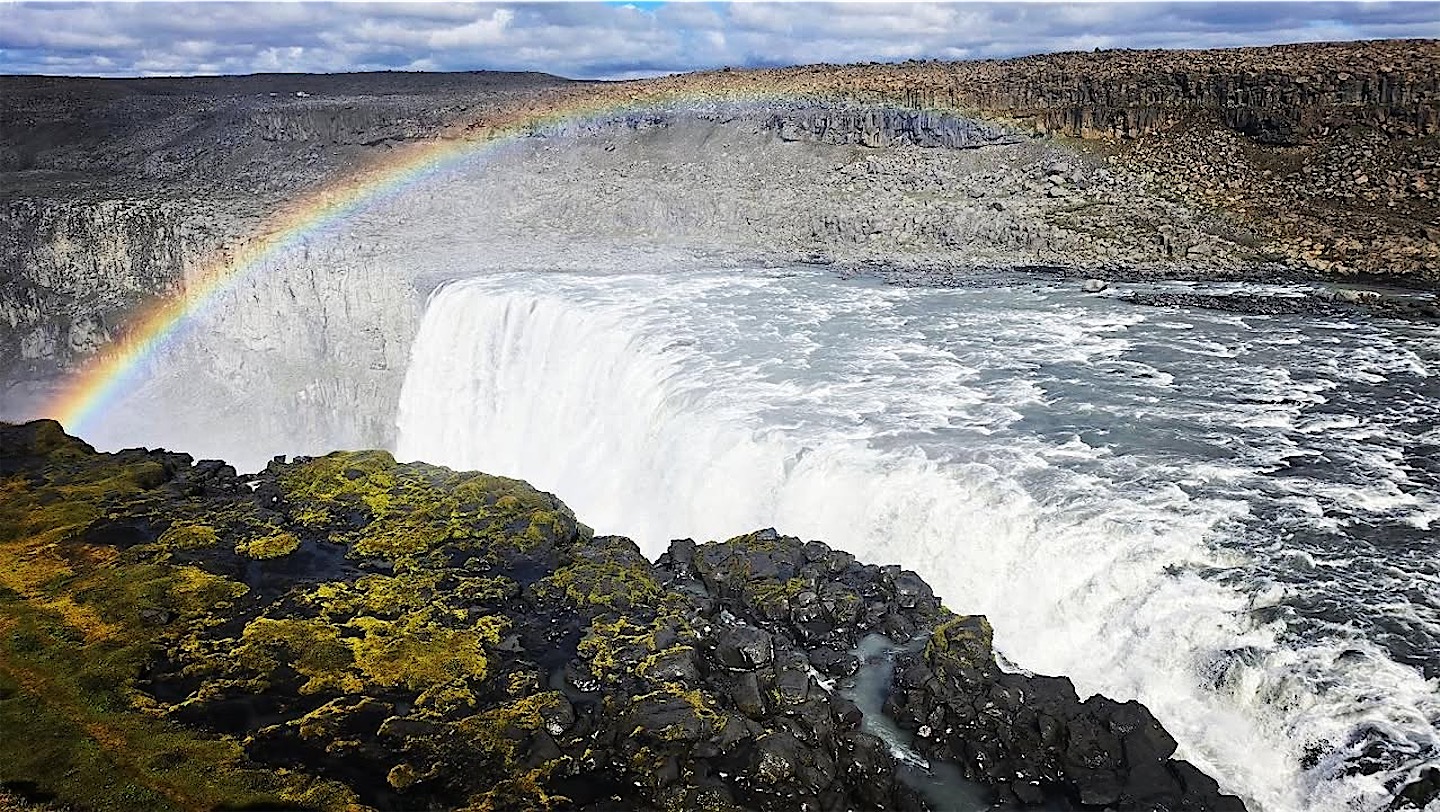
On 25 June my time in Iceland was over. Nemi stayed behind for my family to use for a few more weeks, and Icelandic mechanics, who specialise in super jeeps, fitted it with new shock absorbers.
Back to the Faroe Islands
I first visited the Faroes in 2018, so this time I wanted to see more islands. The first evening took me to turf-roofed houses by the sea and to Múlafossur, which drops off the cliffs at Gásadalur straight into the Atlantic. Quintessential Faroes.
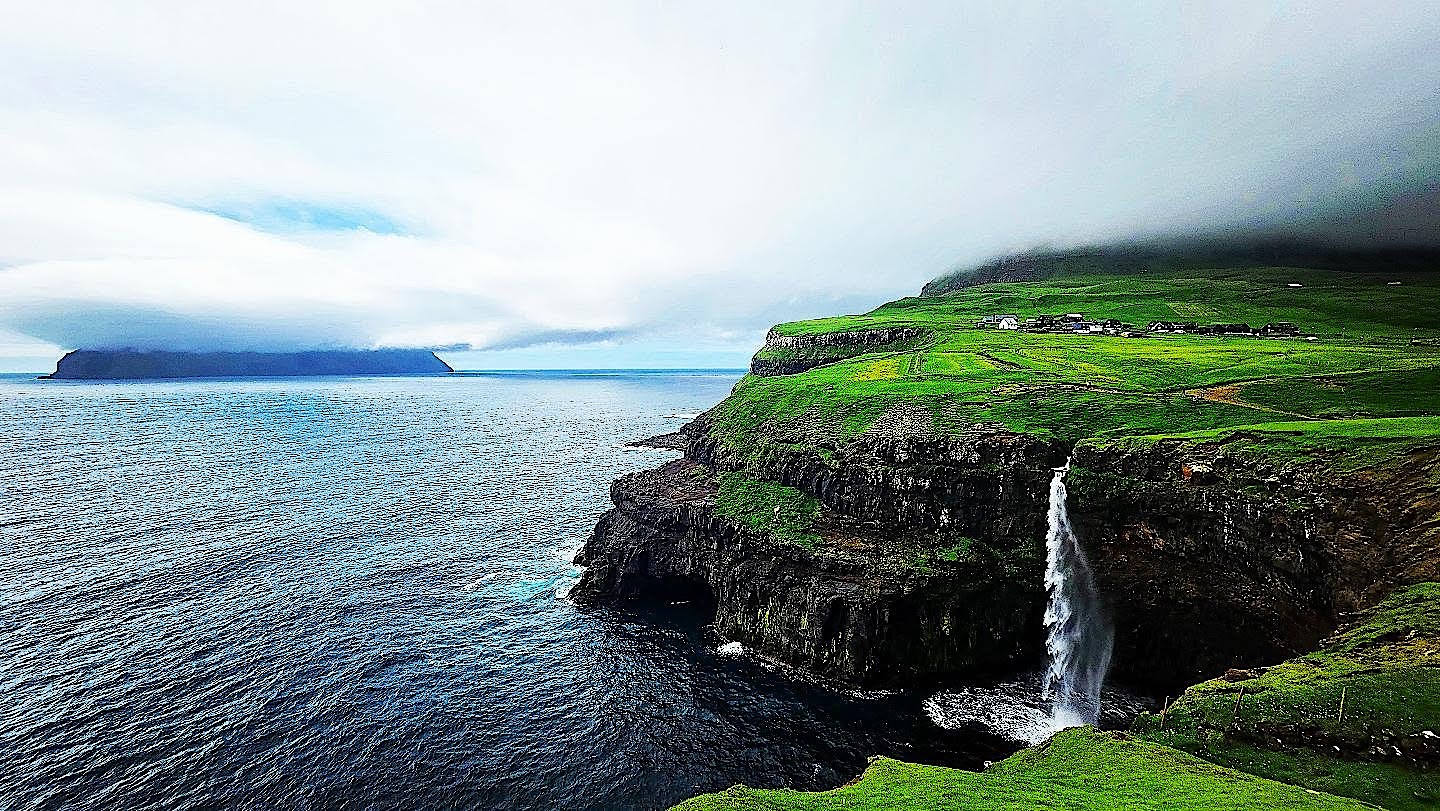
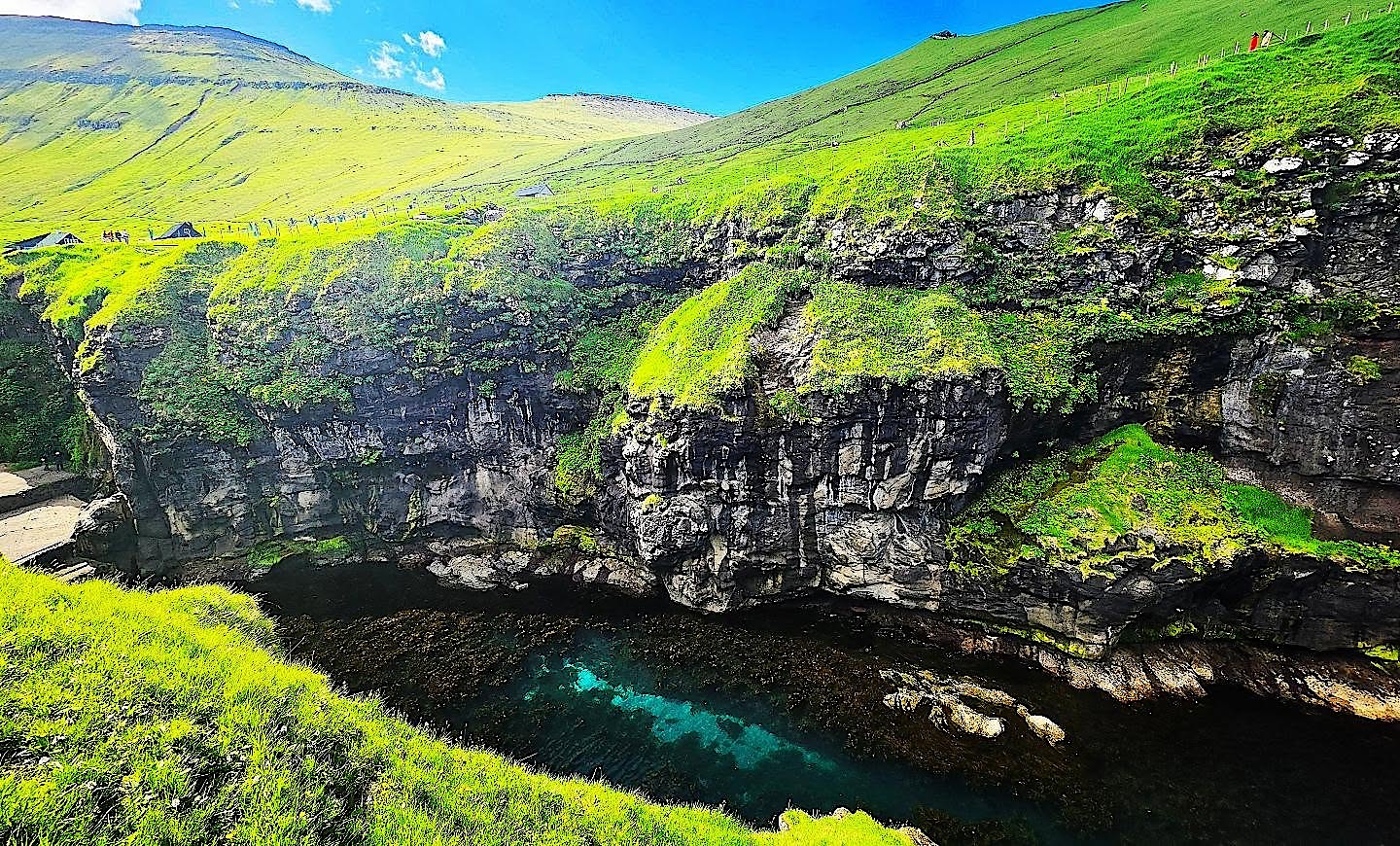
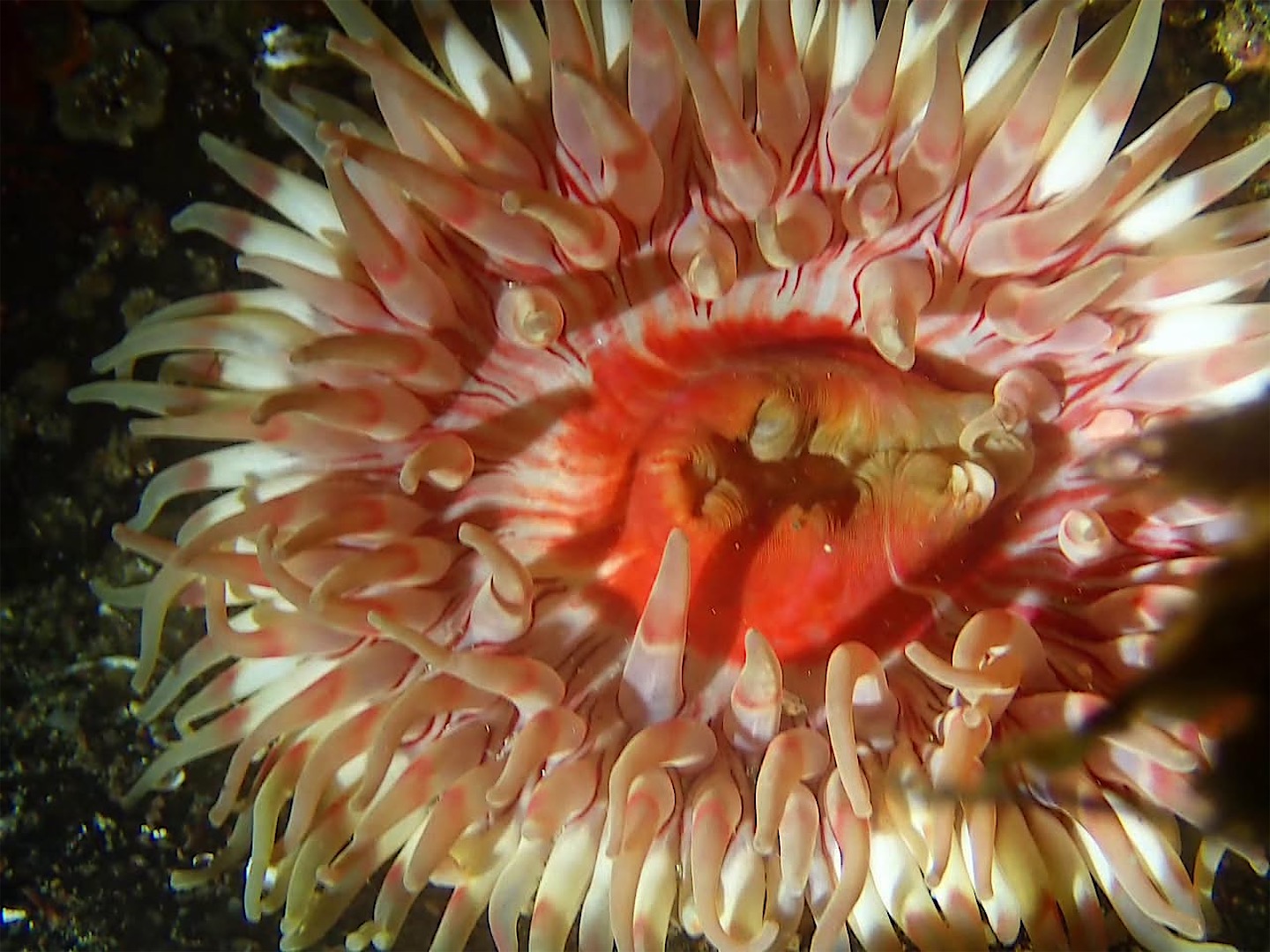
In Gjógv, a village at the head of a narrow sea gorge, I thought the water would make a good dive site, and the next day I was diving there in much worse weather. Underwater the rain doesn't matter, and among the kelp I found nudibranchs and other tiny sea slugs, as fascinating as any fish.
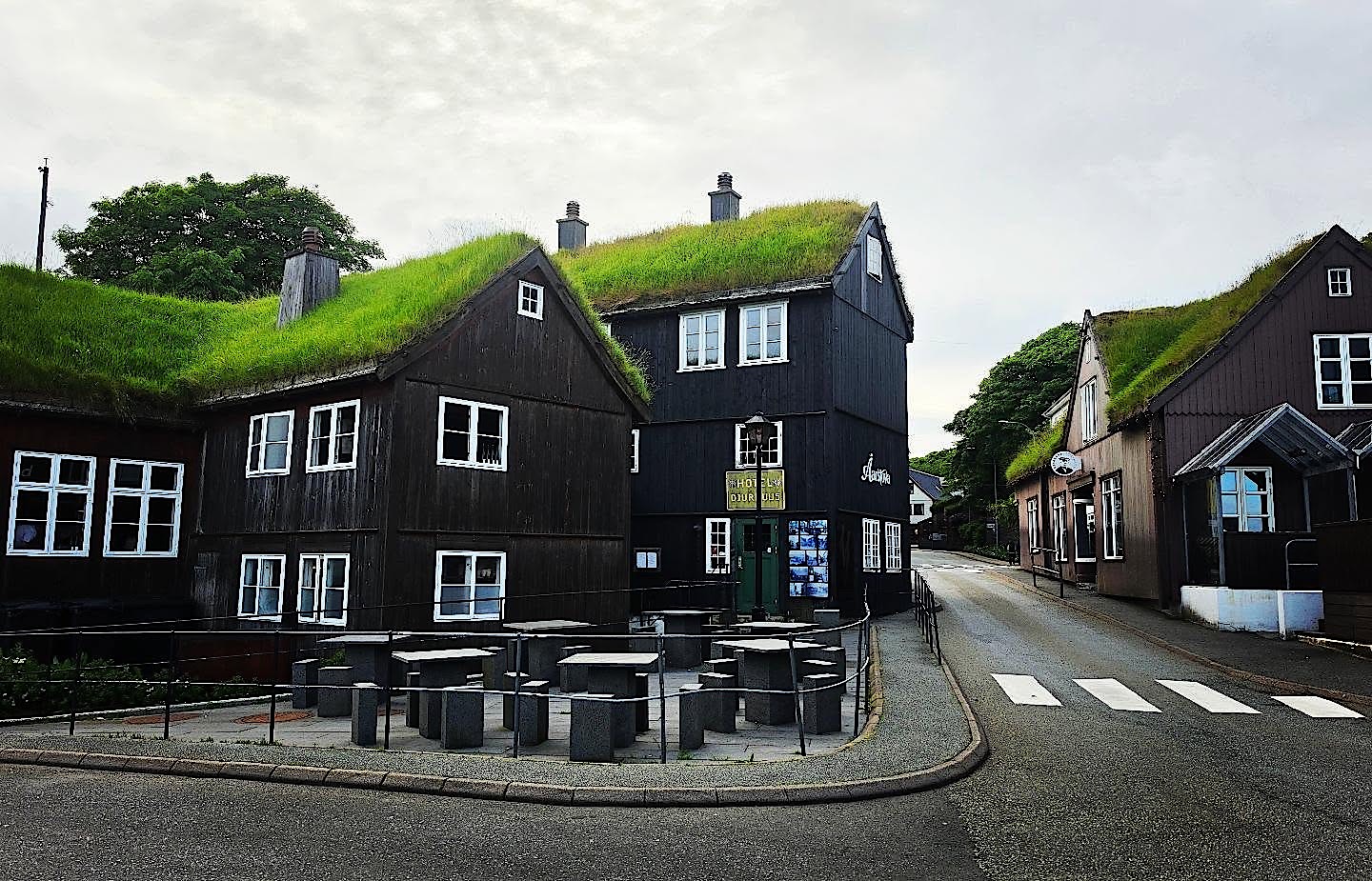
Tórshavn is a cute capital. Grass roofs, turf laid over the roof for insulation, are a Faroese signature, and in the old town of Tinganes, where the Faroese assembly met in Viking times, the government still works under them. The islands print their own banknotes, at par with the Danish krone. Cash has almost disappeared, but the notes make a beautiful souvenir.
I had never been to Suðuroy, the southernmost island. Its cliffs were fantastic, and Sandvík, aptly named, has one of the few sand beaches in the country, perfect for an ice bath in the 9 °C North Atlantic.
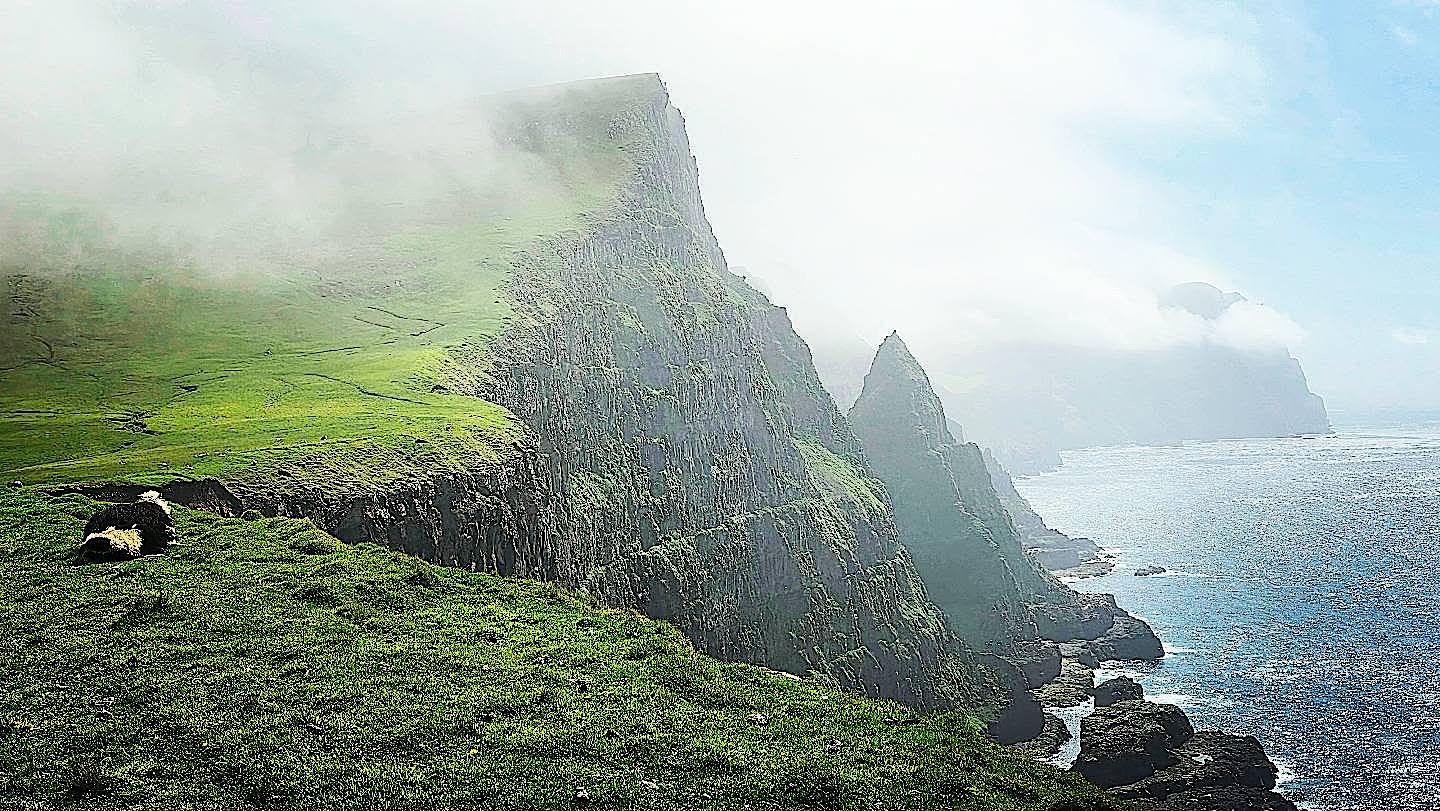
On the last full day we took the 6.40 ferry to Kalsoy and hiked to the Kallur lighthouse at its northern tip, completely alone. Nearby stands a memorial stone to James Bond, whose final moments in No Time to Die were filmed on this coast.
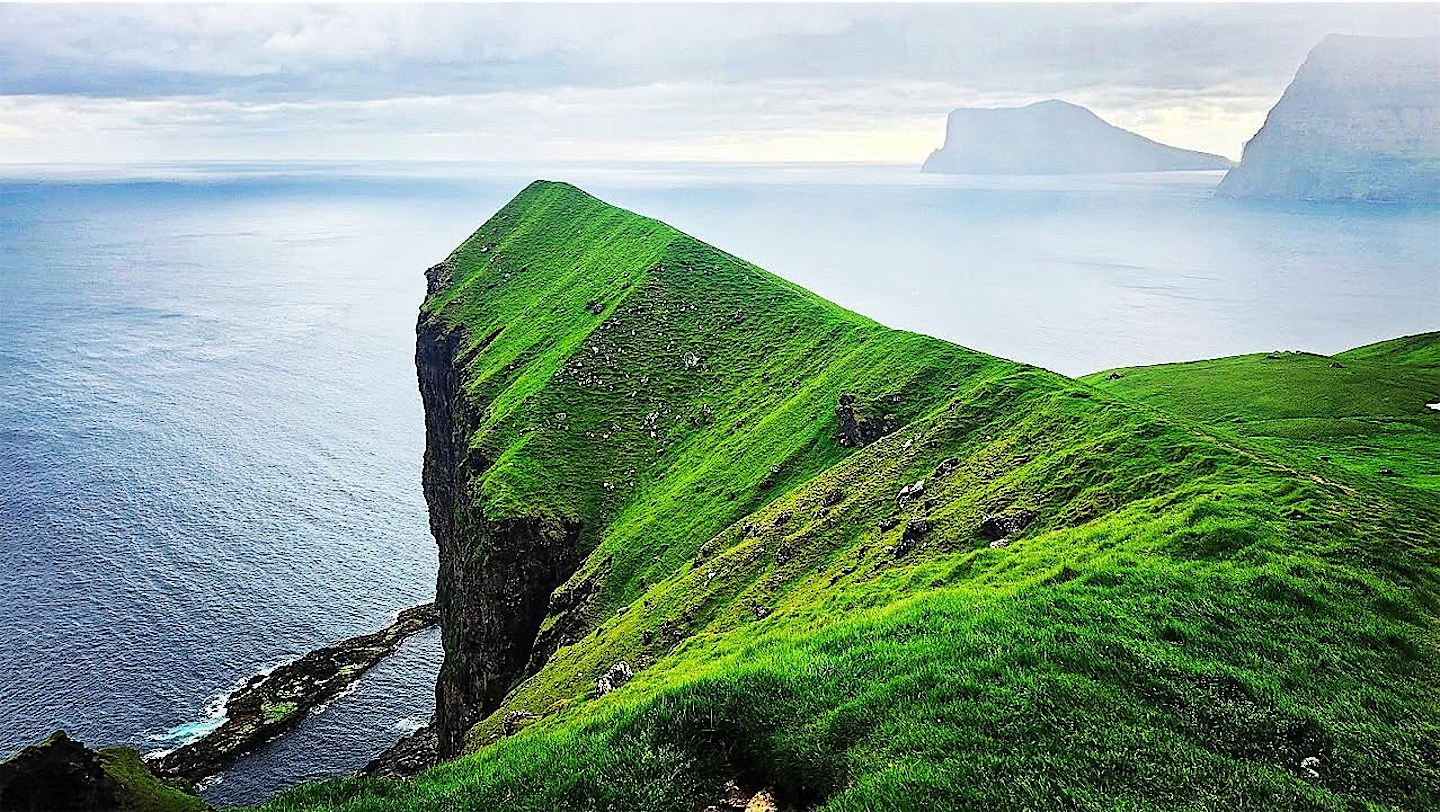
Thanks to new undersea tunnels and two ferries, I saw far more of the Faroes than on my first visit. On 30 June I flew from Vágar to Edinburgh for a summer of filling the gaps on my map of Northern Europe. That story continues in Northumberland, Holy Island and York.