Mexico 2015, Part 1: Pyramids, Monarch Butterflies and a Volcano Born in a Cornfield
19 February – early April 2015 · Mexico City, Teotihuacan, Taxco, Acapulco, Michoacán, El Tajín, Xalapa, Veracruz, Oaxaca, Puerto Escondido · Regions: Mexico
In February 2015 my life took a new direction. My bachelor thesis on self-governance through the blockchain was finished and ready to be handed in, and I joked that I had almost earned a title called Bachelor of Statism. After eighteen months in Konstanz, not counting my many absences, I said goodbye with a great last night among friends and a final meditation by the lake. It had been the best choice I could have made. Then I packed one backpack, my only property for the next half year, and counted down my last 26 hours in Germany.
Airlines like to see proof of onward travel, so I had booked a flight from Cancún to Havana and back for later in the spring. In the end Lufthansa didn't even ask for it, but I decided to go to Cuba anyway, to see the charm of communism before it disappeared. On 19 February I landed in Mexico City. This is the first of two parts about those three months in Mexico. The second, from Chiapas through Yucatán to a sacrificial cave in Belize, is told in Mexico 2015, Part 2.
Mexico City: canals, pyramids and the Aztec capital
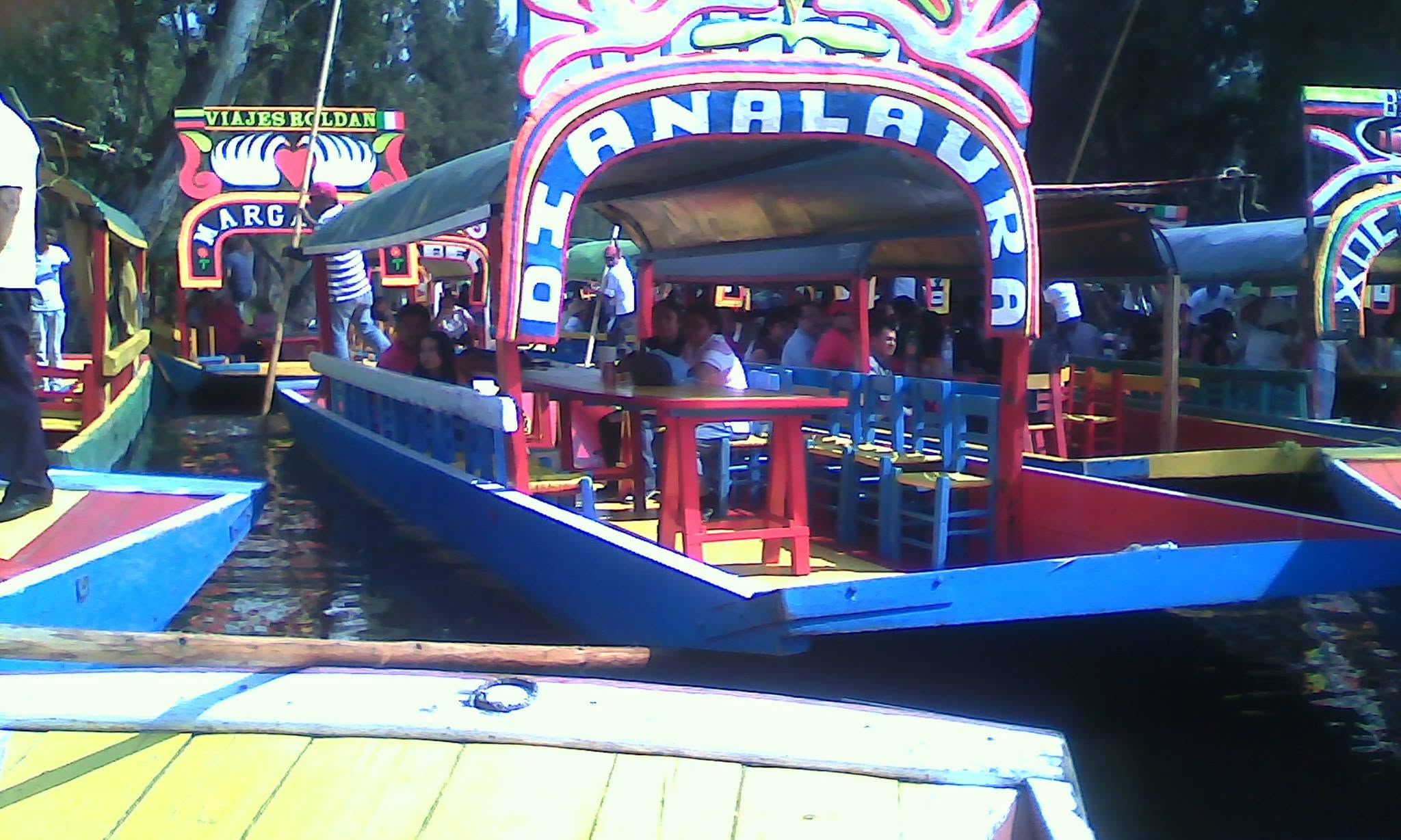
My first days in the capital were a crash course in Mexican history. The National Museum of Anthropology fascinated me; among its exhibits was a model of Monte Albán in Oaxaca, which I would see for real a few weeks later. At Xochimilco I had planned a relaxed 45-minute ride on one of the painted boats. Instead I got stuck in a traffic jam on the canals and spent more than two hours on the water.
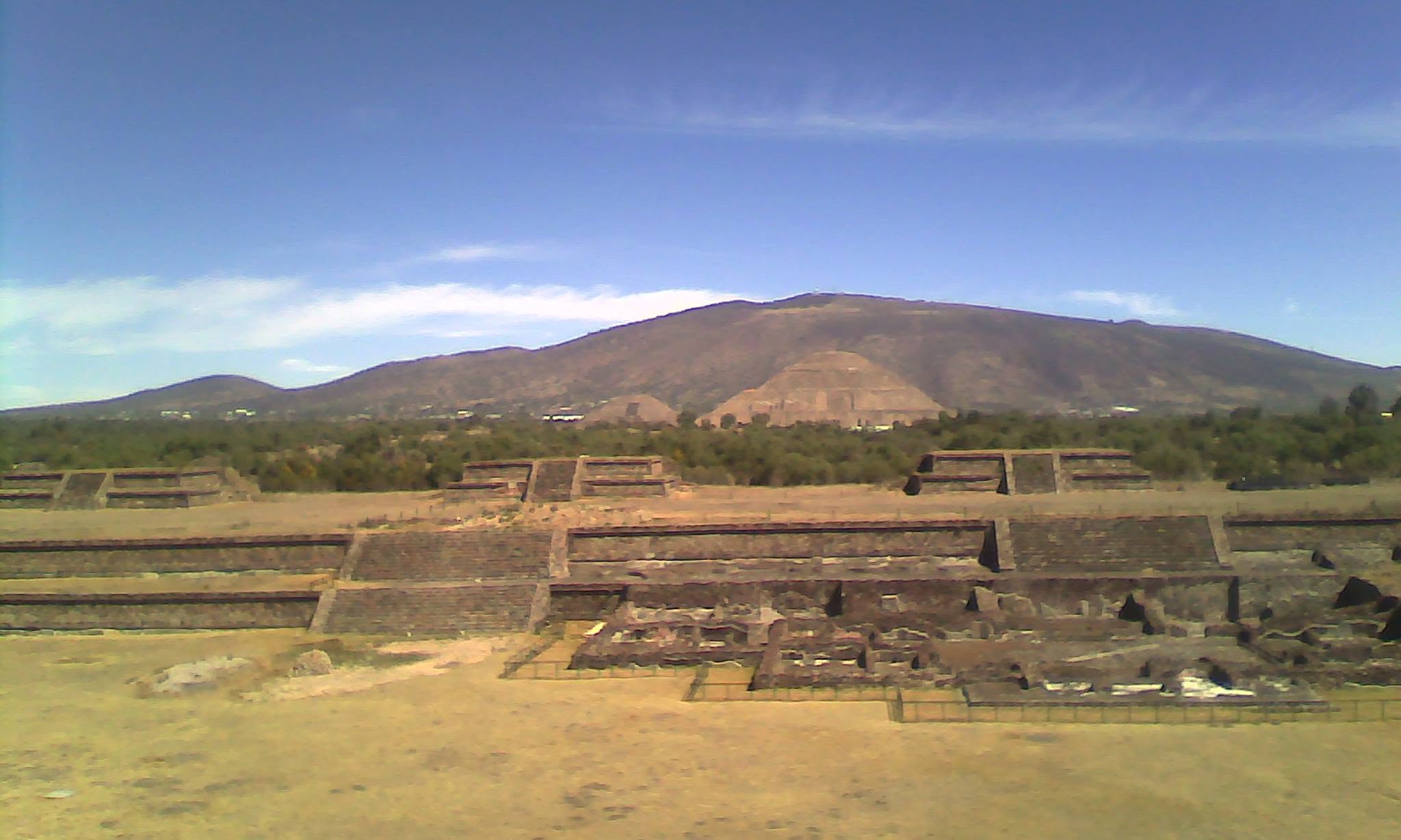
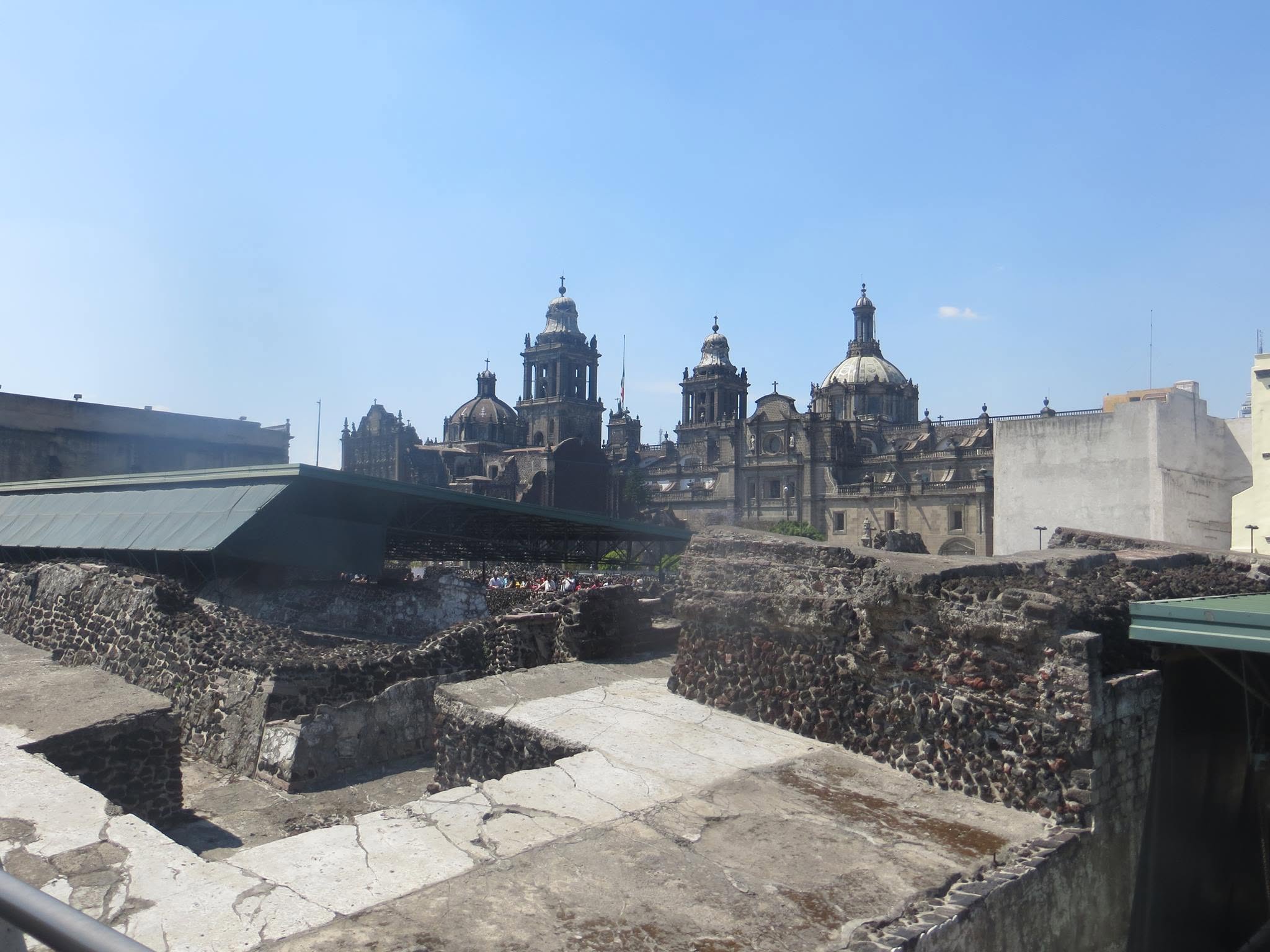
The next day I went to Teotihuacan, about 50 kilometres north-east of the capital. Its pyramids are mighty: from the ruined platforms along the main avenue, the Pyramid of the Sun rises against the mountains behind it. Back in the city I stood in front of the Metropolitan Cathedral and the excavated remains of the Templo Mayor of Tenochtitlan, two worlds next to each other on the same square.
Silver in Taxco, anarchists in Acapulco
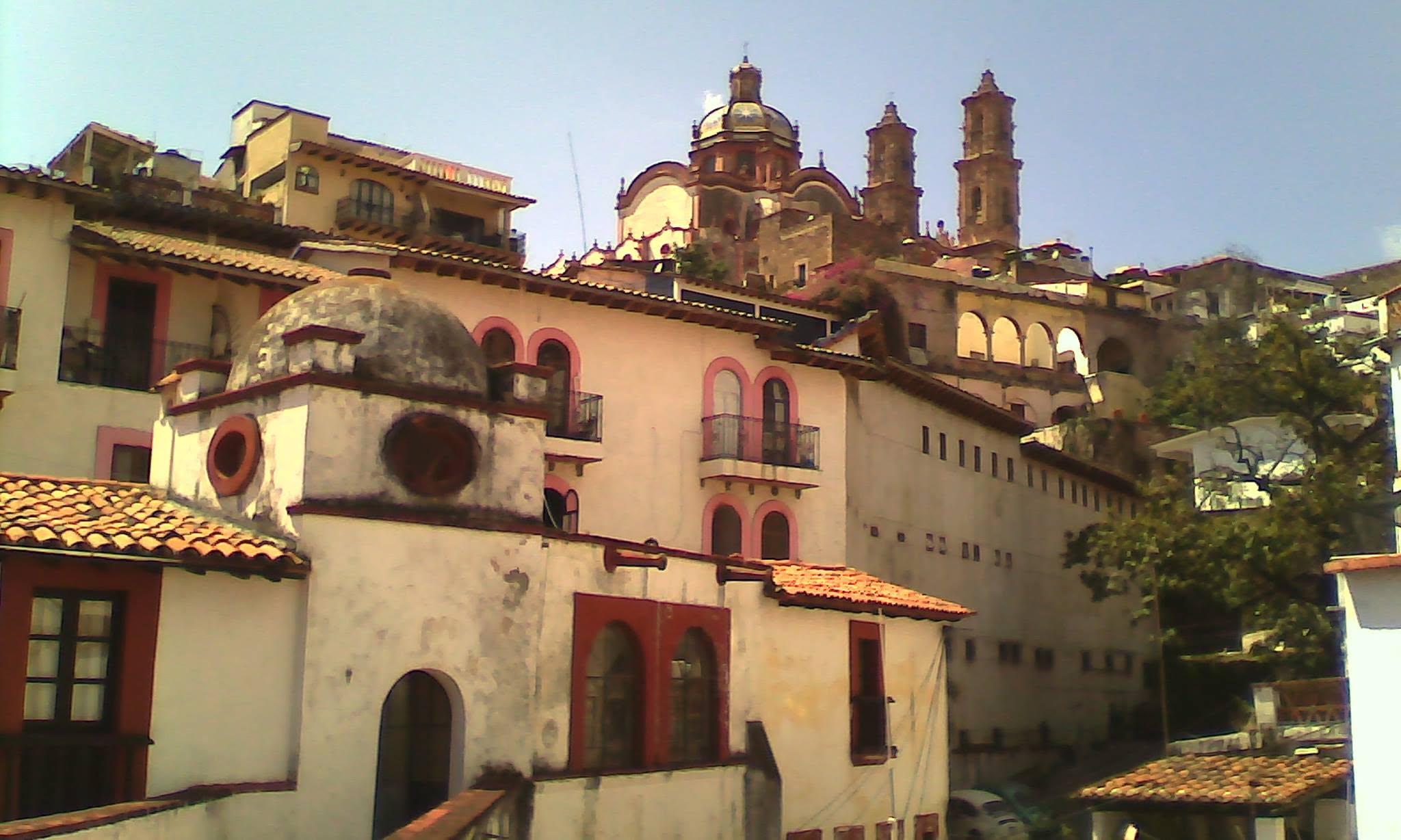
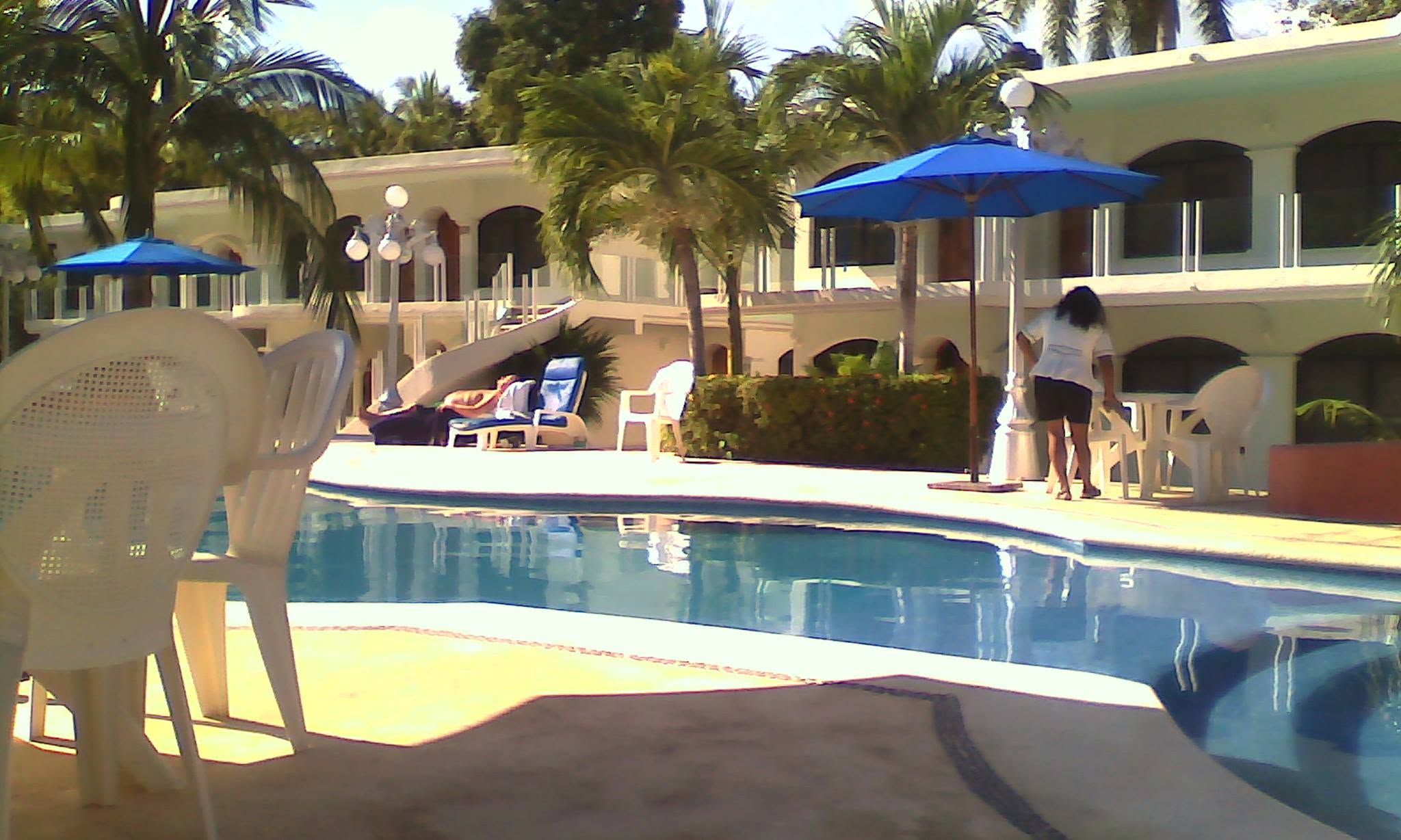
On the way south to the Pacific I stopped in Taxco de Alarcón in the state of Guerrero, a famous and beautiful little silver-mining town of white houses on a steep hillside. Then came Acapulco, which I loved from the start. After a crazy party night, with a beach club that offered bungee jumping until late, the best way to start the next day was at the pool of a hotel that had cost me twenty dollars.
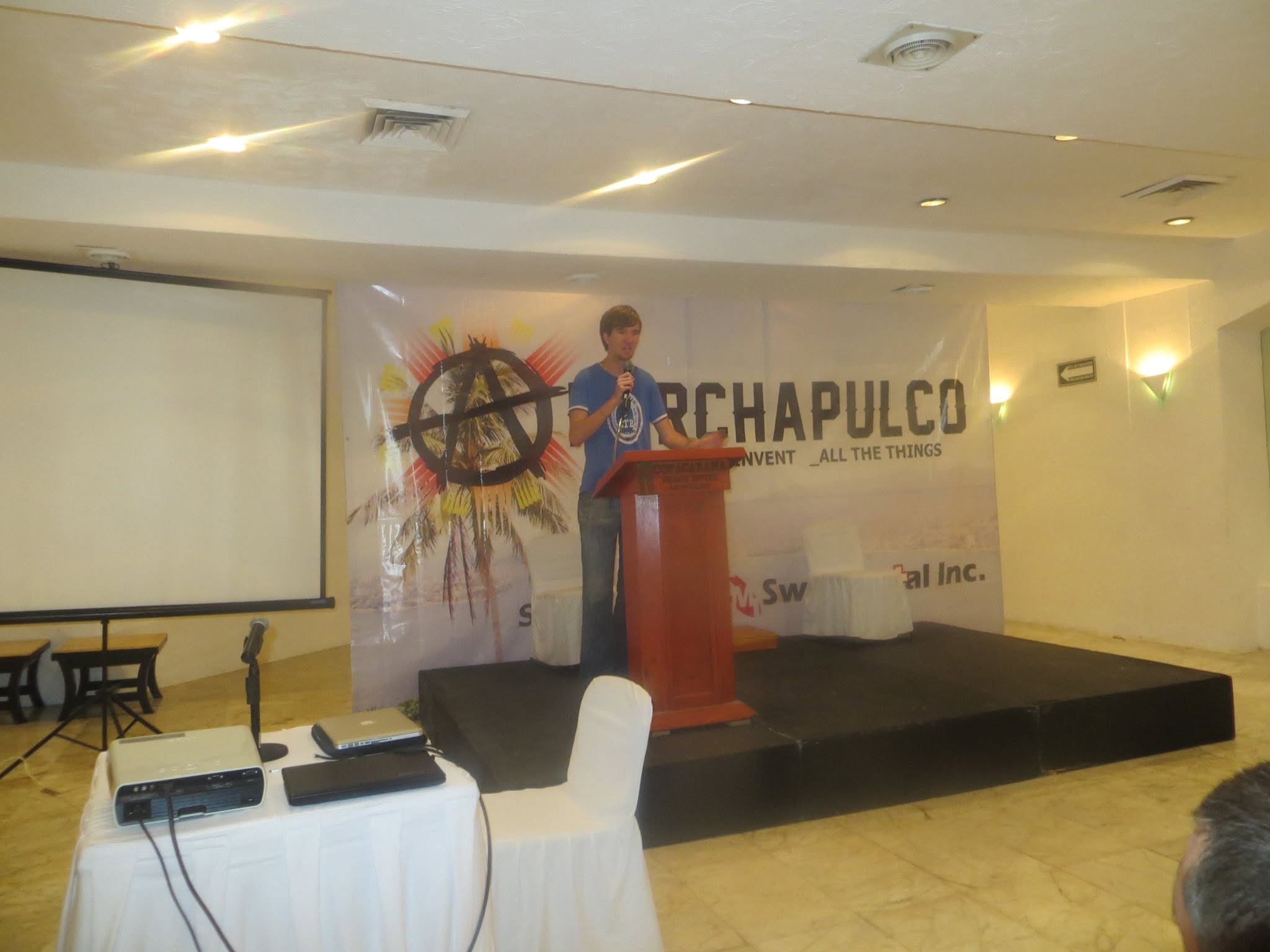
The real reason for Acapulco was a conference: the very first Anarchapulco. As Bitnation ambassador I spoke briefly about the project. My slot should have been longer, but at an anarchist conference spontaneous order sometimes turns out differently than planned. I went back in 2018 and wrote about it in Going Anarchist in a Mexican Danger Zone.
Michoacán: a volcano born in a cornfield
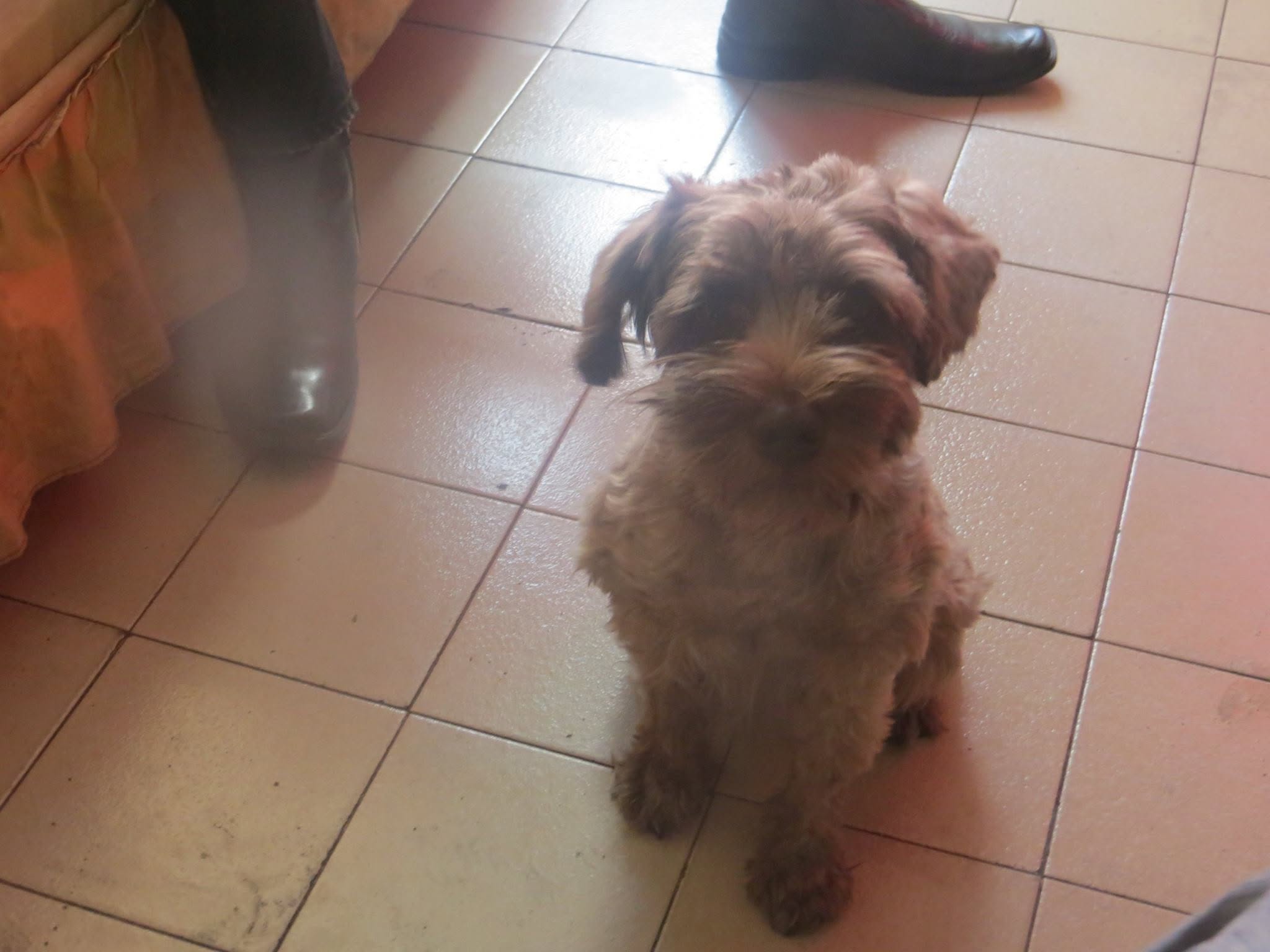
From the coast I went inland to Michoacán, a state that most foreigners avoid because of the drug war. I spent five incredible days there and was almost always the only foreign tourist, which I found rather sad, because most of Michoacán felt very safe. Friends hosted me for four nights in Morelia, together with their dog Zeus, whom I missed almost as much as them when I left. Large demonstrations were going on in those weeks, and once road blocks made me three hours late.
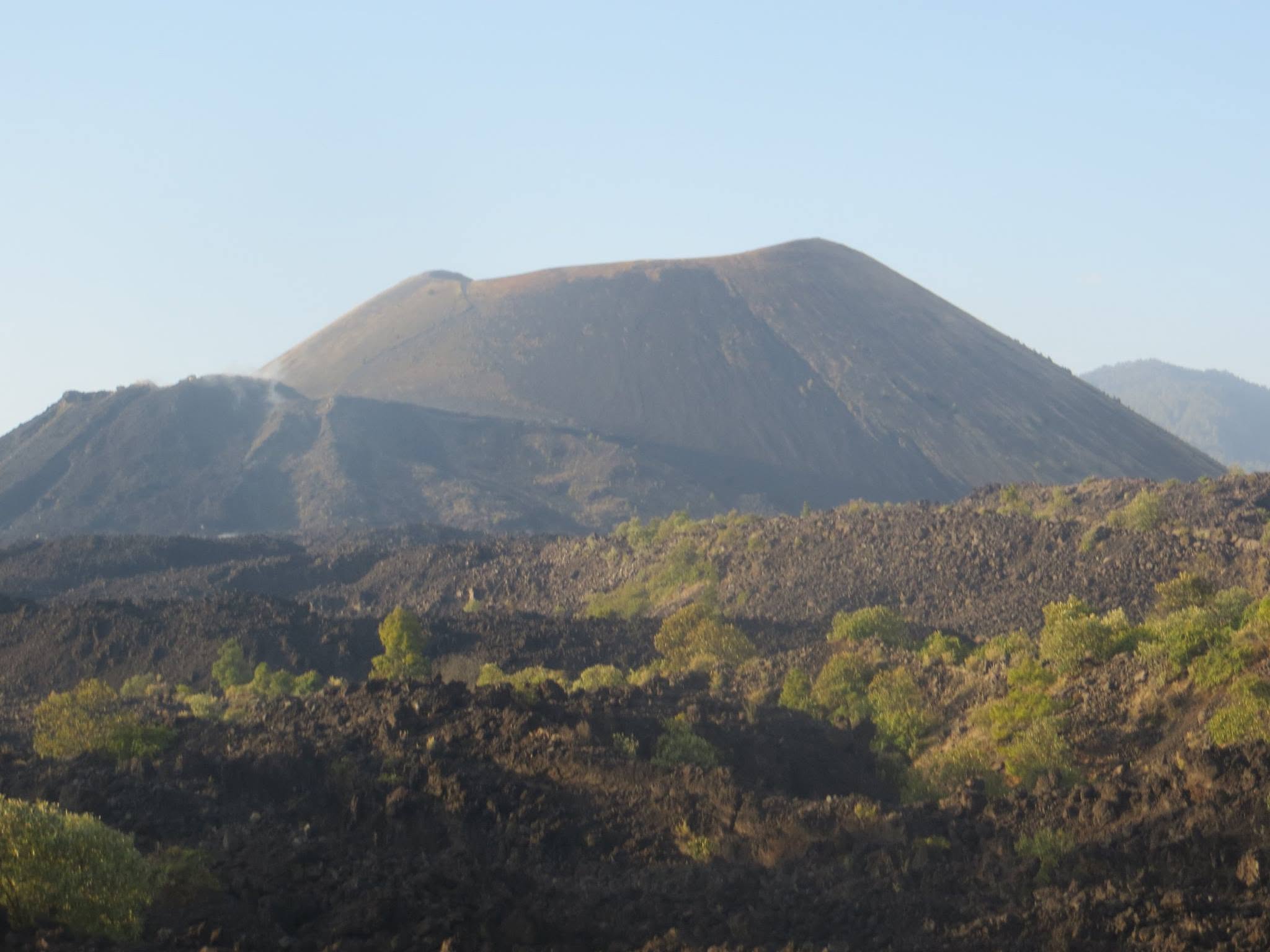
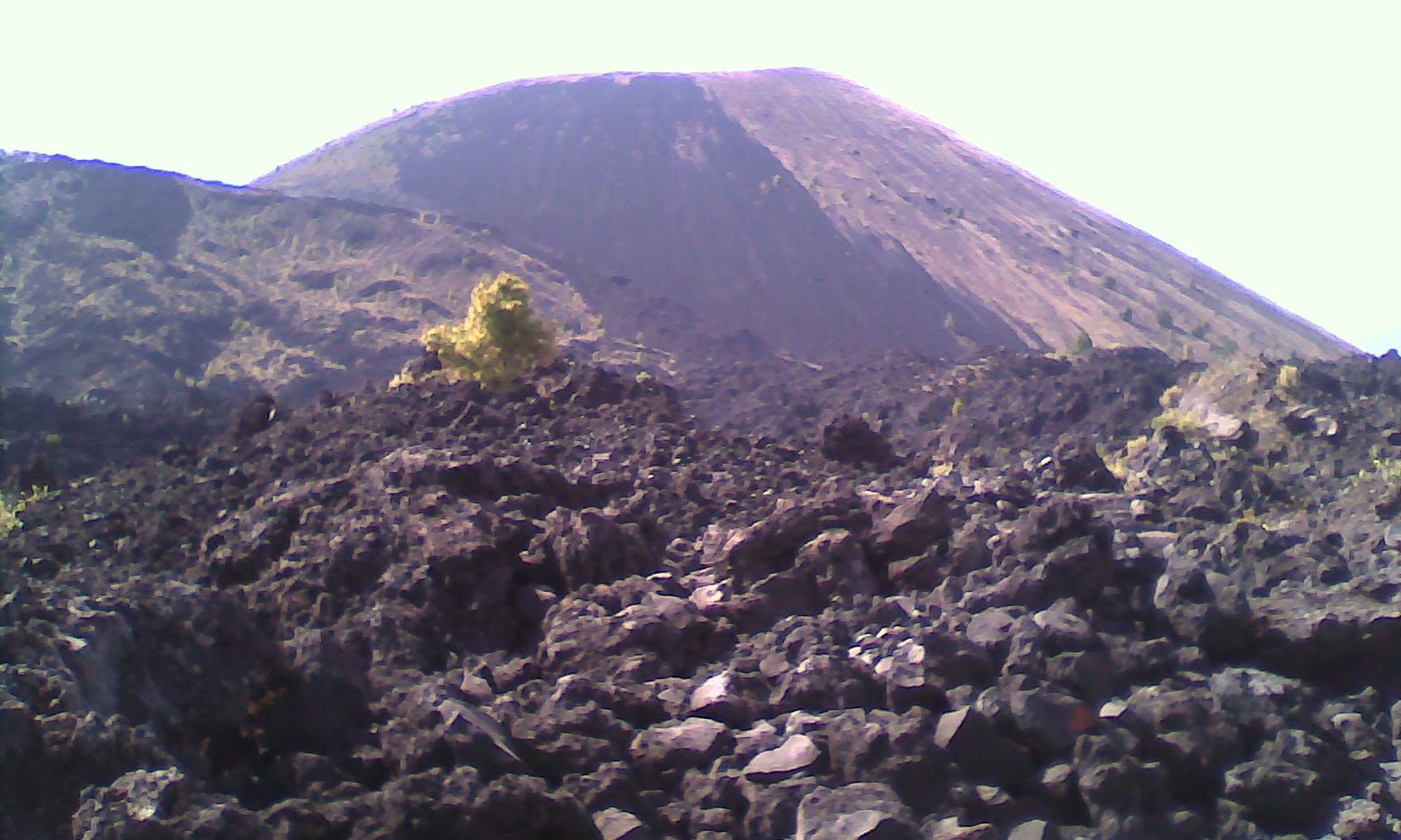
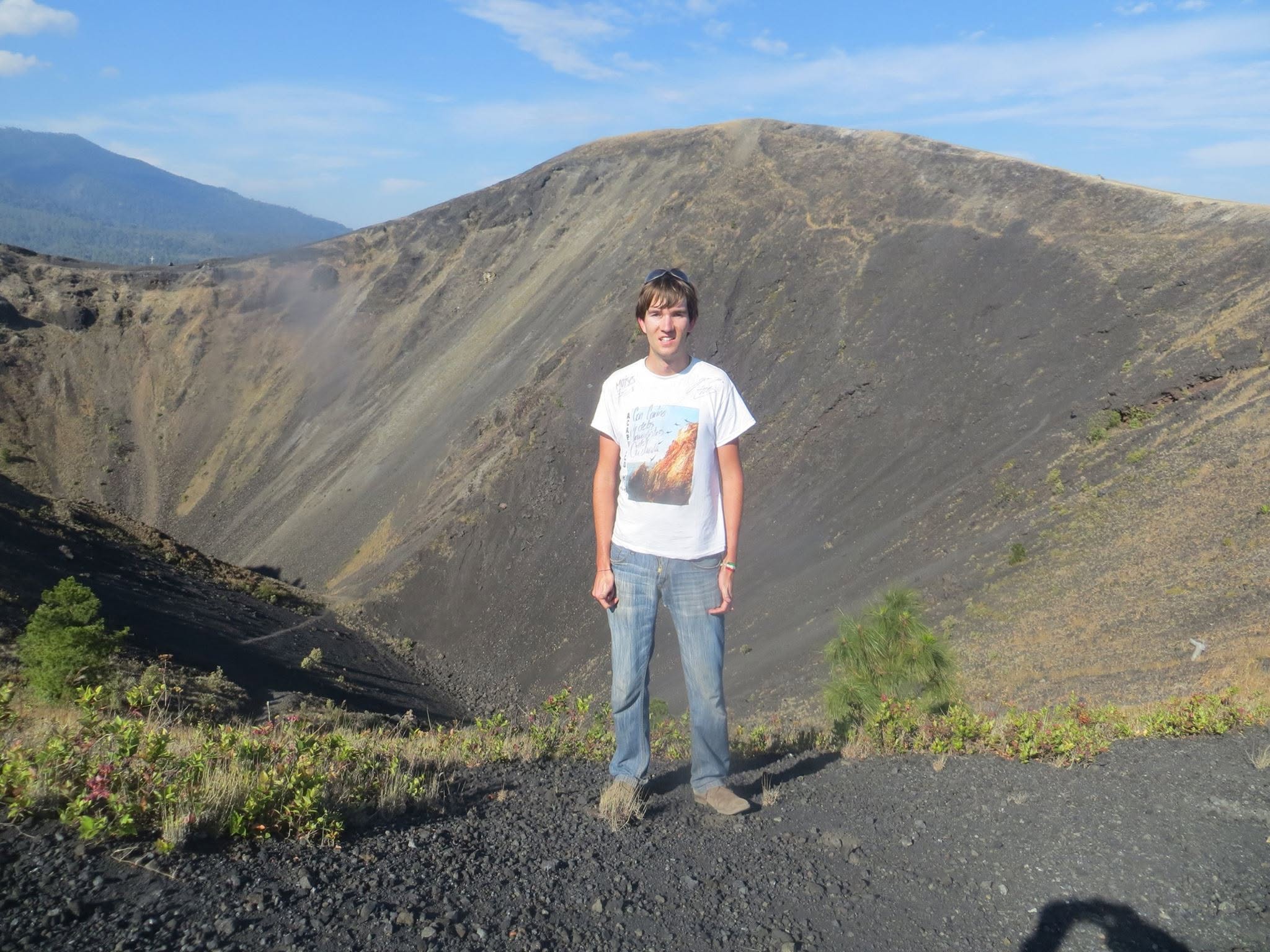
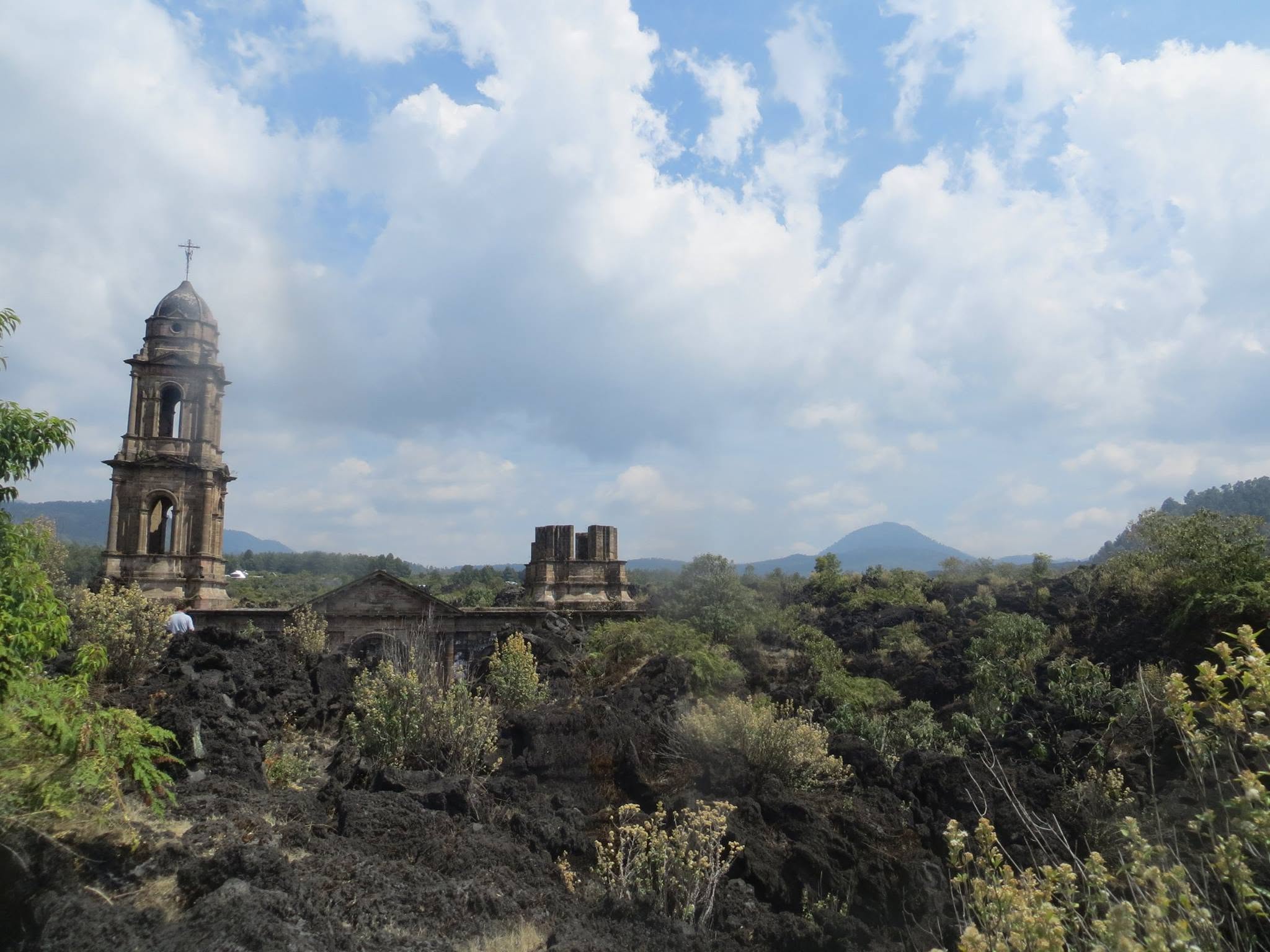
The hardest and best day was the climb up Paricutín, the youngest volcano in the world. It took eight hours of walking across fields of black lava, and from the crater rim I looked down into the crater and out over the lava fields. Nearby I saw what is called the Pompeii of Mexico: the church of a town that was buried by lava. Only its tower and front still rise out of the rock, while the rest of the town was destroyed.
Lake Pátzcuaro and the colonial towns
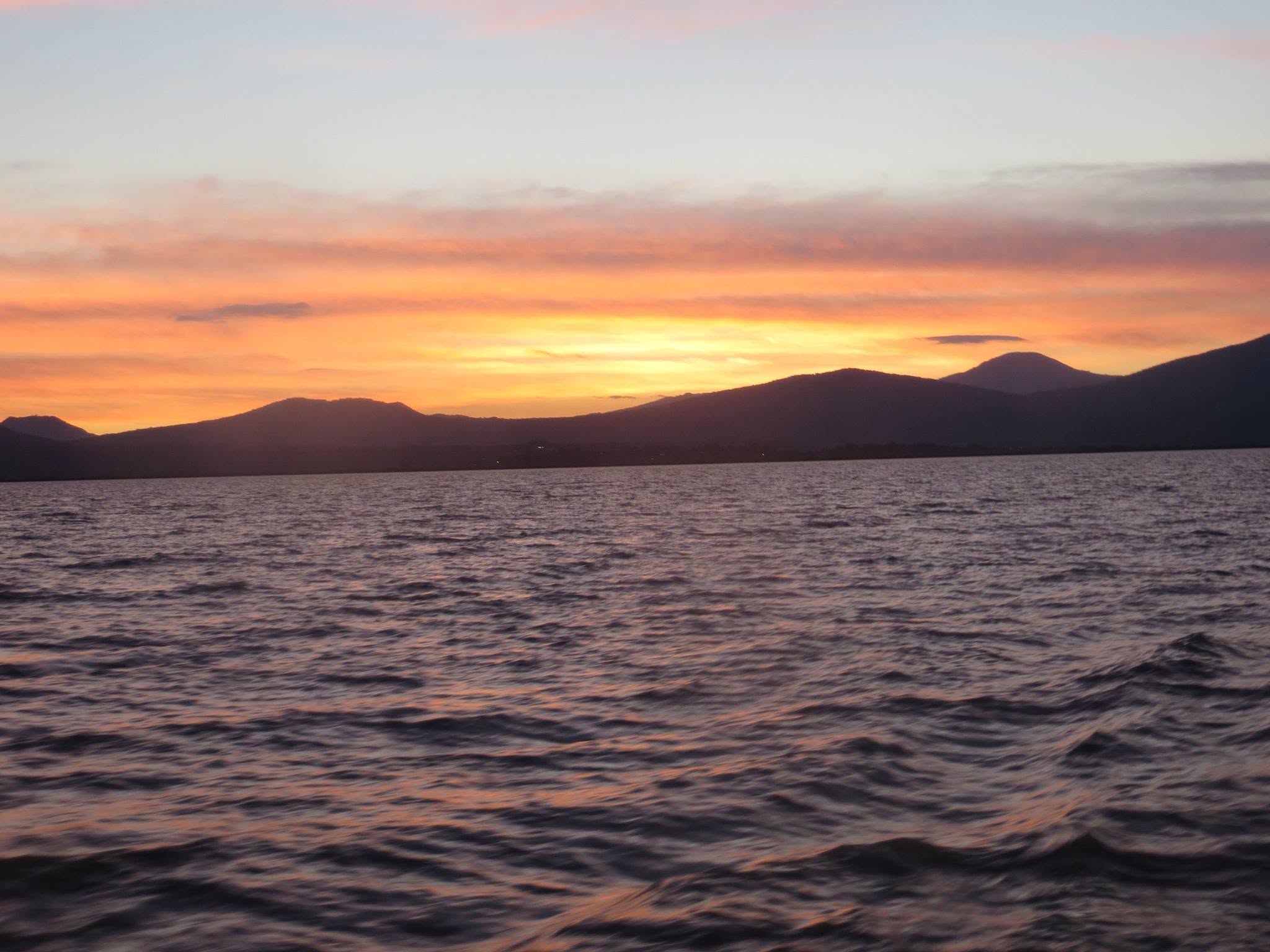
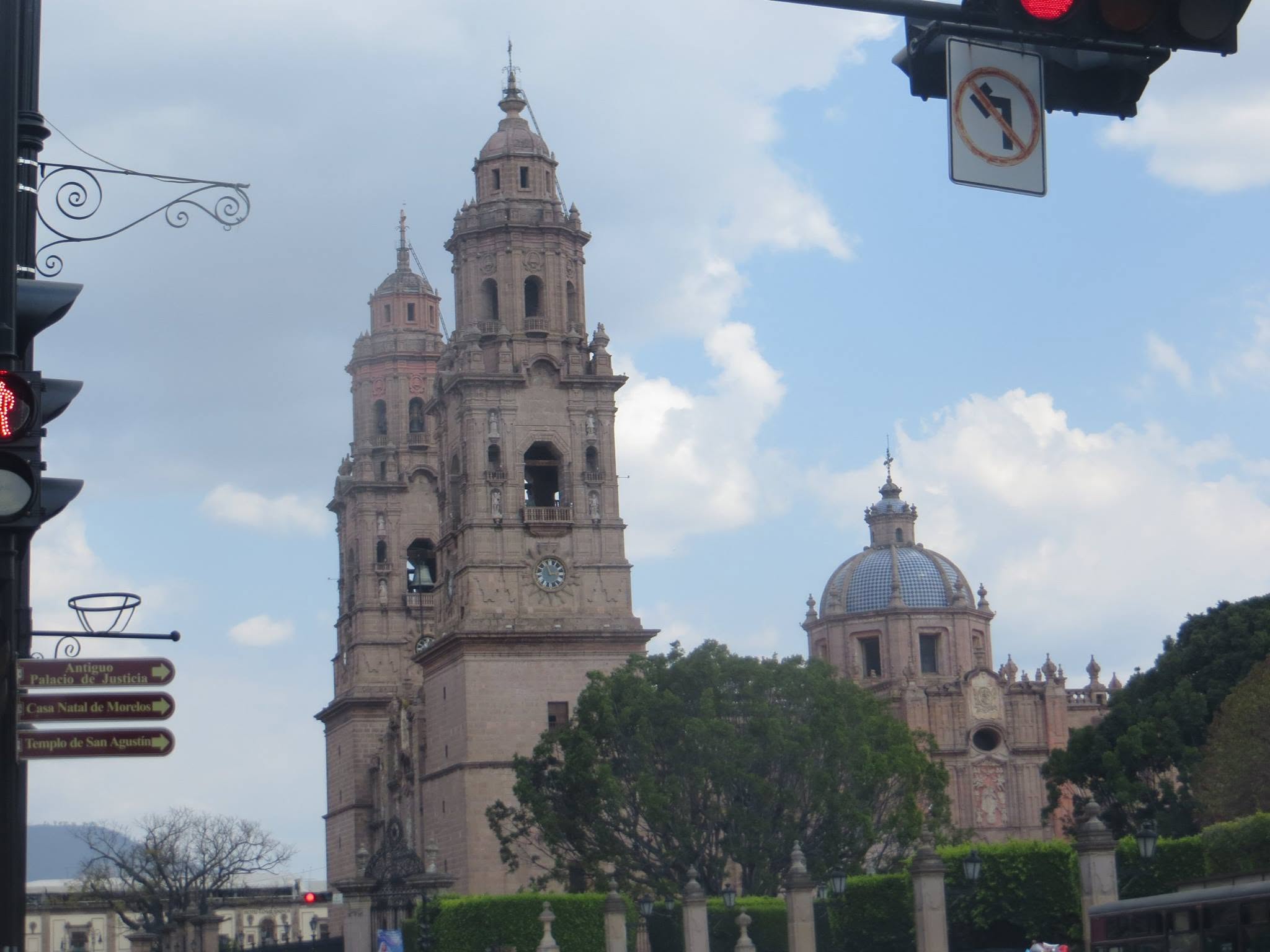
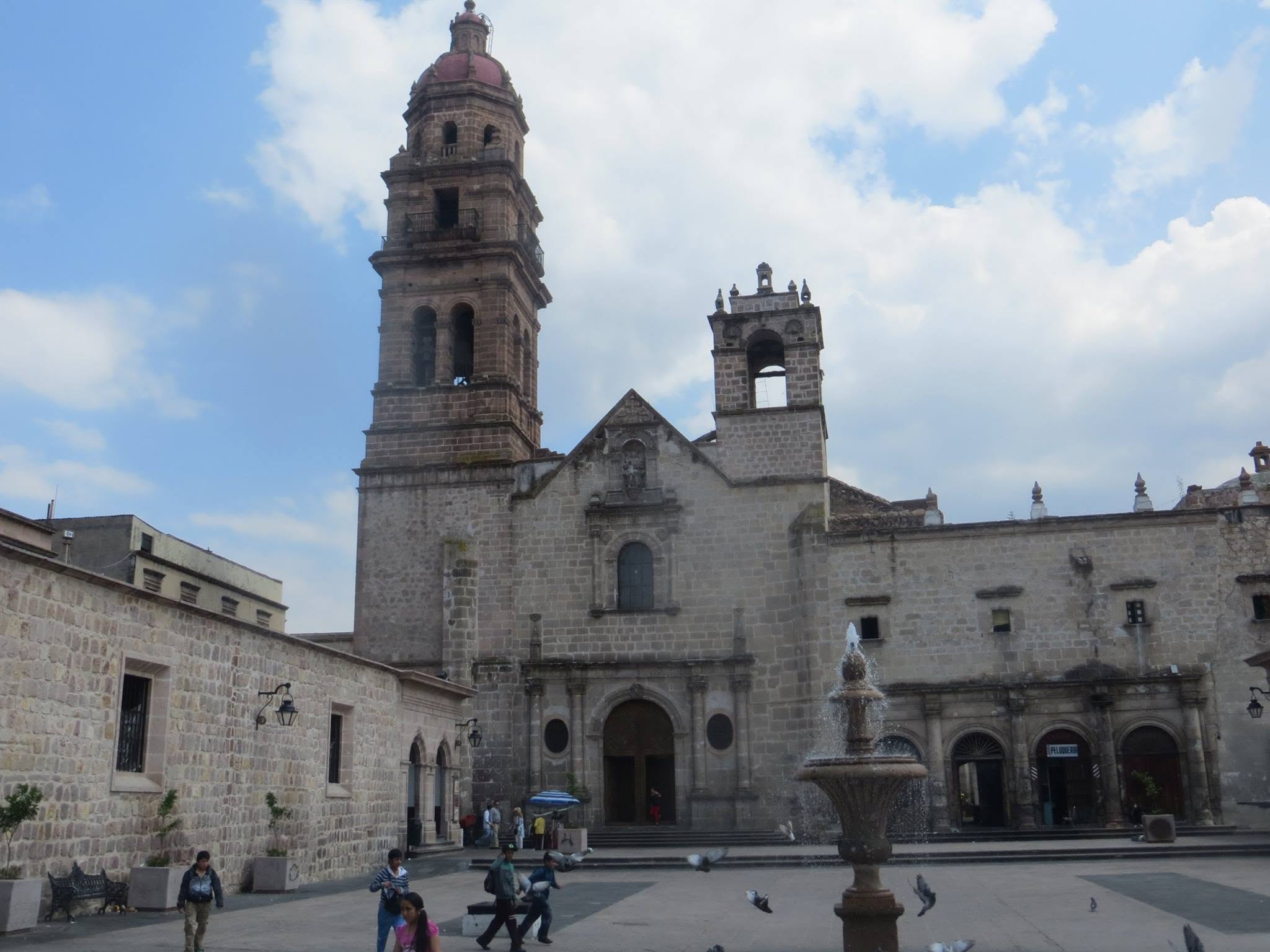
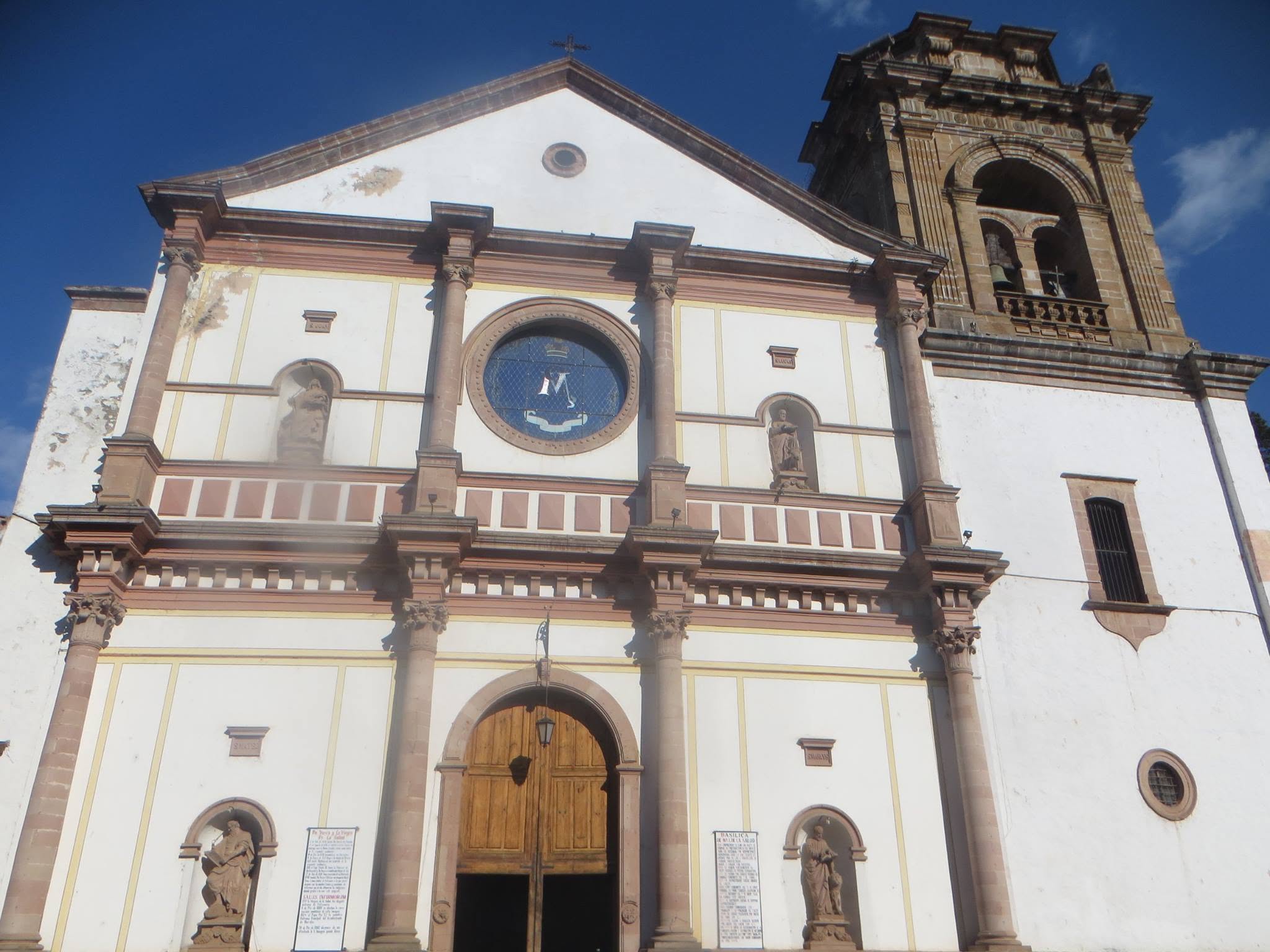
A day later I was in Pátzcuaro, a stunning town on the lake of the same name, and I watched an amazing sunrise from the island of Janitzio. Michoacán's colonial centres were a pleasure in general: Morelia with its pink stone cathedral, Pátzcuaro, and Uruapan with its beautiful park.
Millions of monarchs
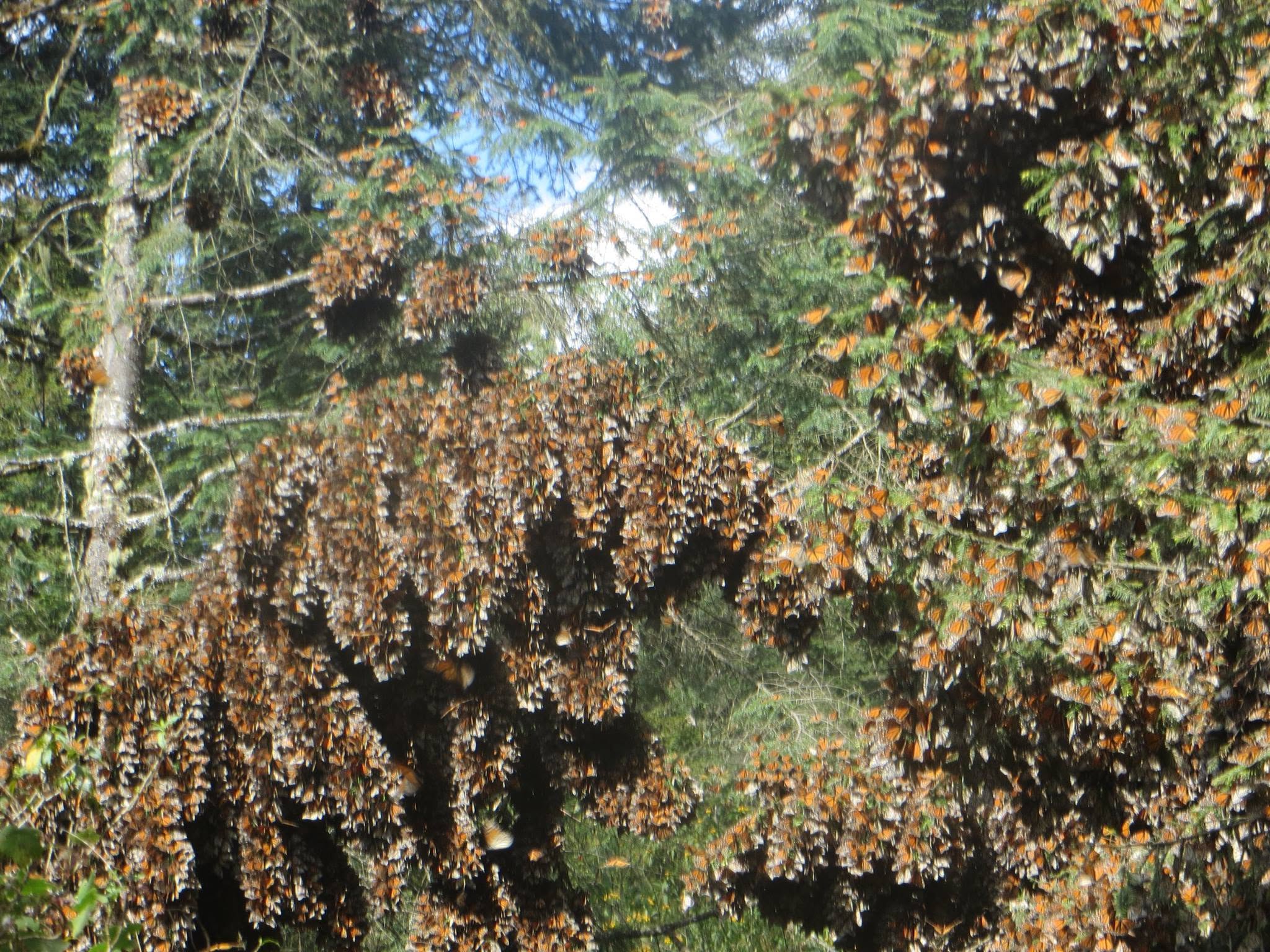
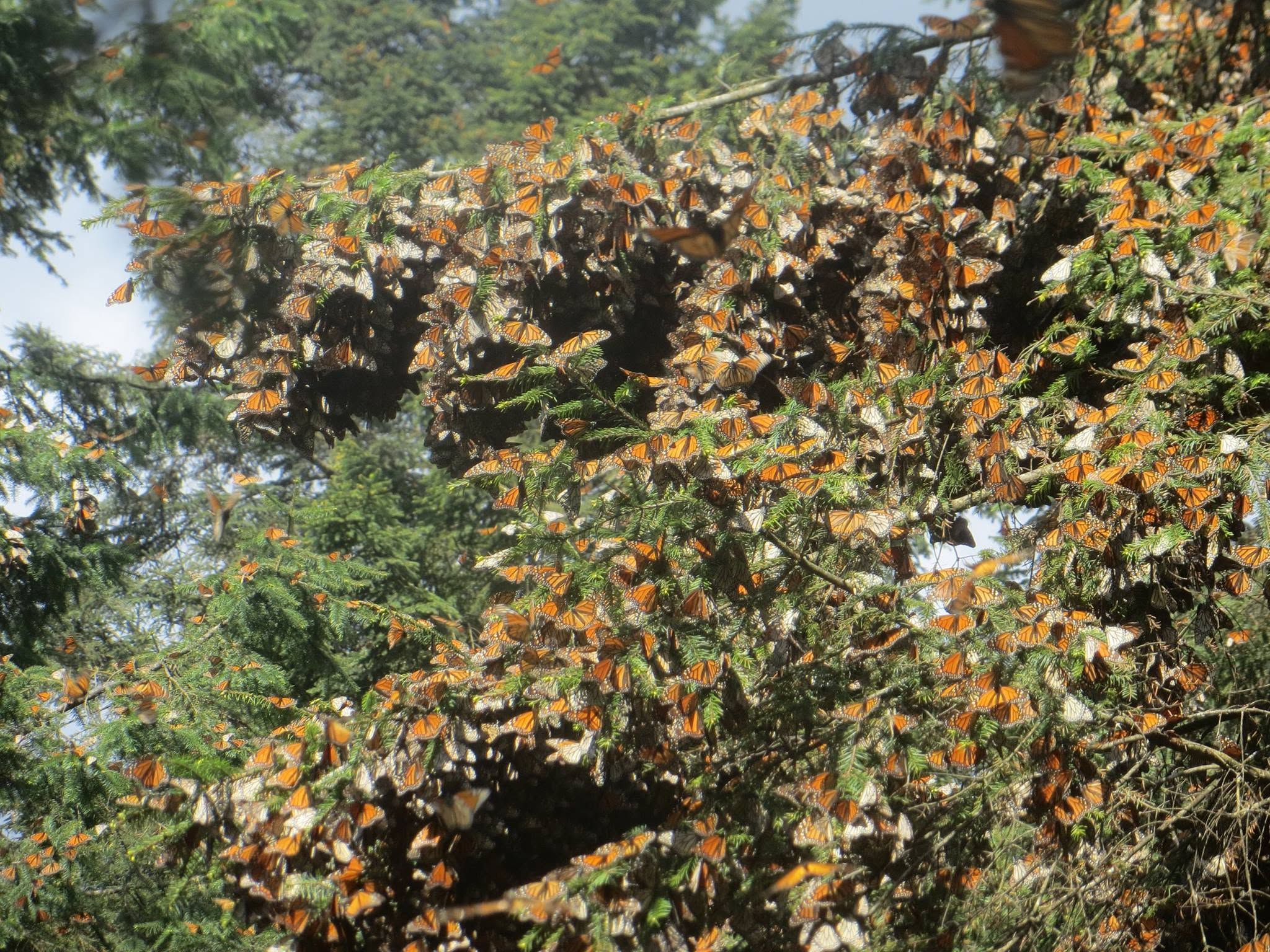
On my last day in Michoacán I visited the monarch butterflies in the Cerro Pelón reserve near Zitácuaro. Getting there took four hours by road and another two hours on foot, and it was worth every minute. Millions of butterflies hung in orange clusters from the trees or flew around us. In less than two weeks they would set off north towards the United States and Canada, and their descendants would come back to these forests at around 3,000 metres in the autumn.
Through the highlands to Veracruz
From Michoacán I went on to Guadalajara to visit my anarchist friends, and from there through the colonial cities of Guanajuato, San Miguel de Allende and Querétaro. After five days of rain and temperatures close to freezing I had enough of cold highland towns and promised myself to spend the next four months at the beach or in the jungle.
First, though, came more pyramids. In the state of Veracruz I visited El Tajín, the impressive city of the Totonacs, on a grey day with the jungle hills in the mist behind it.
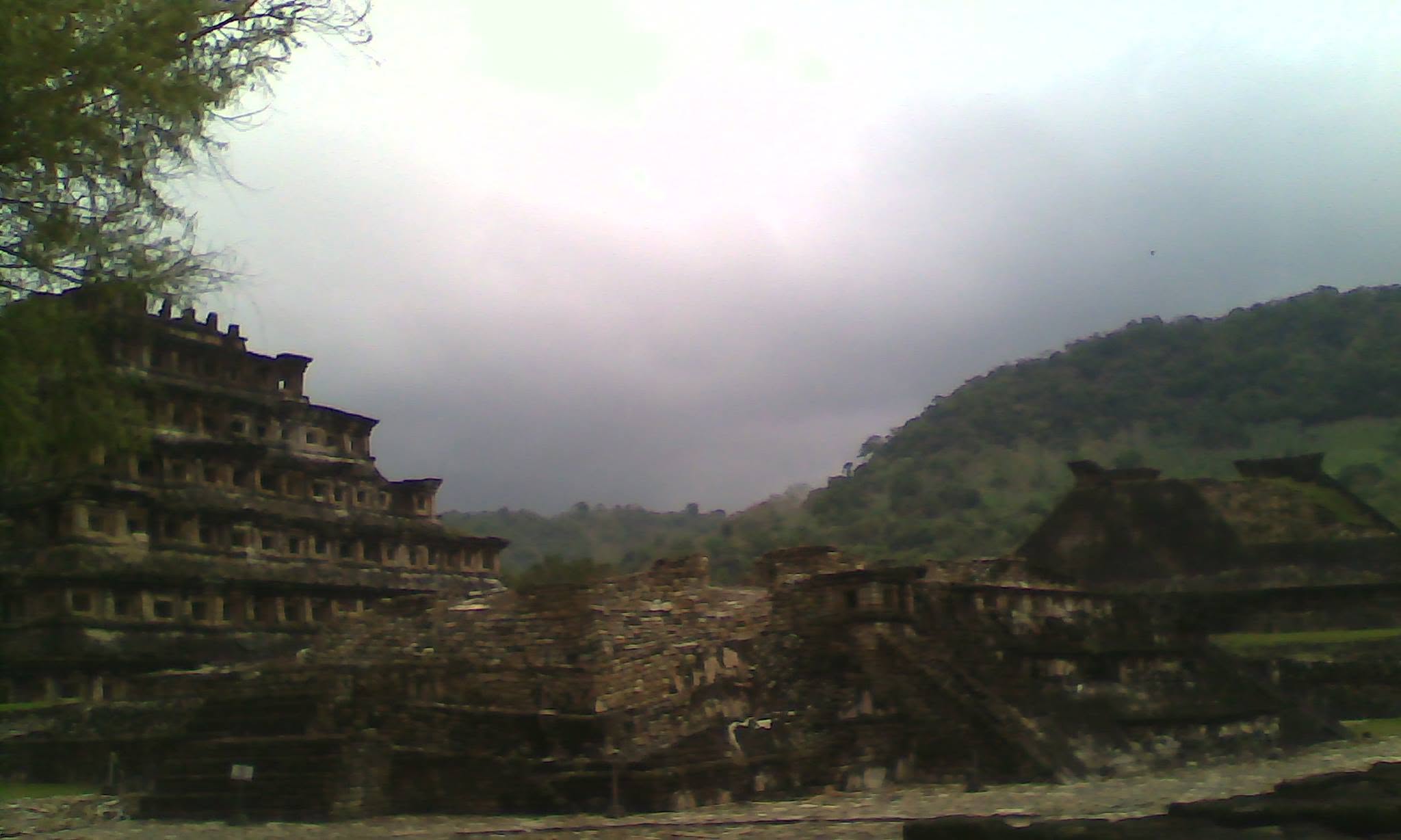
In Xalapa I spent three great nights, including a small reunion with a friend from the Freedom Week summer school in Cambridge. Nearby Coatepec, the coffee capital of Mexico, even seduced me into drinking a cup of the black brew. Then I went to Puebla, where I had to visit the German consulate because of problems with my passport. Diplomats, I learned, also like to say that they are not responsible, but my studies in statism had taught me how to deal with red tape. That passport would keep me busy until the end of my time in Mexico. Before heading south I spent three days in the port city of Veracruz.
Oaxaca: mole, grasshoppers and Monte Albán
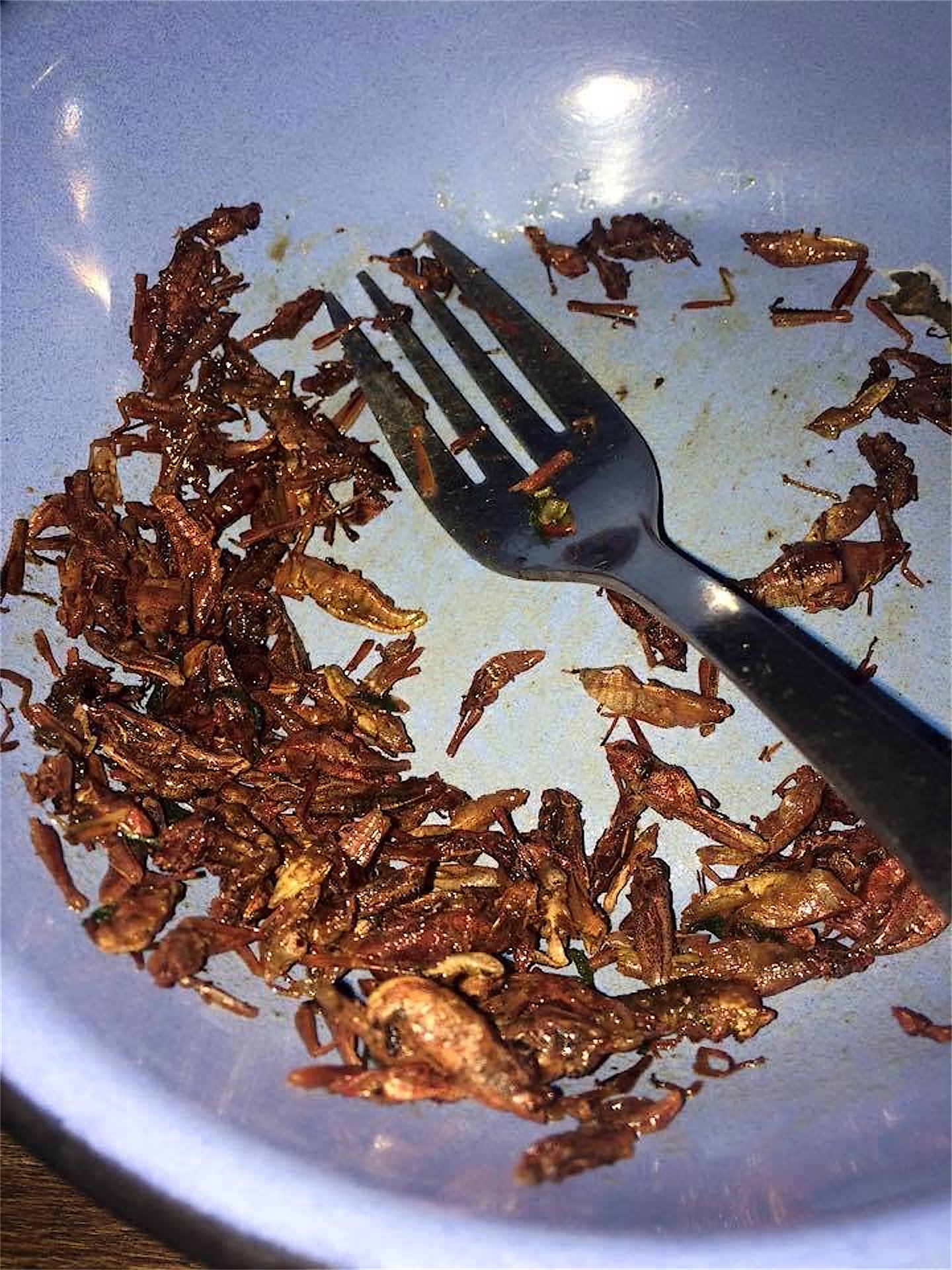
Discovering the tastes of Mexico was one of the great pleasures of the trip. In Oaxaca I ate chicken in mole negra, the famous dark sauce made with chocolate, with a glass of quemagrasa, a juice of pineapple, celery and cactus leaves. Another day the local speciality for dinner was chapulines, toasted grasshoppers, which were very tasty. And one of my favourite snacks of those weeks was a whole mango on a stick, topped with chilli sauce.
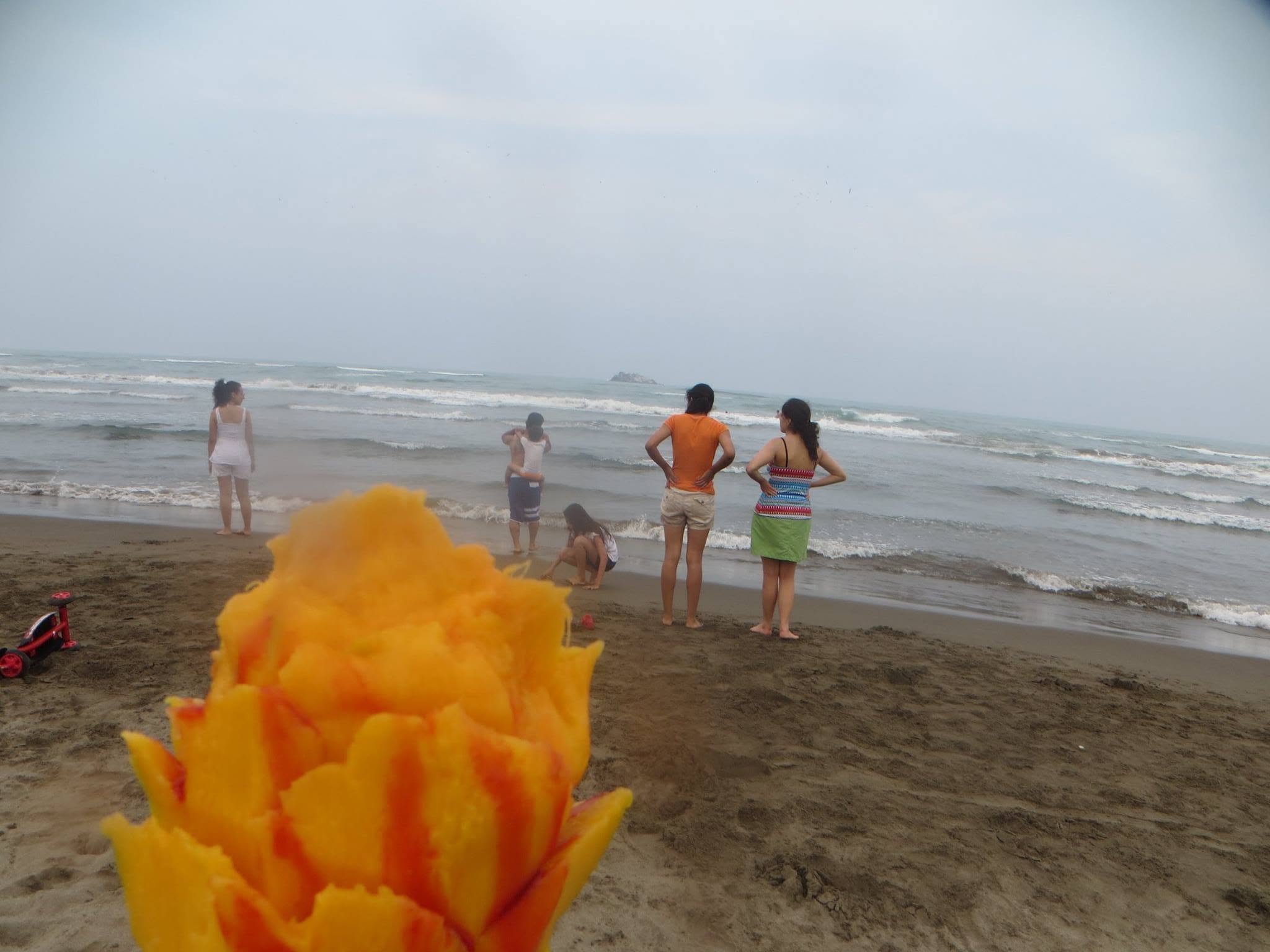
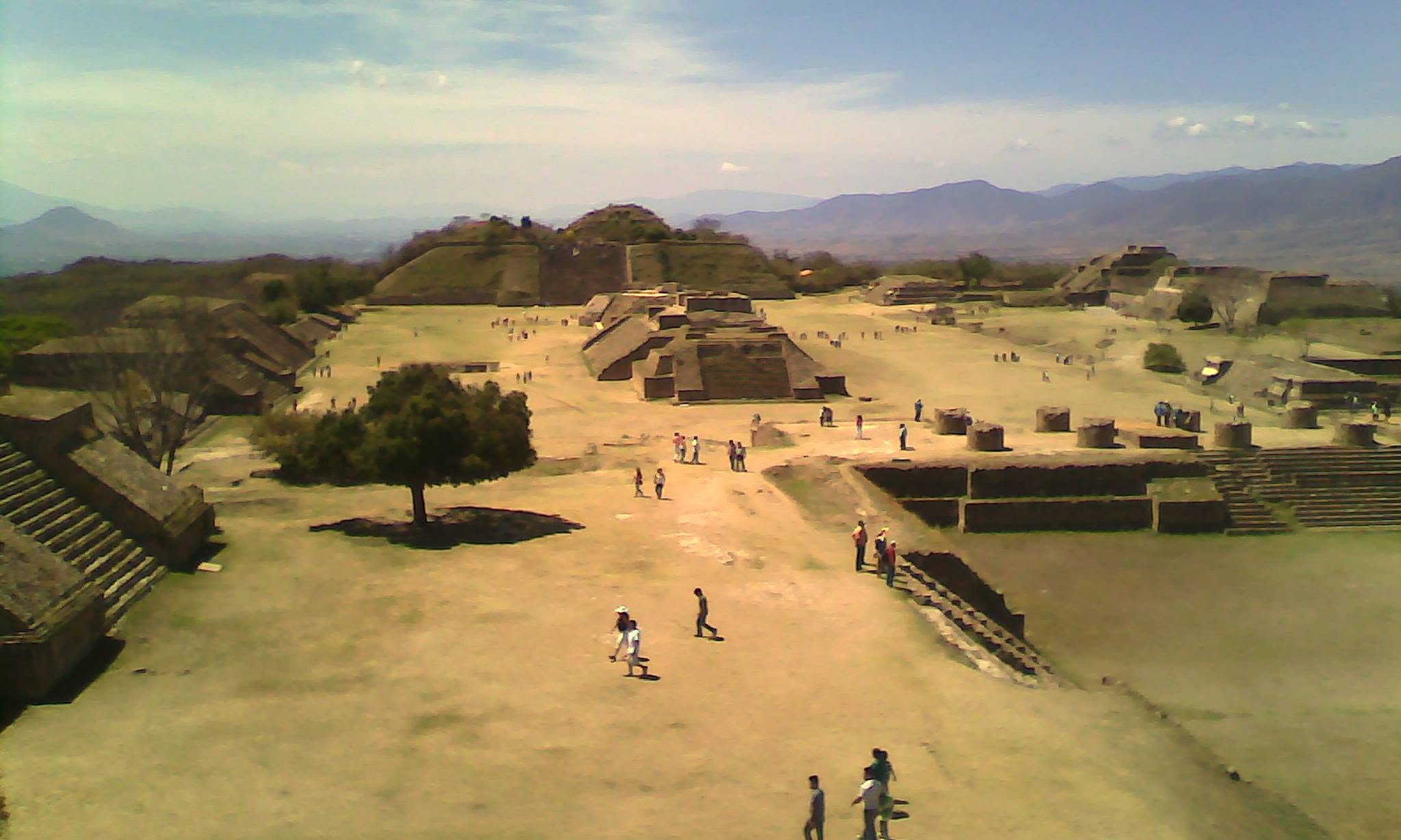
Above the city lies Monte Albán, the capital of the ancient Zapotec civilisation. After the model in the museum in Mexico City, it was good to walk across the real great plaza, with the valley of Oaxaca all around.
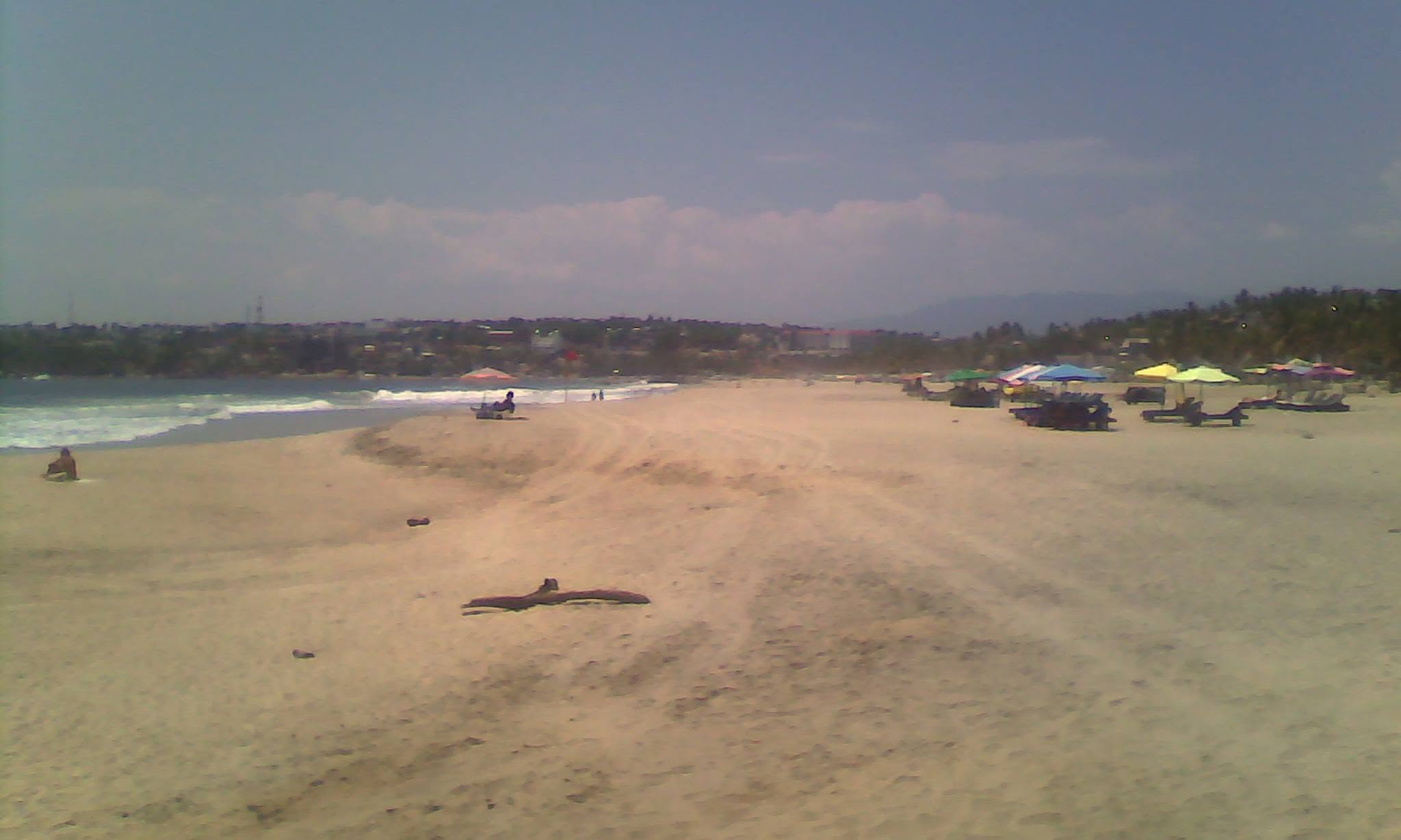
From Oaxaca I went down to the Pacific. I was back at the ocean at last and spent the next few days relaxing on the beaches of Puerto Escondido and Mazunte. After seven weeks of cities, ruins and cold highland nights, a few lazy beach days were welcome before the second half of the journey took me into the jungles of Chiapas.