Two Quiet Neighbours: Carnival in Paraguay, Iguazú and the Beaches of Uruguay
15–28 January and 2–7 March 2018 · Ciudad del Este, Asunción, Encarnación, Iguazú, Punta del Este, José Ignacio, Montevideo, Colonia del Sacramento · Regions: Paraguay, Argentina, Uruguay
In 2018 I spent the first months of my first round-the-world trip in South America, much of it in Brazil. Twice I slipped out to one of its smaller neighbours. In January, before going back to Brazil for Carnival, I came from Natal in north-eastern Brazil to check out a country I had never seen: Paraguay, in my eyes one of the freest countries in the world and the easiest good residency option on the continent. In early March, after Rio, it was Uruguay's turn. On my list they became territories number 89 and 90.
Into Paraguay at Ciudad del Este
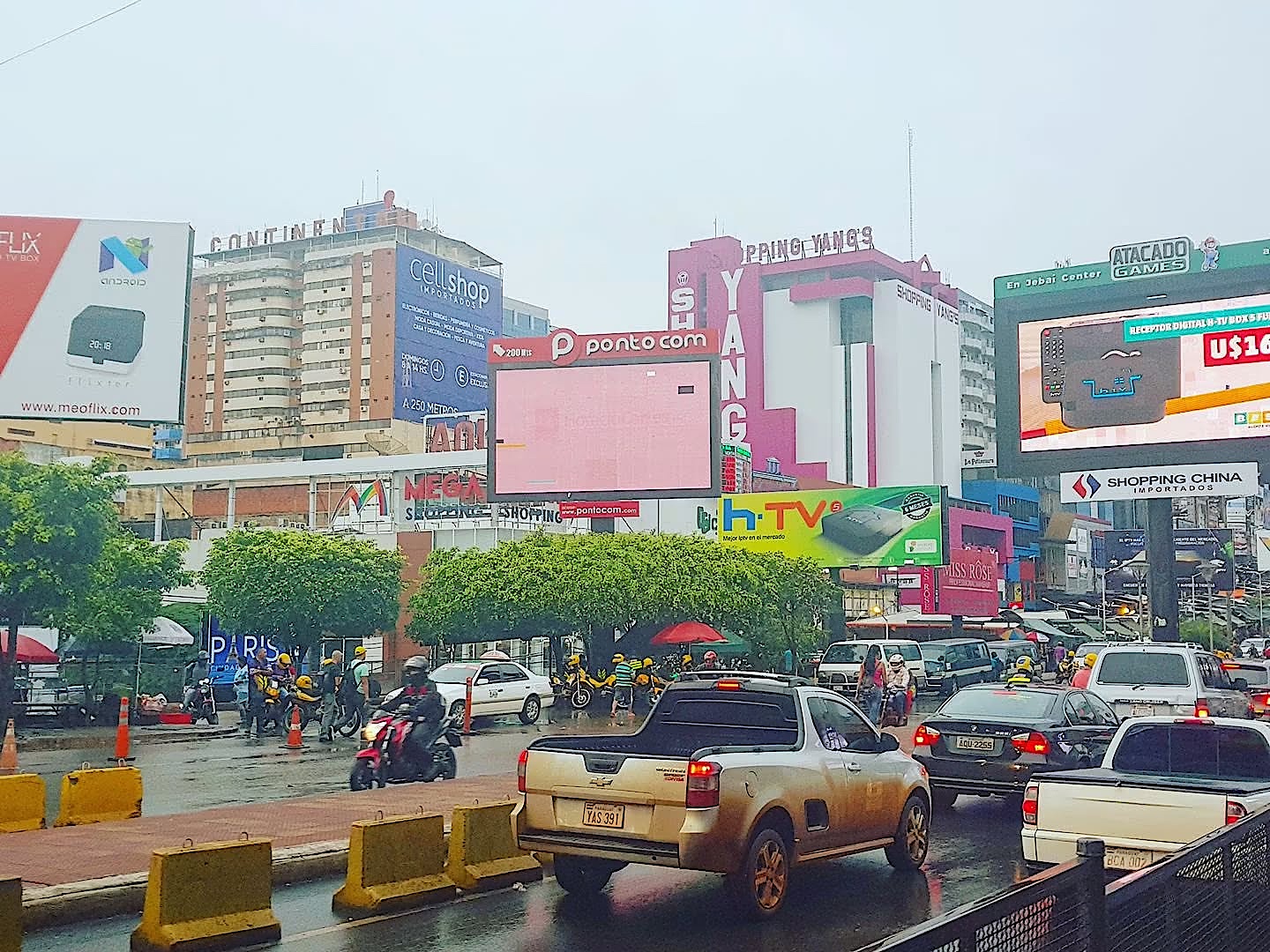
I entered Paraguay at Ciudad del Este, the world capital of piracy and copyright infringement. Its black markets are notorious: you get almost everything cheaper than in China, and the streets are lined with shopping centres, electronics shops and billboards in Spanish and Portuguese.
From there it is about five hours to the capital. I like countries where it is cheap enough to charter a taxi for a ride like that on your own, which is far more convenient than a bus.
Asunción and a pile of banknotes
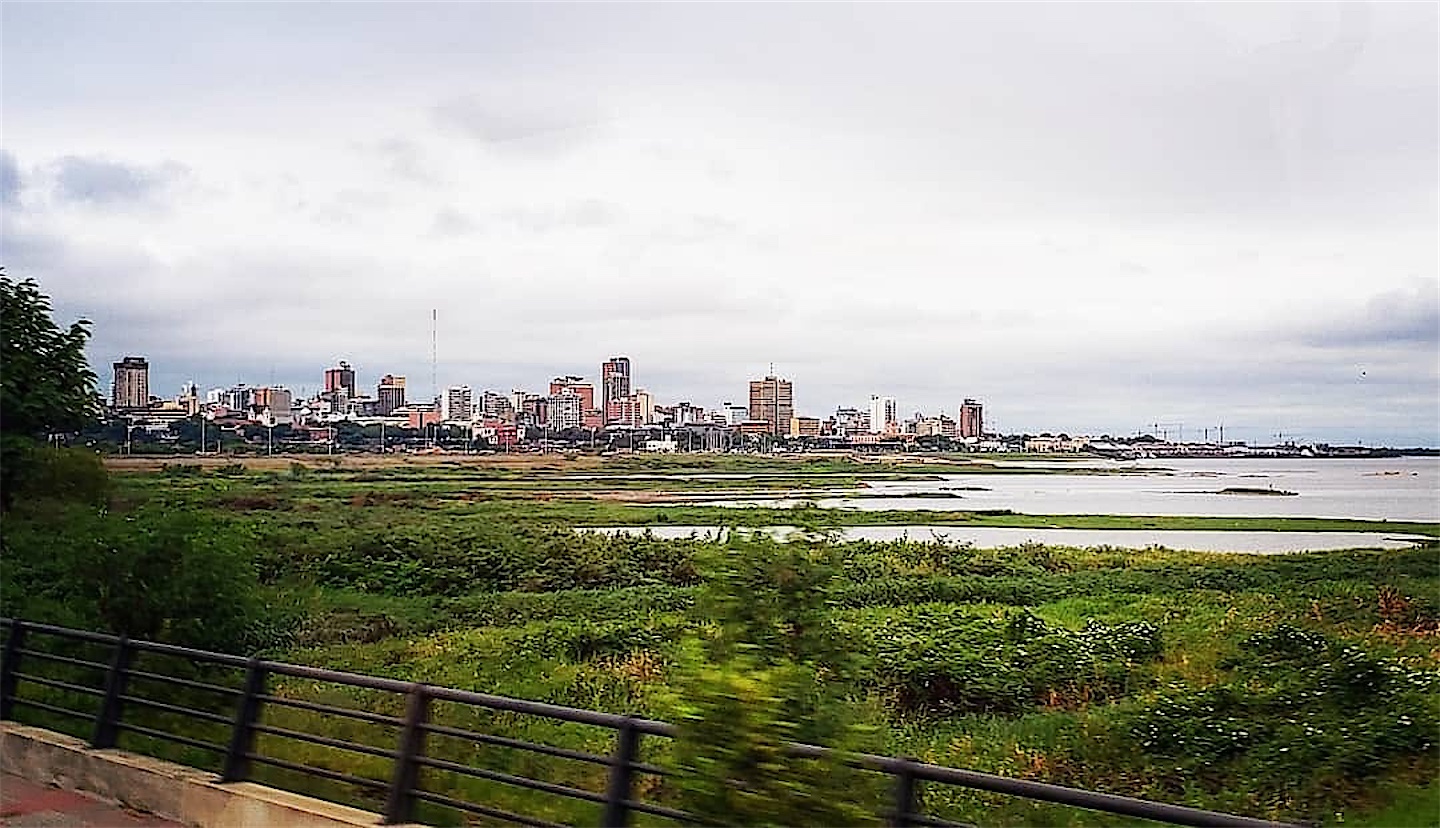
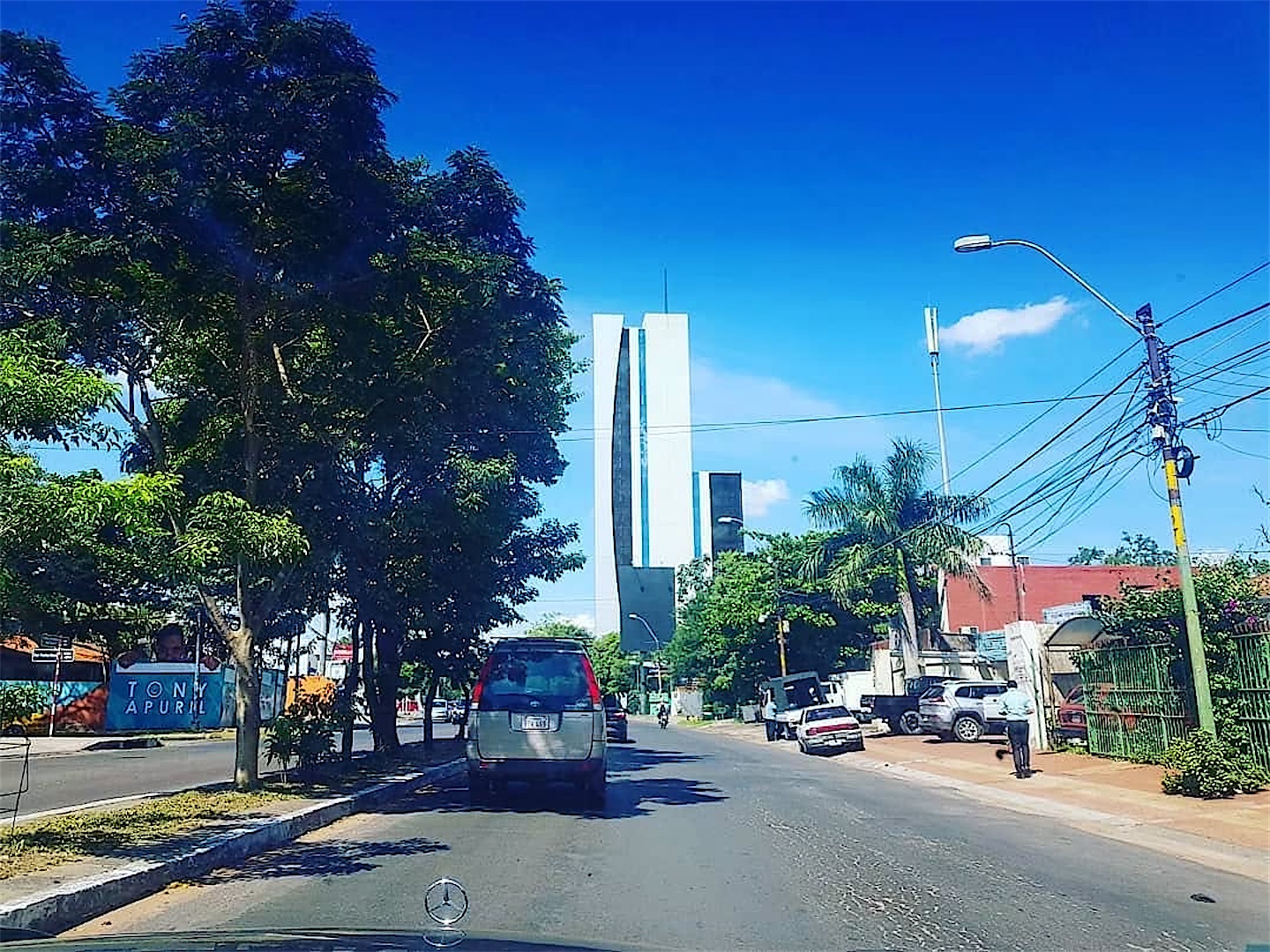
Asunción struck me as rather grey, a low city of busy roads, palm trees and the odd tower. I had come with a clear task, though. To apply for residency I had to deposit 27.5 million guaraníes in the state bank, about 4,200 euros. Because of local withdrawal limits it took me 18 cash withdrawals with five credit cards over two days, and in the end I walked into the bank with 275 notes of 100,000 guaraníes. If that sounds rich, it only sounds that way.
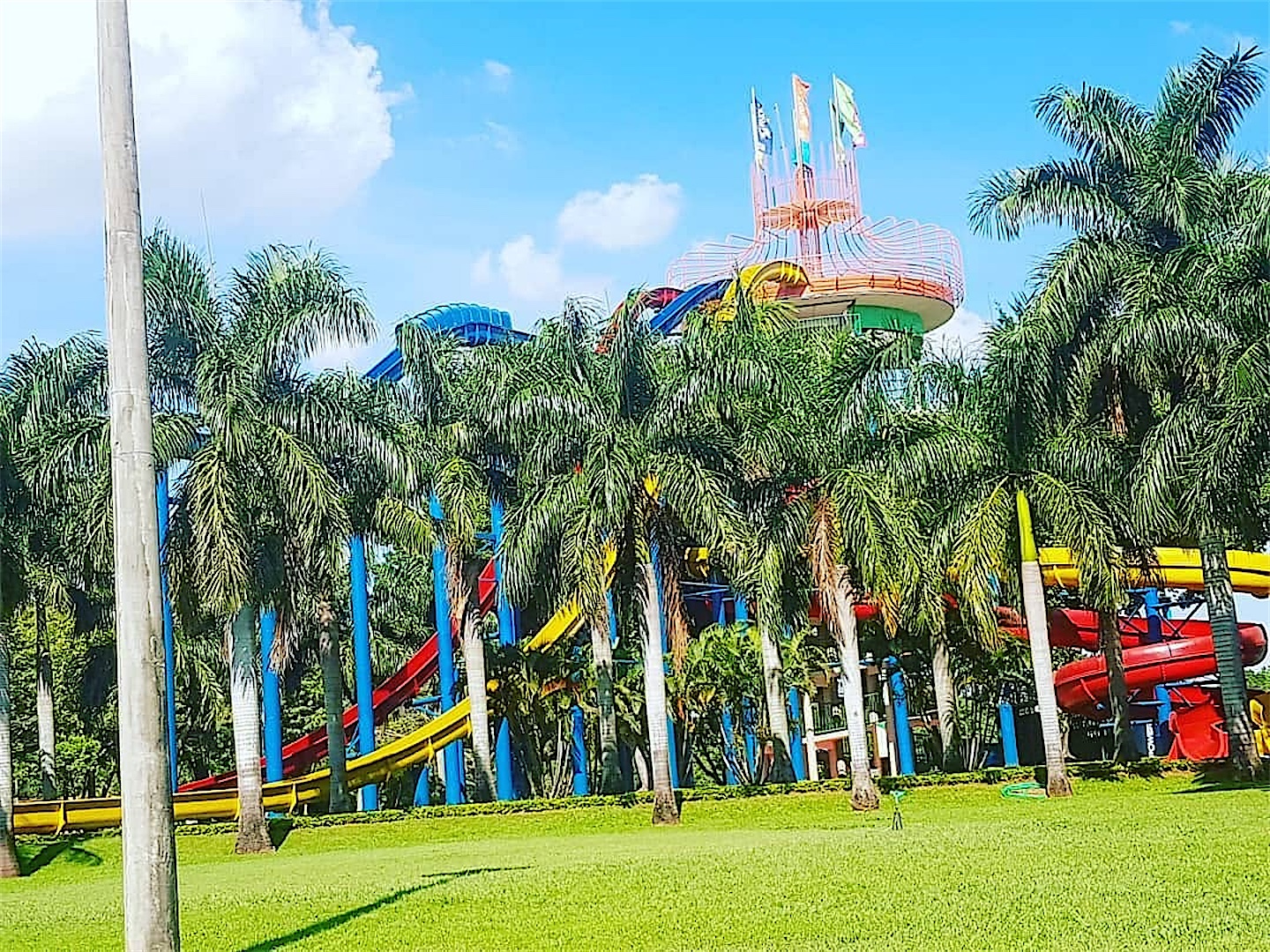
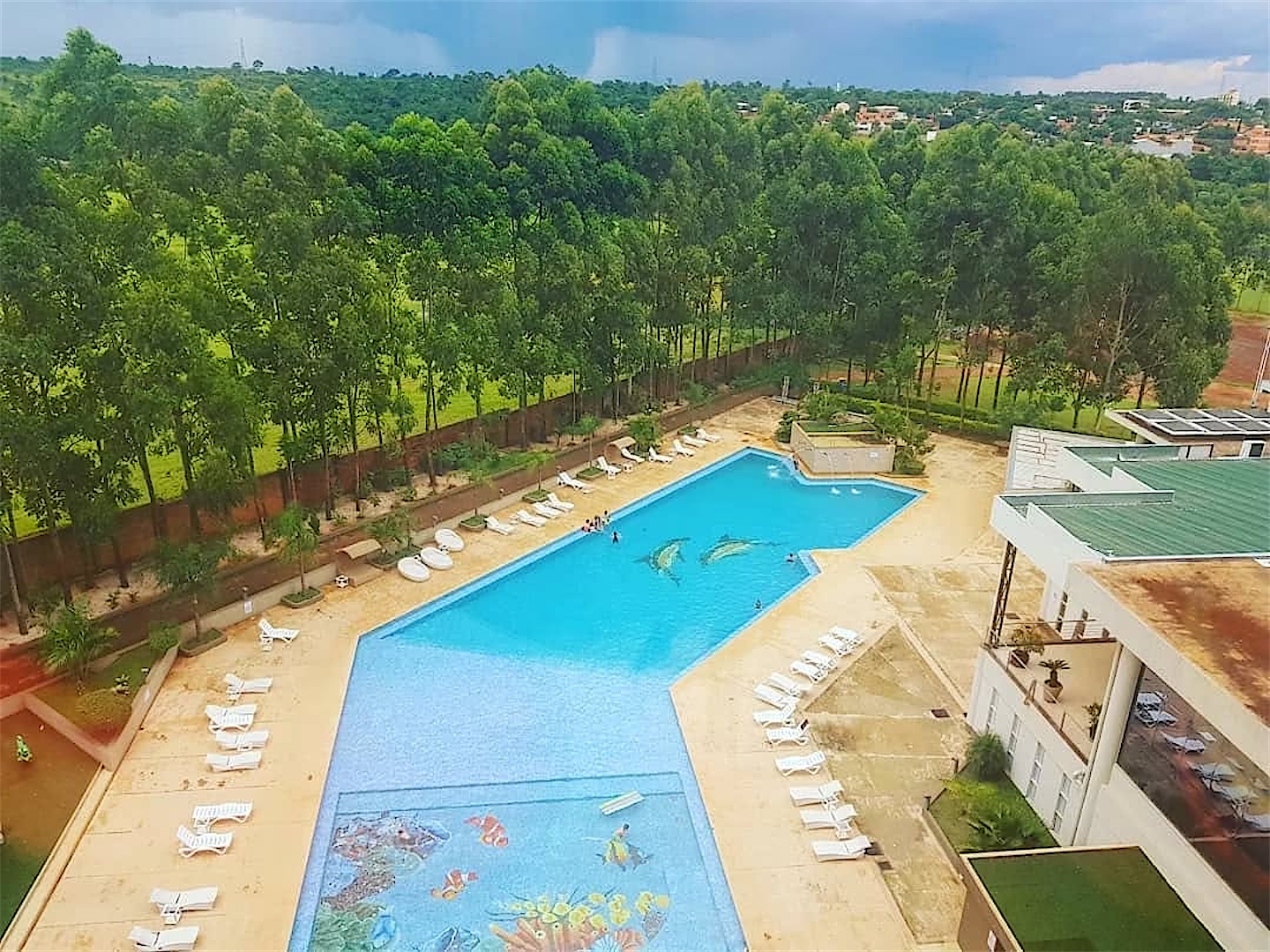
One day I visited one of the private country clubs of Paraguay's wealthy elite, Raquiura in Luque, just outside the capital. Members pay an initiation fee of 10,000 dollars and get a kind of private amusement park: a big pool area with huge water slides, a gym, facilities for almost any sport, and good restaurants and bars. It was a big contrast to grey Asunción.
Carnival on the Paraná
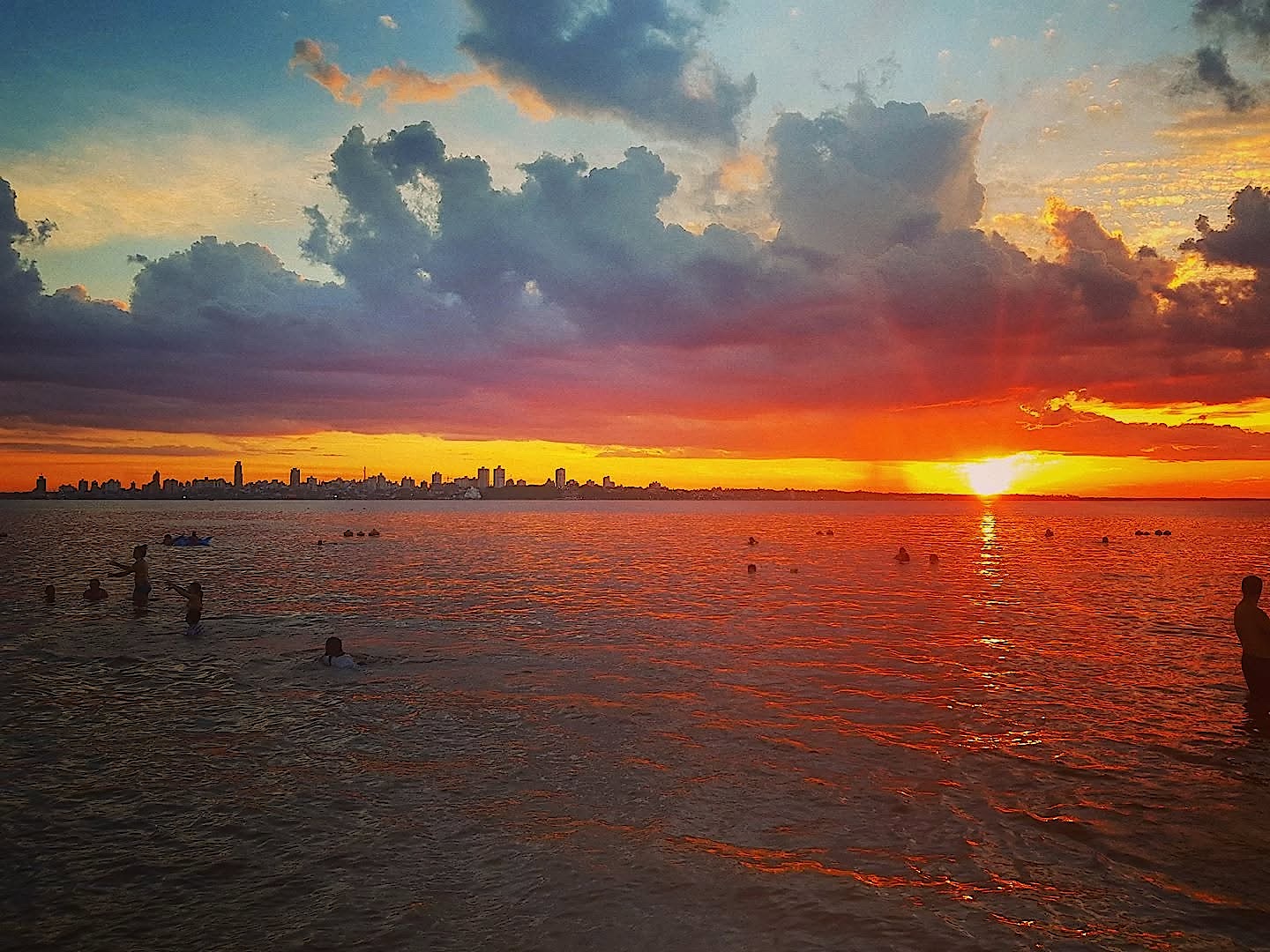
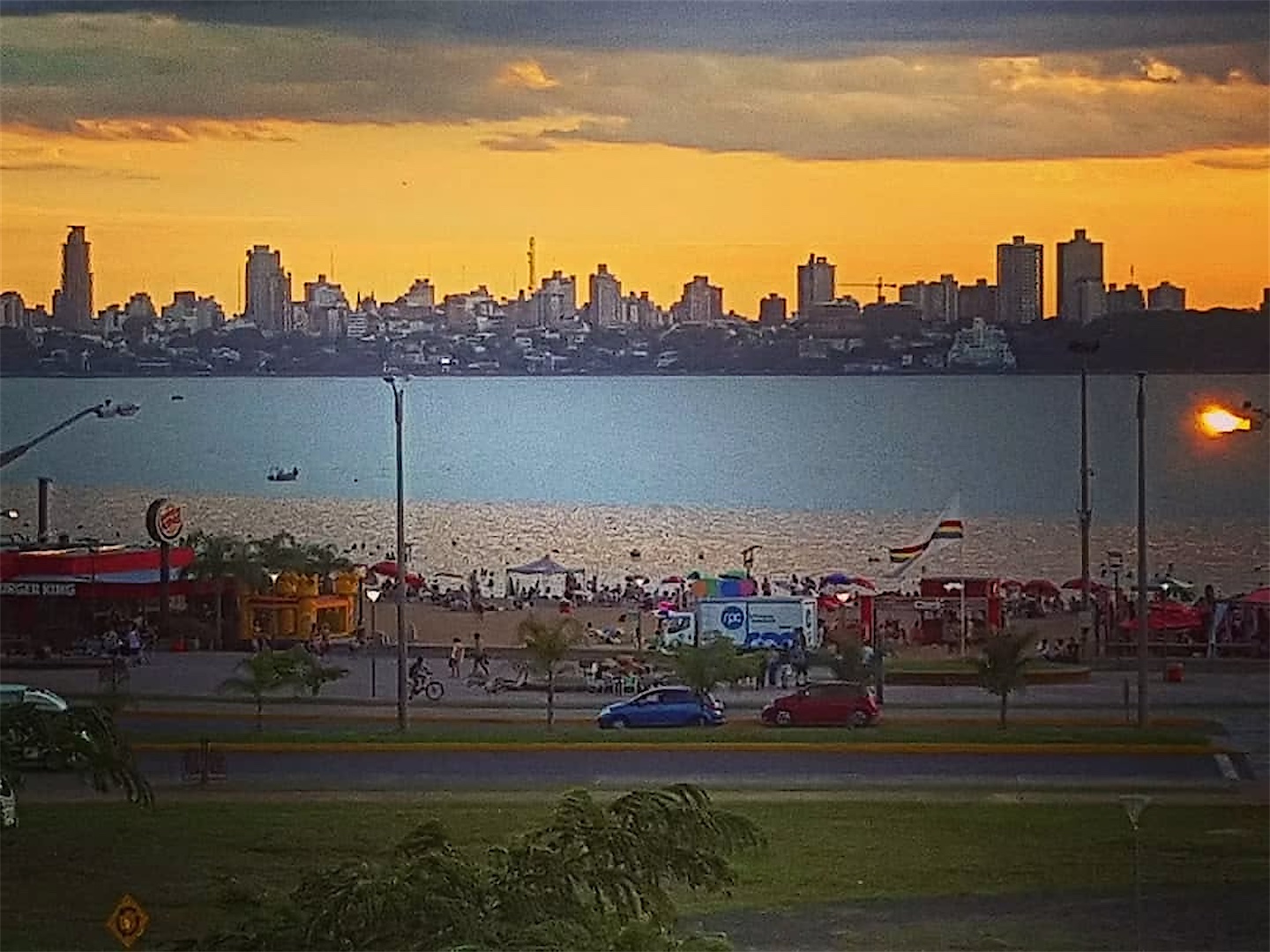
Next I travelled south to Encarnación for Carnival at the Paraguayan "beach". Paraguay has no ocean, but the Paraná, the border river with Argentina, is good enough for beaches too. On my first evening the sun set over Posadas on the Argentine bank, and the riverside promenade, the Costanera, turned out to be a great place for sunsets. I liked Encarnación much better than Asunción.
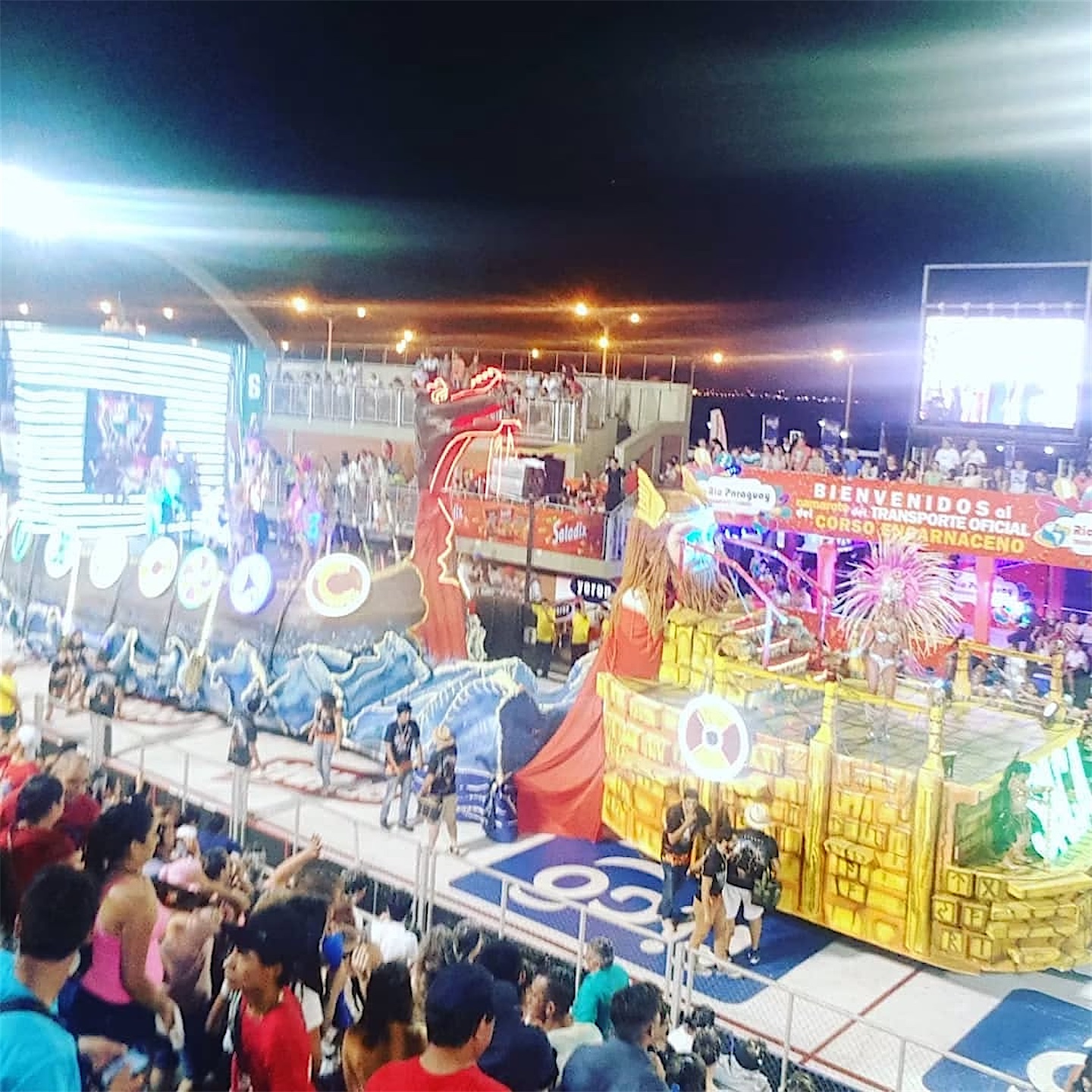
Encarnación is said to have the second-biggest Carnival in South America. It was safe and fun, more about "flesh than costumes", as I put it at the time, and there were very few foreign tourists. A few weeks later I watched the parades at the Sambadrome in Rio, and the one in Encarnación had been much more fun, as I wrote in Workationing During Carnival in Rio de Janeiro.
The falls, and a residency
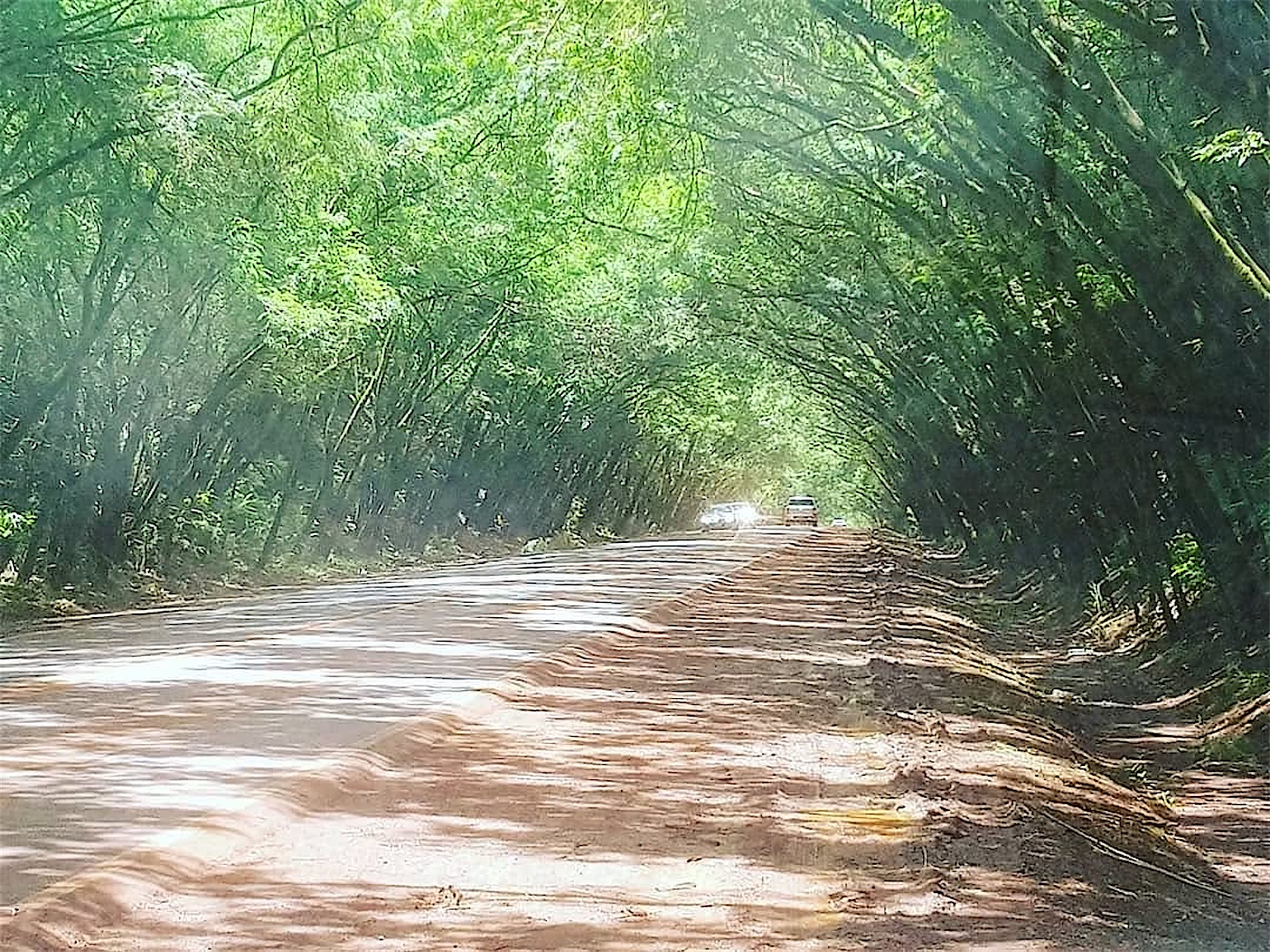
From Encarnación I headed back north to Ciudad del Este. On the way, in the department of Alto Paraná, the road led through a green tunnel of bamboo, the only "tunnel" in Paraguay. Back in Ciudad del Este, I got ready for the Iguazú Falls the next day.
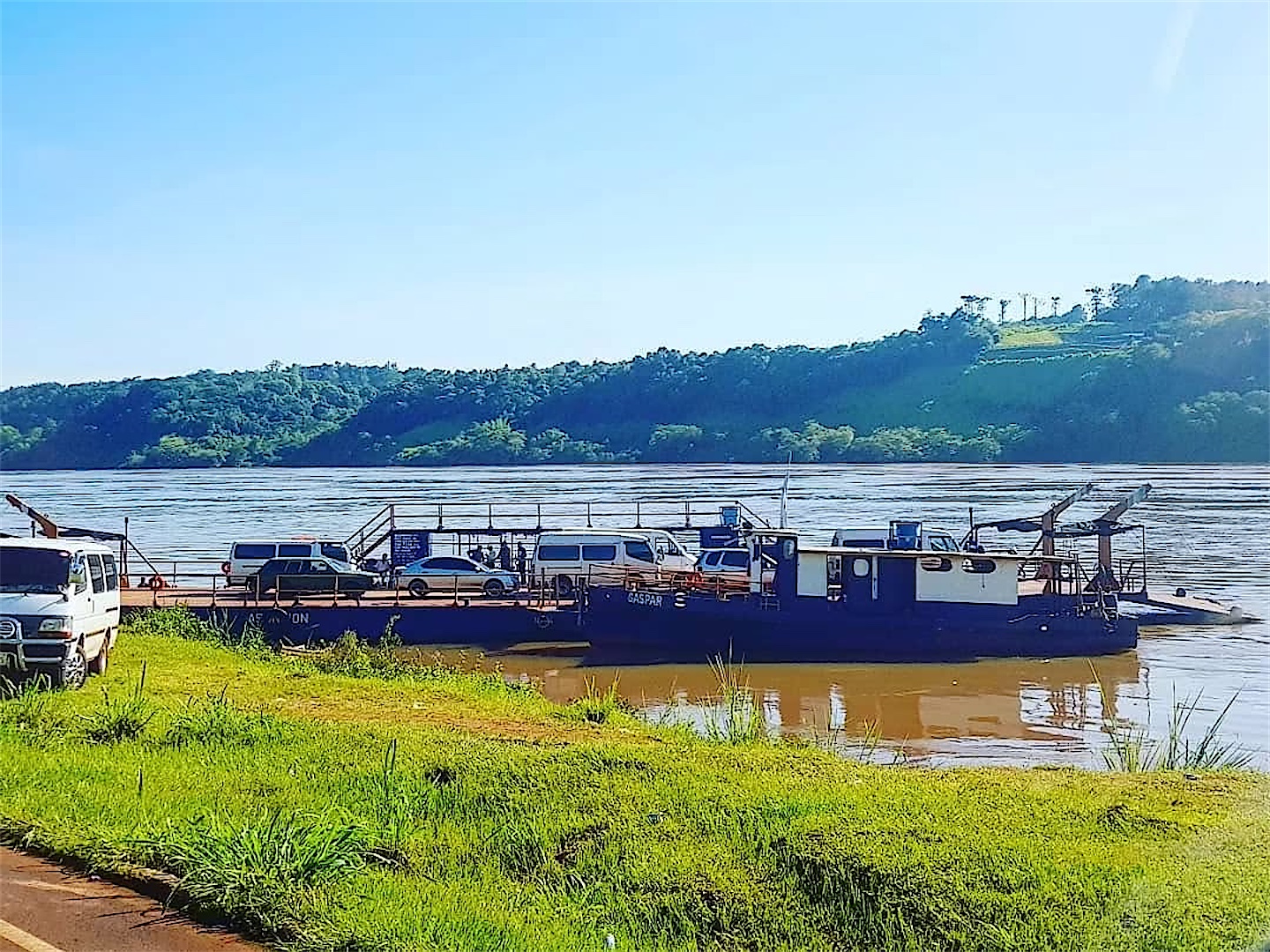
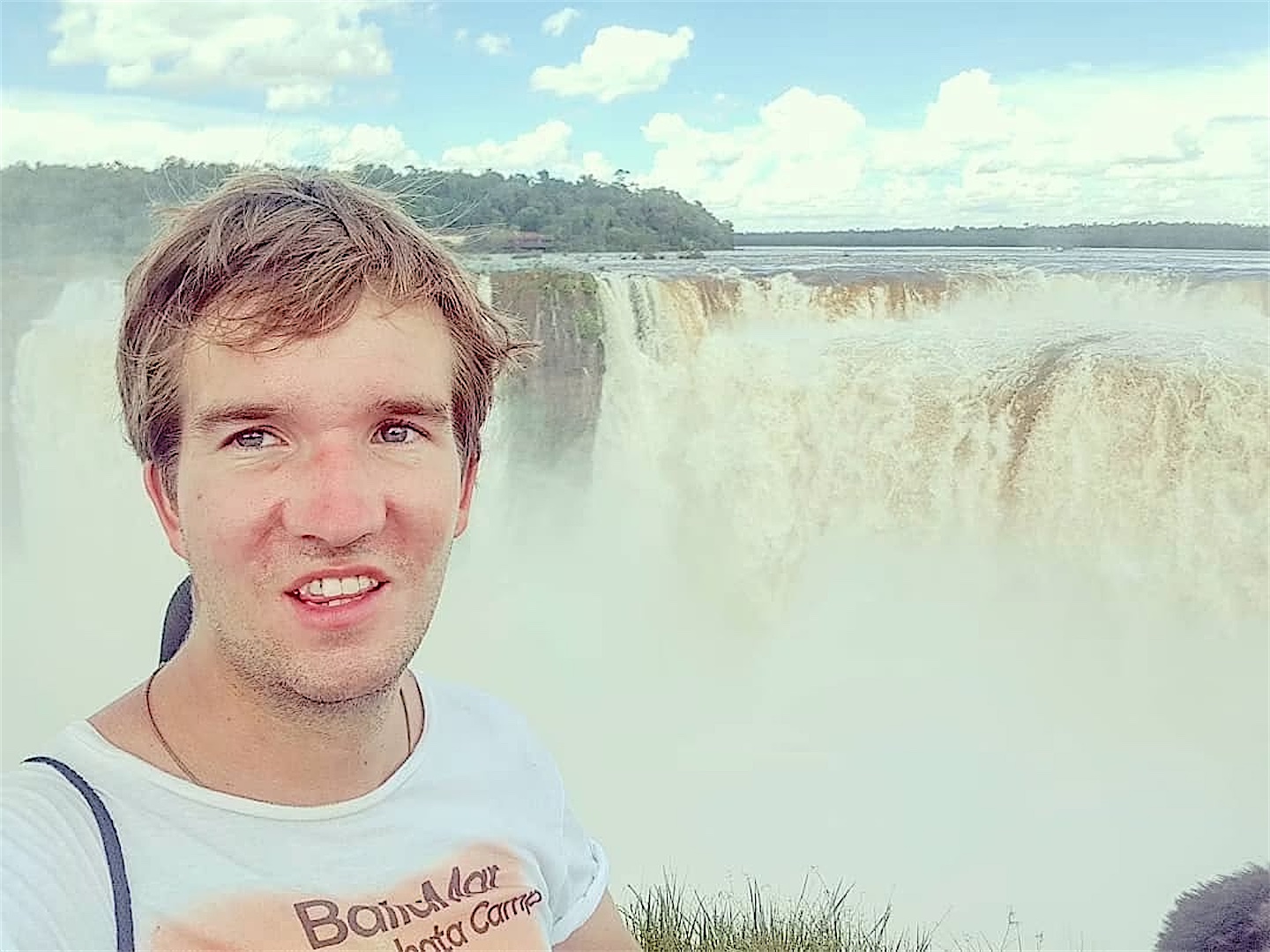
The falls lie on the border between Argentina and Brazil, not in Paraguay, so I crossed into Argentina by ferry. The Argentine side of Iguazú is a massive beauty, with walkways that lead close to the water, and I got properly wet in the spray.
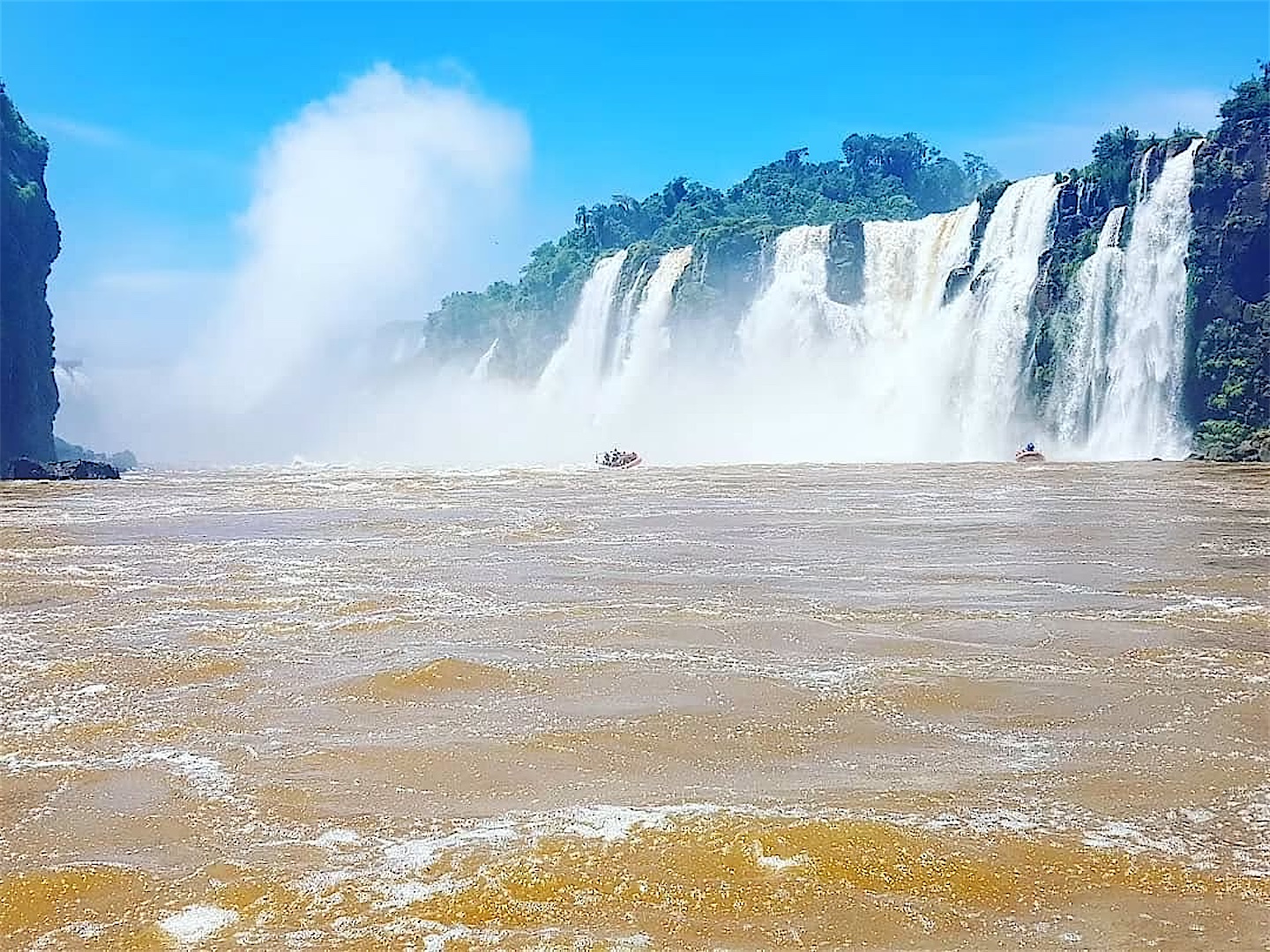
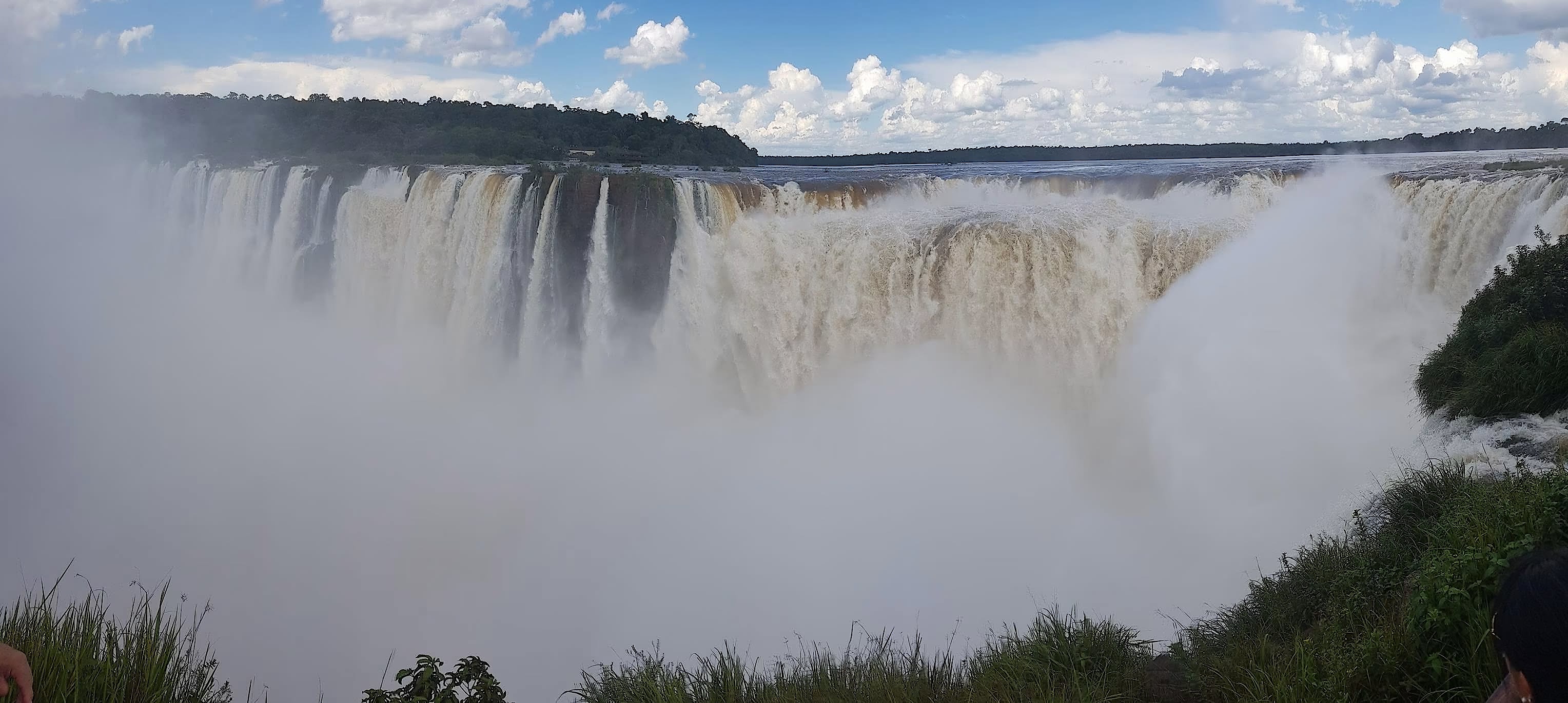
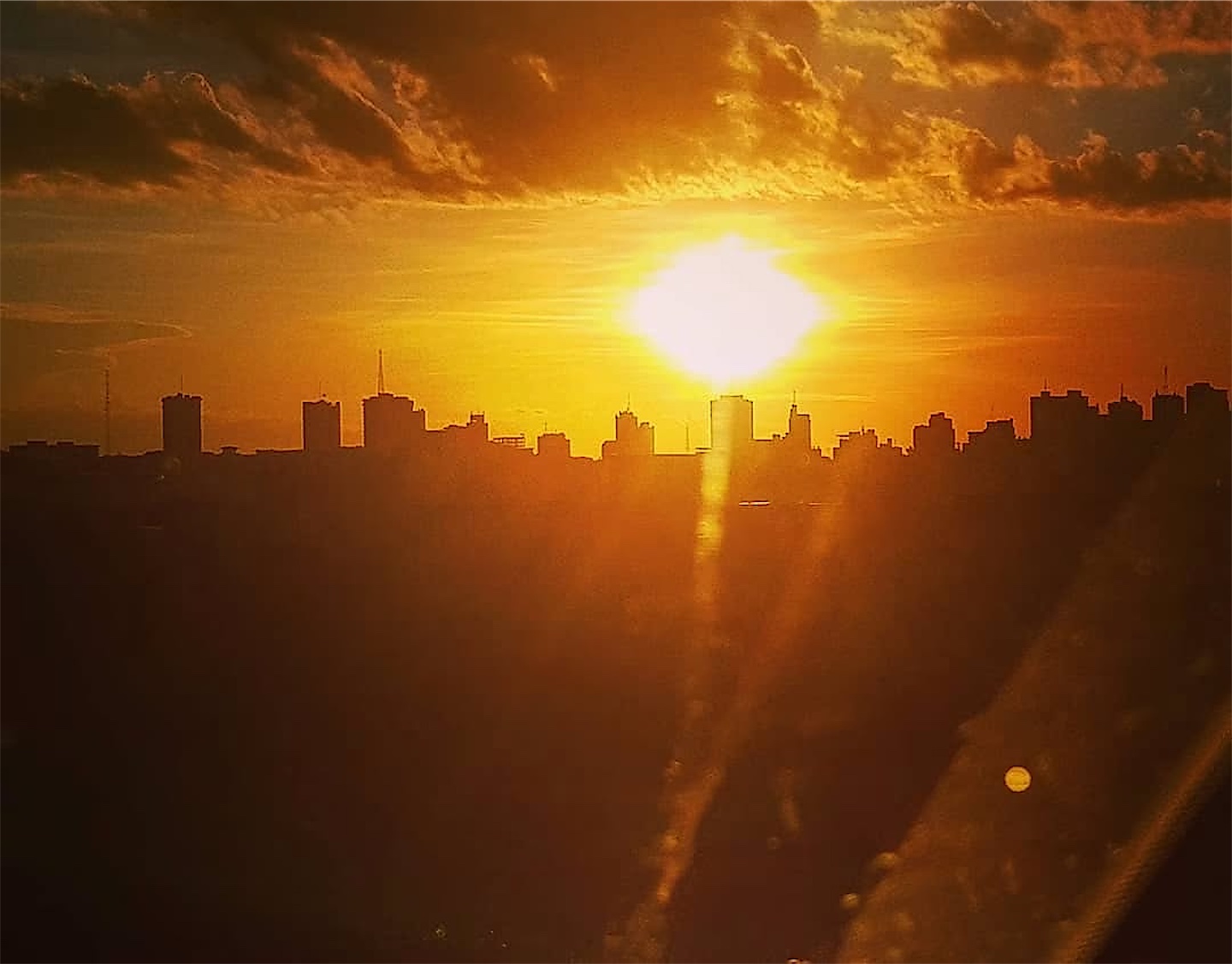
Years later I came back with my father and saw the Brazilian side as well, a story told in Wining and Dining and Repeating. That evening the sun set over Ciudad del Este.
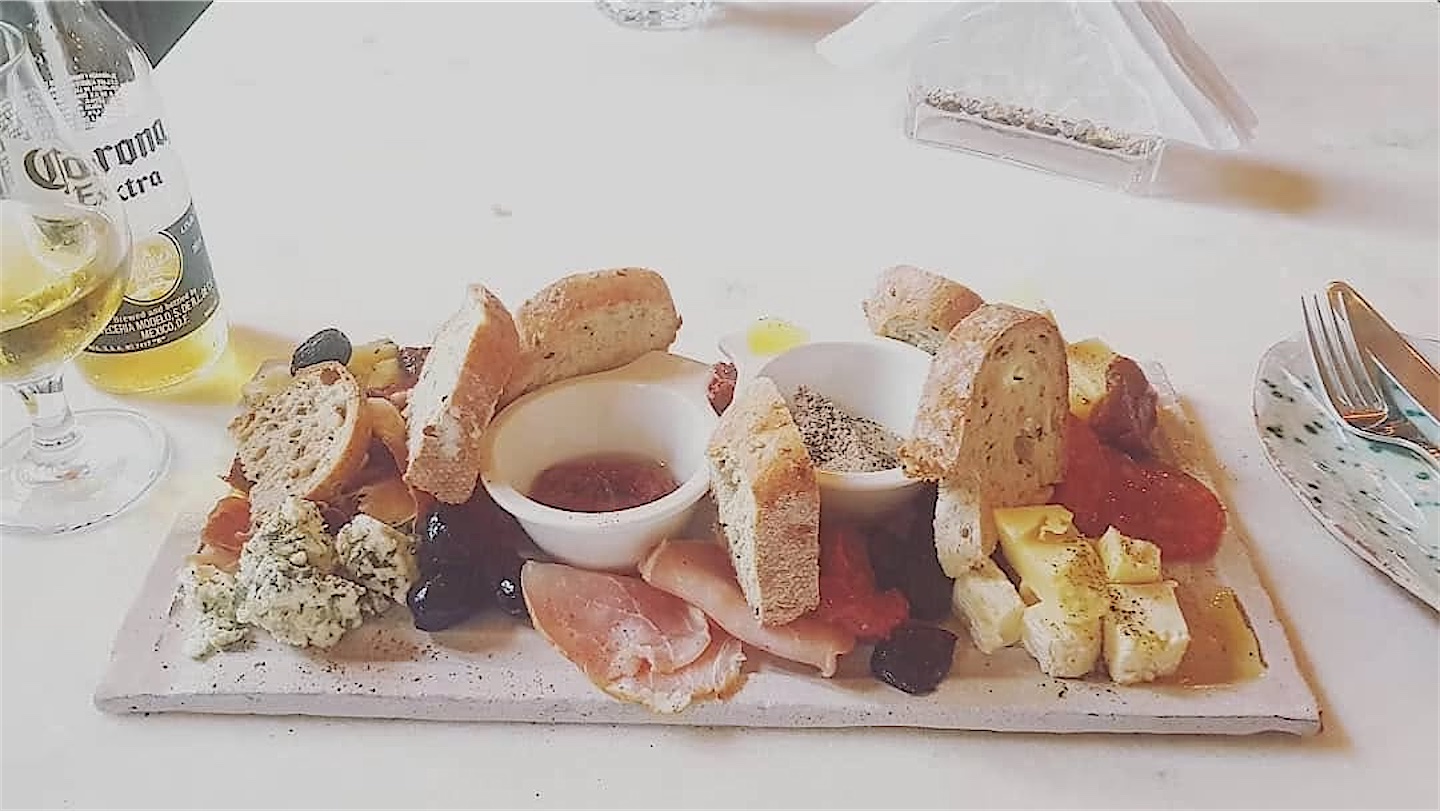
Back in Asunción, everything worked out in the end, which I hadn't quite expected: on 26 January I received my second lifelong permanent residence after Panama. Overall I liked Panama much better, but the Paraguayan residency promised some nice opportunities. Some people collect stamps; I collect residencies. For my last two nights I treated myself to the Factoría, a design hotel in an old factory next to the nightlife hotspots. At 100 dollars a night it was expensive for Paraguay, but well worth it, not least for its delicious cheese and ham platter.
Punta del Este out of season
After Carnival in Rio I travelled on to Uruguay at the beginning of March. Punta del Este is basically a ghost town for eight months of the year and goes completely crazy from mid-December to mid-February. In March the temperatures were still pleasant and most places were open, but the crowds had gone.
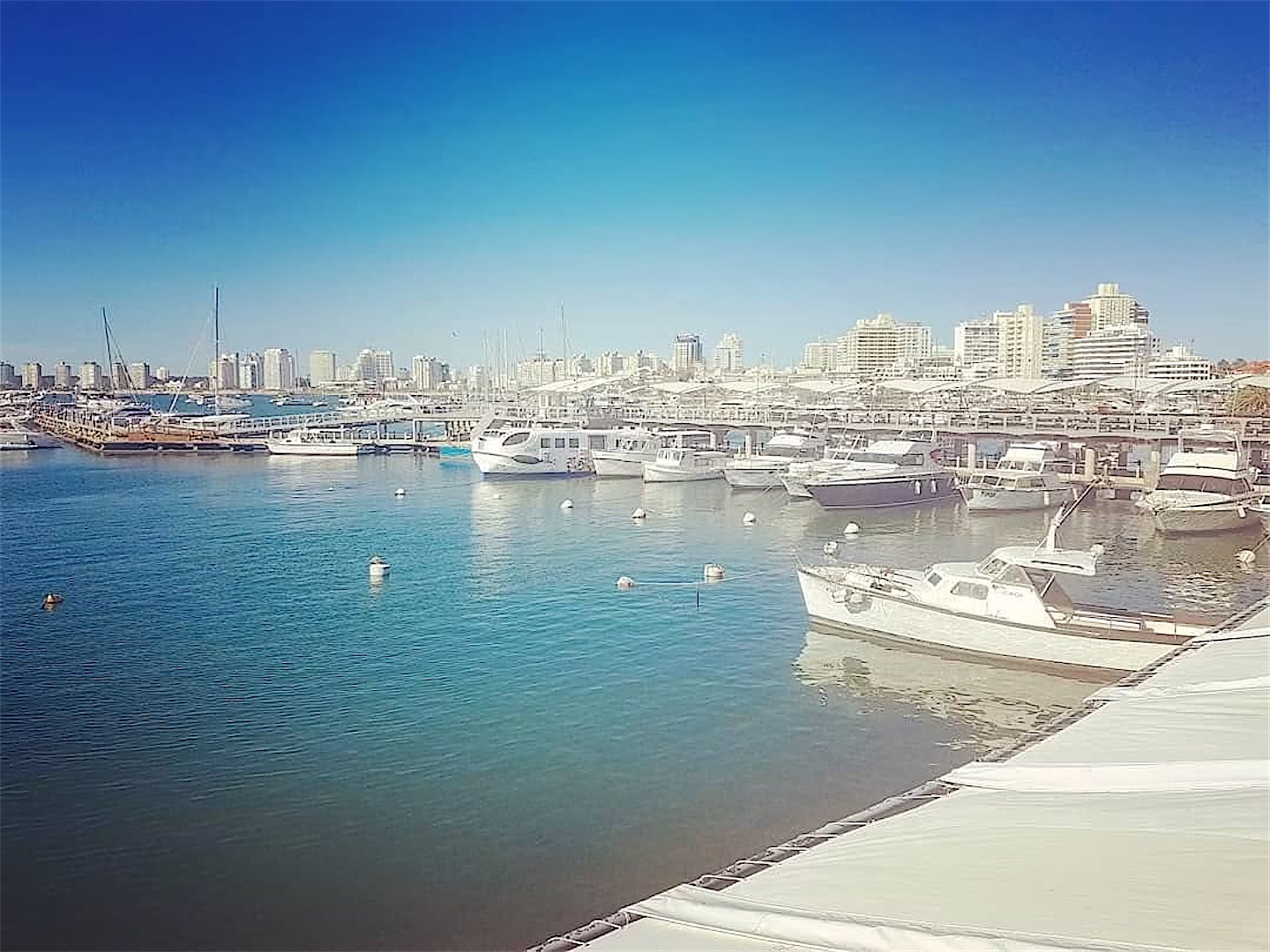
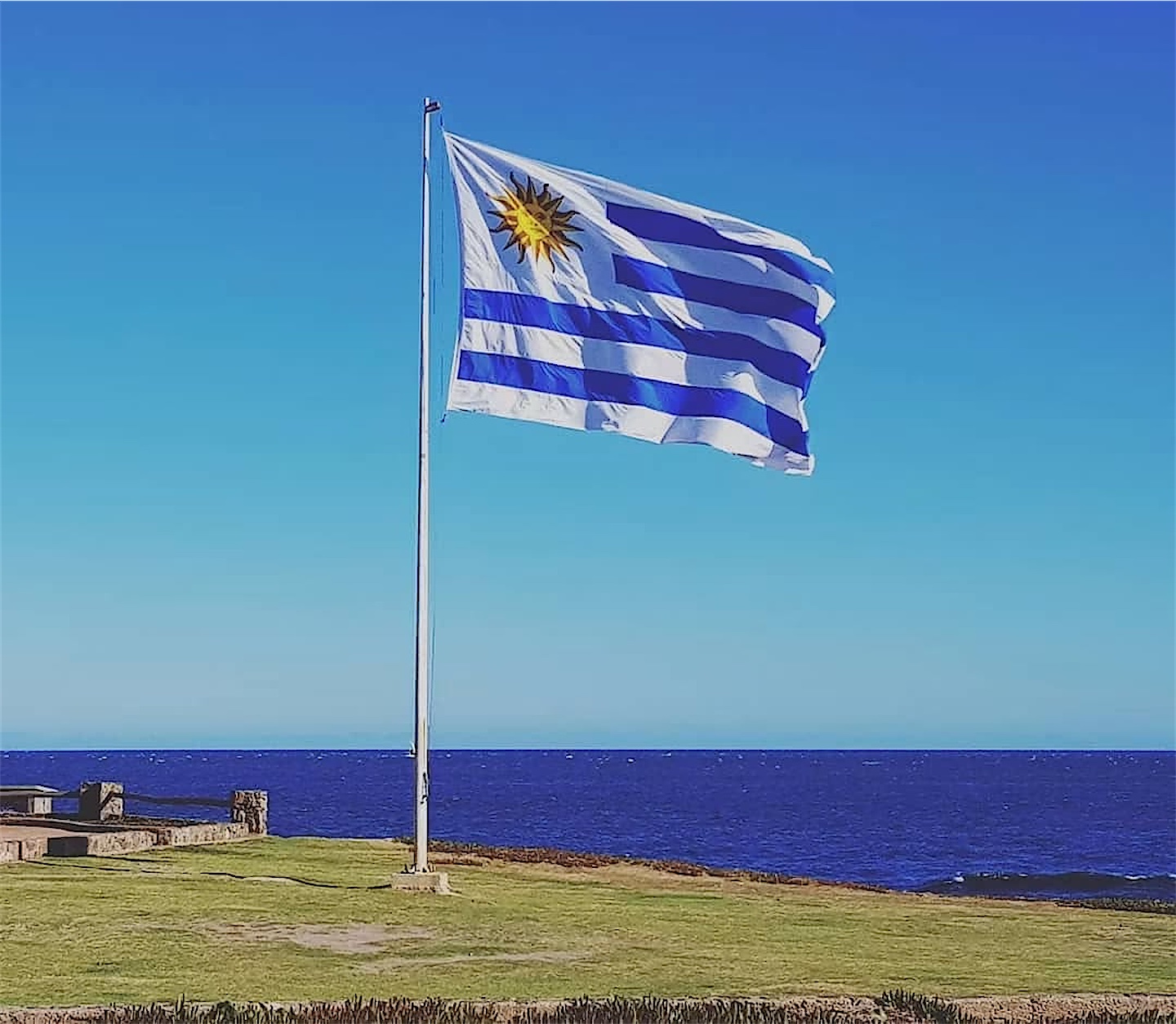
Uruguay was the first country outside Italy where I found decent pizza, and the only one where the 22 per cent VAT on food and accommodation came back automatically when I paid with a foreign credit card. I also looked at the country as a possible flag. Uruguay, sometimes called the Switzerland of South America, keeps a territorial tax system, and permanent residency is easy to get with proof of sufficient income (2,000 dollars a month easily qualify), but you have to show real ties and live there at least nine months in the first year. A bitter irony for real anarcho-capitalists: the local petrol chain is called ANCAP, and as a state monopoly it gives Uruguay some of the highest fuel prices in the world.

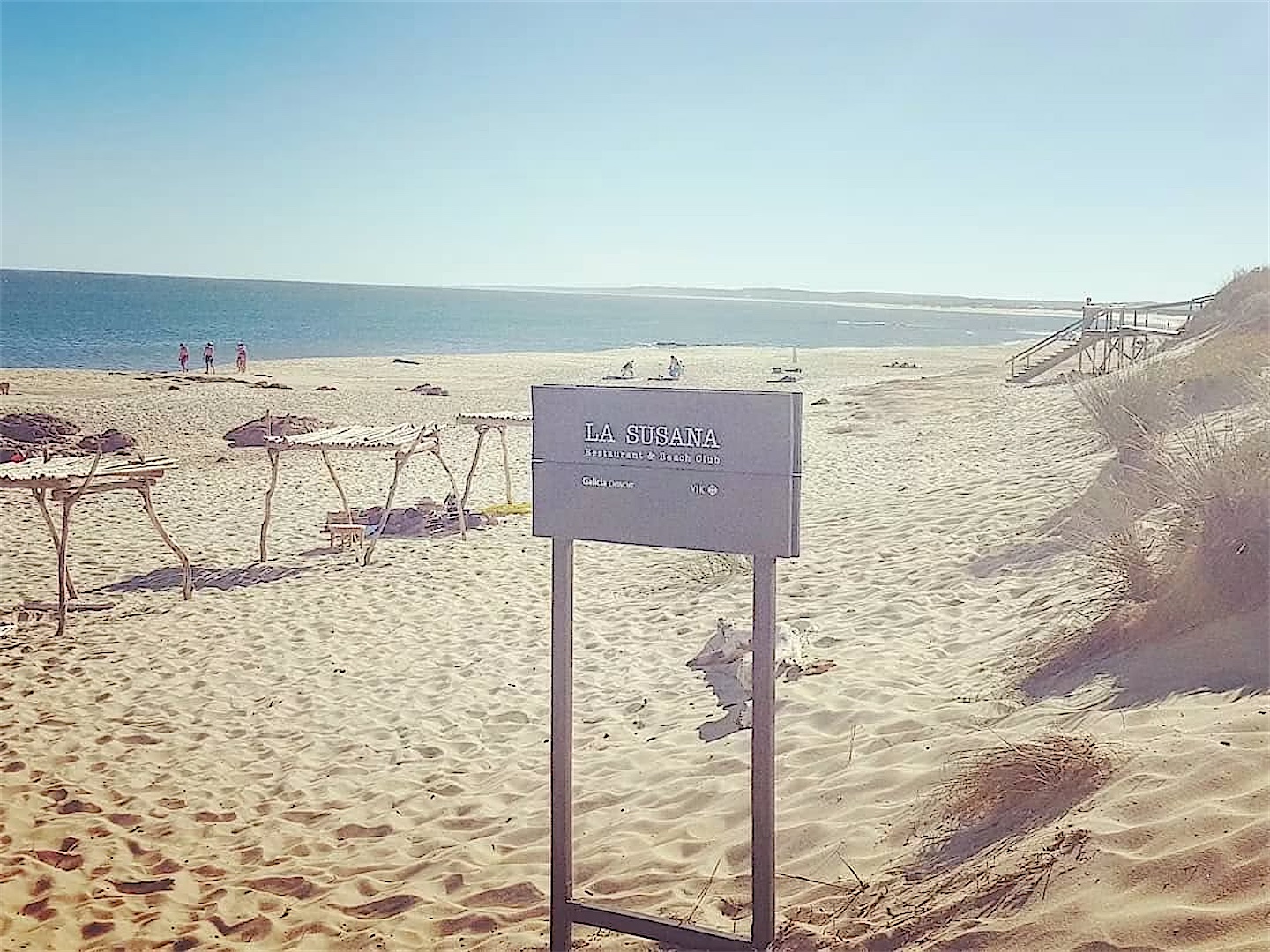
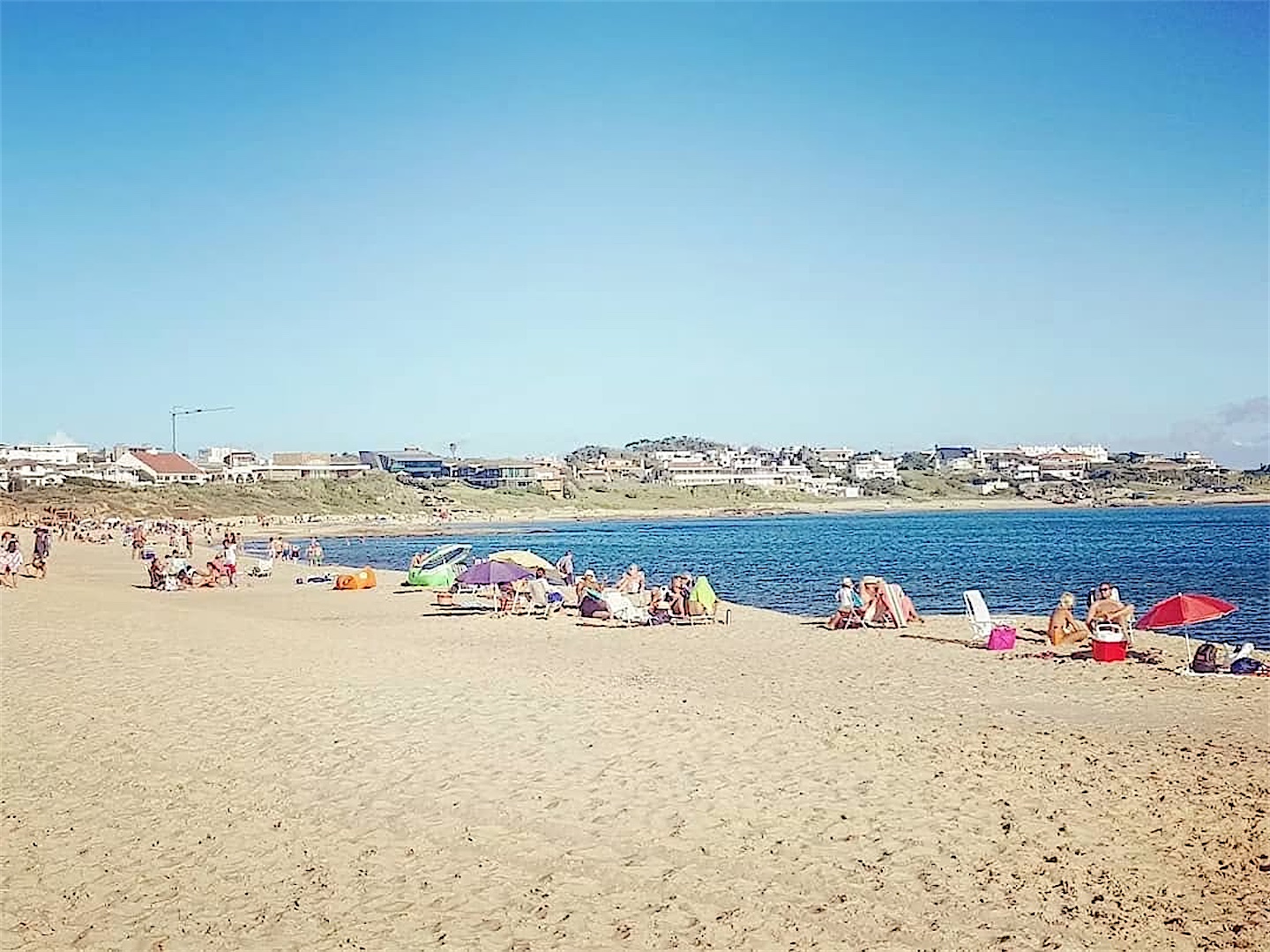
The beach at José Ignacio, a former fishing village further east, won me over. It has a bit of the flair of Westerland on Sylt, with restaurant bars in the dunes and a chilly but refreshing sea at 20 degrees. After three intense days and nights in Punta I moved on to the capital. I really liked this seaside resort and will certainly come back.
Montevideo and Colonia
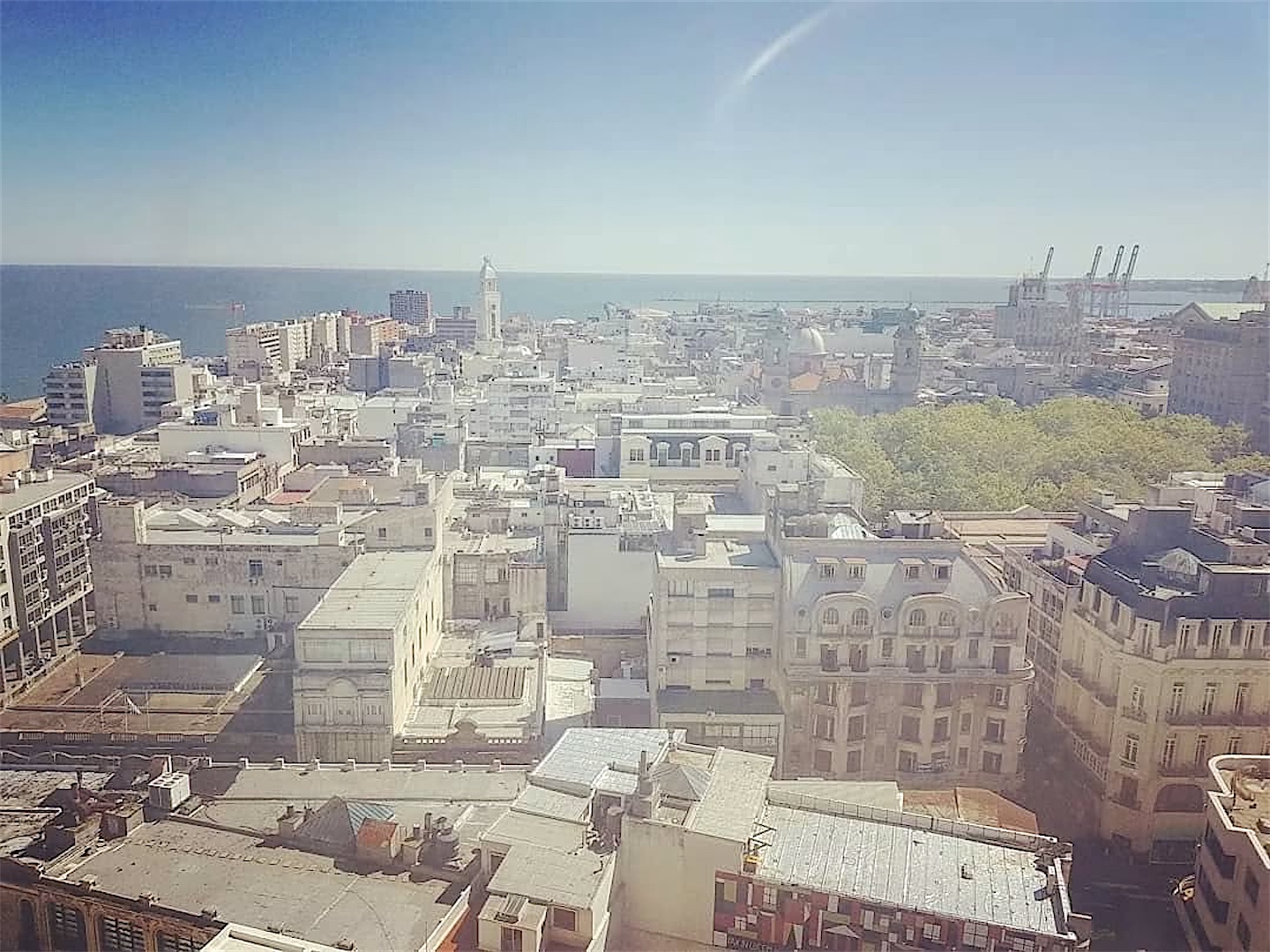
In Montevideo I rented an apartment with a fine view over the Old Town from Plaza Independencia. I met an emigrated Swiss entrepreneur for what was meant to be a quick coffee at six in the evening. I left at four in the morning, after three bottles of excellent Uruguayan red wine. Meeting emigrated entrepreneurs is always great. Returning to a rental apartment at that hour is not: one night the key simply refused to work, and not even the doorman could open the door, one more reason why I usually prefer hotels.
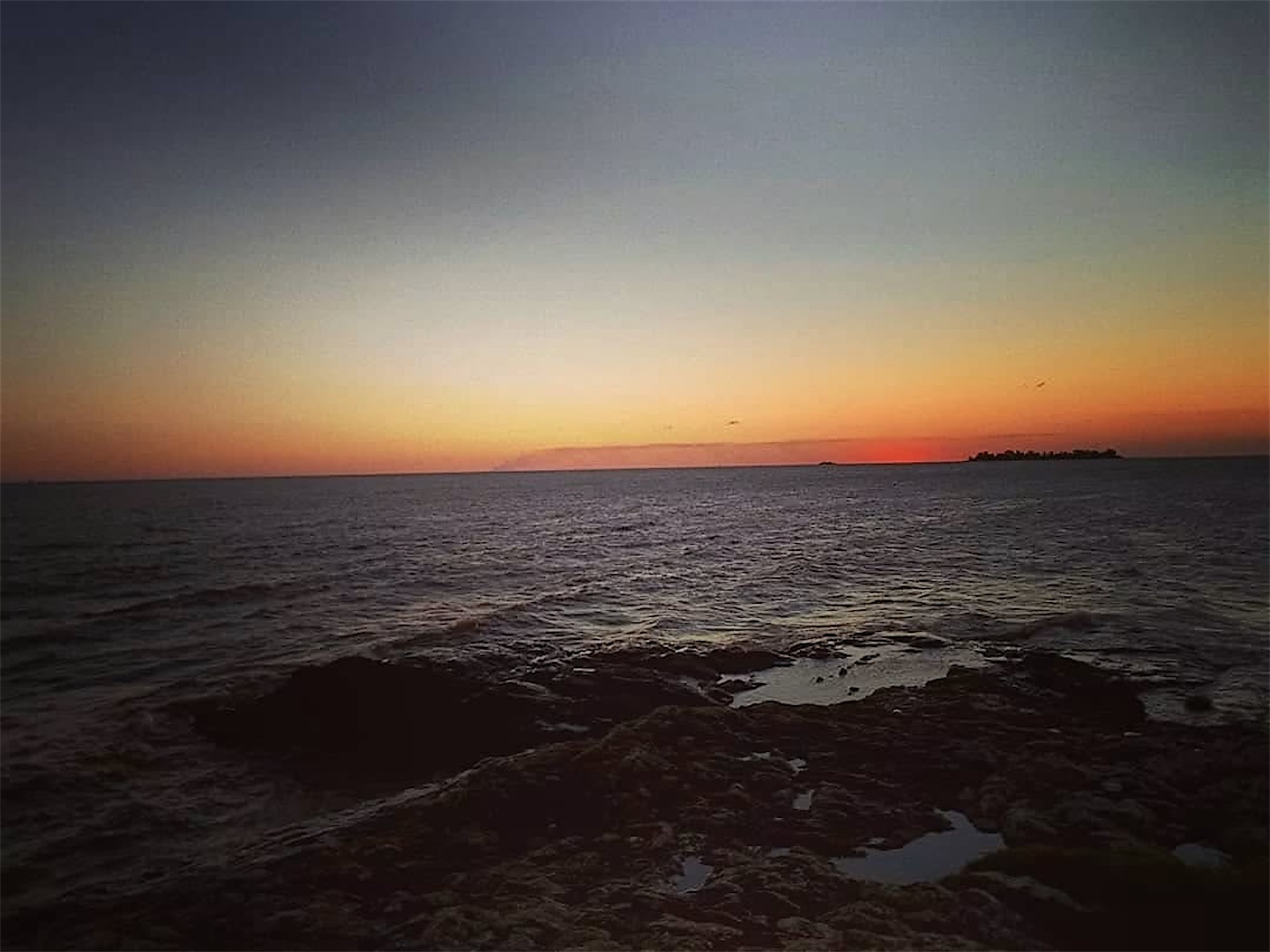
My last stop was Colonia del Sacramento on the mighty Río de la Plata. From the shore the skyscrapers of Buenos Aires were faintly visible on the horizon, some 50 kilometres away across the water.
From Colonia I continued to Buenos Aires, which felt like the last truly European metropolis, ironically outside Europe. From there the journey went south to Ushuaia and on to Antarctica, and then to Patagonia.
Postscript: Asunción again in 2019
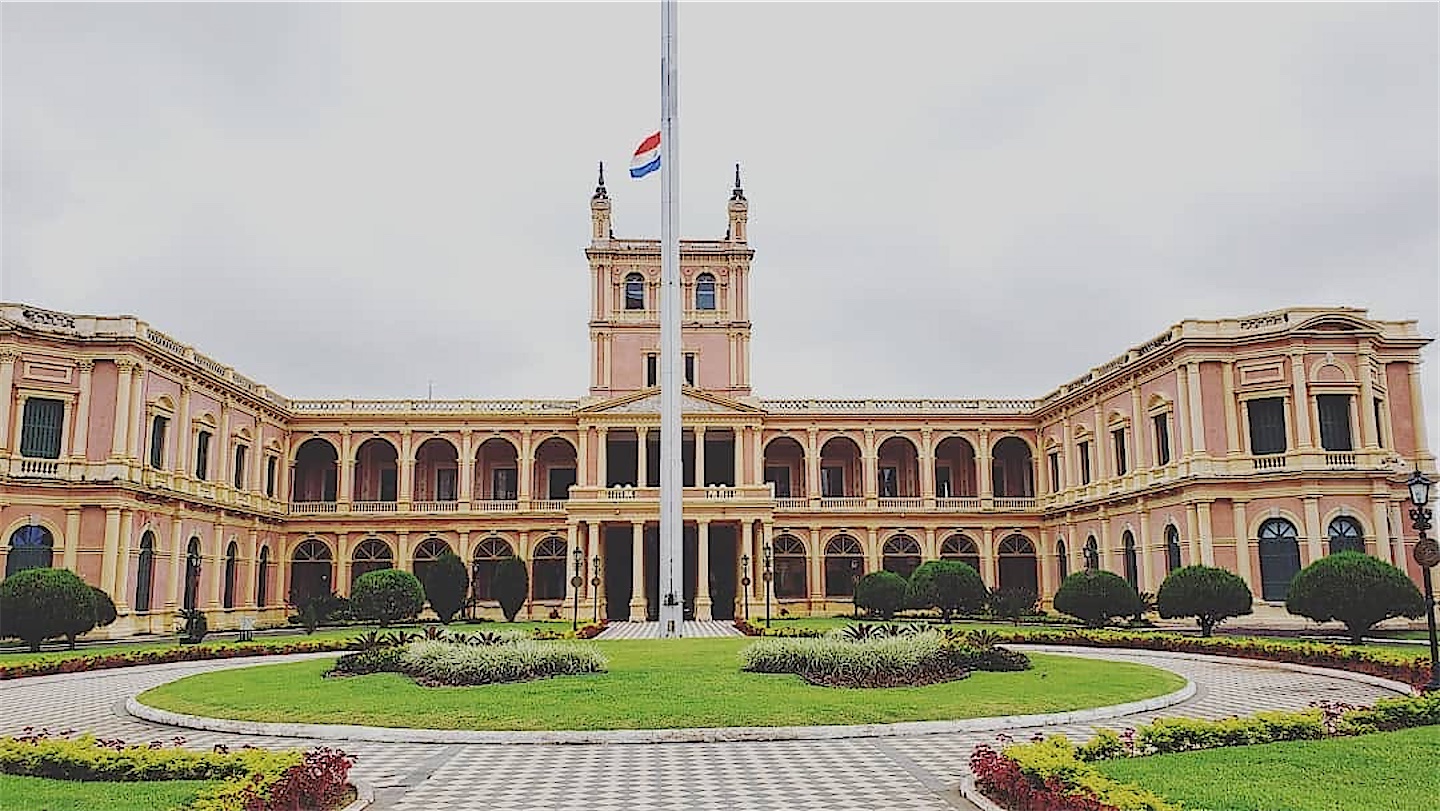
I returned to Asunción in March 2019, this time with an investment tour, before flying on to Córdoba, as told in Experiencing the Endless Diversity of Argentina. I photographed the city's modest "skyline" and stopped at the Presidential Palace. Paraguay's presidents serve a single five-year term, and when an attempt was made to allow a second one, people took to the streets.