
Sumatra and the Spice Islands: Orangutans in Gunung Leuser, the Volcanoes of Ternate and Tidore, and a Day on Ambon
3–10 January 2025 · Bukit Lawang, Gunung Leuser National Park, Jakarta, Ternate, Tidore, Ambon · Regions: Indonesia (Sumatra, Maluku)
New Year in Bali, the last stop after Christmas in Vietnam and a finale in Java, had been nice, but with all its traffic and crowds Bali still isn't my place. It is only a small part of Indonesia, and I wanted to start 2025 in places that far fewer visitors reach. The plan for the first week was simple on paper: the rainforest of northern Sumatra, then the Moluccas, the original Spice Islands. Together they would complete Indonesia for me, at least by the count of the country collectors.
Delays and a giant flower at Bukit Lawang
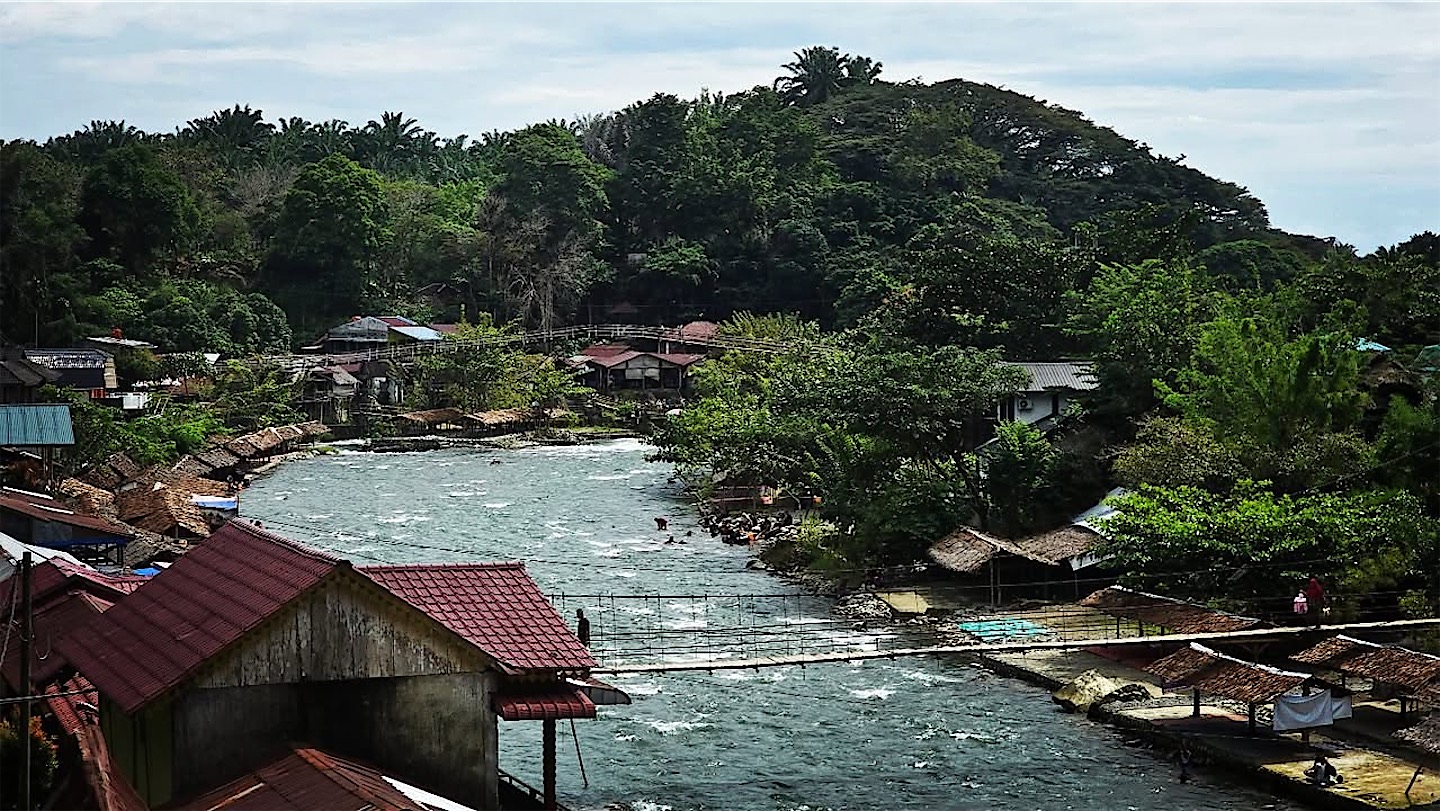
Getting there was a test of patience. A scheduled delay of three hours grew to six once the unscheduled part was added, and only then did I finally land at Kualanamu airport near Medan. My destination was Bukit Lawang, a village of guesthouses strung along the Bohorok River at the eastern edge of Gunung Leuser National Park.
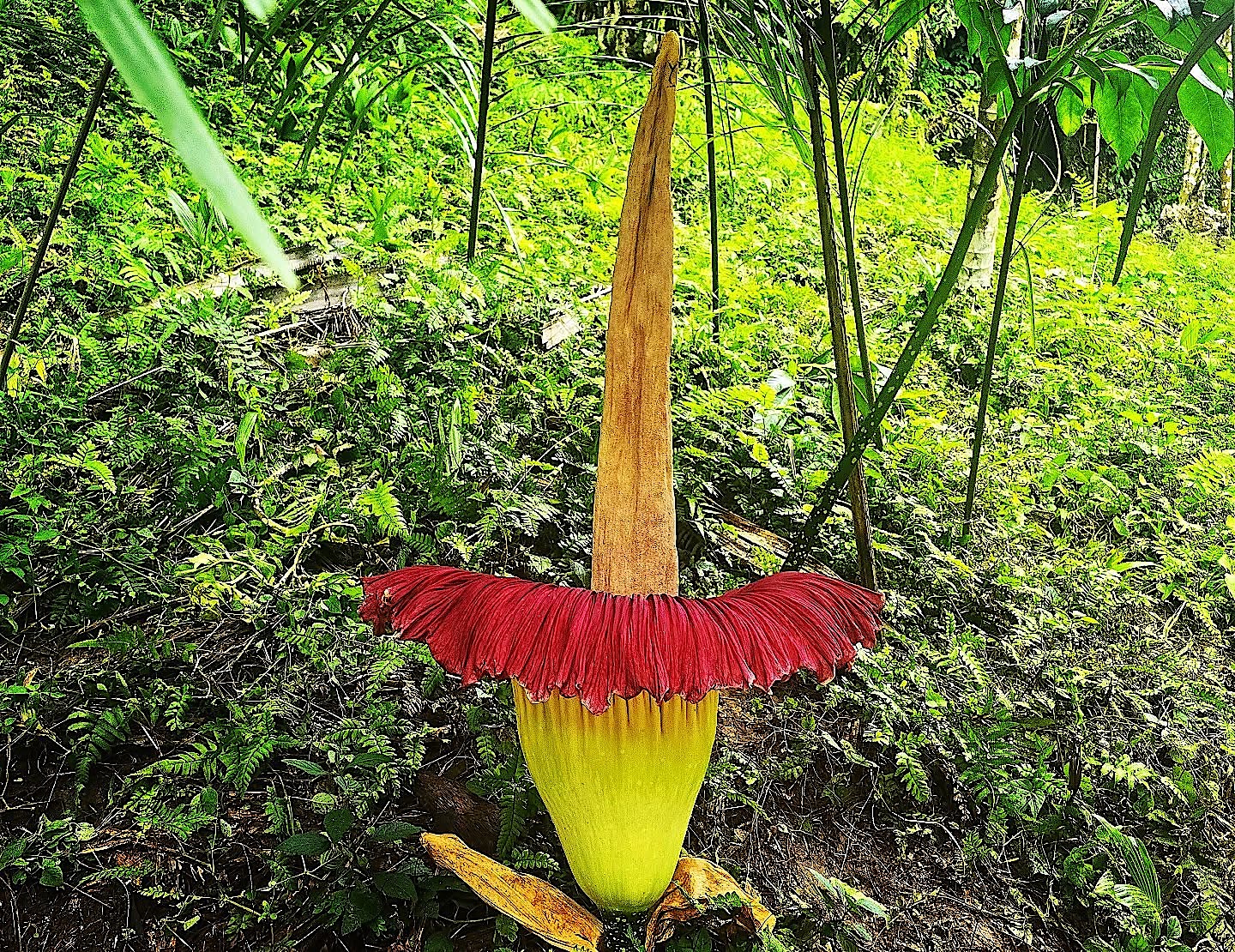
On the very first day I came across a titan arum in full bloom. Sumatra is the only place where this giant grows in the wild. What looks like one enormous flower is in fact an inflorescence, a tall spike wrapped in a frilly red collar. It opens only rarely and the bloom lasts just a couple of days, so finding one open is a matter of luck. It is also known as the corpse flower, because it smells of rotting meat to attract its pollinators.
Herping by torchlight
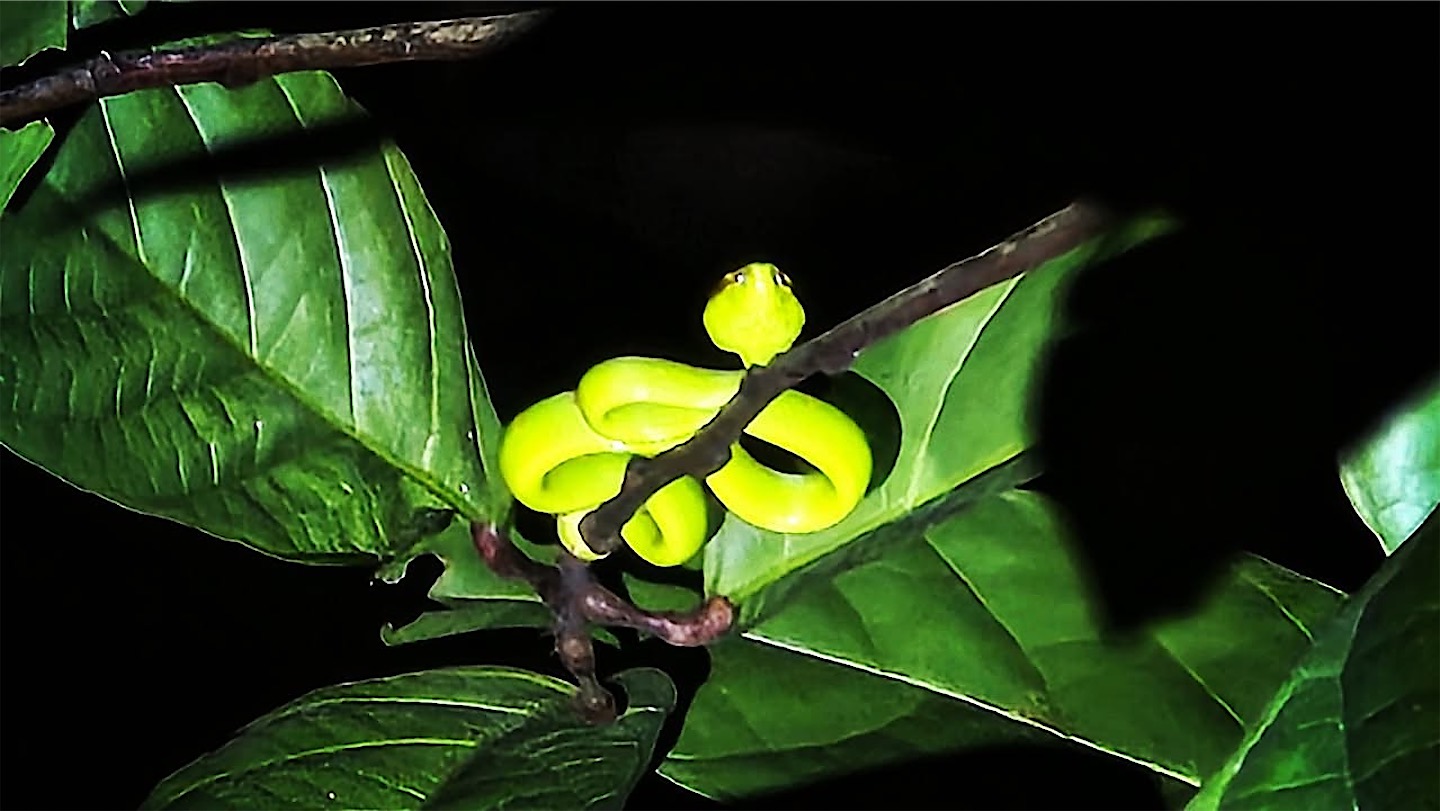
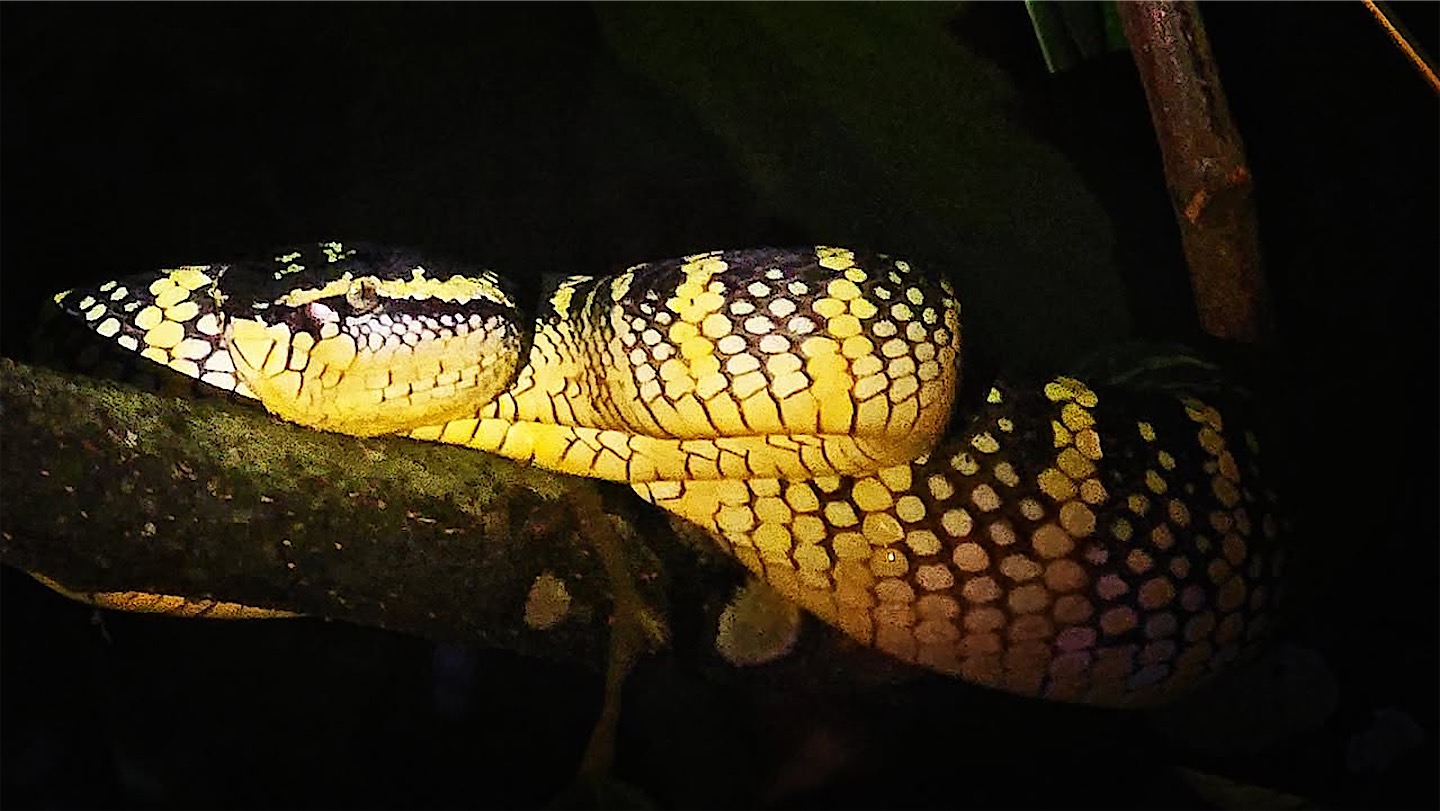
One night I joined a herping hike, which is what naturalists call going out to look for reptiles and amphibians. The stars of the night were pit vipers, sitting perfectly still on branches and leaves while they waited for prey. These snakes are named after the heat-sensing pits between eye and nostril that let them find warm-blooded animals in complete darkness. They look wonderful in photos and are best admired from a respectful distance.
Looking for wild orangutans
I have tracked gorillas in Africa several times, but I had never gone looking for orangutans in the wild. Last summer in East Kalimantan I had met their Bornean cousins at a rescue centre on my trip to Derawan, Borneo and Singapore. This time we walked into the forest to find them on their own terms.
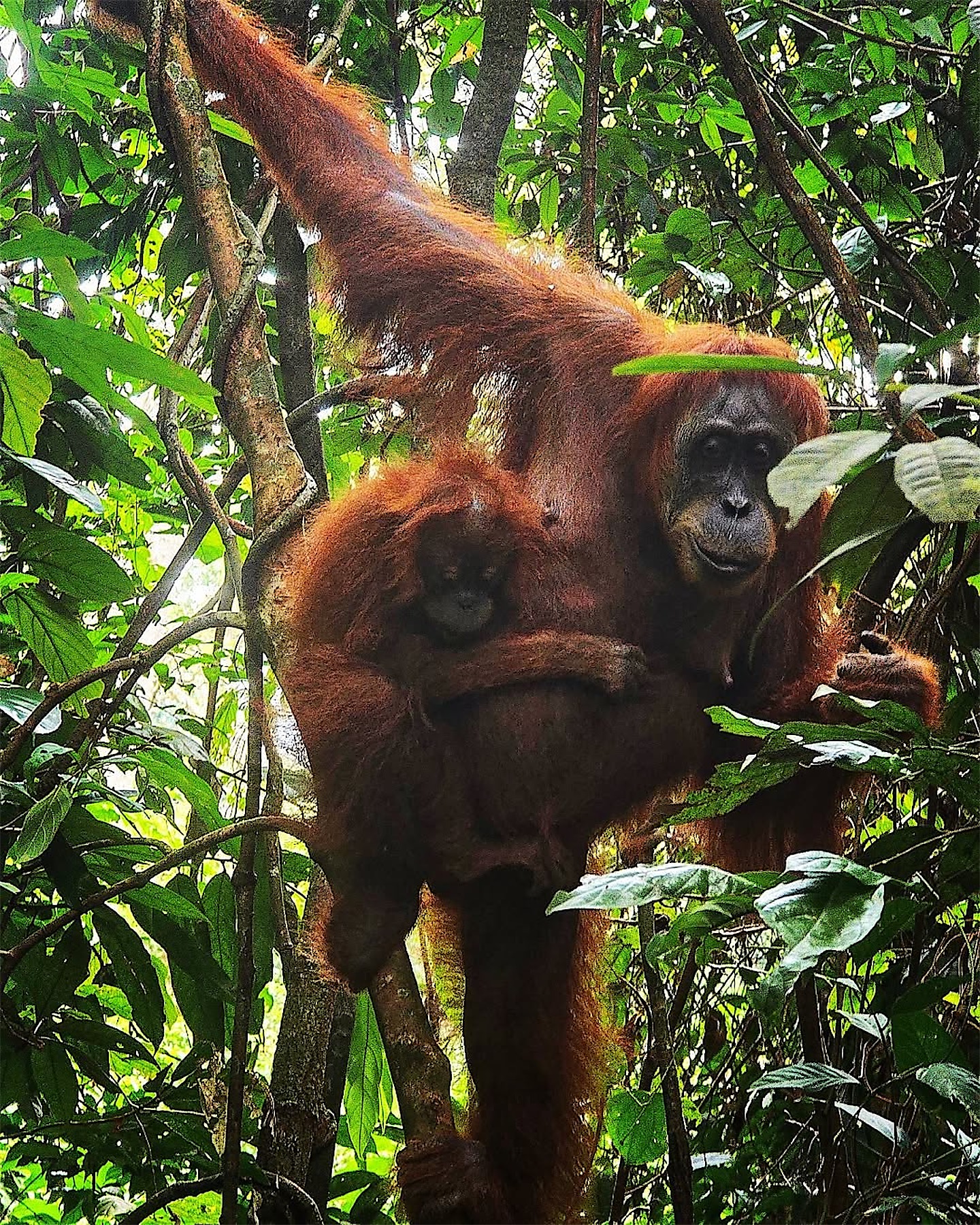
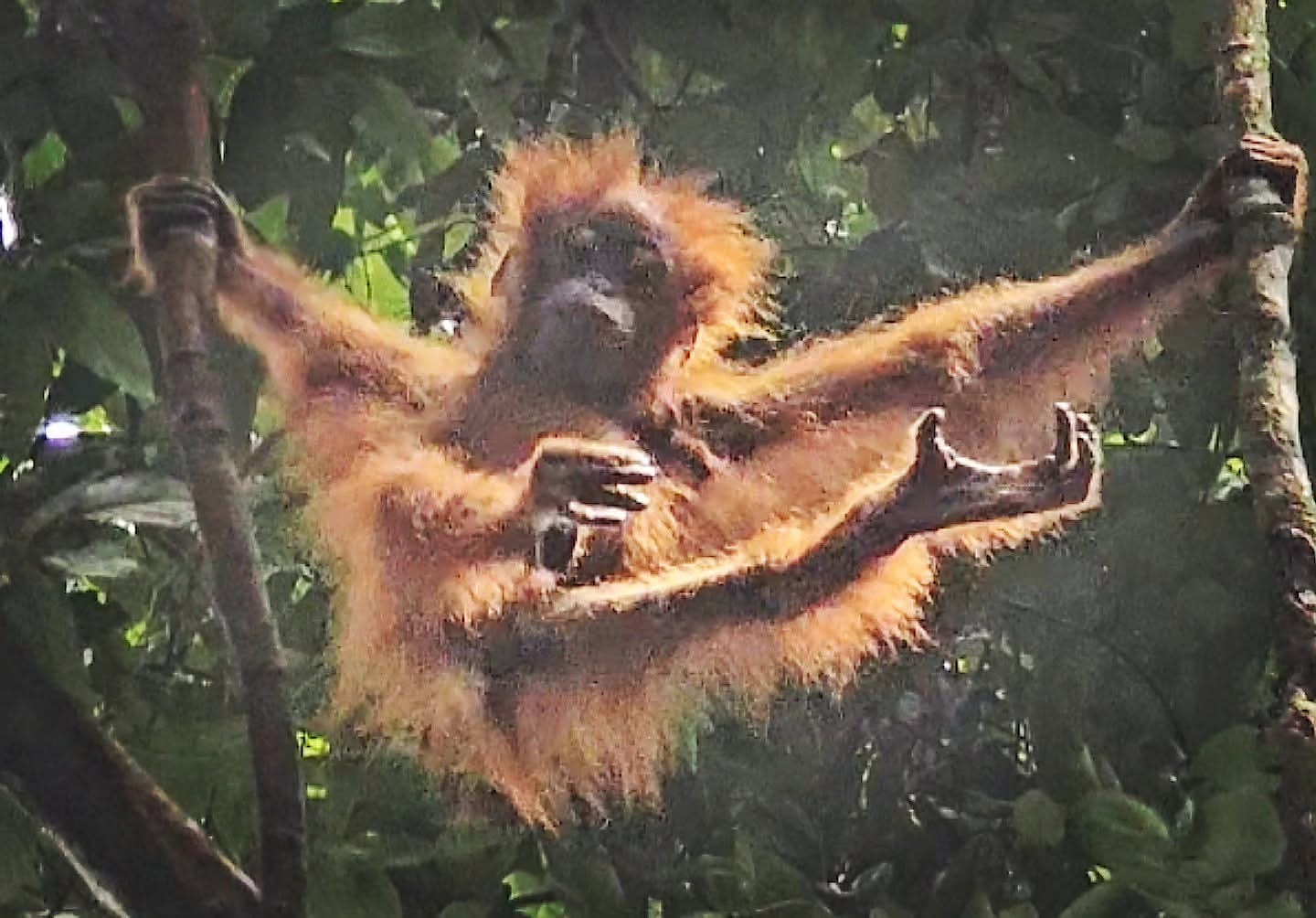
The jungle delivered. We found a mother high in the trees with her baby clinging to her, looking down at us with complete calm, and later a youngster showing off its climbing skills between the branches. Lunch was served in the forest on banana leaves: watermelon, bananas and other tropical fruit, much better than the typical Indonesian fare.
Elephants and a family trip into the jungle
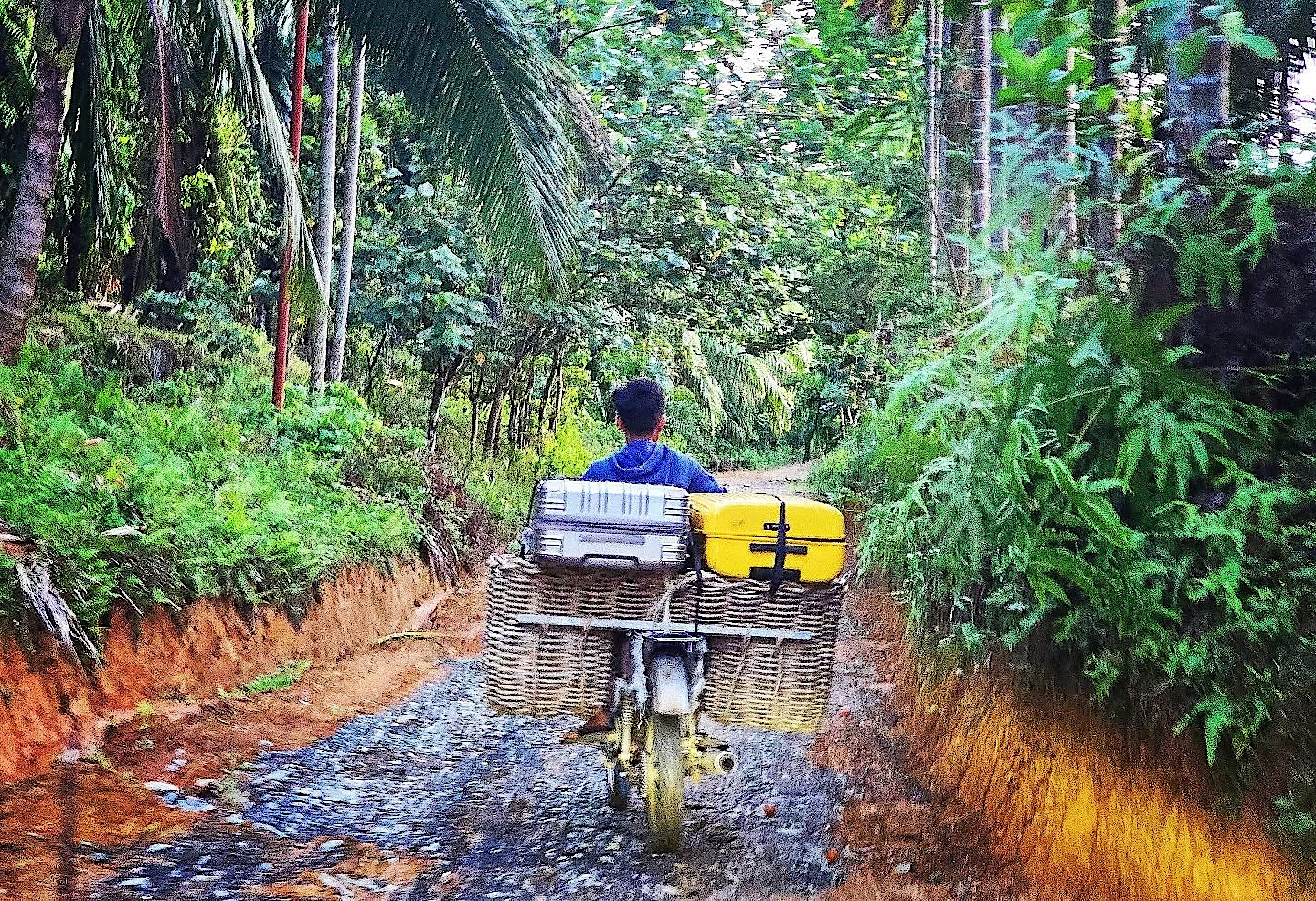
This part of the journey was a family trip, and our next stop lay deeper in the jungle. Our suitcases travelled the last stretch along a muddy track on a motorbike fitted with two enormous rattan baskets.
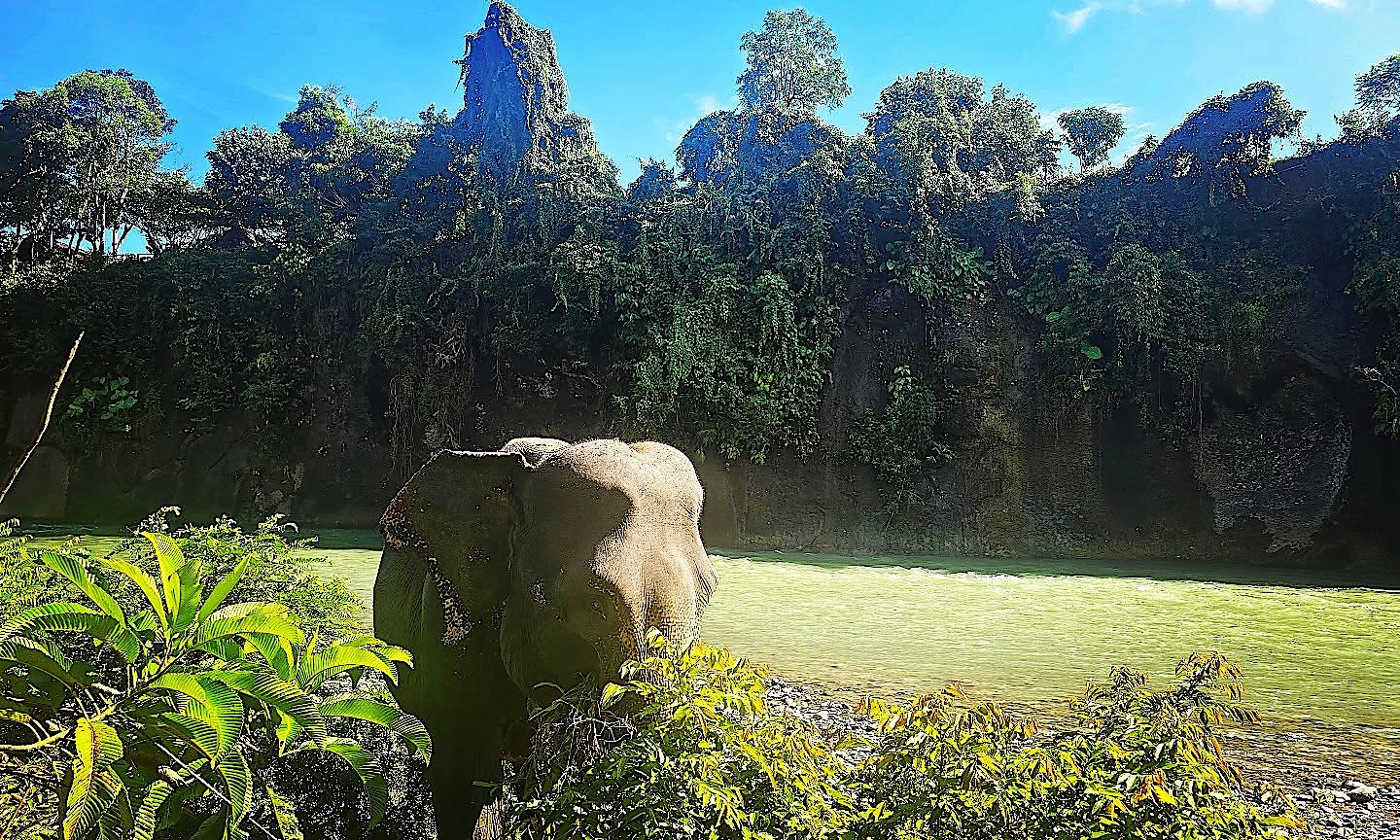
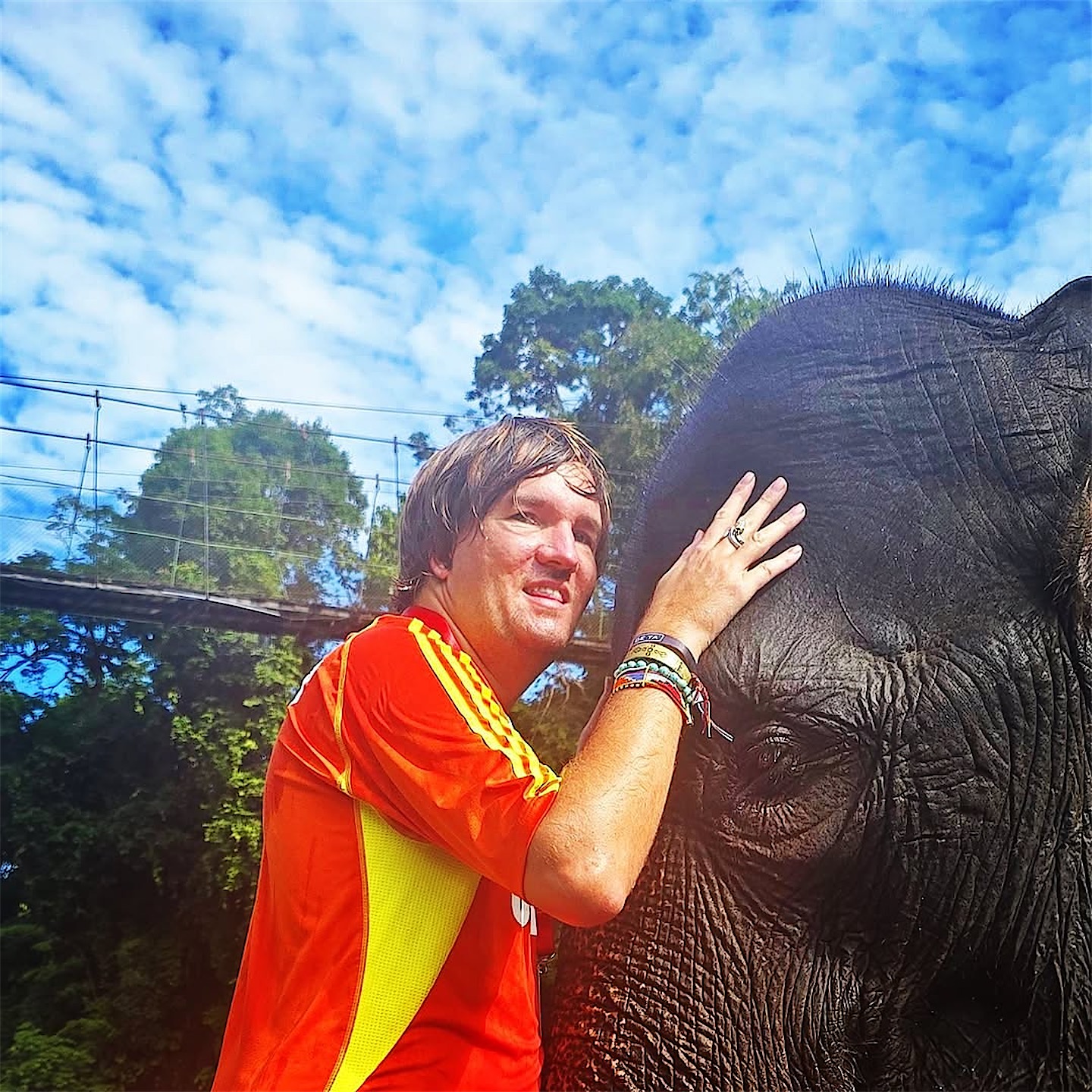
Next on the programme was the Sumatran elephant. We met a group of them with their keepers, saw one standing at the edge of the forest and joined an elephant shower at the river. I made some new friends.
Ternate and Tidore, the original Spice Islands
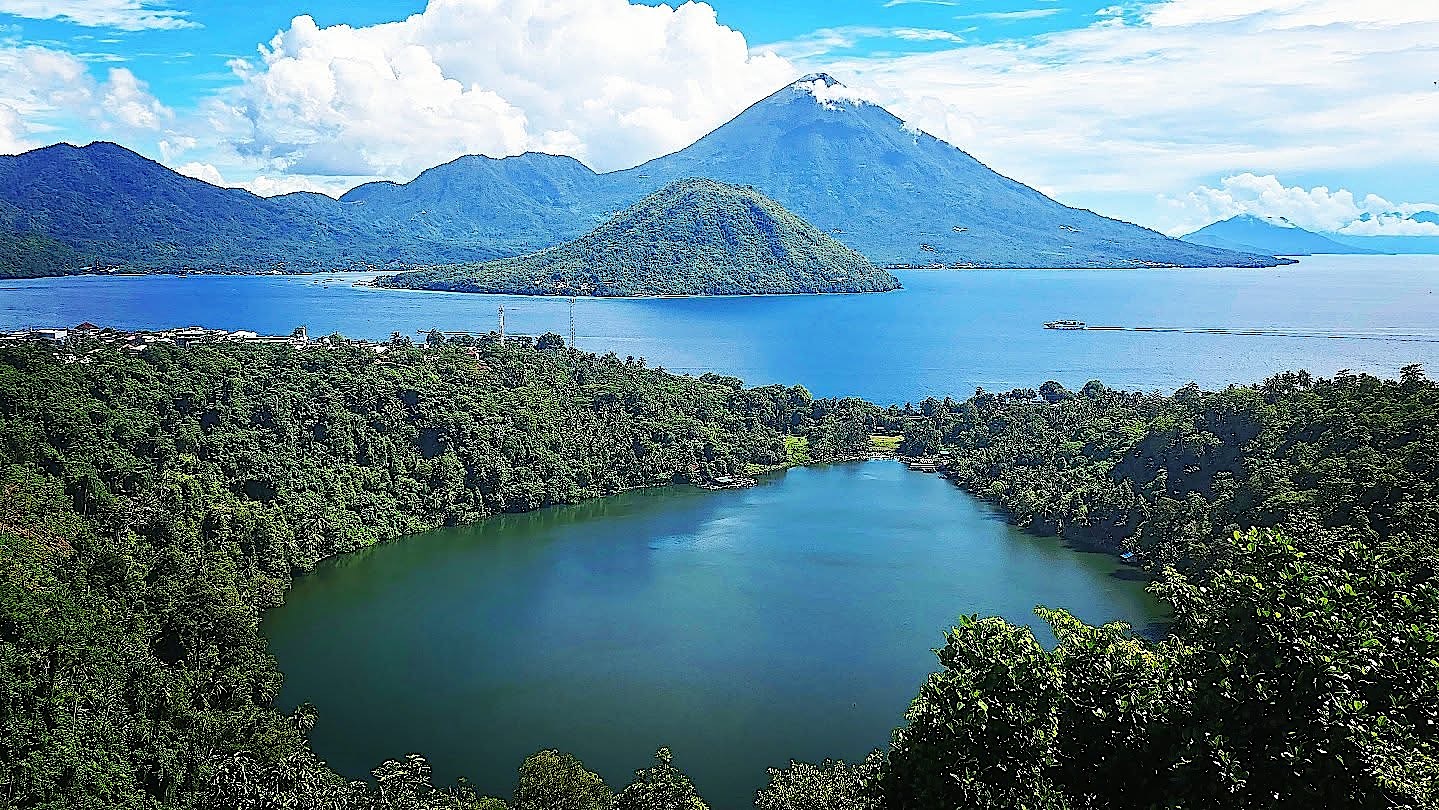
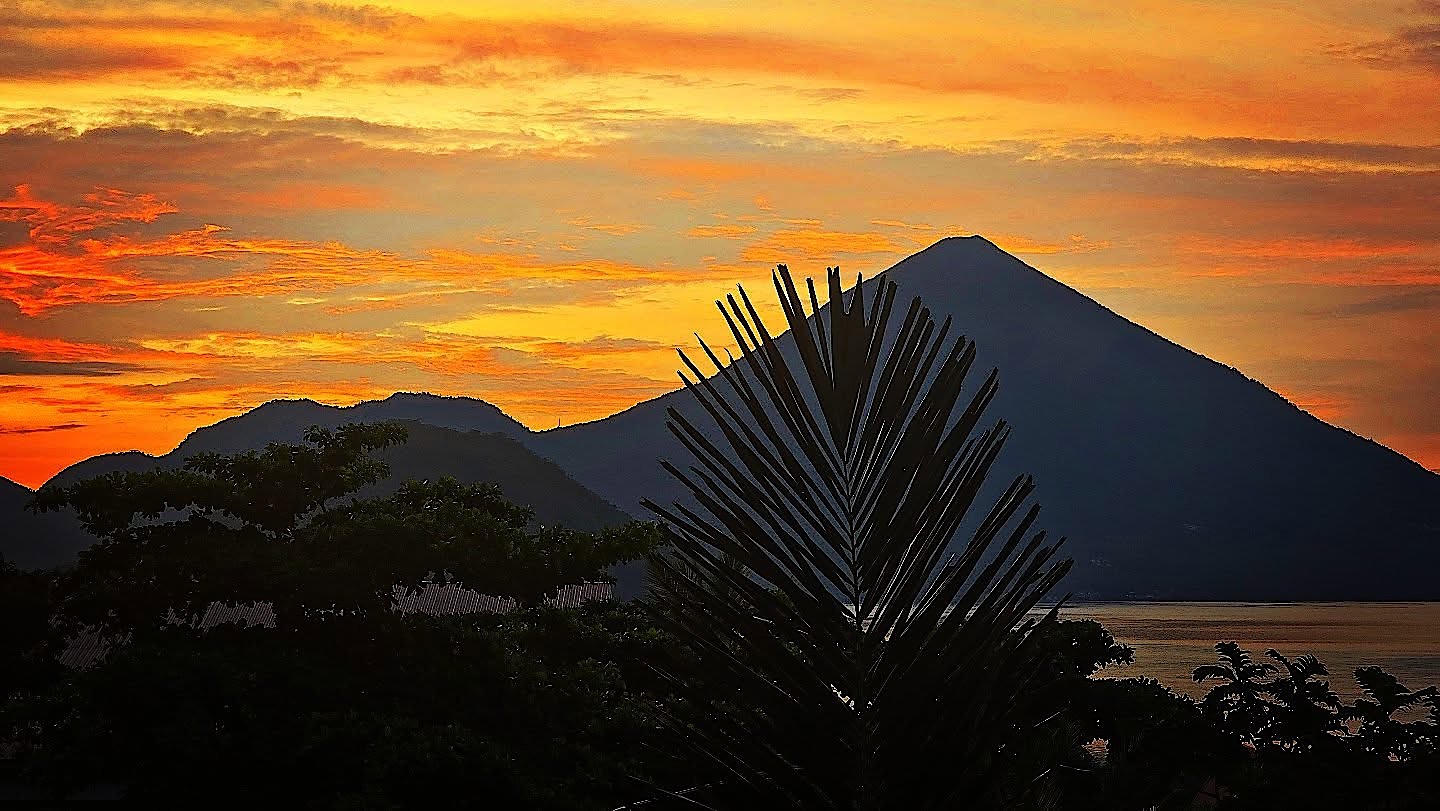
From Medan I flew via Jakarta to Ternate in North Maluku. Ternate and Tidore are two volcanic cones facing each other across a narrow strait, with tiny Maitara in between. Gamalama, the volcano that makes up almost all of Ternate, is one of the most active in Indonesia, and the town of around 200,000 people wraps around its lower slopes. On my first day there I hadn't seen a single other foreign tourist.
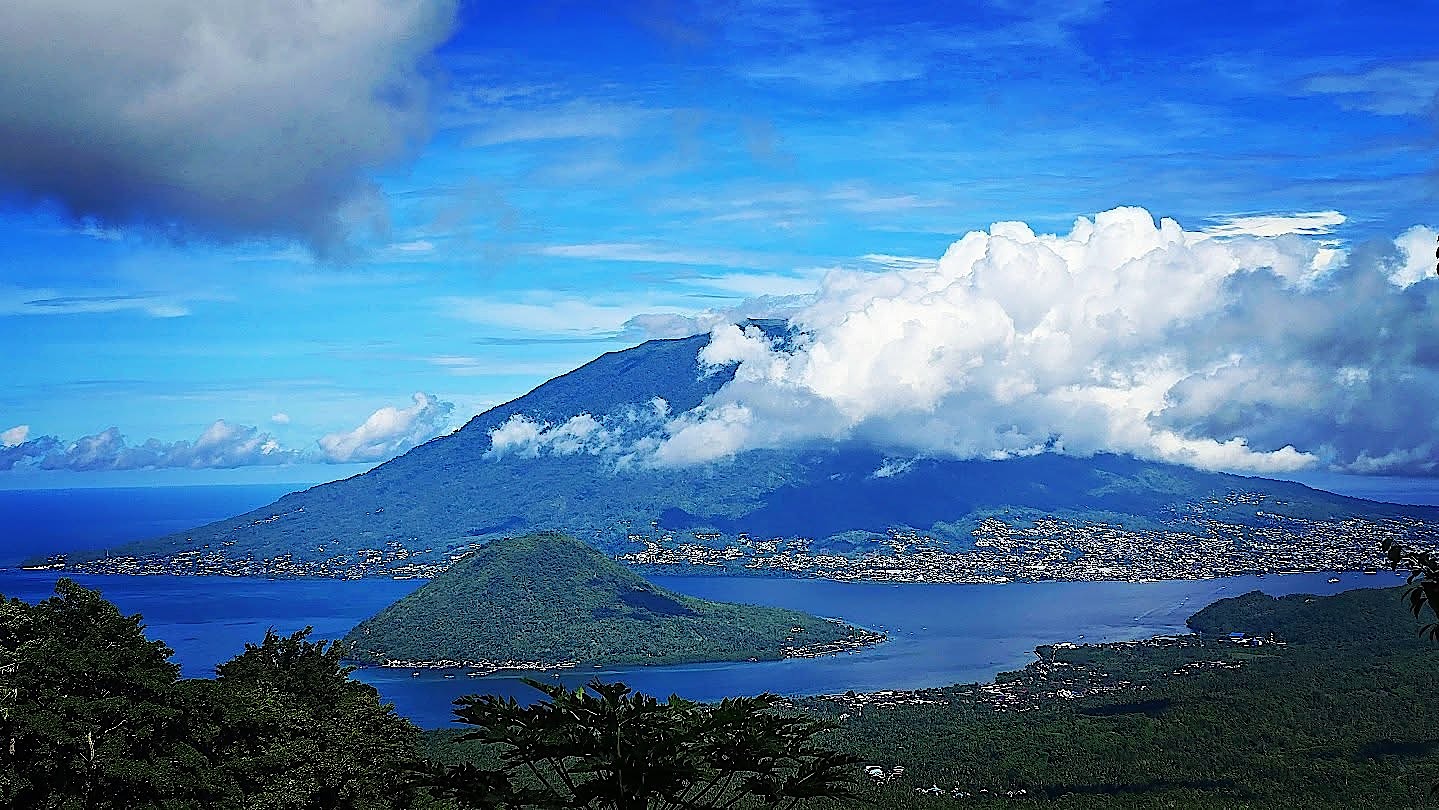
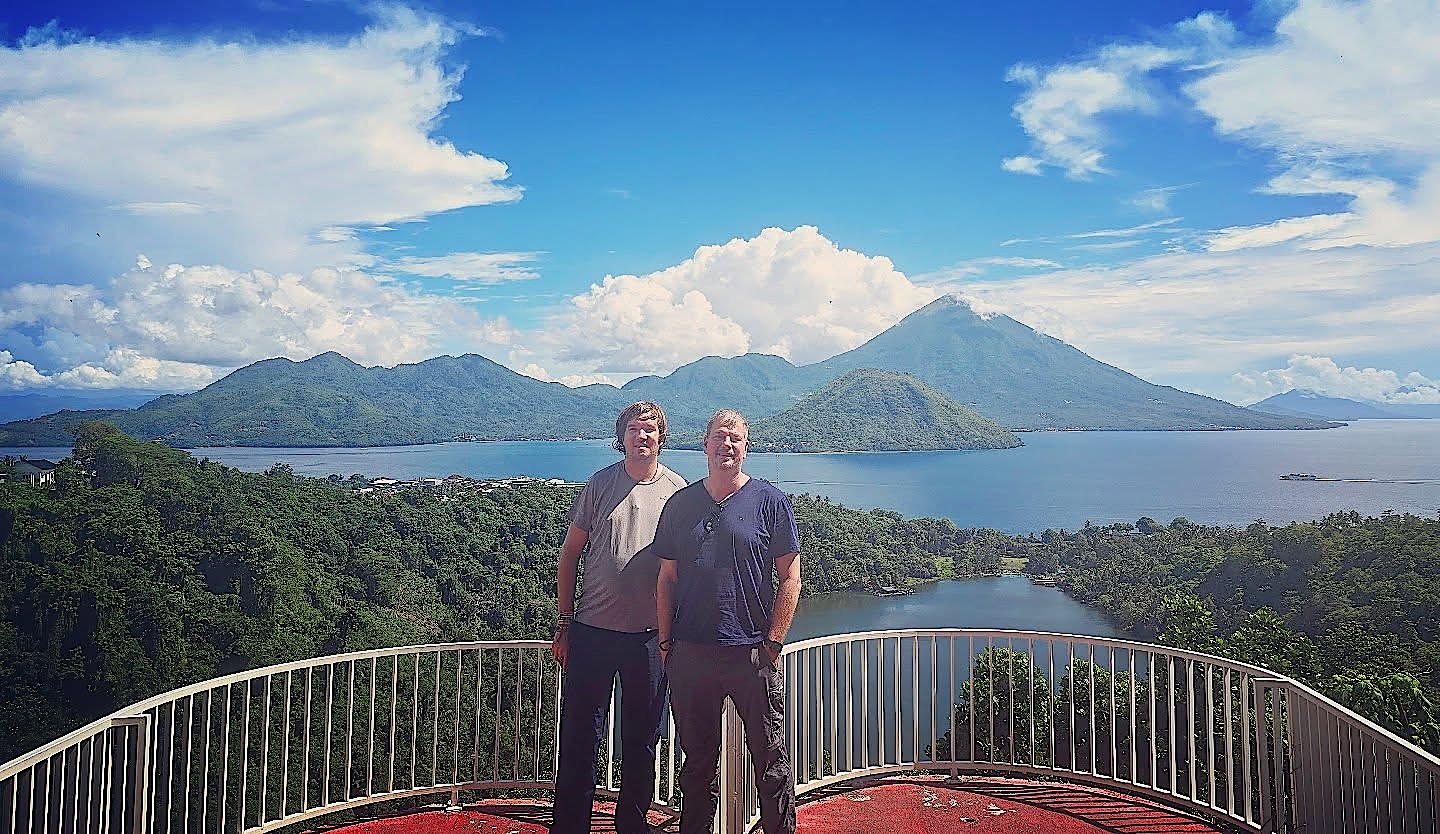
The islands are beautiful. From a hill above the crater lake at Ngade you look across to Maitara and Tidore, the same scene that was printed on the old 1,000-rupiah note. A friend joined me for this part of the trip. It was already our 13th country together.
I stayed at Villa Ma'Rasai on Ternate, and the volcano views from the terrace were a treat every morning. I quite enjoyed the island. It is big enough for decent infrastructure, and since I am no fan of Indonesian food, I was glad to find a few Western options. North Maluku is overwhelmingly Muslim, but the atmosphere felt relaxed.
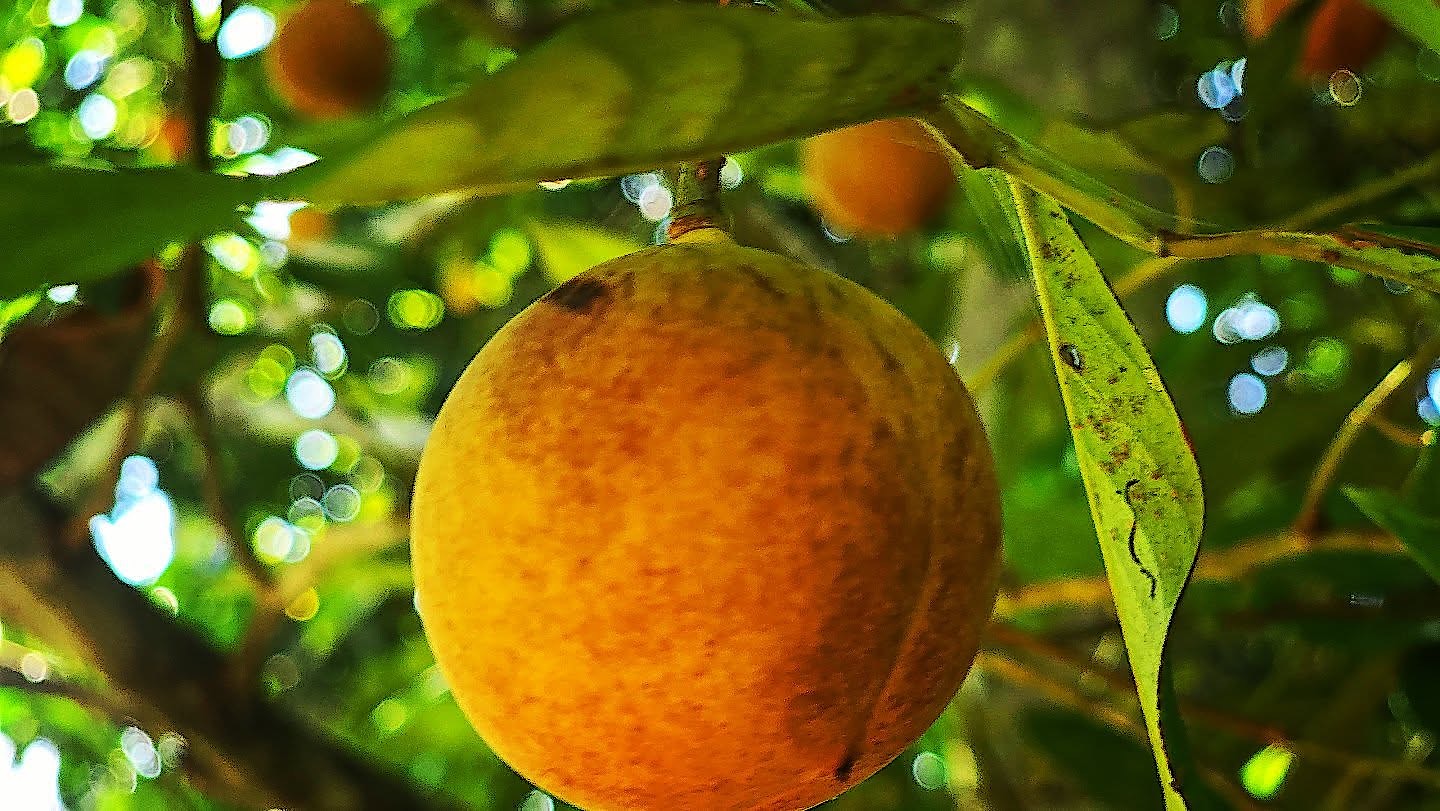
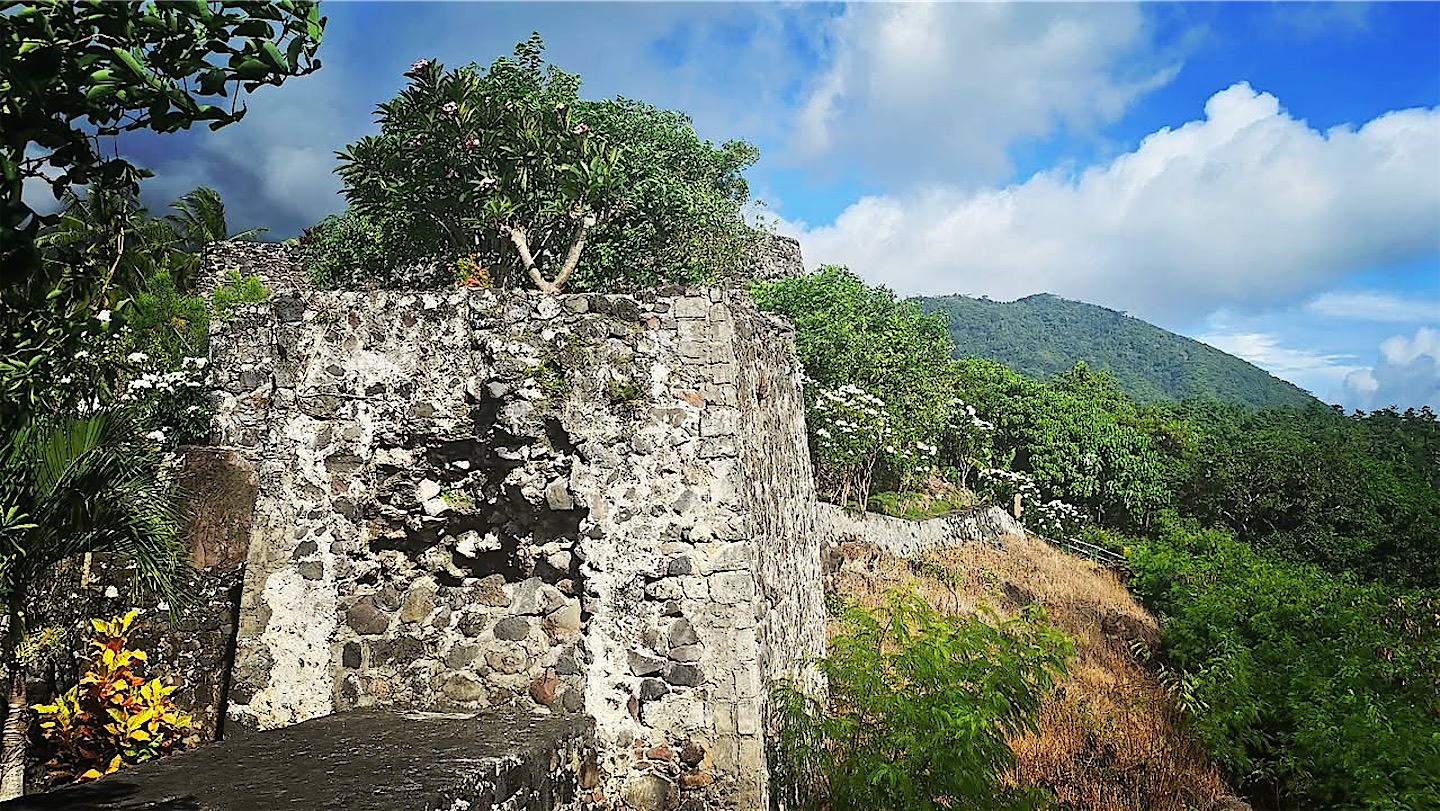
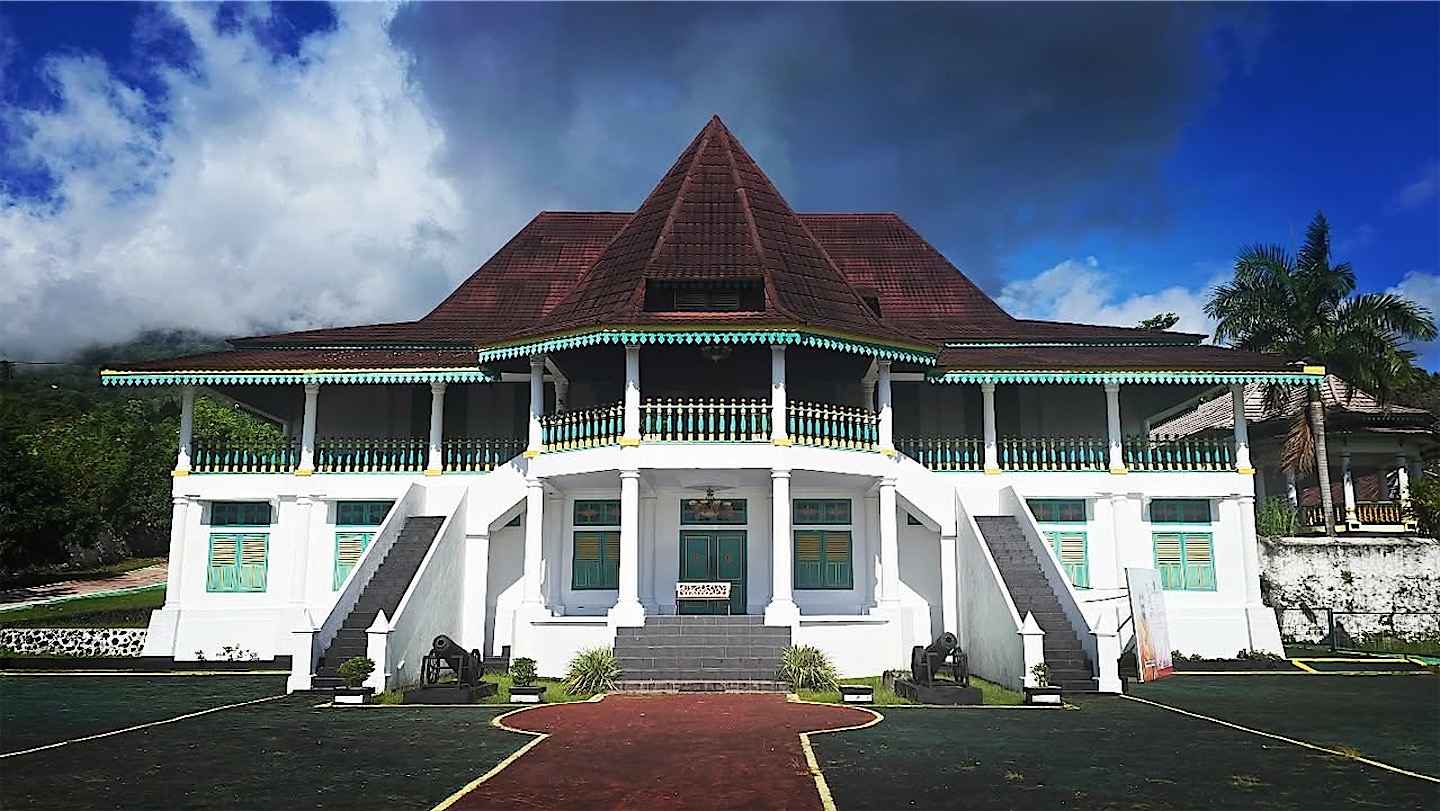
On Tidore I saw nutmeg ripening on the trees, one of the reasons these islands once drew ships from the other side of the world. We also explored an old fort and a sultan's palace.
Diving under the volcanoes
The next two days belonged to diving. The reefs off Ternate were excellent: huge, colourful corals, and fish bigger than usual. Just at the end of the last dive on the first day, a highly venomous sea snake crossed our path. The second day brought seahorses, nudibranchs, sea fans and anemonefish.
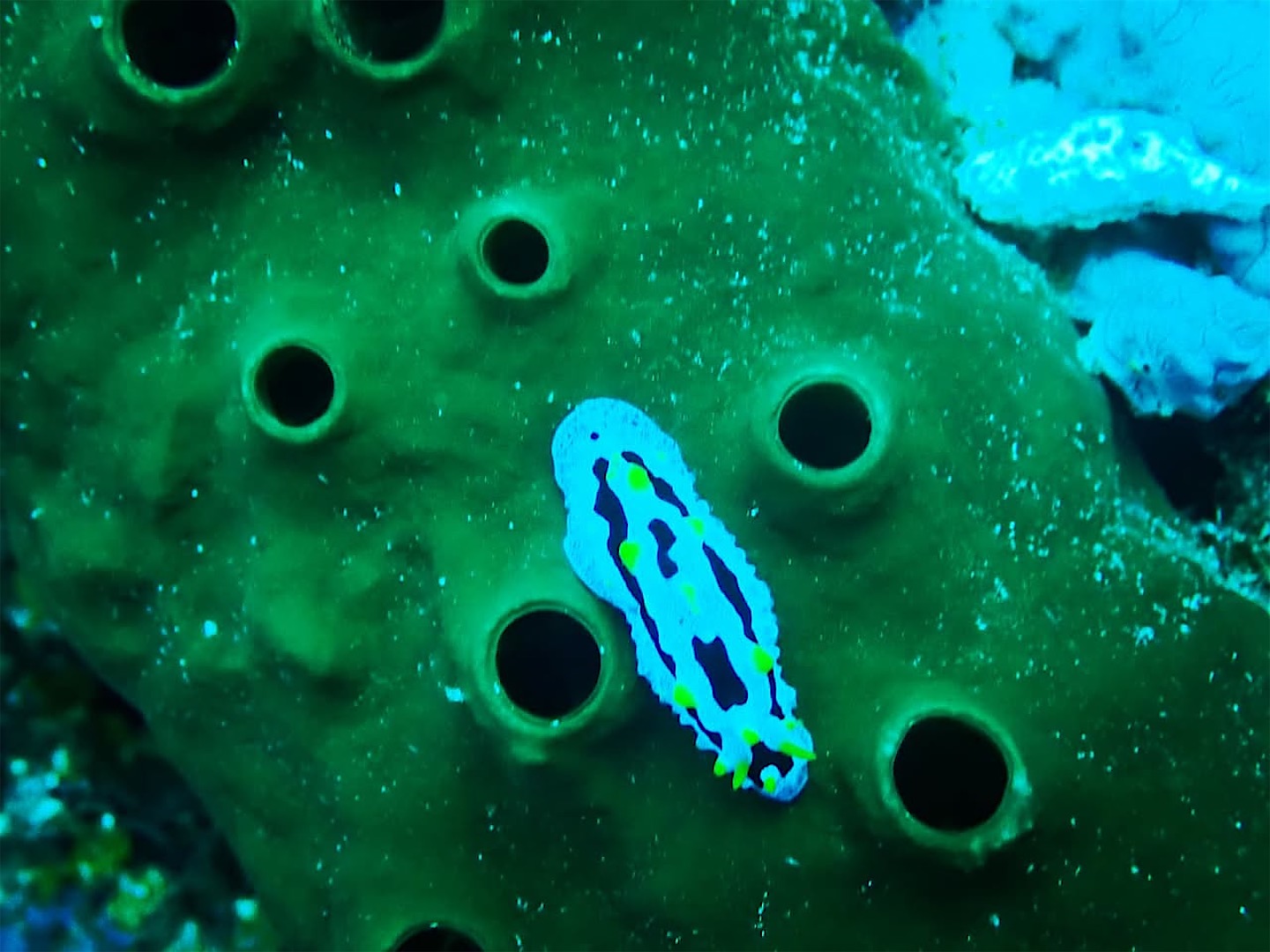
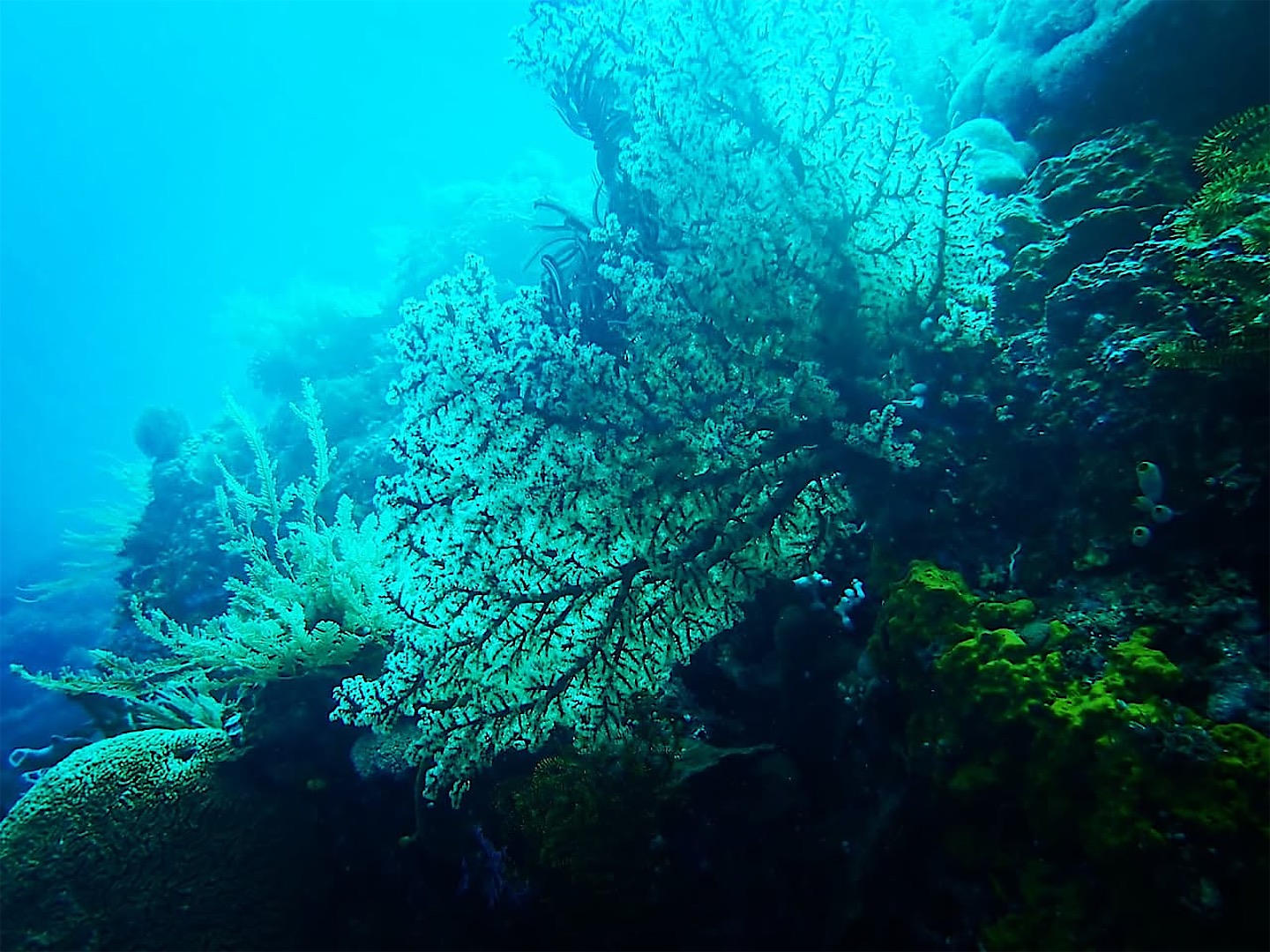
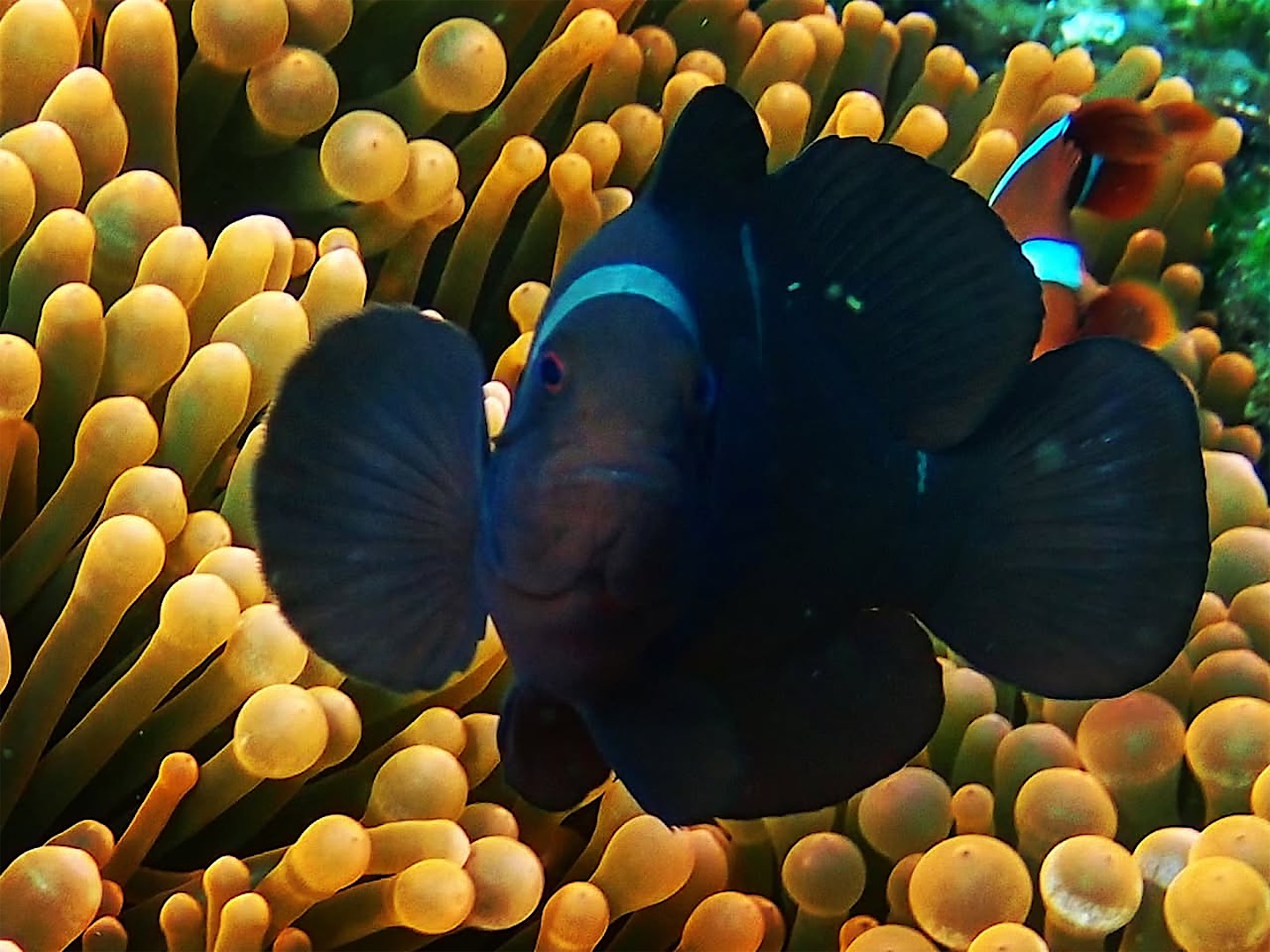
A day on Ambon
On 9 January we continued south to Ambon, the main island of the Moluccas and the capital of Maluku province, for a single day before flying on. The island is full of Dutch colonial sites. We visited the whitewashed blockhouse of Fort Amsterdam and another Dutch fort above the sea, the holy eels, giant freshwater eels that live in a village spring and are considered sacred, a few beaches and Ambon city itself.
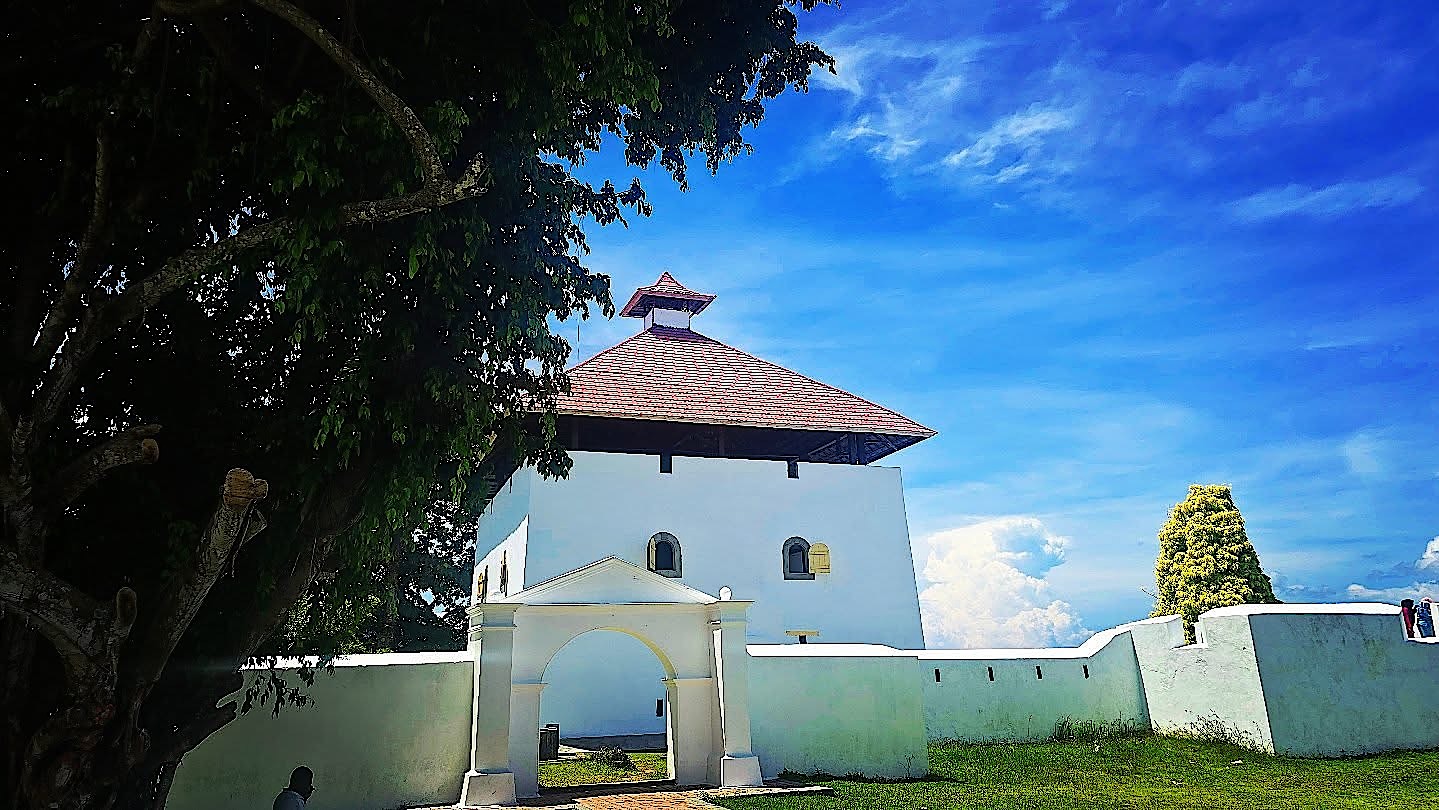
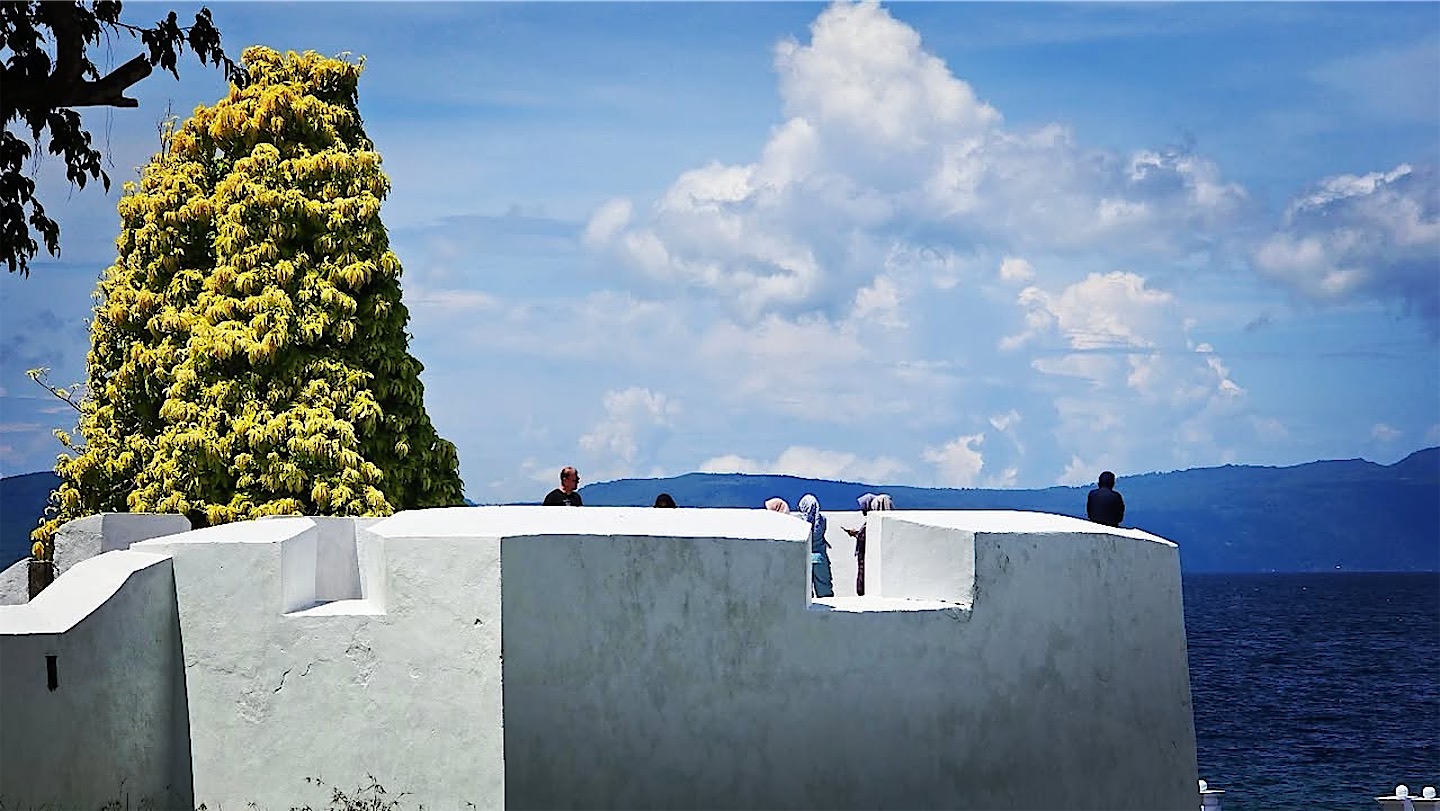
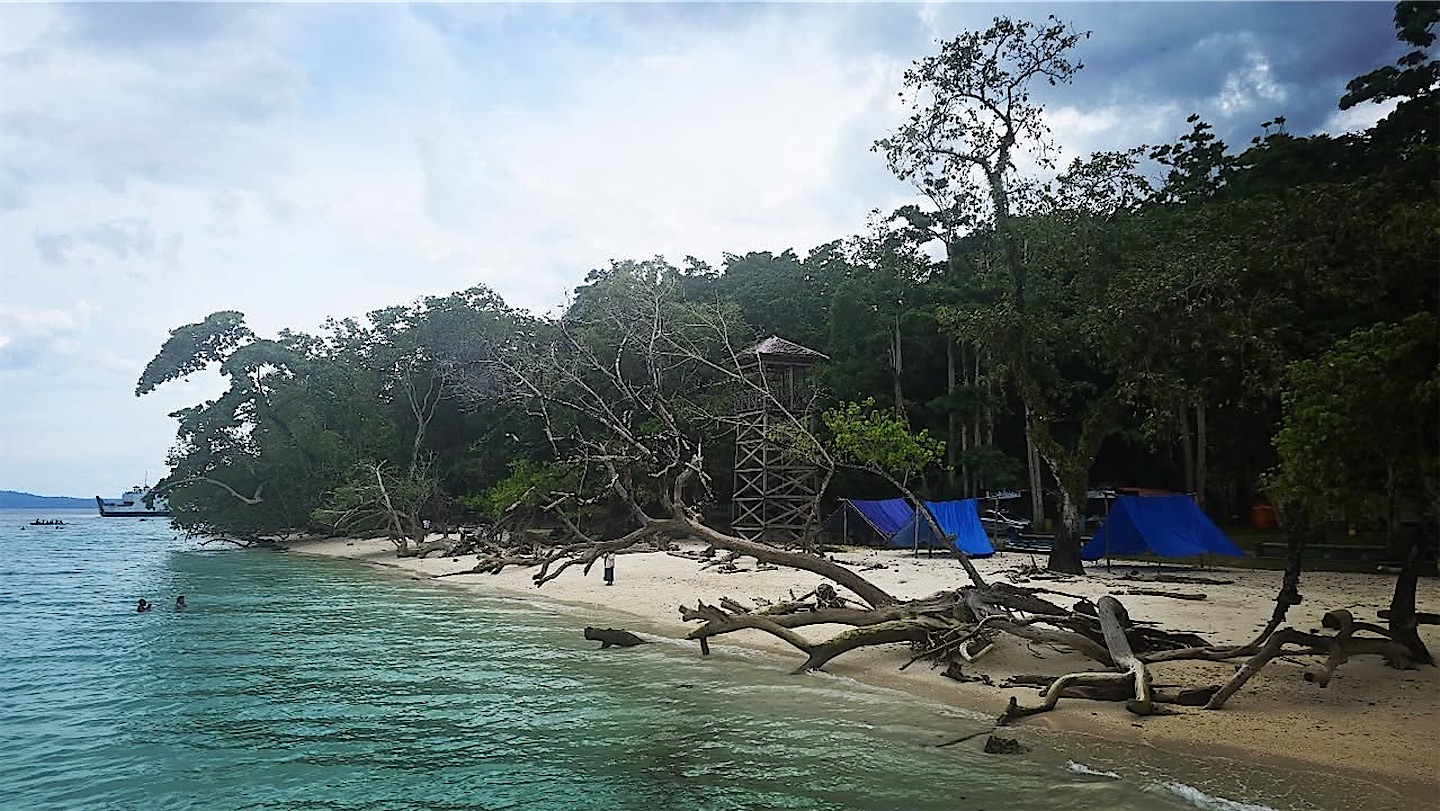
Ambon is a nice island too, although not as scenic as Ternate. We spent the night in a resort that turned out to be surprisingly good, and I almost missed my morning flight, which had been moved forward by an hour.
It was already 10 January, and Indonesia was still my only country of the year. Time to change that, although I am sure I will be back here many times: there are countless islands left to explore. The next stop was Thailand, my first visit in five years, with Bangkok, Hua Hin and some diving the Thai islands.