
By Freighter to the Edge of Polynesia: Bora Bora and the Austral Islands on the Aranui
31 March – 16 April 2025 · Tahiti, Bora Bora, Taha'a, Rurutu, Rimatara, Rapa Iti, Tubuai, Raivavae, Raiatea · Regions: French Polynesia (Society Islands, Austral Islands)
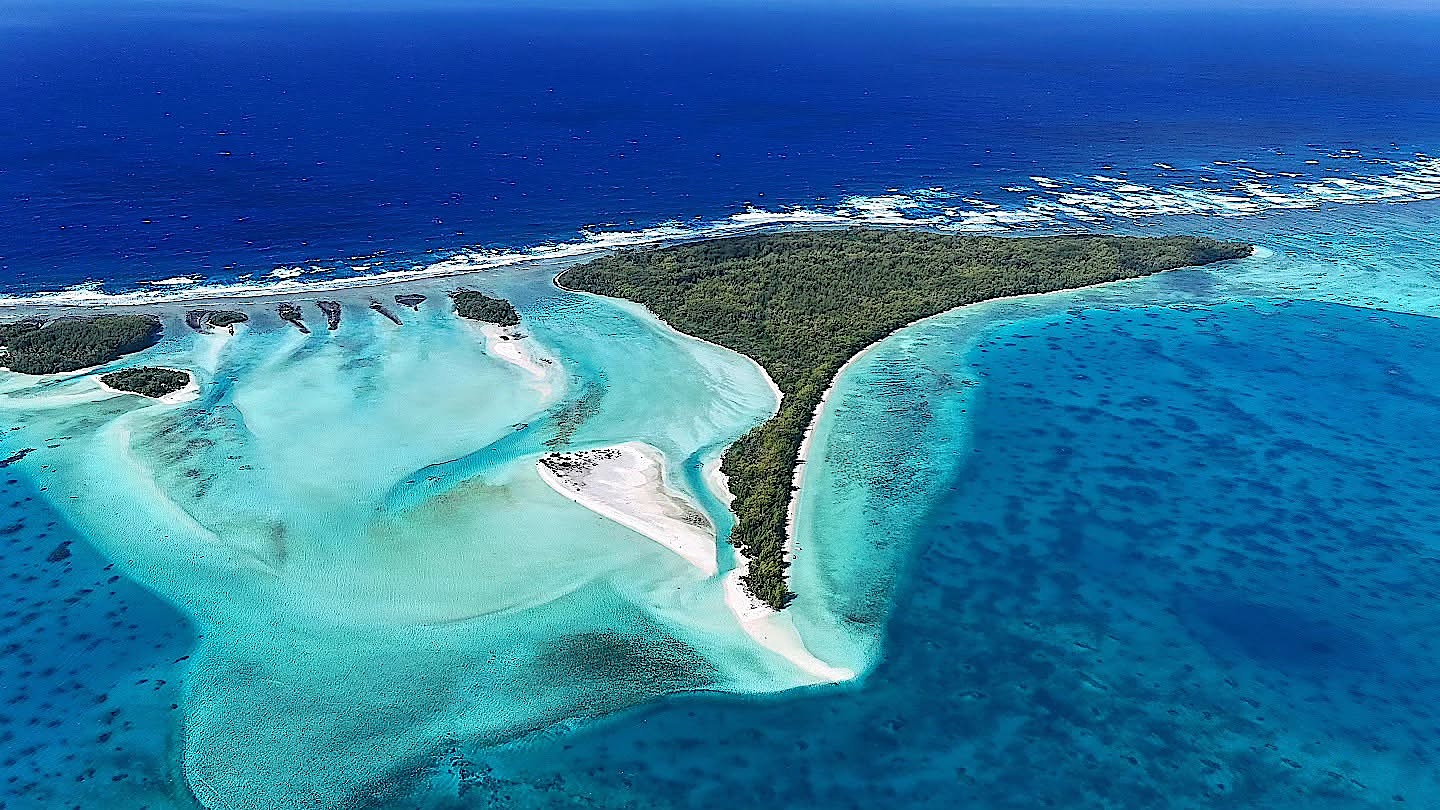
After great white sharks at the Neptune Islands and a last evening in Melbourne, I flew east across the Pacific on 31 March 2025 for a month in the South Seas. The plan had two halves. First a few easy days on Tahiti and Bora Bora, then ten days on the Aranui, a working cargo ship with passenger cabins, to the Austral Islands: five remote islands in the far south of French Polynesia that would become territory number 323 on my list.
Tahiti and an office over the lagoon
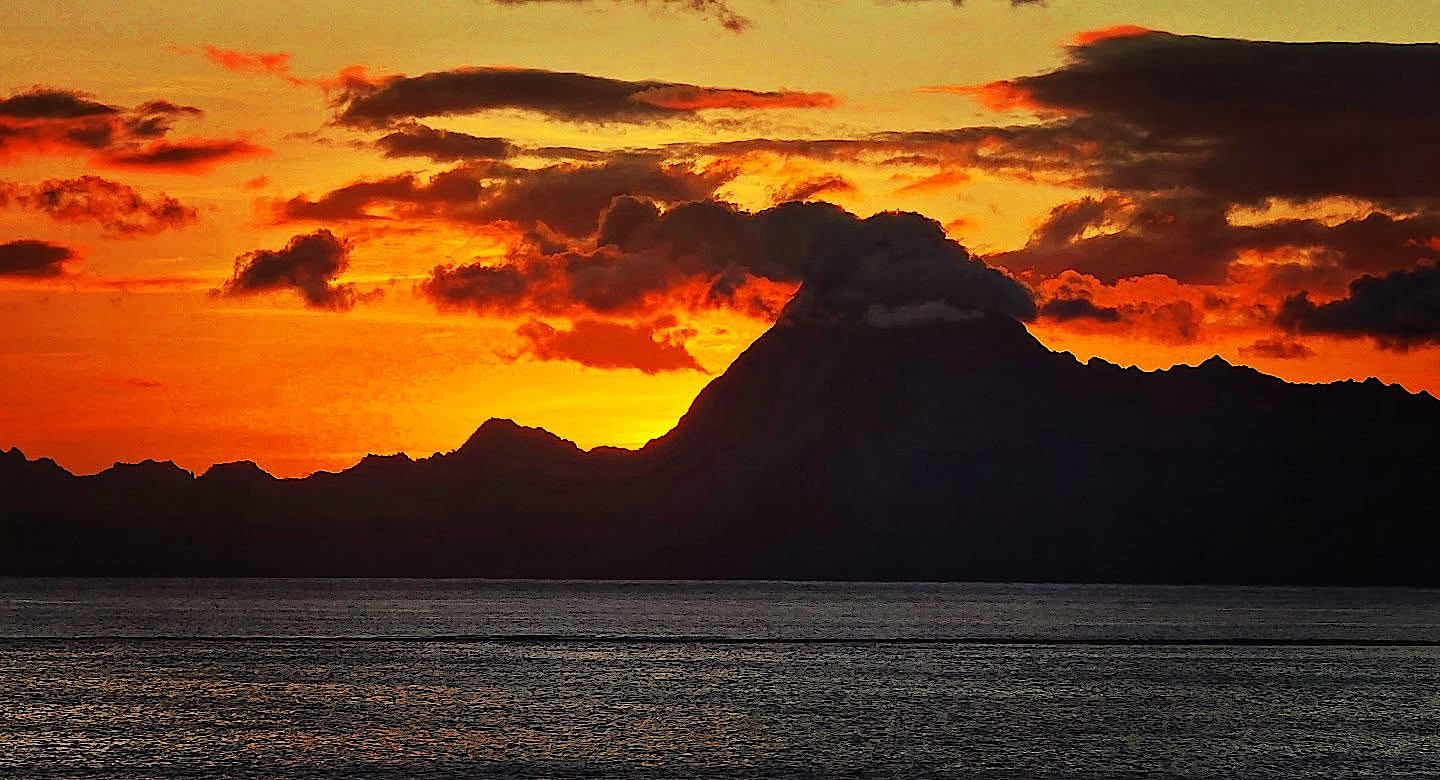
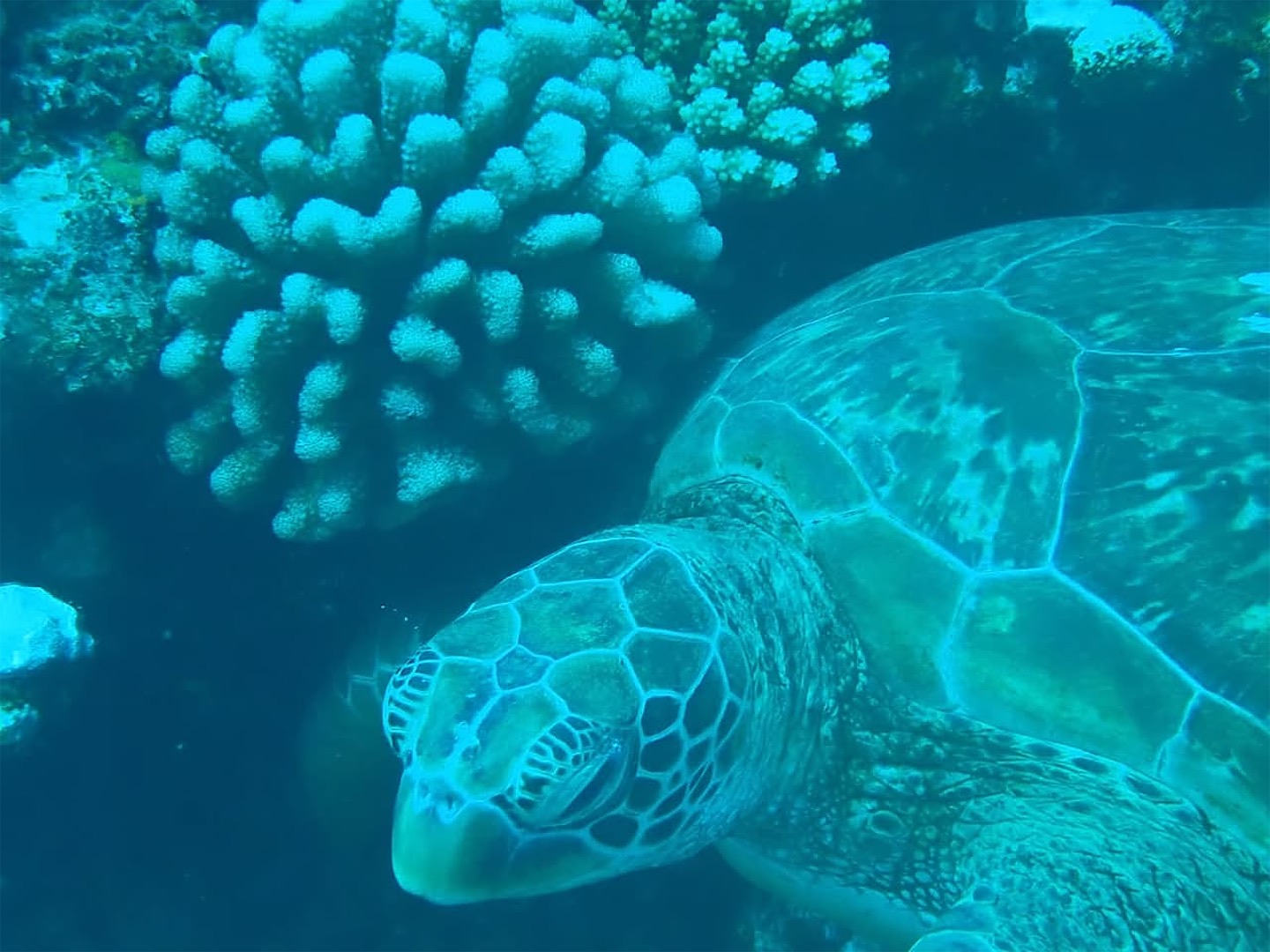
The first morning at the InterContinental on Tahiti began with a view across the water to Moorea. Under water I met some of Tahiti's sea turtles, and the evenings ended with sunsets that made up for the long flight. It was only a stopover, and the next day we moved on to an overwater villa on Bora Bora.
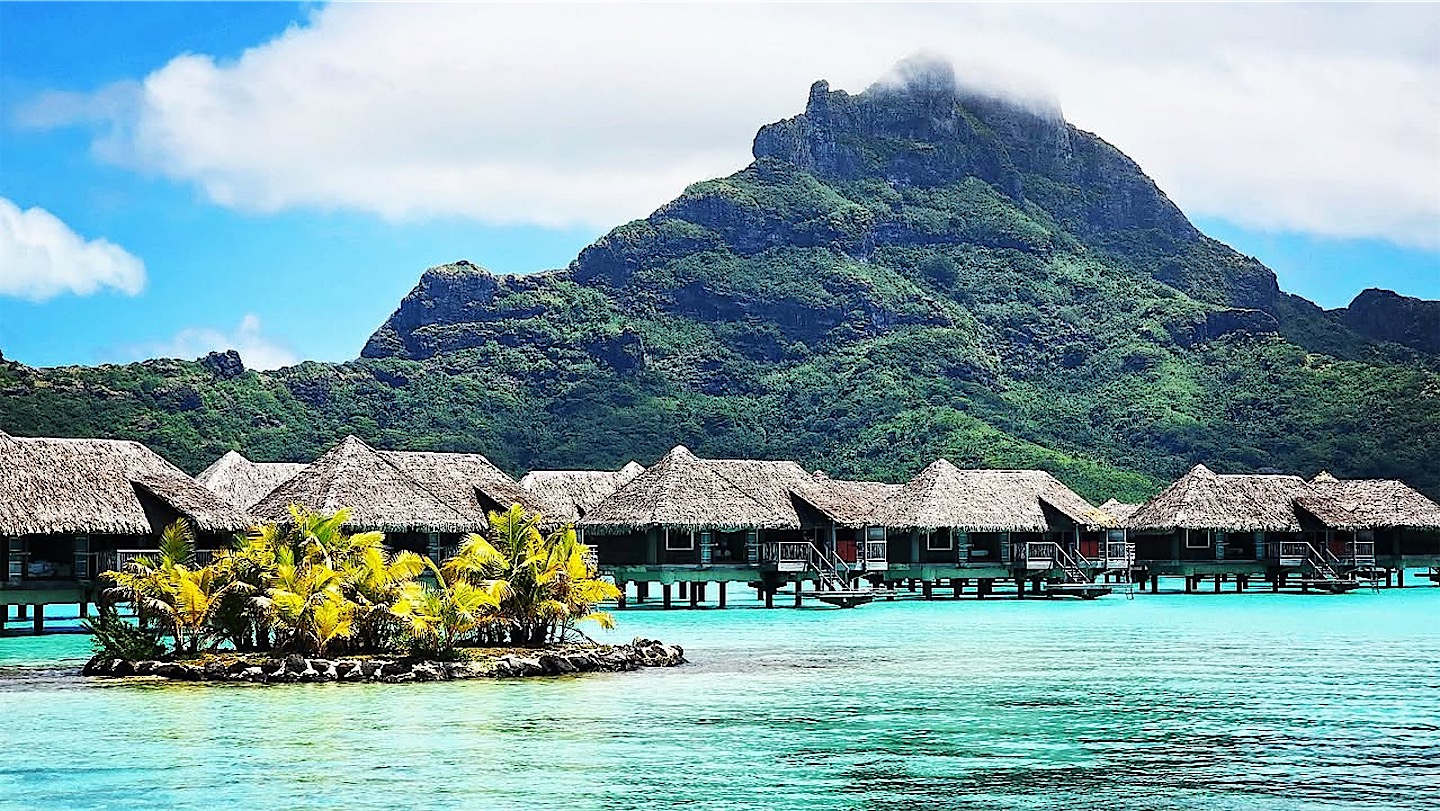
It was my second time on Bora Bora. In 2018 I had come on a honeymoon with nobody but my laptop. This time I was not alone, although the laptop came along again: the deck of the villa became my office for the week, with the lagoon below and Mount Otemanu in front. I have stayed in fine overwater villas in the Maldives, but none of them came with a view like this. On the first day I already spotted our ship for the second half of the trip.
Mantas, dolphins and a pearl of my own
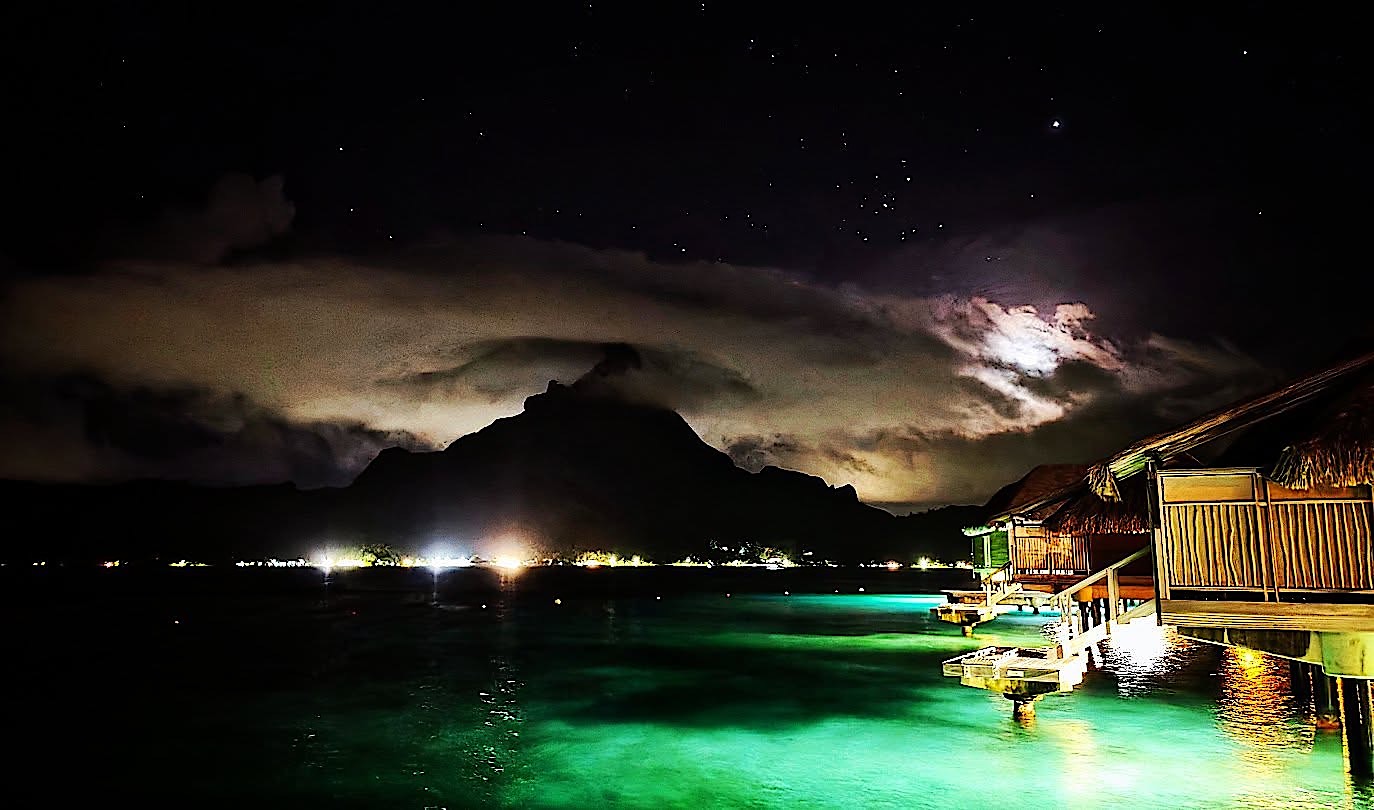
The resort had a few surprises. I rode an underwater scooter two metres below the surface, a strange but fun invention, and the massage room had a glass floor, so I could watch the reef during the treatment. At night the lagoon under the villas glowed green in the lights while Otemanu stood dark against the stars.
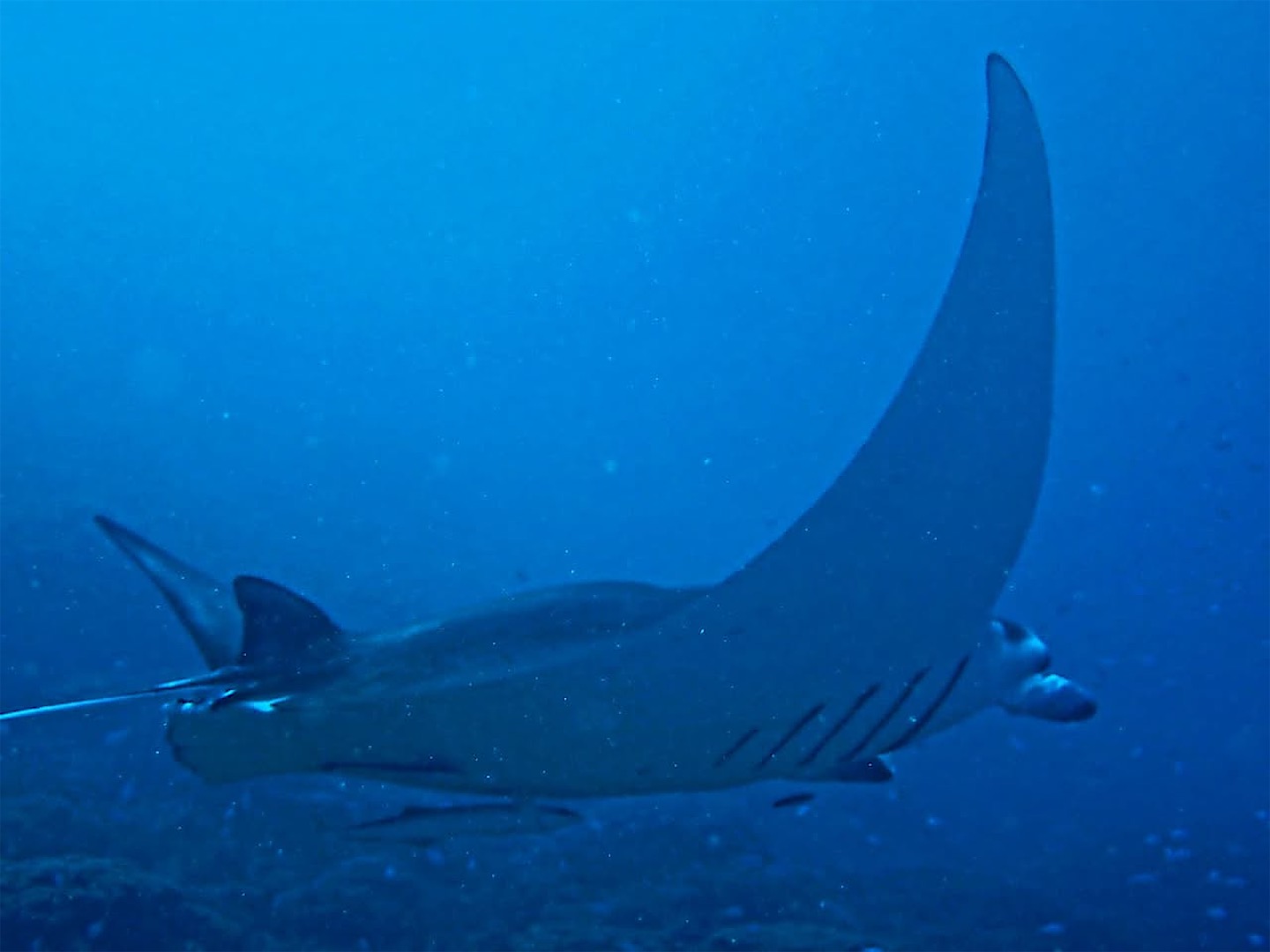
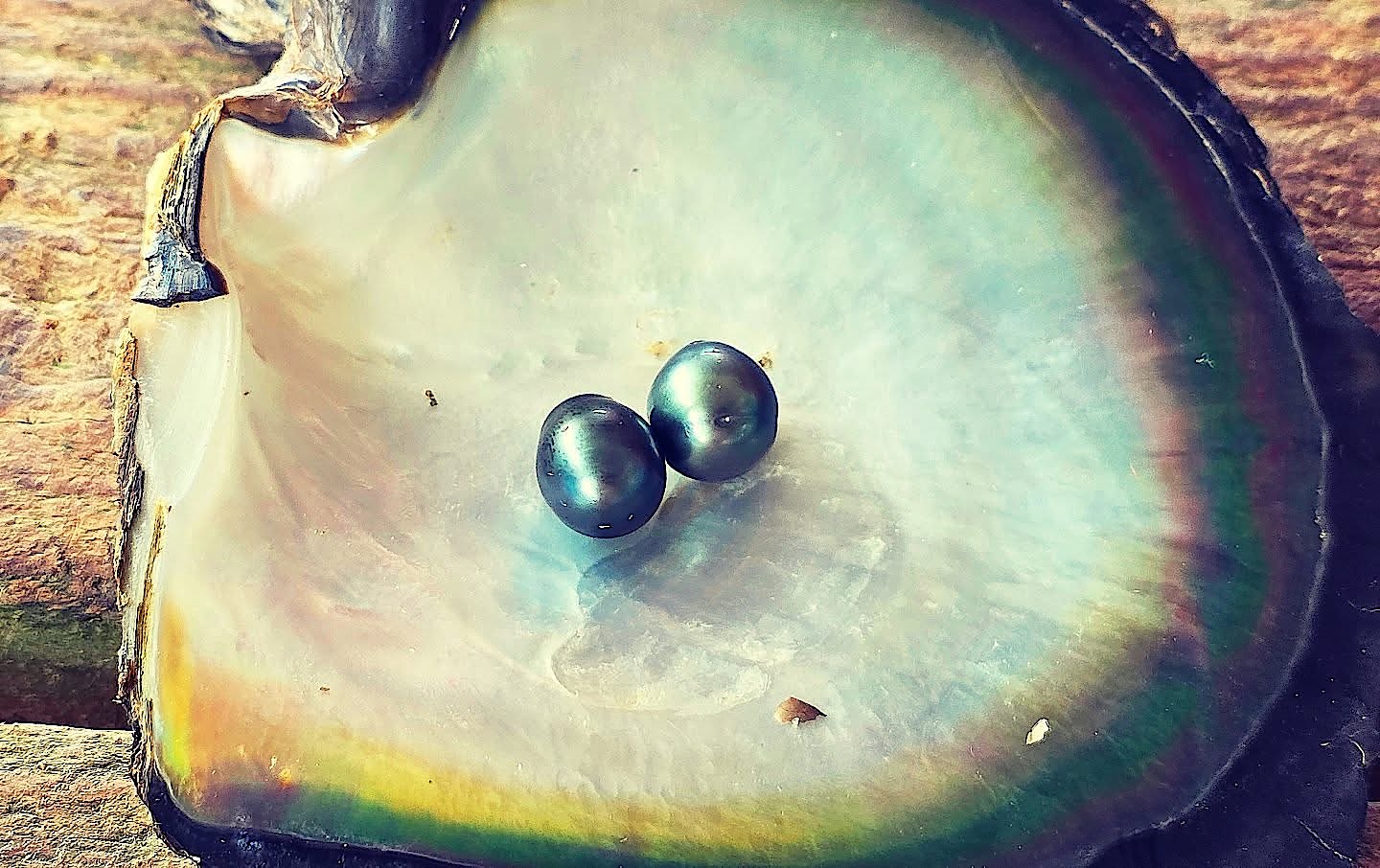
Most days were spent in or on the water. We raced across the lagoon on a jet ski, and on a dive I finally saw reef mantas, along with a few small sharks. There were plenty of dolphins around, and an octopus and a moray eel also showed up. The best souvenir came from Motu Tau Tau, an islet off neighbouring Taha'a: I freedived down to the oysters and harvested my own pearl. Taha'a, better known as the vanilla island, is dotted with farms for black Tahitian pearls.
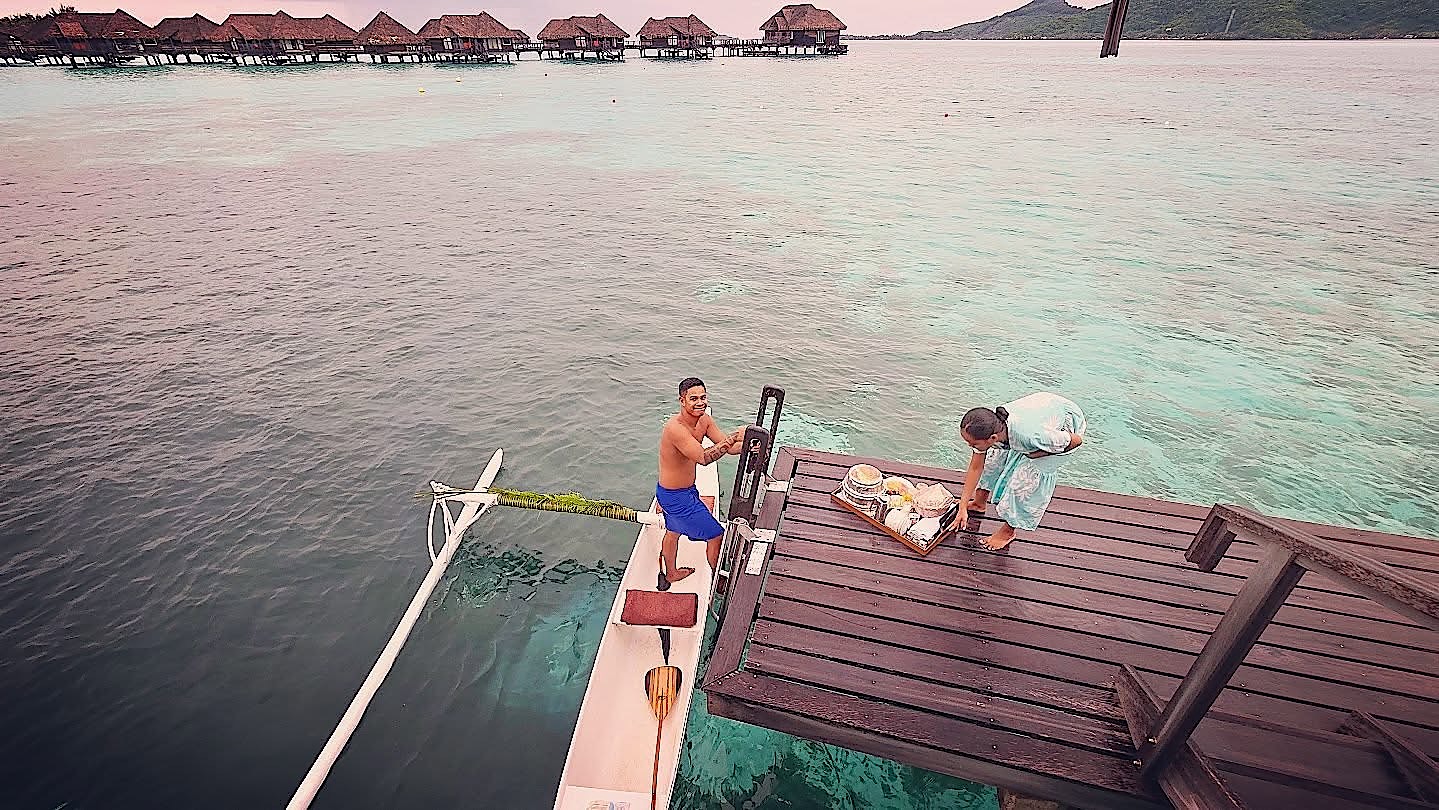
When the last days brought nothing but rain, it was time to leave, although the resort, and the generous upgrade my hotel status earned us, had been very good. We had one more Polynesian classic, breakfast delivered to the villa by outrigger canoe, and then explored the main island on an ATV tour before setting off for the Austral Islands.
Aboard the Aranui
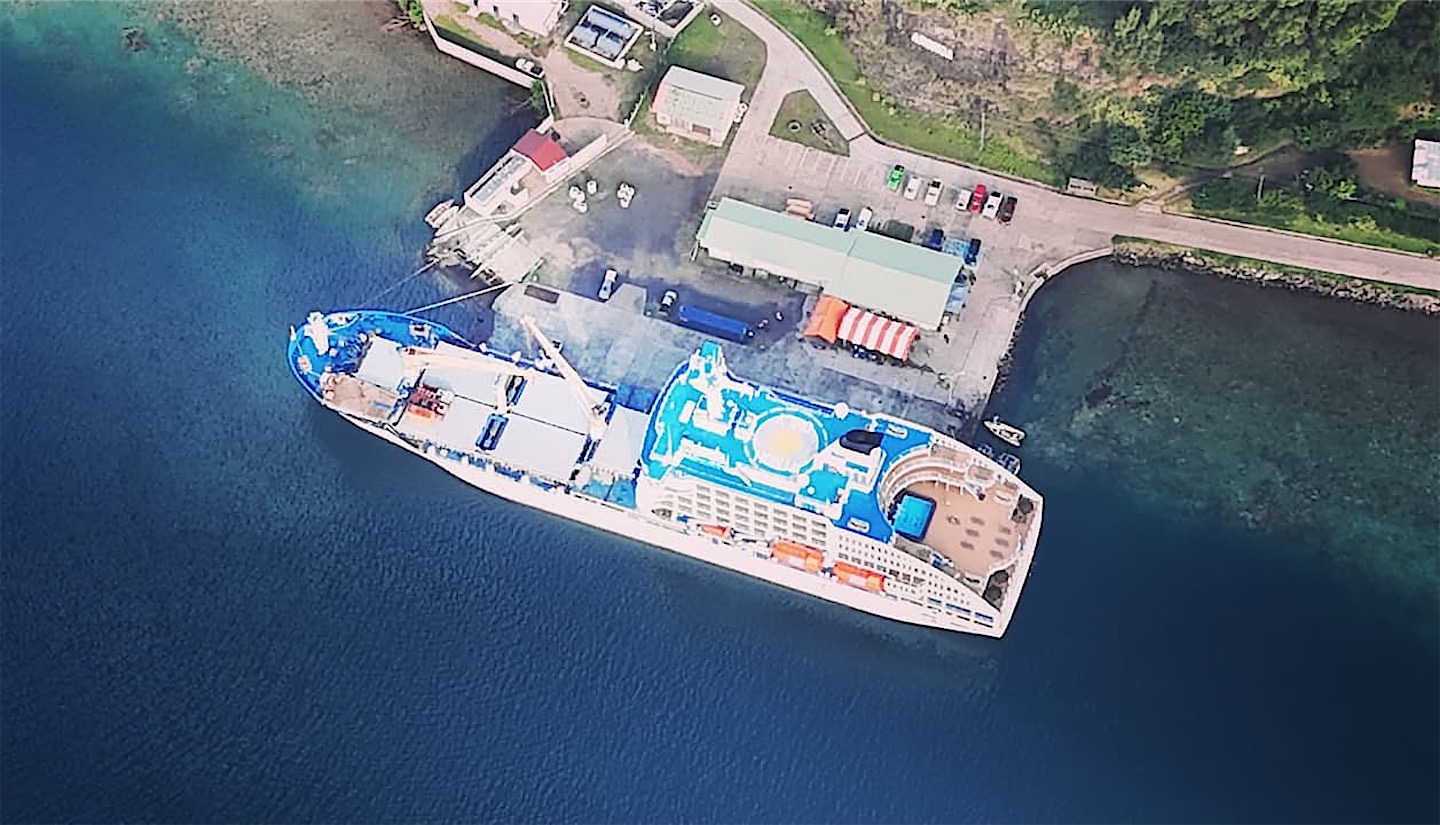
Back on Tahiti we boarded the Aranui, our home for the next ten days. The ship is a legend in these waters: half freighter, half cruise ship, it supplies the remotest islands of French Polynesia and takes passengers along for the ride. The cruise ship's own Starlink connection was capped, so I unpacked my Starlink Mini, which worked reliably even far out in the South Pacific, so I could keep working between the islands.
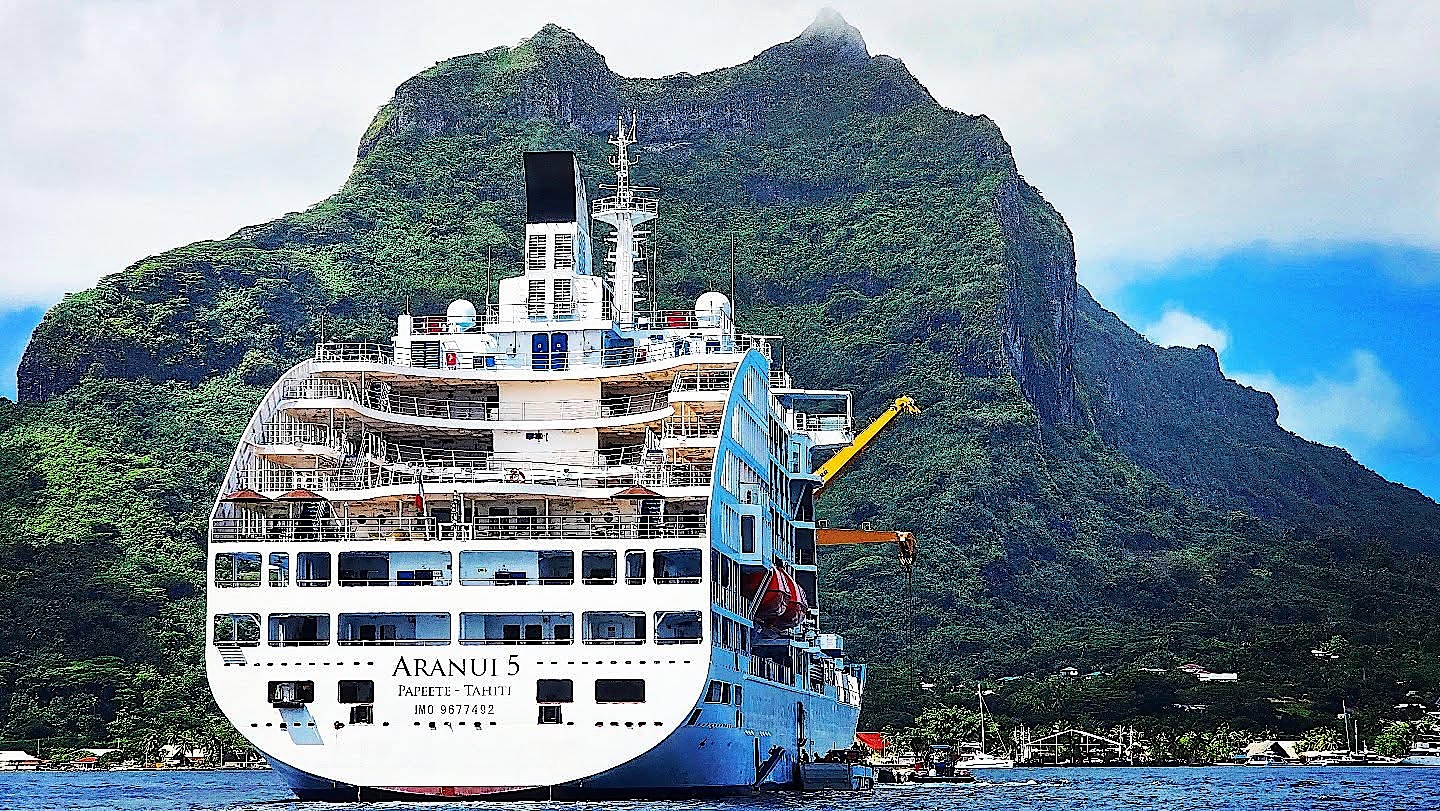
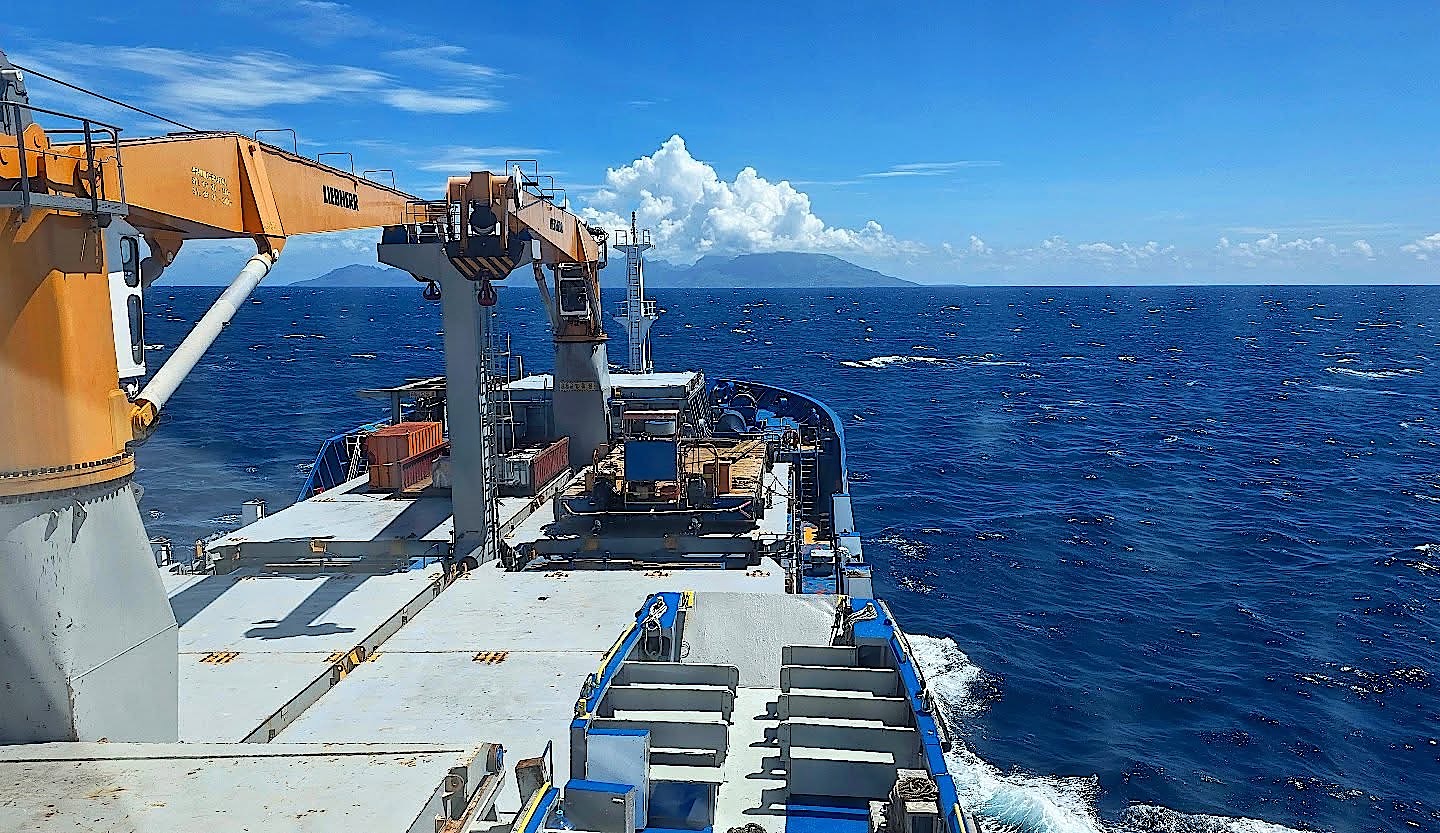
The Austral Islands straddle the Tropic of Capricorn, several hundred kilometres south of Tahiti. They are cooler than the Society Islands and see only a small share of the visitors, and only five of them are inhabited: Rurutu, Rimatara, Tubuai, Raivavae and Rapa. We were going to see all five.
Rurutu and Rimatara
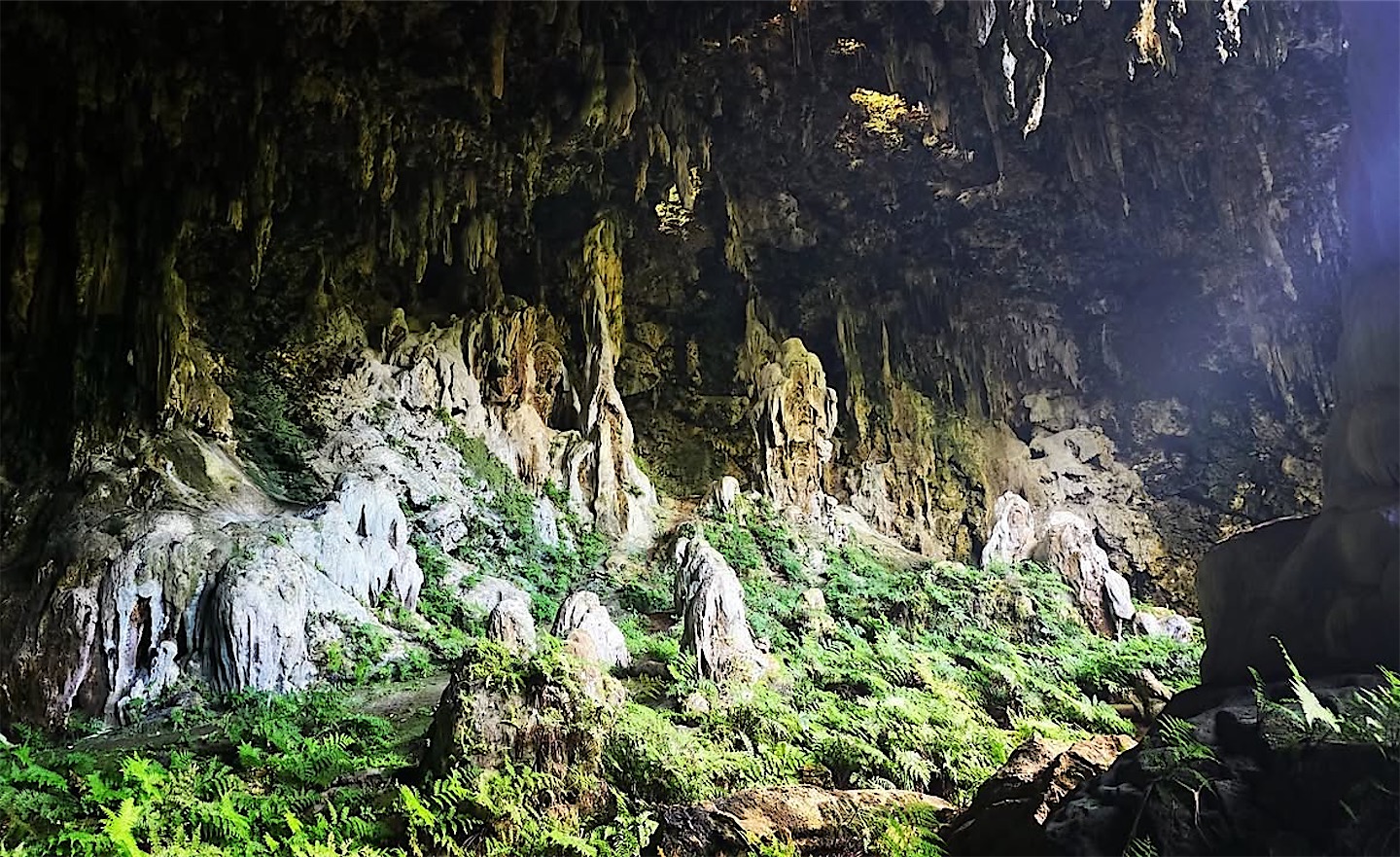
Our first stop was Rurutu, an island of beaches, steep green hills and limestone cliffs. Rurutu is a raised coral island, so its rock is riddled with caves, and between July and October humpback whales come to its waters to give birth. April is outside the whale season, but the island is excellent for hiking.
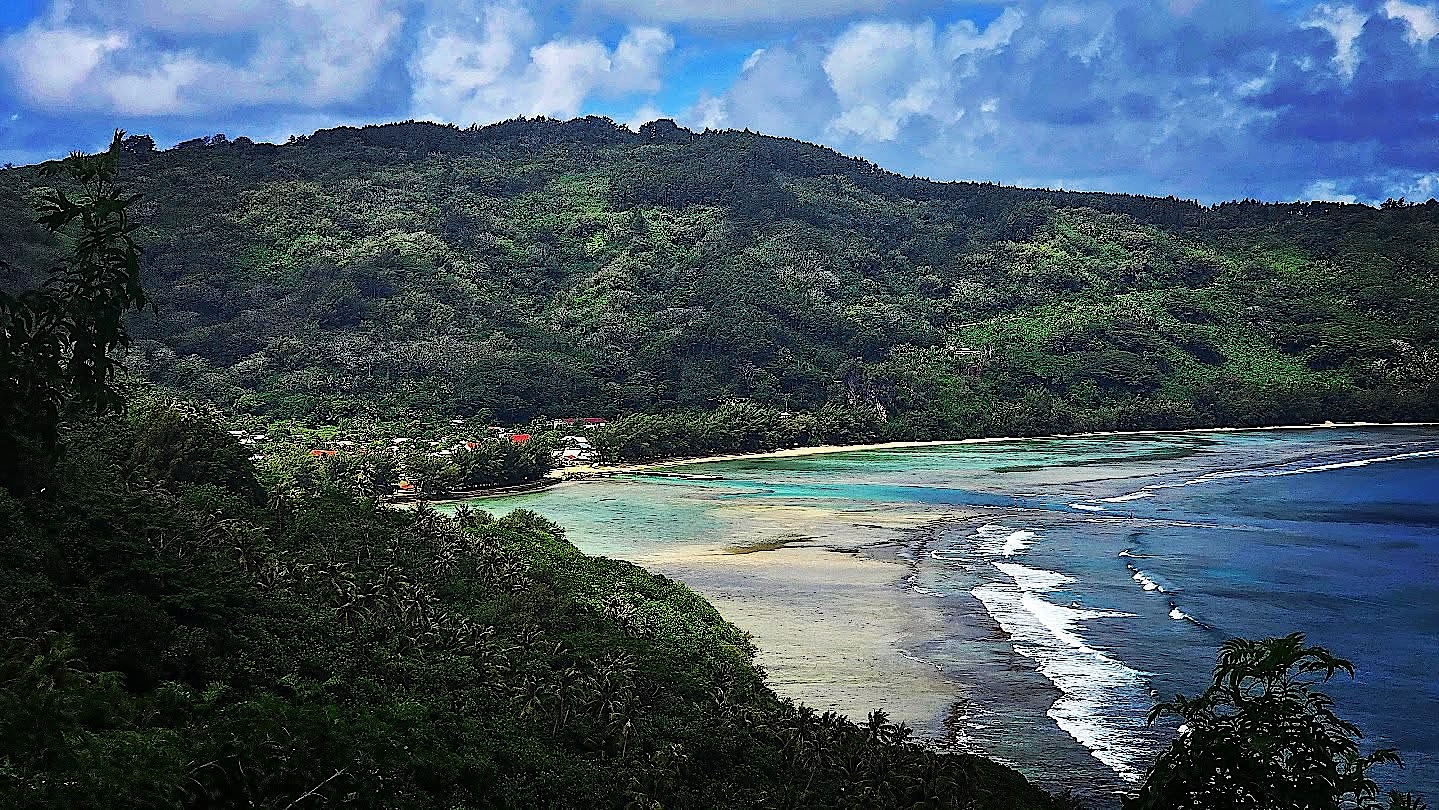
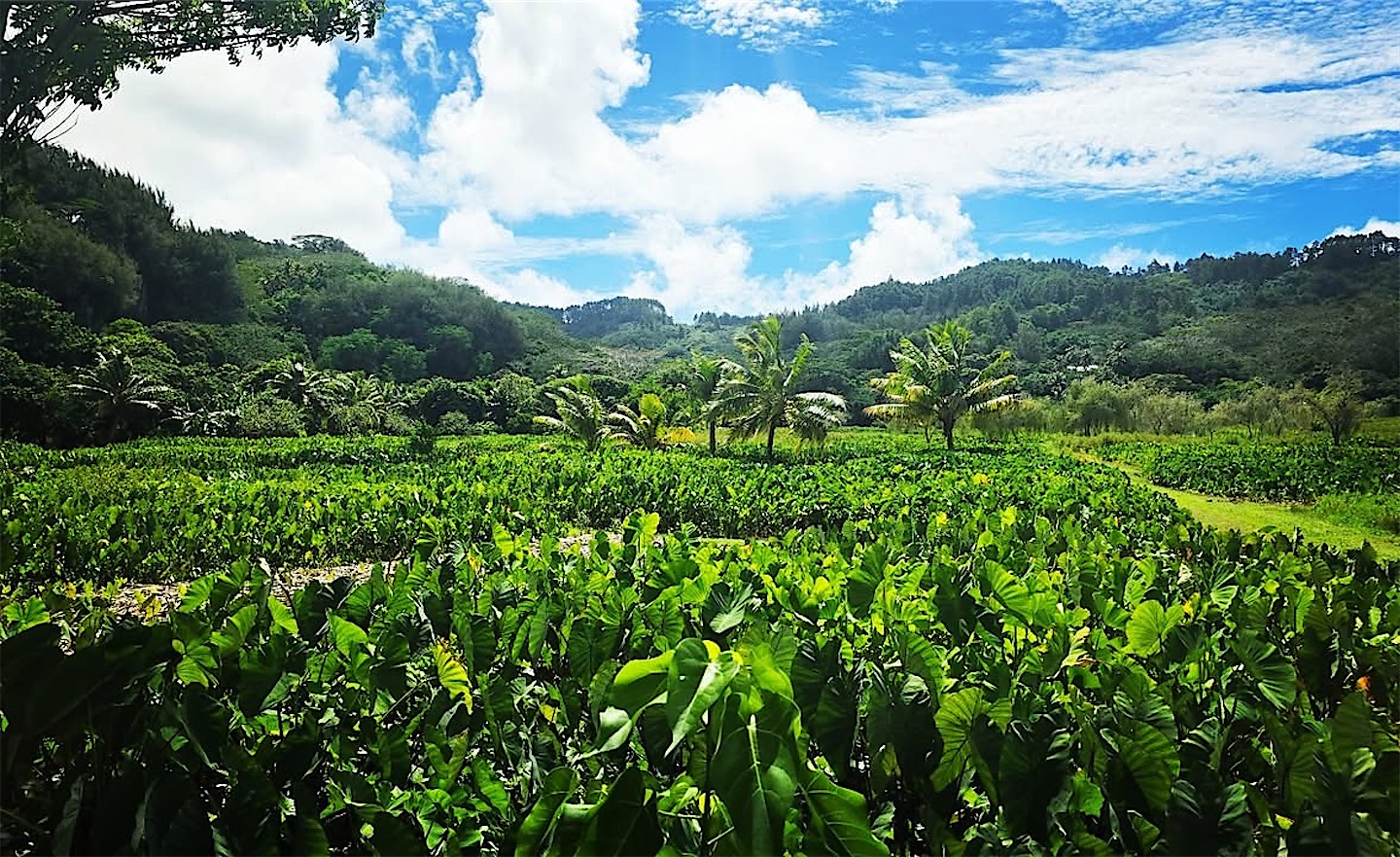
After another early start we made the challenging climb into the "Monster's Mouth", a cave high in the sea cliffs whose hanging rock formations look like a row of teeth. Inland, wide taro fields filled the valleys, and we watched dancers and drummers perform.
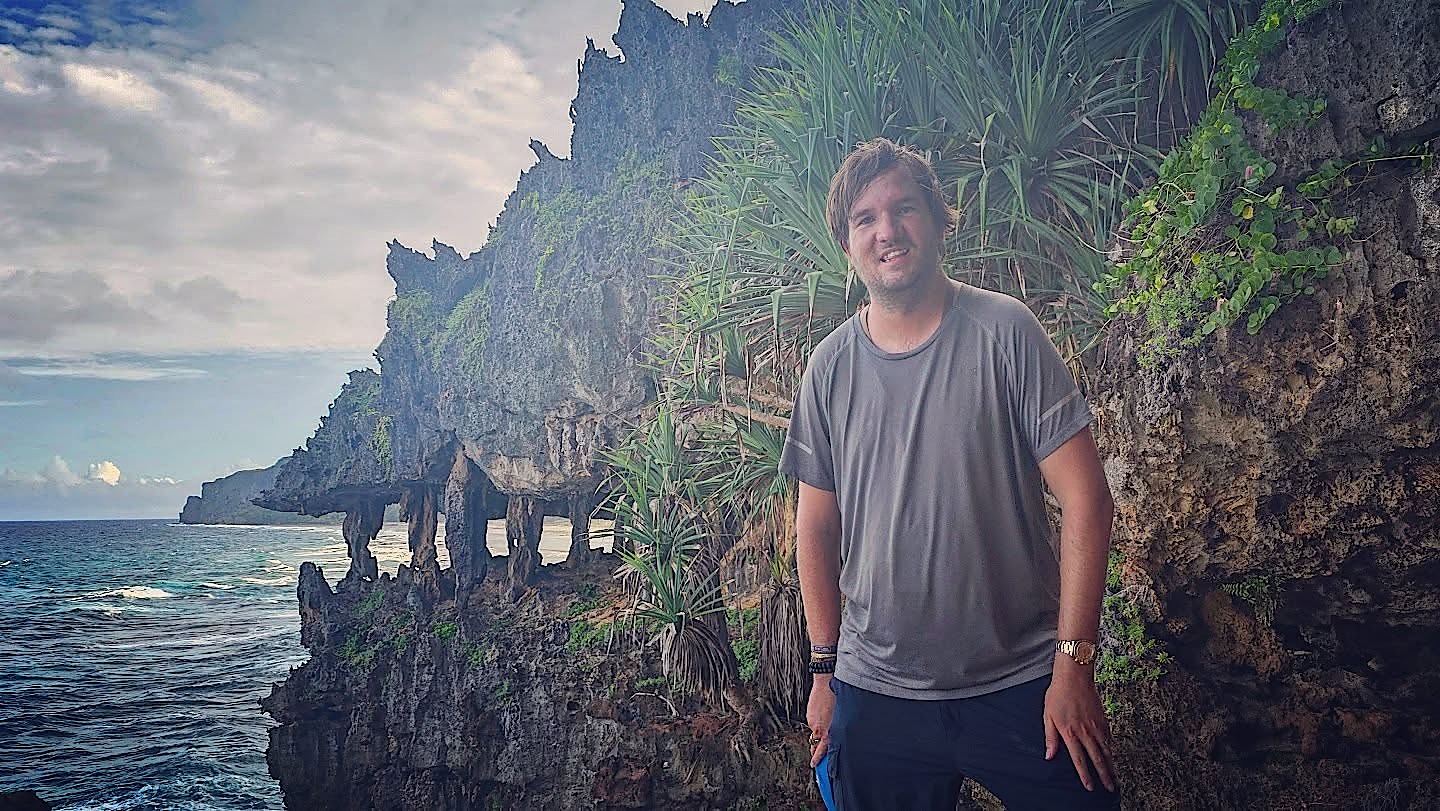
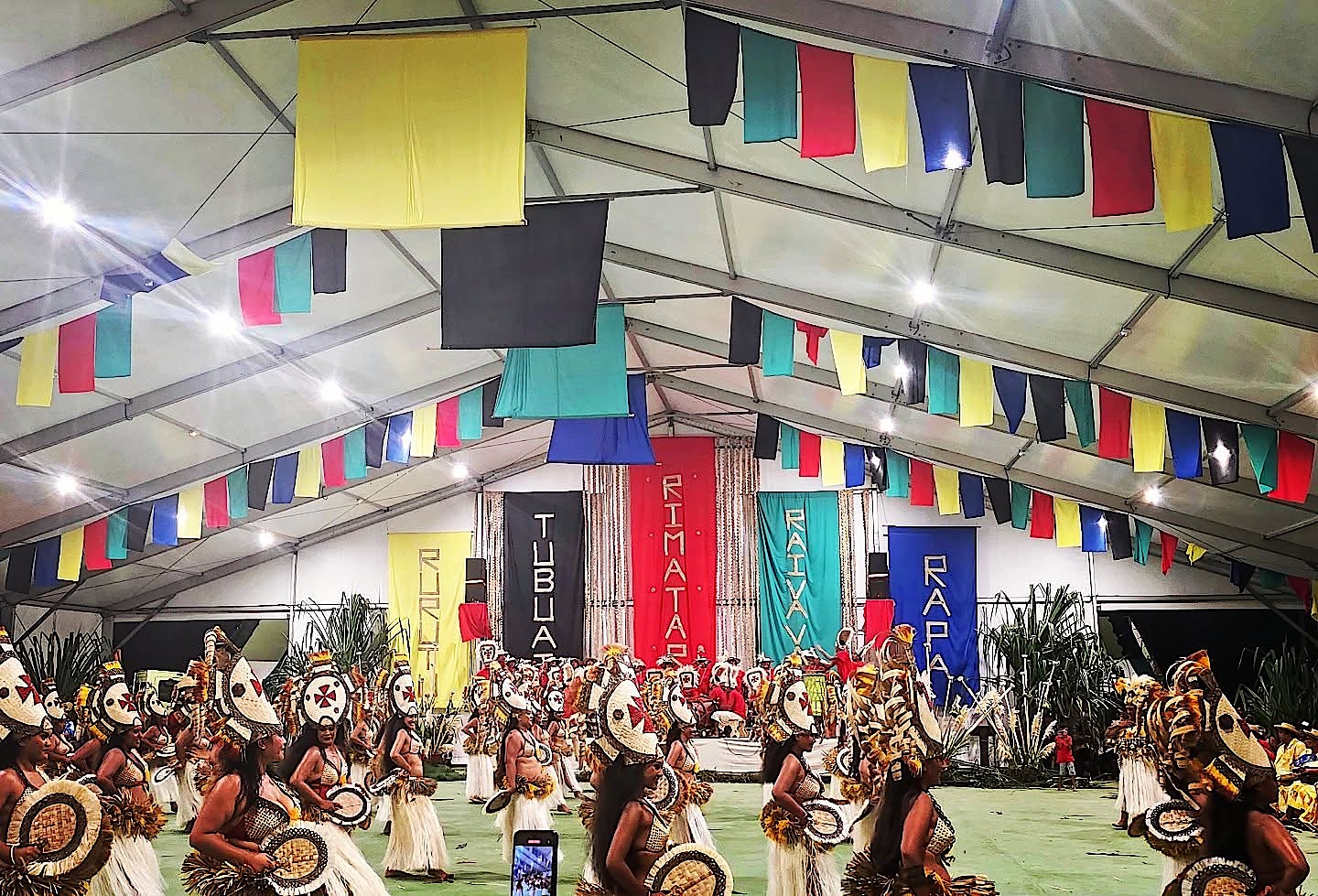
Rimatara, the smallest of the inhabited Austral Islands, was hosting the festival of the Austral Islands, where all five islands show off their traditions and compete against each other. We were rare foreign guests in the big festival tent, and the dances and songs were superb. Getting everyone around the island was solved in typical Aranui style: if there are no buses, you simply bring them with you. Rimatara is also the last natural home of the Rimatara lorikeet, a small parrot whose red feathers were once so prized that it vanished from the Cook Islands. It has since been brought back to Atiu, one of the Cooks.
Rapa Iti, at the end of Polynesia
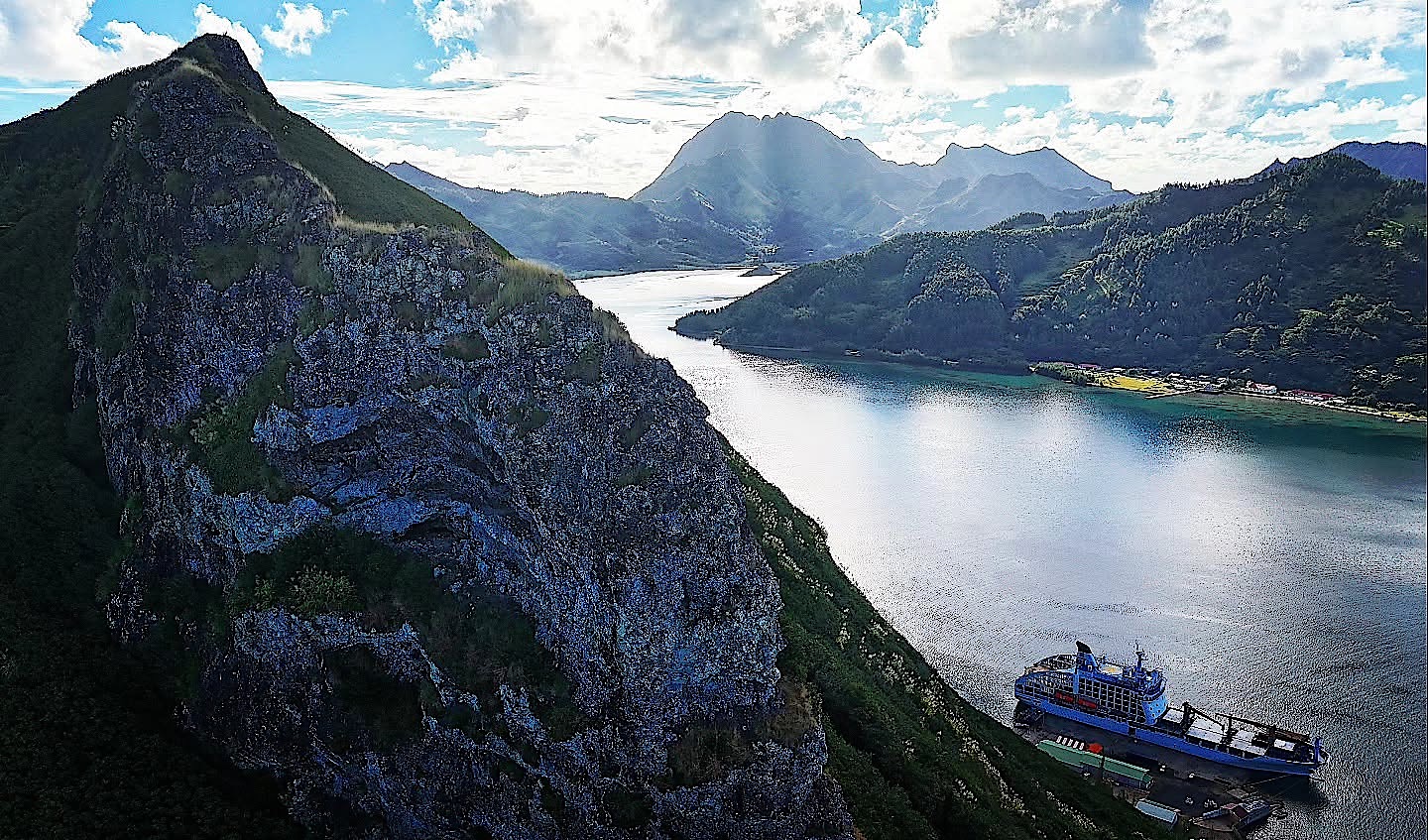
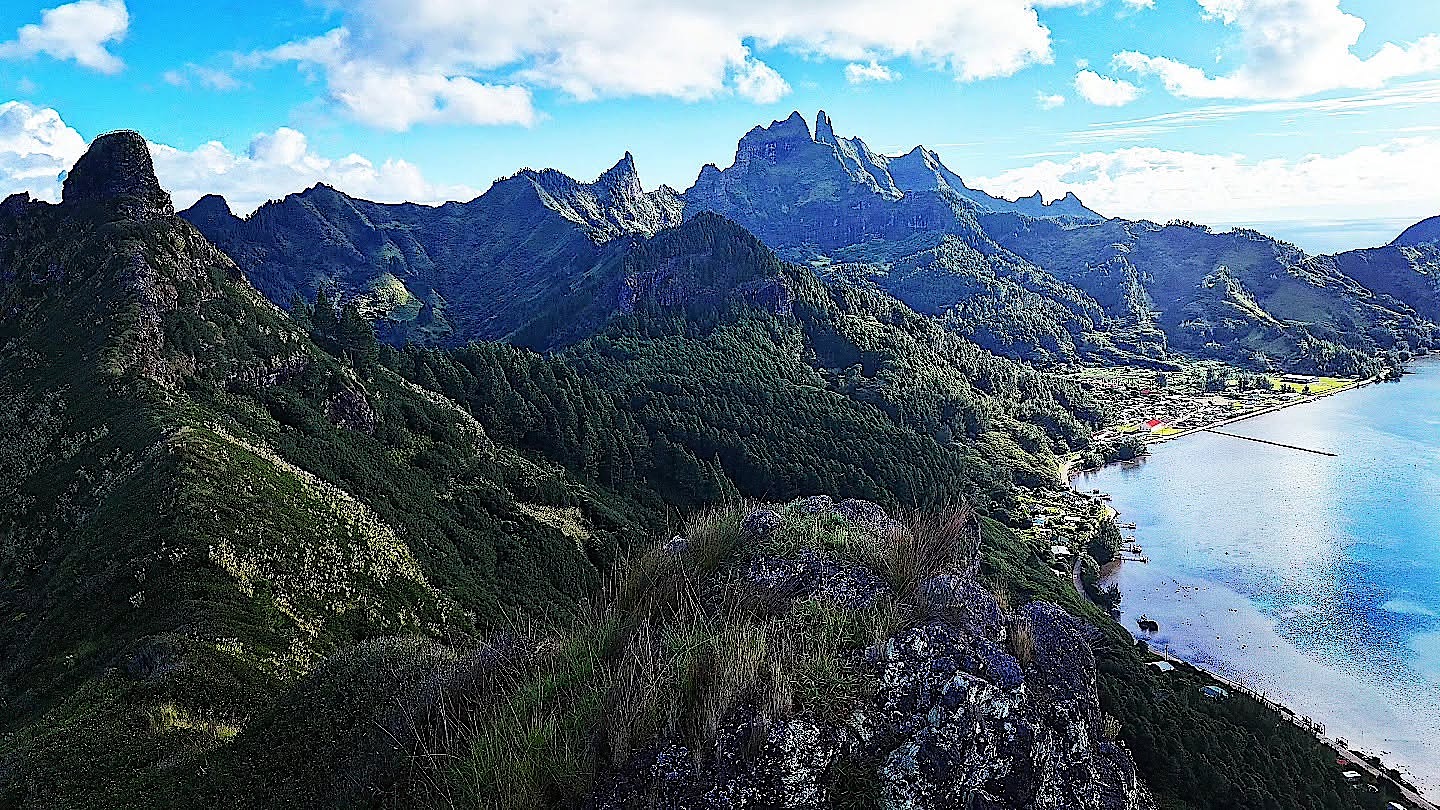
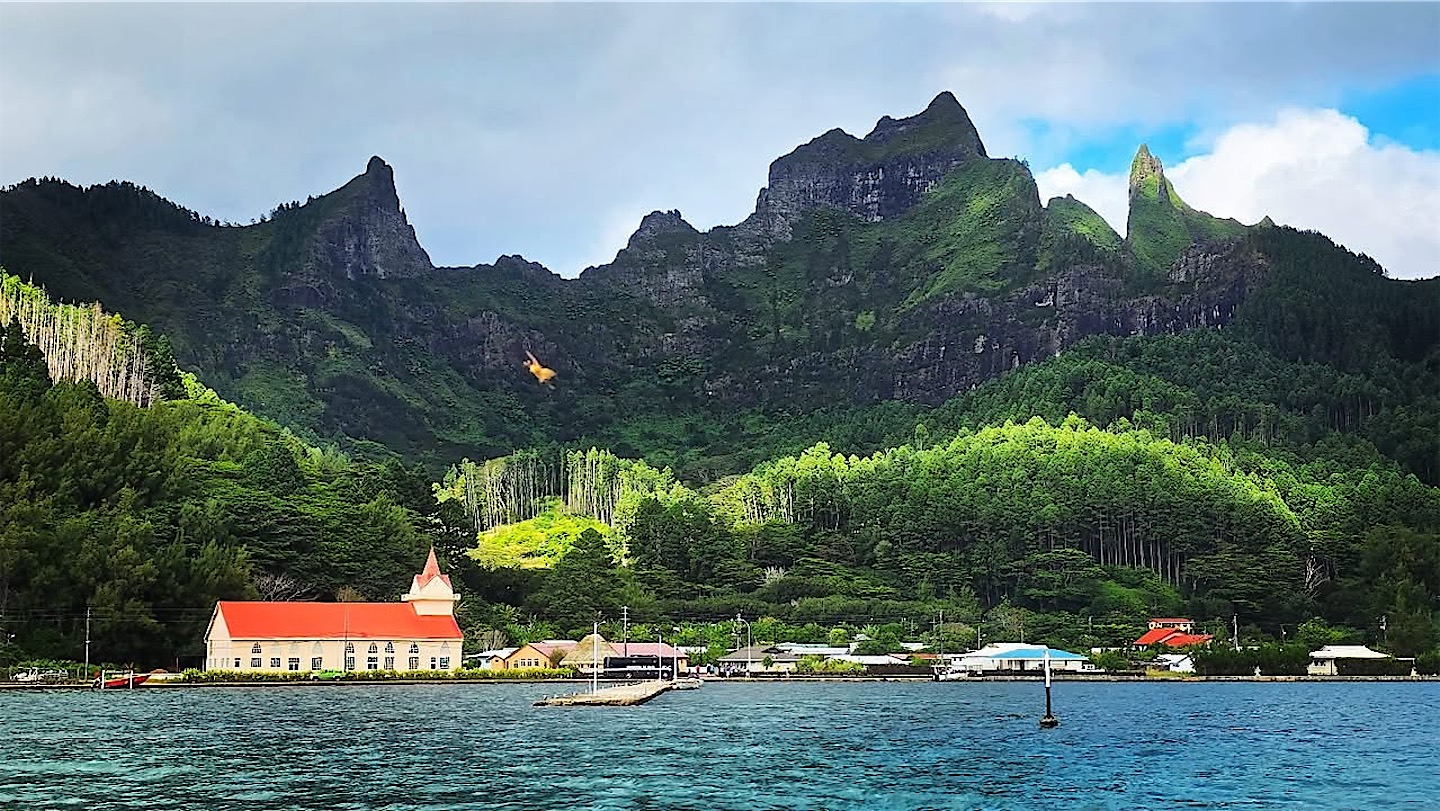
From Rurutu we sailed to the island I had been looking forward to most. Rapa Iti has no airport, so the only way in is by sea. It is the southernmost inhabited island of French Polynesia and the most traditional one. As the Aranui sailed into its bay, jagged green peaks rose straight out of the water all around us.
It is a fabulous island for hiking. We walked up to Fort Morongo, one of the old hilltop fortresses, with views in every direction. My drone had developed gimbal problems on the way, but I fixed it just in time, and with no airport there are no flight restrictions to spoil the fun.
Tubuai and Raivavae
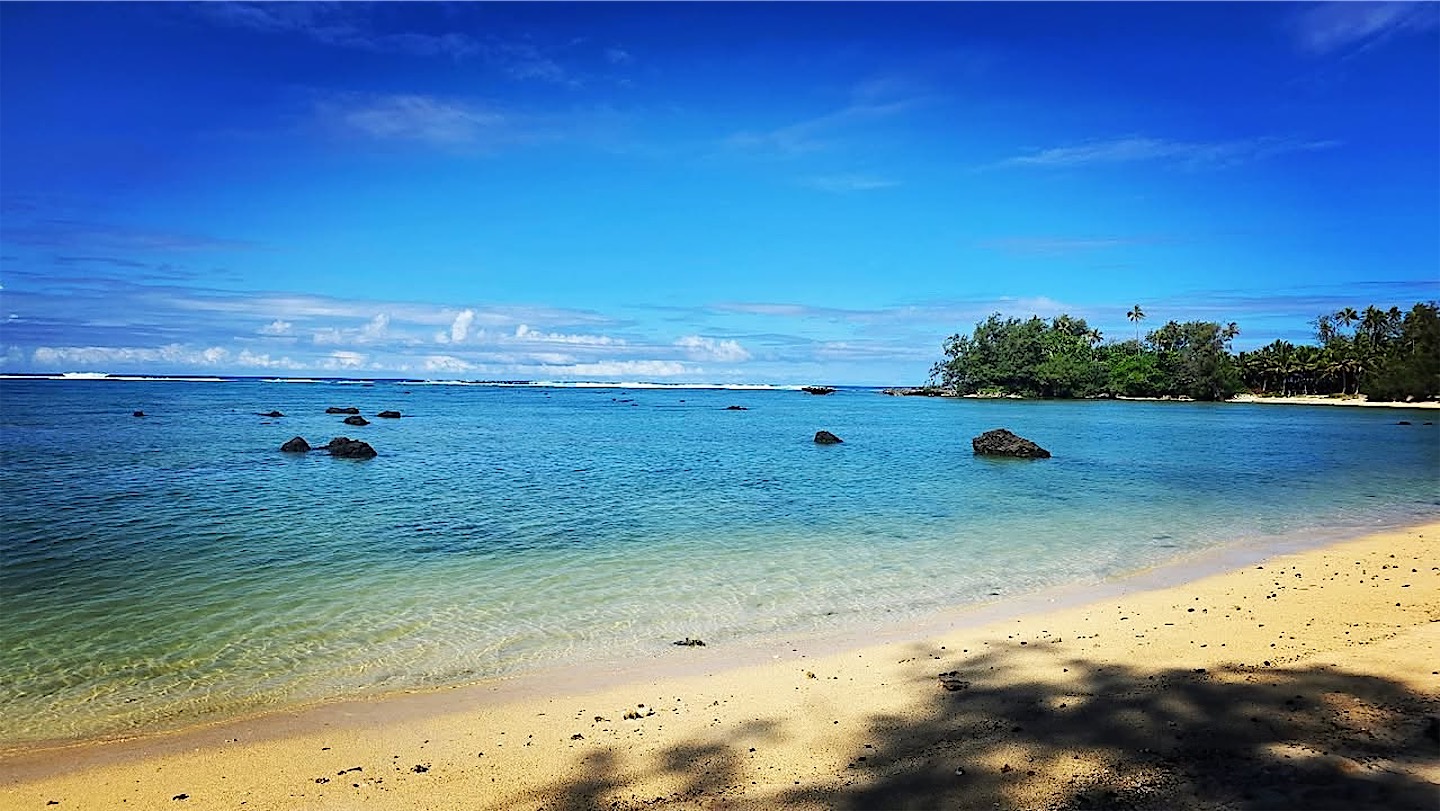
We reached the lagoon of Tubuai on a rainy day. After the sharp peaks of Rapa, Tubuai felt gentle: low green hills, a wide lagoon and a chain of motus along the reef, with water in every shade of blue.
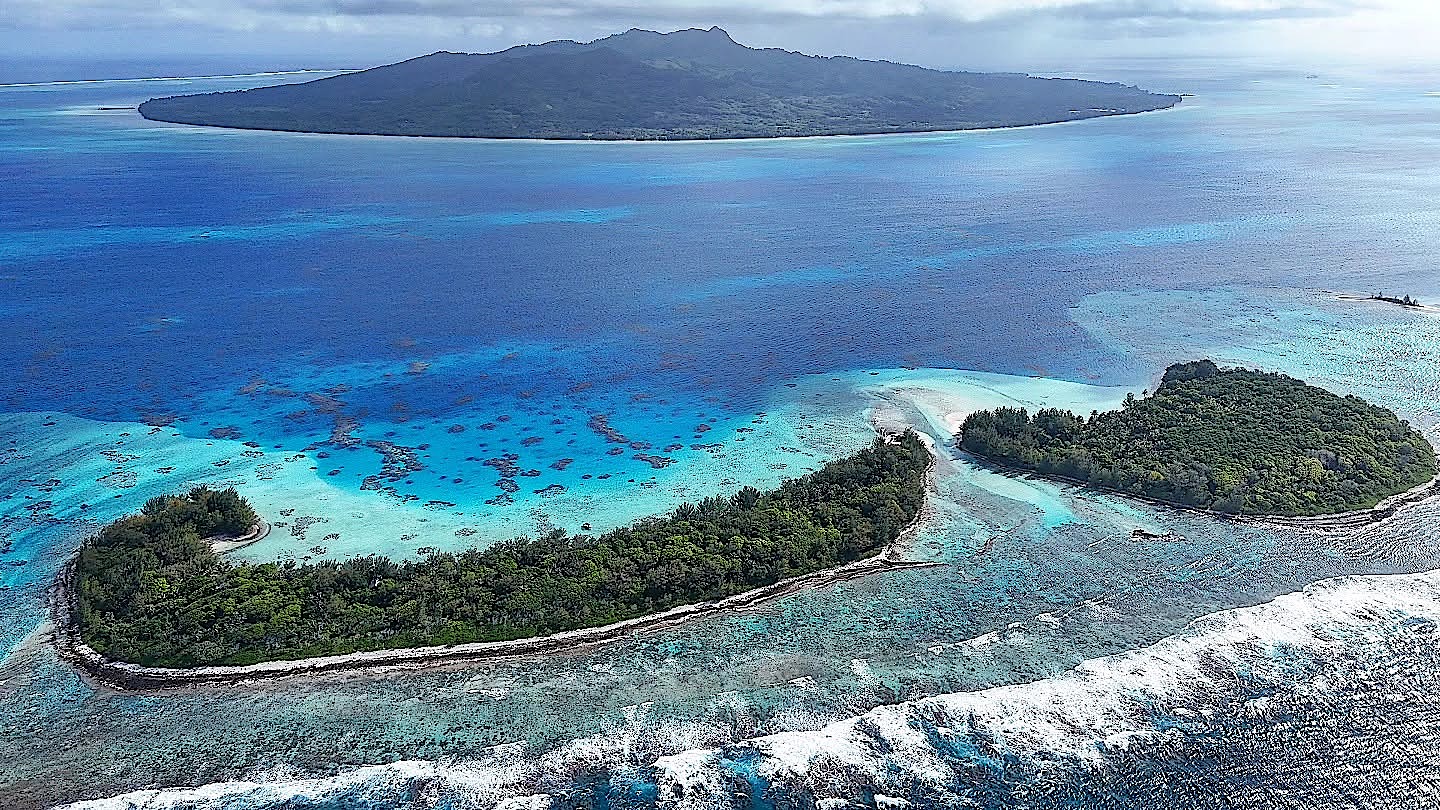
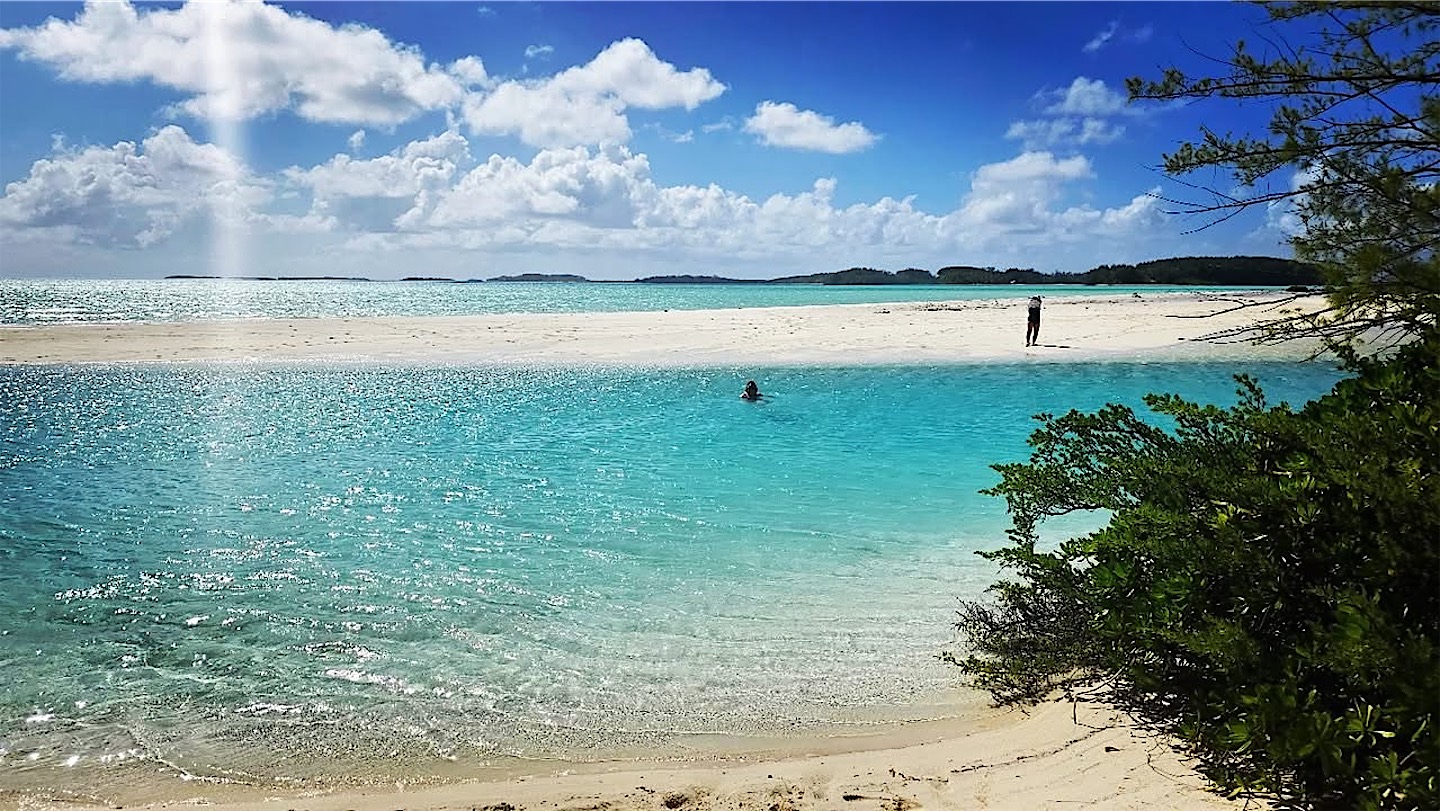
Raivavae, the last of the five, is often called one of the most beautiful islands in Polynesia, and it lived up to that. The island was once known for its large stone tiki, a few of which were later shipped to Tahiti. Today the draw is its lagoon, above all Motu Piscine, whose shallows look like a natural swimming pool.
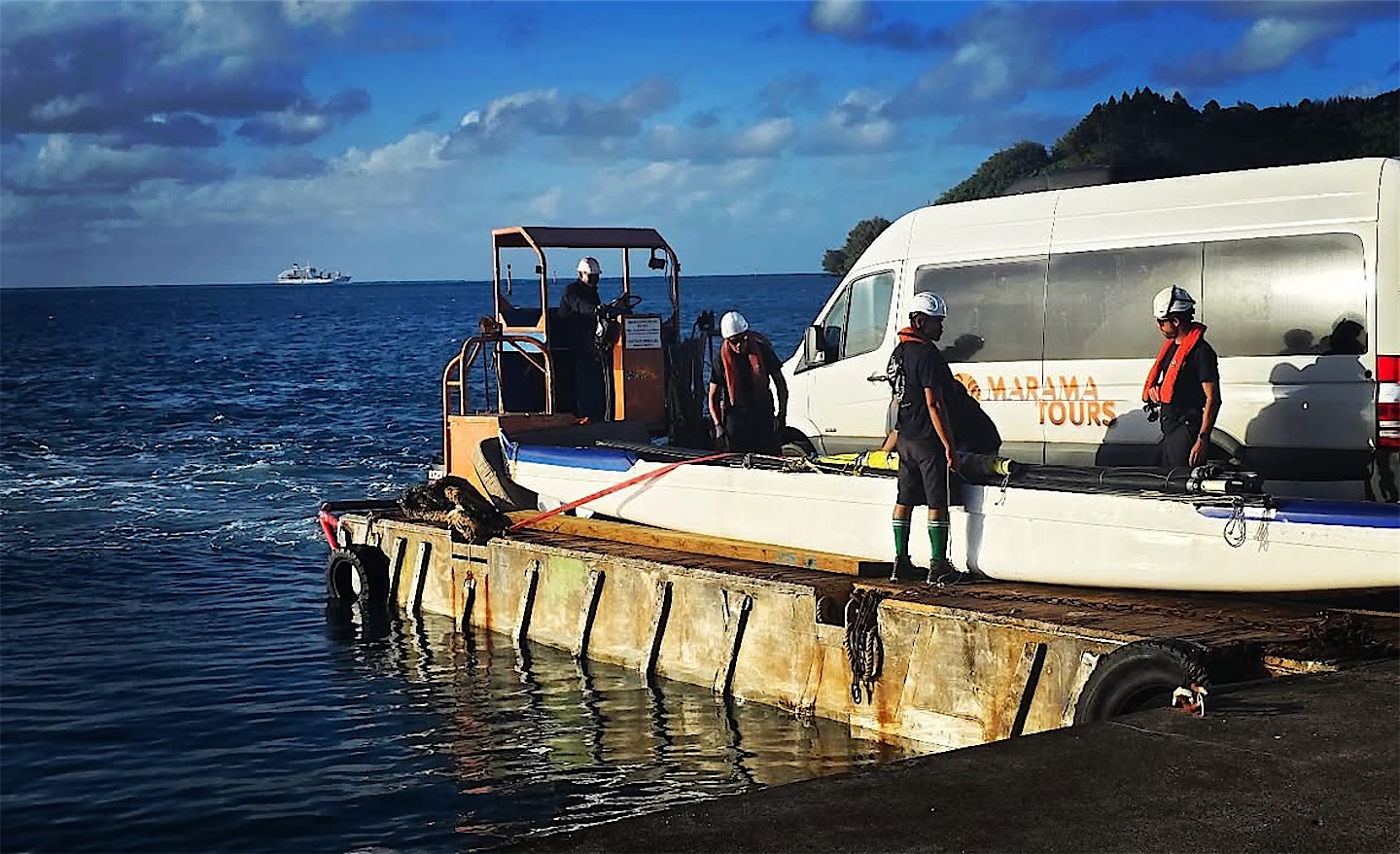
The Aranui anchored offshore, and everything went ashore by barge, including the minibus for the island tour. I spent part of the day flying the drone over the lagoon, another perfect place for it, and the rest exploring the beaches from the ground.
Raiatea, the head of the octopus
The cruise had two more days to go, but I had to leave early. Niue, my last attainable territory in the Pacific, has only one flight a week, from Auckland, so I needed to jump over the date line to New Zealand and then back over it again to Niue.
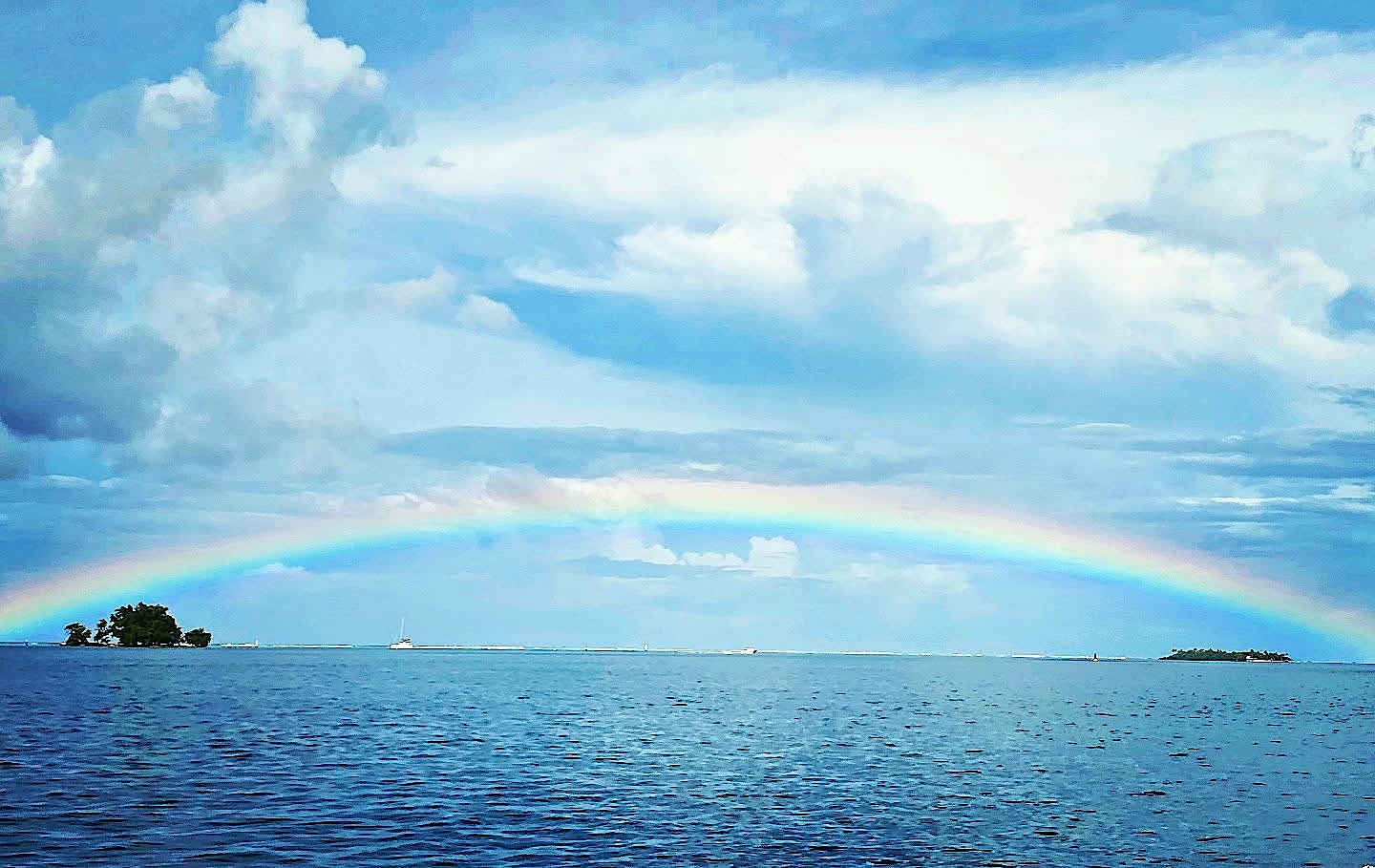
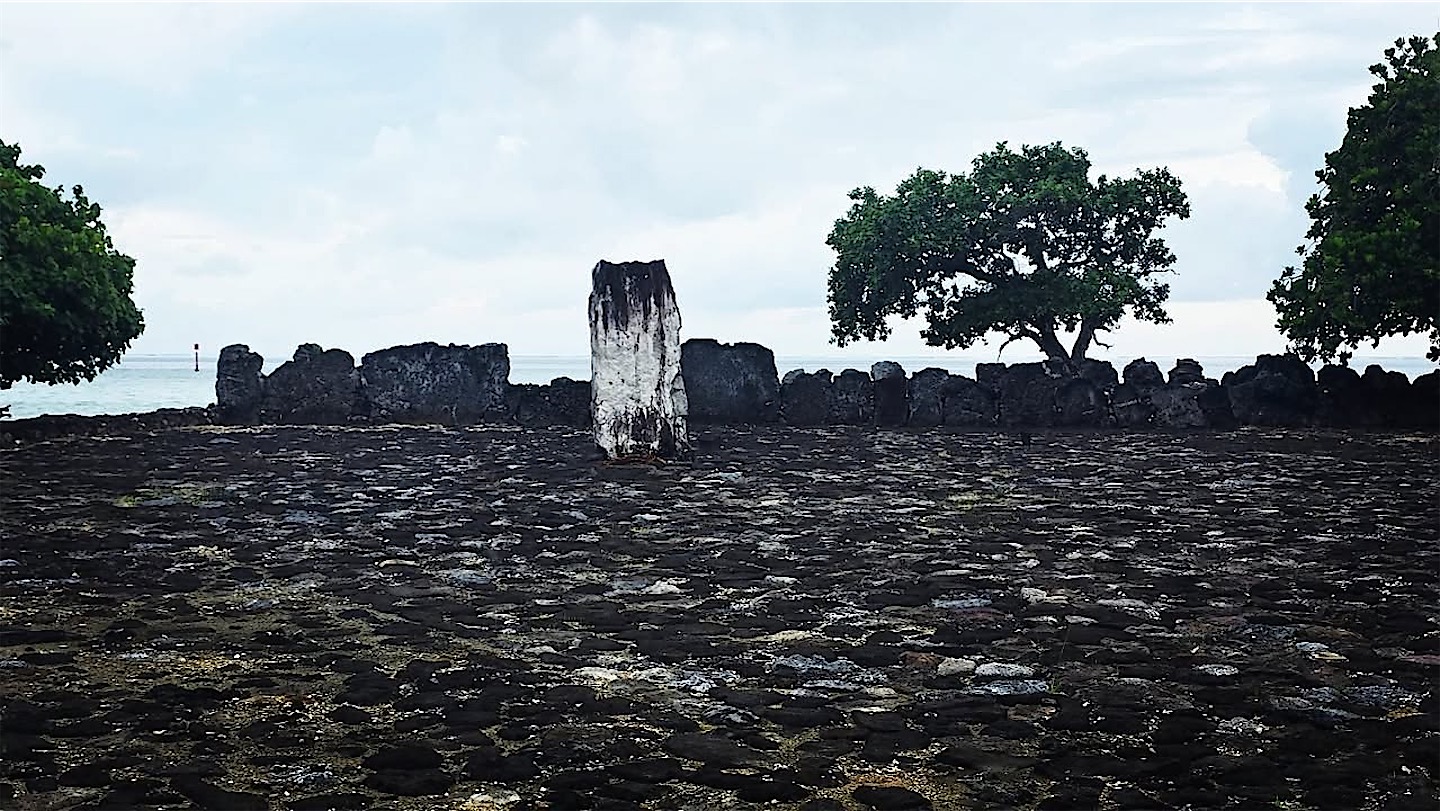
Raiatea was our last island in French Polynesia, and it said goodbye with a perfect rainbow as we left the ship. We spent the day at the island's World Heritage Site and in its botanical garden. On a wall I came across a painted map that shows the Polynesian world as an octopus, with its head at Havai'i, the ancient name of Raiatea, and its arms reaching Hawaii, Easter Island, Samoa, the Marquesas and, at the bottom, Rapa and the Austral Islands. With this trip, I had now reached the end of every arm.
Looking back, the Aranui did not convince me when it came to food, amenities and internet. But the ports it calls at are beautiful, the cultural encounters it makes possible are the real reward, and its better cabins are still reasonably priced. That evening I flew from Papeete to Auckland for a two-night stopover before the weekly flight to Niue. That story continues in Niue and Auckland.