Red Crabs and Manta Rays: Western Australia, Christmas Island and the Cocos (Keeling) Islands
11–20 December 2024 · Ferguson Valley, Dunsborough, Busselton, Mandurah, Perth, Christmas Island, Cocos (Keeling) Islands · Regions: Australia, Christmas Island, Cocos (Keeling) Islands
From the Okavango I flew across the southern Indian Ocean to Perth. Waiting for me were two of the most remote corners of Australia: Christmas Island, famous for its red crab migration, and the Cocos (Keeling) Islands, a dream atoll that lies closer to Sri Lanka than to the Australian mainland. They were my last two new territories of the year. But first I spent two days on the back roads of Western Australia.
A detour through the South West
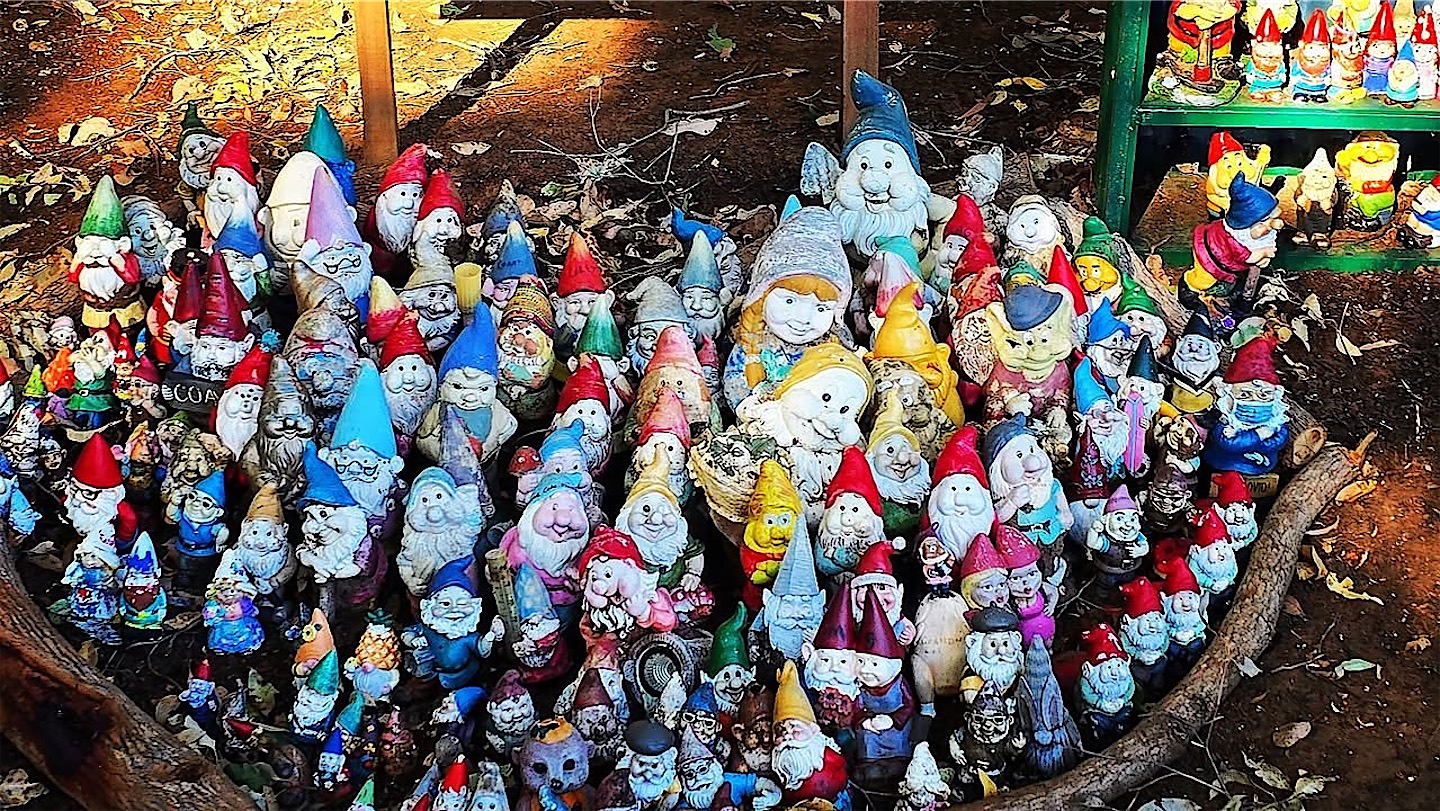
South African Airways surprised me with excellent business-class service, and after seven hours of sleep I picked up a car in Perth and drove south. As always I took the back roads instead of the motorway, which led me through the Ferguson Valley and past one of the strangest places I have seen: Gnomesville, where thousands of garden gnomes live in the forest by the roadside. It must be quite spooky at night.
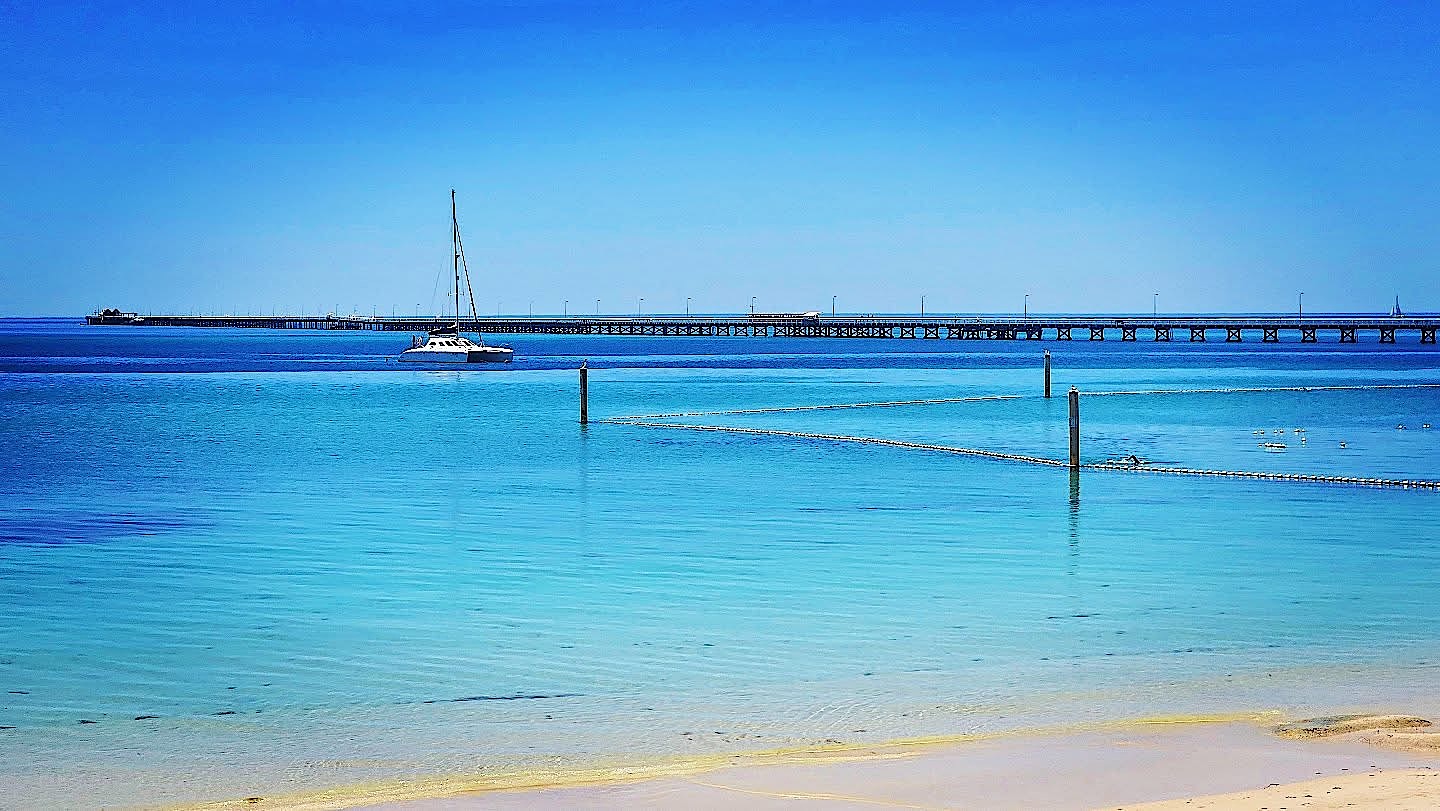
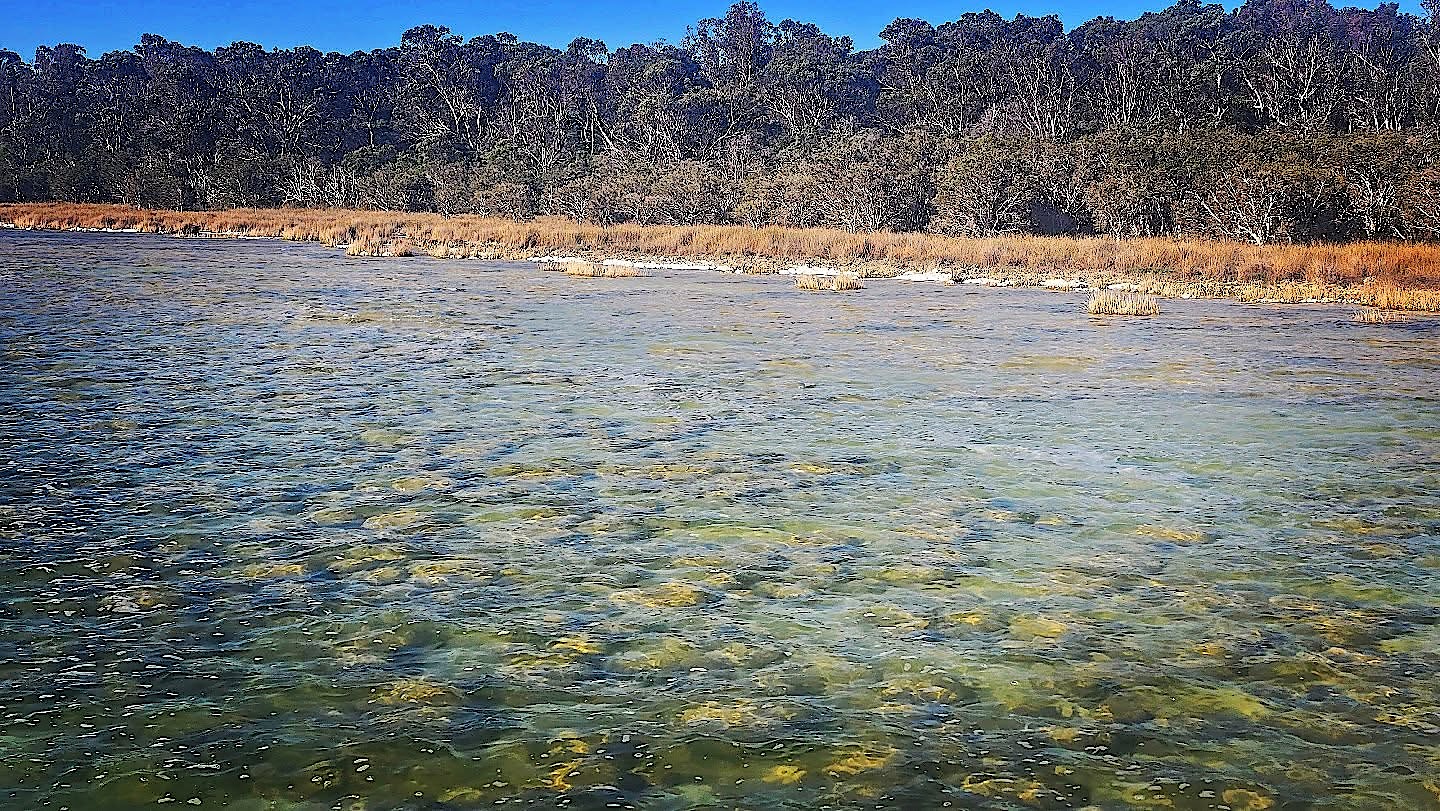
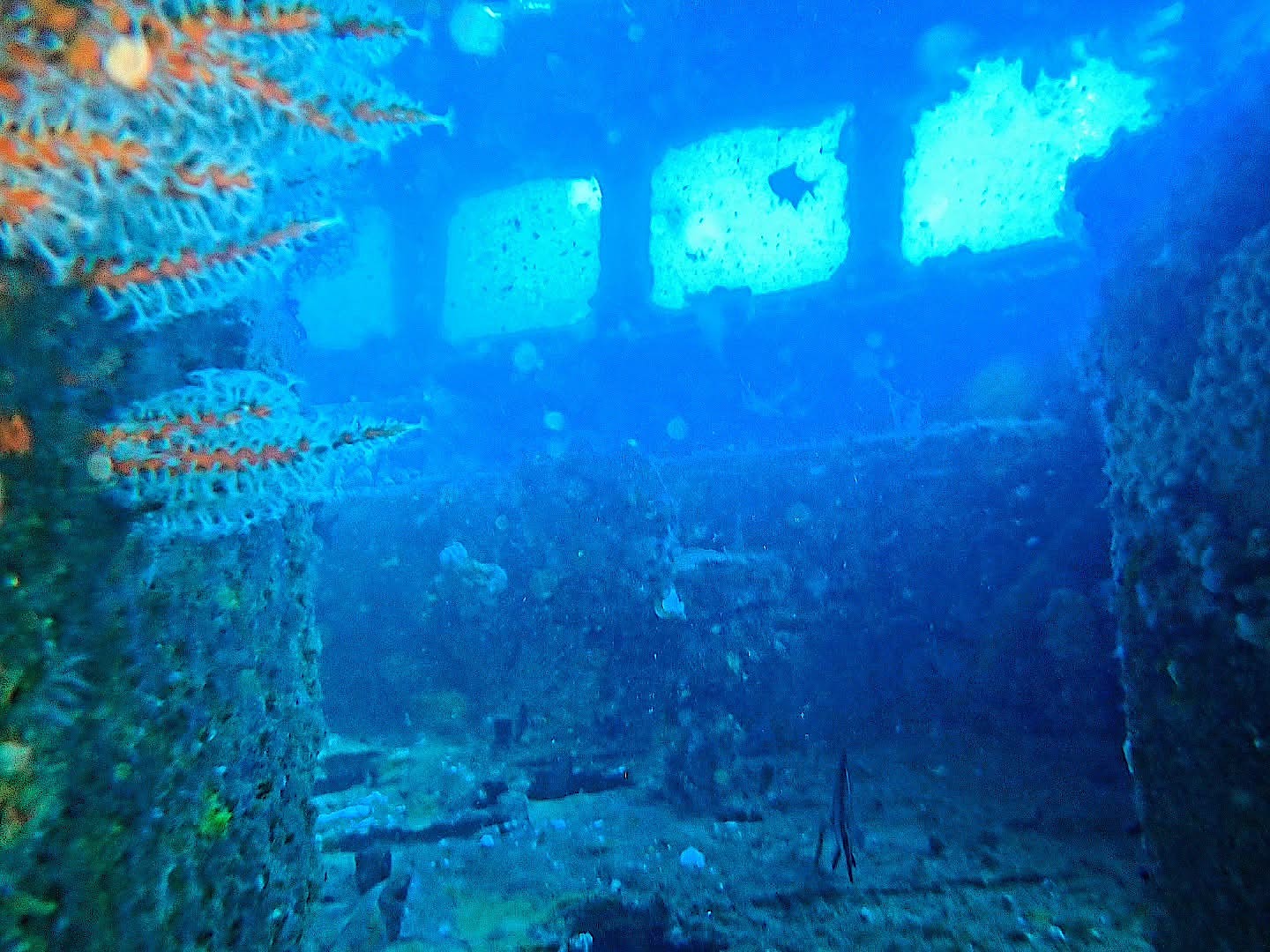
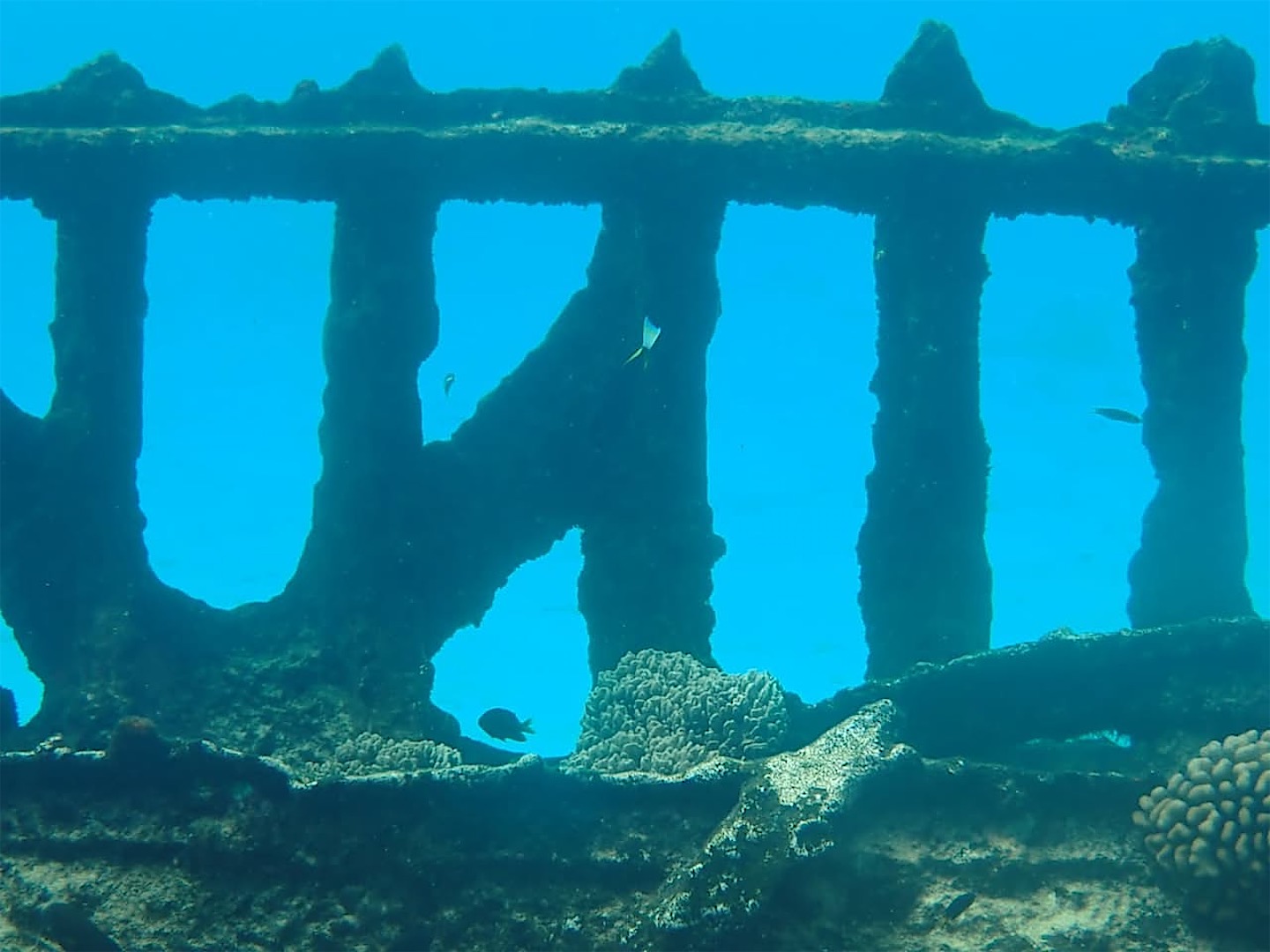
In Dunsborough I did two dives a day, including my first proper wreck dive. HMAS Swan, a former Royal Australian Navy warship, was sunk on purpose in 1997 to create an artificial reef. It is a huge wreck, and even the few parts I explored, such as the command centre, were fascinating.
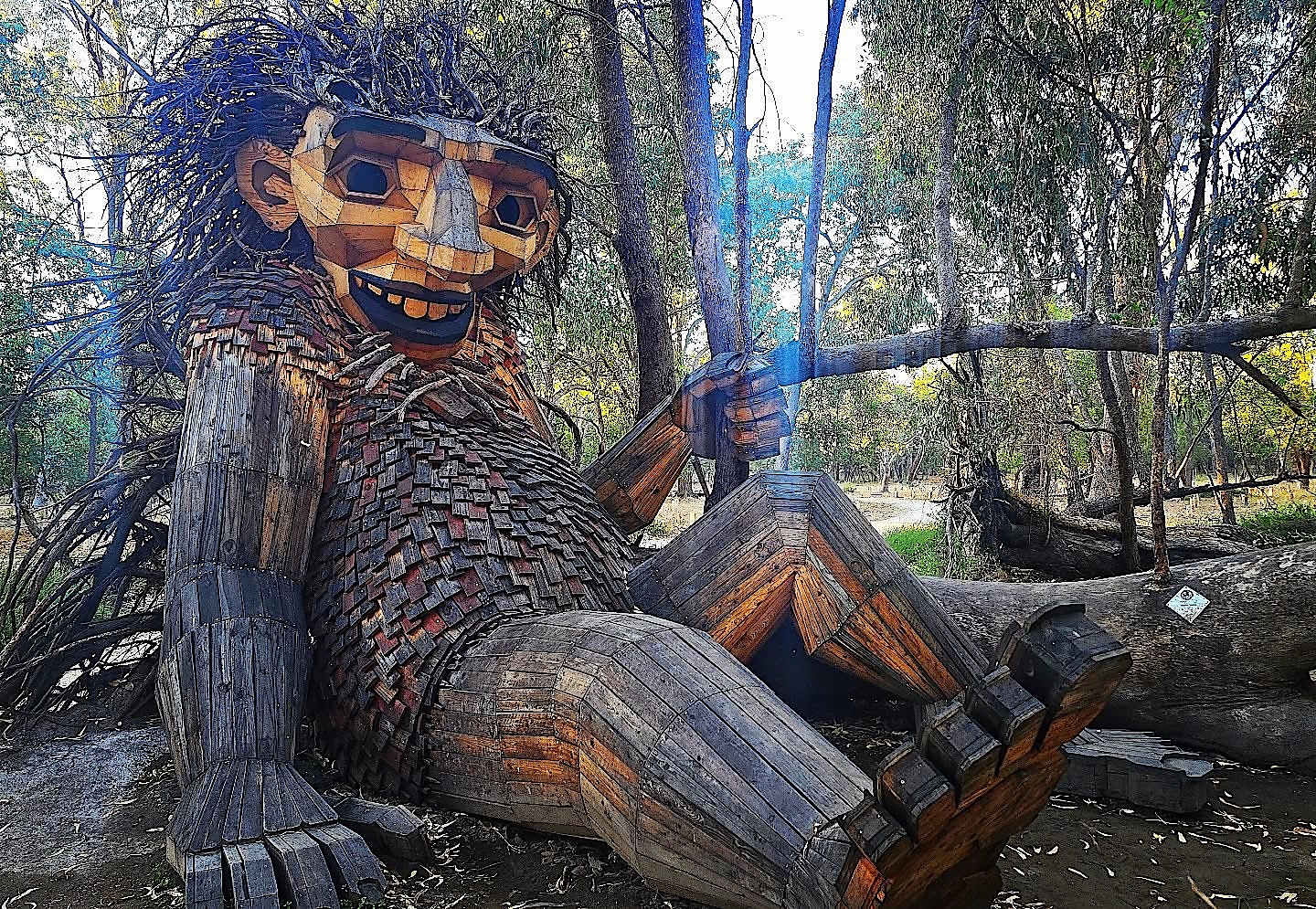
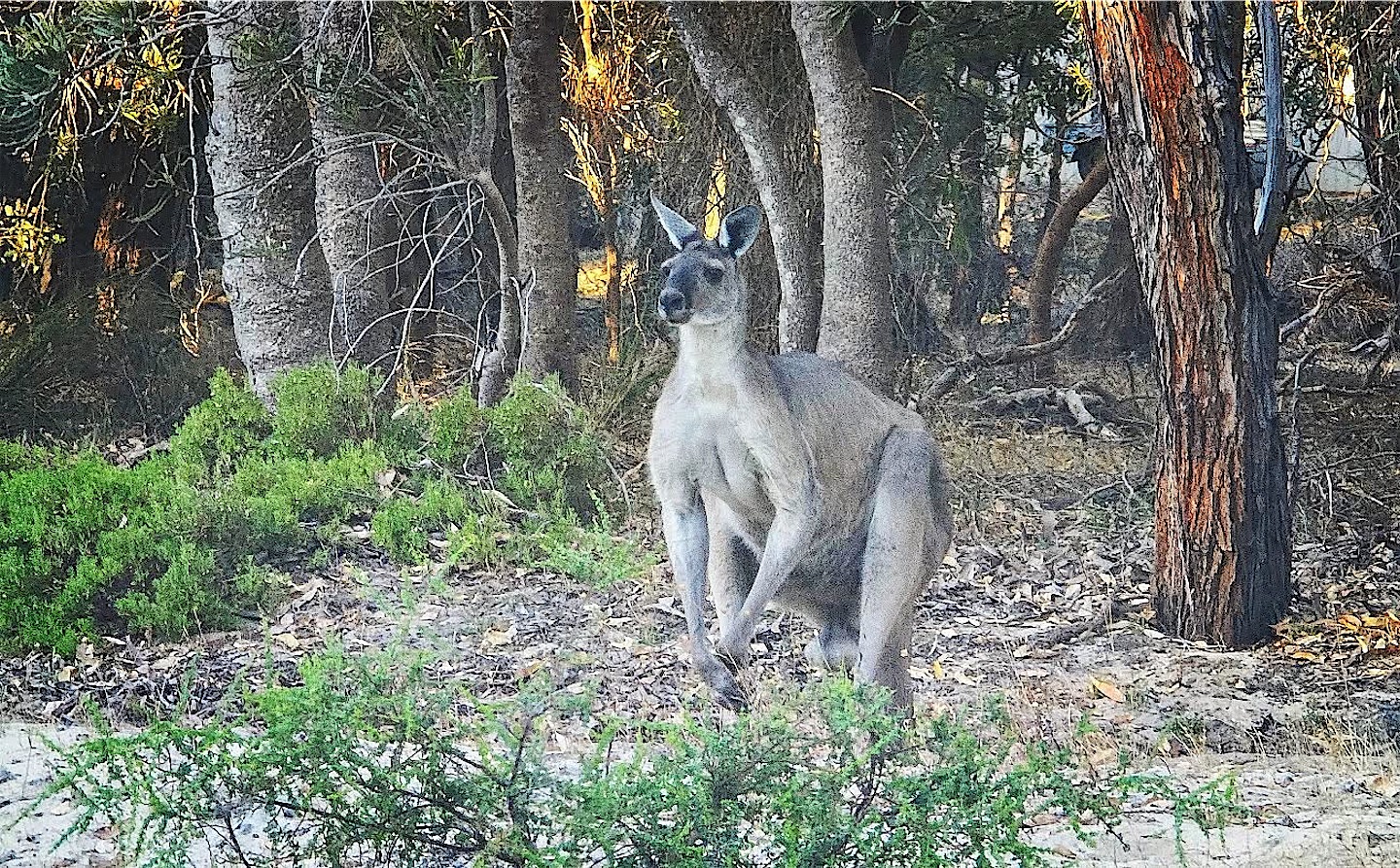
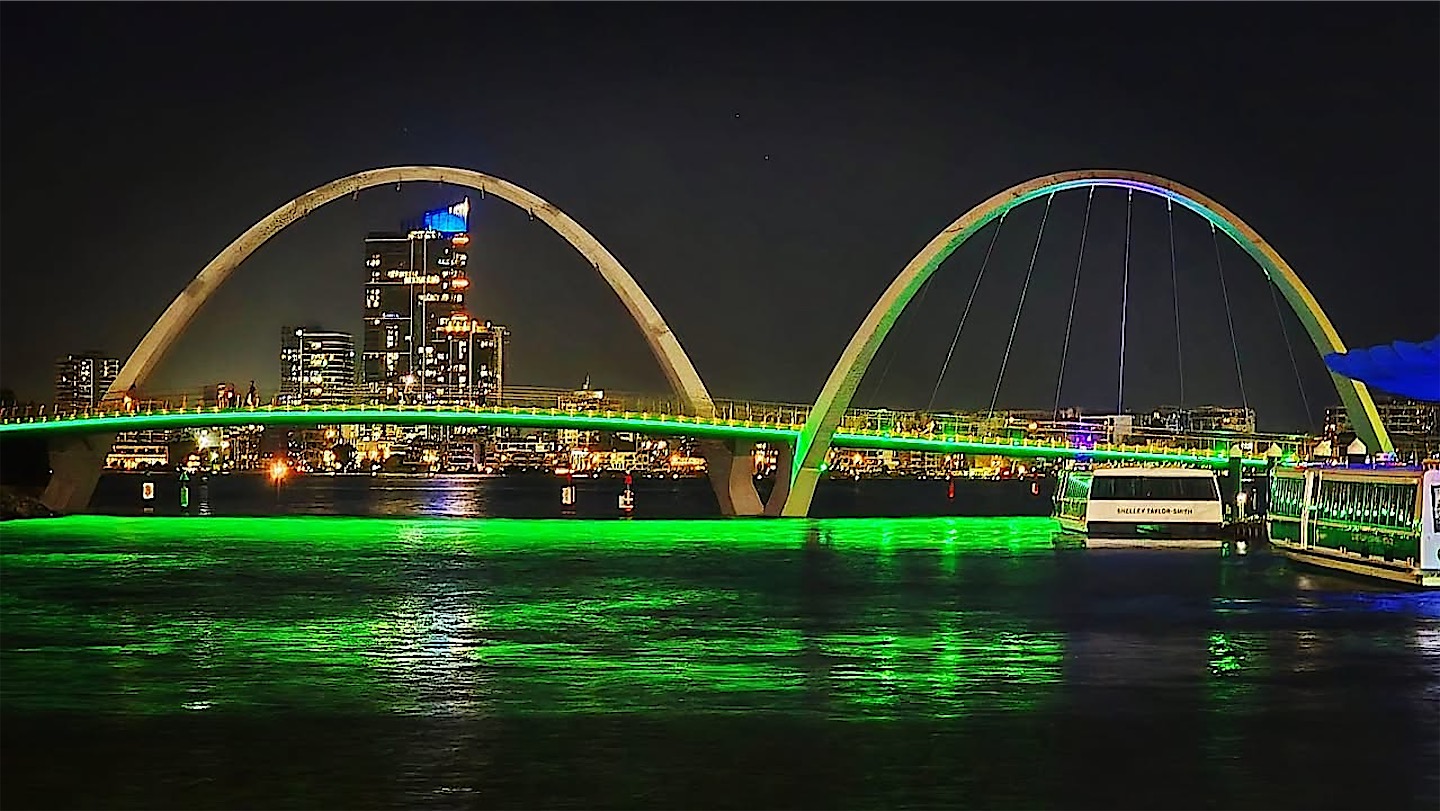
On the way back to Perth I met the Giant of Mandurah, one of the huge wooden trolls by the Danish artist Thomas Dambo, and my first wild kangaroos. A quick evening walk through the city centre, and the next morning I flew out to the islands.
Christmas Island, the island of crabs
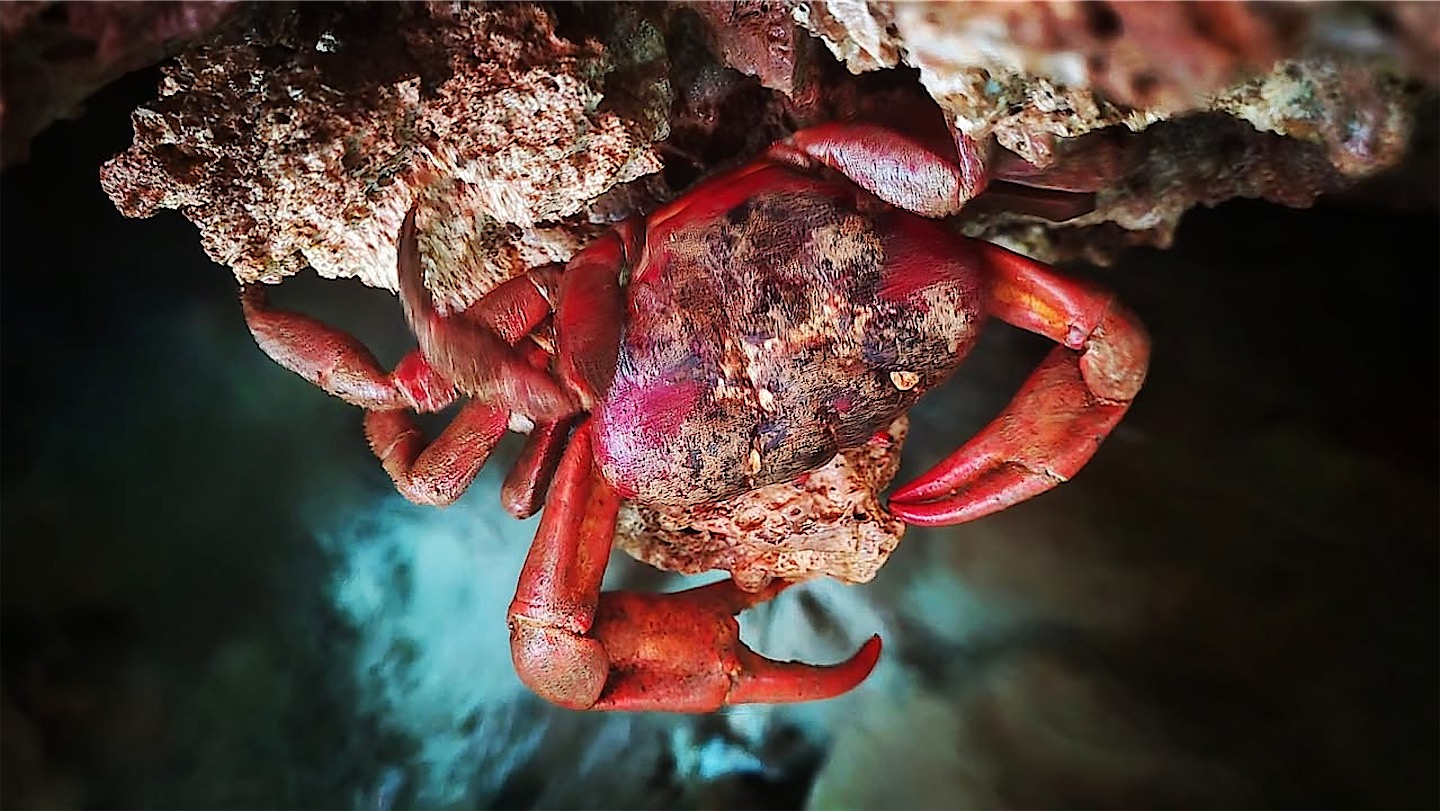
Geographically, Christmas Island belongs to Indonesia. It lies about 350 kilometres south of Java, but it is an Australian external territory. I came hoping to catch the famous red crab migration. I saw plenty of crabs as soon as I landed, and most roads on the island are closed during the season because of them.
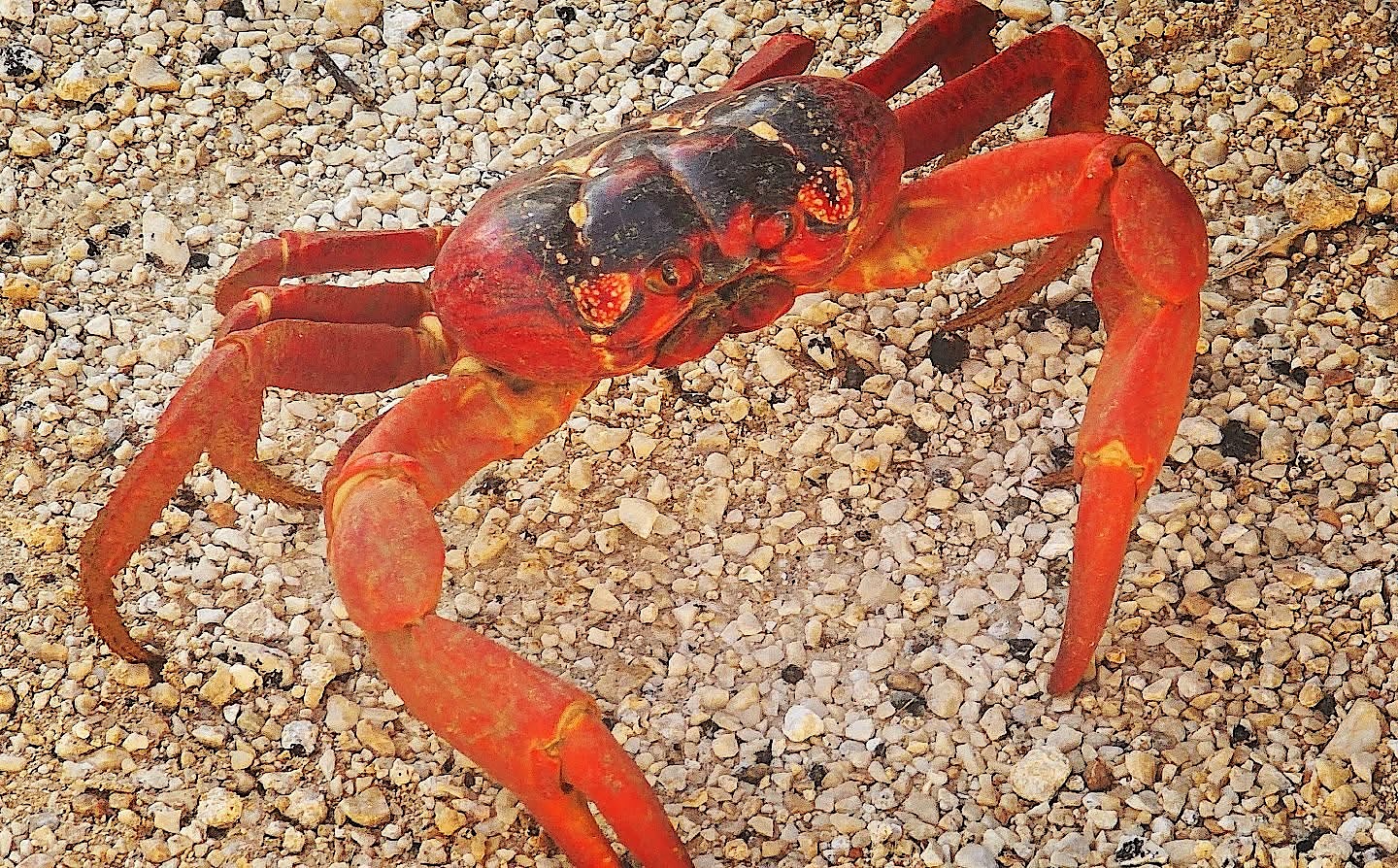
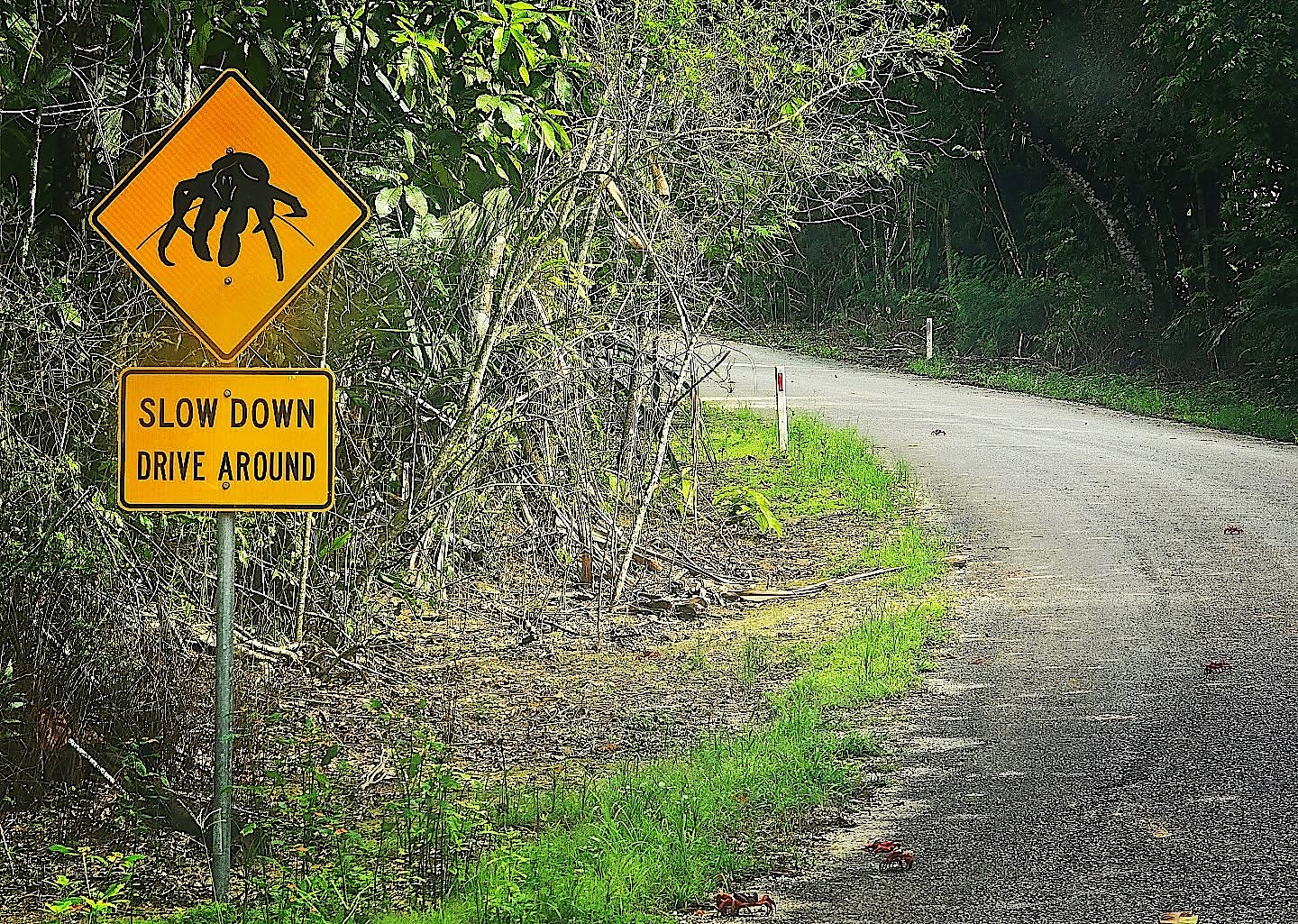
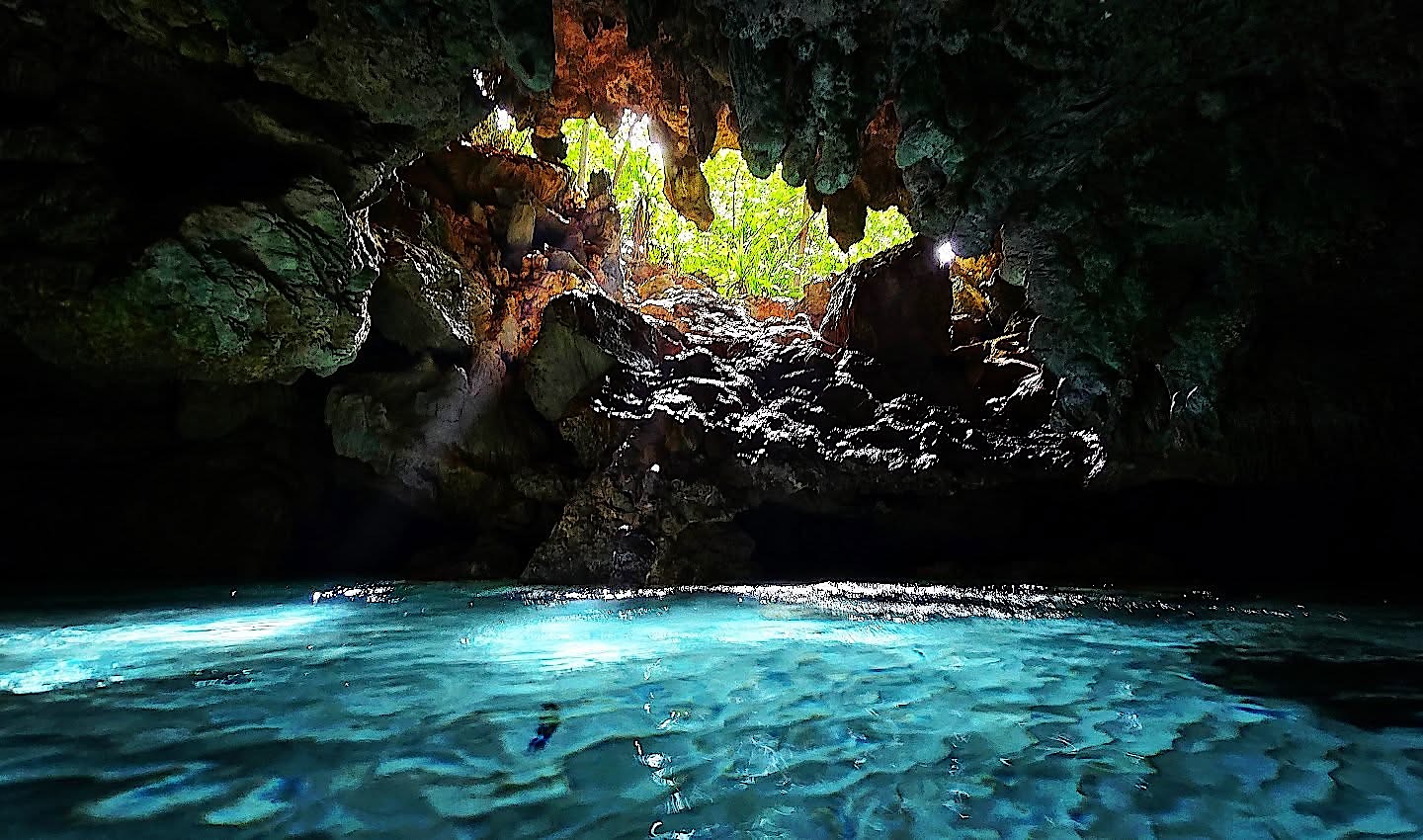
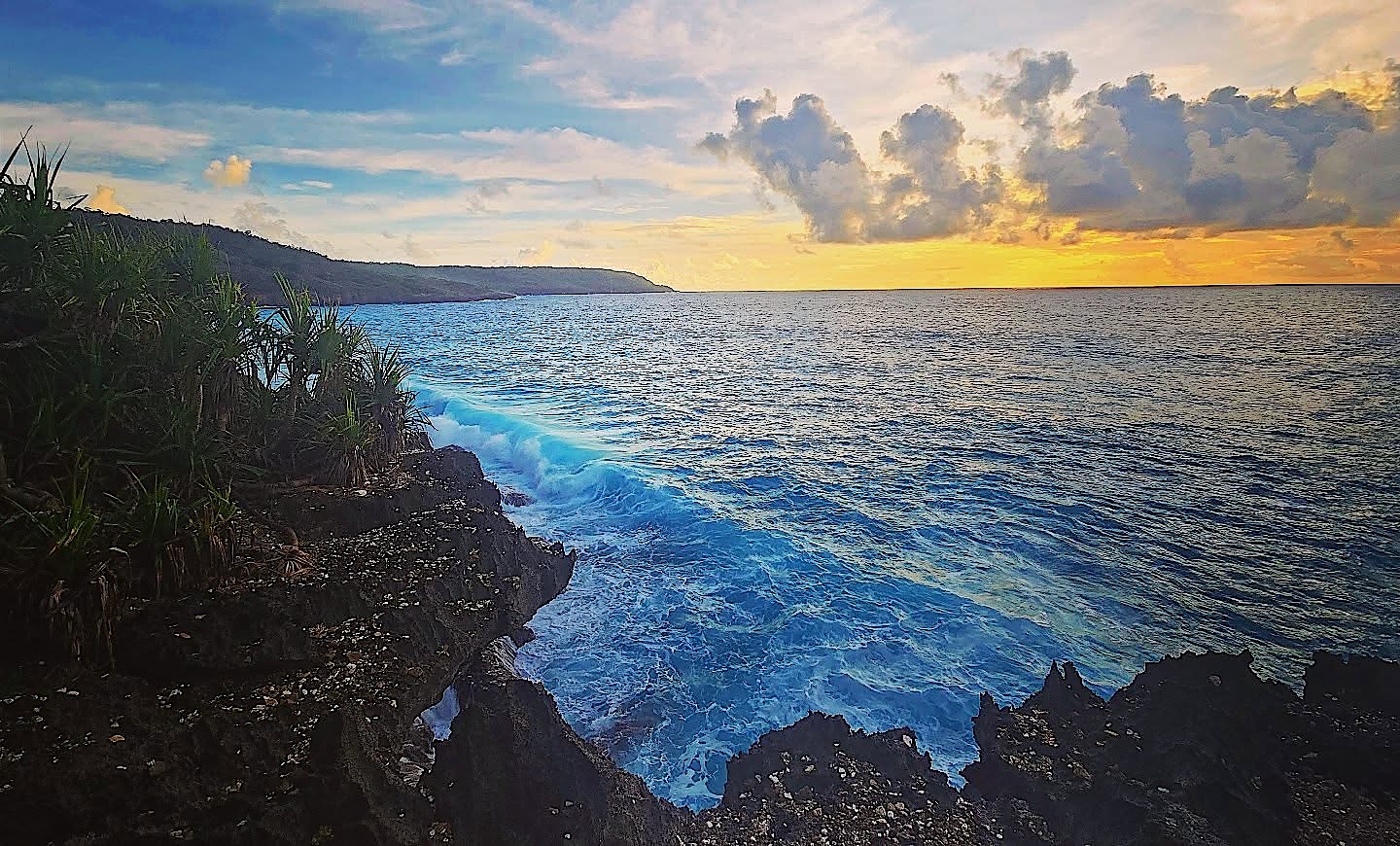
As it turned out, I arrived between the two main waves of the migration. There were still far more crabs than usual, and driving became a constant slalom. I hope I kept the casualties to a minimum, but it is impossible to avoid them all. With so many roads closed, I hiked a lot, which was no bad thing. Lush jungle, sheer limestone cliffs, caves, grottos and canyons make the island beautiful even without the crabs. I found an amazing grotto for swimming, and with only about 3,000 tourists a year, I rarely had to share any of it.
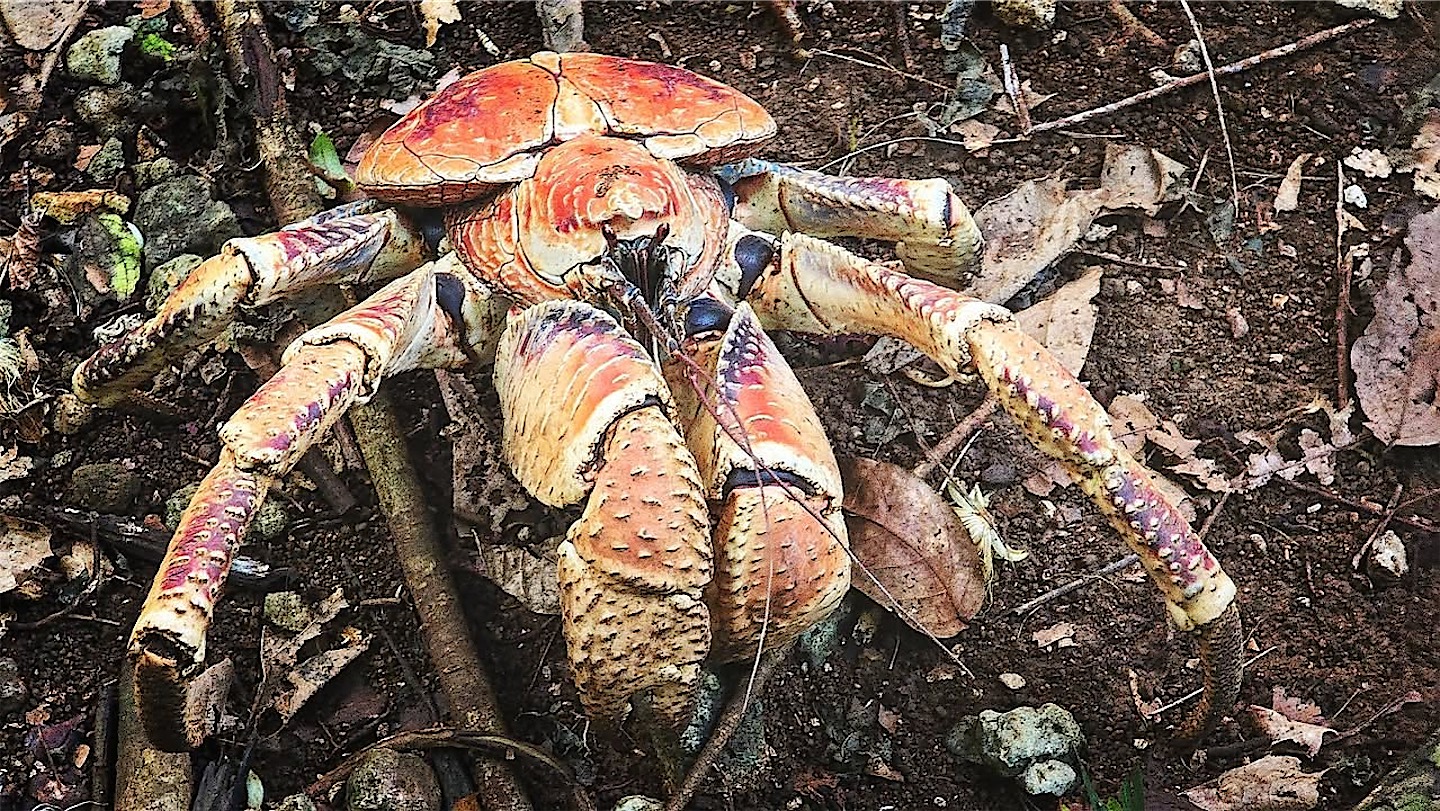
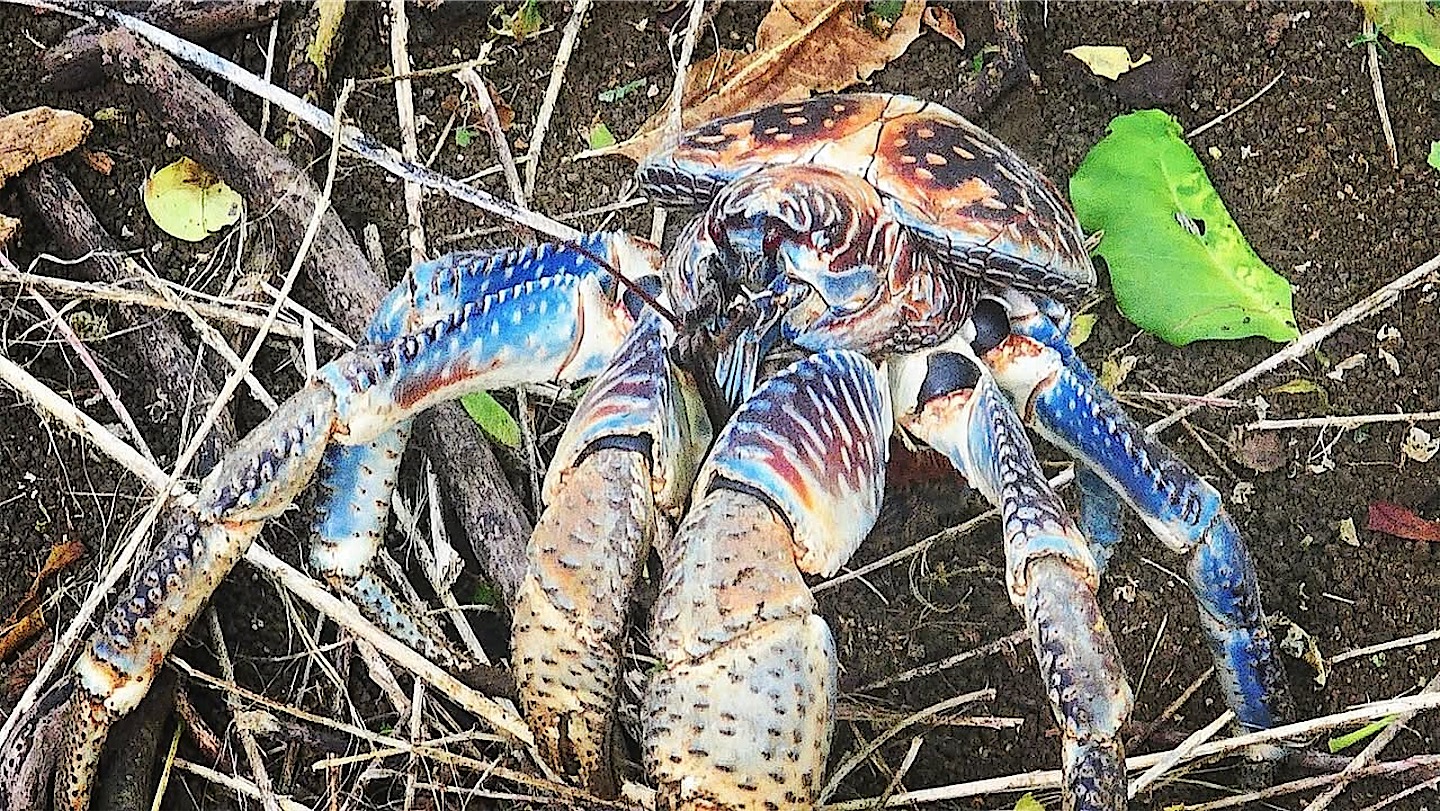
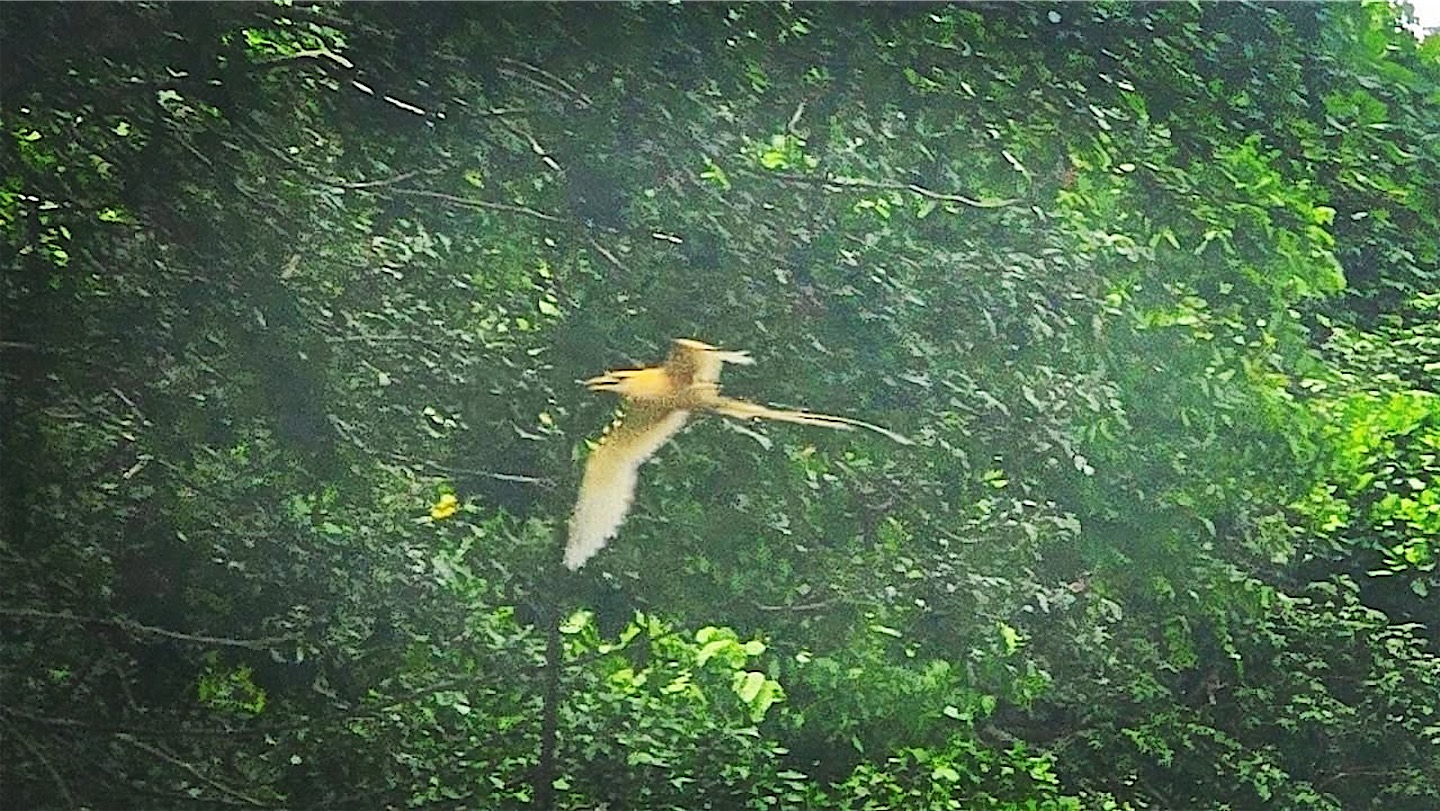
The real giants are the robber crabs. They are so big that I put my shoes next to one for comparison. There are also blue crabs, and the golden bosun, a beautiful endemic seabird, glides along the cliffs.
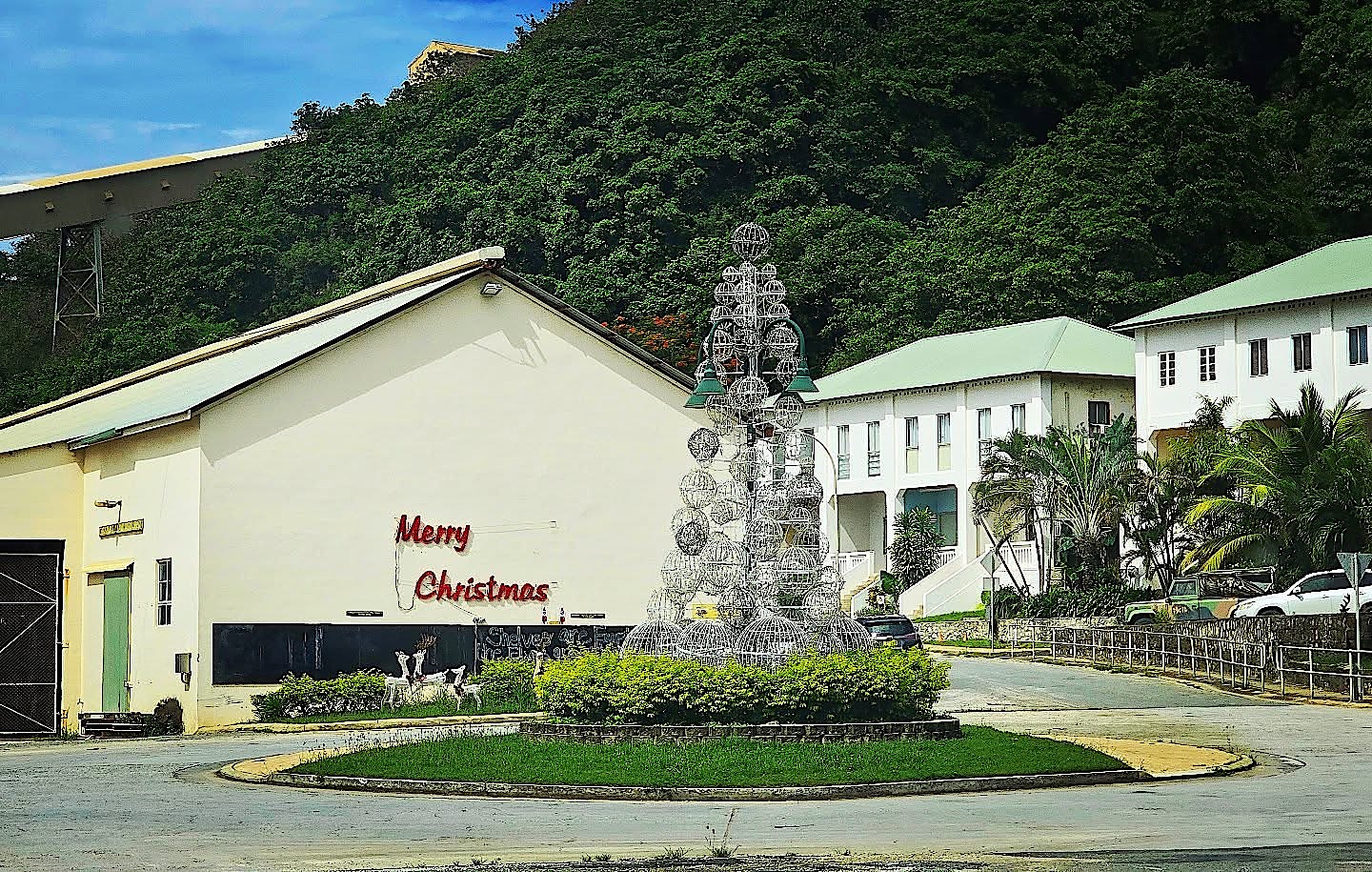
Underwater the fish life was modest, but the corals and the steep limestone wall along the southern shore made my four dives spectacular. On the island I also got my Nitrox certification, which allows longer and safer dives. Christmas Island has a small population of Chinese, Malay and European descent, so there are temples to visit and a surprisingly good choice of restaurants. And after all, it's called Christmas Island, so the decorations were already up a week before the holiday.
The island also has a darker side. Like Nauru, it houses an Australian immigration detention centre, and parts of the island have been scarred by phosphate mining. Today most of the island is a national park.
The Cocos (Keeling) Islands
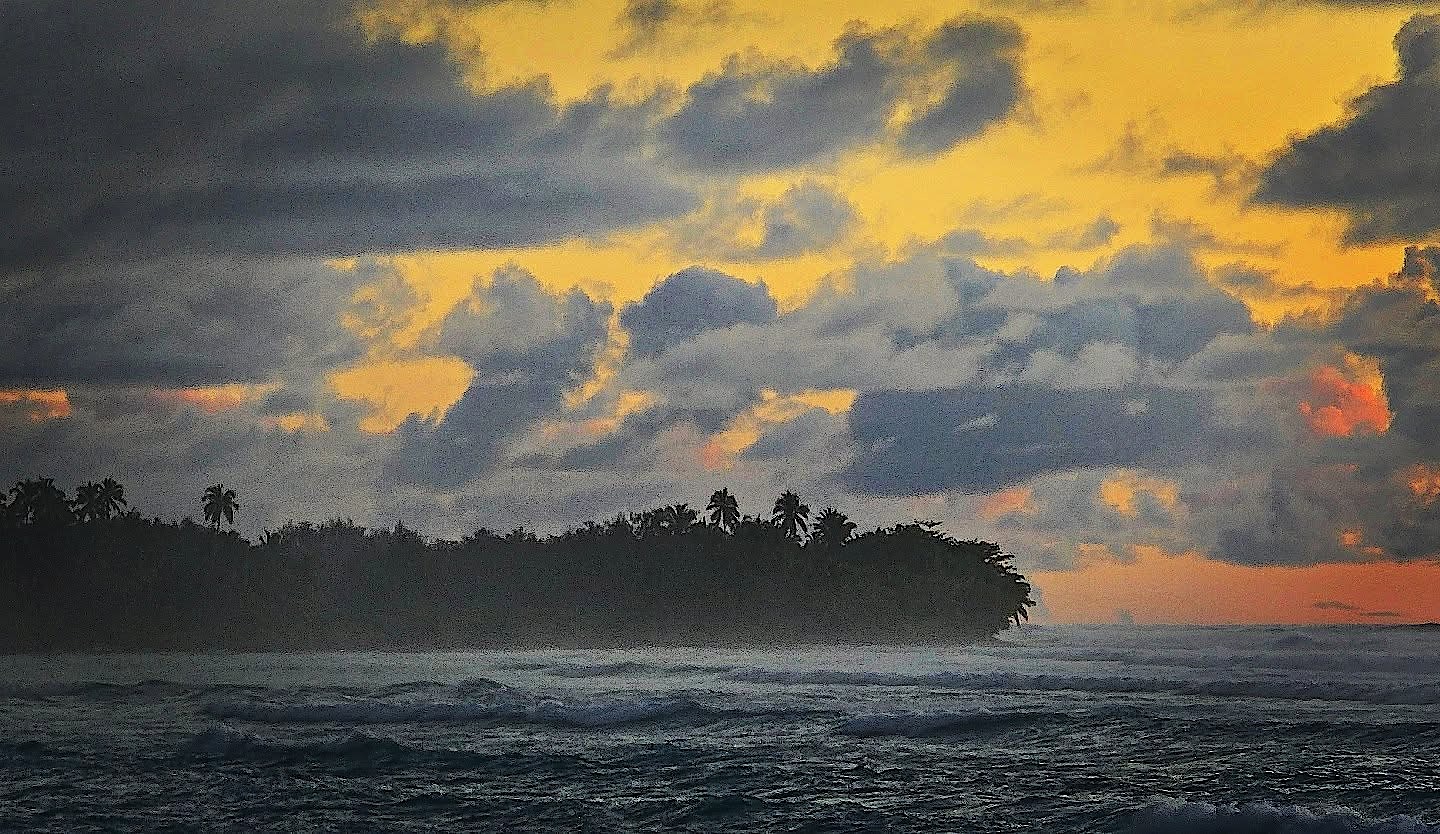
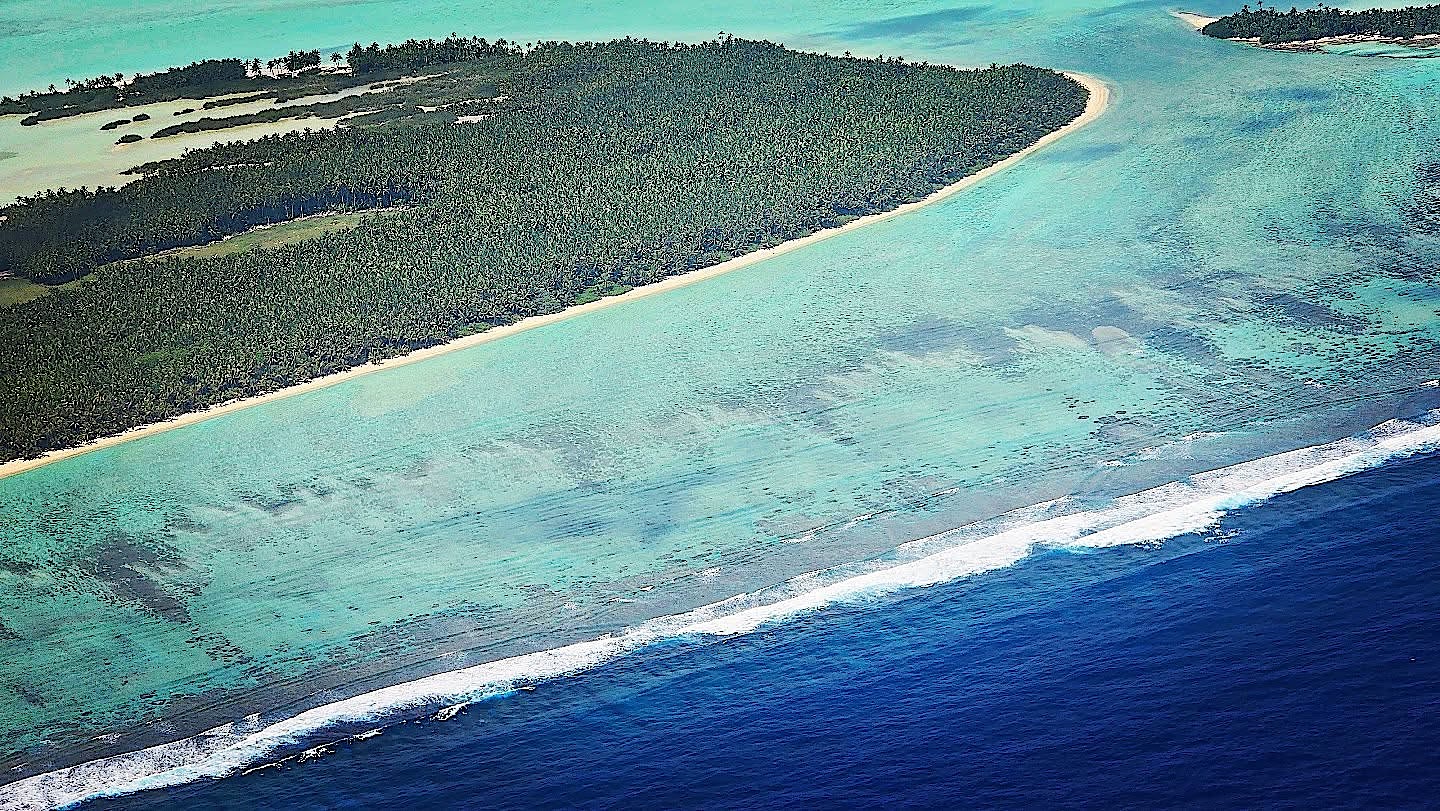
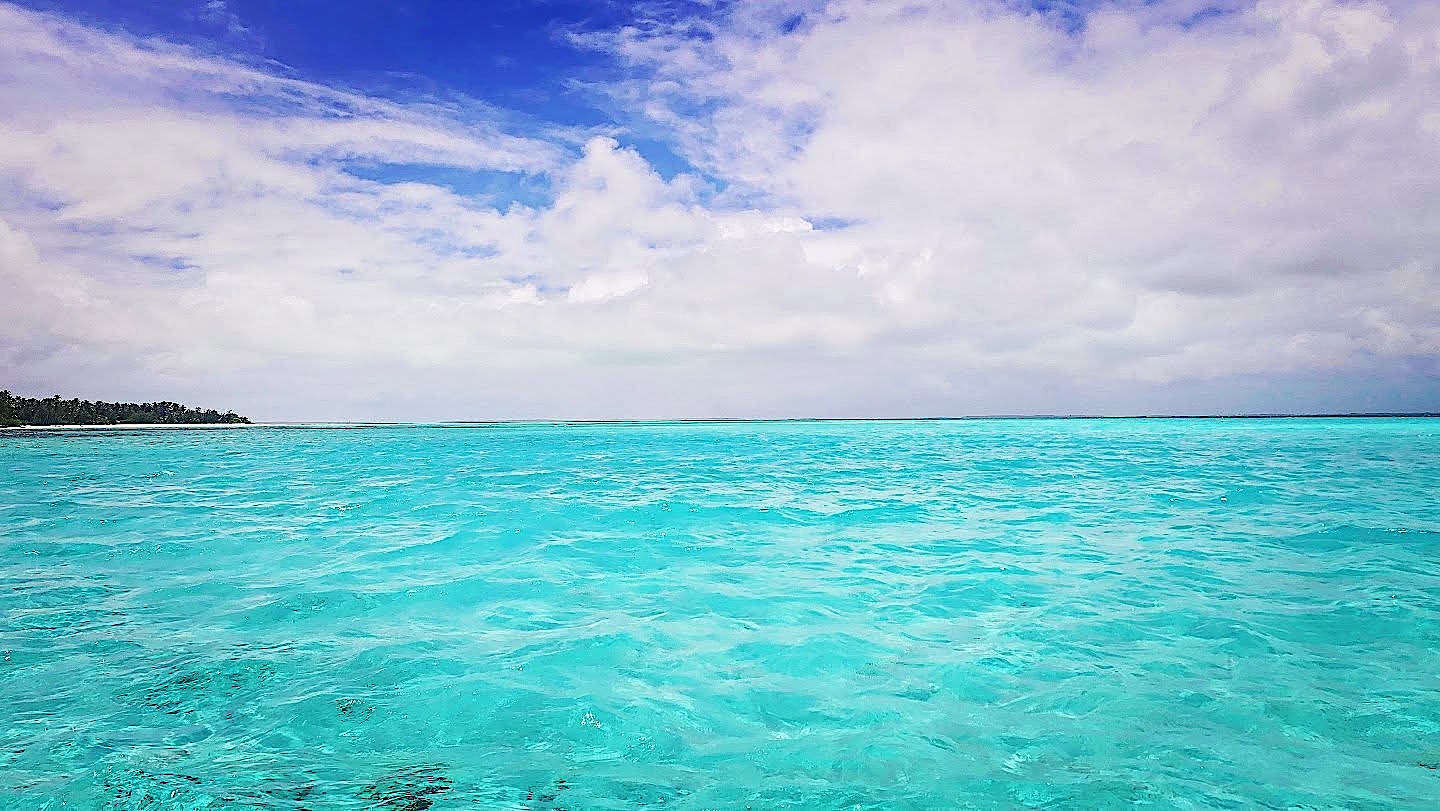
From Christmas Island I flew on to the even more remote Cocos (Keeling) Islands for three nights. They are Australian, but already halfway from Perth to Sri Lanka, and they marked territory number 260 of 265 on the UN+ list I follow, which leaves only five to go. From the air they look exactly like a picture-book atoll.
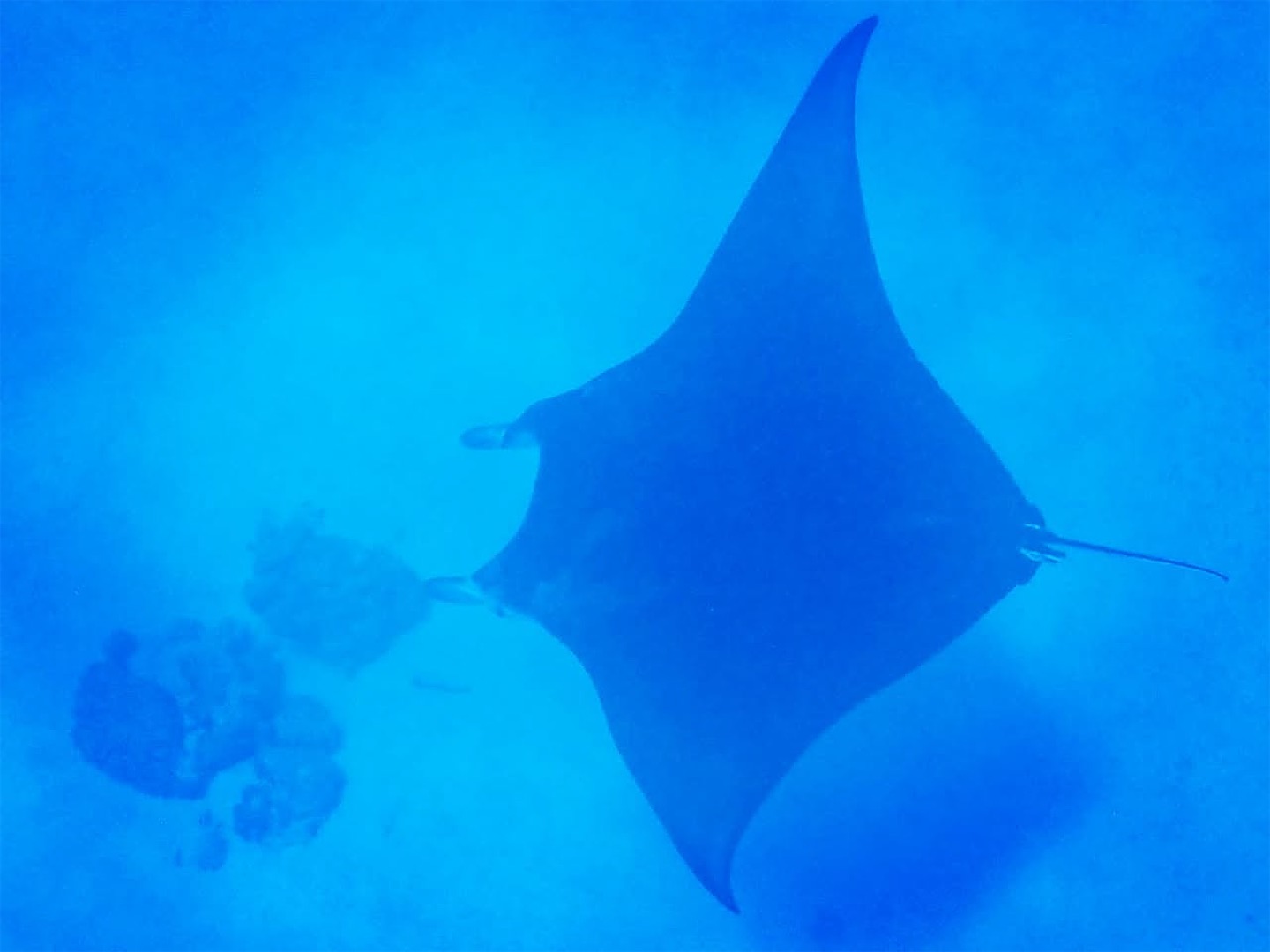
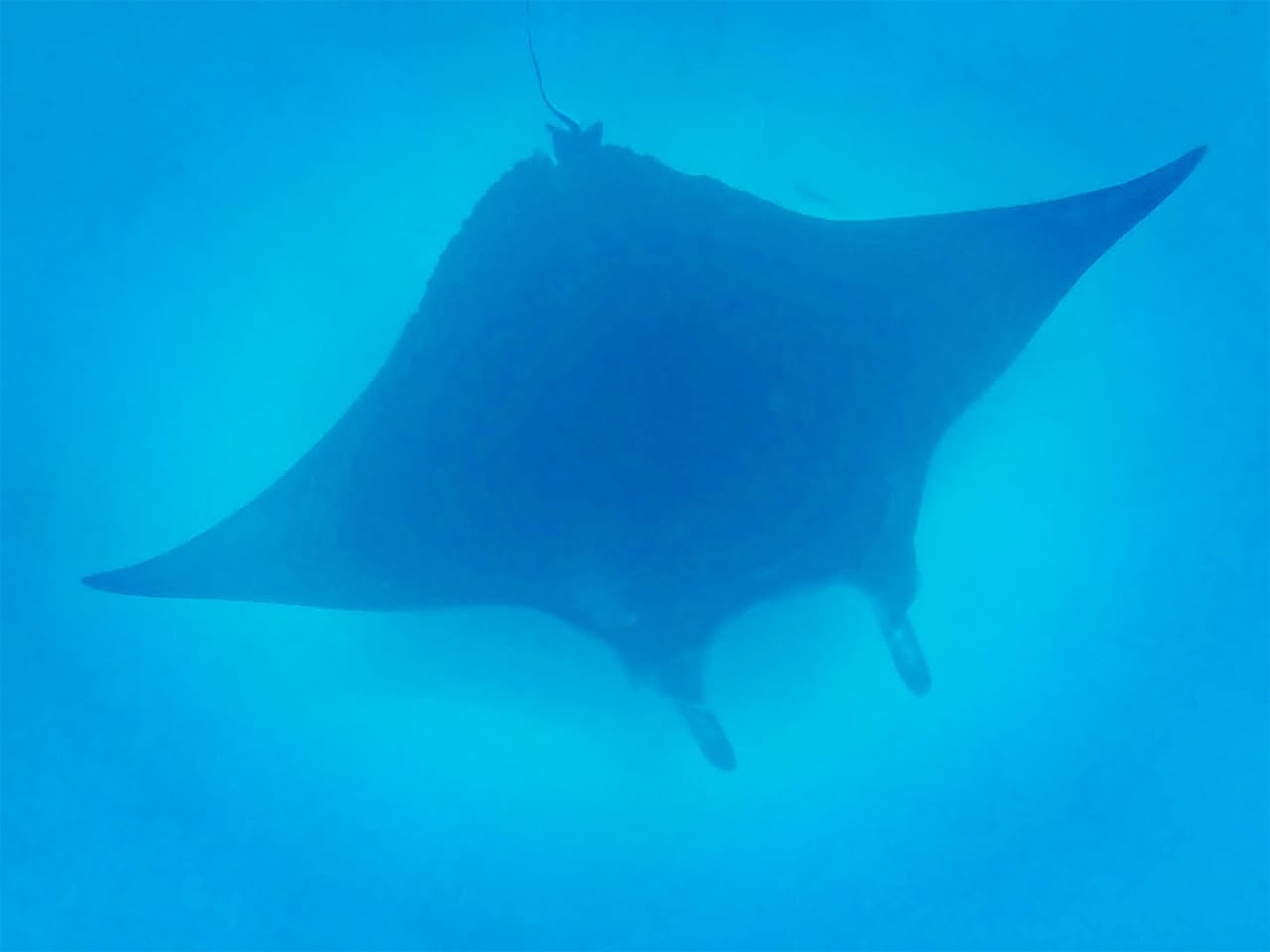
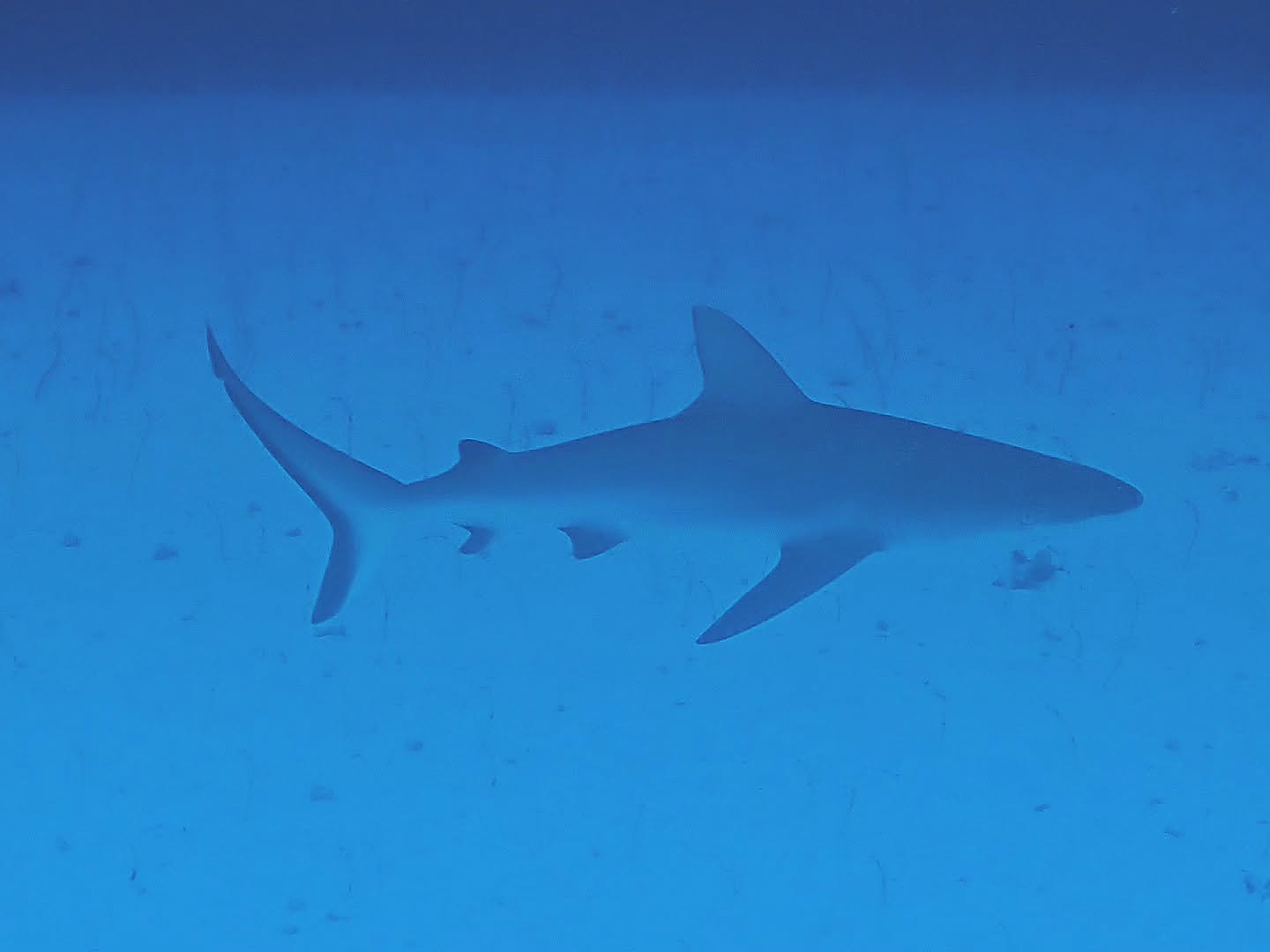
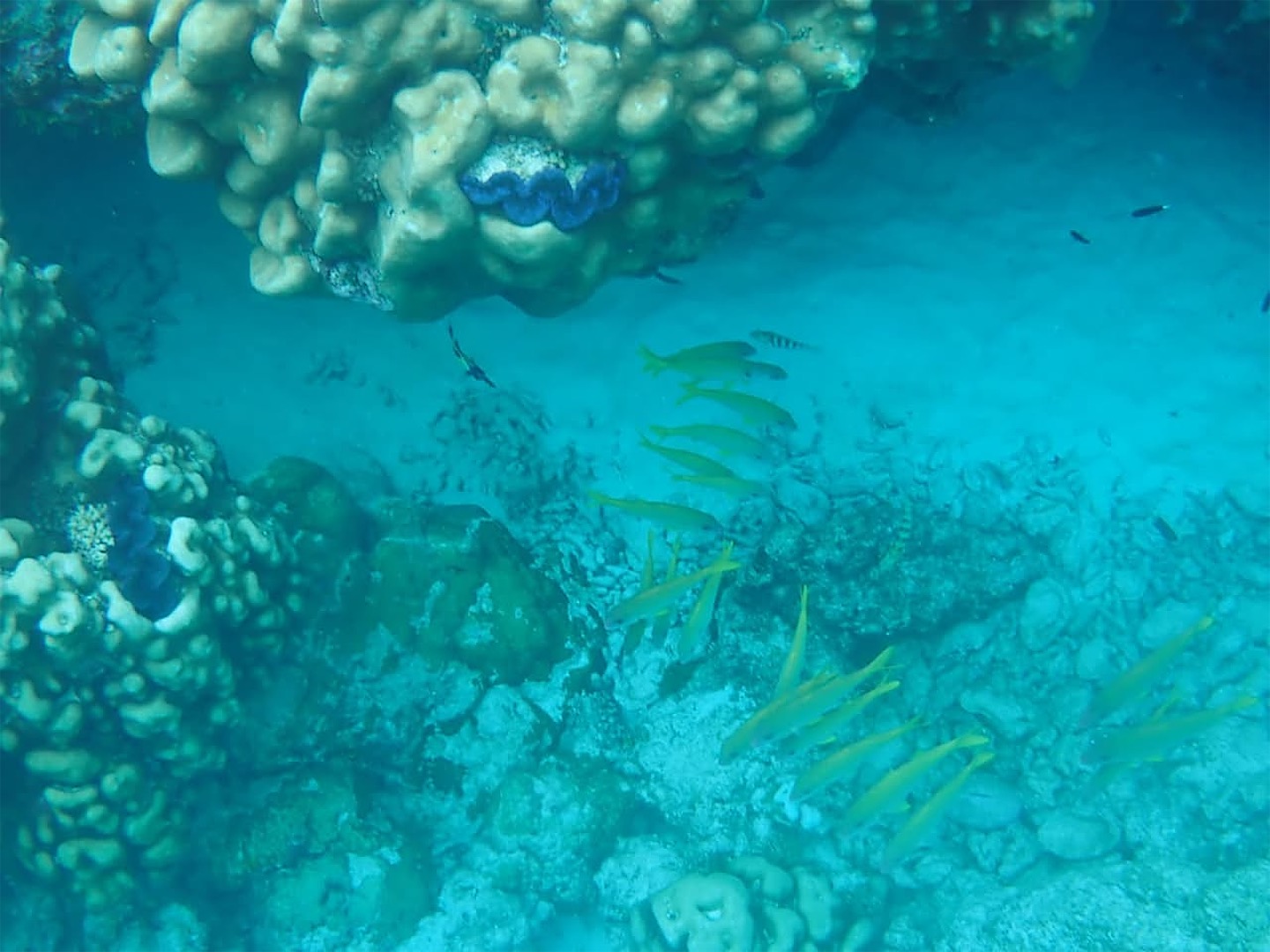
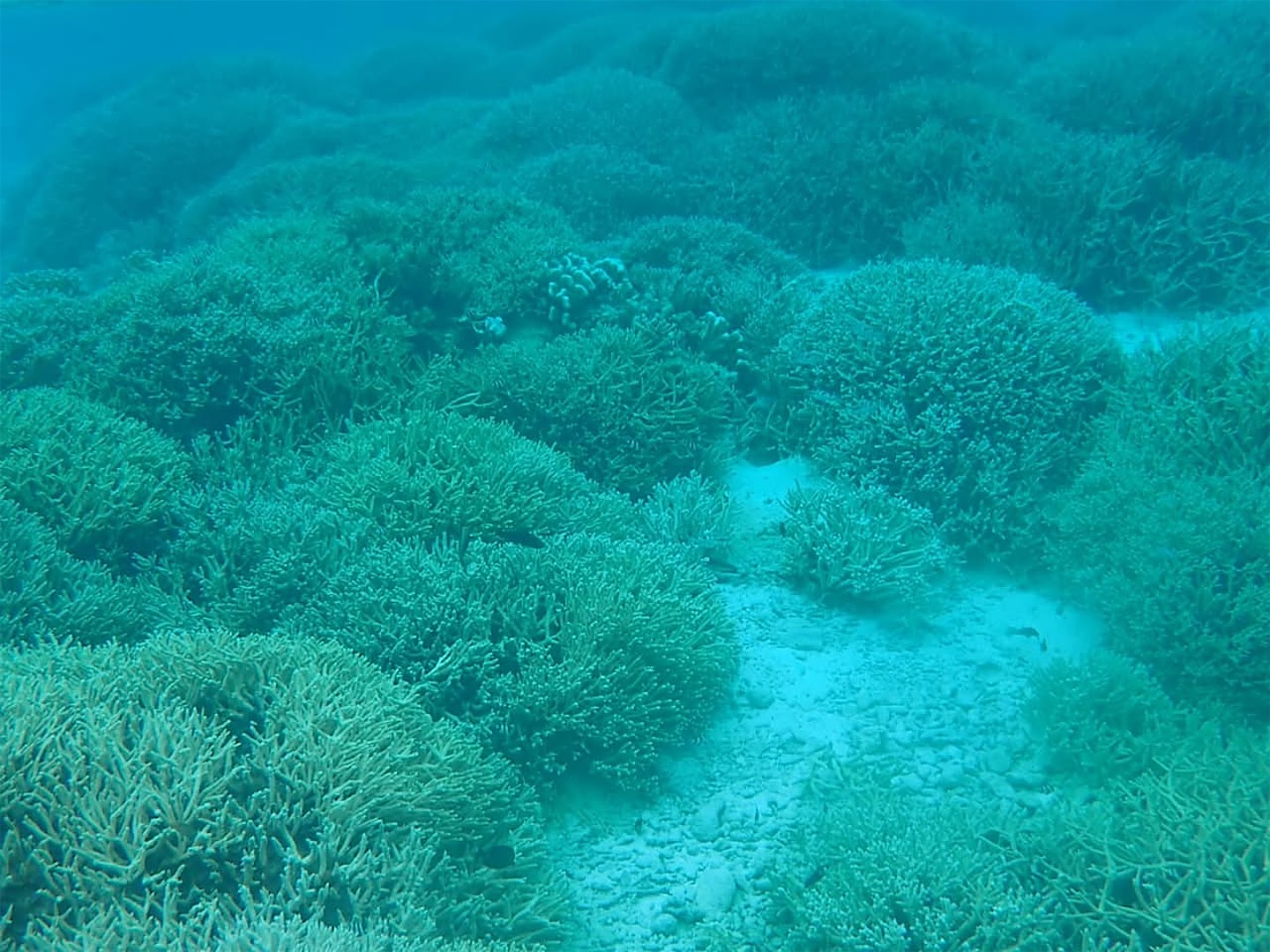
Above water there isn't much to see apart from beautiful beaches. Underwater it is another story, with healthy coral reefs and amazing fish life. I was lucky enough to swim with three manta rays. The sharks I met were all quite small, unfortunately.
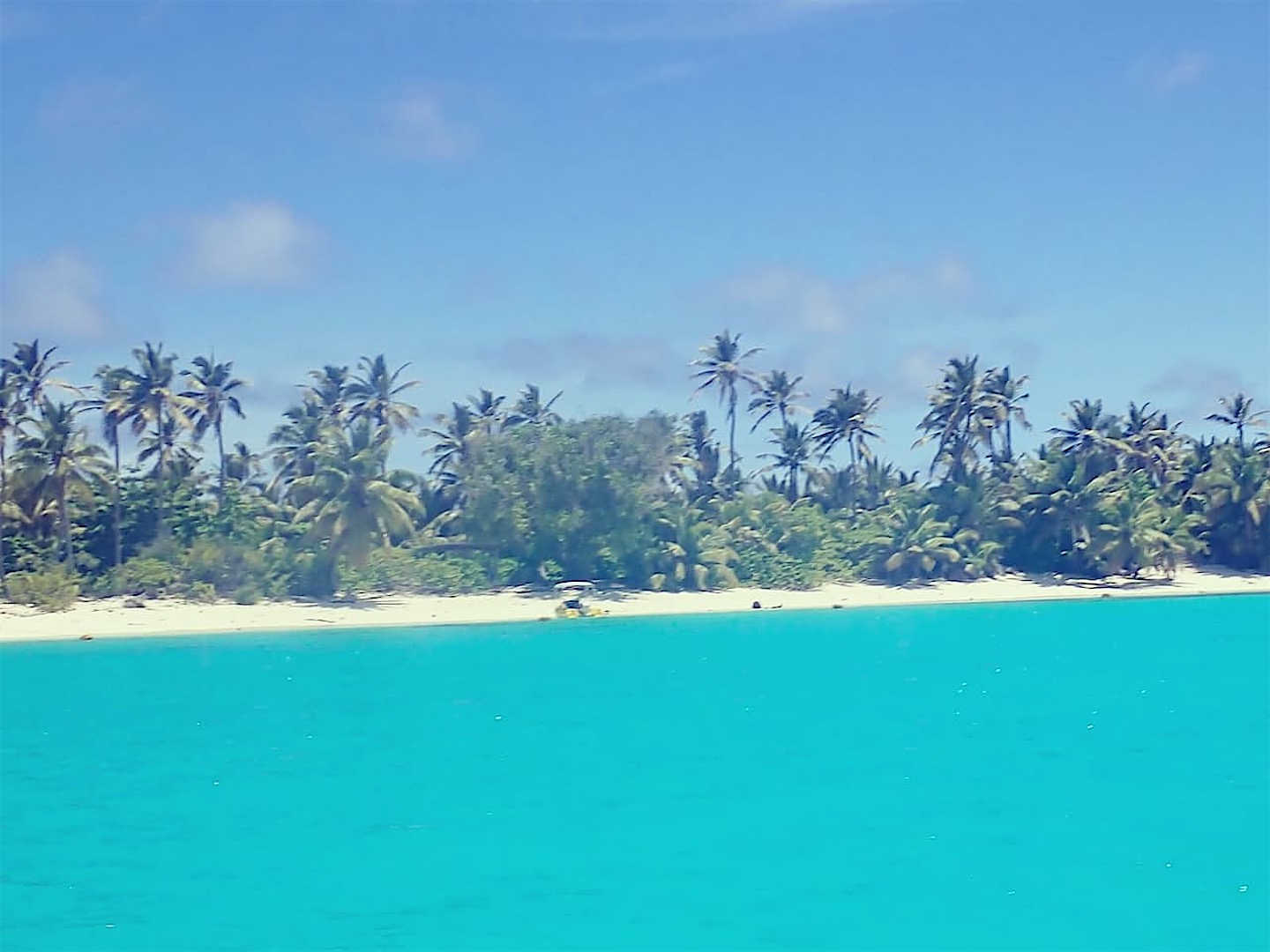
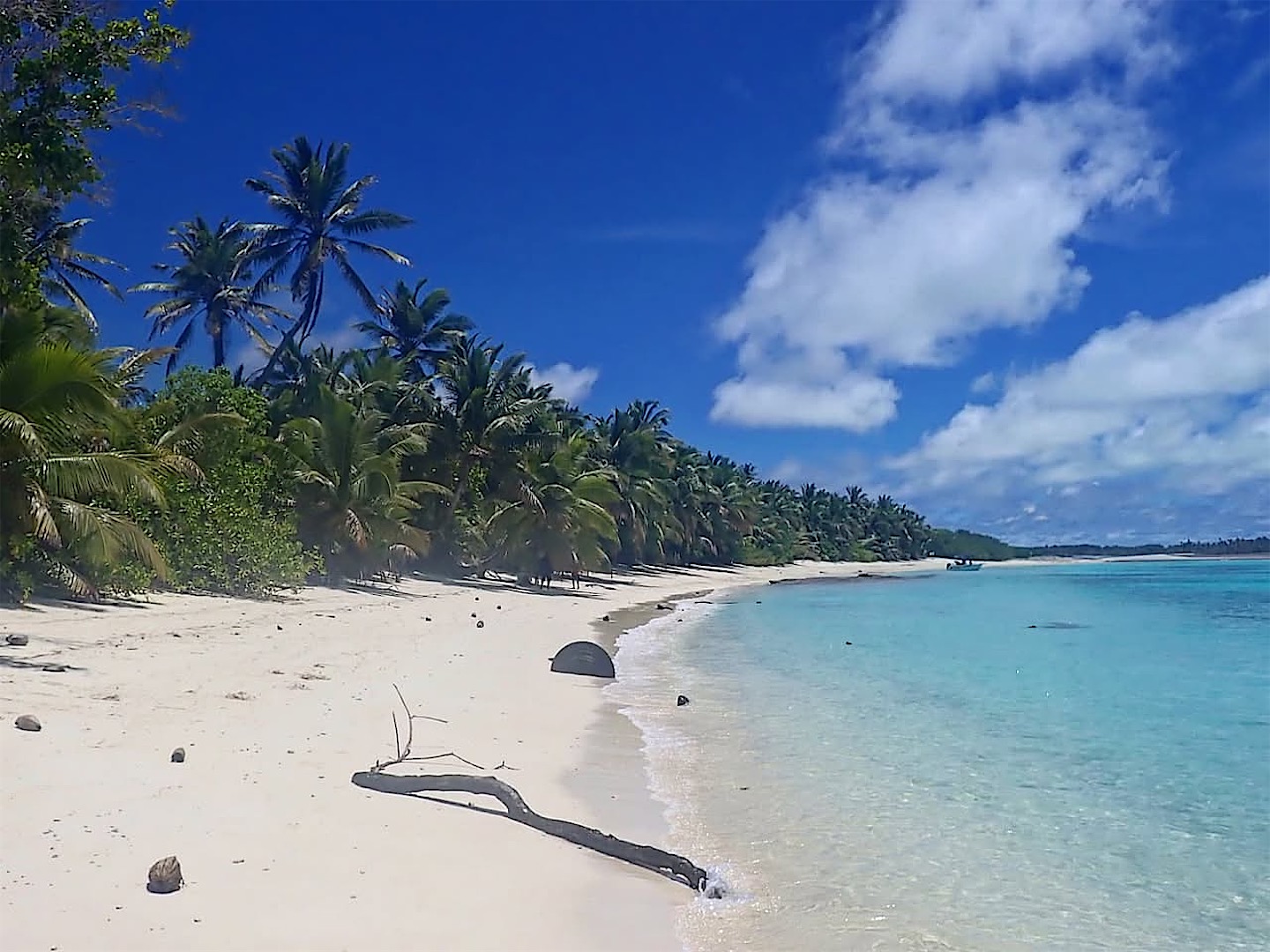
The beaches of Direction Island are something else. My verdict: go to Cocos, not the Maldives. The famous drift snorkel at "The Rip", a strong current between two islands, is amazing as long as a boat waits for you far out.
It was still a busy week: twenty consultations and seven interviews between dives and hikes. When I saw my final flight statistics for the year, I had set a record I will probably never beat: 136 flight segments, not counting helicopters and sightseeing flights. I'll be back in Australia in three months, flying in from Chile, because Lord Howe Island and Tasmania are still missing from my Australian territories. But first, Christmas in Vietnam.