
Jaguars and White Dunes: Two Weeks from Southern Brazil to the Caribbean
1–16 September 2025 · Chapecó, Salto do Yucumã, Ametista do Sul, Cuiabá, Pantanal, Porto Jofre, São Luís, Lençóis Maranhenses, Uco Valley, Panama City, Cartagena · Regions: Brazil, Argentina, Panama, Colombia
After three months in Europe it was time for another intercontinental trip: two weeks in South America with a mixed programme. I wanted to see regions of the Brazilian interior that were new to me, visit my vineyard in Argentina in early spring for the first time, make the trip to Panama that keeps my residency alive and say a quick hello to my catamaran in Cartagena. Despite various delays I made my connection in Lisbon thanks to a private shuttle, which I had not expected from TAP, and flew on via São Paulo to Chapecó.
A waterfall on the border and a town of amethysts
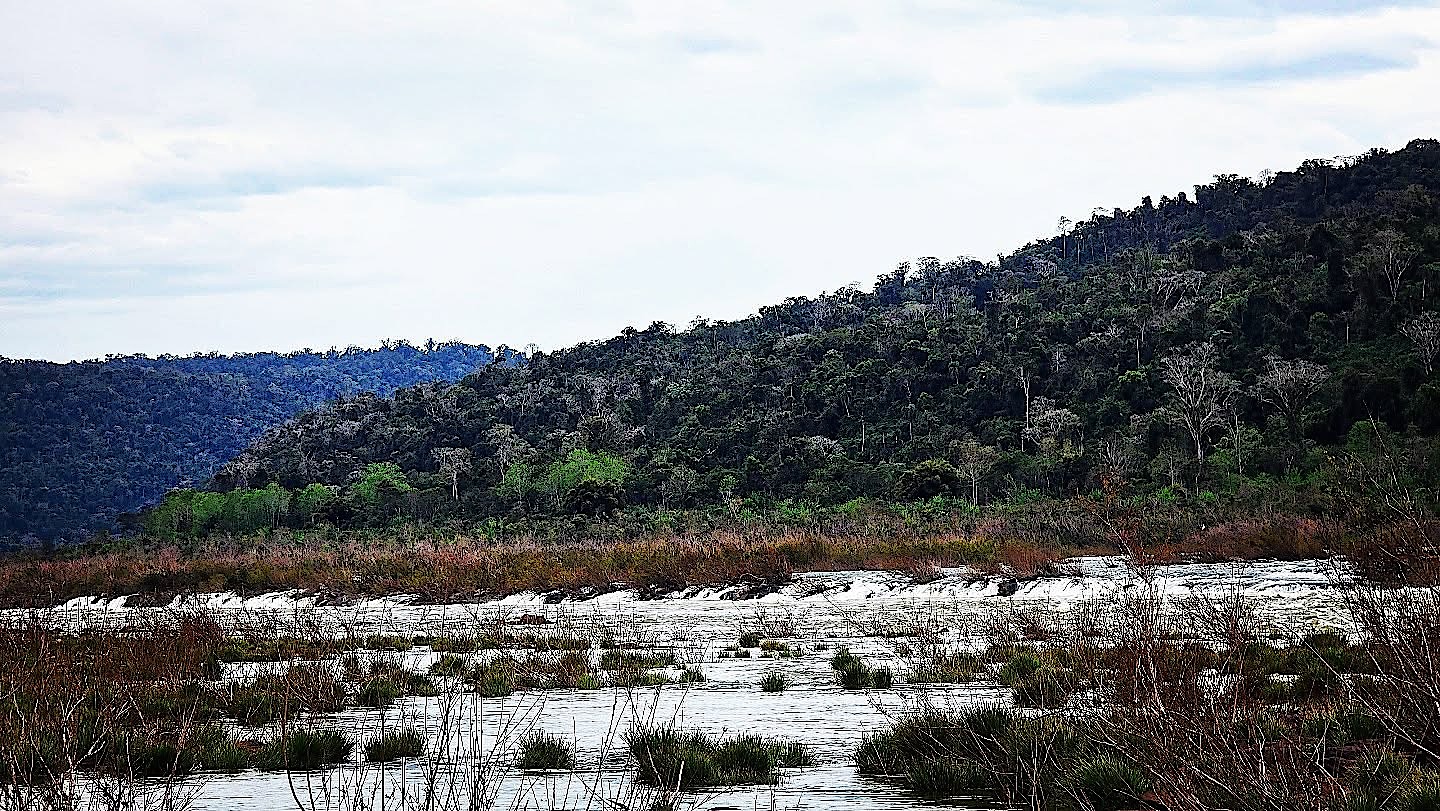
Chapecó, an agribusiness town in Santa Catarina, has the only airport far and wide. From there I drove three hours south to the Salto do Yucumã on the Uruguay River, a place few international tourists have heard of. The falls were barely half a metre high, with Argentina on the opposite bank. That was still lucky: after heavy rain they vanish completely, and only after a long dry season do they reach 10 to 15 metres.
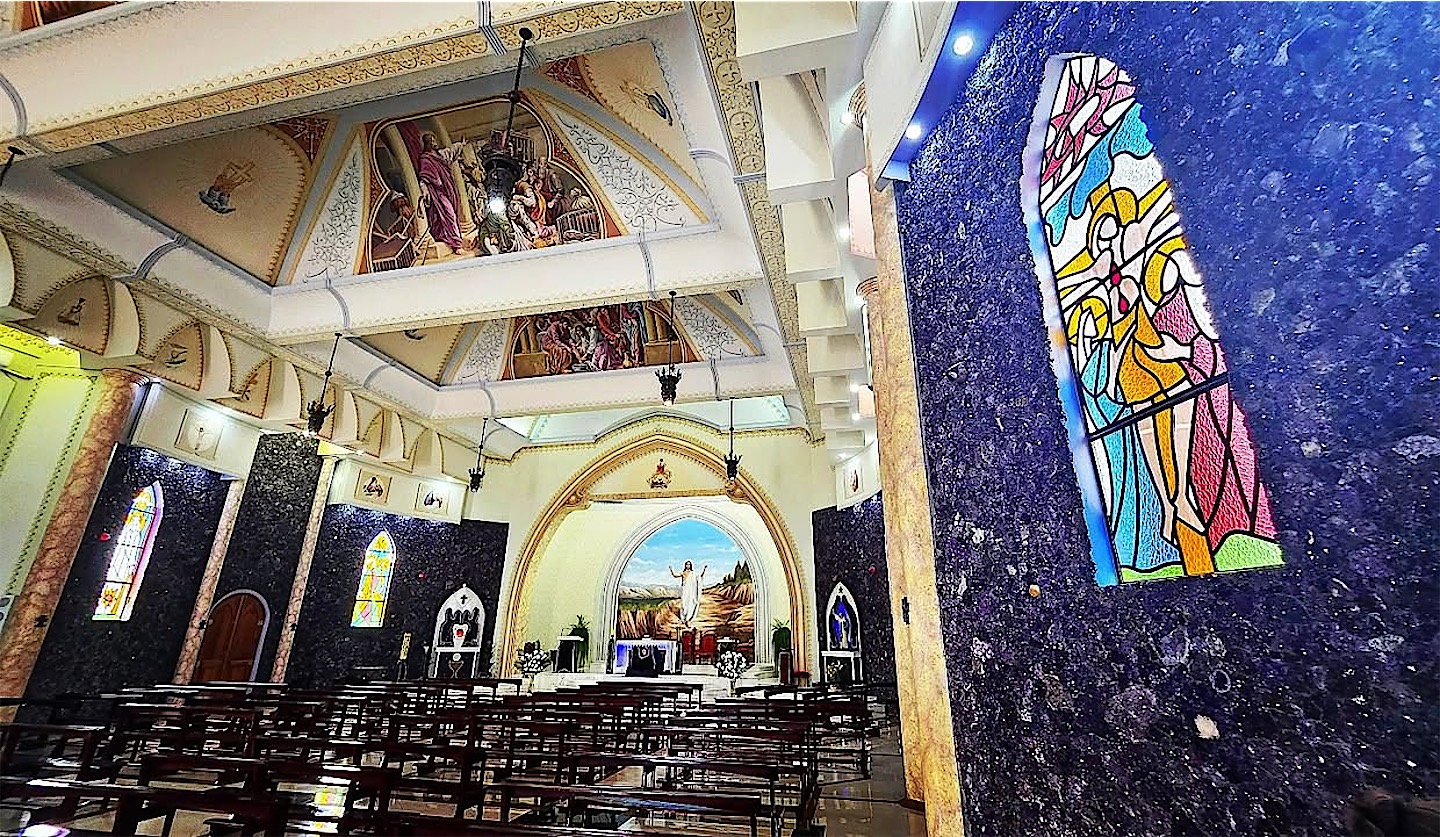
We spent the night in Ametista do Sul, a town that lives up to its name. There is a pyramid covered in amethyst for meditation, a swimming pool 300 metres inside a mine, a restaurant in an old mine tunnel next to the active one, and a church whose walls are lined with amethyst and other minerals. Local wineries keep their cellars in former mine galleries, which fits the legend that Bacchus, the god of wine, created the stone and that wearing it protects you from drunkenness.
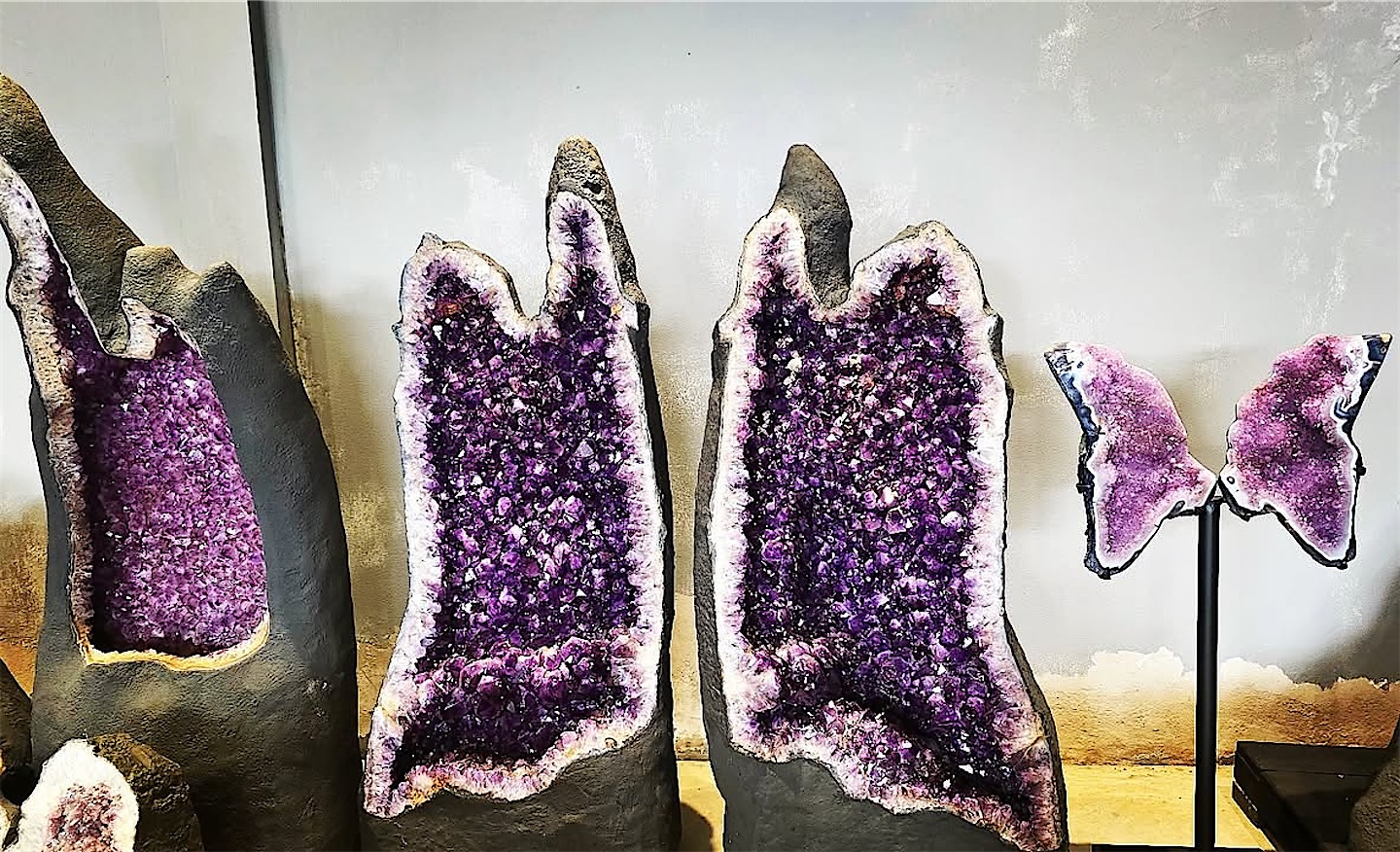
The only real problem, as so often in Brazil, was language: almost nobody in tourism speaks English or even Spanish, but modern AI translation gets you by. Karyna, my most precious amethyst, posed with me at the big town sign, joined by a dog who insisted on being in the picture.
Along the Transpantaneira
From Chapecó we flew north to Cuiabá for my second visit to the Pantanal after 2018. September is jaguar season, and this time I wanted to finally see the elusive cat in the wild. Poconé is the last outpost before the Transpantaneira, an unpaved road of almost 150 km with more than a hundred wooden bridges that ends at Porto Jofre on the Cuiabá River.
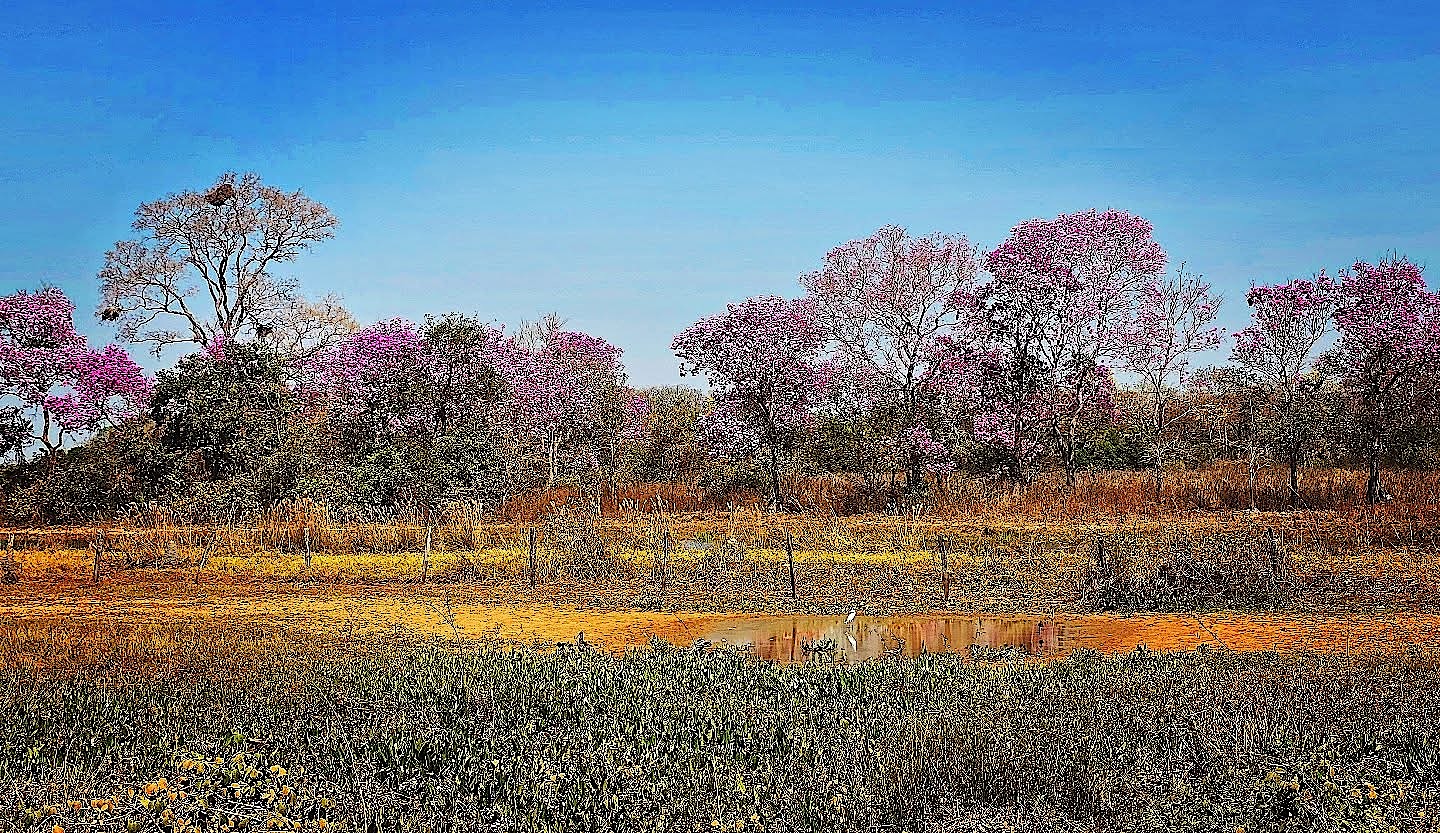
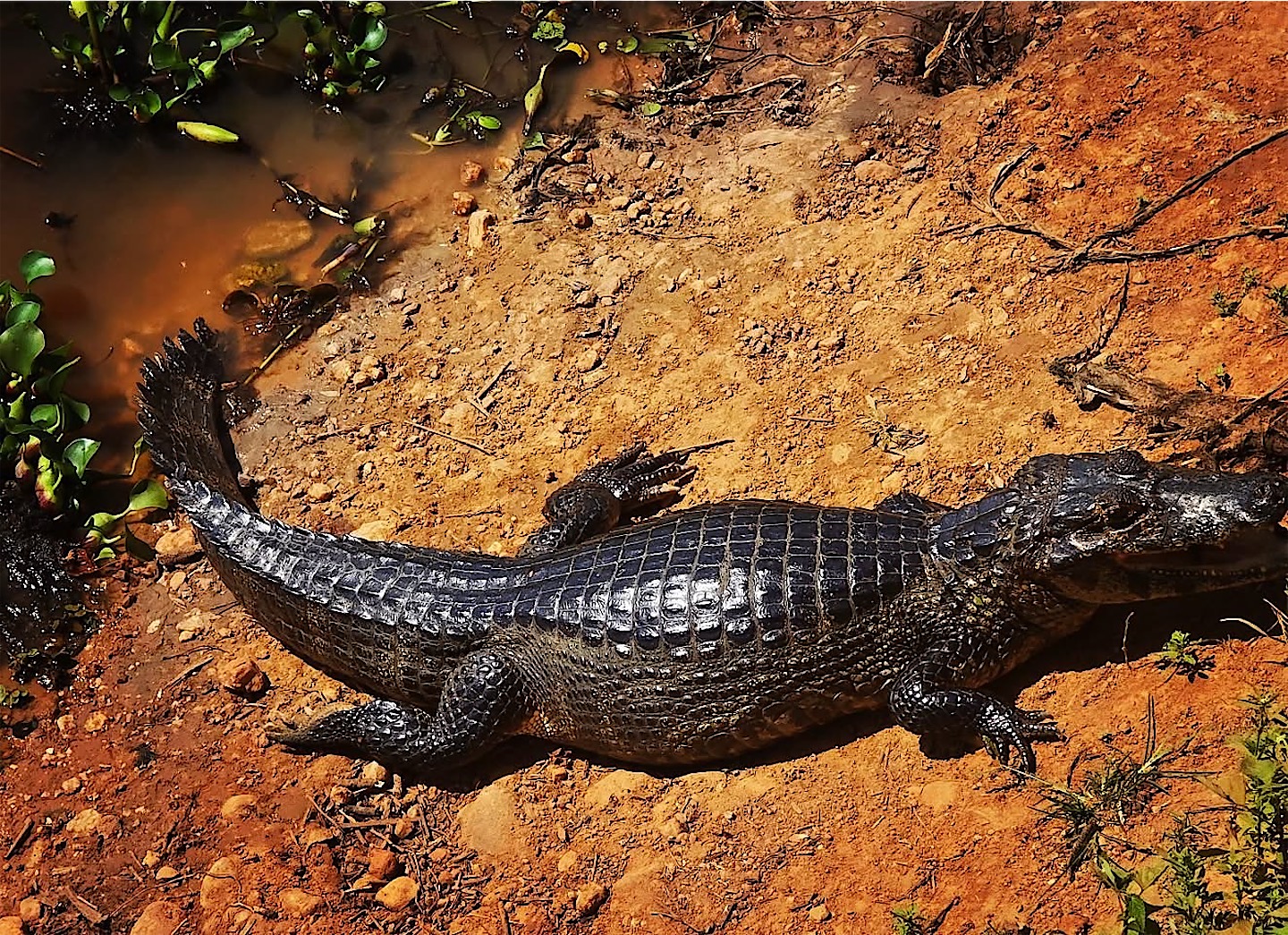
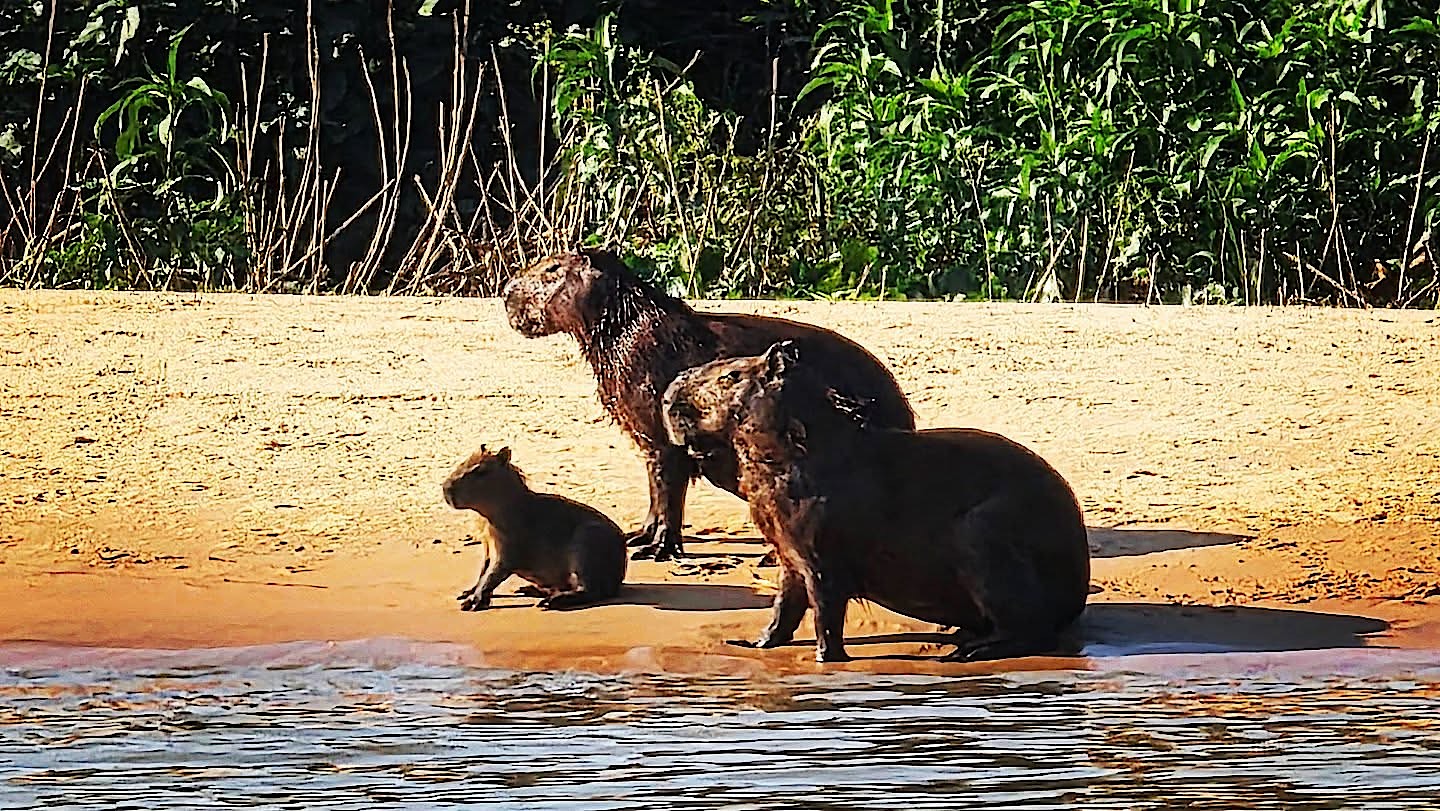
The dry season showed everywhere: dust, trees in pink bloom and hungry caimans around the remaining water. Late on the first day we saw our first jaguar, in light far too poor for a good picture, followed by a capybara family, many birds and, at night, a tapir.
Five jaguars in one day
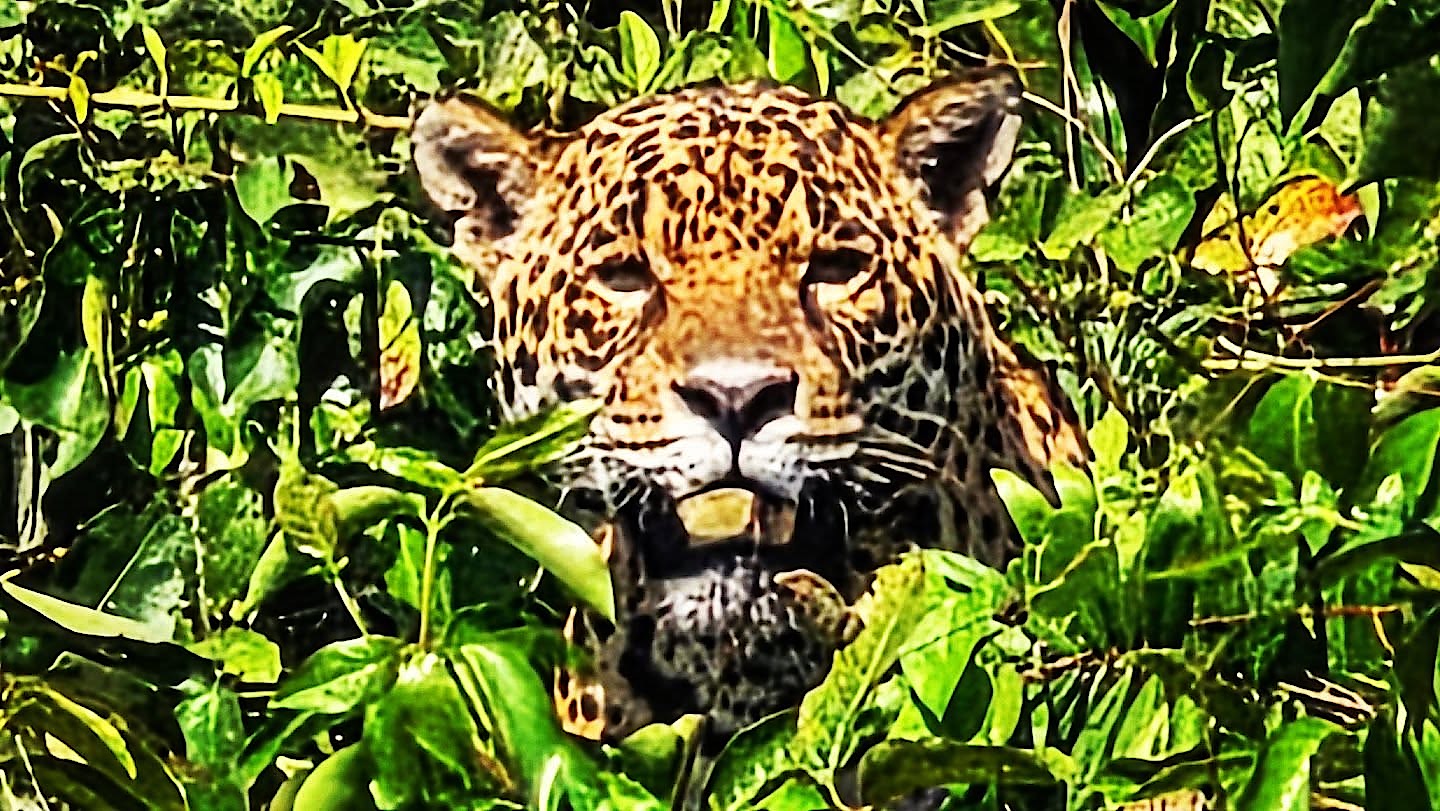
The next day was the one I had come for: ten hours in a small boat on the rivers around Porto Jofre. It was long, but we saw five different jaguars and lots of action, including cats swimming across the river. One male peered out of the riverbank like the king of the jungle, a lazy female lay draped over a log, and another stalked through the shallows.
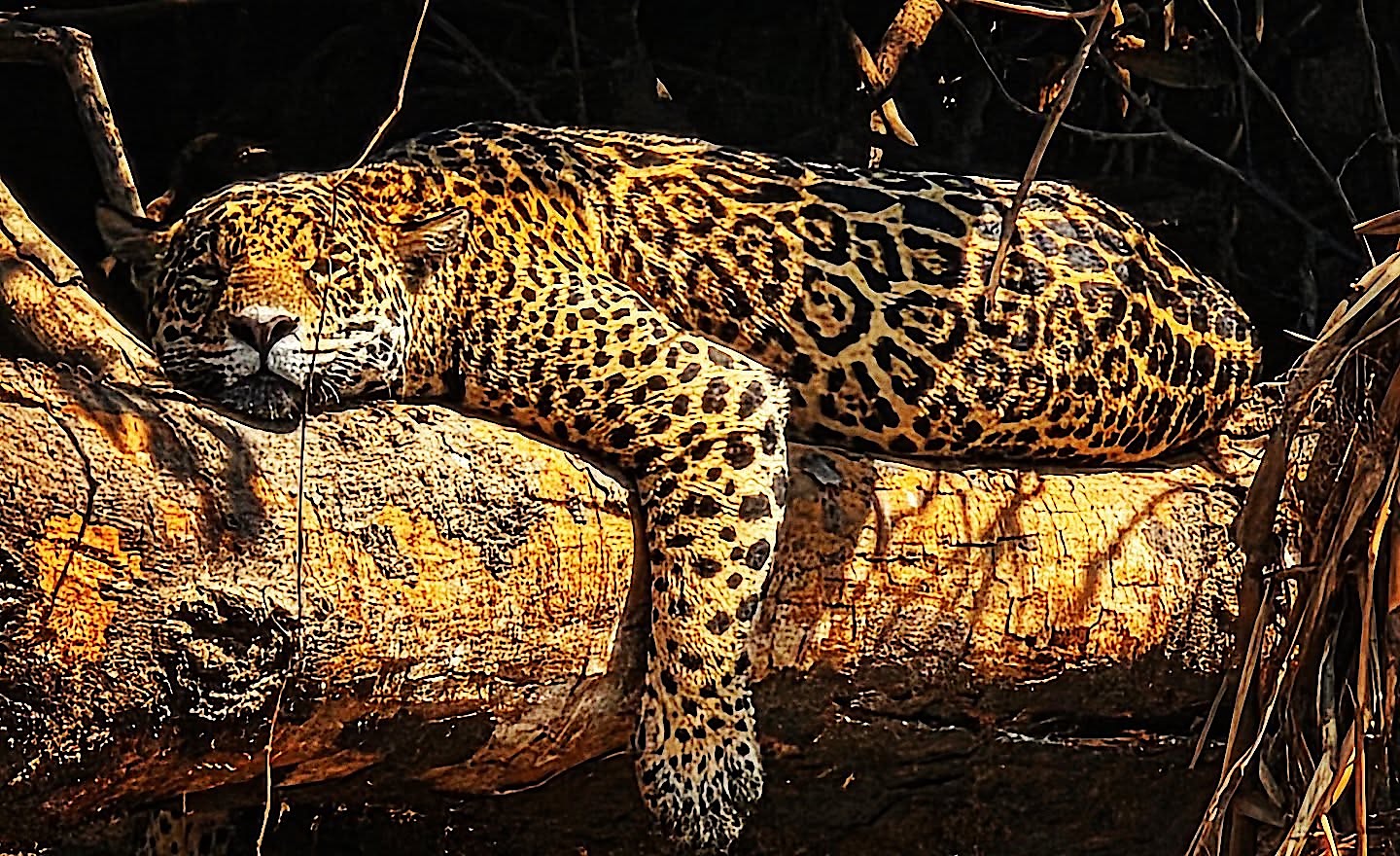
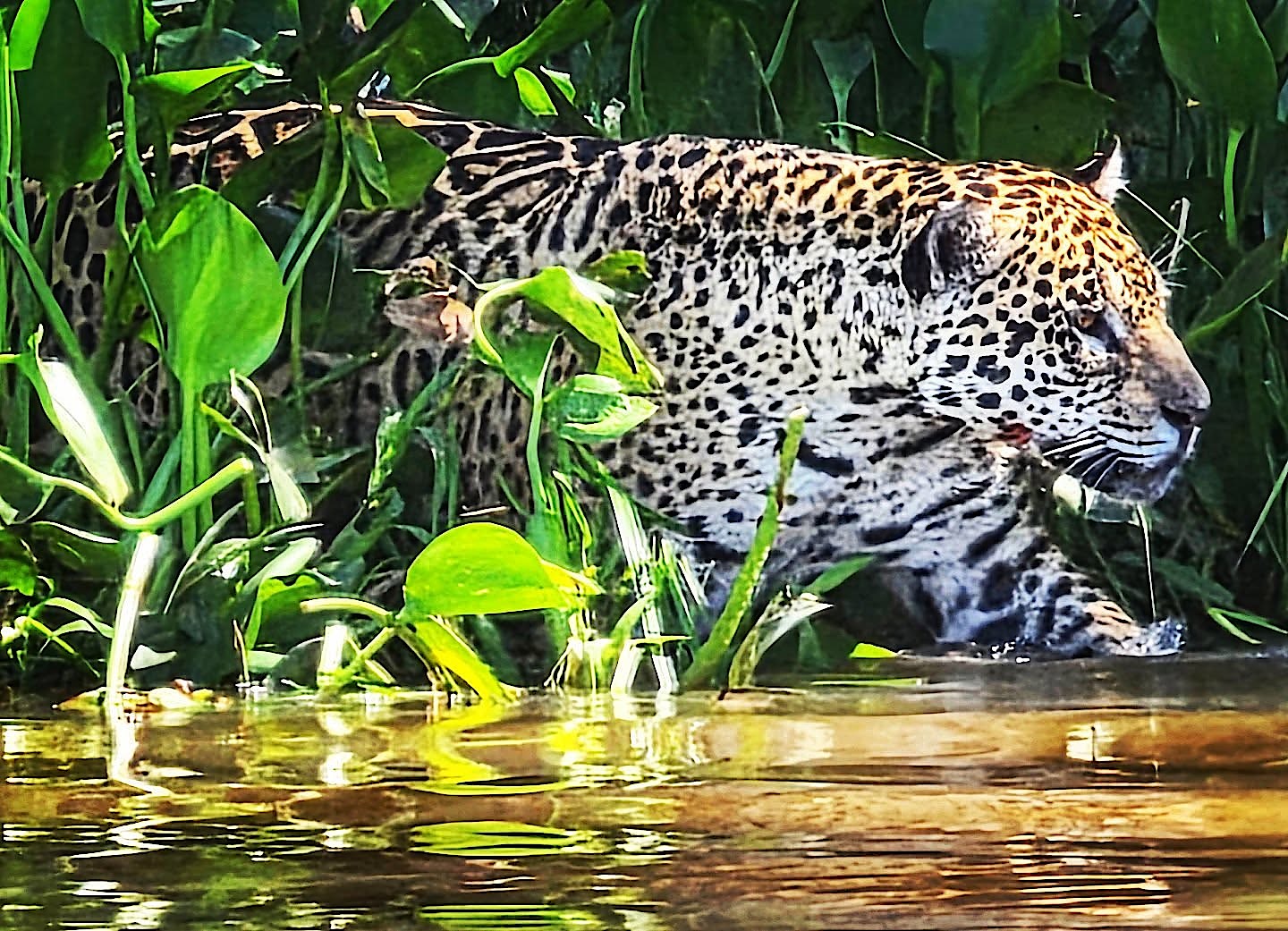
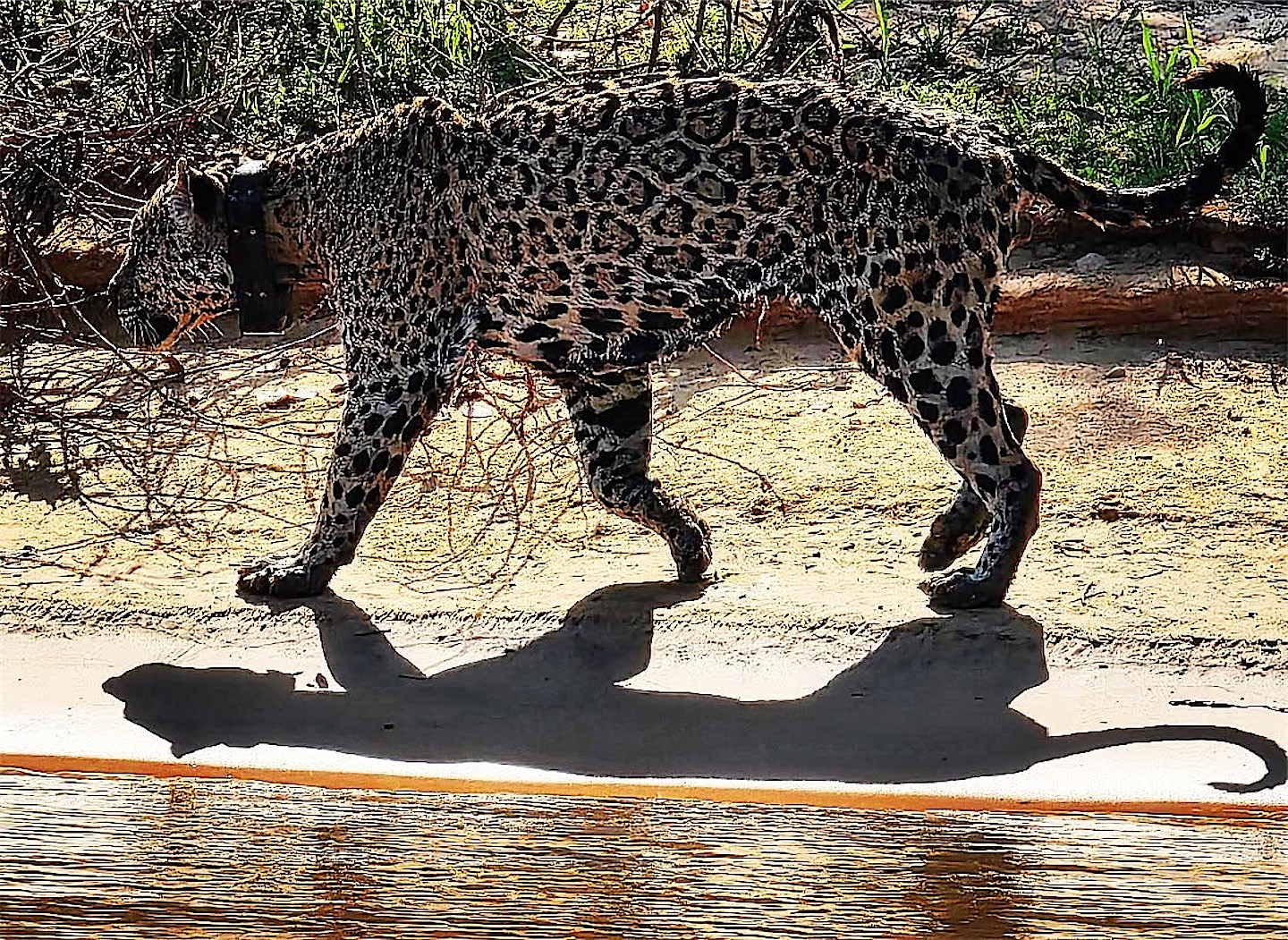
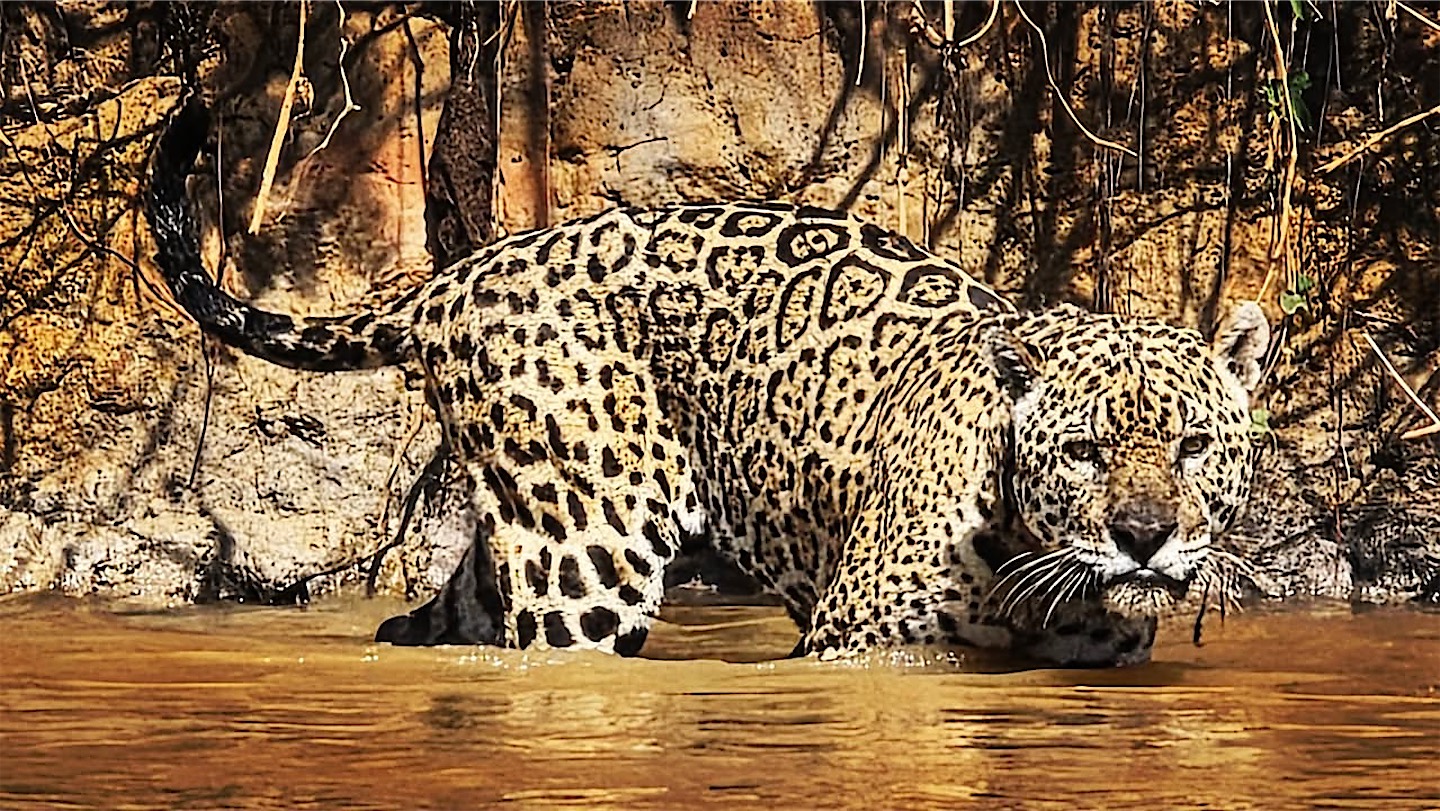
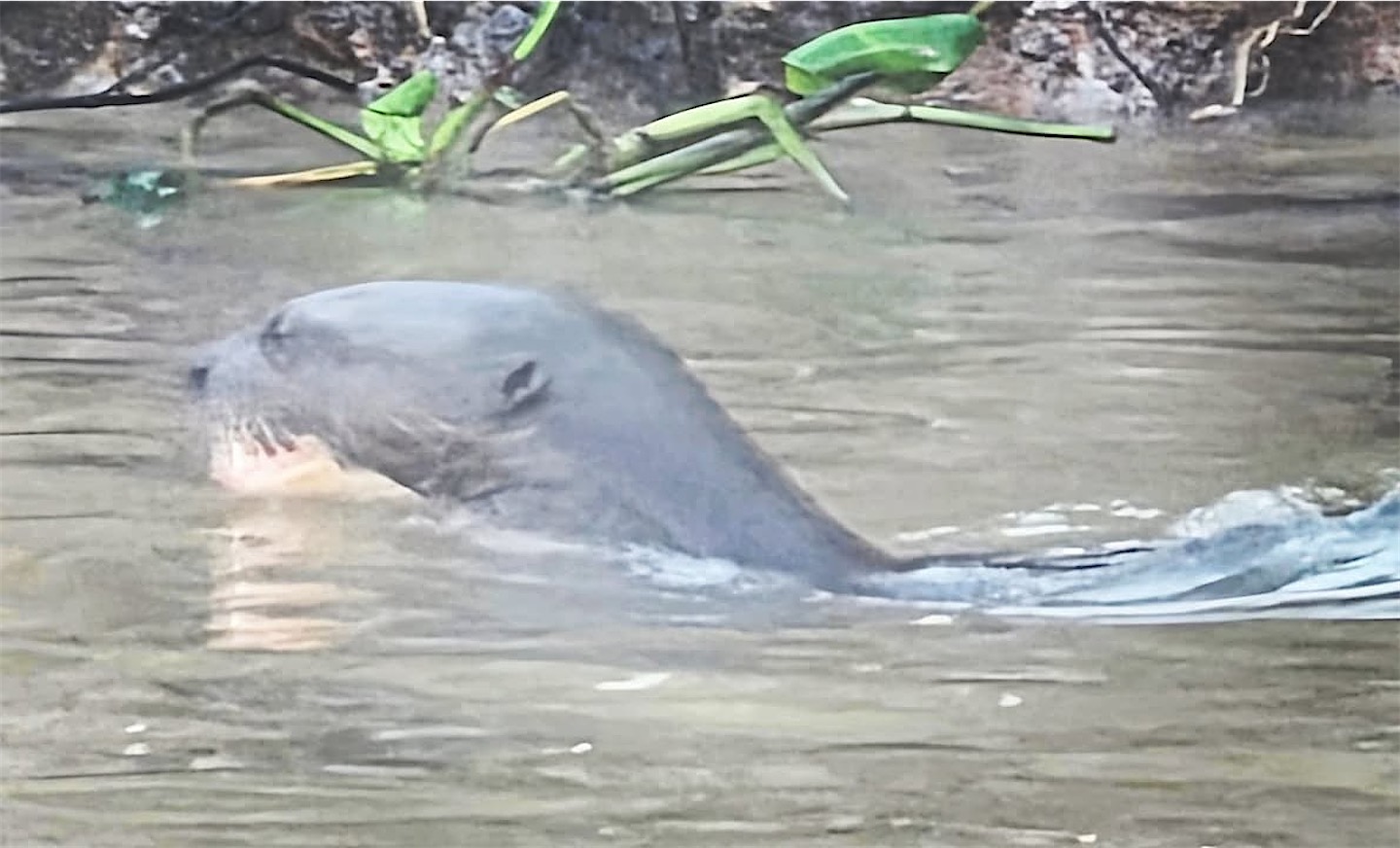
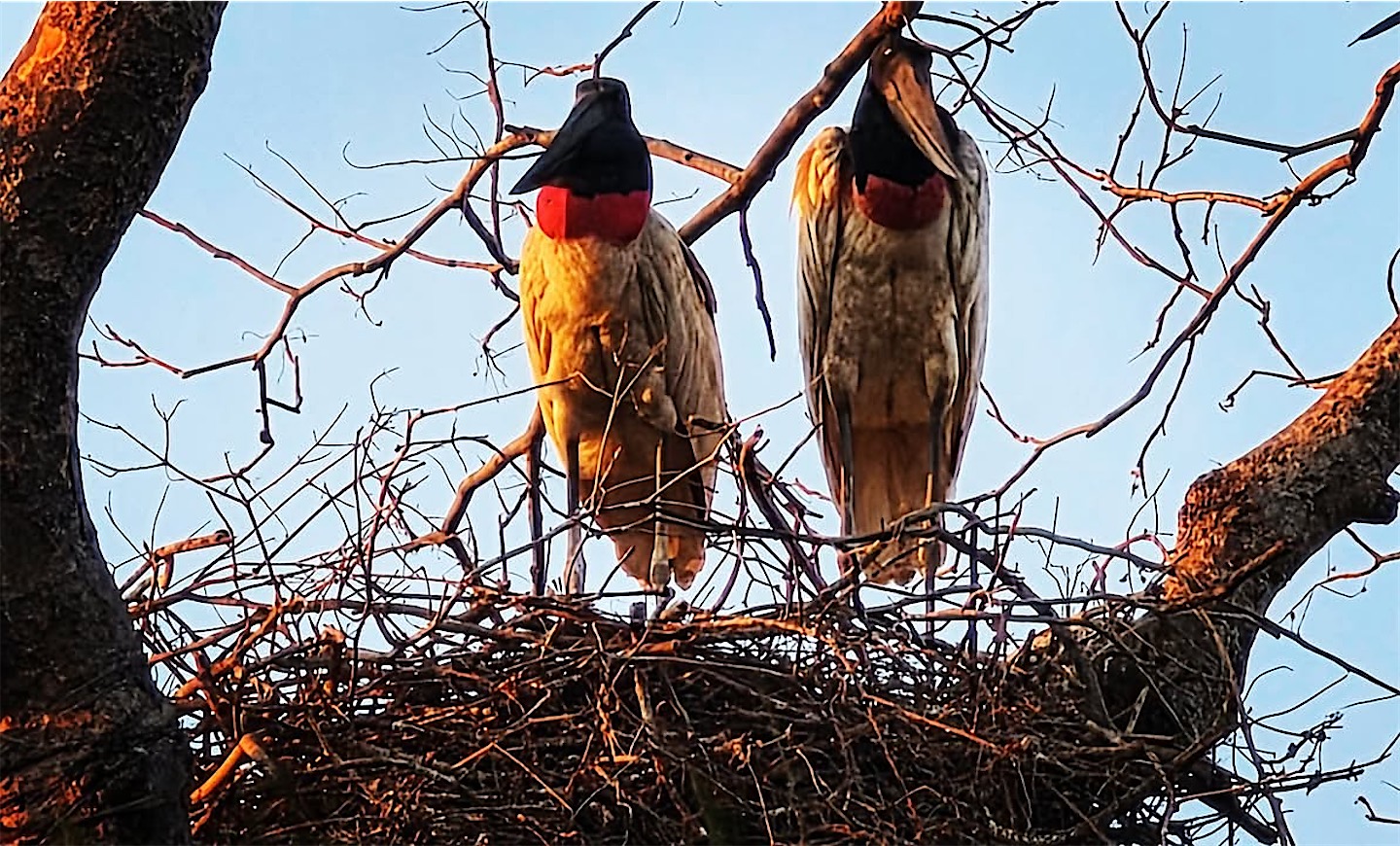
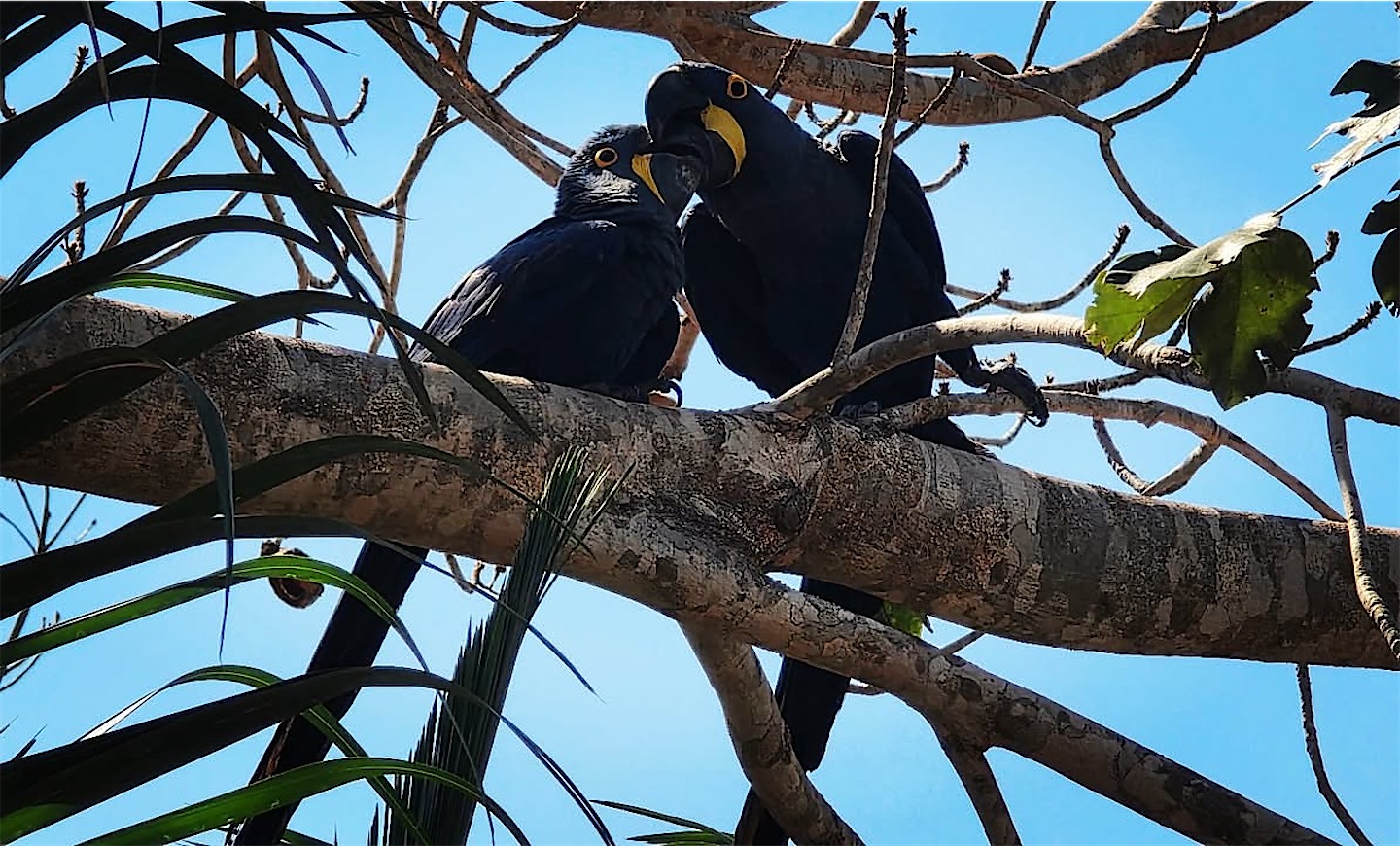
We also enjoyed a couple of giant otters, which grow to well over a metre and a half, the jabiru stork, the symbol of the Pantanal, toucans, hyacinth macaws, the largest flying parrots in the world, and a whole parade of caimans along a pond. I saw my first armadillo too. Despite the dust, the dry season really is a good time to come.
On the last day we rode horses through the swamps, with caimans lurking all around. I don't like horse riding much, but this wet adventure was fun.
White dunes and rain-fed lagoons
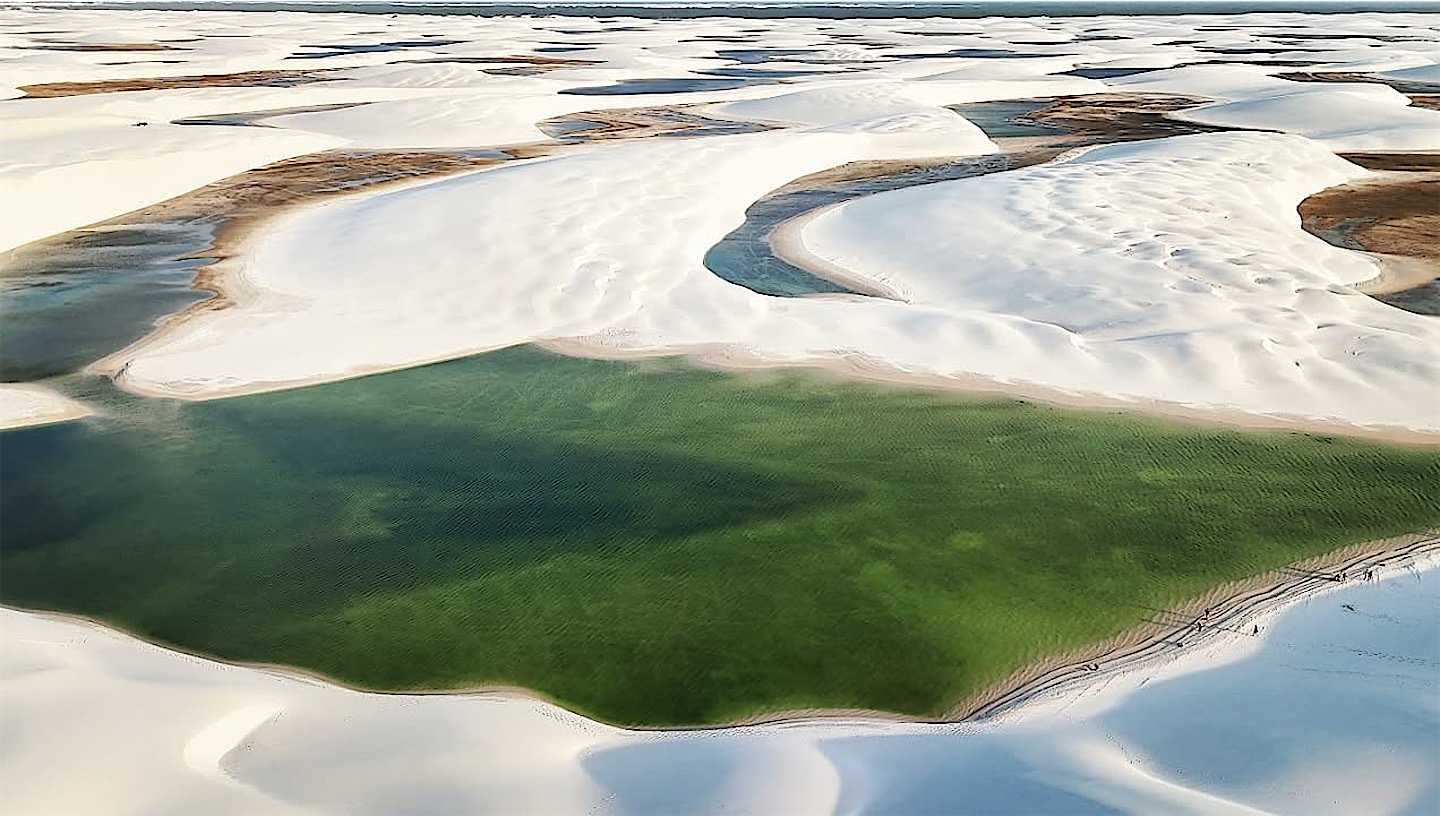
From Cuiabá we flew to São Luís in the north-east. The Lençóis Maranhenses had been on my list of things to do in Brazil for a long time, and now I was finally there with Karyna, based in Santo Amaro. By September many lagoons had dried up, but plenty were still nice enough to swim in. Forget the islands everyone talks about: the finest sand and the nicest water are in north-east Brazil.
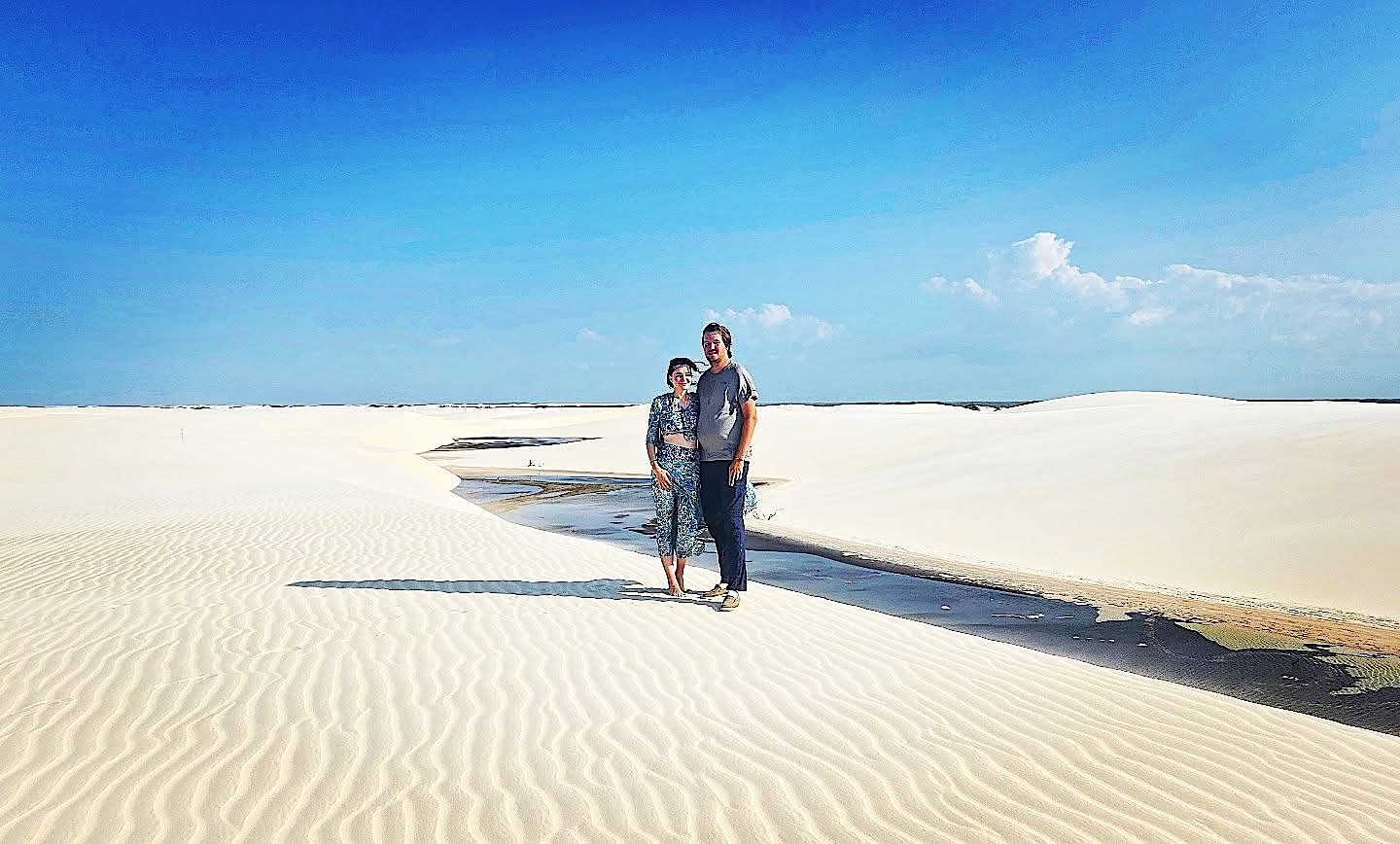
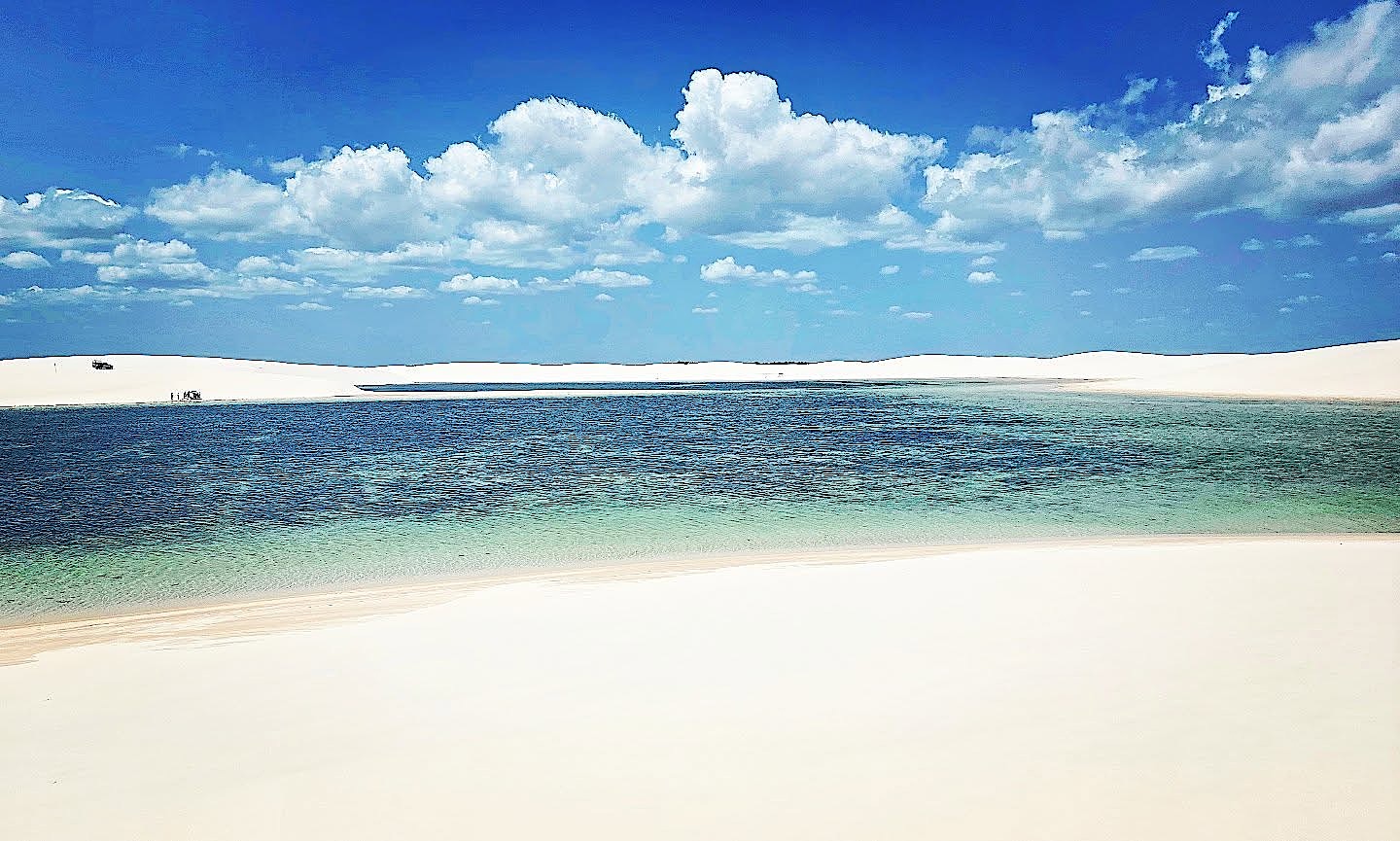
Between swims I worked from a hammock and watched yet another sunset. To get back to São Luís, I chartered a small propeller plane from the airfield at Barreirinhas. It saved us five hours on bumpy roads and gave us a last view of the dunes and lagoons from above, followed by the river deltas of Maranhão.
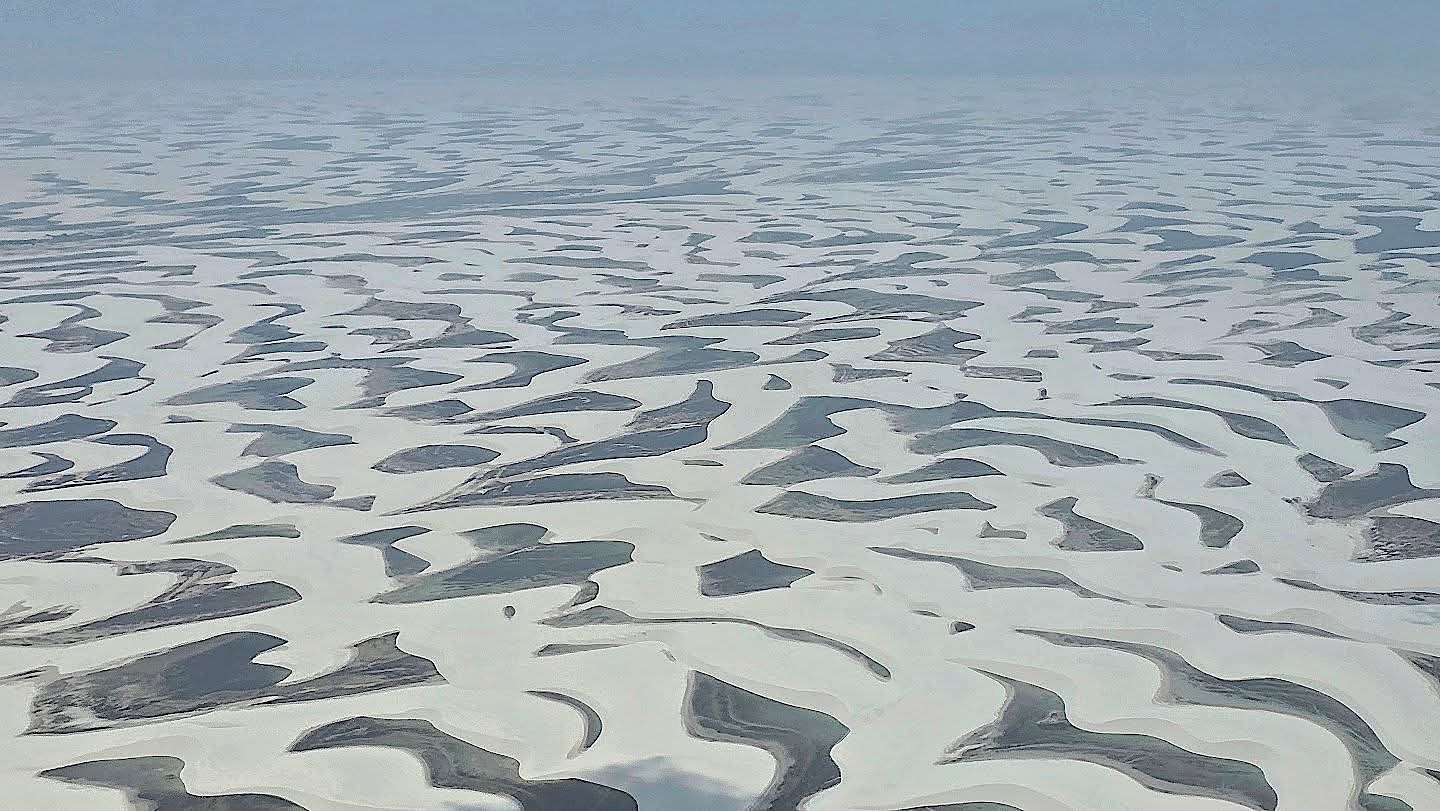
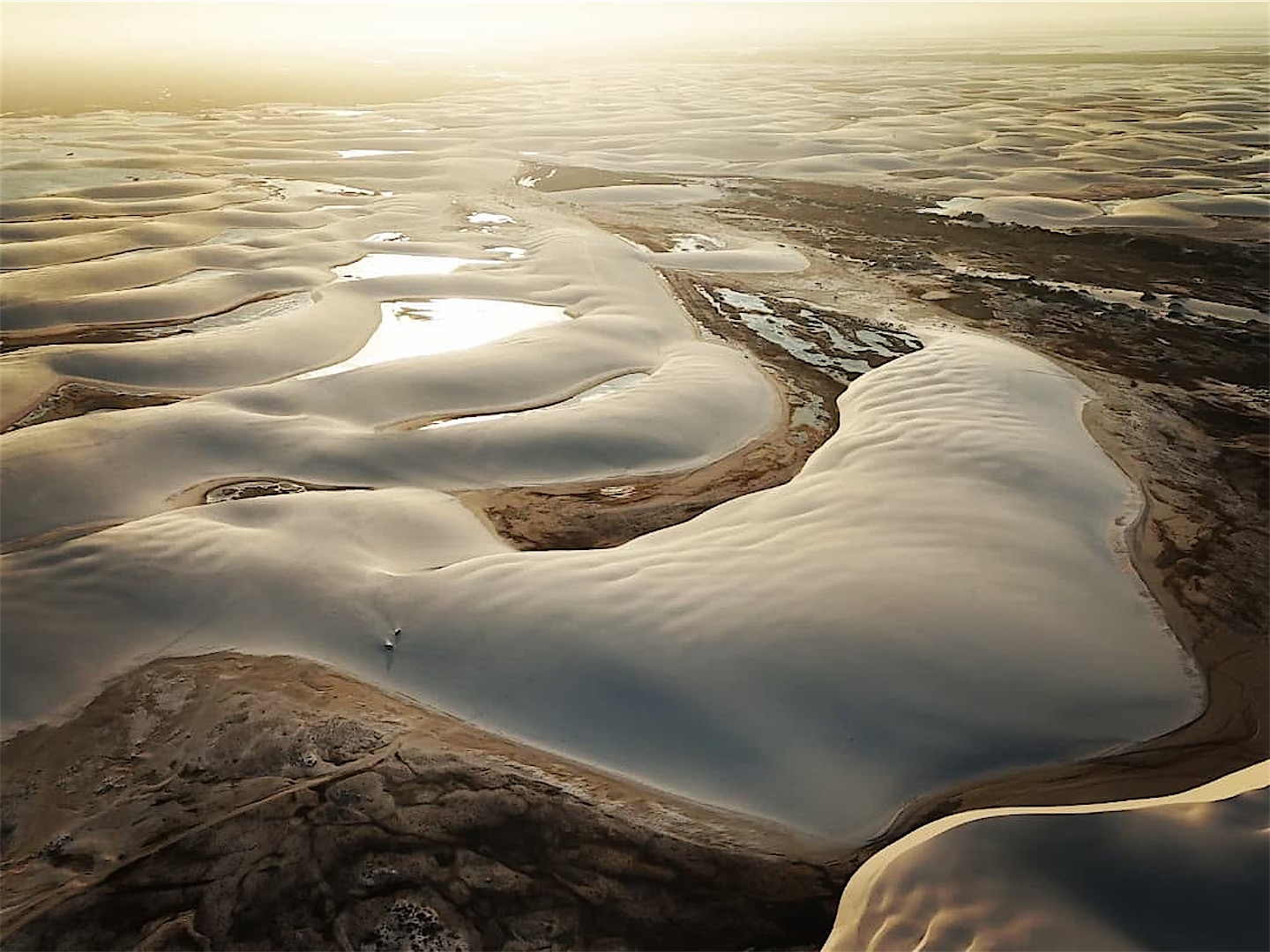
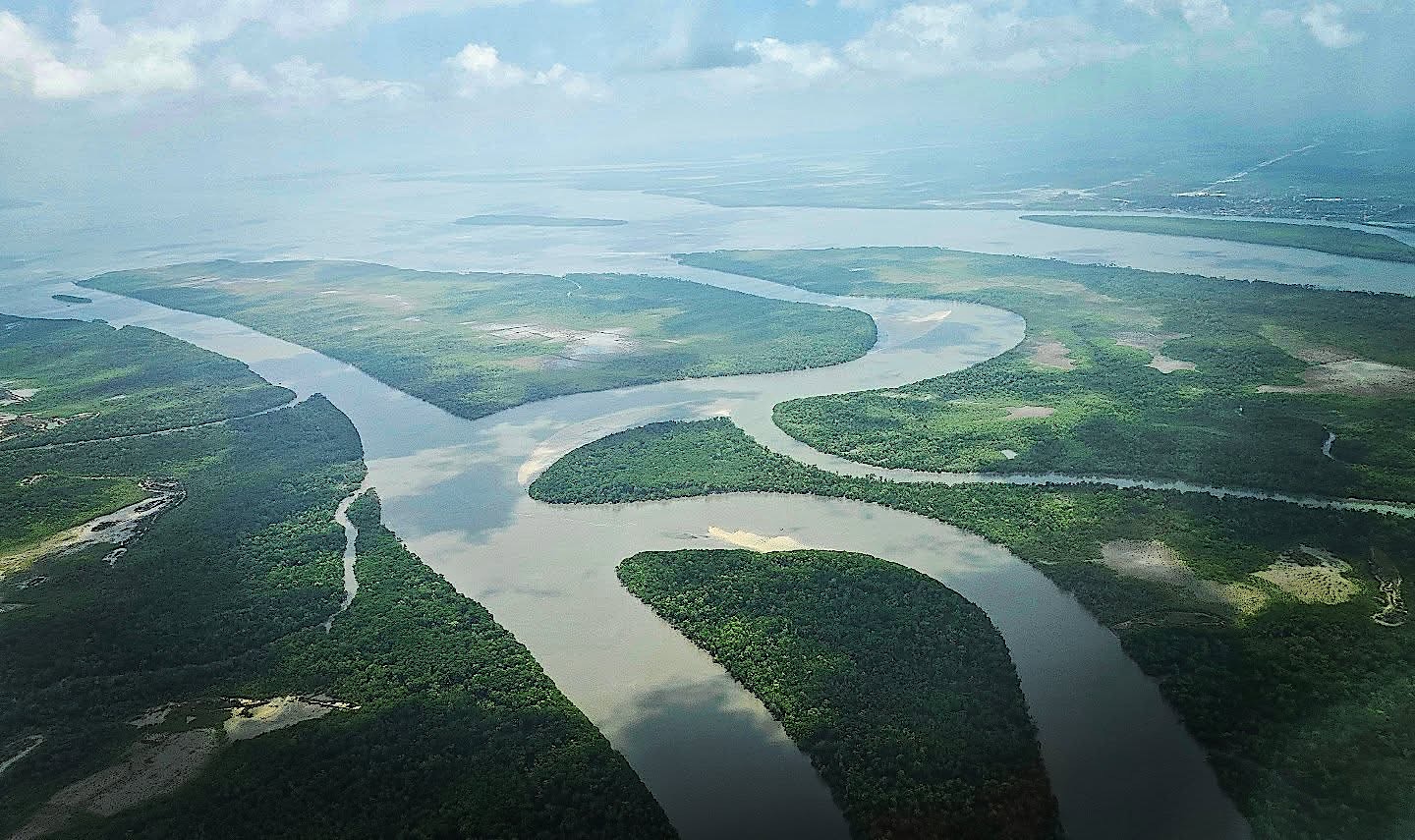
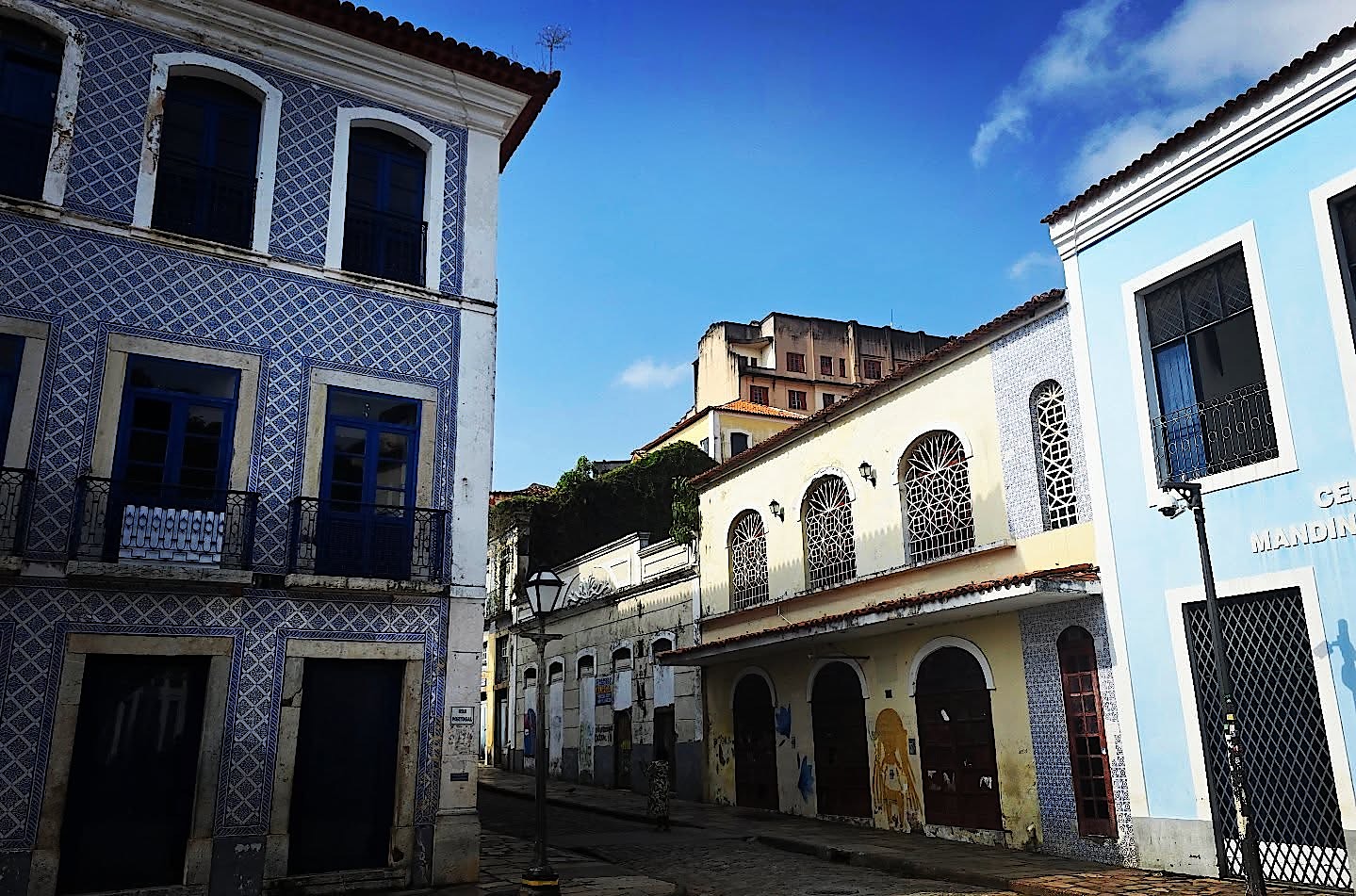
Before leaving Brazil I also visited the historic centre of São Luís, which has a certain charm.
Early spring in the Uco Valley
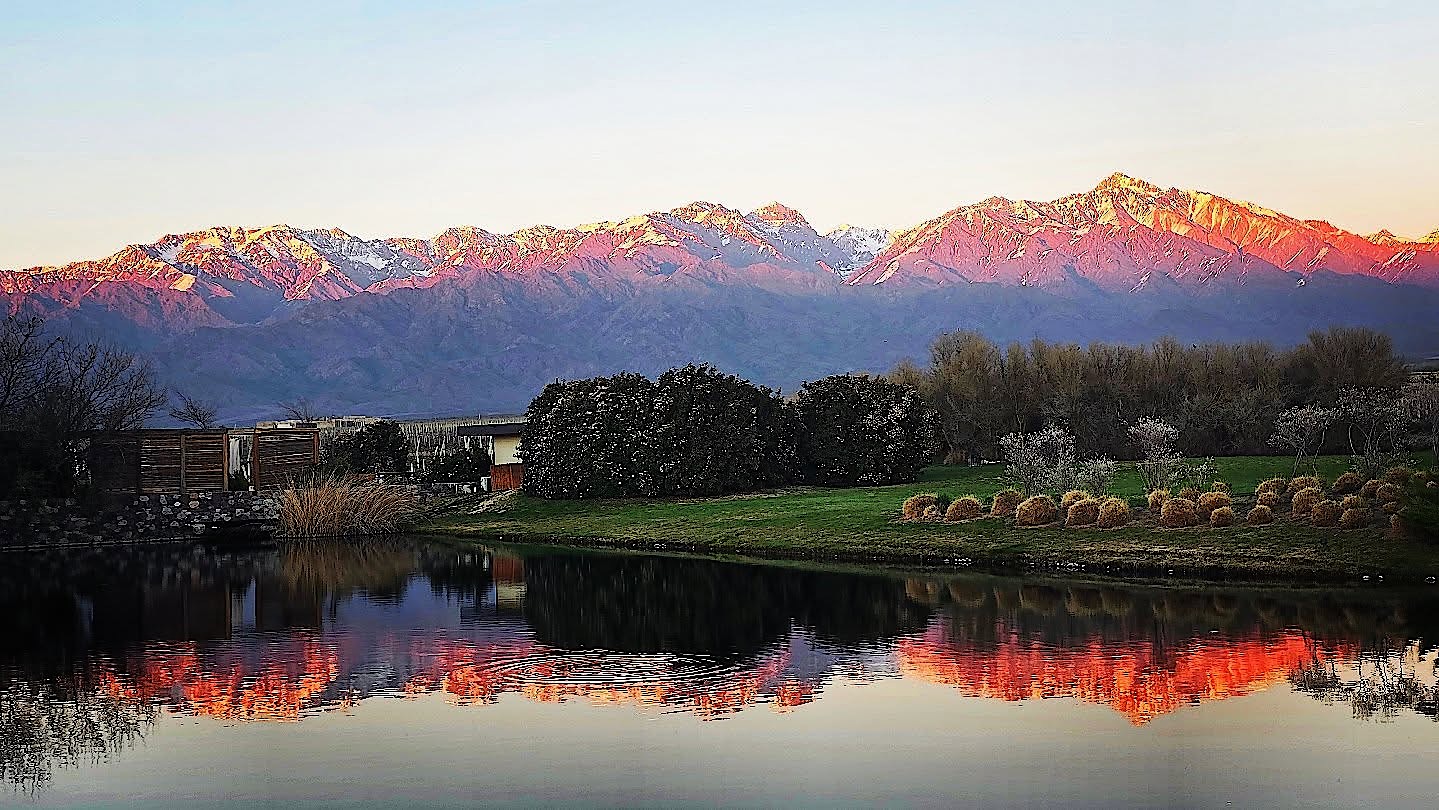
From São Luís I crossed the continent to the Uco Valley near Mendoza, where my own Malbec vines grow. It was my first visit in 18 months and my first ever in early spring, for the owners' conference with fellow wine lovers from around the world. There were no grapes yet, but the snow-capped peaks of more than 6,000 metres above the bare vines were dreamlike, especially at sunrise. It was still too cool for the pool, so the hot tub had to do. The hard work started at nine one morning, creating the 2025 vintages of my wine, and there were massive rib-eye steaks with the local chimichurri. I promised to come back in two months, with more green and less snow, and kept that promise in November.
Panama, Cartagena and onwards to Europe
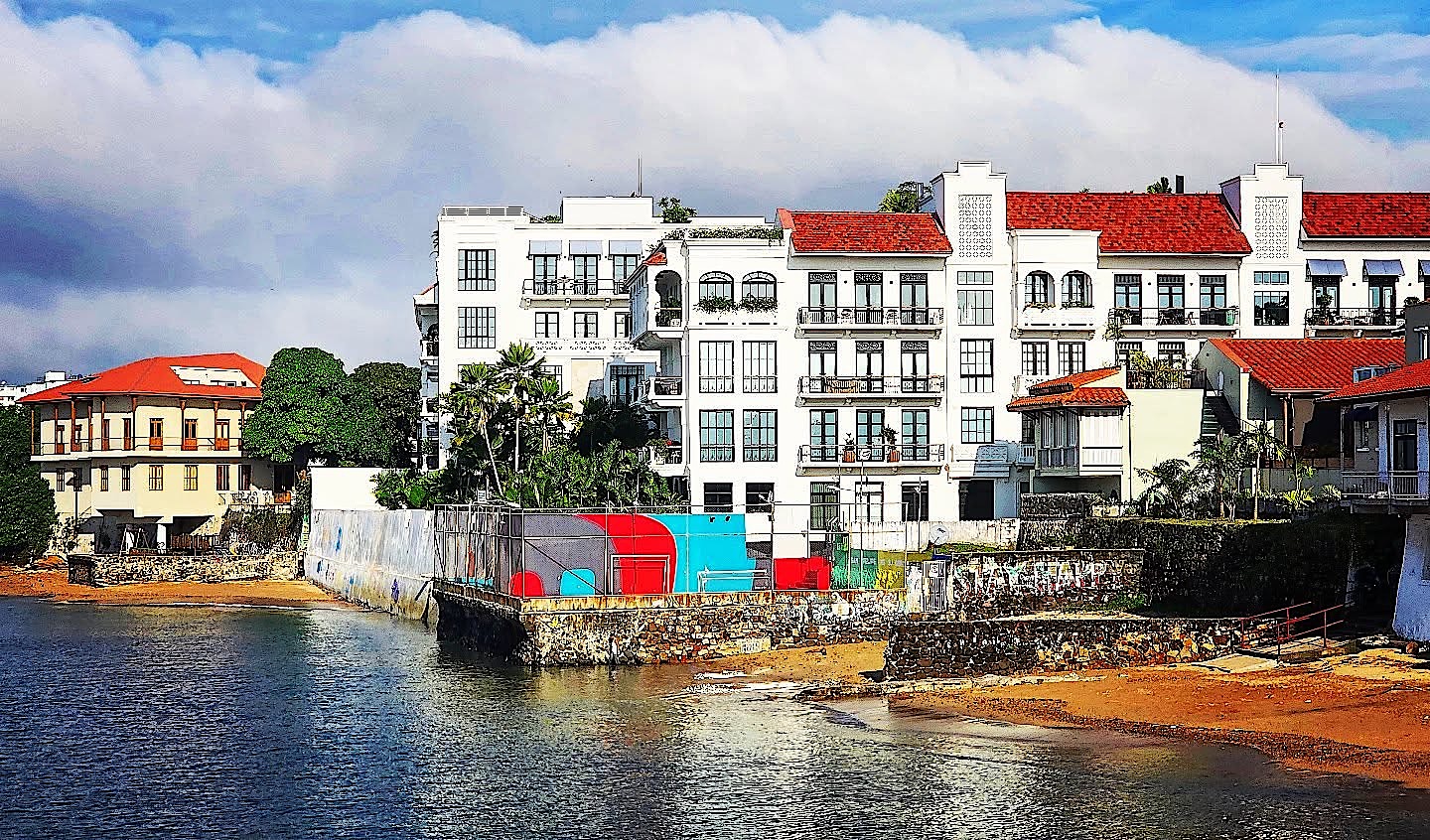
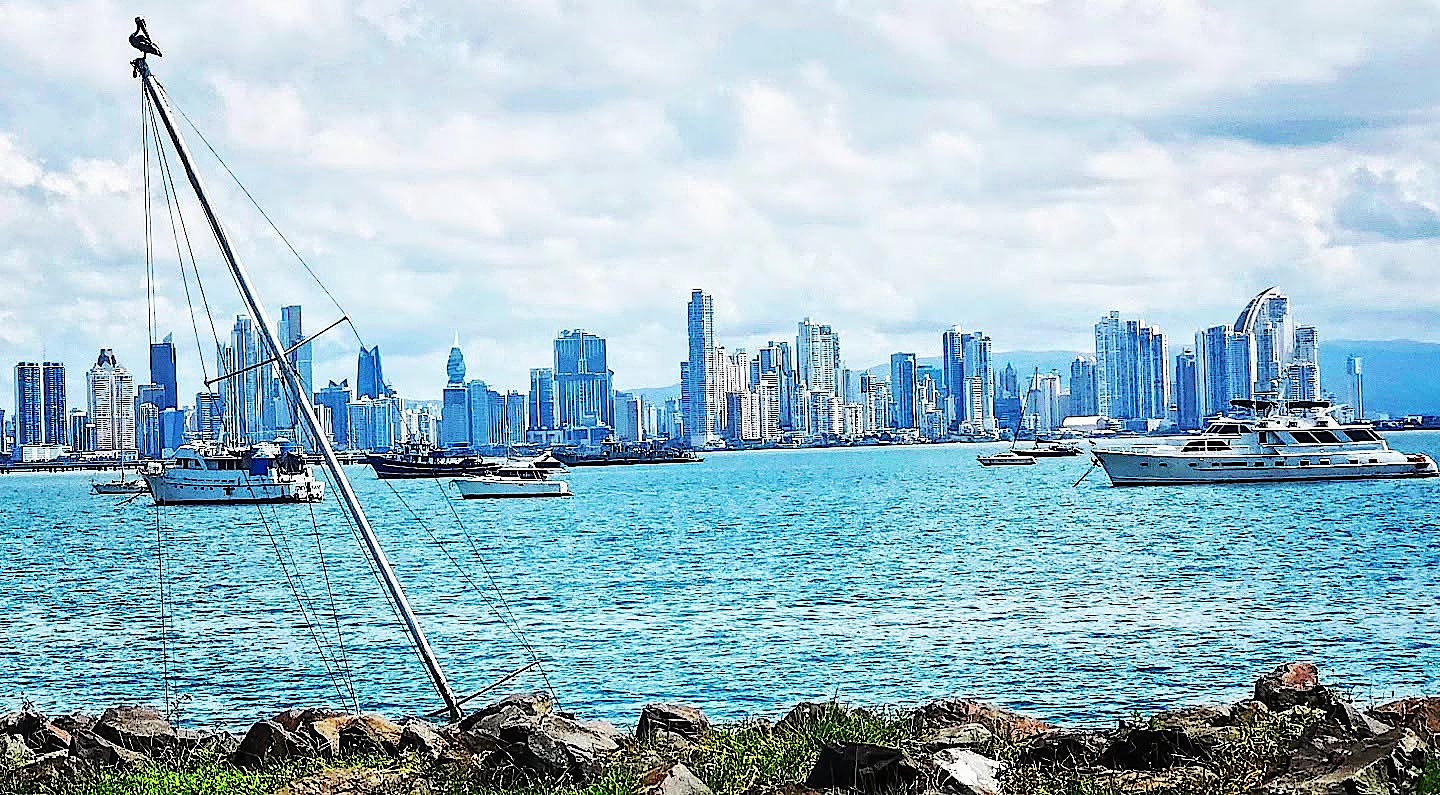
From Mendoza I flew to Panama City for the visit every two years that keeps my permanent residency active. On recent trips I had only passed through the airport, so this was my first proper time in the city since late 2022. I started in Casco Antiguo, spotted a pelican on the mast of a sunken yacht in front of the skyline and showed Karyna around. We watched a huge container ship and a Norwegian tall ship in the canal locks, had lunch with a friend at Ocean Reef, a still-growing development on artificial islands, and dinner with another friend with a view of the city at night.
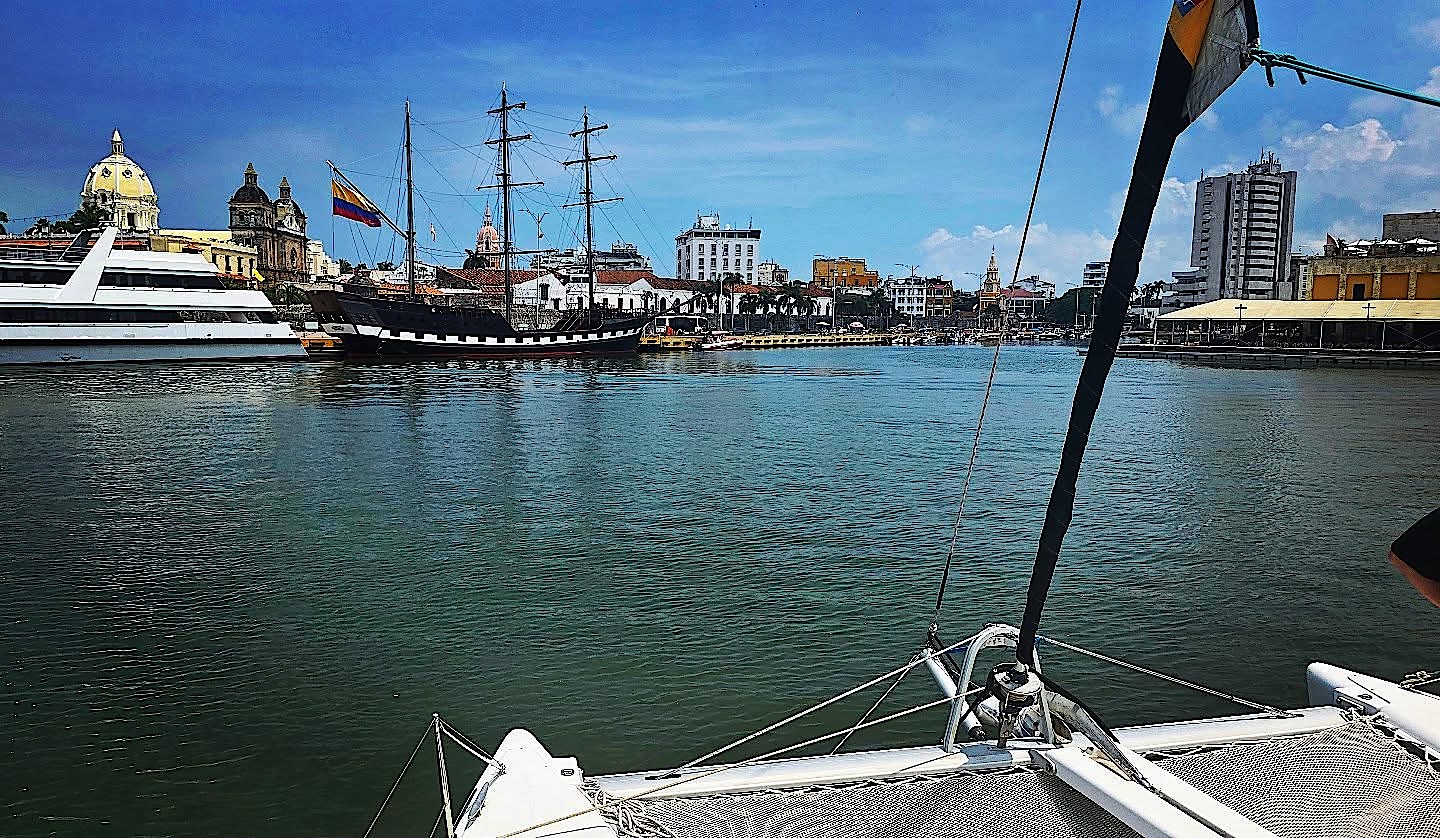
The last stop was a ten-hour visit to Cartagena, where my catamaran is moored. It still exists, and it still sails: we took it on a short trip to Choloncito. After a 20-month break, we will now start refurbishing the boat to sail more again from 2026.
A few urgent appointments called me back to Europe, and for some reason there is a direct KLM flight from Cartagena to Amsterdam, which was my 105th flight of the year. The trip ended with a very rainy half-day stopover in Amsterdam, my first visit in a decade. Back in Europe, my vanlife was finally about to begin, and that story continues in the next report: Norway and Denmark by truck.