
Dhows and Donkeys: Along the Swahili Coast from Zanzibar to Mombasa
23–27 October 2024 · Stone Town, Pemba, Lamu, Shela, Mombasa, Diani Beach · Regions: Tanzania (Zanzibar), Kenya
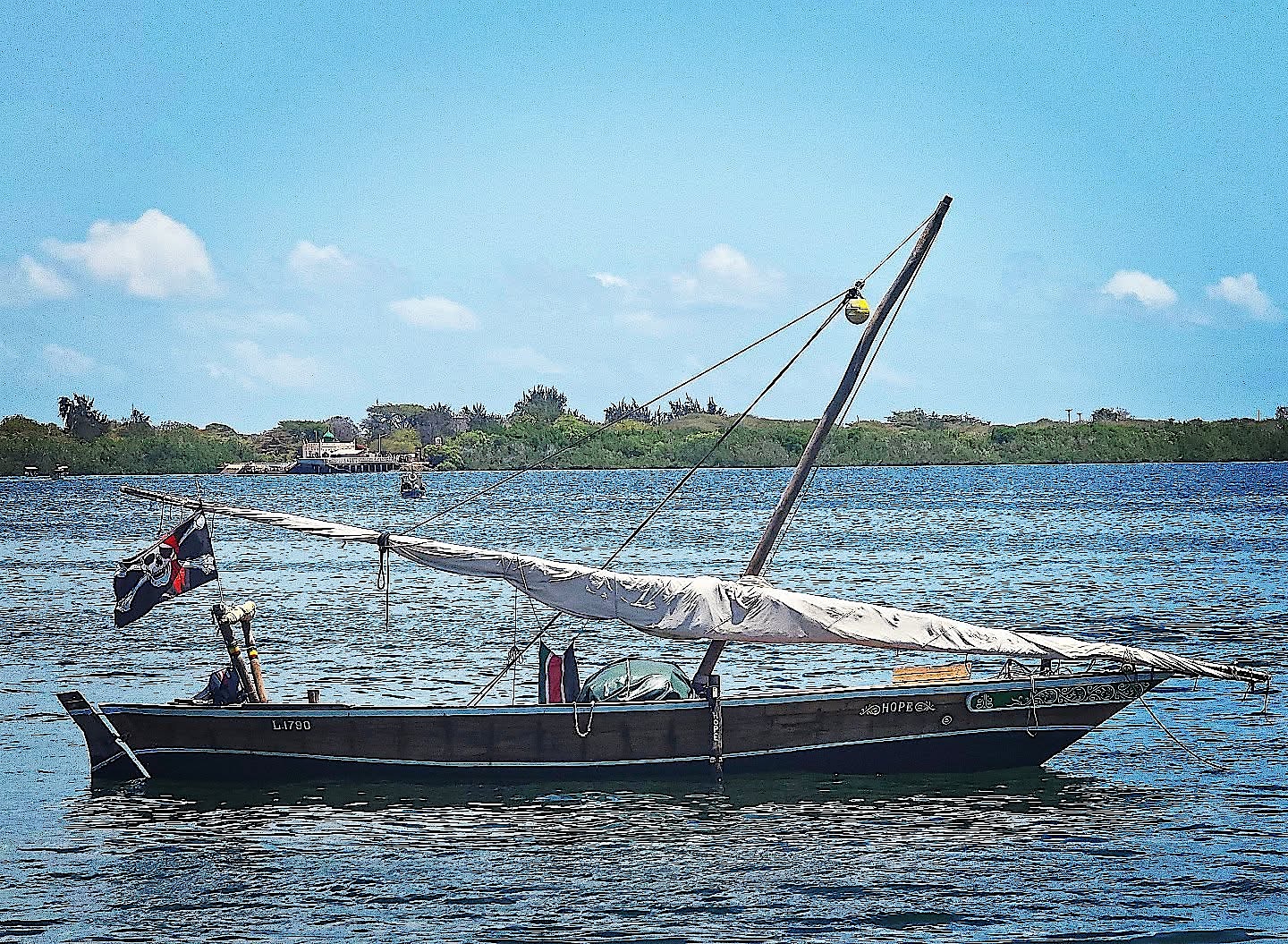
After a week among the outer islands of the Seychelles, our expedition ship, the SH Diana, crossed over to the coast of East Africa. The final part of the cruise followed the old Swahili trading coast: Zanzibar and Pemba in Tanzania, then Lamu in the far north of Kenya, and finally Mombasa, where Karyna and I left the ship with the family to continue through Kenya on land.
Zanzibar at last
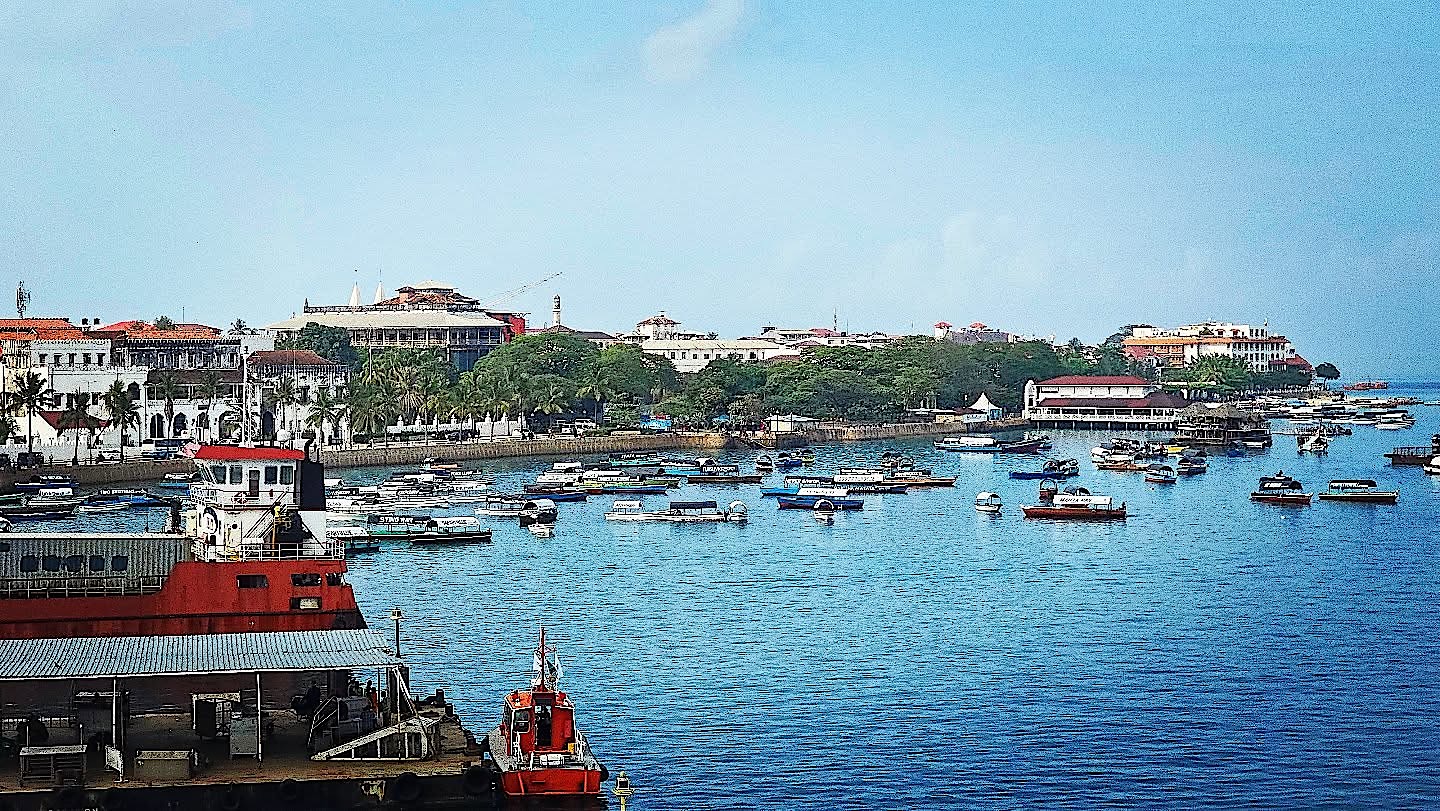
Zanzibar had been on my list for a long time. On the Travelers' Century Club list it counts as a territory of its own, separate from mainland Tanzania, and it became my number 310. We docked in the port of Stone Town in the morning, with ferries, fishing boats and the low skyline of the old town in front of us.
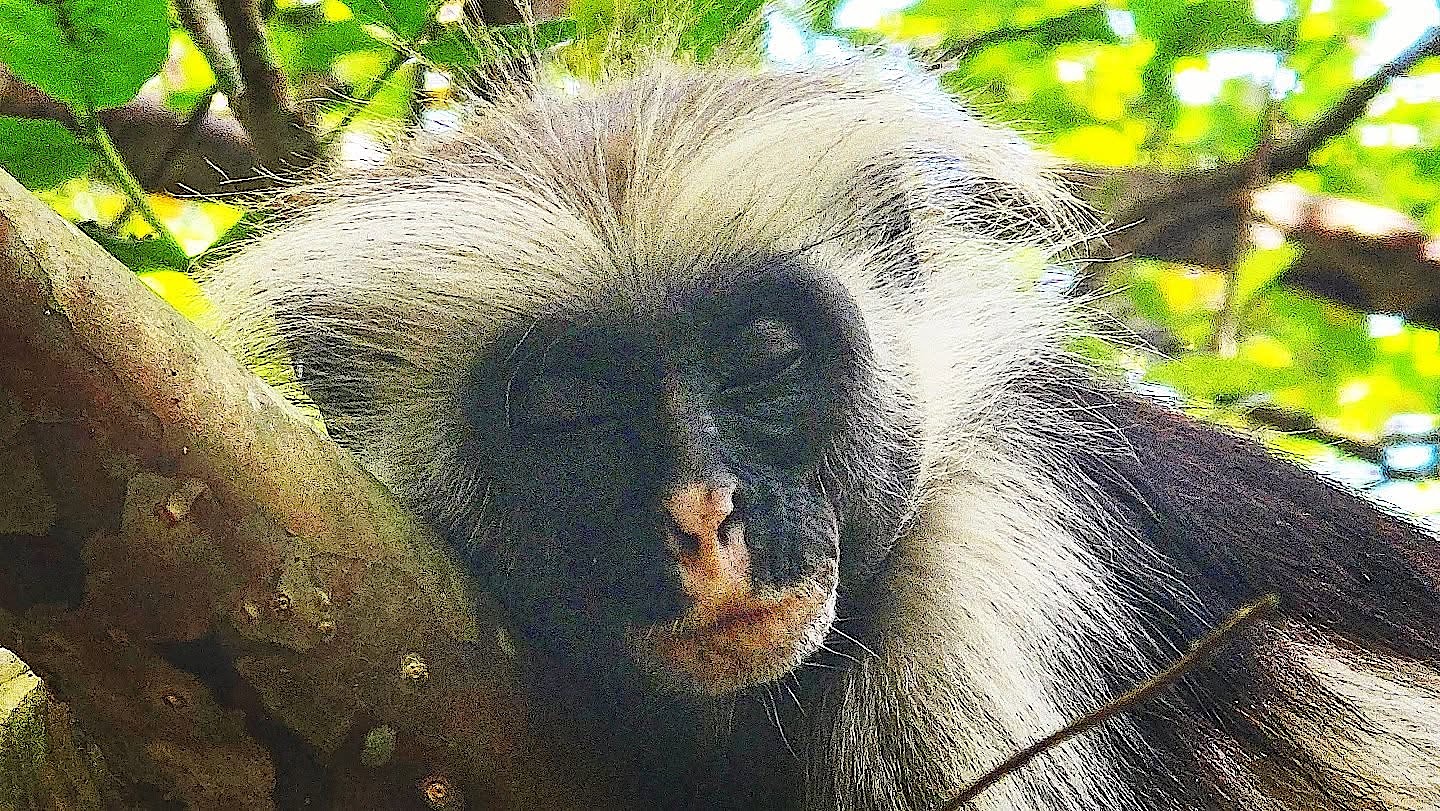
Our first outing took us to one of Zanzibar's rarest residents, the red colobus monkey. It lives only on Unguja, the main island of the archipelago, mostly in and around the Jozani forest in the south, and it is endangered. The one we met was relaxed enough for a proper portrait.
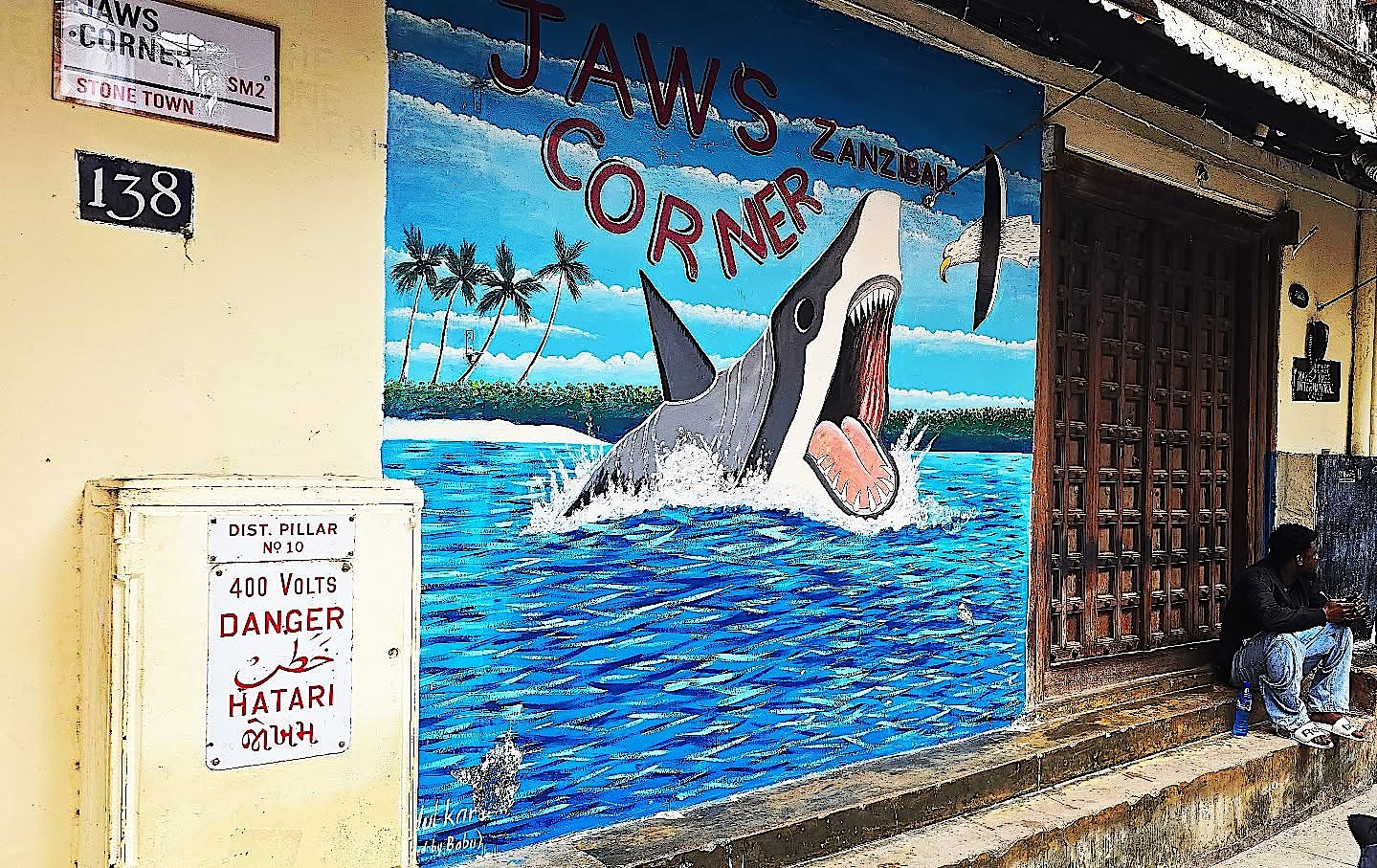
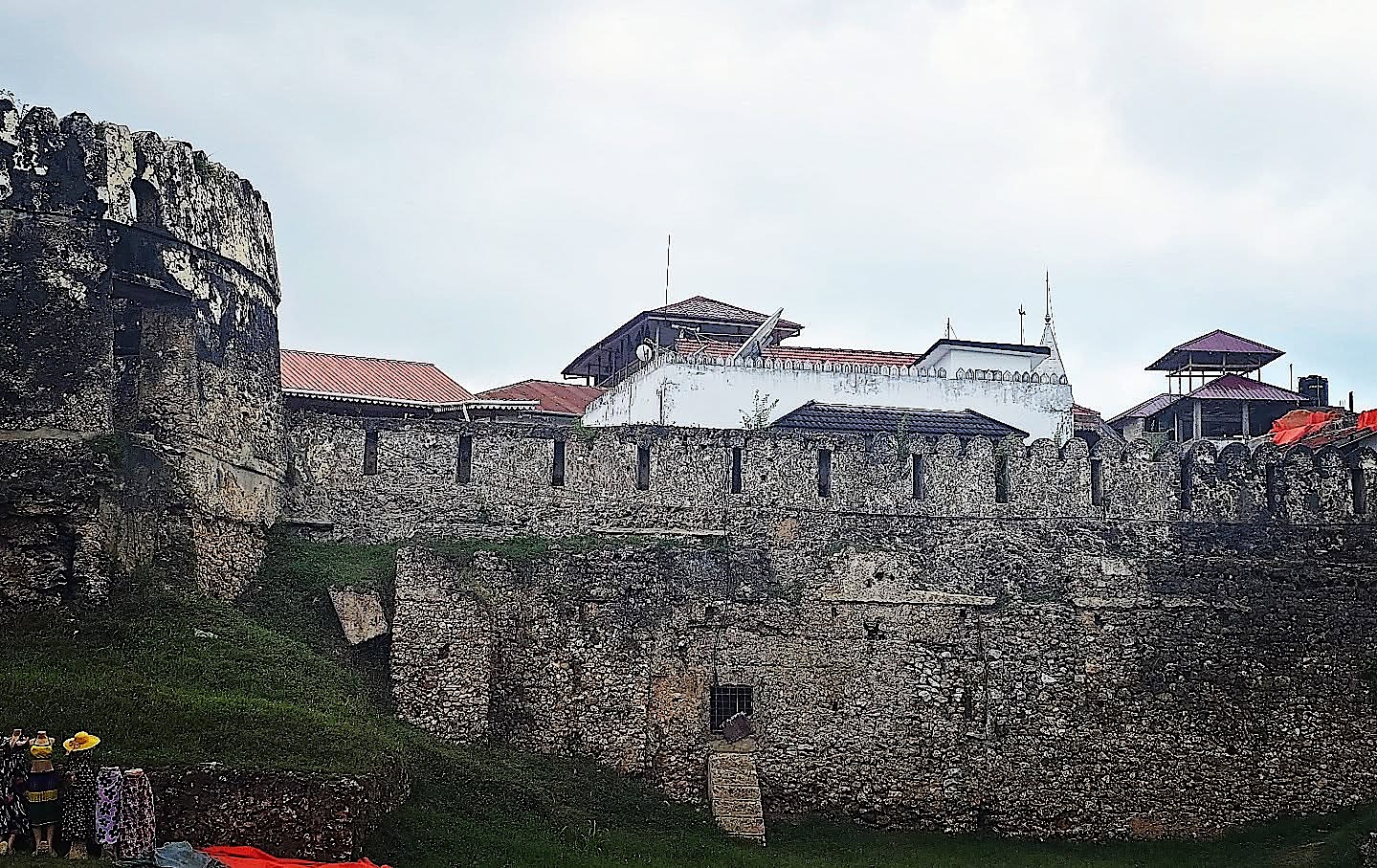
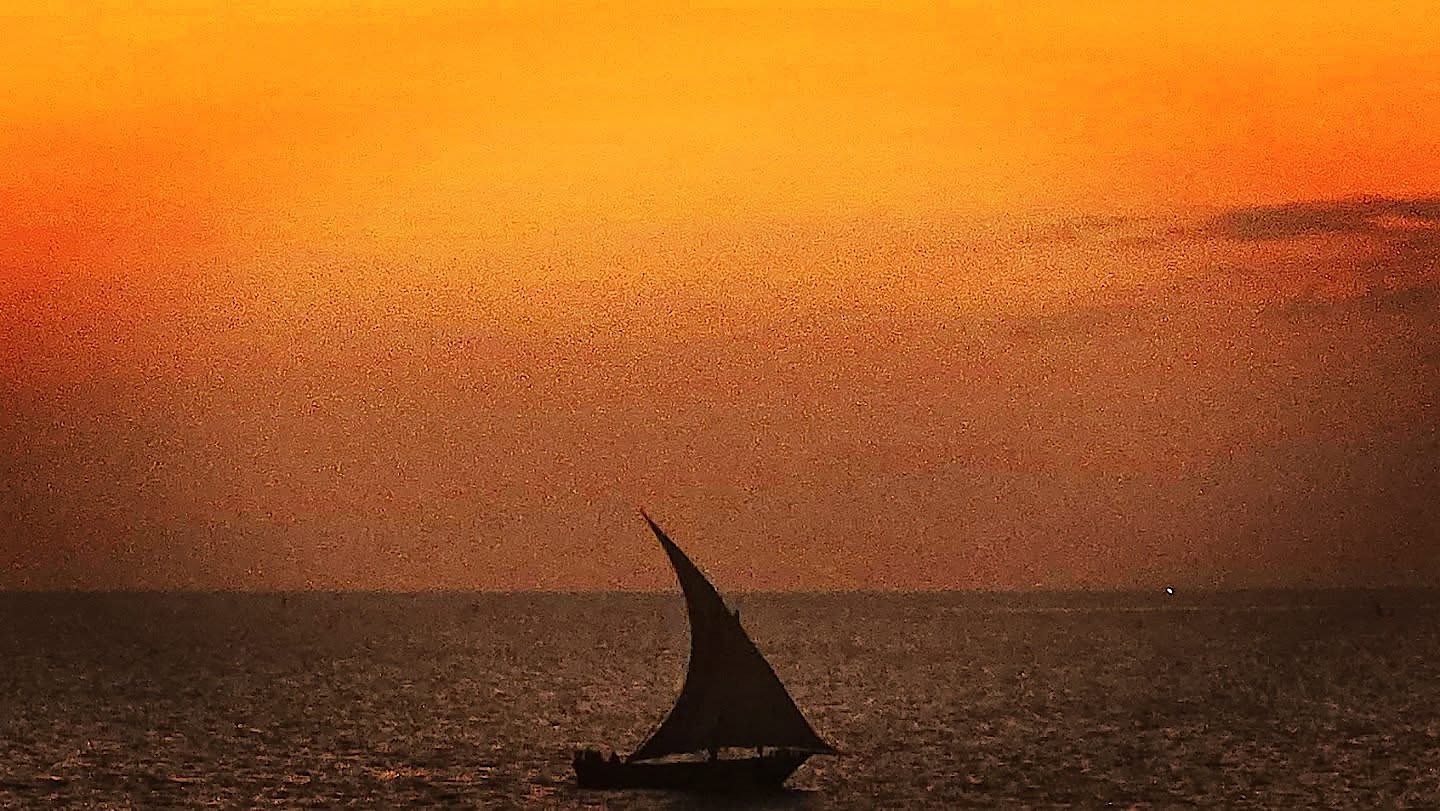
In the afternoon we explored Stone Town, a maze of narrow lanes, carved wooden doors, small mosques and coral-stone houses in various states of decay. We walked past the walls of the Old Fort and through Jaws Corner, the little square where local men meet over coffee, and along alleys lined with brightly painted canvases for tourists. I have to admit that on this first walk I couldn't yet see what makes Zanzibar so attractive for so many people. A shawarma shop cheerfully named Alibaba did at least leave me wondering whether I would risk it. Zanzibar then said goodbye in the most classic way possible: a dhow sailing past the setting sun.
Pemba, the other island
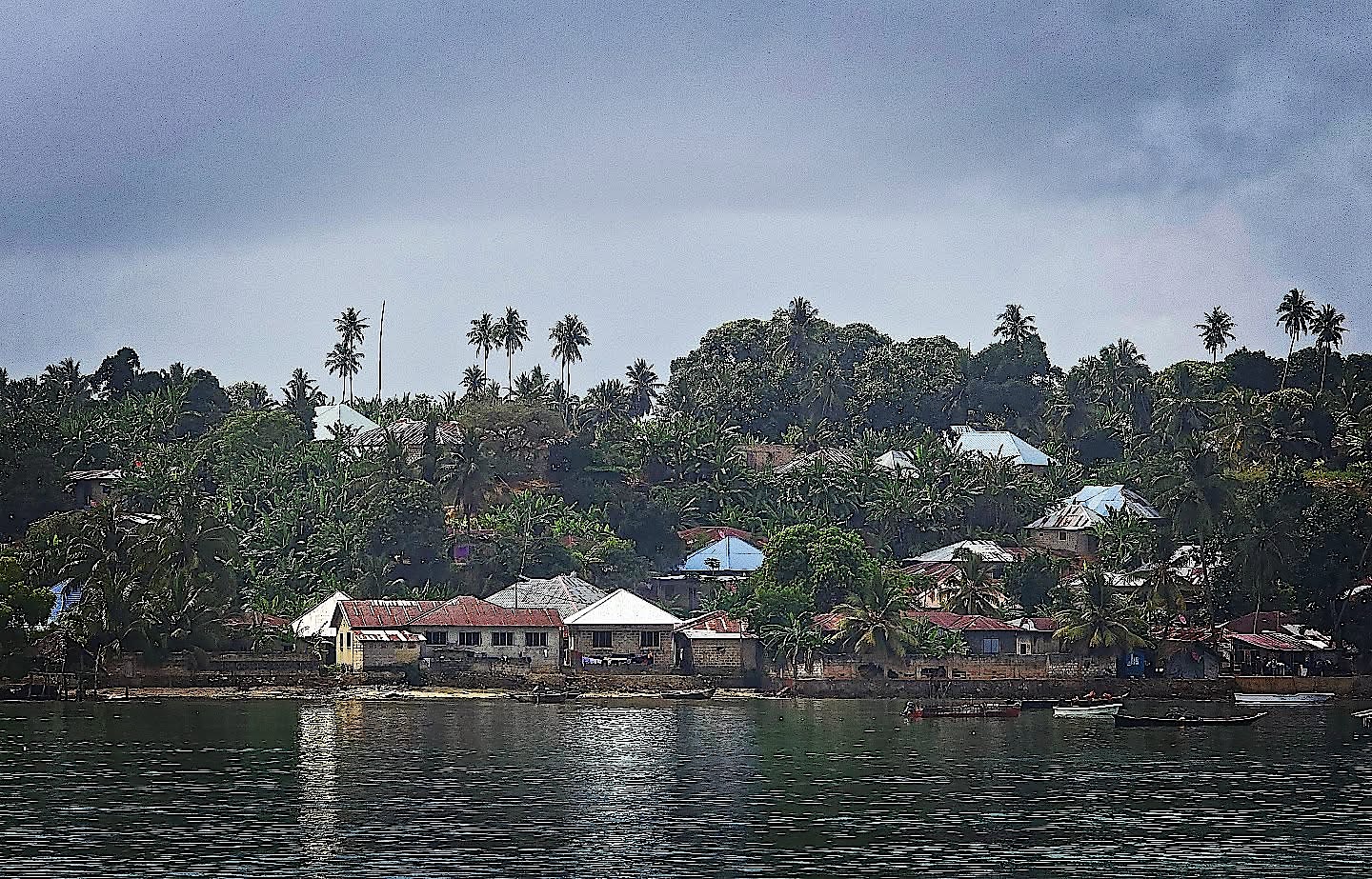
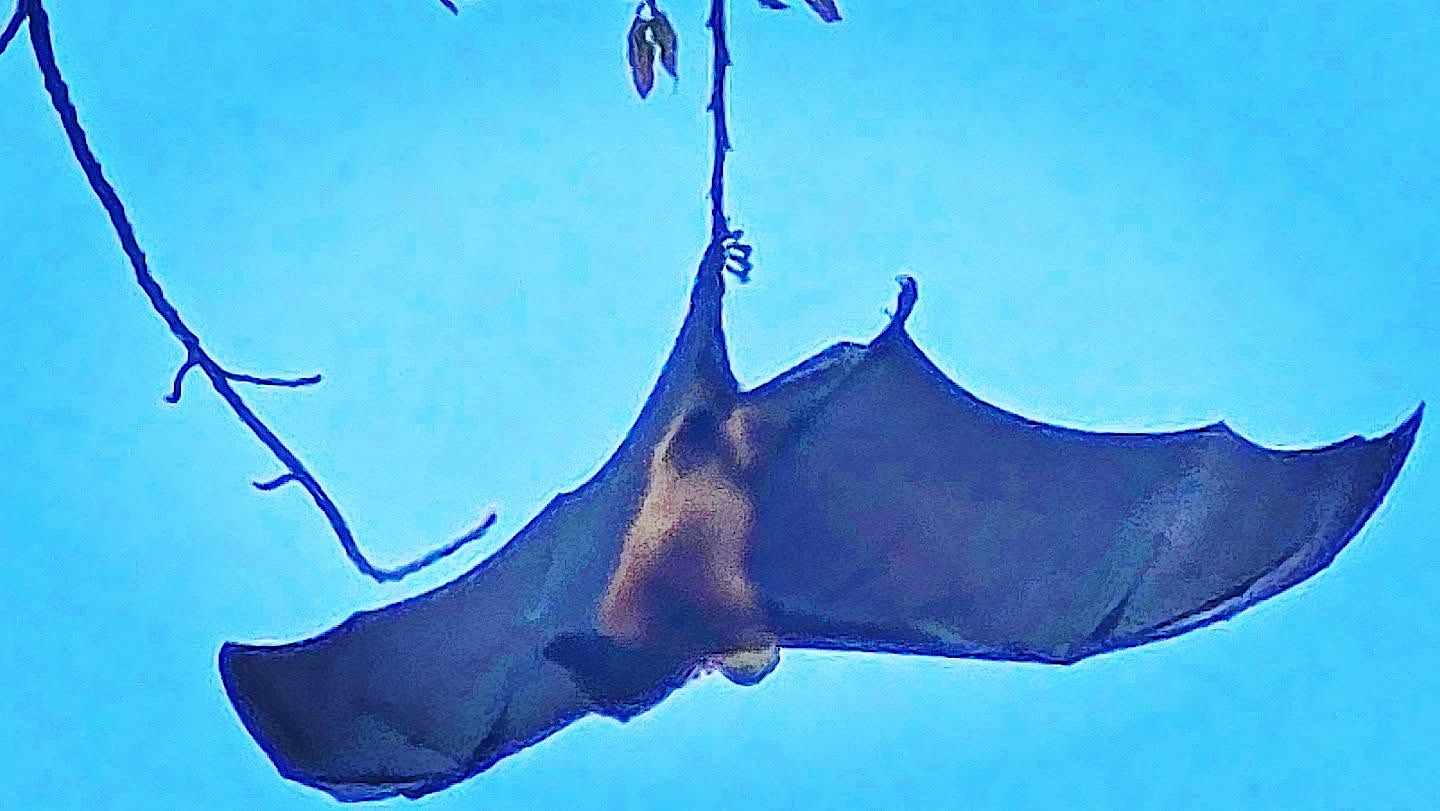
The next day we visited the other big island of the archipelago. Pemba lies further north, closer to the Kenyan border, and sees only a small fraction of Zanzibar's visitors. For me the day was all about two things: the Pemba flying fox, a large fruit bat that exists nowhere else in the world, and the many cheerful children we met along the way. We found a colony of the bats hanging in the treetops, with more of them circling overhead.
Lamu, Kenya's oldest town
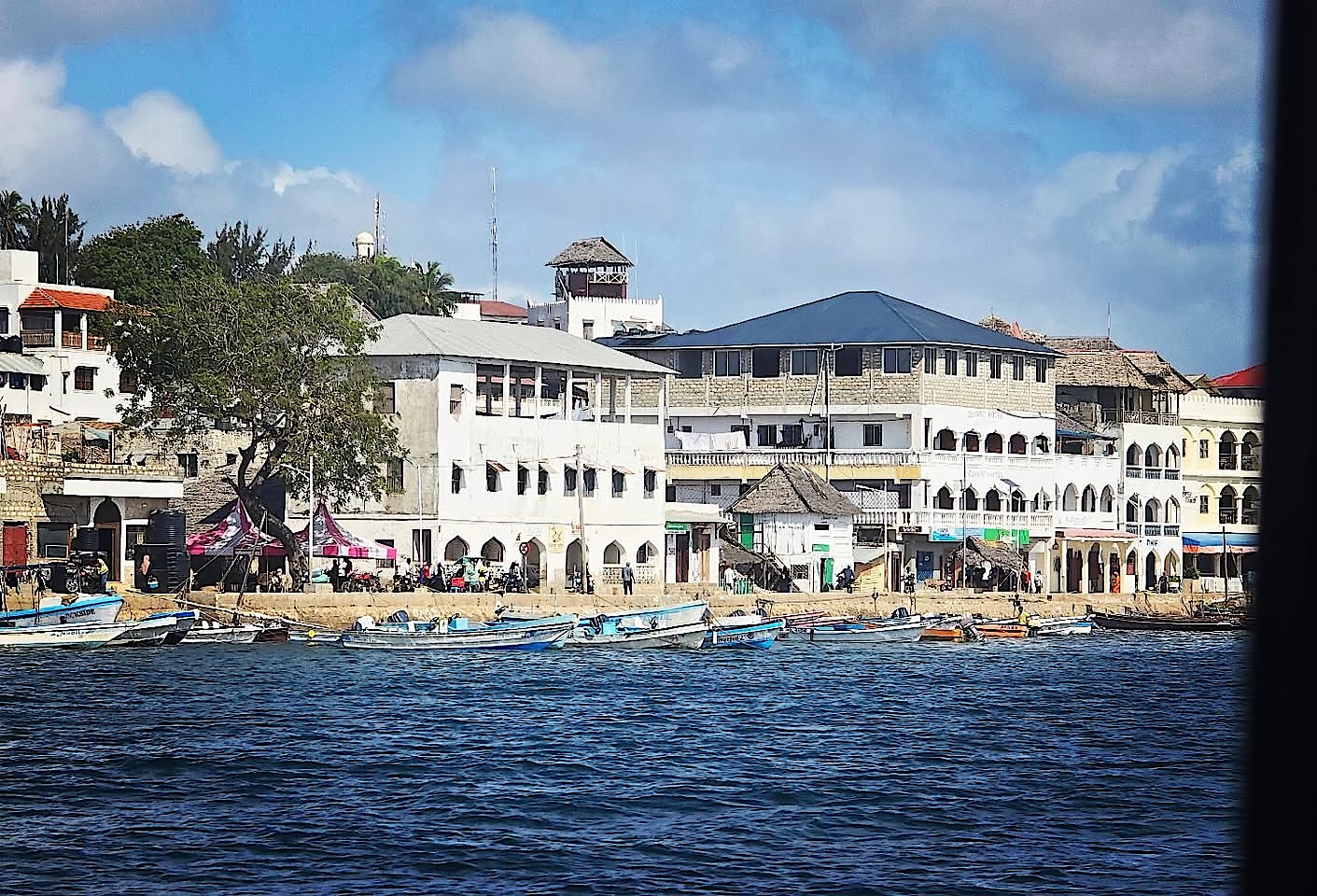
Overnight we crossed into Kenya and reached Lamu for our last full day on the ship. Lamu lies in the far north of the Kenyan coast, only about two hours by boat from the Somali border, and real pirates still pass by occasionally. That is why we were only the second cruise to call here in ten years. It deserves more. I liked Lamu from the first moment: this was Africa as it is, original and unpolished, and a World Heritage Site that still feels lived in rather than restored for visitors.
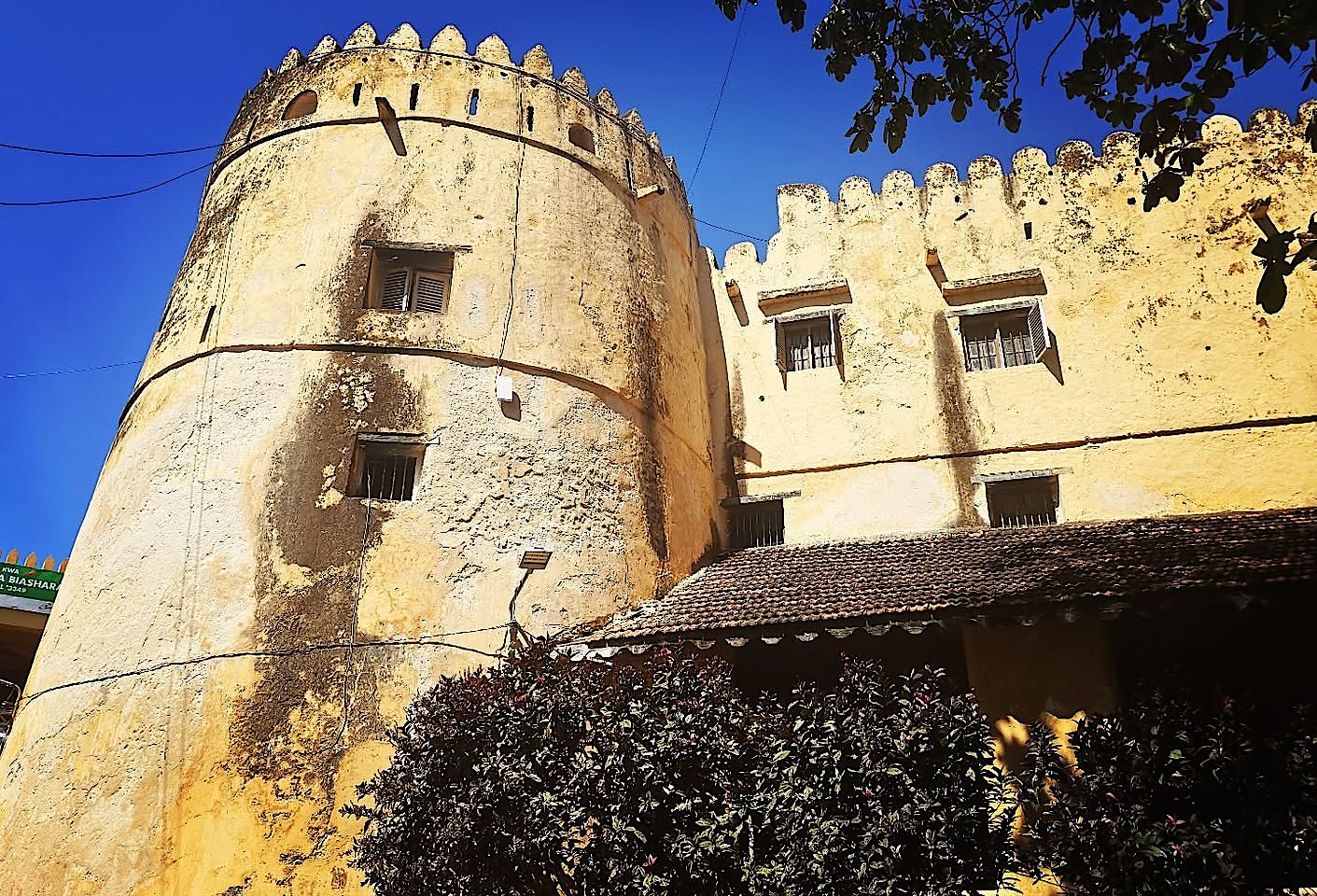
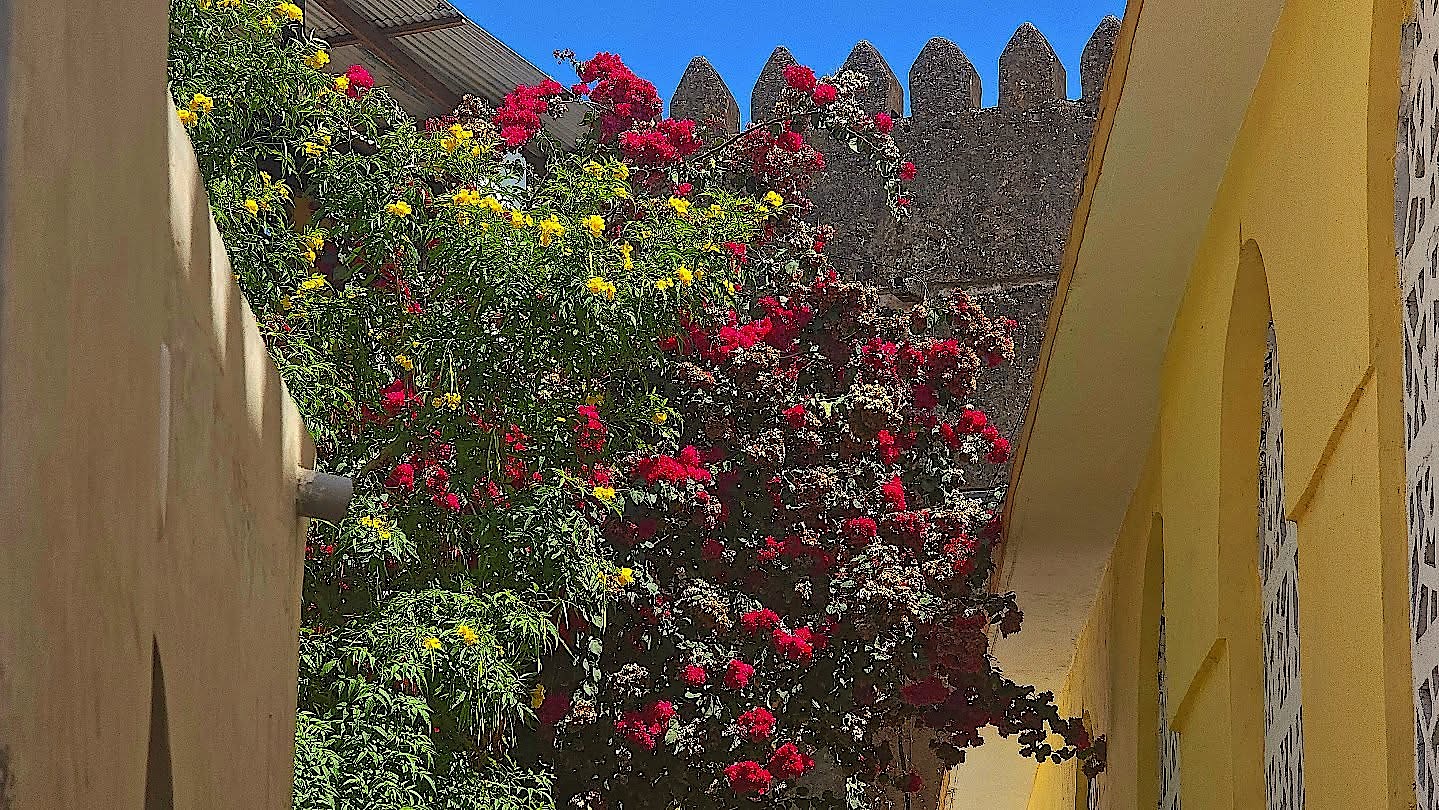
We walked from the waterfront, with its row of whitewashed merchants' houses, to the main square and its fort, built in the early 19th century, and then into the shady lanes behind it. Bougainvillea and other flowers spill over the walls all around town.
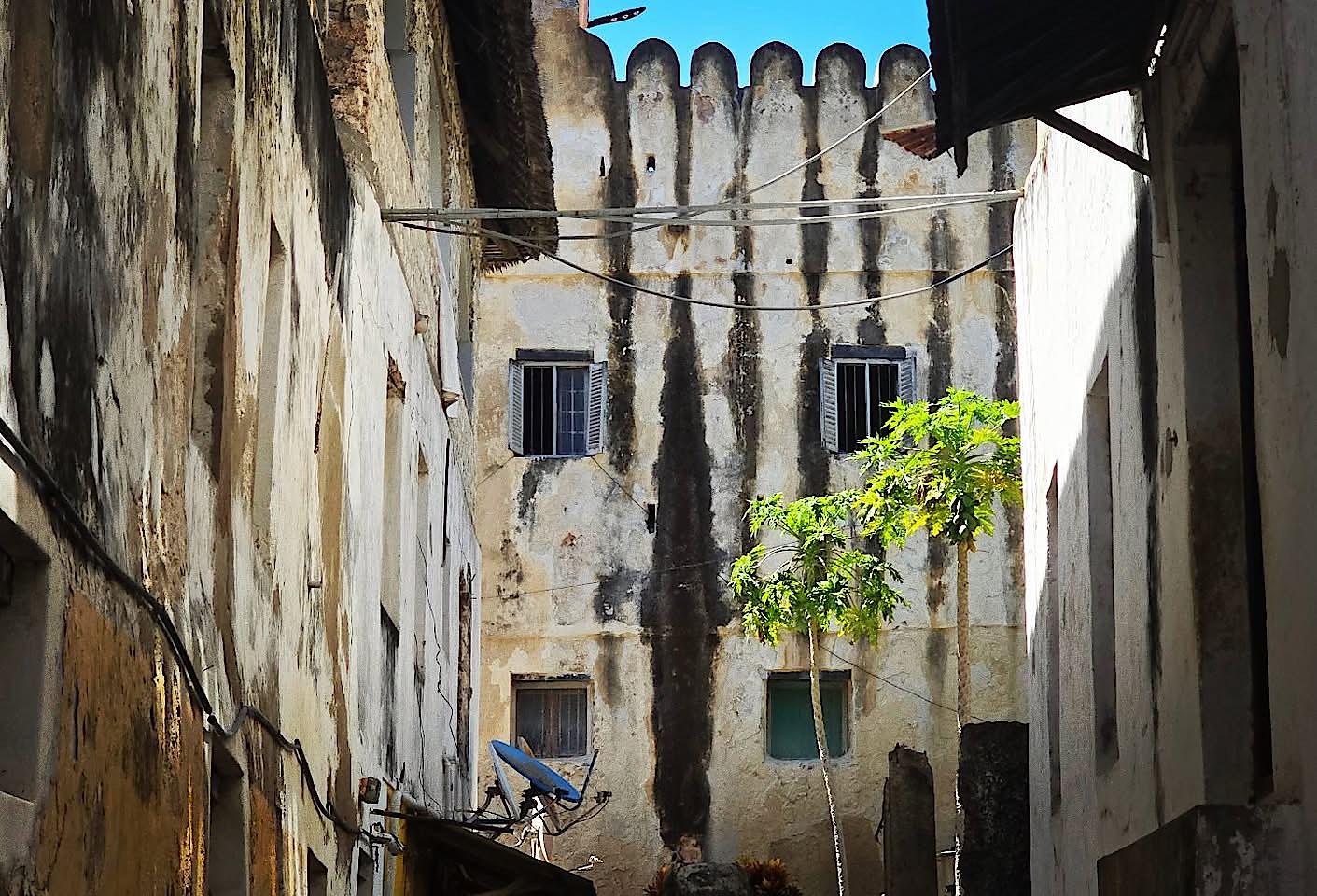
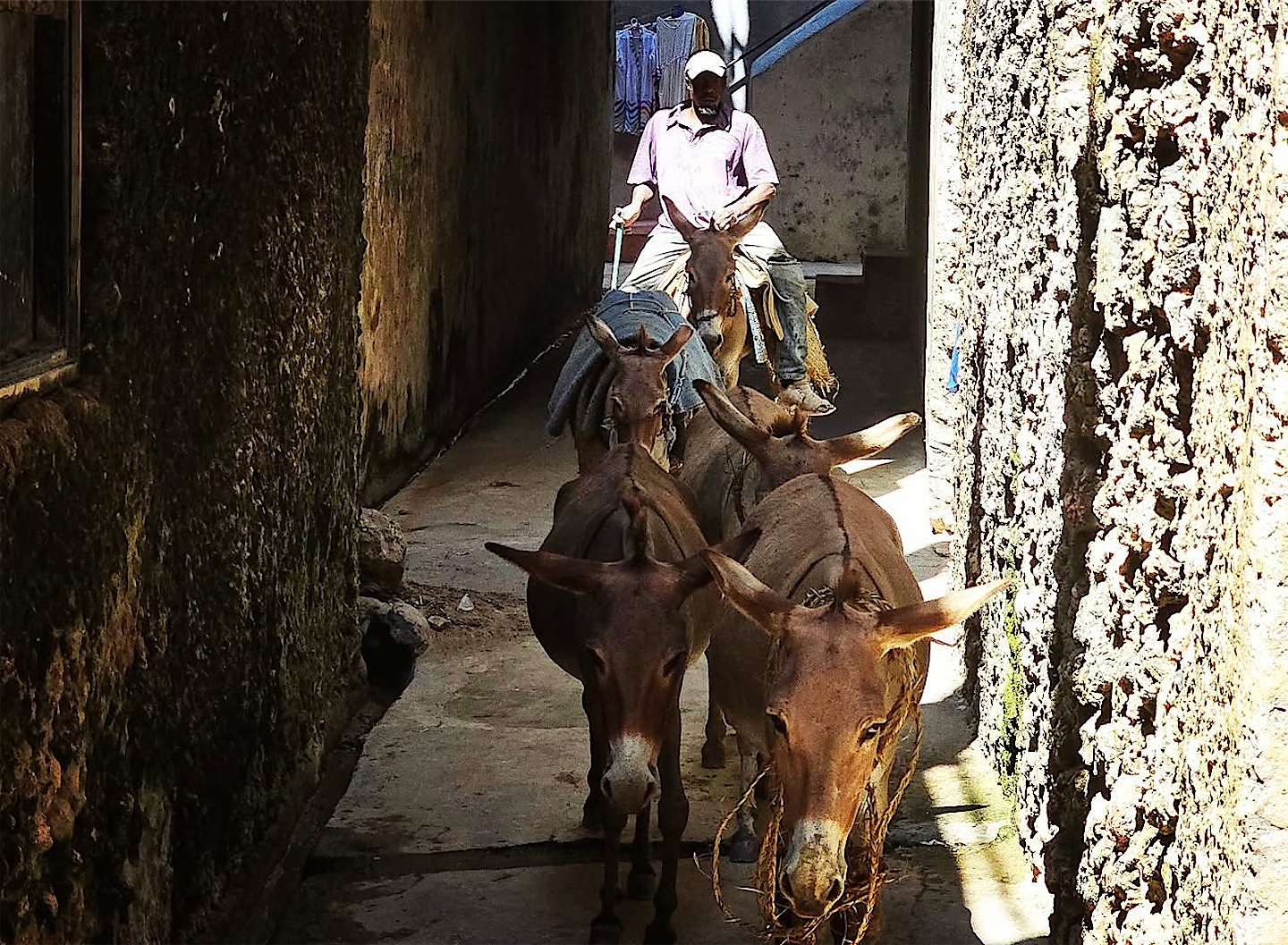
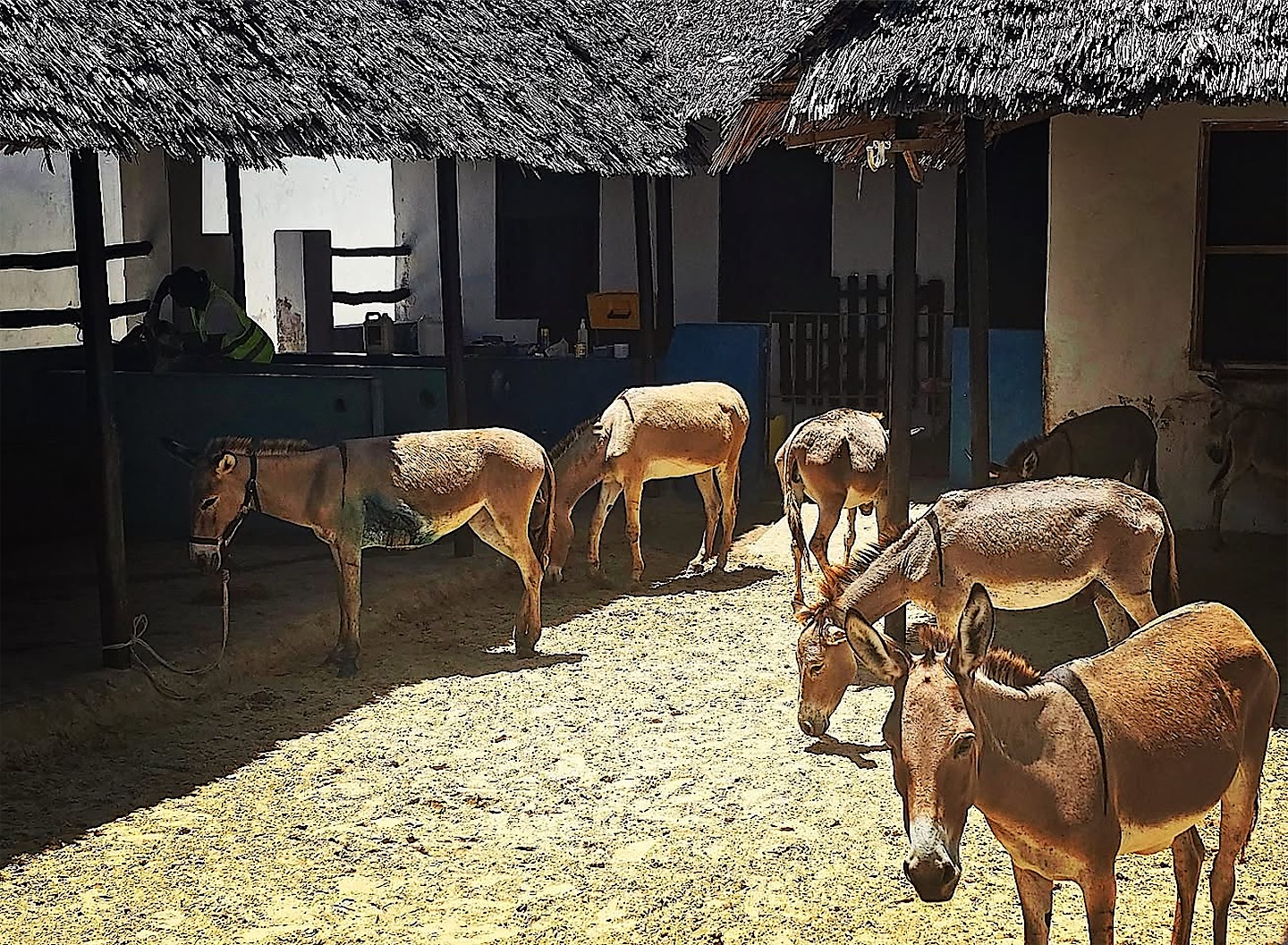
Above all, Lamu is about its donkeys. There are almost no cars on the island, so donkeys carry goods, building materials and people through the town. We met them in the narrow lanes, often with a load or a rider, and resting in the shade of a stable. Lamu even has a donkey sanctuary run by a British charity to look after them.
Around Lamu by speedboat
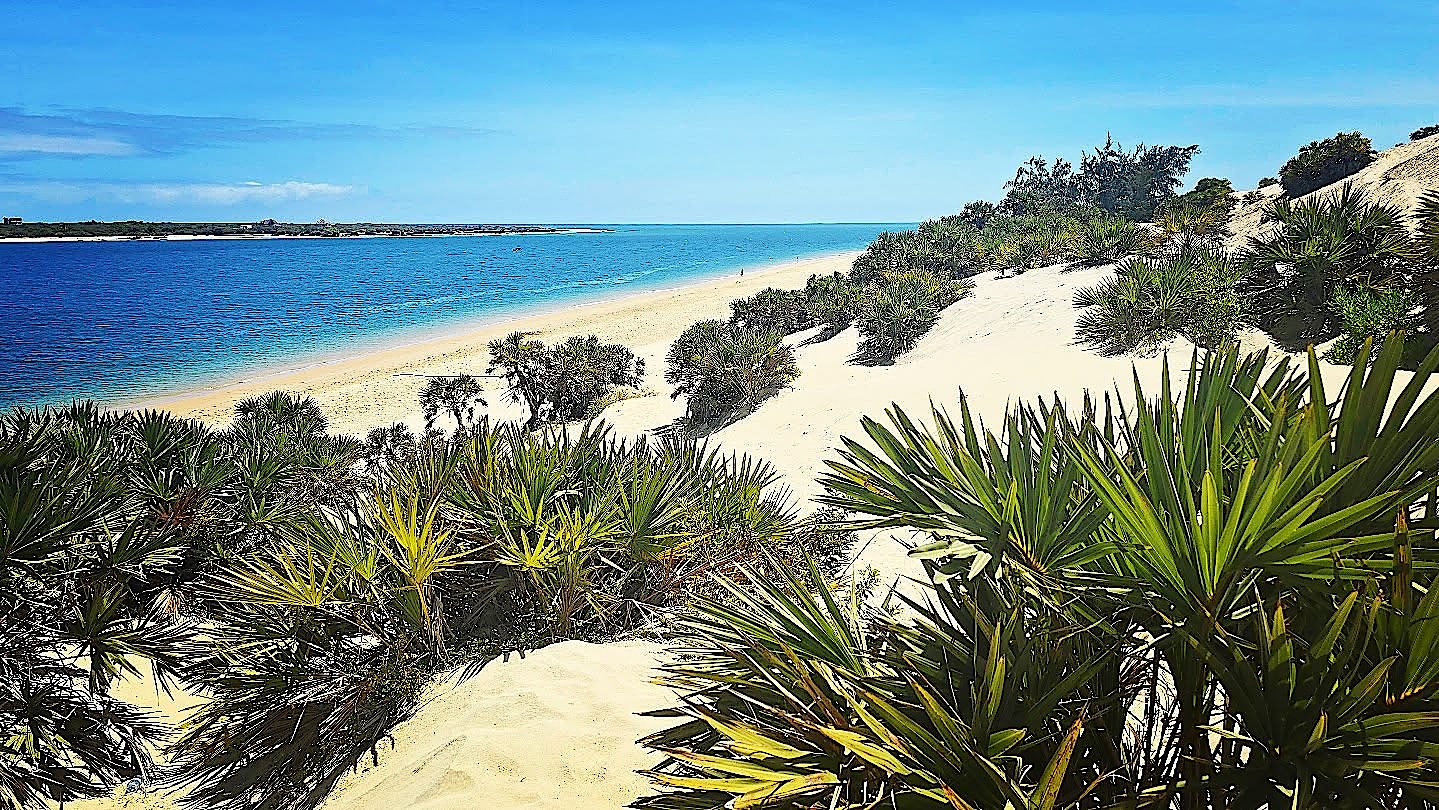
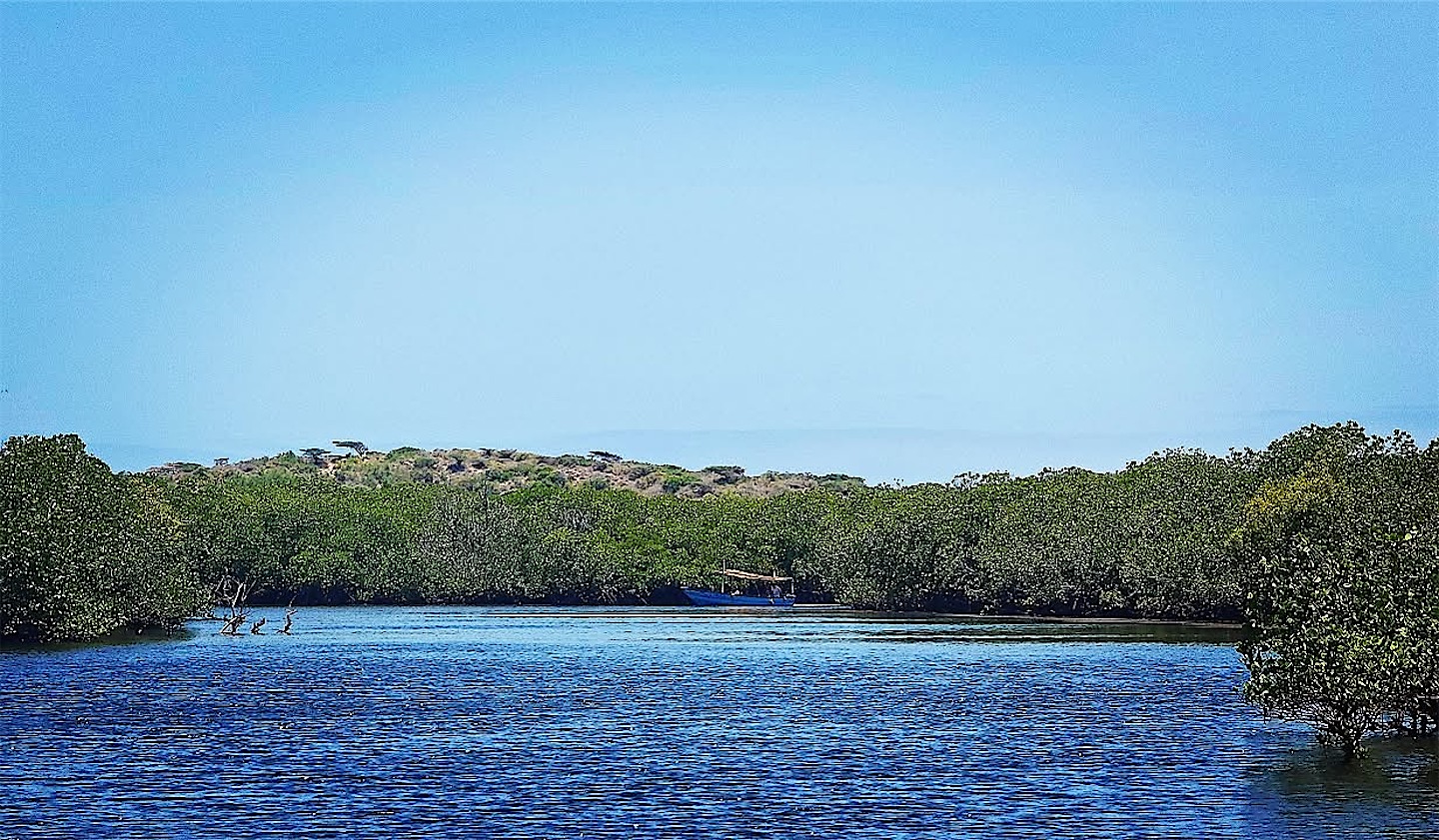
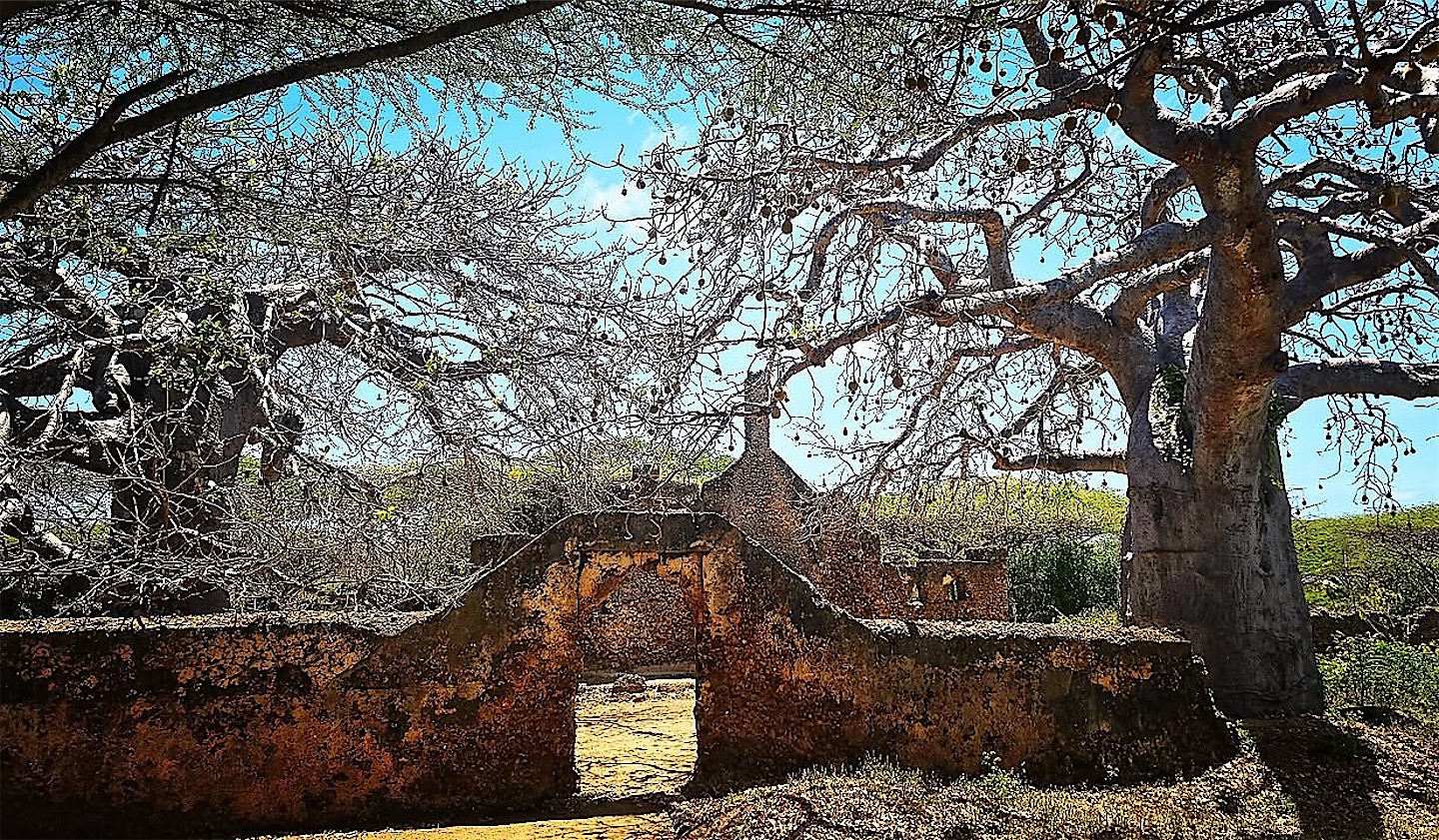
To see more of the surroundings, we hired the fastest speedboat we could find. It took us to Shela, a village a few kilometres from the Old Town with a long beach backed by dunes, and through mangrove channels to the ruins of an old Swahili settlement, its coral walls half swallowed by baobab trees.
Kenya was a revisit for me. In 2018 I had spent just one full day here. Together with Ethiopia, Egypt and Madagascar, it is one of the few African countries I still wanted to see properly, having travelled all the others quite extensively. The plan for the next eight days was simple: a few beach days first, then a week of safari.
Off the ship in Mombasa
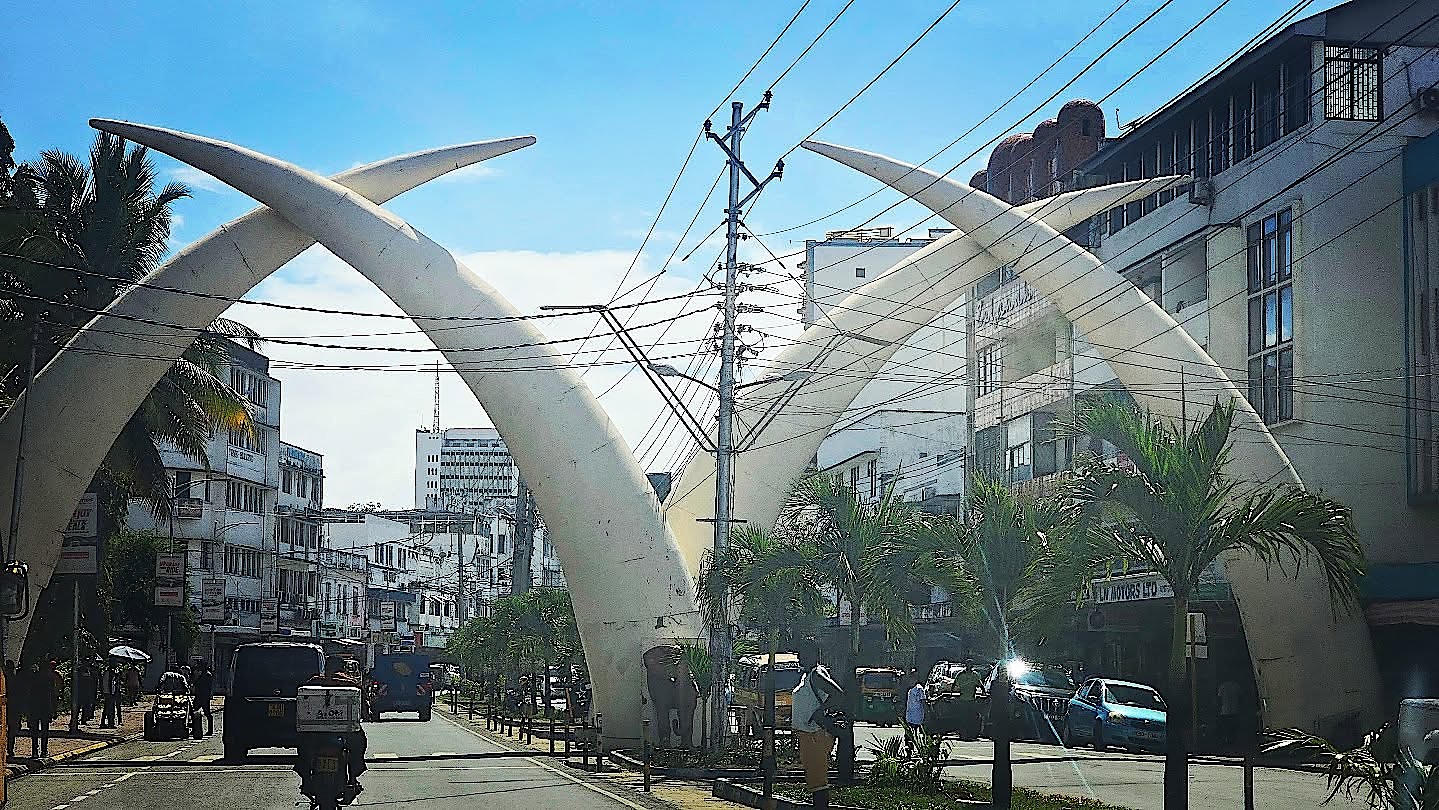
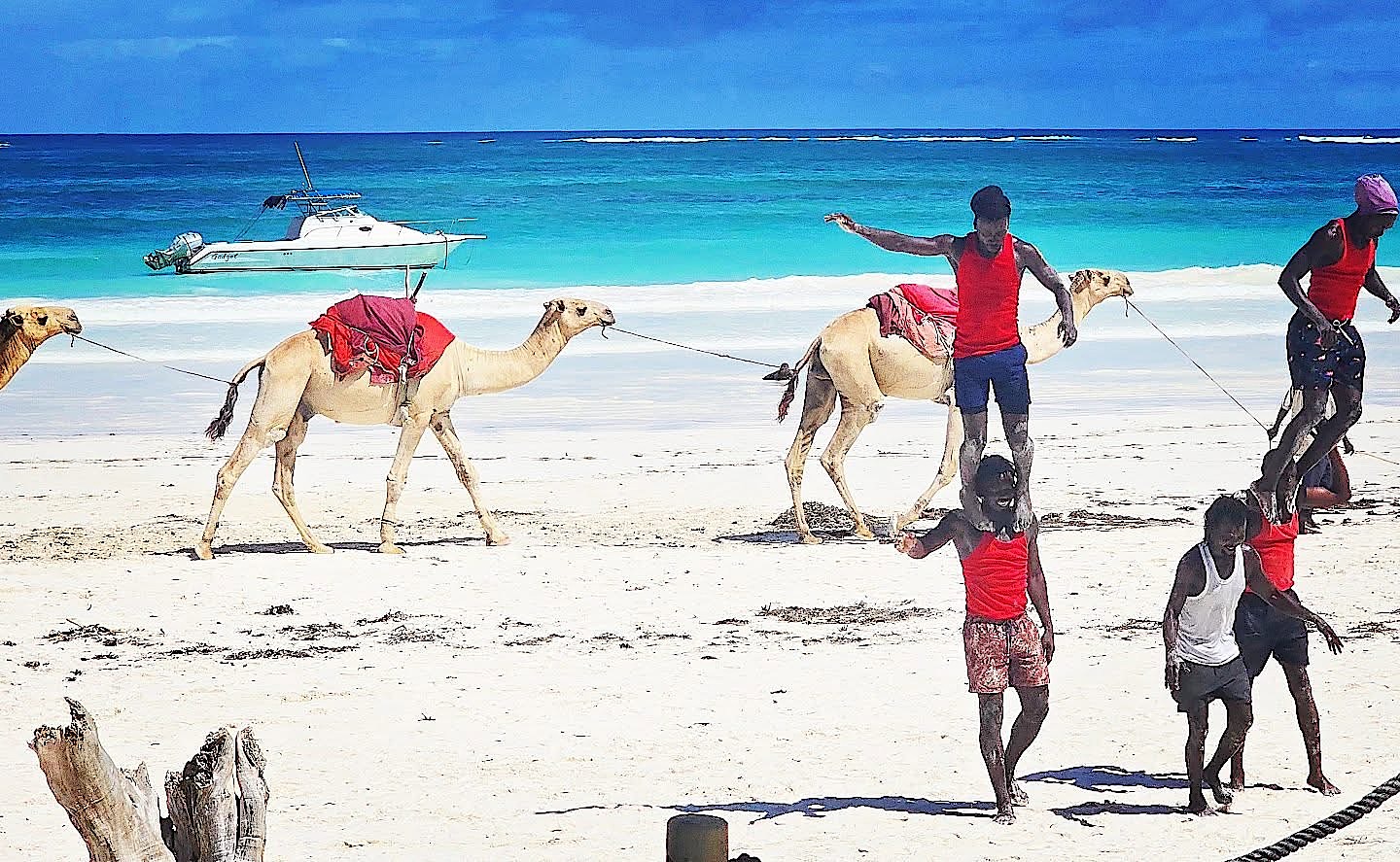
The next morning the SH Diana docked in Mombasa, and after ten days on board we left the ship. Our drive out of the city took us along Moi Avenue under Mombasa's famous tusks, the arches erected for Princess Elizabeth's visit in 1952, and then south to Diani Beach. Diani welcomed us in typical Kenyan fashion, with beach boys and camels. The beach boys are the young men who work the Kenyan coast selling excursions, souvenirs and camel rides.
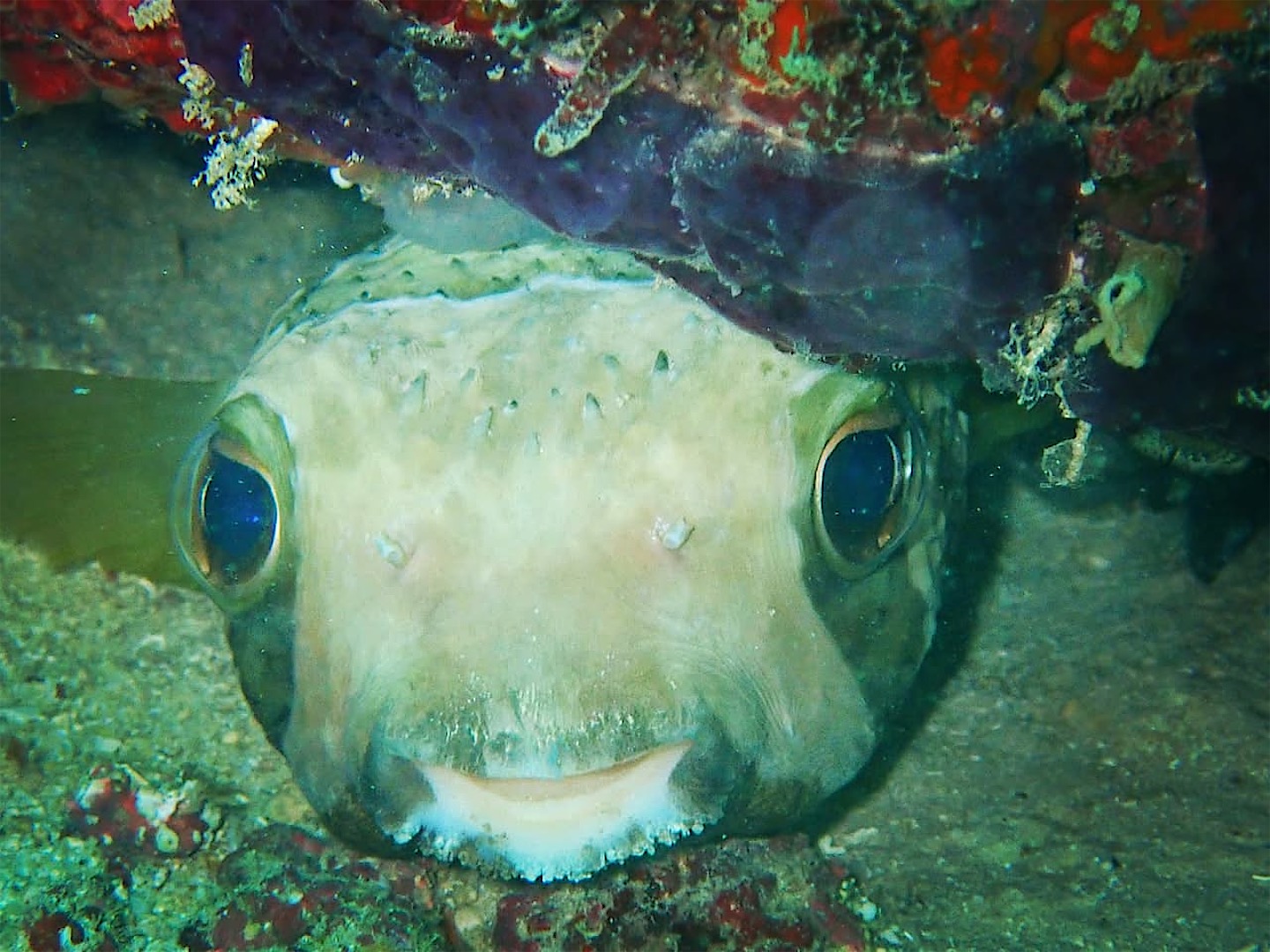
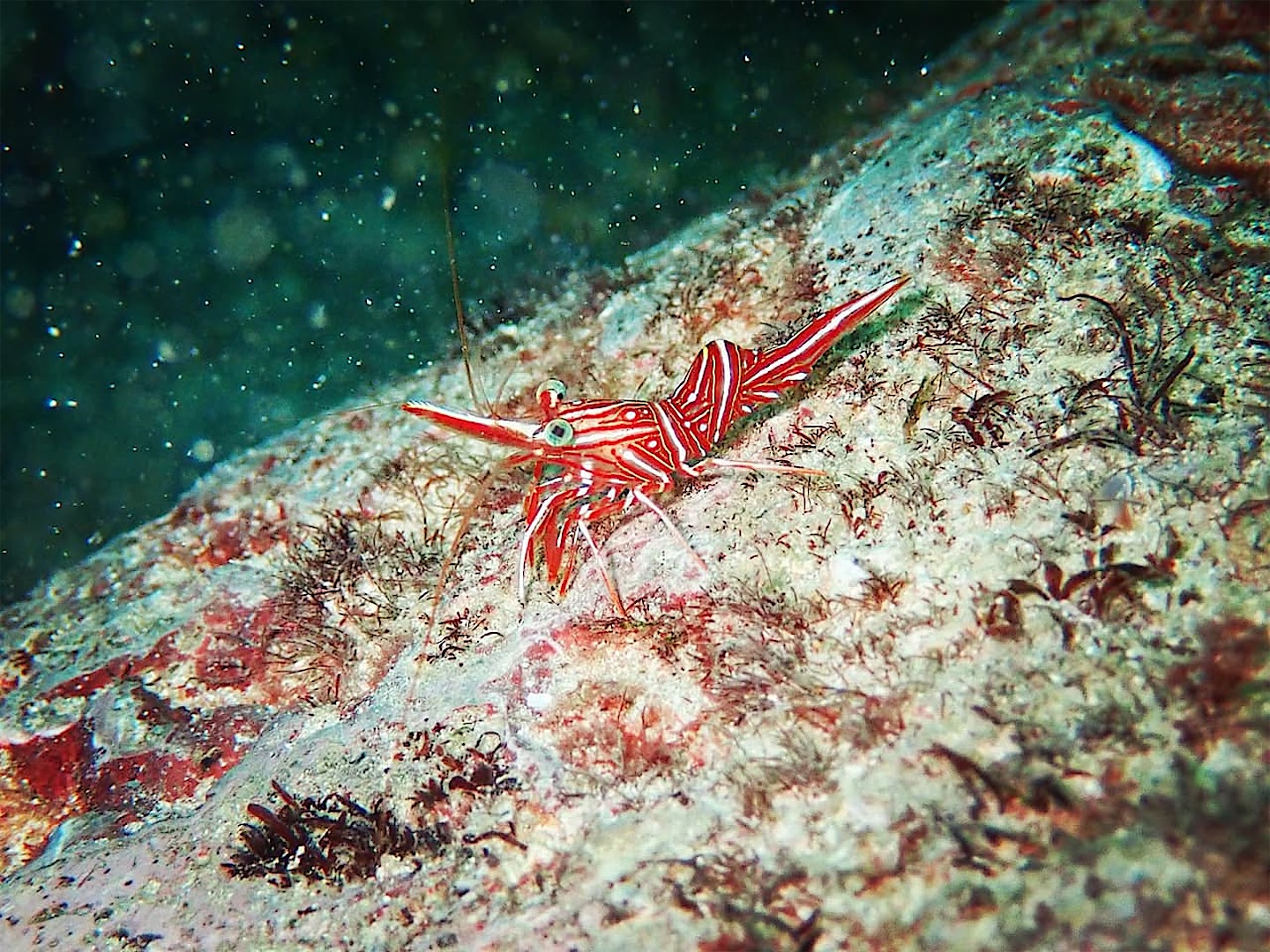
Of course I went diving. The conditions were challenging, with poor visibility, but there was more life down there than I expected: striped shrimps on the rocks, a pufferfish peering out from under a ledge and plenty of small reef fish.
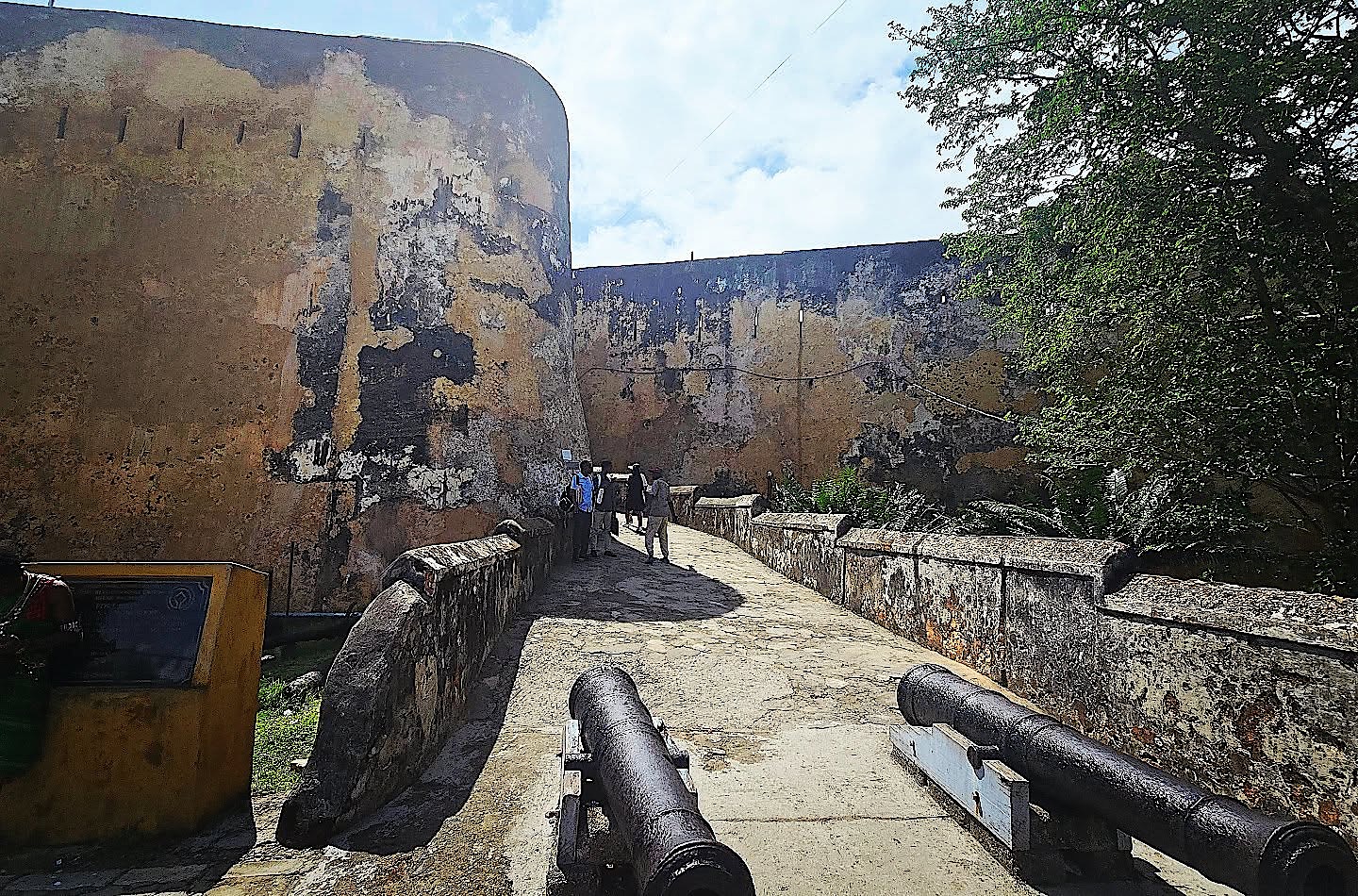
Fort Jesus and a last look at Mombasa
Mombasa is Kenya's second city and its main port, built on an island. Honestly, it isn't terribly interesting, but it was still worth a visit, mainly for Fort Jesus, and for the views across the water to the newer parts of the city and the ships anchored offshore.
That was the end of the coast for us, and of the ship-and-beach part of our family trip. The next morning a propeller plane was waiting at Ukunda, the little airport near Diani, to take us inland to Amboseli for our family safari in Kenya.