An Arctic Voyage with My Mother: Iceland's Volcanoes, Jan Mayen and the Polar Bears of Svalbard
early to mid June 2024 · Geysir, Höfn, East Iceland, Reykjavík, Grimsey, Jan Mayen, Ny-Ålesund, Longyearbyen, Pyramiden · Regions: Iceland, Jan Mayen, Svalbard
After a round of territory collecting in North Africa and on Madeira at the end of May, it was time for the next polar adventure, and this time I had company. My mother joined me for two weeks on an expedition ship from Reykjavík to Longyearbyen, sailing via North Iceland, Grimsey and Jan Mayen to the Svalbard archipelago. First, though, we had a few days on the road in Iceland, which delivered a geyser, a storm and an erupting volcano.
A wet welcome at Geysir
We started at the Geysir geothermal field, part of the classic Golden Circle east of Reykjavík, where the geyser decided to erupt right in my face. I survived, with nothing worse than a warm shower.
The original Geysir, which gave its name to every geyser in the world, has been mostly quiet for decades. The star today is its neighbour Strokkur, which shoots a column of boiling water into the air every few minutes, reliably enough that visitors stand around it with cameras ready and still get surprised.
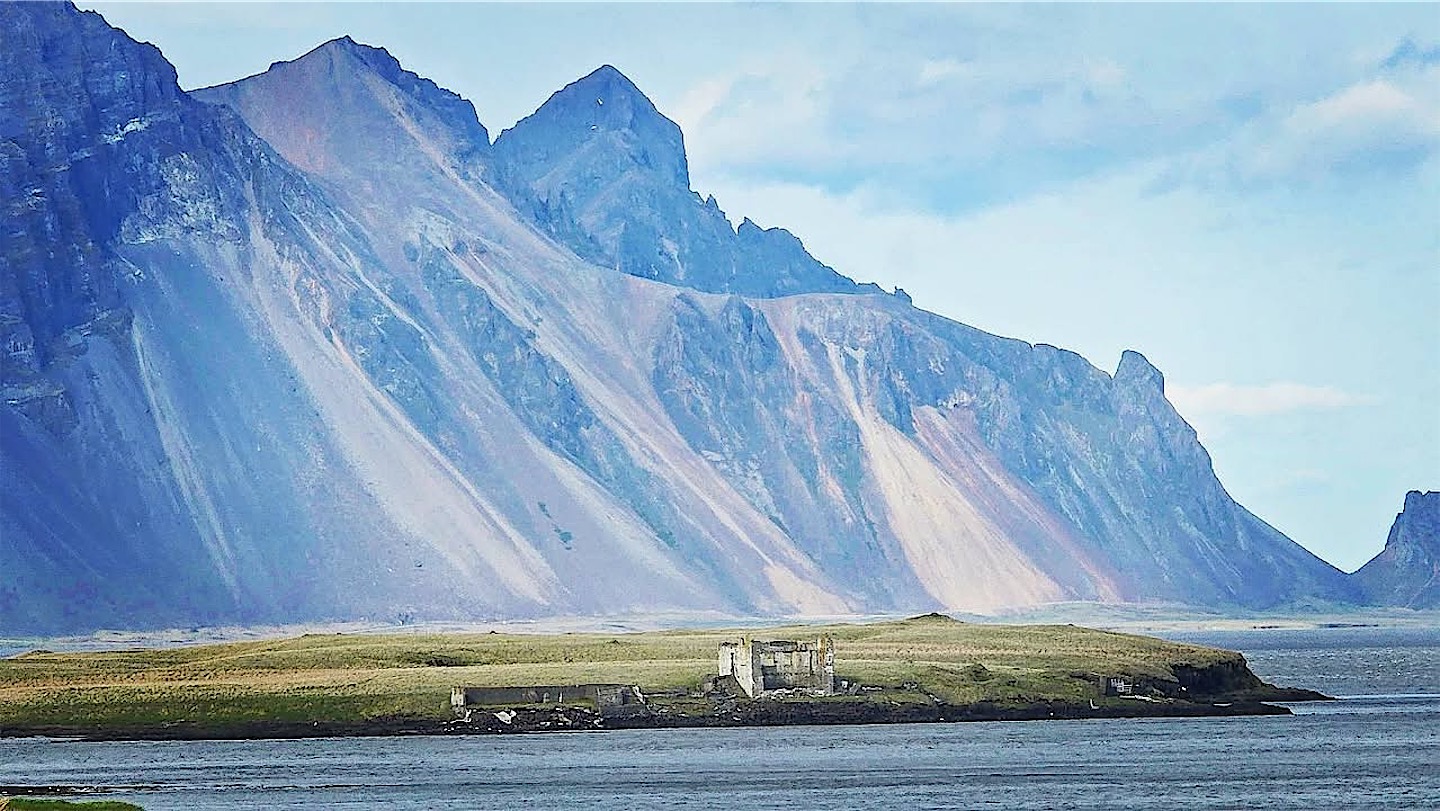
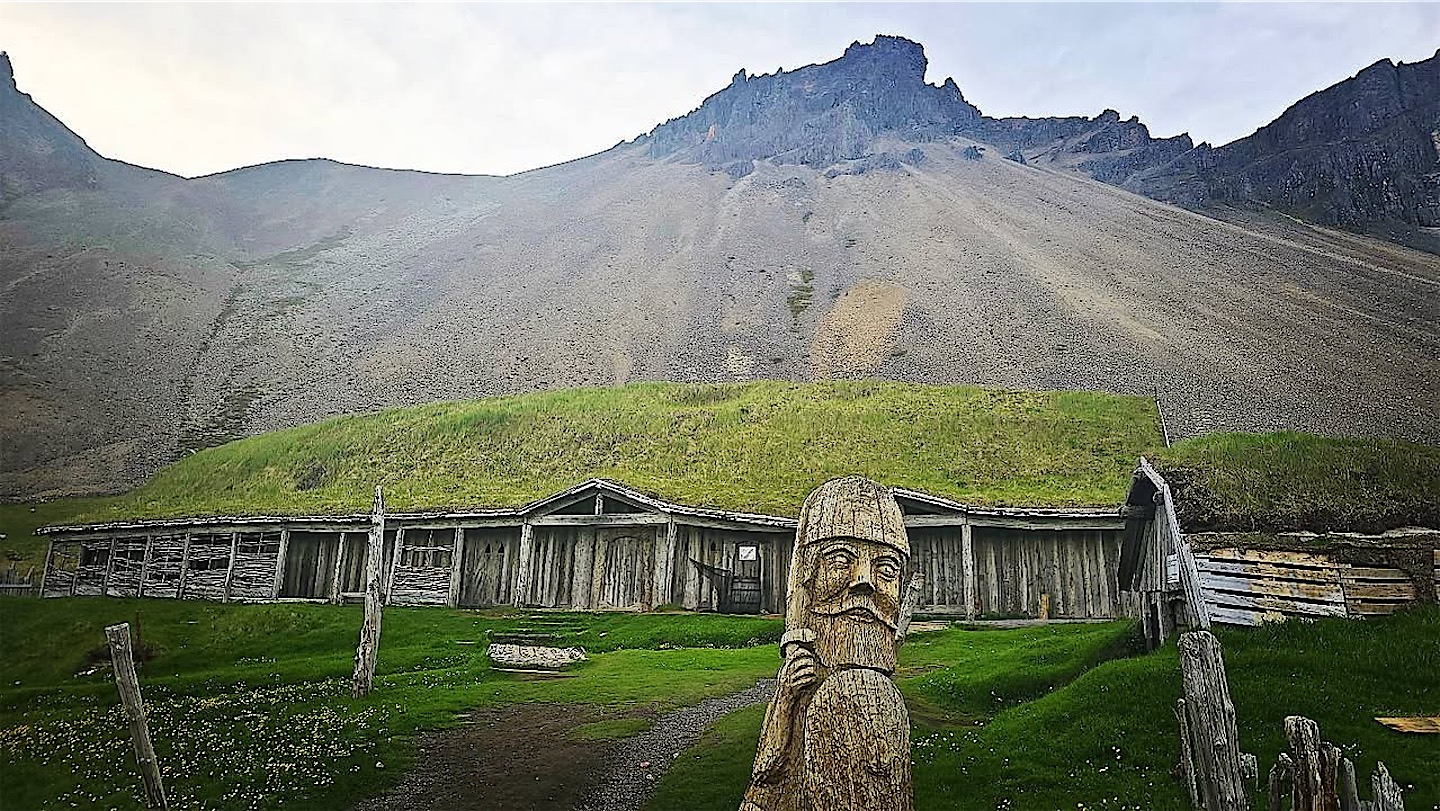
Then we headed east to Höfn and beyond. Just past the town the road passes Vestrahorn, a jagged mountain wall that drops almost straight into the sea. At its foot sits a replica Viking village, built as a film set and left standing with its turf roofs and carved wooden figures.
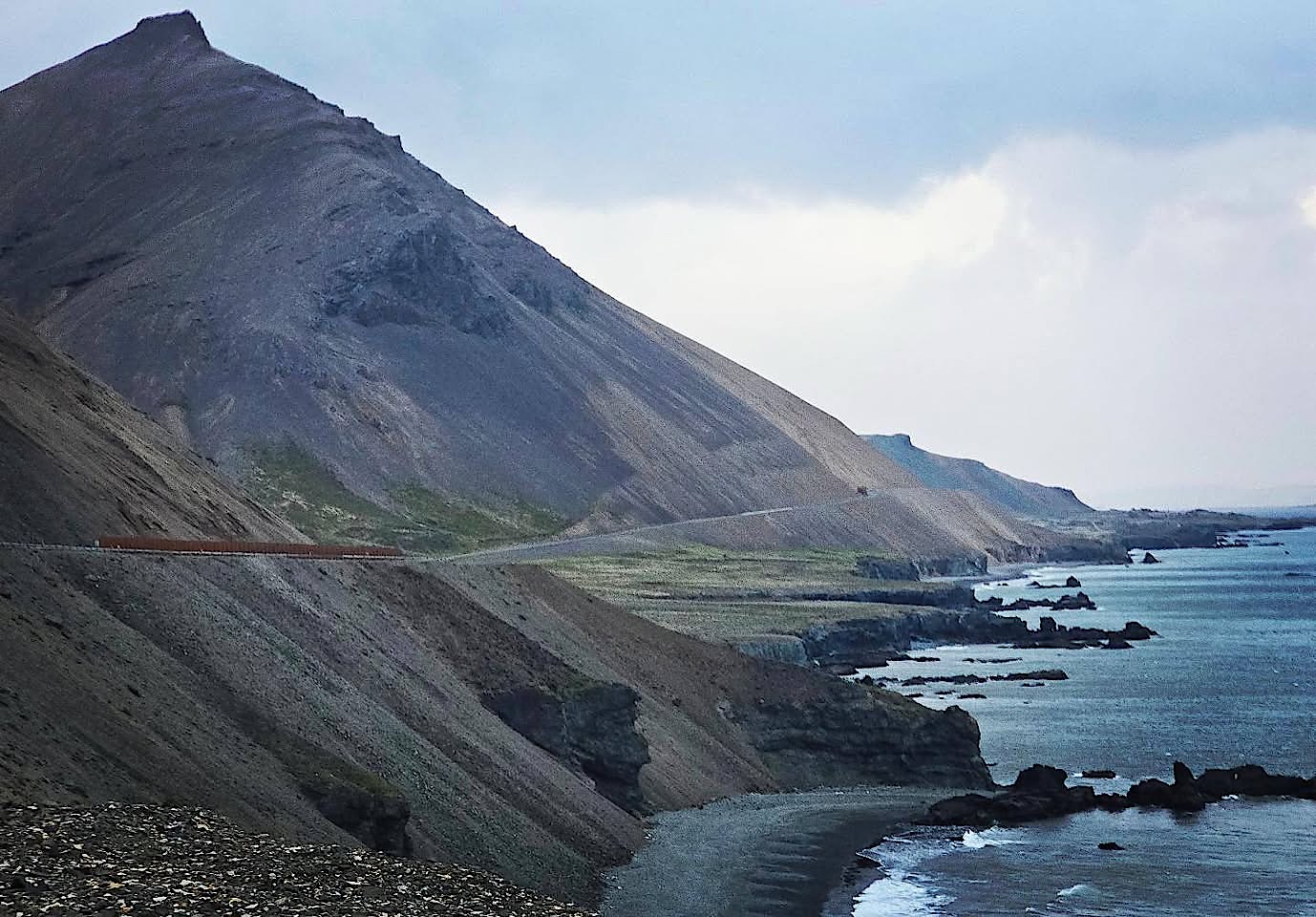
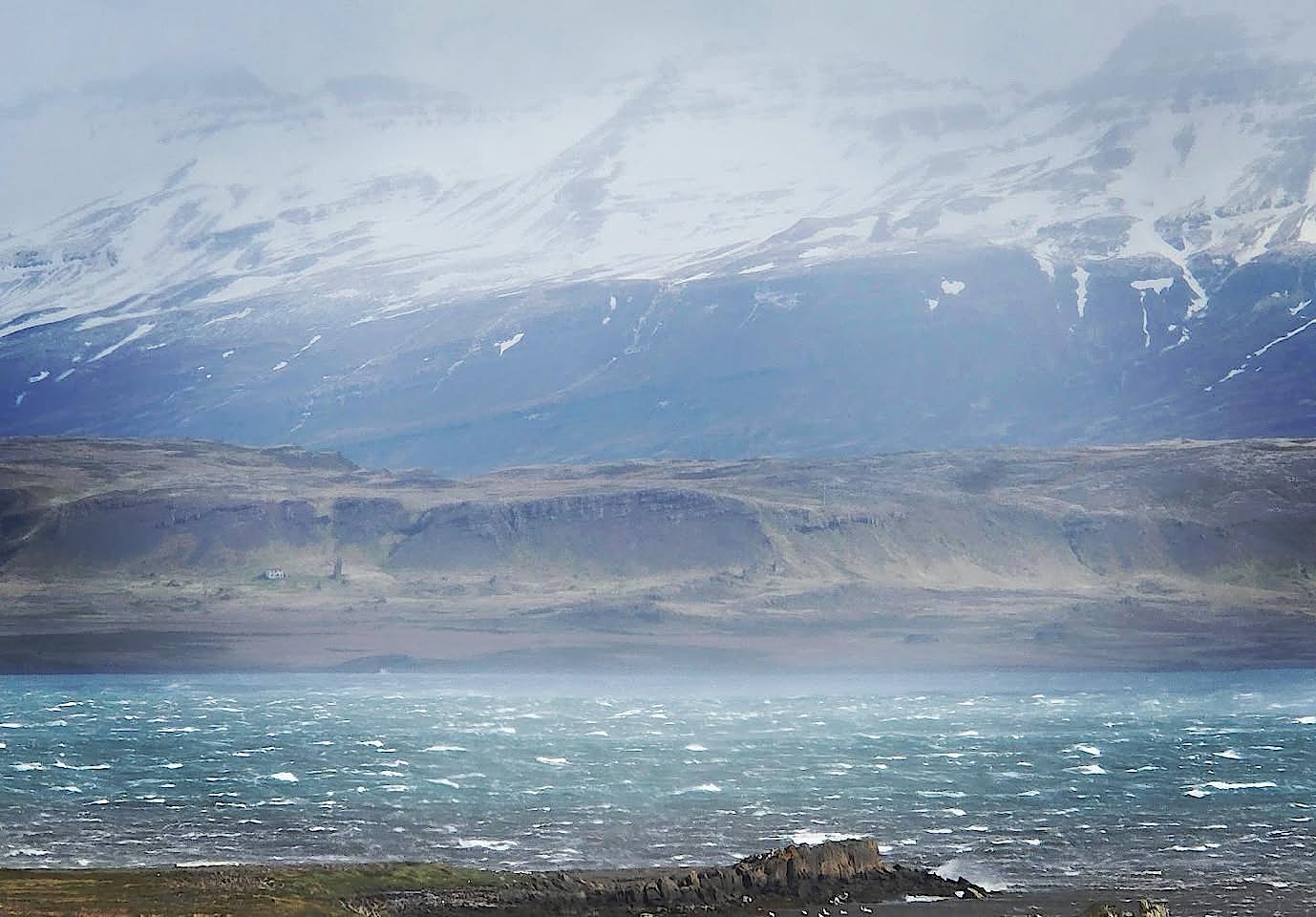
East Iceland gave us a proper taste of Icelandic weather. A storm swept over the fjords, and I recorded a time lapse of it. The wind did not let up the next day either, and it almost made us miss our flight, and with it the start of the cruise.
A volcano next door to the capital
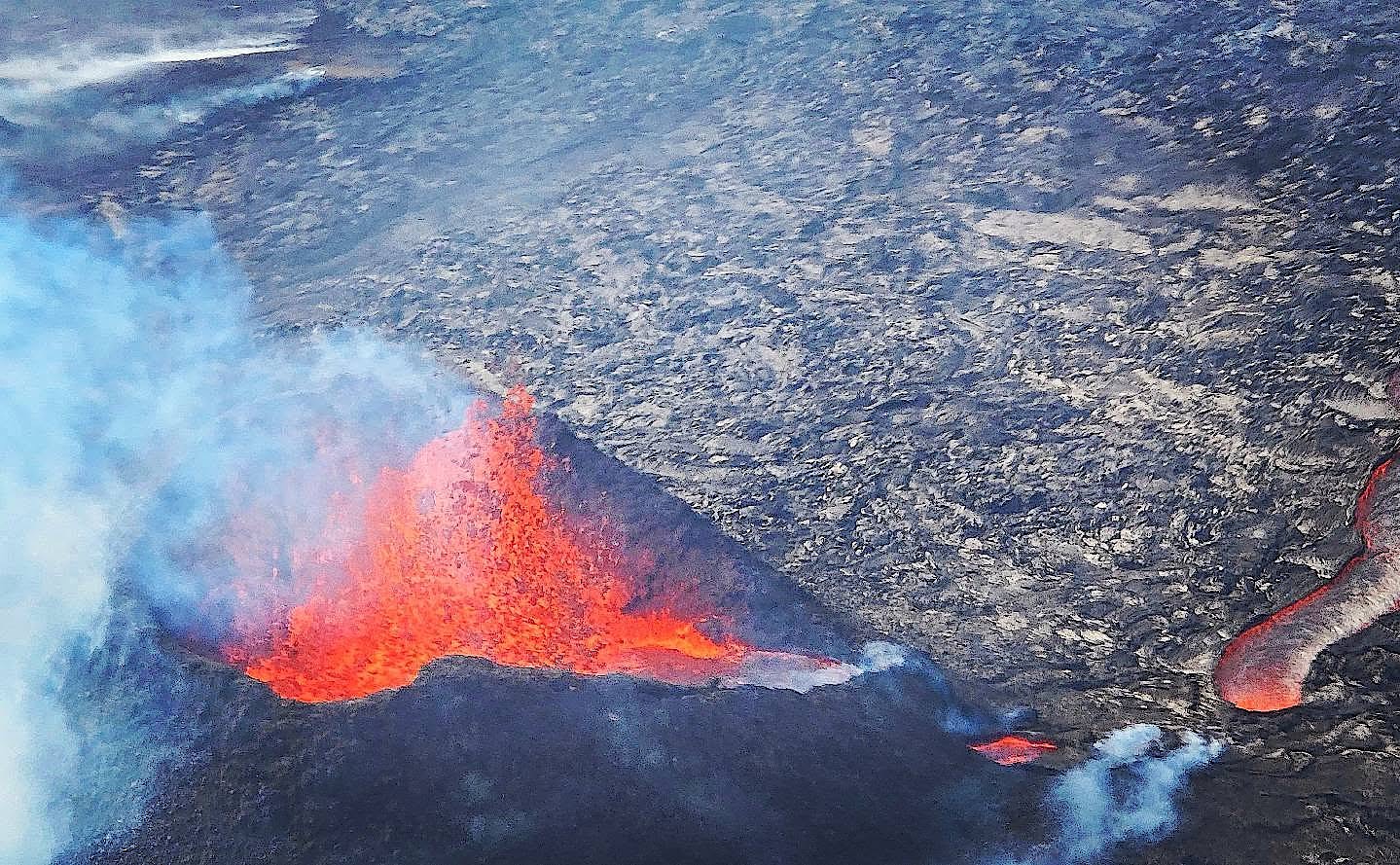
Reykjavík is always a pleasure to return to, and this time the city had a bonus: an active eruption a short drive away on the Reykjanes peninsula. I took plenty of pictures, but they don't do justice to an active eruption: lava fountaining out of the crater, with fresh black flows steaming all around it.
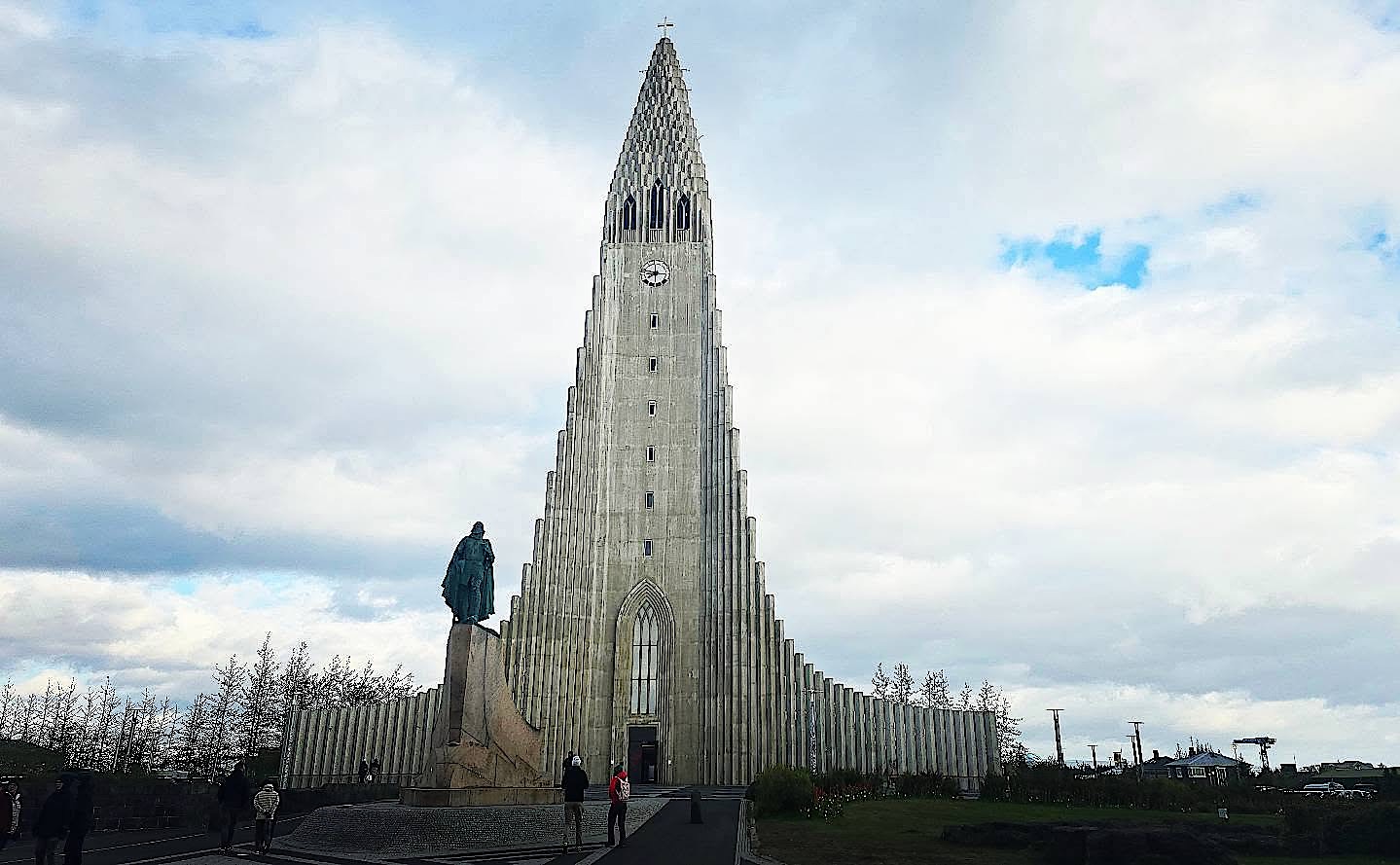
Back in town, Hallgrímskirkja, the concrete church inspired by Iceland's basalt columns, watches over the centre, with a statue of Leif Erikson in front of it.
North across the Arctic Circle
Then we set sail into the Arctic Ocean. The ship had Starlink, so the internet was surprisingly good, and the first week with several sea days gave me plenty of time to keep on top of work between landings.
Our route took us along the north coast of Iceland to Grimsey, a small island about 40 kilometres off the mainland and the only part of Iceland that lies on the Arctic Circle. Only a few dozen people live there, together with far more seabirds. From there we continued north-east across open sea towards Jan Mayen, one of the most isolated islands in the North Atlantic.
First impressions of Svalbard
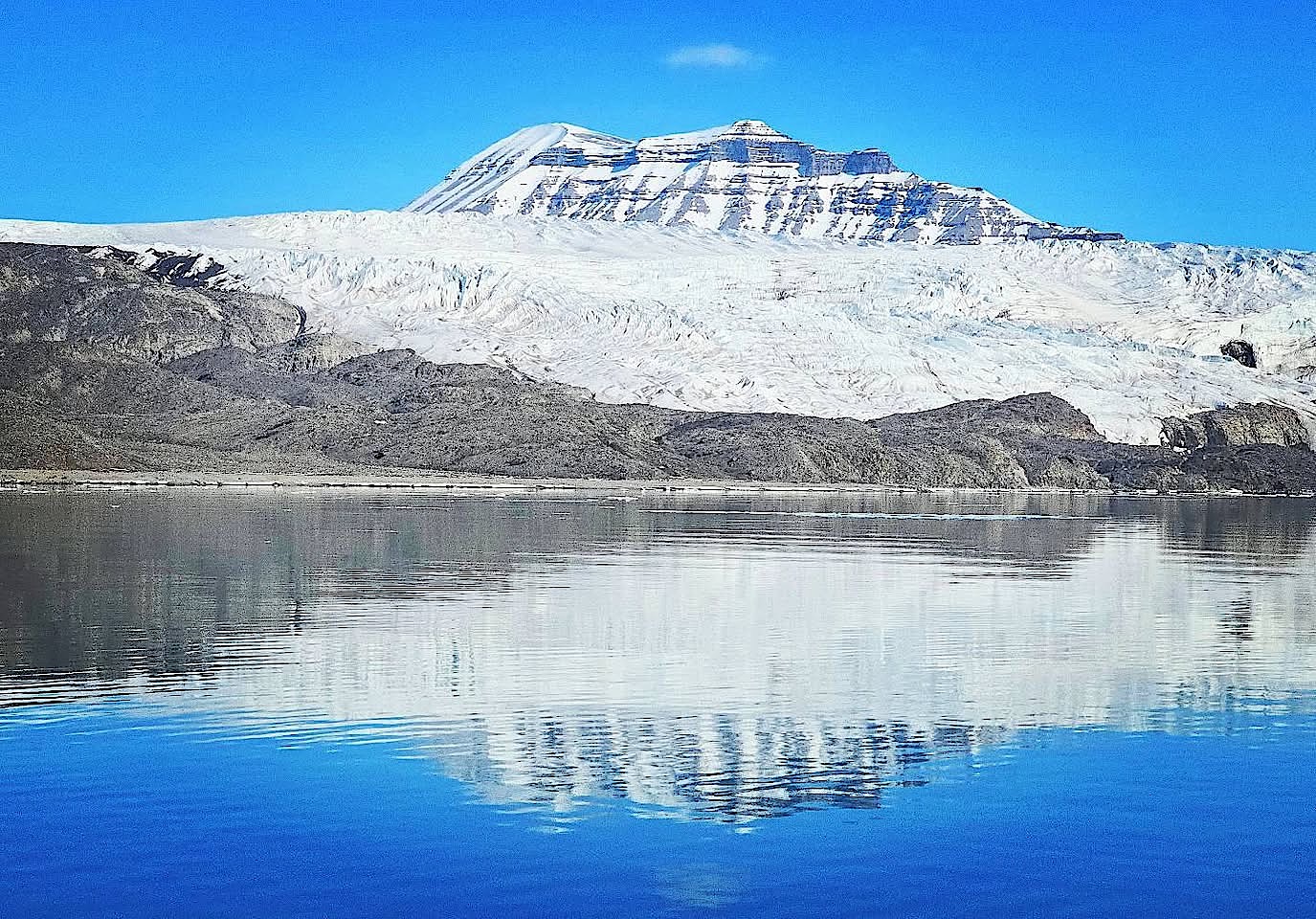
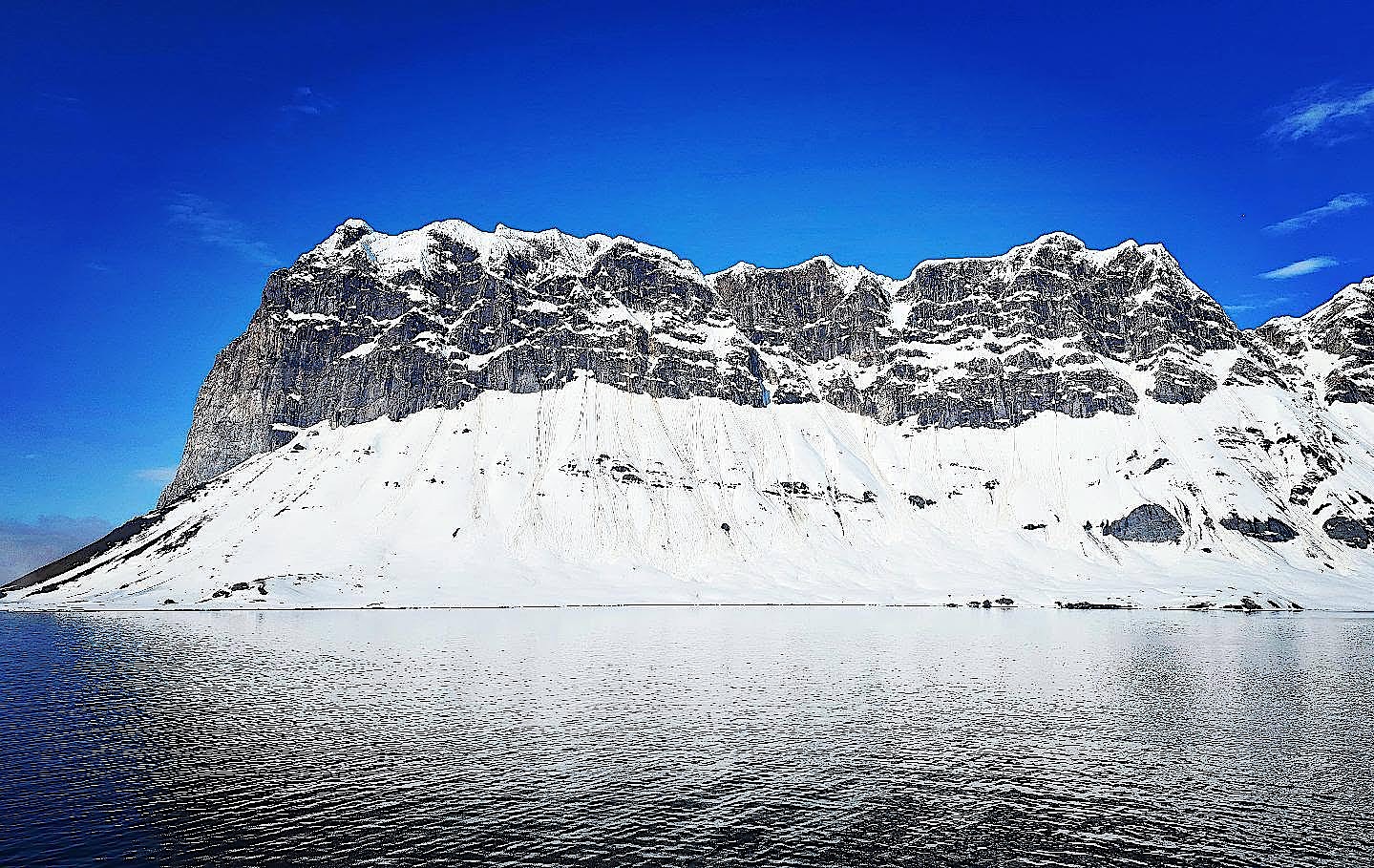
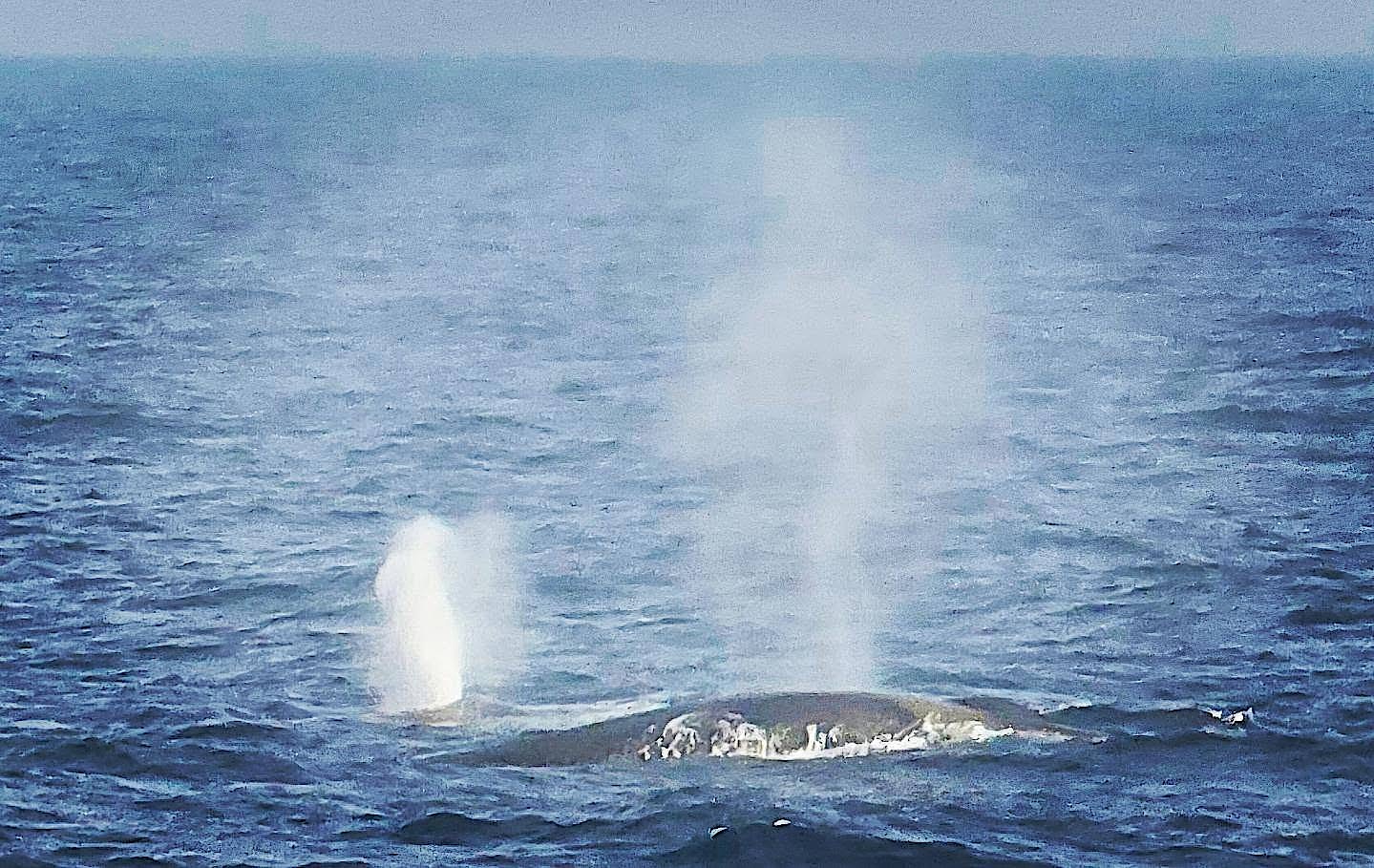
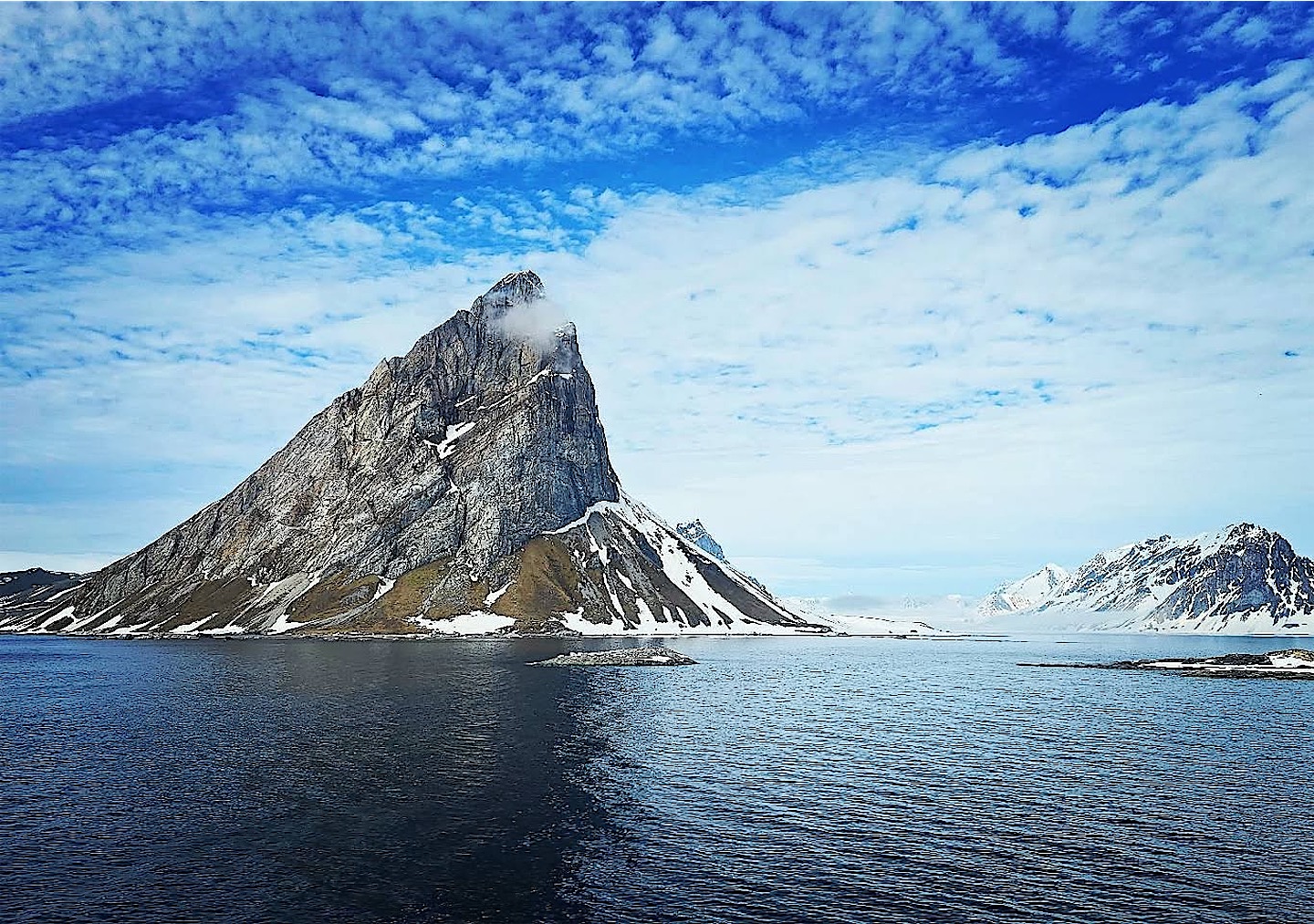
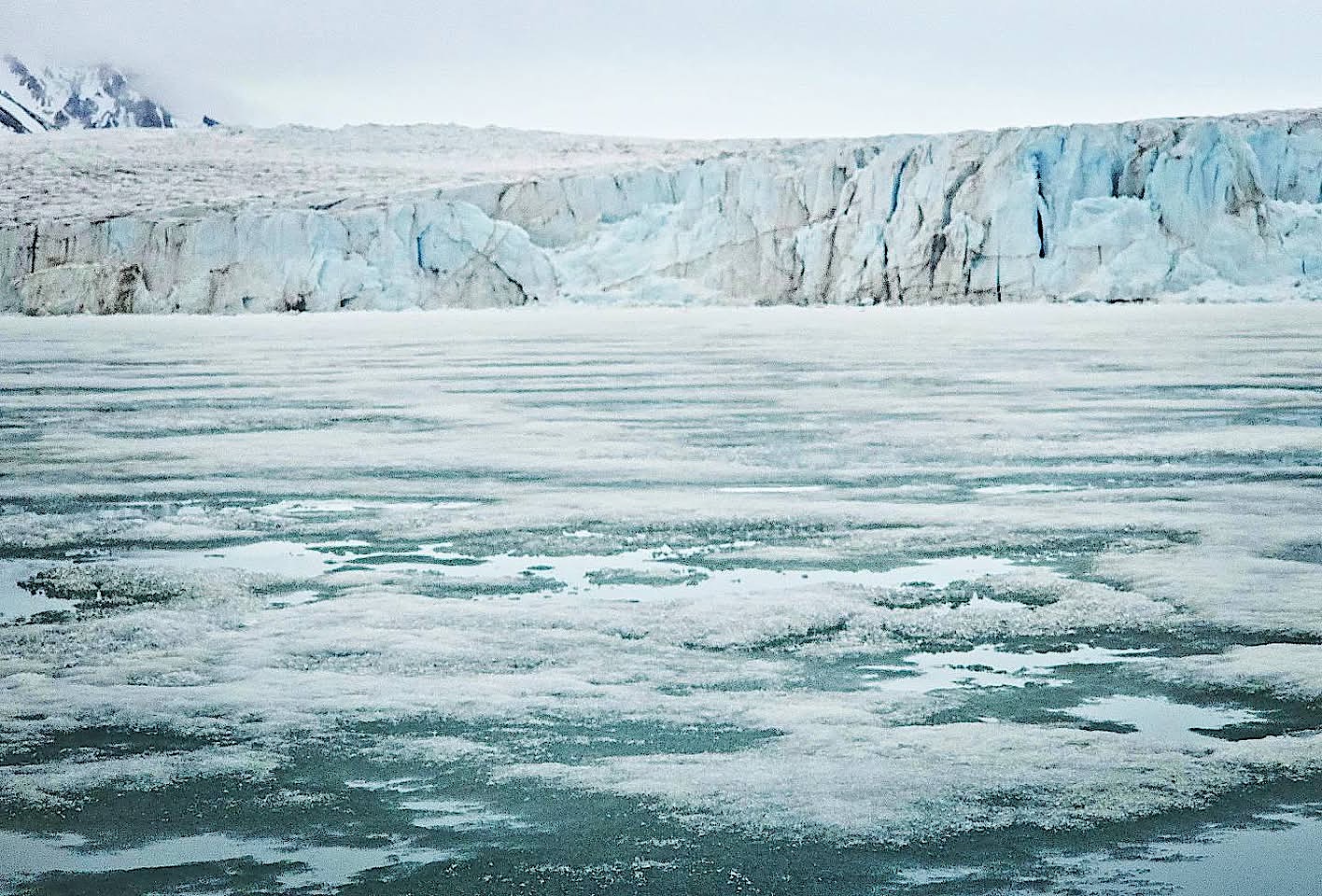
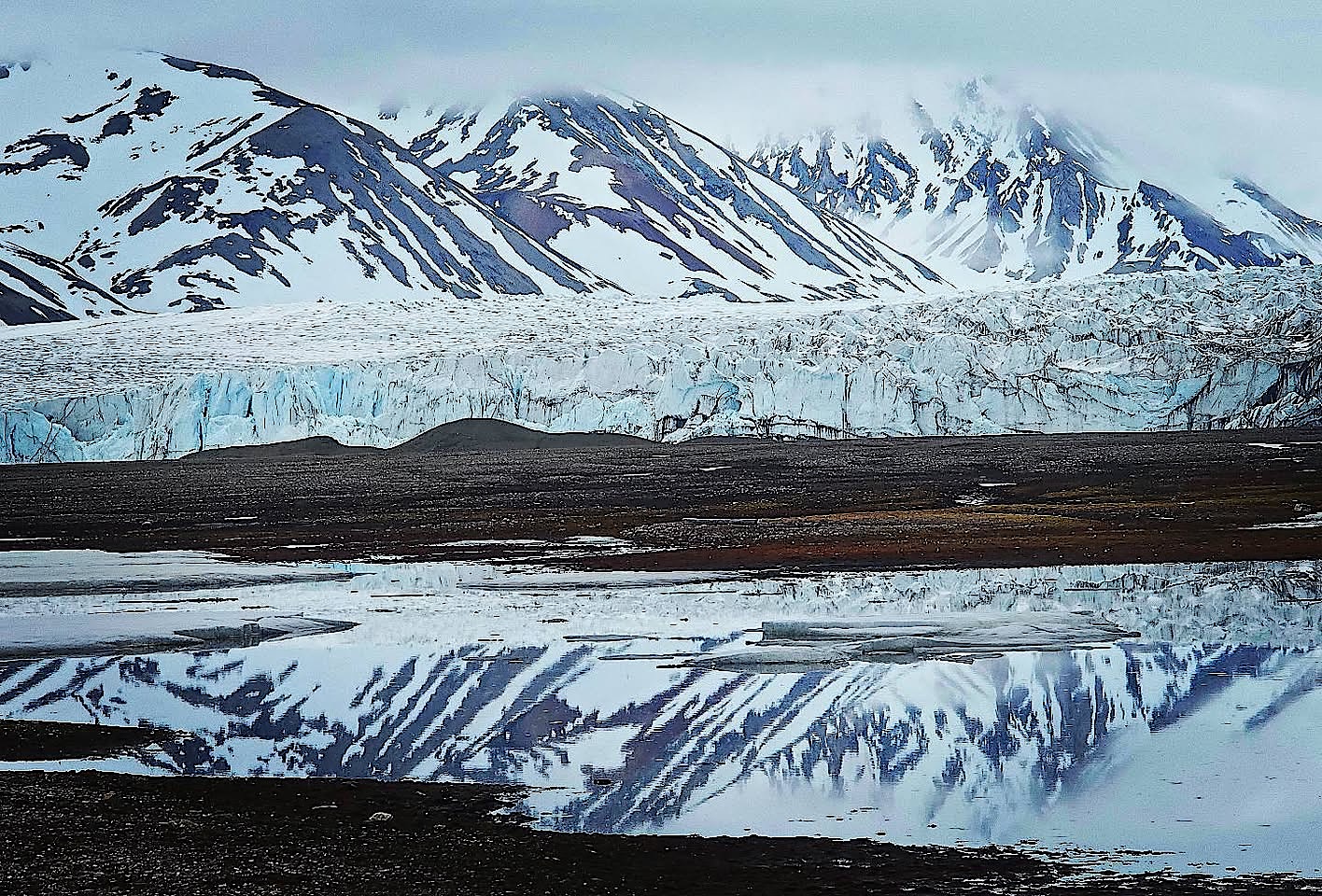
After the long crossing, Svalbard did not hold back. Snow-covered cliffs stood mirrored in still fjords, fog banks drifted between the peaks, and we spotted whales blowing at the surface.
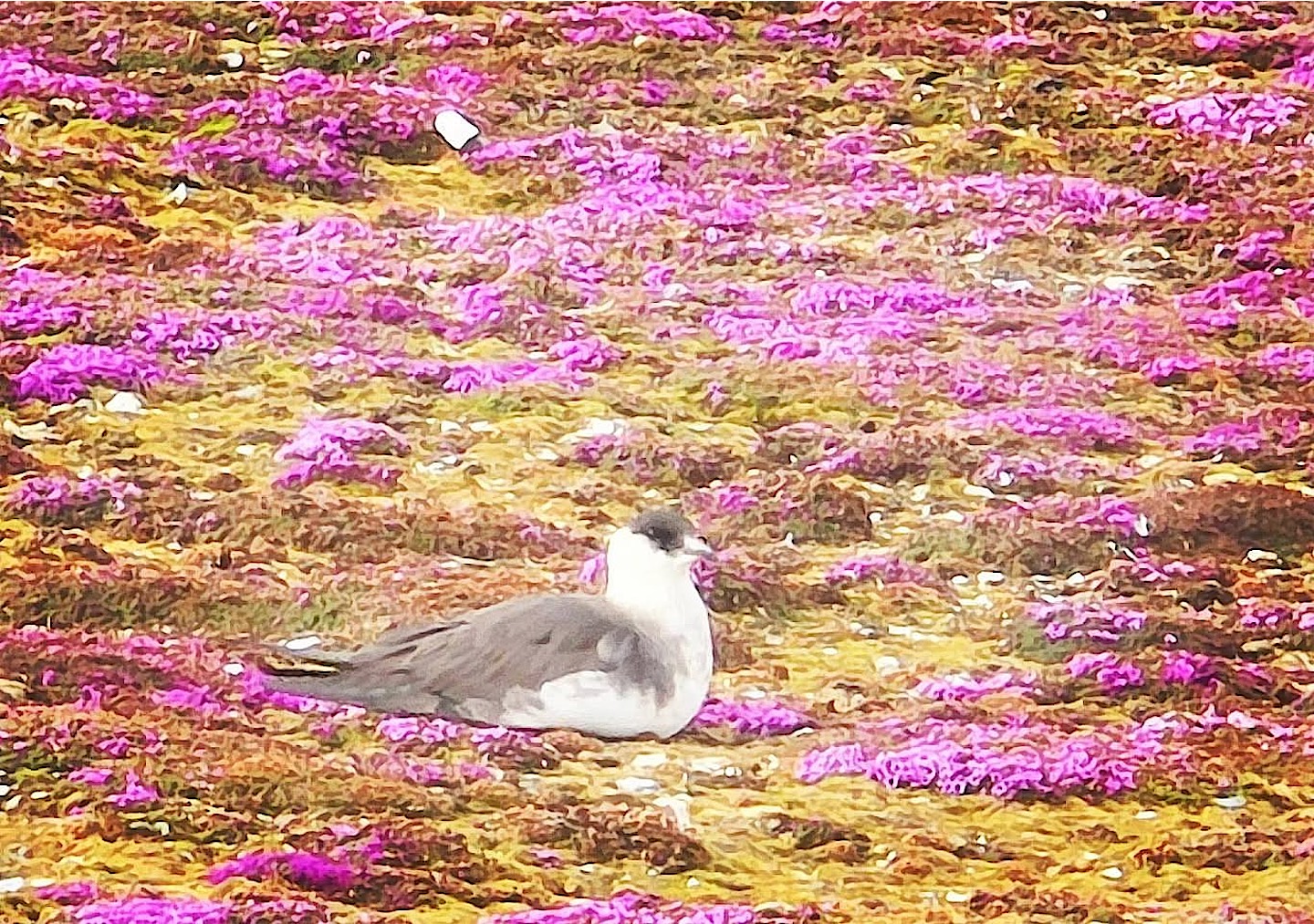
The Arctic can be surprisingly colourful. In the short summer the tundra bursts into bright pink flowers, and a skua sat in the middle of them as if posing for us. The glaciers were mighty, with walls of blue ice ending in the fjords, and we met our first Svalbard reindeer, a small, stocky subspecies with short legs found nowhere else.
Ny-Ålesund, a town of scientists
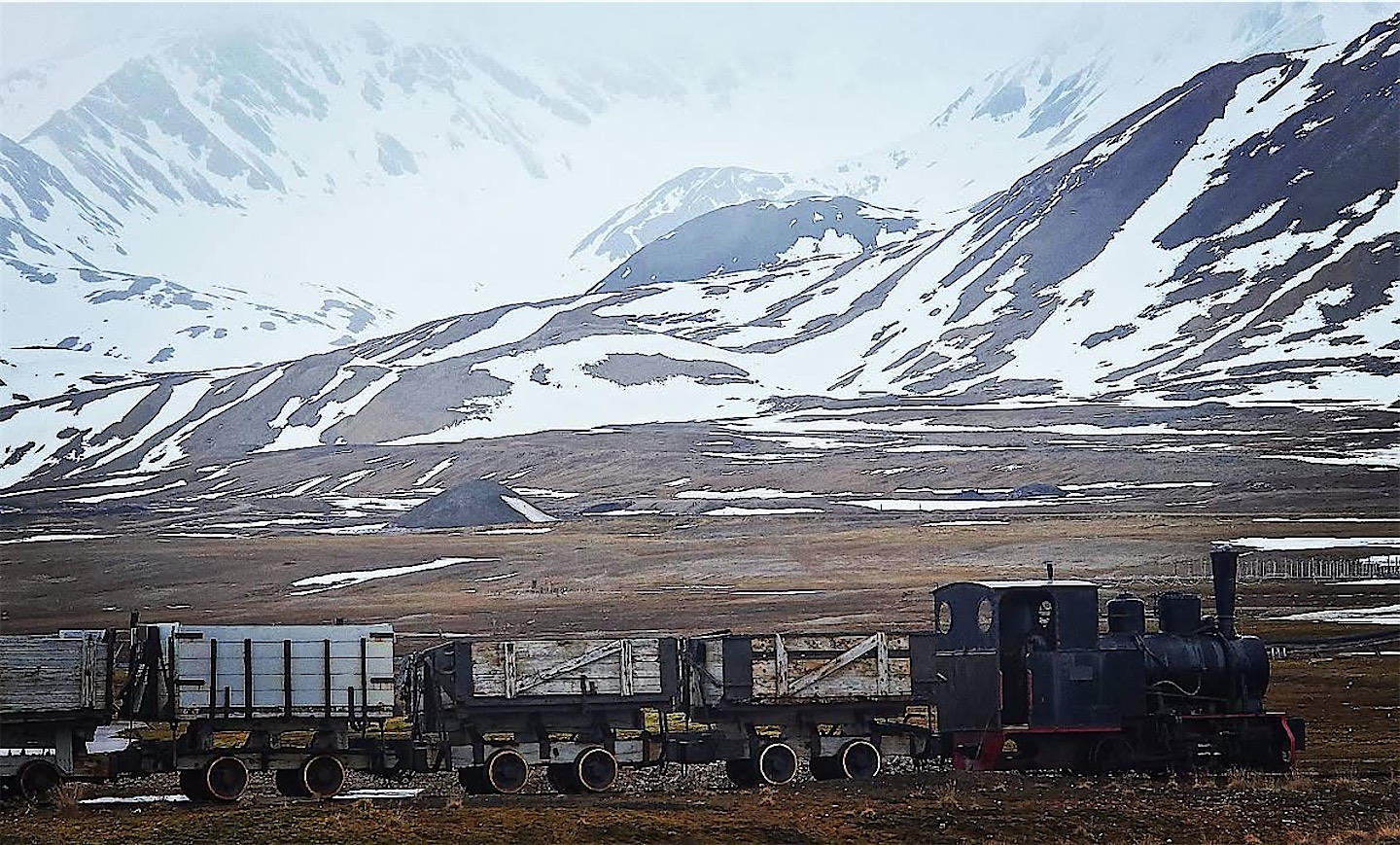
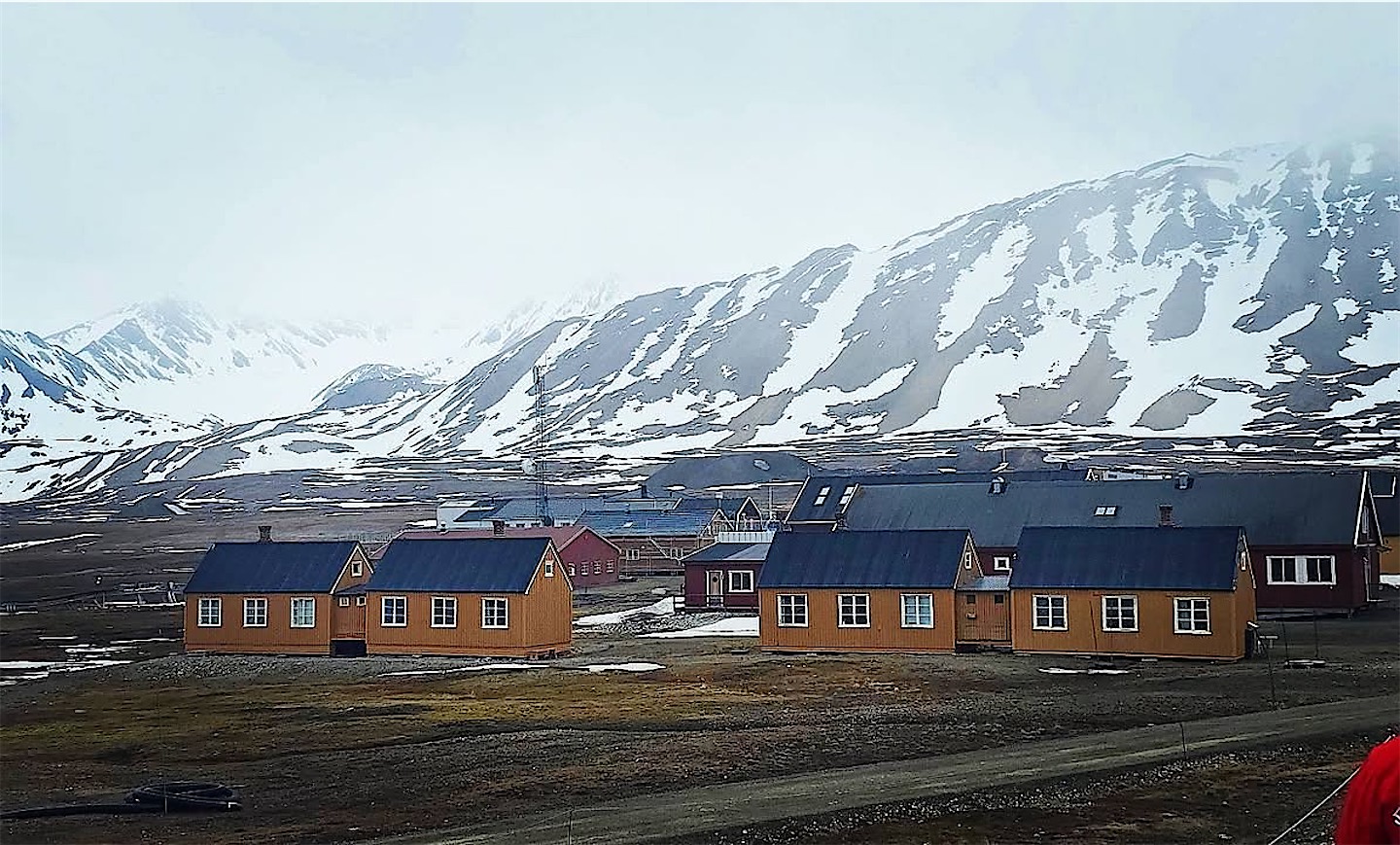
We also visited the research community of Ny-Ålesund on Kongsfjorden, which calls itself the northernmost permanently inhabited civilian settlement on the planet. Places further north, such as Alert in Canada, are military or weather stations. The town started as a coal mine, and its old mining train is still on display, but today it belongs to the scientists.
Bears, walrus and bird cliffs
Compared with Antarctica, which I had visited several times before, Svalbard's wildlife is less abundant but more varied. There are no penguin colonies stretching to the horizon, but in a single day you might see seabirds on the cliffs, seals on the ice, reindeer on the tundra and, if you're lucky, a polar bear. Guillemots lined the narrow ledges of the bird cliffs and rested on drifting ice floes.
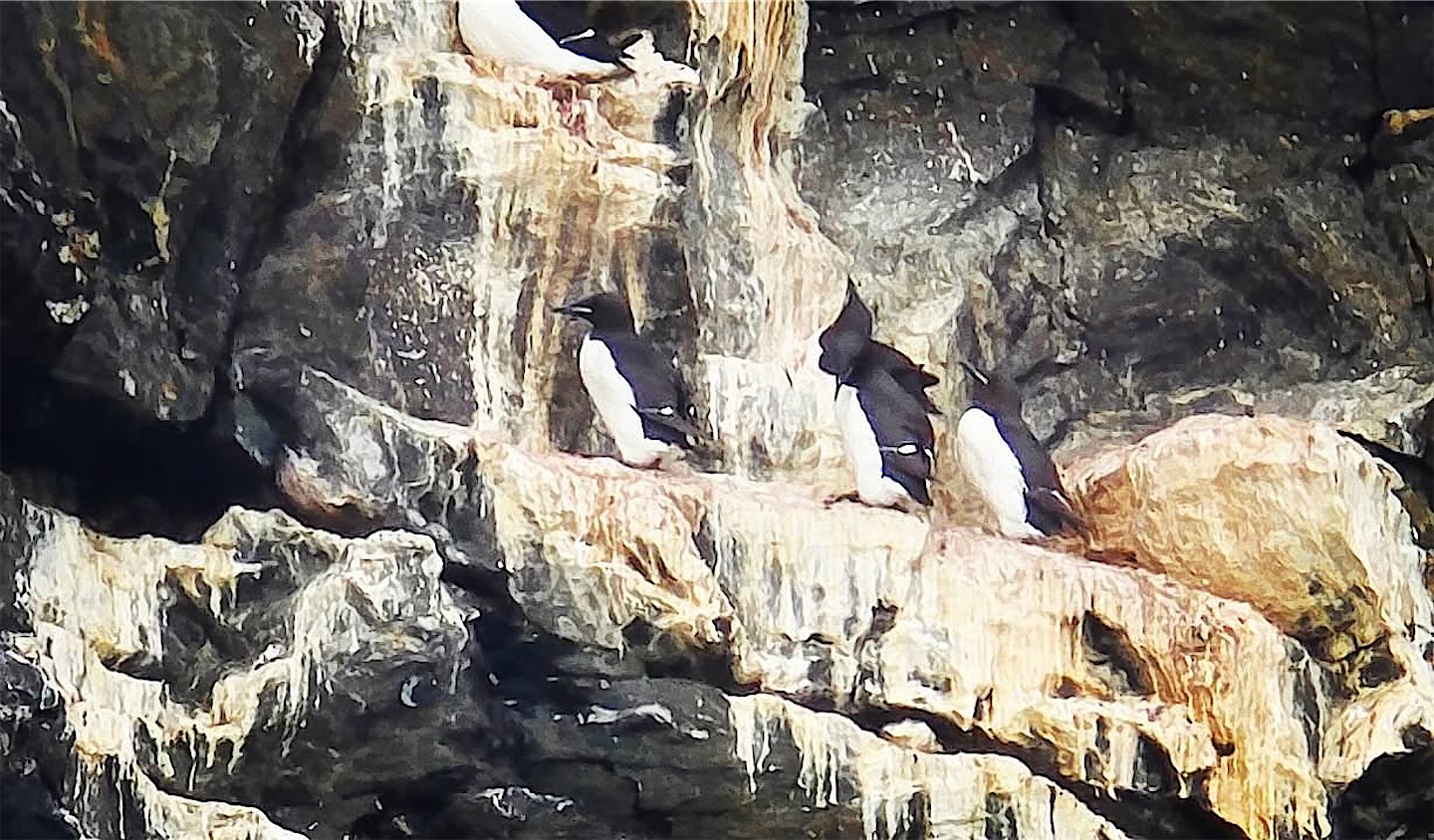
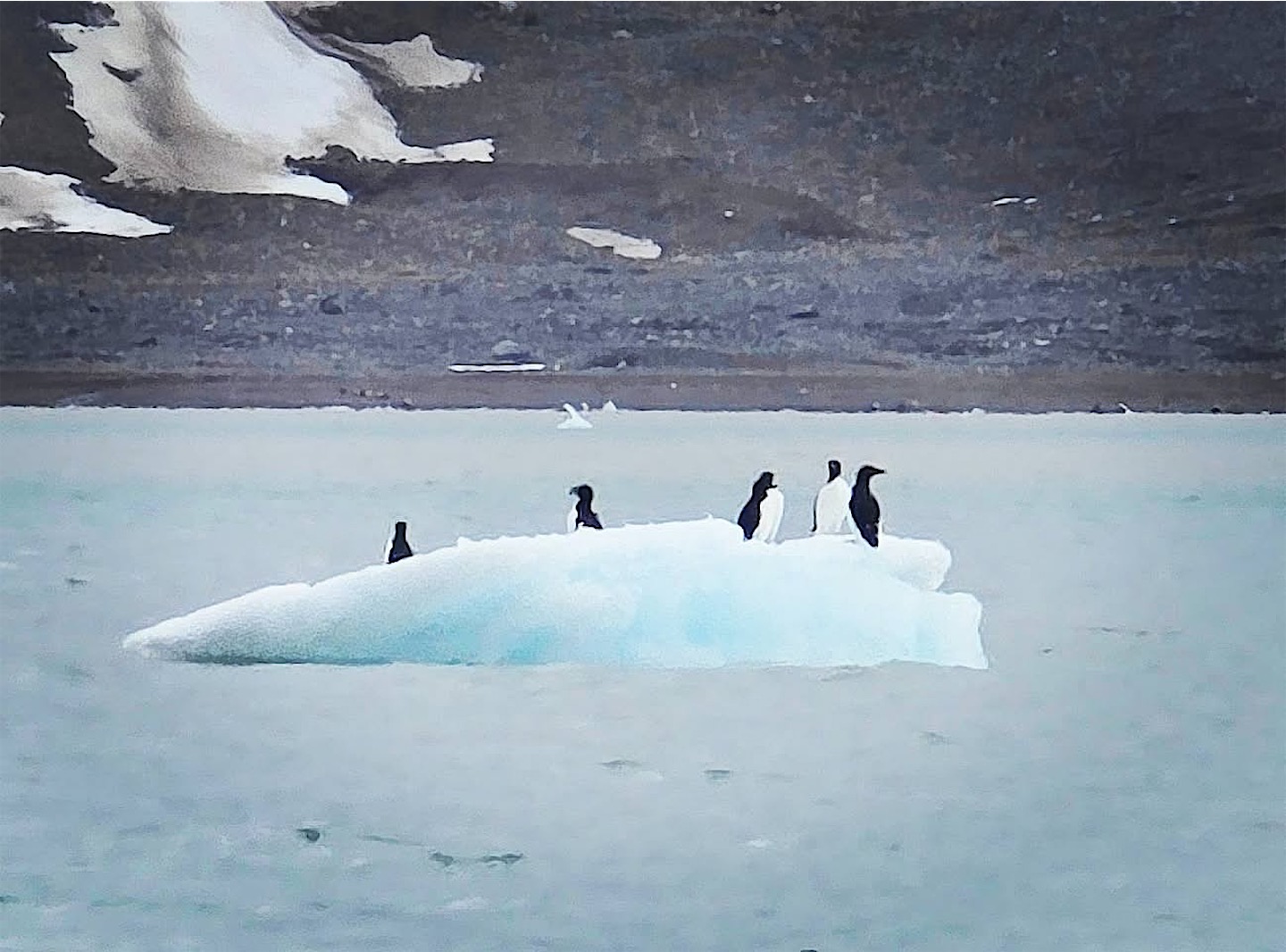
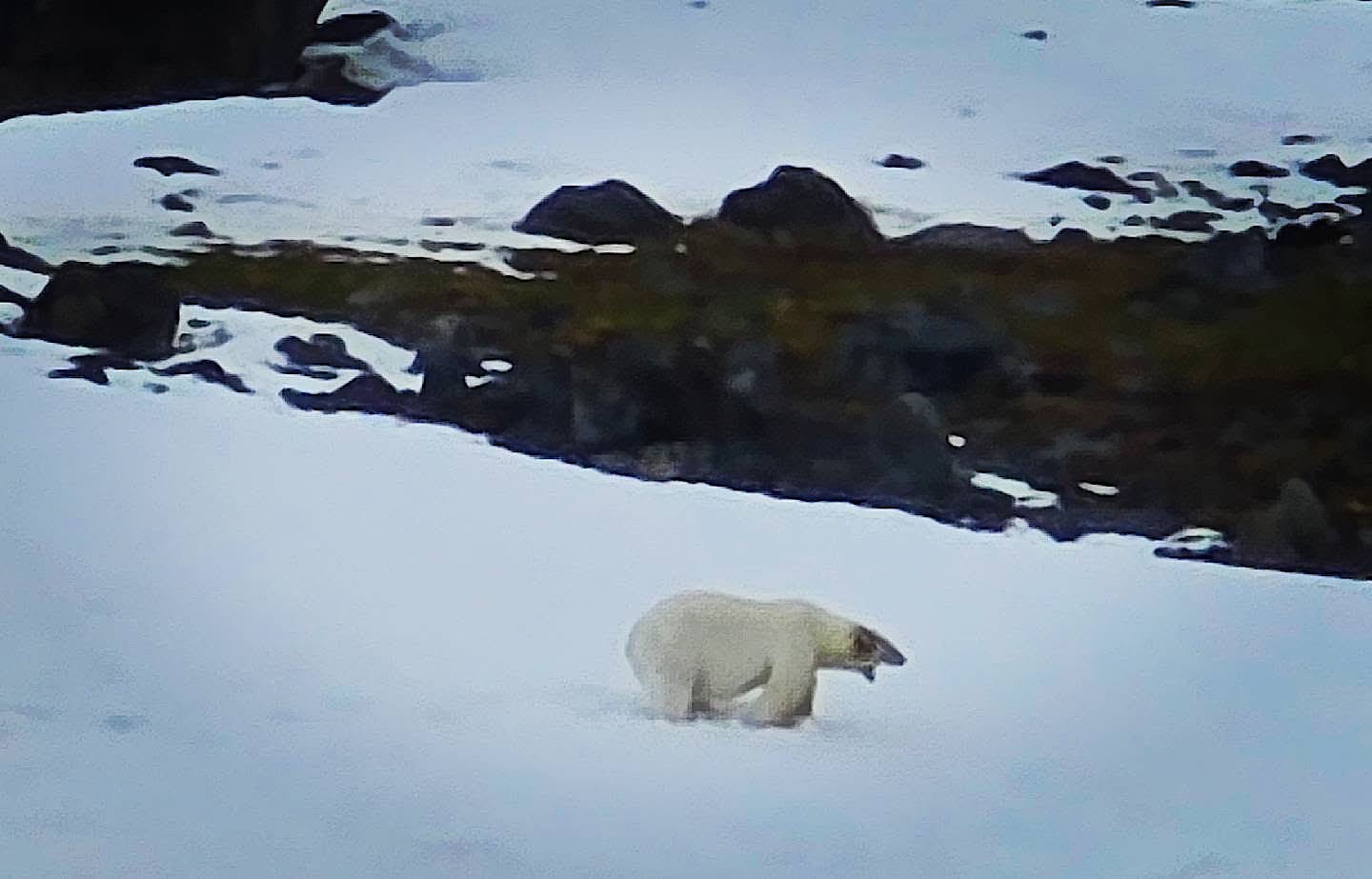
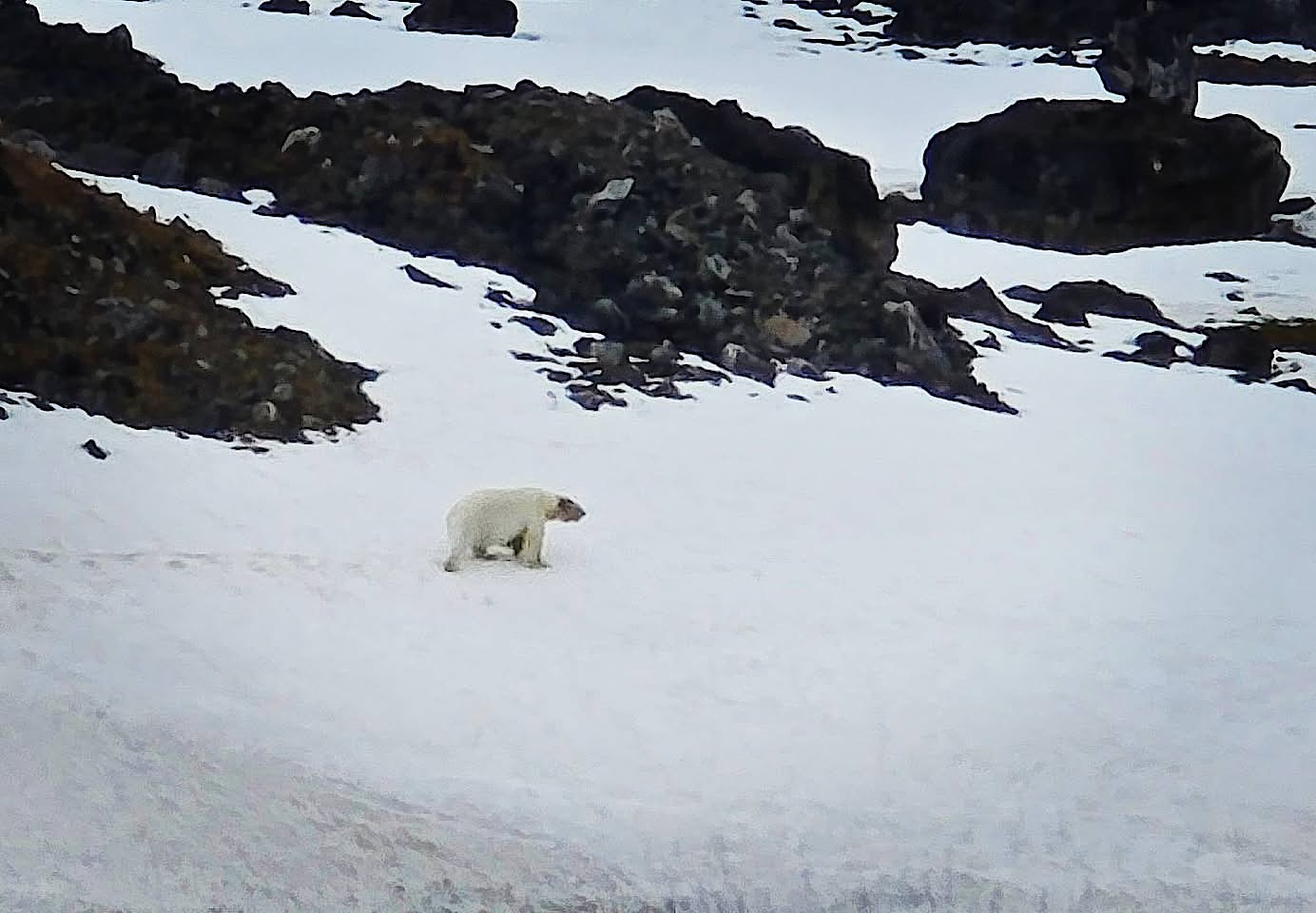
And of course we saw polar bears: three bears on two occasions. They were pretty far away, but a polar bear is impressive at any distance, especially a hungry one prowling across the snow.
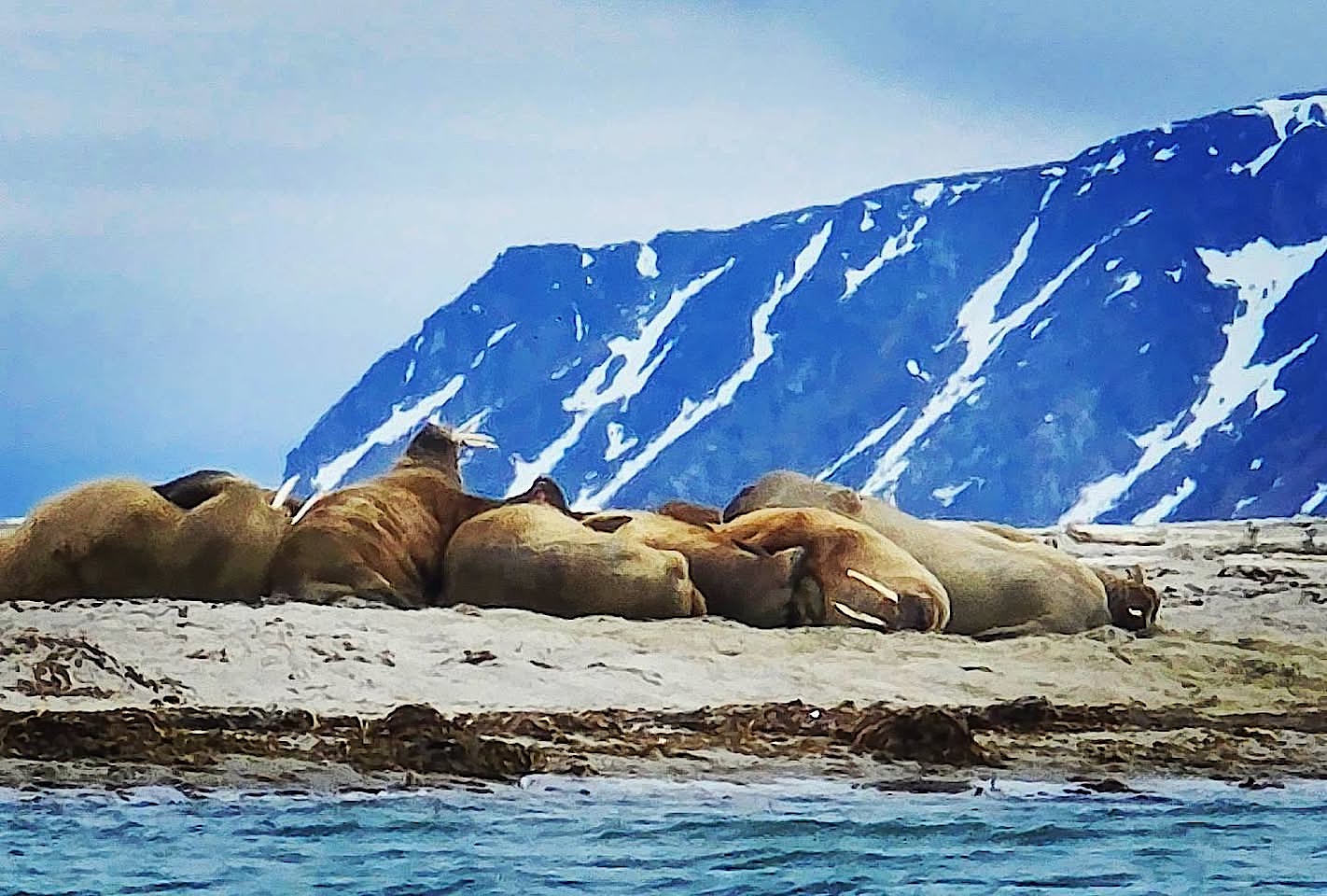
Walrus were easier. Twice we came across whole groups hauled out on the beach, lying in heaps on top of each other.
Longyearbyen, belugas and Pyramiden
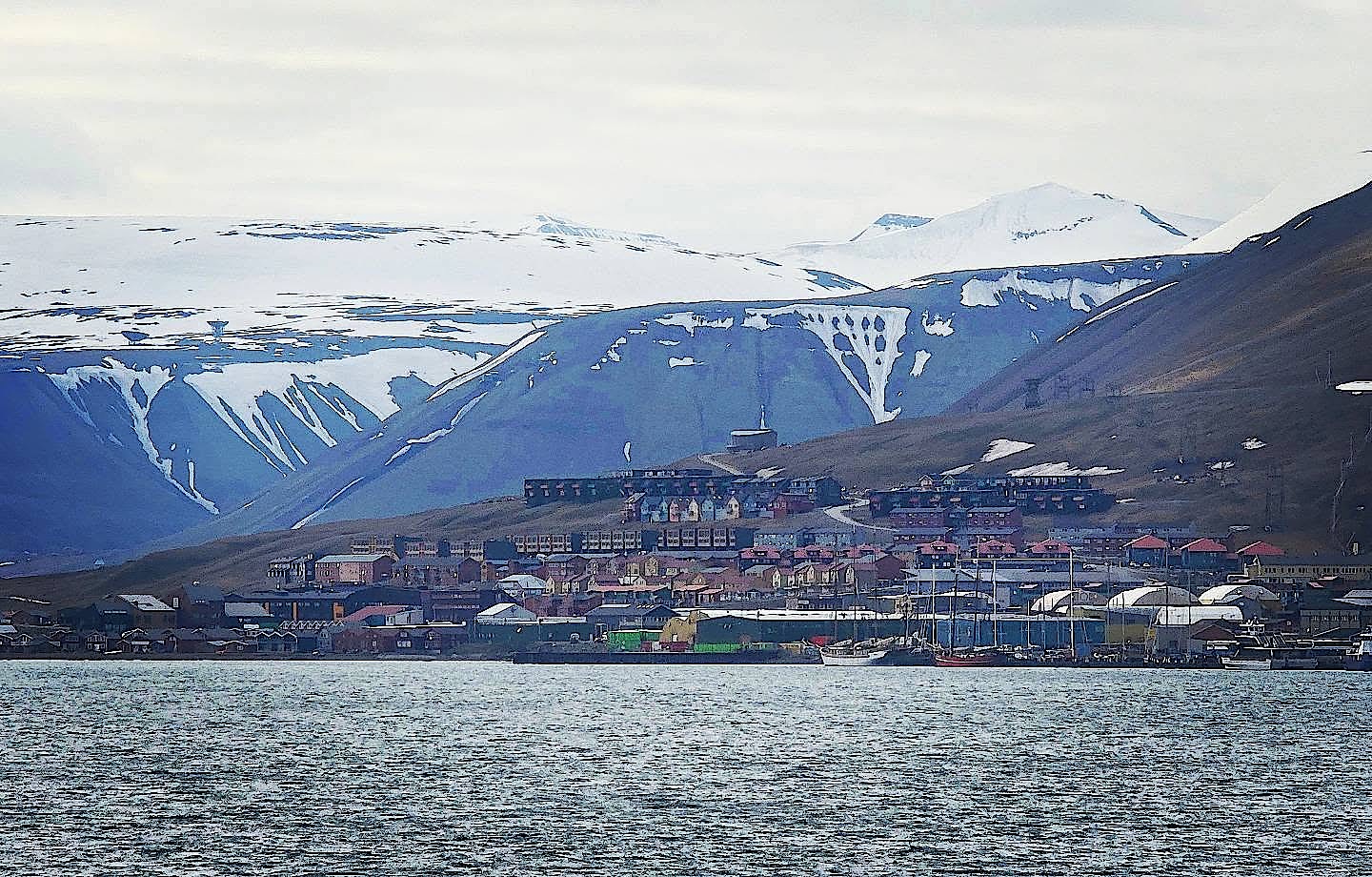
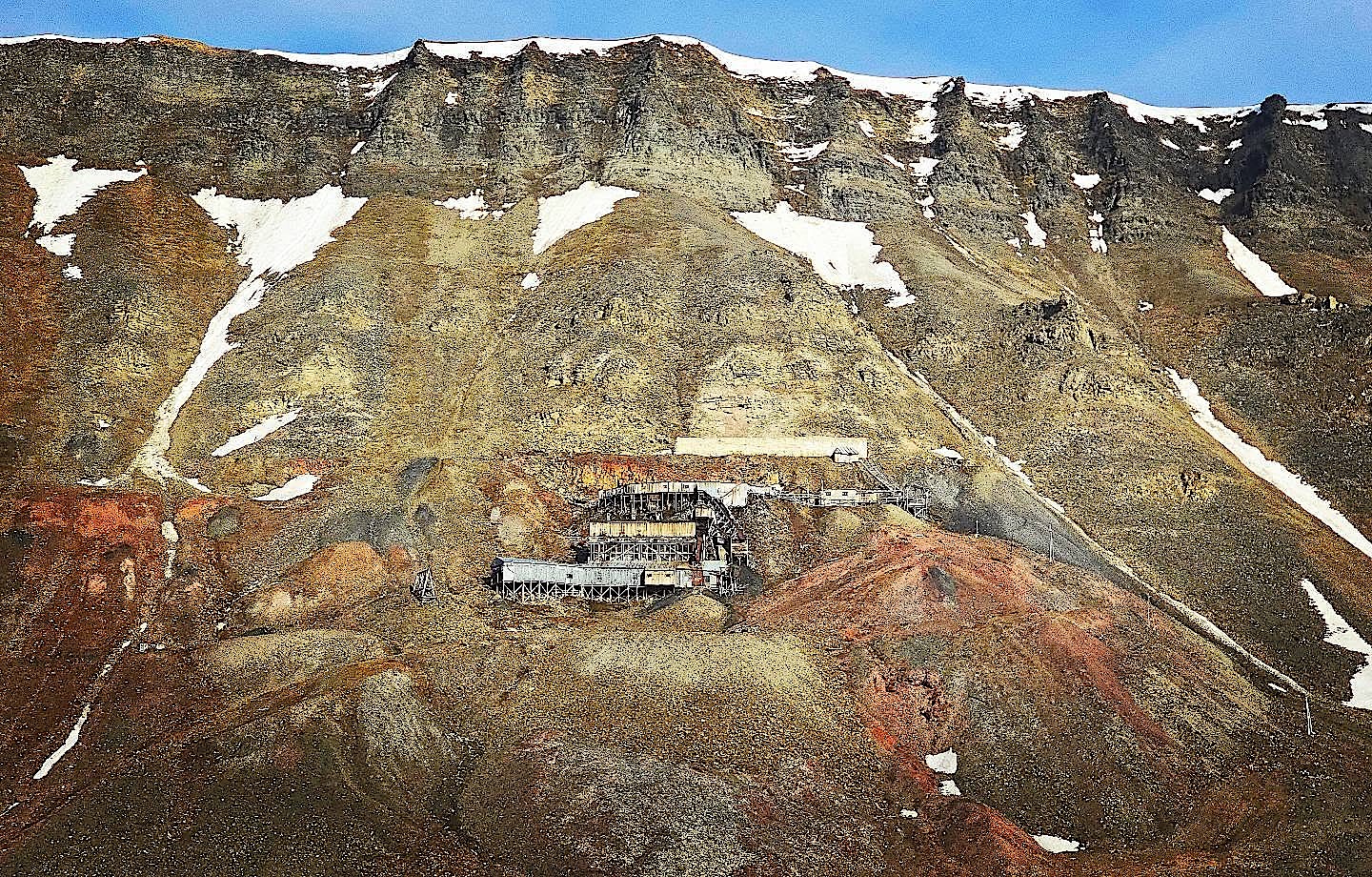
The cruise ended in Longyearbyen, where my mother and I stayed two more days. With about 2,500 inhabitants it is by far the largest settlement in Svalbard, founded in 1906 by the American coal entrepreneur John Munro Longyear. Old mining structures still cling to the slopes above town.
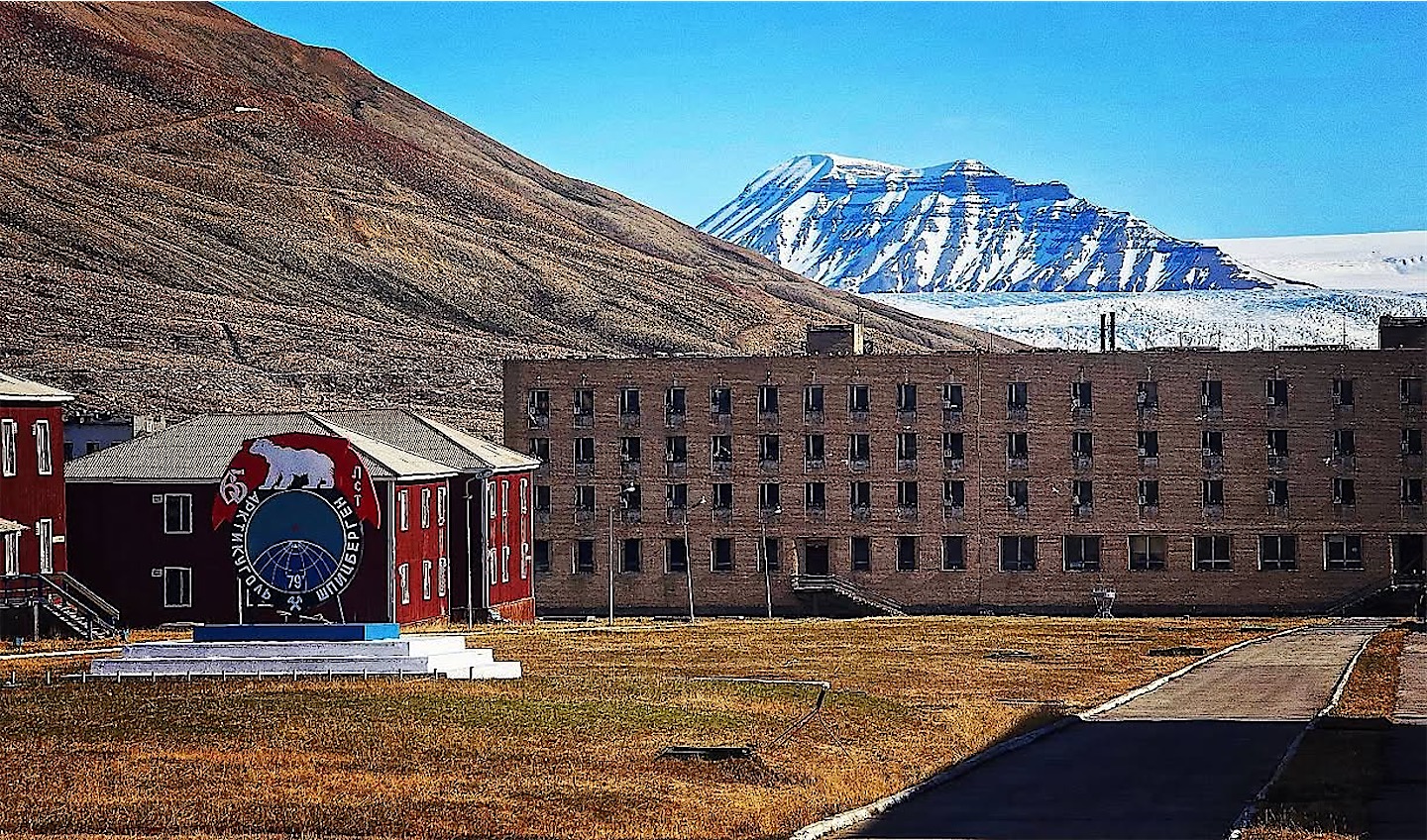
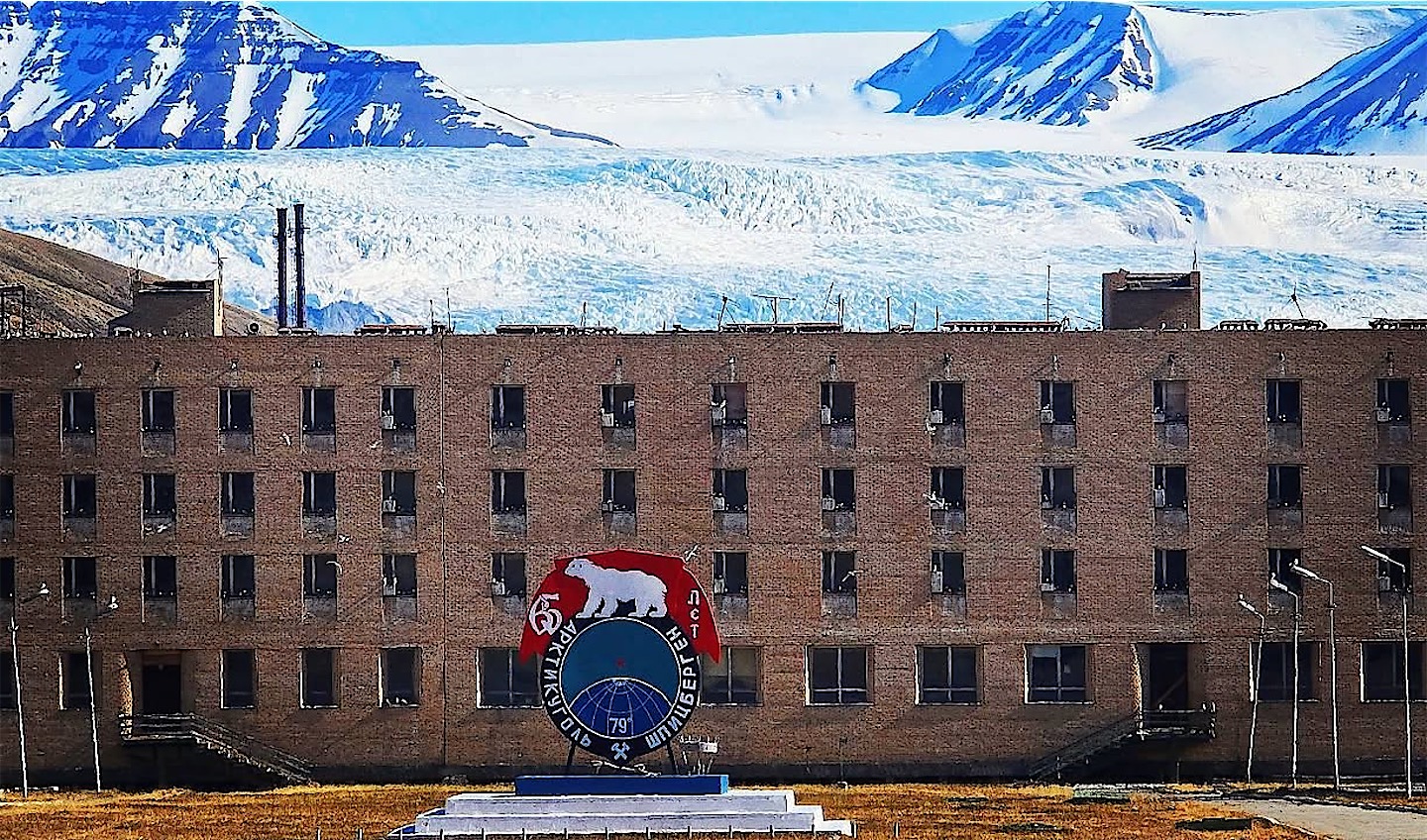
Our last day was epic. Under a clear blue sky we saw lots of beluga whales, the white whales of the Arctic that often travel in groups along the coast and near glacier fronts. We also visited Pyramiden, the abandoned Soviet coal-mining town in Billefjorden, its brick buildings standing in front of a huge glacier.
That was Svalbard, and the end of two weeks in the Arctic with my mother. Now I had five months to wait for my next polar journey, to Antarctica. In between came a few busy days of events in Vienna and Hamburg and a short break in Dubai and Oman, and in early July a very different trip: Seoul, Saipan, Okinawa, Hong Kong and Hainan.