Five Weeks in Aotearoa: Subantarctic Islands, Mount Doom and the Cook Islands
2 January – 6 February 2024 · Queenstown, Wairaurahiri River, Dunedin, Snares Islands, Macquarie Island, Tongariro National Park, Rarotonga, Aitutaki, Auckland, Okiwi Bay, Kaikoura, Lyttelton · Regions: New Zealand, Australia (Macquarie Island), Cook Islands
In 2011 I left New Zealand after a voluntary year following school, with a long list of places I couldn't afford back then. At the start of 2024 I finally took the long flight from Dubai to Queenstown for my second visit to Aotearoa, as New Zealand is called in Māori: five weeks of catching up, followed by an expedition cruise via Antarctica to Argentina.
Jetboating in the deep south
Before heading out to sea I spent a few days in Southland, at the bottom of the South Island. The highlight was a jetboat ride on the Wairaurahiri River, which drops steeply on its short run to the coast and counts as one of the most difficult navigable rivers in the world. Racing through its rapids was great fun.
Two weeks in the Southern Ocean
In Dunedin I boarded an expedition ship for two weeks on the ocean. Few people know how many hard-to-reach islands lie between New Zealand and Antarctica. The route map promised Ulva Island, the sounds of Fiordland, the Snares, Enderby Island in the Auckland Islands, Macquarie Island, Campbell Island and the Antipodes before returning to Dunedin. My brother came along for the voyage.
The Snares, Tini Heke in Māori, welcomed us with great sailing conditions, provided you were going downwind: the forecast showed 44 knots of wind with gusts of 63. By dinner the wine glasses had already broken, and the view from the restaurant windows looked more like an aquarium than an ocean.
Orcas and king penguins on Macquarie Island
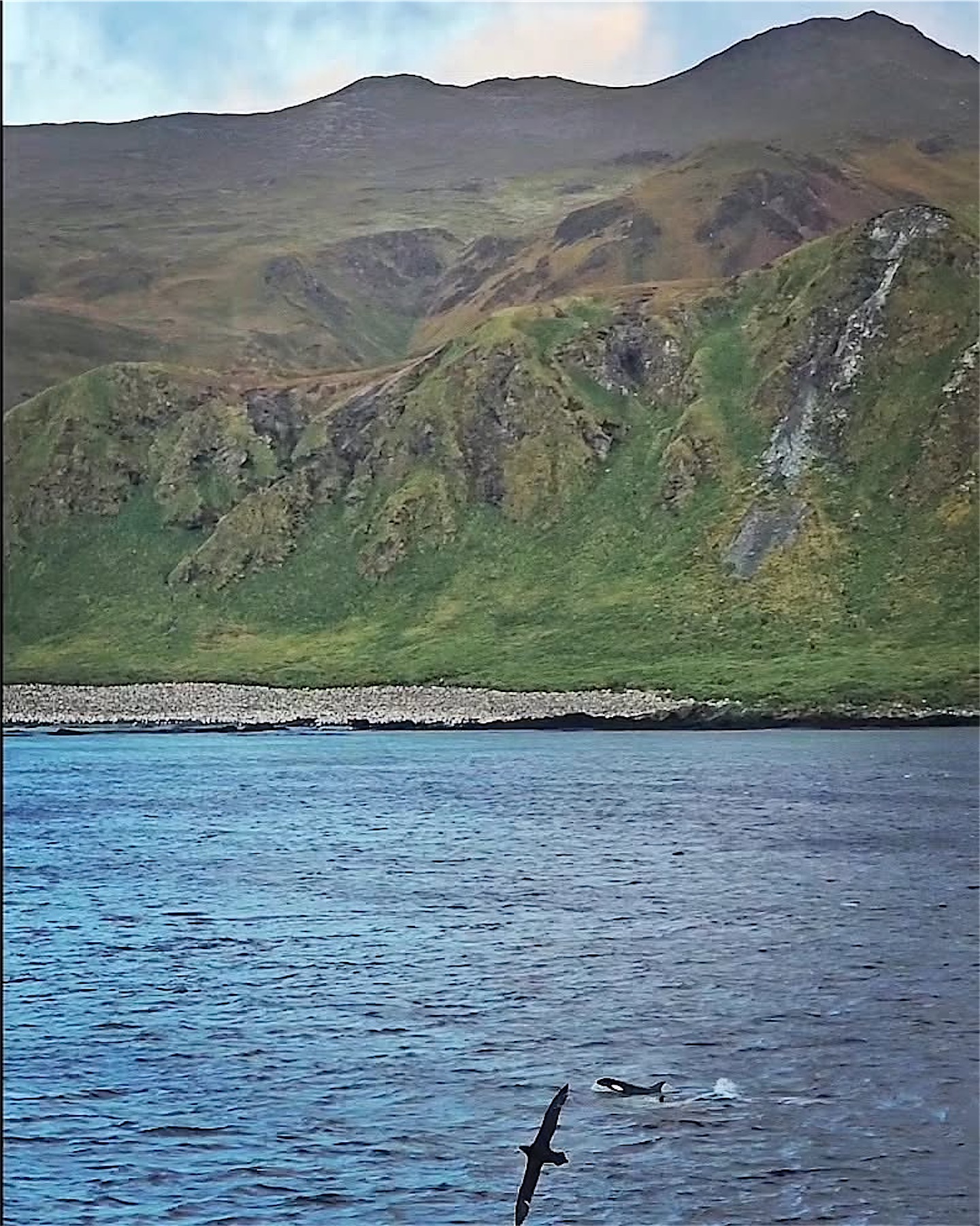
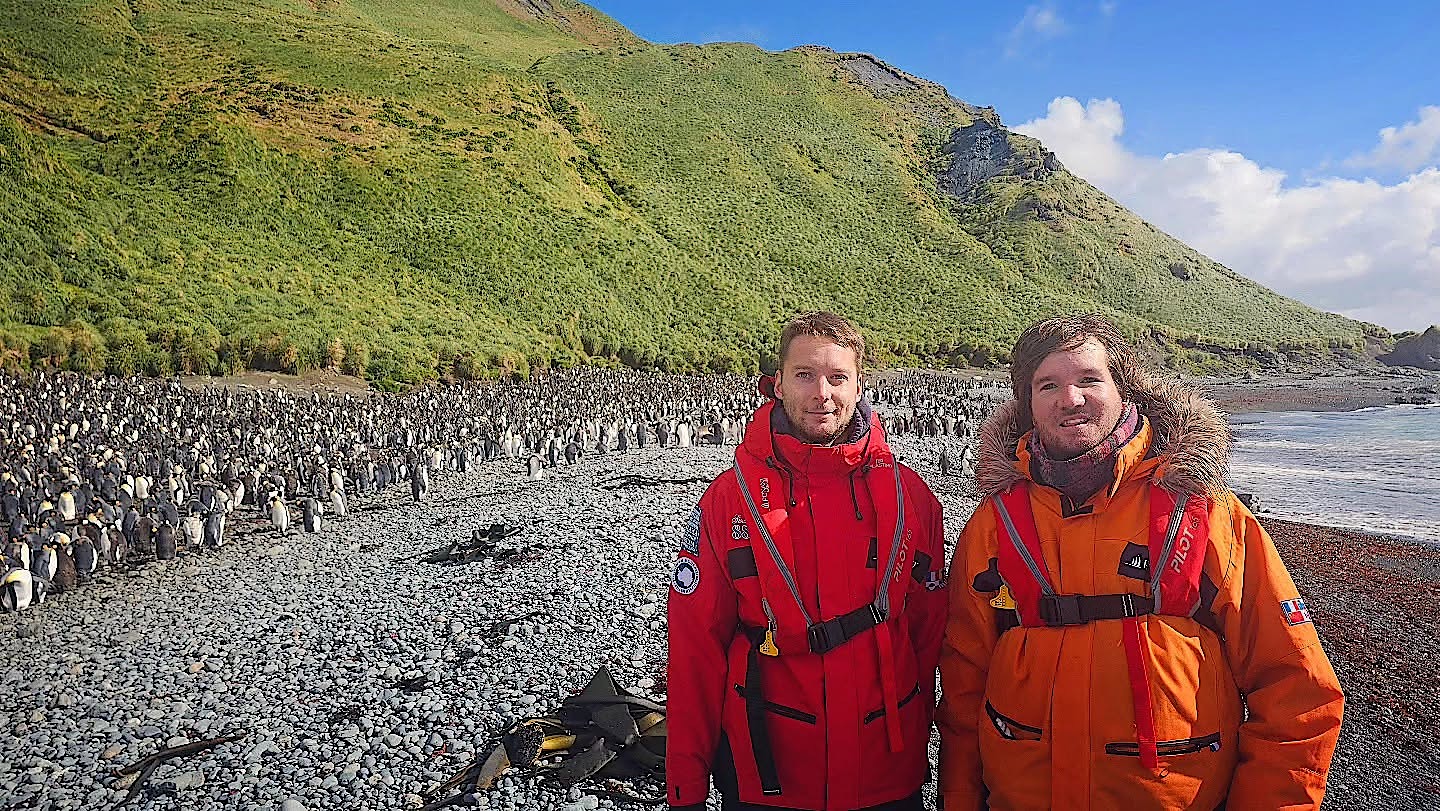
The furthest point of the voyage was Macquarie Island, and it delivered the wildlife moment of the trip. A killer whale was patrolling the shore right in front of a king penguin colony of around a quarter of a million birds, a pale band of penguins stretching along the beach below the green slopes. Ashore, my brother and I posed for a brothers' portrait with the king penguins behind us.
Flying over Ruapehu and Mount Doom
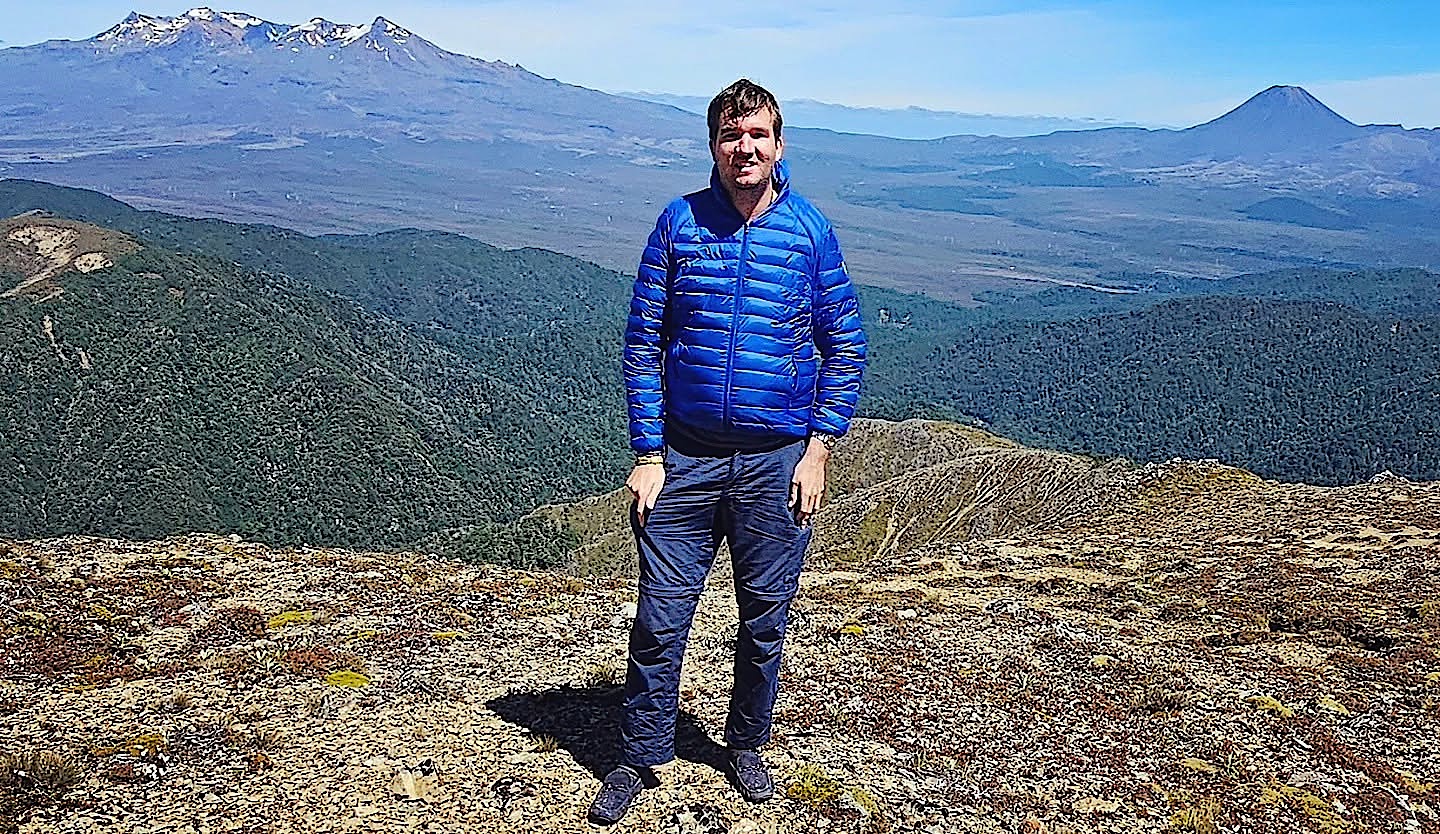
Back on land, I travelled to the volcanic heart of the North Island. Tongariro National Park gave me a perfect, cloudless day for one of my favourite hobbies: seeing a landscape from the air.
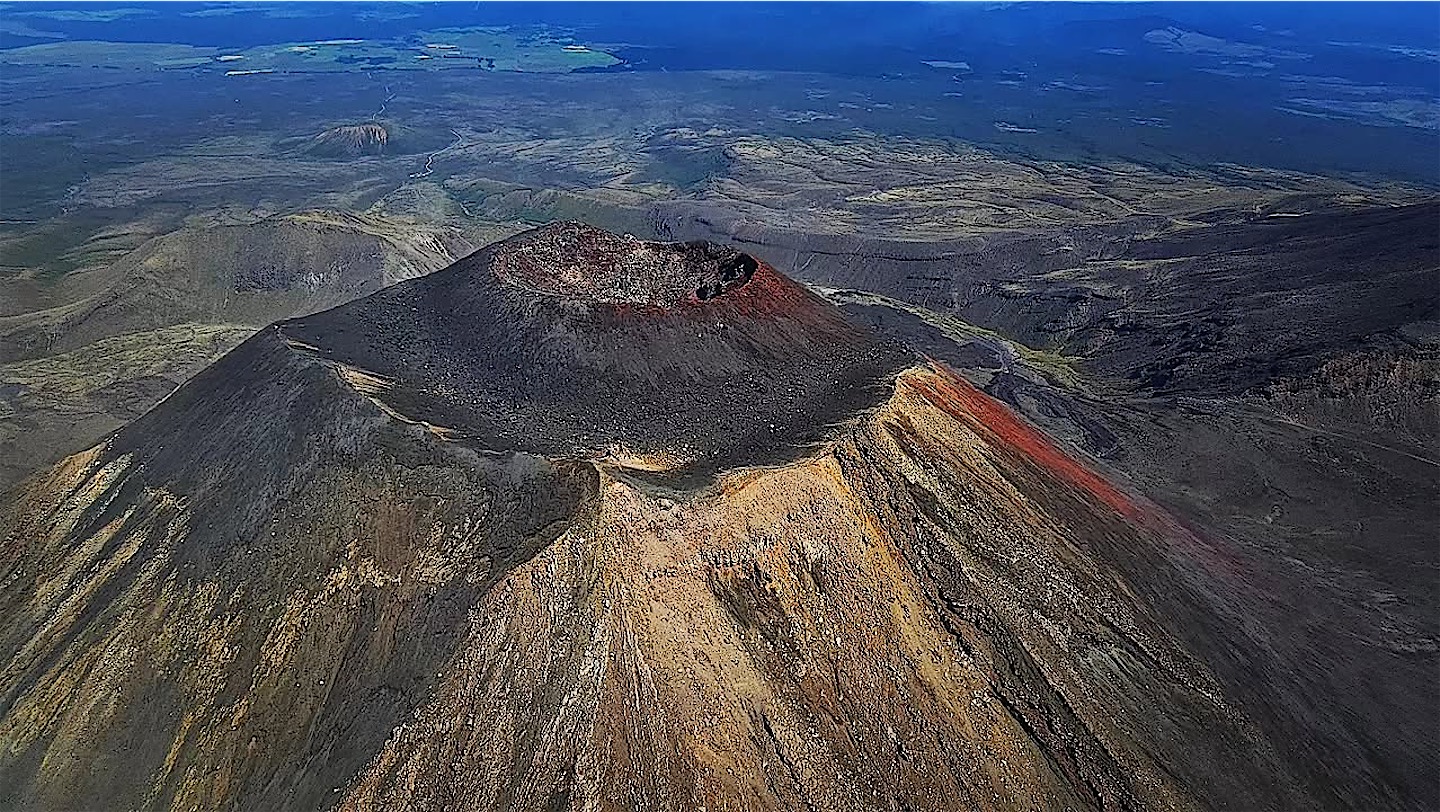
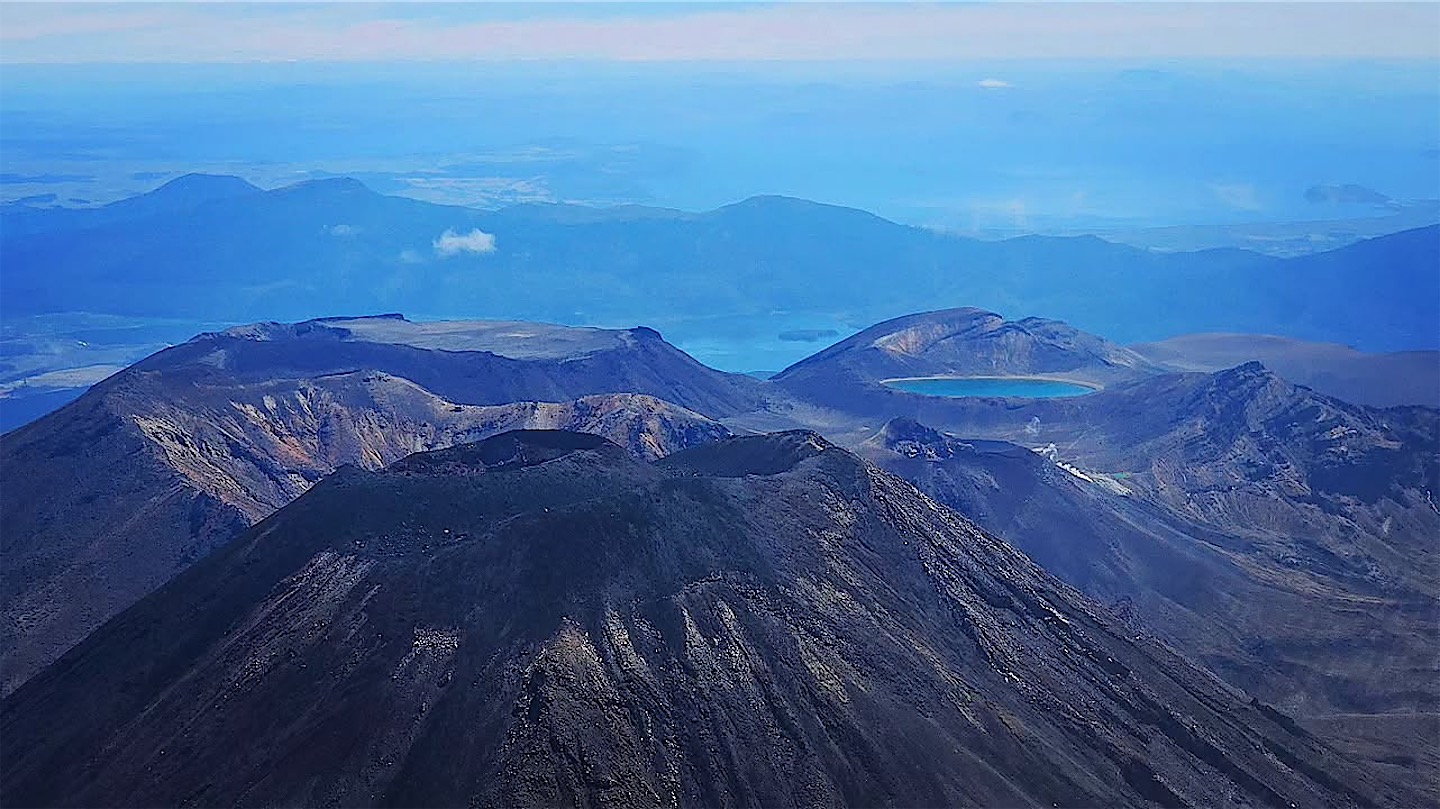
The scenic flight first took us around Mount Ruapehu, the highest mountain of the North Island. From above it shows unexpected colours: brown and ochre ash, streaks of red rock and, even in midsummer, snowfields and patches of blue ice near the summit.
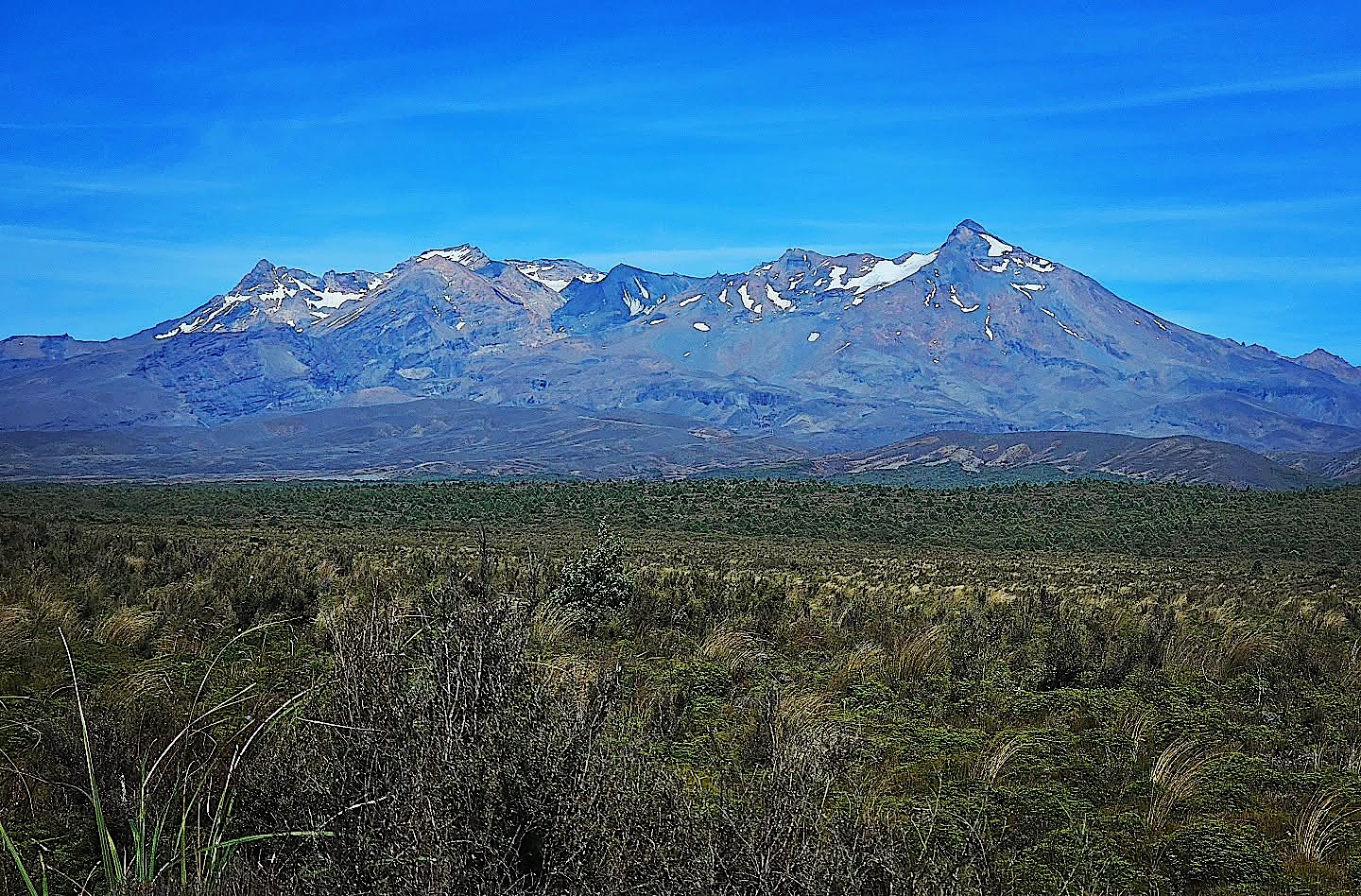
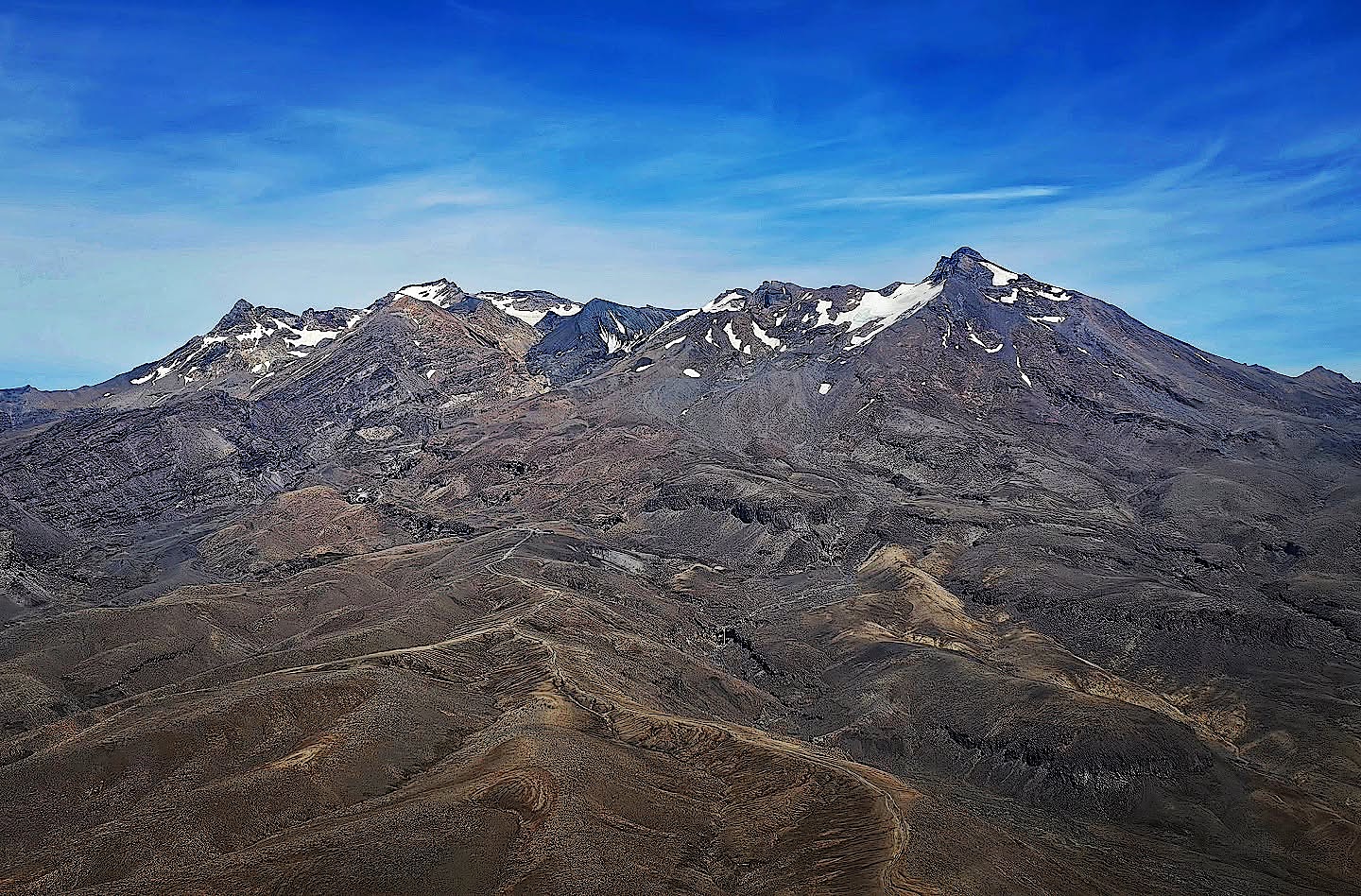
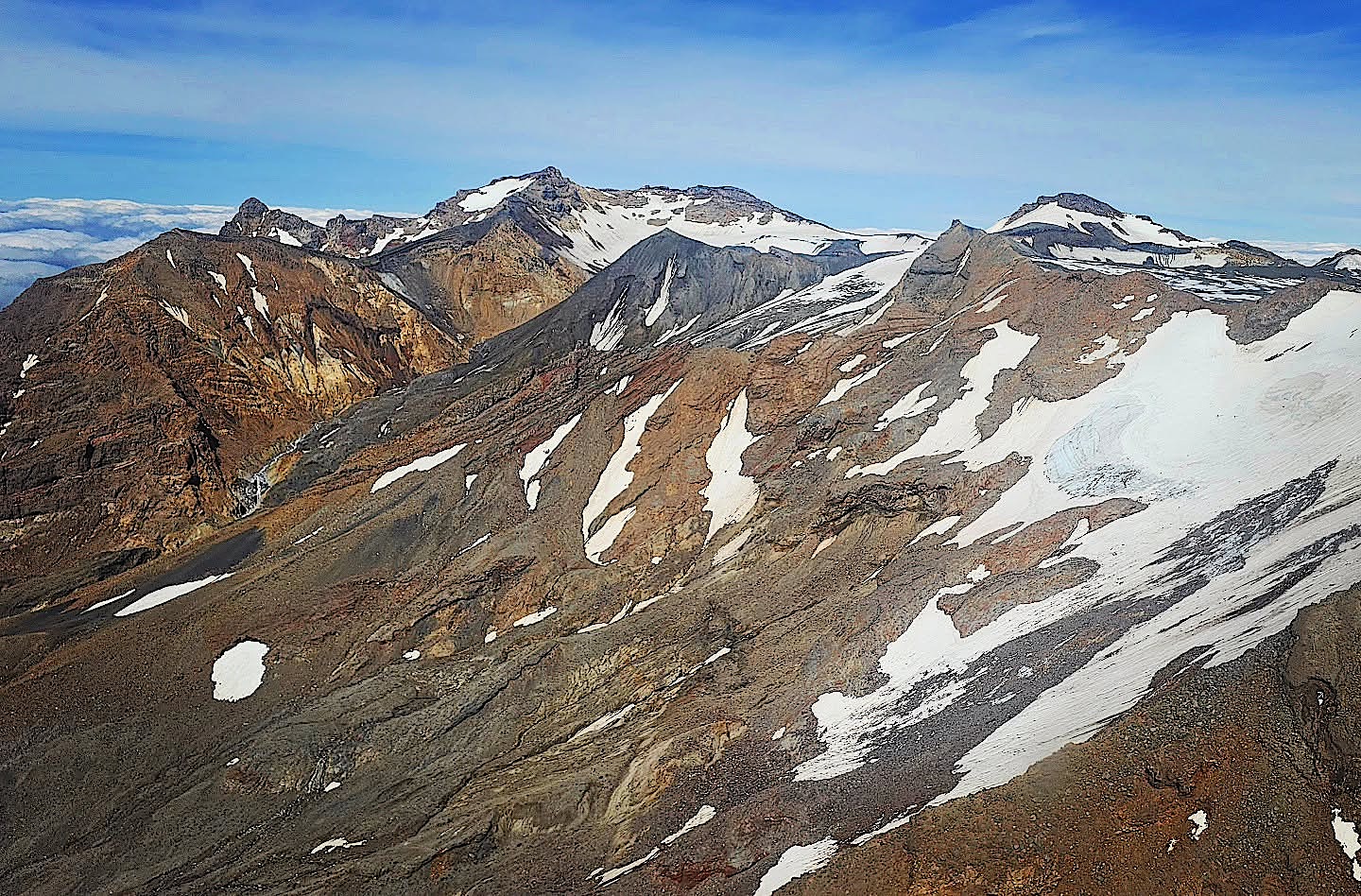
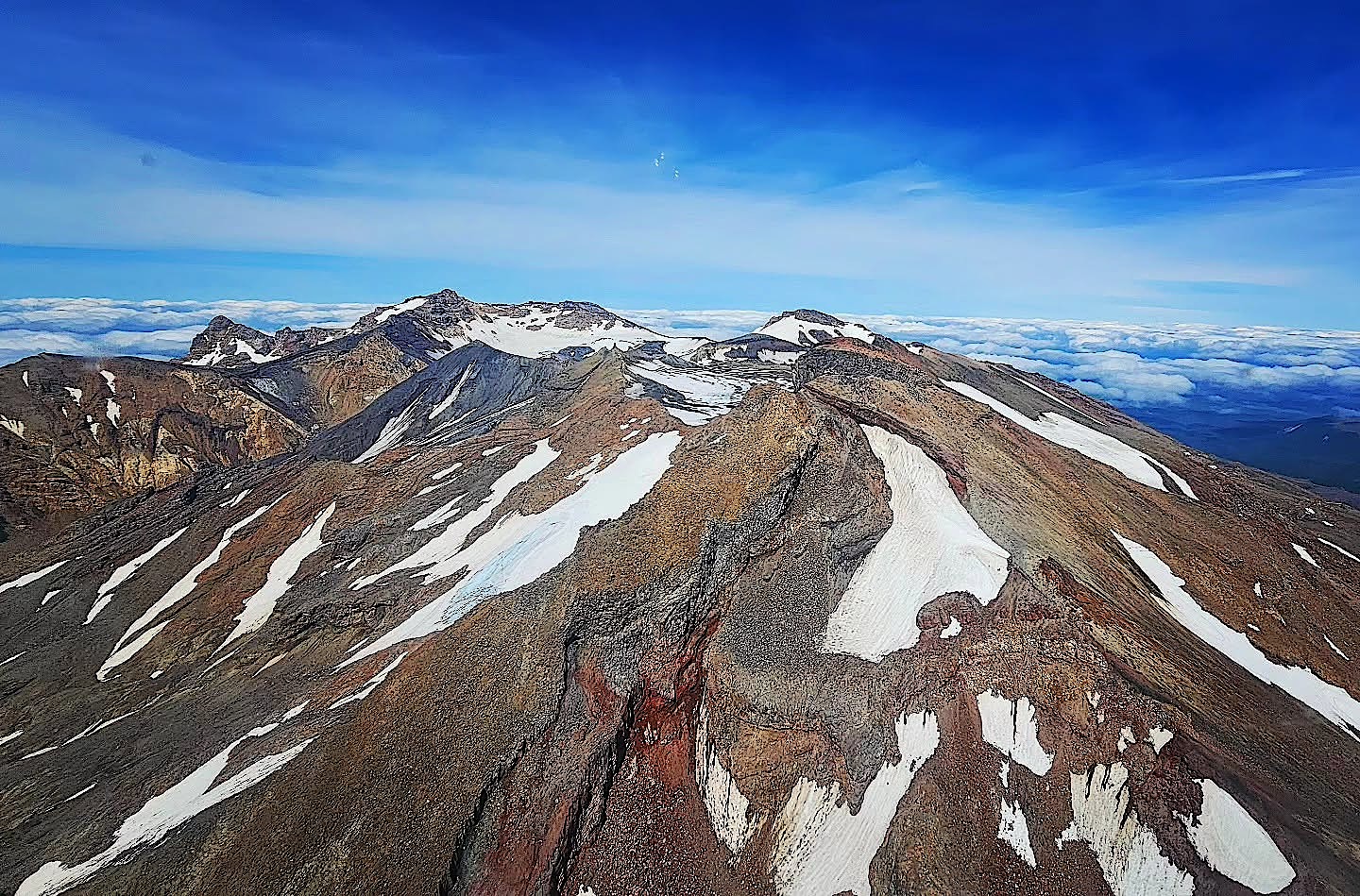
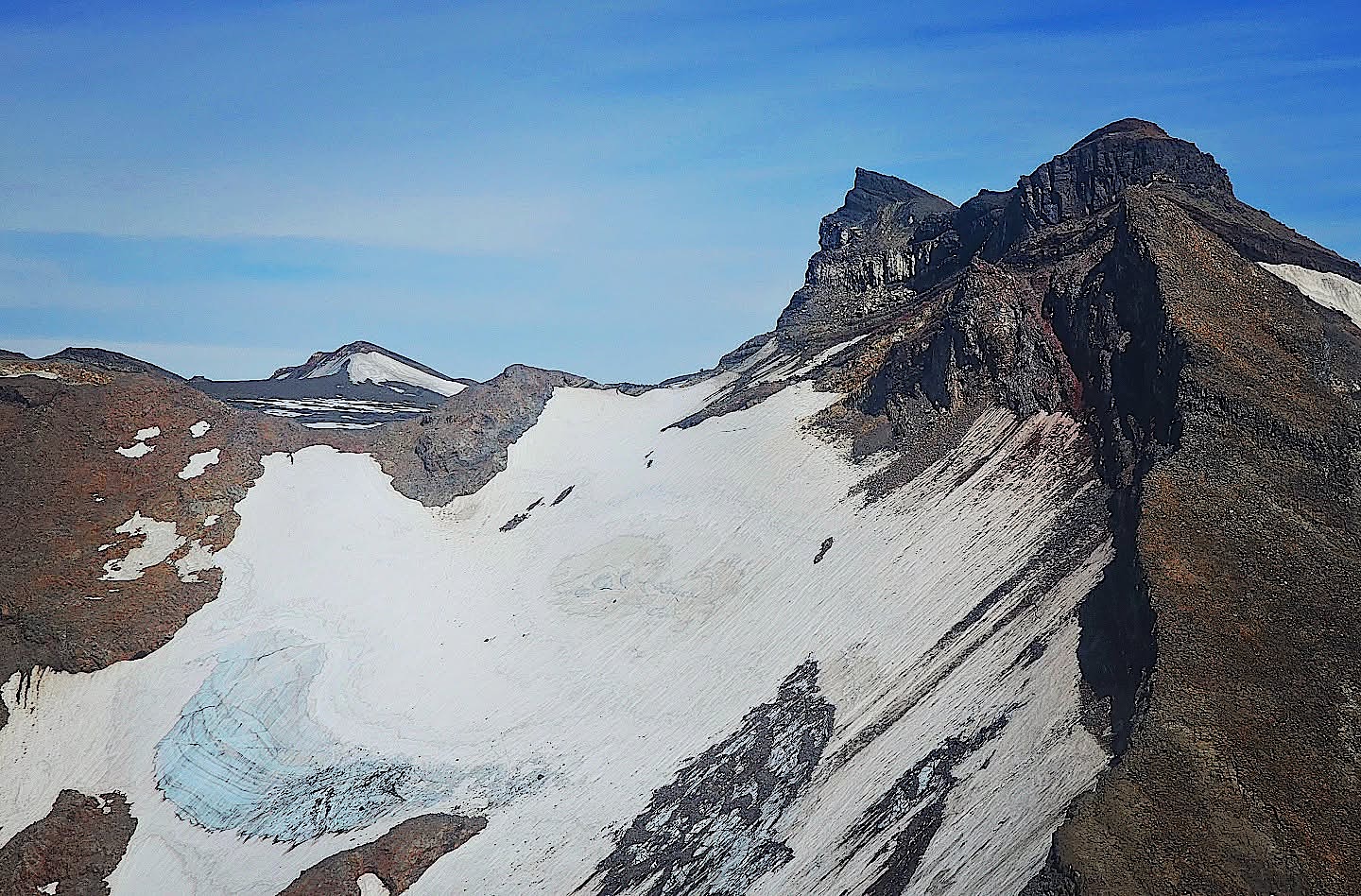
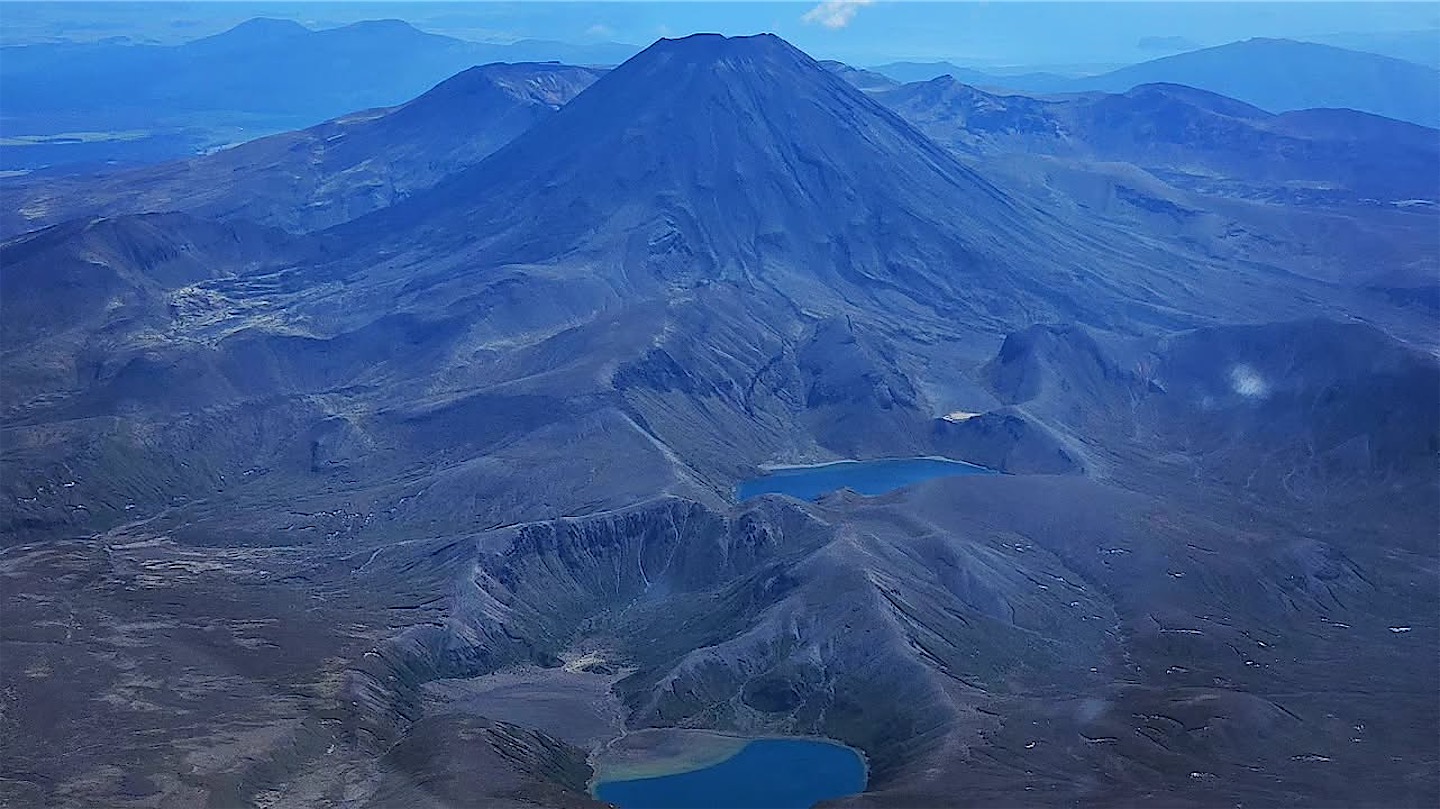
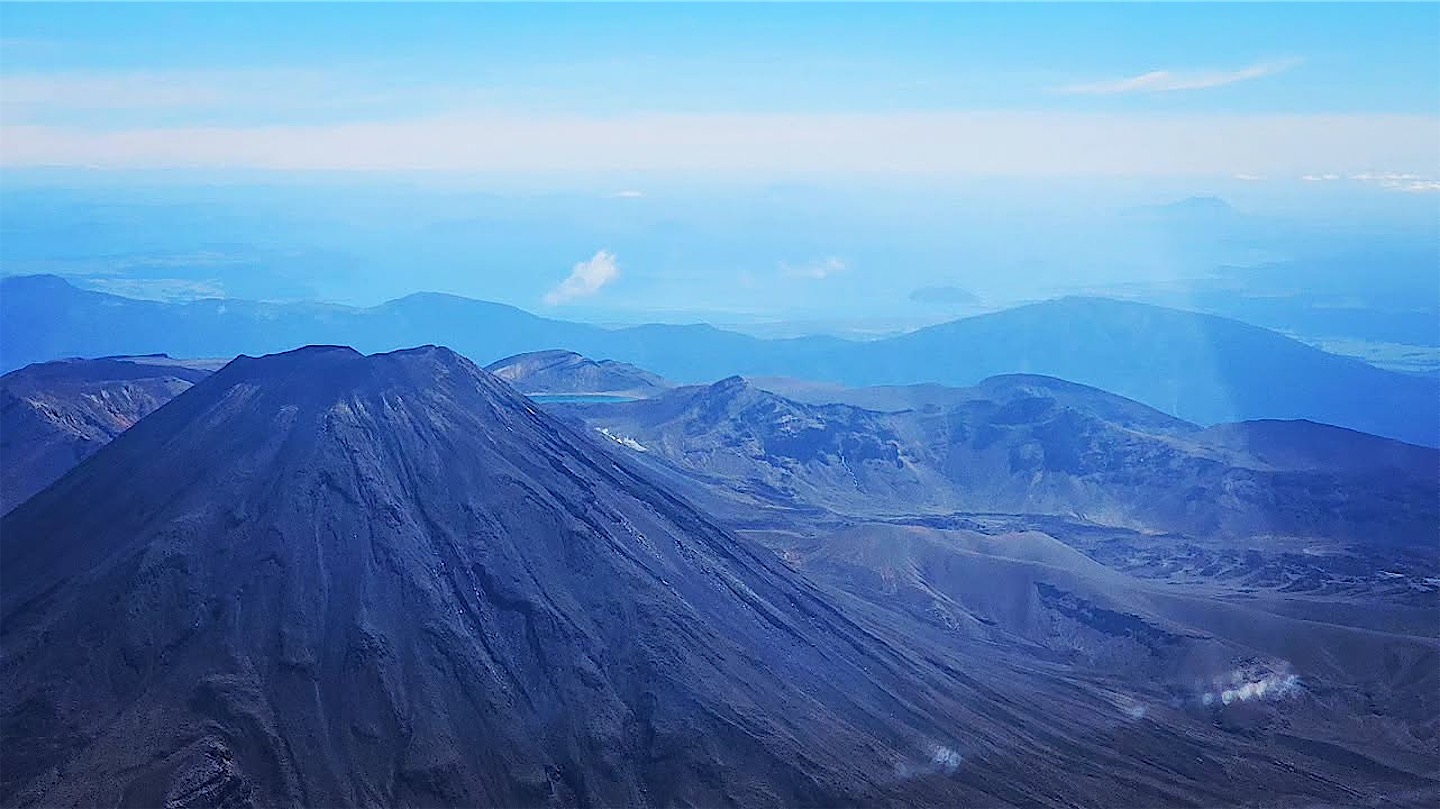
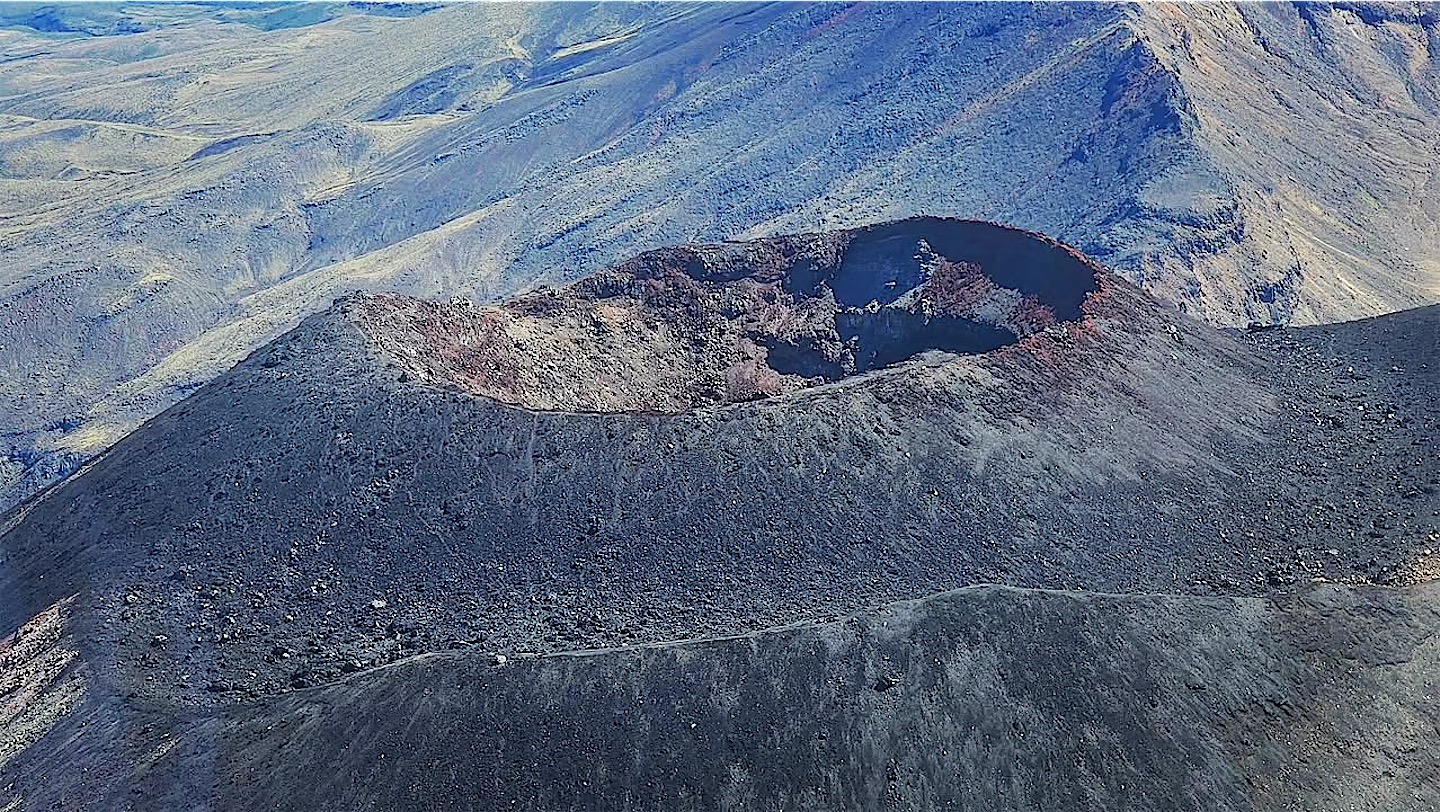
Then we turned towards Ngauruhoe, a young cone of the Tongariro volcano that Peter Jackson used as Mount Doom in his Lord of the Rings films. I had come to toss a ring into the lava, but the crater stayed quiet: its last eruptions were in the 1970s, and all we found was a rim of red and black scoria above slopes so even they look sculpted.
Around it lie older craters, some filled with turquoise and deep blue lakes, and on the horizon the haze of the central plateau.
Back across the dateline: Rarotonga and Aitutaki
Before returning to prepare for Antarctica, I allowed myself a relaxing week in the tropics: three nights on Rarotonga and three on Aitutaki in the Cook Islands. The flight from Wellington crosses the International Date Line backwards. I took off on a Thursday morning and landed on Wednesday afternoon, an extra day in paradise that I would have to give back on the way home.
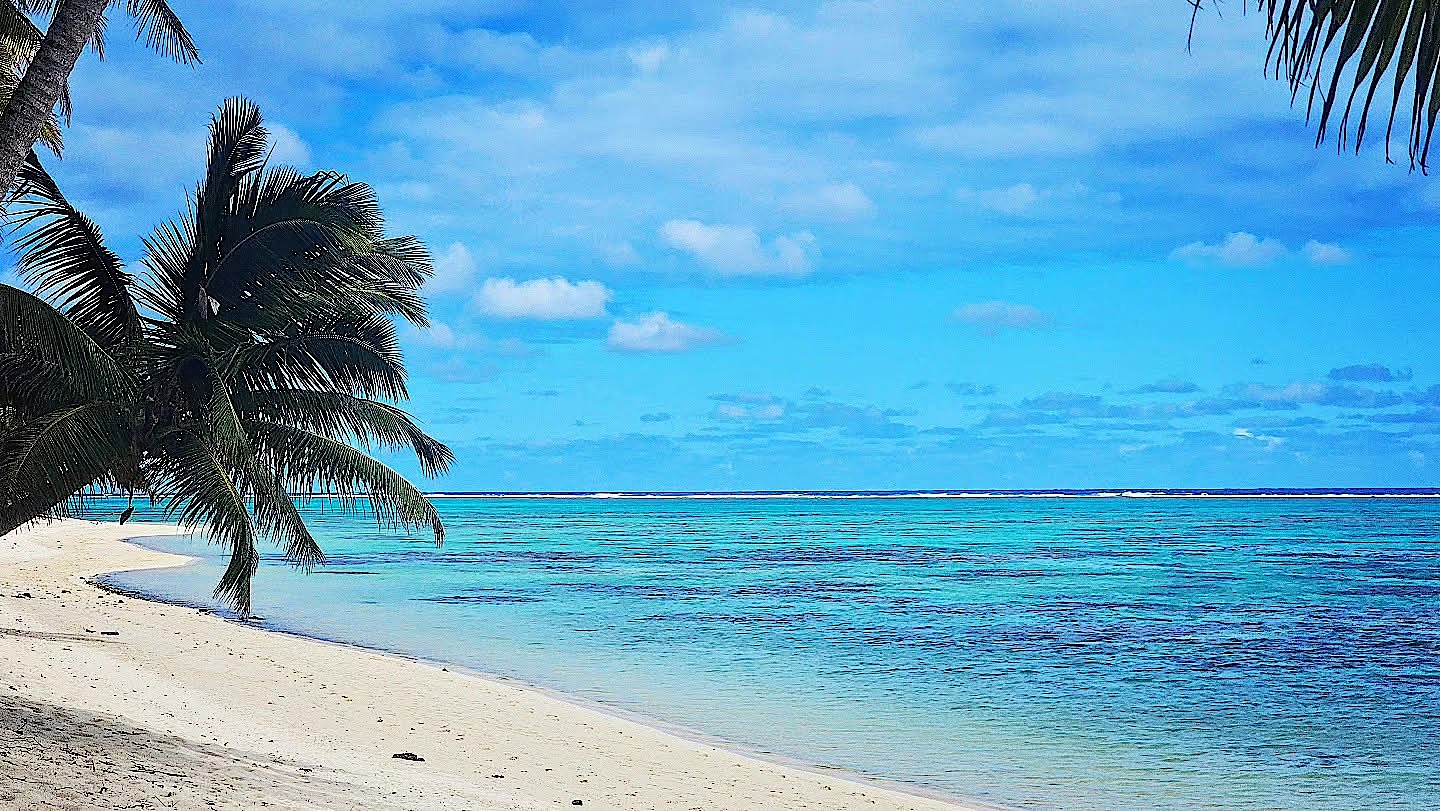
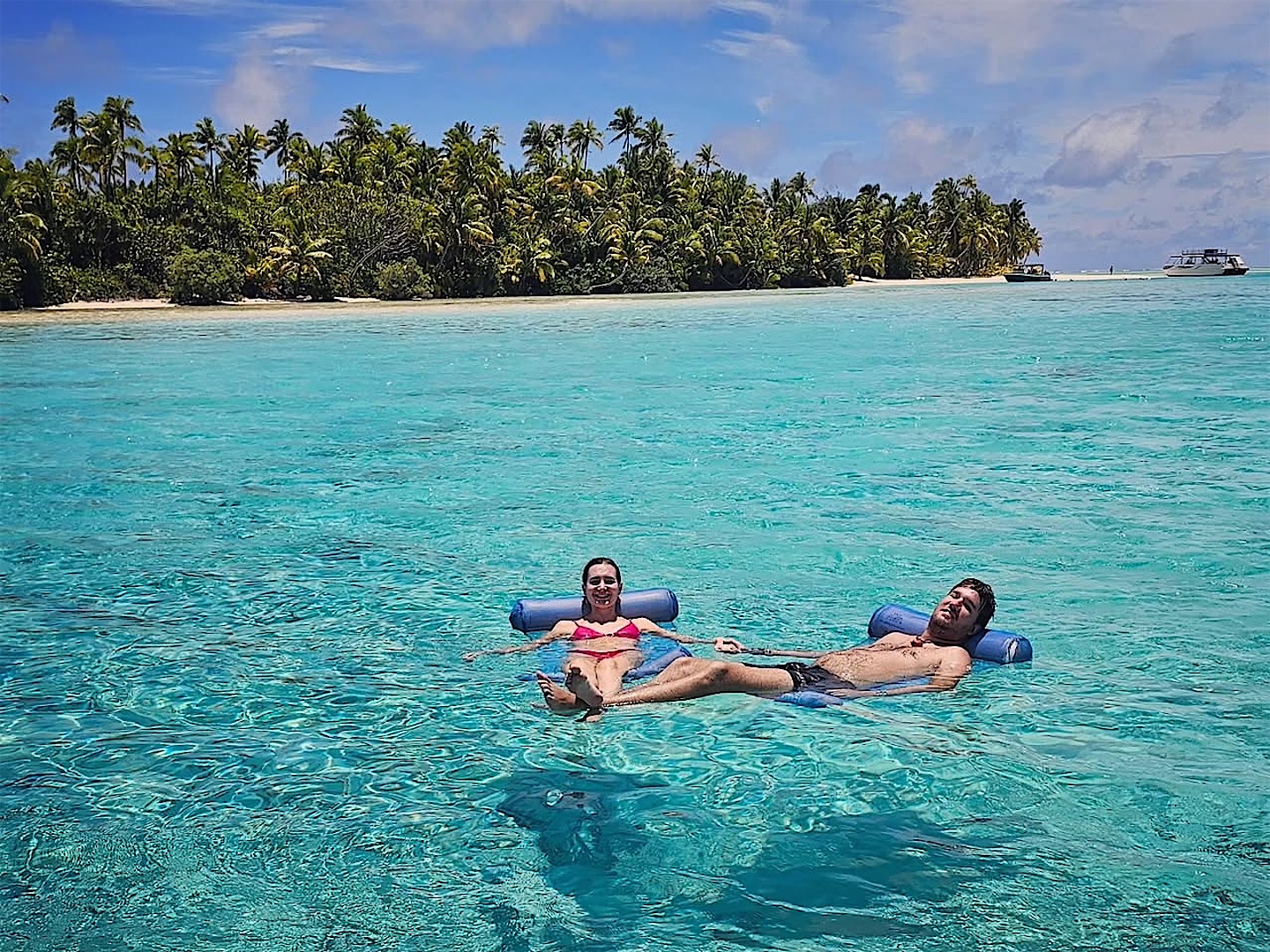
A short flight then took us to Aitutaki, a special island even by South Pacific standards. Karyna was with me, and one evening we had a barefoot dinner on the beach at sunset. The lagoon is so clear and shallow that floating in it becomes an activity of its own.
Dolphins in Kaikoura and a send-off from Lyttelton
Back in New Zealand I had three nights of big-city life in Auckland, then took what I announced as my last flight for a month, to Nelson at the top of the South Island. From there we went to Okiwi Bay in the Marlborough Sounds, a maze of drowned valleys where forested ridges run straight into the sea, and then down the east coast to Kaikoura.
In Kaikoura we started the day swimming with dozens of wild dusky dolphins. Snorkelling with them was also quite spooky: below me the seafloor dropped away into a canyon around 1,500 metres deep, and the dolphins kept rushing out of the blue straight towards me.
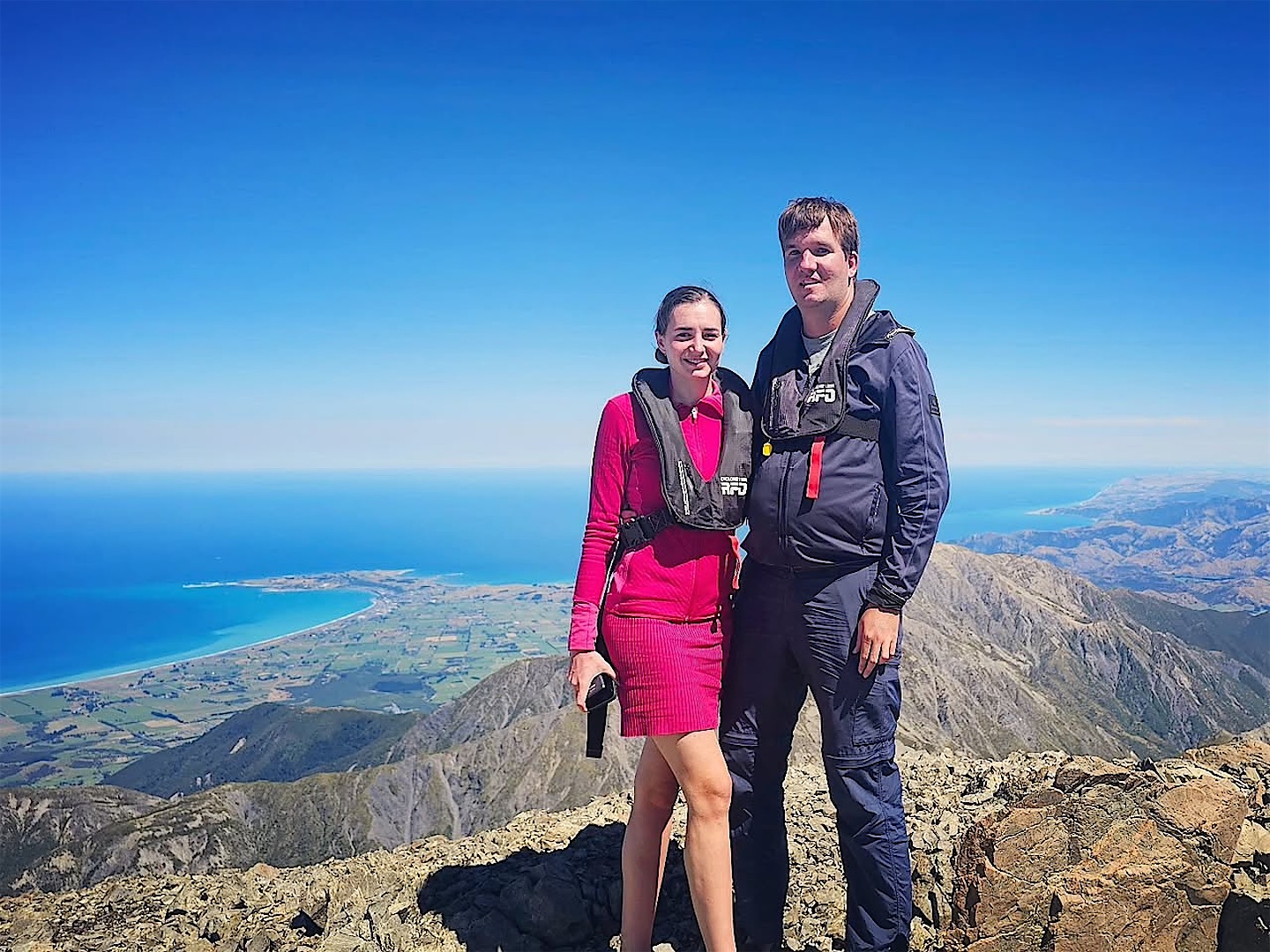
The last stop was Lyttelton, the port of Christchurch, set in the flooded crater of an old volcano on Banks Peninsula. Scott and Shackleton both used it as a base before heading south. Karyna took the photos of the harbour and our ship but couldn't come along this time; we planned to meet again in Argentina four weeks later.
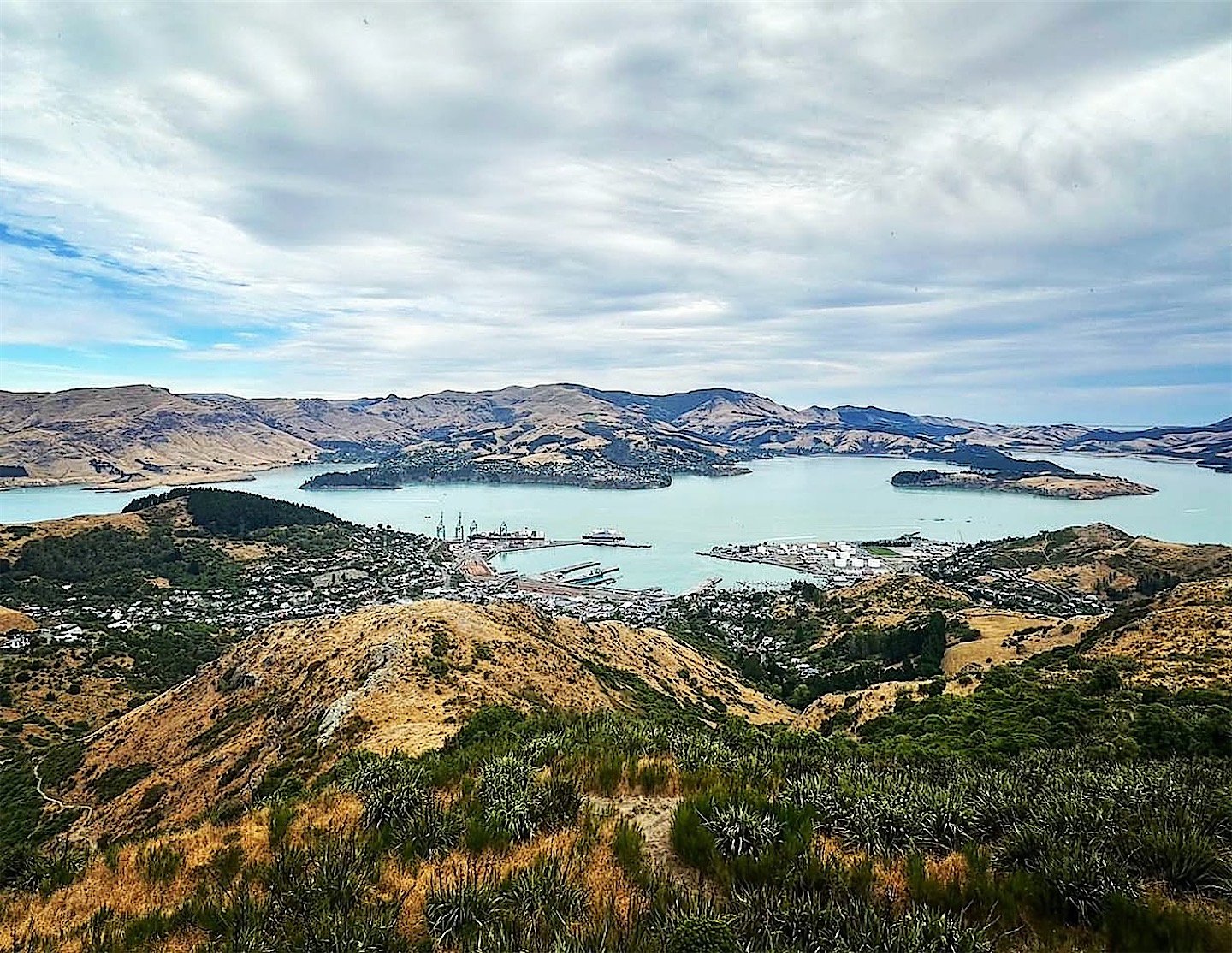
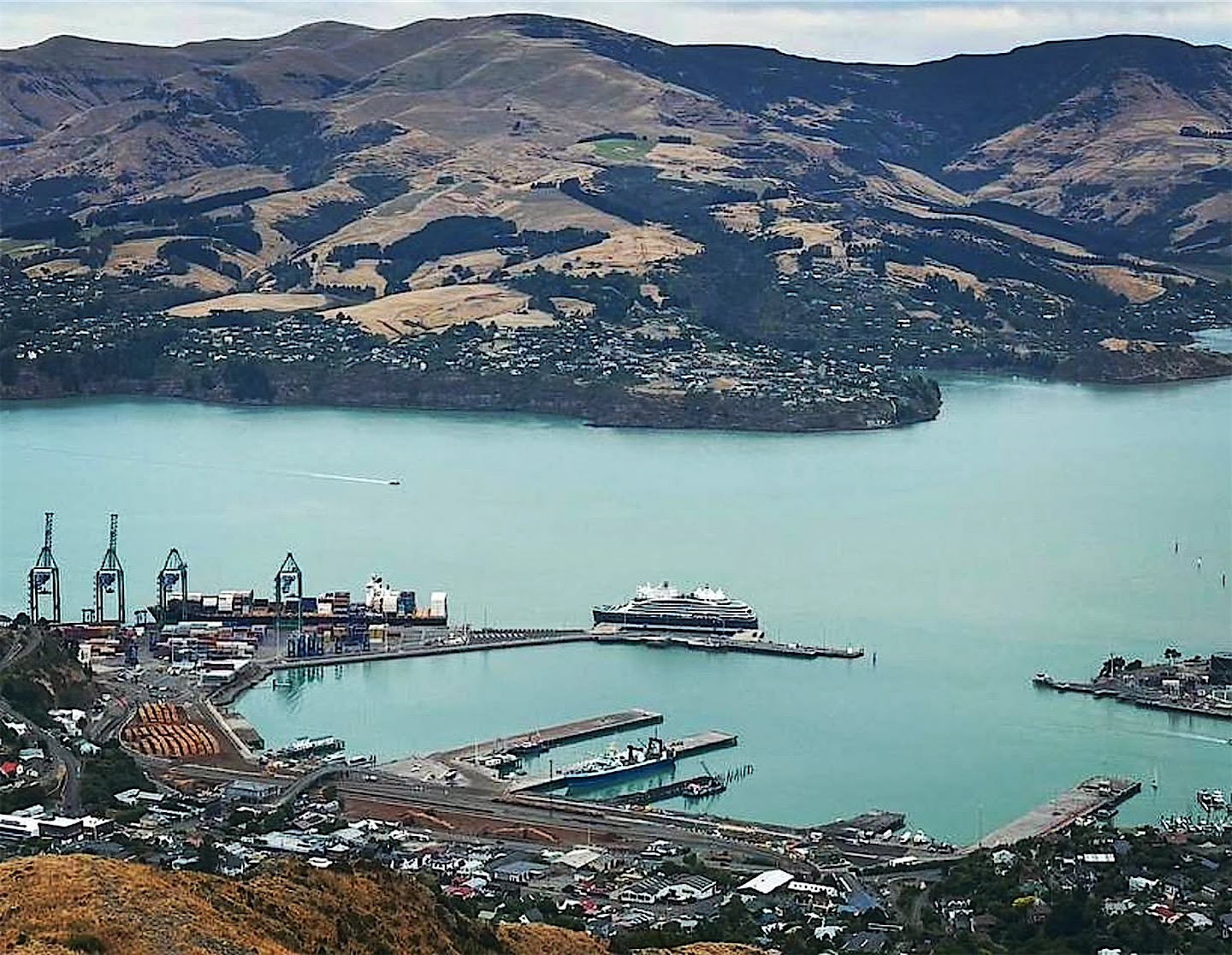
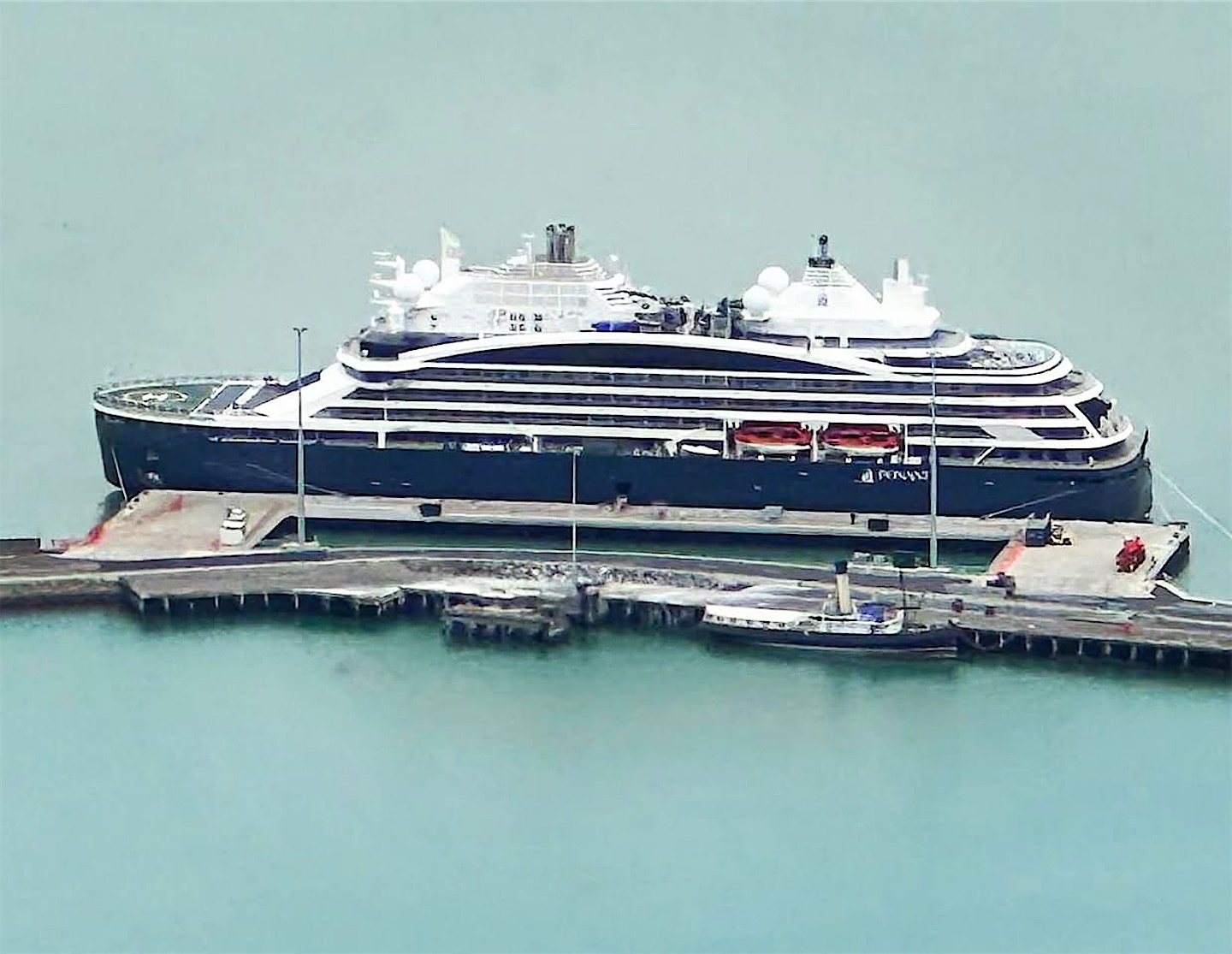
On 6 February we cast off. Ahead lay five days sailing south in search of the south magnetic pole, which keeps drifting and now lies in the ocean off the Antarctic coast. Then would follow three weeks exploring Victoria Land, Adélie Land, the Ross Sea, Marie Byrd Land, Peter I Island, a Norwegian territory, and finally the Antarctic Peninsula. After five weeks of volcanoes, penguins and lagoons, New Zealand had been the perfect warm-up.