Alone in the Driest Desert: A Road Trip from Copiapó to San Pedro de Atacama, with Stops in Cali and Panama
14–22 December 2025 · Copiapó, Caldera, Bahía Inglesa, Chañaral, Antofagasta, Calama, San Pedro de Atacama, Cali, Panama City · Regions: Chile, Colombia, Panama
This was an improvised trip. After our days in El Chaltén, Torres del Paine and Perito Moreno, I had to fly home to Germany at short notice for family reasons, while Karyna and the rest of the family went on to Antarctica as planned. Rather than wait in Herford, I took the long way back to South America: a week on my own in the Atacama Desert until they returned, and then home together in time for Christmas.
The long way back
From Herford I drove to Frankfurt and flew south via São Paulo. With my thoughts still somewhere else, I missed a flight there, which had happened to me only once before, in Bolivia in 2014: I had confused the departure time with the boarding time. It cost me seven hours and my domestic connections. Santiago, where I finally changed planes, turned out to be my most-visited airport of the year, with twelve flight segments.
Oases, megalodons and empty beaches
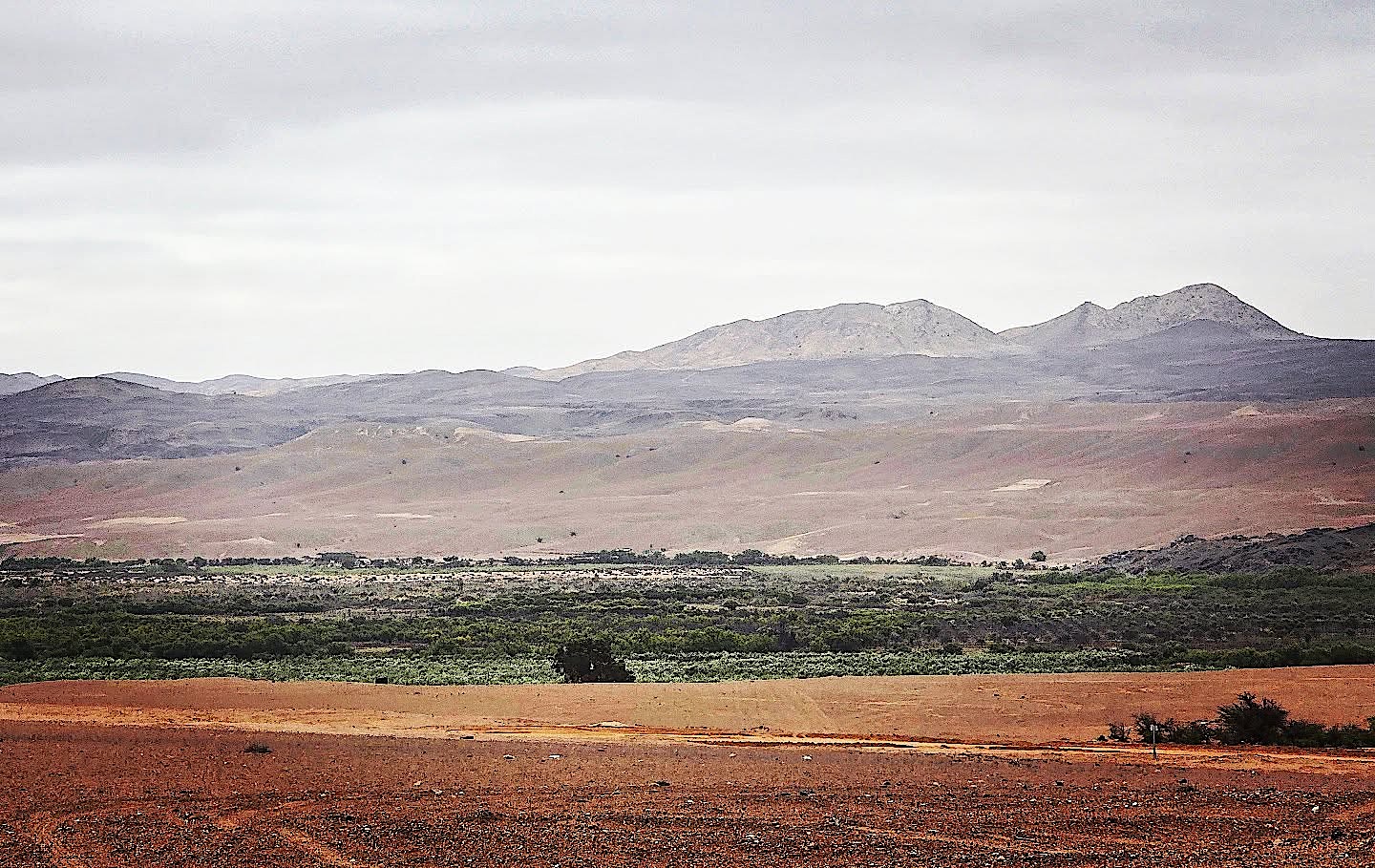
I landed in Copiapó, collected a rental pick-up truck and set off on a self-drive road trip, my first time in the Atacama since 2018. Even the driest desert on the planet has its oases: strips of green appear wherever there is a little water.
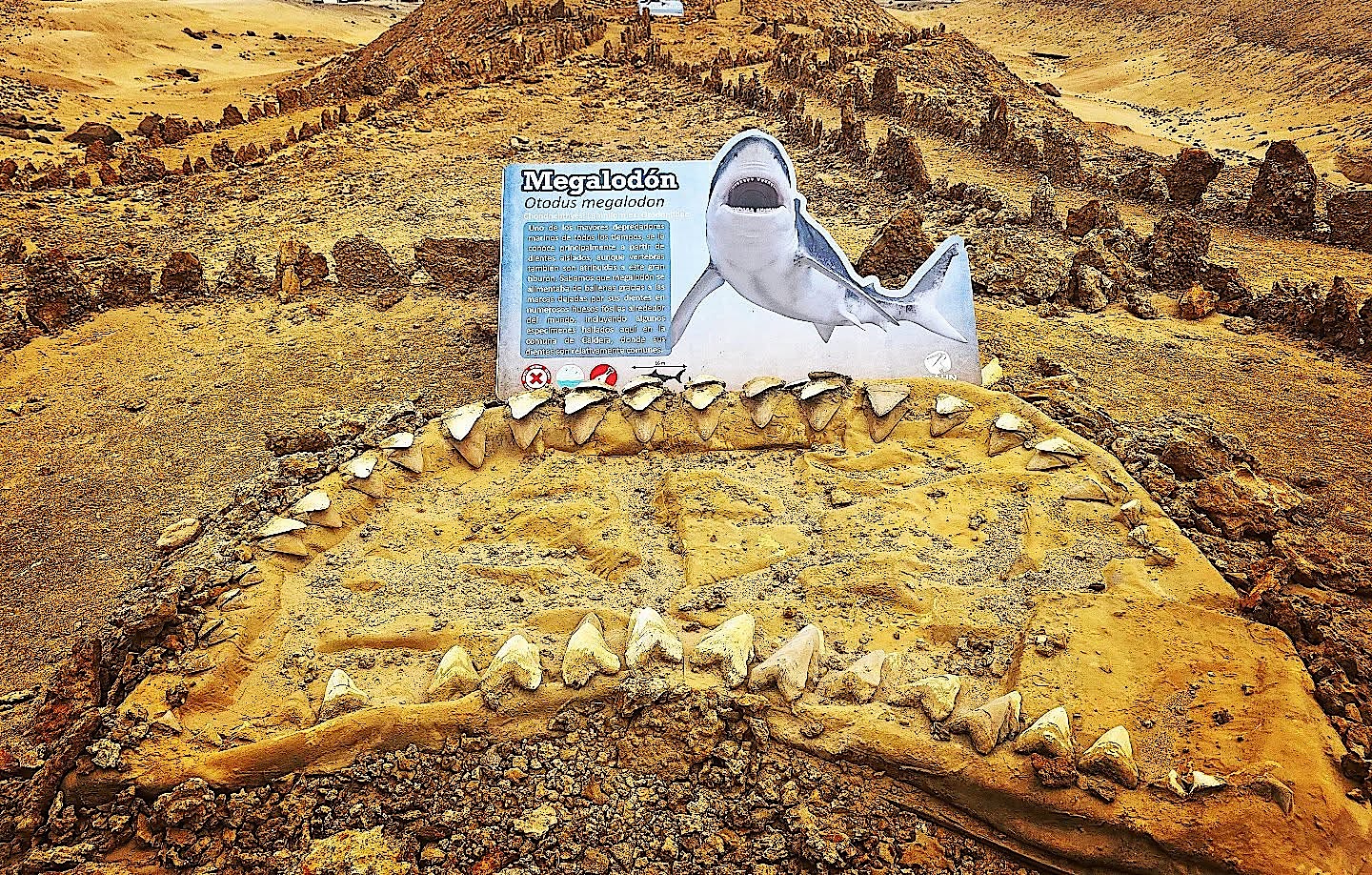
Near Caldera I stopped at an open-air fossil park, where a reconstructed megalodon jaw lies in the sand. The giant shark's teeth are relatively common in this area.
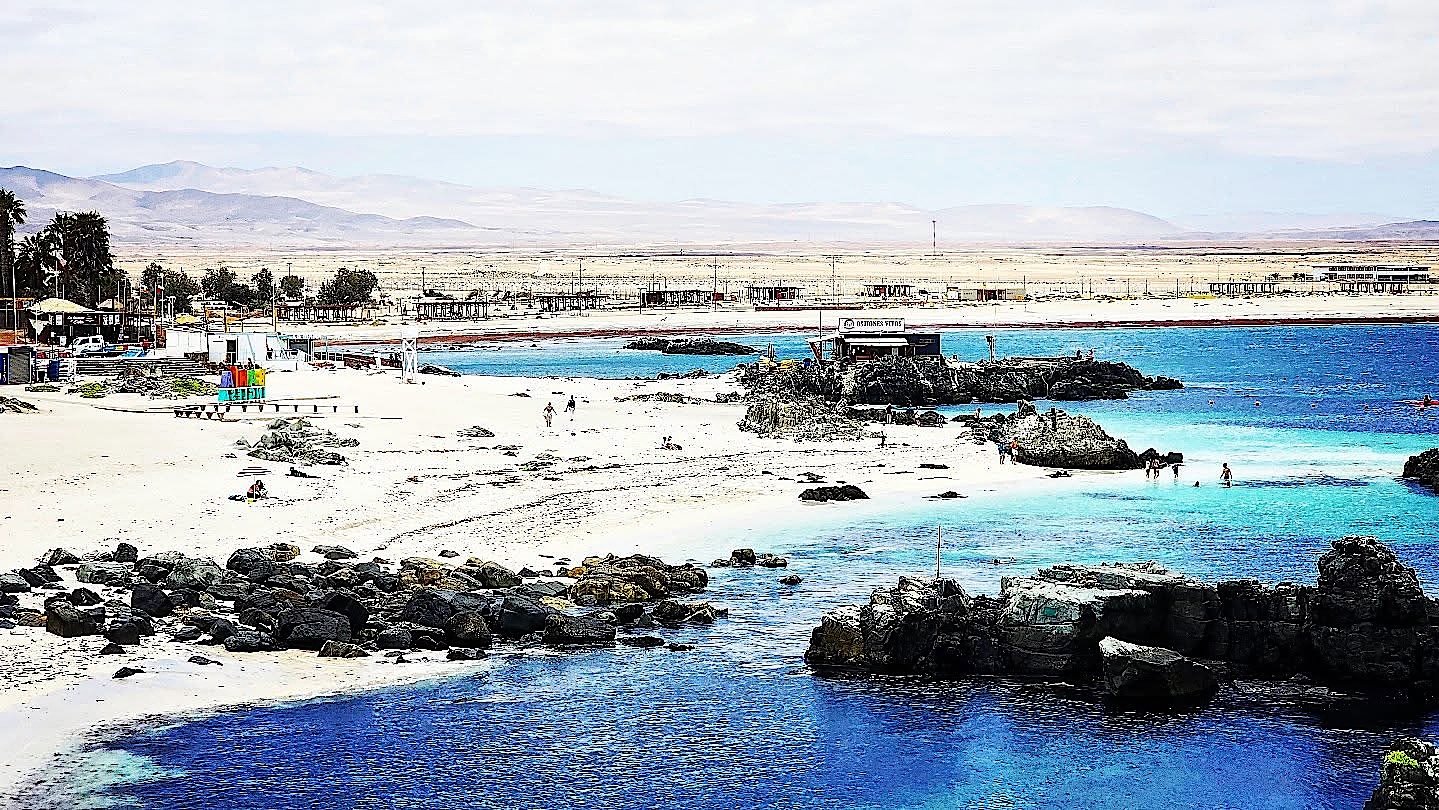
A few kilometres further on, Bahía Inglesa has some of the whitest sand and most turquoise water in northern Chile. In mid-December I had the beaches almost entirely to myself.
Thirteen hours along the coast
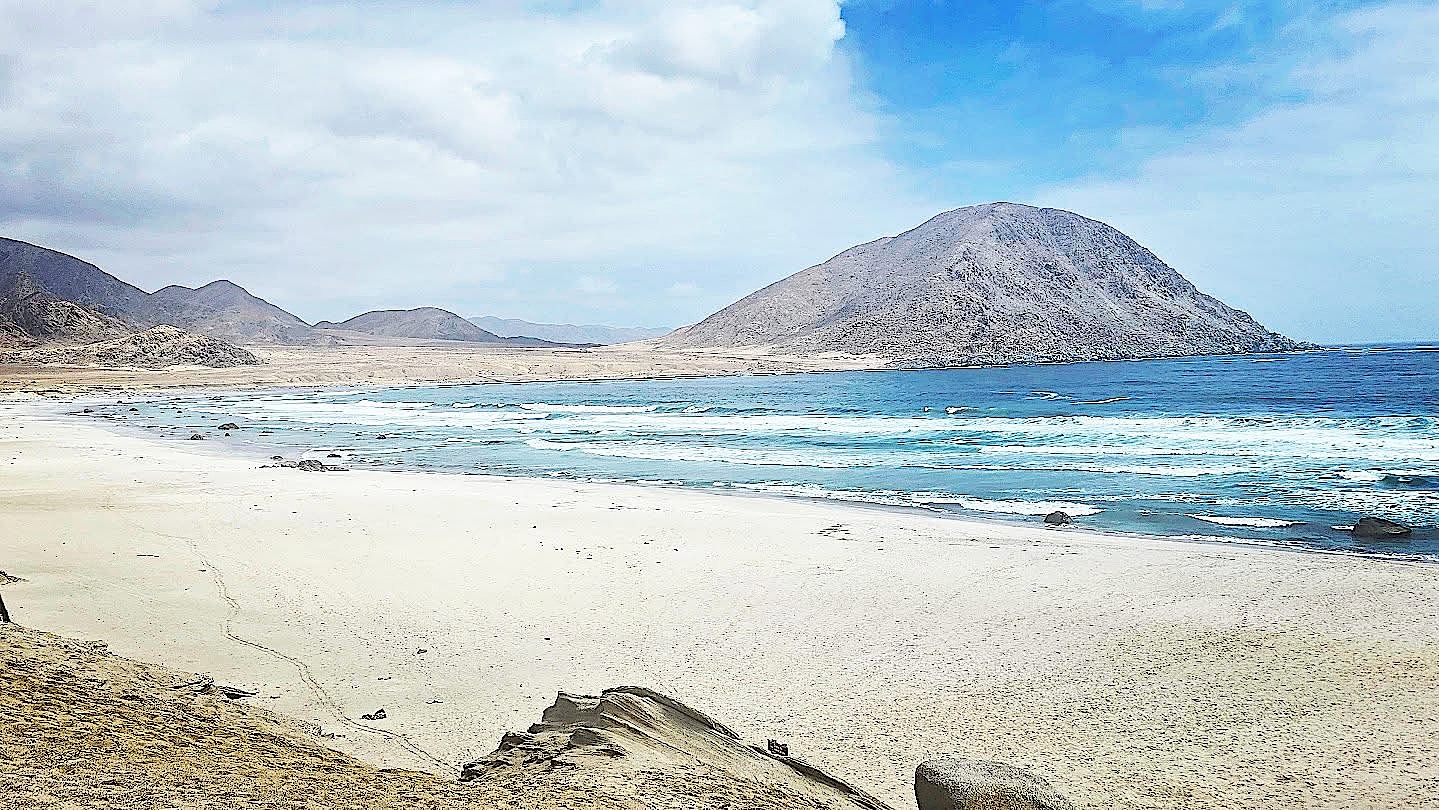
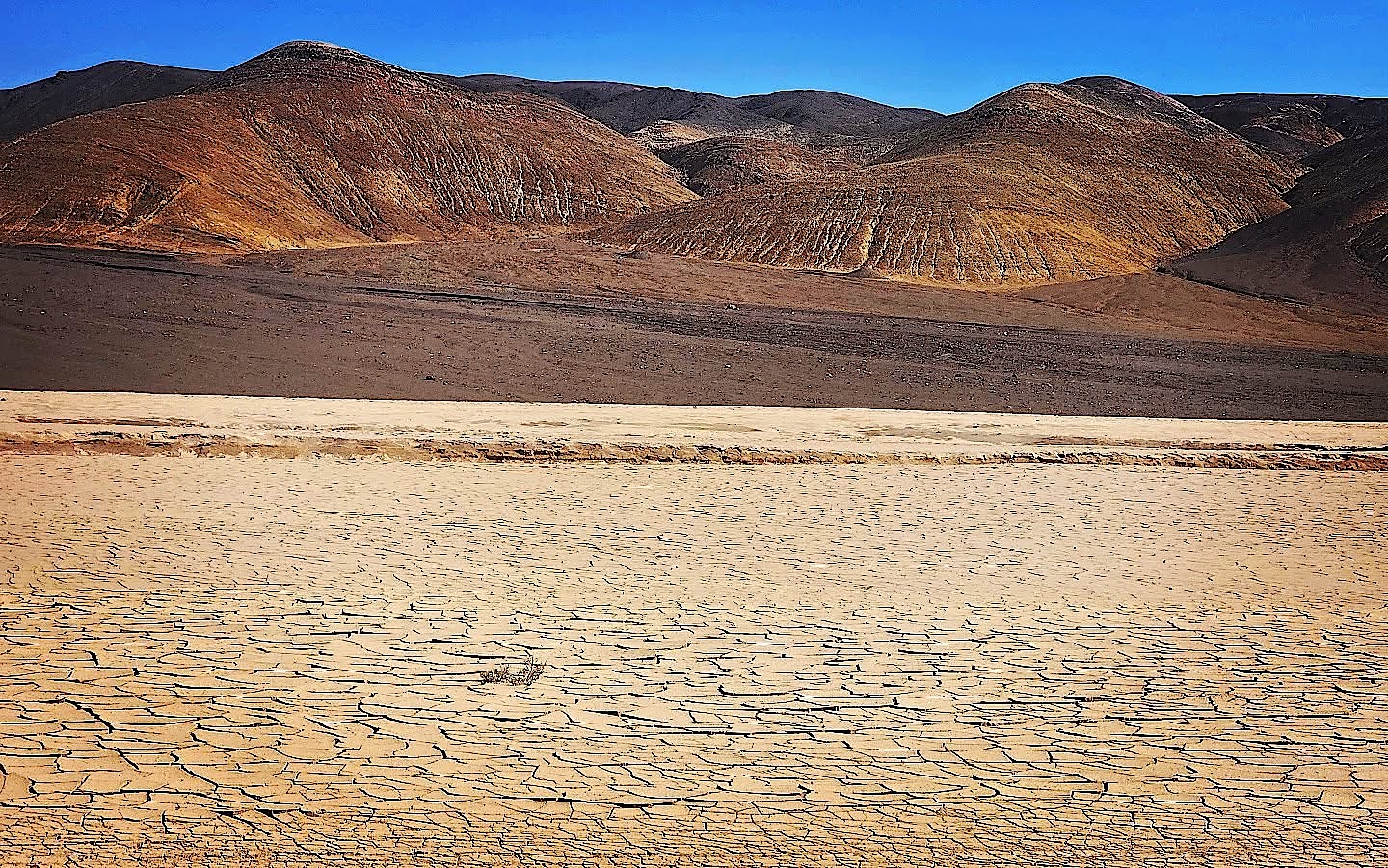
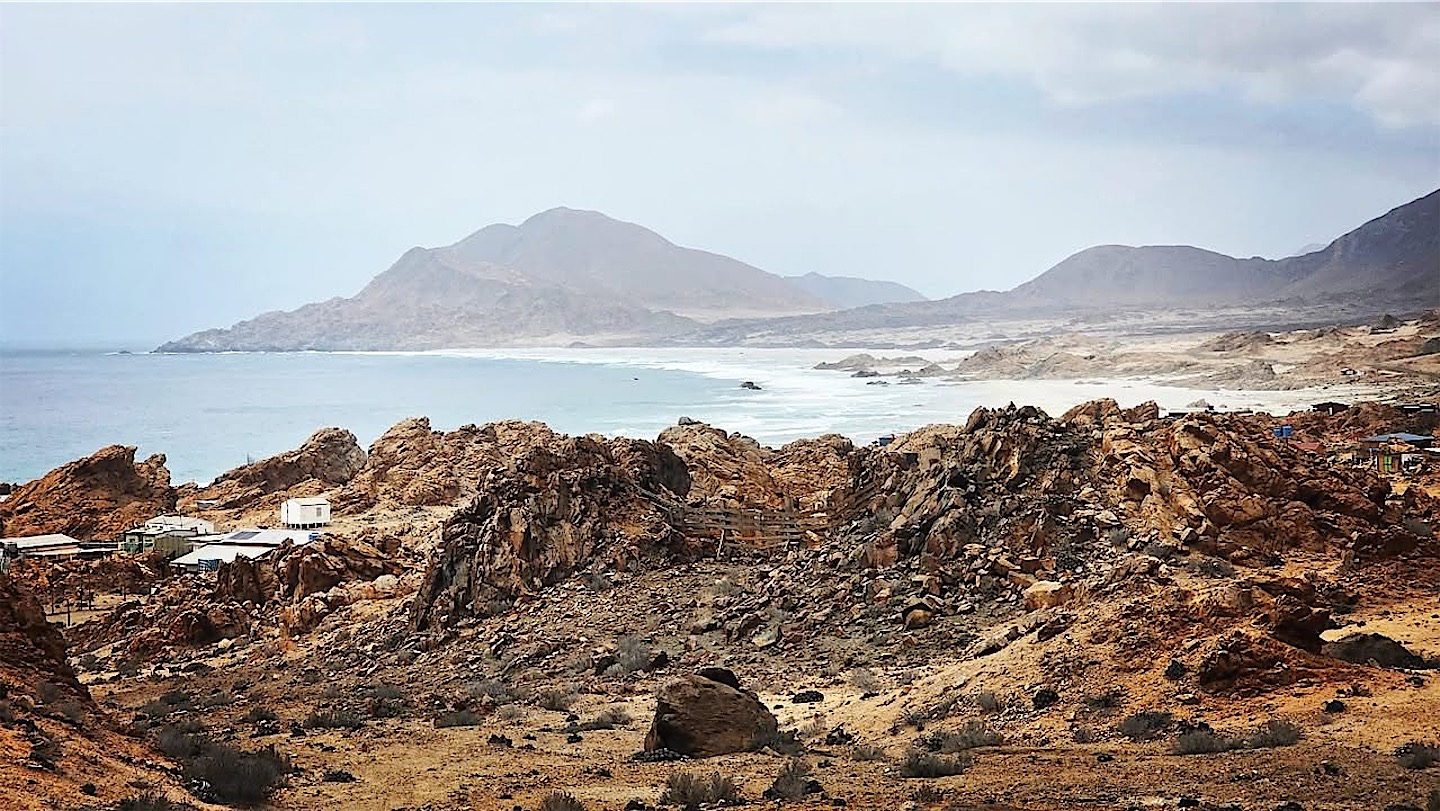
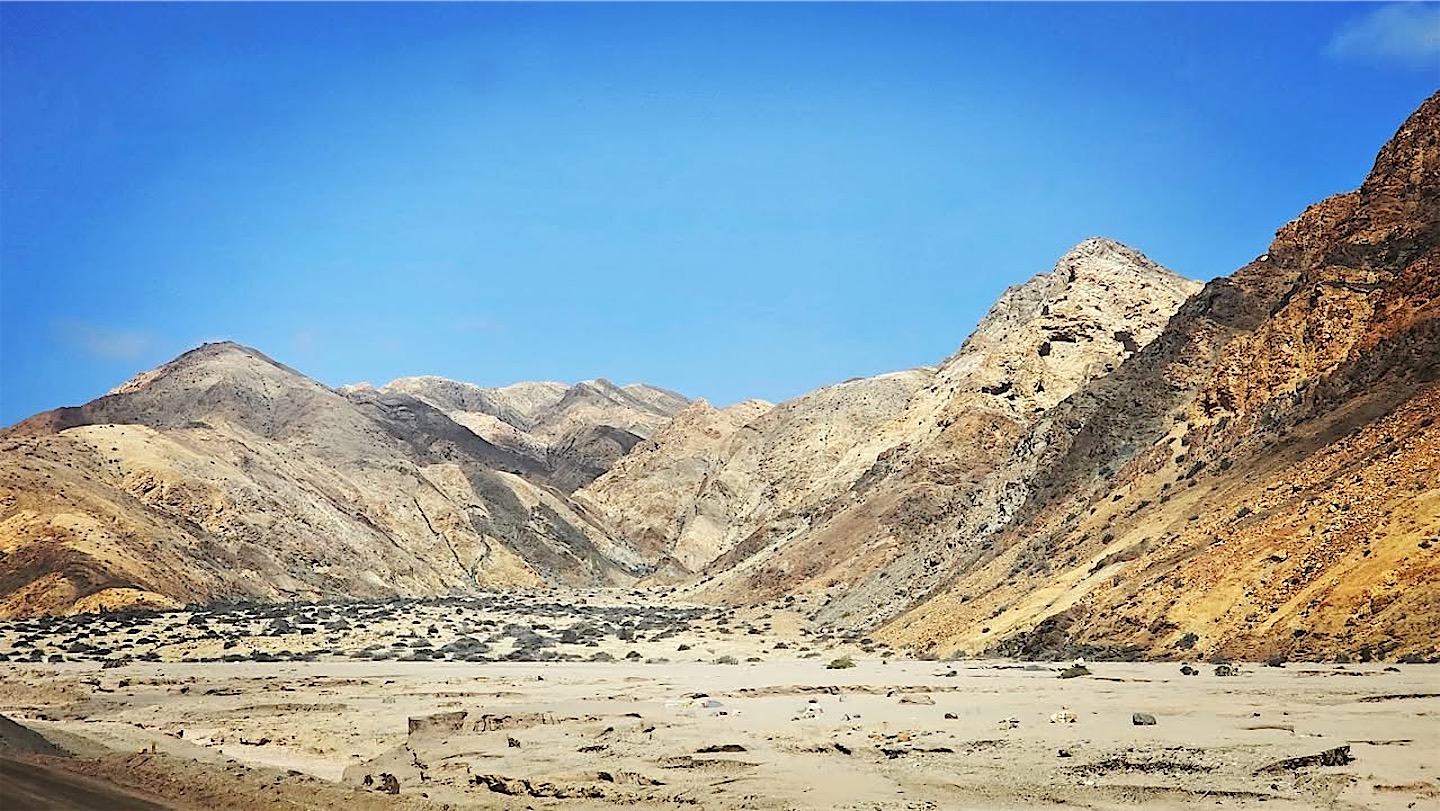
That first day became a marathon: from Copiapó airport to Antofagasta on the coastal roads, 13 hours including stops. Yet that route covers only about a third of the Atacama and a tenth of Chile's length. North of Chañaral the land grew drier and drier. The stretch between Chañaral and El Cobre, past the fishing village of Paposo, was the most beautiful of the trip: excellent roads, wide bays, cliffs and canyons, and almost no people.
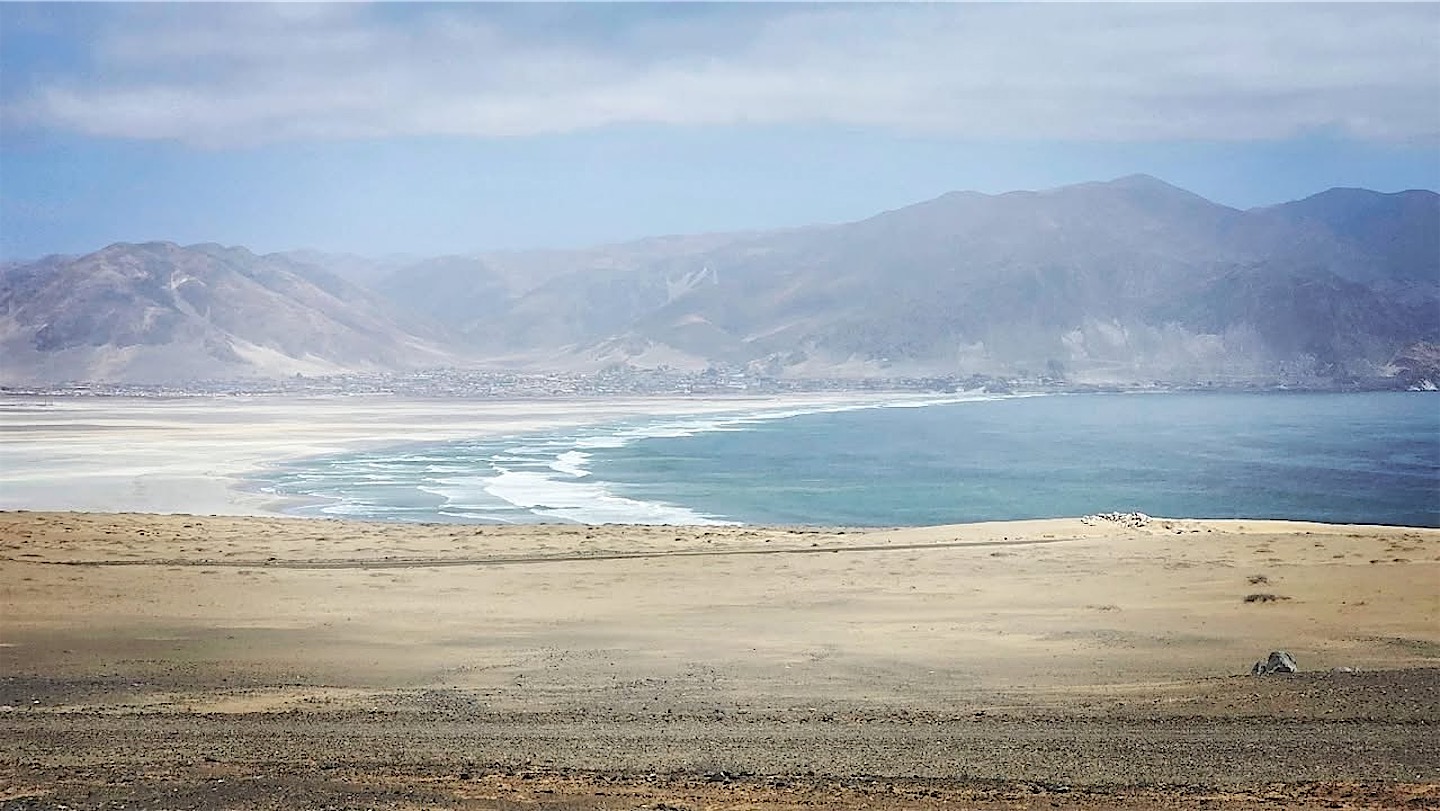
Plants on this coast live less on rain than on the camanchaca, the sea fog that rolls in from the cold Pacific. It keeps cacti alive in Pan de Azúcar National Park just north of Chañaral, which is also home to Humboldt penguins.
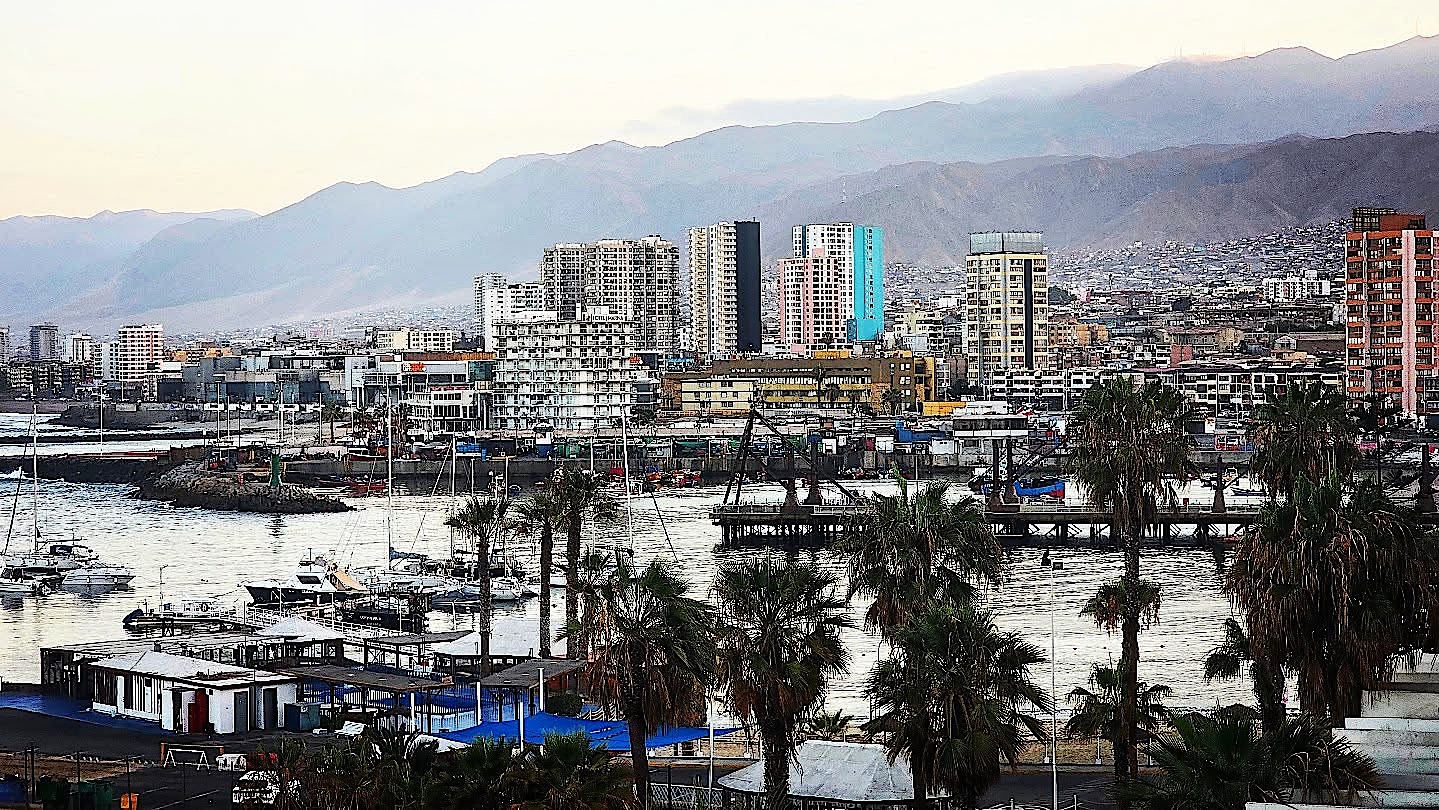
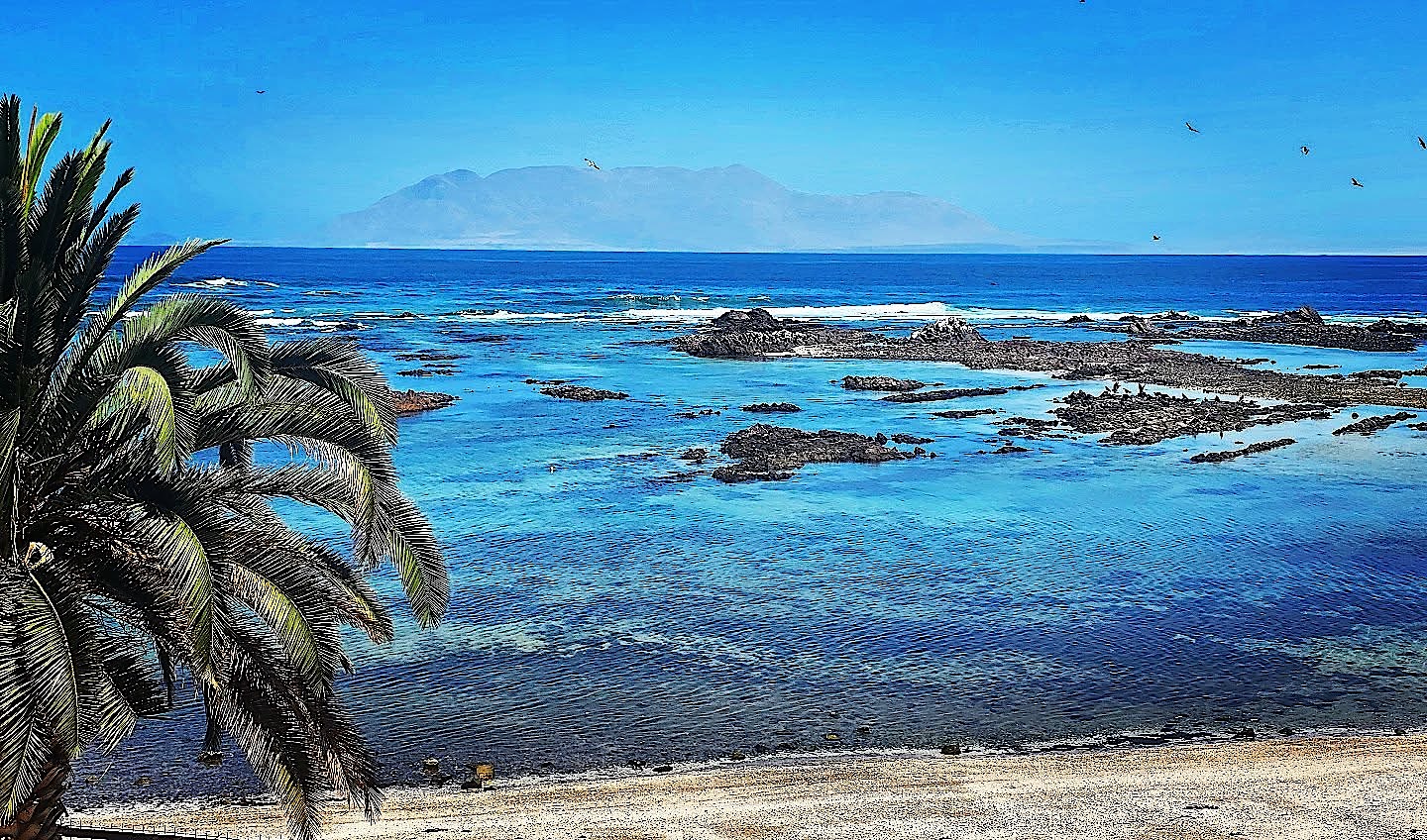
The next morning I woke up in Antofagasta, with its harbour and high-rises lined up beneath bare brown mountains. With palms and turquoise water, the seafront felt almost tropical.
Copper, salt and volcanoes
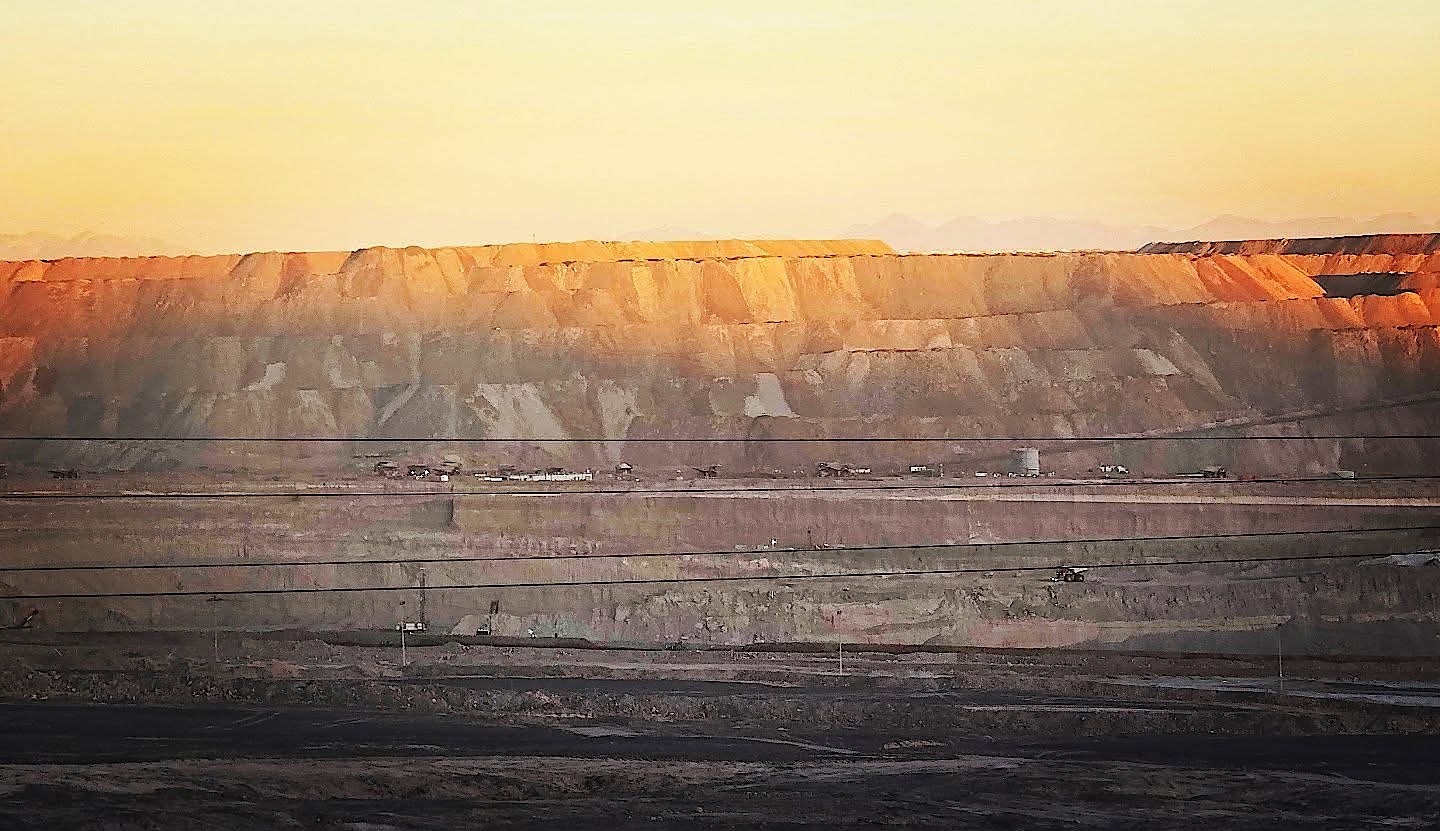
From the coast I drove inland to Calama. Right next to it lies Chuquicamata, often described as the biggest man-made hole on the planet. Through the haze it was hard to see, and even harder to grasp its scale.
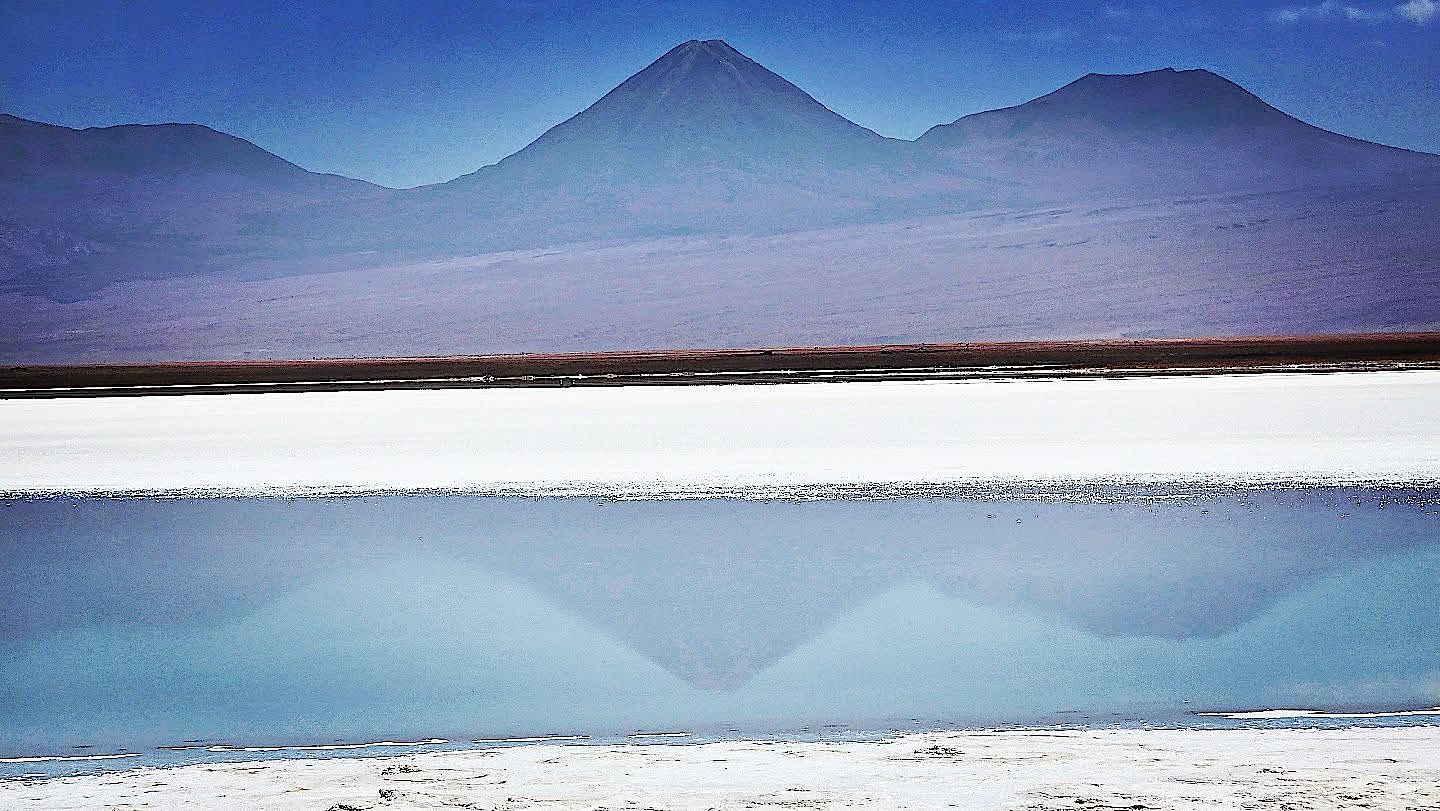
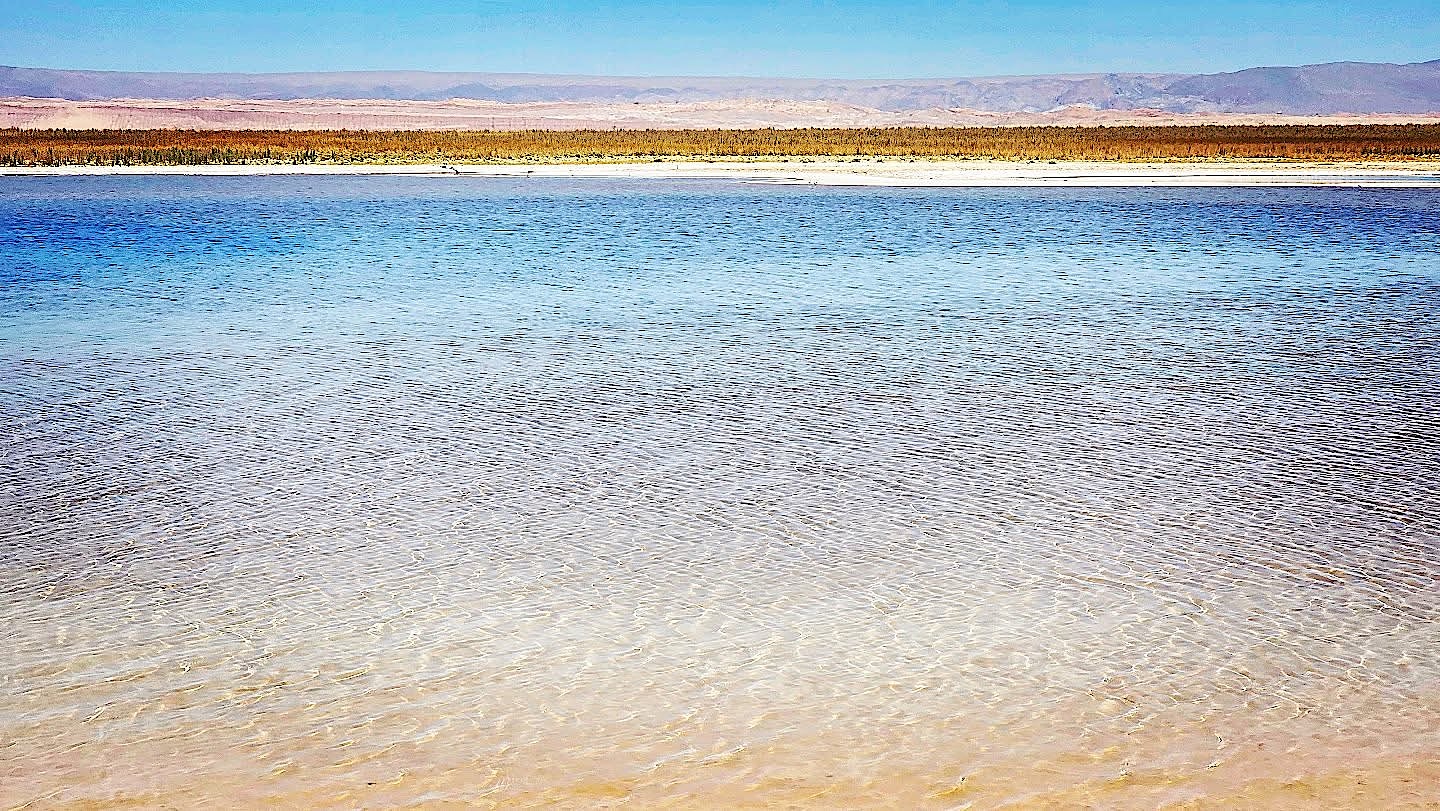
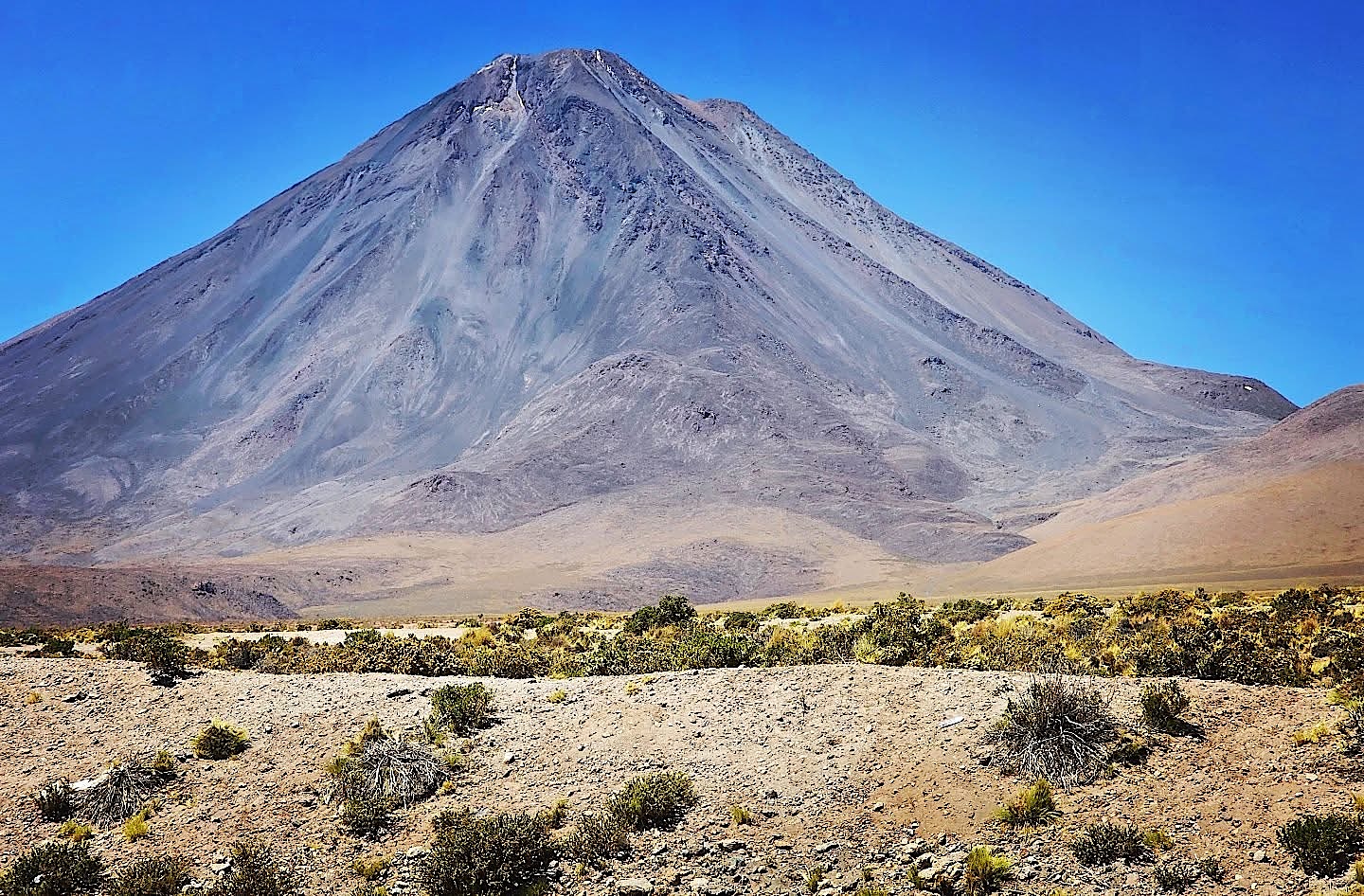
From there I continued to San Pedro de Atacama, an adobe oasis village at about 2,400 metres and the tourist hub of northern Chile. Around it lie the Valle de la Luna, the volcano Licancabur and the Salar de Atacama, Chile's largest salt flat. I floated in one of its lagoons, so salty that it is Chile's answer to the Dead Sea, and watched volcanoes mirrored in the still water.
Up to 4,831 metres
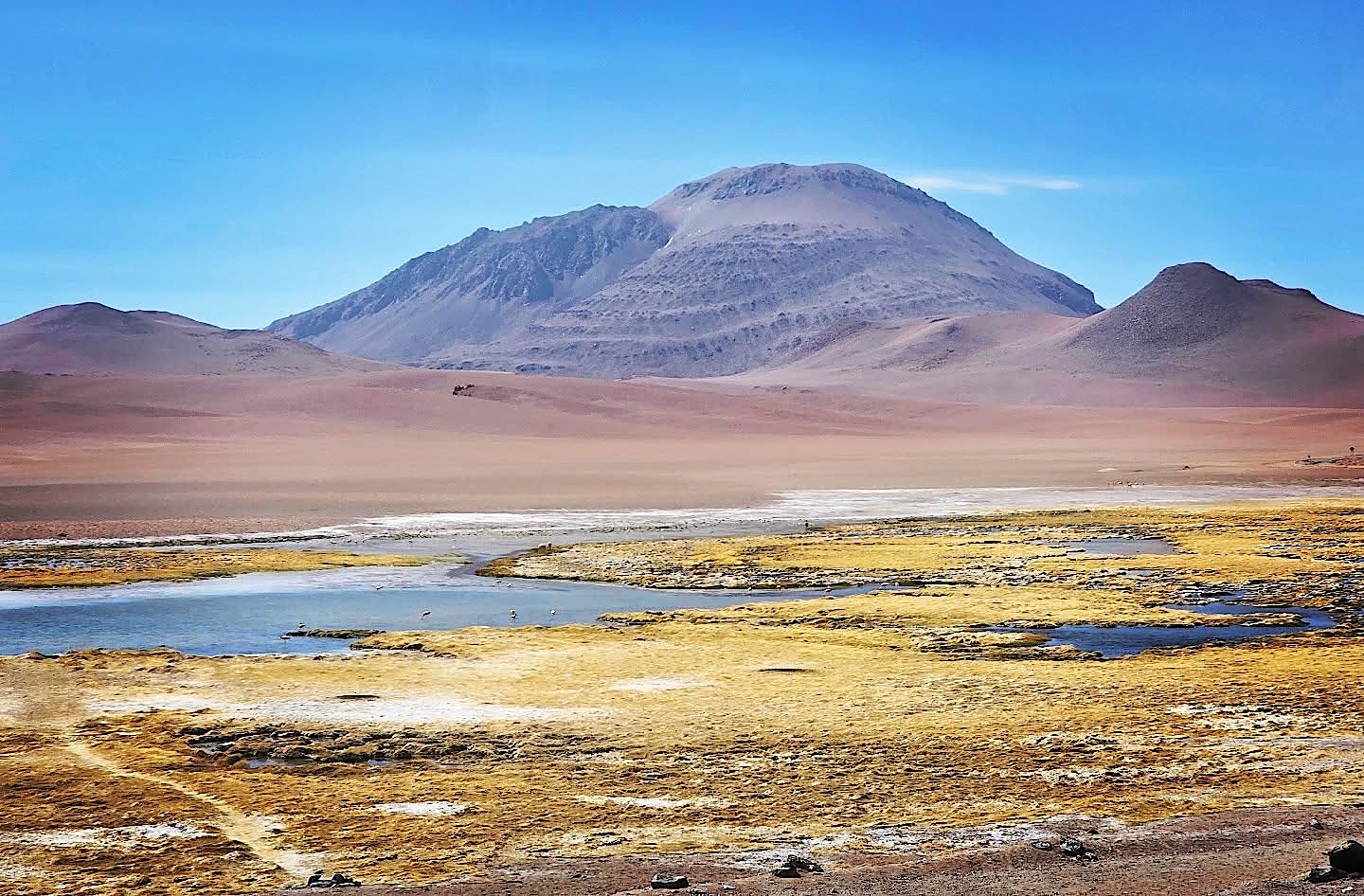
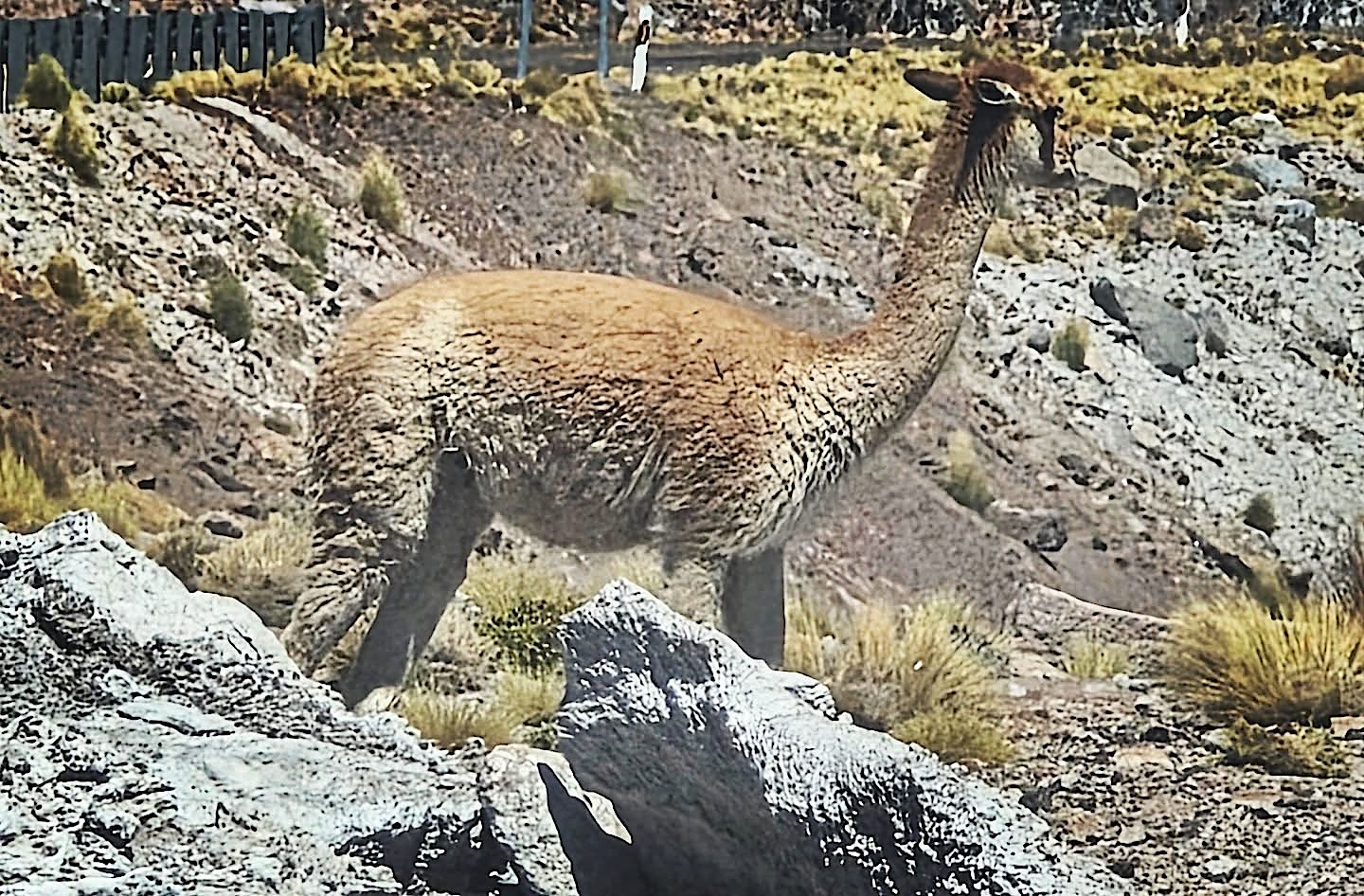
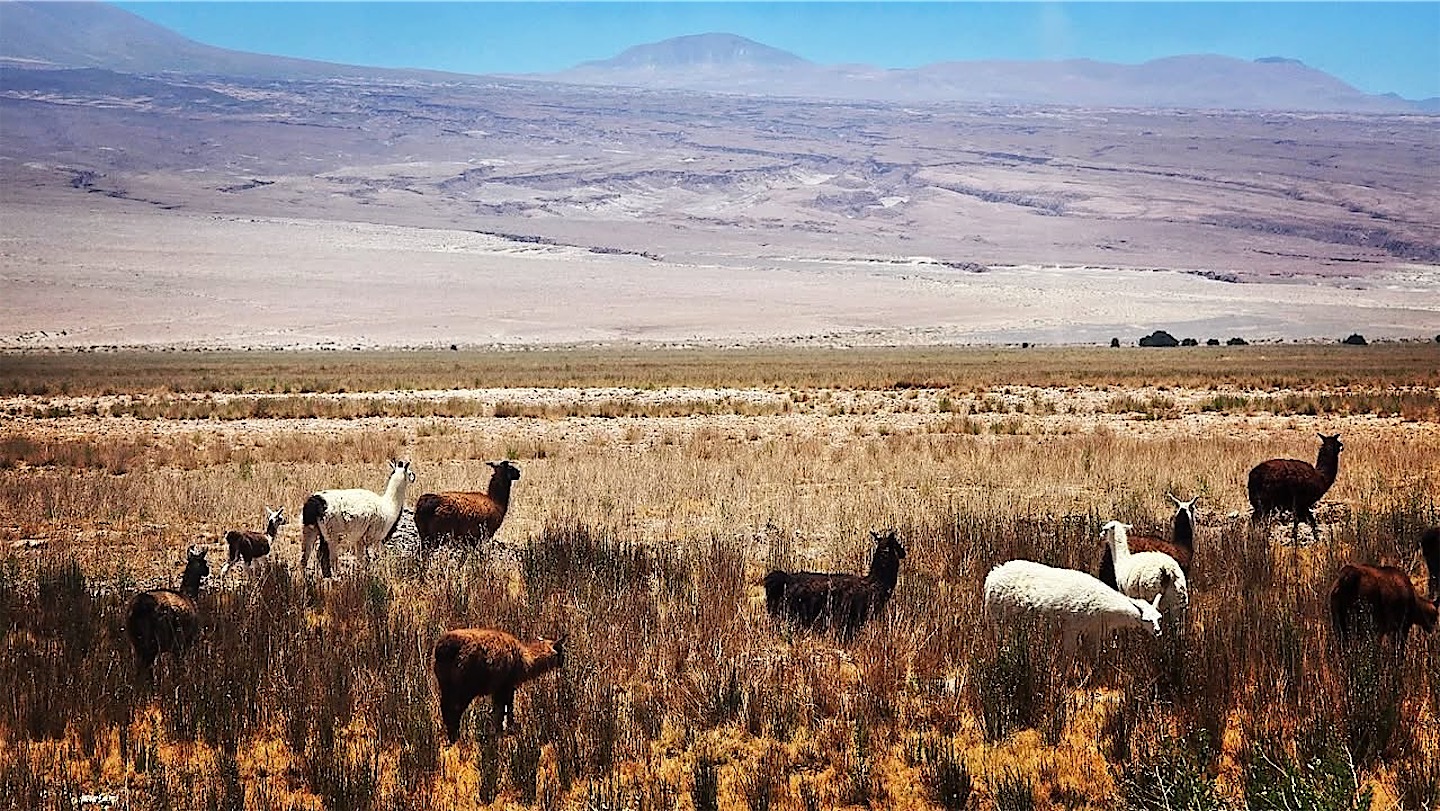
Before leaving, I spent a day in the Altiplano and drove up myself to an extreme 4,831 metres, where the desert turns into a high plateau of golden grass, lagoons and volcanoes. Flamingos waded in the shallow water, a vicuña posed on the rocks, and llamas grazed below the peaks.
Lulo in Cali, a canal in Panama
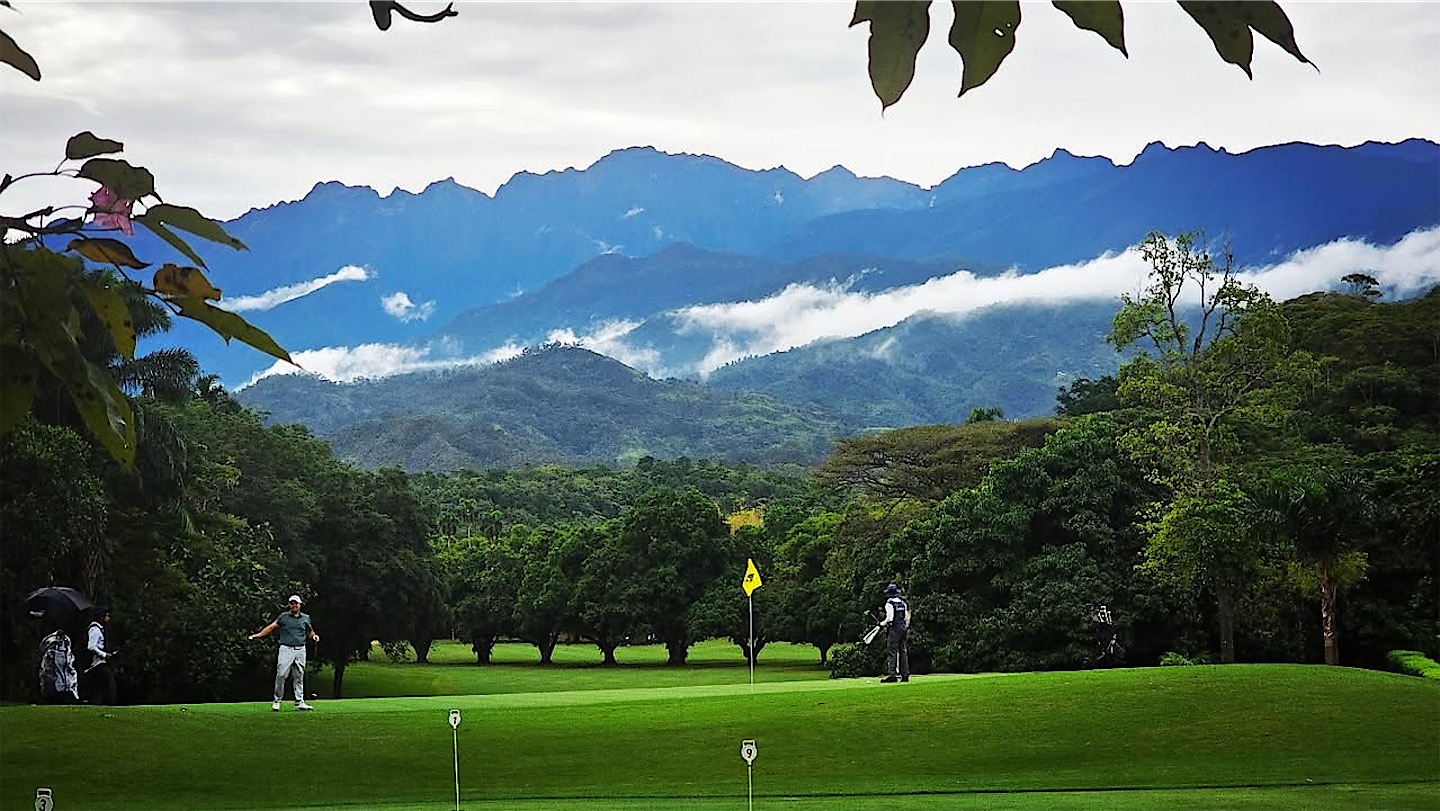
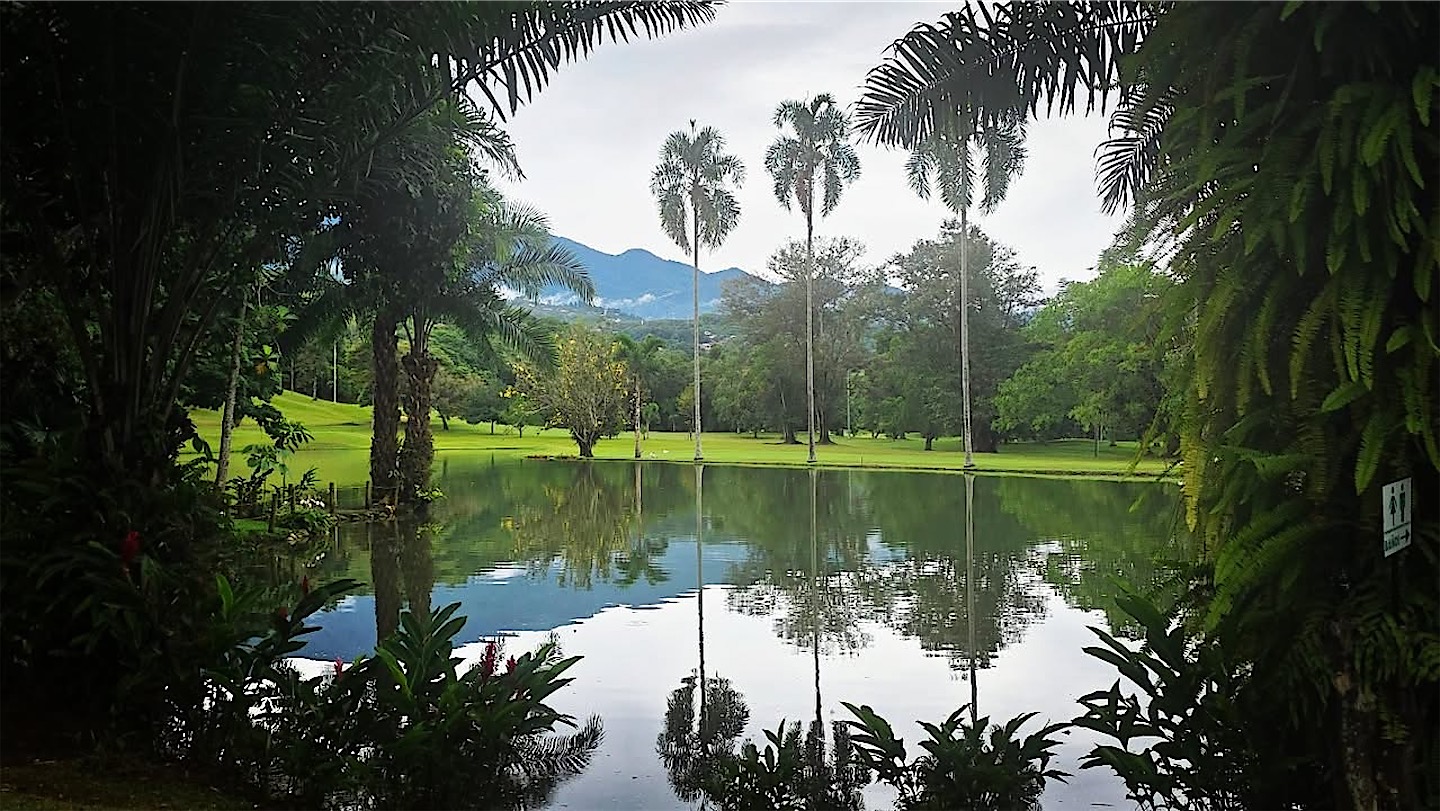
From Calama my flight first took me two hours in the wrong direction, south to Santiago, before heading north to Colombia for a short family occasion. I had last been to Cali in June 2015, when my Colombia trip ended there after my laptop and phone were stolen at the bus station. This visit was far kinder. I finally had lulo juice again, my favourite fruit and one that is hard to find outside Colombia, and enjoyed the green side of the city, with lush gardens and forested mountains under the clouds.
Cali calls itself the world capital of salsa, with its own fast style full of quick footwork, celebrated every year at the Feria de Cali between Christmas and New Year. The lulo, or naranjilla, is a small orange Andean fruit with a sour green pulp.
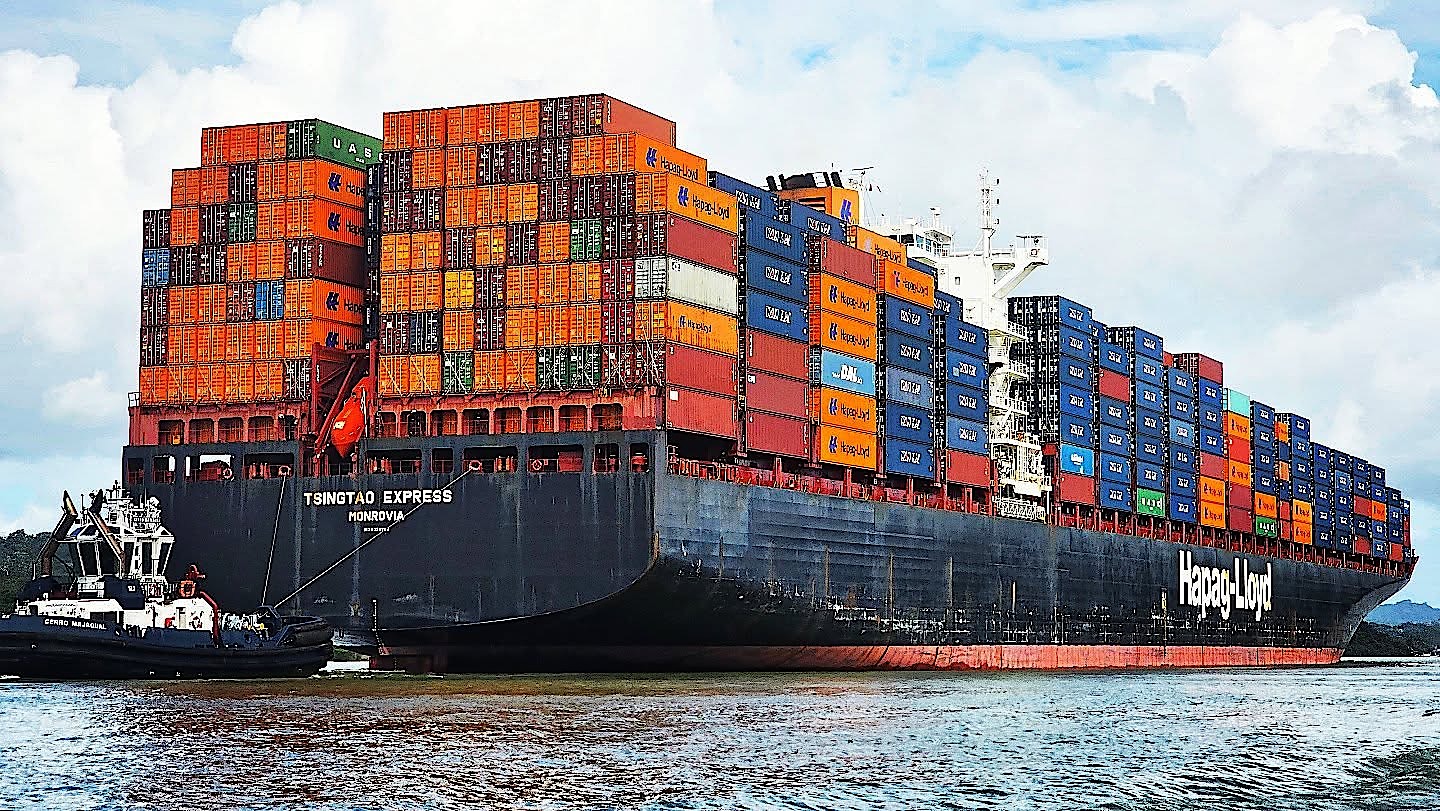
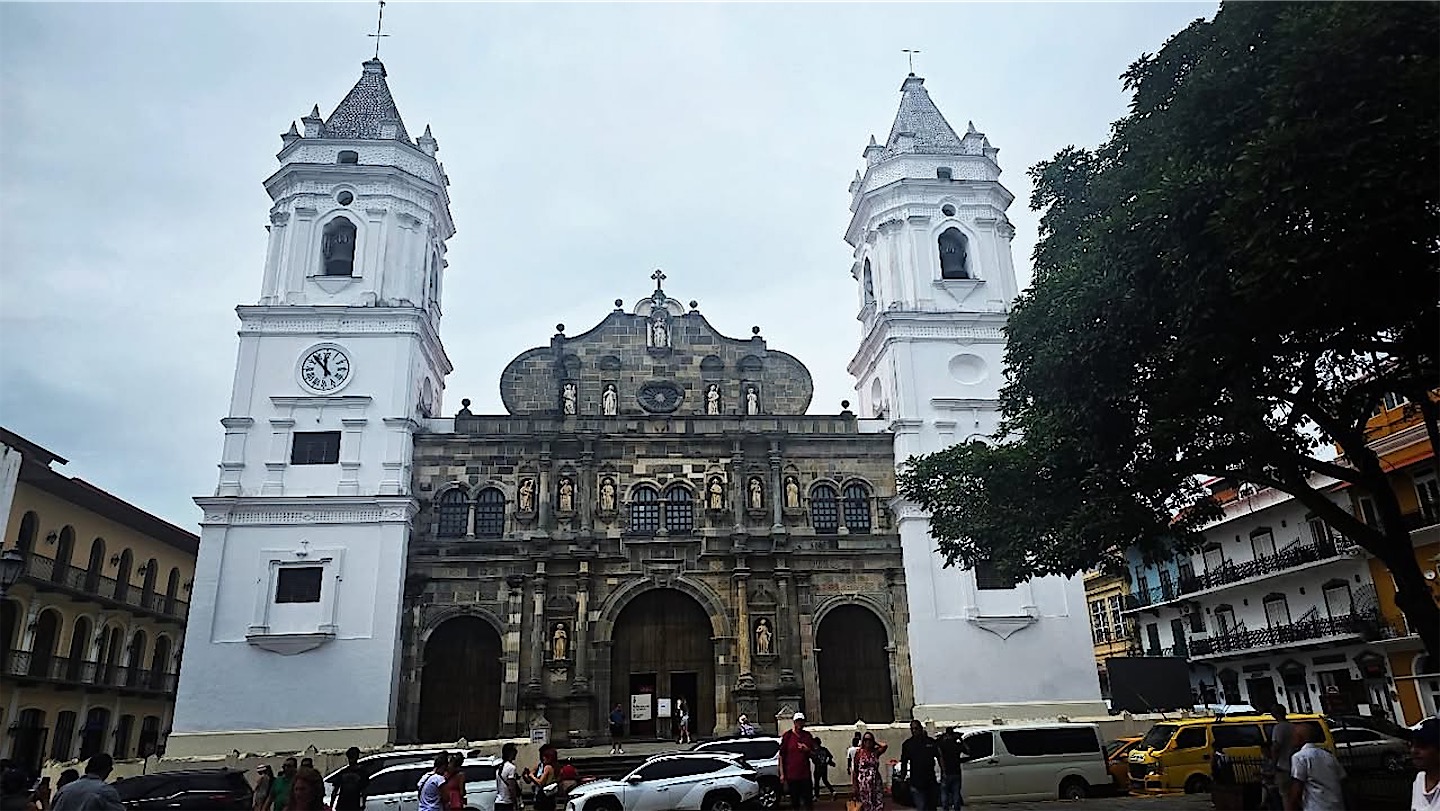
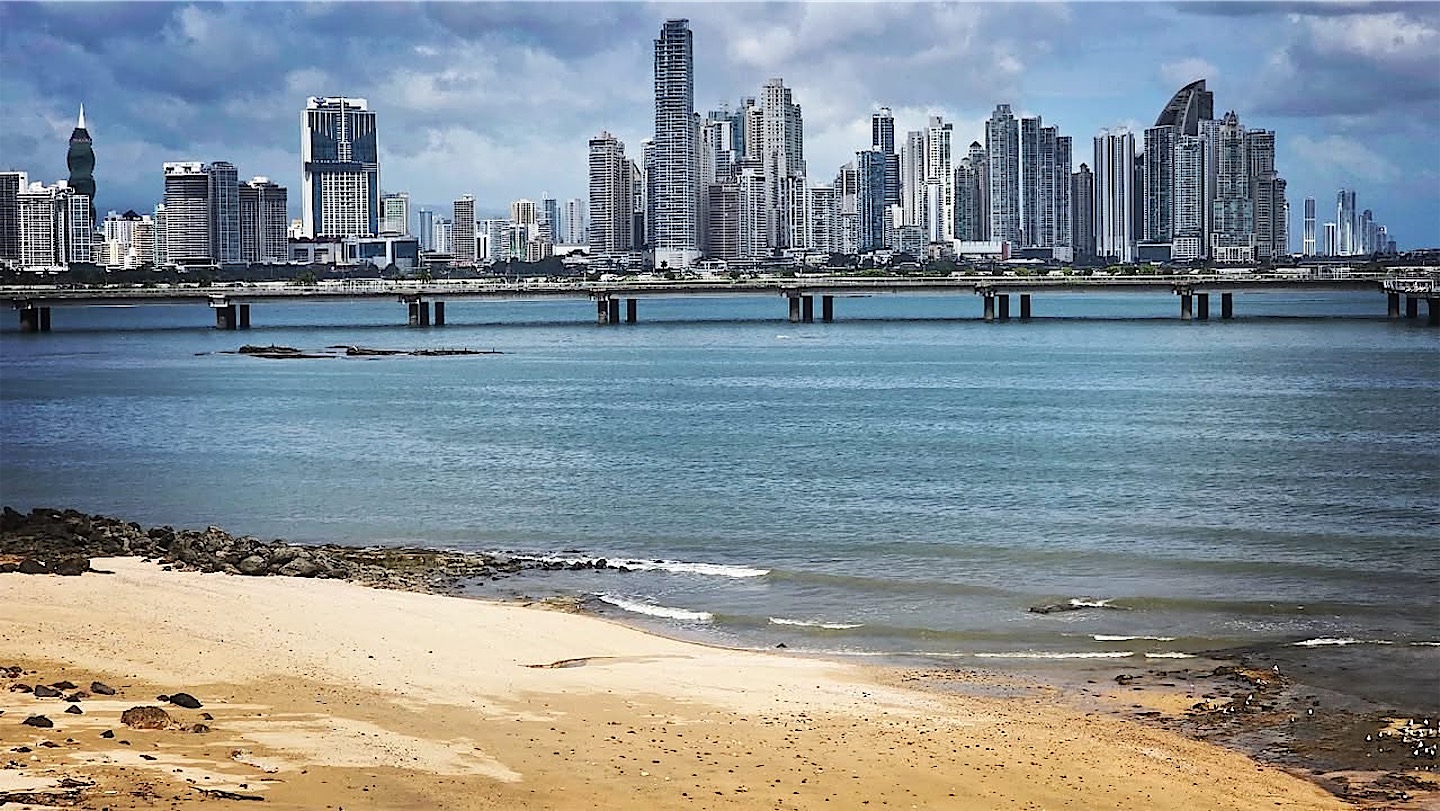
The family and I then flew back towards Europe via Panama City, where the connection left us about six hours. We used them well: a walk through the Casco Antiguo, the old town on its small peninsula, a boat ride to Monkey Island in Gatún Lake, passing right next to the huge container ships, and a visit to the Miraflores Locks. Gatún Lake was the largest artificial lake in the world when it was created to feed the canal, which opened in 1914.
Home under the clearest skies
On the approach to Munich, the German Alps rose above a sea of clouds. Back in Germany I shared one more memory from the Atacama: a night of stargazing near San Pedro with Karyna and the family, under what may be the clearest skies on the planet. It was one of the highlights of our whole journey together.
Christmas was only two days away, and we spent it in the mountains: Christmas at the Matterhorn and Liguria.