Under the Smoking Mountain: Perito Moreno, El Chaltén and Torres del Paine
6–11 December 2025 · Ushuaia, El Calafate, Perito Moreno Glacier, El Chaltén, Torres del Paine, Puerto Natales · Regions: Argentina (Tierra del Fuego, Santa Cruz), Chile (Magallanes)
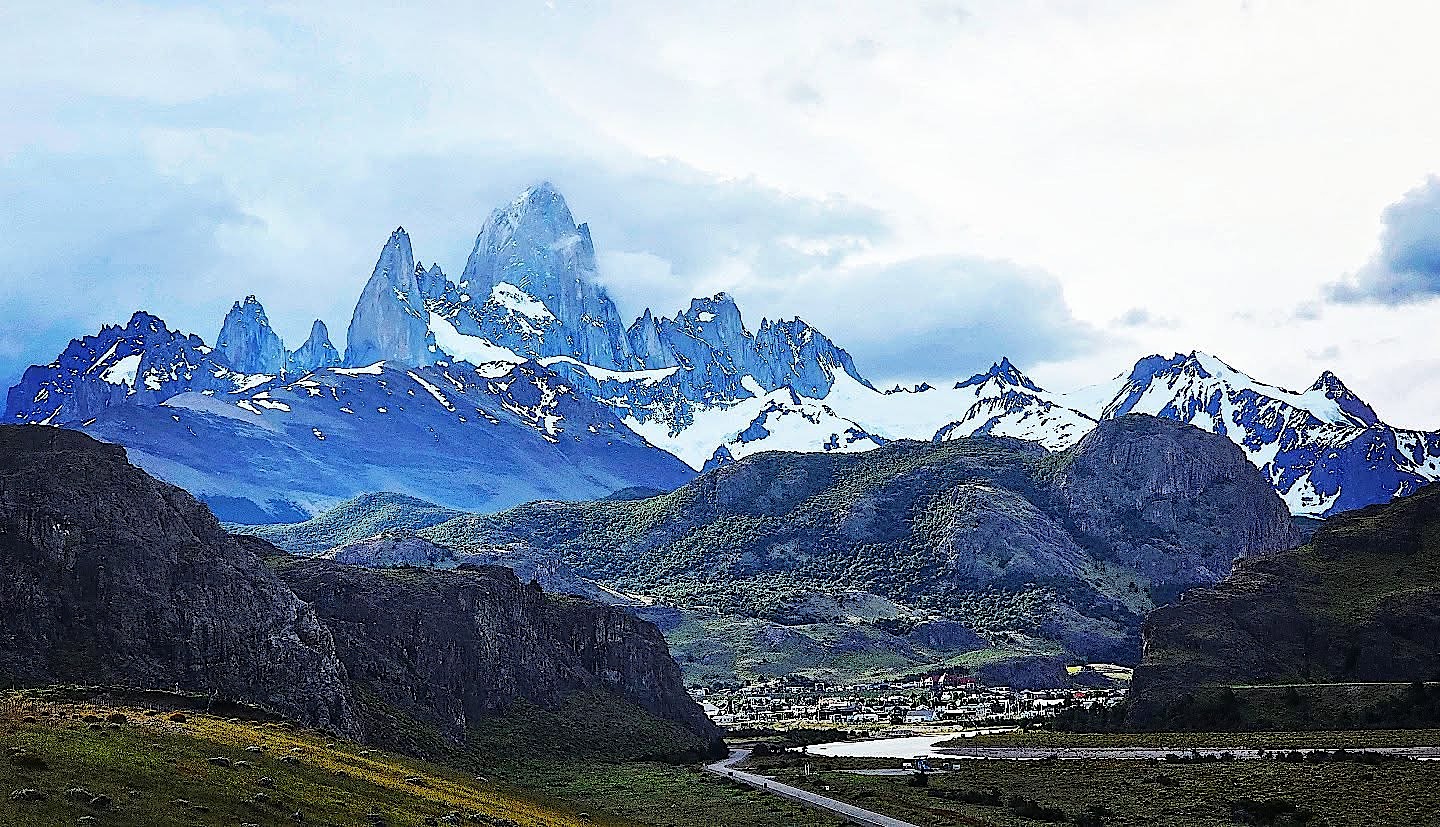
I came back to Ushuaia from the Antarctic Peninsula after very dark days, as my father had died. Back in port, a rainbow stretched across the town and the Beagle Channel, and I chose to take it as a small sign of hope. Life had to go on, and so did our plans: the cruise had always been meant to lead straight into a trip through southern Patagonia, and Karyna and the family were waiting for me in El Calafate.
Patagonia was not new to me. I wrote about an earlier visit years ago, and I had even been to Torres del Paine before. This time the route led from the glaciers of Los Glaciares National Park north to El Chaltén and Cerro Fitz Roy, then overland across the border into Chile.
From the end of the world to El Calafate
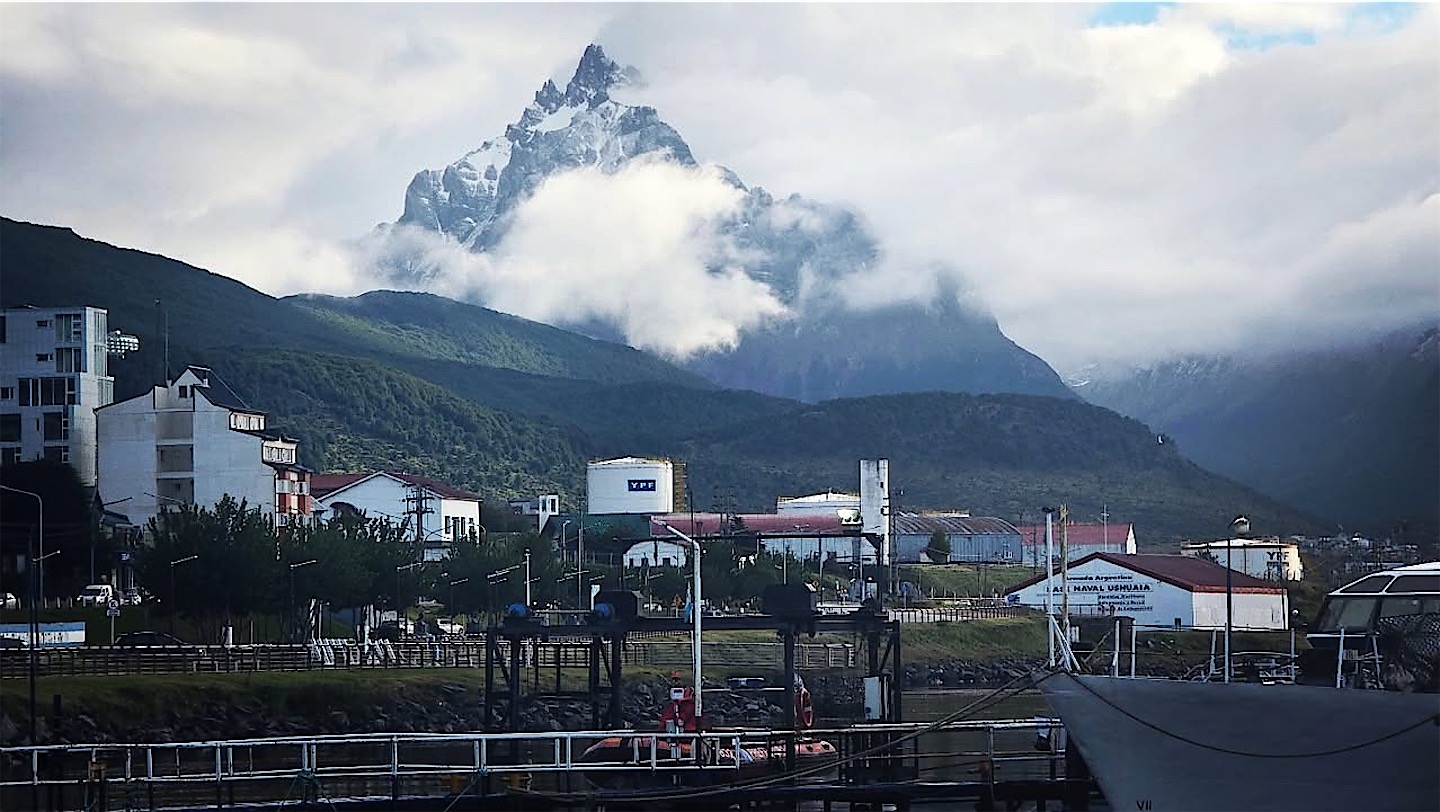
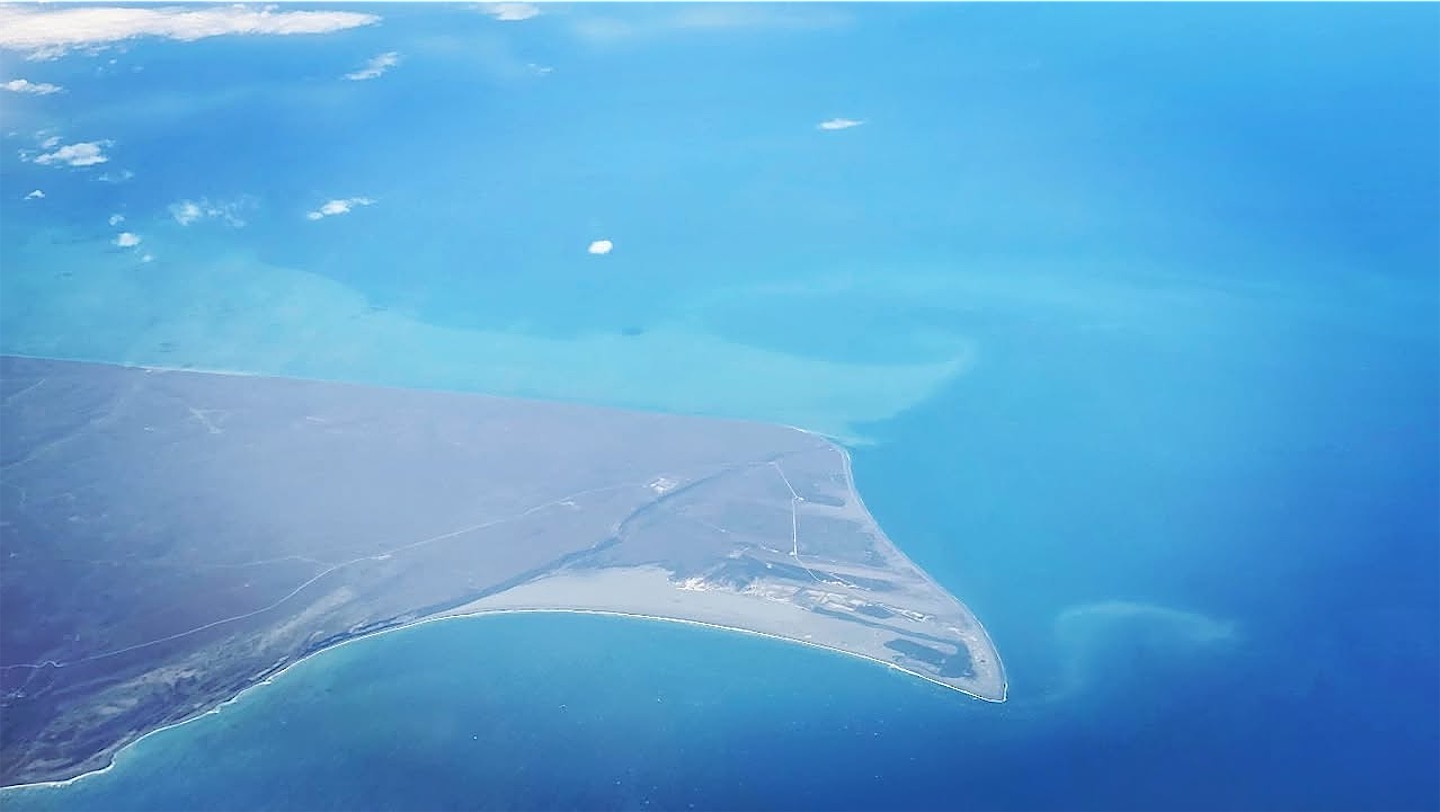
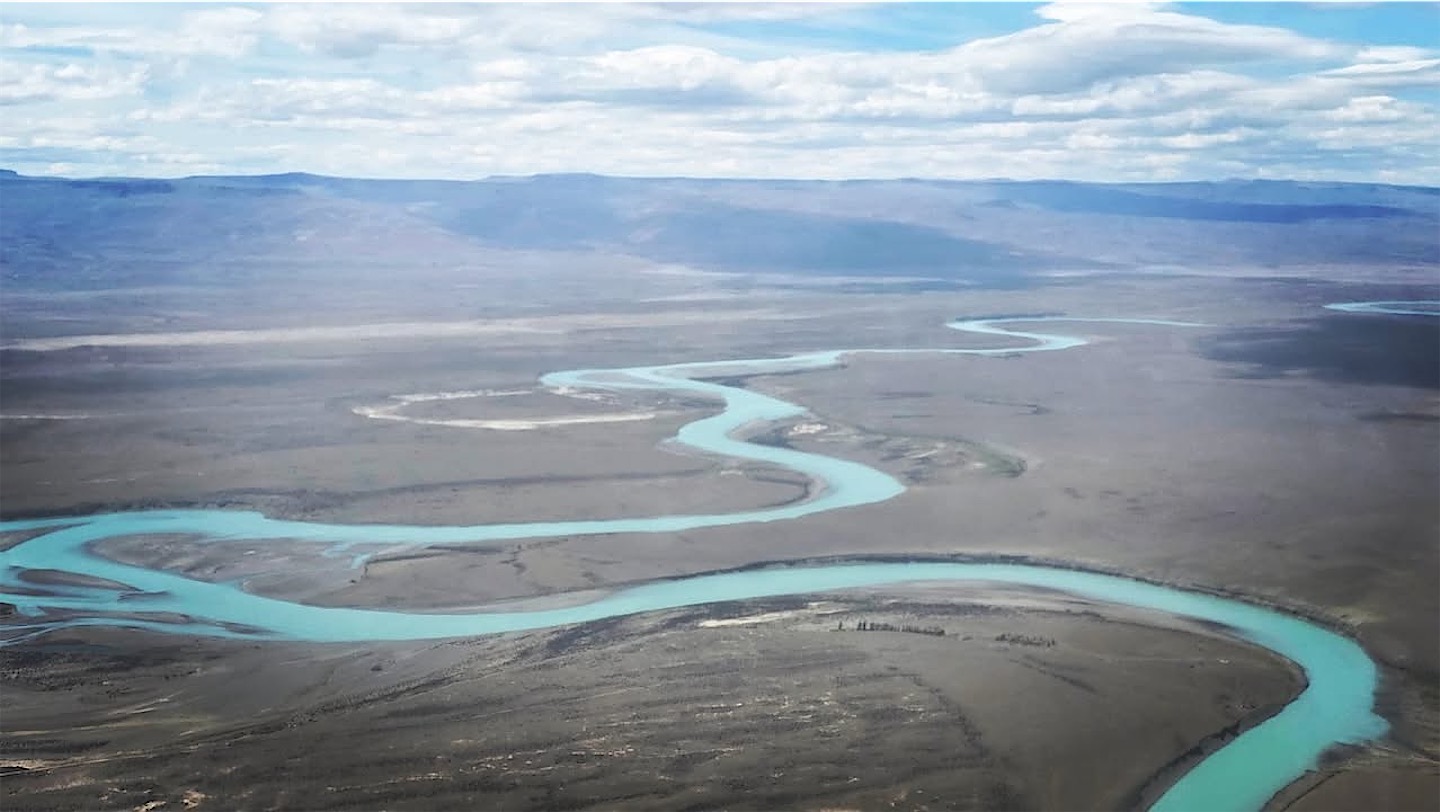
Ushuaia likes to call itself the end of the world, and from the harbour it is easy to see why. The mountains of Tierra del Fuego rise straight behind the port, with clouds snagging on their summits. My flight north to El Calafate left three hours late, but it came with a view. We flew over Cabo Vírgenes, the southeasternmost point of the Argentine mainland, where the steppe runs out into a long sandy hook, and then over turquoise rivers looping through the empty plains.
Perito Moreno before closing time
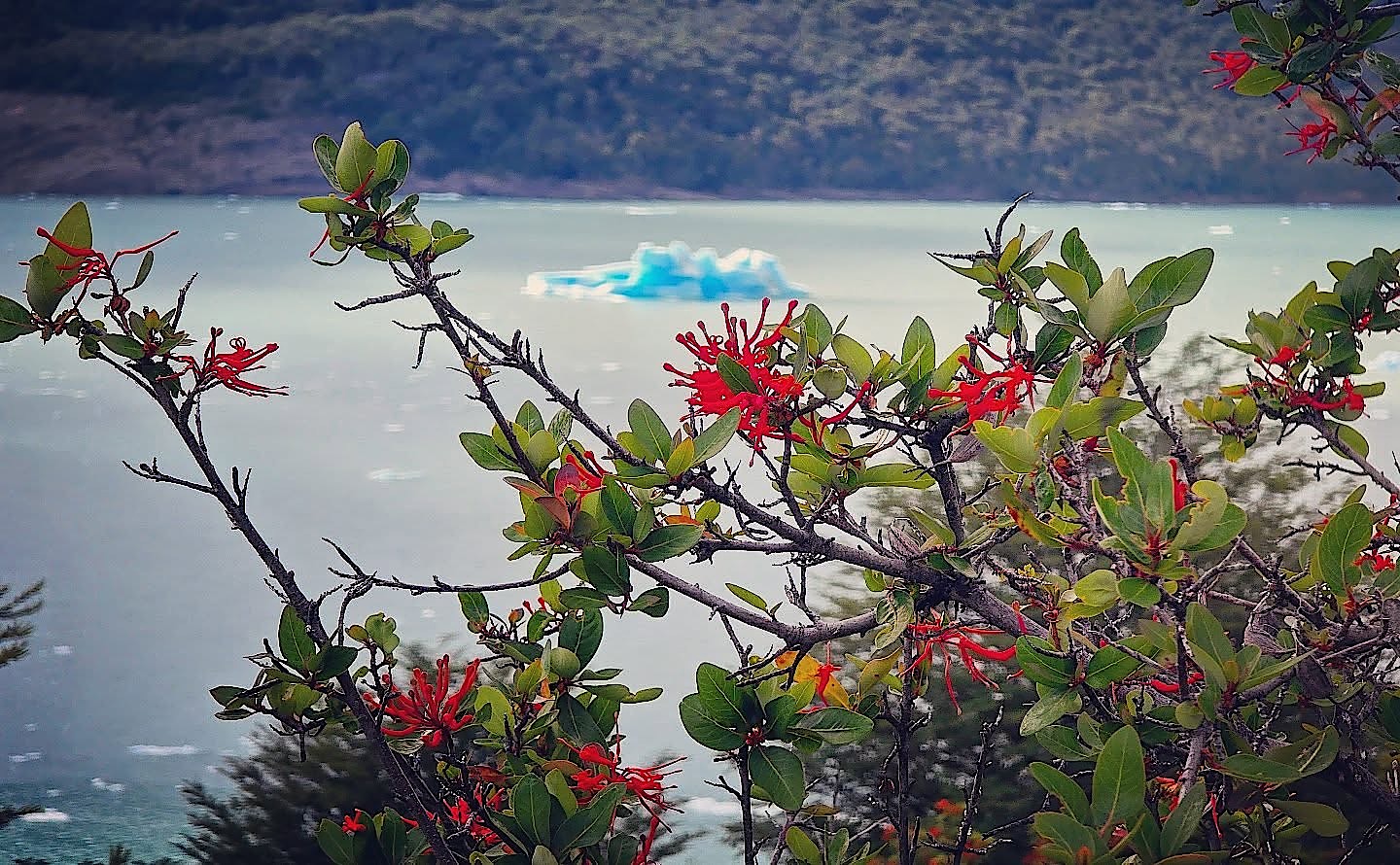
Despite the delay, we still made it to the Perito Moreno Glacier shortly before the national park closed for the day. Coming straight from Antarctica, the scene felt oddly familiar: a wall of white and blue ice, icebergs drifting in milky water. The difference is everything around it. Here the ice is framed by forest, yellow wildflowers and the bright red blossoms of the Chilean firebush, and I had to remind myself that these icebergs were no longer floating in the Southern Ocean.
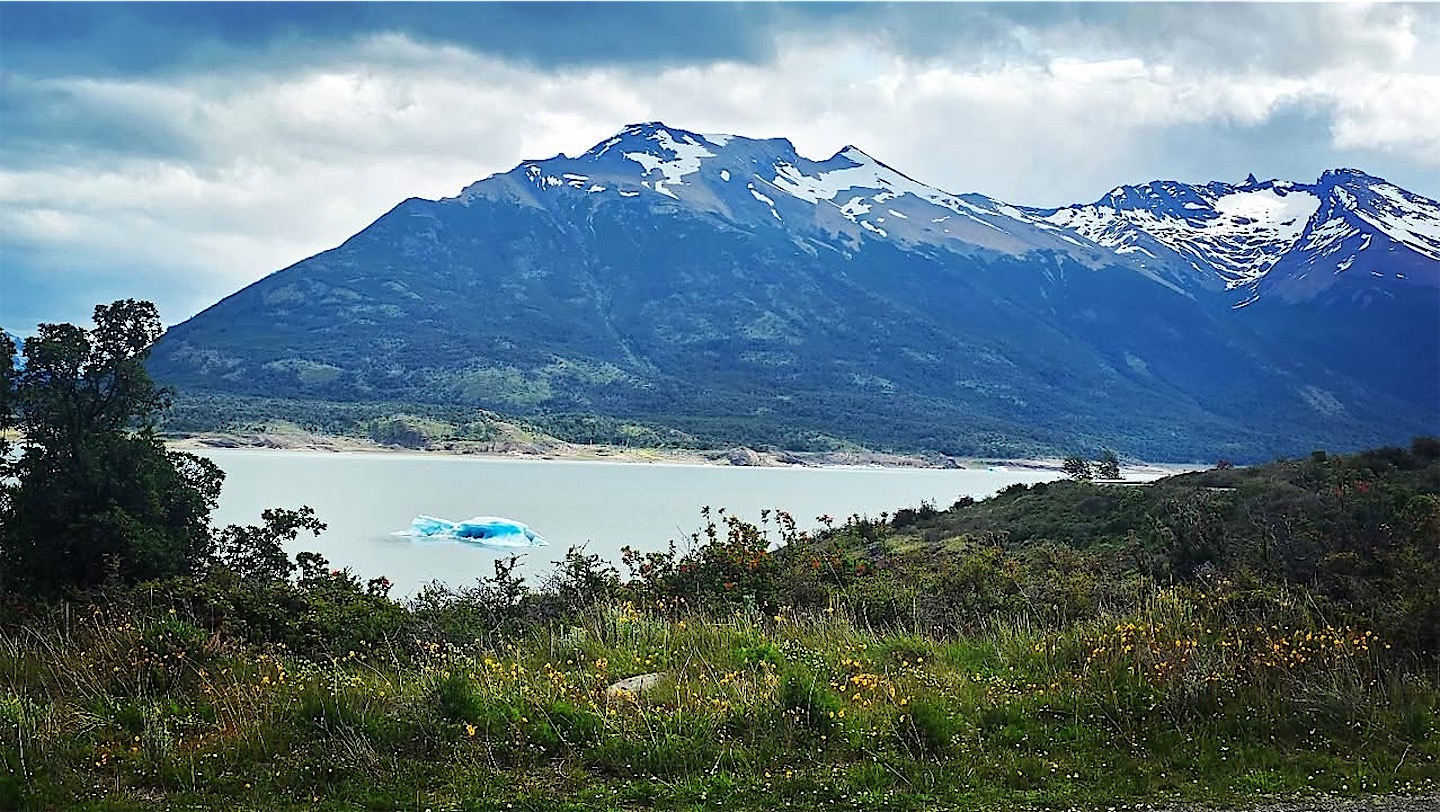
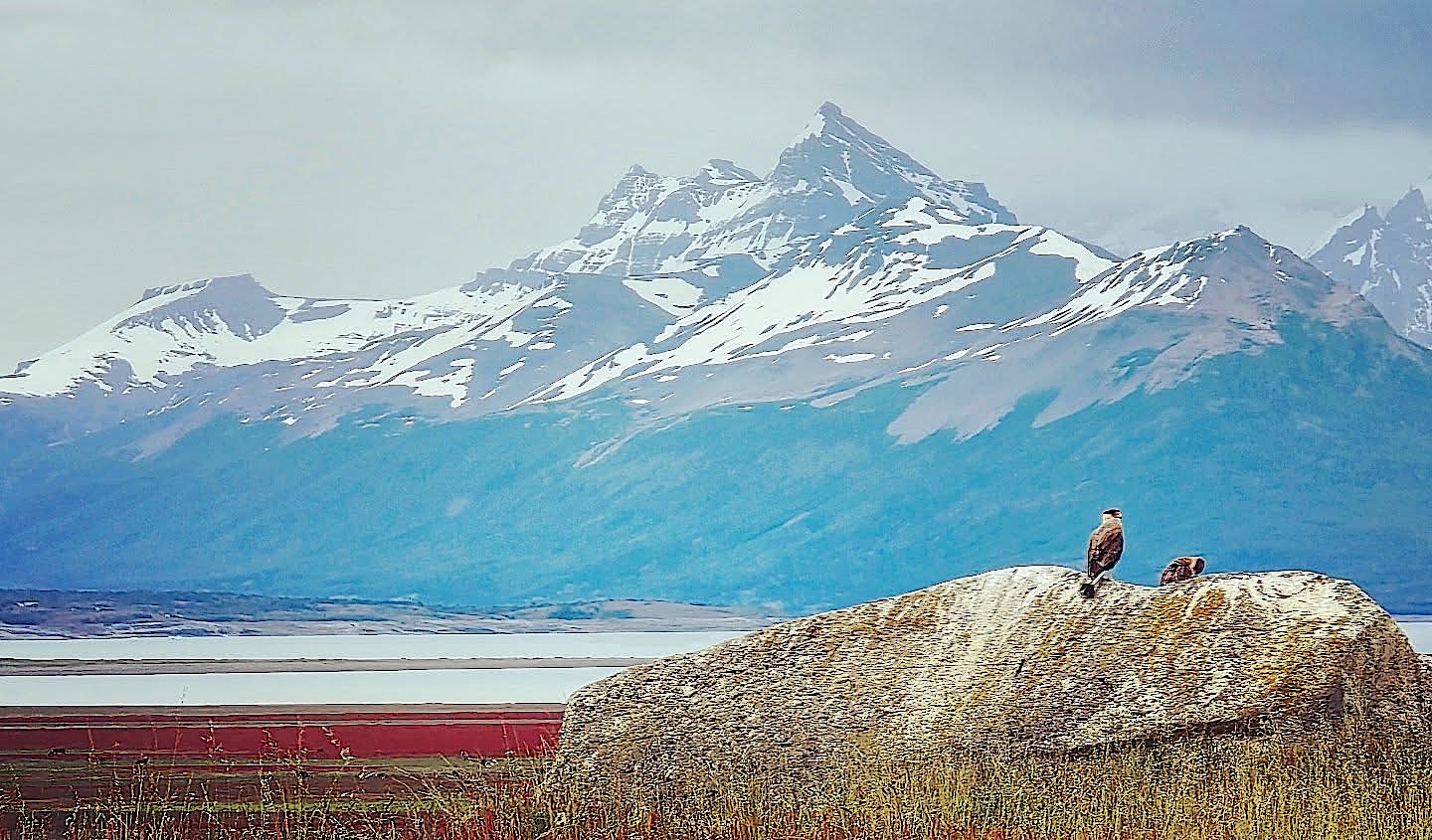
Away from the ice, the park around El Calafate is dry, wind-blown steppe on the shore of Lago Argentino. On a boulder above the lake, a pair of crested caracaras kept watch in front of the snowy peaks.
El Chaltén and the smoking mountain
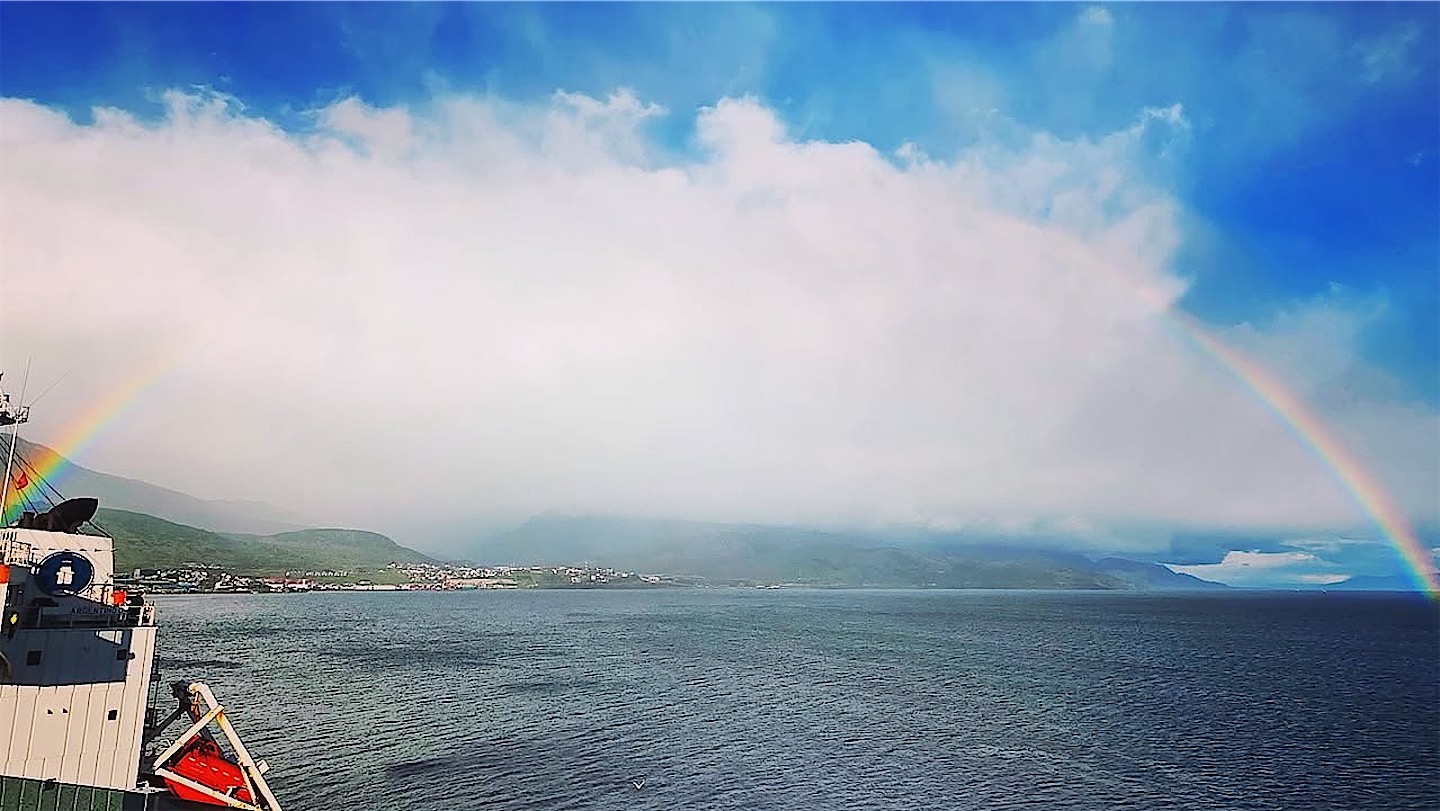
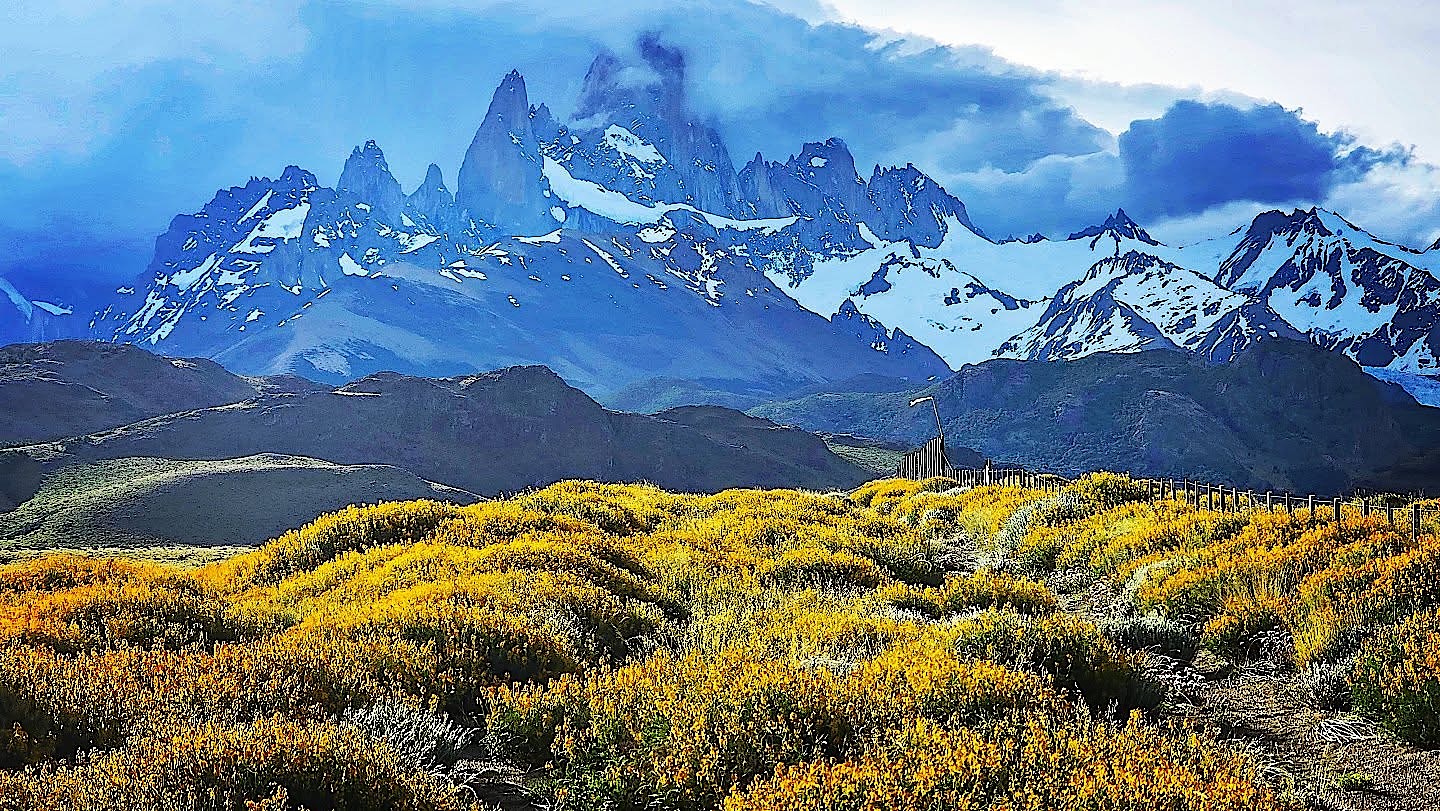
From El Calafate we headed north to El Chaltén, and I was very glad I came. With the granite spires of Cerro Fitz Roy rising directly behind the houses, it is probably the most scenic village in Argentina.
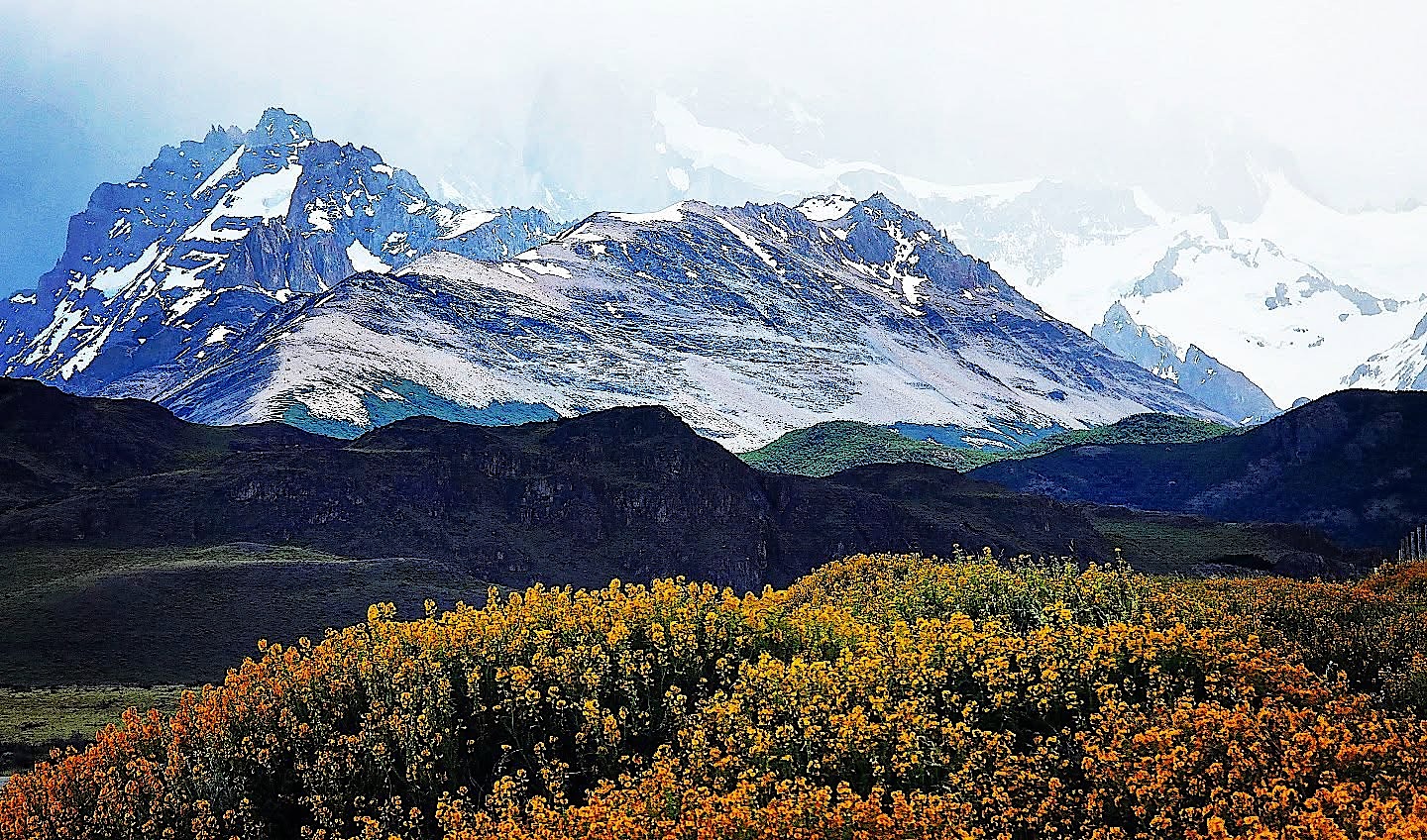
We were lucky with the weather. Fitz Roy showed itself almost completely, with only a few wisps of cloud around the highest towers. In early summer the hills around the village were covered in yellow-flowering shrubs, and under a deep blue sky the colours looked almost unreal. More than the views, though, it was simply being with Karyna and the family that gave me comfort in those days.
The colours of the pampa
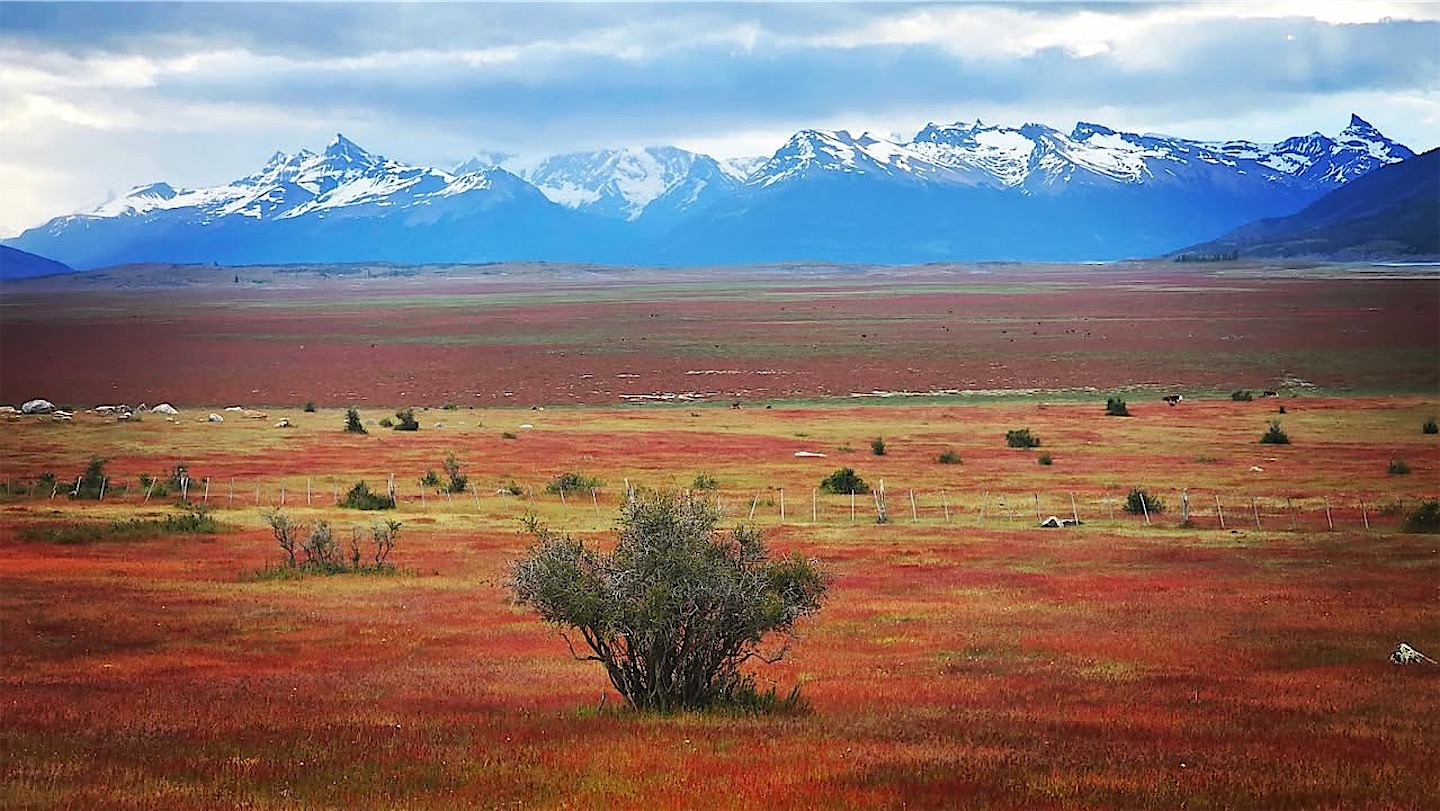
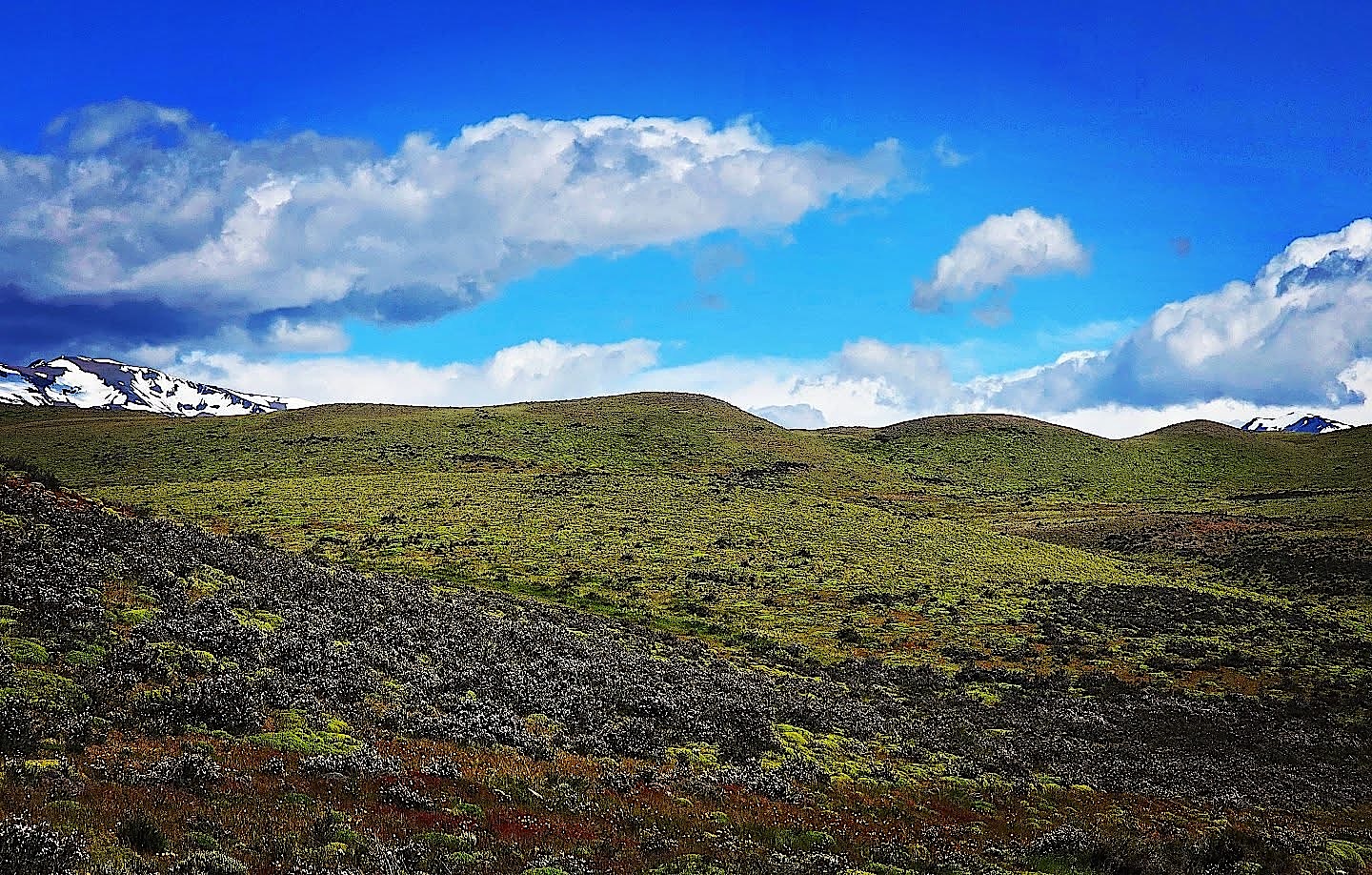
Around Perito Moreno and El Chaltén the pampa turned out to be surprisingly colourful. In places the ground glowed red in front of the snowy Andes, gravel roads led towards ochre hills, and clear rivers ran between bright green bushes below flat-topped mountains.
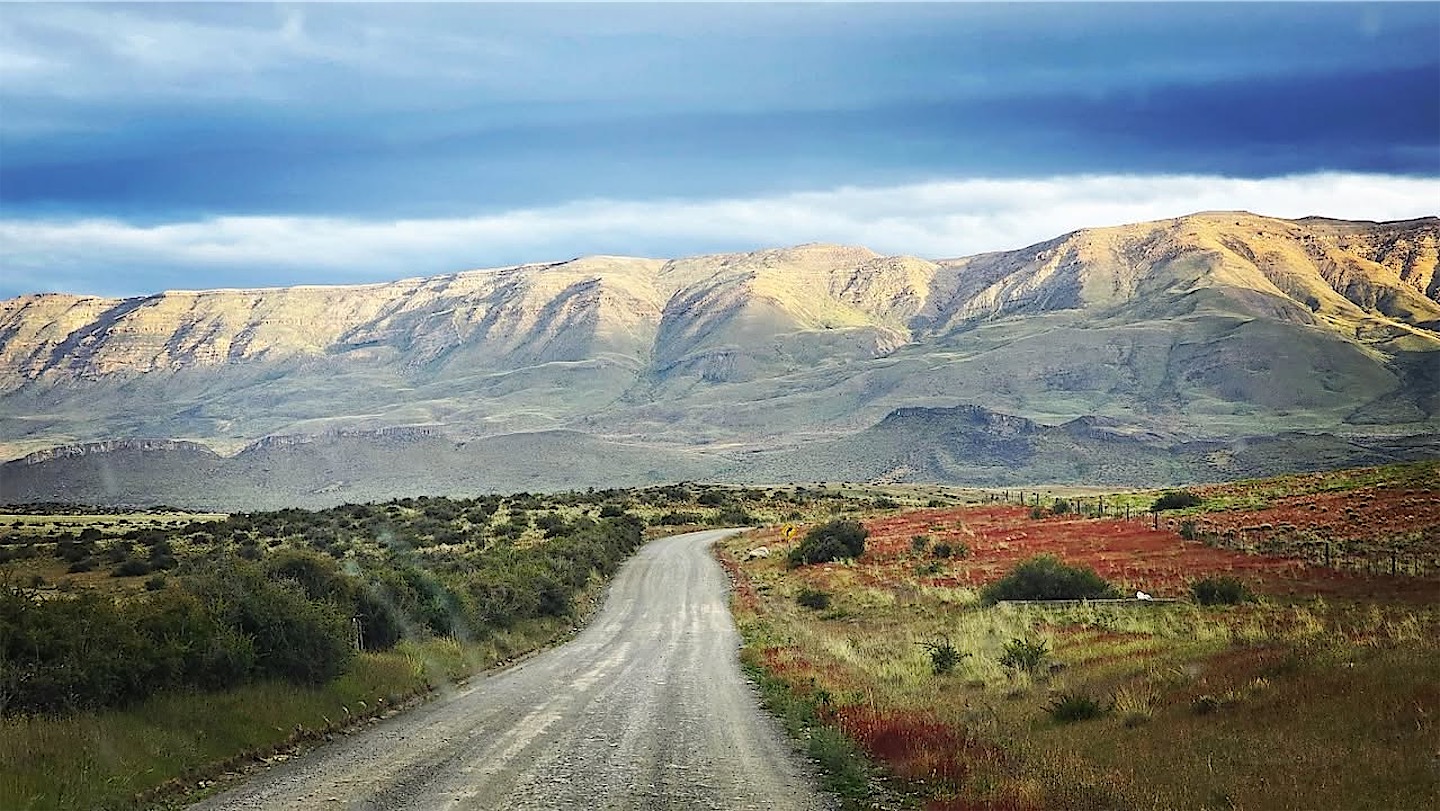
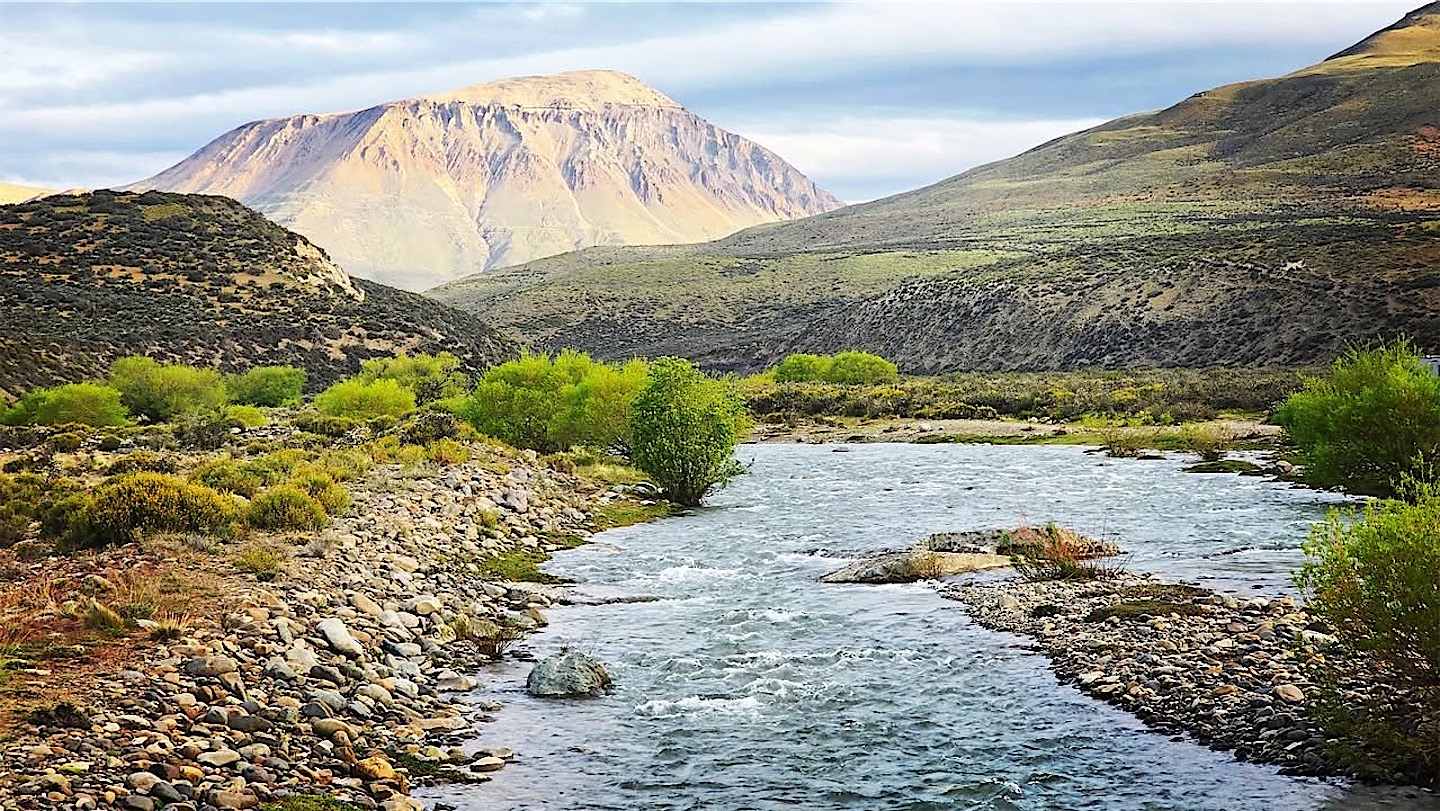
Then it was time to leave Argentina, overland, for Chile. Many people underestimate the size of the country: laid over a map of Europe, it would stretch from Morocco to Moscow. Even after many visits there were still regions I had never seen, and I was already planning to come back in March for some of them.
Torres del Paine, at last
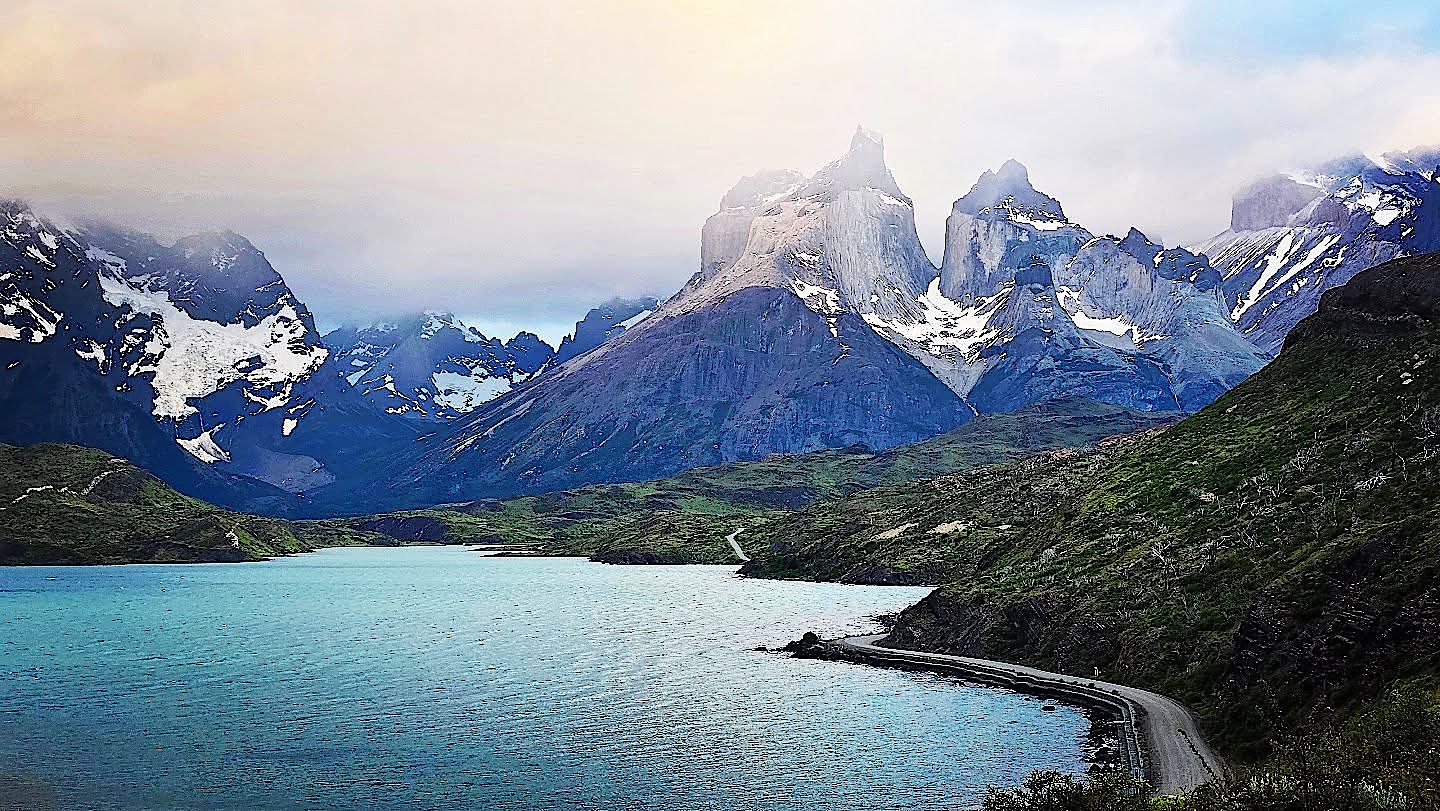
Seven years earlier I had come to Torres del Paine and seen nothing at all, because the whole massif was hidden in thick fog. This time the mountains were there from the first moment, rising above a wind-whipped lake under a clear sky.
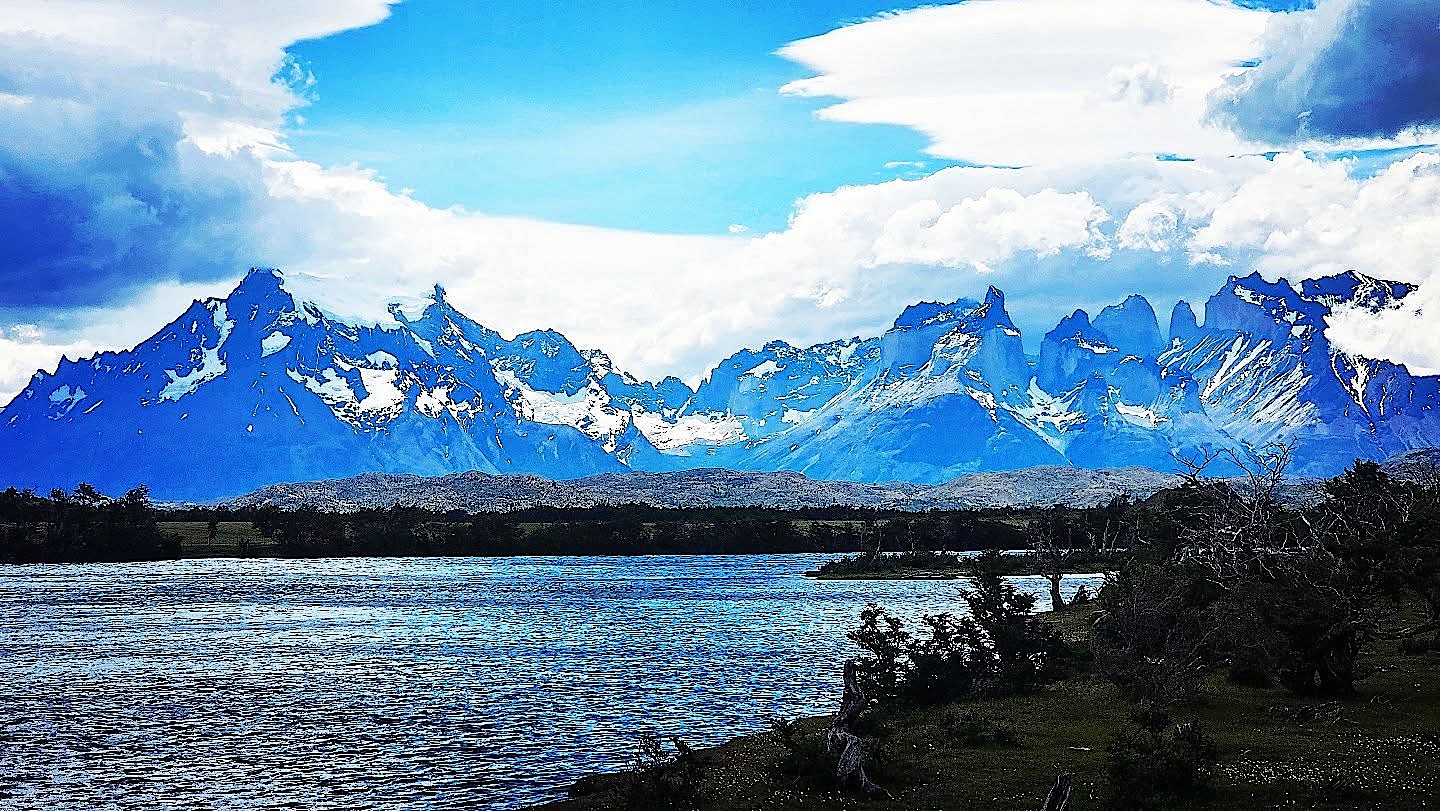
We went horse riding near the park, and it was excellent. From the saddle the whole range stretched along the horizon, with the Cuernos above the plain and the river below us.
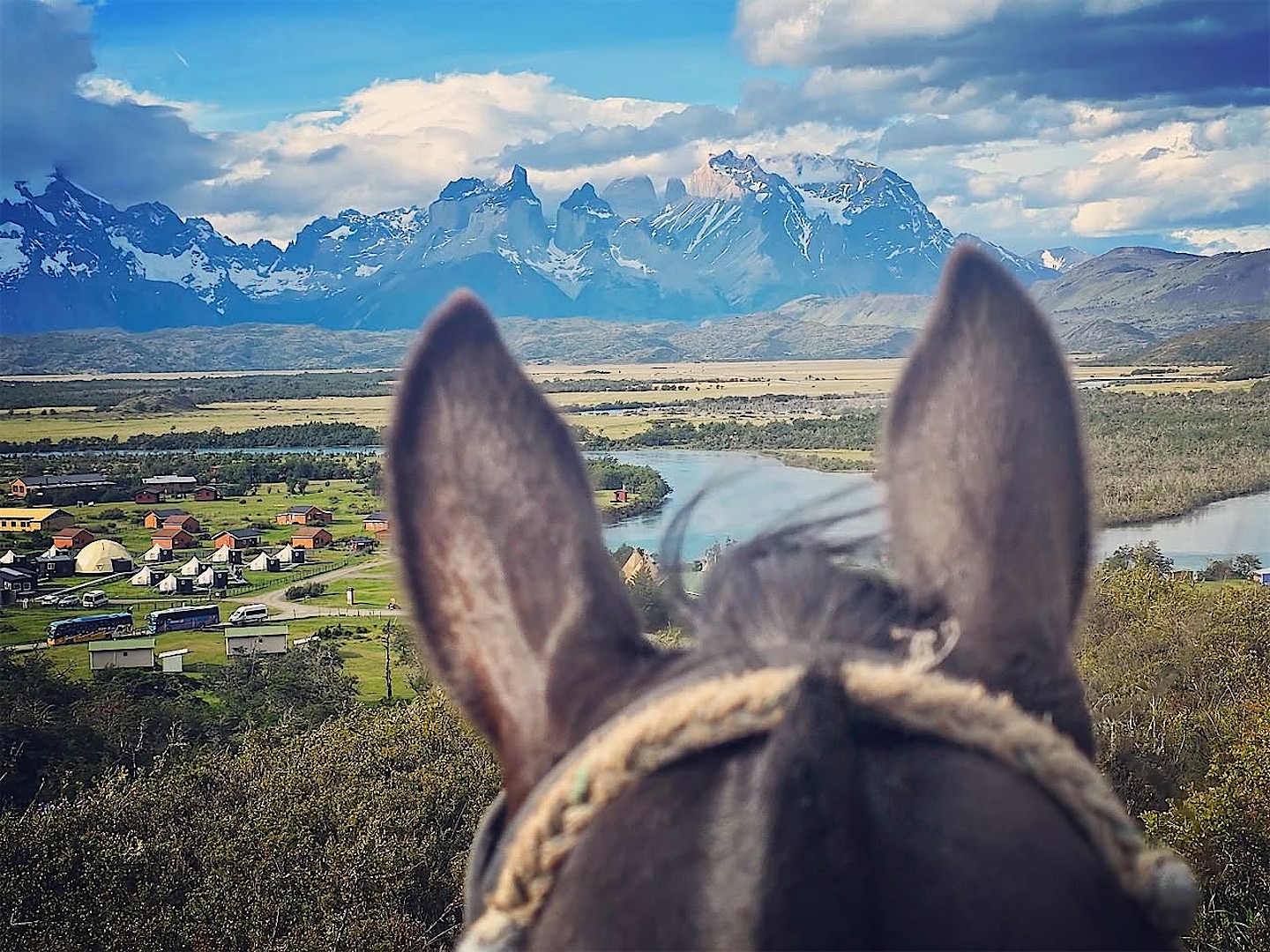
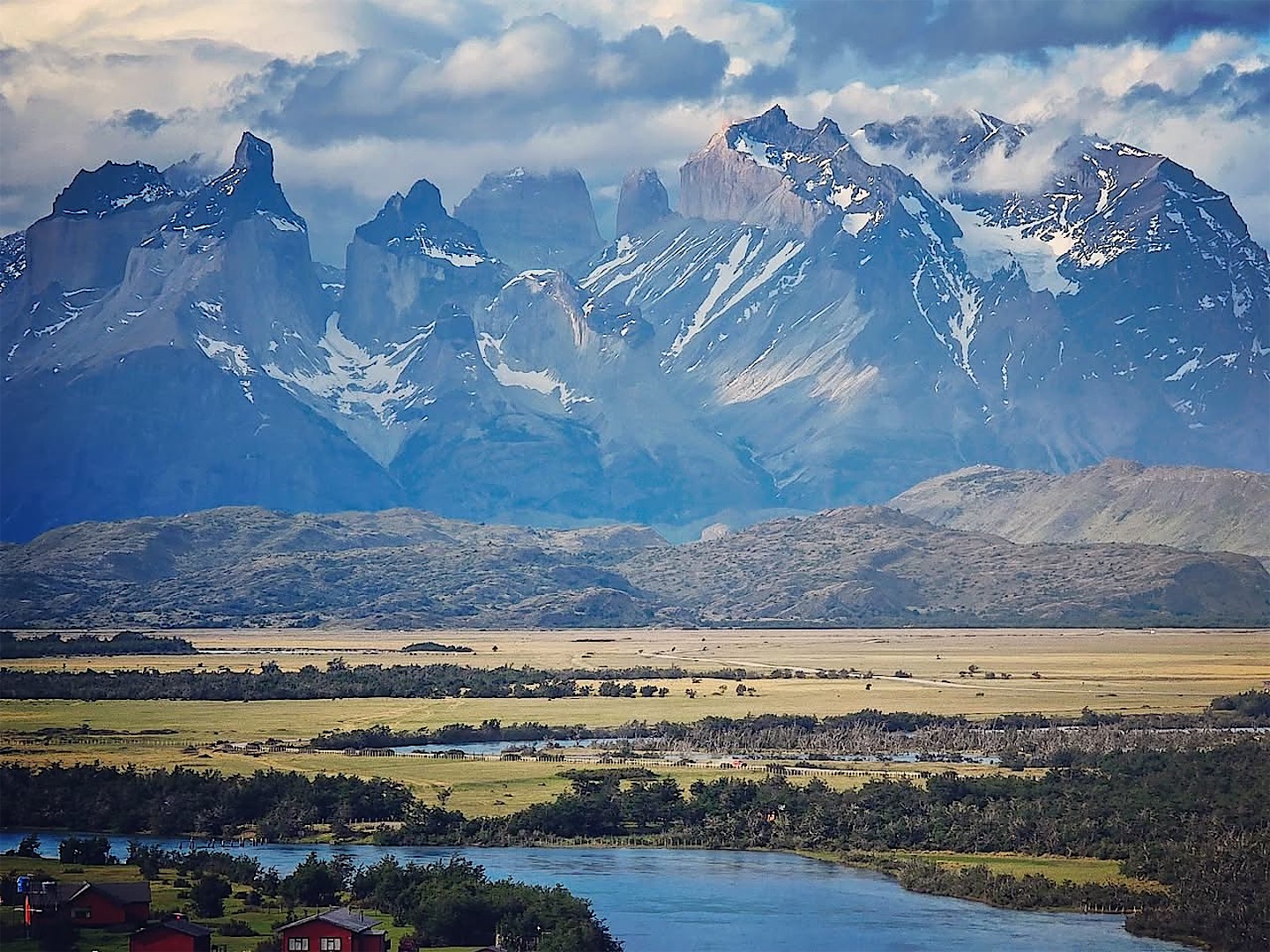
One morning we went puma watching in the rolling green hills on the edge of the park. We did see one, if only briefly and from far away, which is more than many visitors can say.
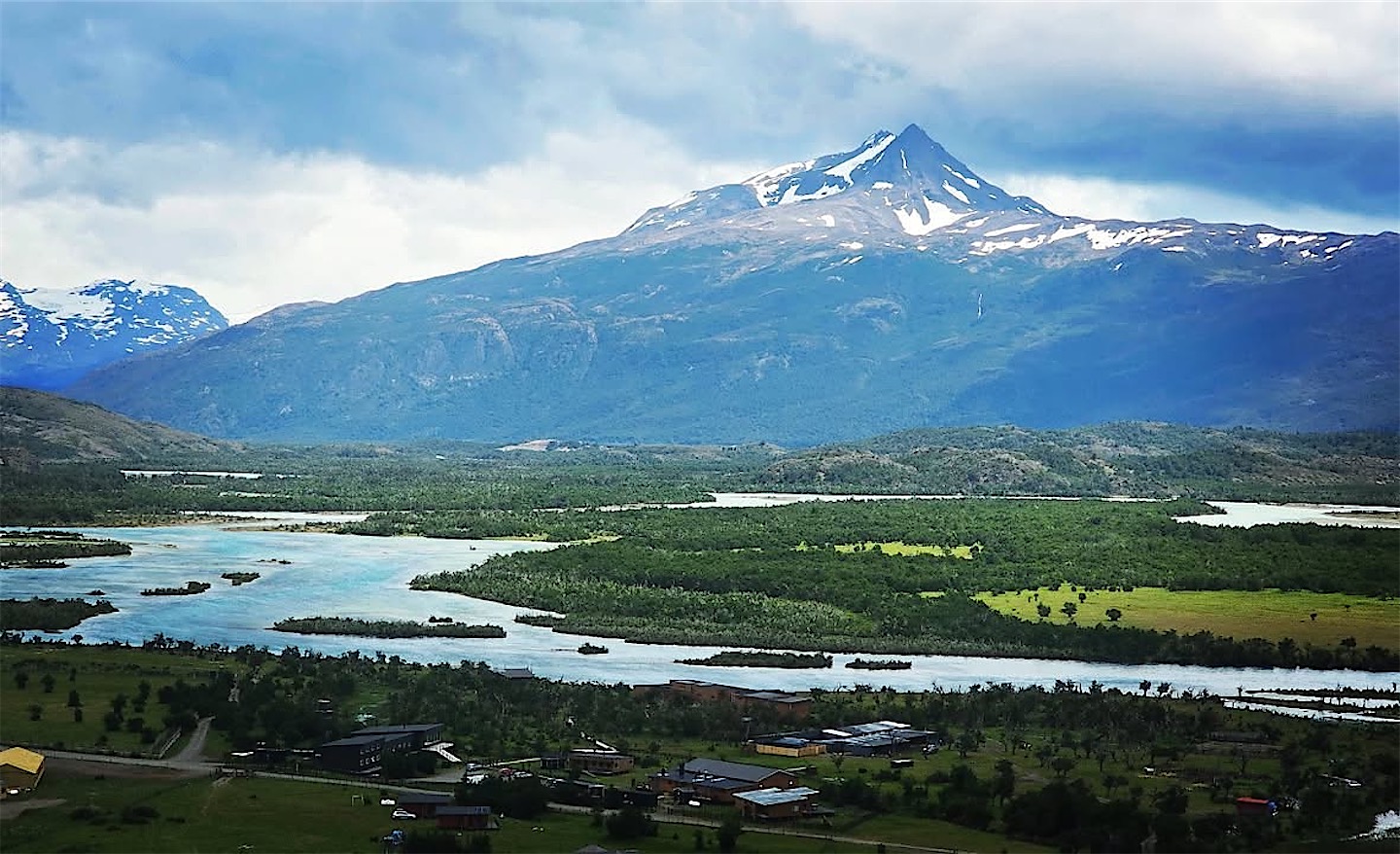
Clouds came and went over the massif, as they always do here, but even under a grey sky the lakes kept their turquoise colour.
A last look from the air
The trip ended sooner than planned. Puerto Natales, the small port town that serves as the gateway to the park, lies on the Última Esperanza Sound, the "Last Hope", named by a 16th-century Spanish expedition searching for a way through to the Strait of Magellan. From its airport I had to fly back to Germany for a few days. My second Antarctic voyage of the season was off, but Karyna and the family could still go without me.
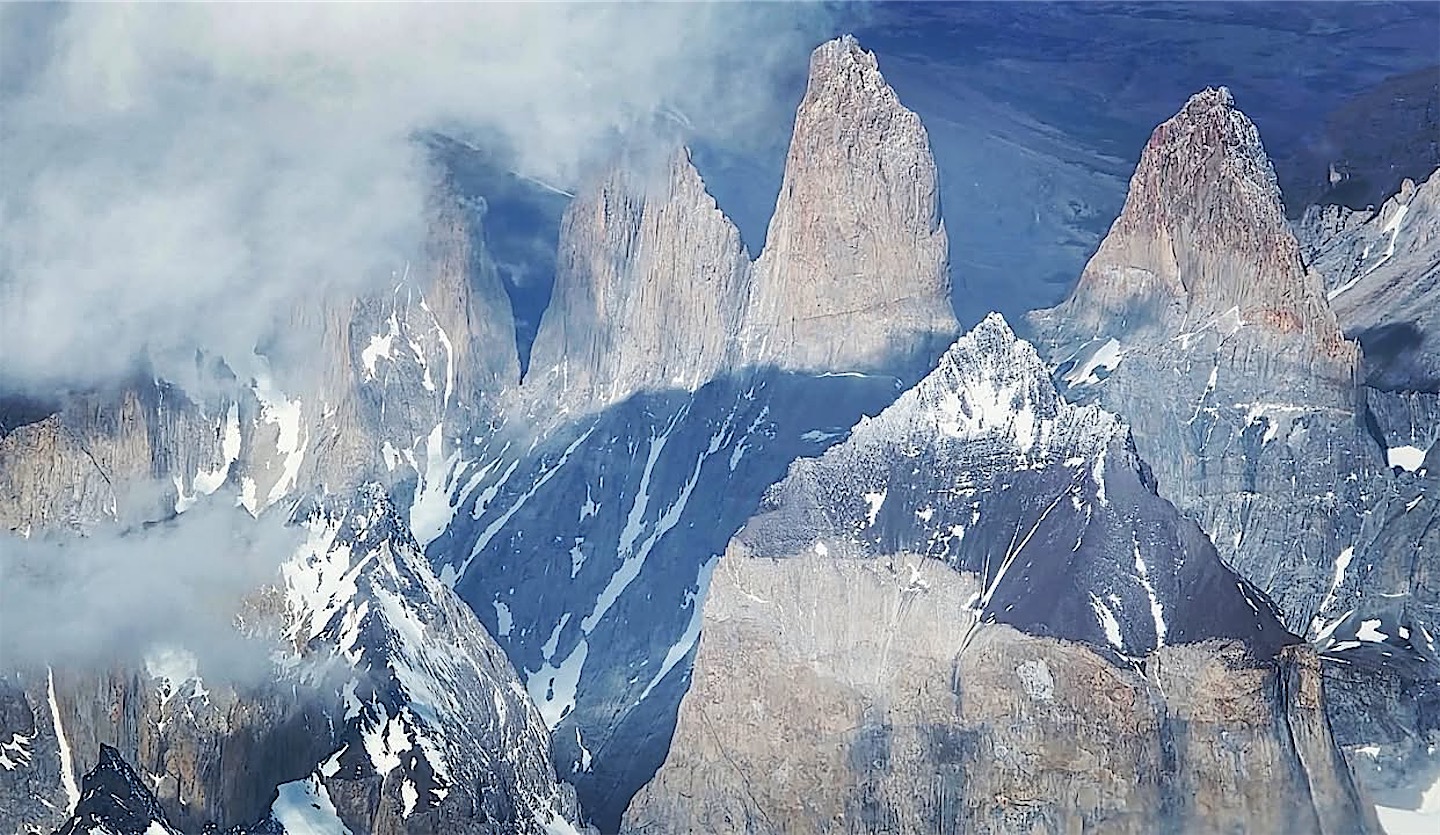
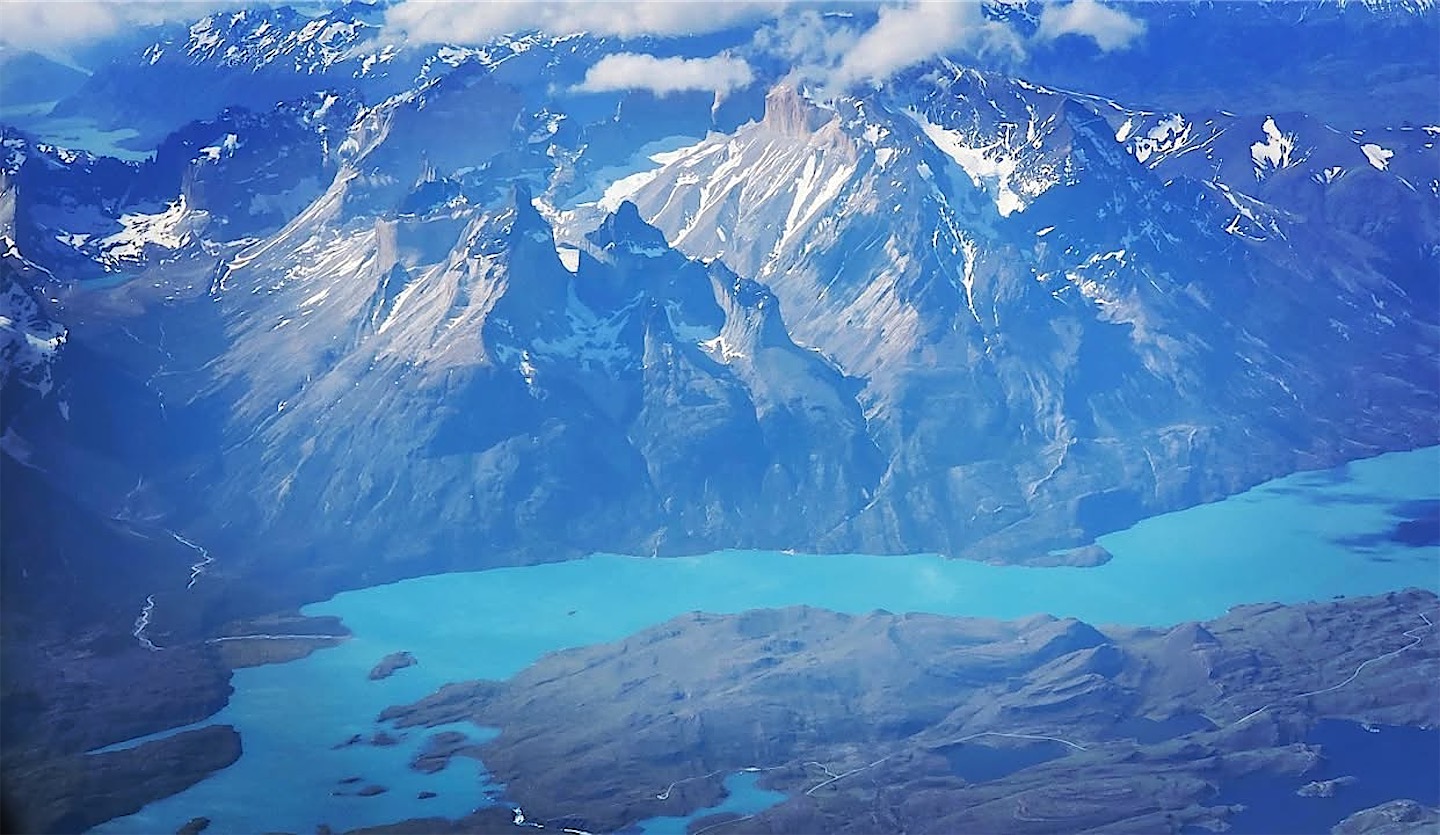
The flight offered one last gift: clear views over the Andes, the granite towers of Torres del Paine from above and, further on, the Perito Moreno Glacier and the turquoise lakes along the edge of the ice field.
A week later I took the long way back to Chile, to explore the desert in the north while the others were in Antarctica. That story continues in the Atacama Desert.