
Rediscovering Serbia: Monasteries, Danube Fortresses and the Serbian Tuscany
15–20 June 2025 · Belgrade, Fruška Gora, Sremski Karlovci, Novi Sad, Golubac, Oplenac, Topola · Regions: Serbia (Belgrade, Vojvodina, Eastern Serbia, Šumadija)
After the Mediterranean cruise from Marseille to Athens and a 25-hour stopover in Germany for an event, I flew from Frankfurt to Belgrade. The plan for the week: collect a few new flags, as perpetual travellers call it, meet friends, get some work done and rediscover a country I had only seen briefly years ago. On the day of the flight NomadMania also finished a lengthy review of my claims and officially verified my travels.
A new skyline on the Sava
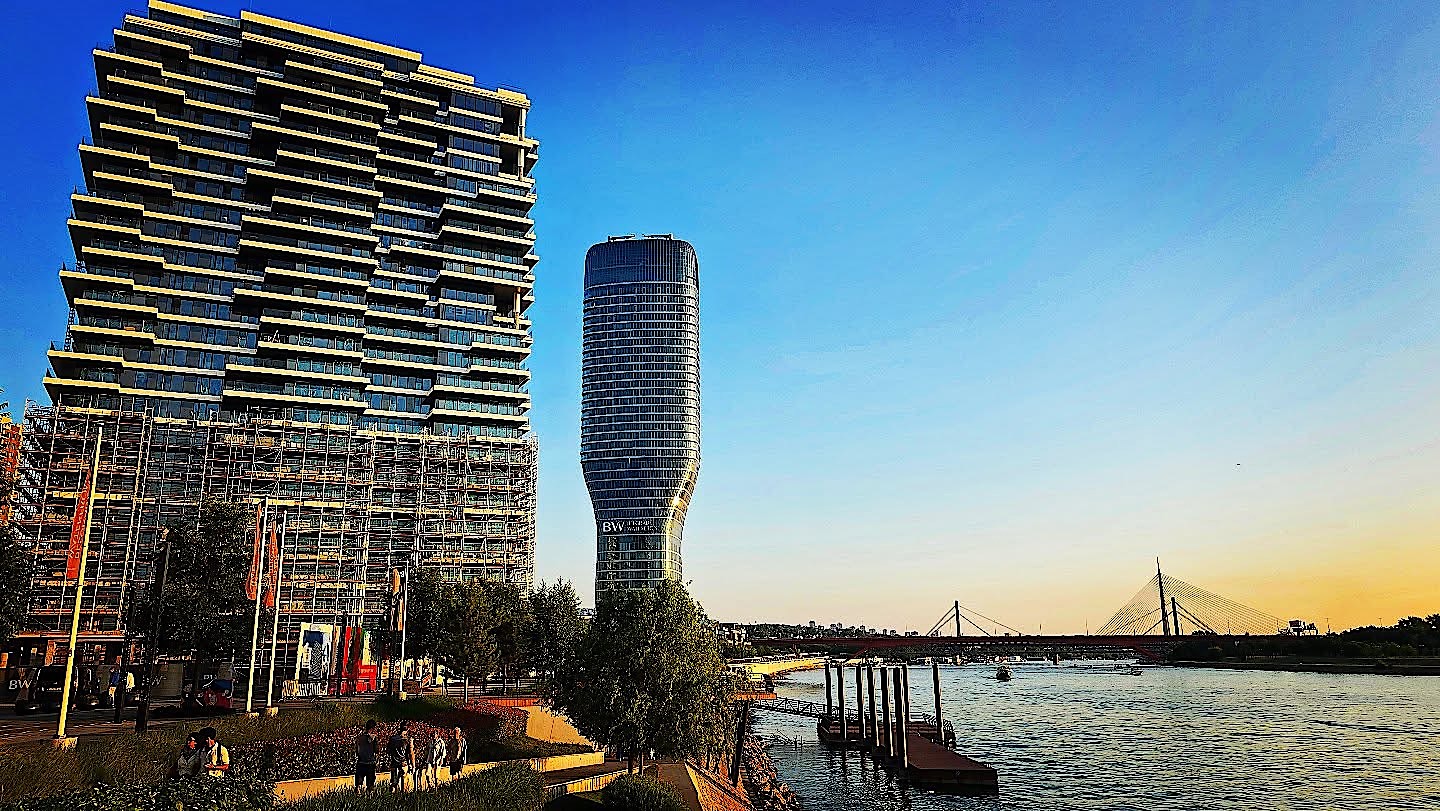
My base was the St. Regis, which had opened less than a year earlier in the Belgrade Tower, the twisted glass centrepiece of the new Belgrade Waterfront. It is always nice to be back in a St. Regis, and this one looked exceptional while being surprisingly affordable.
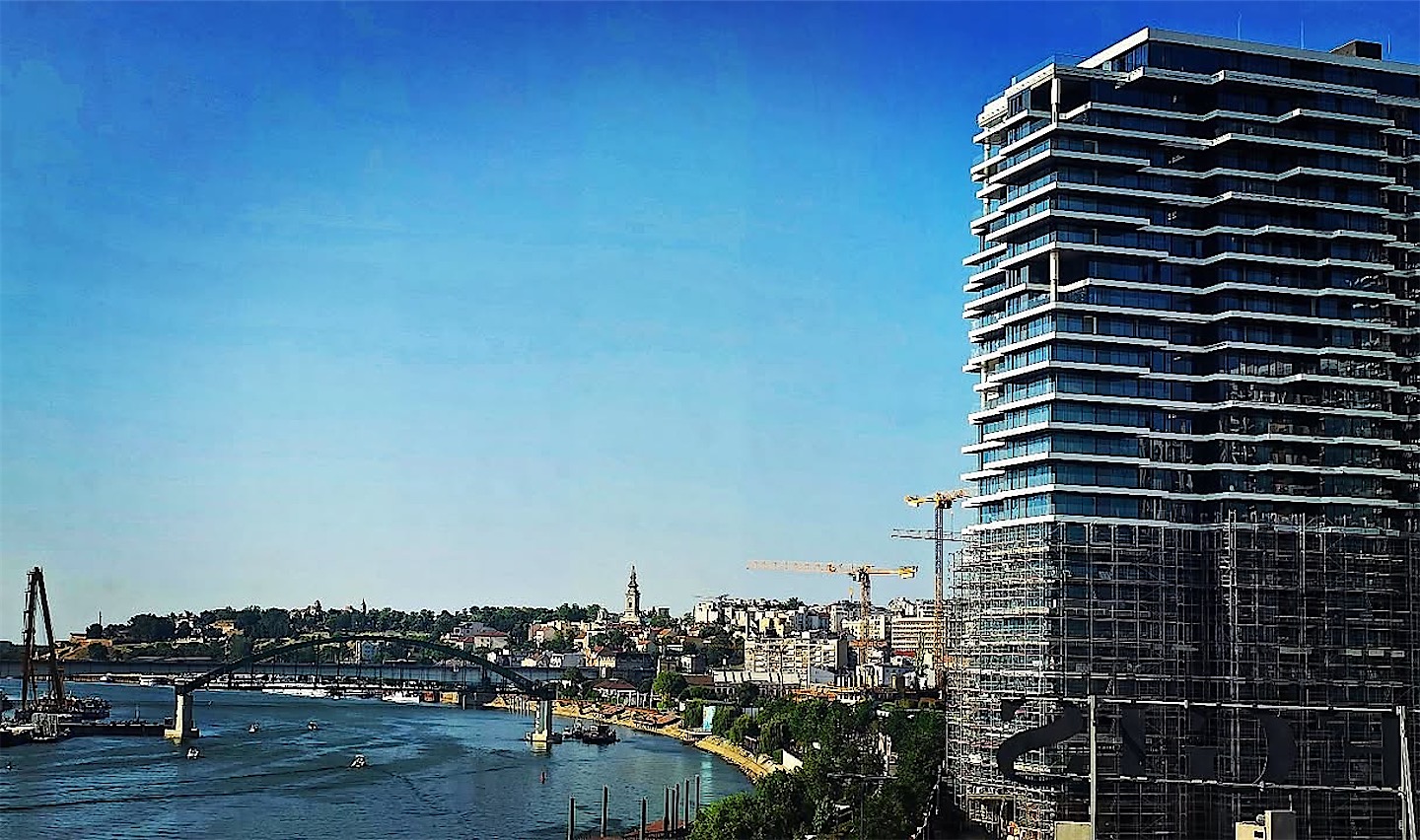
On the first evening I walked along the promenade below the towers. My verdict: not too bad, even if the cranes and scaffolding show how much is still being built.
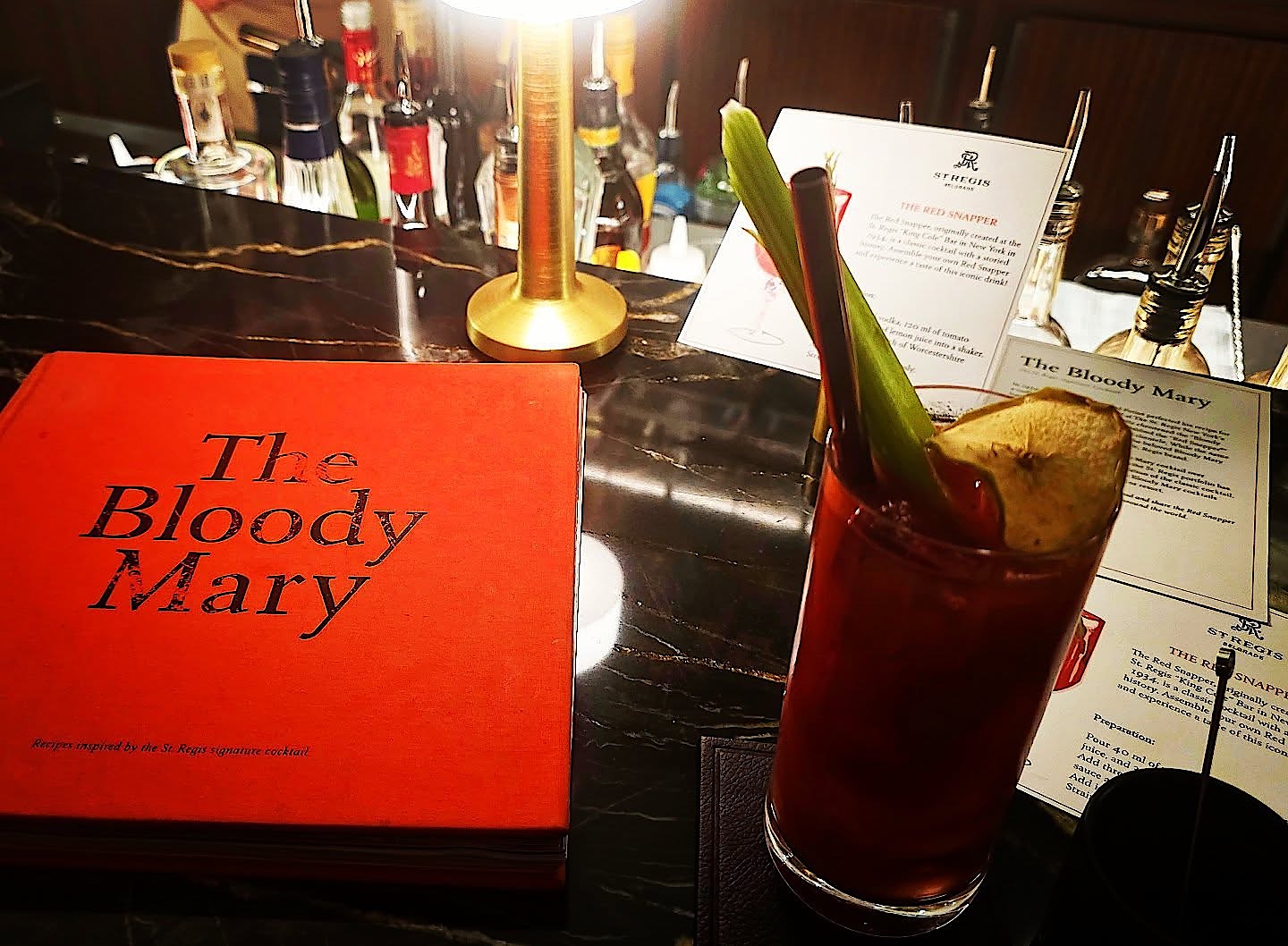
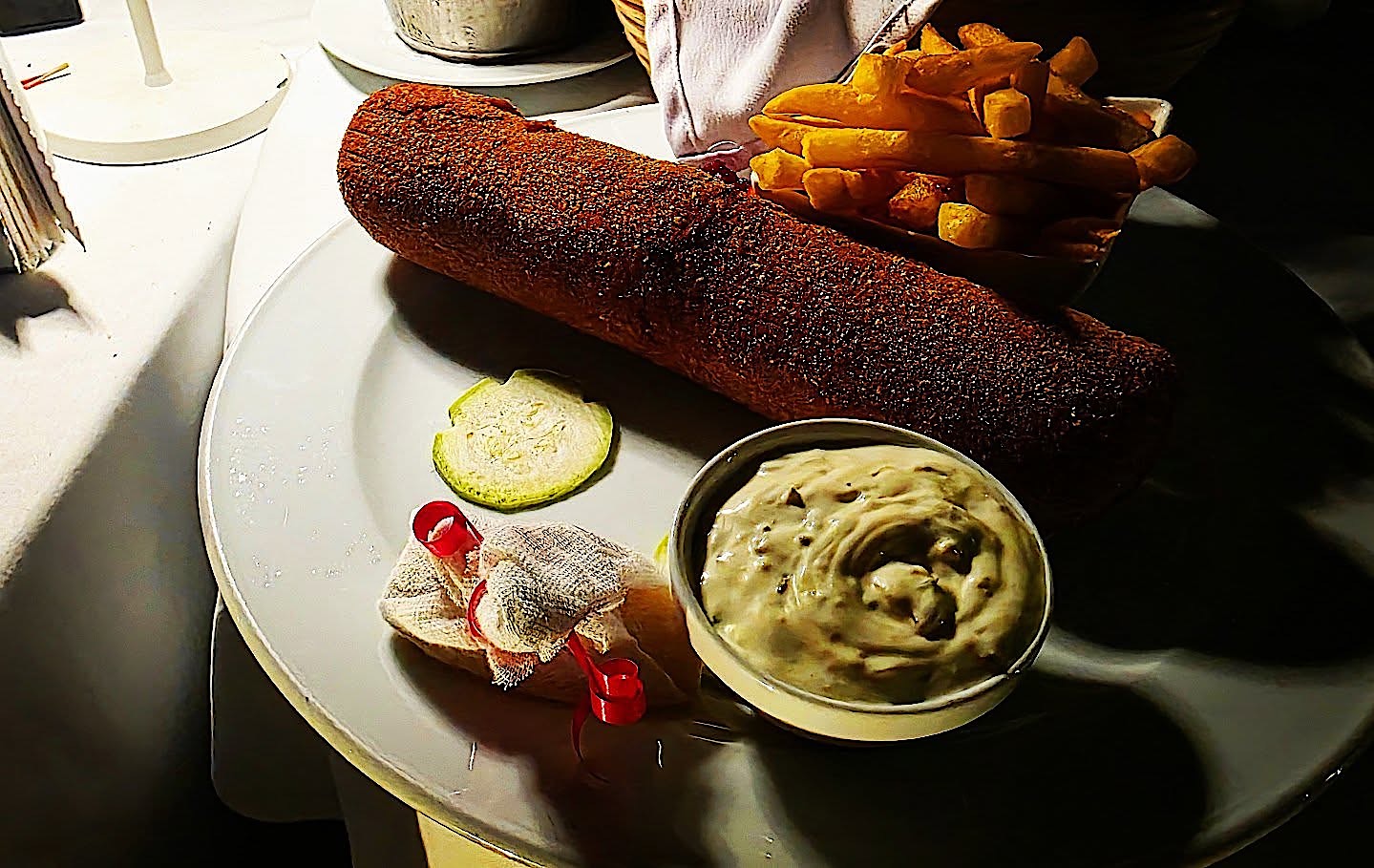
Every St. Regis serves its own version of the Bloody Mary, which, as the hotel tells it, started life as the Red Snapper at the St. Regis in New York. In Belgrade it comes with plum rakija, and I couldn't resist. The days were for exploring, and every evening I met friends and business partners in Belgrade. For me, Serbian and Croatian food and drink come right after Italian. At Frans I had an excellent tartare and my favourite Karađorđeva šnicla, a rolled, breaded veal schnitzel filled with kajmak.
The monasteries of the Fruška Gora
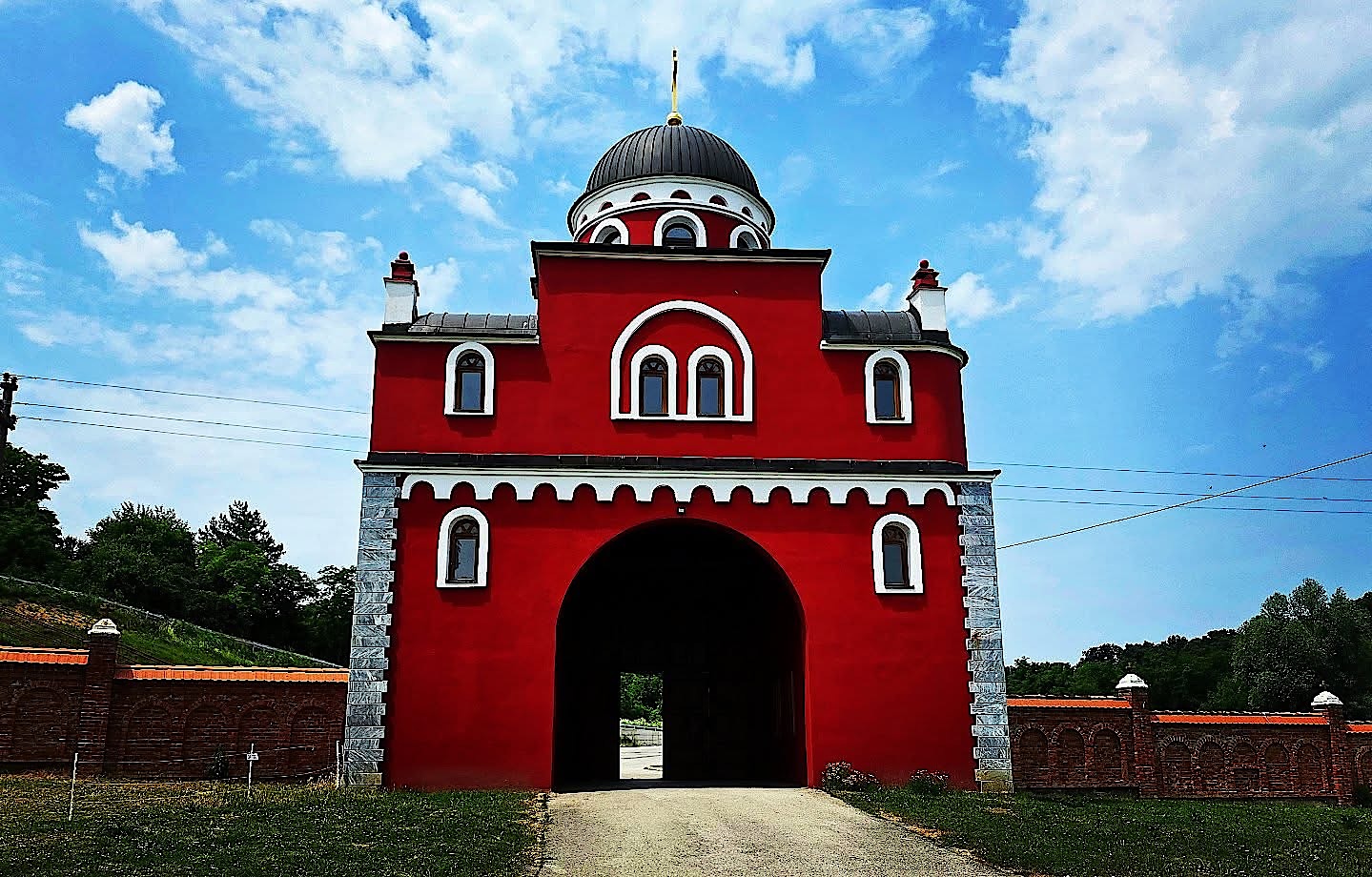
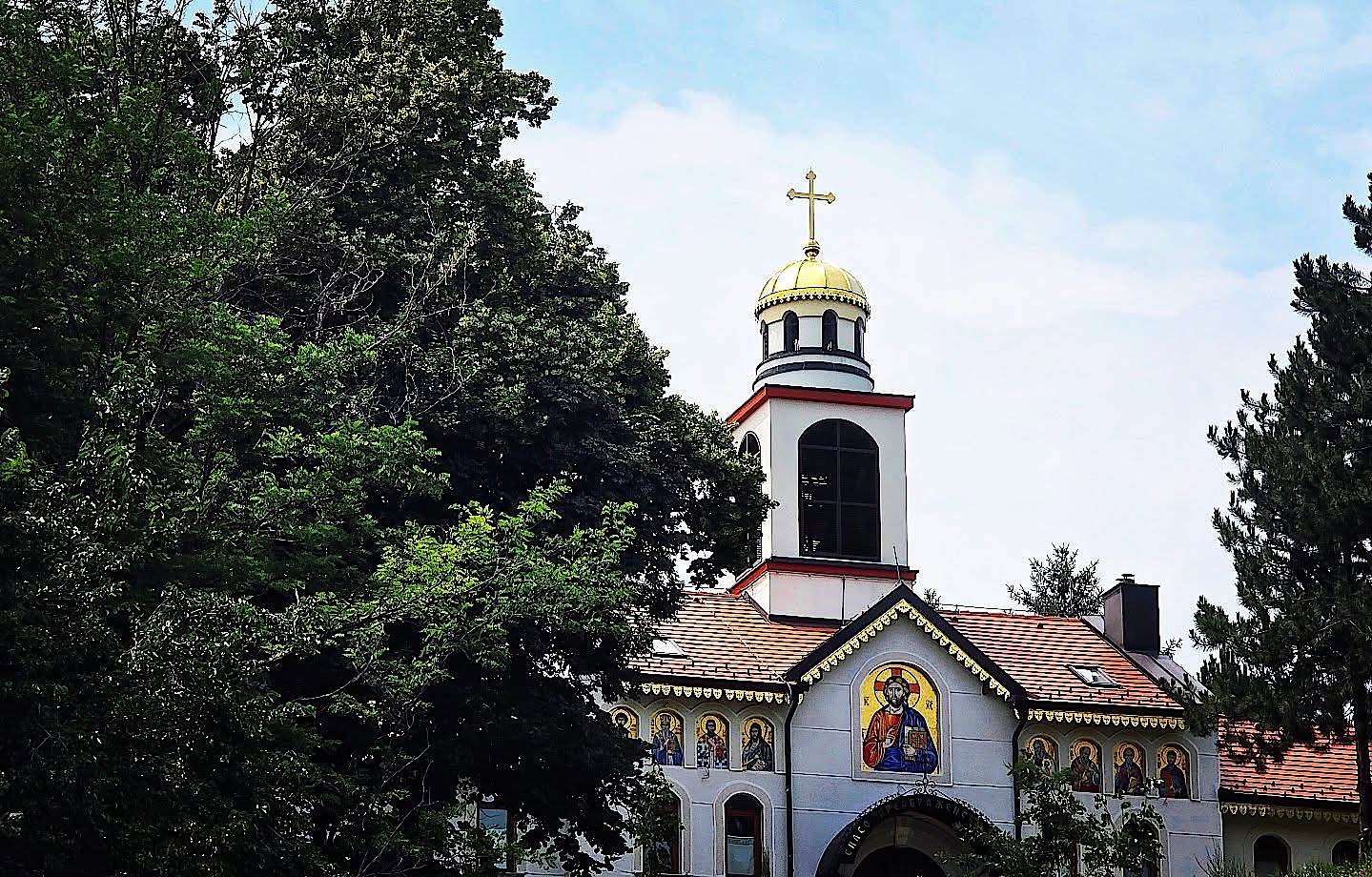
On 17 June I drove north-west into Vojvodina, to the Fruška Gora, a ridge of wooded hills above the Danube dotted with Orthodox monasteries. I visited several, from Krušedol with its bright red gatehouse to quieter ones among the trees, decorated with mosaics of saints.
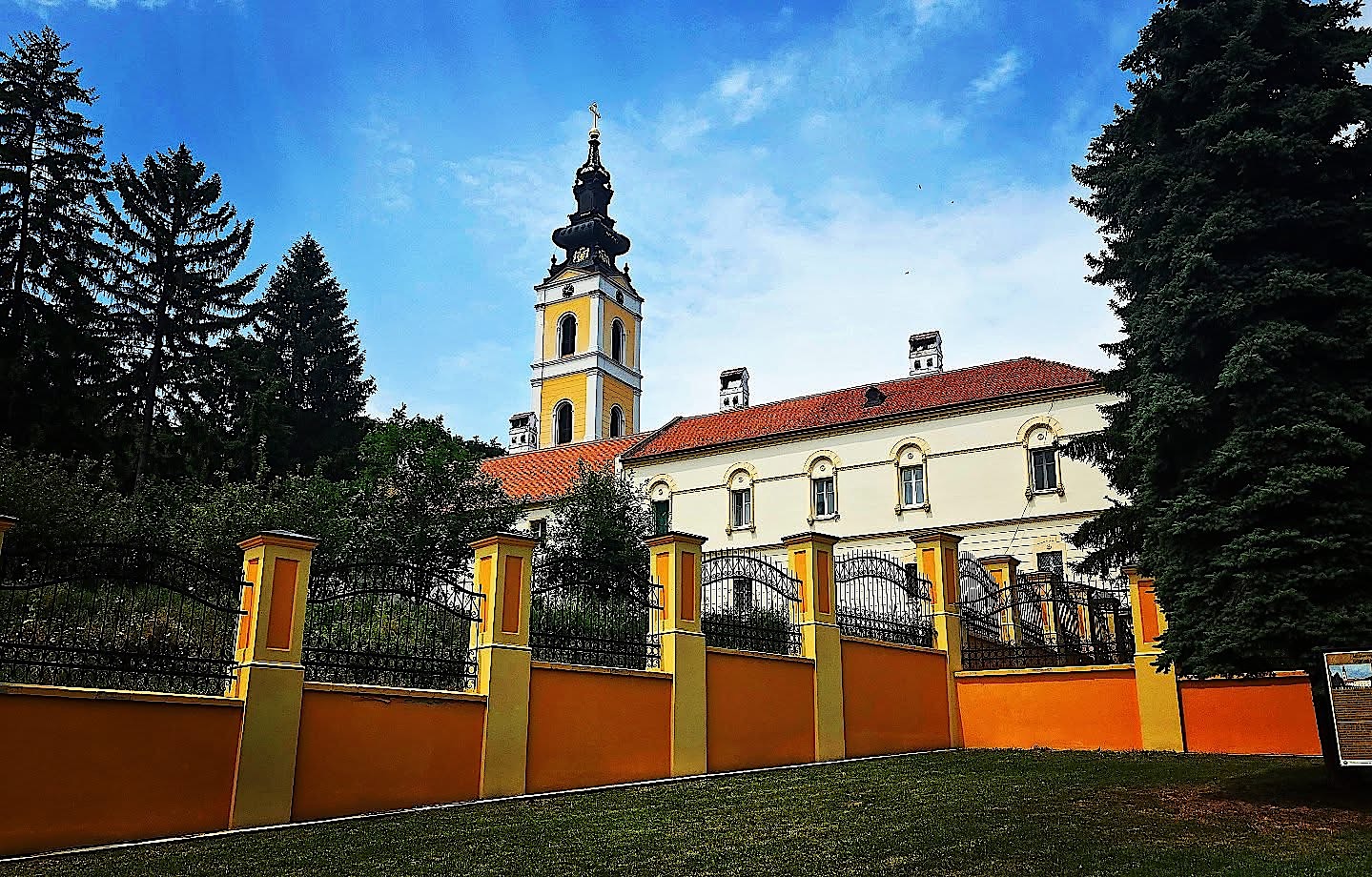
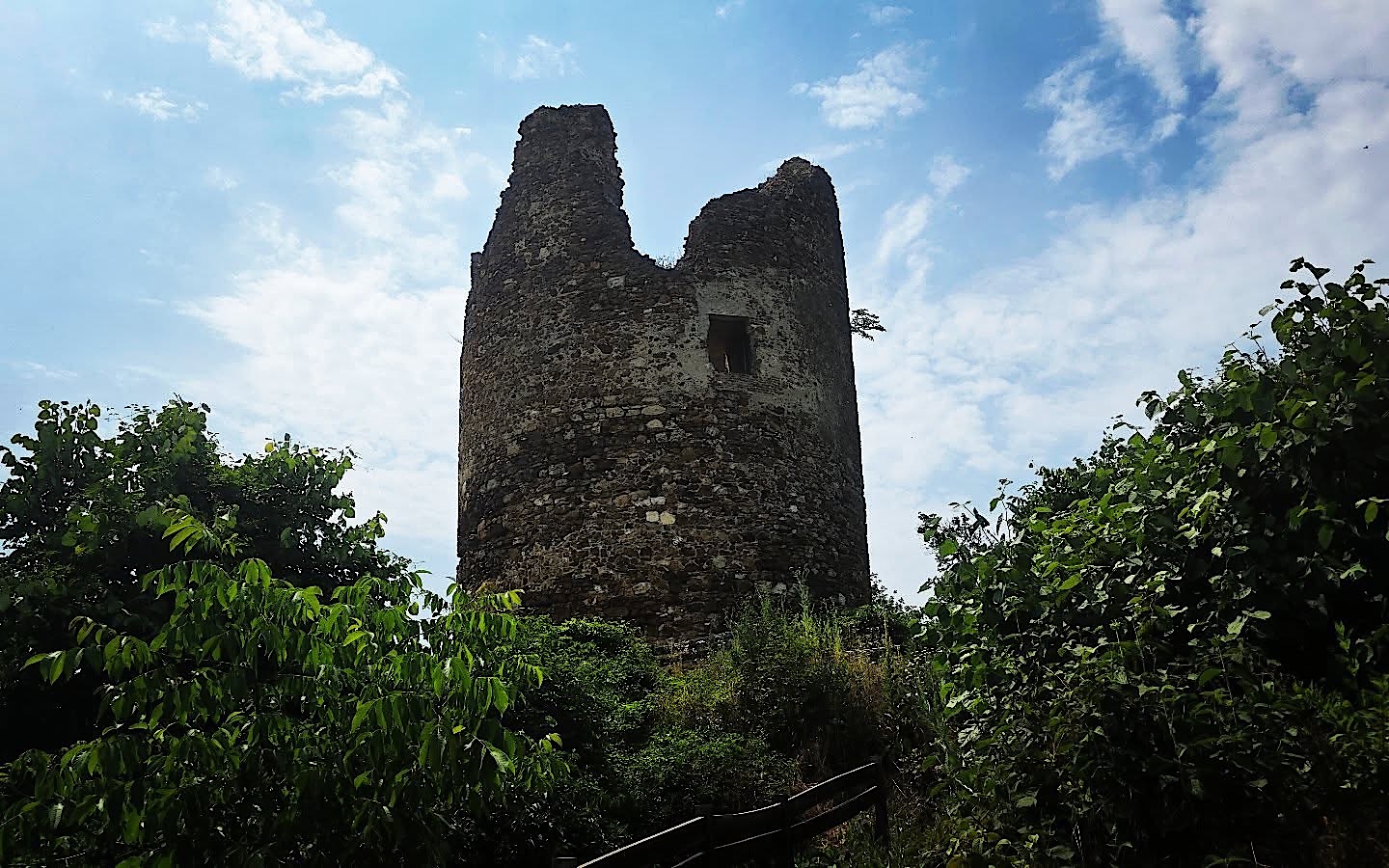
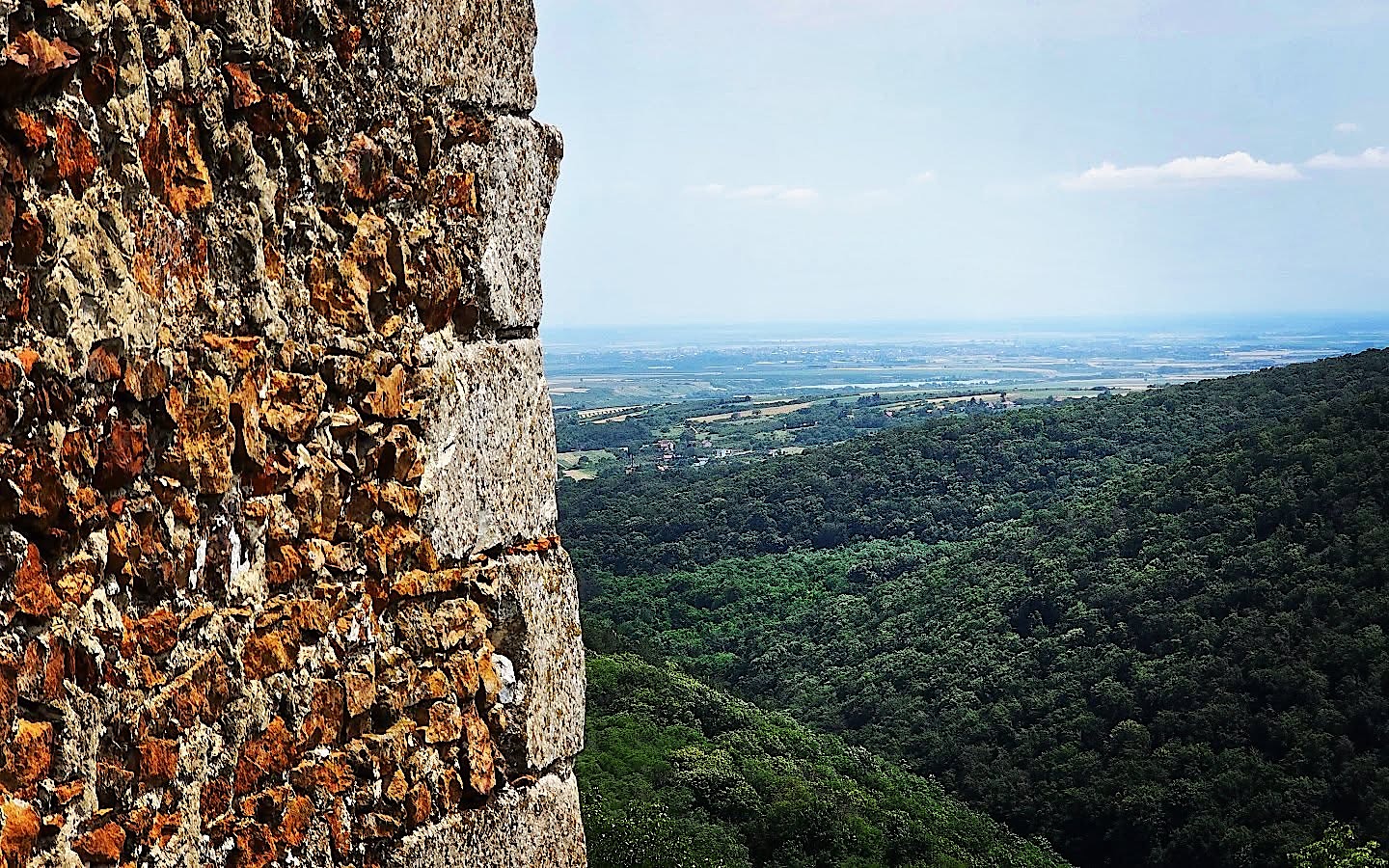
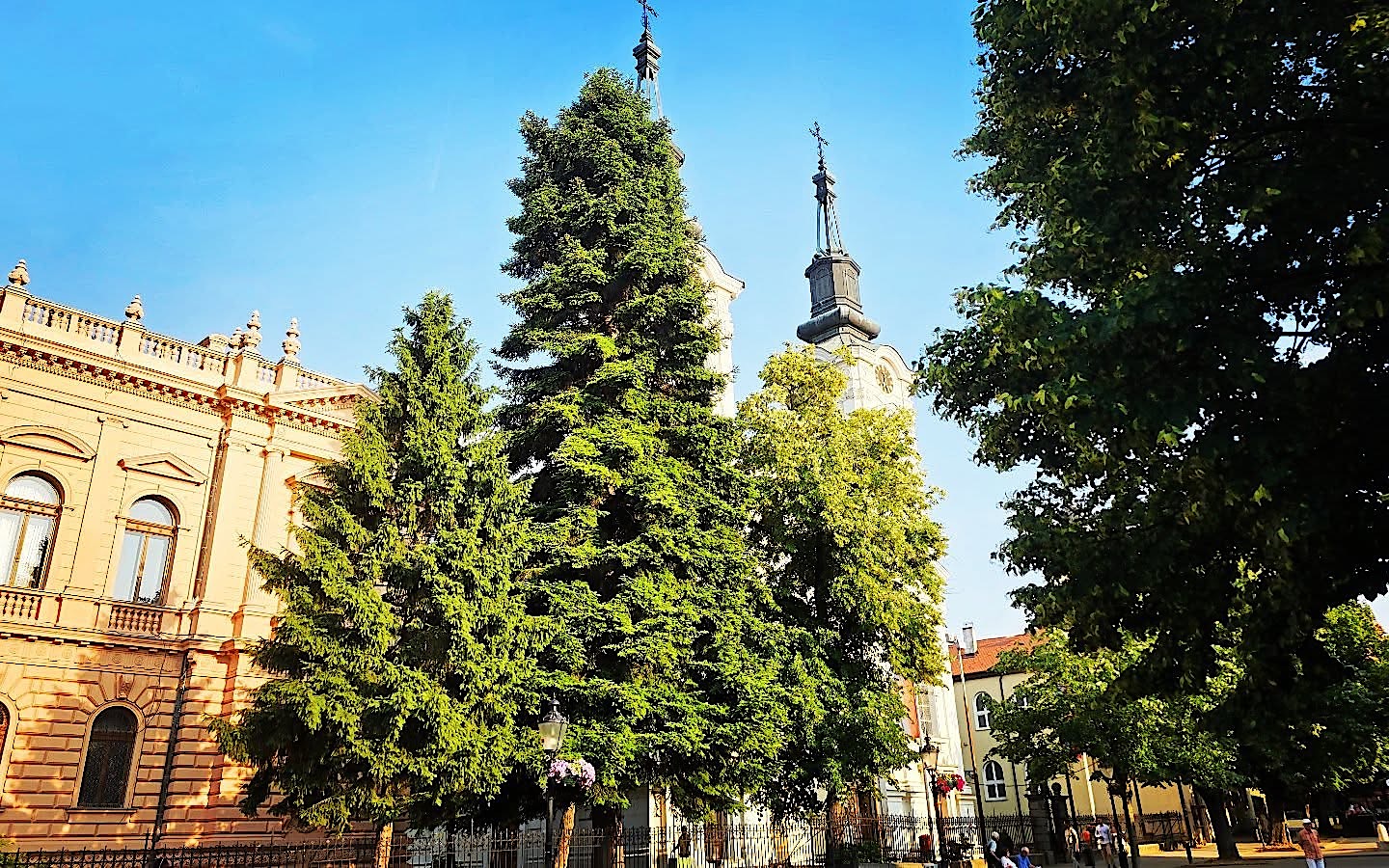
Higher up, a ruined medieval tower looks out over the forest and the plain. Down by the Danube I stopped in Sremski Karlovci, a small baroque town. The Treaty of Karlowitz between the Ottomans and the Habsburgs and their allies was signed here in 1699, and for two centuries the town was the spiritual centre of the Serbs in the Habsburg lands, seat of their metropolitans and later patriarchs.
Novi Sad and the Petrovaradin fortress
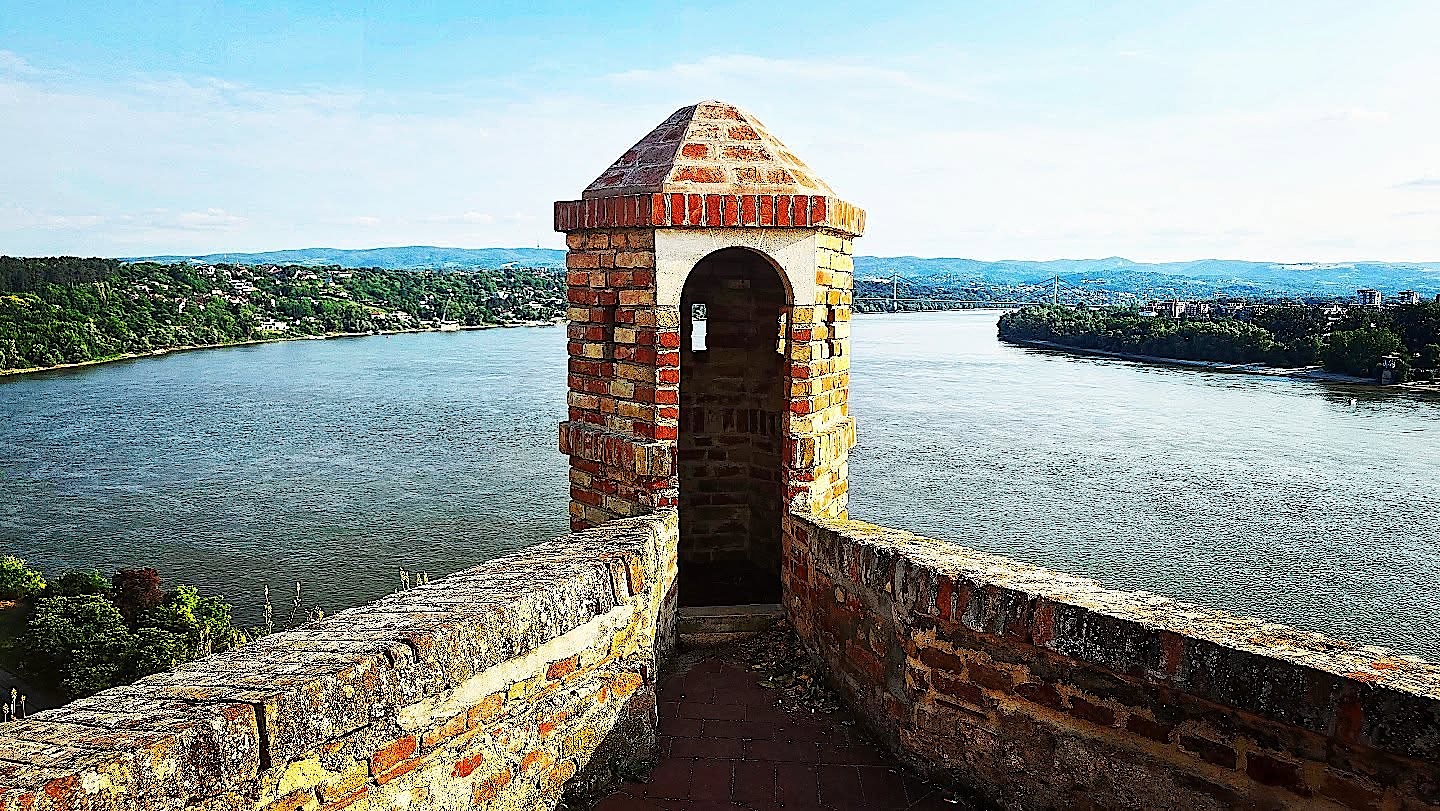
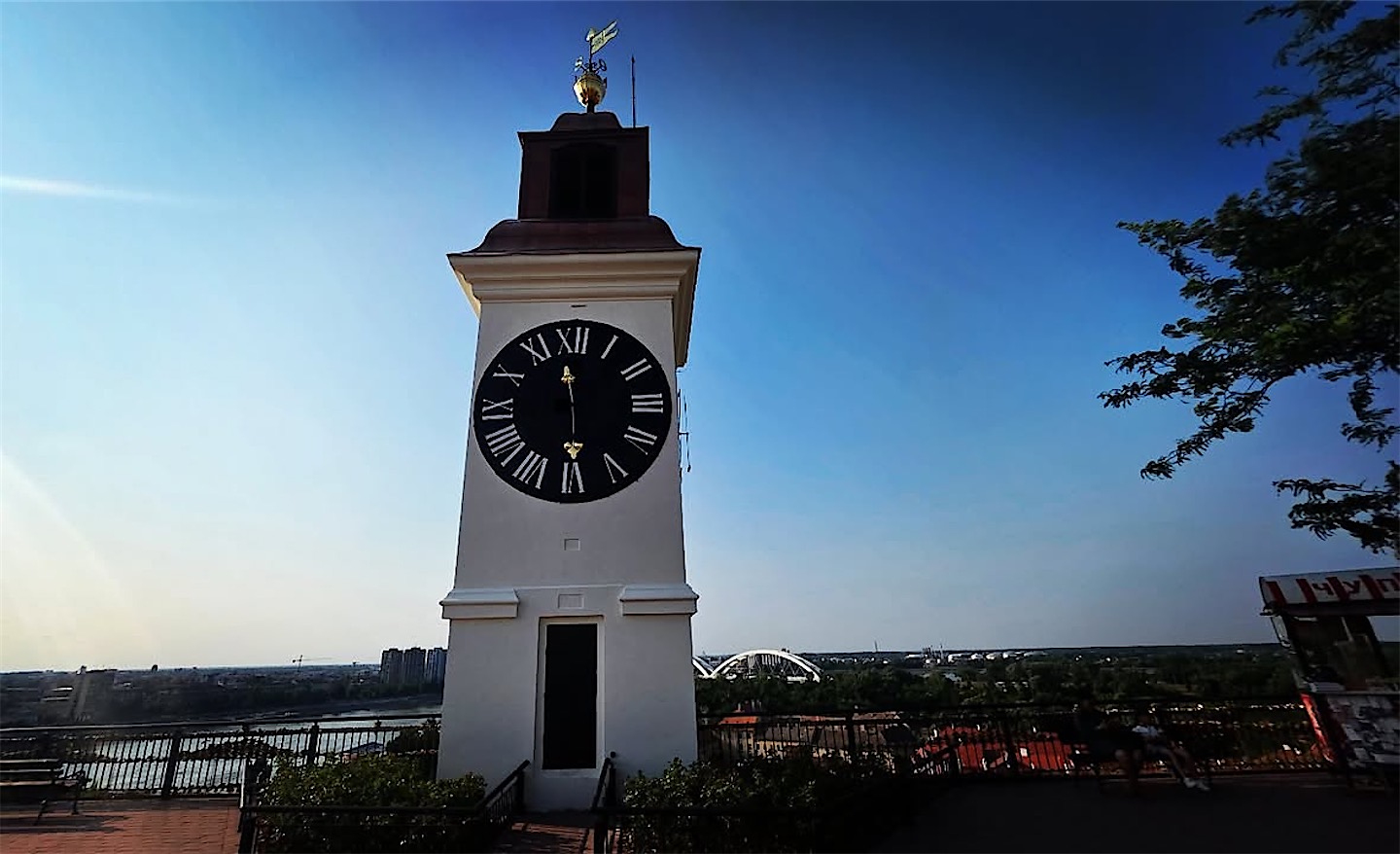
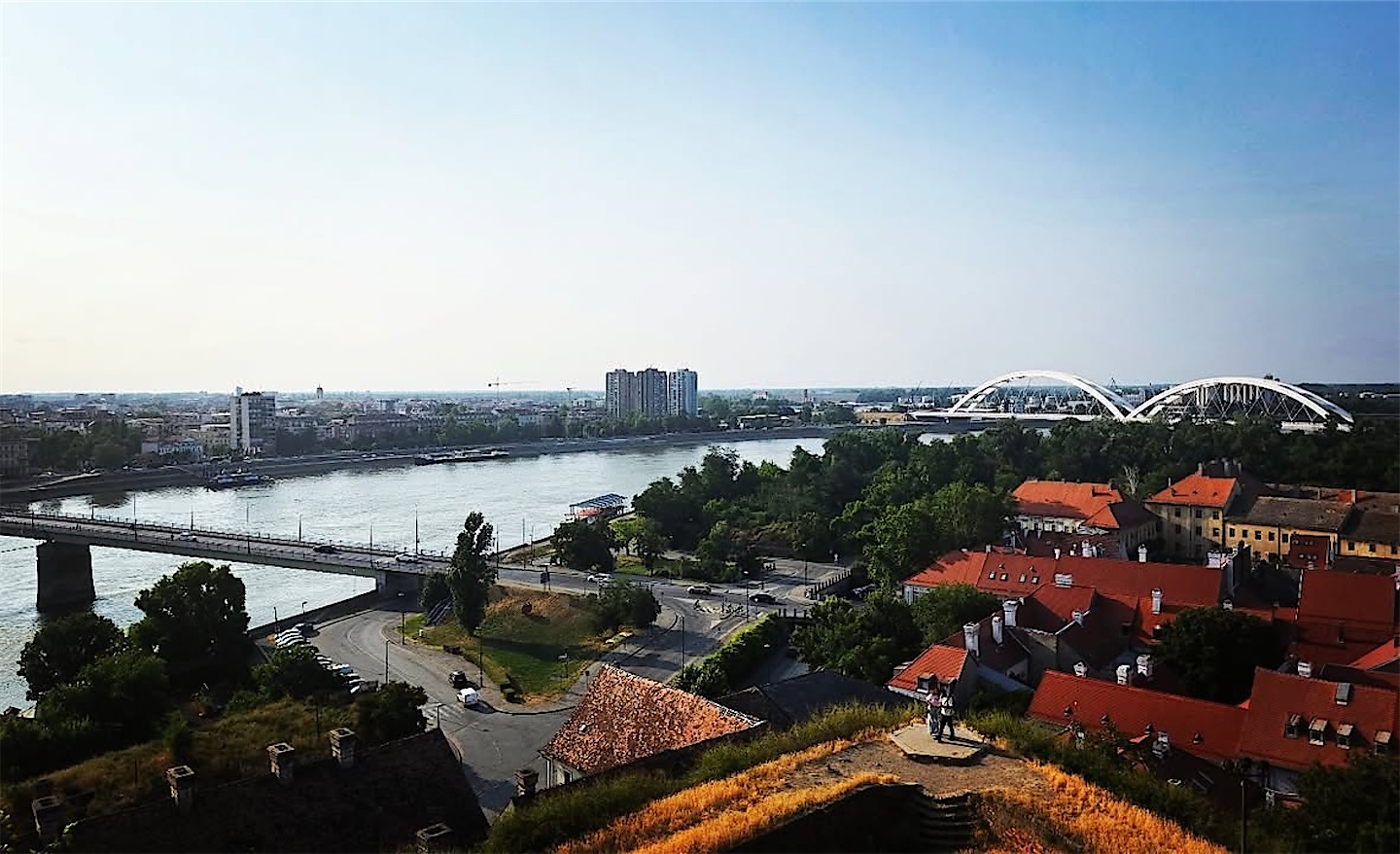
In the evening I reached Novi Sad, Serbia's second city, or more precisely the Petrovaradin fortress above it on the opposite bank of the Danube. From the ramparts the river makes a wide bend, with bridges, barges and the town spread out on the flat northern bank. A nice town, and it looked its best in the late light.
Golubac and the Iron Gates
The next morning I drove east for the most dramatic sight of the week: Golubac fortress, whose towers climb a cliff at the very entrance to the Iron Gates gorge. The Danube is unusually wide here, and the hills on the far bank already belong to Romania.
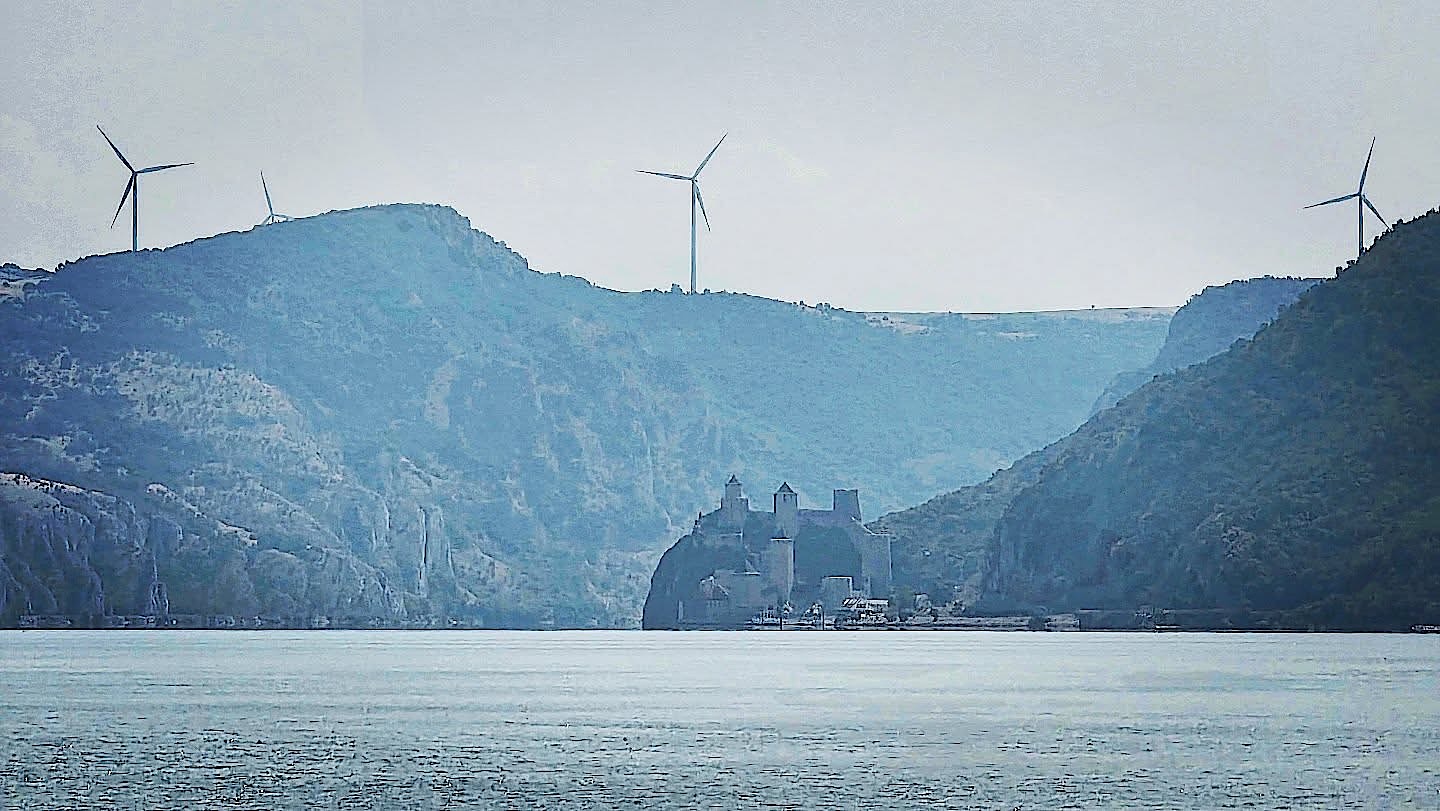
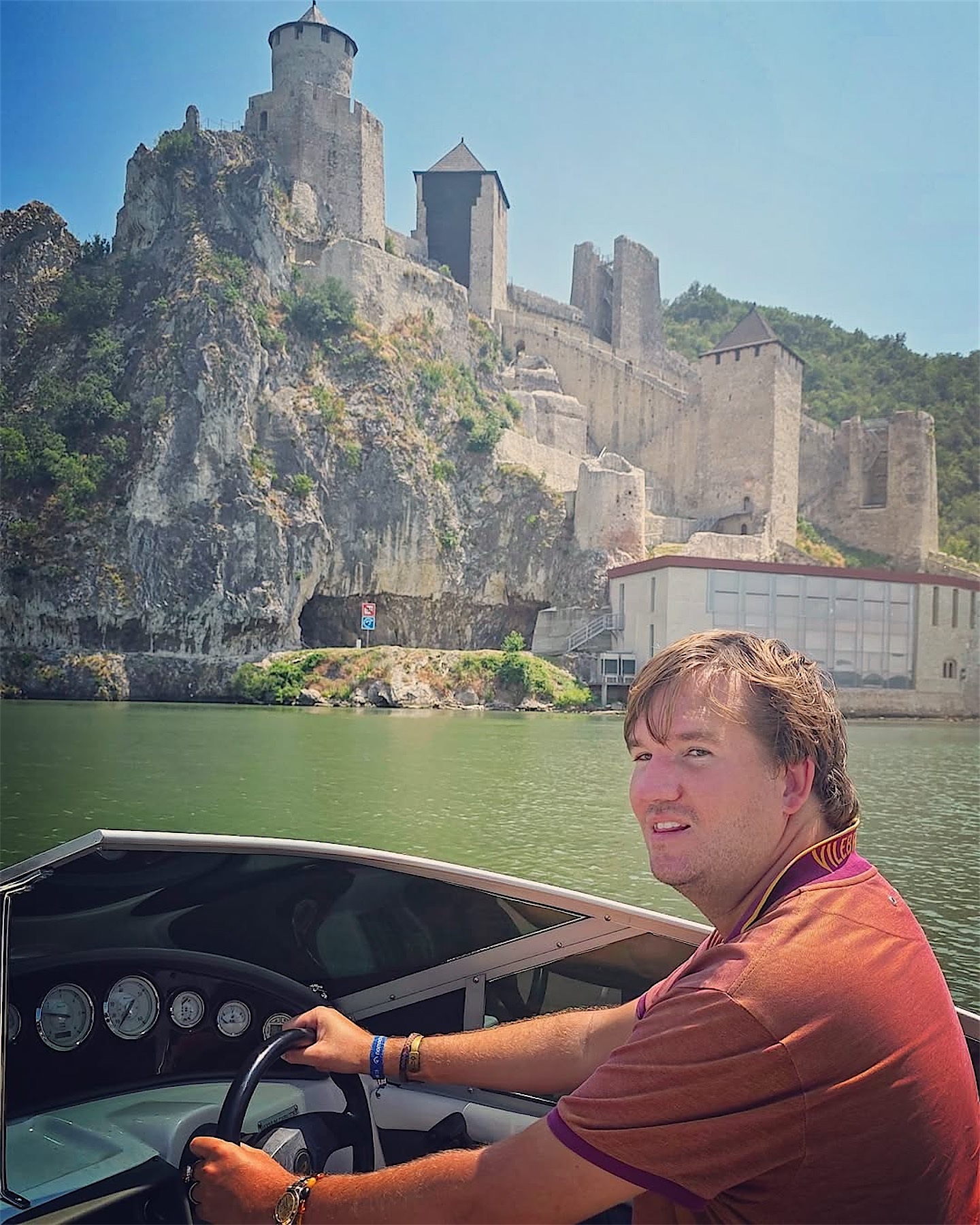
To see it from the water I took a speedboat out on the Danube, past the fortress and into the gorge, where the cliffs close in from both sides. Great fun.
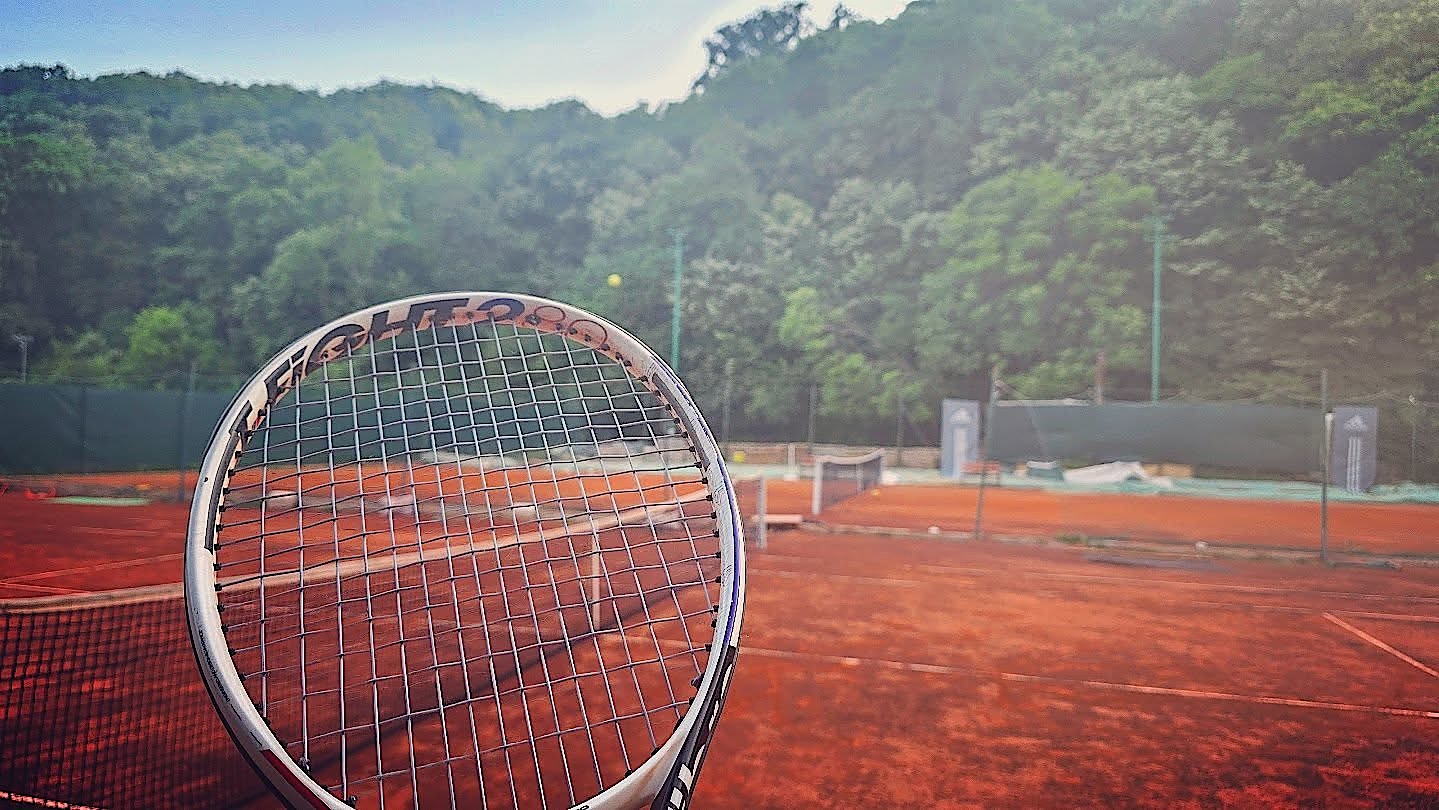
Back in Belgrade that evening I played tennis, the obvious choice in Djokovic's home country, and even won. The old skills are still there; I should play more often.
Oplenac and the Serbian Tuscany
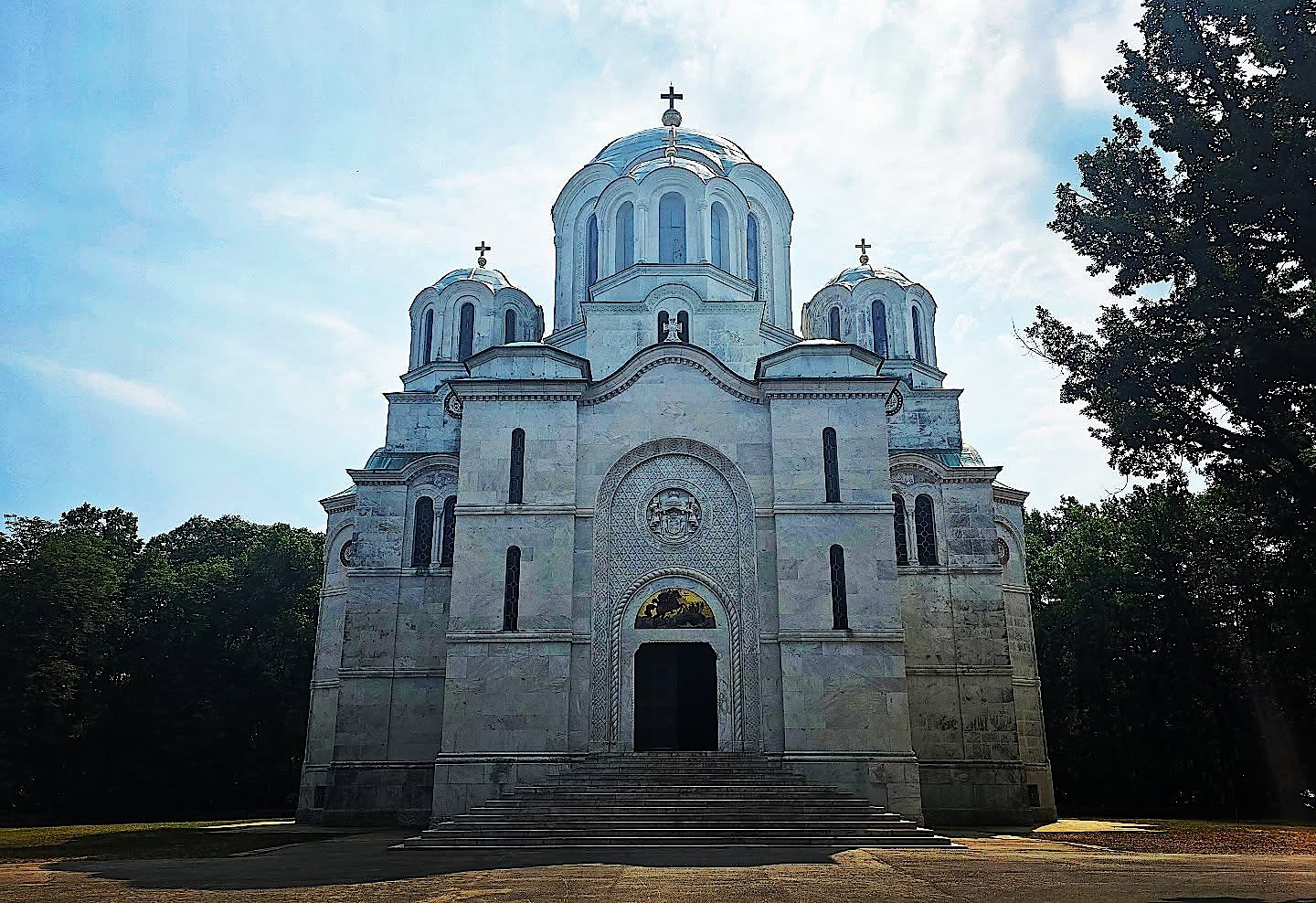
My last day of touring took me south into the Šumadija, the rolling heartland of Serbia, where many sites are linked to the royal Karađorđević family. On the hill of Oplenac above Topola stands the white marble Church of St George, the dynasty's mausoleum. Inside, with mosaics covering almost every wall, it is one of the most beautiful churches I know.
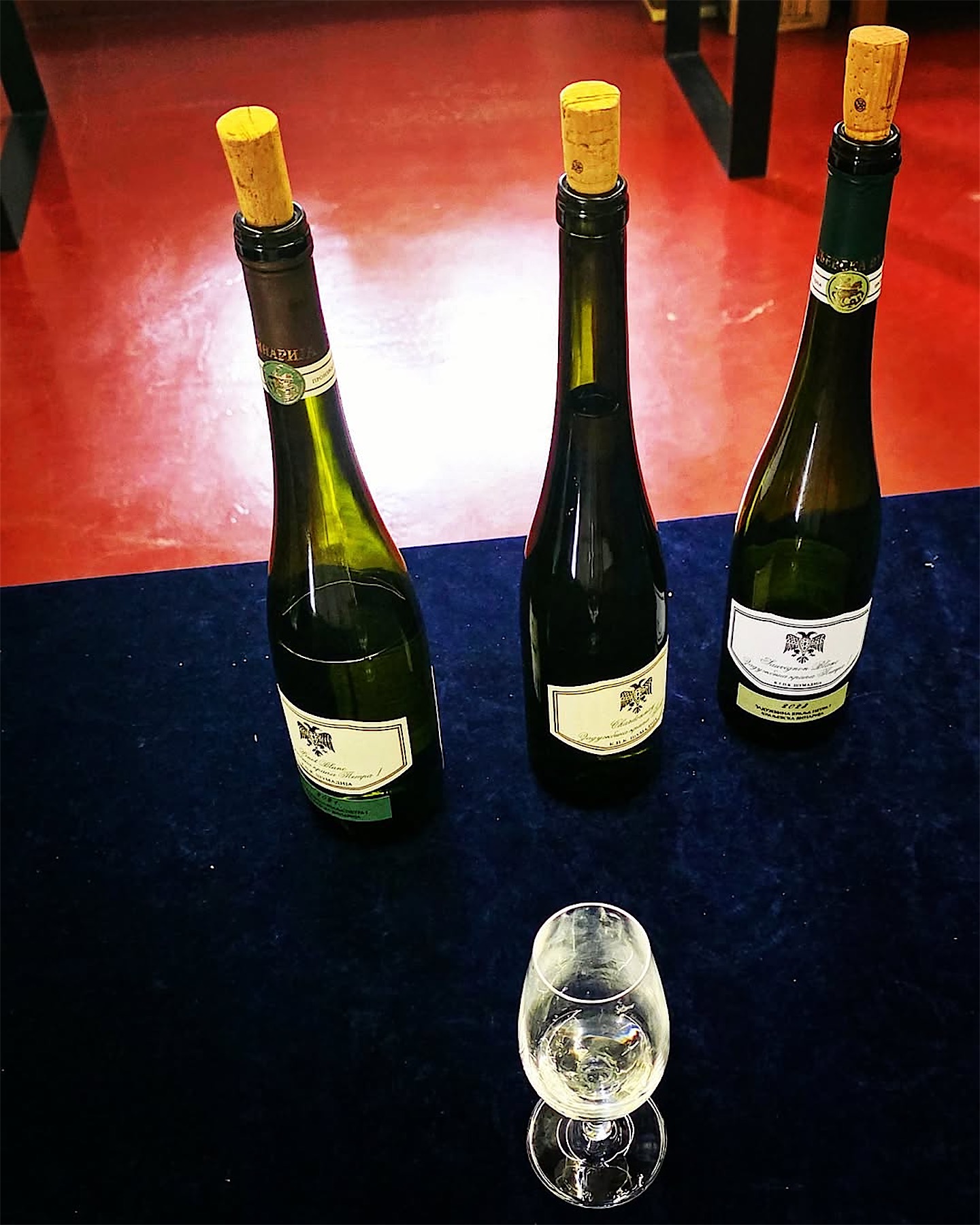
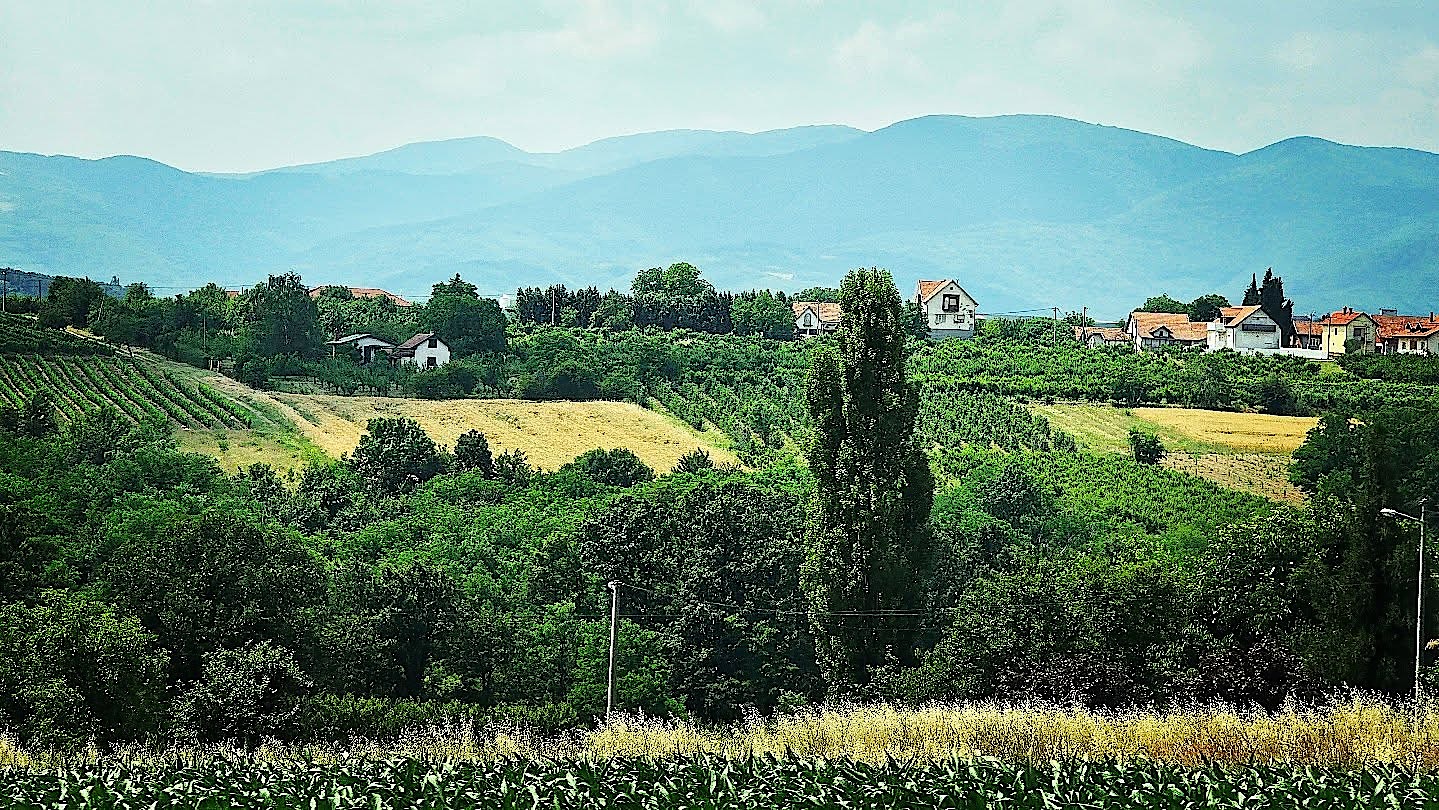
The rest of the day belonged to wine. I had no idea that Serbia makes so many excellent wines, or that it has a region that looks this much like Tuscany, with vineyards, orchards and tall poplars on gentle hills. I did three tastings at three wineries: the Royal Winery at the foot of Oplenac, the Aleksandrović estate nearby, and one more after that.
A last sunset in Belgrade
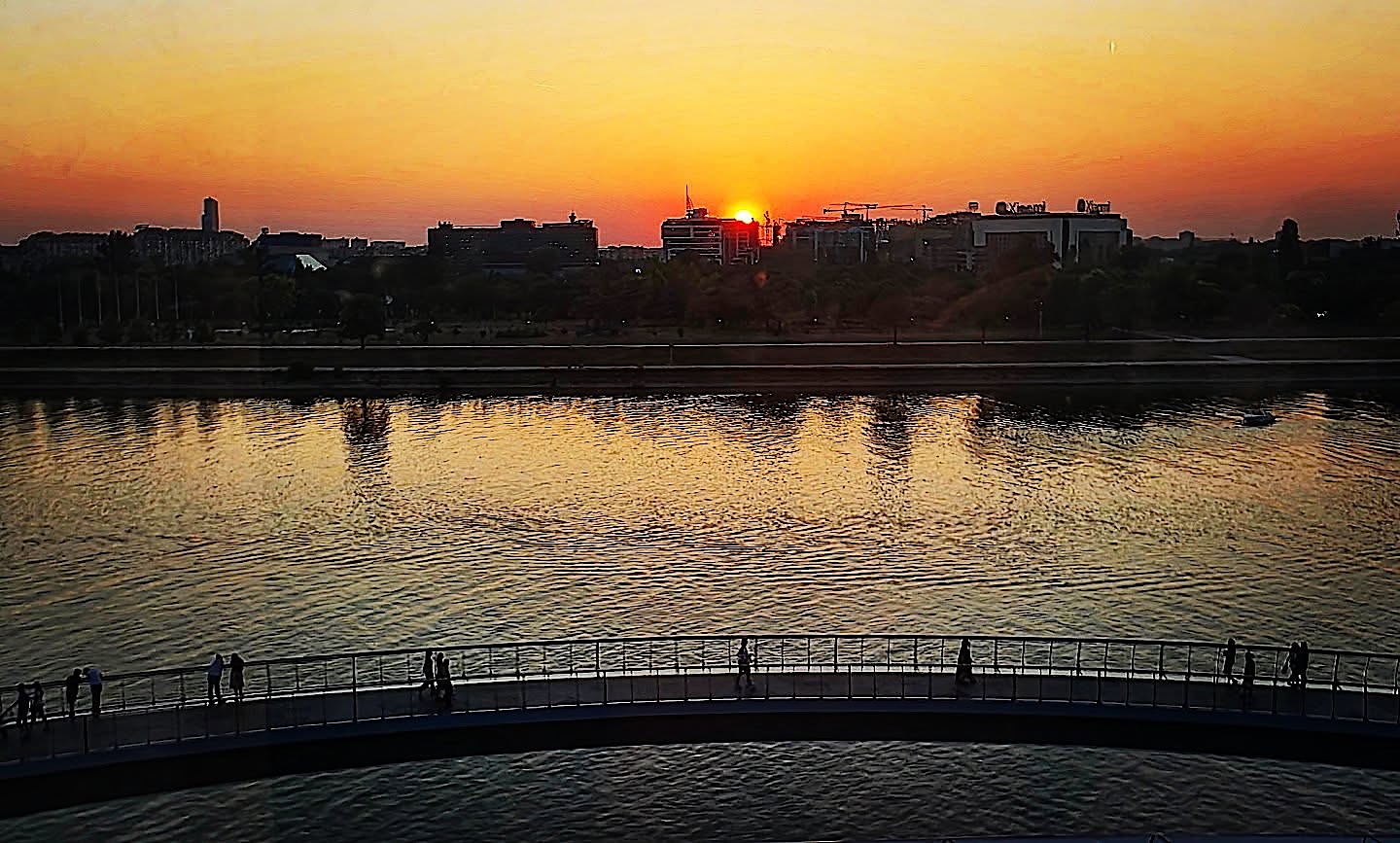
Serbia turned out to be a beautiful, lively country that felt safer and more pleasant than many other places in Europe. I am glad that my ties to it will soon be much closer, and I was due back the following month for the final steps, a visit I later combined with Rhodes. For now, there was one last sunset over the Sava.
The next morning I escaped the heatwave and flew north to Harstad/Narvik Evenes, above the Arctic Circle. My expedition truck was delayed, so instead of driving I flew up for a week of whale watching and a drysuit diving course in cold polar waters. That story continues in the Lofoten and Vesterålen.