
Midnight Sun over Vesterålen and Lofoten: Sperm Whales, Fishing Villages and a Maelstrom
20–27 June 2025 · Evenes, Sortland, Nyksund, Stokmarknes, Melbu, Andøya, Bleik, Trollfjord, Ballstad, Henningsvær, Nusfjord, Reine, Værøy, Bodø, Saltstraumen, Jakobsbakken, Stetind · Regions: Norway (Vesterålen, Lofoten, Nordland)
After Belgrade and Serbia I escaped the Balkan heatwave for a cooler week above the Arctic Circle. I had planned to drive north in my new expedition truck, but it was delayed. Rather than face the long haul north in July, I flew from Belgrade to Harstad/Evenes, picked up a rental car and saved the truck for southern Norway later in the year. On the list: whale watching, a drysuit diving course in polar water and as many fjords as one week allows.
Midnight sun and Nyksund
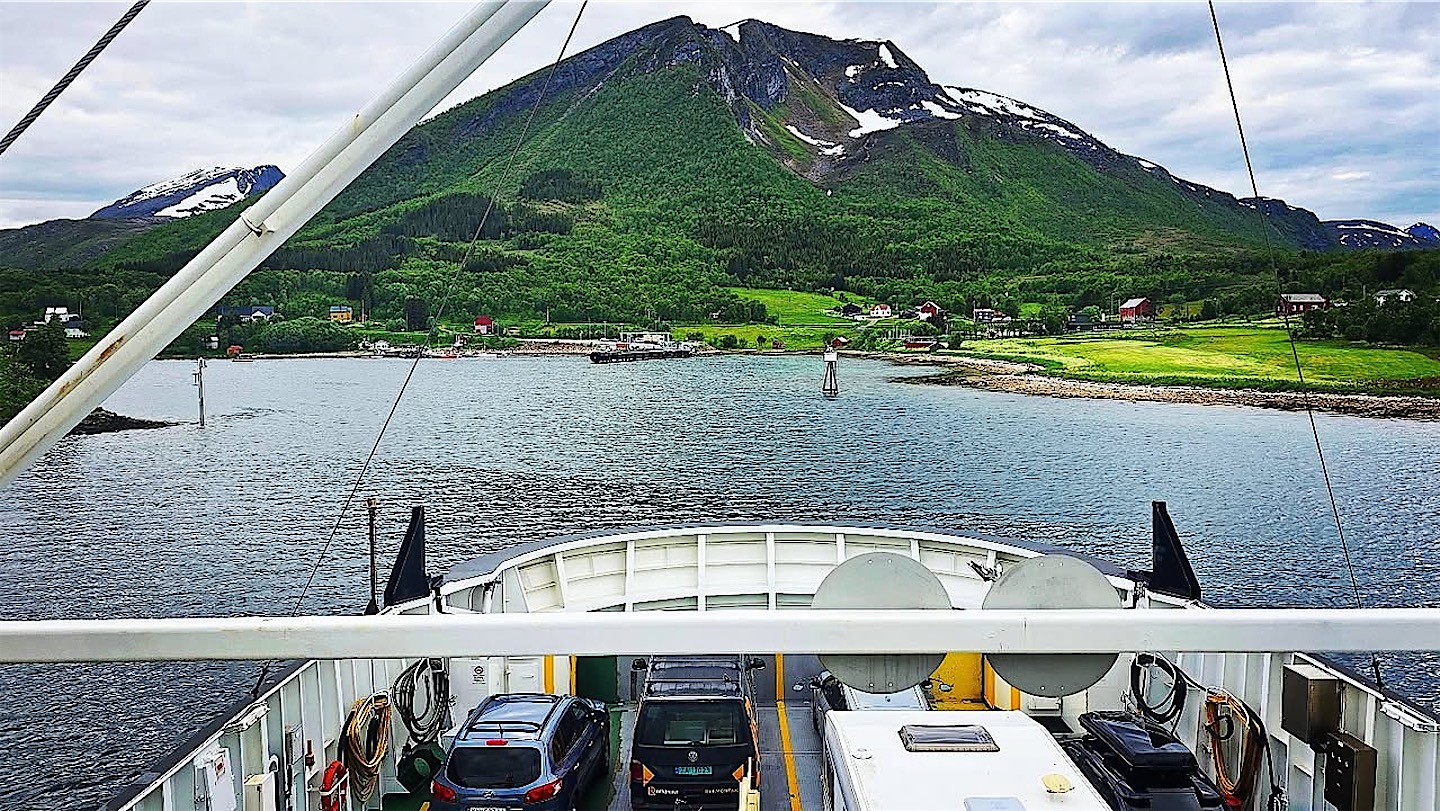
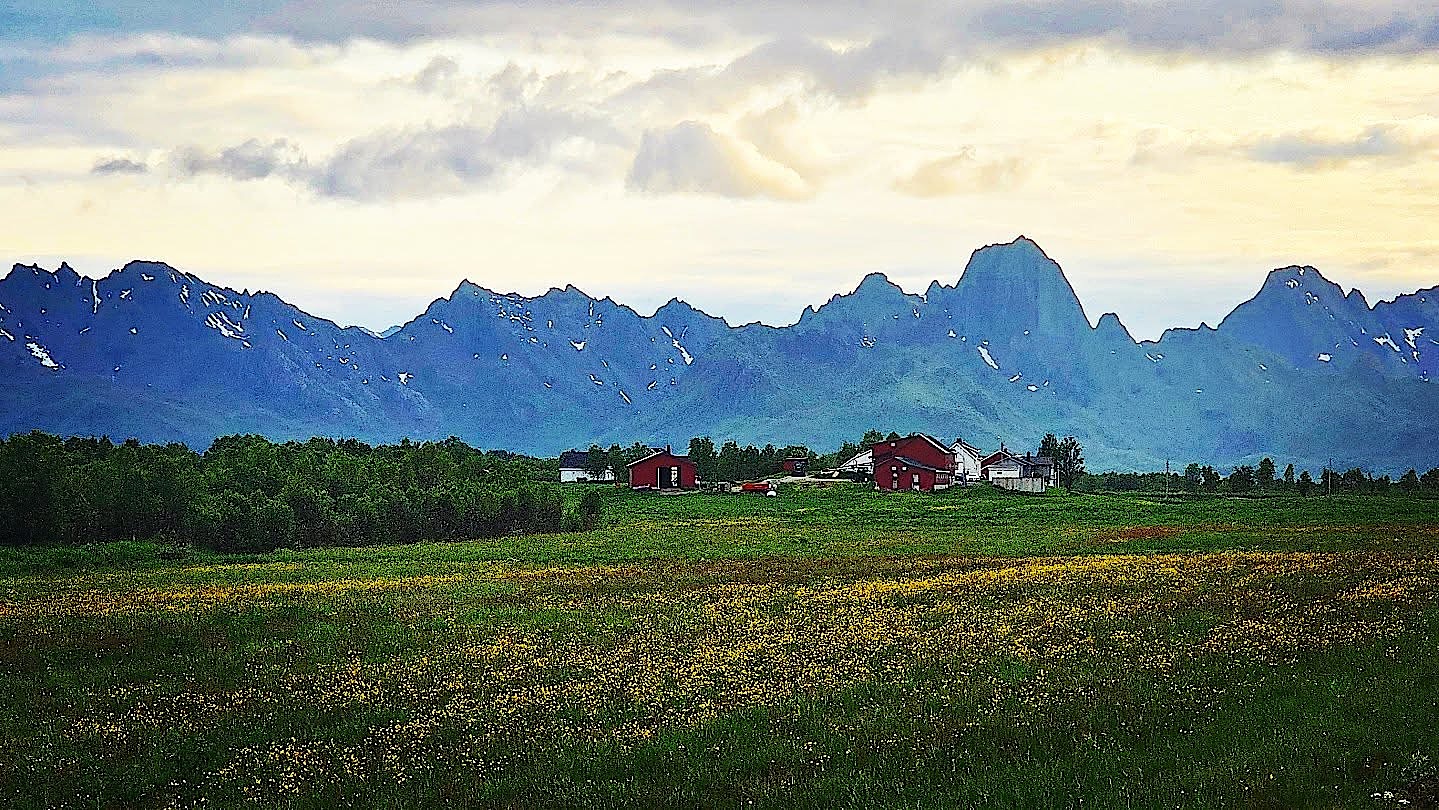
Late June is the perfect time for northern Norway: midnight sun, meadows full of wildflowers and snow still on the mountains. I headed for the Vesterålen, the less visited archipelago just north of the Lofoten. A 20-minute ferry saved me a three-hour drive and doubled as a scenic break, although in summer it pays not to arrive late if you want a space on board.
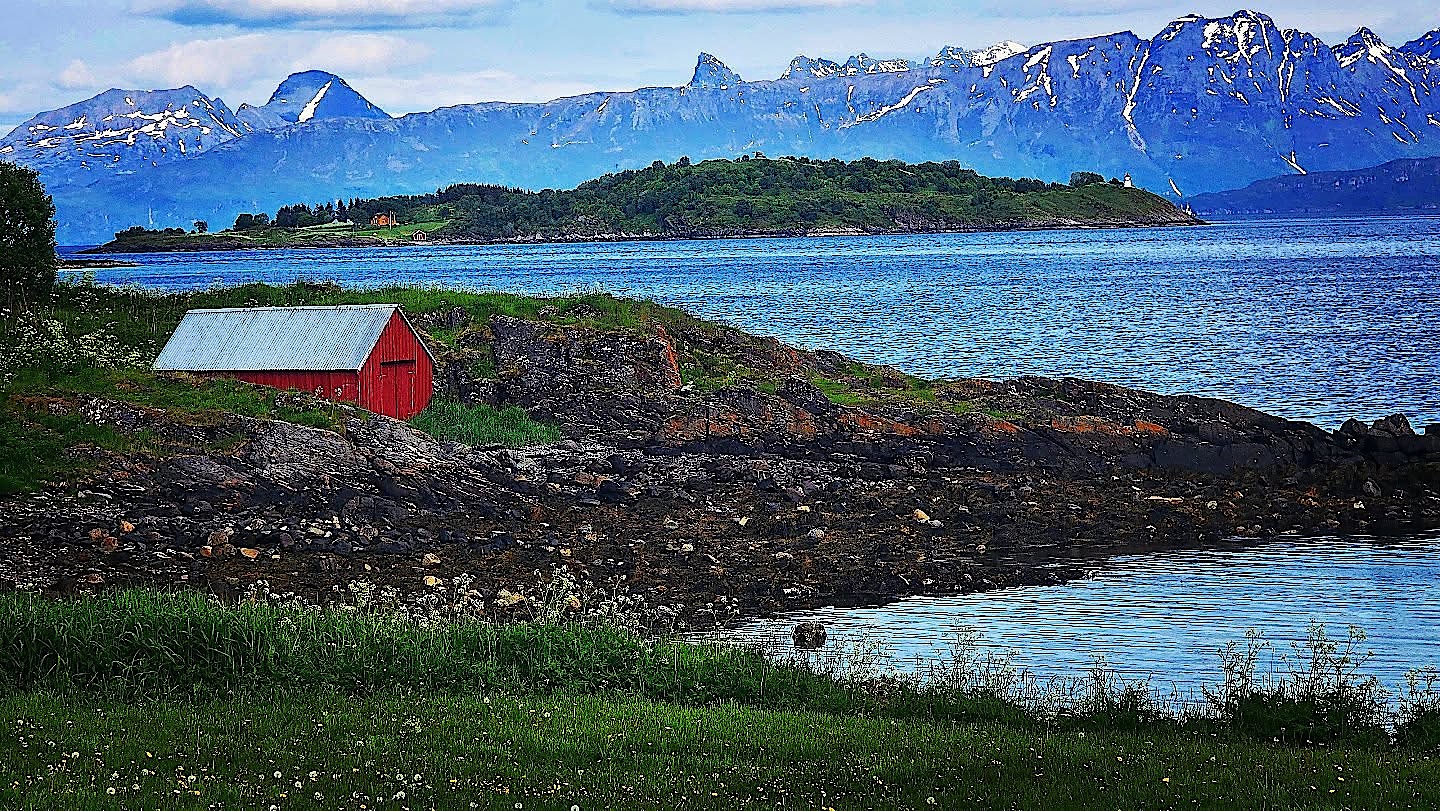
At 68 to 69 degrees north the sun stays above the horizon from late May to mid-July, and the warm North Atlantic Current keeps the coast far greener than its latitude suggests.
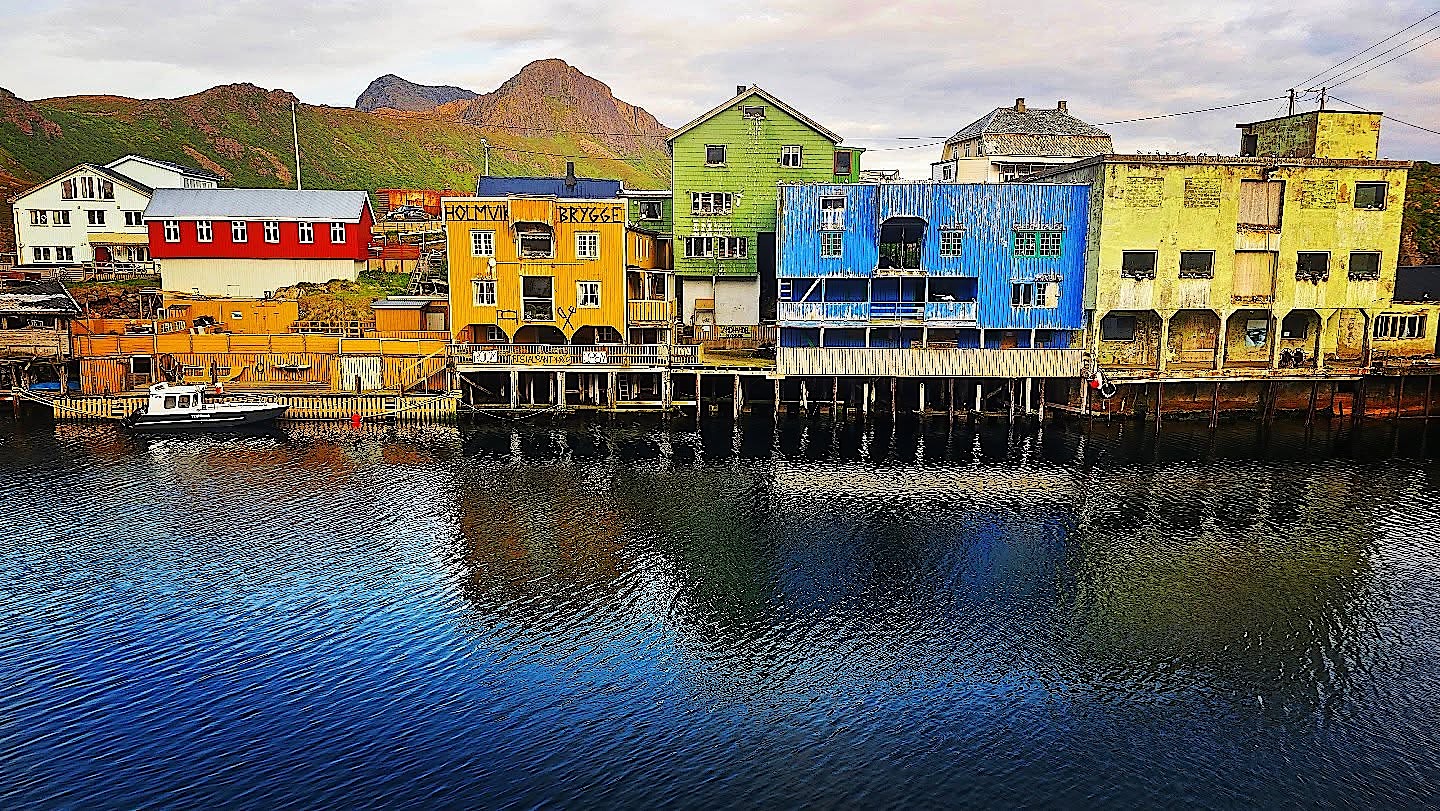
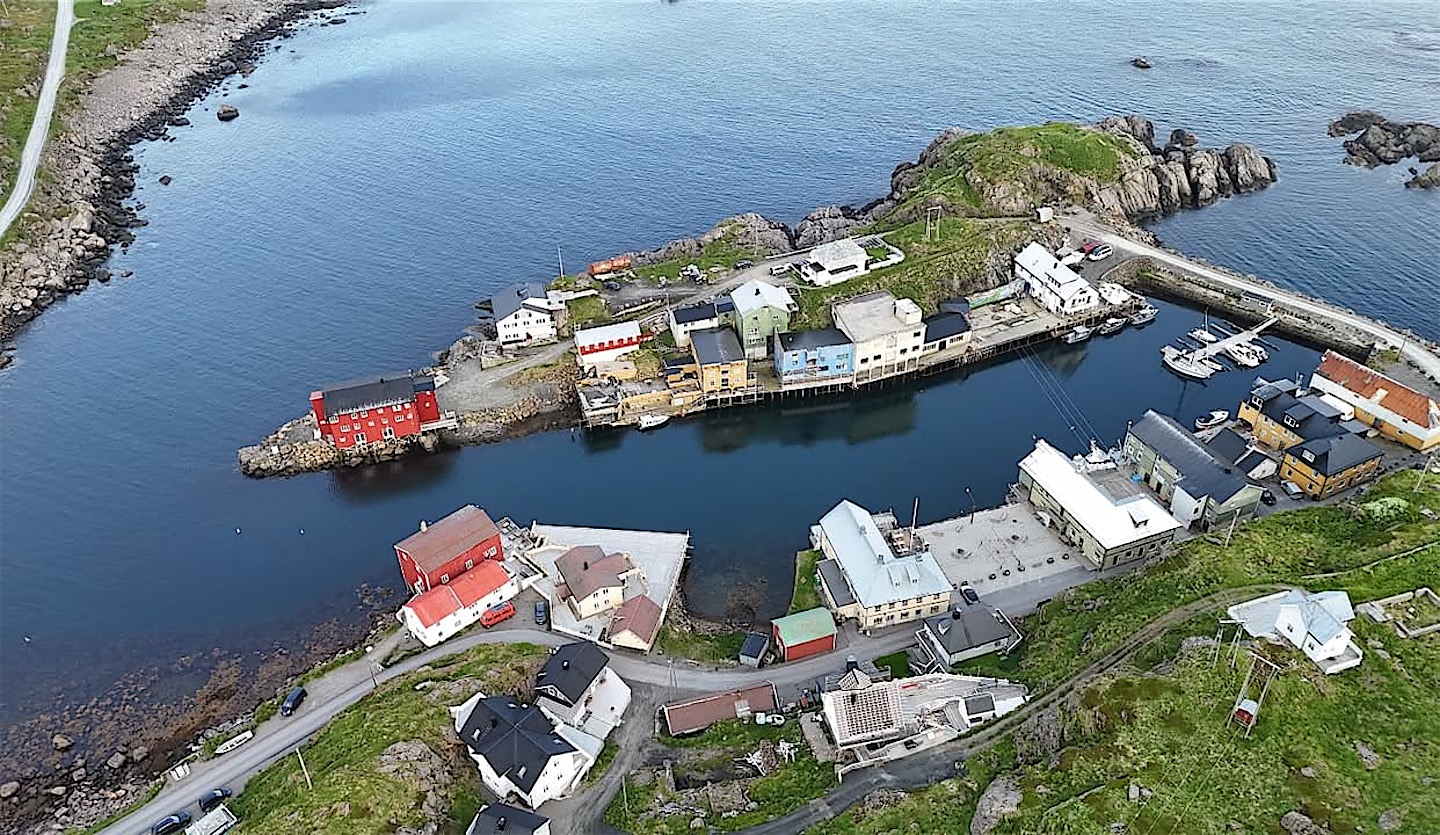
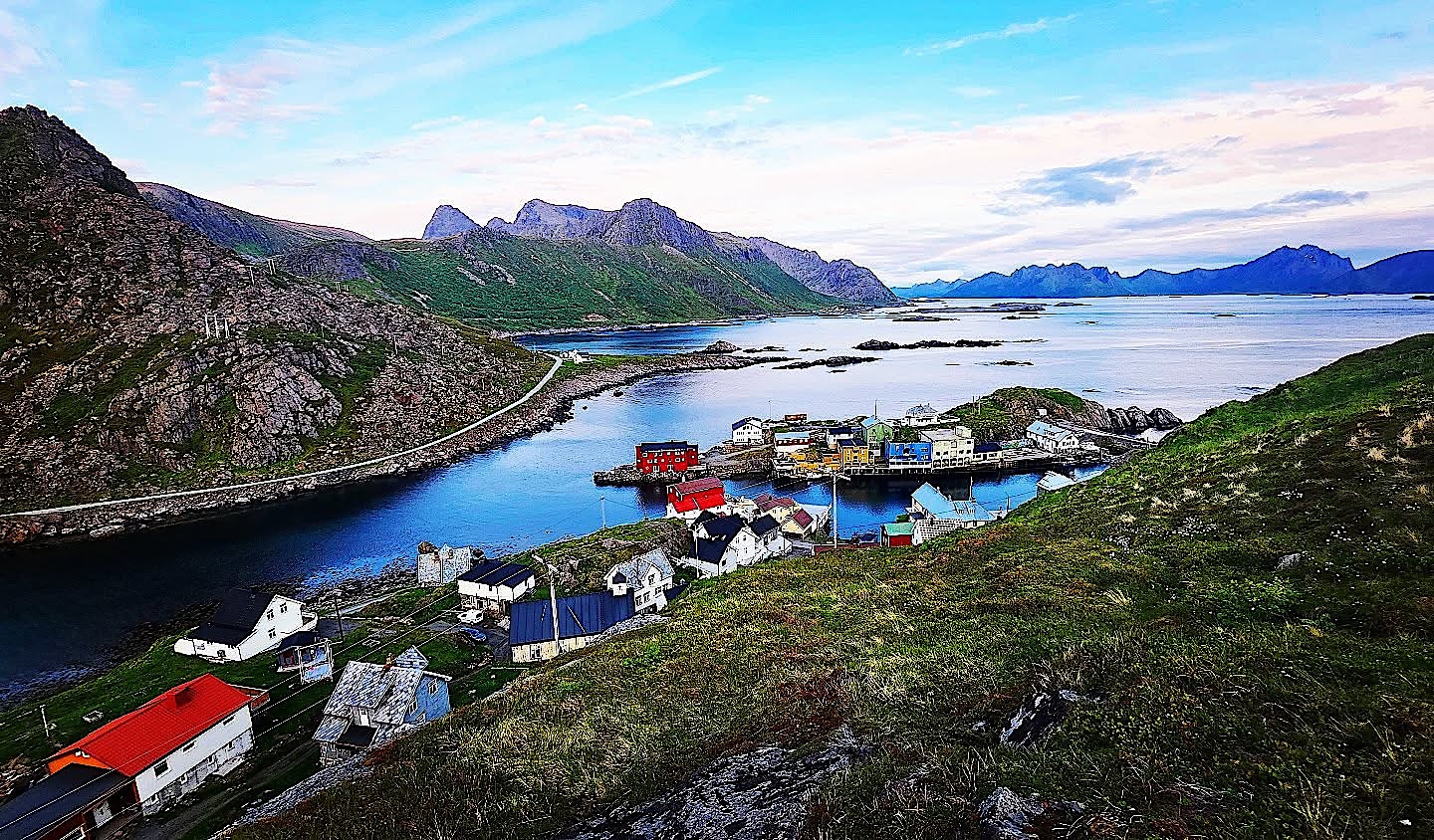
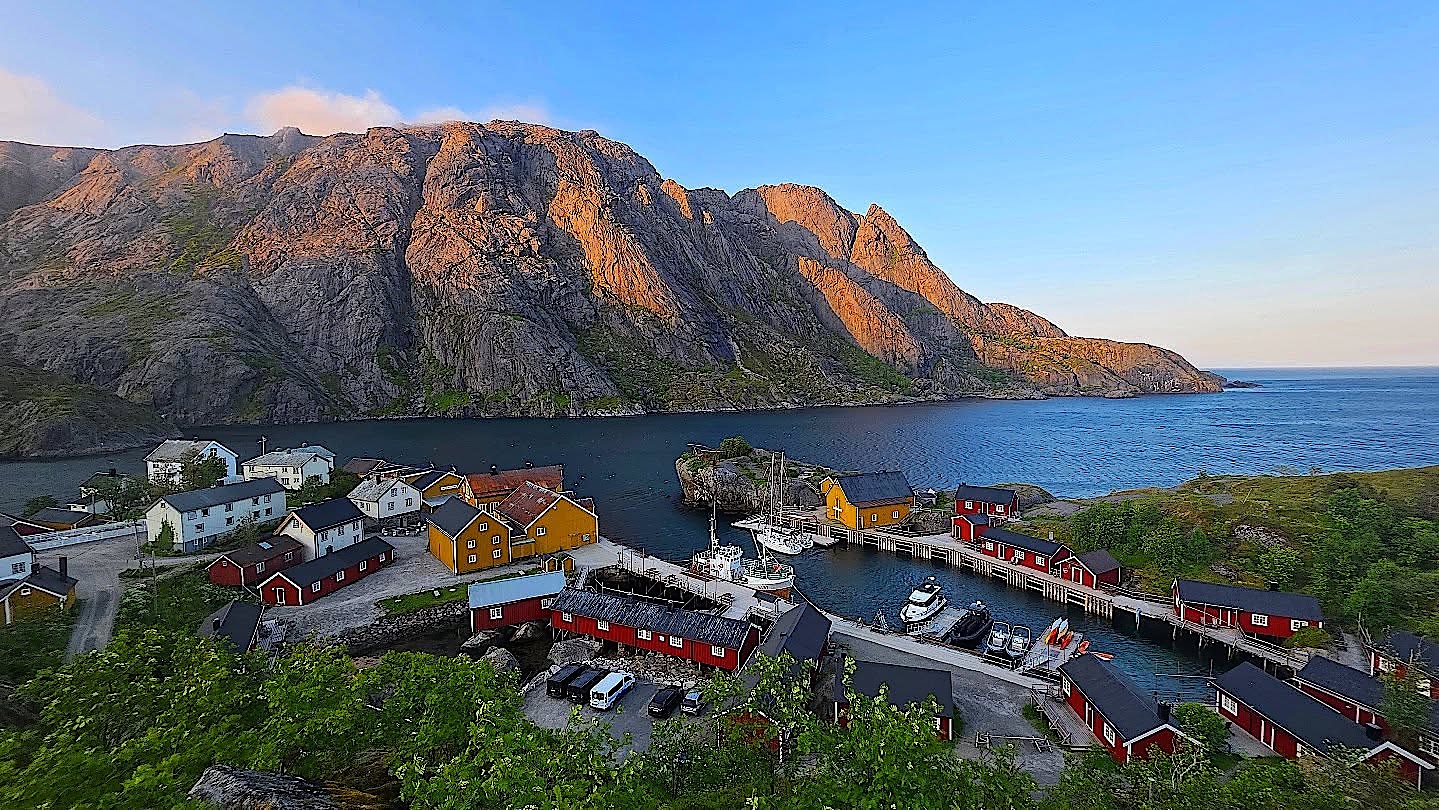
My first night was in Nyksund, an old fishing village on the north-western edge of the Vesterålen, whose colourful warehouses stand on stilts above the harbour. It was the first time in a while that I could fly my drone again, and from above the village was even better: a handful of houses on rocky islets either side of a narrow channel. Even at 11 pm it was as bright as an afternoon.
Bridges, a ship under glass and Arctic beaches
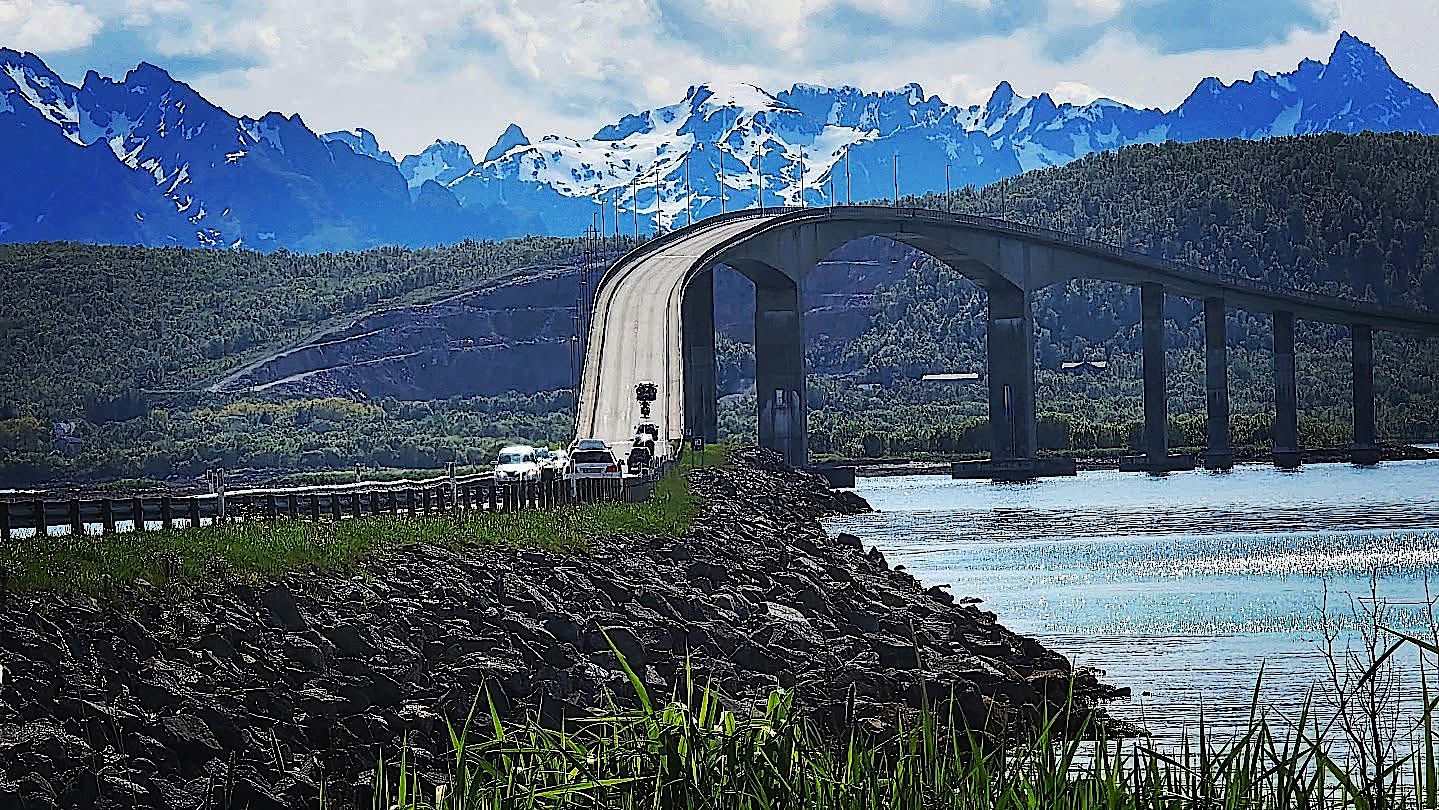
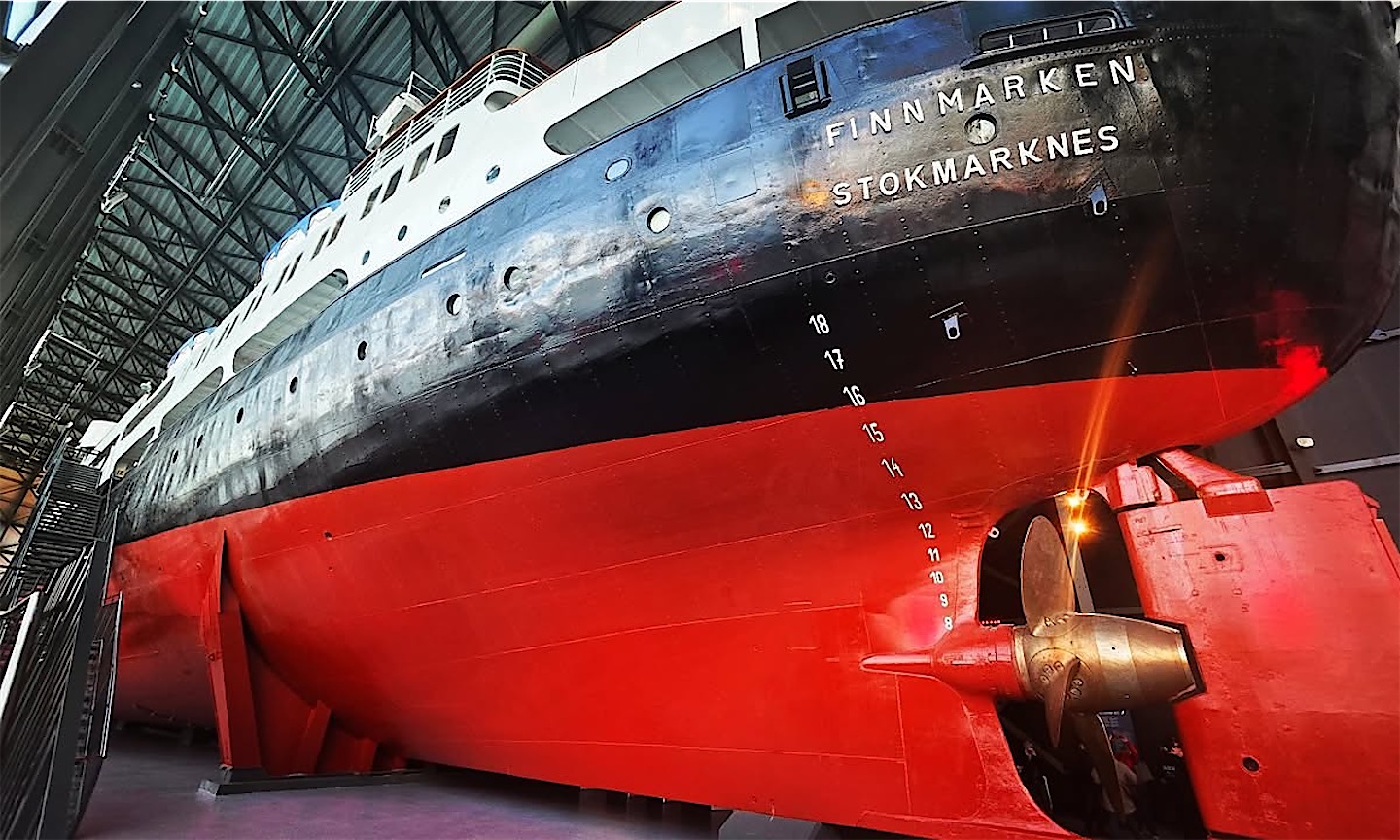
On day two I drove around the archipelago, a land of bridges and tunnels where some bridges look much steeper than they feel behind the wheel. In Stokmarknes I visited the fascinating Hurtigruten Museum. Its centrepiece is MS Finnmarken, a coastal steamer from 1956 that now stands on dry land inside an enormous glass hall.
A road trip like this is my favourite office: drive, stop somewhere scenic for voice messages, emails or a consultation, and drive on. It was probably my last trip in a rental car for a while, as the following week we would finally try to register the truck.
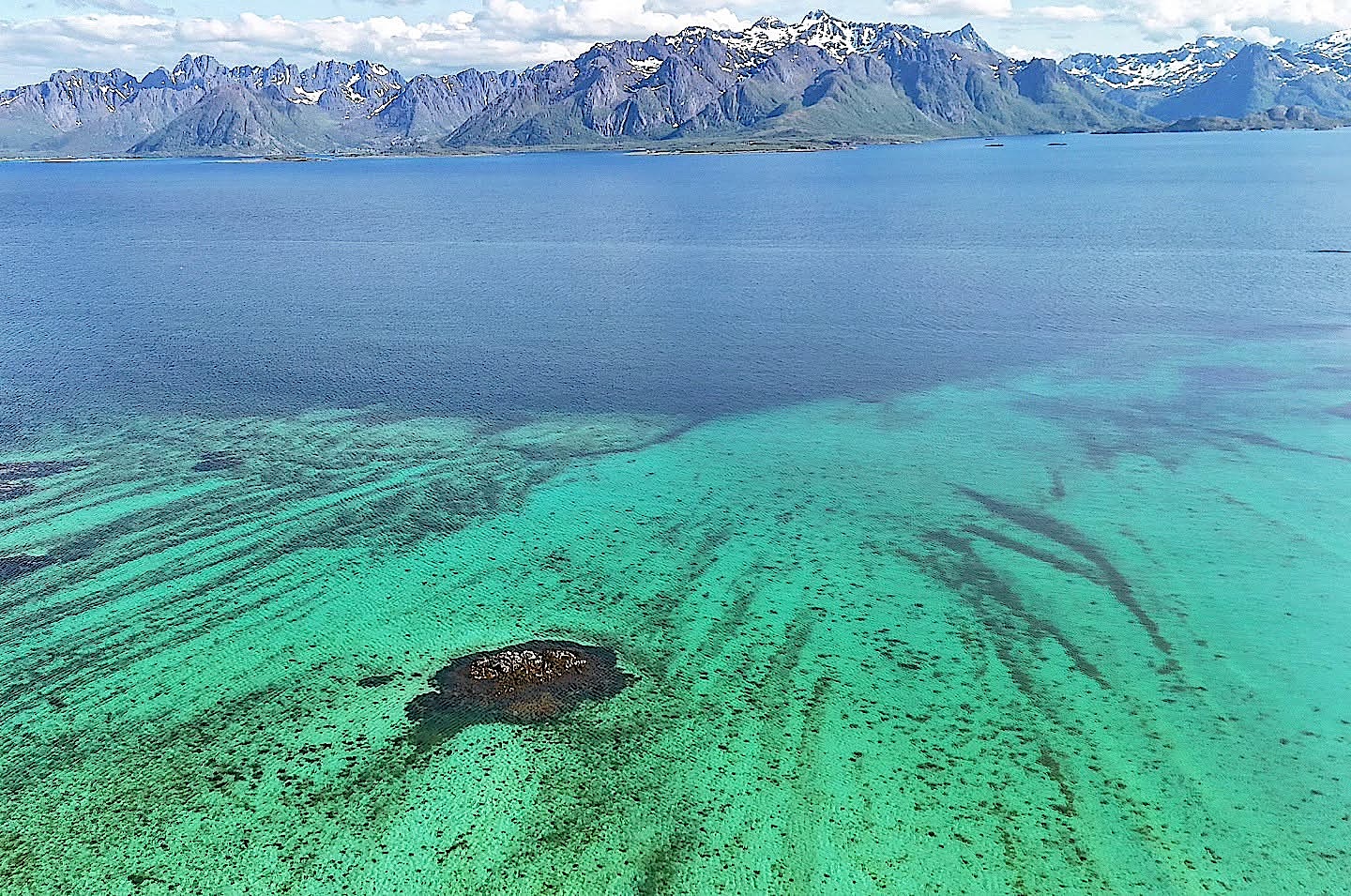
The biggest surprise came around Melbu on Hadseløya: white sand, shallow water in every shade of turquoise and snowy peaks behind. From the air it looked like the Maldives or Bora Bora. Only the water temperature gave the game away.
Puffins and sperm whales off Andøya
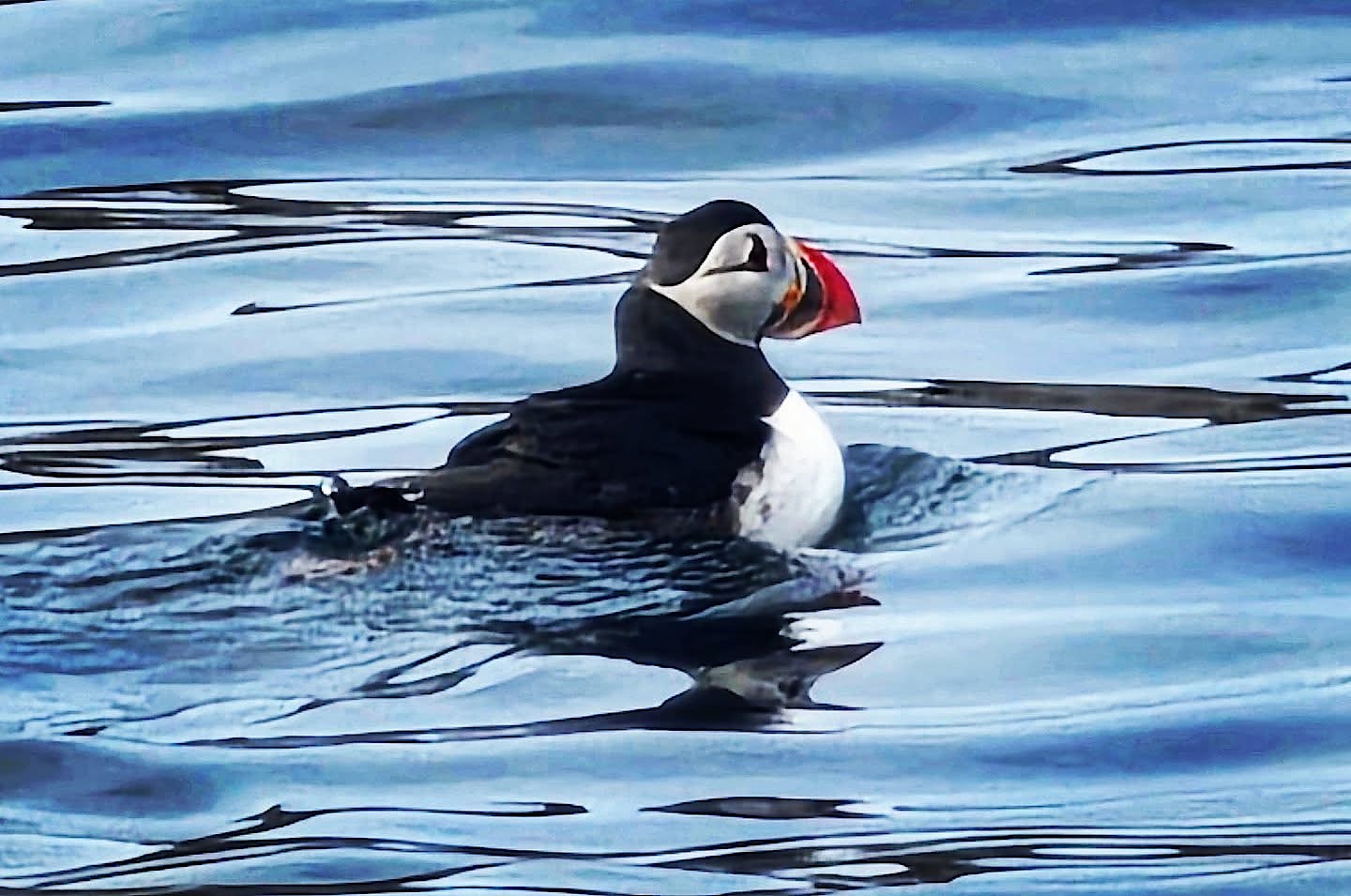
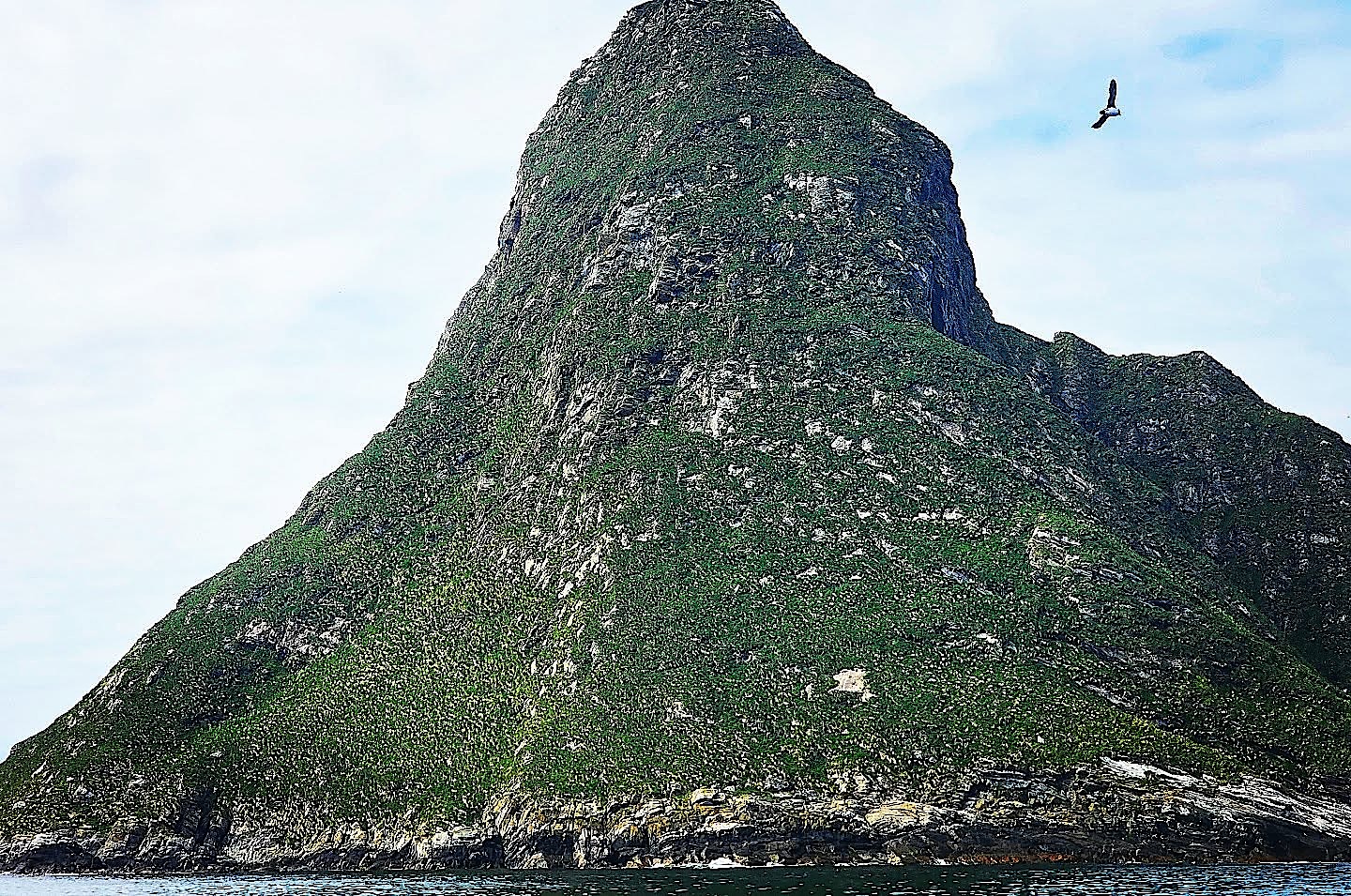
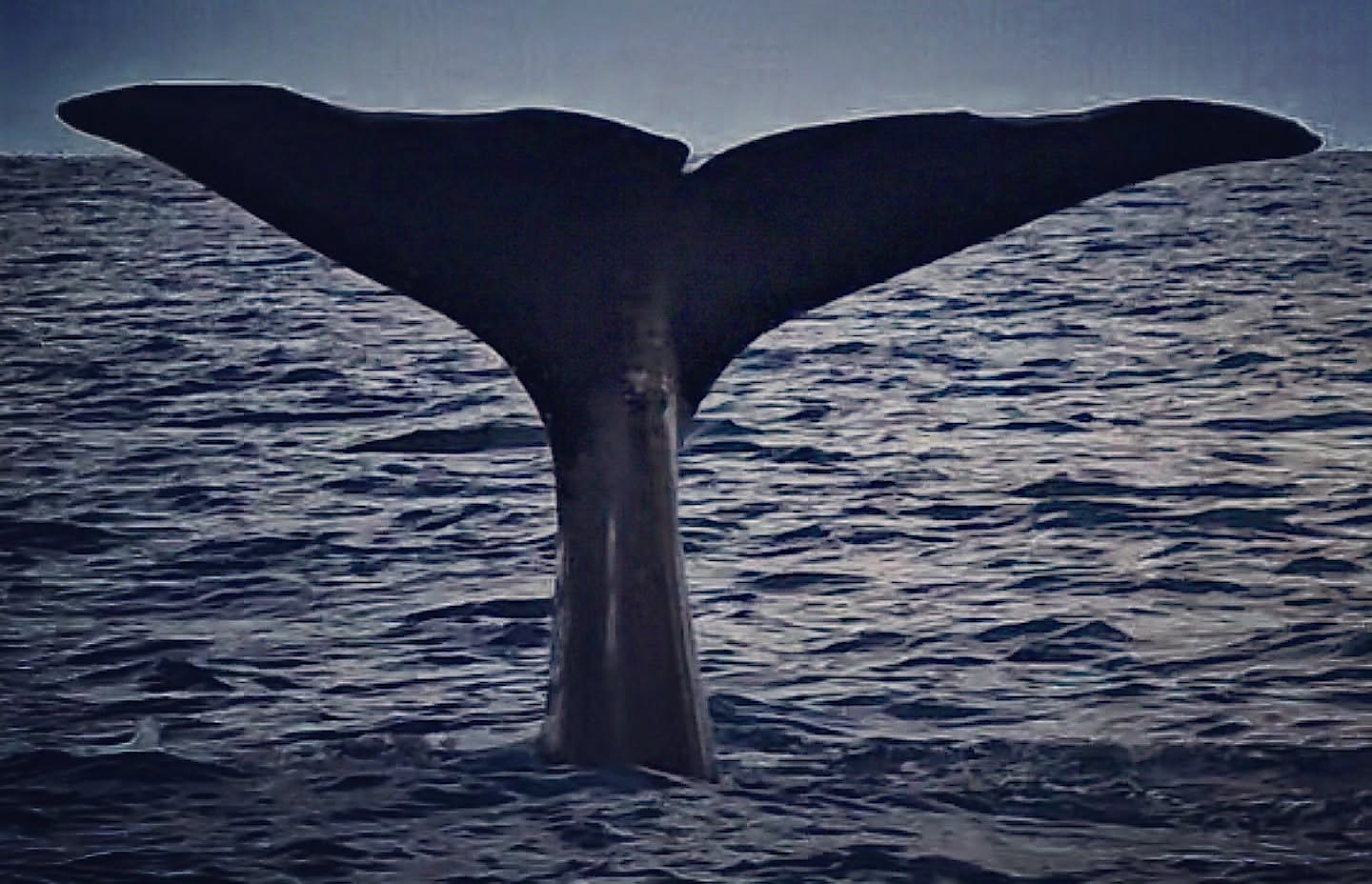
The next day I finally went whale watching off Andøya, the northernmost island of the Vesterålen. First we visited the puffins around the bird island of Bleiksøya. Then came what we had come for: a sperm whale raising its fluke as it dived, and later another, almost perfect one. With a brain of around eight kilograms, the sperm whale has the heaviest brain of any animal.
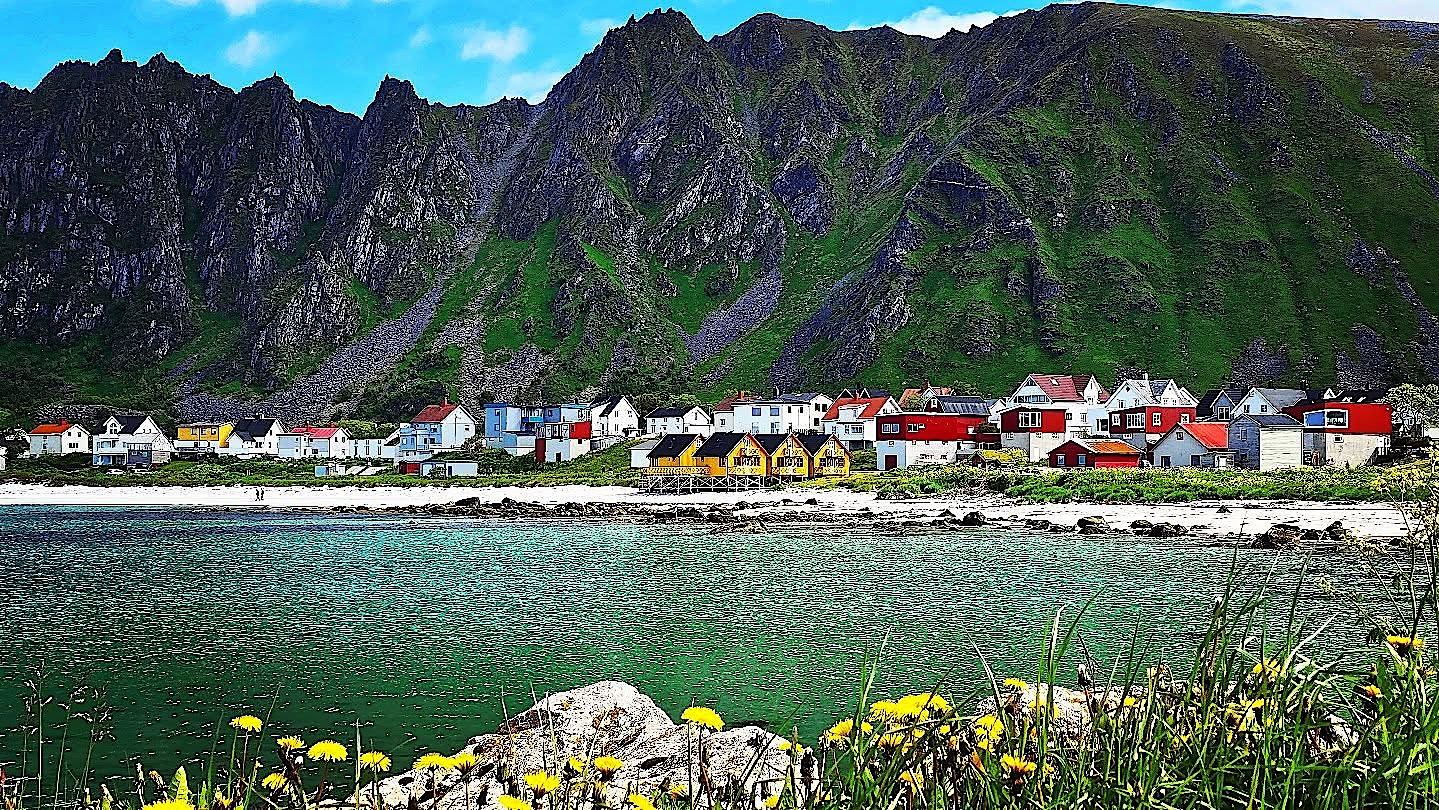
The setting matched the wildlife: the village of Bleik lines a long white beach below a wall of jagged peaks.
Through the Trollfjord to the Lofoten
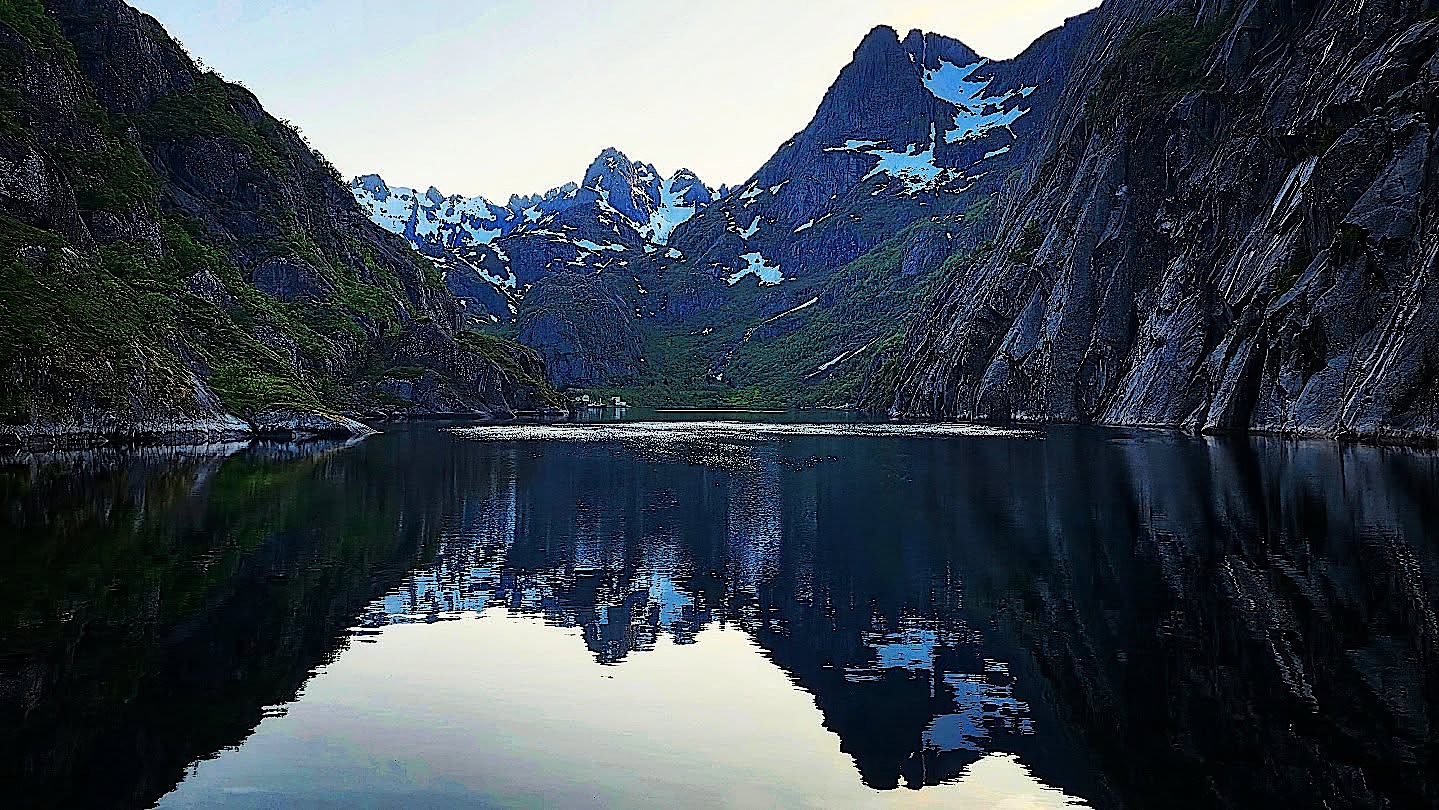
On the long drive from Andenes to the Lofoten I spotted one of the region's famous white-tailed eagles and saw the Trollfjord late in the evening, perfectly calm in the midsummer light. This side arm of the Raftsund is only about two kilometres long, with a very narrow entrance. In 1890 it gave its name to the Battle of the Trollfjord, when fishermen in open boats fought steamship owners who had blocked the entrance to keep the cod for themselves.
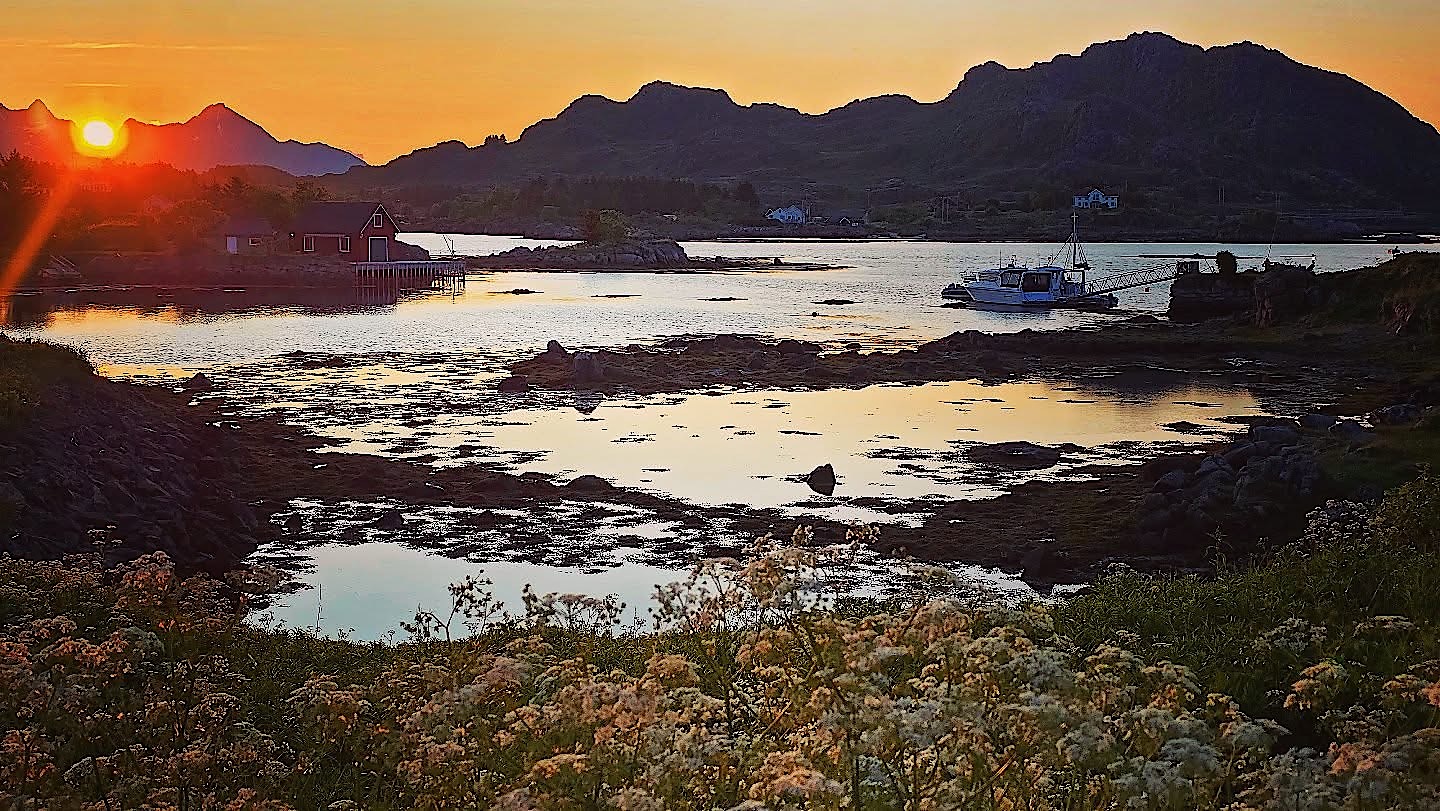
With almost too many impressions to process, I reached Ballstad, my base for the next days, at 2 am. The sun hung just above the sea and wouldn't go any lower.
Drysuit diving, Henningsvær and Nusfjord
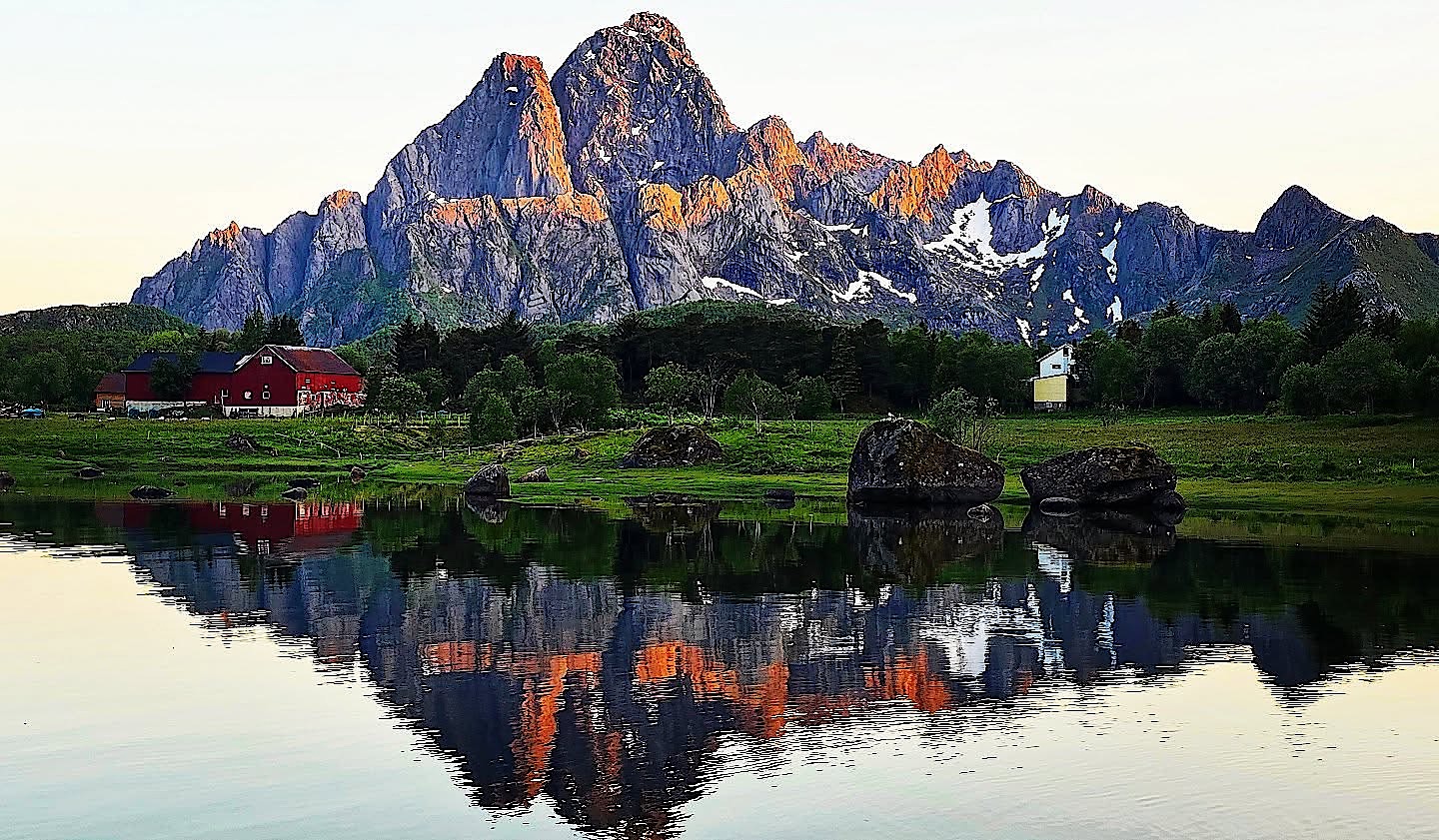
In Ballstad I did the course I had come for, and after the first day I was officially certified for drysuit diving, a very useful skill for cold water. Between dives I drove around, and on the Lofoten you want to stop every minute: granite peaks mirrored in still bays, red barns, and the low sun turning the rock faces orange late into the night.
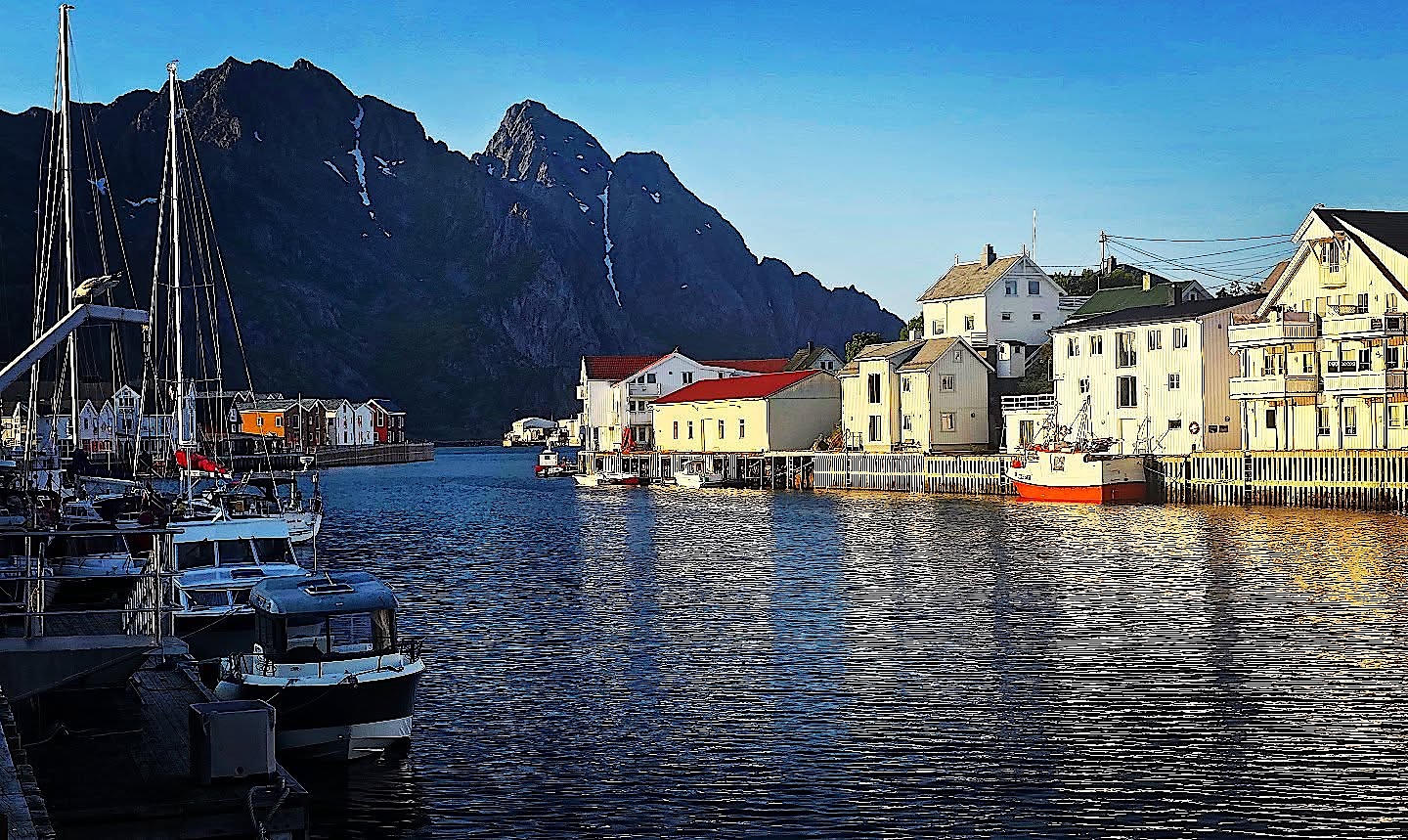
One evening I had dinner in Henningsvær, a fishing village spread over small islands linked by bridges, whose football pitch on a rock in the sea has become one of the most photographed in the world. The next evening I reached Nusfjord, one of Norway's best-preserved fishing villages, its red cabins squeezed into a narrow bay. In 1975, the European Architectural Heritage Year, it was one of three Norwegian pilot projects for preserving old wooden buildings.
Reine and the remote island of Værøy
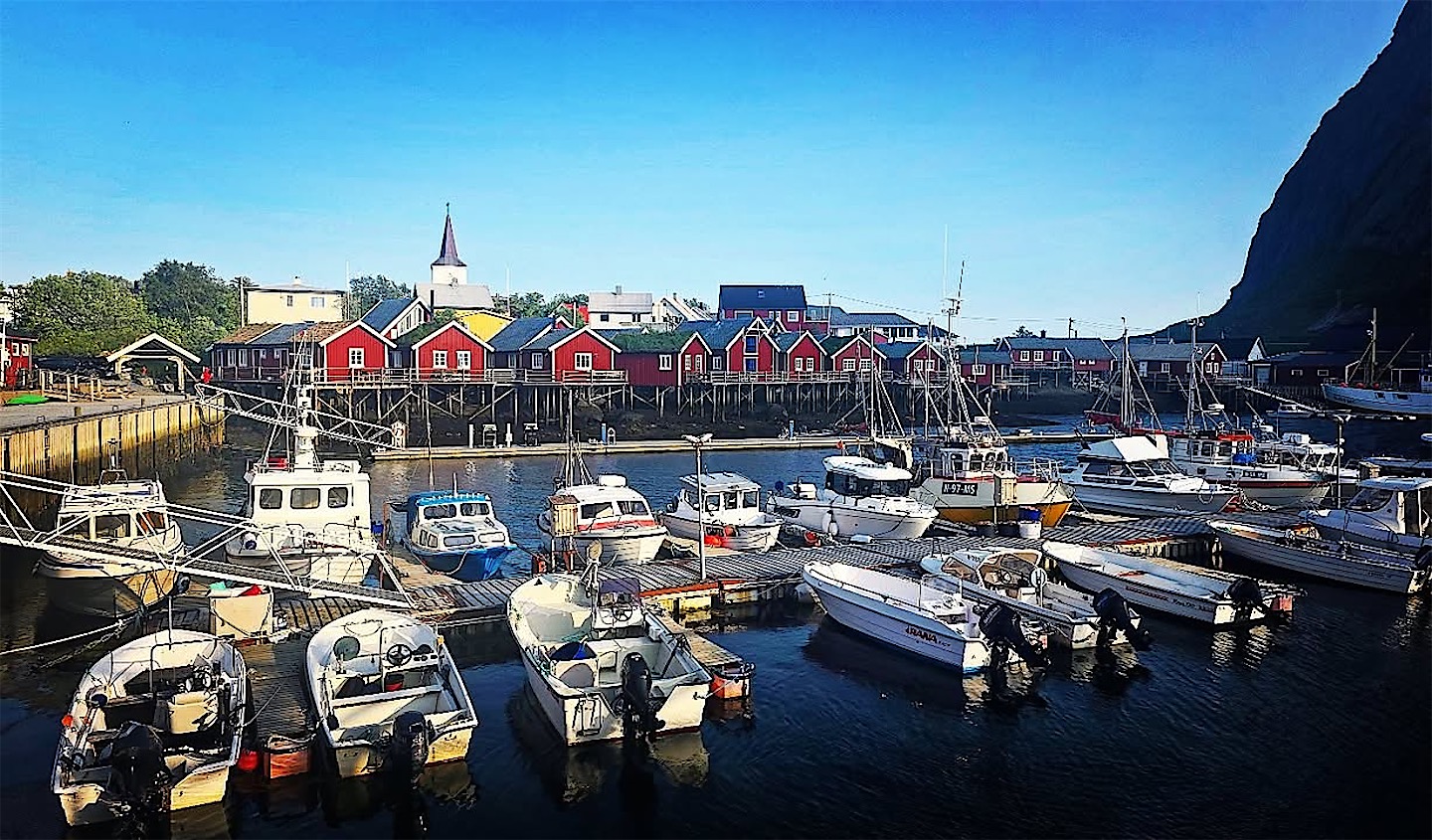
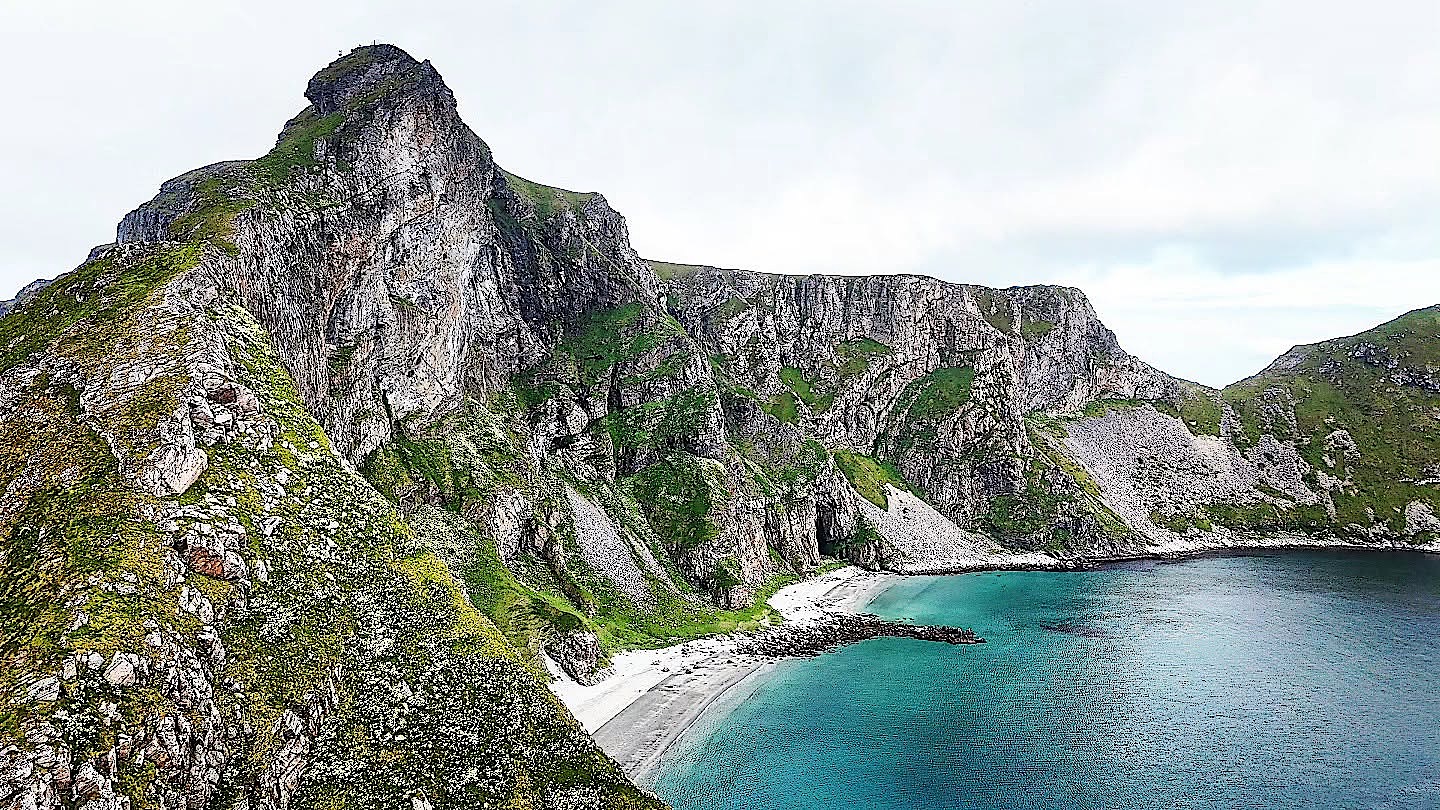
From the end of the Lofoten road, past Reine and its red cabins below sheer granite walls, I took the ferry to the small outer island of Værøy. It felt like a different world: green mountains dropping almost vertically into turquoise water, and hardly any traffic. From above I looked down on Puinn Sand, a beach between steep cliffs that can only be reached by boat.
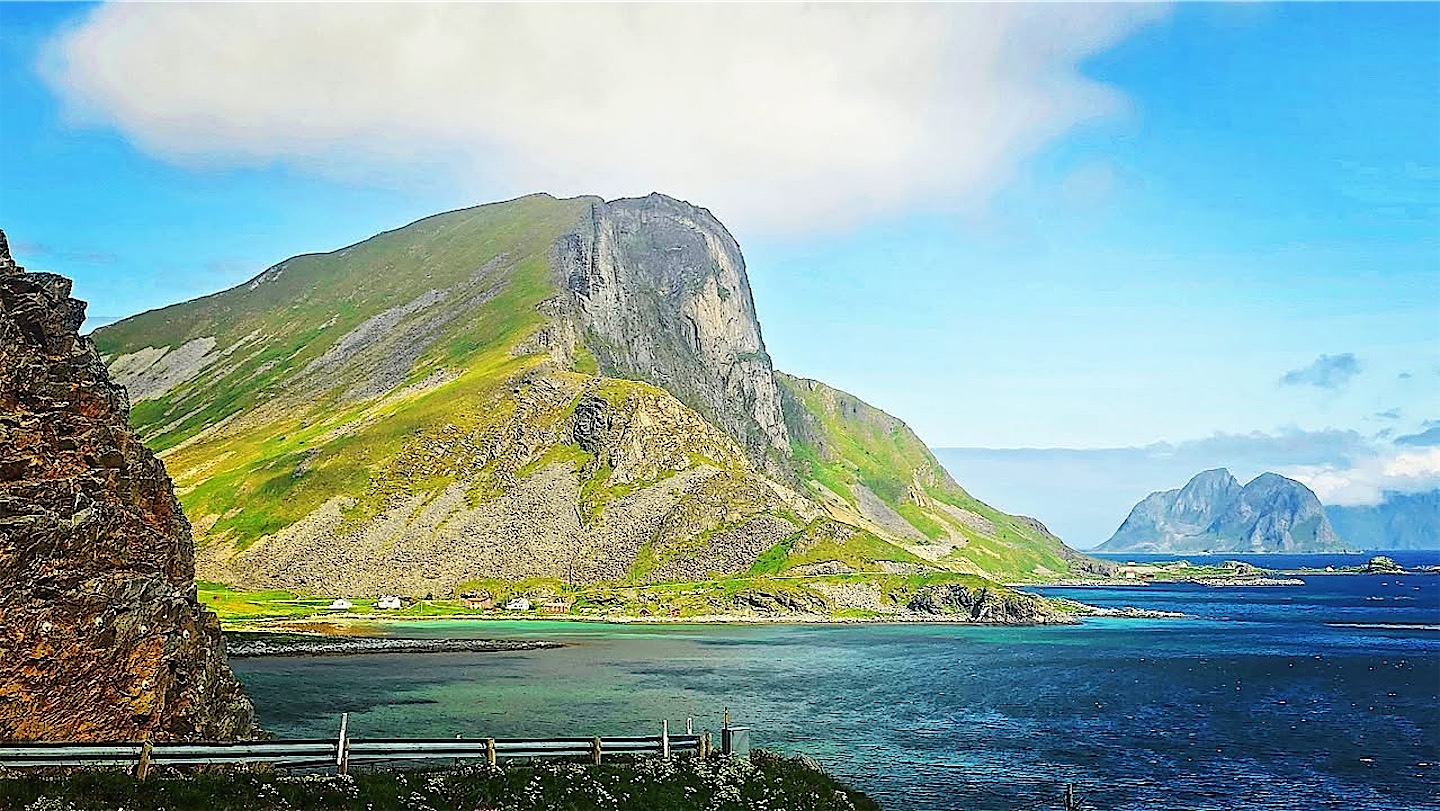
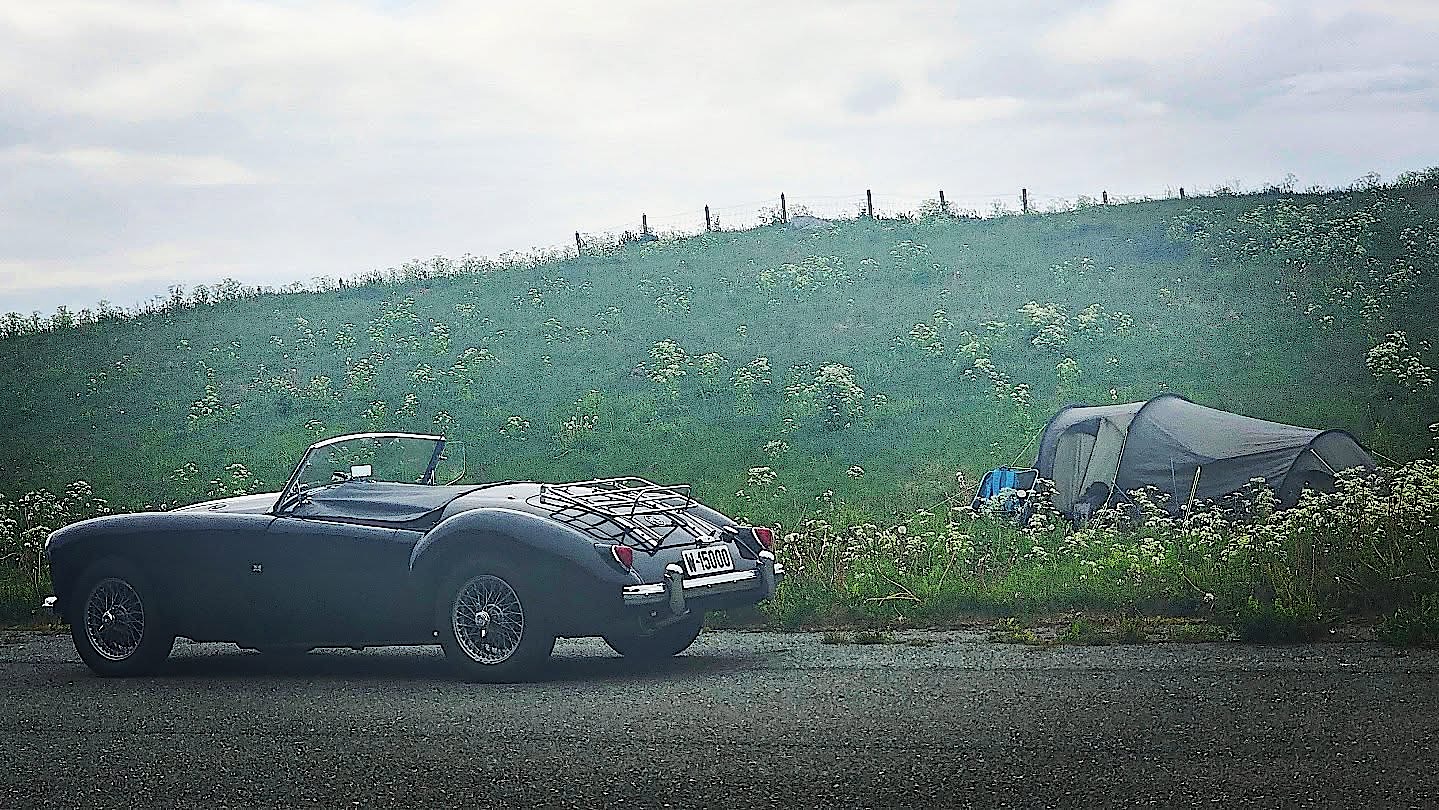
The Lofoten are full of camping rigs of every kind, and my favourite was on Værøy: a vintage roadster with a small tent pitched next to it. Værøy is a lovely island for a day trip, though probably a bit boring to grow up on.
A maelstrom, the last snow and Stetind
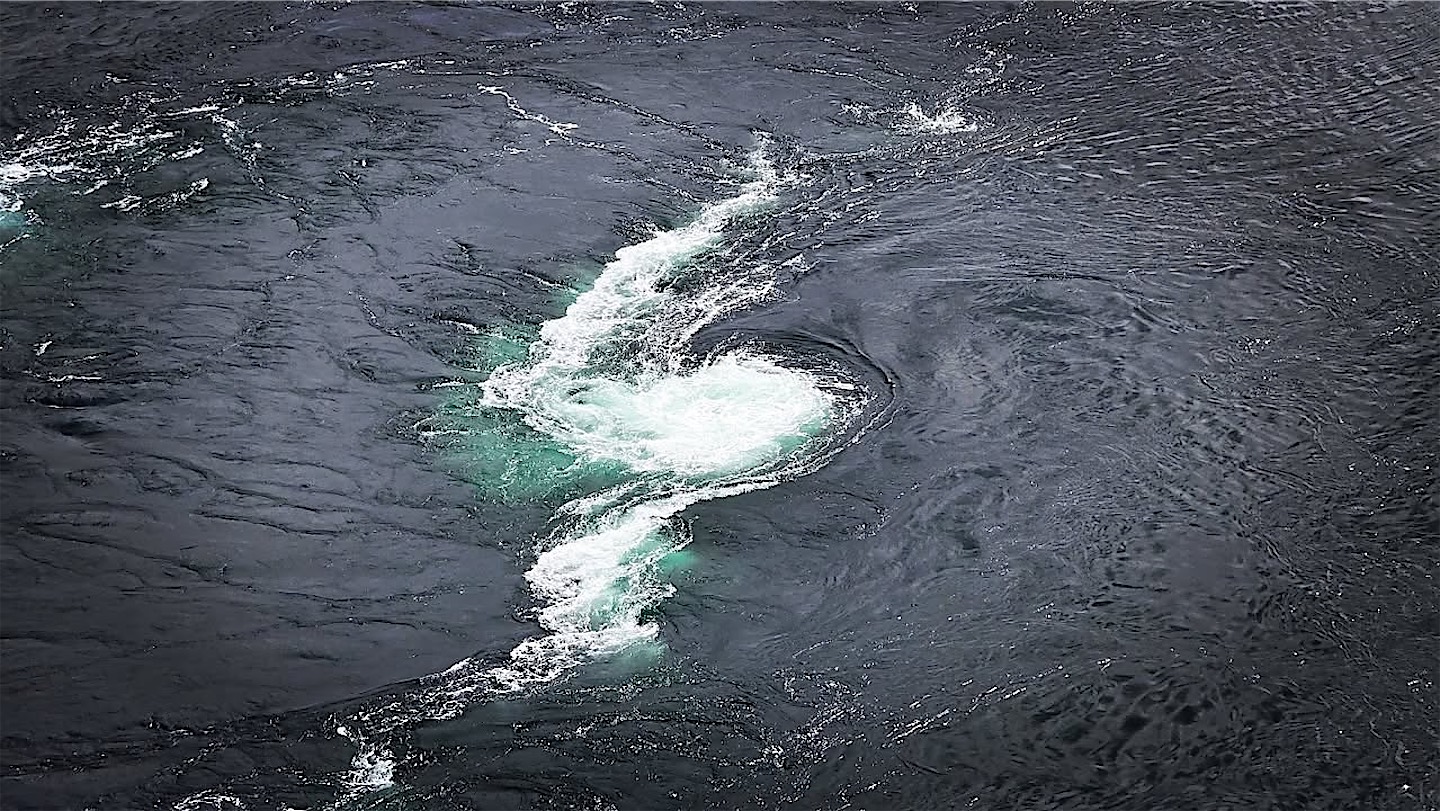
The ferry reached Bodø at 4 am. After some sleep and two big calls I set off on the last day of the road trip, all the way back north to Evenes. The first stop was Saltstraumen, just outside Bodø. I was a little late for the strongest current, but the water still rushed through the strait in swirls and whirlpools, with wildflowers on the shore and mountains behind.
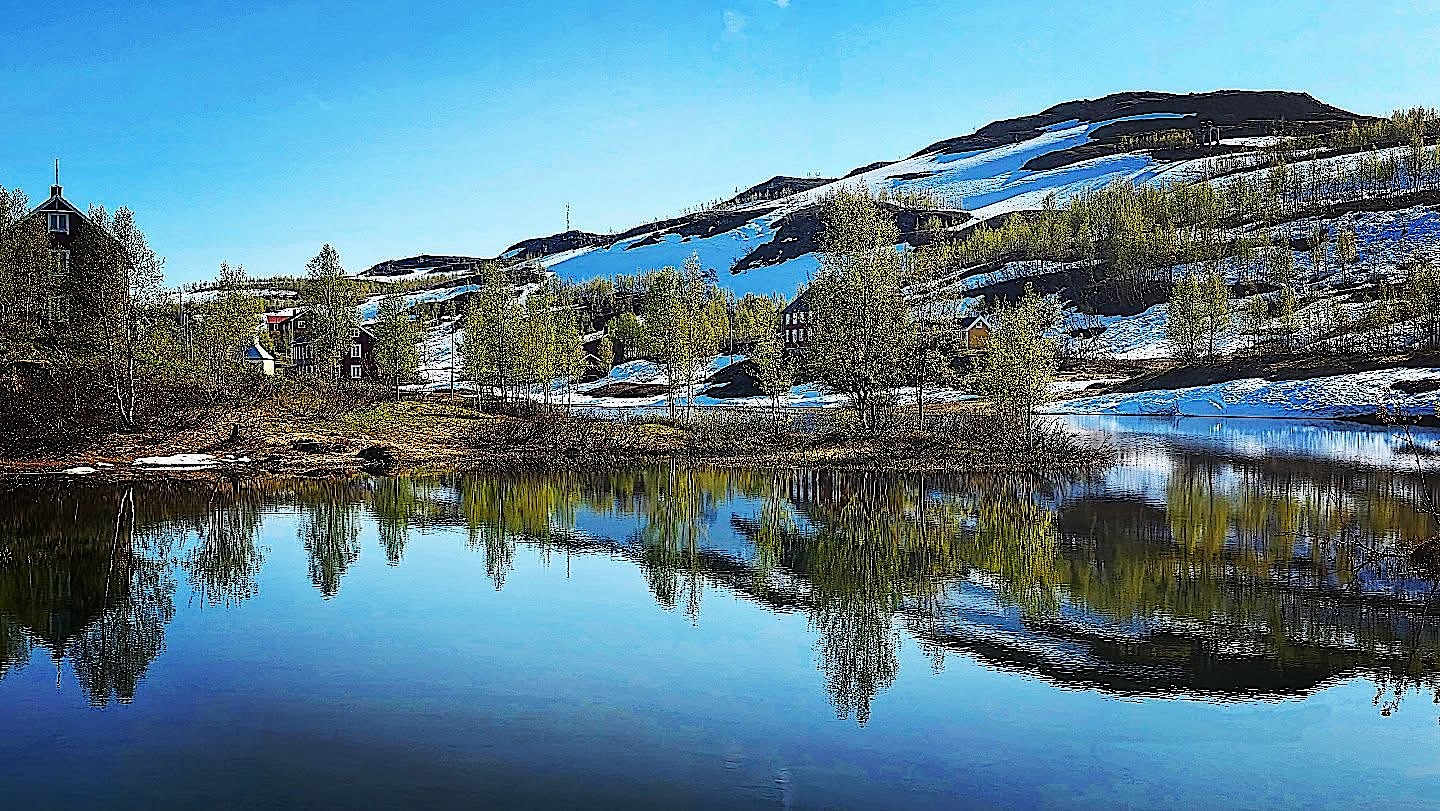
Then I made a detour into the mountains along the Swedish border, up to Jakobsbakken, to touch the last snow before the sunny days melted it. I had been very lucky with the weather all week, and the lakes were so calm that Norway may well be the best country for mirror pictures.
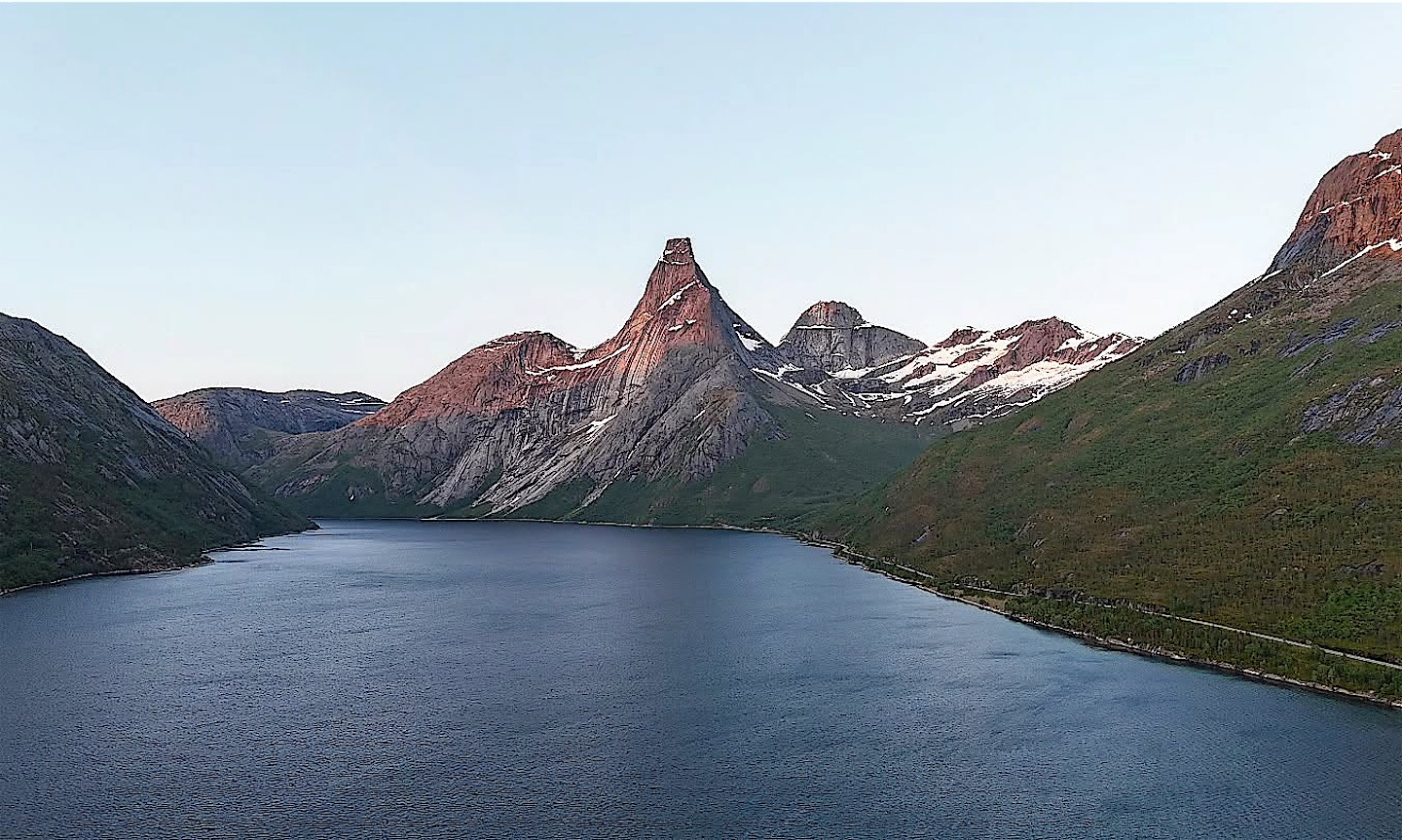
Late in the evening I crossed the Tysfjord, which still divides northern Norway from the rest of the country: bridges and tunnels are planned, but for now even the main road needs a ferry. Of four ferry routes I took the scenic one. Nearby rises Stetind, voted Norway's national mountain in 2002, and it deserves the title. I flew my drone around its granite obelisk at midnight with no one else in sight, a spot not yet overrun by campers.
I had underestimated the distances: I reached my hotel at 3.30 am, four hours before I had to get up for my flight. Next time I want to travel in my own truck and camp wherever I like, preferably far from the crowds; that chance came in September in southern Norway and Denmark. First, though, I flew from Evenes to a long weekend in Switzerland and Liechtenstein, which continues in Liechtenstein, the Säntis and Marienbad.