Green Spain and the Edge of Europe: By Truck from Bilbao to the Algarve
1–13 November 2025 · Prague, Bilbao, Picos de Europa, Altamira, Playa de las Catedrales, Finisterre, Santiago de Compostela, Nazaré, Cabo da Roca, Monsaraz · Regions: Czech Republic, Spain (Basque Country, Cantabria, Asturias, Galicia), Portugal
Spain is one of the countries I know best. I spent an exchange semester in Madrid in 2013 and criss-crossed the country by ALSA bus as a backpacker, and further visits followed during our long catamaran journey in the pandemic year 2020. Yet two regions were still missing on my NomadMania list: Asturias and Galicia, the green, rainy north-west. In early November 2025 I had one week to fix that, wedged between a conference in Prague and our family congress in the Algarve, with my expedition truck waiting for me in Bilbao.
From a Prague stage to Bilbao
The trip began in Prague, where I was back for the first time in three years. At a conference there I shared the stage with a friend for a panel on how to thrive as a borderless entrepreneur. Meanwhile my mother had spent three weeks driving my truck Nemesis down through France to Bilbao, so all I had to do was fly in and pick it up.
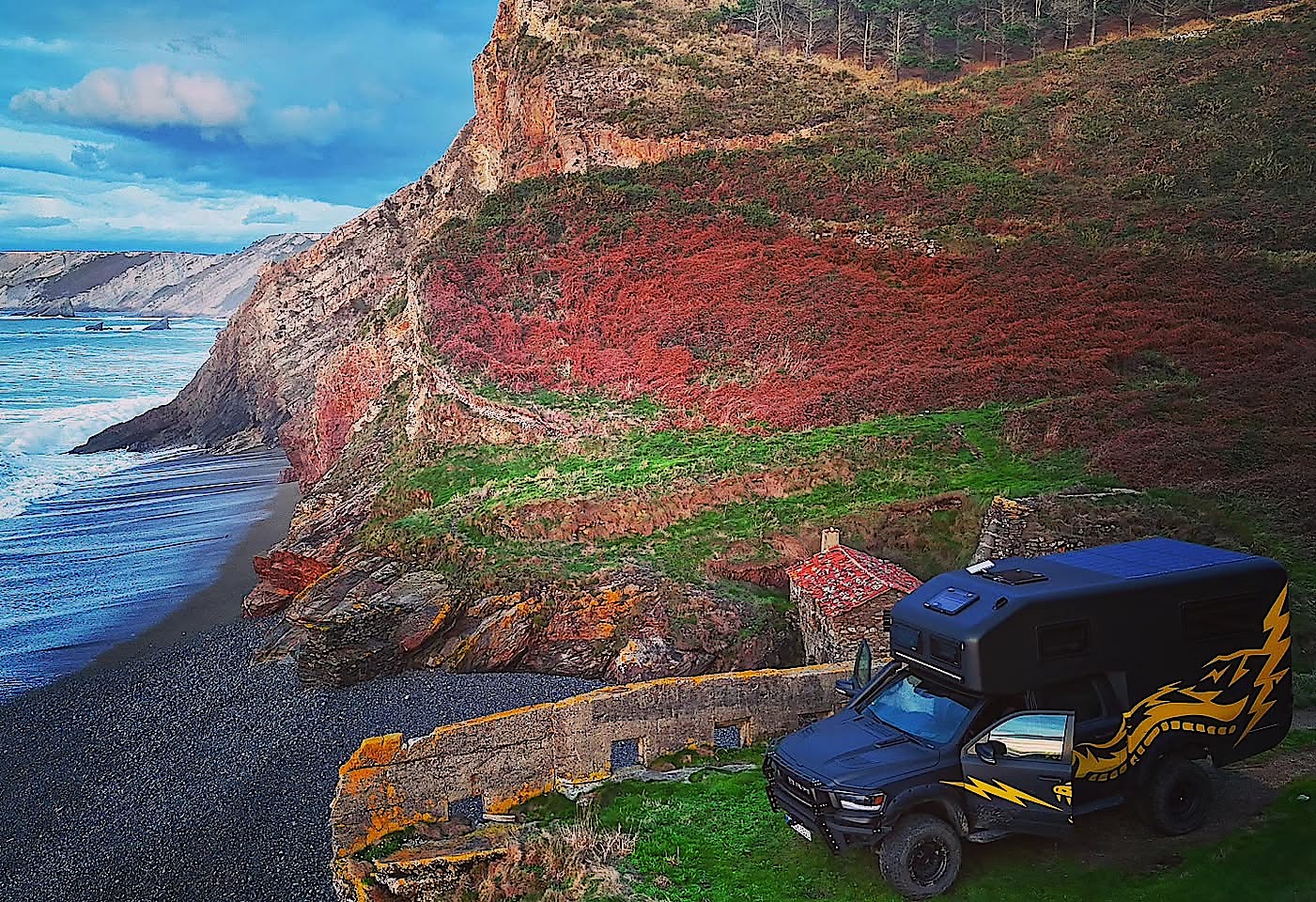
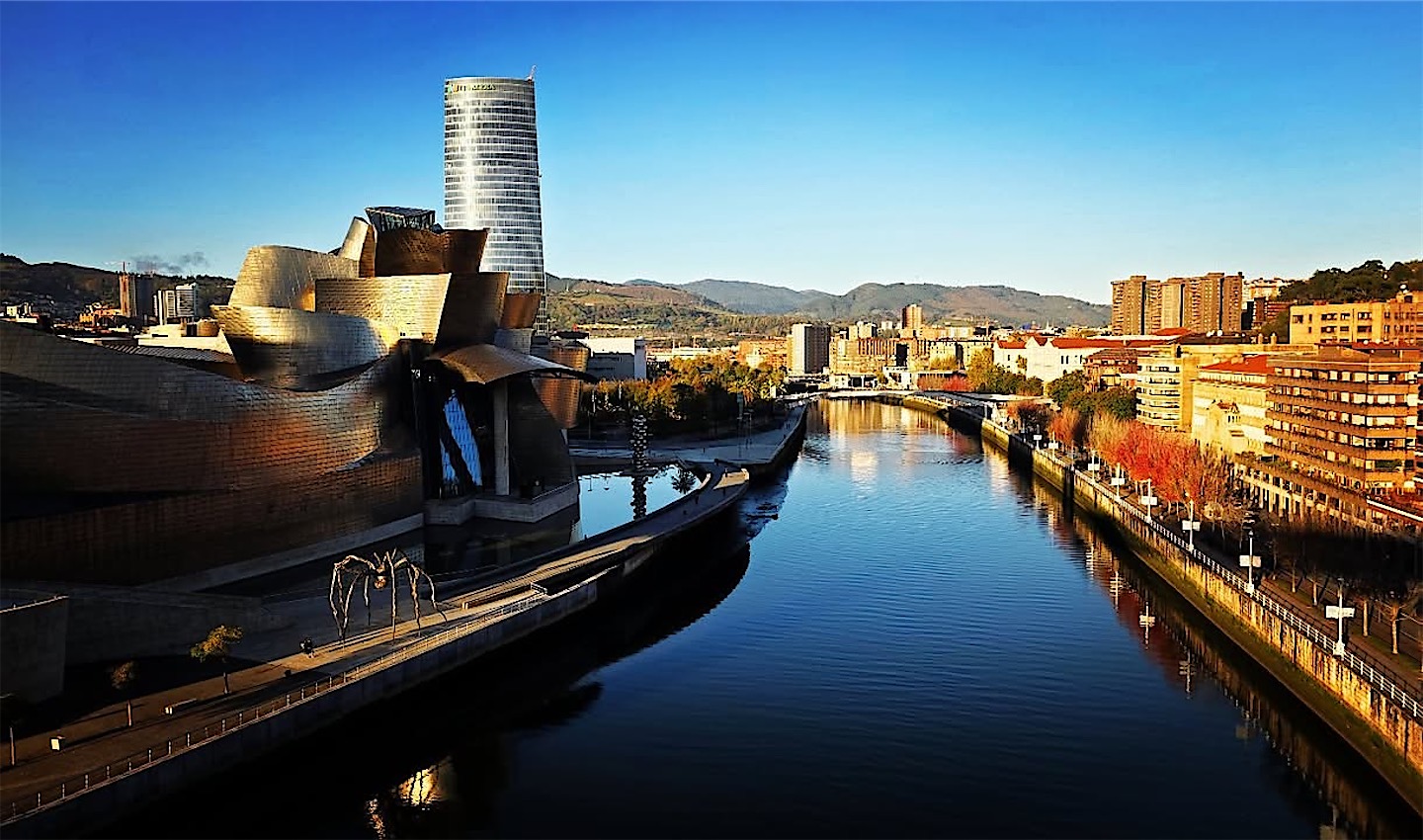
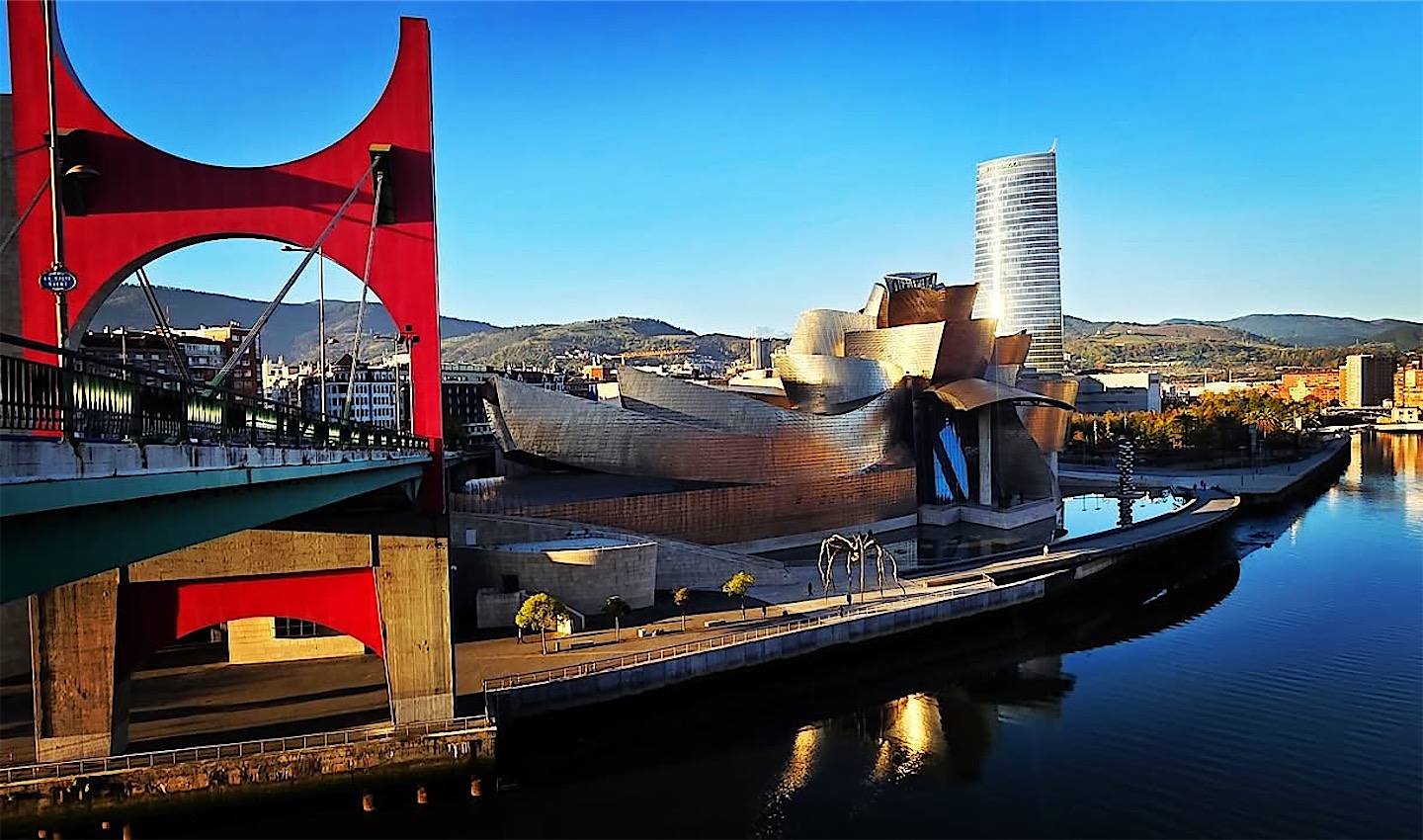
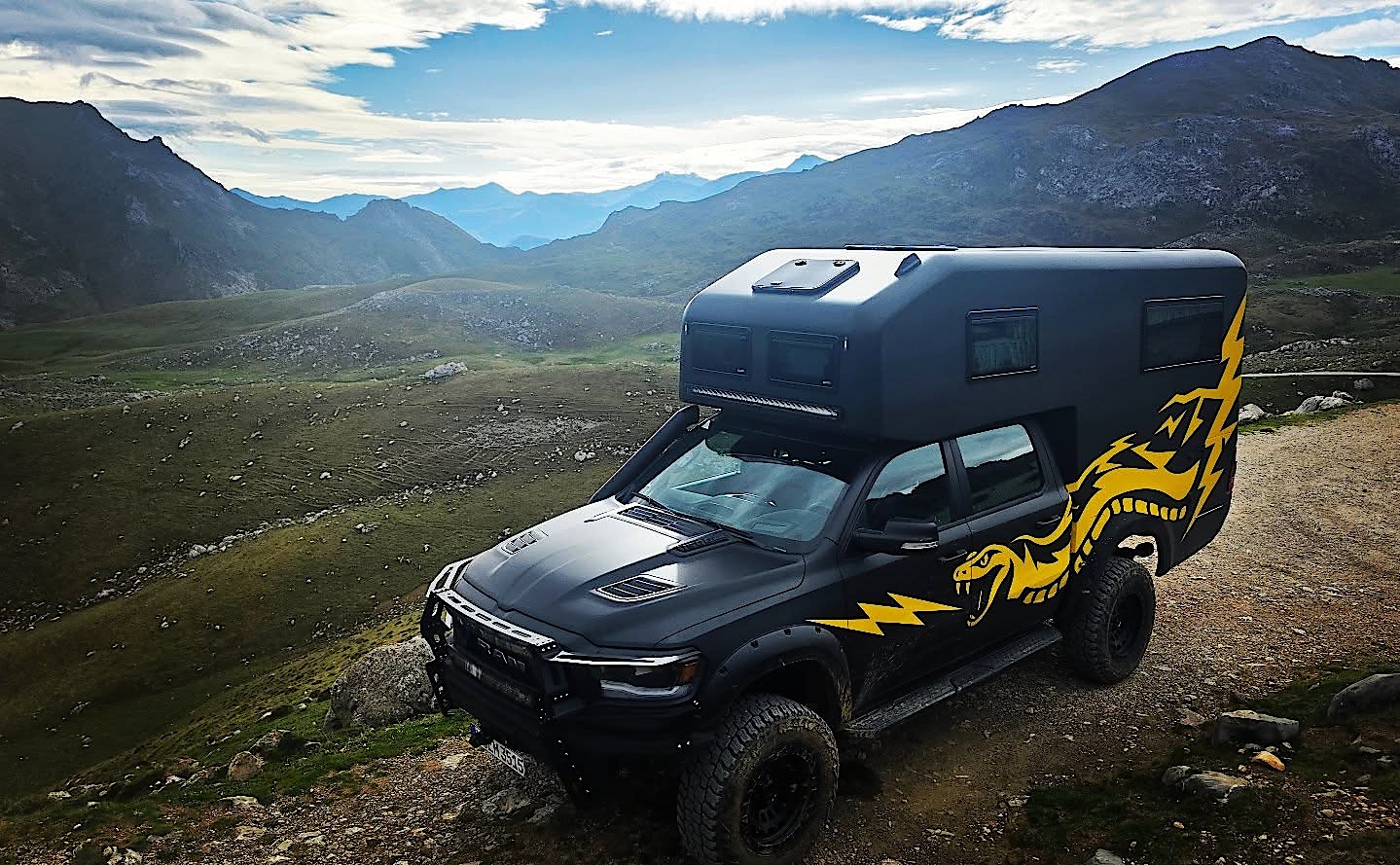
Bilbao welcomed me with a crisp, sunny autumn morning. I walked along the Nervión to the Guggenheim Museum, its metal curves glowing in the low sun, before being reunited with Nemesis, a black Ram pickup with a living cabin on its back.
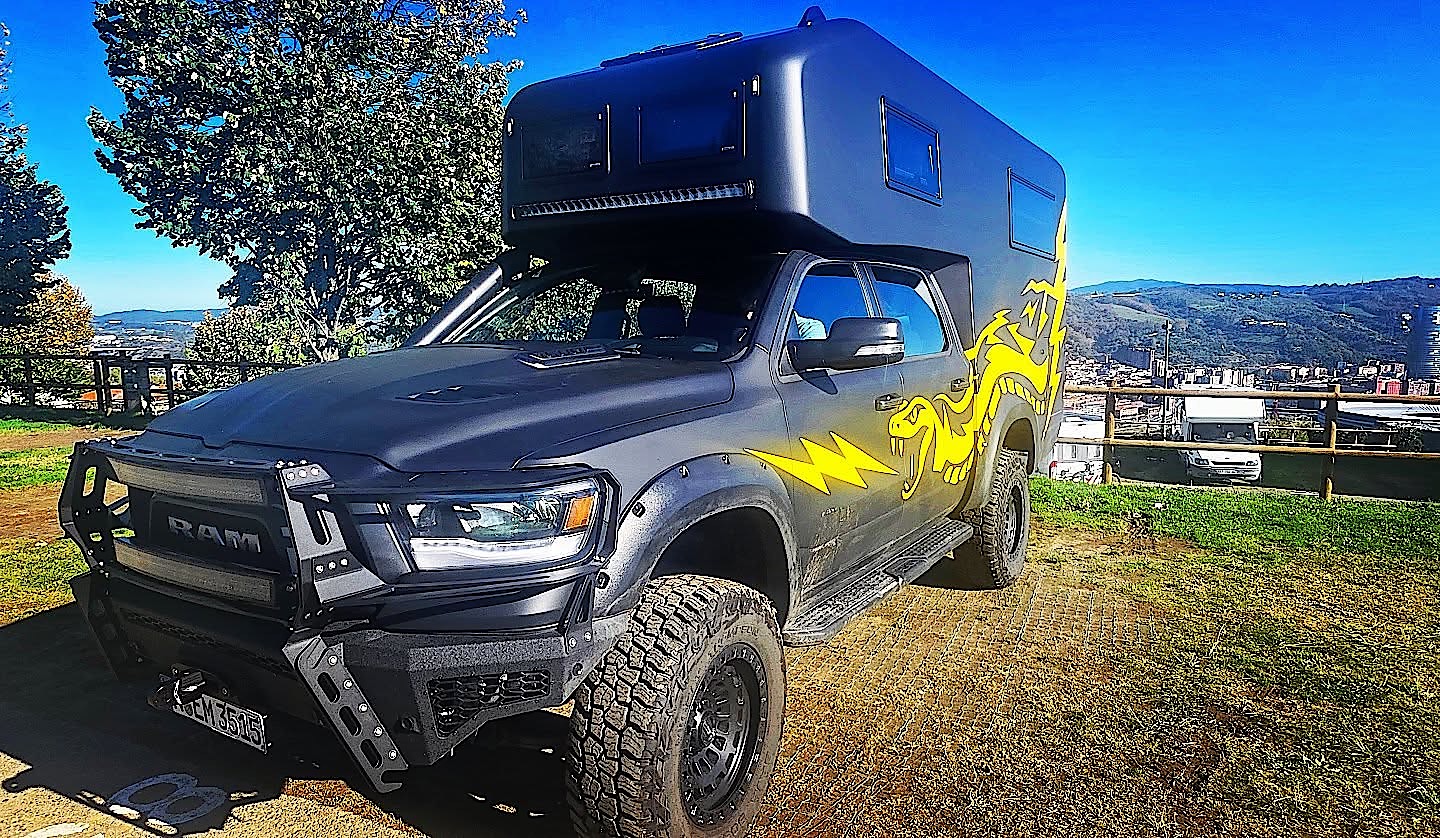
On my way out of the Basque Country I stopped in Balmaseda to see its famous medieval stone bridge, then headed up into the mountains of Cantabria.
Into the Picos de Europa
The weather looked good for November. The only drawback at this time of year is the early sunset, though that leaves more time for work and long evenings in the cabin. For the first night I found a spot high on a ridge, just outside the national park, where I assumed camping was tolerated; the track up was rough enough that I doubted a police car could follow. In a meadow nearby I briefly thought I had spotted a wolf. It turned out to be something far less wild. The next morning brought one of the most incredible sunrises of my life, with a vulture in the sky.
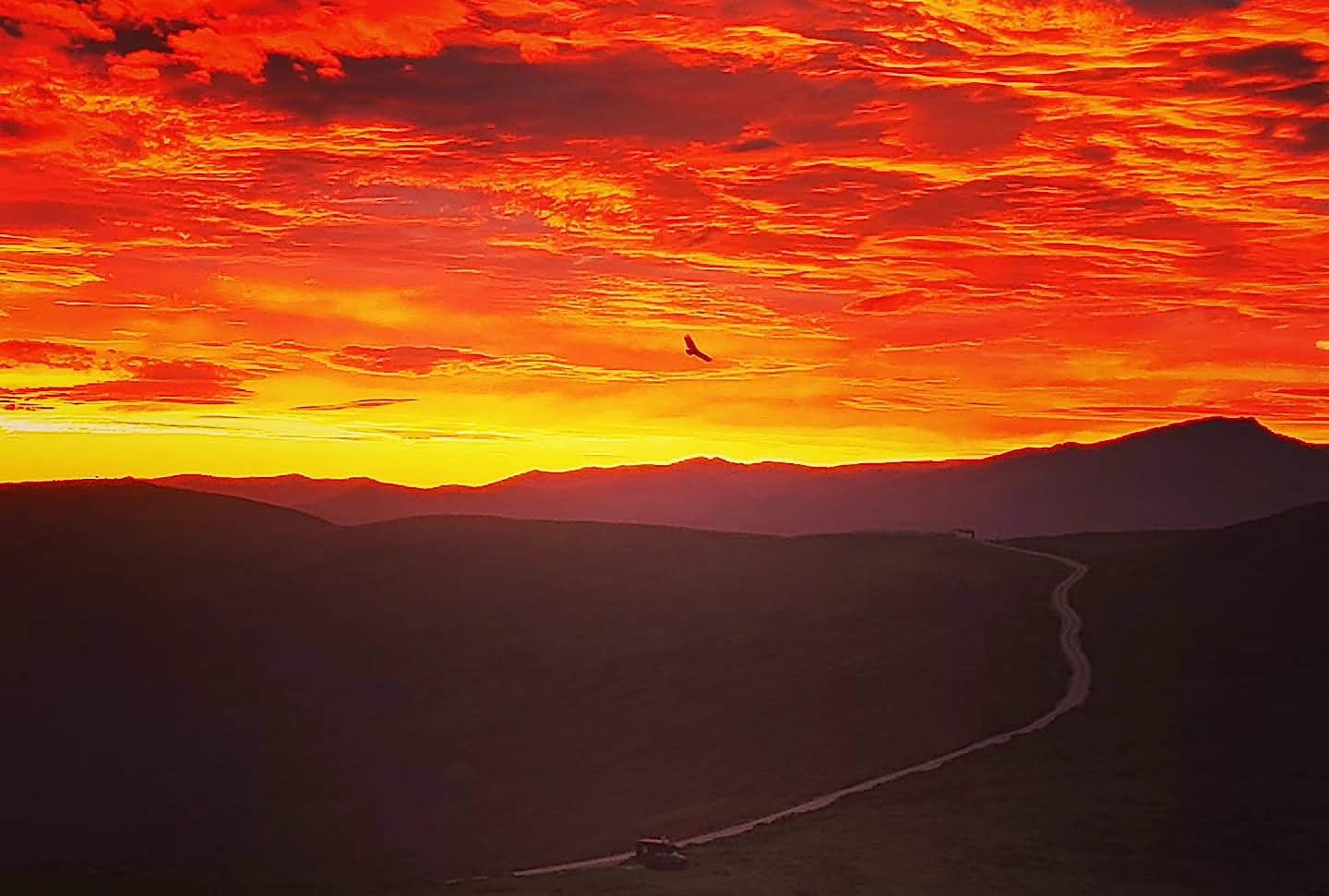
Cantabrian mountain roads are not for weak nerves, especially when a big lorry appears in front of you on a narrow lane. Via the small town of Potes I drove up to the south face of the Picos de Europa, only to find the cable car closed because of strong winds.
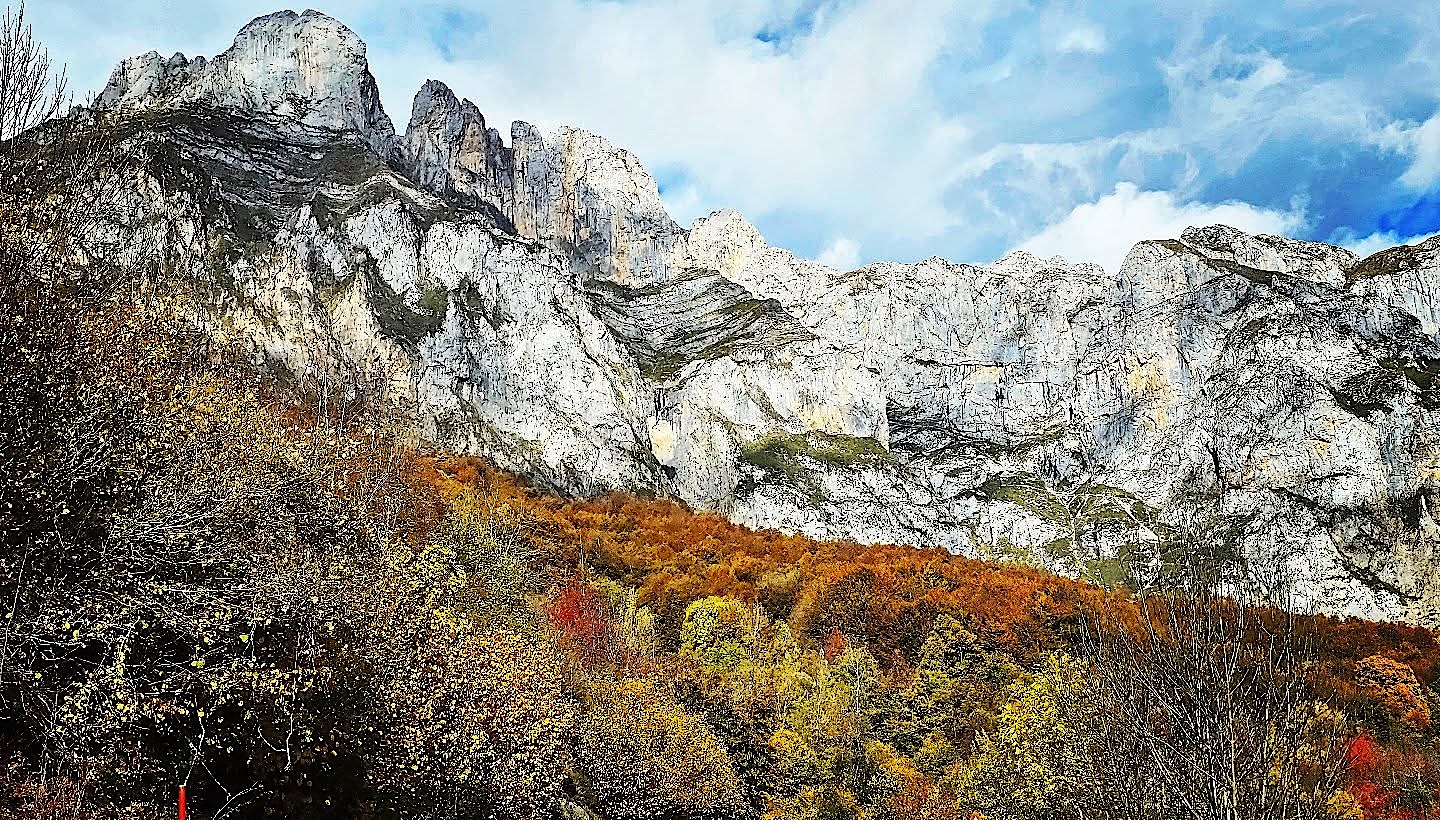
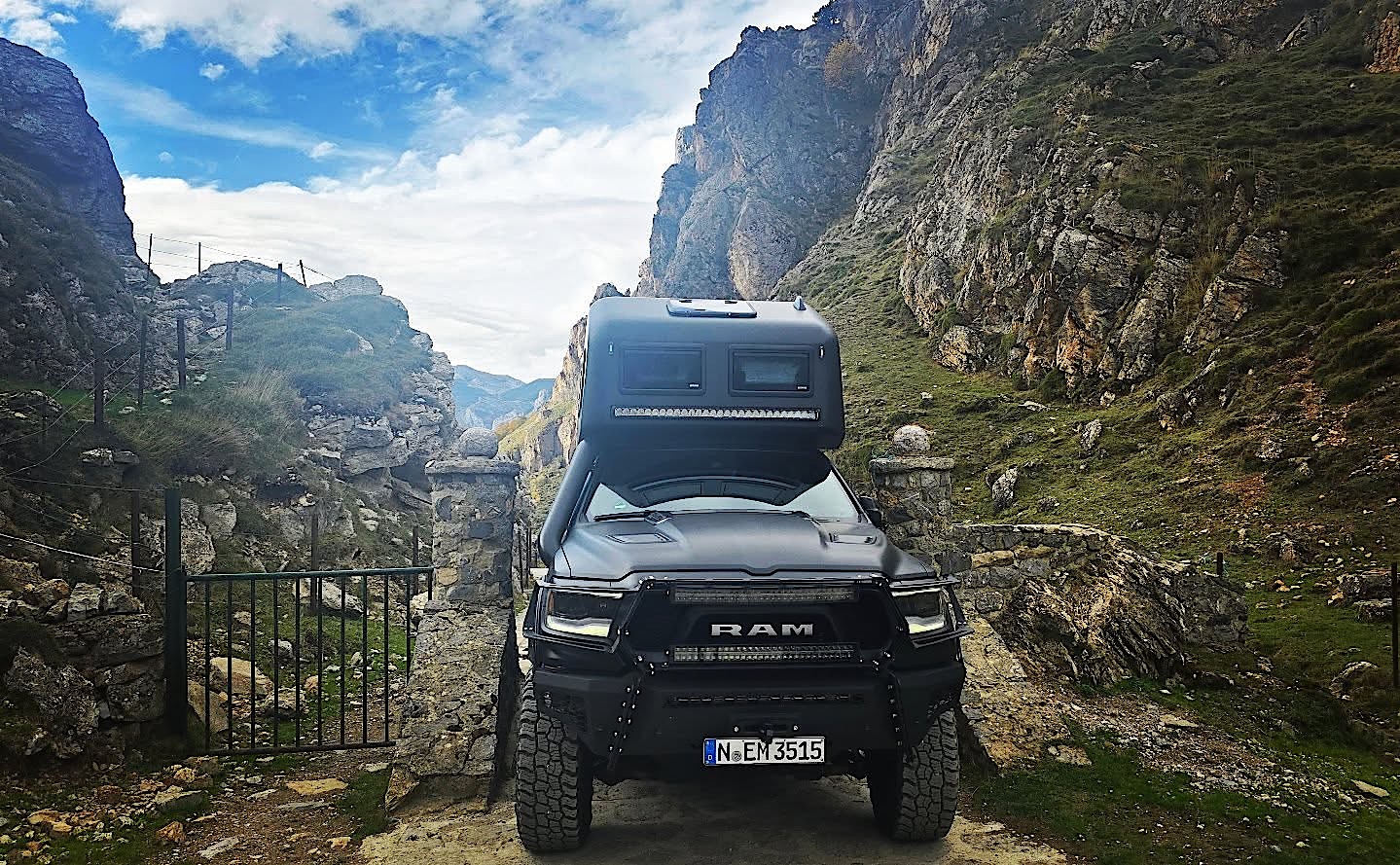
From there I crossed into Asturias the adventurous way, on the mountain piste from Espinama to Sotres. This gravel track through the heart of the massif doesn't even appear on Google Maps, but it saved me several hours. At one gate I only just squeezed through with the rear mirrors folded in, which is exactly why I built a truck of no more than 3.5 tonnes. It was my first real off-road trip with Nemesis and came with a few lessons, but it was worth it.
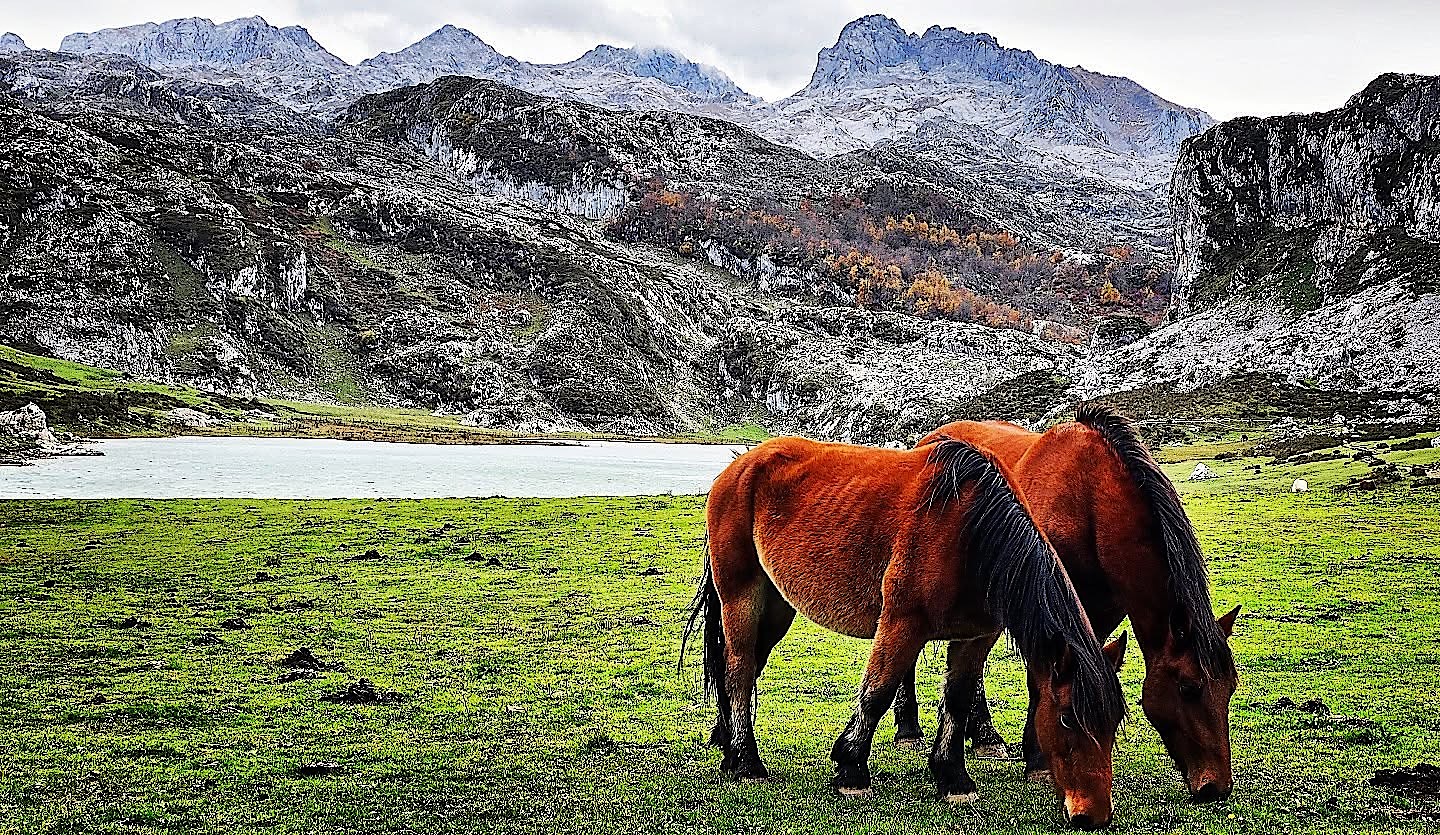
From Sotres I continued to the Lakes of Covadonga, where horses were grazing in front of the jagged peaks.
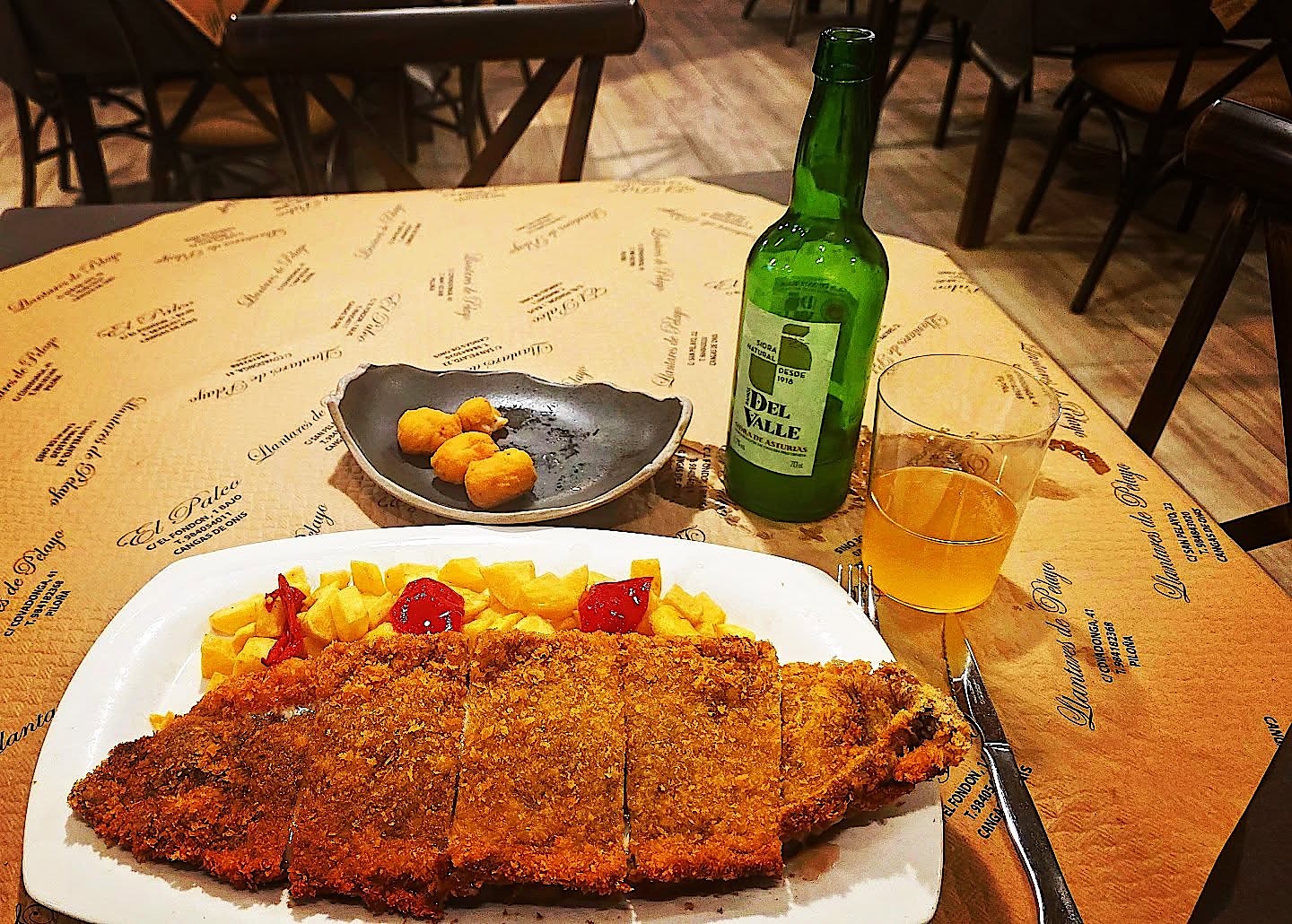
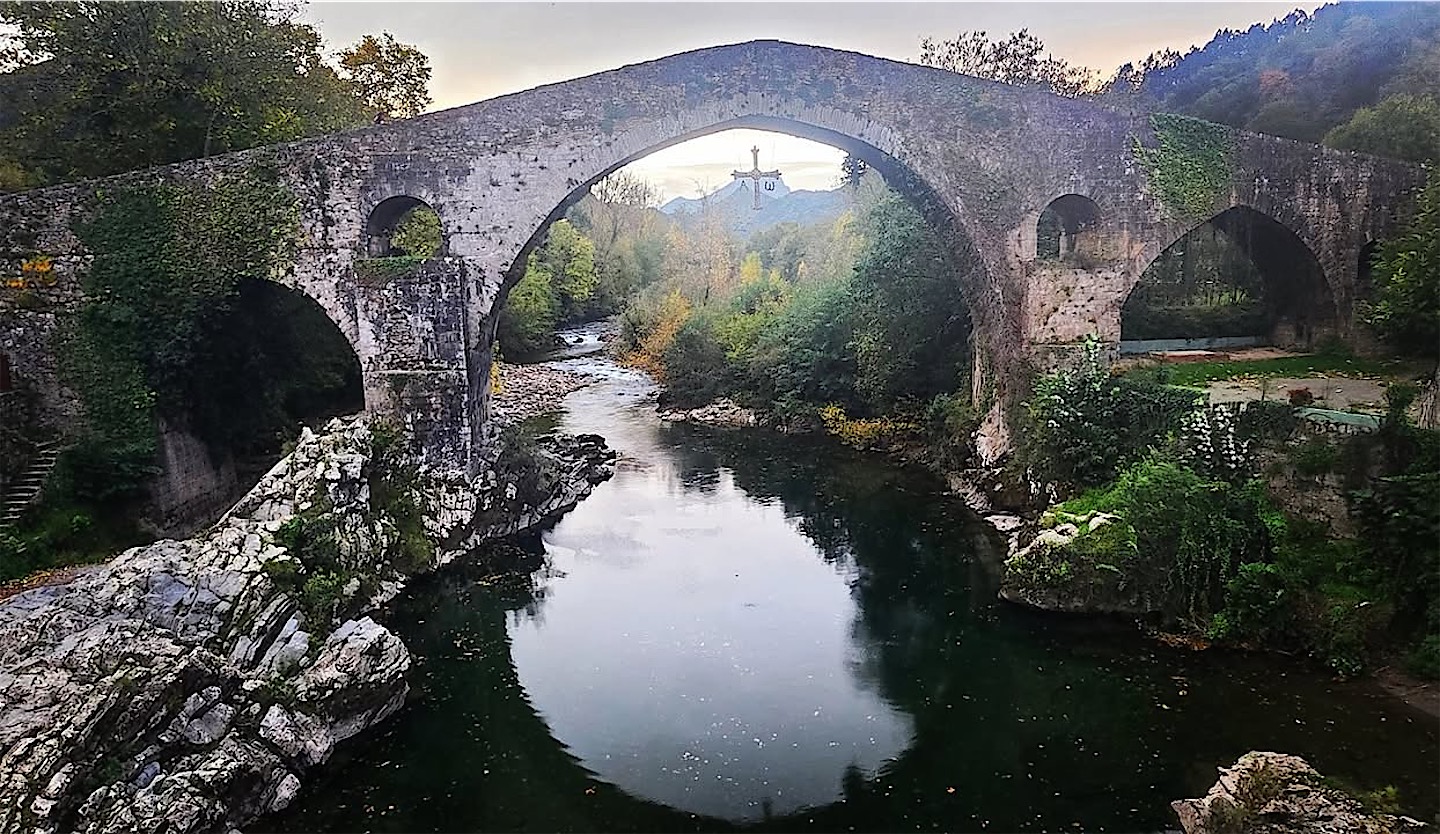
Below the lakes lies Cangas de Onís, the first capital of the Kingdom of Asturias, with its high-arched medieval bridge over the Sella. Asturian portions are massive, and I finally tried the region's legendary cider, a very different drink from what most of the world calls cider: still, tart and cloudy, traditionally poured from a bottle held high above the head so that it splashes into the glass, and drunk in one go.
Altamira and a wild night on the coast
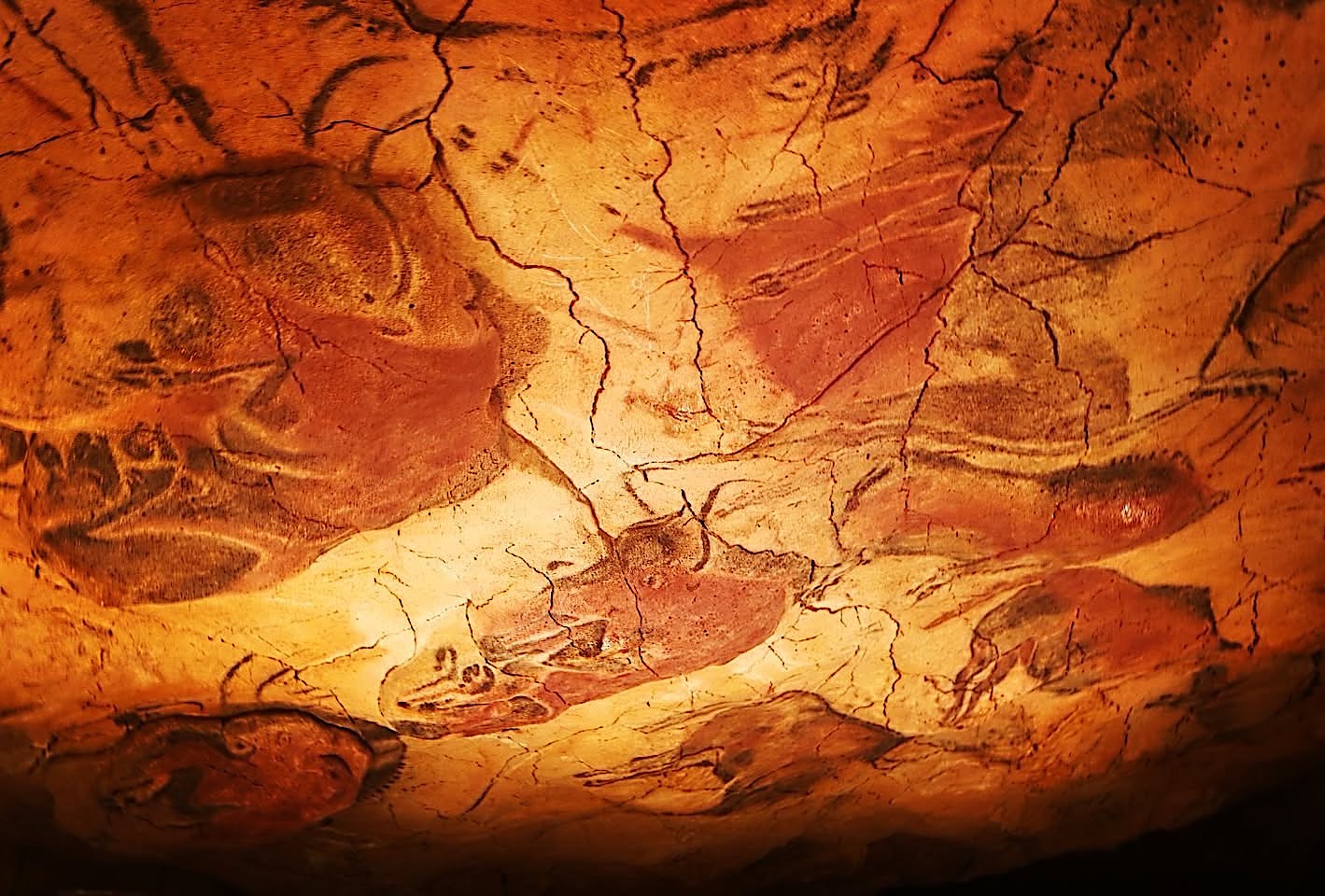
The next morning I made a detour back into Cantabria to visit Altamira. Visitors today see a precise replica a few metres from the fragile original, but its painted bison are still a fascinating glimpse into human history. A sign in the museum puts them at 18,500 years old.
I also visited Santillana del Mar next door, often called the town of three lies because it is neither holy (santa), nor flat (llana), nor by the sea (mar). Then I finally reached the Atlantic and its fine Cantabrian beaches. In Cudillero, a fishing village whose colourful houses are stacked steeply around a tiny harbour, finding a gap big enough for the truck was an achievement in itself.
That evening a friend joined me for a few days. A rough gravel trail took us to what may be one of the best wild camping spots in northern Spain, a grassy ledge above a black pebble beach near Albuerne, where we were completely alone. There was no mobile signal, but we had Starlink, a movie evening on the windswept coast and good wine from my decanter. The next morning we woke up to rainbows over the sea.
Galicia: cathedrals, capes and the end of the world
Entering Galicia meant I had finally visited all NomadMania regions of Spain, including the North African cities of Ceuta and Melilla. I have also visited all inhabited islands of the Canaries and the Balearics except Menorca.
Our first stop was the Playa de las Catedrales, and we timed it just right for low tide.
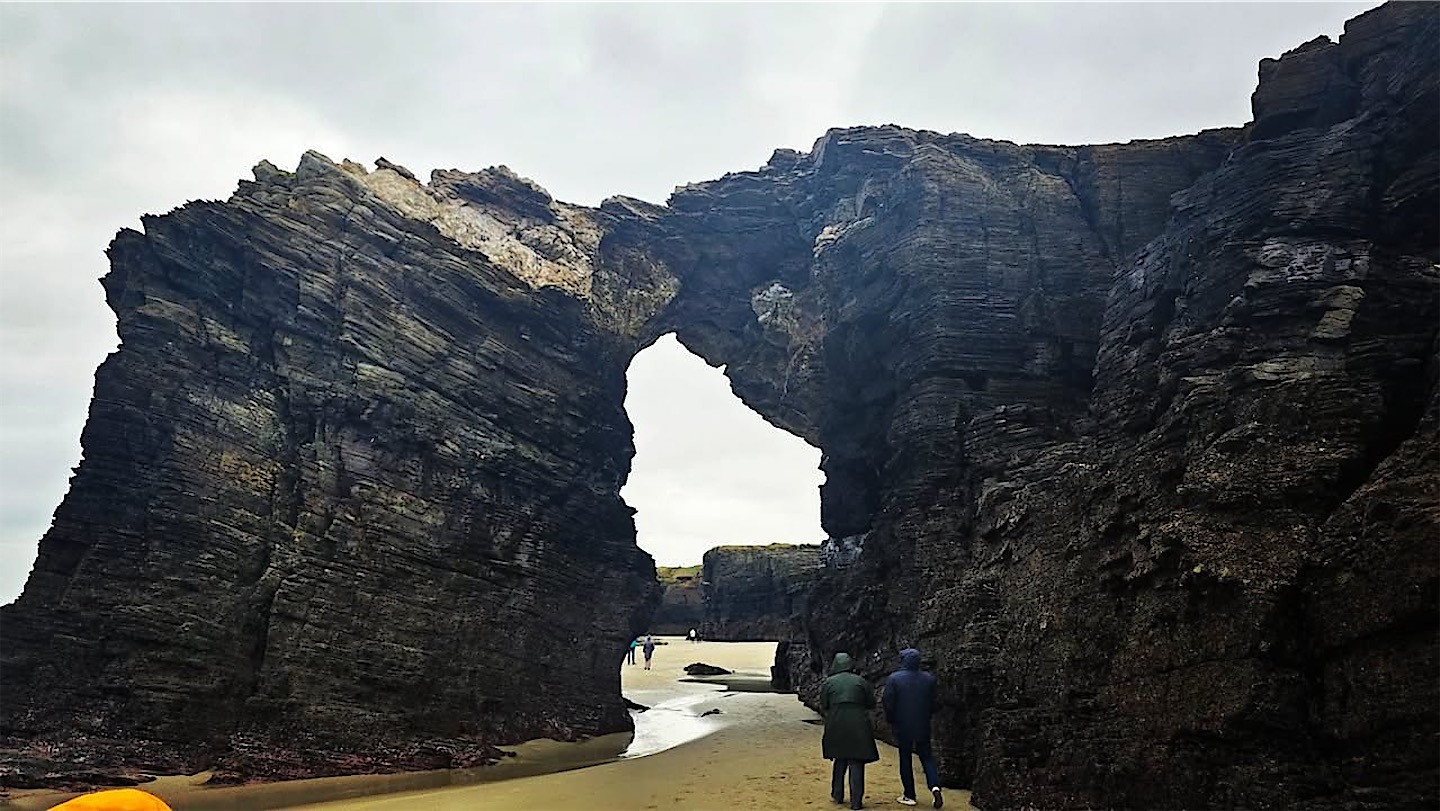
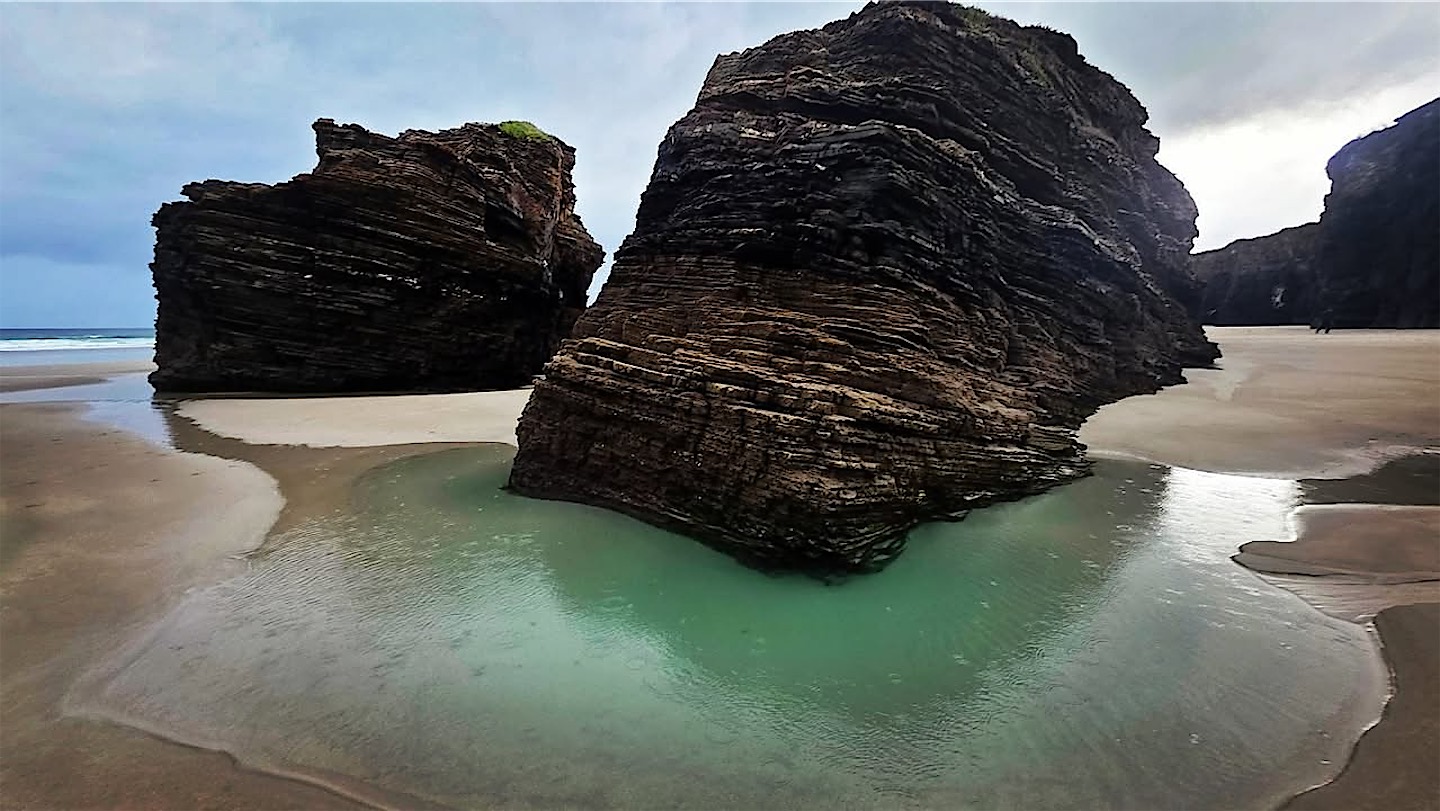
Next came a windy Estaca de Bares, the northernmost point of Spain, and in A Coruña the Tower of Hercules, a Roman lighthouse that is still in use. We spent the night at Cabo Touriñán, the westernmost cape of mainland Spain, slightly further west than the far more famous Finisterre and once again reachable only by a very rough dirt road. As the westernmost point of the Central European Time zone, it has remarkably late sunsets for November. In the morning I showered with a view of the Atlantic; our recirculating shower needs only four litres of water per session, and I don't understand why almost nobody else has one.
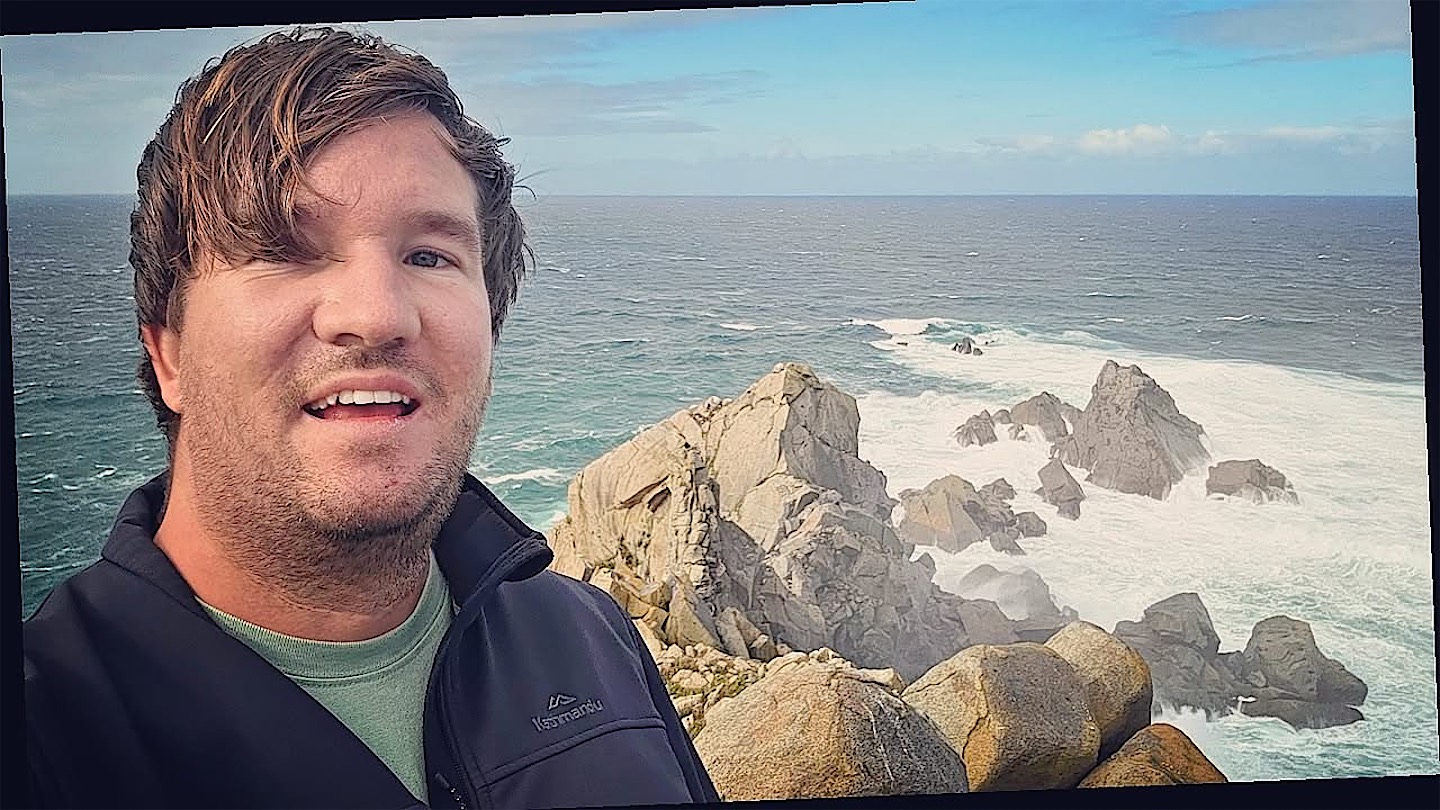
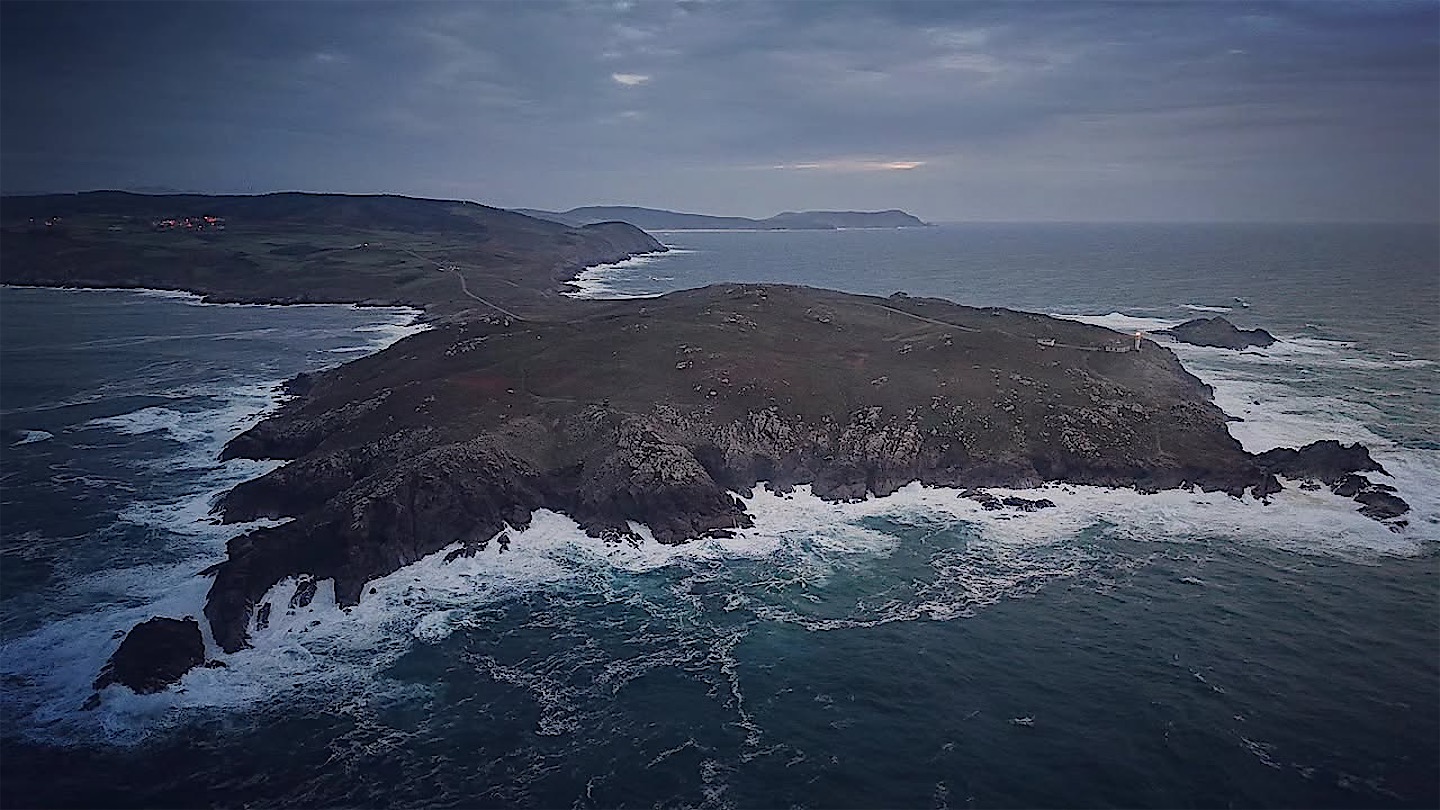
With Estaca de Bares and Touriñán I have now stood at all four extreme points of mainland Spain, or five if you count El Hierro in the Canaries.
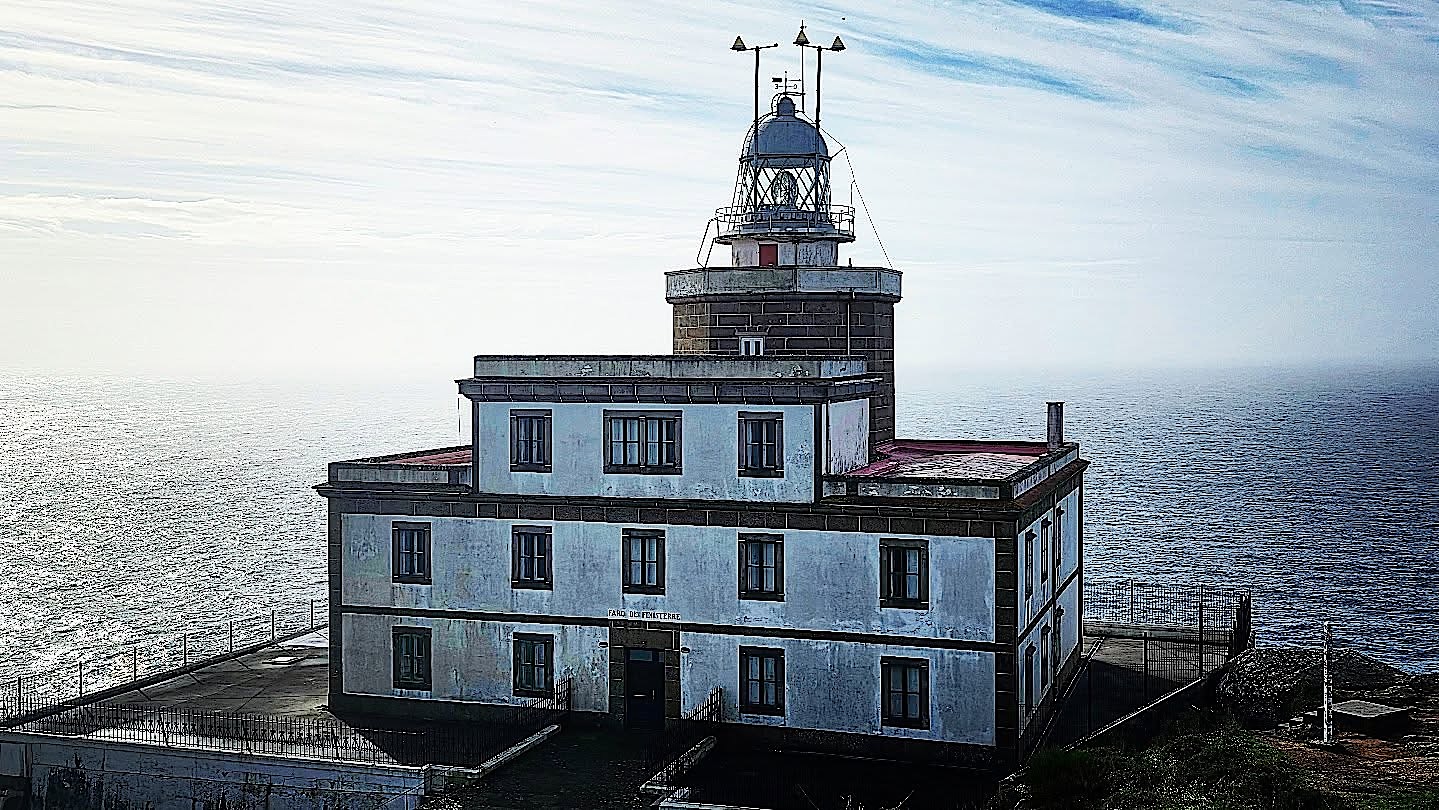
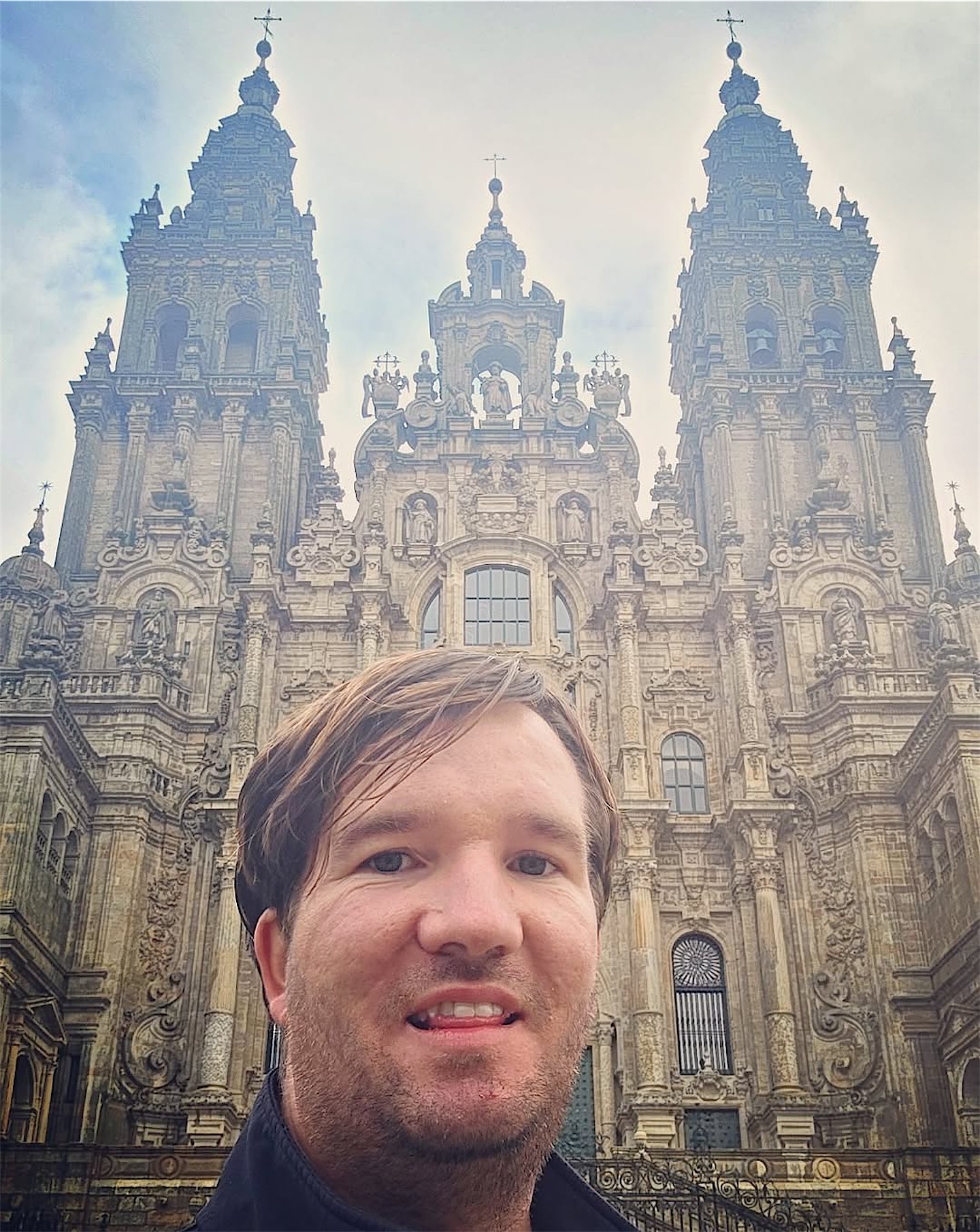
After some more off-road driving in Galicia we reached Finisterre, the "end of the world", and then made our way along the coast via Noia to Santiago de Compostela. I finally arrived at the cathedral after a long and arduous pilgrimage, if a pilgrimage in a Ram pickup counts.
After a night by a quiet river in the Galician forests, Pontevedra became my last Spanish city for now. Our family congress in the Algarve started on Monday, so I had to cover some distance.
Portugal: big waves and the westernmost point of Europe
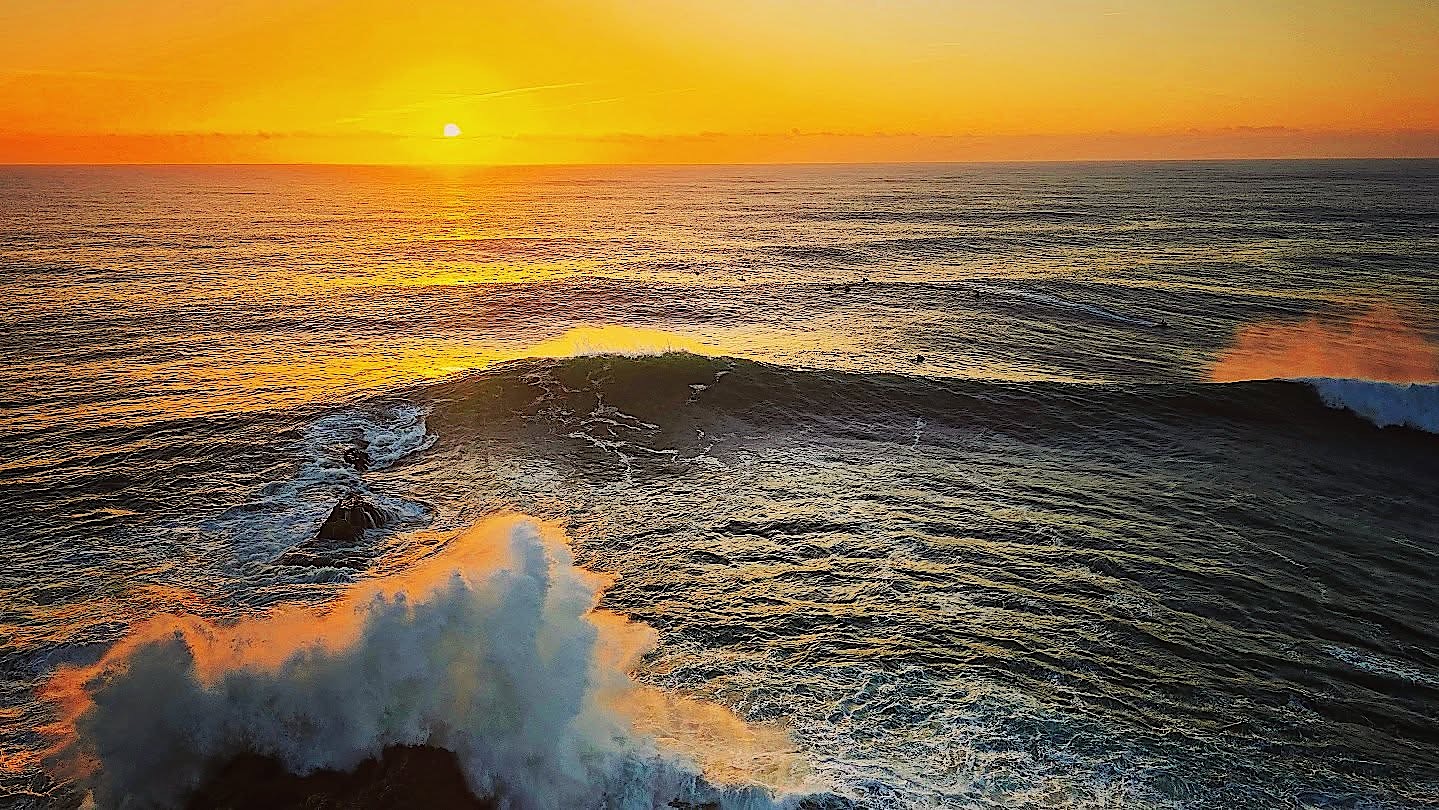
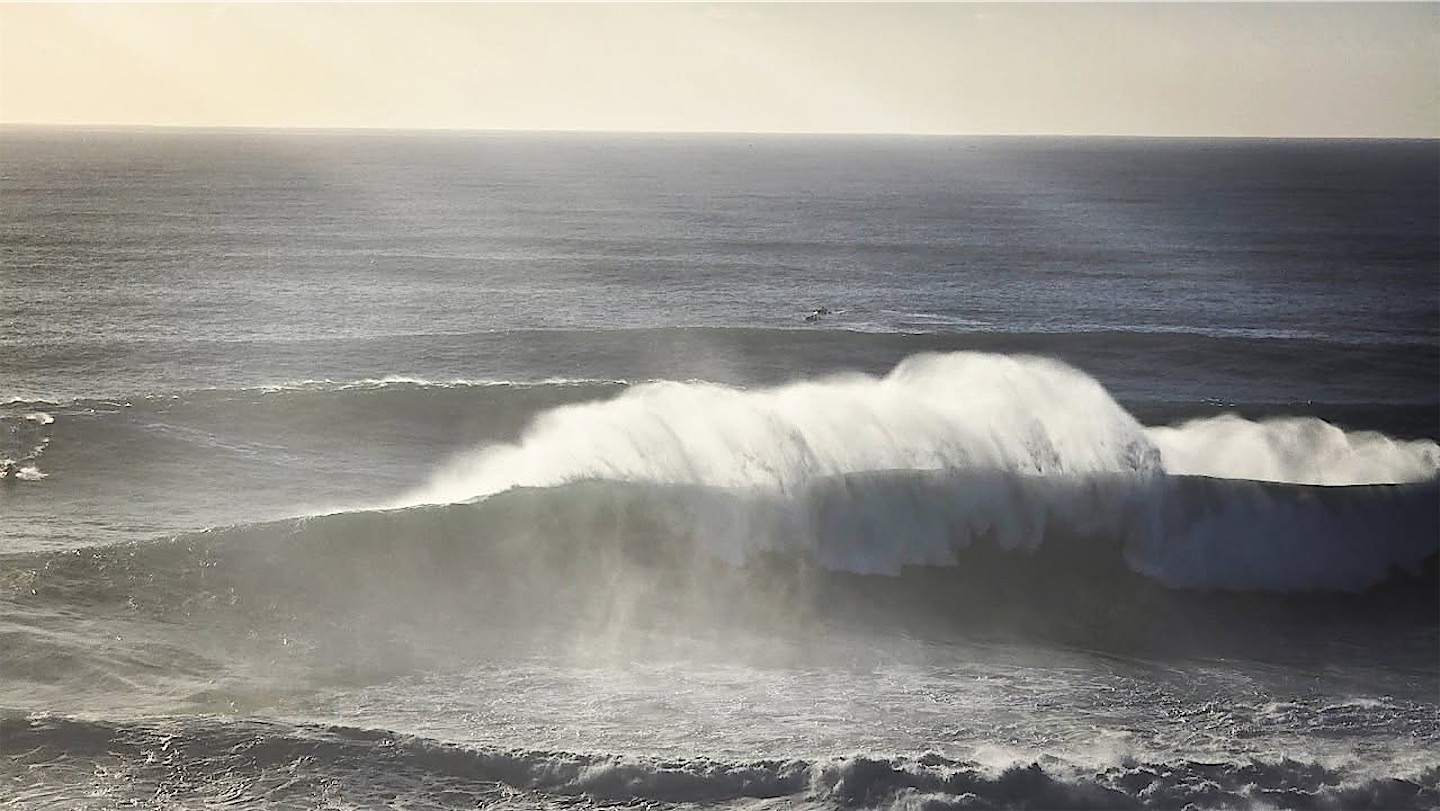
Not so fast, though. In Nazaré the waves at Praia do Norte were huge, and tow-in surfers were out with a jet ski. Who would like to swim?
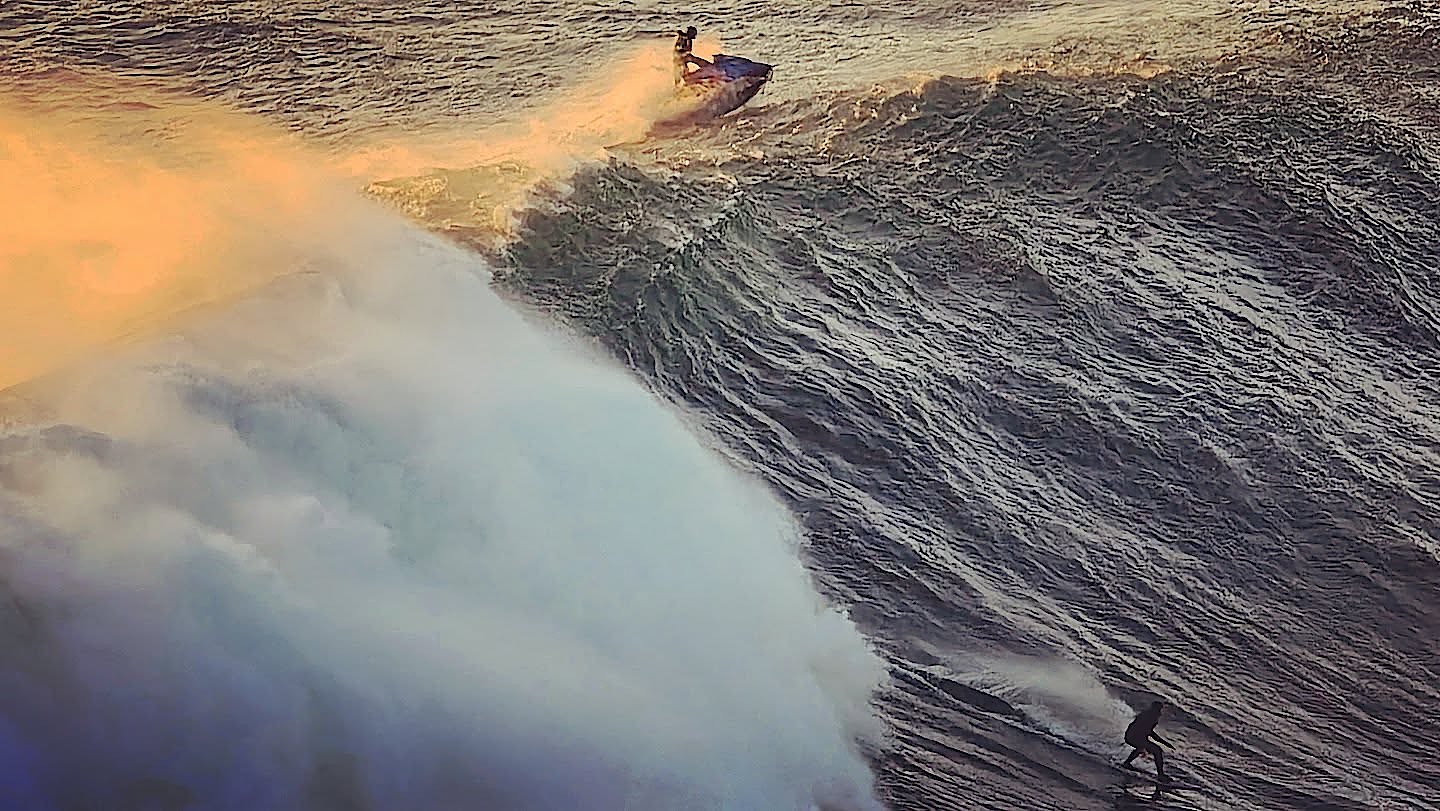
I stayed for the sunset and for the waves at dusk.
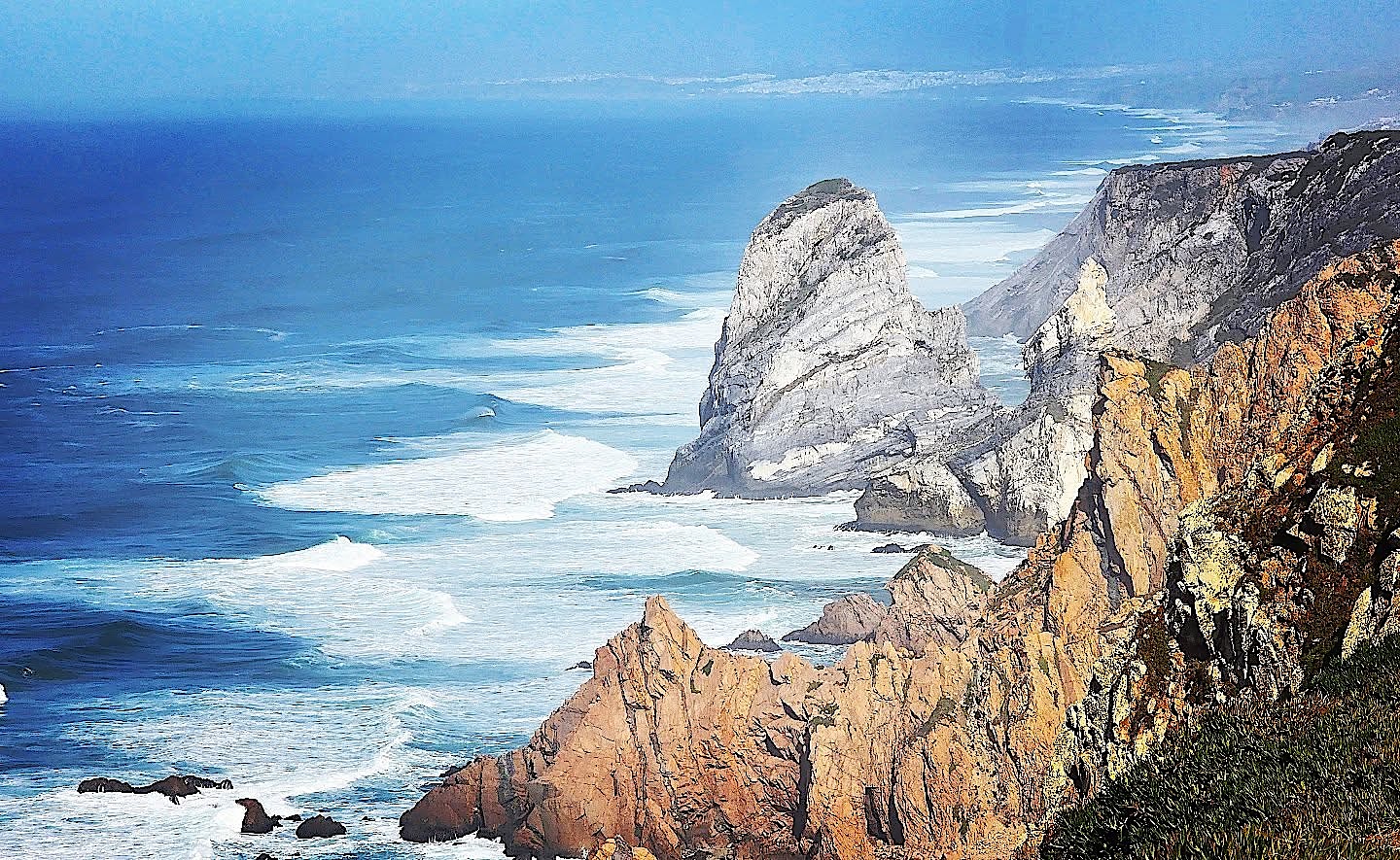
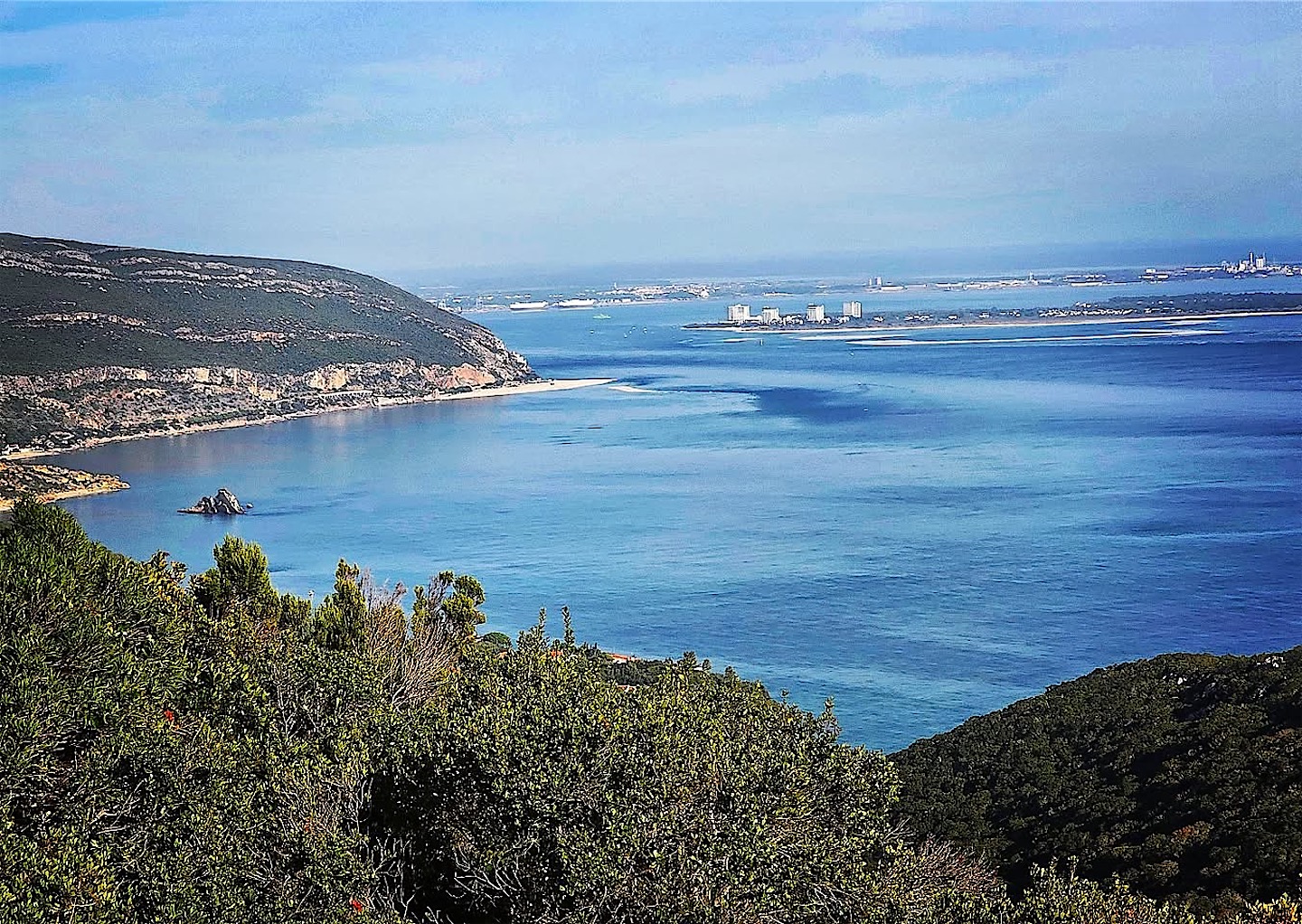
The next day I reached Cabo da Roca, the westernmost point of continental Europe. The Portuguese poet Luís de Camões described it as the place where the land ends and the sea begins. South of Lisbon I drove through the Serra da Arrábida, a limestone ridge whose green slopes drop straight into turquoise water opposite the long sandbar of Tróia.
Through the Alentejo to the Algarve
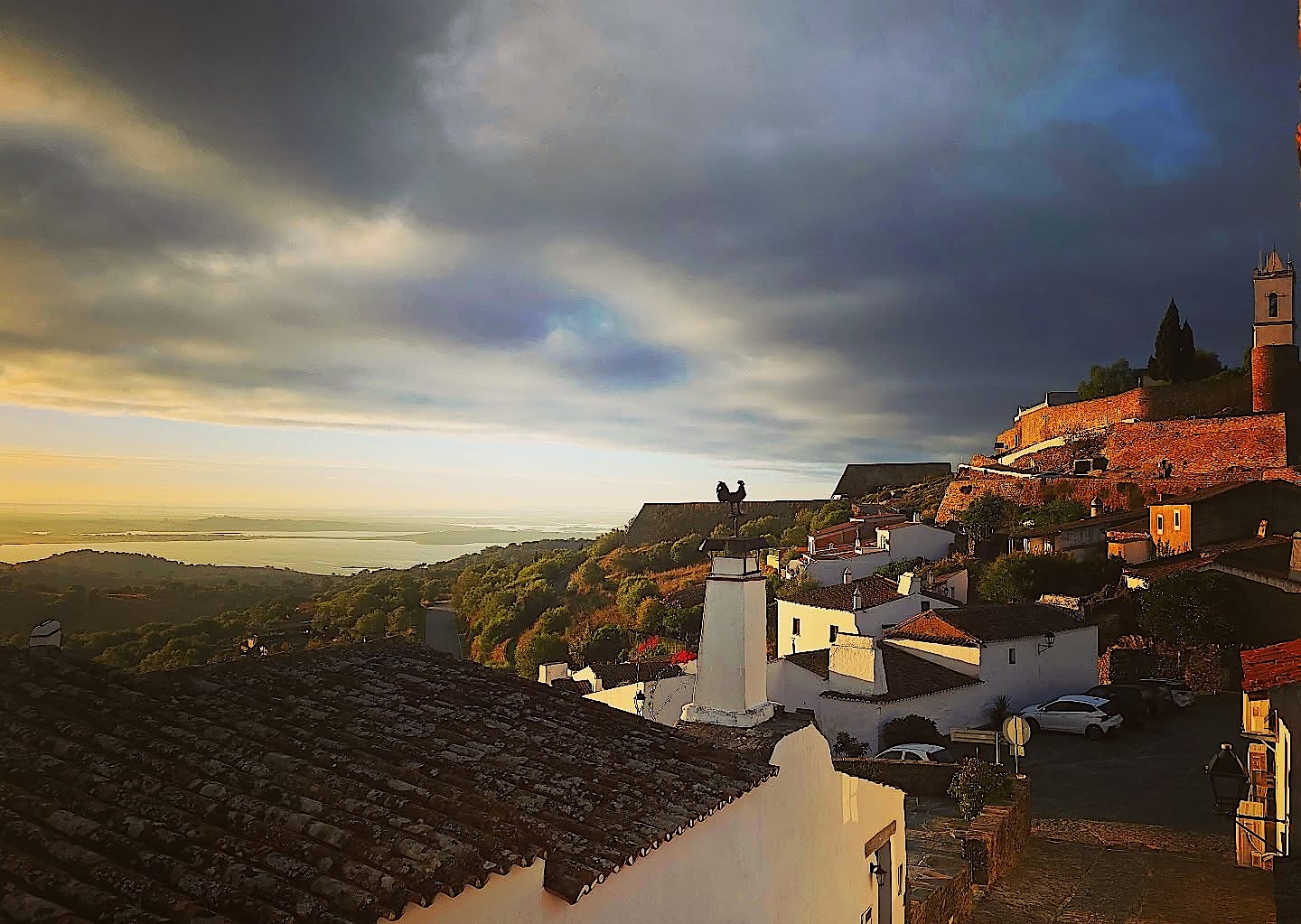
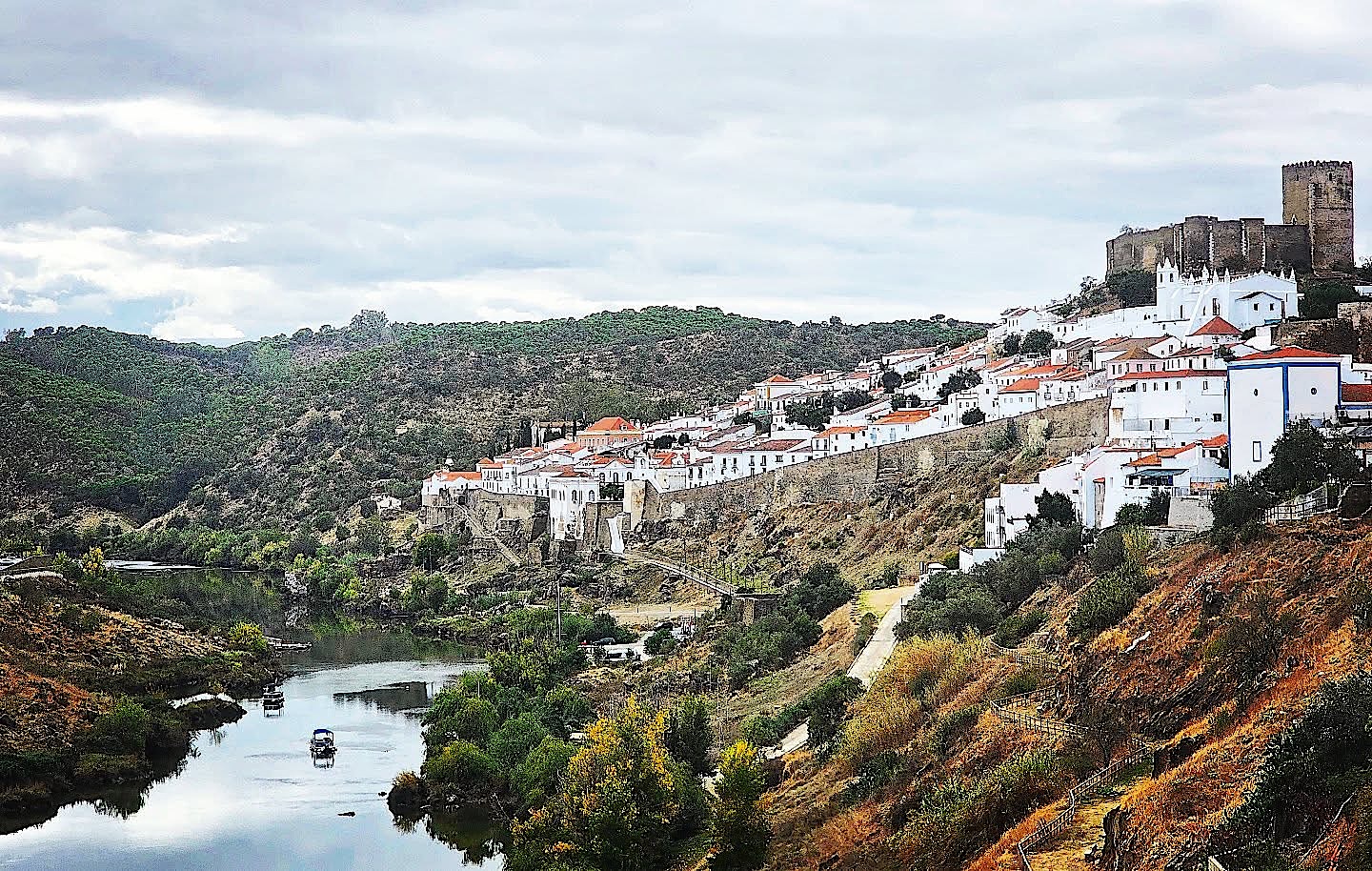
The last day on the road began in Monsaraz, a walled hilltop village in the Alentejo with a castle that looks out over the Alqueva reservoir, one of the largest artificial lakes in Europe. On the way south I passed Mértola, a white town above the Guadiana river whose main church was once a mosque.
Then we arrived at the Algarve coast for our family congress, a few busy days of consultations, Q&A sessions and activities. It was a lovely week with Karyna and the family, and we will meet again in Patagonia in early December. A member of our team took over Nemesis until Christmas, and I flew from Faro to the far north. The story continues with northern lights and whales in Arctic Norway.