
Bornholm, Sylt and Gotland: A Family Summer Around the Baltic and North Sea
16–27 July 2025 · Copenhagen, Bornholm, Rømø, Sylt, Keitum, Billund, Lund, Kalmar, Gotland, Visby, Stockholm · Regions: Denmark, Germany, Sweden
About a week after London and the Shetland Islands, and after a short stop in Herringhausen, the village where I grew up, I flew out of Düsseldorf on 16 July for ten days of islands in the Baltic and the Wadden Sea. The plan was a loose chain: a day on Bornholm, a birthday weekend on Sylt, Legoland, quiet days with friends in Sweden and finally Gotland. It became a summer of ferries, bridges and causeways, and of more rain than anyone had ordered.
Bornholm, the sunshine island
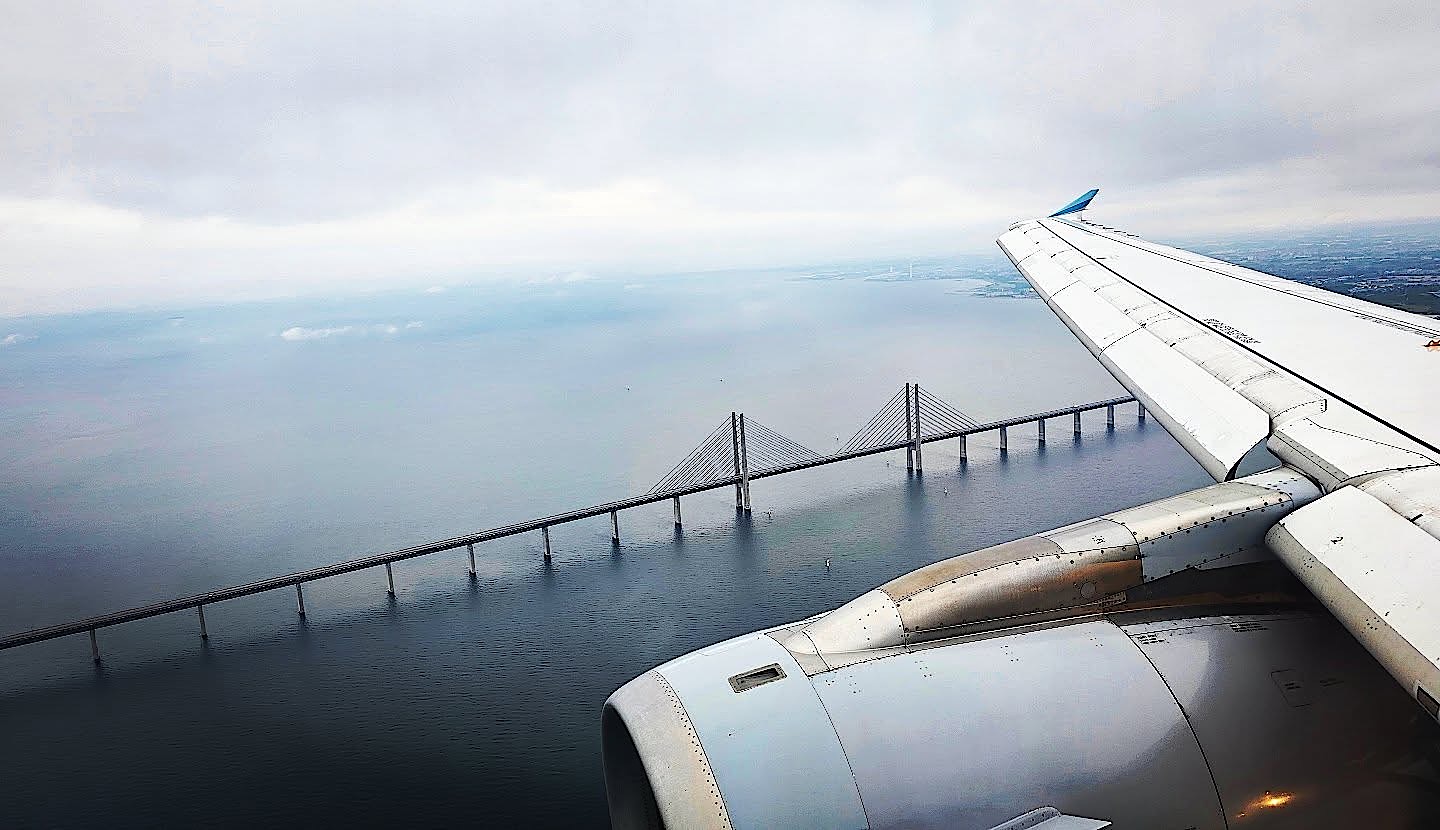
Landing in Copenhagen, I had a fine view of the Øresund Bridge running out towards Sweden. I had never crossed it by car; that was planned for five days later. A short connecting flight took me on to Bornholm.
Why Bornholm? I wanted somewhere new for one full day, easy to reach from Düsseldorf, well connected to southern Denmark and off the routes my expedition truck will take in the next few years. I am less fixated on NomadMania's roughly 1,500 regions than on the Travelers' Century Club list, where I stand at 326 territories, but they are always in the back of my mind, and Bornholm was the logical choice.
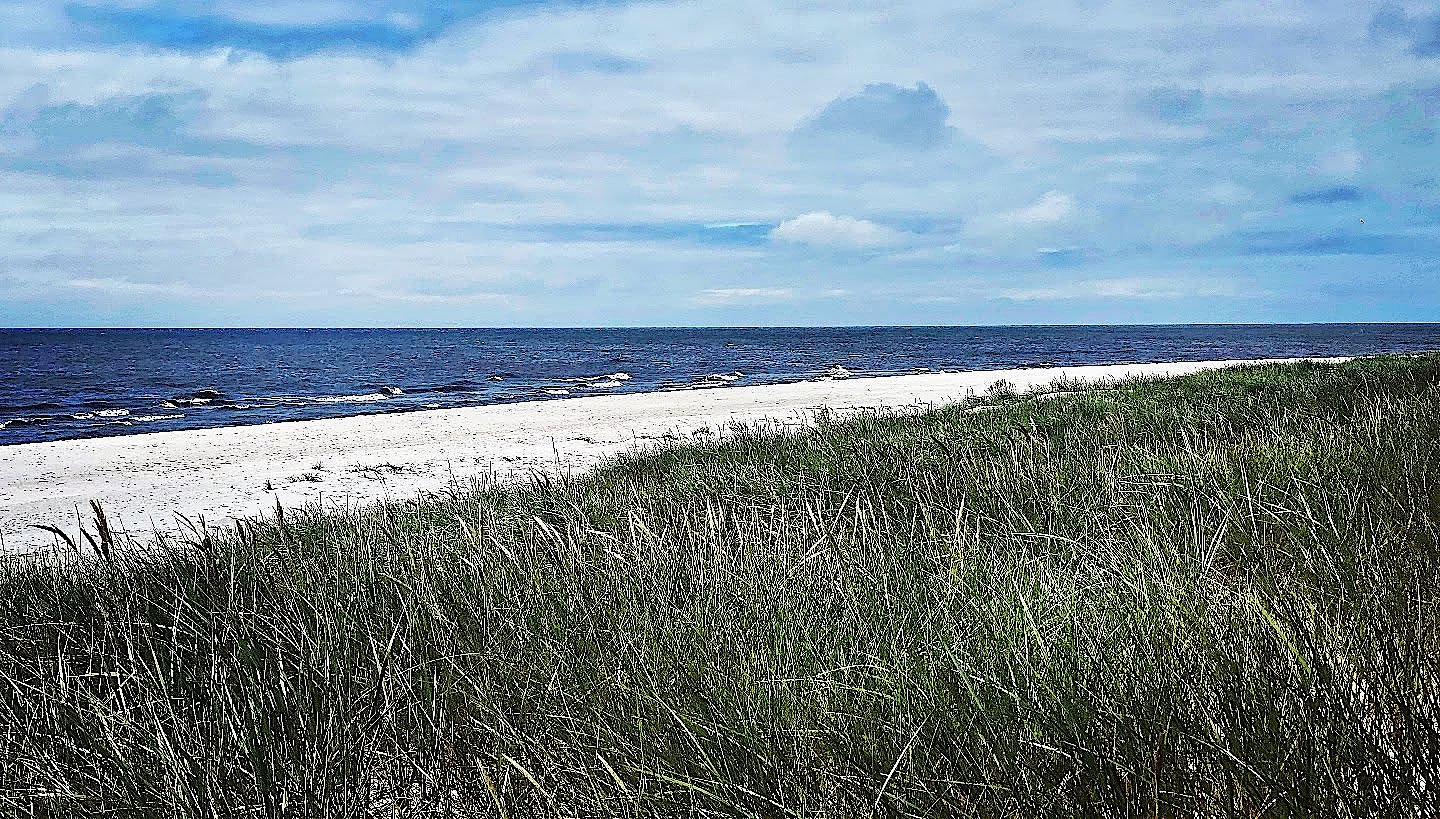
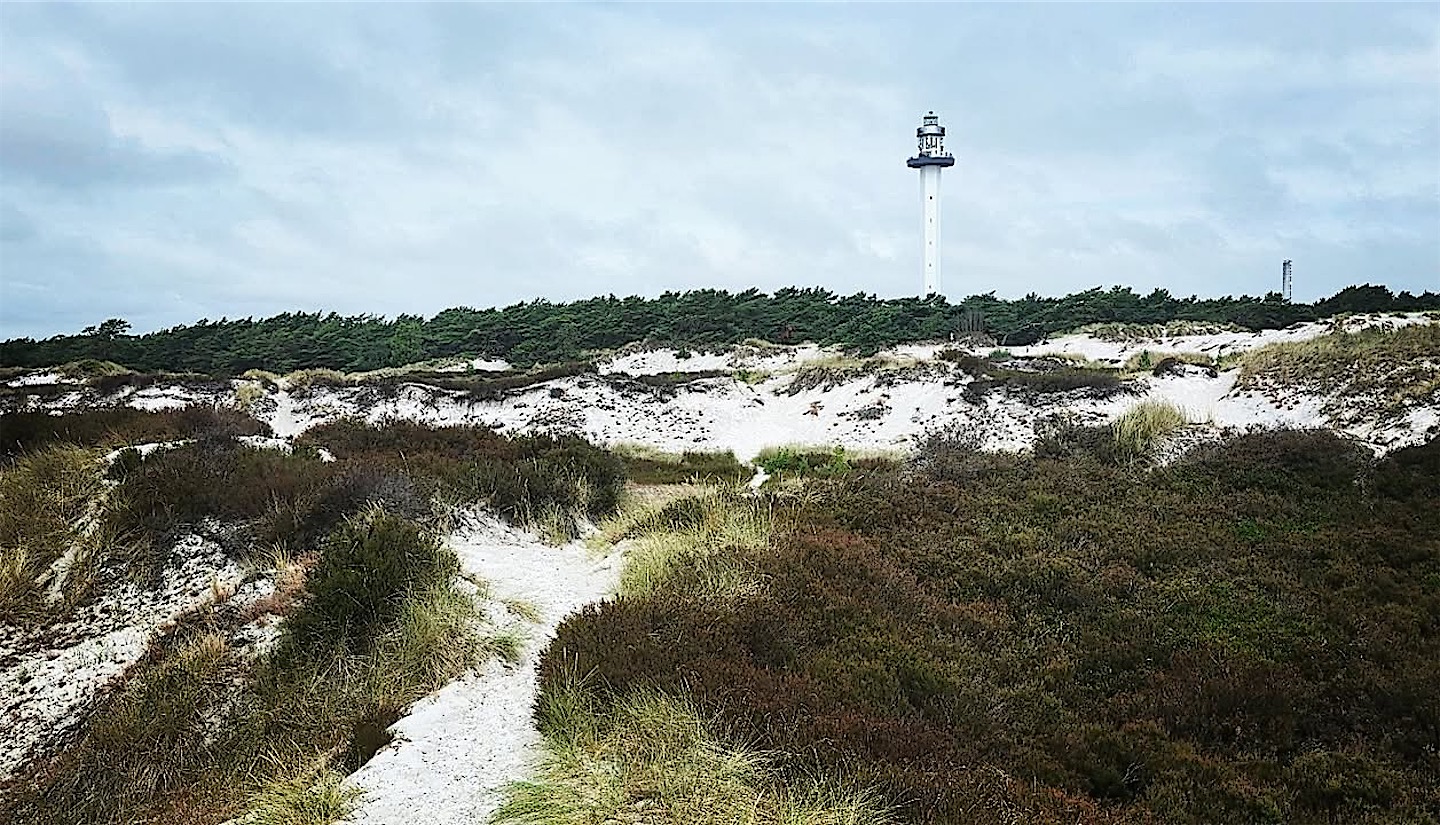
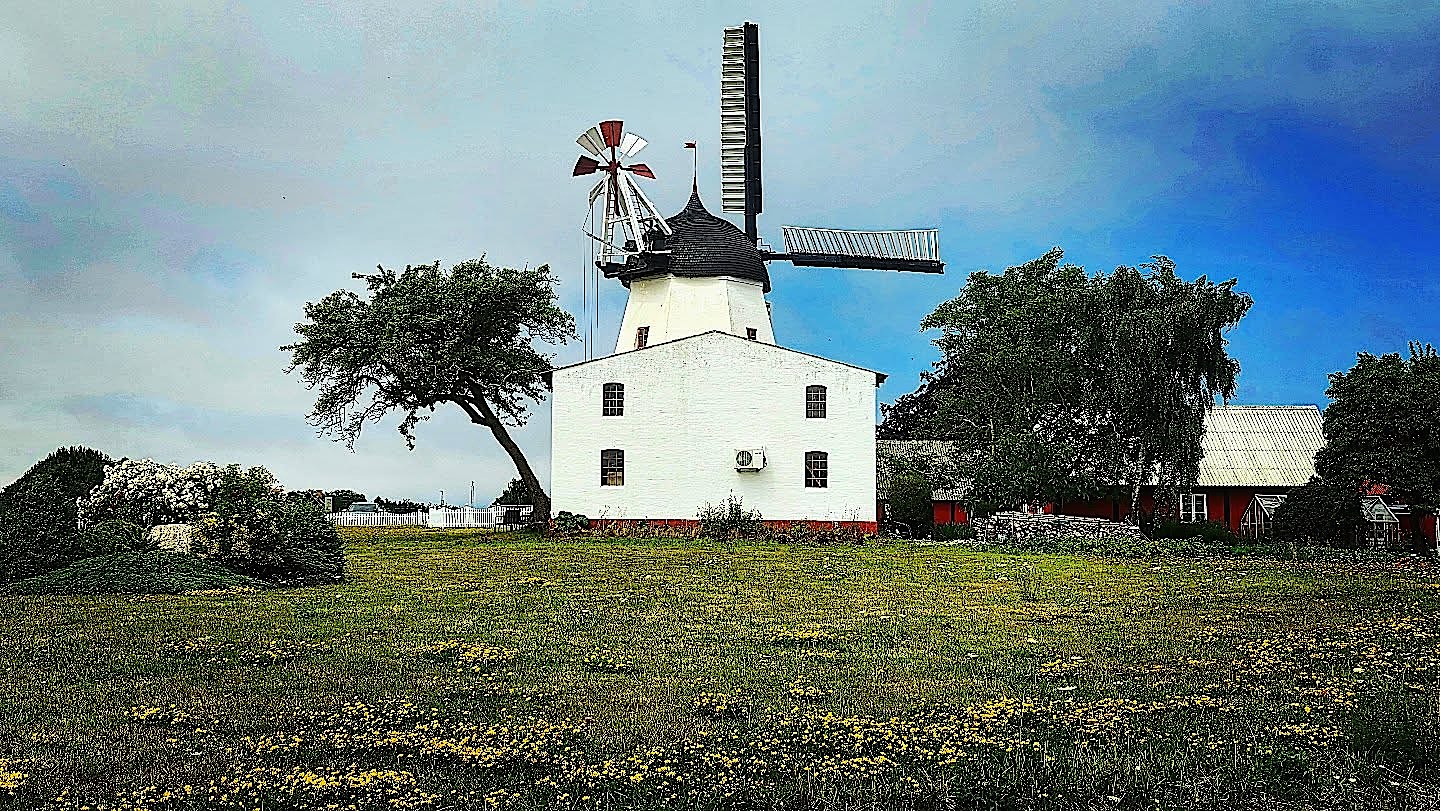
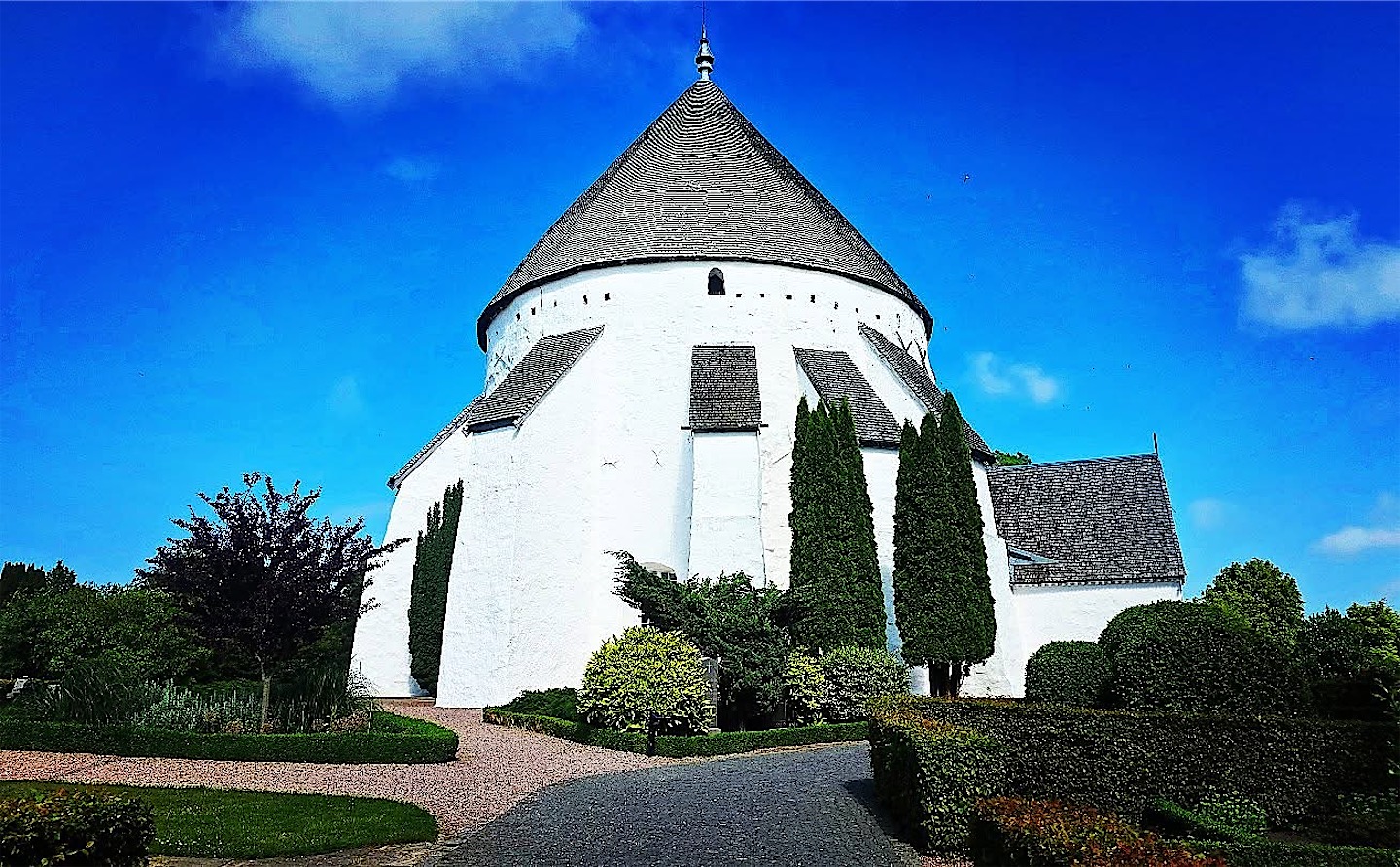
The day started at Dueodde on the southern tip, a beach of fine white sand behind dunes and heather, with a lighthouse rising above them. The island is just the right size to drive around in a day: a windmill, whitewashed churches, small coastal villages and long beaches. In Sandvig, at the northern end, a long queue had formed outside an ice cream shop, and I wondered who would wait that long for a single scoop. Bornholm is a relaxed island, and I liked it.
Rømø's car beach and the ferry to Sylt
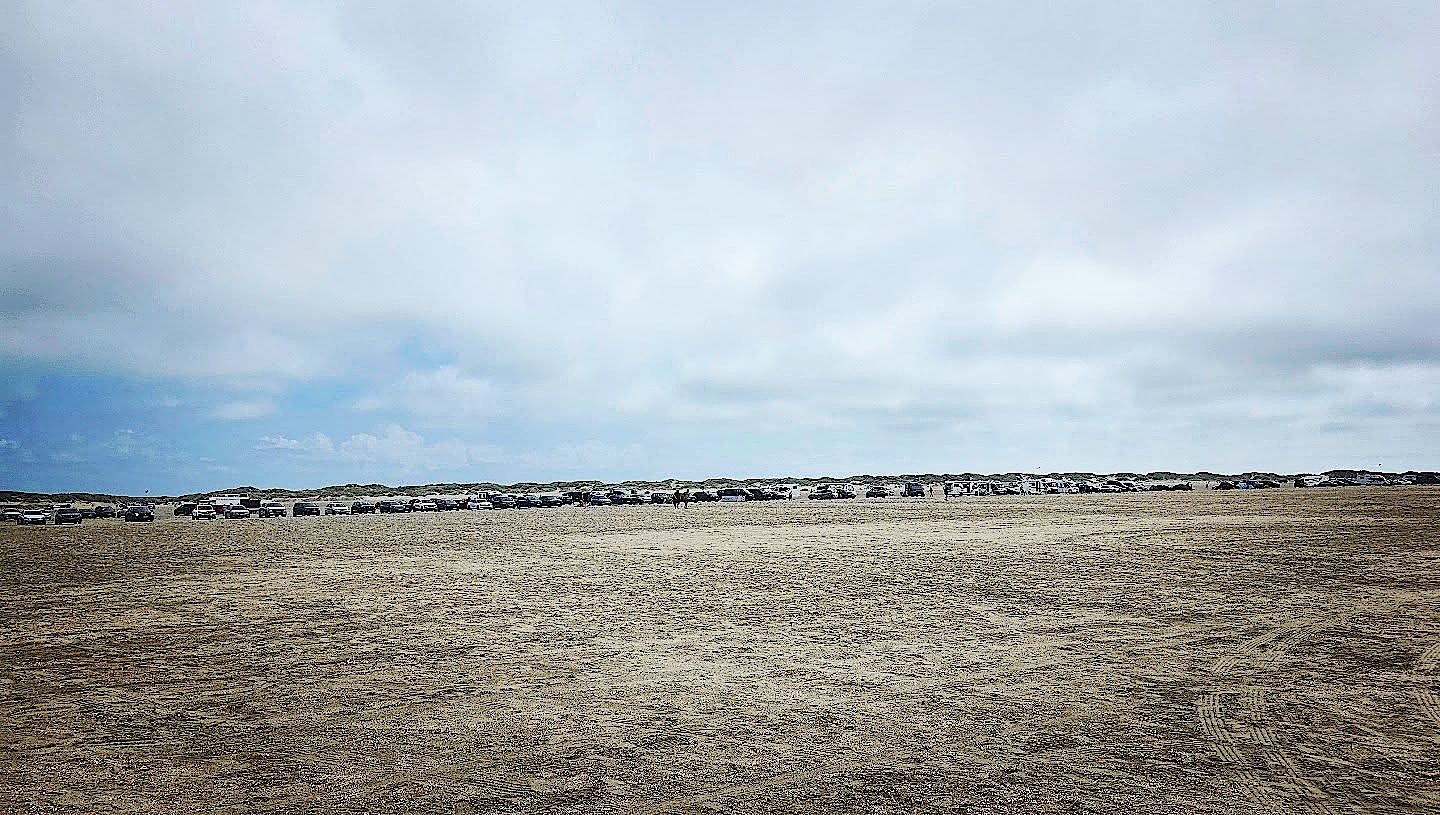
The next day I flew from the Baltic back to Jutland, landing in Billund, and drove to Rømø. The island is joined to the mainland by a long causeway, and its west coast is a beach so wide and firm that you simply drive onto the sand and park. The cars lined up along it looked tiny on that vast, flat expanse.
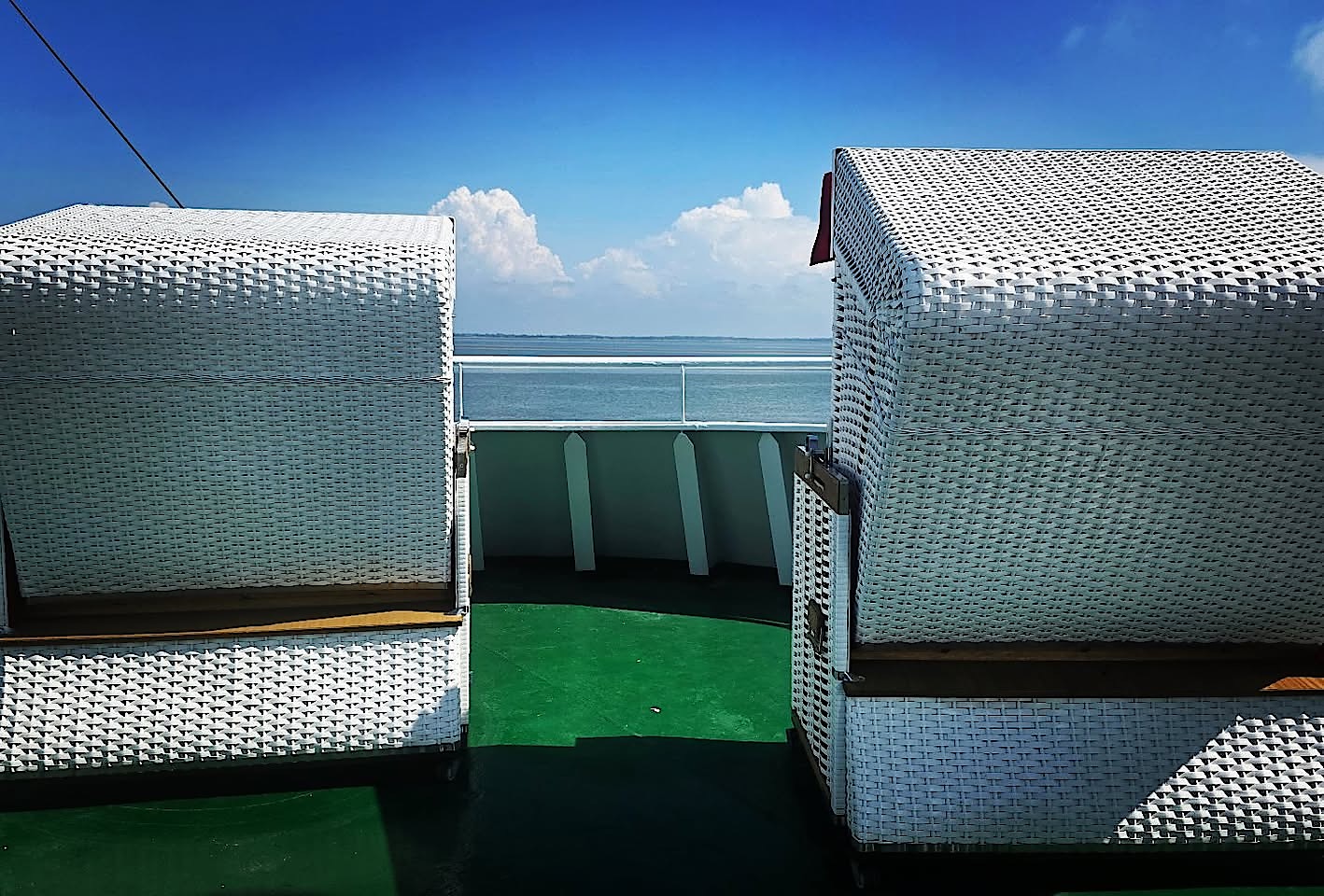
From Havneby, at Rømø's southern tip, a ferry crosses to List on Sylt in well under an hour. Germany announced itself early: the top deck was lined with Strandkörbe, the hooded wicker beach chairs of the German coast. We were on our way to celebrate Karyna's birthday on Sylt.
A birthday weekend in Keitum
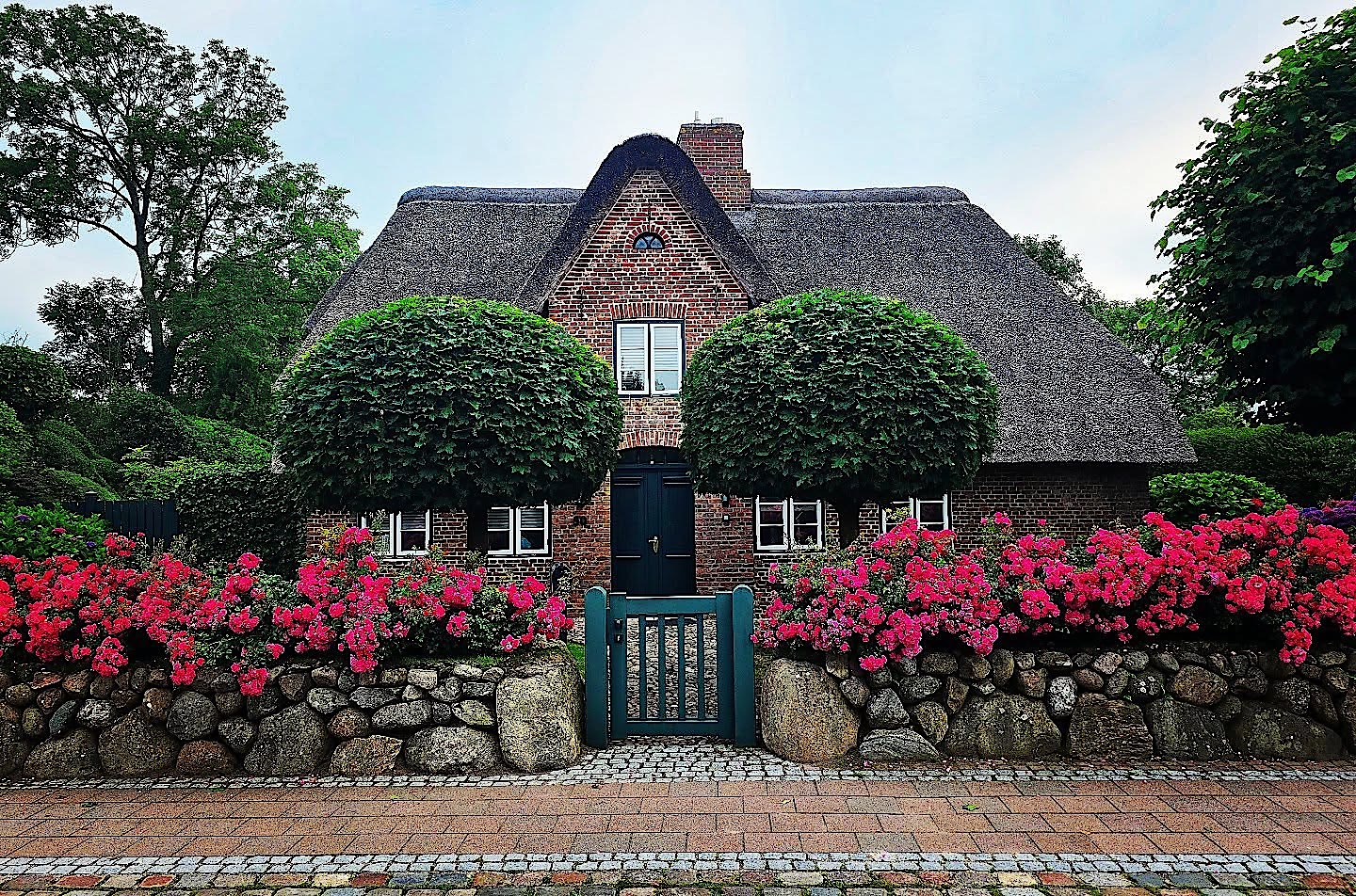
Our home away from home for the weekend was a thatched hotel in Keitum, the old captains' village on the Wadden Sea side of Sylt, with Frisian brick houses under deep reed roofs, low stone walls and roses in full bloom. As places to settle down go, it would not be the worst. The food was, as we say in German, auszuhalten: bearable.
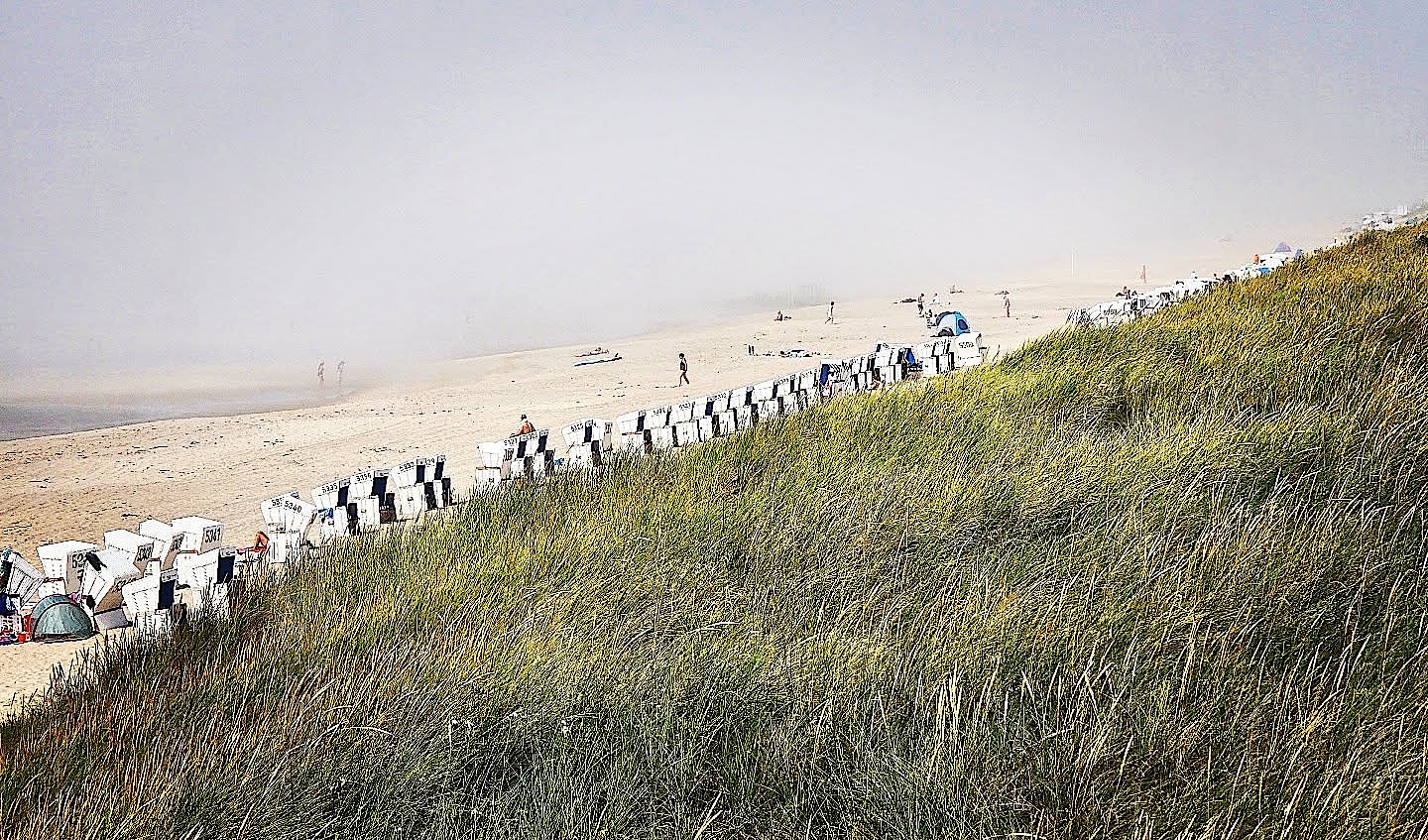
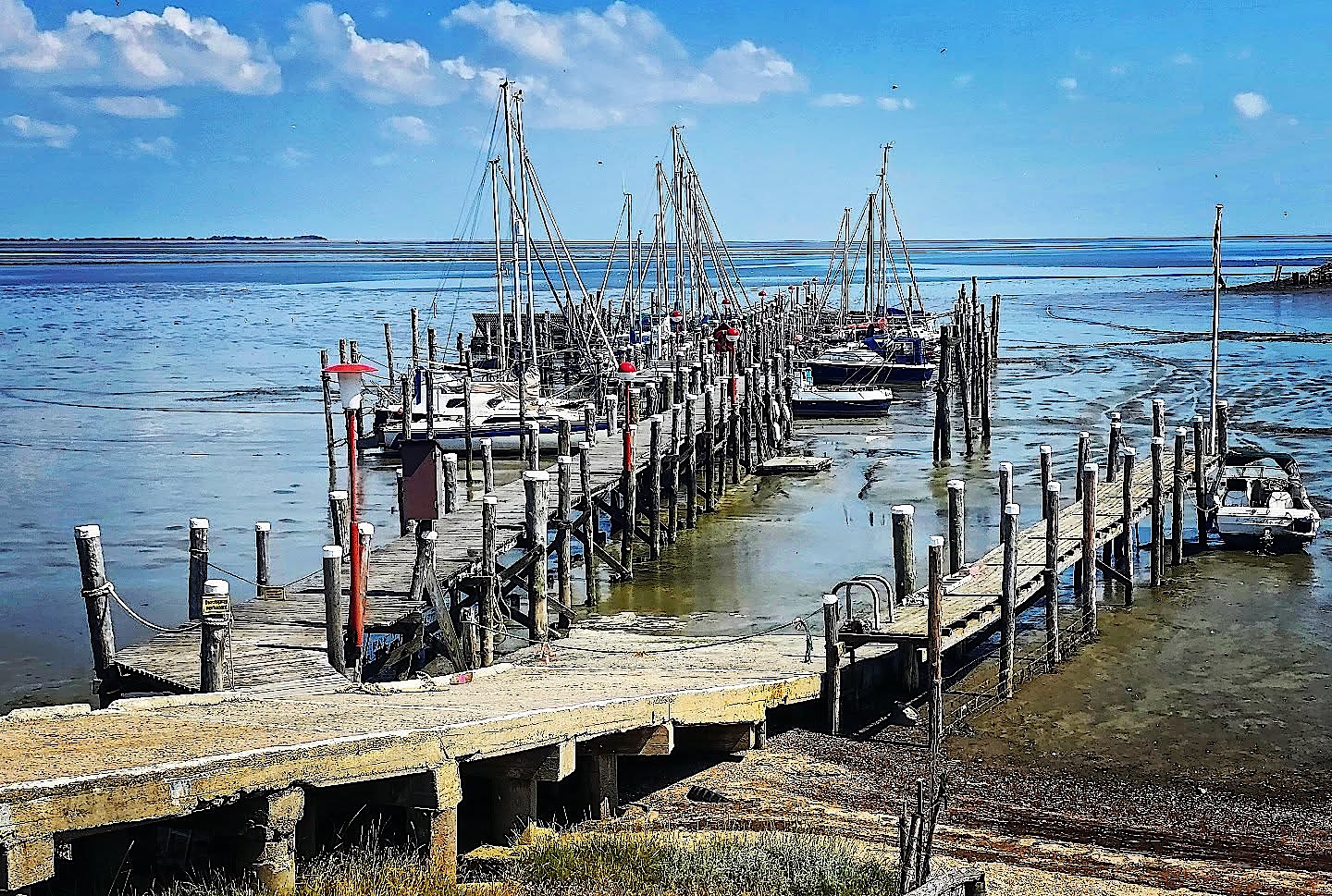
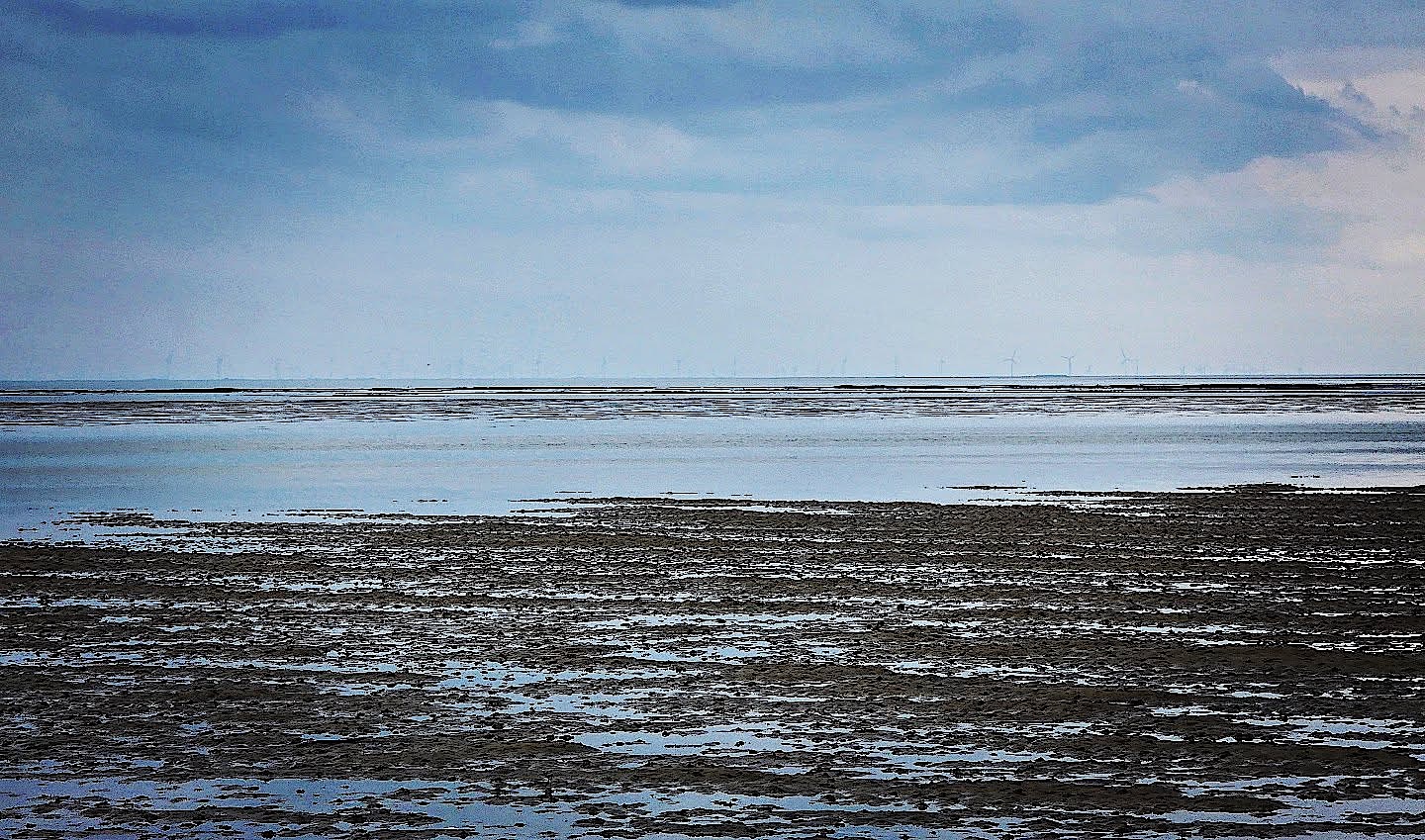
The weather was very North Sea. One day a thick sea fog rolled over the beaches of the west coast, but there were bright, sunny hours too. We celebrated the birthday, explored the island by e-bike, walked out onto the mudflats at low tide and made it to the Ellenbogen near List, the northernmost point of Germany. Swimming was less tempting, as the water was full of jellyfish.
Legoland and a wet drive to Sweden
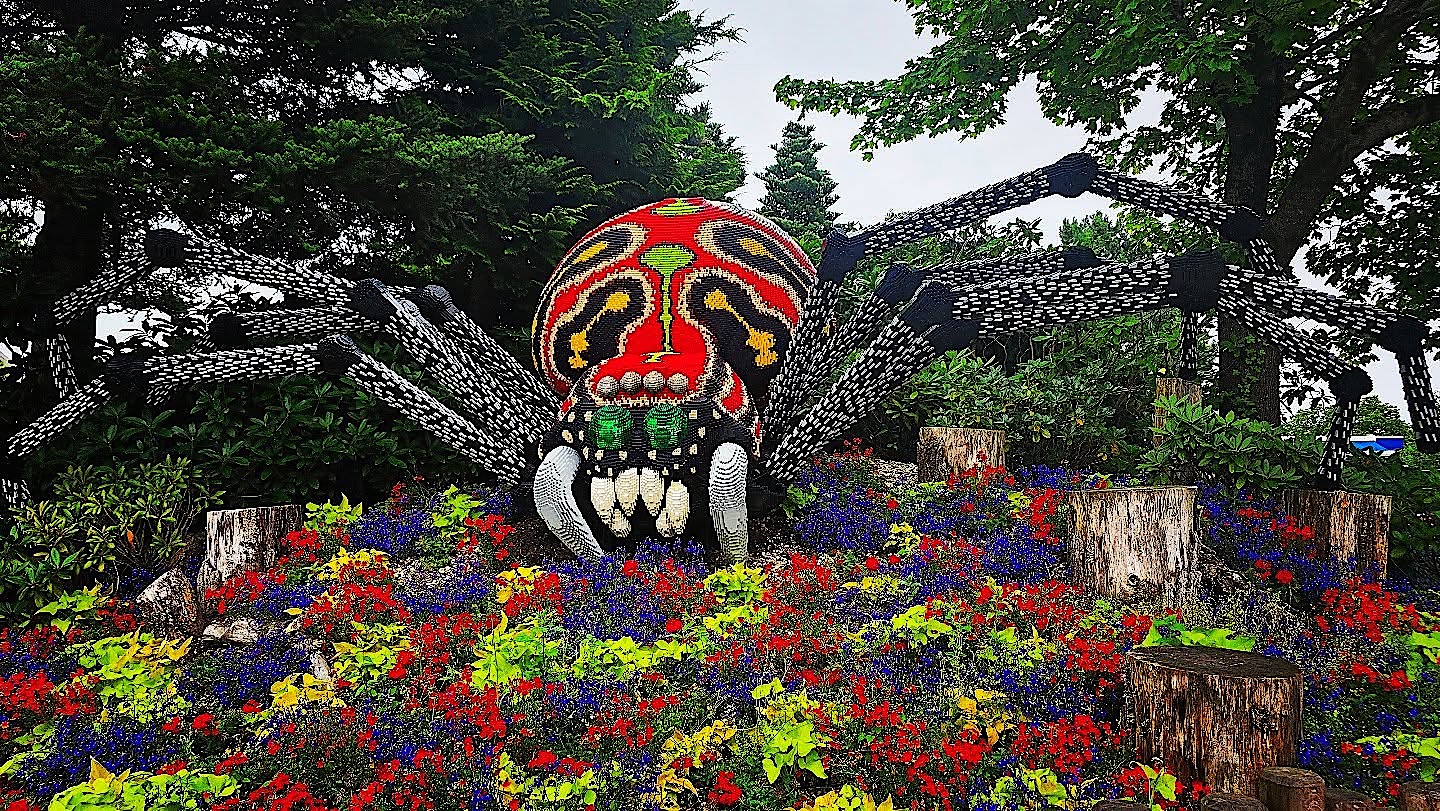
We left Sylt the way most visitors arrive, on the car train across the Hindenburgdamm, with flocks of birds over the shallows beside the tracks. Back in Denmark, I returned to Legoland in Billund, this time as a big kid. Among the huge models was a giant Lego spider, which suited me well, as I love spiders. There was also a Lego racing duel with the youngest member of the family.
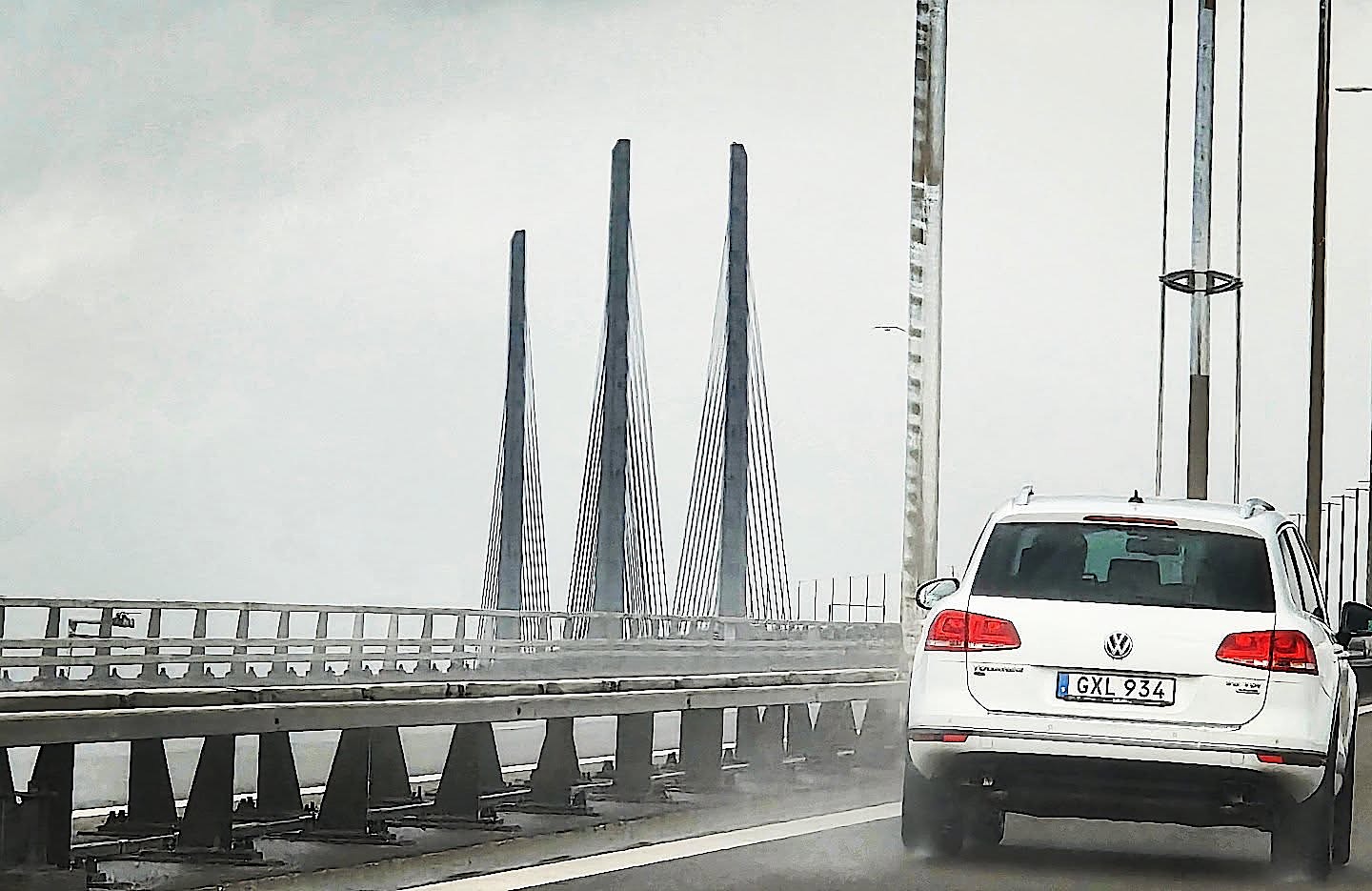
The next day we set off on the long drive to southern Sweden, in heavy rain from start to finish. What a glorious summer. The Great Belt Bridge disappeared into grey cloud, and a little later I finally drove across the Øresund Bridge, five days after looking down on it from the plane.
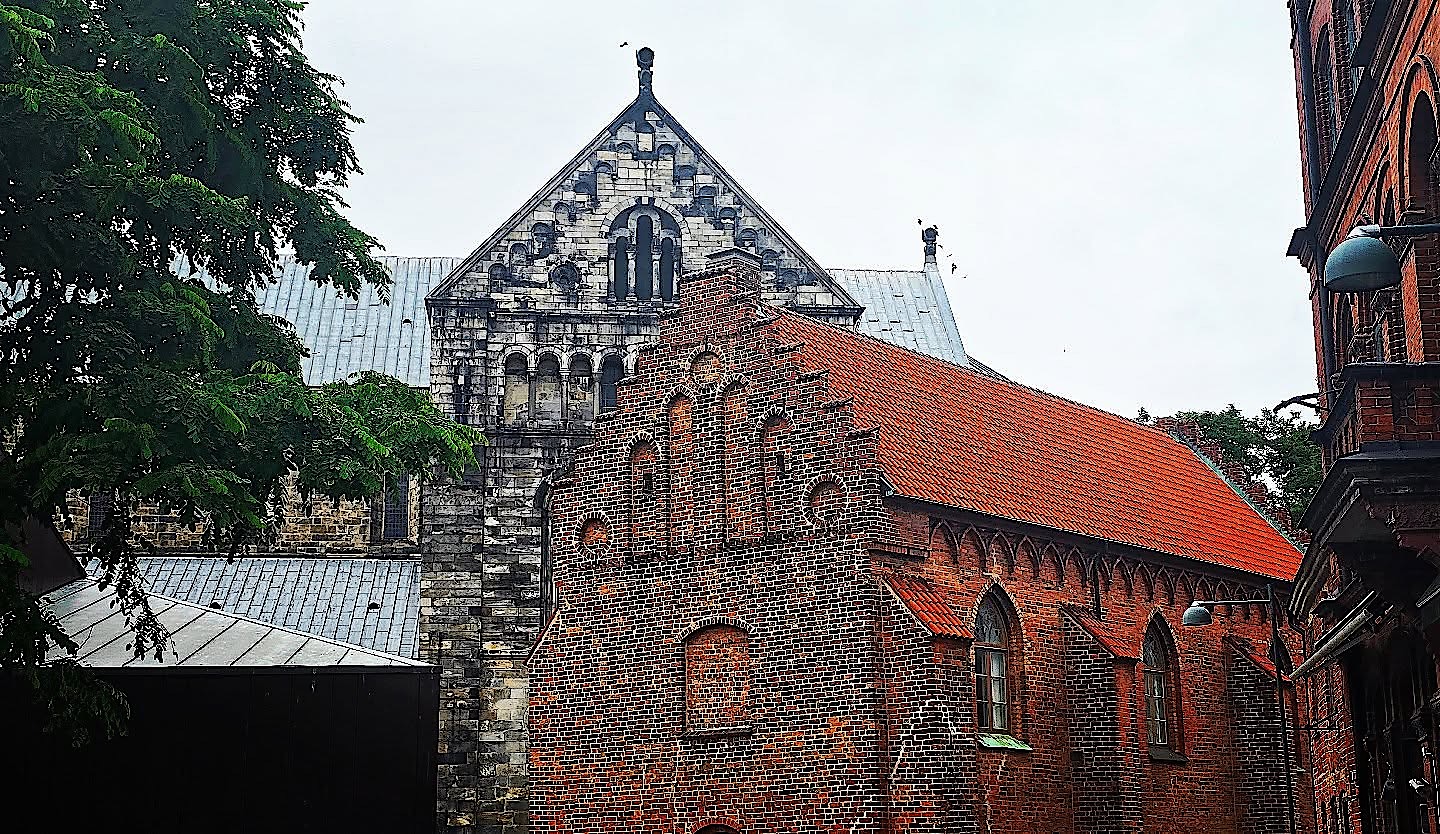
We stopped for dinner in Lund with three more hours of driving ahead. Its Romanesque cathedral was consecrated in 1145, when Skåne still belonged to Denmark and Lund was the seat of the archbishop for all of Scandinavia.
Lazy days and Kalmar Castle
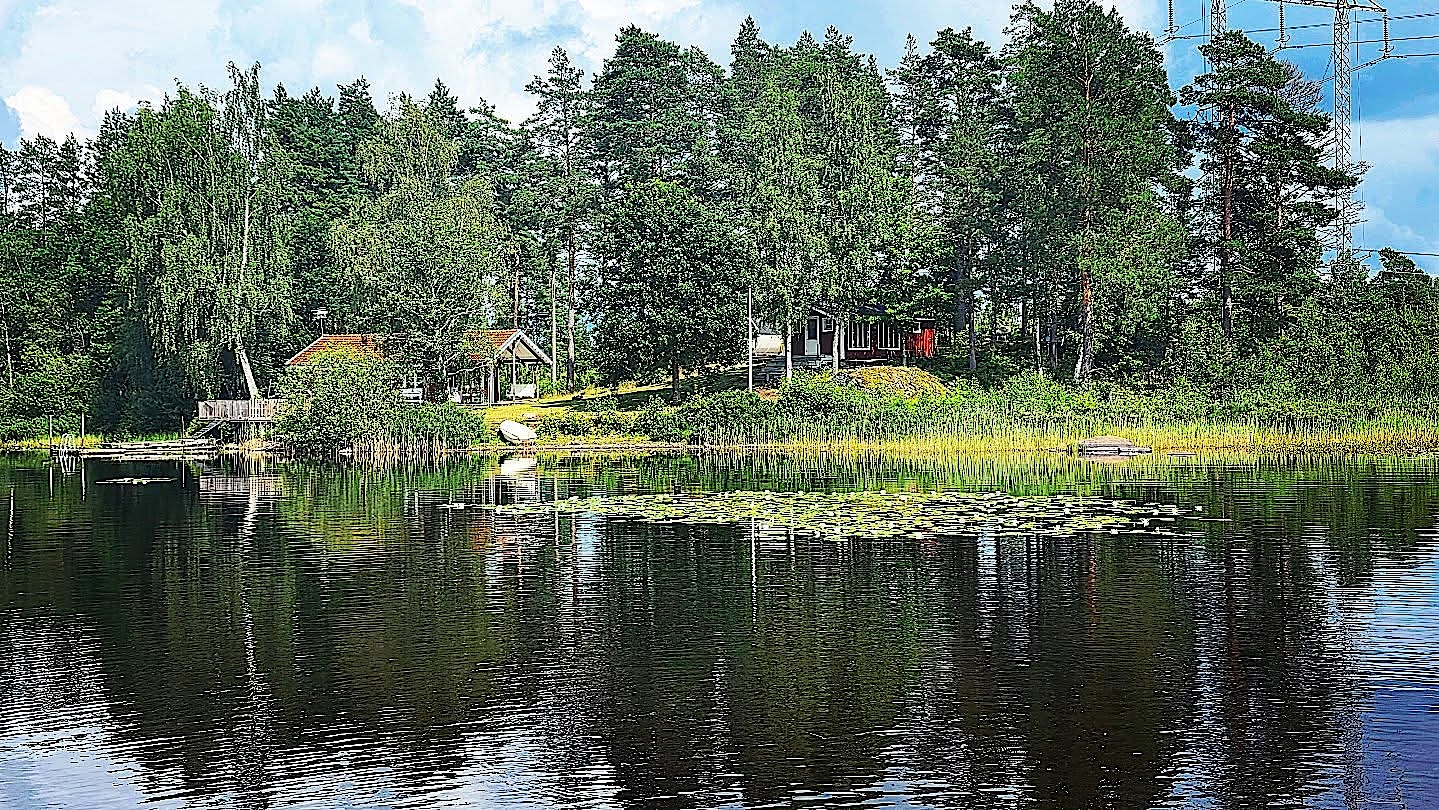
The following days were lazy ones in a friend's holiday home among the lakes and forests of the Swedish countryside. There is little to report, which was exactly the point.
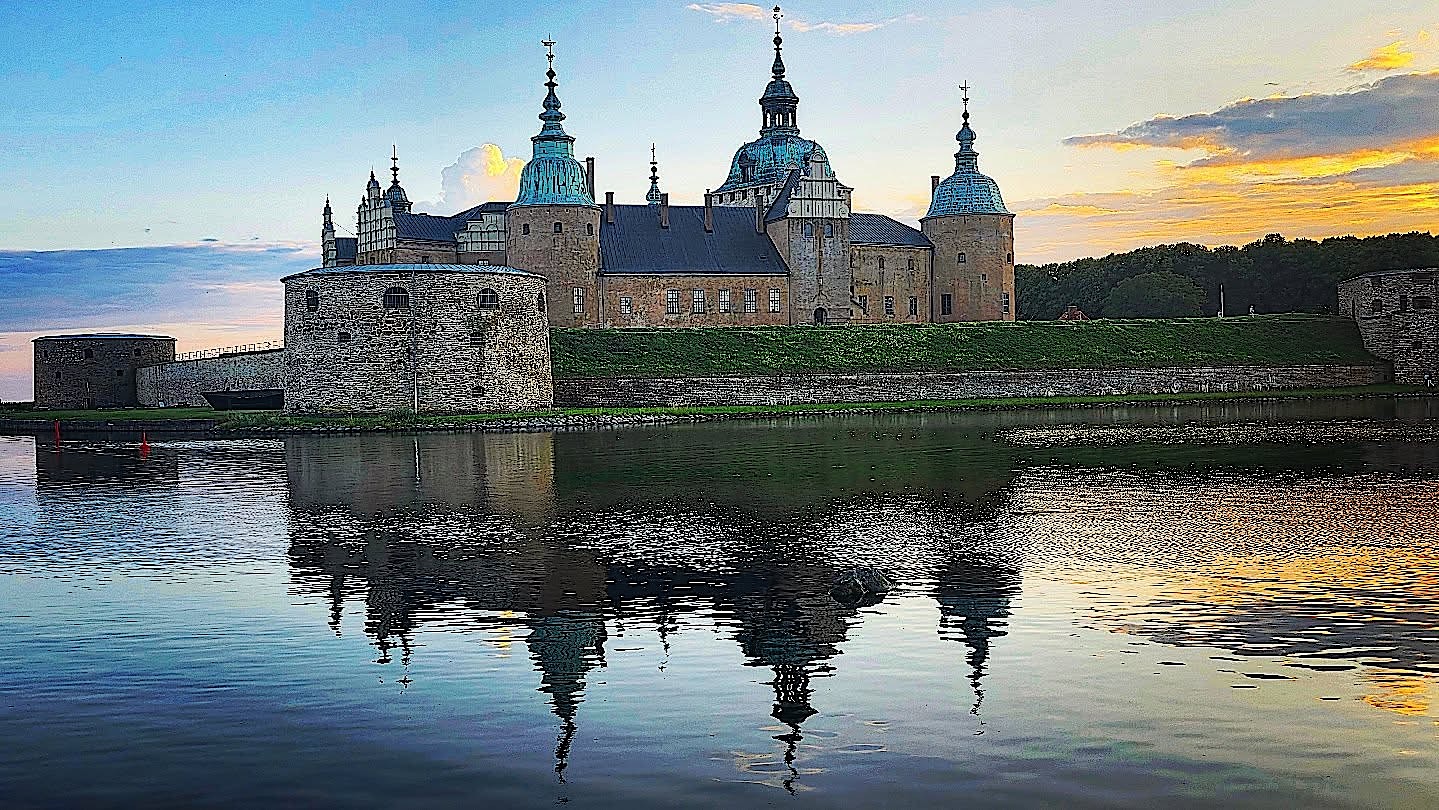
Our one excursion in those days took us to Kalmar on the Baltic coast, where I had last been a few years earlier. In the evening light the castle was mirrored in the calm water around it.
Gotland and Visby
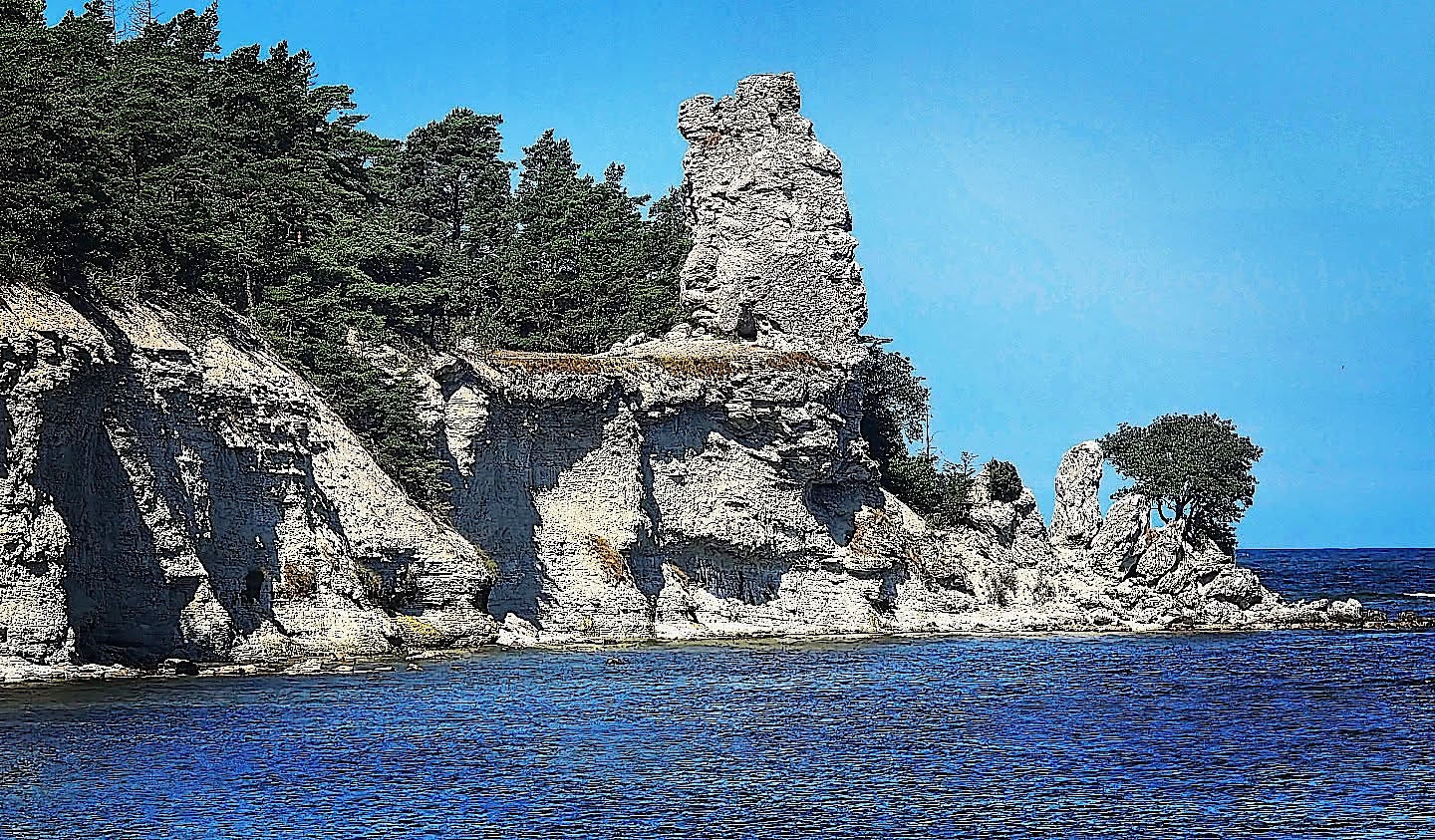
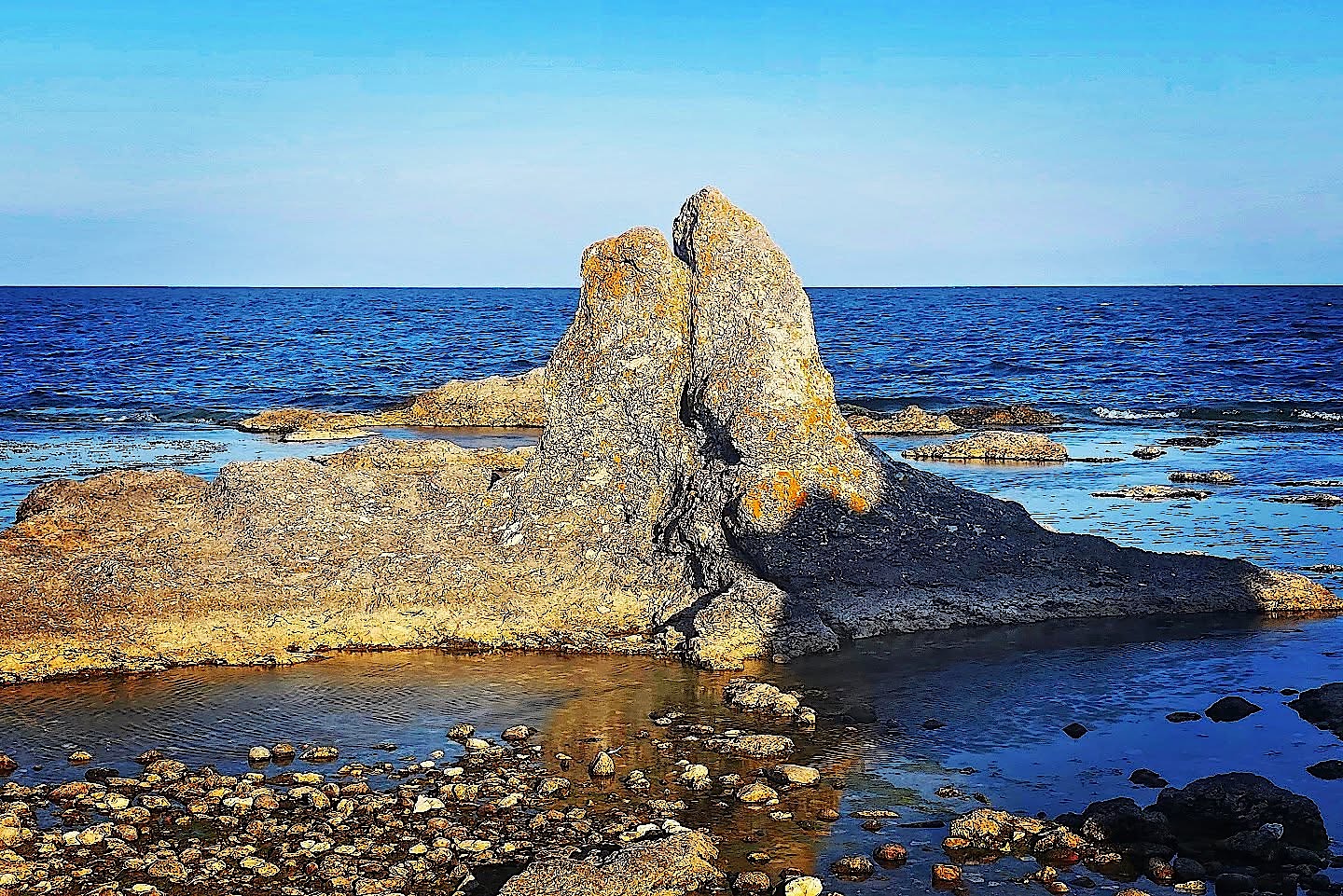
From the mainland we took the ferry to Gotland, the last region of Sweden still missing from my list, and I finally got a plate of köttbullar. Gotland is Sweden's largest island and, to my mind, far less boring than much of the Swedish coast. Its shores are lined with limestone cliffs, pebble beaches and rauks, pillars of rock that the sea has carved out of ancient fossil reefs. One of them looked to me like a pair of seals in love.
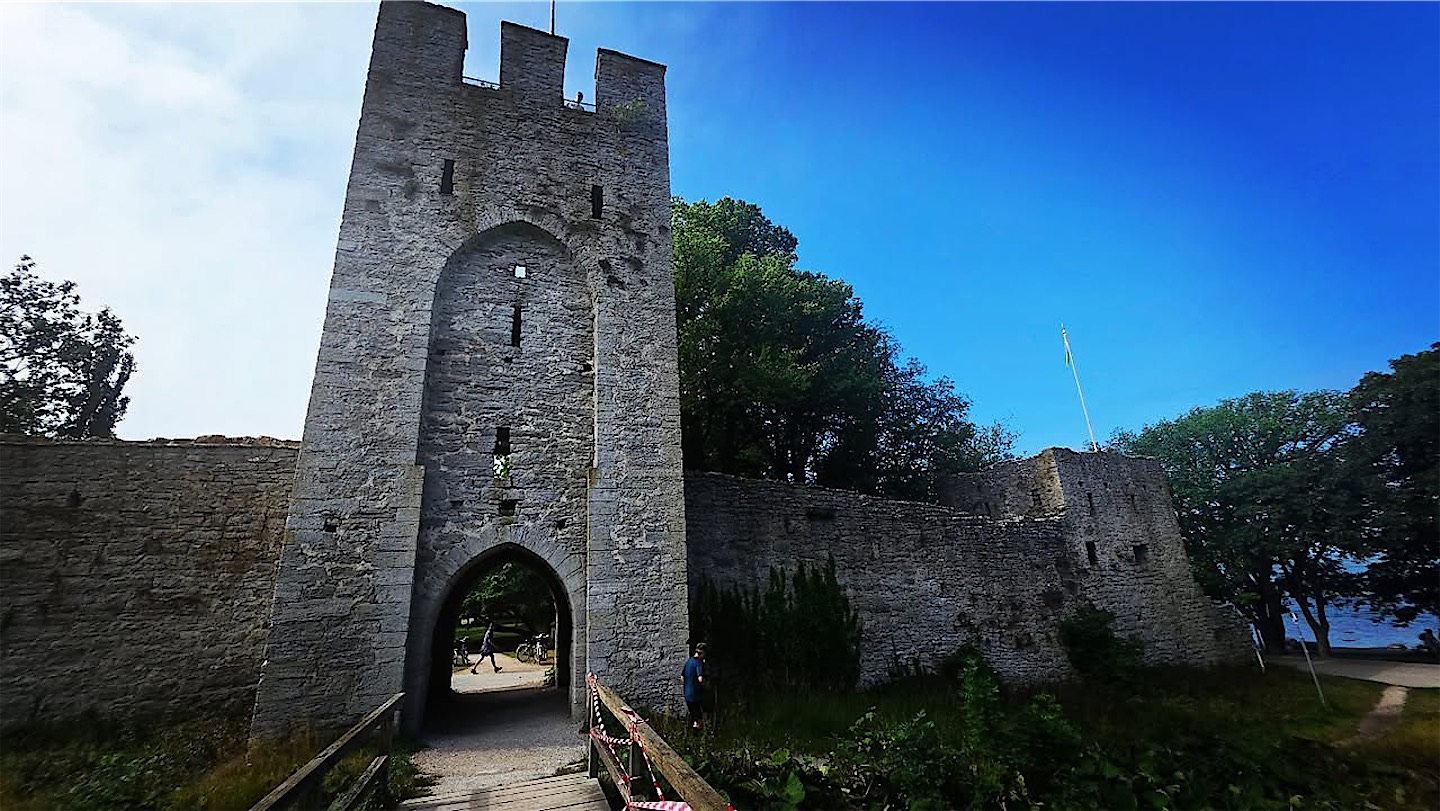
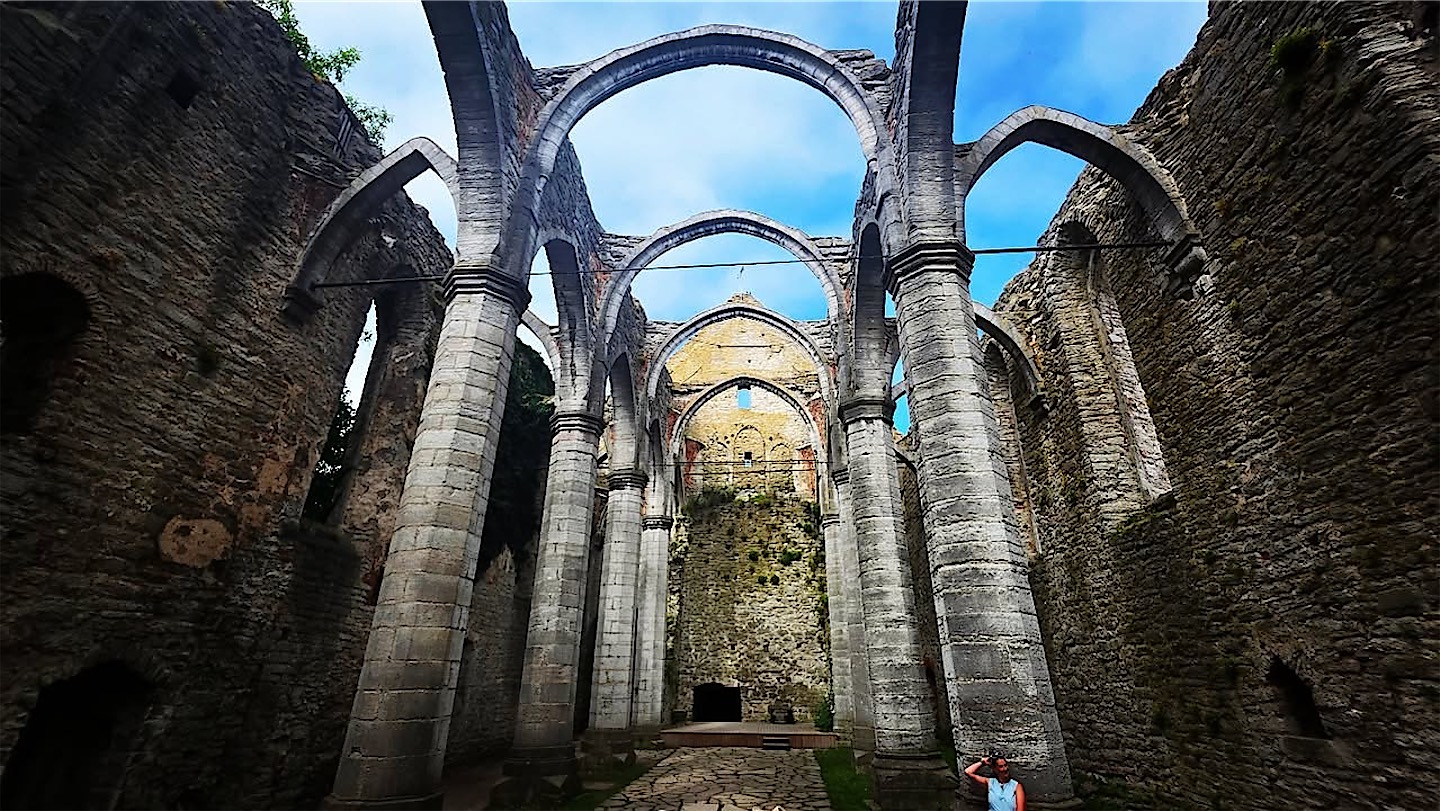
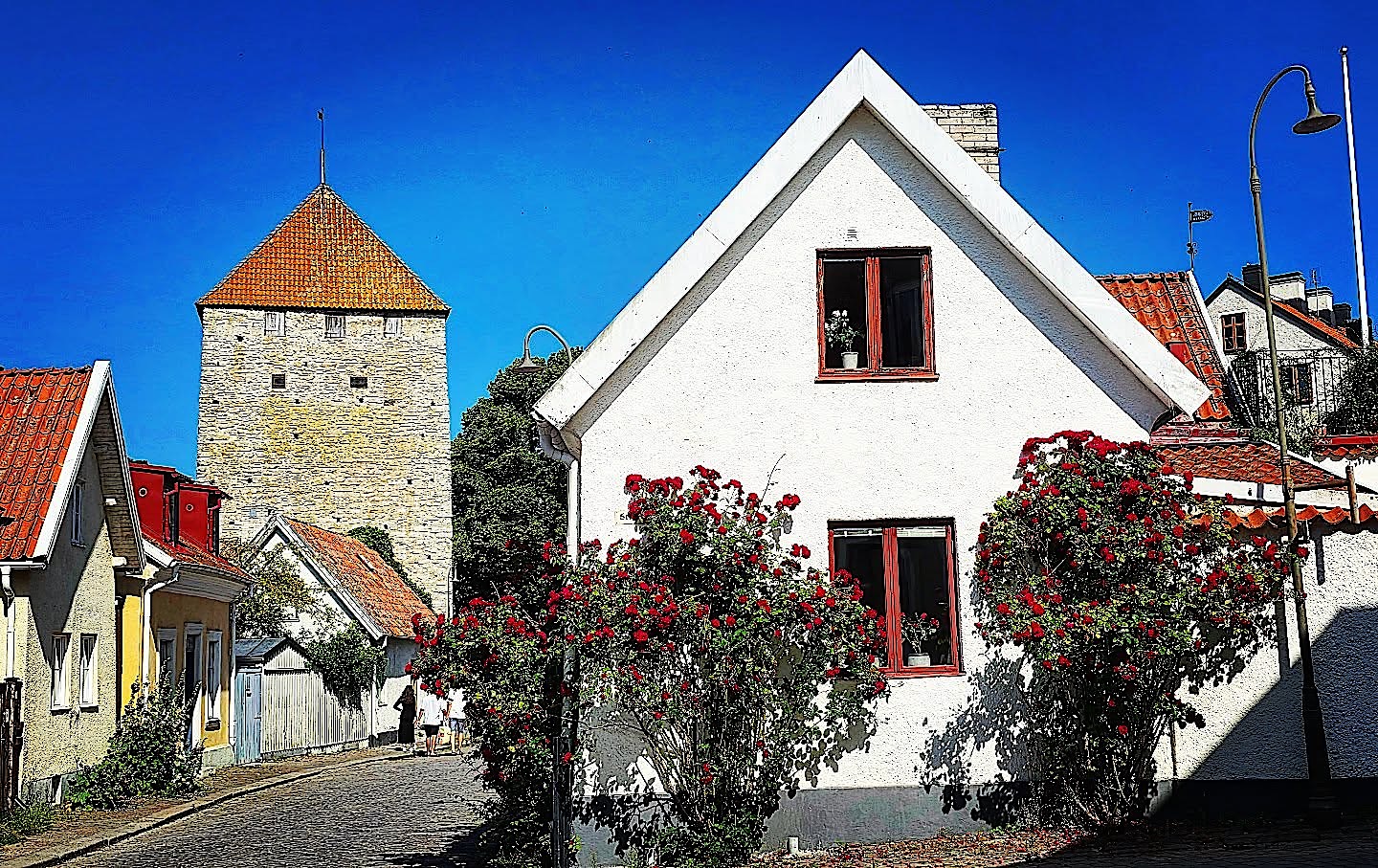
Then there was Visby, a truly beautiful Hanseatic town. We walked along the old town wall and through its gate towers, past church ruins open to the sky and houses with roses climbing their walls. With Gotland done, the only substantial Baltic Sea regions still missing from my list are in Estonia and Latvia.
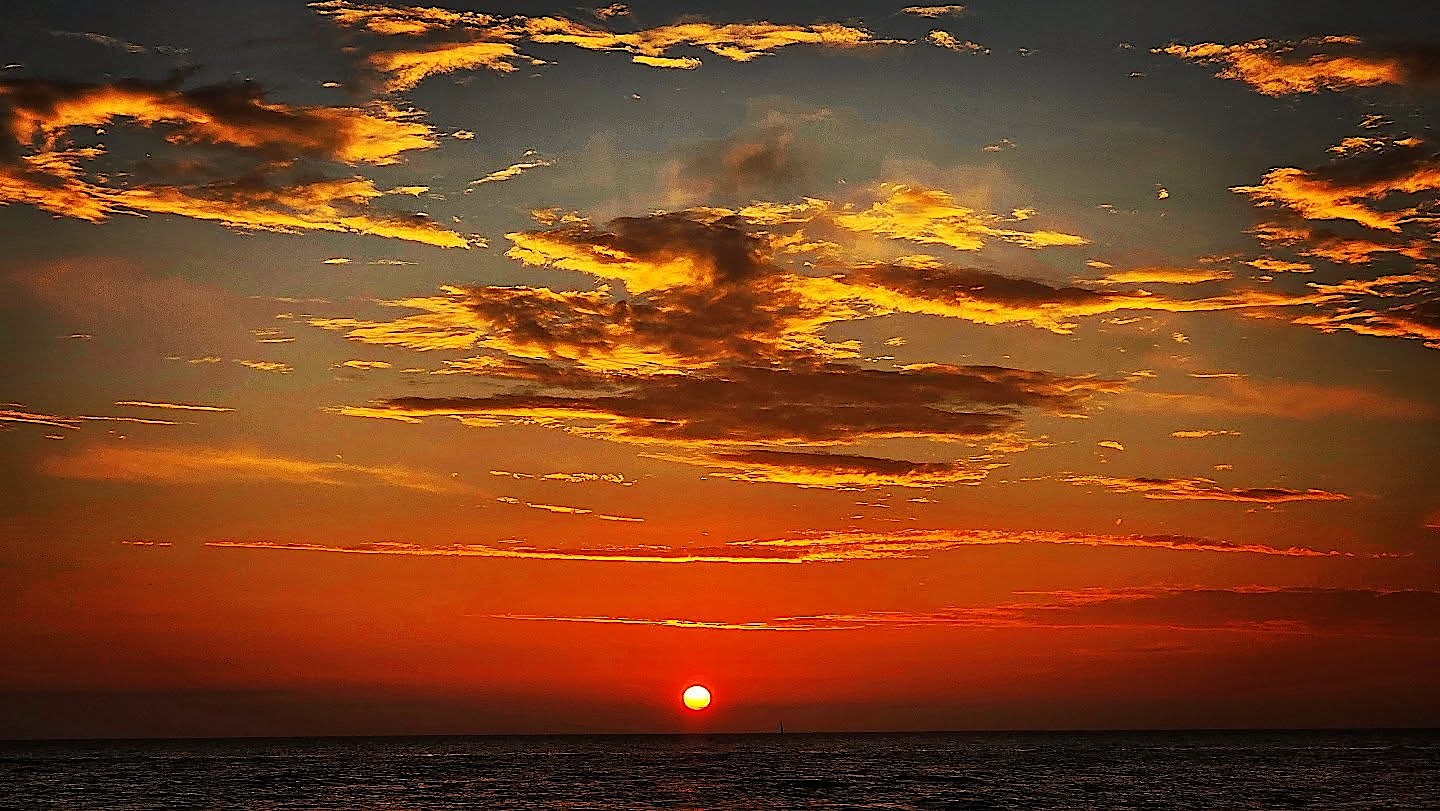
After a rainy week, our last evening in Scandinavia turned out fine, with the sun going down in orange and gold over the Baltic.
The next day I flew from Visby via Stockholm Arlanda, where a quiet lounge with champagne made the connection pleasant, to Belgrade for another short business trip to Serbia. The story continues in Belgrade, Rhodes and the Dodecanese.