
London and Shetland: From the Prime Meridian to the Top of Britain
6–10 July 2025 · London, Greenwich, Leavesden, Sumburgh Head, Yell, Unst, Hermaness, Skaw, Jarlshof, St Ninian's Isle, Noss · Regions: United Kingdom (England, Scotland)
After Liechtenstein, the Säntis and Marienbad I spent a short weekend in London with Karyna: an evening of Shakespeare, a day at Hogwarts and a line on the ground I had somehow never stood on. Then a few free days opened up, and I used them for a region of Europe I had wanted to see for a long time: the Shetland Islands, and with them the northernmost point of the United Kingdom.
Zero degrees at Greenwich
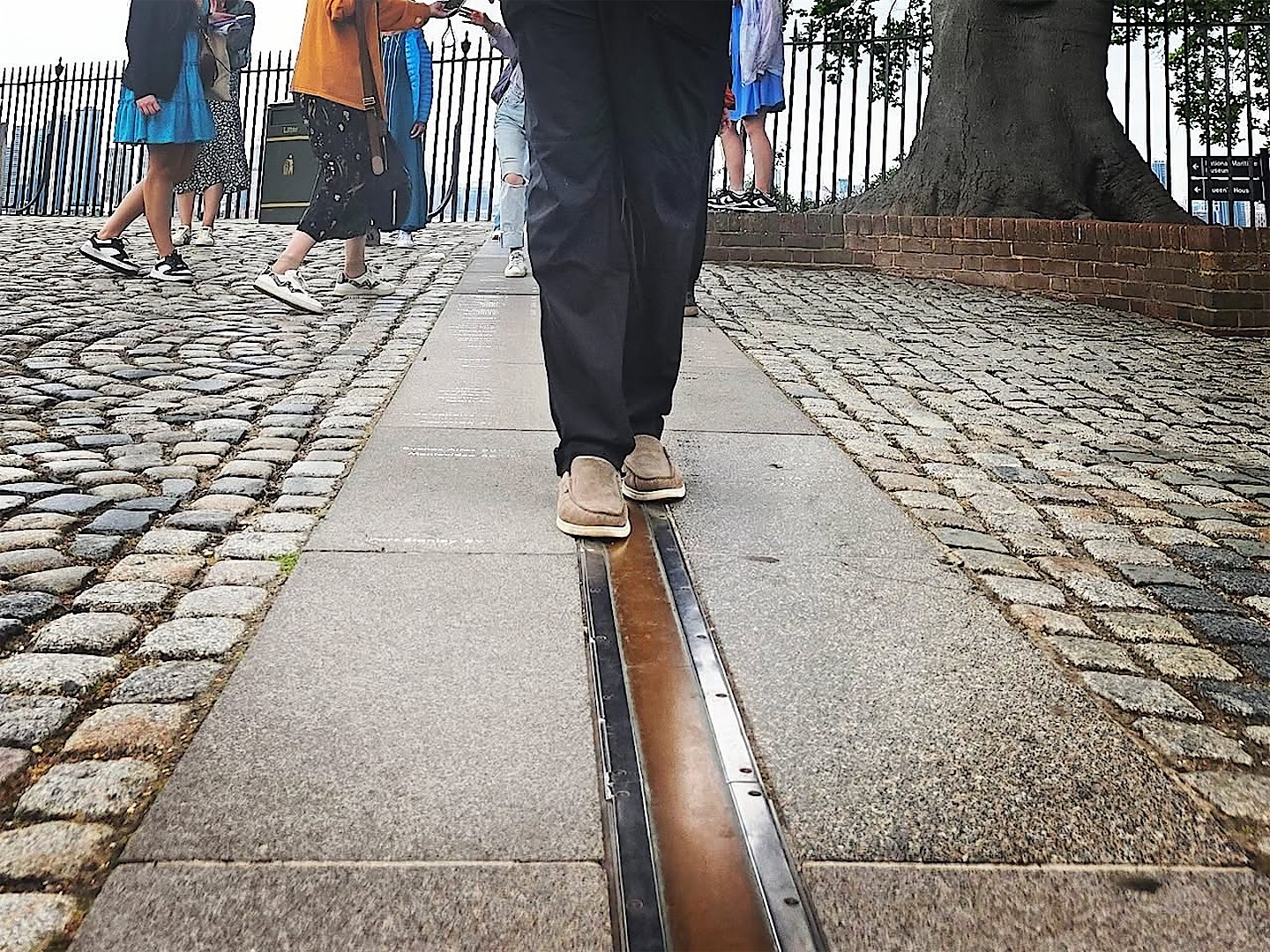
I have travelled through almost every latitude and longitude on the planet, yet I had never set foot on the zero meridian. So the weekend began on the hill of the Royal Observatory in Greenwich, with one foot in each hemisphere and the towers of Canary Wharf rising across the Thames.
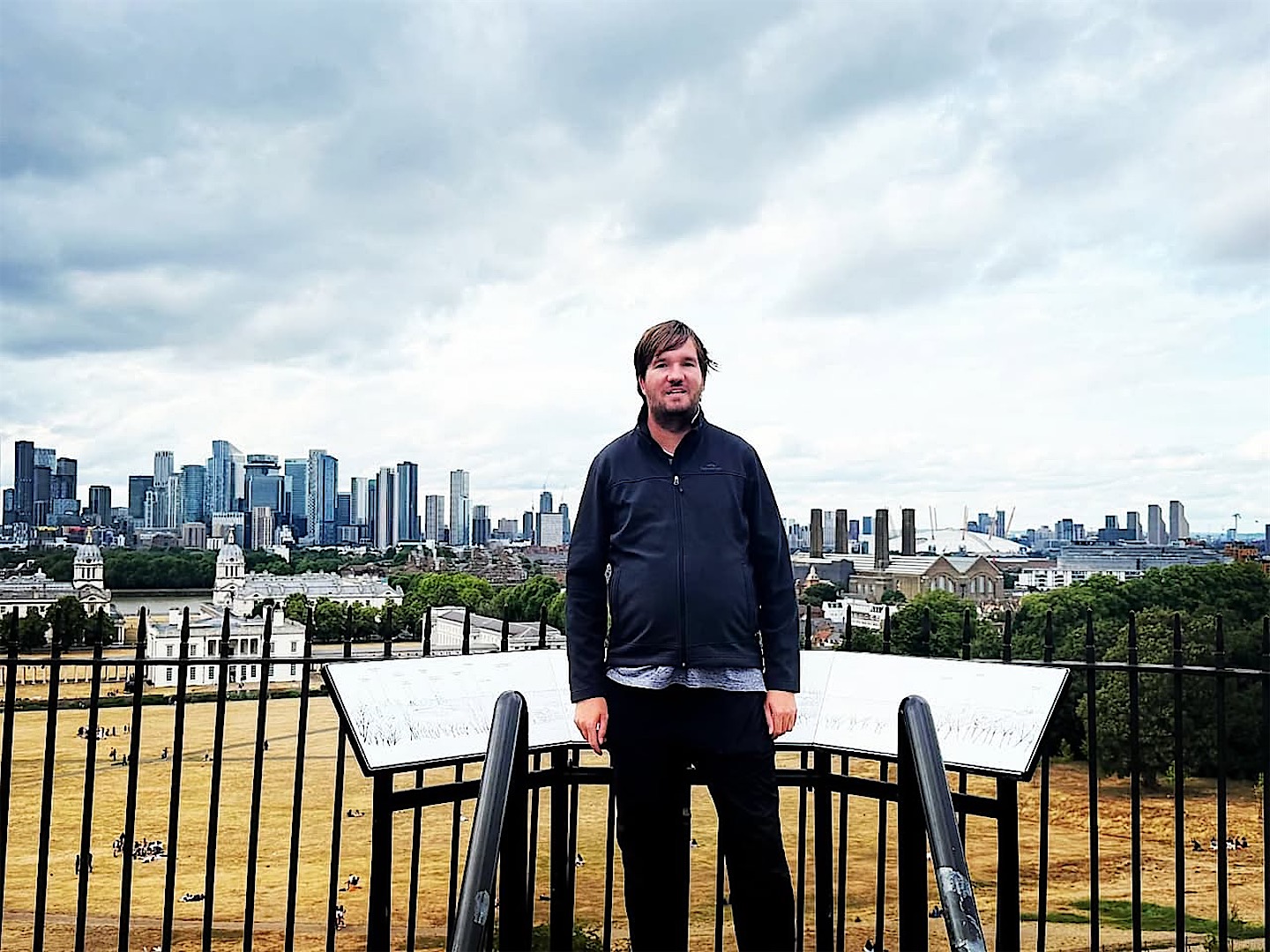
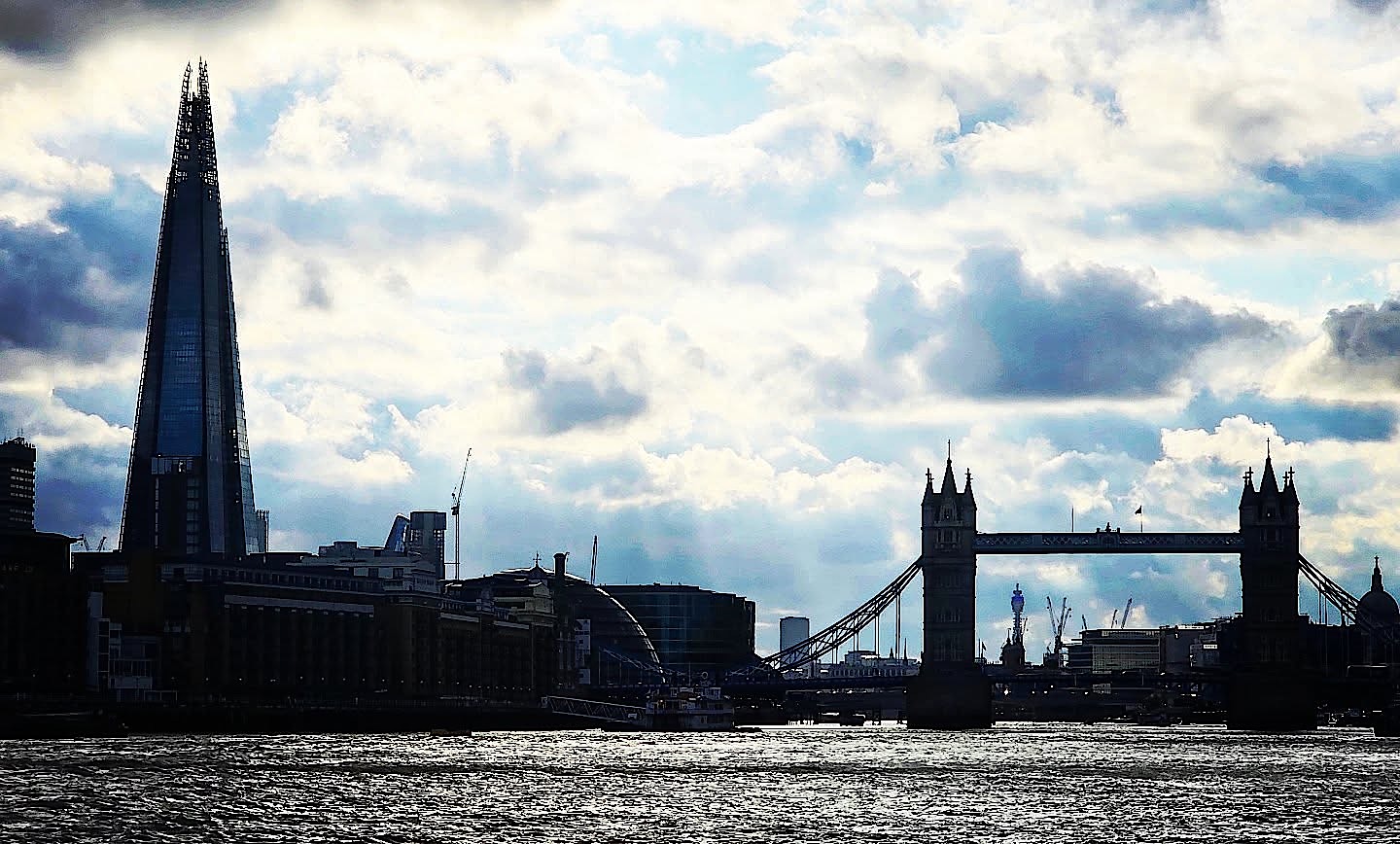
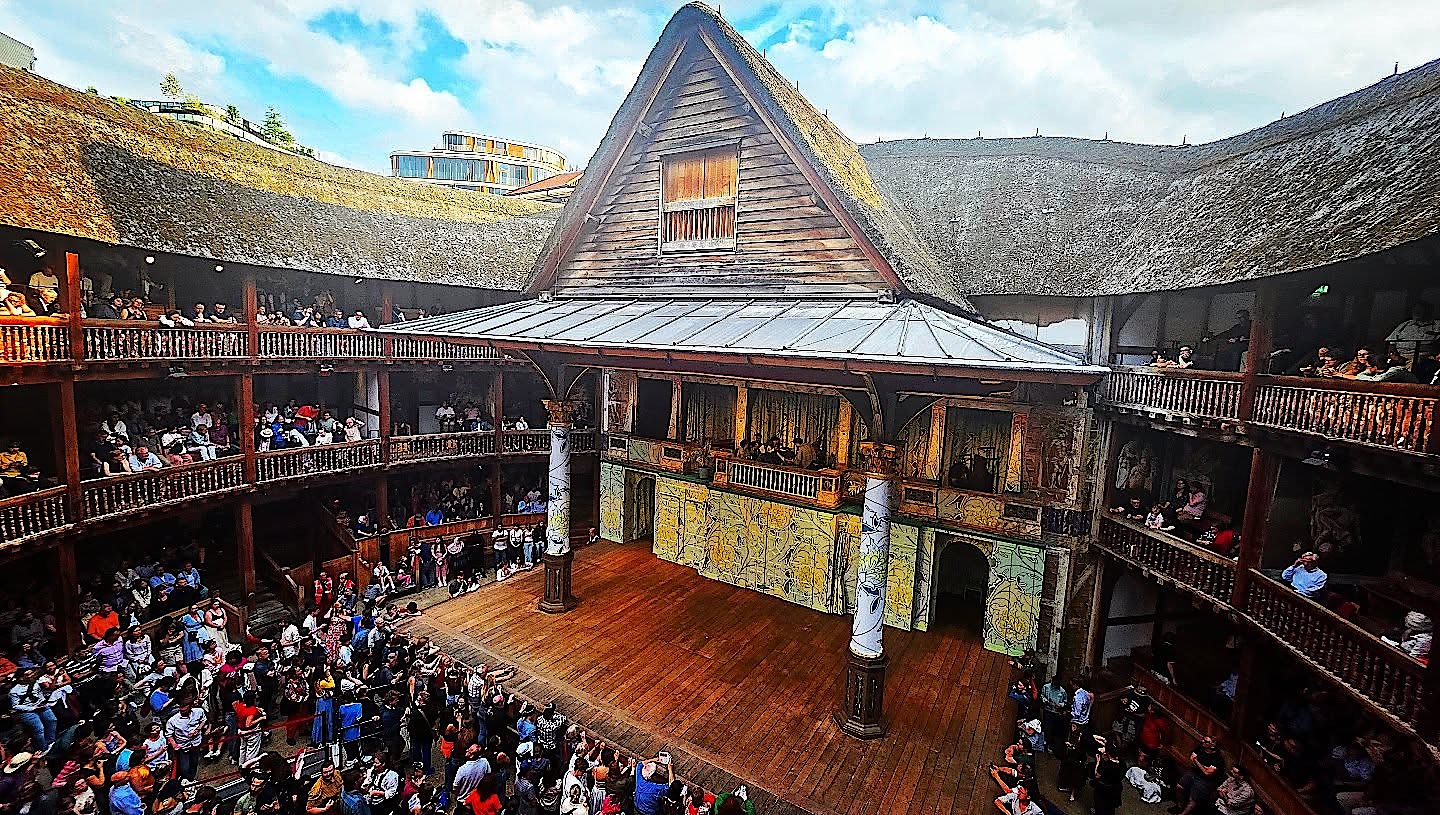
After a short walk around the park we took an Uber Boat into town. The fast catamarans on the Thames turned out to be a quick alternative to the Underground, with the Shard and Tower Bridge thrown in. The evening belonged to The Merry Wives of Windsor at the Globe.
A day at Hogwarts
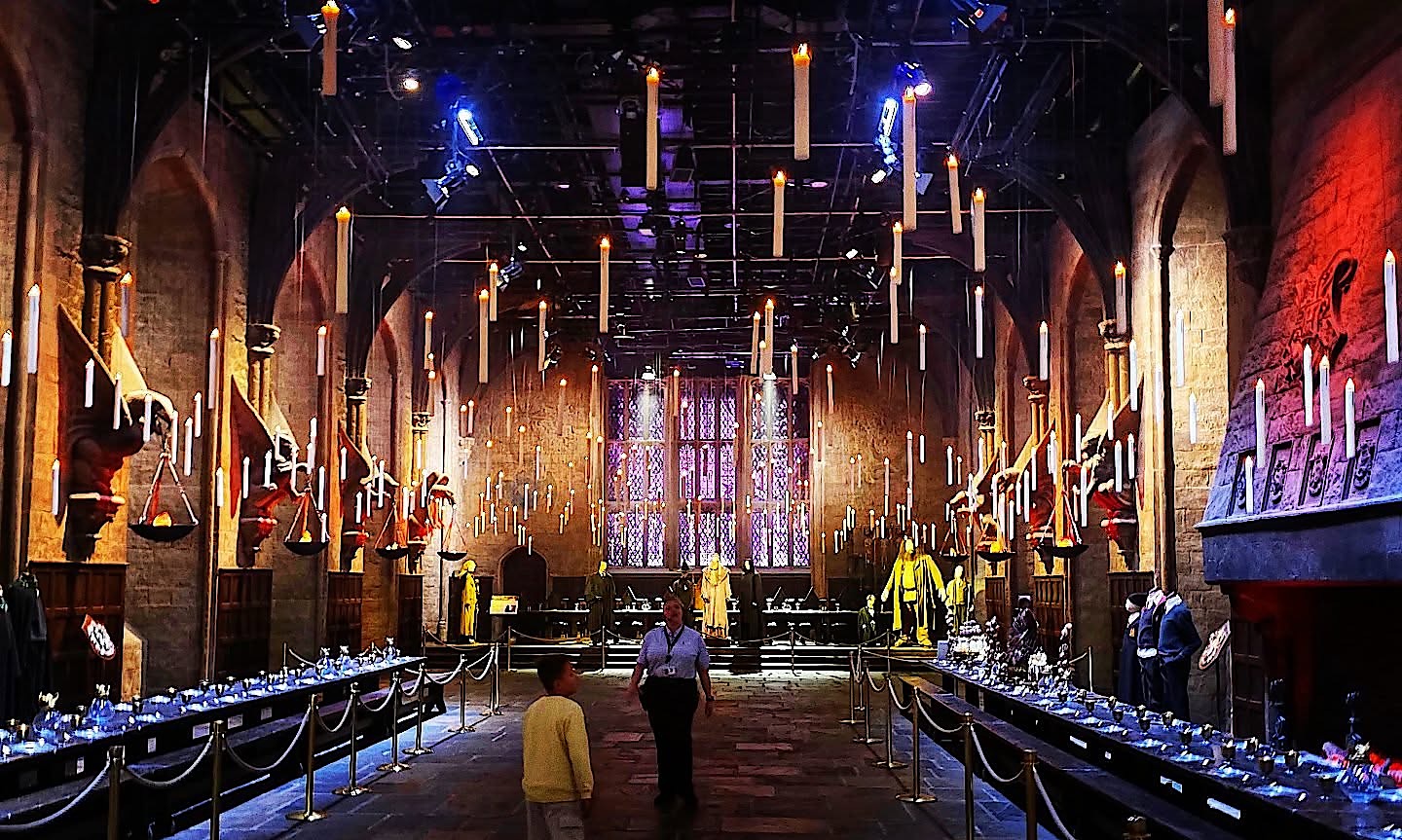
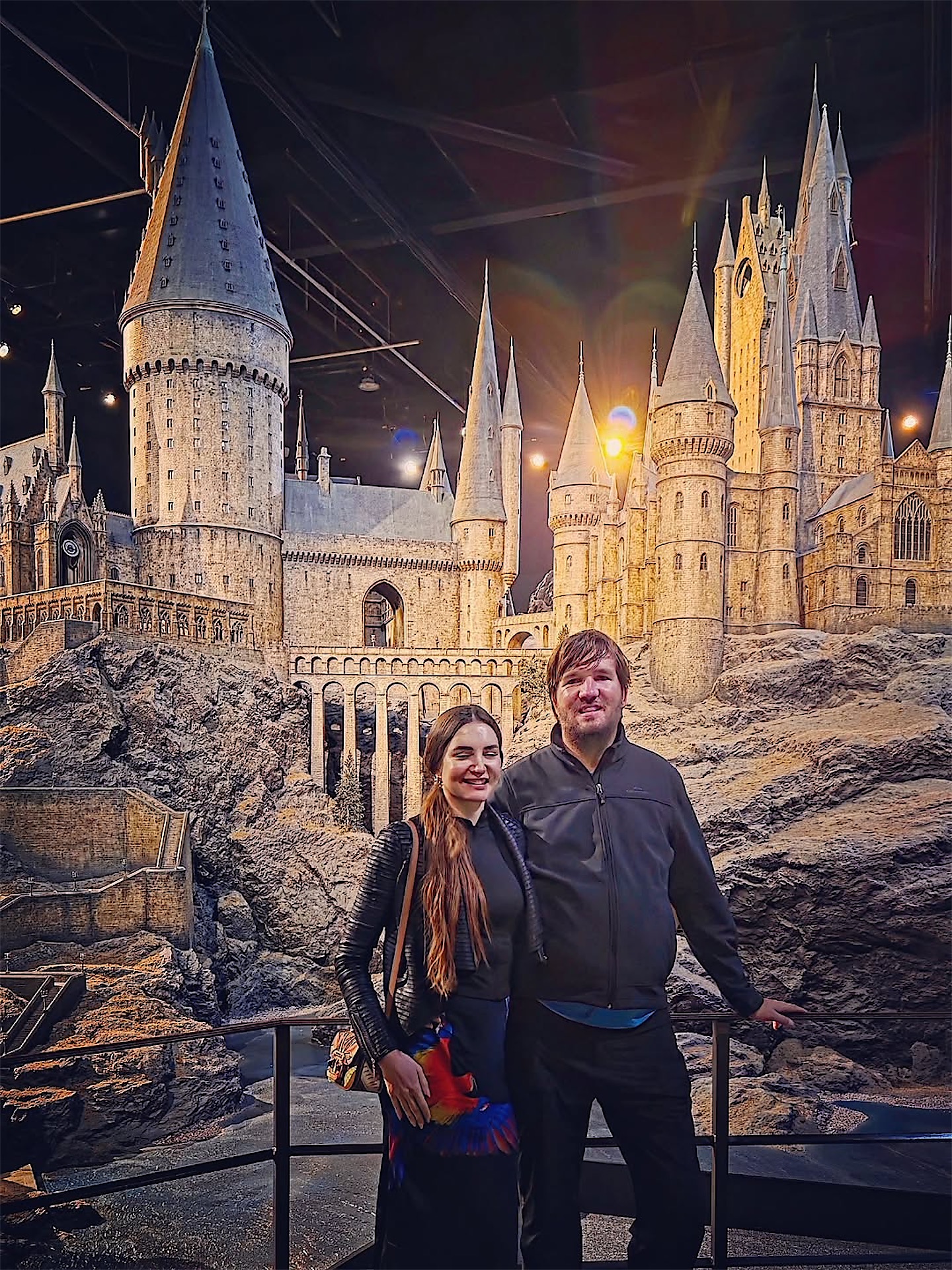
The next day took us to the Warner Bros. Studio Tour in Leavesden, north-west of London, where the Harry Potter films were made. We are both fans; the films were what we watched on our first evenings together. Many of the original sets and props were kept after filming, so you can walk through the Great Hall, look into Dumbledore's office and stand before the large castle model used for the exterior shots.
North to Shetland
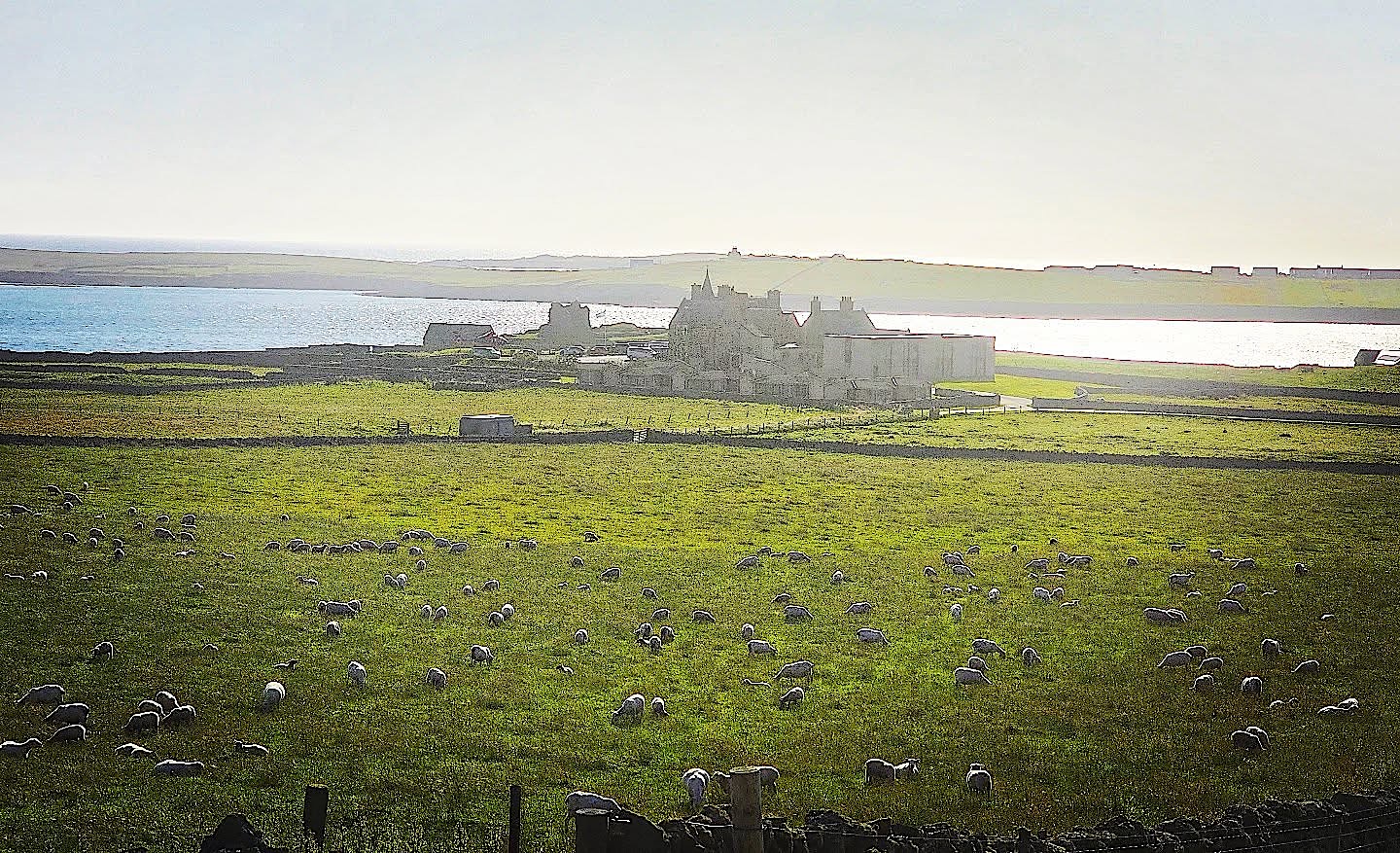
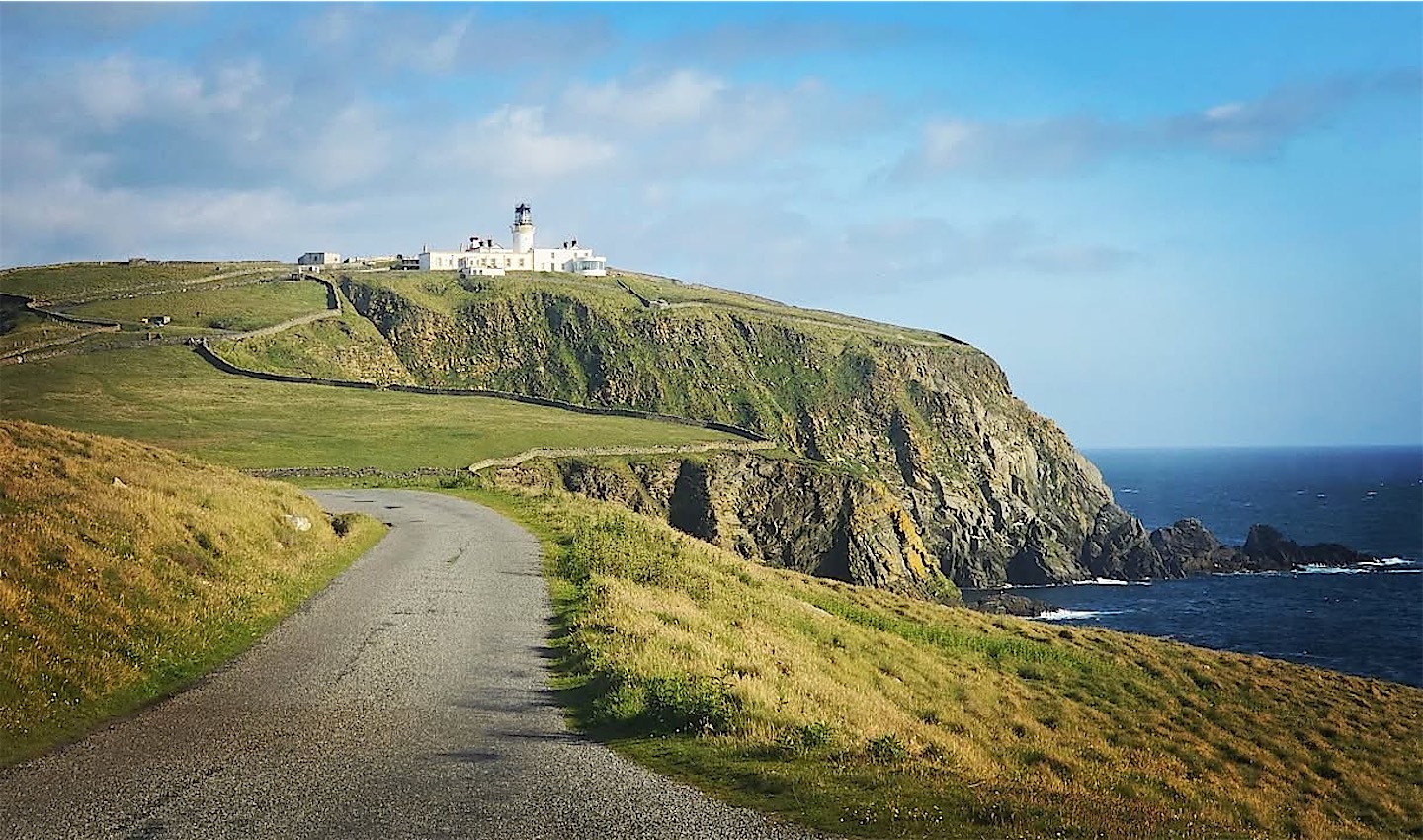
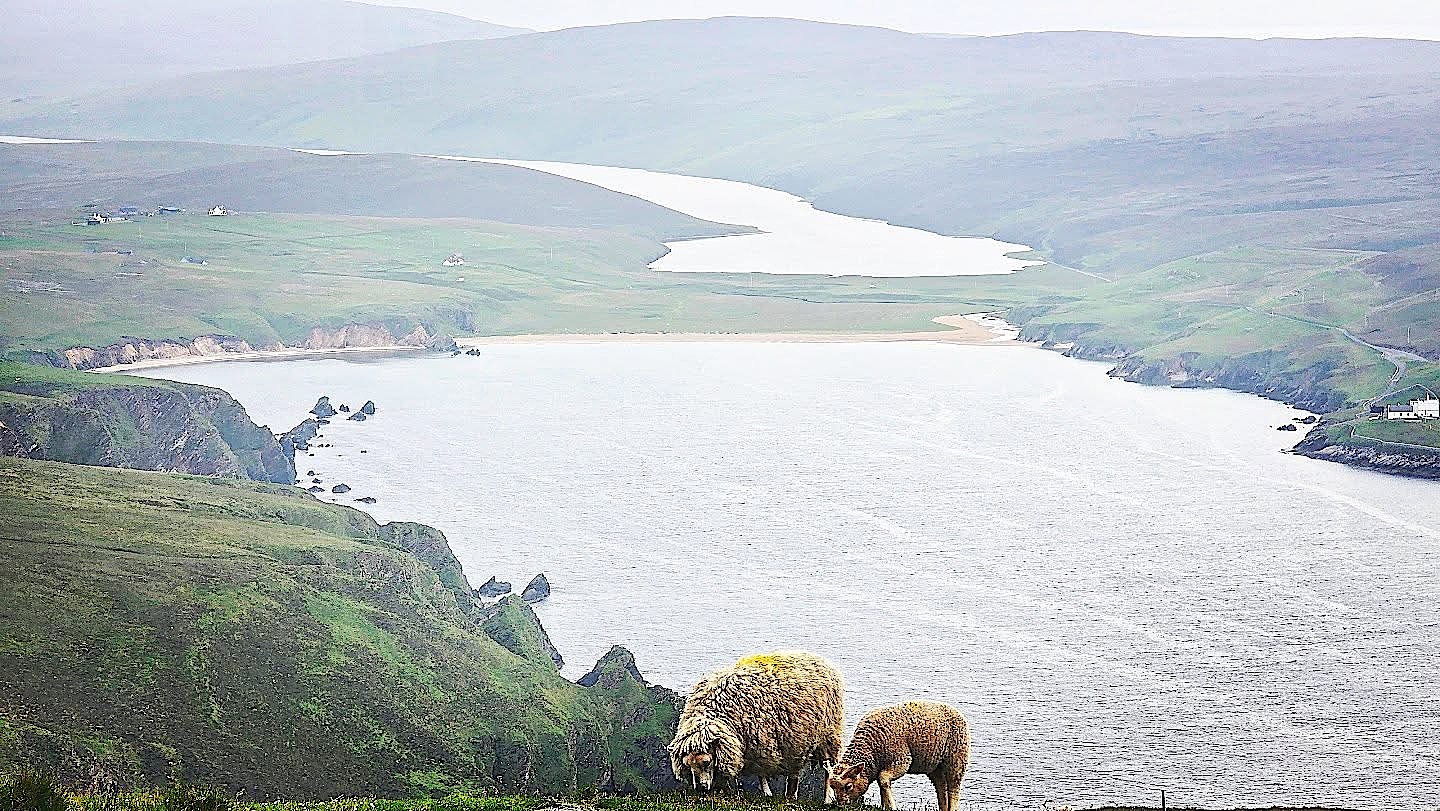
From Heathrow Terminal 5 I flew on to Sumburgh, at the southern tip of Shetland. The islands looked just as I had imagined them: green pastures, sheep everywhere, old stone houses and the sea never far away.
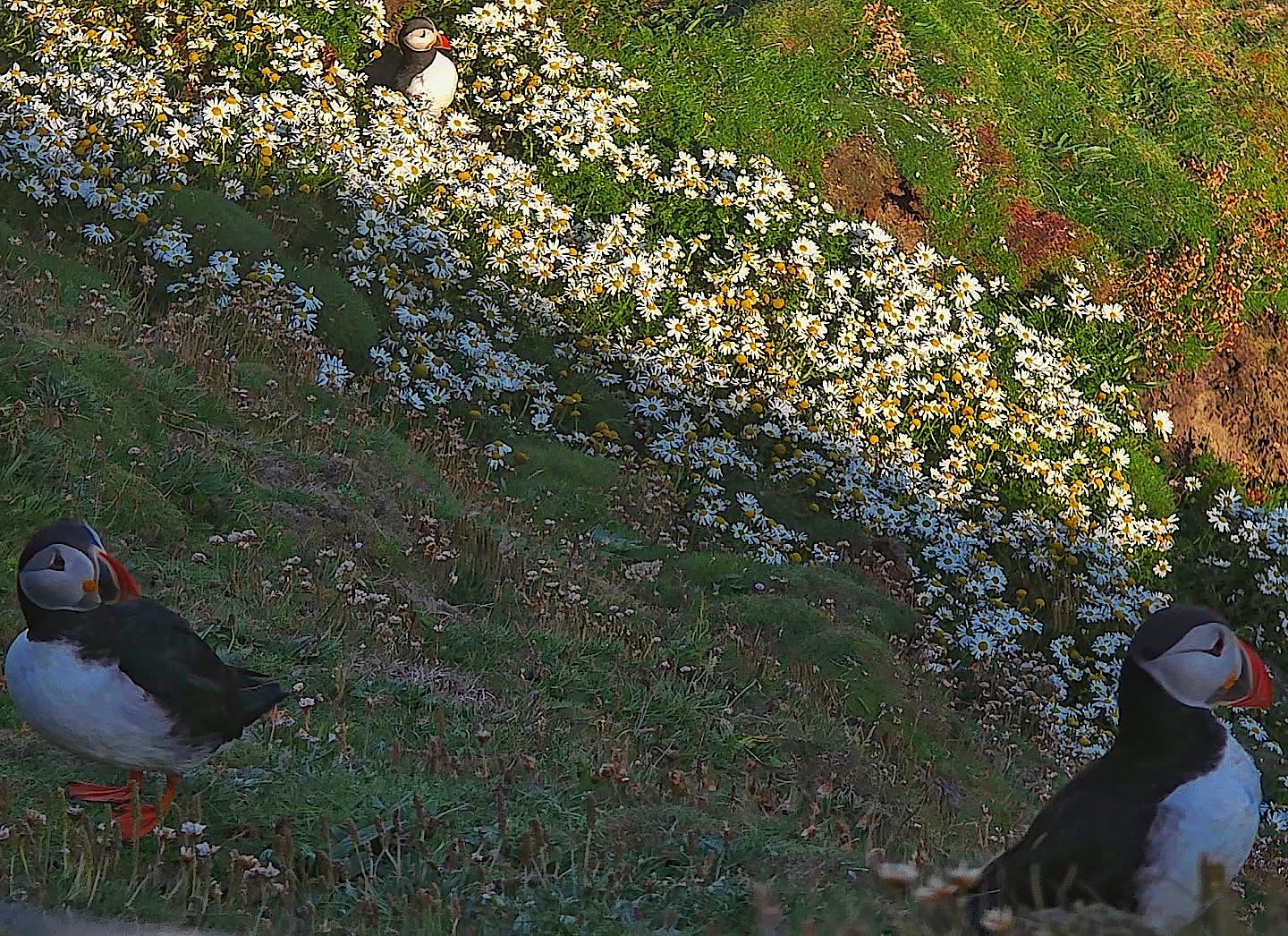
Five minutes from the airport, the cliffs below Sumburgh Head lighthouse were full of puffins, and they let me get remarkably close. The weather on that first evening was unusually kind, so I made the most of it and explored until late at night.
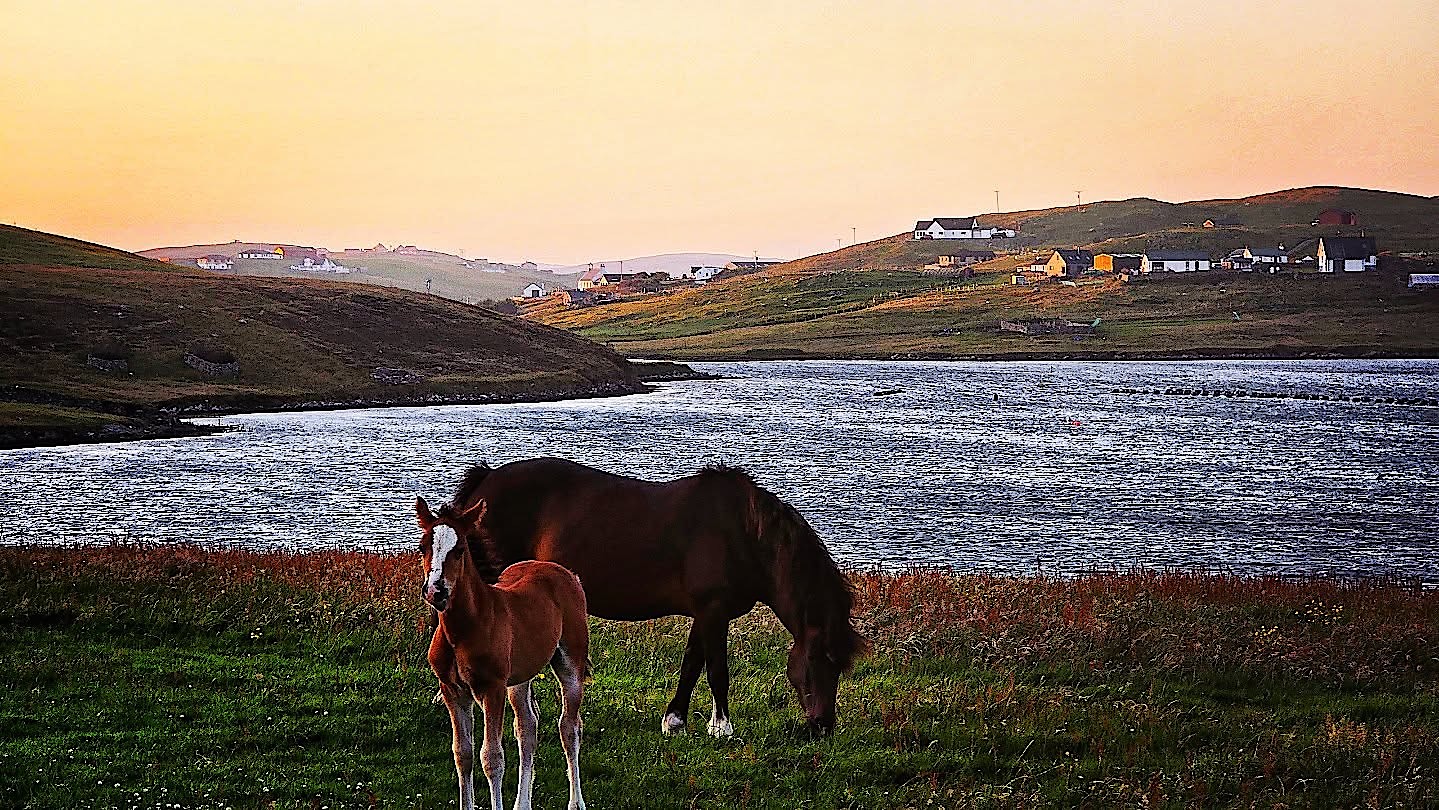
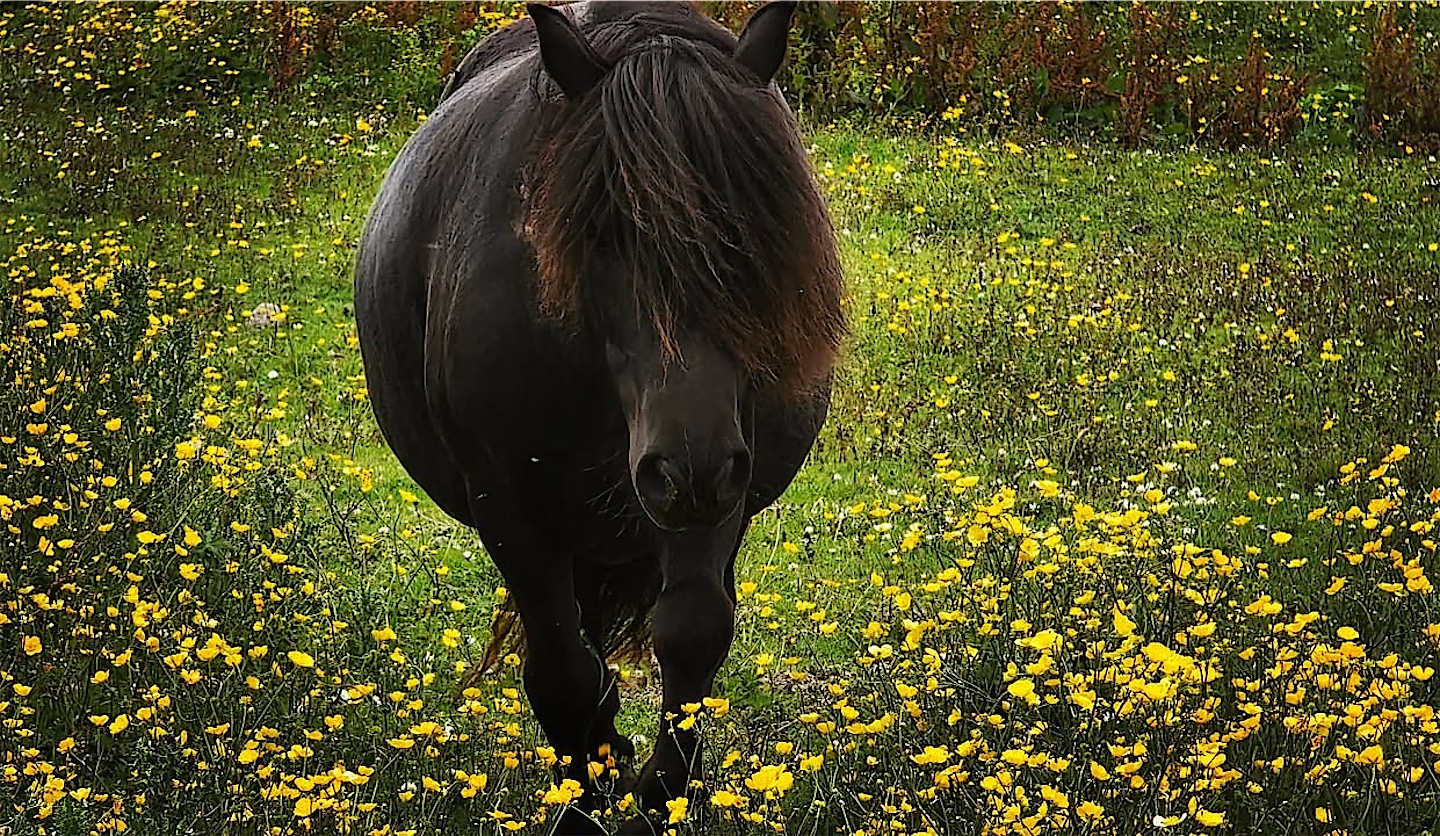
By a voe, as Shetlanders call their long sea inlets, I came across grazing ponies with a foal. Small, hardy and strong, Shetland ponies became ideal pit ponies after an 1842 law banned women and young children from working underground, and many were shipped south to haul coal.
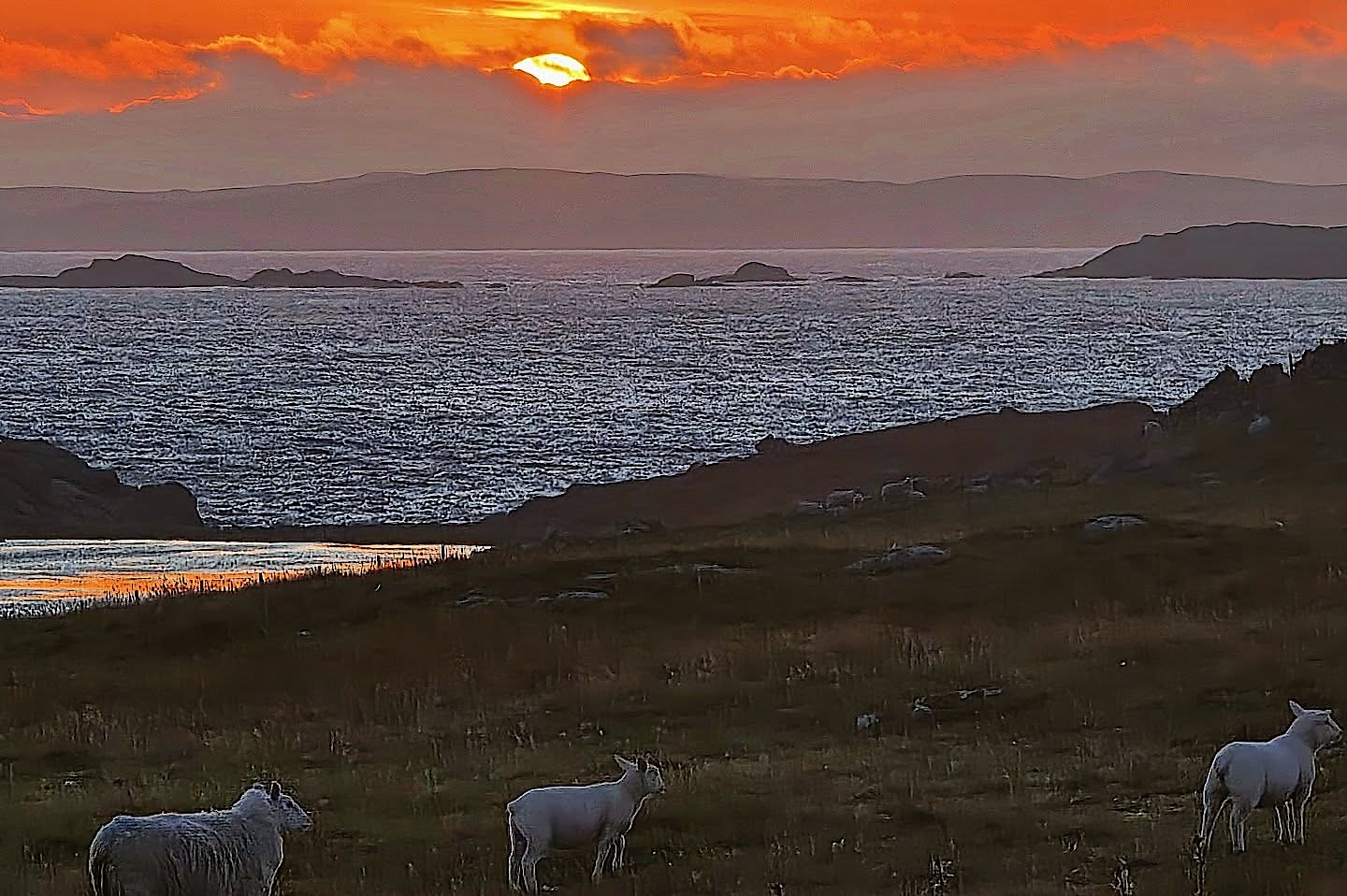
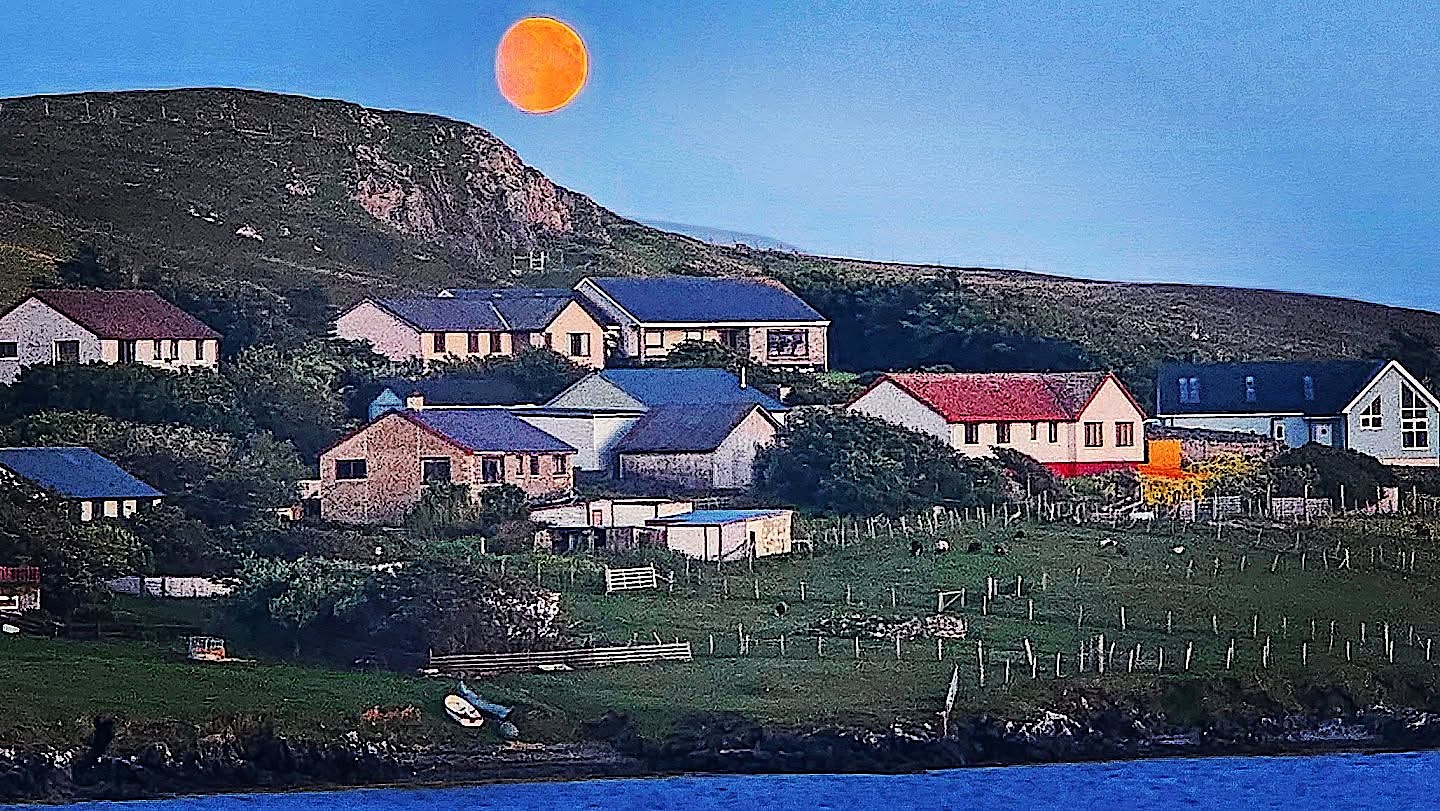
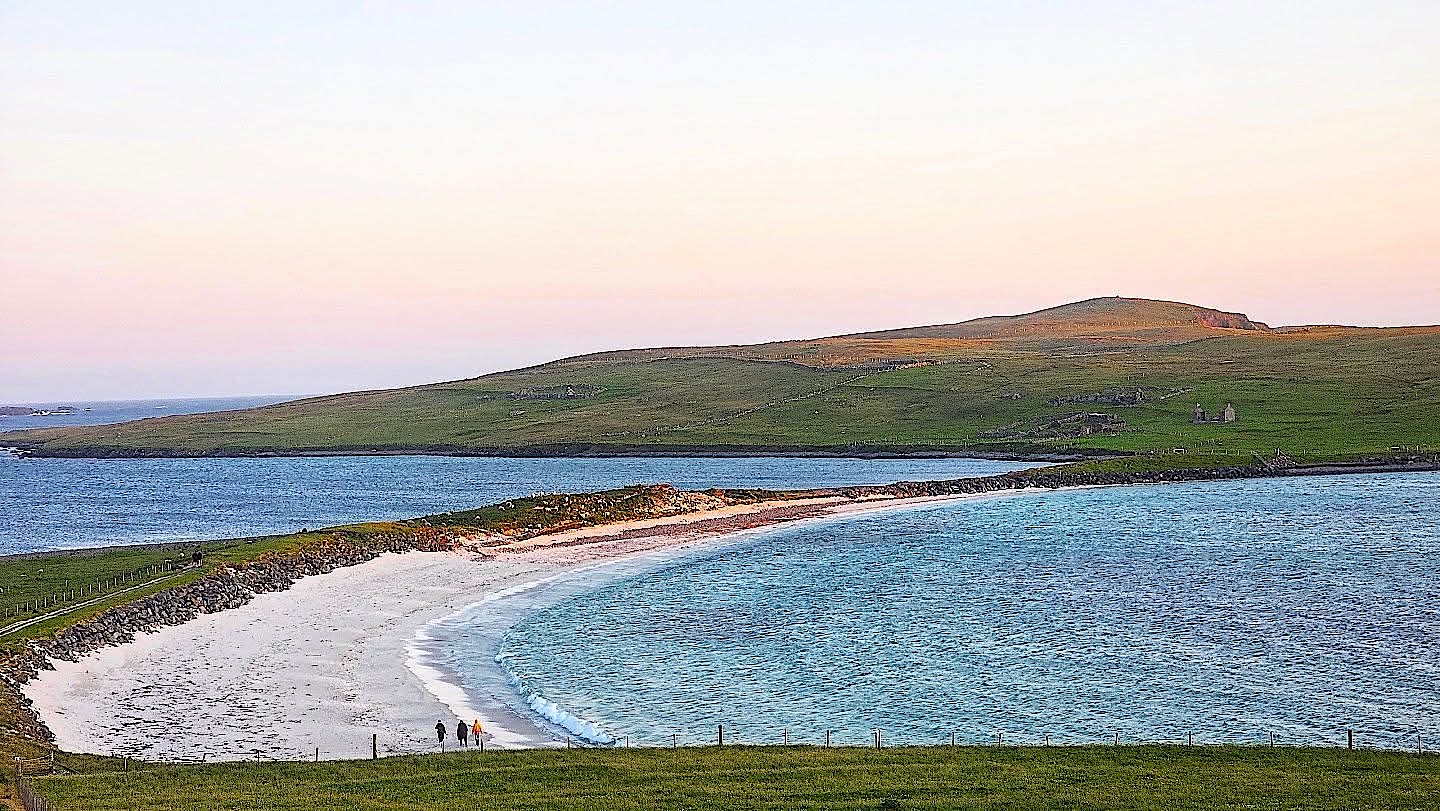
The sun set only at about half past ten, and the sky never got properly dark. No midnight sun, but almost: Shetlanders call these bright summer nights the simmer dim. An enormous orange moon rose over a village, and the beaches had white sand and water in shades of turquoise.
To the top of Britain: Yell and Unst
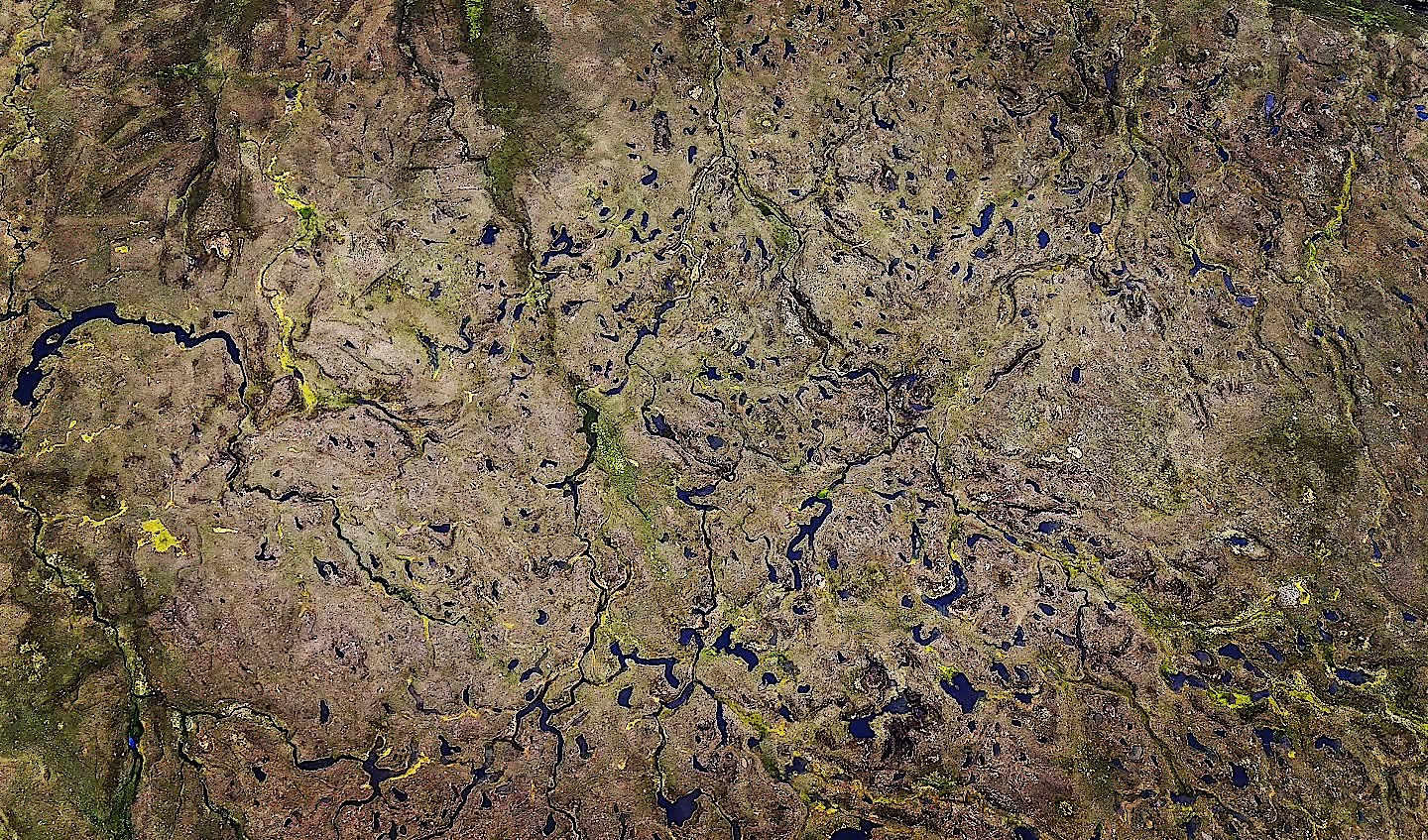
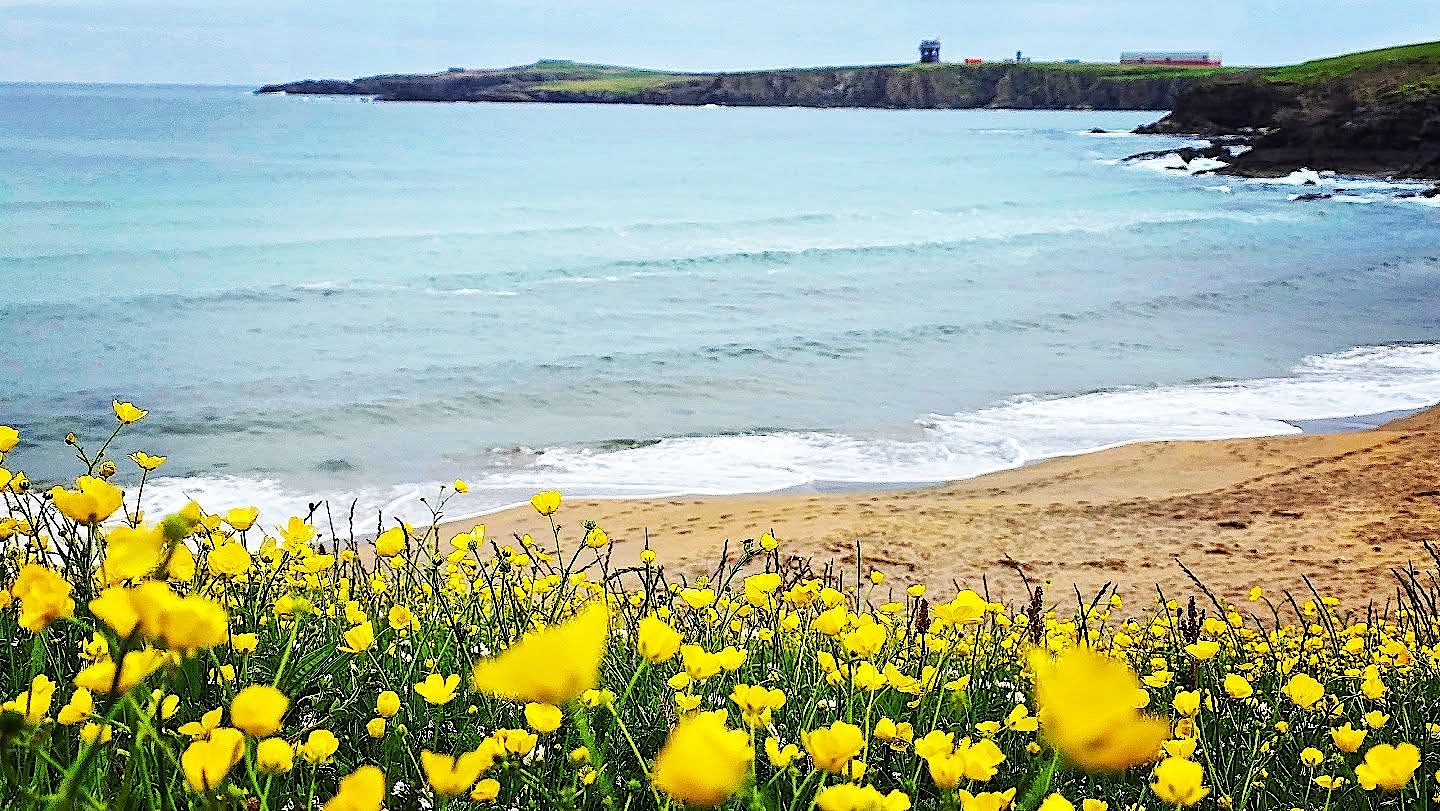
The weather turned on the second day, but I drove north anyway. Unst, the northernmost inhabited island of the UK, lies beyond Yell, so getting there and back took four short ferry rides. Both islands are quite beautiful, and Unst even has a spaceport for small rockets, SaxaVord. At its northern tip, the Hermaness nature reserve looked like a painting from above, a brown moor dotted with countless dark pools. Nearby, Skaw has the northernmost beach in the country, lined that day with yellow flowers.
Nearby stands an old NATO base, and when I walked around it I quickly found out who really guards it. Skuas defend their nests by diving at the heads of intruders, and these attacked me so persistently that I have never run as fast in my life. Later the fog rolled in, and the islands suddenly looked a lot more like the Shetland most people picture.
Jarlshof, St Ninian's Isle and the gannets of Noss
My last full day took me back to the south. A few summer days in Scotland are always a pleasure, as I had found on last year's trip through Wales and the Scottish isles. Jarlshof, right next to the airport, packs thousands of years of island history into a single headland.
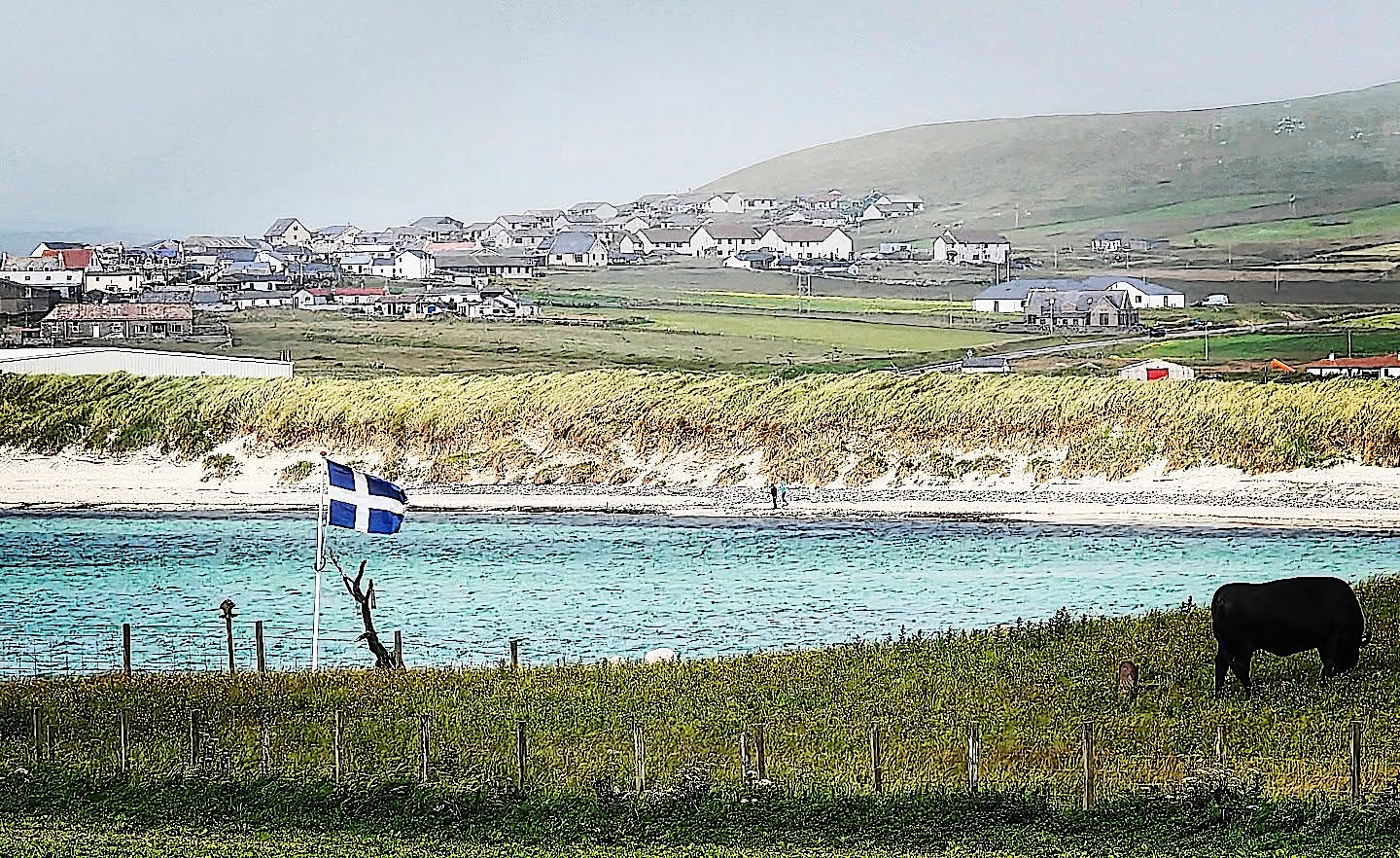
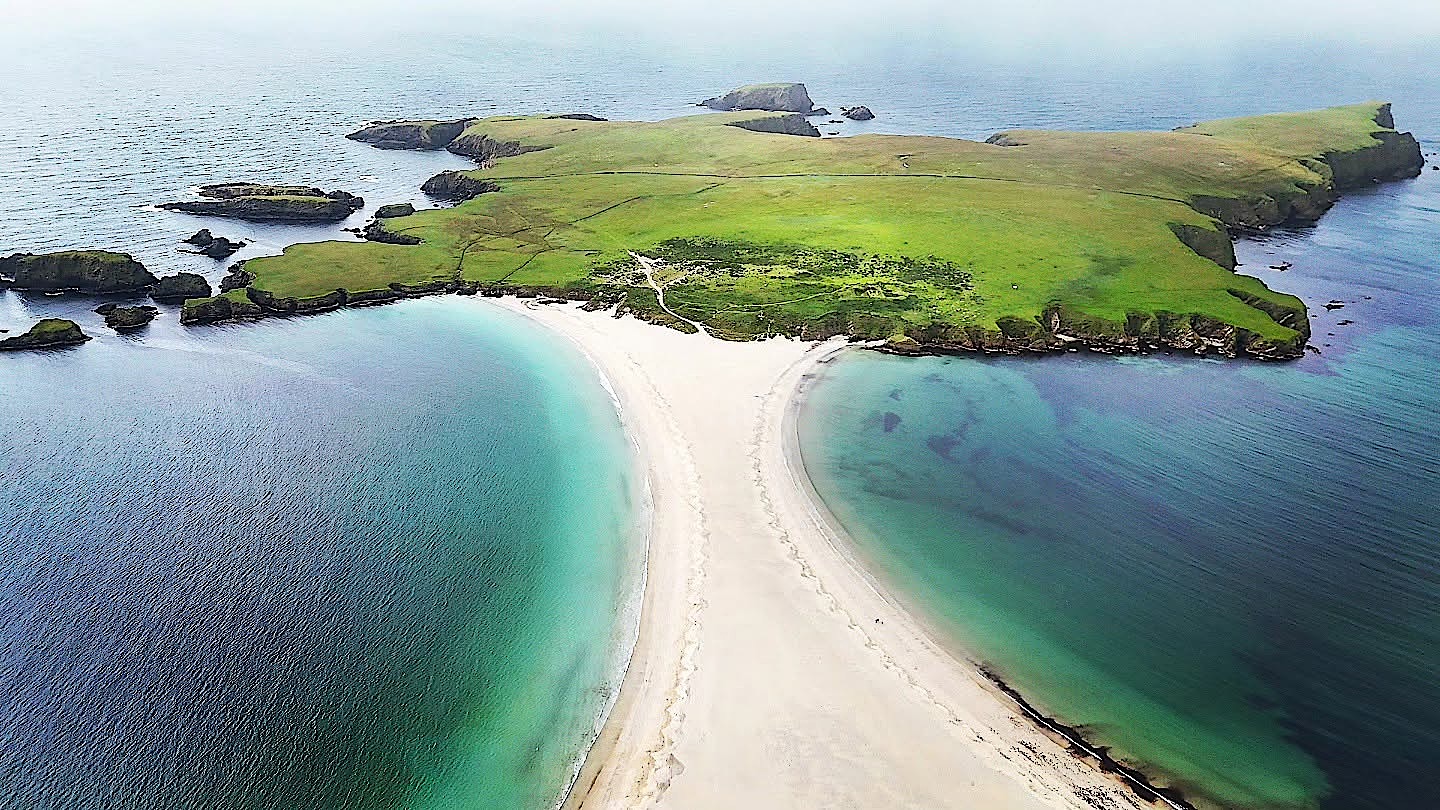
One of the highlights followed, especially from above: St Ninian's Isle. A tombolo, a bar of white shell sand built up by the waves, links the green island to the Mainland, with turquoise water on both sides. It is the closest thing Shetland has to the Caribbean.
Later the gannets off Noss put on a crazy show, plunging headlong into the sea for fish.
Chocolate cake at 11 pm
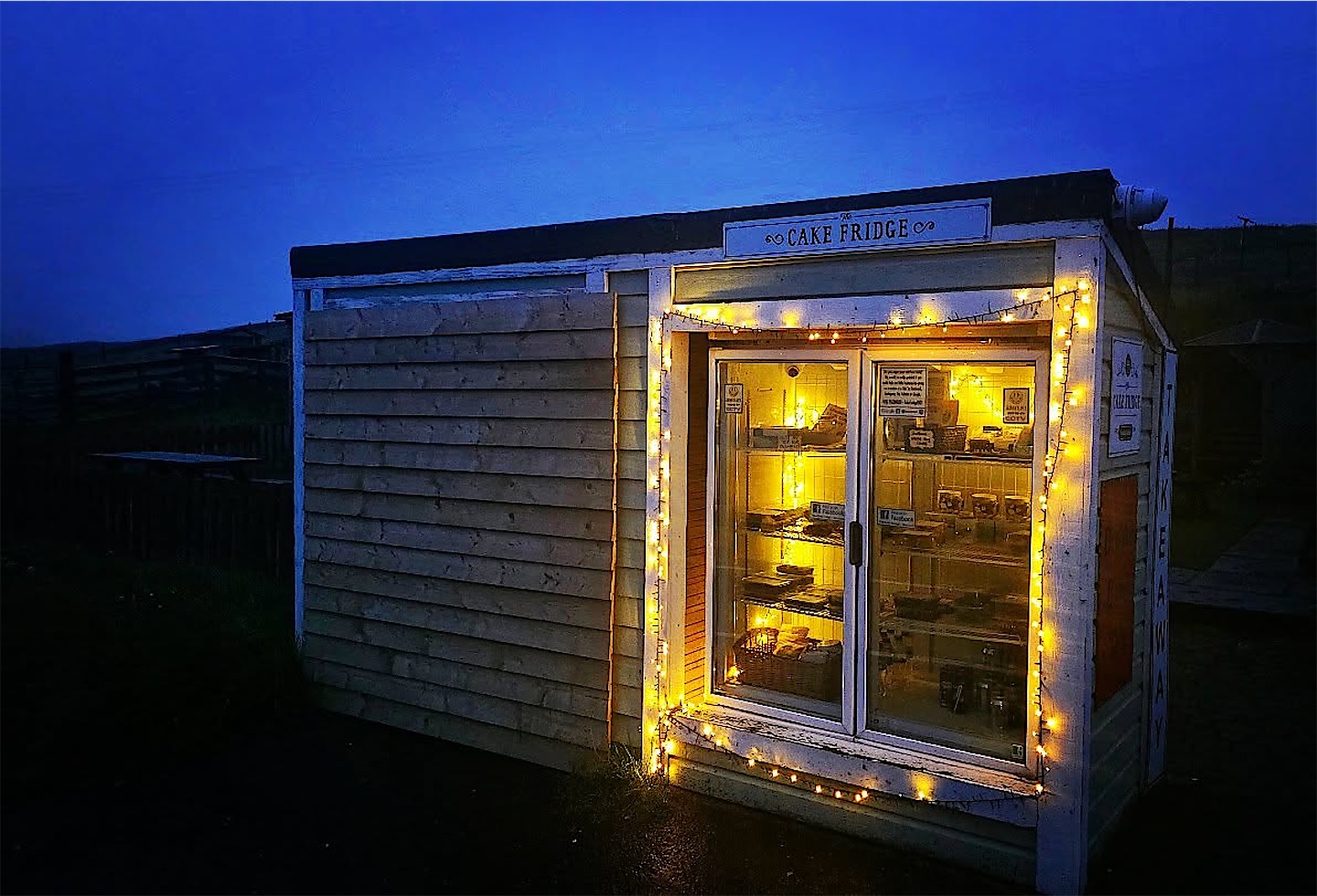
Finding dinner can be a challenge here: most restaurants close their kitchens before 9 pm and are often fully booked. So at 11 pm in the middle of nowhere, the Original Cake Fridge was a welcome surprise, an open fridge with cakes, drinks and souvenirs that runs purely on honesty. I left 27 pounds for a few gifts and a chocolate cake. Fridges and honesty boxes like this are found across the islands, and they work because Shetland is so safe that many people never lock their cars or front doors. A great idea, if one that would rarely work elsewhere.
The next morning I flew from Sumburgh to Frankfurt for a busy weekend: a birthday, a conference, a wedding and a visit to my family. The summer continued with a Baltic summer: Bornholm, Sylt and Gotland.