
Châteaux, Cathedrals and Champagne: Five Days Across Central France with Nemi
8–12 October 2026 · Chartres, Le Mans, Angers, Saumur, Fontevraud, Chambord, Bourges, Vézelay, Beaune, Langres, Colombey-les-Deux-Églises, Épernay, Meuse Valley · Regions: France (Centre-Val de Loire, Pays de la Loire, Bourgogne-Franche-Comté, Grand Est)
After overlanding the British Isles, the night ferry from Portsmouth brought Nemi and me to France at the end of September. Parking an expedition truck at Paris Charles de Gaulle airport turned out to be harder than planned: at midnight nobody was at the spot I had booked and the gates were locked, so it took me until half past three in the morning to find an alternative at a local hotel. Later that day I flew off to a travel conference in the Abu Dhabi desert and a day of meetings in Switzerland.
Then came the part I had been looking forward to: five days across Central France to the last French regions still missing on my lists, and on home to Germany. The rules were simple. No toll roads, no big cities, and as many World Heritage sites, châteaux and cathedrals as possible.
Chartres and the Circuit des 24 Heures
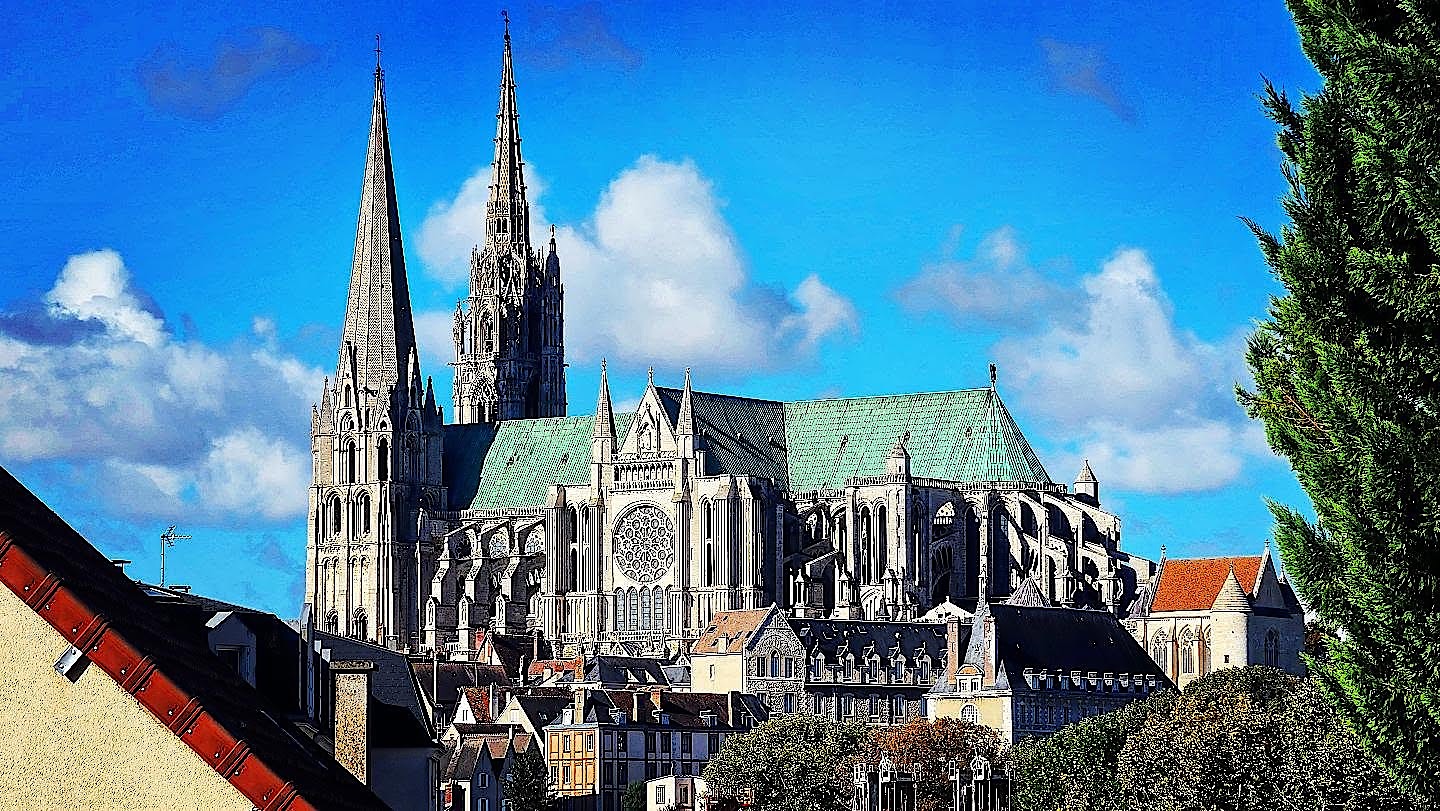
Nemi was still where I had left it six days earlier. The oversize parking at the Campanile hotel in Roissy had cost just 32 euros in total, which is excellent for an airport. My first stop was Chartres, whose cathedral rises above the flat farmland of the Beauce.
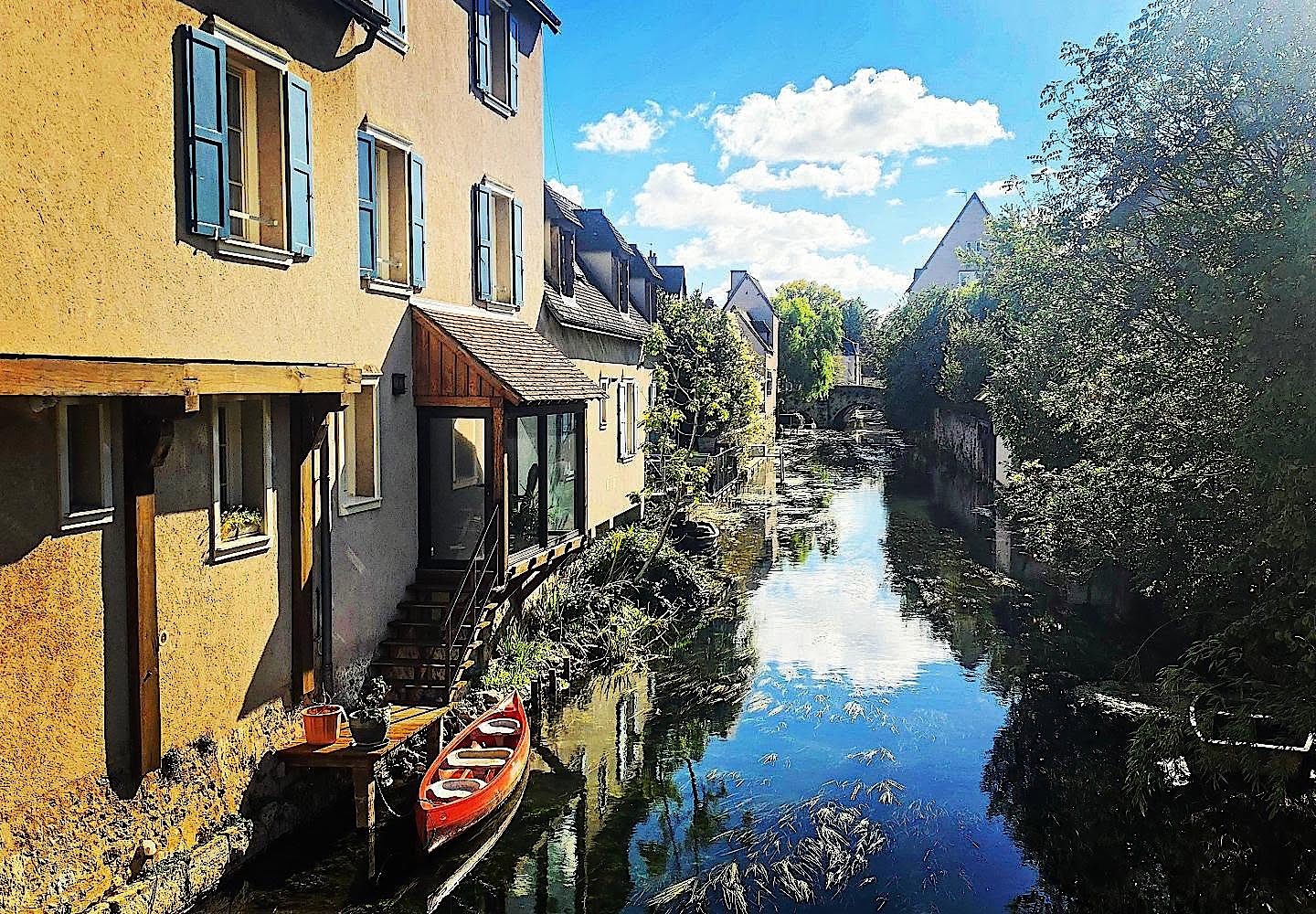
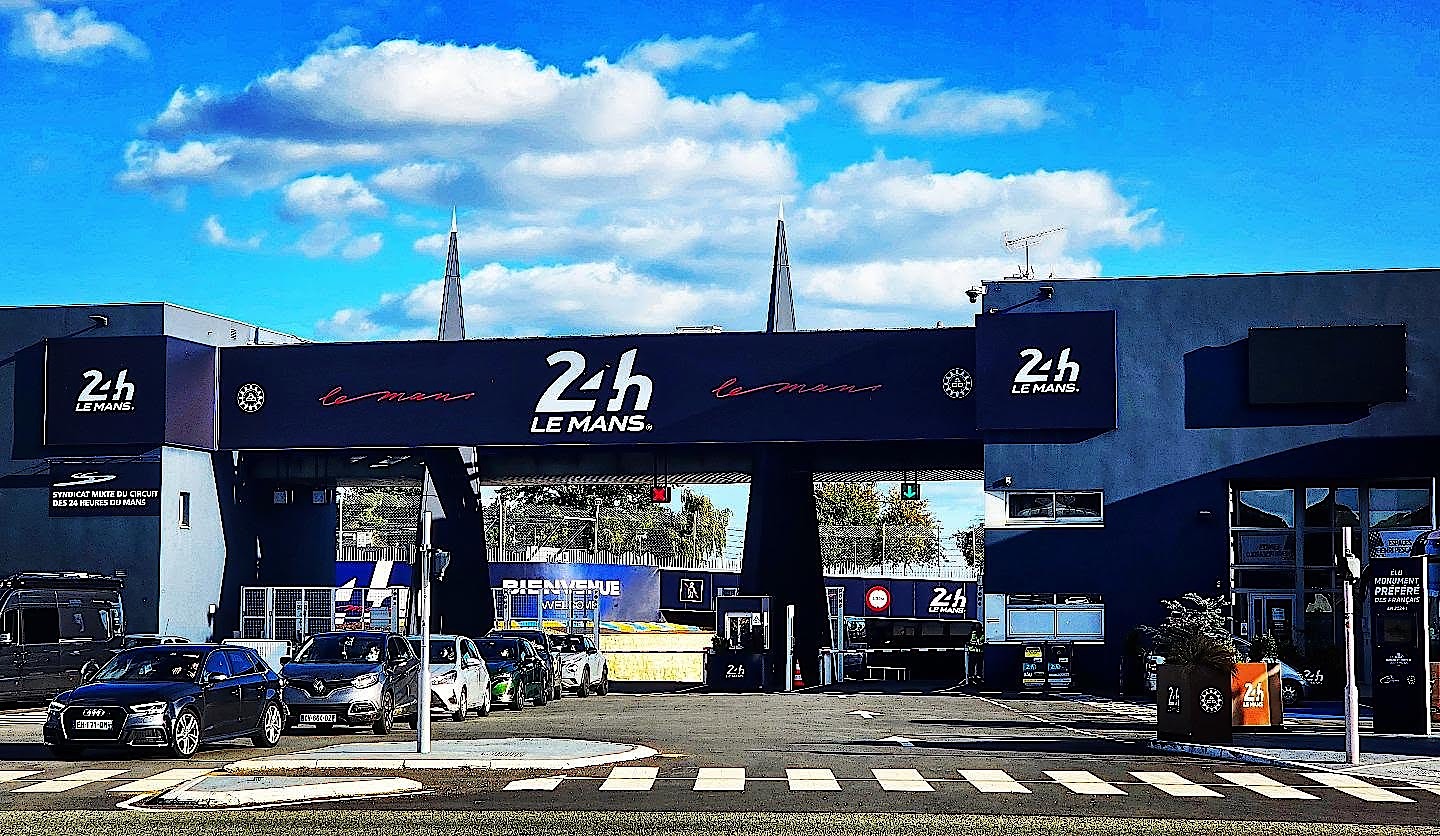
Below the cathedral, the lower town along the Eure looks exactly like the idyllic France people picture, with blue shutters, a red canoe tied up below a doorstep and an old stone bridge. Then I drove on to Le Mans. With its yellow lightning bolts, Nemi already looks half like a racing car, so of course it had to visit the Circuit des 24 Heures.
Angers, Saumur and the Plantagenet kings
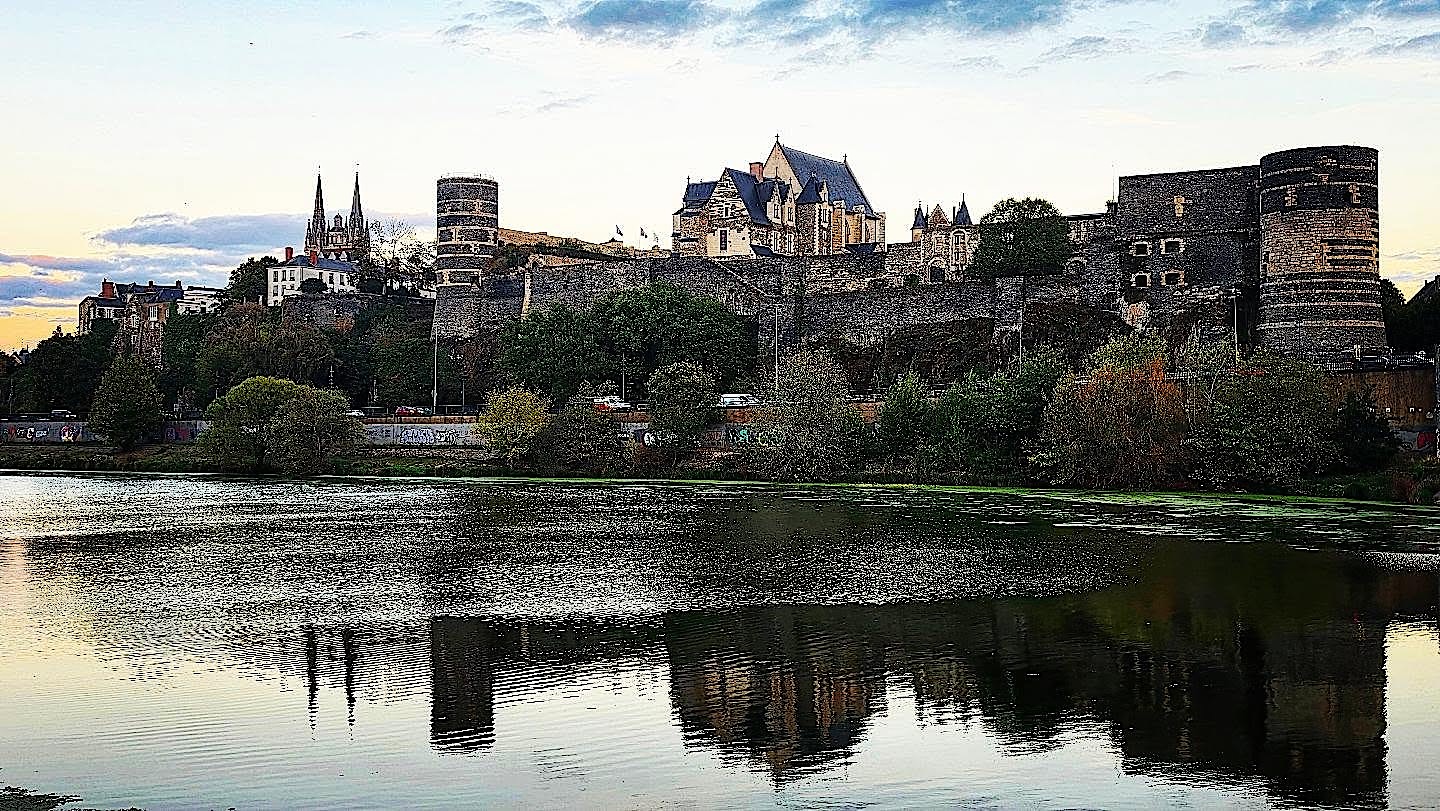
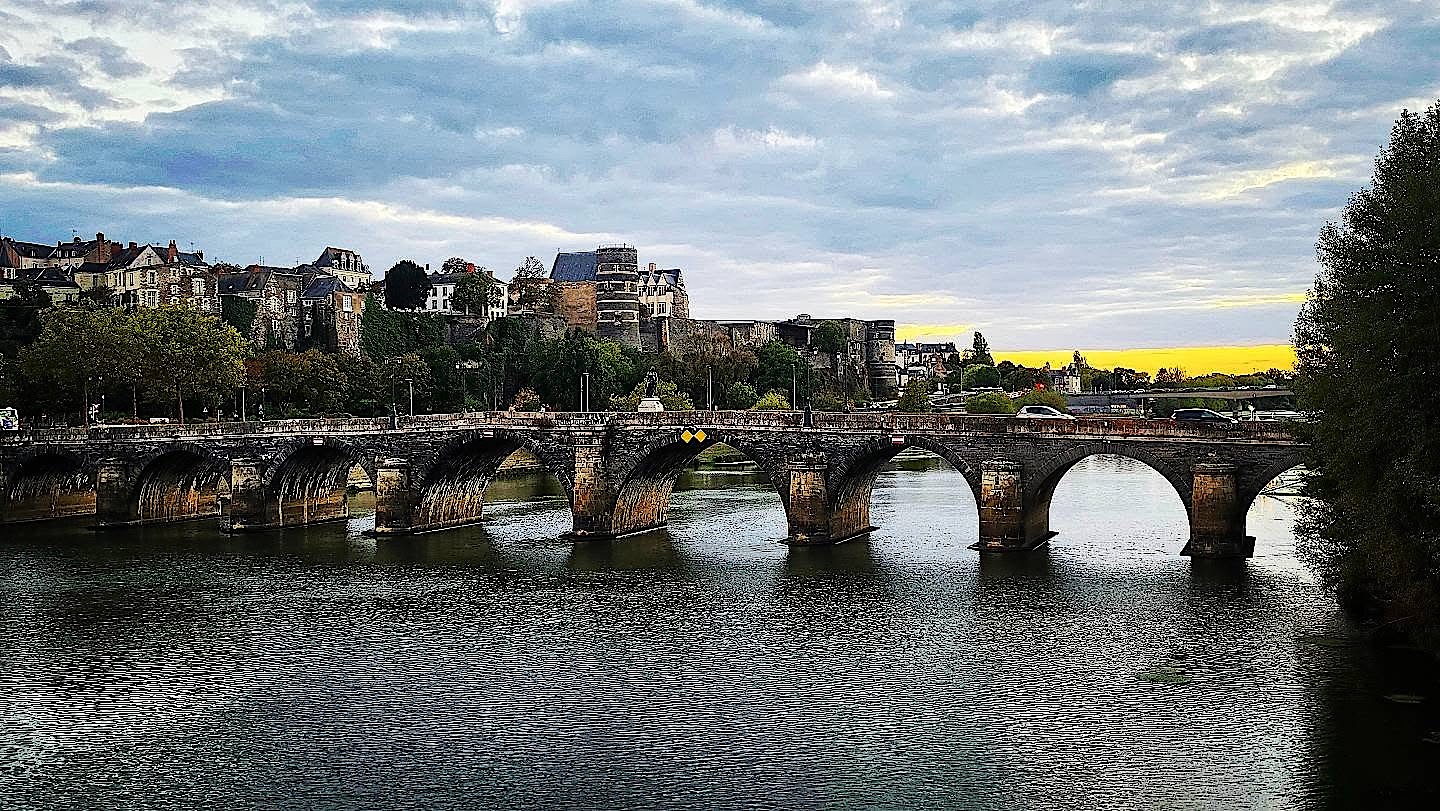
I spent the evening in Angers, a pretty and well-kept city on the river Maine. Its 13th-century castle has seventeen round towers striped in dark schist and pale limestone.
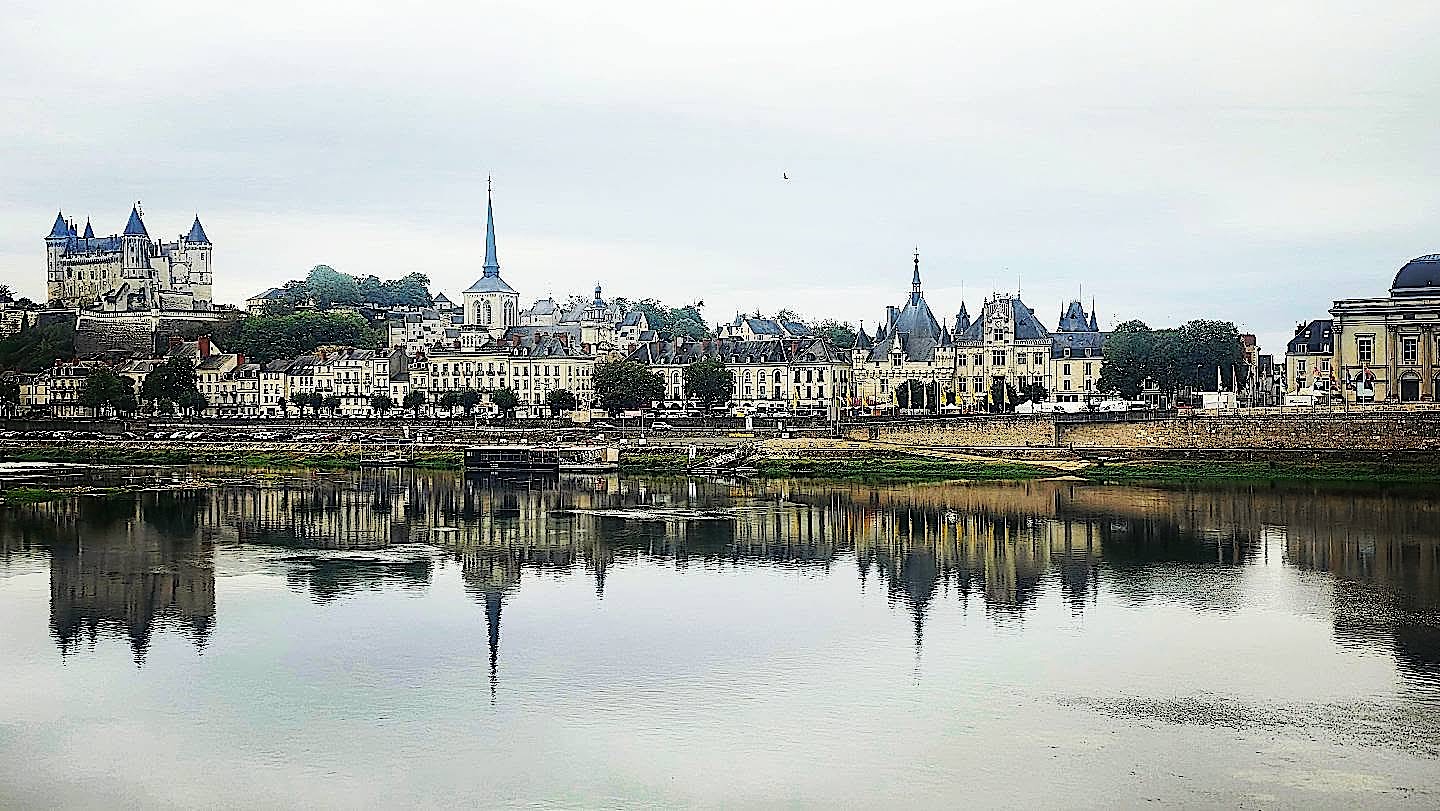
The next day was for the Loire castles, starting in Saumur, where the white château stands high above the river. The town is also the home of the Cadre Noir, the black-uniformed riding masters of the French national riding school, whose classical horsemanship with its leaps known as "airs above the ground" is on UNESCO's list of intangible heritage.
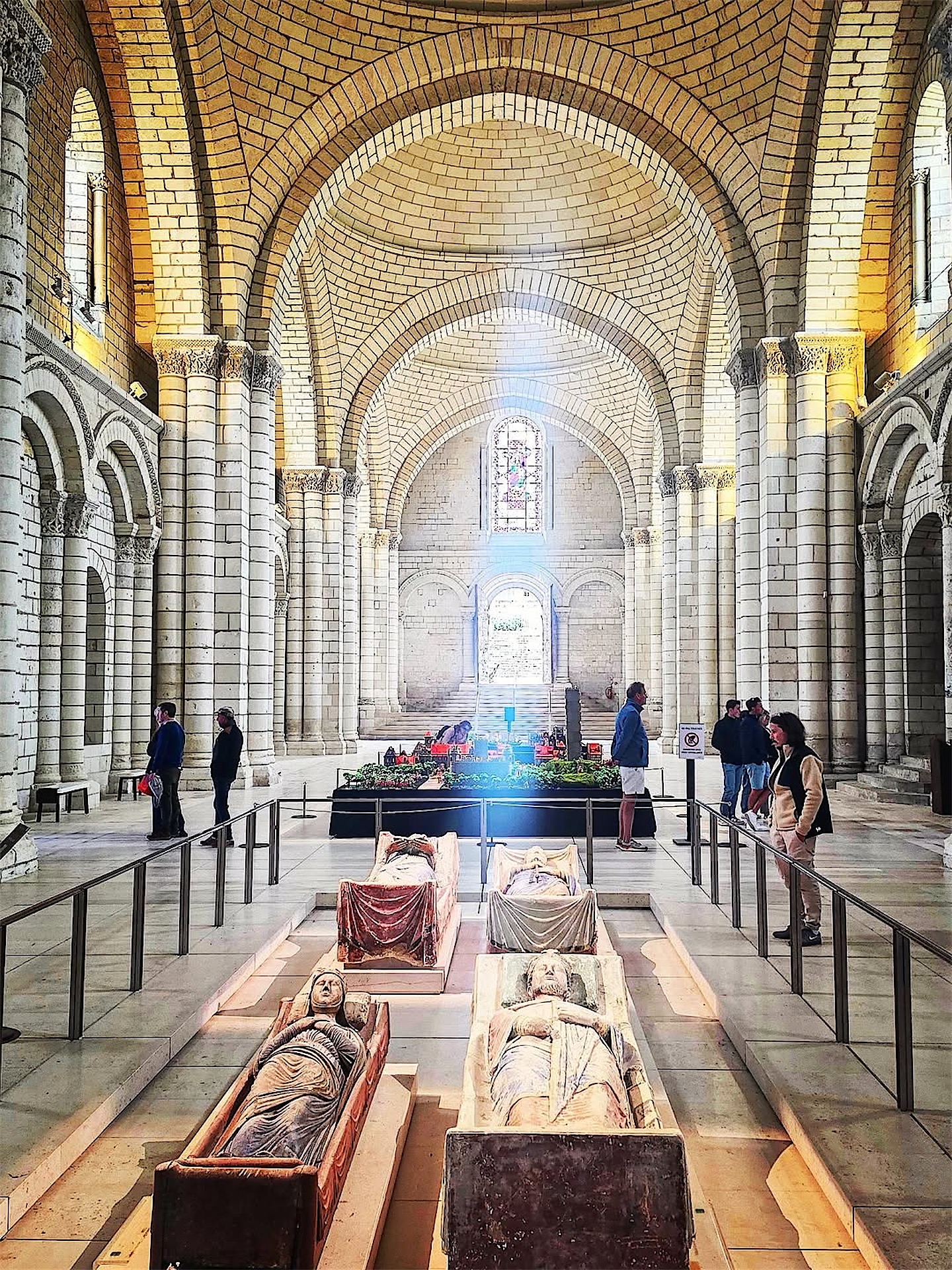
A few kilometres south lies the Royal Abbey of Fontevraud. In its bright abbey church, Richard the Lionheart rests together with his parents, Henry II and Eleanor of Aquitaine, and with Isabella of Angoulême, the wife of his brother John. When I was there, a beam of light fell through the nave onto their painted effigies.
A day of Loire châteaux
At Villandry, the Renaissance gardens are laid out in geometric beds of box hedges and red flowers. Chenonceau, built across the river Cher, has a darker chapter: during the Second World War the demarcation line between occupied France and the Vichy zone ran along the river, and many Jews escaped unseen through the château to the other bank.
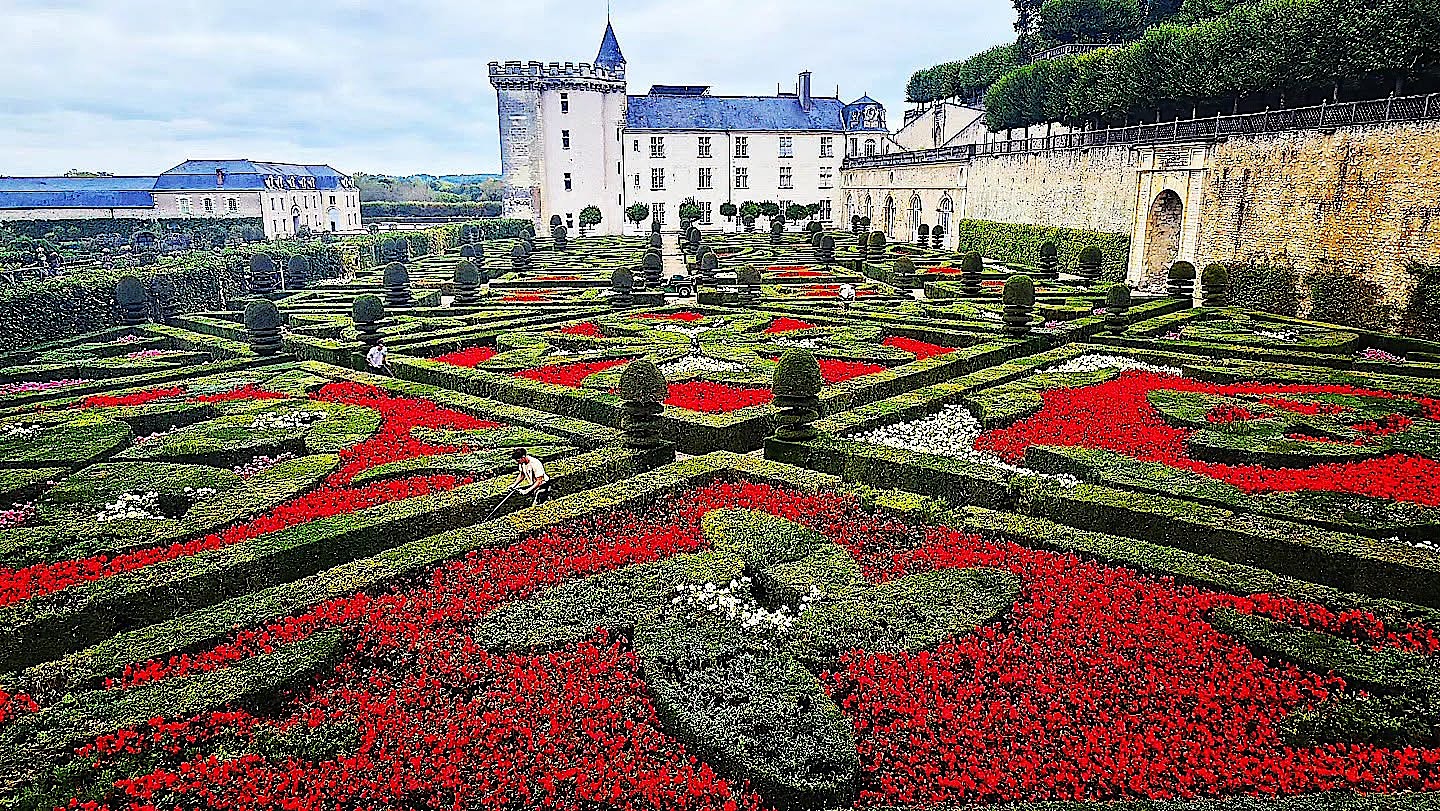
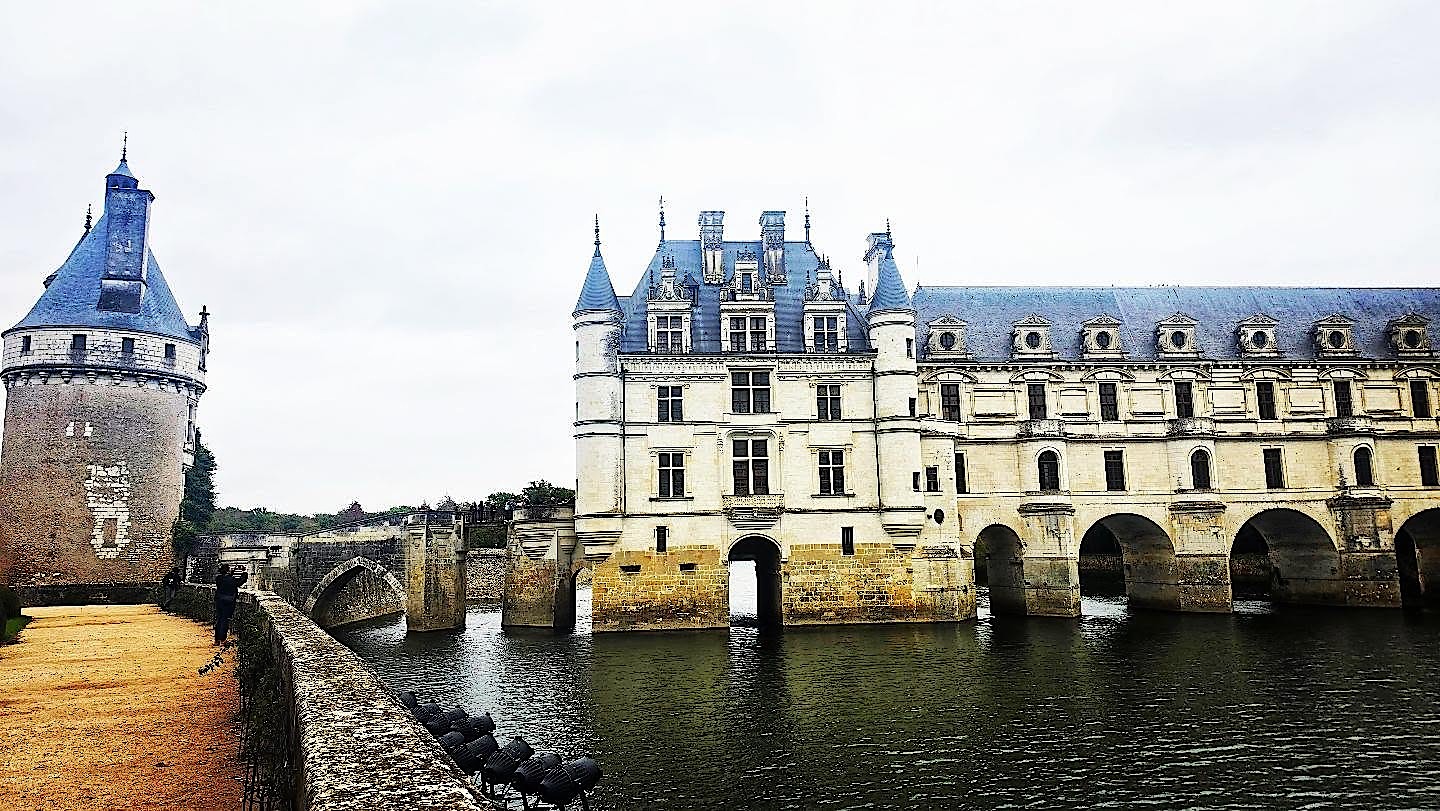
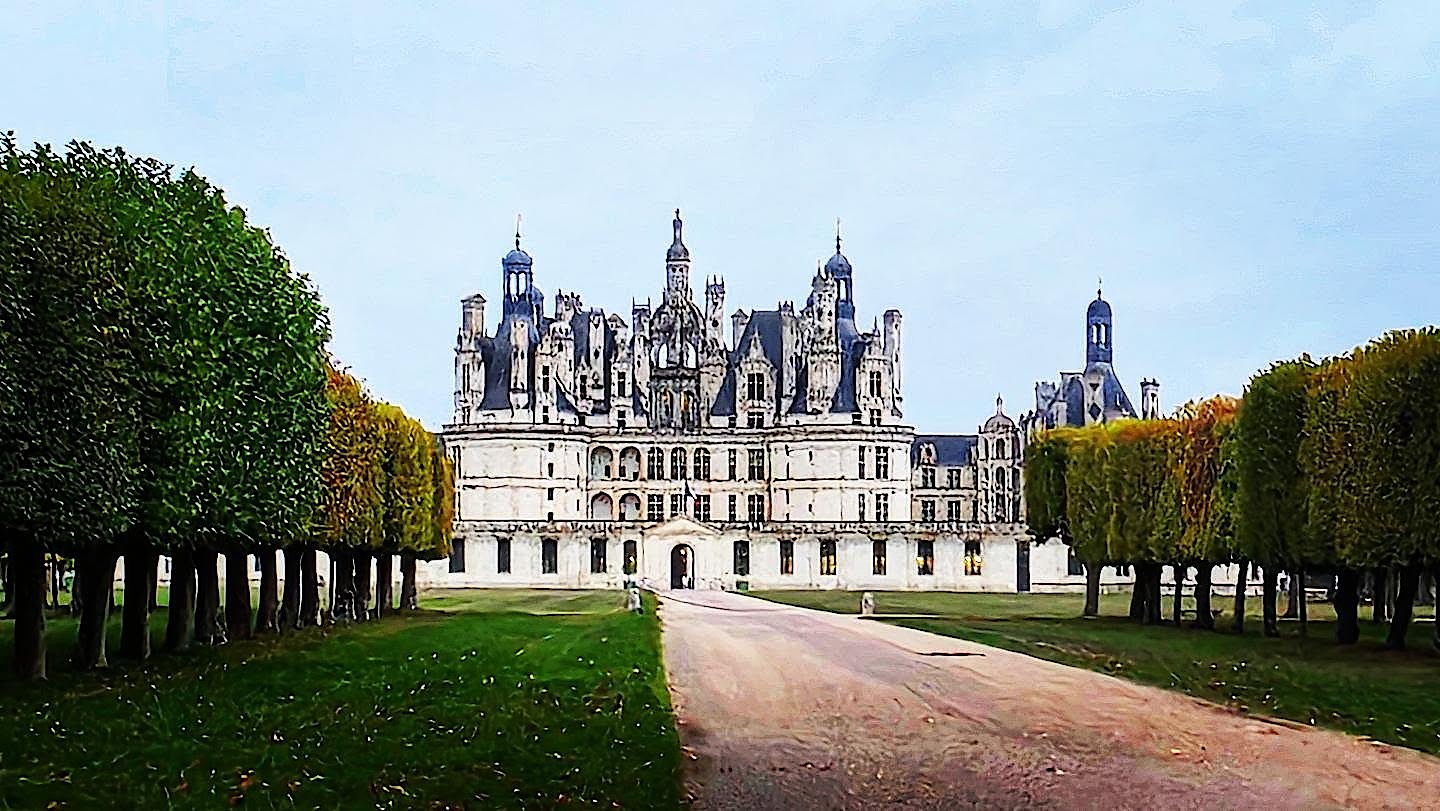
The last of my Loire châteaux was Chambord, as grand as its reputation. Its roofline of towers, chimneys and lanterns looks more like a small city than a hunting lodge.
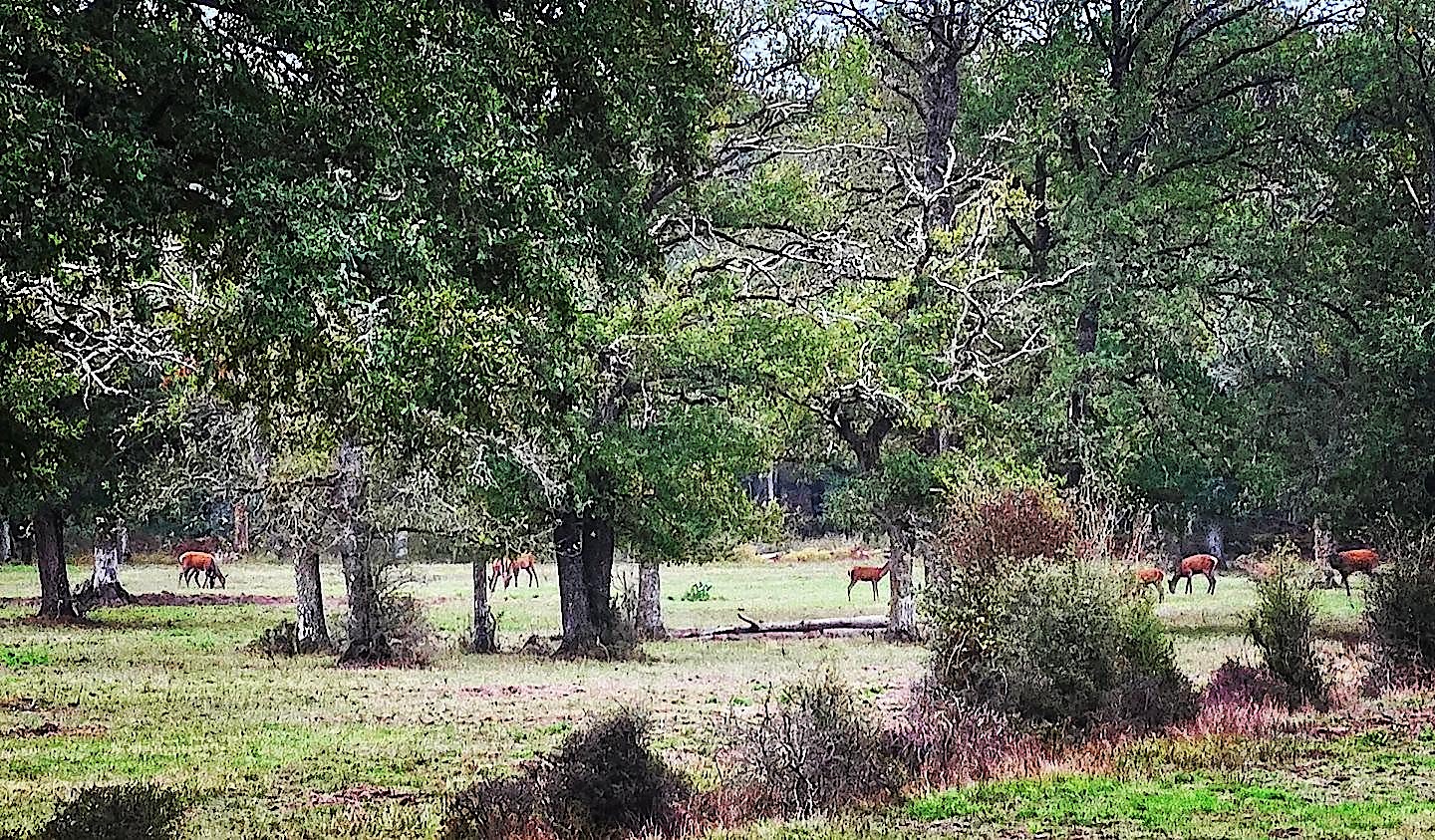
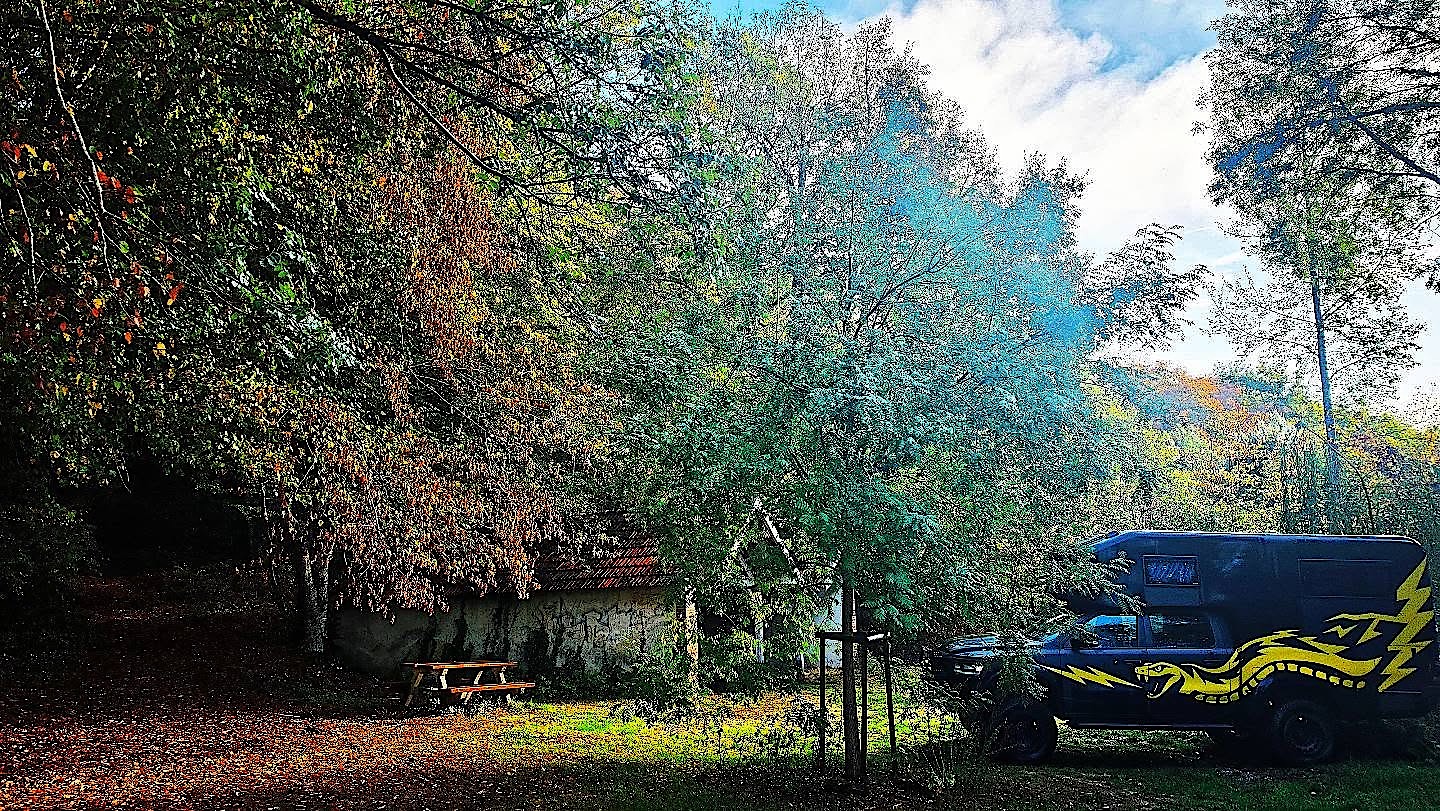
In the park I also got to see the Chambord deer grazing between the old oaks. Autumn was coming, and these were already my last three days with Nemi this year. Once again I found a quiet spot to spend the night alone in the forest, this time near La Borne, rather than lining up with dozens of white motorhomes on the official aires. La Borne is a hamlet in the Berry where potters have fired stoneware in wood kilns for centuries, and where ceramicists from all over Europe have settled since the 1950s.
Bourges and the hill of Vézelay
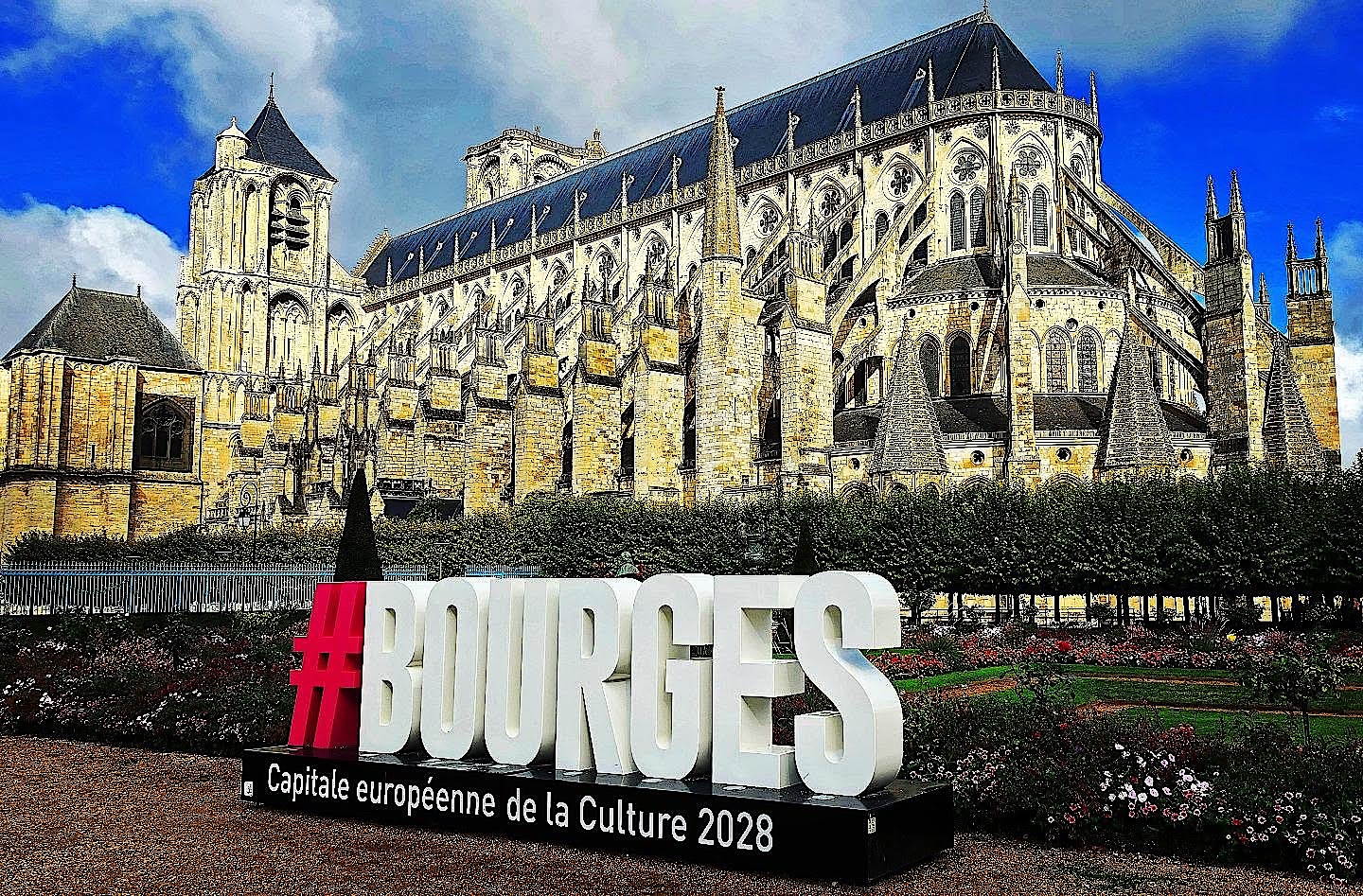
Nearby Bourges is a pleasant town with a World Heritage cathedral, and a European Capital of Culture in 2028. Saint-Étienne Cathedral has no transept, so from the outside it looks like one enormous ship held in place by rows of flying buttresses.
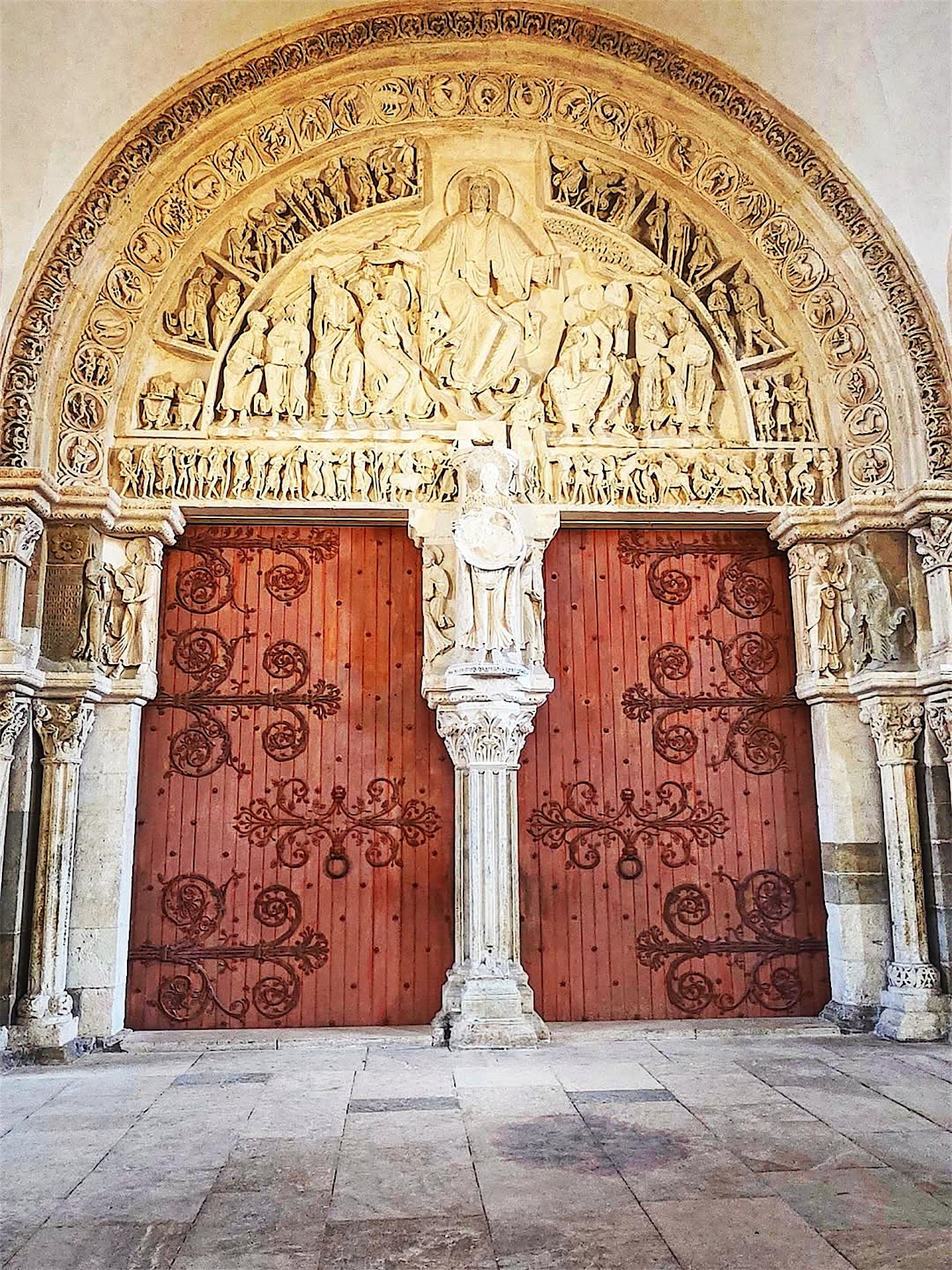
From Bourges I drove east into Burgundy to the basilica of Vézelay. The carved portal in its narthex is one of the most famous church arches anywhere: Christ sends the apostles out to preach to all the peoples of the world, some of them carved with dogs' heads or giant ears.
Burgundy and my last French regions
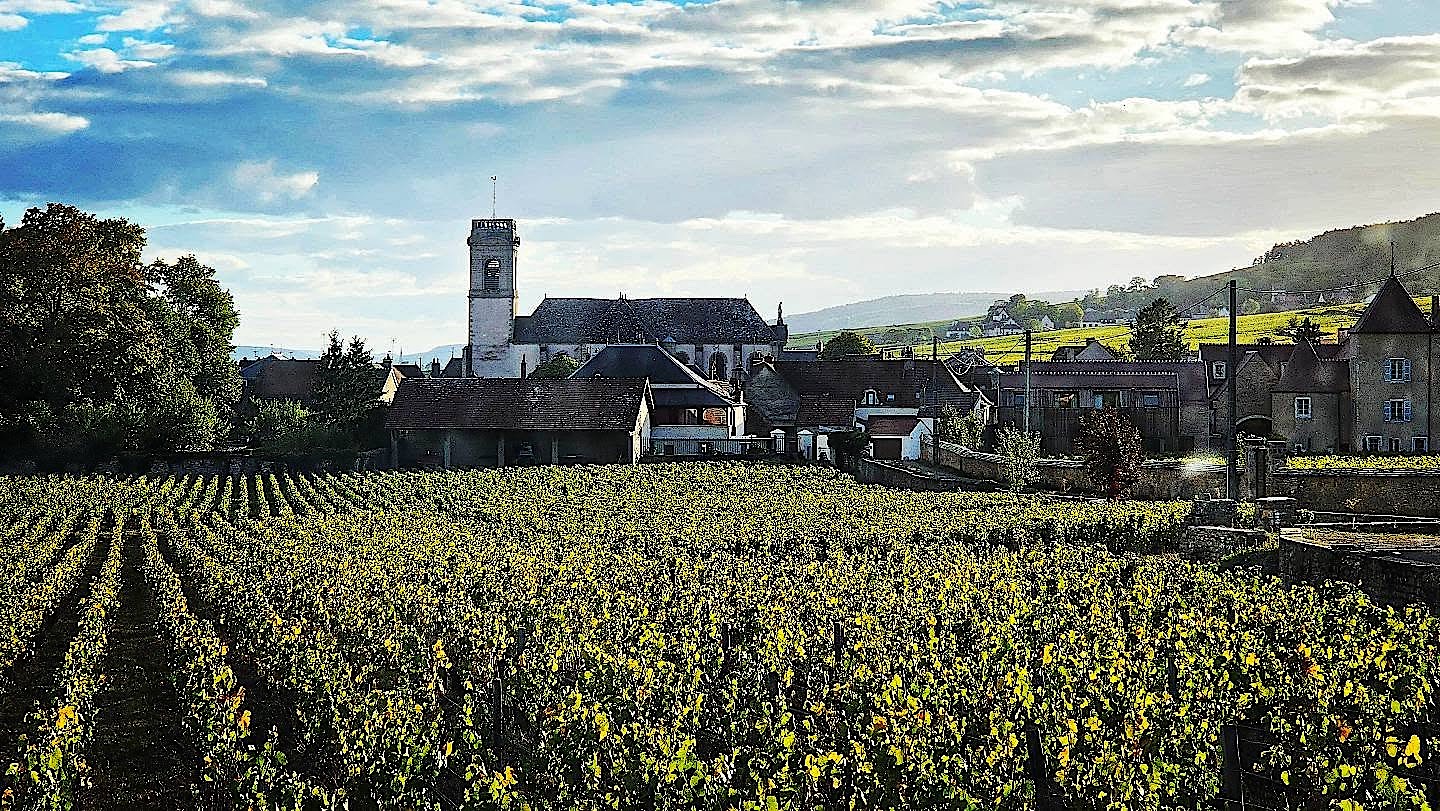
By the end of the day I had made it to the vineyards around Beaune, the wine capital of Burgundy, whose medieval Hospices with their glazed, coloured roof tiles still hold a famous charity wine auction every November.
Burgundy and Franche-Comté had been my last missing French regions, and with them I have finally covered all of Western Europe, although many places still deserve a first or second visit. France has 13 regions on the mainland and five overseas. NomadMania divides the country into 40, and French Polynesia alone justifiably counts as five archipelagos. I have now been to all of them, probably as the first person who doesn't speak French. Maybe I will finally learn the language in Morocco and Mauritania, which come next in January.
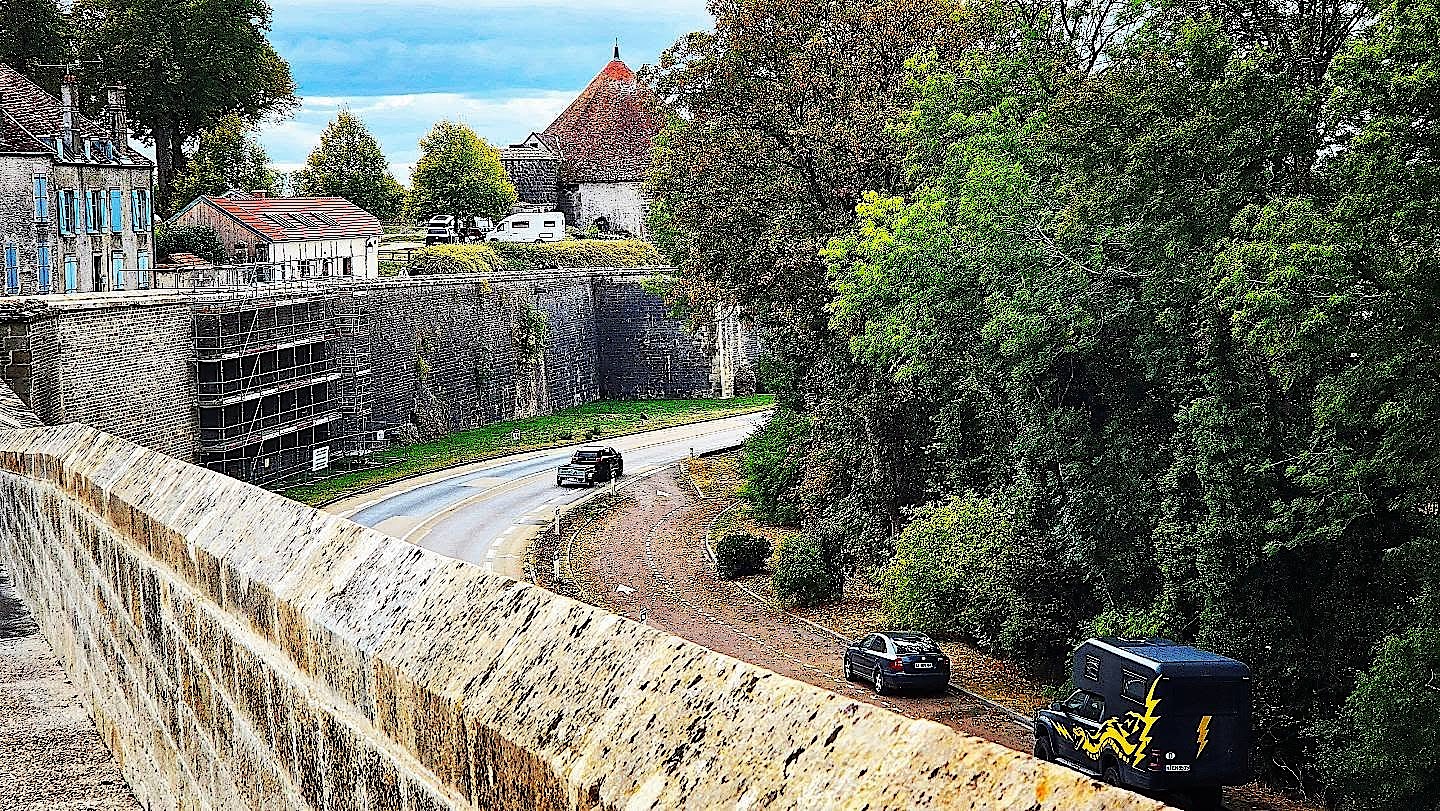
France is very convenient in a camper, as long as you stay under 3.5 tonnes; above that, far too many roads are off limits. That is one reason I didn't build a bigger off-road truck: Nemi should be easy to use in Europe and still reach more adventurous places. Parking has never been a problem so far. In Langres I simply parked along the old town walls, which still run for about 3.5 kilometres around the hilltop town.
Colombey-les-Deux-Églises
A little further north lies Colombey-les-Deux-Églises, the village Charles de Gaulle called home. The Charles de Gaulle Memorial stands on a hill above it, next to a Cross of Lorraine in pink granite, some 44 metres high. The double-barred cross had been the emblem of the Free French during the Second World War.
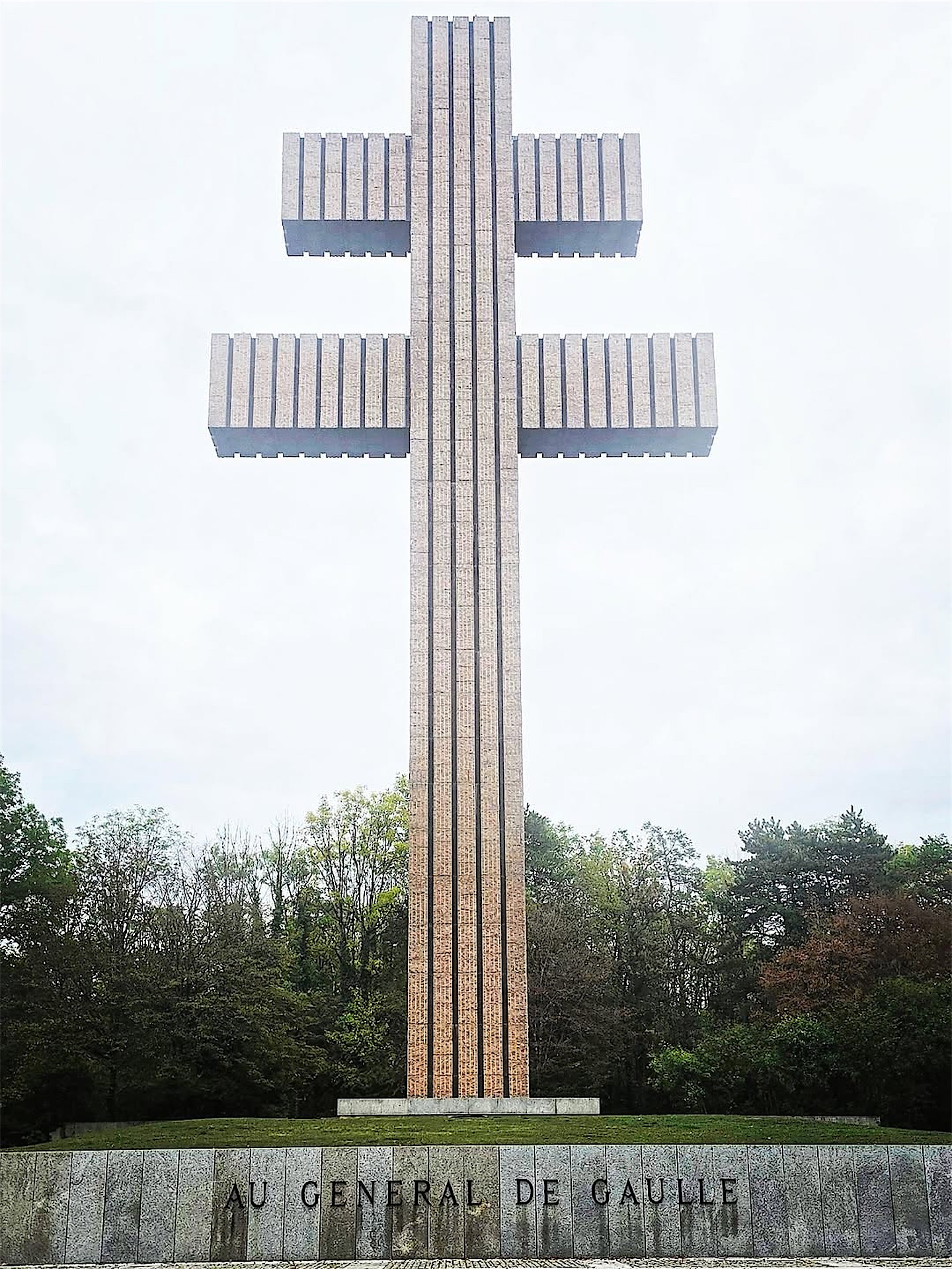
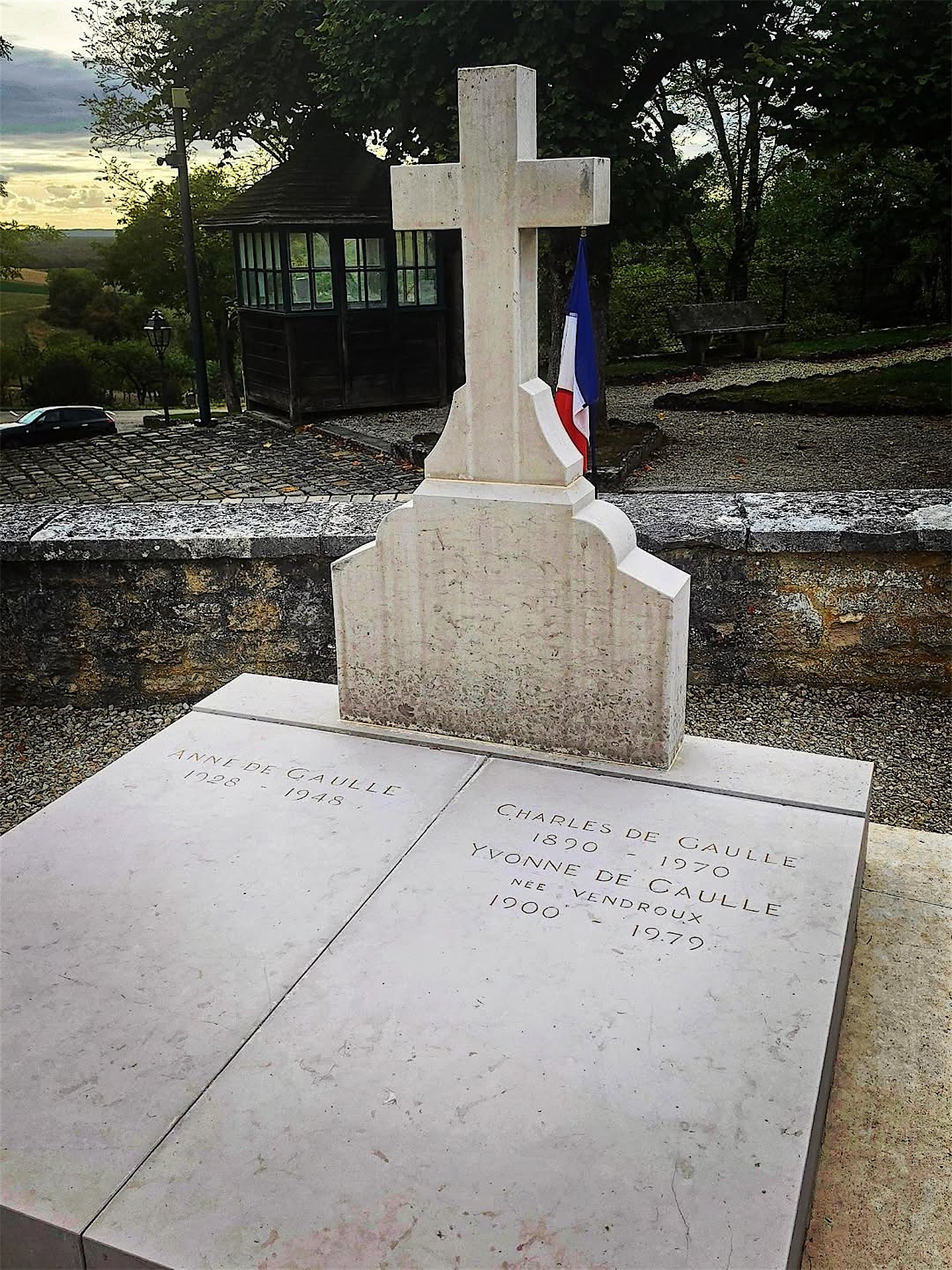
De Gaulle bought his house here, La Boisserie, in 1934 and died there in November 1970. As he had wished, he was buried without pomp in the village churchyard, in a plain grave he shares with his daughter Anne and his wife Yvonne.
A last dinner in Champagne, and the Meuse
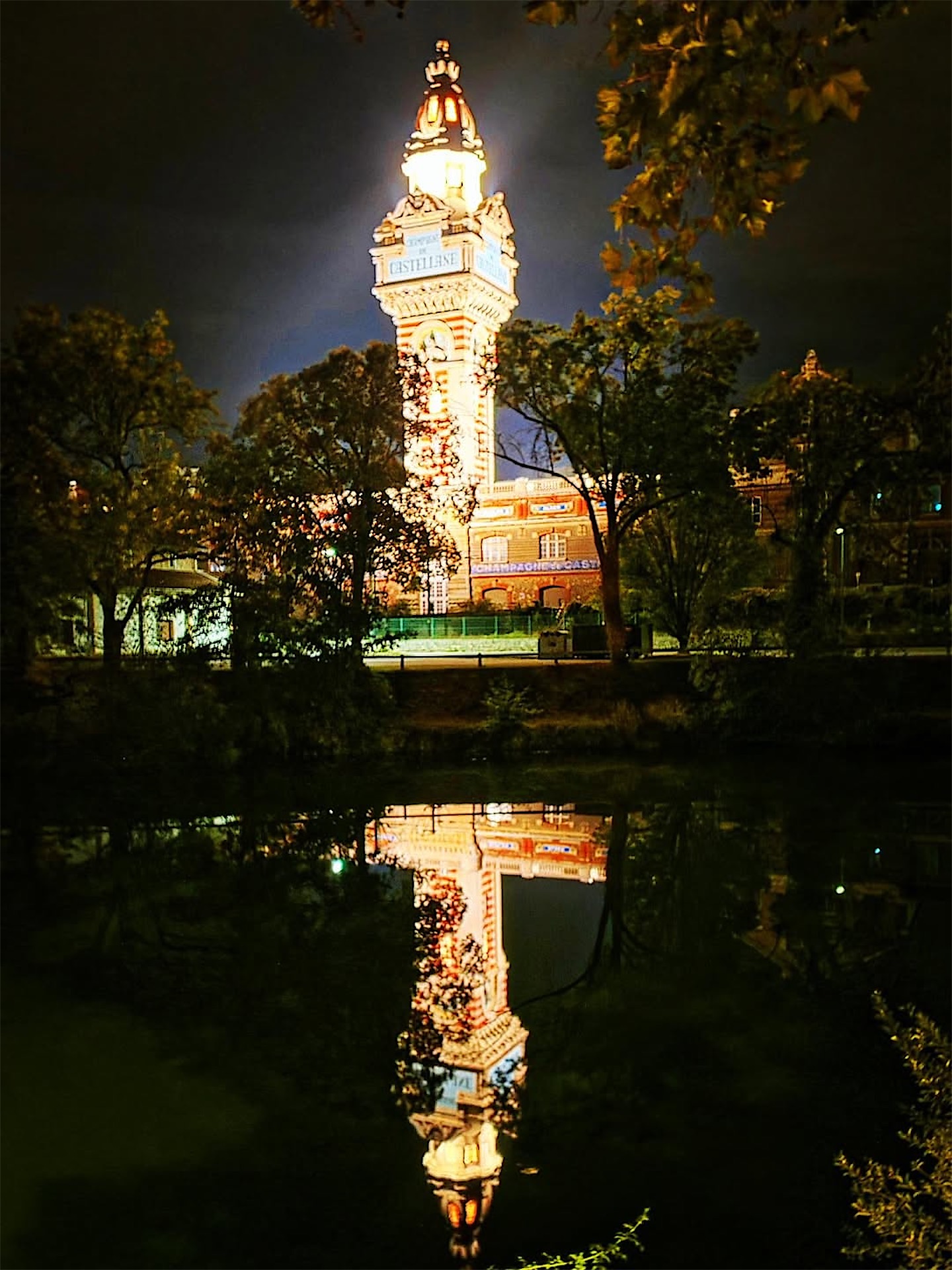
My last French dinner was in Épernay, in the heart of Champagne. Afterwards the floodlit tower of the de Castellane champagne house glowed against the night sky.
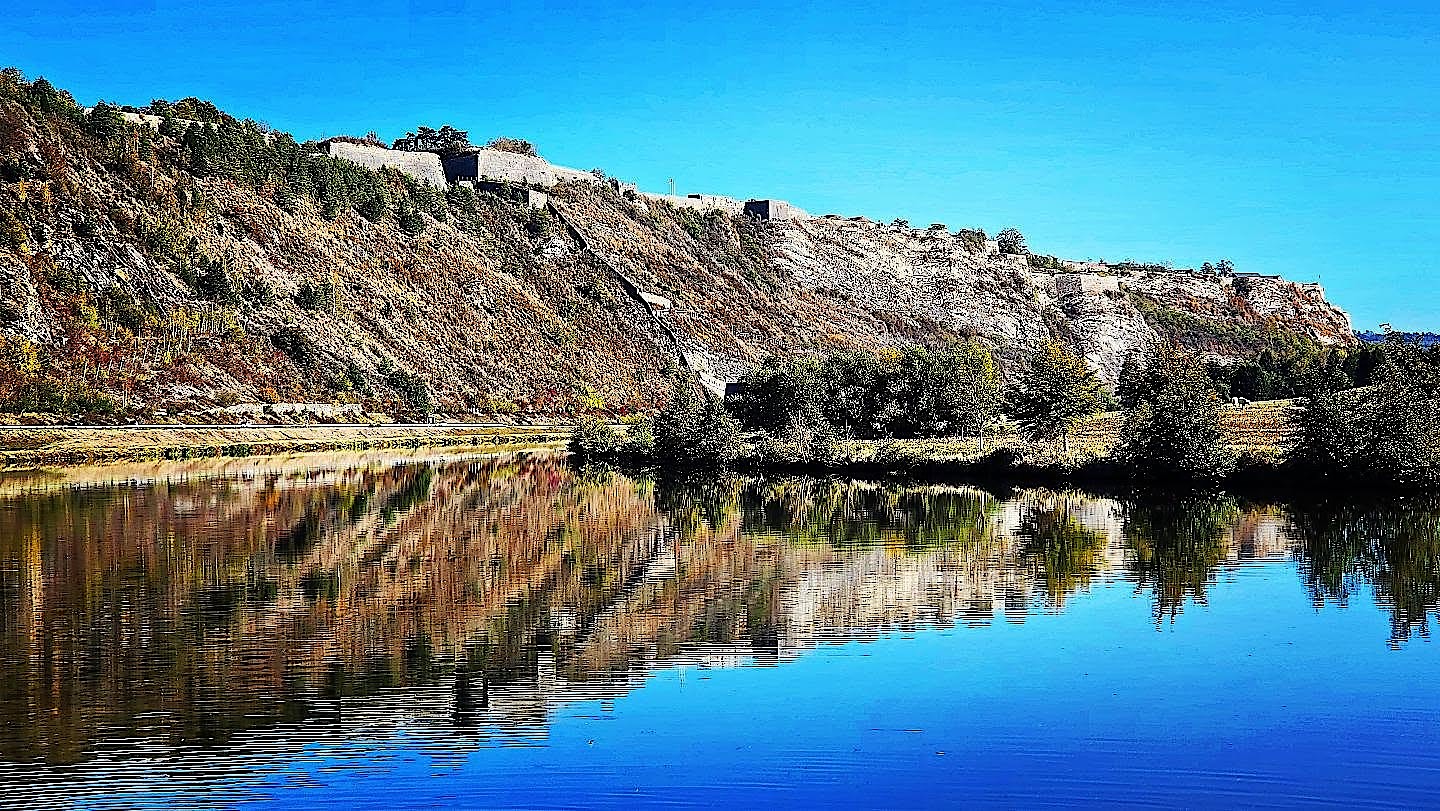
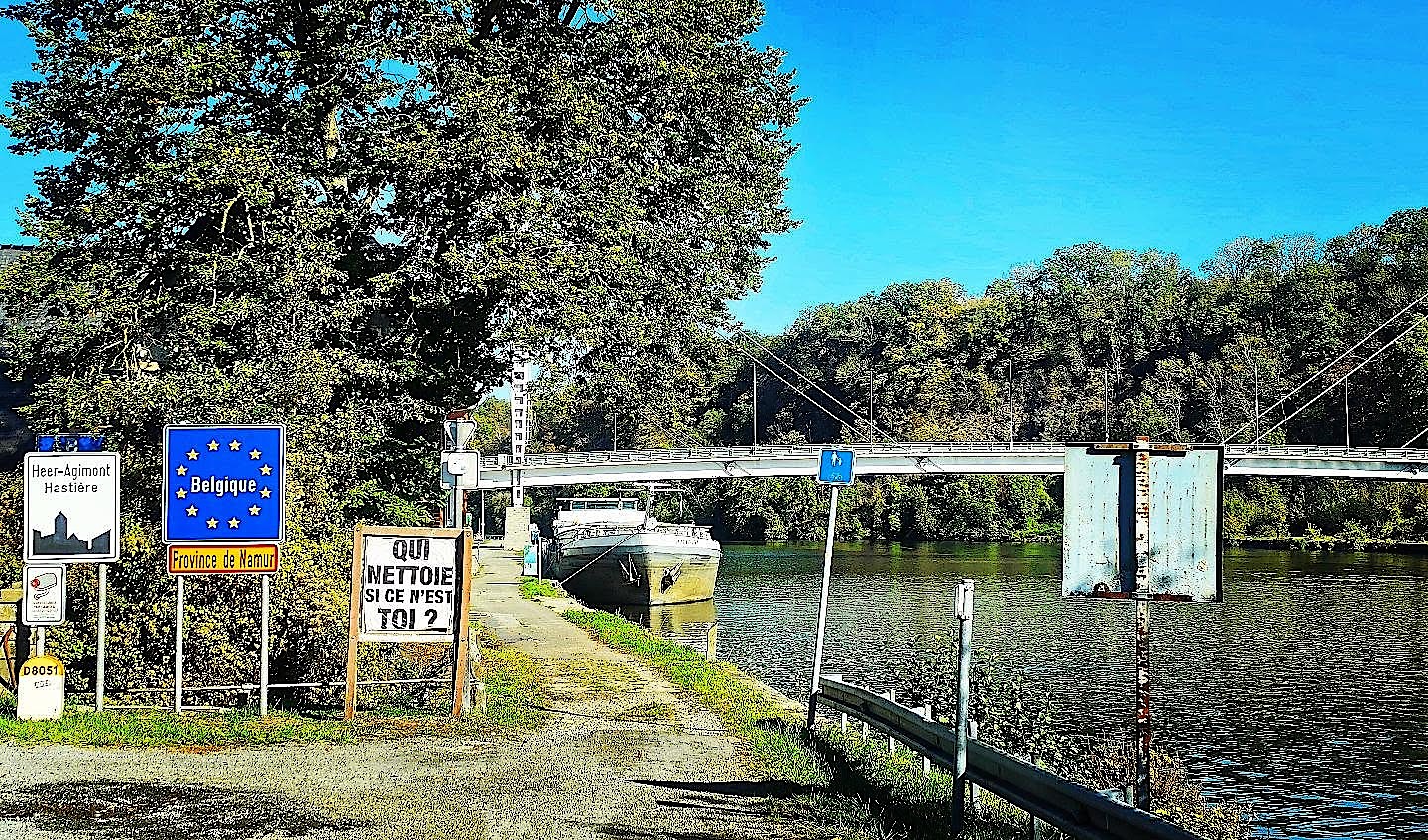
The next morning I took the route through the beautiful Meuse valley in the French Ardennes, where the river winds between steep, wooded slopes. My last minutes in France ended at a small border crossing on the riverbank at Hastière, and from Belgium I continued to Germany.
I had a great time in Central France, without a single toll road or big city and with one World Heritage site after another. Back in Herford, Nemi will now get a service before being driven to Spain, where I will continue in early January. Until then I will travel in Asia, starting with Nepal, Everest and Upper Mustang.