From Everest to the Kingdom of Lo: Ten Days Across Nepal
18–29 October 2026 · Kathmandu, Everest region, Bardiya, Upper Mustang, Pokhara · Region: Nepal
After a European summer that ended with central France: châteaux, cathedrals and Champagne, I flew from Dubai to Kathmandu in mid-October for ten days each in Nepal and India. It was my first time in Nepal since 2018, and I wanted three very different worlds: Mount Everest, the tiger forests of Bardiya and Upper Mustang, the old Kingdom of Lo. The weather was what Germans call Kaiserwetter, almost from the first day to the last.
Kathmandu: monkeys, stupas and open-air cremations
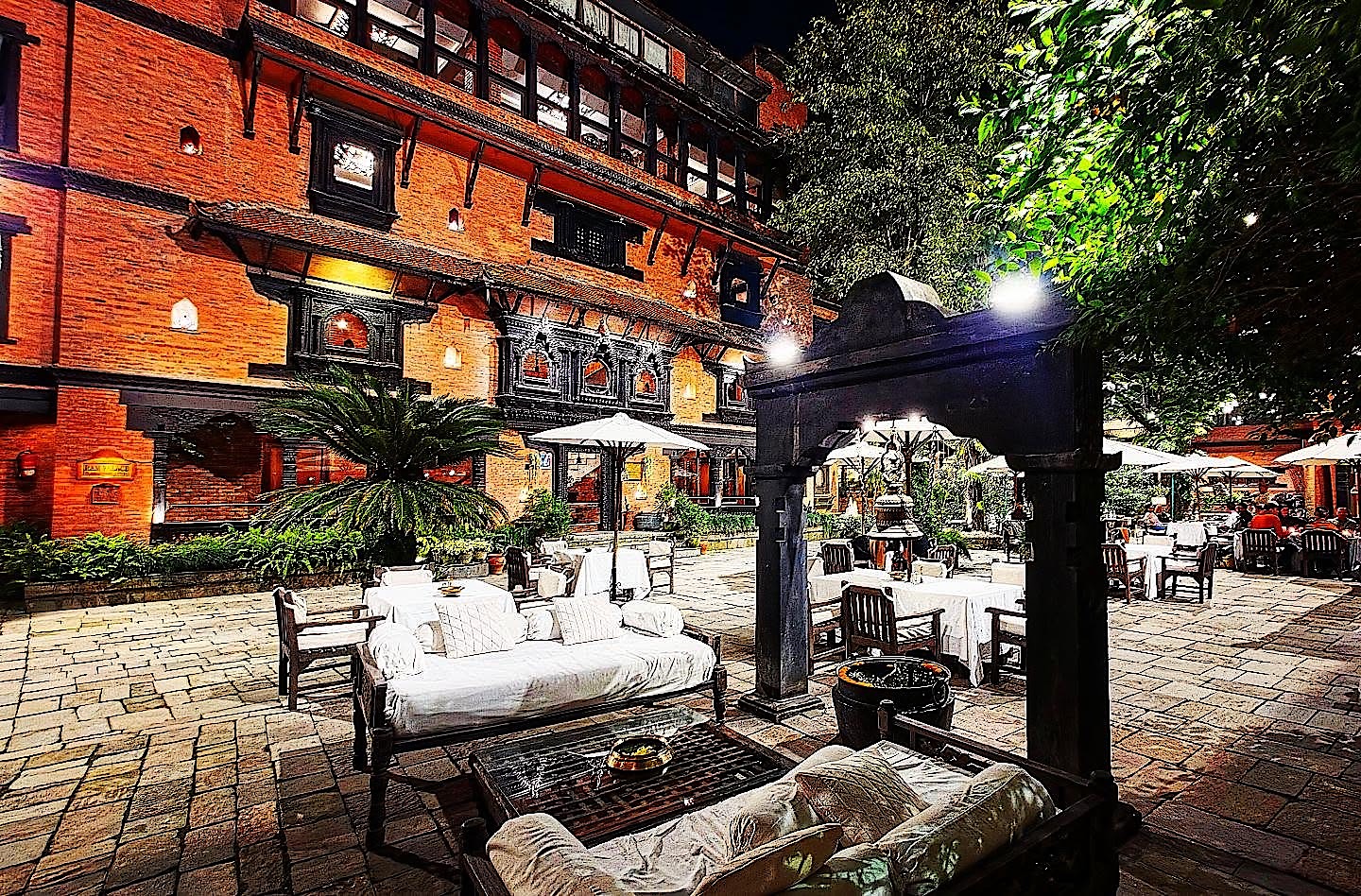
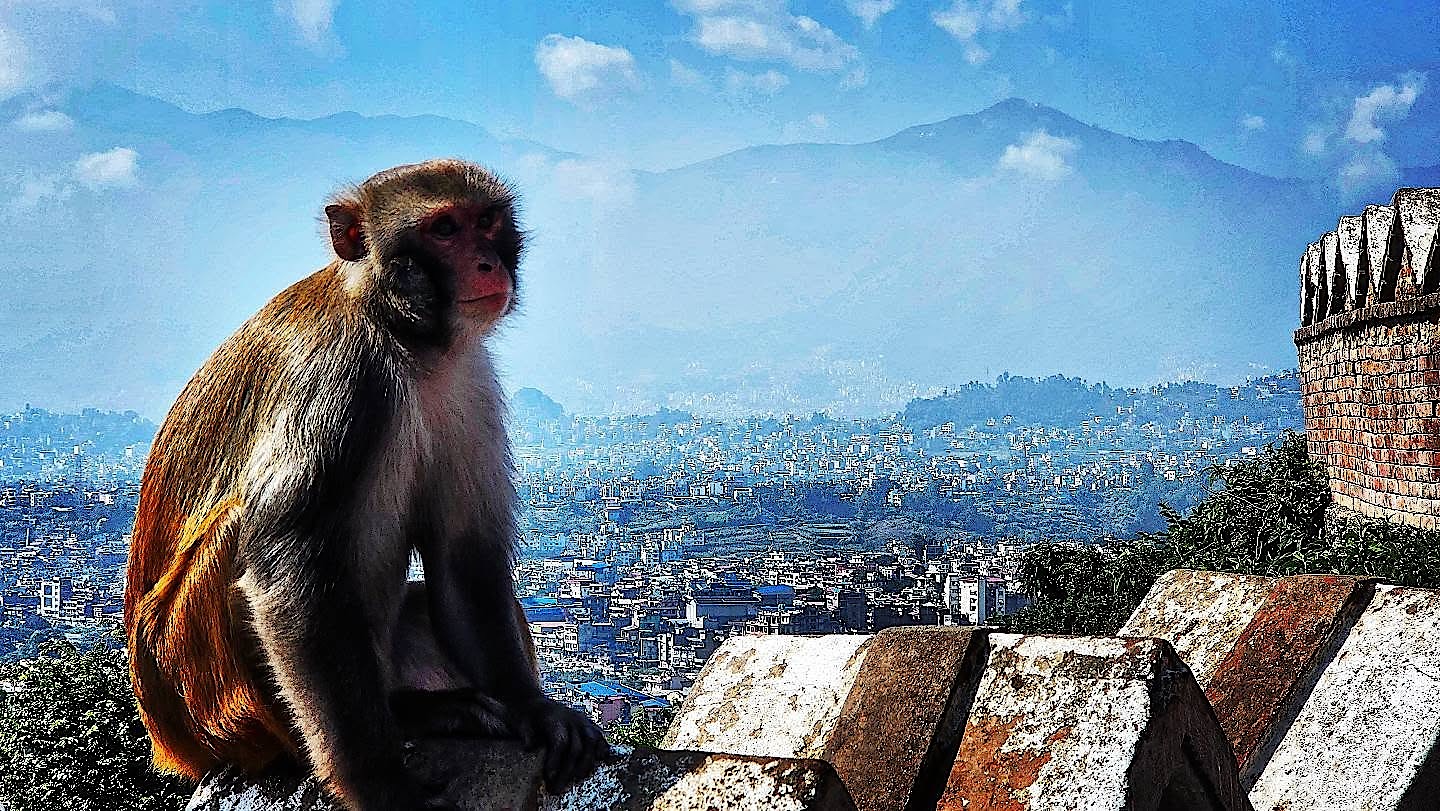
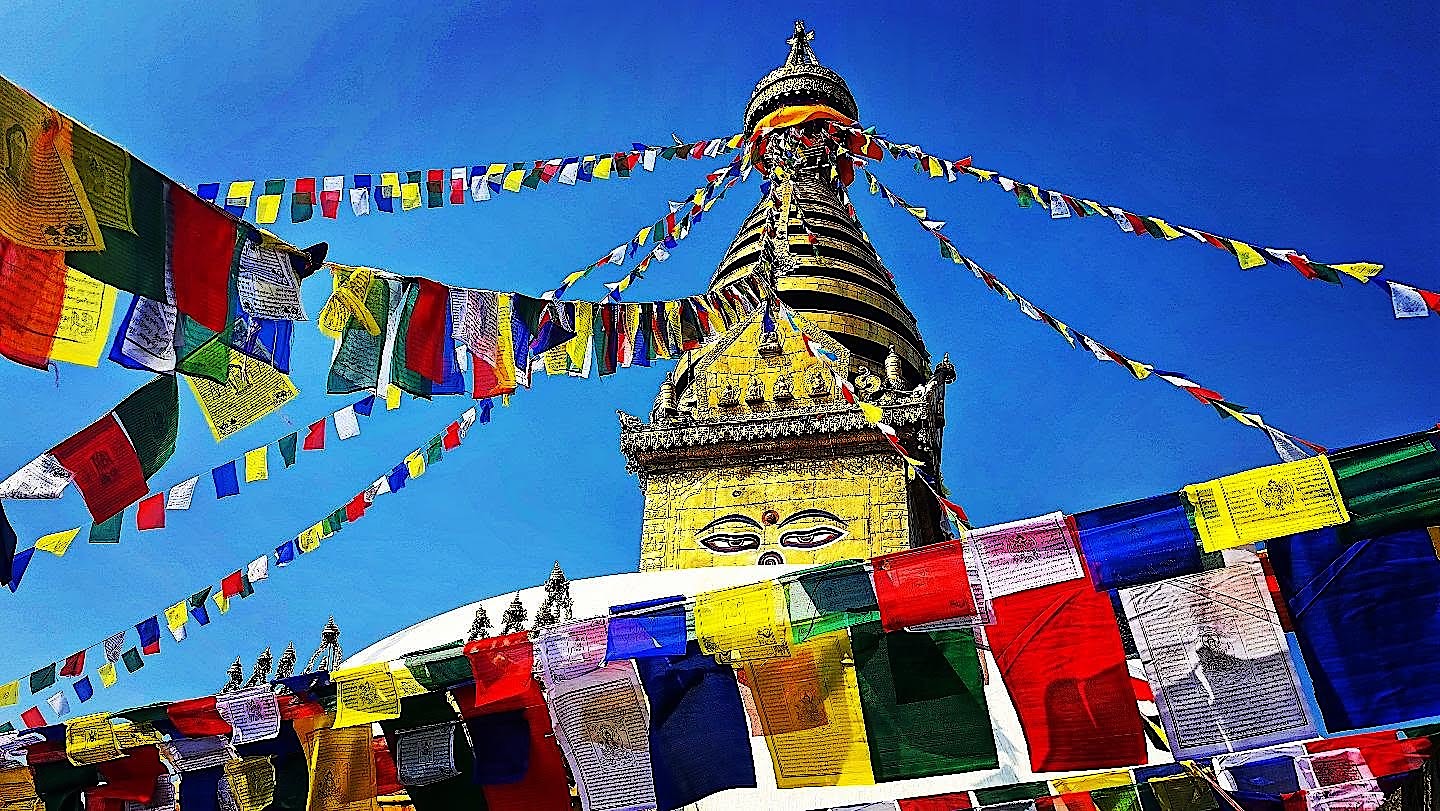
I checked into the Dwarika's again, one of my favourite city hotels anywhere: a living museum of carved old woodwork, a world away from the traffic outside. Kathmandu itself was as colourful as I remembered, with prayer flags, gilded stupas with painted eyes and monkeys watching the city from their hilltop perches.
Death is part of everyday life here. Hindus cremate their dead in the open, and in Kathmandu you see it rather than just hear about it.
Food is the hard part for someone who avoids carbs. Cows are sacred, so the local red meat is water buffalo, and buff momos, steamed dumplings with a fiery chili-tomato and sesame achar, were worth an exception. Dinner at the Dwarika's had more carbs than I had eaten in months, but sometimes you have to adapt.
By helicopter to the roof of the world
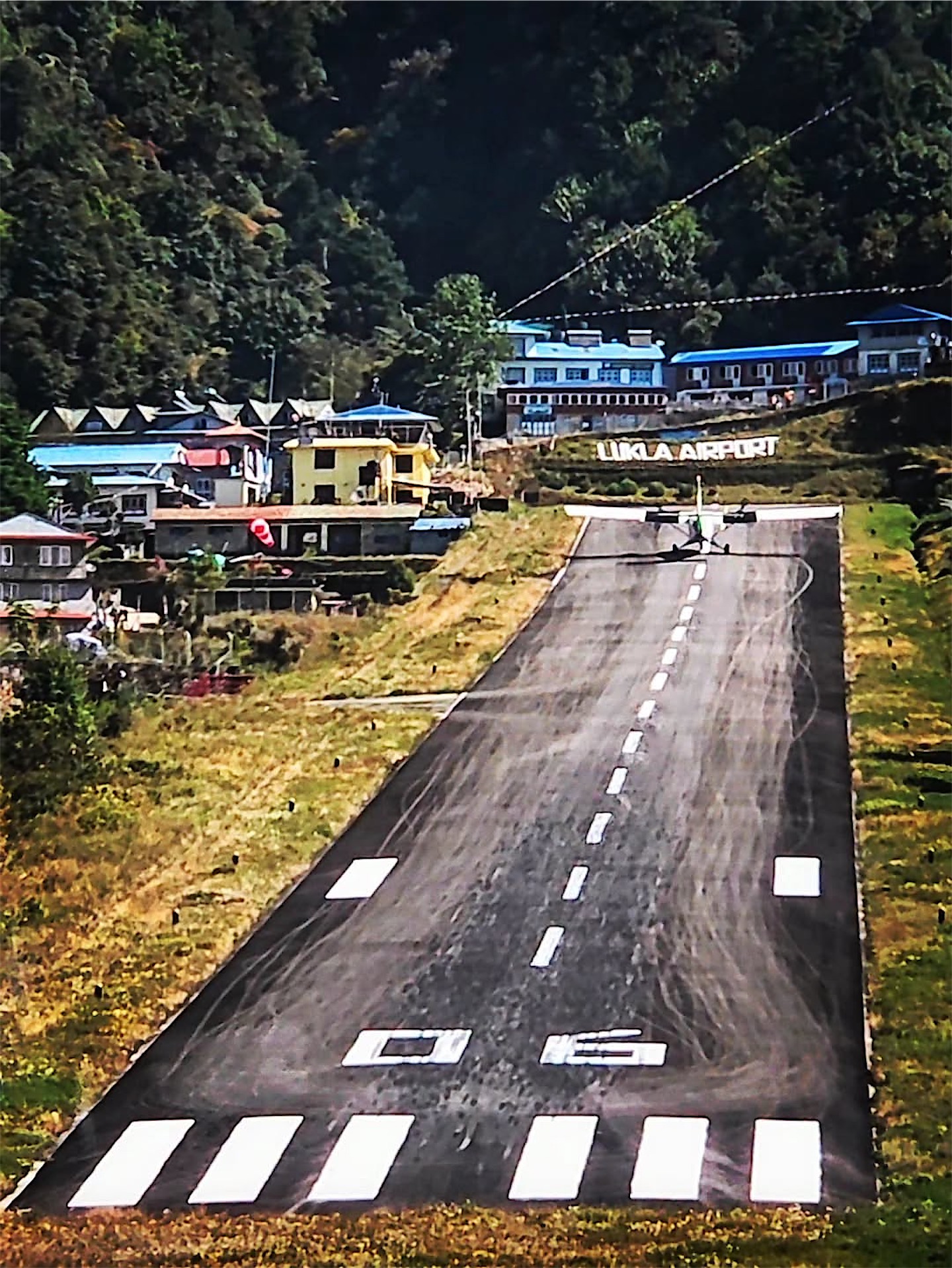
The next morning we took off by helicopter for the Everest region. Late October historically brings the clearest skies of the year, yet it is surprisingly quiet. On the way we watched a plane land at Lukla, often called the most dangerous airport in the world, whose short runway climbs a slope and ends at the mountainside.
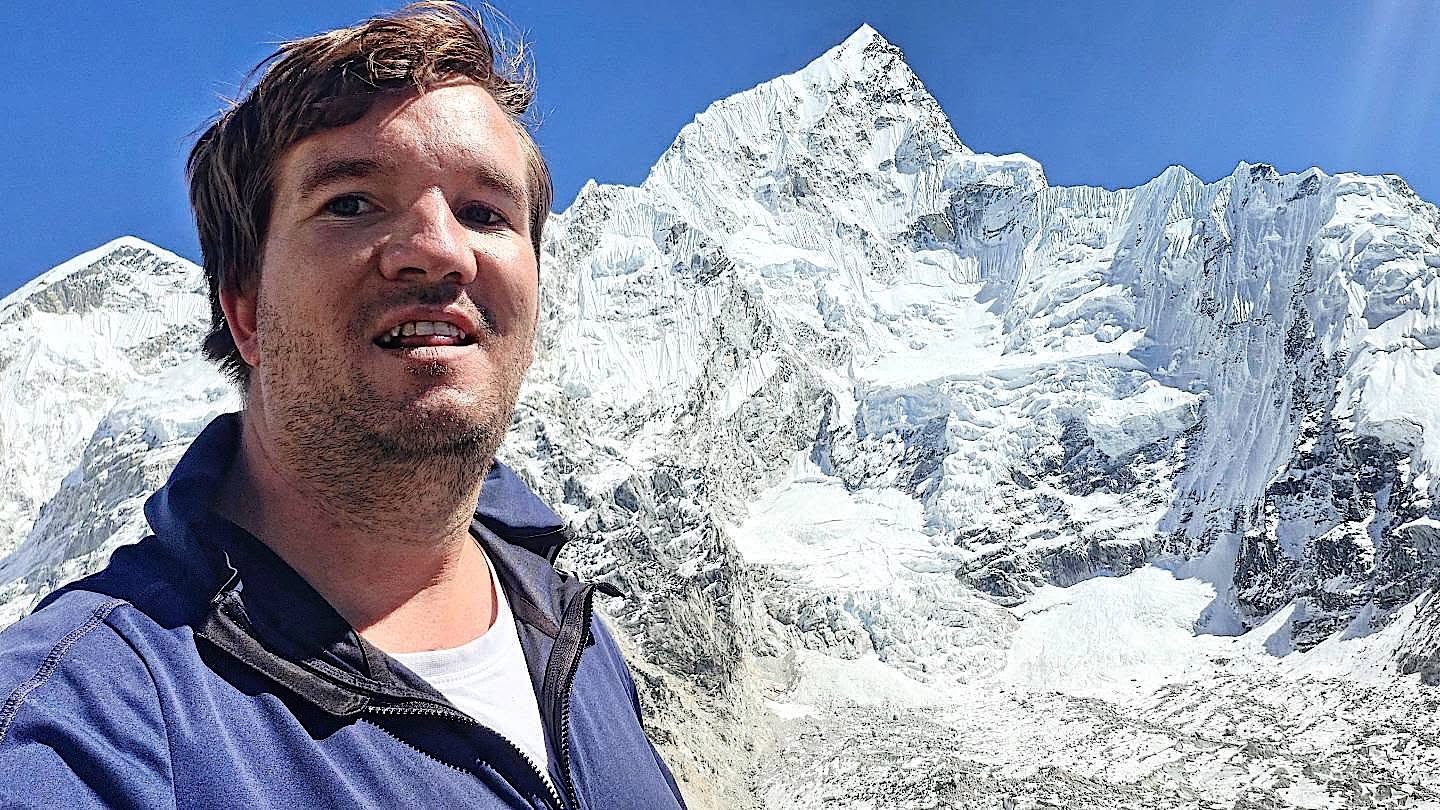
The high point, quite literally, was our touchdown below Kala Patthar with Karyna, at around 5,450 metres, right in front of Pumori (7,161 m), the "Daughter of Everest". It was probably the highest I have ever breathed, without any serious altitude sickness, and I finally stood in front of the mountain I had wanted to see for so long.
We also flew across the Khumbu Icefall, the chaos of ice towers and crevasses that is the most feared stretch of the normal route to the summit. I had flown past Everest once before, in 2018, but this was so much better.
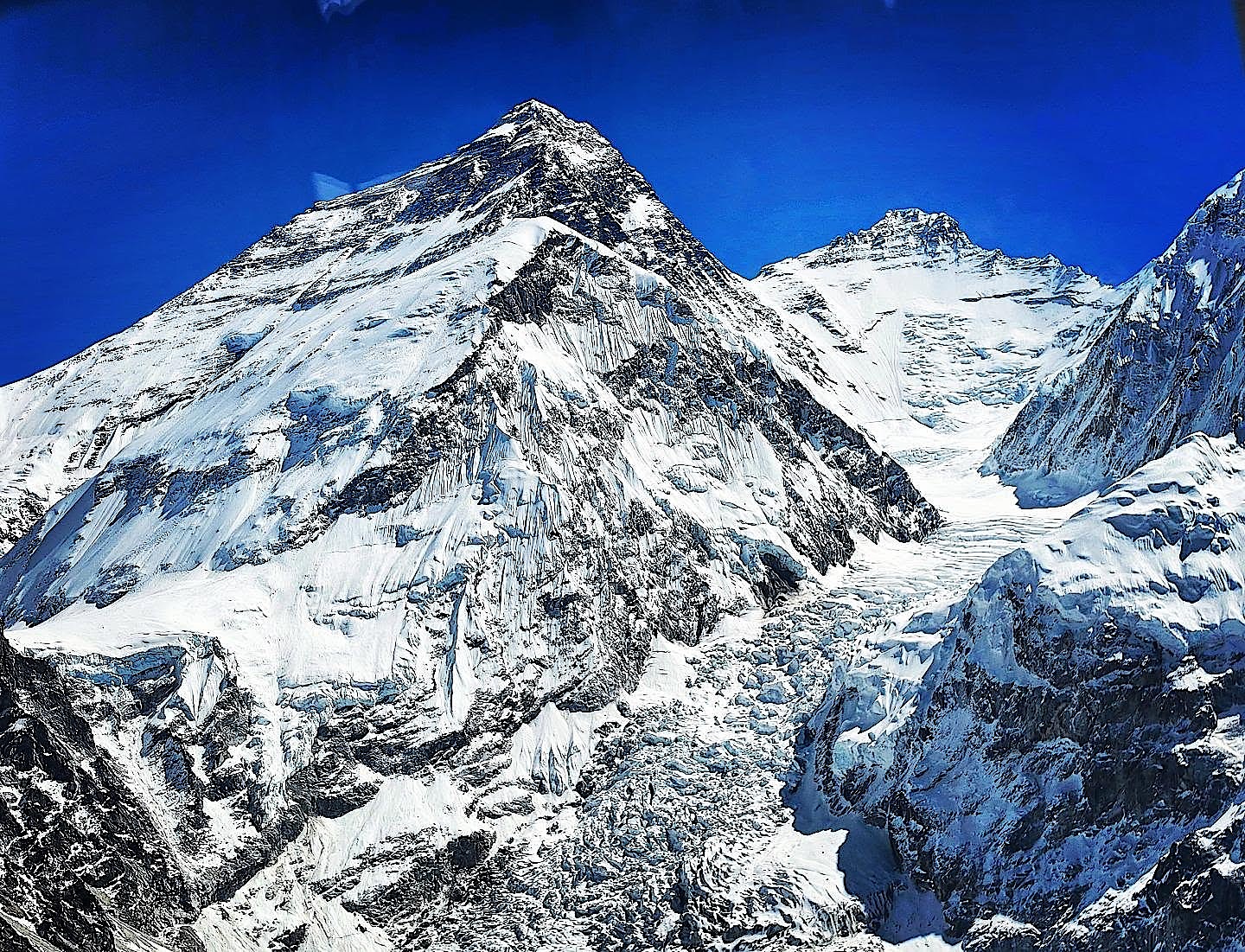
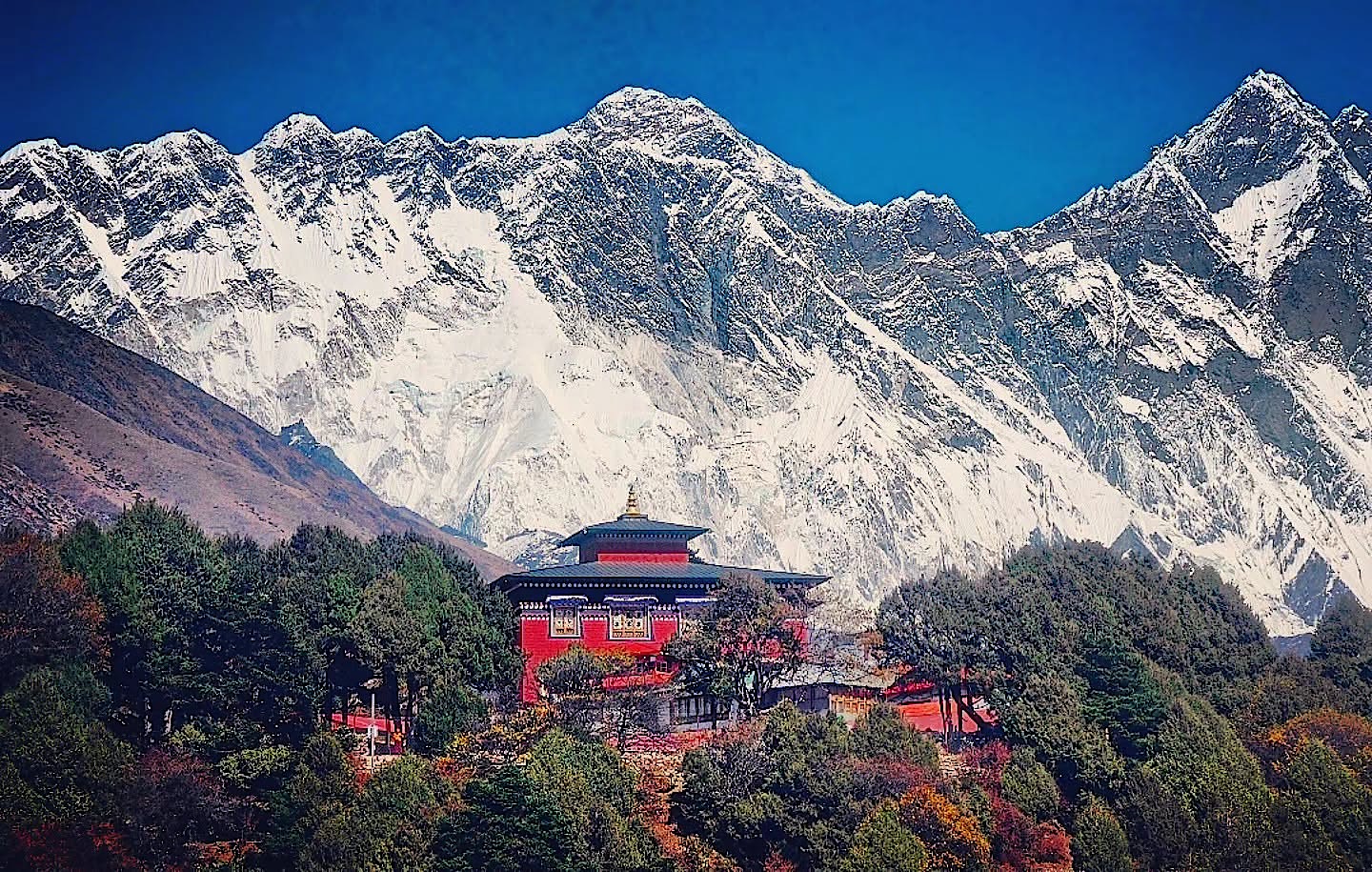
Further down the valley stands Tengboche Monastery at 3,867 metres, the spiritual heart of the Sherpa region and its largest Tibetan Buddhist monastery. Behind it rise Everest (8,849 m), Lhotse (8,516 m), the world's fourth-highest mountain, and the long wall of Nuptse (7,861 m). At one of our stops, a glacial stream gave me my first ice bath in a while.
A short night at 3,880 metres
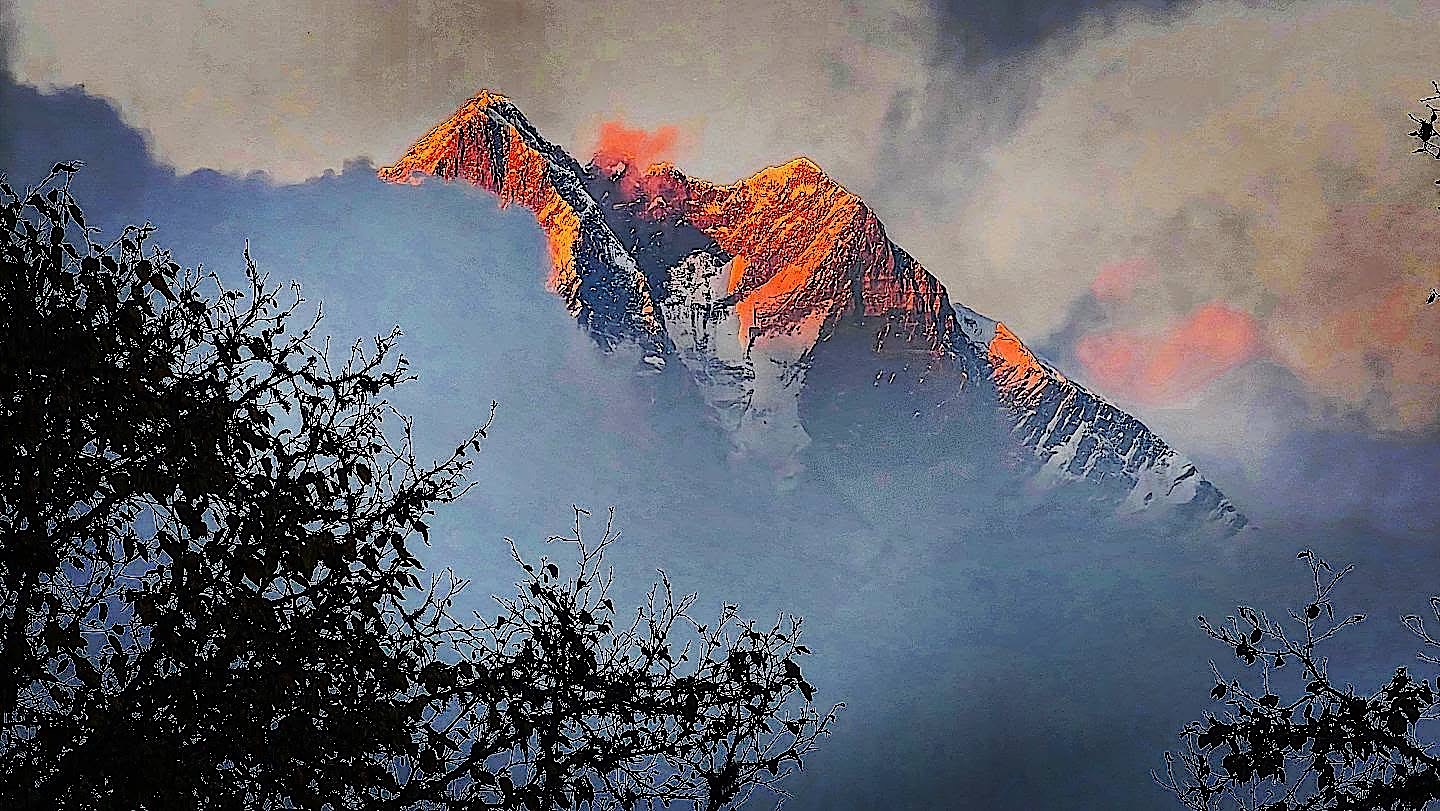
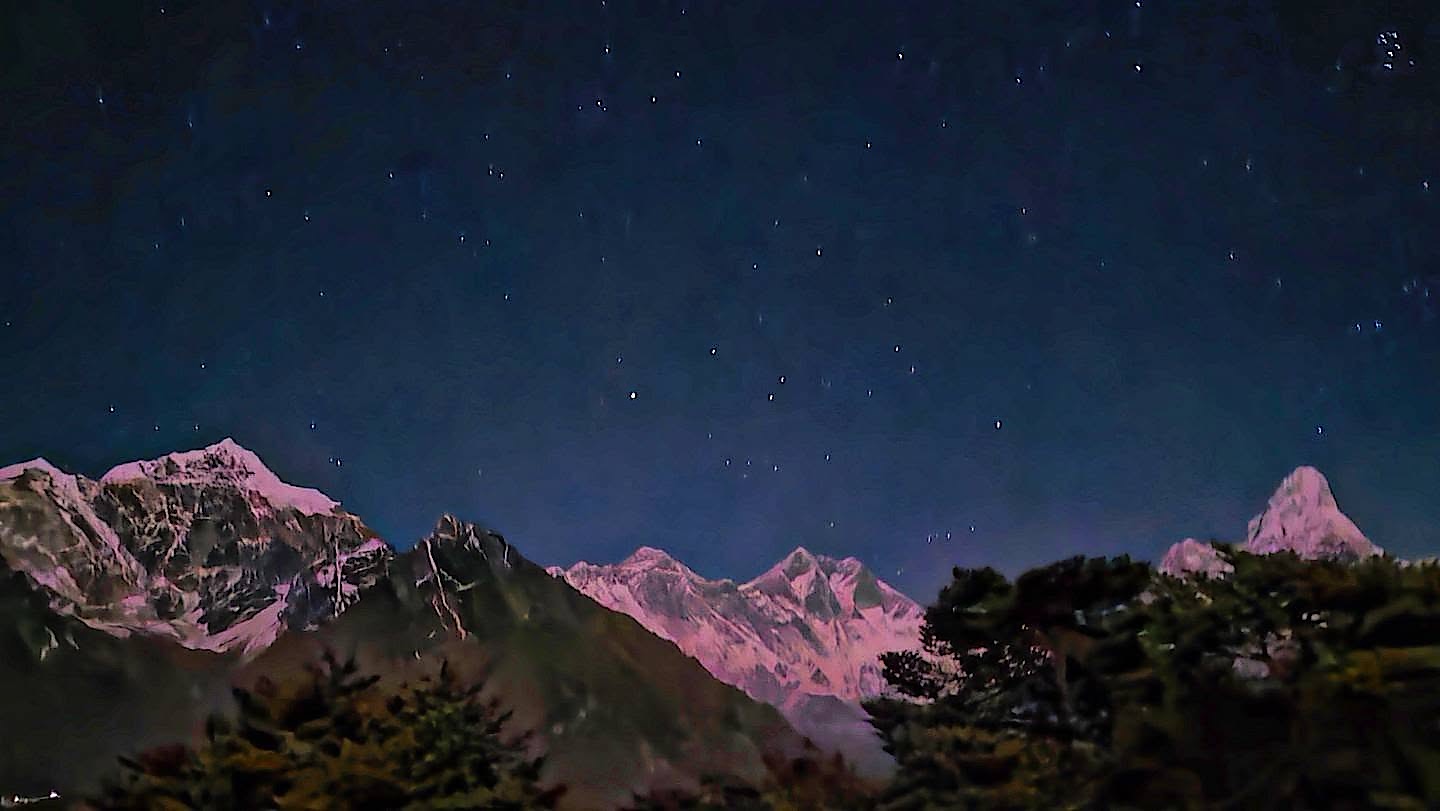
We spent the night at the Hotel Everest View, which calls itself the highest five-star hotel in the world. Lhotse glowed orange in the golden hour, and once the night sky cleared, I ran out of words. Seeing the Everest massif at sunset, under the stars and again at sunrise, straight from the window and the terrace, was magical.
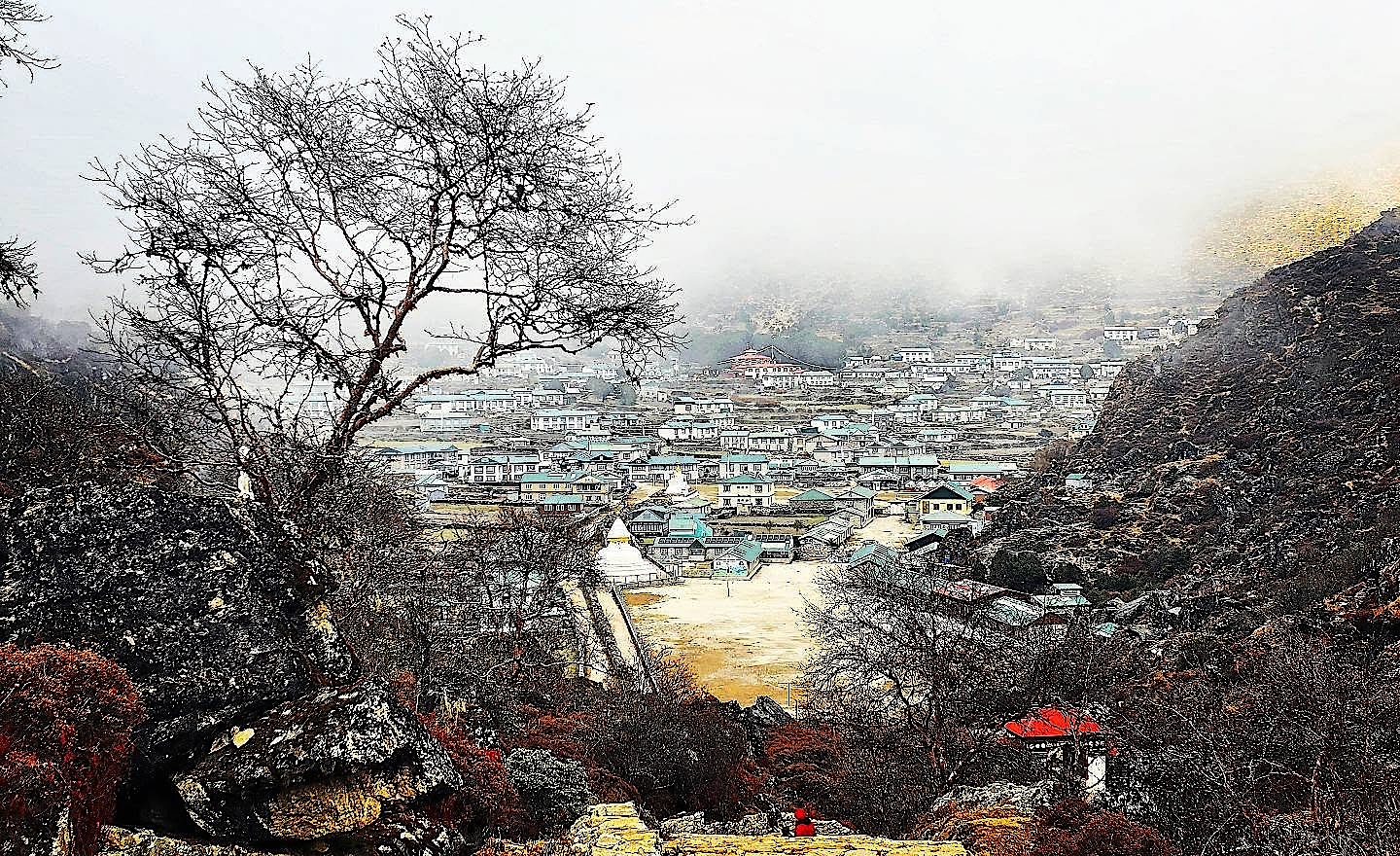
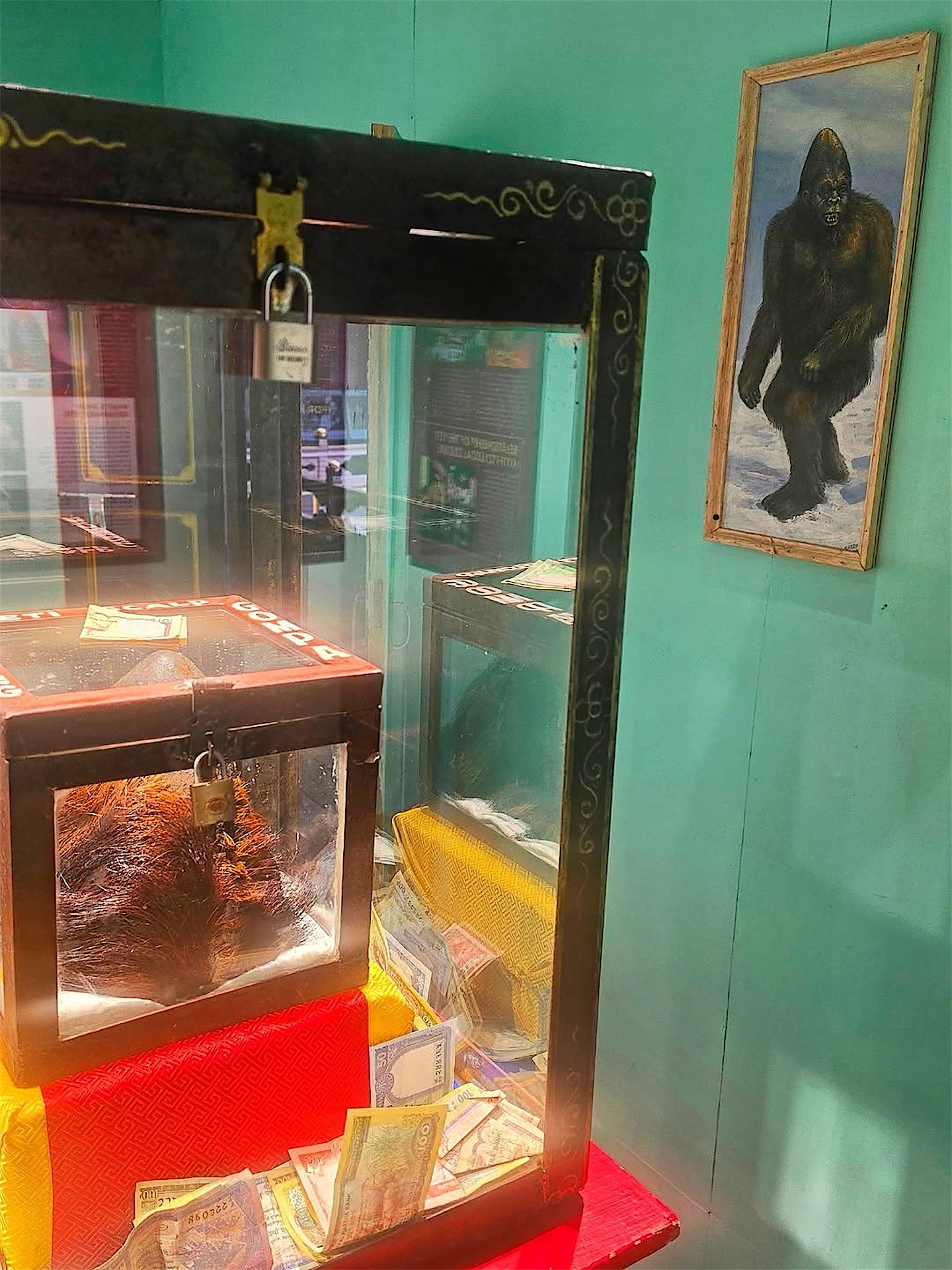
We also hiked about ten kilometres through the surrounding villages, including the Sherpa village of Khumjung, with Ama Dablam (6,812 m) rising above the afternoon clouds. Khumjung's monastery keeps a famous relic, a sacred yeti scalp in a locked glass case. For a cryptozoologist like me, it was a must.
No tigers in Bardiya
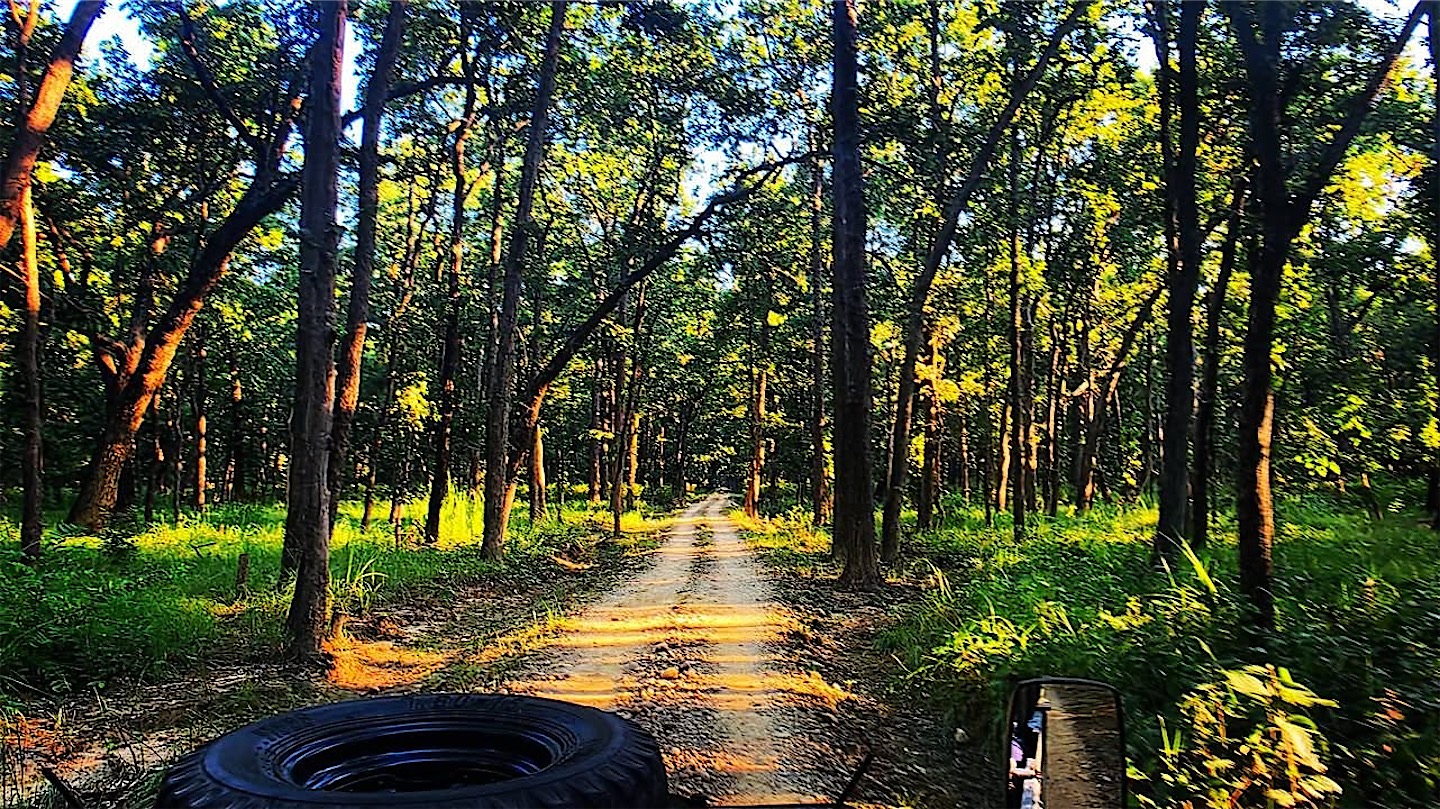
The same day we swapped the mountains for the humid jungle of the Terai, Nepal's lowland belt along the Indian border. I have never seen a tiger in the wild despite many attempts, and Bardiya National Park in the far west seemed my best chance yet. It is one of the few places where you may walk through tiger territory on foot, which is exciting: tigers attack people around the park every year, and plenty of other animals here could kill you too.
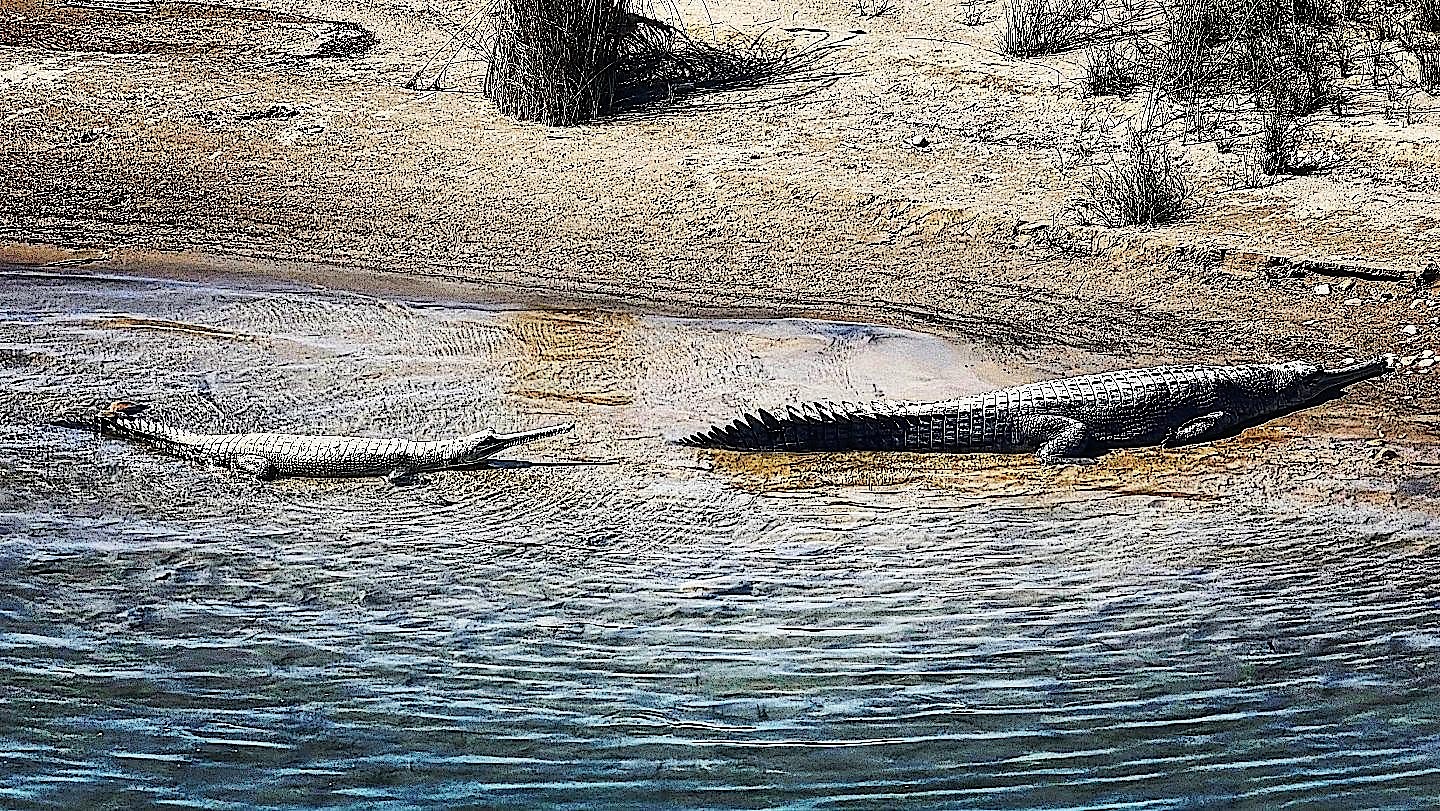
We watched river otters at a branch of the Karnali, but the big game stayed hidden. Ten-hour days in a small safari jeep without seeing much are only bearable in the right company, and luckily I had Karyna. On the way to the airport we were at least rewarded with gharials and their long, narrow snouts, and I learned how goats travel in Nepal: on the roof rack of a minibus.
Back in Kathmandu, the urge for a steak grew too big. Slaughtering cows is forbidden in Nepal, but importing and eating beef is not, although the Kathmandu Steak House mainly serves ostrich.
Into Mustang and the Kingdom of Lo
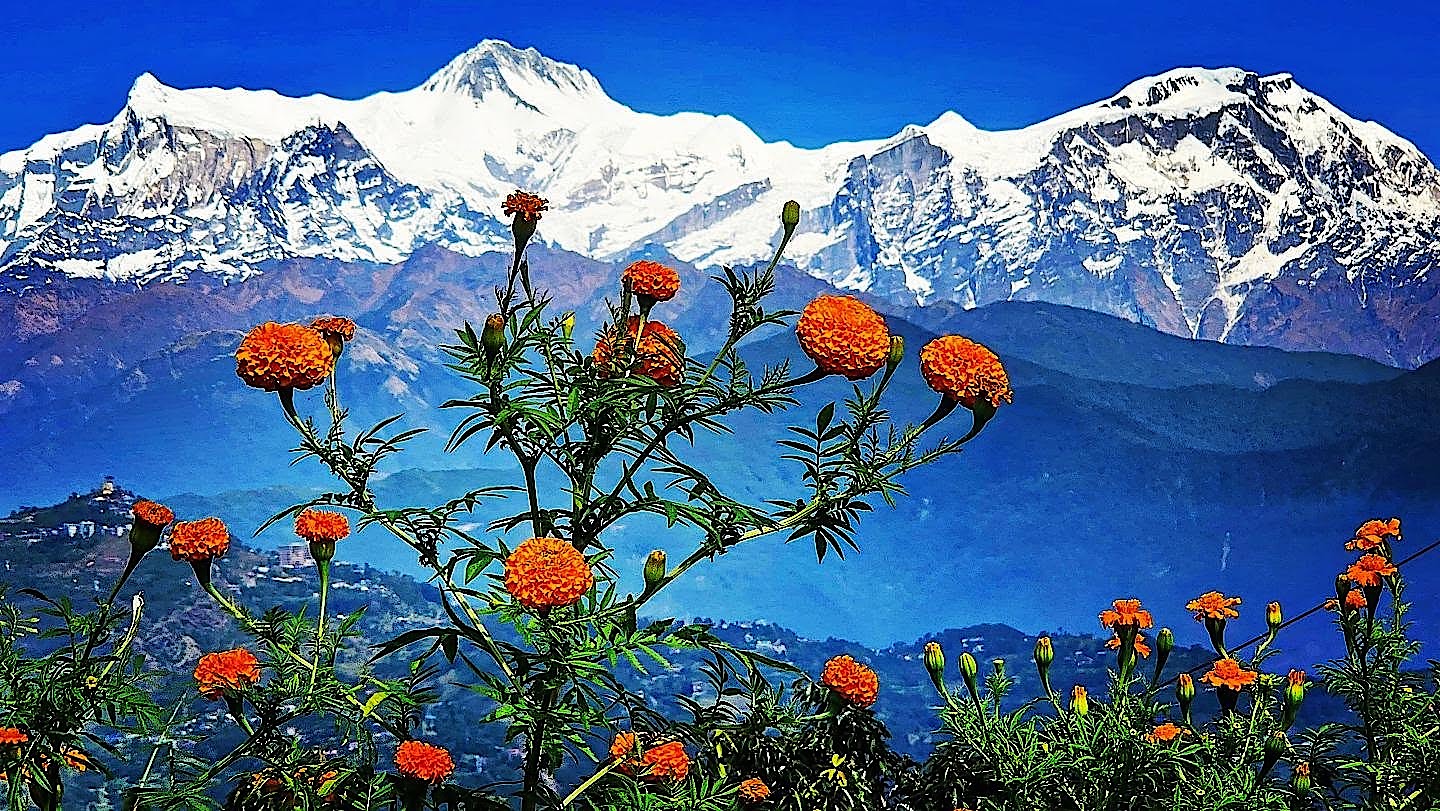
Next we flew to Pokhara, where the Annapurna range rises above the town with Machapuchare, the holy "Fishtail" that is closed to climbers, and continued to Jomsom in Lower Mustang. I had wanted to see Mustang for years, a once self-governing territory that feels more Tibetan than Chinese Tibet itself. A full moon rose over the valley, the local apples were genuinely tasty, and a waterfall that would be an attraction in many countries is simply a waterfall in Nepal.
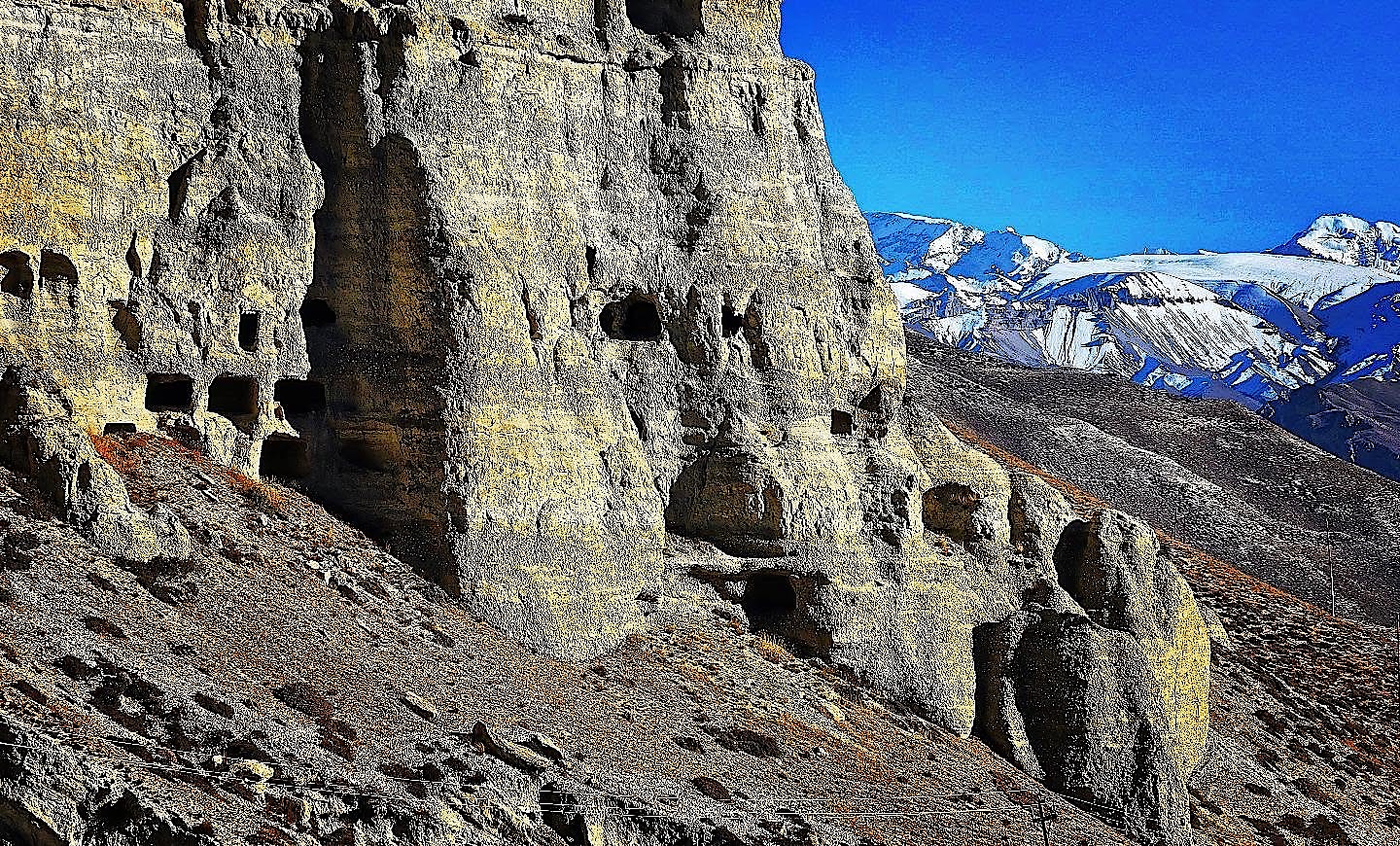
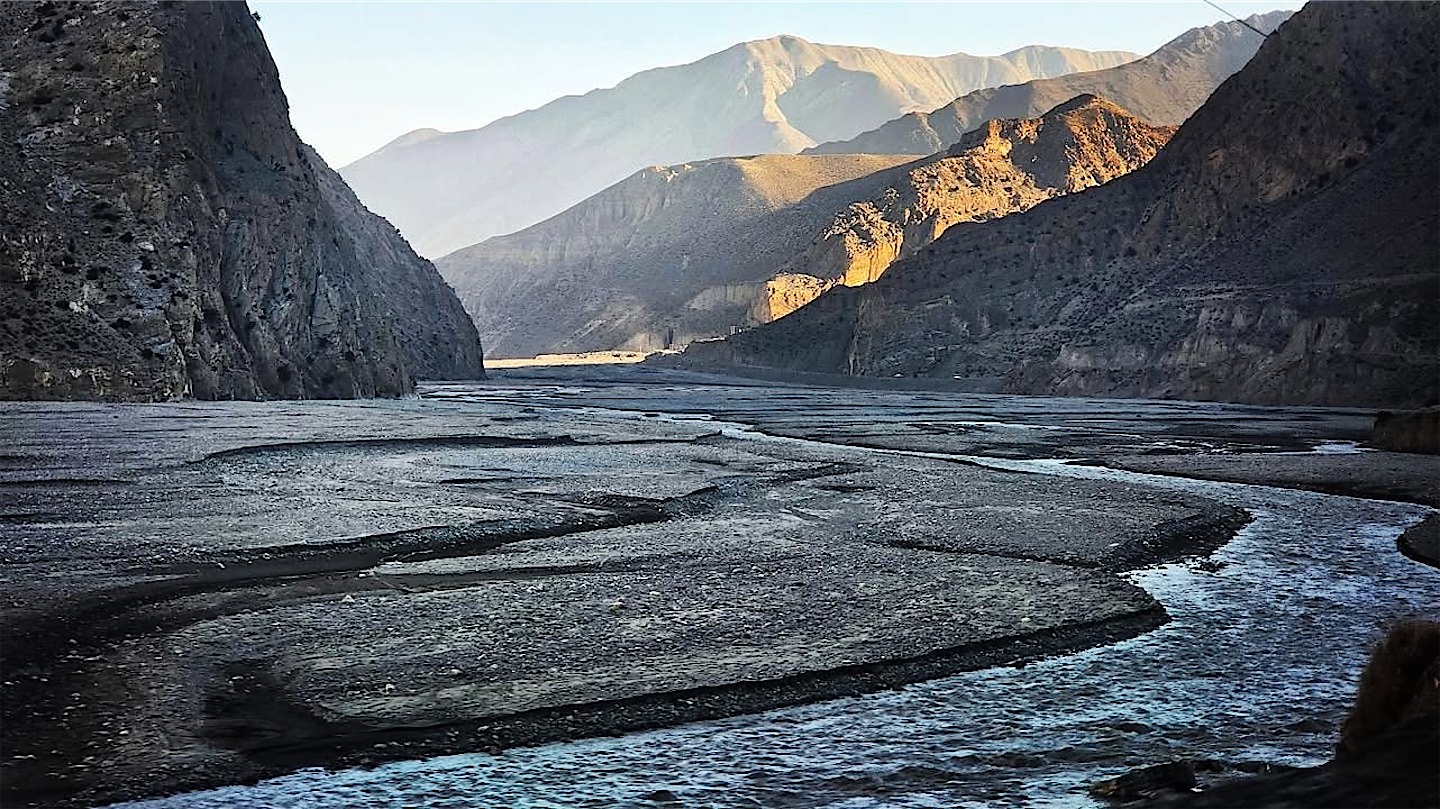
From Kagbeni, the gateway to restricted Upper Mustang, we set out on a 15-hour off-road round trip to Lo Manthang. In the rain shadow of the Annapurna the land turns into a high desert that reminded me of the Andean Altiplano, with ochre cliffs, autumn colours and yaks below snow peaks. It was probably the longest mountain pass I have ever driven, and I counted more than 50 abandoned cars by the road, mostly cheap Chinese electric cars, left in the dust after obvious breakdowns.
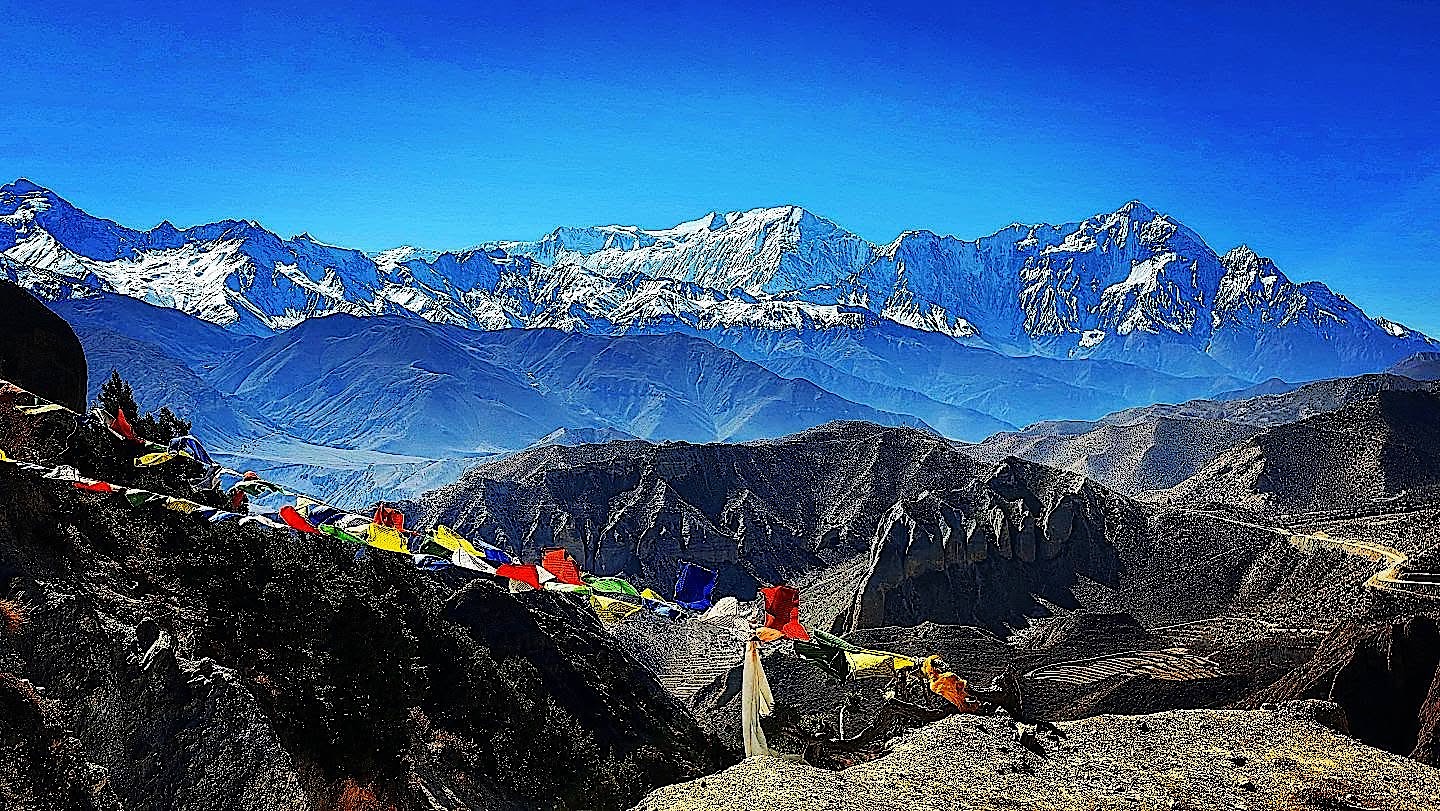
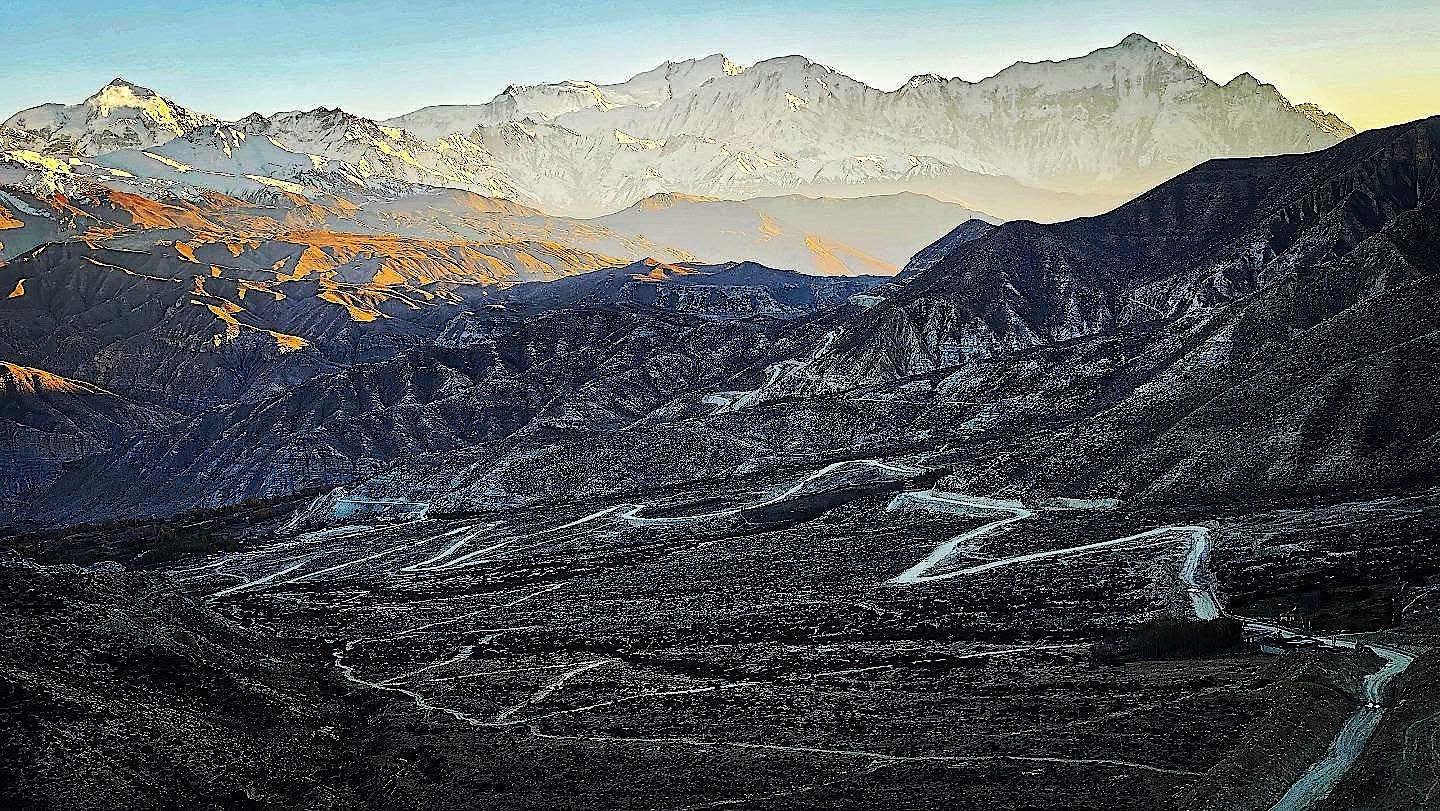
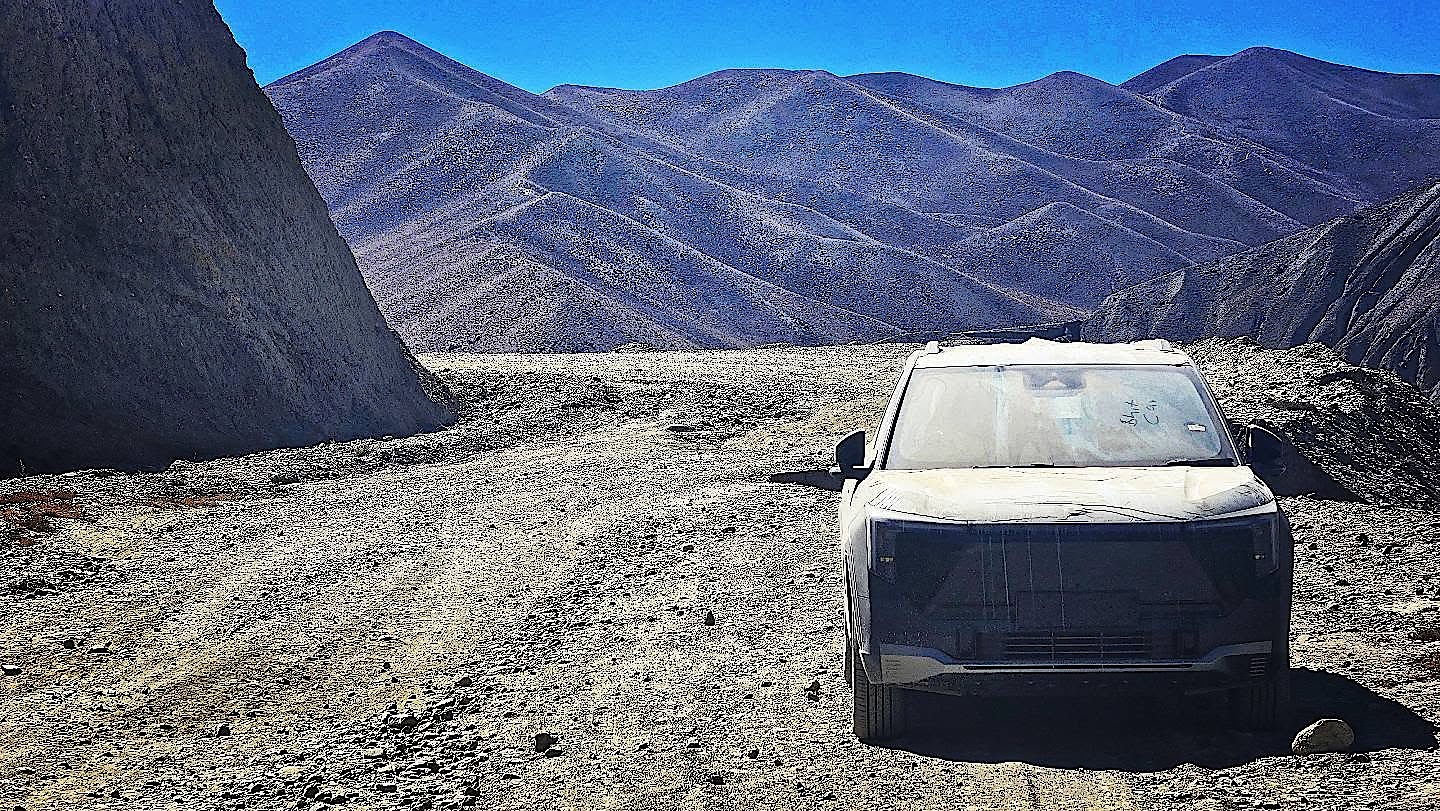
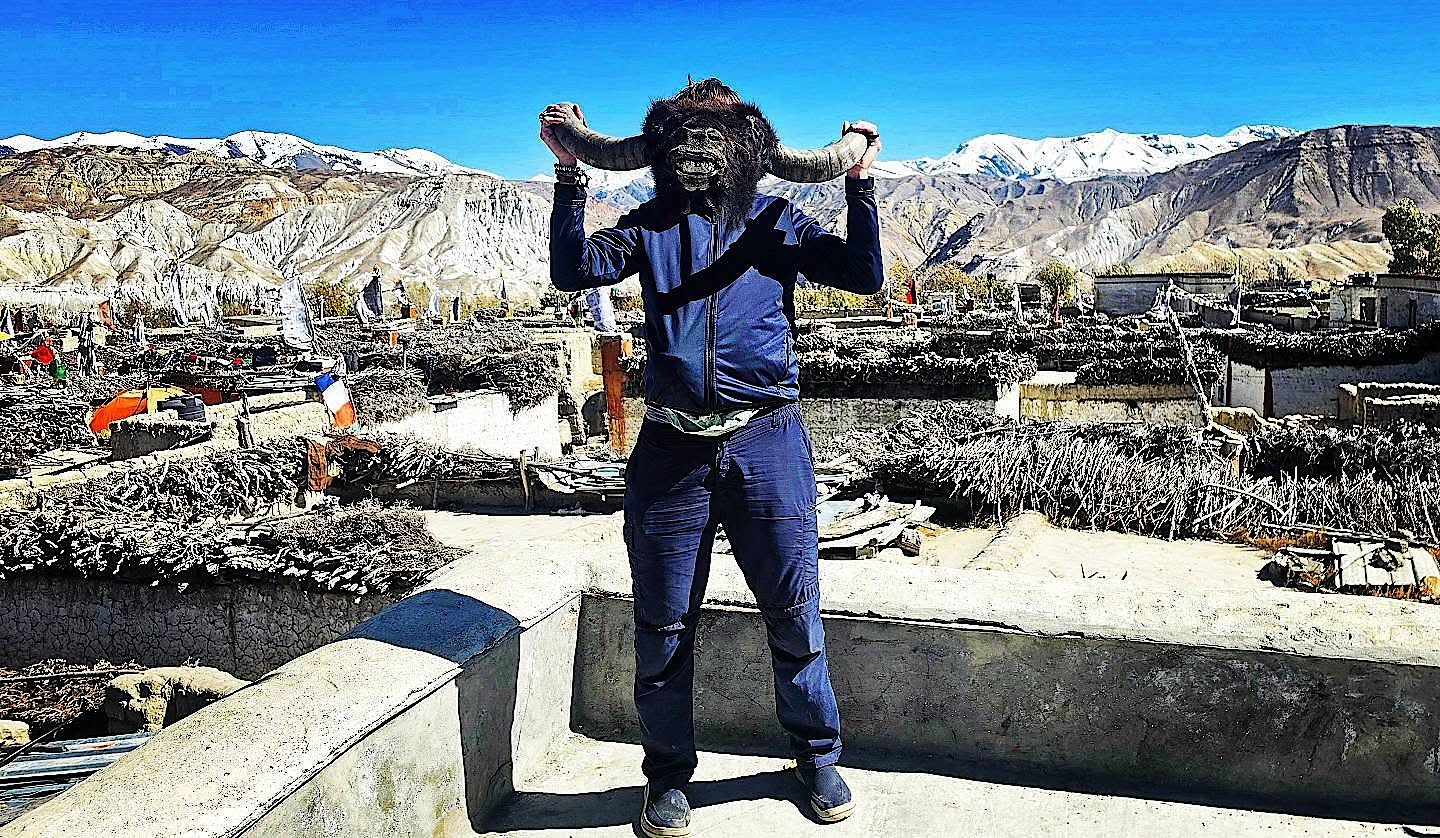
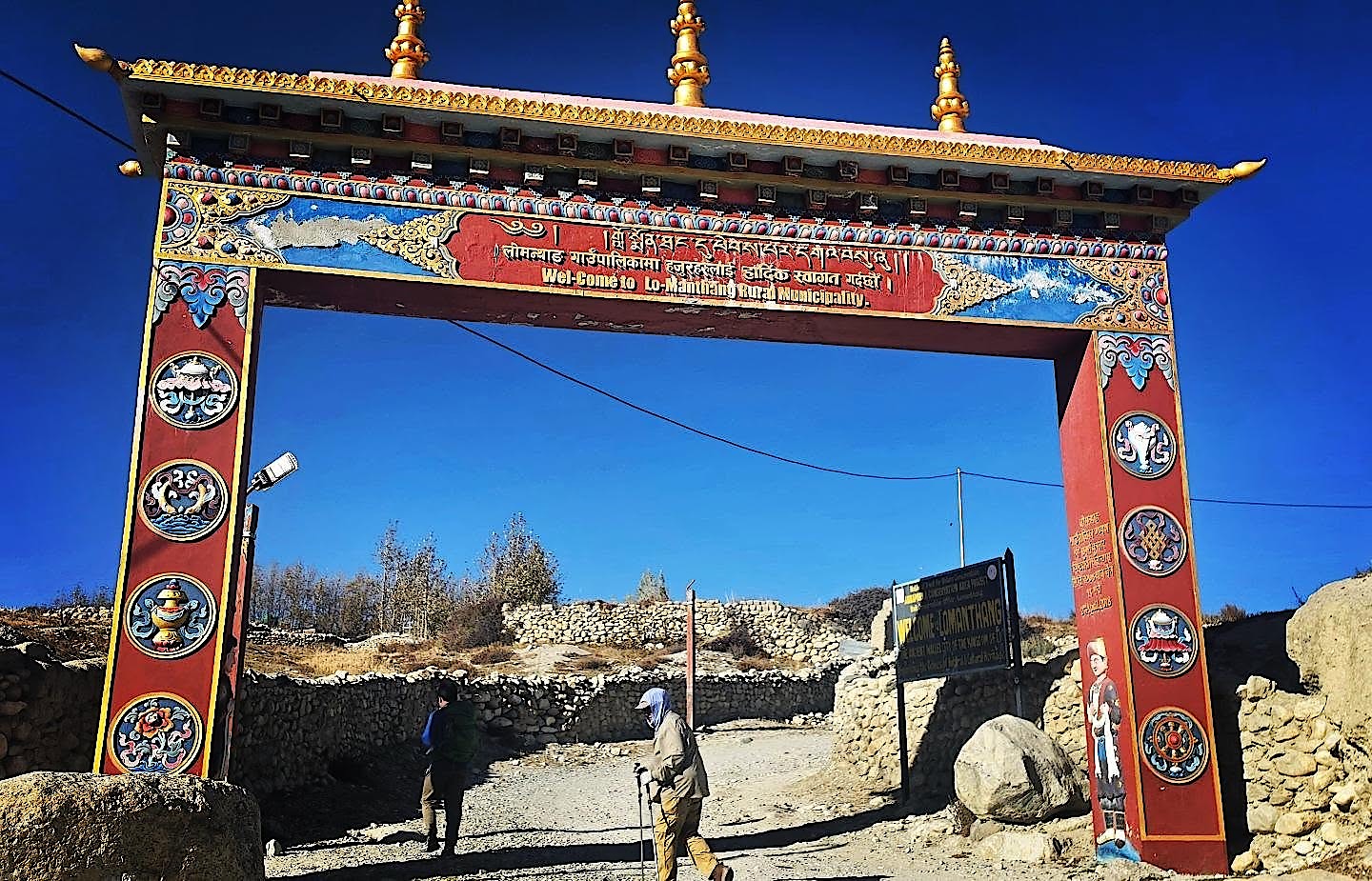
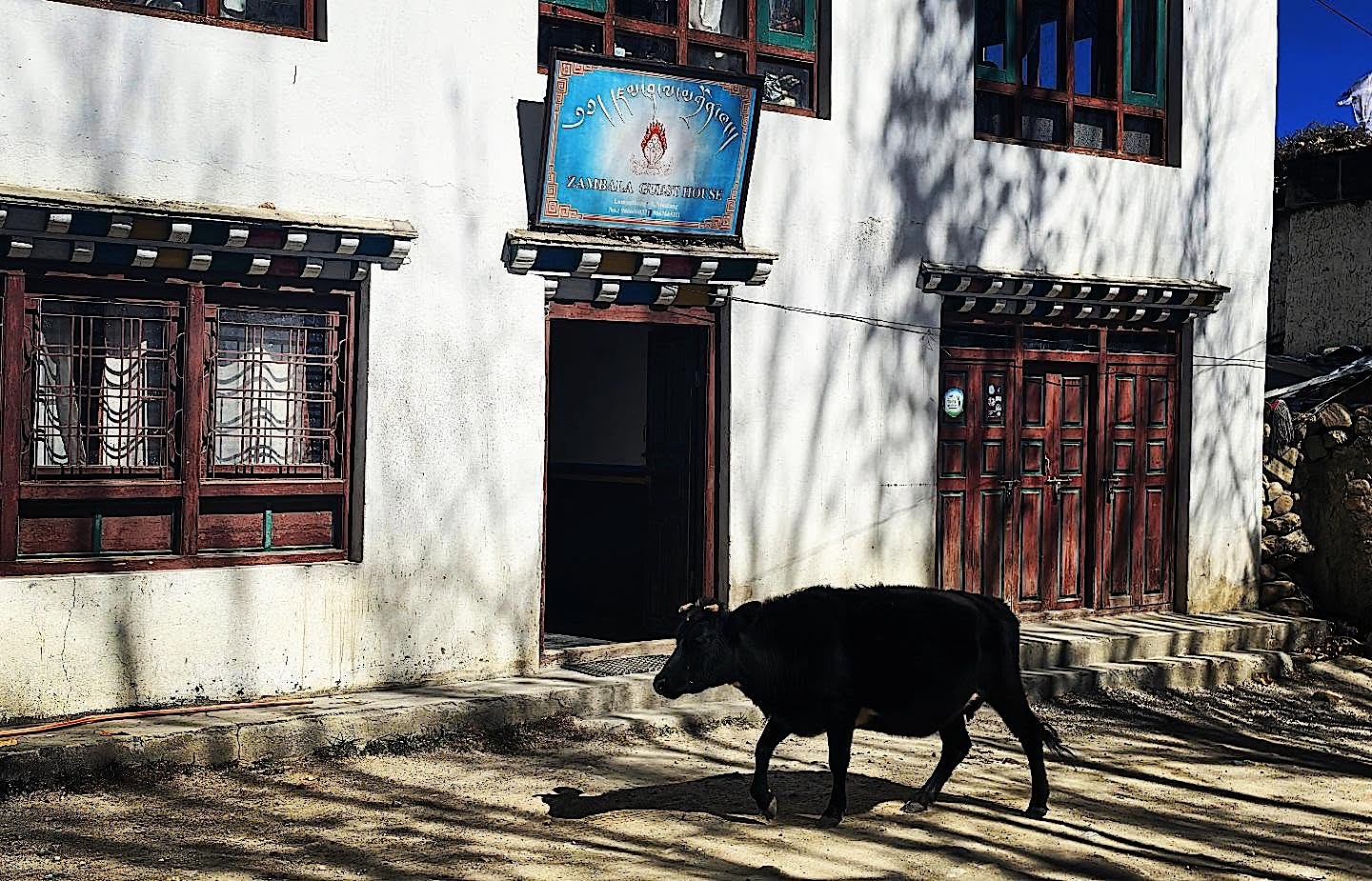
Lo Manthang, the old capital, is a traditional Tibetan town steeped in history, seven hours' off-road drive from the nearest paved road. The Chinese border is within sight, but there is no official border traffic. Visits are tightly regulated with special permits and several checkpoints; a uranium deposit nearby is said to be one reason. Yet even more than the town, the journey there is the reward.
Apples and the long road back
The way back was long: in three days we spent 28 hours on very bumpy roads, with high-altitude nights in rather rusty lodges. Deadly landslides are common in the Himalayas, and we passed the raw scar of a huge one.
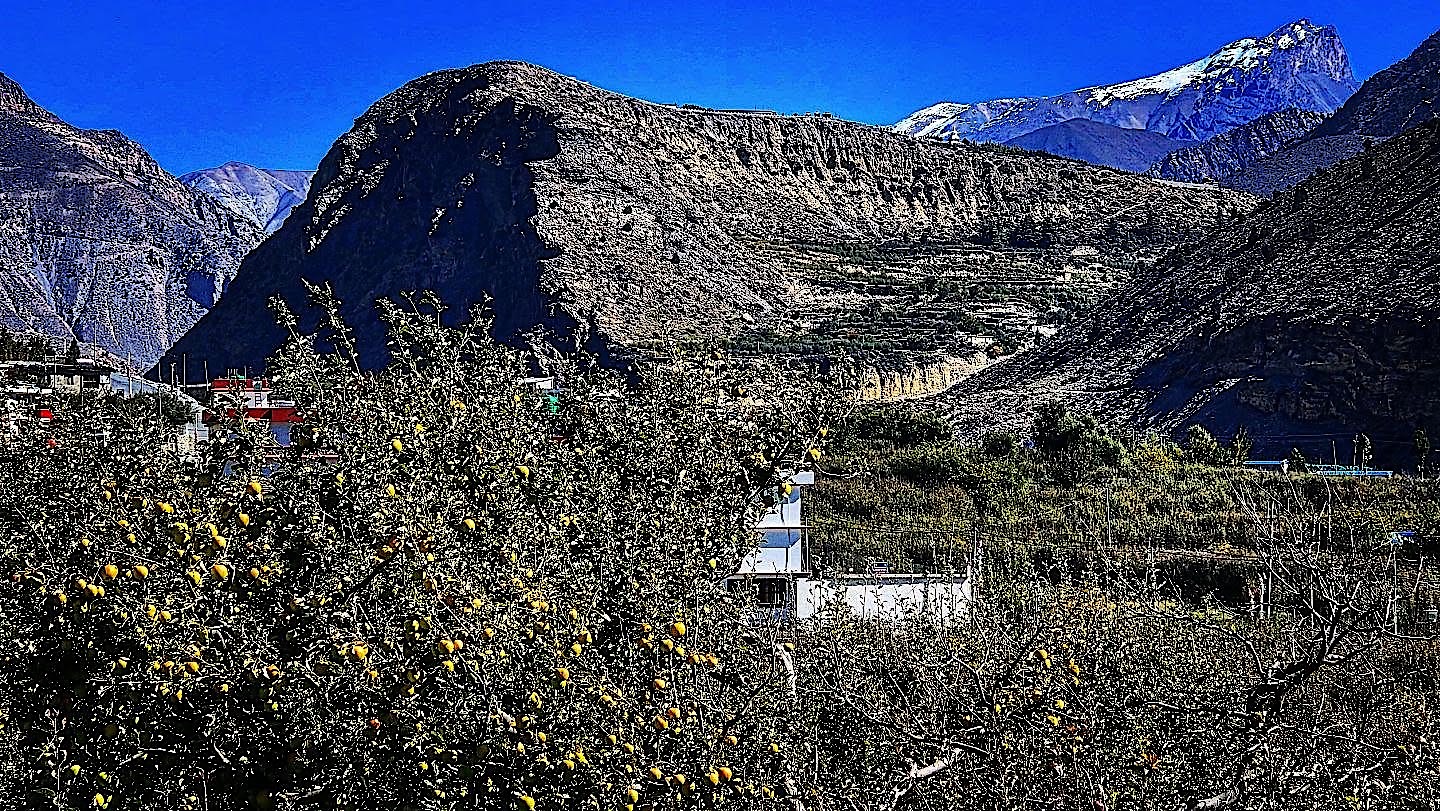
In Marpha, one of the main apple-growing villages of Lower Mustang, apples are the coca leaves of the Nepalese Himalaya. Big temperature swings and intense sunlight make them sweet and healthy, and they are said to help against altitude sickness. My own light headache at 4,200 metres disappeared soon after I snacked on one.
Pokhara, a pleasant surprise
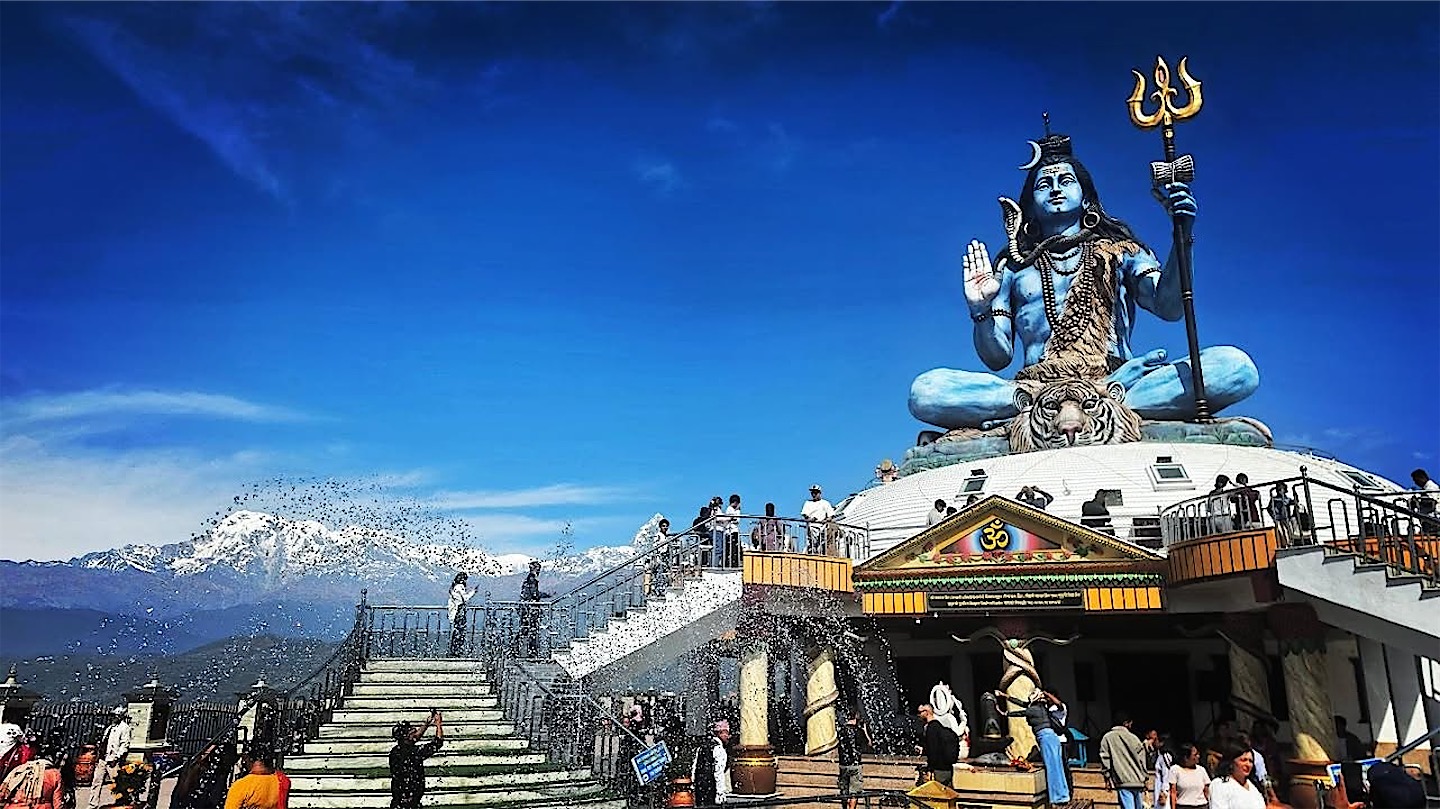
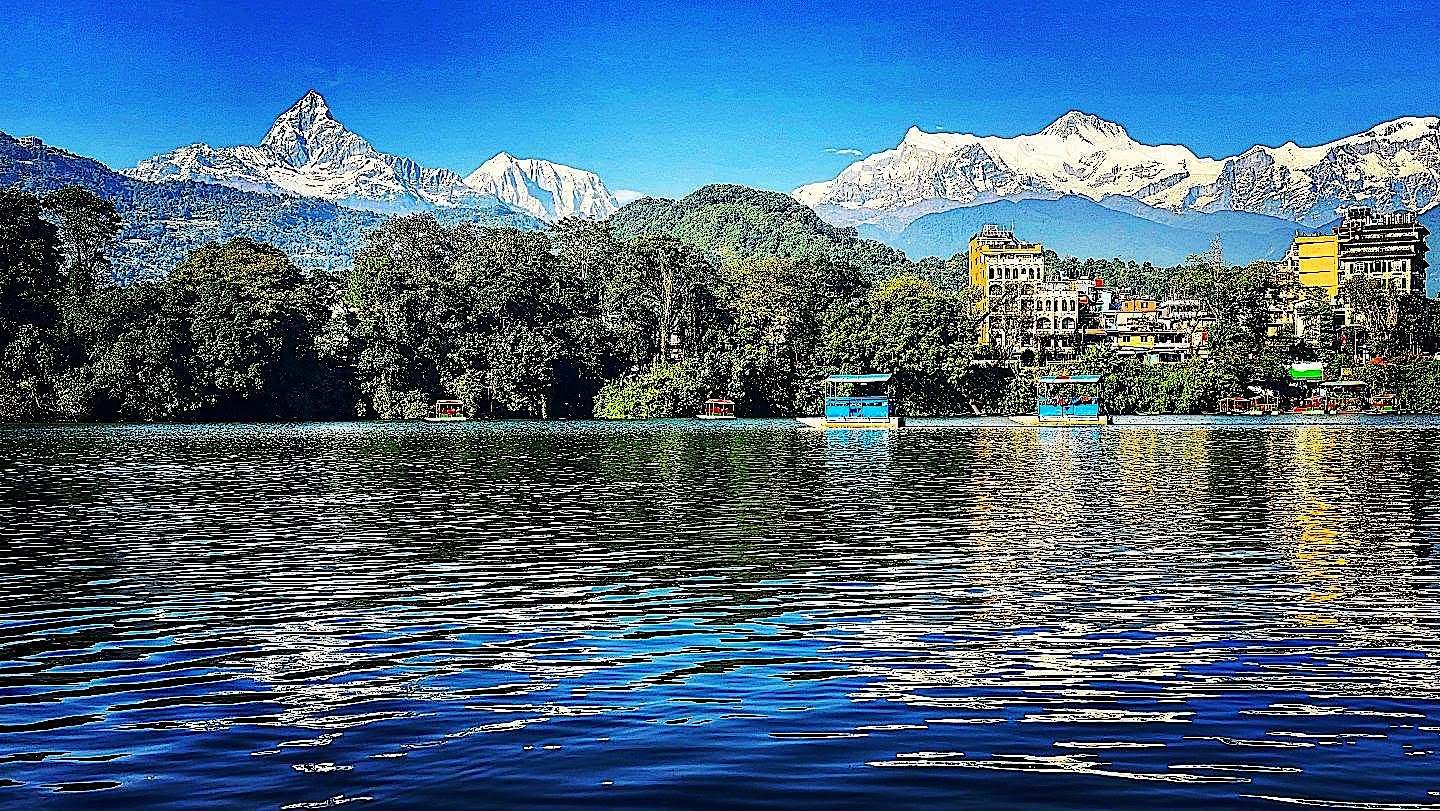
We ended with a little luxury in Pokhara, the base for most treks in the Annapurna region, on the shore of Phewa Lake with the snow peaks right behind it. It turned out to be a really pleasant city, and with views like these it has some of the prime real estate of Nepal. At Pumdikot, high above the lake, a giant statue of Lord Shiva looks out towards the Annapurna range.
A few hours before flying to India I had a scare: for the first time in twelve years of full-time travel, my passport was gone. I carry a second German one, but it would still have meant headaches with immigration in Nepal and India and a delayed trip. Luckily our driver found it, and he earned a generous tip.
After ten days of phenomenal weather, we left Nepal on the first rather cloudy one, flying from Kathmandu to Jaisalmer in the Thar Desert. From the mountains to the desert: the next ten days took me overland through Rajasthan, Gujarat and Diu.