Hammerheads at Darwin and Wolf: Florida's Wrecks and Swamps, Then a Galápagos Liveaboard
4–15 May 2026 · Key Largo, Jupiter, Everglades, Miami Beach, Guayaquil, San Cristóbal, Mosquera, Wolf, Darwin, Isabela, Fernandina, Santa Cruz · Regions: United States (Florida), Ecuador, Galápagos Islands
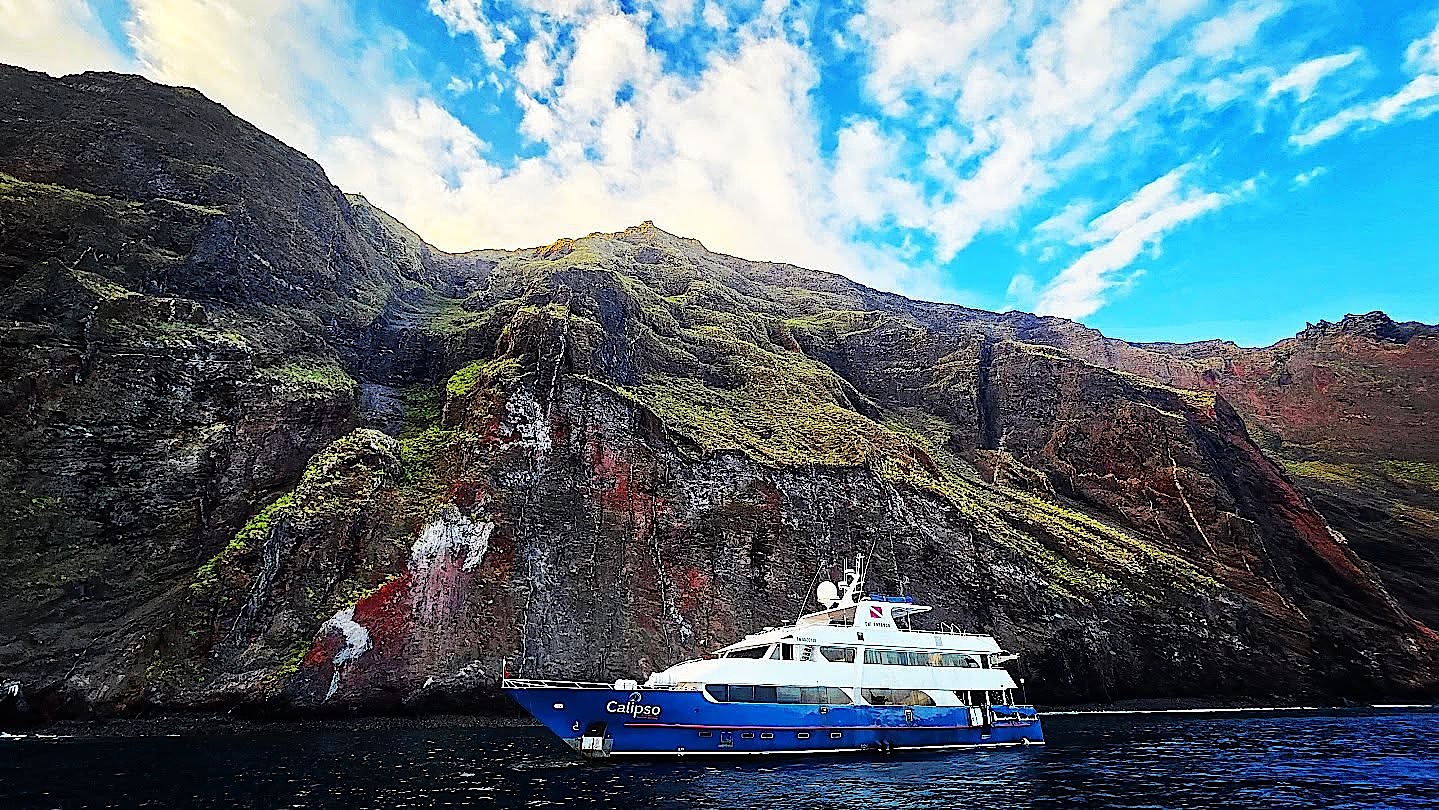
After visits in 2017 and 2022, I returned to the Galápagos for the trip every diver talks about: a week on a liveaboard to Wolf and Darwin, two remote rocks in the far north of the archipelago and among the best dive sites on the planet. The route from Dubai passes through Miami anyway, so I added three nights in Florida to warm up with a wreck, plenty of sharks and an alligator called Wally.
The 16-hour flight ended far too soon, as usual. I barely finished my laptop work and had to go easy on the Sauternes, since I planned to dive the same afternoon. Global Entry got me through immigration and customs in under three minutes, just in time to make it down to Key Largo.
A Navy ship off Key Largo
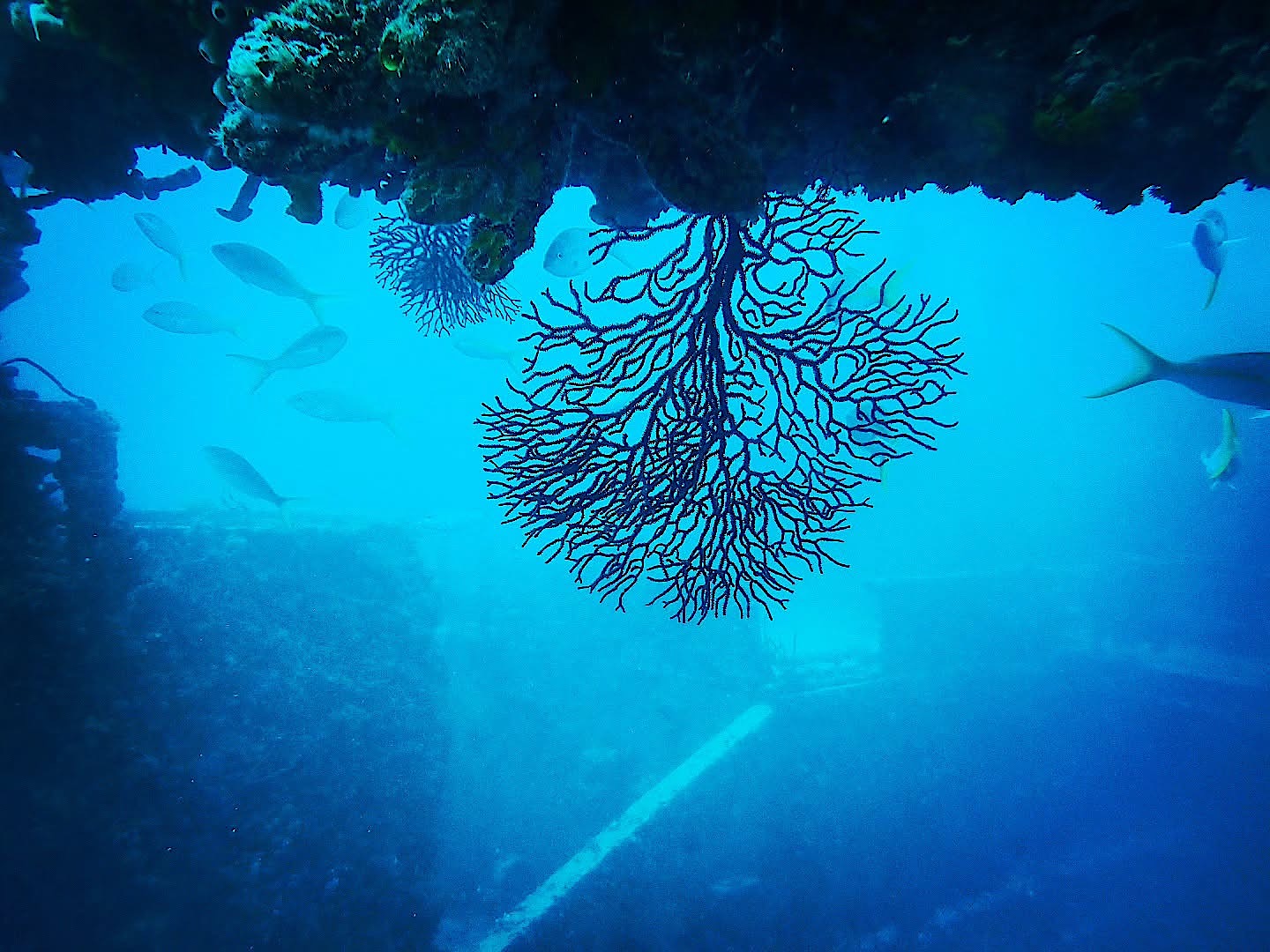
Surprisingly, these were my first dives in the United States. With a local friend I headed straight for the USS Spiegel Grove, a huge Navy ship off Key Largo. At around 30 metres we drifted along decks now covered in sponges and sea fans, with yellowtail snappers hanging in the current, and on another dive a shark cruised past the wreck.
Sharks off Jupiter
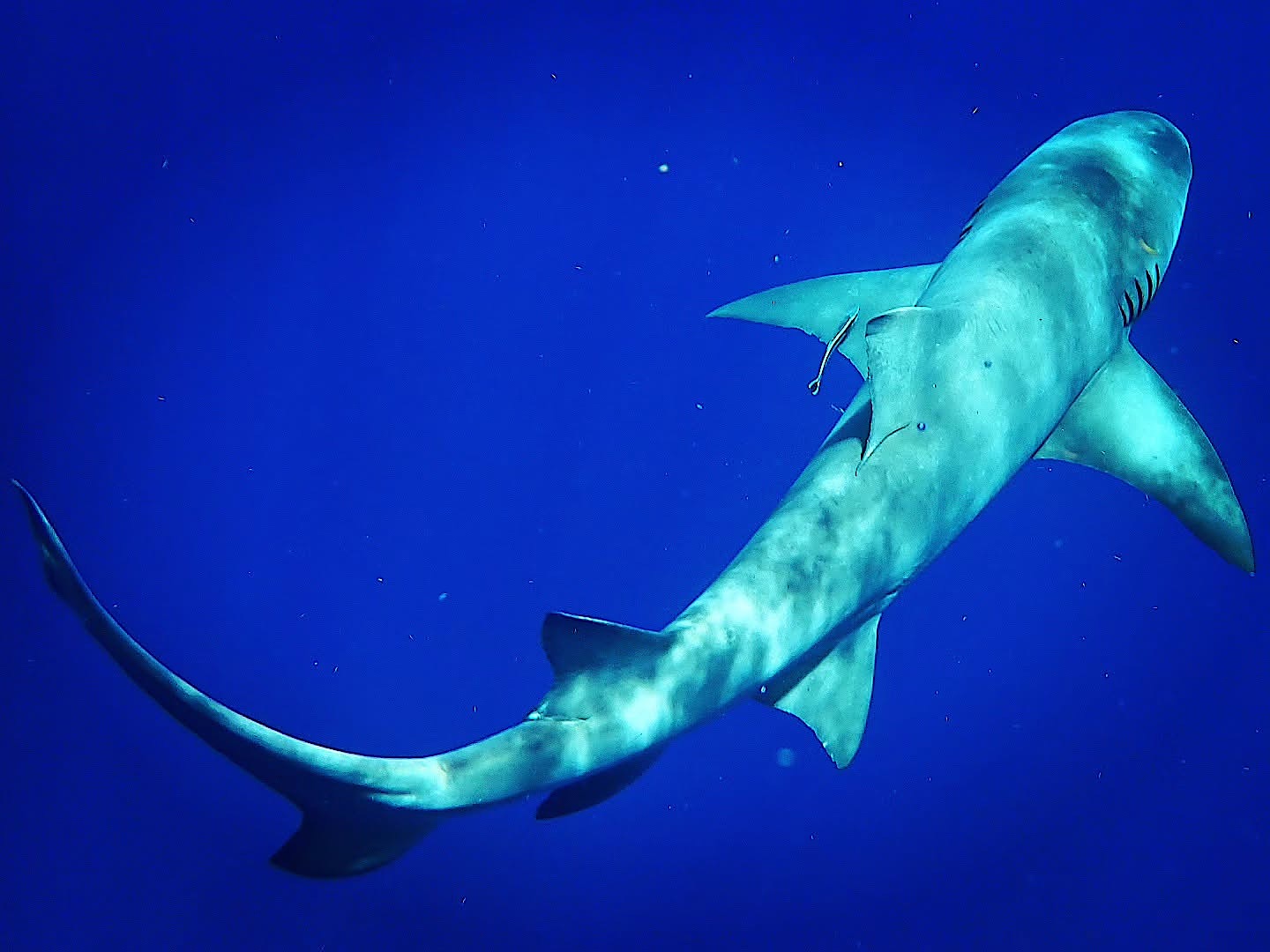
The next day I drove north to Jupiter, where plenty of sharks were waiting for me again. North of Palm Beach the warm Gulf Stream runs unusually close to the coast, which brings lemon, bull, tiger and great hammerhead sharks within a short boat ride. Among them was a beautiful bull shark. These sharks are harmless to people if you respect them, but they are certainly hungry, and judging by how eagerly they circled the boat, it is a fine place if you are looking for an amputation.
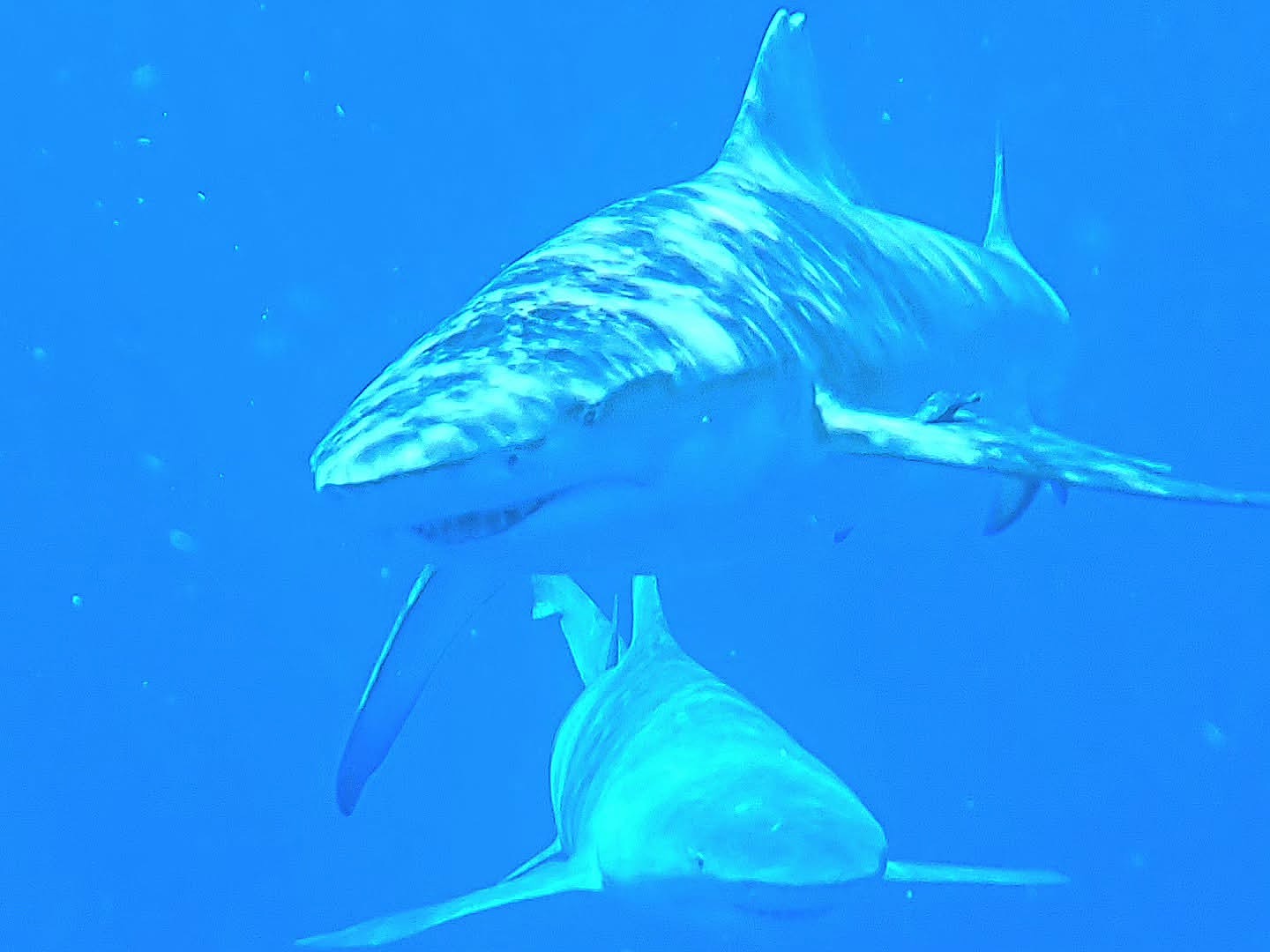
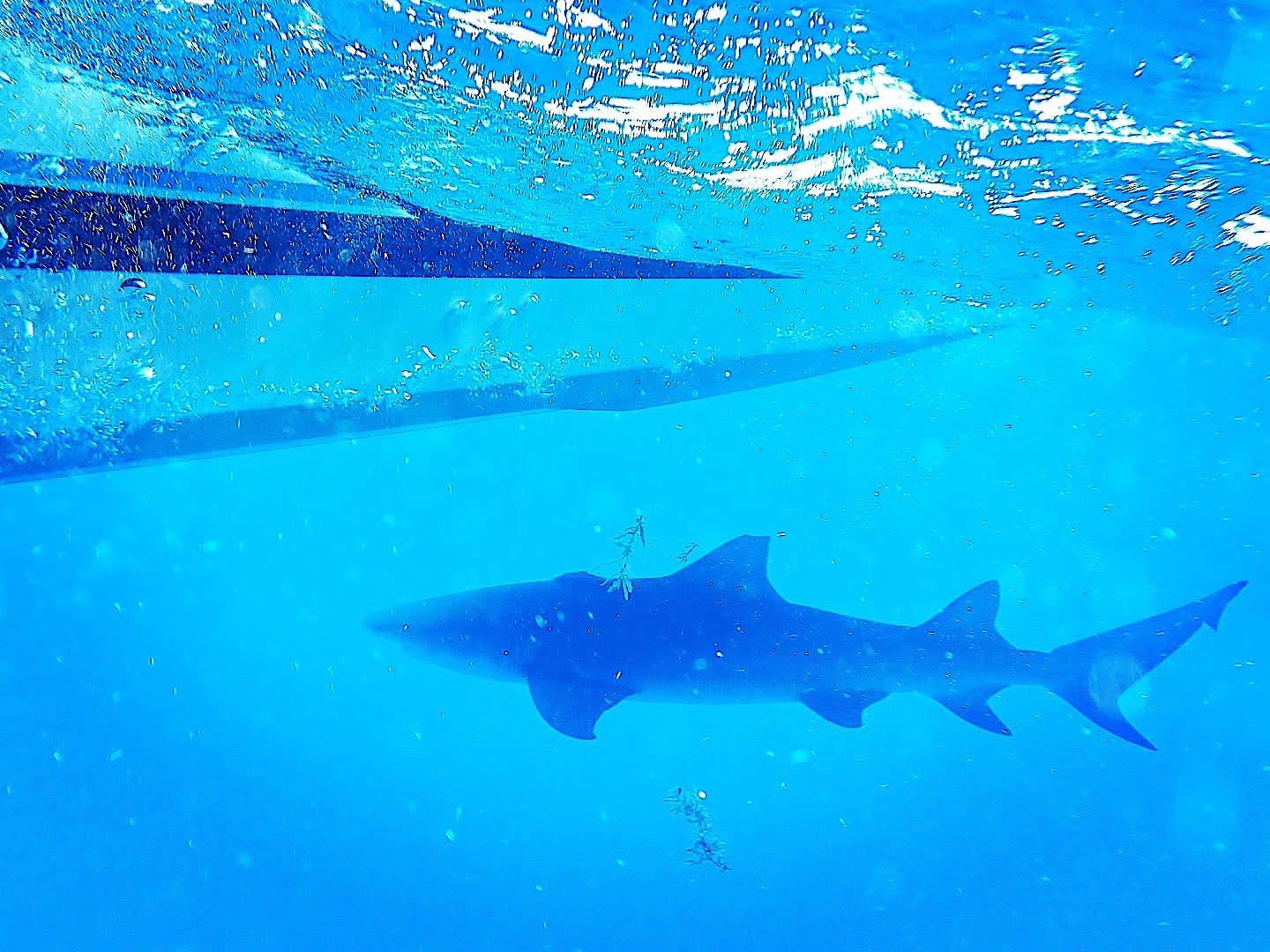
It was good training for the Galápagos, where the latest sightings from the dive boats sounded promising.
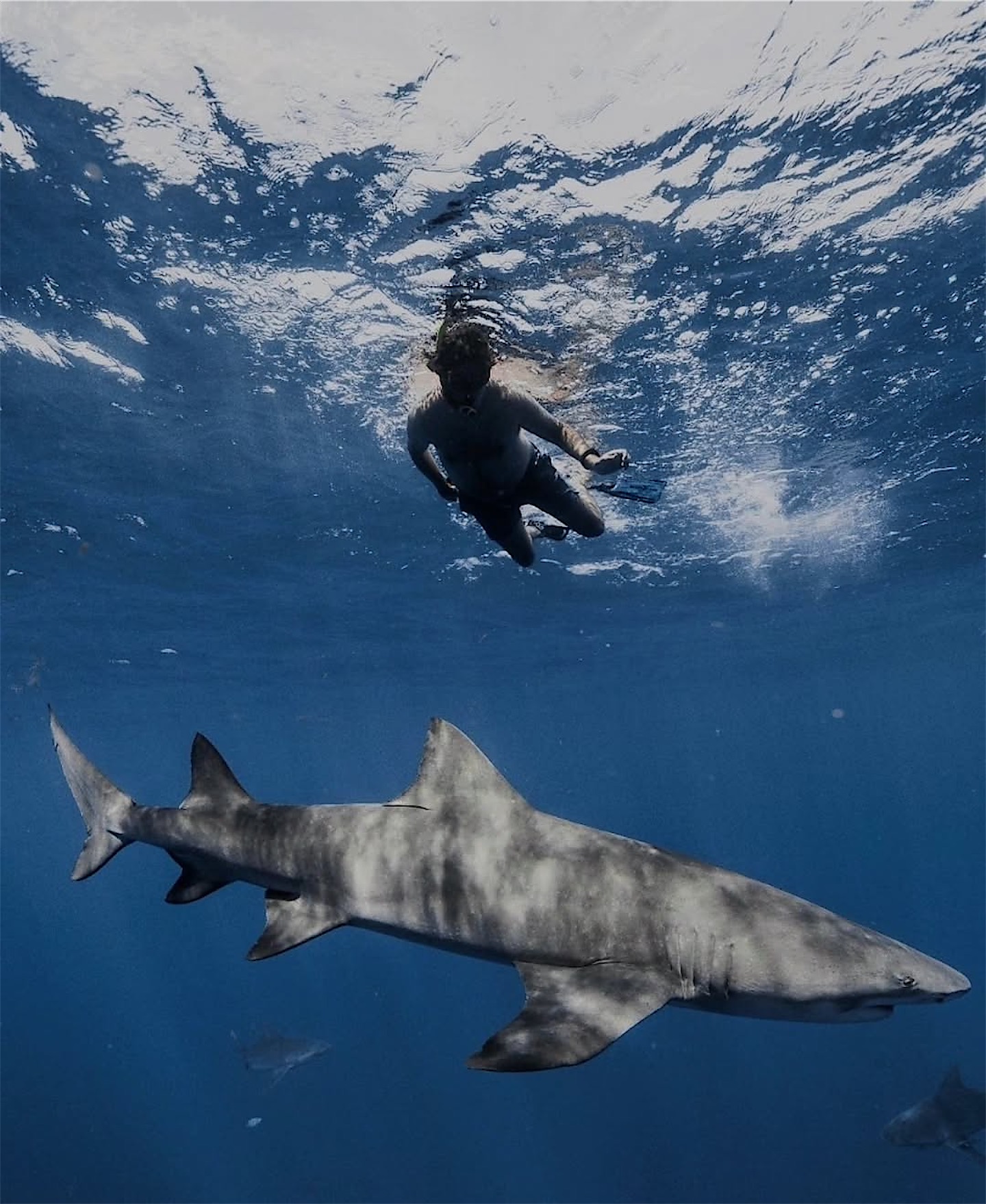
Airboats and Gladesmen in the Everglades
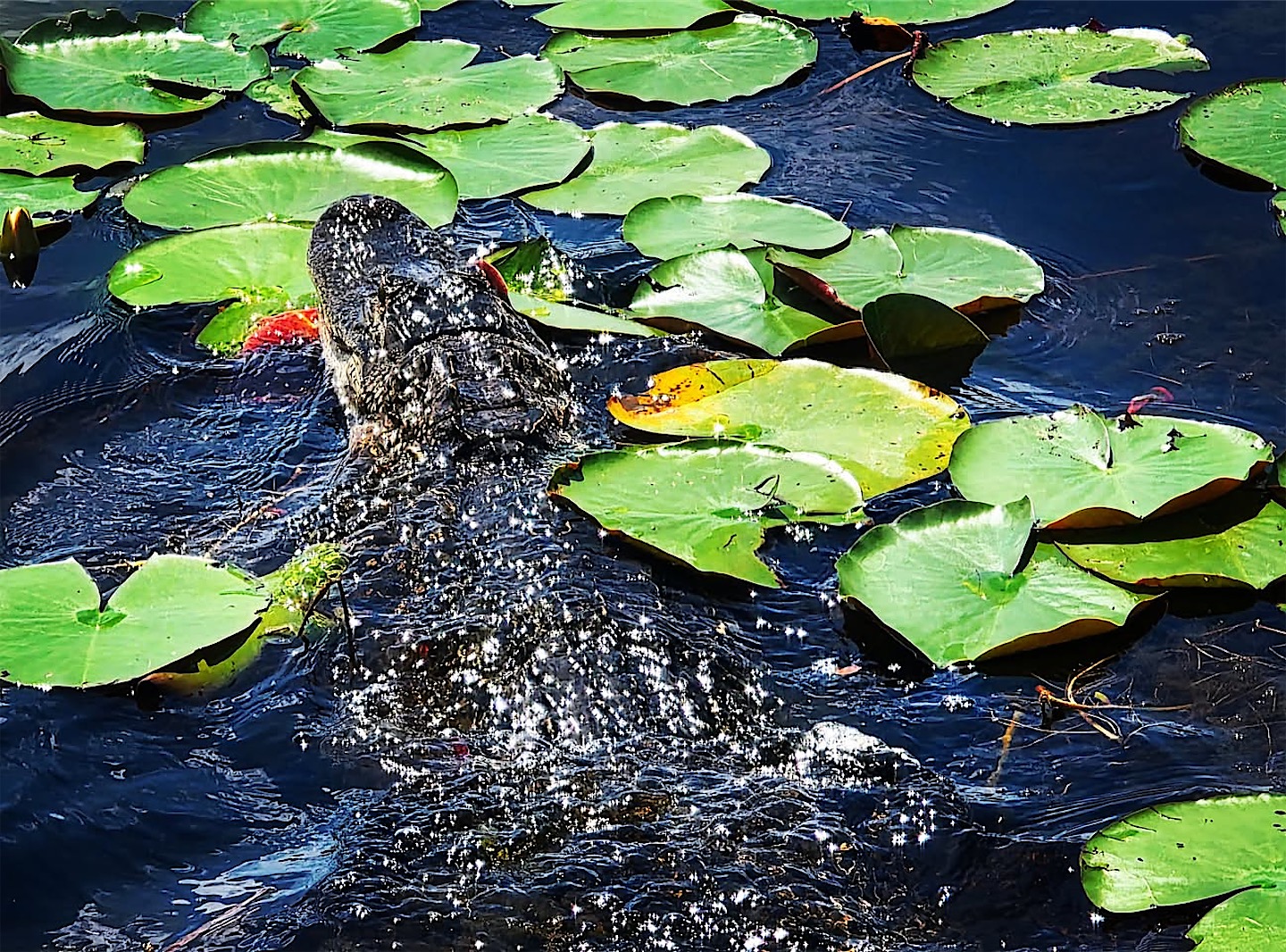
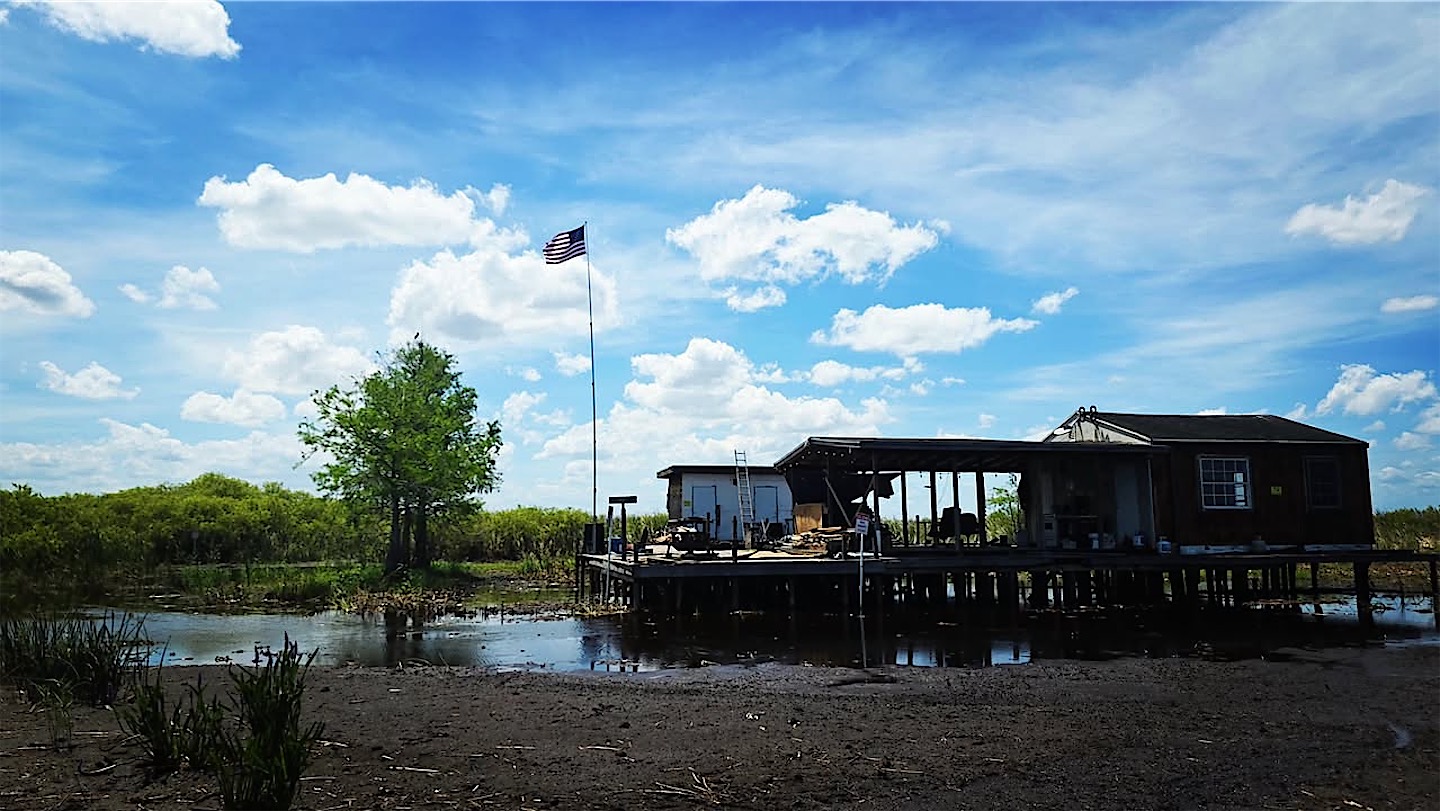
My last Florida day belonged to the swamp. I drove out in the quintessential Florida rental, just like on my first trip here in 2016, and instead of joining a big airboat tour I chartered a private airboat with an old Gladesman, far from the usual tourist attractions. Between the water lilies we met Wally, the local alligator, and later we stopped at the Gladesmen's hunting camps, wooden lodges on platforms above the water. For decades their owners have fought the authorities to keep them standing despite ever stricter environmental rules, arguing that, like the region's indigenous tribes, they are a subculture worth protecting. Out there in the sawgrass I could see the appeal of a home of your own.
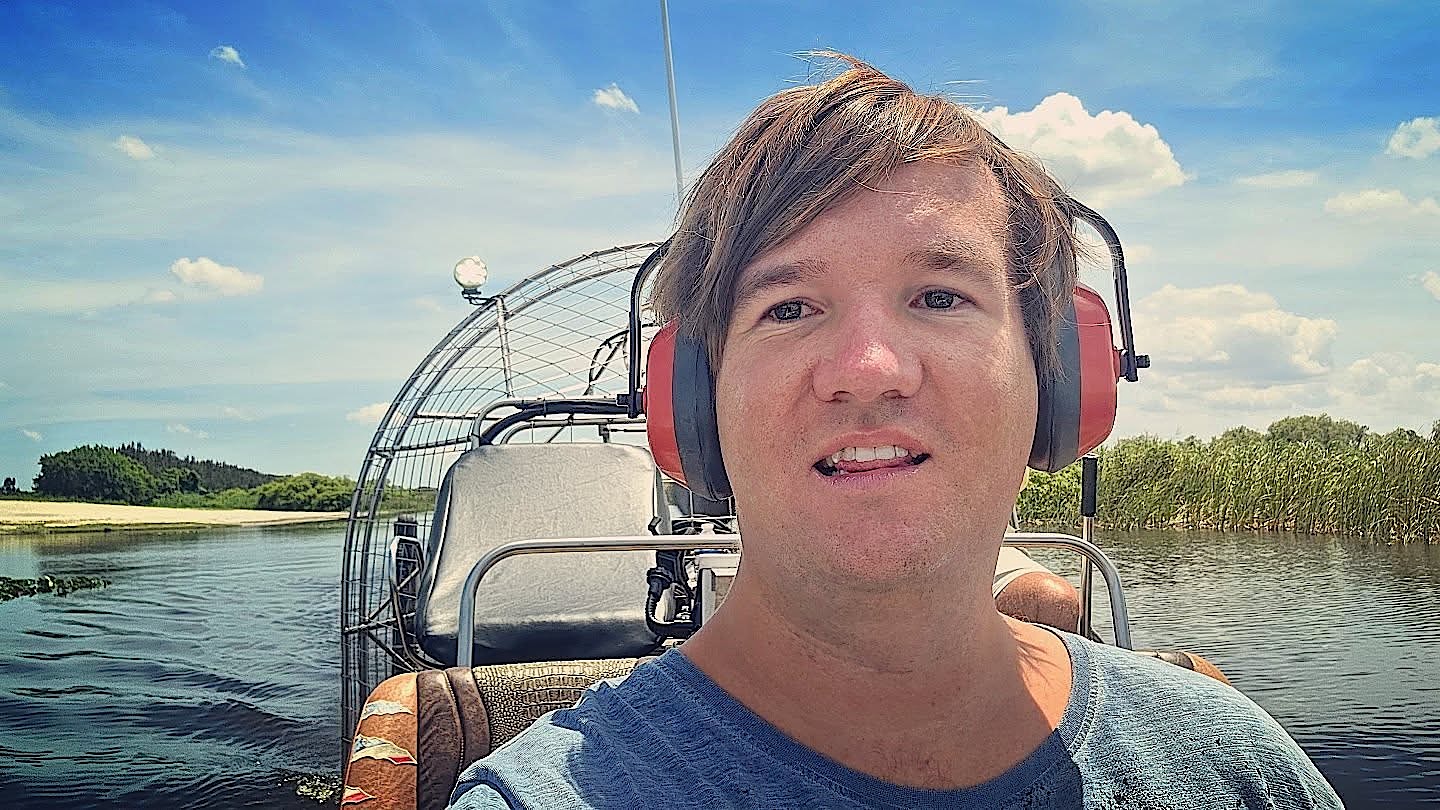
Before my night flight I met a few readers for a Staatenlos meetup at the Faena in Miami Beach, a hotel extravagant enough to keep a gilded mammoth skeleton in its lobby.
Back to where Latin America began
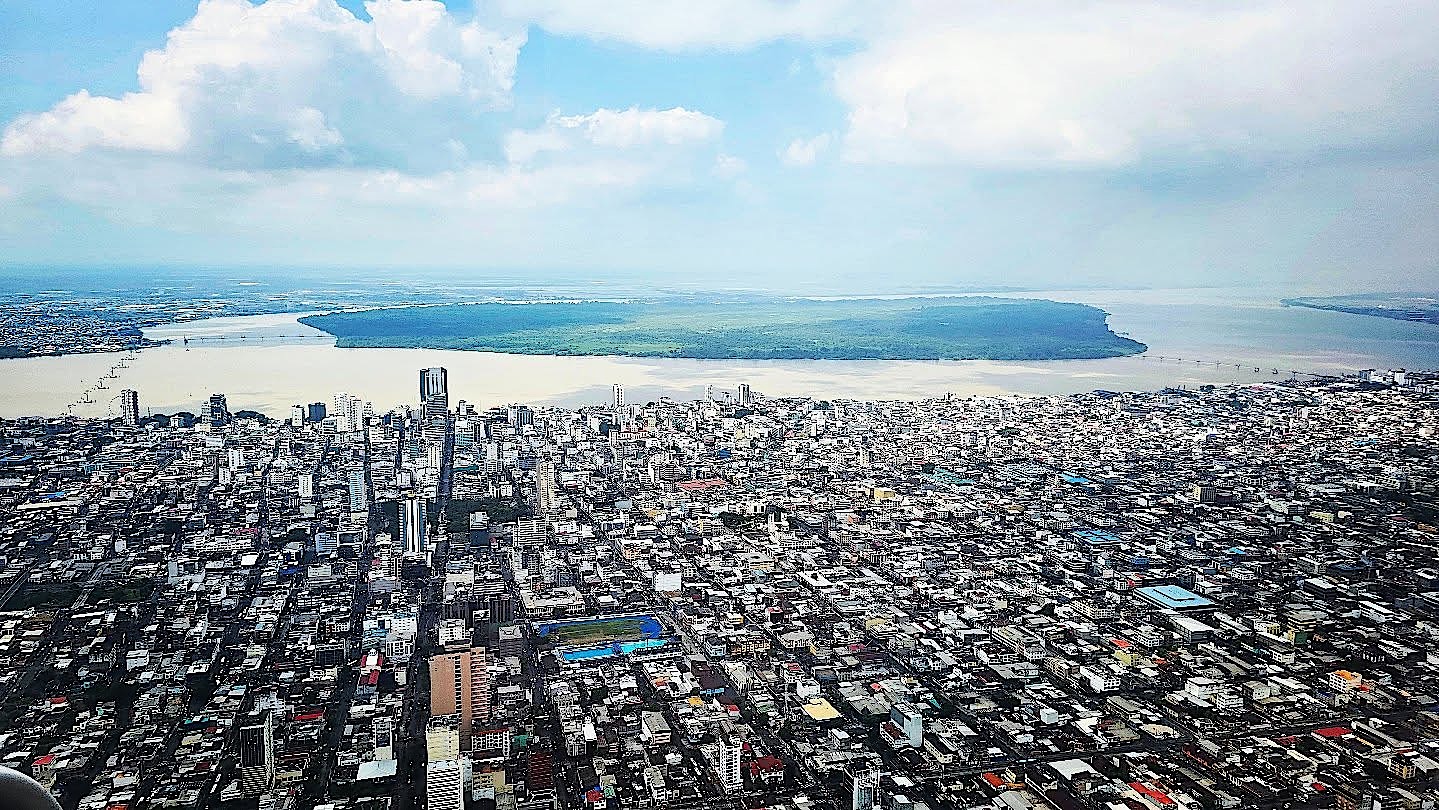
All flights to the Galápagos leave from mainland Ecuador, so I changed planes in Guayaquil, the first place I ever visited in Latin America, back in 2014. It was rough even then; a friend of mine was drugged with scopolamine after kissing a woman goodbye on the cheek. Since then gang violence linked to the cocaine trade through its port has made it one of the most dangerous cities on the planet, so this time I took no chances and stayed at the airport.
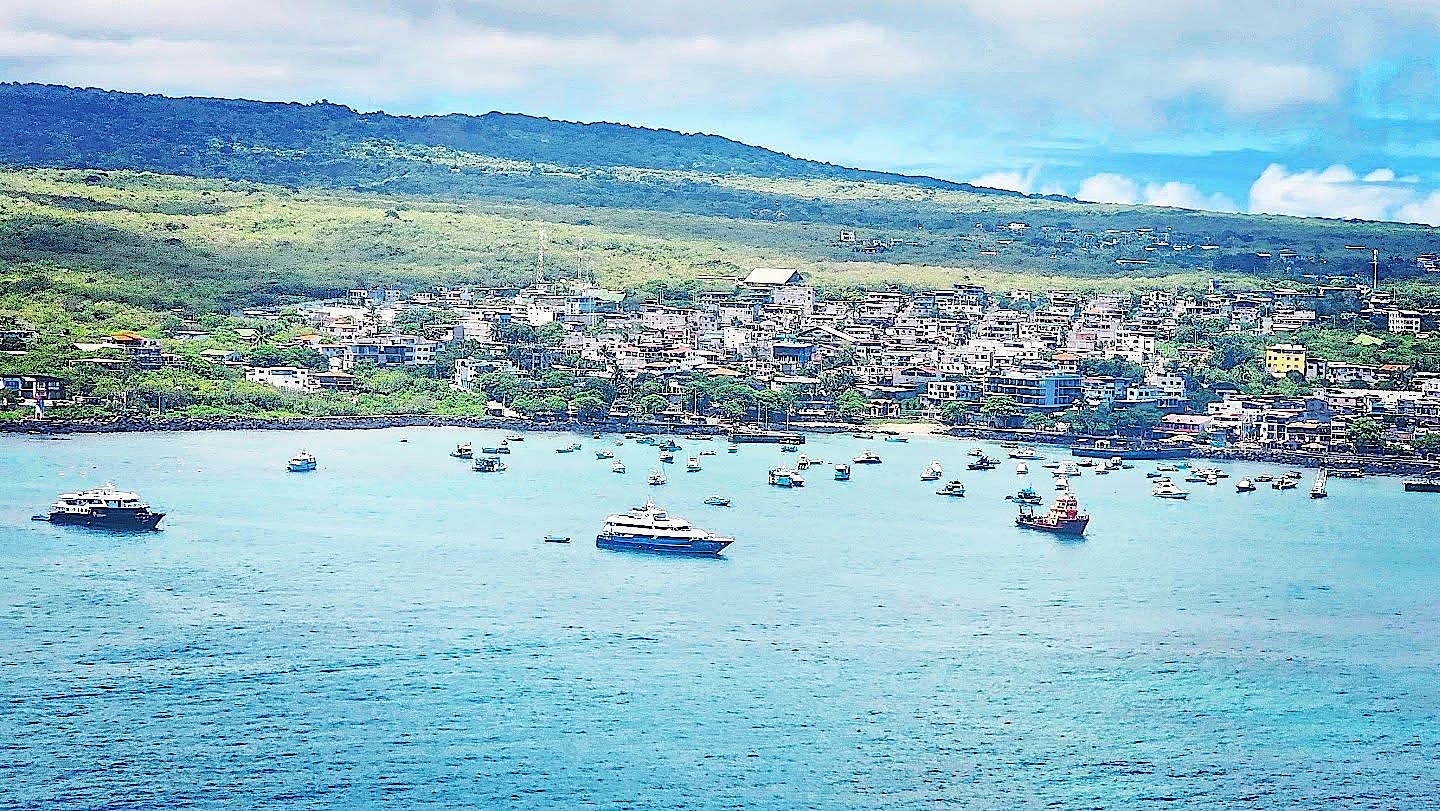
On San Cristóbal the liveaboard Calipso was already waiting in the bay of Puerto Baquerizo Moreno, with Kicker Rock on the horizon. It would be my home for a week: comfortable enough, and the Starlink was strong. Diving started at 6 am every morning.
Hammerheads at Mosquera and Wolf
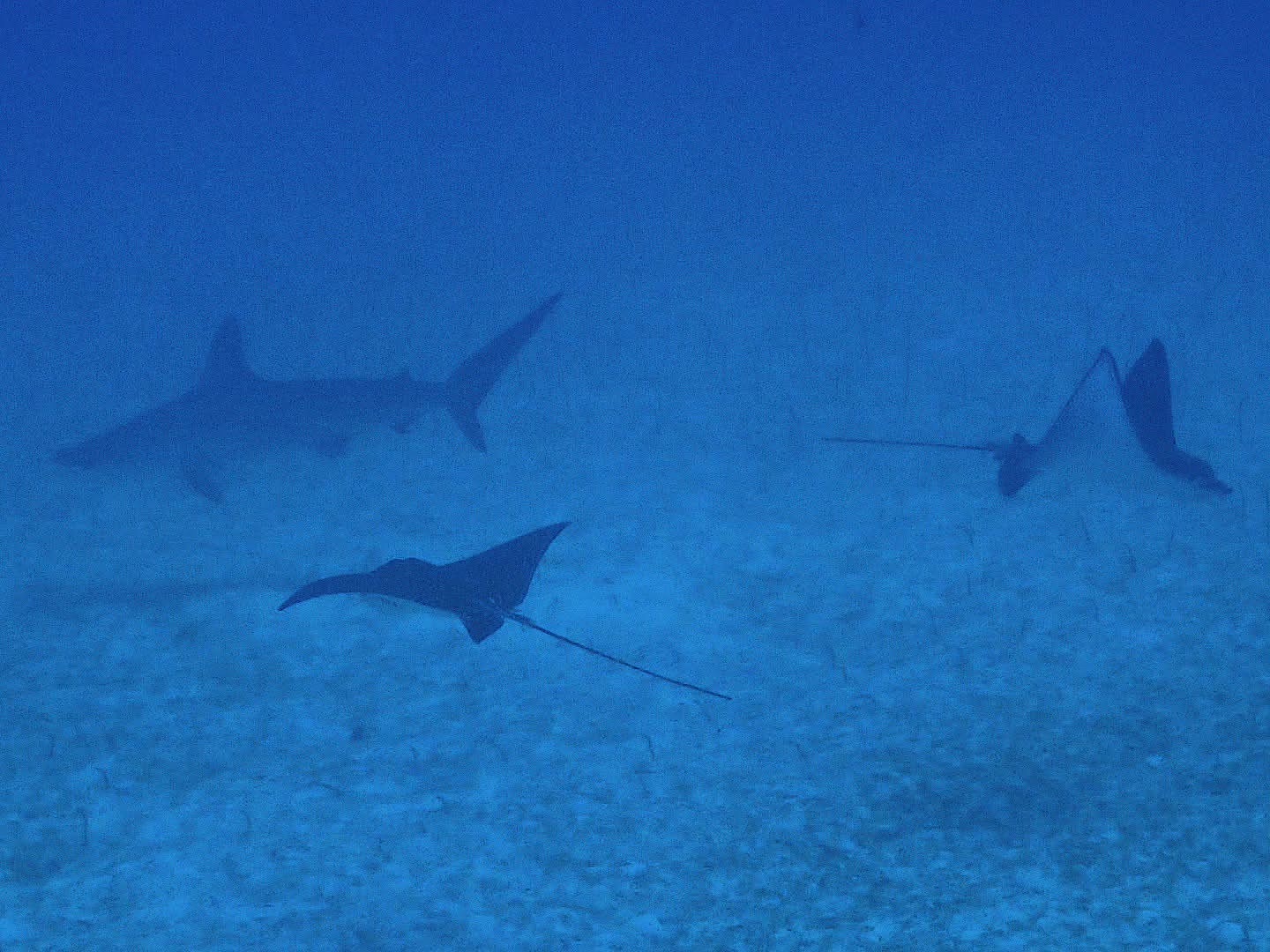
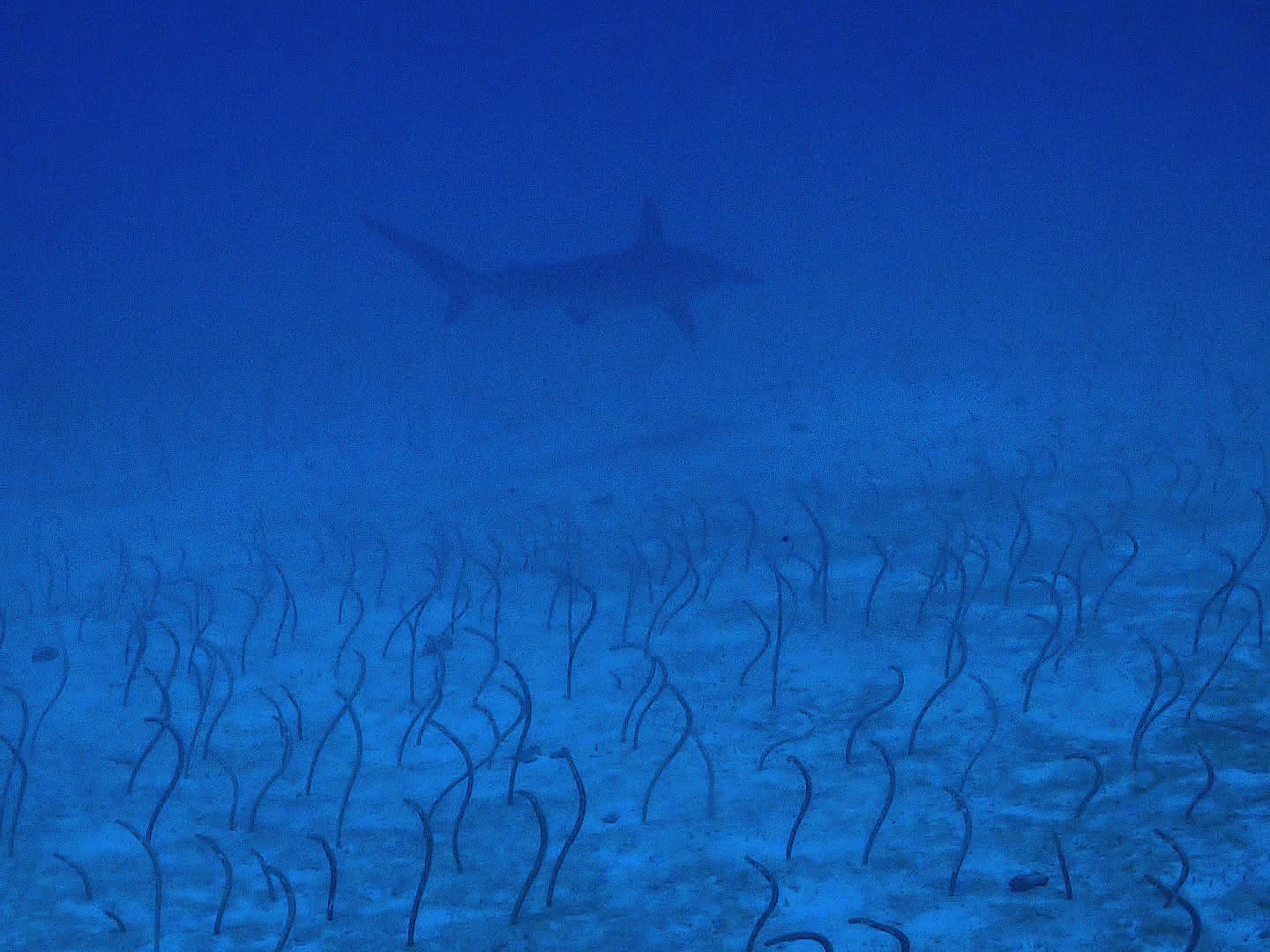
We started at Mosquera, a sandy islet between Baltra and North Seymour, where a shark patrolled above a field of garden eels and I saw my first hammerheads, one of them gliding past with a squadron of eagle rays. Golden rays kept us company during the safety stop. I was now shooting with a new fisheye lens bought in Miami, and the difference in quality underwater was huge.
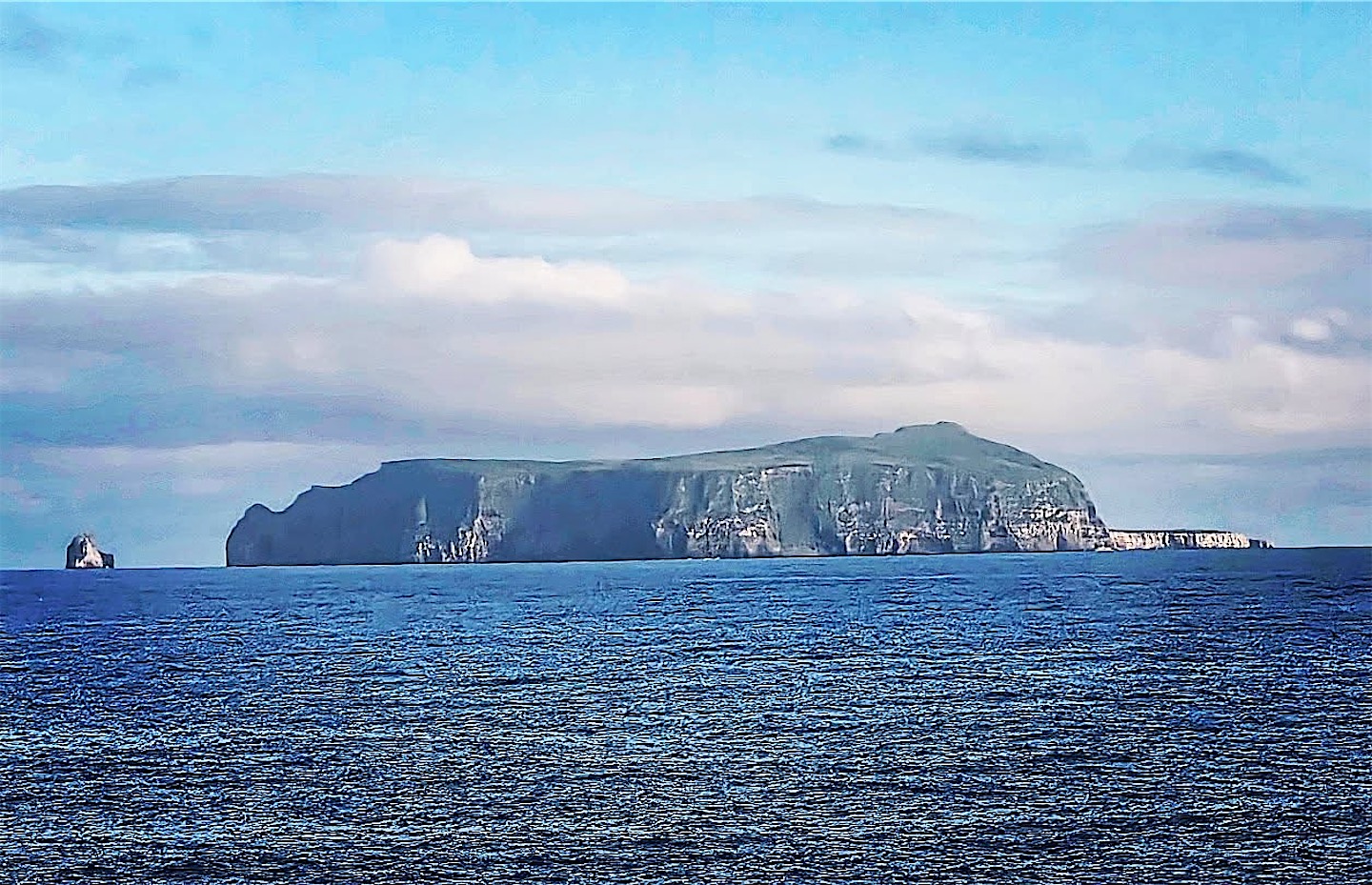
After the long crossing north, remote Wolf Island rose out of the ocean. Turtles, reef sharks and a close call with a beautiful hammerhead came first, then the Washing Machine, a site where the currents push you up, down and sideways unless you hold on to the rock for dear life. I was very glad of my gloves, and I survived it twice.
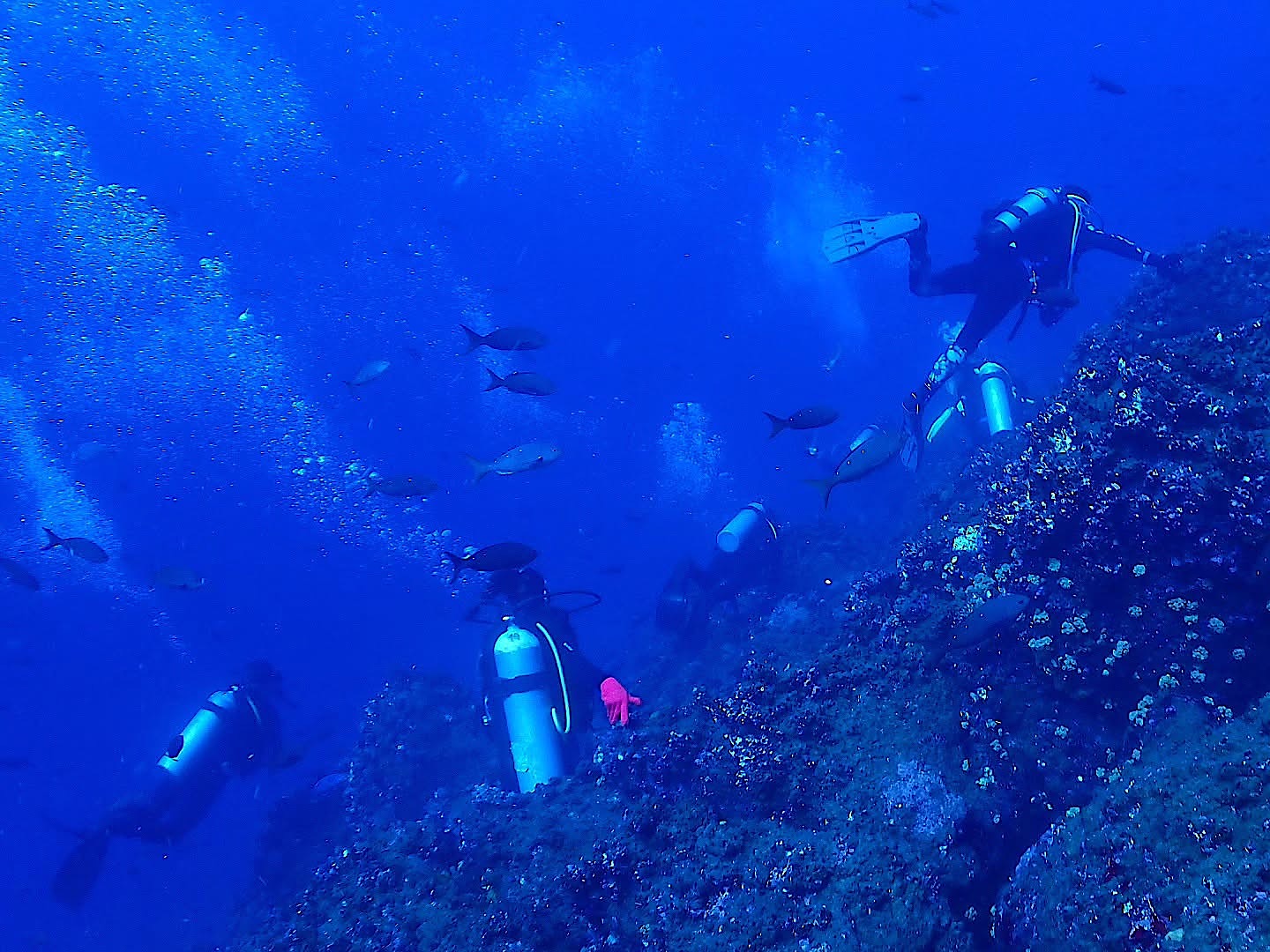
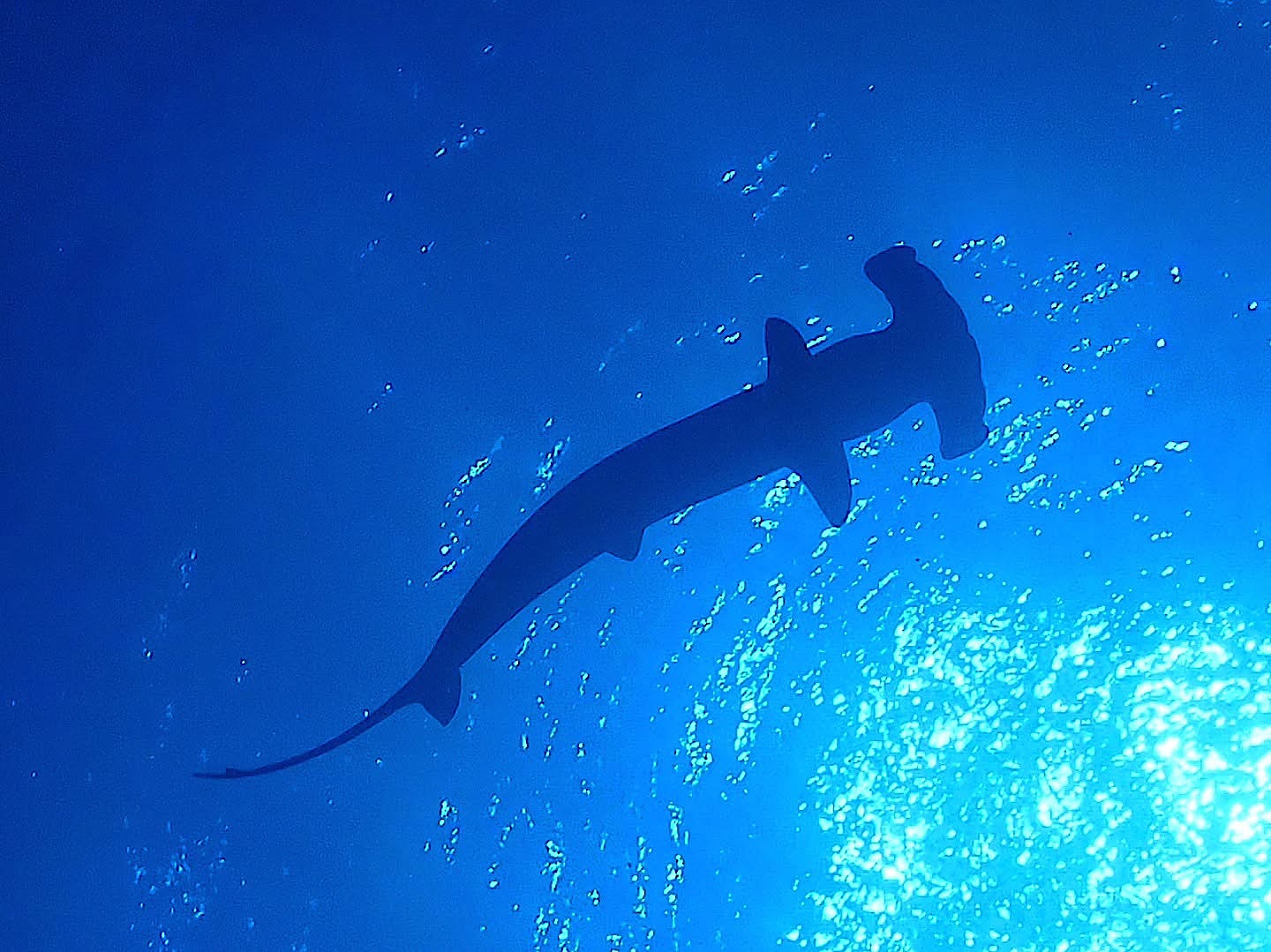
The reward was the famous wall of sharks: easily 30 or more hammerheads in one school, passing through the blue. They are best appreciated from below.
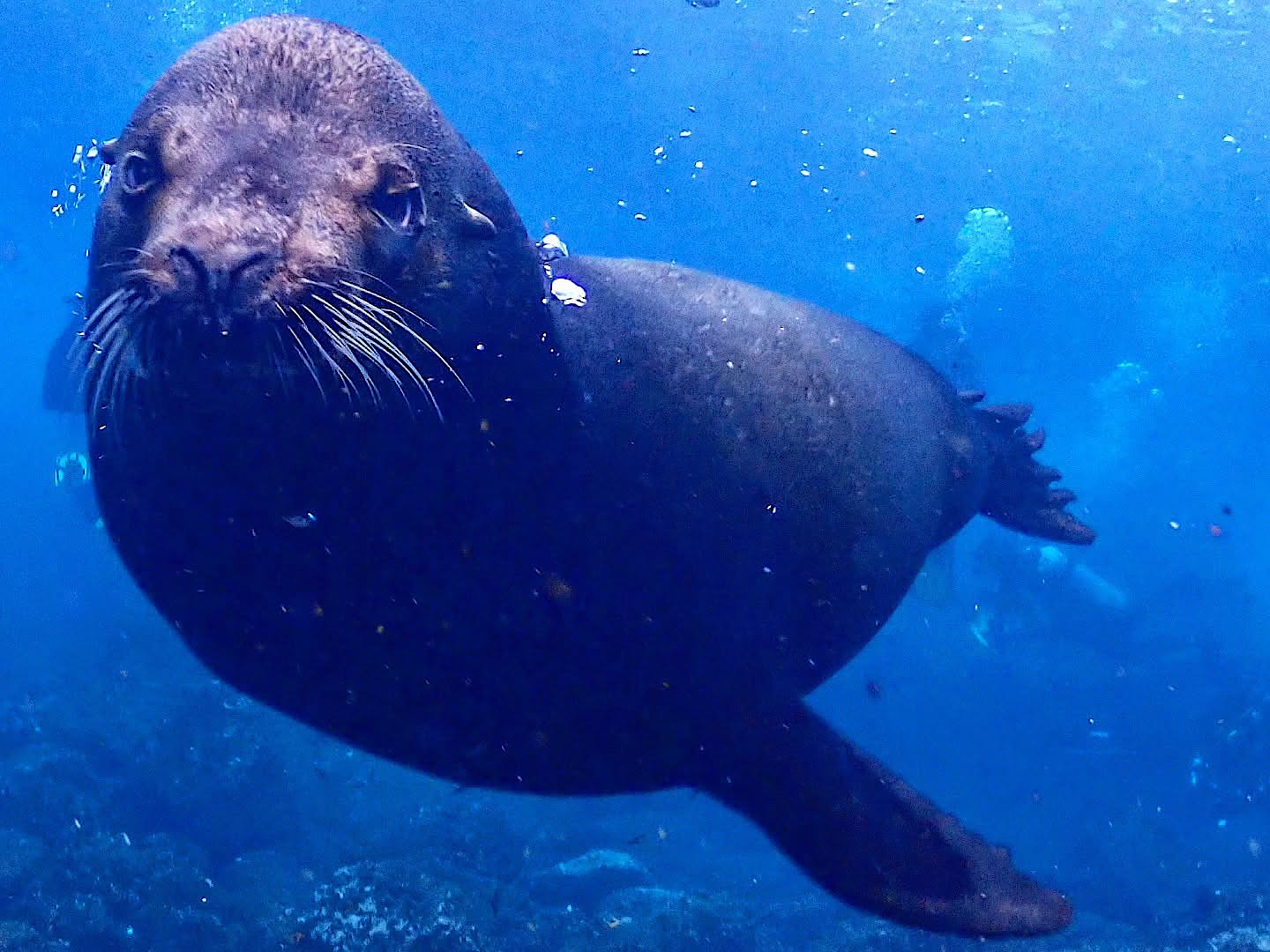
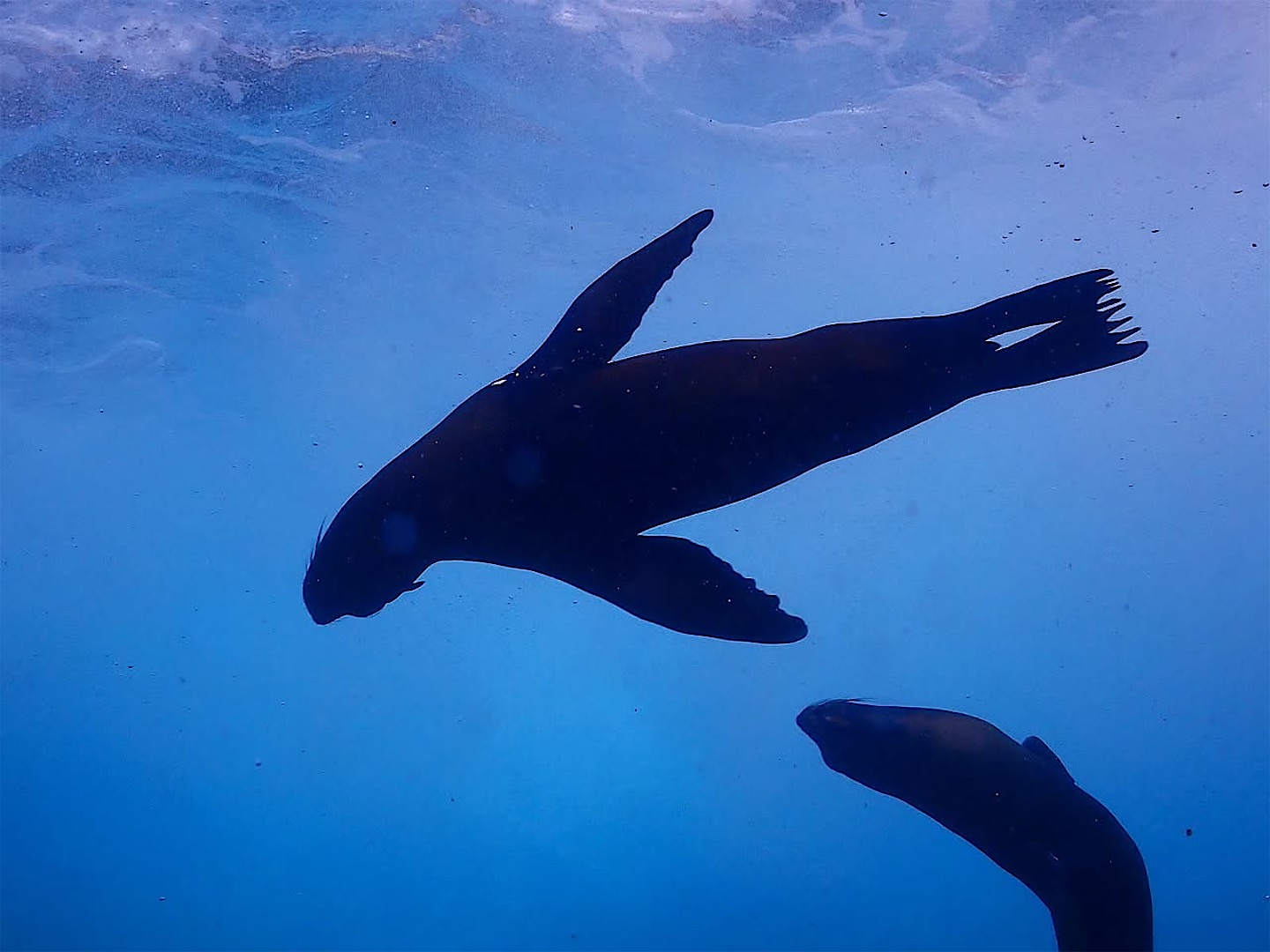
Between the shark dives there was time to play with Galápagos fur seals, the smallest of all eared seals and found nowhere else. They darted around us, stared straight into the camera and kept playing even at 25 metres. Up close, they can be quite scary.
Darwin's Pillars
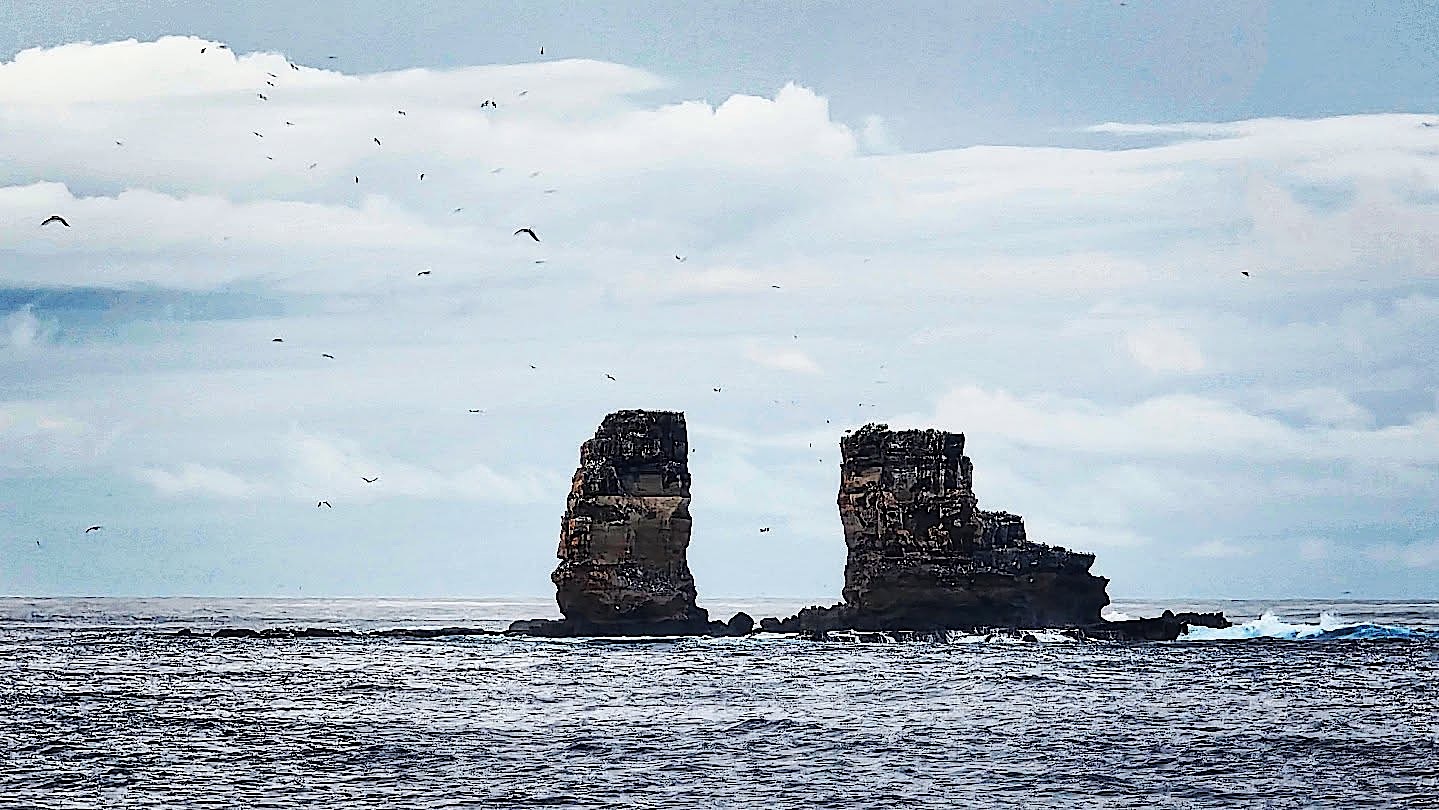
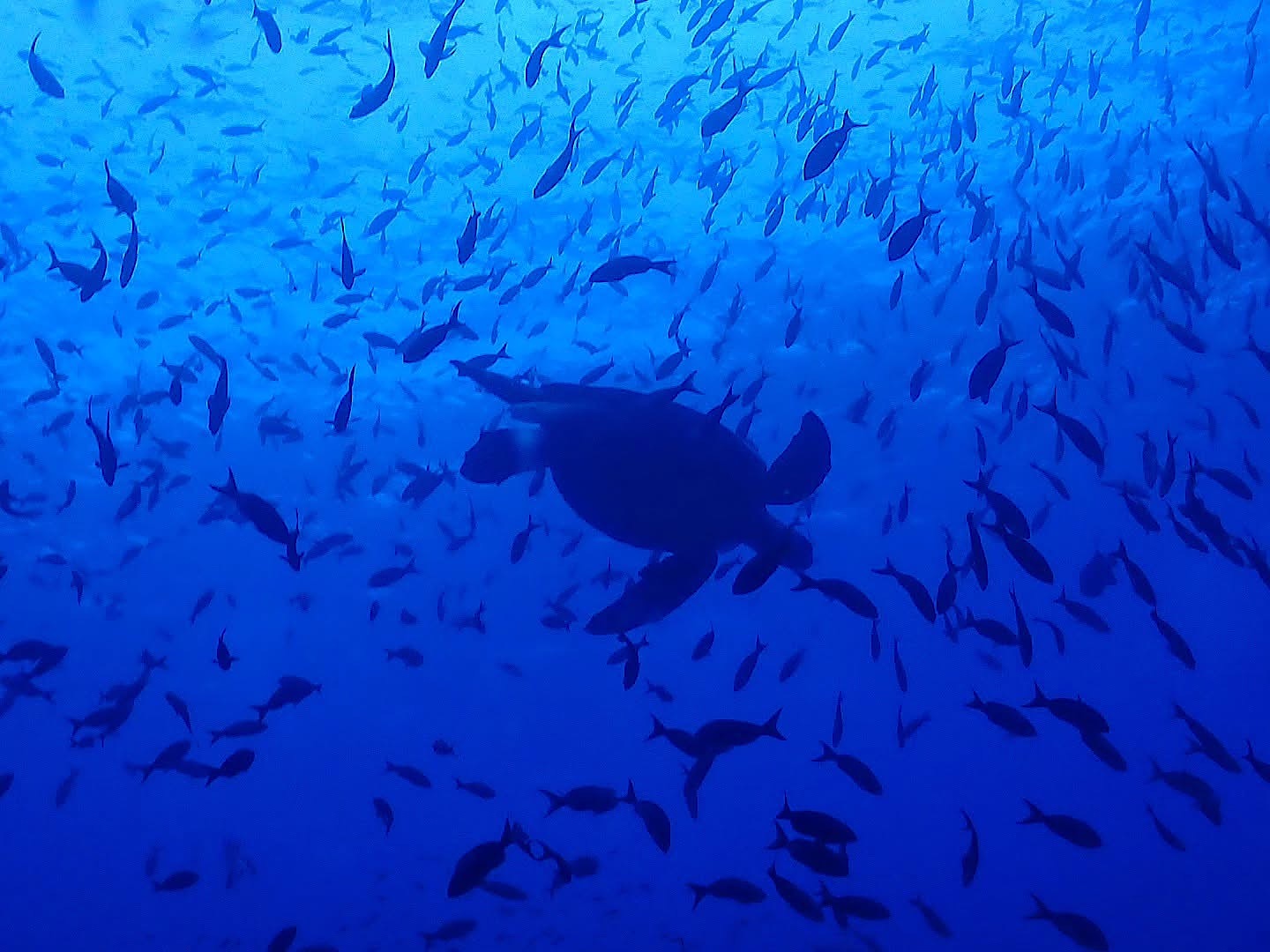
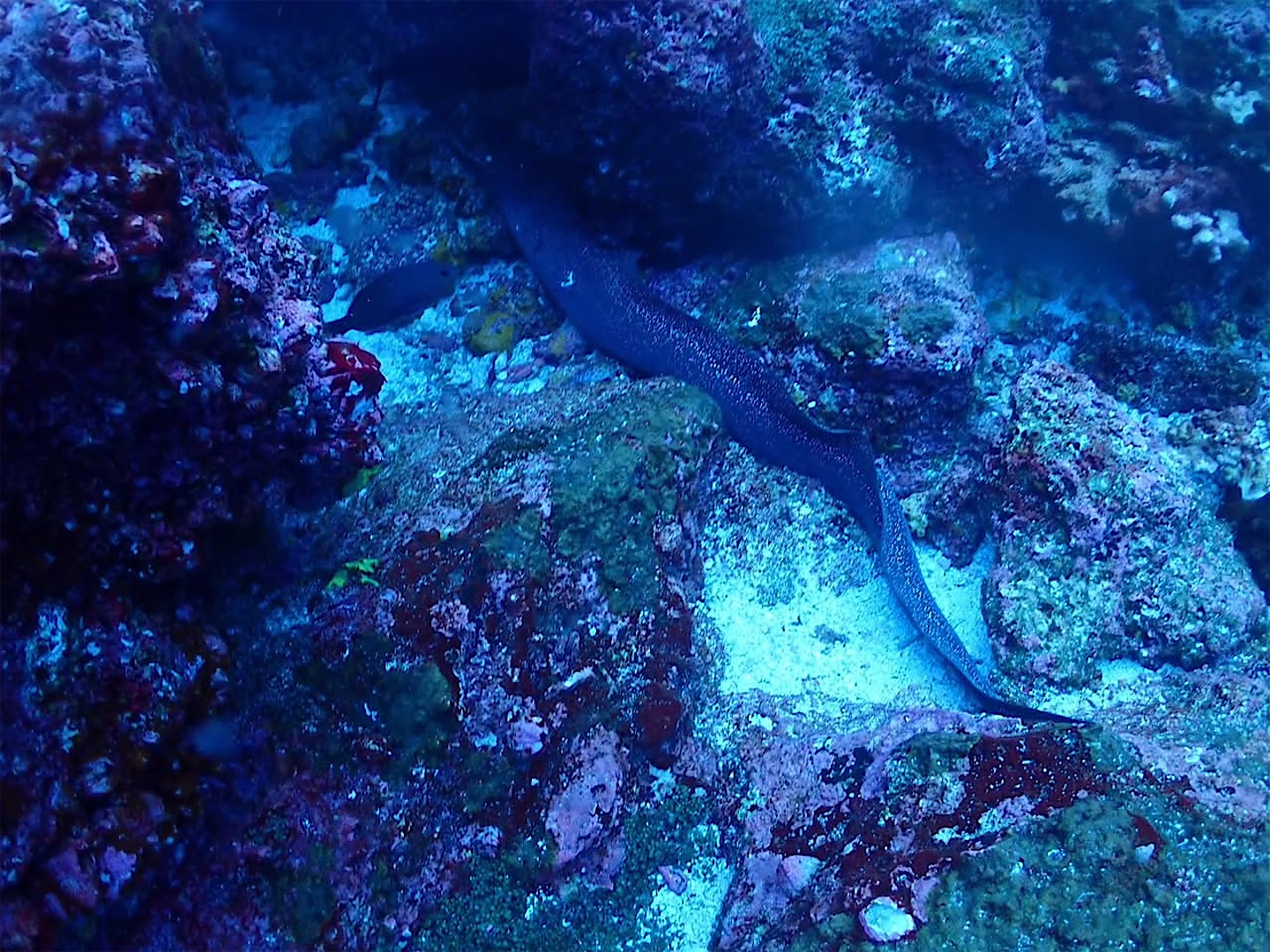
Darwin Island lies a short hop further north. Its famous arch has collapsed and is now Darwin's Pillars, but it remains one of the most spectacular dive sites on the planet. Over six dives we saw active moray eels, turtles in clouds of fish and sharks even in the shallows, but the greatest privilege was diving with dozens of dolphins in the open ocean. Then we returned to Wolf for two final dives.
The cold west and a last day on land
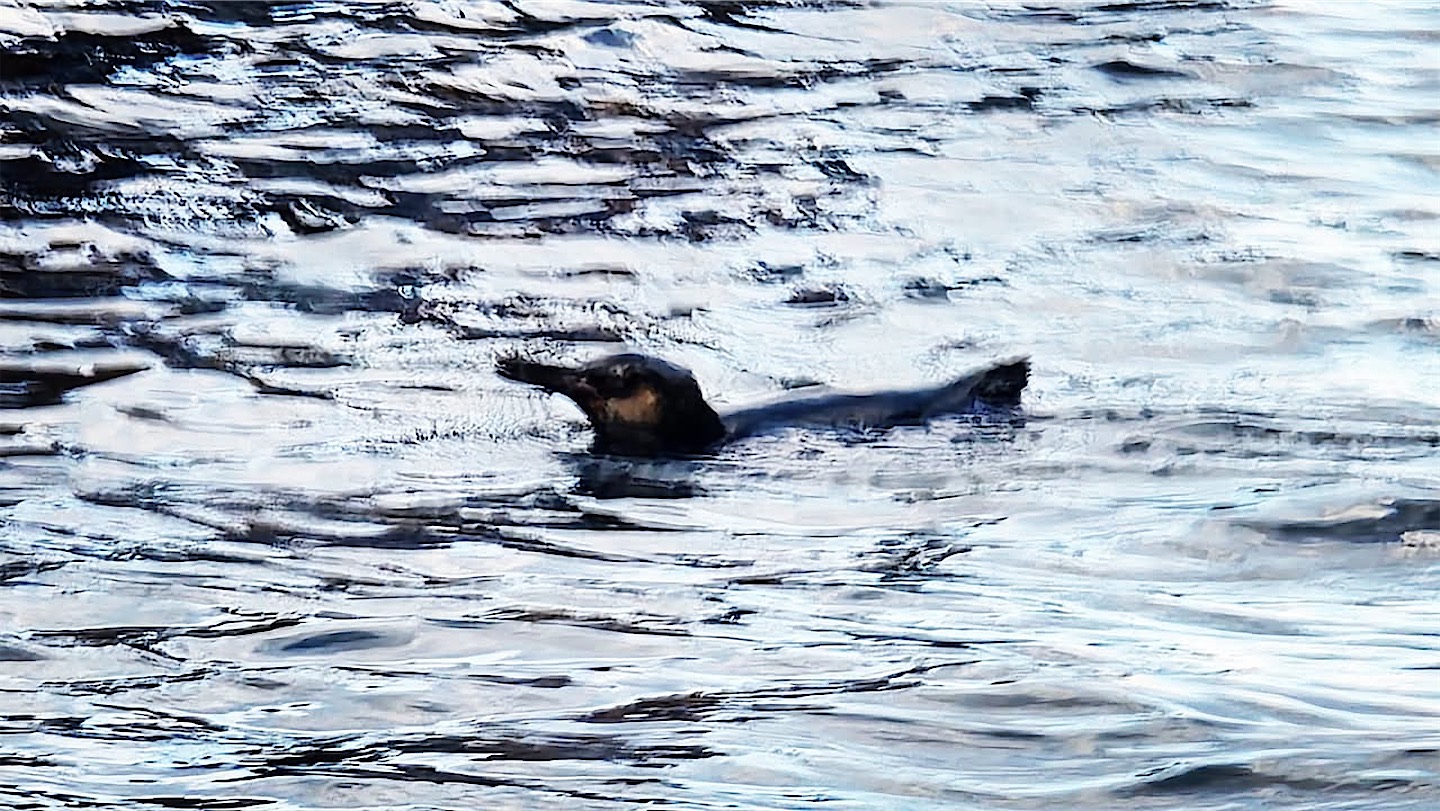
From Wolf we sailed south to Isabela and Fernandina, crossing the Equator on the way. It wasn't my first time, but it always feels special. The water in the west is much colder, and the highlight was shallow diving with the marine iguanas of Fernandina, the mini Godzillas of the Galápagos. Even more surprising: there are penguins on the Equator.
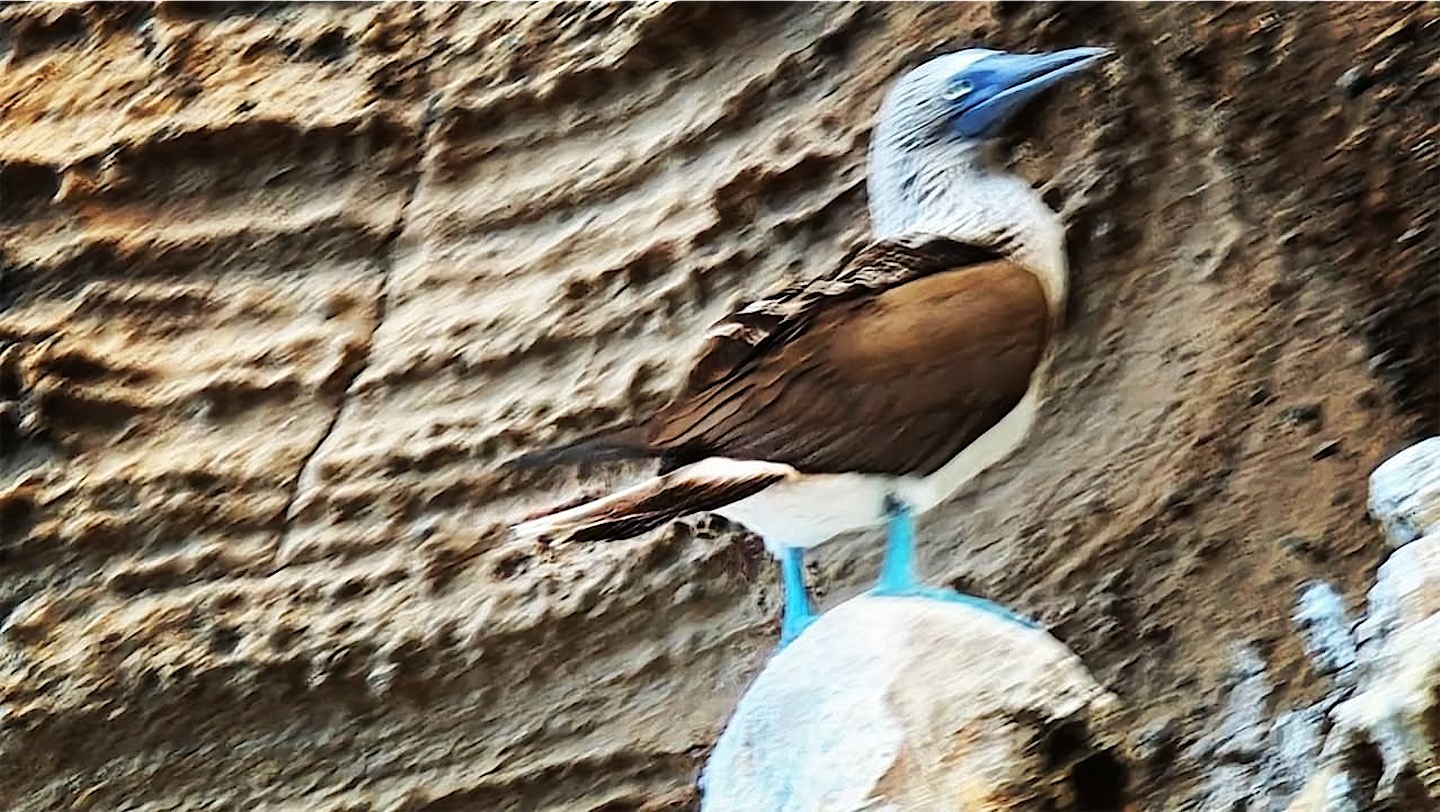
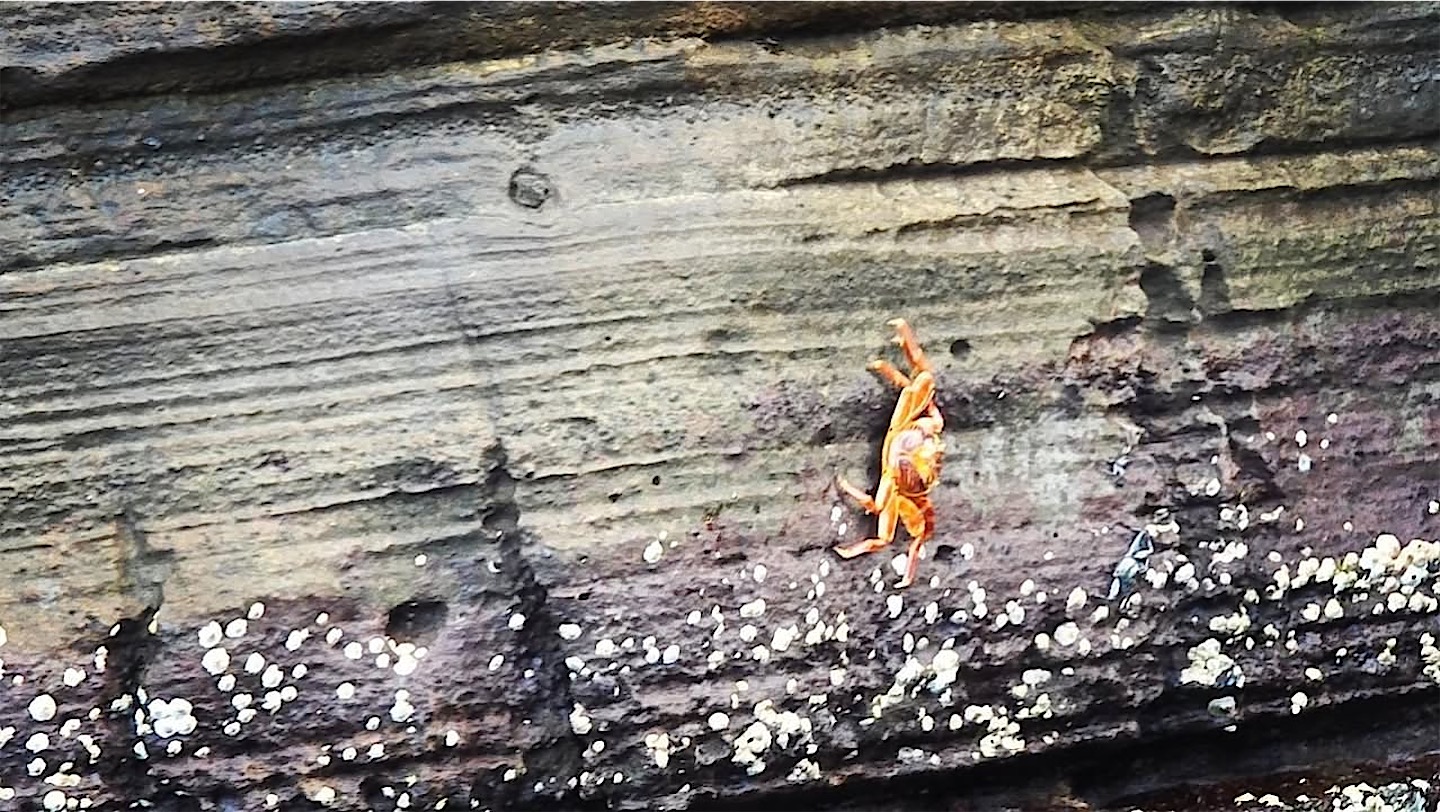
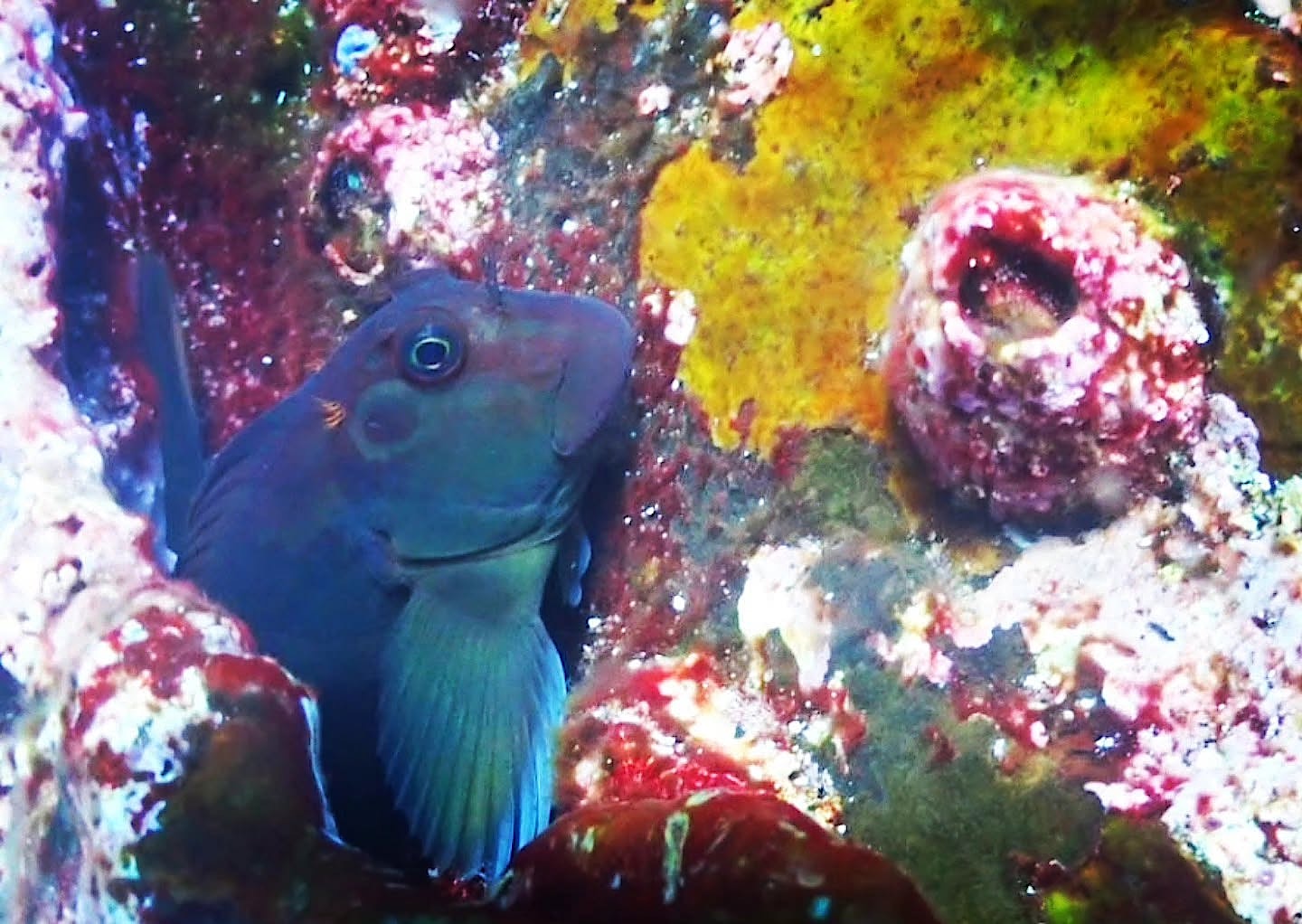
I could easily have stayed another week on the Calipso. Along the coast we saw blue-footed boobies on the cliffs and Sally Lightfoot crabs on the lava, though this is no beach destination; the beaches would come two weeks later on the Caribbean side. The most dangerous fish of the week was a small blenny, aptly called the sabretooth blenny, which bit my finger several times. Luckily I was wearing gloves.
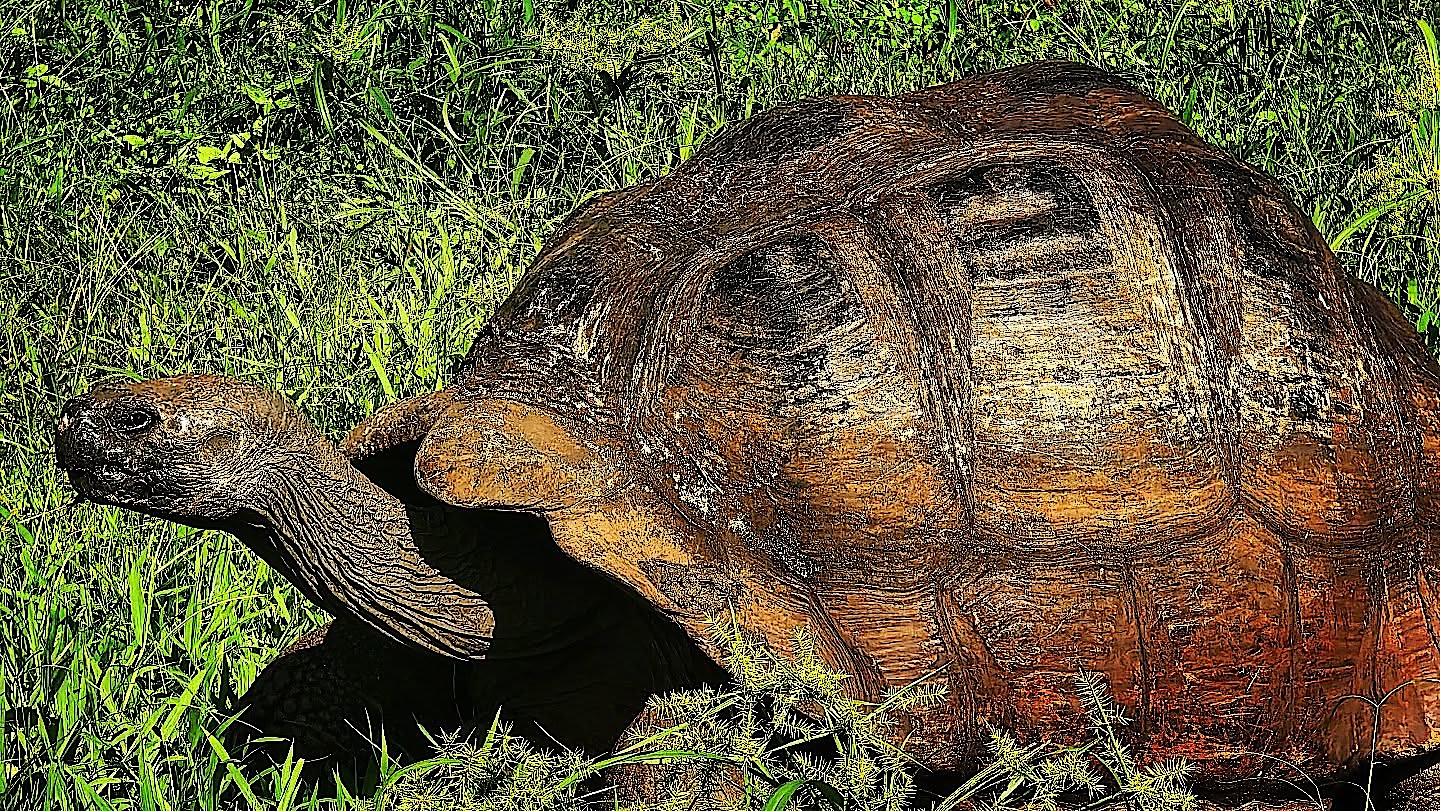
After a week on board I set foot on land again and, of course, visited the giant tortoises before flying out. They graze between the trees at the El Chato ranch in the green highlands of Santa Cruz, not far from the lava tunnels. A quick look at the two main towns, Puerto Ayora and Puerto Baquerizo Moreno, rounded off my third visit. The diving was over; the footage was not.
From the islands I flew on to Colombia for ten days, with my brother's wedding and a family sailing trip to San Blas ahead. But first came a little jungle adventure in remote Guainía near the Venezuelan border. That story continues in Inírida and Cartagena.