
Granite Domes and a Caribbean Wedding: From Inírida and the Cerros de Mavecure to Cartagena
15–26 May 2026 · Bogotá, Inírida, Cerros de Mavecure, Cartagena, Islas del Rosario · Region: Colombia (Guainía, Bolívar)
After a week of diving with sharks and sea lions in the Galápagos (that story is in Florida and the Galápagos), I flew on to Colombia for ten days. My brother was getting married in Cartagena, and afterwards the family would sail our catamaran SY Staatenlos to San Blas and Panama. But first I wanted a short jungle adventure: the Cerros de Mavecure in Guainía, a remote department on the Venezuelan border that was still missing from my Colombia list.
Into Guainía
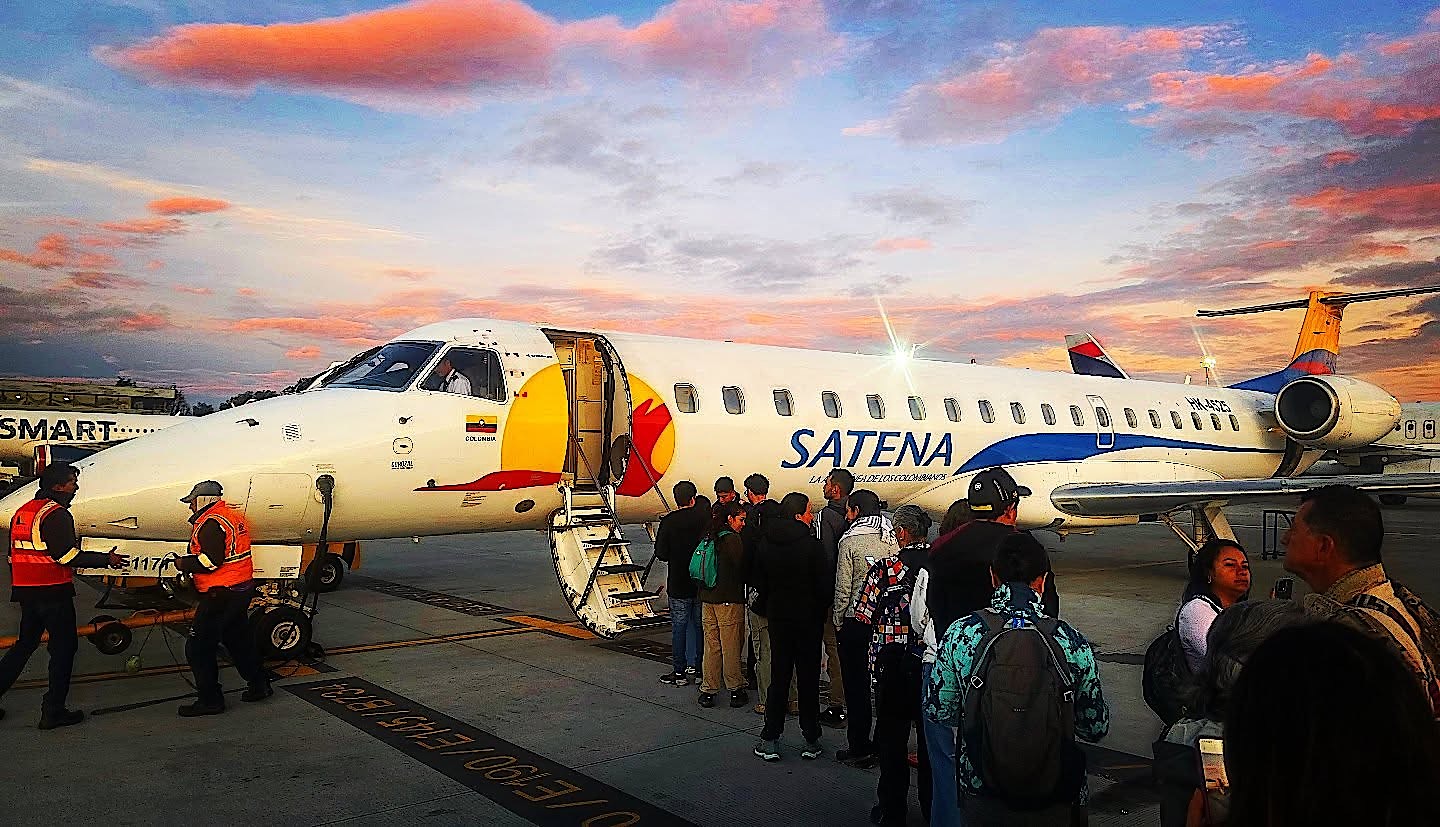
On 15 May I left Bogotá on an early Satena flight into the rainforest. The state regional airline flies to Inírida twice a day in about 90 minutes. There is no road linking Guainía with the rest of Colombia, transport is mostly by boat, and the nearest inland harbour with a road connection is around ten days away by river.
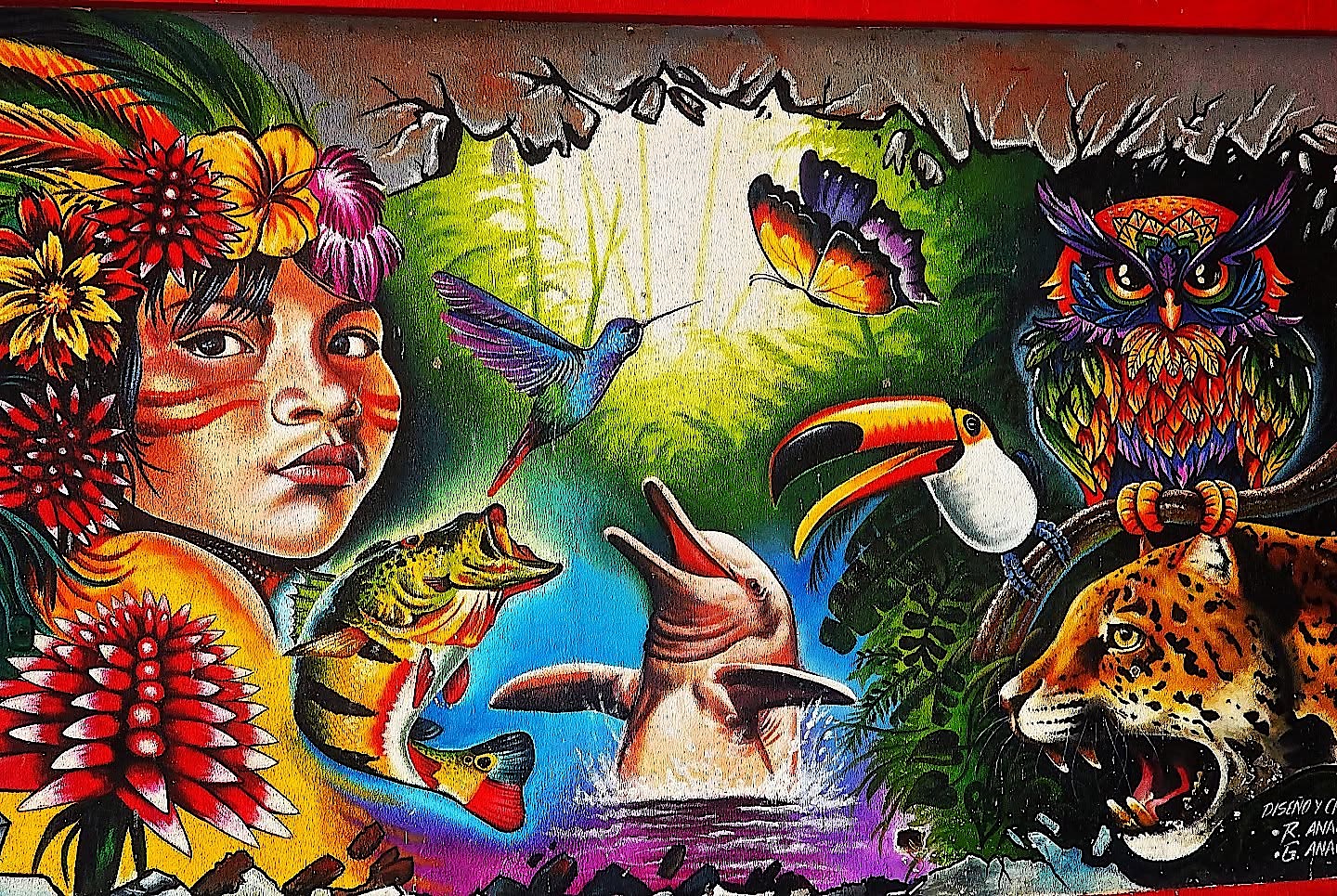
A mural in Inírida, a small river town, shows what the region is proud of: the red flower that shares the town's name, pink river dolphins, peacock bass, toucans and jaguars.
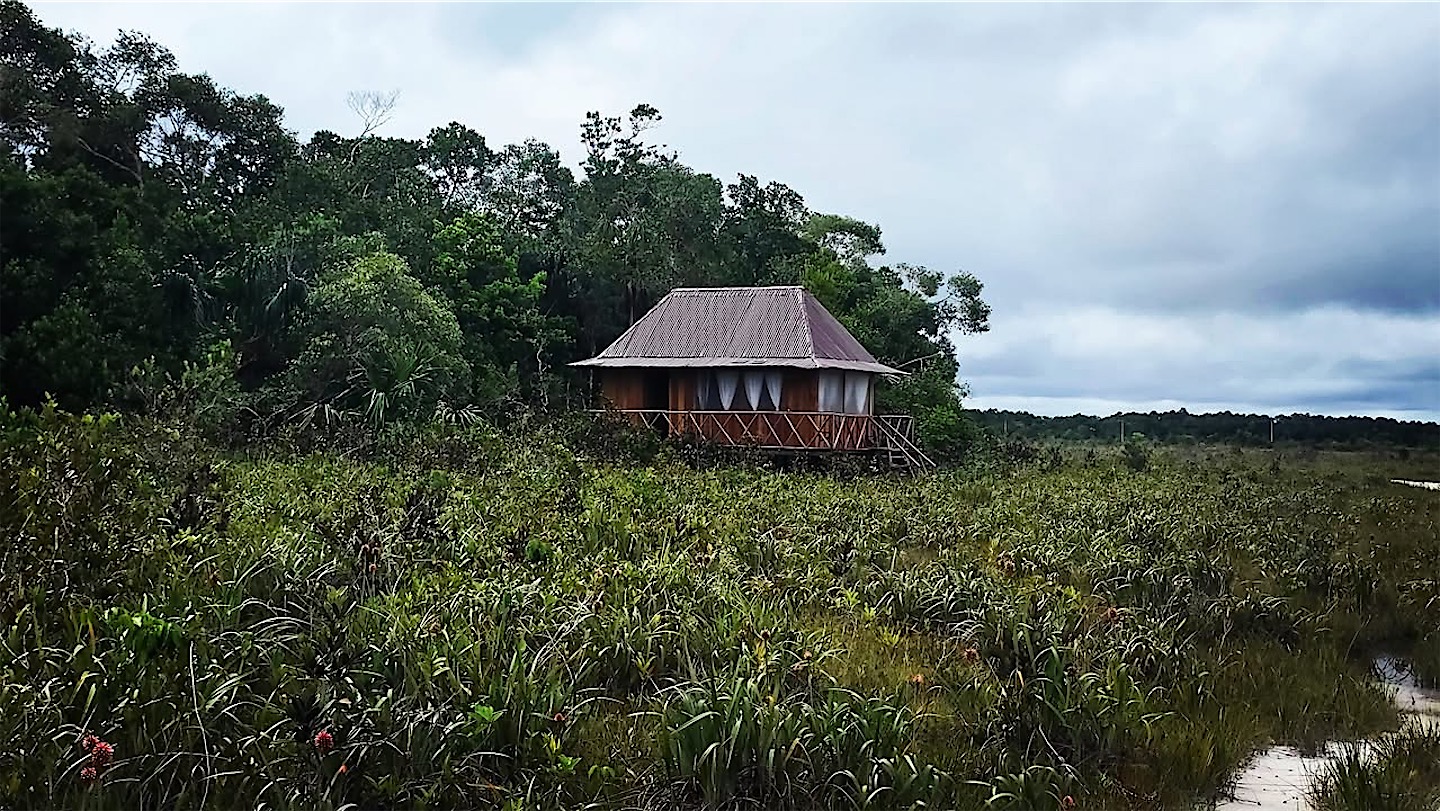
A hut at the Kenke eco-park
After a week on a liveaboard, this was a real change of habitat: a wooden hut without running water or electricity at the Kenke eco-park, a sanctuary of the Flor de Inírida deep in the forest near the Venezuelan border. The red flowers that give it its name grow right in front of the hut.
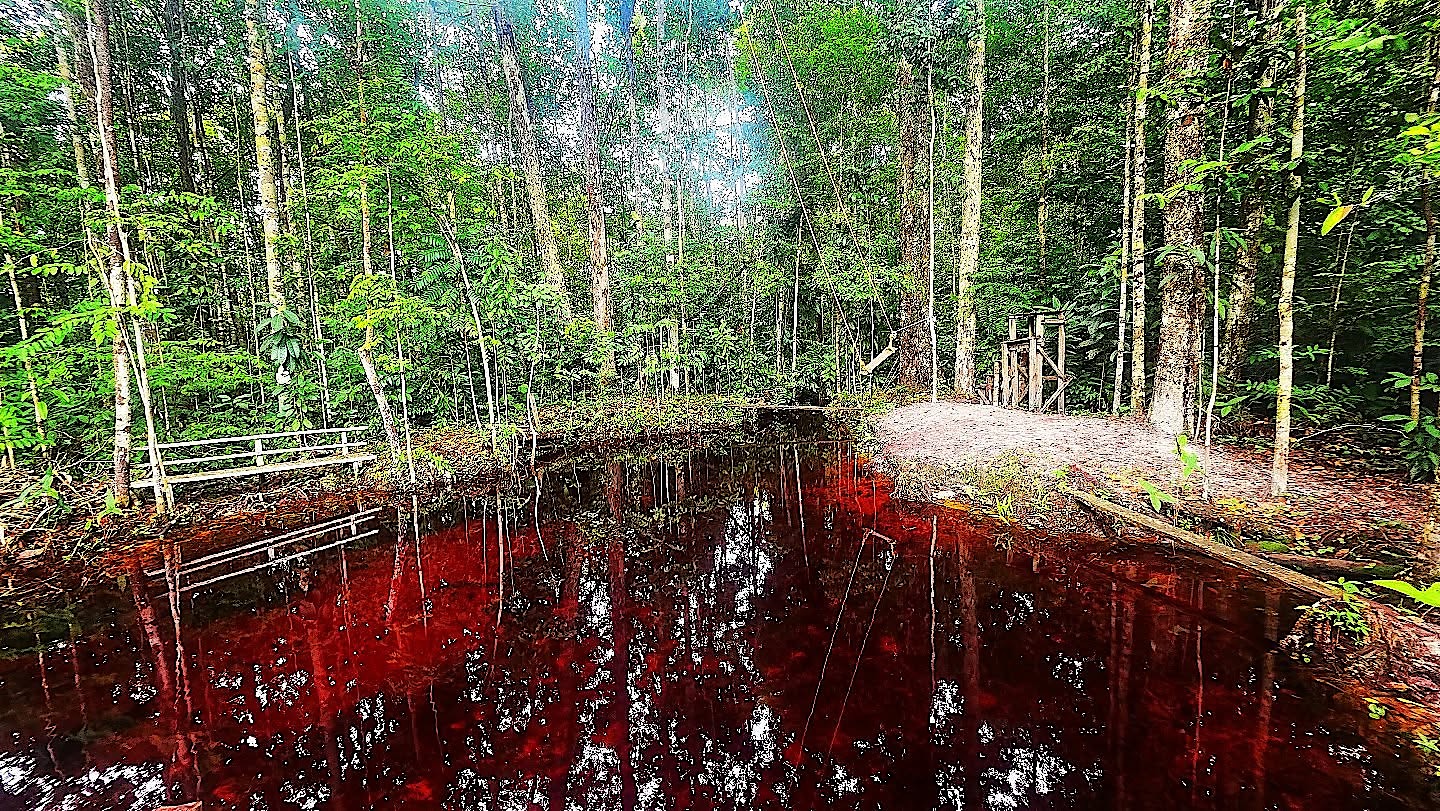
A pool of almost blood-red blackwater in the forest made a fine swimming spot, piranhas or not. I also practised with a blowpipe and ate cassava in what felt like dozens of forms, from flat casabe bread to coarse manioc flakes.
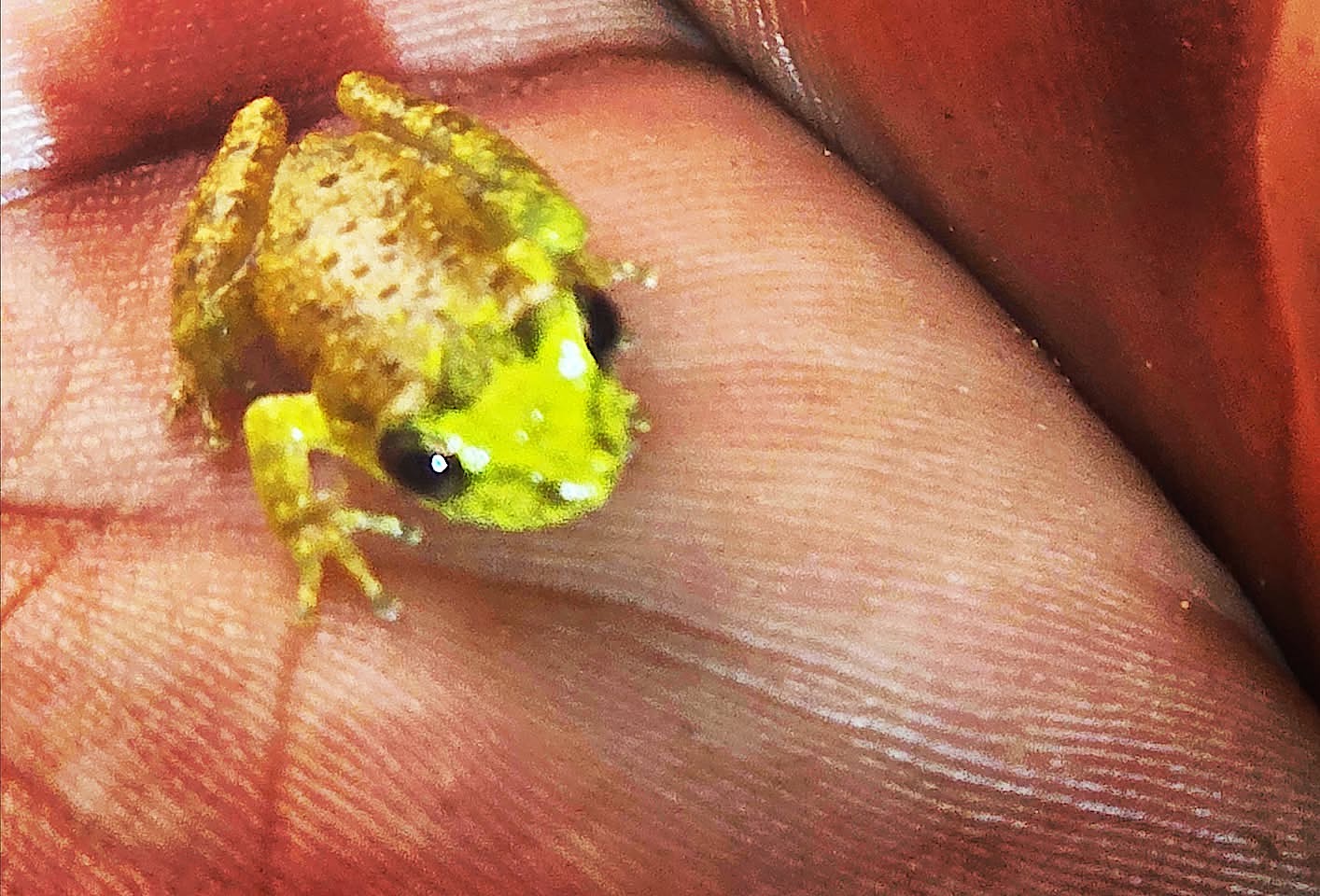
At night I went herping, one of my favourite travel hobbies: searching habitats like the jungle after dark for snakes, frogs and other small animals. My rule of thumb: the more a place would horrify my wife, the more I enjoy it. We didn't find any snakes, but we did find poisonous frogs and some impressive spiders.
Where the rivers meet
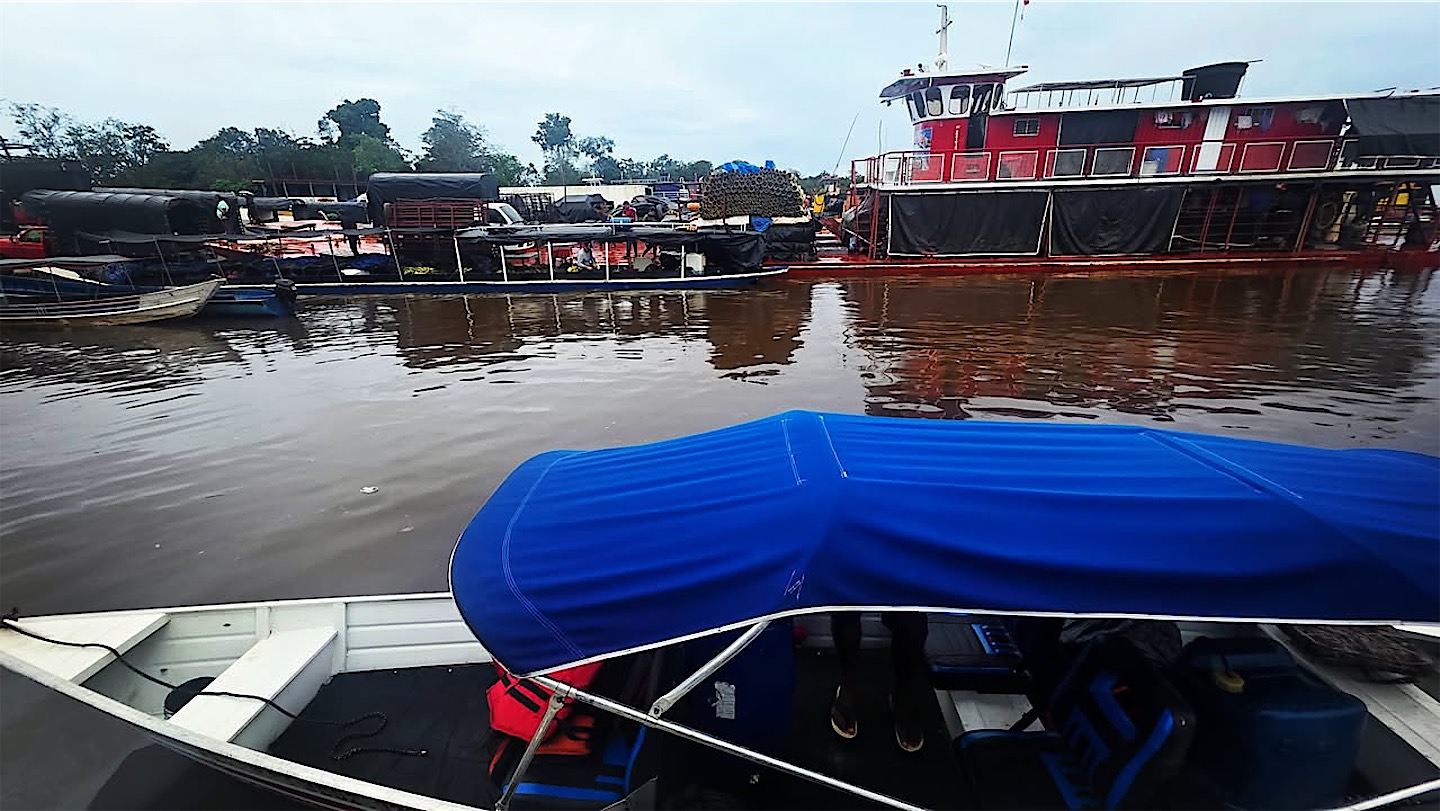
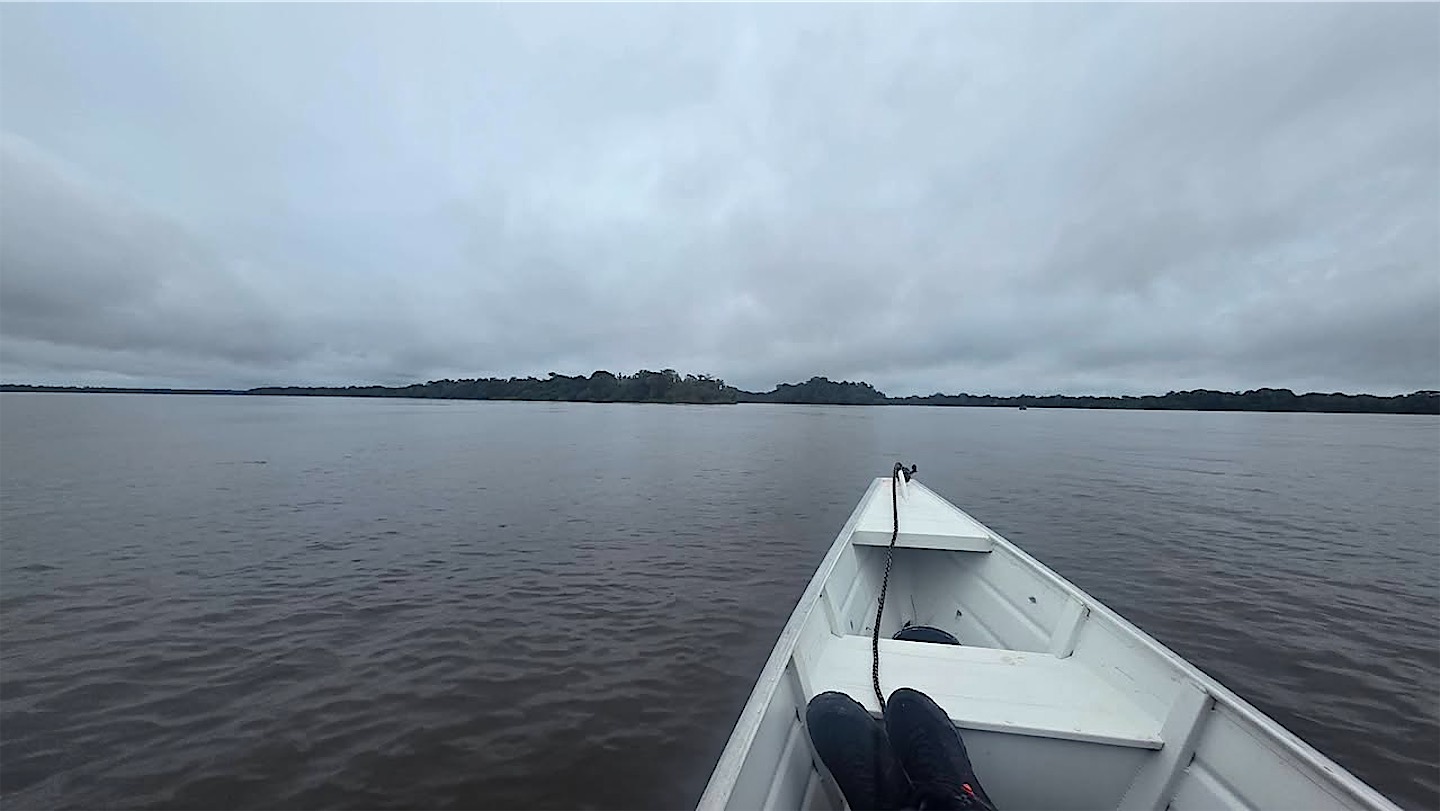
From Inírida we set off by boat, without internet for a while, towards the confluence of the Guaviare with the mighty Orinoco. On the wide water my phone's map put me right on the border, opposite the Venezuelan town of San Fernando de Atabapo, so for a moment it looked as if I was in Venezuela. Pink river dolphins showed up more than once, as if just for me.
Climbing Cerro Mavecure
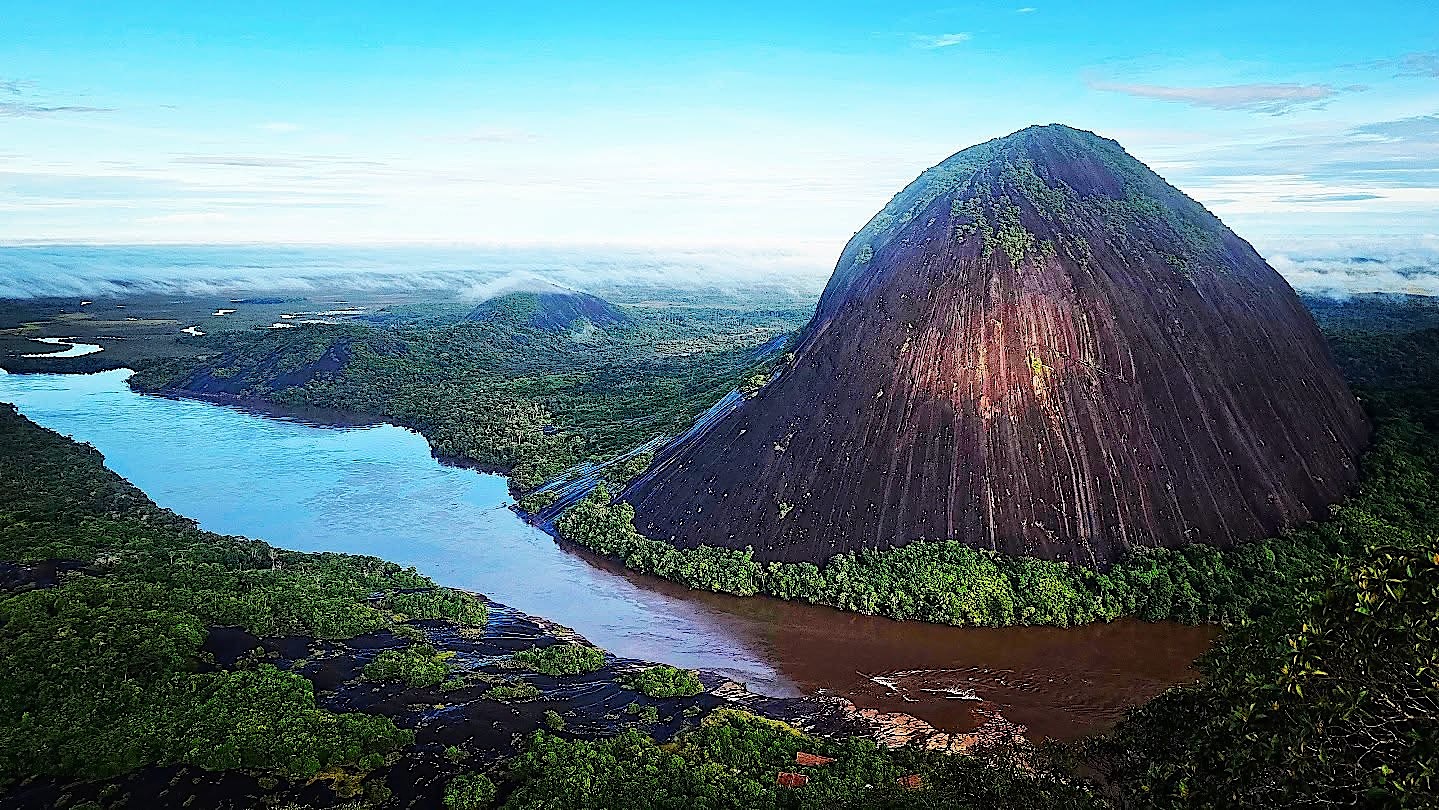
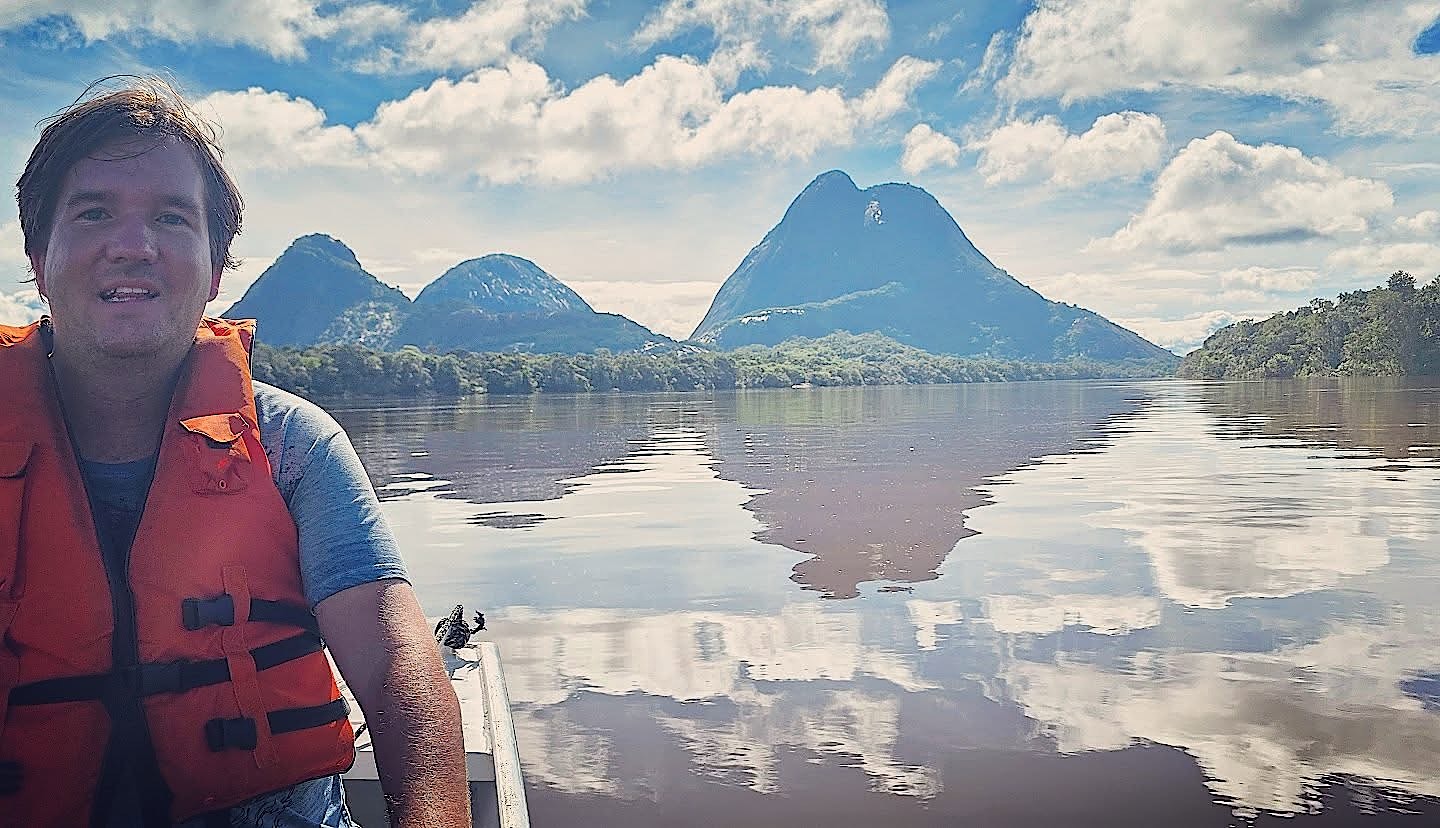
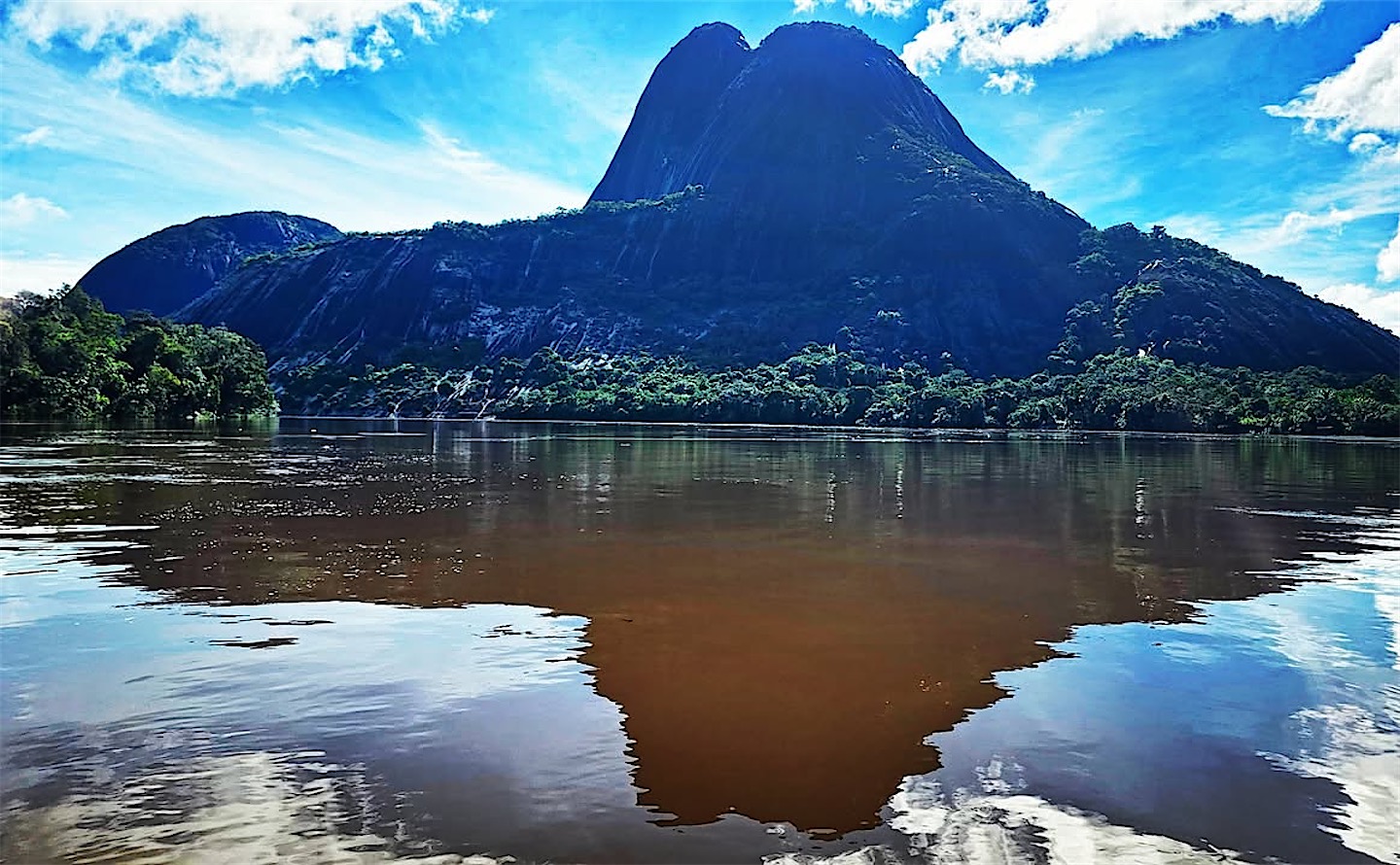
The base camp for the Cerros de Mavecure is about a three-hour boat ride up the Río Inírida from town. The hills rise abruptly out of the flat forest, bare domes of dark rock reflected in the water. It is a magical place, and I could feel its energy. A sign at the camp warned of vampire bats and rabies, which made the malaria mosquitoes seem harmless by comparison.
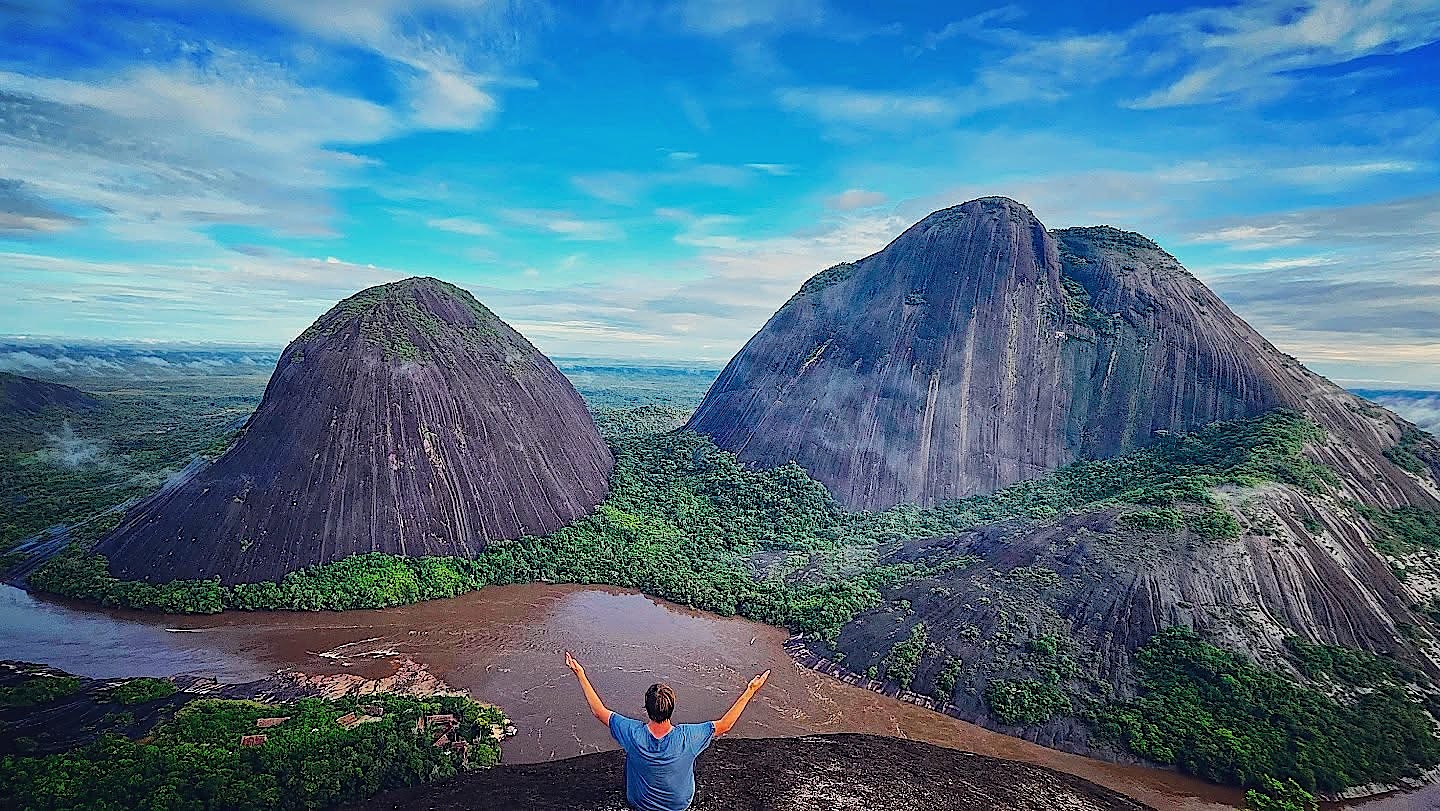
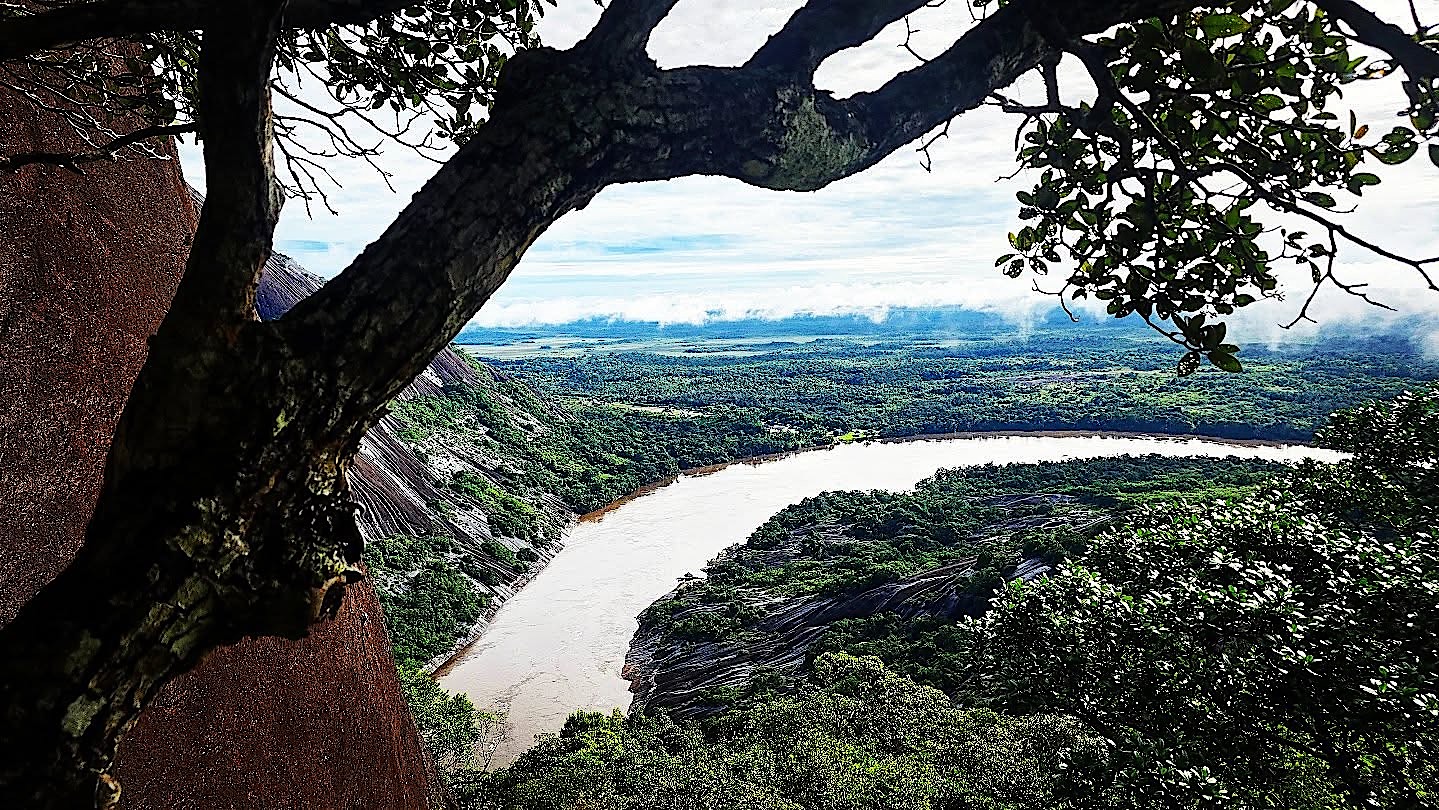
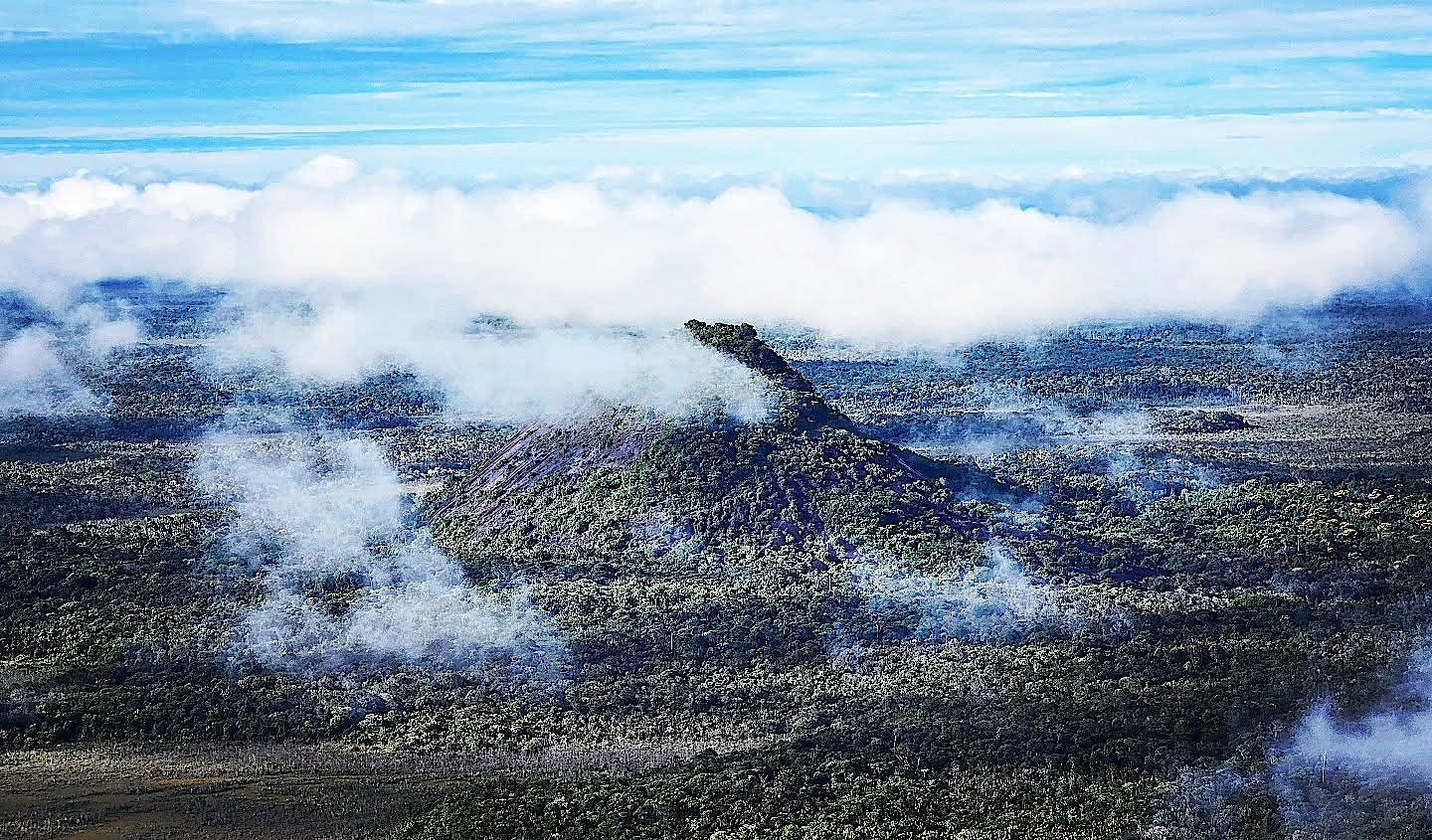
Of the three hills, only Cerro Mavecure can be climbed without professional gear. The route isn't technically difficult, but it is steep, with ropes and ladders, and takes around 90 minutes up and down. It wasn't the most tiring hike of recent years, but it was definitely the sweatiest. From the summit, high above the river, Cerro Mono rises to the left and Cerro Pajarito to the right.
Petroglyphs and river villages
We also visited granite boulders carved with indigenous petroglyphs said to be around 10,000 years old, and passed small indigenous villages on the way back to Inírida.
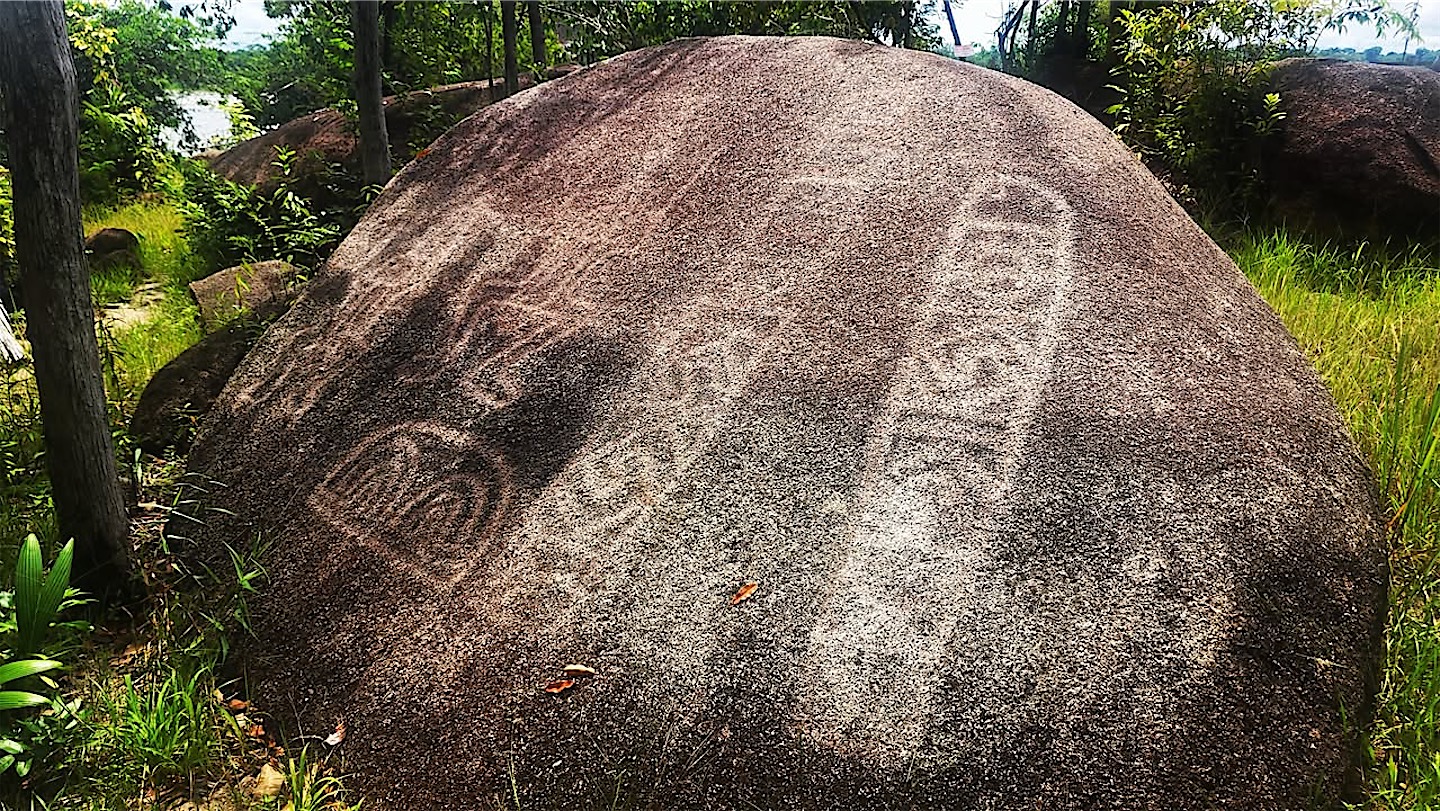
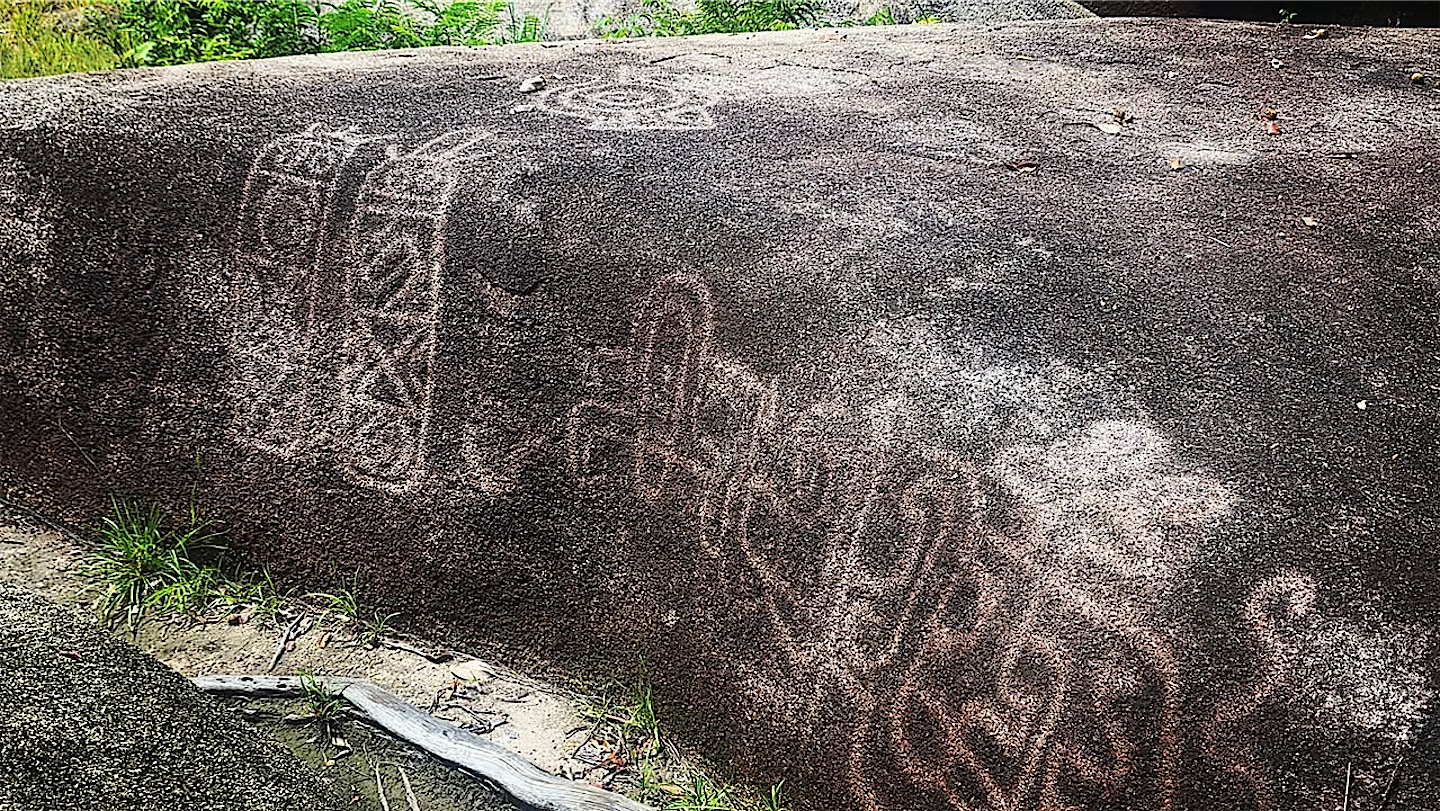
It is a beautiful part of Colombia, and despite the jungle and the nearby border it felt very safe. There is plenty more of this country still on my list.
Back aboard in Cartagena
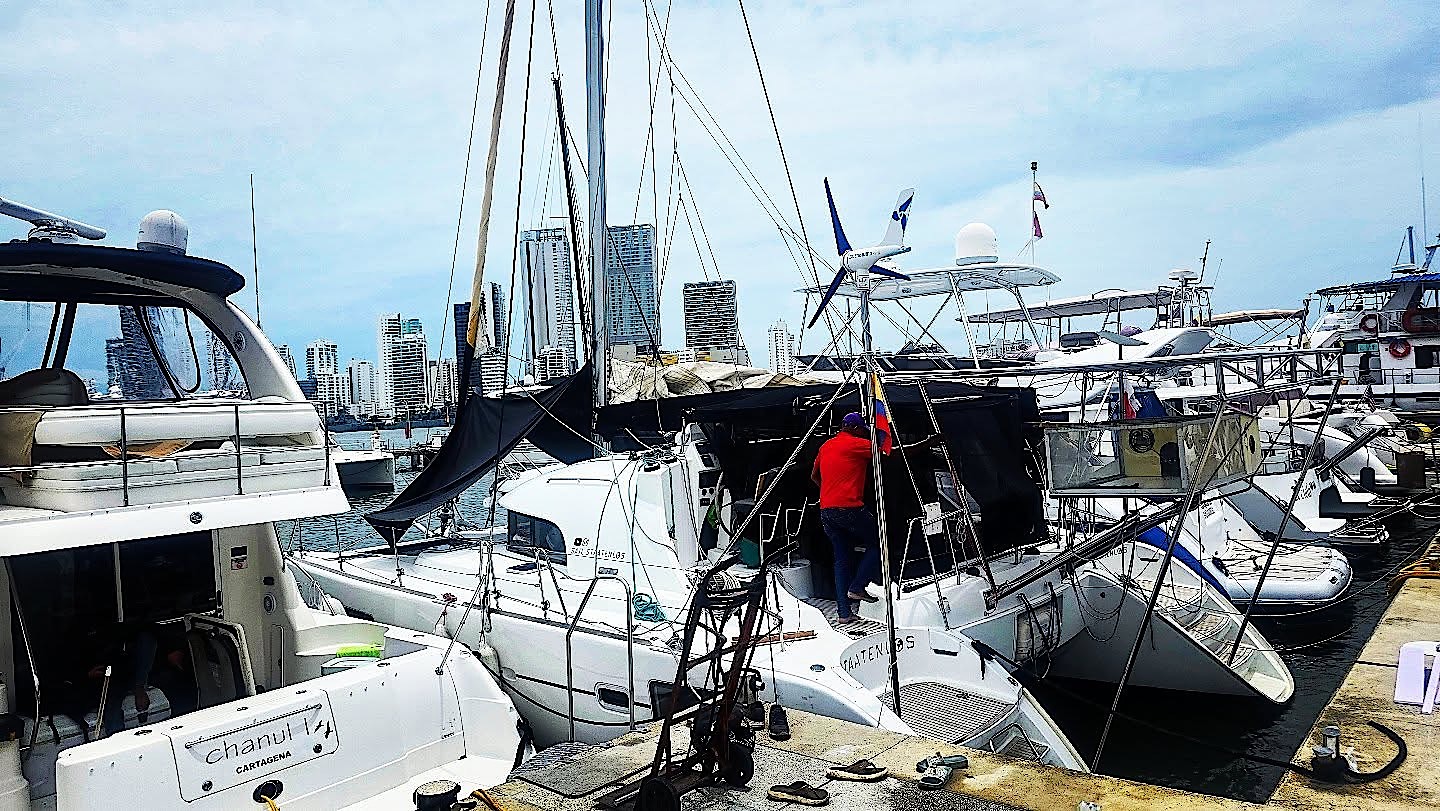
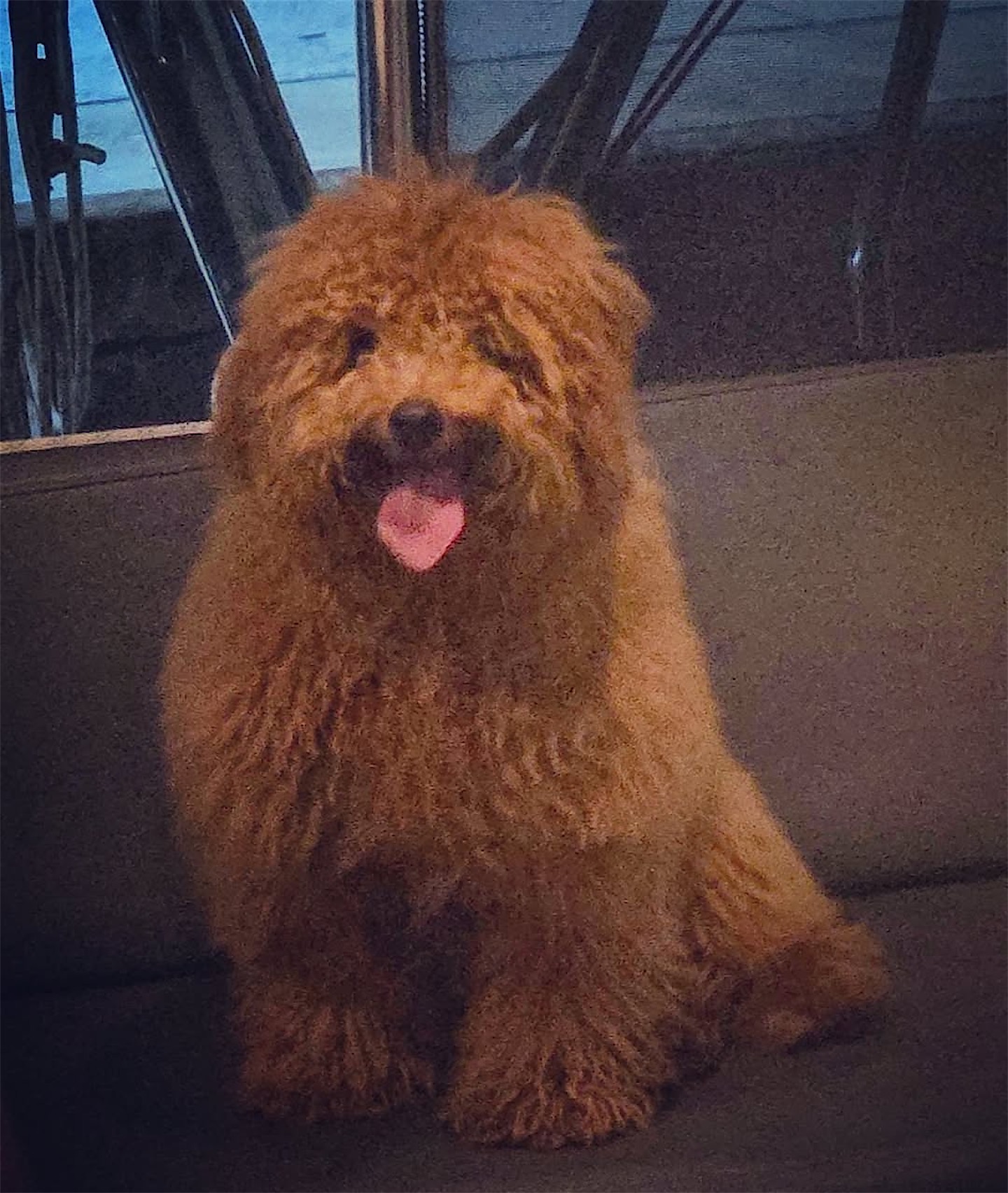
On 19 May I flew to Cartagena for a week. That first evening I had really earned my provoleta, and at an Argentine restaurant you can always count on dinner after 10 pm. Then came the reunion with the SY Staatenlos, which has a new crew member, a curly dog. The engine and everything else were working again, and on 23 May she was under sail once more.
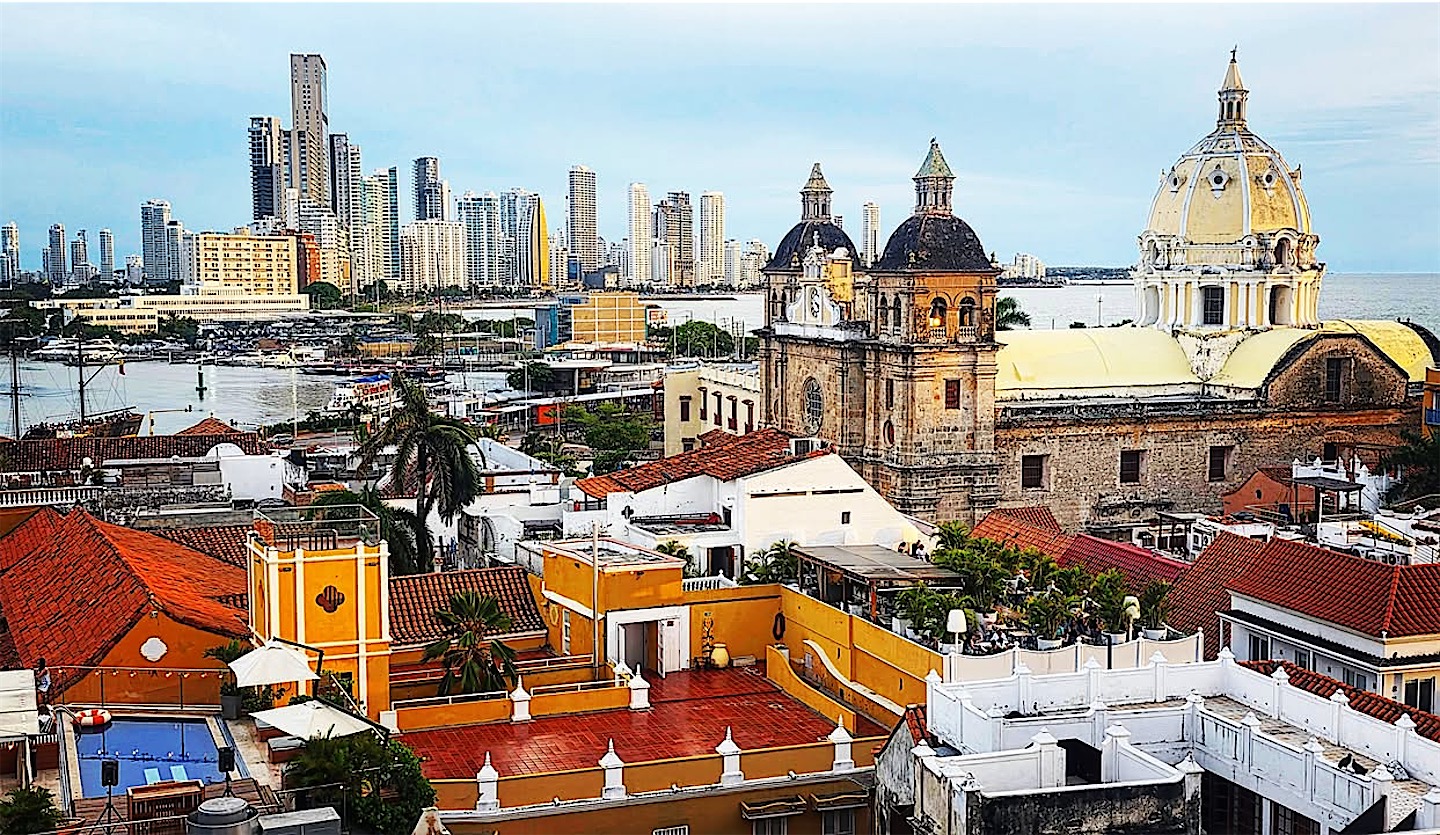
I also found time for the old town, from rooftop views over church domes and the modern skyline to Plaza Santo Domingo.
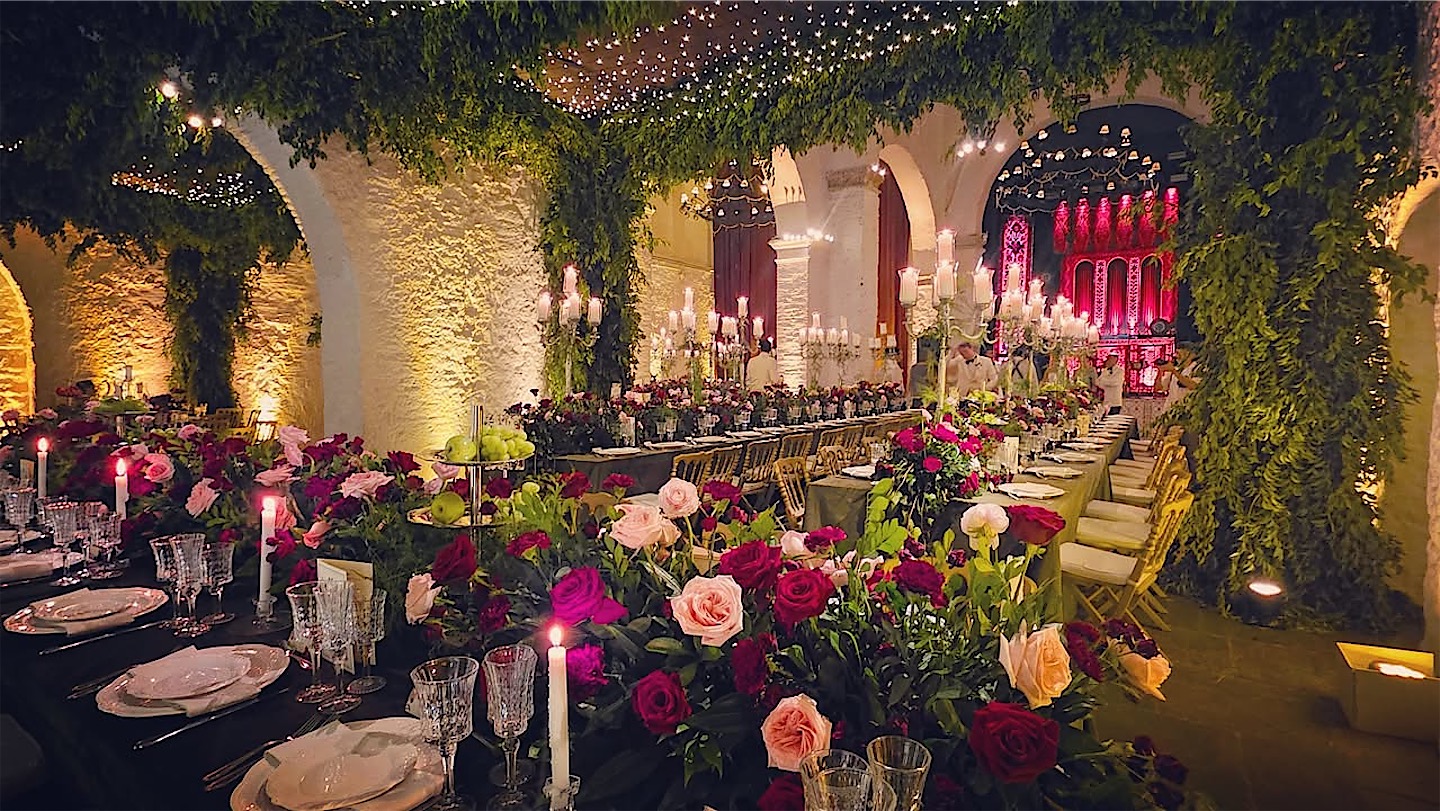
My brother's wedding took place in Casa 1537, a beautifully decorated colonial house almost 500 years old in the heart of the old town, where more than 200 guests from 25 countries kept the dance floor busy until 3 am. With currywurst served at 1 am and most guests still there, it was exactly how a good wedding should be.
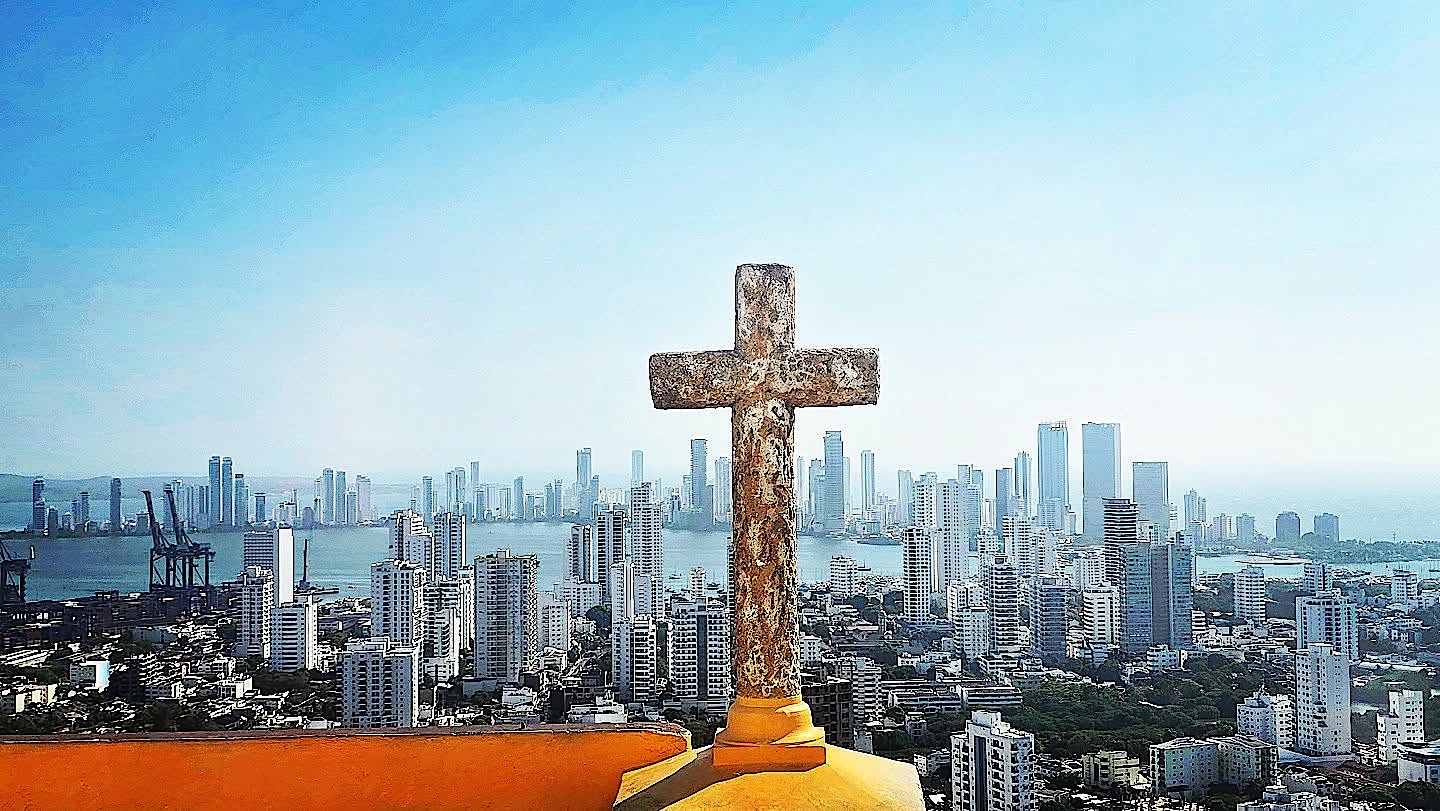
On 25 May, with our passports already stamped out of Colombia, I finally went up the Cerro de la Popa for the first time. At about 150 metres it is the city's highest point, named after the stern (popa) of a ship and crowned by a 17th-century Augustinian convent.
Casting off
The last day in port was all about provisions: eight people living self-sufficiently for a week need quite a lot. The chicken's house from earlier sailing trips is still on board, while the chicken now lives on a farm near Medellín and already has chicks. The house awaits its next inhabitants.
On 26 May we said goodbye to Cartagena and were finally back on the Caribbean, sailing south-west towards the Islas del Rosario.
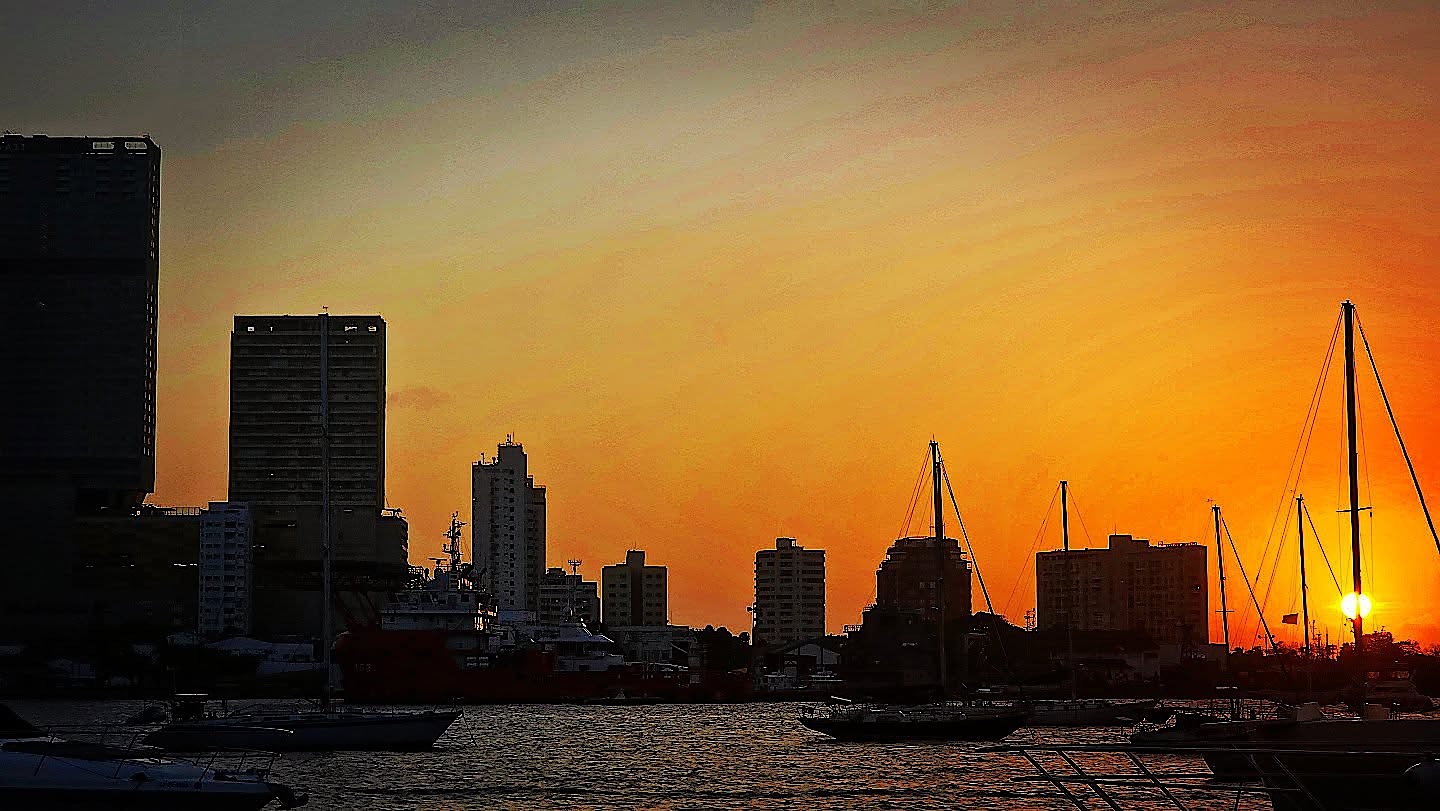
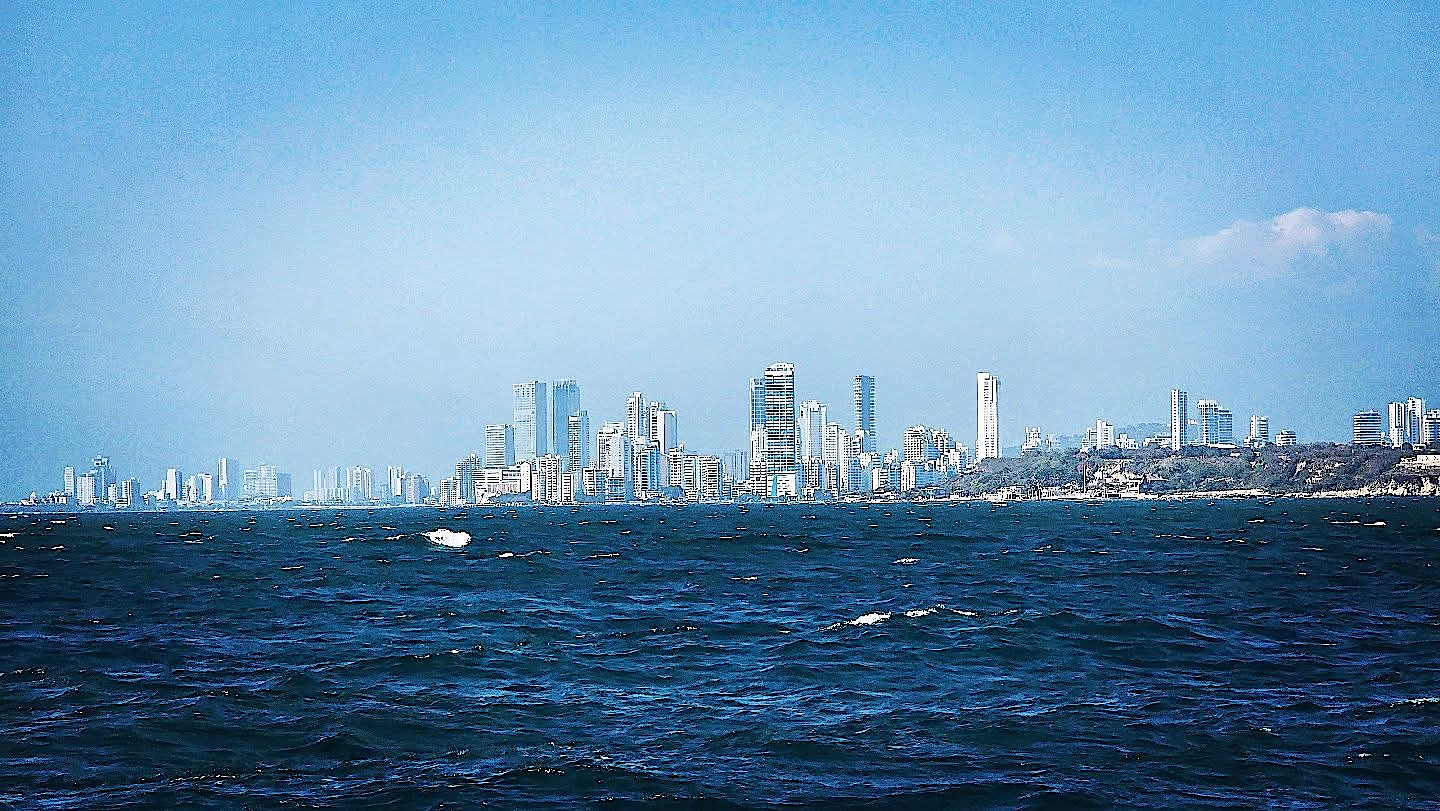
It felt good to have a deck under my feet again. What happened next, from a broken autopilot to the islands of San Blas, is told in sailing to San Blas and Panama.