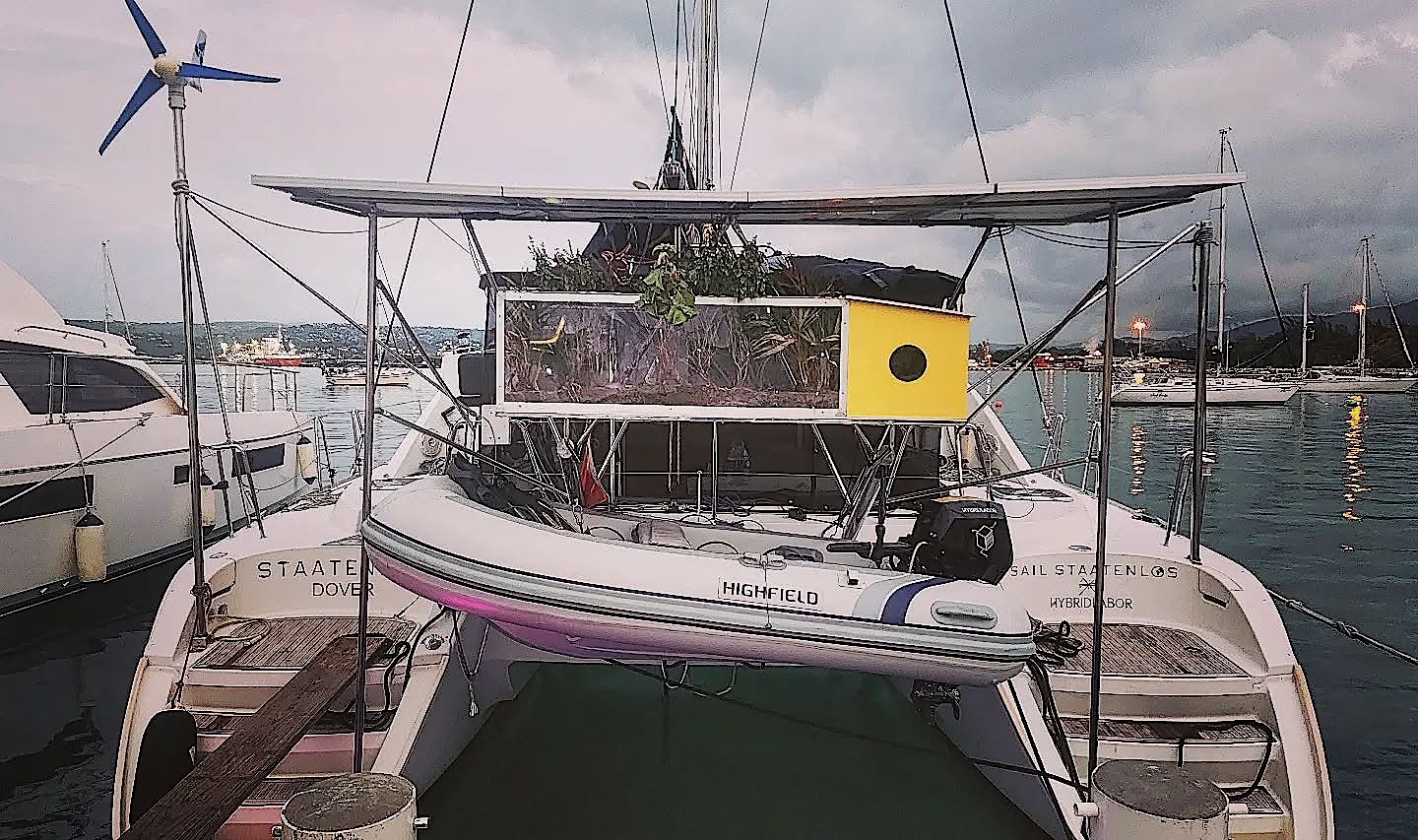
Haiti and Jamaica: King Christophe's Citadel, the Blue Mountains and a Reunion with the SY Staatenlos
26 April – 16 May 2022 · Port-au-Prince, Cap-Haïtien, Milot, Labadee, Sosúa, Santo Domingo, Kingston, Blue Mountains, Port Antonio, Negril · Regions: Haiti, Dominican Republic, Jamaica
In spring 2022 I was closing in on all 193 UN member states, and two Caribbean countries were still missing. Haiti would be number 181, and probably the most dangerous country, the most obvious "failed state", left on my list. The plan was simple: a few days in Haiti, a few days in the Dominican Republic, and then a reunion with my catamaran, the SY Staatenlos, in Jamaica. The boat had spent the previous months in Colombia and was now sailing north.
Port-au-Prince without petrol
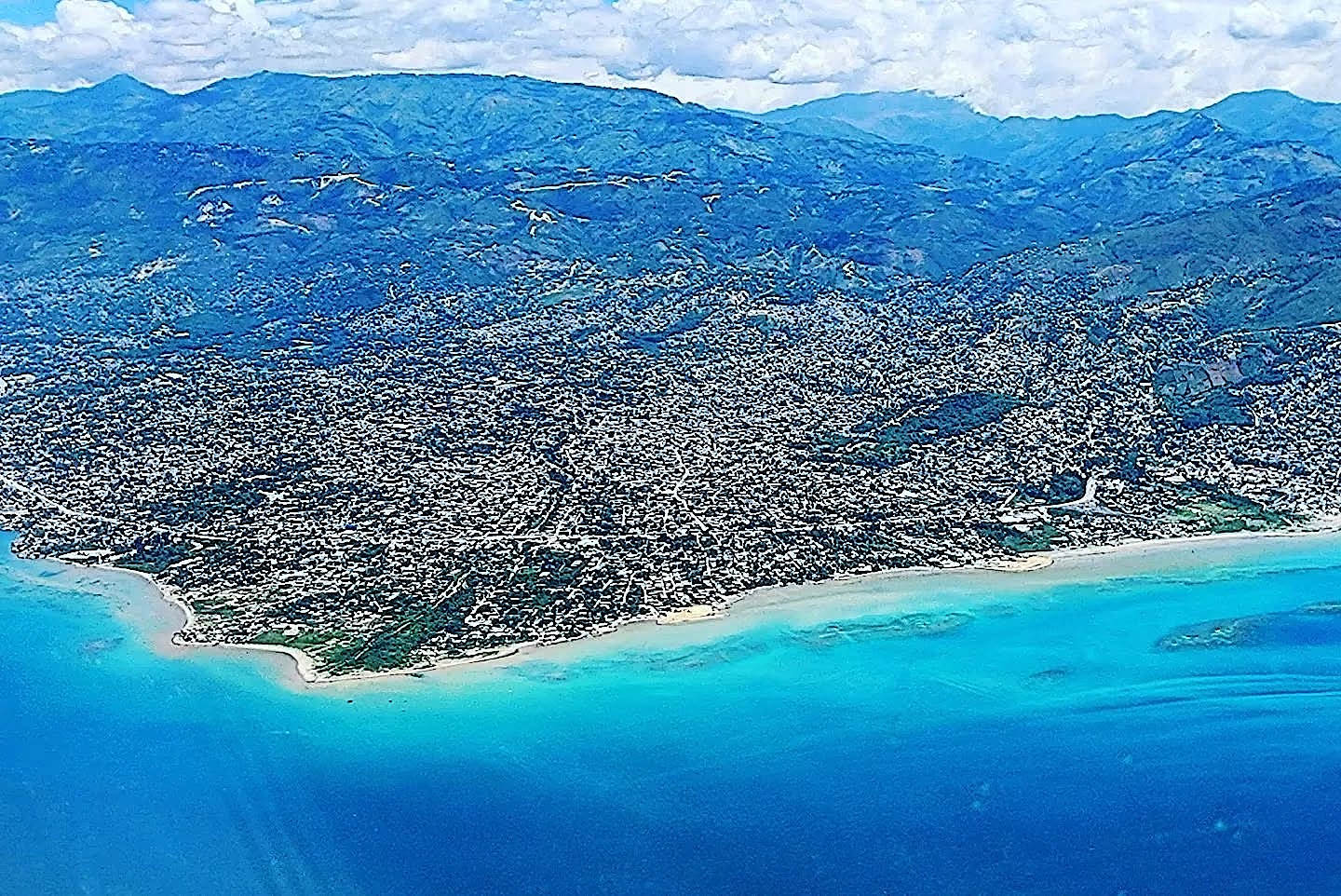
I flew in from Paris Orly. From the air, the bay of Port-au-Prince, with turquoise water in front of green mountains, looked like it could be a great tourist destination. On the ground, the reality of 2022 was different: Haiti had run out of petrol. The streets were pretty empty, and at the petrol stations the queues stretched for kilometres. My driver, luckily, seemed to have secret provisions.
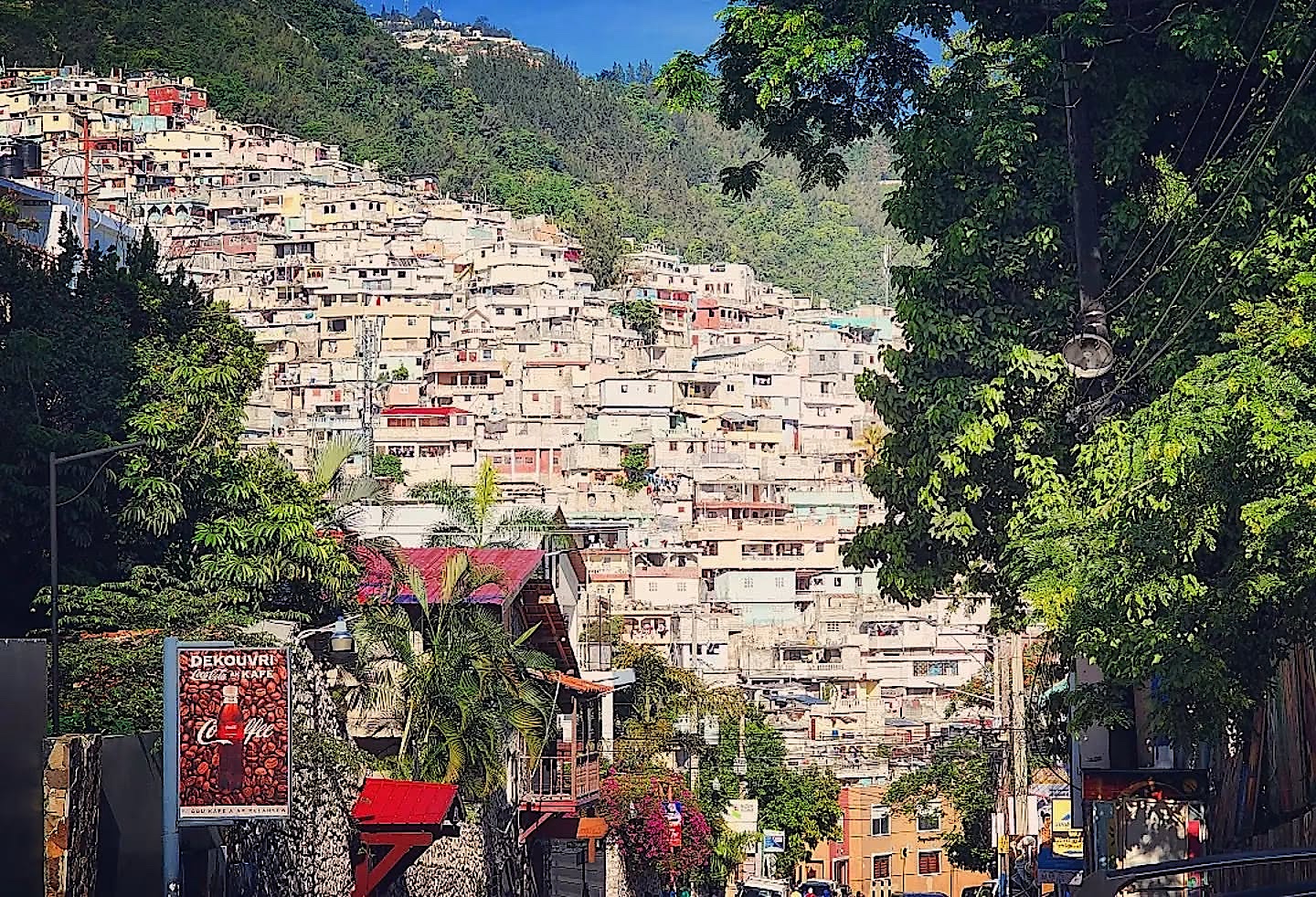
The next day I set out to explore the capital: monuments flying the blue and red flag, old villas with ornate balconies, and endless neighbourhoods climbing the hills. Seen from above, the city looked to me like one huge slum. My hotel turned out to be the loudest I have ever stayed in, which didn't stop me from answering emails for ten hours. Five days of absence, and my mailbox goes crazy.
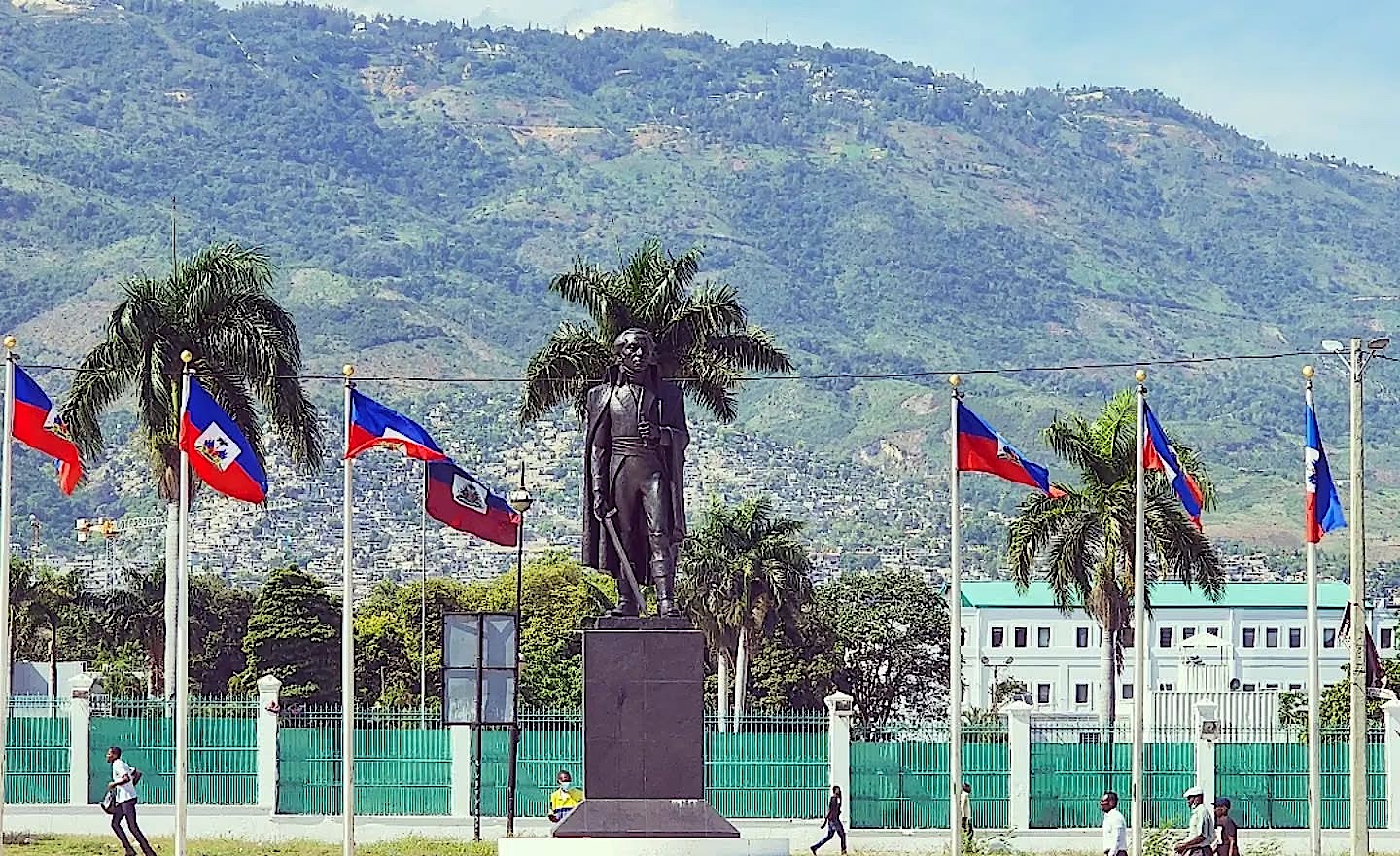
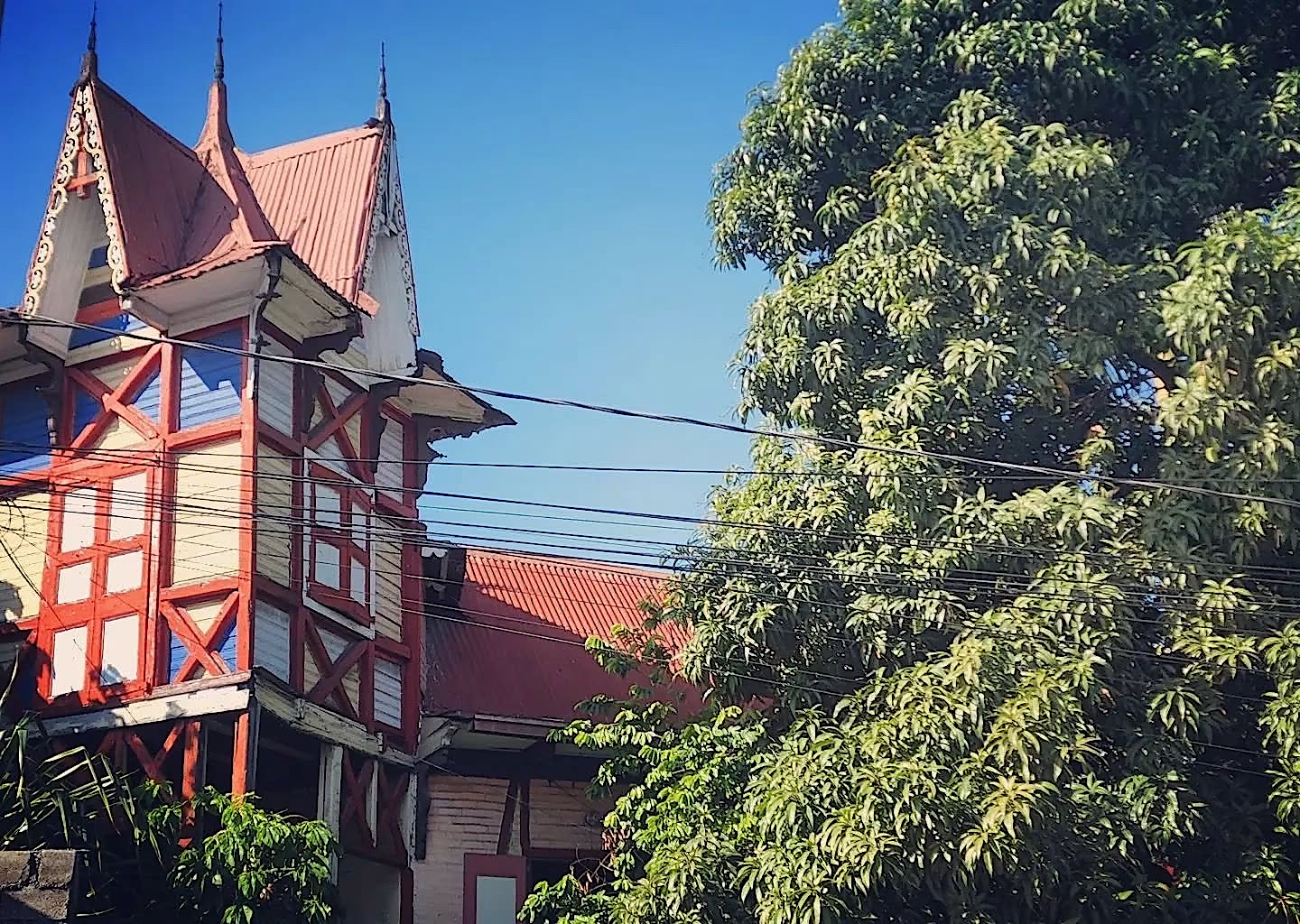
King Christophe's palace and citadel
To reach the north I booked a domestic flight with Sunrise Airways. I admit I had mixed feelings: the week before, a small plane had crashed onto a main road, killing six people, and all private planes were grounded. Sunrise, however, is a normal airline, and I arrived safely in Cap-Haïtien, Haiti's second city. From my hotel I looked out over its rooftops towards the sea; along the water lie what I called the slums of the Caribbean.
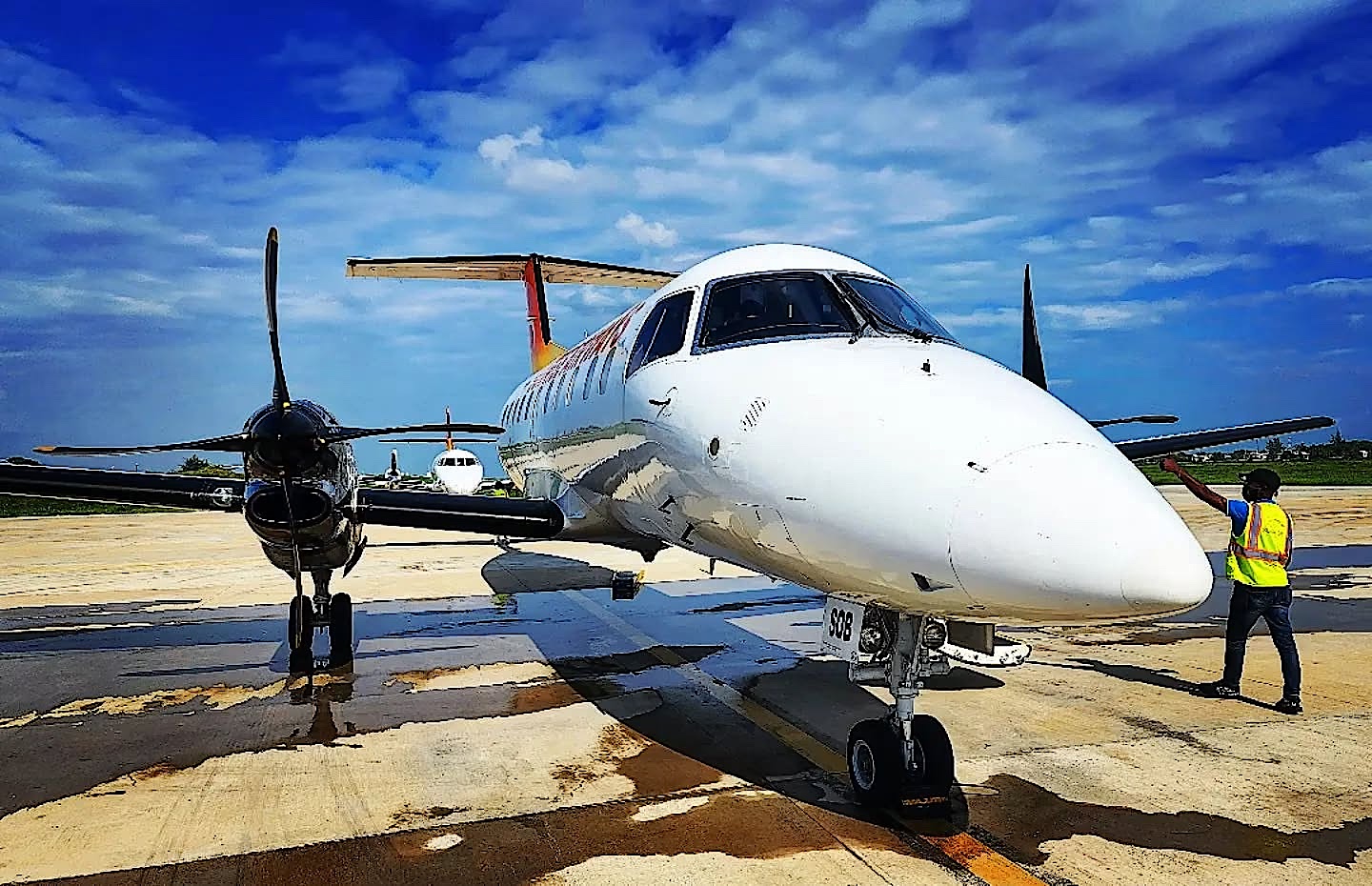
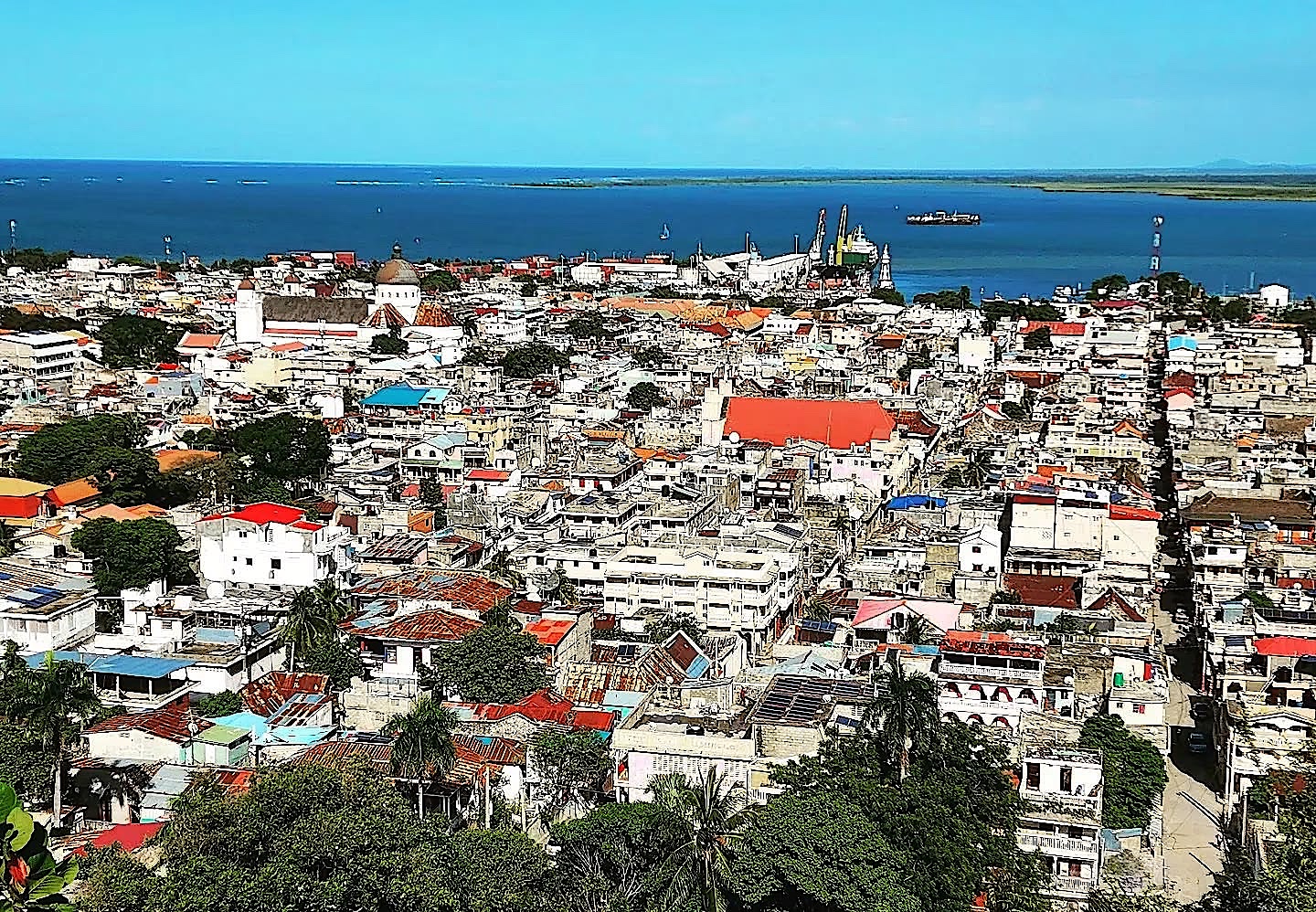
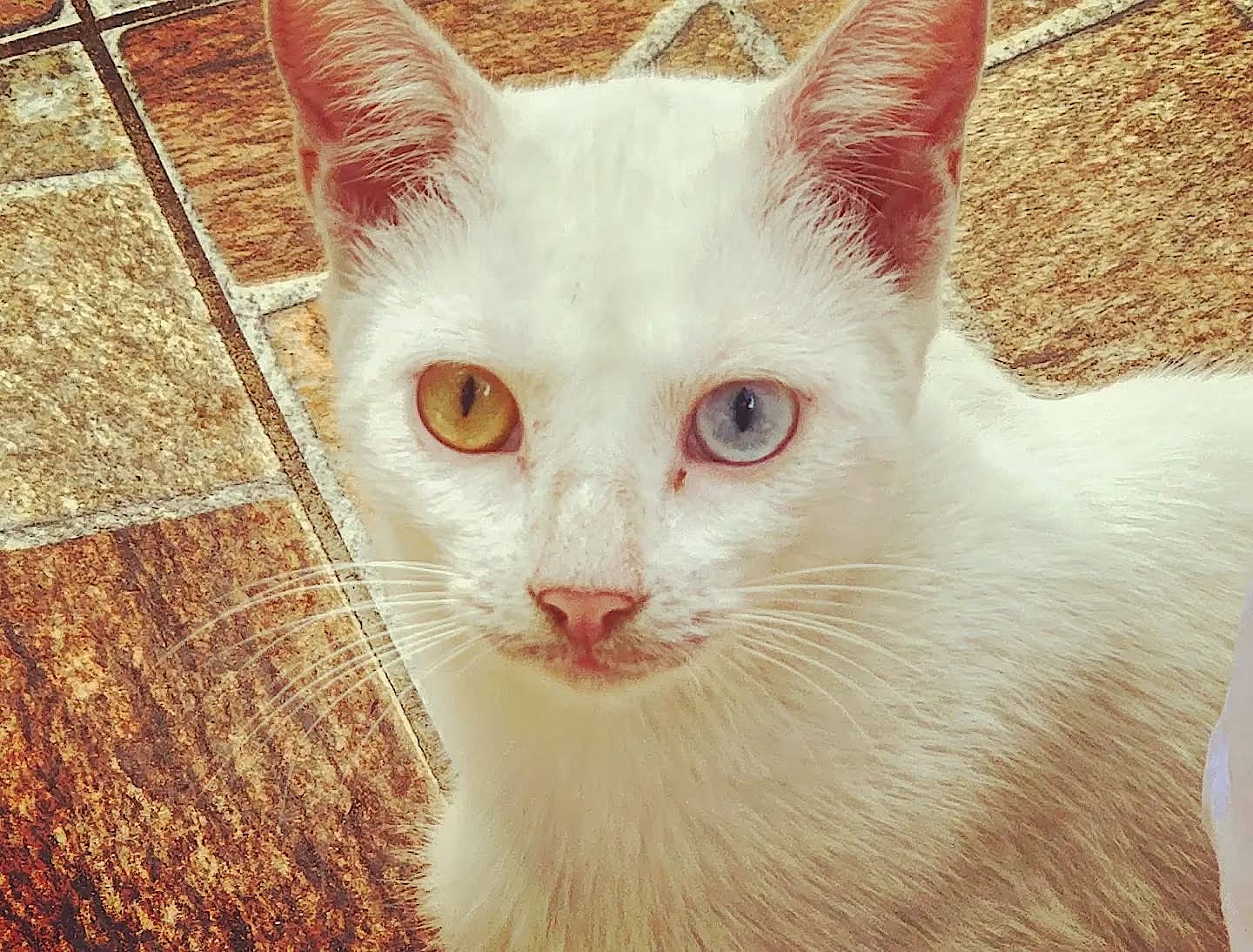
The real reason to come north lies just inland, at Milot. Here stand the ruins of the Sans-Souci Palace, built by one of the heroes of Haitian independence who later crowned himself king. His name was Henri Christophe, so in a way I was visiting my own palace. Even in ruins, with its grand staircases and arches overgrown with grass, it is an impressive place. I also met a very cool white cat there.
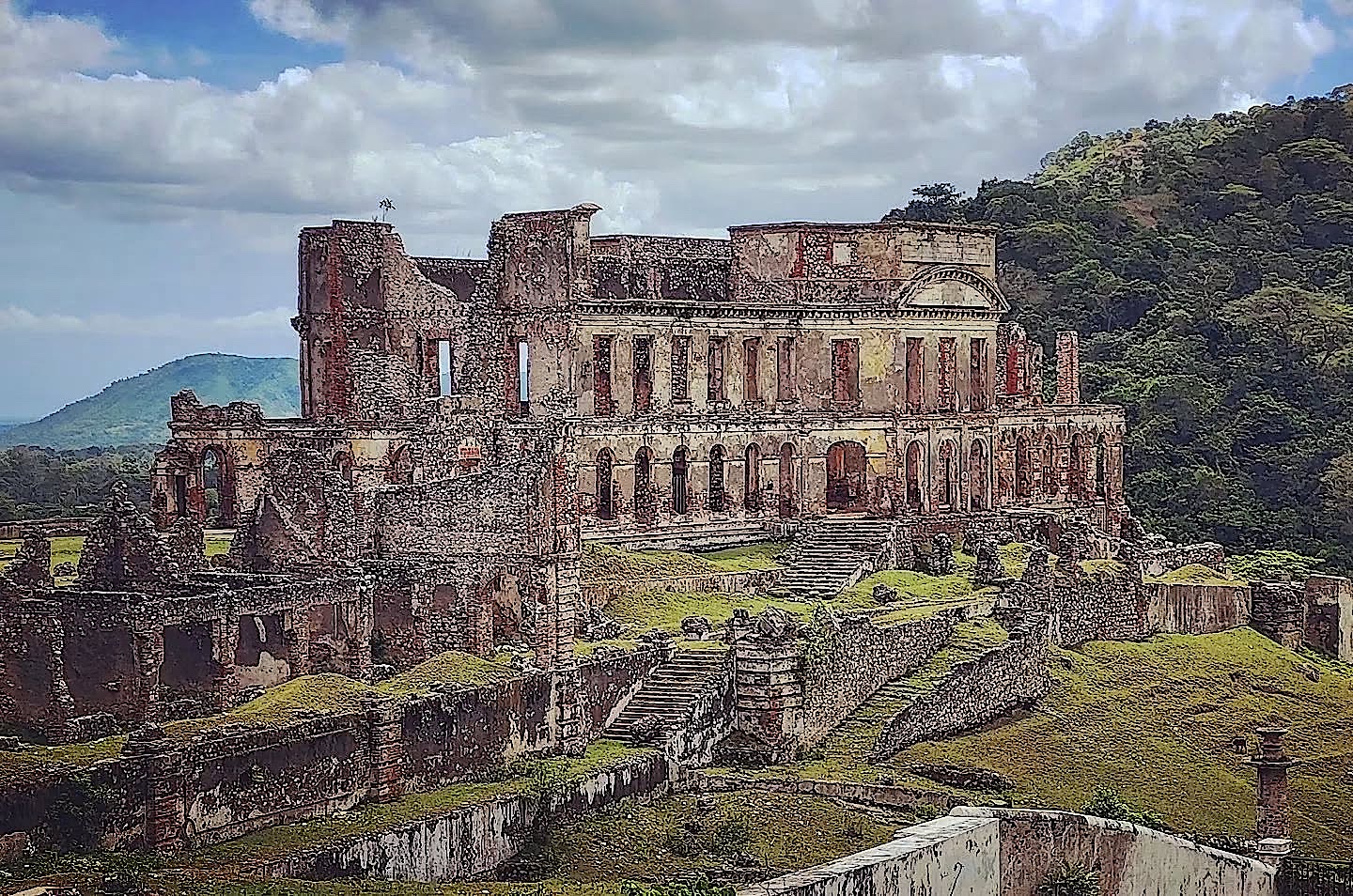
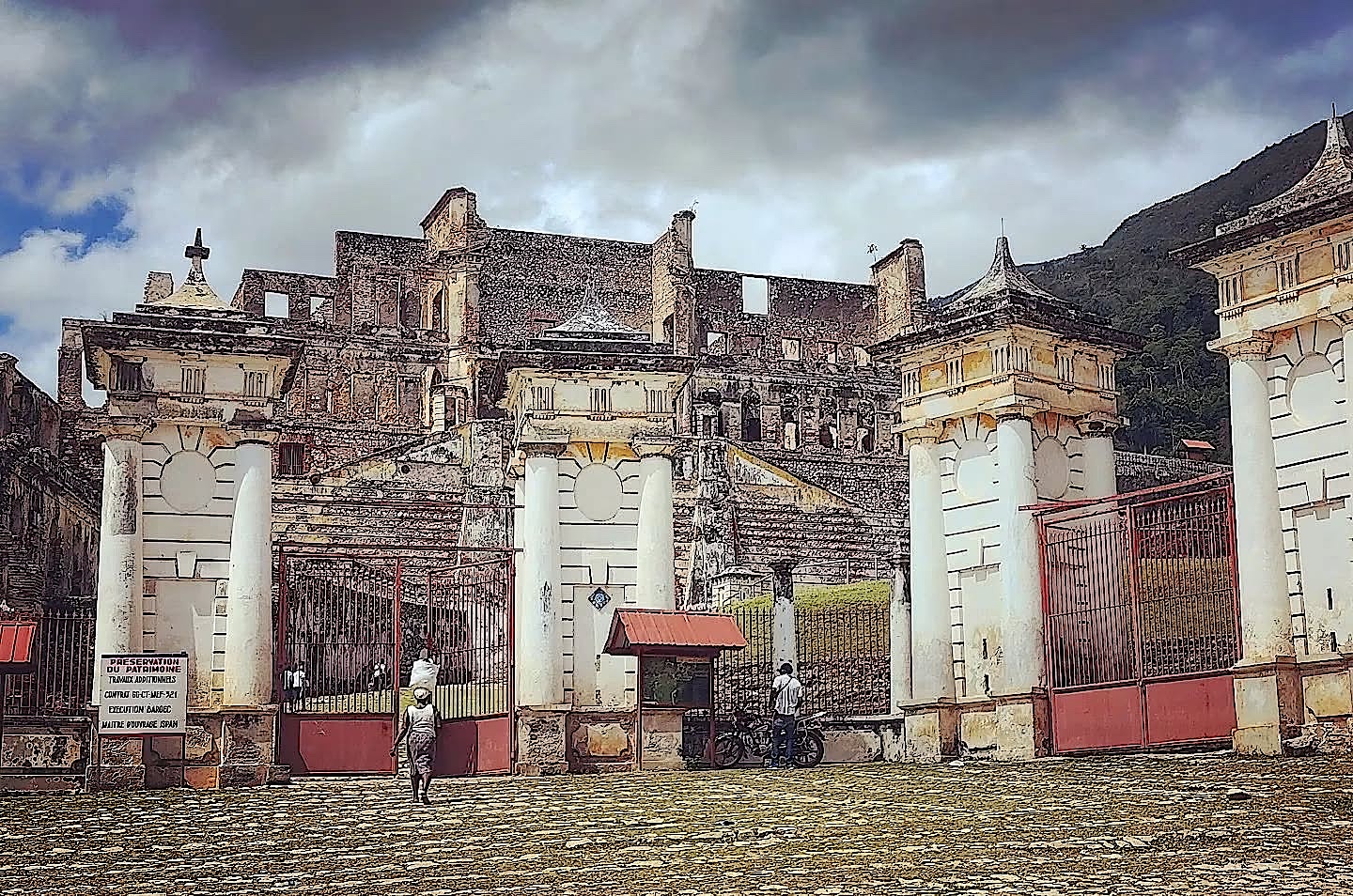
From there I rode up into the beautiful Haitian mountains on horseback, along a path that winds up through green slopes.
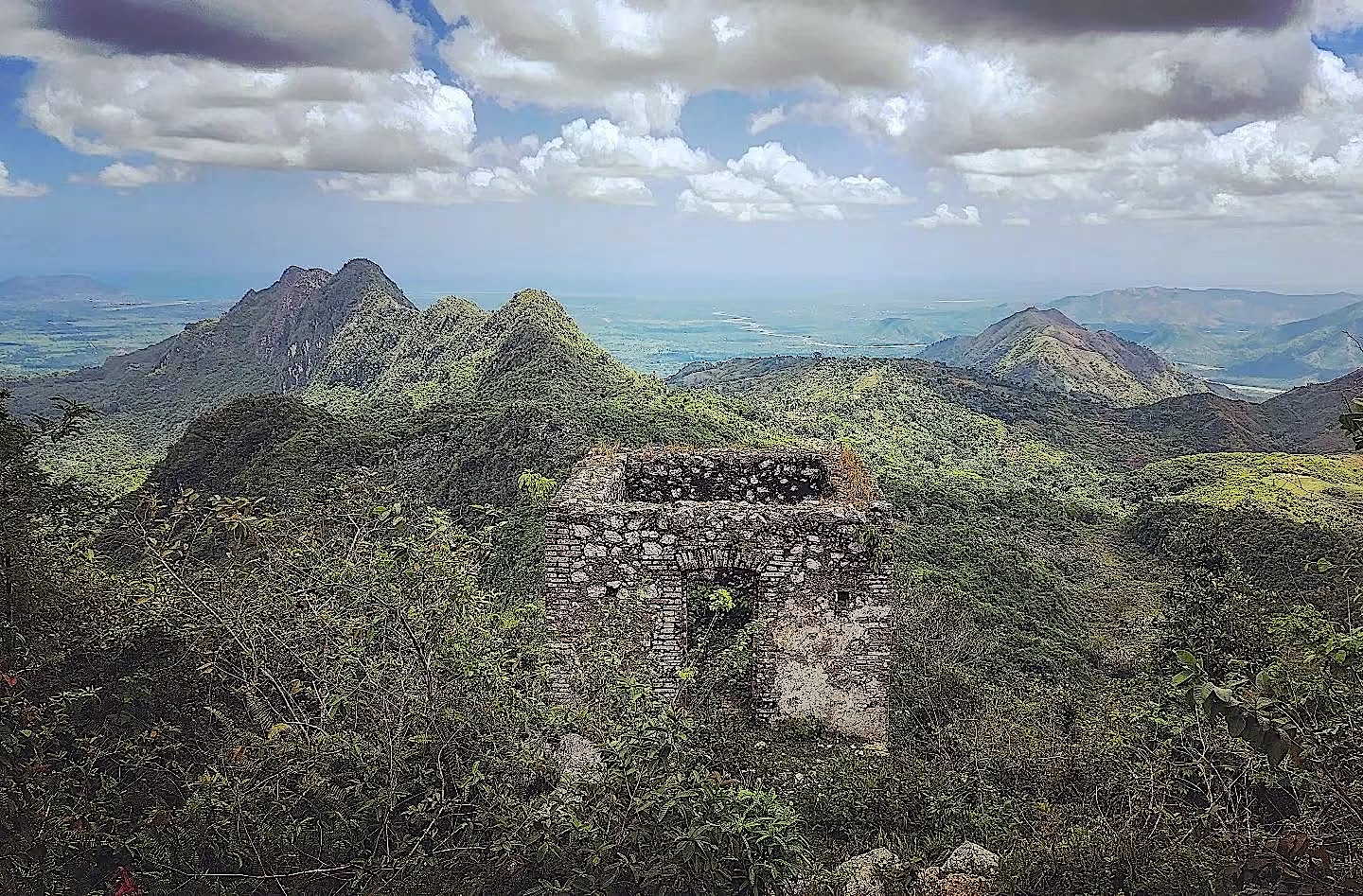
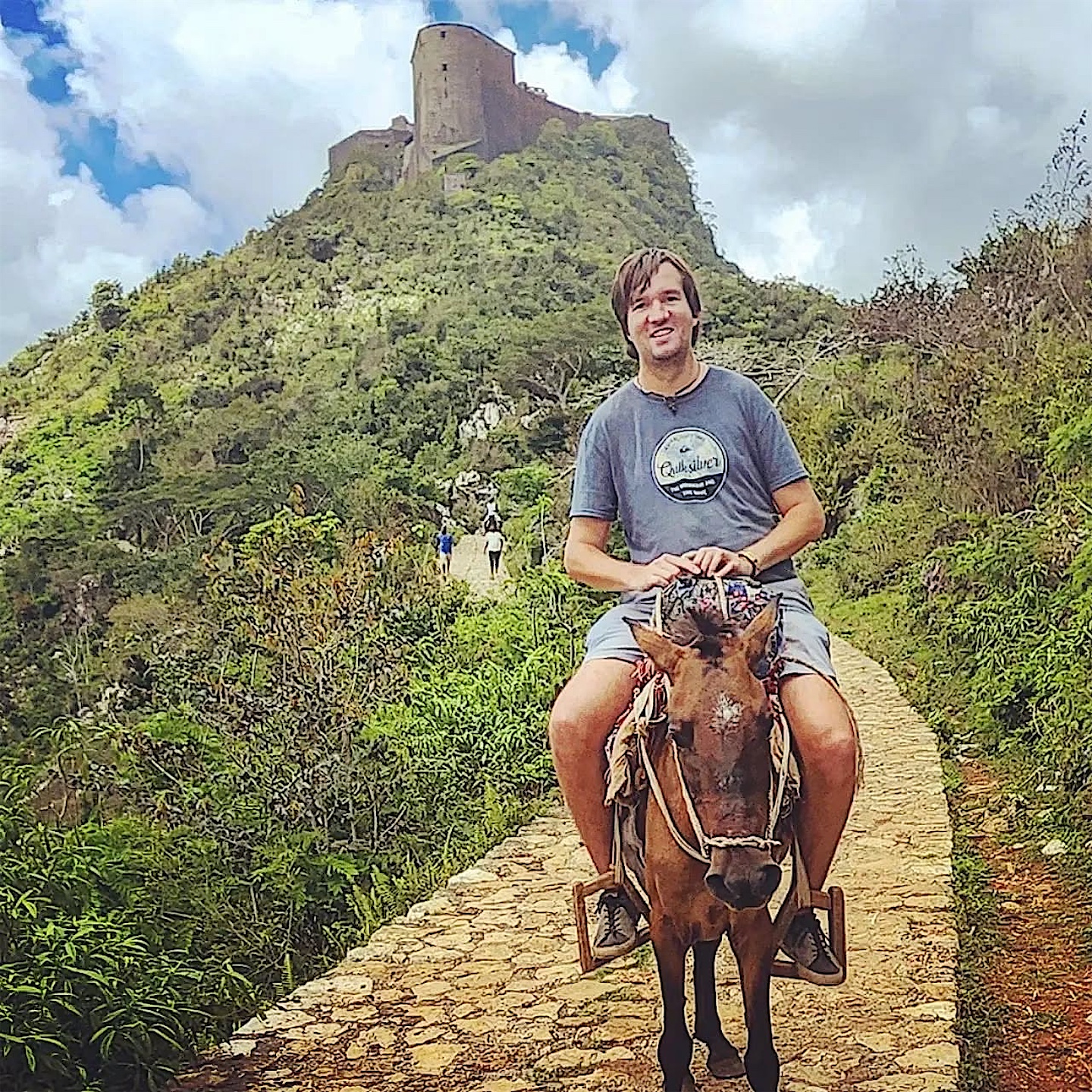
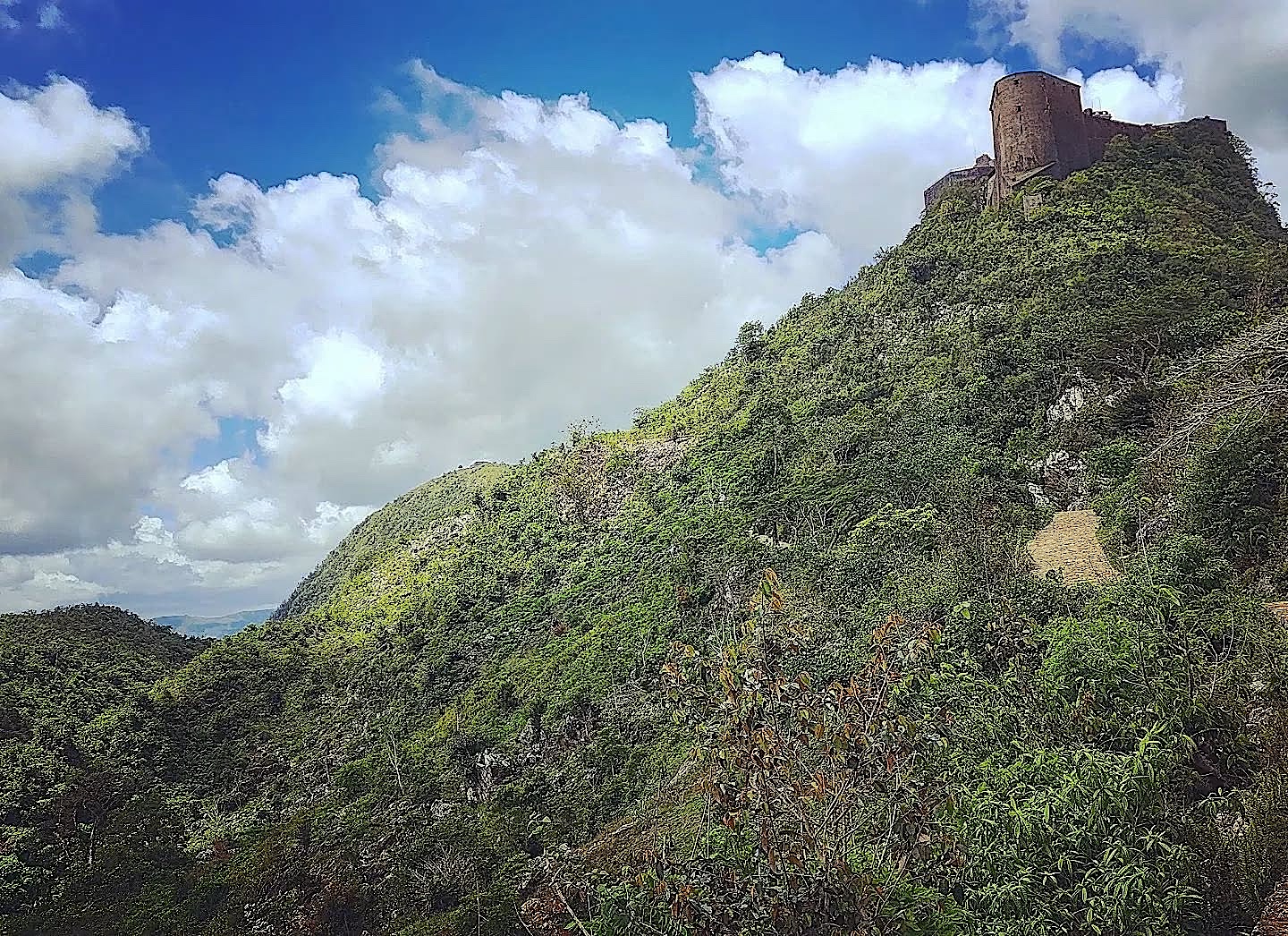
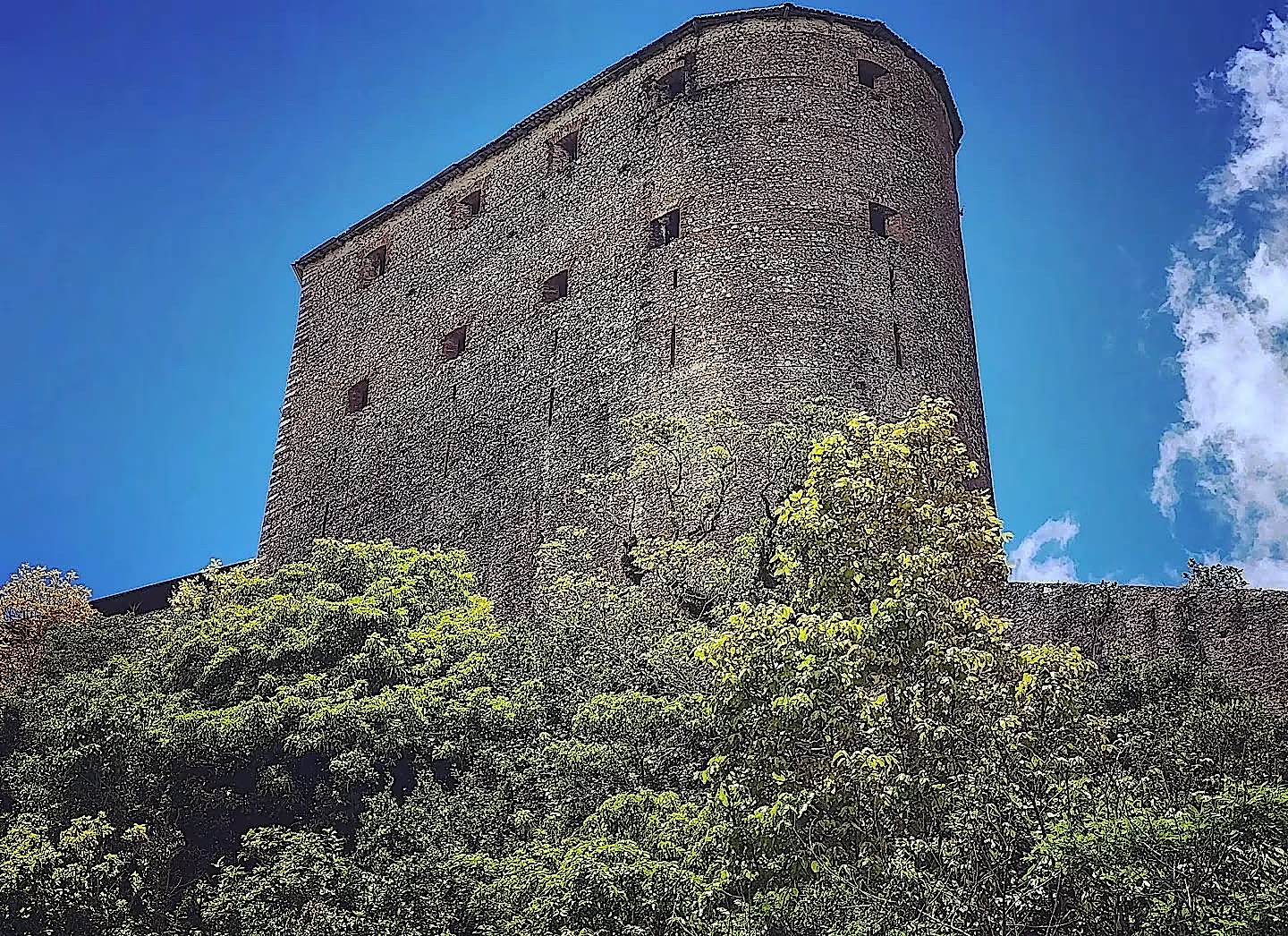
At the top waits the Citadelle Laferrière, a fortress so strong that it was never attacked at all.
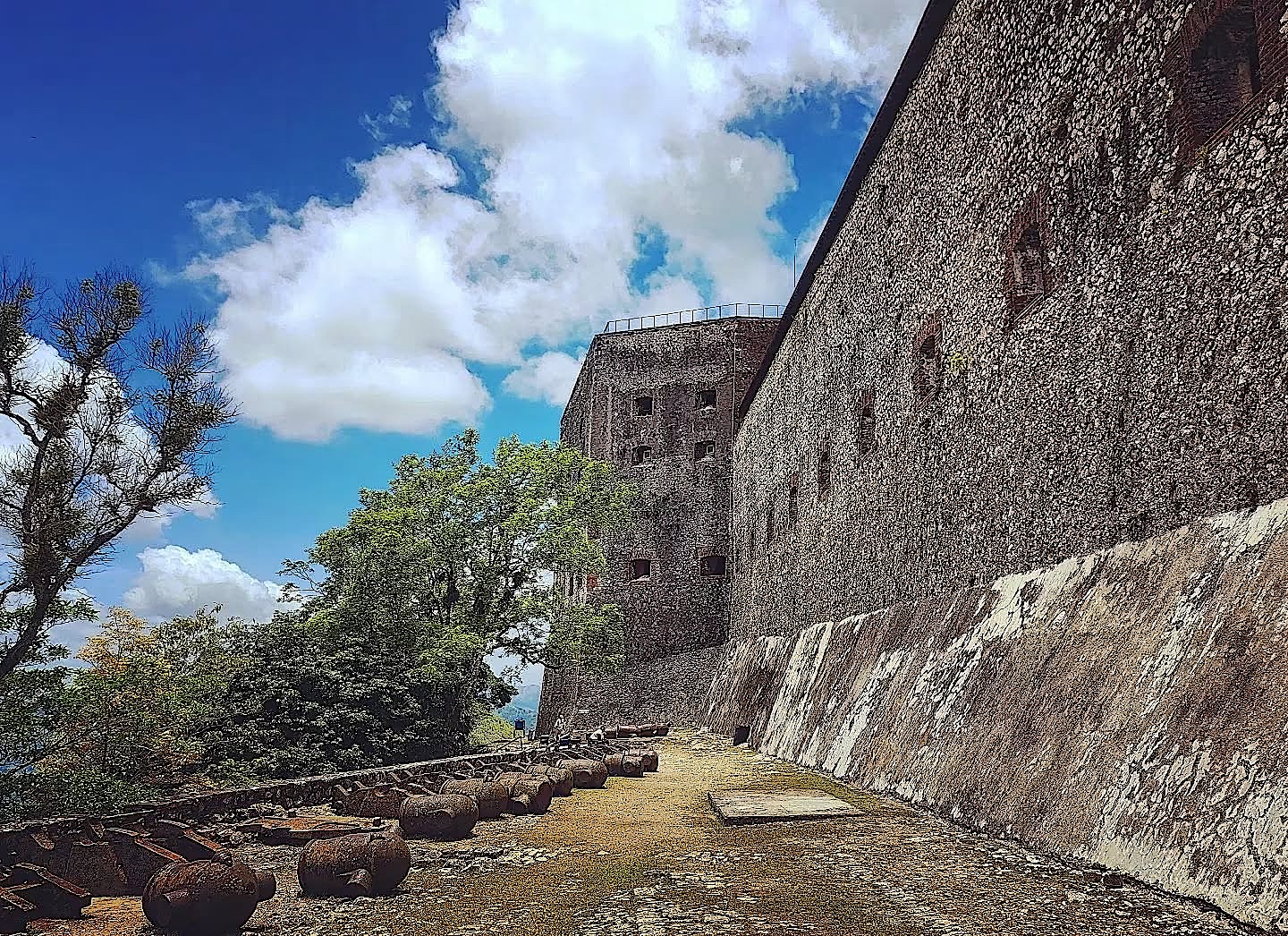
Its walls rise from the summit like the bow of a giant stone ship, and inside, rows of old cannons still line the walls.
Labadee without the cruise ships
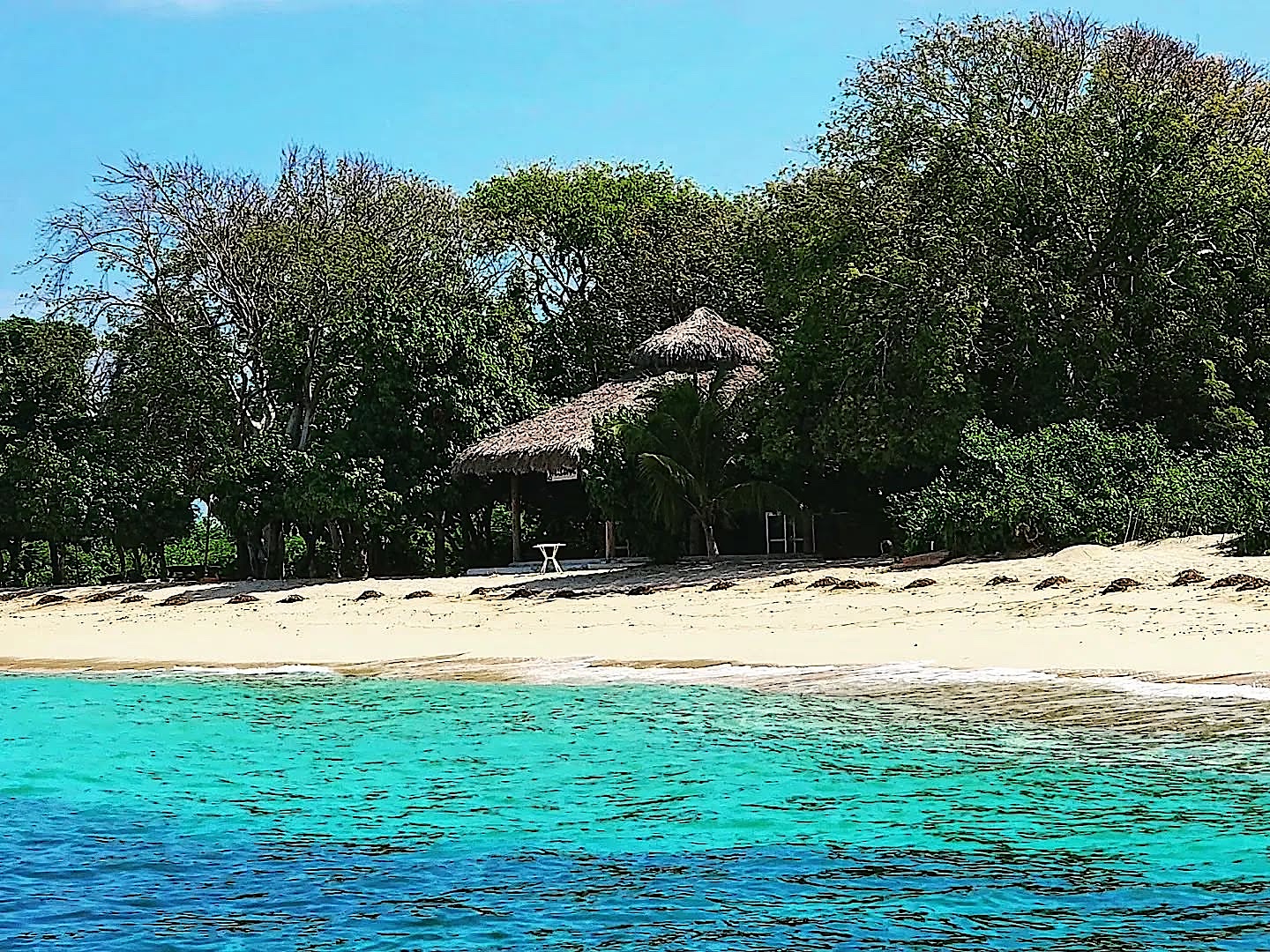
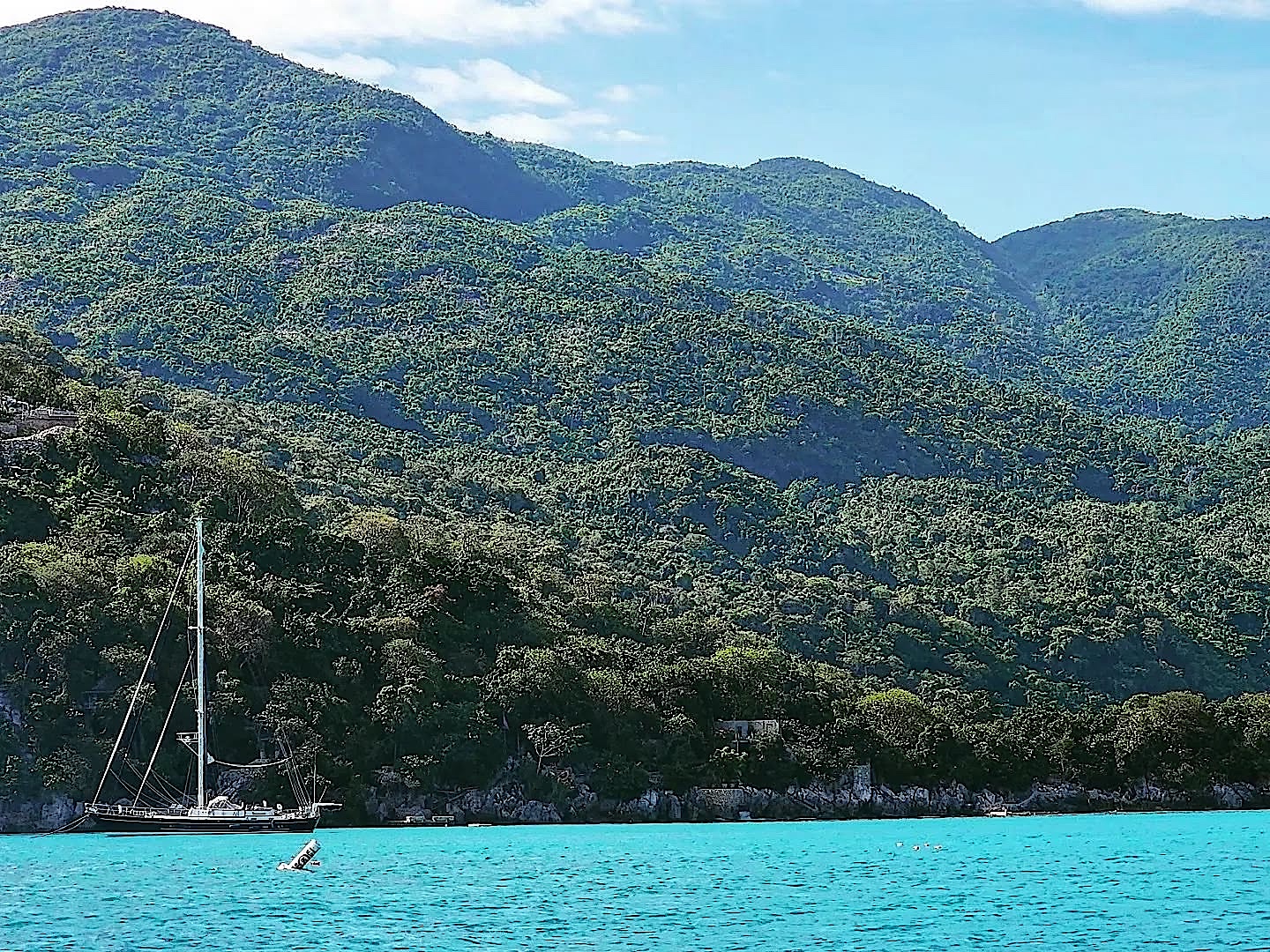
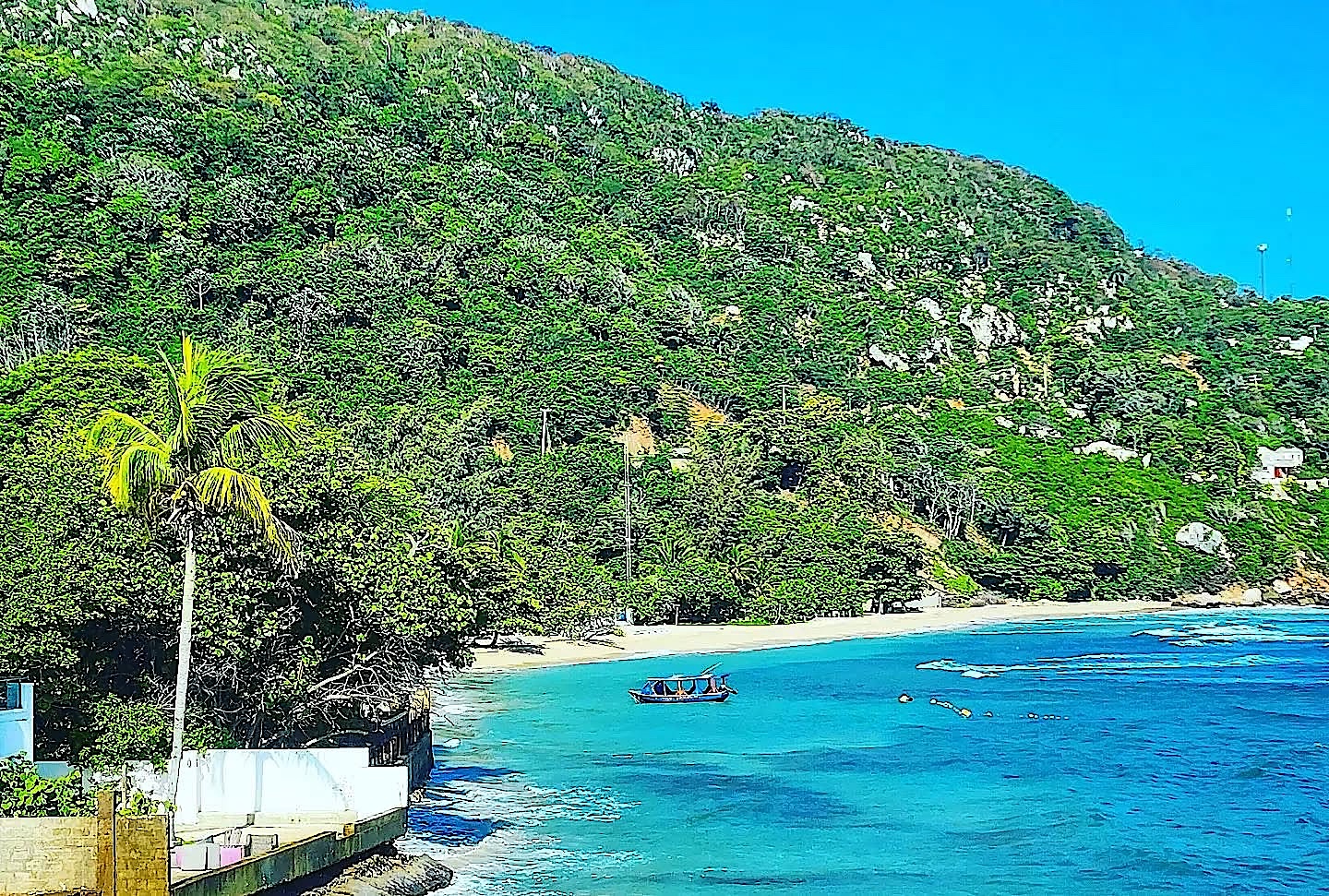
After all the history it was time for the beach. North-west of Cap-Haïtien lies Labadee, a coast of small coves, clear water and green hills. Normally its beaches are full of cruise passengers, but I got to see them without the cruise ships.
Across Hispaniola
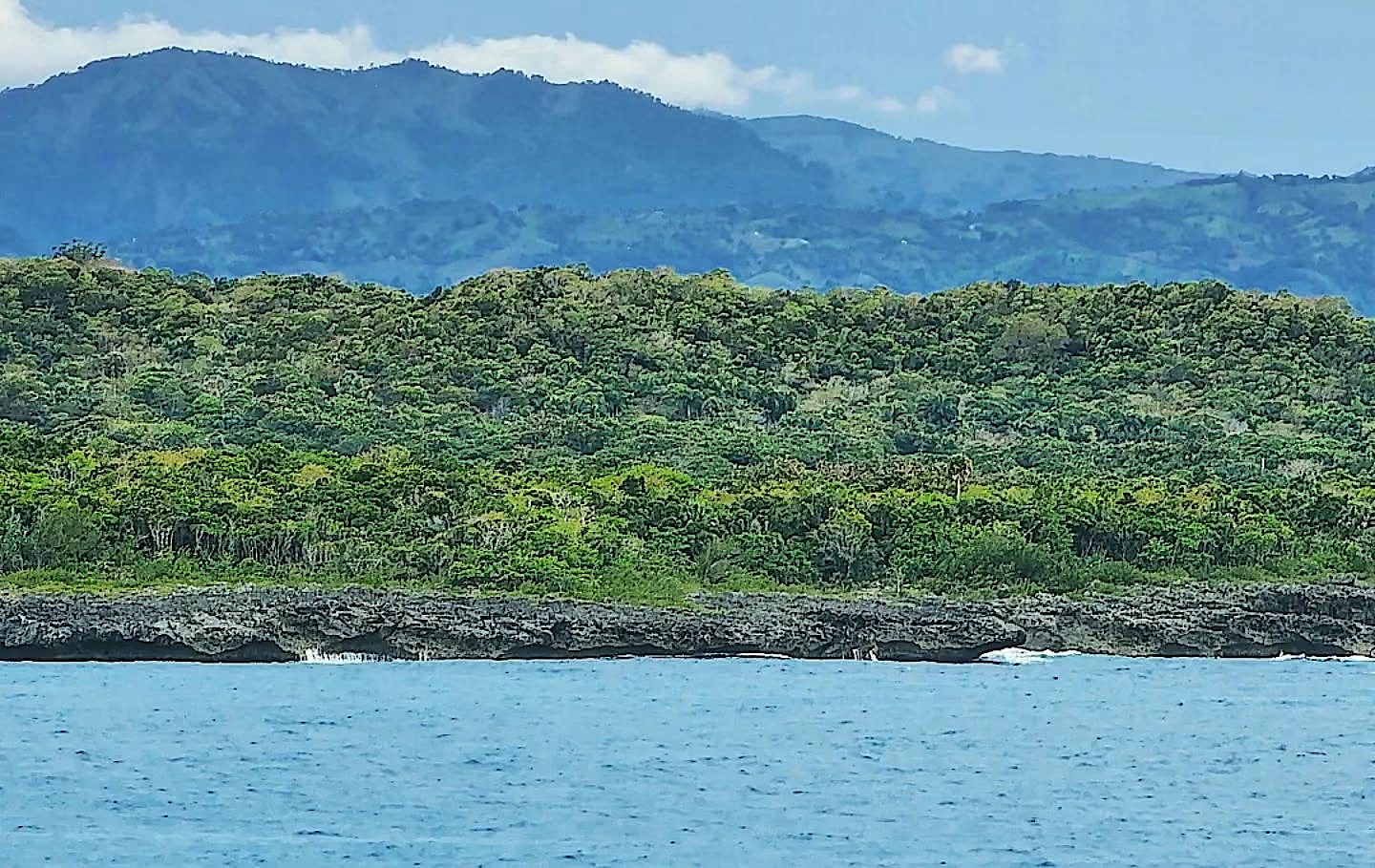
On 1 May I travelled by road from Cap-Haïtien across the border to Sosúa on the north coast of the Dominican Republic. It was quite a drive, with dozens of police checkpoints on the way out of Haiti, but I made it to the beach, back to civilisation. The coastline was lovely, and all in all Hispaniola is a paradise island. Sosúa itself, though, lives up to its reputation as a Latin Pattaya, and one night was enough. I escaped to the capital, where a huge event filled the colonial centre of Santo Domingo, and I rather enjoyed the quiet of my boutique hotel. An earlier visit to the country is the subject of So You Think I Can Dance in the Dominican Republic.
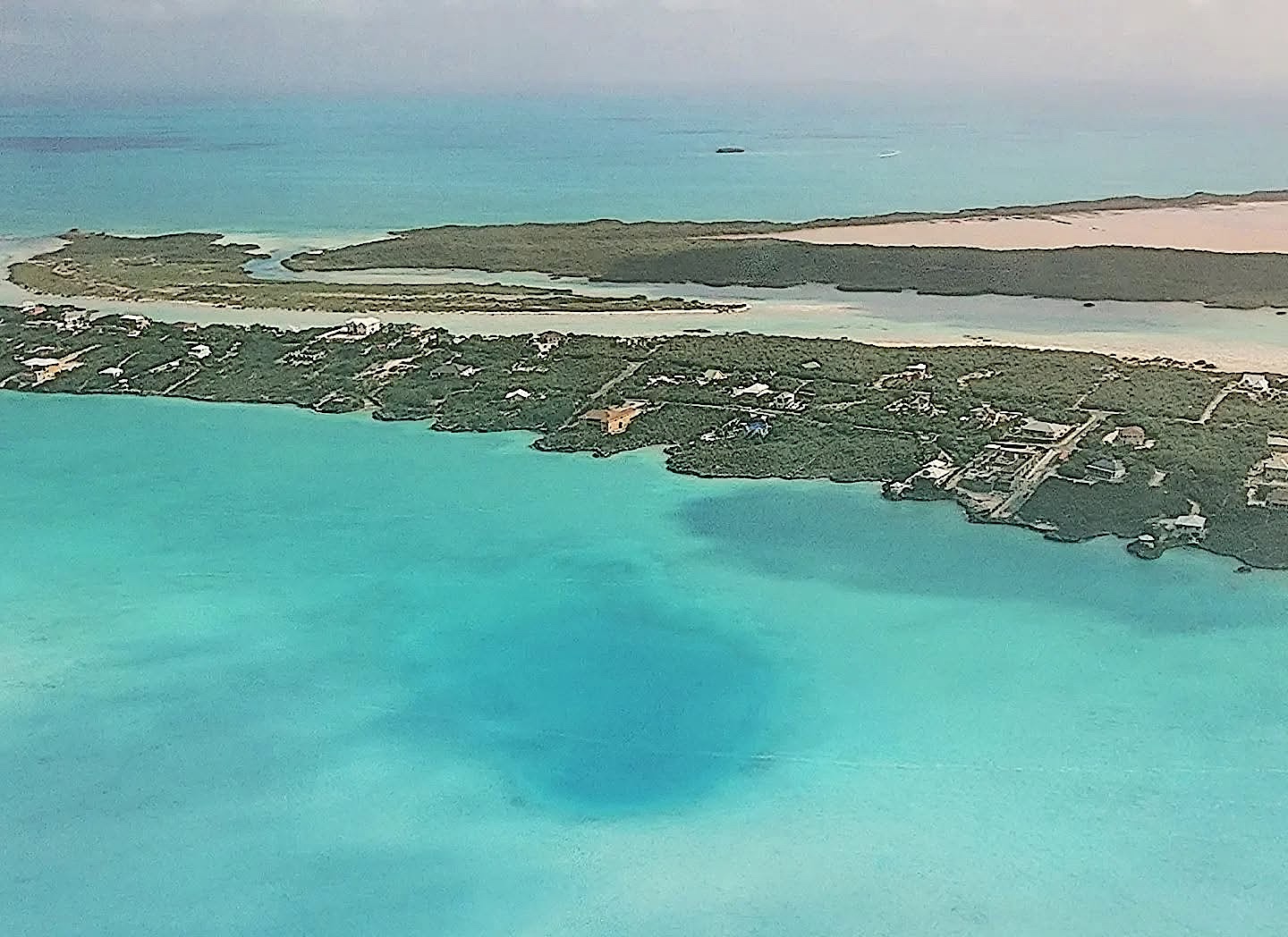
The flight to Jamaica went via Providenciales in the Turks and Caicos Islands. Arrival and departure were beautiful, but even transit passengers have to pass immigration as if entering the US, and it is organised so badly that the airport became my new candidate for the worst transit airport. Next time I'd rather stay on the beaches of Providenciales for a few nights.
Kingston and the Blue Mountains
Jamaica was number 182 of 193, and my last Caribbean country. The immigration officer in Kingston was the first in the whole region who wanted to chat about how I could travel so much and what I did for work. No problem. Welcome to Jamaica, my home for the next twelve days.
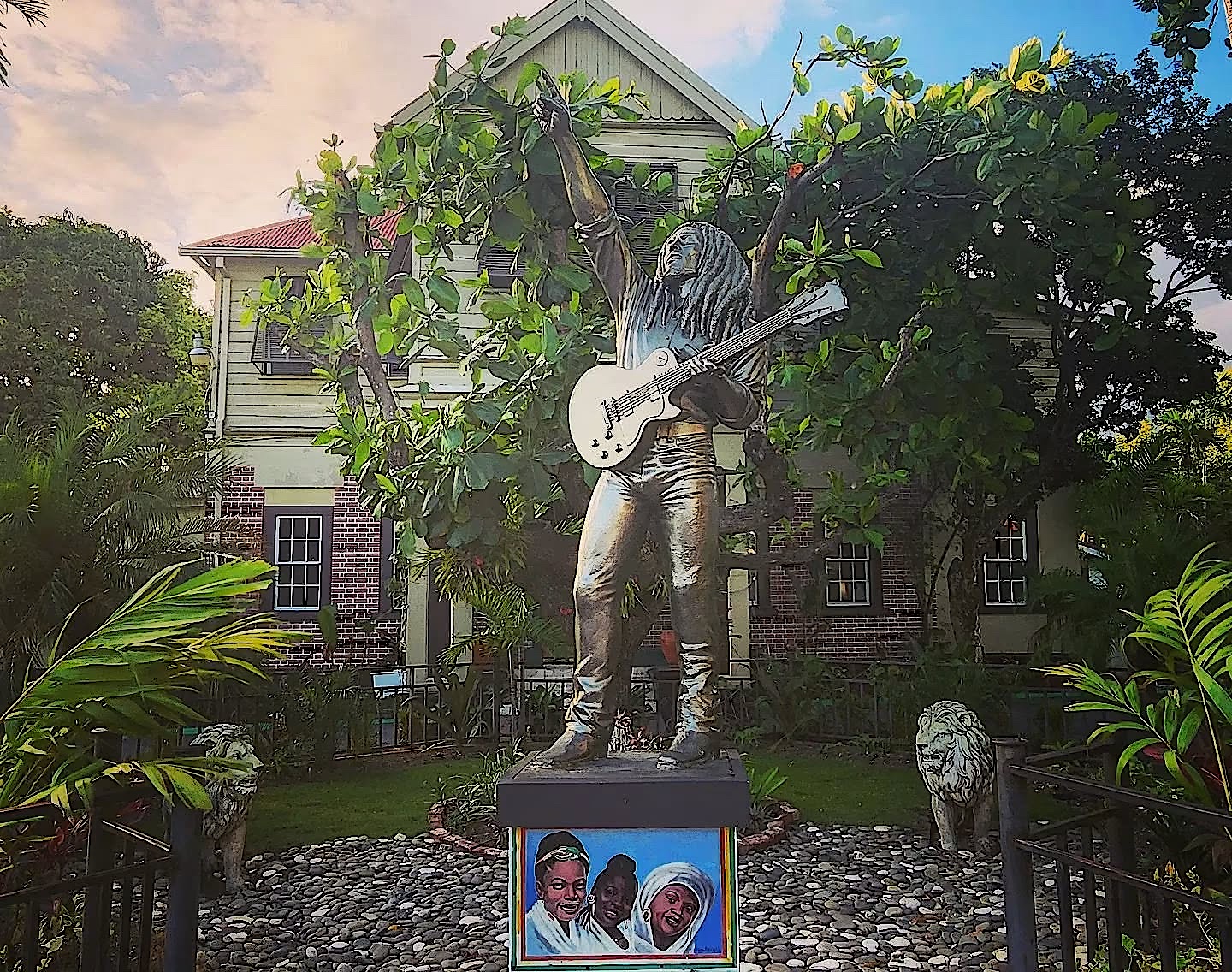
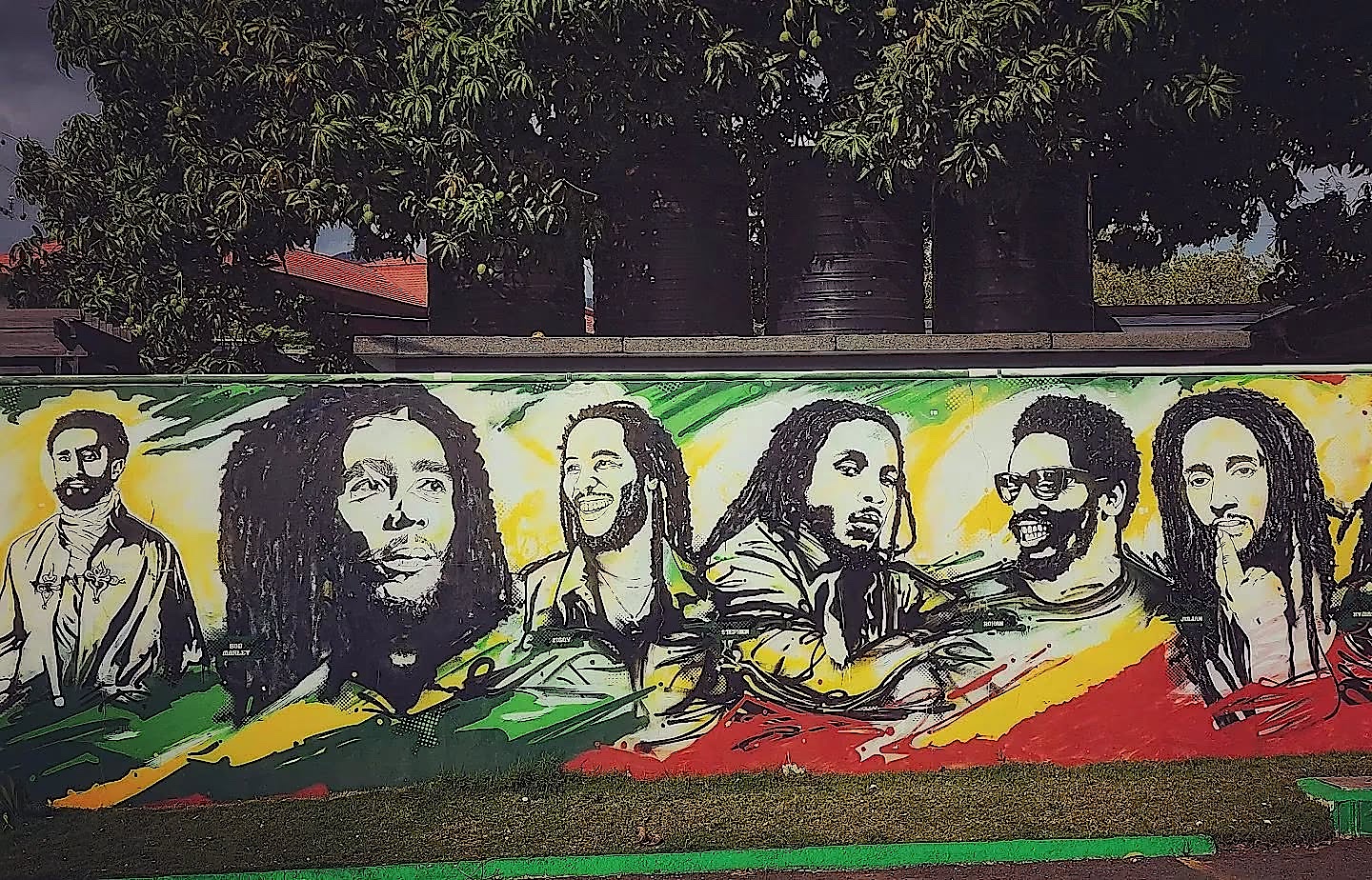
In Kingston I visited the Bob Marley Museum, a great museum experience, and was reminded that for the Rastafarians, Haile Selassie, the former Emperor of Ethiopia, is God.
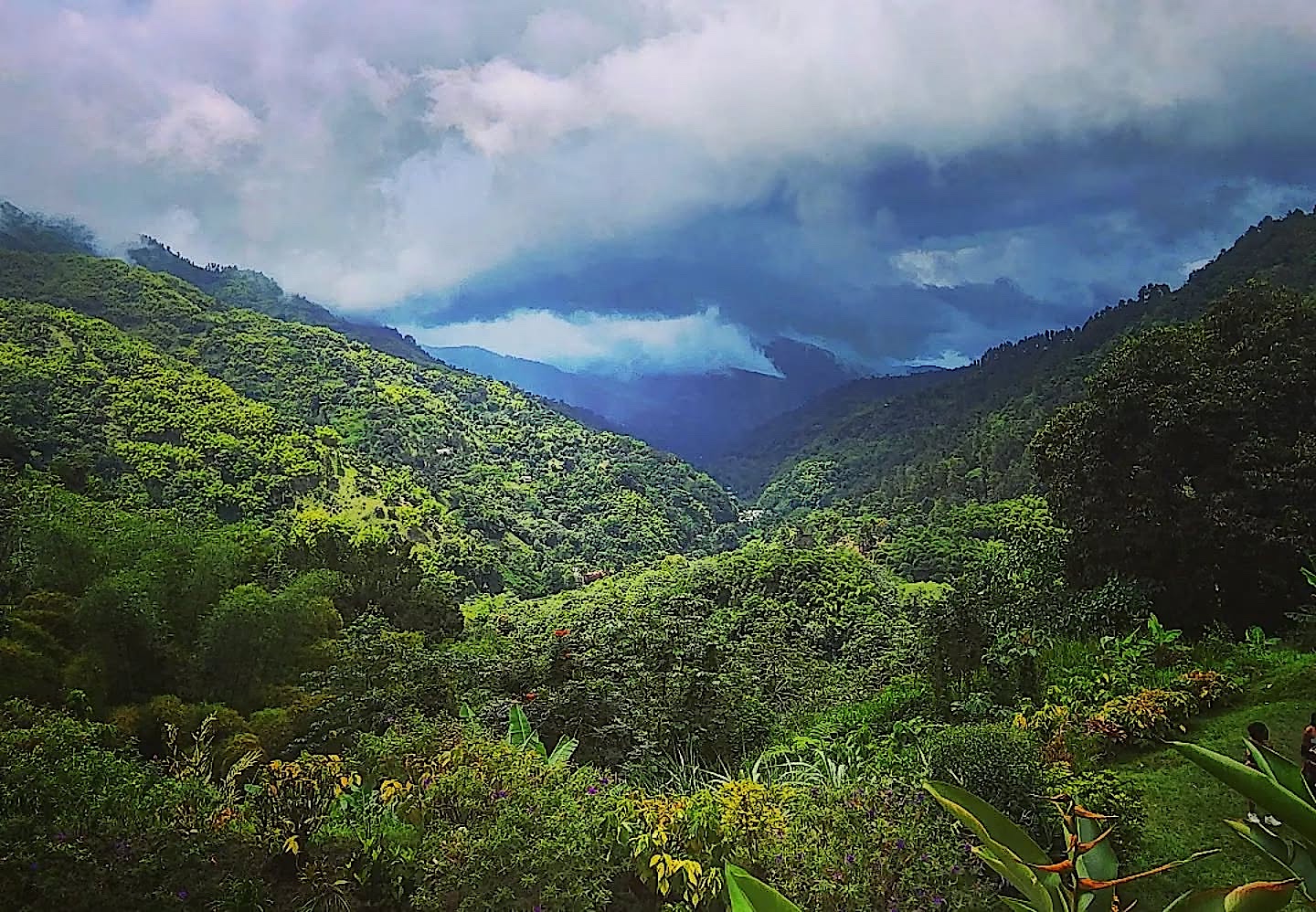
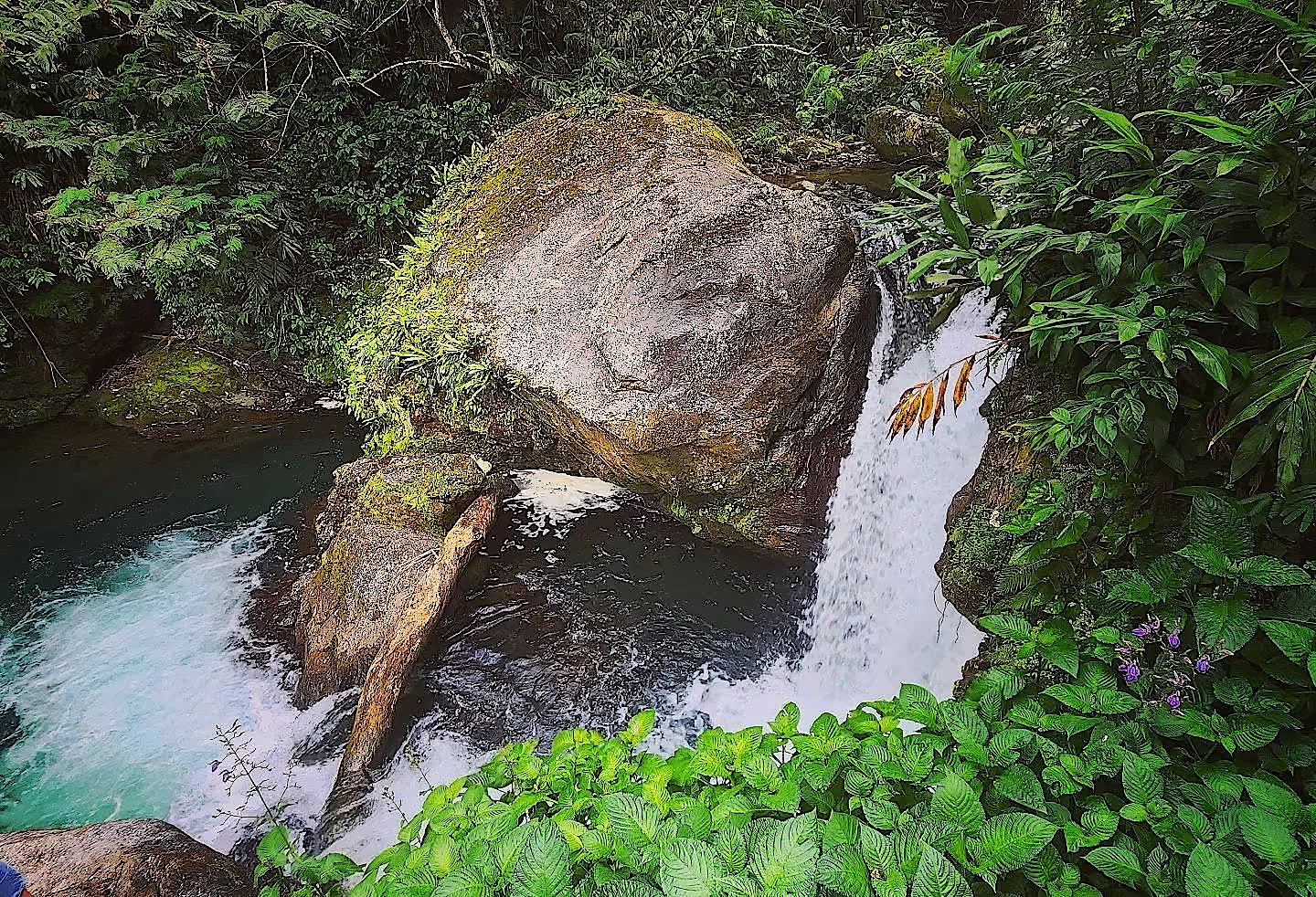
Then came the drive up into the Blue Mountains, with all the colours of Jamaica: deep green valleys, clouds on the ridges and clear mountain streams.
A villa near Port Antonio
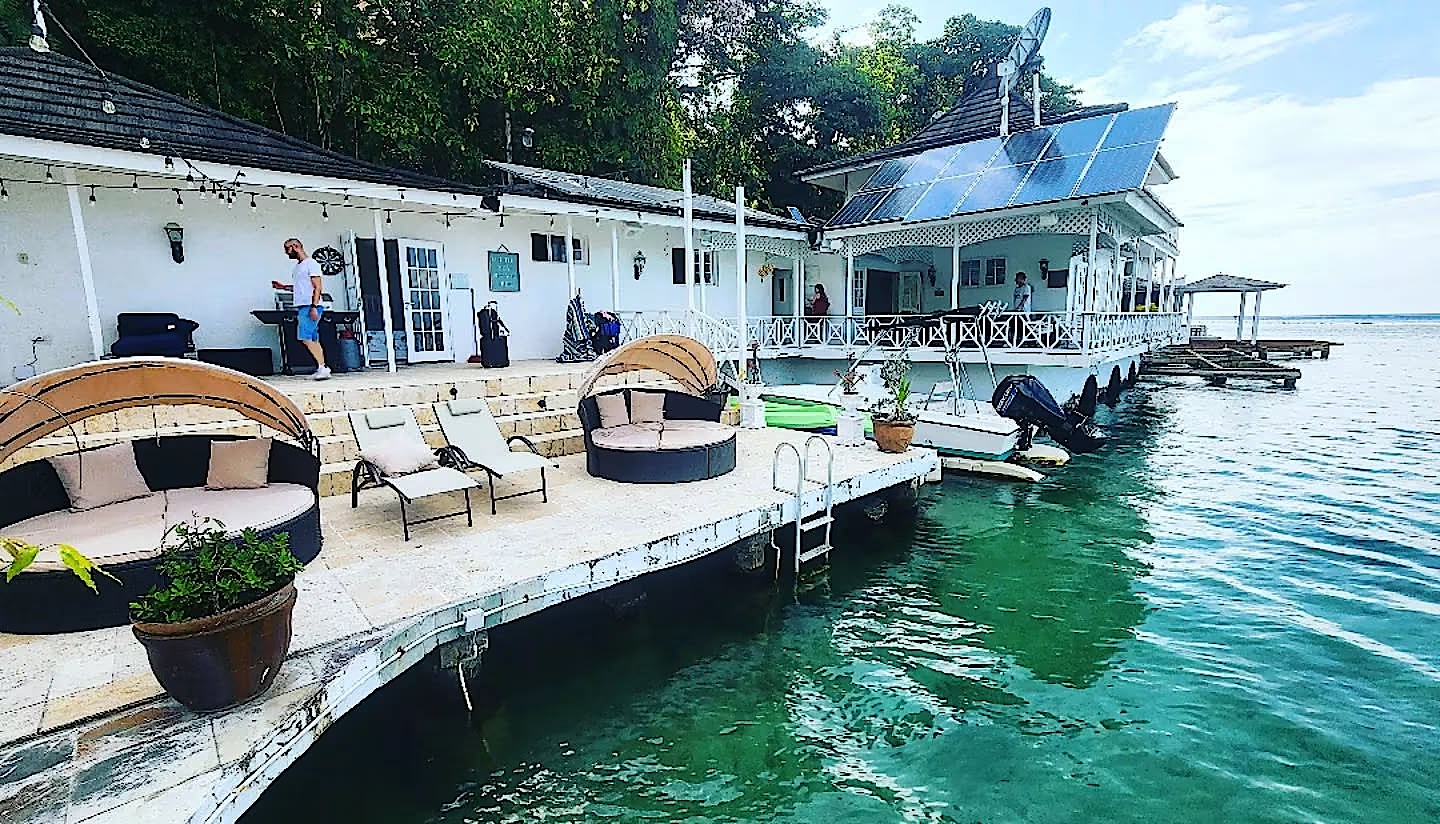
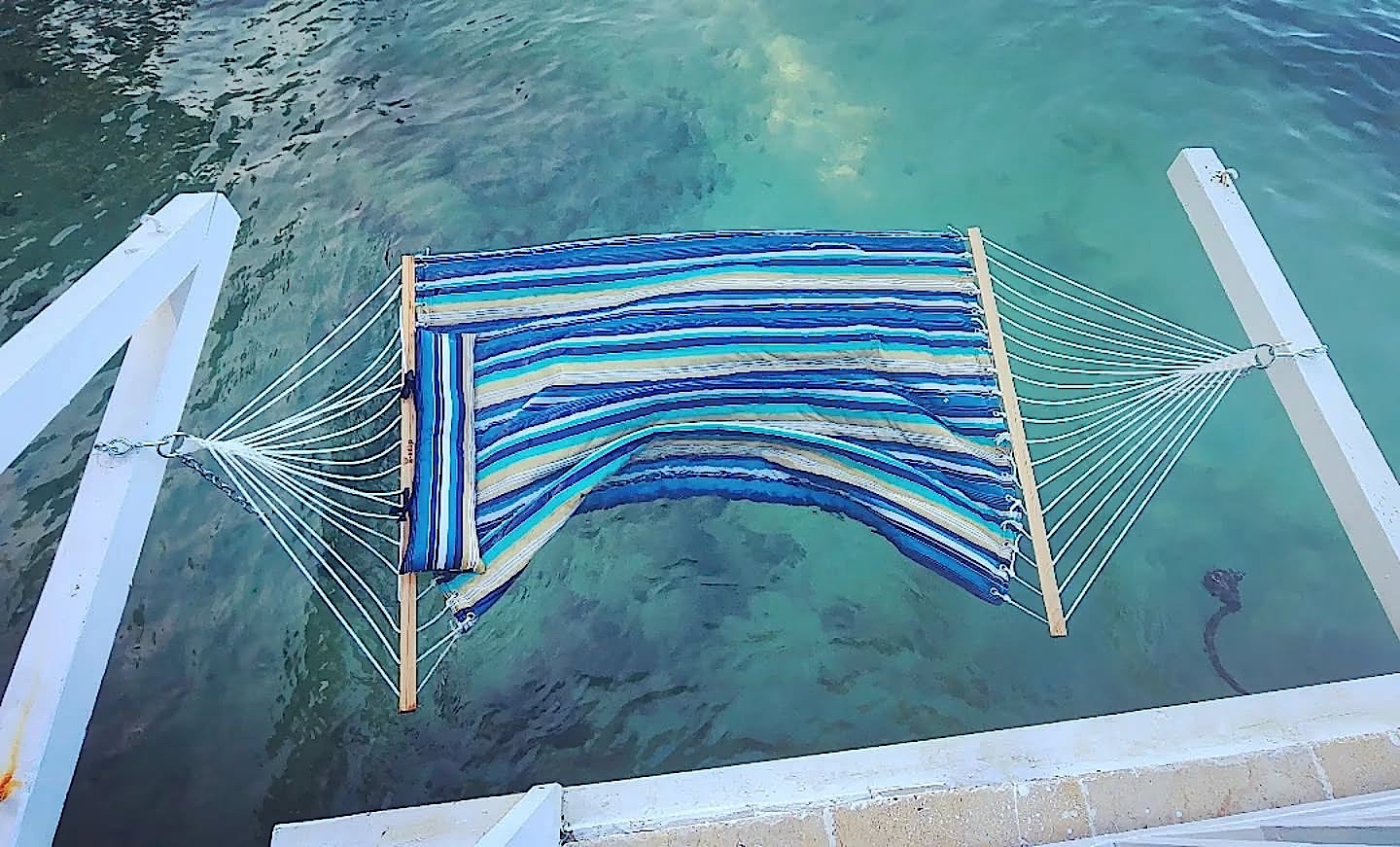
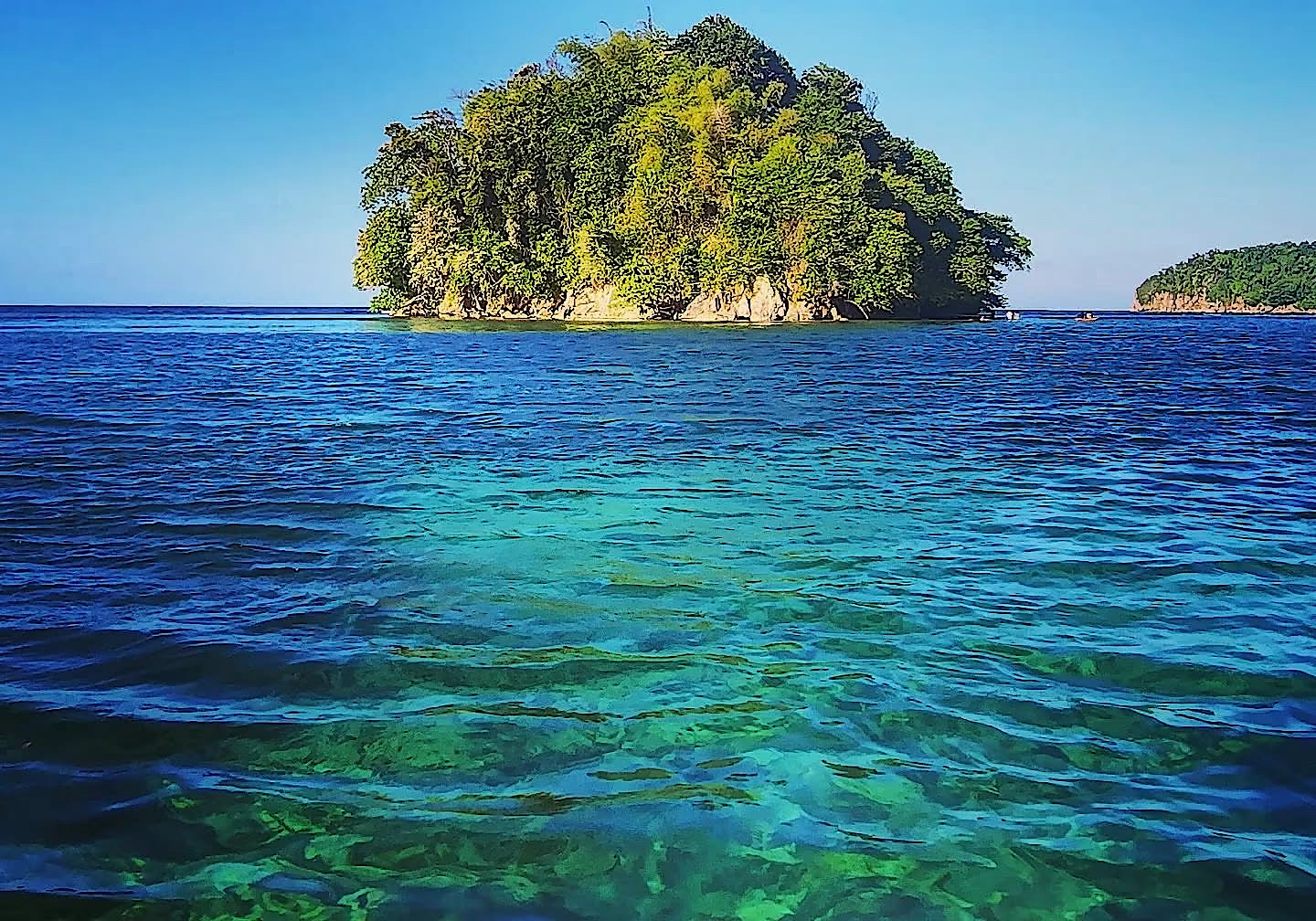
On the other side of the mountains we moved into a seaside villa near the Blue Lagoon at Port Antonio for three nights. My brother and several of his fellow students were joining after their exams, and we waited for the SY Staatenlos to arrive. The setting was, let's say, bearable: a jetty over turquoise water and an underwater hammock, a great invention for relaxing without mosquitoes. It was a phenomenal stay.
Back on board the SY Staatenlos
On 12 May I was finally back aboard the SY Staatenlos, and the boat made it to Negril at the western tip of the island.
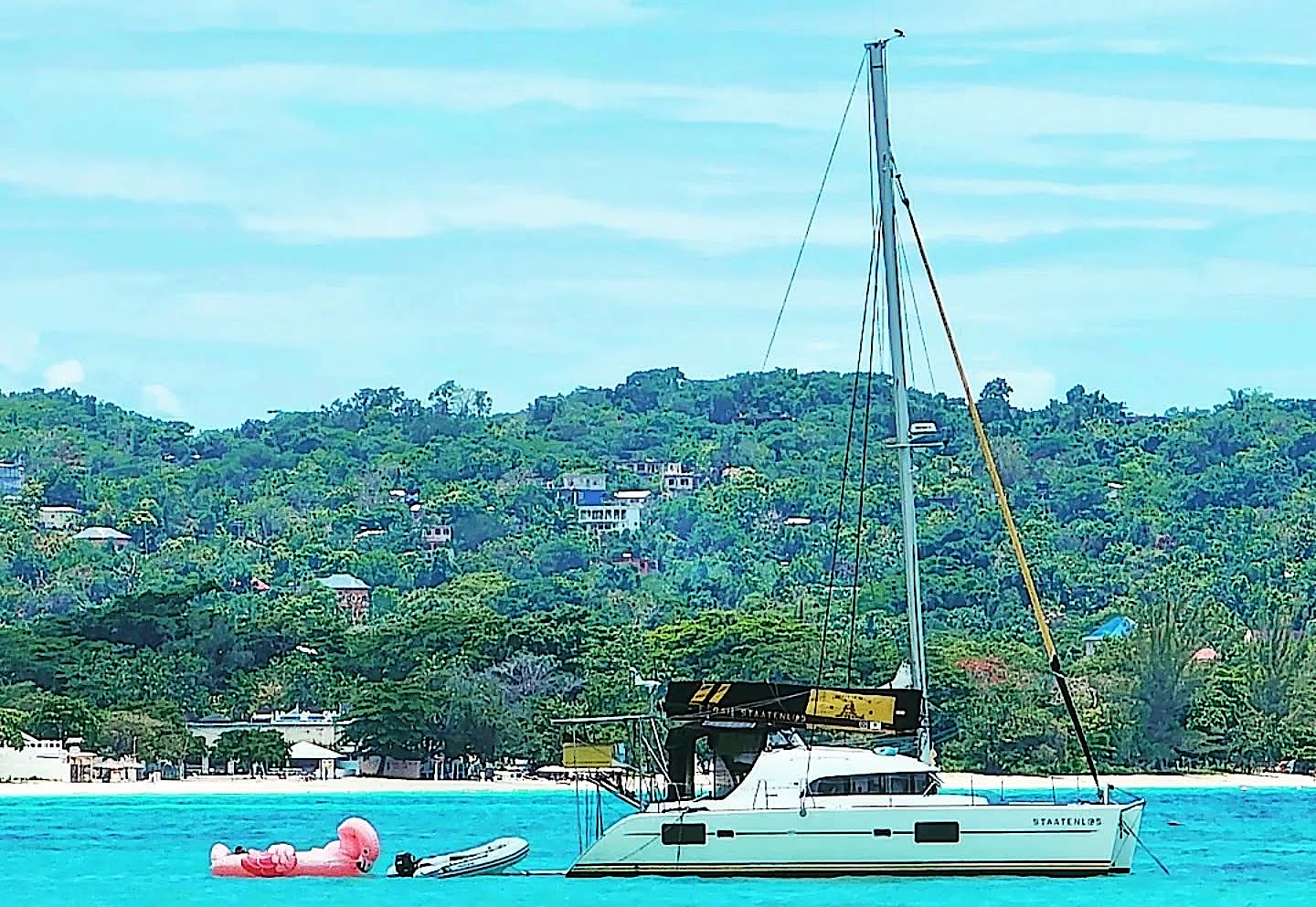
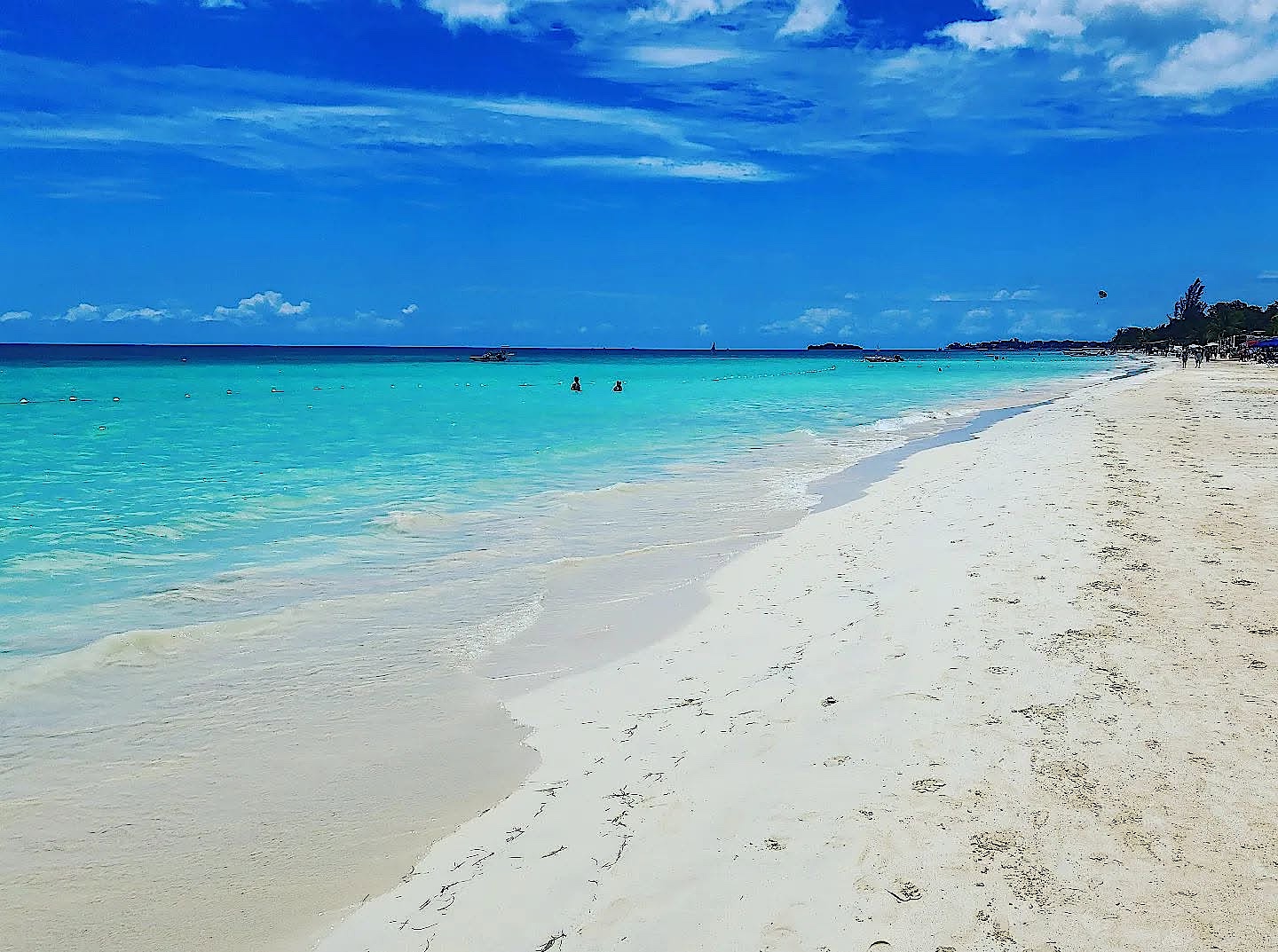
Seven Mile Beach was nice indeed. Our giant inflatable flamingo came out again for the first time in 15 months; even with a compressor it takes an hour to blow it up. Life was good.
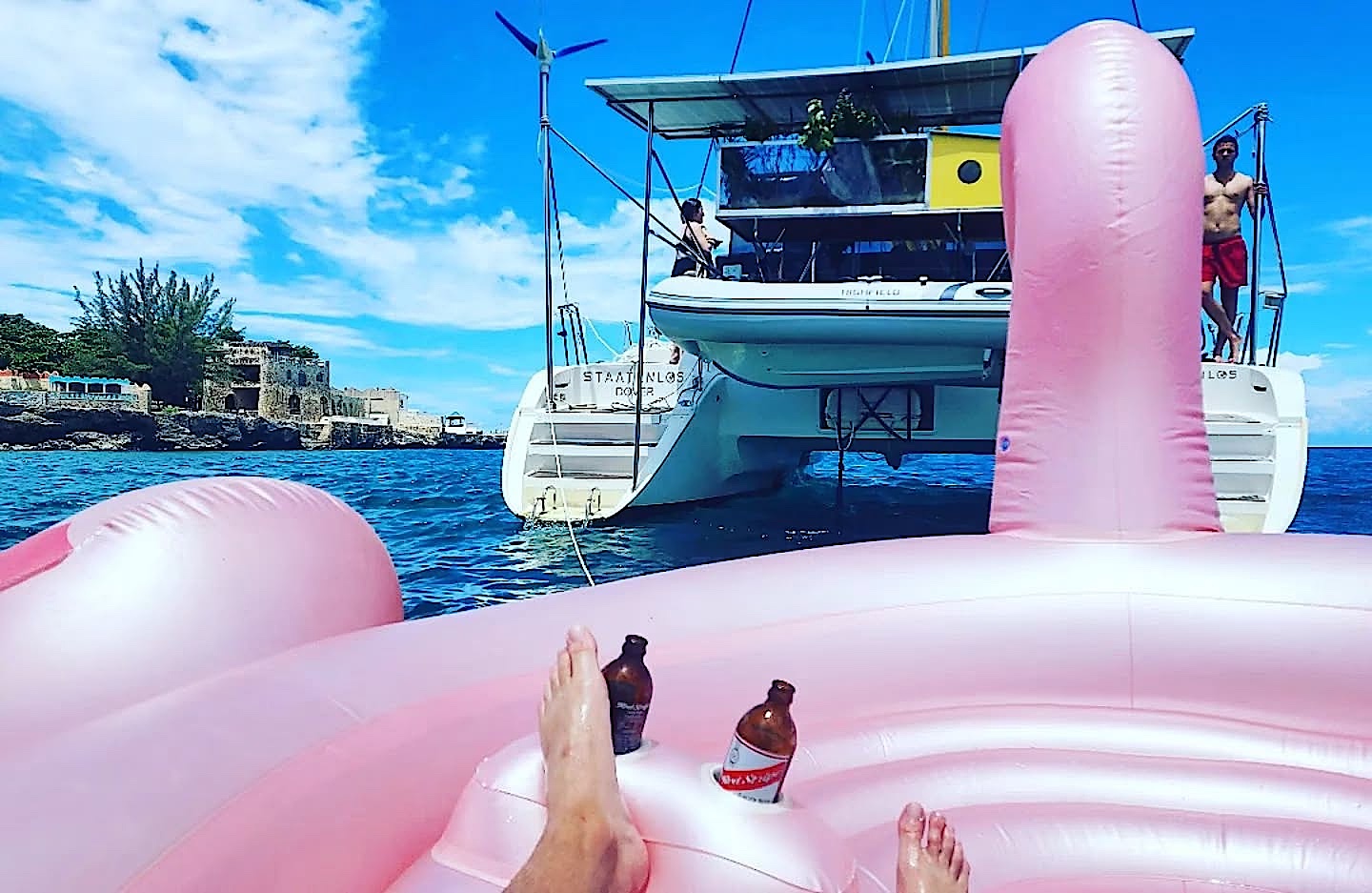
It was a great week with my brother and his friends, and I planned to visit them in Boston in the autumn. That needed preparation: for three years I had effectively been banned from the United States, because I had been to every country on the ESTA blacklist, from Syria, Libya, Iran and Iraq to Somalia, Yemen and North Korea. I booked a visa appointment in Munich for October.
Our next anchorage lay in front of a cliff-top villa. The owner had already invited us and let us use his stairs to get ashore after swimming in from the boat. Swimming back to the catamaran in the dark was quite an adventure, but luckily no shark ate me. The owner was extremely friendly and even invited us for dinner. He was, of course, a crypto millionaire.
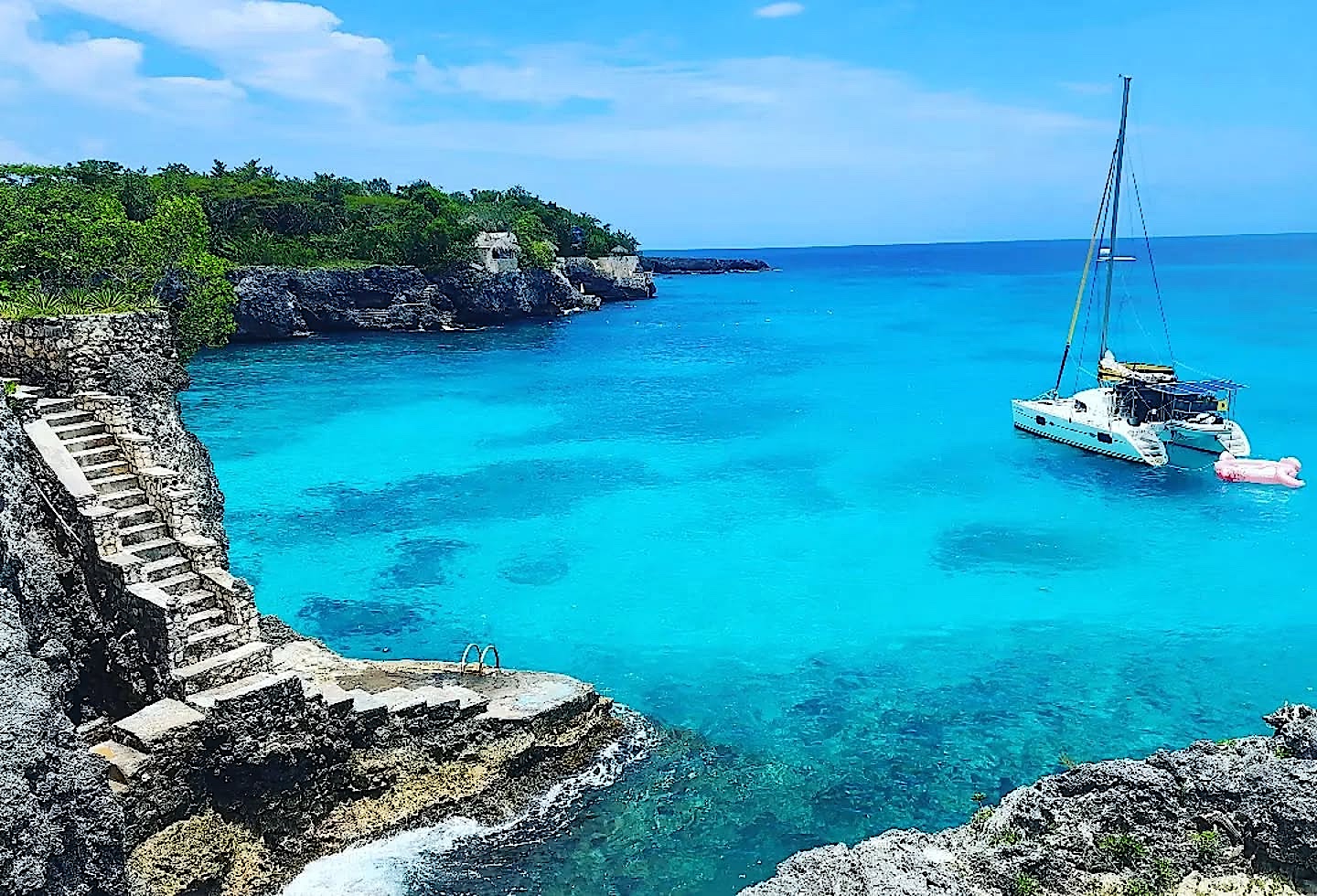
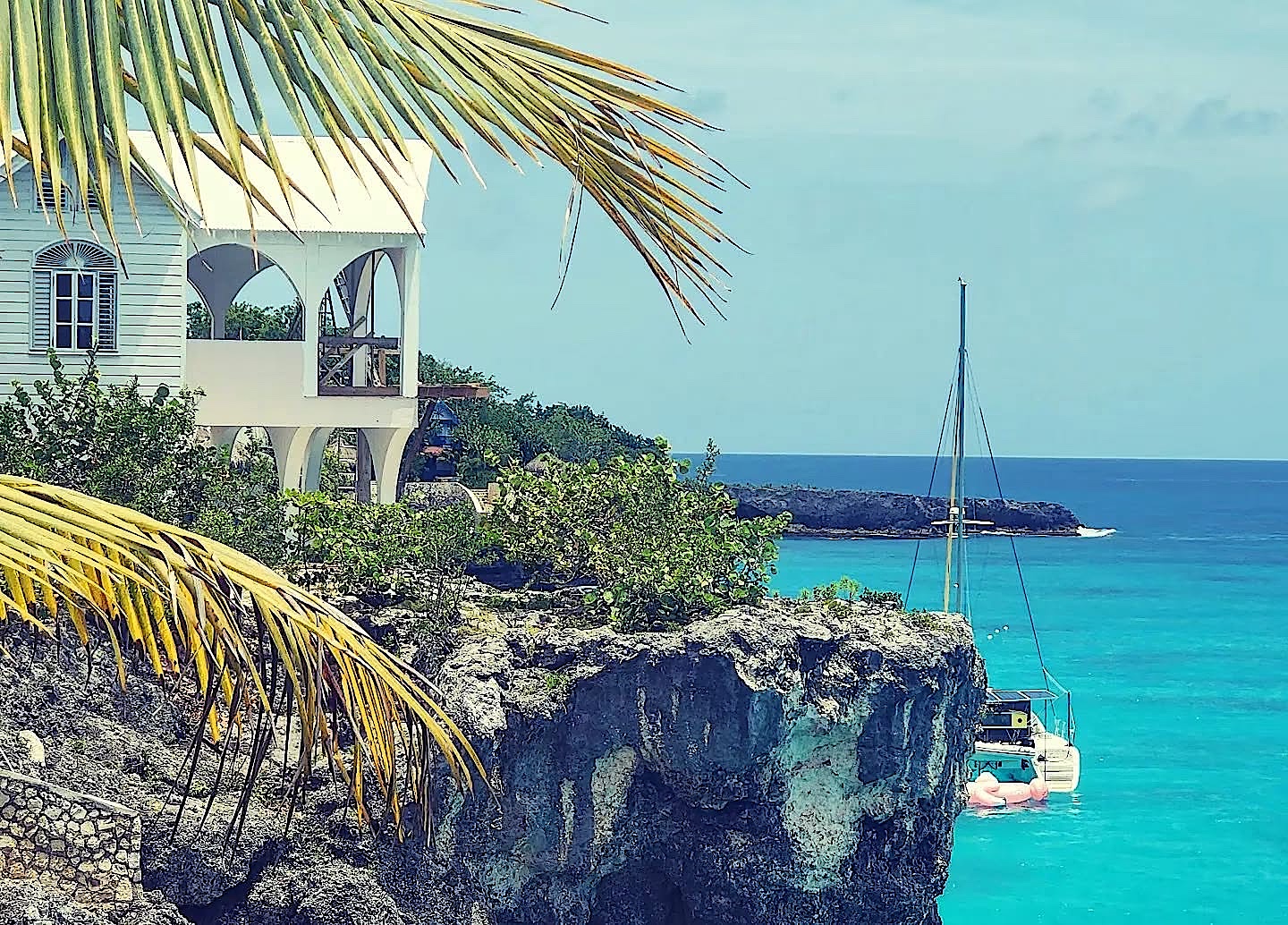
On 16 May it was already time to leave. When I see my catamaran next time, I thought, I will probably have visited every country, and that will mean more time on the oceans again, starting with cruising in Panama from November. First, though, came a short family visit in Germany and then two weeks in Algeria, my largest African country still missing, provided my passport came back with the visa in time.