Six Days in the Holy Land: Caesarea, the Golan Heights, Jerusalem and the Dead Sea
5–12 November 2018 · Caesarea, Haifa, Rosh Hanikra, Sea of Galilee, Golan Heights, Nimrod Fortress, Jerusalem, Jericho, Bethlehem, Masada, Ein Gedi, Tel Aviv · Regions: Israel, Palestine (West Bank)
In September 2016 I invited fellow digital nomads on a Staatenlos trip to the Holy Land, a loop through Israel, Palestine, Jordan and the Sinai planned for the following January. In the end it took me until November 2018 to get there myself. After a seminar in Cyprus I flew to Tel Aviv for a week, and Israel became number 110 on my list of territories.
I arrived with a picture of the country that had been painted mostly by the news. Six days later I left with a very different one, after a loop from the Lebanese border down to the Dead Sea.
Caesarea, Haifa and the Lebanese border
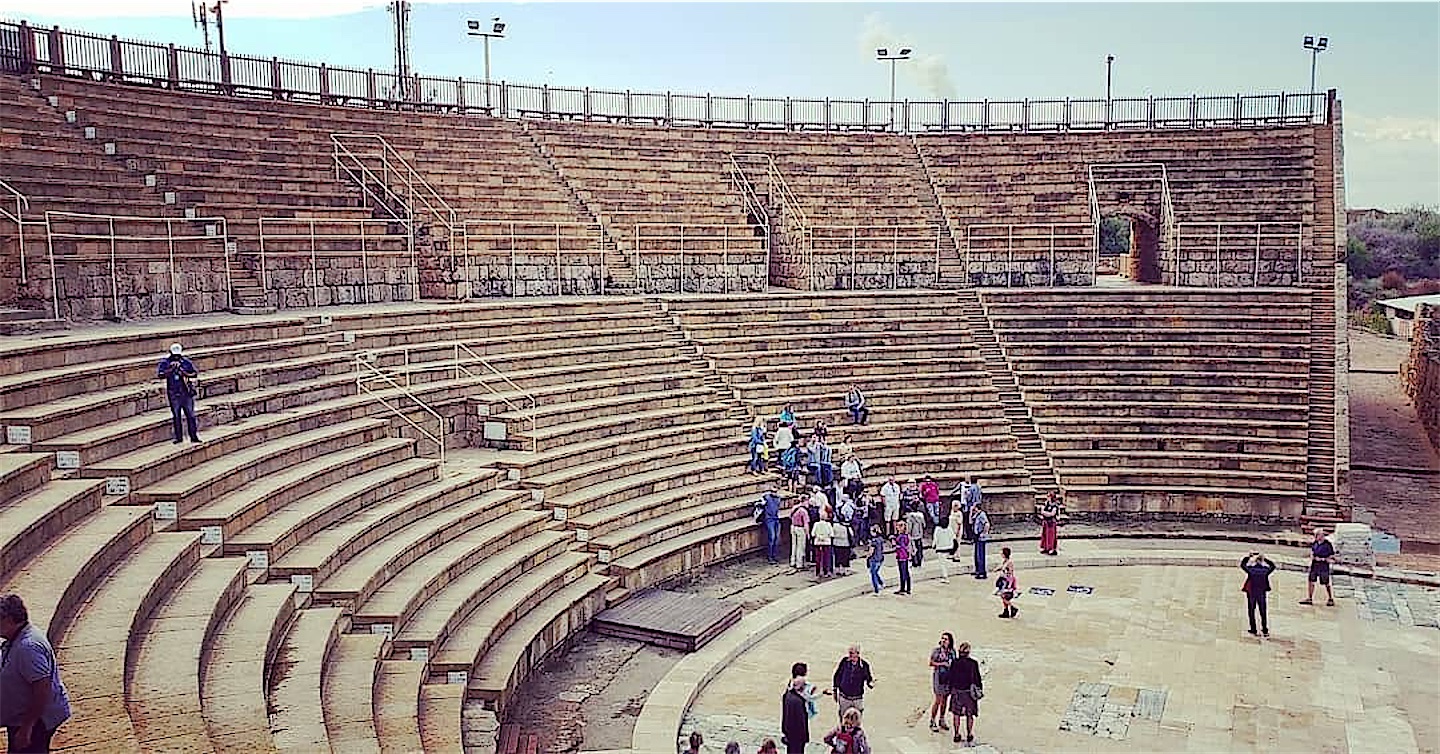
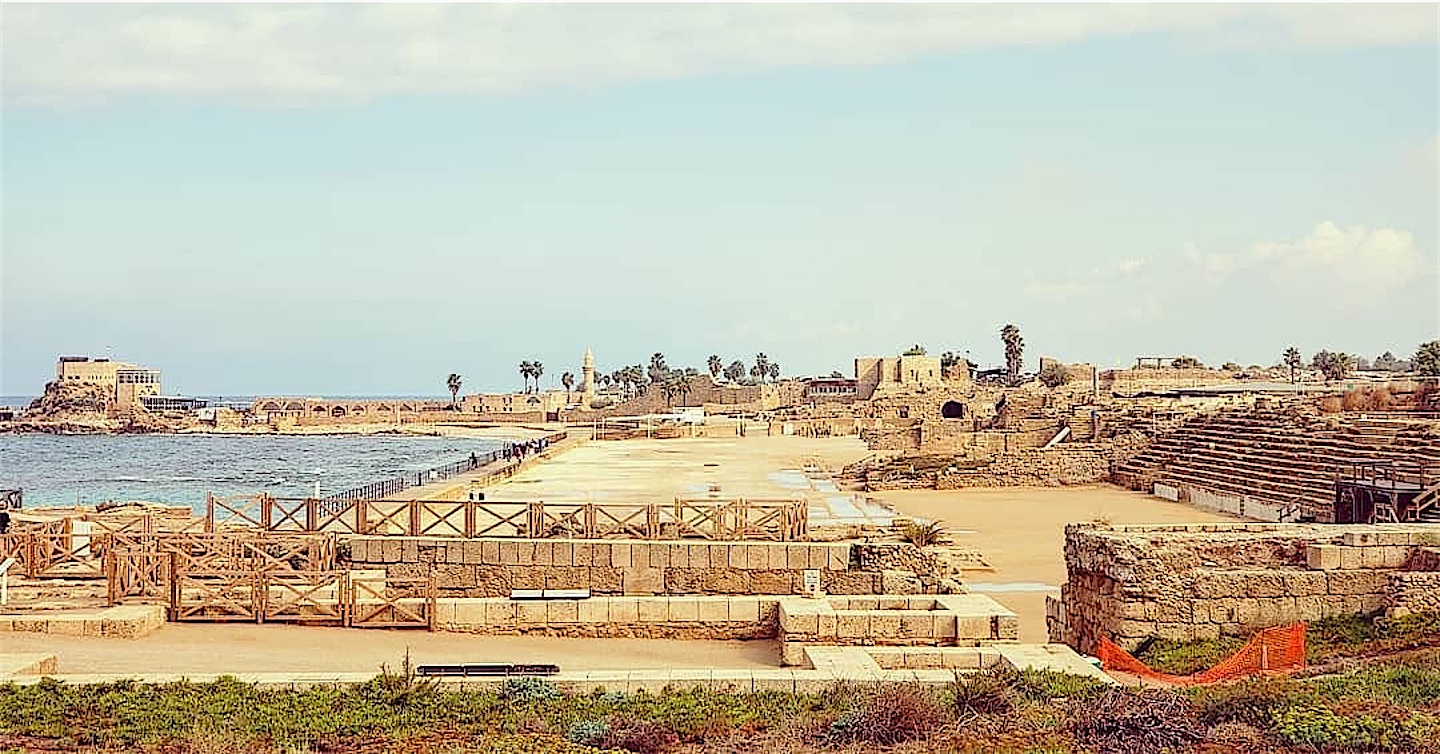
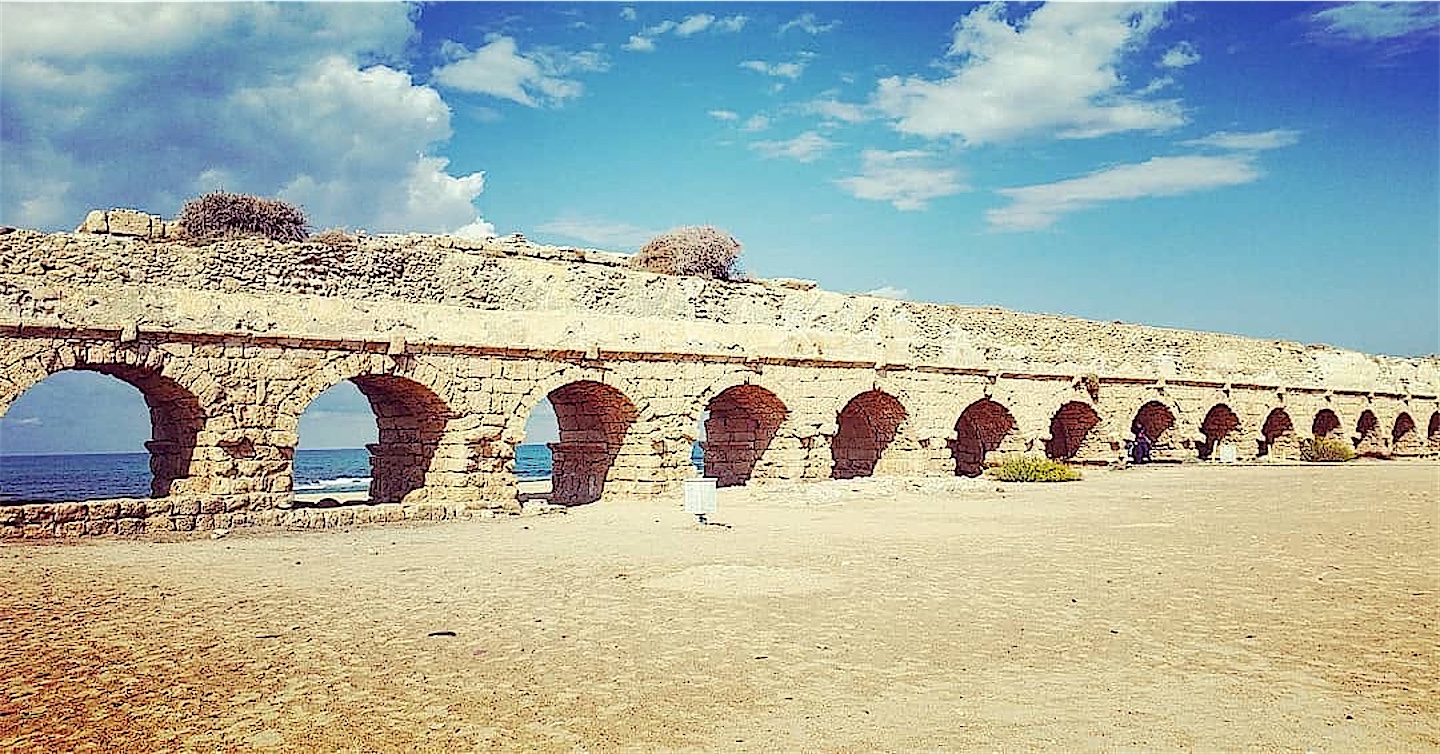
My first full day took me north along the coast. At Caesarea the Romans built a theatre facing the Mediterranean, and with its hippodrome, harbour and seaside palace the city was Sin City long before Tel Aviv. A little further north, the arches of the old aqueduct still run along the beach.
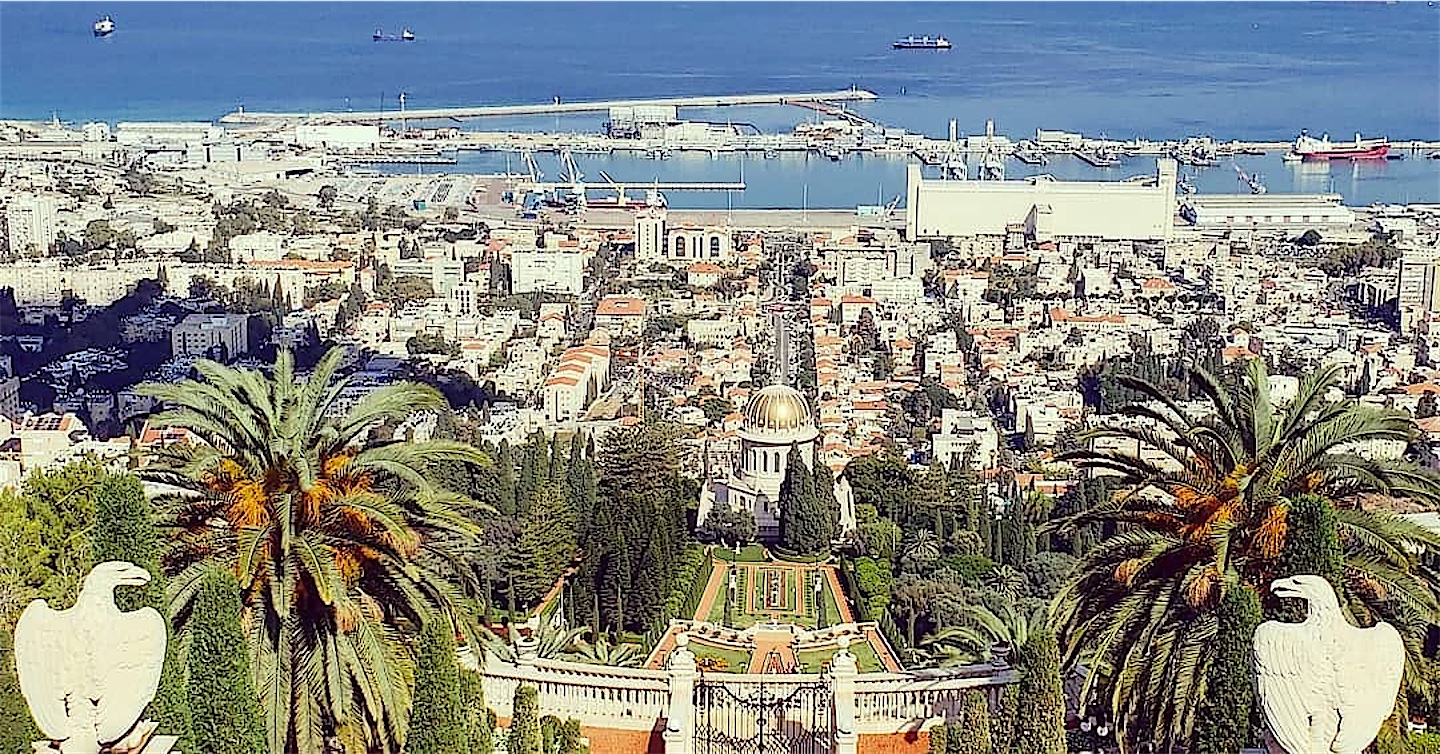
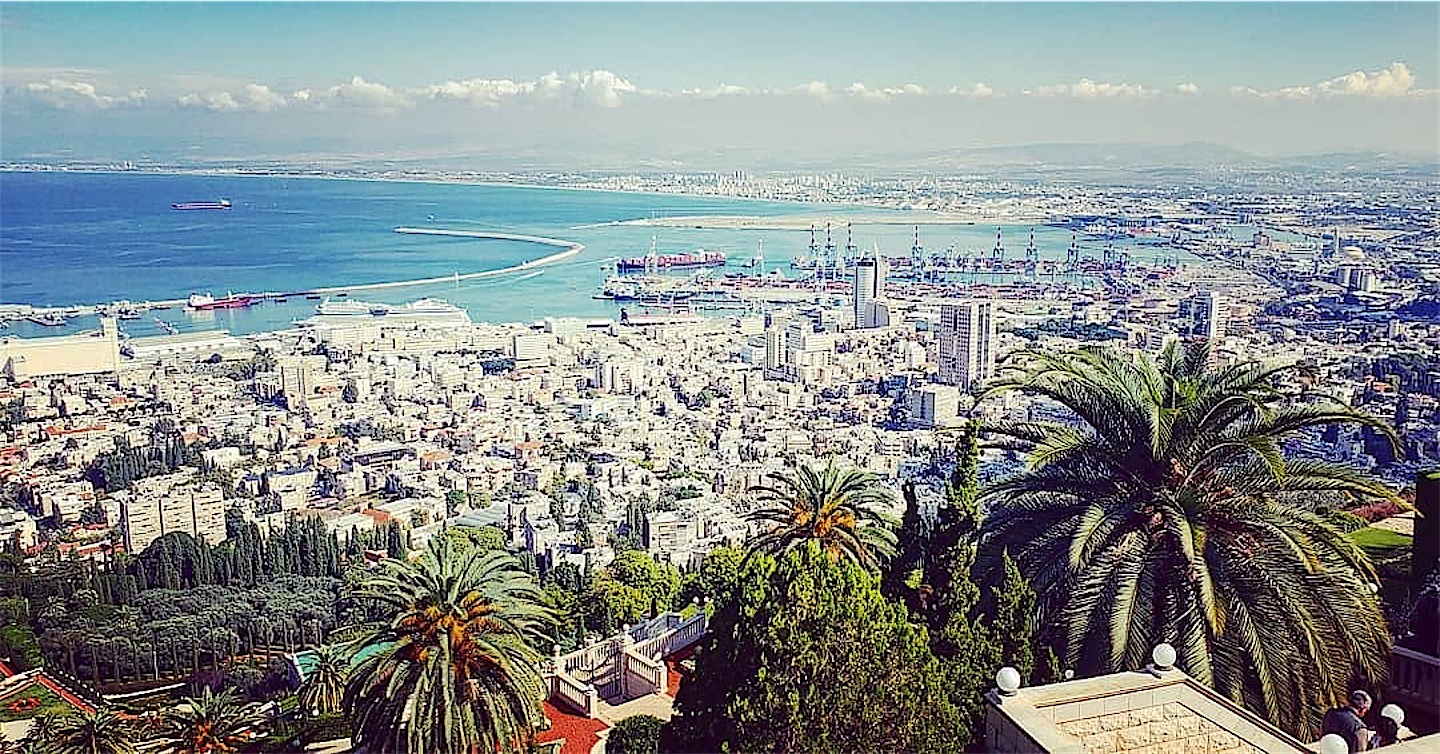
In Haifa I looked down from the top of the Bahá'í Gardens: terraces, cypresses and the golden dome of the Shrine of the Báb, with the straight avenue of the German Colony running down to the port. A beautiful shrine of what I consider a dangerous religion. Haifa itself turned out to be a nice city.
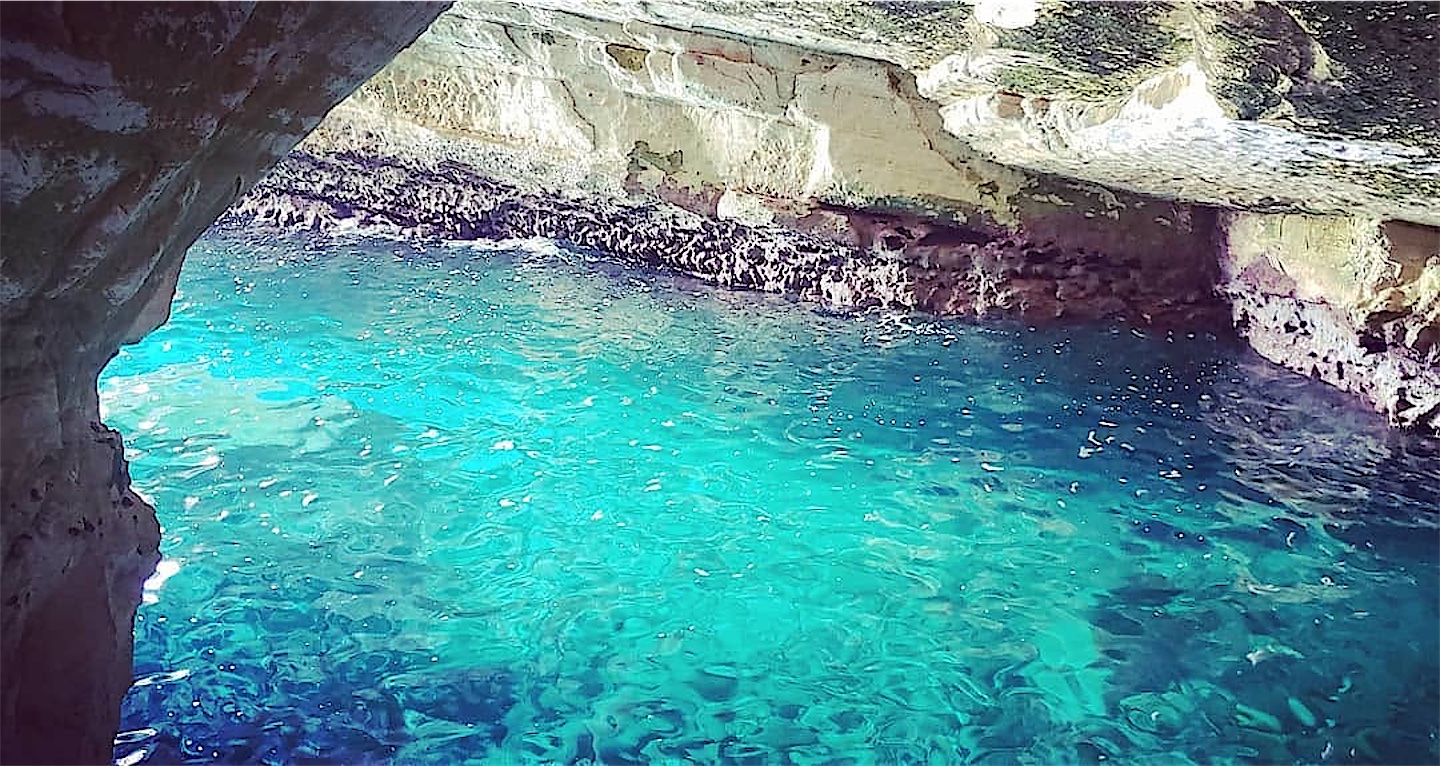
By early afternoon I was almost in Lebanon. At Rosh Hanikra, where white chalk cliffs mark the border, the sea has carved grottoes into the rock and the water inside glows turquoise. The border itself is closed, so Lebanon had to wait almost another year, until my trip to Syria.
The Sea of Galilee and a bunker on the Golan
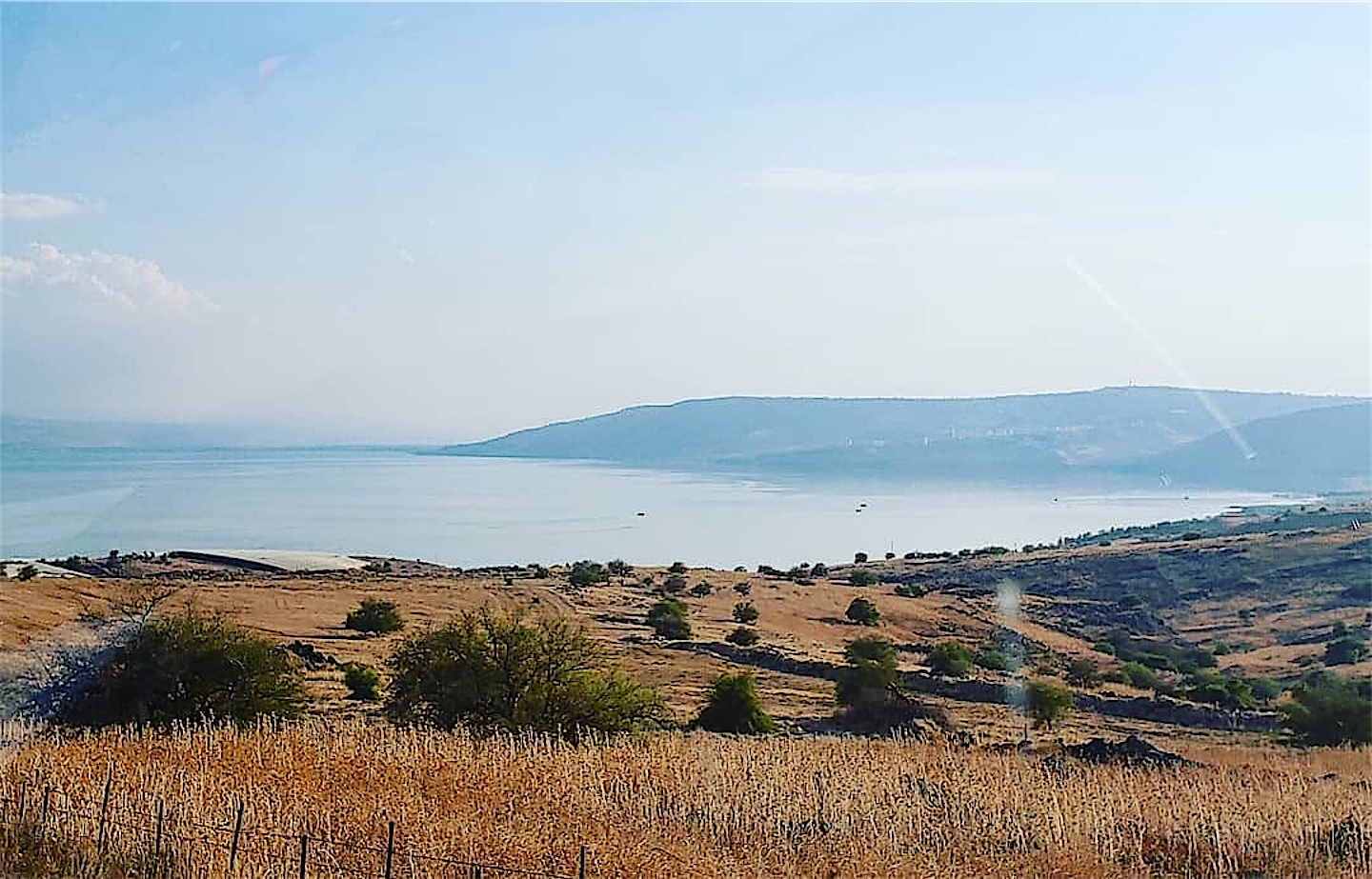
The next morning I reached the Sea of Galilee, Israel's largest freshwater lake, more than 200 metres below sea level. South-east of the lake the road follows the border with Jordan, which is still heavily mined. In the canyon below lay a detonated bridge. From there I headed up onto the Golan Heights.
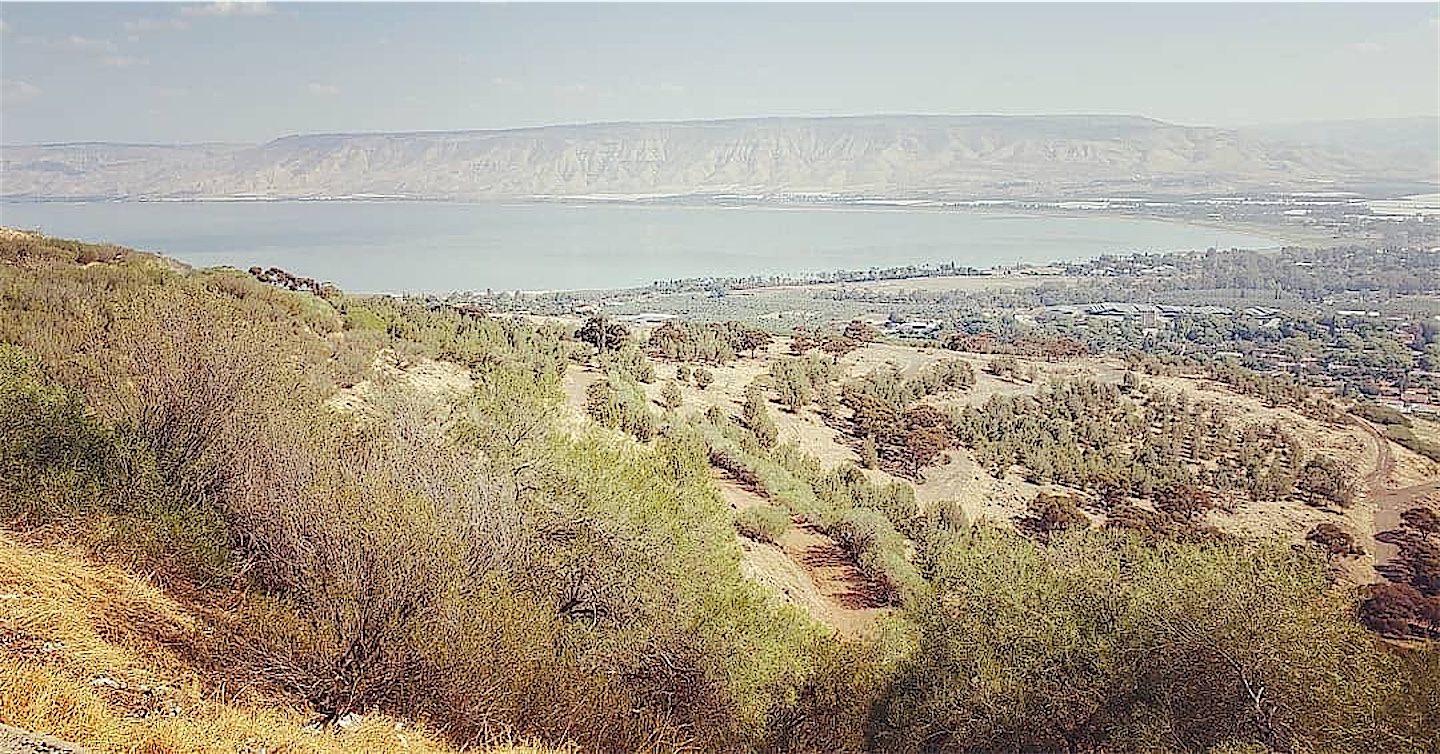
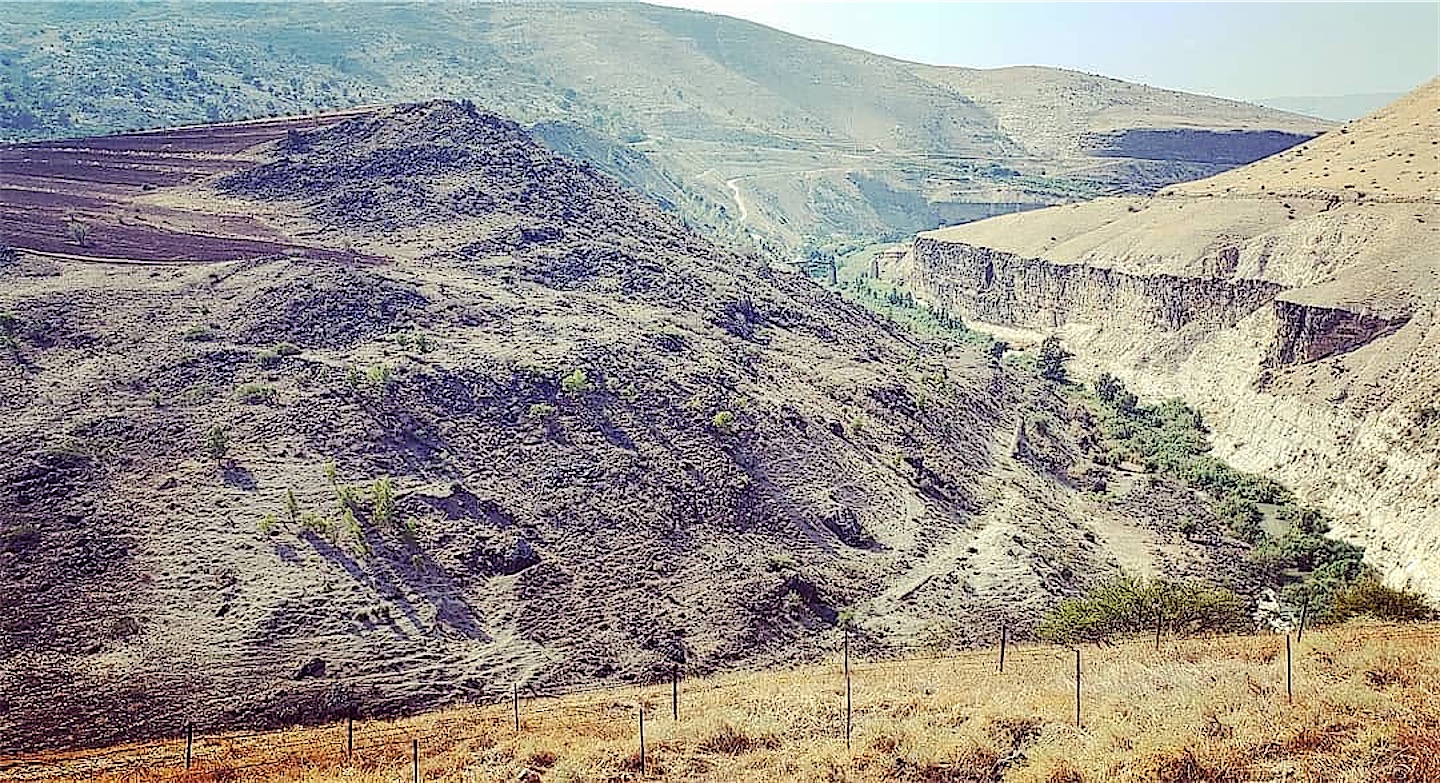
Near Merom Golan I peeked into Syria from an old Israeli bunker. Below lay the Syrian town of Quneitra, and Damascus was a mere 50 kilometres away. In the Yom Kippur War, an army of more than a thousand Syrian tanks rolled across this plain against Israeli forces outnumbered roughly ten to one. I would make it to Damascus myself less than a year later.
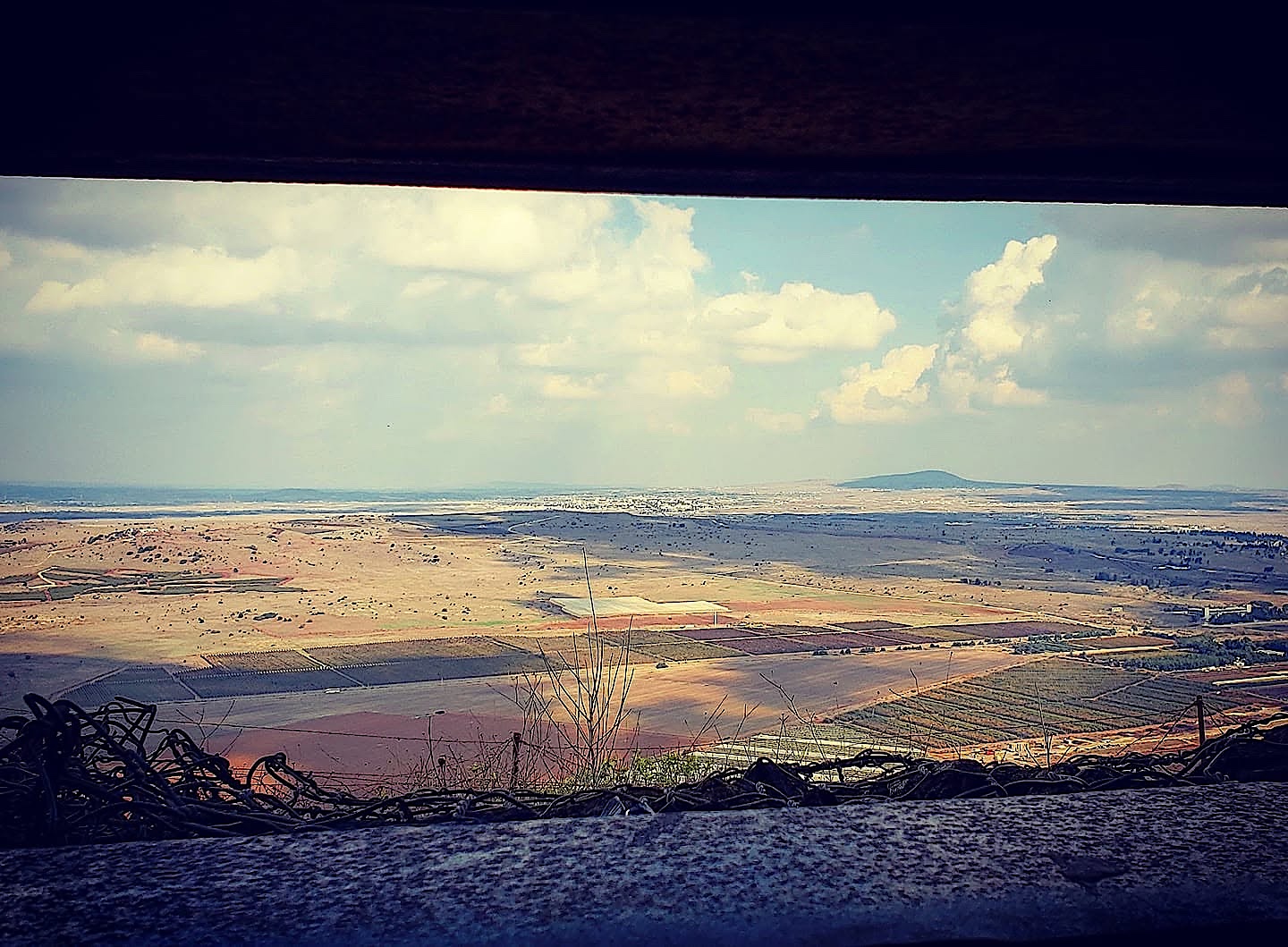
That evening I summed up my first days. I had expected roadblocks everywhere and thousands of soldiers, but I had encountered nothing and no one, not even along the borders. So much for the reality the media had sold me.
Springs, a castle and the Jordan River
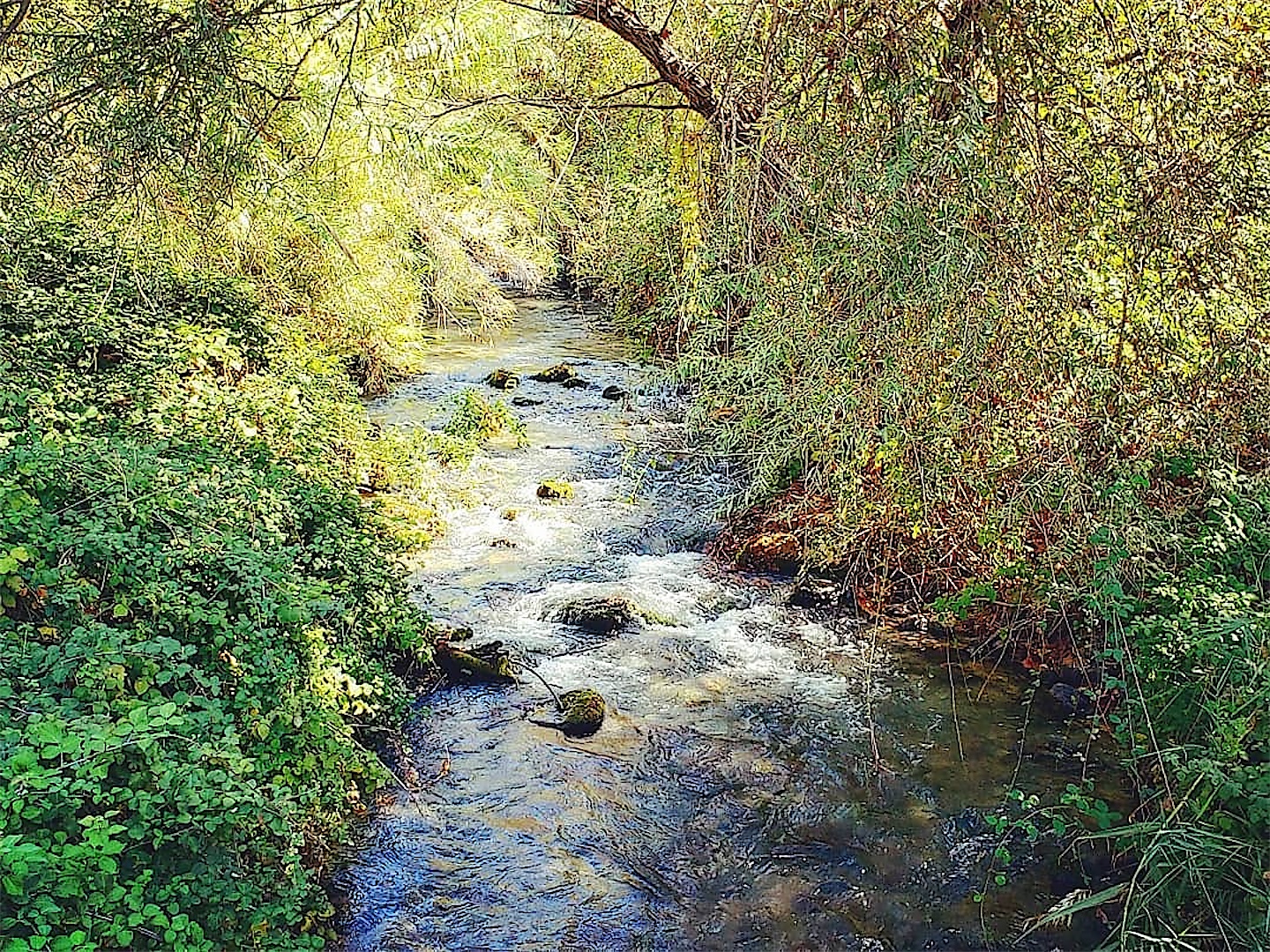
The third day began at Banias, at the foot of Mount Hermon, where clear streams run through green woods. There are actually streams in Israel, I noted. The springs here are one of the main sources of the Jordan River, and in antiquity a sanctuary of the god Pan stood above them.
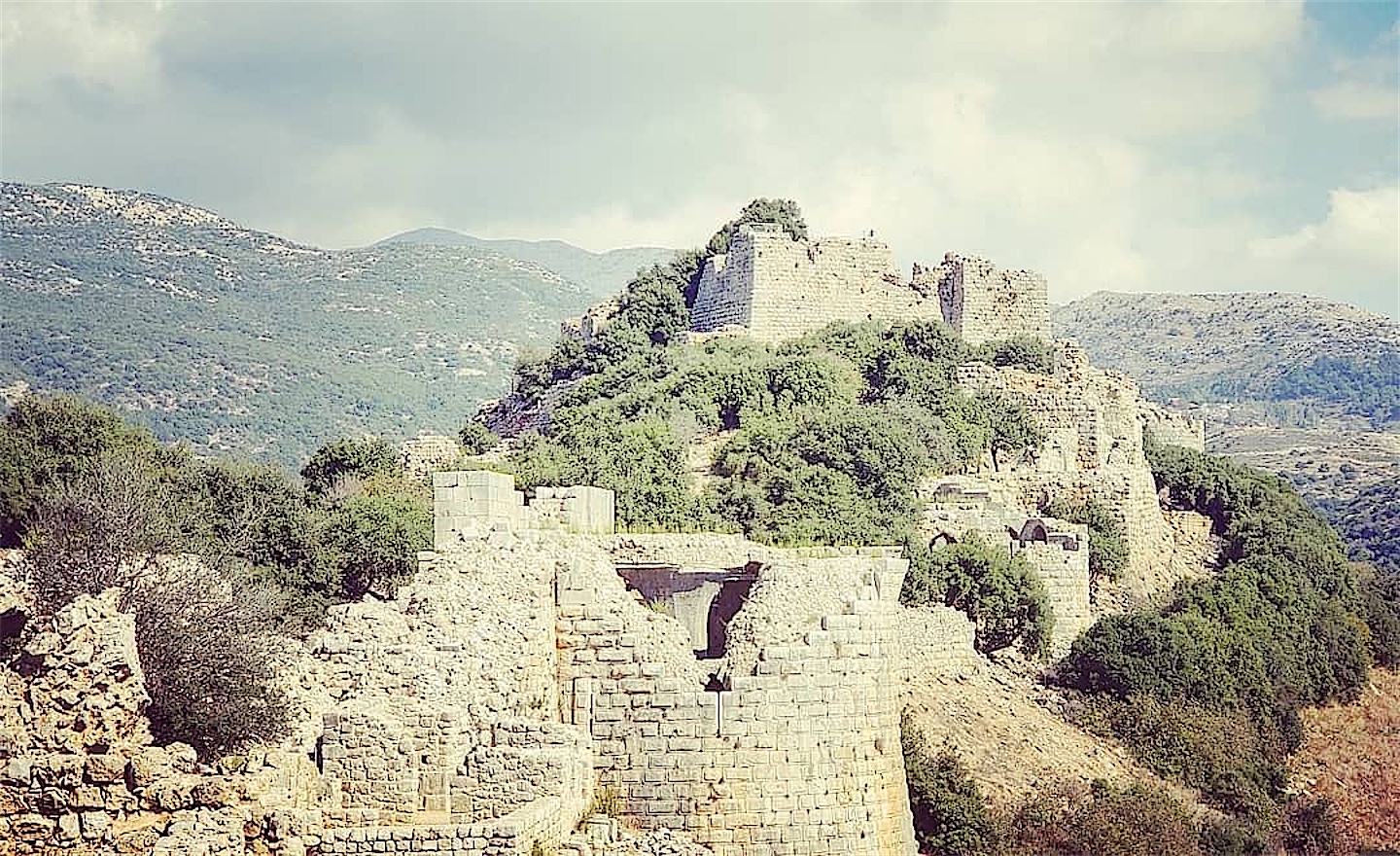
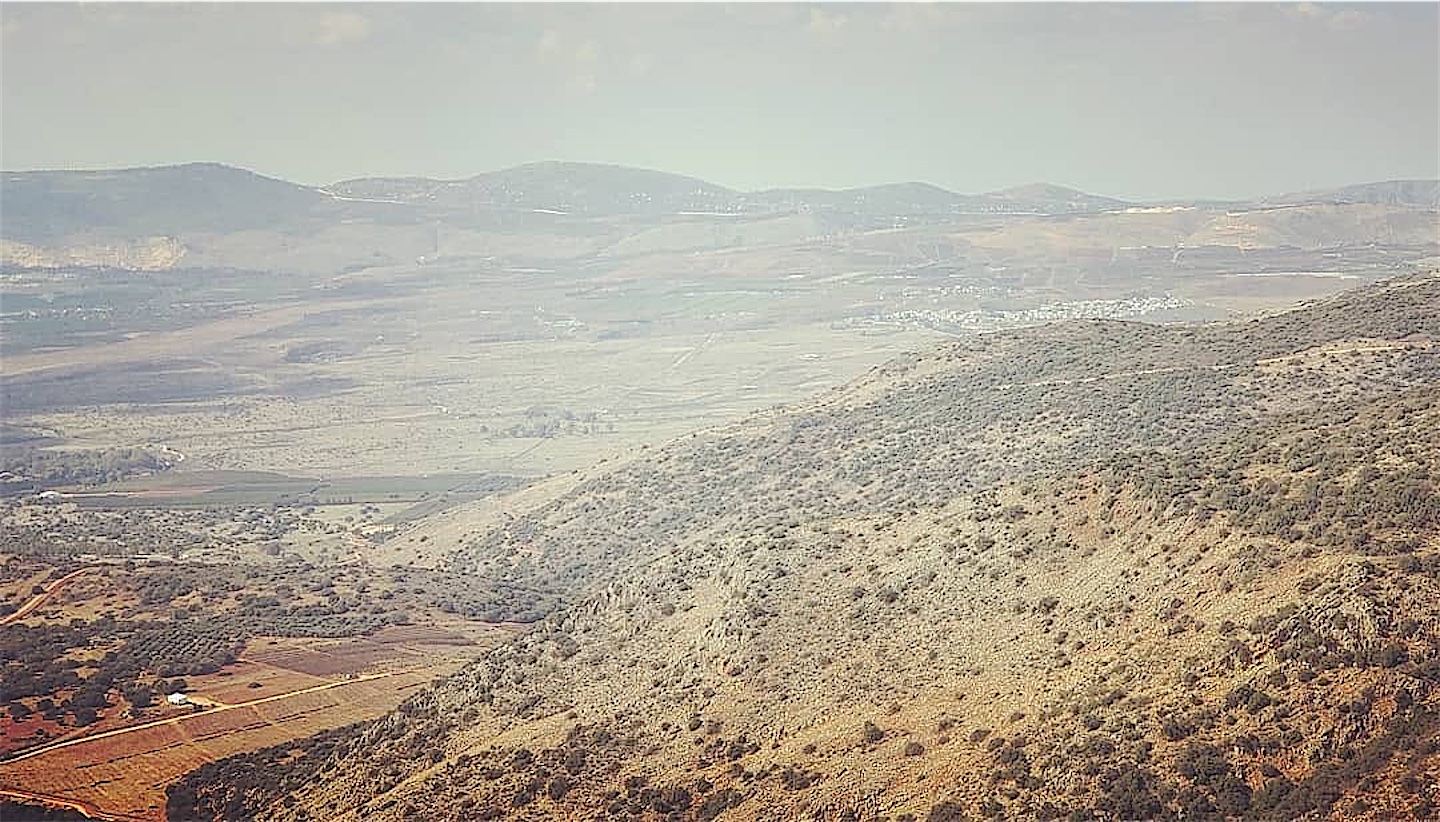
Higher up the ridge sits Nimrod Fortress, built in the 13th century to guard the road to Damascus against the Crusaders. From its walls I looked up at Mount Hermon. At 2,814 metres it is the highest peak of Syria, and on its southern slopes, at 2,236 metres, lie Israel's highest point and a ski resort. In the other direction the view reached far into Lebanon.
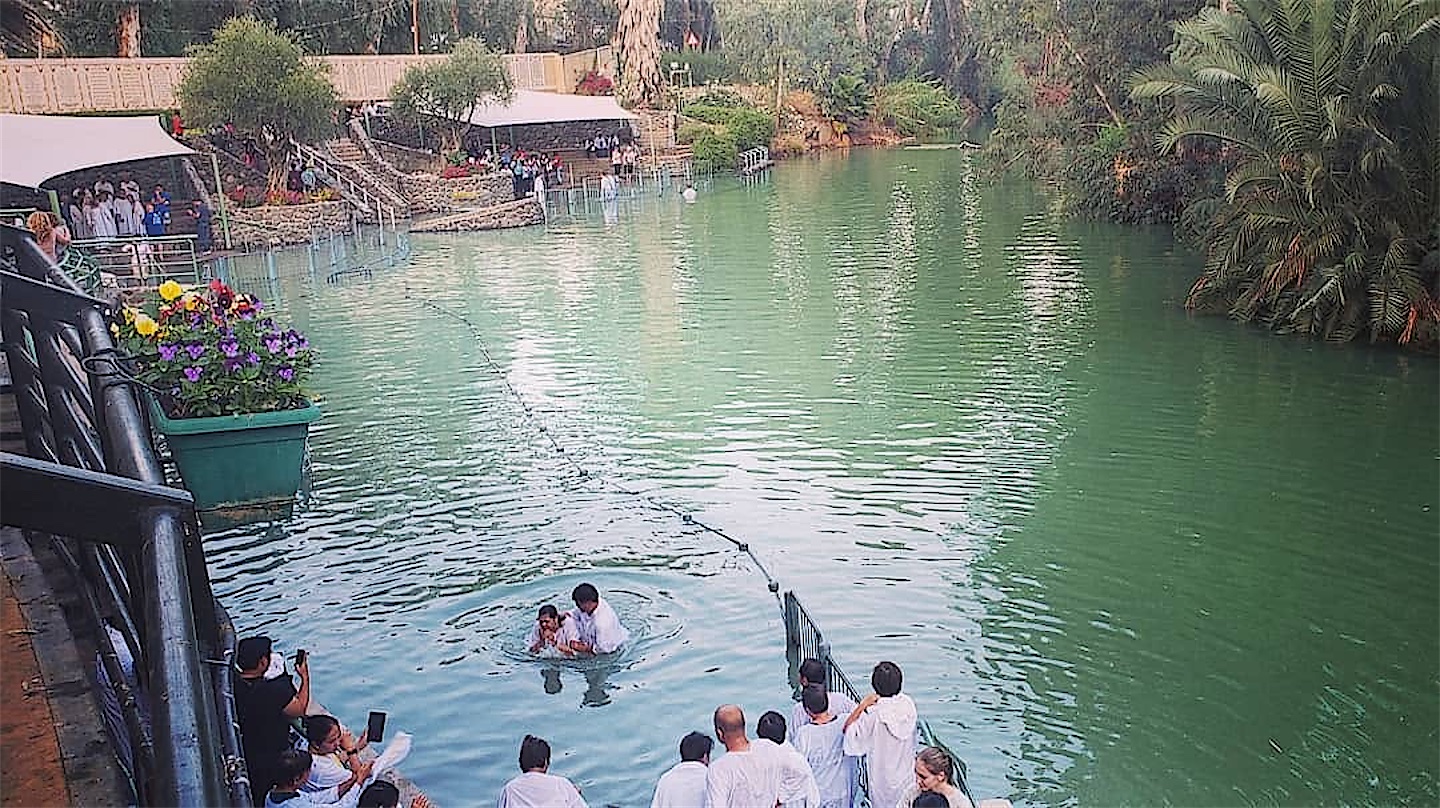
In the afternoon I was back at the Sea of Galilee and continued to Yardenit, the baptismal site where the Jordan flows out of the lake. Pilgrims in white robes were wading into the green water to be baptised. The place where tradition locates the baptism of Jesus actually lies much further south, near Jericho, but Yardenit is much easier for pilgrims to reach.
From there the road took me south along the Jordanian border, through the Israeli-controlled Area C of the West Bank, all the way up to Jerusalem.
Jerusalem
I arrived in time for a late walk to the Western Wall, lit up at night, with the Dome of the Rock shining above it.
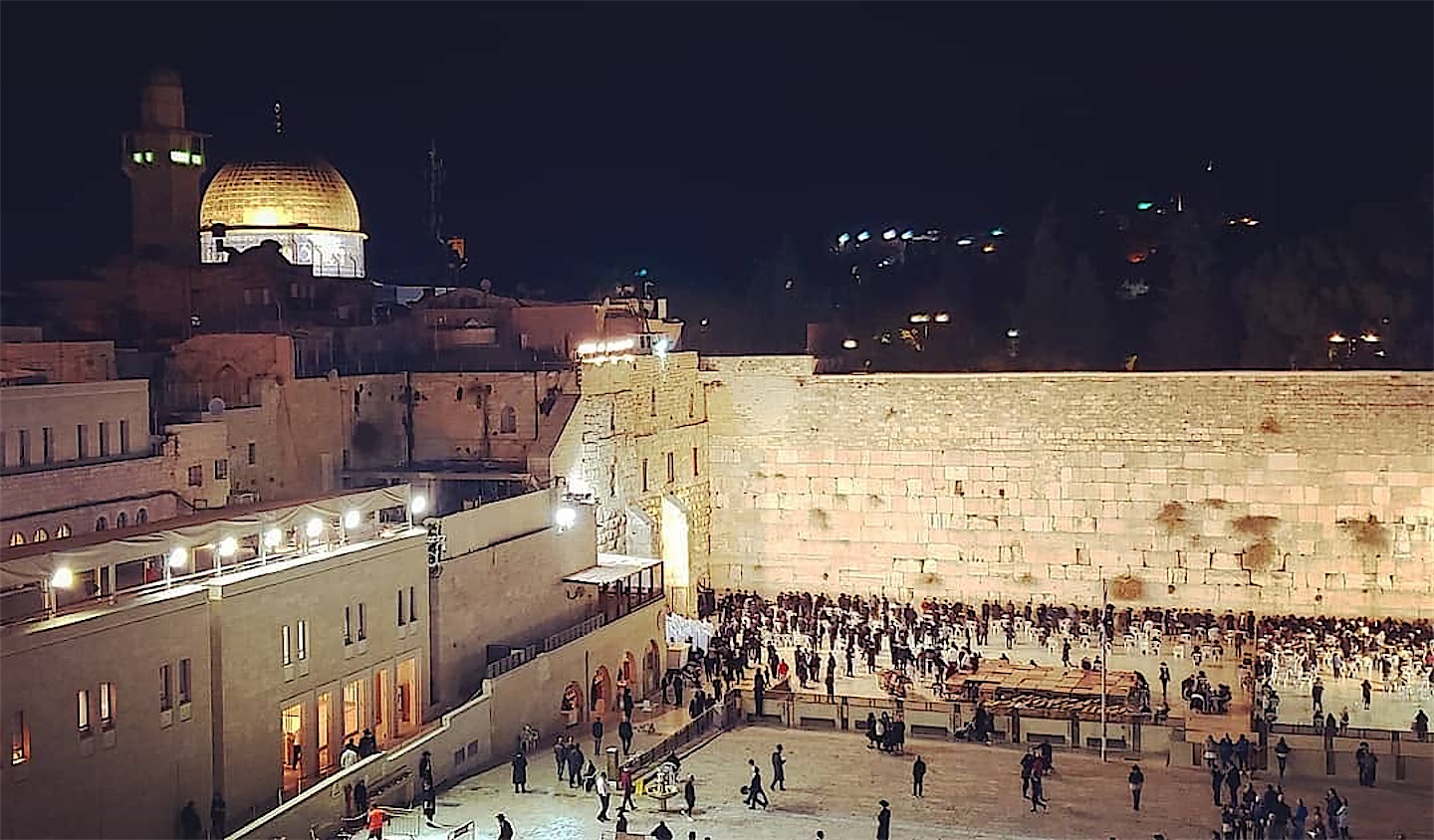
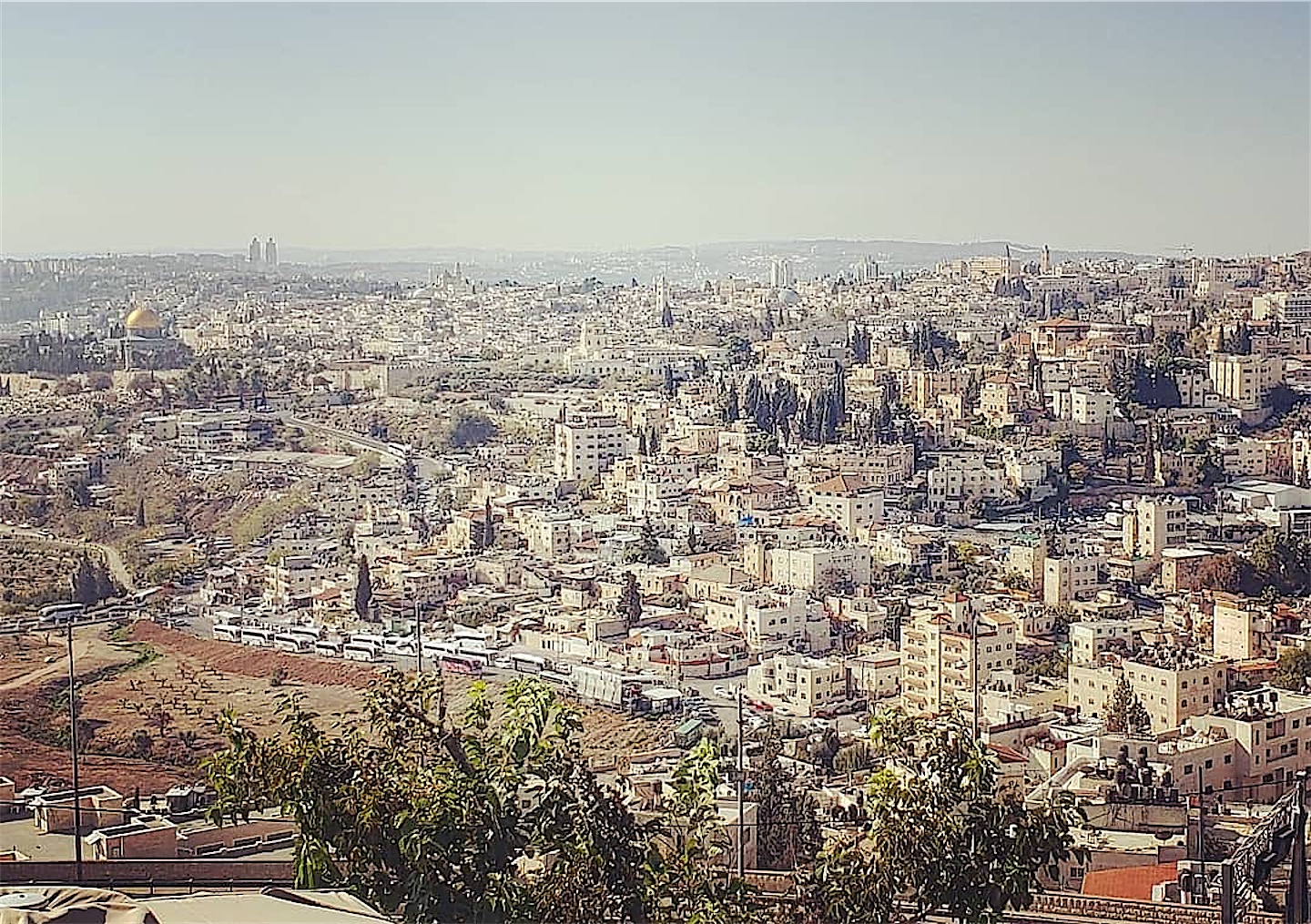
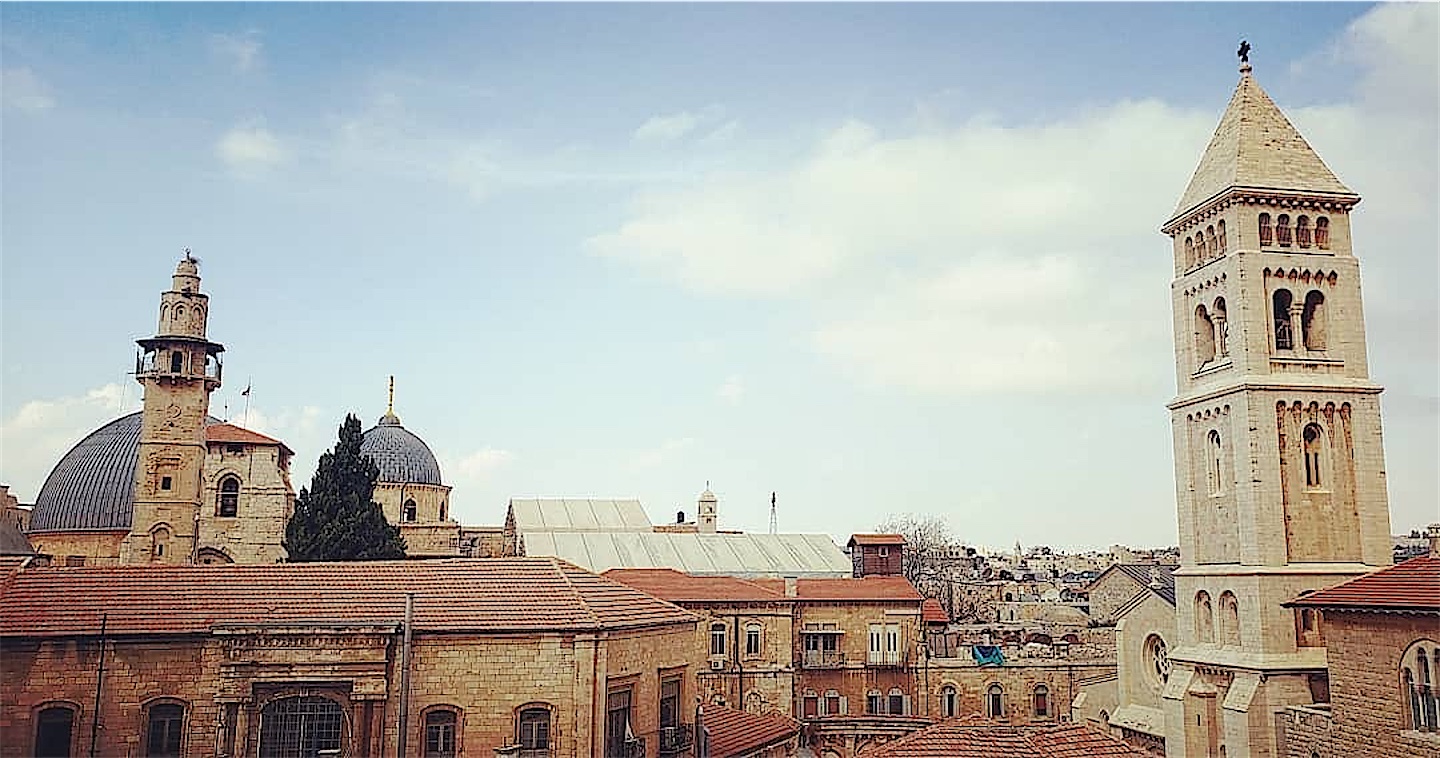
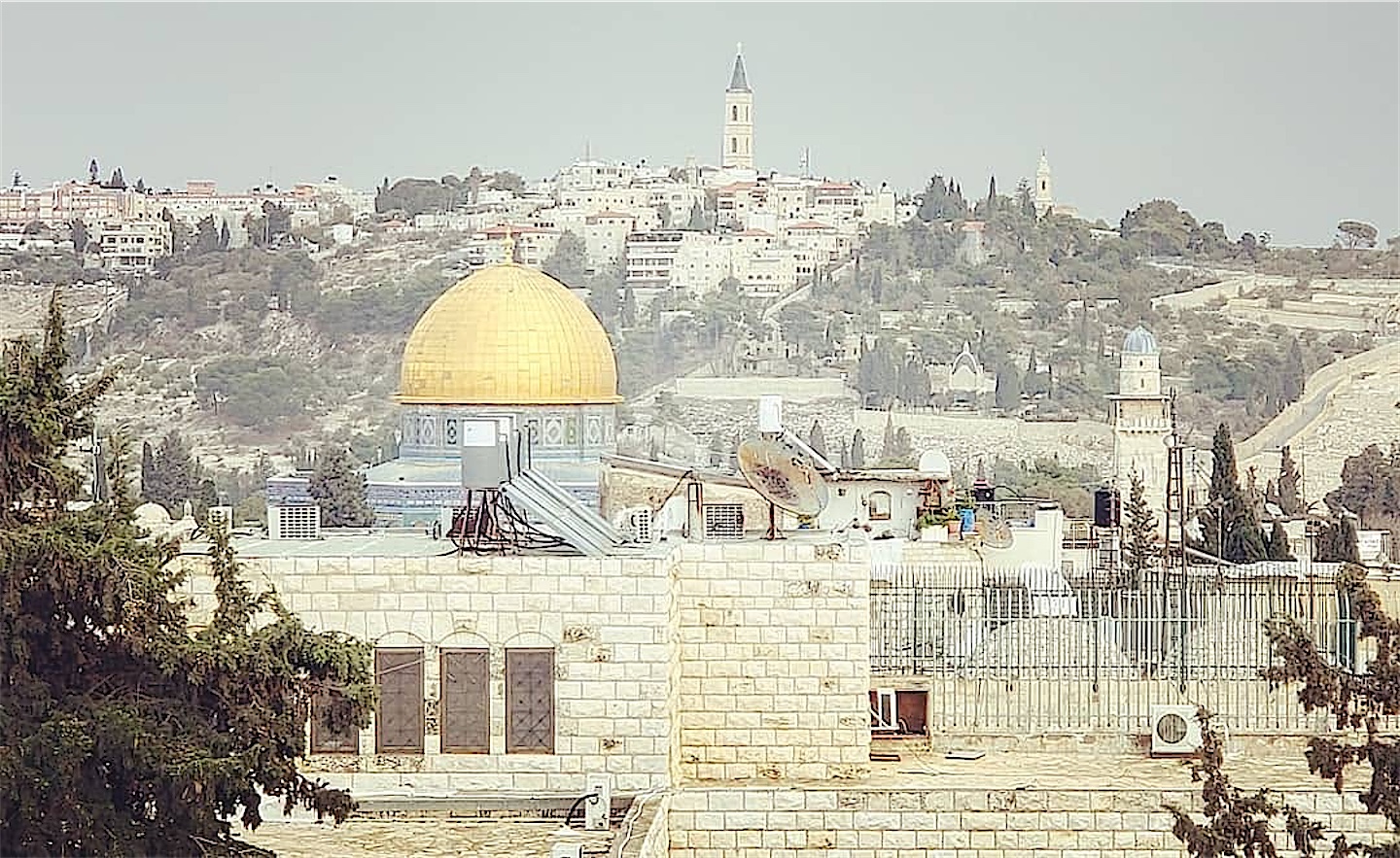
The next morning I took in the whole city from the Mount of Olives. Around noon I was back at the Wall, praying and wailing in my own way: to get rid of government. Instead of a paper note, I left a North Korean banknote in the cracks as an offering. In the afternoon I turned to the Dome of the Rock, the sacred site of Islam on the platform above the Wall.
Into the West Bank: Jericho and Bethlehem
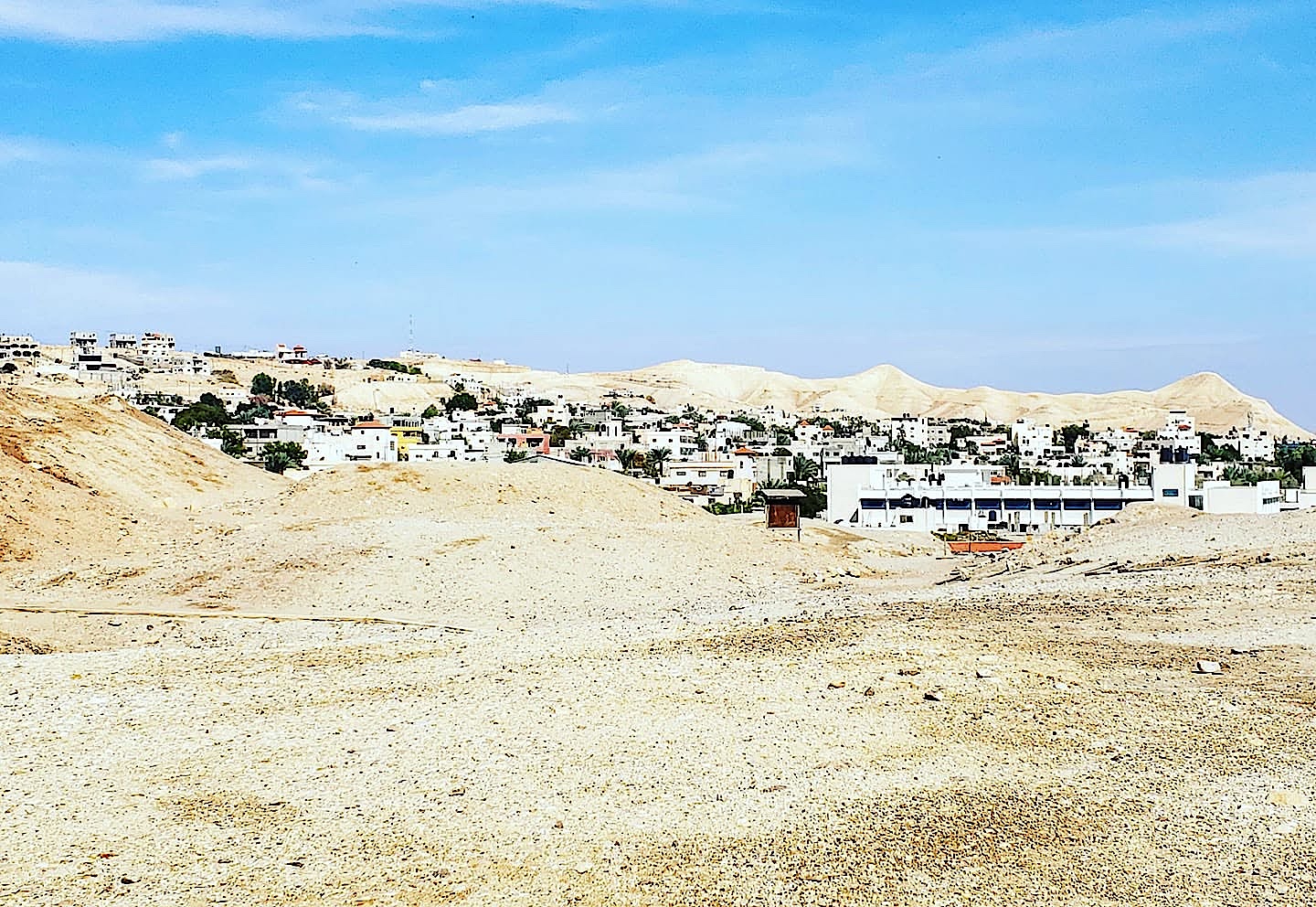
The following morning I set off early from Herzliya, north of Tel Aviv, into the West Bank proper. Jericho was founded around 8000 BC, which makes it one of the oldest continuously inhabited cities in the world. It lies in the middle of the desert, and at 258 metres below sea level it is also the lowest city on earth.
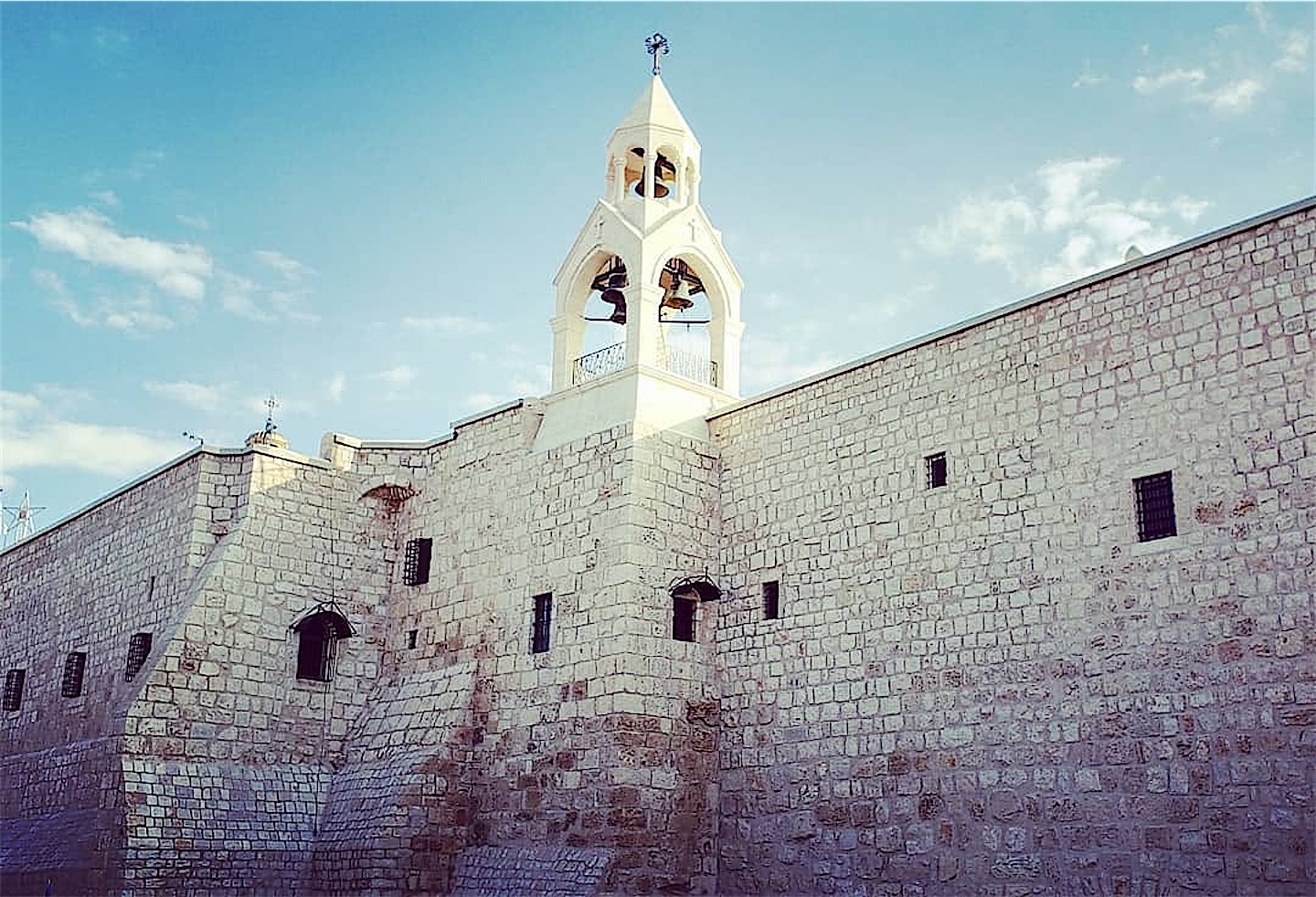
In the afternoon I reached Bethlehem and the Church of the Nativity, the alleged birthplace of Jesus Christ. Its massive stone walls look more like a fortress than a church. The basilica was first built under Emperor Constantine in the 4th century over a grotto venerated as the place of the birth, and rebuilt under Justinian two centuries later. Visitors still enter through the Door of Humility, an opening so low that almost everyone has to bow.
Masada, Ein Gedi and the Dead Sea
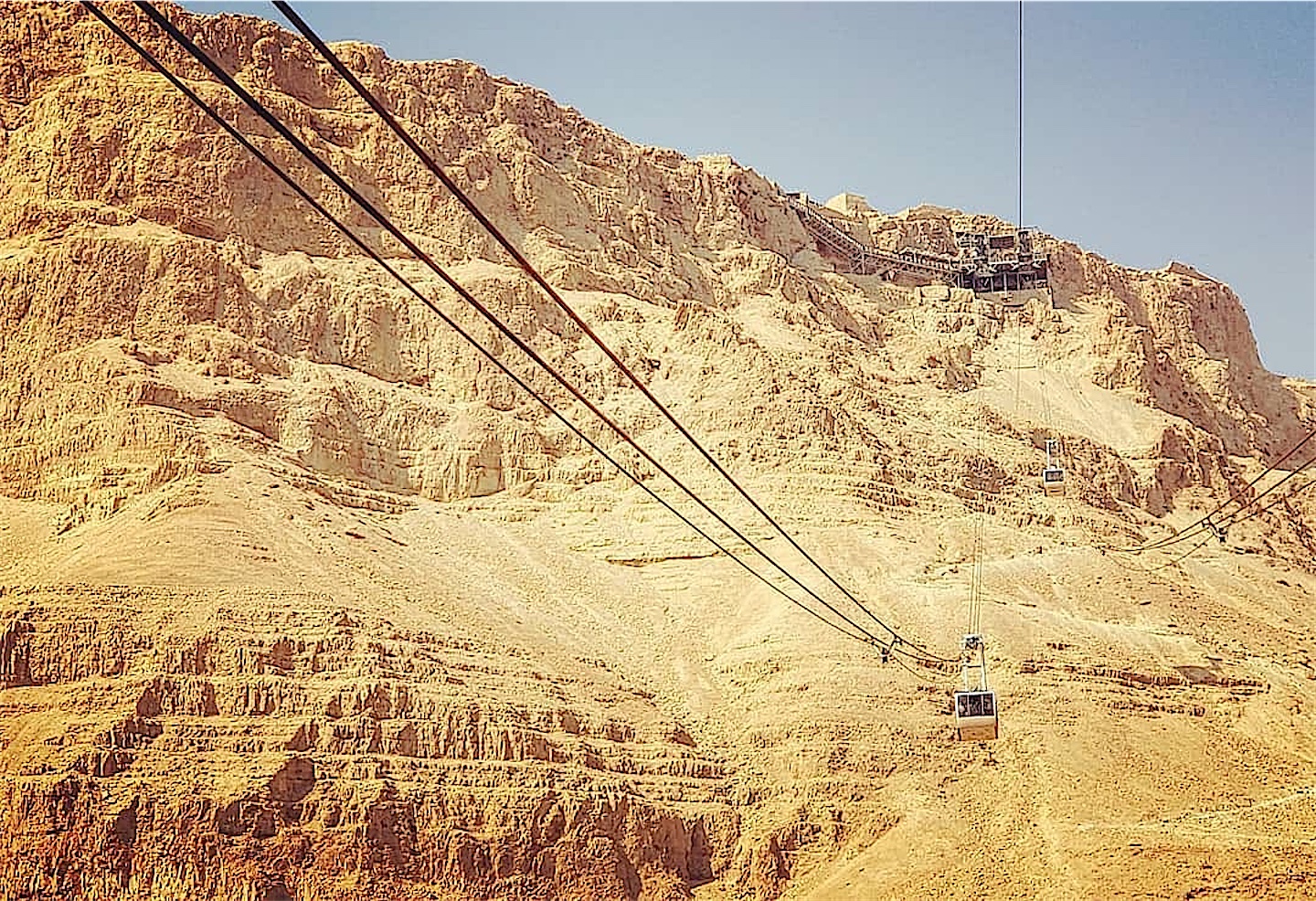
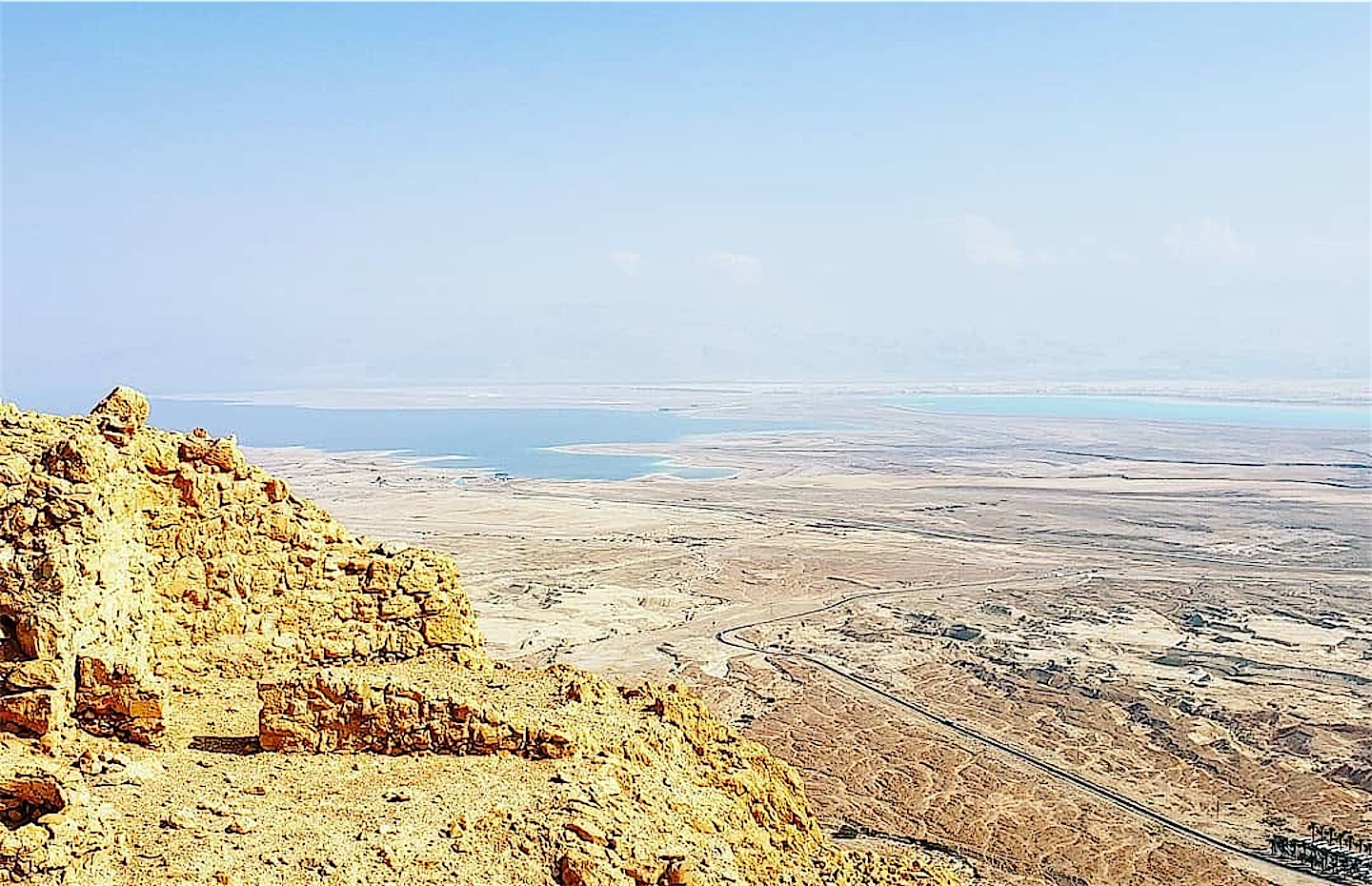
Masada was the highlight of my last day. A cable car climbs the cliff to the plateau where Herod built his palace-fortress, and from the top the Dead Sea showed two colours.
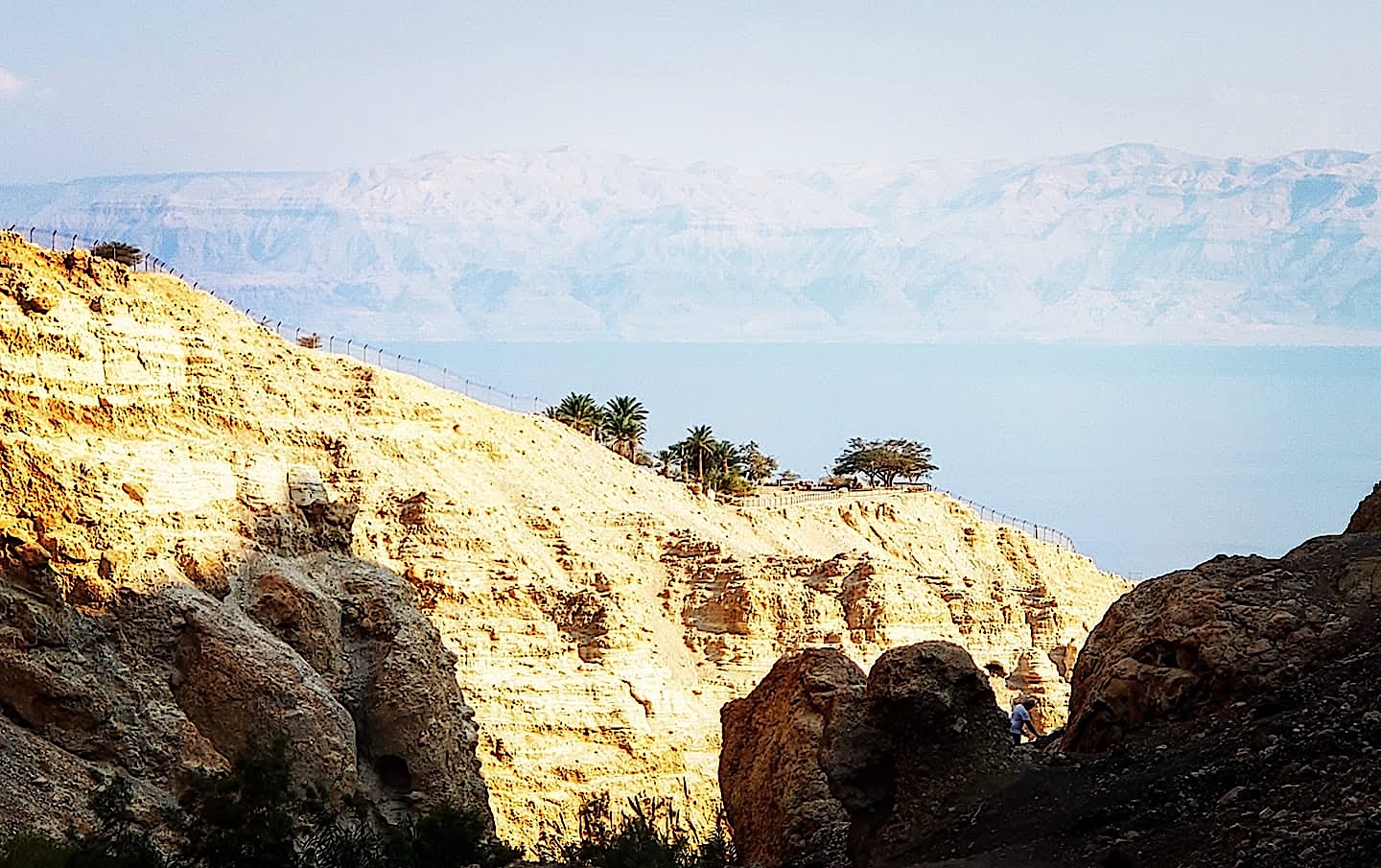
Further north lies Ein Gedi, a desert oasis fed by springs, with views across the water to the mountains of Jordan. I would only set foot in Jordan a year later, when the Nomad Cruise to Oman stopped in Aqaba.
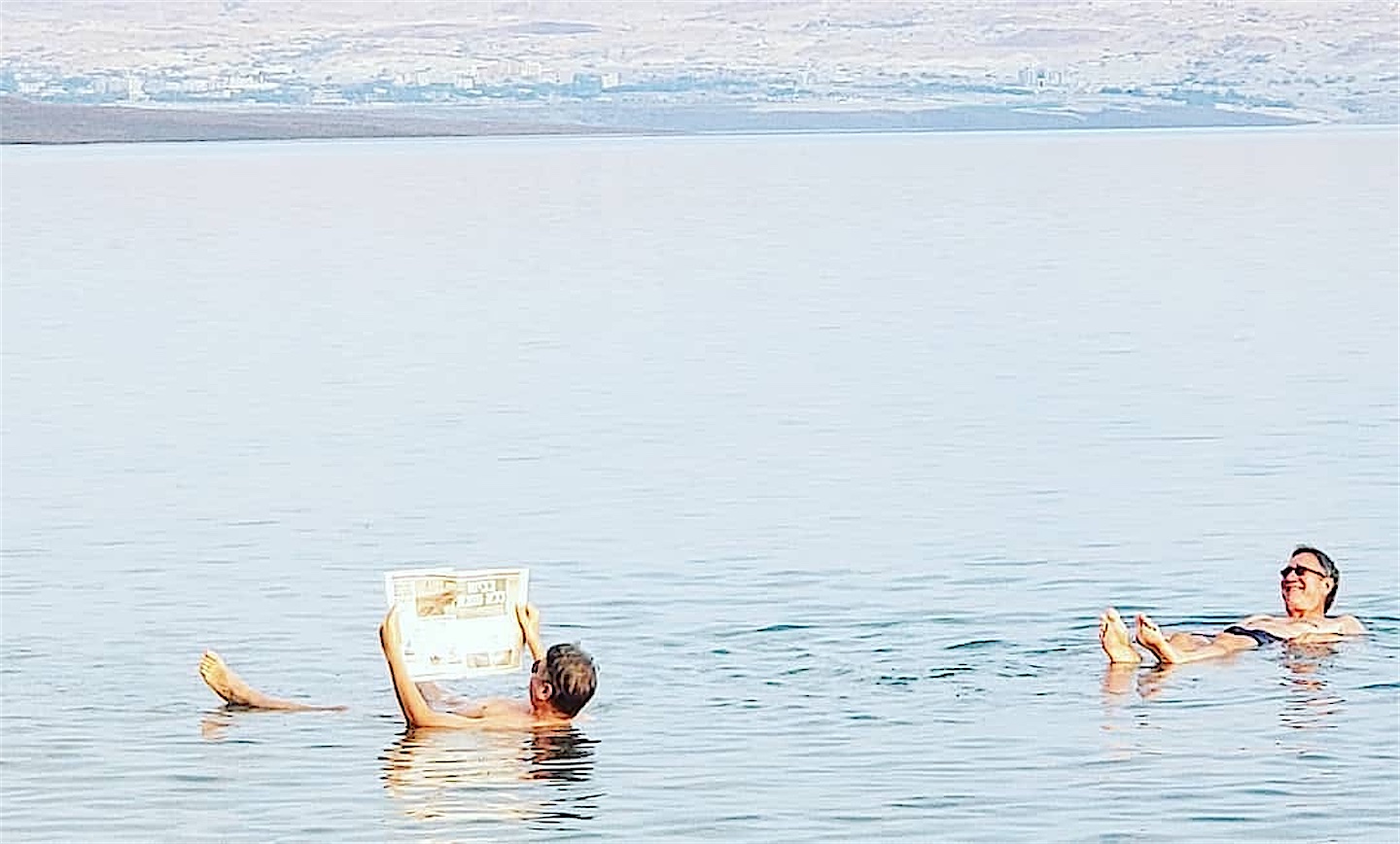
Then it was time for some fun in the Dead Sea. Its surface lies more than 430 metres below sea level, the lowest point on land, and the water is almost ten times saltier than the ocean. You float so easily that people lie on their backs reading the newspaper.
Goodbye from Tel Aviv
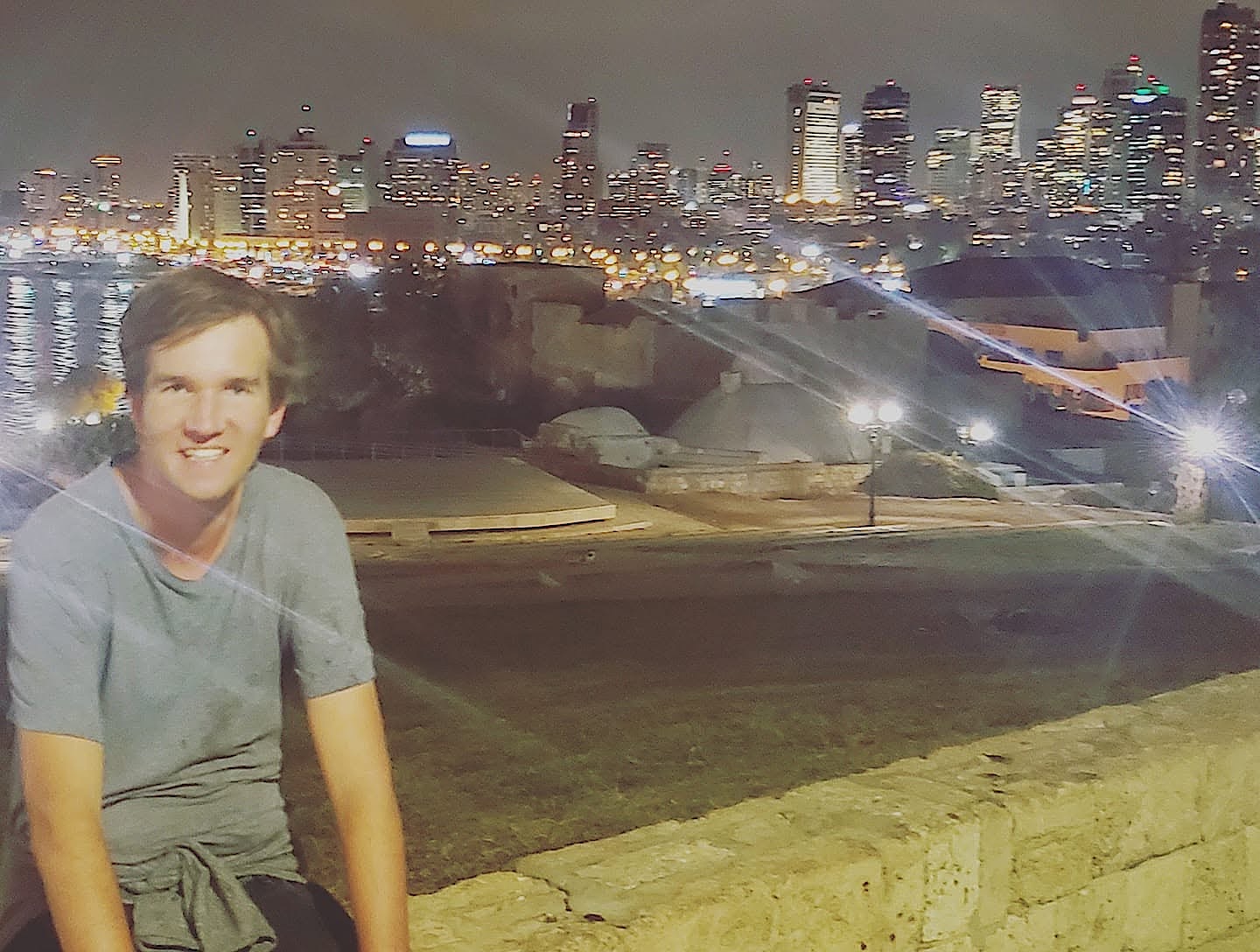
On my last evening I said goodbye with the lights of Tel Aviv behind me, grateful for the week. For such a small country the diversity is remarkable. Six days barely scratched the surface, yet they left me with a clear impression, and one that had little in common with what I had expected. Meeting up with a friend on most days made it even more fun.
The next day I flew on to Barcelona for a workation. I used the flight to prepare my workshop for Nomad Cruise 7, which was just eight days away, and which took me across the Atlantic.