Gers, Dunes and Dinosaurs: Two Weeks Across Mongolia and a Finale on Jeju
16 June – 10 July 2022 · Ulaanbaatar, Gobi Desert, Orkhon Valley, Kharkhorin, Ugii Lake, Hustai, Jeju · Regions: Mongolia, South Korea (Jeju)
When I landed in Ulaanbaatar in the middle of June 2022, Mongolia became UN country number 183 of 193 for me. It is a big chunk on the map, and afterwards only ten countries were left. I had two weeks for a loop through the Gobi and the green heart of the country with a guide and a driver, and the plan was to keep working from yurts along the way. Afterwards I continued to South Korea and ended the journey on the volcanic island of Jeju.
Ulaanbaatar: not only yurts
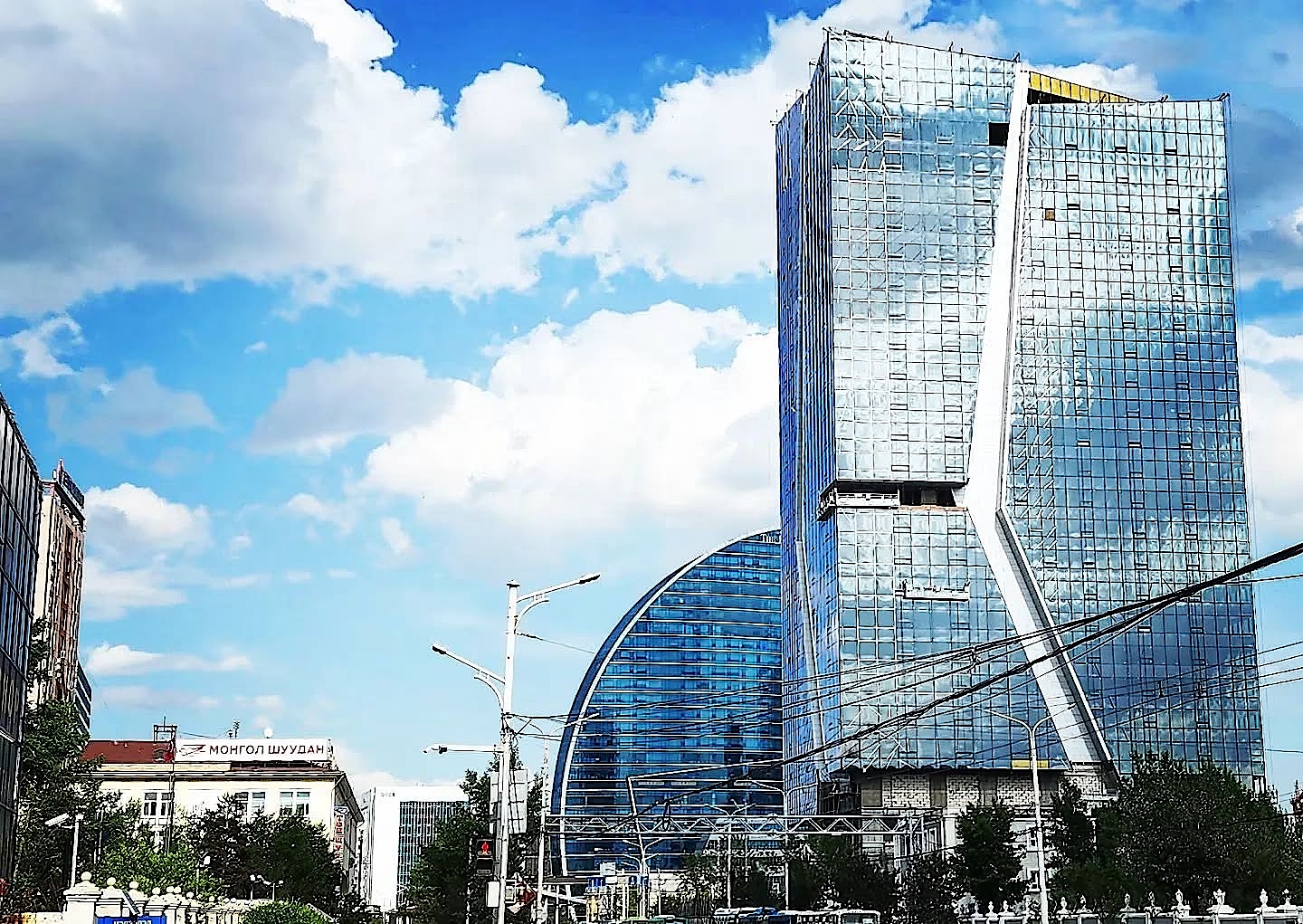
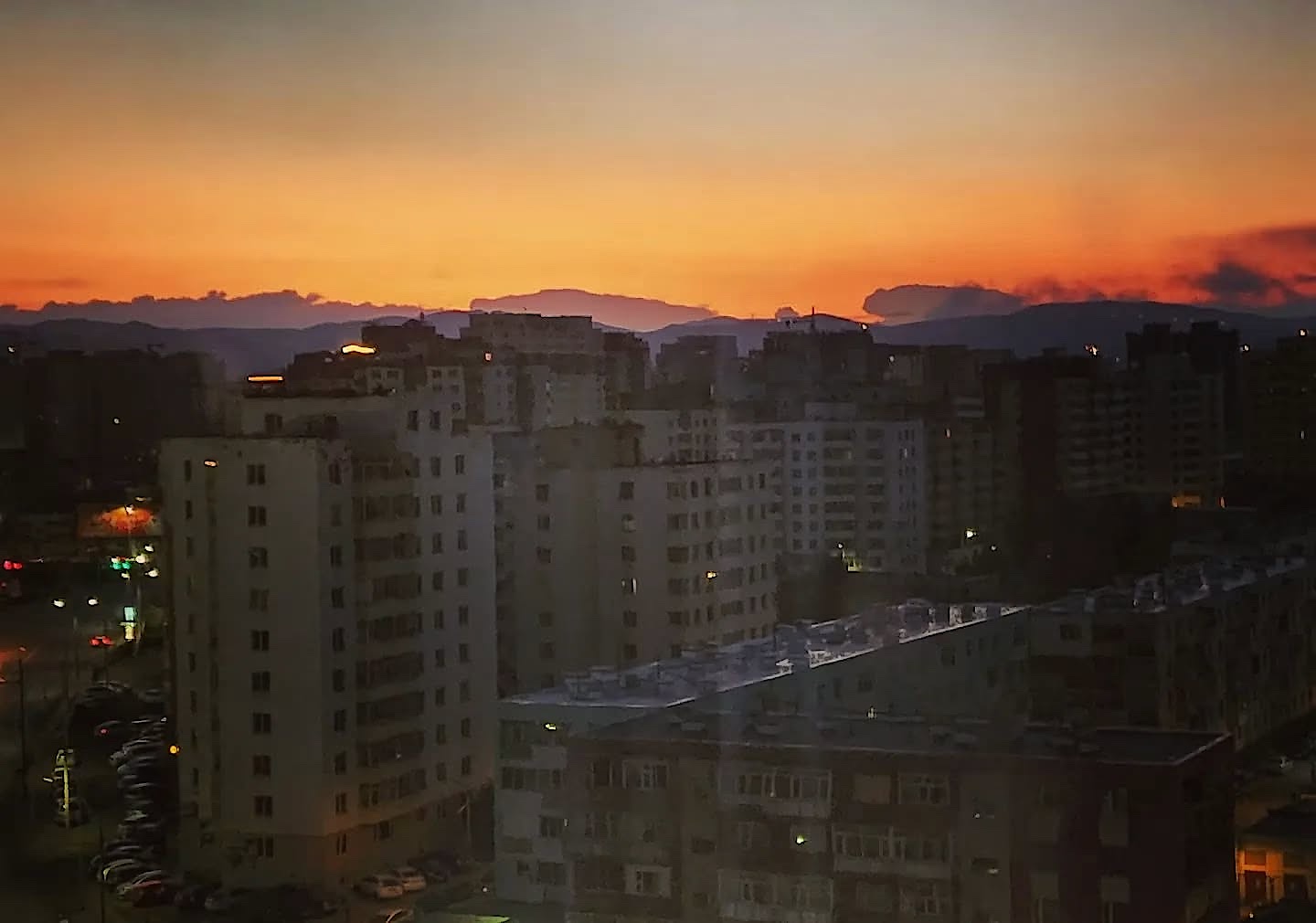
The first impressions were of space. Hotel rooms in Mongolia turned out to be as spacious as the country, which I enjoyed while I could, because the next nights would be spent in yurts. After a few hours of sleep I went looking for a Mongolian burger and found a capital of glass towers. In June the city's poplars release so much fluff that it looks as if it were snowing in summer.
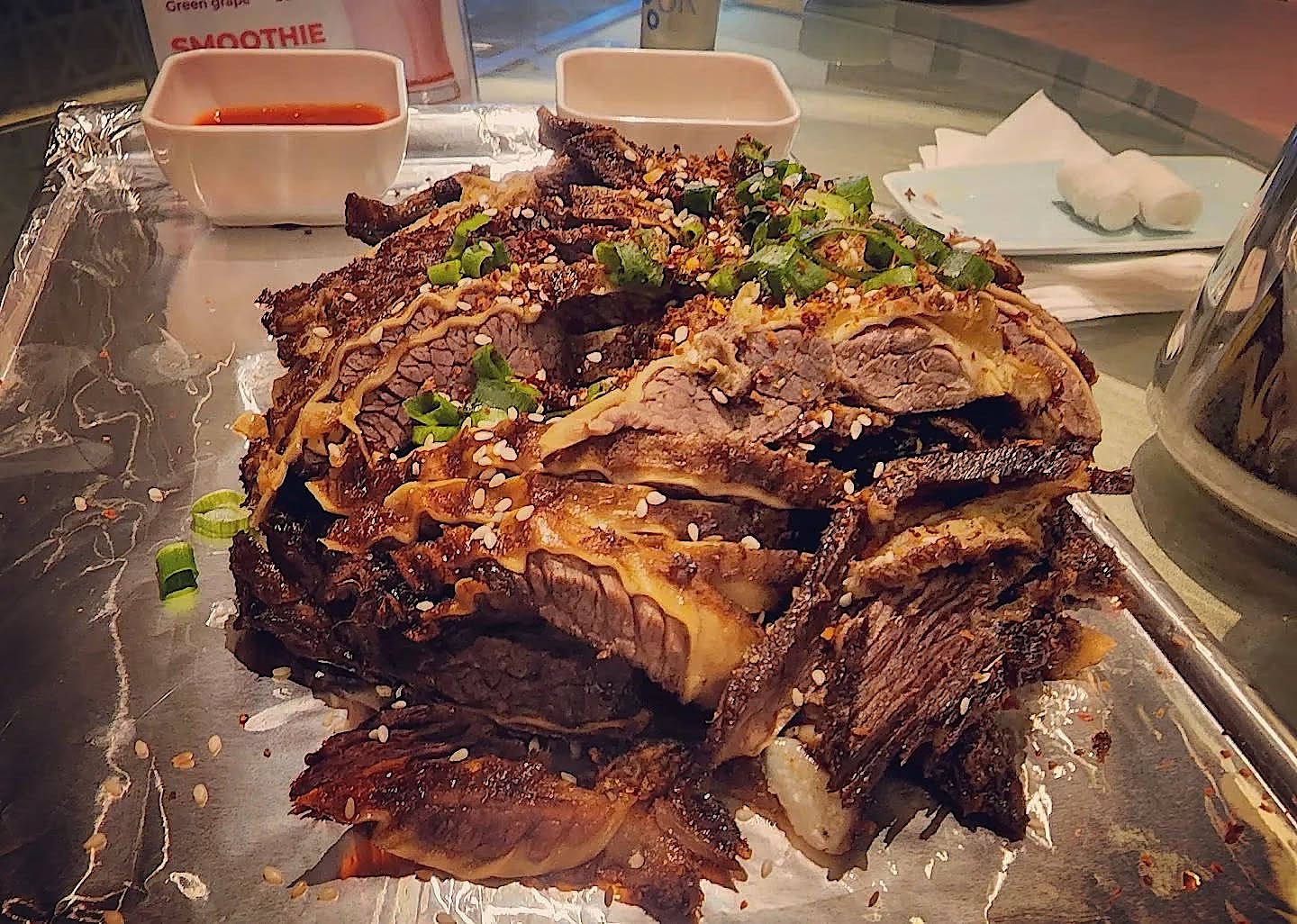
The service took some getting used to: after the first day, Mongolia ranked first on my personal list of the worst service on the planet. The food made up for it. More than a kilo of excellent smoked meat cost less than 10 euros, and I started to like the country. A business partner had warned me that freshly slaughtered mutton heart would be my diet for the coming weeks, and the shop shelves promised plenty of options for the evenings.
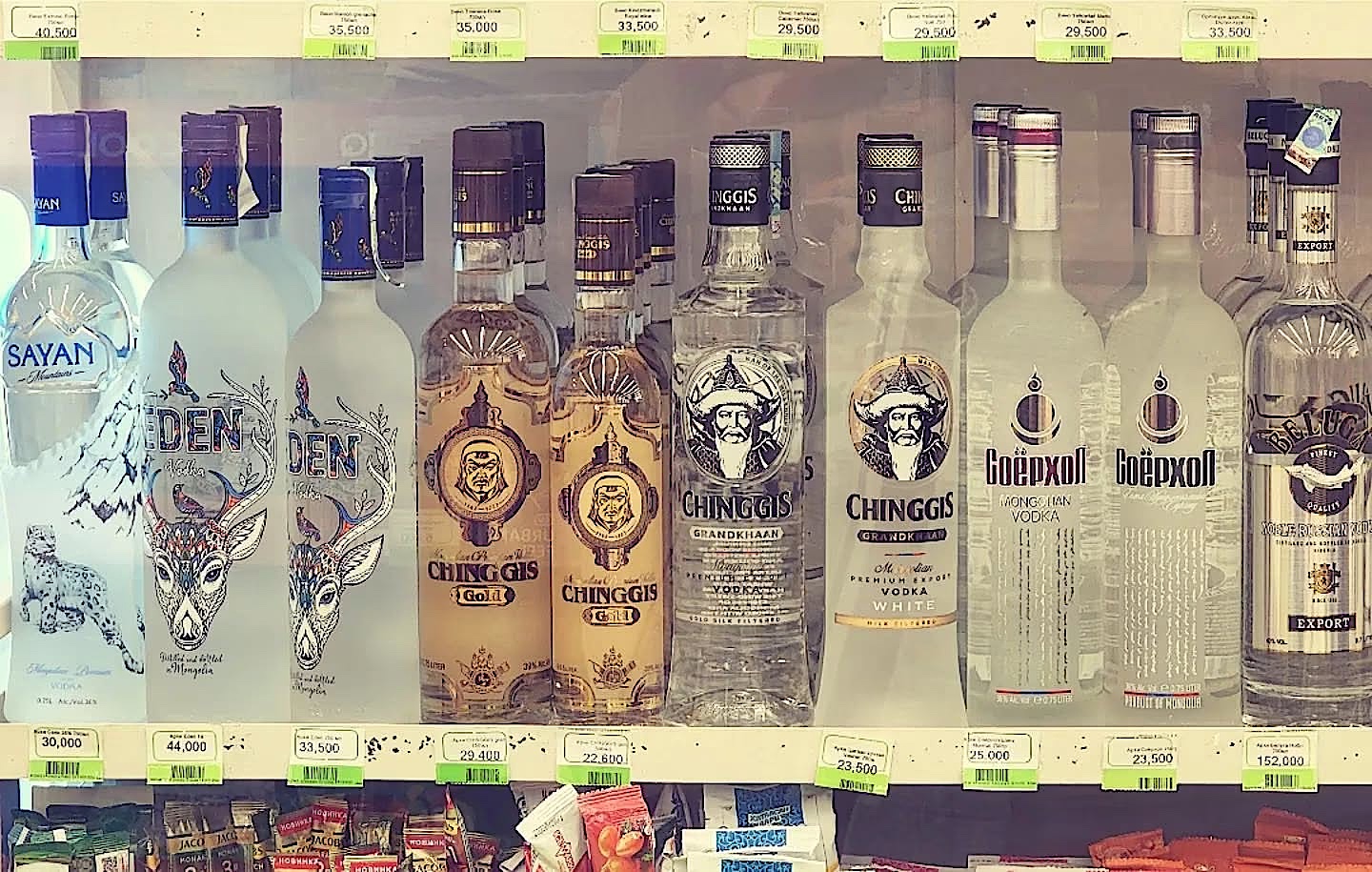
I worked until sunrise on the last night in town. I expected little or no internet in the countryside and had prepared accordingly: all the Star Wars series downloaded, new e-books on the Kindle and the firm intention to finally record my new video course.
Into the steppe
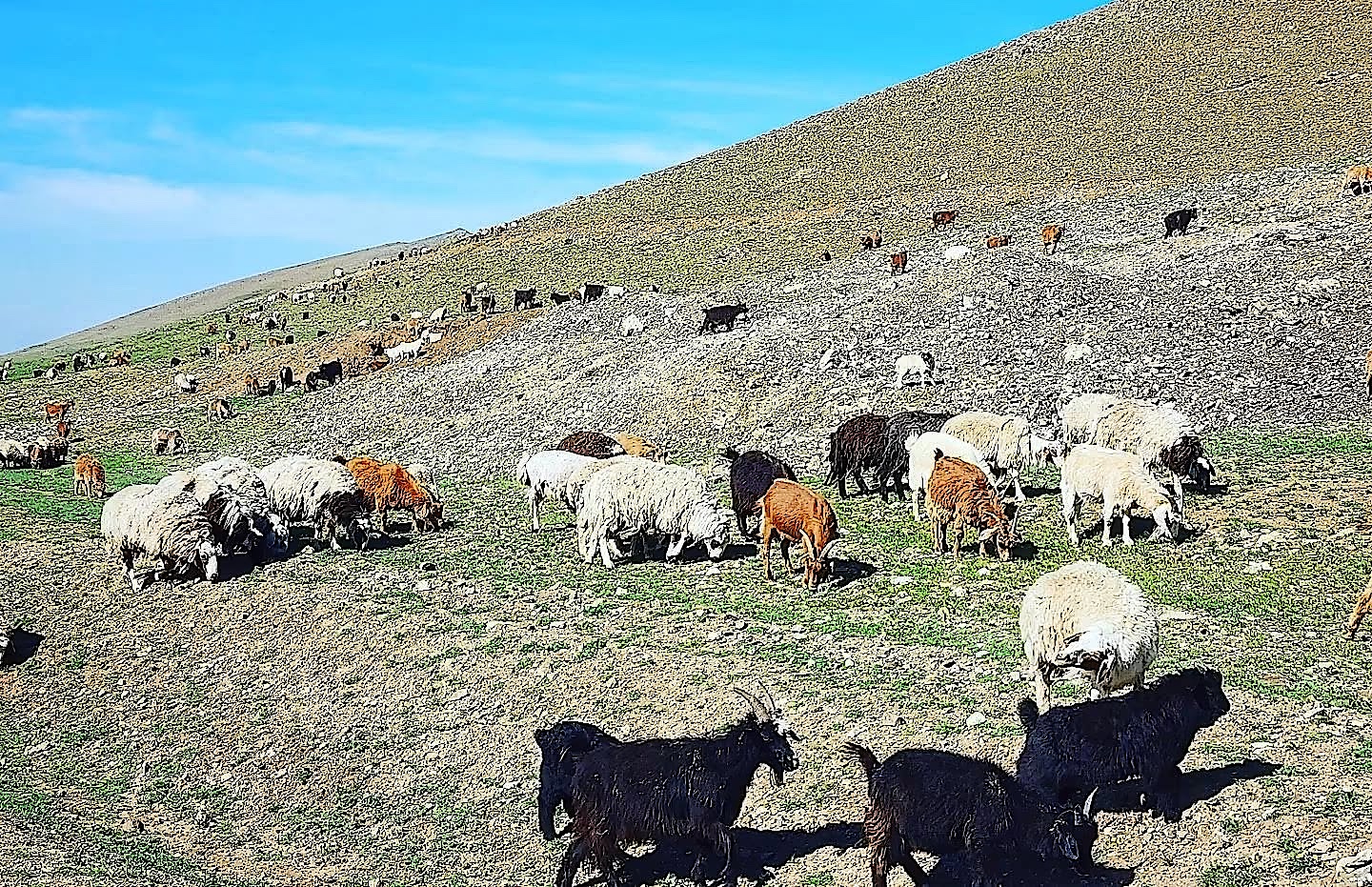
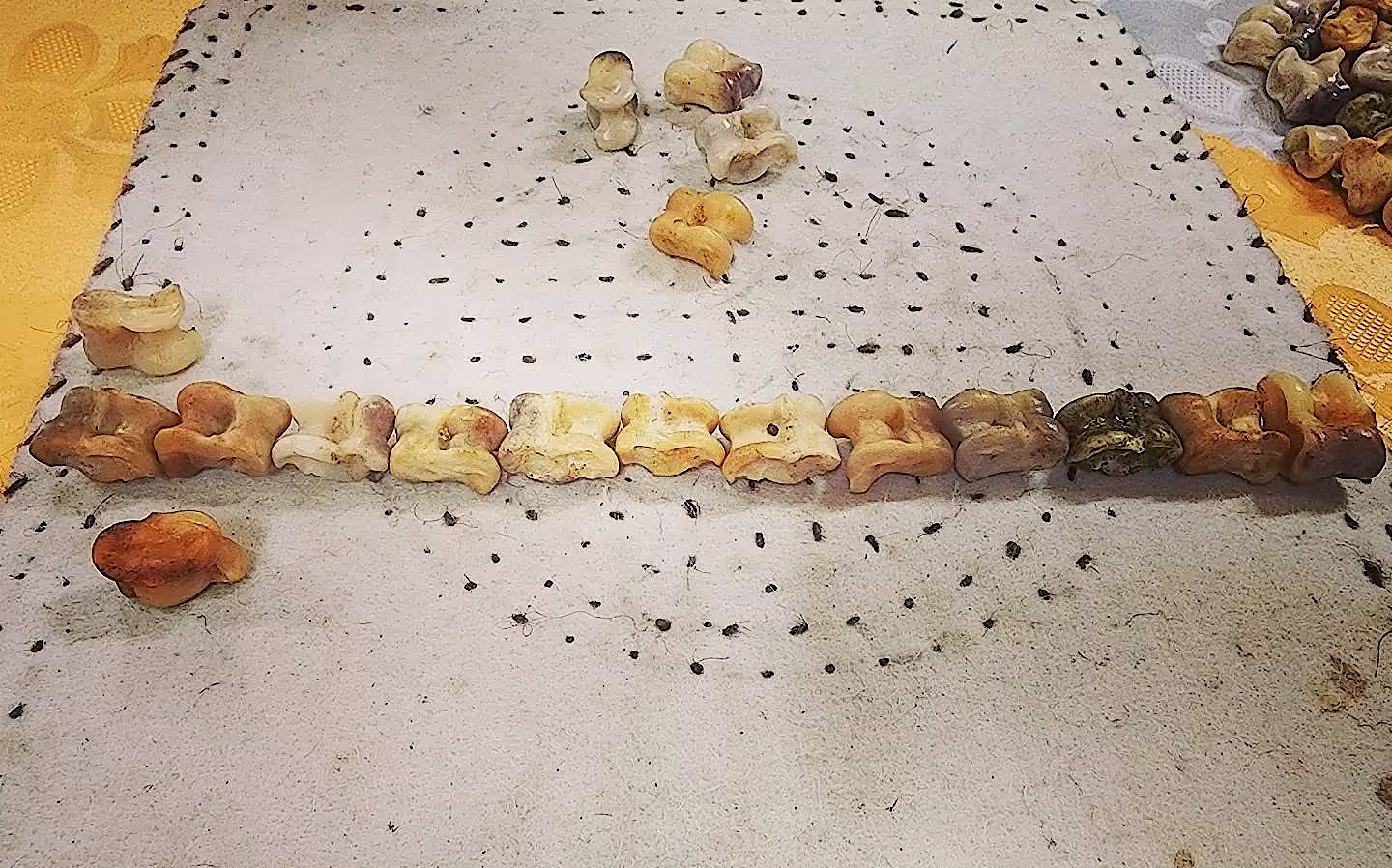
The first day out of the city was all endless plains, grazing herds and the first rock formations. I also learned that you can do a lot with sheep anklebones, including playing a horse-racing game. My first yurt consultation in the middle of nowhere went fine: the connection was not perfect, but good enough for Zoom audio calls with recording. With a time difference of six hours to Germany, Mongolia is actually very convenient for client work.
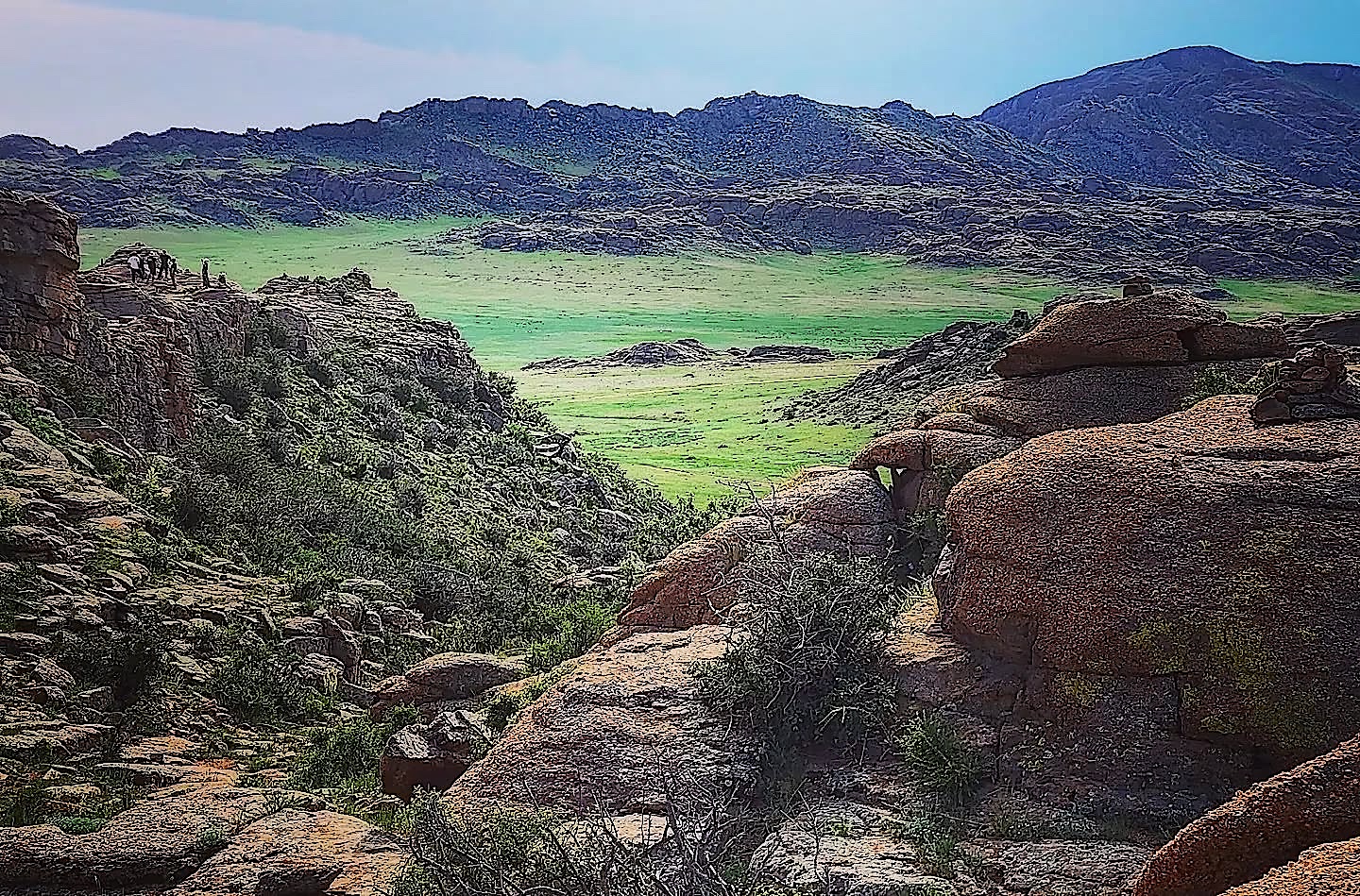
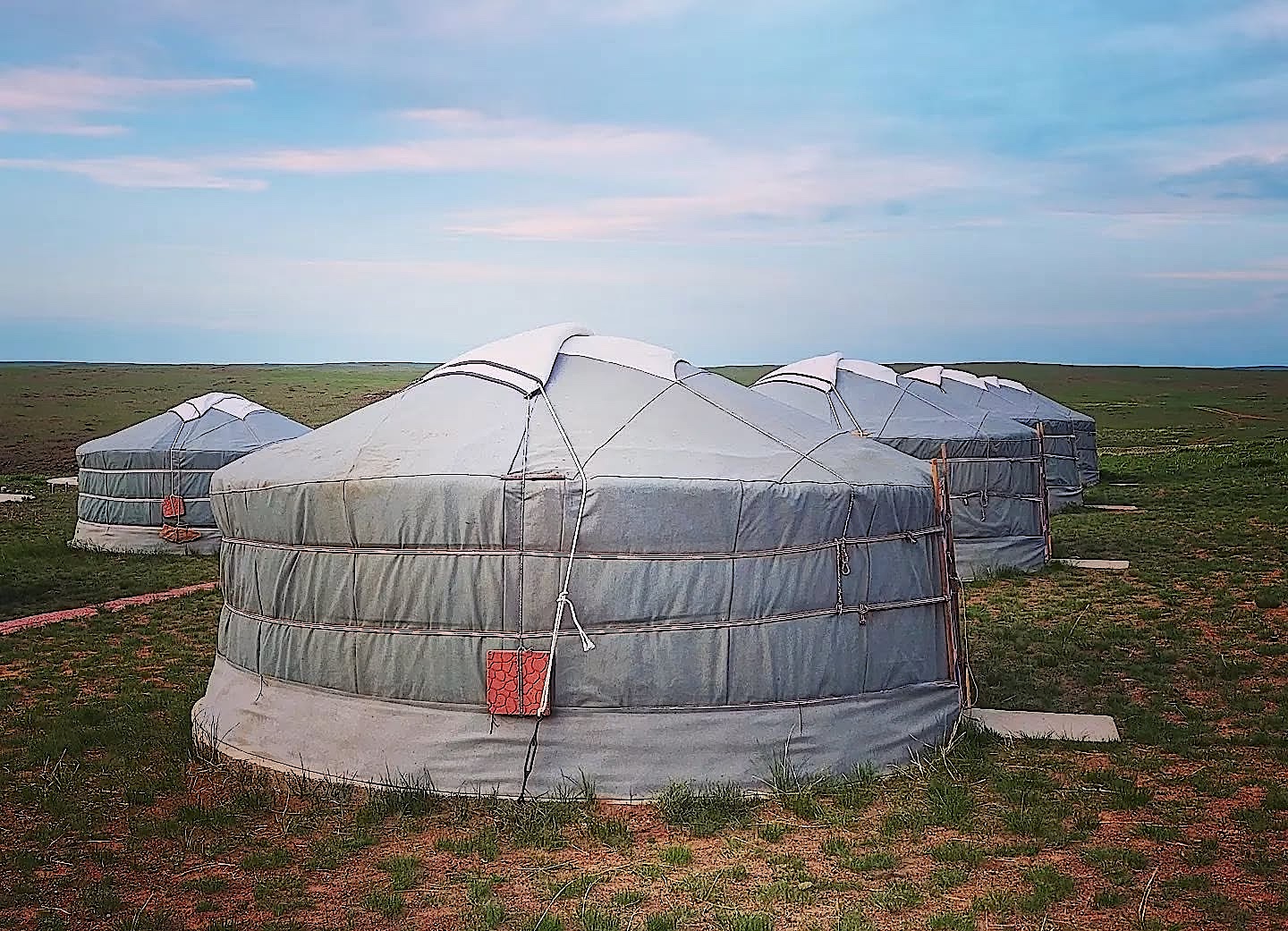
The first night in a yurt was pretty comfortable, and the next morning I was climbing the rocks like an ibex.
The Gobi: camels, ice and dinosaurs
On 18 June we entered the Gobi, the last of the world's big deserts that I had not yet visited. Near Mandalgobi a caravanserai served camel steak, and I had not expected gourmet cuisine on this trip. The road to China ran past us, and in the evening the rocks took on every shade of red and ochre.
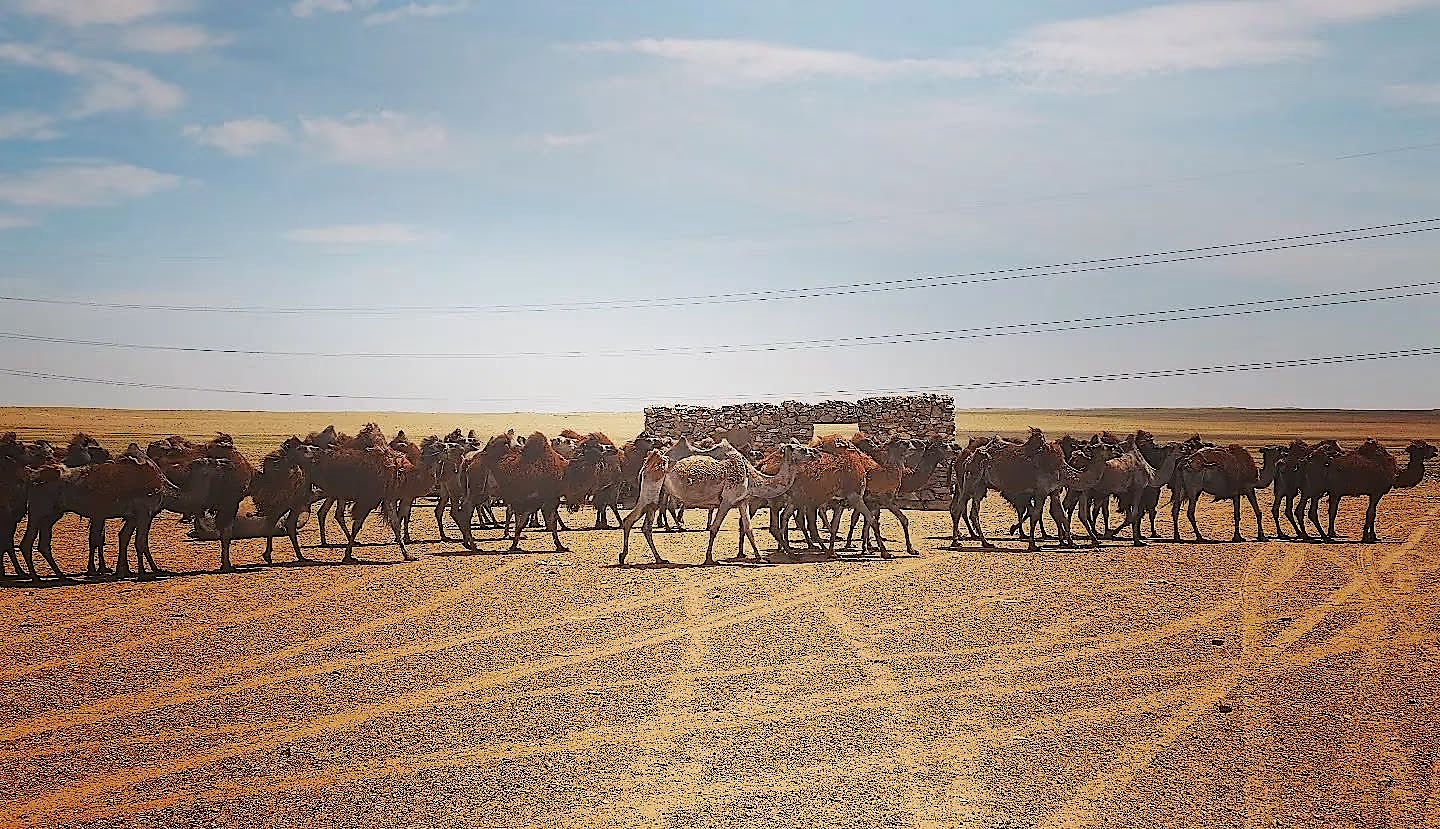
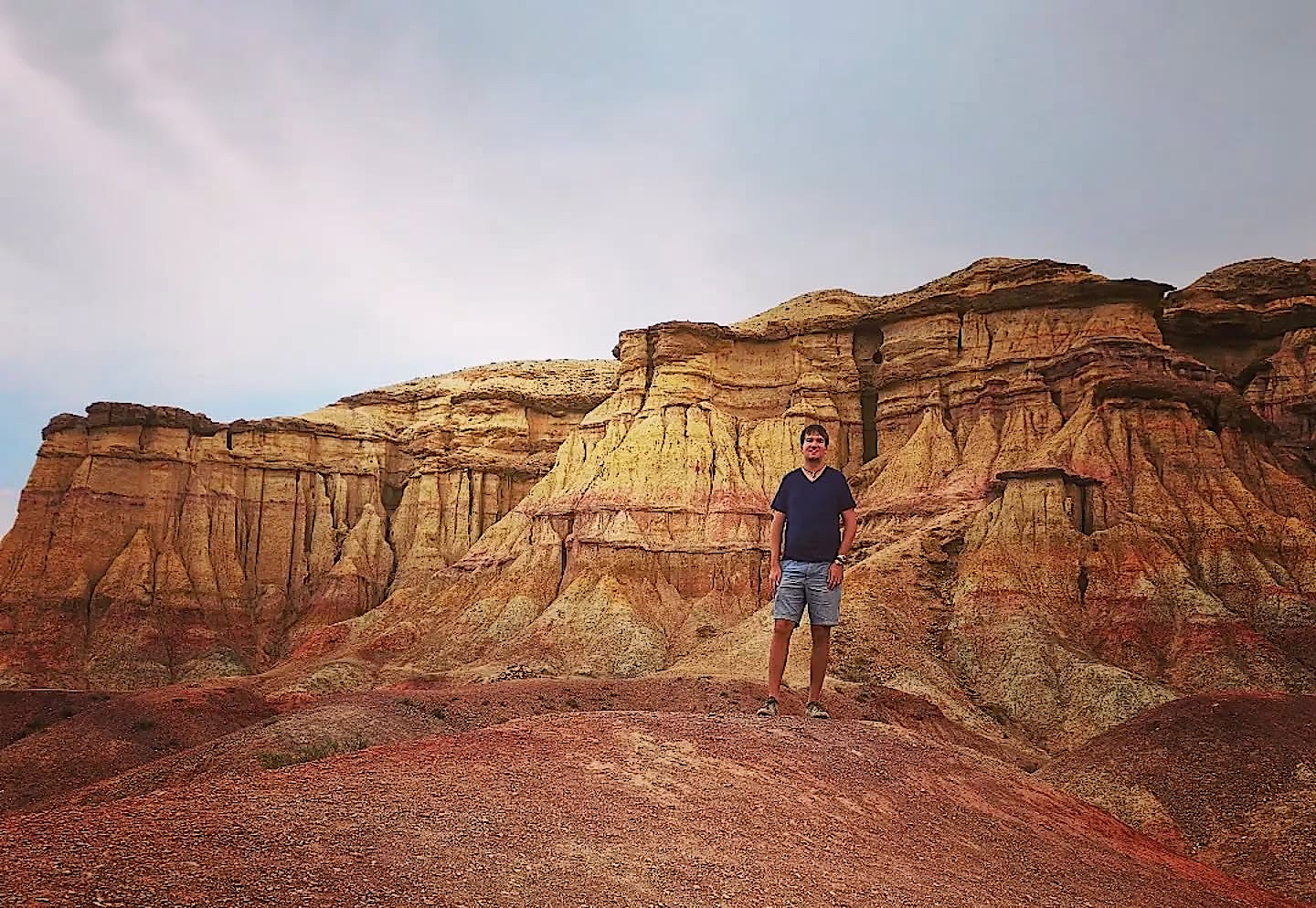
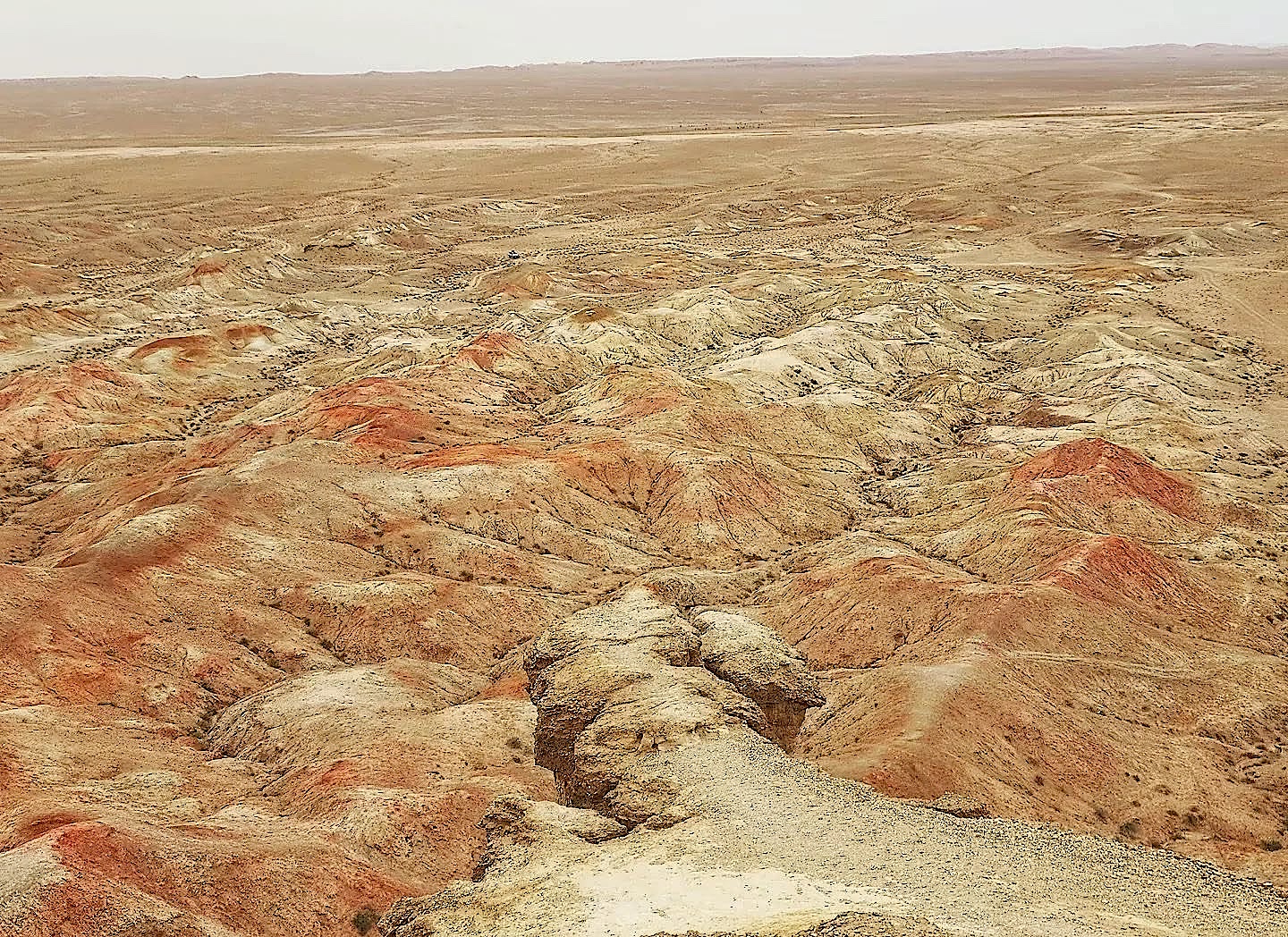
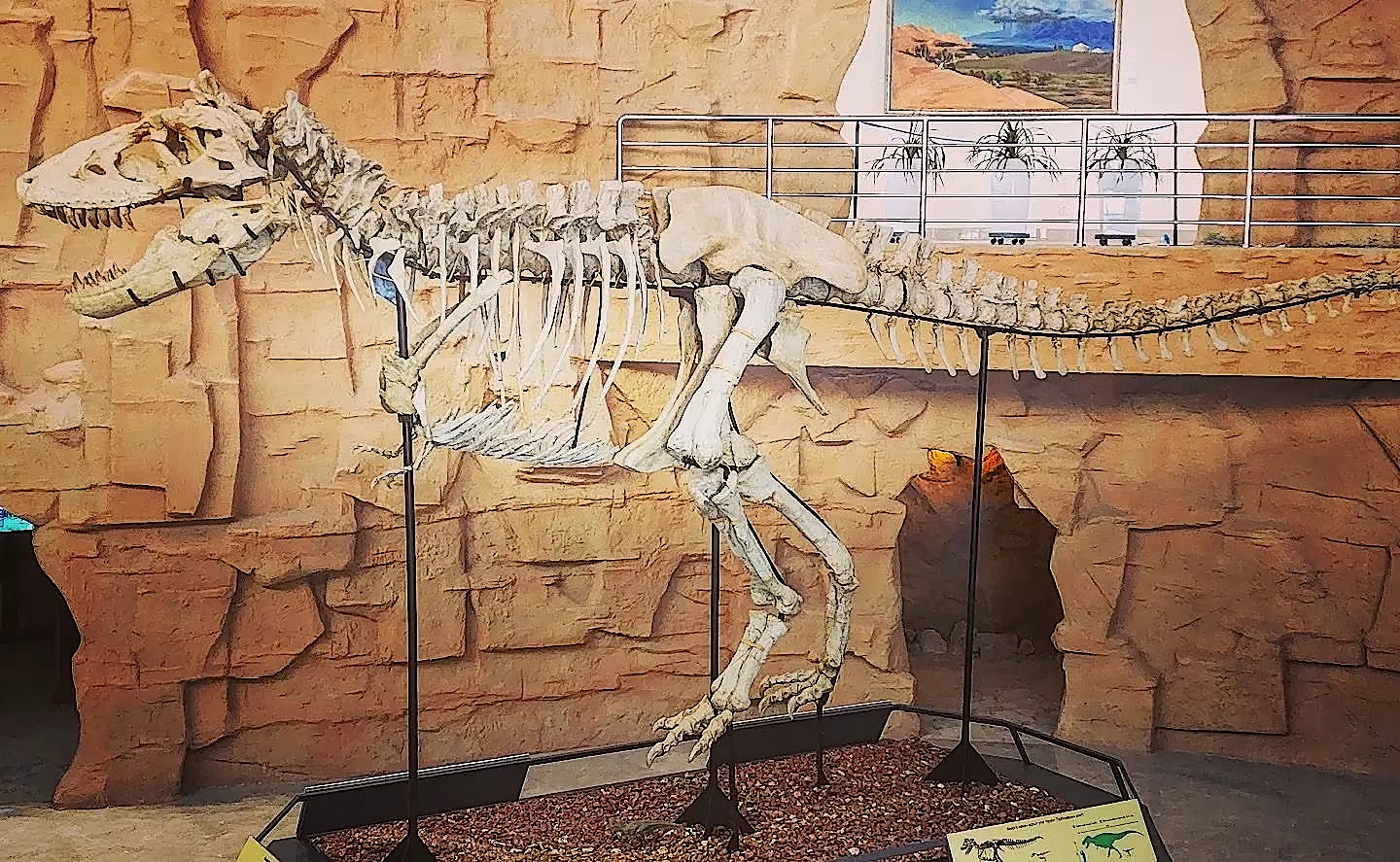
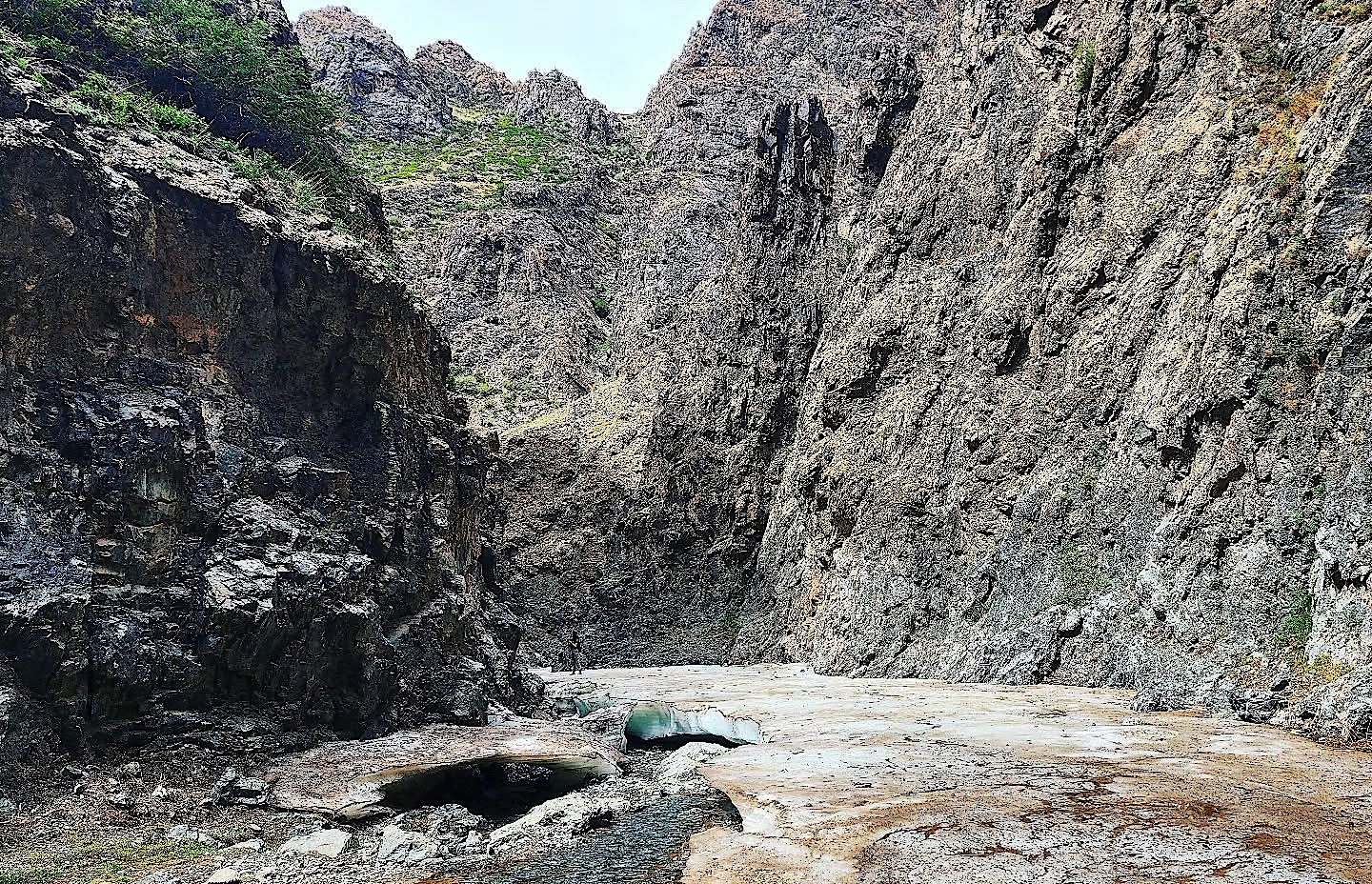
I woke up to the desert, met a group of baby Bactrian camels and visited a museum whose giant tarbosaurus, a relative of Tyrannosaurus rex, is one of the best-preserved skeletons ever found. In the afternoon we visited a narrow gorge where the sunlight never reaches the bottom, so a sheet of dark ice survives there in the middle of summer. After two nights of something closer to camping, I splurged on a yurt suite that evening.
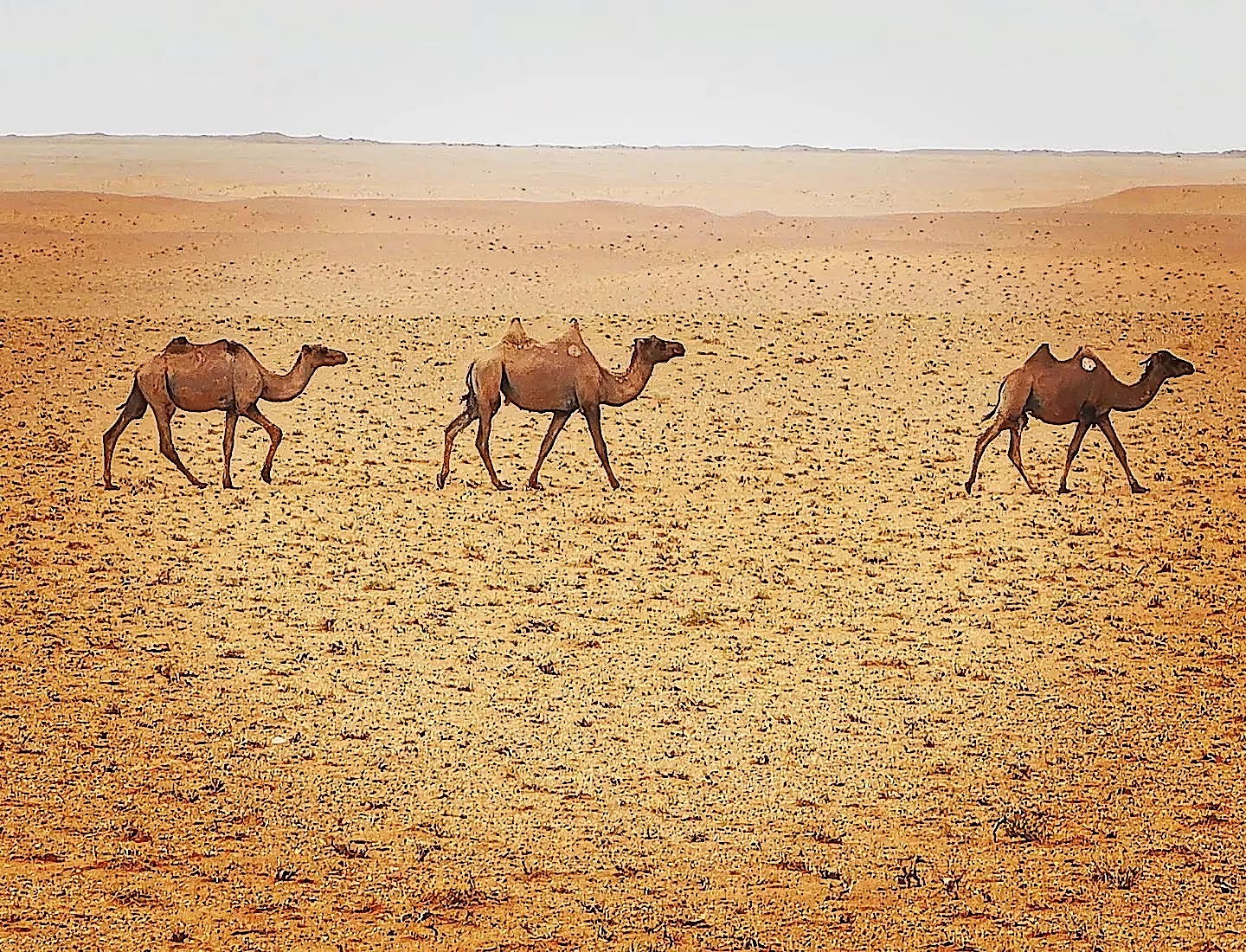
The next day belonged to the big dunes. We met a few gobi ibex on the way and tried fermented camel milk, which I found delicious. In the evening I proved that I am still fit enough to climb the tallest dunes of the Gobi: one hour up, five minutes down, and sand everywhere afterwards. Back at the bottom I played camel whisperer. By the numbers I noted down, the dune belt is around 180 kilometres long, five to ten kilometres wide and up to 200 metres high.
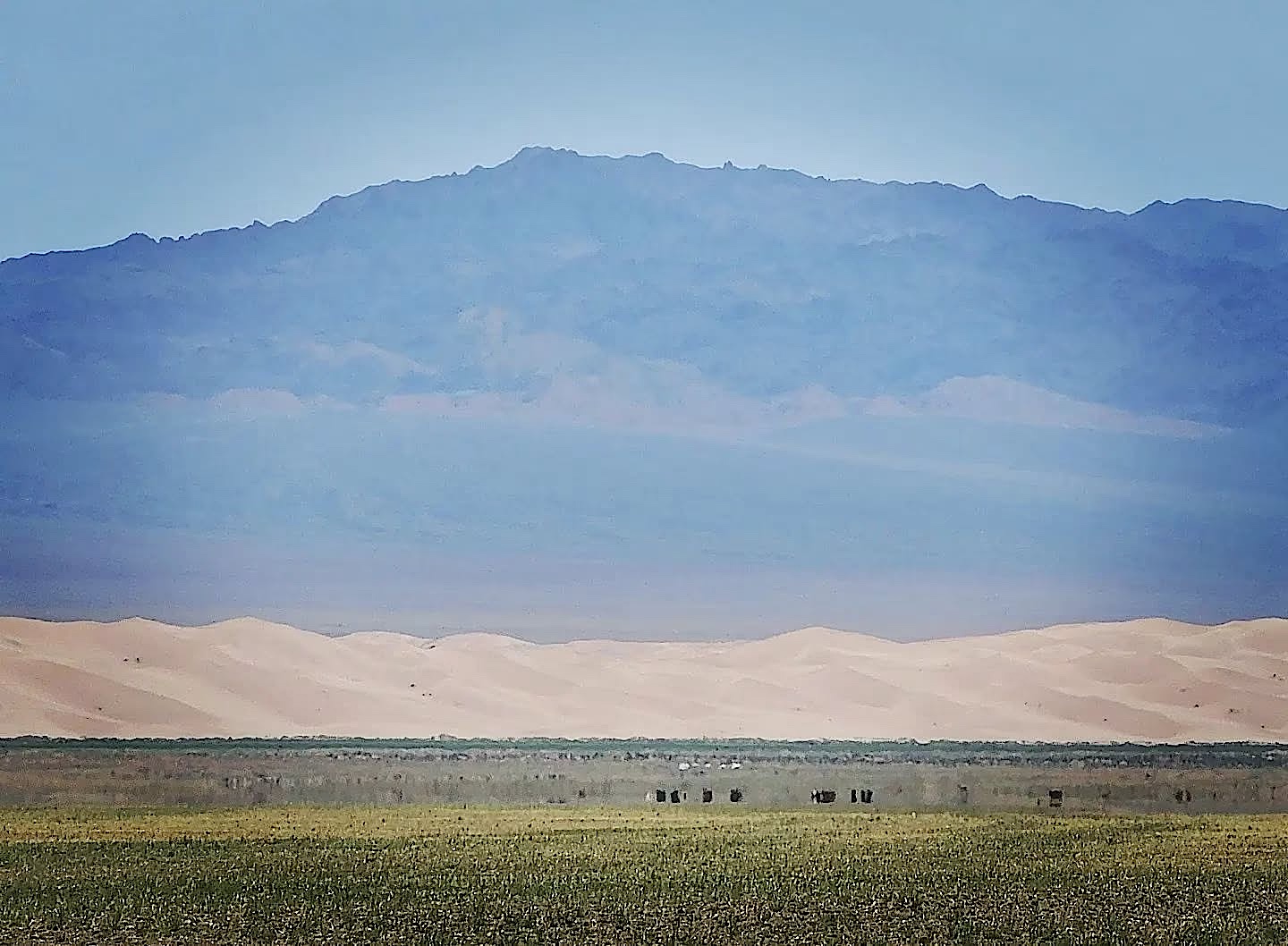
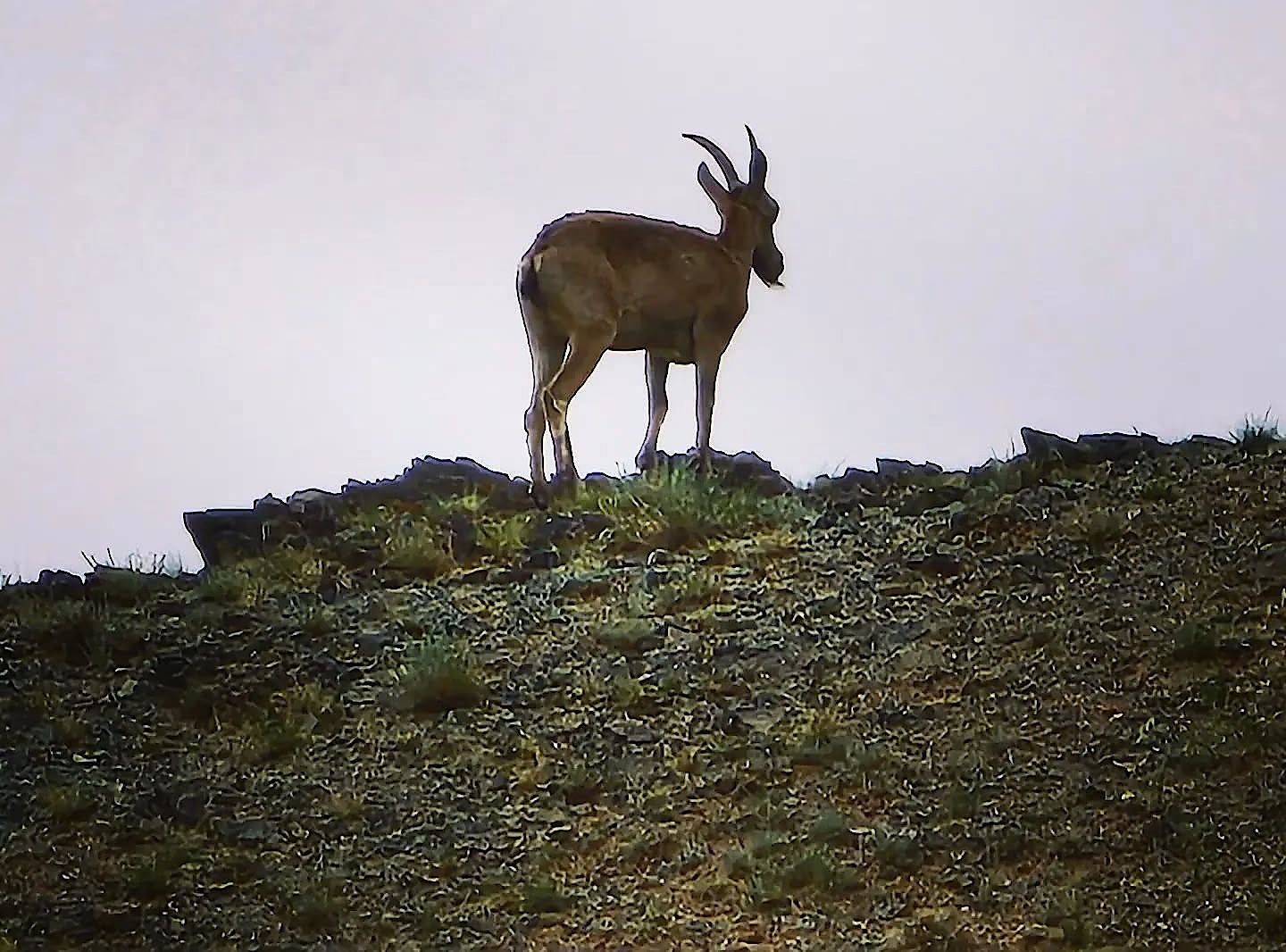
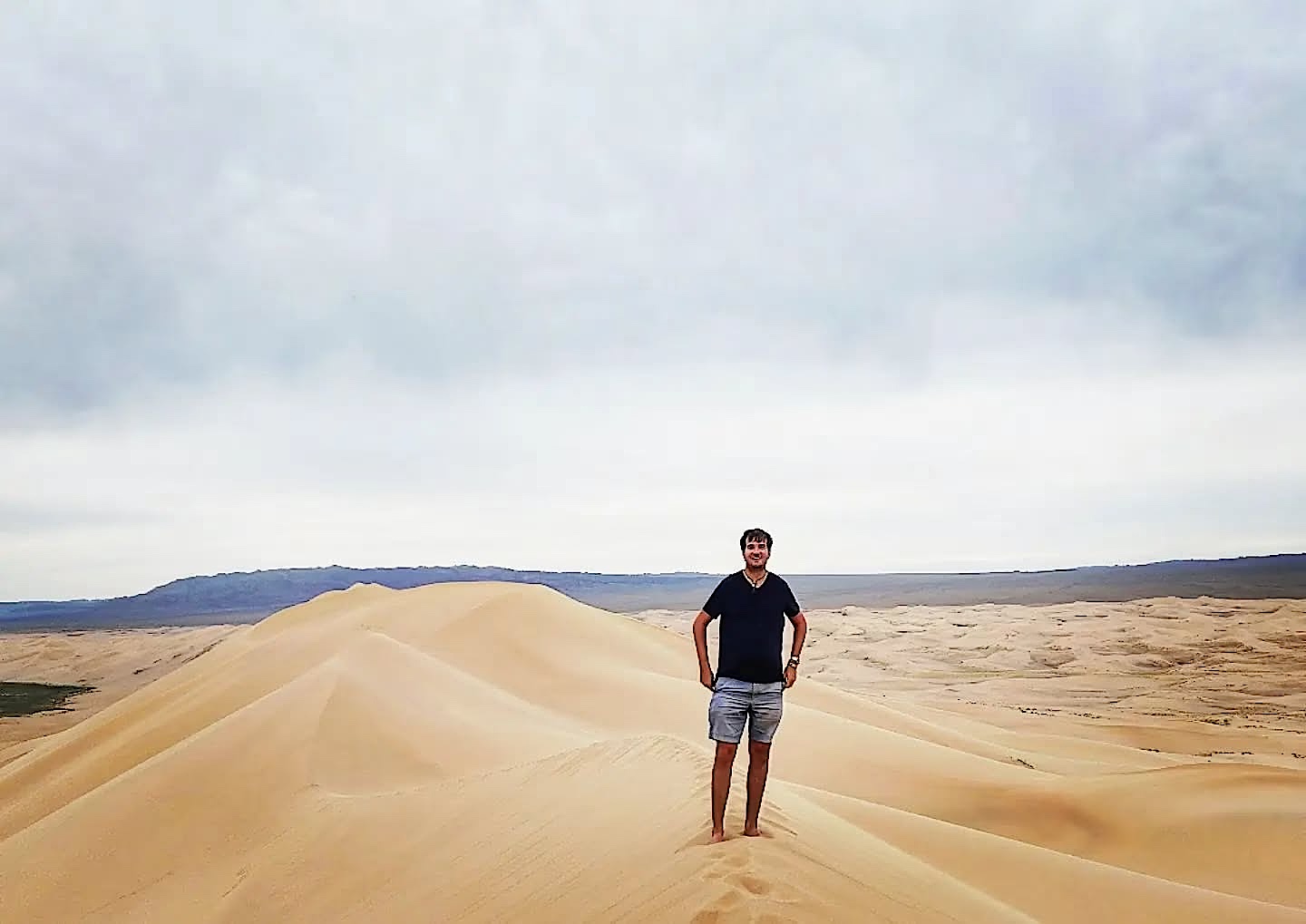
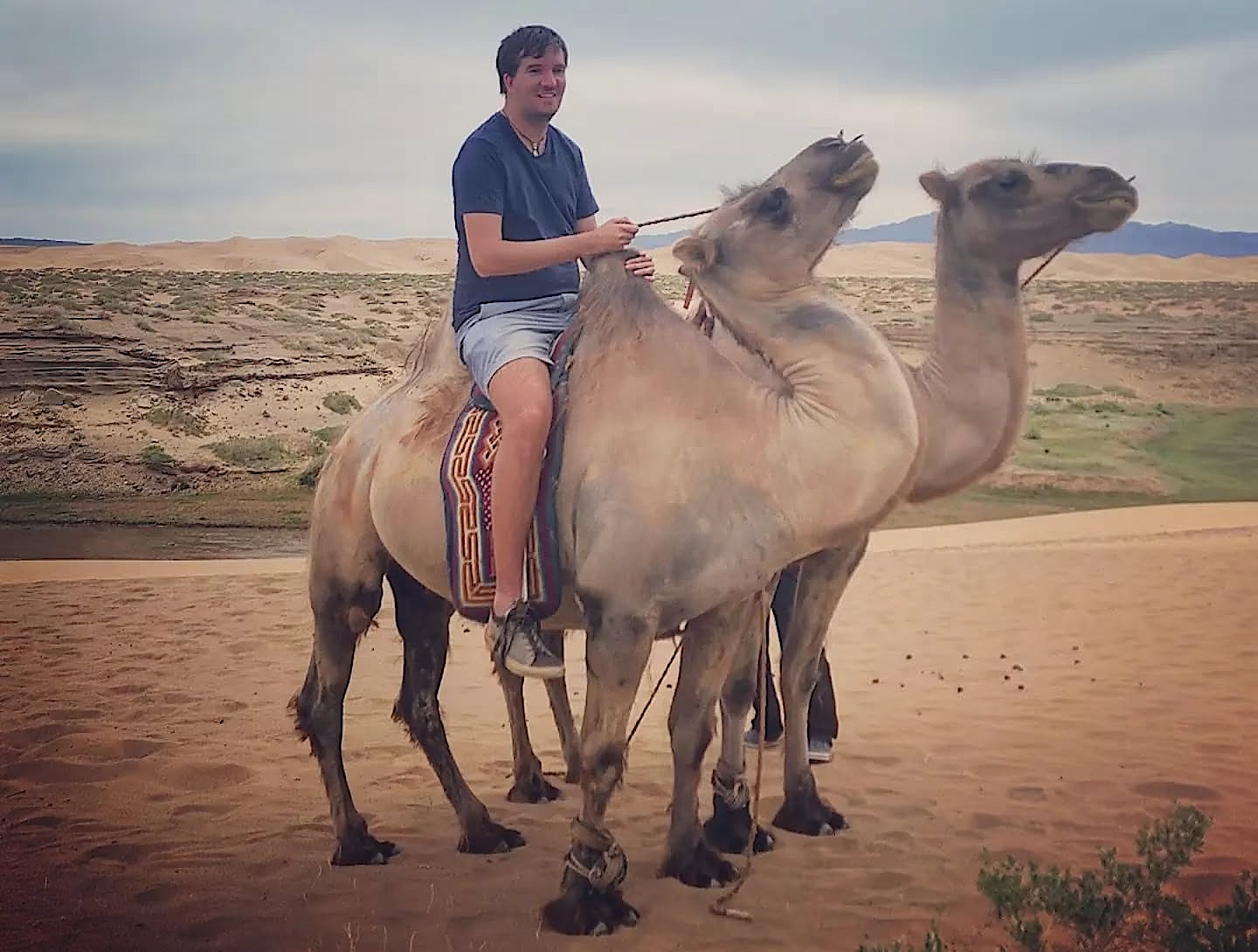
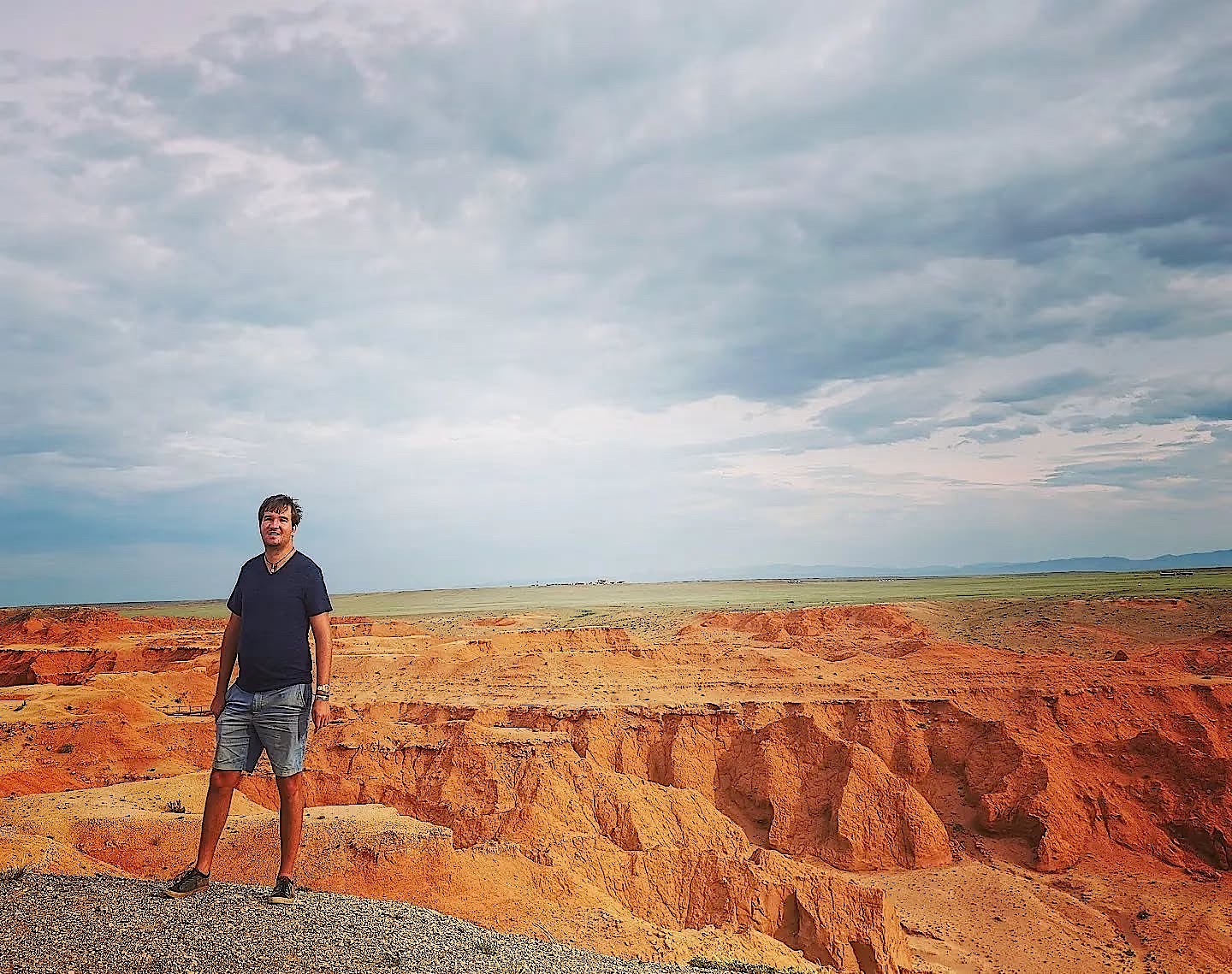
Camels in the south, horses in the north: from the dunes we slowly turned north. On the way we stopped at the Flaming Cliffs, famous for the first dinosaur eggs ever found, where replicas of the local fossils stand in the sand. What surprised me most was the comfort. The tourist camps were better than expected, I had 4G in almost every location, and 150 GB of data cost about one euro. The connection in the deep Gobi was better than in the centre of Berlin.
Green Mongolia: the Orkhon Valley and horse country
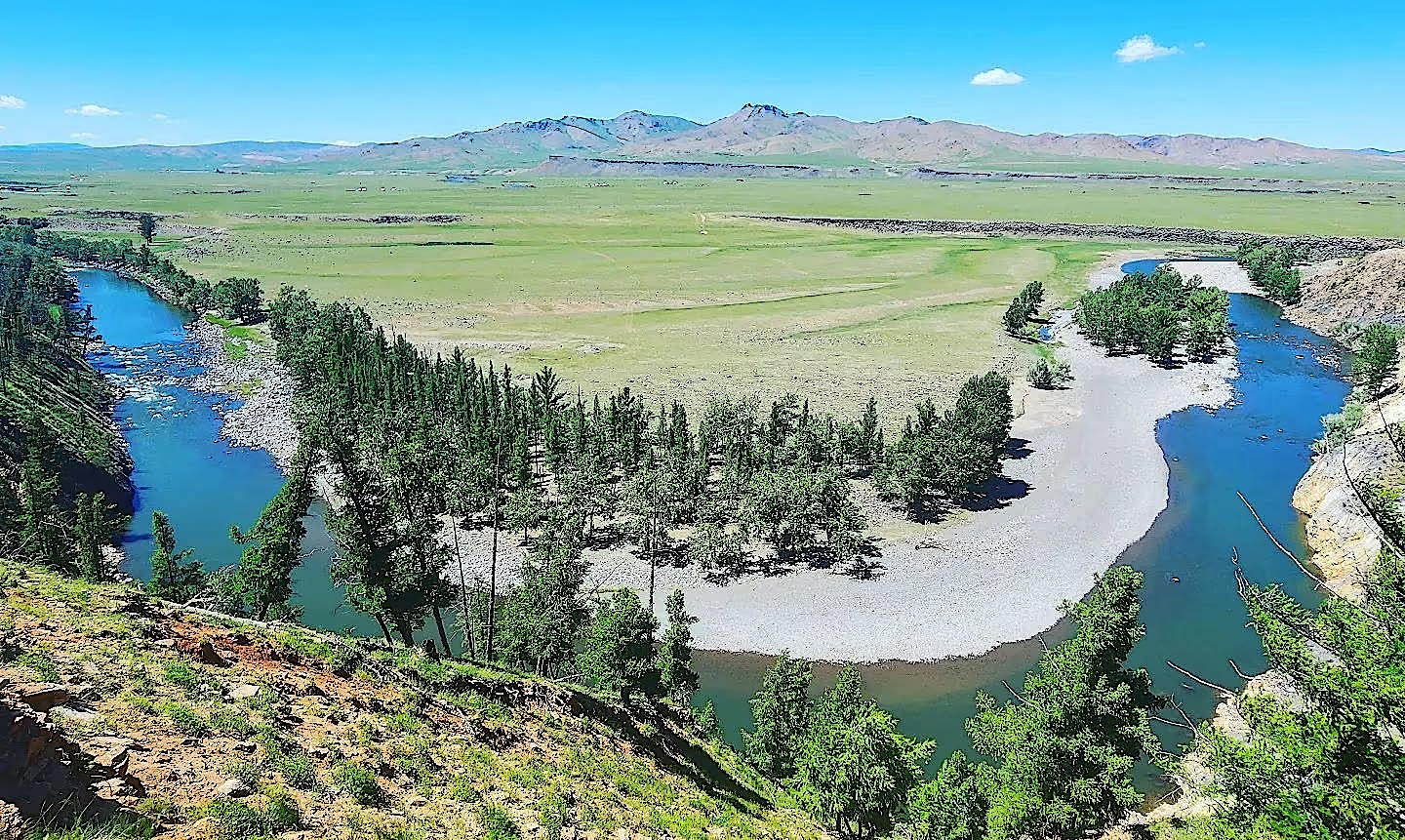
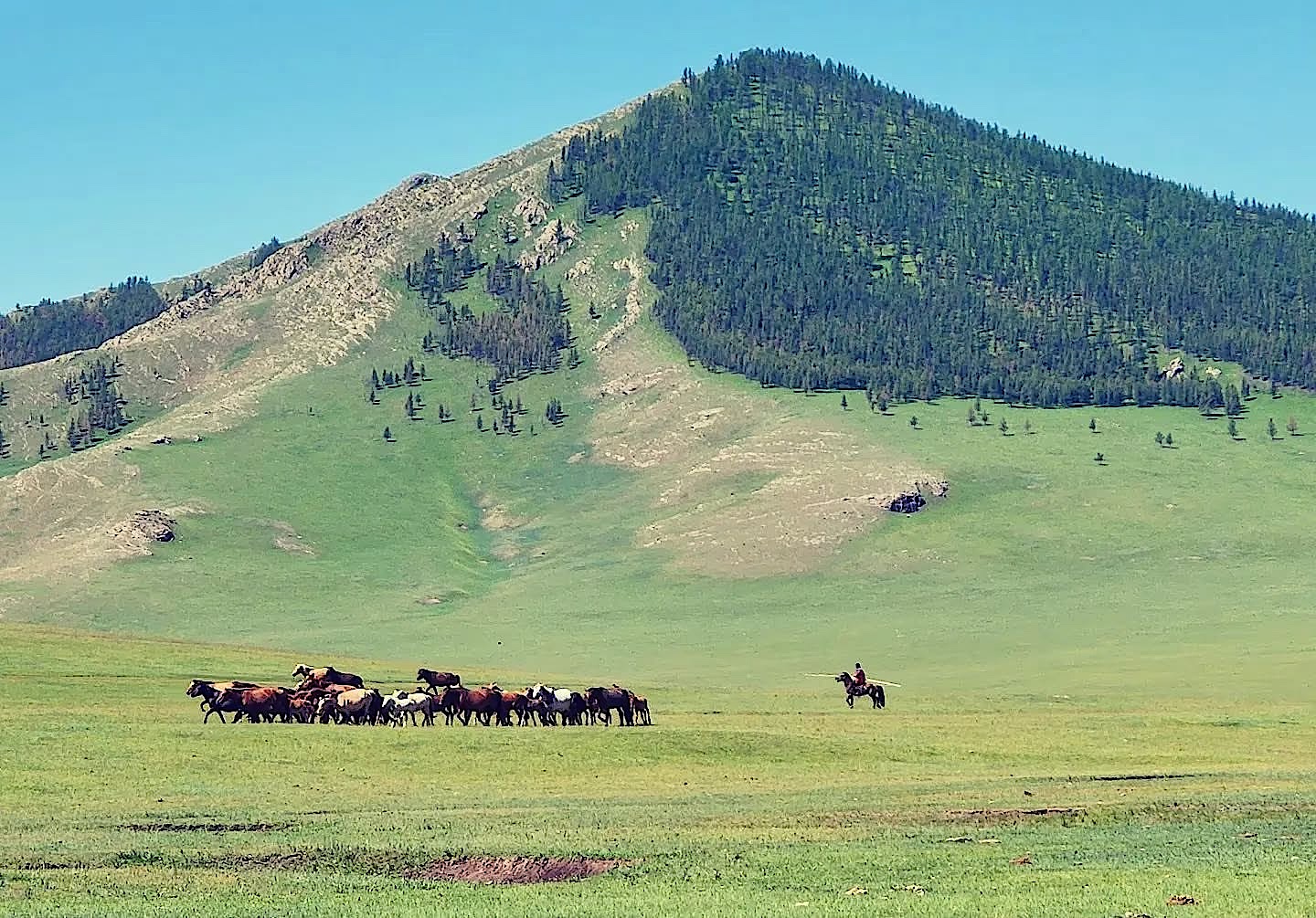
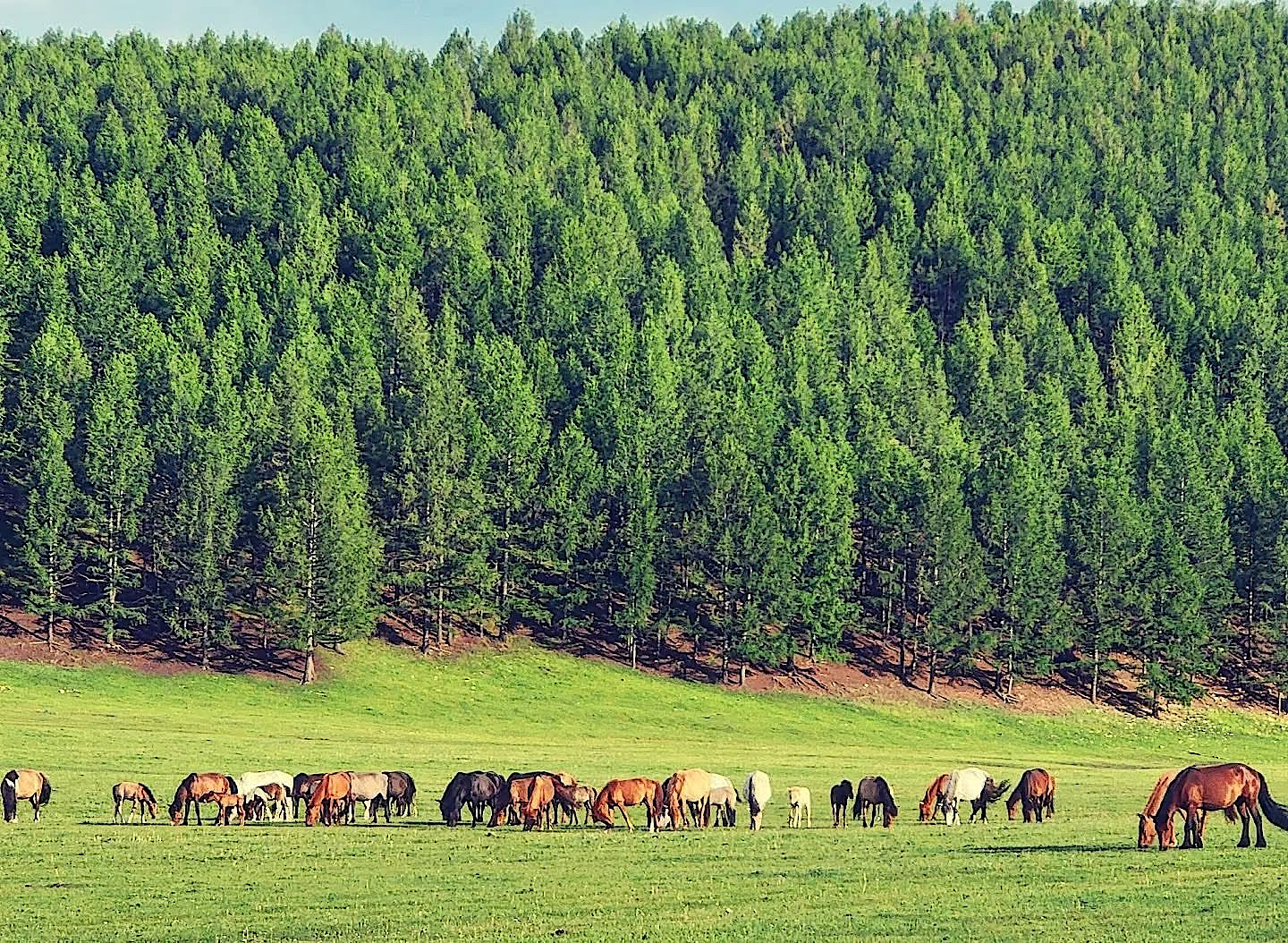
After a last sunset hike in a country without trees, a seven-hour drive took us from the desolate Gobi to the green Orkhon River Valley. Suddenly there was water again, forests on the hills and horses everywhere. Mongolian horses never see a stable in their lives and live outdoors from −40 °C in winter to +40 °C in summer. I finally went riding, which would have been perfectly enjoyable without the ten thousand flies you cannot see in the photos. We stayed at a hot spring resort.
Karakorum, Ugii Lake and the wild horses of Hustai
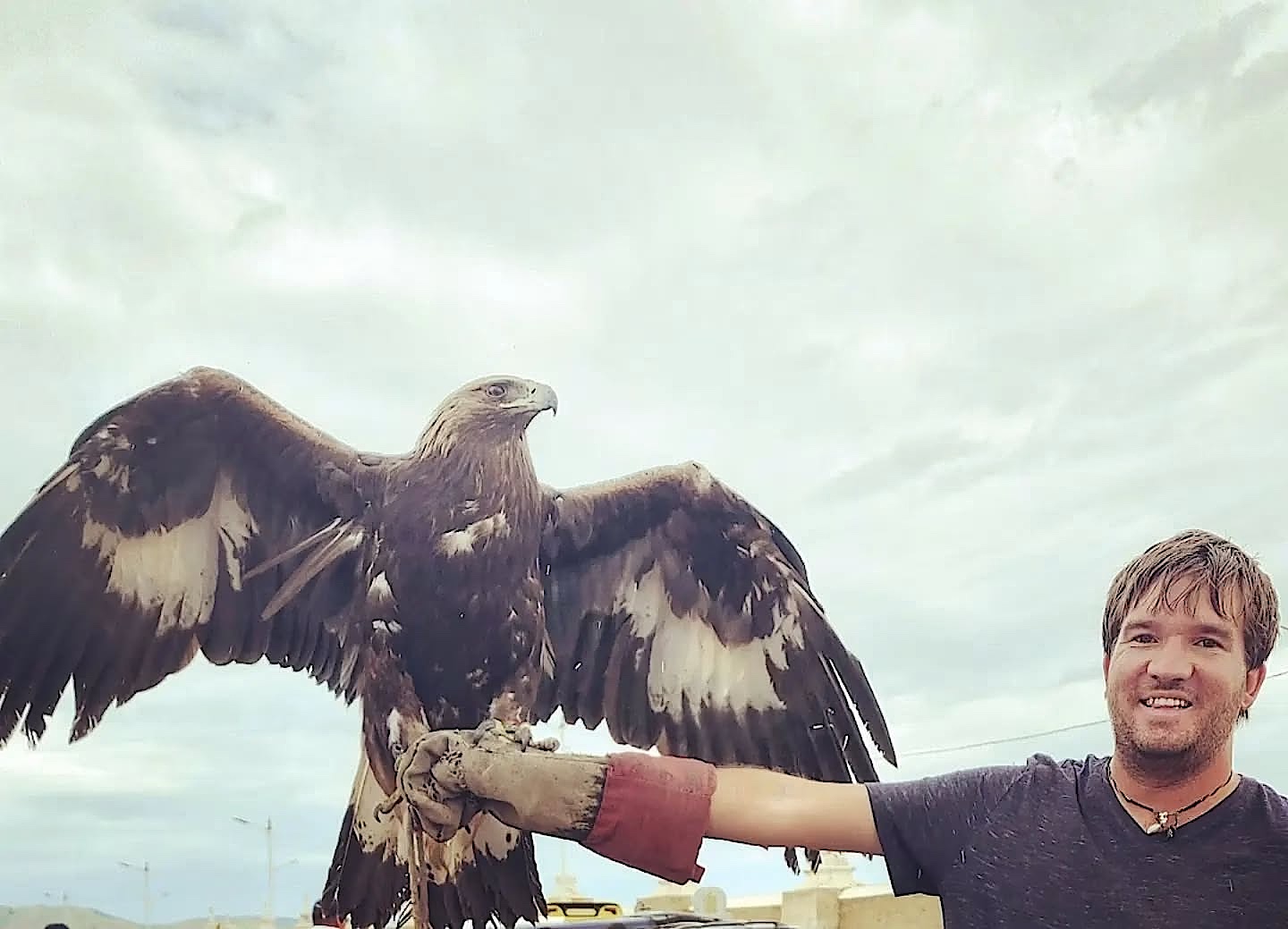
Near Kharkhorin I held an eagle on my arm before visiting what remains of Karakorum, the ancient capital of the Mongol Empire. Its successor, the Erdene Zuu monastery, is surrounded by a wall of 108 white stupas.
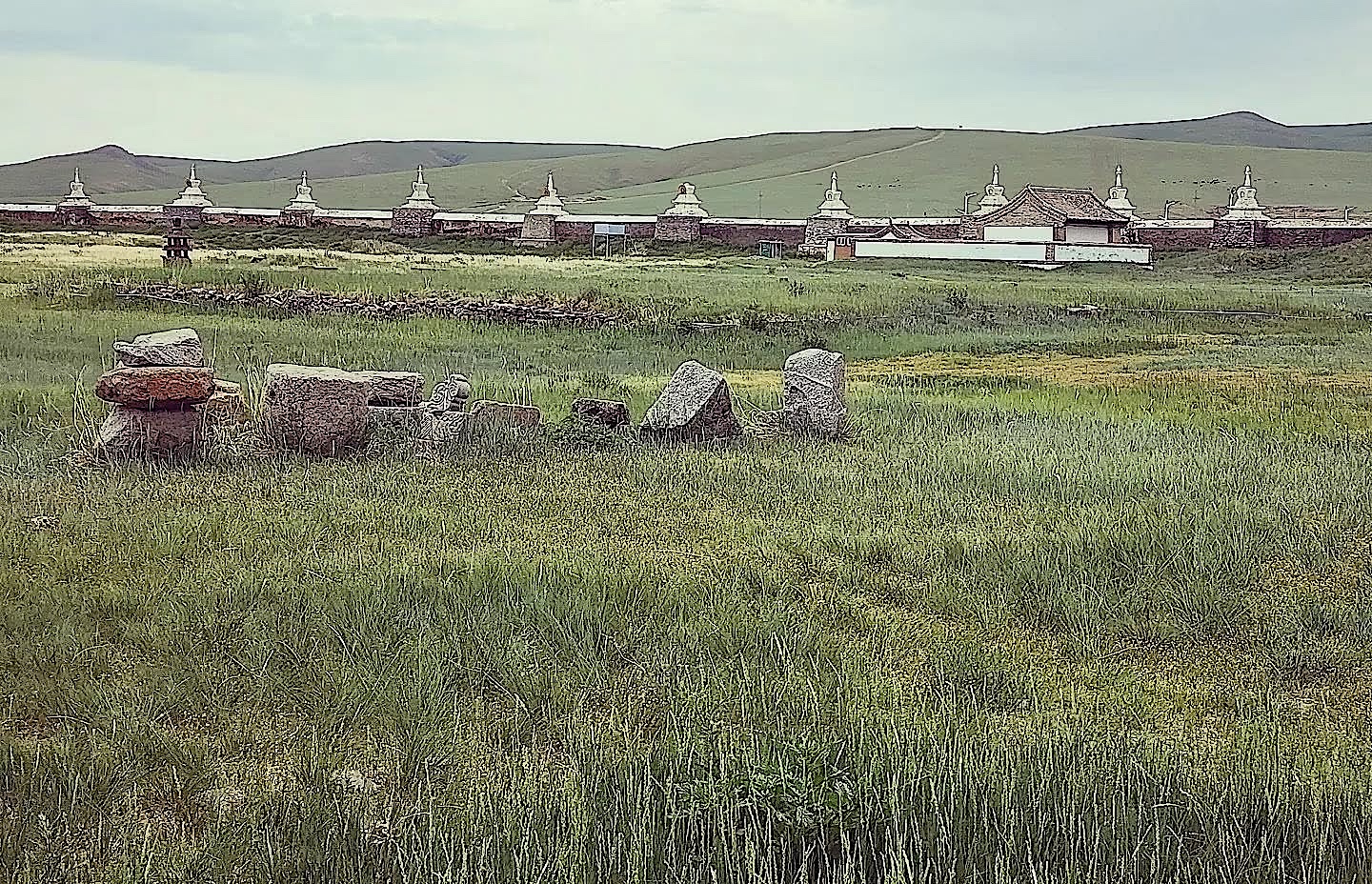
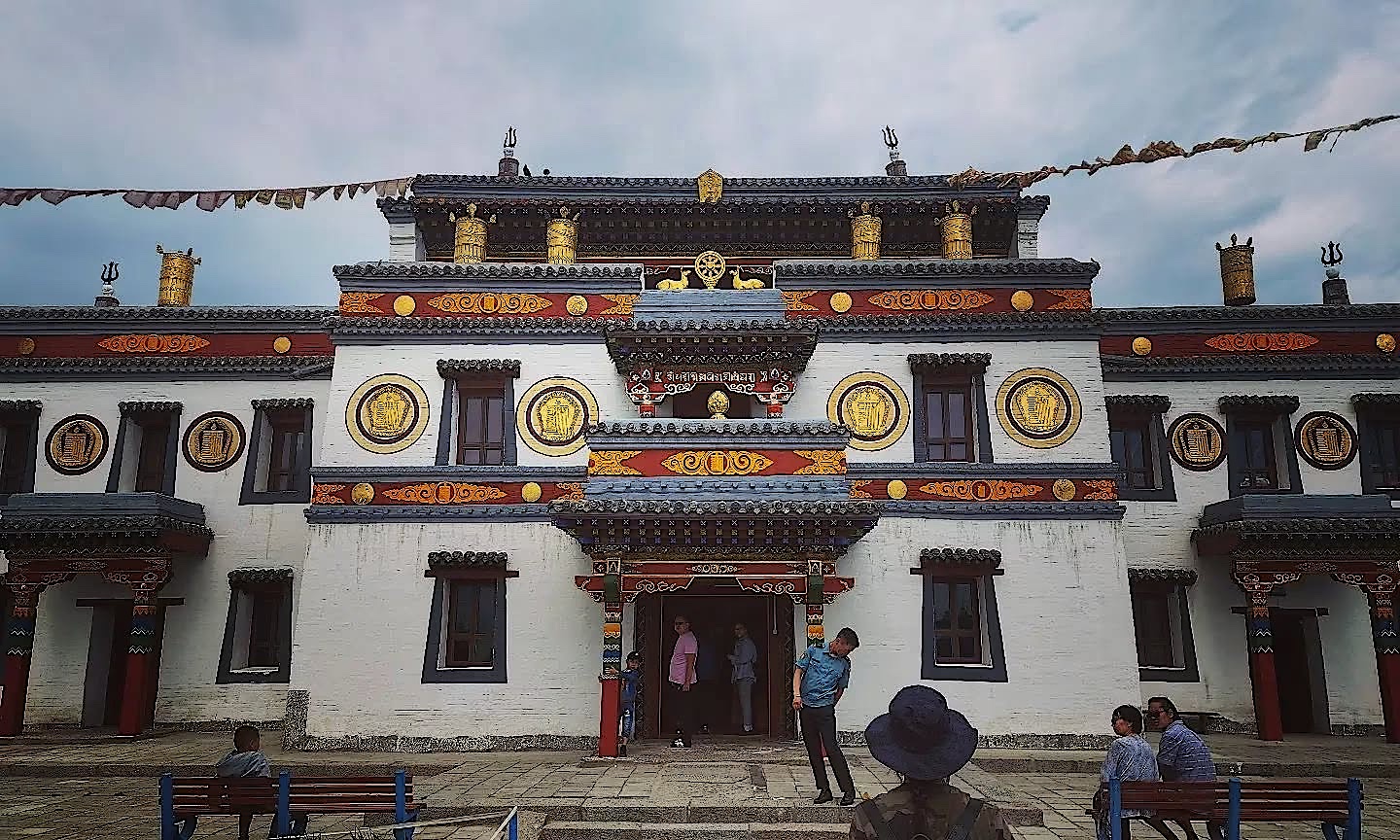
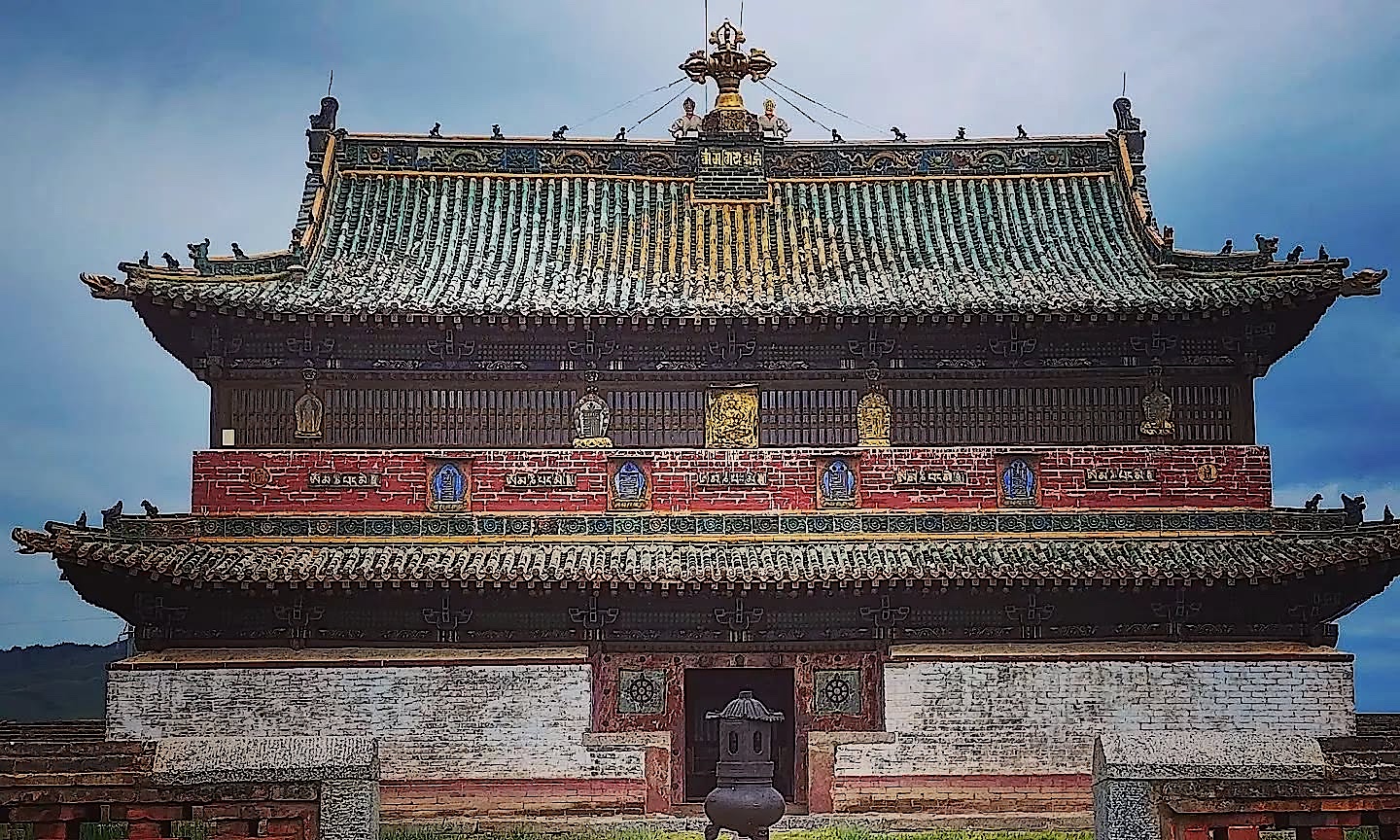
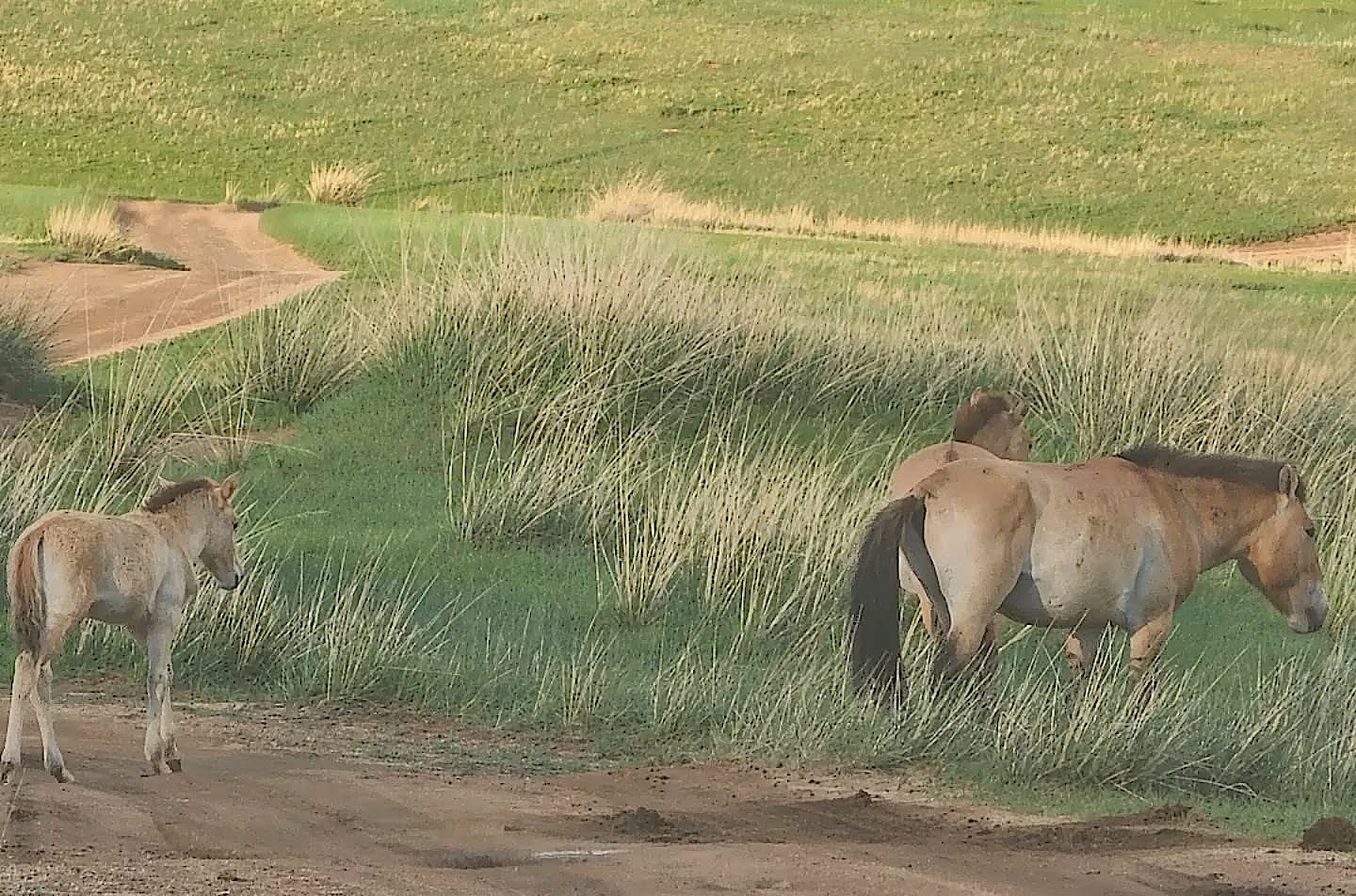
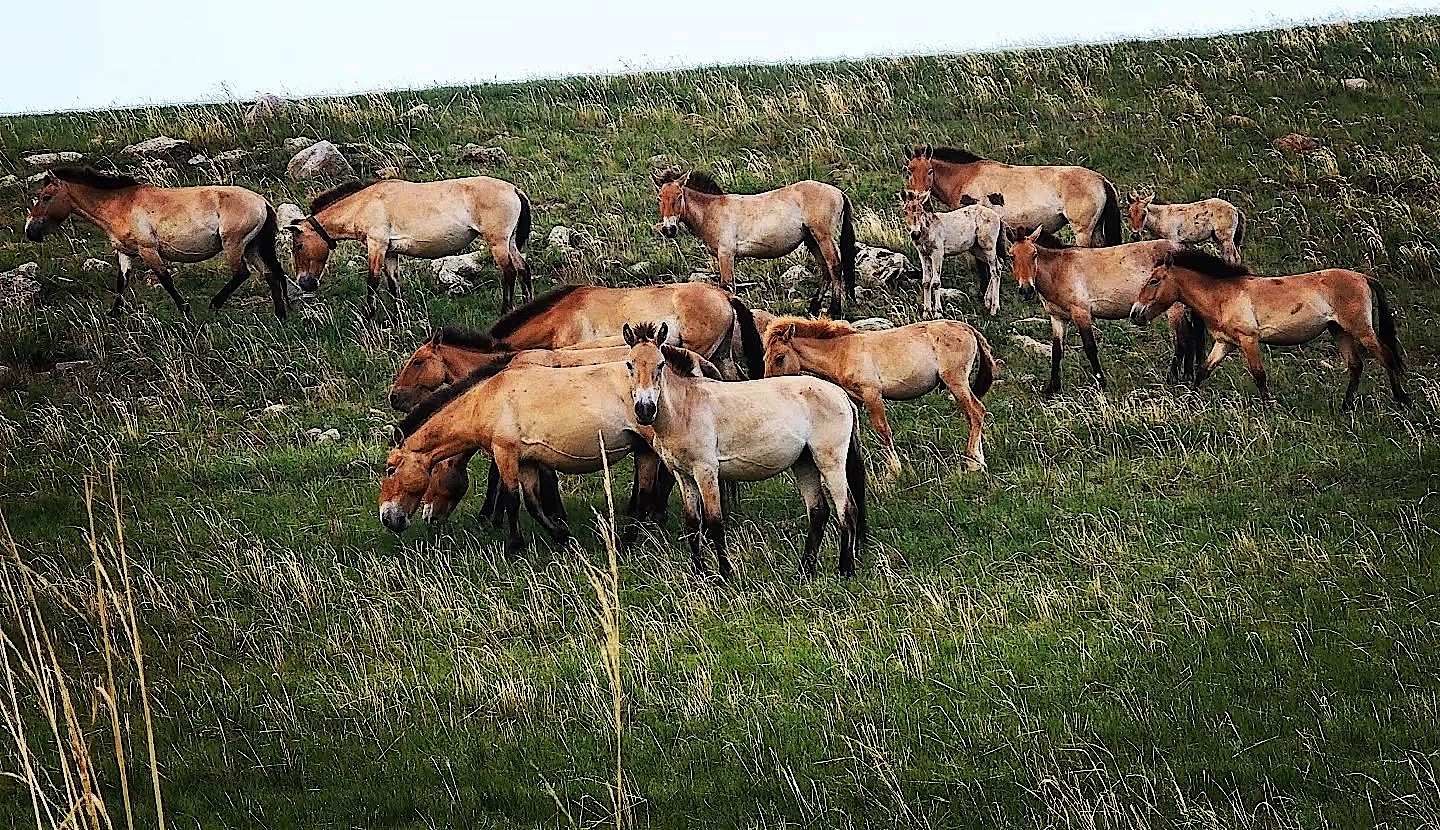
Then we drove on to Ugii Lake, which I nicknamed the Mongolian Copacabana. My guide and my driver had great fun being towed across the lake behind a jet ski. Our last nature stop was Hustai National Park, where we went on a marmot safari and found the very rare Przewalski's horses, the only true wild horses left on the planet.
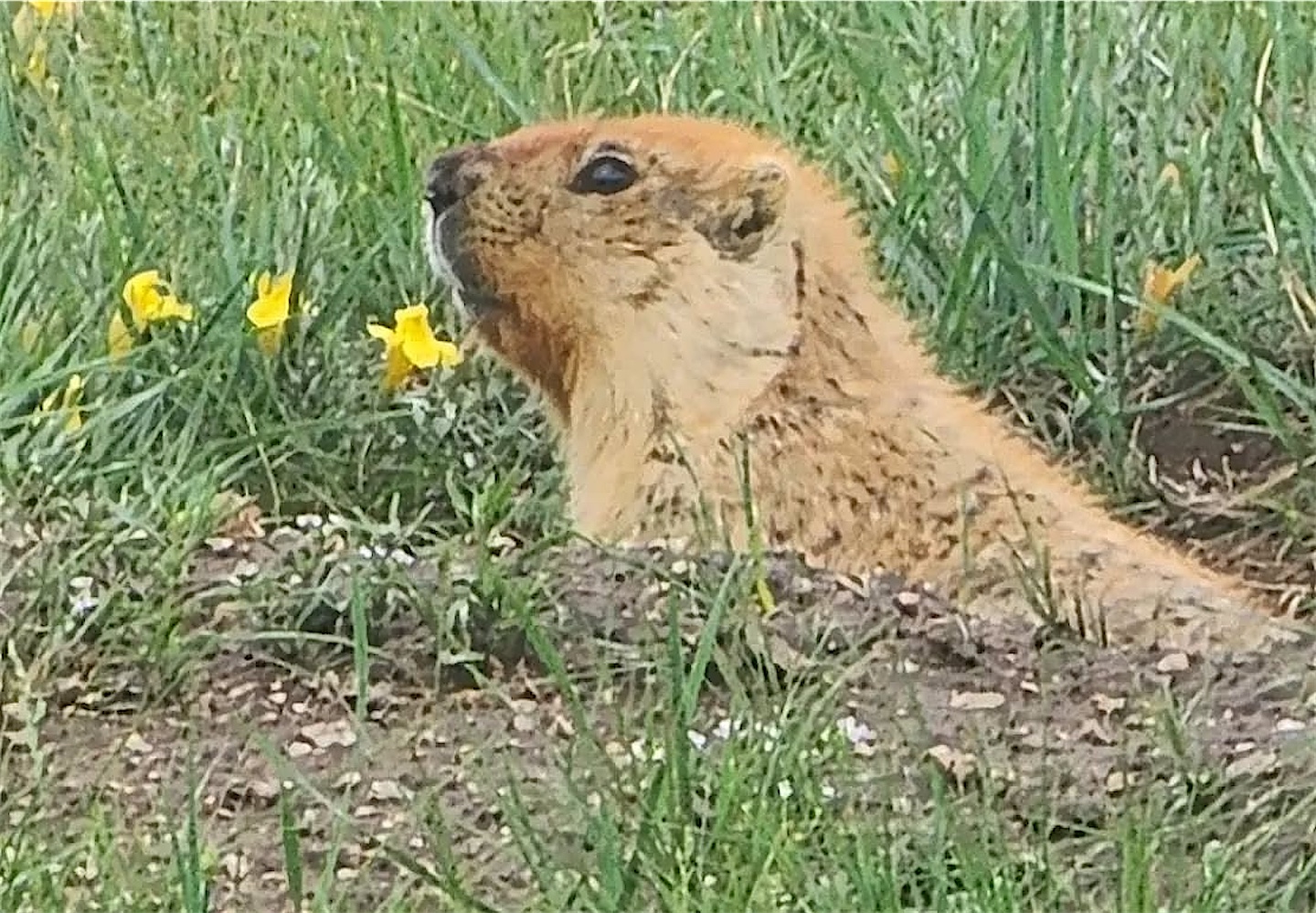
Chinggis Khan and the last day in the wild
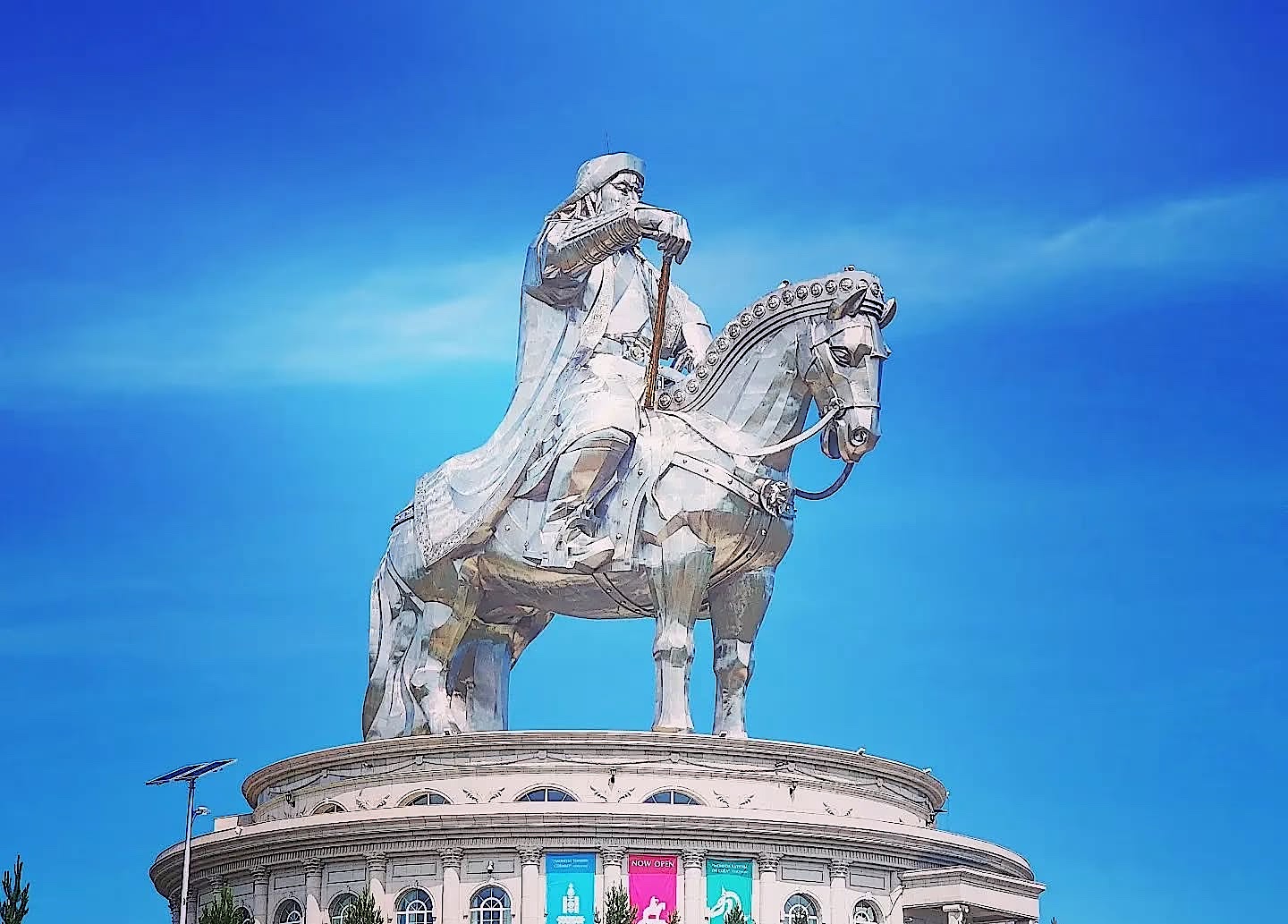
On the way back towards the capital I stood next to Temüjin, better known as Chinggis Khan and one of the heroes of my youth. His steel statue on horseback is 40 metres tall and the biggest equestrian statue in the world. His real grave has never been found: according to legend, everyone who witnessed the burial was killed, and so were the riders who levelled the ground above it.
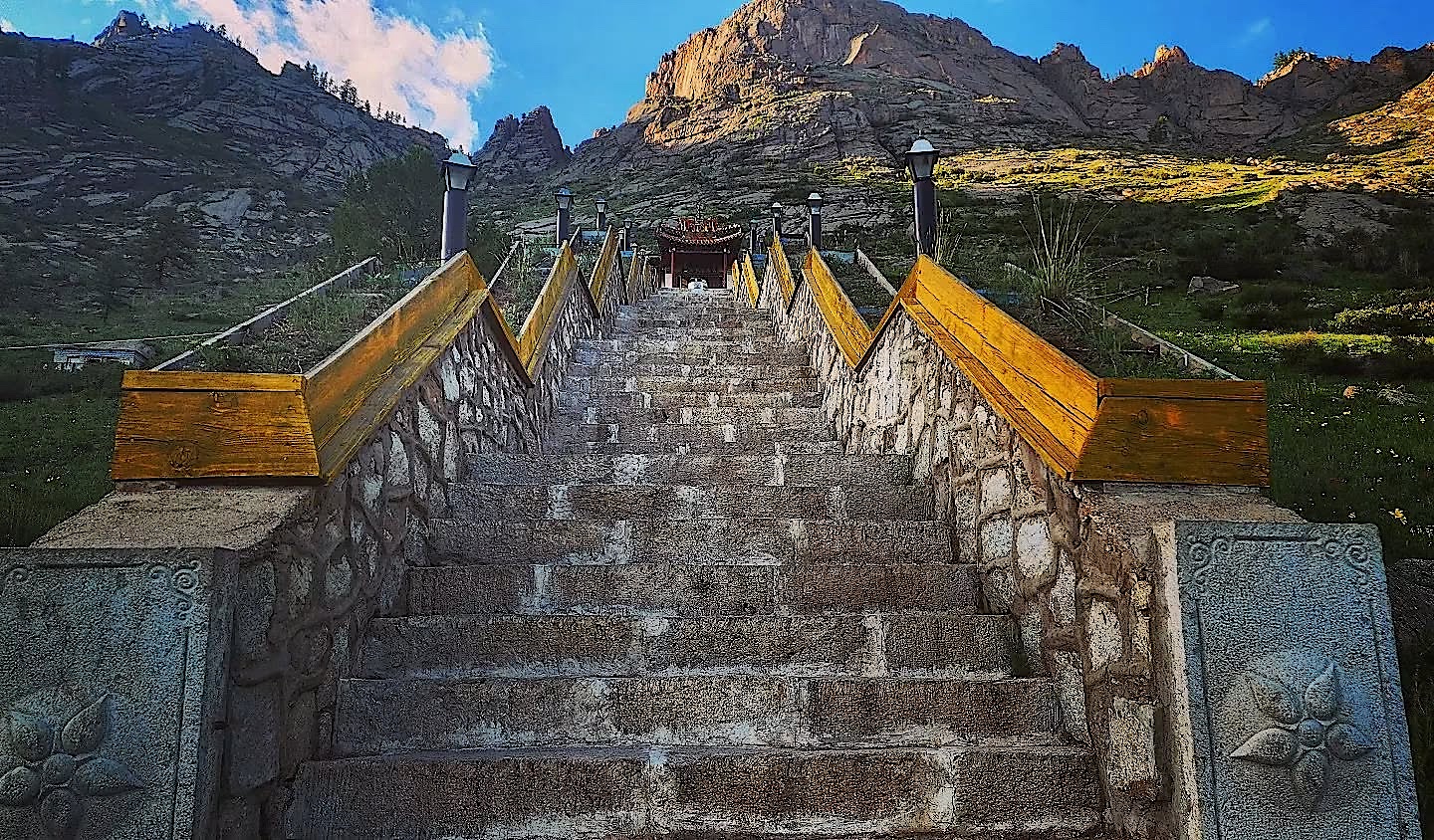
My last day in the wilderness ended at a famous Buddhist temple on a hillside, reached by 108 steps to redemption. Being Buddhist is quite a workout: you circle the monastery and turn 108 prayer wheels along the way.
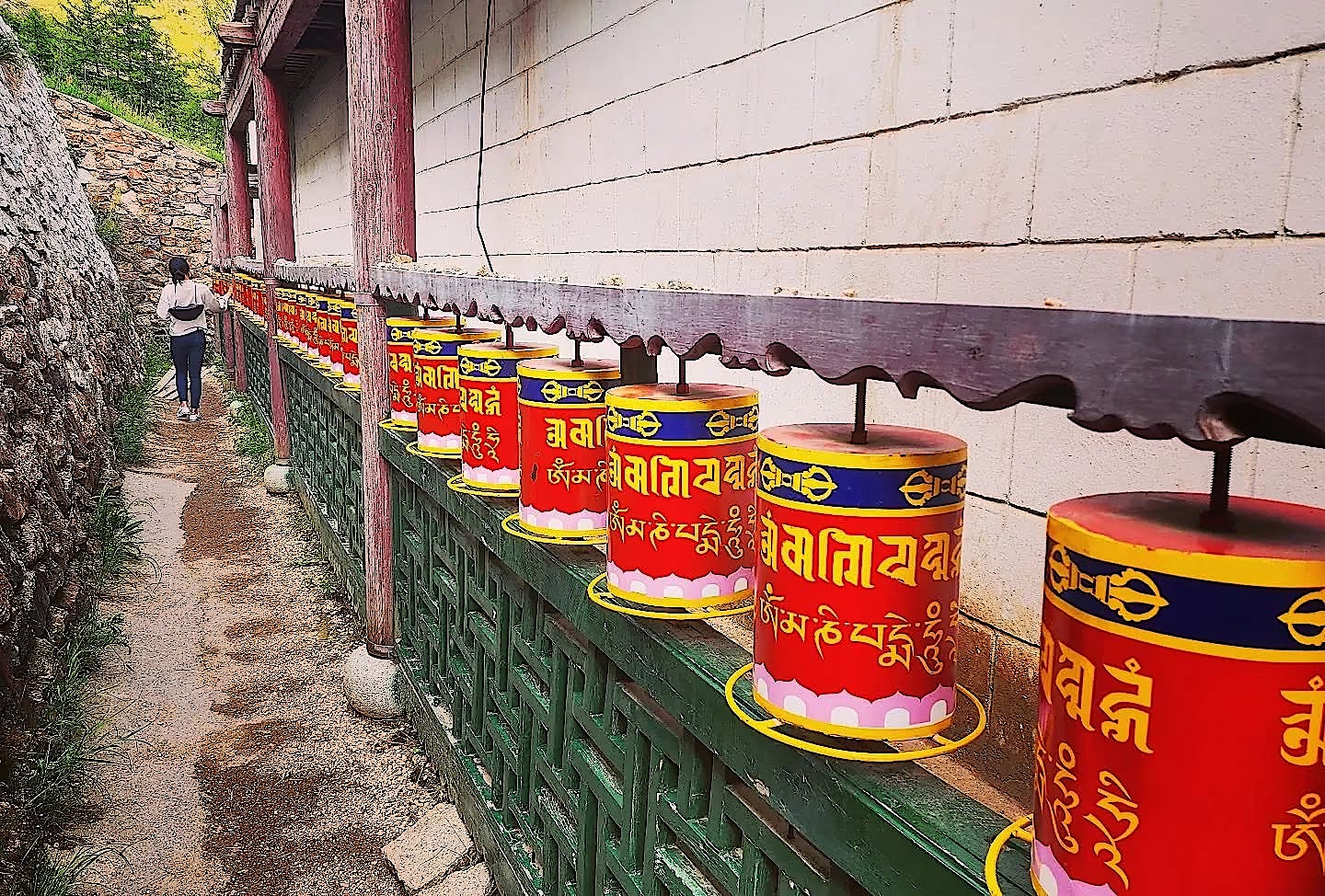
Most of the time the accommodation had been rather spartan, with the bathrooms a fair walk away, but luckily I could stay alone in my yurts. On 28 June it was my last day in Mongolia. Time had flown, and it is a country I would like to come back to. There is still so much to explore.
A finale on Jeju
From Mongolia I continued to South Korea, and the last days there belonged to Jeju. The island turned out to be great: steep stairs up to viewpoints over the volcanic coast, a waterfall in the forest, a beach with turquoise water and, on my last full day, perfect views of the Halla volcano.
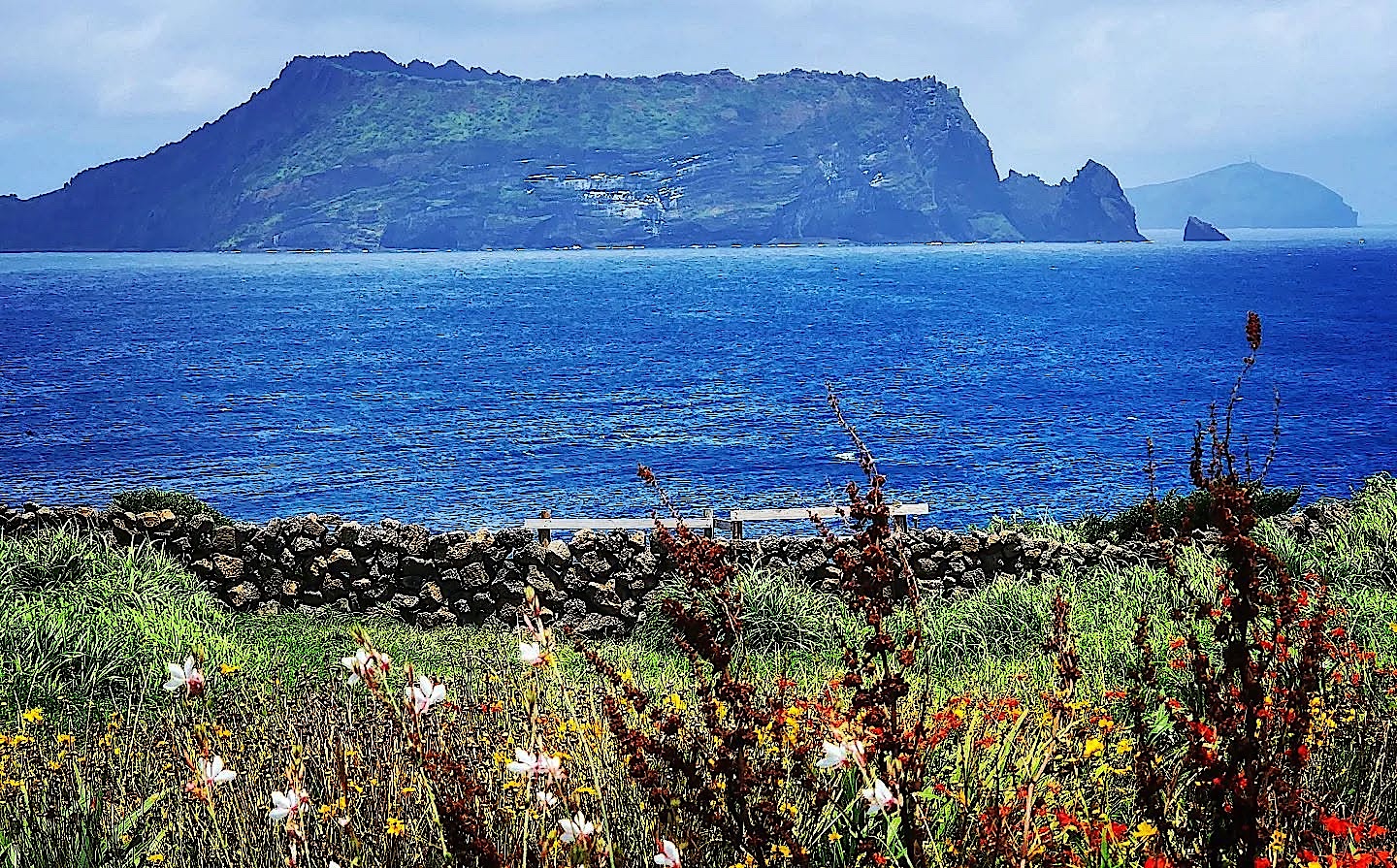
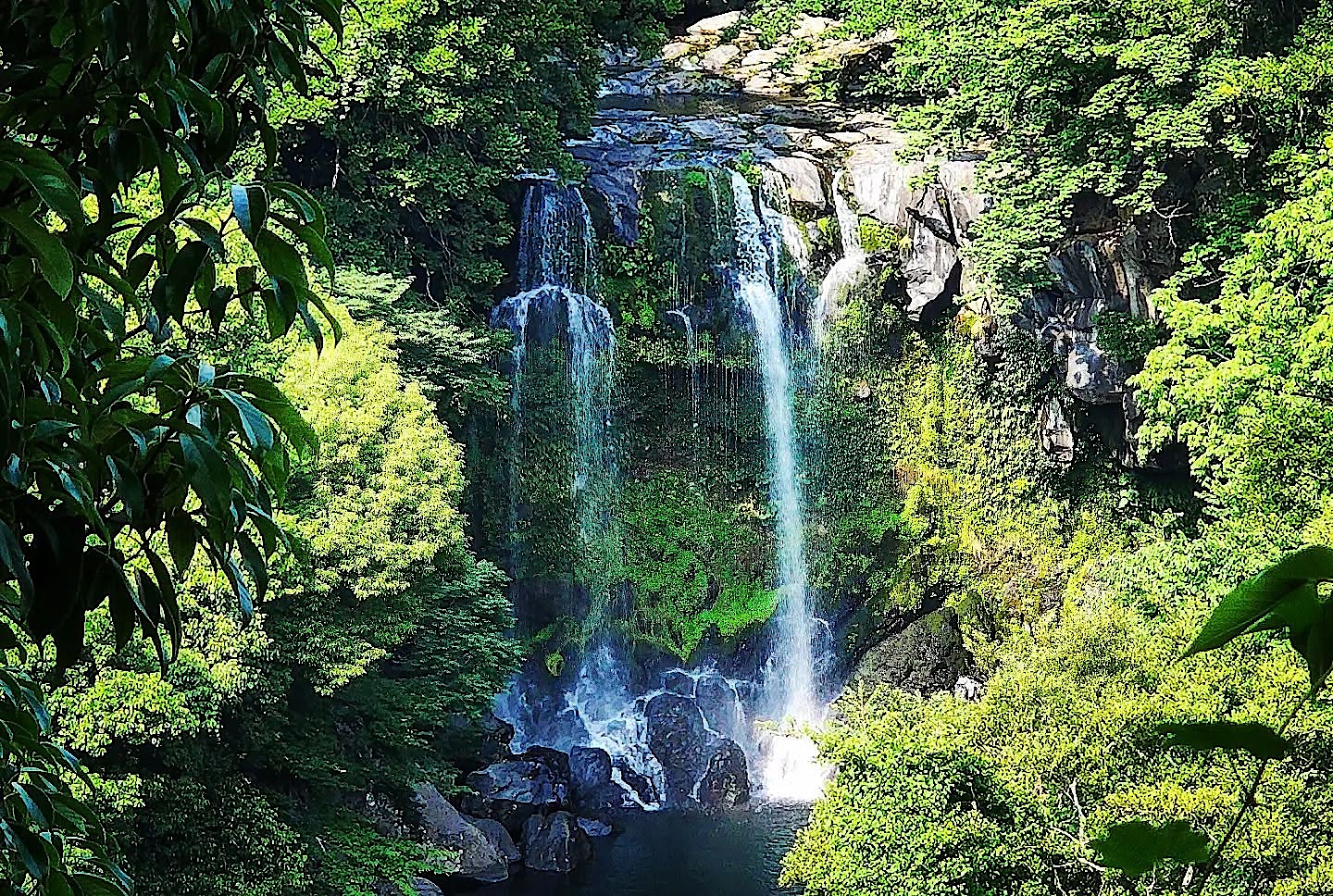
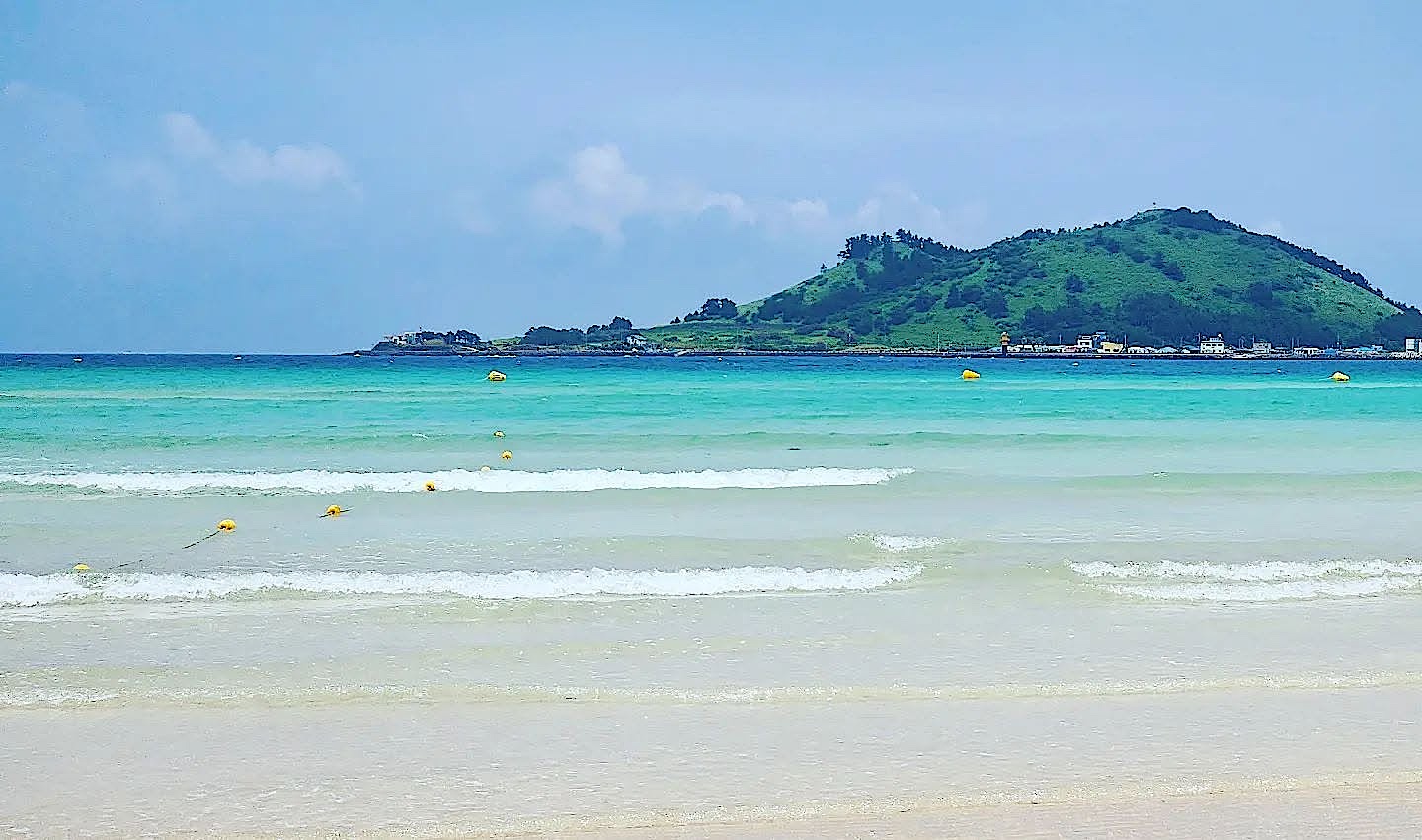
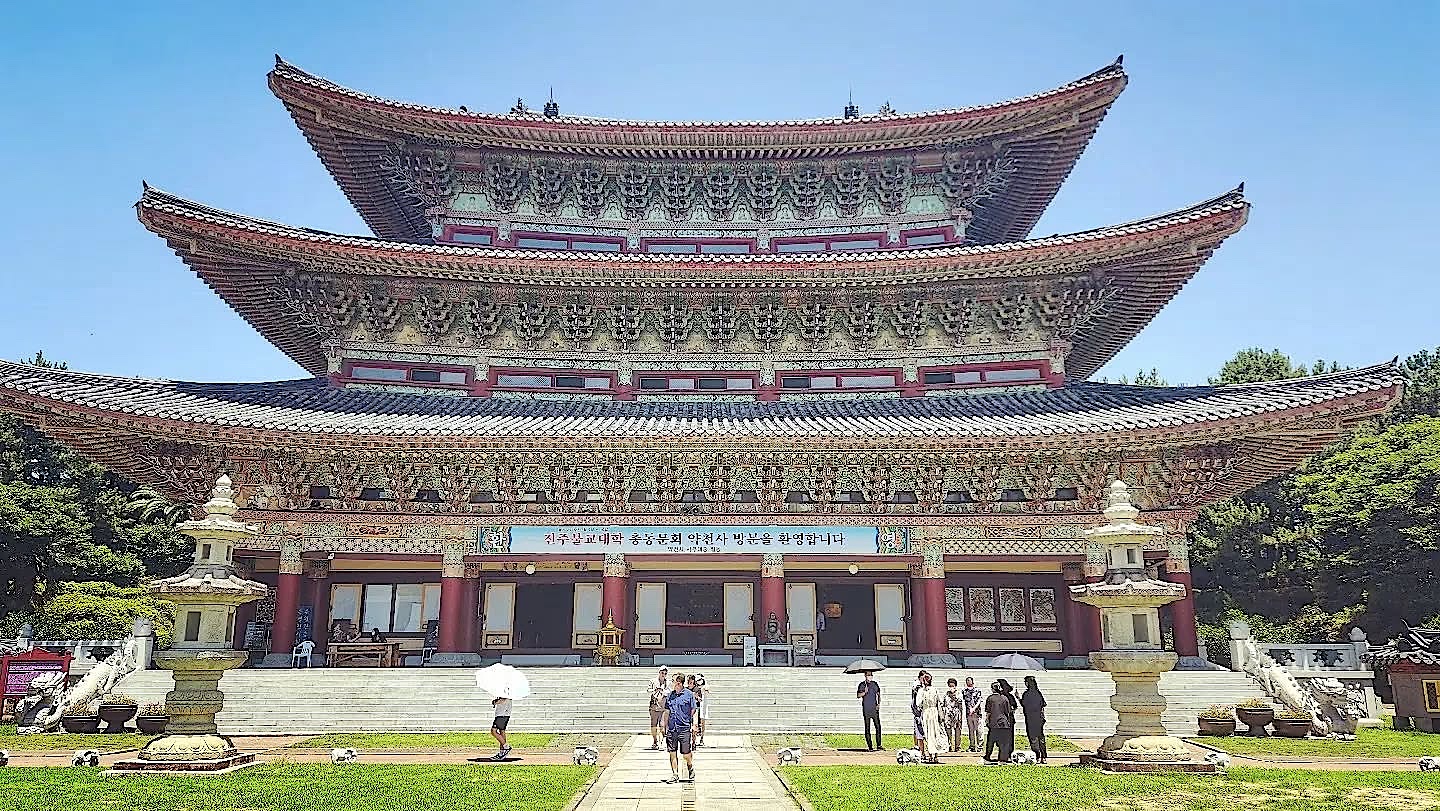
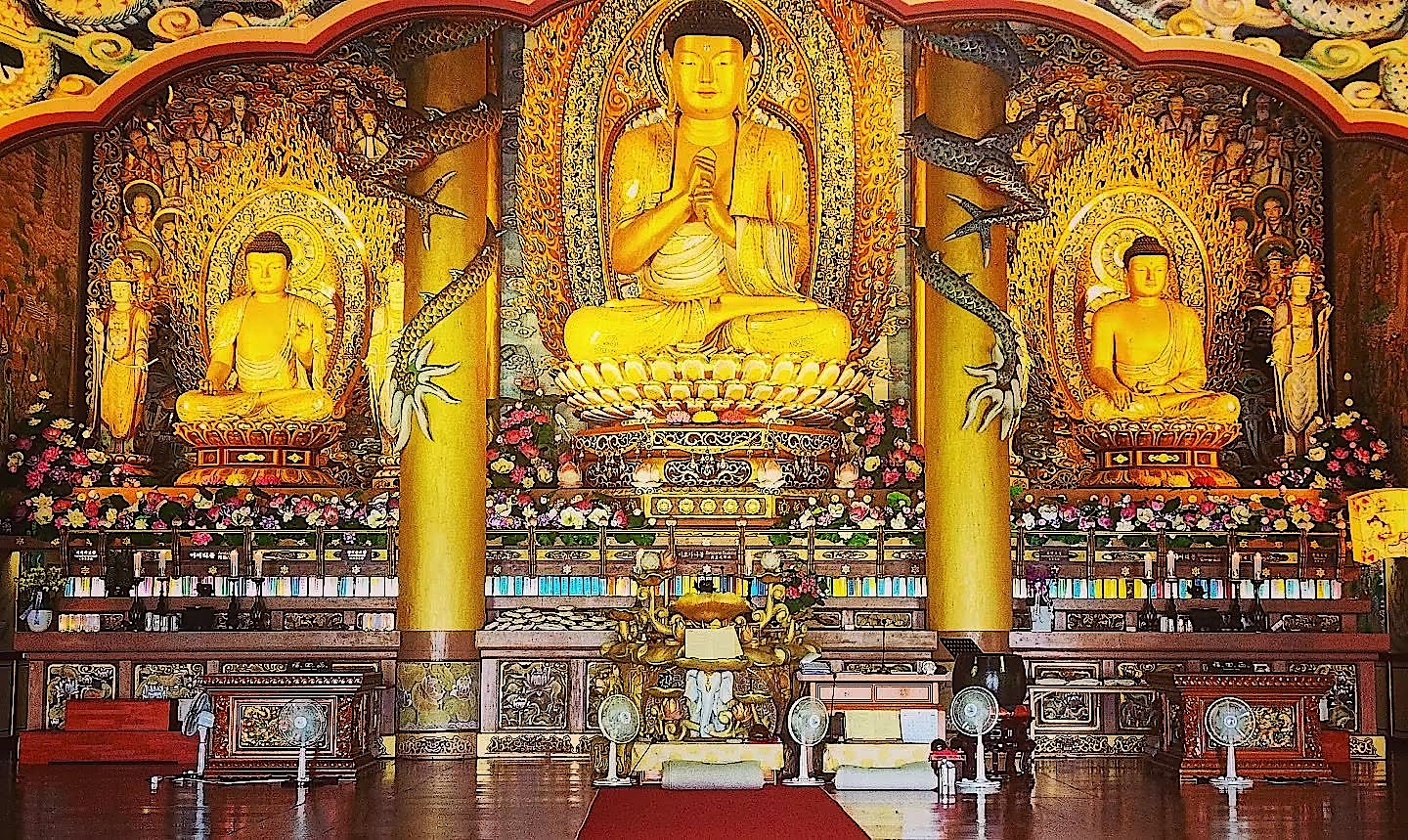
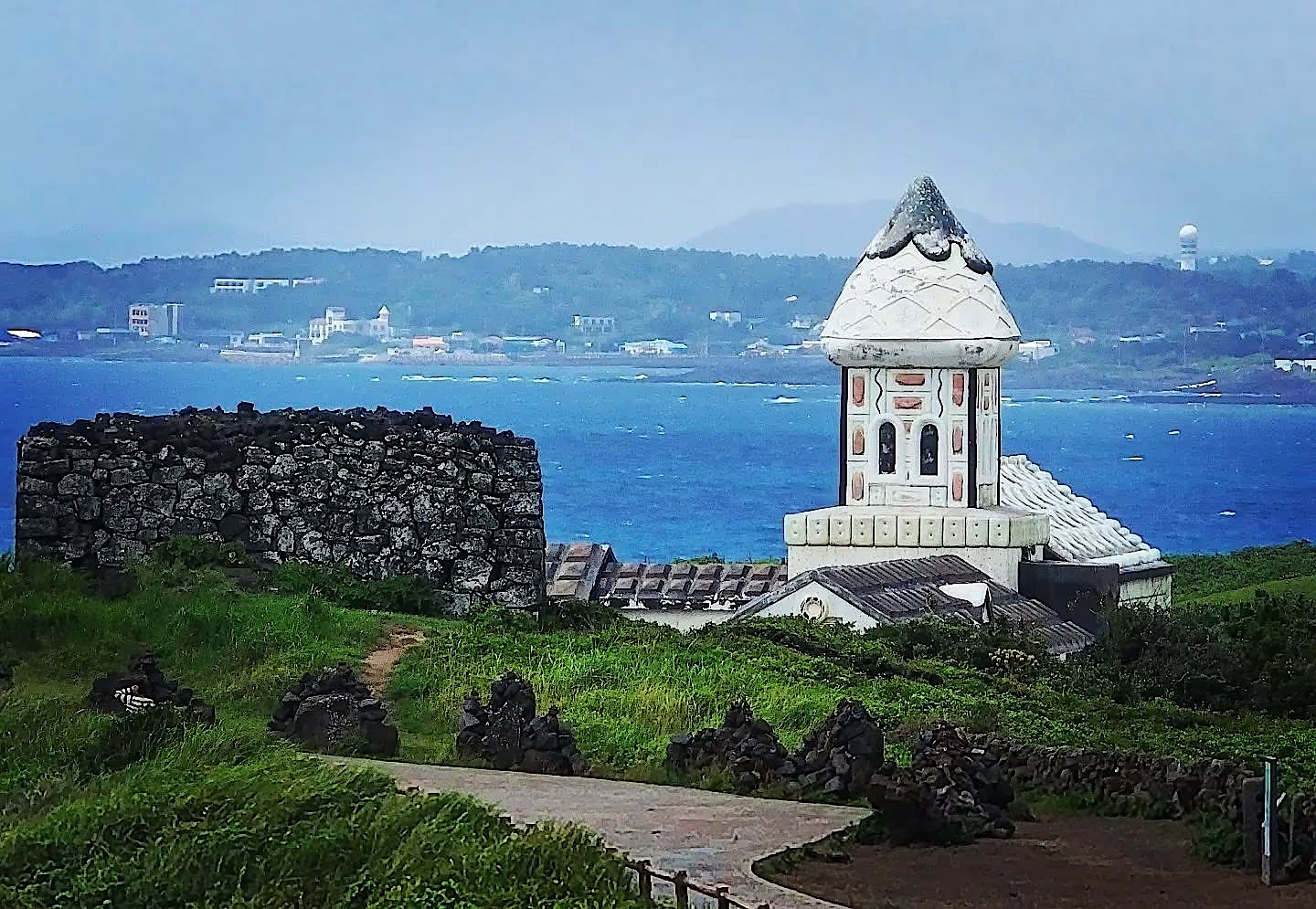
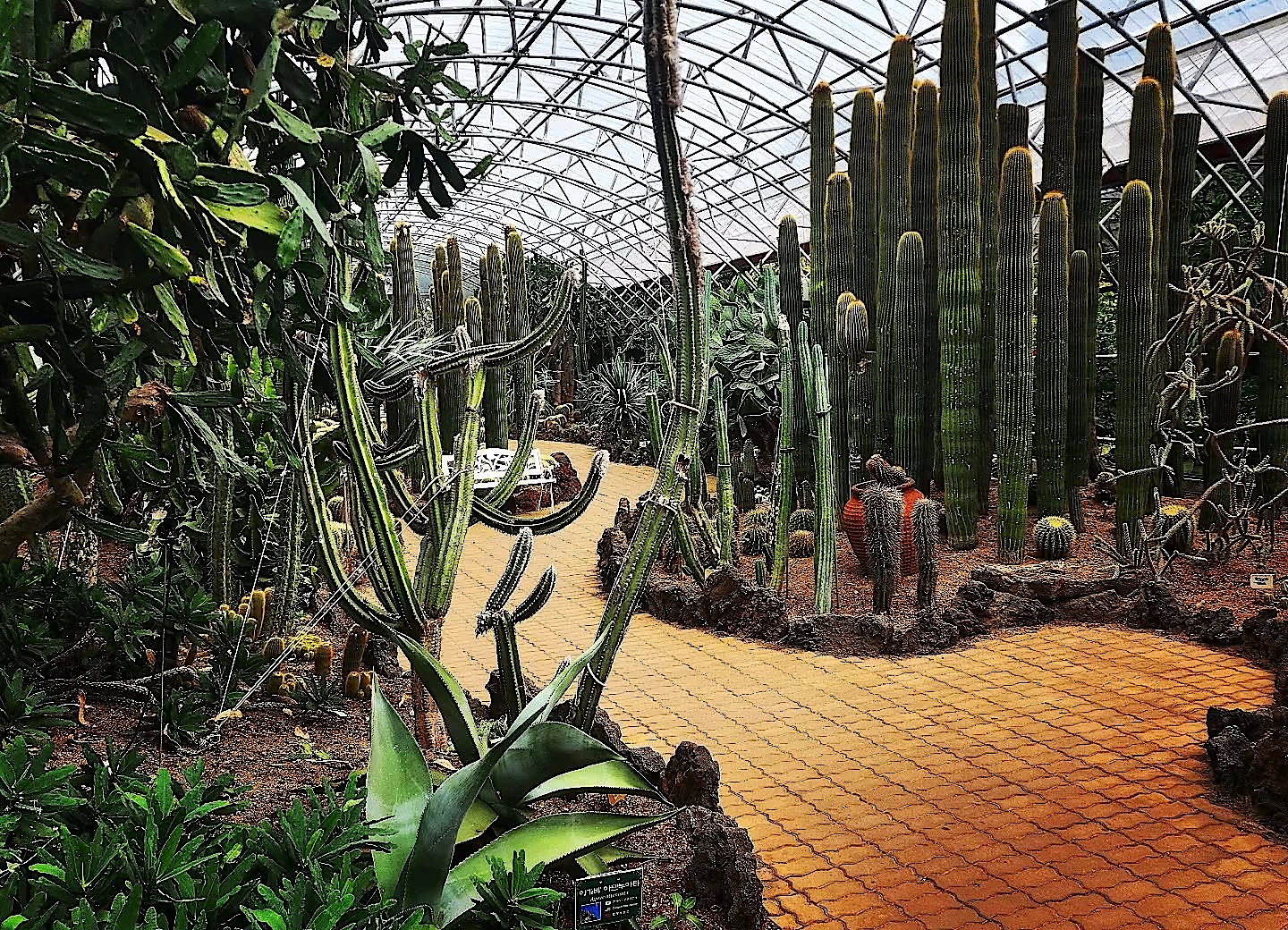
My last day in Korea took me to a large Buddhist temple with golden statues, a lighthouse on the coast and a garden with a greenhouse full of cacti.
On 10 July I left Jeju for two weeks in Indonesia. Flying Scoot long-haul was quite a torture, but their new Jeju–Singapore connection got me to Bali in eight hours instead of a whole day of changing planes. What followed was a Staatenlos meetup and a boat trip through Komodo, told in Staatenlos Meet Up in Bali.