Orkney and the Outer Hebrides: Wrecks, Standing Stones and a Beach Airport in Scotland's Far North
20–29 July 2026 · Inverness, Scapa Flow, Skara Brae, Birsay, Forsinard, Ceannabeinne, Callanish, Harris, North Uist, Barra, Glenfinnan, Loch Ness · Regions: United Kingdom (Scotland)
After the Isles of Scilly, Cornwall and Gibraltar and a few days on the Costa del Sol, I flew from Málaga to Inverness on 20 July 2026 for what I called a return to my Viking roots: ten days with a hire car on Orkney, the north coast of the mainland and the Outer Hebrides. The forecast even looked favourable for a boat trip to St Kilda. My first Scottish trip in 2024 had covered Mull, Staffa and Iona in the Inner Hebrides. This time I went further north and further out.
Wreck diving in Scapa Flow
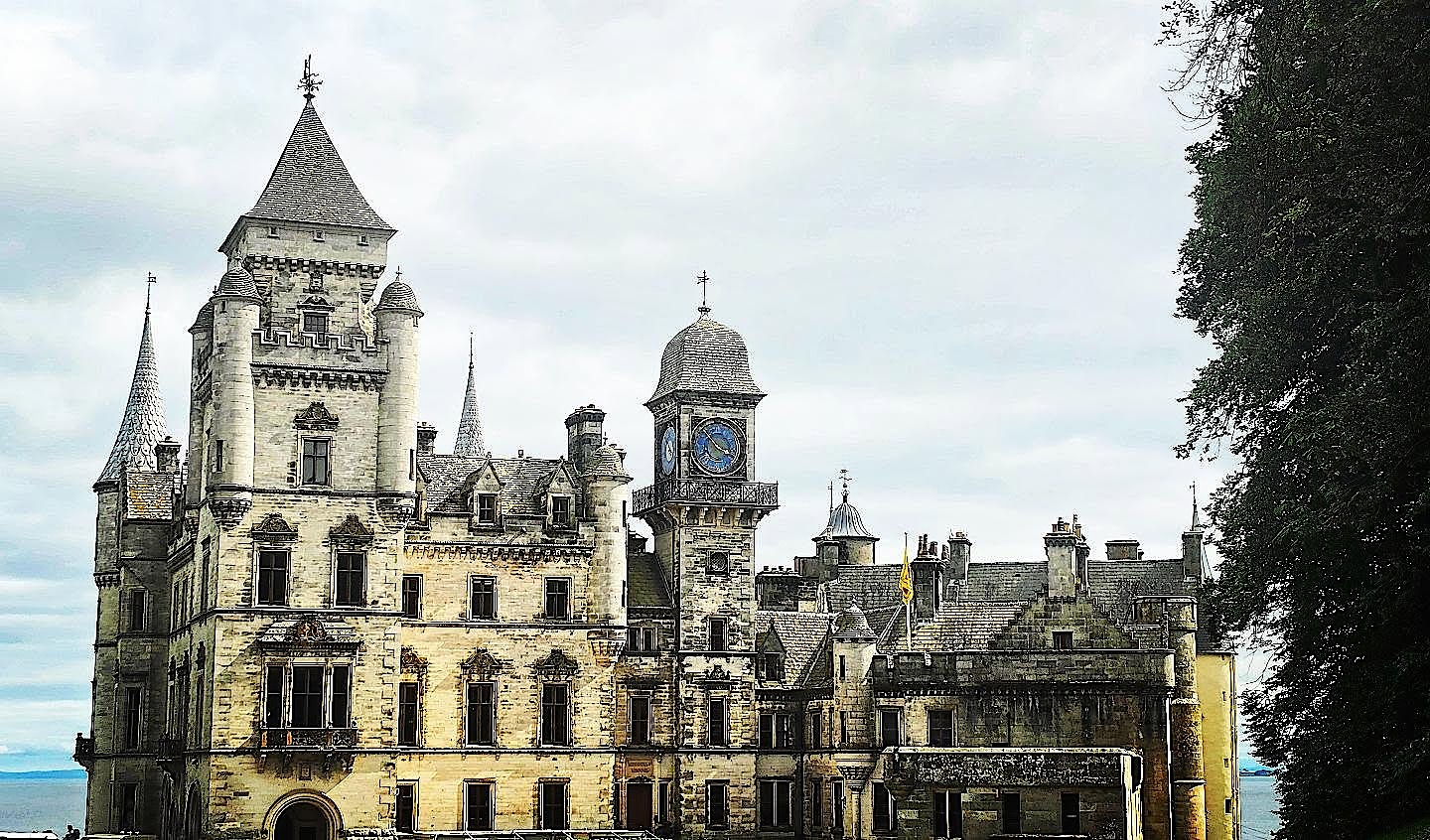
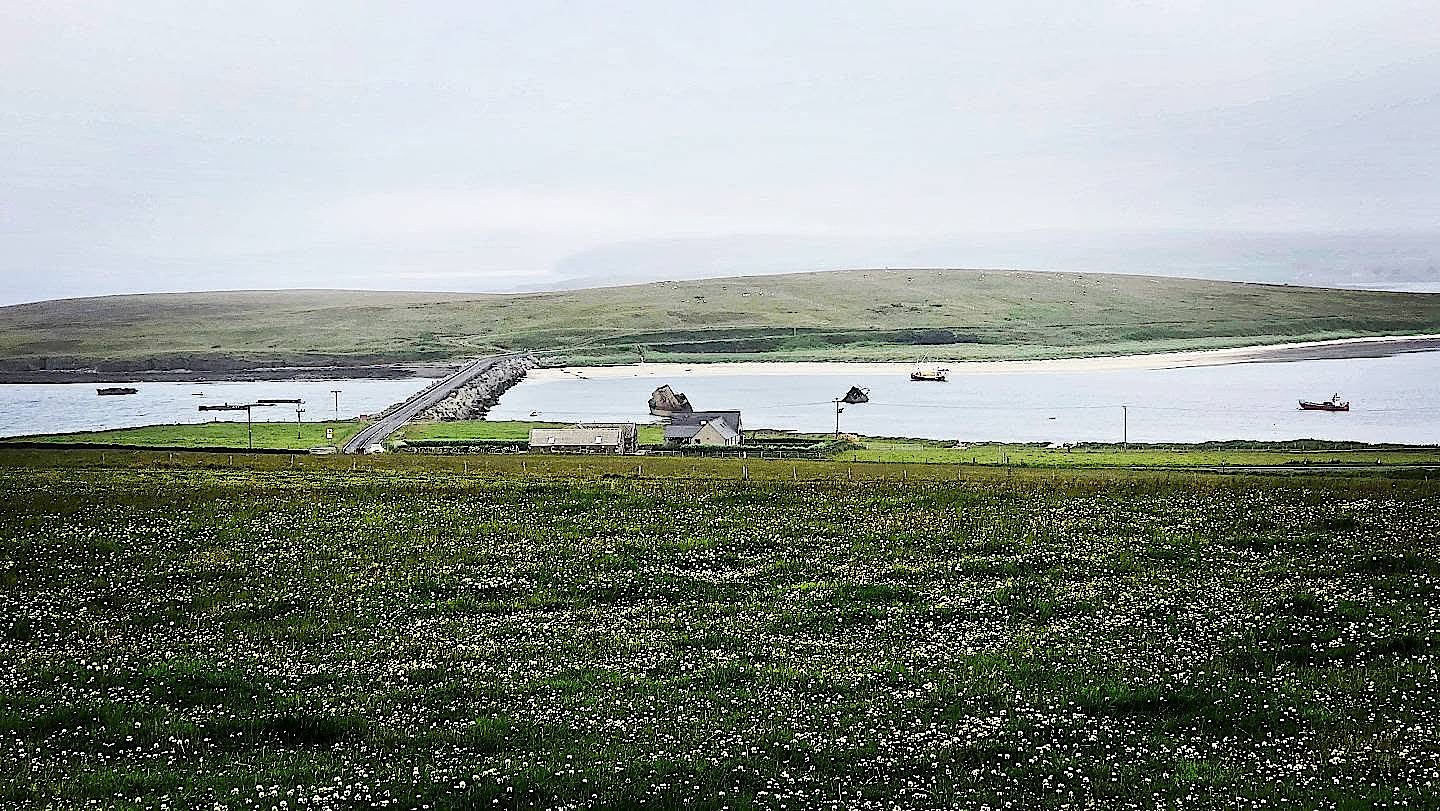
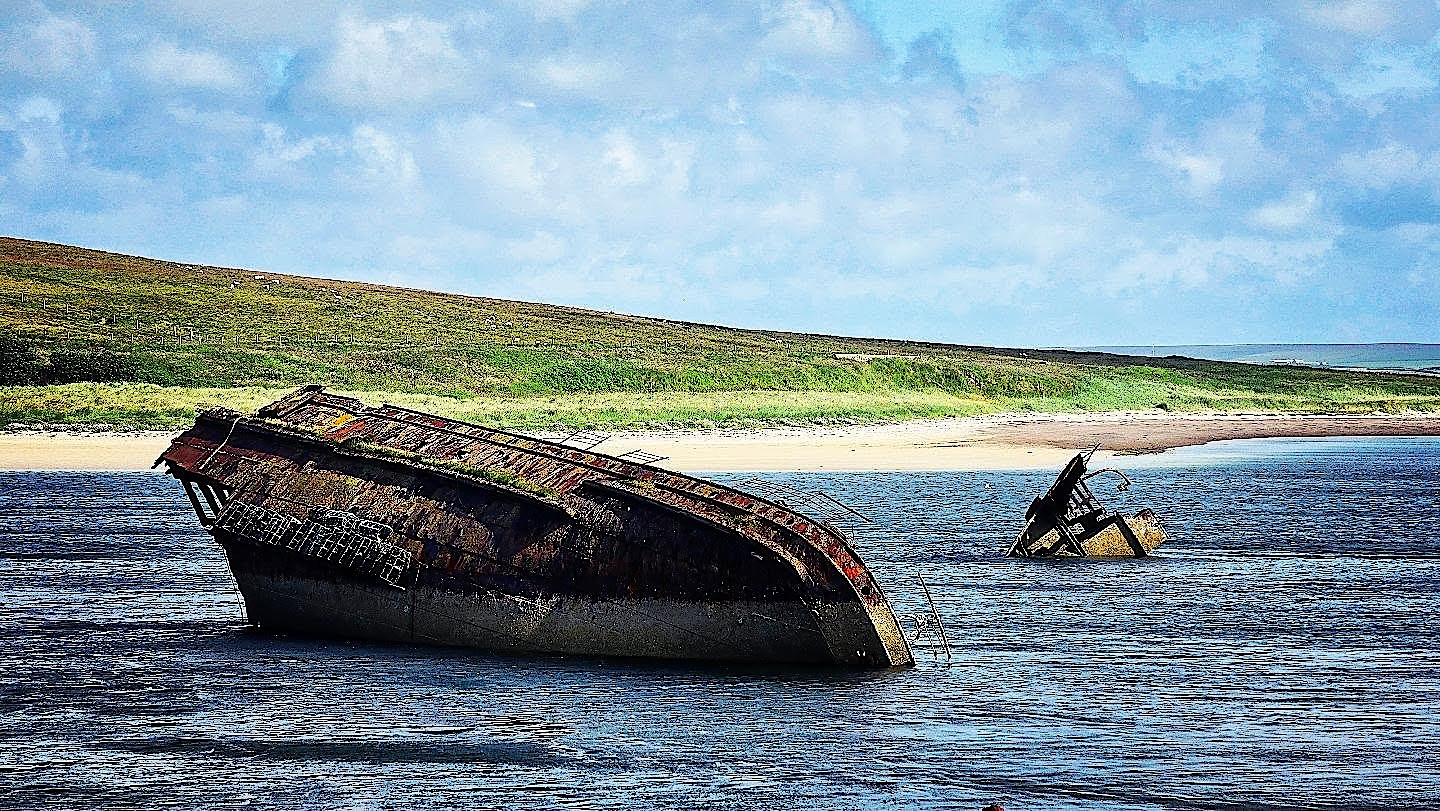
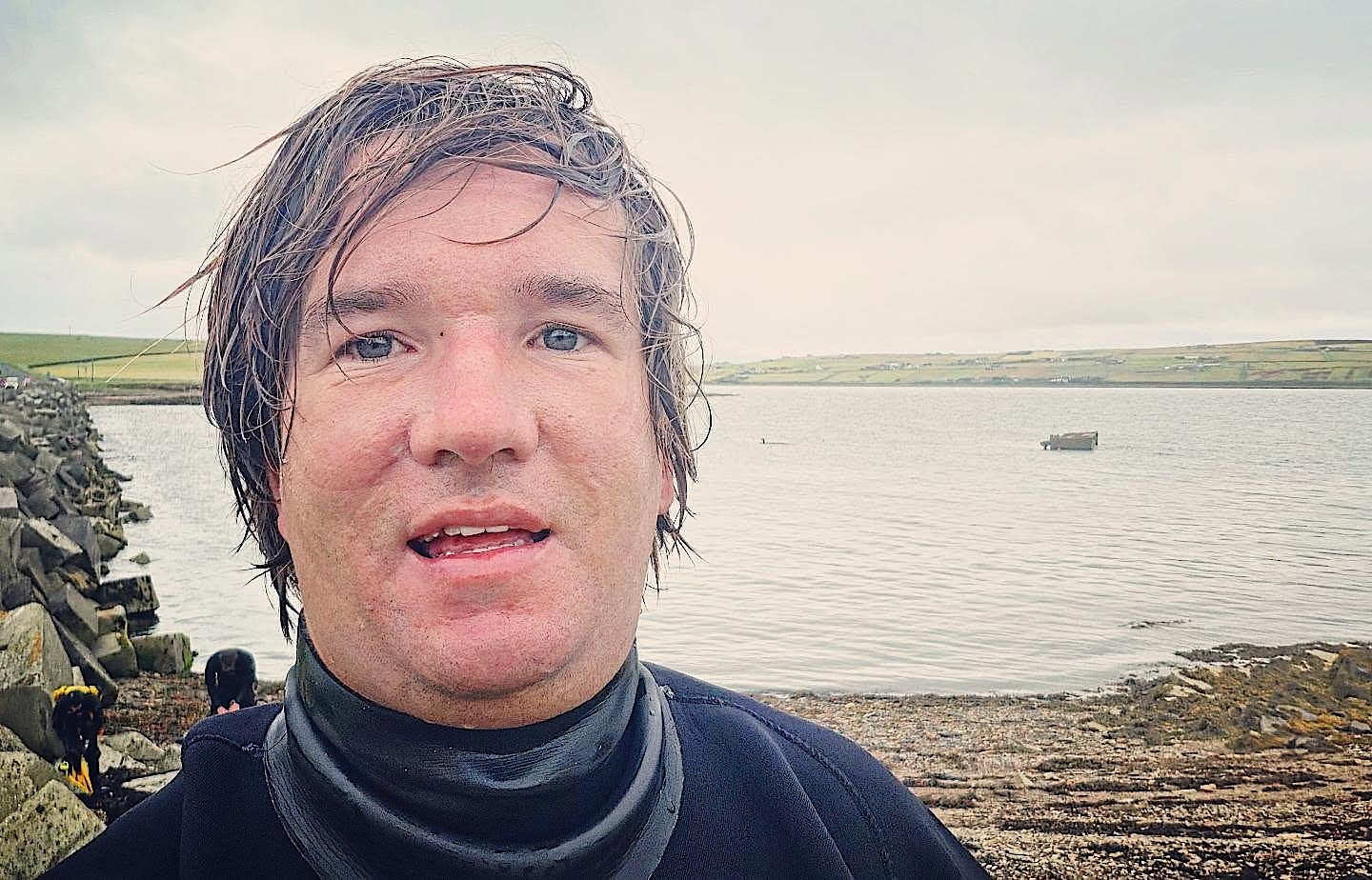
From Inverness I drove north past the turrets of Dunrobin Castle and a sea dotted with wind turbines, then crossed to Orkney. My first view of Scapa Flow was of the Churchill Barriers, with the rusting hulls of old blockships still sticking out of the water beside them. It was the ideal setting for the next two days: a drysuit wreck diving course in properly cold water.
The course started on the blockship SS Reginald and was quite demanding: laying lines with thick gloves, perfecting buoyancy in a drysuit at shallow depth and finally a simulated total silt-out with zero visibility under an overhead. With that training it was manageable rather than scary. On 22 July I was officially wreck certified, and tropical wreck diving should be a breeze after this.
Stone Age and Viking Orkney
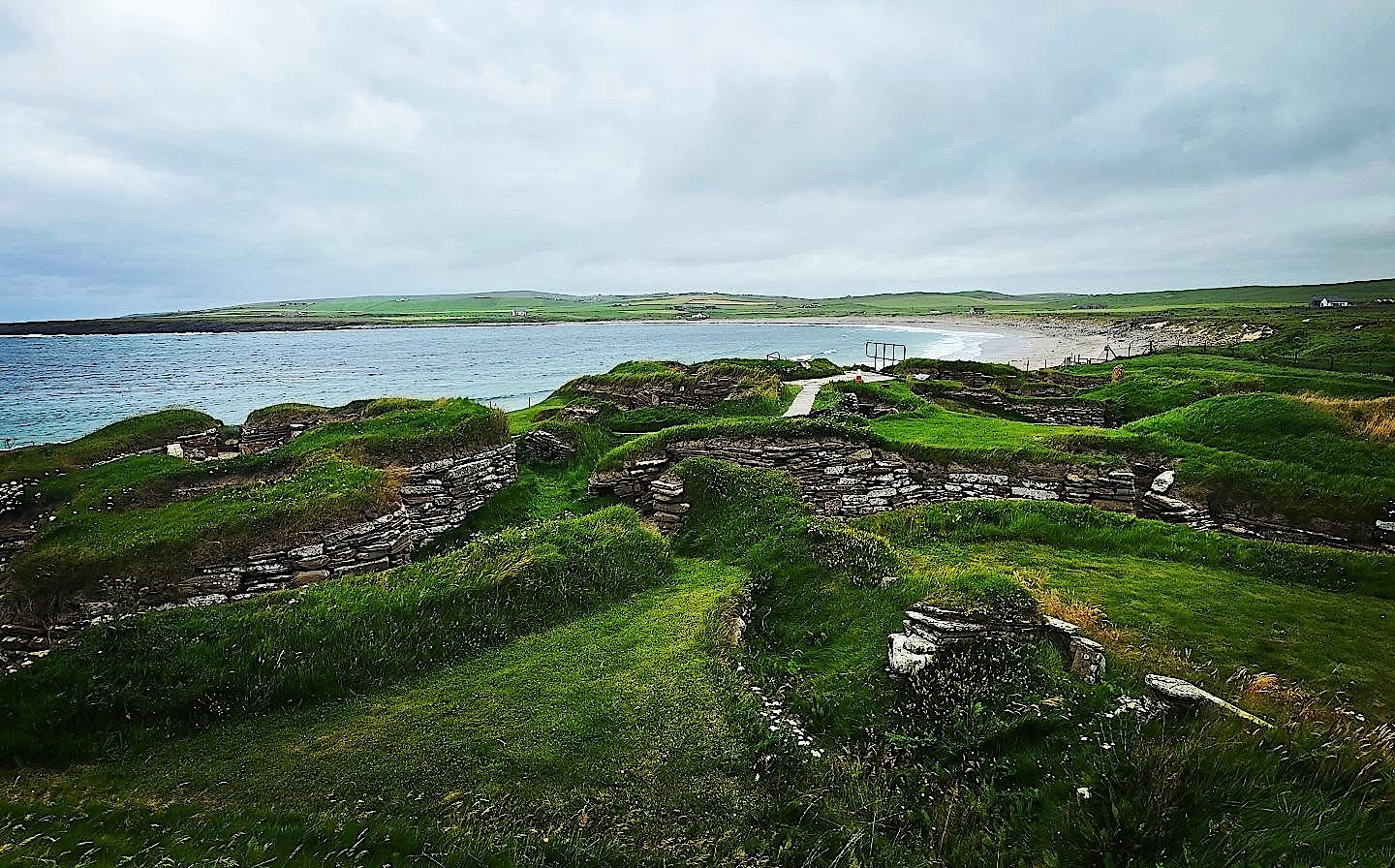
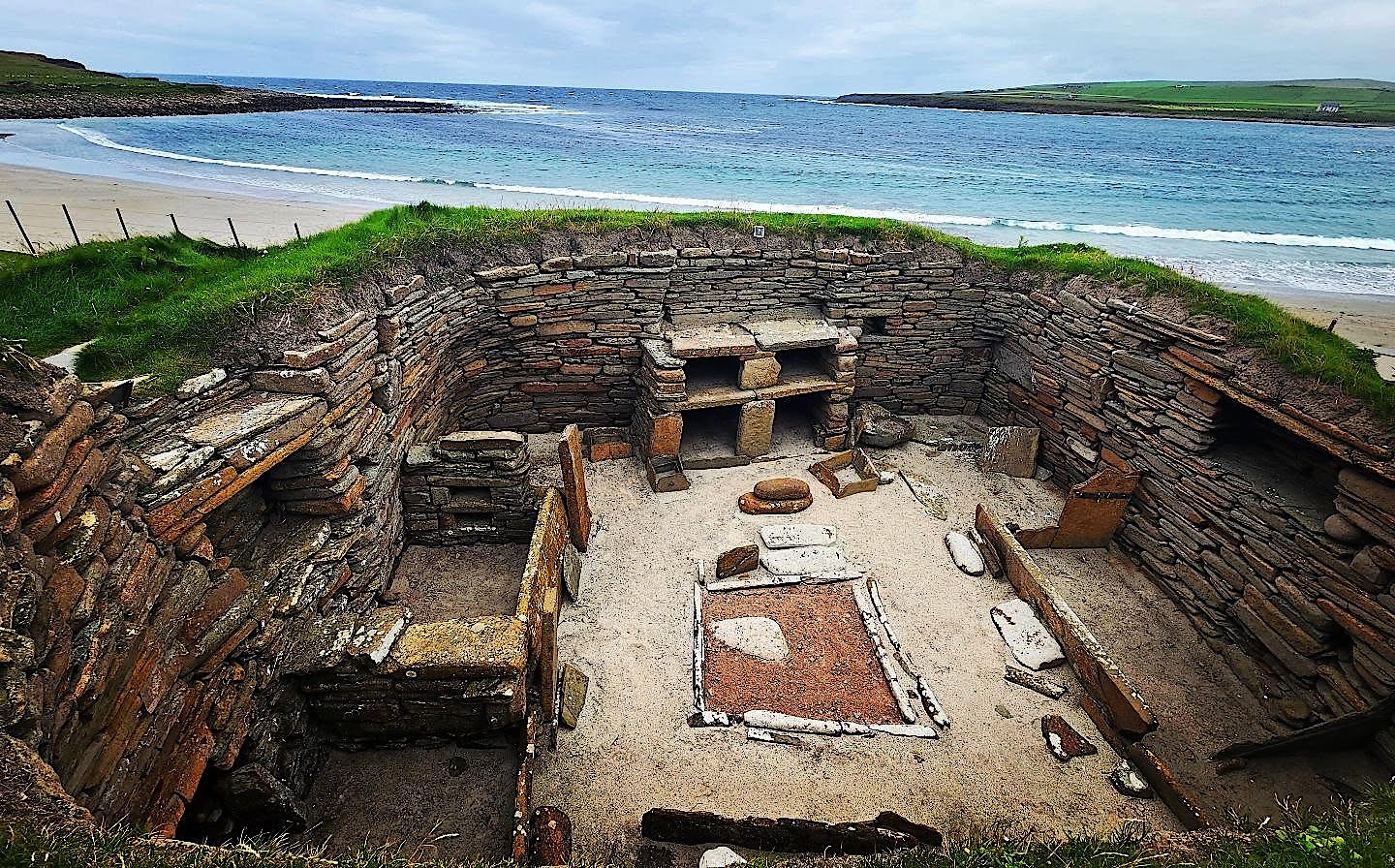
Between dives I explored the West Mainland. Skara Brae looks like a film set for hobbits, with grass-covered houses sunk into the ground and linked by low passages, but it is the real thing: one of the oldest and best-preserved Stone Age villages in Europe. The stone furniture is still in place, from box beds to dressers.
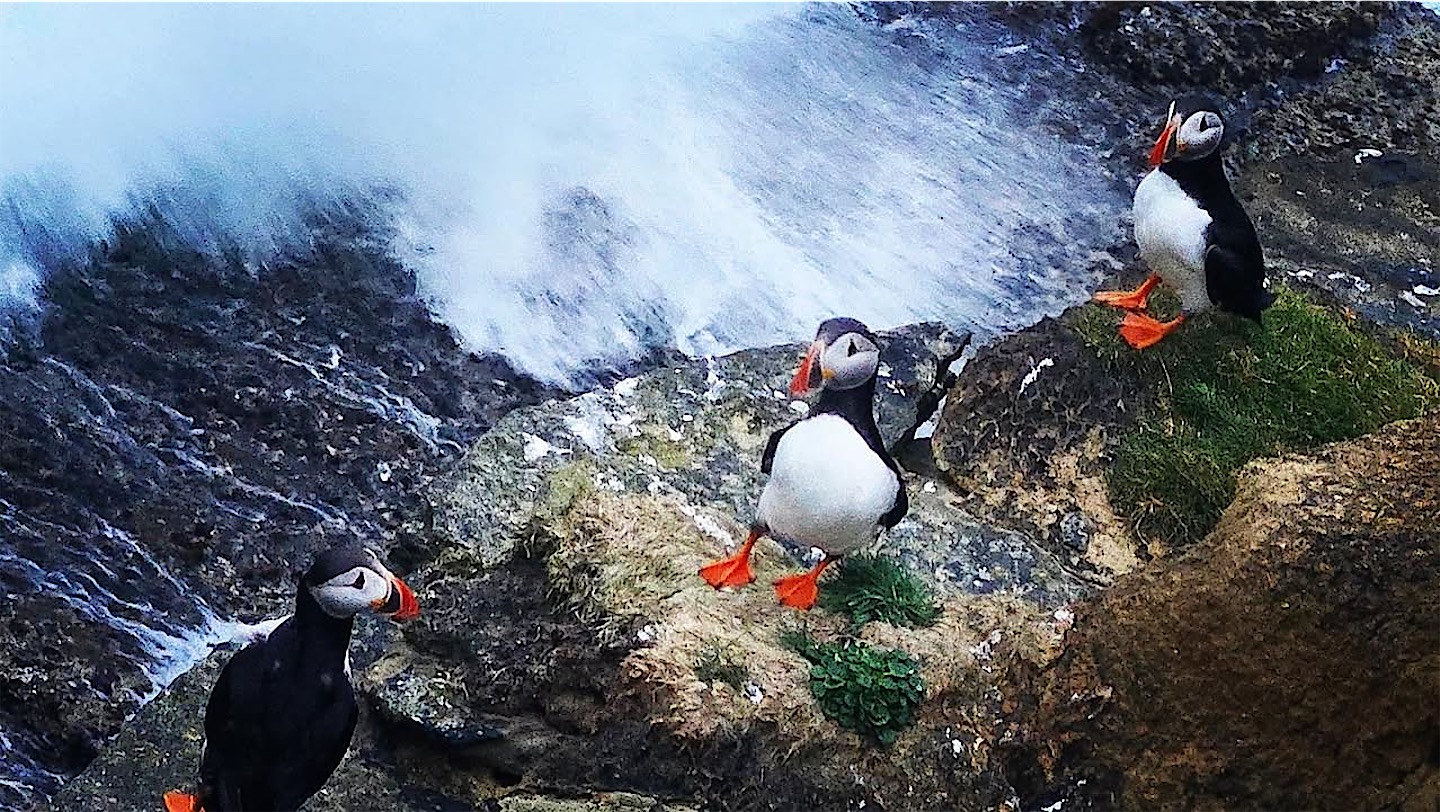
The best evening on Orkney was a walk at dusk on the Brough of Birsay, a tidal island off the north-west corner of the Mainland. I had it completely to myself, apart from the puffins, which sat on the cliff edges right next to the path while the surf crashed below.
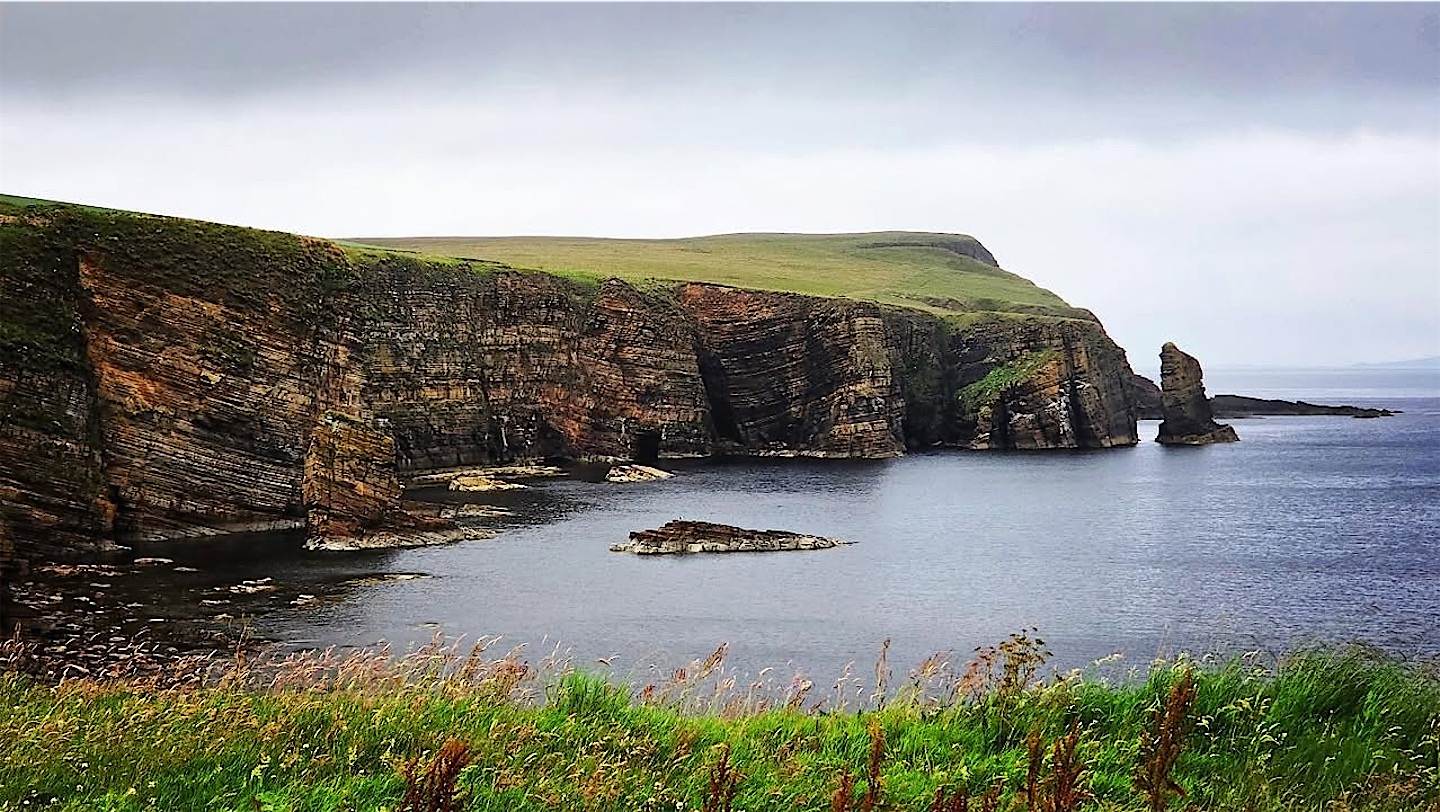
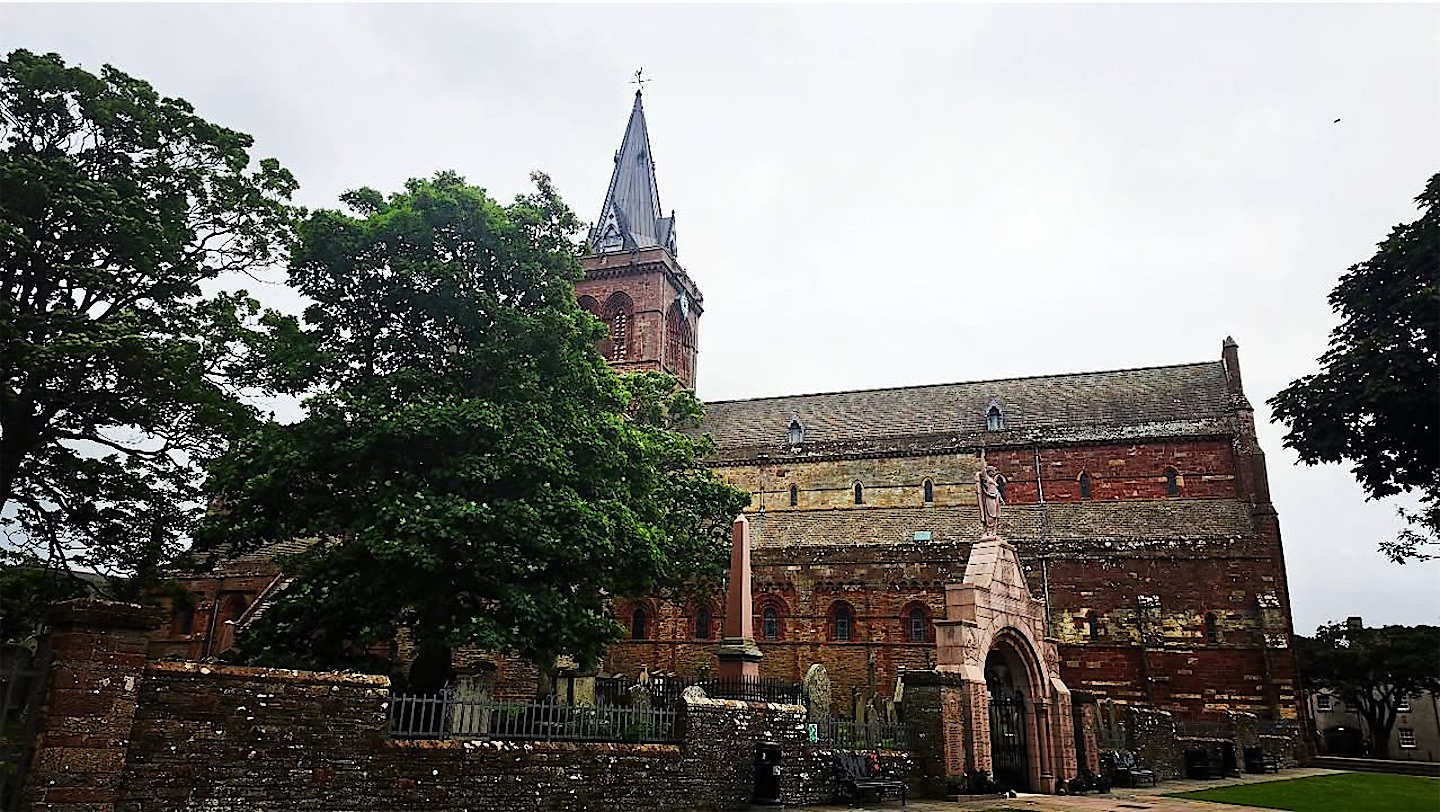
Orkney has far more than I could see in a few days: Neolithic sites around every corner, Viking buildings, dramatic cliffs and the two little towns of Kirkwall and Stromness.
Bogs and beaches of the far north
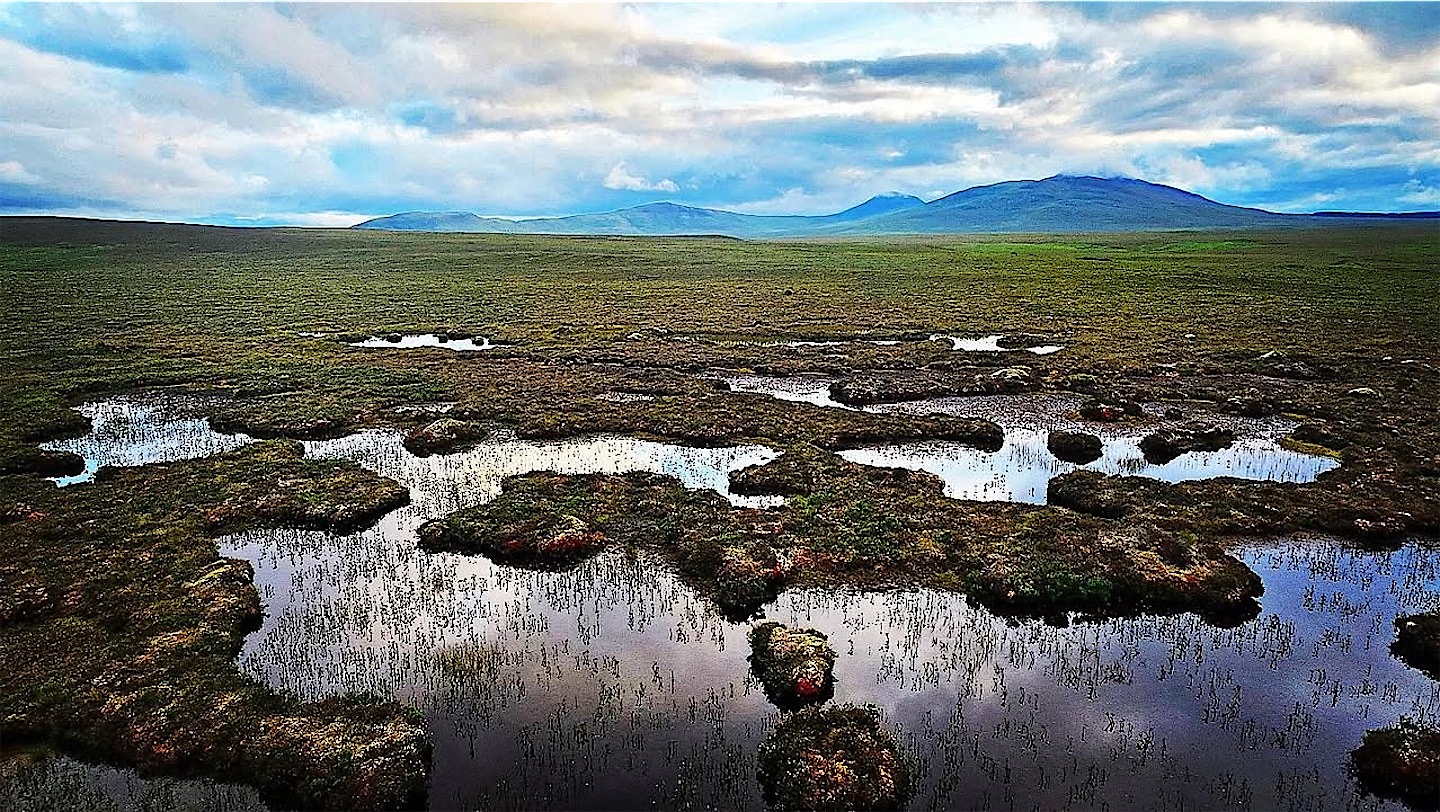
Back on the mainland I crossed the Flow Country, the boglands of Caithness and Sutherland. At Forsinard the moor runs to the horizon, broken only by countless dark pools. It looks empty at first, but I found it fascinating.
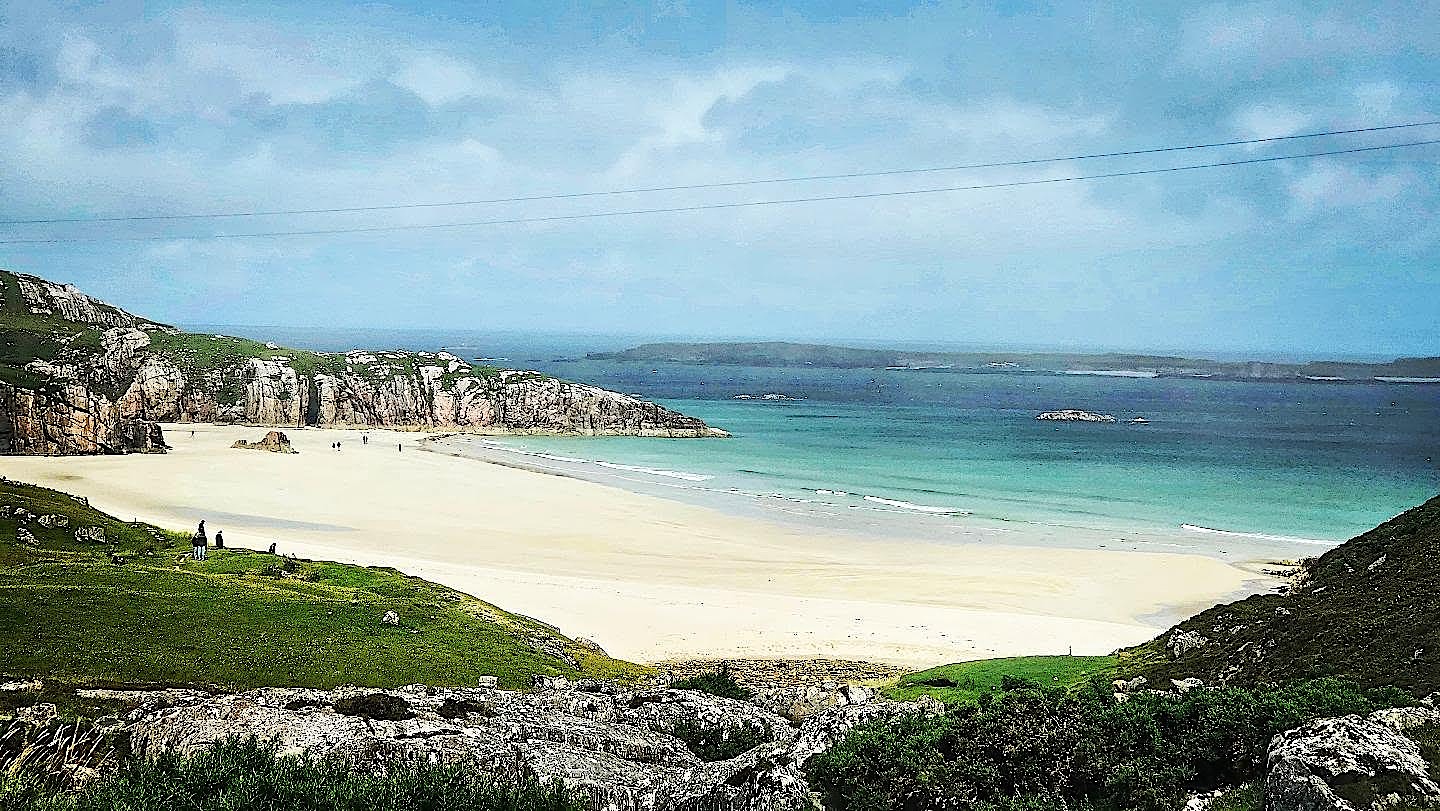
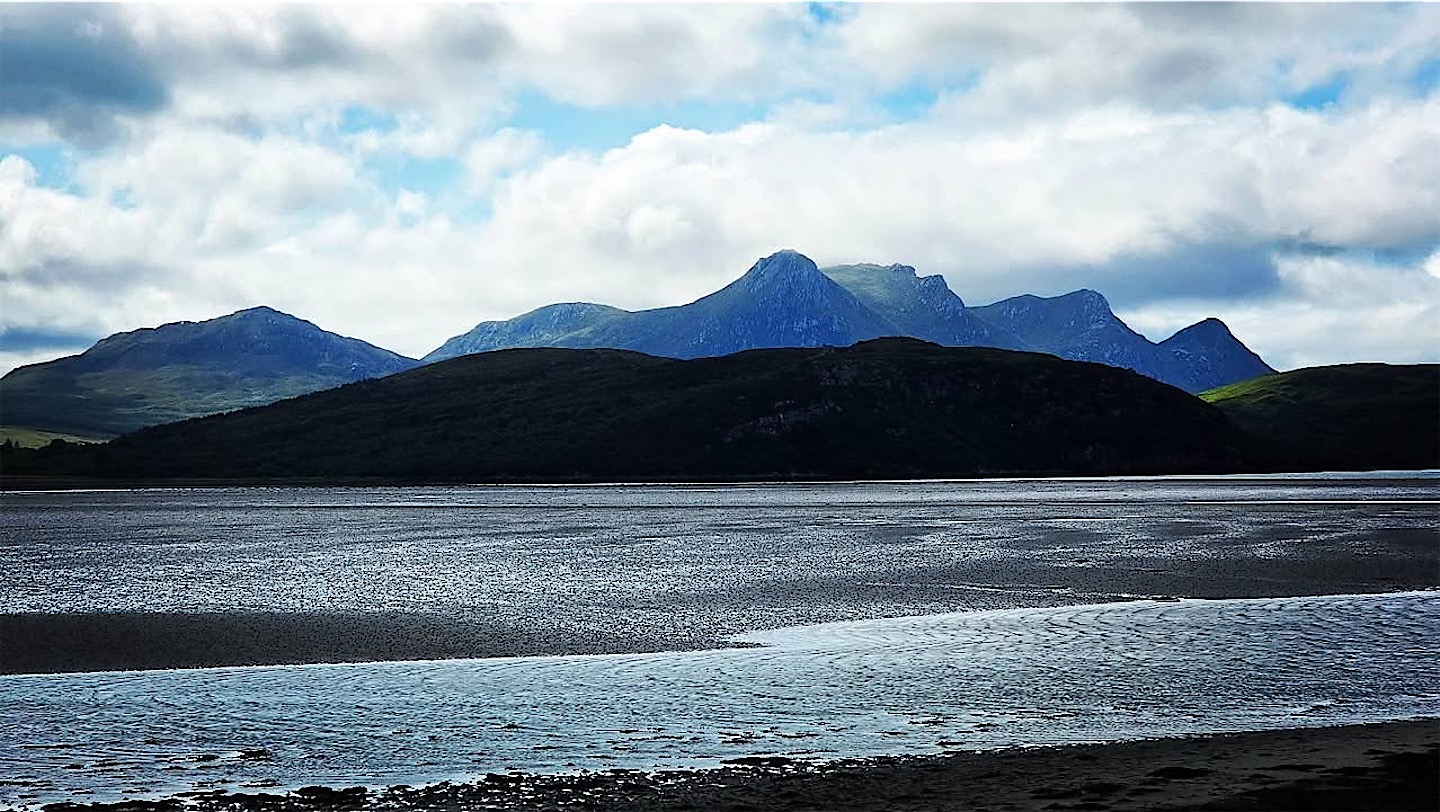
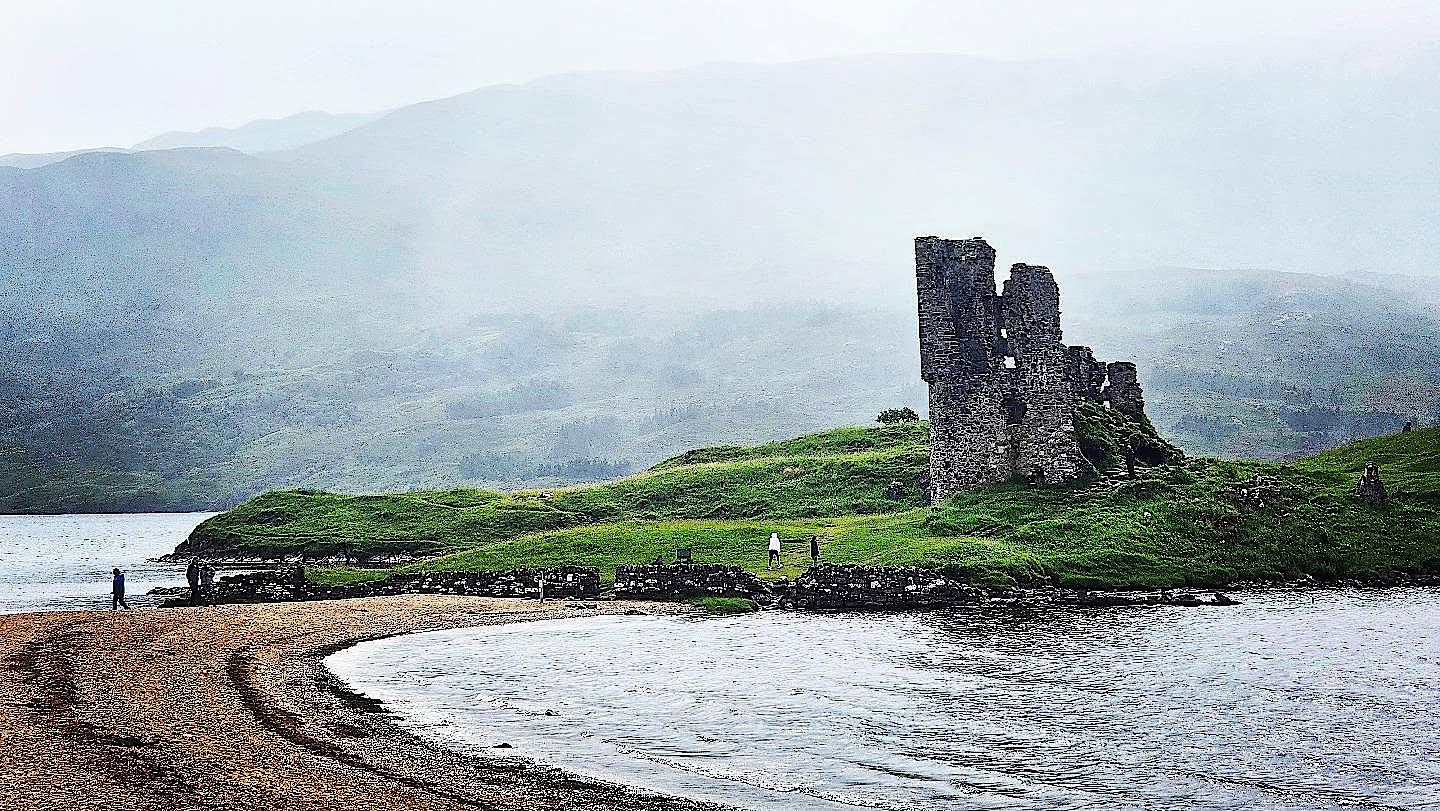
From there I followed the north coast west. Ceannabeinne Beach has pale sand and turquoise water and looks almost tropical until you get in: the Atlantic up here was around 13 °C, perfect for some ice bathing. The coastal road from Thurso to Ullapool is in my view the most scenic drive the UK has to offer, with tidal flats, sea lochs and mountains rising straight out of the moor. Near the end, in low cloud, I passed the ruins of Ardvreck Castle on Loch Assynt on the way to the ferry.
Lewis and Harris
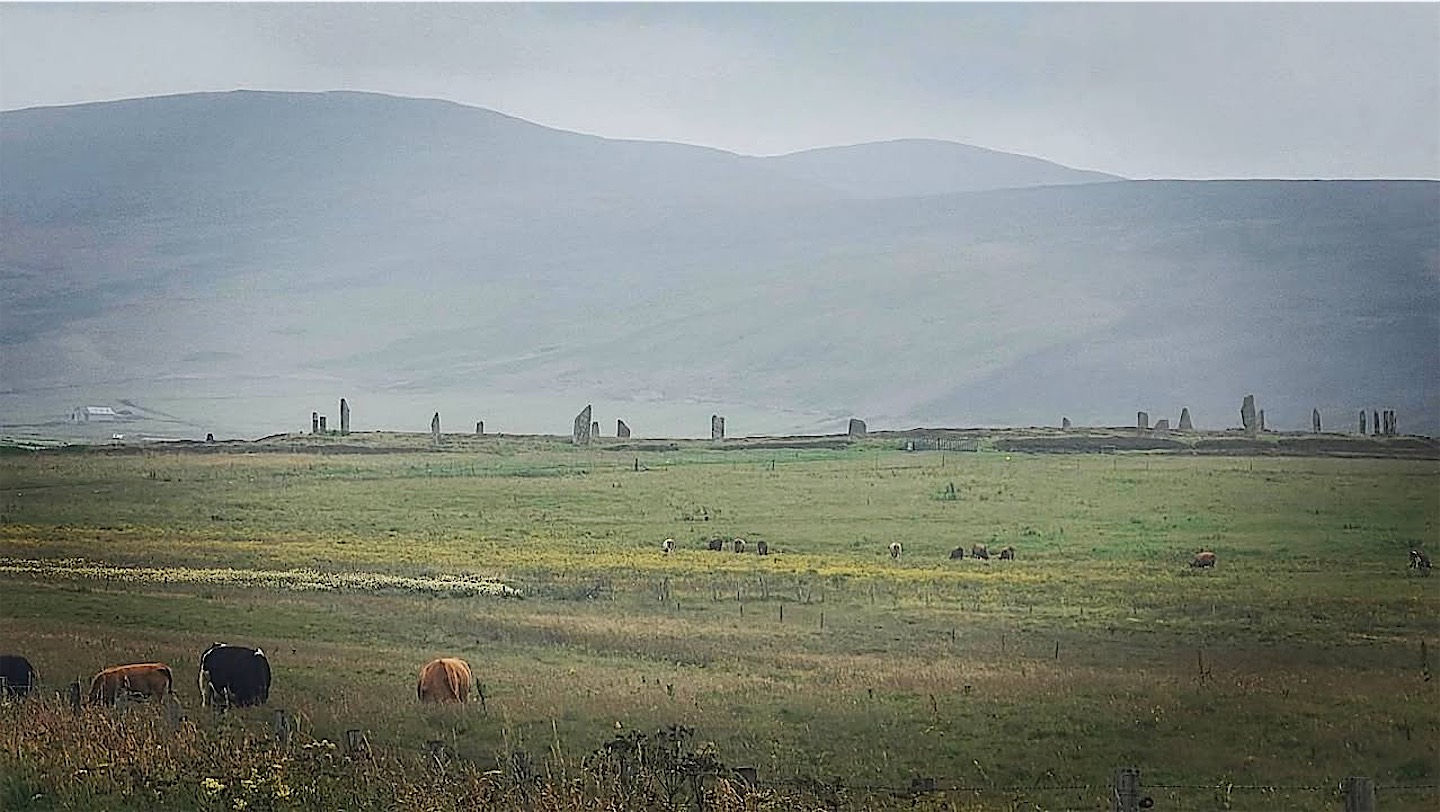
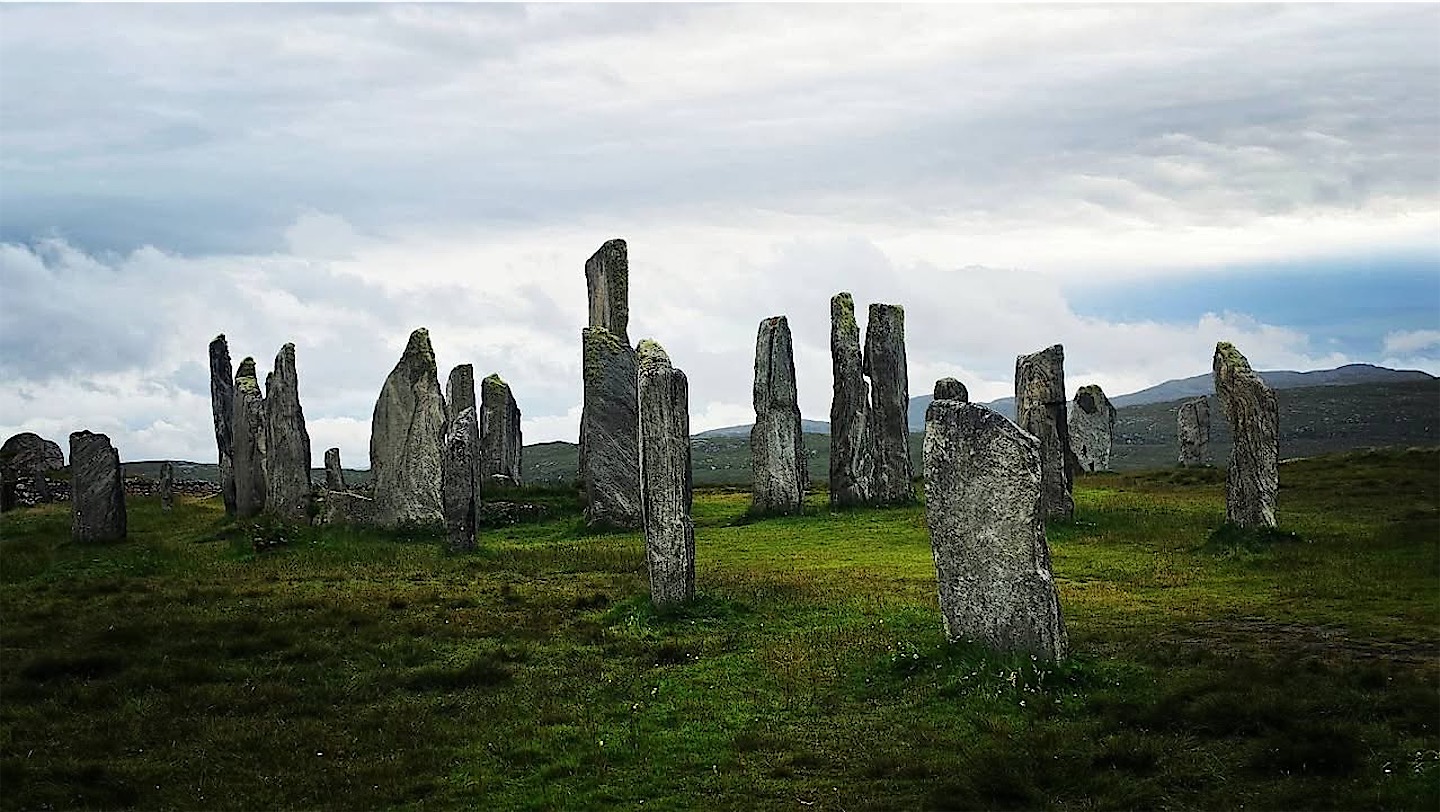
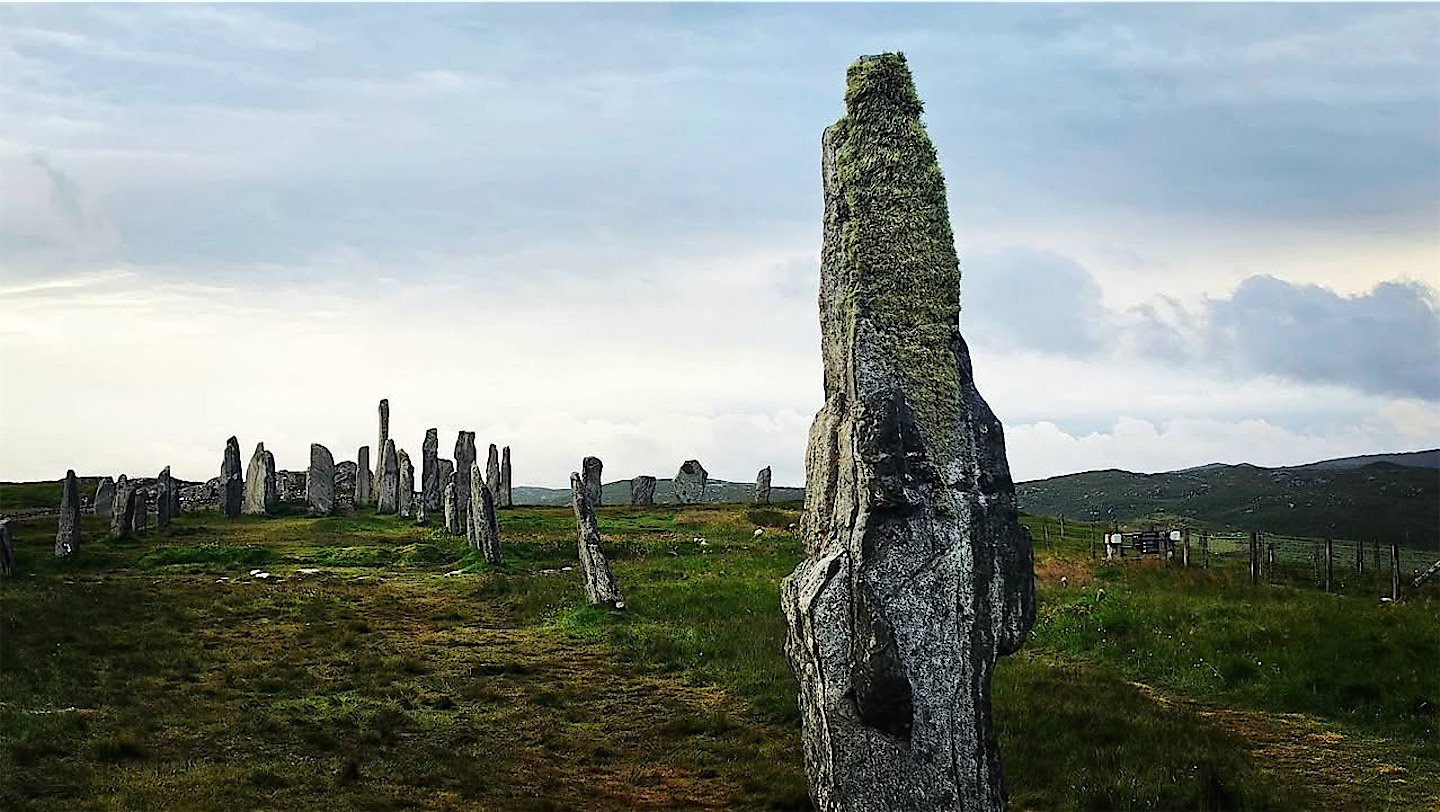
The ferry from Ullapool lands in Stornoway on Lewis, where the beaches were lovely and the weather typically Scottish. The Callanish Standing Stones, another mystical circle, were raised some 5,000 years ago in a rough cross: a ring around a tall central monolith, with rows of stones leading away from it. Unlike at Stonehenge, which I saw in 2024, you can walk right between them.
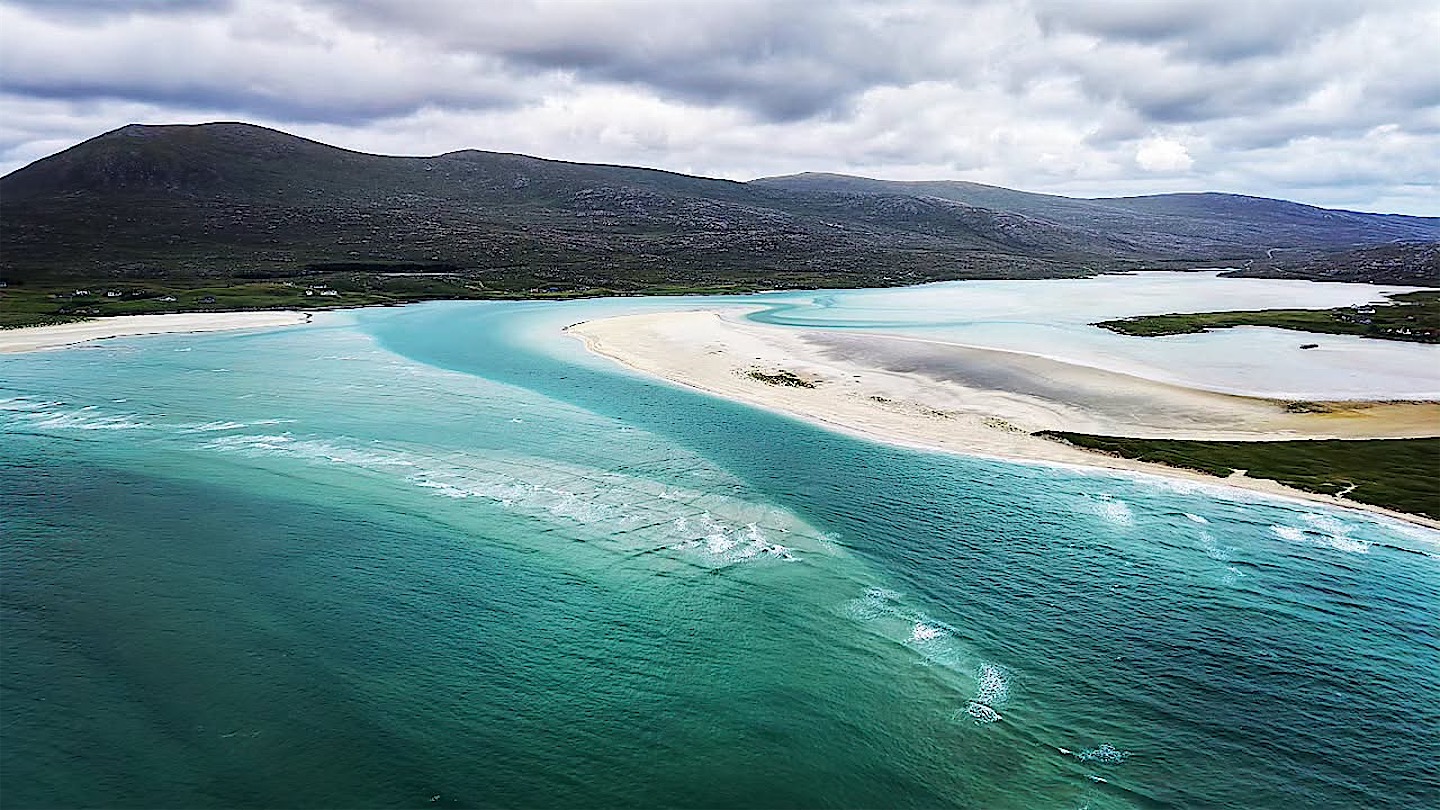
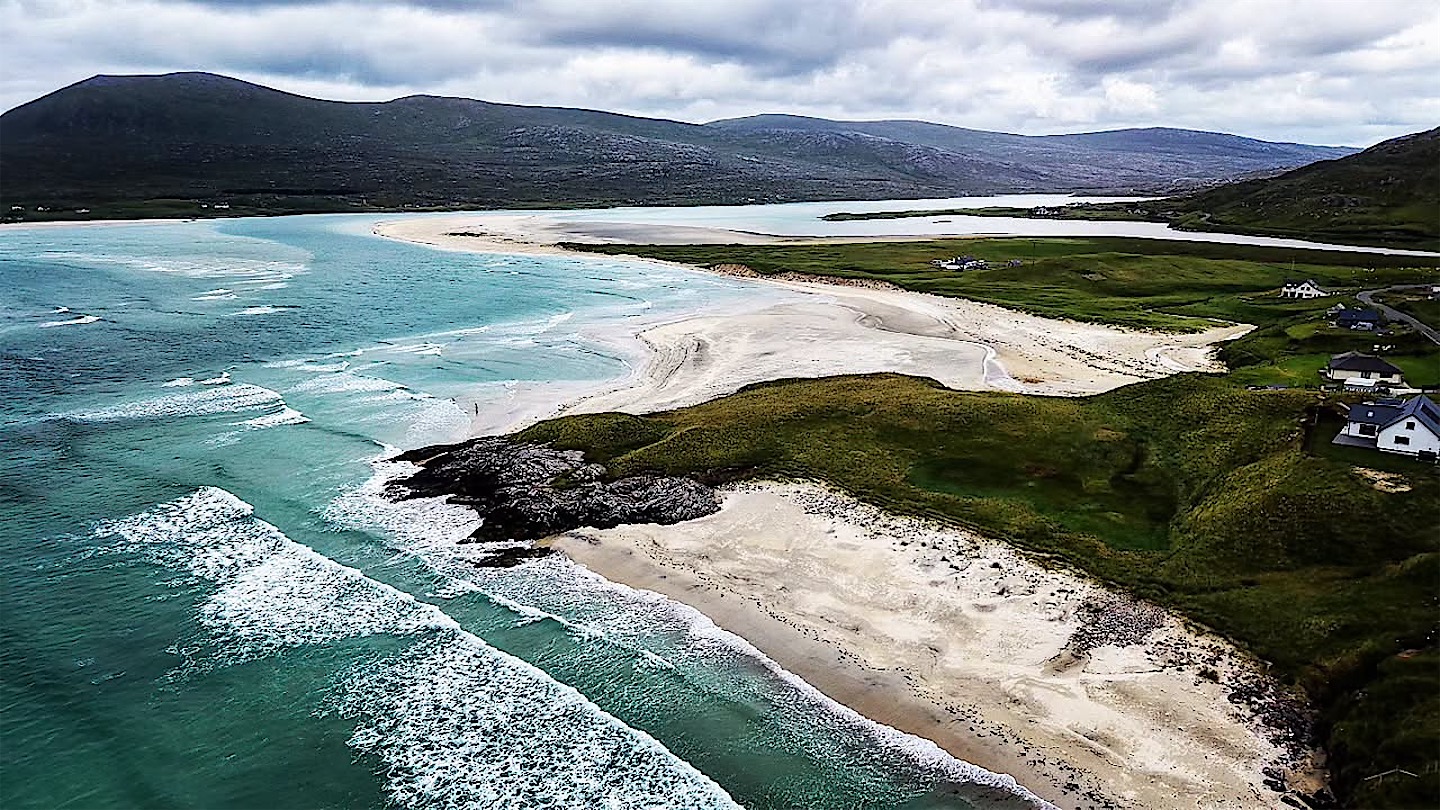
Lewis and Harris are technically one island, but further south the landscape changes completely. Harris has rocky mountains, green sea lochs that look like small fjords and some of the finest beaches in Europe. Finding a moment with little wind and no rain for drone flights is hard in Scotland, but at Seilebost Beach I was lucky. From the air, white sandbanks and turquoise channels wind between the hills.
Harris quickly became a favourite, not only in the UK but in all of Northern Europe.
St Kilda from afar and the beach airport of Barra
On 26 July I took the ferry south to Uist, and the same day brought the first real car crash of my life. On a single-track road, two women in a camper van reversed to make room for oncoming traffic and backed into the front of my hire car; its awkward gear shift meant I couldn't get away in time. My damage was cosmetic, while their back door came off much worse. If your van has no digital rear-view mirror like the one in my motorhome Nemi, take an extra look behind before reversing.
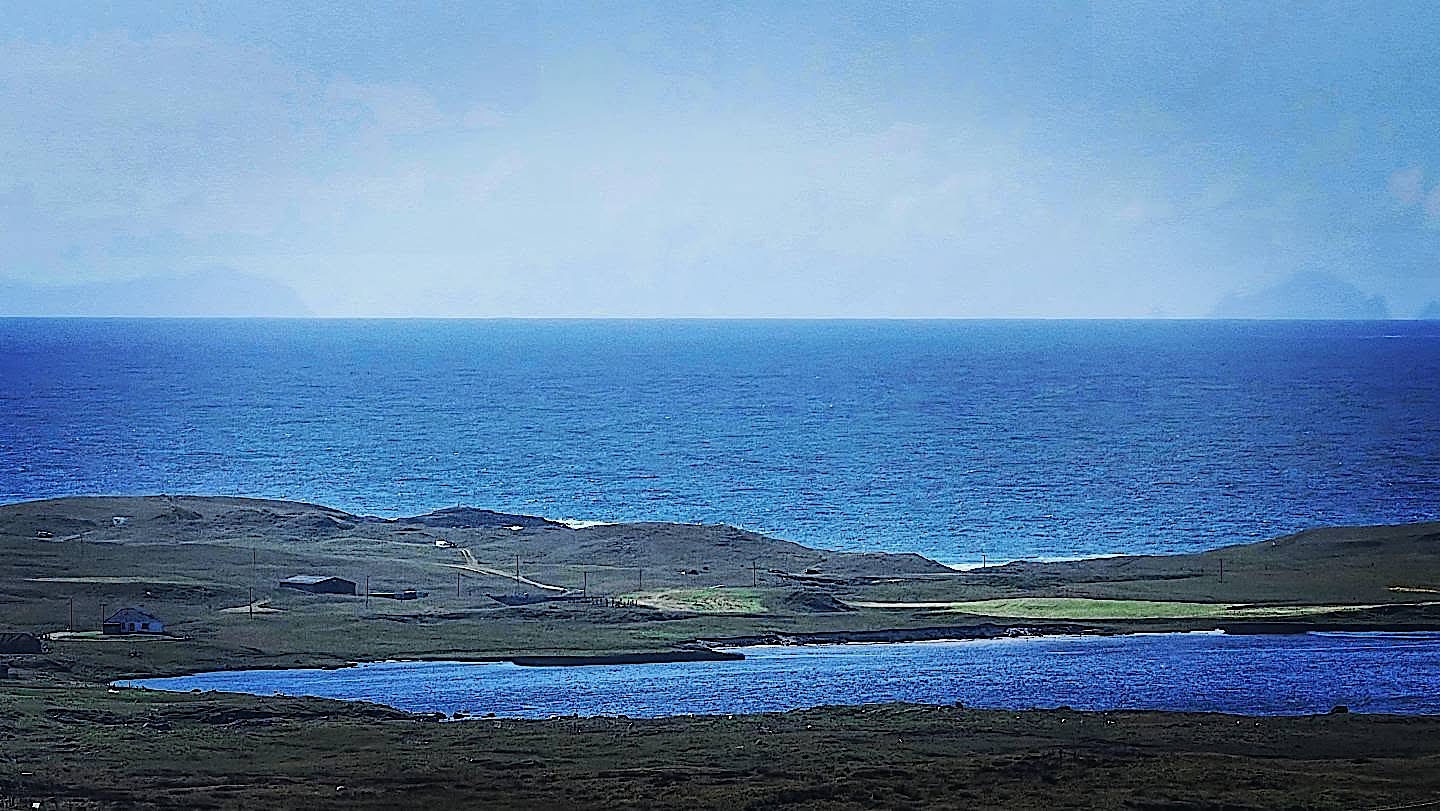
The one plan that didn't work out was St Kilda: my boat trip was cancelled because of high wind and waves. On North Uist, however, I got lucky. From a viewpoint, the islands appeared as faint shapes on the horizon, around 60 kilometres away. It is one of the most isolated places in Europe, and next time I will probably try to land there from an expedition cruise ship.
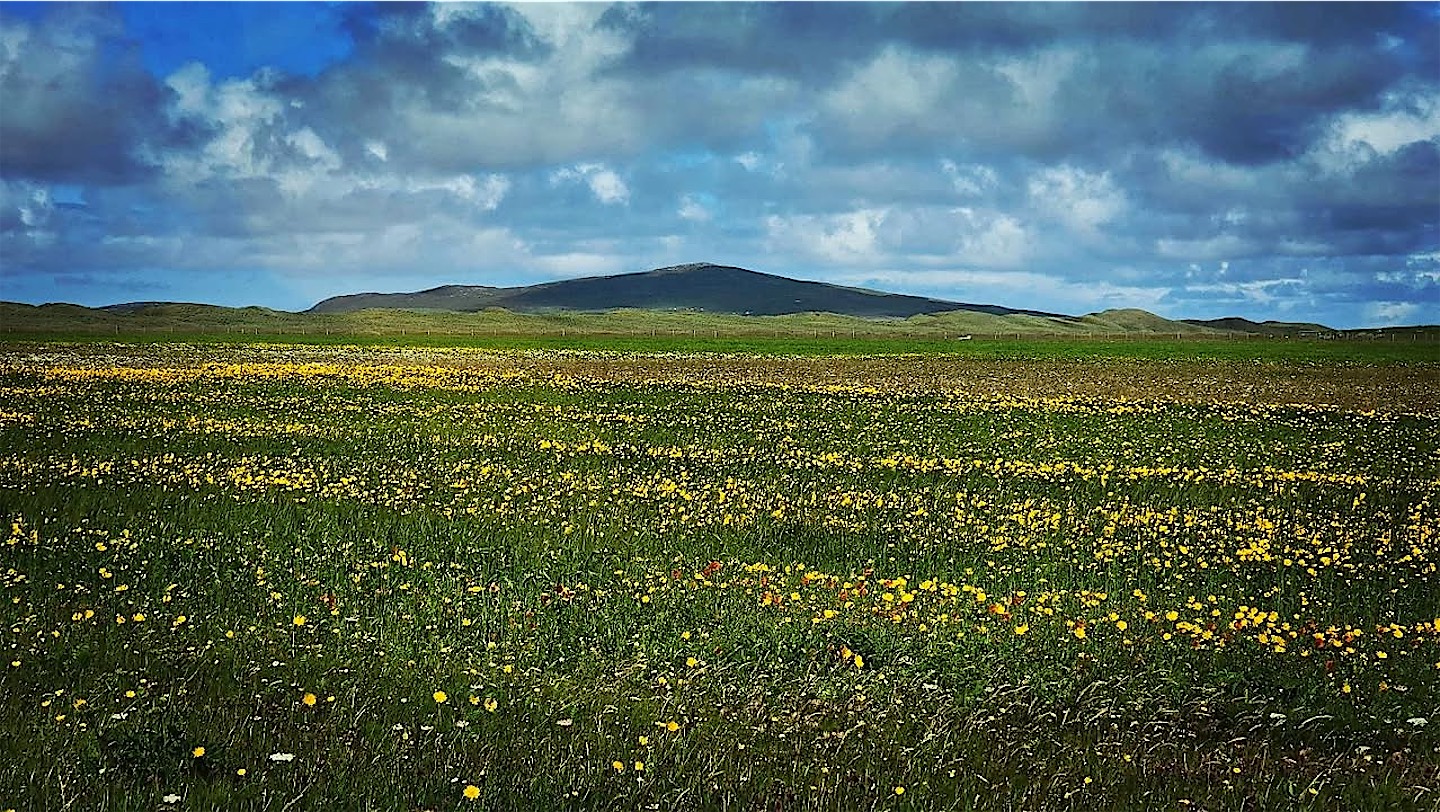
Further down the Uists, the Atlantic side is one long stretch of white beaches, with machair behind the dunes: low, sandy grassland full of wildflowers in July.
Then I finally made it to one of the coolest airports in the world. Barra is the only airport where scheduled flights land on a beach: Loganair's planes from Glasgow touch down on Tràigh Mhòr at low tide, so the timetable follows the tides, and wooden posts mark the runways in the sand. Of course I waited for the next arrival. The little Twin Otter landed in a spray of seawater, and about an hour later it was off again to Glasgow.
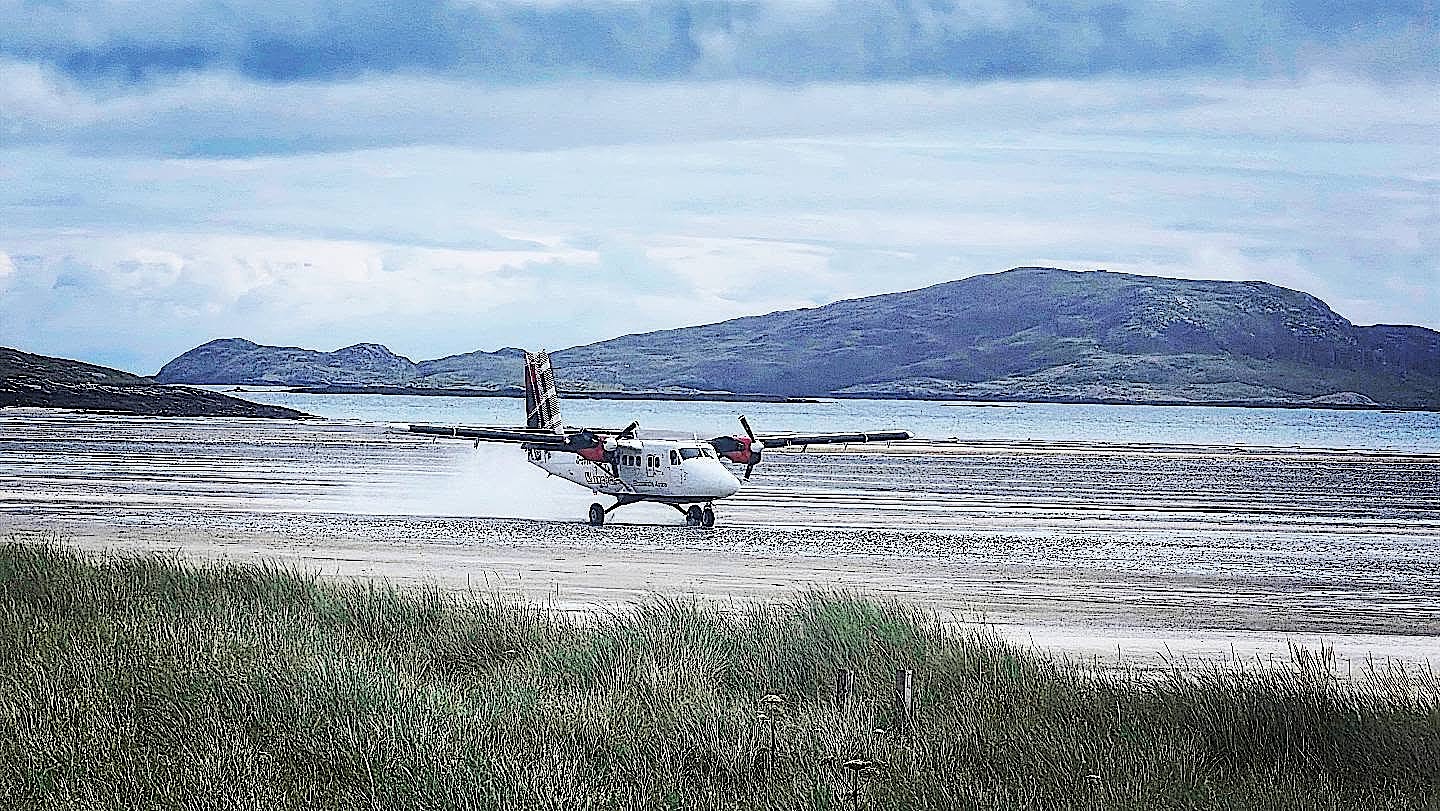
Eriskay, Barra and Vatersay, small islands linked by causeways and a short ferry, were my last stops in the Outer Hebrides.
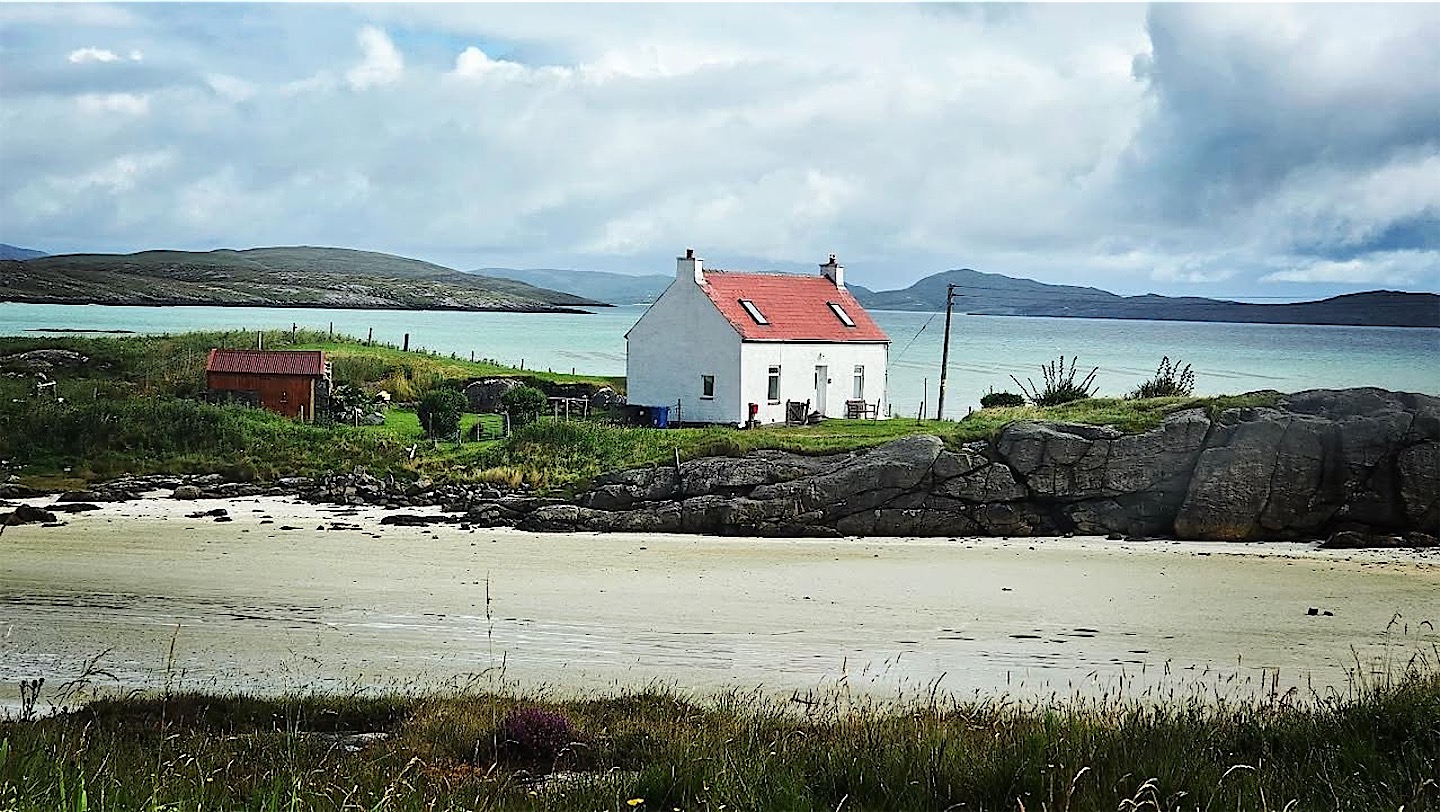
Back through the Highlands
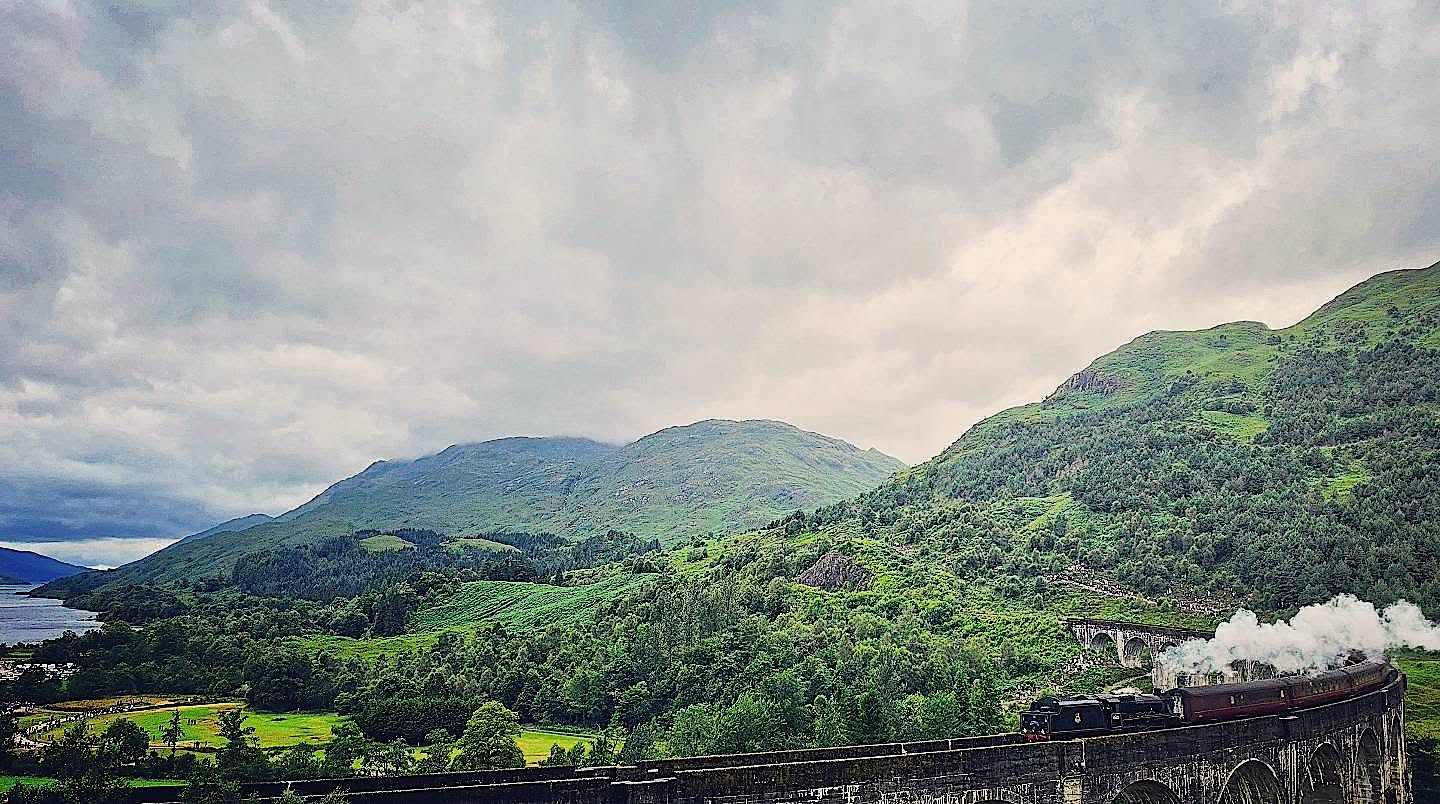
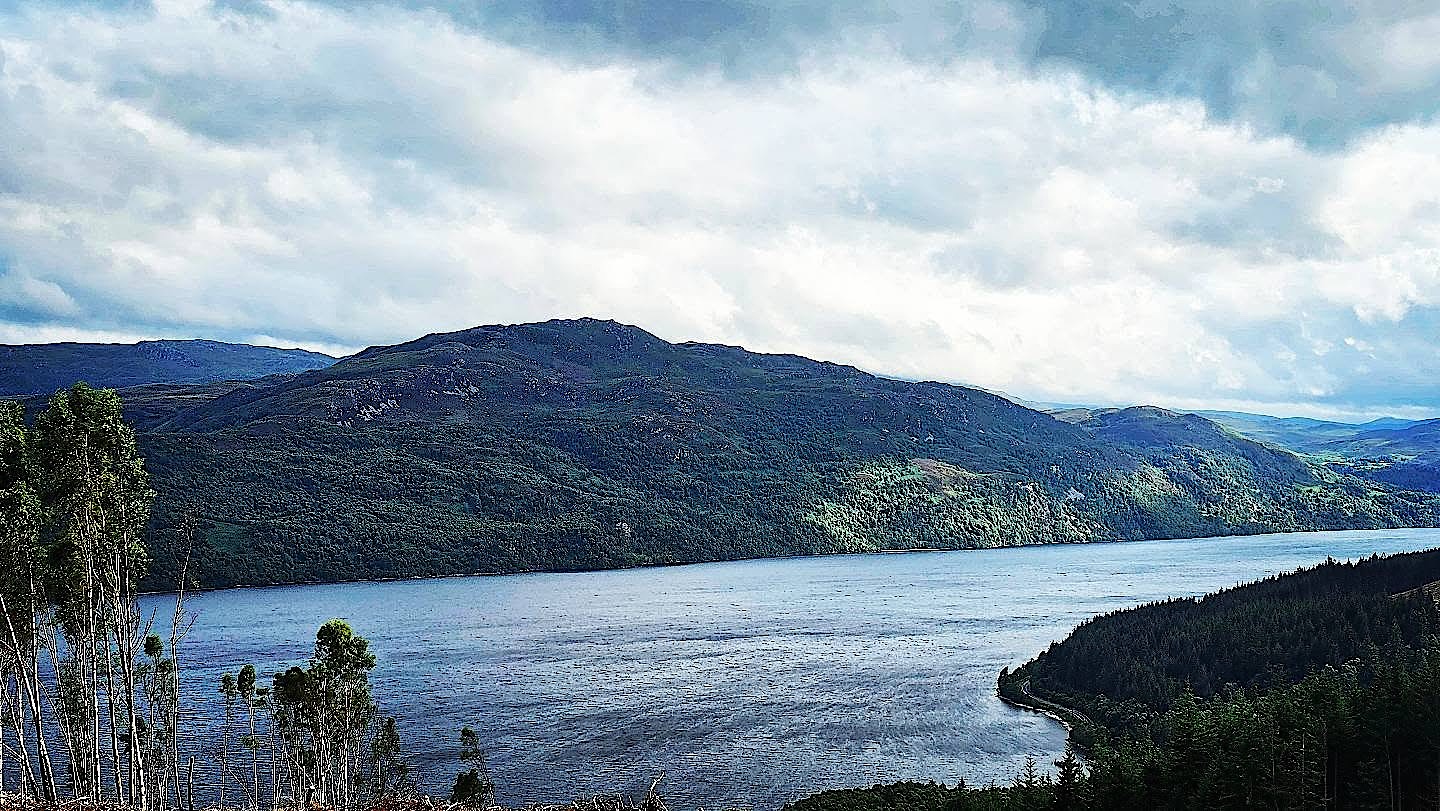
On 28 July I took the ferry back to the mainland and waited at the Glenfinnan Viaduct for the Hogwarts Express, in real life the Jacobite steam train, made famous by the Harry Potter films. After several recent Nessie sightings I also had to drive along Loch Ness again, as on my first visit. Can you spot her in the photo? I couldn't.
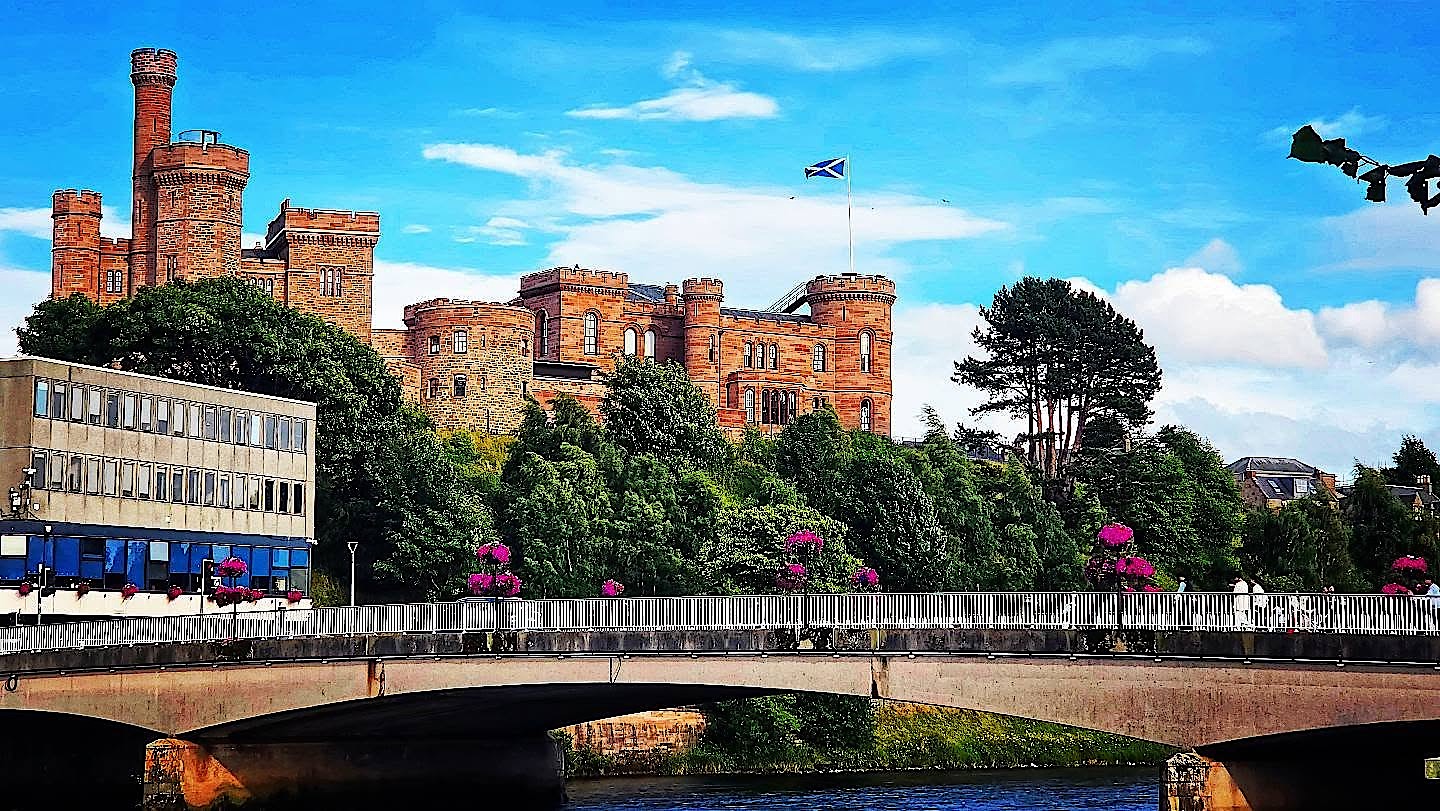
My last evening, in Inverness, brought, with typical timing, the first few hours of sun. Ten days were not enough for the far north, and St Kilda is still waiting. The next day my mother handed my motorhome Nemi back to me near Amsterdam, ready for the drive to Dunkirk and the ferry to Ireland. That story continues in Ireland and the solar eclipse.