The Isles of Scilly, Cornwall and Gibraltar: Subtropical Gardens, the Tin Coast and the Pillars of Hercules
14–20 July 2026 · St Mary's, St Agnes, Tresco, St Ives, St Michael's Mount, Cape Cornwall, St Just in Roseland, Eden Project, Plymouth, Dartmoor, Gibraltar, Marbella, Puerto Banús · Regions: United Kingdom (Isles of Scilly, Cornwall, Devon), Gibraltar, Spain (Andalusia)
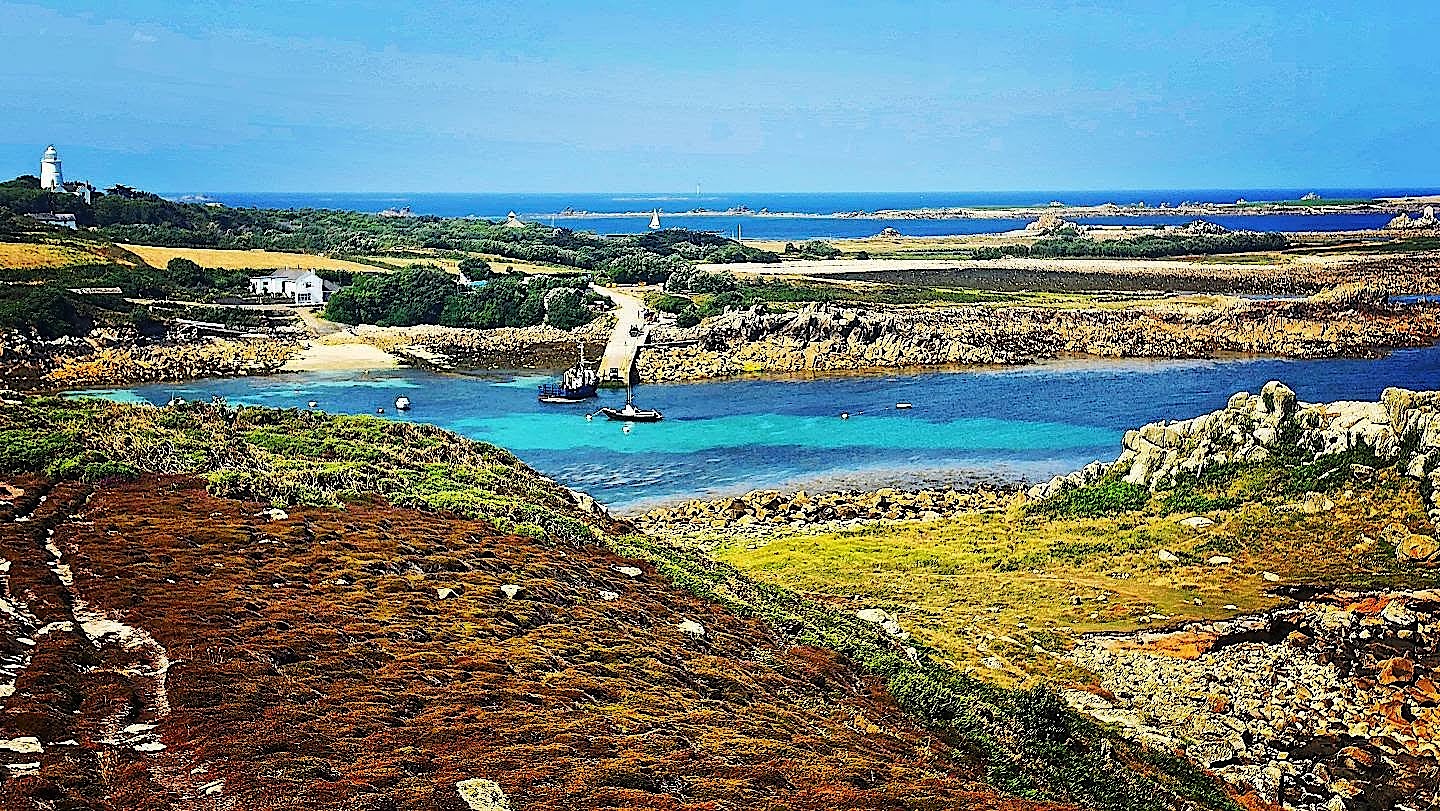
I had long wanted to explore the south-west of England, and ever since I first noticed the Isles of Scilly on a map, they had been on my list. After a few social days in France, Germany and Croatia, the last of them in Istria and the citadel garden, my explorer genes needed attention again. The plan: a few days on the islands, a short road trip through Cornwall and Devon, then a birthday detour to the Costa del Sol.
Flying to the English Caribbean
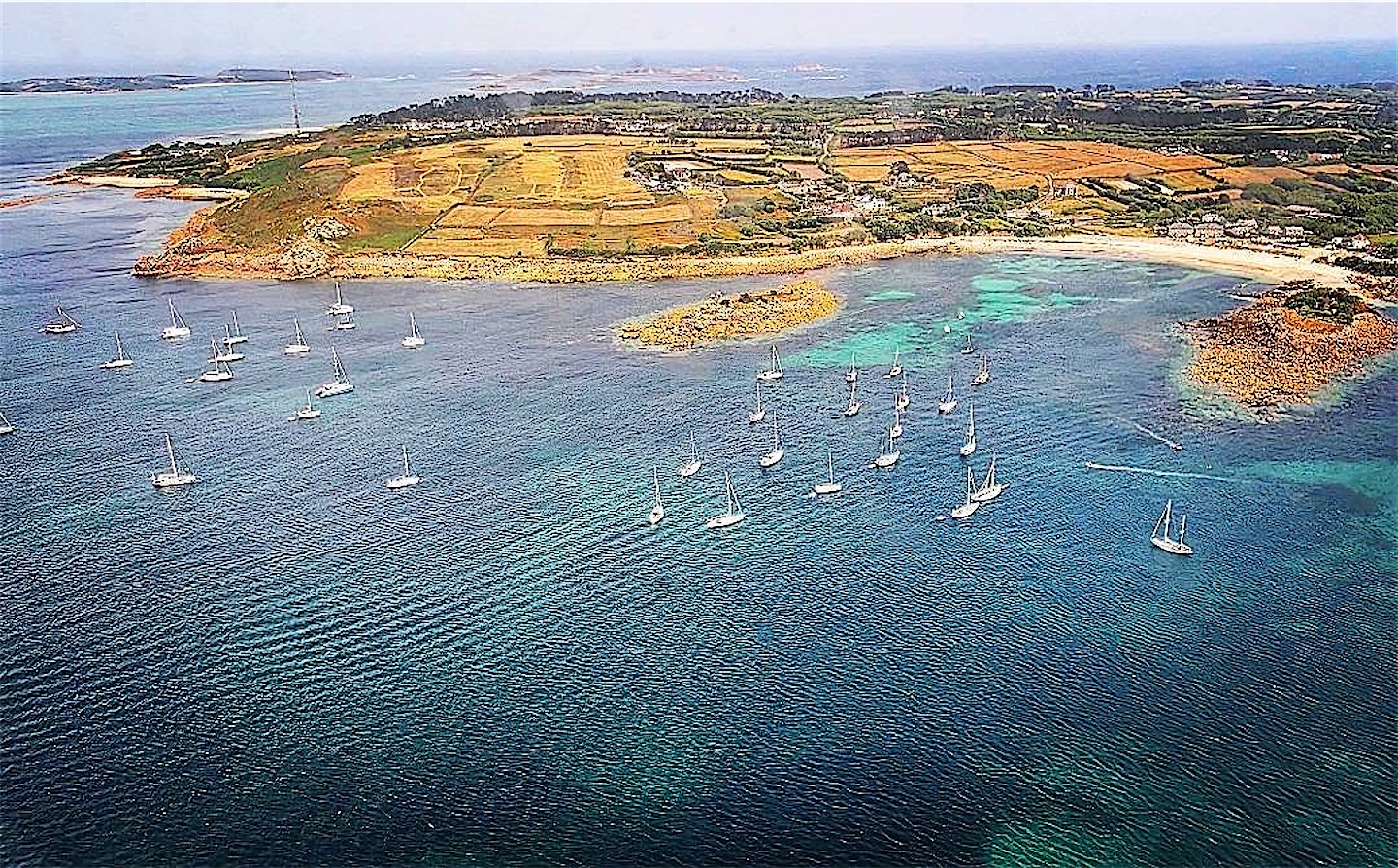
The gateway to the Scillies is Land's End Airport, near the westernmost point of England. The islands are where wealthy Britons escape without leaving the country, and accommodation has to be booked months ahead. The short flight gave me a first look at the English Caribbean: white sand, turquoise shallows and dozens of yachts at anchor.
On St Mary's I stayed at the Star Castle Hotel, as castle hotels are a habit of mine in Britain. The star-shaped fortress was built in 1593, after the Spanish Armada, to guard the islands, and in 1646 the future Charles II sheltered here during the Civil War.
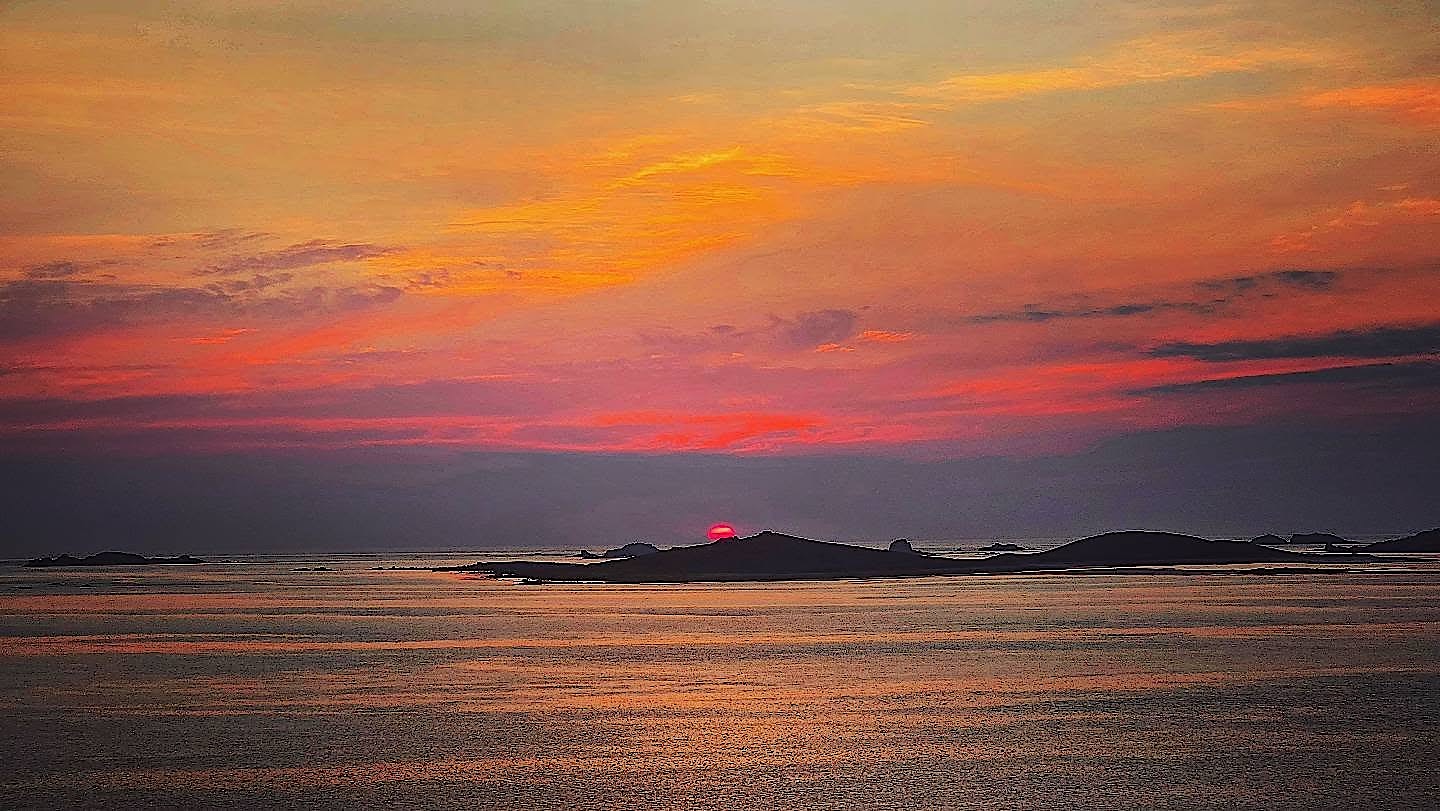
I also went for a swim. It wasn't exactly ice bathing, but at 15 °C the Atlantic was refreshing, and good practice for my drysuit wreck diving course in Scapa Flow the following week. The evening ended with a deep red sunset.
St Agnes, Tresco and St Mary's
Besides St Mary's I visited two of the off-islands. St Agnes, the southernmost inhabited one, was all heather, granite boulders and impossibly clear water.
Tresco made me double-check where I was. Its Abbey Garden is full of palms, succulents and flowering shrubs on stone terraces. Yes, this is in England. The island has beautiful beaches too, but the garden stole the show.
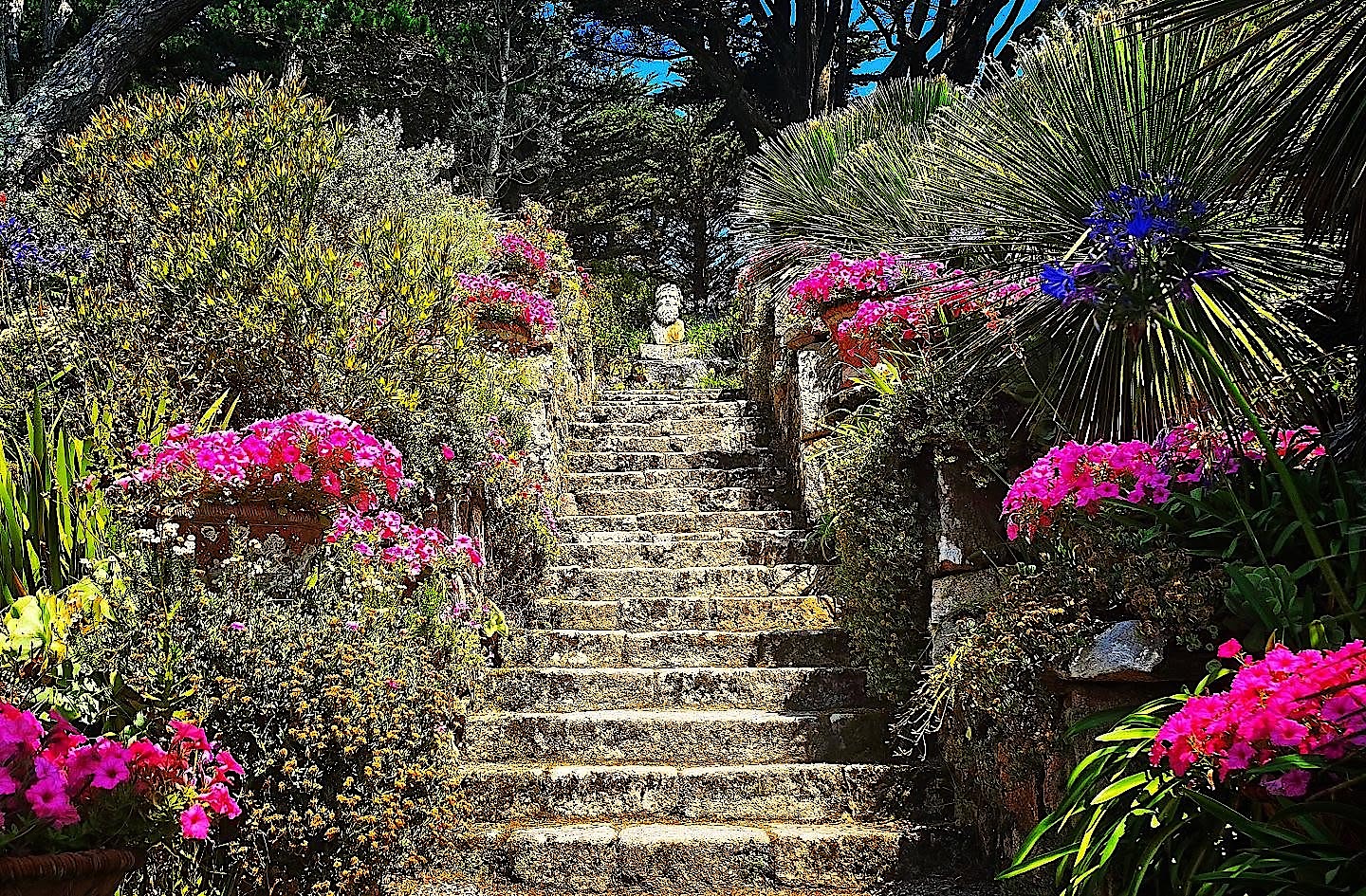
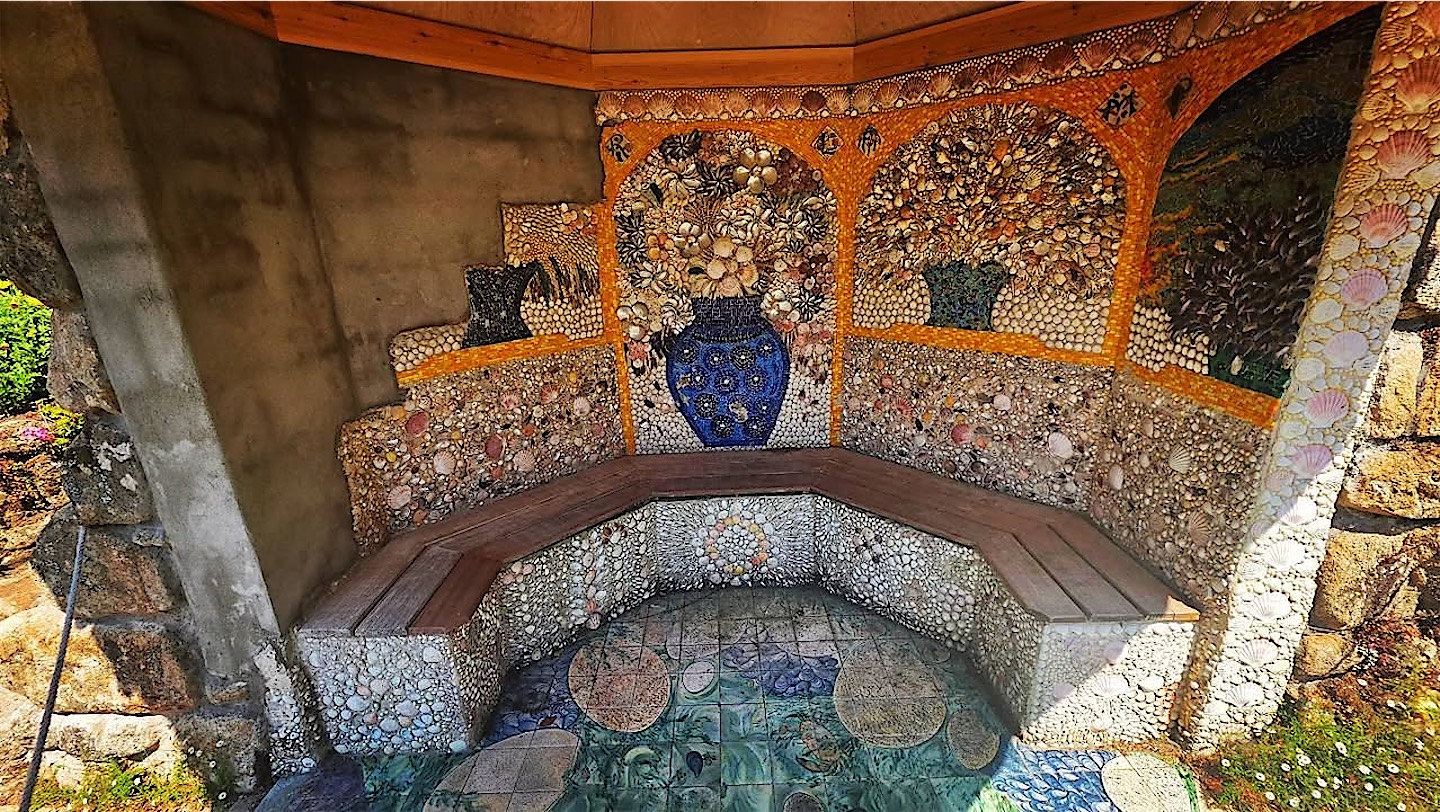
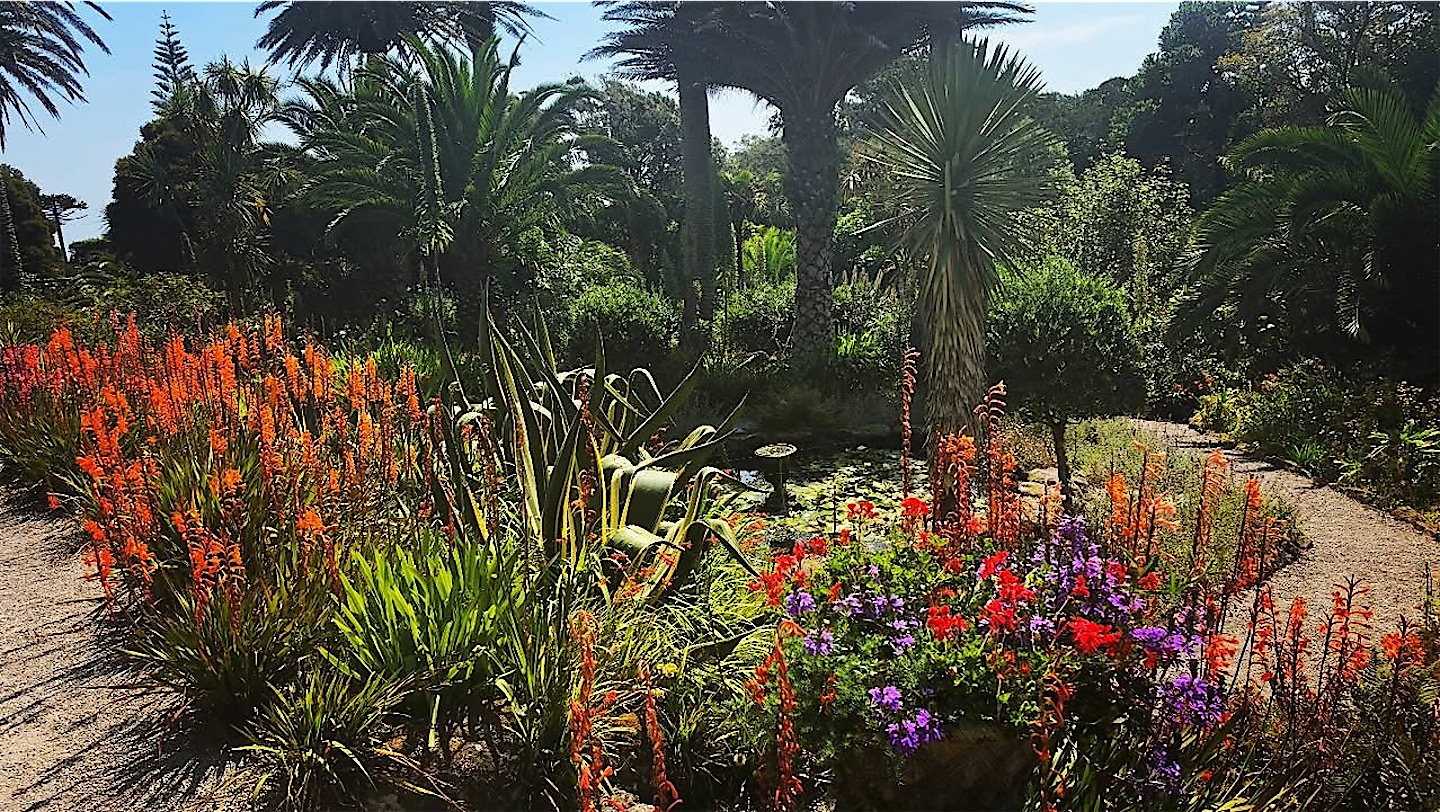
St Mary's is the population centre, with the little capital Hugh Town between two bays, yet it still offers plenty of nature.
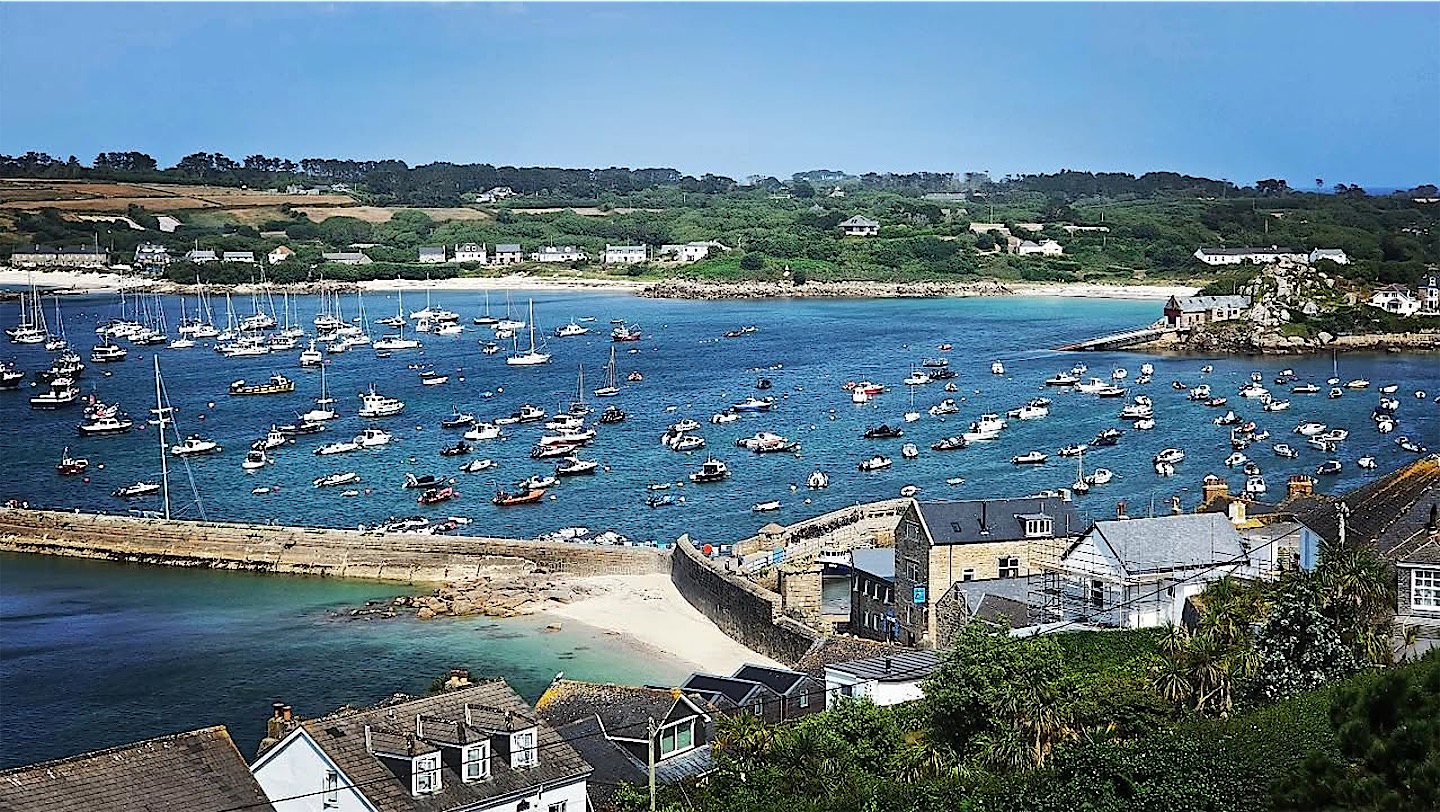
West Cornwall: St Ives, St Michael's Mount and the tin coast
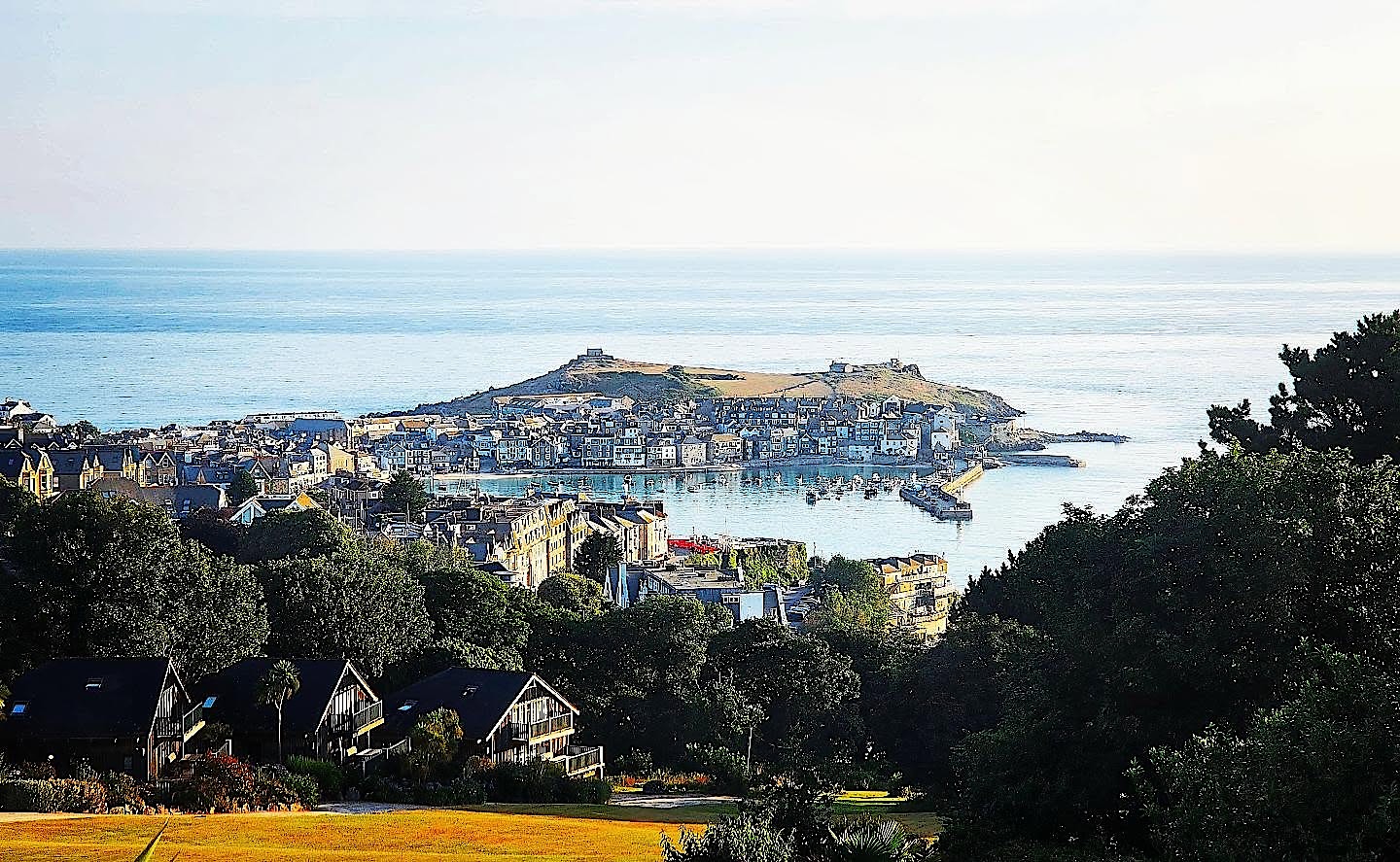
Back on the mainland, the castle theme continued at Tregenna Castle above St Ives.
Driving in Cornwall means the infamous Cornish hedges: narrow lanes between high, overgrown banks of stone and earth. I was glad to have a small rental car rather than my big motorhome Nemi, which was in Iceland with my mother.
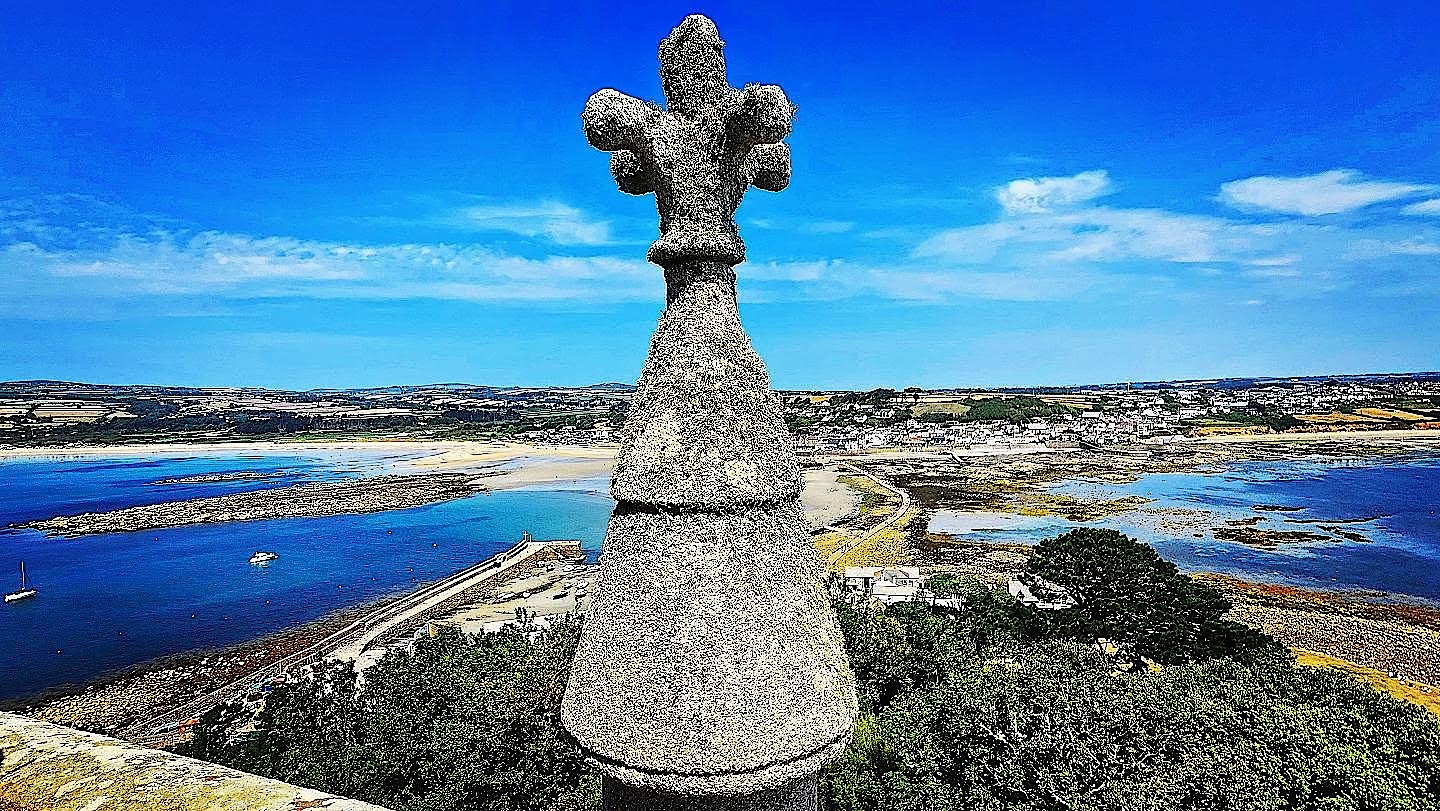
Until that day I didn't know that England has its own tidal island castle, St Michael's Mount, the namesake of Mont-Saint-Michel across the Channel. It is much smaller than its French sister, but no less beautiful. At low tide a causeway connects it with Marazion; at high tide only boats get across.
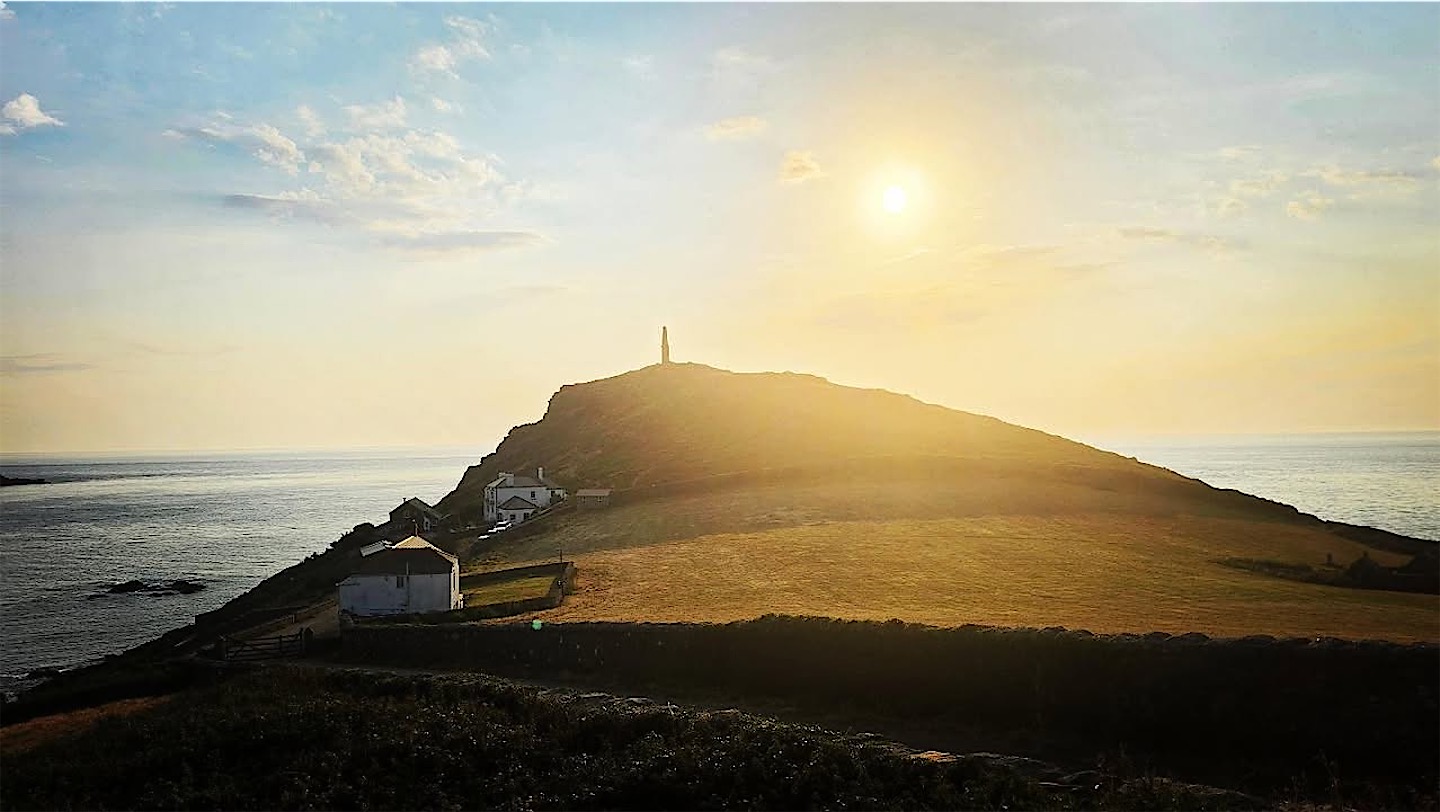
Further west lay Land's End and Cape Cornwall, a headland crowned by an old mine chimney.
Palm trees, rainforest domes and a flat tyre
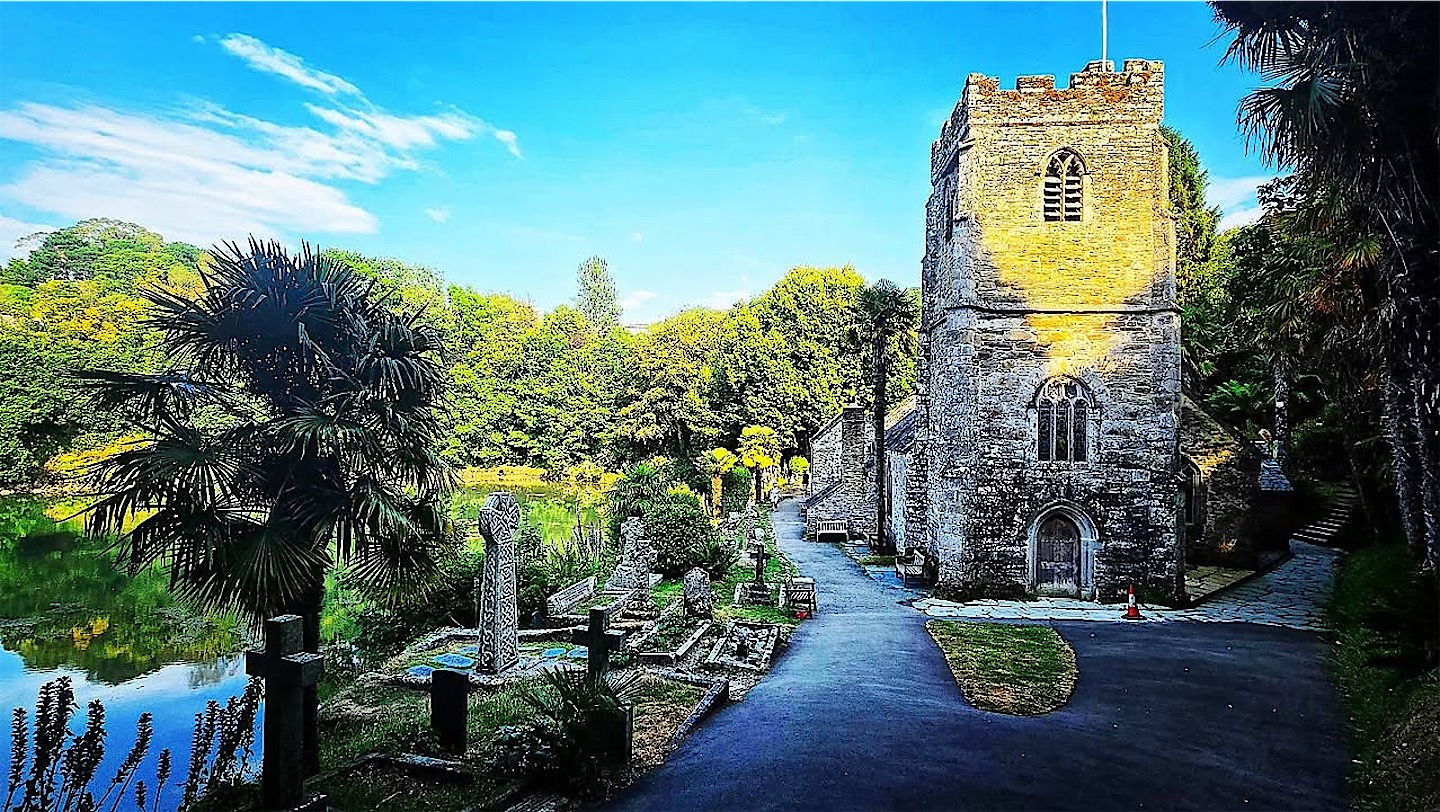
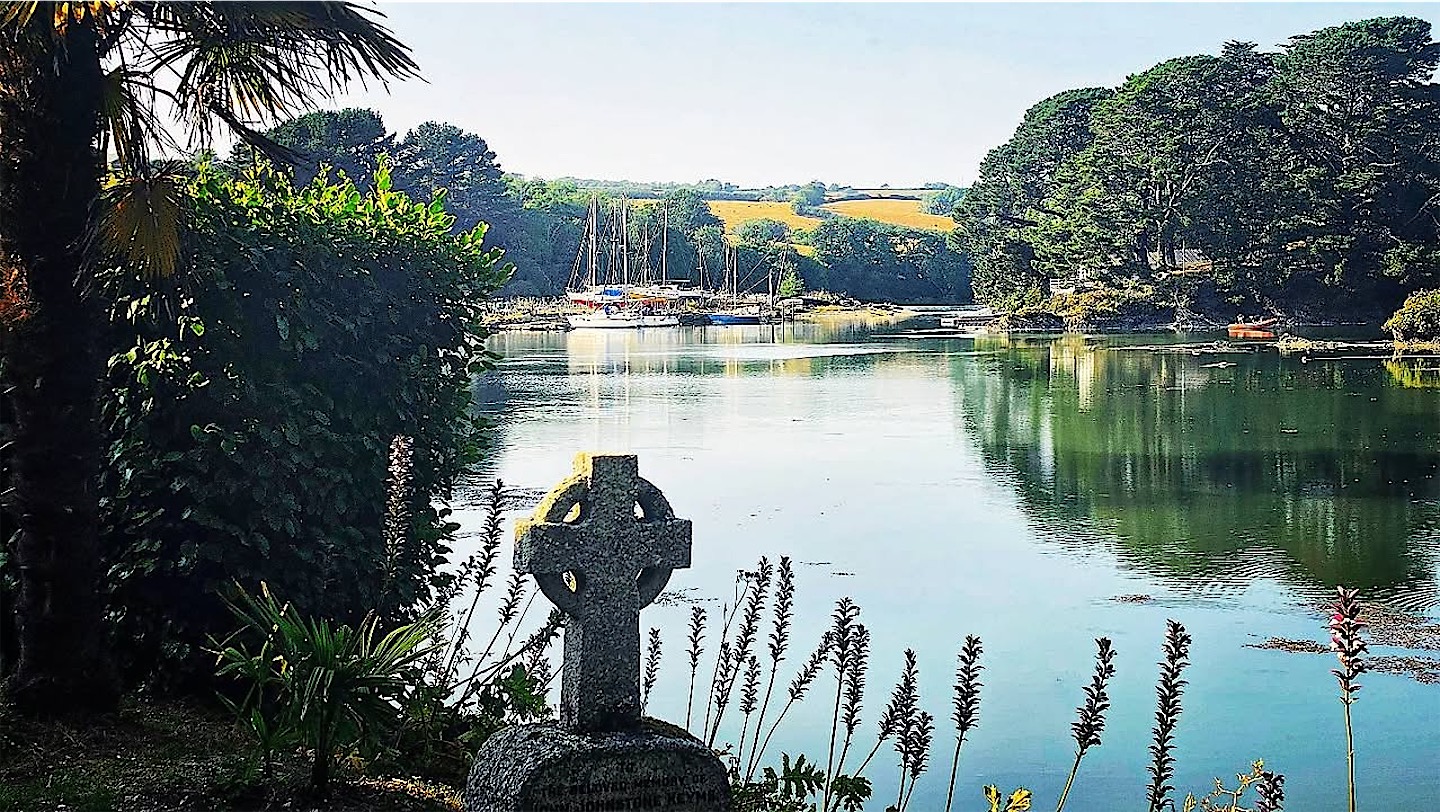
Palm trees in England? In Cornwall they are a normal sight. A beautiful example is St Just in Roseland, a medieval church in a subtropical garden on a creek of the Fal estuary.
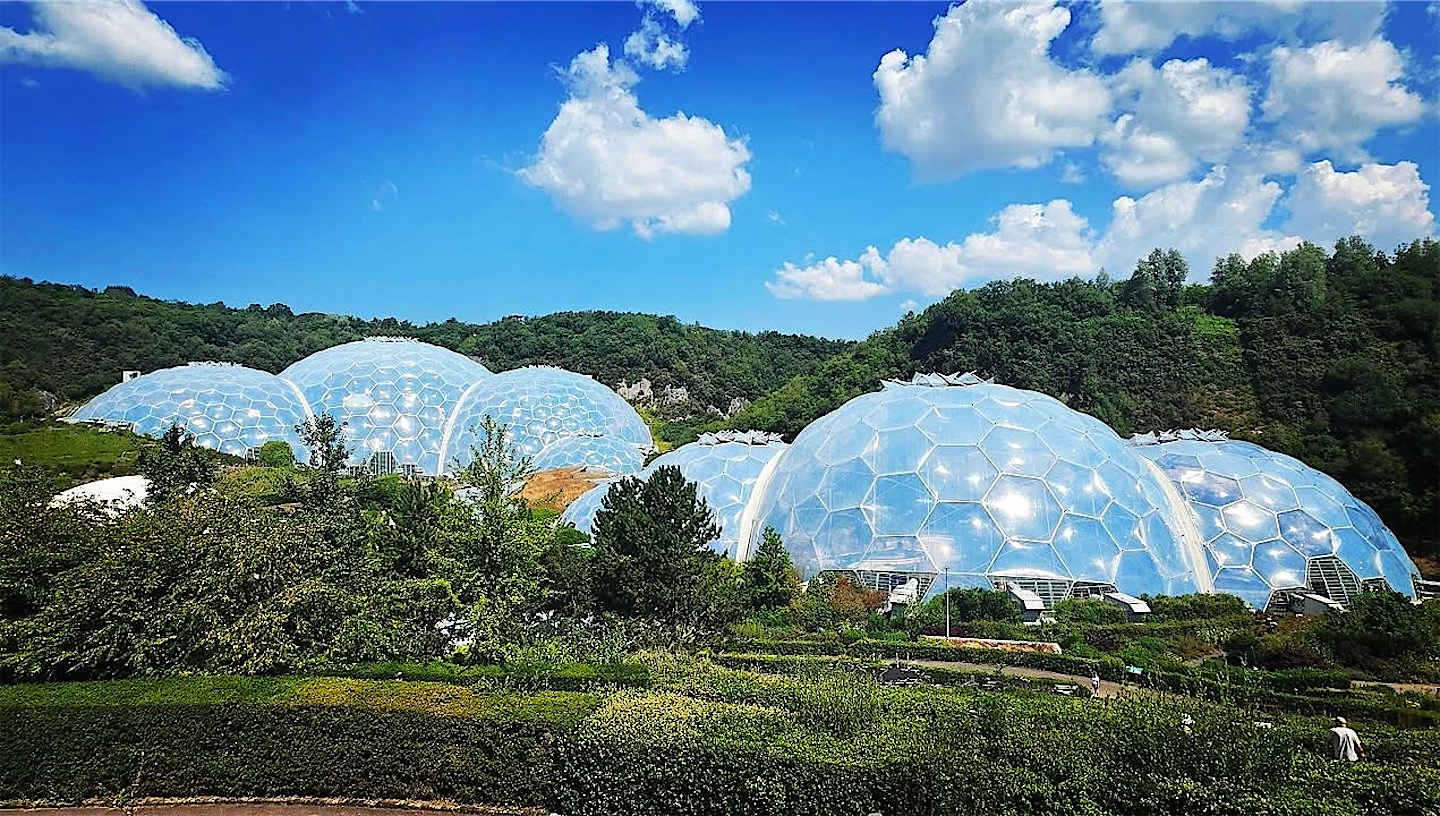
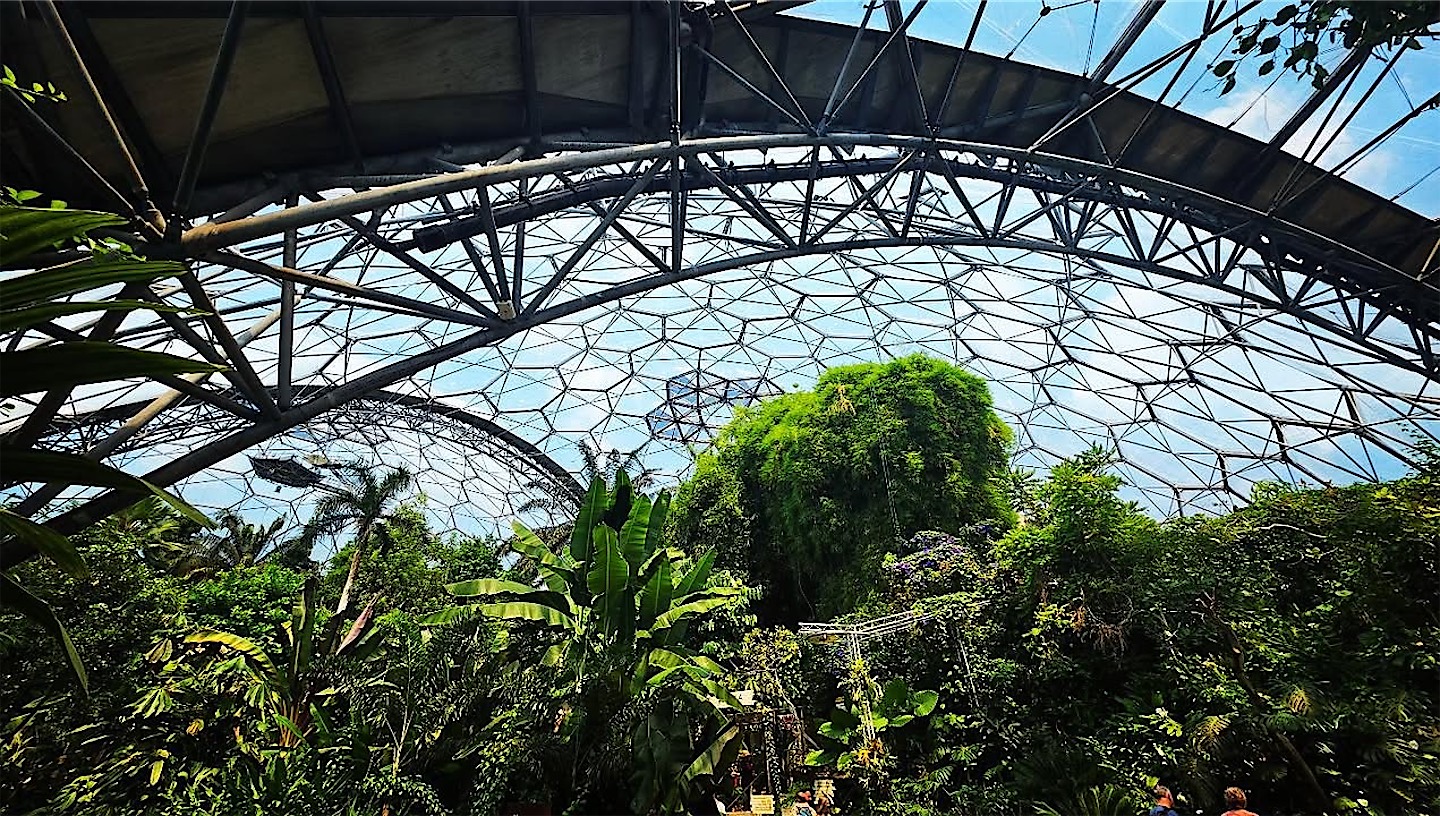
Few things still wow me after 15 years of full-time travel, but the geodesic domes of the Eden Project did. Opened in 2001 in a former china clay pit near St Austell, it houses huge rainforest and Mediterranean biomes. I have seen the originals countless times, but it was a nice preview of my next jungle, Bardia National Park in Nepal in October.
The same day the rental car got a flat tyre. I am becoming an expert at finding mechanics in Europe: I reached a tyre shop in time and they fixed it within 15 minutes.
Plymouth and Dartmoor
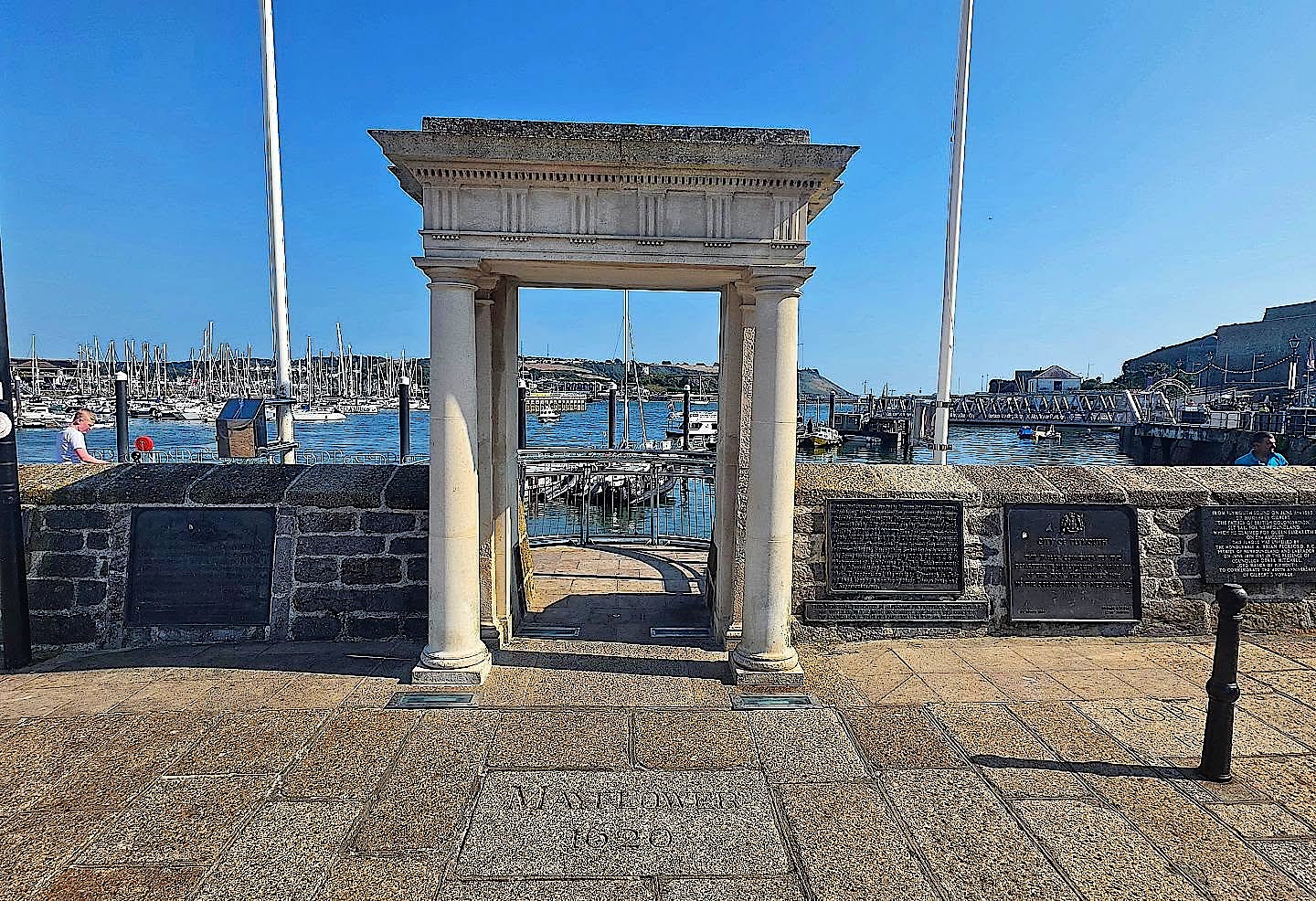
My last stop was Plymouth, the port of the Mayflower, from where New England was colonised.
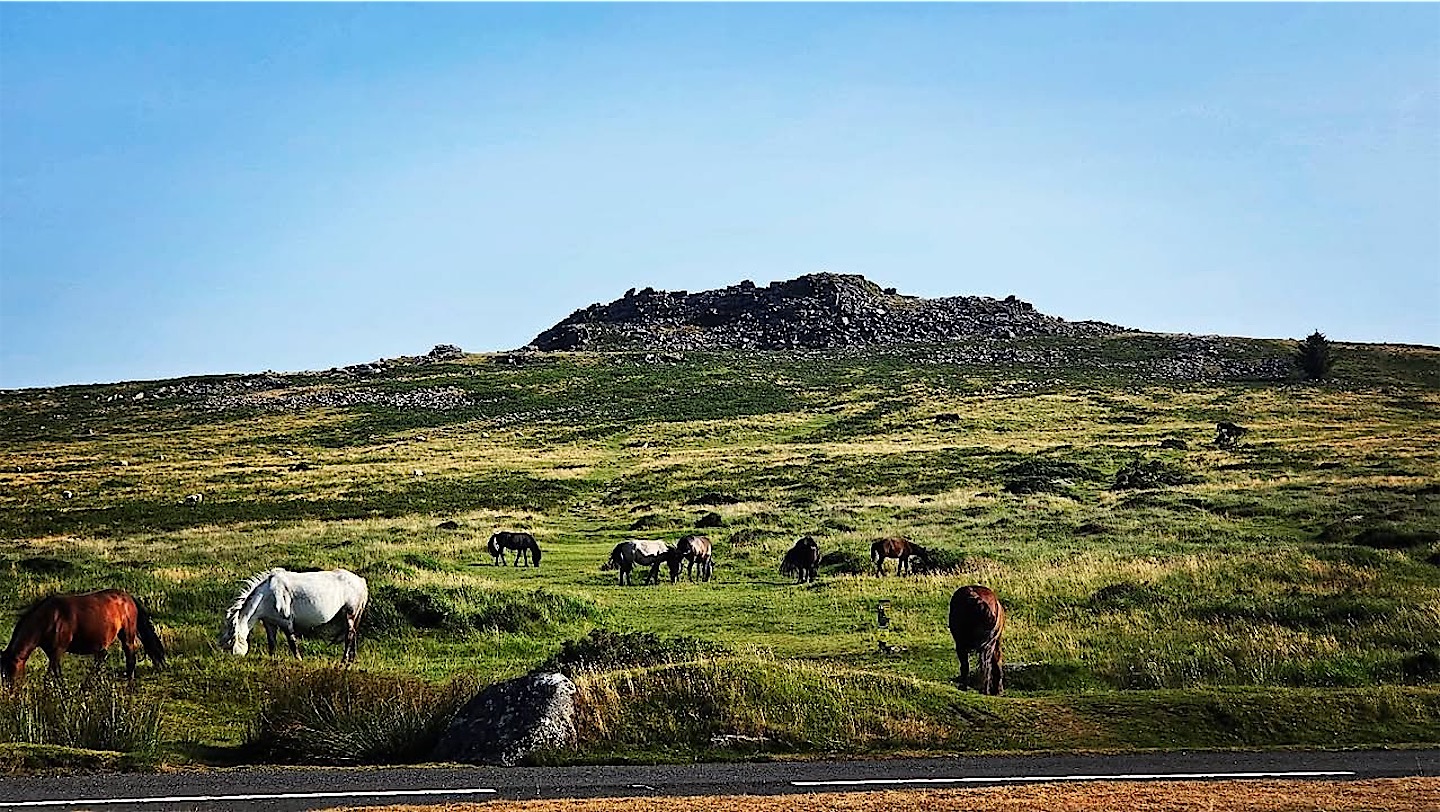
The road trip ended on Dartmoor, a granite upland where semi-wild ponies graze on the open moor.
Sometimes Ryanair is simply the most convenient option, and from a nearly empty Exeter Airport it took me straight to Málaga. I had 55 hours in Spain before my diving course in Orkney.
The Rock and the Pillars of Hercules
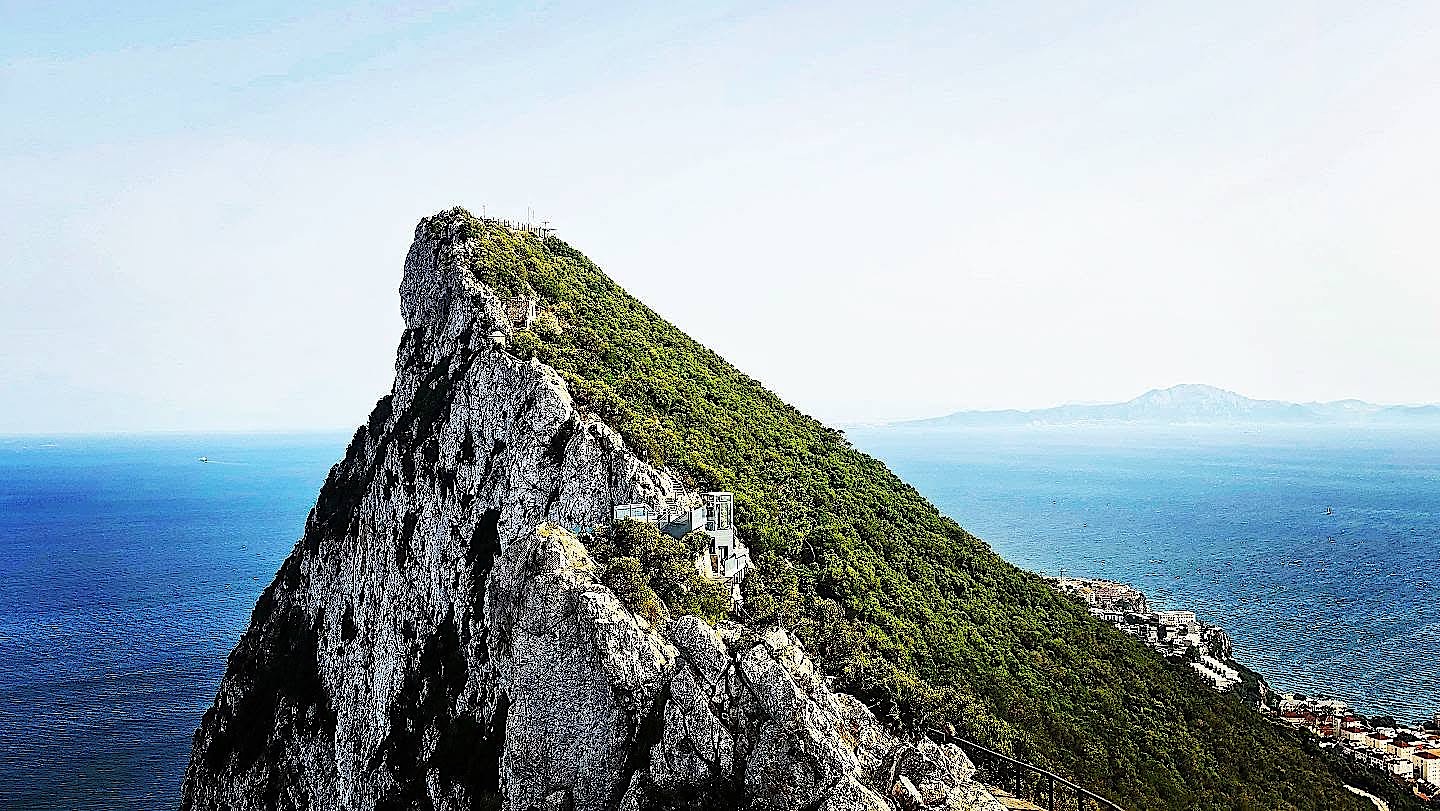
The birthday villa near Marbella was less than an hour from Gibraltar, and with the border open, a short visit was obvious. Gibraltar was the first overseas territory I ever visited, in 2012 as a backpacker, by chance on its National Day.
In antiquity the Rock and a mountain on the African shore, usually identified as Jebel Musa in Morocco, were the Pillars of Hercules, the entrance to the Mediterranean and the edge of the known world. From the top, Africa looked close. In January I plan to cross over with my expedition truck for six weeks in Mauritania and back.
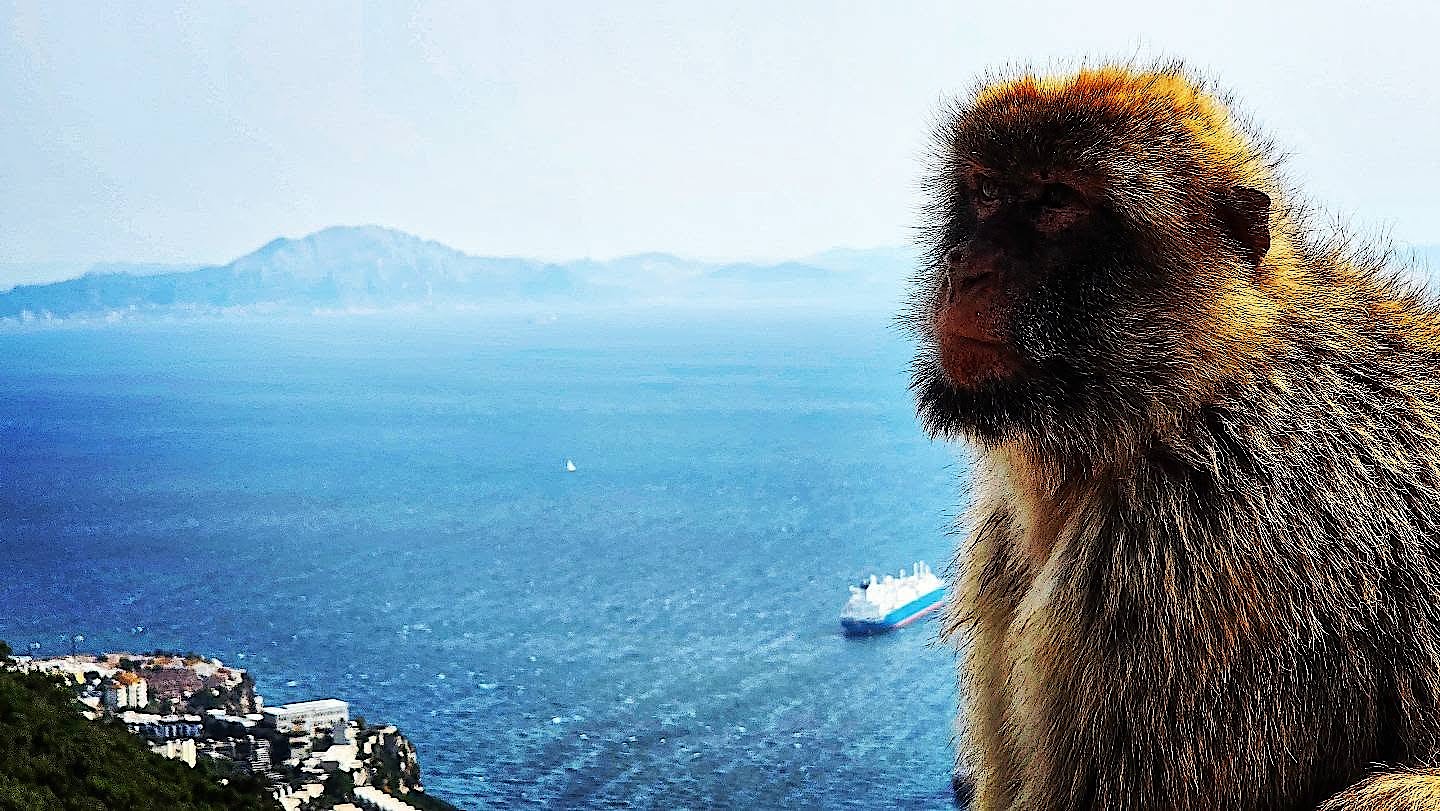
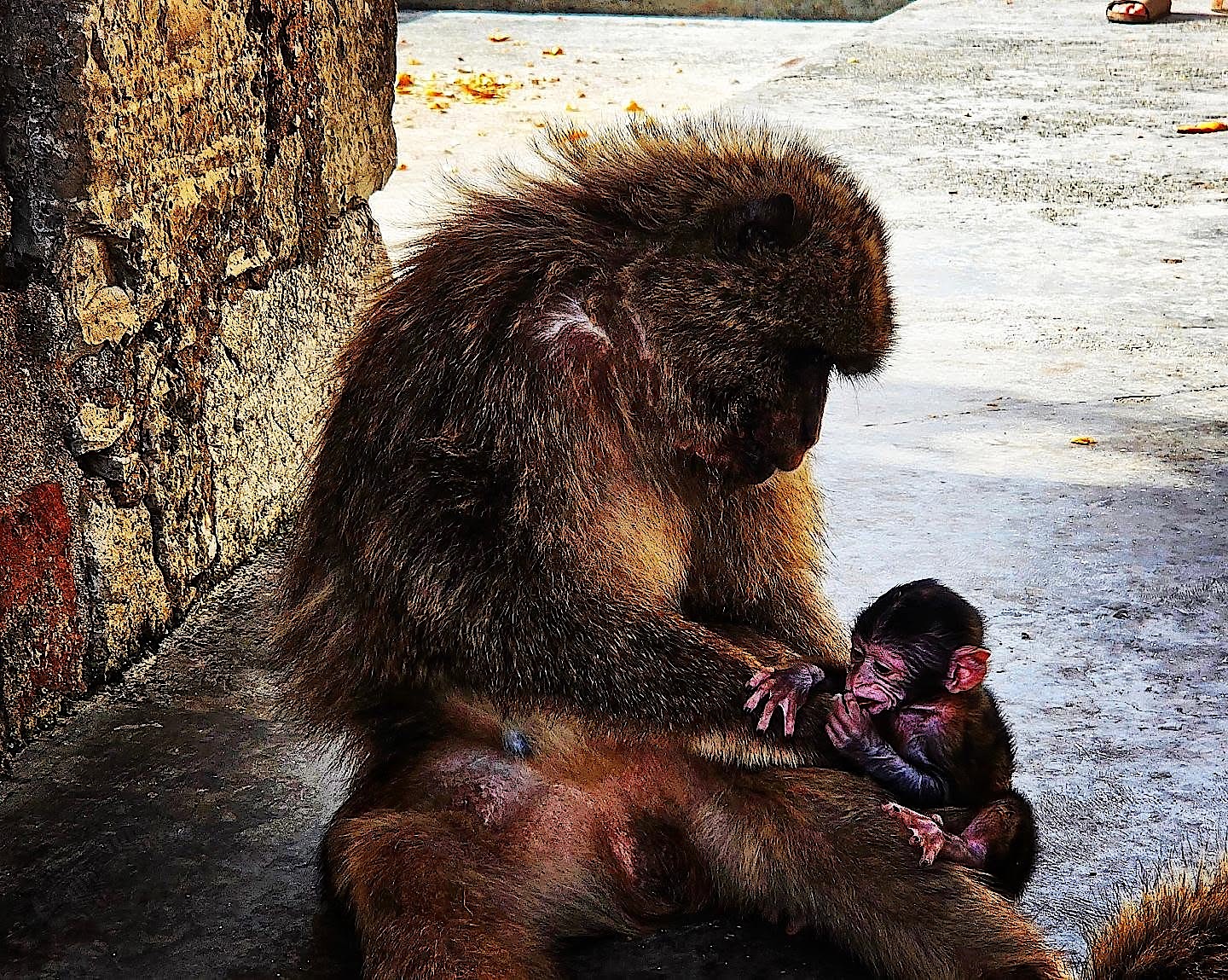
And of course I met the macaques, including a mother with a tiny baby.
A birthday weekend near Marbella
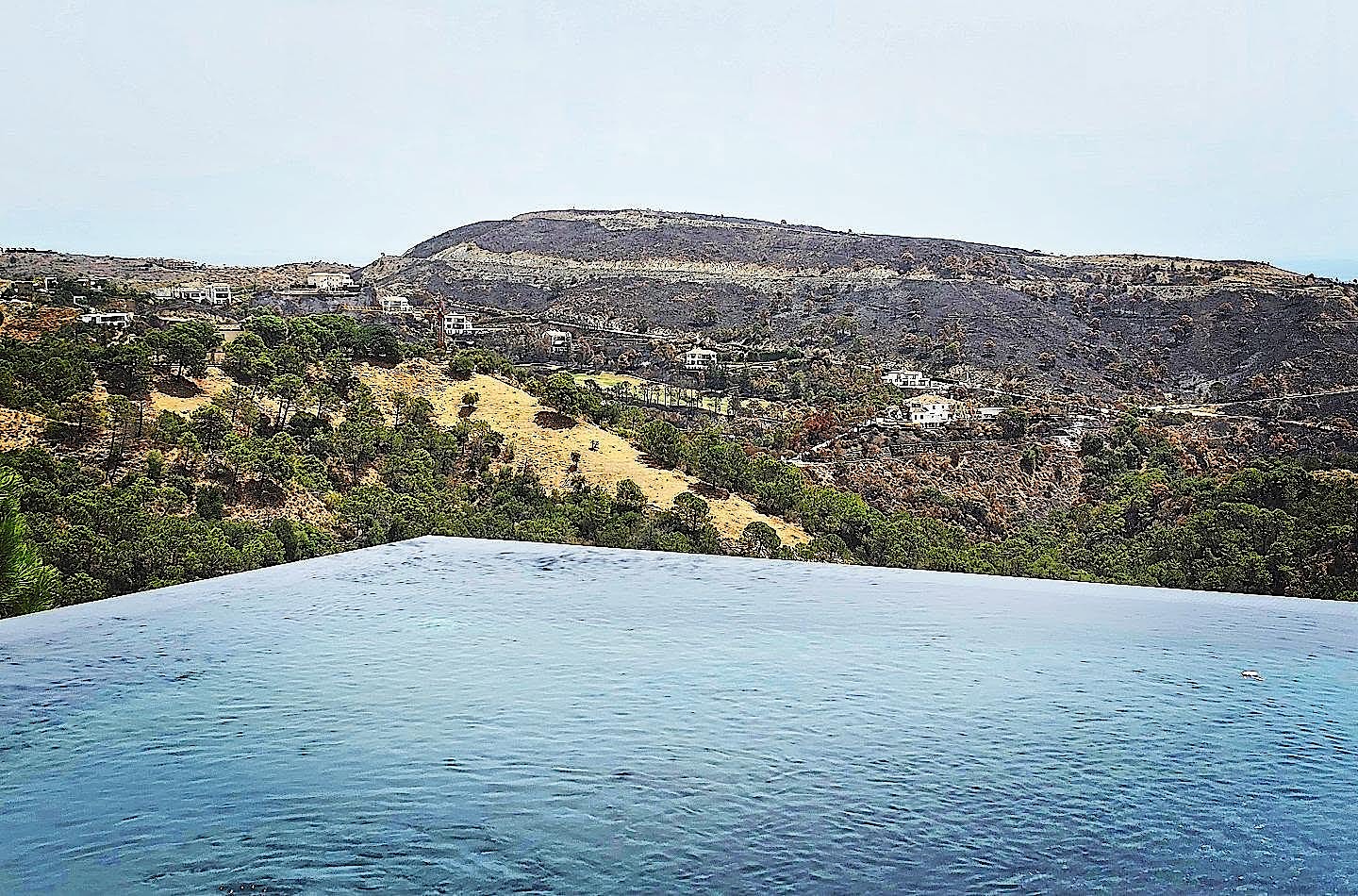
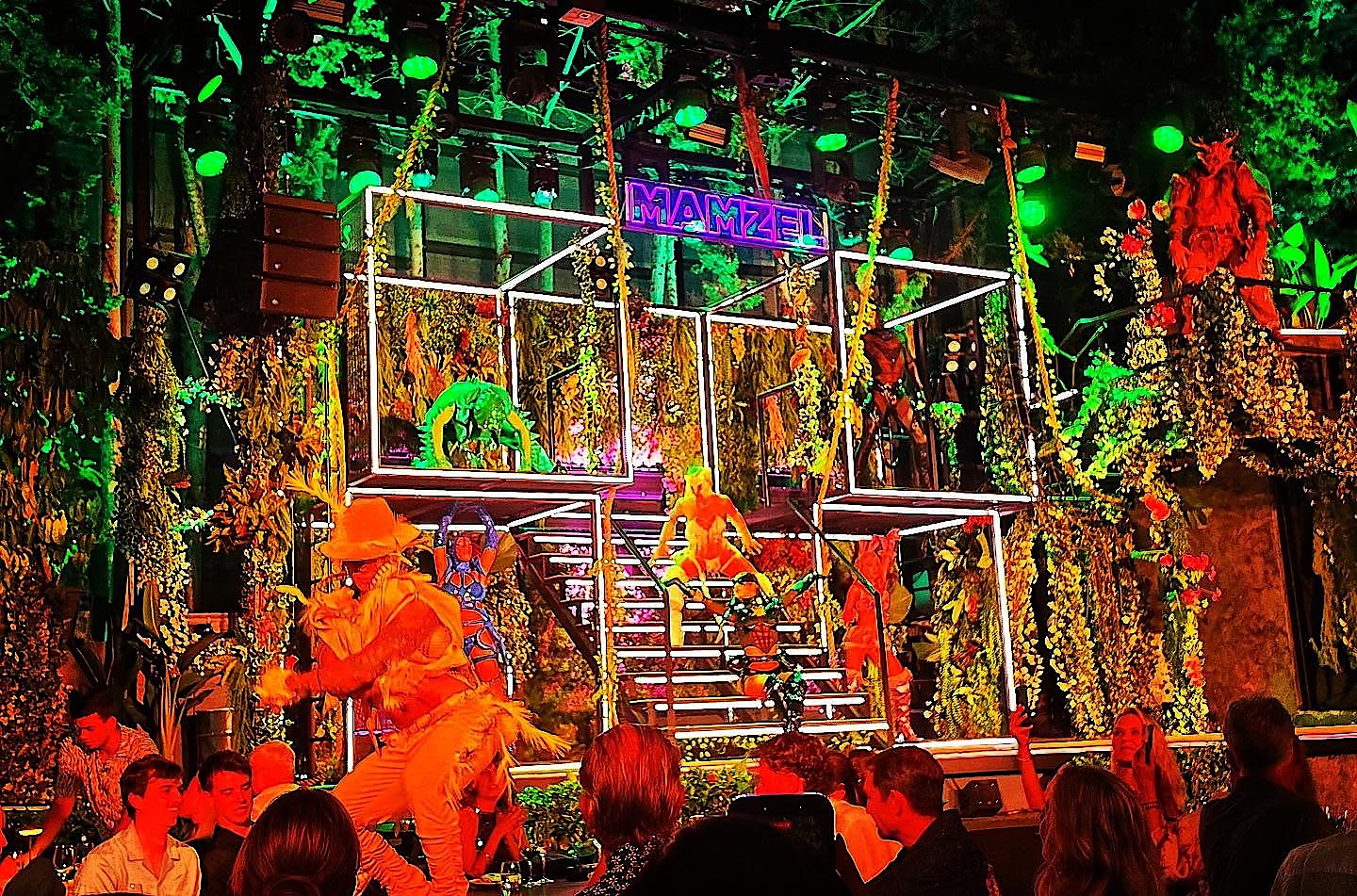
The real reason for the detour was Karyna's birthday, celebrated in a villa with eleven ladies and me as the only man. Sometimes you have to make sacrifices for those you love. At least the villa had a nice, cold pool, and I was once again abducted to a show restaurant, this time Mamzel.
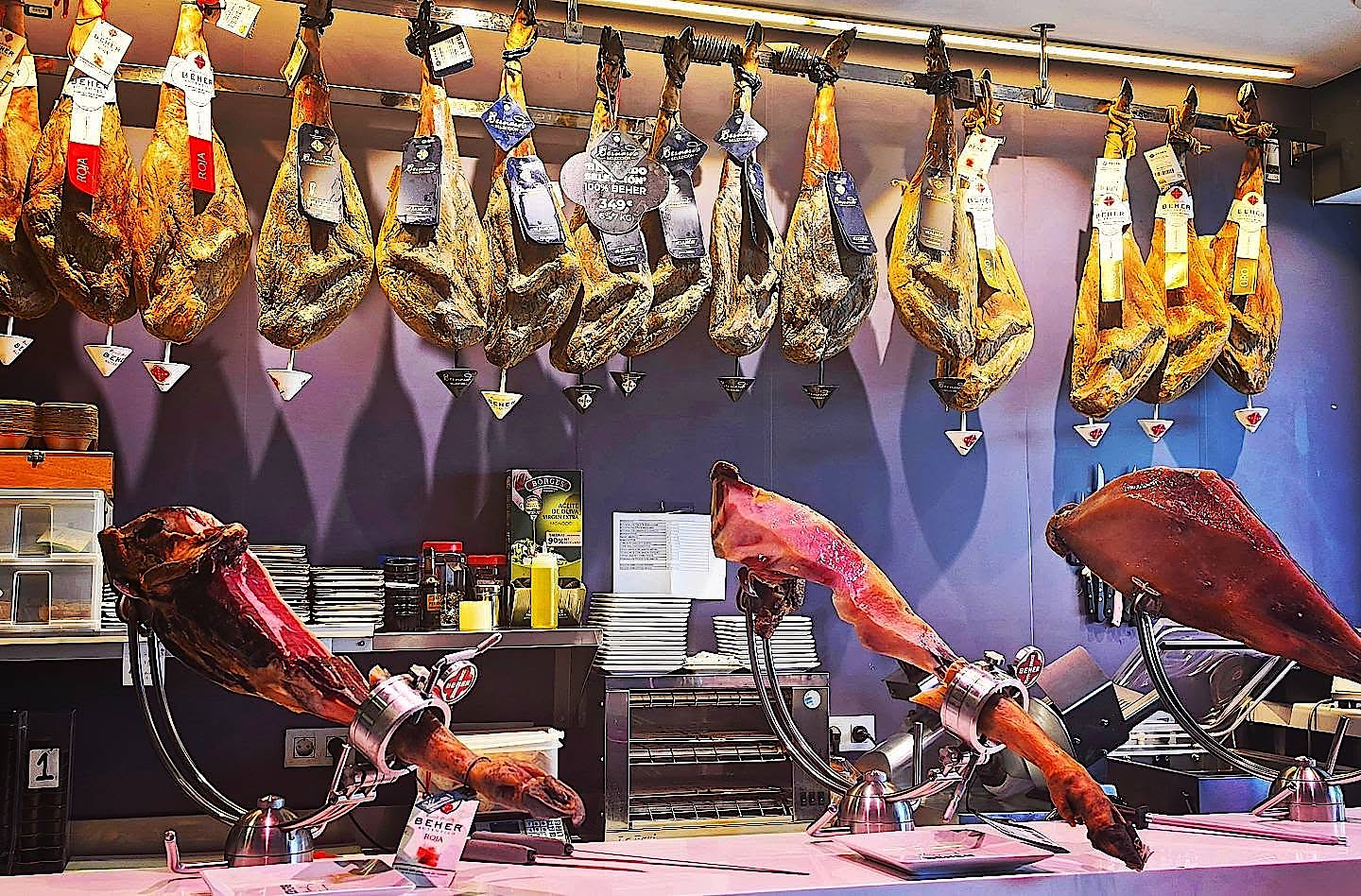
In Puerto Banús I had my share of jamón ibérico de bellota, liquid gold on four legs, as the locals call it. For me it is a healthy superfood, and perfect on the day after a party. It comes from black-hoofed Iberian pigs, the pata negra, that spend their last months feeding on acorns in the oak pastures of south-western Spain.
I also watched exactly one World Cup match this year, cheering for Argentina as I had done live at the final in Qatar four years earlier. Somehow I survived the weekend, and on 20 July I flew from Málaga to Inverness, back to my Viking roots, with the weather even looking good for St Kilda. That story continues in Orkney, the far north and the Outer Hebrides.