
By Catamaran to Panama: San Blas, the Canal, a Seastead and a Detour to Portugal
27 May – 7 June 2026 · Isla Tintipán, Santa Cruz del Islote, San Blas, Panama Canal, Panama City, Linton Bay, Fort San Lorenzo, Azeitão · Regions: Colombia, Panama (Guna Yala), Portugal
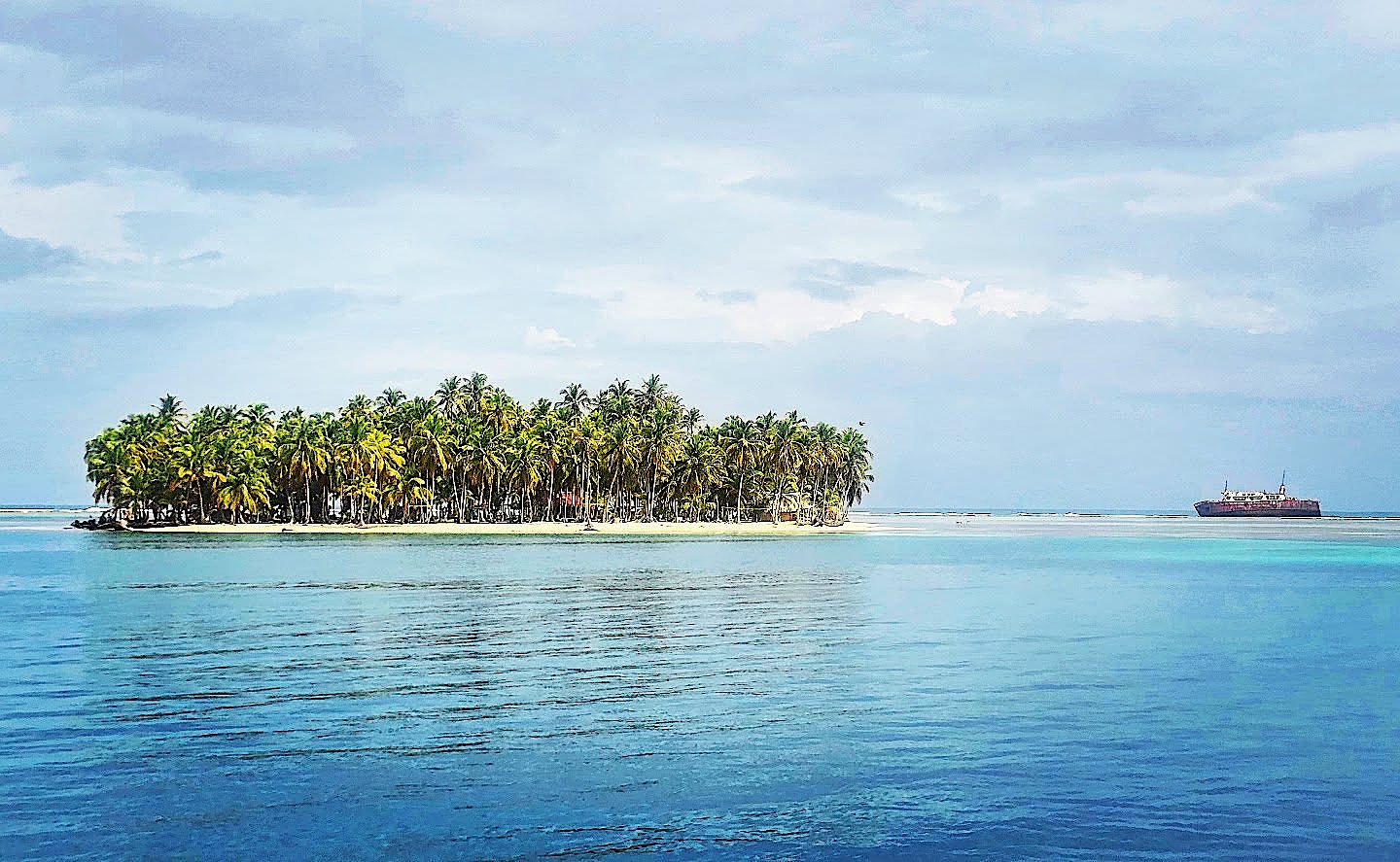
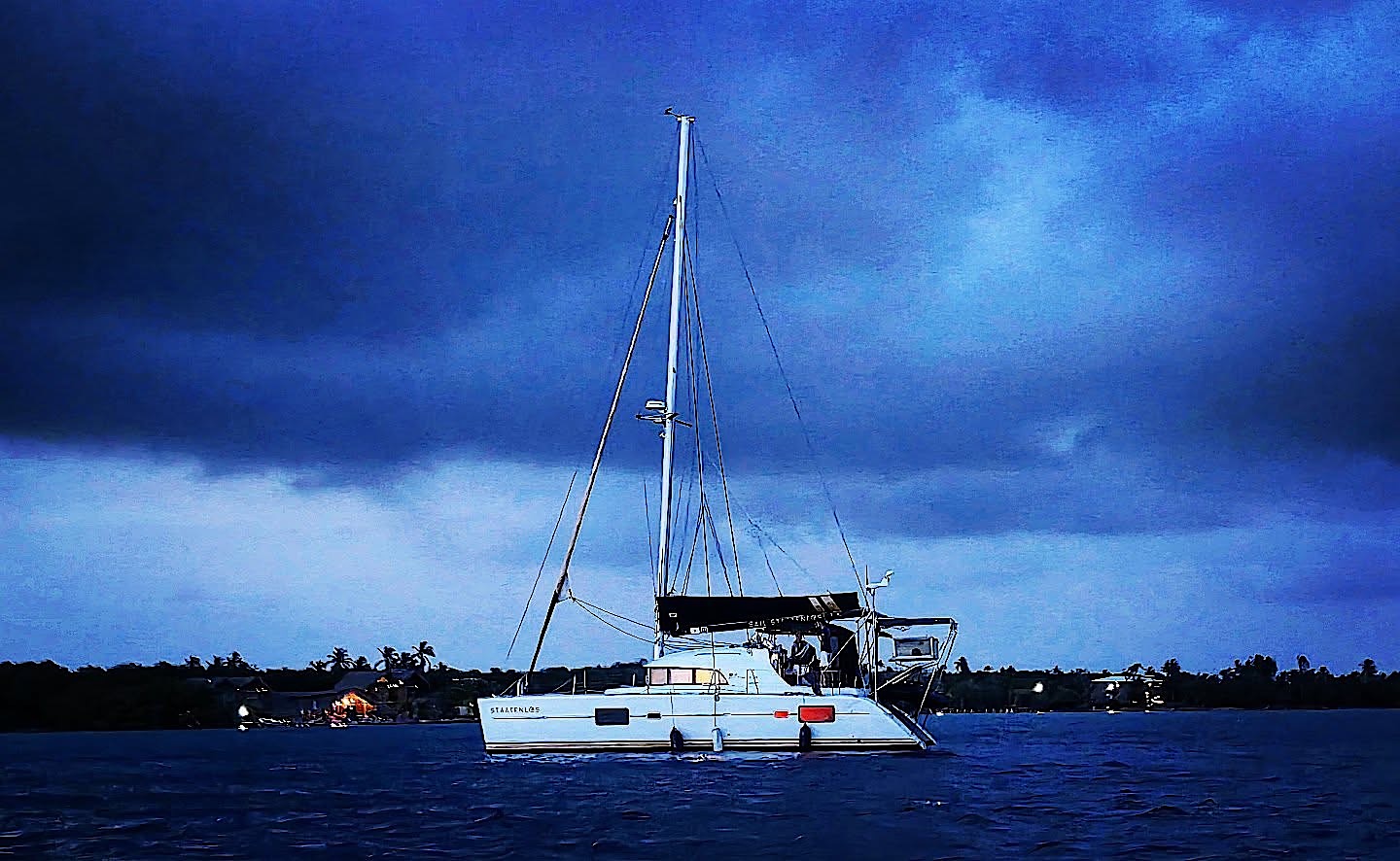
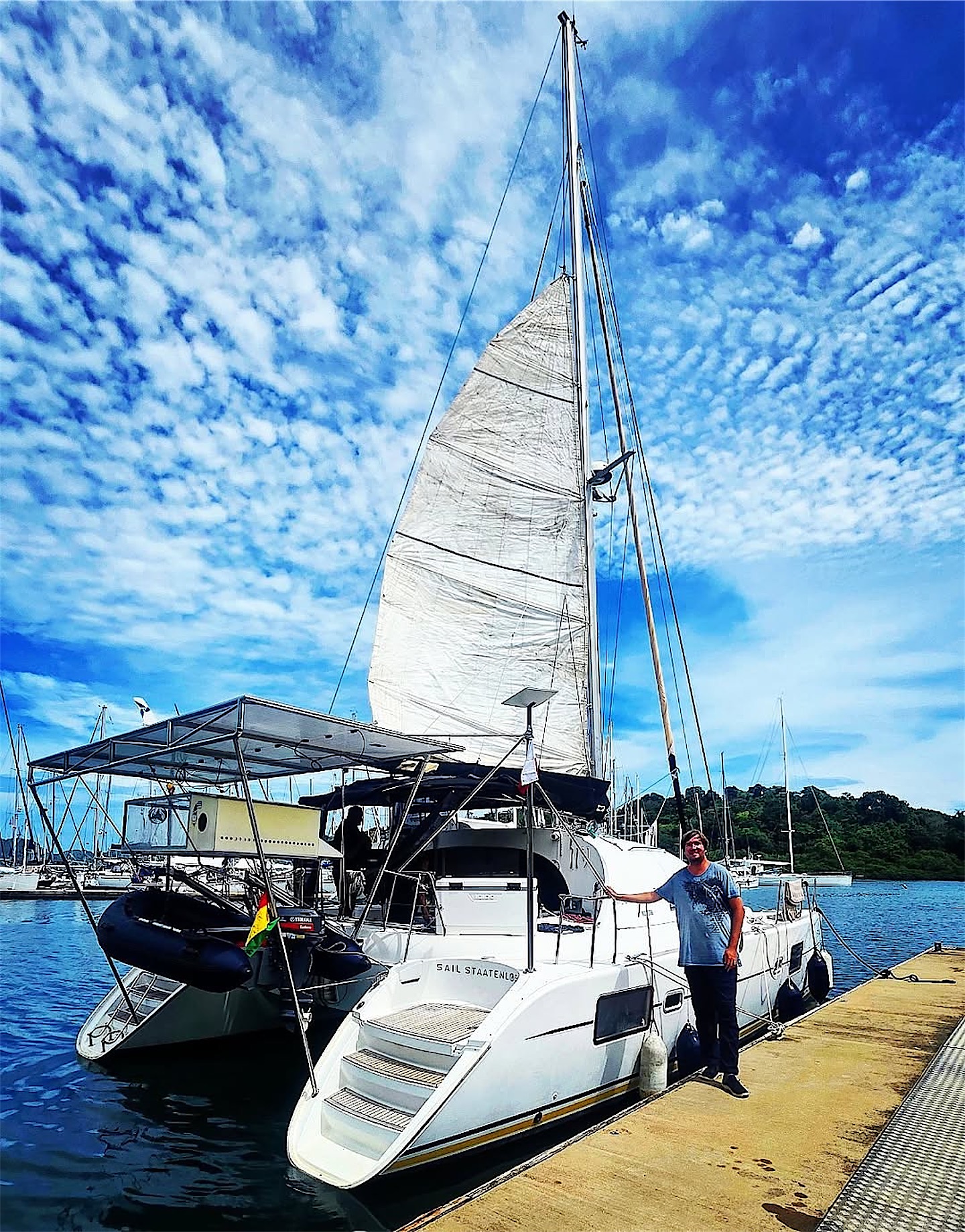
After a jungle detour and my brother's wedding, told in Inírida and Cartagena, eight of us set sail from Cartagena on the SY Staatenlos, our family catamaran, stocked for a week of self-sufficiency. The plan: island-hop along the Colombian coast, then cross the open sea to the San Blas Islands and Panama.
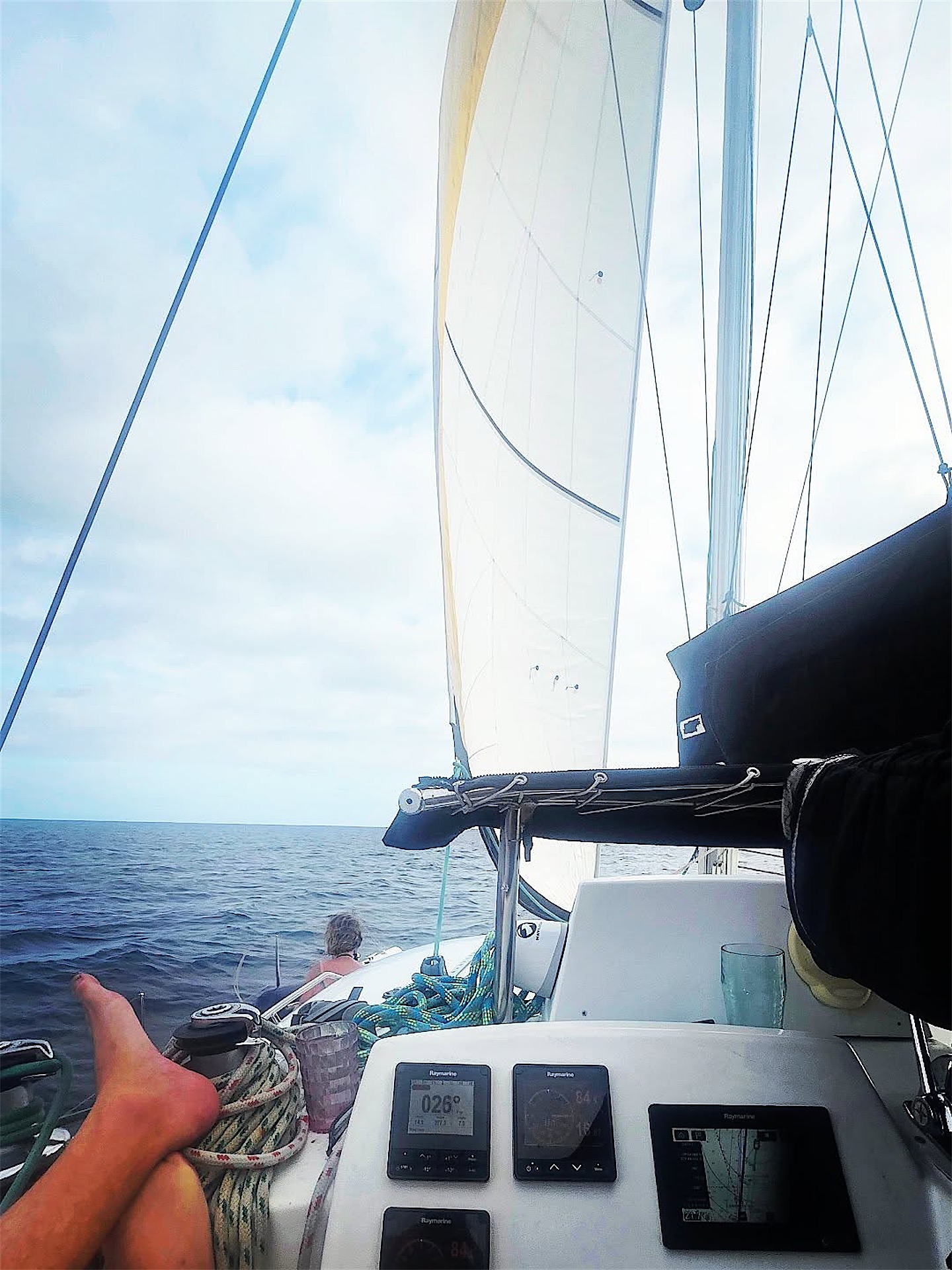
Something always happens on a boat. We had already lost a day when the autopilot gave up completely, so we had to steer by hand all the way to Panama. With eight people aboard, at least the shifts at the helm stayed short.
Tintipán and the most crowded island on earth
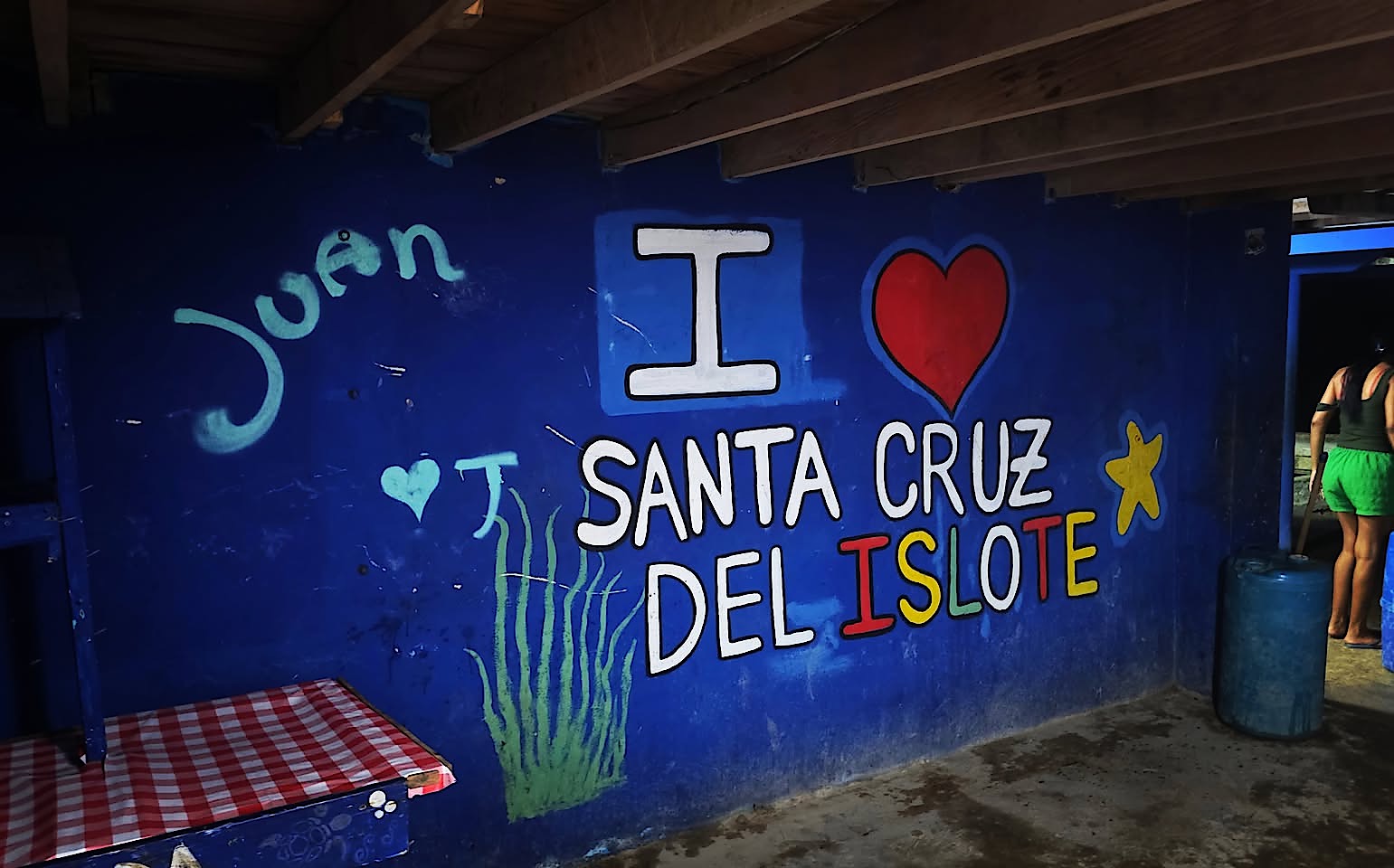
Our last Colombian stop was Isla Tintipán in the San Bernardo archipelago, where a few big sharks showed up in the water. At dusk we visited its tiny neighbour, Santa Cruz del Islote, often called the most densely populated island in the world. On a satellite image it is little more than a block of roofs, and many of its walls are covered in colourful murals.
The mangroves around Tintipán are known for bioluminescence, plankton that glows blue when the water moves. My night dive was great, but the moon was too bright for the glow.
Thirty-two hours to Panama
The crossing from Tintipán to San Blas covers about 350 kilometres of open sea. We planned for around 32 hours, because the Panama countercurrent slows down boats heading west considerably. At the deepest point, the chart showed 3,200 metres of water beneath our little nutshell.
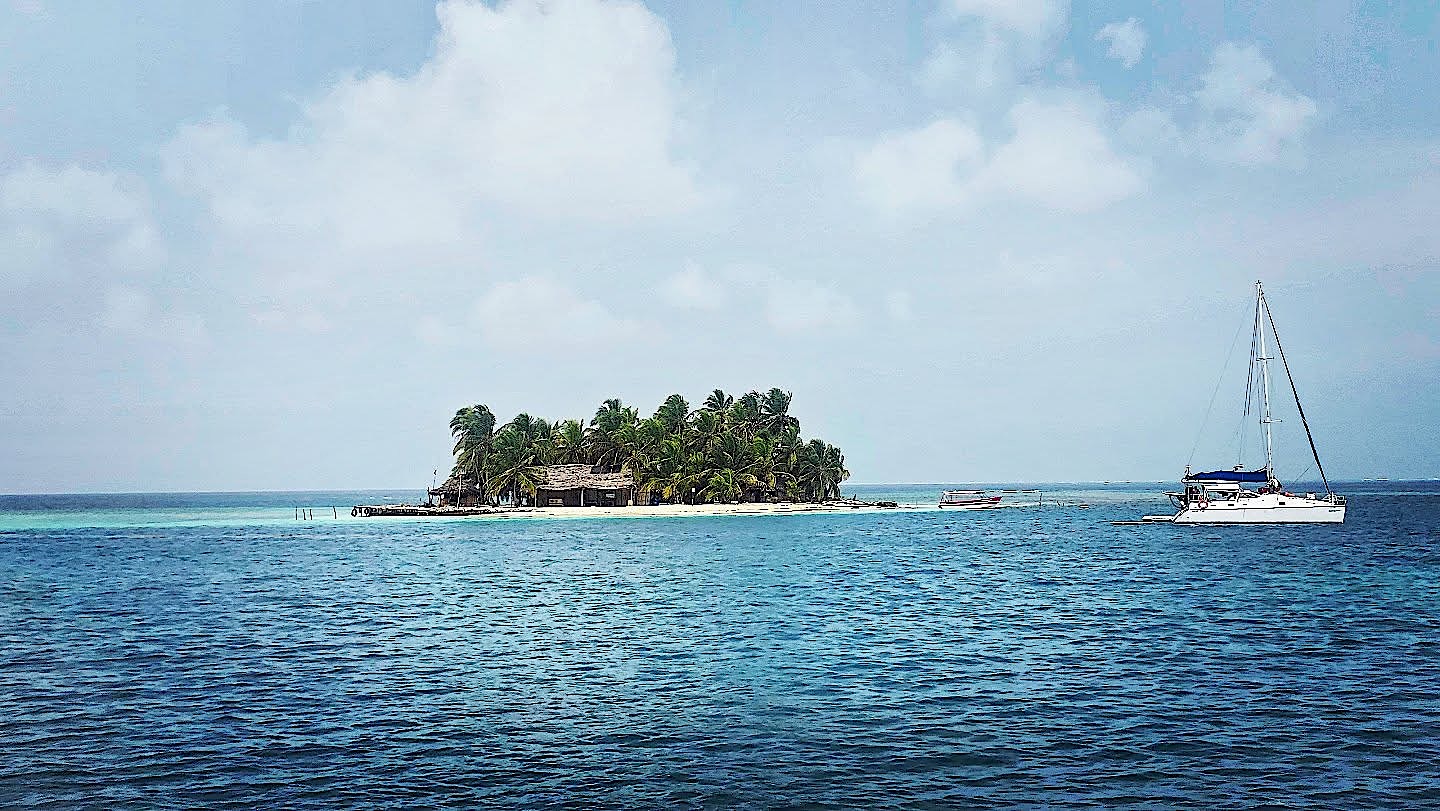
The next morning, as we entered Panamanian waters, dolphins came to greet us, and soon the first palm-covered islets of San Blas appeared. We had made it.
Island life in Guna Yala
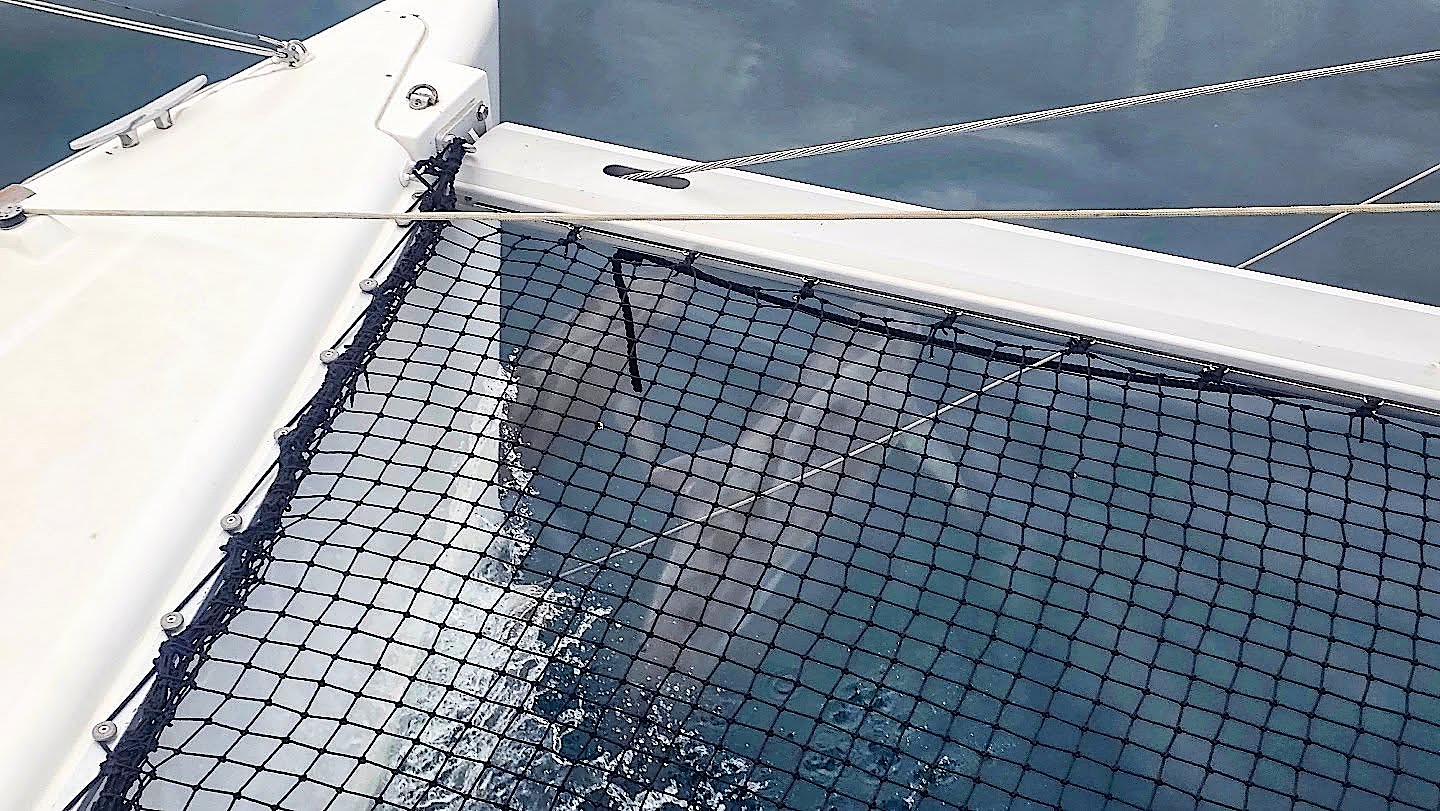
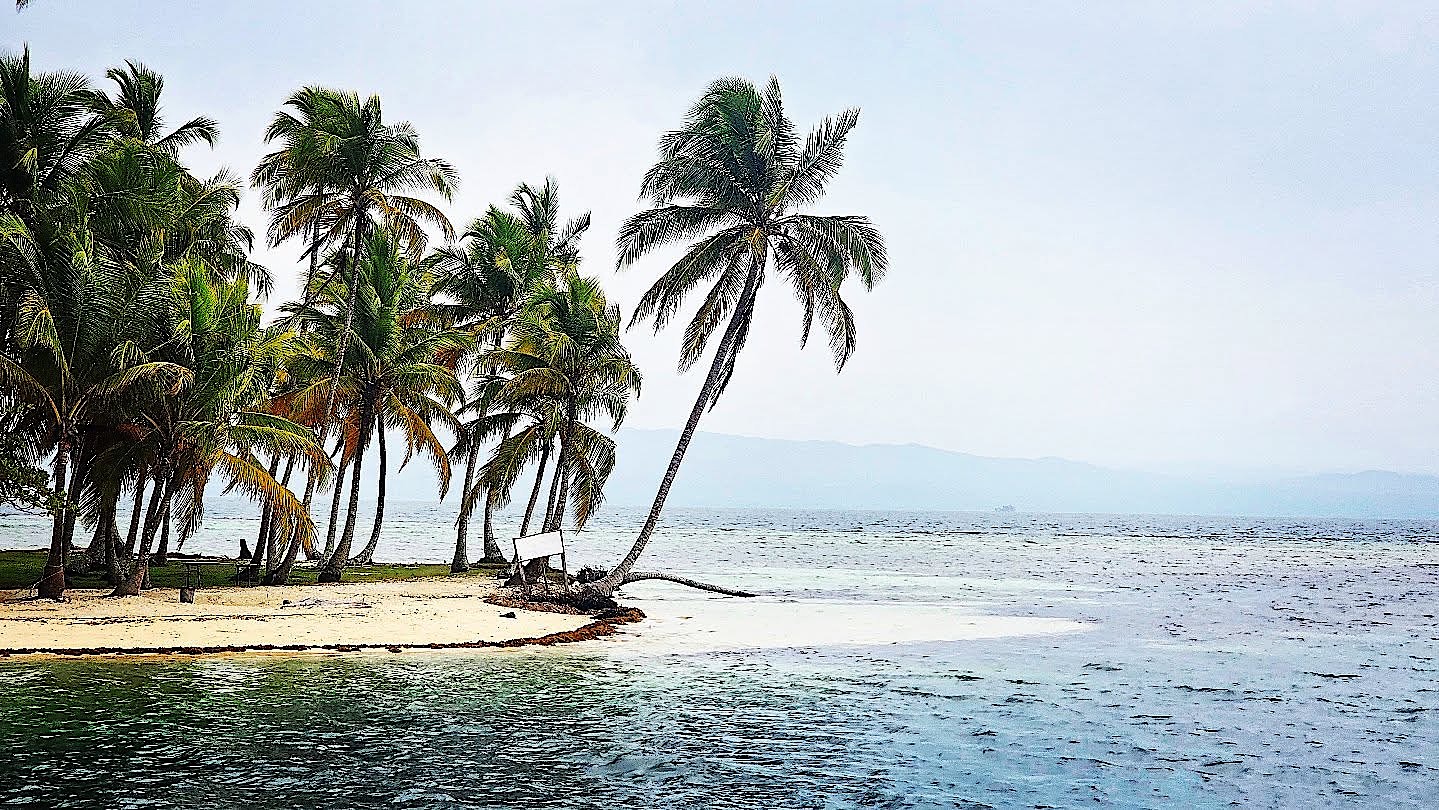
San Blas, called Guna Yala by its inhabitants, is a chain of low coral islands off Panama's Caribbean coast, said to number around 365: sand, palms and reefs, with the forested mountains of the mainland as a backdrop. One morning we woke up in the Cayos Holandeses, a group of outer cays, to calm water and a handful of other yachts. A couple of days later more dolphins played right in front of the bows, close enough to watch through the trampoline net.
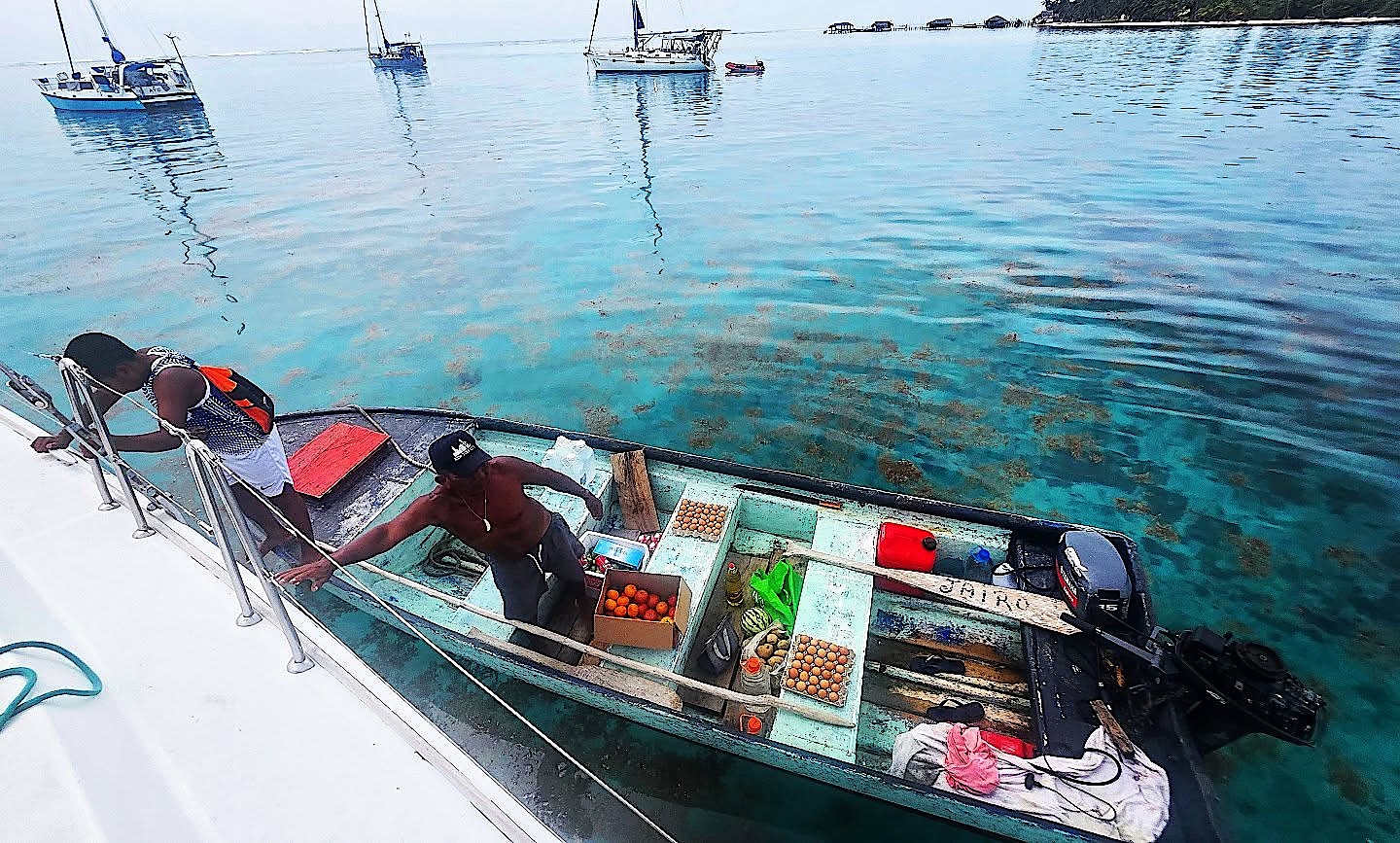
Out here, the shops come to you. Guna traders motor up to the anchored yachts in wooden boats loaded with eggs, fruit and vegetables, and we did some bartering. Even Babyshark found a new home: a shark-shaped clip that now guards our lifelines.
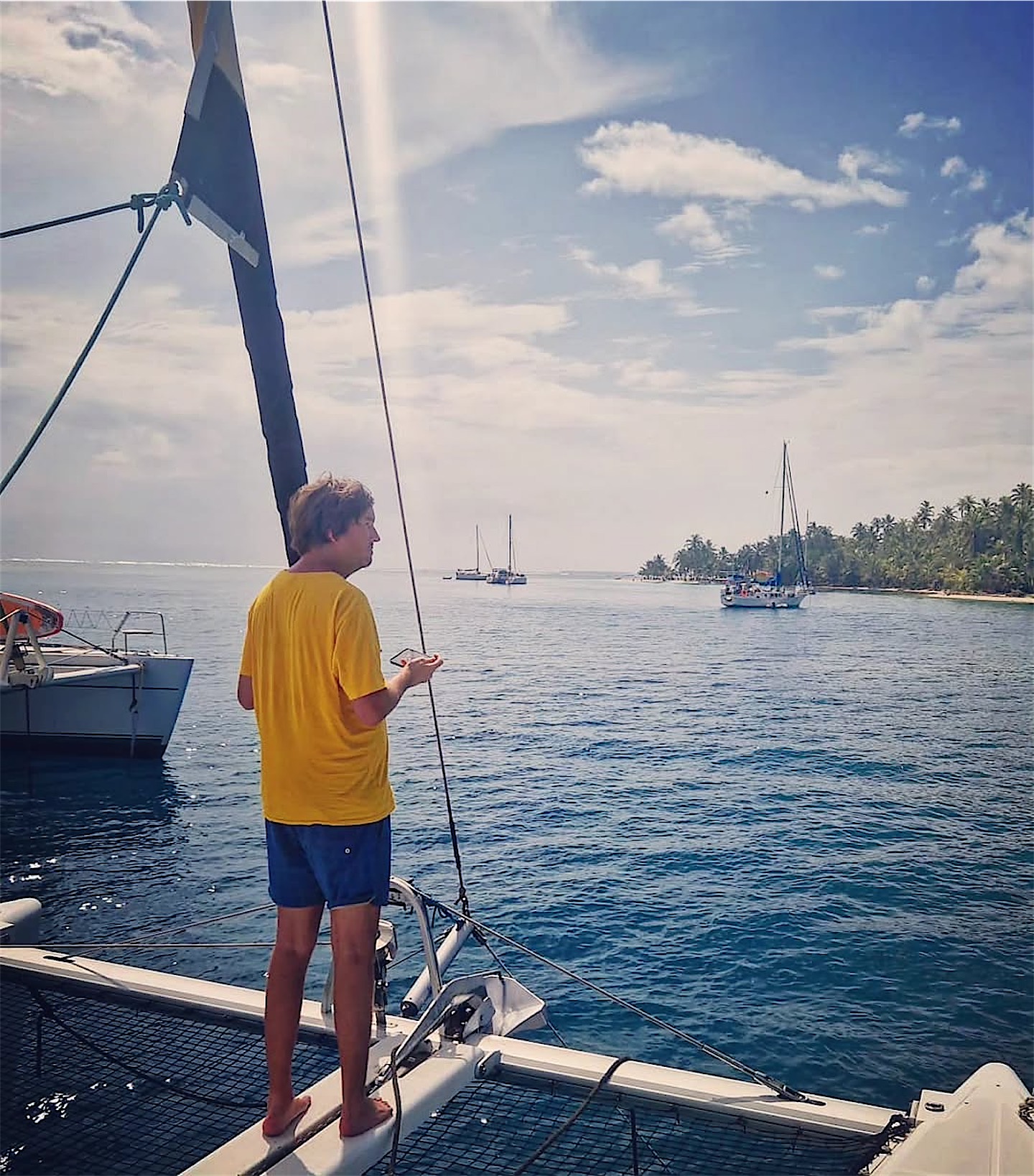
It was a great time back in Guna Yala, and these islands remain a dream. On 31 May we sailed on to Linton Bay on the mainland, where a much bigger yacht towered over us. There is always a bigger boat, and at least it offered some protection from the lightning that came almost every night.
The canal from the Caribbean side
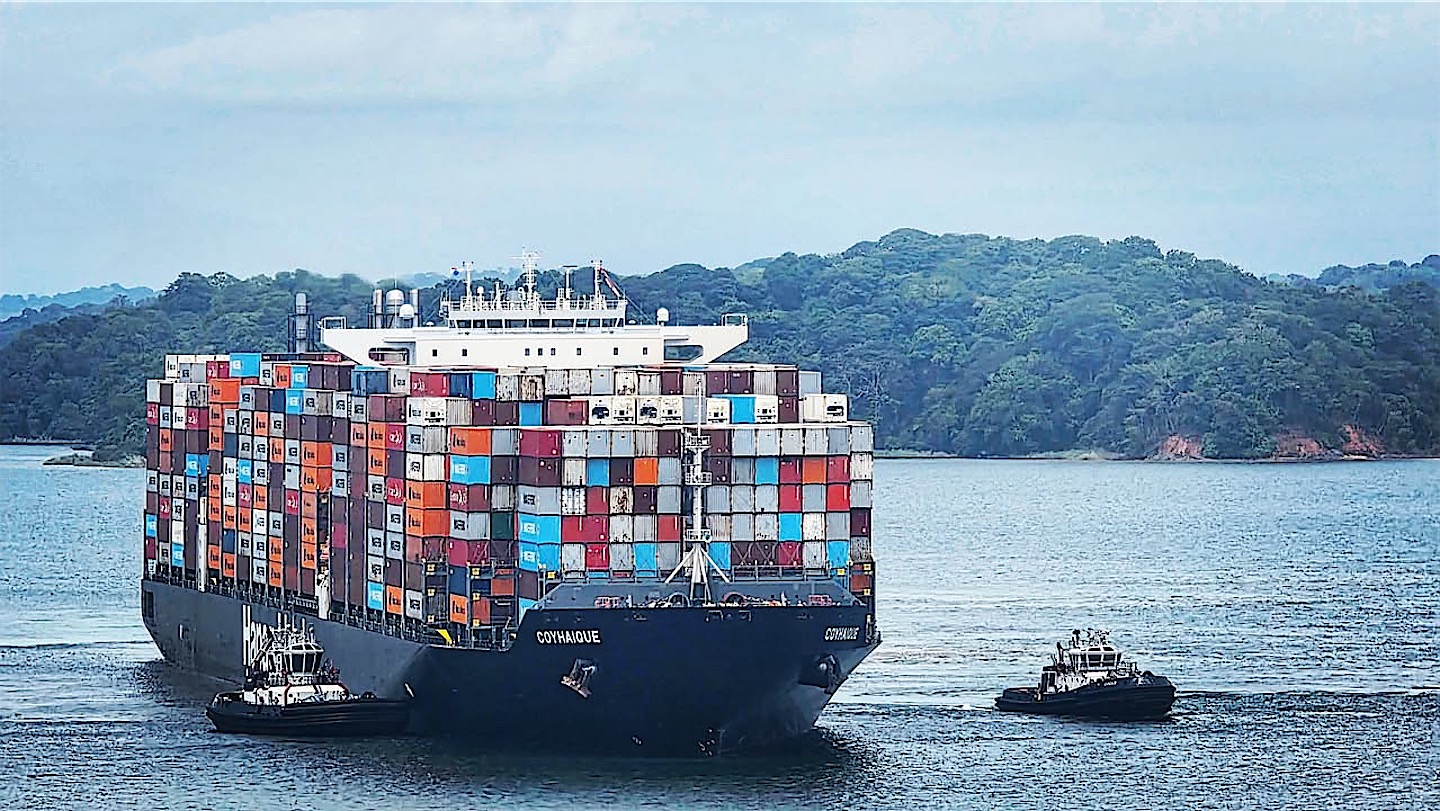
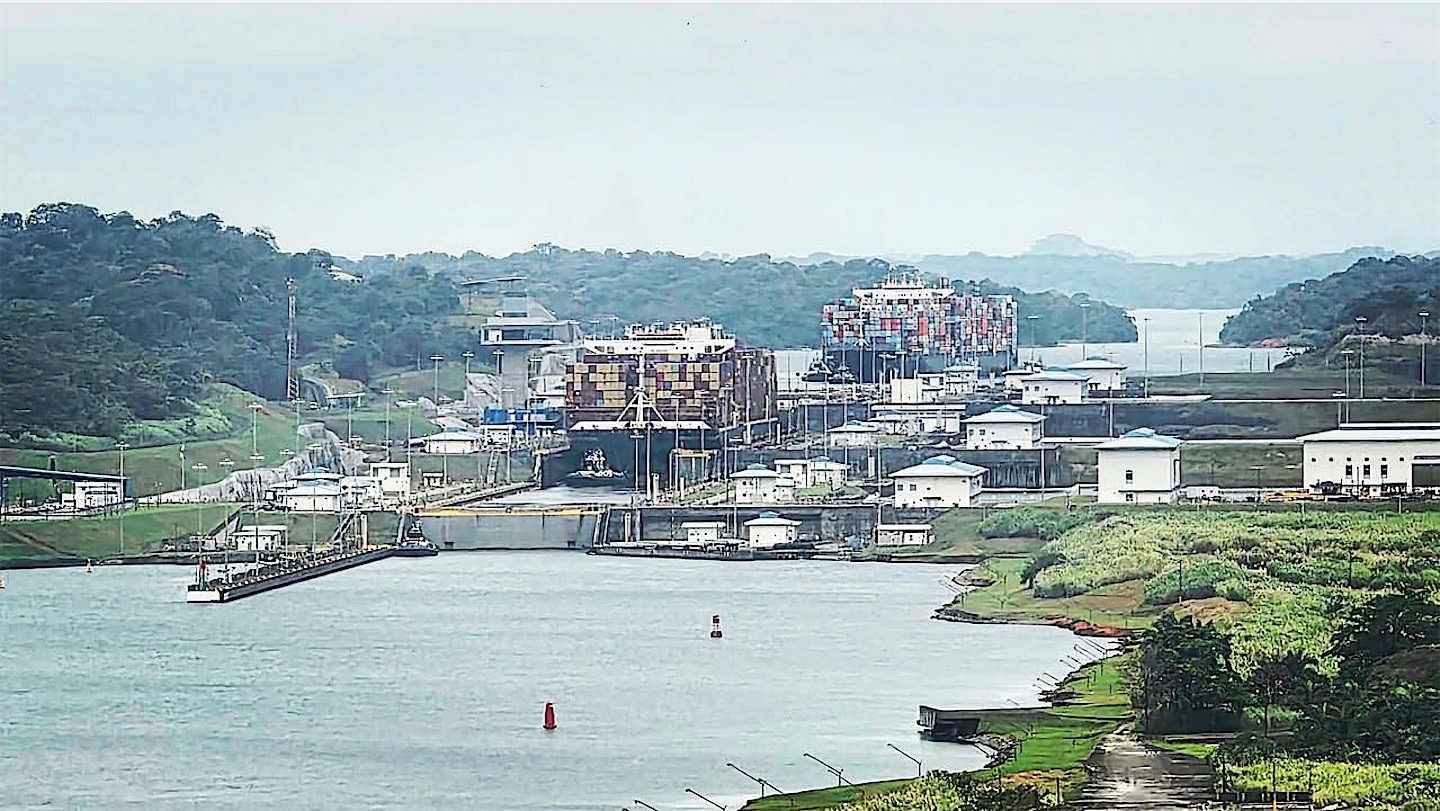
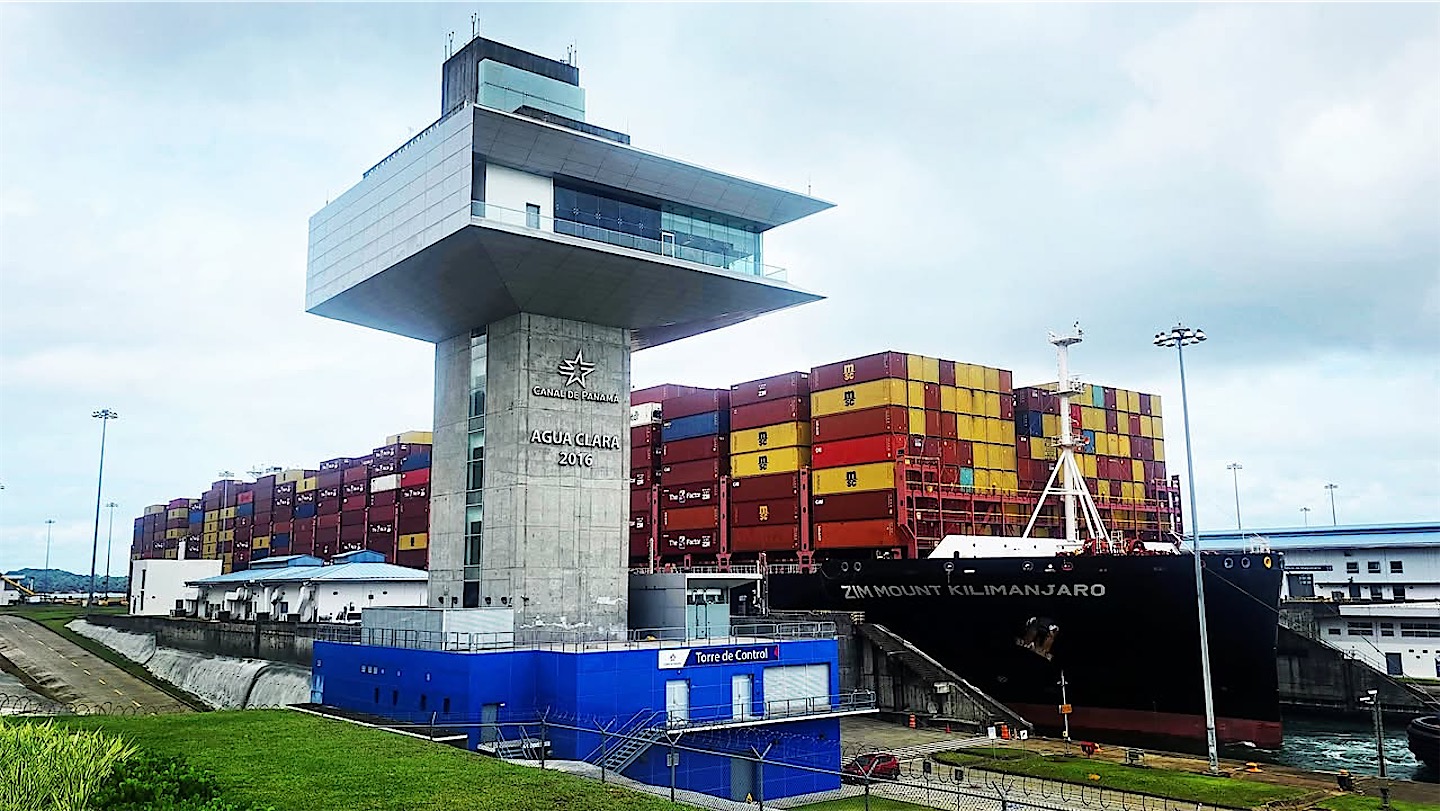
From Linton Bay the Panama Canal is close, and for the first time I visited its Caribbean side at the Agua Clara Locks, where the biggest ships pass. Compared with the Miraflores Locks near Panama City, which most visitors see, Agua Clara was much less crowded and, to me, more interesting: huge container ships glide in, kept in line by tugs, and climb towards Gatún Lake in three steps.
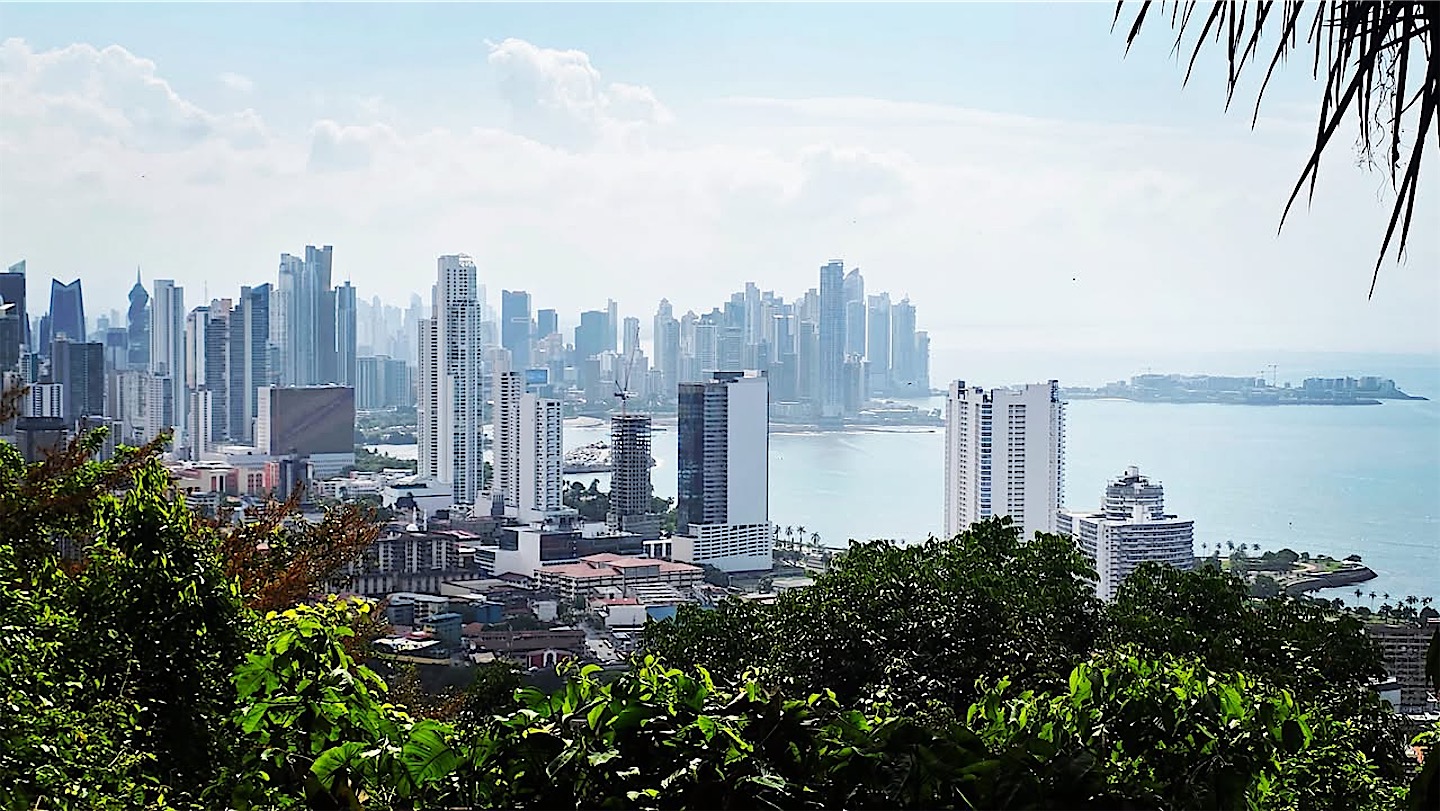
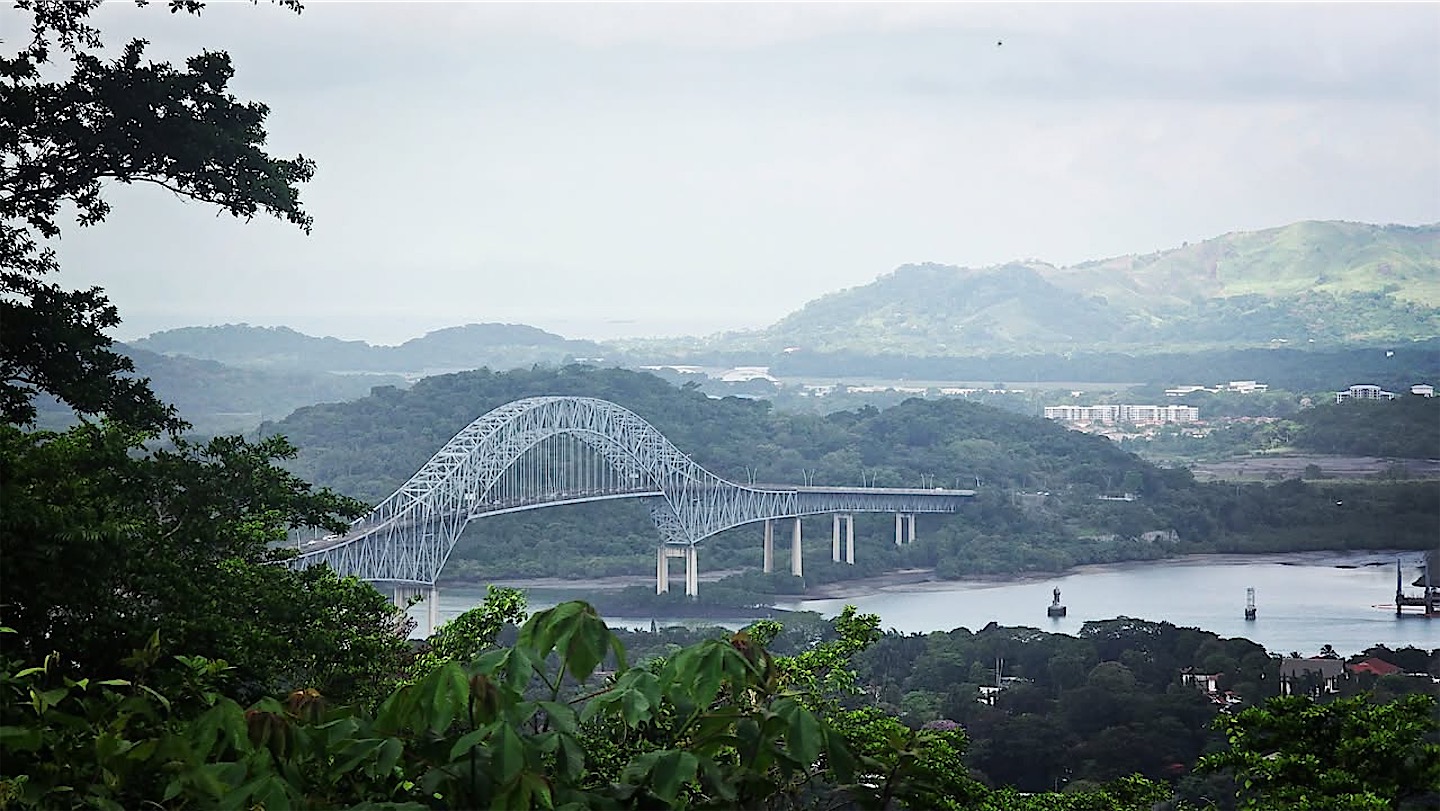
I then spent two nights in Panama City, in a new hotel set in an old monastery in Casco Viejo, the colonial old town. If you are ever there, walk up Cerro Ancón, the forested hill above the city. A leisurely 45 minutes brings you to views over the skyline, the port of Balboa and the Bridge of the Americas, with a chance of spotting sloths and toucans on the way.
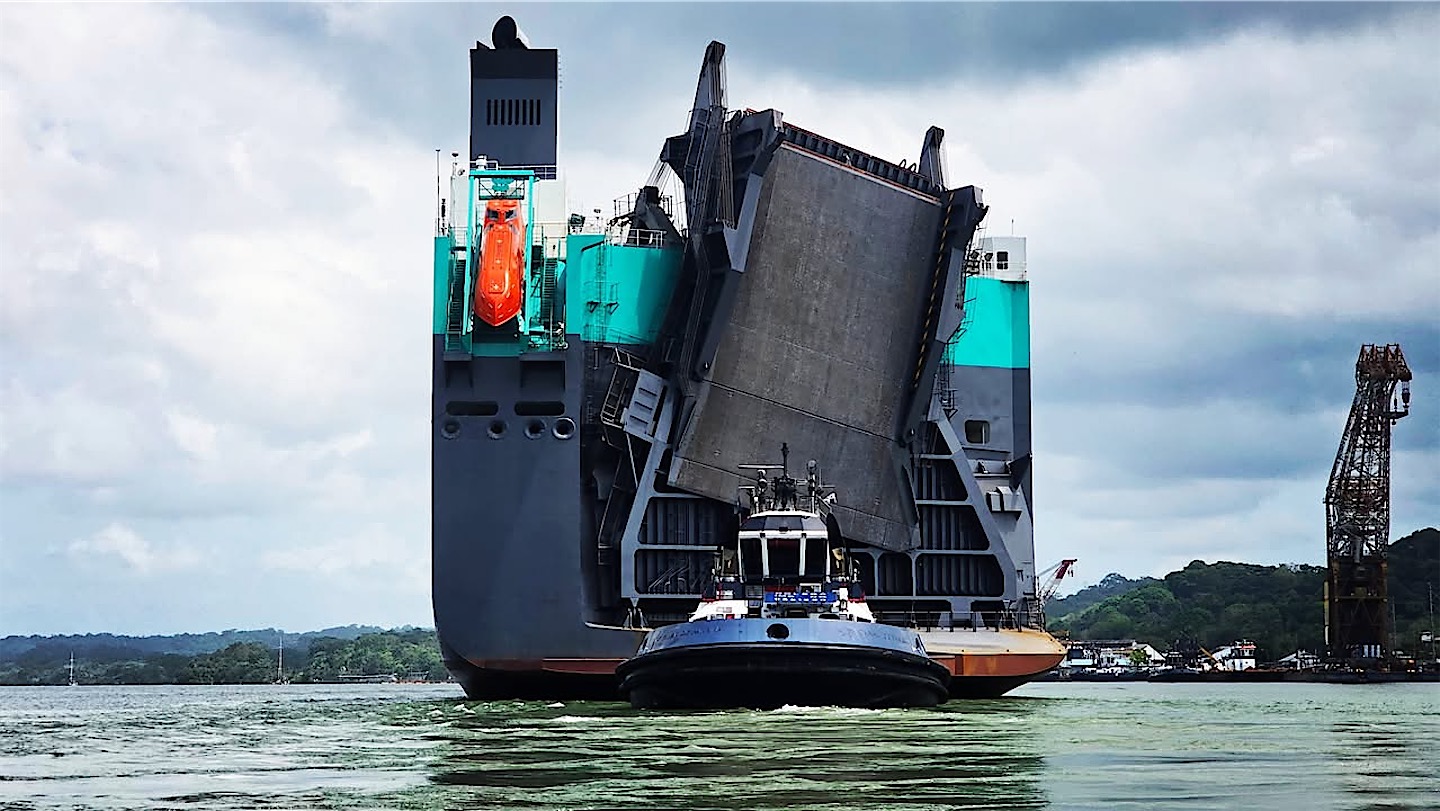
I also watched the ships and animals of the canal at Gamboa, an old canal town where the Chagres River meets the canal, on the edge of the Soberanía rainforest, which is much loved by birdwatchers.
A seastead off the coast
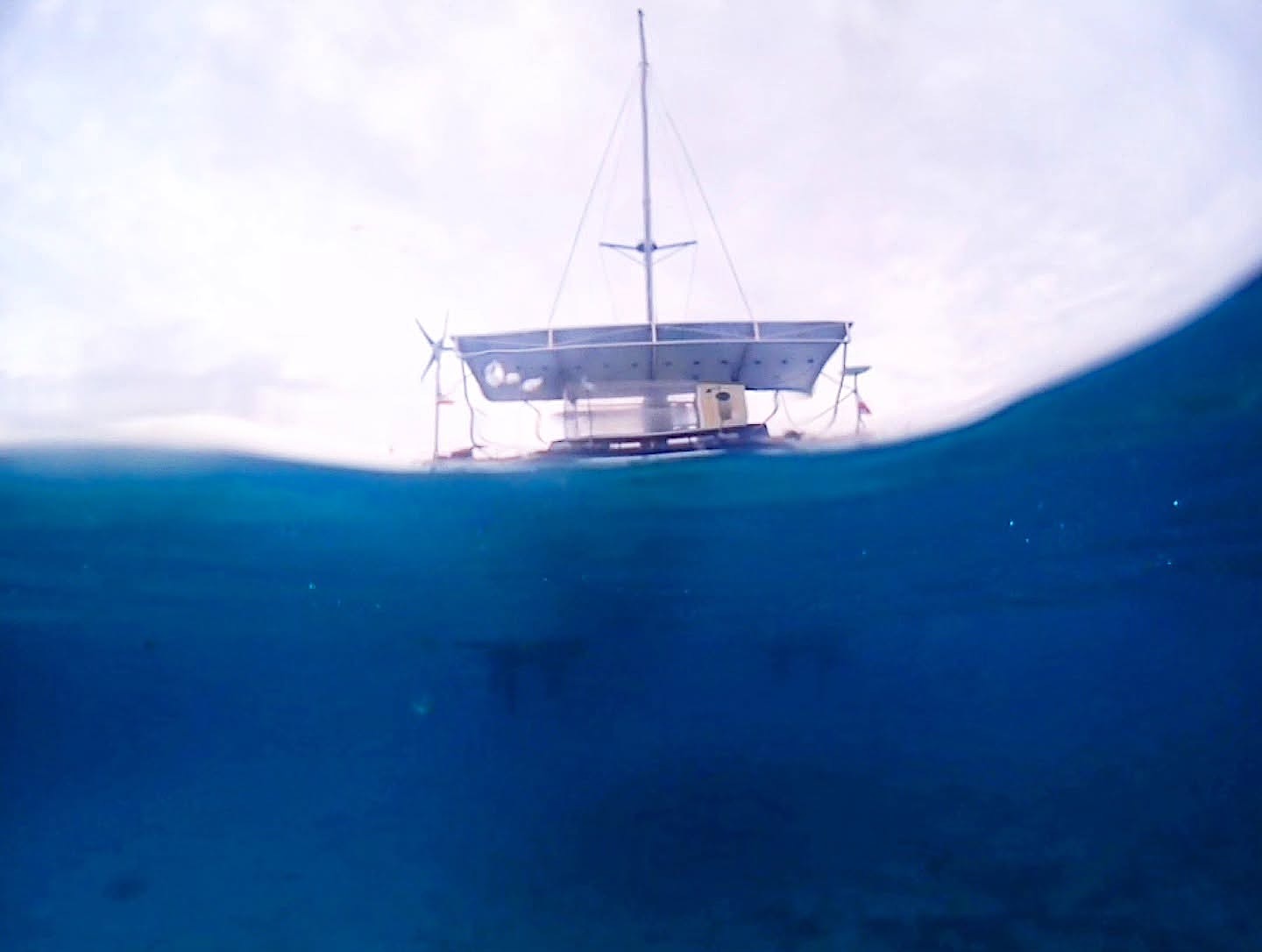
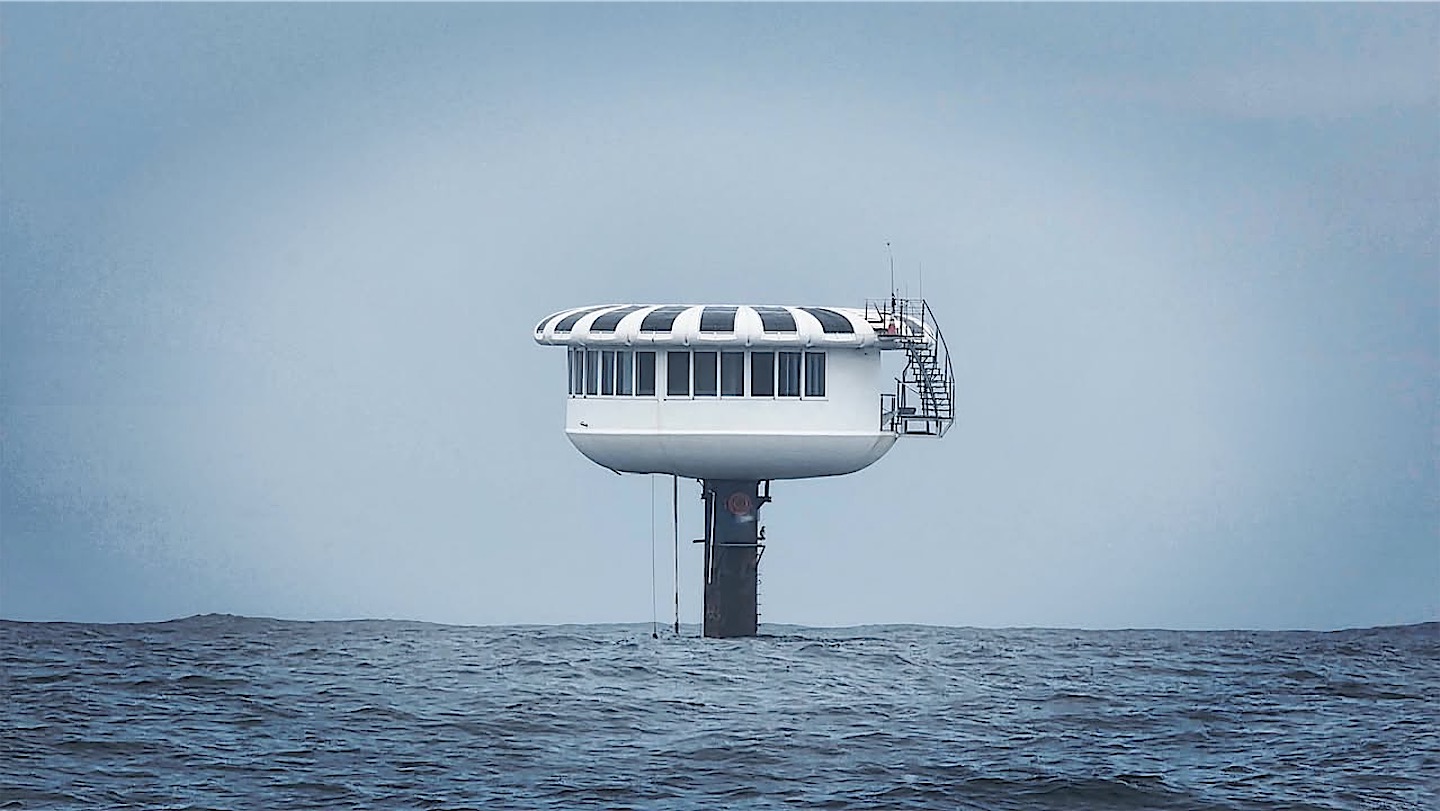
Back on the boat, we visited the first seasteading prototype off the Panamanian coast, near Linton Bay. I have been interested in seasteading since my student days, so this was special. It is a round white pod on a steel column, with a capsule below the surface.
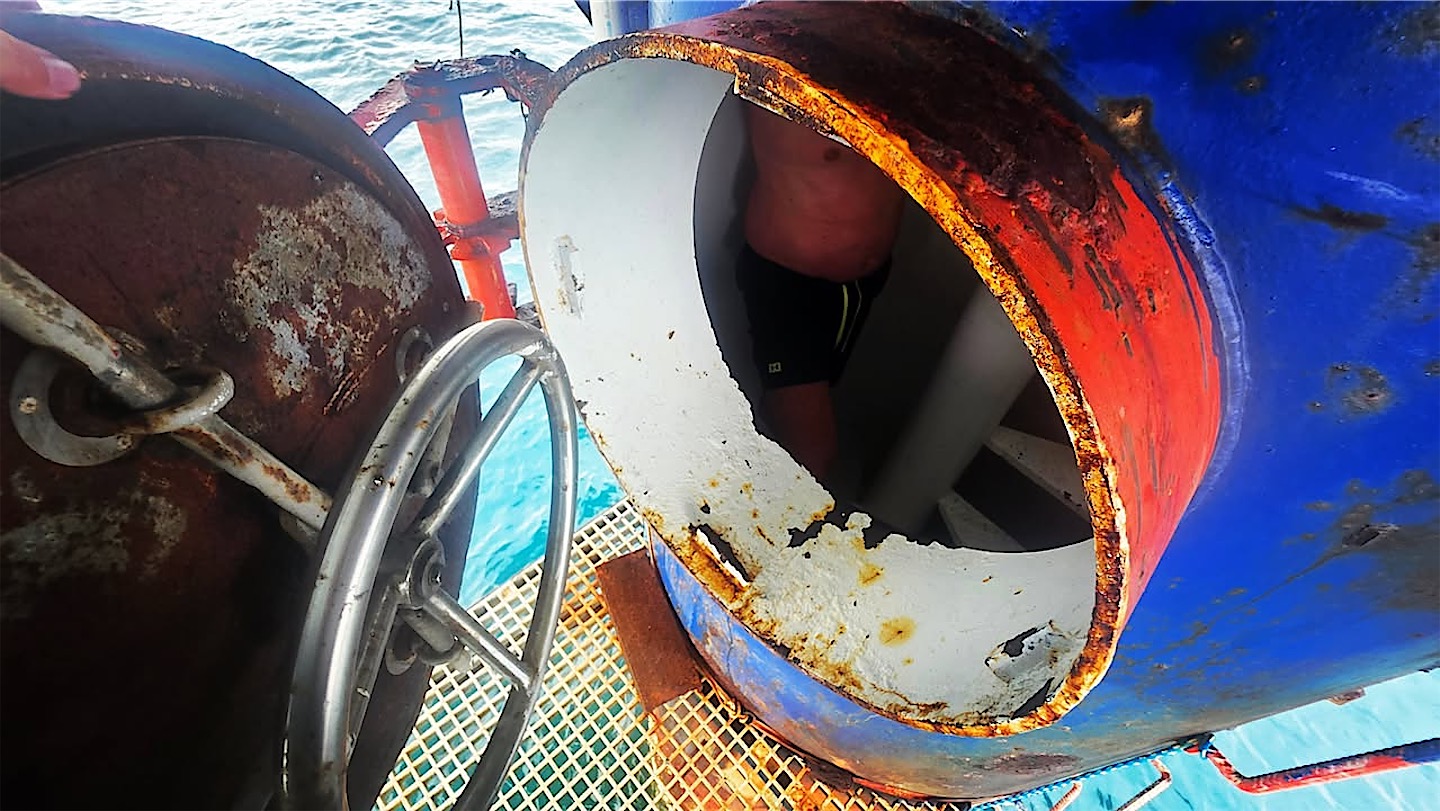
Getting in was an adventure: a rusty ladder up the column and a narrow hatch, not easy for someone as tall as me, but I managed. In the underwater part, about 11 metres down, a German engineer set a world record by living there for 120 days. I started to feel seasick after three minutes. Operations are apparently moving to the Maldives, so I was glad to see it while it is still here.
Our evenings on board were Monopoly nights with a good Diplomático rum, and I won at least one game. After ten days on the SY Staatenlos I left the boat in Linton Bay Marina. It looks like I will be sailing much more often in future.
Fort San Lorenzo
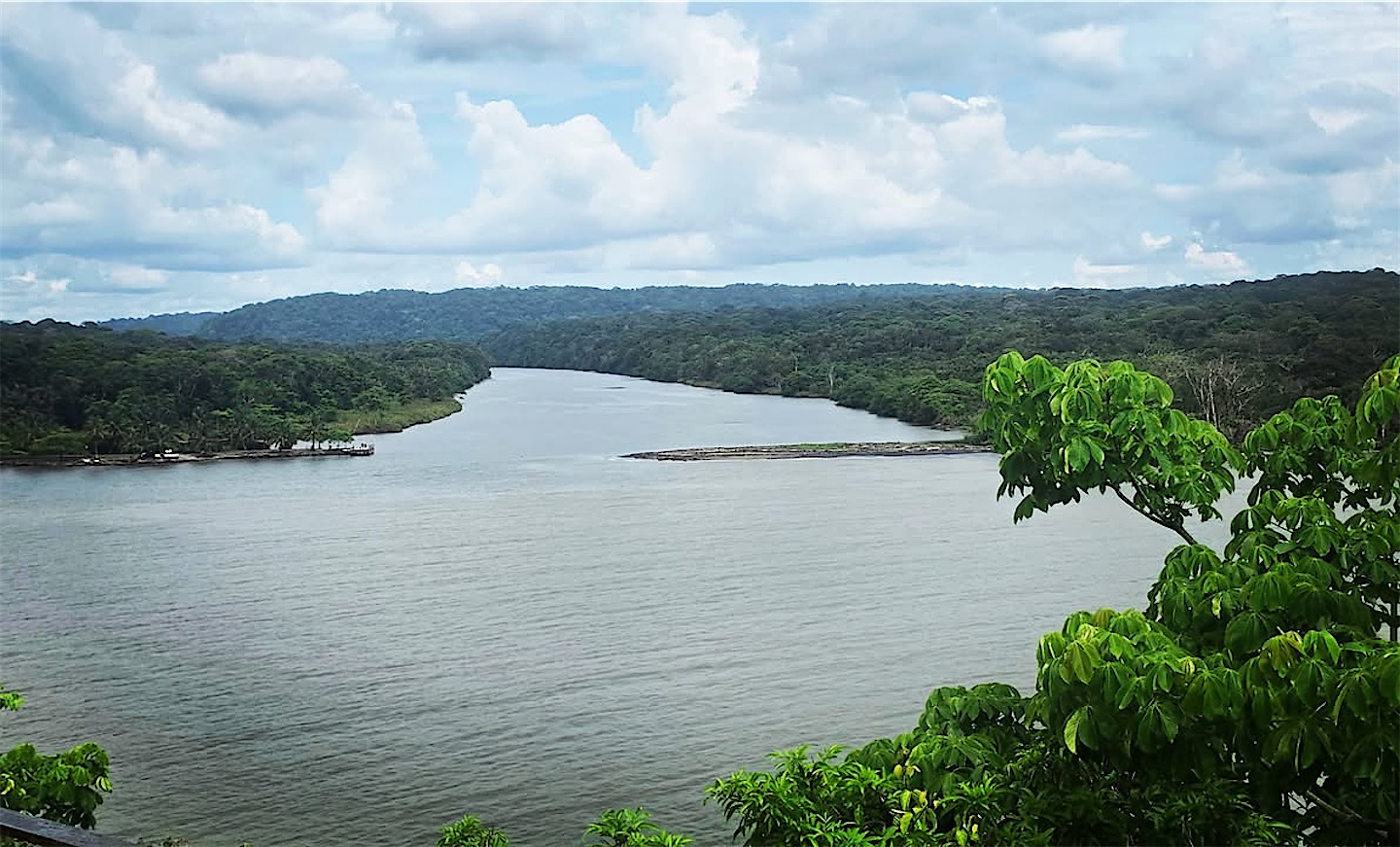
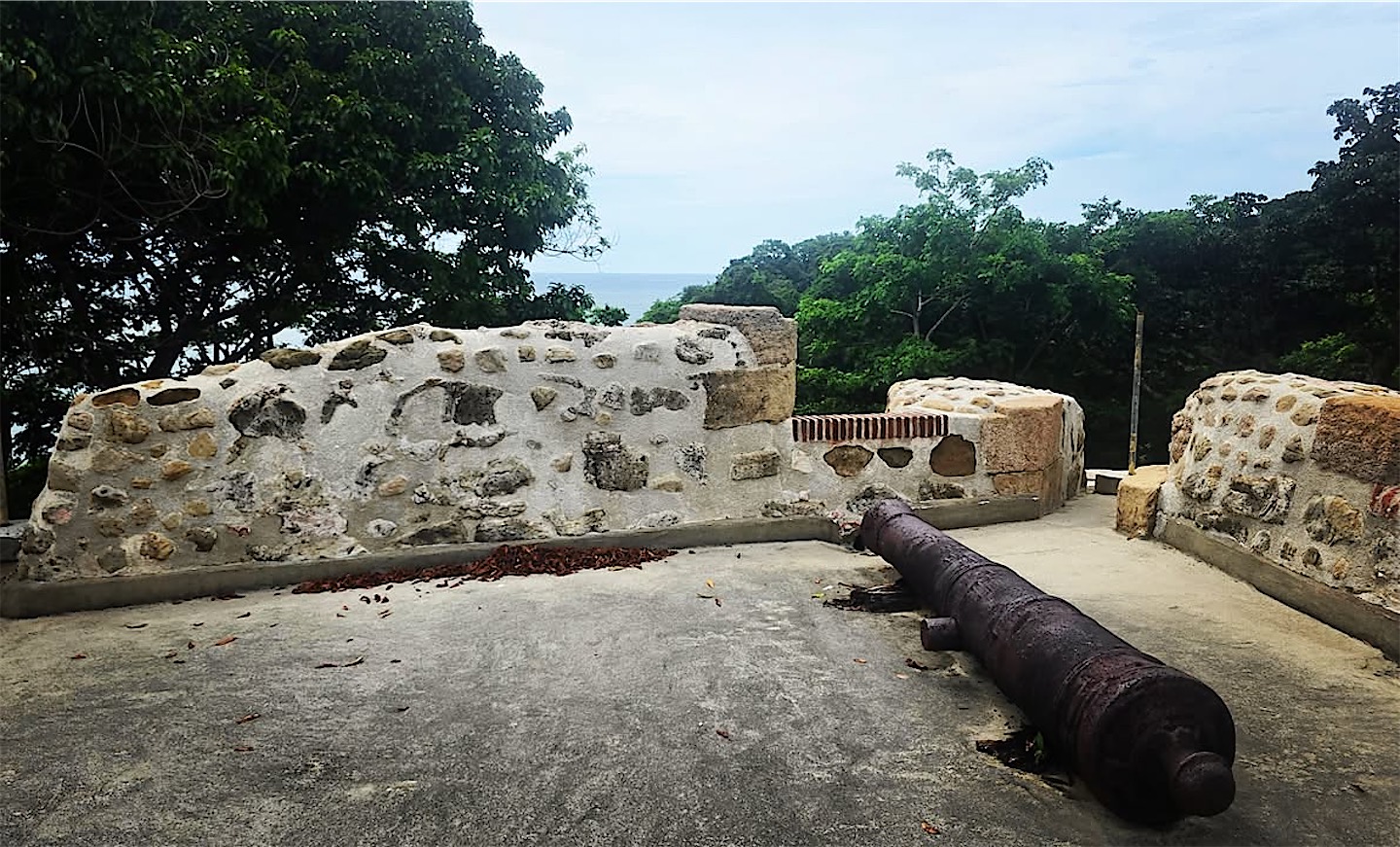
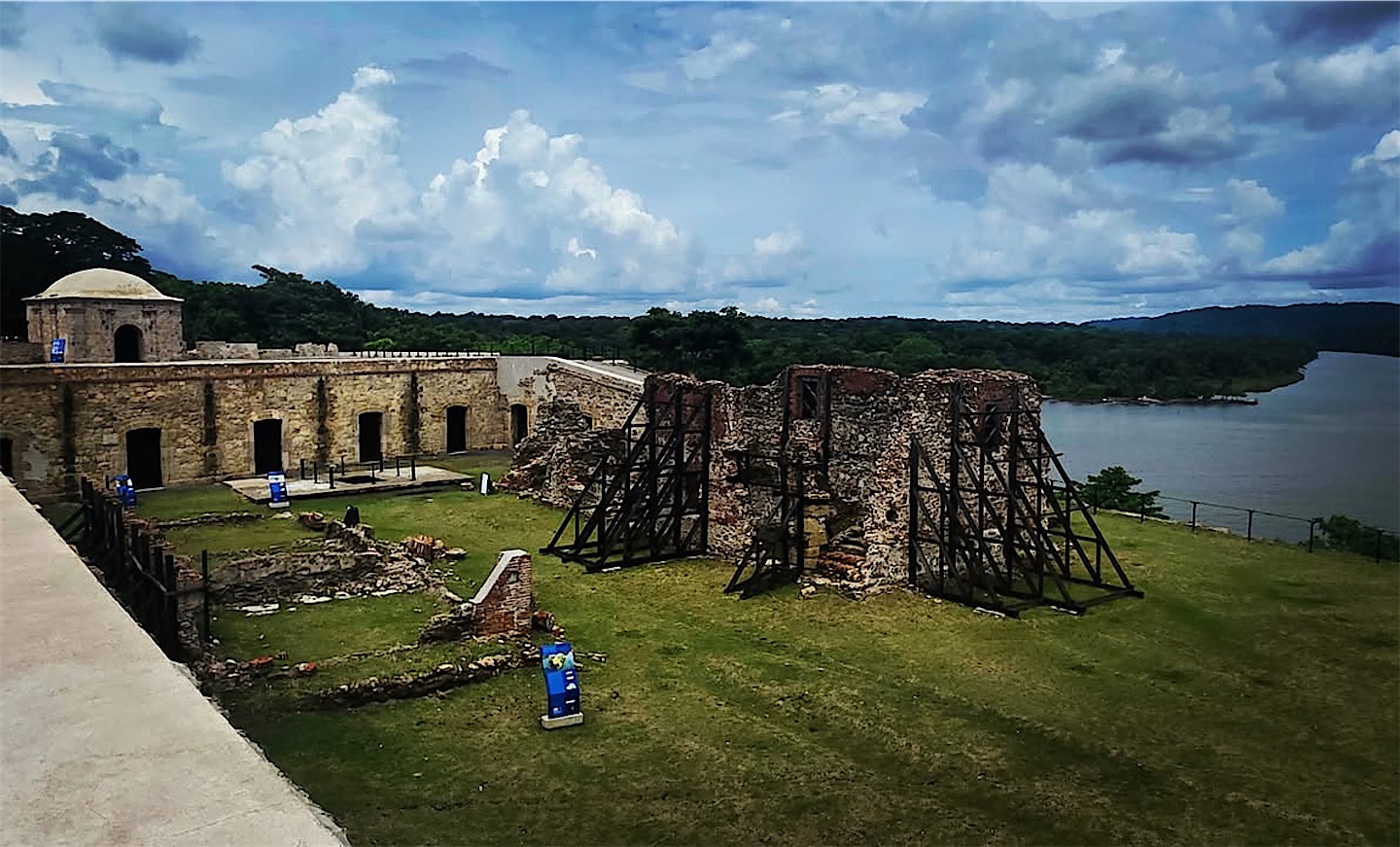
On my last day in Panama I visited Fort San Lorenzo, high above the mouth of the Chagres River. Its stone walls and rusting cannons still look out over the river and the Caribbean, with forest all around.
A long table in Portugal
That evening I took my first flight in three weeks, from Panama City to Lisbon via Madrid. A plate of pata negra ham during the stopover reminded me why I change planes there whenever I can, and the approach to Lisbon gave fine views of the Portuguese coast. Four months in wider Europe lay ahead.
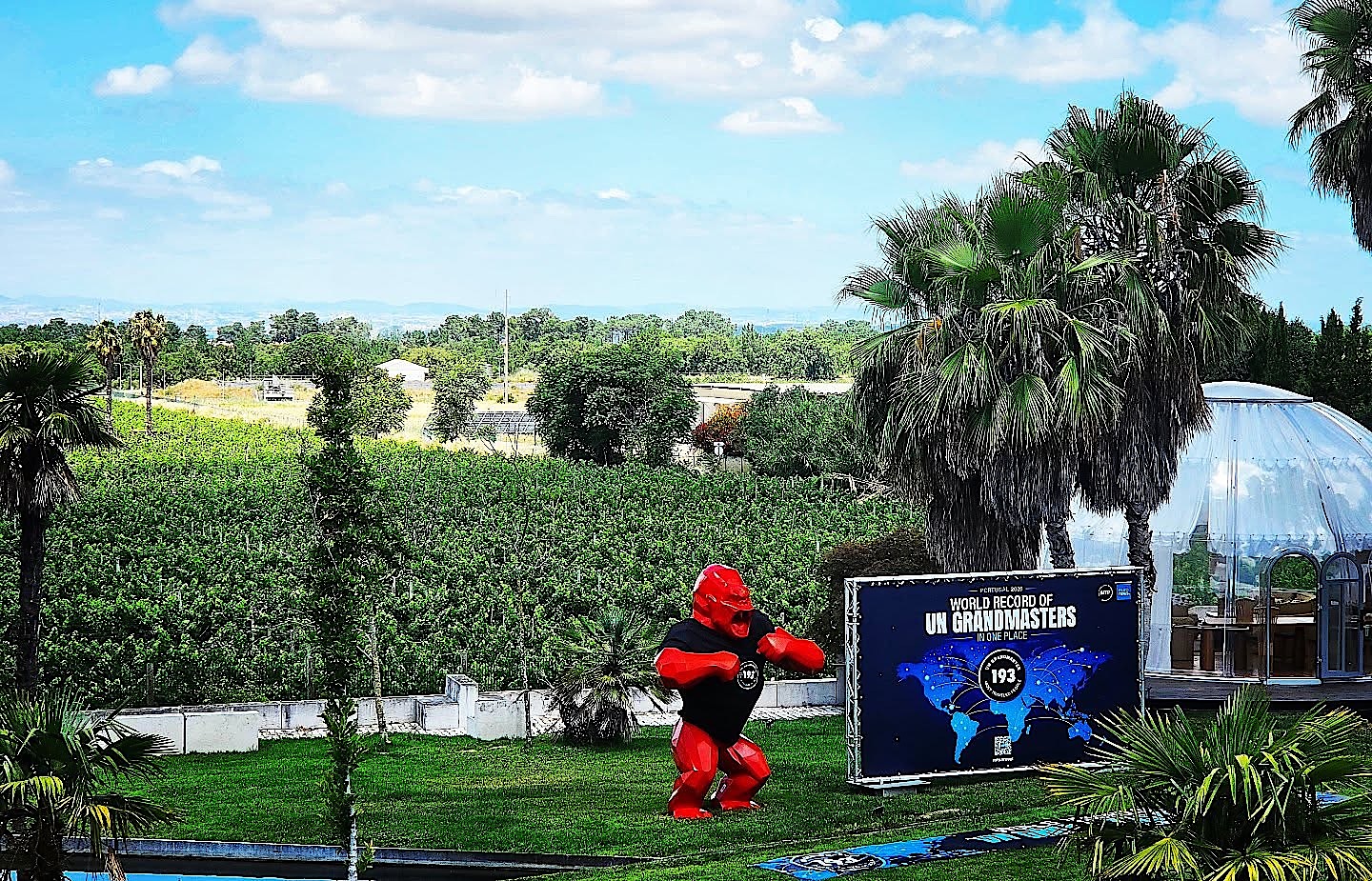
The reason for the stop was a gathering in Vila Nogueira de Azeitão, a wine village south of Lisbon. Besides meeting friends, I joined the UN Grandmaster event of Most Traveled People, billed as a world record gathering of people who have been to every country. More than 100 of us met on an estate with vineyards and art in the gardens, and for once I felt normal, maybe even average, as a traveller. The table was very long, and the catering excellent.
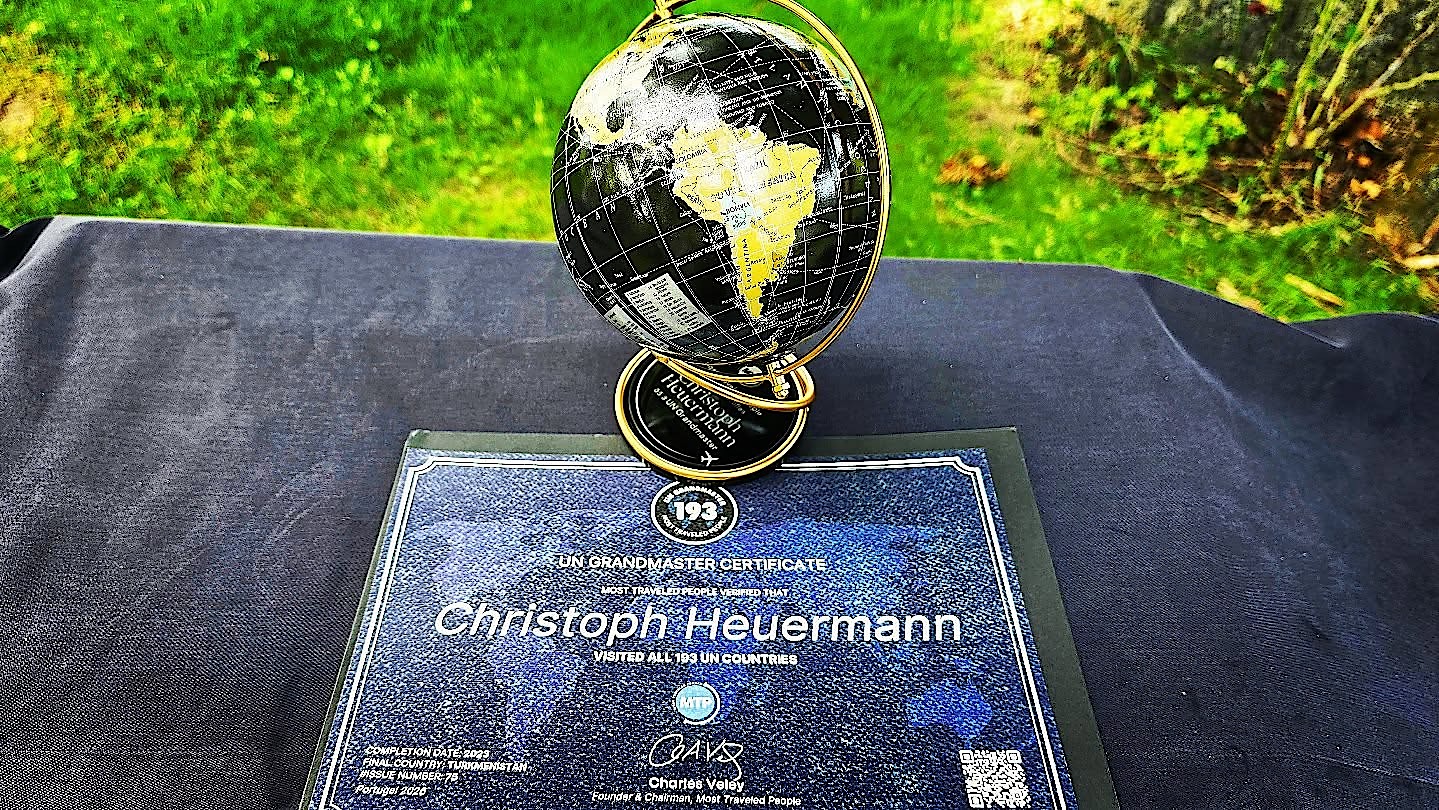
I completed all 193 UN countries in 2023, with Turkmenistan as the last one. Three years later there was finally some recognition: a certificate and a small globe.
On 7 June I flew on to my home town in Germany to pick up Nemi, my expedition truck. The globe found a new place inside, held by magnets. After weeks in the tropics I was ready for a colder climate, and two days later the ferry to Iceland would leave from northern Denmark. That journey continues in Denmark, the Faroe Islands and Iceland.