A Baltic Birthday: Gdańsk, the Kaliningrad Border and Heuereka in Lithuania
14–28 August 2026 · Sopot, Gdańsk, Hel, Malbork, Mikołajki, Wolf's Lair, Kaunas, Kuldīga, Klaipėda, Palanga, Nida, Kernavė, Zarasai · Regions: Poland, Lithuania, Latvia
After a short trip through Ireland and the solar eclipse, I flew from Dublin to the Polish Baltic coast in mid-August 2026. Three weeks around the Baltic Sea lay ahead, and the first two revolved around birthdays: my own 36th with family and close friends in the Polish Tricity, then Heuereka, my annual gathering, in Lithuania. Surprisingly, I had never been to Gdańsk, Sopot or Gdynia before.
Birthday week on the Bay of Gdańsk
For a few years now I have kept some quiet days before Heuereka for the people closest to me, in Piedmont, in Oban and last year on the Azores. Heuereka itself brings together well over a hundred people, which is wonderful but more stressful than relaxing. This time I invited my family and a few friends to a villa in Sopot for joint excursions and very good food. Two memorable birthday dinners came even before the actual day.
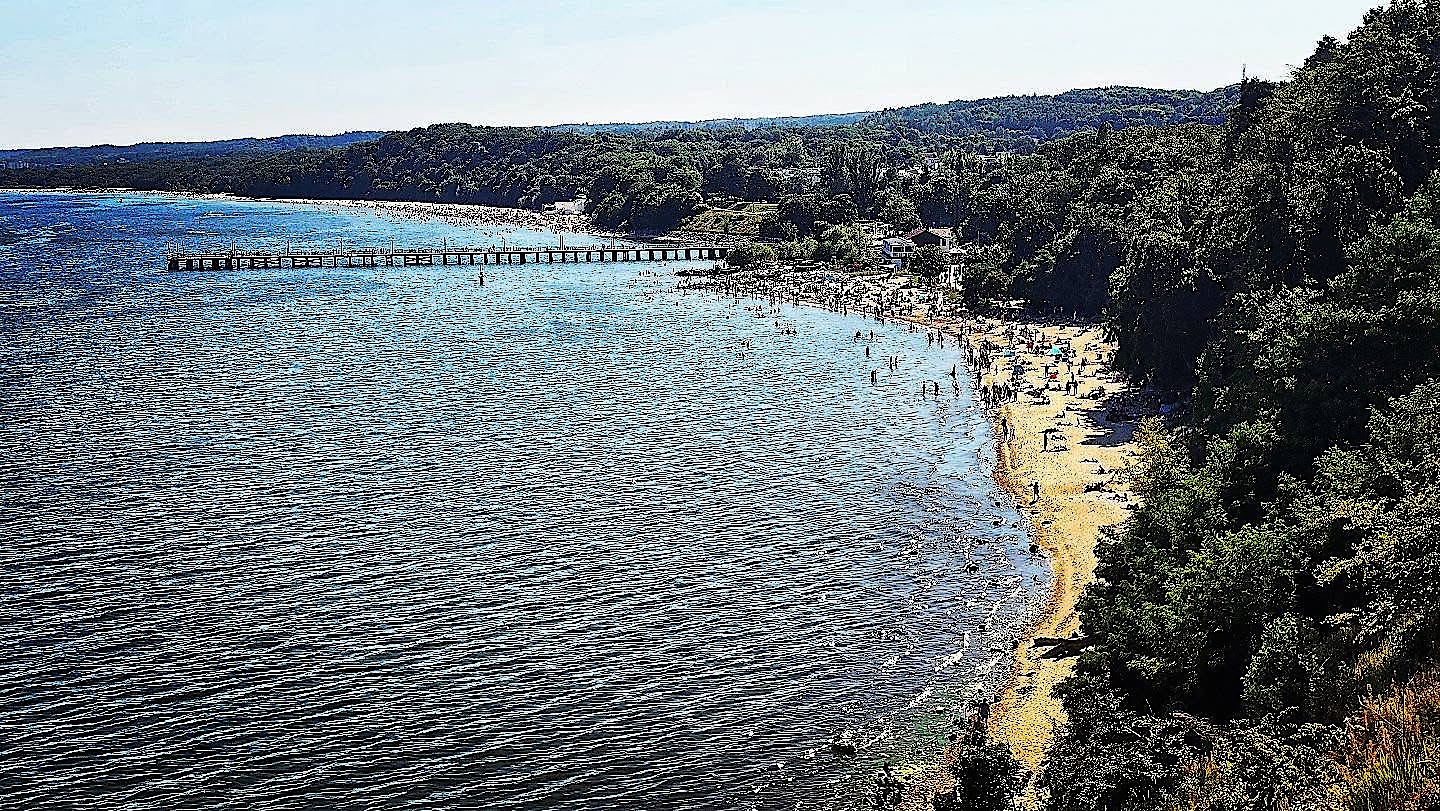
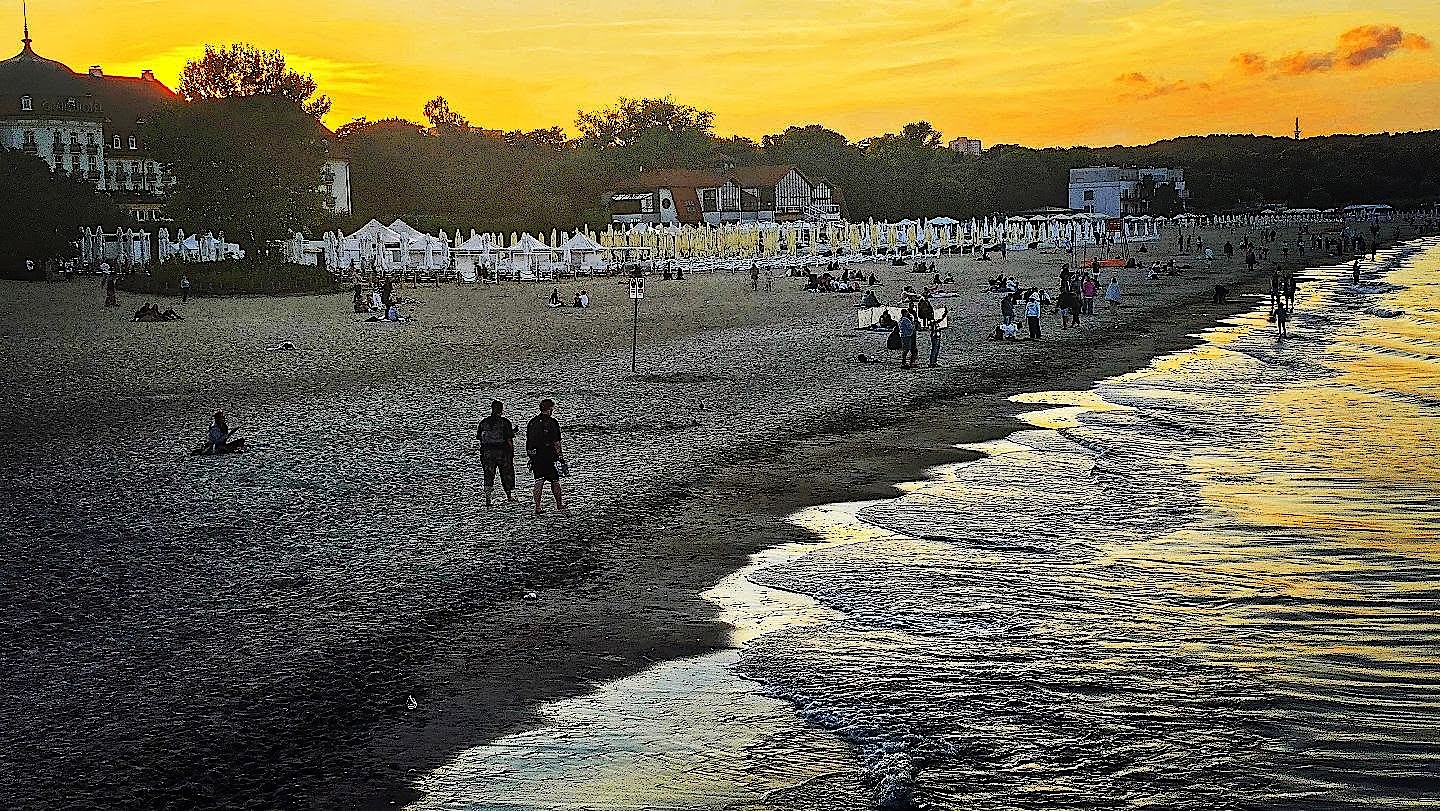
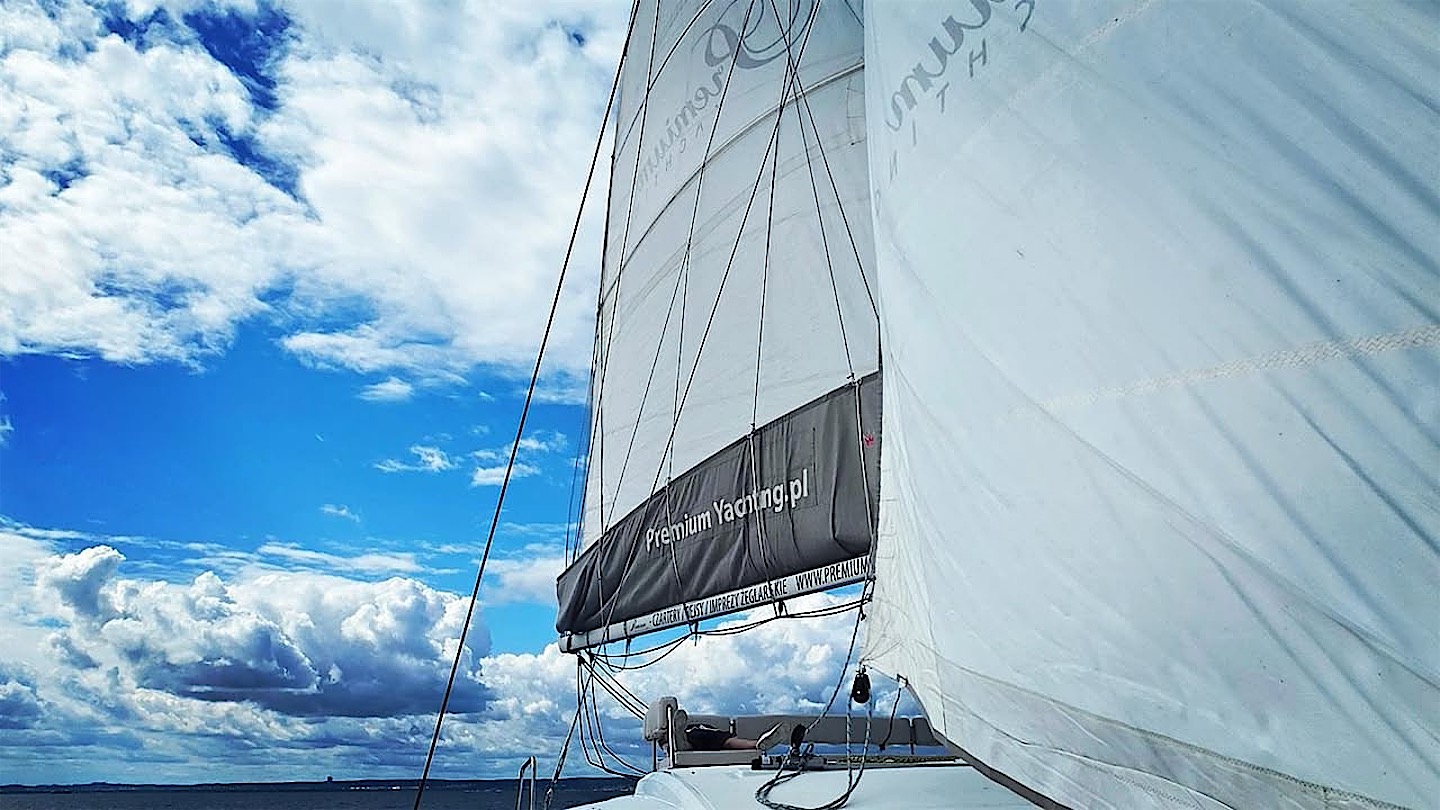
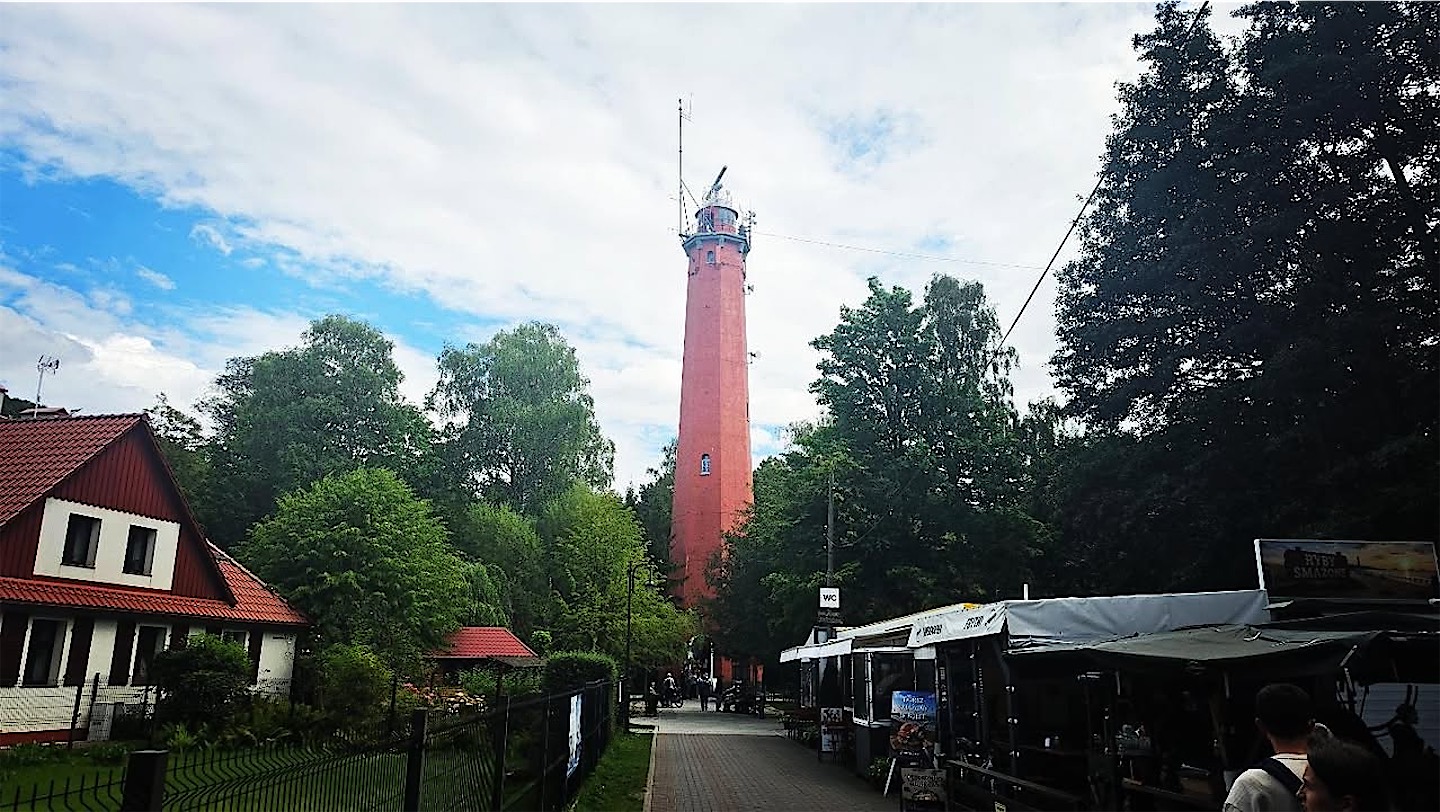
I watched my last sunset as a 35-year-old on the beach beside the pier. On the birthday itself we boarded a catamaran and sailed across the bay to Hel, a small town at the tip of a sand spit some 35 kilometres long, then back and up the river into Gdańsk for the birthday dinner.
Danzig, destroyed and rebuilt
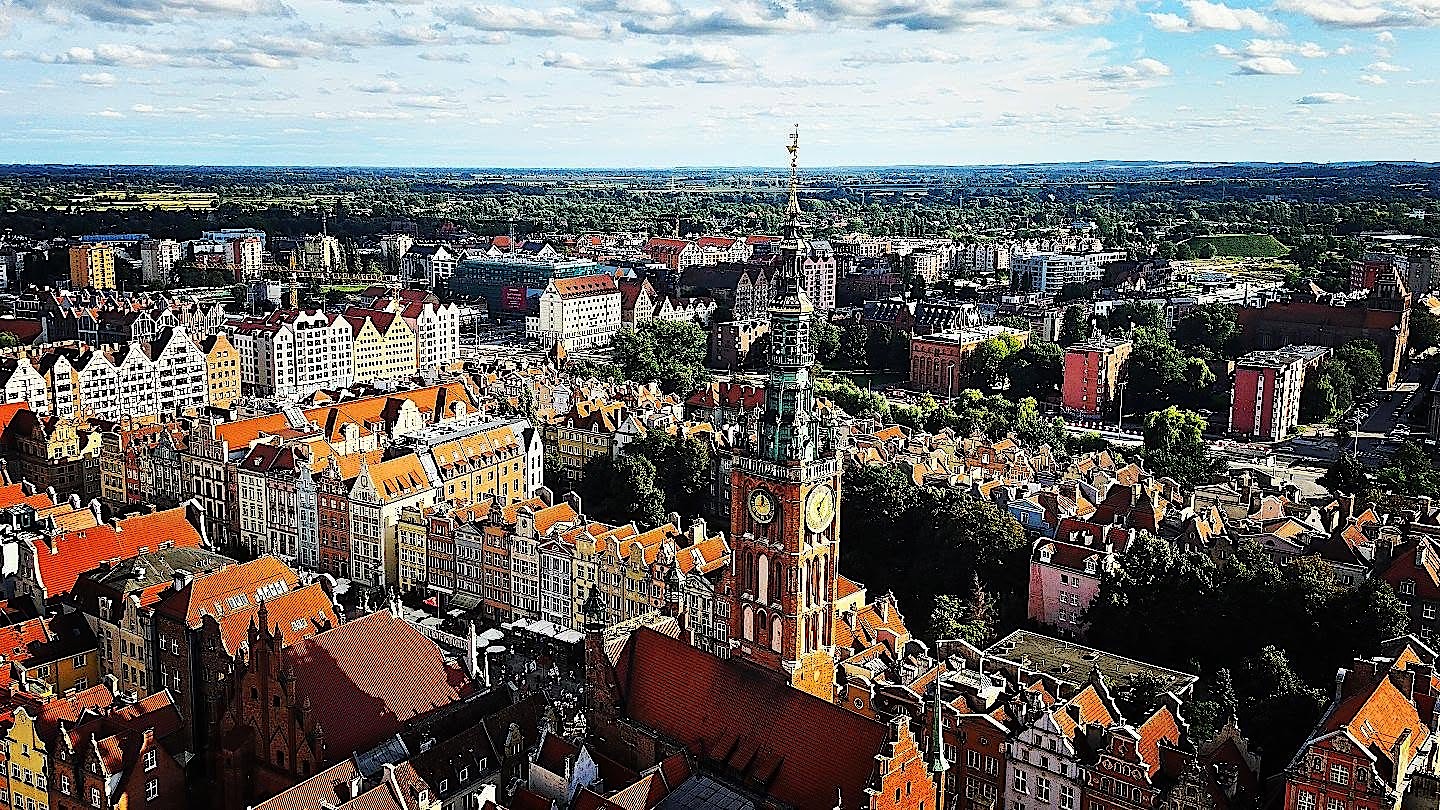
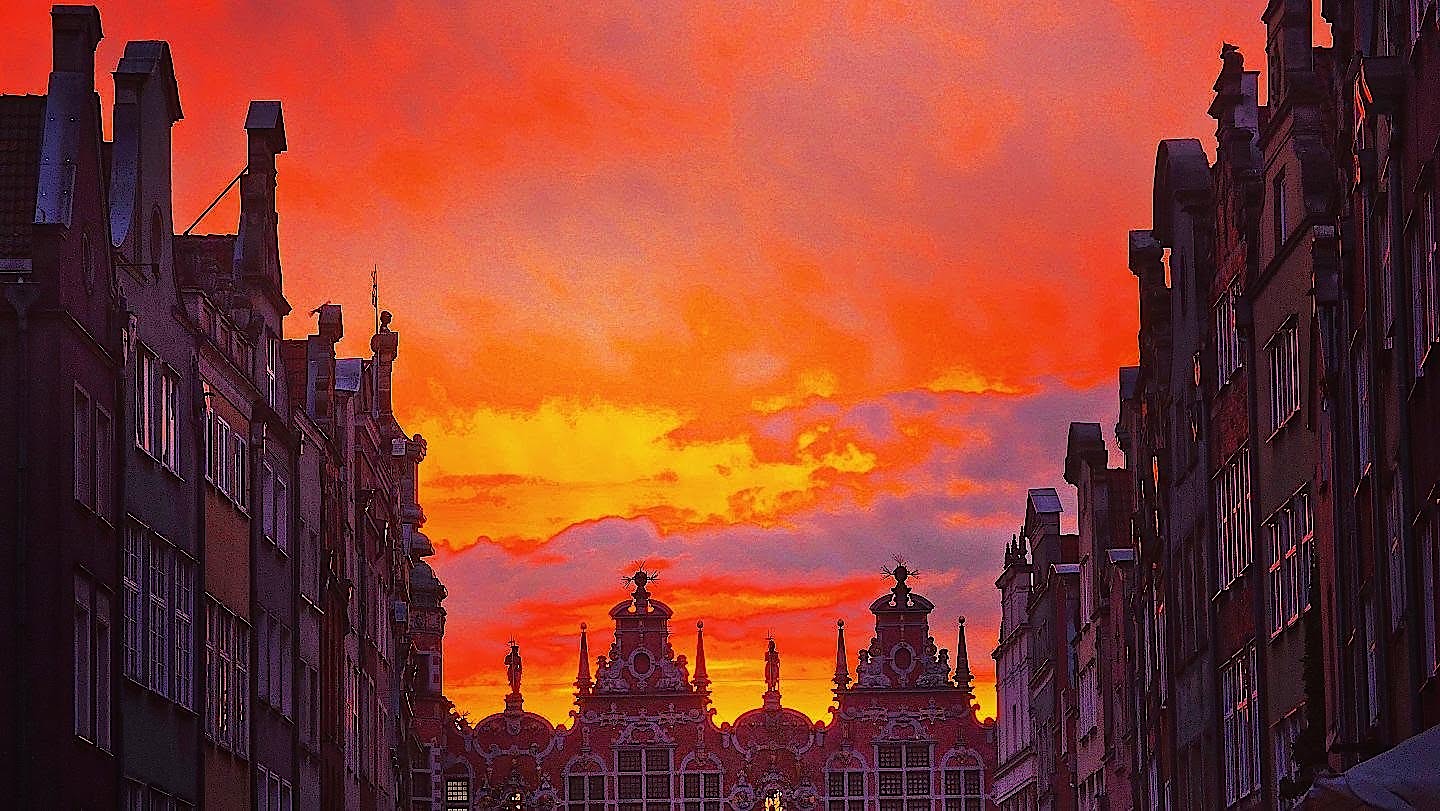
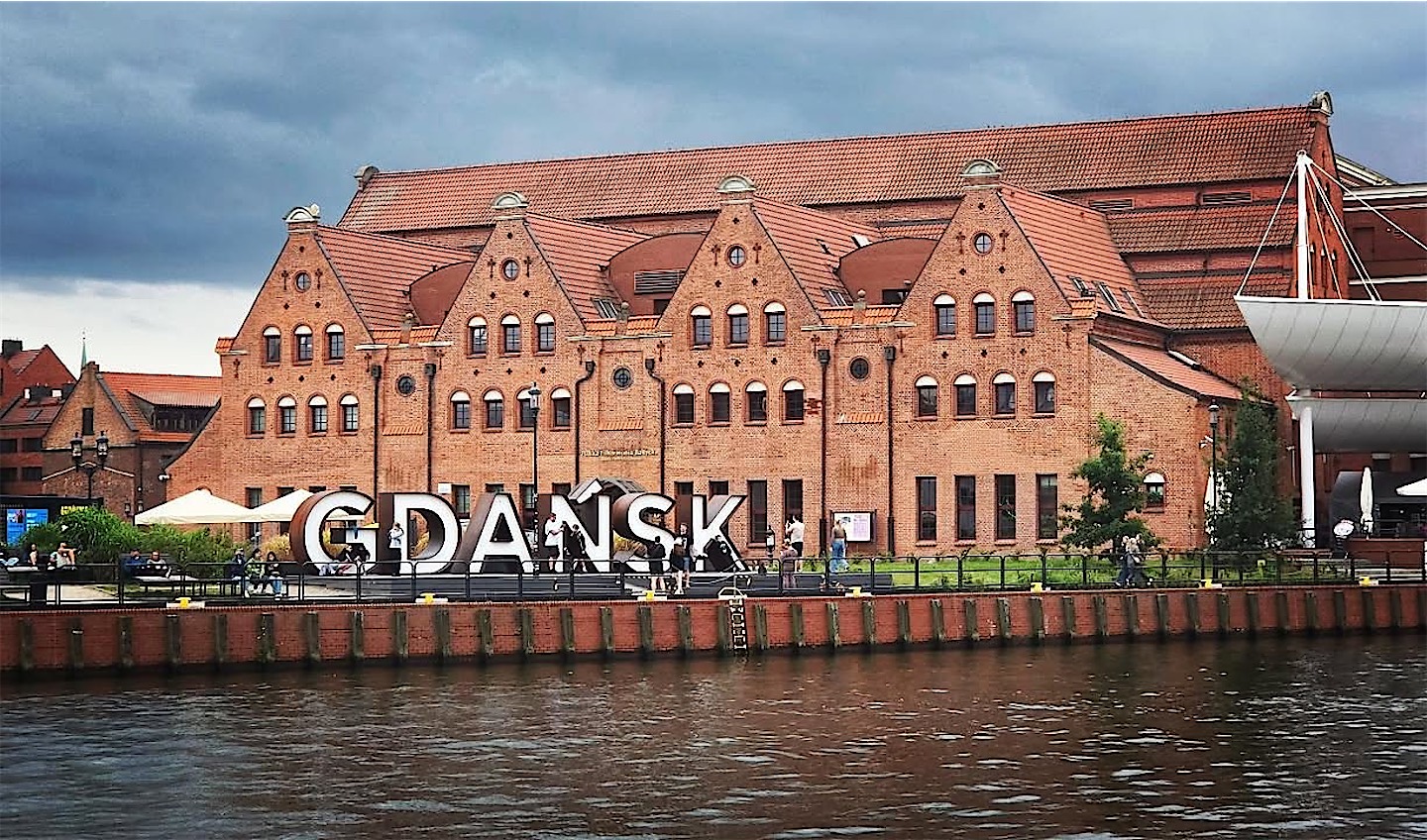
I had already seen Gdańsk from above the day before, its gabled roofs spread out below the slender town hall tower. Arriving in the old town by boat after a day on the Baltic was even better. A guide walked us through the German history of Danzig, and at dusk the sky behind the gables turned a deep red.
Malbork, Masuria and the Wolf's Lair
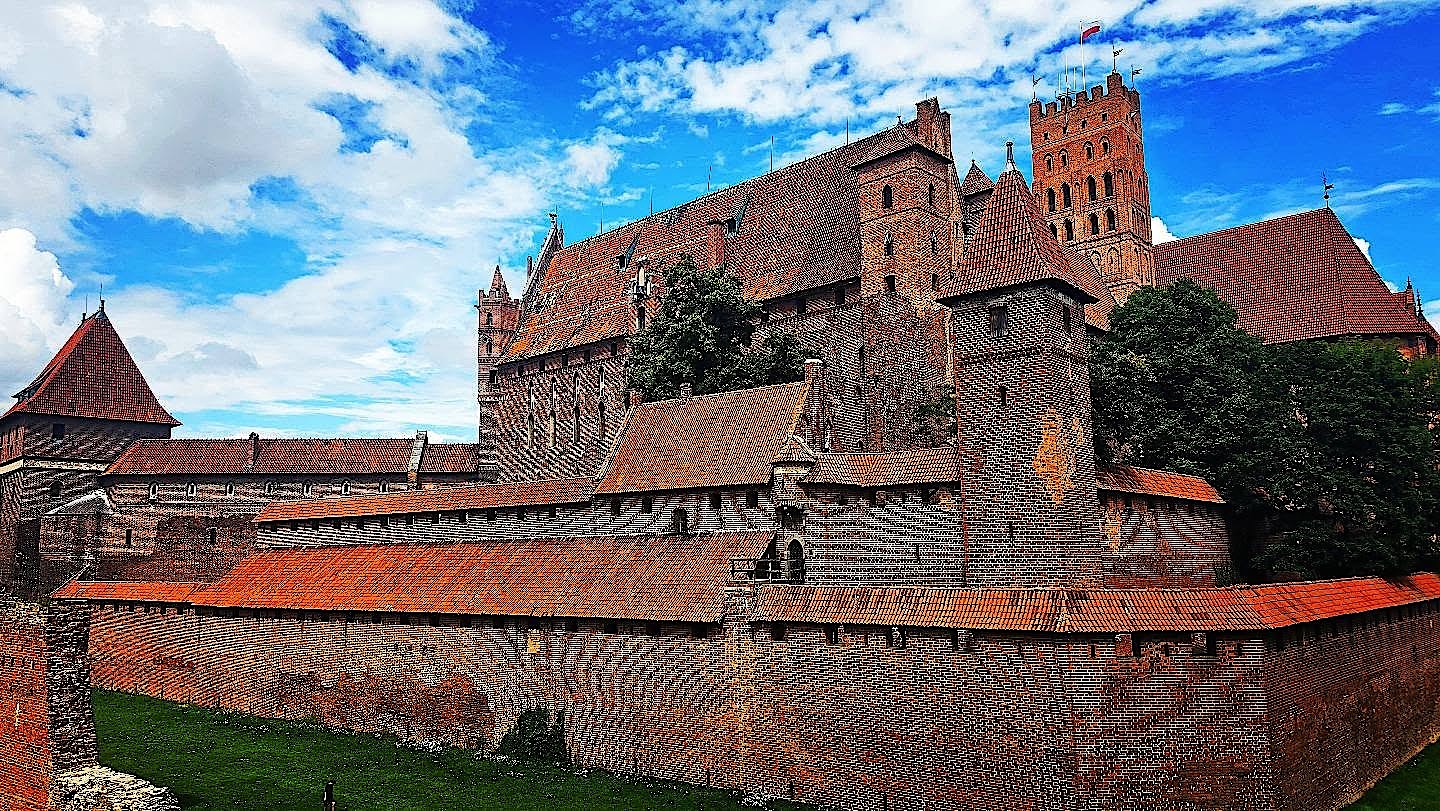
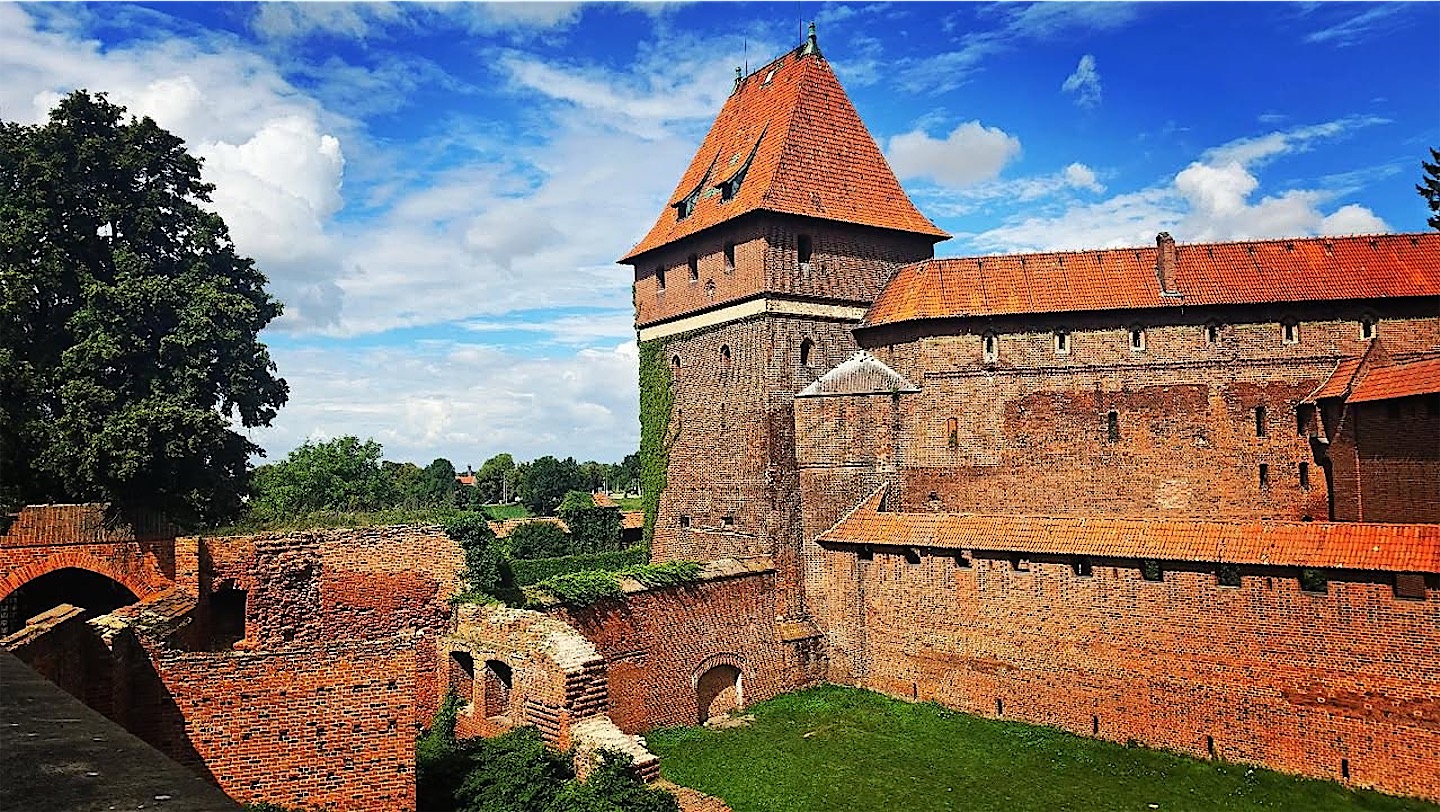
The day after my birthday we set off by car towards Lithuania. The first stop was Malbork, the vast red-brick fortress of the Teutonic Knights and from 1309 the seat of their Grand Master. It is one of the largest brick castles in the world and, like Gdańsk, had to be restored after heavy damage in 1945.
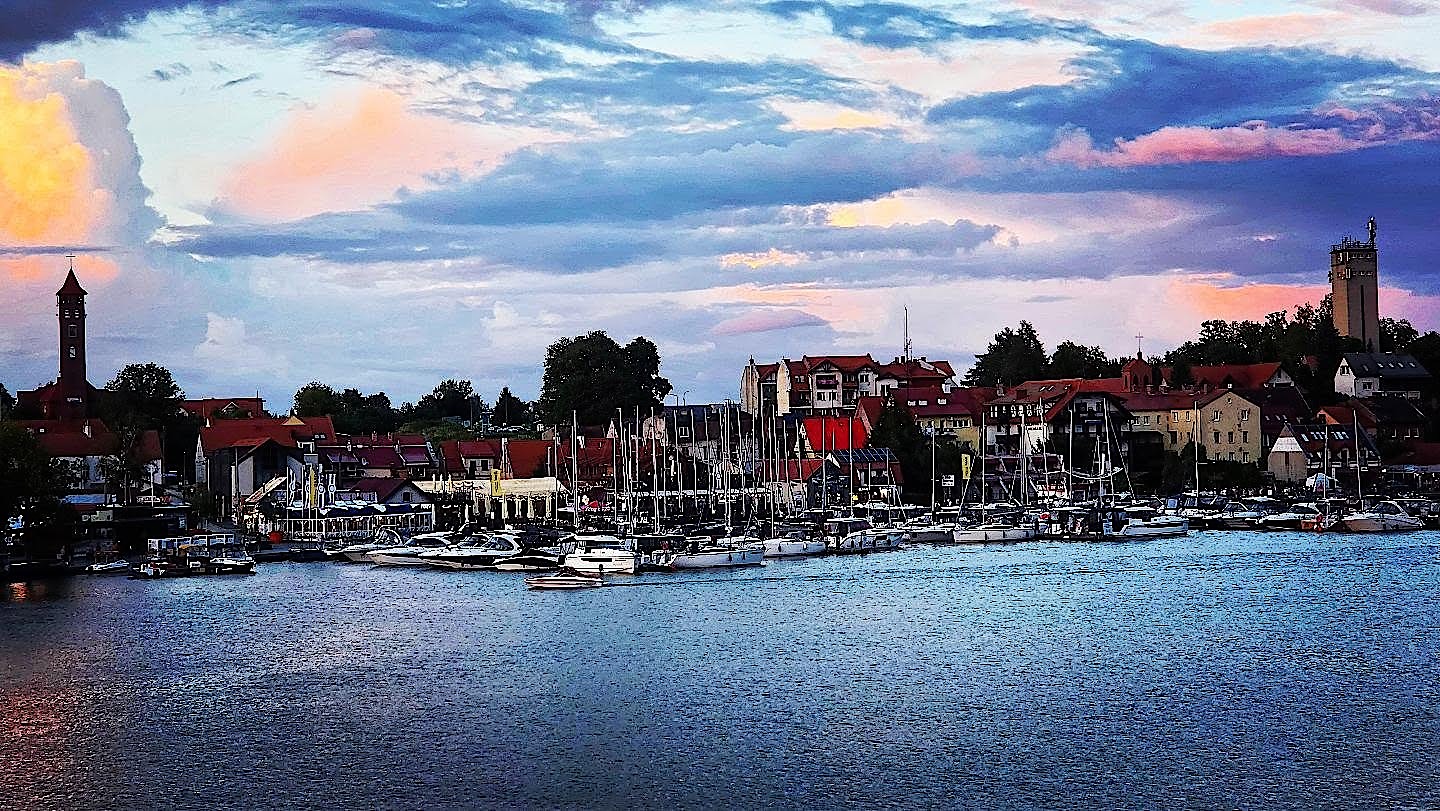
We spent the night in Mikołajki, a sailing town in the heart of Masuria. This lake district, once the southern part of East Prussia, has more than 2,000 lakes, and the drive through it was a pleasure: pretty towns, castles, forests, water everywhere and concrete bunkers from the Second World War.
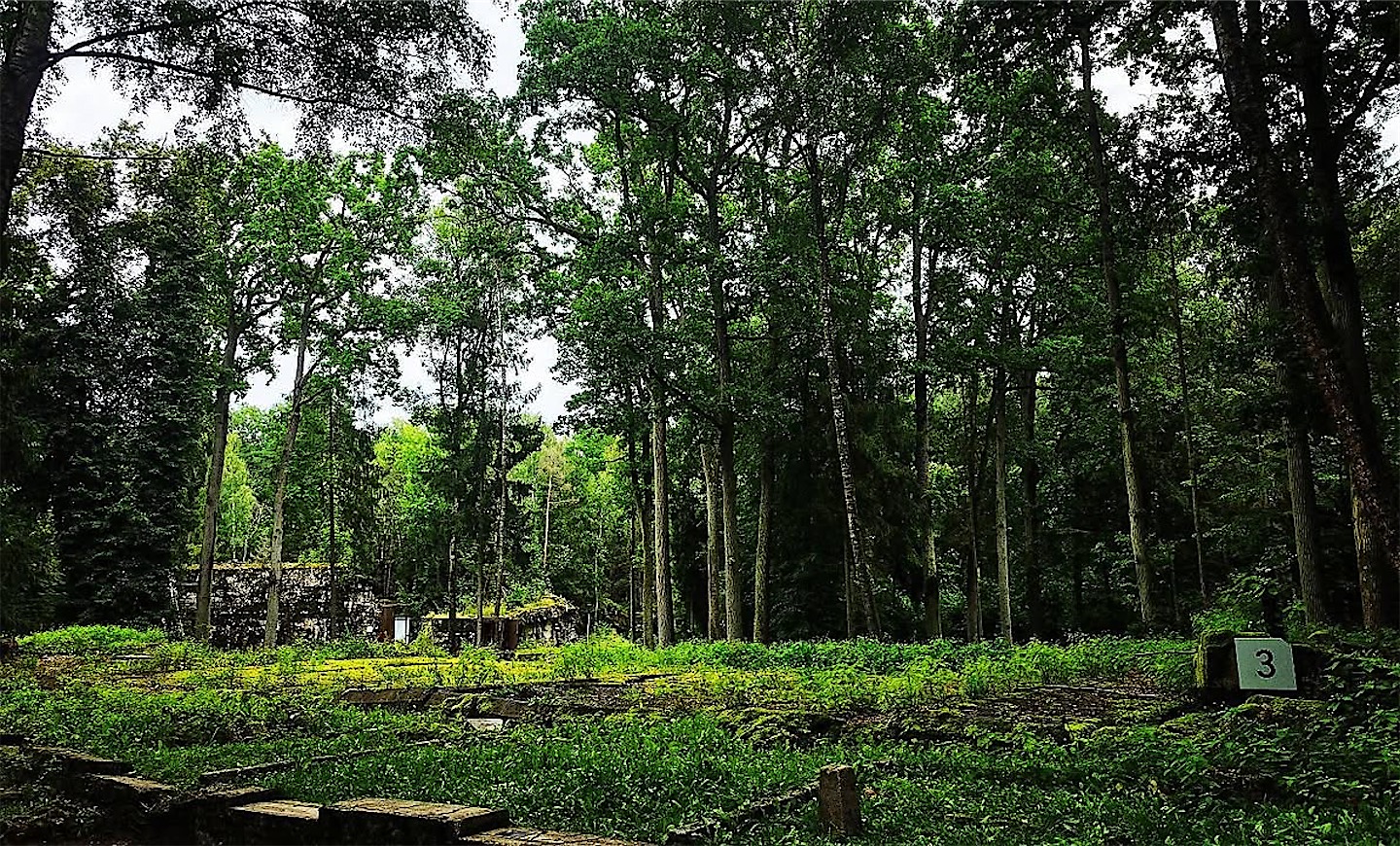
The best known of those bunkers lie in the forest at Gierłoż, near Kętrzyn, and the site is inseparable from one date: 20 July 1944. Today it is a field of shattered concrete under the trees, and a reconstruction of the briefing hut marks where each person in the room stood when the bomb went off.
Razor wire, crosses and a gravel road
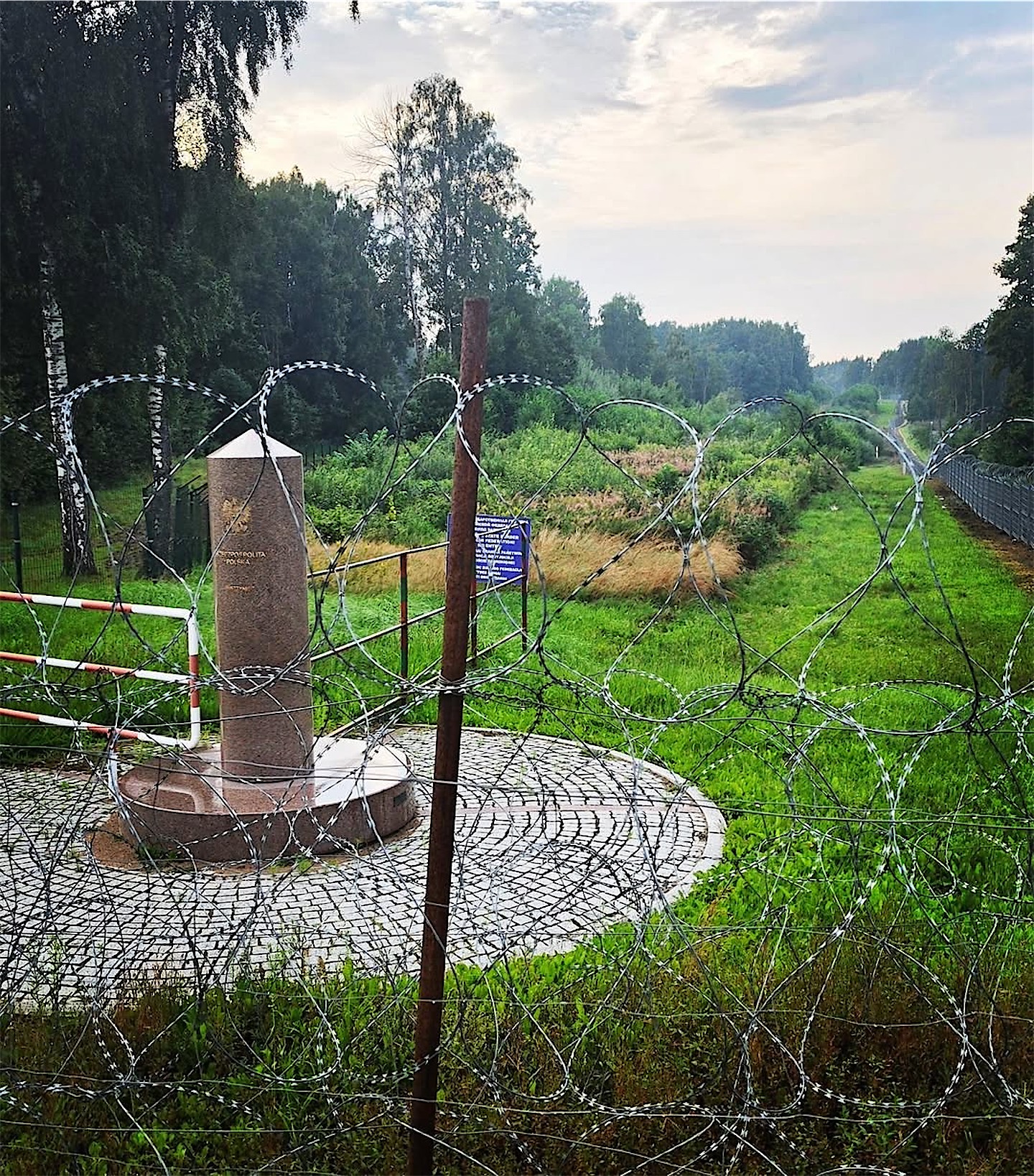
Border tripoints are a small obsession of mine, so I navigated along Masurian back roads to the spot where Poland, Lithuania and Russia meet. A granite obelisk marks it, but today it stands behind coils of razor wire, and a fence follows the Russian border into the forest. This time I looked at Kaliningrad only from the outside.
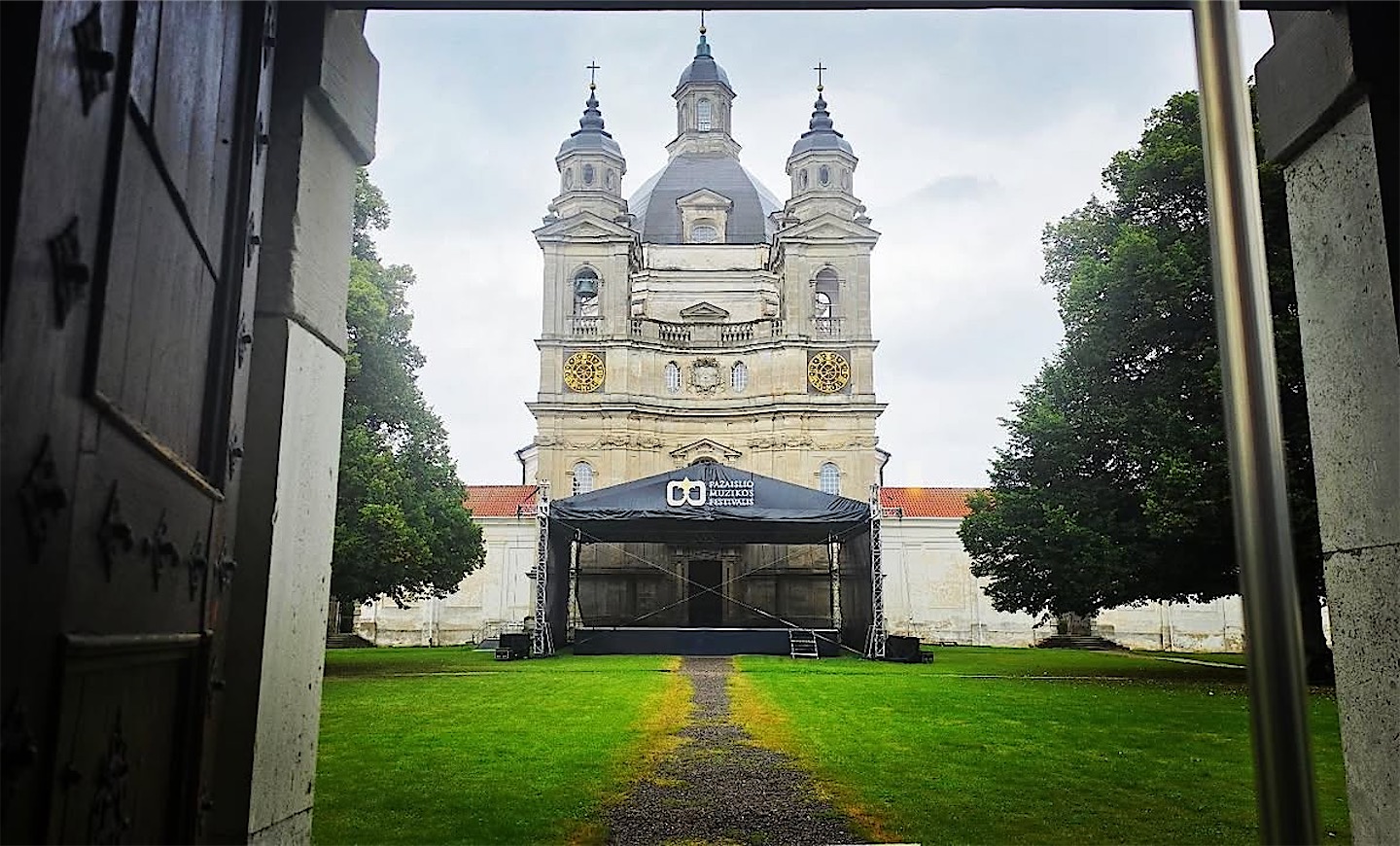
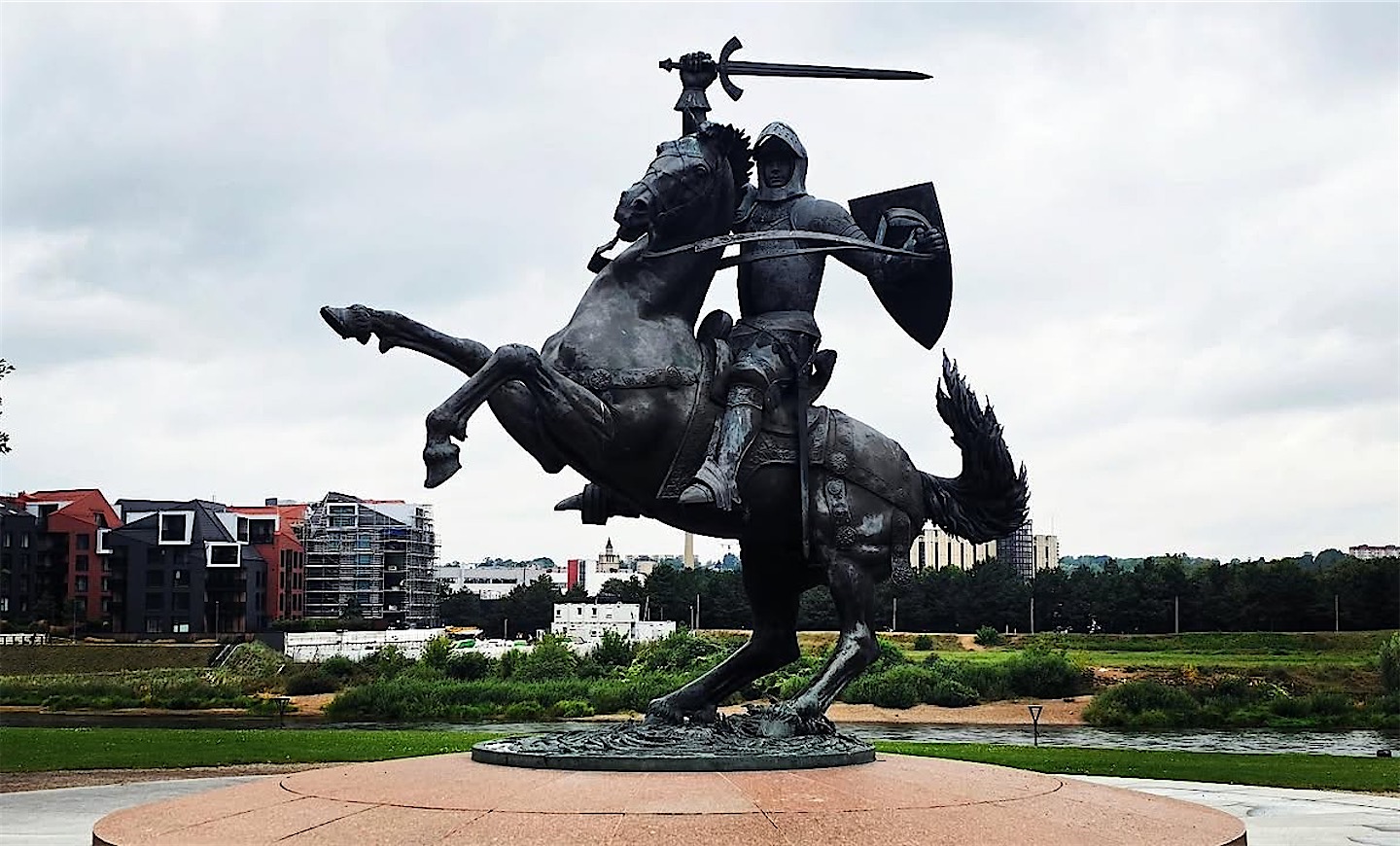
Lithuania began with a lake near Kaunas for my cold-water routine. In August it was anything but icy, but with Greenland three weeks away I could live with that. In Kaunas we saw the castle, the mounted Vytis knight by the river and the baroque Pažaislis Monastery. Between the world wars Kaunas was Lithuania's temporary capital, as Poland held Vilnius, and in 1940 the Japanese vice-consul Chiune Sugihara issued thousands of transit visas here against his government's instructions, saving many Jewish refugees.
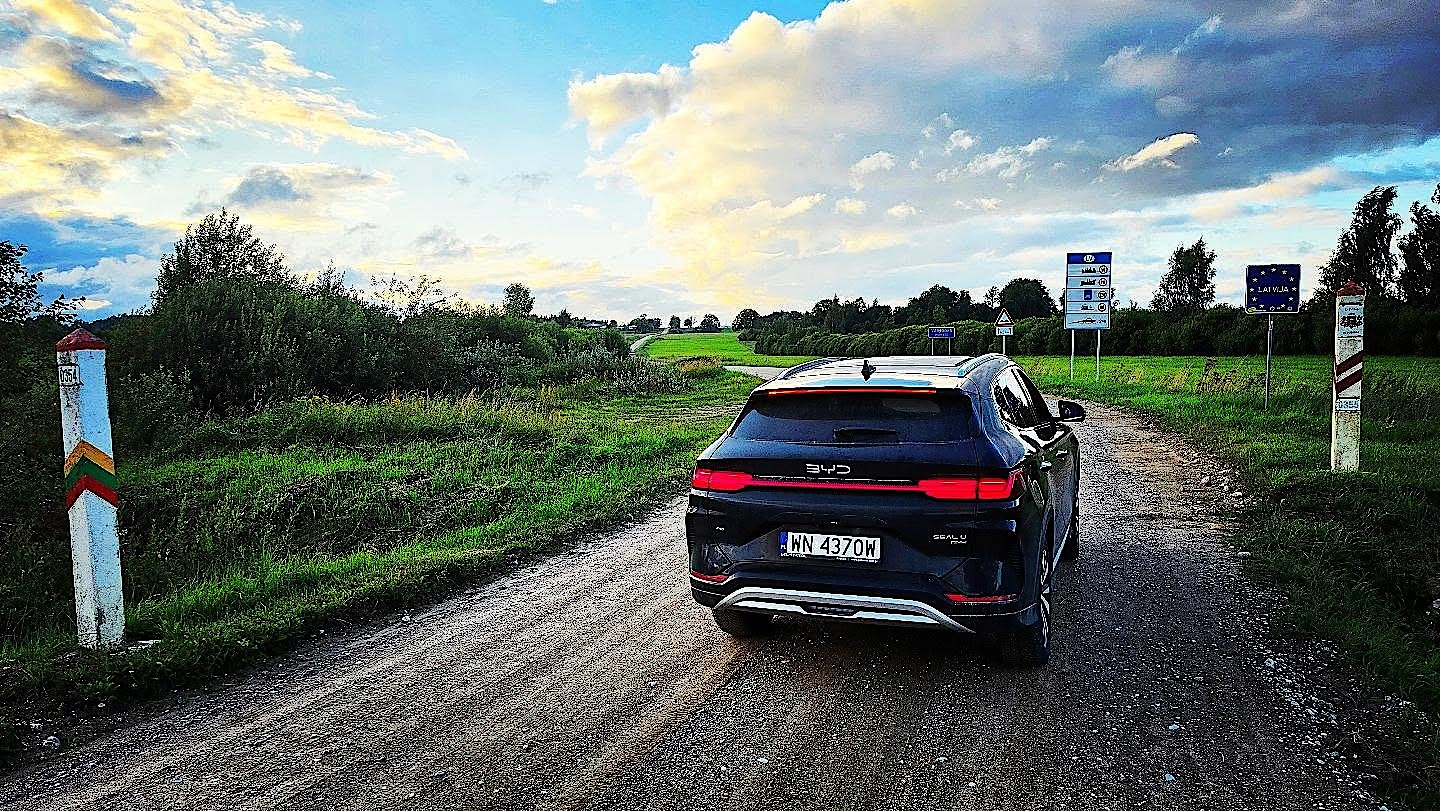
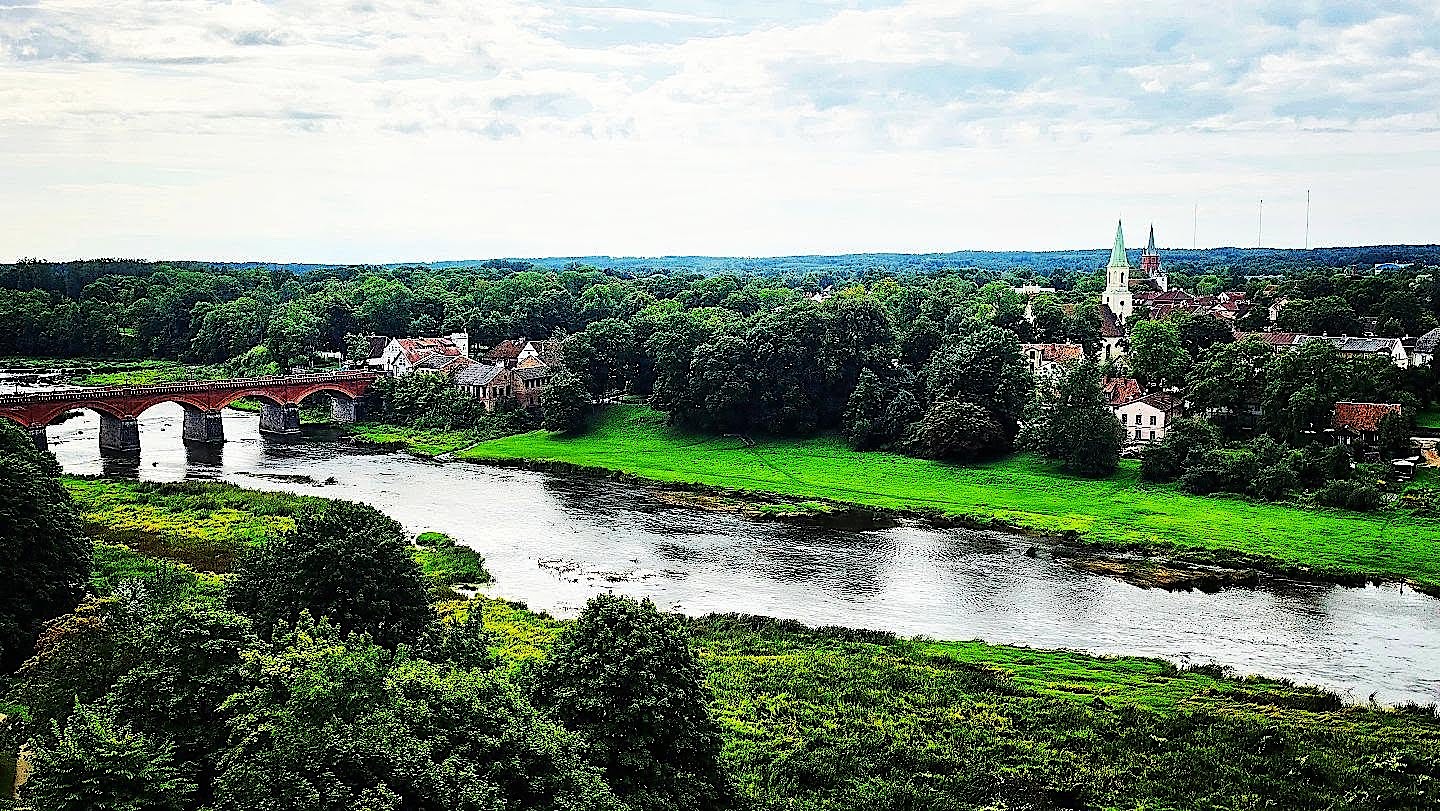
Further north we stopped at the Hill of Crosses near Šiauliai, a mound covered in many thousands of crosses; Soviet authorities bulldozed it several times, and each time the crosses came back. Then we followed a gravel road right along the Lithuanian–Latvian border in our rental car, a new Chinese BYD, and crossed over for a night in Liepāja and a visit to Kuldīga, a small town on the Venta river with a long brick bridge and what is often called Europe's widest waterfall.
Heuereka in Memel
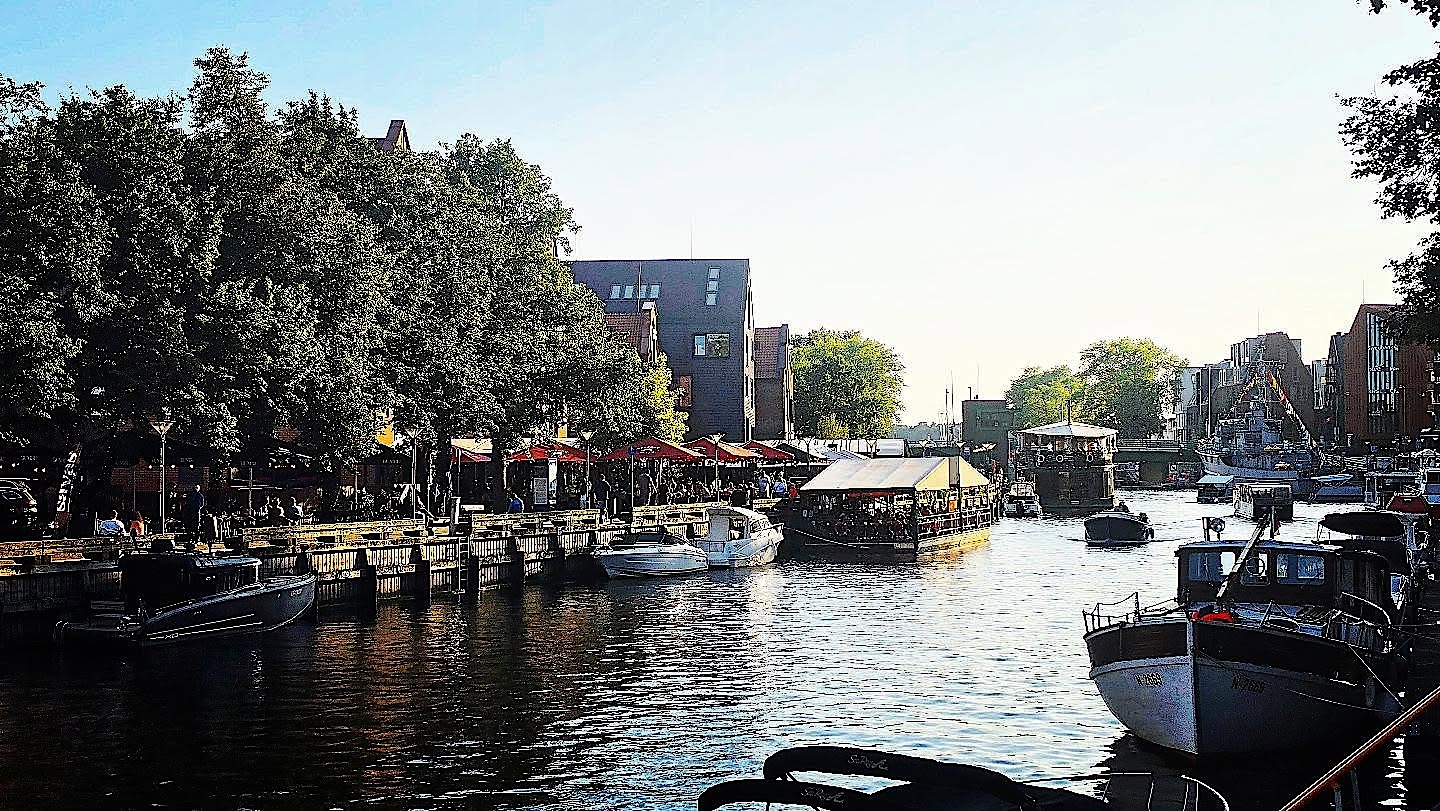
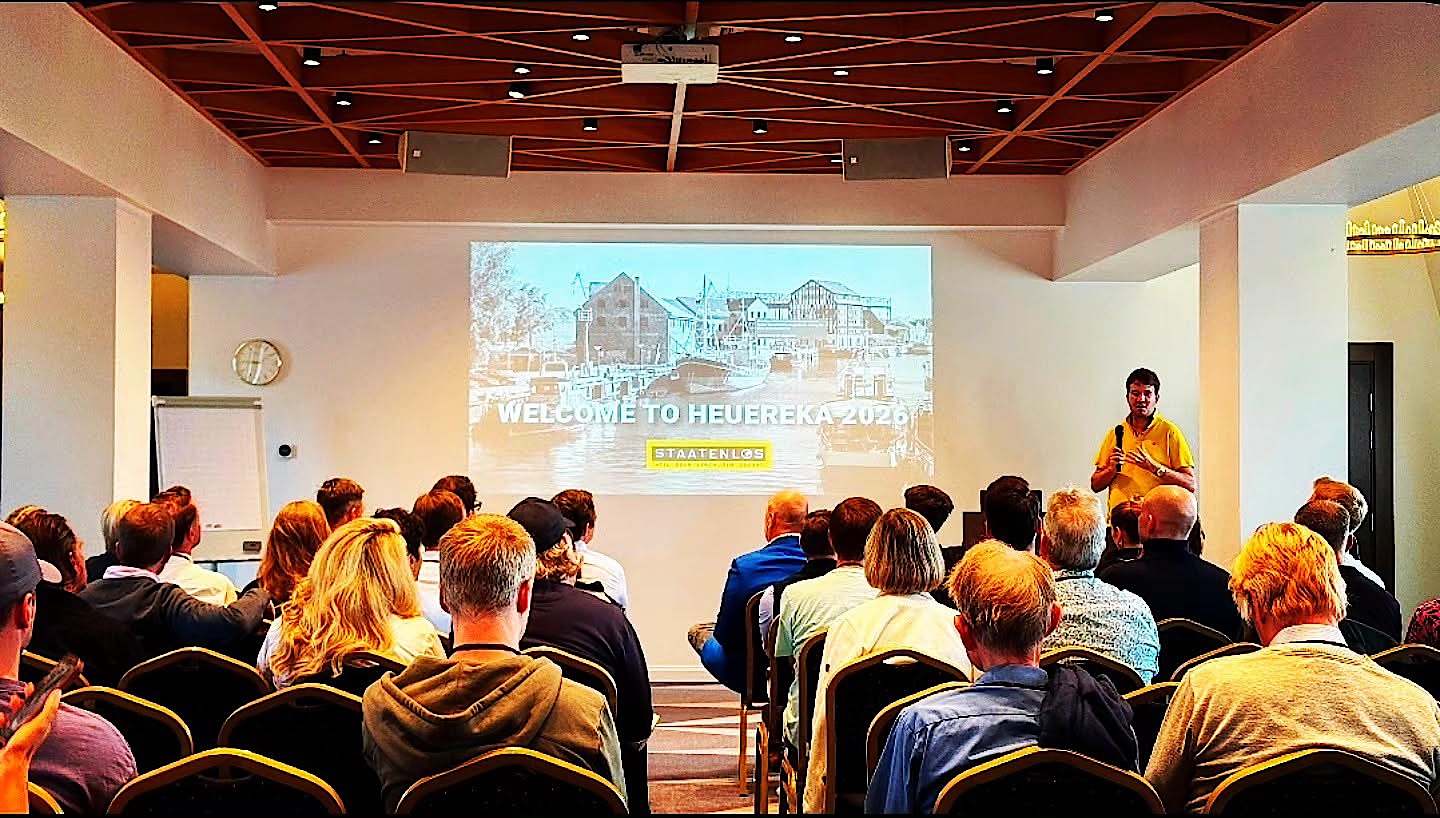
Klaipėda, which the Germans called Memel until the last century, hosted this year's Heuereka, my annual invitation-only gathering around my birthday: a long weekend for my personal network rather than a public event. After Georgia, the Bay of Kotor in Montenegro in 2024 and the Azores, the old Prussian port made a nice contrast, and more than 100 people came.
The weather did not cooperate. On Saturday I made a first trip down the Curonian Spit to Nida, on a day when as much rain fell as in an average August month. Sunday was the conference day at the Victoria Hotel, an unconference with more than 20 talks, many of them on controversial topics. With that programme, nobody minded the rain.
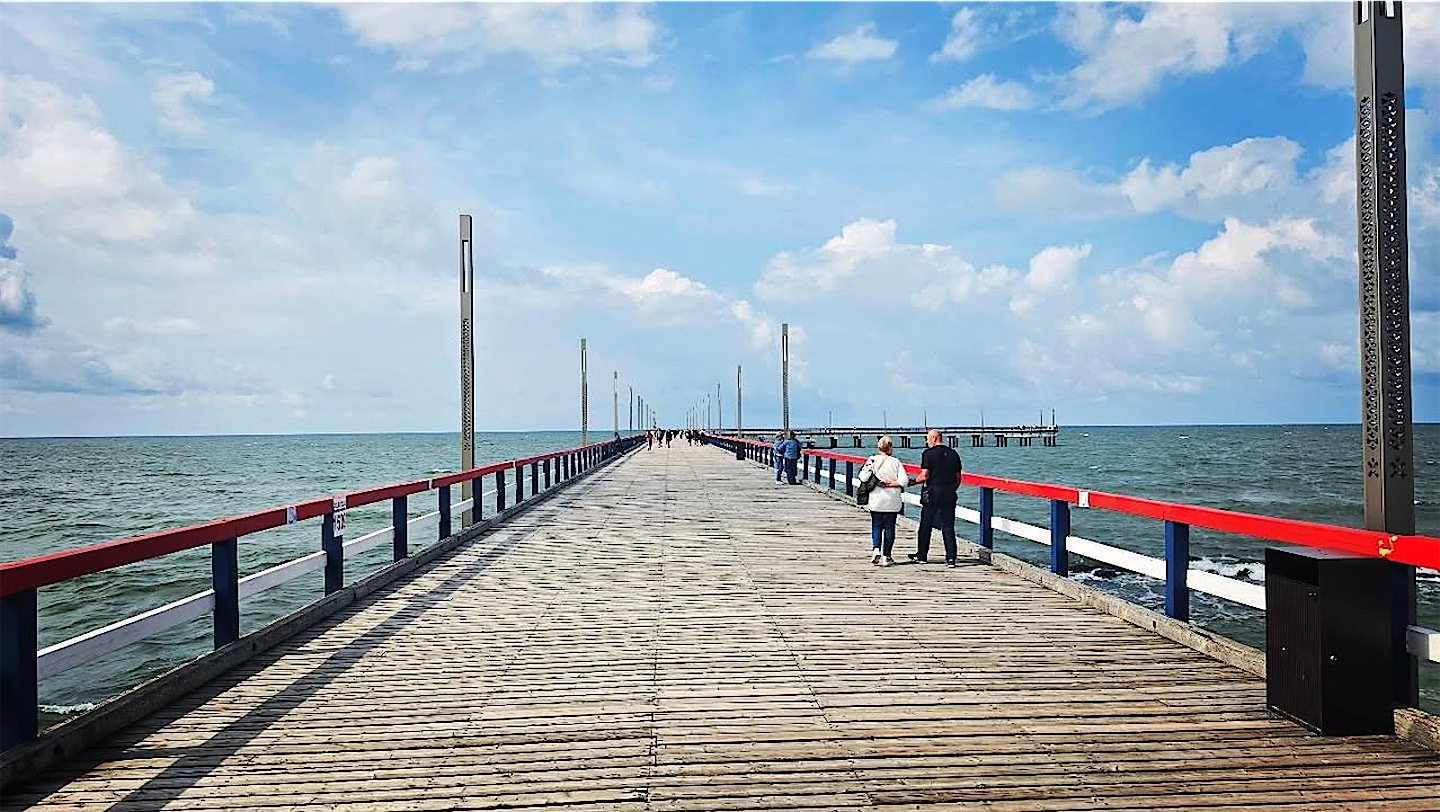
After the weekend we drove up the coast to Palanga, Lithuania's main summer resort, with a long pier and wide sandy beaches. The sea was still very rough.
Nida and the Curonian Spit
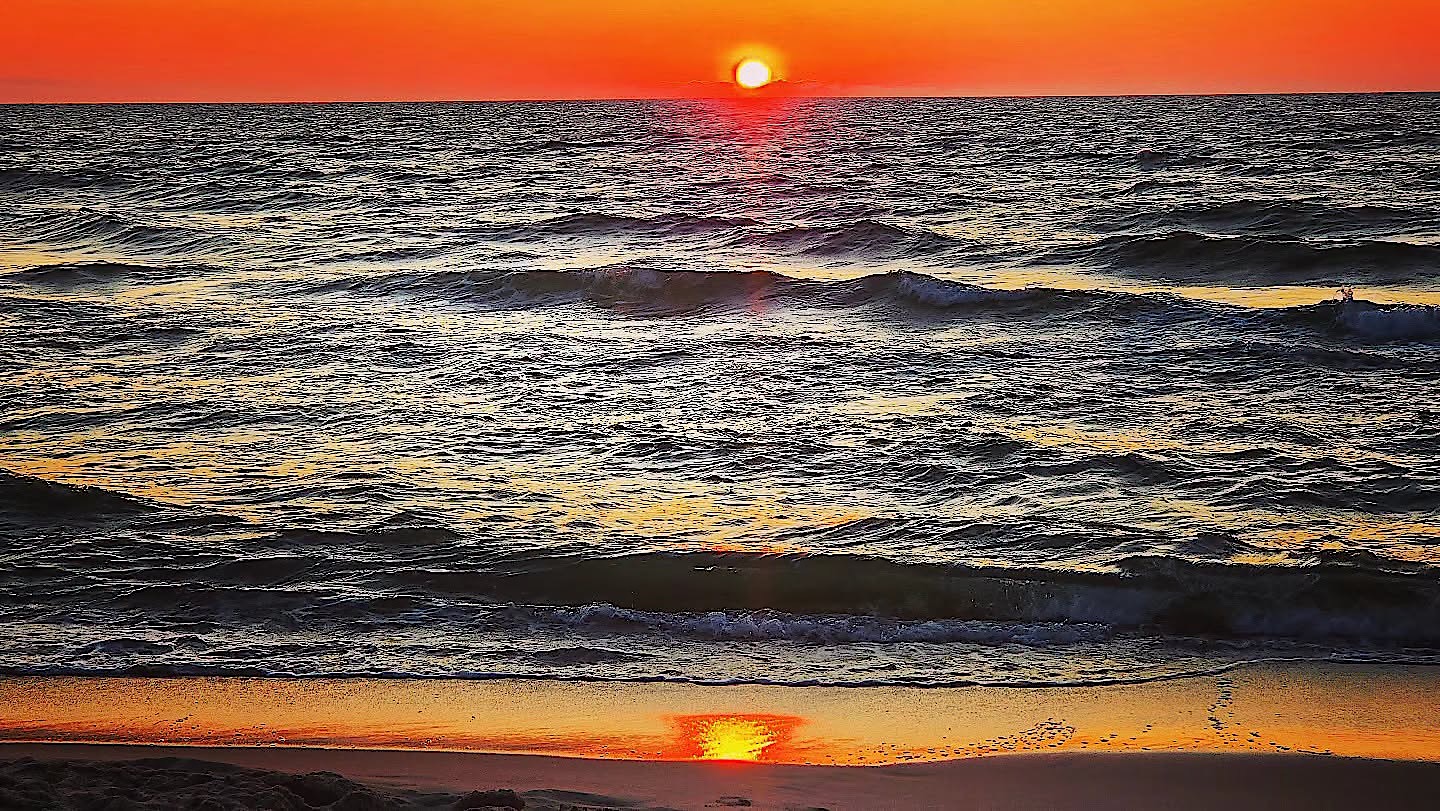
For the rest of the week I returned to Nida for a working retreat with part of my team. Everyone was very busy and there was a lot to discuss, but the evenings belonged to sunsets and a round of Monopoly. The team also surprised me with a belated birthday present: an invitation to a celebrated steak restaurant in Spain.
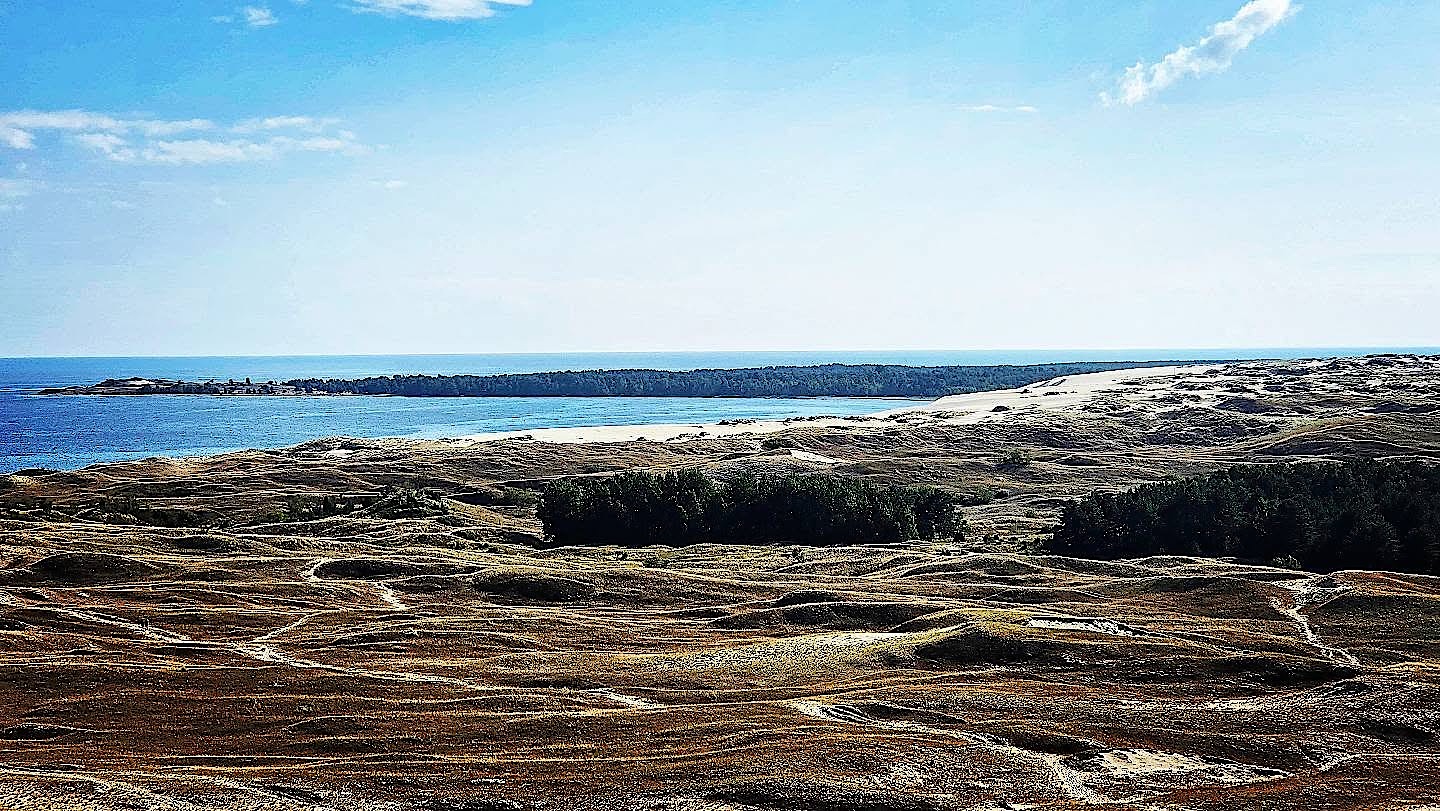
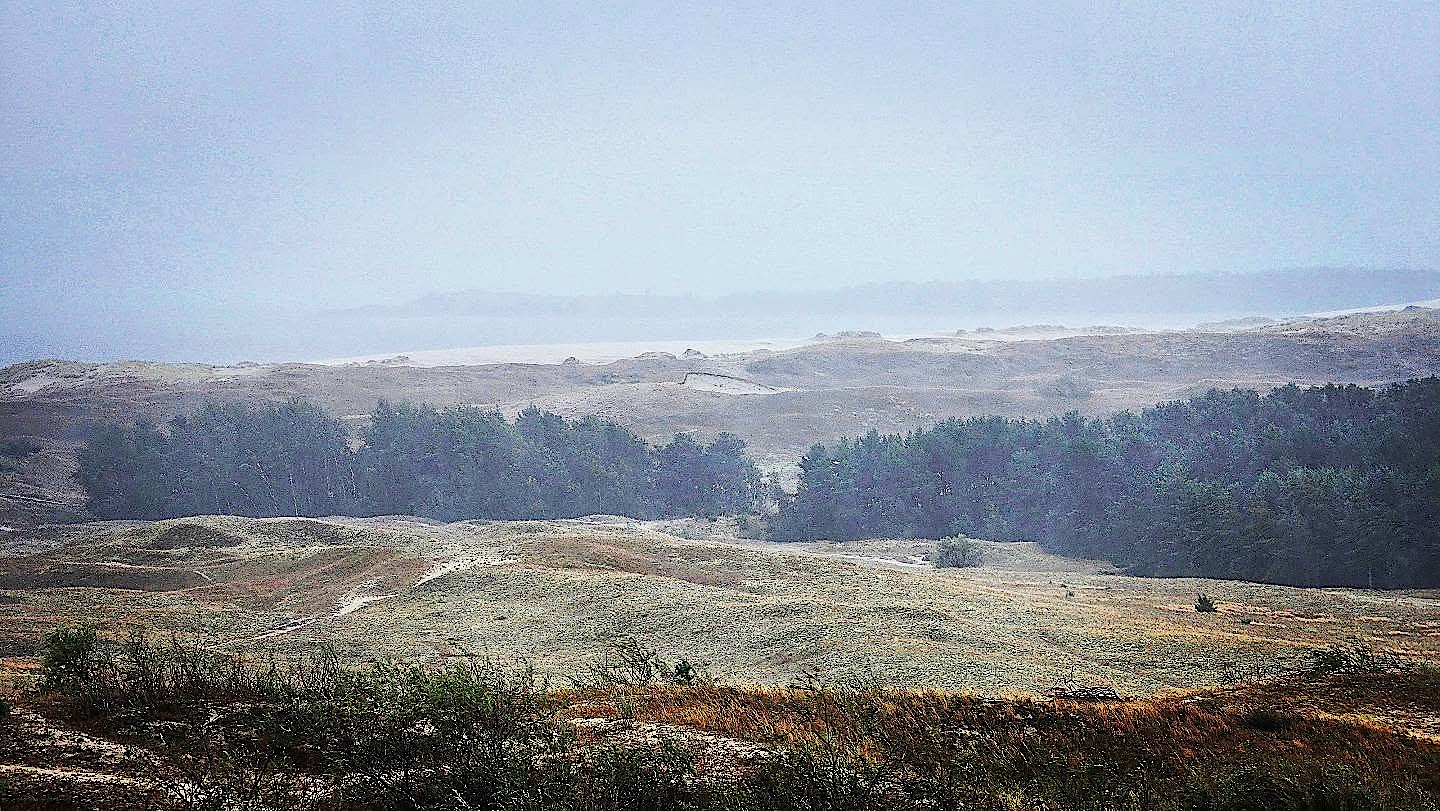
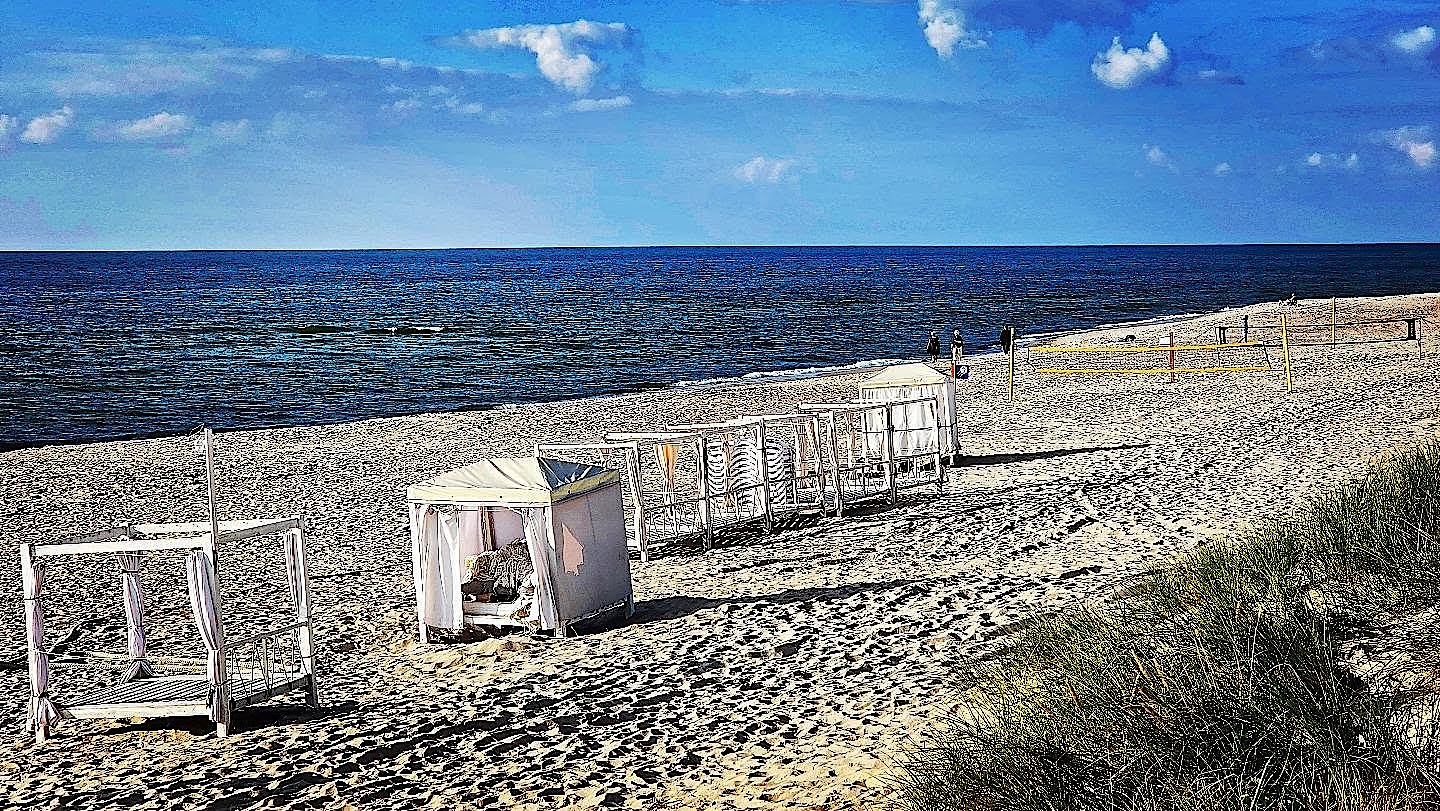
Then the weather finally turned, and the dunes I had seen in the rain looked like a different world.
I first came here in 2016 as a backpacker on a small budget. Having seen half the planet since then, I found the spit a little less fascinating the second time, but it remains one of the loveliest corners of Europe, and between meetings I still found time for the beach at Preila.
Kernavė and a last Lithuanian sunset
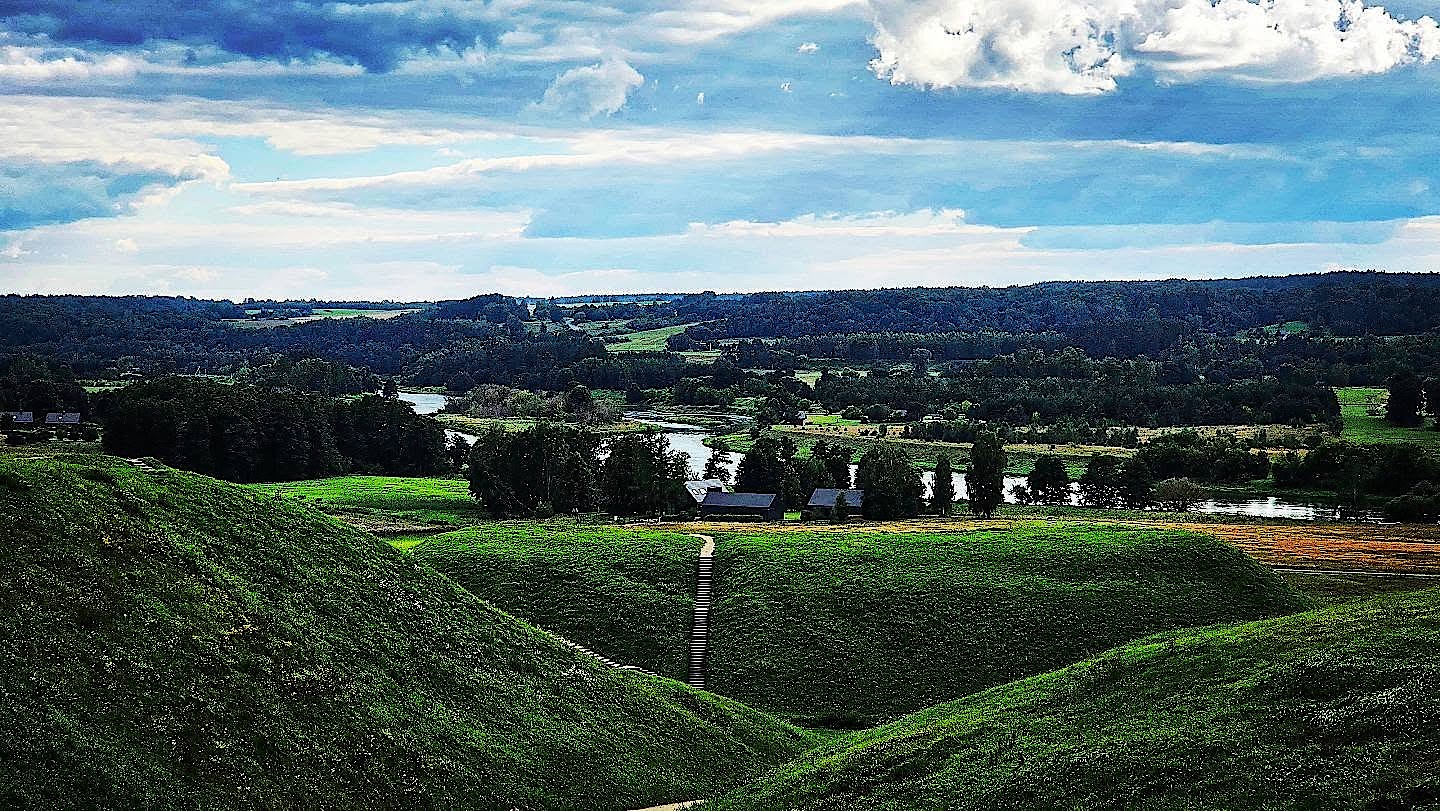
After a week on the spit it was time to fill the remaining gaps on my lists. On the way north-east we stopped at Kernavė, the last of Lithuania's World Heritage Sites I was still missing. In the 13th and 14th centuries this was an important centre of the early Lithuanian state, often called its first capital, until the Teutonic Knights destroyed it in 1390. Anyone who has played Age of Empires II, where Hill Forts is a Lithuanian speciality, will recognise the idea at once.
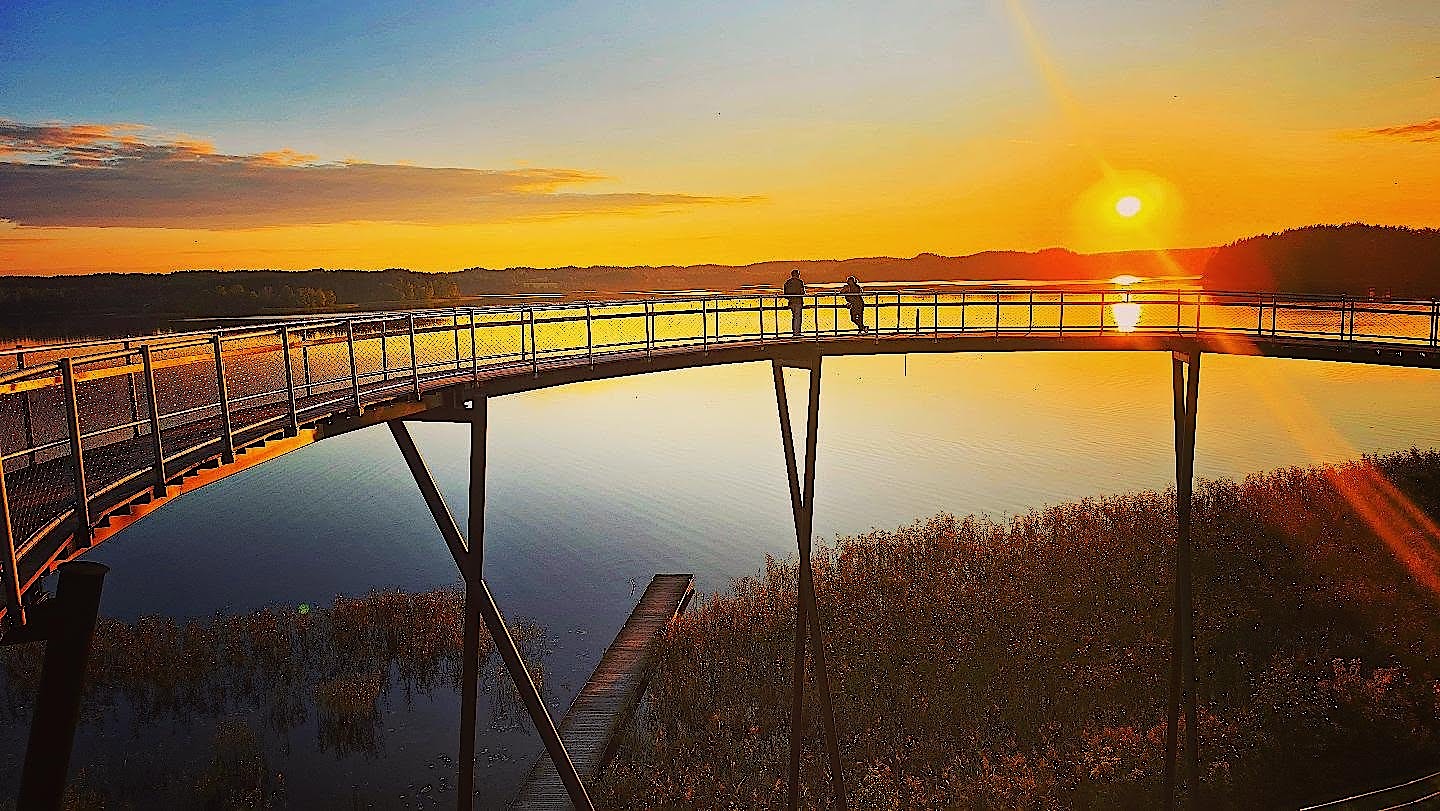
That evening we reached Zarasai, a lake town in the far north-east, close to the Latvian border. From the curved viewing platform over the lake we watched the last sunset of a great week in Lithuania. The next day we crossed into Latvia, and the story continues in Latvia, Estonia and Finland.