
From Daugavpils to Turku: A Road Trip Through Latvia, Estonia and Finland
28 August – 1 September 2026 · Daugavpils, Cēsis, Pärnu, Saaremaa, Viljandi, Tartu, Lake Peipus, Narva, Sillamäe, Tampere, Rauma, Naantali, Turku · Regions: Latvia, Estonia, Finland
My first two weeks in the Baltics revolved around birthdays, Heuereka and a working retreat on the Curonian Spit, as told in Poland, the Kaliningrad border and Lithuania. The days that followed belonged to my lists. The Most Traveled People list splits countries into smaller regions, and Latvia and Estonia still had several I was missing. Karyna and the family came along for the first part, again in our rental car, a new Chinese BYD, with one simple plan: head north on as many small roads as possible.
An ancient oak and the fortress of Daugavpils
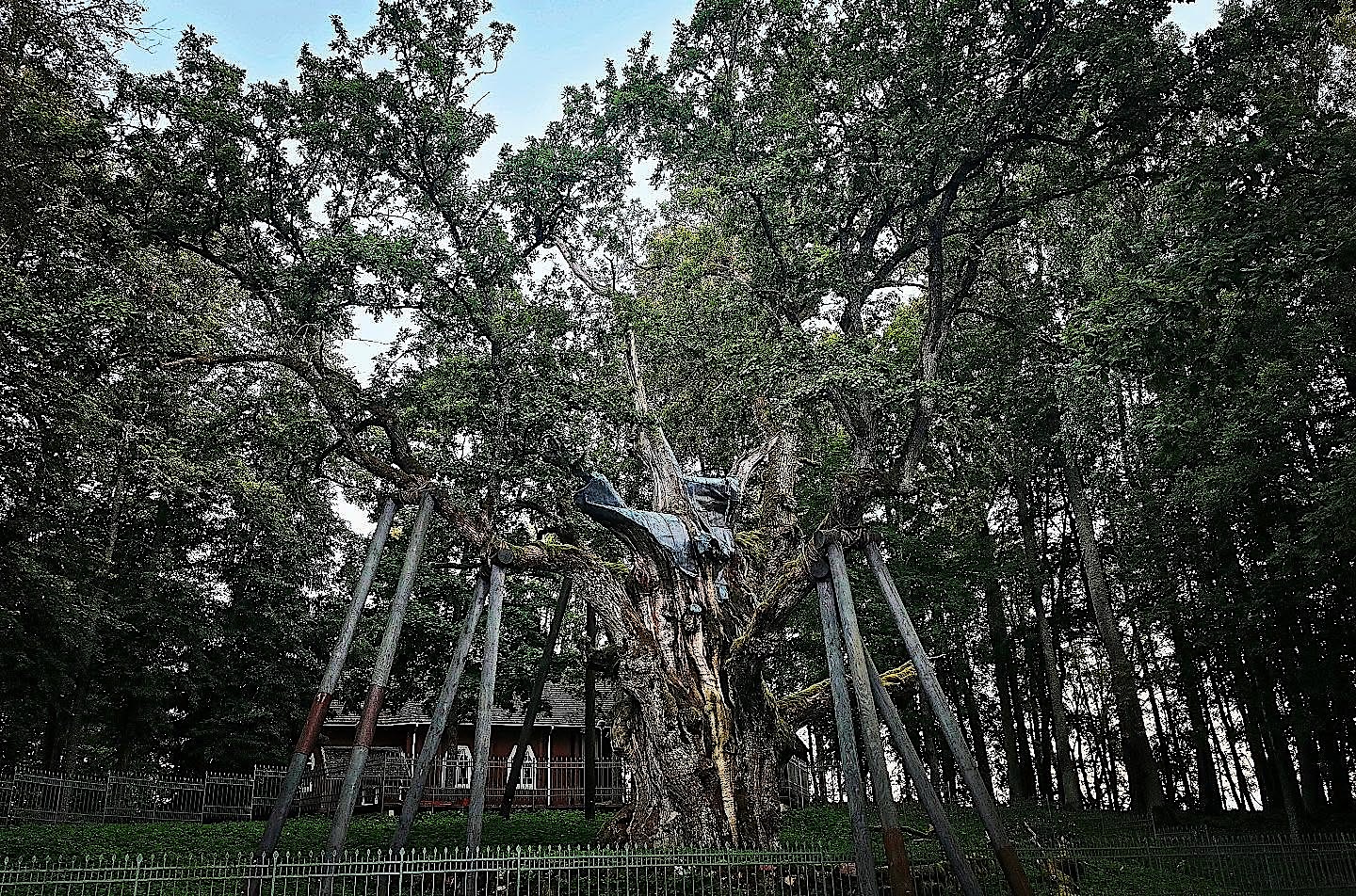
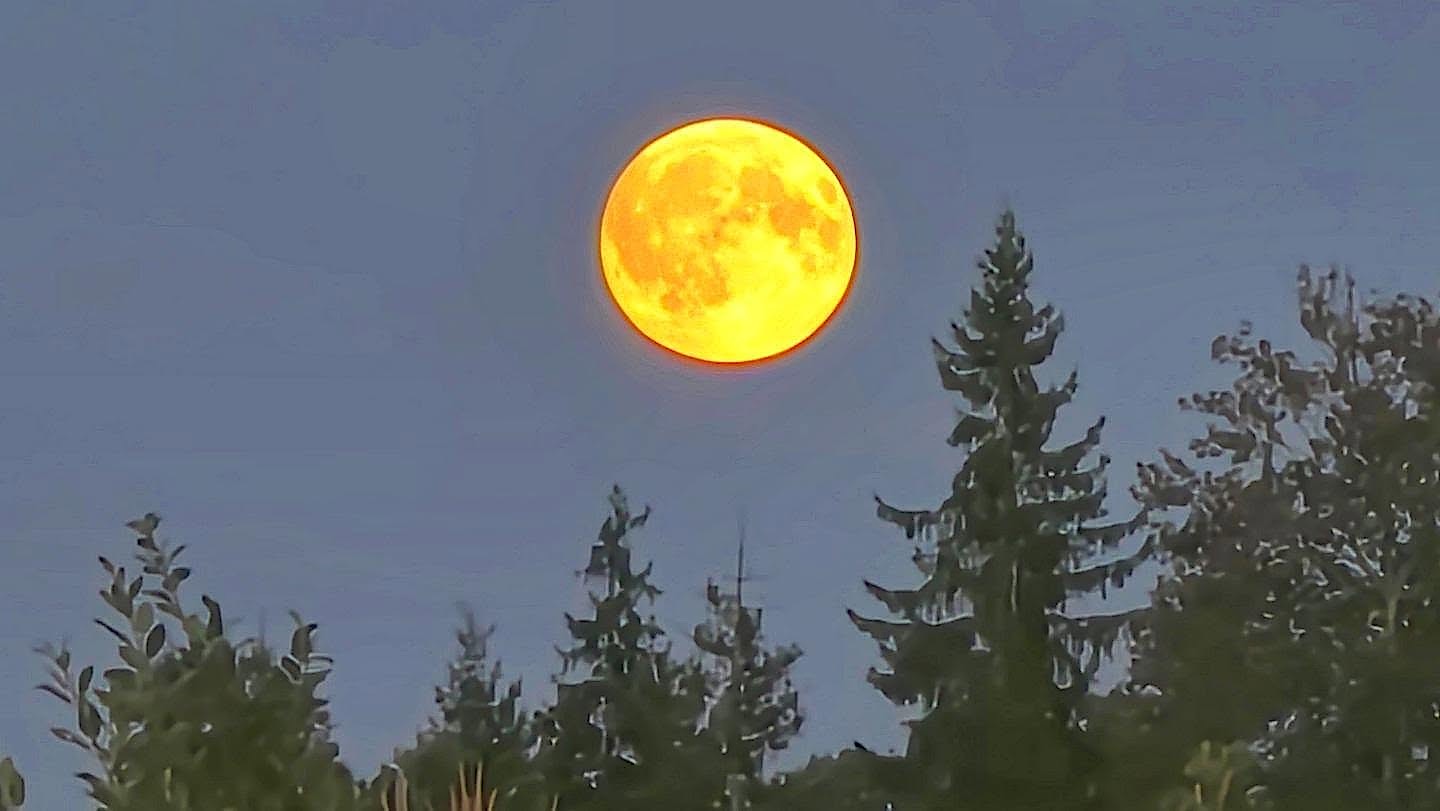
Our last stop in Lithuania was a tree. In the far north-east of the country, close to the Latvian border, stands the Stelmužė oak, one of the oldest oak trees in Europe. Its hollow trunk is enormous, and its heavy lower branches now rest on wooden props. A full moon rose over the forests along the border as we crossed into Latvia.
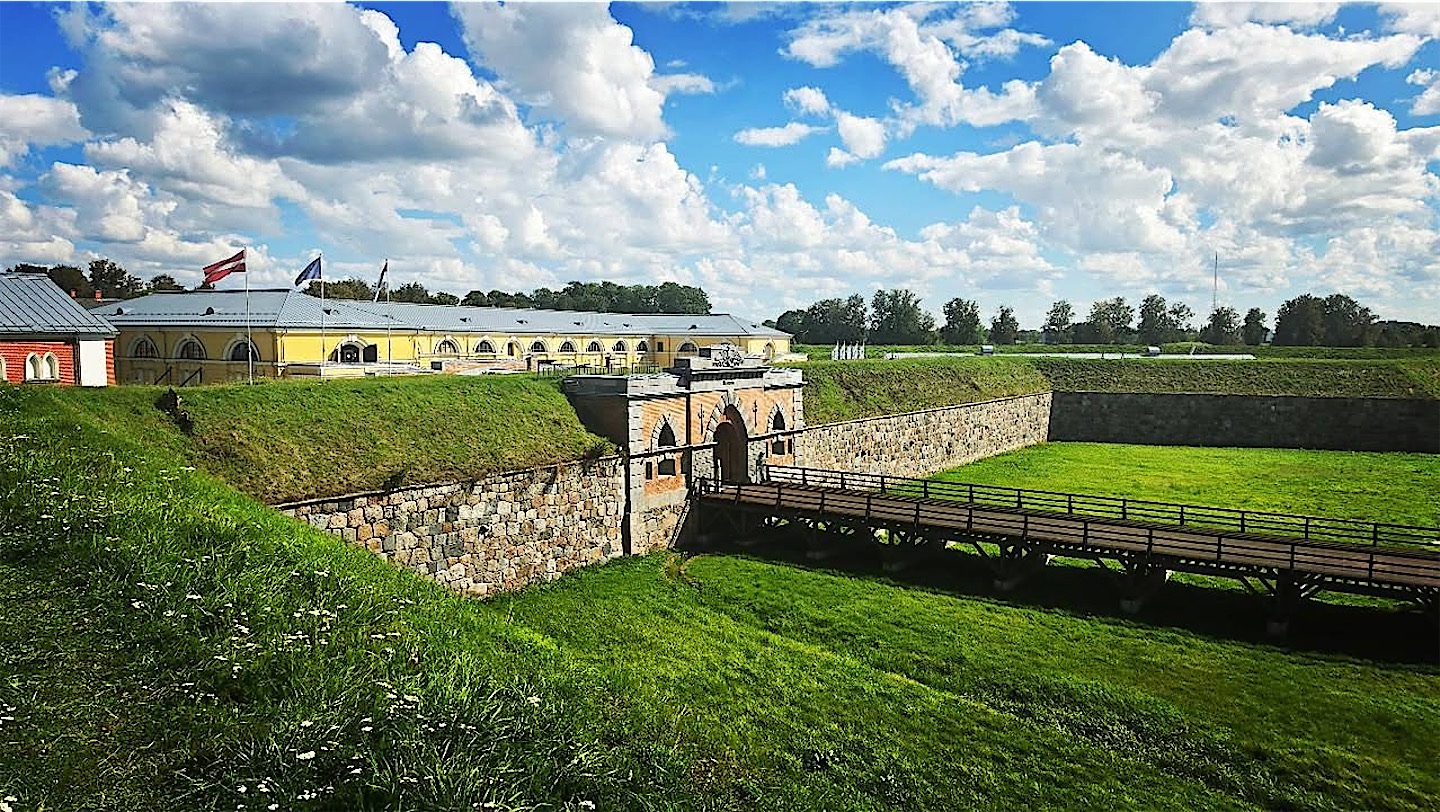
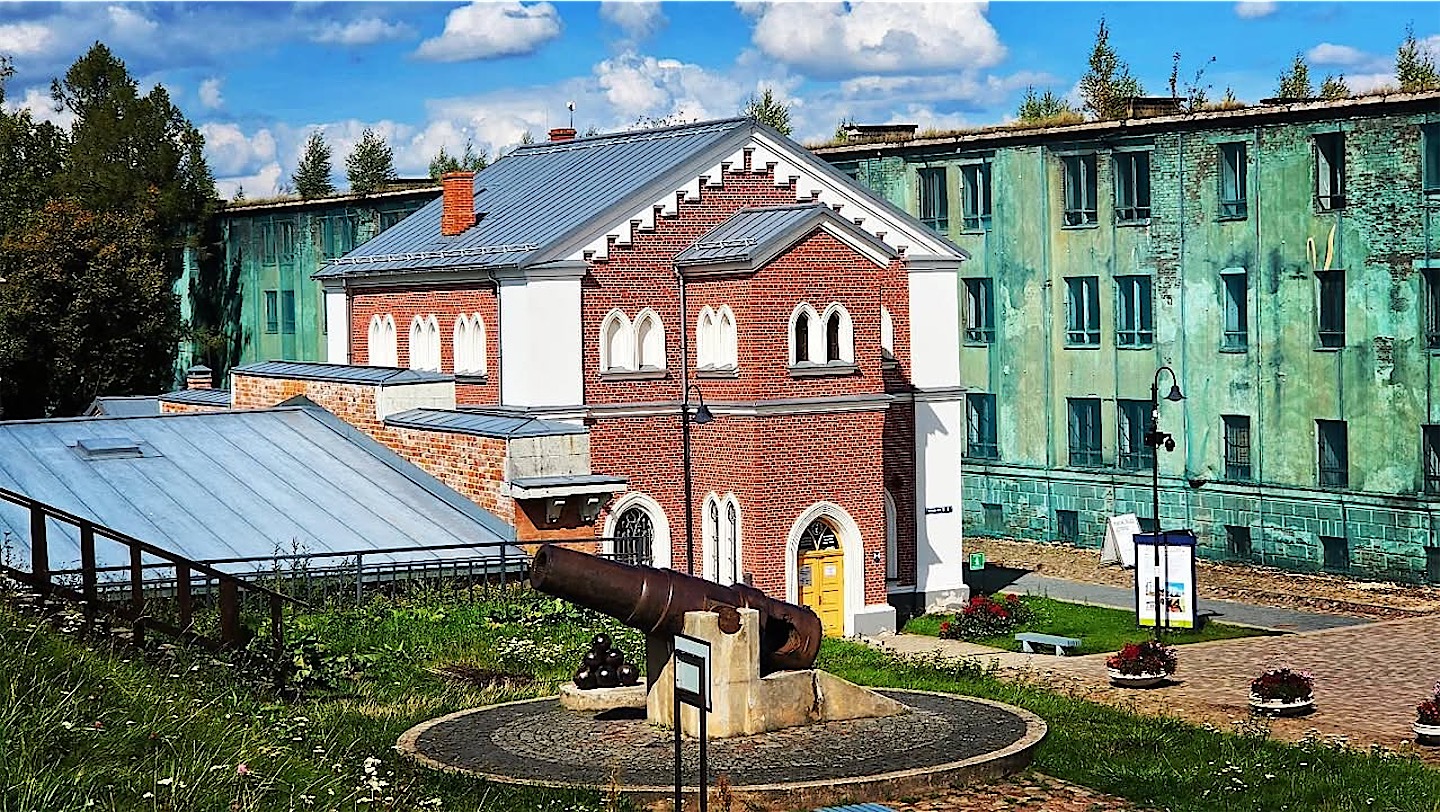
We spent the night in Daugavpils, Latvia's second-largest city, where most people speak Russian at home. In the morning we explored its fortress, Dünaburg in German: grassy ramparts, deep moats, stone gates and a whole garrison town inside, partly restored and partly crumbling.
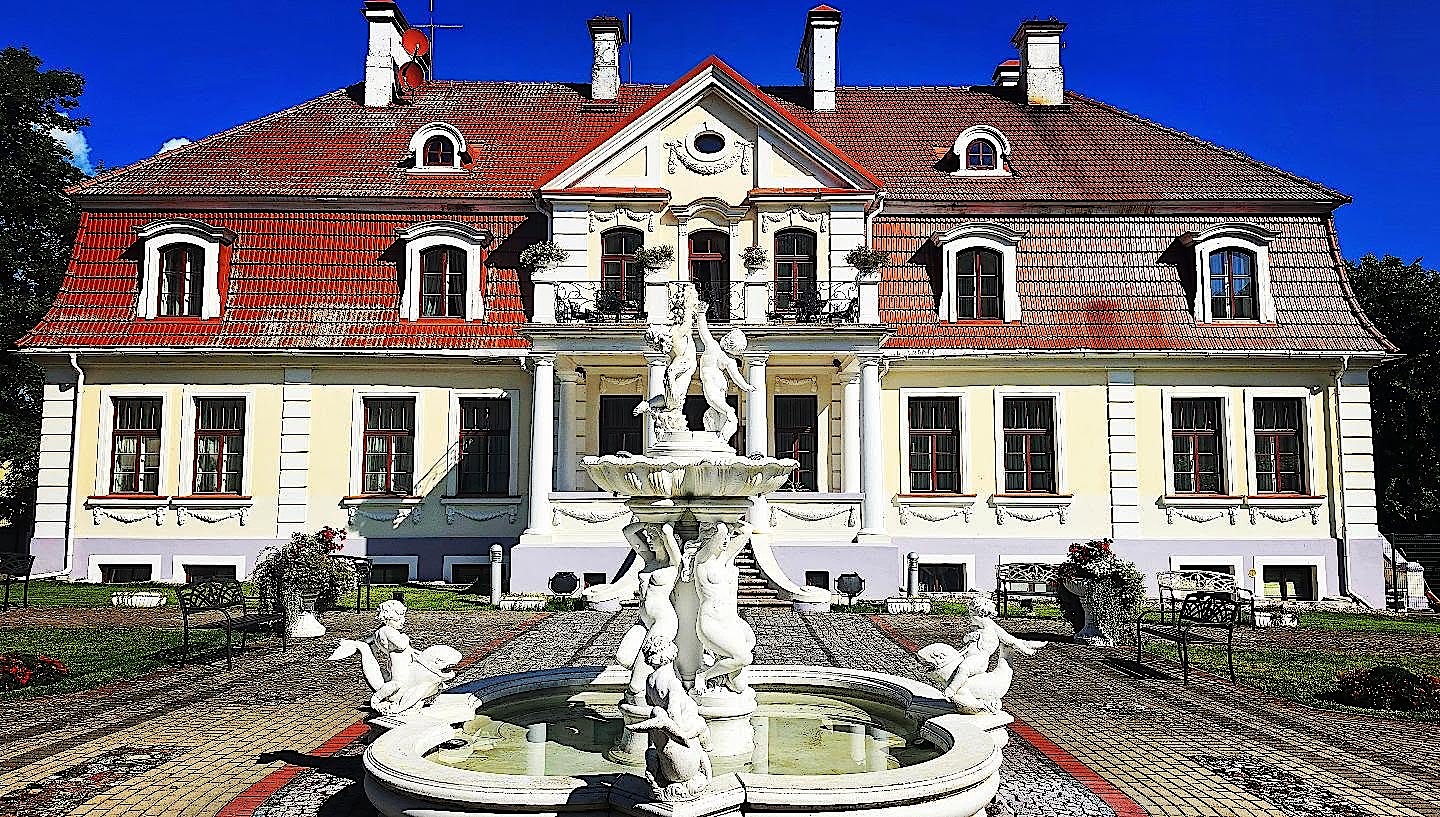
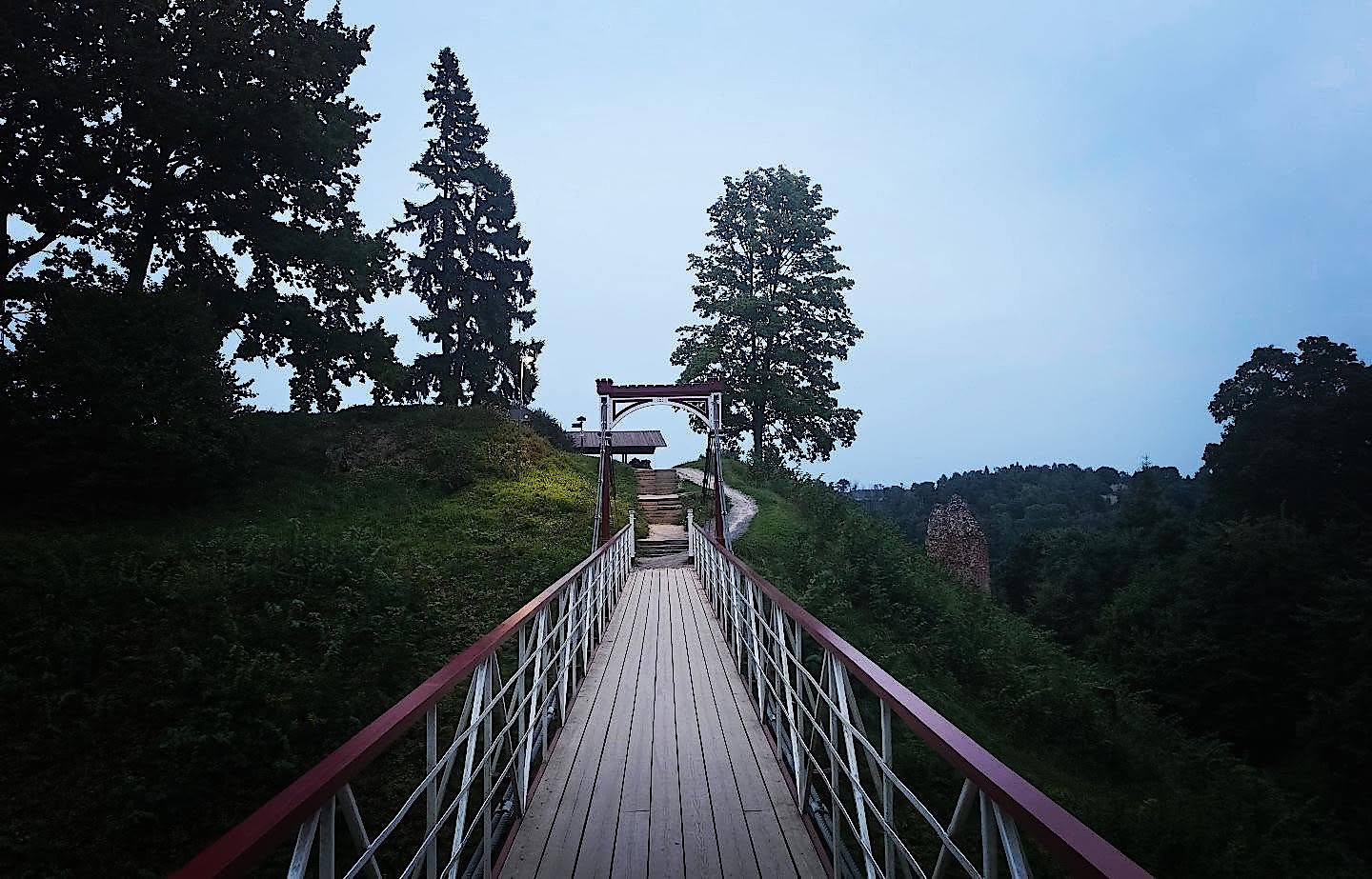
From there we drove north-west for five hours on country roads, often gravel, past many lakes, castles and stork nests. The most unusual stop was Araiši, where a lake settlement of the early Latgalians has been reconstructed on a small island. Cēsis and Limbaži looked worth a longer visit, and the Latvian countryside has some very nice manor hotels.
A midnight ferry to Saaremaa
Across the Estonian border we had dinner in Pärnu, the country's main summer resort, and then took the midnight ferry to Saaremaa, Estonia's largest island. The ferry lands on the smaller island of Muhu, which is joined to Saaremaa by a causeway.
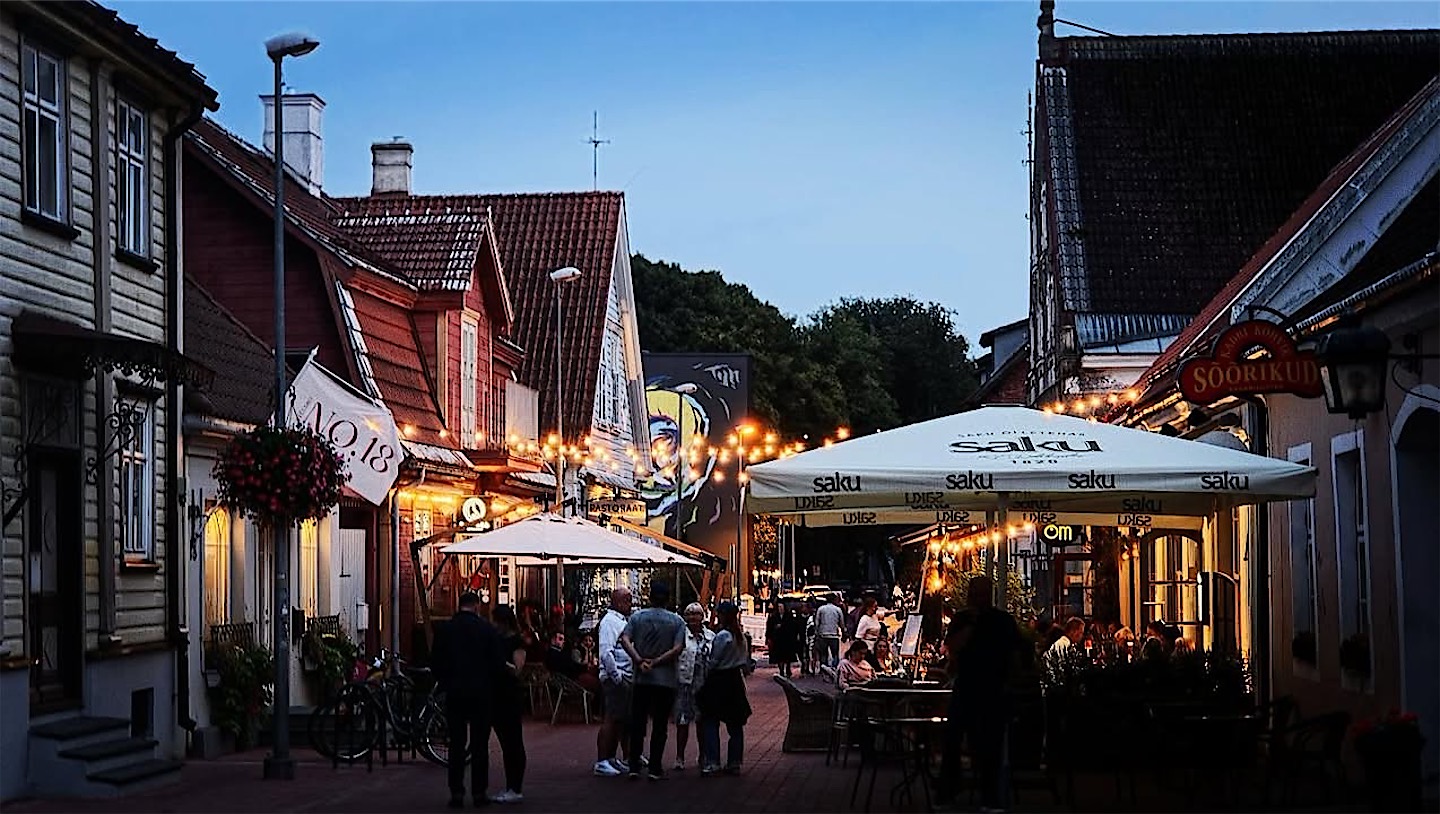
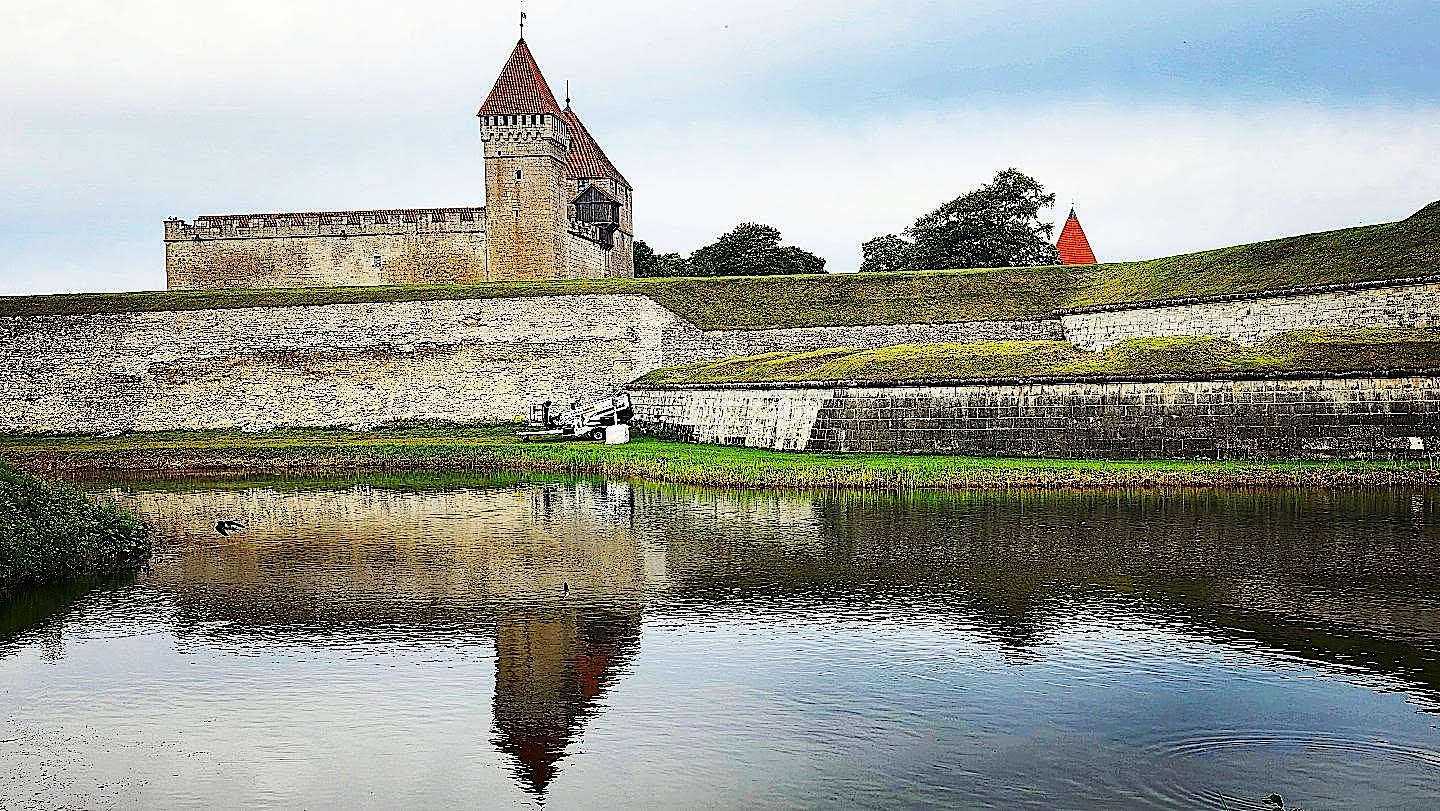
In Kuressaare, a town that has long lived off its spa hotels, a sign pointing to a "hotel no spa" struck me as rather good marketing. The real sight is the castle, Arensburg in German, mirrored in its moat behind grassy bastions.
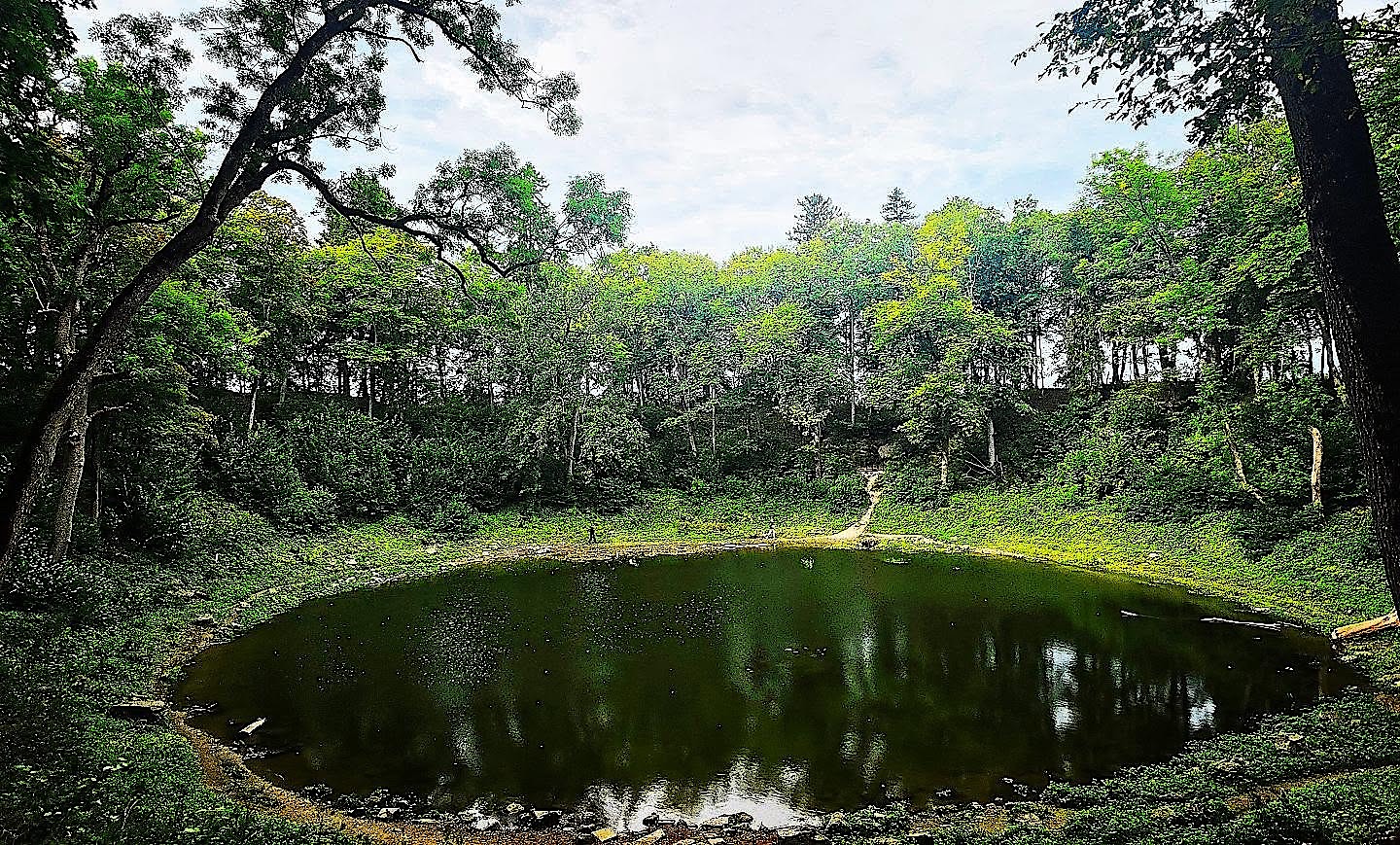
Inland, at Kaali, a meteorite struck the island several thousand years ago. The main crater is now a round, still pond ringed by trees. Old legends tell of the sun falling to earth here, and the crater became a sacred pagan site.
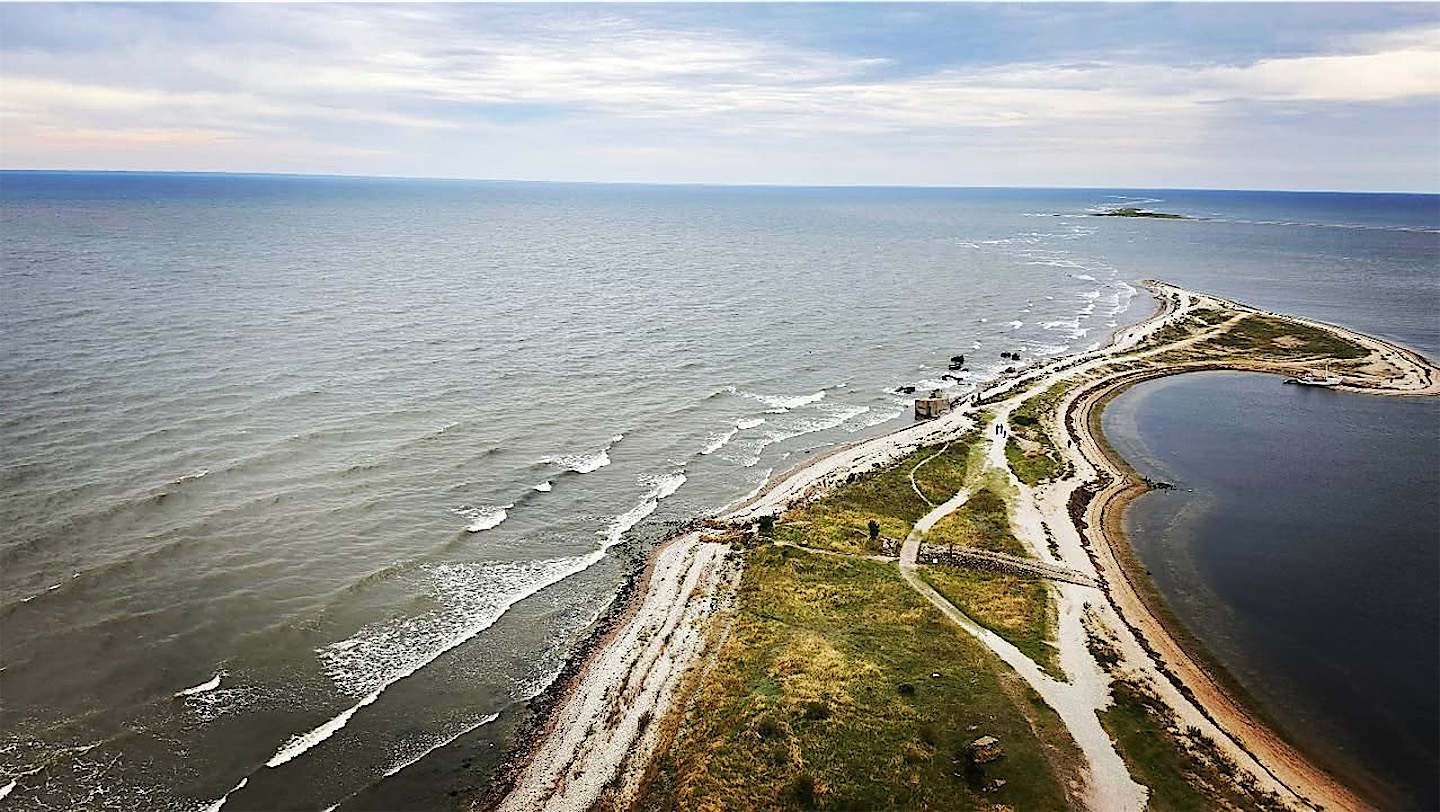
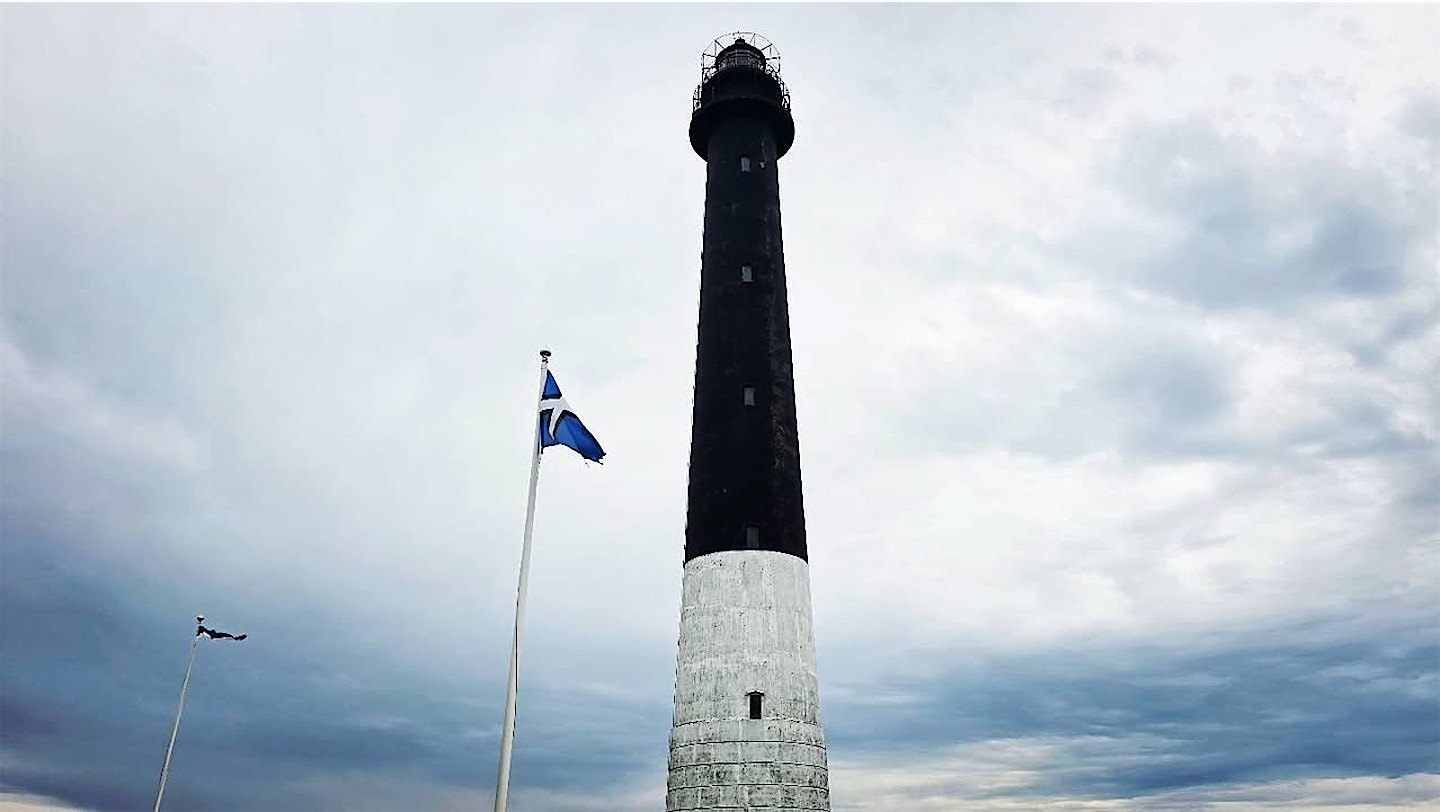
We finished on the Sõrve peninsula, the south-western tip of Estonia. Climbing its lighthouse, one of the tallest on the Baltic Sea, was quite a workout, but the view was worth it: a thin strip of shingle and grass running out into the waves, and across the strait the coast around Cape Kolka in Latvia.
Viljandi, Tartu and Lake Peipus
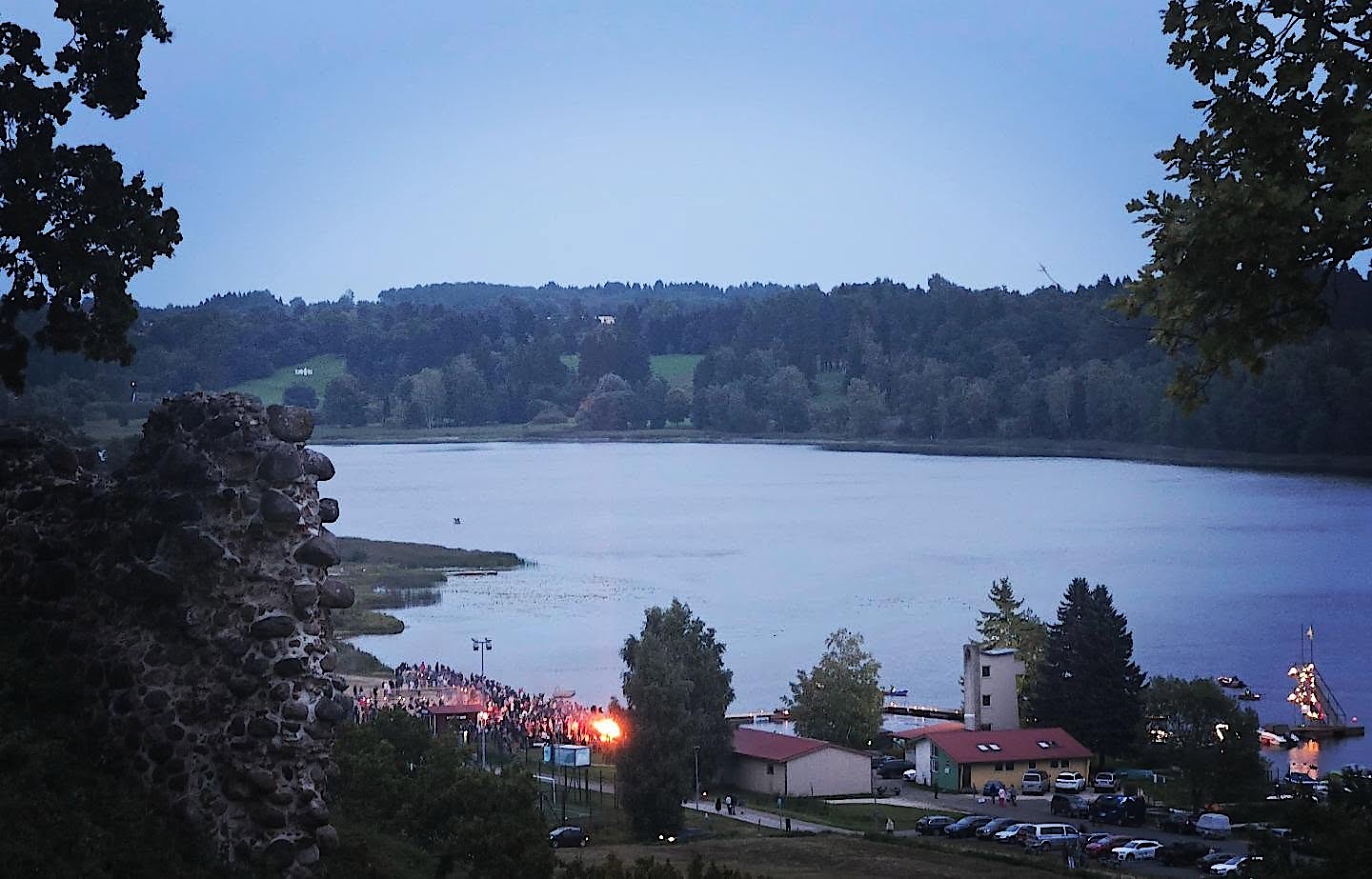
Back on the mainland, I dropped the family off by the motorway near Tallinn and continued alone across the countryside. In scenic Viljandi I walked round the huge ruins of the Livonian Order's castle and stayed for dinner. Below the castle hill a crowd had gathered round a bonfire by the lake: it was the last Saturday in August, when Estonians light fires for the Night of Ancient Lights, a farewell to summer.
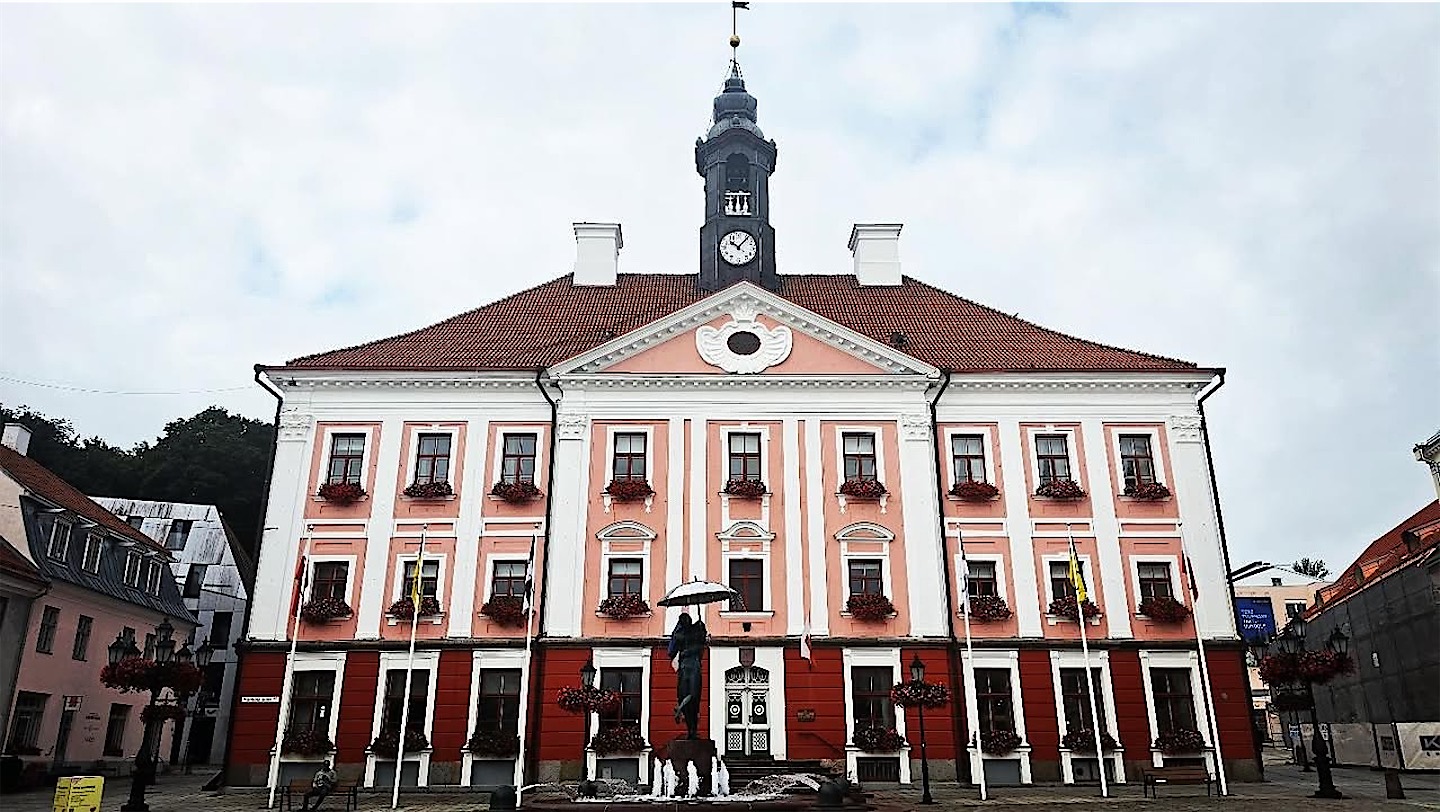
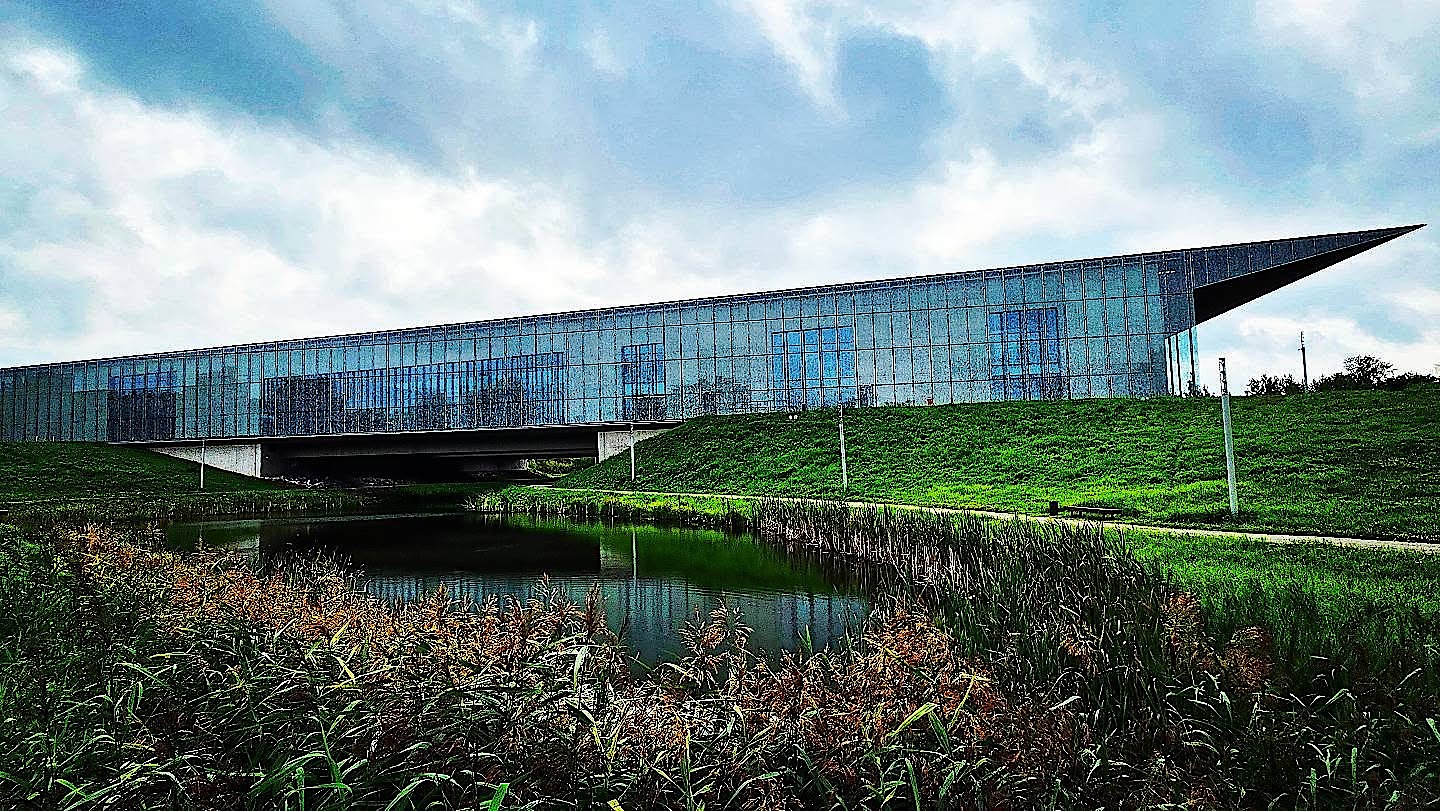
I reached Tartu in time for a lovely midnight walk and saw the university town again by day: the town hall with its fountain of kissing students, the Emajõgi river and the Estonian National Museum.
From Tartu I drove east to the shores of Lake Peipus.
Two fortresses on the Narva
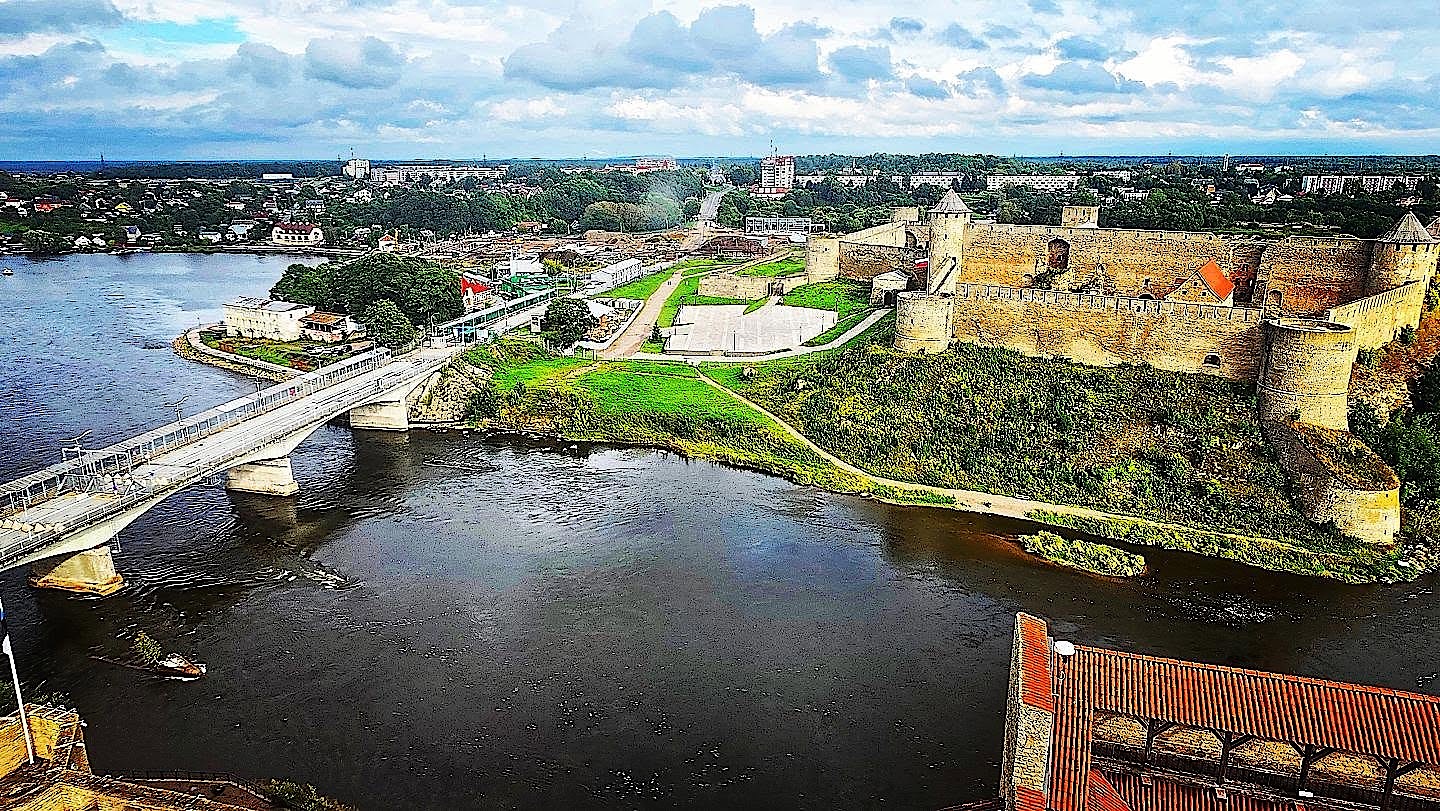
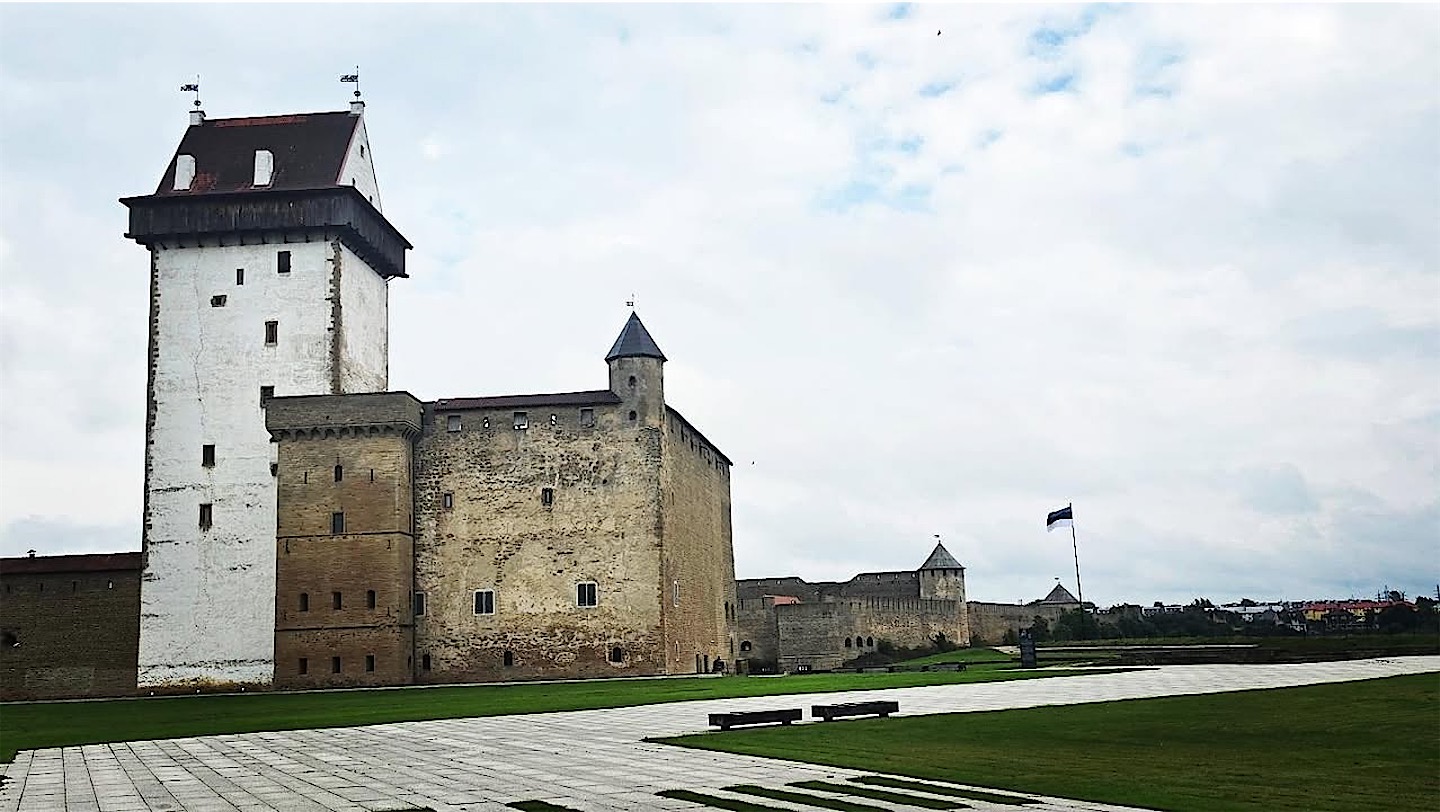
Narva, in the far north-east of Estonia, was the place I had looked forward to most on this trip. Here two fortresses face each other across a narrow river: Hermann Castle on the Estonian bank, with its tall white keep, and the long walls of Ivangorod on the other side. The river is the border with Russia, and a bridge between the two towns still carries people on foot.
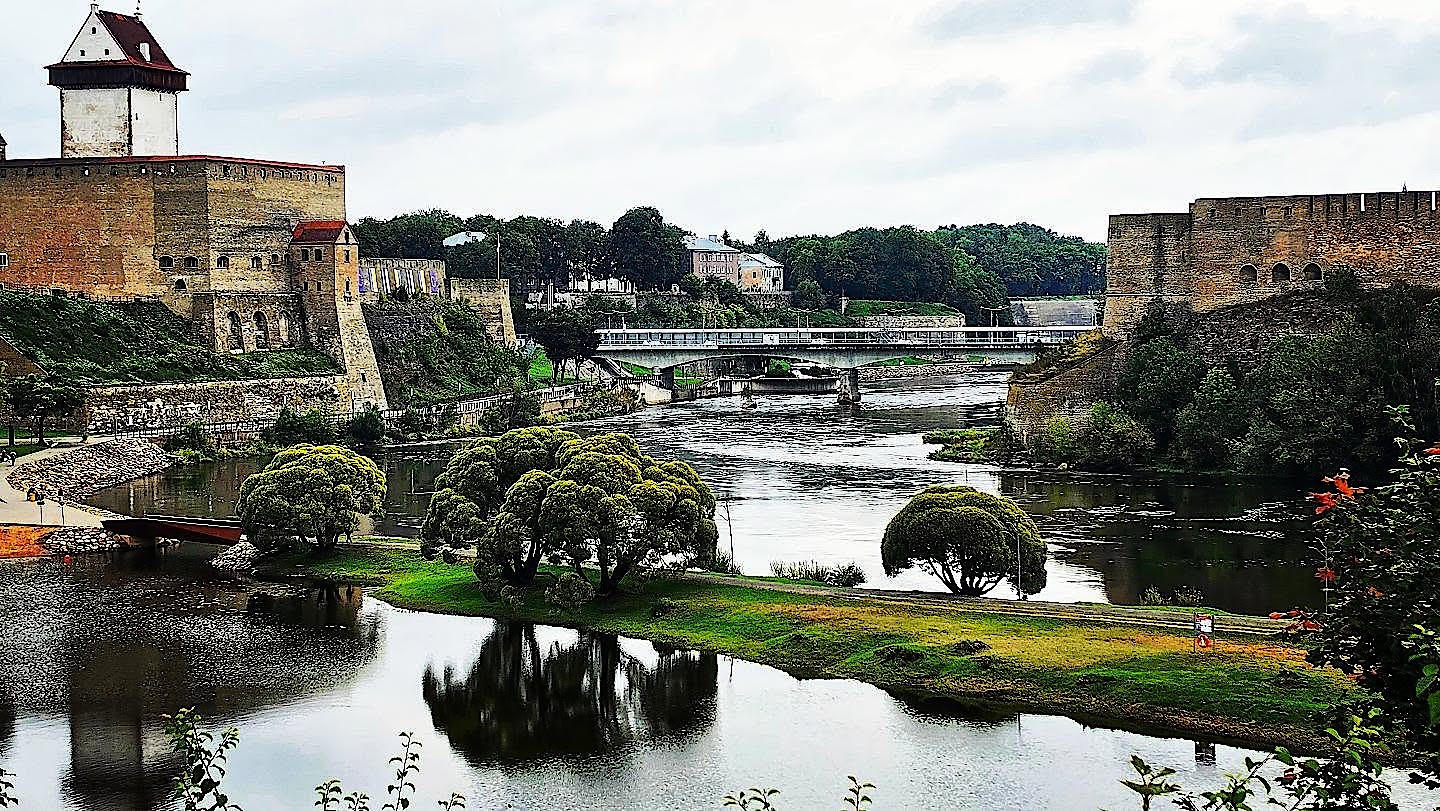
The Danes founded the castle at Narva in the 13th century, and in 1492 Ivan III of Moscow built Ivangorod directly opposite. From the top of the castle tower I looked down on the bridge and the whole length of the fortress across the water. Narva's baroque old town was almost entirely destroyed in 1944.
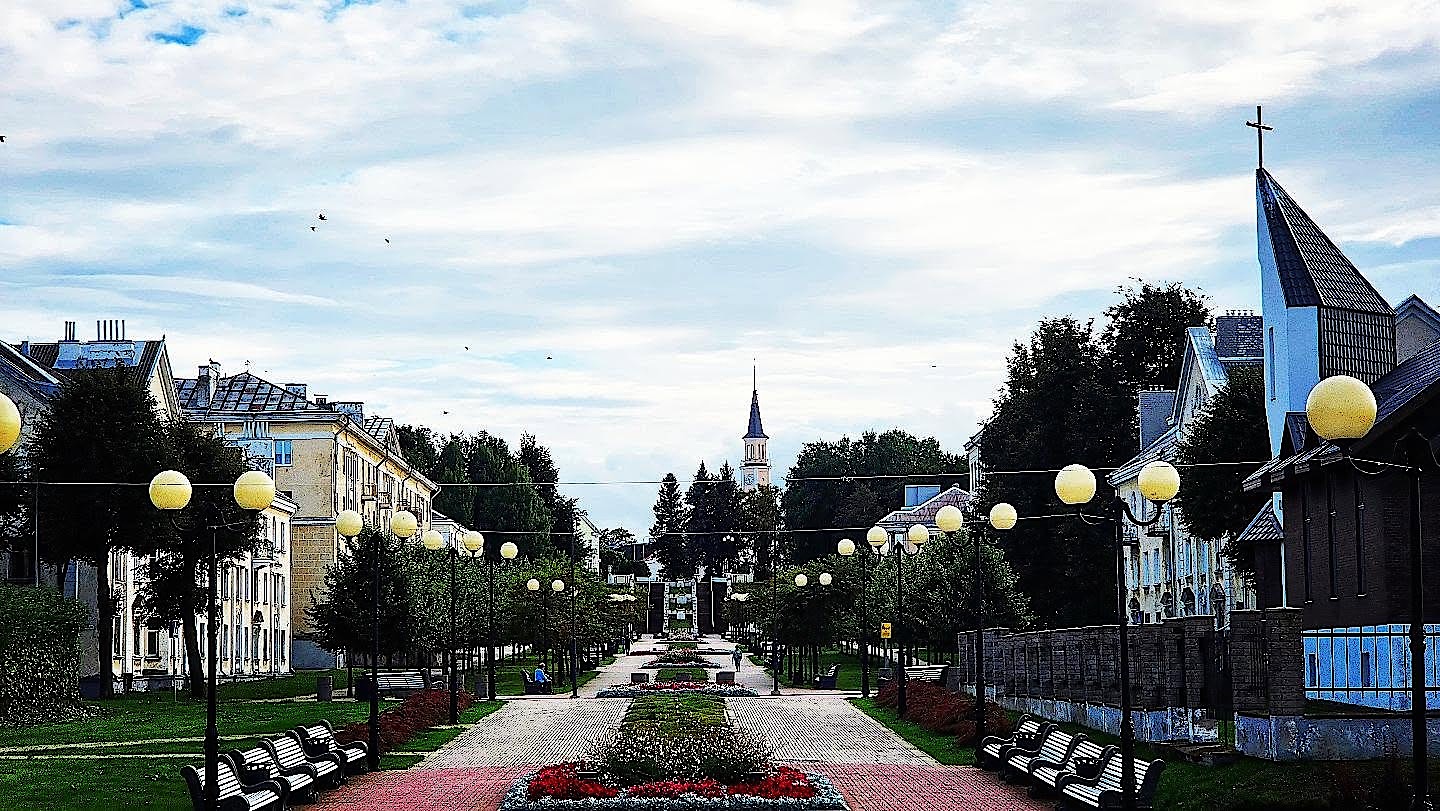
Heading back west along the coast, I stopped at Sillamäe, whose broad promenade of lamps, flower beds and stately yellow buildings leads down towards the sea. Estonian towns are really pleasant, and I think I will come back one day to spend longer here.
One long day in south-west Finland
Then I flew over to Finland, for a much shorter visit than I would have liked: two friends' weddings on consecutive days, in Mallorca and in the Czech Republic, cut the road trip short. Finland is the only country in Northern Europe I had never properly explored. I knew Helsinki from a visit 15 years ago and the area around Rovaniemi in winter. One summer soon I would like to cross it by expedition truck, from Helsinki to the North Cape in Norway. For now, I had one day for the south-west.
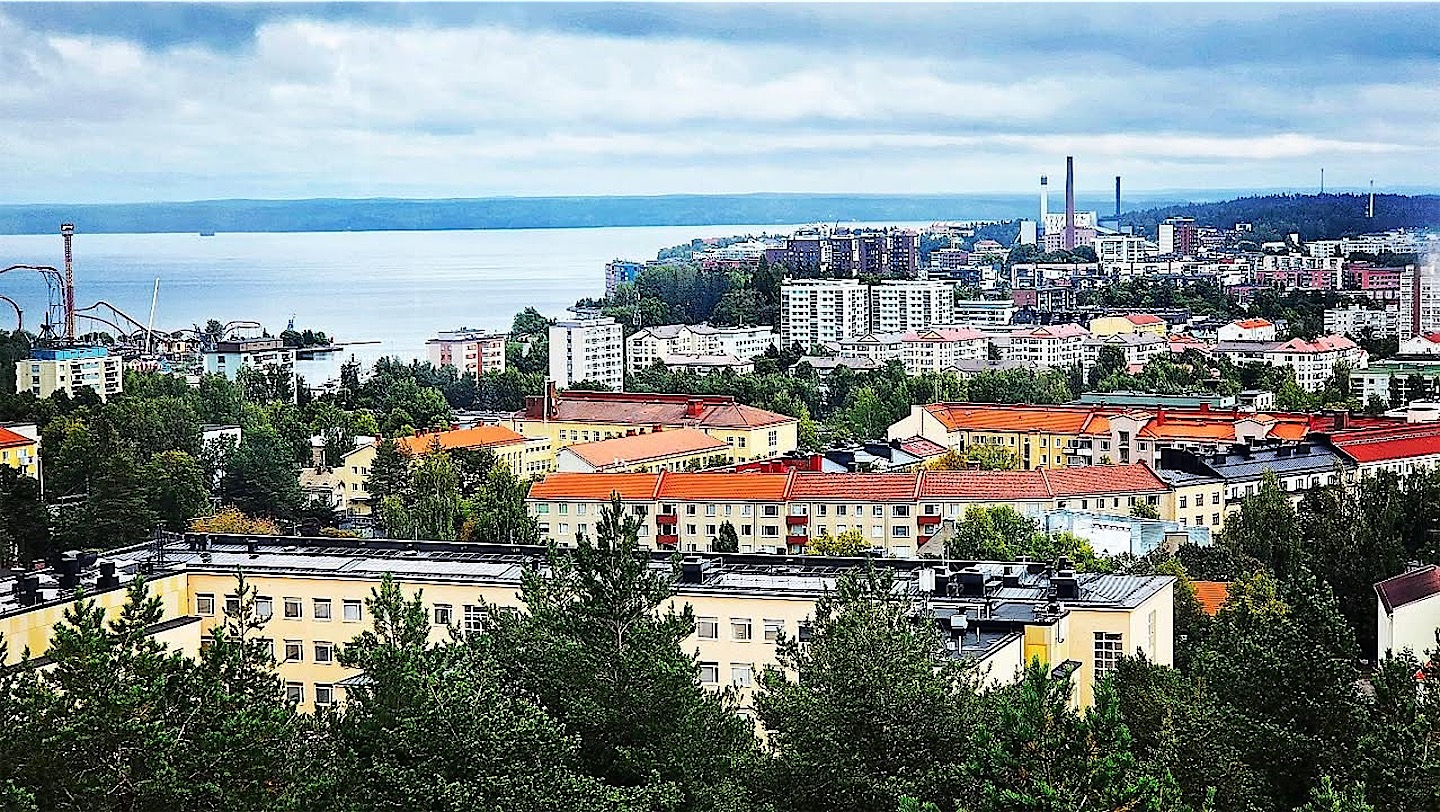
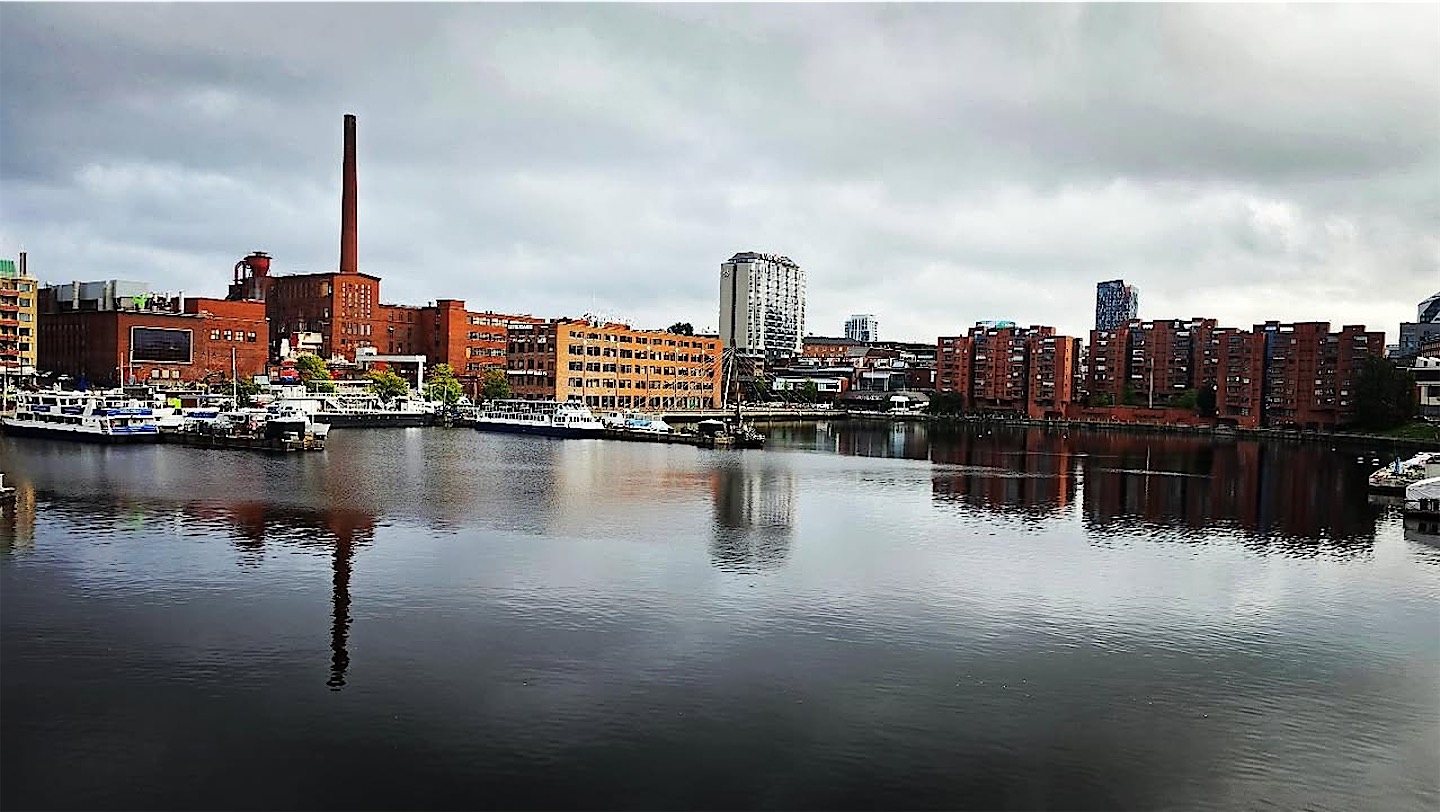
The day began in Tampere, on a strip of land between the lakes Näsijärvi and Pyhäjärvi. The Tammerkoski rapids between them powered the textile mills that made Tampere the "Manchester of Finland", and the red-brick factories still line the water. After exploring the town I hiked up to the Pyynikki observation tower, which stands on a gravel ridge left by the Ice Age. Its café is famous for its doughnuts.
On the way to the coast I stopped at a World Heritage Site I had never heard of: Sammallahdenmäki, a Bronze Age burial ground near Rauma, where dozens of granite cairns lie scattered through a quiet pine forest. Rauma itself was the next stop, with whole streets of painted wooden houses from the 18th and 19th centuries.
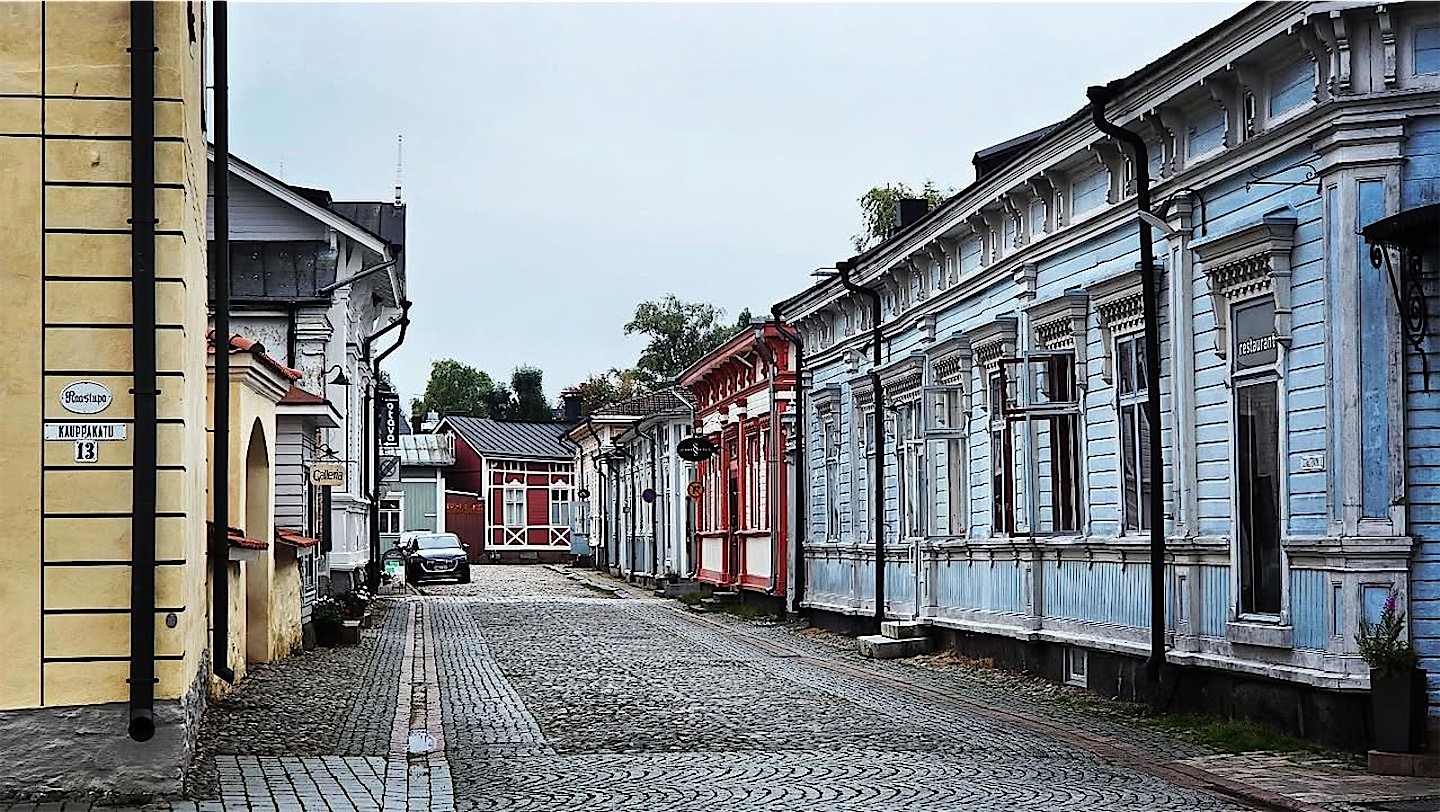
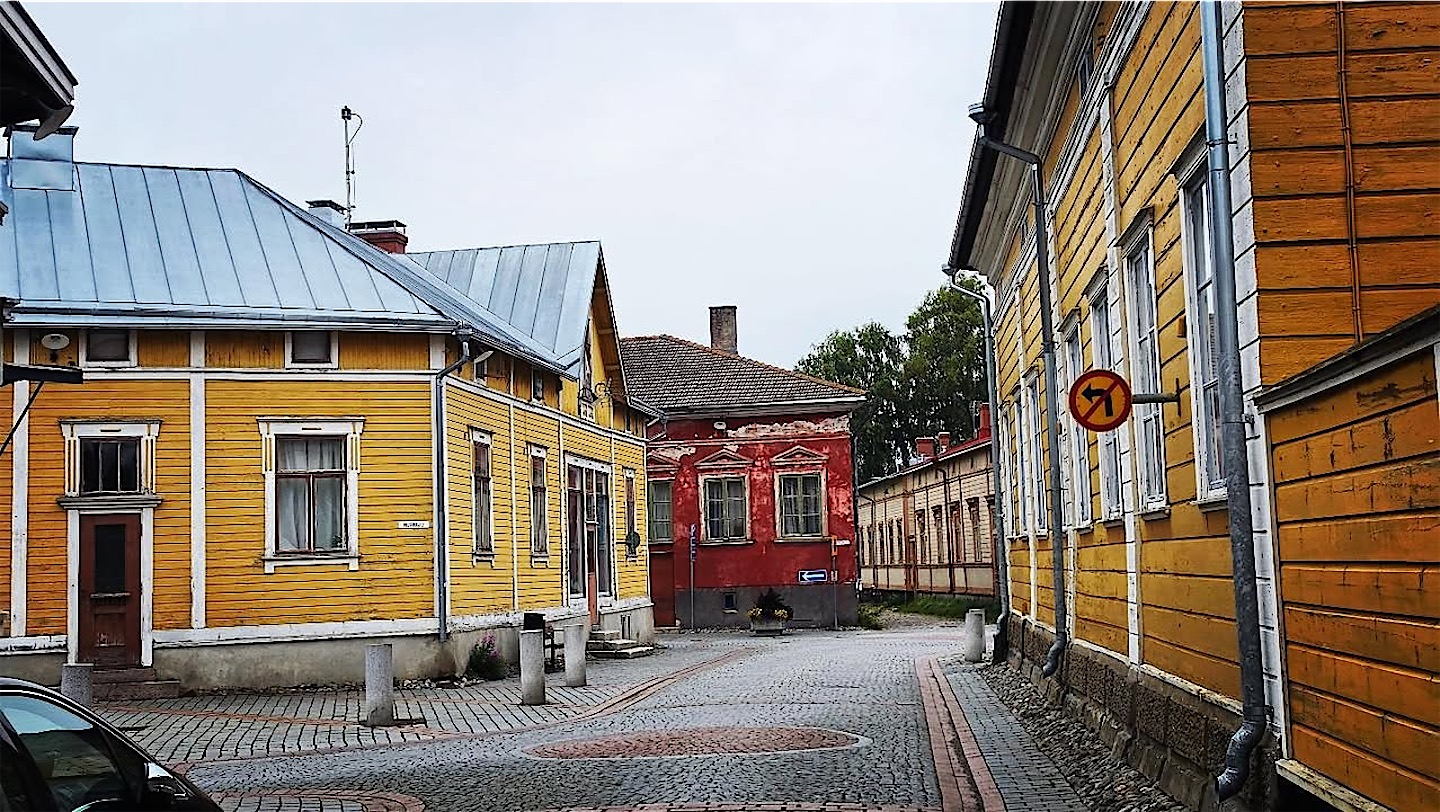
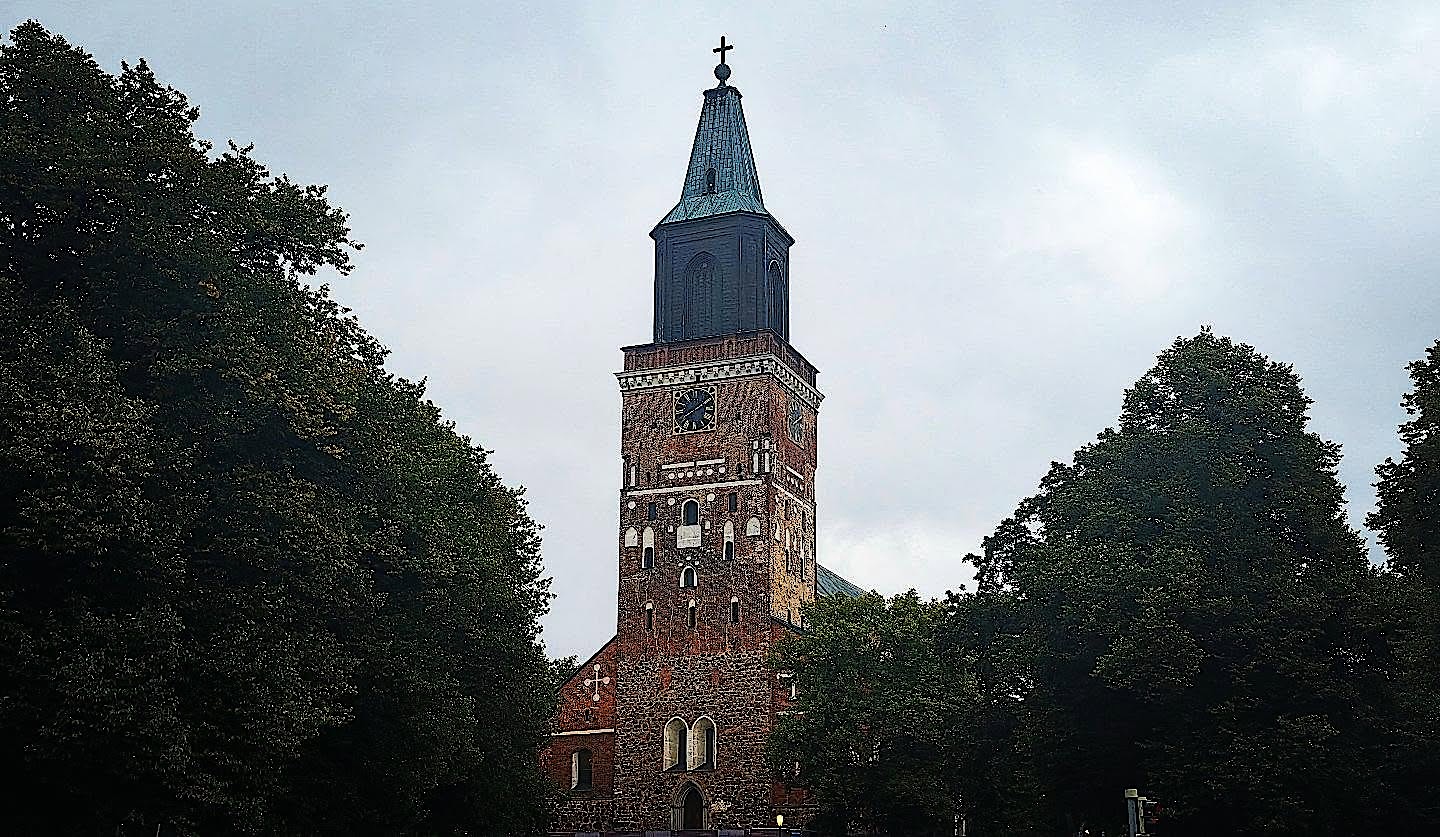
Further south came the harbour town of Naantali, best known for Moomin World and for Kultaranta, the Finnish president's summer residence, and finally an evening in Turku. Finland's oldest city was its capital until 1812, and its cathedral, consecrated in 1300, is the mother church of the Finnish Lutheran church.
The next morning I flew from Helsinki-Vantaa to Palma, one of my longest flights of the summer. Both Estonia and Finland deserve a longer visit. Soon afterwards I was back with my motorhome in Ireland, and the story continues with overlanding the British Isles.