
From the Pirate Coast to the Manhattan of the Desert: Puntland, the Sinai and Overland Through Yemen to Oman
3–13 November 2024 · Garowe, Eyl, Dahab, St Catherine's Monastery, Sharm el-Sheikh, Seiyun, Tarim, Shibam, Wadi Doan, Al Mukalla, Al Ghaydah, Hawf, Salalah · Regions: Somalia (Puntland), Egypt (Sinai), Yemen, Oman
After our family safari in Kenya, I set off from Nairobi on a trip of a very different kind. Three places had been missing from my lists for a while, each awkward to reach: Puntland at the tip of the Horn of Africa, the Asian part of Egypt on the Sinai, and mainland Yemen, which I wanted to cross overland to Oman. It turned into eleven days of armed escorts, long drives, checkpoints and mud-brick skyscrapers.
Back to Somalia: into Puntland
I flew from Nairobi to Garowe, where immigration was a challenge, with quite a few officials taking a keen interest in me. With remnants of the Islamic State, al-Shabaab and potential pirates in the region, I didn't take any chances and held back my photos until I was out again. By most lists, Puntland was the last country or territory on the African continent I still had to visit, so finally standing on the easternmost Horn of Africa felt like a real milestone.
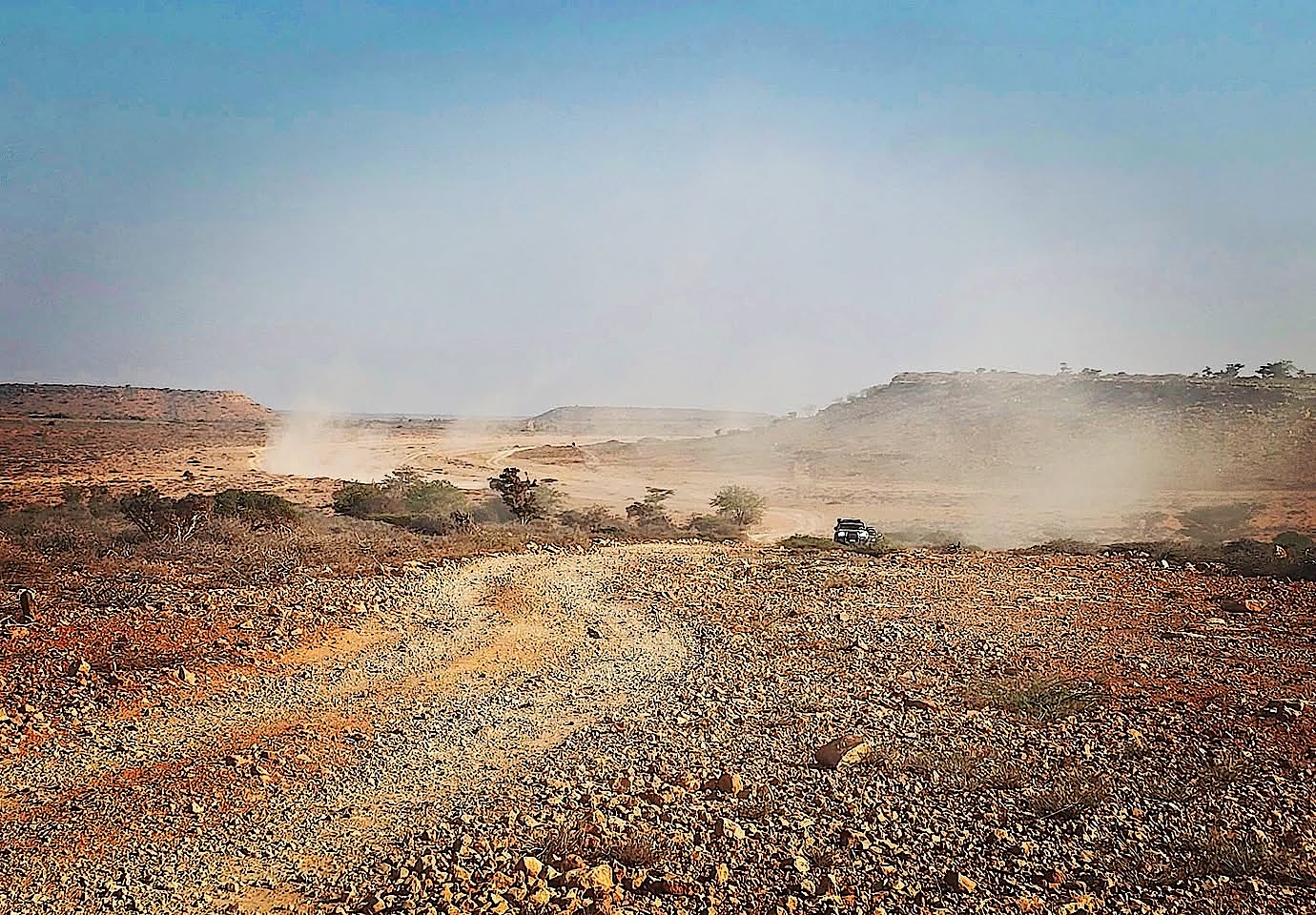
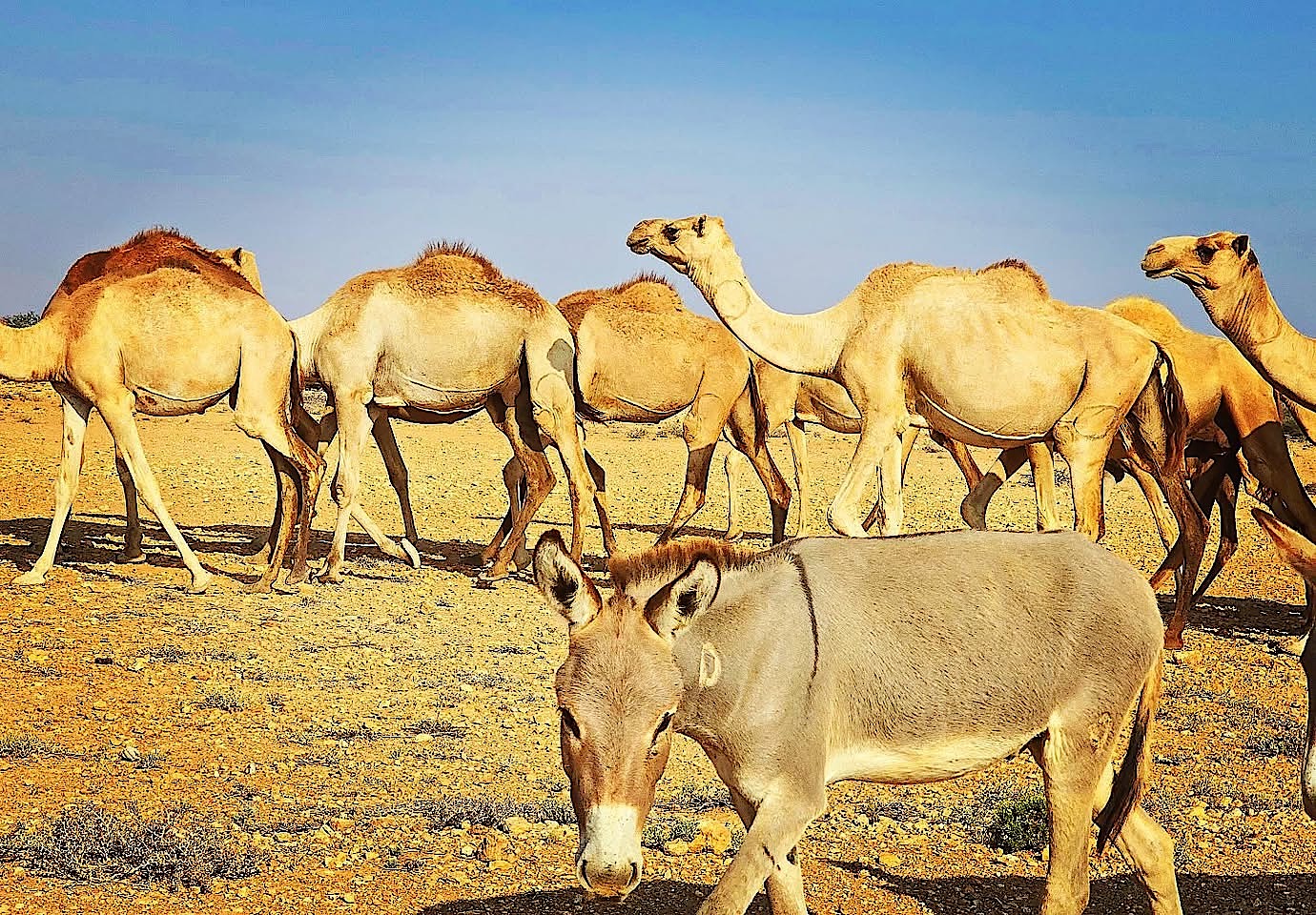
Garowe doesn't have much to see, although its colourful houses stand out against the dusty streets. From there we drove north for an hour on a reasonably good road, then five more hours on a bumpy gravel track to the coast. We hardly saw a person in the barren desert, but there were camels everywhere. Two security guards accompanied me the whole time. It never felt dangerous, though I can't say how it would have felt without their rifles.
Pirate Beach in Eyl
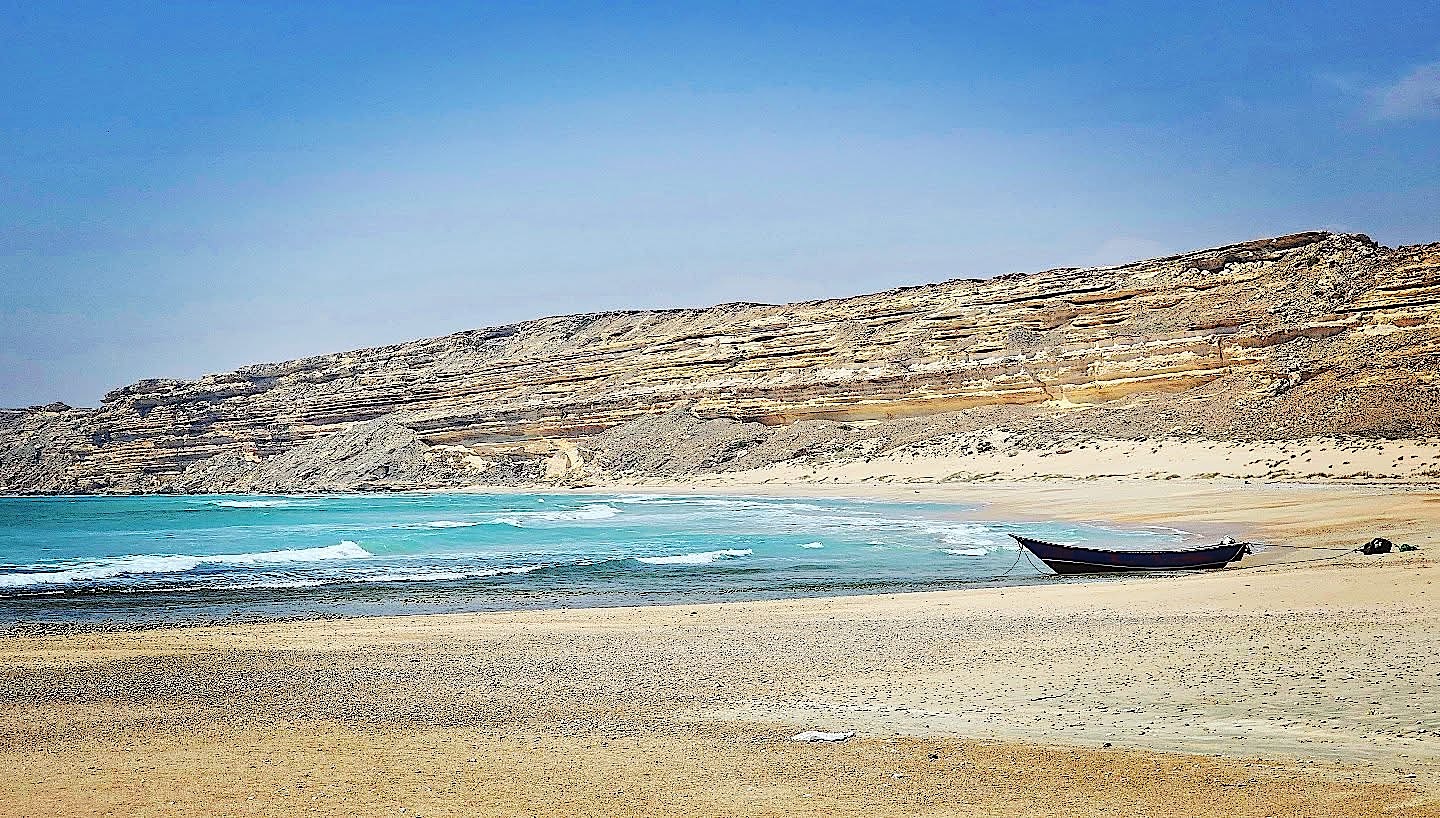
Our destination was Eyl, once the most notorious pirate base on the Somali coast. My first morning there began with a sea turtle in the sand at the water's edge. The beach is lined with colourful wooden boats, and watching the men working on them, I couldn't help asking the obvious question: pirates or fishermen? As far as I could tell, fishermen. After sunrise the beauty of this remote town slowly won me over: pale cliffs, turquoise water, a few boats heading out and hardly anything else.
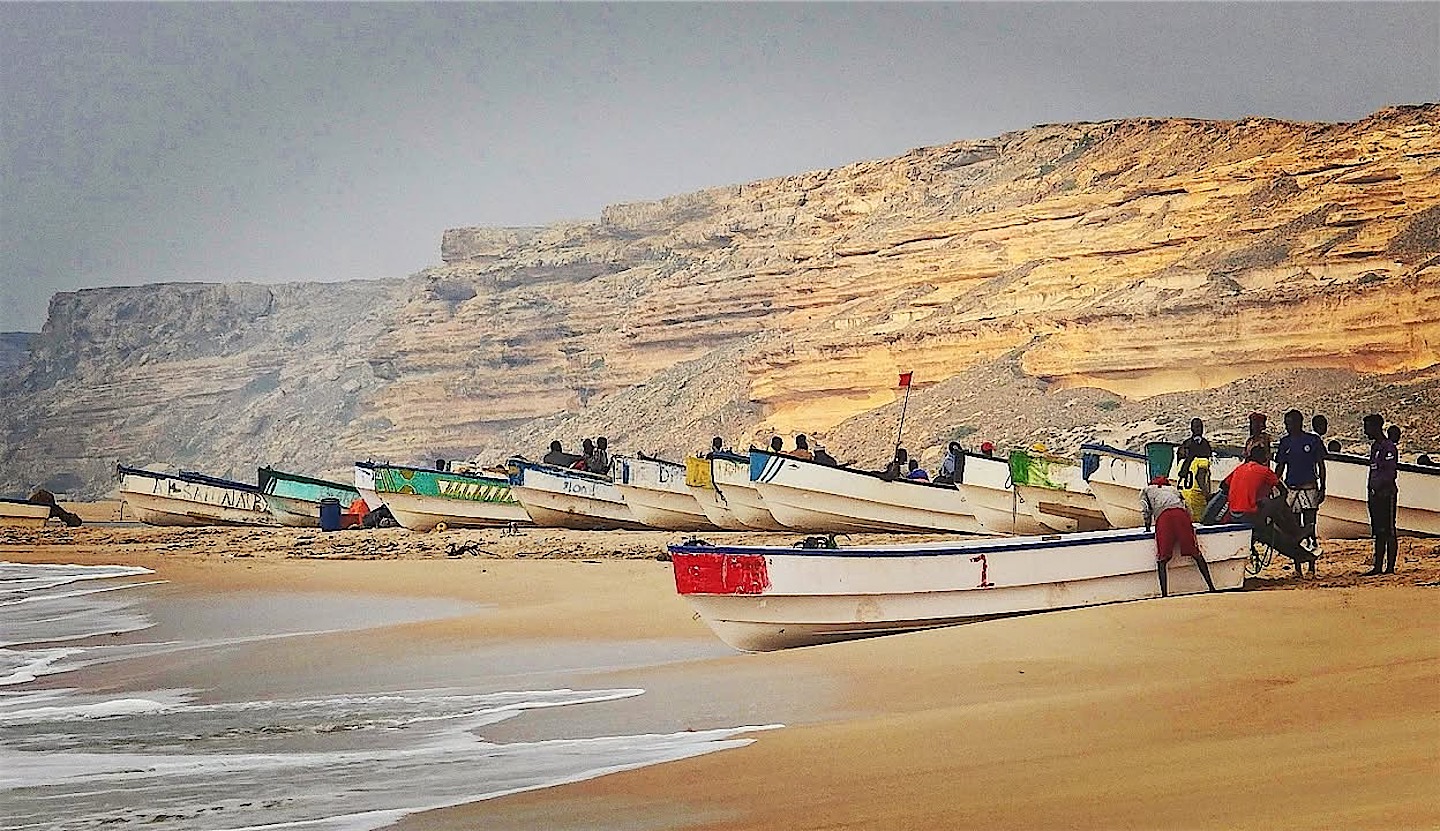
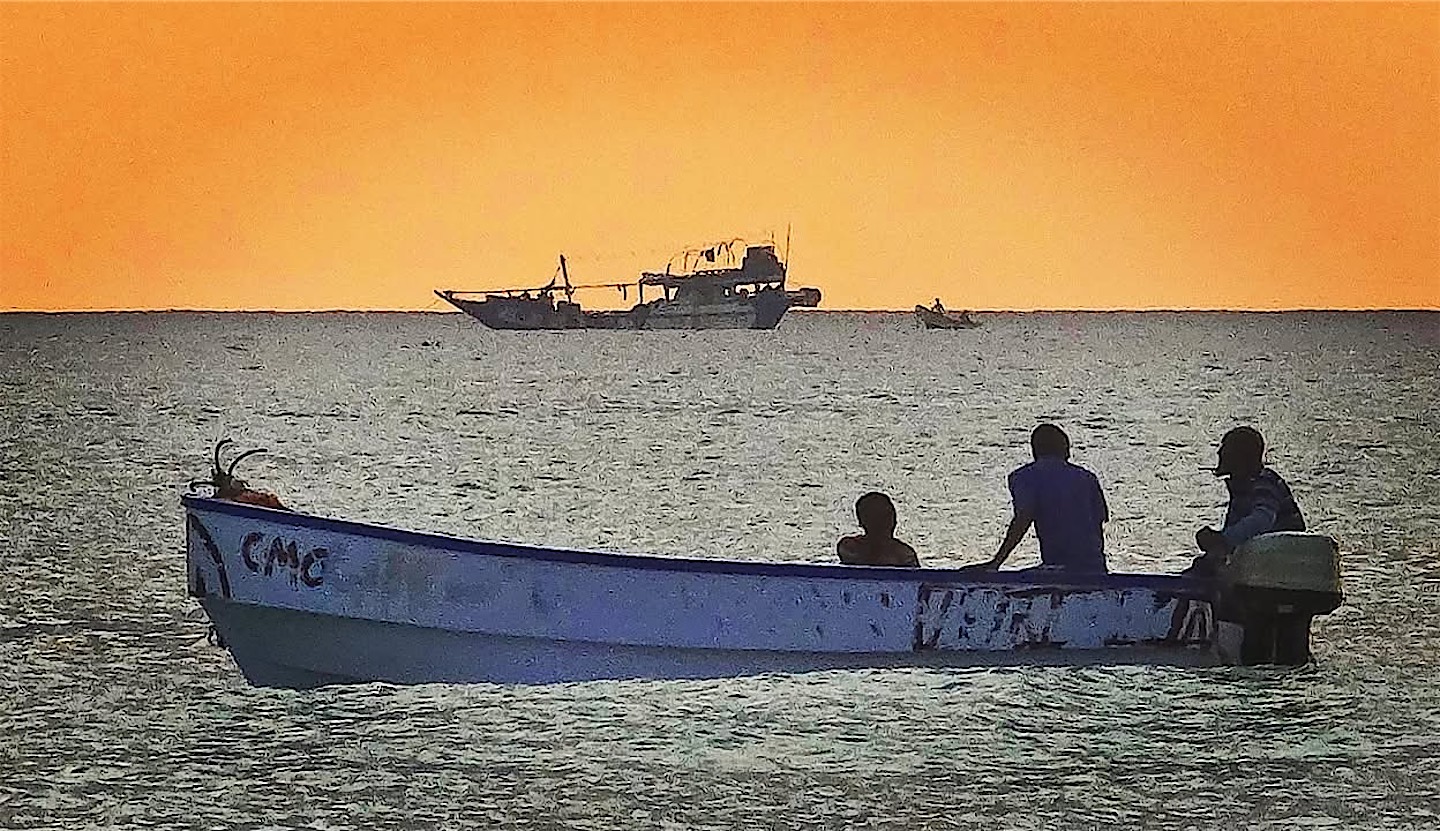
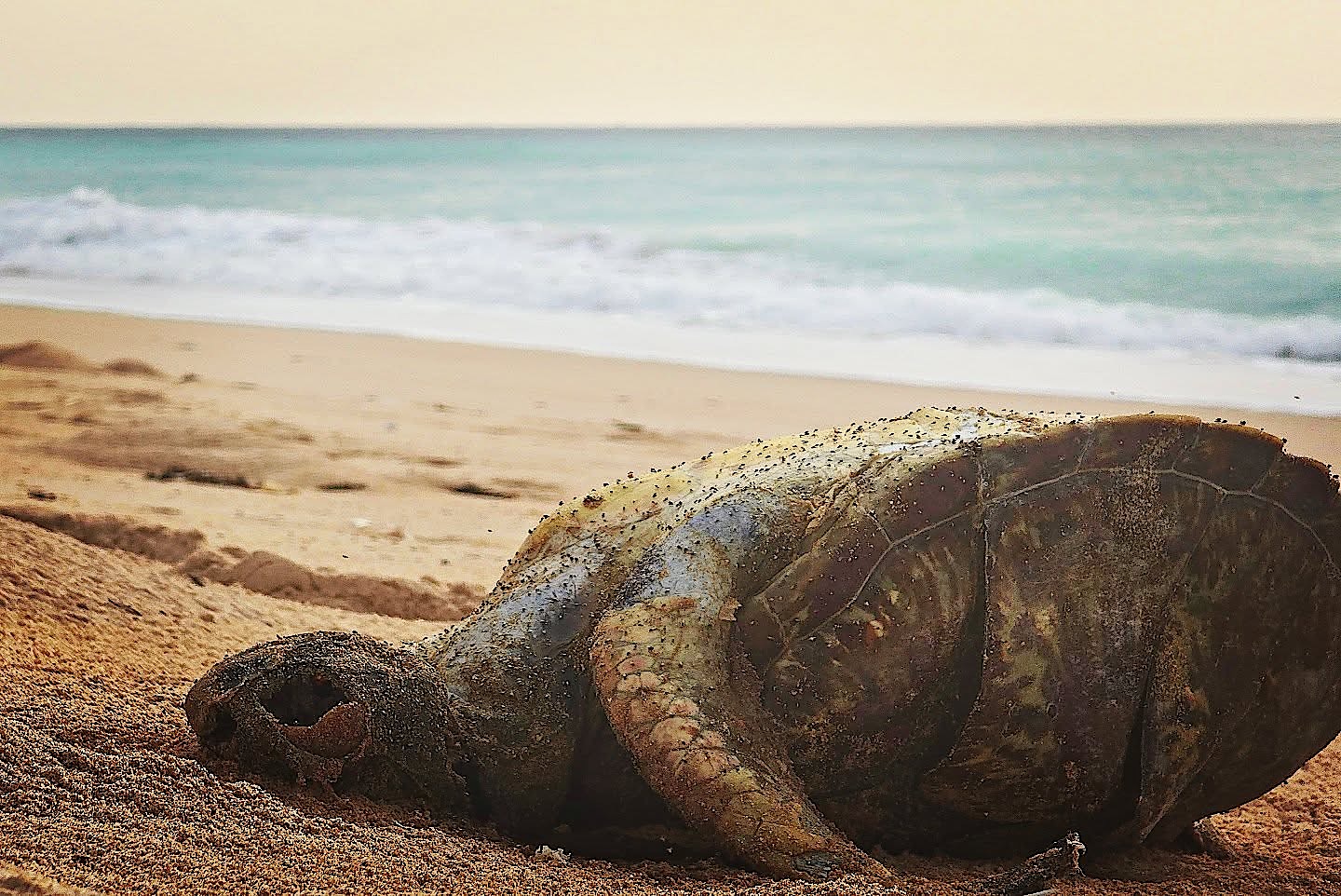
Two days after landing I was back in Addis Ababa, transiting to the next conflict zone. Puntland is mostly barren desert, but it was a unique experience that I quite enjoyed.
A day in the Sinai
Yemen lies just across the Gulf of Aden, but with no direct flights I took a long detour via Cairo and used it to cross off the Sinai, a separate territory for the Travelers' Century Club that I had somehow never visited.
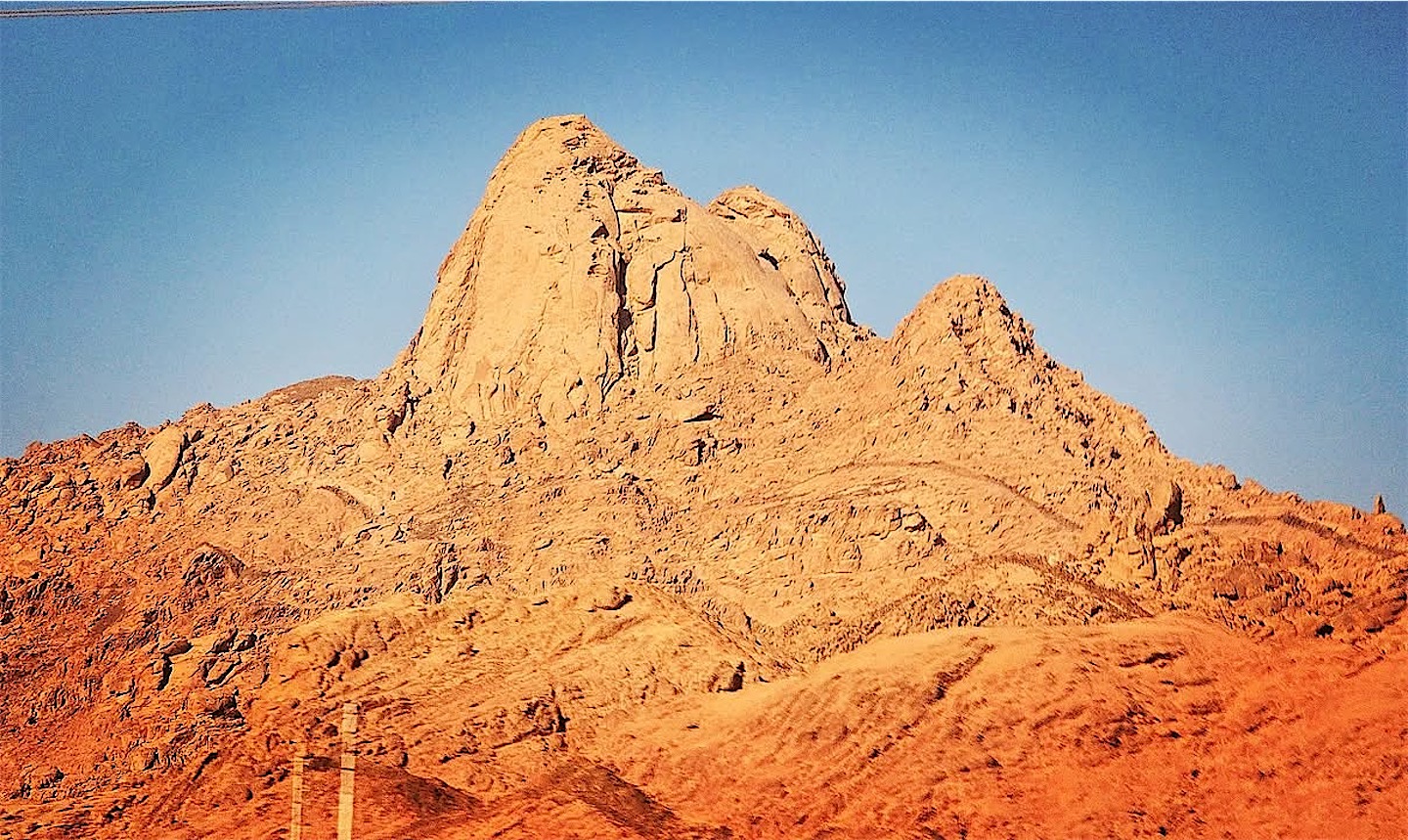
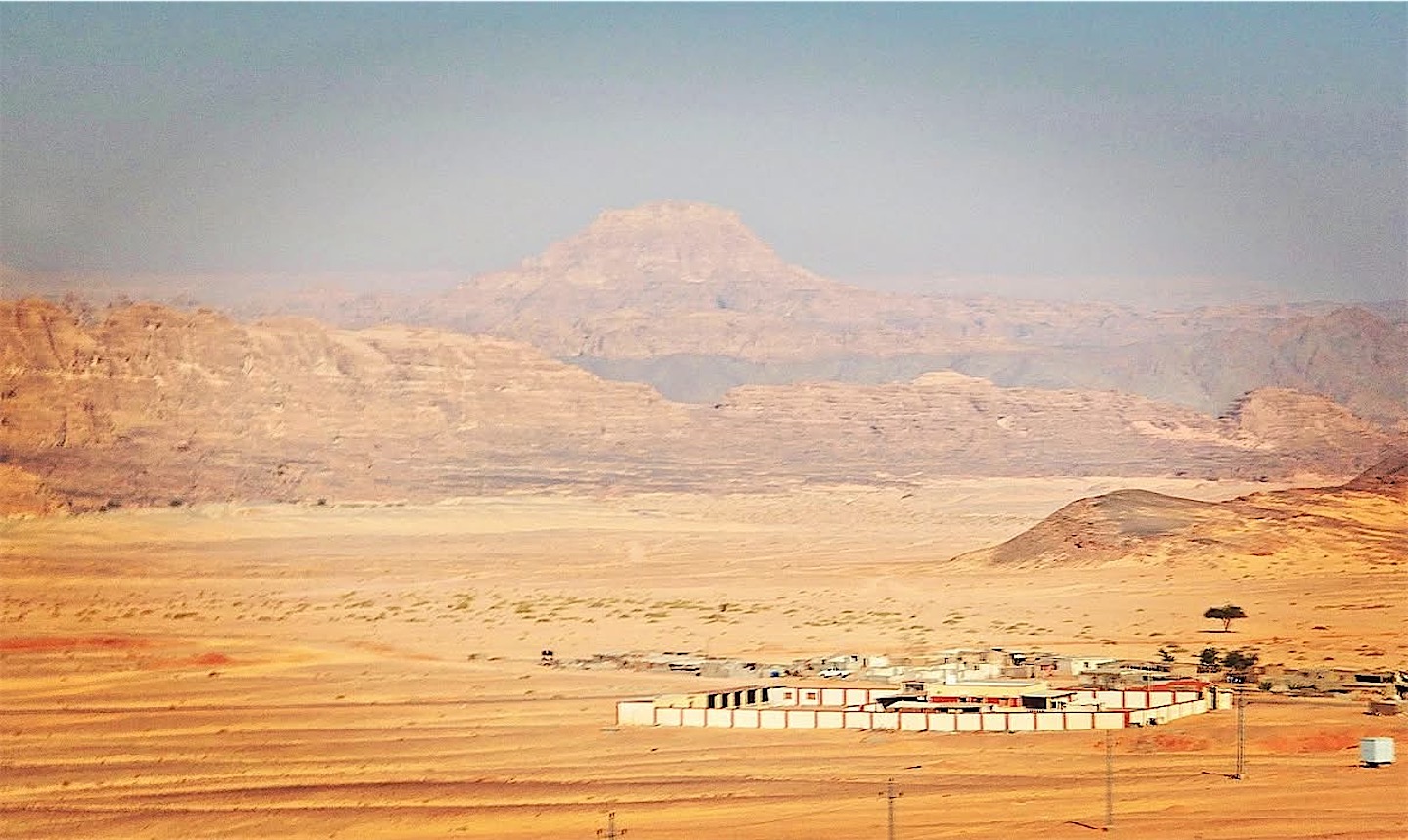
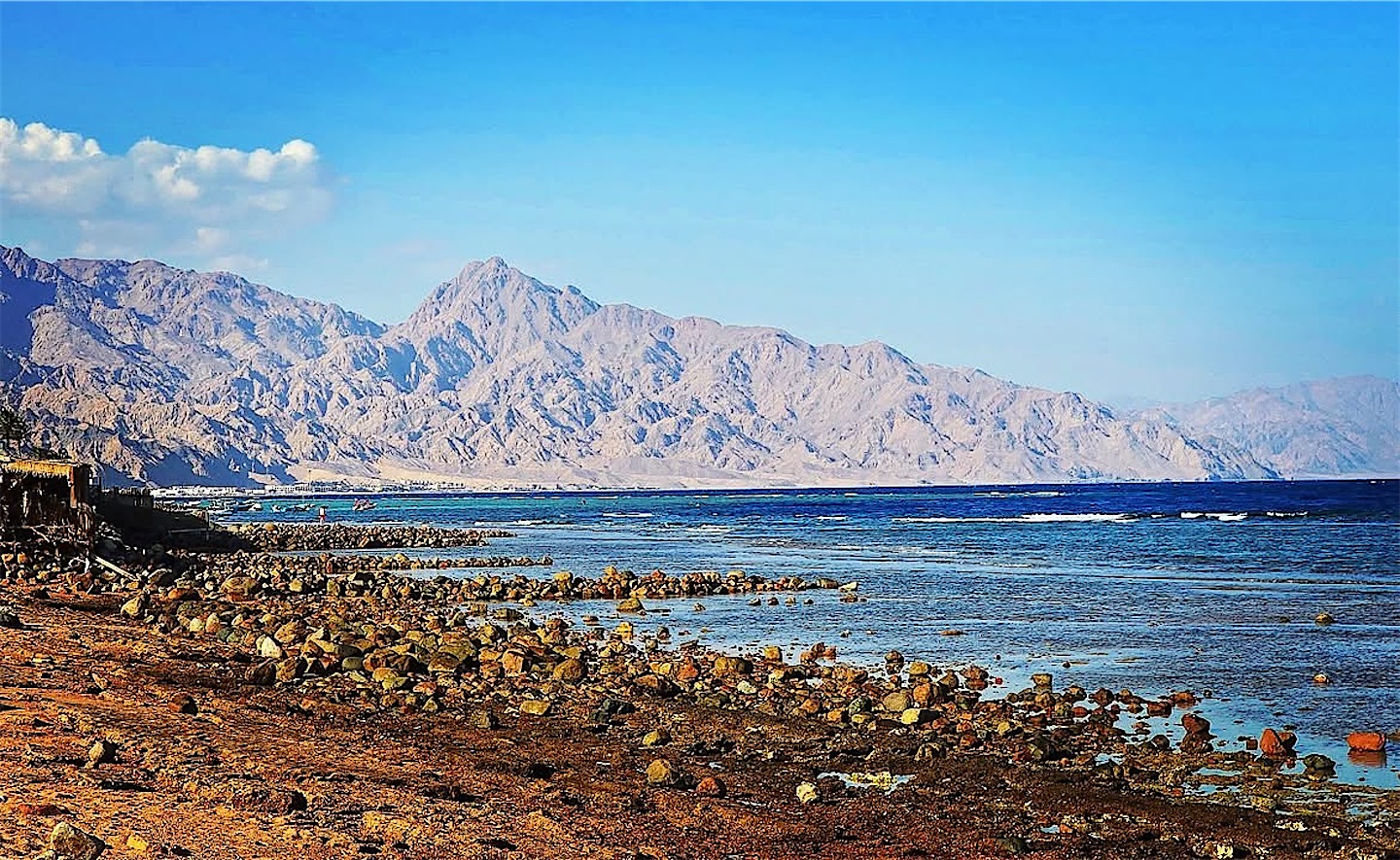
In Dahab I had planned an advanced open water diving course, but my flight to Yemen was moved two days earlier, so the diving will have to wait. Instead I made the long drive through the desert, past red granite peaks, to St Catherine's Monastery at the foot of Mount Sinai. The guided tour was very interesting, and I stood in front of the famous burning bush. I also had a look around Sharm el-Sheikh before flying back to Cairo.
Seiyun, Tarim and the tomb of Hud
From Cairo a Yemenia flight took me to Seiyun in Wadi Hadramaut. My last visit to Yemen had ended abruptly in March 2020, when I was evacuated from Socotra on the last flight out for half a year. The pandemic is over, the civil war is not, but there's never a perfect time to visit a new place. My plan was to stay in the eastern regions of Hadramaut and Al Mahra, far from the Houthis and the front lines, and travel overland to Oman.
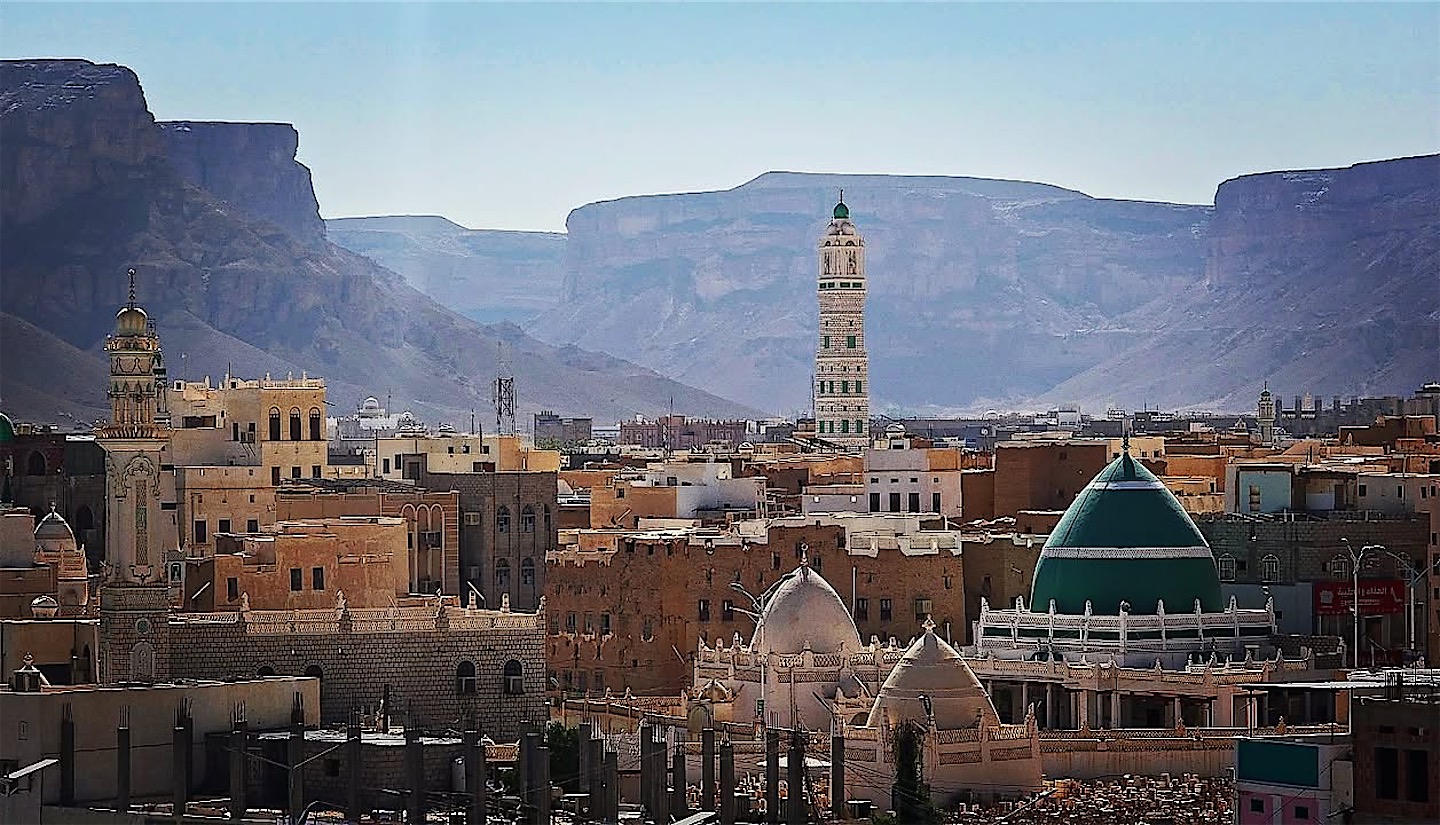
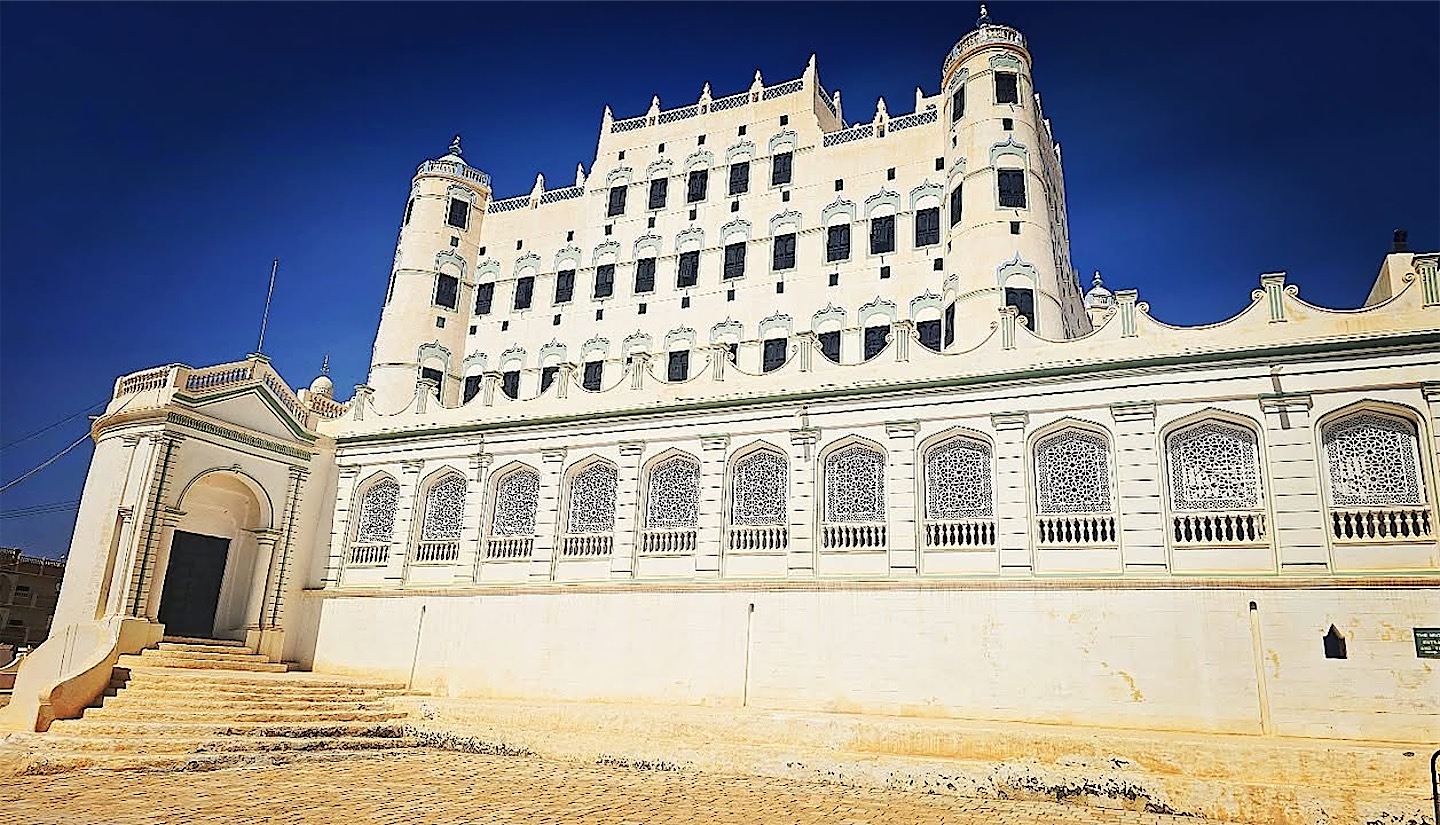
Wadi Hadramaut is a long valley cut deep into a stony plateau, with palm groves and mud-brick towns at the foot of its cliffs. Seiyun, its largest town, is dominated by the white palace of the former Kathiri sultans. This is an extremely religious region: non-Muslims may not enter most mosques, and women go out fully veiled. If you want to experience a traditional Islamic society, look no further.
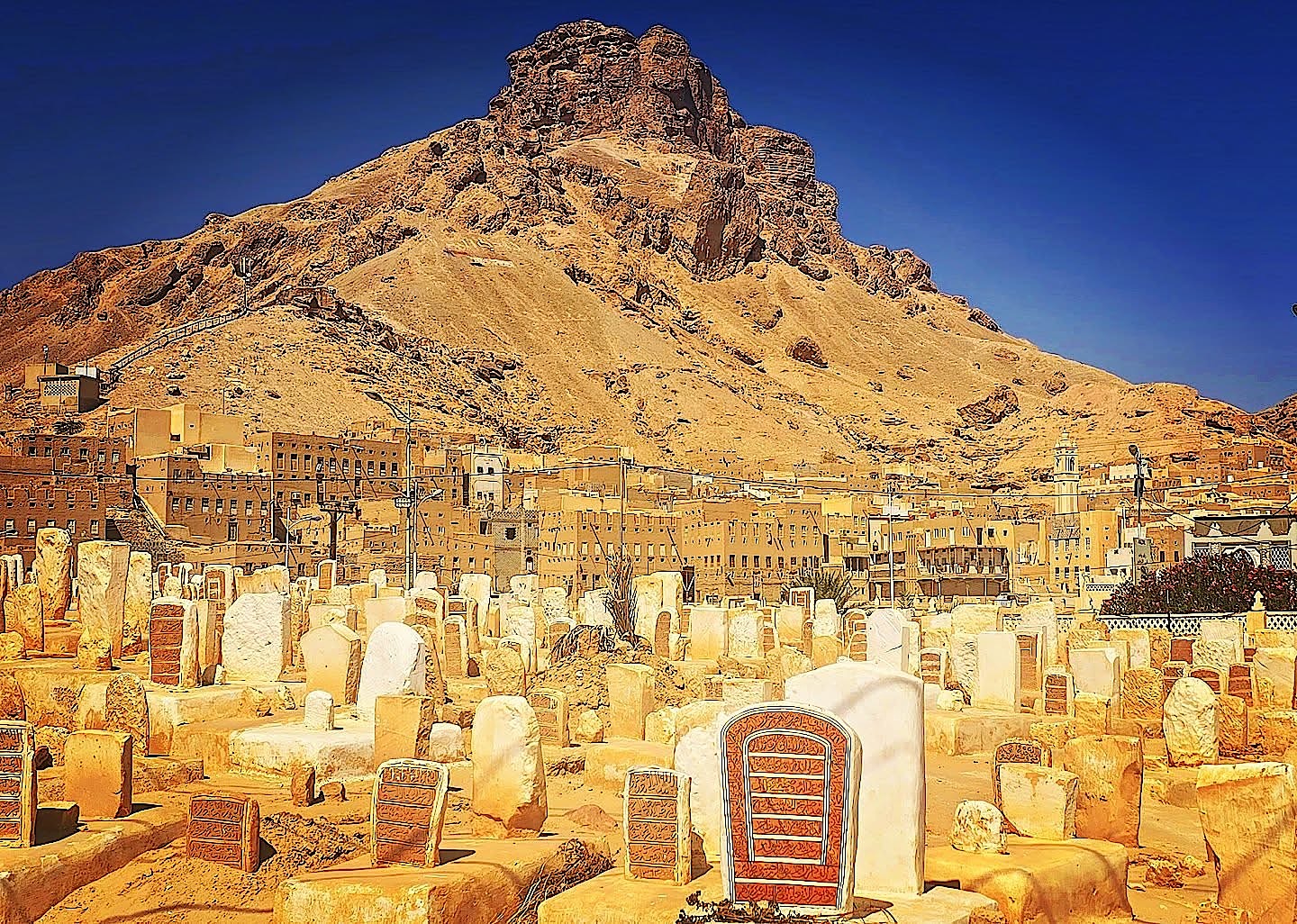
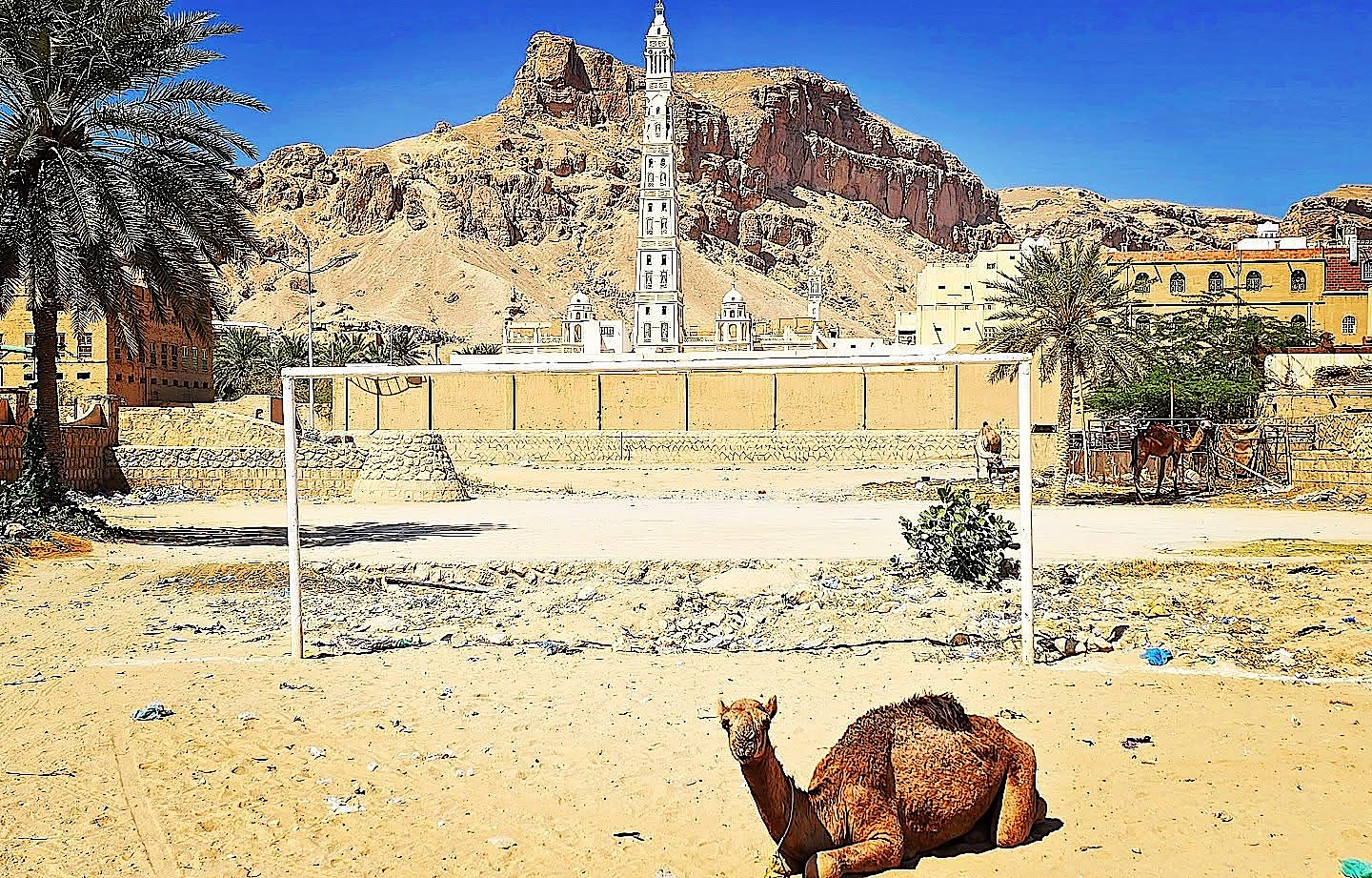
Tarim, a short drive east, is one of the most important Sufi towns in the Arab world. Most of its inhabitants trace their descent to the Prophet Muhammad, and generations of them lie buried in a vast cemetery below the rocks. Above the town rises the minaret of the Al-Mihdhar Mosque, said to be the tallest mud-brick minaret in the world.
As in Puntland, I had an armed escort. Since a soldier's rifle went off a metre behind me in Nigeria, luckily into the ground, I pay attention to where my protectors point their muzzles. Here one came uncomfortably close to my knees. Gun safety is not a priority here.
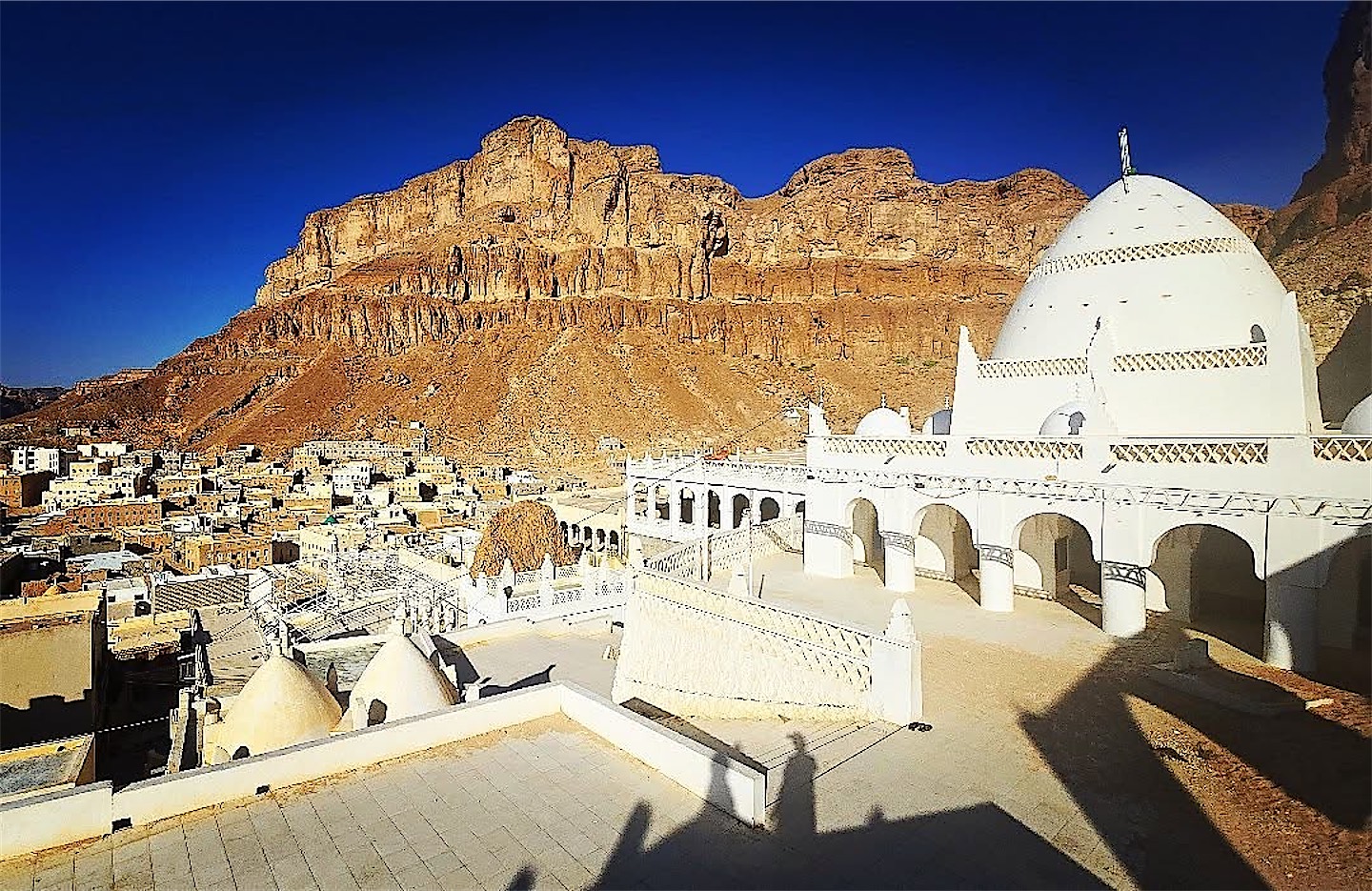
Further east lies Qabr Hud, a white-domed Sufi shrine where the Quranic prophet Hud is believed to be buried. In the month before Ramadan, huge numbers of pilgrims come here.
Shibam, the Manhattan of the Desert
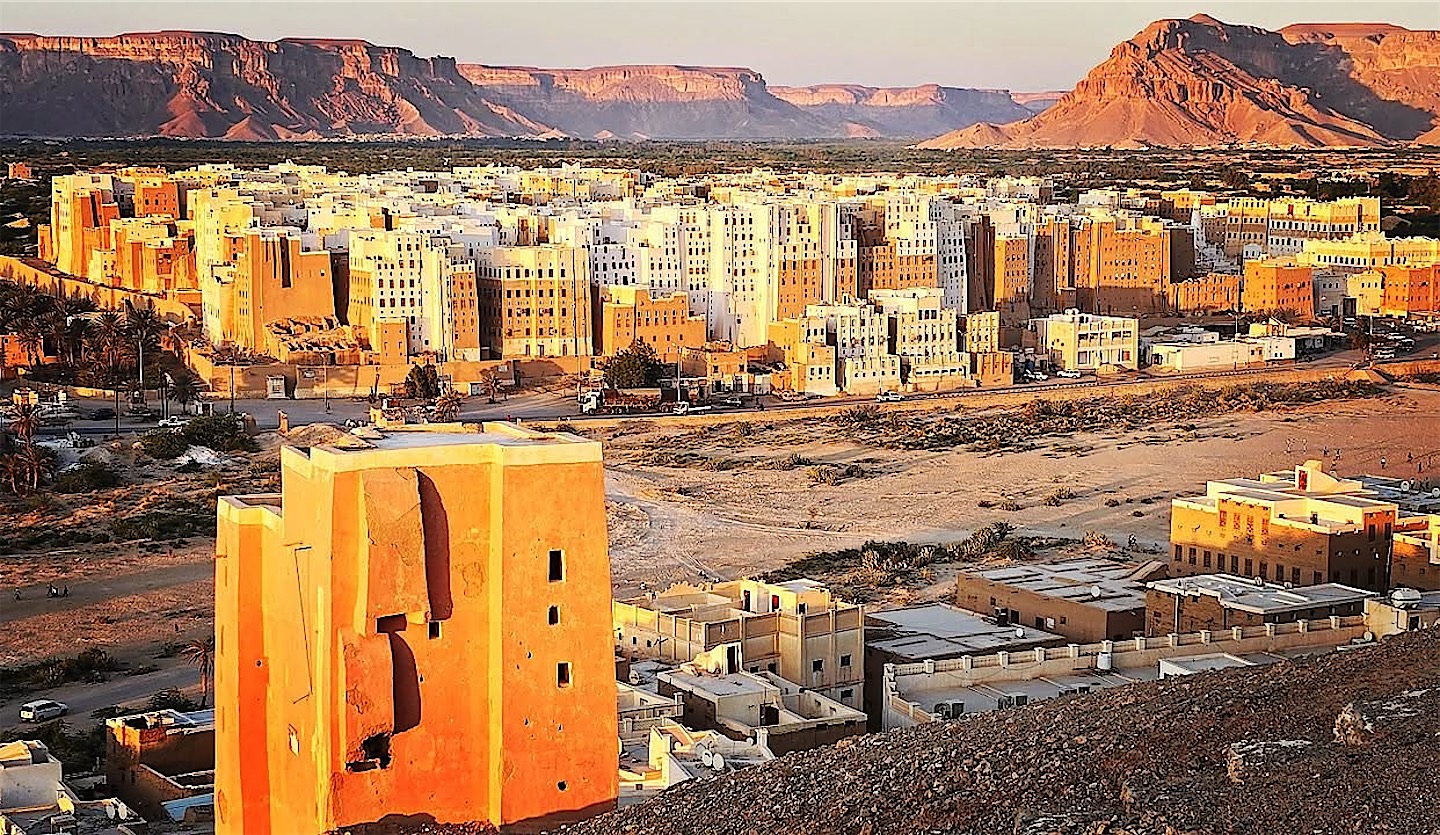
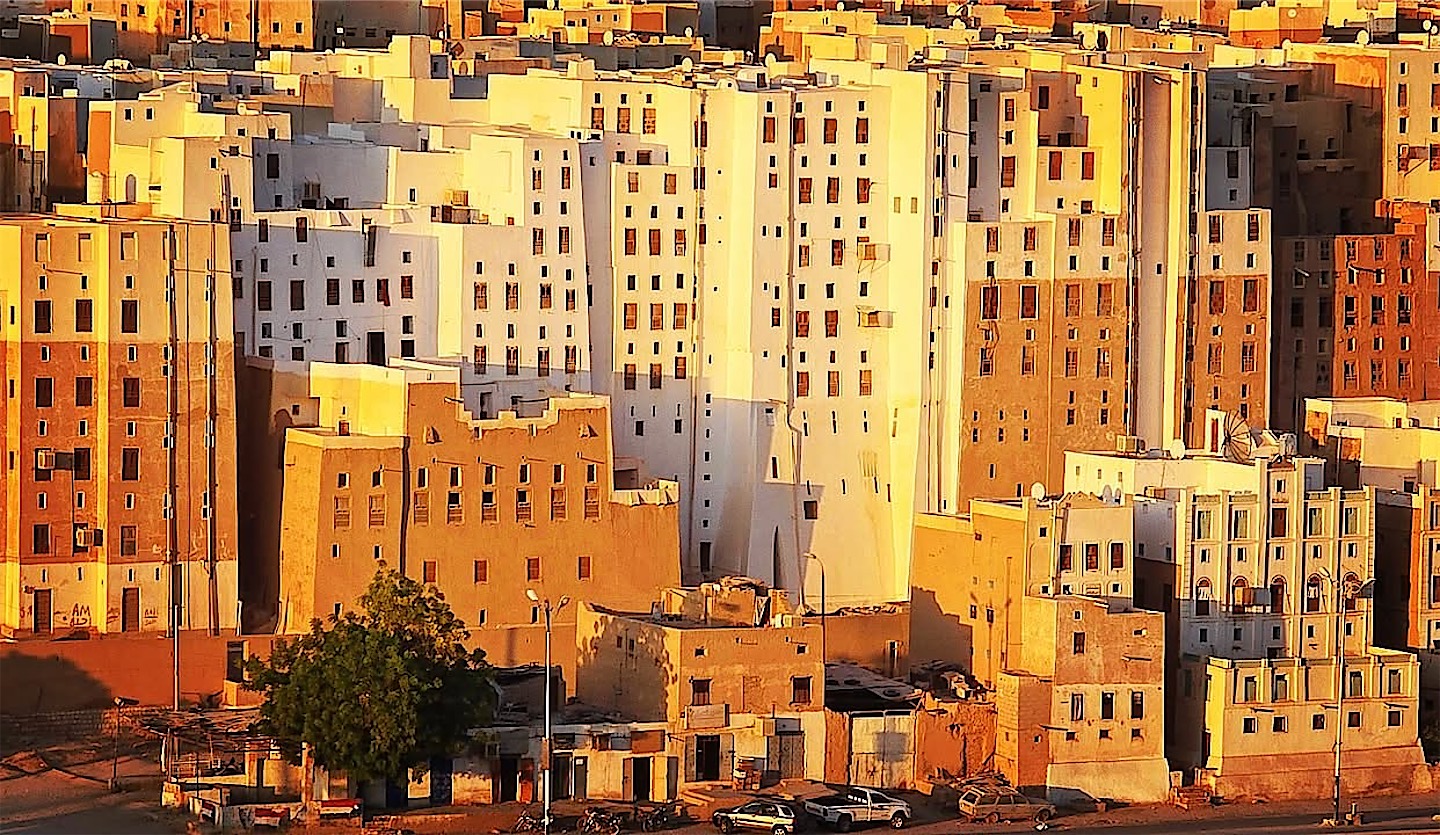
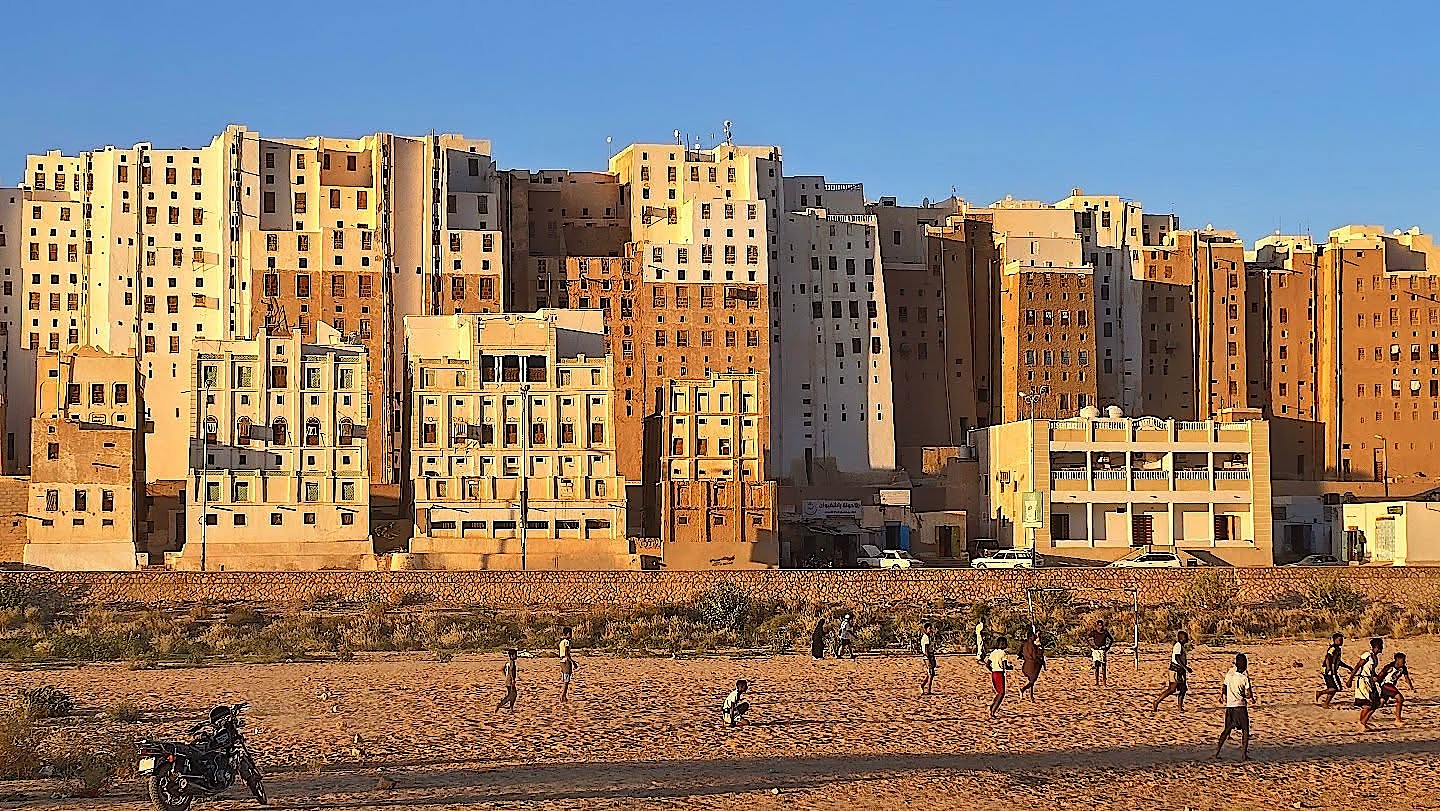
The highlight of the valley is Shibam. Many Arab cities have far taller skyscrapers today, but this remains the oldest and highest mud-brick cityscape in the world. No lifts, though. From the hillside opposite I watched the towers turn golden at sunset, and Shibam fully justified its place on the World Heritage list.
Honey, canyons and the Bin Laden house in Wadi Doan
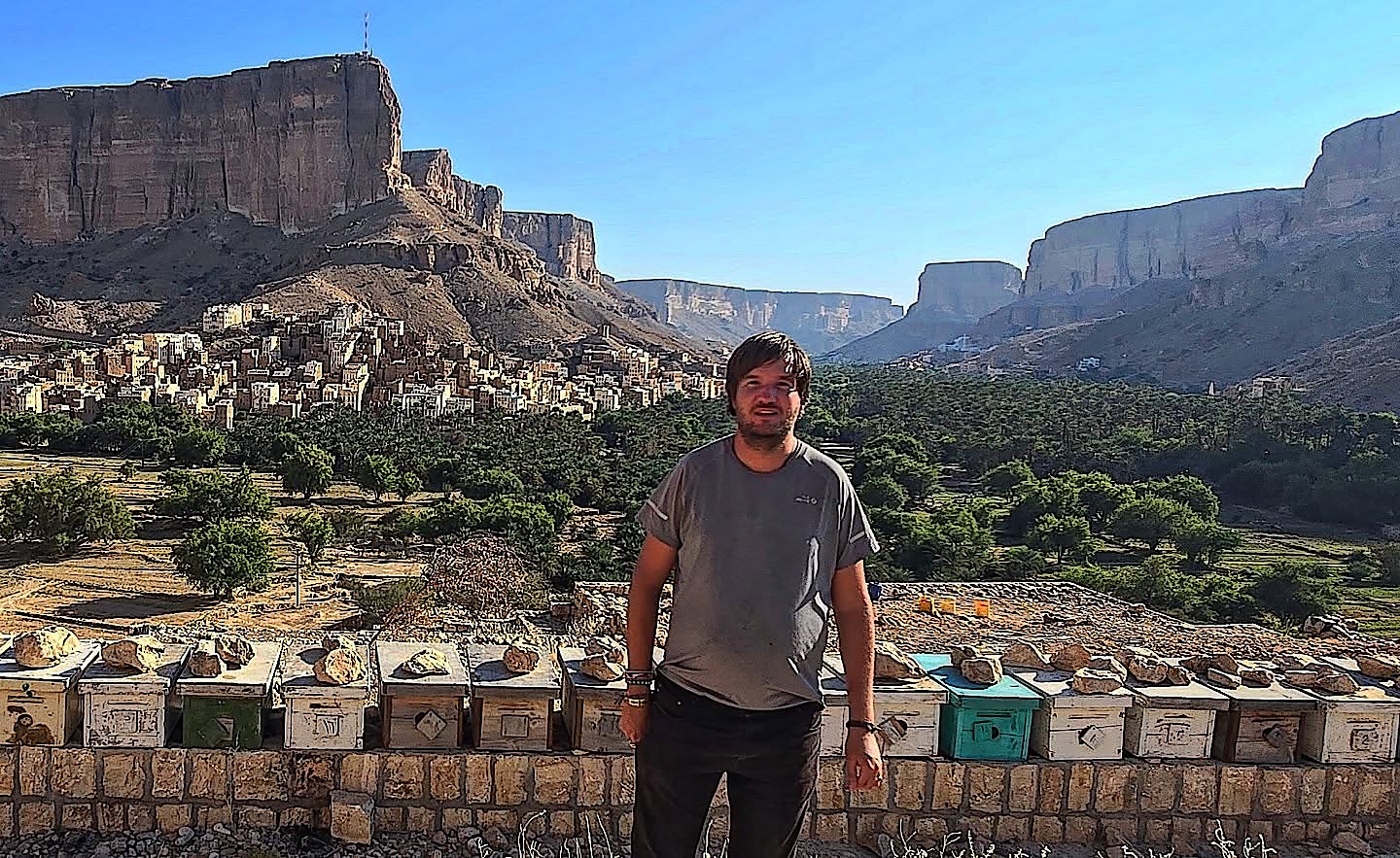
From the main valley we headed south into Wadi Doan, where the towns blend almost seamlessly into the cliffs. Foreign visitors are rare, and the schoolchildren ranged from curious to cheeky, all eager to test their few words of English on me. The valley is famous across the Gulf for its sidr honey, one of the most expensive in the world. I can confirm it is delicious.
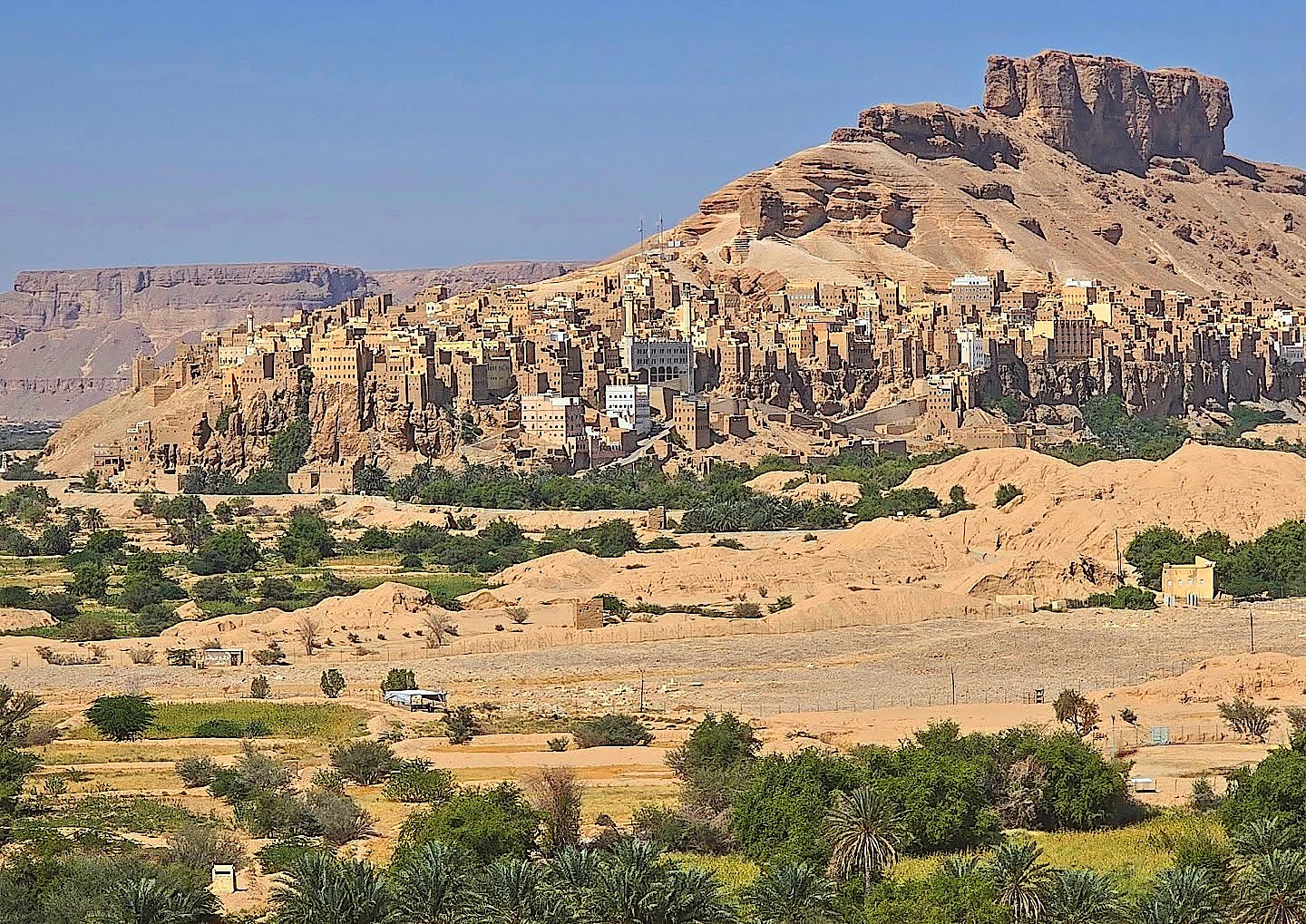
One house here is the ancestral home of the Bin Laden family. Osama's father left as a young man for Saudi Arabia, where he built a construction empire. Squatters now live in the old house and made it very clear that we should not come any closer.
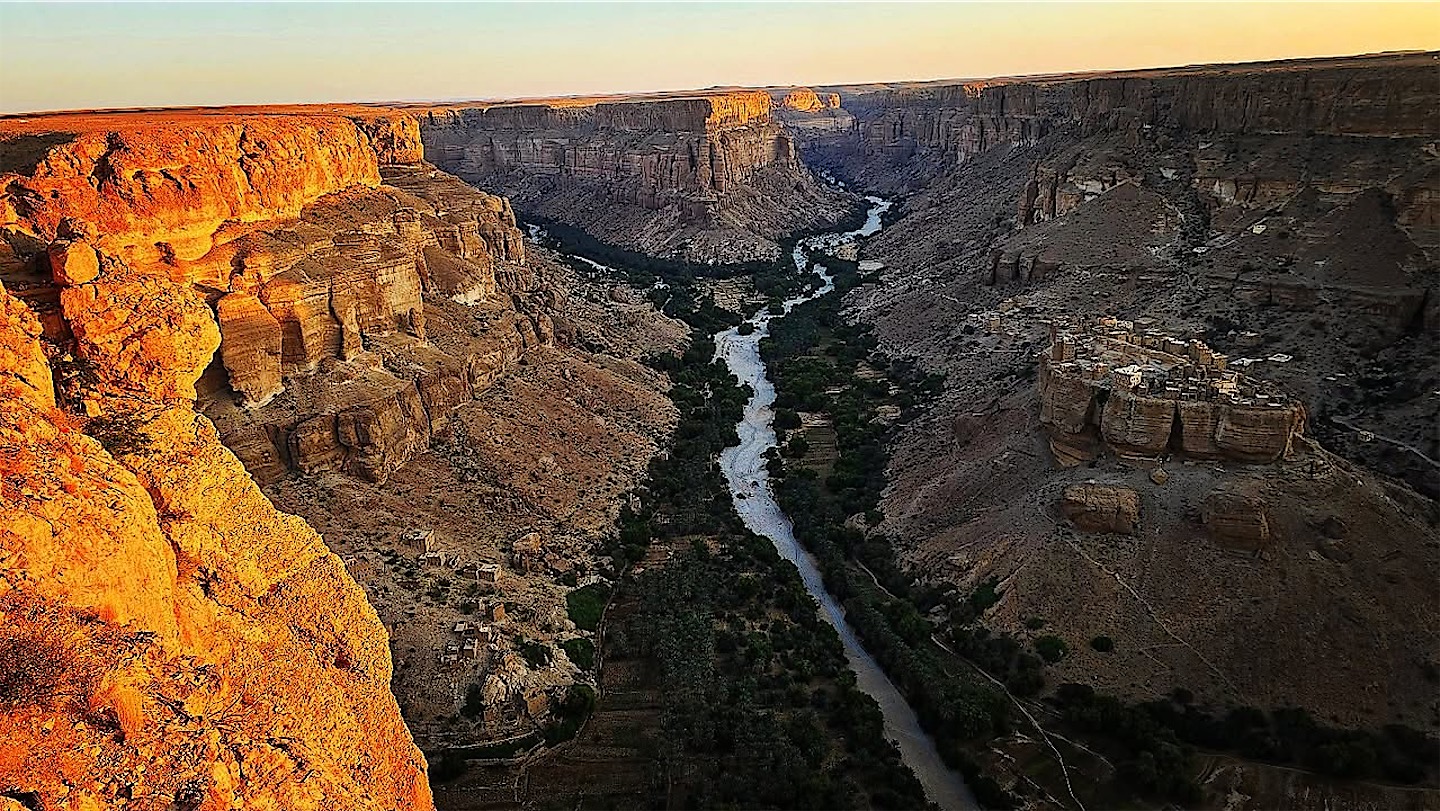
I spent a night near Haid Al-Jazil, a village built on a huge boulder in the middle of the wadi. So much for horrible hotels in war-torn Yemen: mine had a pool on the edge of the canyon and a view straight down into the gorge. The water was ice-cold, but the dip was refreshing.
Chess in Al Mukalla and the long road to Oman
Down on the coast in Al Mukalla, the capital of Hadramaut, a new set of bodyguards took over. The port on the Arabian Sea was once the seat of the Qu'aiti sultans, who ruled much of Hadramaut under British protection until 1967, and during the civil war al-Qaeda held it for a year until 2016.
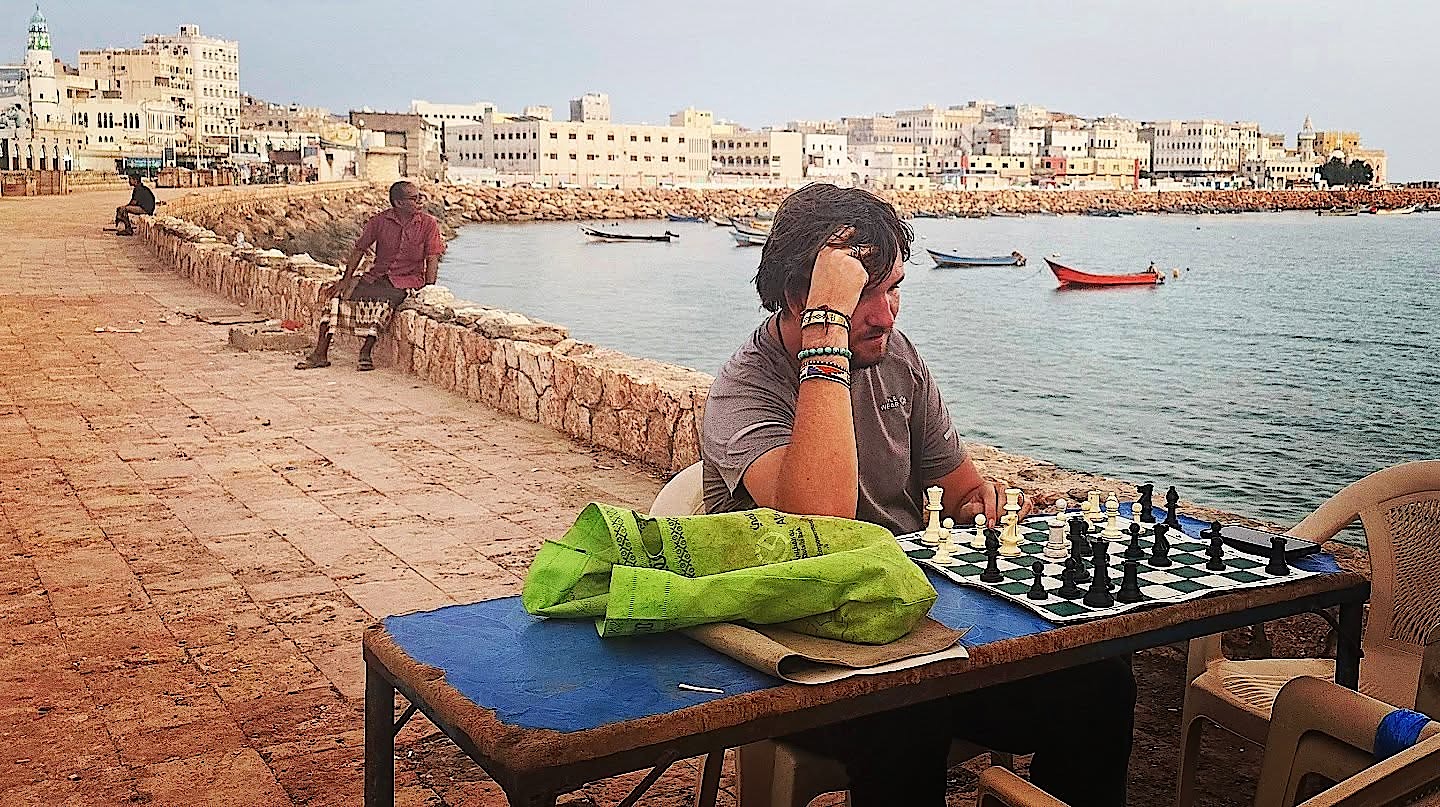
My best memories of Mukalla involve chess. On the waterfront I took on a senior local player who paused to pray while I pondered my next move. After two hours I finally won, apparently against the best player in town. I also played with the town elders, and in between I explored the harbour and the museum.
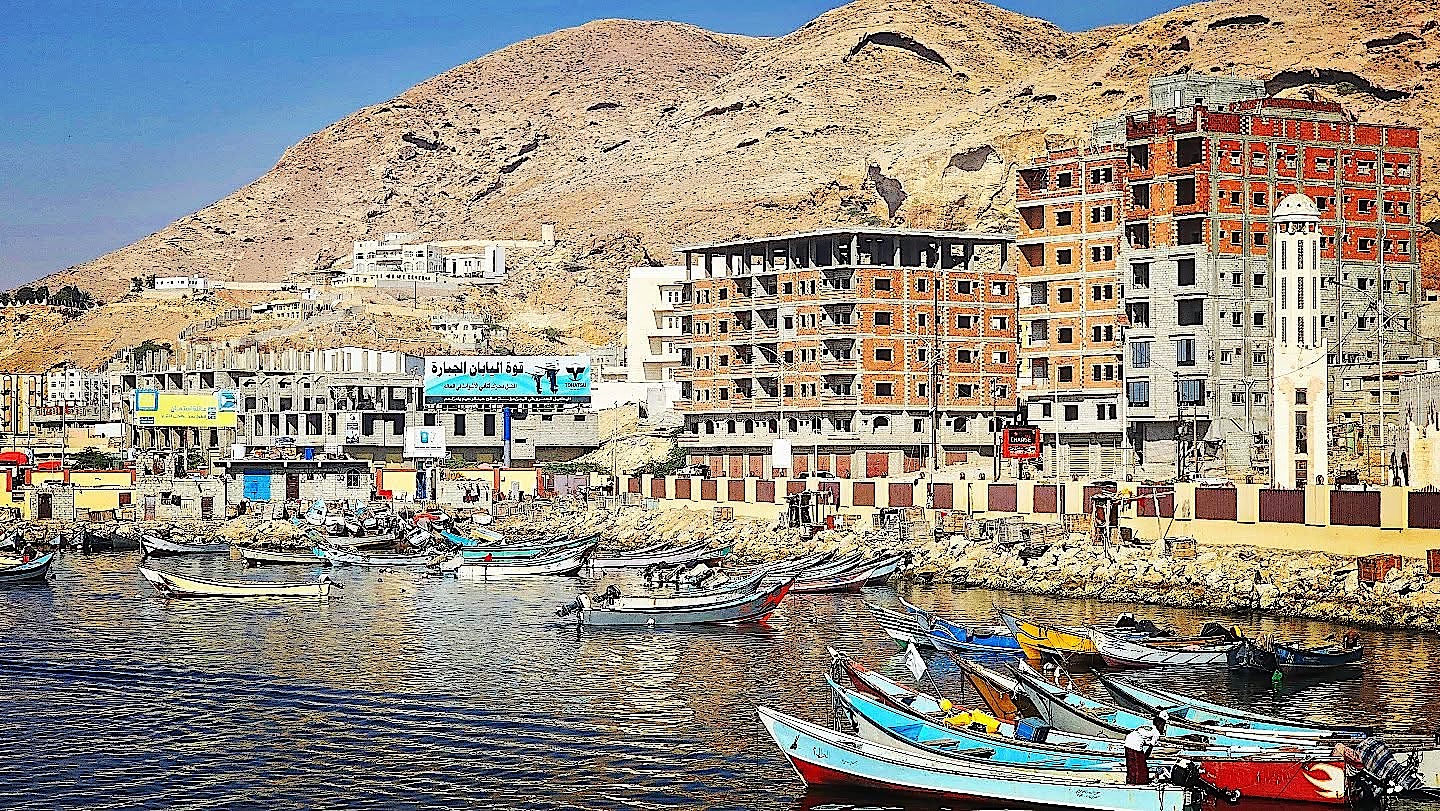
Then came the long drive east along the coast, ten hours to Al Ghaydah in Al Mahra province and on to the Omani border the next day. Much of it is barren wasteland, broken up by dunes running down to the sea and fishing villages lined with boats. Hawf, the last Yemeni village before Oman, was still green from the khareef, the summer monsoon that wraps these coastal mountains and Oman's Dhofar region in mist and drizzle.
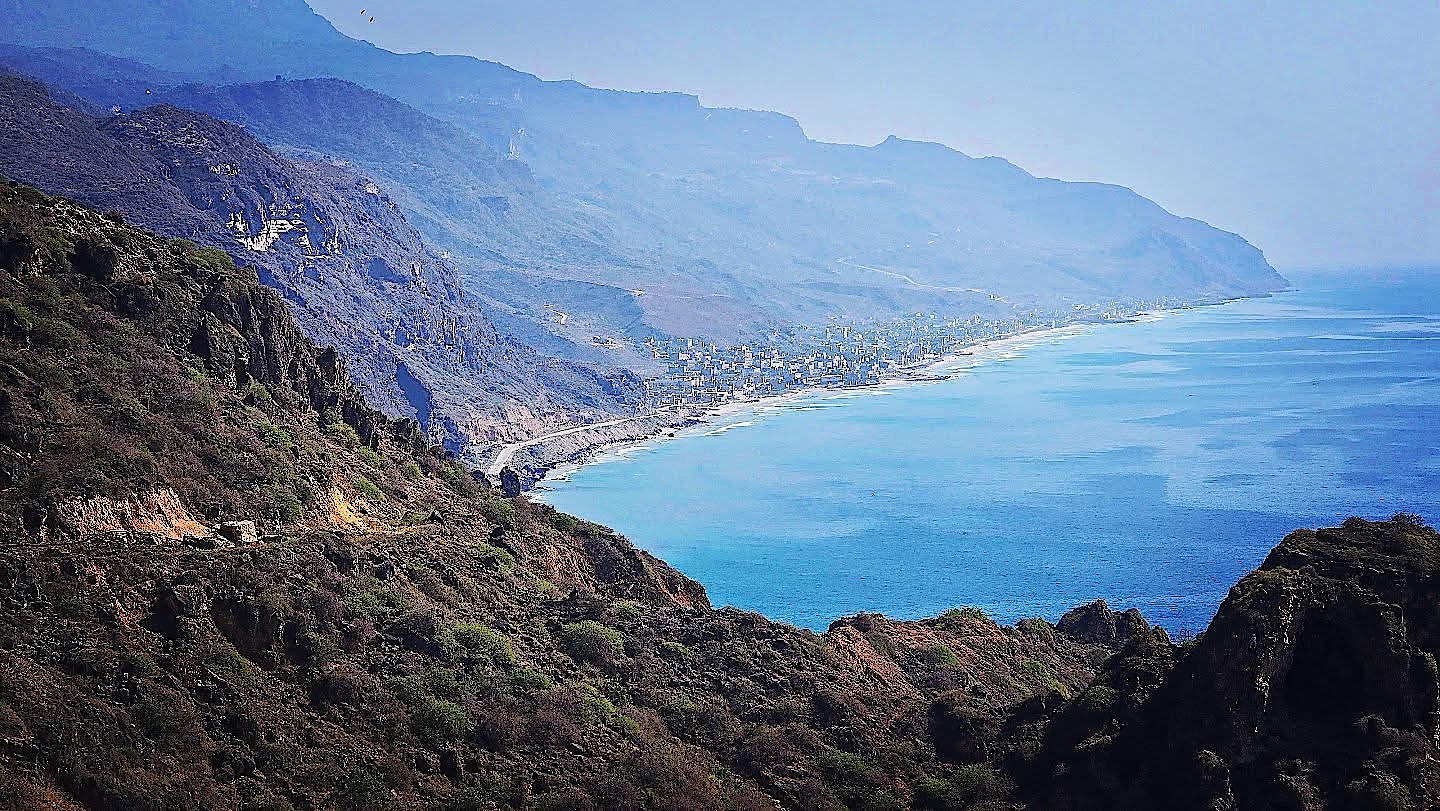
More than 50 checkpoints made for long, tiring waits. The biggest hassle came at the Omani border, with a search and a short "interview". Overland entry into Yemen isn't possible at the moment, so probably no foreign tourist had come this way for quite some time.
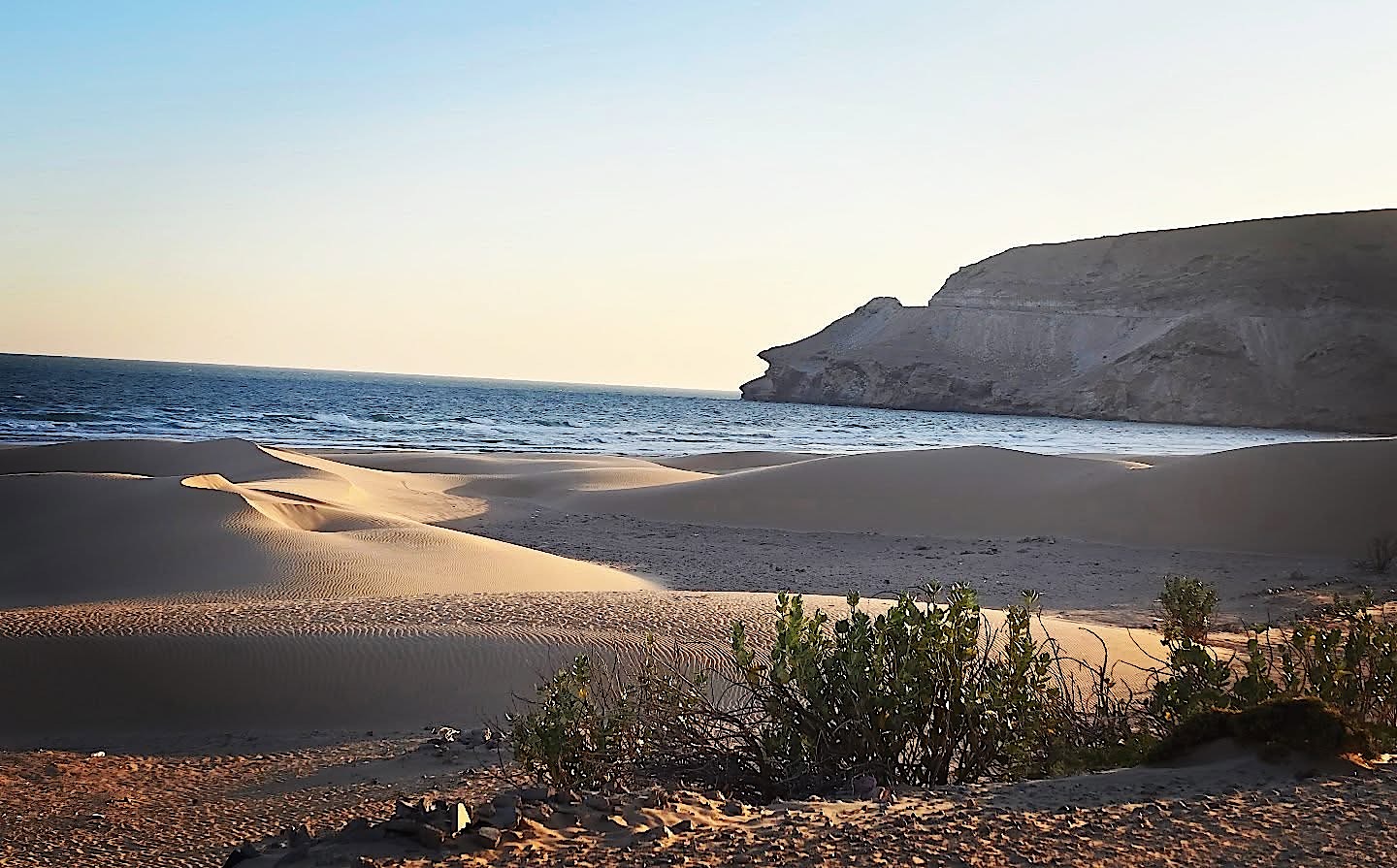
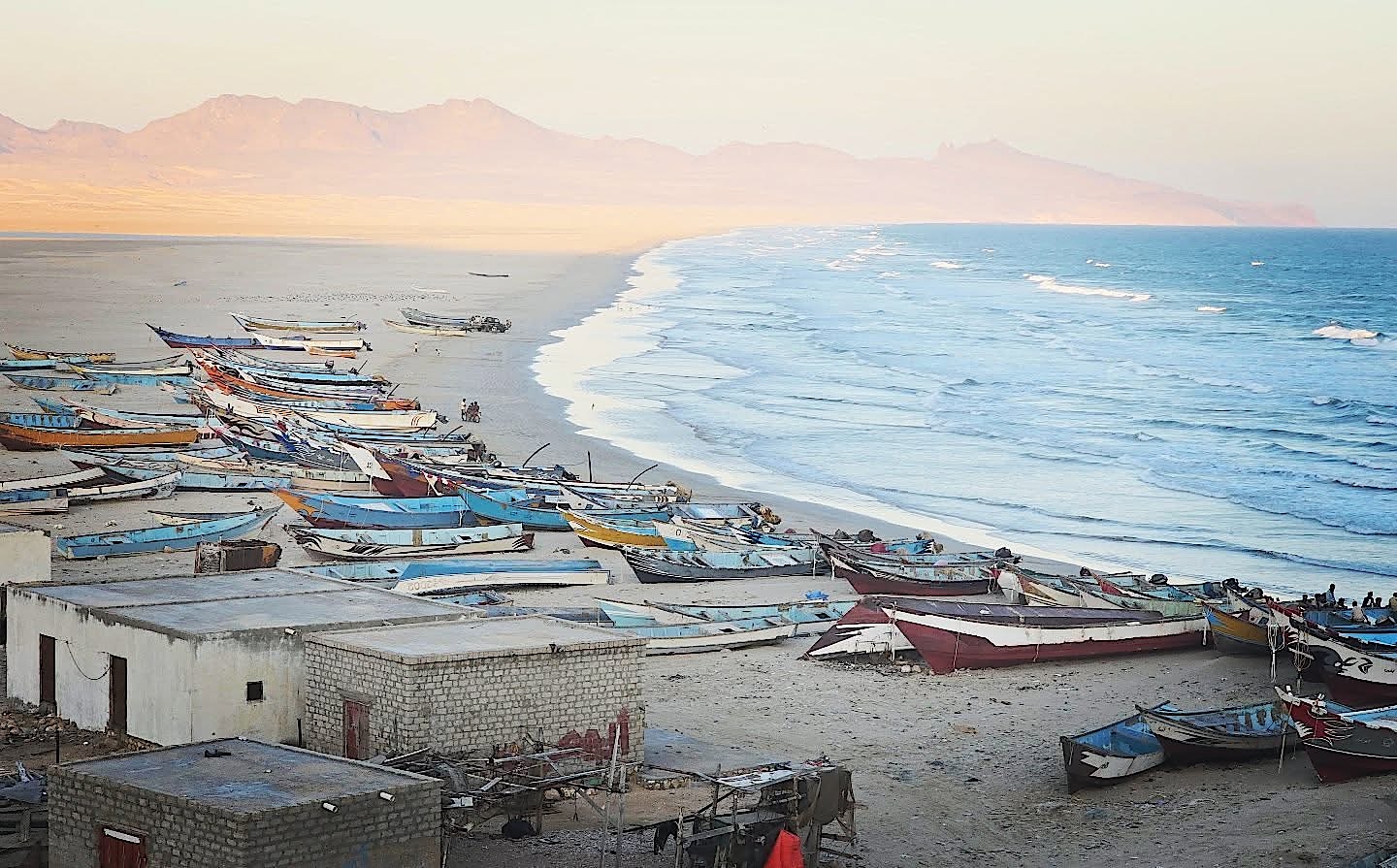
Yemen was an amazing trip, and I can only recommend flying into Seiyun to see Hadramaut, as long as you're ready for a completely different culture. There is no famine in the south, but the choice of food was limited, though I fell in love with Yemeni flatbread with cheese and bean stew. In Salalah the menu was long again, and I enjoyed an afternoon on the beach before the night flight to cold Germany.
The following week brought consultations in Berlin, a conference talk, family visits and a trip to Bonn for my police certificate. Then I continued via Dubai and Cape Town to A Week in Queen Maud Land.