A Week in Queen Maud Land: Ice Tunnels, a Nunatak and Emperor Penguins in Norwegian Antarctica
22 November – 1 December 2024 · Cape Town, Schirmacher Oasis, Atka Bay · Regions: Antarctica (Queen Maud Land), South Africa
Antarctica is not one place but seven, at least for country collectors. Queen Maud Land, the Norwegian sector, was the last of them on my list, and arguably the hardest to reach. In late November 2024 I finally flew there from Cape Town for a week at White Desert's Whichaway Camp, my fifth time on the icy continent and my second by plane after reaching the South Pole in early 2023.
Staging in Cape Town
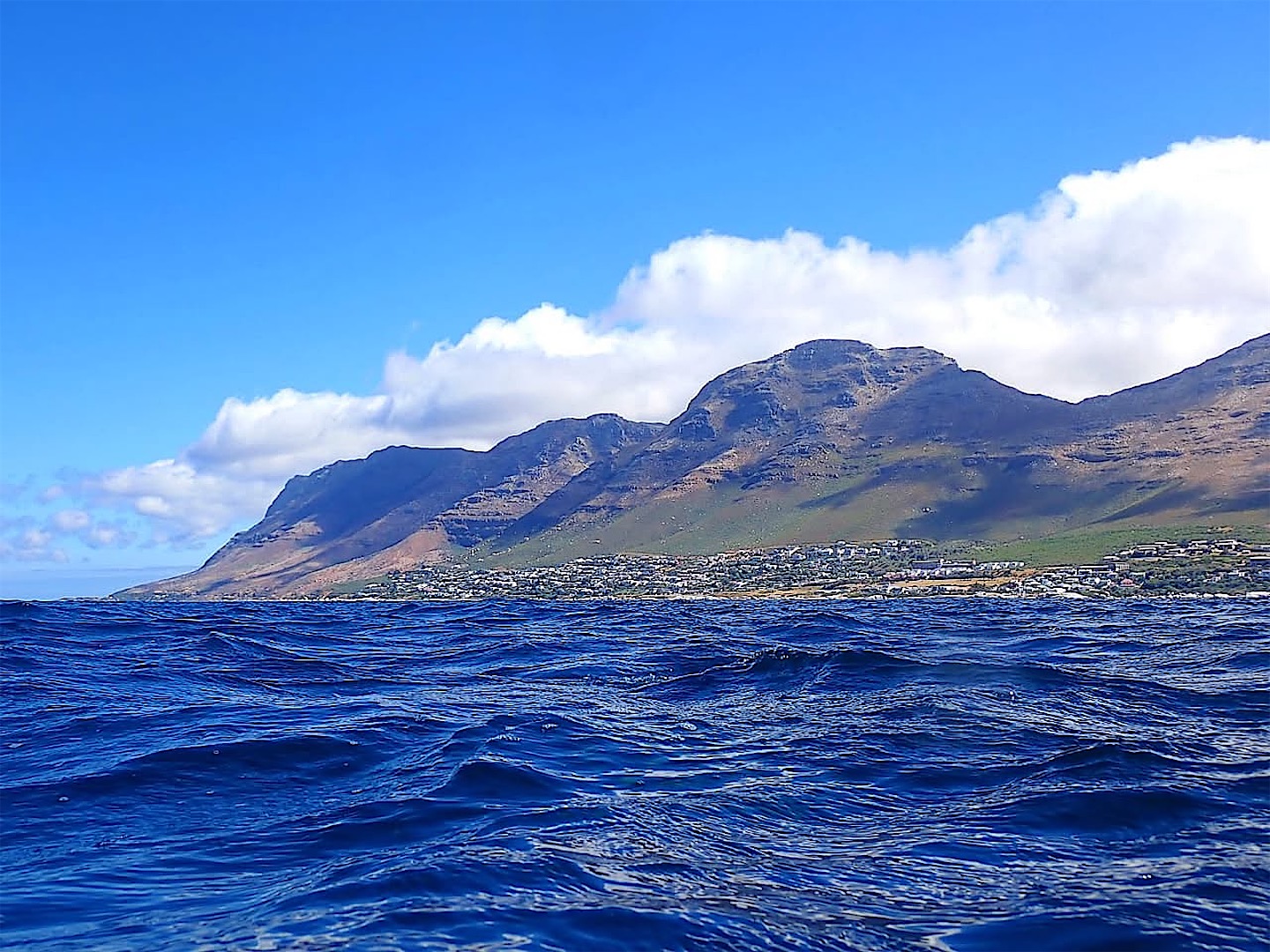
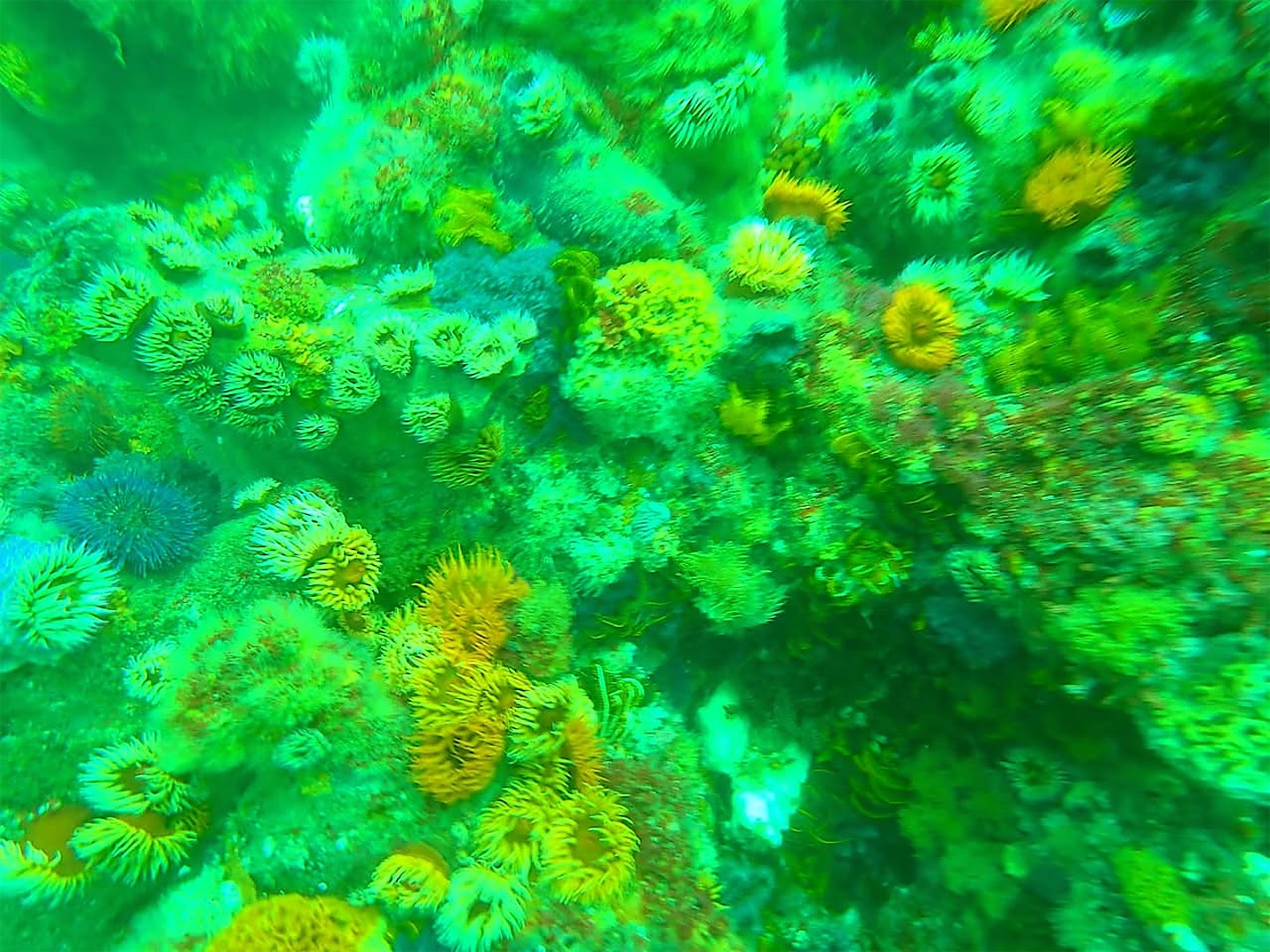
Flights to this part of Antarctica leave from Cape Town, so I spent a few relaxed days in Constantia to prepare and work. We held a Staatenlos meetup, I tested my new Starlink Mini for the first time, and I went diving in False Bay. At 16 °C the protected bay was much warmer than the Atlantic side of the peninsula, which was only 8 °C at the time. The big sharks I had hoped for didn't show up, but the kelp and reefs were full of colour.
An Airbus to the ice
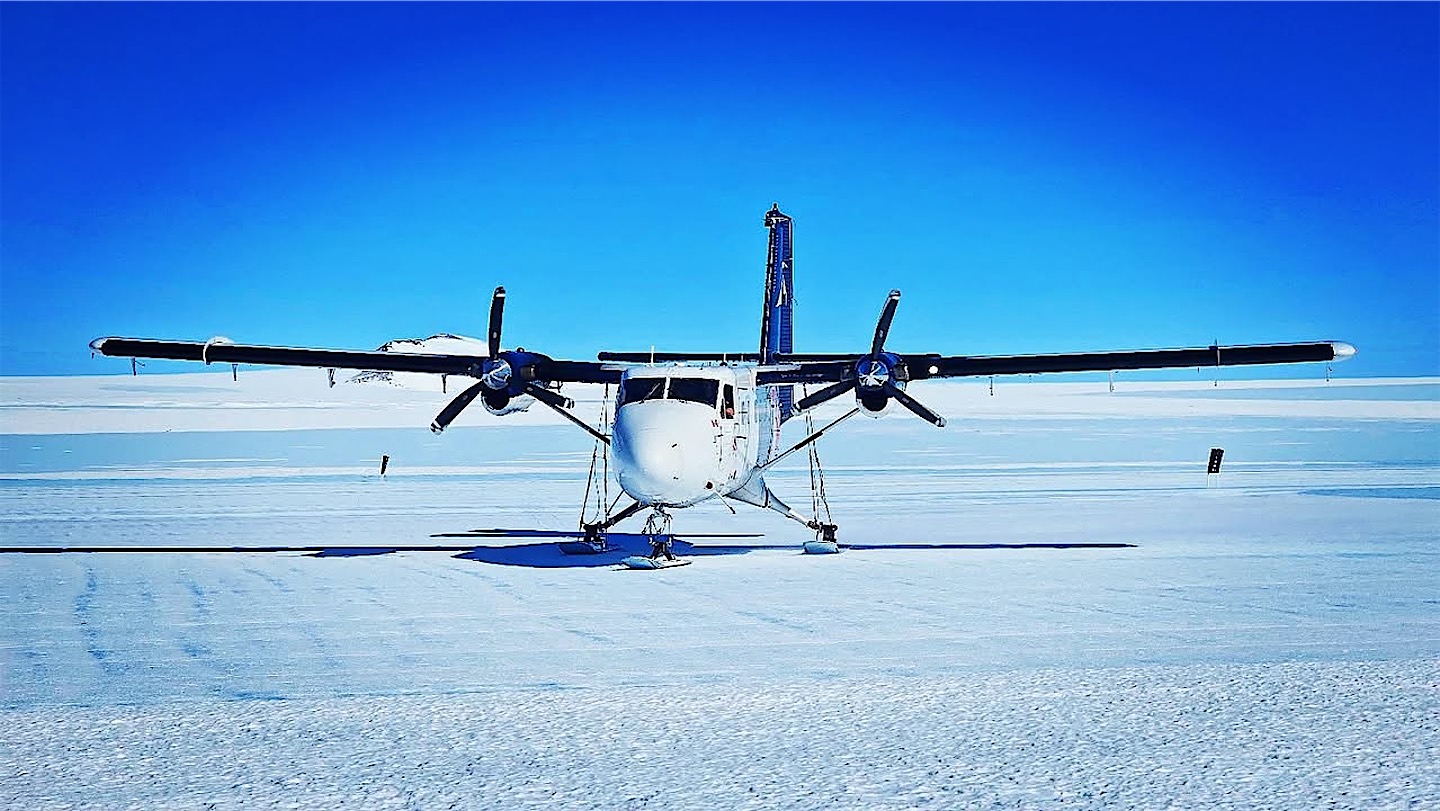
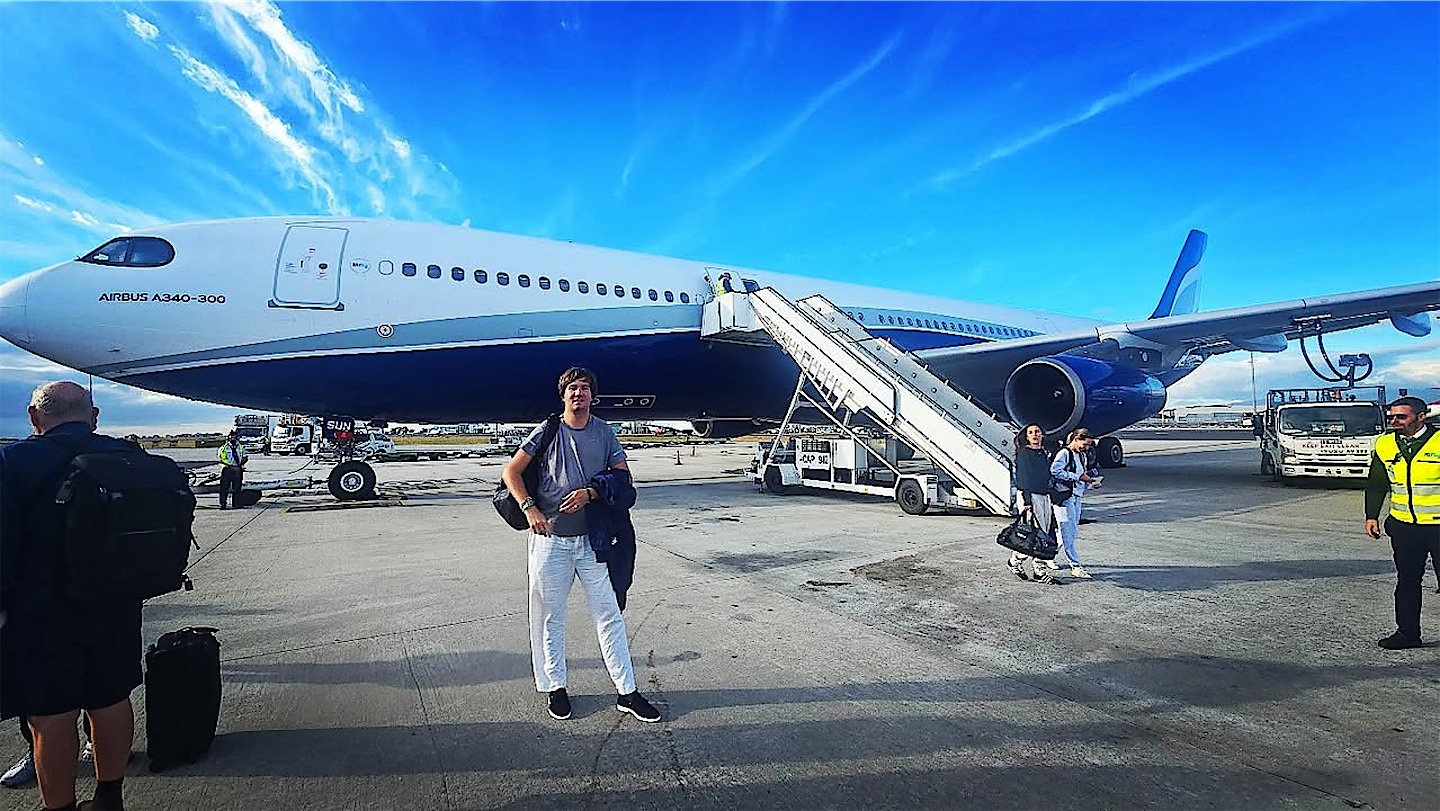
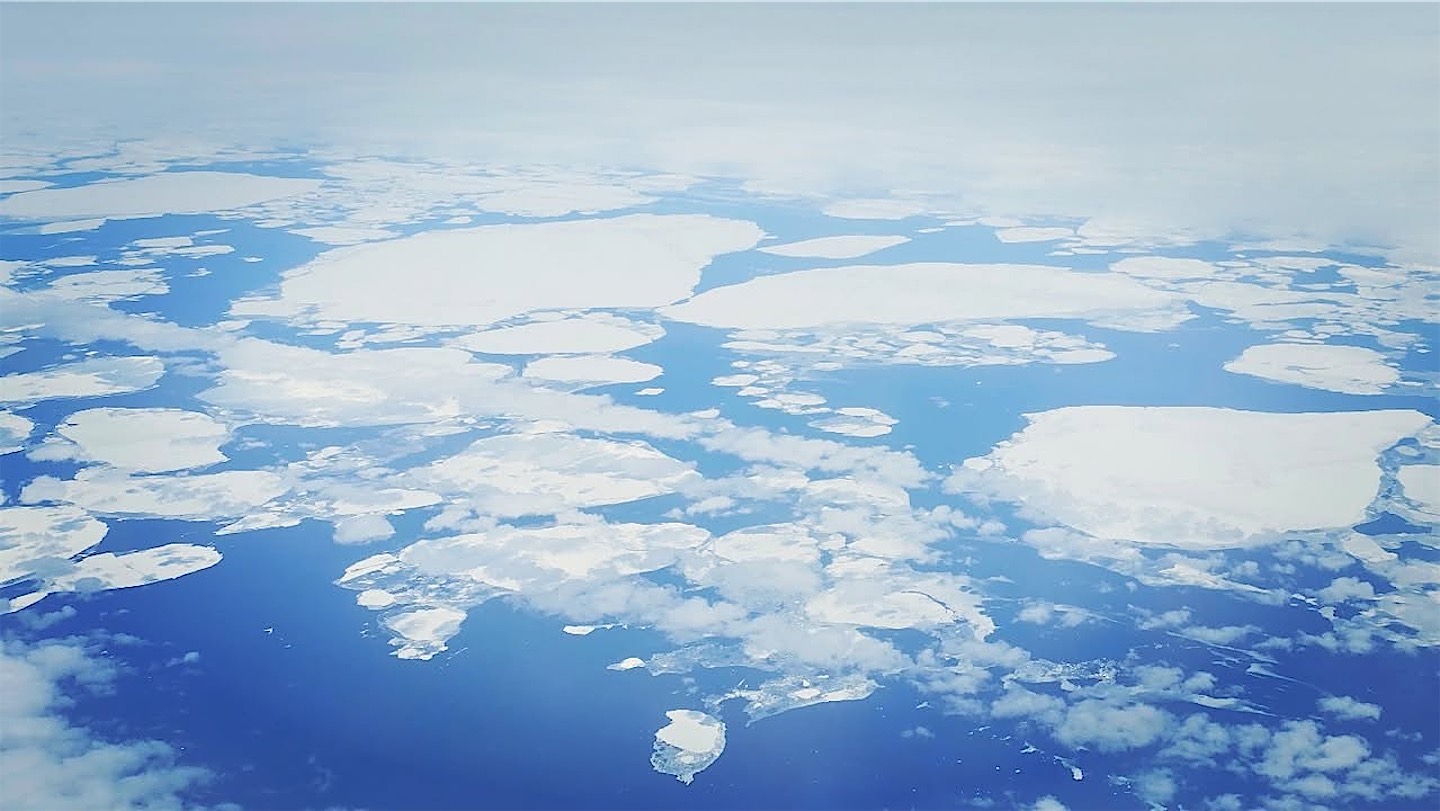
The flight itself is part of the adventure. We flew south for five and a half hours in a four-engine Airbus A340, a plane chosen for its redundancy and for a range long enough to return to Cape Town if the landing site had problems. In Antarctica we landed on a runway of blue ice and transferred to a smaller ski plane for the last stretch to camp.
Whichaway Camp and the Schirmacher Oasis
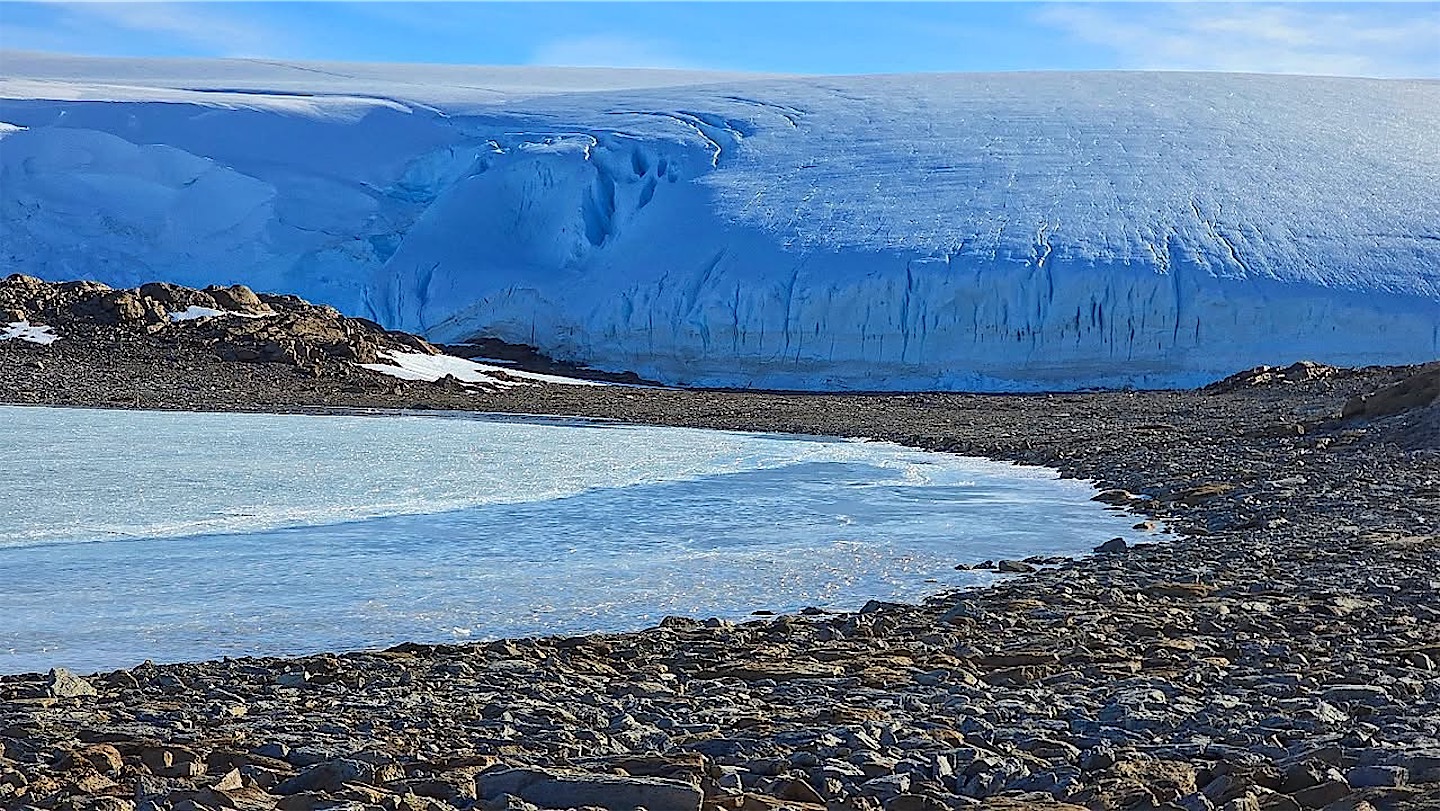
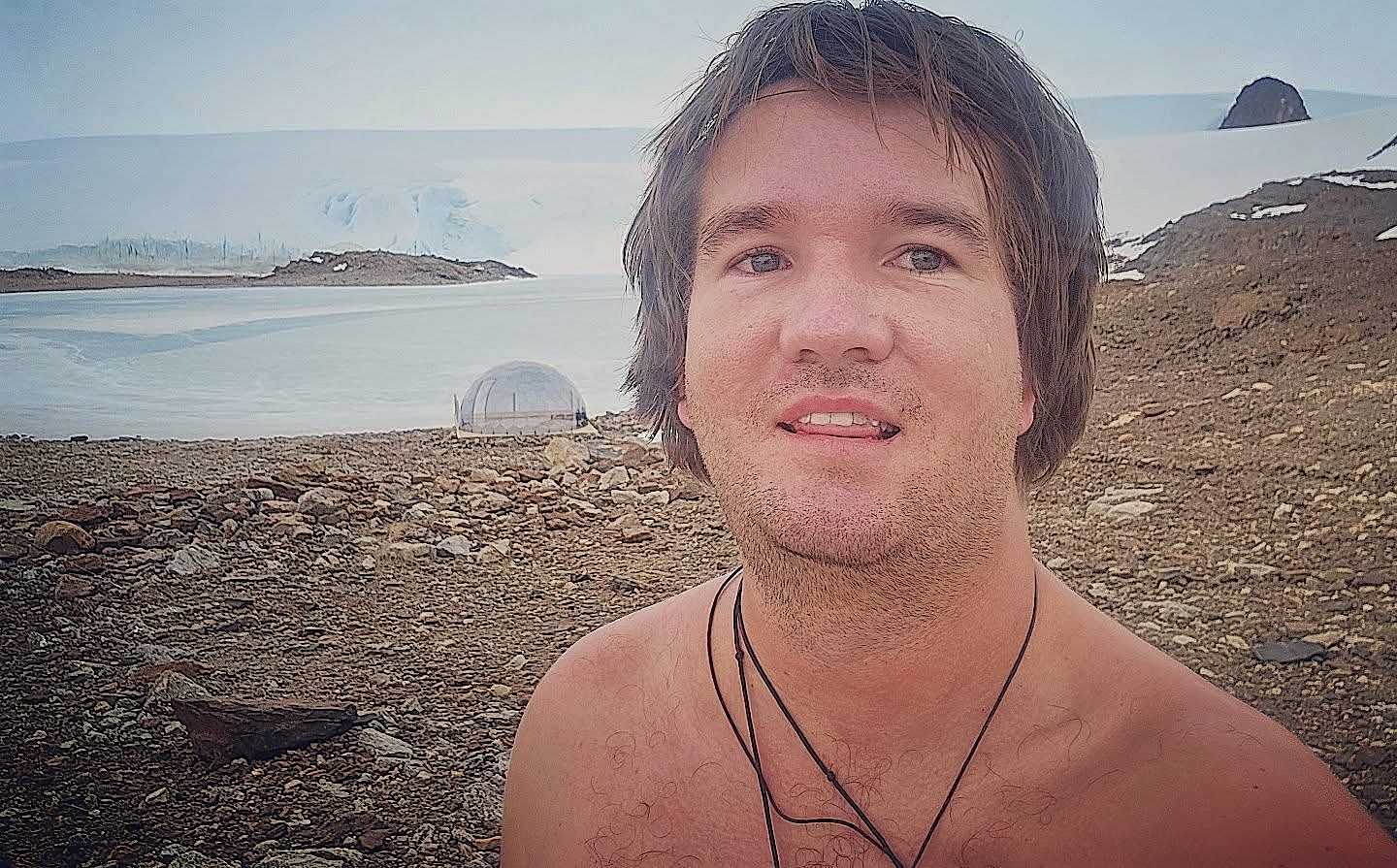
Whichaway Camp sits in the Schirmacher Oasis, a rare ice-free strip of dark rock dotted with frozen freshwater lakes, more than 100 kilometres from the coast. A few kilometres away lies the Russian research station Novolazarevskaya. On my first afternoon the sun shone at a mild −9 °C, and I walked around the frozen lake in front of camp.
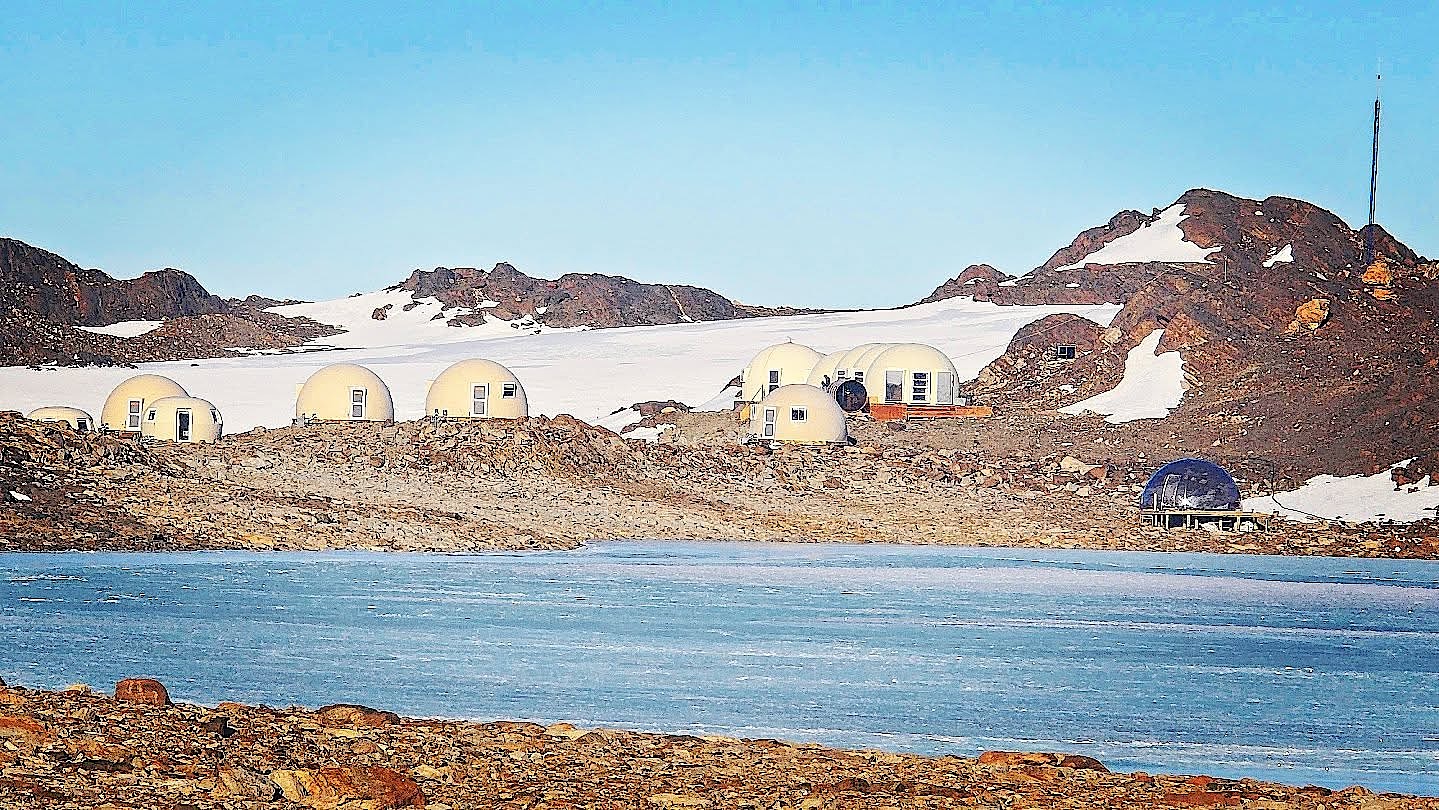
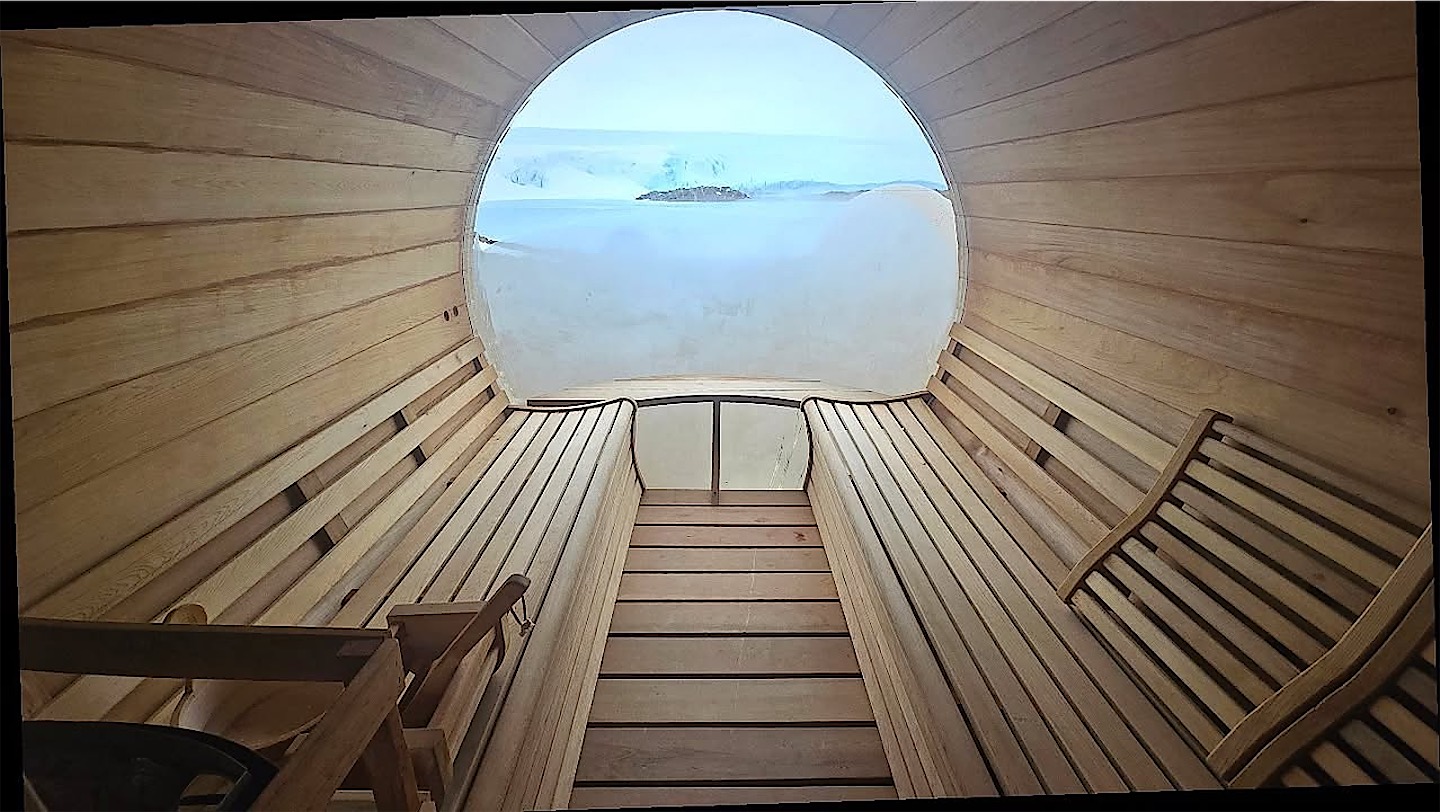
The next day a storm moved in. With the wind chill it felt like −30 °C outside, so we stayed in camp. That turned out to be no hardship. Compared with the ALE camp at Union Glacier, where I slept in a tent at around 5 °C on my South Pole trip, White Desert is pure luxury. Every guest gets a heated pod with a toilet and warm water, there is a private chef, a cocktail bar, showers and even a sauna. We were seven guests, and the camp takes up to twelve. A trip like mine starts at around 60,000 dollars.
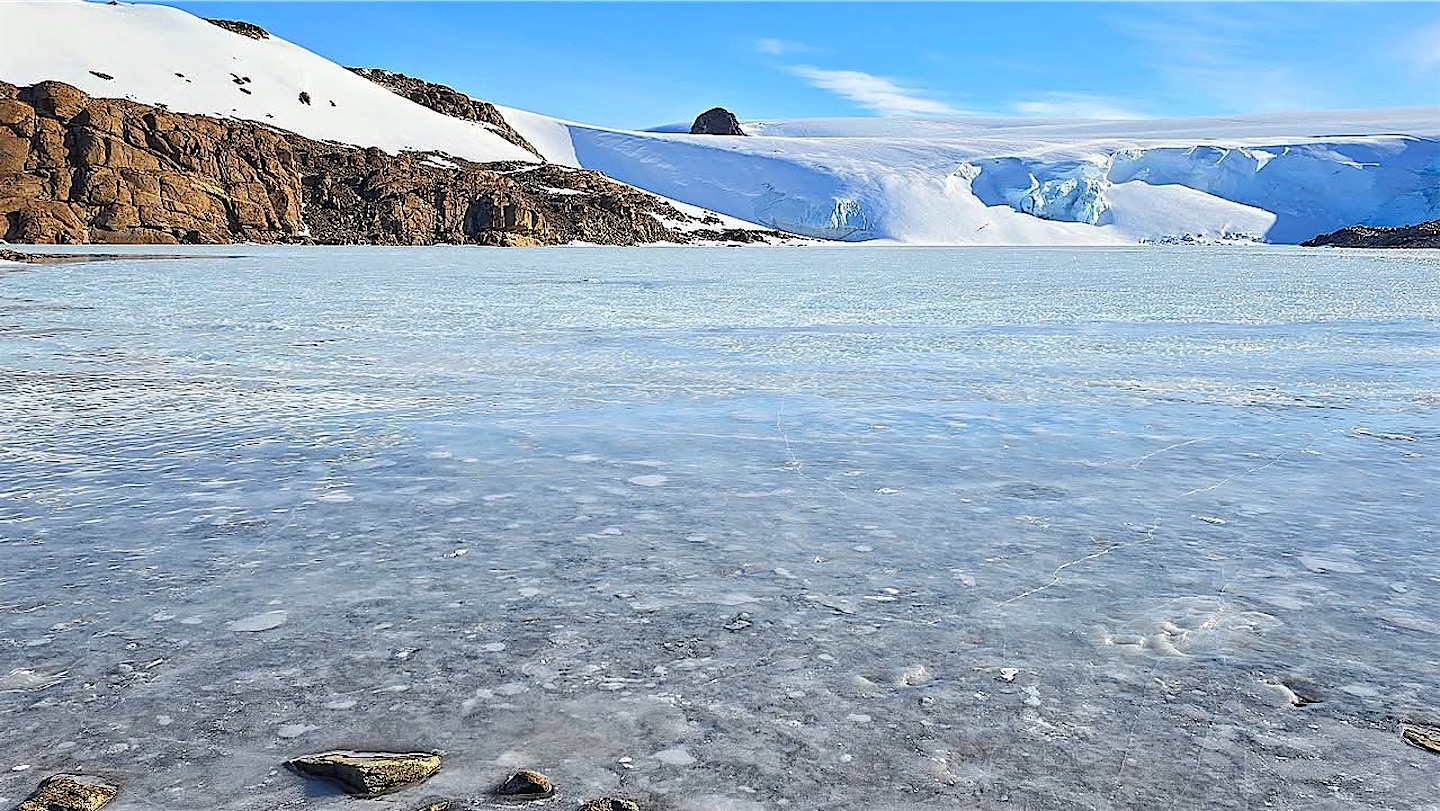
The sauna became my favourite spot. At −25 °C outside and around 100 °C inside, it is the best ice-bathing set-up I have ever had. My Starlink Mini also worked perfectly at 70° south, which saved me from coming back to a thousand unanswered messages.
Crystal caves and crevasses
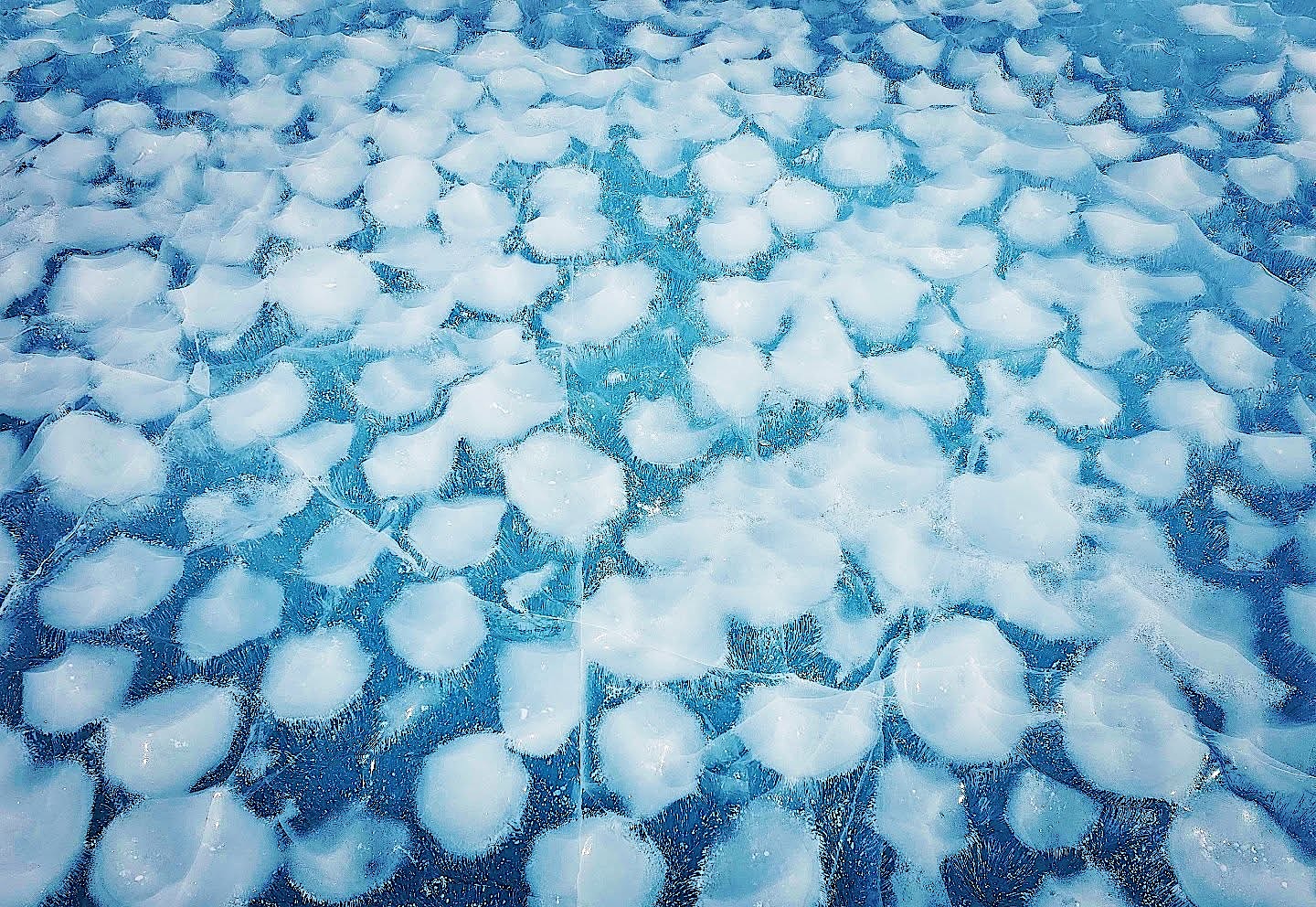
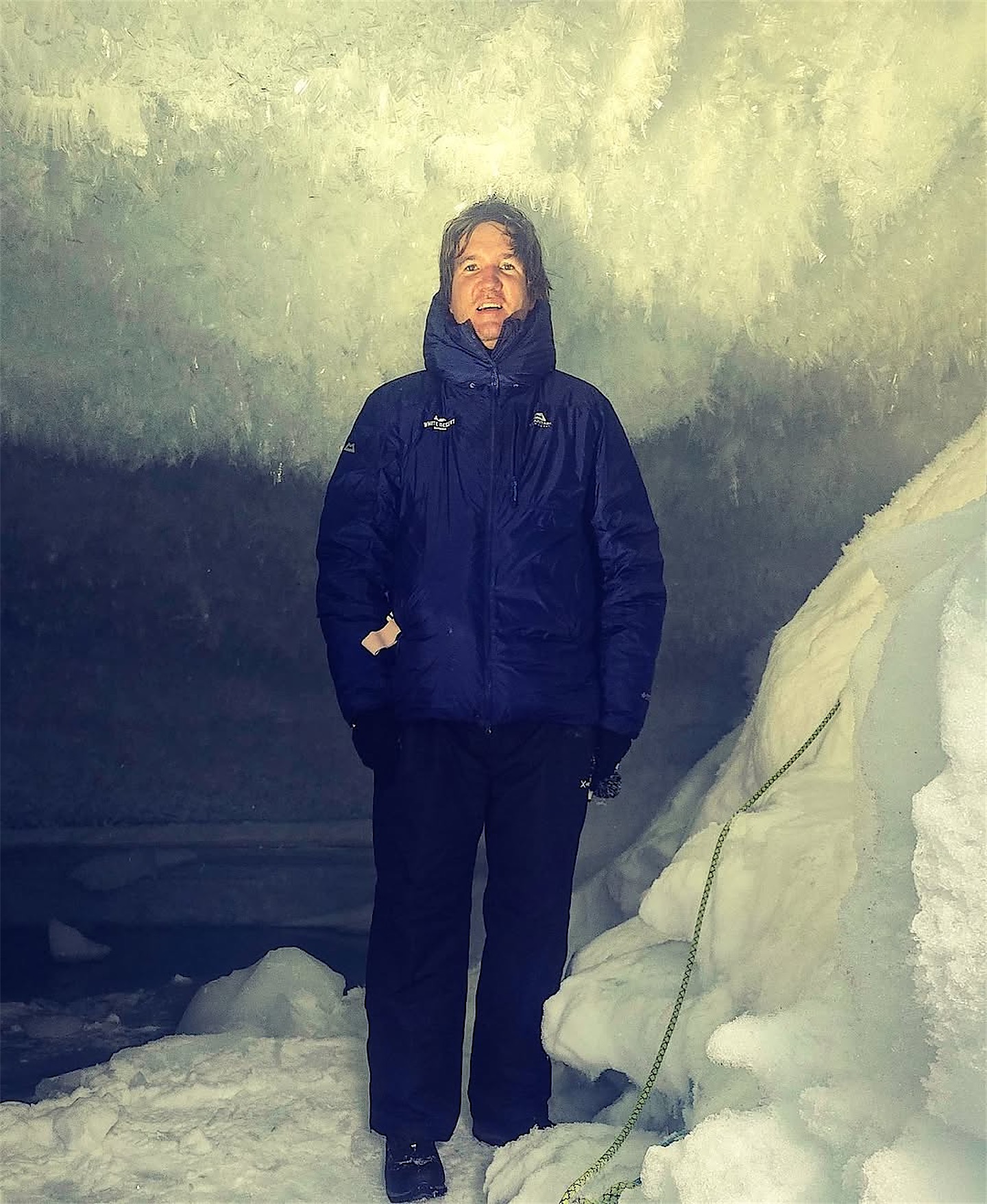
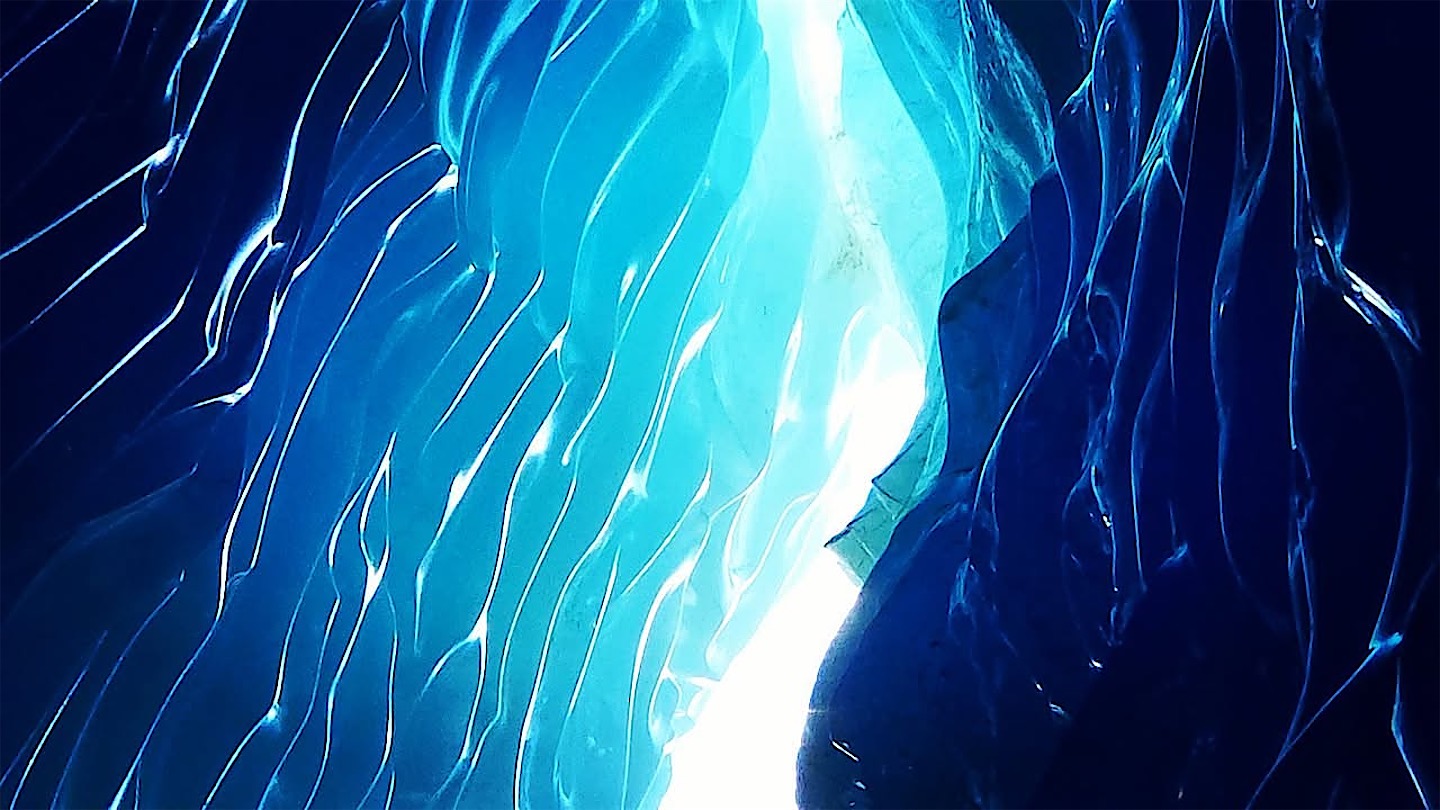
There is 24-hour daylight at this time of year, although the sun dips behind the glacier for part of the night. We used the long days for excursions: a crystal cave whose colours no photo can capture, waves of ice, and clouds of ice crystals drifting over the plateau.
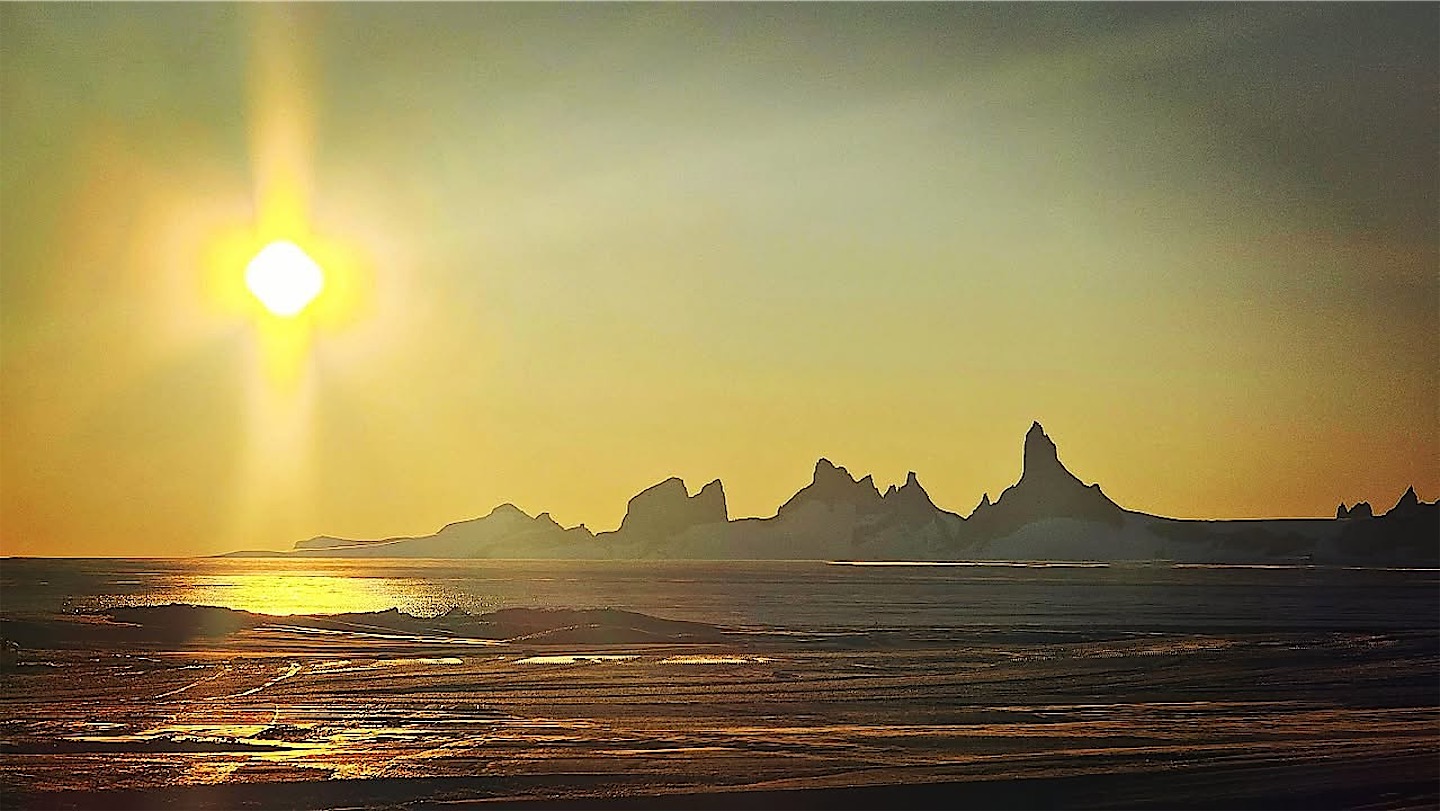
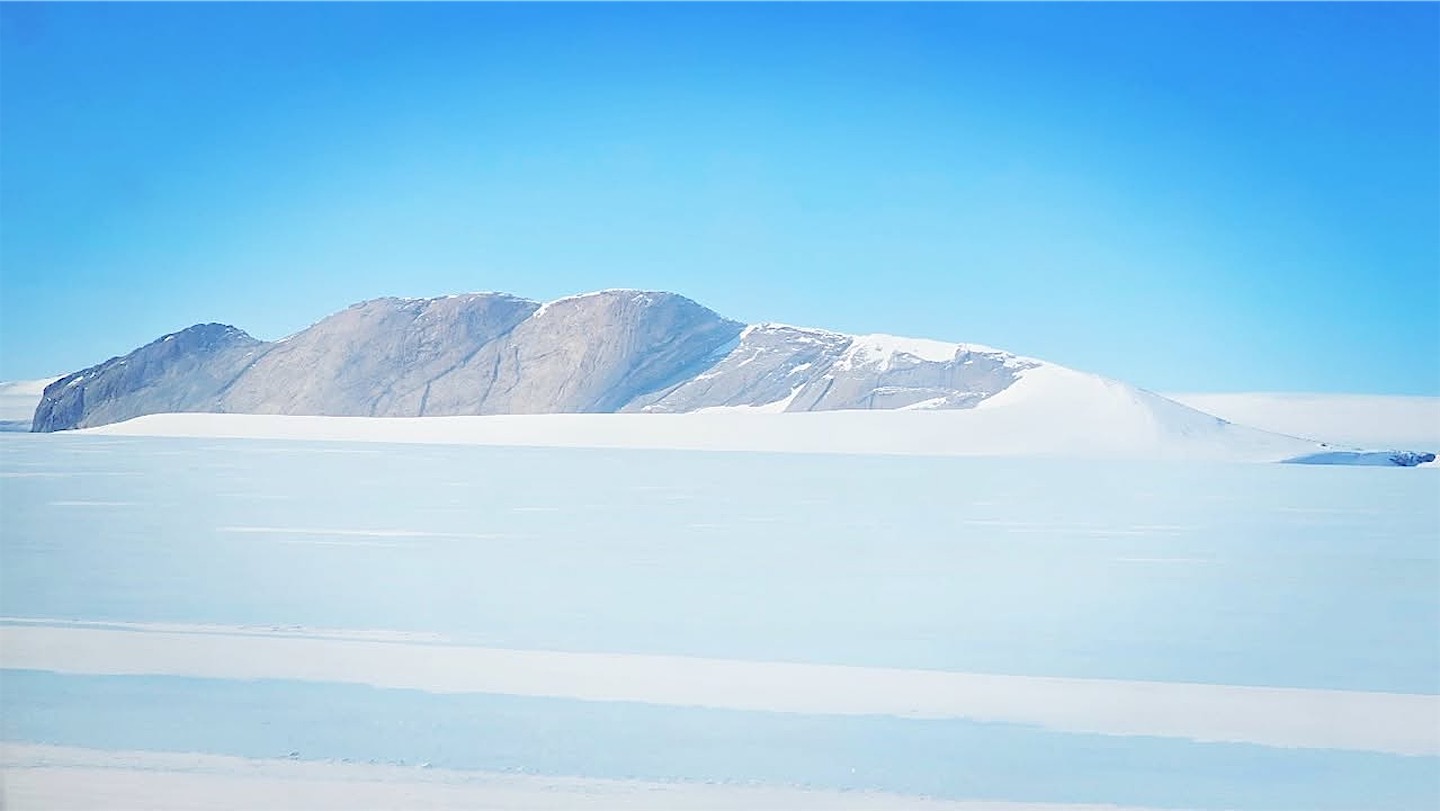
The most demanding day was the climb up the glacier to a nunatak, a huge rock that looks close from camp but takes several hours to reach. Roped together and with crampons, we crossed the ice slowly. At one point I stepped onto a crevasse, but our guides knew exactly what they were doing. Between them they had climbed K2 and countless other peaks, and one had even flown down from K2 by paraglider. Their stories were great and often tragic: half of one guide's mountaineering class had died in accidents over the past 20 years.
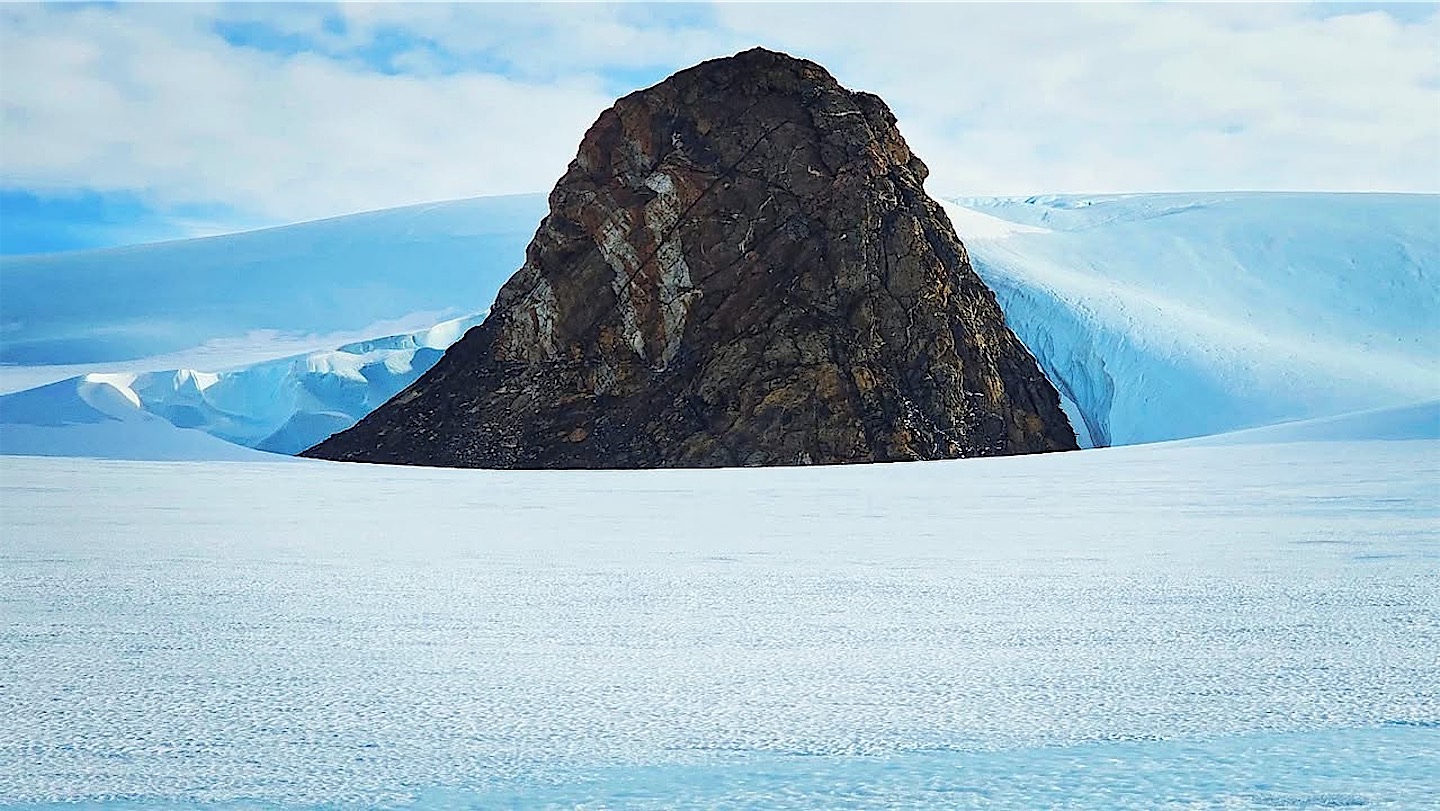
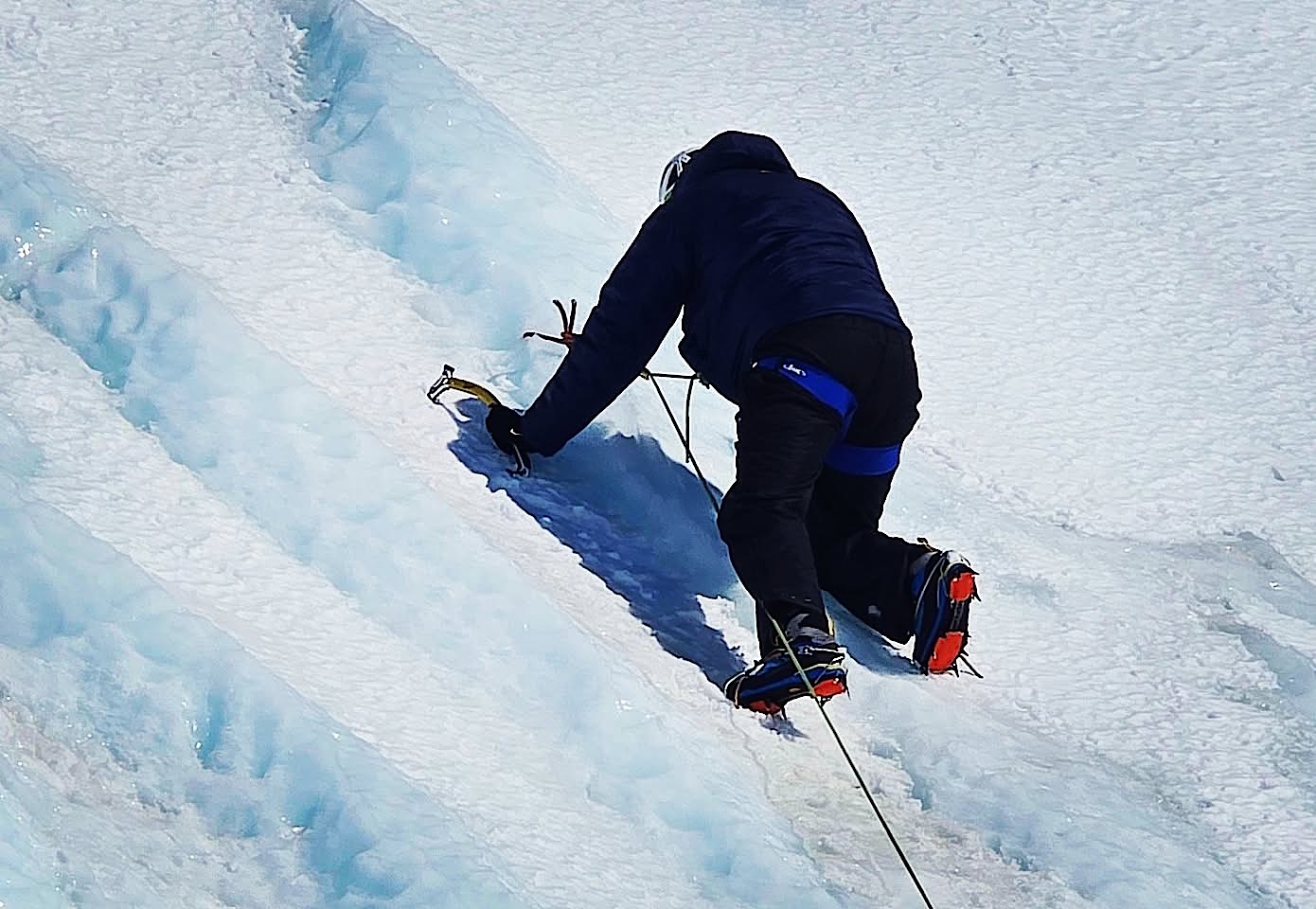
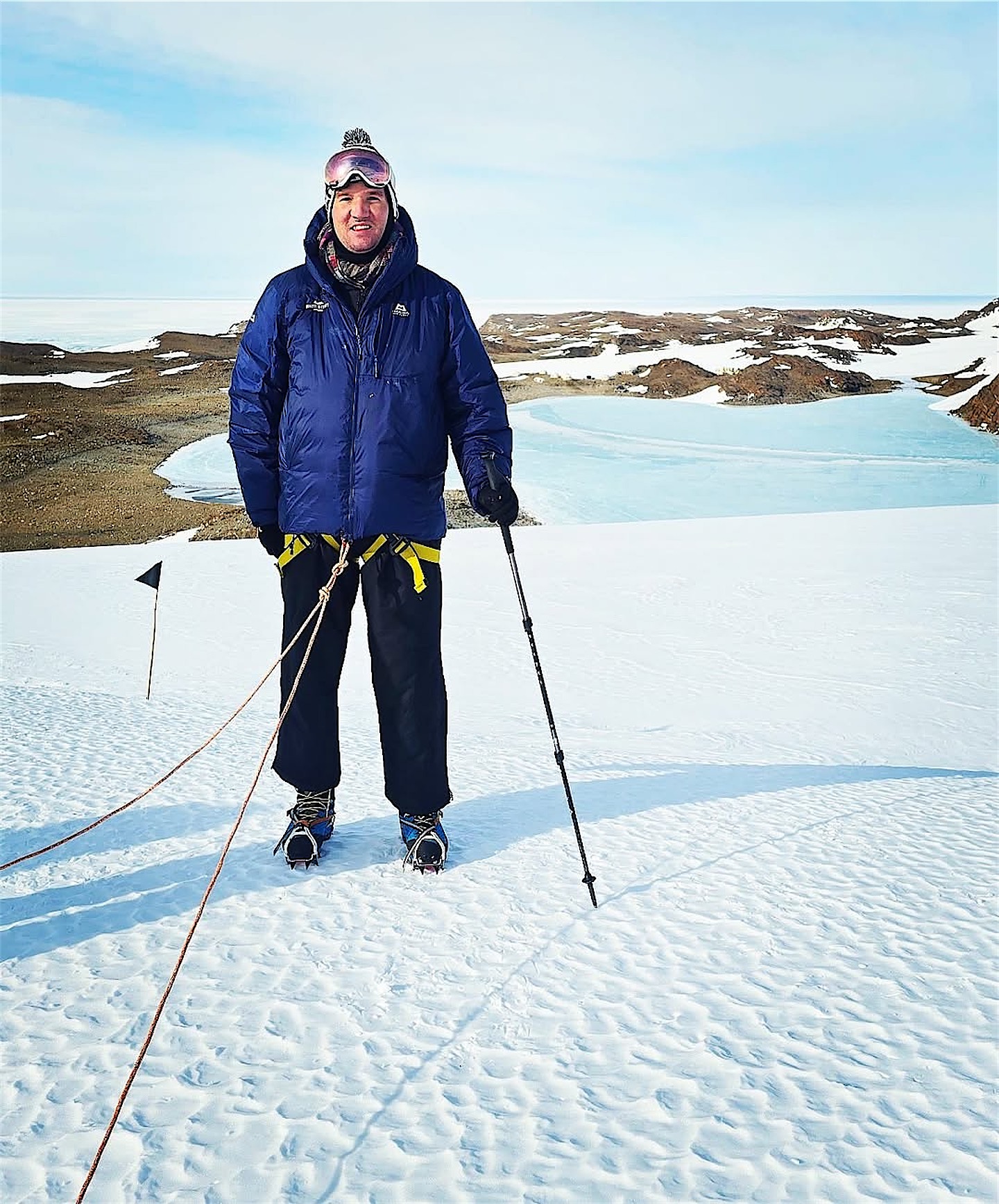
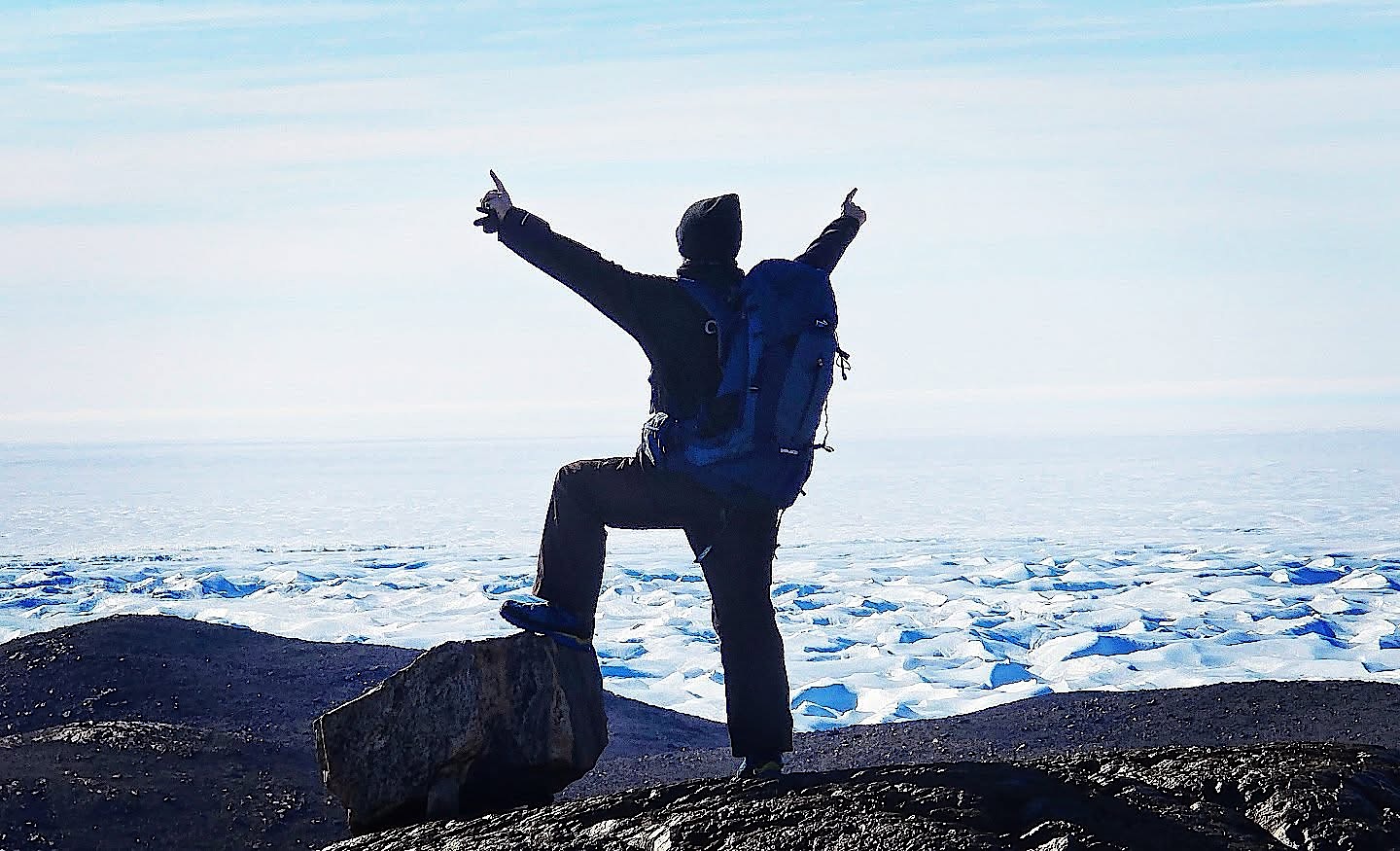
In the end I scaled the nunatak to the very top. Later in the week I also climbed the highest mountain of the Schirmacher Oasis, with views across the white desert in every direction.
Through the glacier
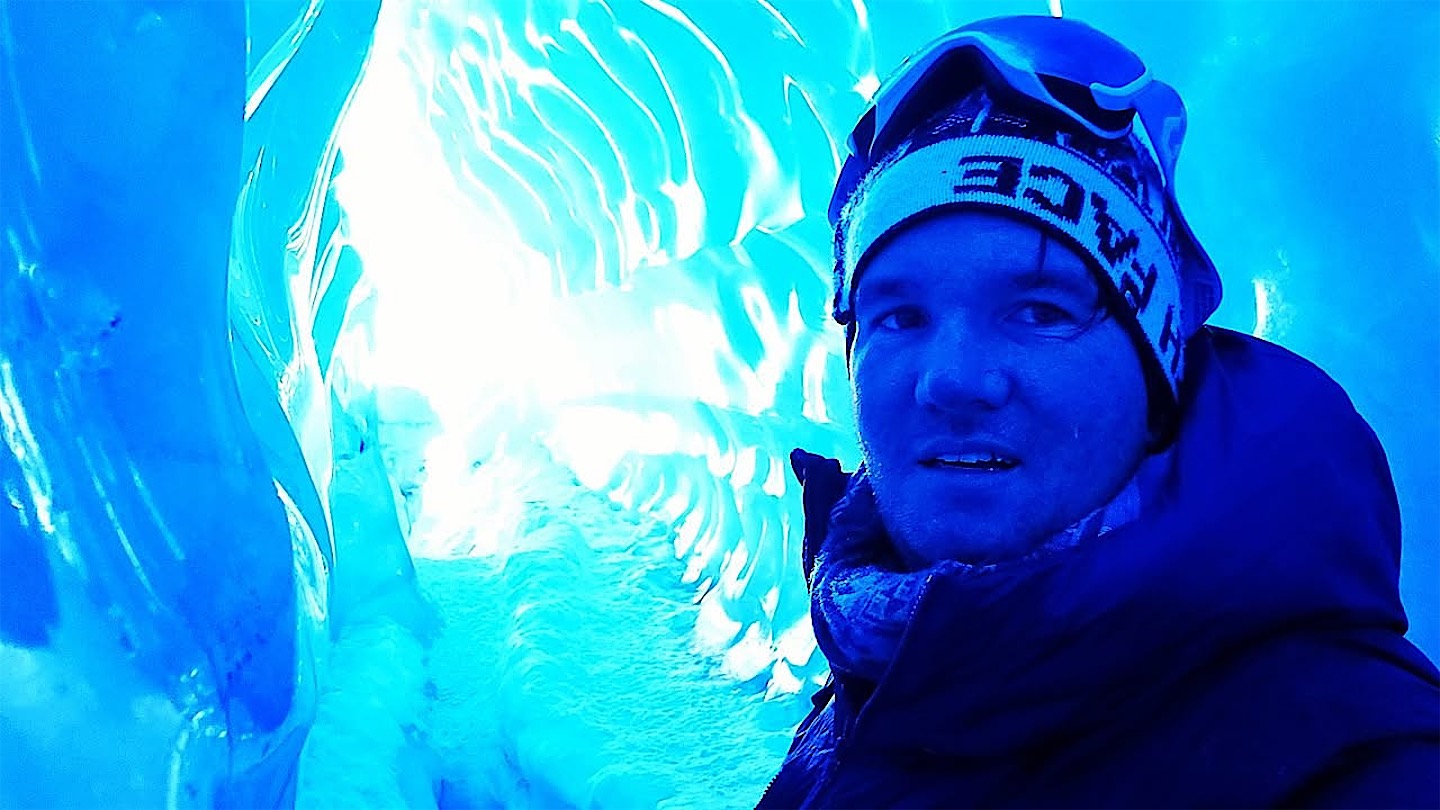
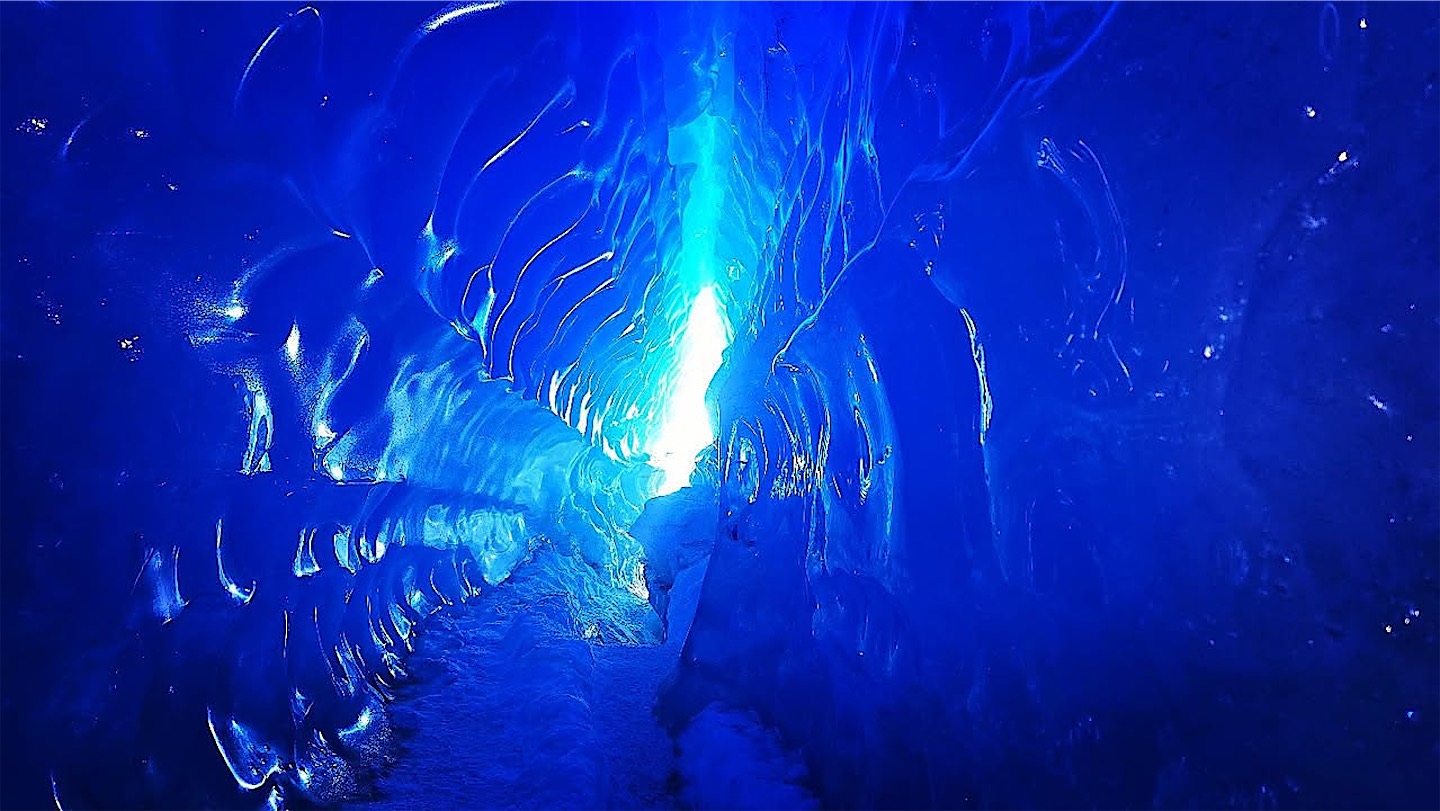
One of the clear highlights was a natural ice tunnel that led us about 200 metres through the glacier. The light inside turns every shade of blue, and the walls look as if they had been polished.
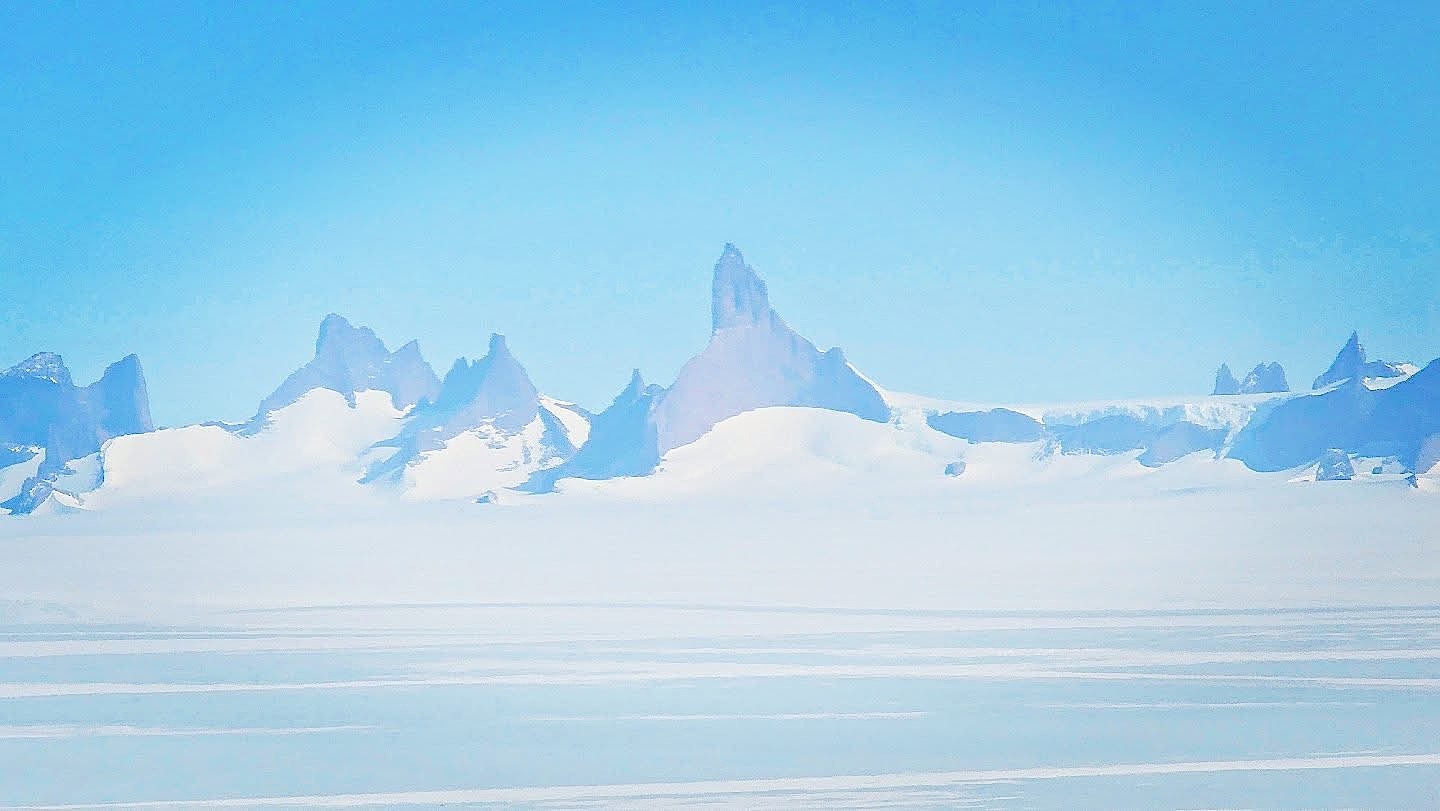
On the flight back from the coast we passed Wolf's Fang, the landmark granite spire of Queen Maud Land that gave White Desert's runway and second camp their name.
The emperors of Atka Bay
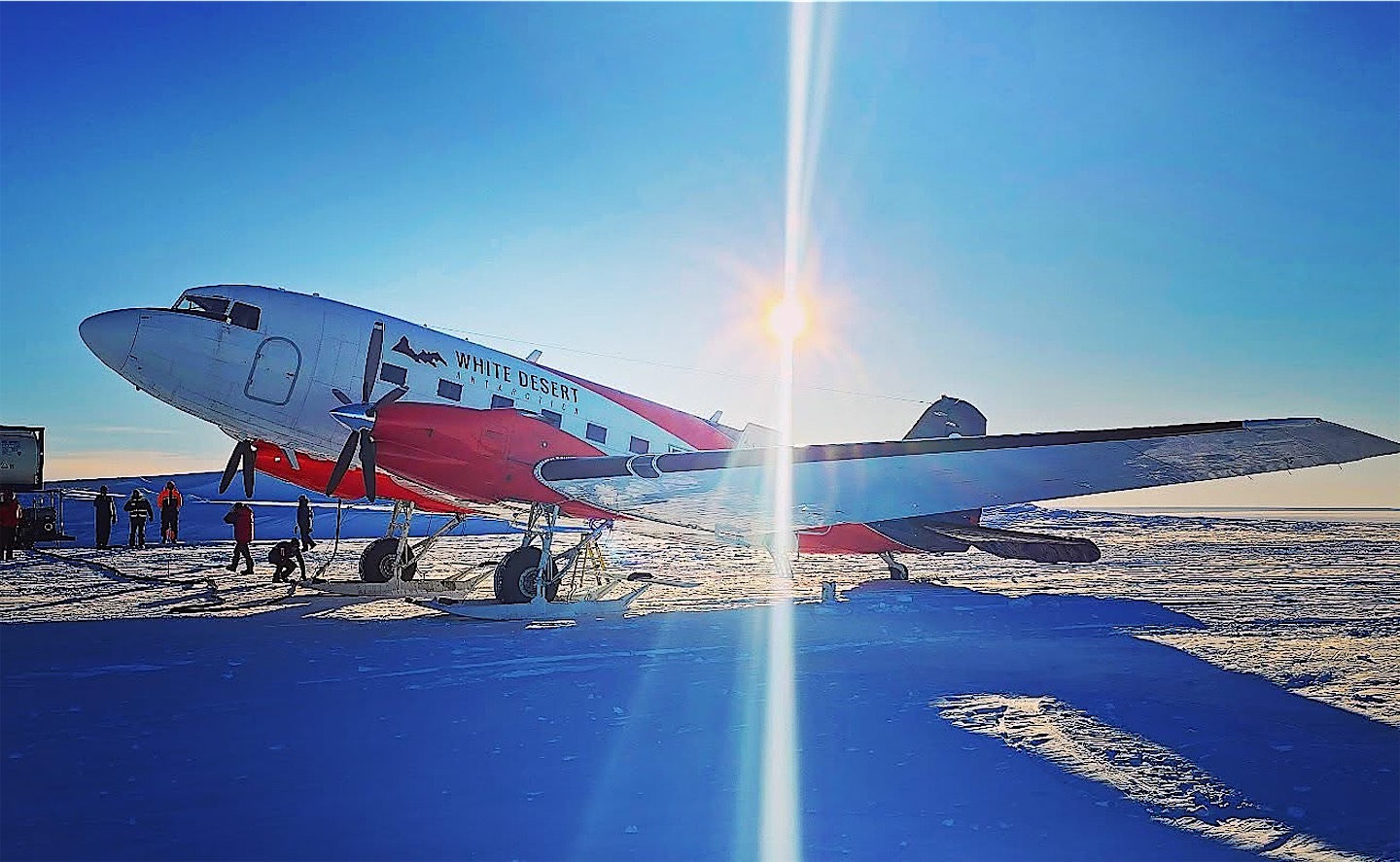
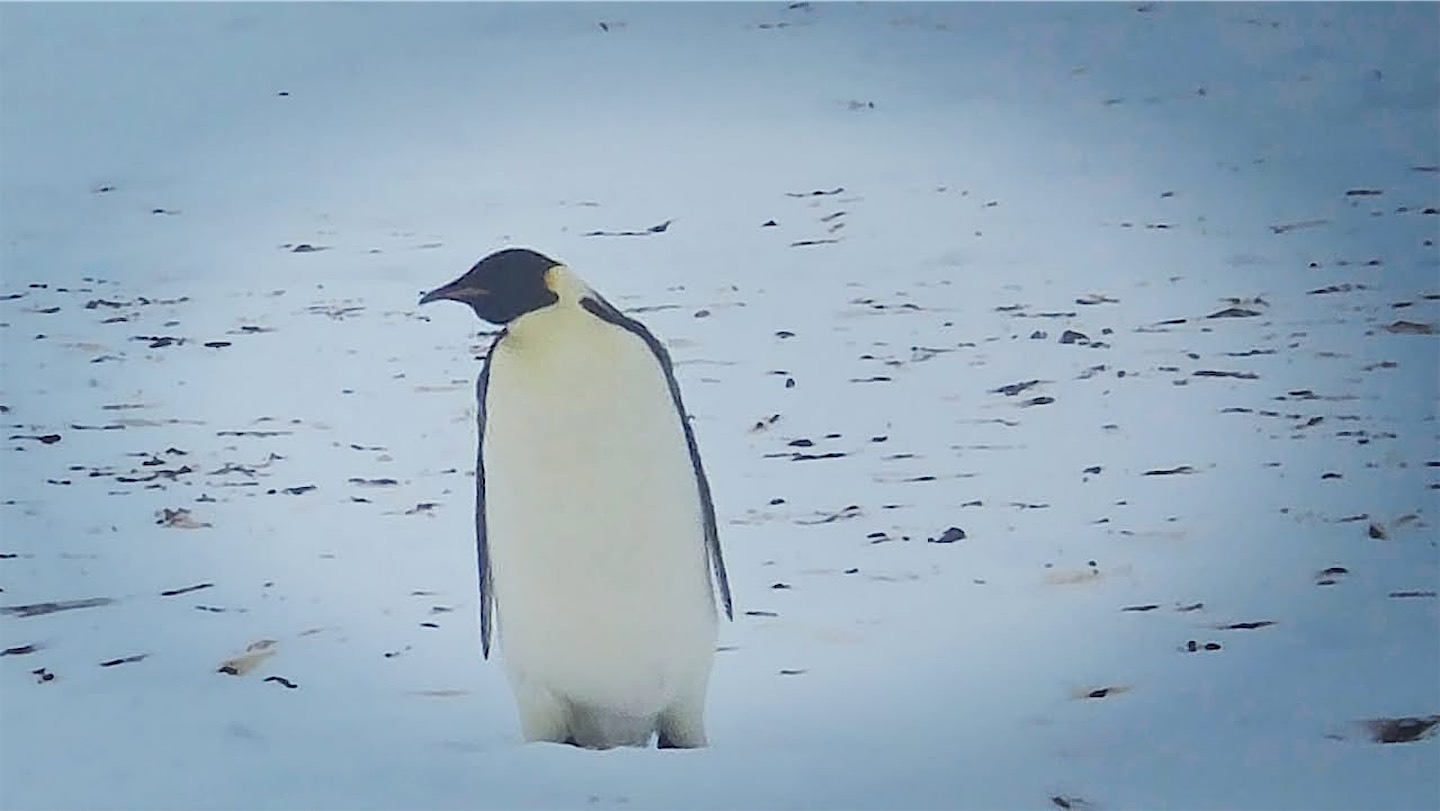
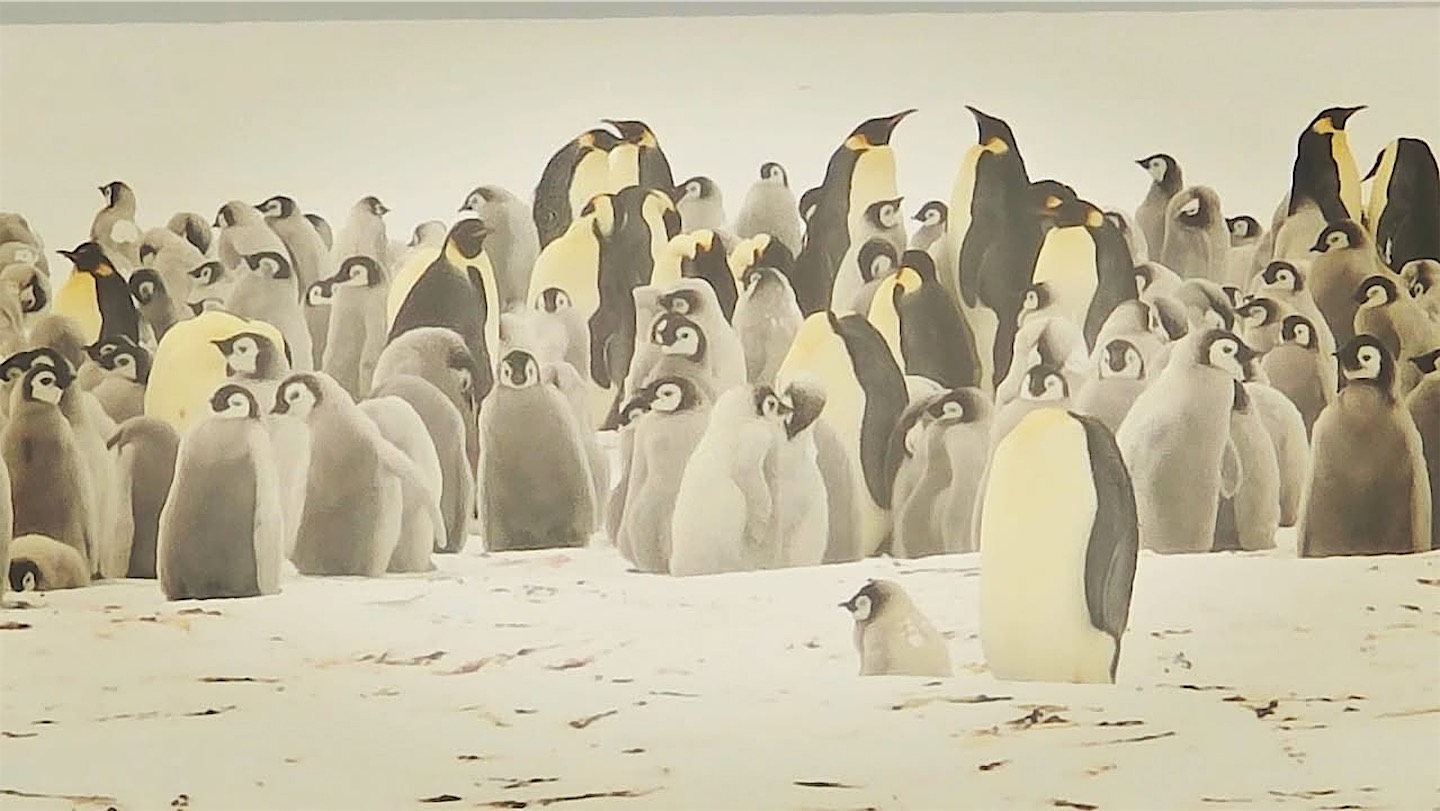
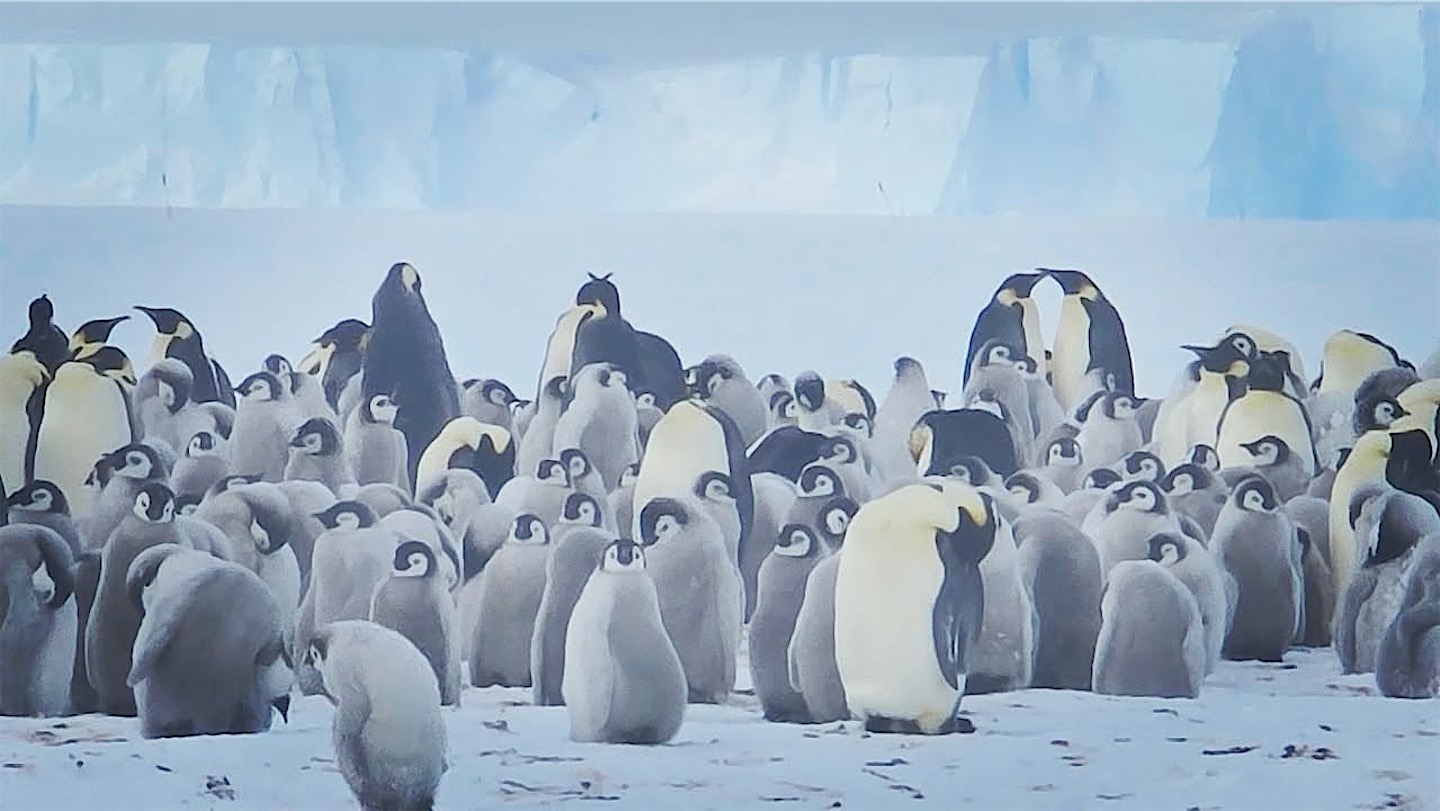
The highlight we had all been waiting for was saved for the last day: a flight to the emperor penguin colony at Atka Bay, close to Germany's Neumayer III research station. The weather in Antarctica is always a gamble, and when a storm was forecast we decided to fly back to Cape Town a day early rather than risk being stuck for days. But first we boarded the Basler, the standard workhorse of polar aviation, and flew to the coast.
The colony was everything I had hoped for. Emperor penguins breed in the middle of the Antarctic winter on the sea ice, and by late November the grey, fluffy chicks are big enough to explore on their own while the adults come and go from the sea. Standing among them, with icebergs frozen into the bay, was a perfect ending.
Back to Cape Town in style
We flew out at midnight and were back in Cape Town by the morning. I already missed the camp, but I didn't have long to be sad about it: the next two Antarctic adventures are booked, and the next day my father arrived for his first trip to Africa. That story continues in Cape Town from Above and the Okavango Delta.