
Caves, Cats and Pygmy Elephants: Ten Days Across Malaysian Borneo
19–28 January 2025 · Kuching, Gunung Mulu, Kota Kinabalu, Kinabalu Park, Deramakot, Labuk Bay, Sandakan · Regions: Malaysia (Sarawak), Malaysia (Sabah)
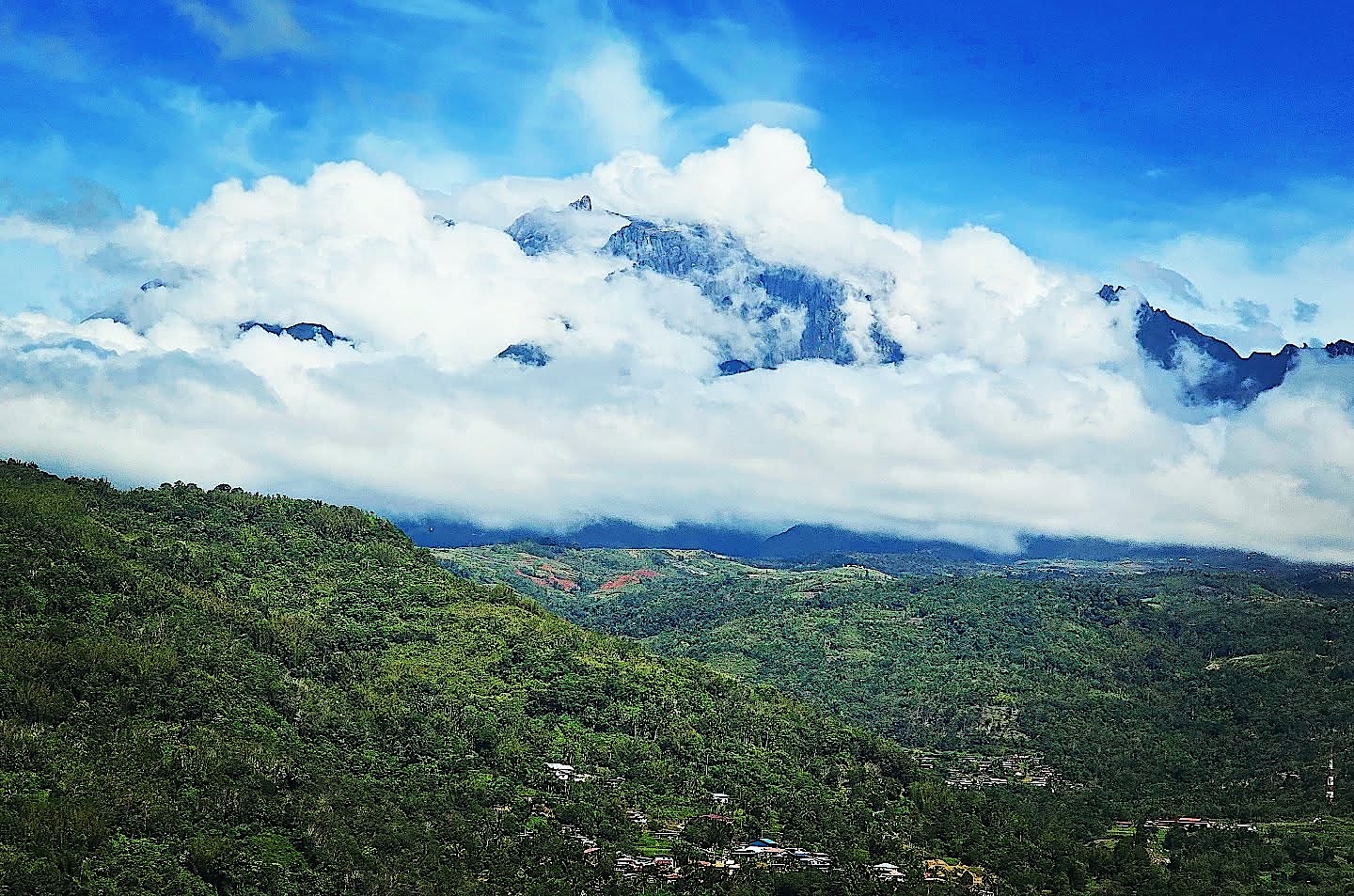
After diving the Thai islands and a busy week of meetings on Koh Samui, I was finally travelling again. Half a year earlier I had seen the Indonesian side of Borneo in East Kalimantan; now I had ten days for the Malaysian north. The plan: a few days in Sarawak for its capital and the caves of Mulu, then a week working my way overland through Sabah from Kota Kinabalu to Sandakan.
Kuching, the city of cats
I flew from Koh Samui to Kuching and woke up at the Waterfront Hotel with a view over the Sarawak River. Sarawak was number 316 of the 330 territories on the Travelers' Century Club list.
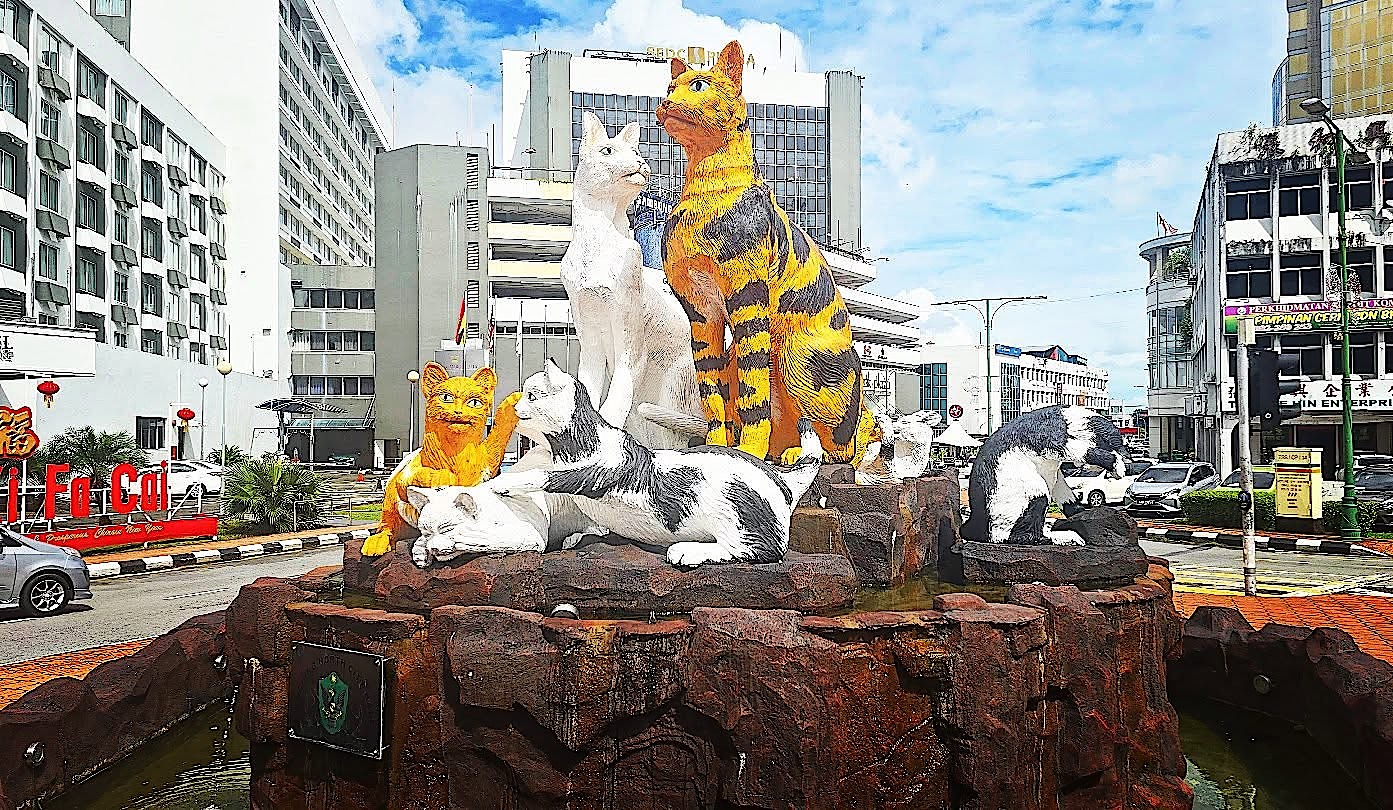
Kuching turned out to be a pleasant city to explore, with hardly any tourists. Kucing is the Malay word for cat, and although nobody is quite sure the city was really named after them, Kuching has fully embraced the idea, with cat statues all over town.
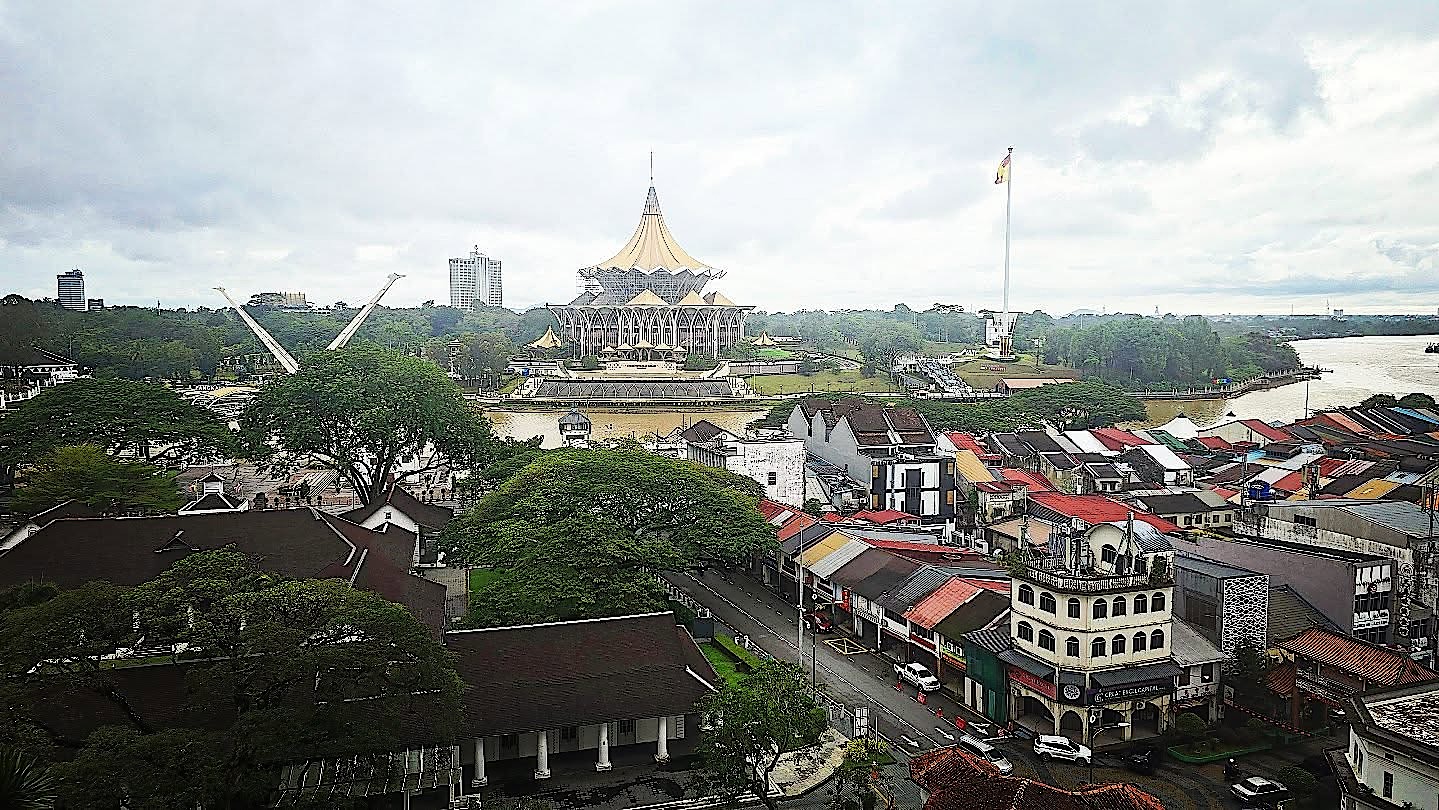
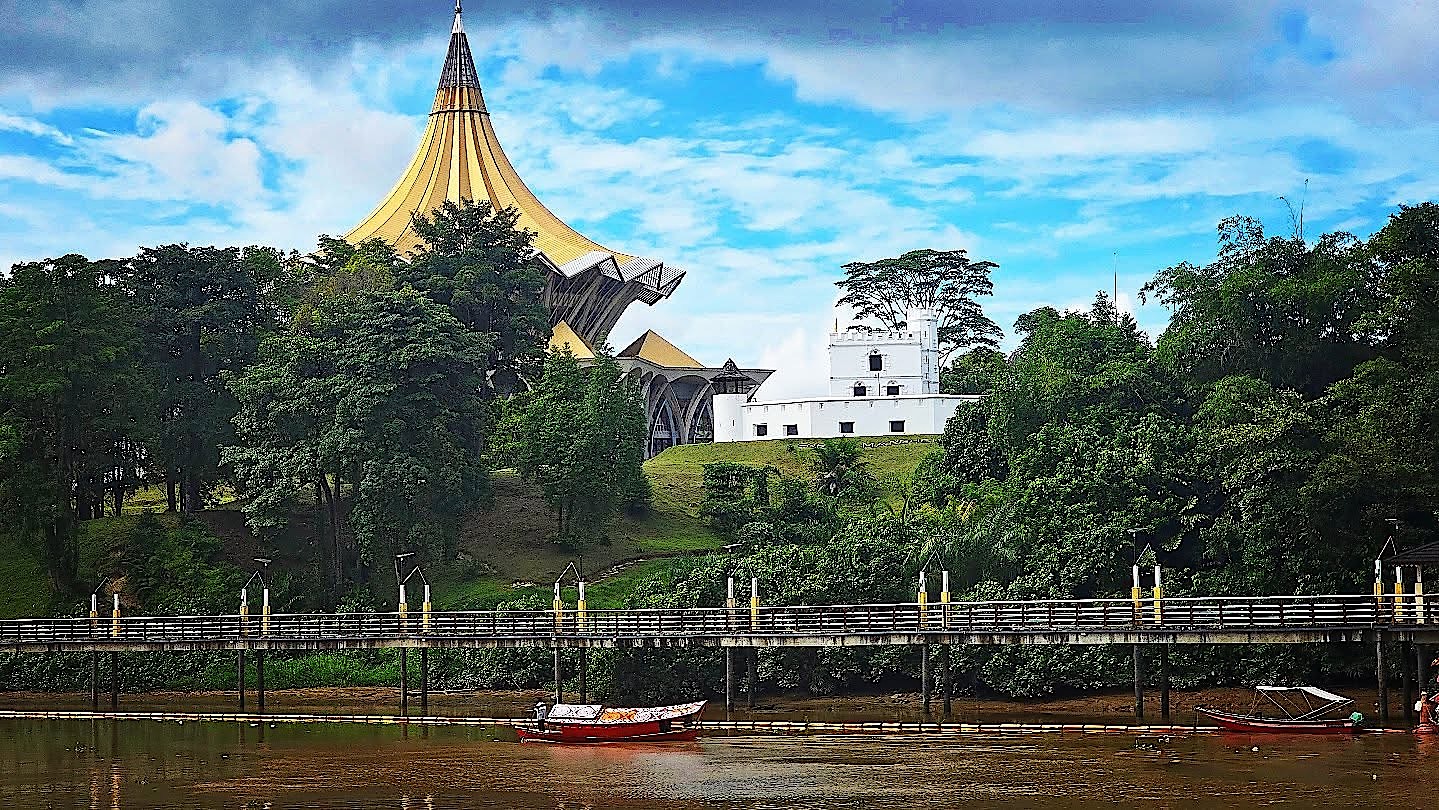
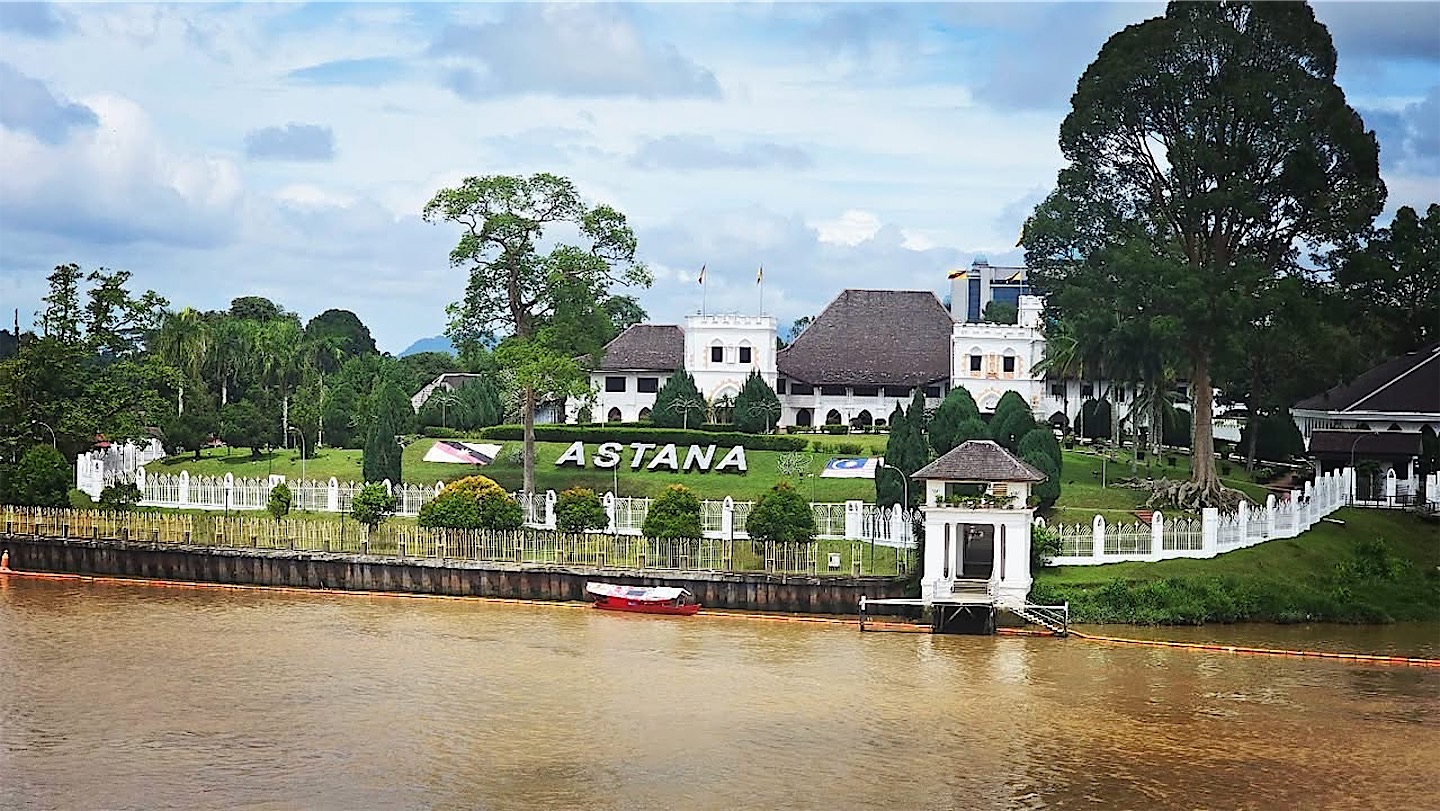
What surprised me most was Sarawak's history. For a whole century the territory was run almost like a private state by an English family. Across the river from the old town stand the Astana, the palace they built, and the new State Legislative Assembly with its golden roof.
The caves of Gunung Mulu
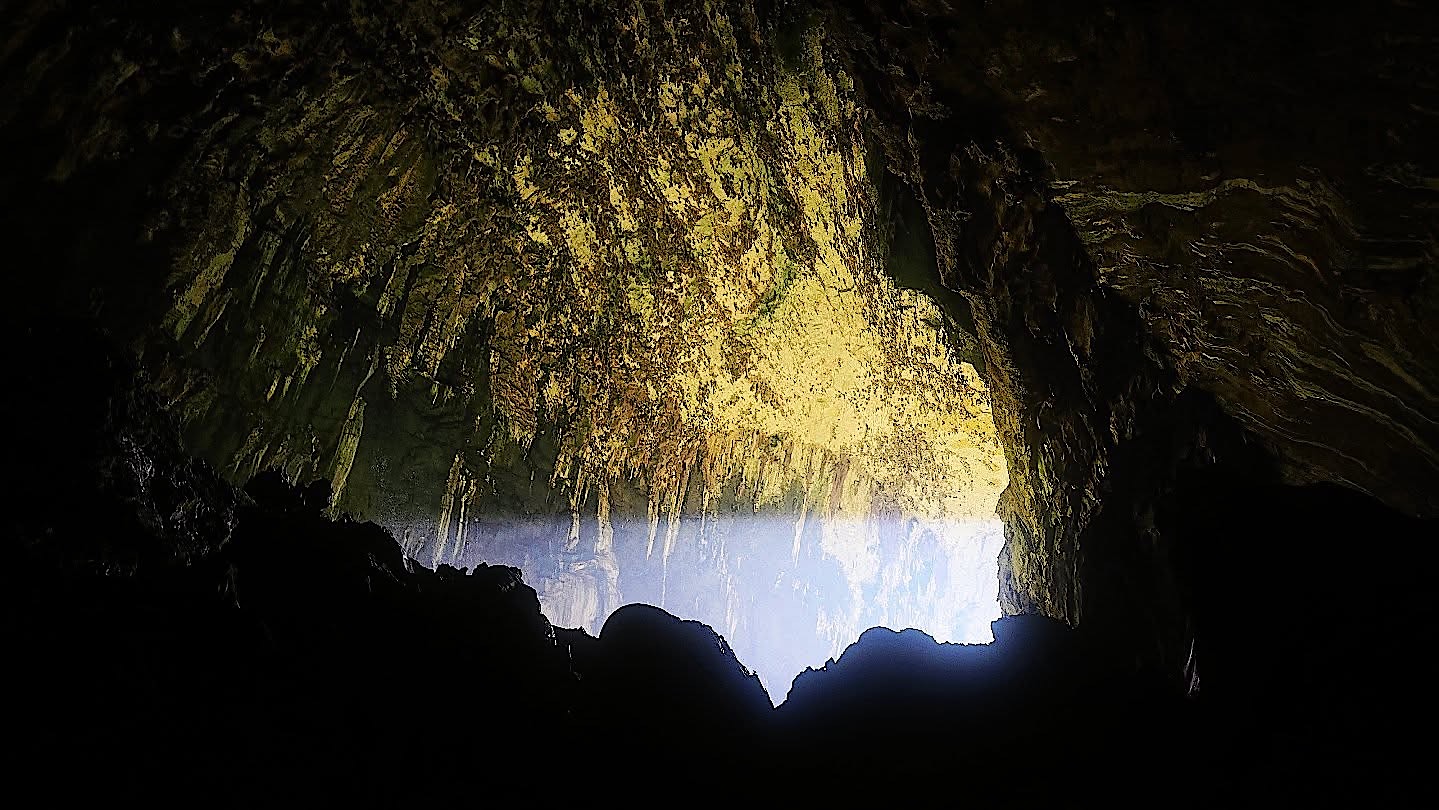
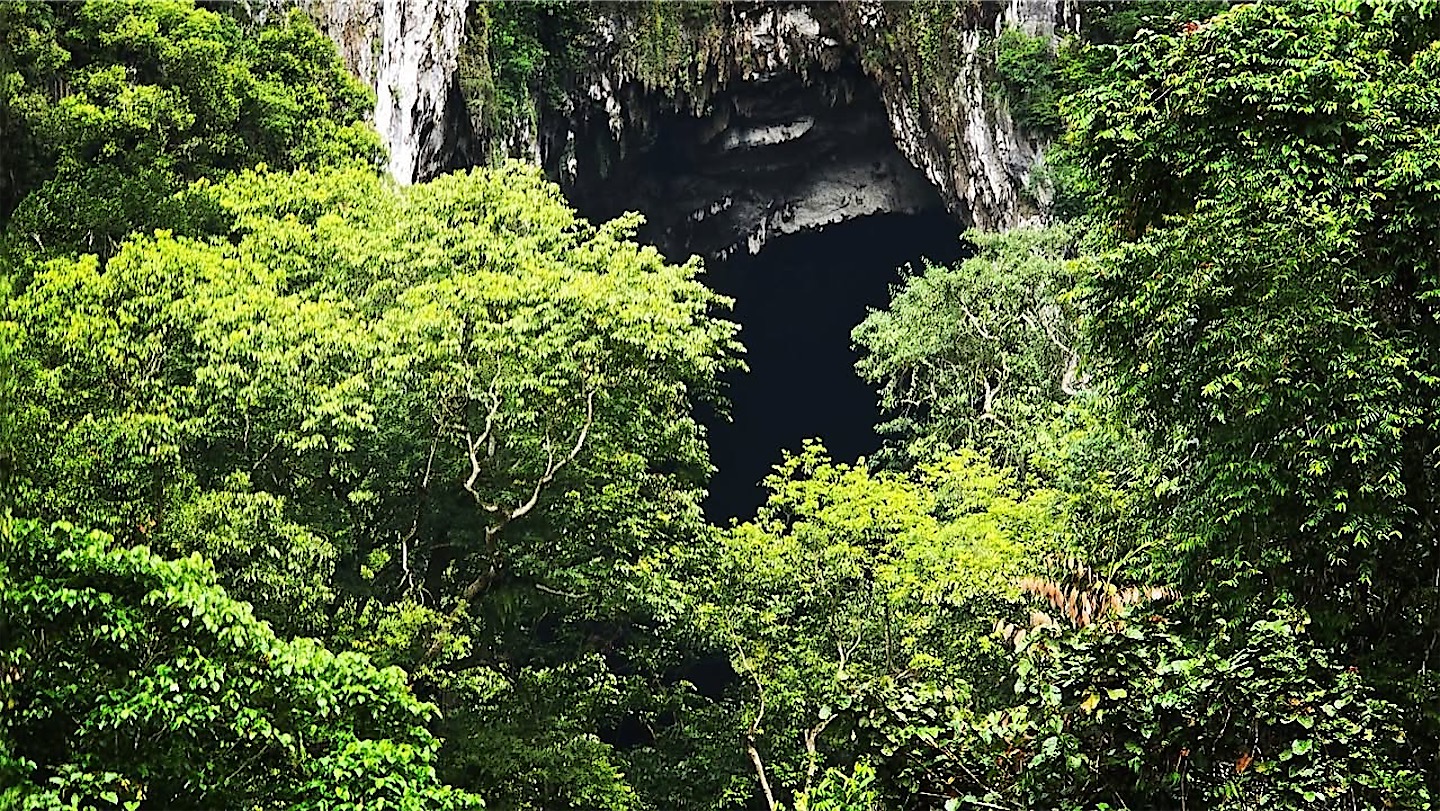
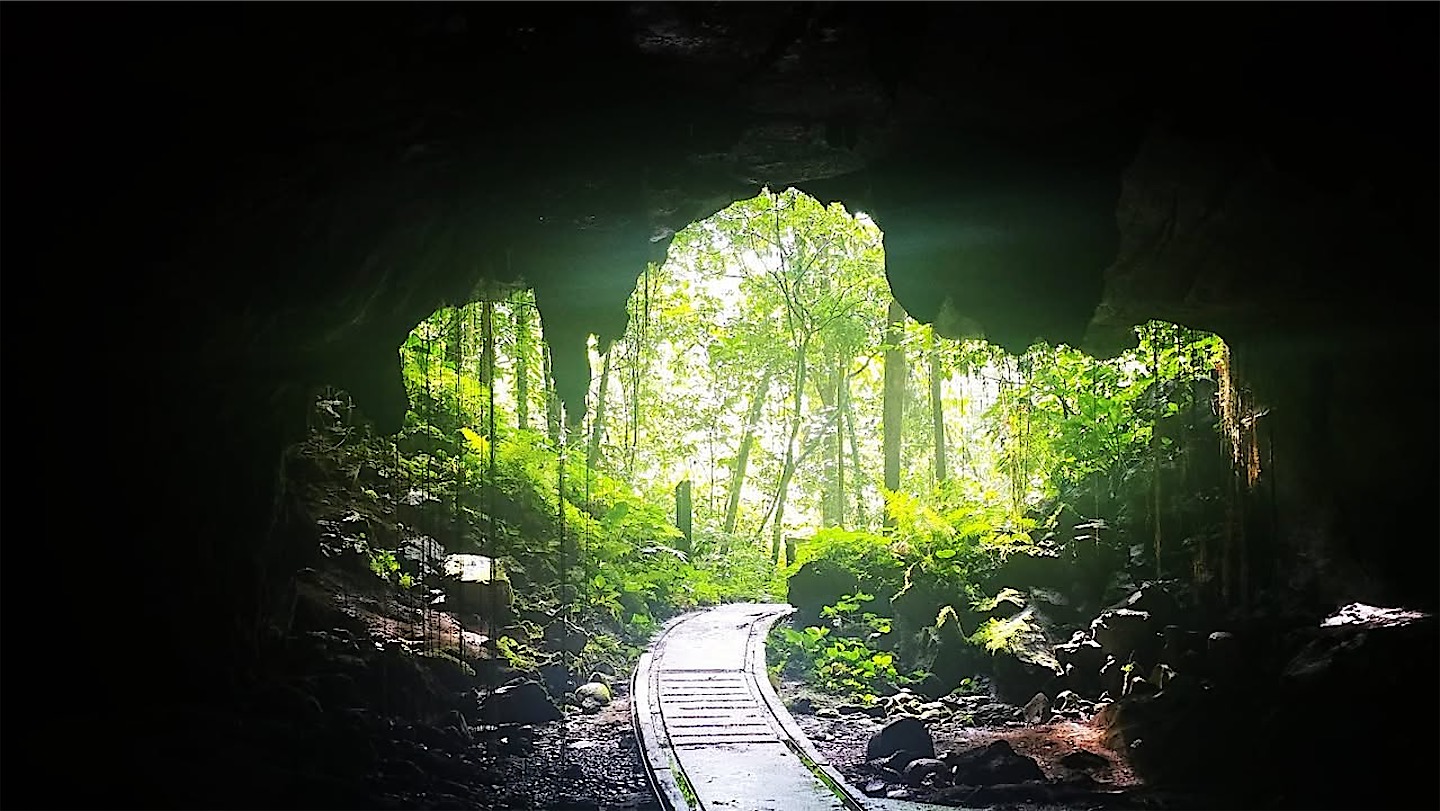
Staying within Sarawak, I flew on to Gunung Mulu National Park to see some of the most spectacular caves in the world. The highlight came first: the Deer Cave, so vast that the sun beams far into it through the entrance.
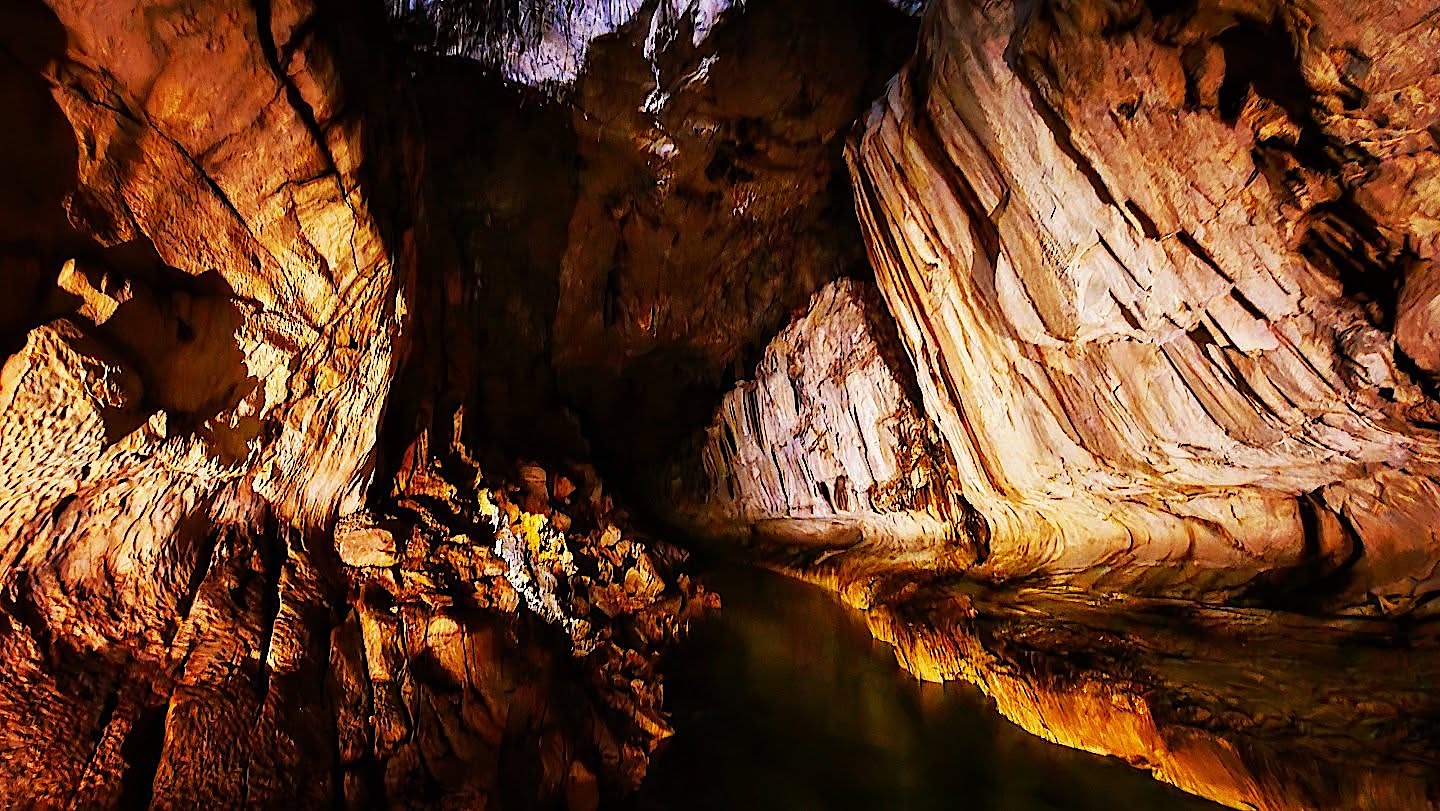
The other show caves were just as impressive, especially Clearwater Cave with the river that flows right through it. Walkways lead from the dark interiors back out into bright green jungle. If you are anywhere near Borneo, Mulu is well worth the extra flight.
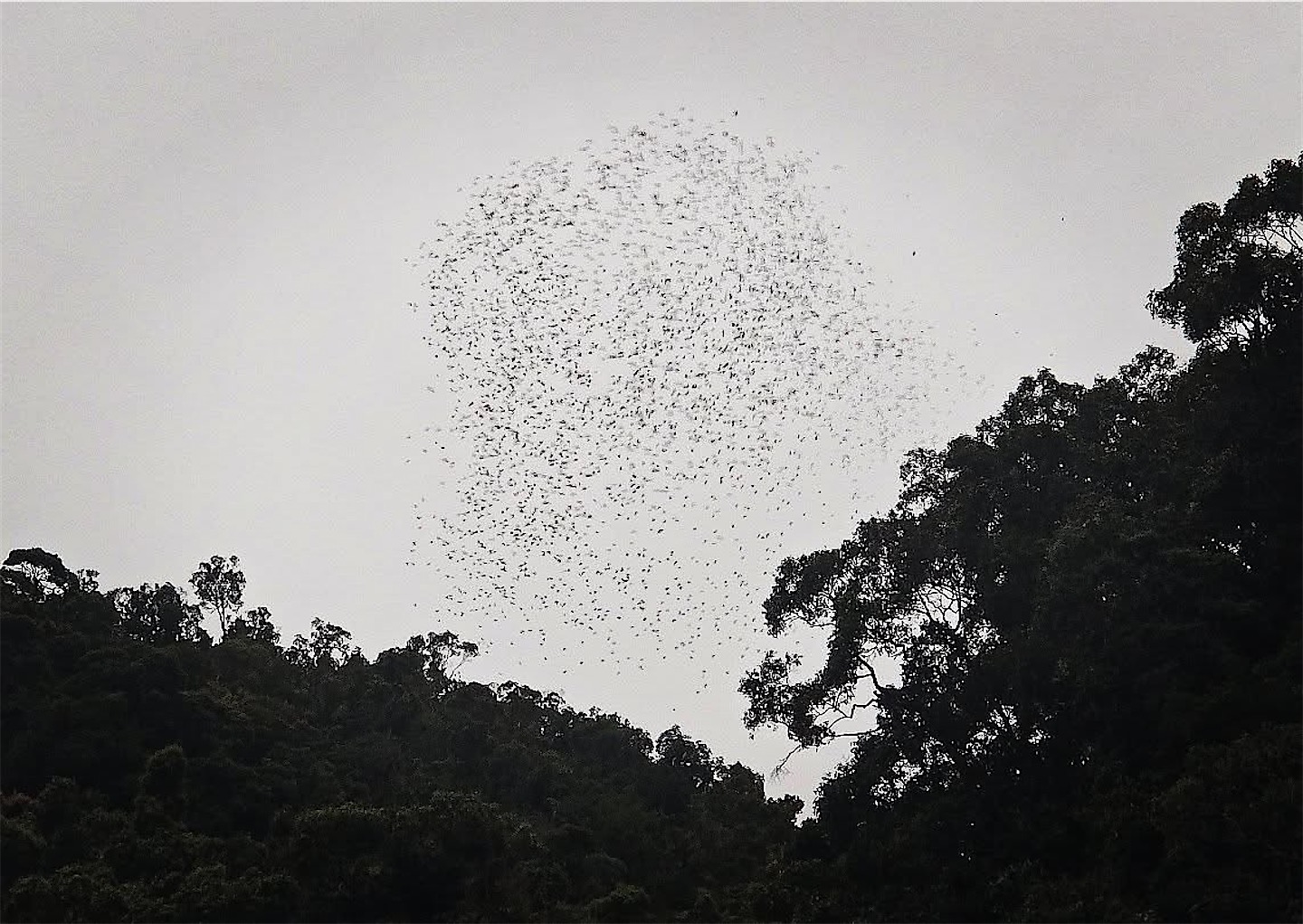
The most majestic sight, though, happened outside. Huge swarms of bats poured out of the caves and wheeled over the forest. These are wrinkle-lipped free-tailed bats, and millions of them leave the Deer Cave at dusk to hunt insects.
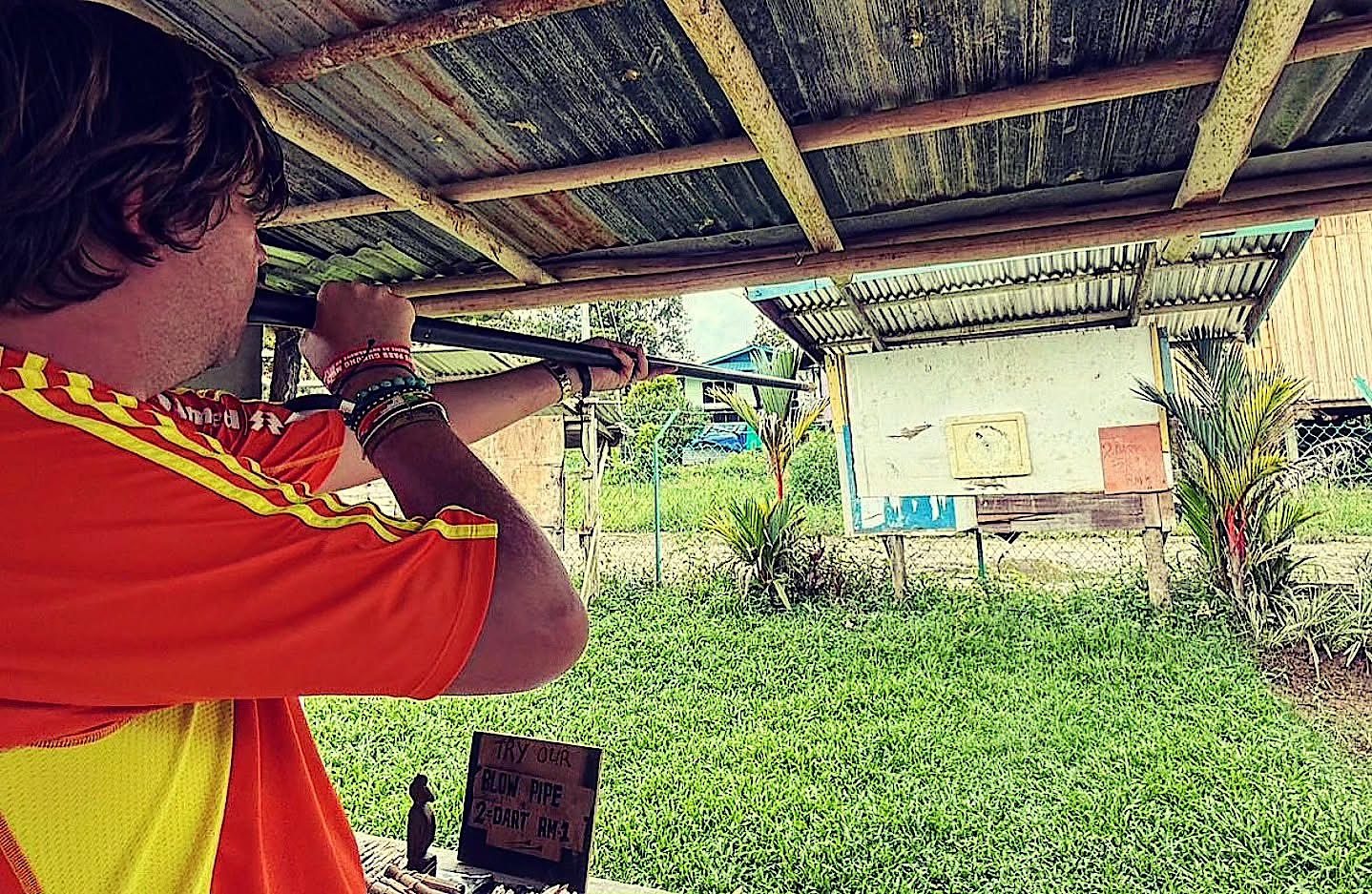
I also worked on my jungle survival skills with a blowpipe, the traditional hunting weapon of the Penan, once nomadic hunter-gatherers of Sarawak's interior. Their darts are tipped with poison from the sap of the ipoh tree; the practice darts at the little stand were harmless, at one ringgit for two.
Sabah and an unexpected dinner
From Mulu's little airport I flew to Kota Kinabalu, the capital of Sabah. Sabah was number 317 on the TCC list and my last missing territory in Southeast Asia. The only three left in all of Asia are in India, and they were next.
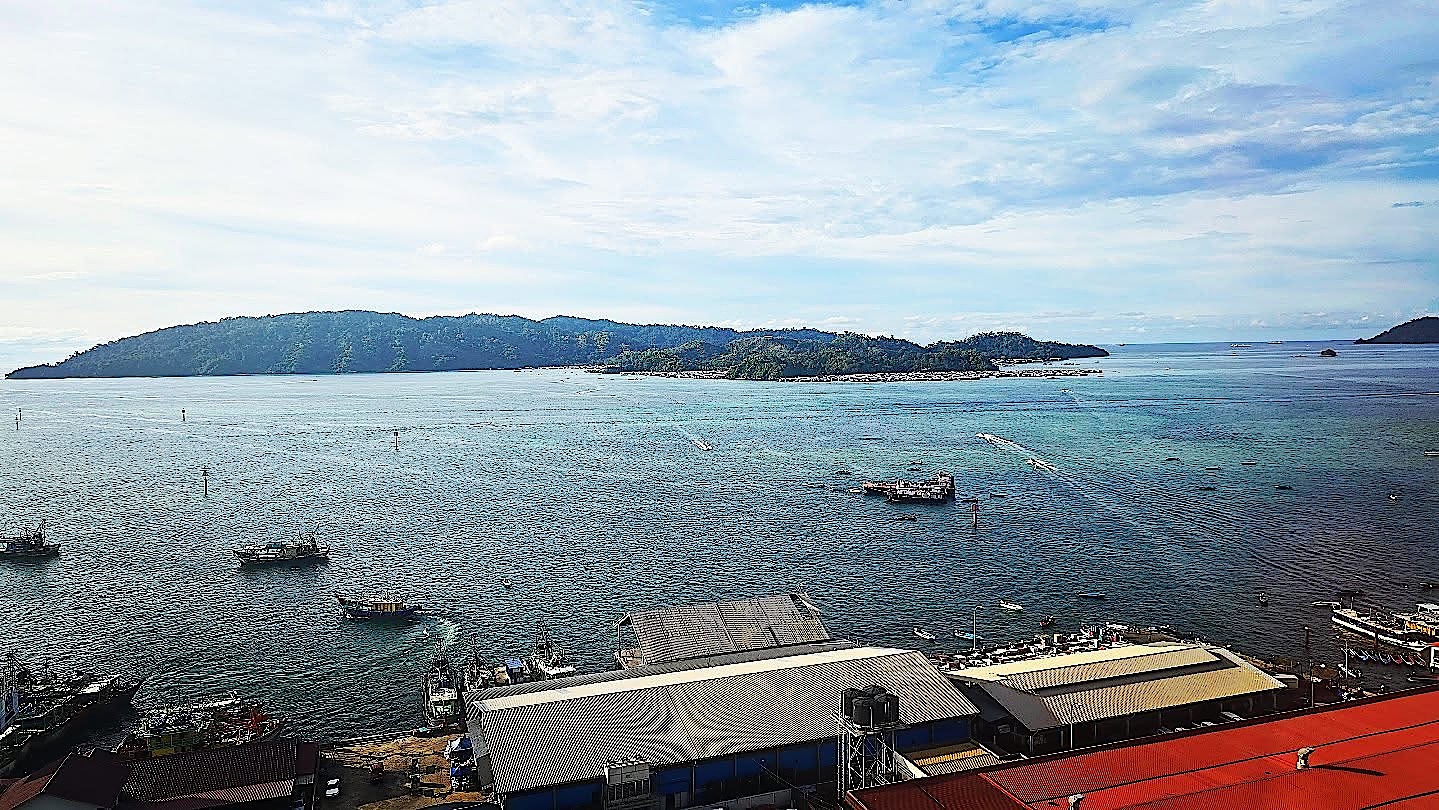
My first stop was the waterfront by the Filipino market, with a view across the harbour to the islands offshore. The real surprise of Kota Kinabalu was culinary. I hadn't expected to find A5 Iga beef here, which comes from the home region of the ninjas in Japan and is very hard to get outside the country. It came with foie gras and black truffle, for a very reasonable price.
Mount Kinabalu and the Rafflesia
The next morning I headed up to Pekan Nabalu, a village below Mount Kinabalu. The mountain is usually wrapped in cloud, but by the time I reached Kinabalu Park, the clouds were lifting off the summit.
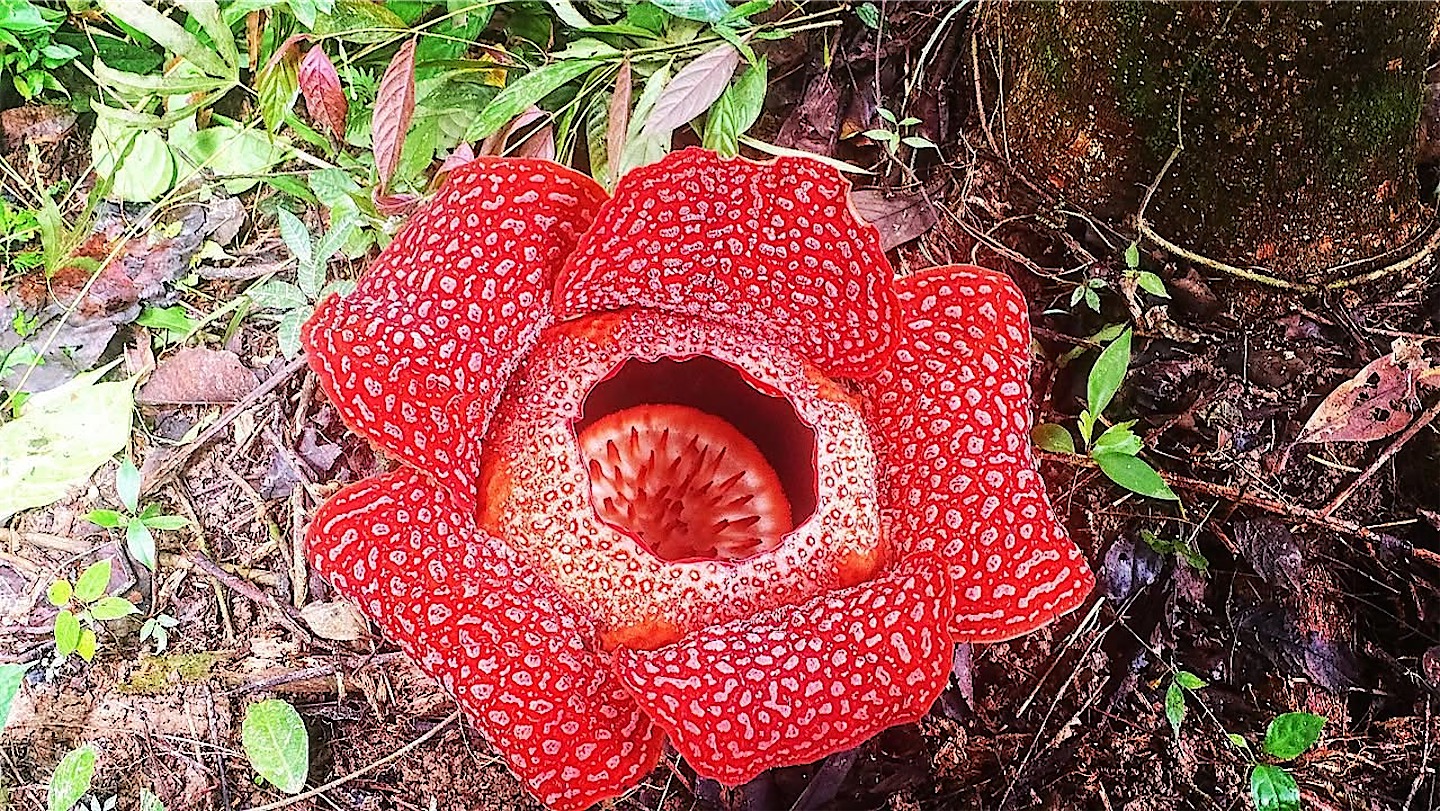
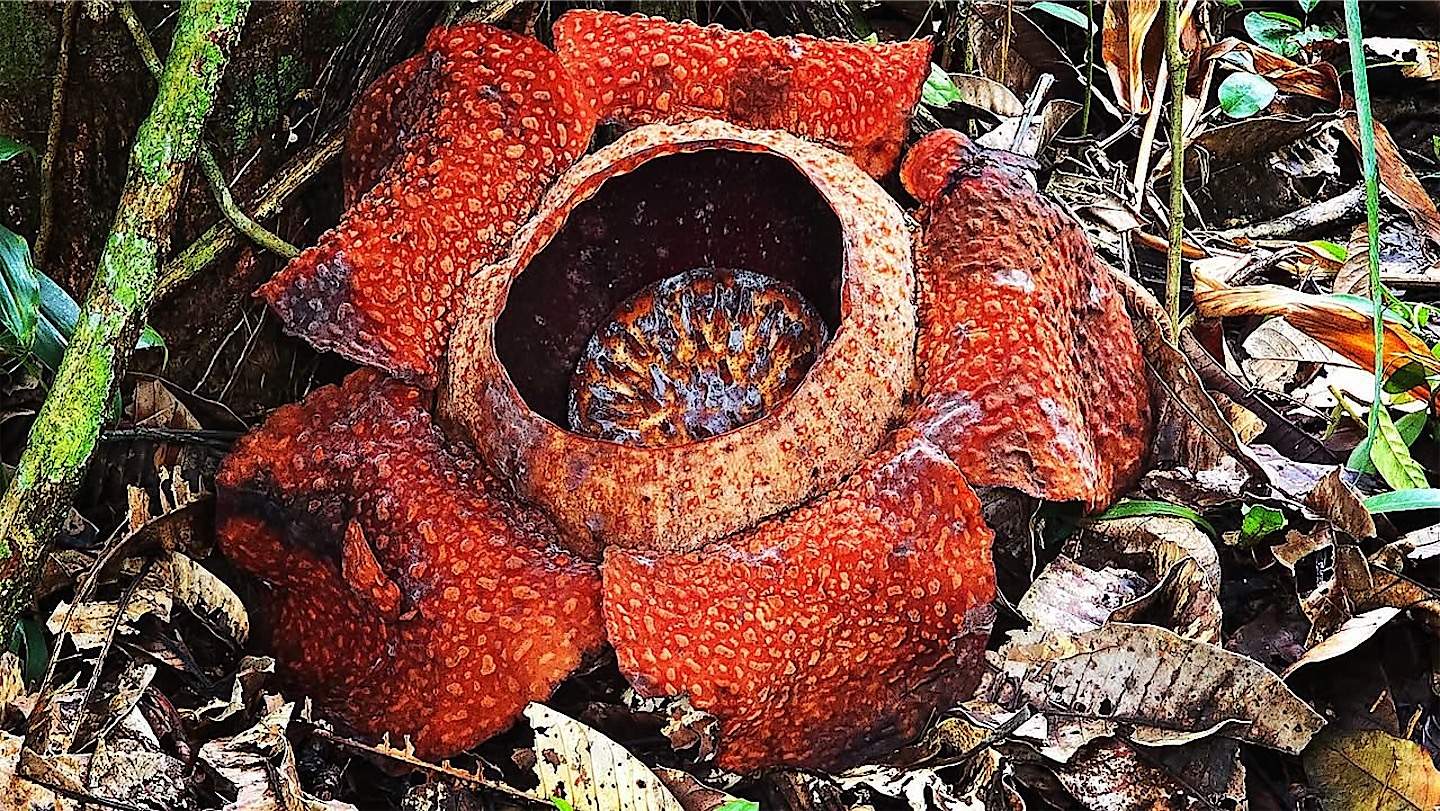
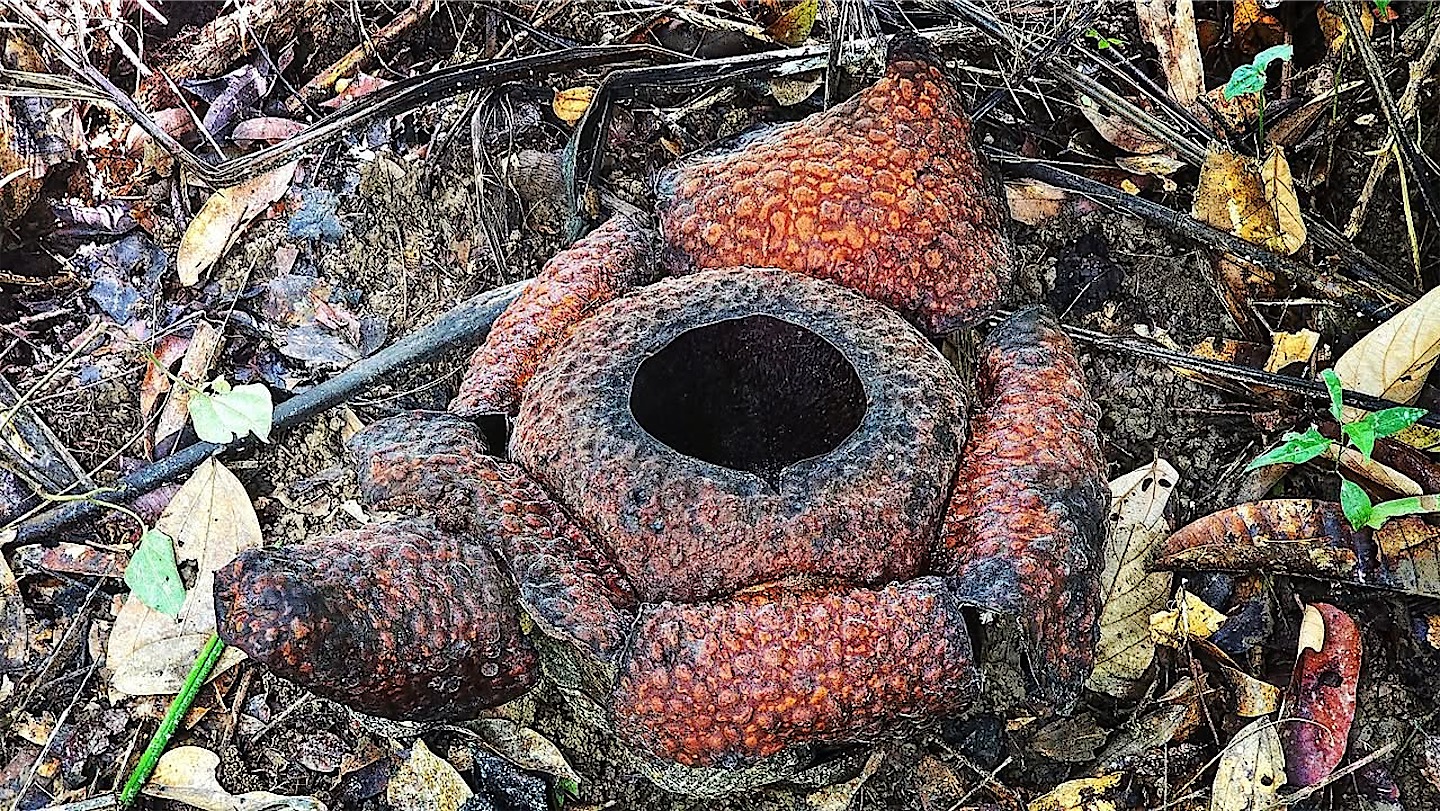
In the park I had a stroke of luck: a Rafflesia that had opened only the day before. This parasite has no leaves, stem or roots of its own and lives inside a jungle vine, and its flowers are among the largest in the world. The buds take months to grow, but the journey from beautiful to ugly to rotten takes only a week: three days after opening a flower is dying, and after seven it is as good as gone.
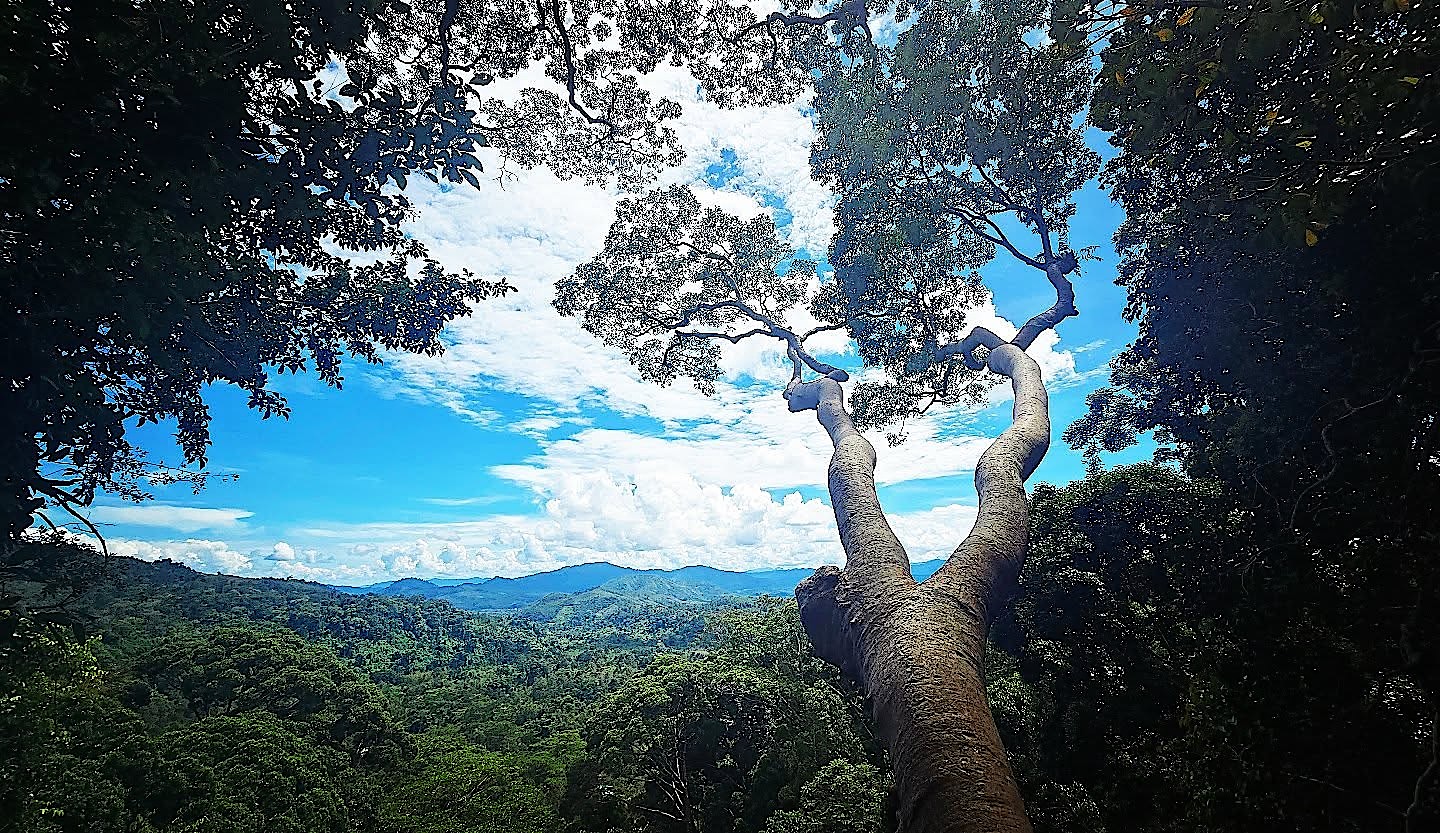
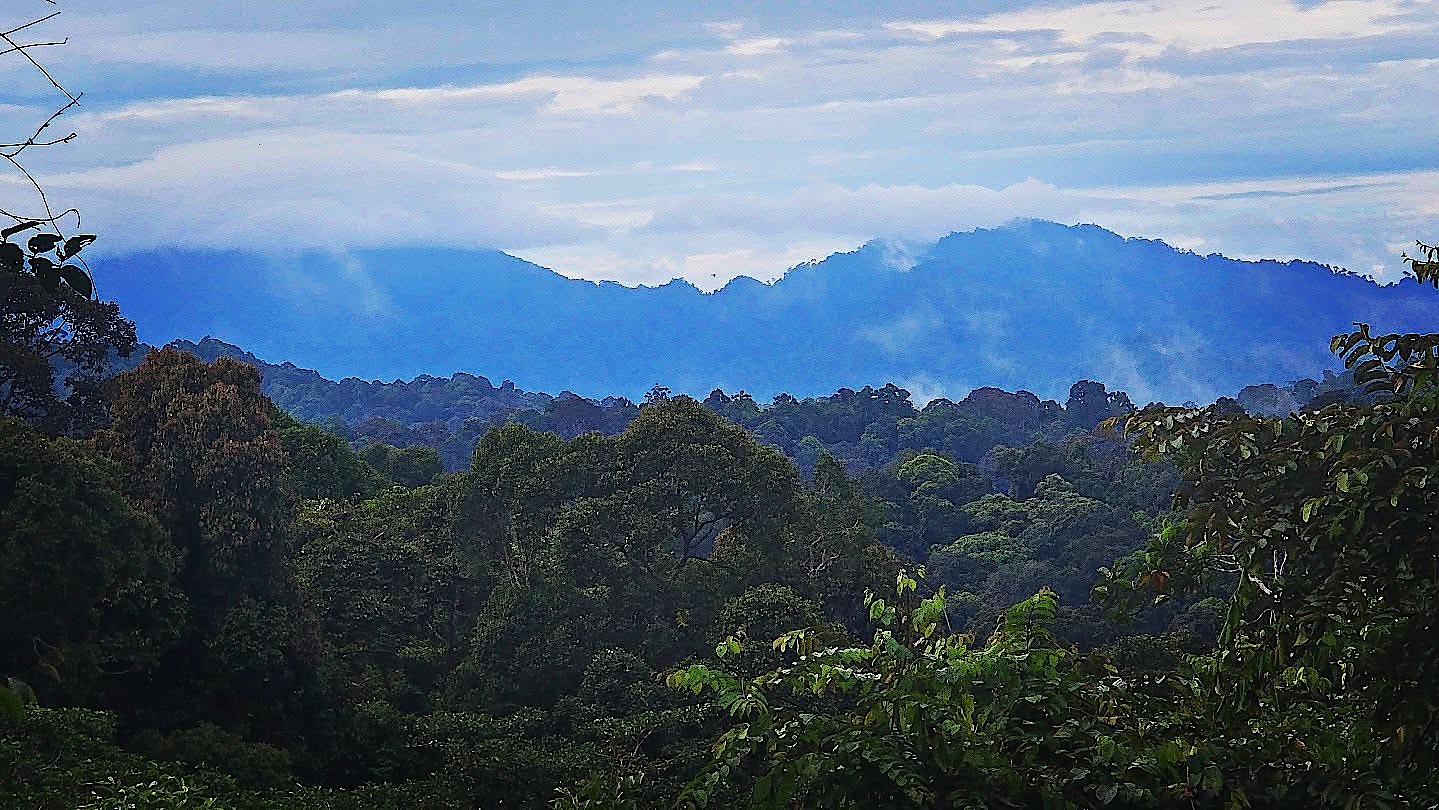
From the park I looked out over the treetops of one of the oldest rainforests on the planet, with some truly huge trees.
Night drives in Deramakot
Then I headed into the deep jungle for Borneo's wildlife. On the long, bumpy roads to the Deramakot Forest Reserve I reread Karl May, the hero of my youth. The German writer invented most of the adventures of Kara Ben Nemsi and Old Shatterhand long before he saw those places himself, but without his books I would probably never have tried to live the life I live now.
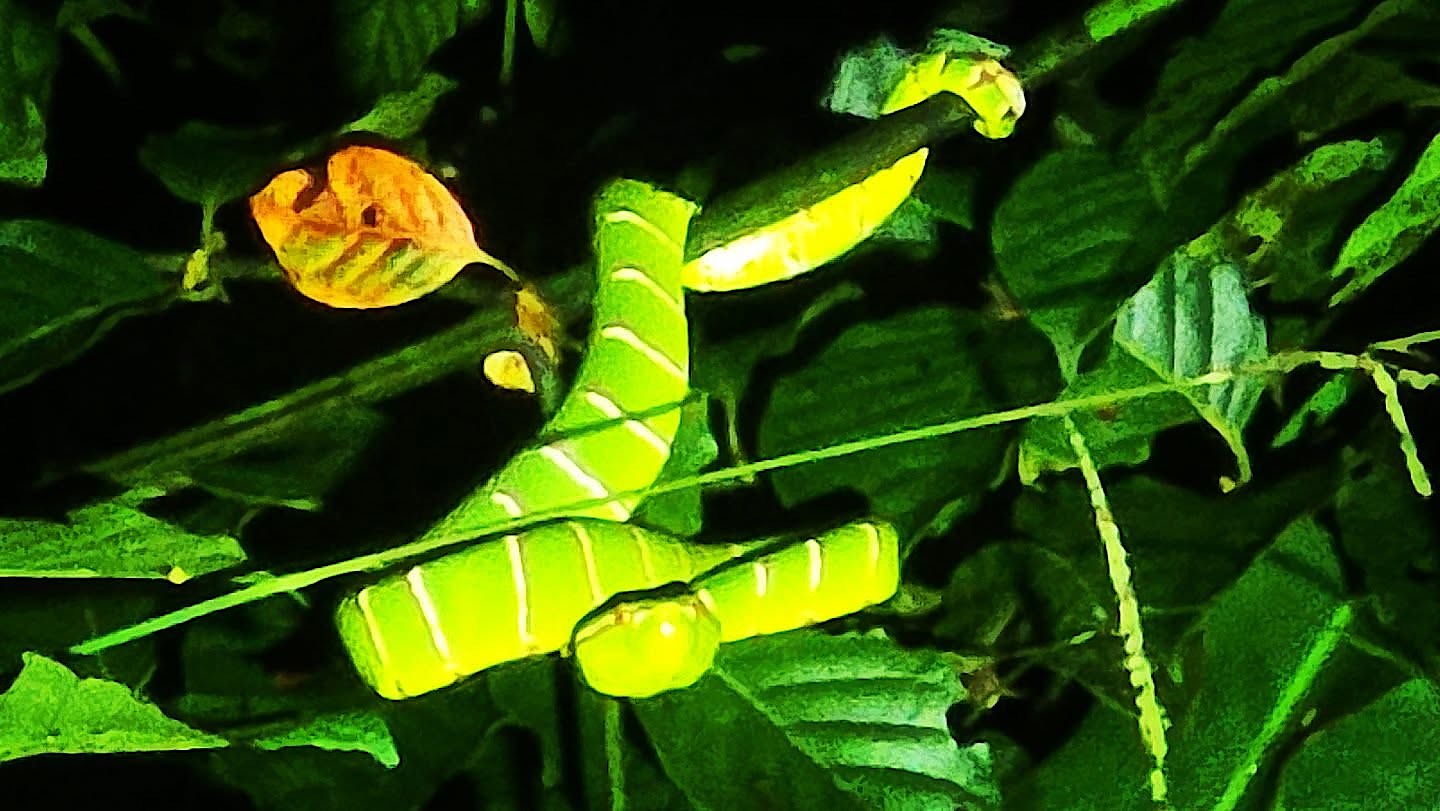
Deramakot is not a national park but a working forest, where timber is still cut with low-impact methods. In 1997 it became the first tropical rainforest in the world certified as well managed by the Forest Stewardship Council, and today it is known for some of the best wildlife spotting in Borneo, especially at night. My first night drive started with a green pit viper.
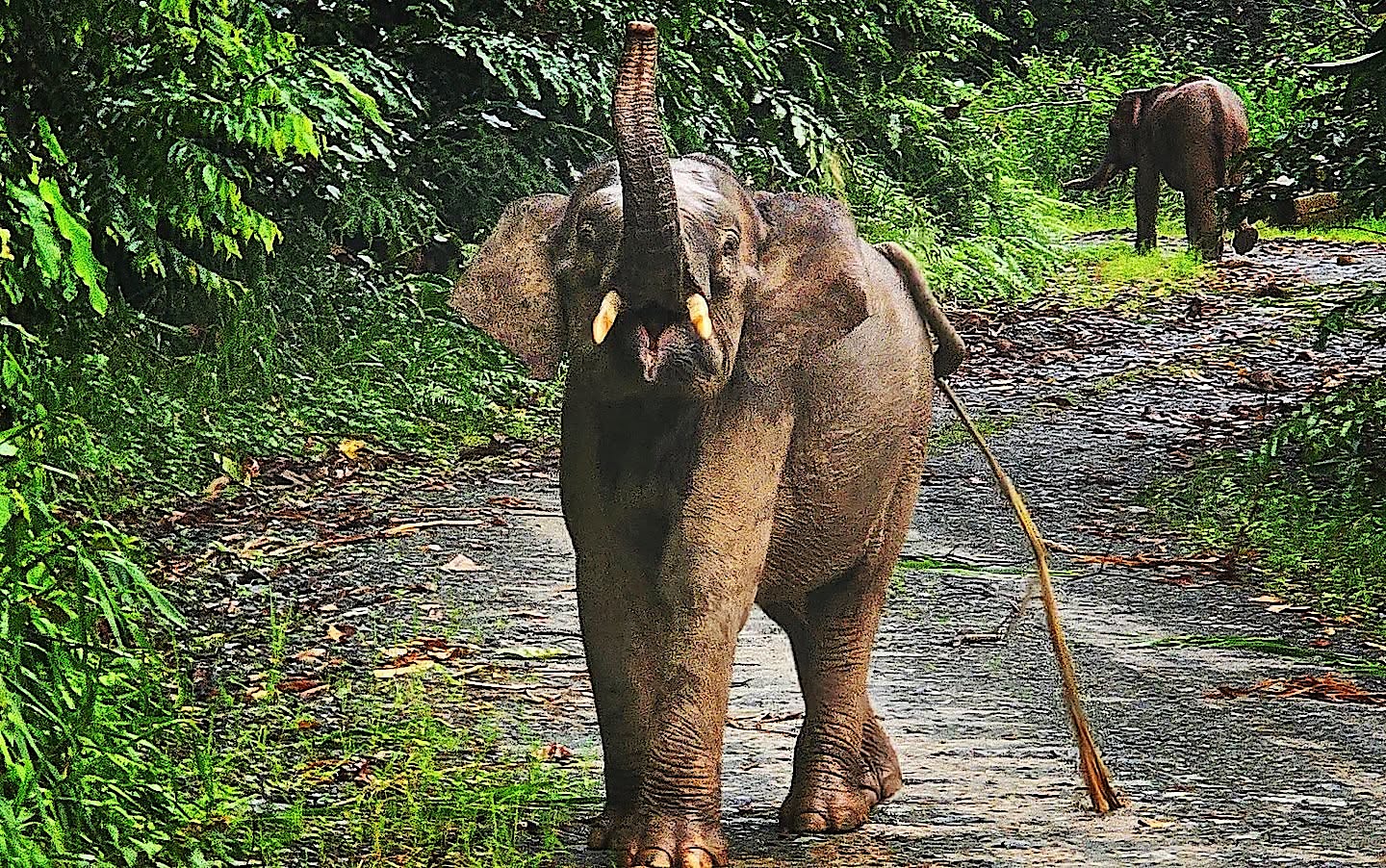
The big moment came the next day: real, wild Bornean pygmy elephants on the track ahead.
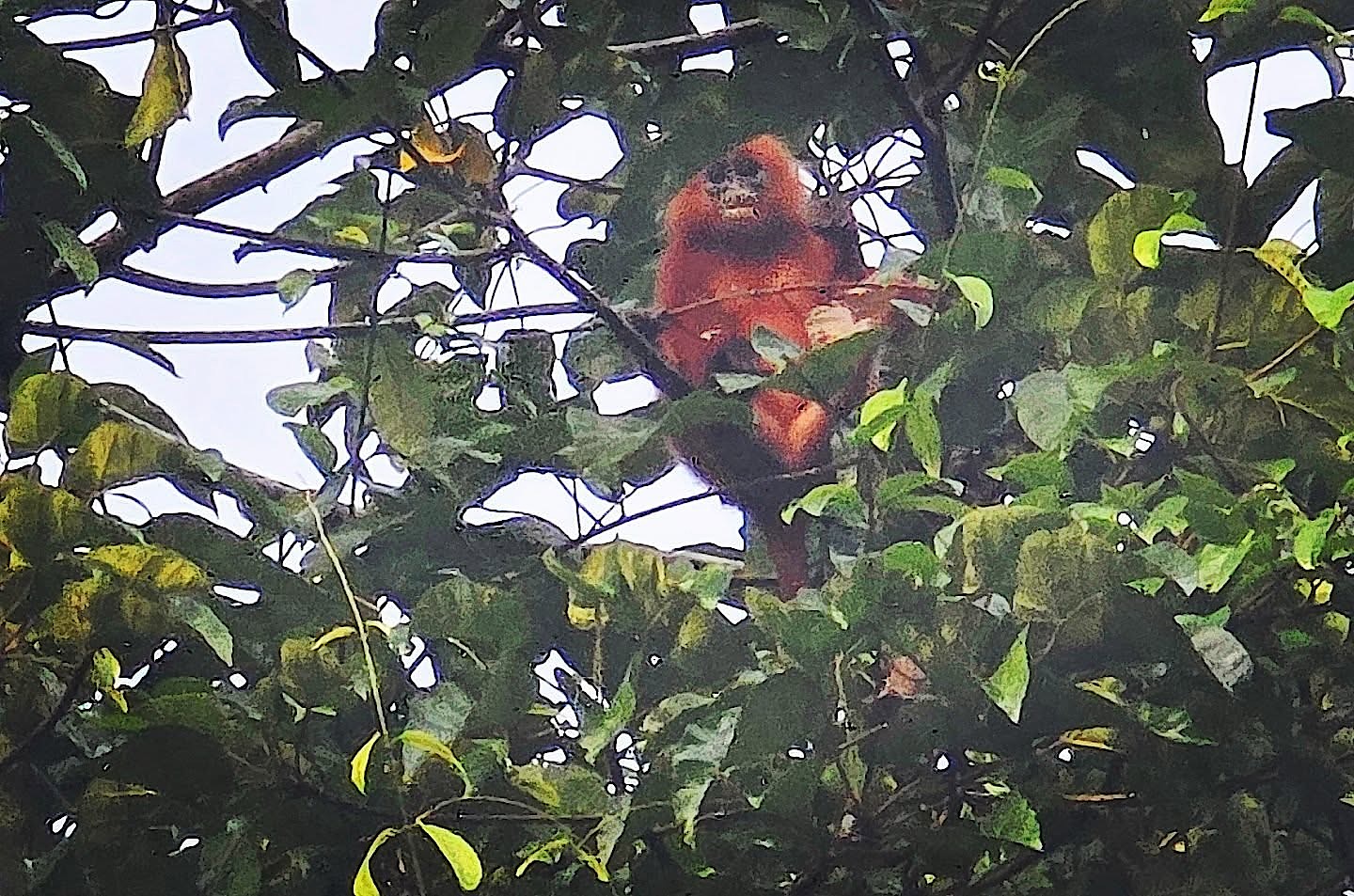
The same day I spotted a wild orangutan hanging in the trees, and the next morning a red leaf monkey, a langur found almost only on Borneo, looked down from the canopy. The biodiversity in these forests is amazing. The one animal I missed was the clouded leopard, Deramakot's most famous resident, so that one stays on the list.
Noses at Labuk Bay
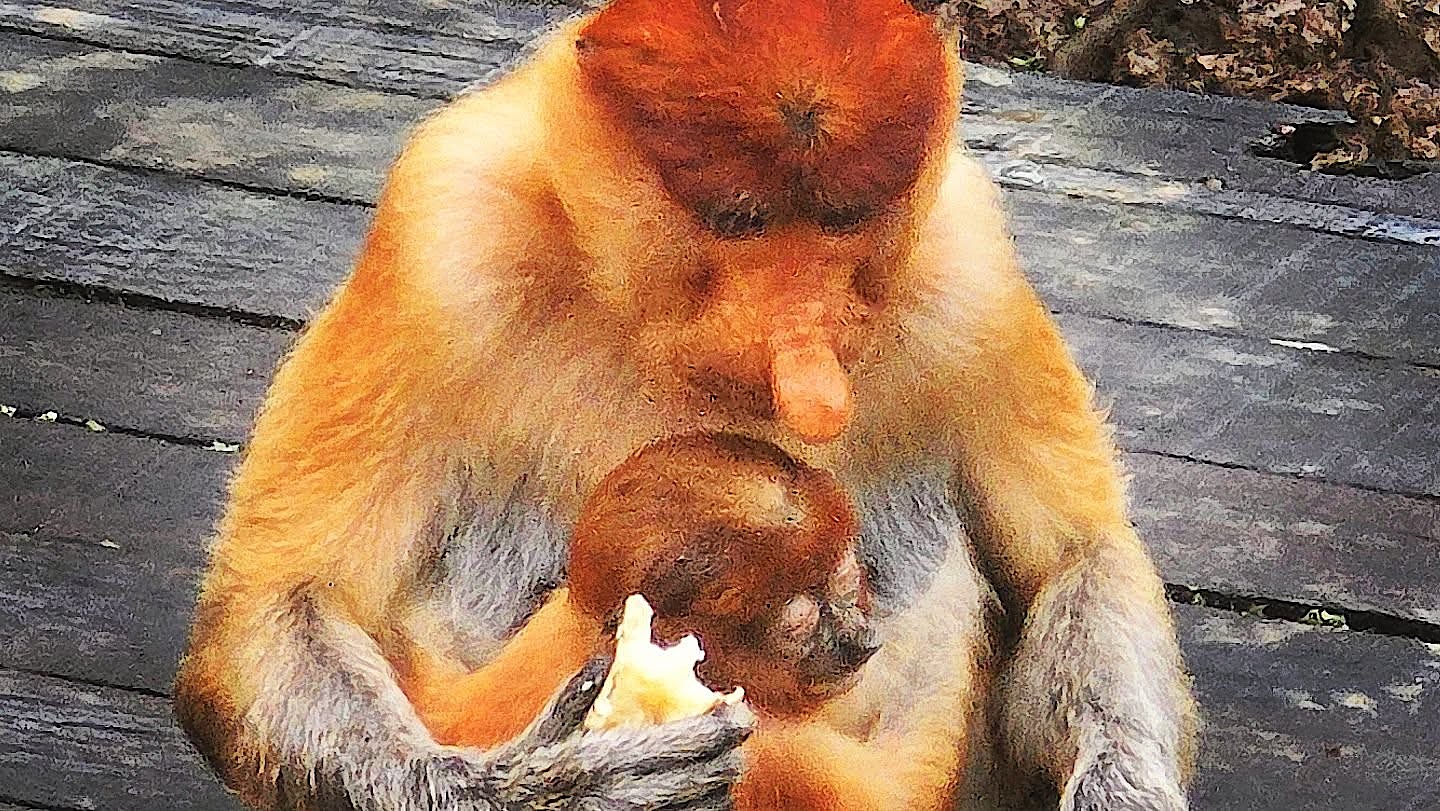
On the way to Sandakan I stopped at the Labuk Bay Proboscis Monkey Sanctuary. Looking at the males, I had to ask myself whether I would trade having a nose like that for a whole harem of wives. The young, luckily, start out with ordinary noses.
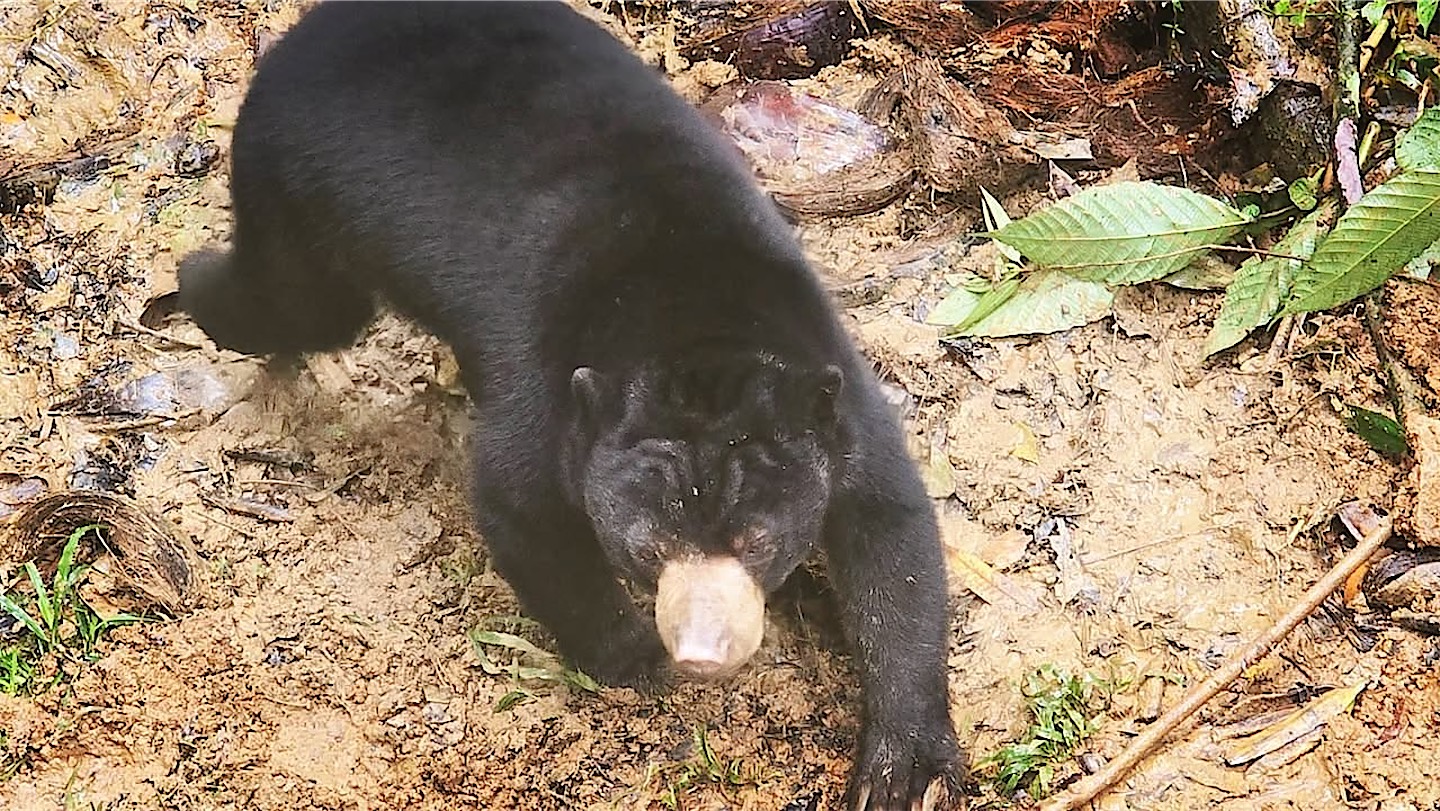
Back at my resort near Sandakan, a red giant flying squirrel glided from one tree to the next, and a last round of Borneo's animals on my final day included sun bears.
Onwards to India
Malaysian Borneo has become one of my favourite places to visit in Southeast Asia, and I already have plans to come back for more national parks and the world-class diving off Sabah's coast. From Sandakan I flew back to Kota Kinabalu for a short night, then on to Chennai for three weeks in India, a country I have a love-hate relationship with: first three days in the south, then a week of diving far out in the Bay of Bengal. That journey continues in Tamil Nadu and the Andaman Islands.