
Gopurams, Pondicherry and a Smoking Volcano: Tamil Nadu and the Andaman Islands
28 January – 7 February 2025 · Chennai, Puducherry, Auroville, Kanchipuram, Mahabalipuram, Port Blair, Havelock Island, South Button Island, Barren Island, Neil Island, Chidiyatapu, Middle Strait · Regions: India (Tamil Nadu, Puducherry), Andaman and Nicobar Islands
After the rainforests of Sarawak and Sabah, three weeks of India lay ahead, a long time in a country I have a love-hate relationship with. First came three days of temples and colonial towns in Tamil Nadu, then a full week in the Andaman Islands, a territory I had long wanted to reach, mostly for the diving.
After a short night back in Kota Kinabalu I flew west over the northern tip of Sumatra, where even from the plane the scars of the 2004 tsunami in Aceh were still visible. Around the same time I booked a short liveaboard in northern Norway to snorkel with wild orcas, on top of three Antarctica expeditions next season.
Chennai: gopurams and an apostle's tomb
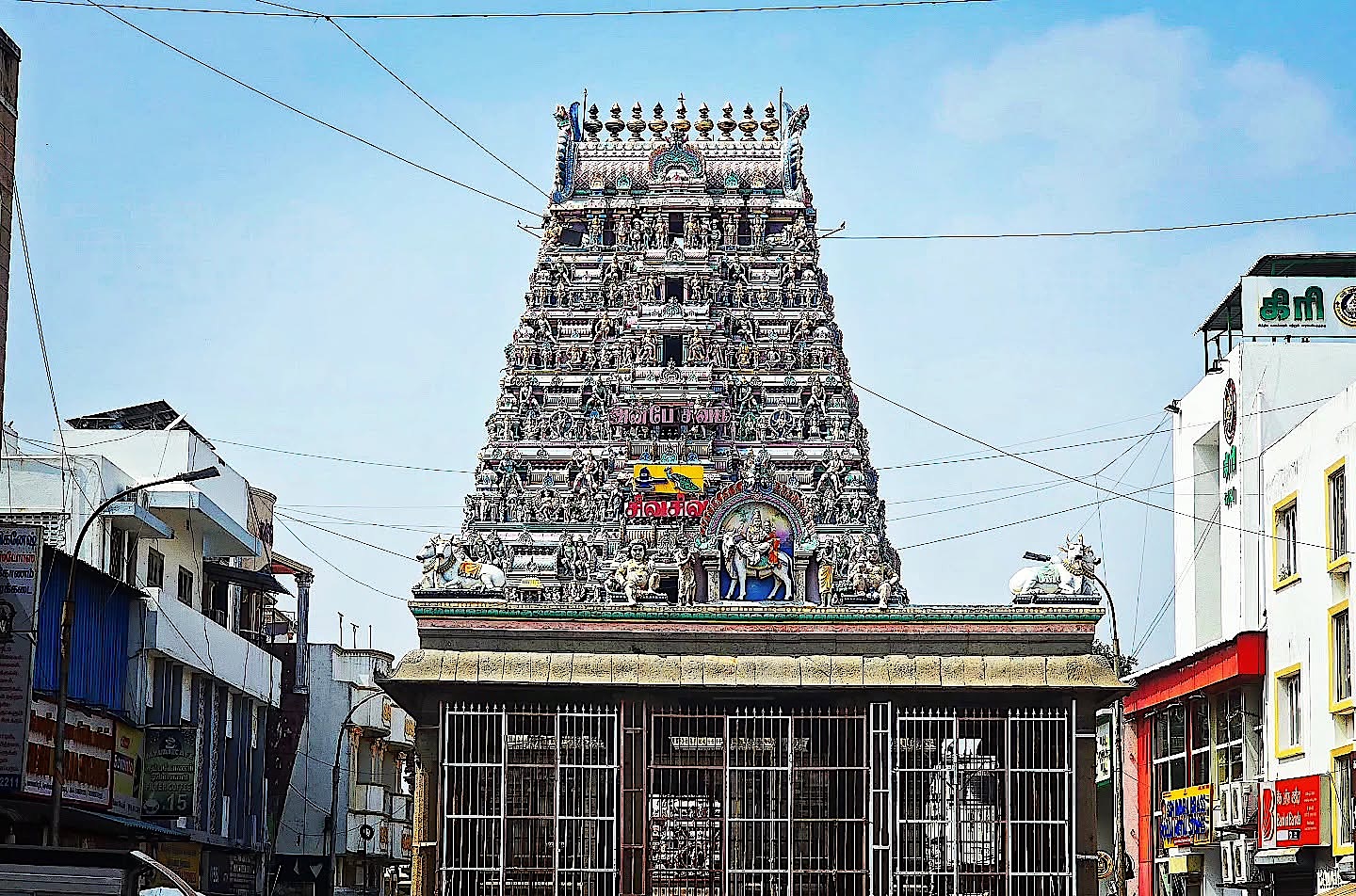
The moment I stood in front of the Kapaleeshwarar temple in Mylapore, there was no doubt I was in India: a tower of painted gods rising above a busy street.
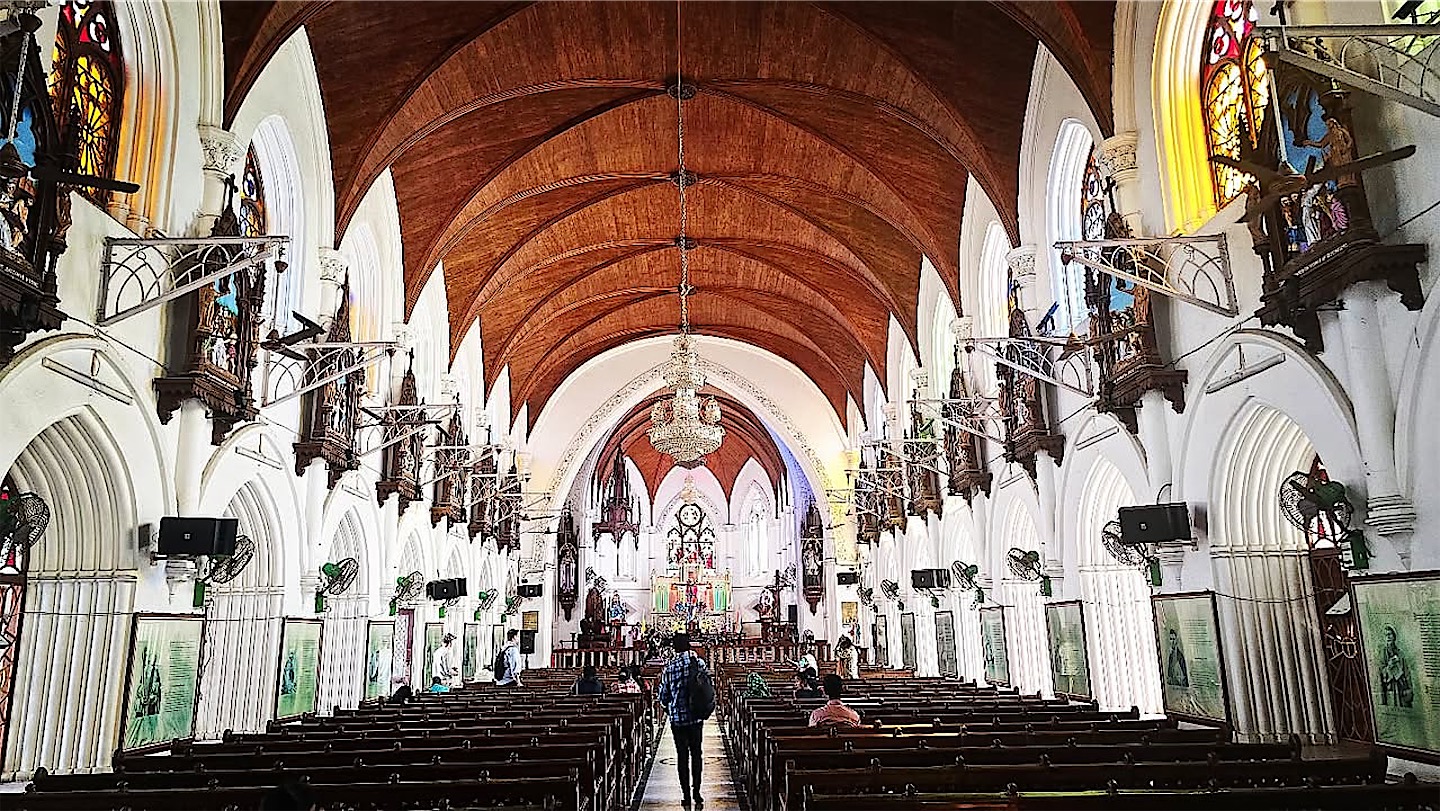
Nearby stands Santhome, a white neo-Gothic basilica over what tradition holds to be the tomb of St Thomas the Apostle, who is said to have brought Christianity to India. Inside, Jesus looked almost Hindu to me.
One consolation for the hustle of India: excellent hotels cost surprisingly little.
Puducherry, Auroville and the temple towns
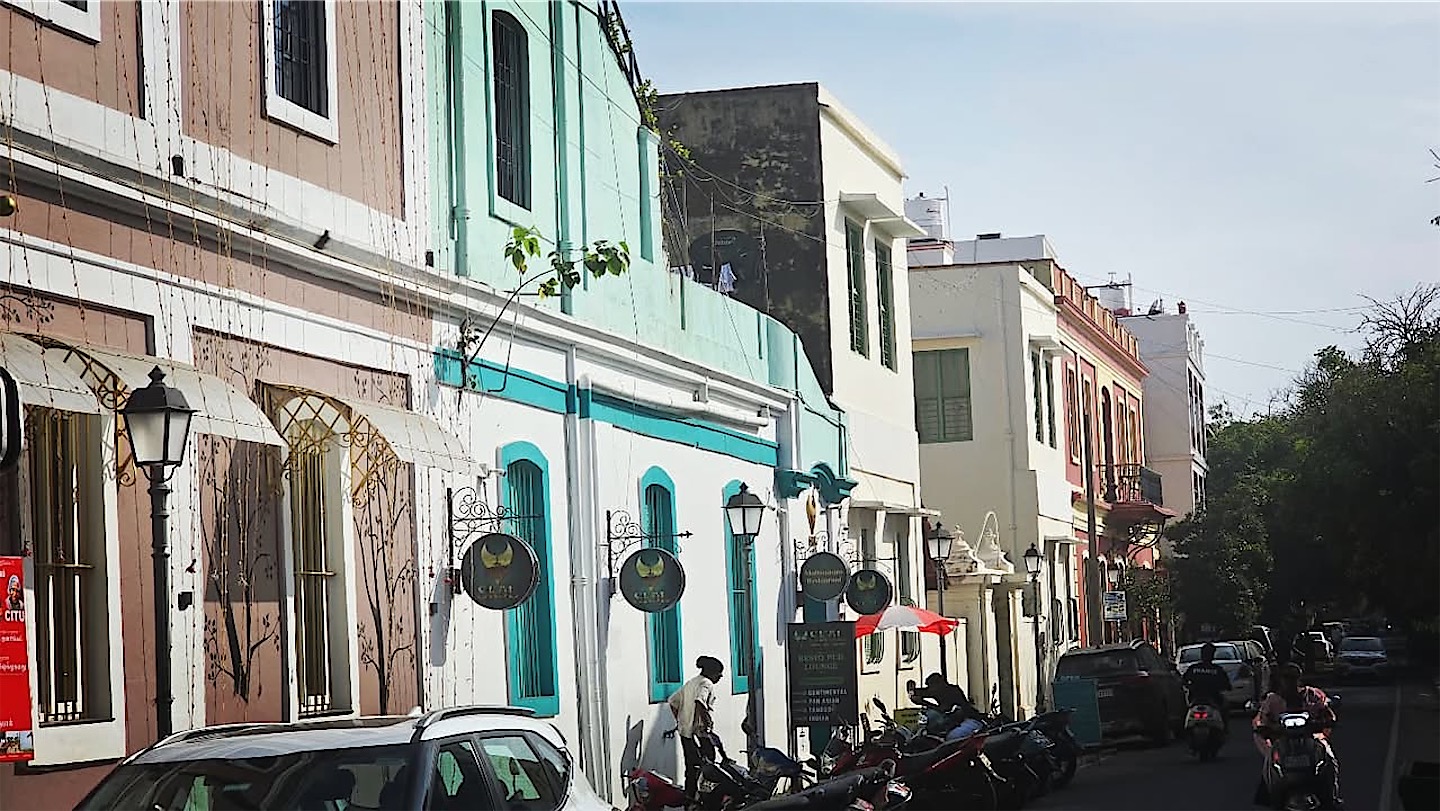
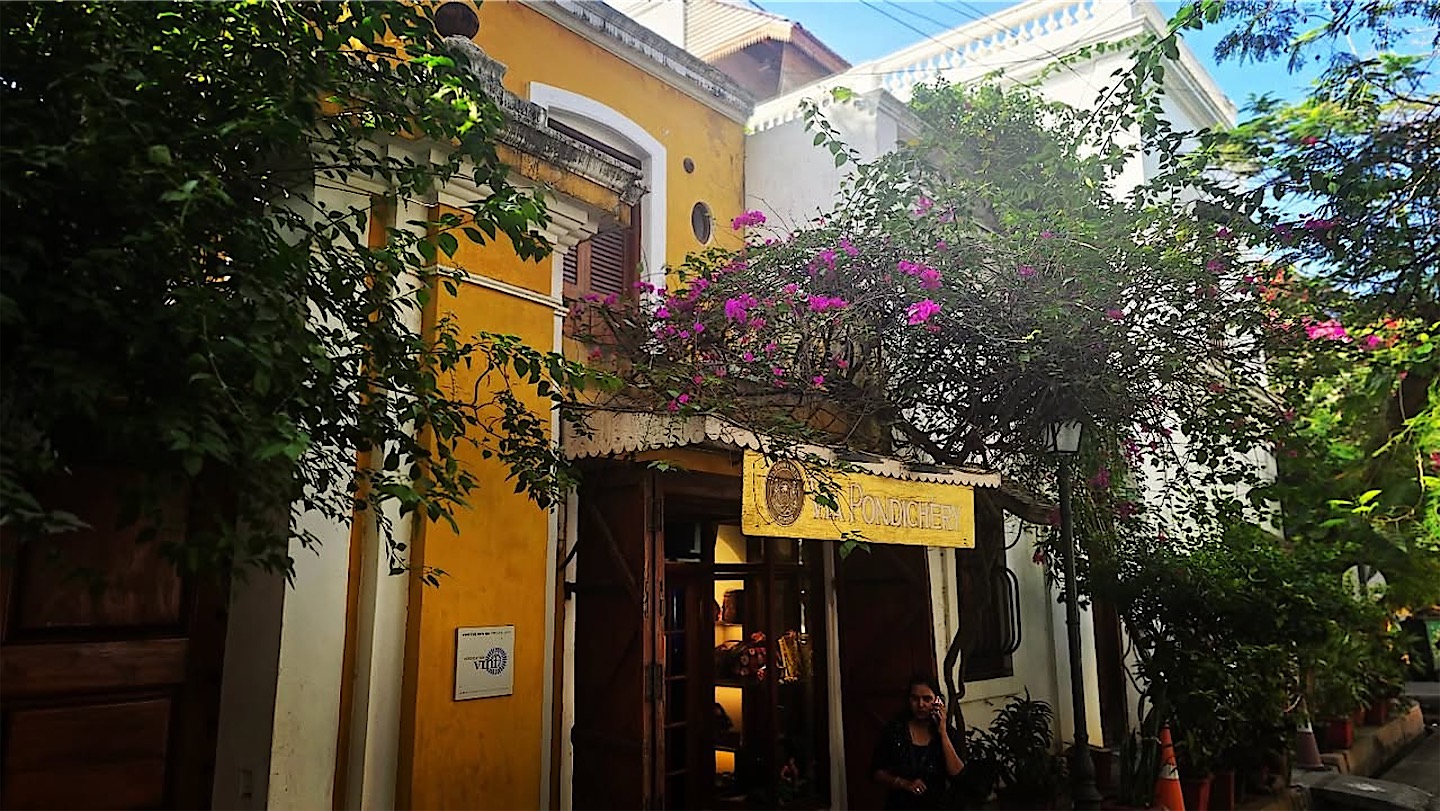
I continued overland down the coast to Puducherry, still often called Pondicherry. For India it is a remarkably relaxed town: walkable without much fear of ending up as a pancake, relatively clean, with colonial architecture and good restaurants. The French Goa of the East, if you like.
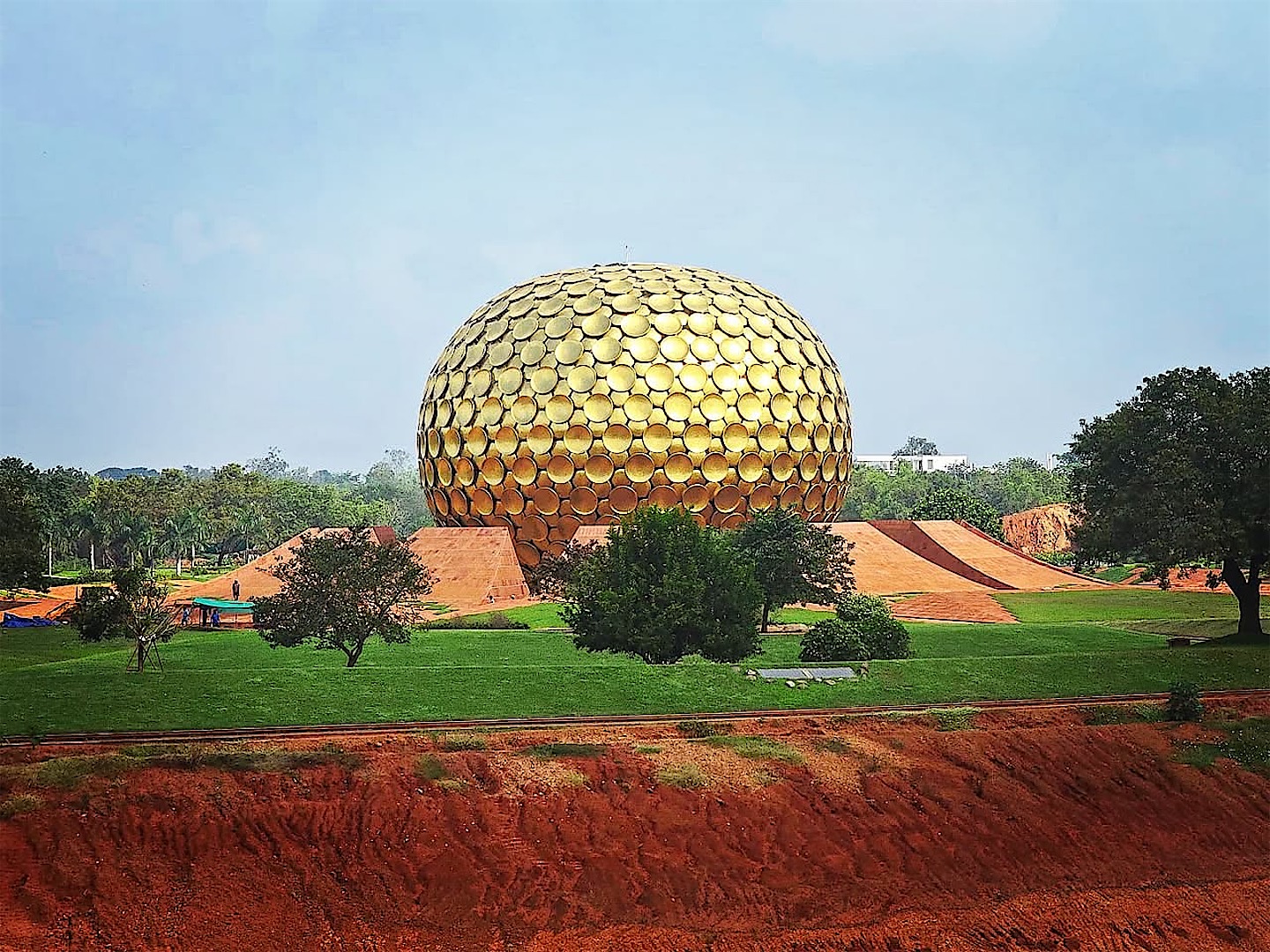
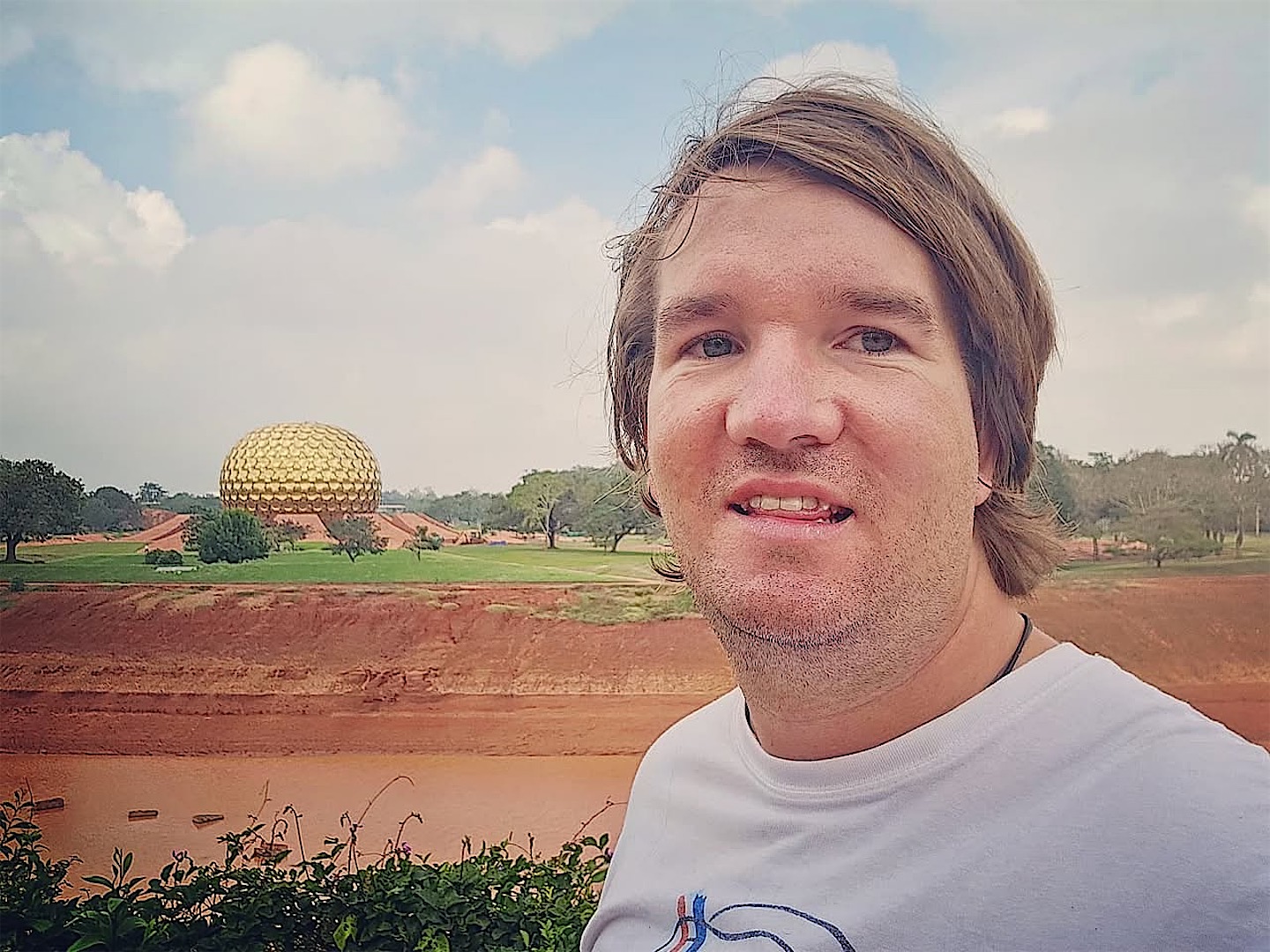
Just outside town lies Auroville, an intentional community founded in 1968 by Mirra Alfassa, the companion of the philosopher Sri Aurobindo, as a universal town for people from all nations, organised by what it calls "divine anarchy". To get close to the Matrimandir, its giant golden meditation sphere, you even receive a kind of laissez-passer.
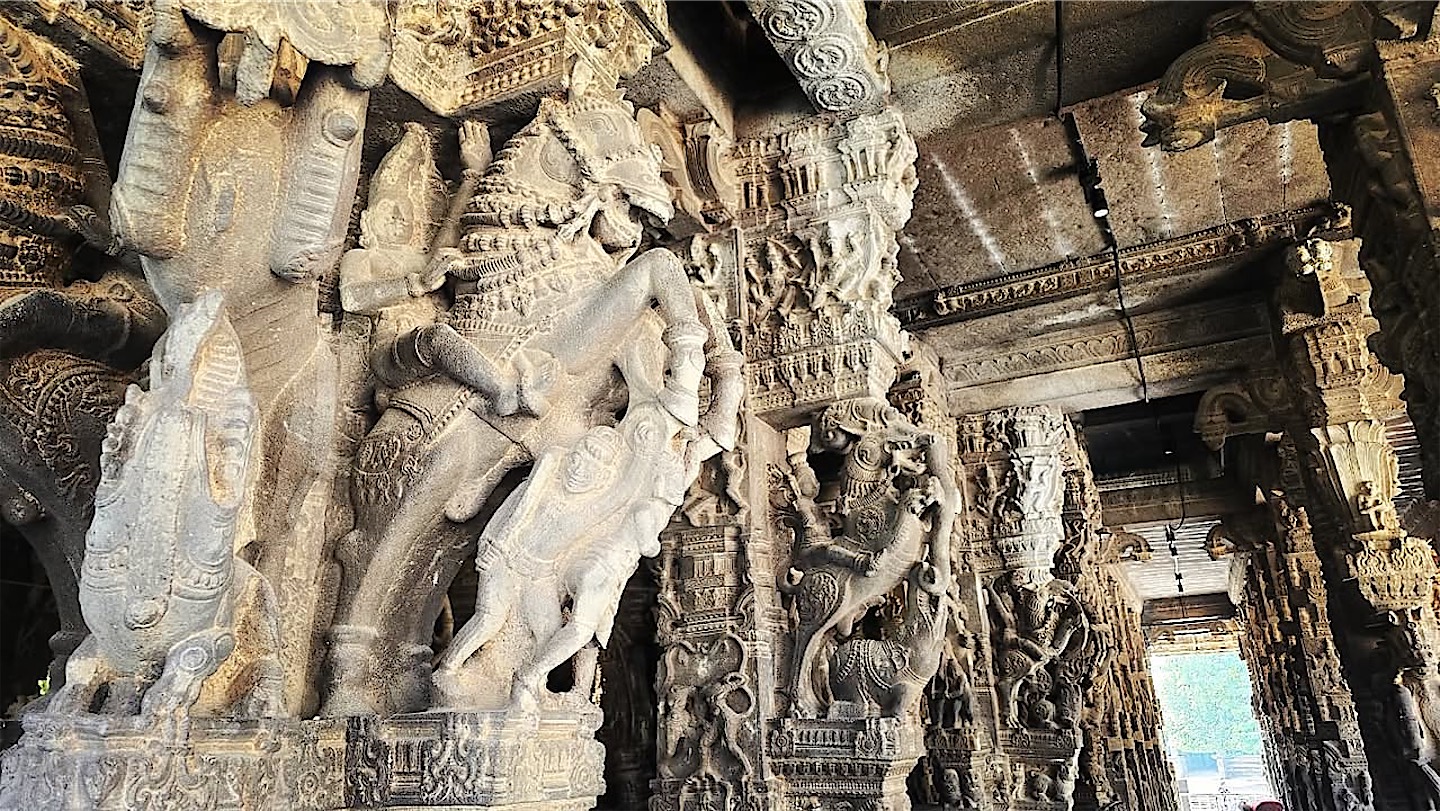
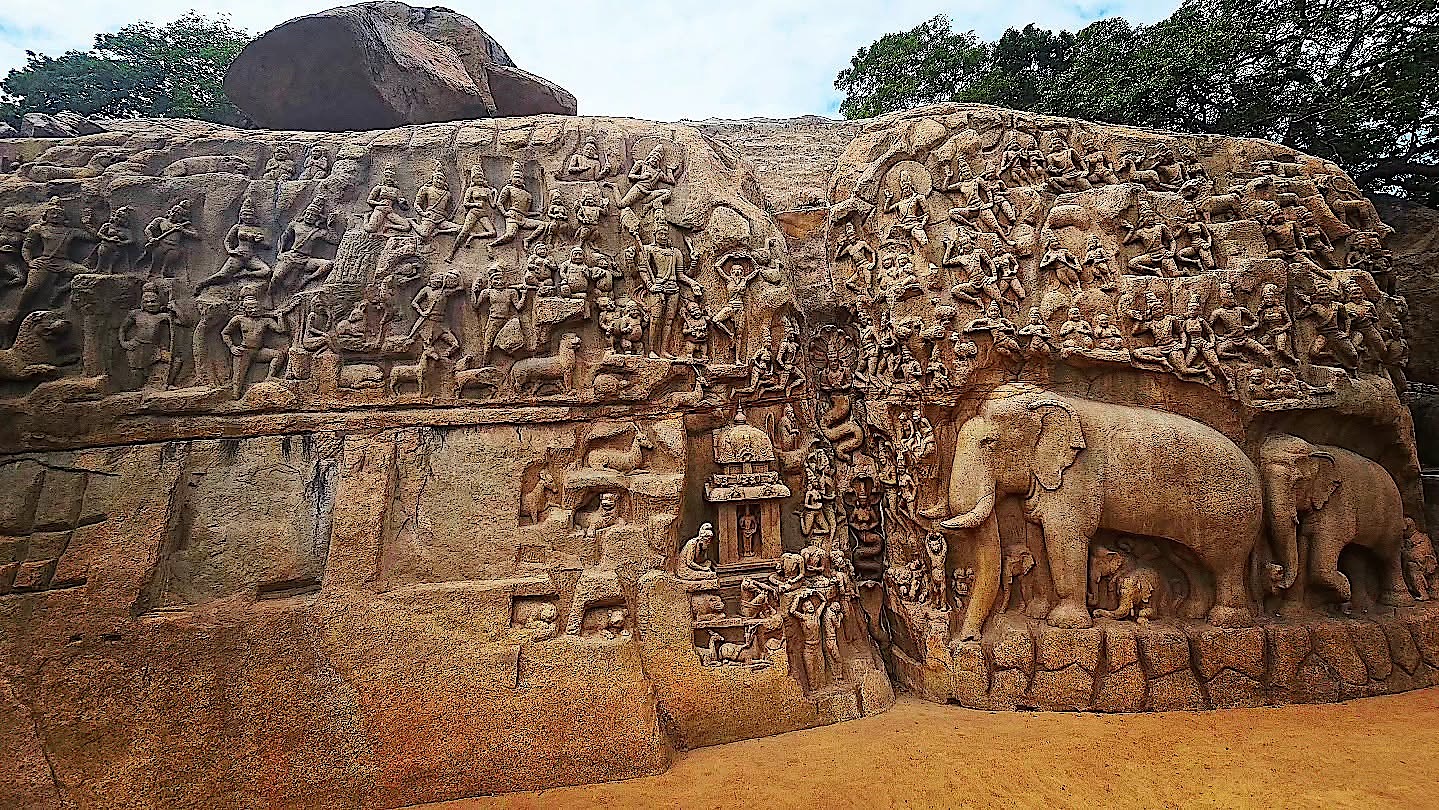
On the way back north came two more temple towns. Kanchipuram, the old Pallava capital, is one of the seven holy cities of Hinduism and the only one in South India, its temple halls forests of carved pillars. Mahabalipuram, back on the coast, fascinated me with its stone reliefs.
I ended the mainland part with a lazy afternoon at a rooftop pool high above Chennai, newly ranked first worldwide on a travellers' beach list. I suspect others have seen more beaches and simply lack the patience to tick them off.
Over North Sentinel to Port Blair
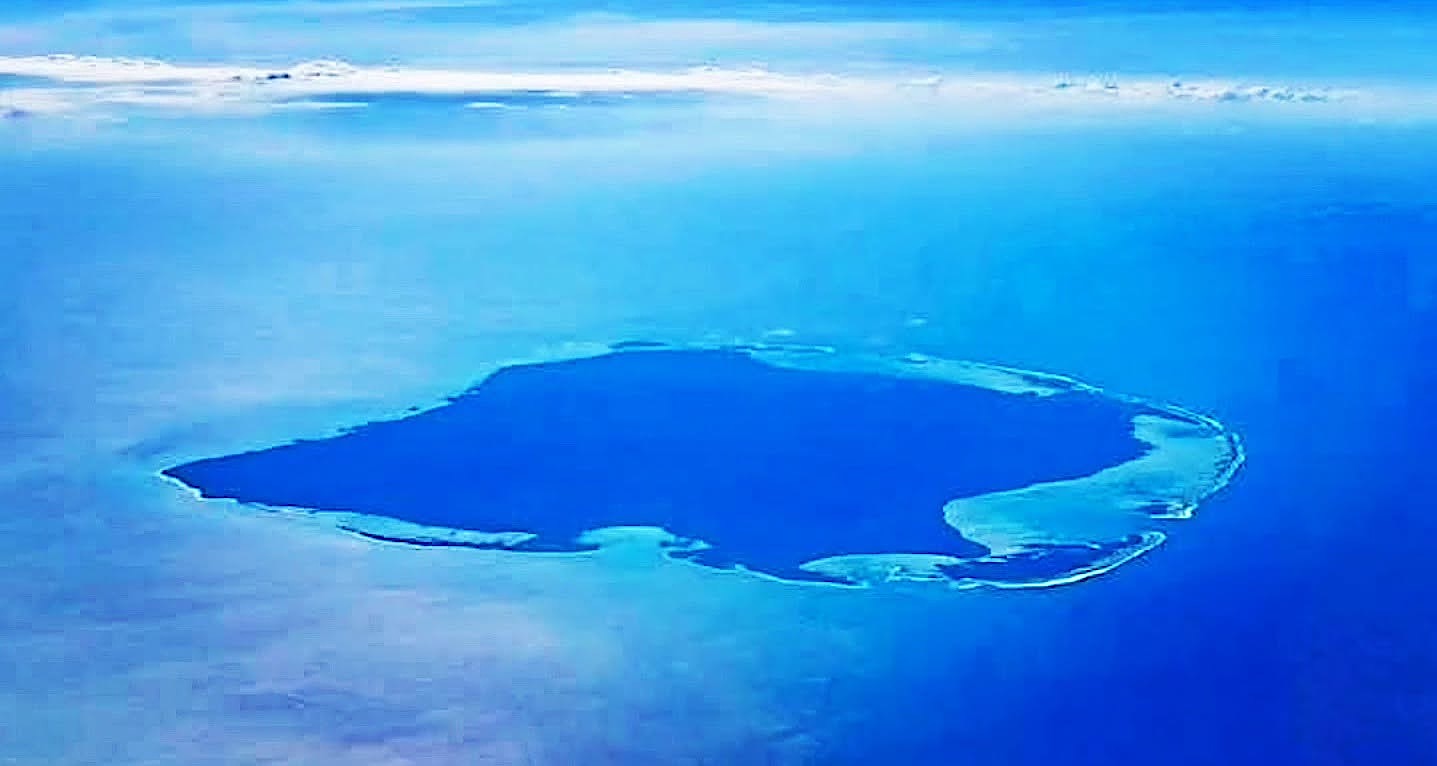
The flight to Port Blair brought the Andaman and Nicobar Islands, number 317 of the 330 territories on the Travelers' Century Club list. On the way I saw North Sentinel Island from the air. Nobody shot arrows at us, but that is as close as anyone may get.
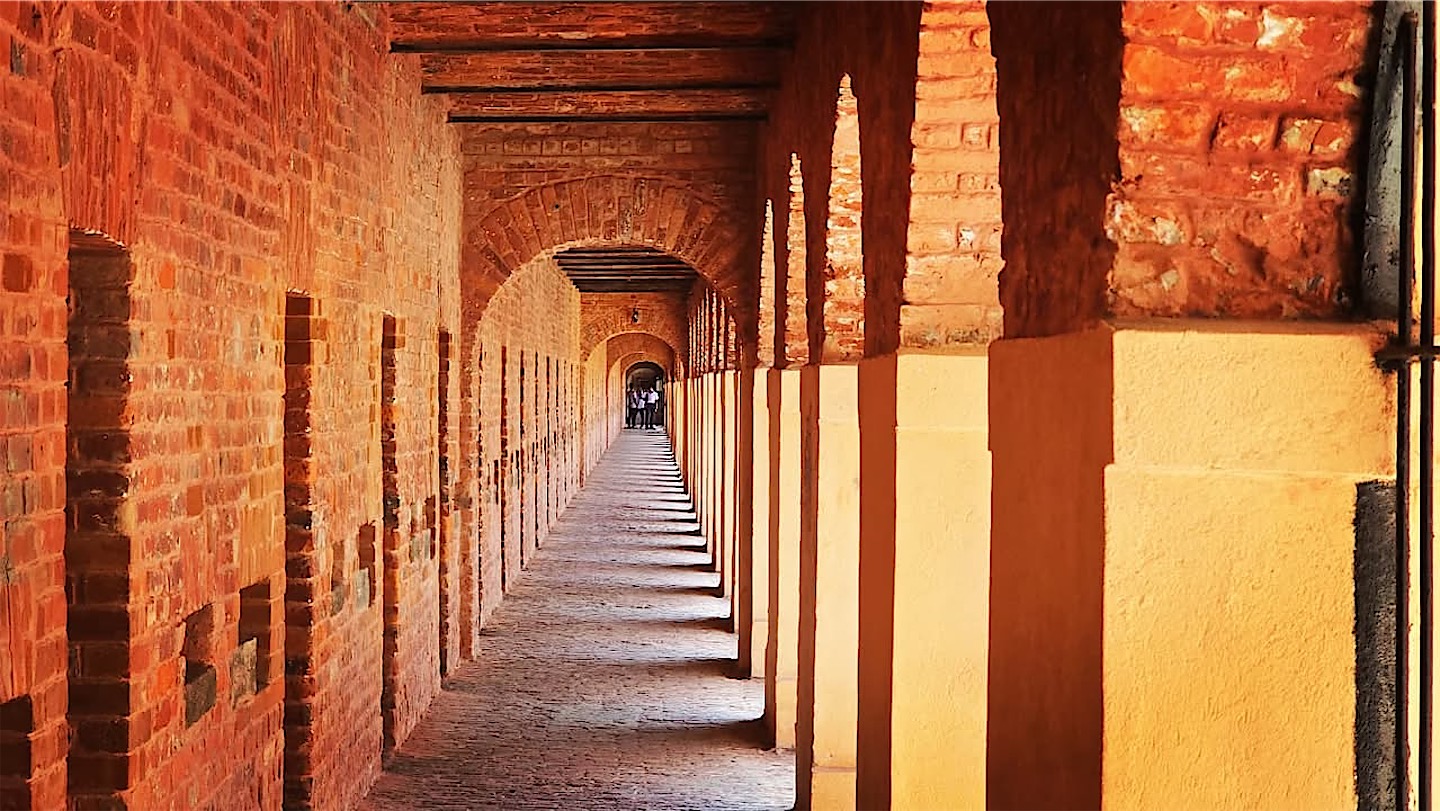
In Port Blair the Cellular Jail recalls that the Andamans were once a notorious penal colony. Between 1896 and 1906 the British built seven wings of solitary cells radiating from a central tower; many inmates were Indian independence activists. Three wings still stand.
A spontaneous parasailing session followed. I was sceptical about the gear, but I survived. On Havelock I then stayed three nights in one place, the first time since Bangkok three weeks earlier. Not much time to relax, though: diving started at 5 am.
Reefs, beaches and night walks on Havelock
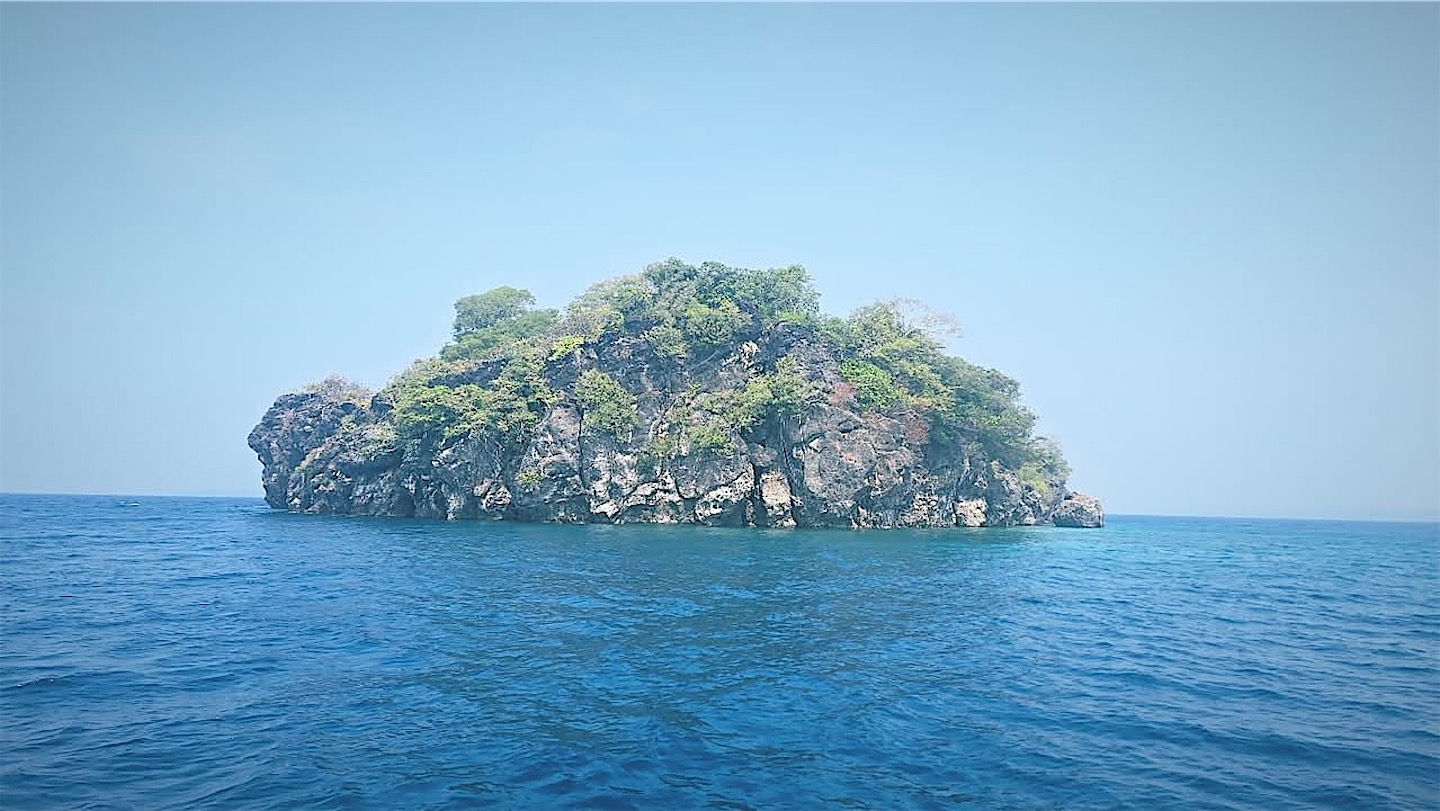
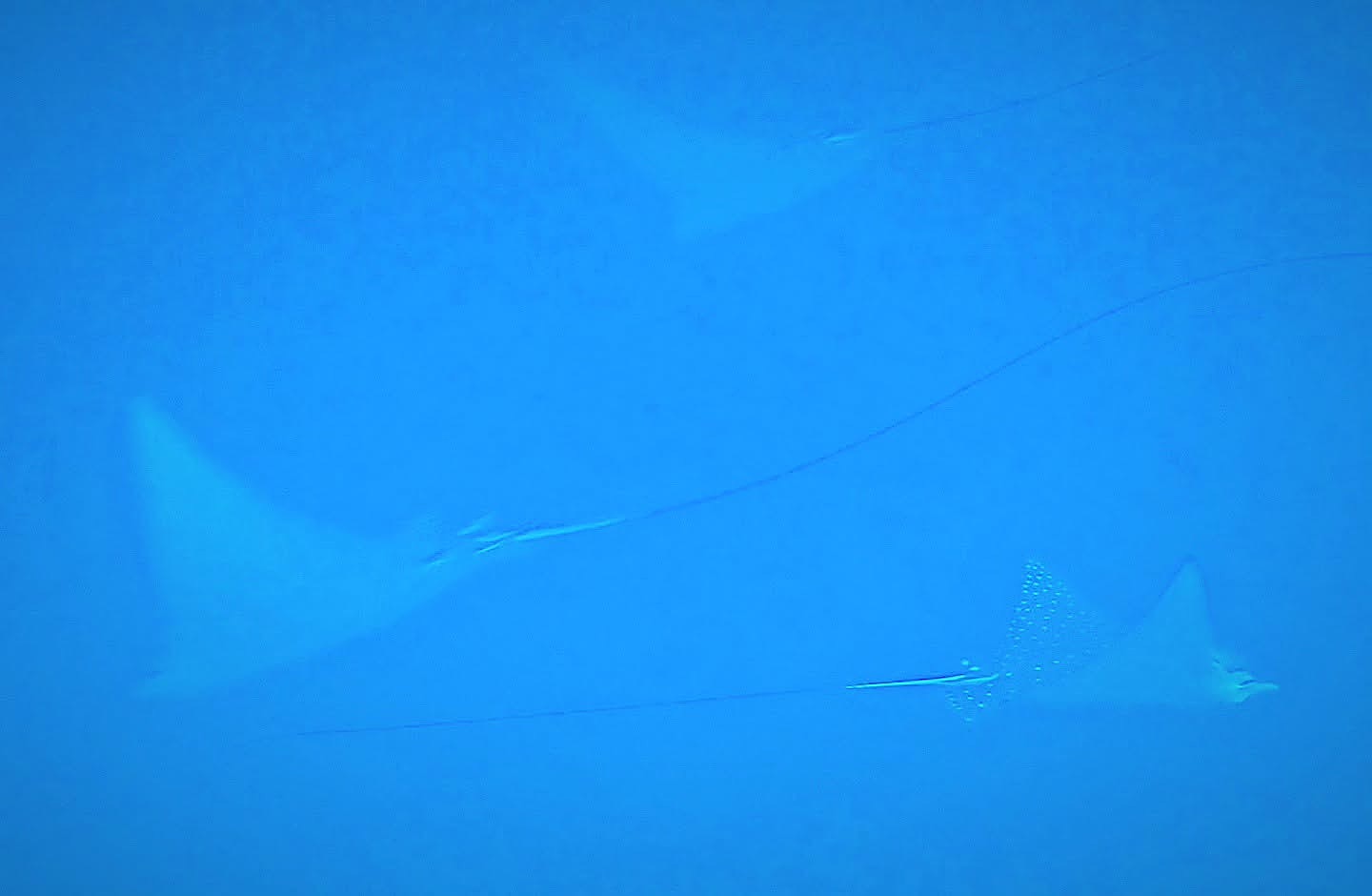
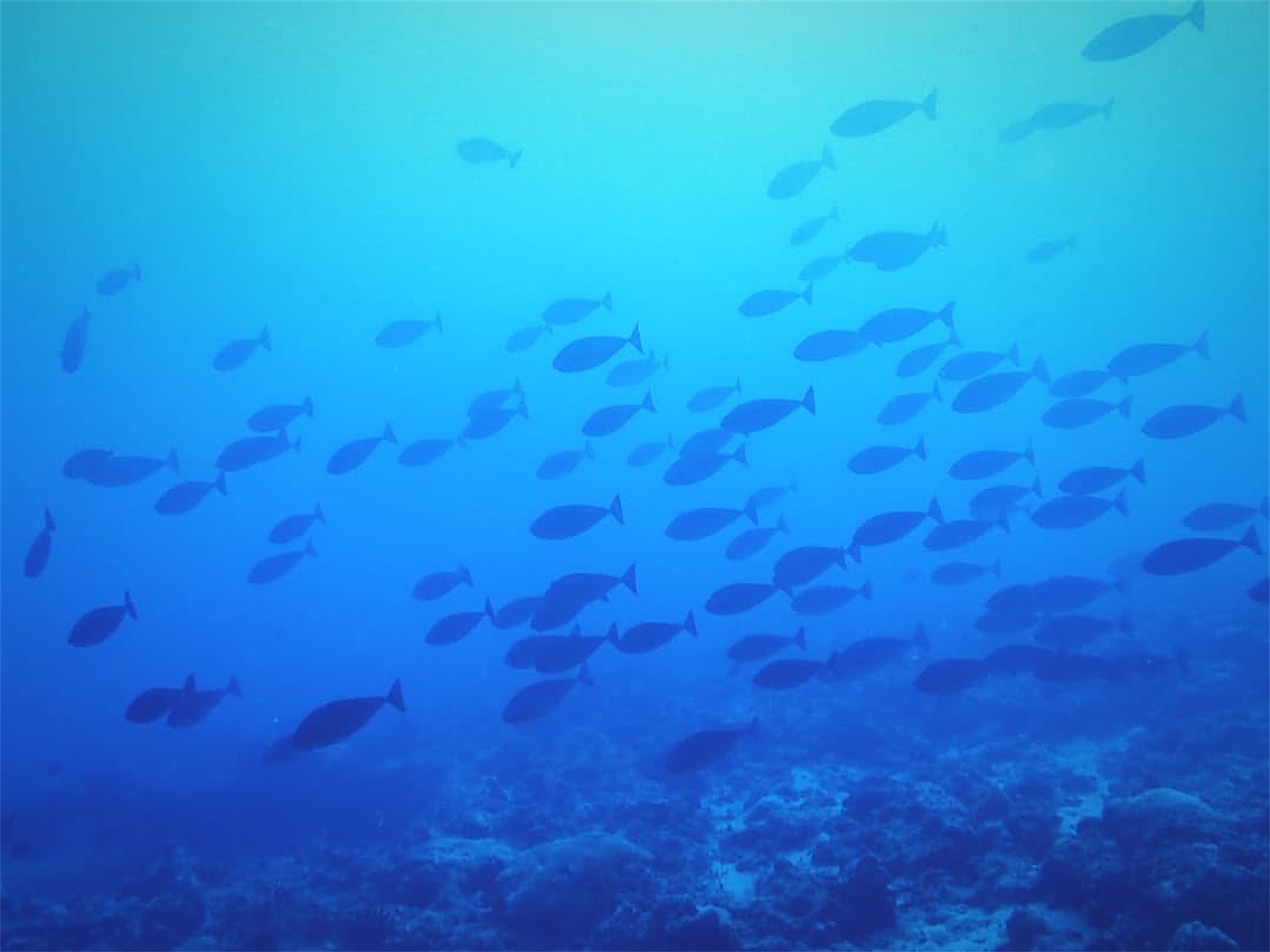
The first day of diving brought beautiful eagle rays. With a private charter we went out to Campbell Shoal and South Button Island, and the first dive was spectacular: walls of barracuda, more eagle rays, huge moray eels and a variety of big fish I had never seen before.
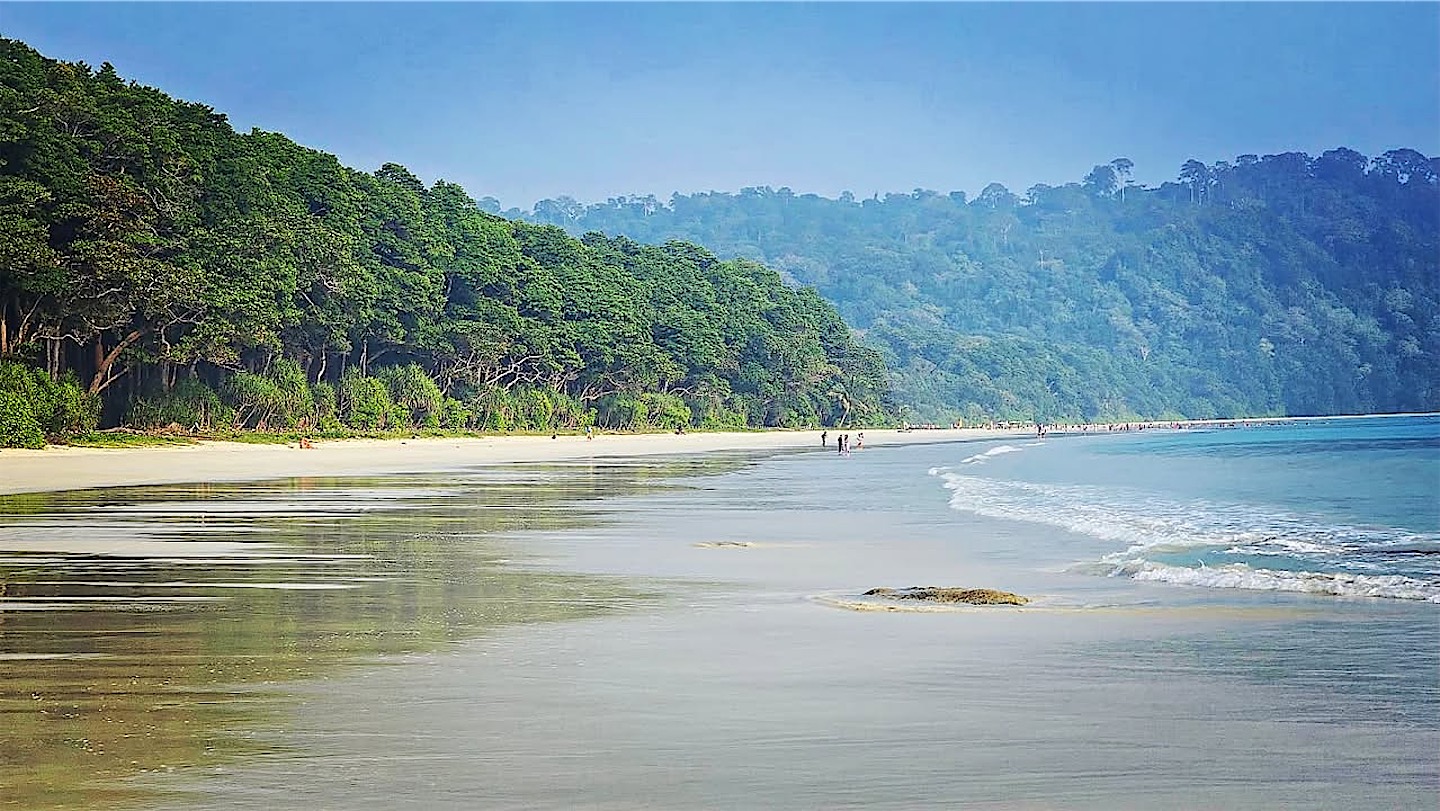
As a committed beach collector I had to walk the whole of Radhanagar Beach. It is very clean by Indian standards and empty once you leave the crowds behind. With huge evergreen trees right next to the sand and a mirror-smooth sea, it is genuinely idyllic at sunset.
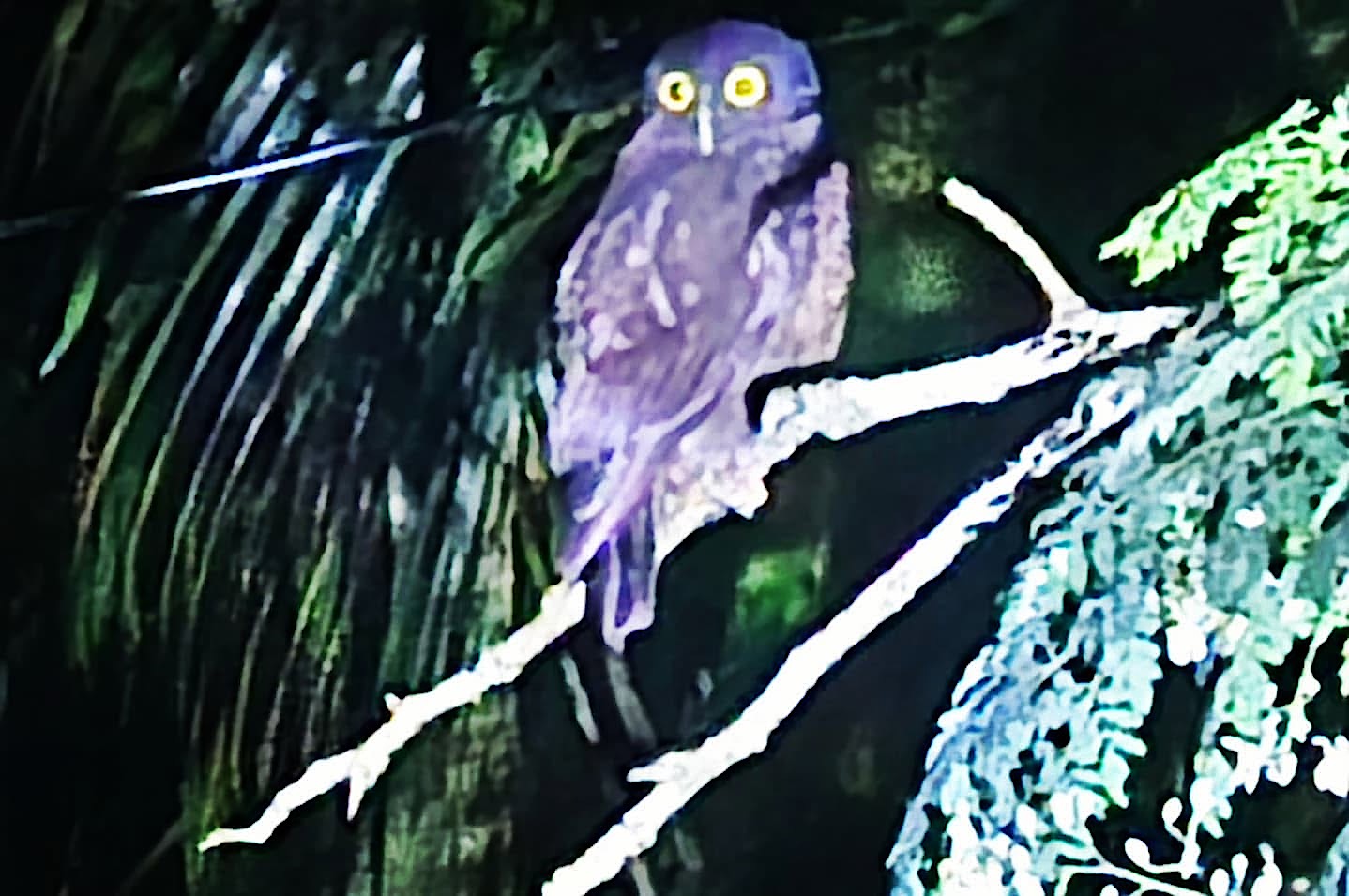
A night walk showed the islands' endemic hunters and their prey: an owl, a gecko, a toad and snails.
Barren Island, India's only active volcano
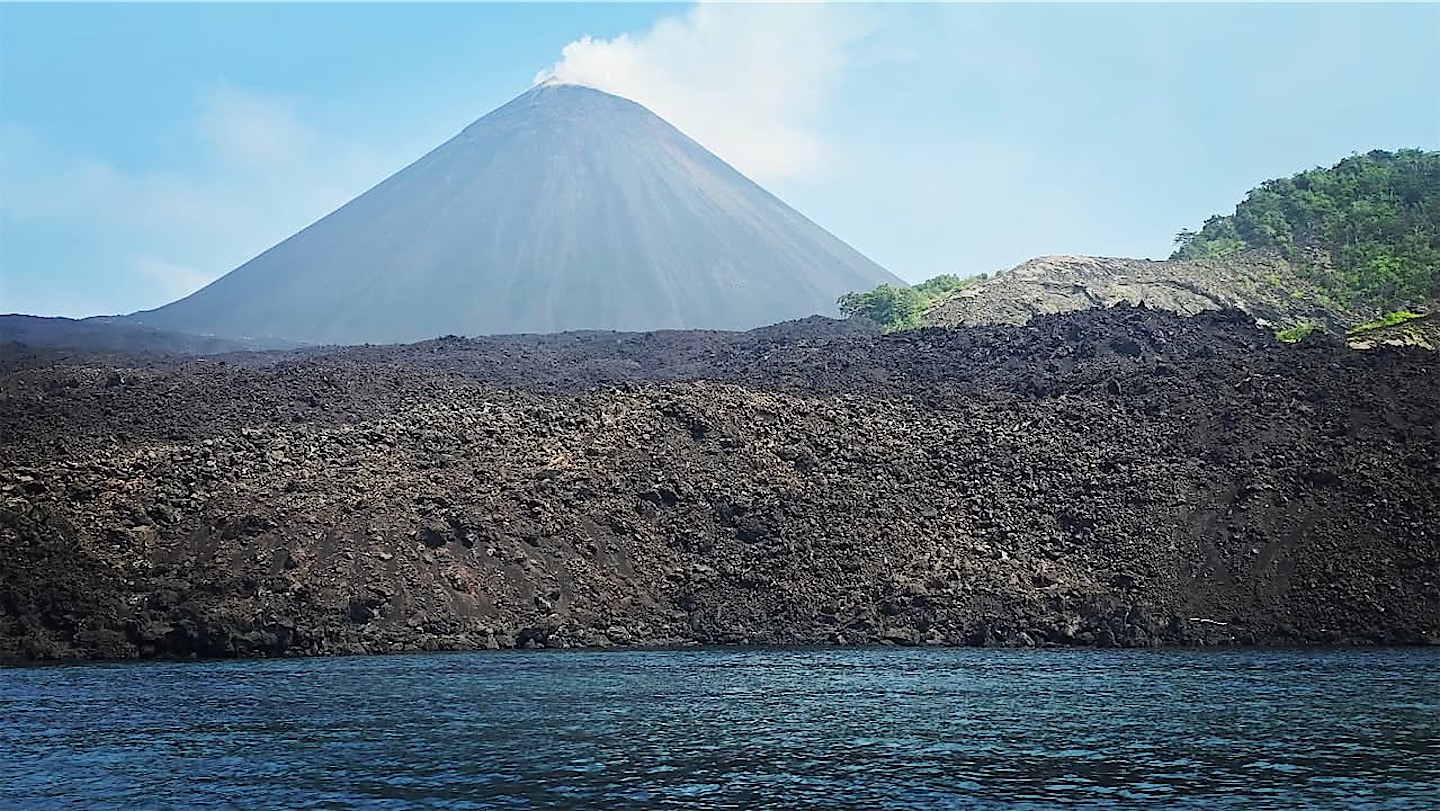
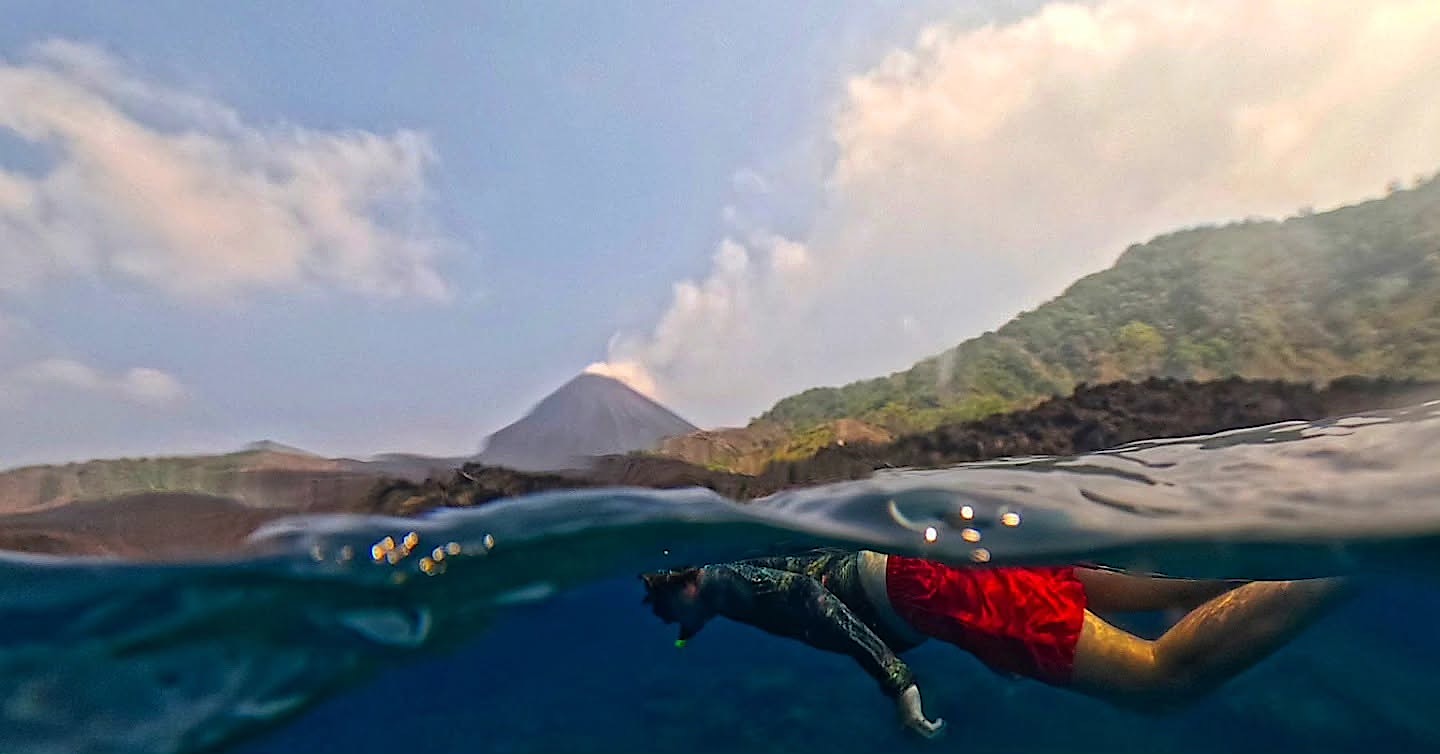
Since North Sentinel was out of the question, I chose the other remote option: up at 3 am for a long, tiring ride on a chartered speedboat to Barren Island, about 100 kilometres across open sea. Luckily conditions were great, and the cone was smoking.
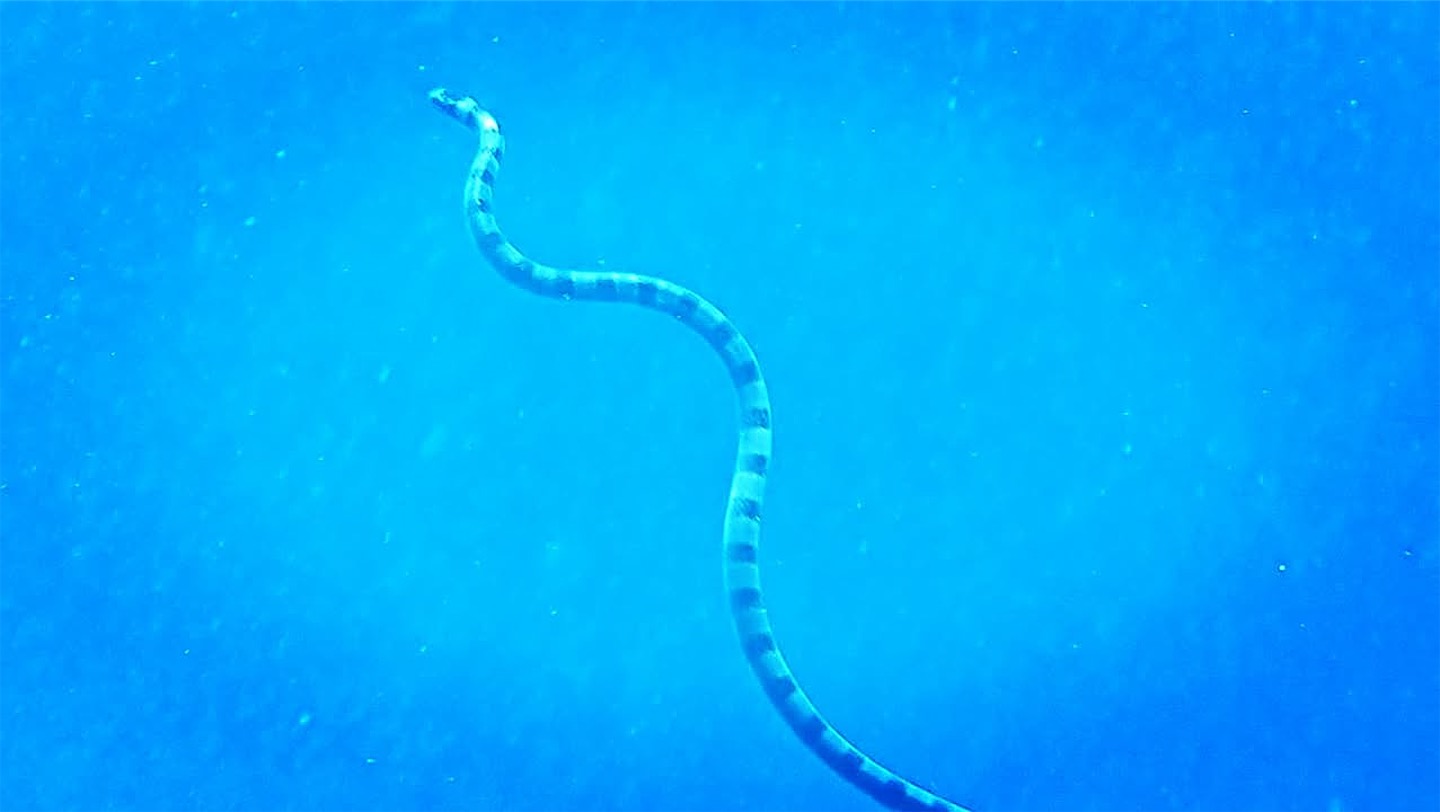
Underwater, a lava cave framed the deep blue of the open sea. Snorkelling in the clear water, we suddenly met a huge sea snake, probably very venomous, which showed little interest in us. We even spotted a few of the goats brought here by the British. The boss of the dive company looked after me personally all day.
Crocodiles, ferries and a last evening
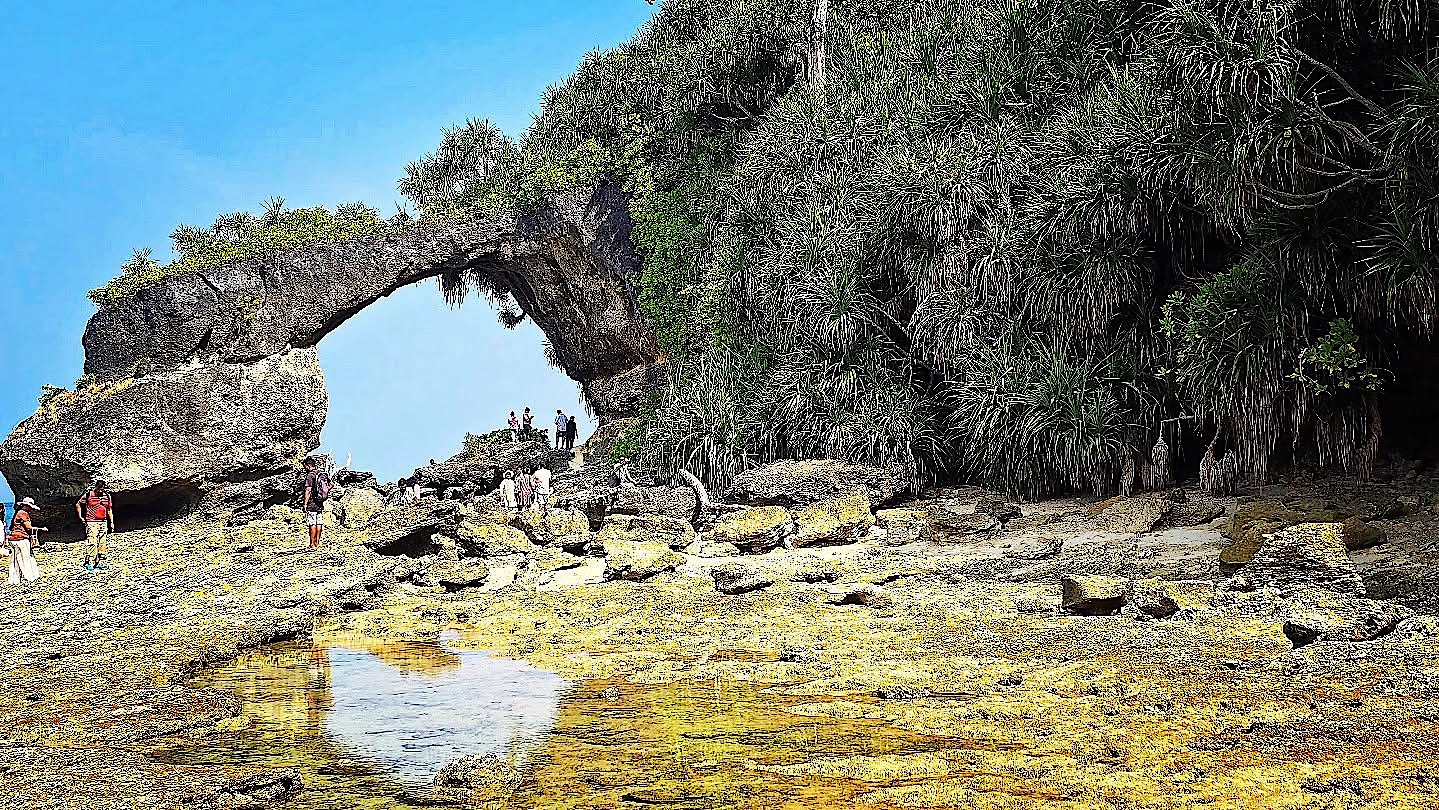
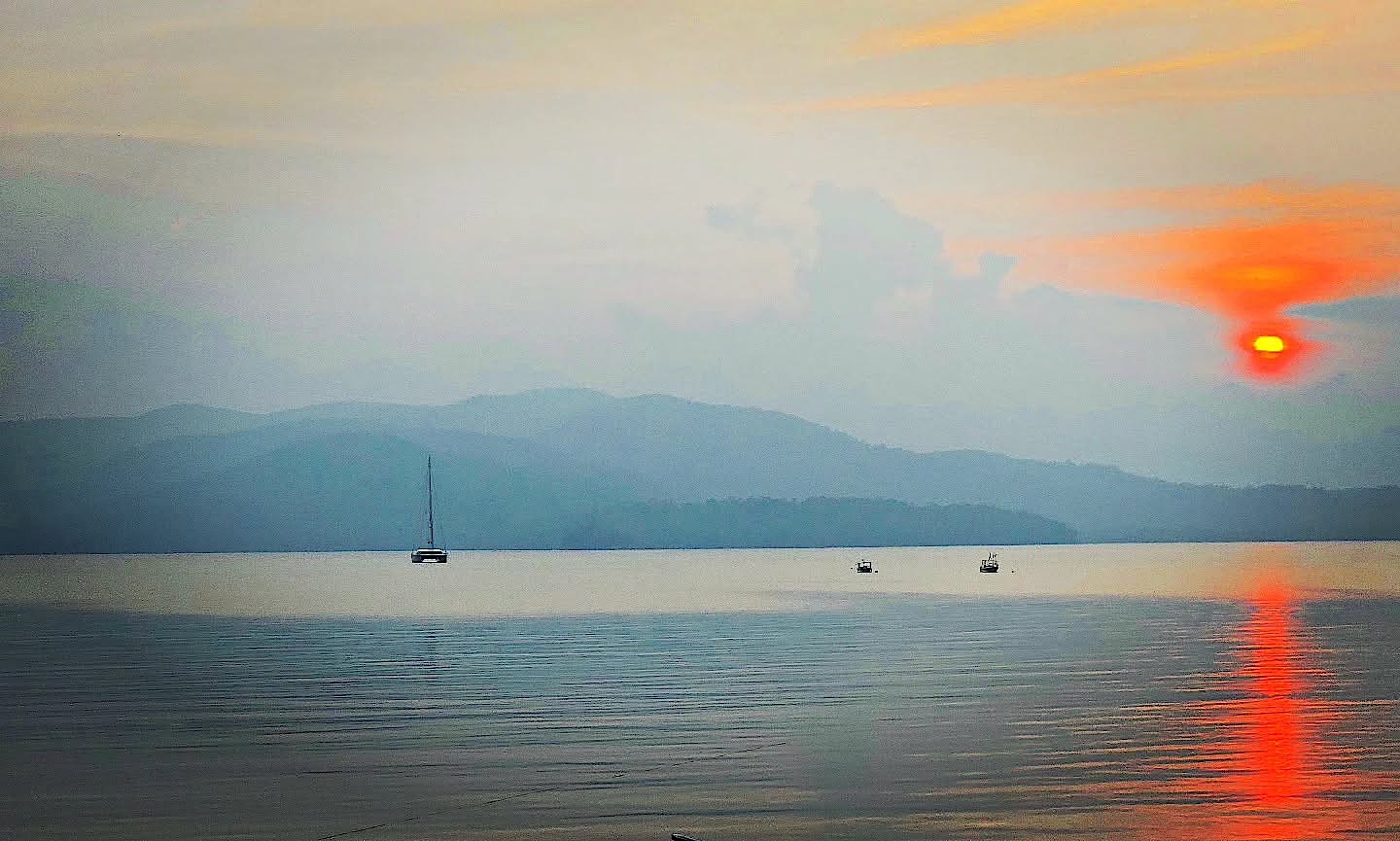
The day ended on Neil Island with bad news: no more diving tomorrow, because a big saltwater crocodile was active in the area. These crocodiles live in the mangrove creeks and sometimes swim along the coast; in 2010 one killed a snorkeller off Havelock. Instead I saw the natural rock arch on Neil, the calm sea at Chidiyatapu and the southernmost point of Great Andaman.
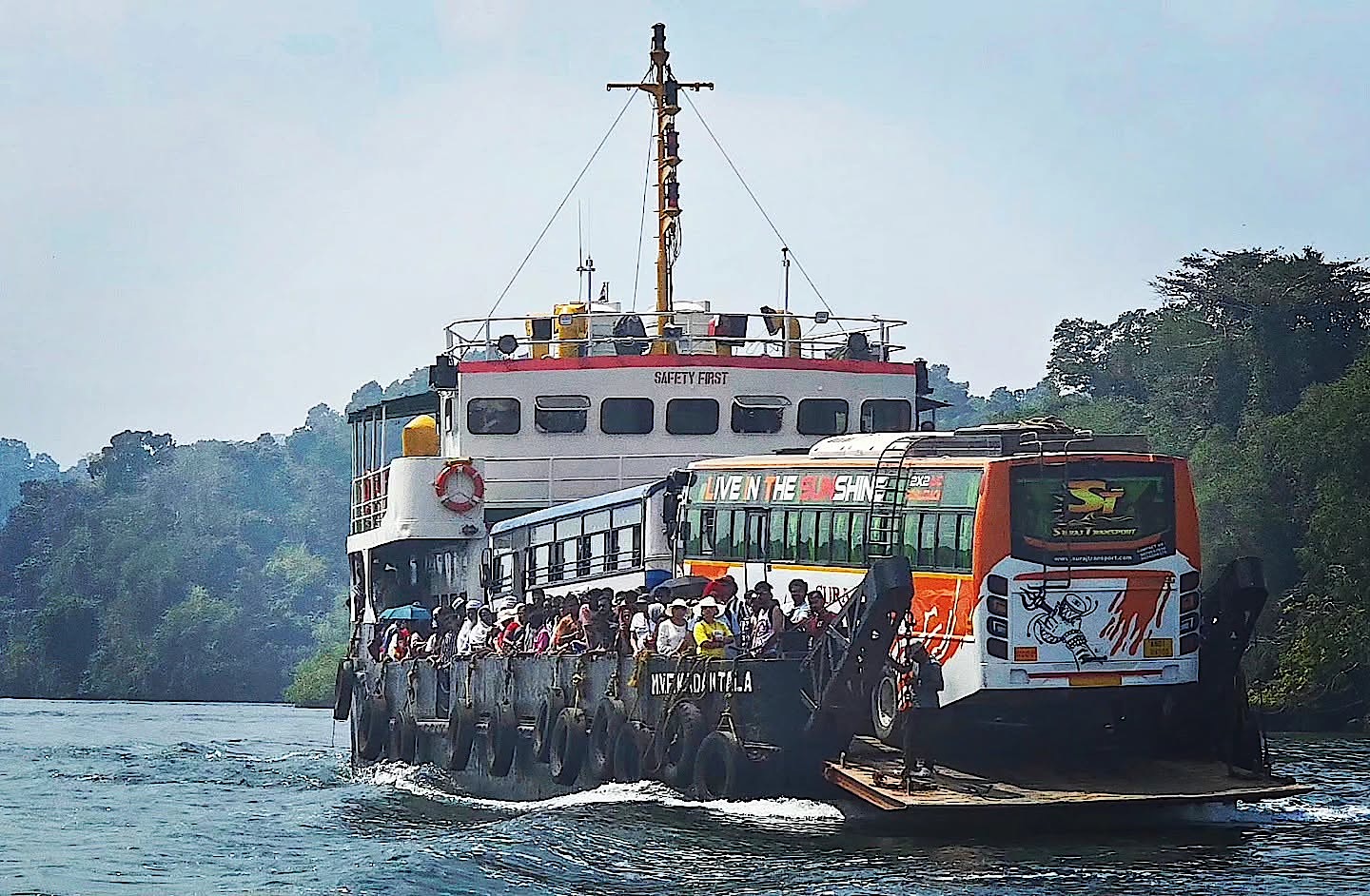
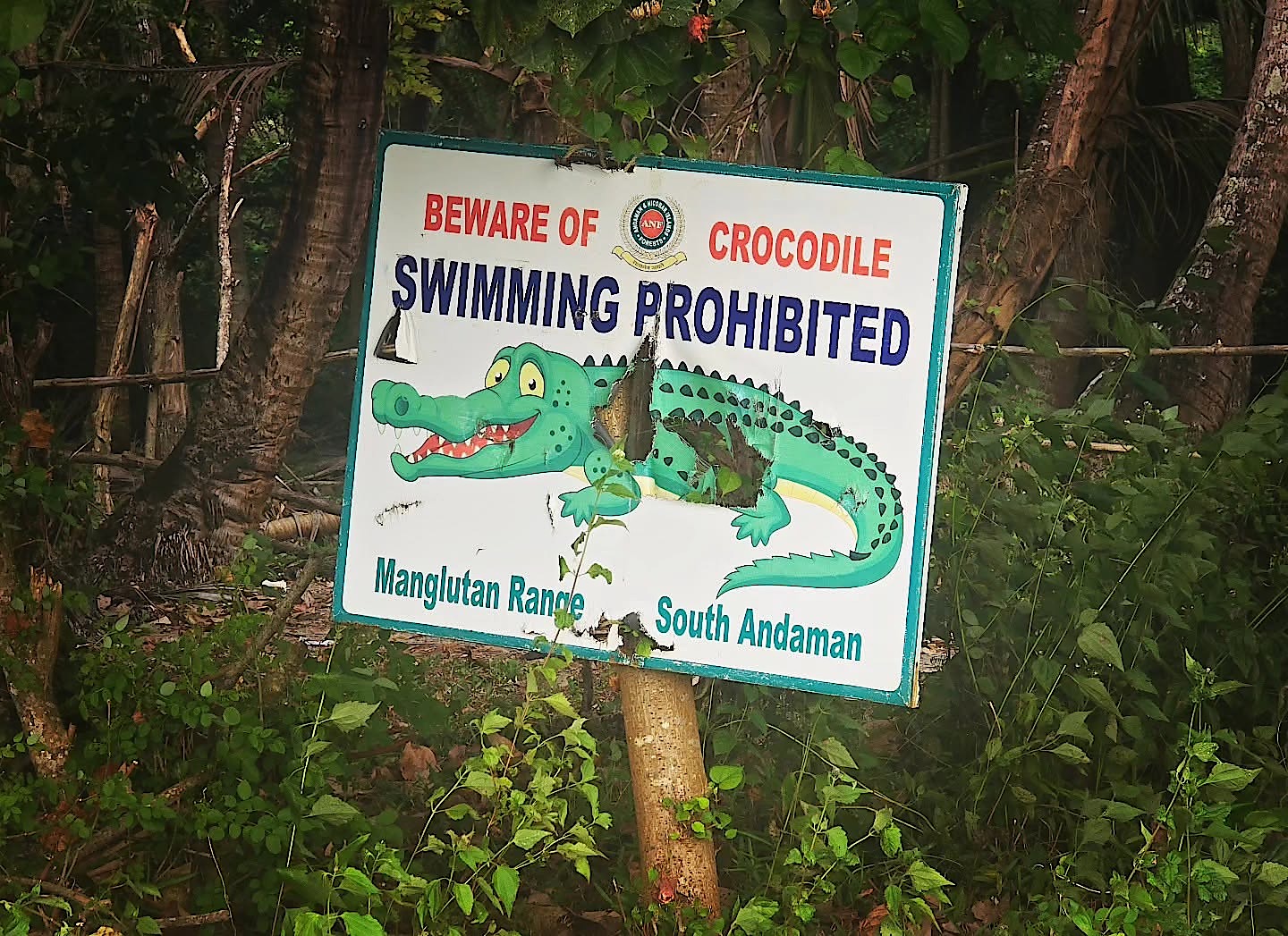
Then I headed north to the Middle Strait, the channel between the main islands, crossed only by adventurous ferries packed with people and buses. The warning signs make it clear: crocodiles like to eat tourists.
My verdict: the Andamans are not exactly an alternative to the Maldives, and not only because of the crocodiles. Most beaches are rocky and rather ugly at low tide, and at the famous ones hundreds of Indian visitors gather for sunset. Still, there are plenty of spots you can have to yourself. Above all I enjoyed the diving, especially the private charter to distant Barren, Long and the Button Islands.
On 7 February I flew on to Hyderabad, to see more Indian regions on the way to Cochin and Lakshadweep. India would keep pulling me back; in 2026 I returned for Rajasthan, Gujarat and Diu. The journey continues with Lakshadweep, Goa, Kashmir and Amritsar.