From the Rigi to the Riviera: A Road Trip over the Alps to Portofino, Monaco and Provence
29 May – 7 June 2025 · Unterägeri, Zug, Vitznau, Rigi, Gotthard Pass, Lake Como, Maranello, Pisa, Carrara, Cinque Terre, Portofino, Seborga, Monaco, Entrevaux, Valensole, Marseille · Regions: Switzerland, Italy, Monaco, France
My visit to the United States had not been planned at all, and after a road trip through the American Deep South I would happily have kept exploring. But a summer full of events in Europe was waiting. I flew back from St. Louis via Boston, where a four-hour layover was just long enough for a steak dinner with my brother. Ahead lay a four-day seminar in Switzerland, a road trip to Marseille and a Nomad Cruise across the Mediterranean.
Lakes, hikes and a fortress in the rock
The seminar took place in Unterägeri, a village on Lake Ägeri in the canton of Zug, and Switzerland looked as idyllic as ever. Between sessions there was time for a 13-kilometre hike around Zug, with snow-capped peaks beyond the water.
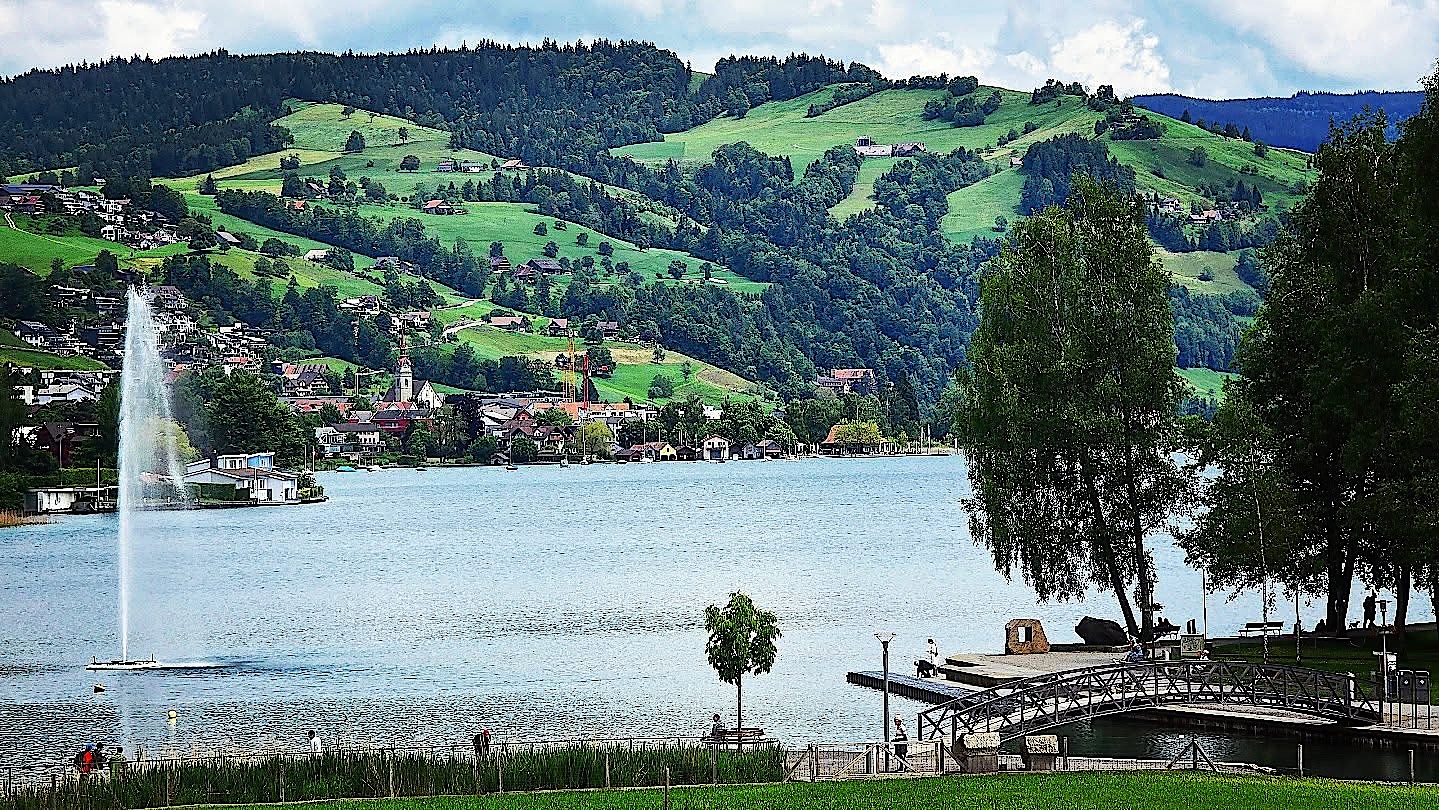
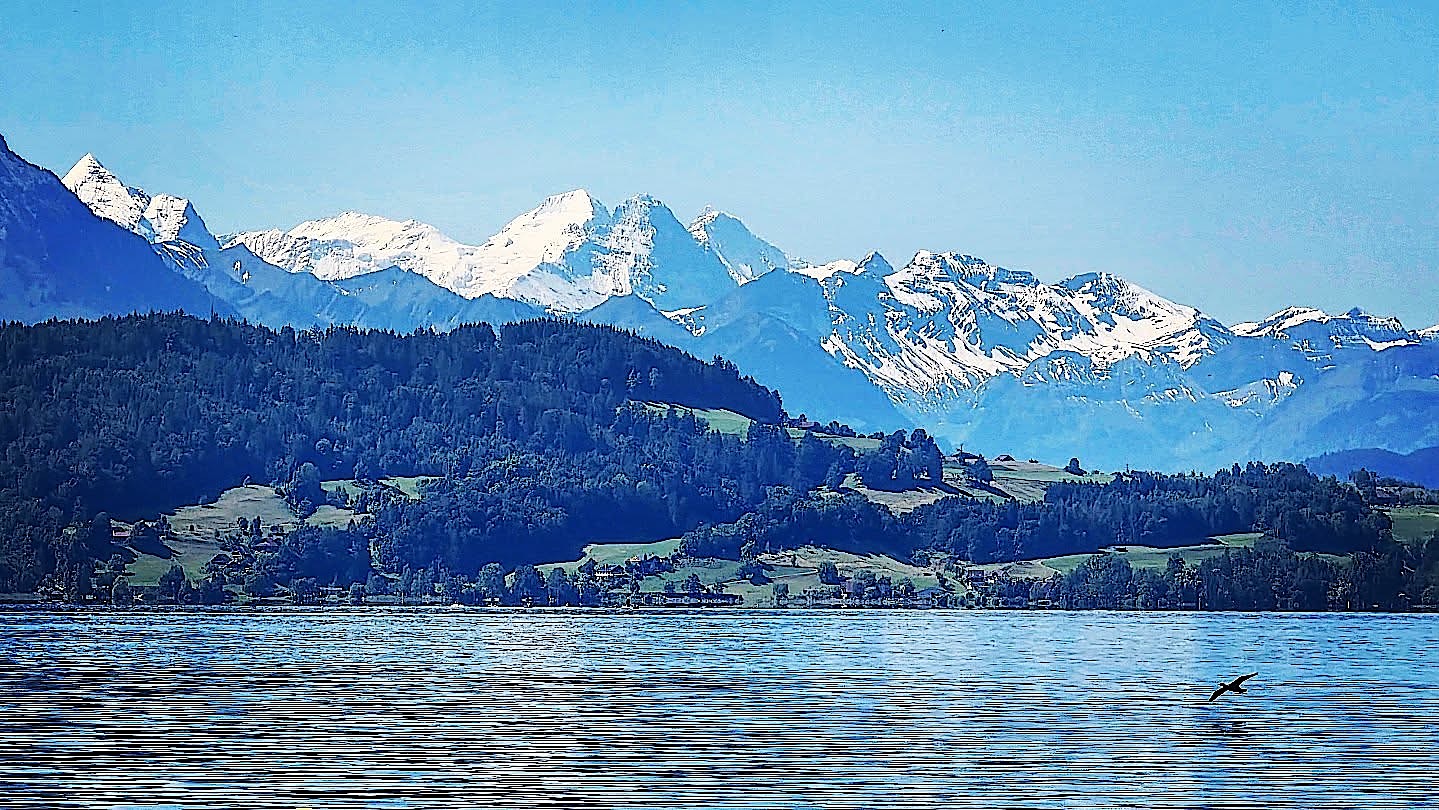
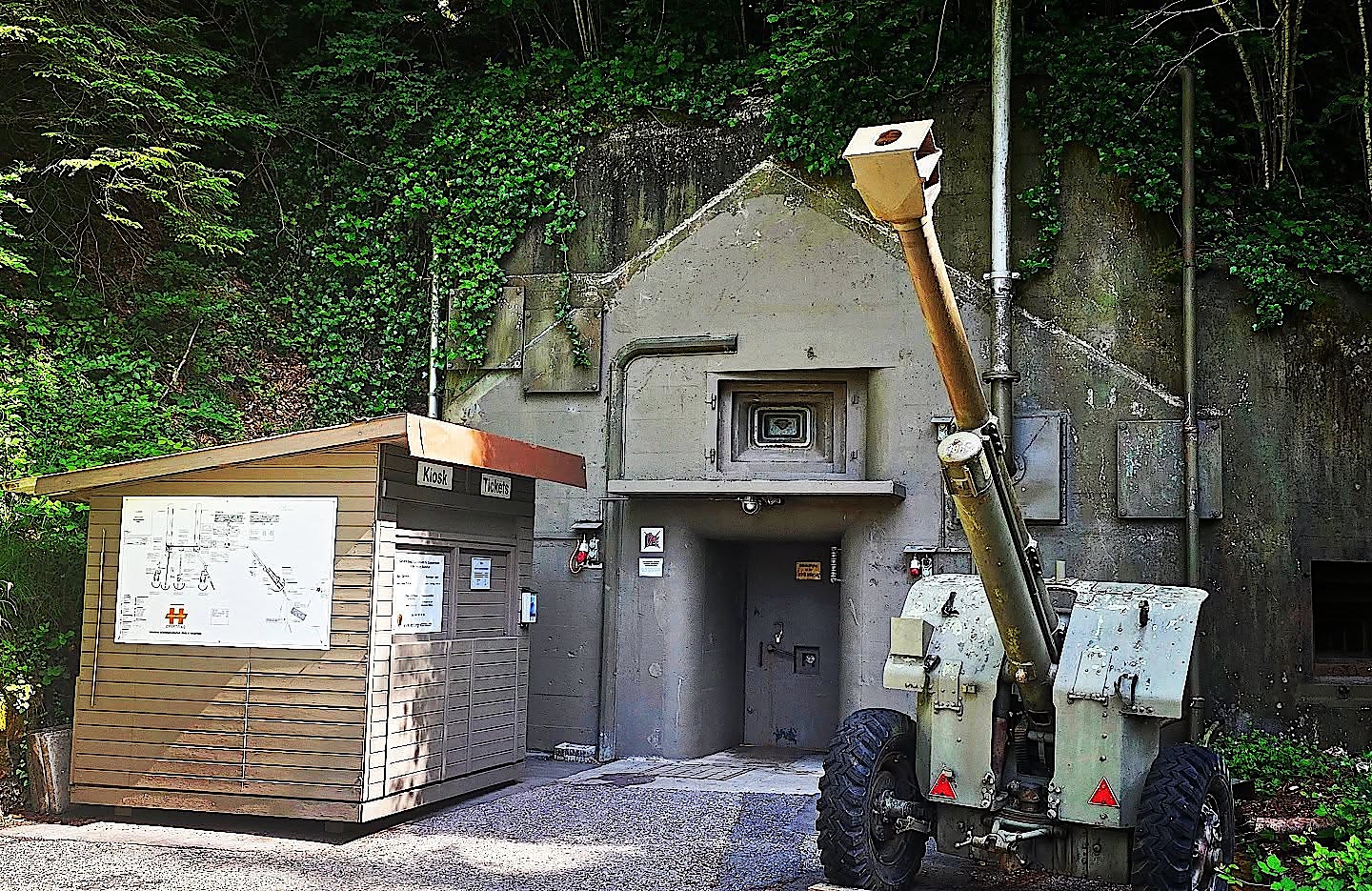
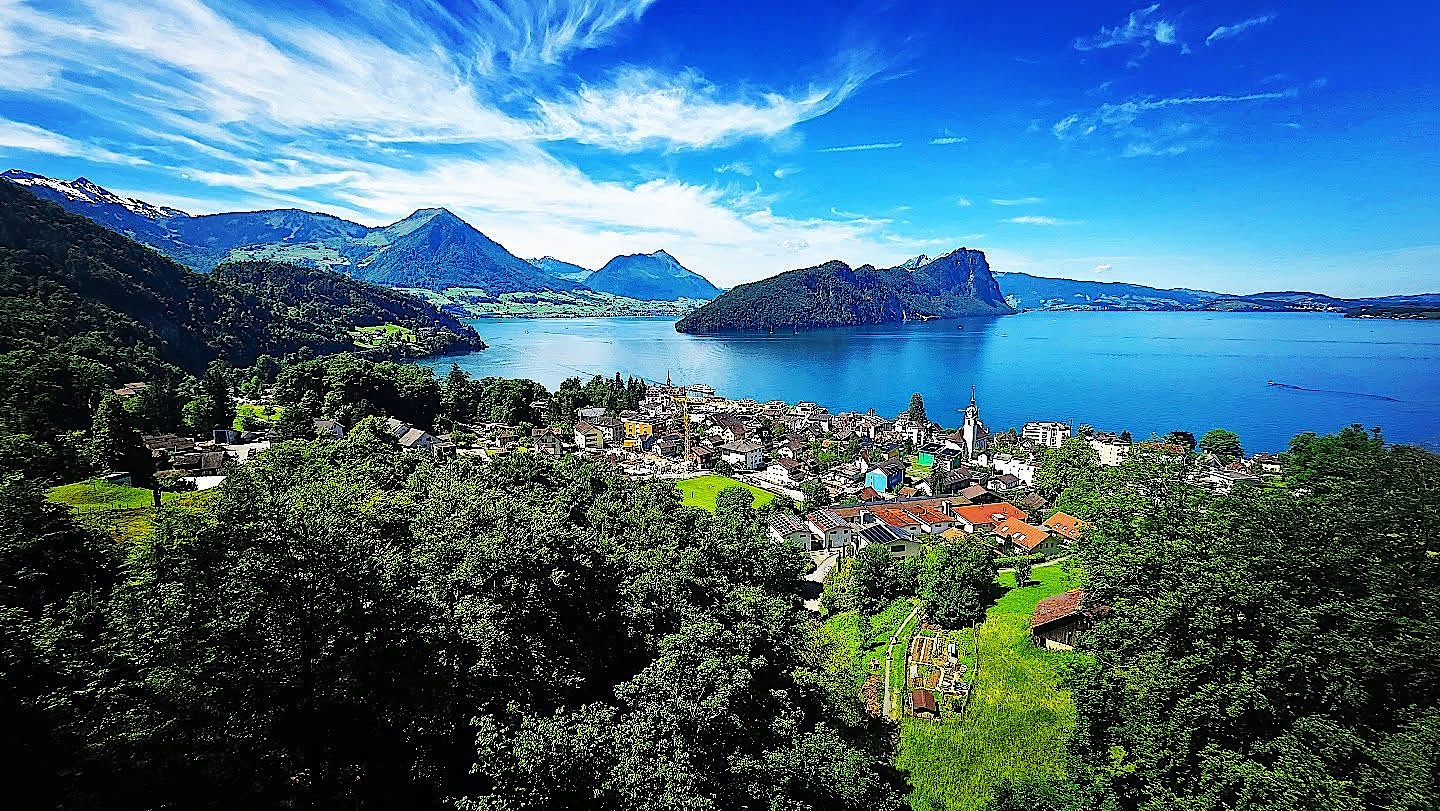
The best outing of those days was a guided tour of the Vitznau fortress on Lake Lucerne, part of the Swiss alpine bunker system. It was very informative, and outside the lake looked as if summer had officially begun.
The Rigi and the Gotthard
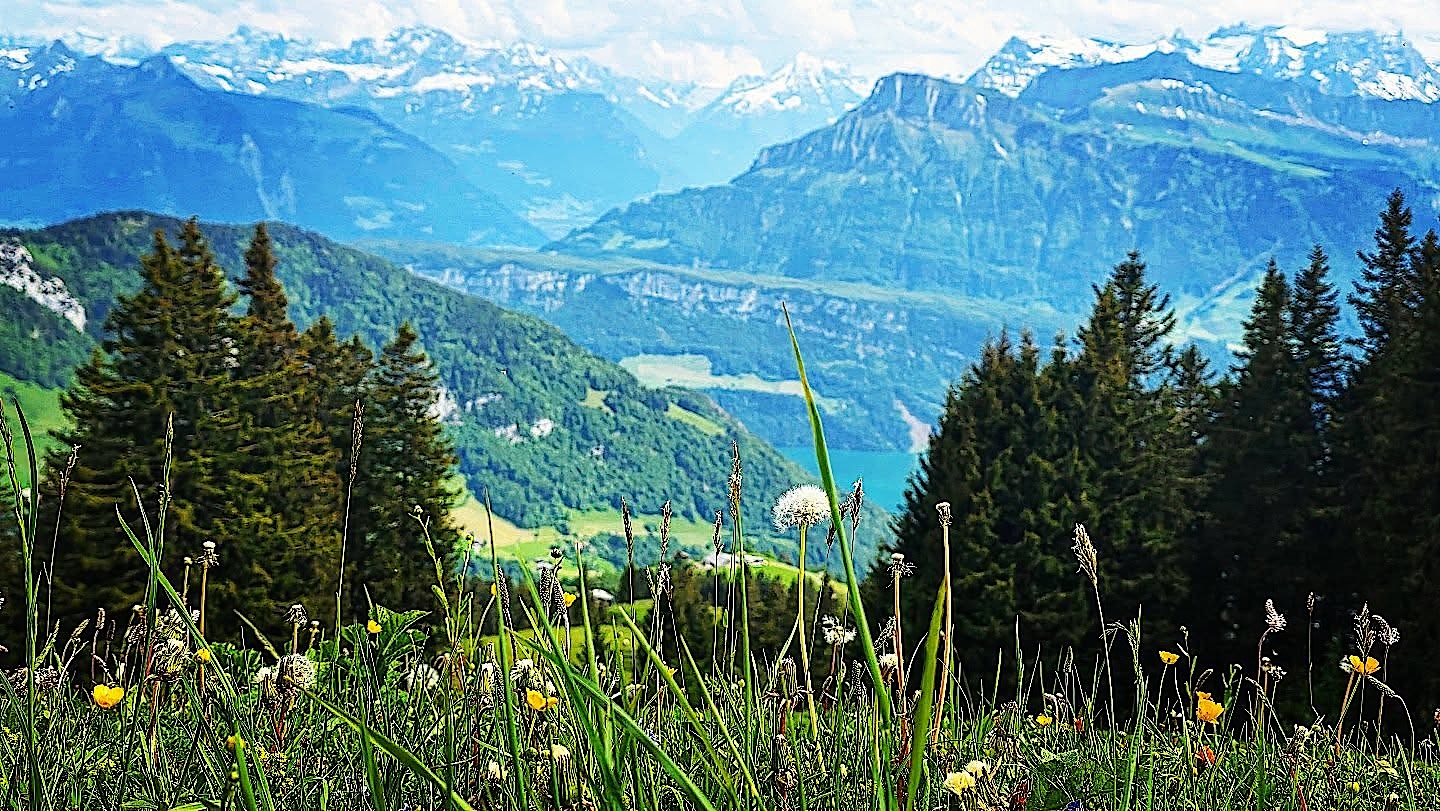
On 1 June I set off south towards Liguria, one of my favourite regions anywhere, looking forward to a few relaxed days on the Italian and French Riviera. I stopped in Schwyz, the town that gave the country its name, and finally made it up the Rigi, where the meadows of Rigi Scheidegg were full of wildflowers.
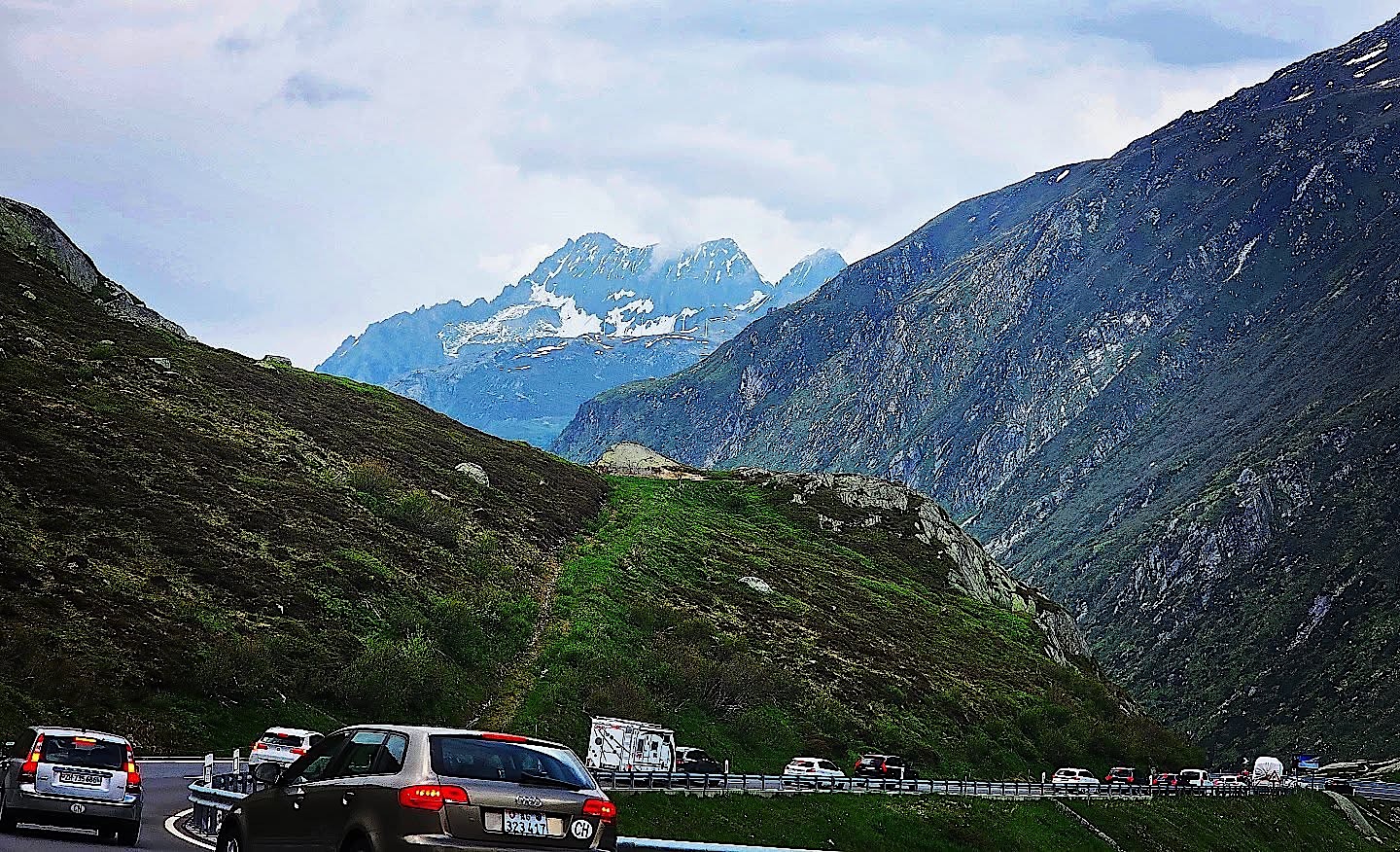
The Gotthard Pass then took me over the main ridge of the Alps into Ticino. The traffic jams reached all the way back to Schwyz, in the road tunnel and up on the pass, but luckily only in the opposite direction. The pass climbs to 2,106 metres, and on the Ticino side the old Tremola road winds down towards Airolo in 24 cobbled hairpins.
Lake Como, Maranello and Pisa
Buona sera, Italia. I reached Lake Como in the evening and greeted the country with a pizza of impressive size. Getting to bed was harder. When I finally found parking and walked to my hotel at midnight, reception could not find my booking: there are four unrelated hotels with exactly the same name around the lake. Luckily they had a free room, so I simply slept there instead of looking for the right one.
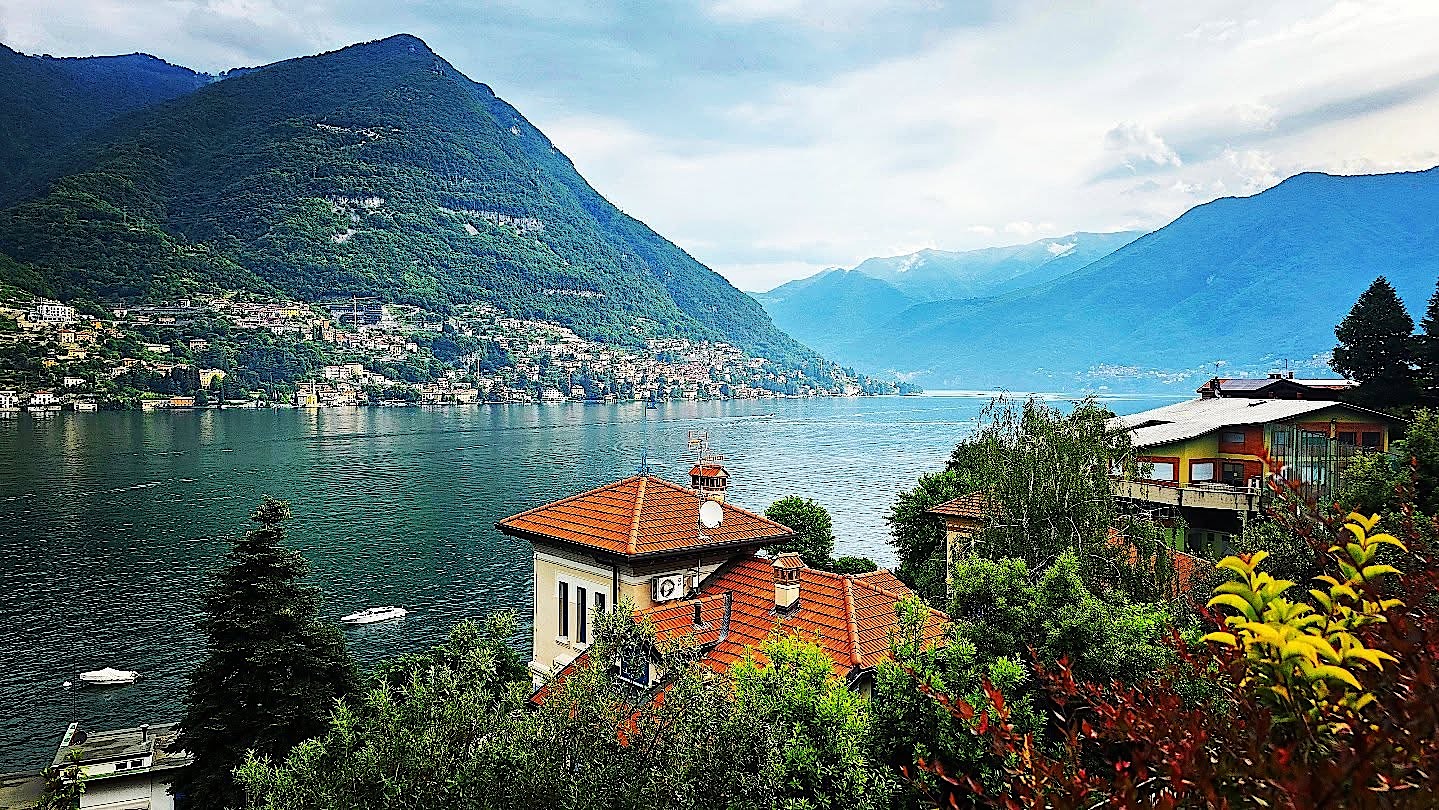
Lake Como, shaped like an upside-down Y, is one of the deepest lakes in Europe, its steep shores lined with grand villas.
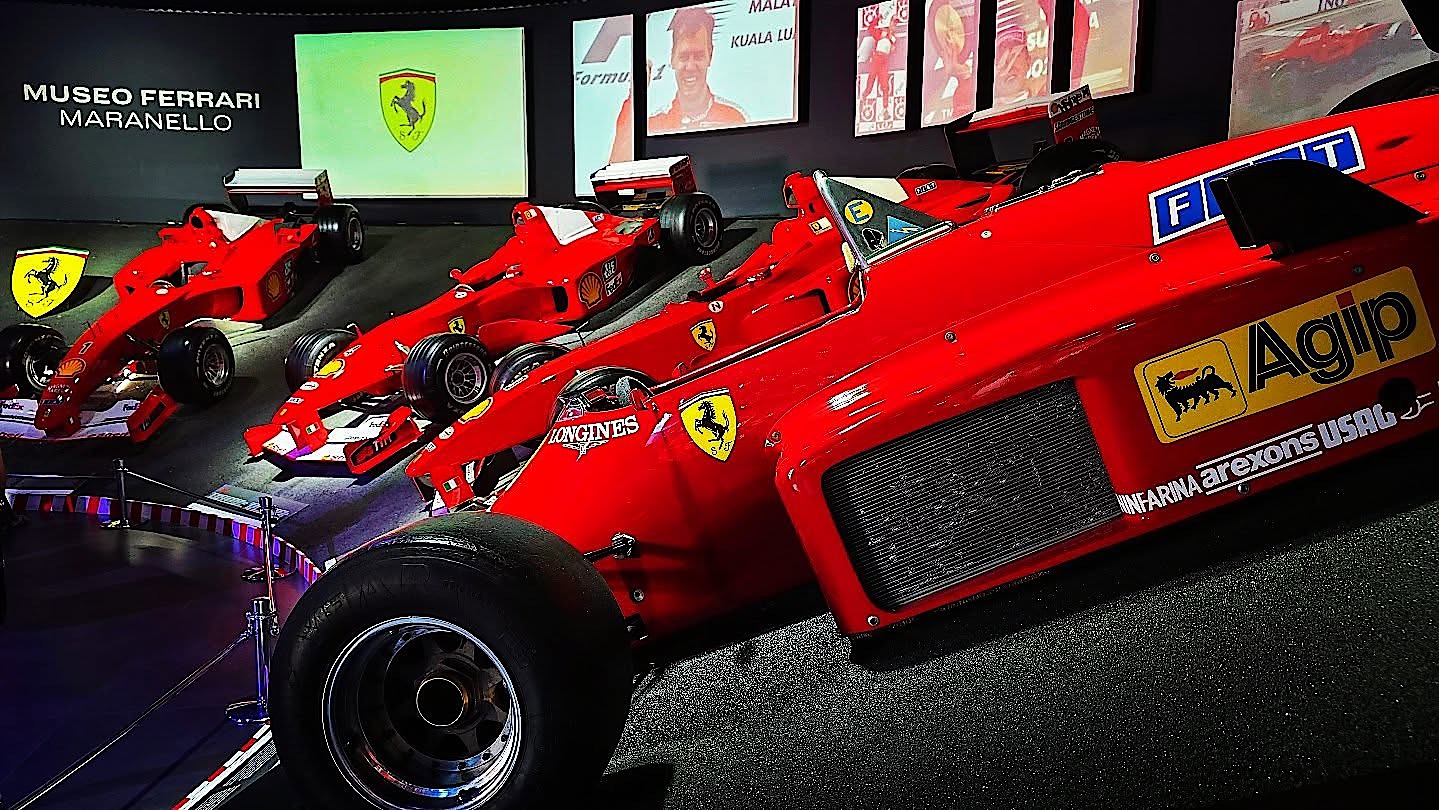
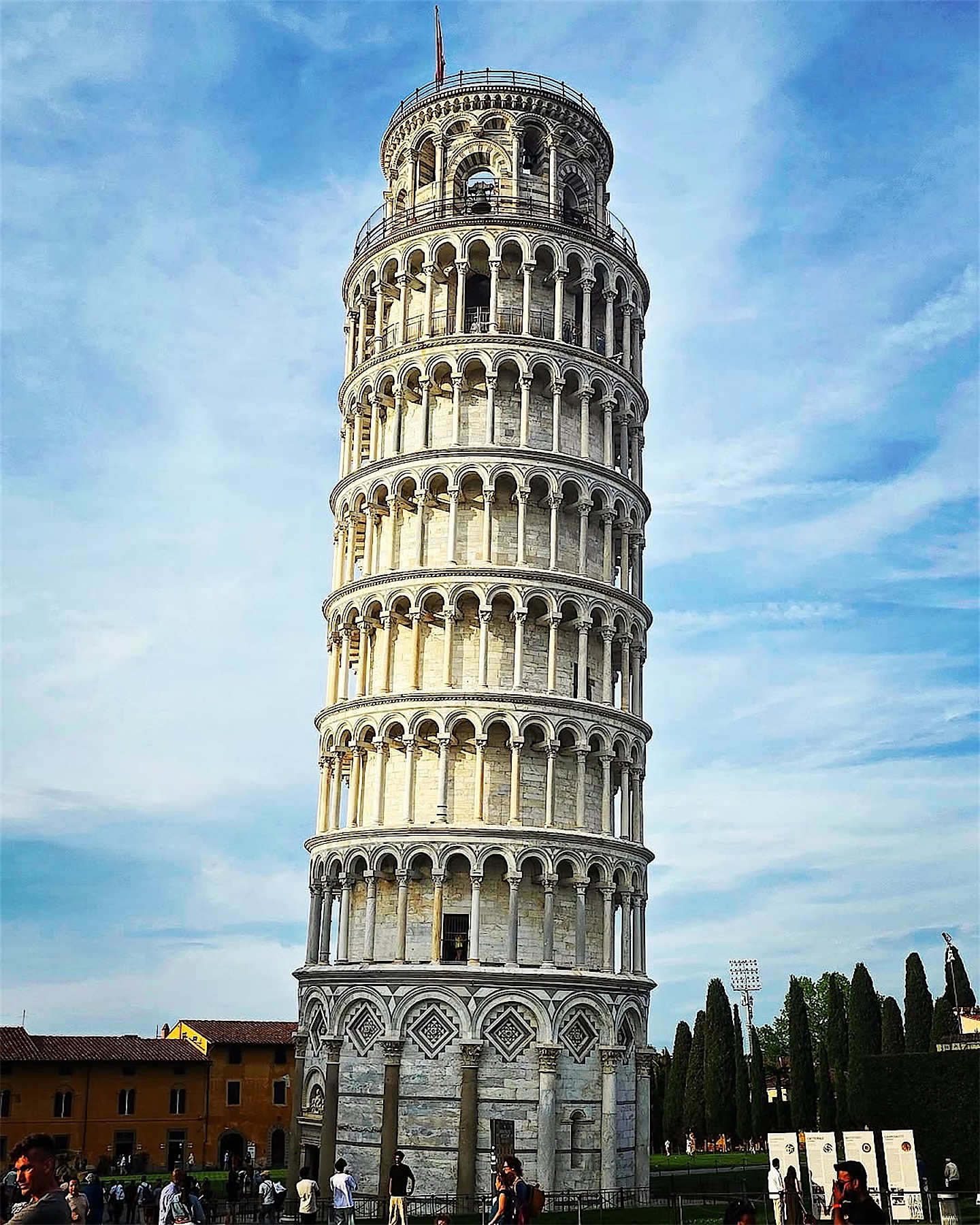
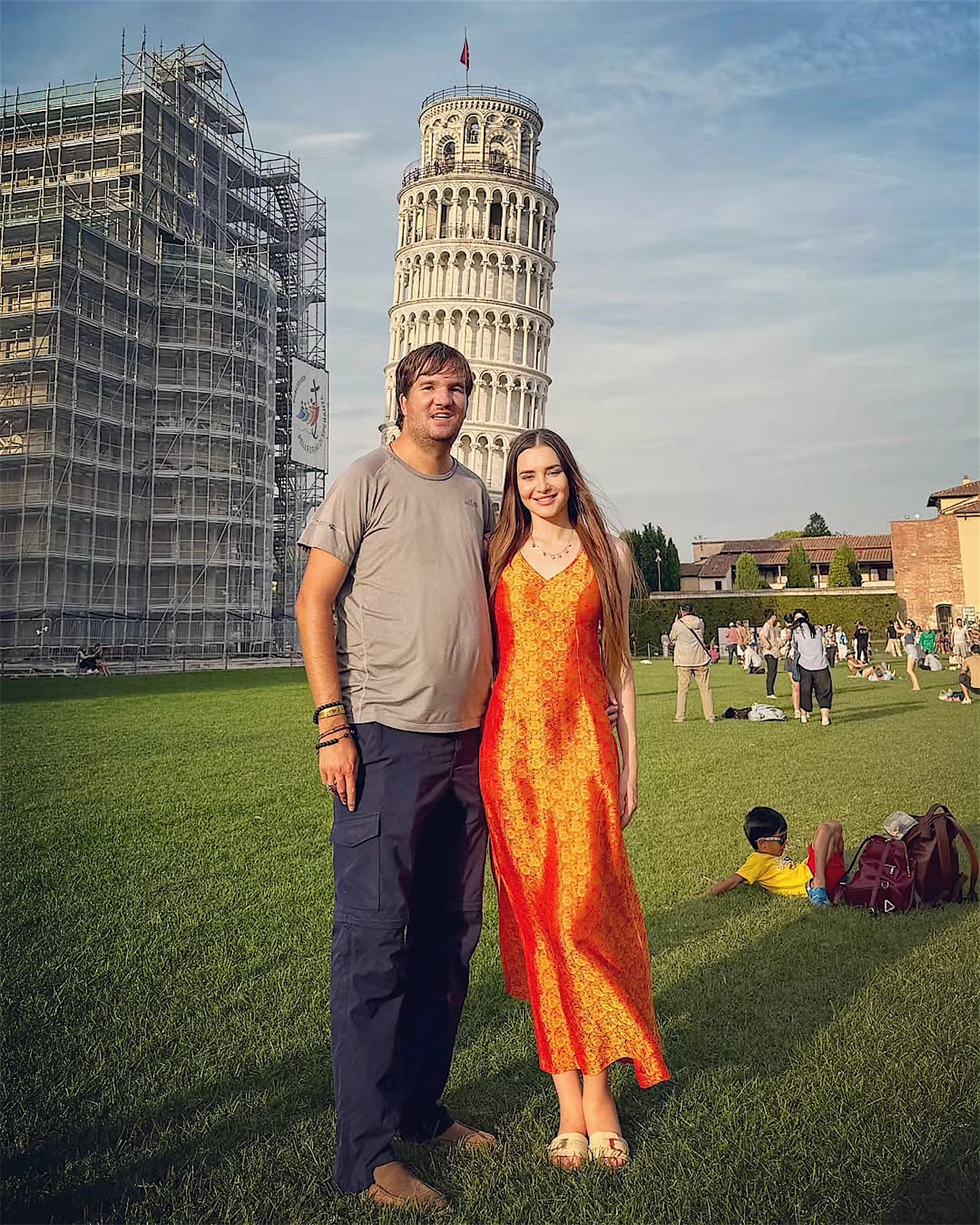
Next came a stop at the Ferrari museum in Maranello, before I crossed the Apennines to Tuscany, taking the scenic roads over the motorway wherever I could. In Pisa the tower was still leaning, and I picked someone up: Karyna joined me for the rest of the trip. That evening we followed my rules for dining in Italy: go where the menu is in Italian only and nobody speaks English, make sure there is Fassona beef tartare, from the lean Piedmontese breed, and don't forget the wines.
Marble from Michelangelo's mountains
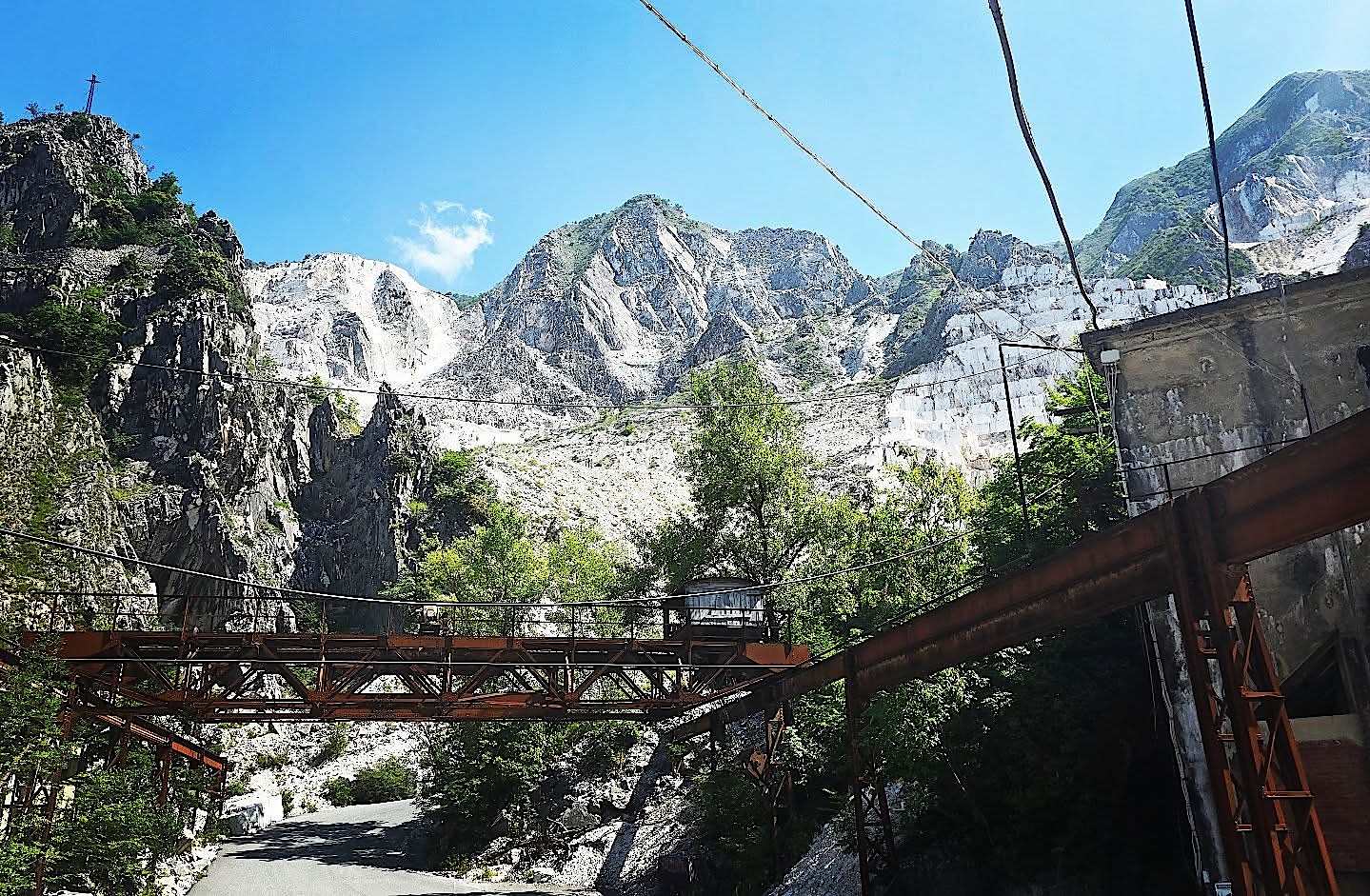
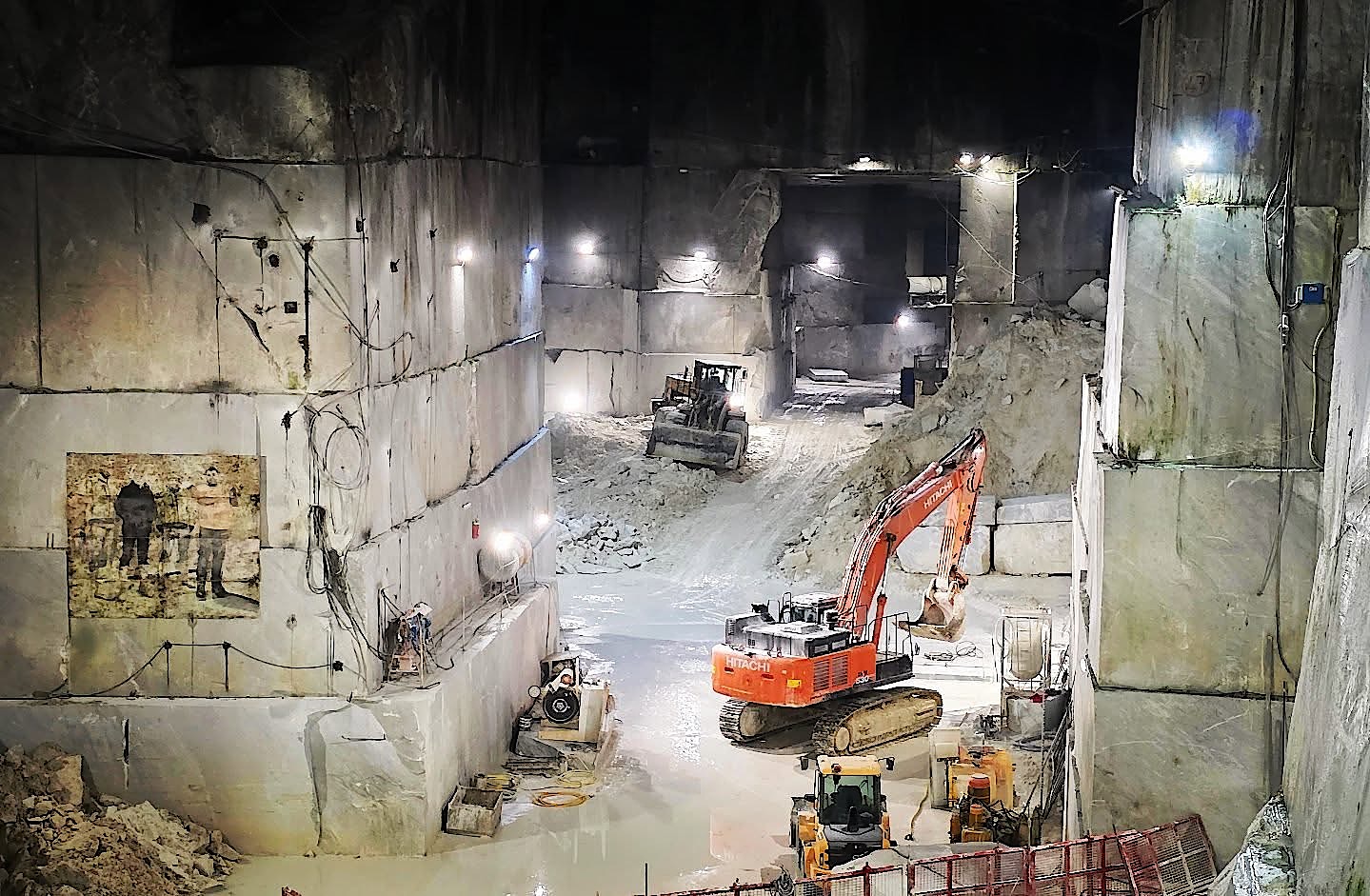
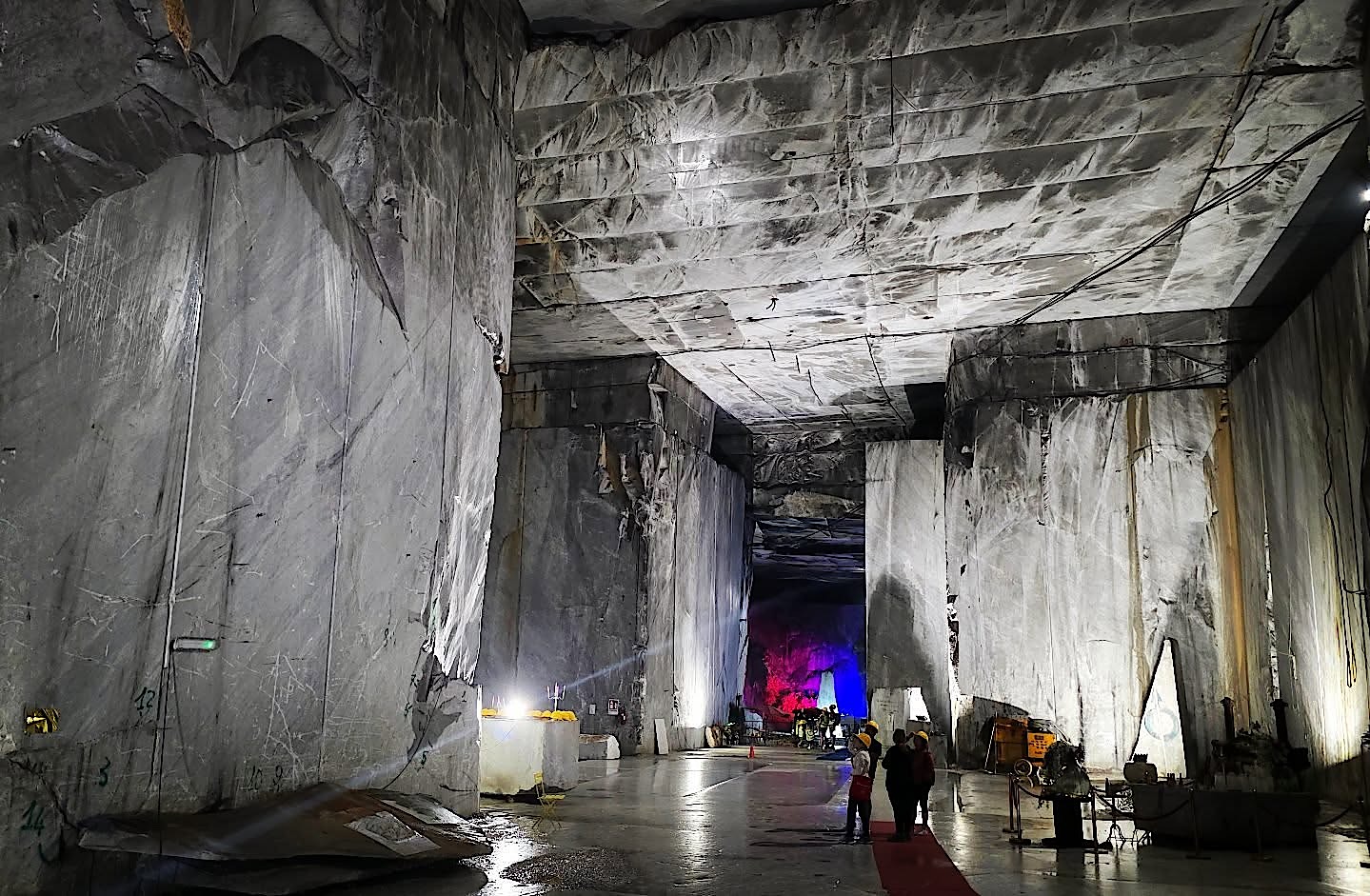
The next morning we drove up into the Apuan Alps to the Fantiscritti marble quarries above Carrara, one of the most interesting visits of the trip. Carrara's white marble is considered among the finest in the world. Part of this quarry has been cut deep into the mountain, leaving vast white halls where the excavators look like toys, and it only takes orders from artists.
Cinque Terre and Portofino
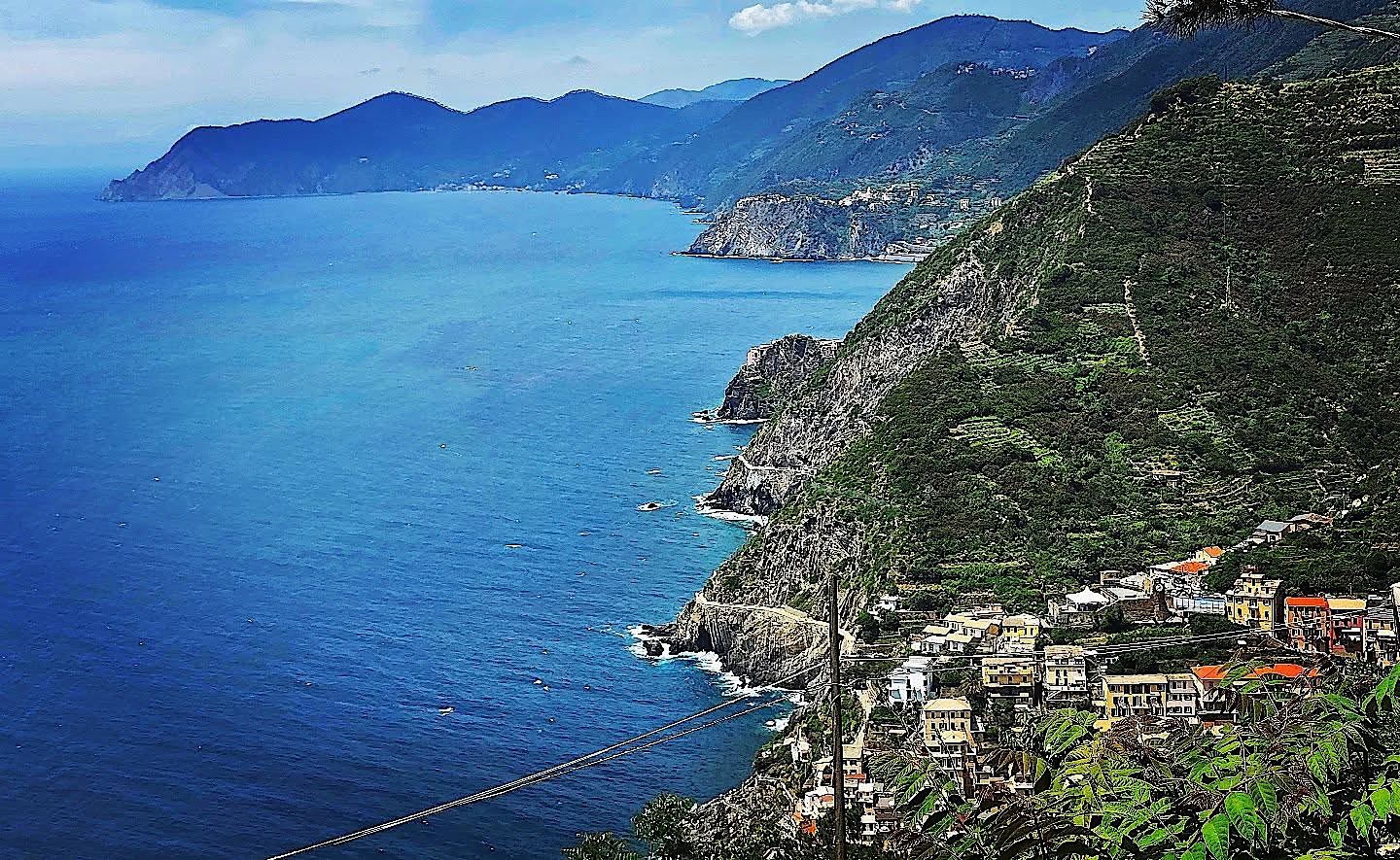
From Carrara we continued to the Cinque Terre, where I had recorded my first online video for my community almost ten years earlier, at the very start of my business. This time we looked down on the coast from Volastra, a hamlet high above Manarola, and then followed the Ligurian shore past one colourful town after another.
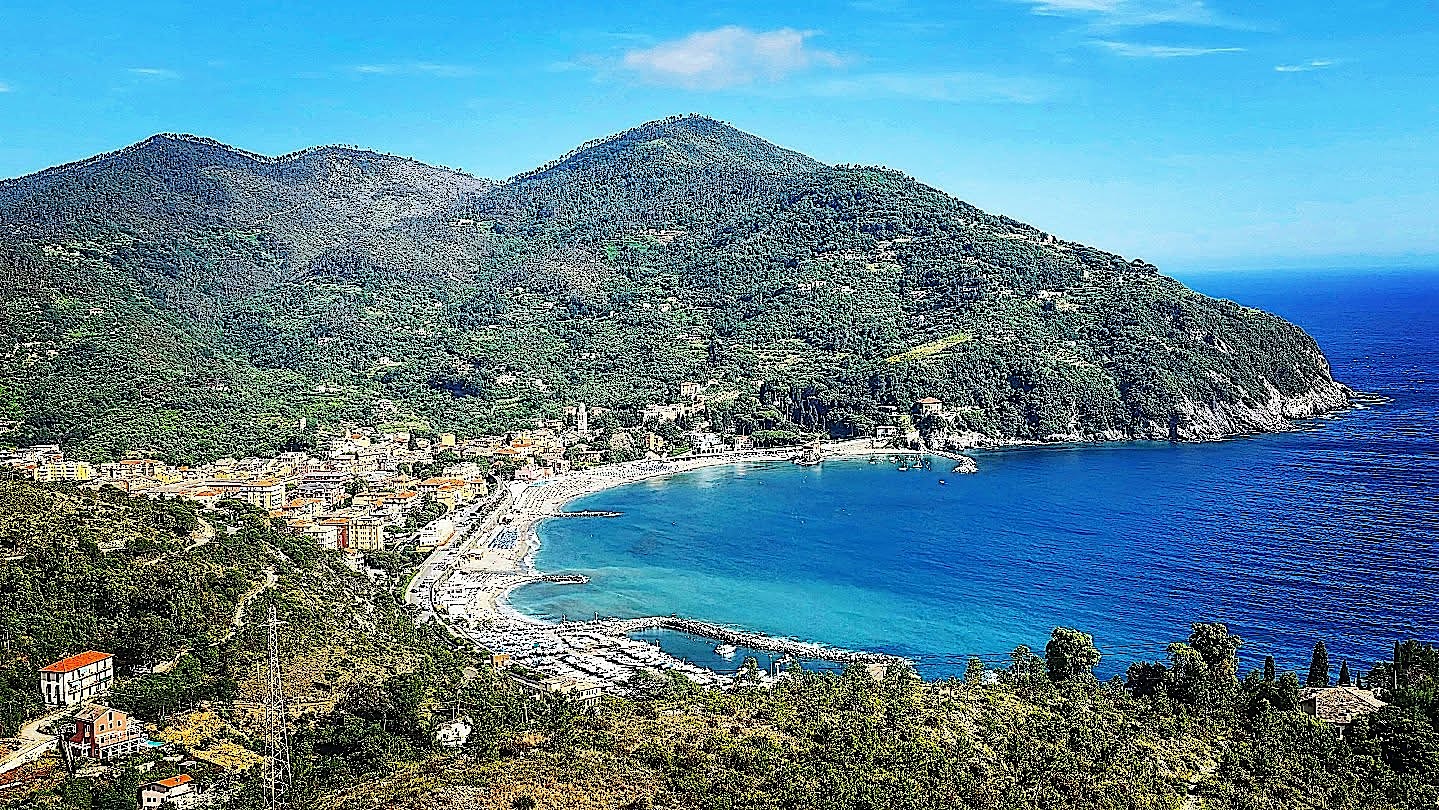
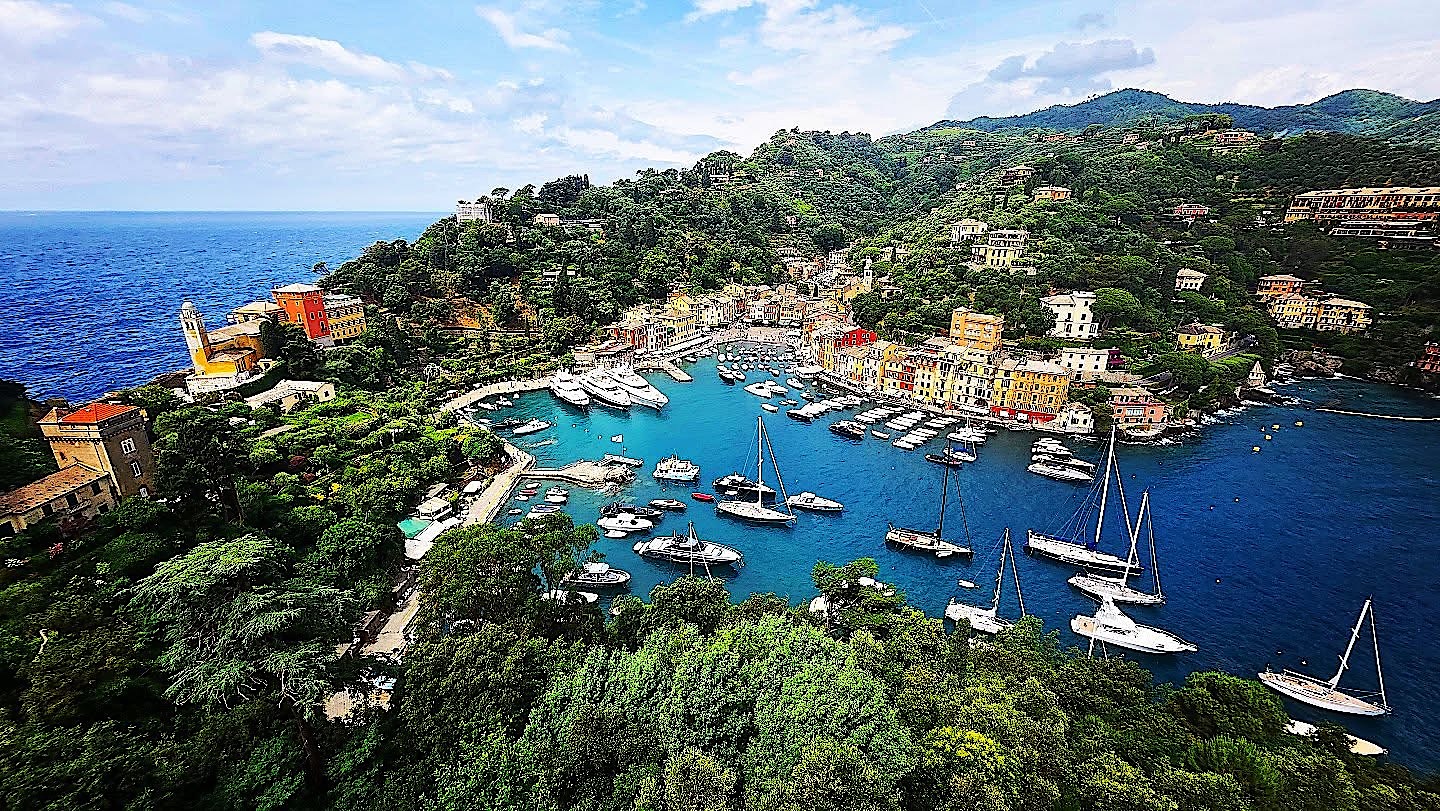
Karyna chose our overnight stop, and of course she picked Portofino, probably the most expensive town on Italy's western coast. It is also a very scenic one. The Romans called it Portus Delphini, the port of dolphins; for centuries it was a fishing village, until film stars and the jet set discovered it in the 1950s. The next morning the harbour was full of superyachts.
A micronation and two nights in Monaco
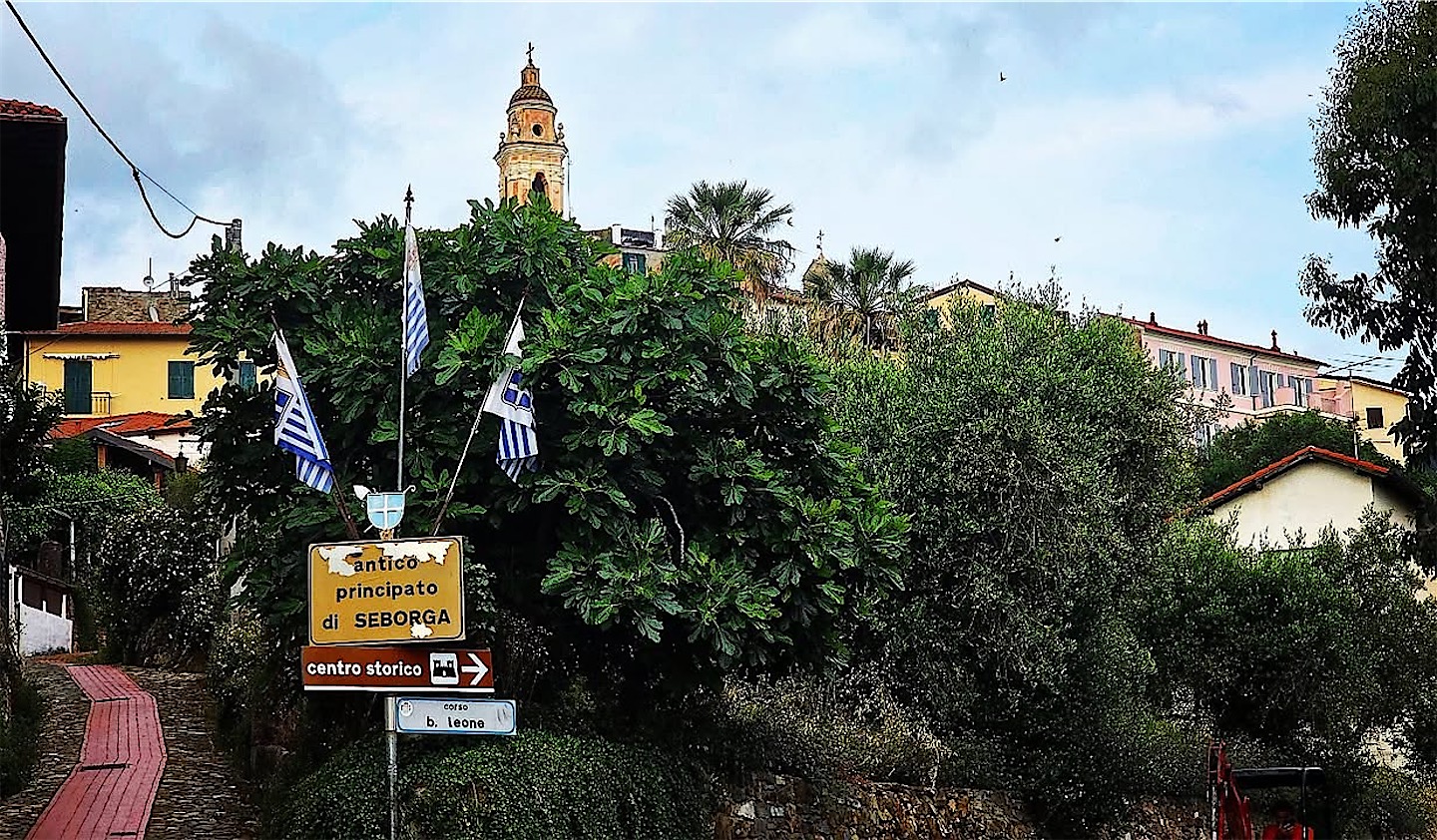
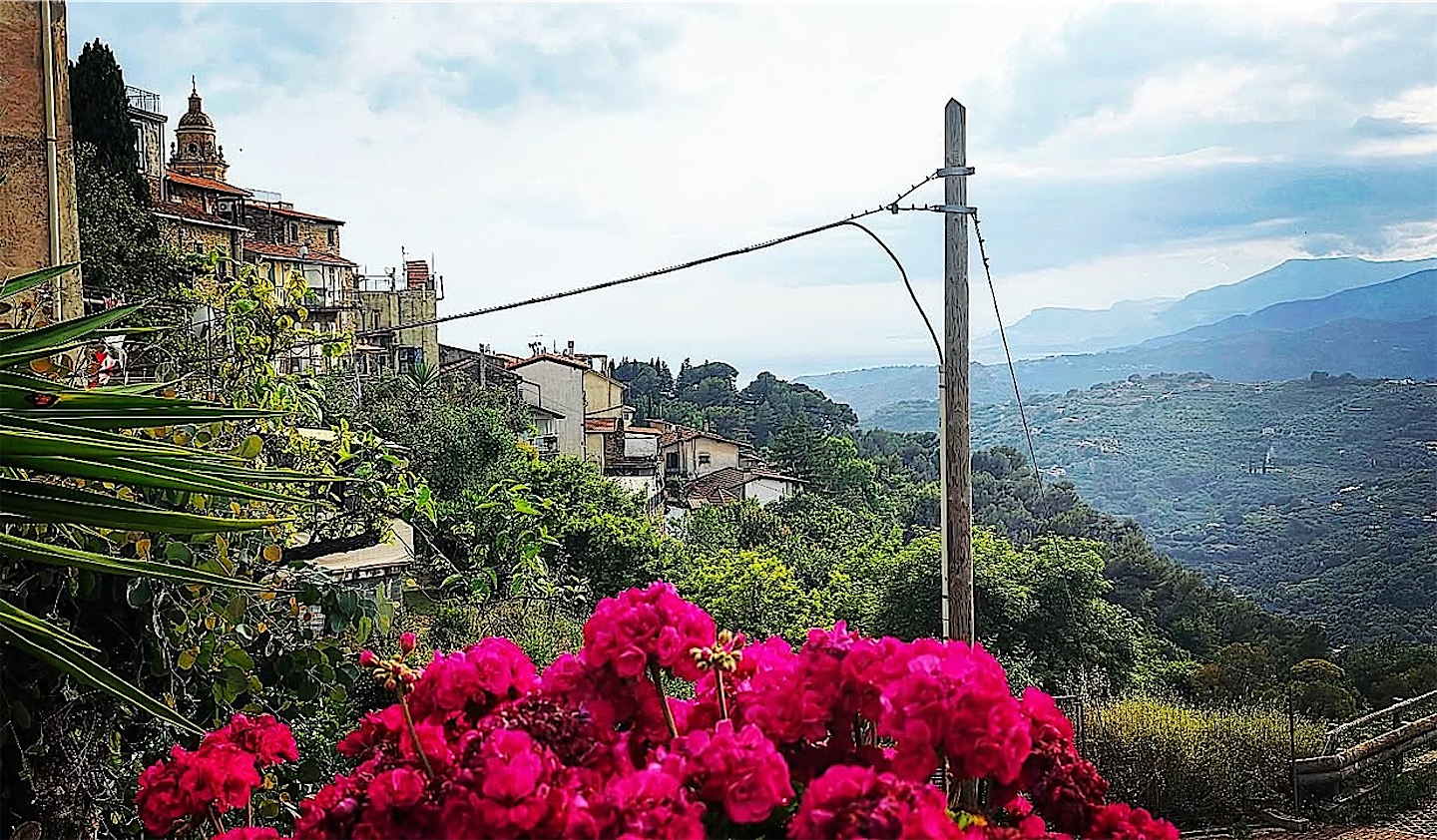
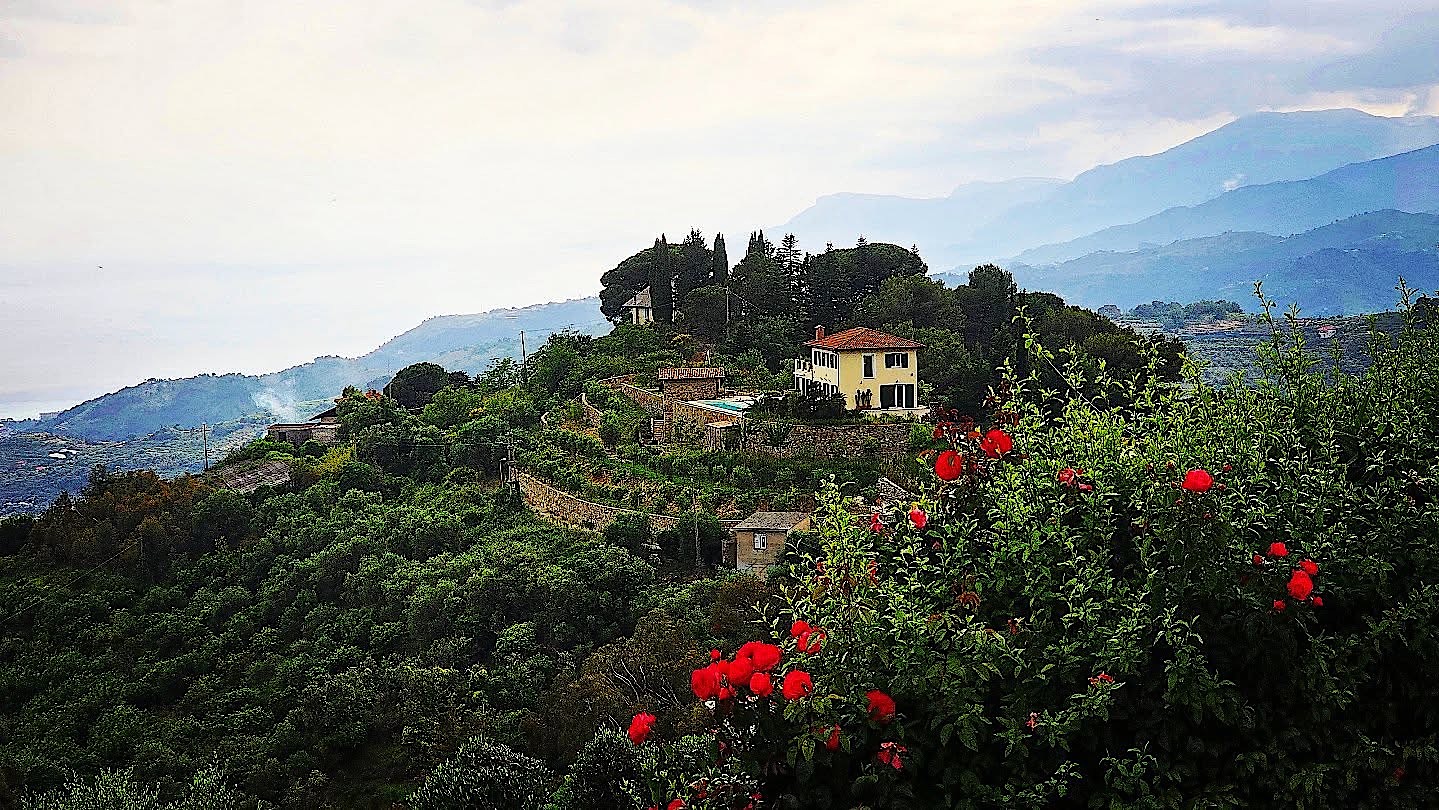
The next jet-set destination was Monaco, where I had never spent a night before. On the way we stopped at the "Principality" of Seborga, in the hills behind Bordighera. With all the territories done, there are still plenty of micronations to visit, and Seborga was the first. Mountains on one side, the Mediterranean on the other: a scenic place to declare your own state.
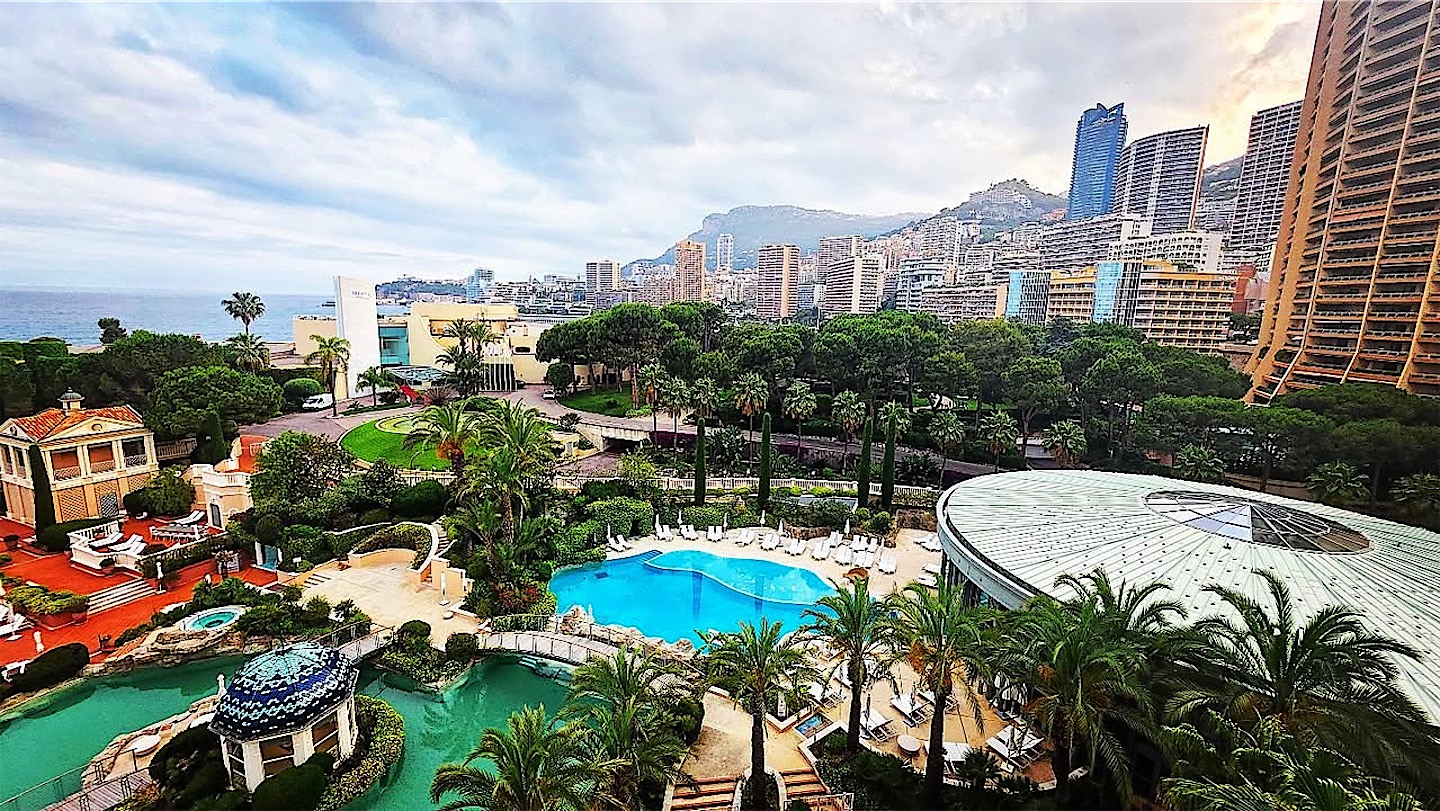
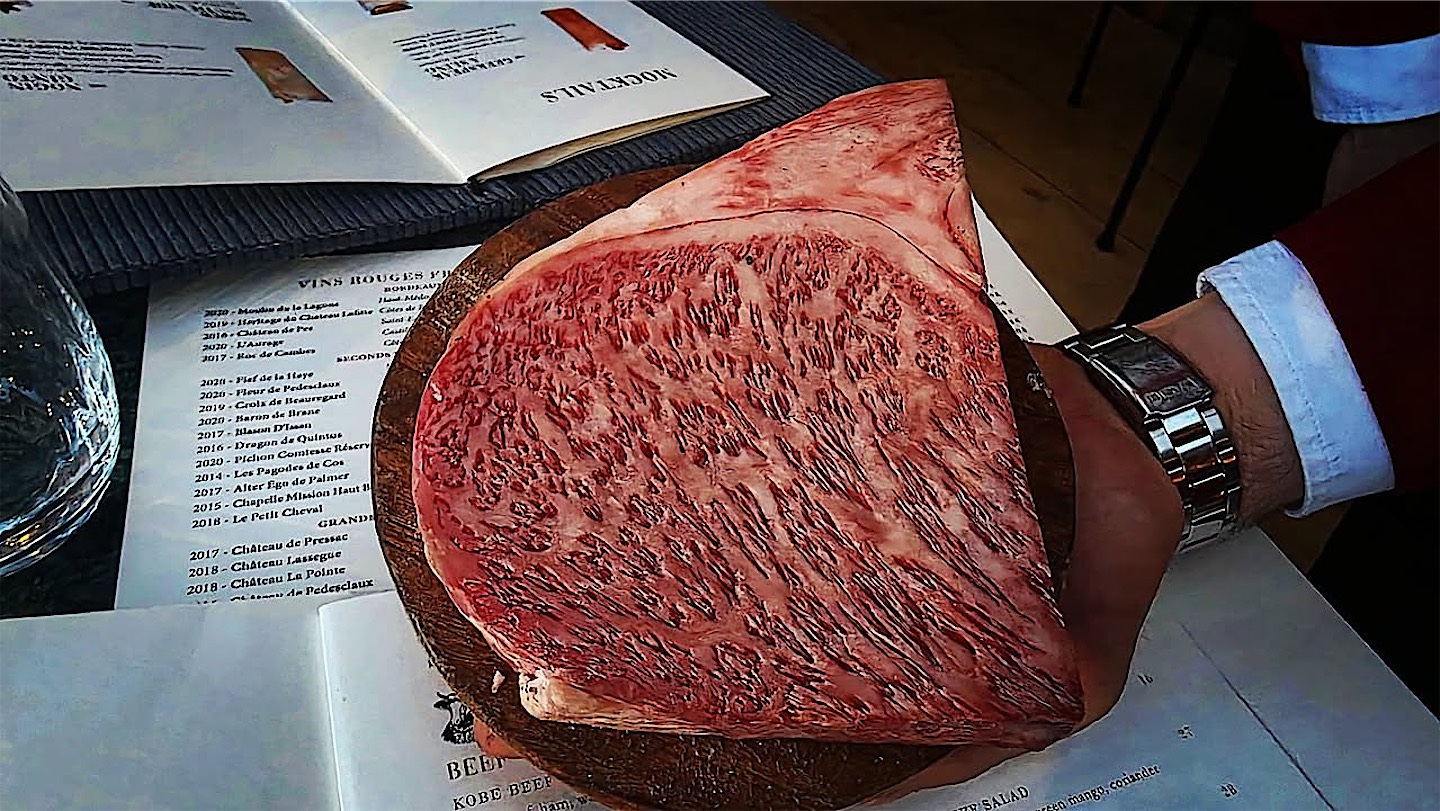
In Monaco we had a suite with a great view at the Monte-Carlo Bay Hotel, a resort with lovely pools and its own access to the sea. At the Beefbar in Fontvieille the menu offered a Kobe beef "skateboard" for 11,500 euros. Our Okayama Nagi Kobe beef was excellent, and so were the other cuts. Maybe I should move to Monaco.
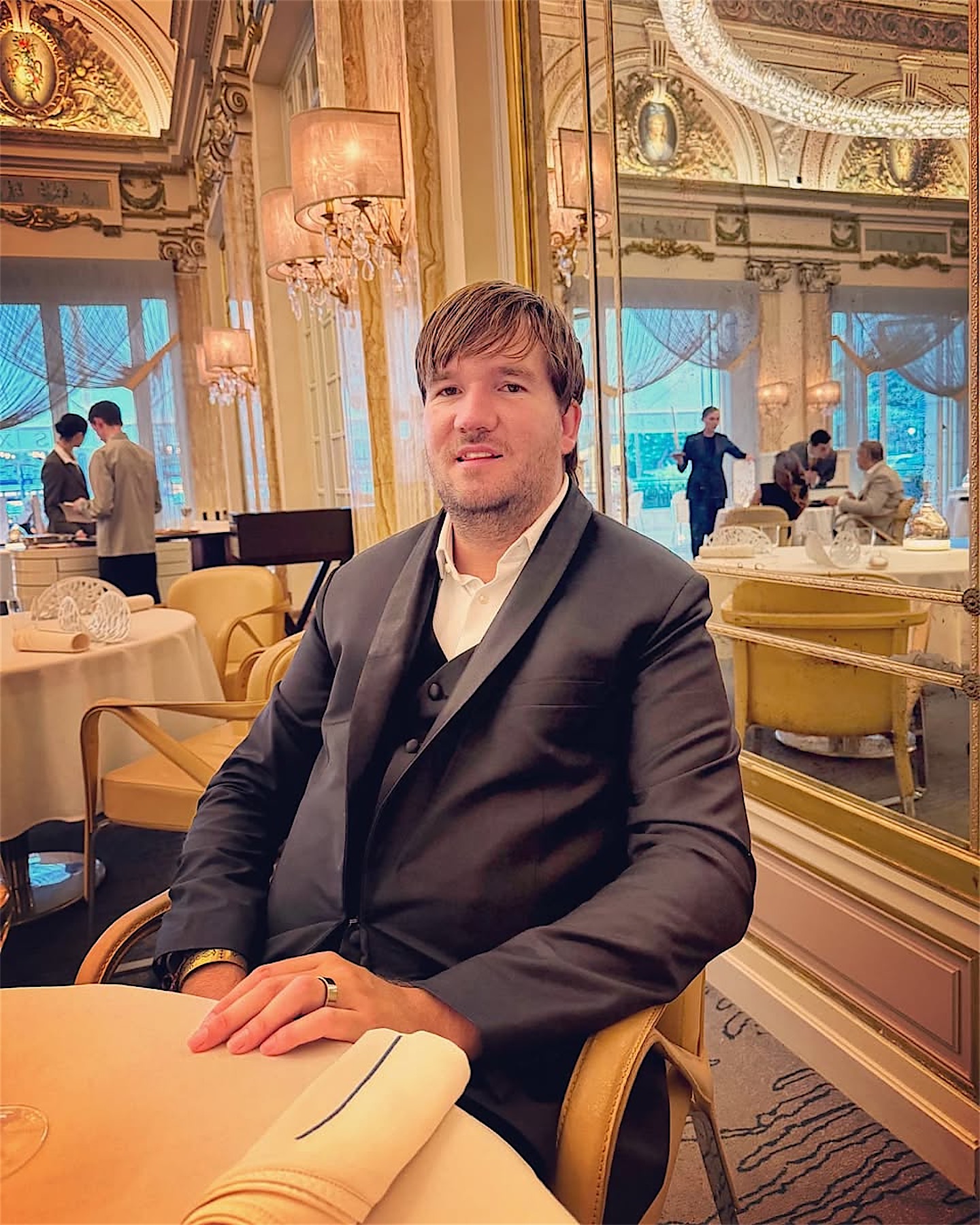
After a relaxed day at the resort came the big evening: dinner with Karyna at Le Louis XV, Alain Ducasse's restaurant in the Hôtel de Paris, which in 1990 became the first hotel restaurant to earn three Michelin stars. After three and a half hours we had only reached the cheese trolley. The cuisine was interesting rather than exceptional, but the wine pairings, ambience and service were outstanding, even if the waiters' English was not. For four sumptuous hours the price was fair; I have had far worse dinners for more money.
The meal ended at midnight, so we went next door to the Casino de Monte-Carlo, where Monaco's own citizens may not gamble, to refinance it at roulette. My lucky number 23 came up twice within minutes, and we left soon after with four times our stake. Lucky in the game and in love on the same night.
Entrevaux, lavender and the Vieux-Port
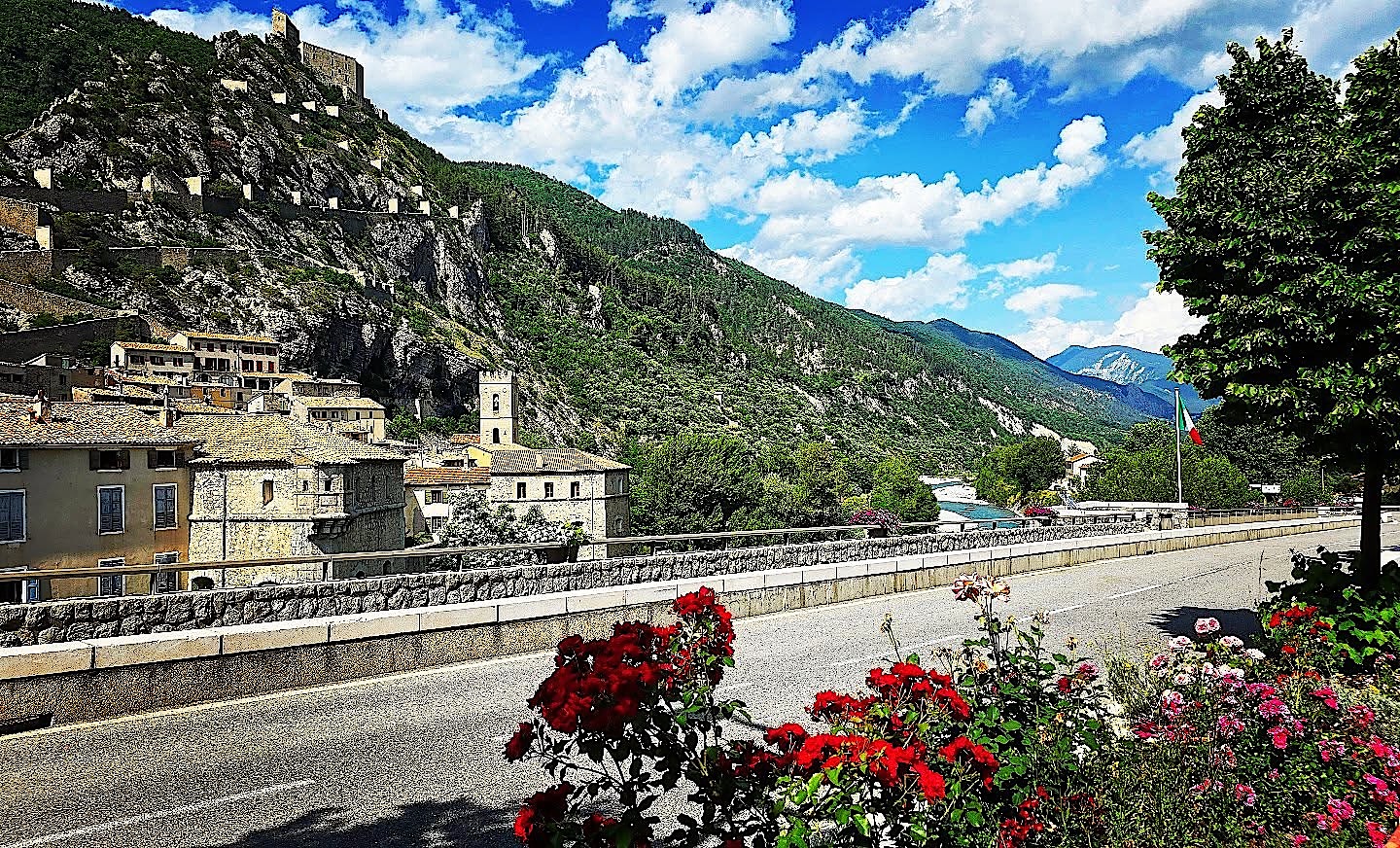
The last day of driving took us inland, up the Var valley to Entrevaux, a medieval village on the river below a citadel perched high on the rock. Until 1860 the Var was the border with the County of Nice, which belonged to Savoy, so Entrevaux was a frontier fortress. Louis XIV's military engineer Vauban drew up plans for its defences, and a zigzag ramp still climbs from the walls to the citadel.
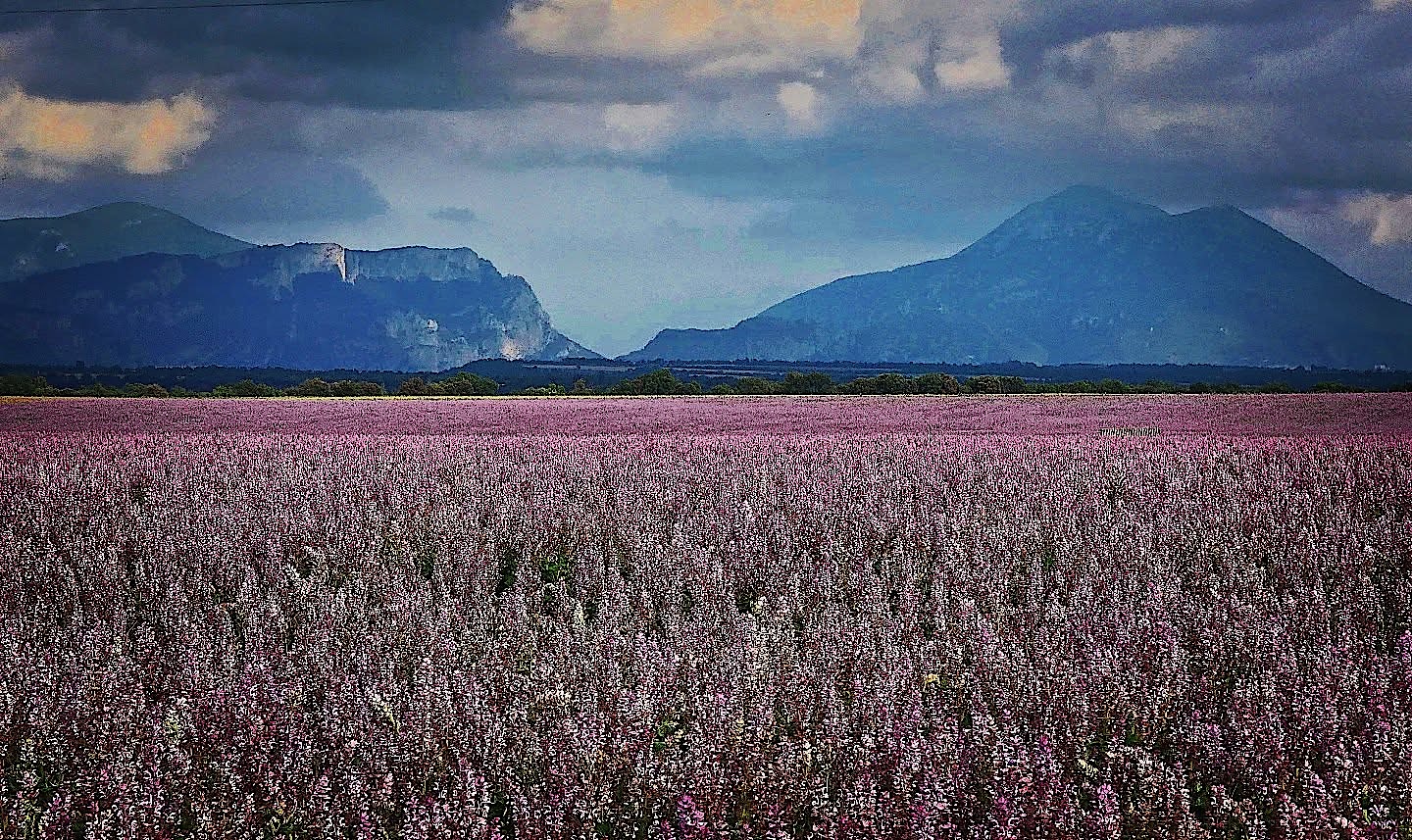
On the Valensole plateau the lavender was not yet in full bloom, as expected this early in June, but already beautiful. It flowers from late June into July, and most fields here actually grow lavandin, a hardier hybrid that yields more oil.
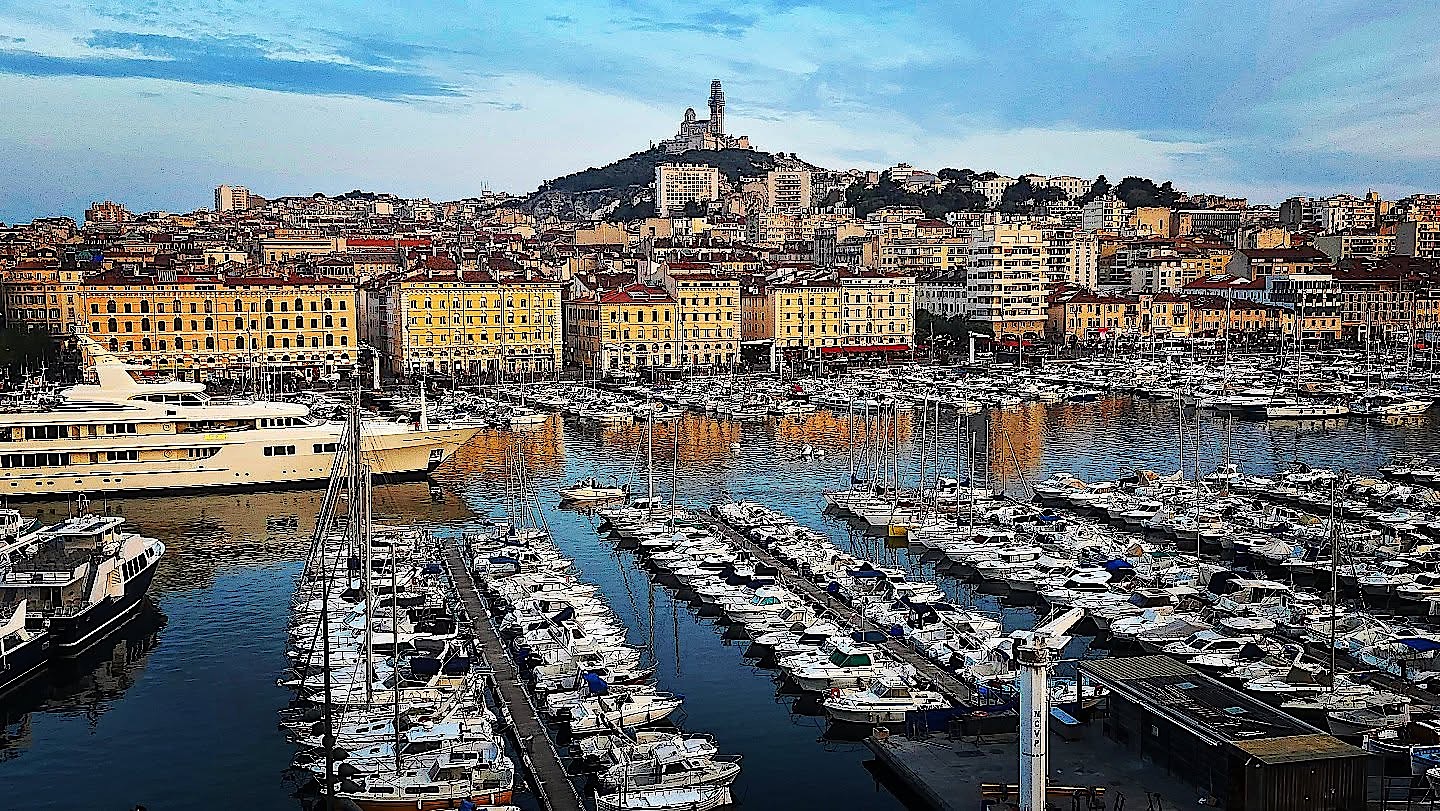
In the evening we finally reached Marseille and its Vieux-Port, where our cruise would start the next day. That was the end of the driving: a week's break from the wheel lay ahead, on a much bigger vehicle.
From here the journey continued with the Mediterranean cruise from Marseille to Athens.