
Up the Mississippi: From Washington and the Gulf Coast to the Gateway Arch
20–29 May 2025 · Washington, DC, Mobile, Biloxi, New Orleans, Whitney Plantation, Oak Alley, Baton Rouge, Natchez, Natchez Trace, Vicksburg, Memphis, Kentucky Bend, Cape Girardeau, Cahokia, St Louis · Region: United States (District of Columbia, Alabama, Mississippi, Louisiana, Tennessee, Arkansas, Kentucky, Illinois, Missouri)
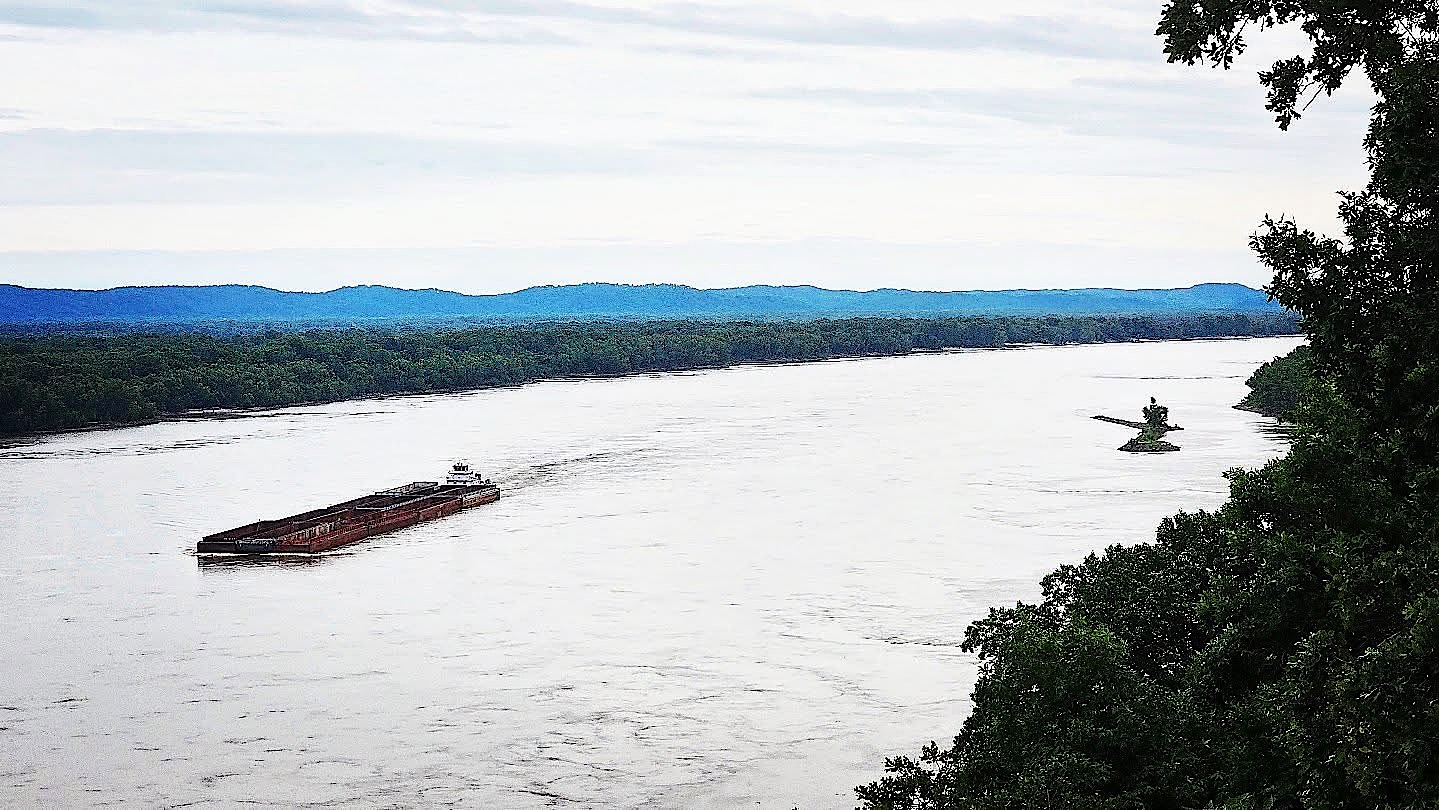
This trip was never planned. With my expedition truck delayed by more than a month, I flew to Washington, DC for a few days and then added a short road trip from Mobile on the Gulf Coast up the Mississippi to St Louis.
After Dagestan and Abkhazia, this was collecting of a different kind: the new game is US states, and I had barely seen this part of America. After this drive only ten would be missing, most of them in the Midwest.
Three days in the capital
Even the first leg from Berlin to Lisbon was on a long-range Airbus, and TAP's business class turned out far cheaper and better than I had expected. After 326 territories, my entry into the United States was the most relaxed I have ever had.
I had seen Washington twice before, in the winters of 2014 and 2018, both times in snow. Green in late May, it felt like a new city. I walked the National Mall, watched the lit-up Capitol from a rooftop one evening and at St. Anselm had one of the best steaks I have eaten in the US.
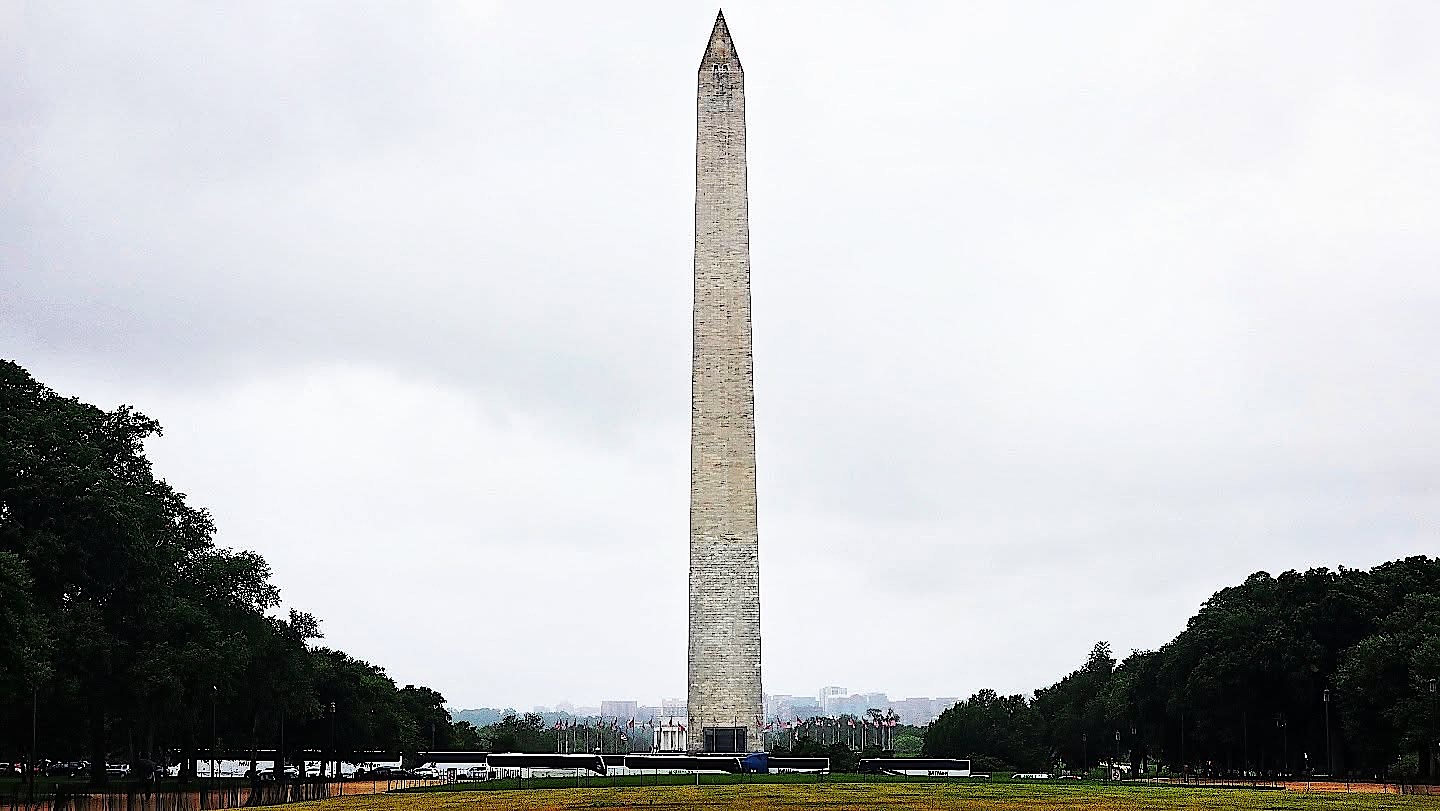

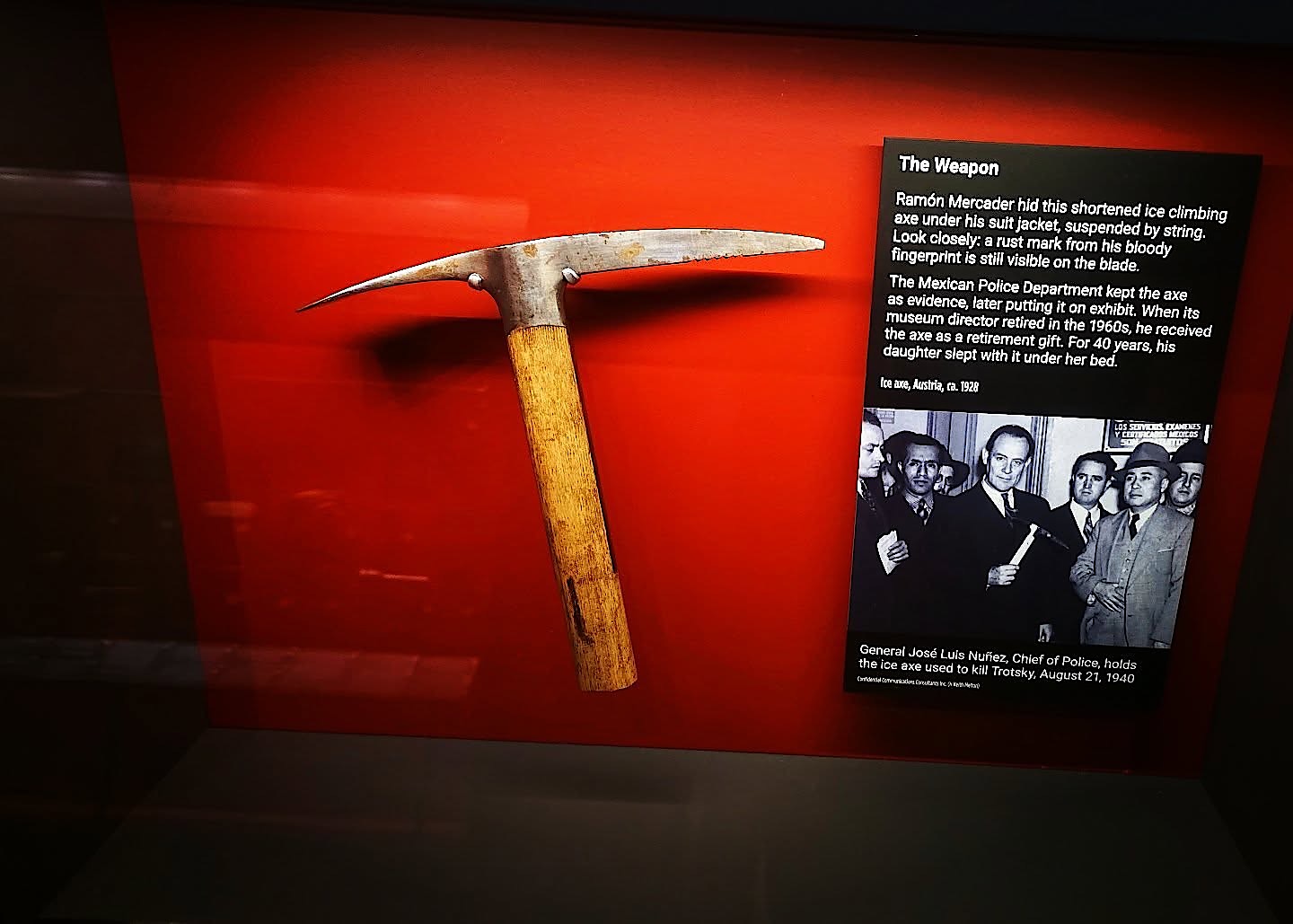
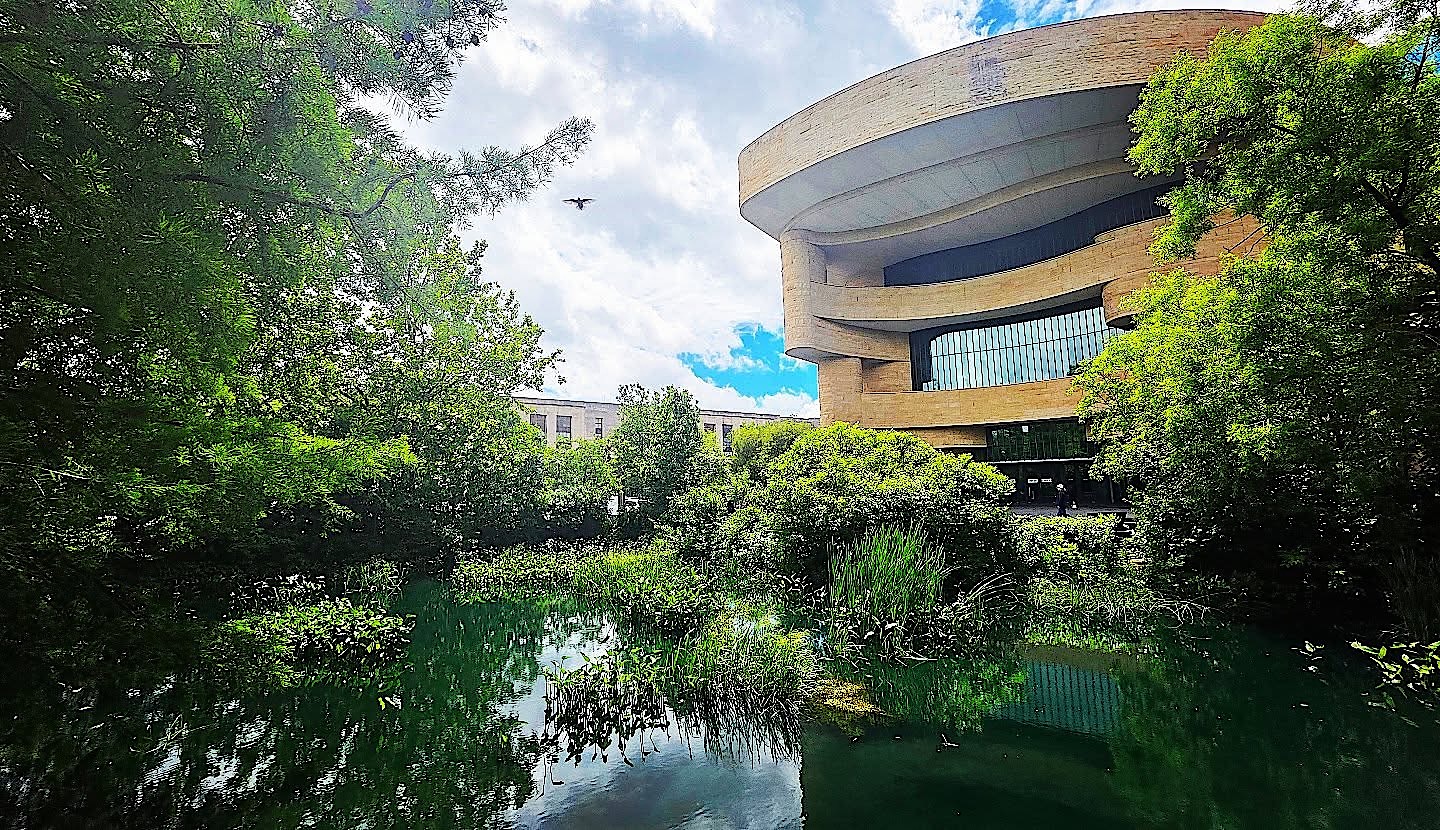
The International Spy Museum has some very interesting exhibits, among them the ice axe with which a Soviet agent murdered Leon Trotsky in Mexico City in 1940. On another day I chose the Hirshhorn, the Smithsonian's museum of modern art, and the National Museum of the American Indian with its curved sandstone façade.
Along the Gulf Coast to New Orleans
From Dulles I flew south to Mobile, Alabama, and started driving. The old port city has a claim most visitors don't expect.
Soon I reached the white sand of the Gulf. In Biloxi, Mississippi, I stopped at Beauvoir, the last home of Jefferson Davis, the only president of the Confederacy. He spent his final years in this raised beach house and wrote his account of the war here. A complicated piece of history, and an interesting one to see in person.
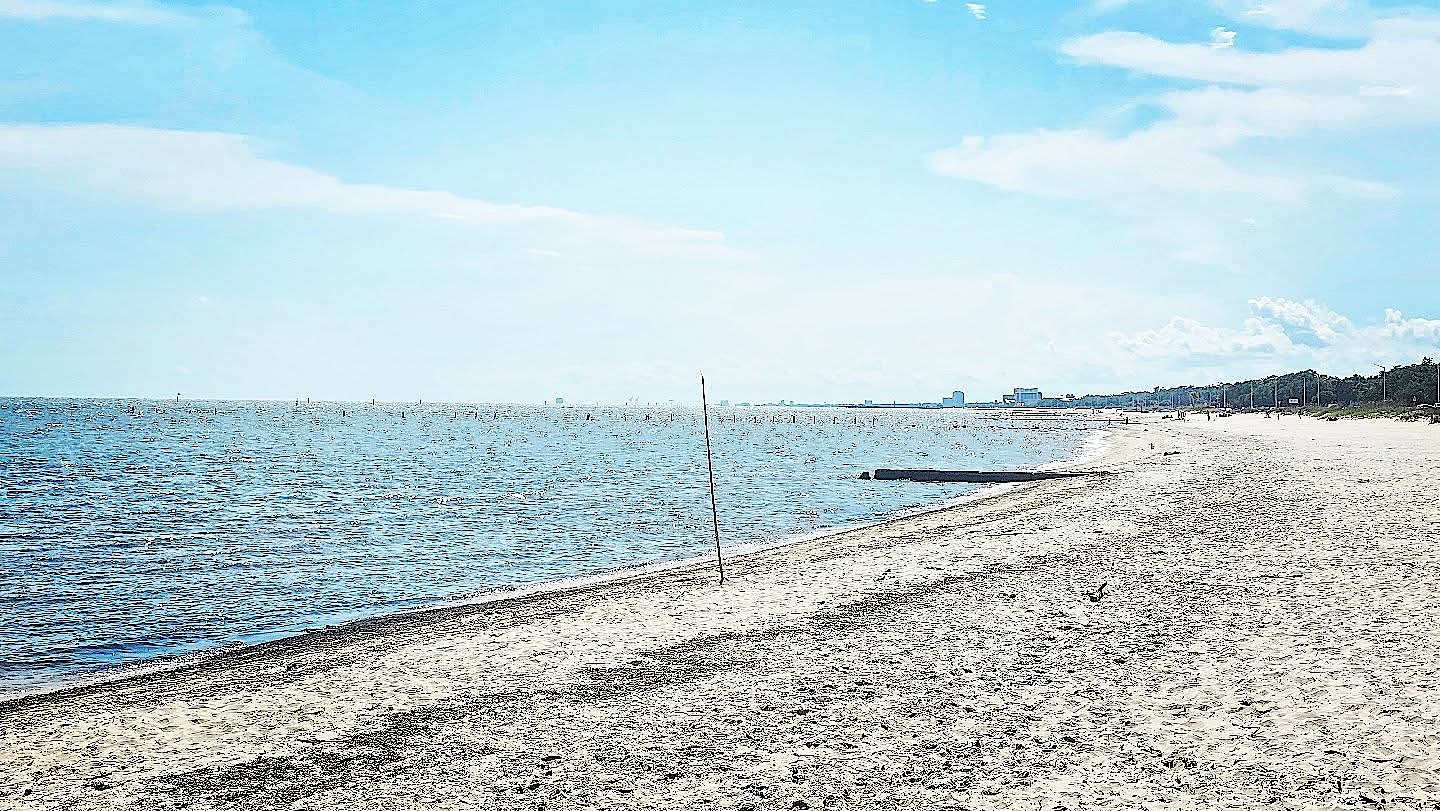
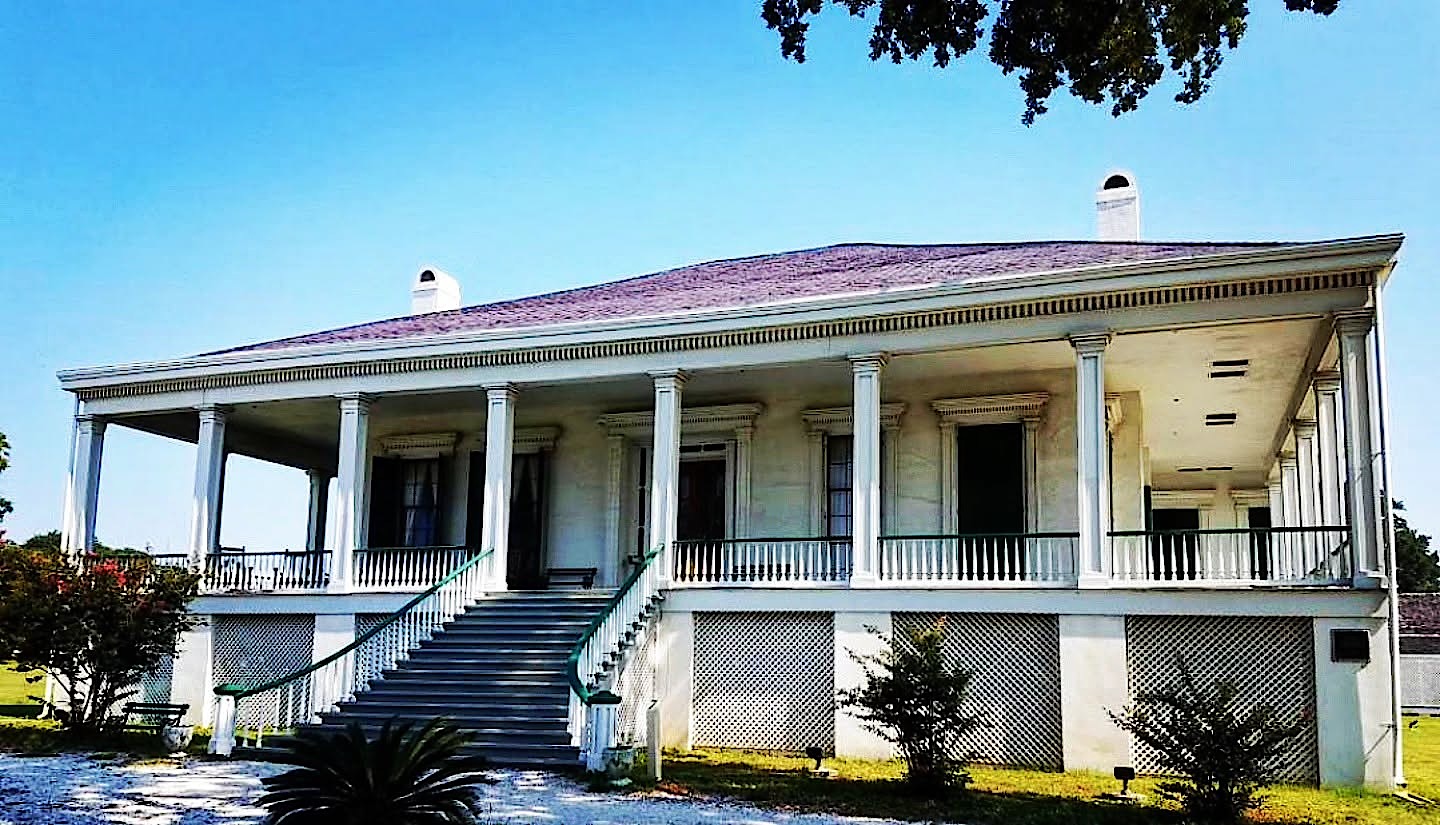
A scenic drive along the Mississippi coast brought me to New Orleans, a beautiful city of wrought-iron galleries, flowering trees and paddle steamers on the riverfront. I explored it on foot, and after another walk and a few museums the next morning I headed upriver.
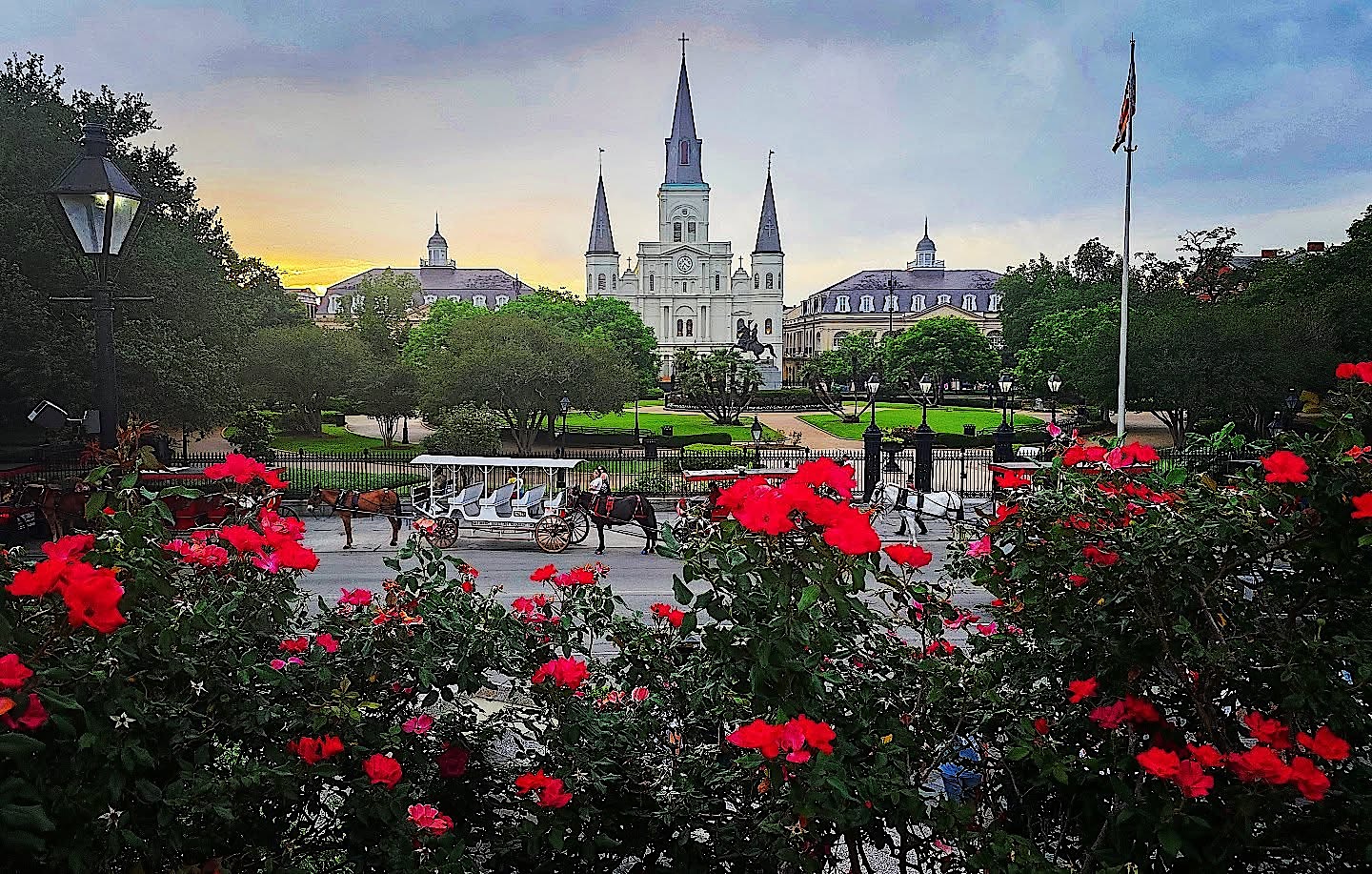
Plantations and swamps of Louisiana
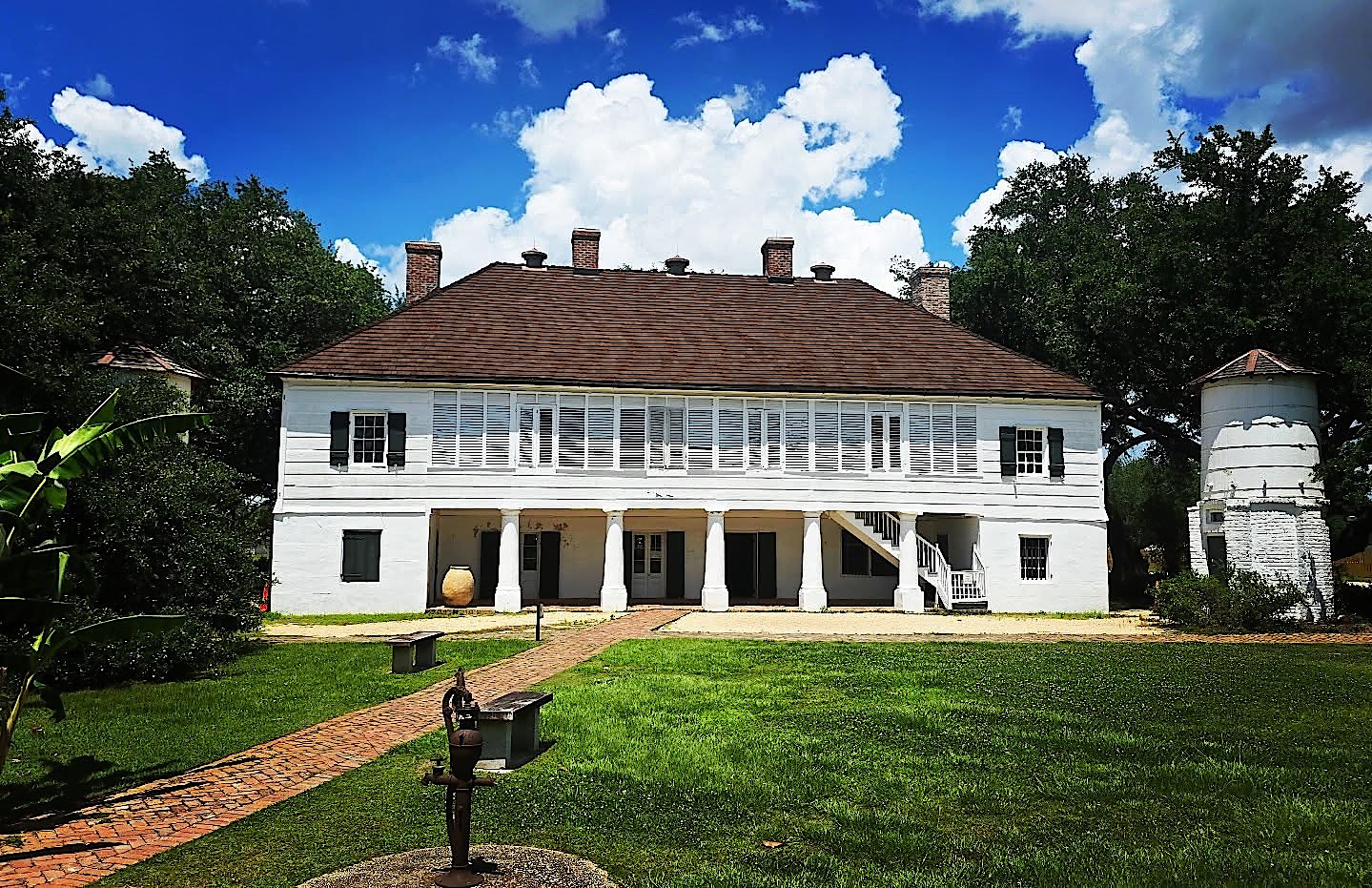
Between New Orleans and Baton Rouge, the River Road passes one former plantation after another. My first stop, the Whitney Plantation, was a sad and sobering place. Unlike most plantation museums, it tells the story not of the families in the big house but of the people they enslaved.
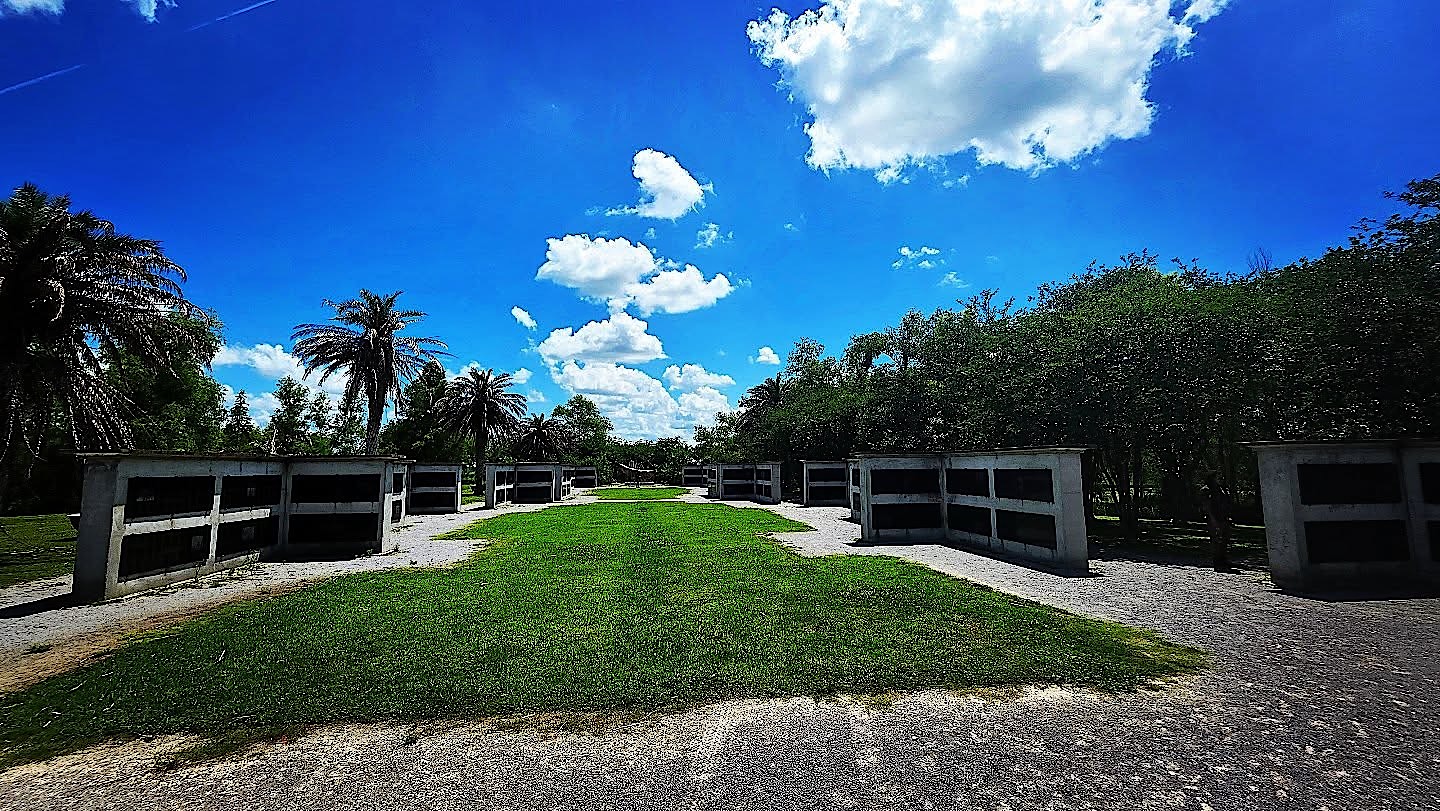
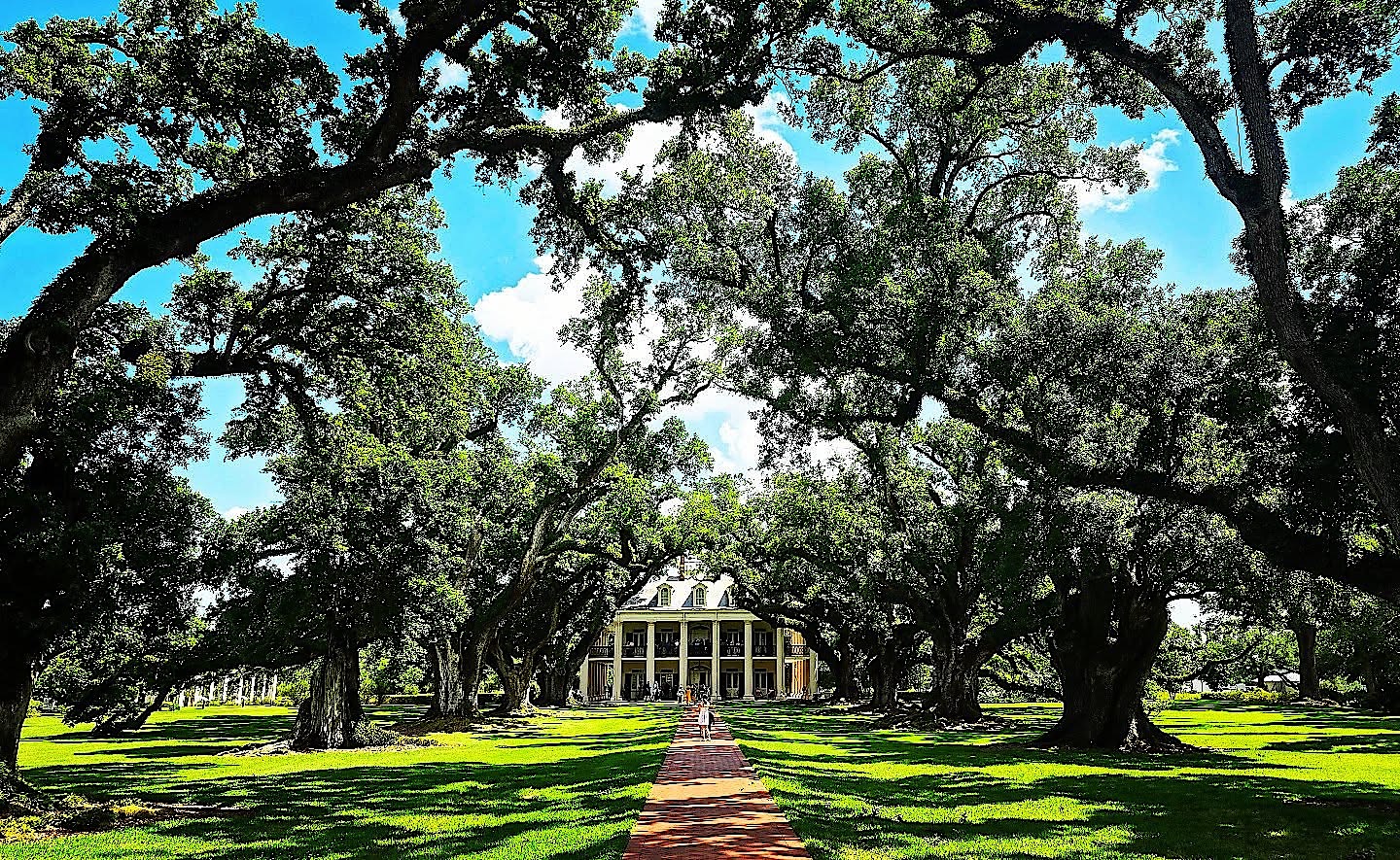
A few kilometres upriver lies Oak Alley, the most famous plantation in Louisiana. Its 28 live oaks were planted in the early 18th century, about a hundred years before the house at the end of the avenue.
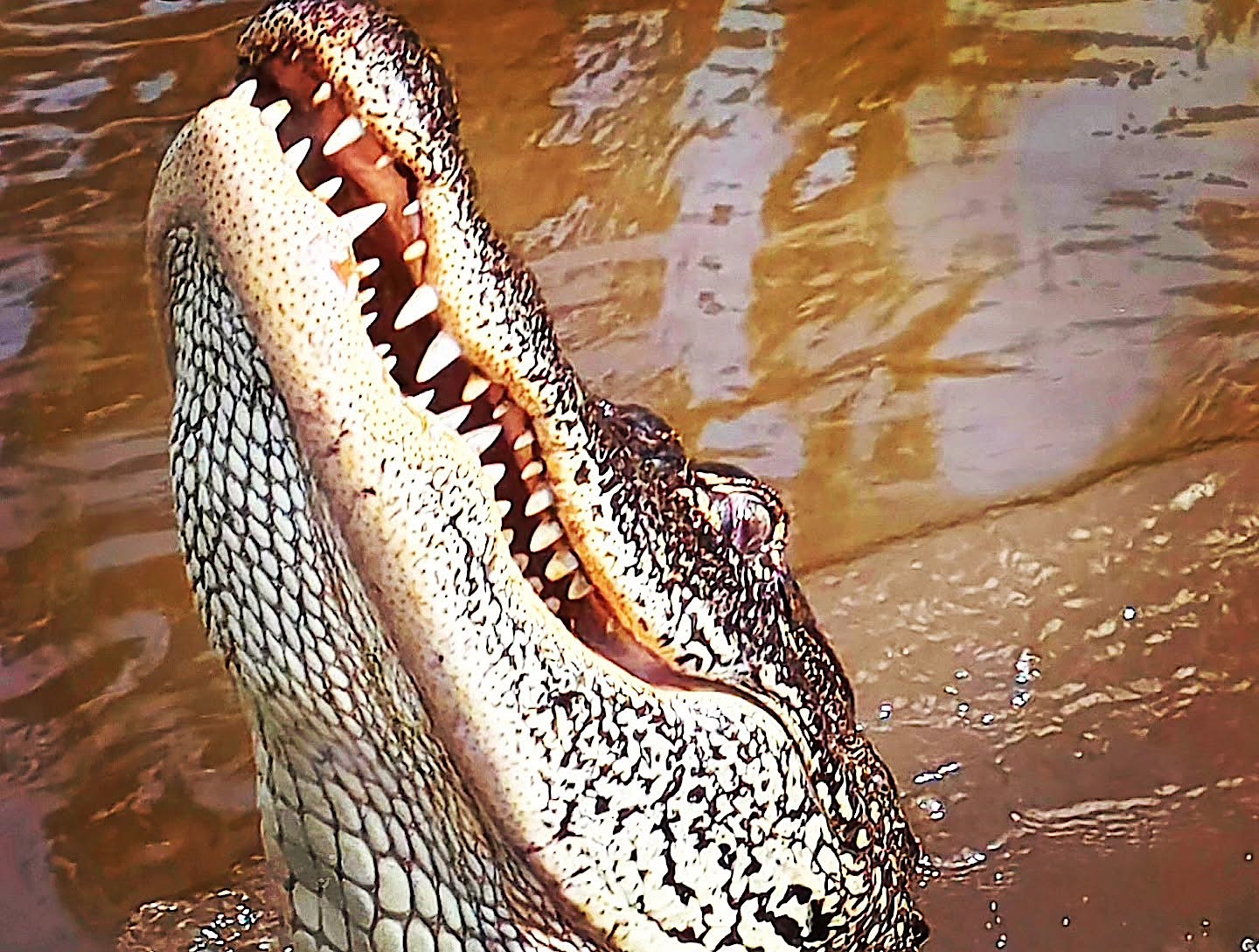
The afternoon was lighter: an airboat ride through the swamps, where I made a new friend with a lot of teeth. Once endangered, Louisiana's alligators now number around two million. Dinner was duck, a Louisiana classic, in the state capital Baton Rouge, where the Mississippi became my companion for the coming days. Another 90 minutes on the road brought me to Natchez.
Natchez, the Trace and Vicksburg
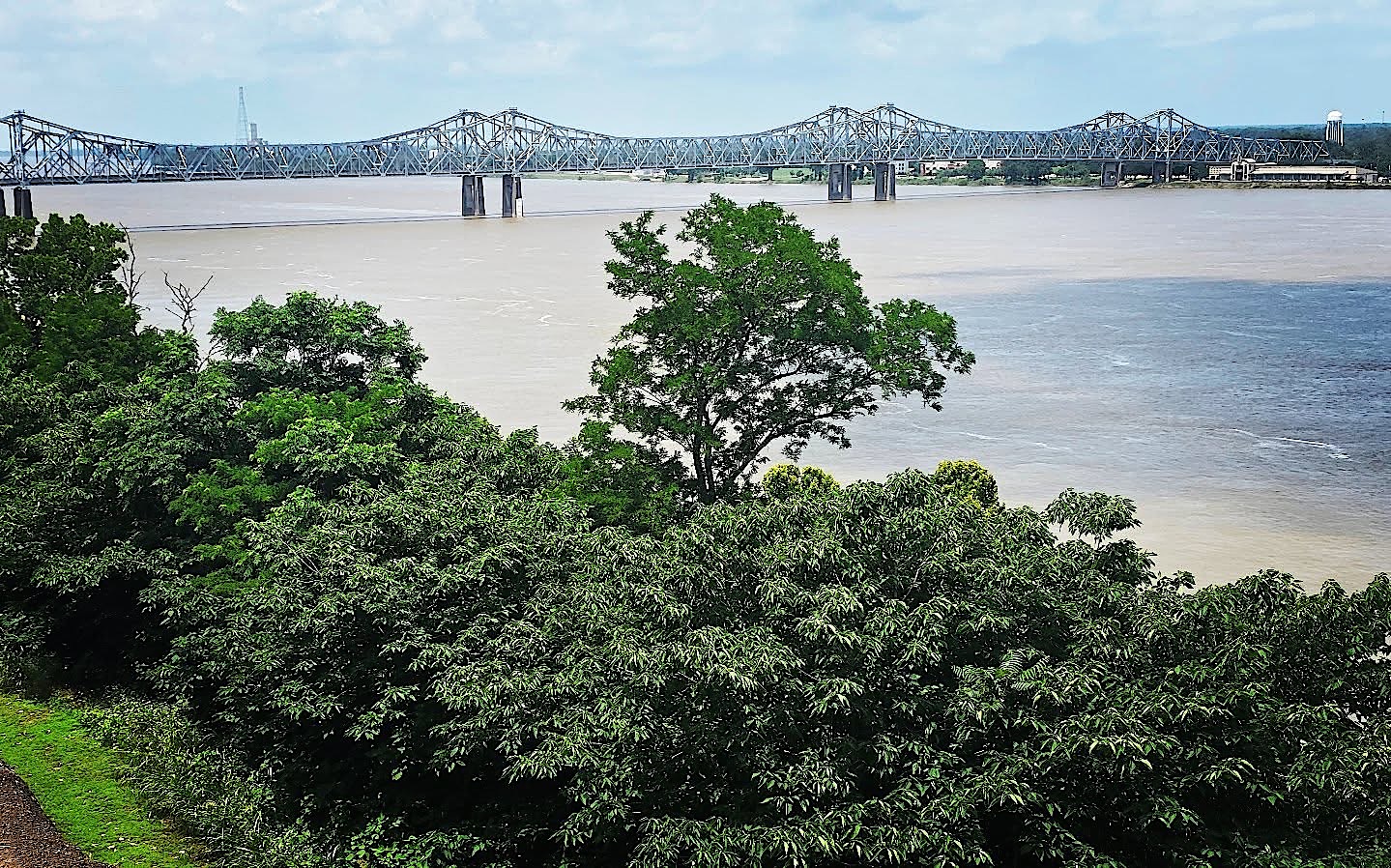
Natchez is the first town on a hill coming from the Gulf, perched on bluffs above the river. Founded by the French in 1716, it grew rich before the Civil War on cotton grown by enslaved people, and since it surrendered without a fight, many of its antebellum mansions survive.
North of town I joined the Natchez Trace Parkway through the forests of Mississippi, which brought back memories of Mark Twain's stories. It follows an ancient trail used by Native Americans and later by boatmen walking home after floating their goods down the river. Today the parkway runs some 715 kilometres to Nashville. Along the way I passed Emerald Mound, one of the largest Native American mounds on the continent.
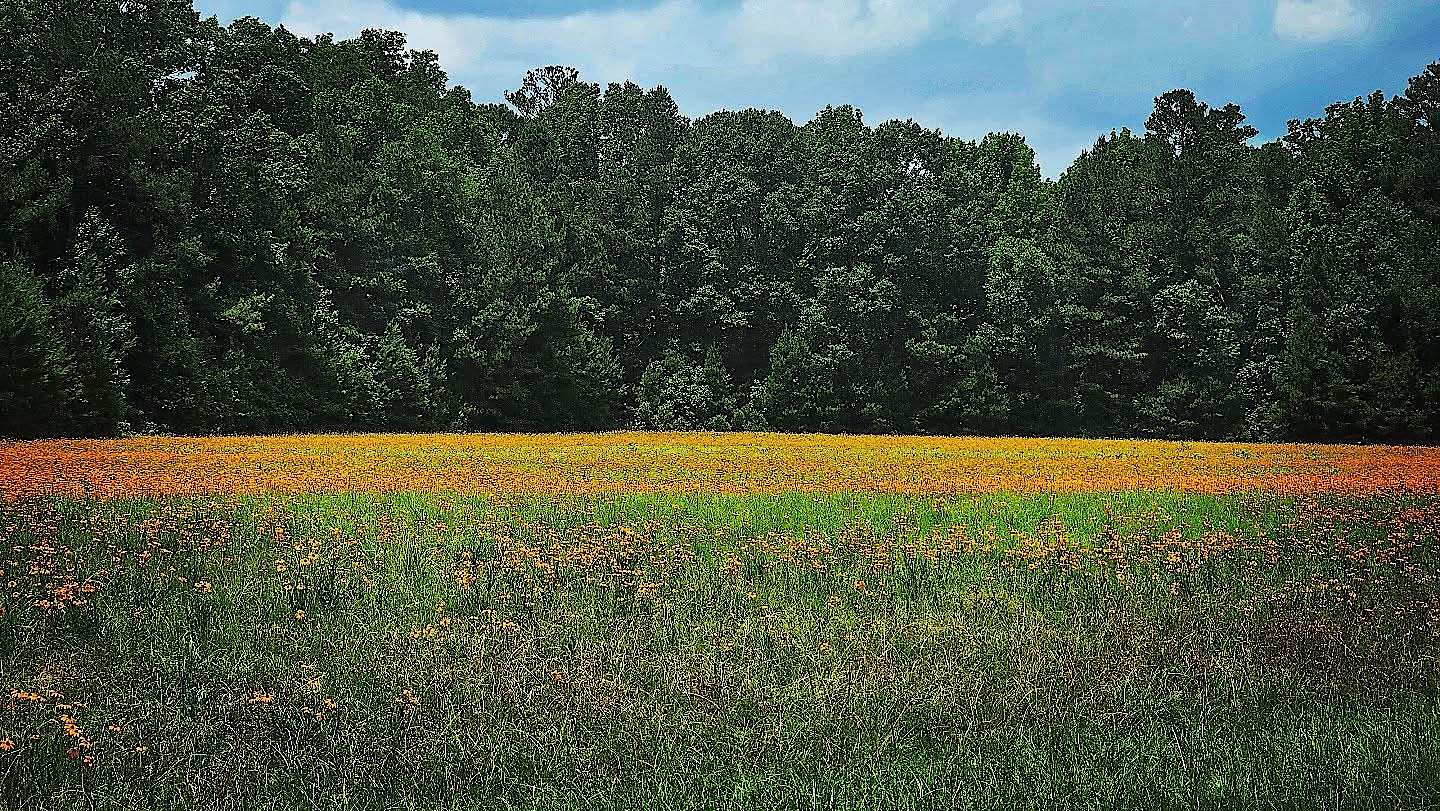
As a history buff, I could not skip Vicksburg, the site of the most decisive battle of the American Civil War, and I took my time on its battlefields.
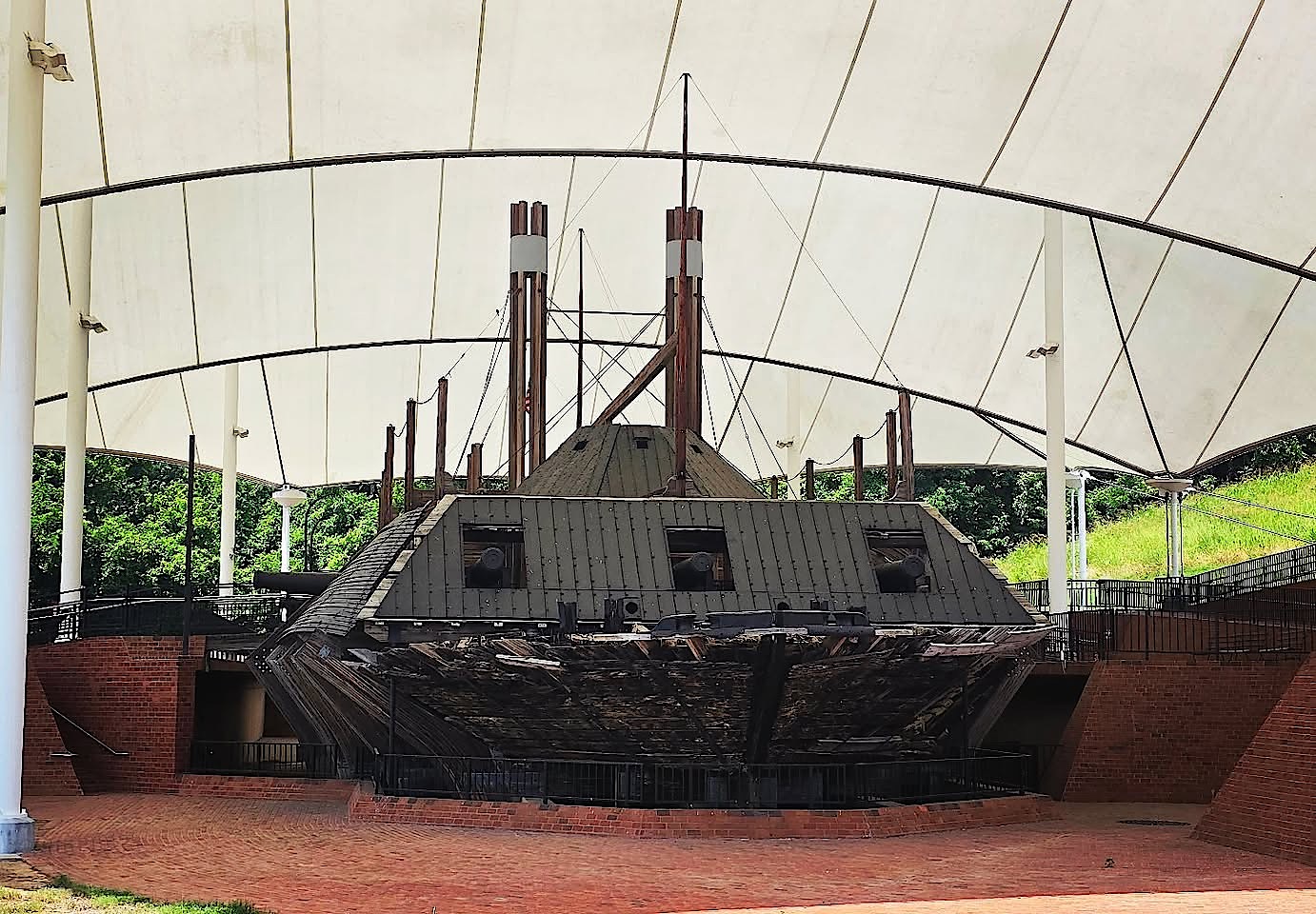
The park's most impressive exhibit is the USS Cairo, a Union ironclad that showed the industrial might of the North. In December 1862 it became the first warship sunk by a remotely detonated mine, in the Yazoo River just north of Vicksburg, and it was raised a century later.
Memphis, Graceland and the Kentucky Bend
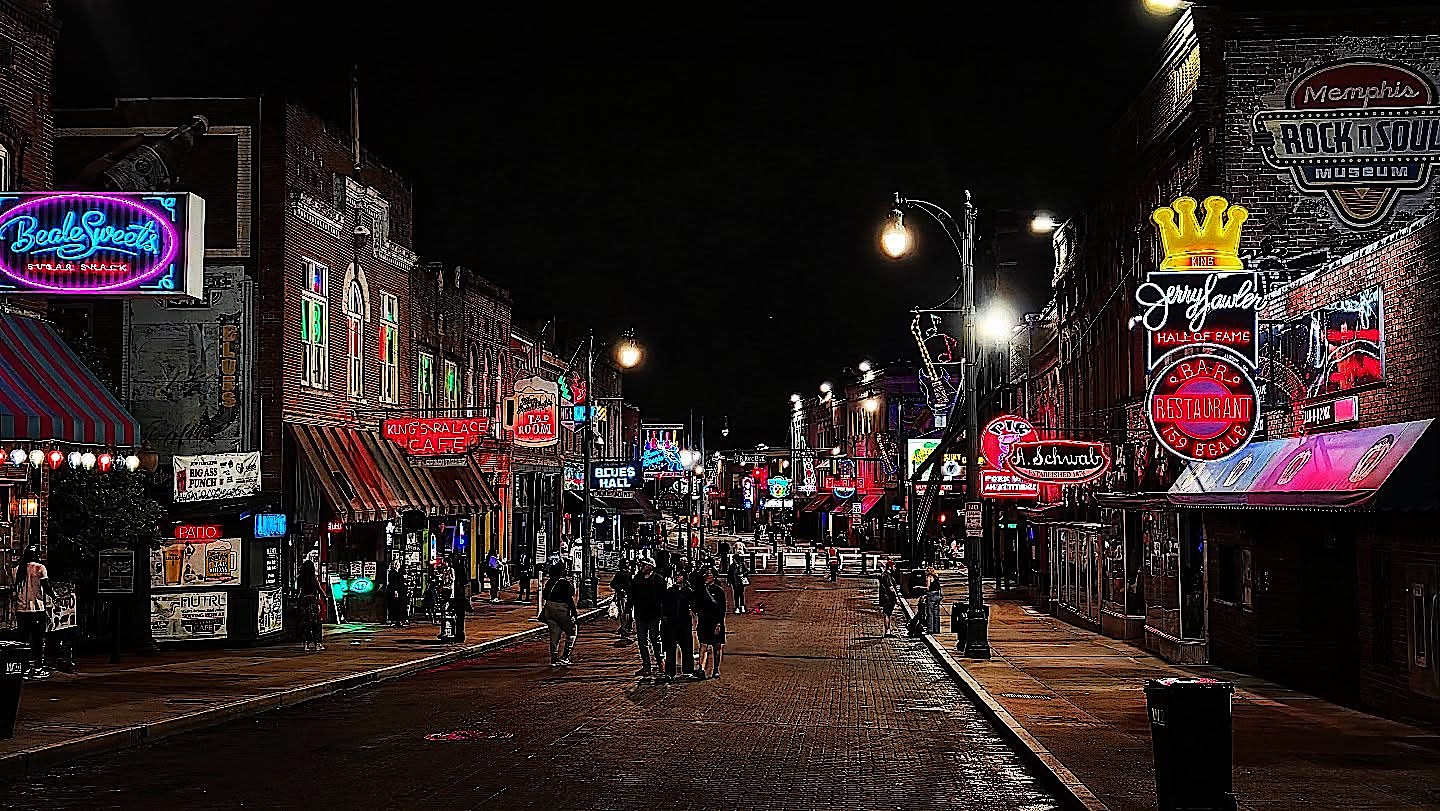
Four more hours of driving took me to Memphis, Tennessee, and of course to Beale Street for dinner, drinks and live blues.
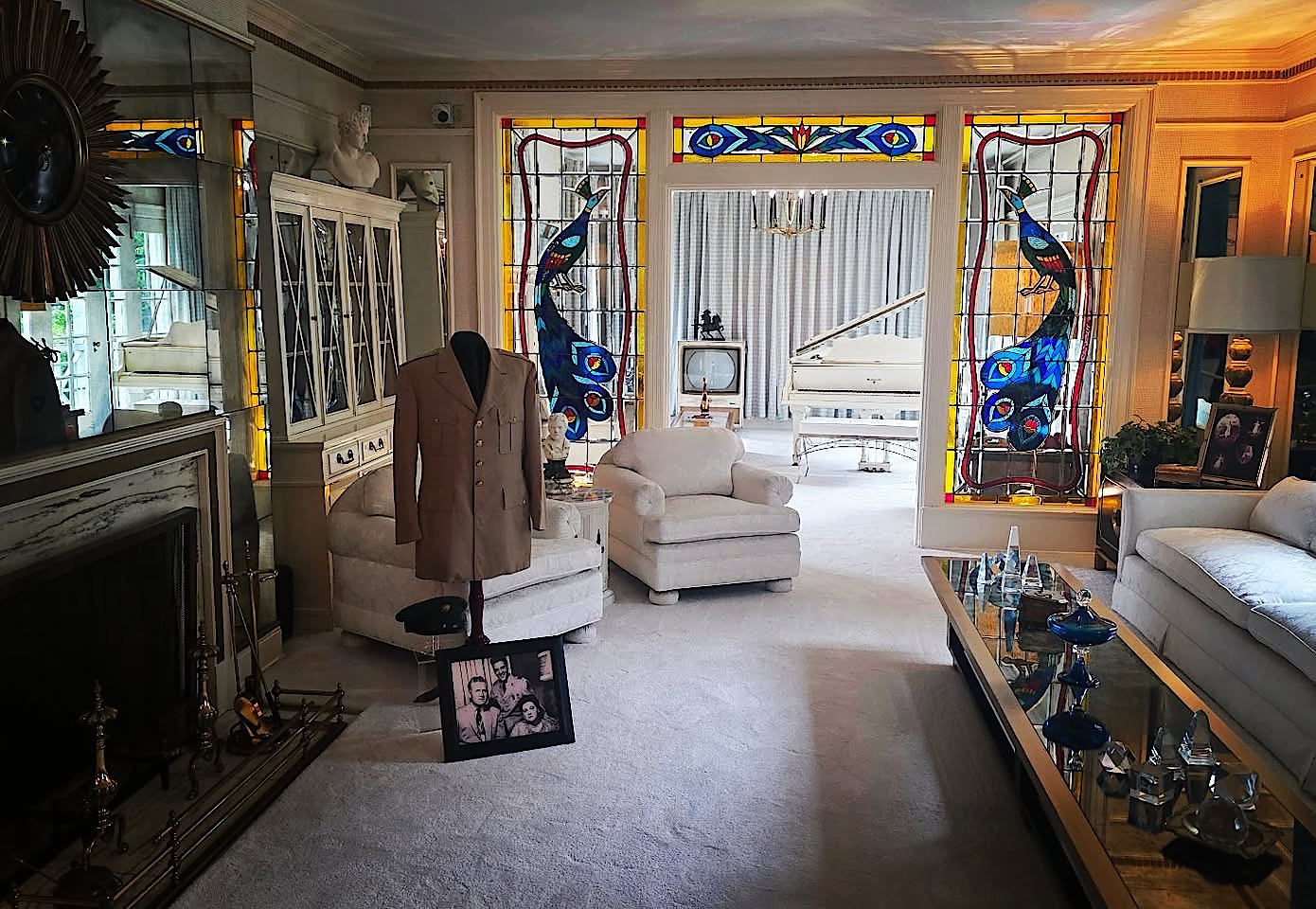
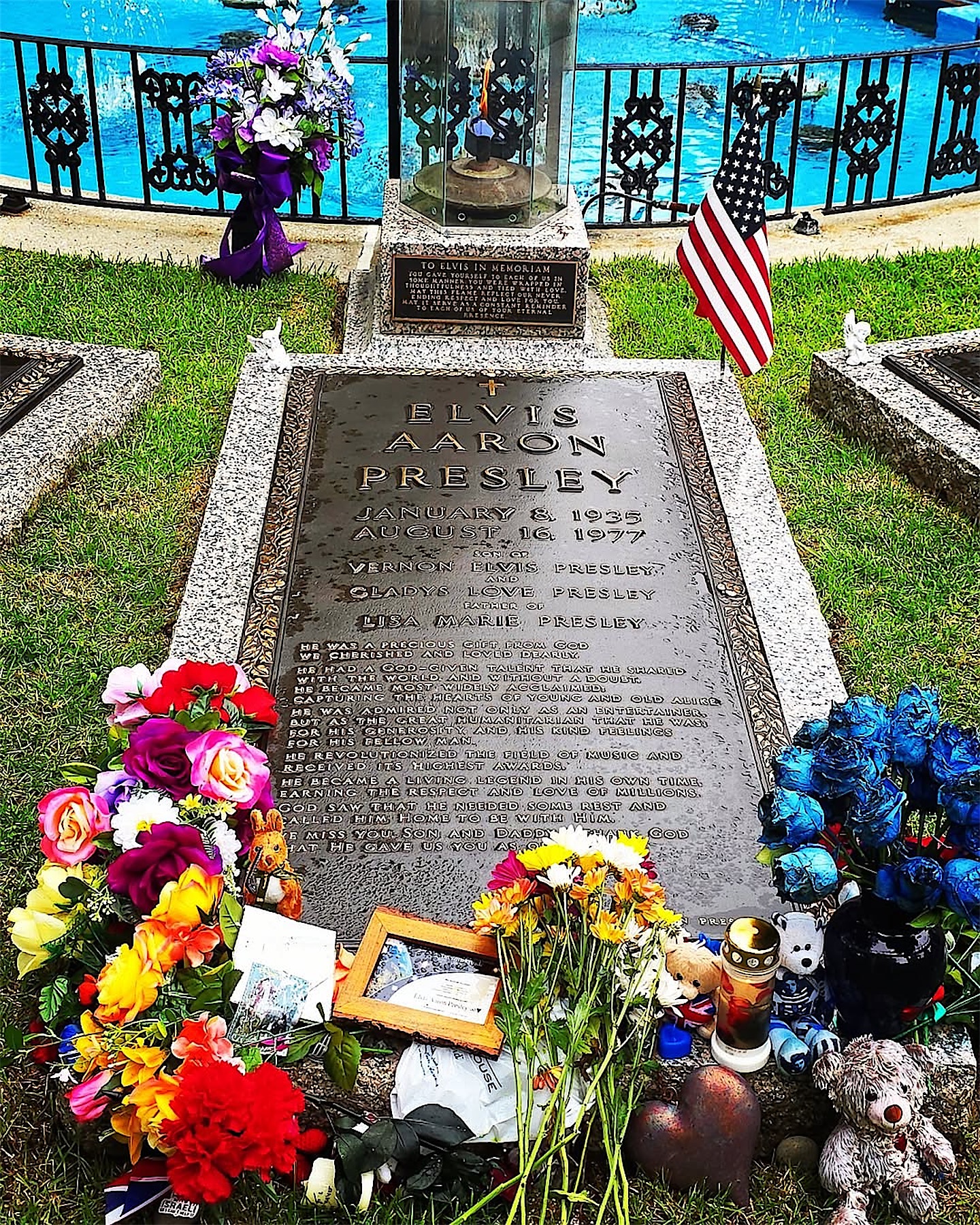
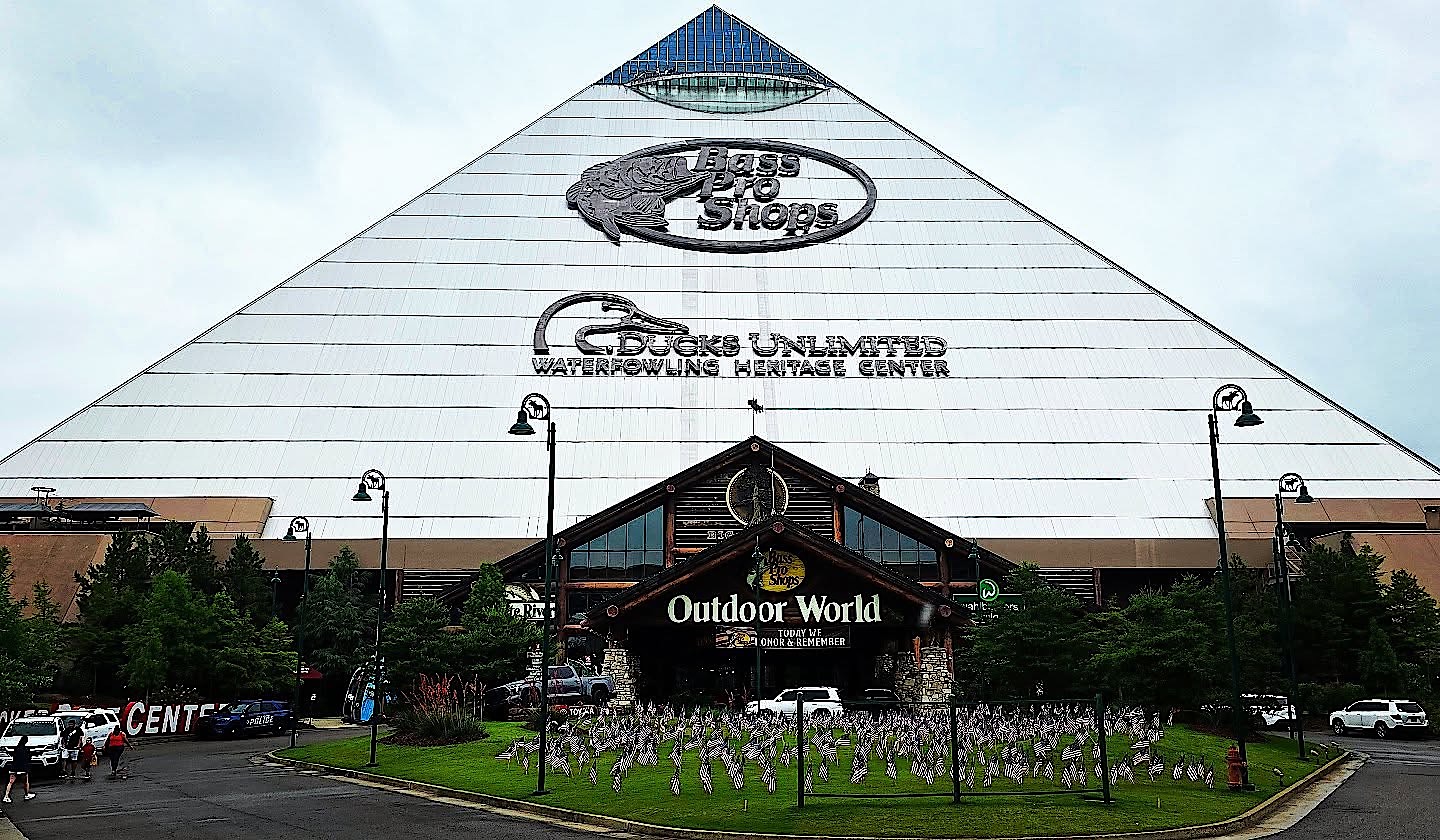
I am not a huge Elvis fan, but Graceland is impossible to skip, and I ended up spending a long time there. Elvis bought the mansion in 1957, aged 22, and it has been open to visitors since 1982. He is buried in its Meditation Garden alongside members of his family. Memphis's other icon is a 32-storey pyramid on the river, a nod to the city's Egyptian namesake, built as an arena and now home to an enormous outdoor store.
It was a rainy day, so I hoped for better weather on the Arkansas side. What followed was a zigzag back and forth across the river that I only fully appreciated afterwards, through Mississippi, Tennessee, Arkansas, Missouri, Kentucky and Illinois: six states in one day, seven if the Kentucky Bend counts on its own.
As a fan of geographical oddities, I had come for the Bend. This loop of land in a meander of the Mississippi belongs to Kentucky but can only be reached by road from Tennessee, with Missouri across the river on every other side, a quirk of early border surveys.
The Trail of Tears, Cahokia and the Gateway Arch
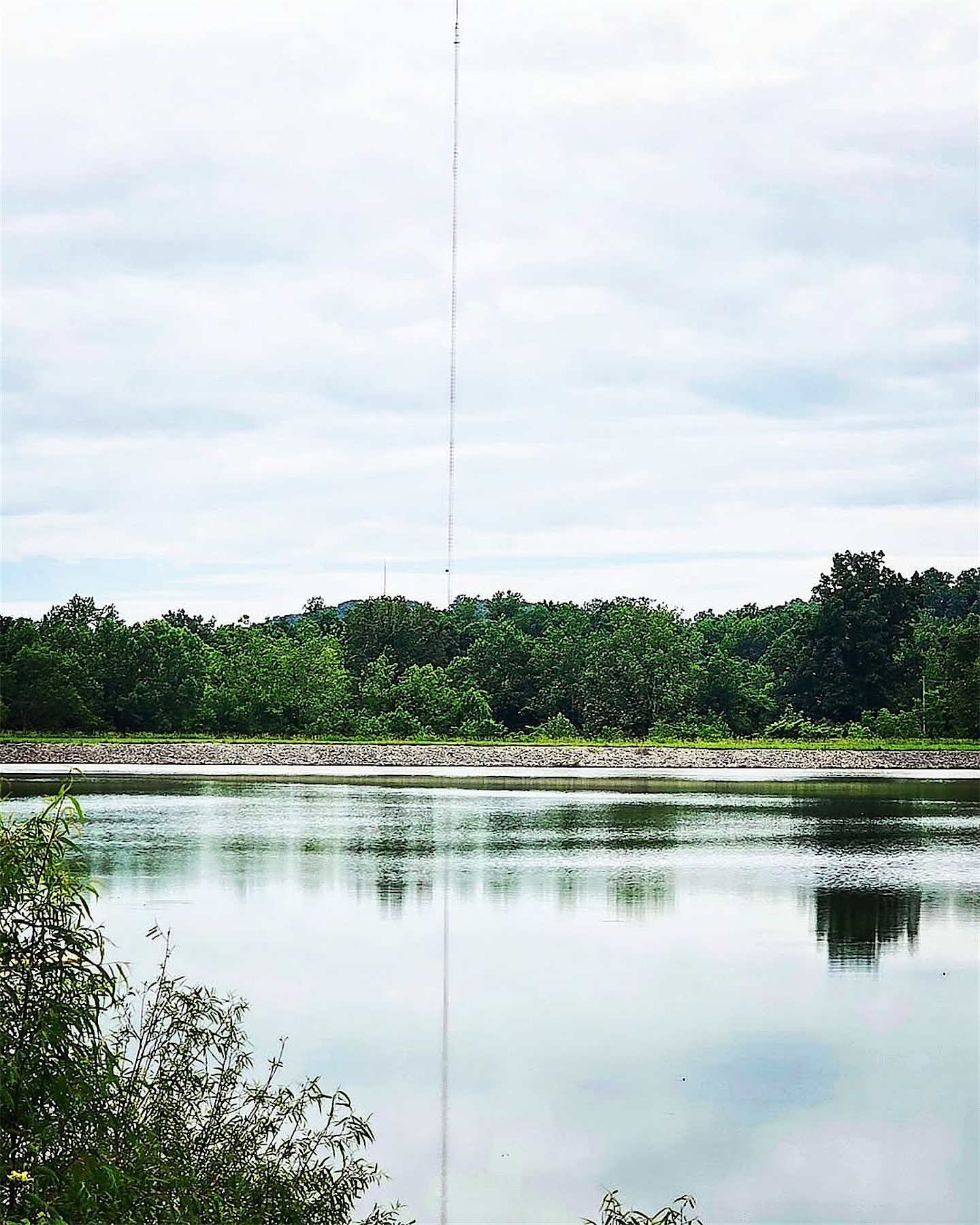
Near Cape Girardeau, Missouri, the KFVS TV mast rises 511 metres above the forest. It was the tallest structure in the world when completed in 1960, though several taller masts in the US have since overtaken it. Close by, the Trail of Tears State Park has splendid views across the Mississippi towards Illinois.
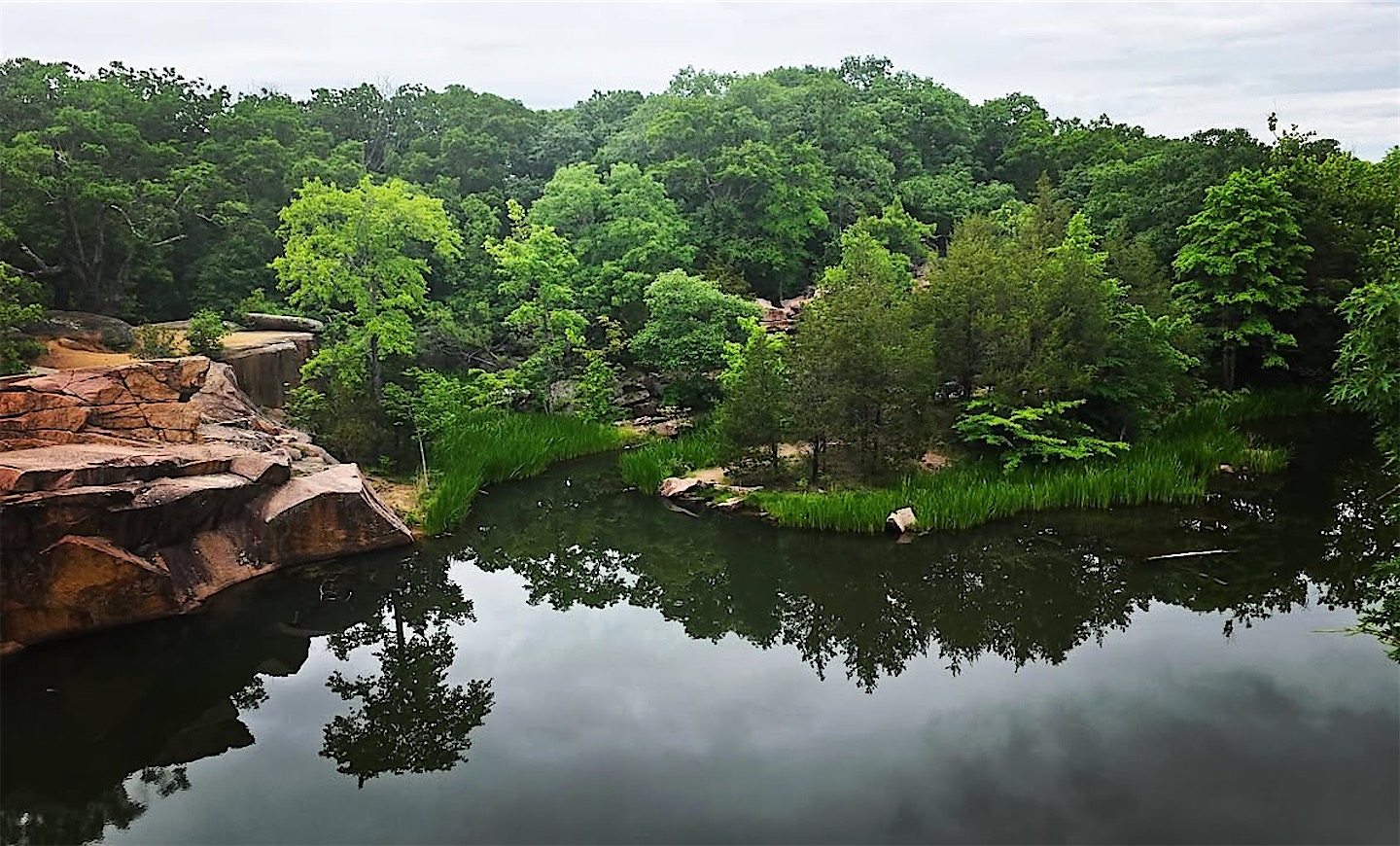
My last full day brought a welcome change of scenery. In the Eastern Ozarks I finally found hills, boulders and quiet water after days of flatness along the river.
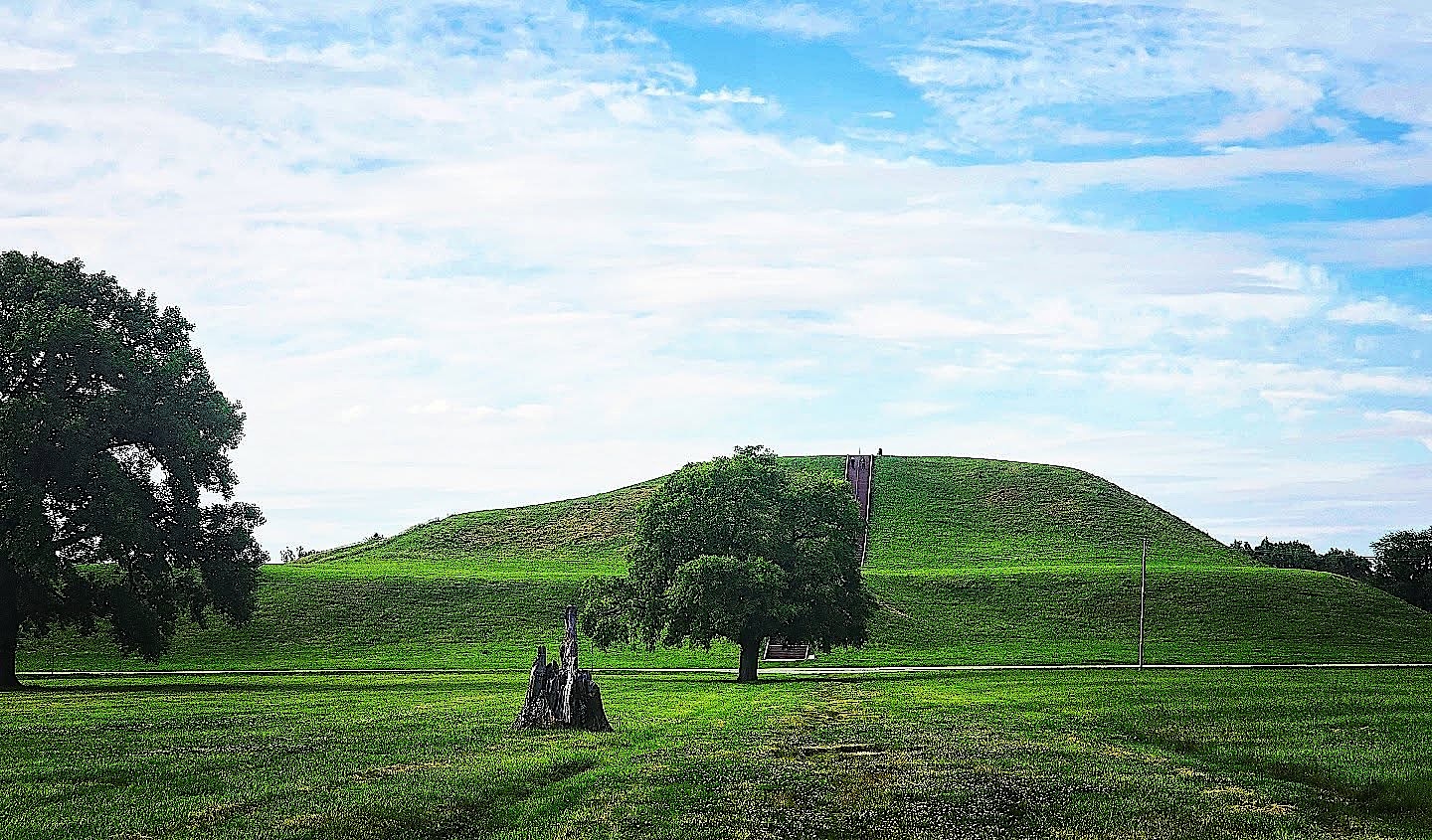
Then I crossed into Illinois to explore Cahokia, where the skyline of St Louis and the Gateway Arch appear on the horizon behind the mounds.
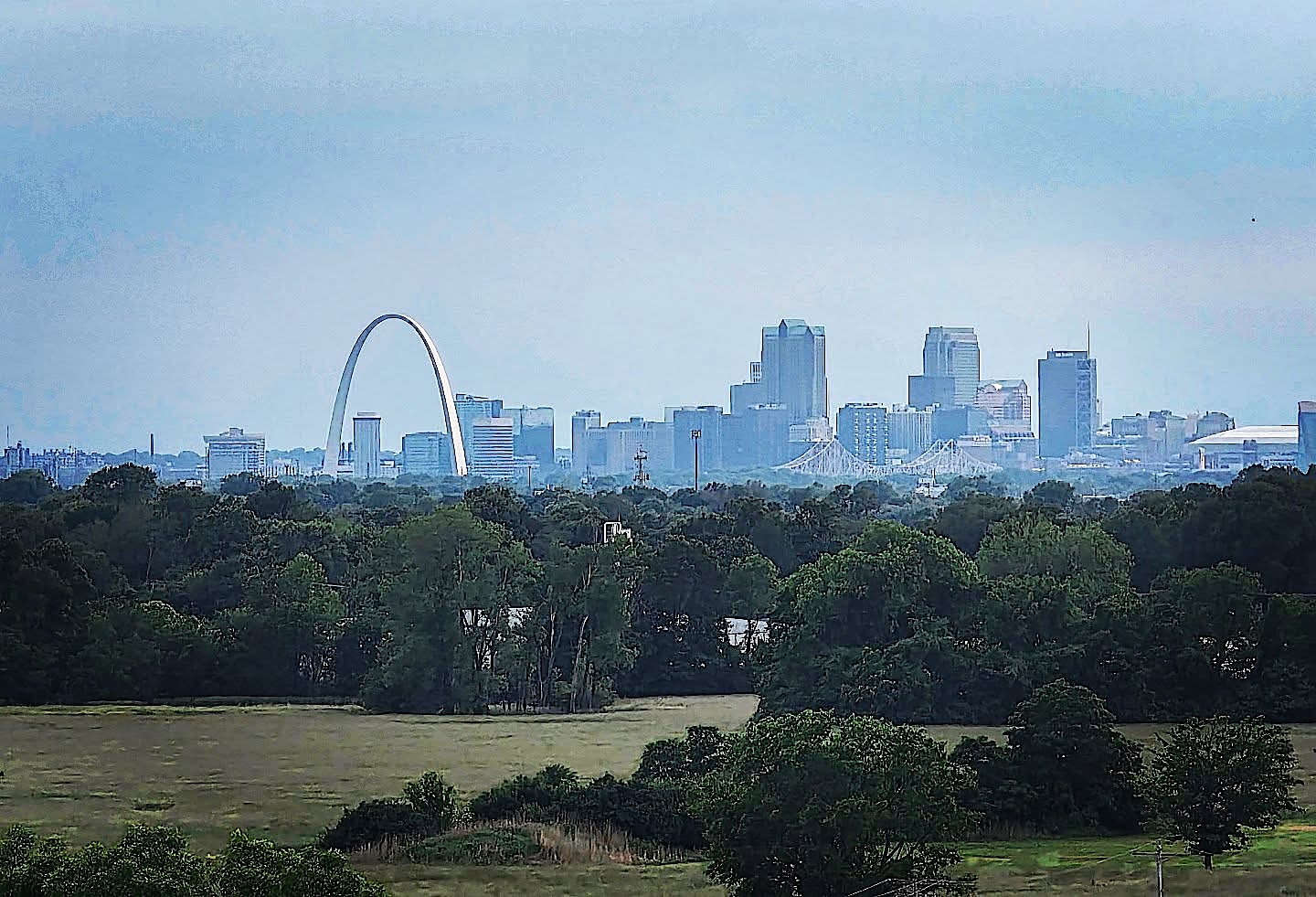
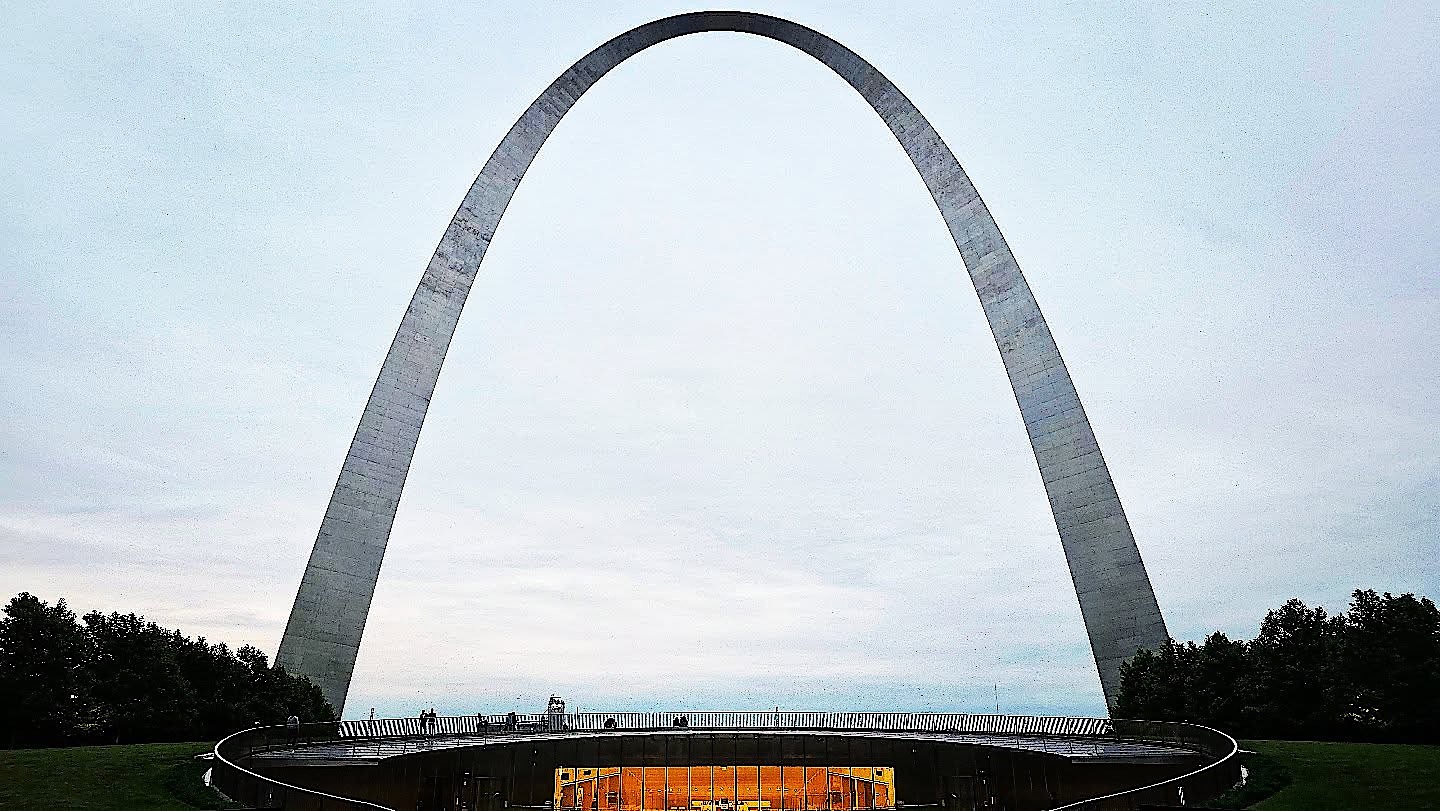
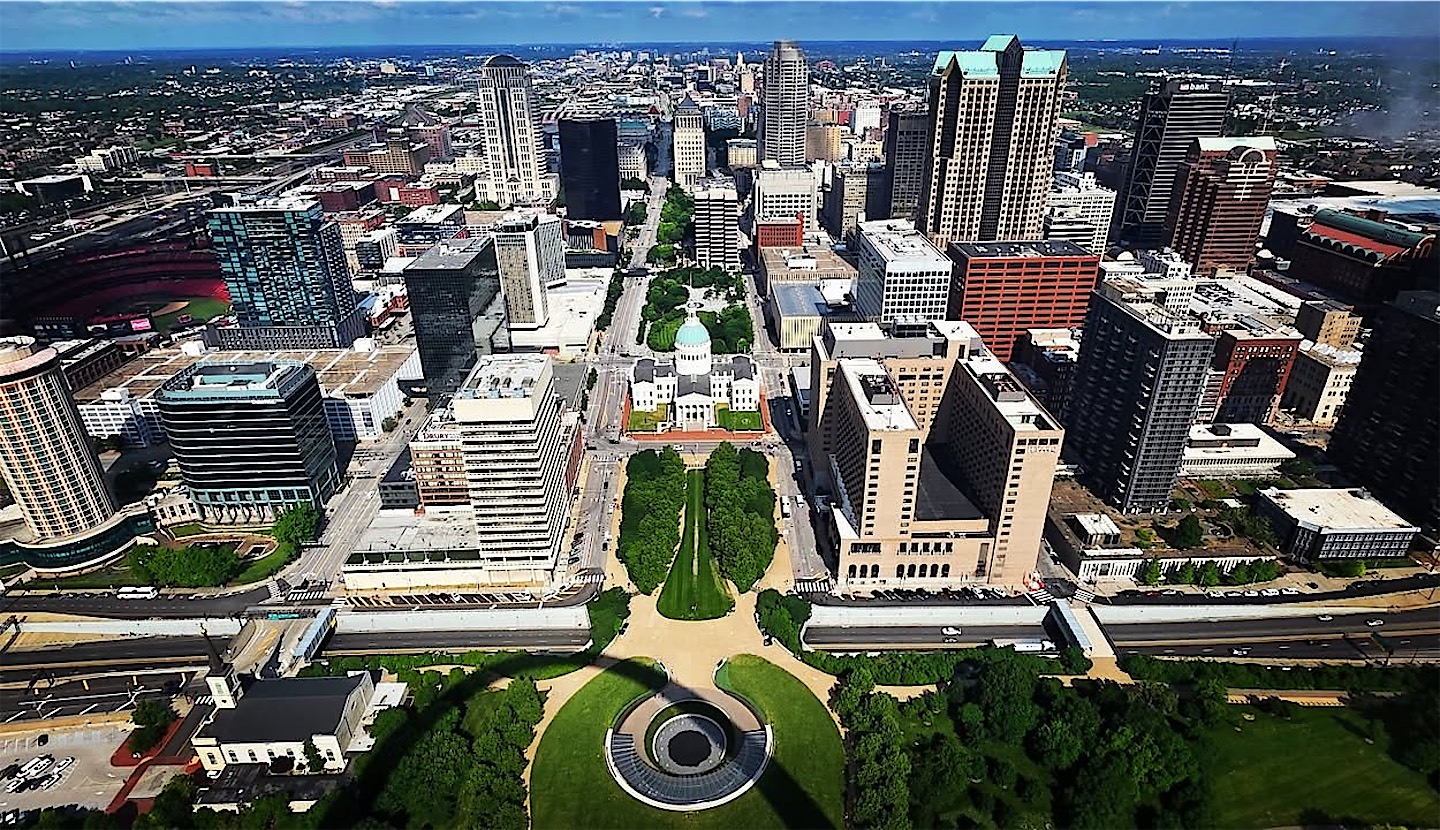
St Louis, the old gateway to the West, was the final stop. Walking around at dusk, I found it pleasant and walkable, much better than its reputation, and the day ended with another delicious steak. The Gateway Arch, completed in 1965, is 192 metres tall and just as wide, the tallest arch in the world. Small tram cars climb inside its legs to the very top, with views over the river, the Old Courthouse and the baseball stadium.
It was a worthwhile end to a short road trip. I would have liked to explore further, but commitments in Europe were waiting. On the way out I finally experienced Southwest's famous open seating, then used a four-hour layover in Boston for dinner with my brother and the best steak of the whole trip. An overnight flight took me back to Europe for a four-day seminar in Switzerland, followed by the next road trip: from the Swiss Alps to Marseille.