
Three Months in Vienna: Weekend Trips to Bratislava, Budapest, Eisenstadt and the Wachau
late February – early June 2013 · Vienna, Hainburg, Bratislava, Budapest, Eisenstadt, Melk, Dürnstein · Regions: Austria, Slovakia, Hungary
After my winter exams in Konstanz I moved to Vienna in late February 2013 for three months. I had come for an internship at a think tank, and the city suited me well: Vienna is the birthplace of the Austrian School of Economics, the school of thought that has shaped my own views so much. Austria itself was not new to me. It was the third country I ever visited, as a small child in 1994. But living there was something else, and Vienna turned out to be the perfect base for a corner of Europe I barely knew.
Two foreign capitals were within easy reach. Bratislava lies just down the Danube, and Budapest is a little under three hours further east by train. By the middle of May, Slovakia and Hungary had become numbers 24 and 25 on my list of territories.
Living next to the Stadthalle
My flat was right next to the Wiener Stadthalle, the big concert and event arena in the west of the city. I learned what that means one day, when masses of screaming girls were already heading there first thing in the morning. Winter also held on longer than I had expected. Long after I had given up on seeing any more snow, a snowstorm swept through Vienna.
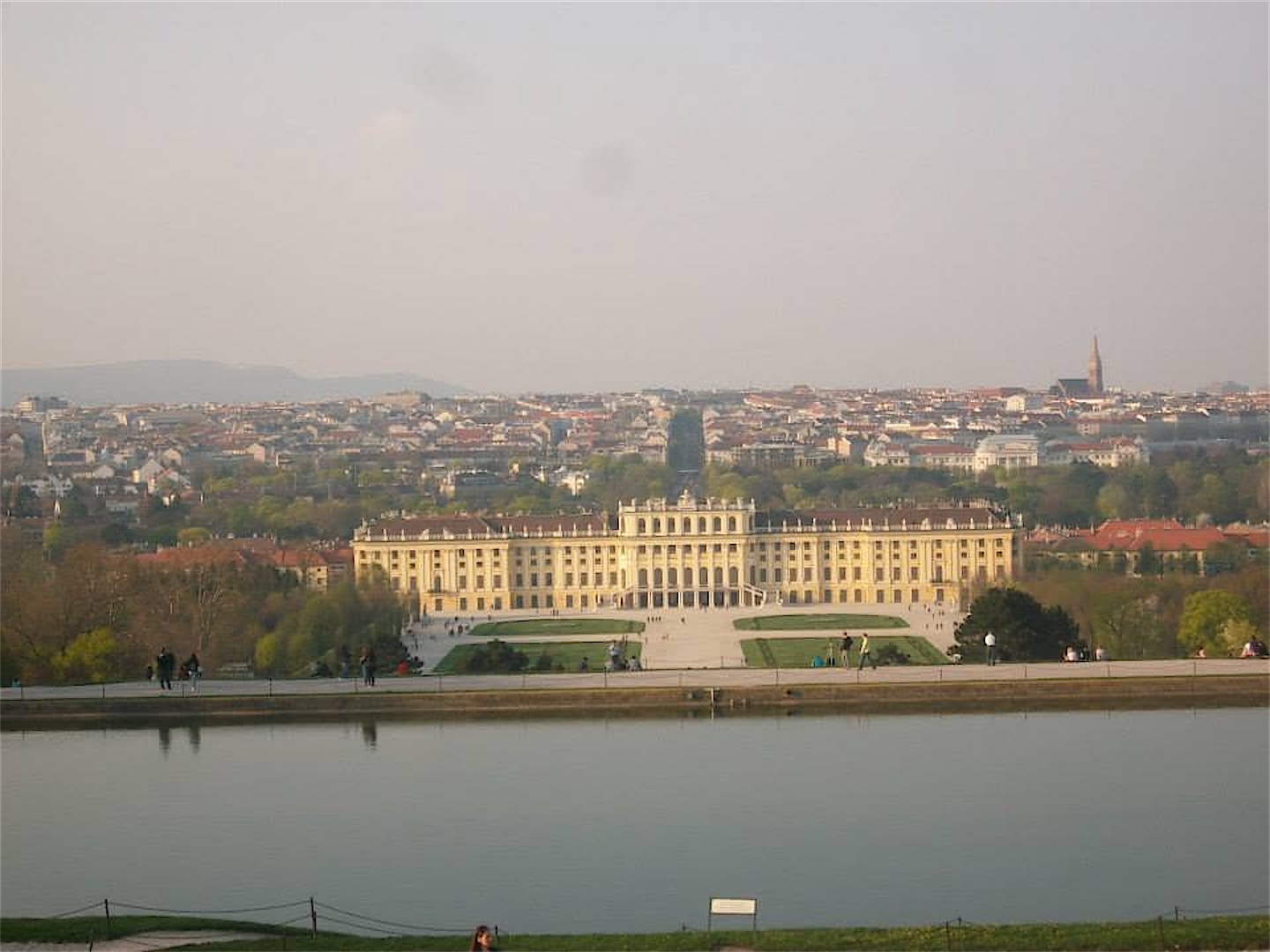
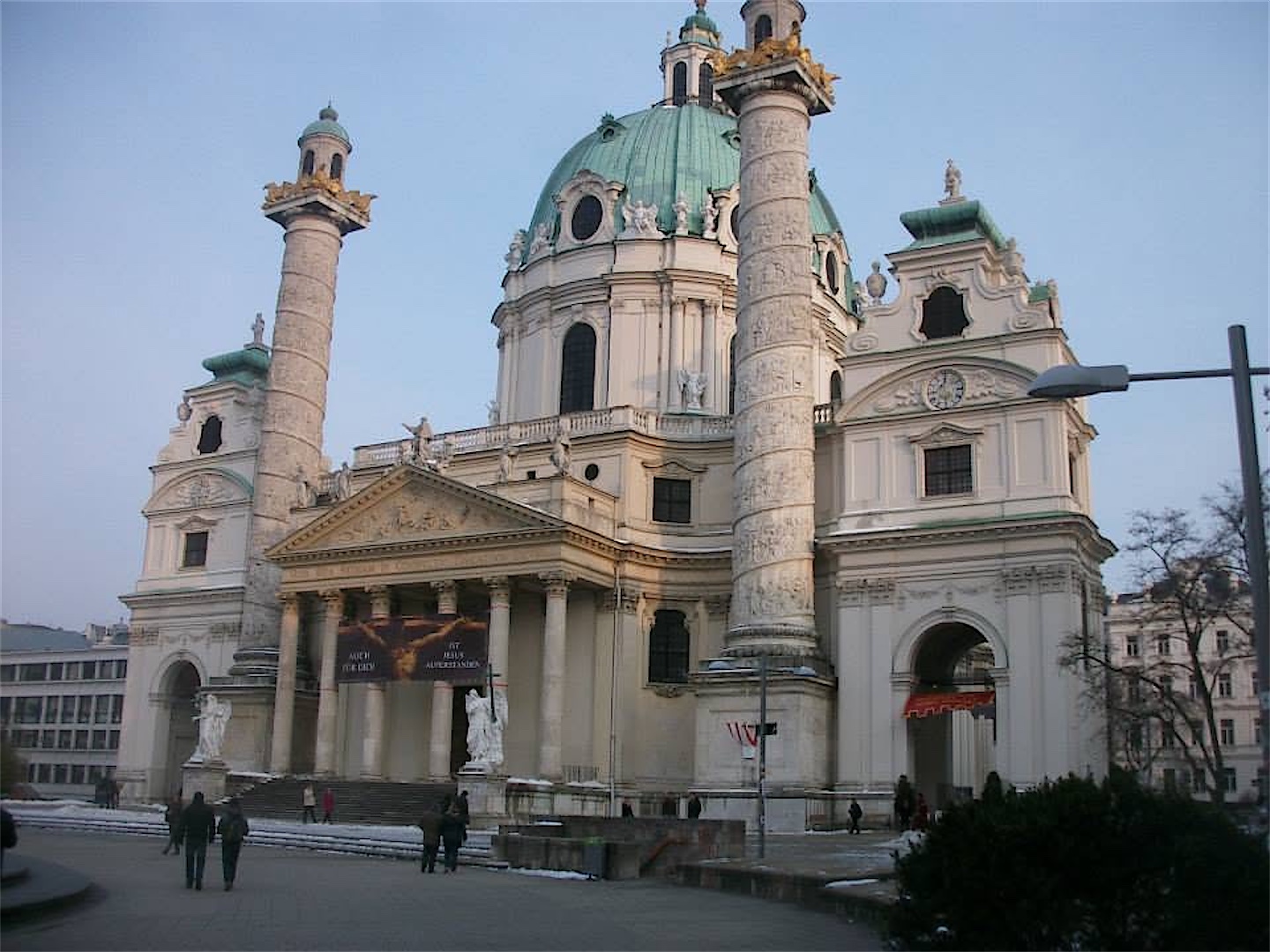
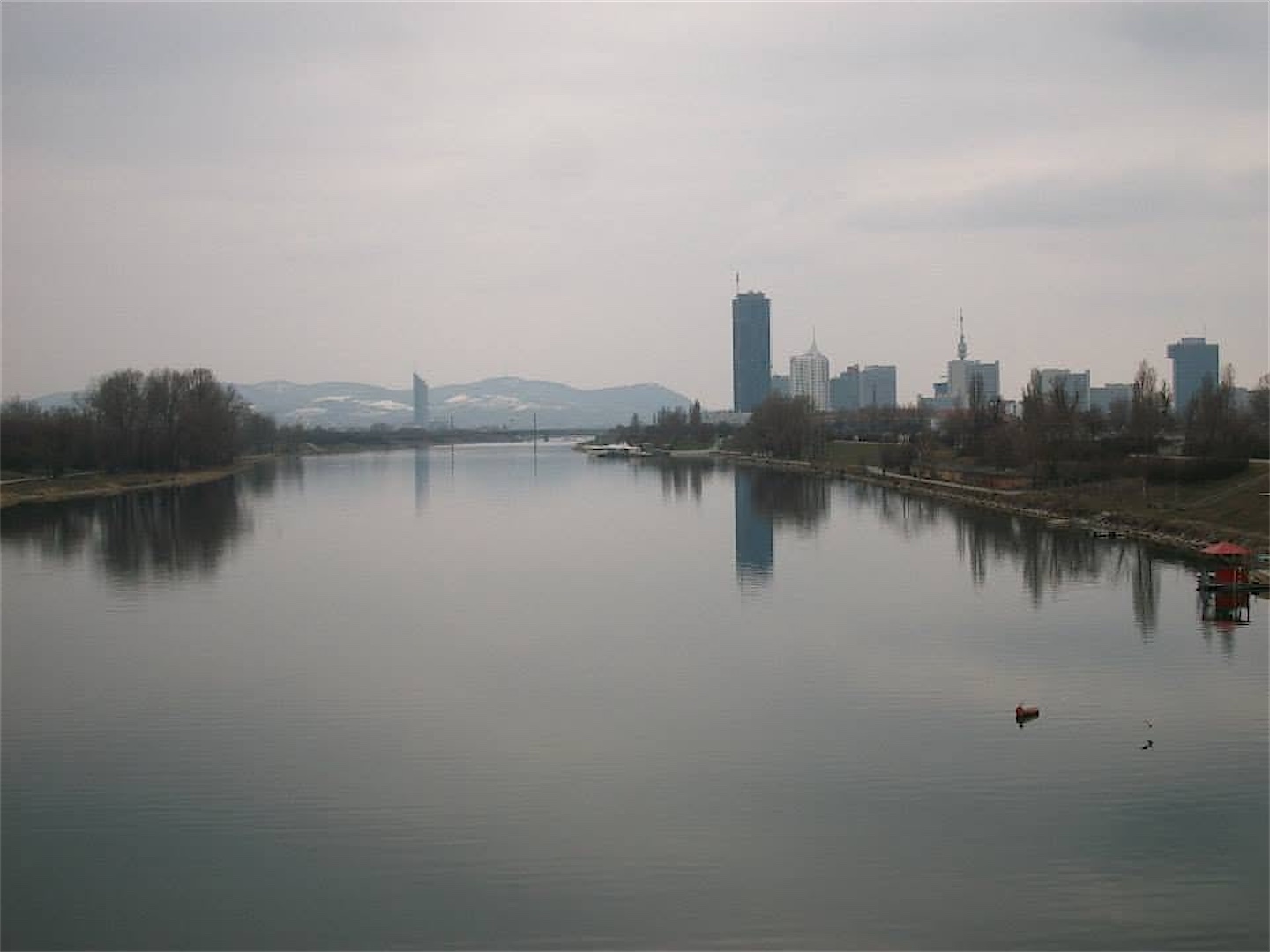
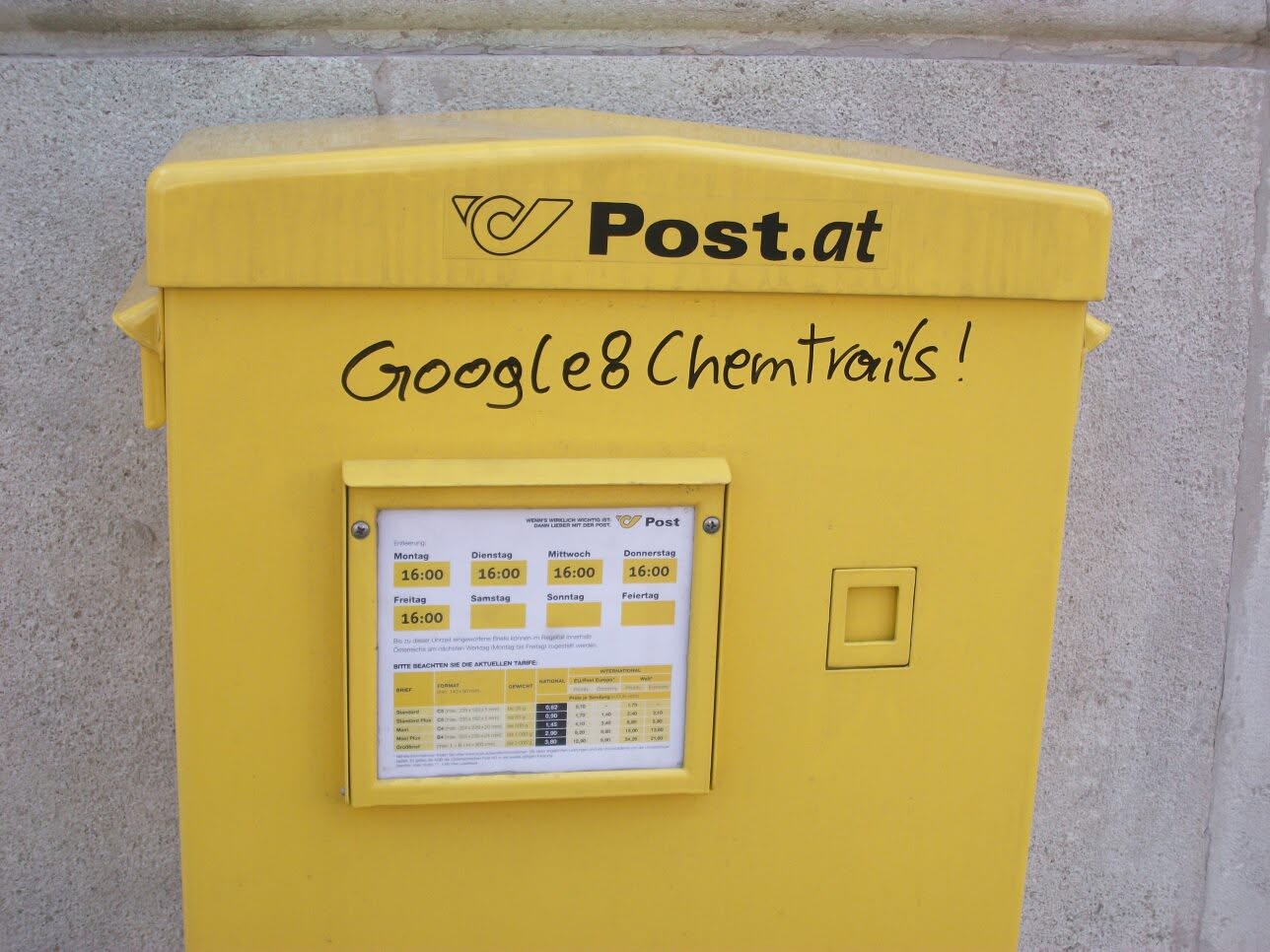
Between working days I explored the city: the baroque Karlskirche, the view from the Gloriette across Schönbrunn, and the New Danube with the towers of Donau City beside the UN headquarters. It also turned out that conspiracy theorists were following me even in Austria. Someone had scrawled "Google Chemtrails!" on a yellow Austrian postbox.
Bratislava: a castle above the concrete
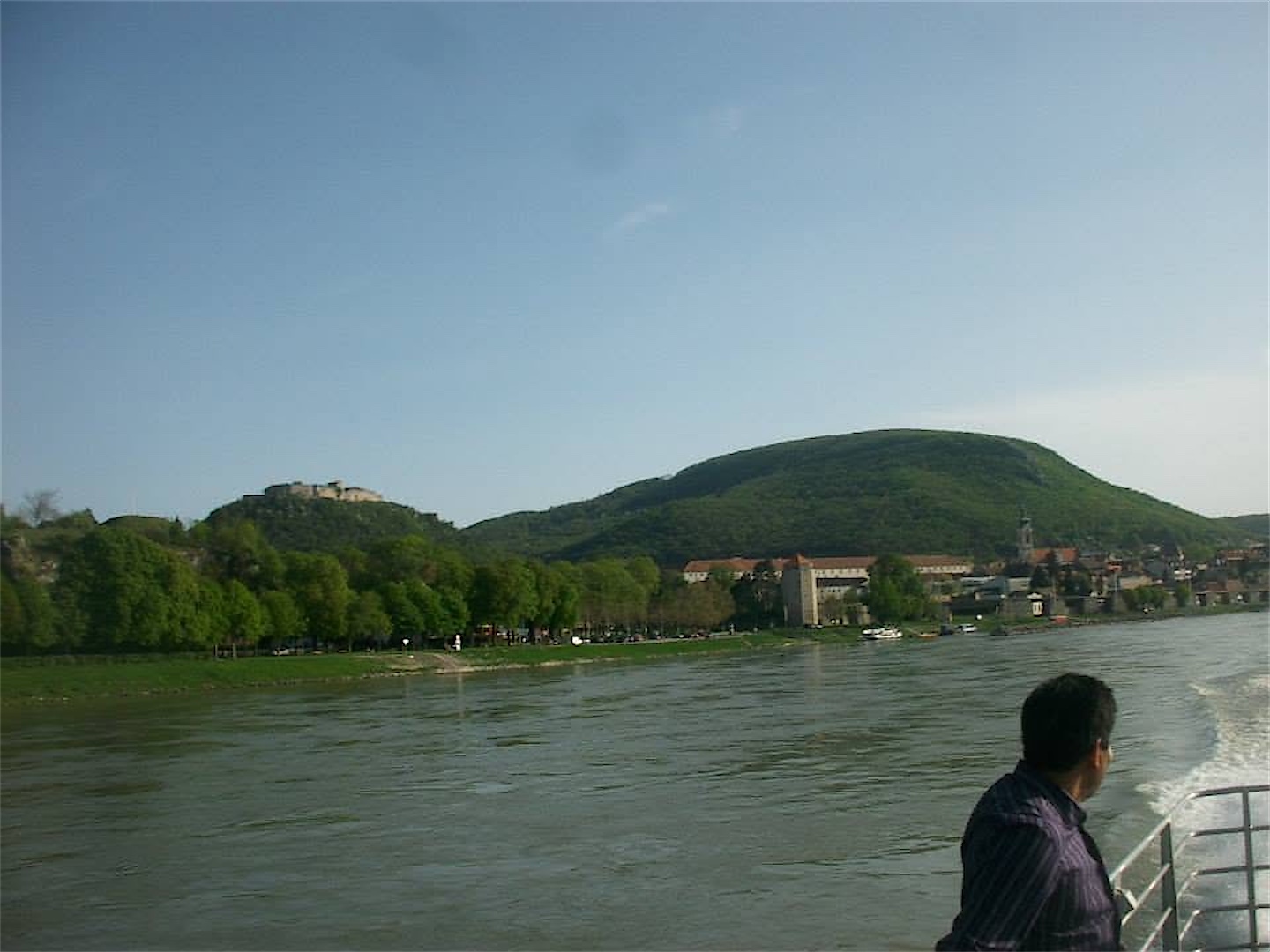
On 27 April I went to Bratislava. The Danube links the two capitals, and the last Austrian town on the river is Hainburg, with the ruins of its castle on the hill above the old town walls. A few kilometres later the river becomes the border.
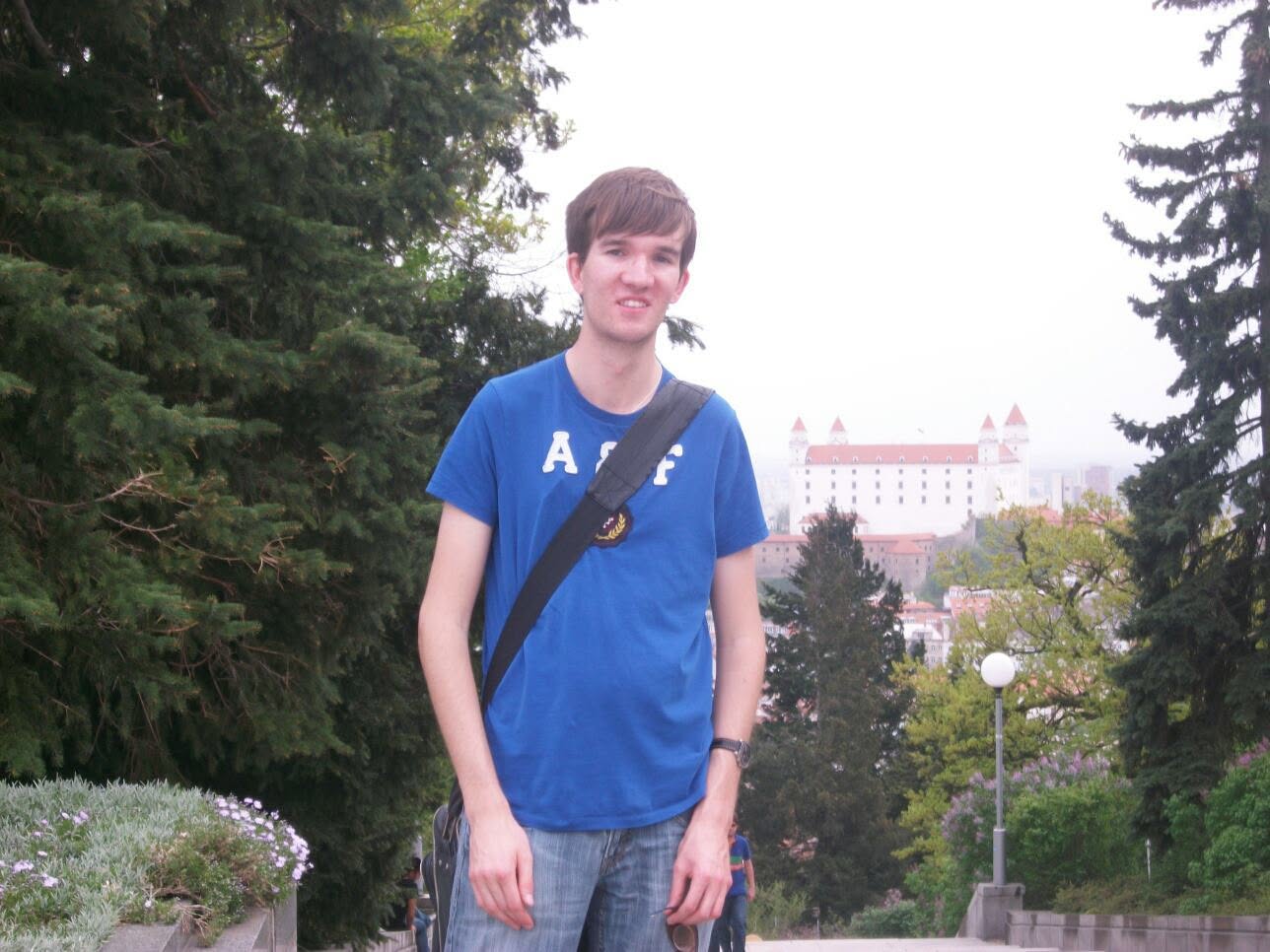
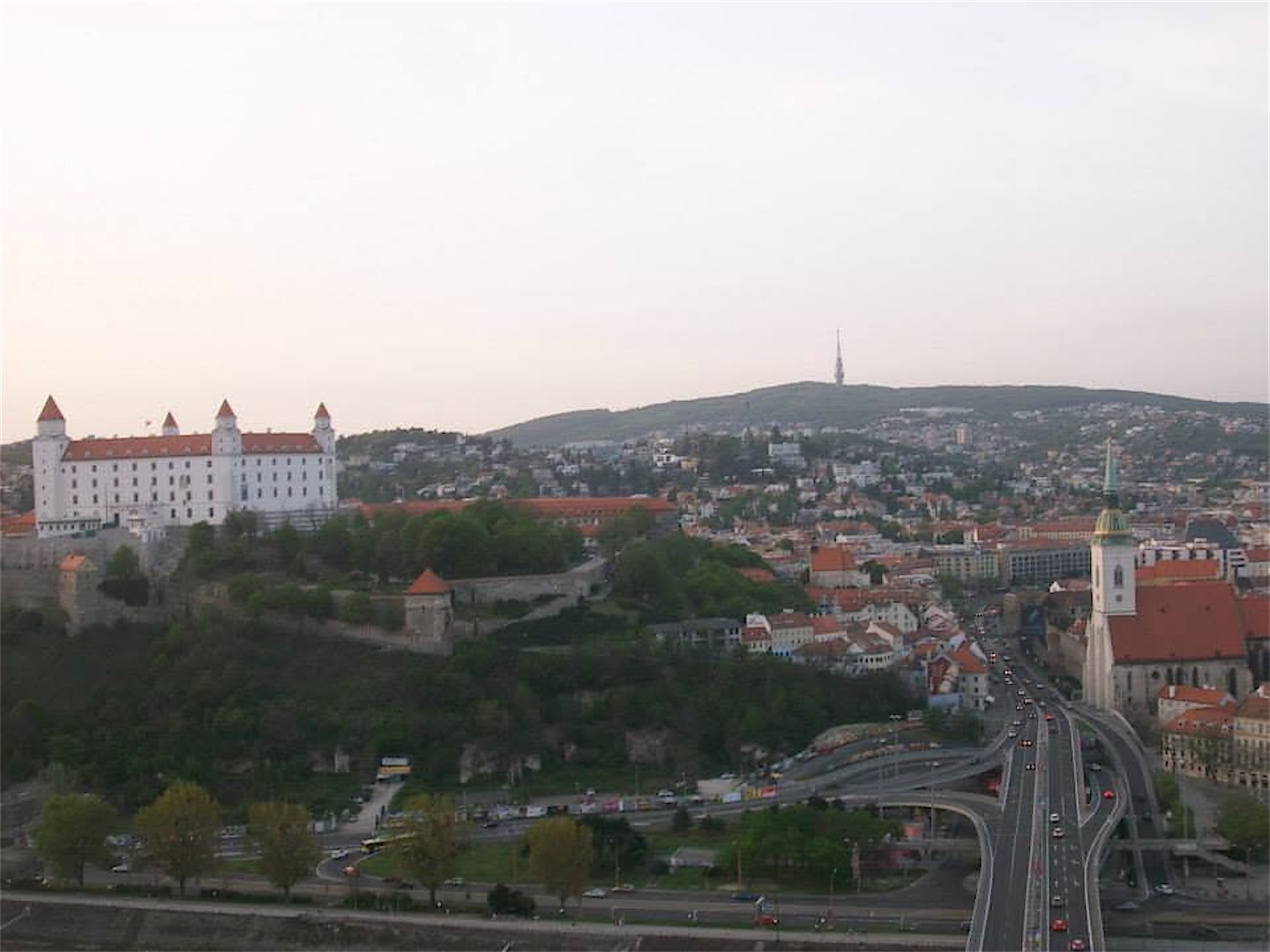
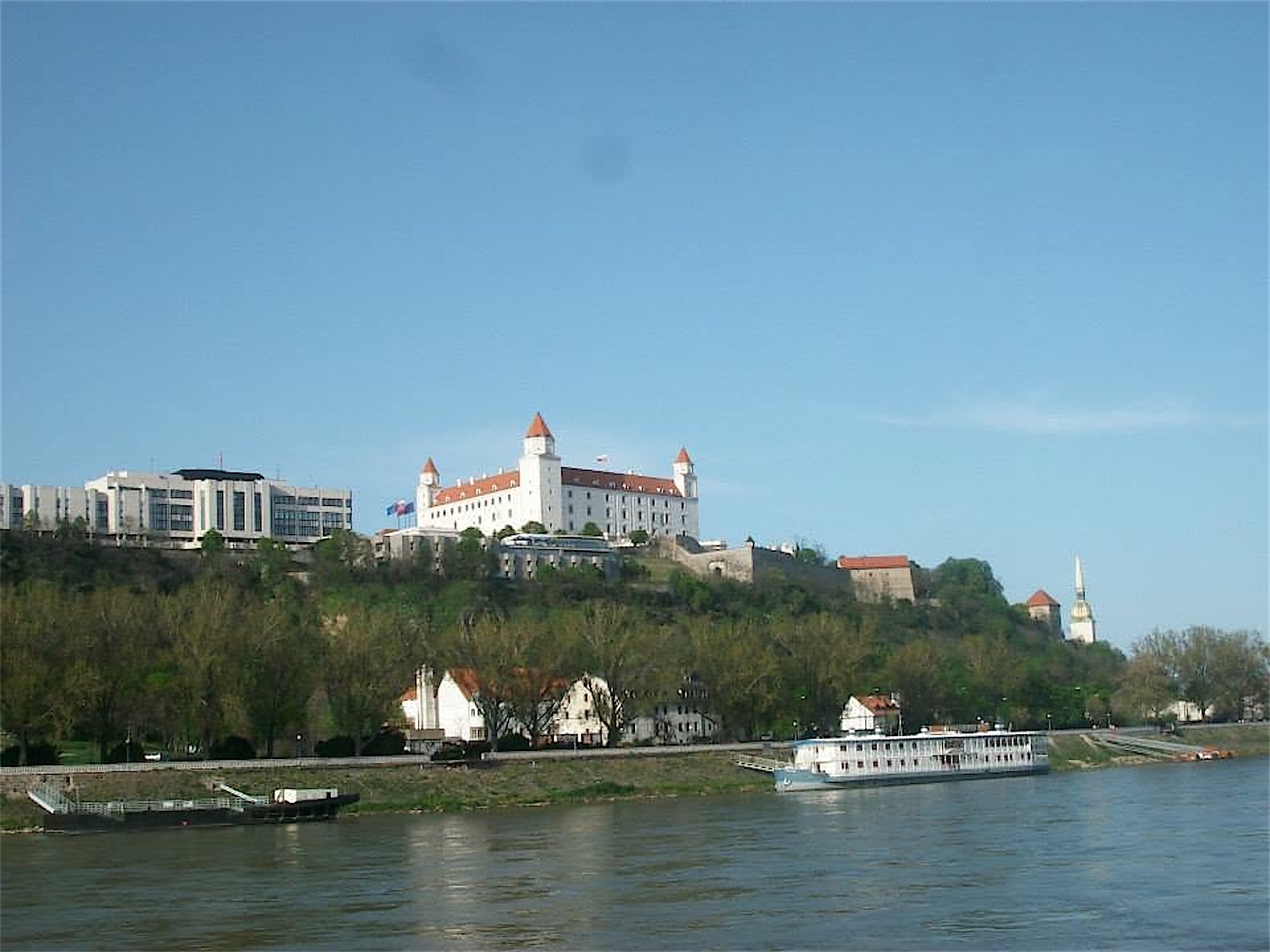
Bratislava Castle is the city's landmark, a white block with four corner towers on a hill above the river, and it makes a fine sight. The rest of the city was another matter. Looking at it, I was seized by a huge anger at Marxists of all kinds. The communist planners of the 1970s ran a motorway bridge straight past St Martin's Cathedral, tearing down a large part of the old town beneath the castle, including the old Jewish quarter. Across the river they built Petržalka, one of the largest prefabricated housing estates in Central Europe.
The bridge at least has one advantage. On top of its pylon sits the UFO, a saucer-shaped restaurant and viewing deck, and from up there the castle, the cathedral and the green hills behind the city fit into one picture.
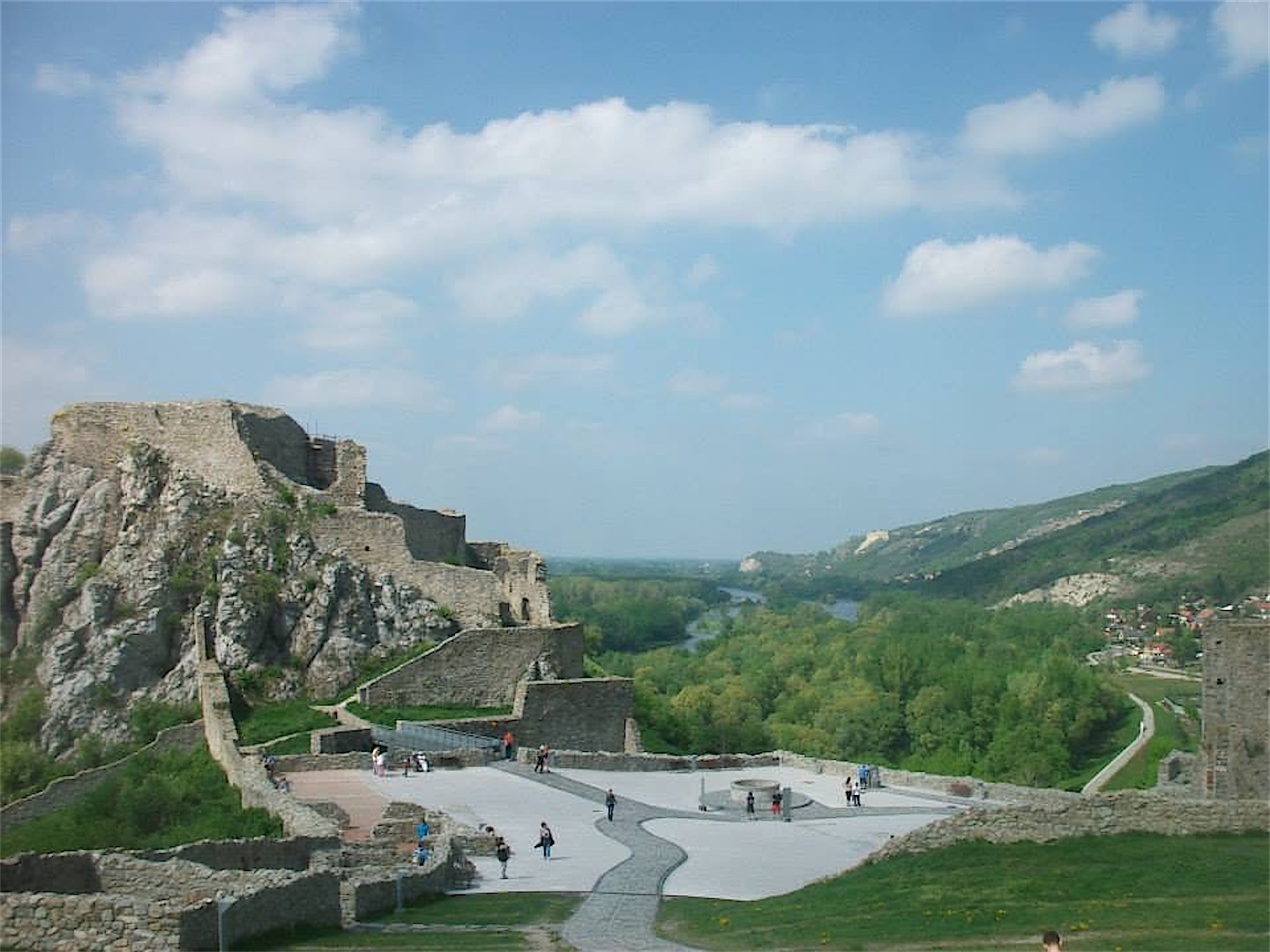
I also made it out to Devín, on the western edge of the city. Its castle ruins sit on a rock where the Morava flows into the Danube, right on the Austrian border. Napoleon's troops blew the castle up in 1809, and during the Cold War the Iron Curtain ran along the riverbanks below.
Budapest: Gellért Hill and two thermal baths
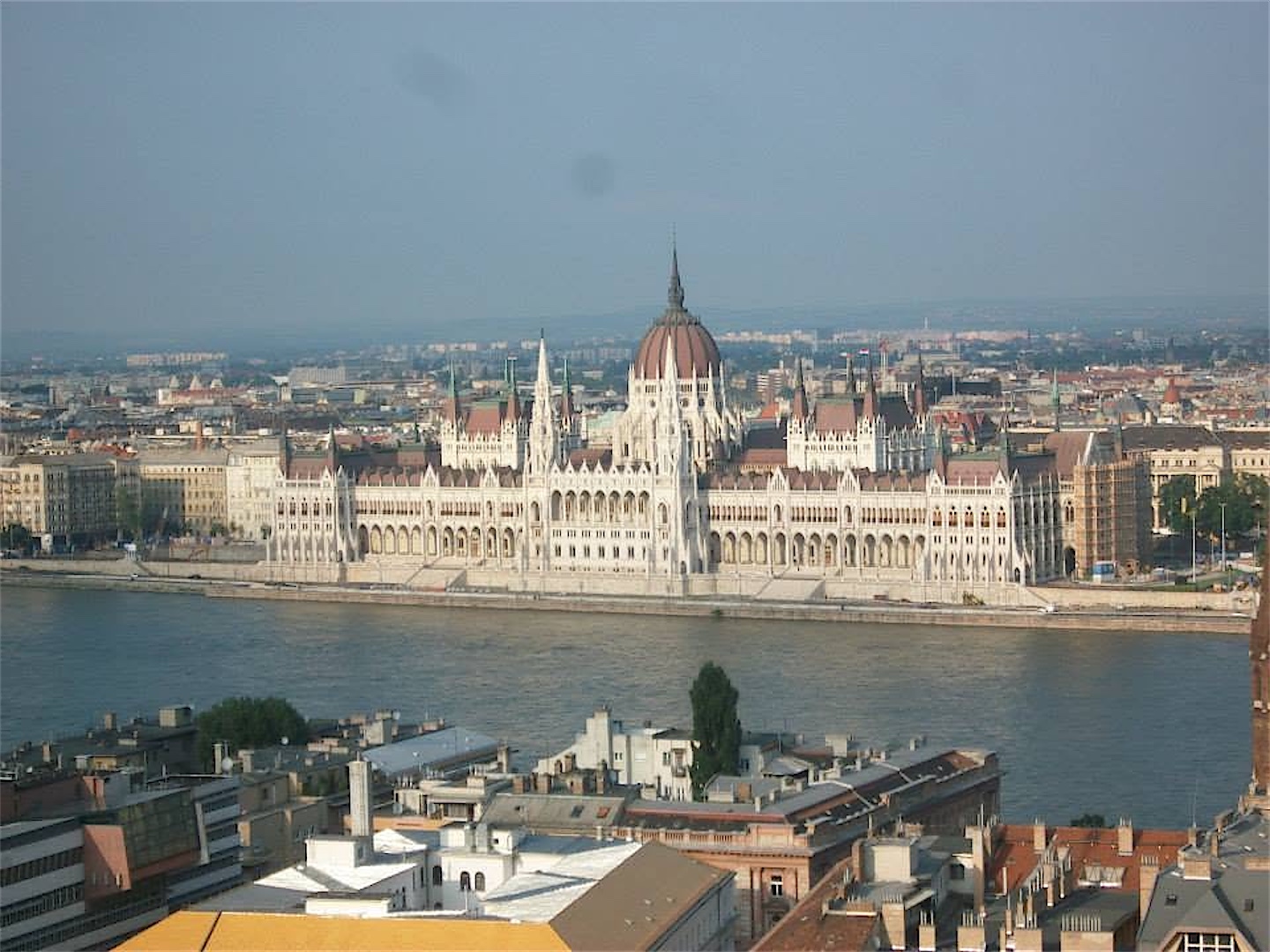
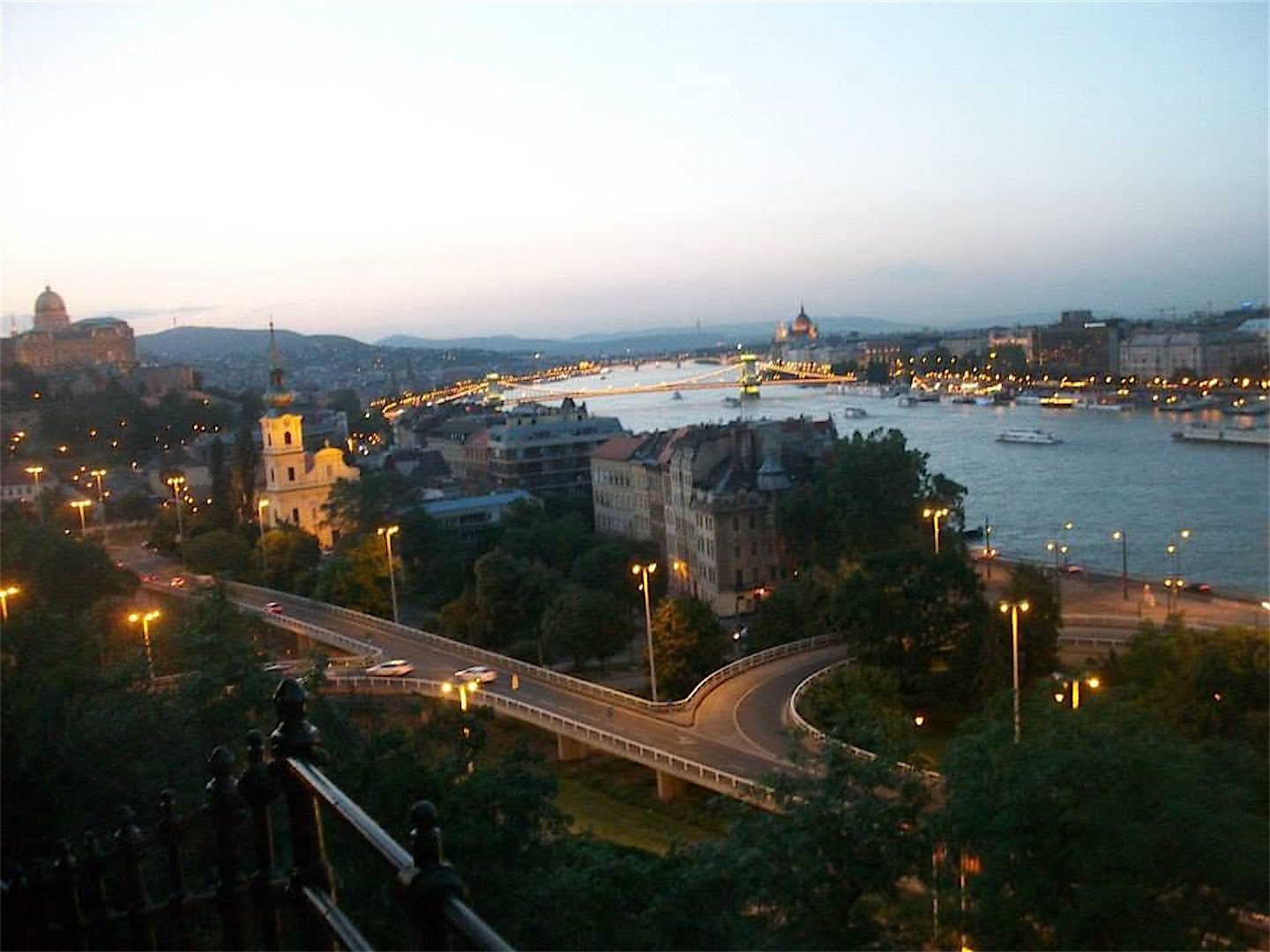
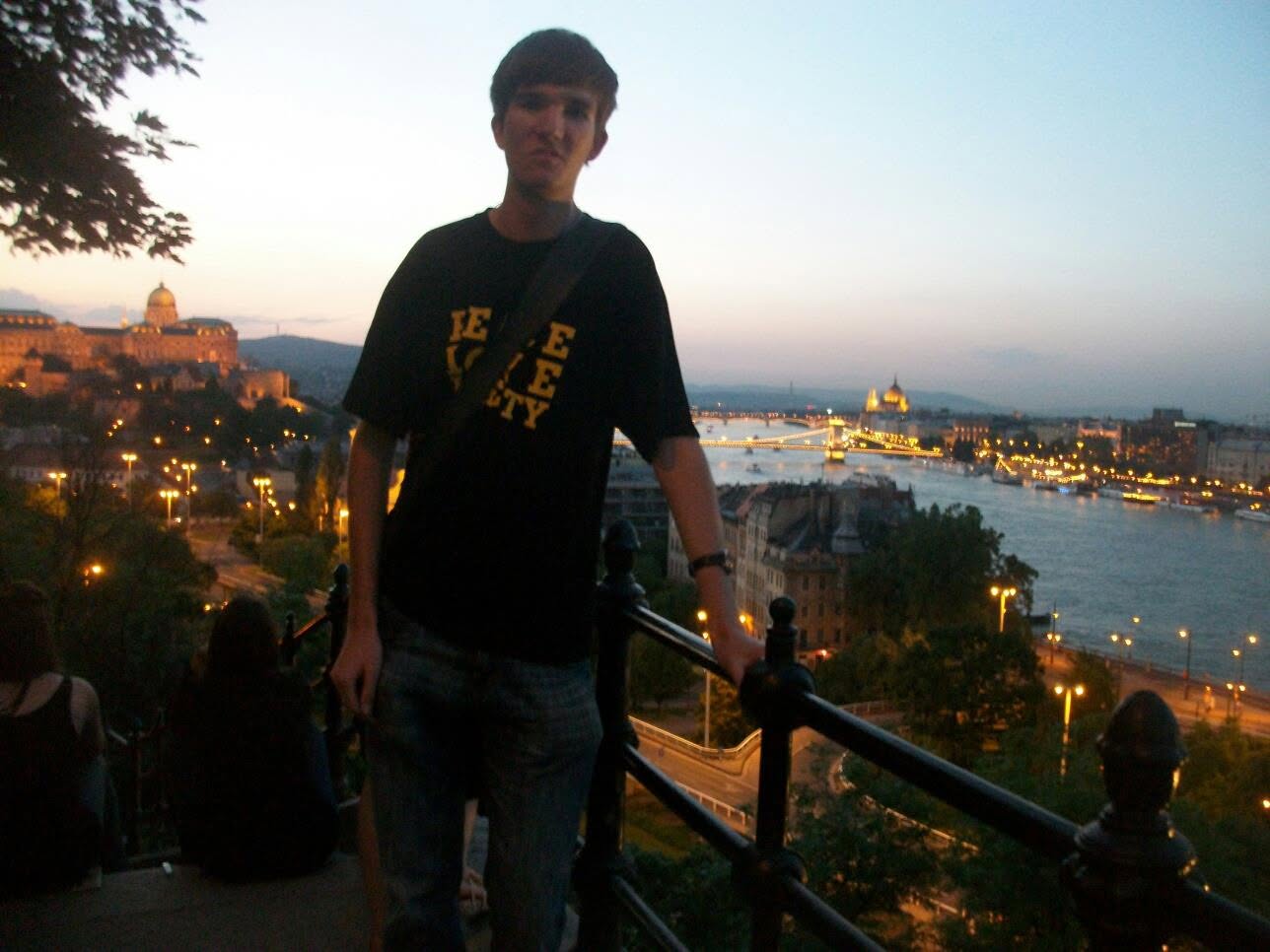
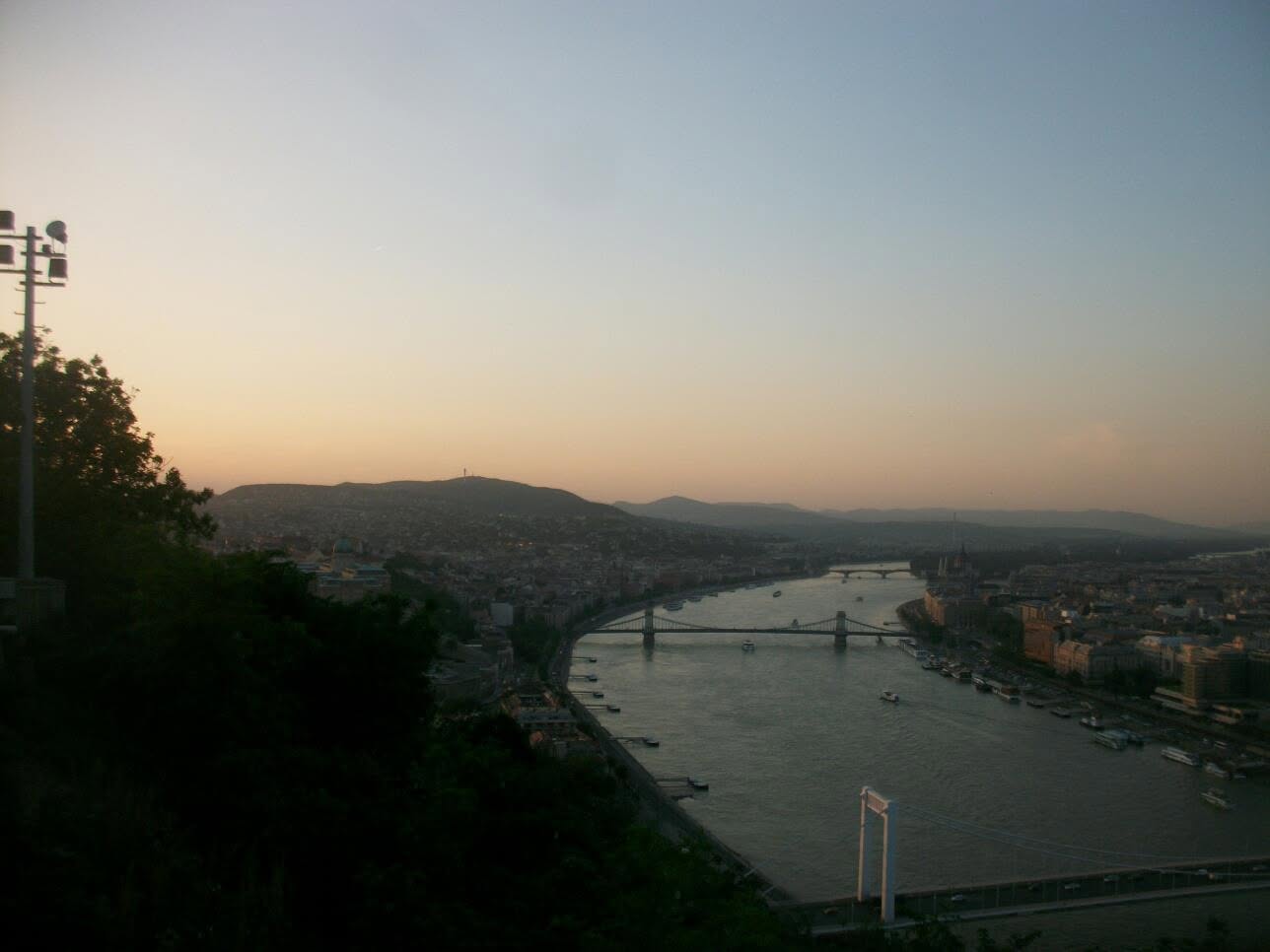
Two weeks later, on the second weekend of May, I travelled to Budapest, and I liked it from the first evening. At dusk I stood on Gellért Hill and looked across the river: the Royal Palace on Castle Hill to the left, the Chain Bridge in the middle and the Parliament glowing in the distance. That view alone was worth the visit.
By daylight the Parliament looked just as impressive from the Buda bank, a neo-Gothic giant stretched out along the river.
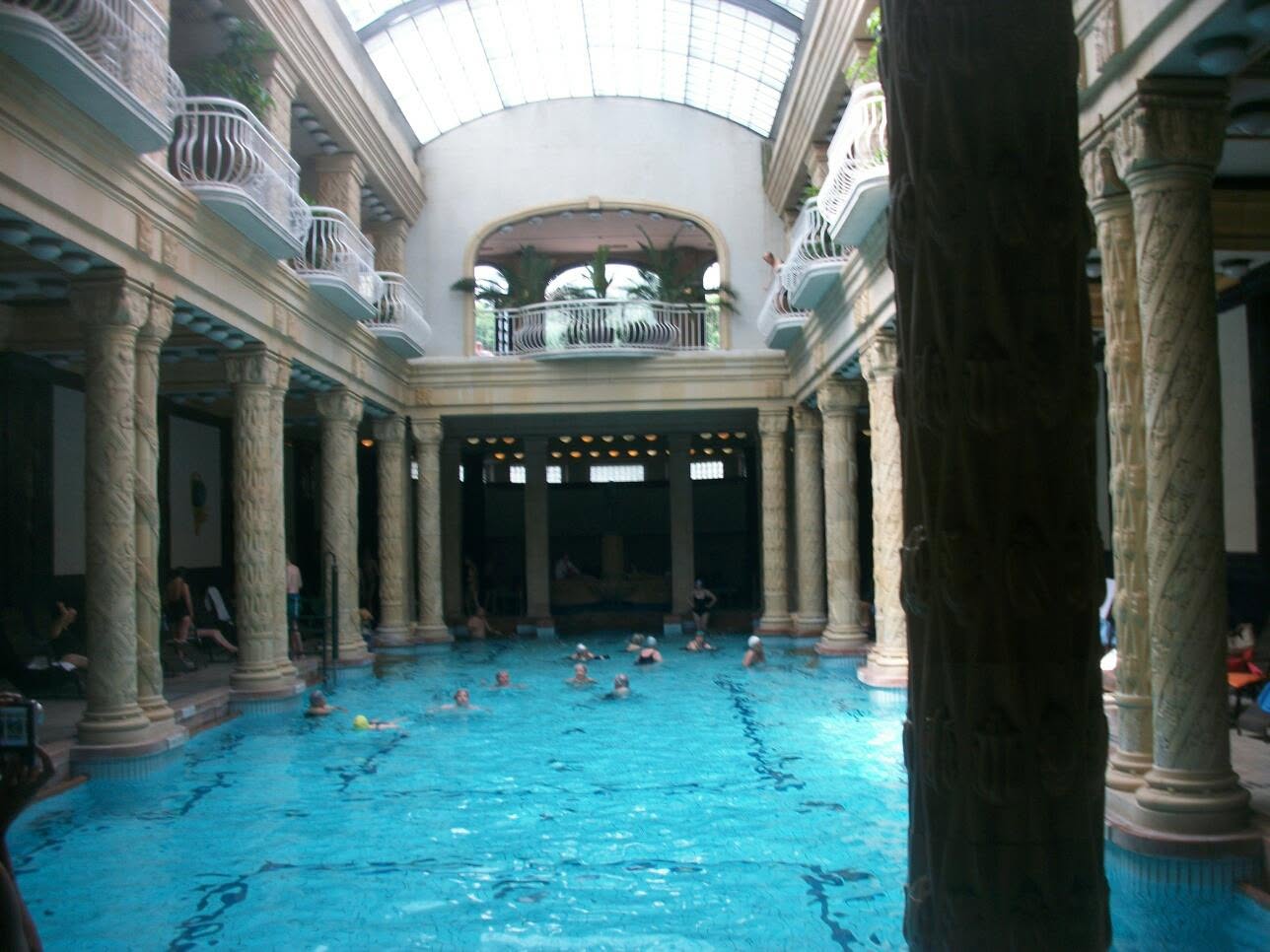
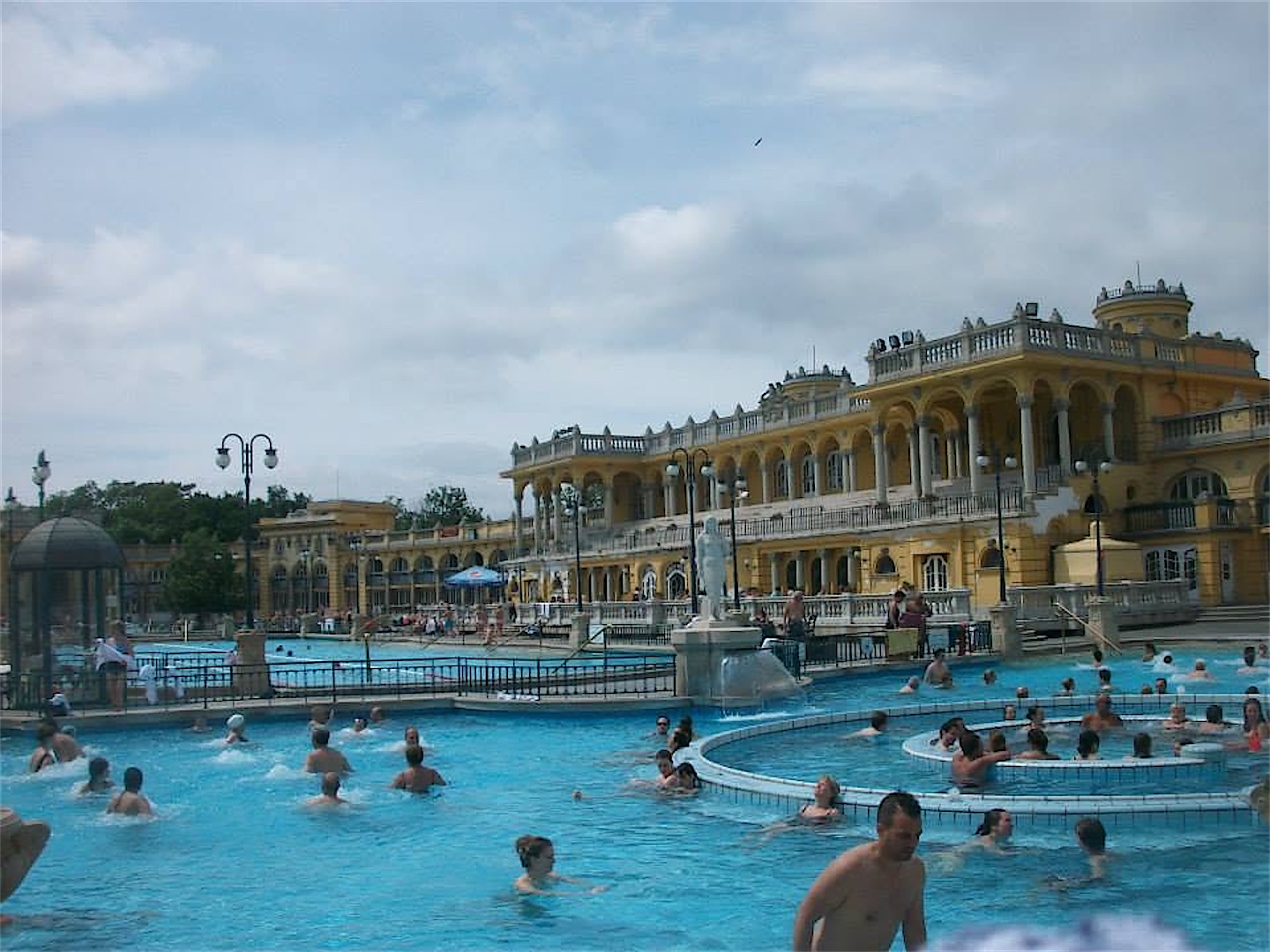
Then I did what everyone should do in Budapest and went to the baths. The Gellért Spa, with its columned indoor pool, is one of the most elegant. I was still disappointed afterwards not to have met a single ERGO insurance agent there. German readers will remember why: in 2011 it came out that one of the group's sales companies had rewarded its best agents with a rather notorious party in these very baths. The Széchenyi Baths in City Park are the opposite in style, a huge yellow neo-baroque palace with big outdoor pools.
Closer to Vienna: Eisenstadt and the Wachau
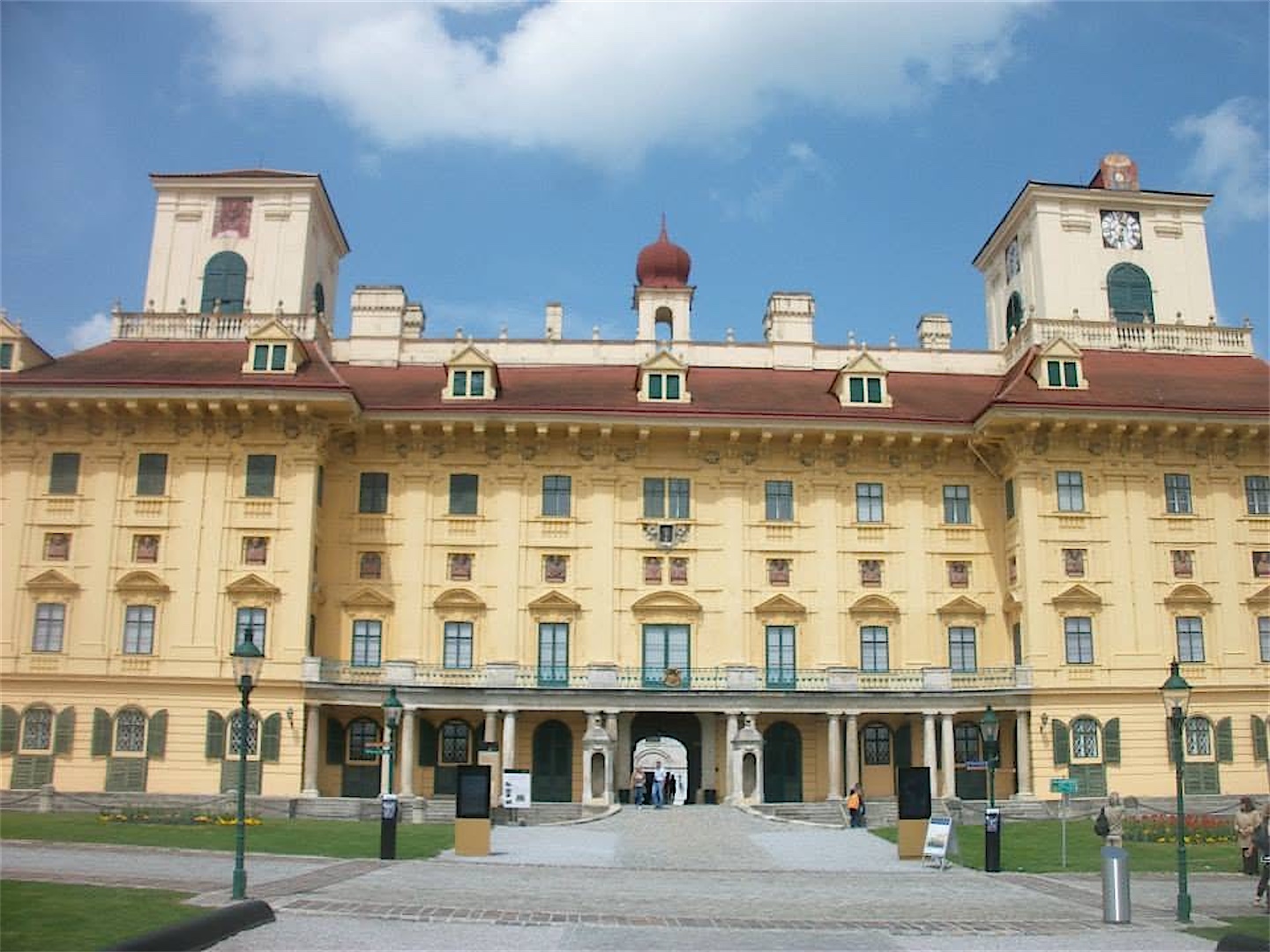
Not every trip had to cross a border. Eisenstadt, the small capital of Burgenland, is about an hour south of Vienna. Its main sight is the Esterházy Palace, the yellow baroque seat of one of the richest noble families of the old Kingdom of Hungary.
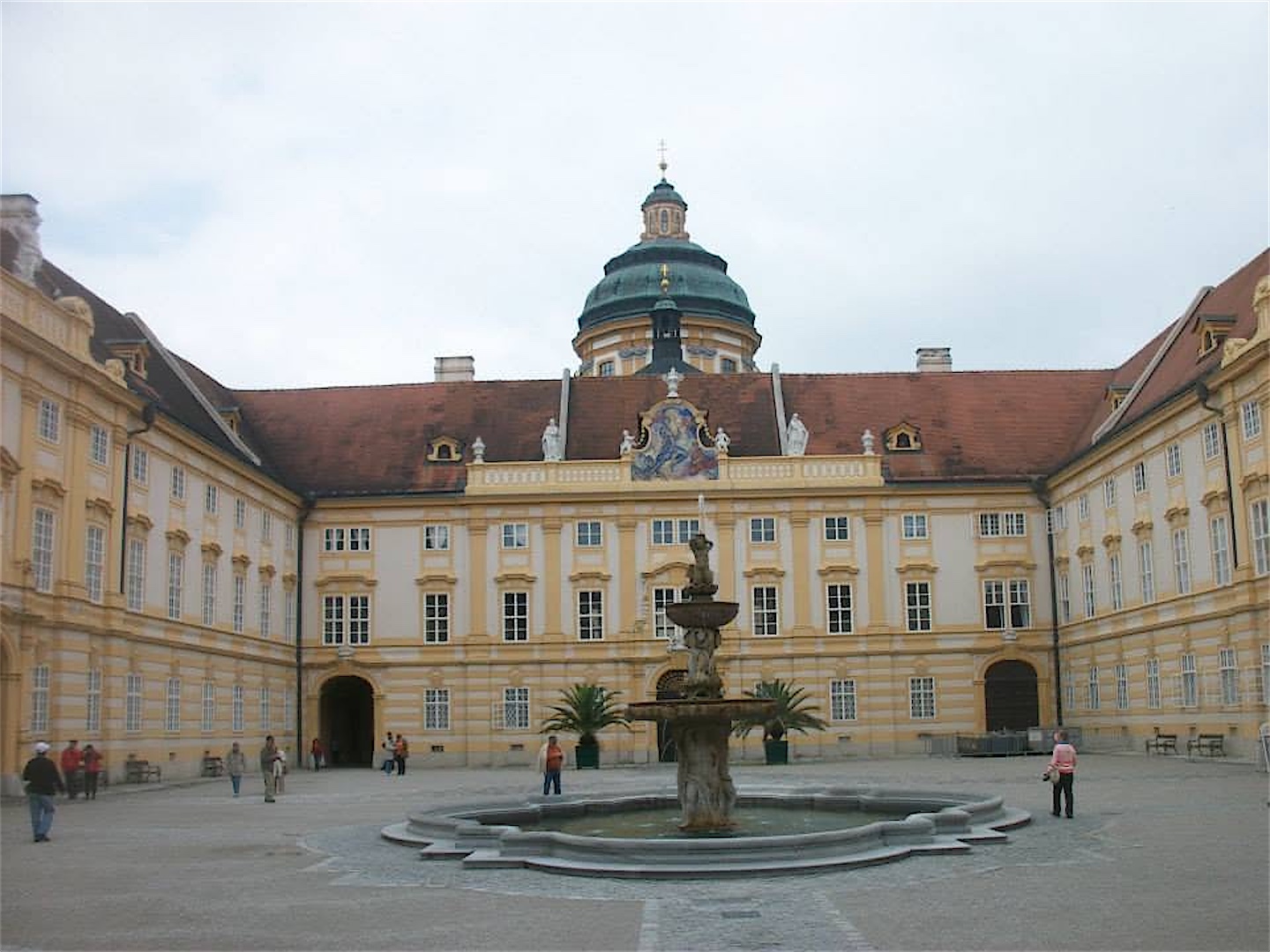
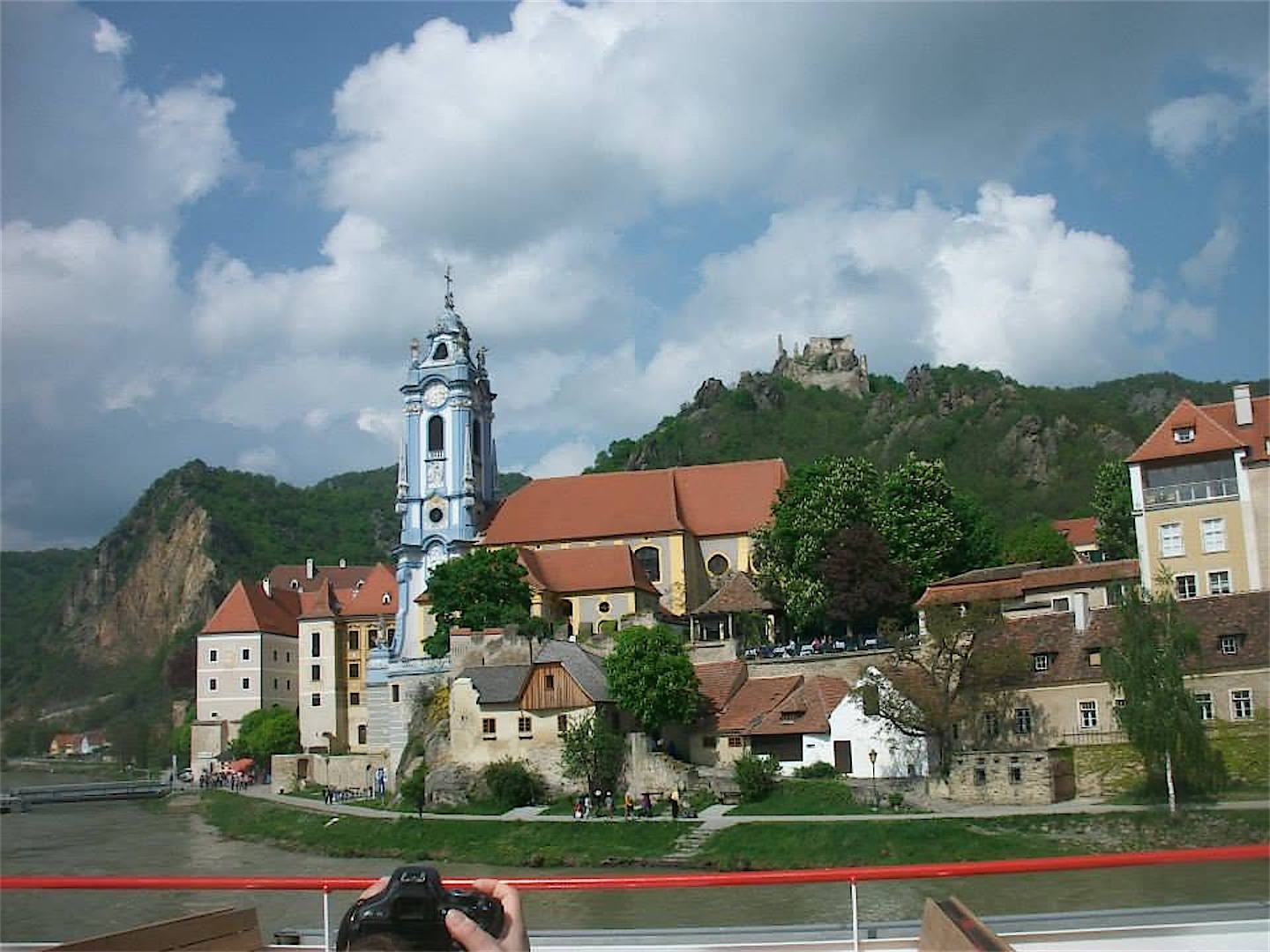
The other direction was the Wachau, the Danube valley upstream of Vienna between Melk and Krems. At Melk the huge yellow Benedictine abbey towers over the river. From a boat on the river I saw Dürnstein with the blue-and-white tower of its abbey church and the castle ruin on the rocks above, where Richard the Lionheart was once held prisoner.
The Danube rises
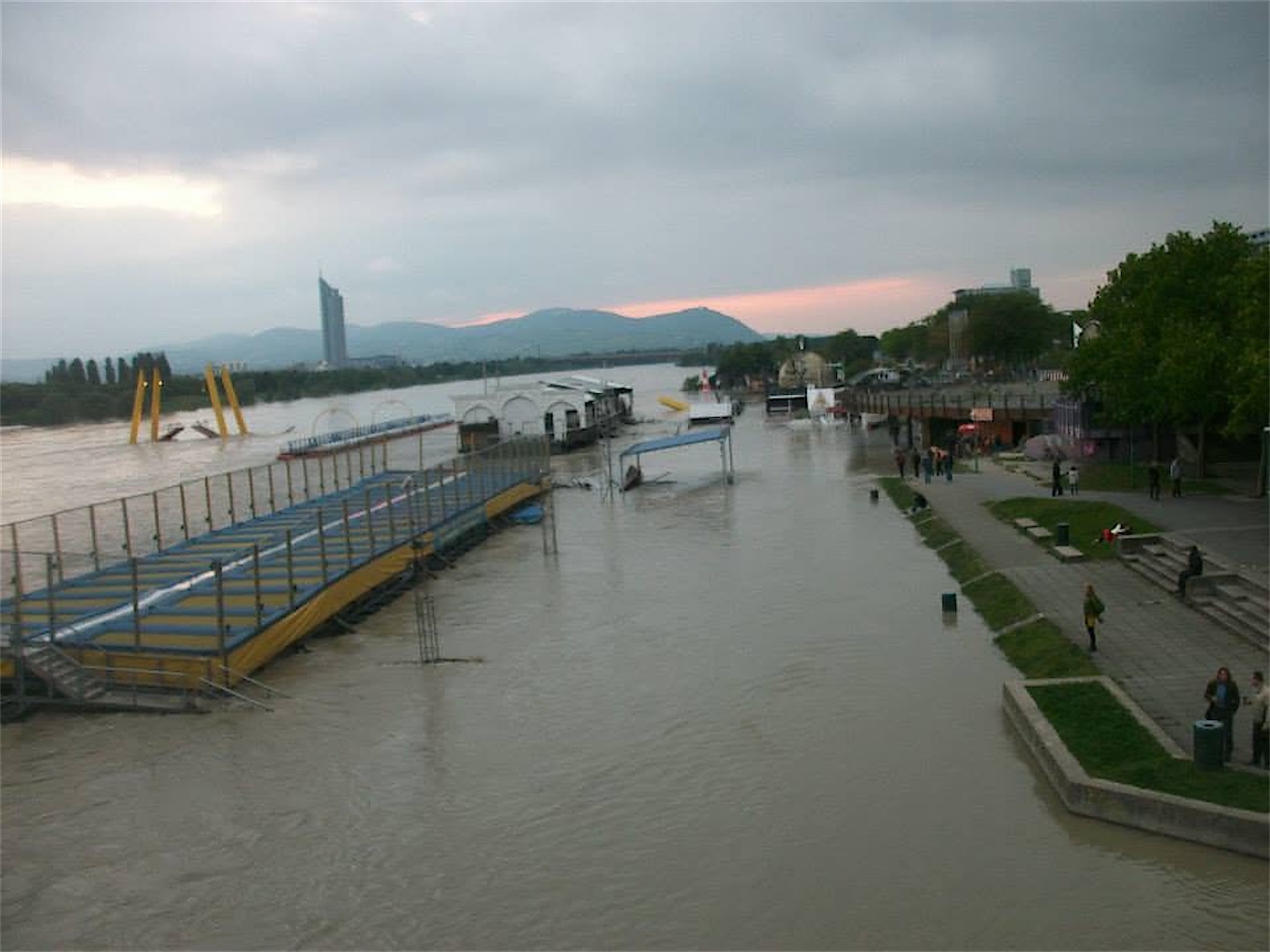
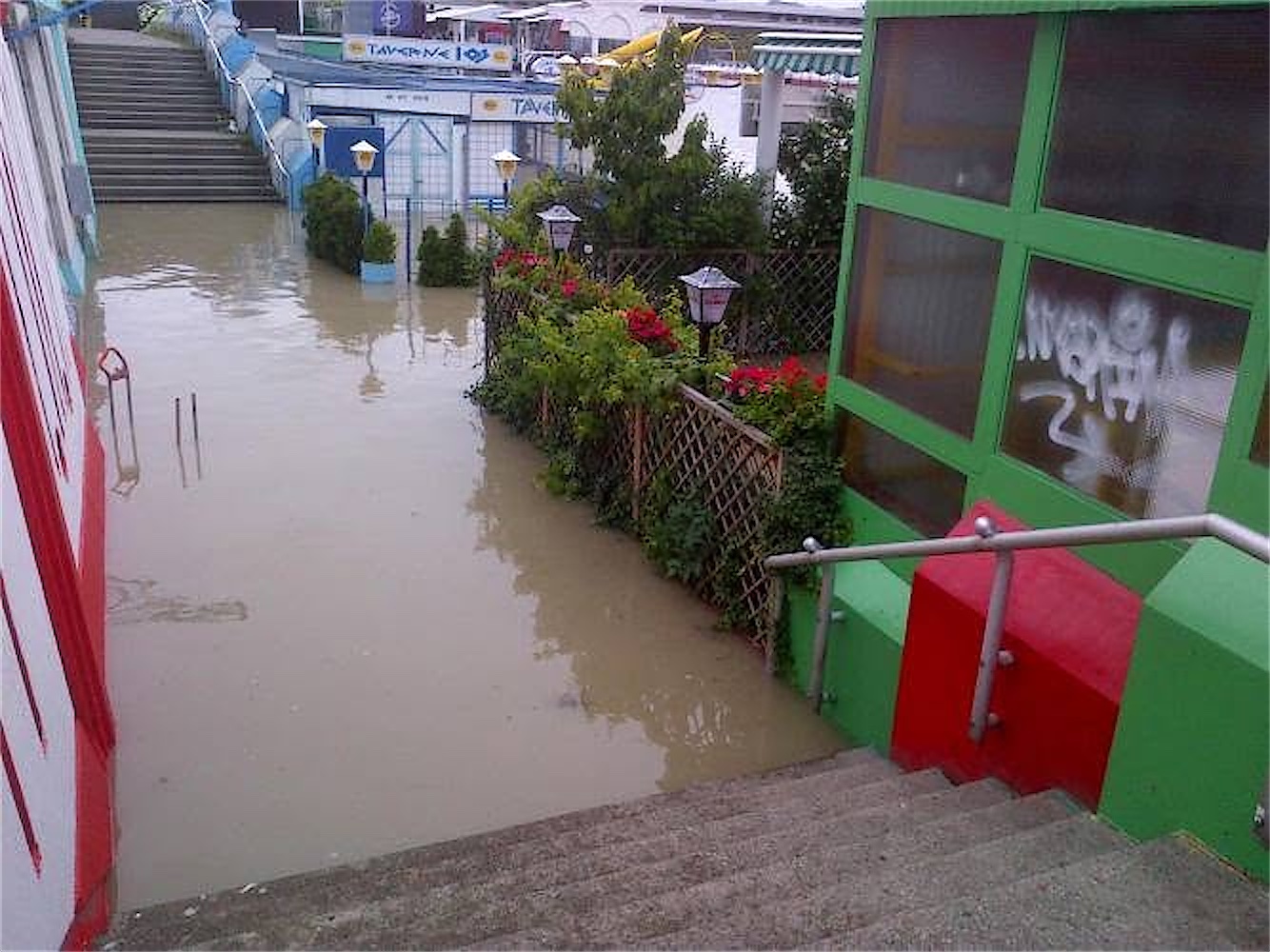
At the end of May days of heavy rain sent the rivers of Central Europe into flood. By 4 June the Sunken City, a riverside strip of bars and restaurants on the Danube Island, was living up to its name, and the main flood wave was still on its way. My plan to spend a dry Saturday in Passau the following week suddenly looked rather optimistic.
Soon afterwards my time in Vienna came to an end. In June I was back home in Herford, but only briefly: the summer took me to Berlin for an internship in the Bundestag, and in the autumn I moved on to Spain, a story told in A Semester in Madrid.