A Semester in Madrid: Roman Mérida, the Basque Coast, Montserrat, Porto and Snow on the Teide
late September – 18 December 2013 · Madrid, Mérida, Burgos, Santander, Bilbao, Gernika, San Sebastián, Toledo, El Escorial, Barcelona, Montserrat, Zaragoza, Porto, Guimarães, Coimbra, Tenerife · Regions: Spain, Portugal, Canary Islands
In September 2013 I swapped Lake Constance for the Spanish capital. Fresh from a fourteen-week internship in the Bundestag, I moved to Madrid for an Erasmus semester at the Universidad Complutense to study political science, and I also signed up for some courses with Jesús Huerta de Soto, the best-known Spanish economist of the Austrian School. The plan was to stay from October until mid-February, ideally in a shared flat close to the Gran Vía.
Madrid sits right in the geographical centre of Spain, and every few weeks I set off from there to explore another corner of the country. By Christmas I had seen Roman Extremadura, the Basque coast, Catalonia, my first piece of Portugal and the snow on the Teide.
Studying in Madrid
University life started early. Every morning long queues formed at the bus stops to the campus, and just as many people waited for buses in the other direction. I was honestly surprised how many Spaniards are already up and about at 7.45. When the students went on strike in late October, I went to class anyway, a reactionary strike-breaker by my own description, although I showed some solidarity the following day by staying in bed.
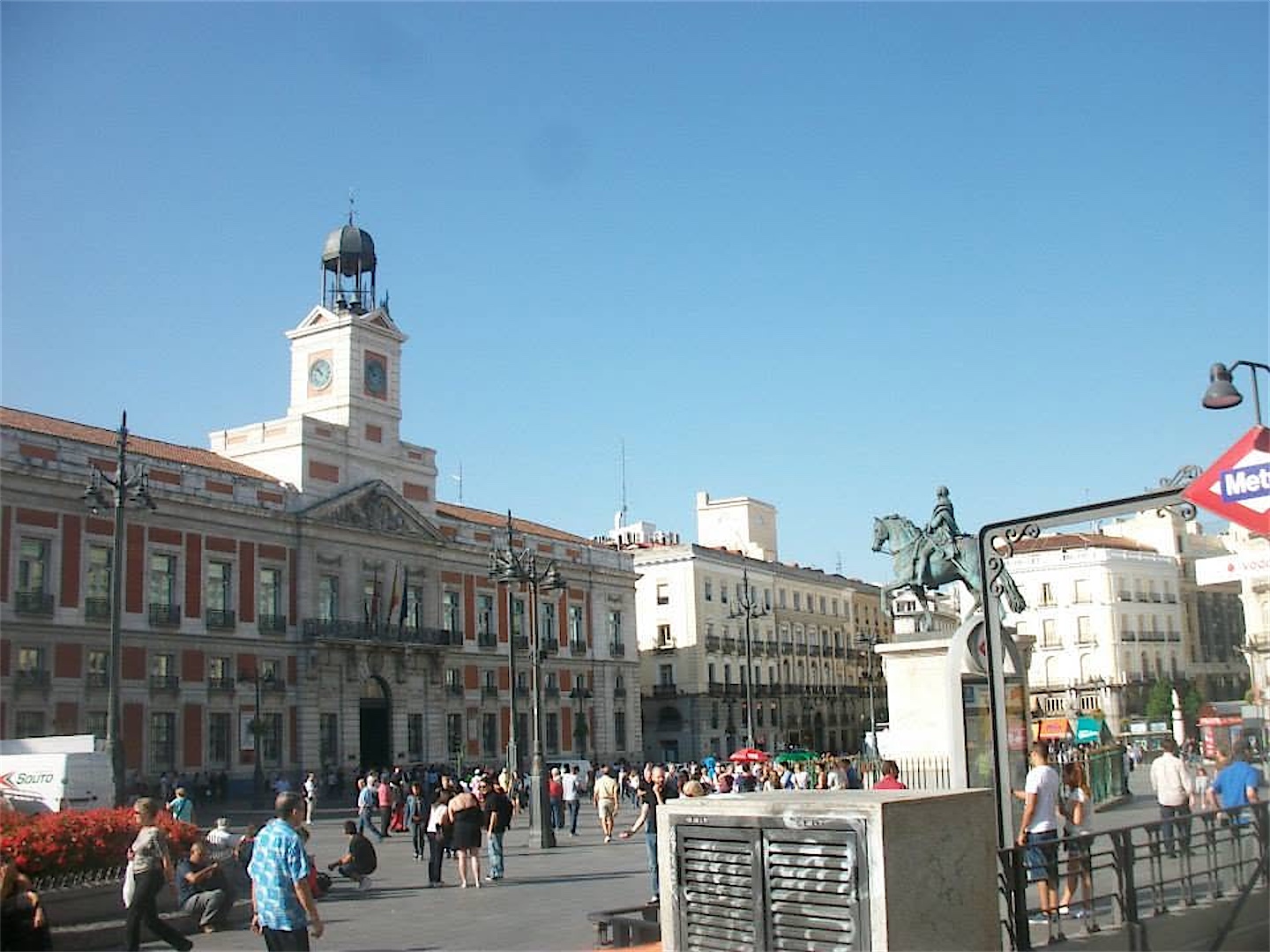
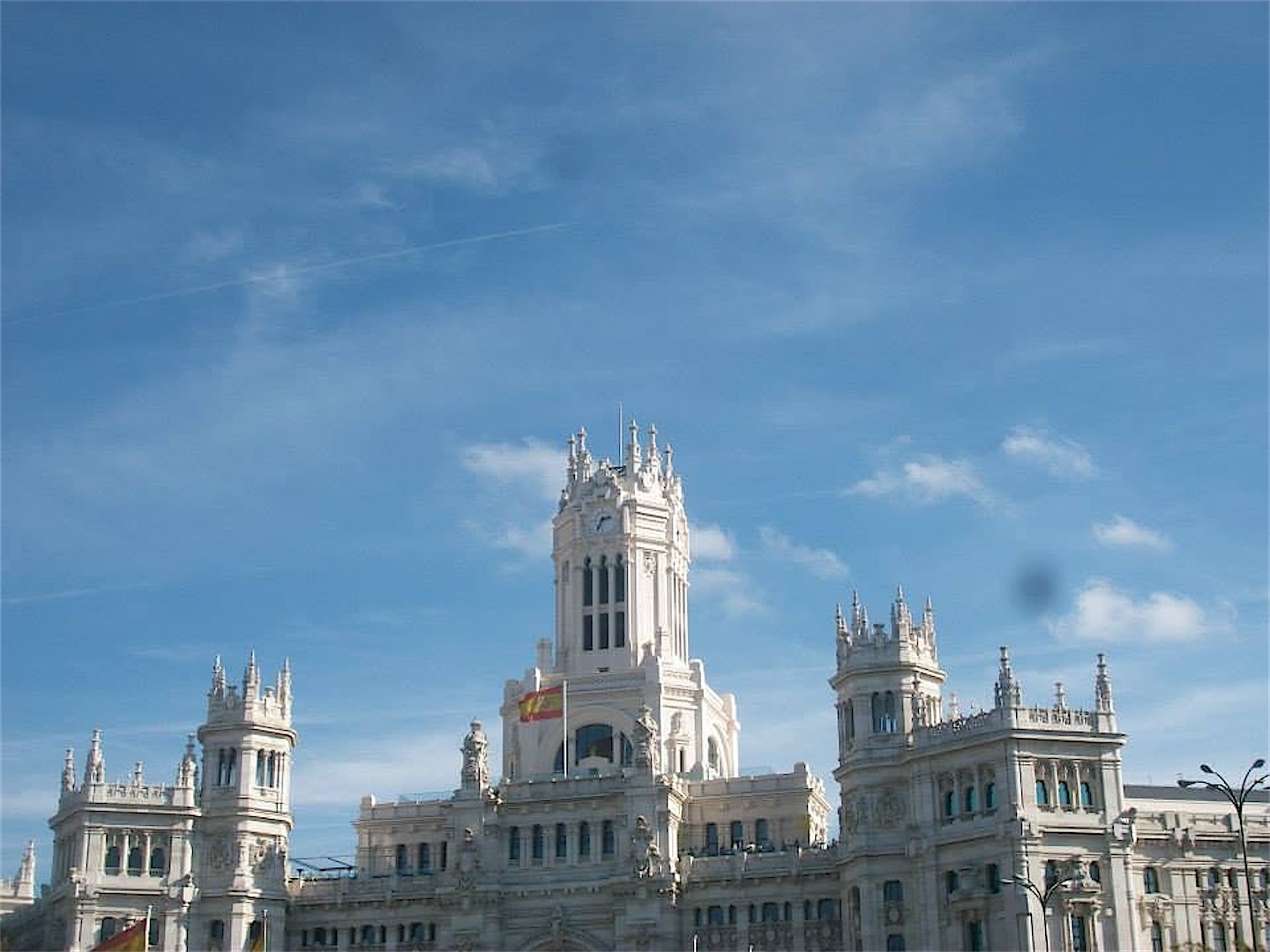
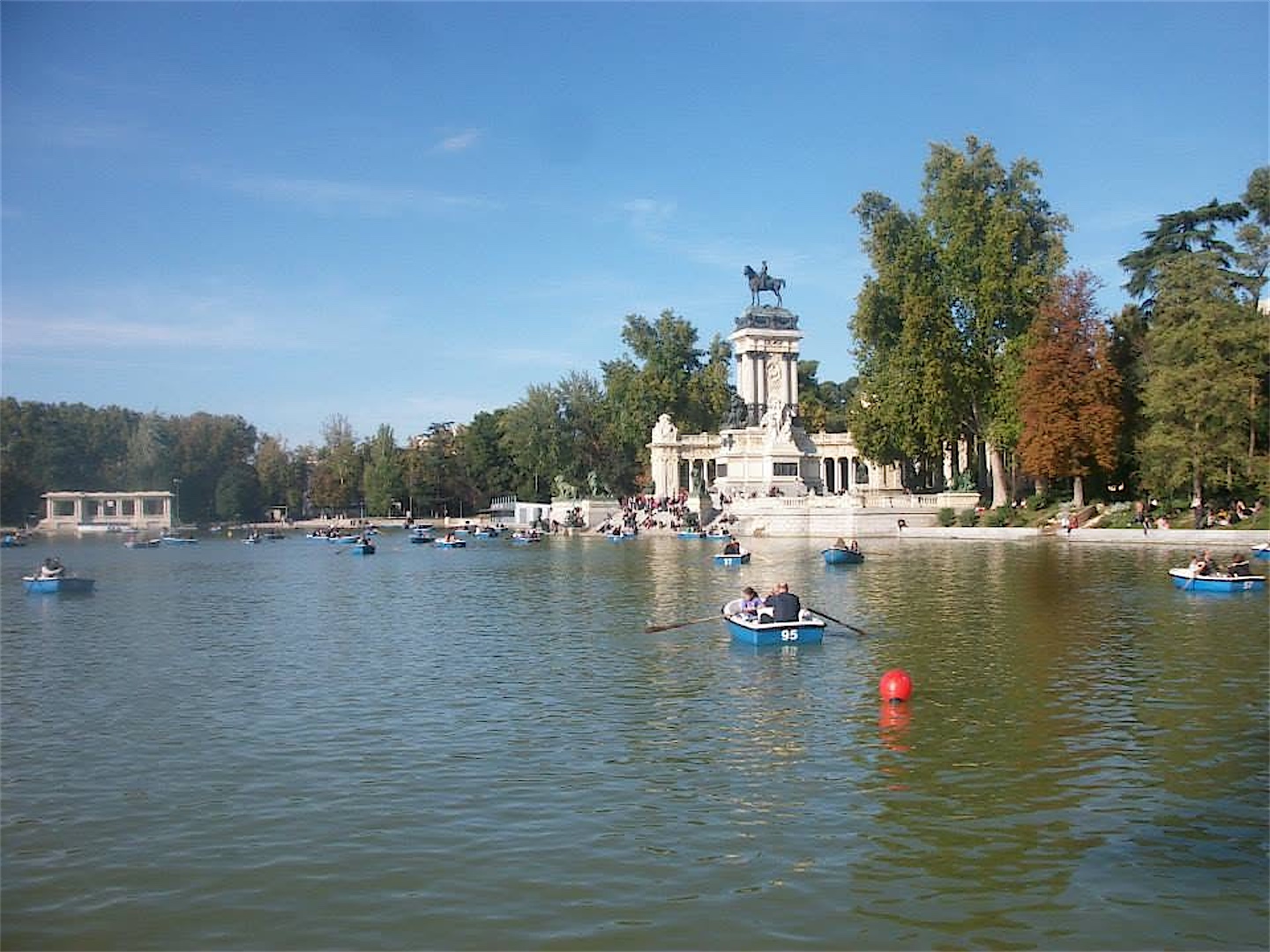
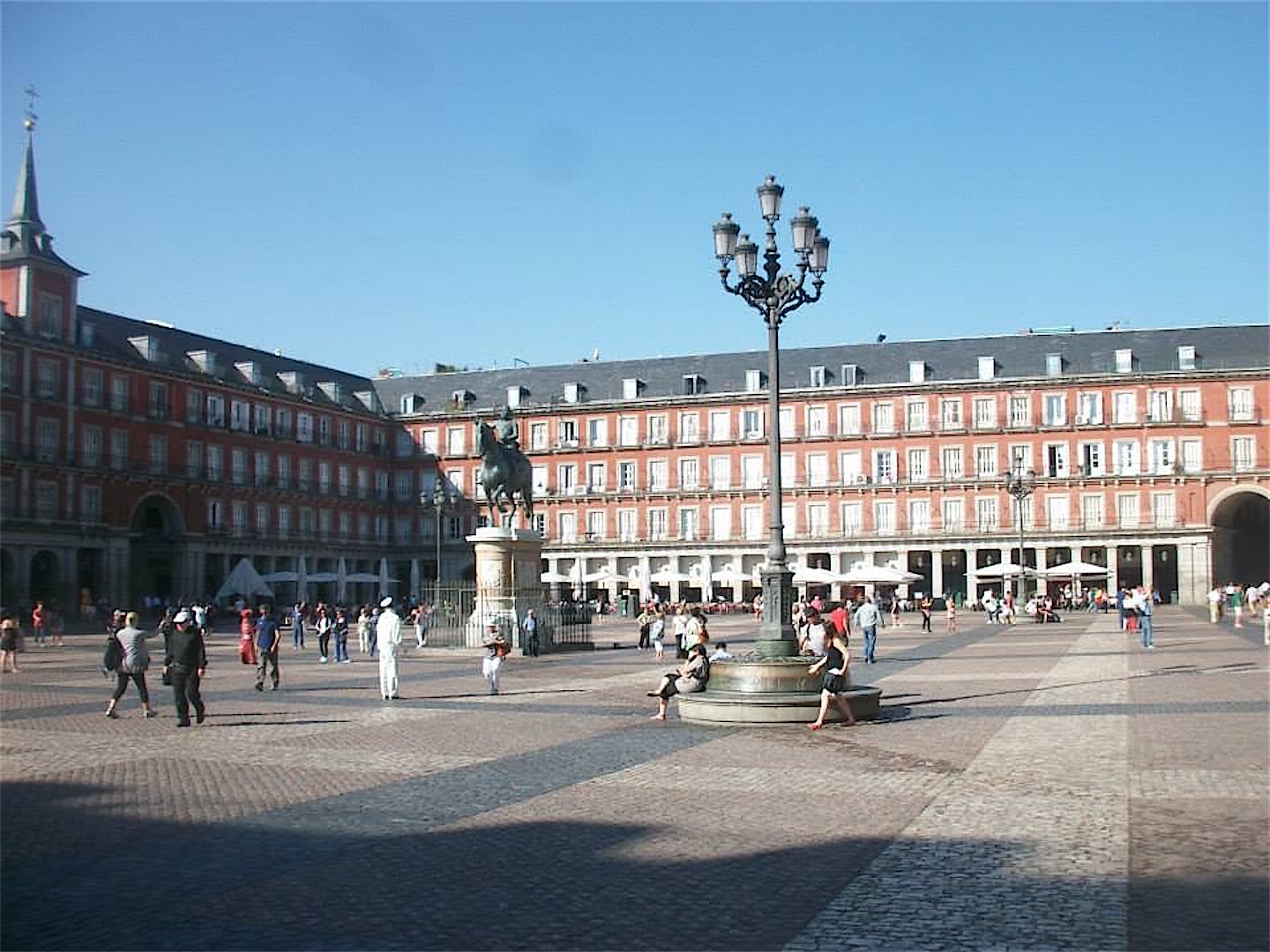
Between lectures I walked past the wedding-cake facade of the Palacio de Cibeles, watched the rowing boats on the Retiro pond below the monument to Alfonso XII, and November in Madrid turned out golden and sunny. In early November I treated myself to a meal at Botín, which claims to be the oldest restaurant in the world. Founded in 1725 near the Plaza Mayor, it is listed by Guinness World Records as the oldest restaurant still in business. After all, one has to treat oneself occasionally.
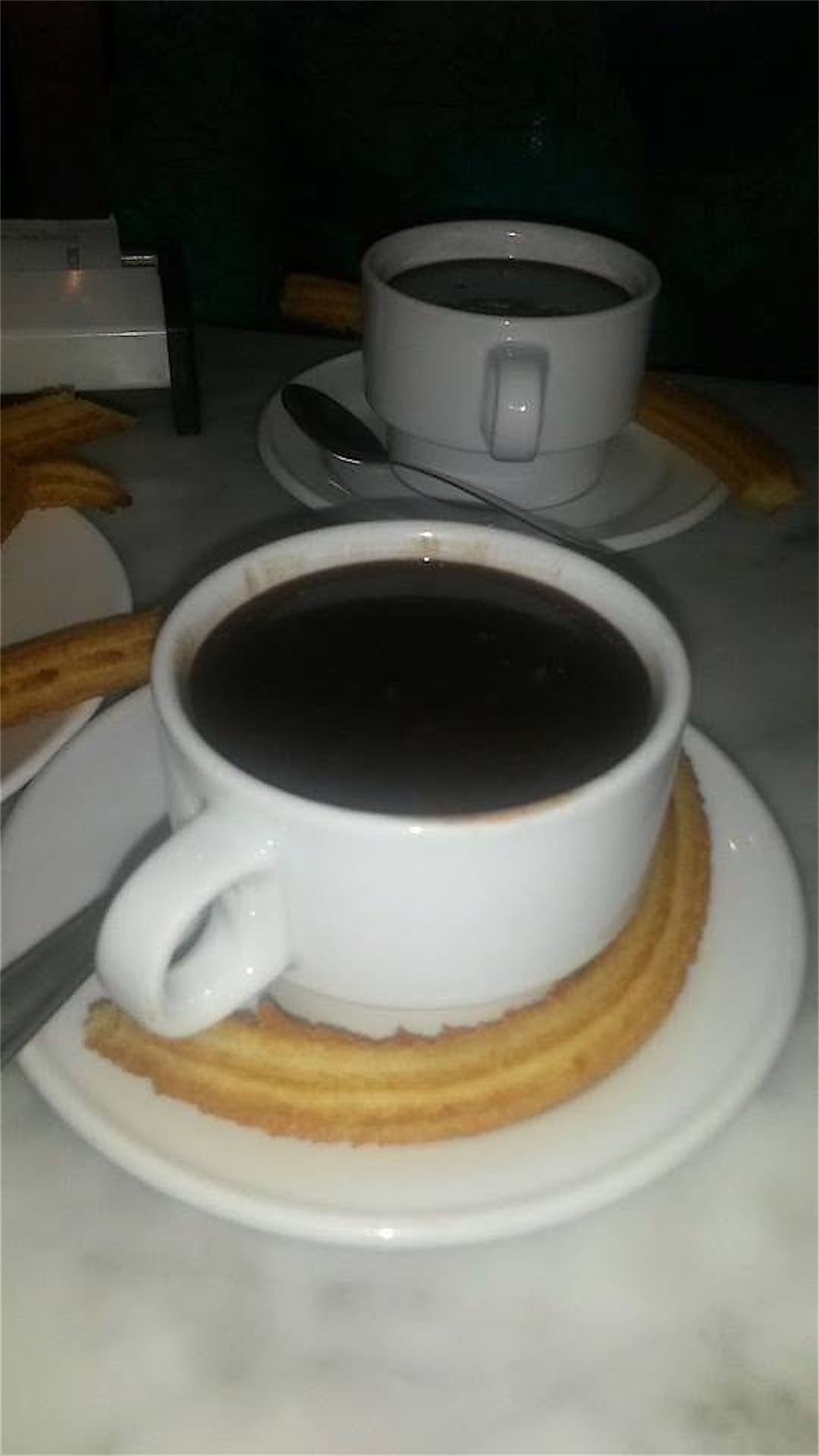
Nights could be long, too. One morning in late October I fortified myself with the classic chocolate con churros after a long and very enjoyable night out, with the first lecture only four hours away.
Extremadura: Romans in the rain
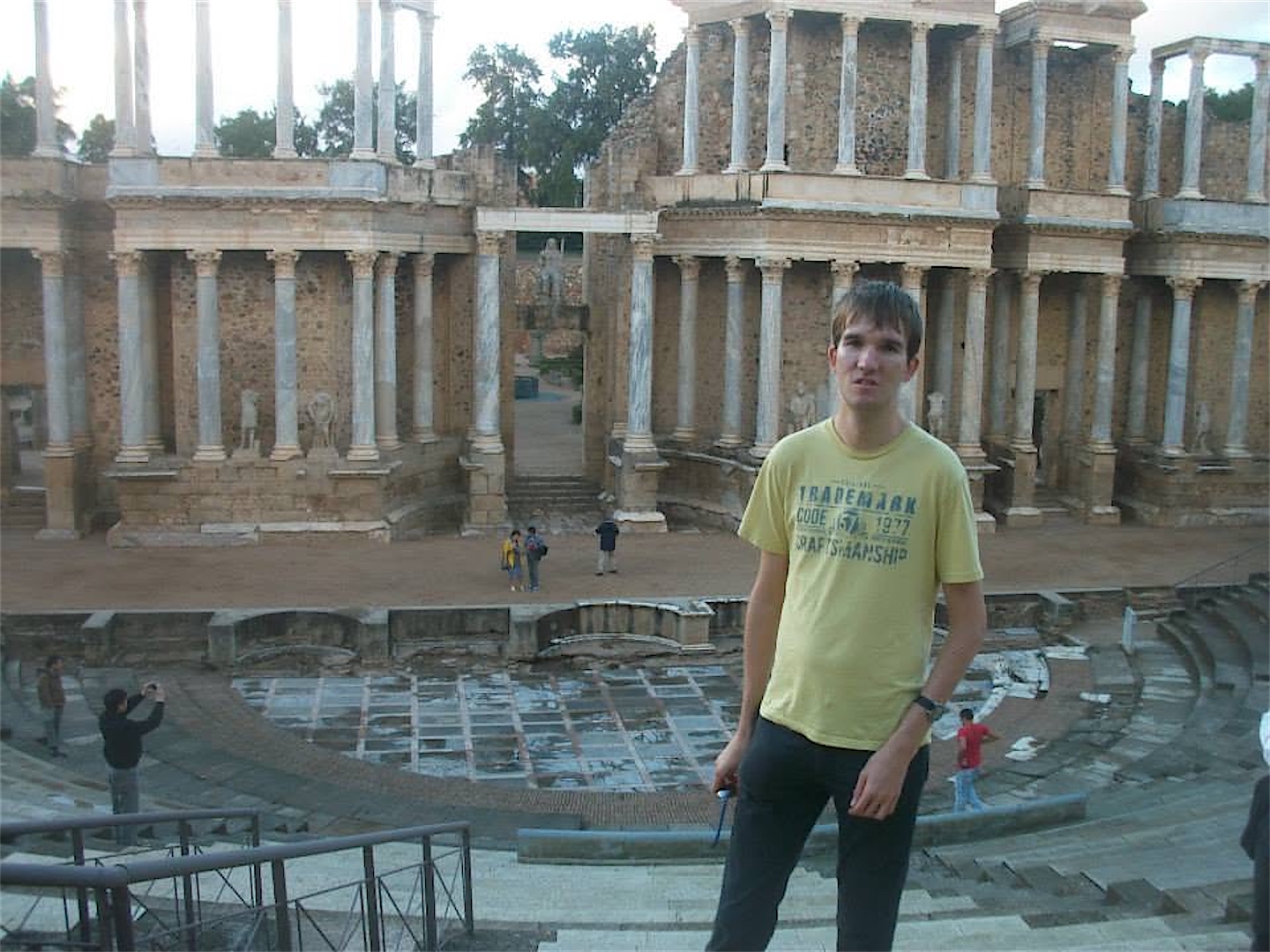
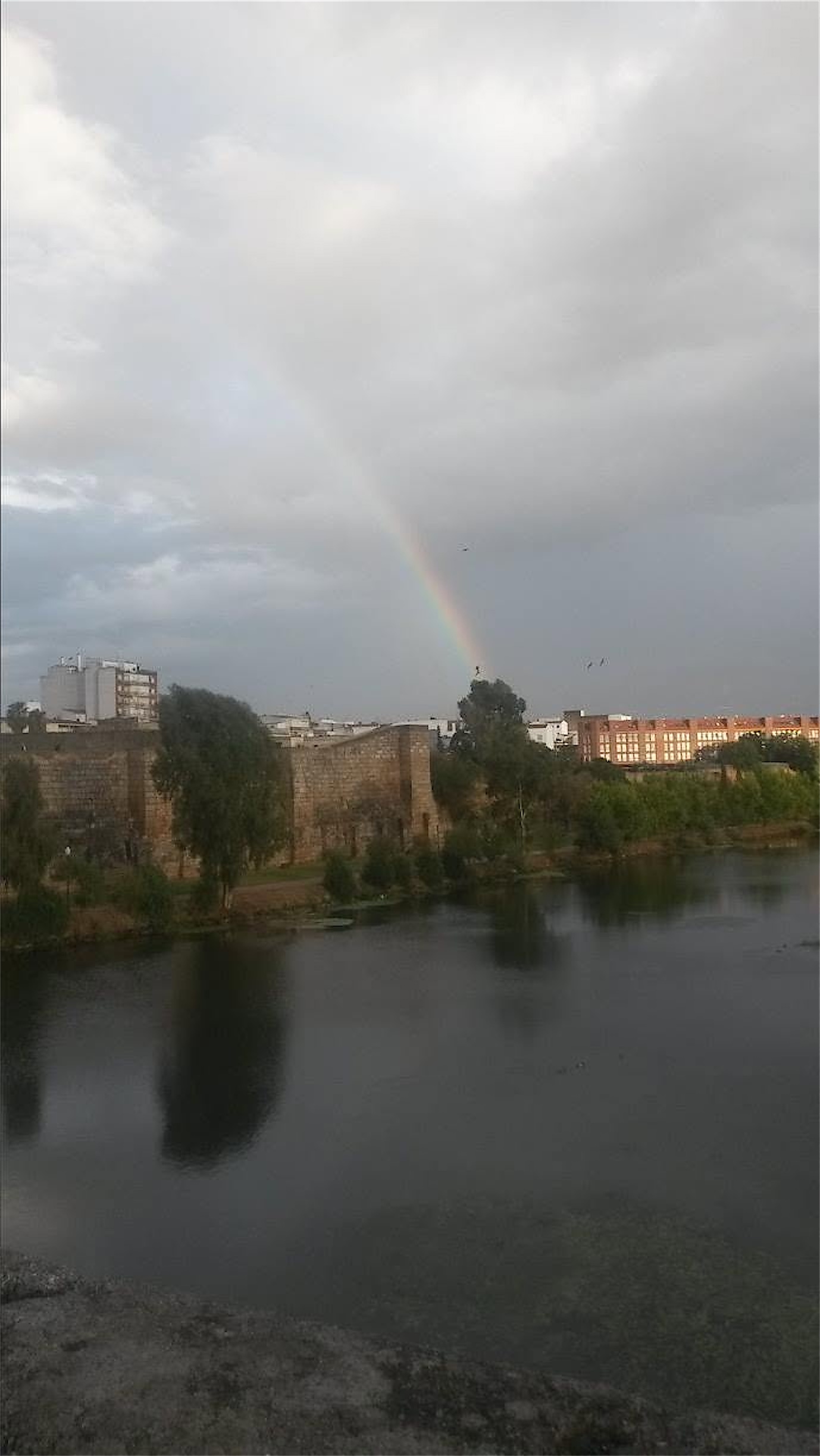
My first trip out of Madrid took me west to Extremadura at the end of September. It turned into a wet, cold day, but the region more than made up for the weather. In Mérida I stood in the Roman theatre, whose two tiers of marble columns, partly re-erected in the 20th century, frame the stage once again, and later a rainbow appeared over the old walls by the river.
North to the Basque coast
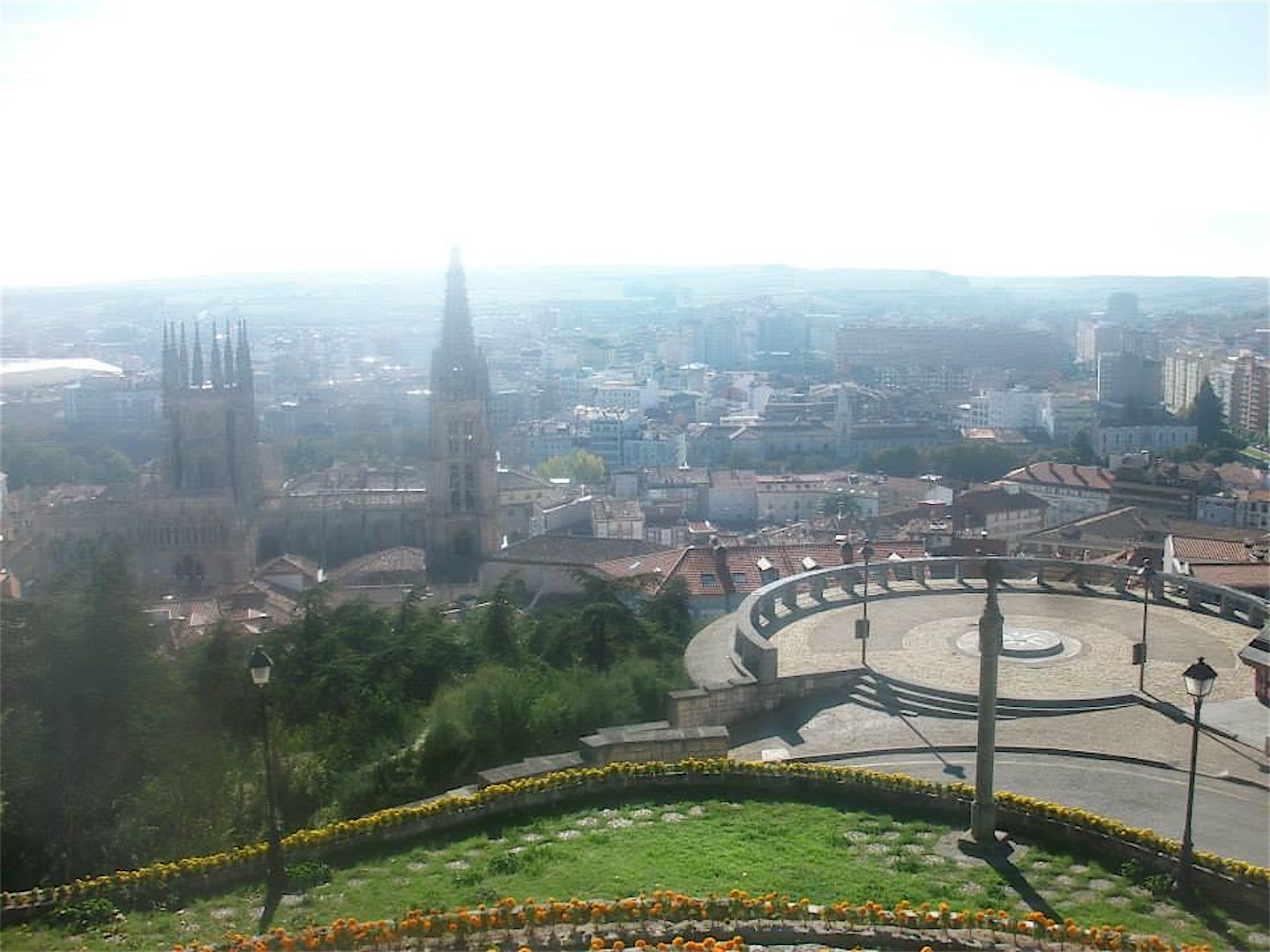
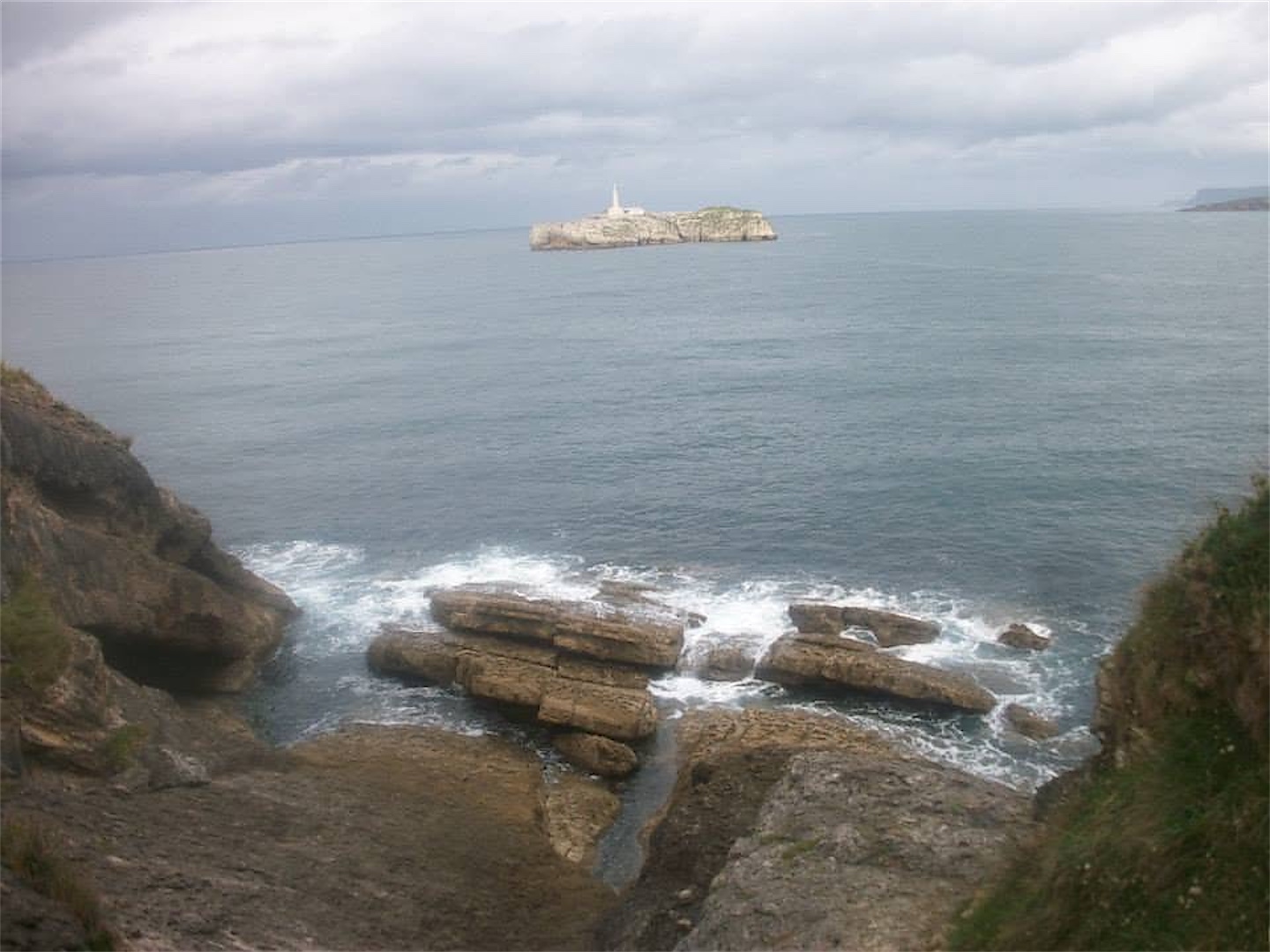
In mid-October I set off on a loop through the green north of Spain. The first stop was Burgos, where the Gothic cathedral rises above the old town. From there I continued to Santander on the Bay of Biscay, which greeted me with rain, and then into the Basque Country.
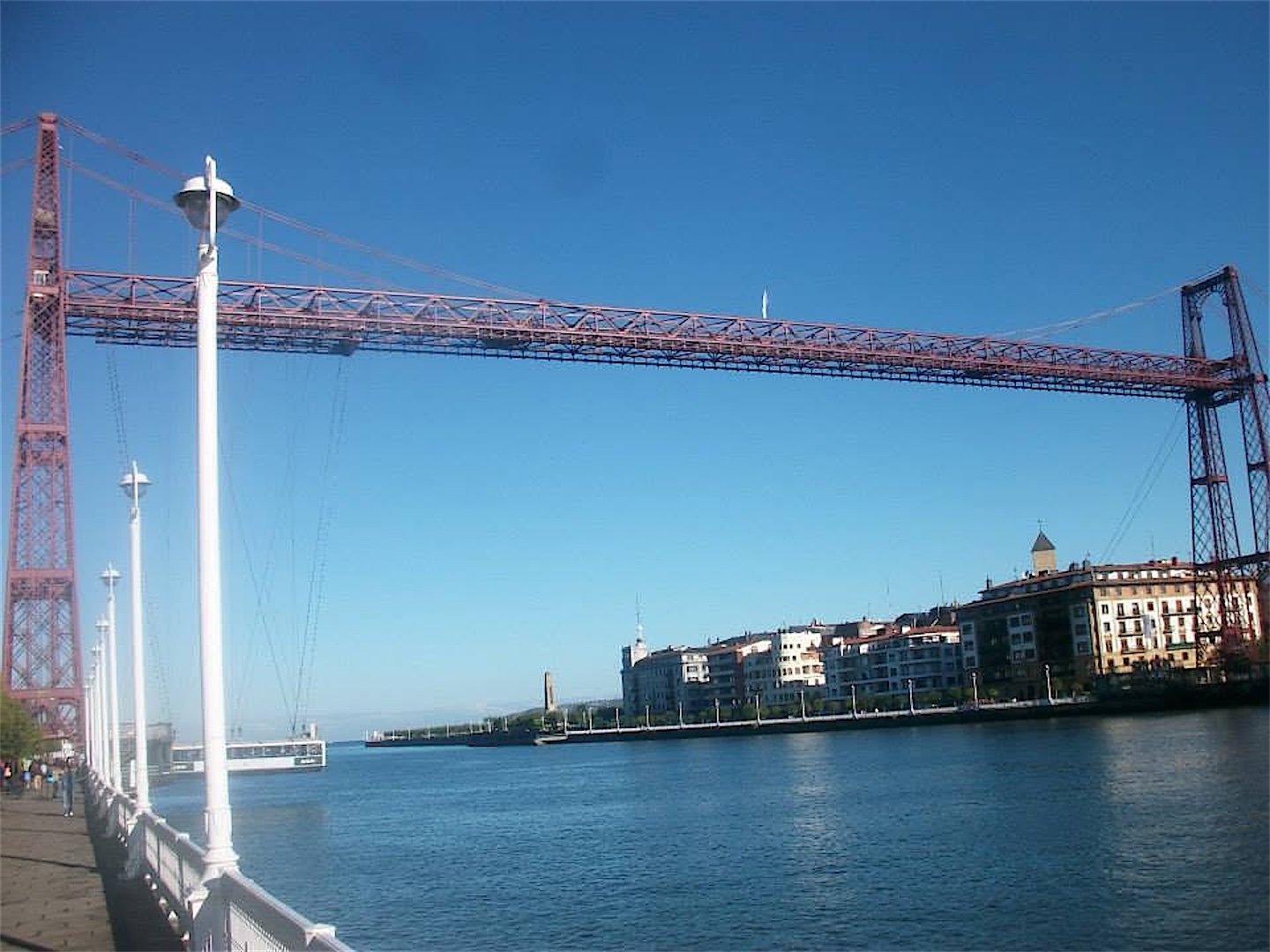
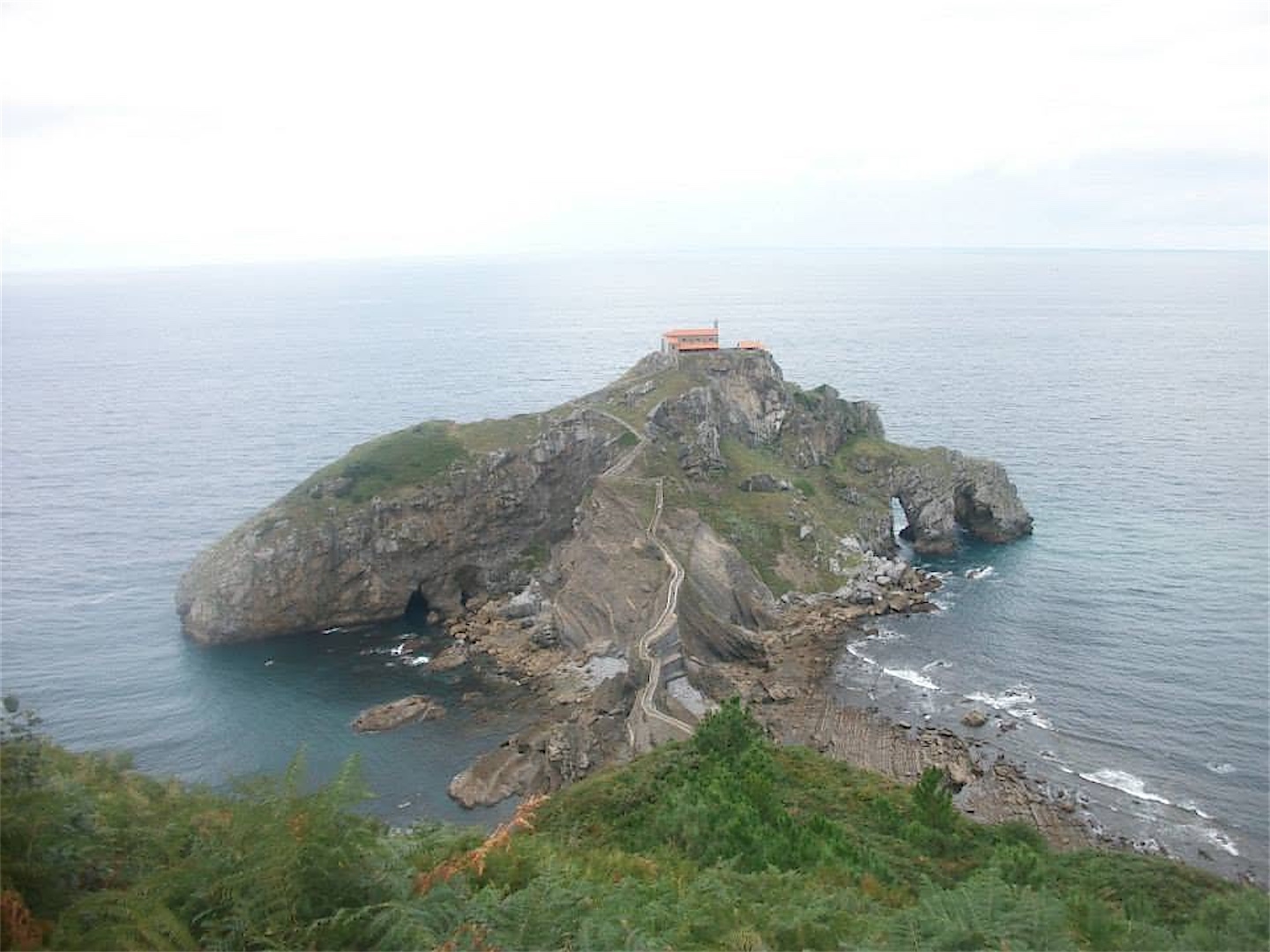
Near Bilbao I found two very different sights. The Vizcaya Bridge between Portugalete and Getxo is the oldest transporter bridge in the world: since 1893 a gondola hanging from its steel frame has carried people and cars across the river mouth without blocking the ships. Further east along the coast, a winding stone path with steps leads across the sea to the hermitage of San Juan de Gaztelugatxe on its rocky islet.
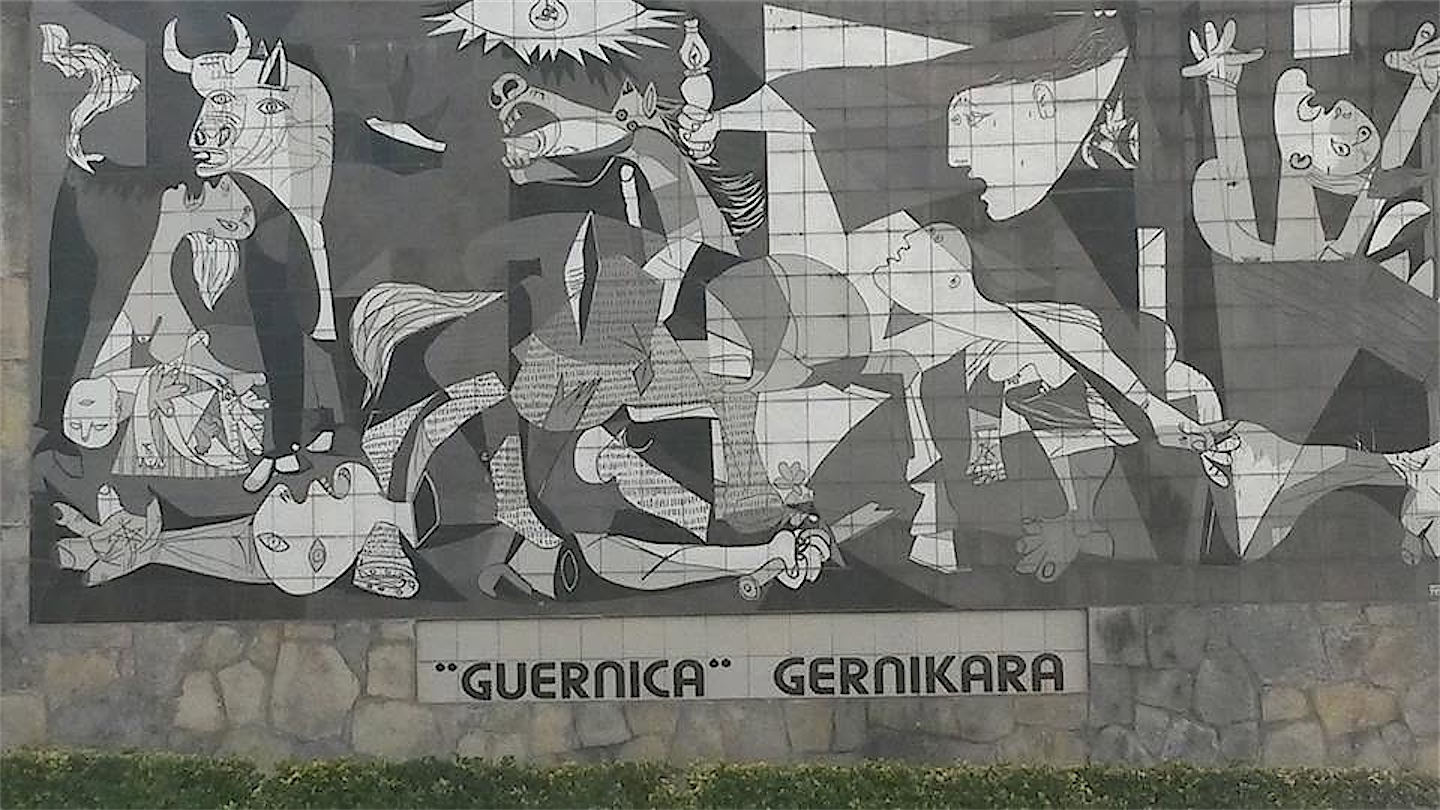
On Saturday I reached Gernika, an enchanting little town that was bombed to ruins in 1937 by Hitler's air force. Picasso turned the attack into his most famous painting, and a large tile copy of it now decorates a wall in the town. In the evening I finally arrived in Donostia, as San Sebastián is called in Basque.
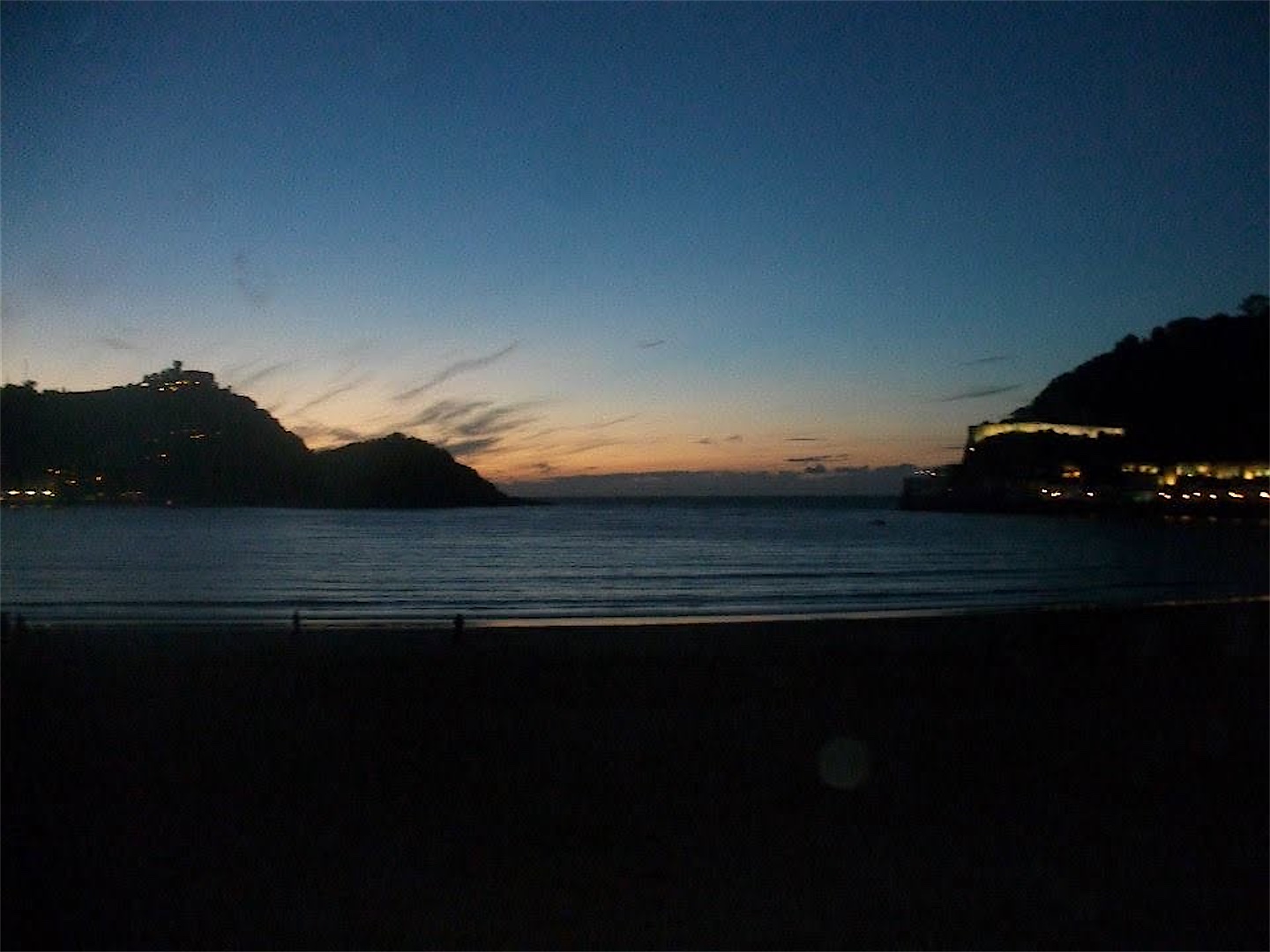
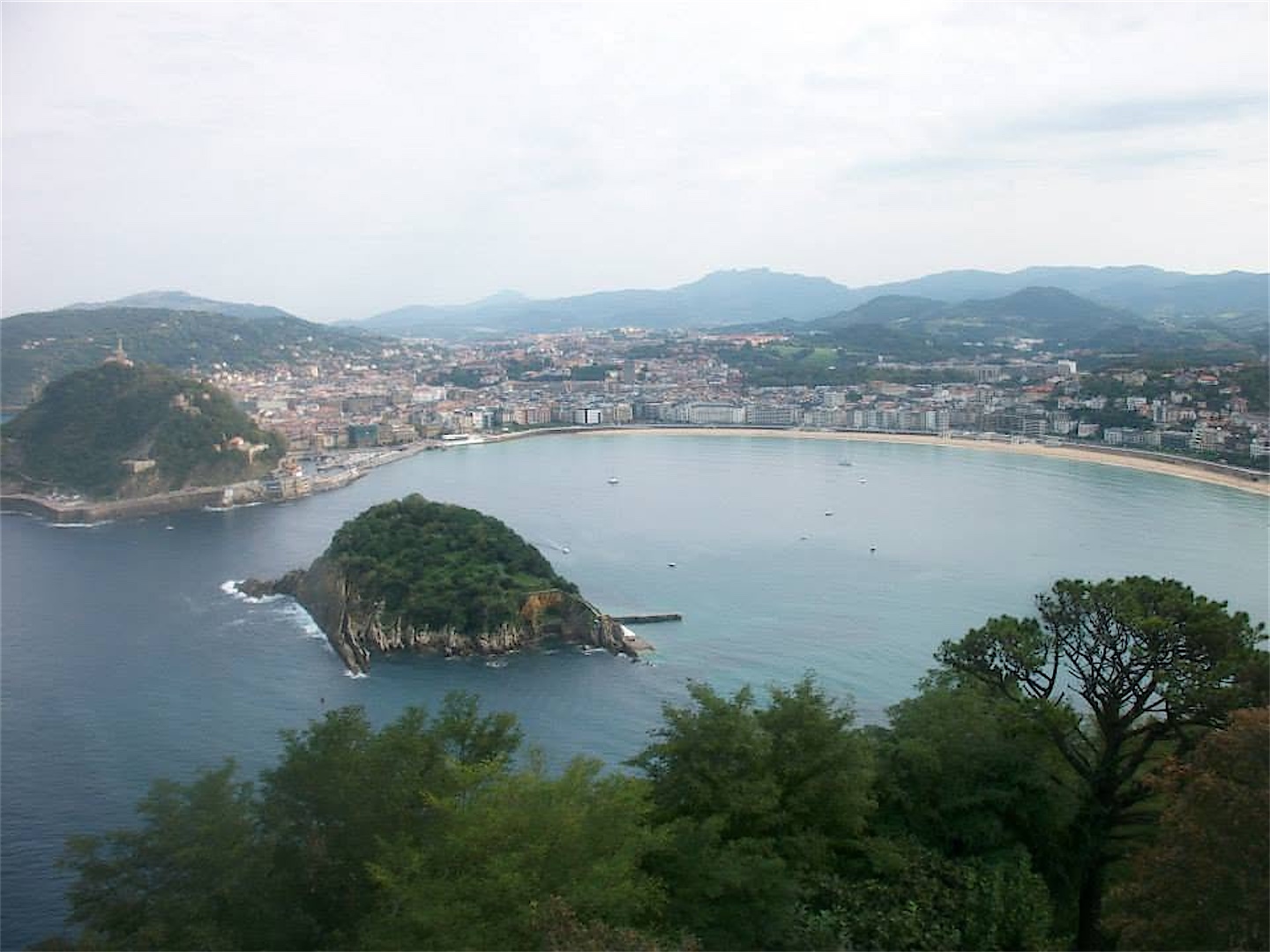
San Sebastián was the kind of place where I could easily have stayed longer. From the hill above the bay the view takes in the shell-shaped beach of La Concha, the island of Santa Clara and Monte Urgull with the old town at its foot. Unfortunately I had to head straight back to Madrid, with a stop in Pamplona on the way.
Toledo and El Escorial
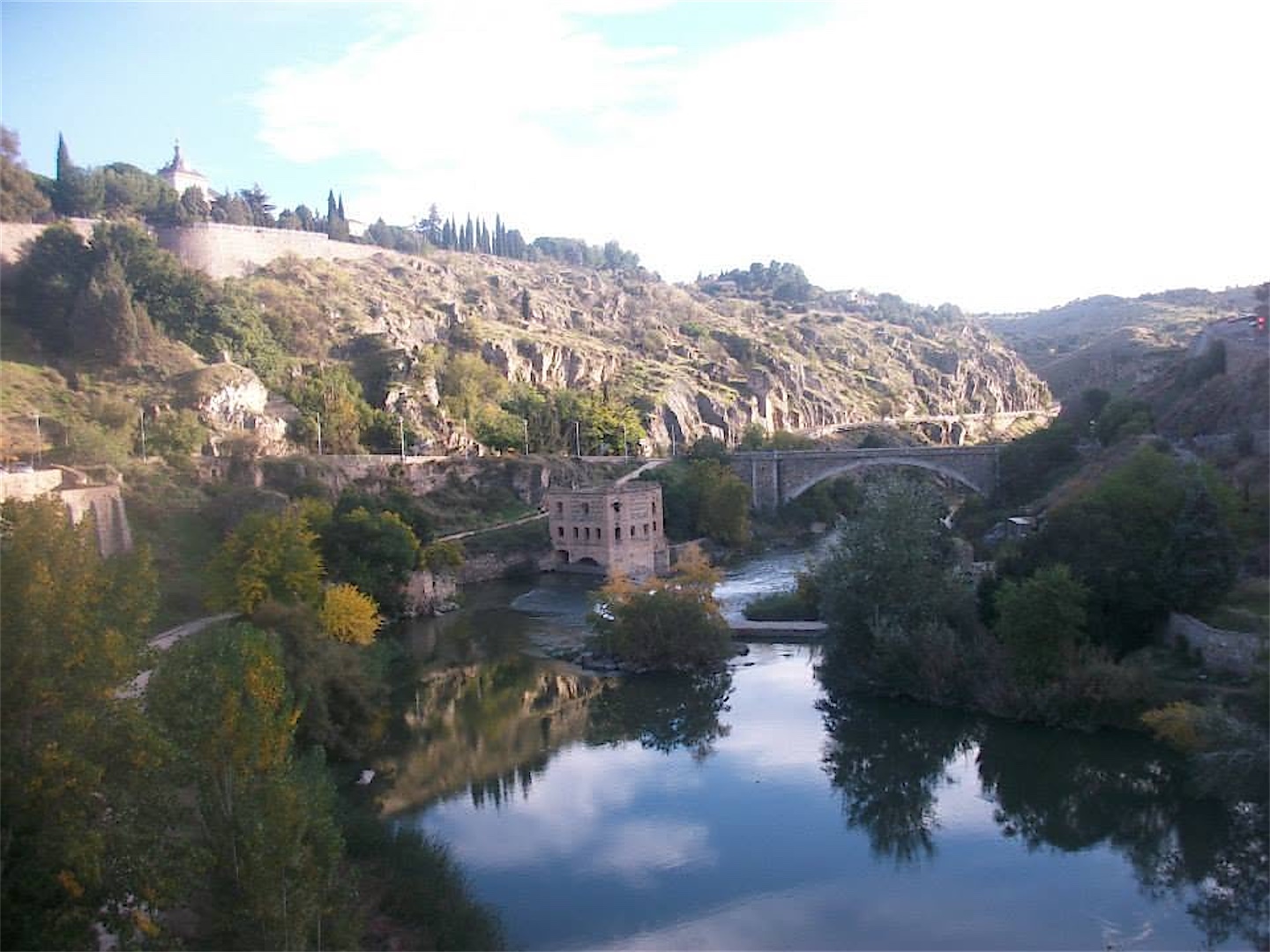
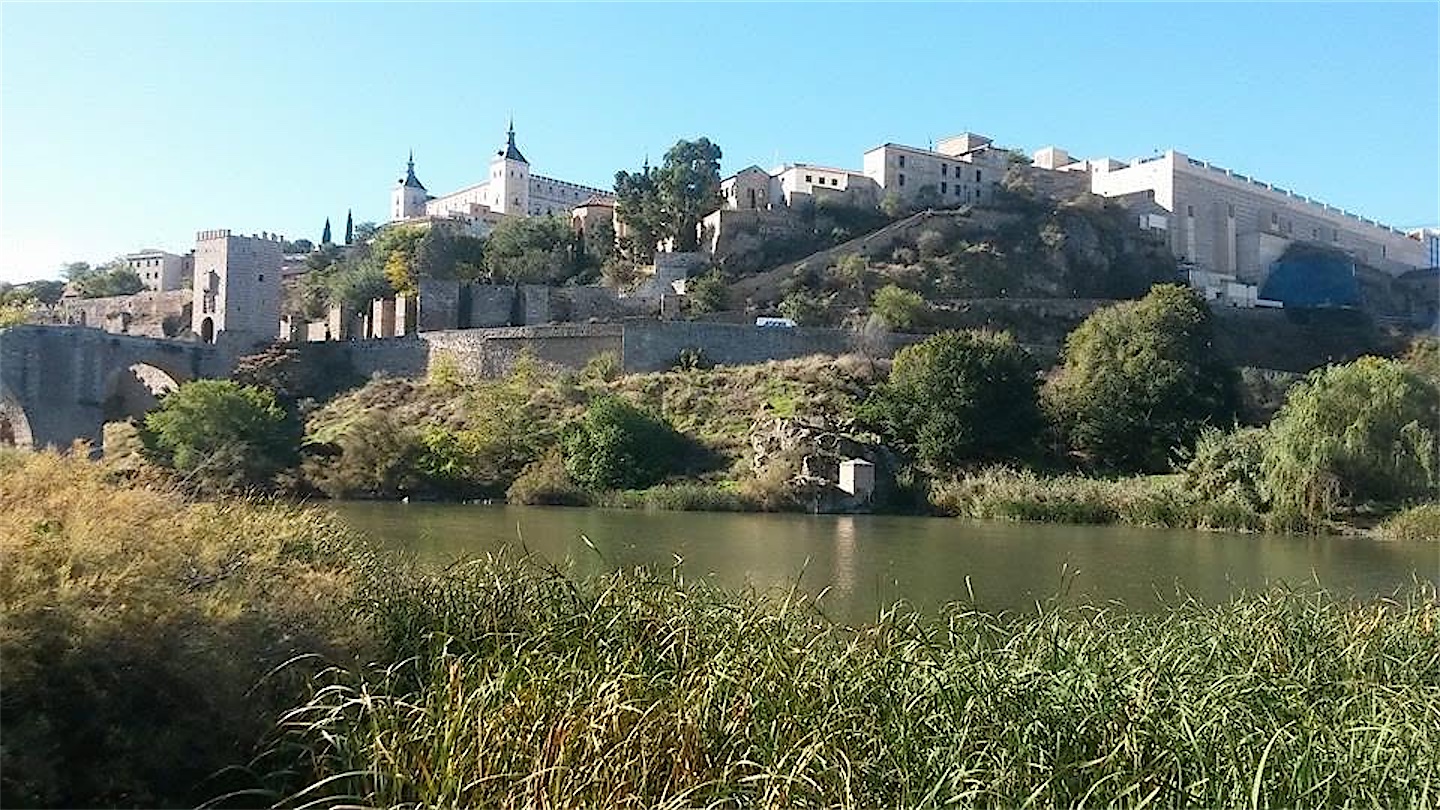
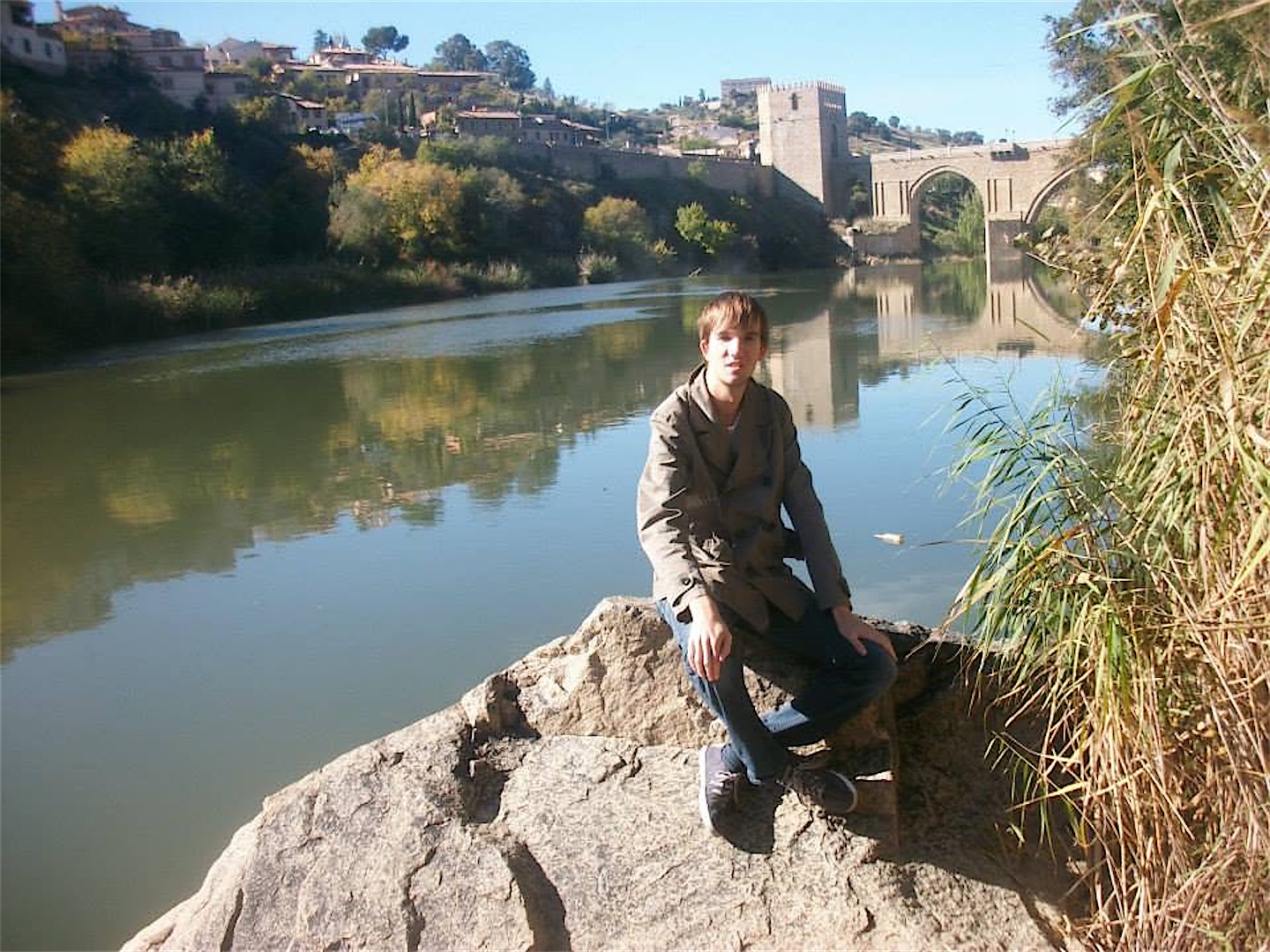
Two of the classic day trips from Madrid filled my November. Toledo, the seat of the Spanish court until it moved to Madrid in 1561, sits on a rocky hill that the Tagus wraps around on three sides, with the Alcázar at the top. The town was lovely, and from the riverbank the gorge of the Tagus looks almost wild.
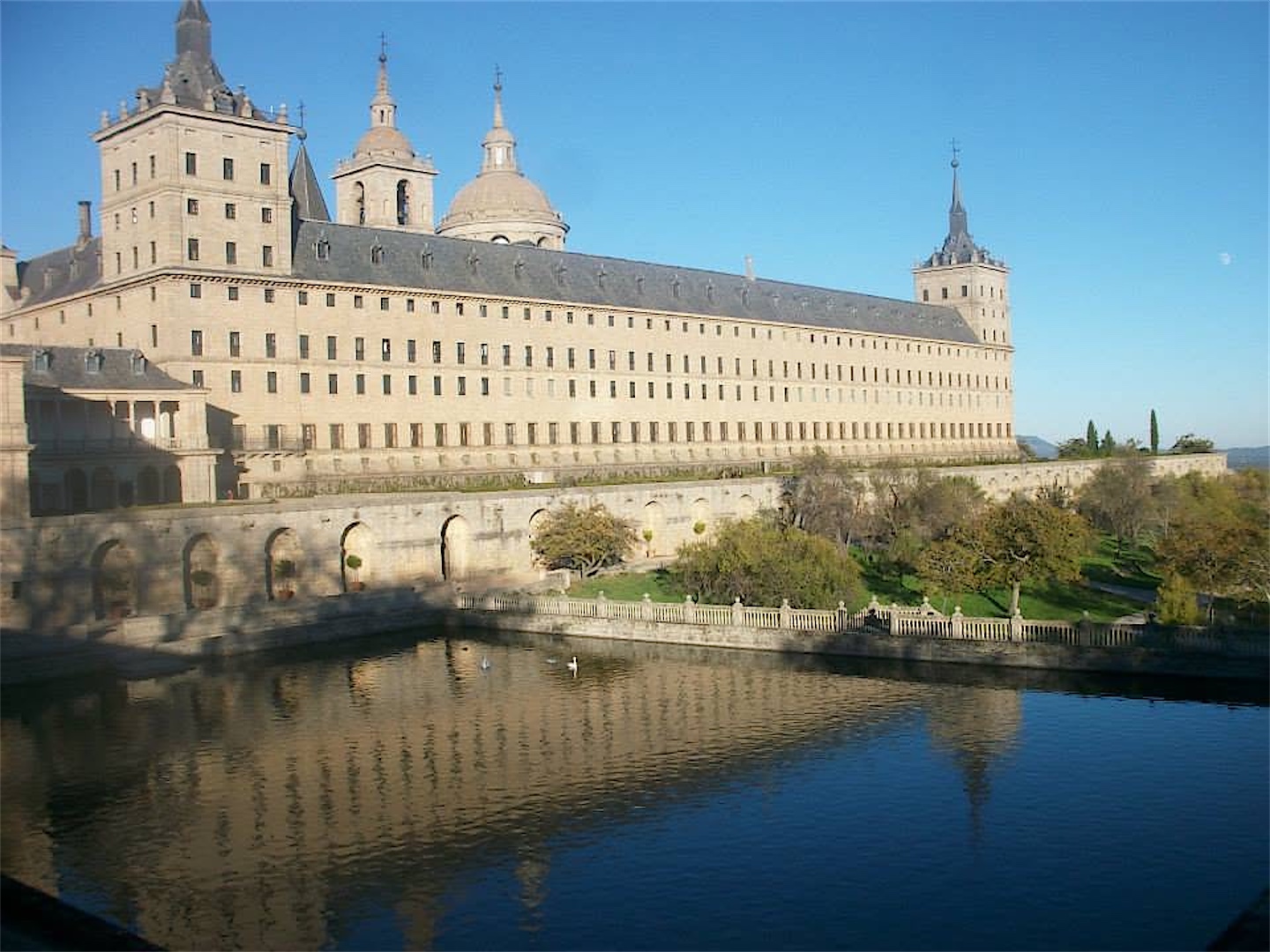
A few days later I visited the Royal Monastery of San Lorenzo de El Escorial at the foot of the Sierra de Guadarrama, whose long granite facade looks more like a fortress than a monastery.
Barcelona, Montserrat and Zaragoza
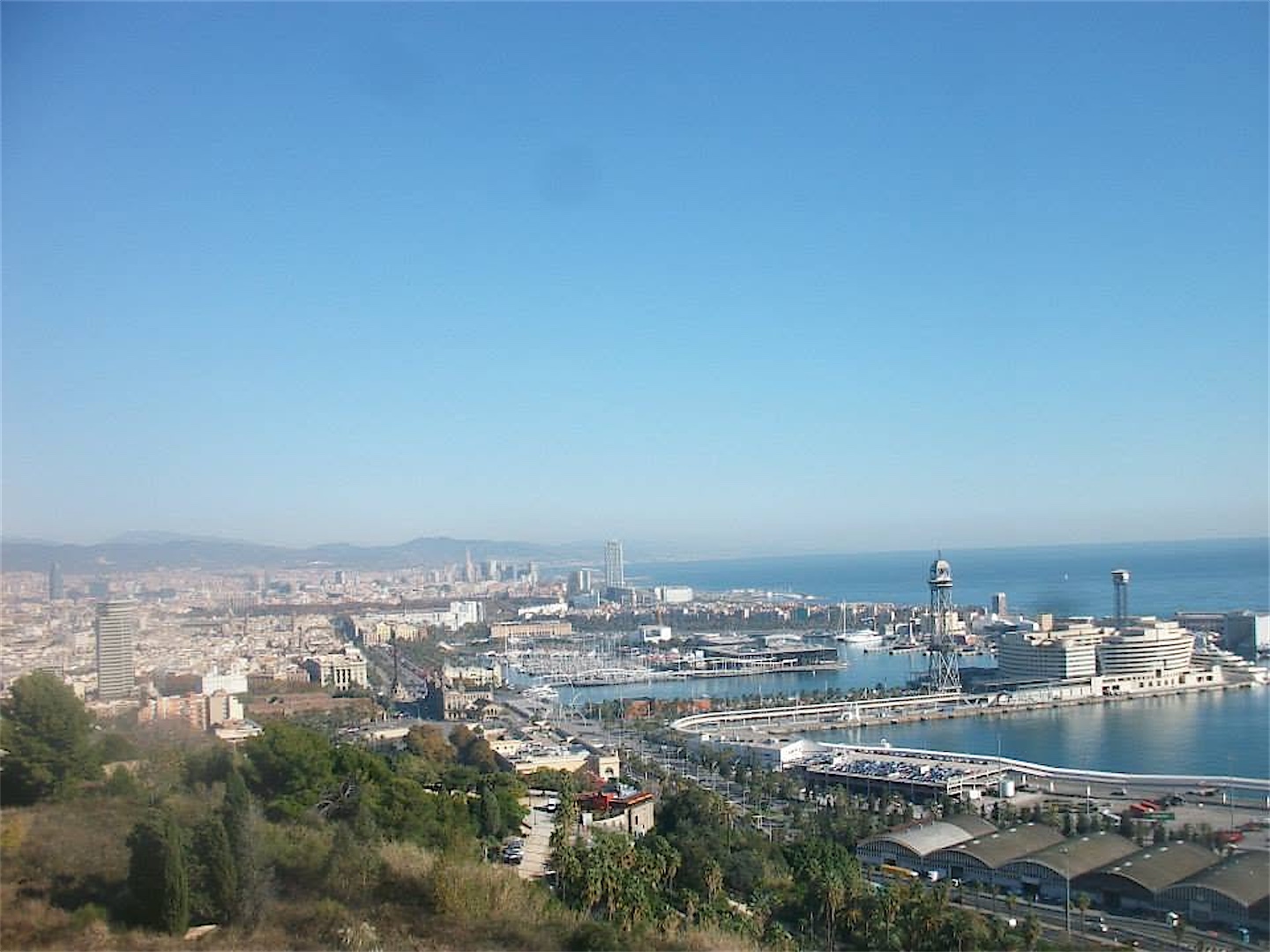
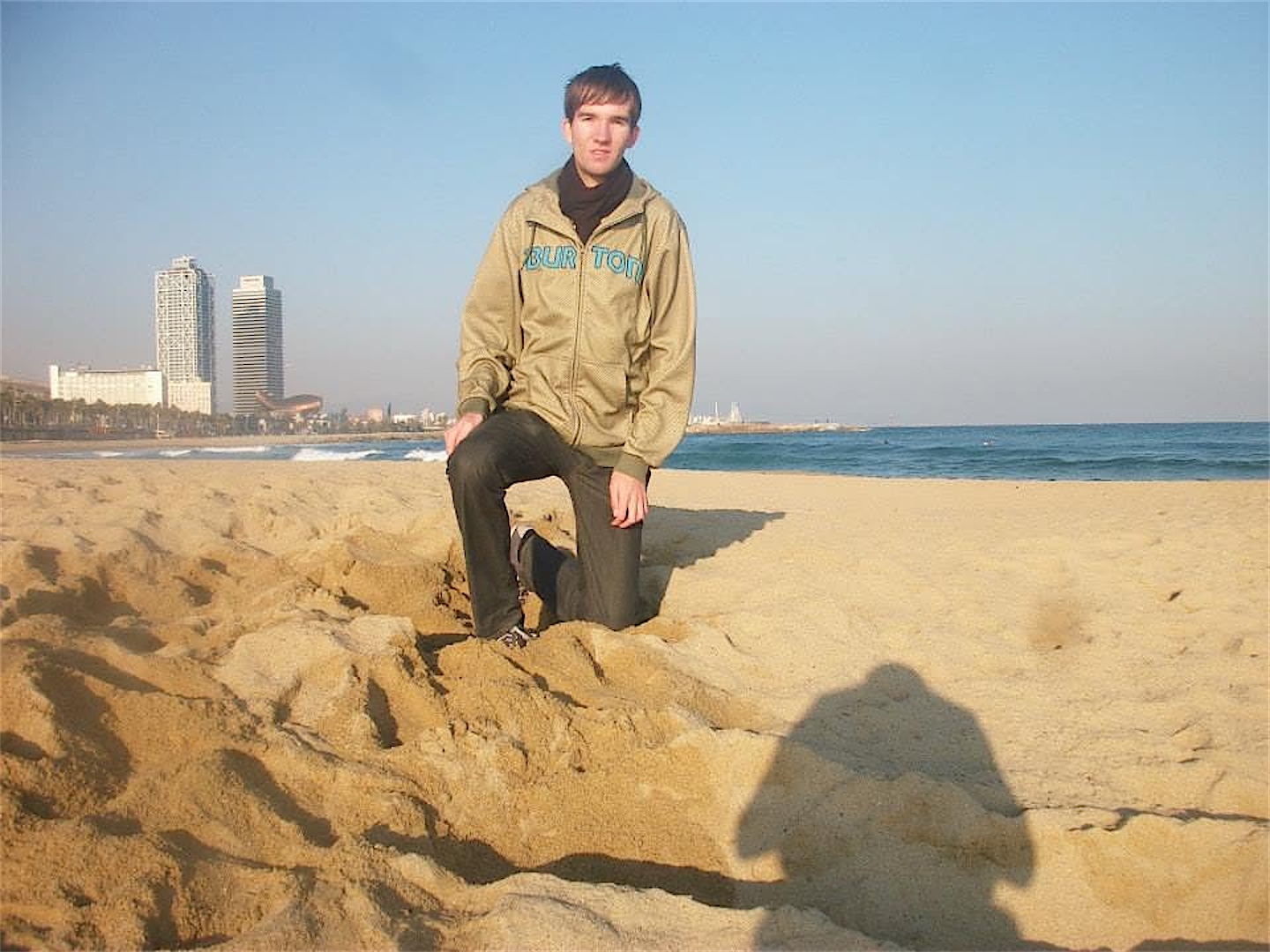
At the end of November I finally made it to Barcelona. My first look at the city was from Montjuïc, the hill above the port, and the first impression was positive. I also made it down to the city beach.
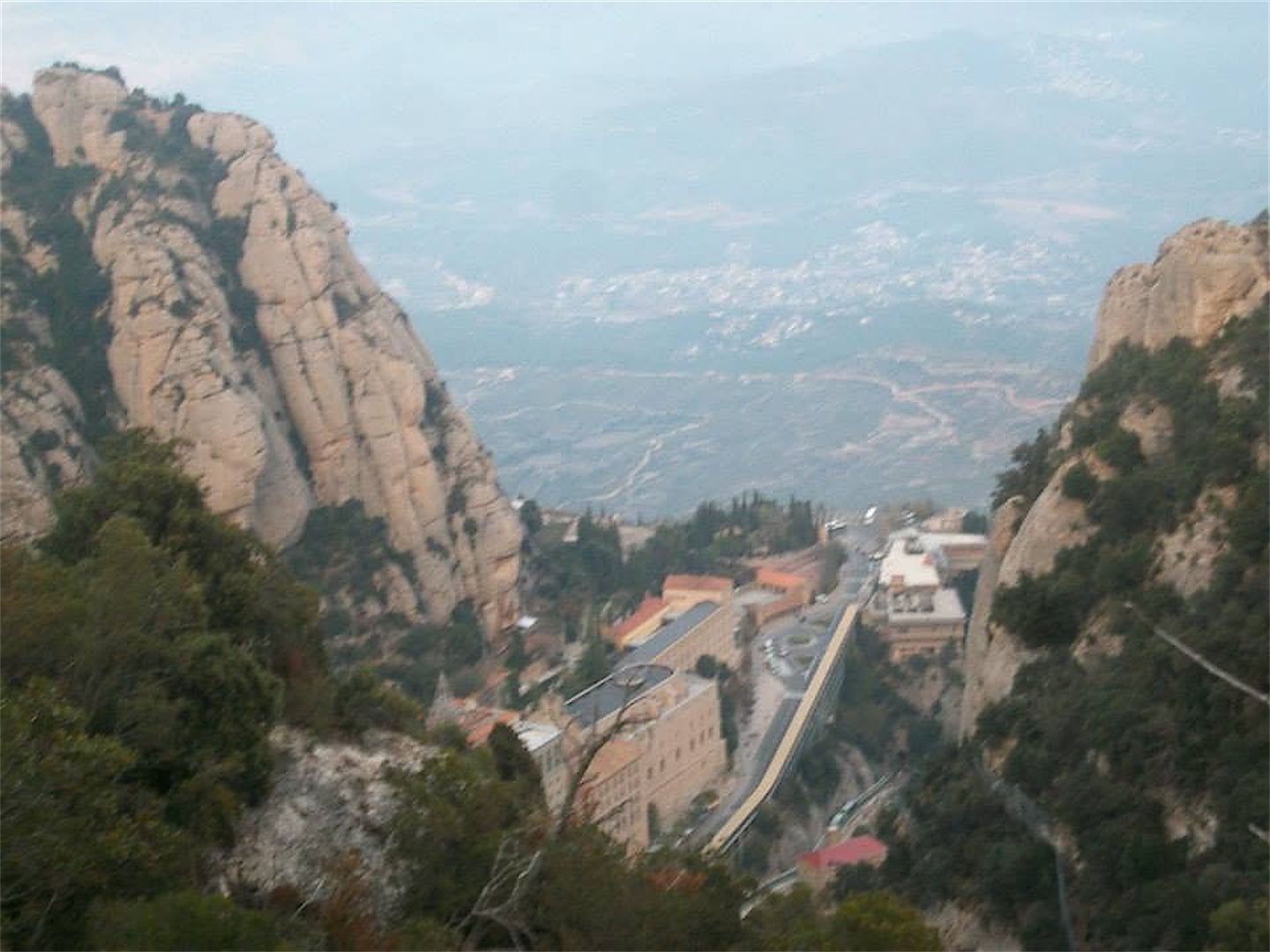
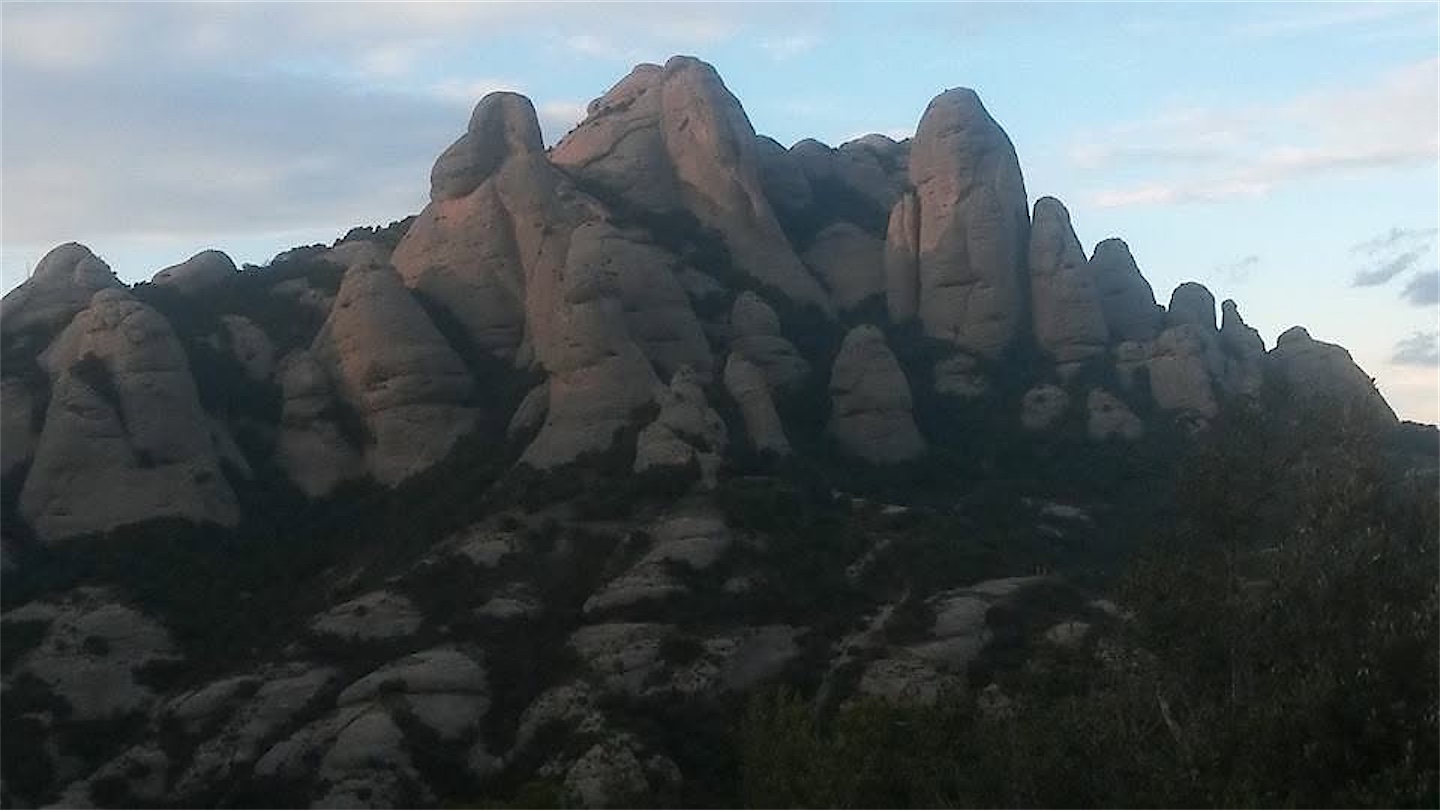
The next highlight was Montserrat, the holy mountain of Catalonia. The jagged rock towers are a spectacle on their own, and the view from up there reaches far across the Catalan countryside. Unfortunately the weather turned worse, but the mountain is well worth a half-day trip from Barcelona.
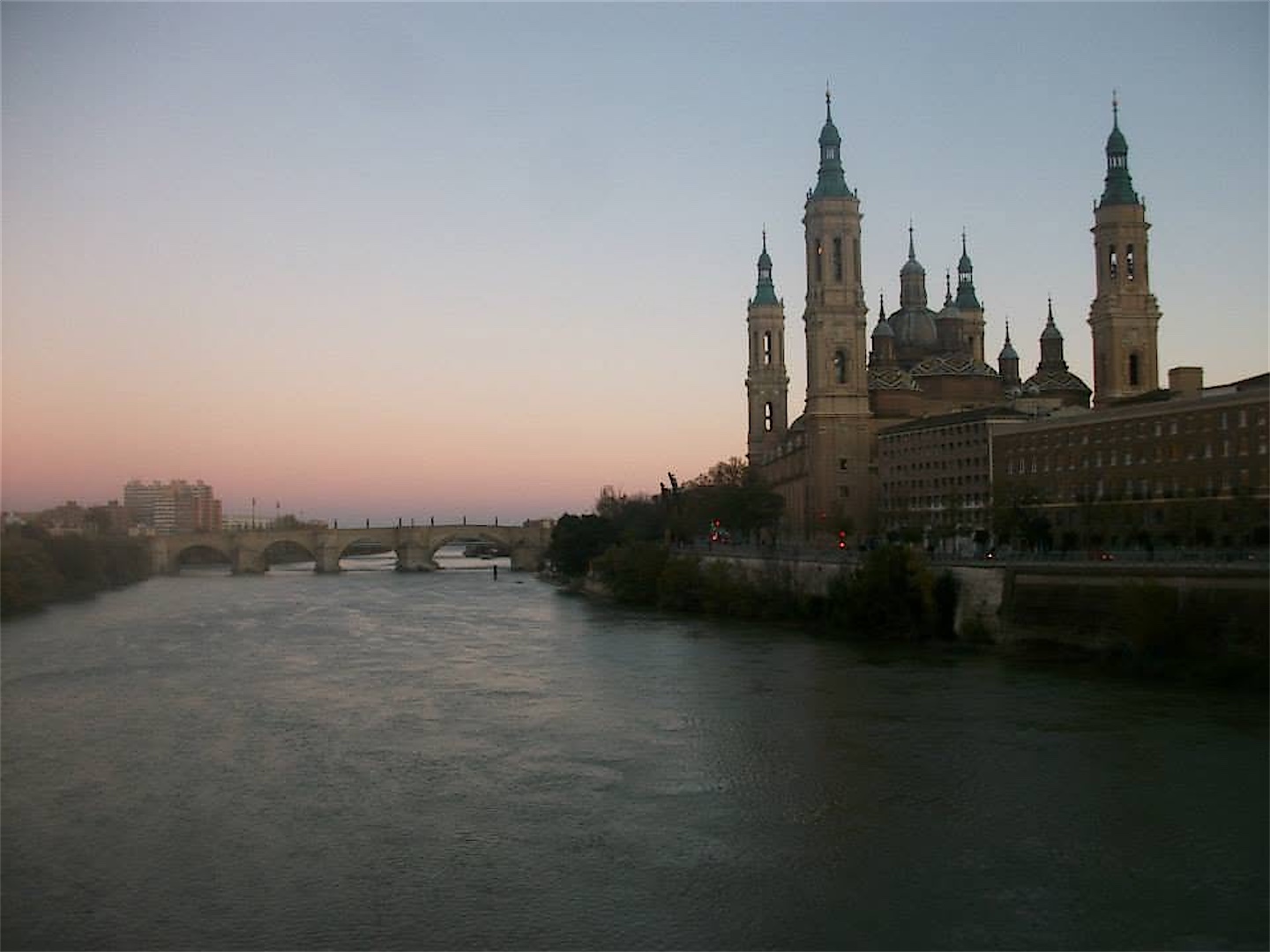
Before returning to Madrid I stopped in Zaragoza, where the towers and tiled domes of the Basílica del Pilar line the bank of the Ebro. Back in the capital, I noted once more that Madrid, in the middle of everything, makes a very good base.
Porto, Guimarães and Coimbra
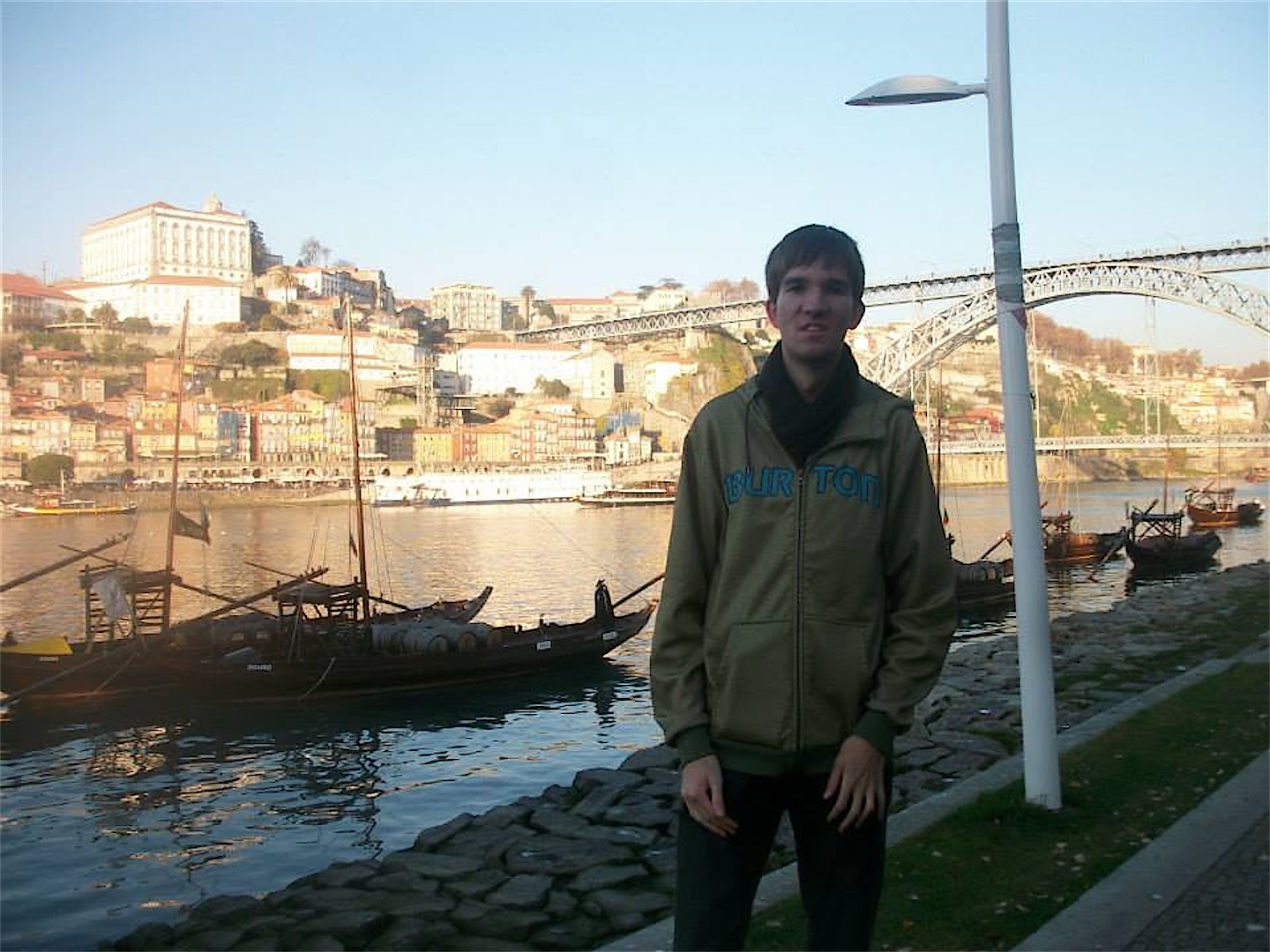
Only a few days later I crossed into Portugal for a long weekend, my first time in the country and territory number 27 on my list. Porto became one of my top destinations of the whole year. The old Ribeira district climbs steeply from the Douro, the traditional rabelo boats that once carried port wine down the river lie at the quay, and a whole series of bridges spans the gorge, among them the iron arch of the Maria Pia bridge, built by Gustave Eiffel's company in 1877.
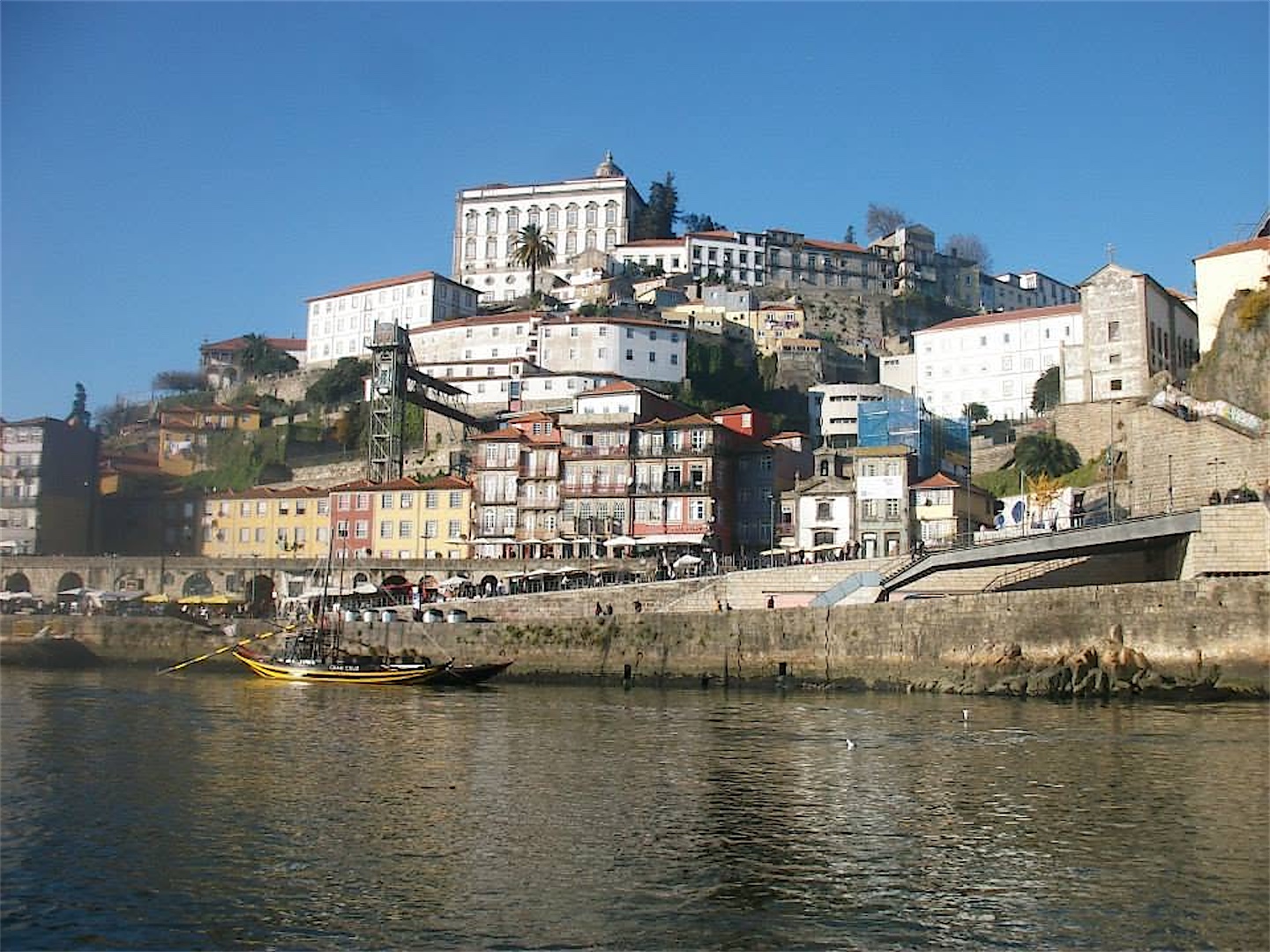
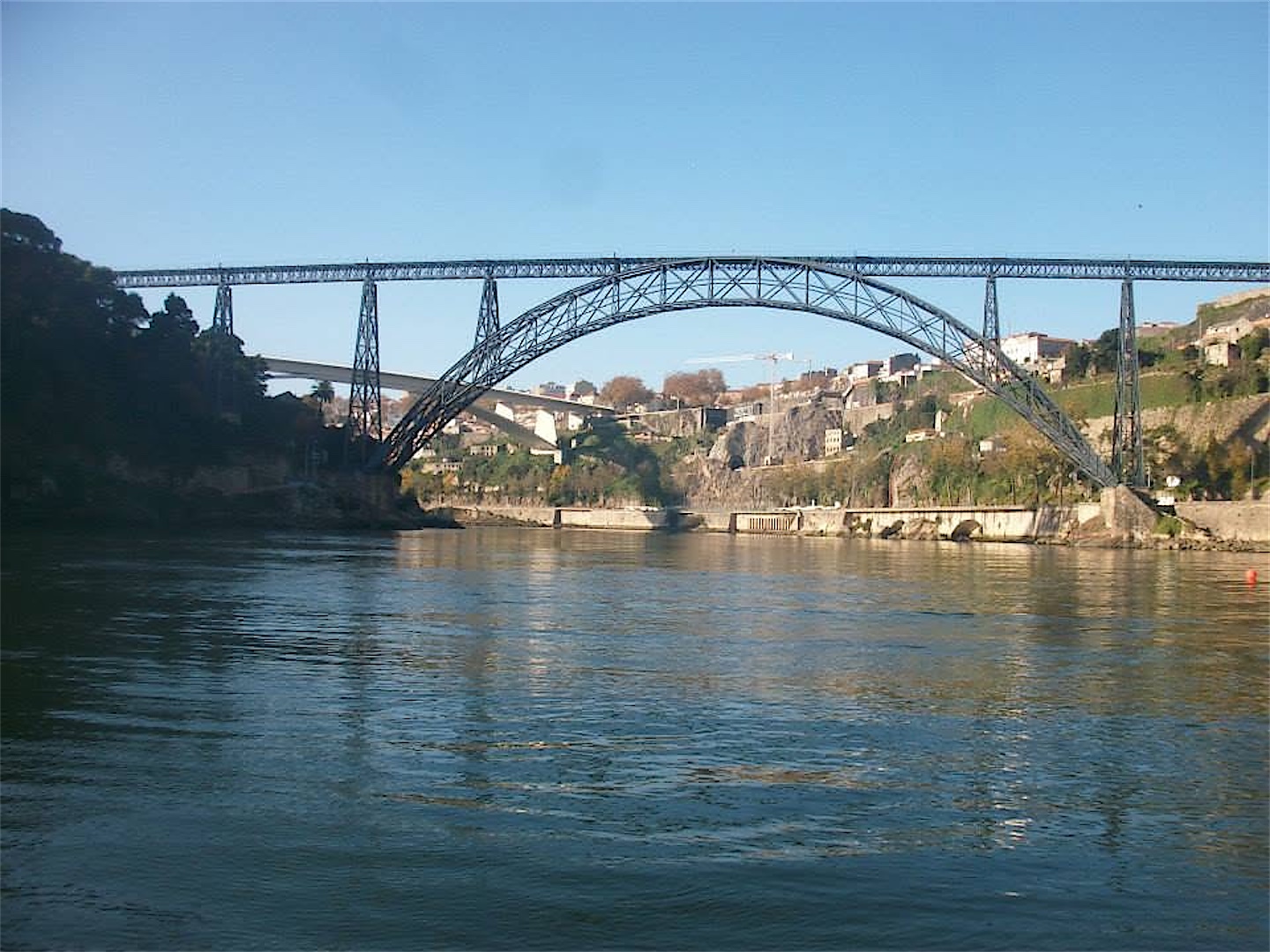
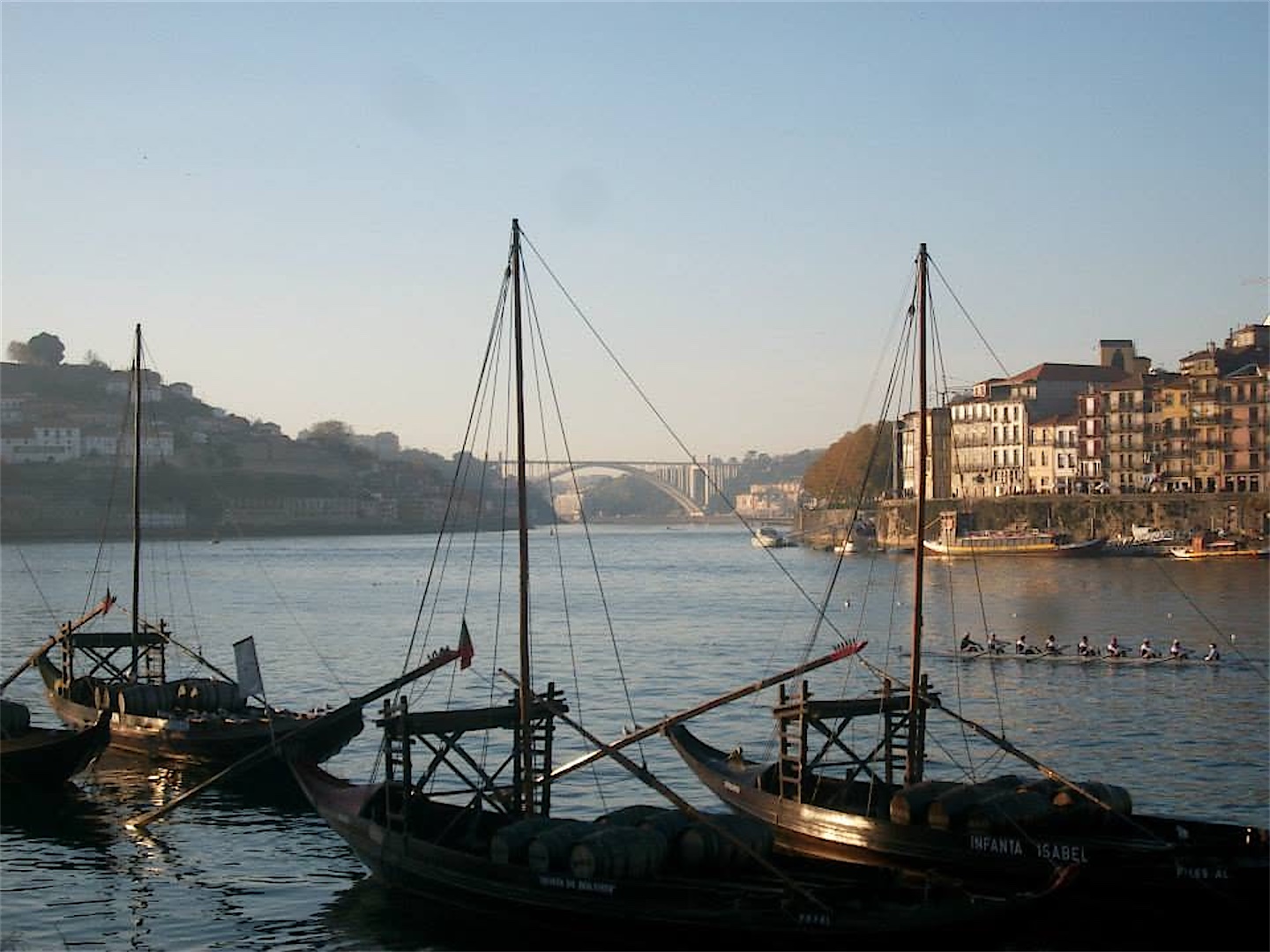
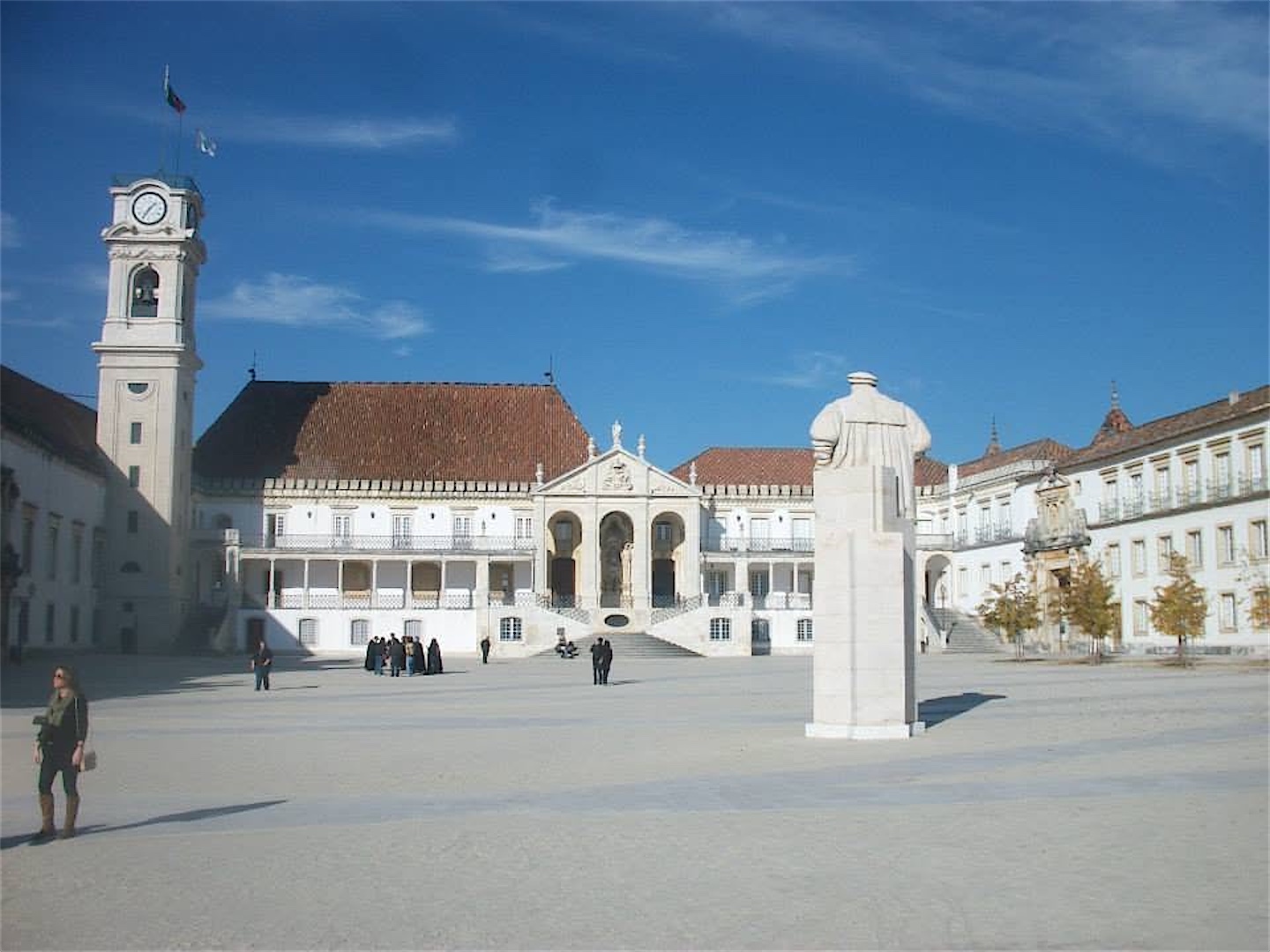
Guimarães and Coimbra were well worth the visit too. Guimarães calls itself the birthplace of Portugal, because the first Portuguese king, Afonso Henriques, is said to have been born there. Coimbra is the old university town on the Mondego. It was an amazing weekend, and I was already looking forward to Lisbon in January.
Snow on the Teide
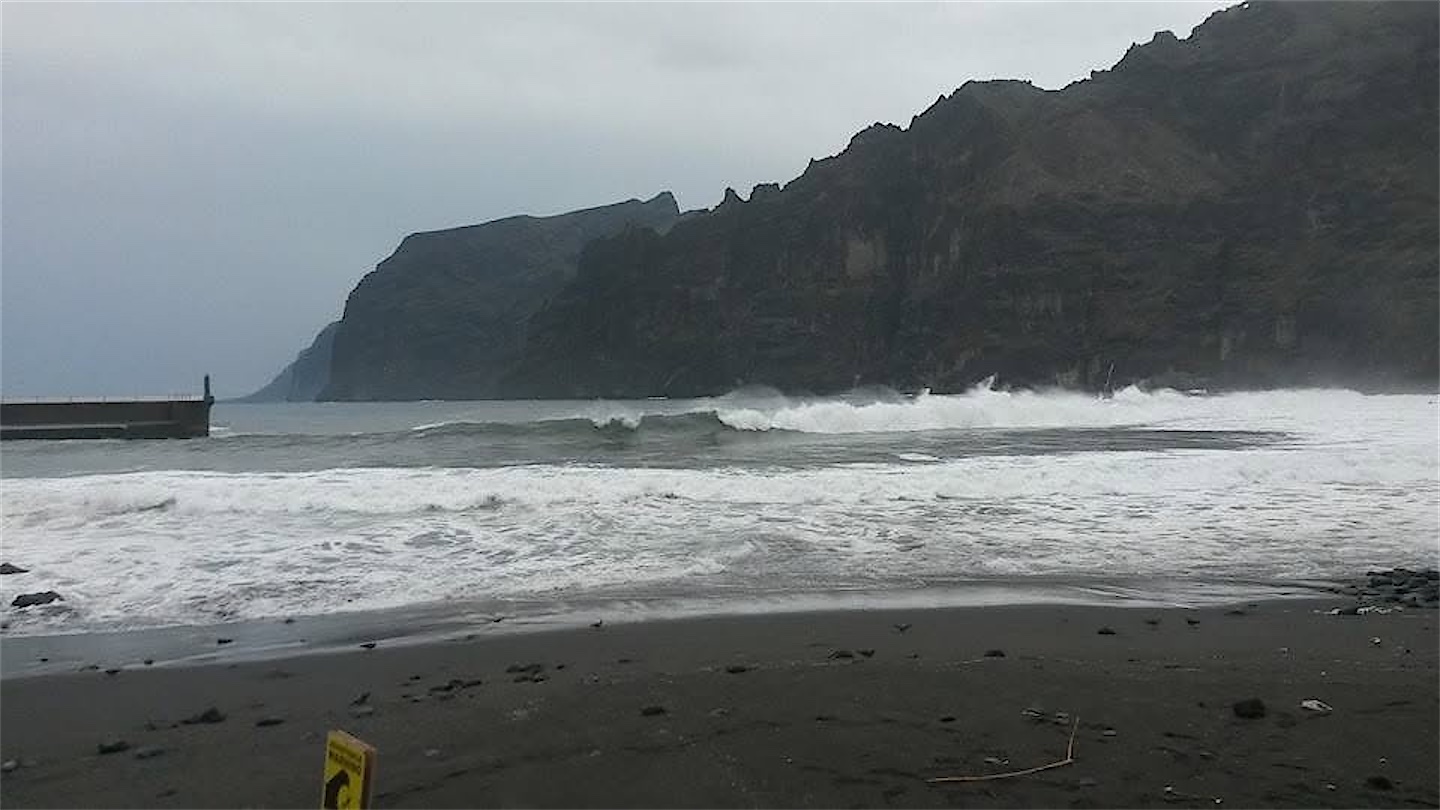
The last trip of the year took me to Tenerife in mid-December. It started badly: at Los Gigantes, where the cliffs drop straight into the Atlantic, the weather was poor and the waves were high. But every now and then luck is on your side, and the Teide soon appeared snow-white above the island.
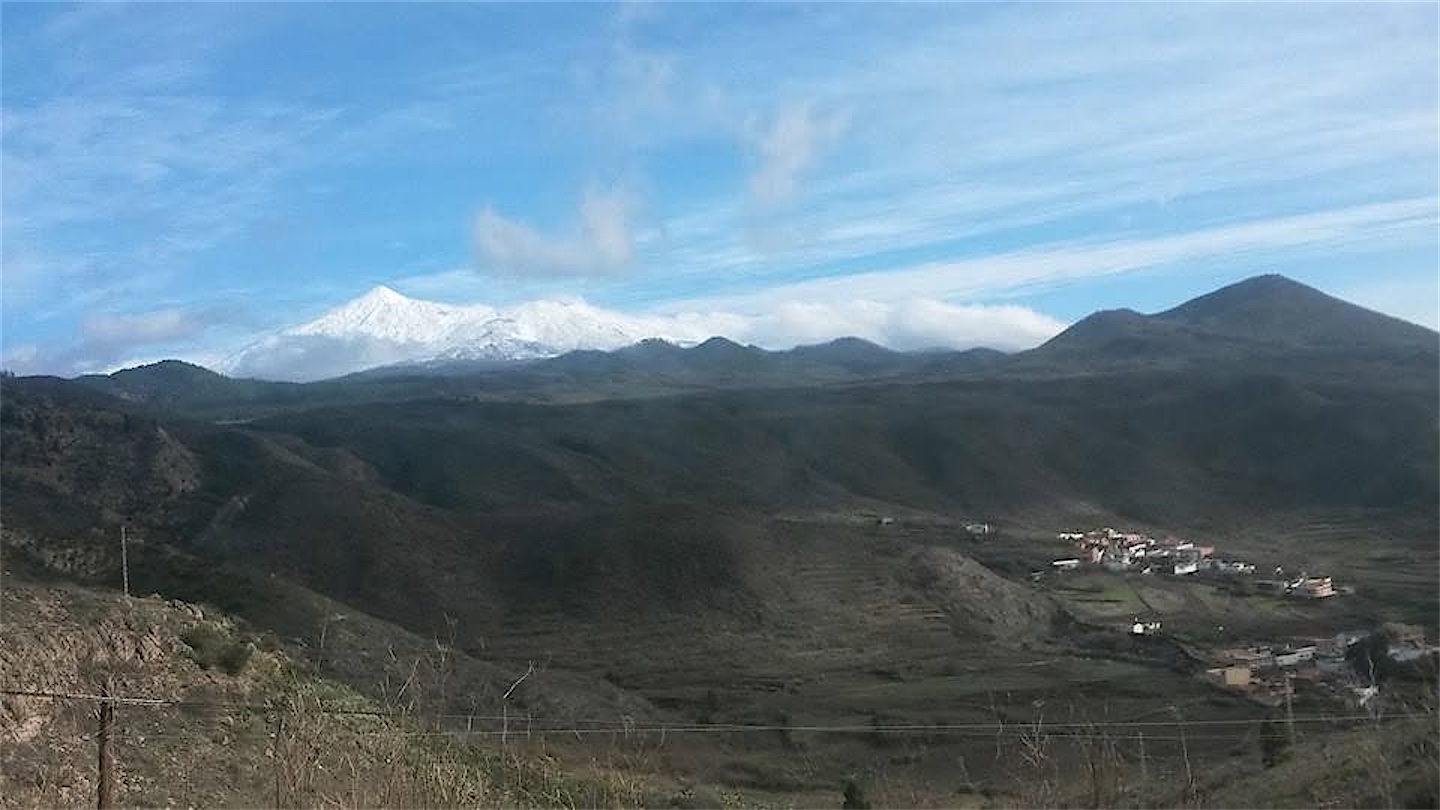
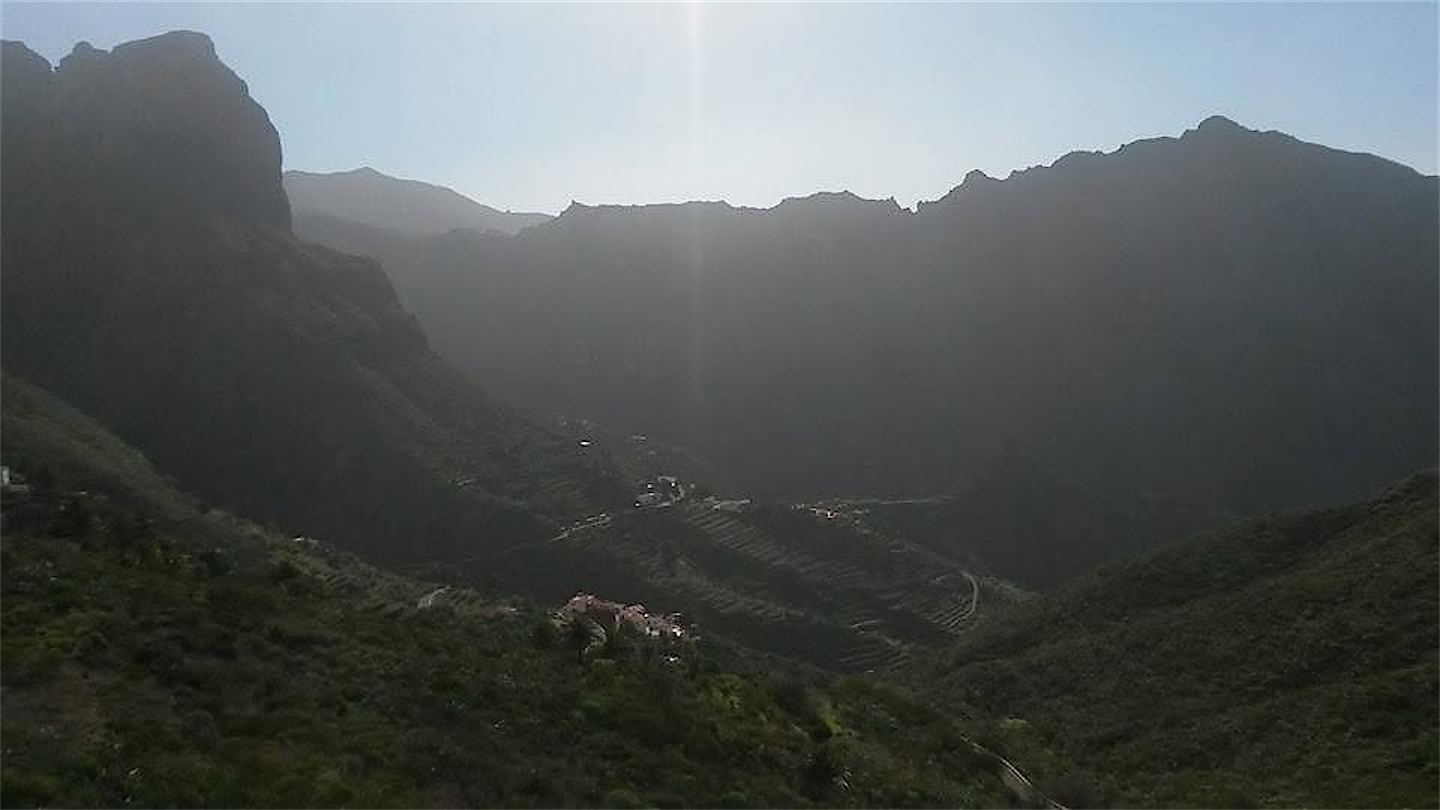
The day became unexpectedly beautiful. I stayed on a wonderful little farm with great views of the coast and the volcano, for less than ten bucks. Two days later I visited Masca, a tiny village in a deep gorge of the Teno mountains in the northwest of the island.
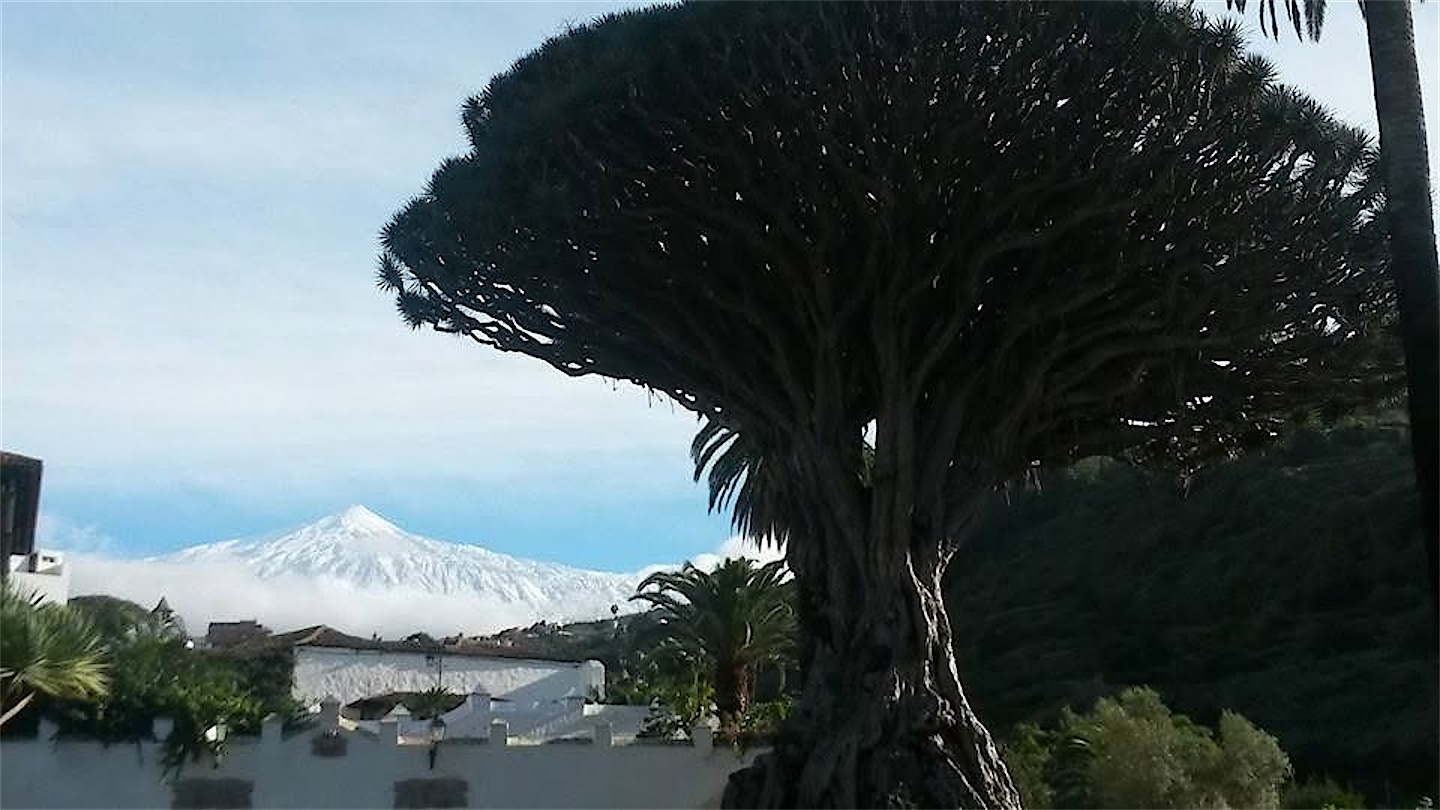
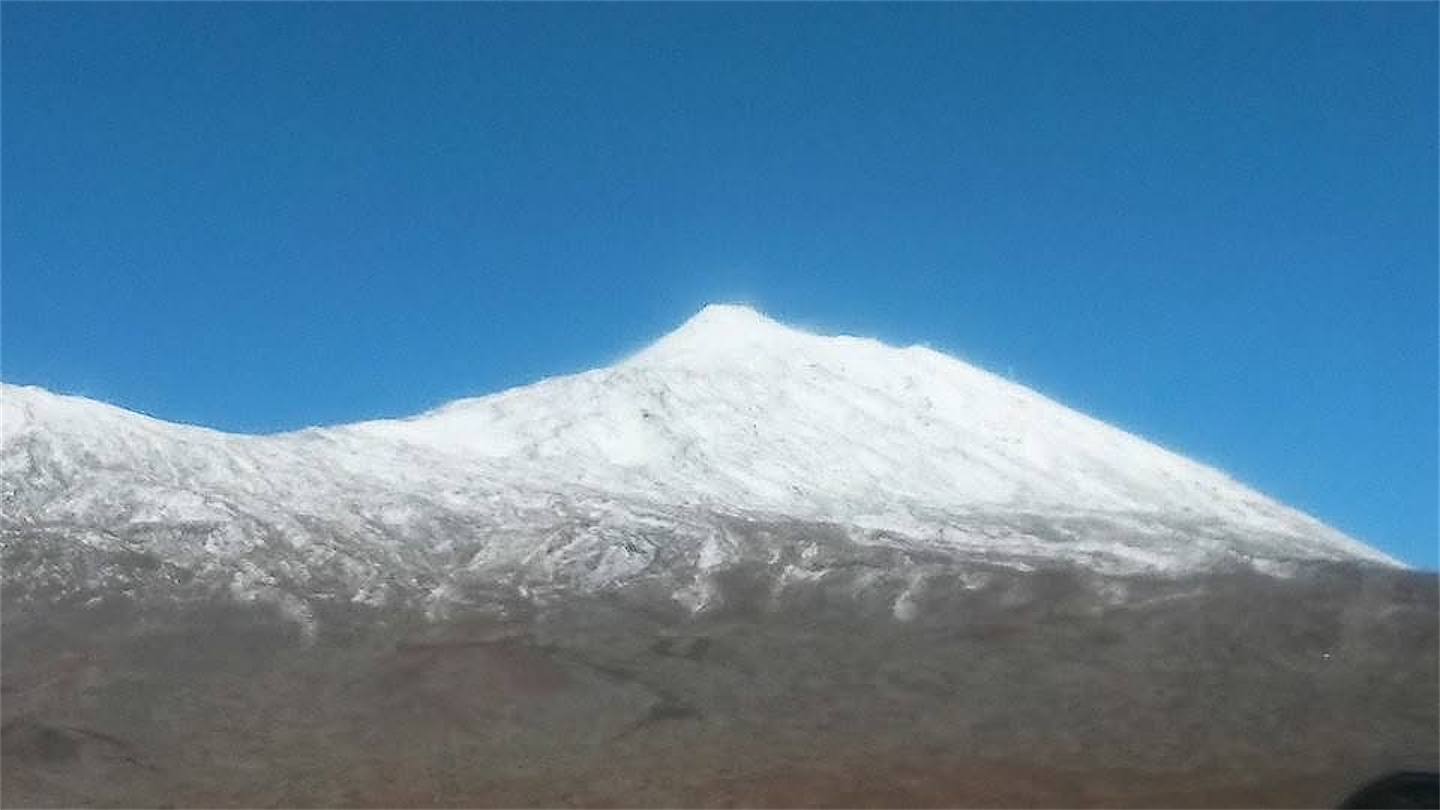
On Saturday the whole island seemed to have the same idea as me and drove up to the Teide to see and touch the snow, for many locals the first of their lives. The crowds made me miss my ferry to Gran Canaria.
On 18 December I spent my last evening of the year in Madrid before the Christmas break. The semester was not over yet: Lisbon was planned for January, and Segovia, Salamanca and Cuenca were still to come. Years later I came back to the Canaries in a very different way, on my own catamaran, as told in Hopping Along the Canary Islands.