
Tiger Tracks and Volcanoes: Two Weeks in Russia's Far East
9–23 April 2026 · Khasan, Vladivostok, Sikhote-Alin, Birobidzhan, Khabarovsk, Petropavlovsk-Kamchatsky · Regions: Russia (Primorsky Krai, Jewish Autonomous Oblast, Khabarovsk Krai, Kamchatka)
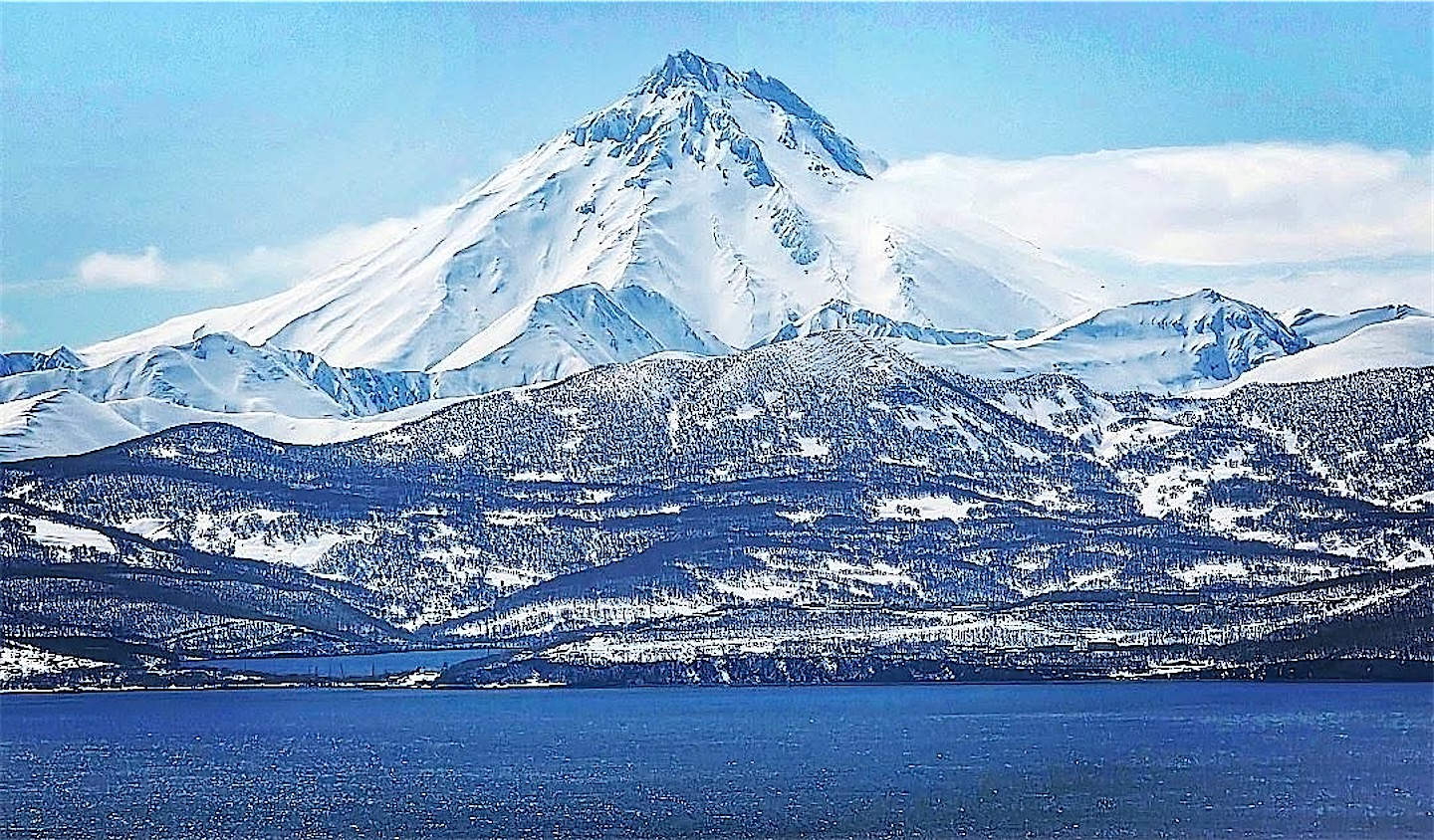
On 14 April 2026 I was supposed to be standing at the North Pole. That expedition was the reason I had planned a spring in Russia at all. Then it was postponed again, not for the first time, to April 2027. Patience is everything in extreme travel, as in chess, so I kept the rest of the plan: two weeks in the Russian Far East, the biggest blind spot on my map of the country.
I came straight from northwest Argentina on China Eastern's flight from Buenos Aires via Auckland to Shanghai, the longest route in the world under one flight number. The thirty hours passed quickly, with ten hours of sleep and a refuelling stop in Auckland just long enough for a bottle of Lemon & Paeroa, my favourite soda. In Shanghai I finally rode the Maglev into town at 300 km/h for an evening photo walk along the Bund, and flew on to Vladivostok the next morning.
I travelled on my Vanuatu passport, which allows visa-free stays in Russia of up to 90 days. Even so, no trip of mine has ever needed more preparation, and friends on the ground helped with hard-to-get border-zone permits. Immigration in Vladivostok then asked me not a single question.
Vladivostok and the tripoint at Khasan
The permits were for day one. Straight from the airport we drove four hours along the sea, through hills and taiga, to Khasan, where Russia, China and North Korea meet. Reaching the closest point to the tripoint took long discussions with soldiers, their superiors and their superiors' superiors about the nature of border tourism, and I was probably the first tourist there in years.
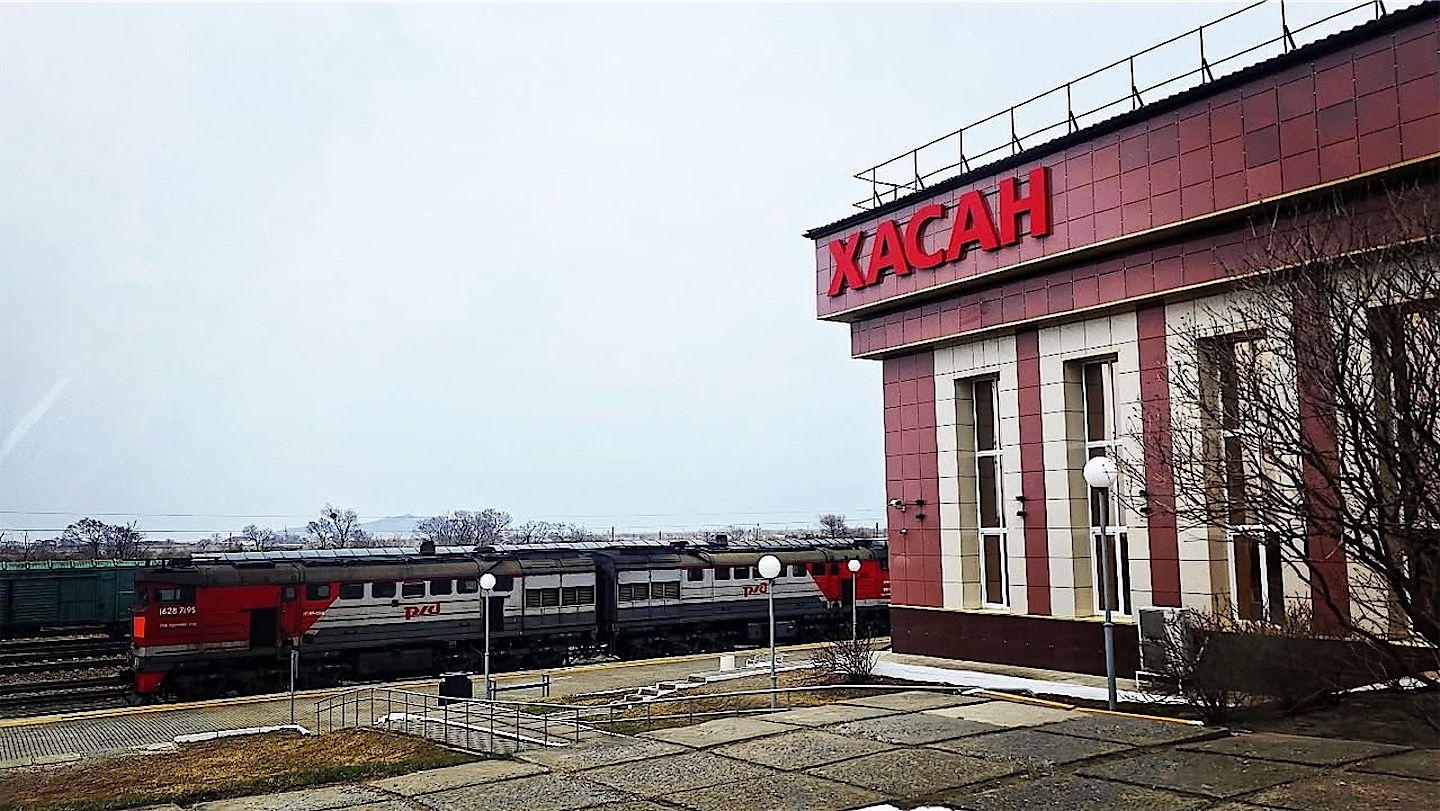
Khasan station is the last stop before North Korea, and the railway bridge over the Tumen River lies just a kilometre further down the line. Russia's border with North Korea is only about 17 kilometres long and follows the river all the way. On the drive back we passed through the last refuge of the Amur leopard, of which fewer than a hundred remain in the wild.
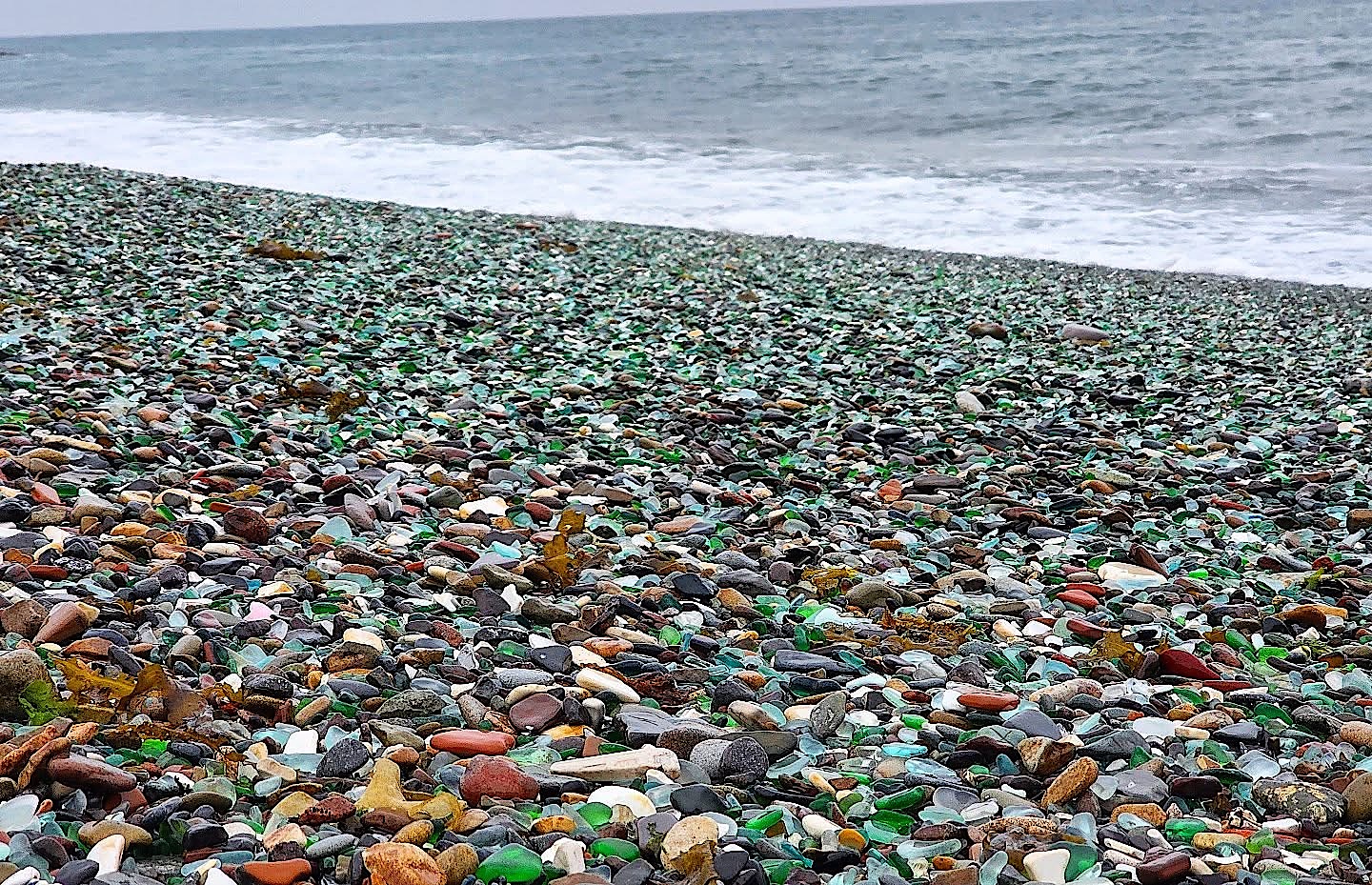
Back in Vladivostok, Russian food got me first: the worst food poisoning in years. Ten charcoal tablets revived me enough to explore the city in the rain. The natural highlight was Glass Beach on the coast nearby, where old glass dumped into the bay has been rolled by the waves into smooth, colourful pebbles.
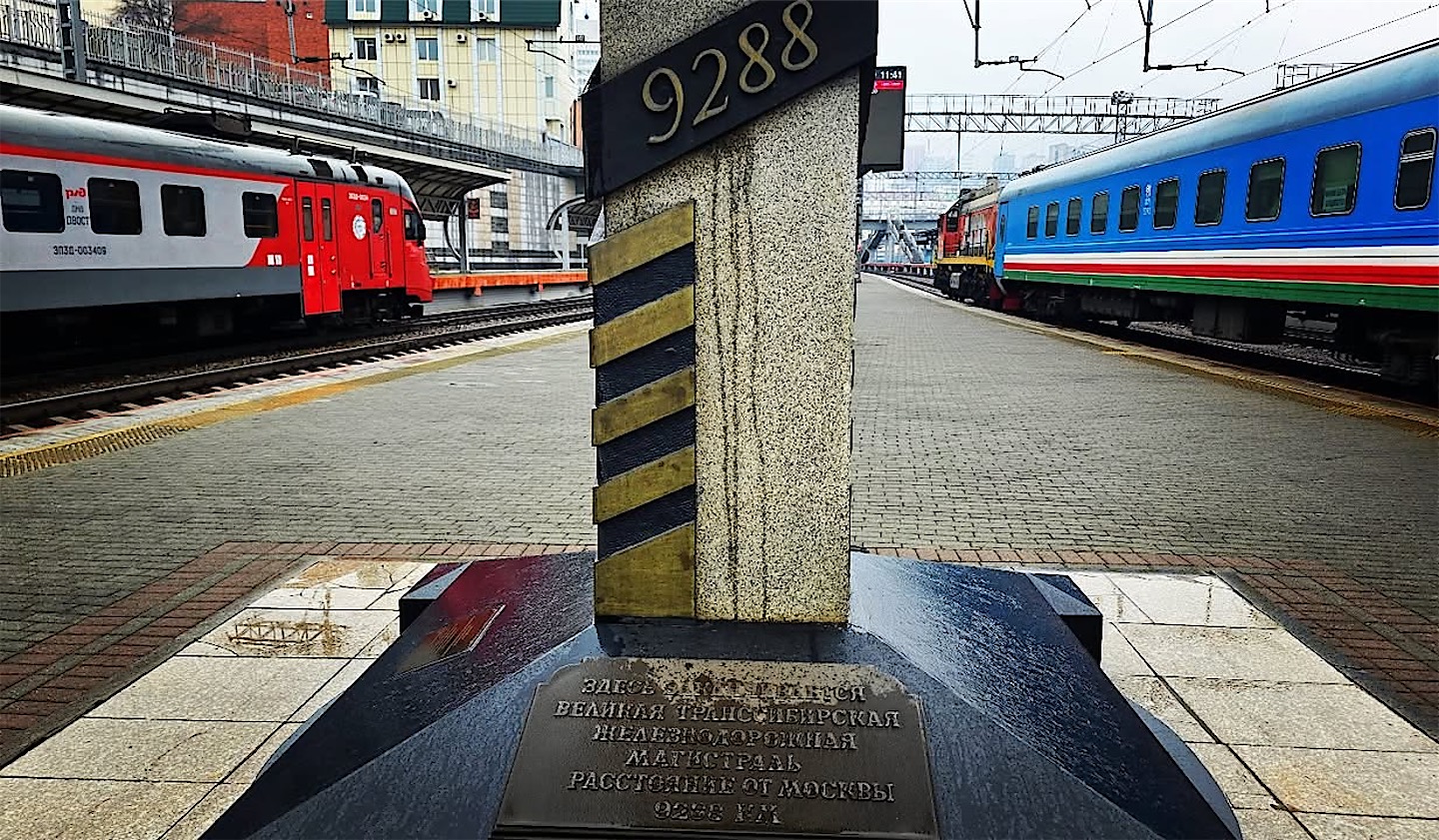
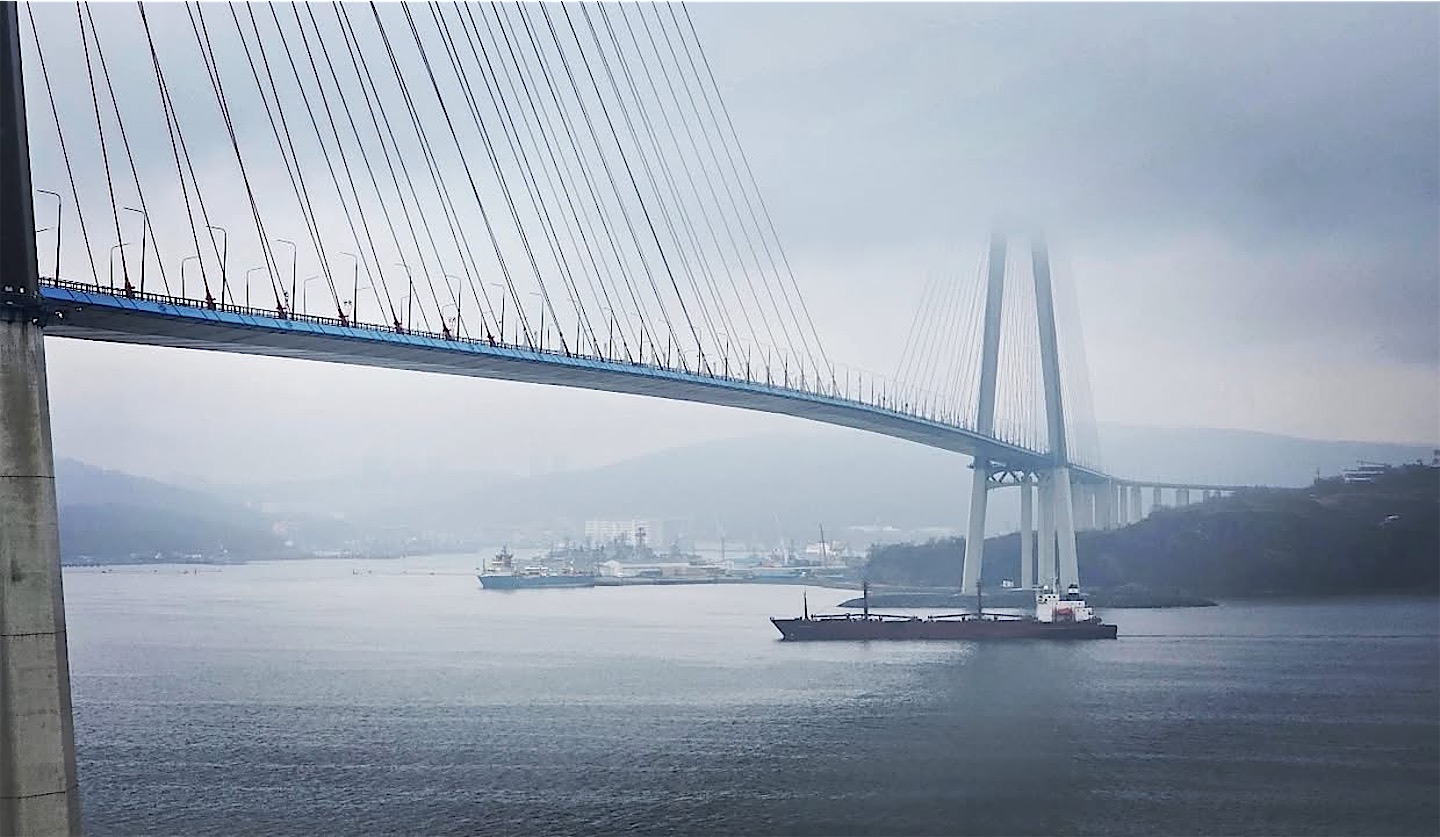
At the railway station a marker shows the end of the Trans-Siberian: exactly 9,288 kilometres to Moscow. Twice I had planned to ride the whole line with friends, in 2020 and 2022, and twice the plans fell through. Further out, the Russky Bridge disappeared into the fog. For years it had the longest span of any cable-stayed bridge in the world, until a Chinese bridge recently took the title.
The land of the tiger
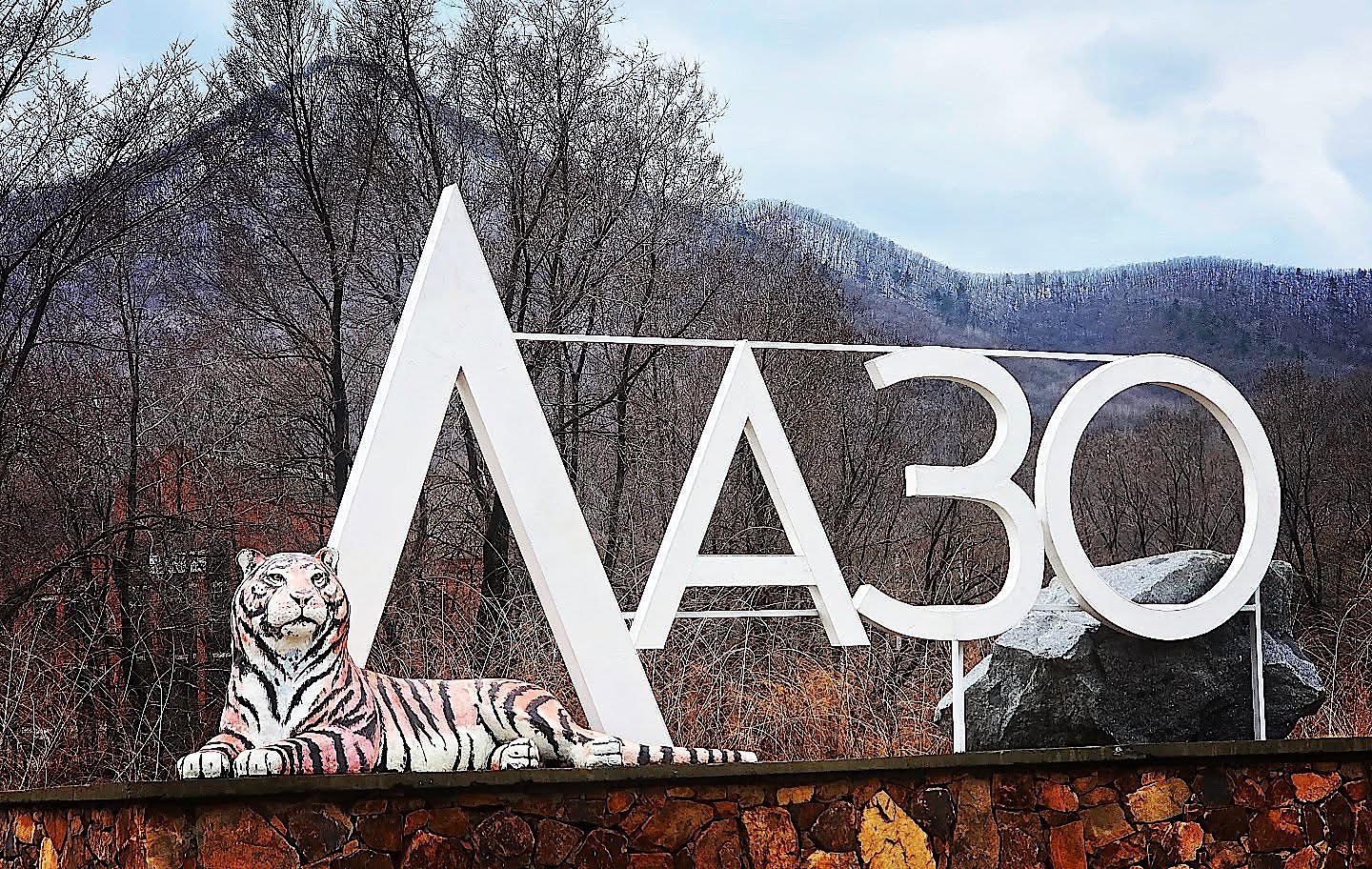
On 11 April we headed north-east into the Sikhote-Alin, the mountains along Primorye's Pacific coast, to look for the Amur tiger. The village of Lazo greets visitors with a tiger statue, which is fitting: it is infamous for tigers snacking on the local dogs. Later a road sign pointed to Olga one way and Valentin the other, and I wondered whether the two had divorced and moved to opposite sides of the mountains.
We spent the night in Dalnegorsk, a town said to be among the most polluted on the planet, since most of Russia's lead is mined around it. The next afternoon the sun finally came out over a beautiful bay on the Pacific.
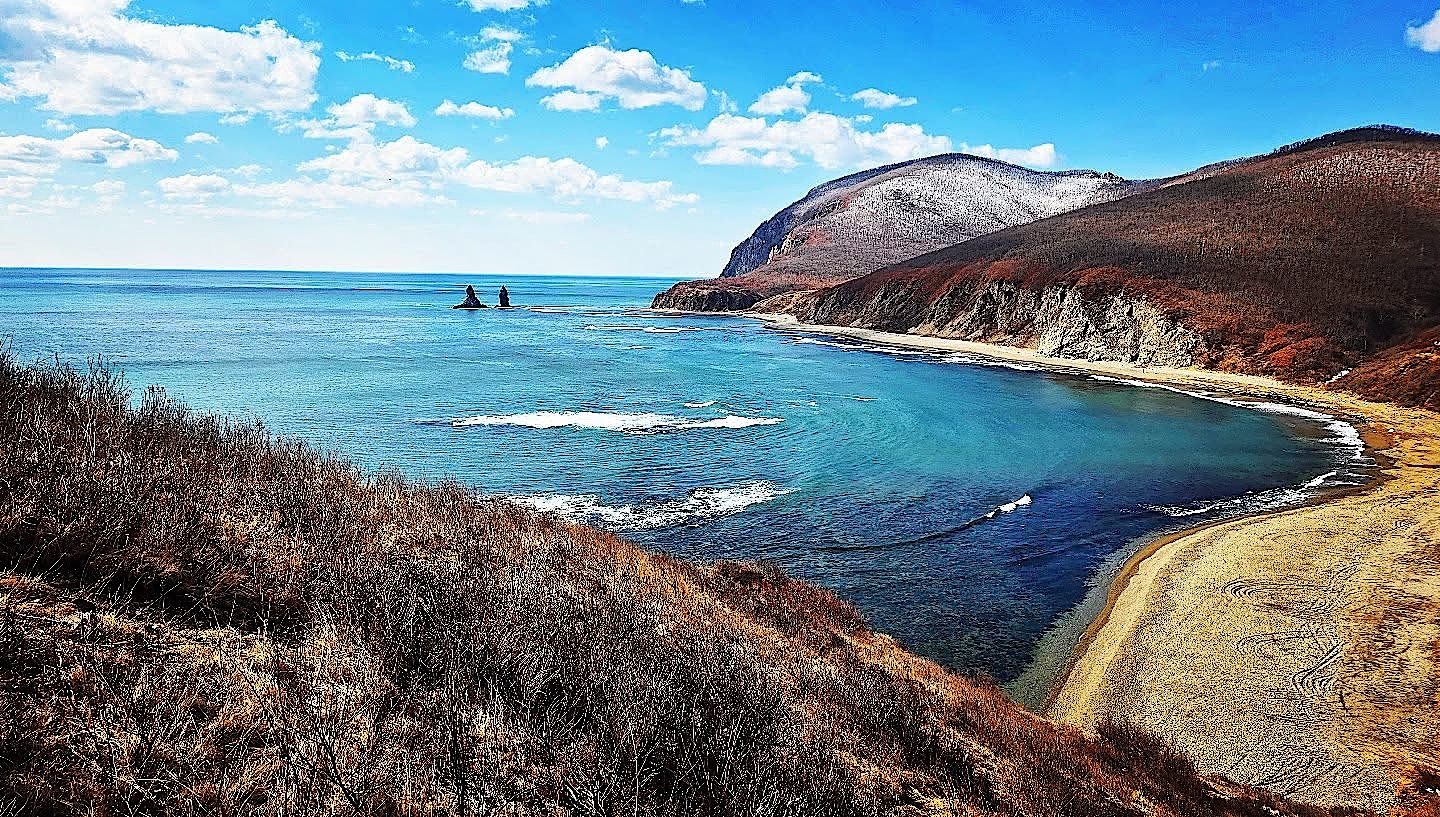
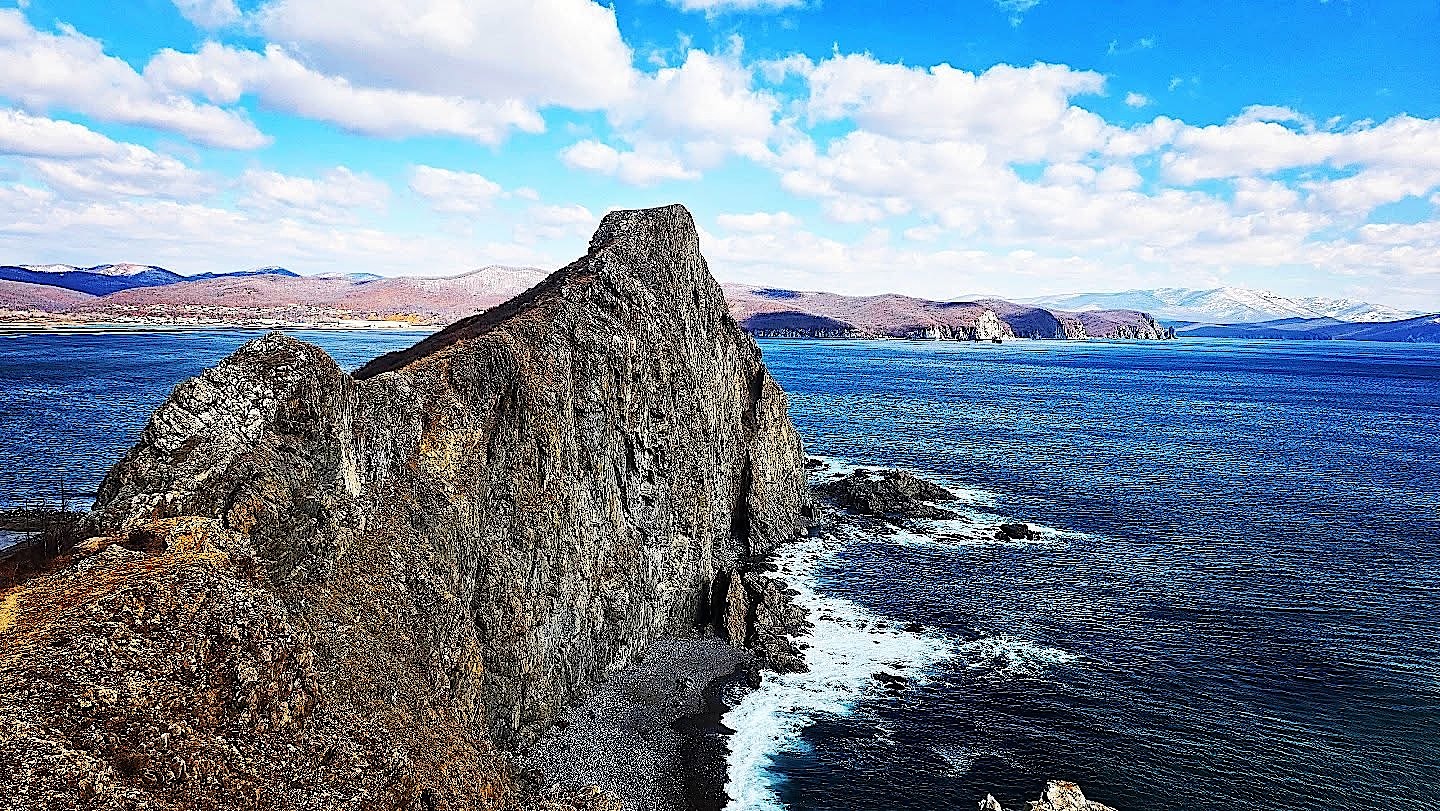
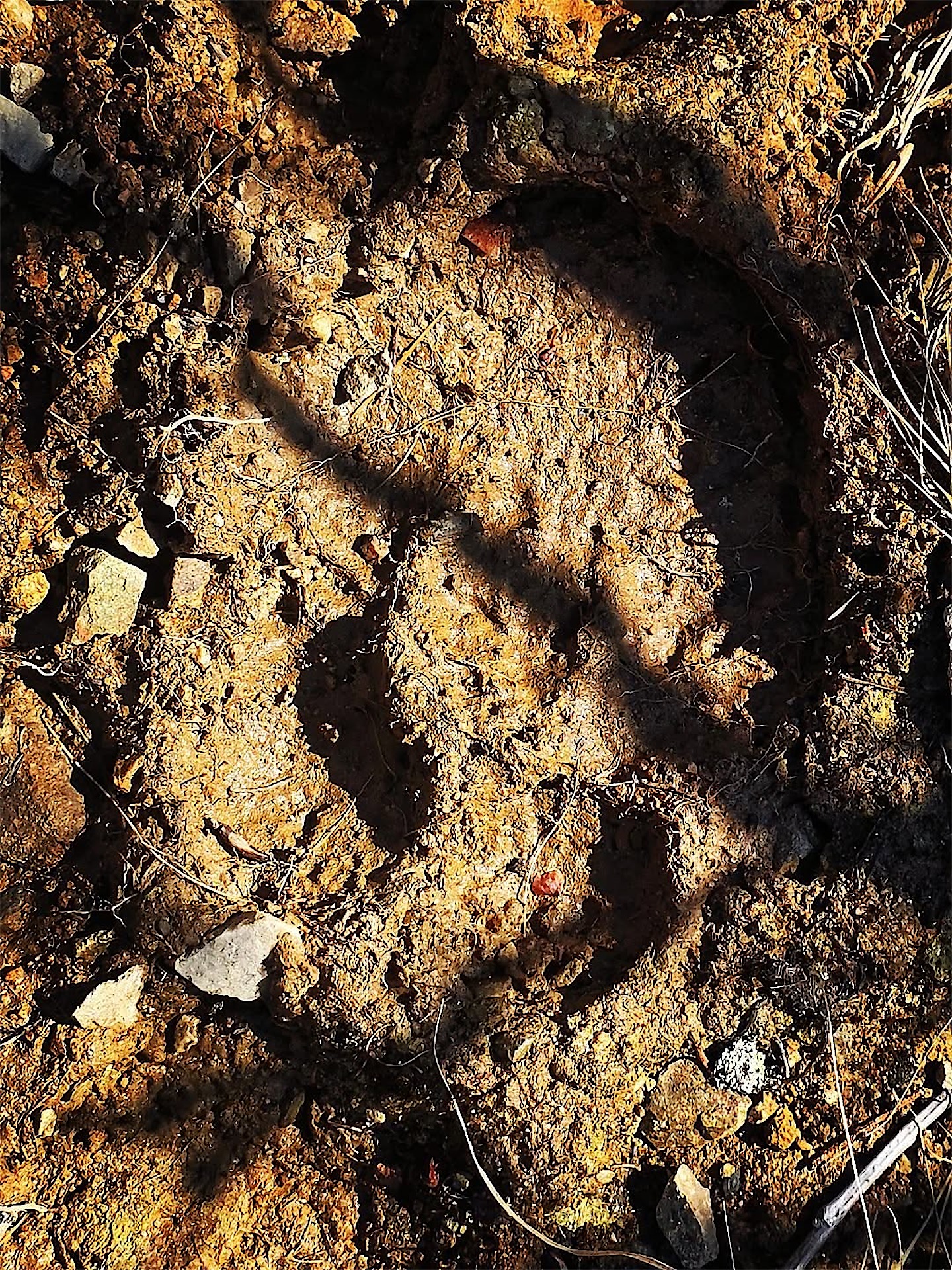
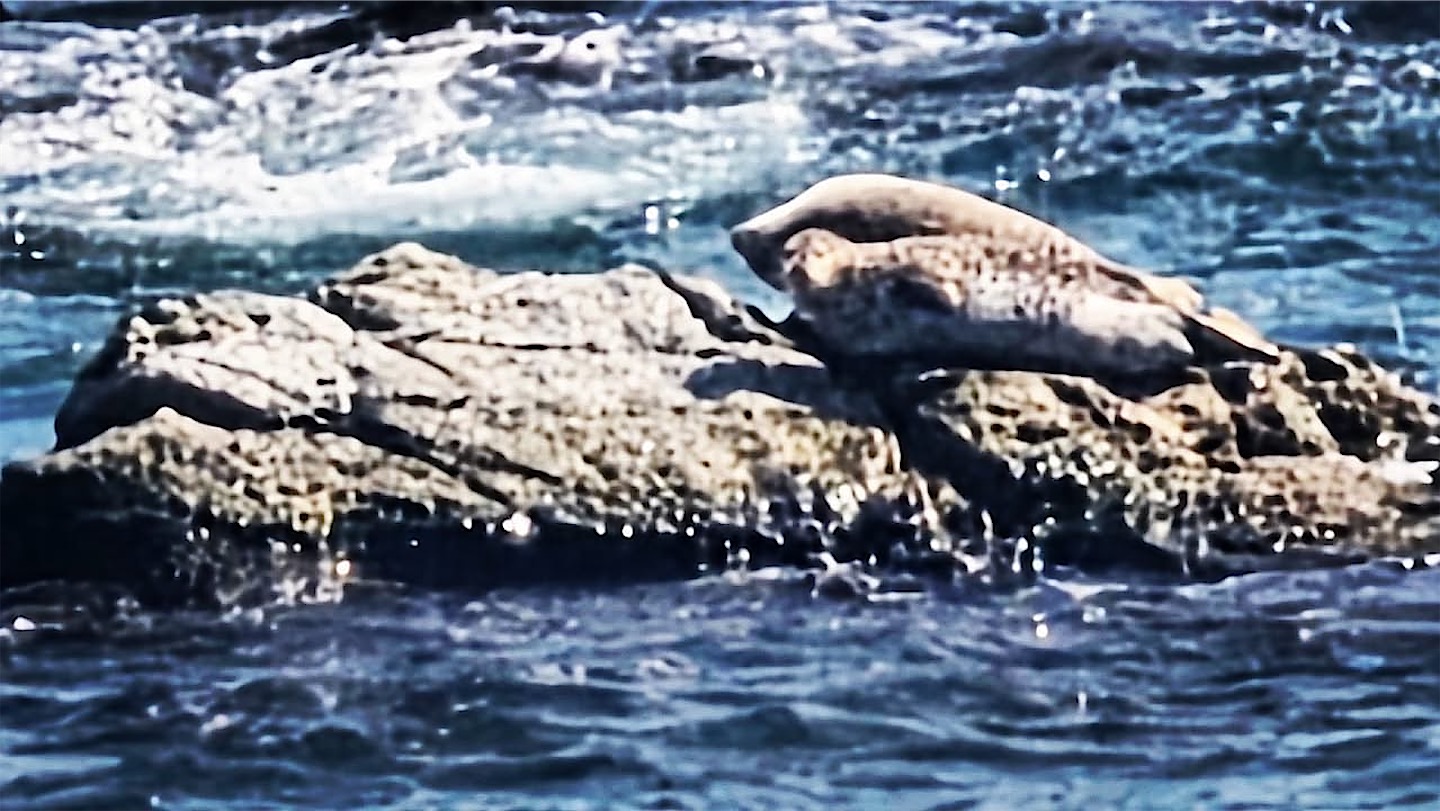
I did three long hikes through different habitats of the Sikhote-Alin Nature Reserve. One morning we found fresh tiger paw prints: they certainly saw us, even if we didn't see them. Off the coast a few larga seals rested on the rocks. In the end I saw the tiger only stuffed in a museum and on camera-trap footage, which was to be expected with a few hundred tigers in an area half the size of Germany. Still, the thought that one might step out of any bush made every hike exciting, and bears, wolves and lynx live here too.
Birobidzhan and the Amur
Twenty hours of driving in two days through monotonous taiga brought me to Birobidzhan. The new regions along the way briefly lifted me into the top four of NomadMania's Know Your Earth ranking, which divides the world into squares of ten by ten degrees.
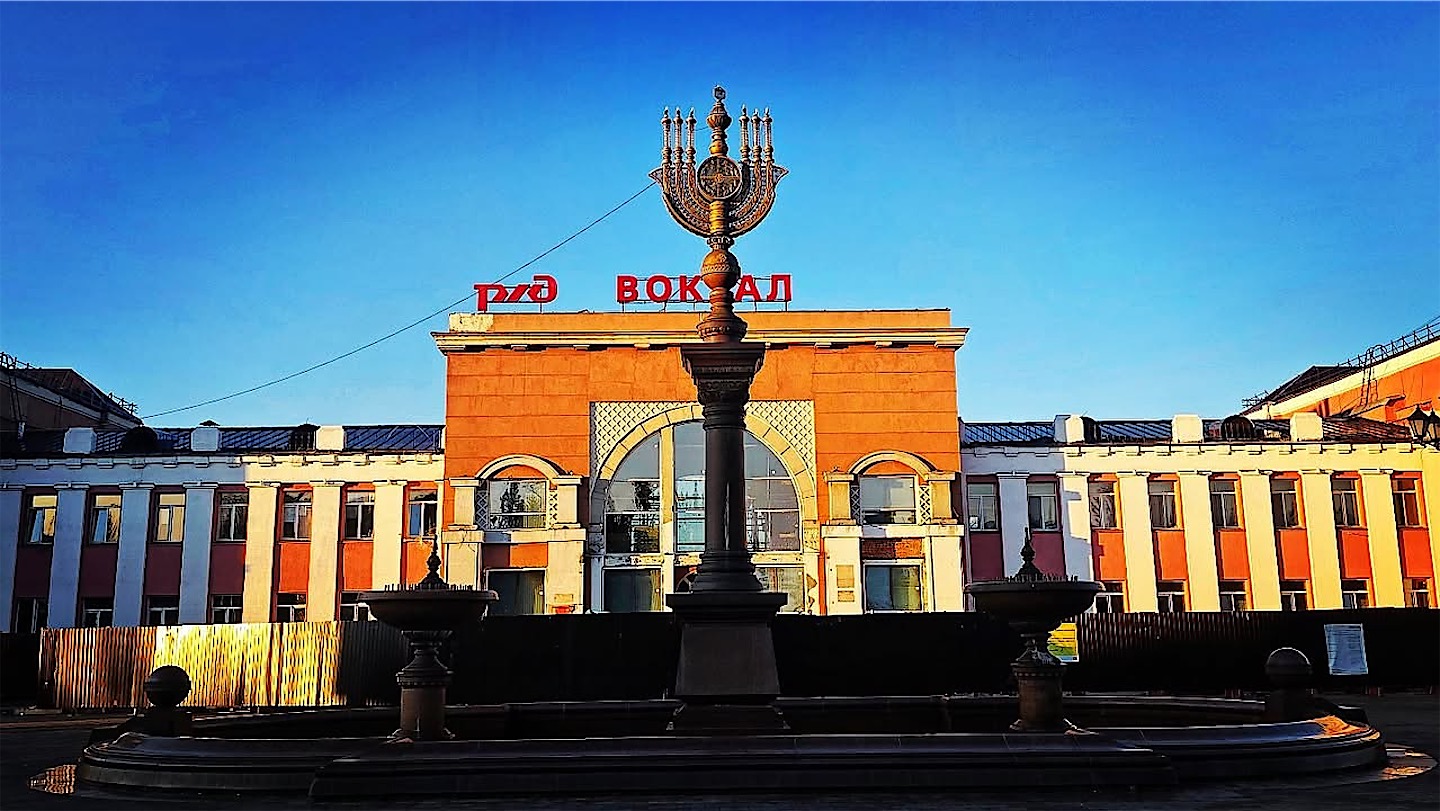
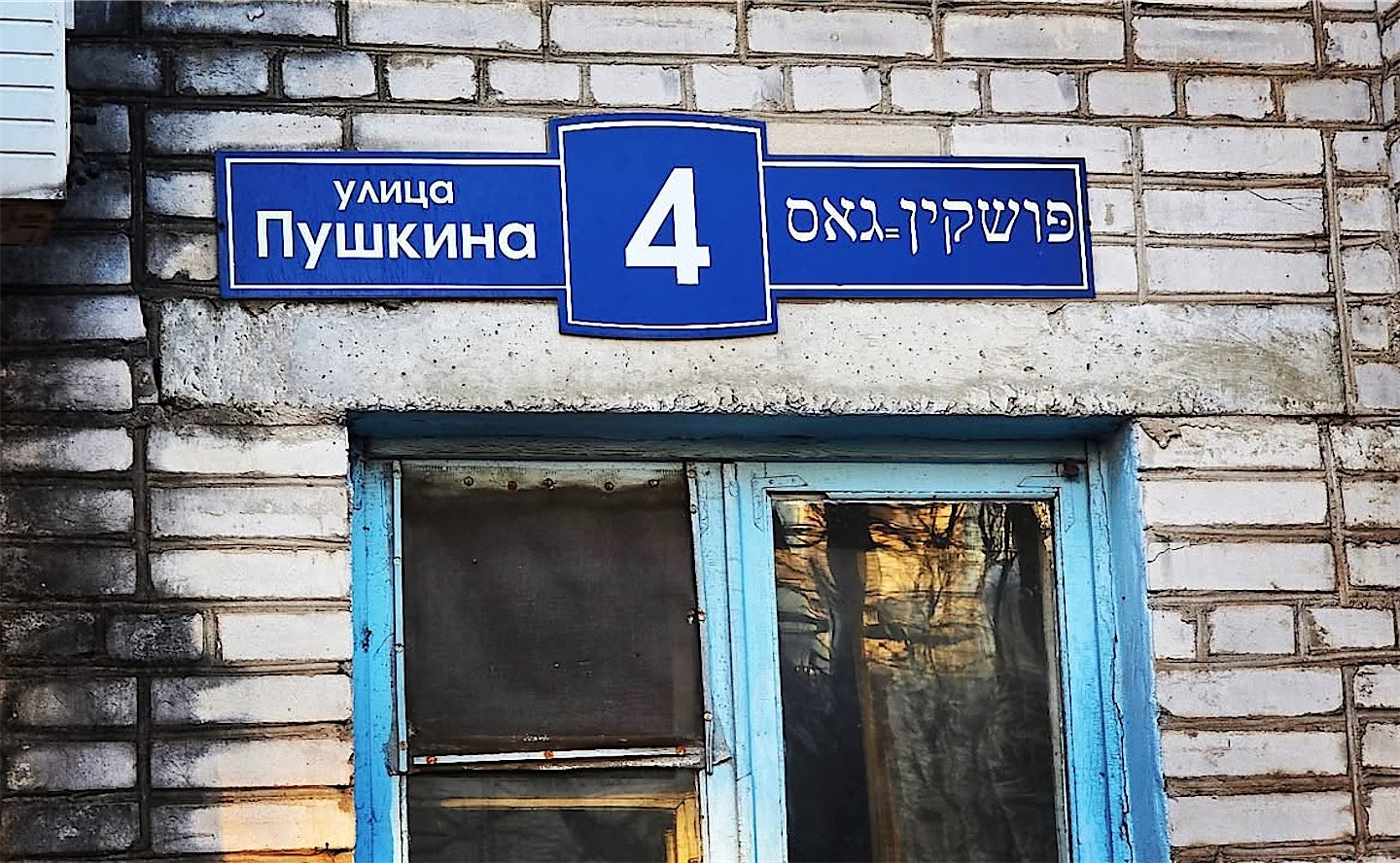
I celebrated with the famous "kosher pork schnitzel, Birobidzhan style" in a Jewish restaurant. Jewish heritage is everywhere: a menorah stands in front of the station, and street signs are in Russian and Yiddish, even though few Jews remain.
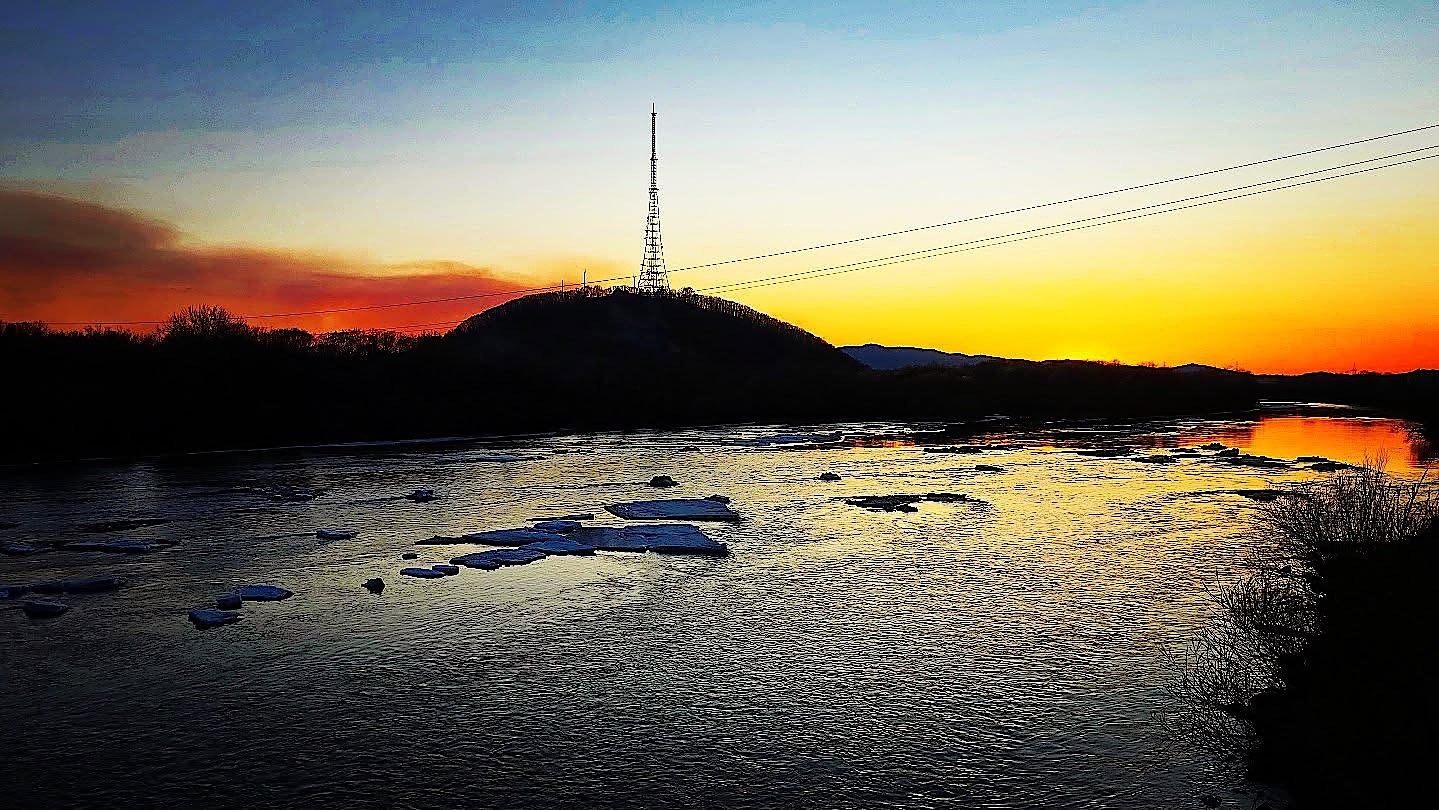
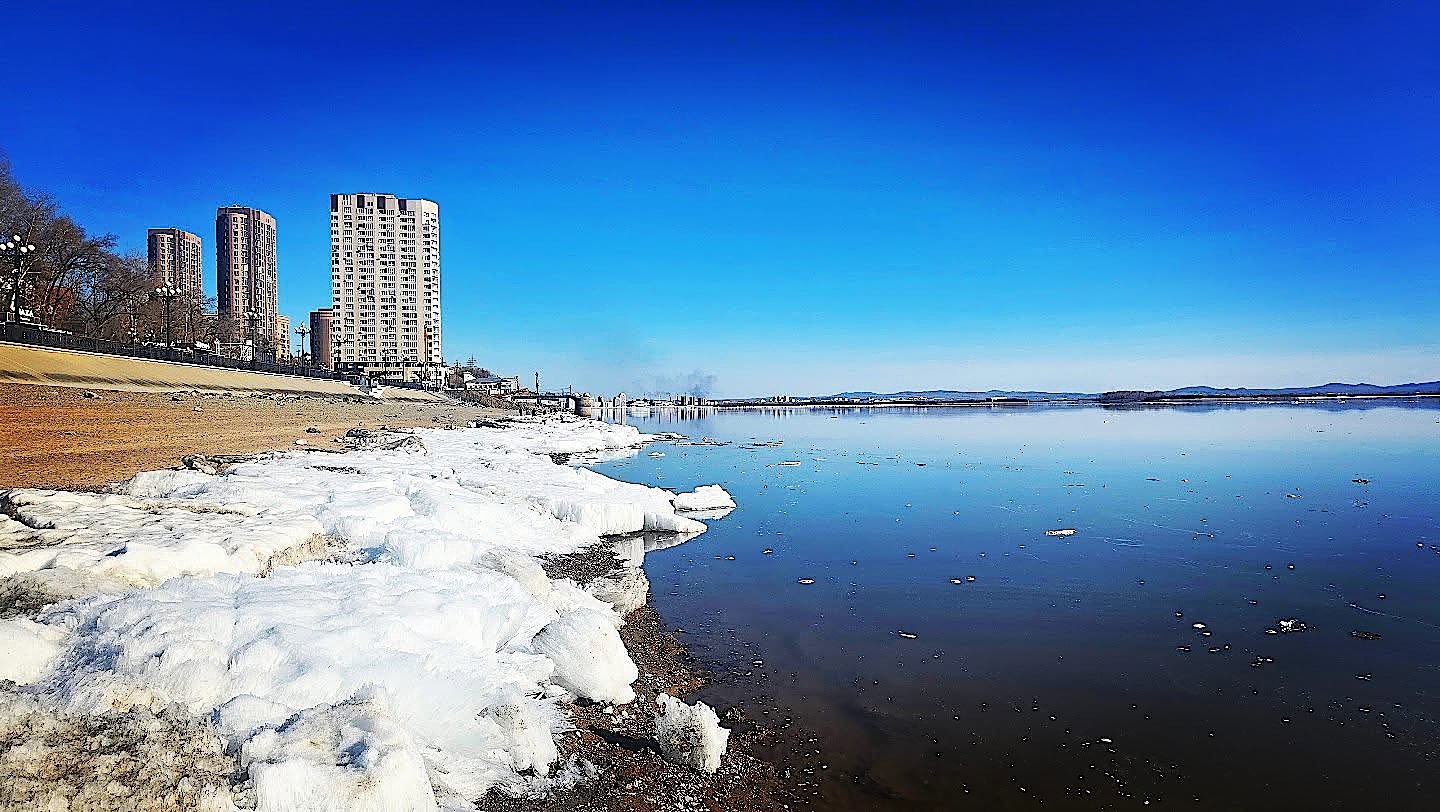
My last stop on the mainland was Khabarovsk, spread over several hills above the Amur. The river is so wide here that it looks almost like a lake, and the last ice of winter was still drifting along its banks.
Kamchatka at last
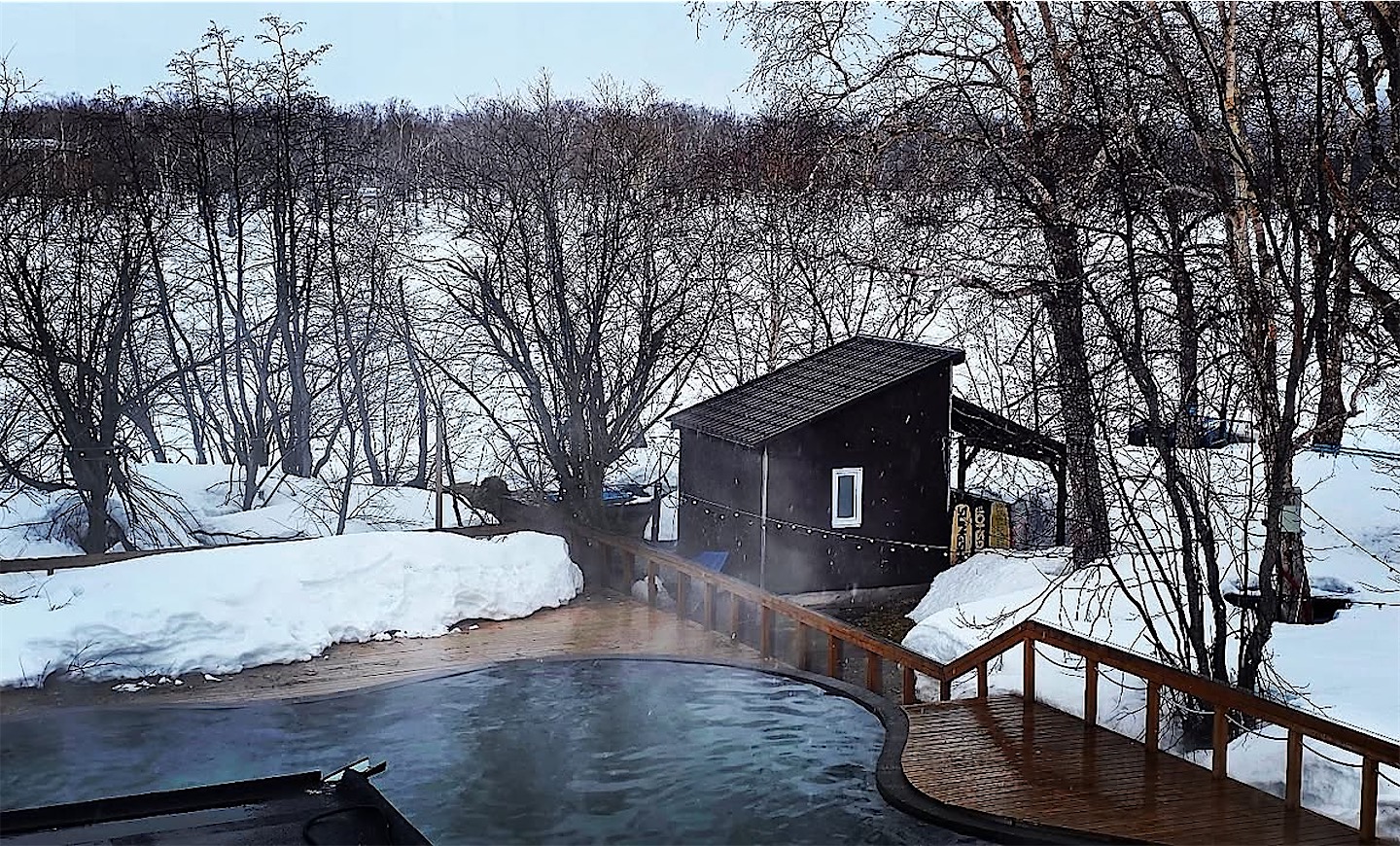
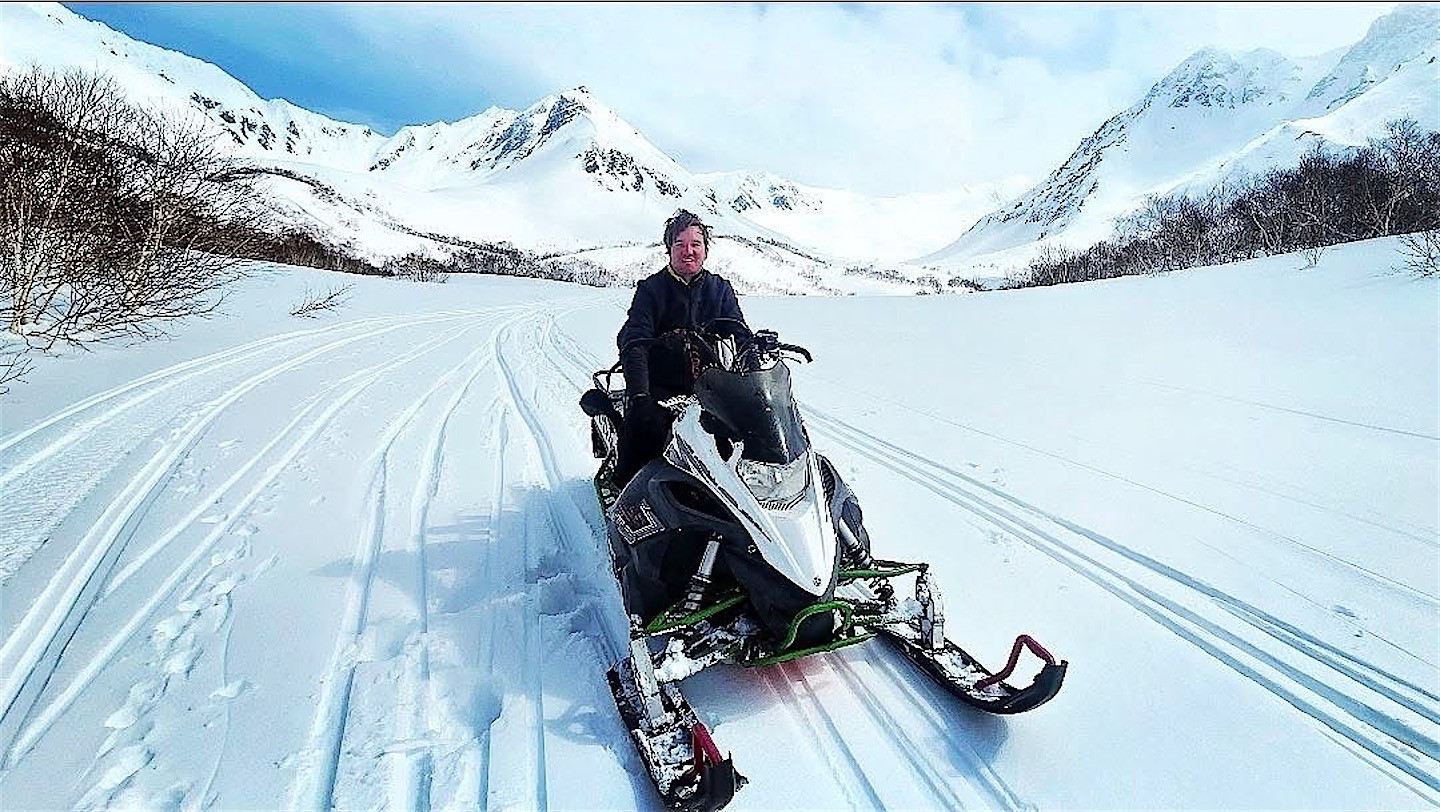
On 16 April a long-awaited dream came true: a week on Kamchatka, with a snowmobile most days. Even in mid-April there was a lot of snow. My resort in Paratunka had a thermal pool, and hot water, cold air and plenty of snow is exactly the combination that makes me happy.
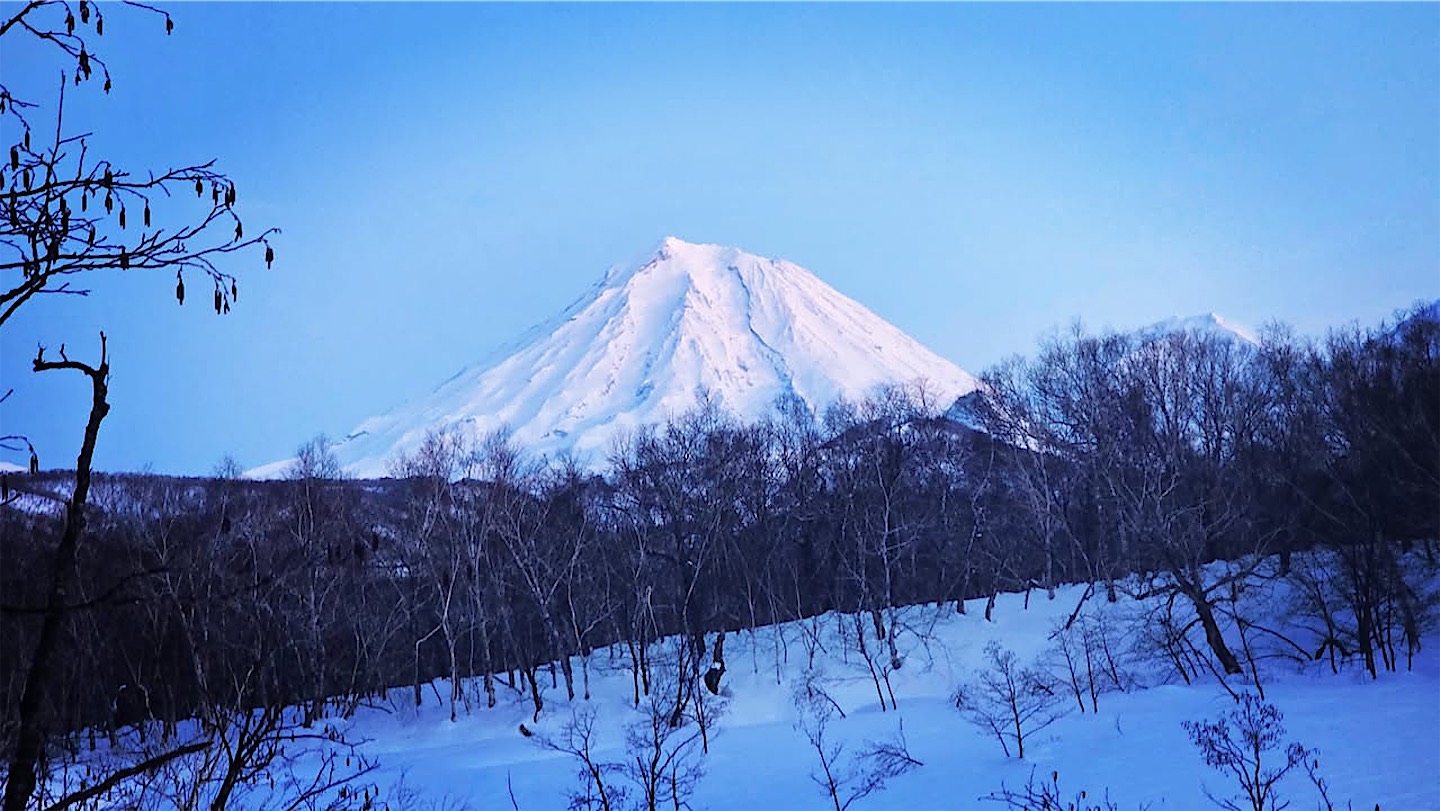
The first day was my initiation, through deep snow to the Pacific coast. Compared with my snowmobile trips in Scandinavia it was hardcore and technical, but the Yamaha machines with 145 horsepower are almost unbreakable. We reached the lighthouse on Cape Mayachny, where Avacha Bay opens to the ocean, and one of the volcanoes behind Petropavlovsk finally showed itself.
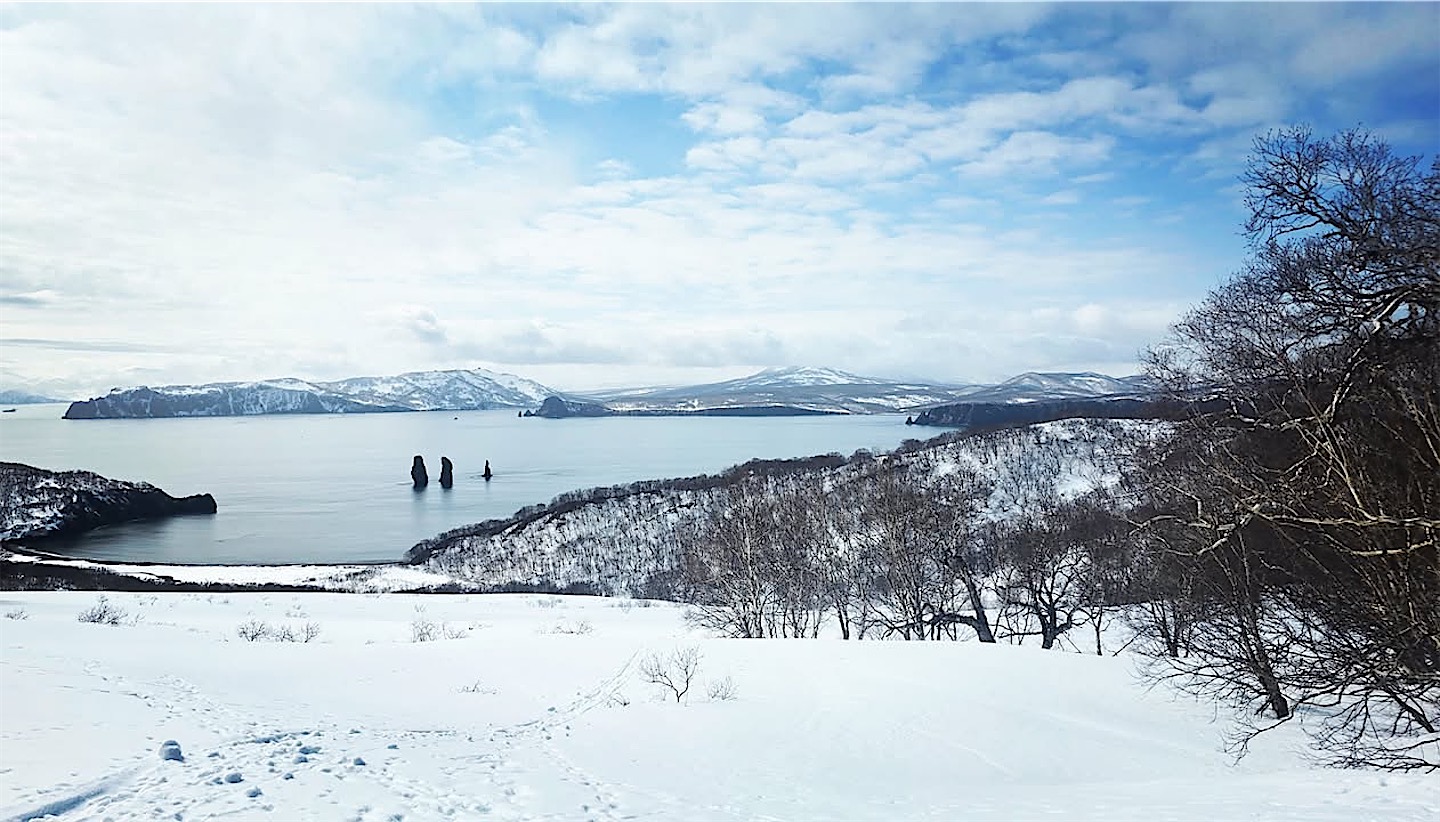
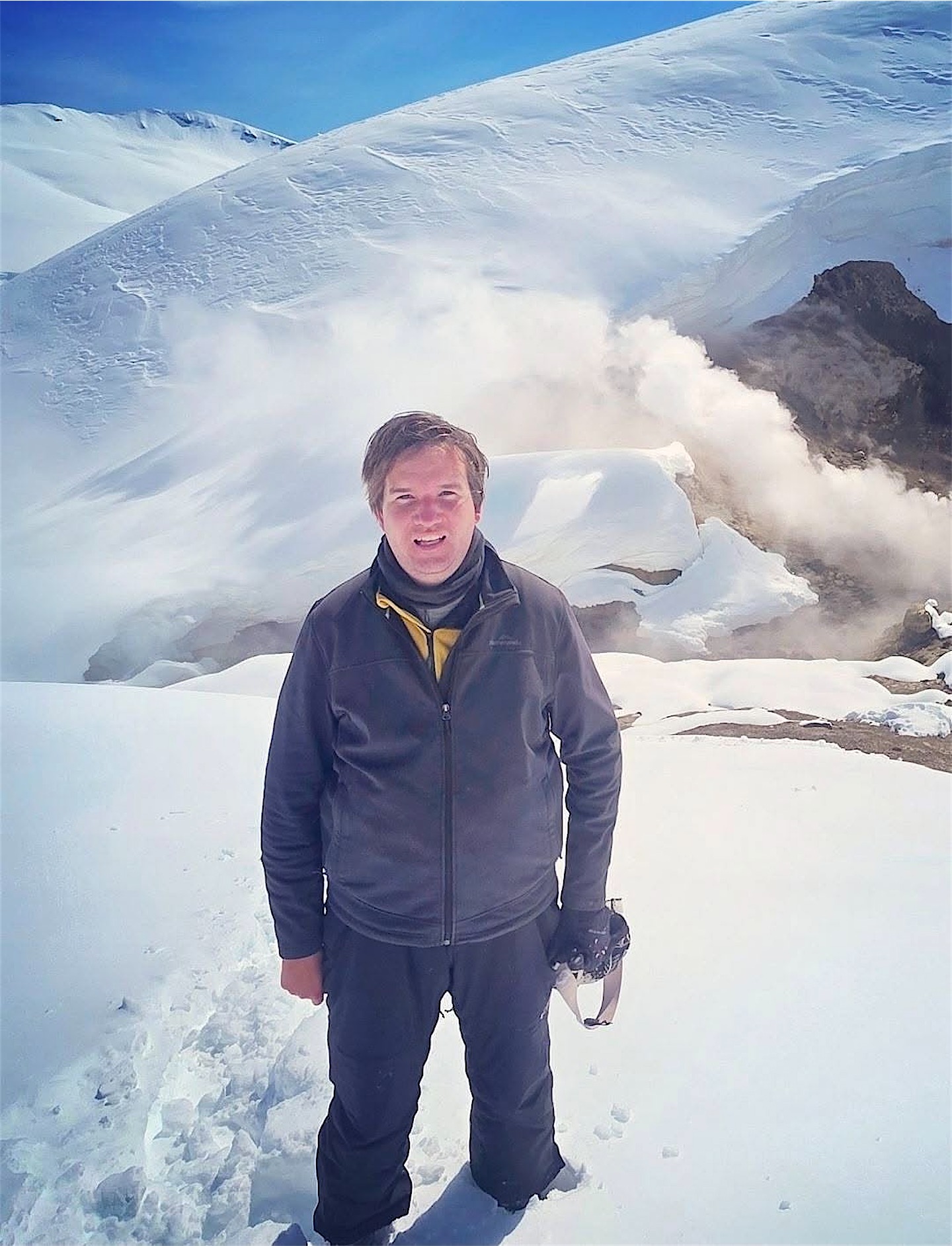
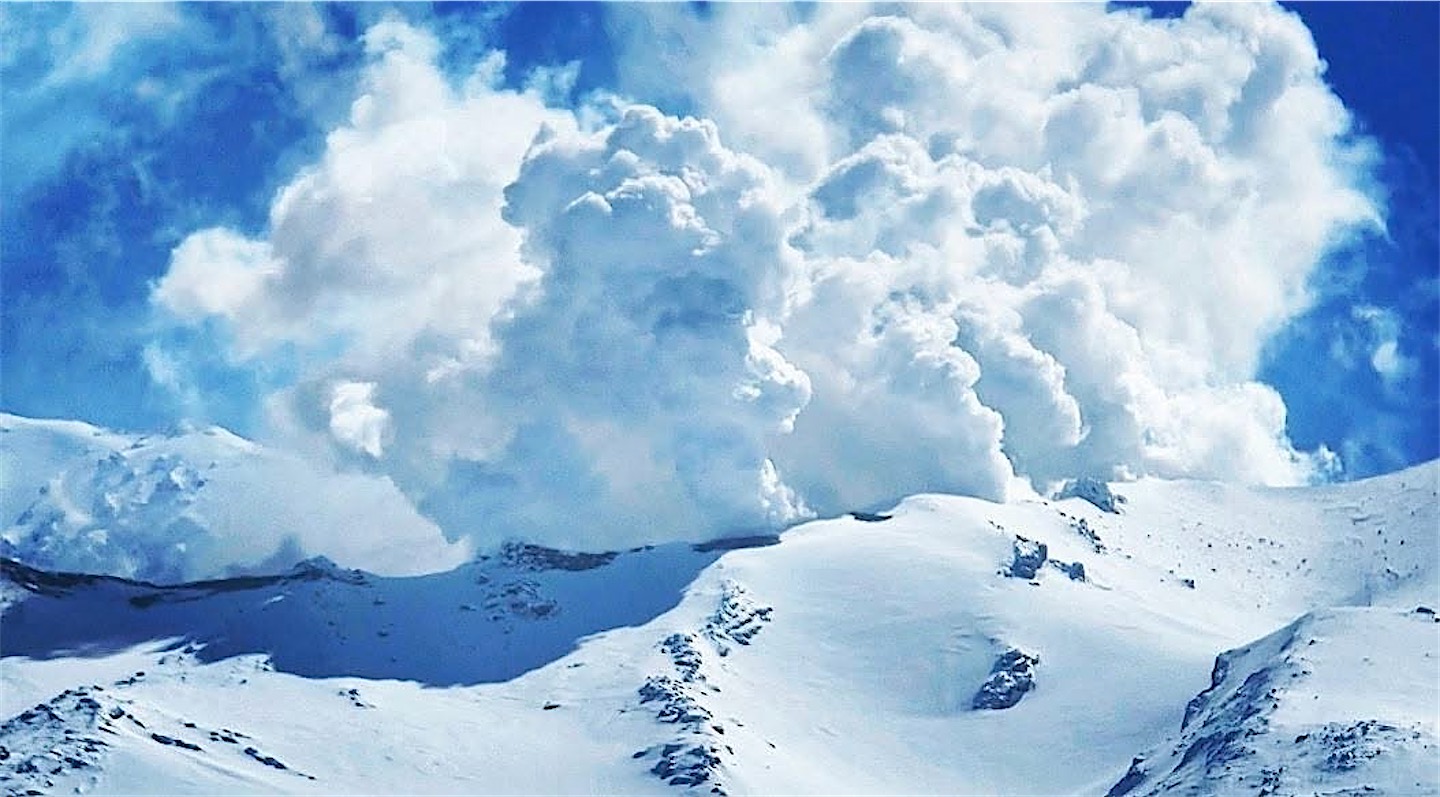
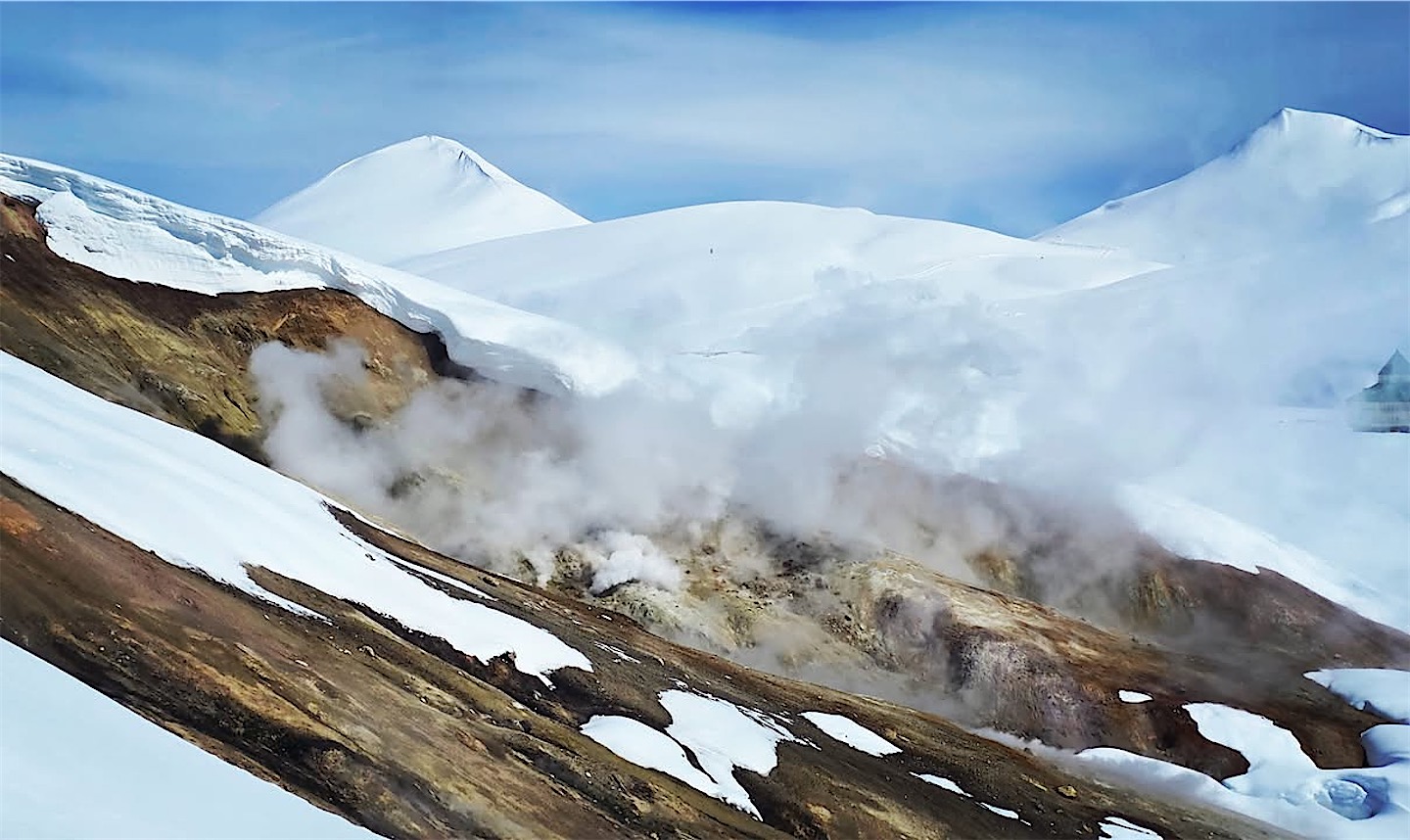
The next day was volcano day in southern Kamchatka. A "Bigfoot", an off-road van on giant tyres, carried us through deep snow to smoking fumaroles and to Gorely, an active volcano steaming under a blue sky.
Powder, volcanoes and a tenth ski country
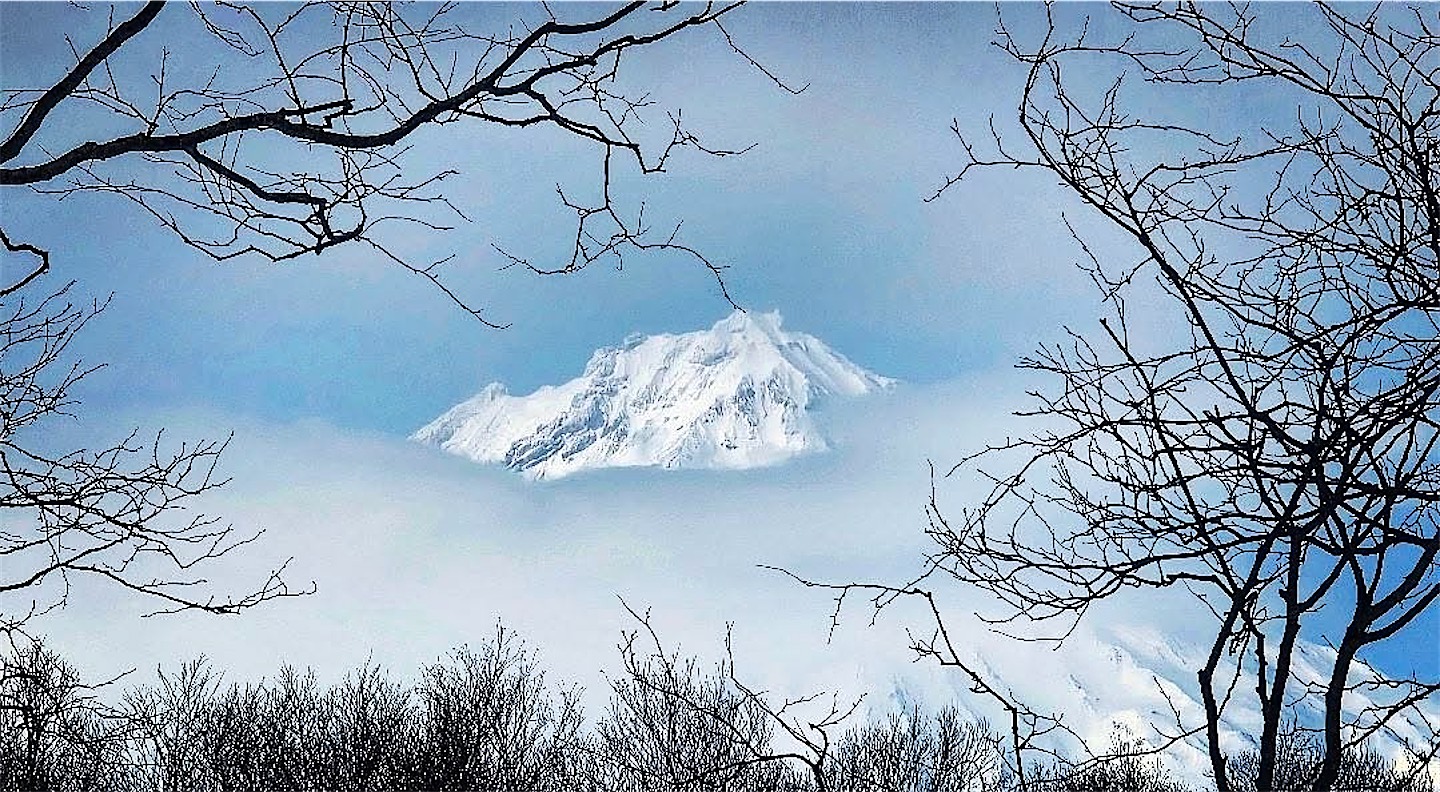
Then came the fun part: fresh powder, wide treeless slopes and the chance to accelerate to 80 km/h. We rode up until there was no way further, and on the Pacific cliffs thousands of birds greeted us. From 20 April the weather was perfect. Vilyuchinsky, only 2,173 metres high but rising steeply from the coast, is popular with heli-skiers and notorious for avalanches. Avachinsky floated above the clouds. I also went alpine skiing with views of the Pacific, which made Russia the tenth country I have skied in.
Bears, hot springs and nine time zones
By 21 April I still hadn't seen a bear. Most were still hibernating, but some large males had already woken up to look for food, so I set my hopes on an overnight snowmobile trip into the wilderness. While we were studying fresh tracks, we suddenly spotted the bear itself, running across the snow. We followed it until it lay down to rest, and had lunch nearby while watching it. The second bear appeared in even better scenery, and we watched it for more than an hour from the other side of a canyon.
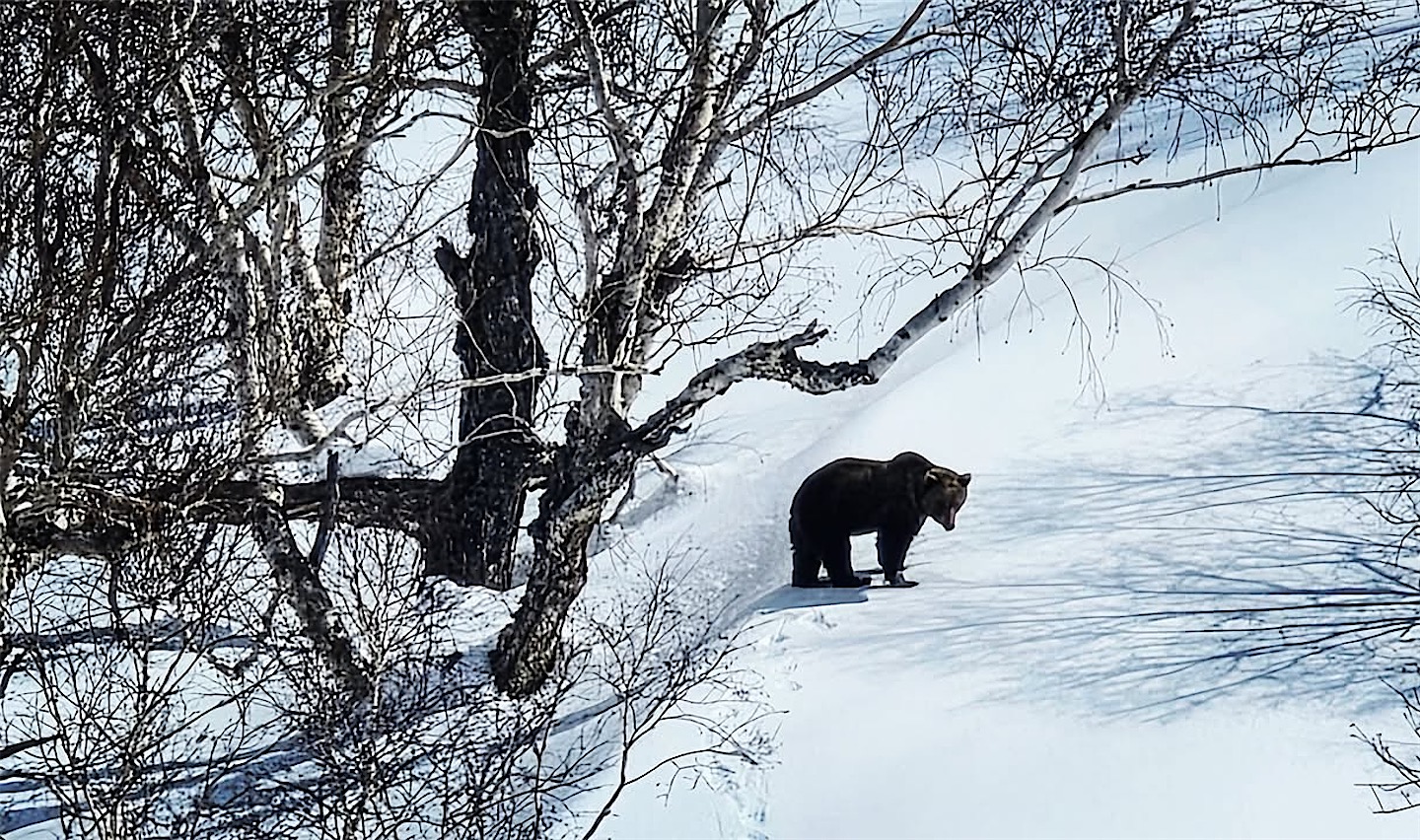
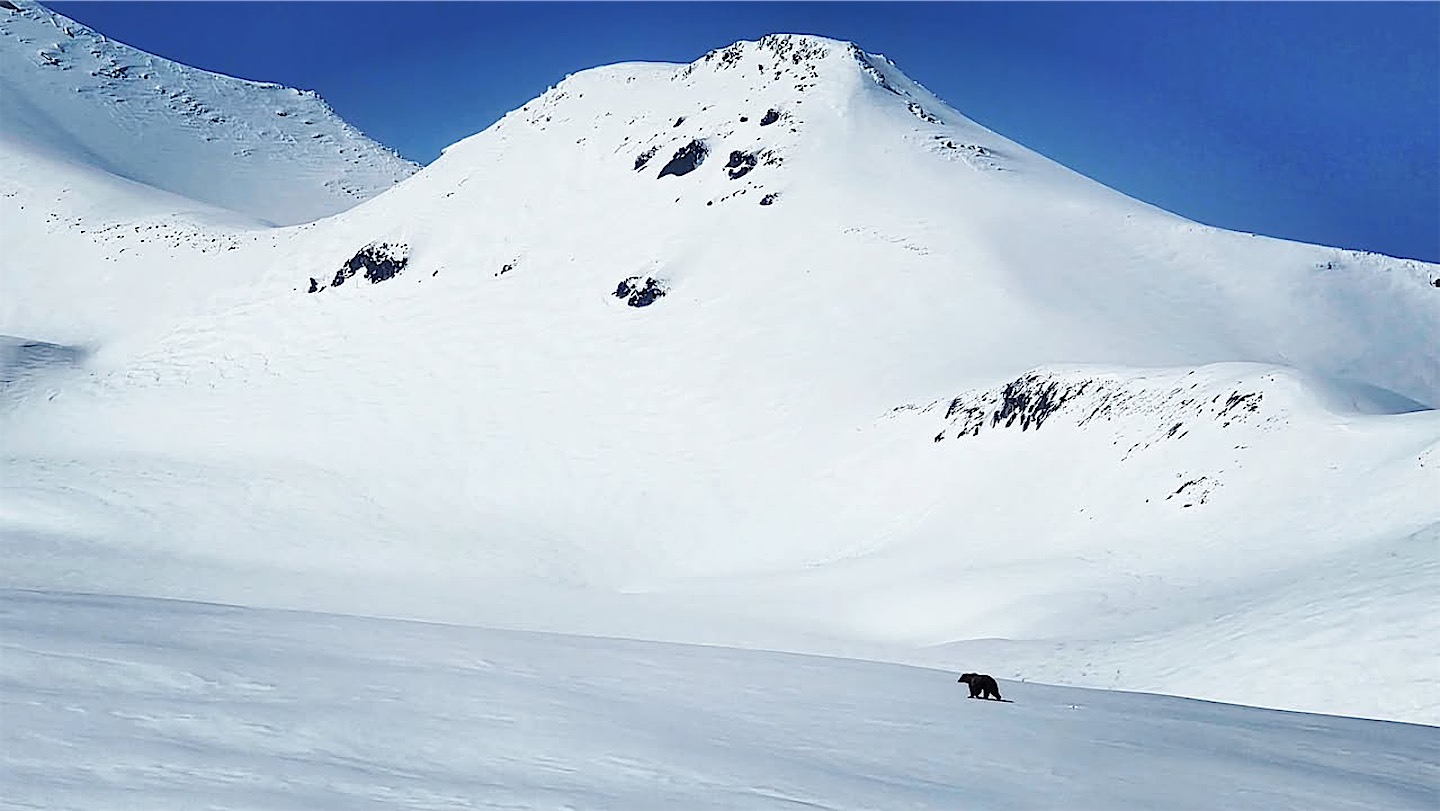
Even without the bears, the overnight trip would have been great. My two-week alcohol detox ended in a tiny thermal spring with five Russians, two of whom spoke a little English, plus local beer and cognac. Other days brought thermal valleys where the warm ground keeps the deep snow away, and a mineral spring at 25 °C that tasted excellent.
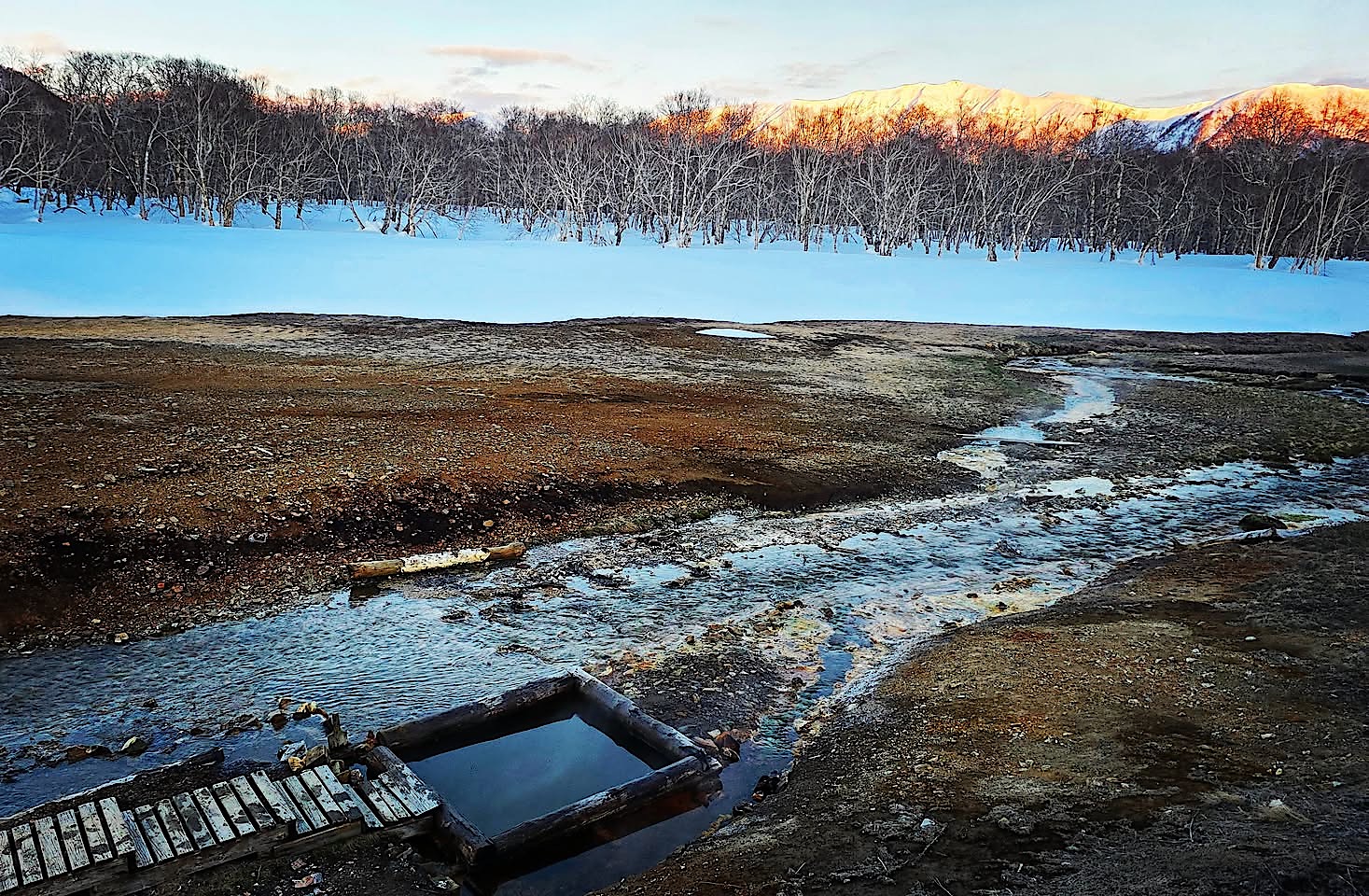
On 23 April it was time to leave, on another unusual flight. The 8 hours 45 minutes to Moscow cross nine time zones, so by the local clocks you land a little earlier than you took off. It was also my first nine-hour economy flight in years, but at least I had an emergency-exit seat.
Kamchatka was everything I had hoped for, and I will come back one day in late summer, when many more activities are possible without the snow. First, though, I had four more days in Russia on my way west. The journey continues in Kazan and the Volga republics.