Back from the Ice in 2024: Gentoos, Cape Horn, My Mendoza Vines and a Full House in Asunción
28 February – 13 March 2024 · Antarctic Peninsula, Pleneau Island, Lemaire Channel, Cape Horn, Ushuaia, Buenos Aires, Mendoza, Uco Valley, Asunción · Regions: Antarctica, Chile, Argentina, Paraguay
On 6 February 2024, at the end of five weeks in New Zealand, I had sailed from Lyttelton for a long crossing to South America by way of Antarctica. By the end of February our ship, Le Commandant Charcot, had reached the Antarctic Peninsula, the last stretch of the voyage. This report picks up there: a few final days among icebergs and penguins, Cape Horn at last, a return to hotel life in Ushuaia, four days of wine in Mendoza, a weekend in Buenos Aires and a busy few days in Asunción, before I set off to finish my Caribbean territories.
Blue ice and green snow
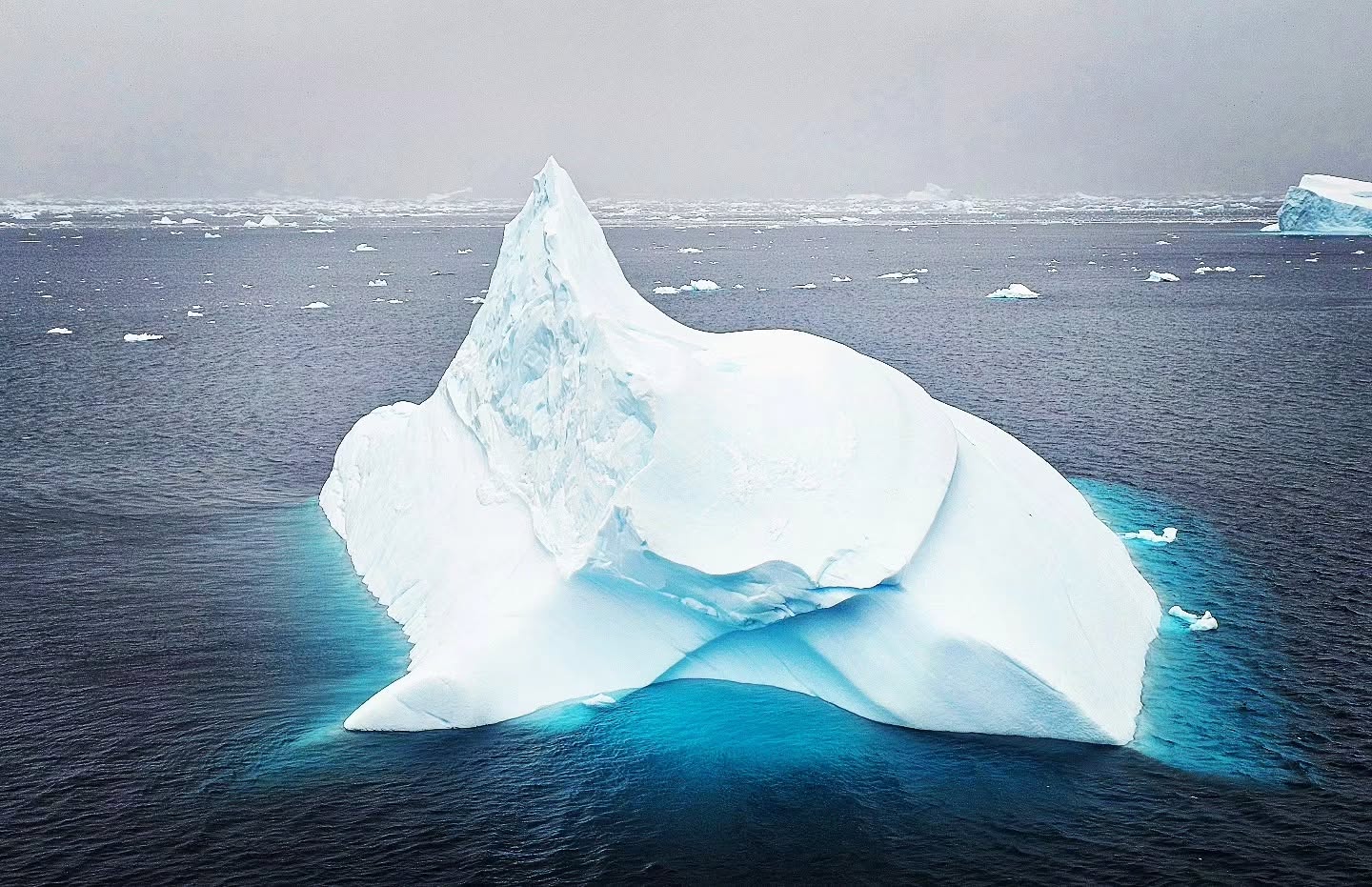
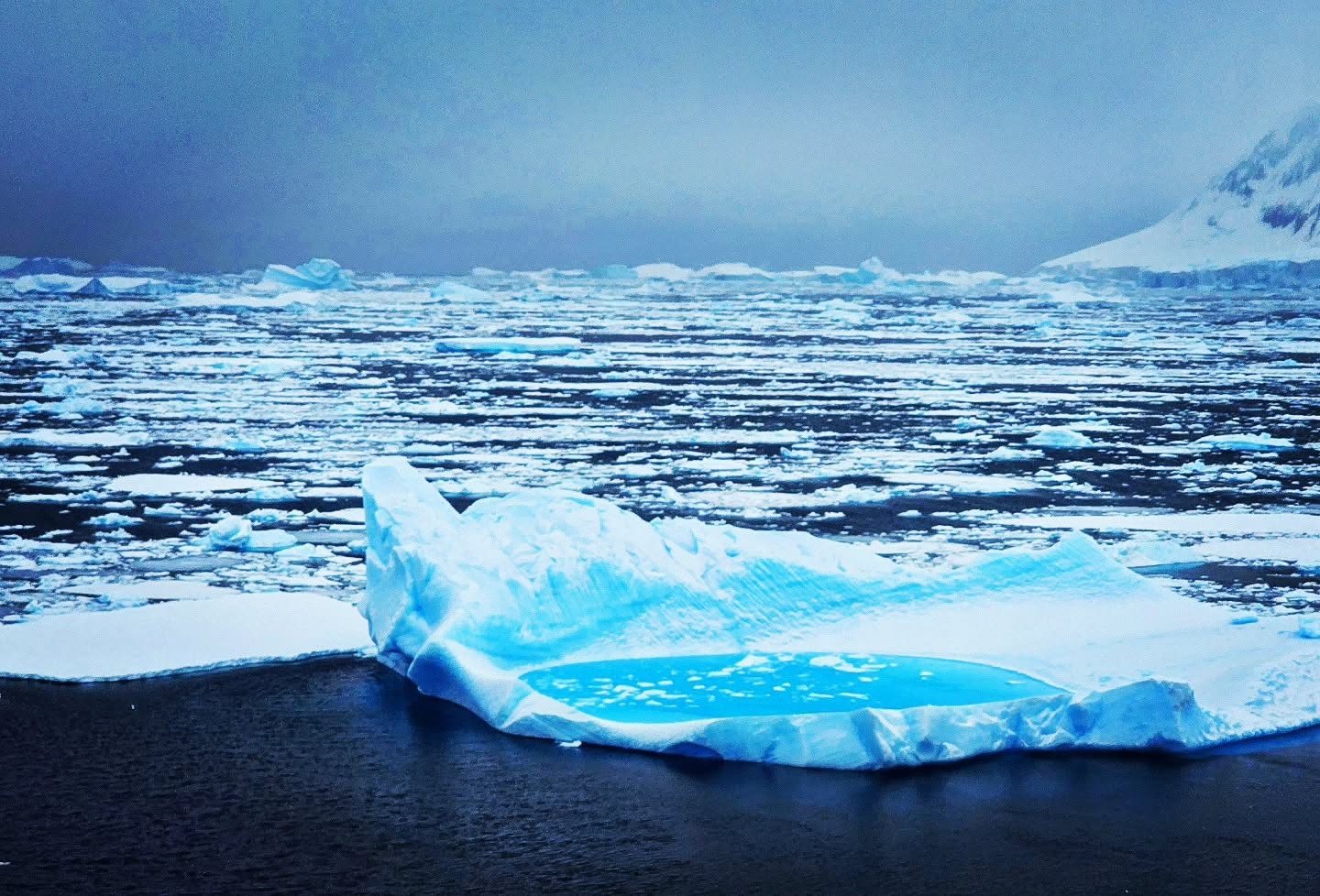
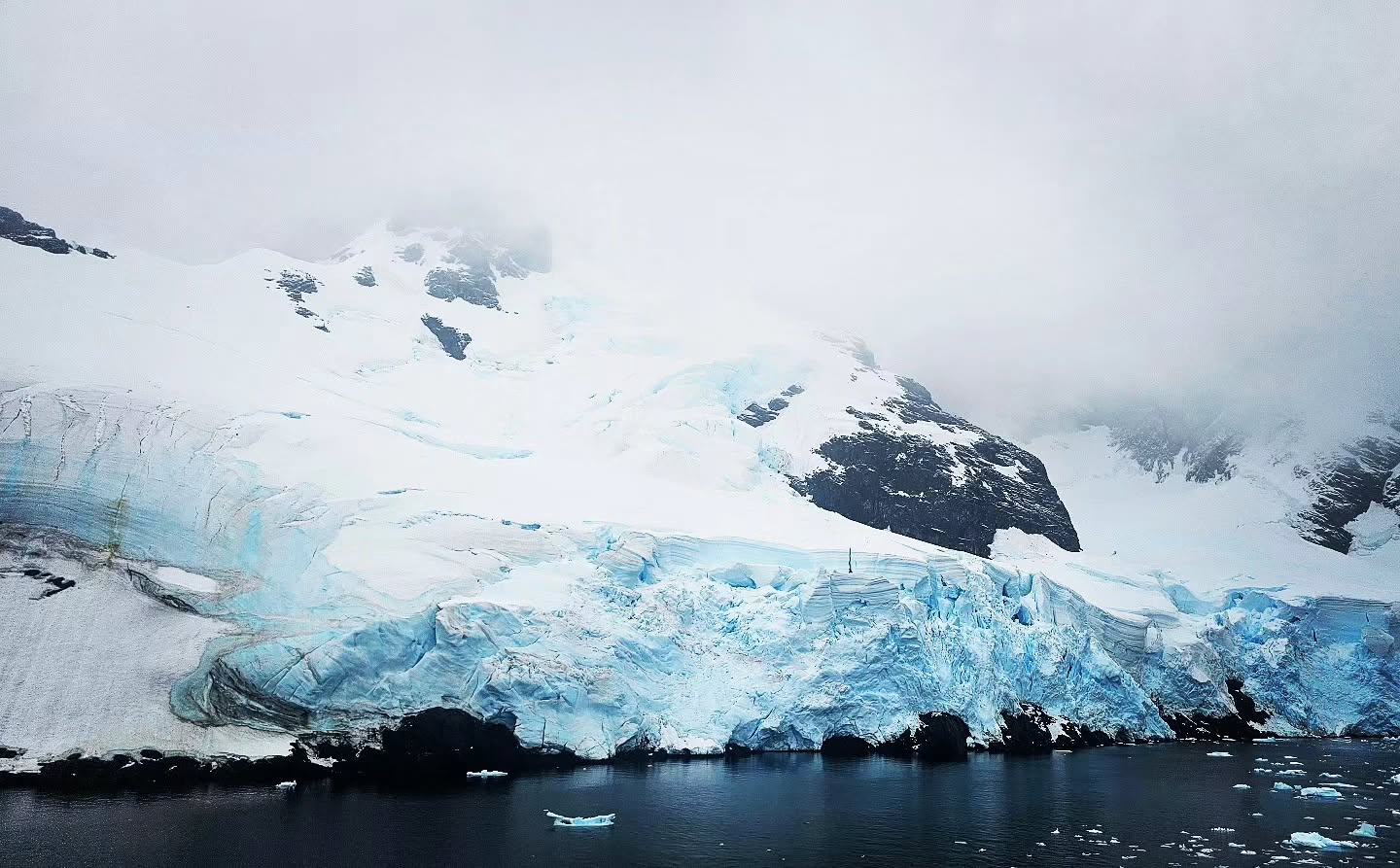
Antarctica said goodbye in shades of blue. Some icebergs glow an almost unreal turquoise, as if lit from inside. The colour comes from old glacier ice: under enormous pressure the air bubbles are squeezed out, and the dense ice absorbs the red part of the light, so mostly blue comes back to the eye.
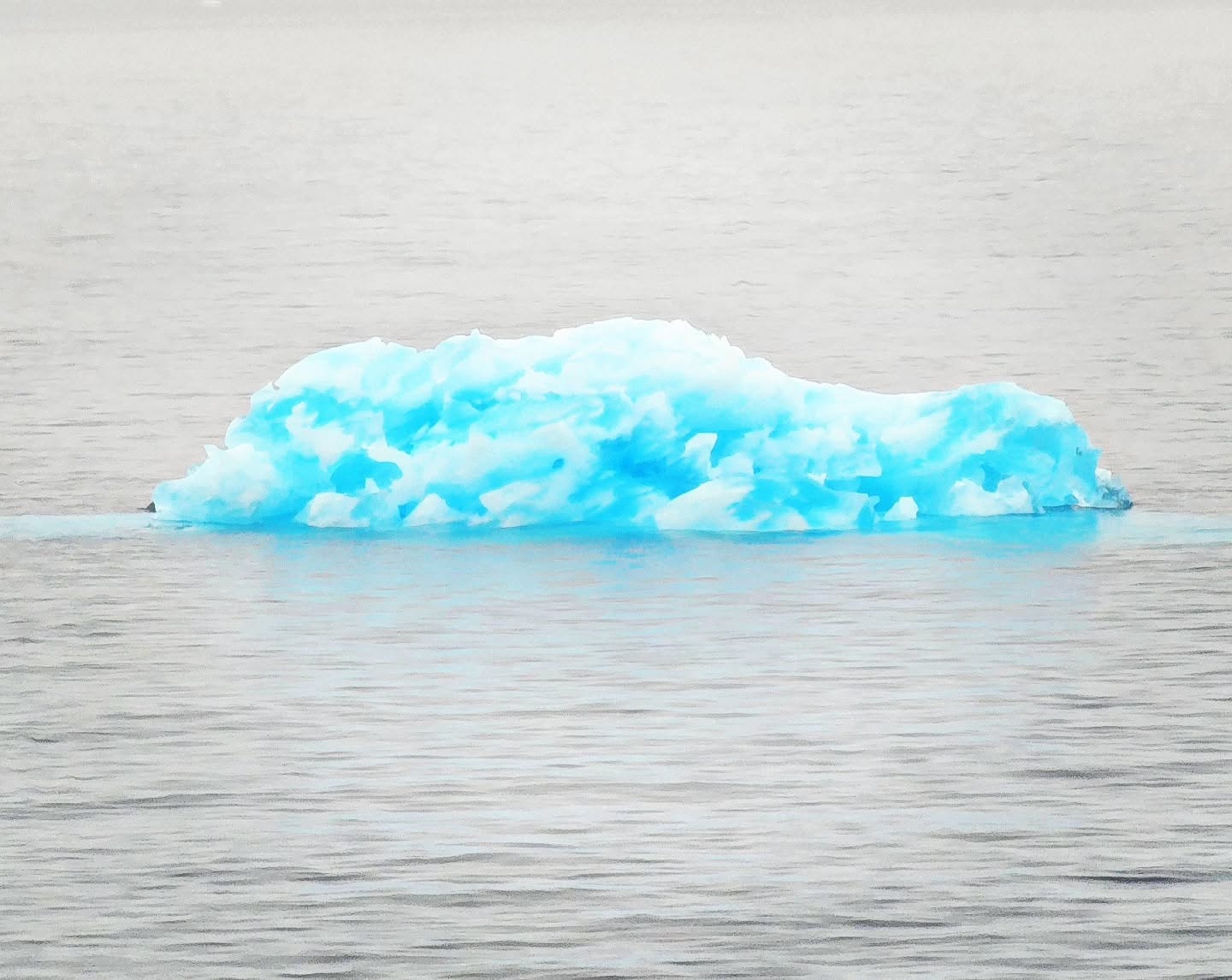
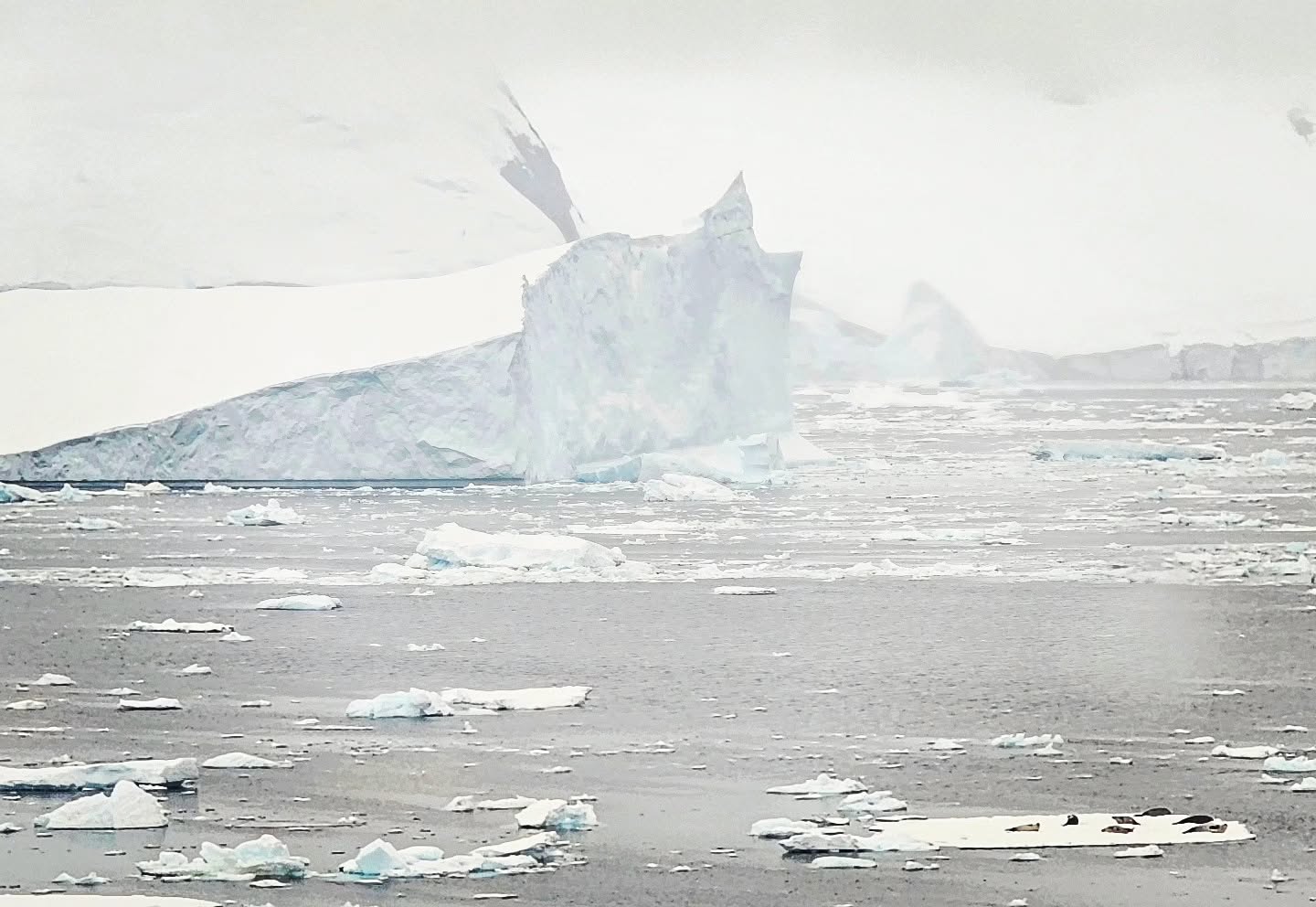
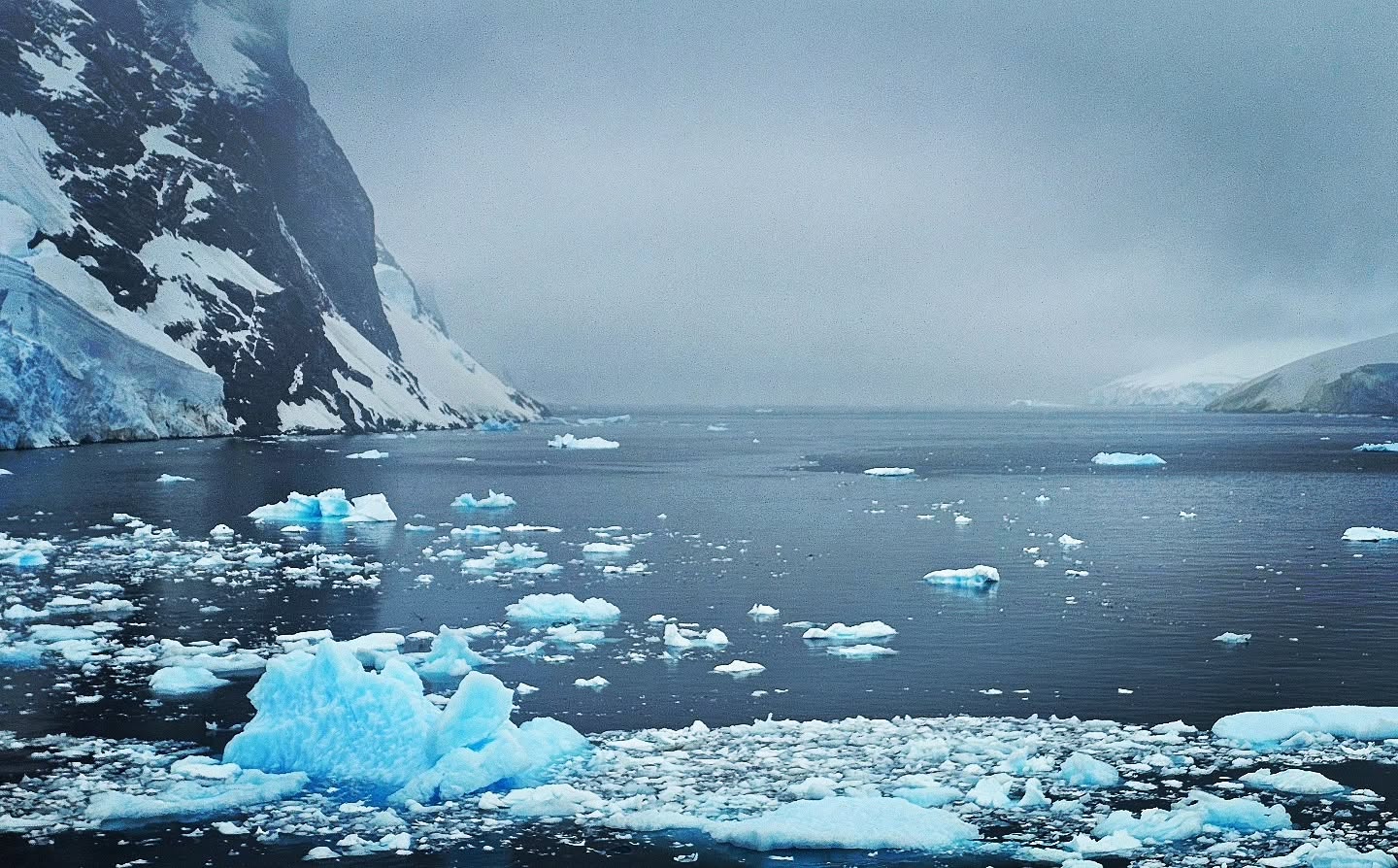
Others are white towers with blue cracks, and the smallest floes lie on the grey water like pieces of glass. I knew I would miss them. On one floe a group of seals lay stretched out, doing nothing at all. Seals are so chill.
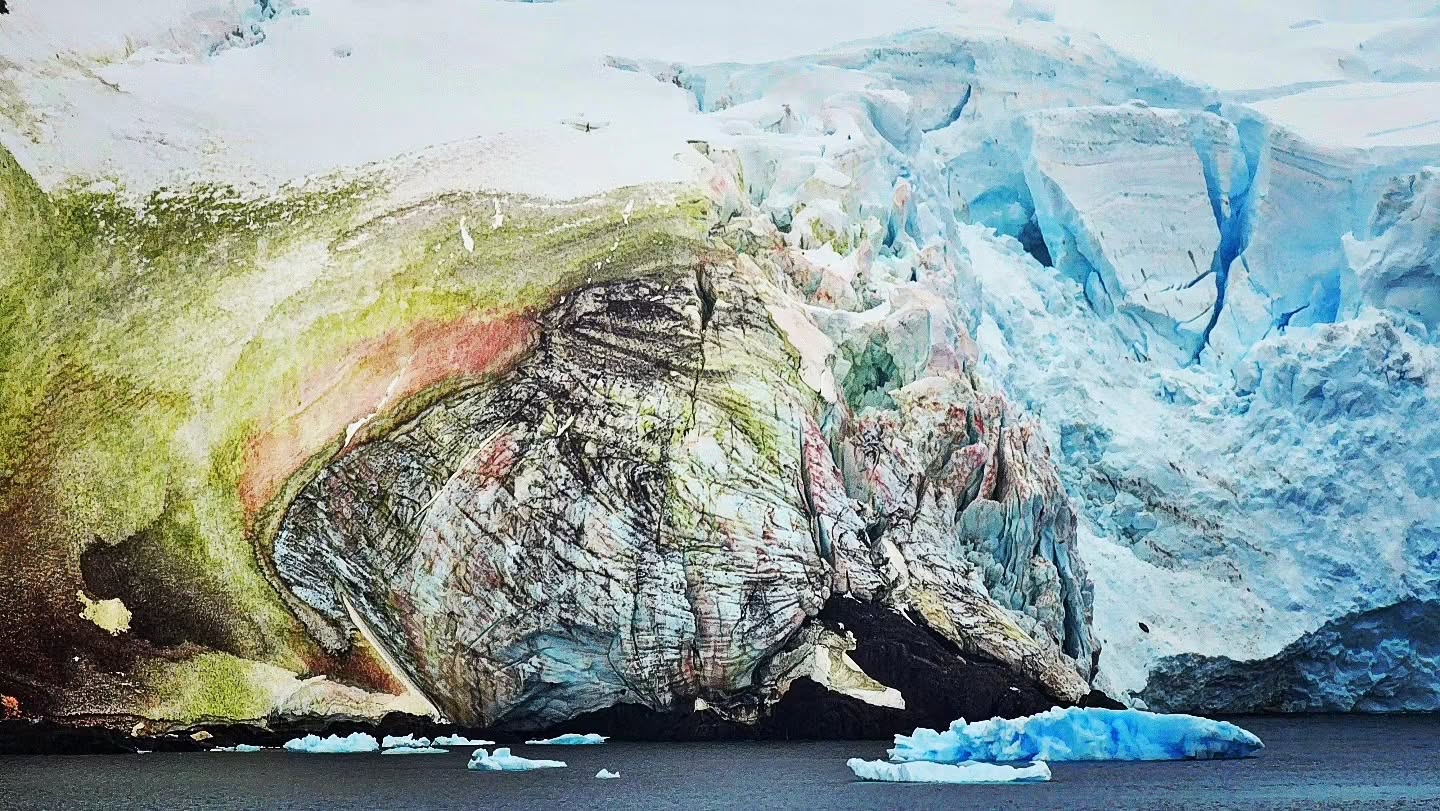
The snow had colours of its own. On the slopes above the shore, streaks of green and red covered the white, and the fertiliser behind these bright colours, as I noted, is penguin poo.
For country collectors, the Antarctic Peninsula is a bargain. Britain, Argentina and Chile all claim it, and their sectors overlap here, so a single landing counts for British, Argentine and Chilean Antarctica at once. I had ticked them off on my first trip to Antarctica in 2018.
Gentoos of Pleneau Island and the Lemaire Channel
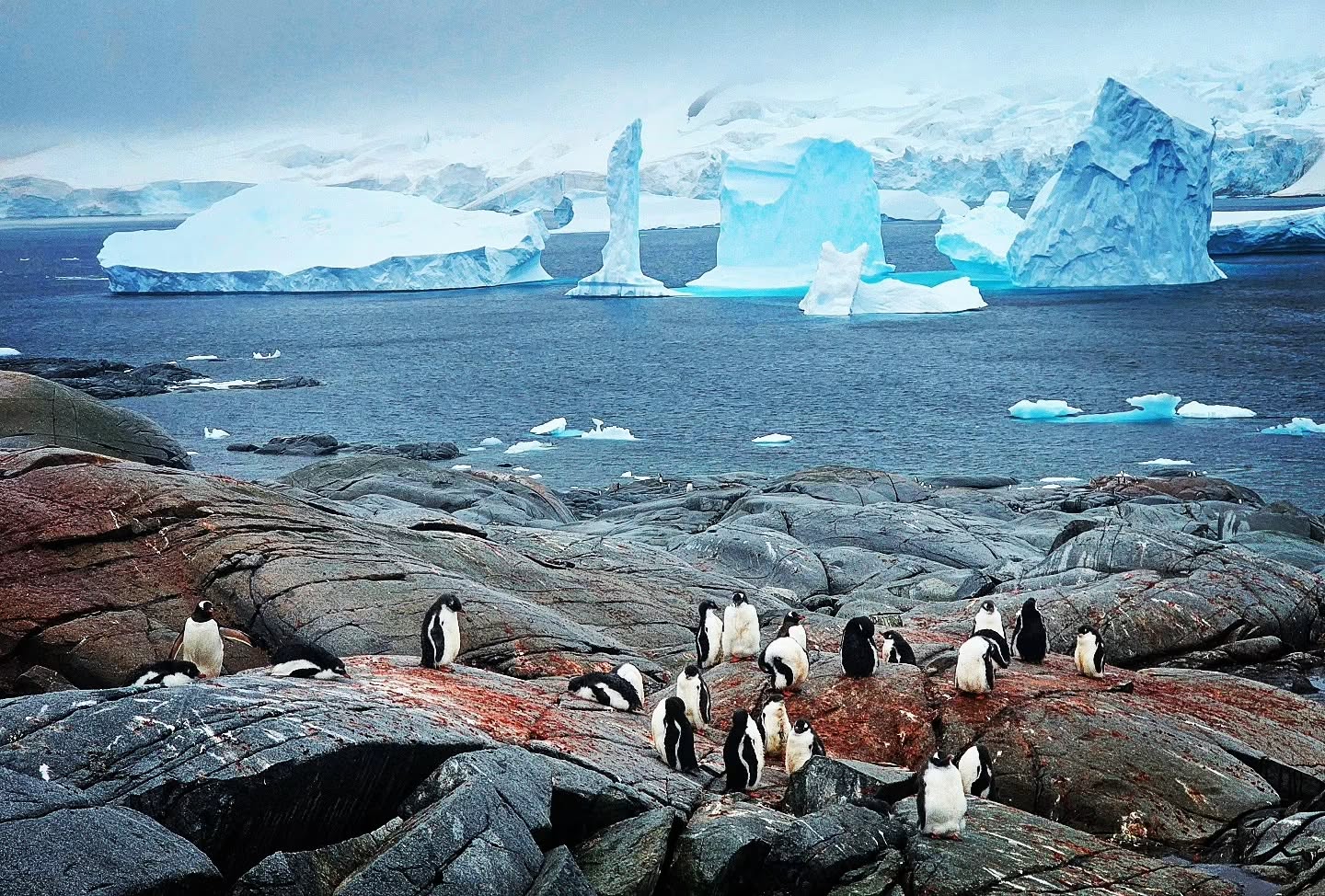
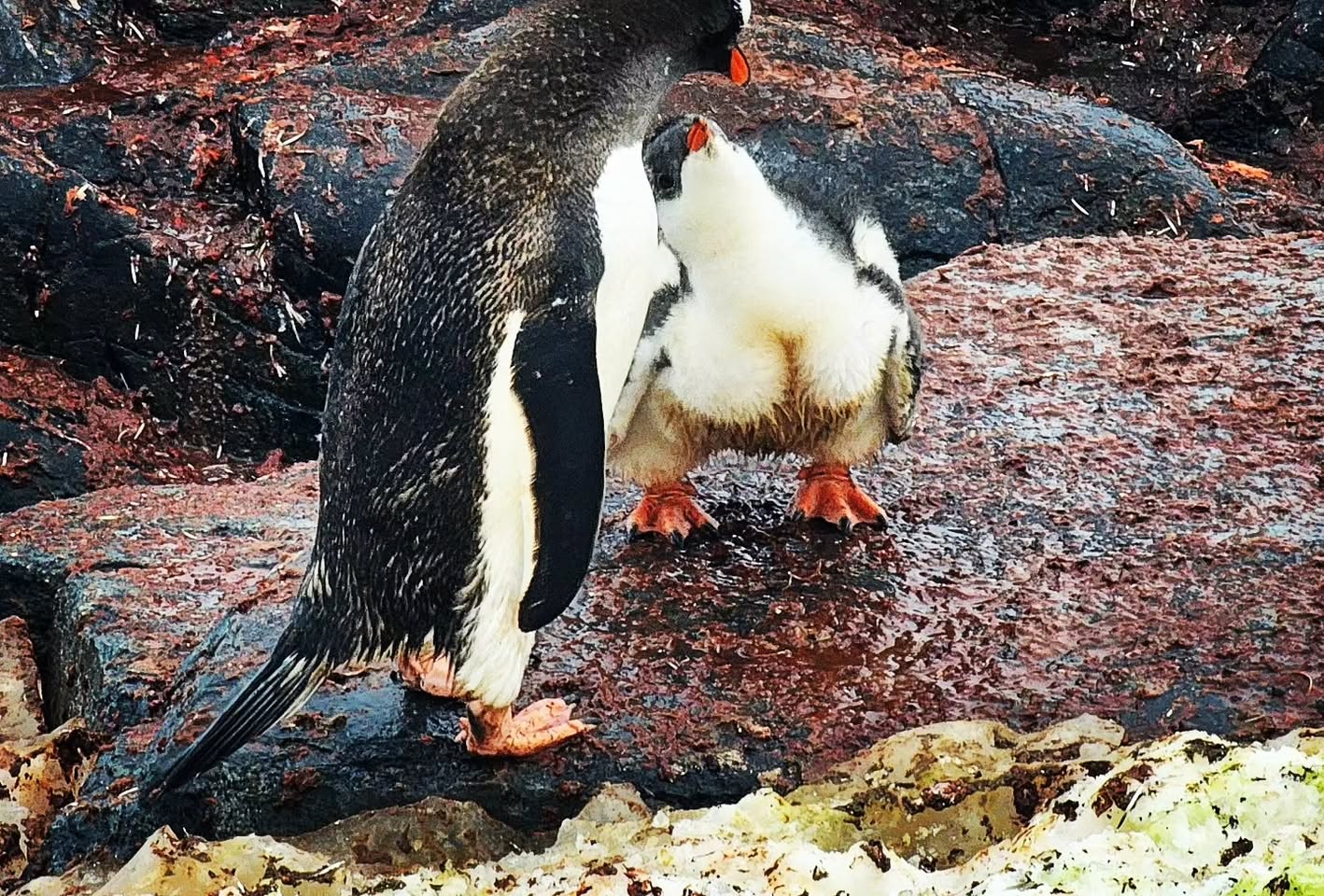
One of our last stops was Pleneau Island, home to a busy colony of gentoo penguins. Icebergs had run aground in the bay behind the colony, and the rocks were stained red by guano, the colour of the krill the penguins live on. By early March the chicks are almost as big as their parents.
Then we left Antarctica through the Lemaire Channel. The narrow passage between steep peaks and glaciers is famous for its views, but on our day the clouds hung low over the mountains, and we sailed through a world of grey, white and blue, with brash ice all around the ship.
Cape Horn, finally
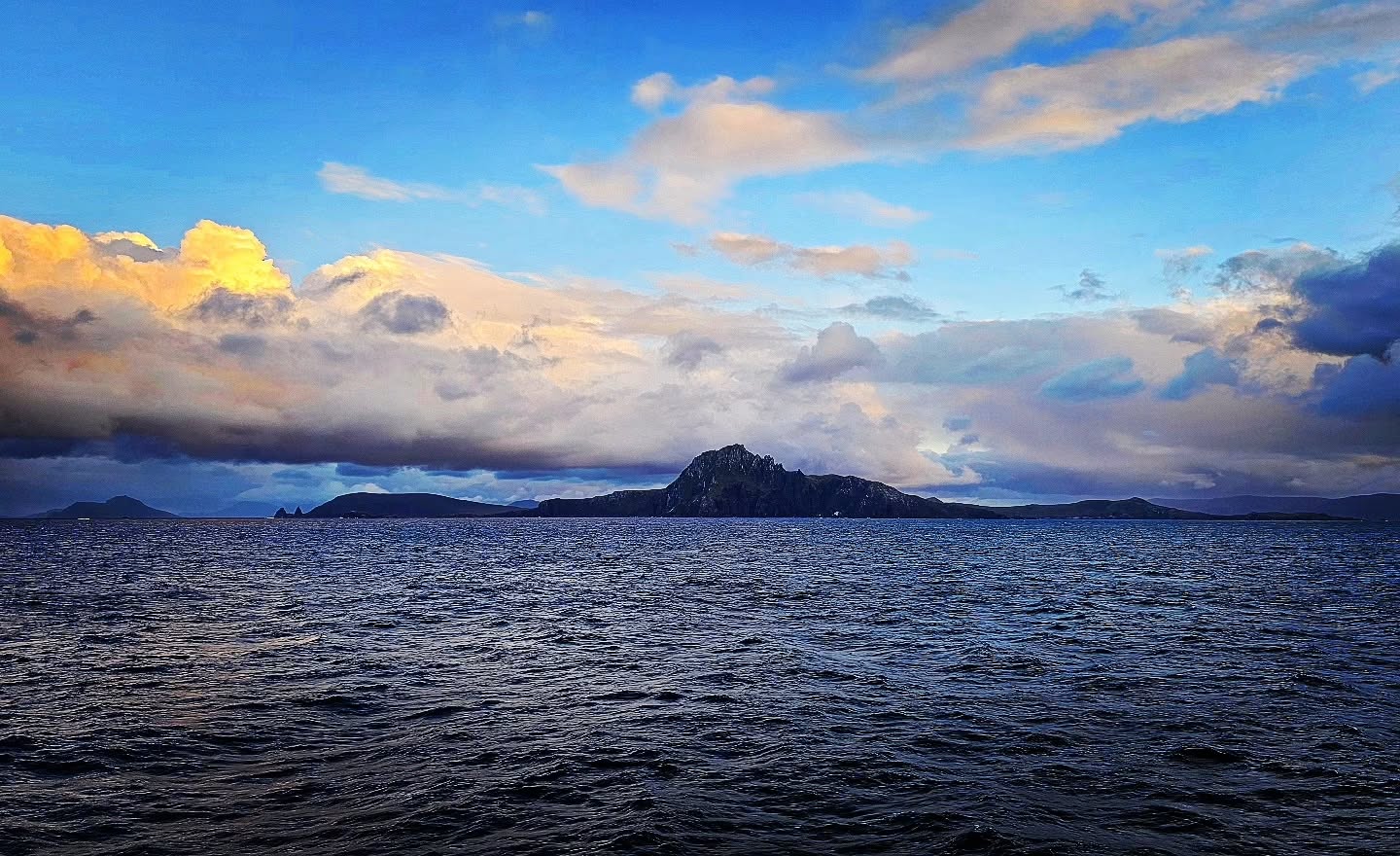
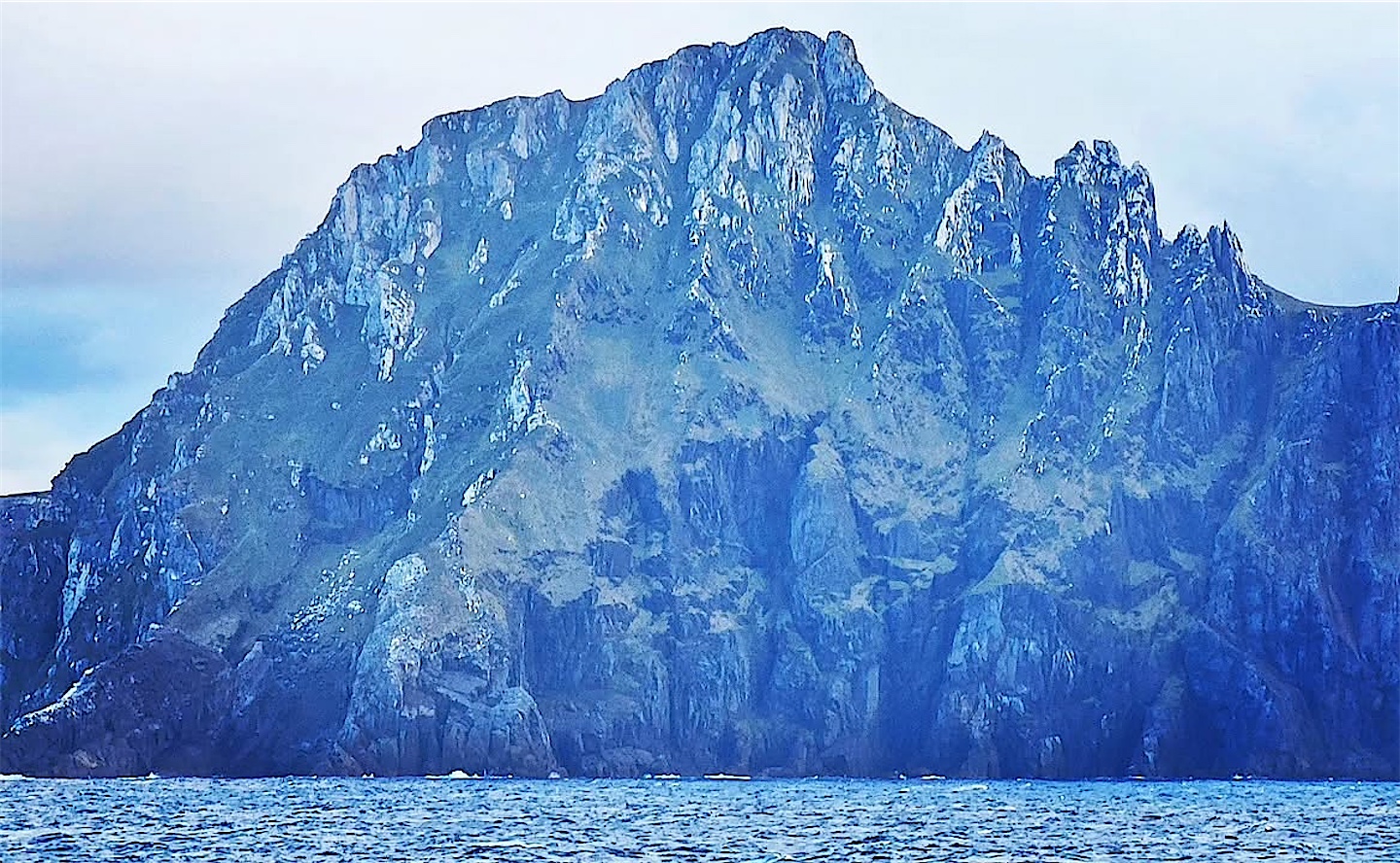
From the Lemaire Channel we crossed the Drake Passage northwards, and on the morning of 2 March we reached Cape Horn. I had passed it quite a few times on earlier voyages, but I had never actually seen it. Now here it was, the southernmost point of South America: a dark, steep island rising out of a choppy sea.
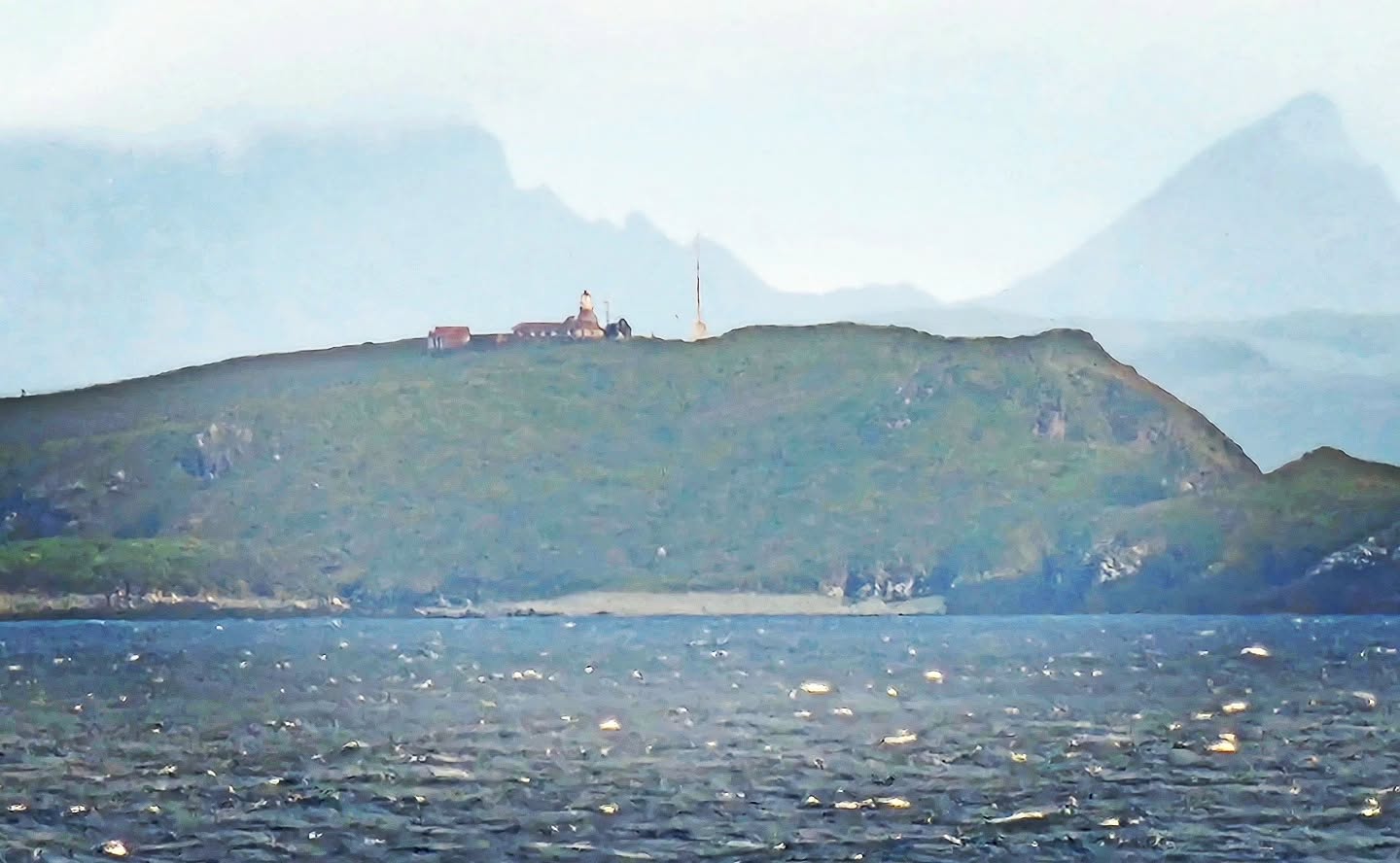
On the green plateau on top stand a lighthouse, a radio mast and a few red-roofed buildings. I called it the lighthouse at the end of the world. Around it, the jagged peaks of the neighbouring islands disappeared into the clouds.
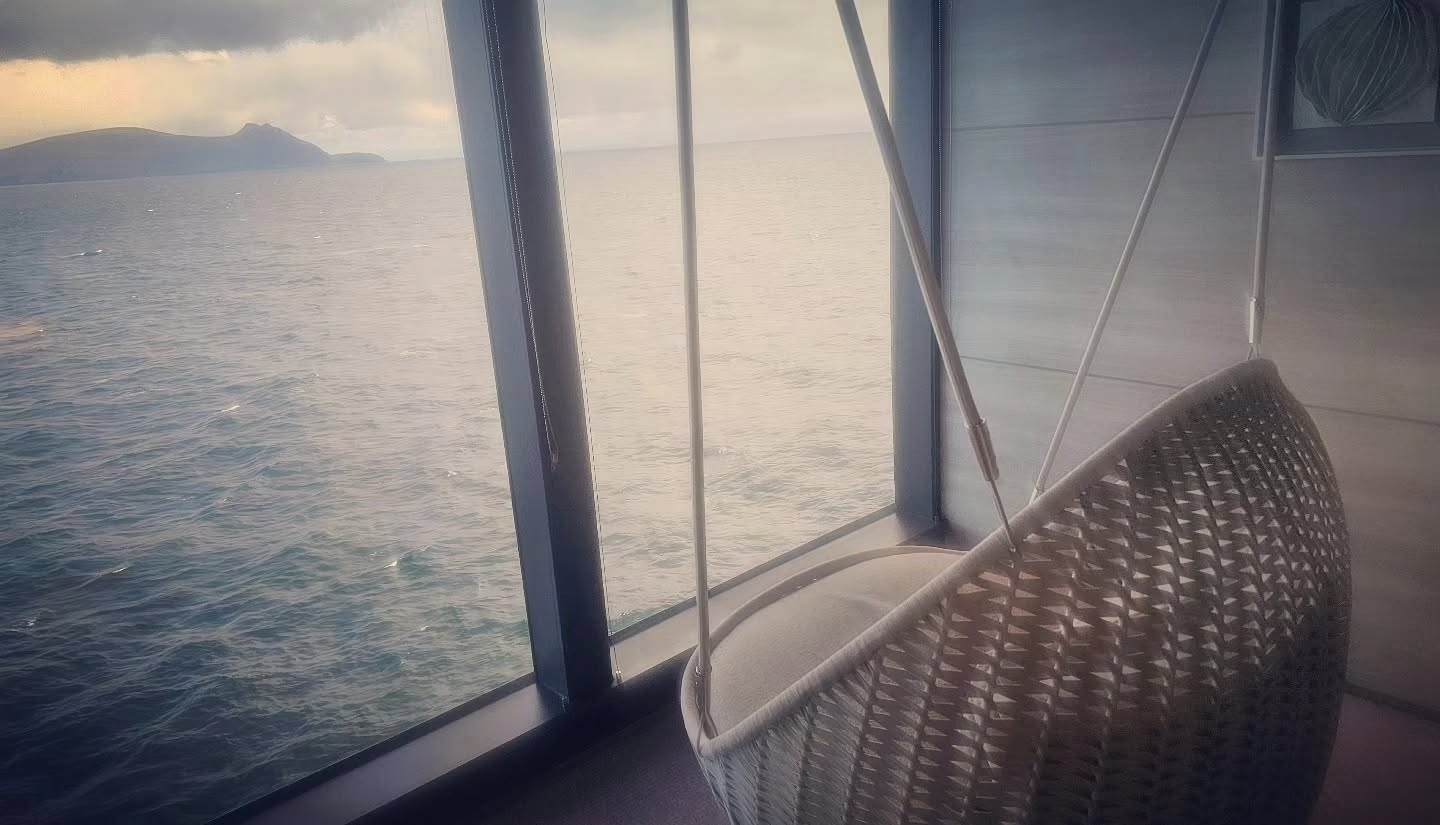
Then it was time to say goodbye to the ship. For three weeks a hanging chair by the window had been my happy place, where I contemplated the waves while working or reading. It was the longest time I had spent in a single place in nine years. Time to travel again.
Back to hotel life in Ushuaia
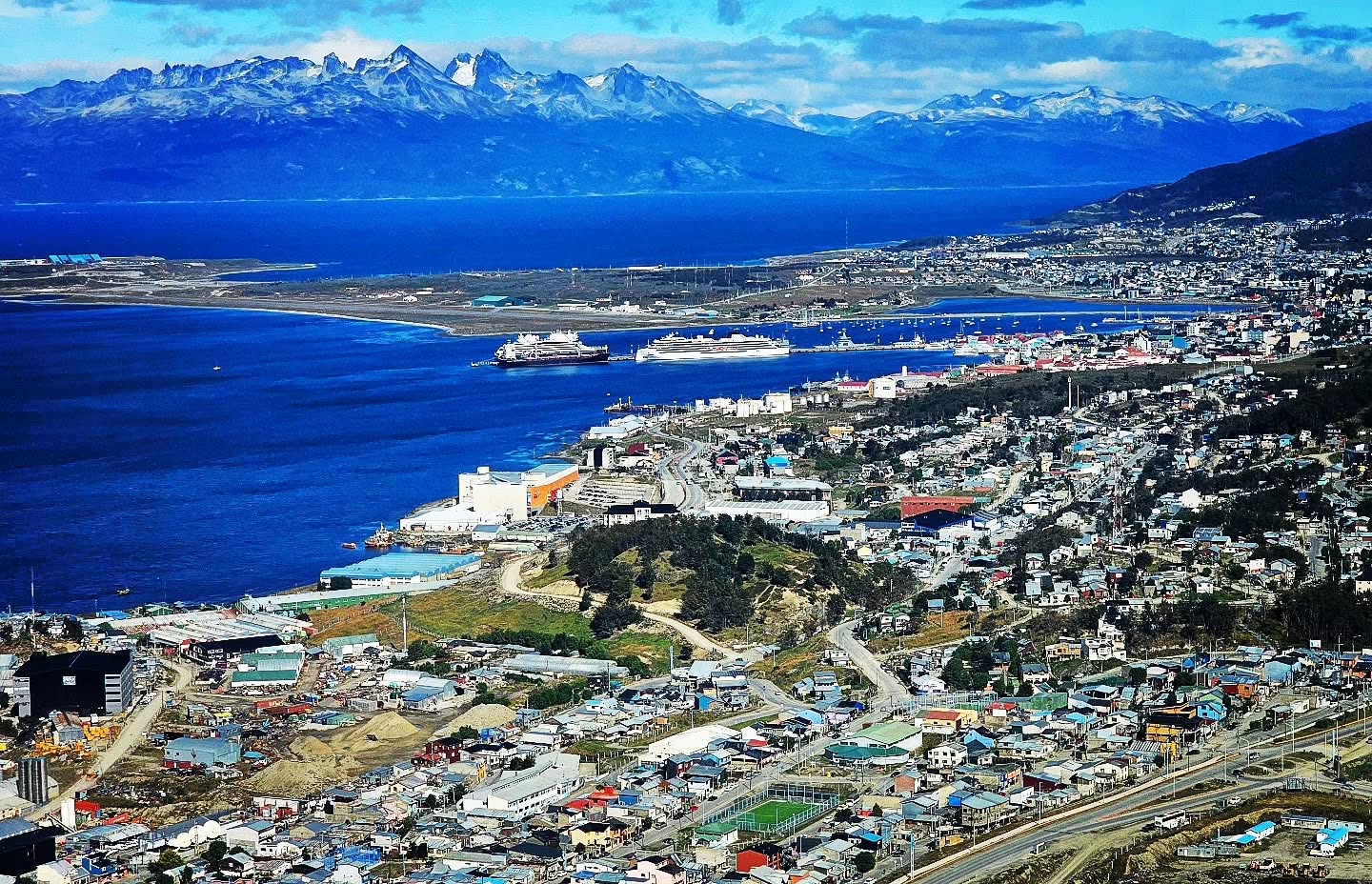
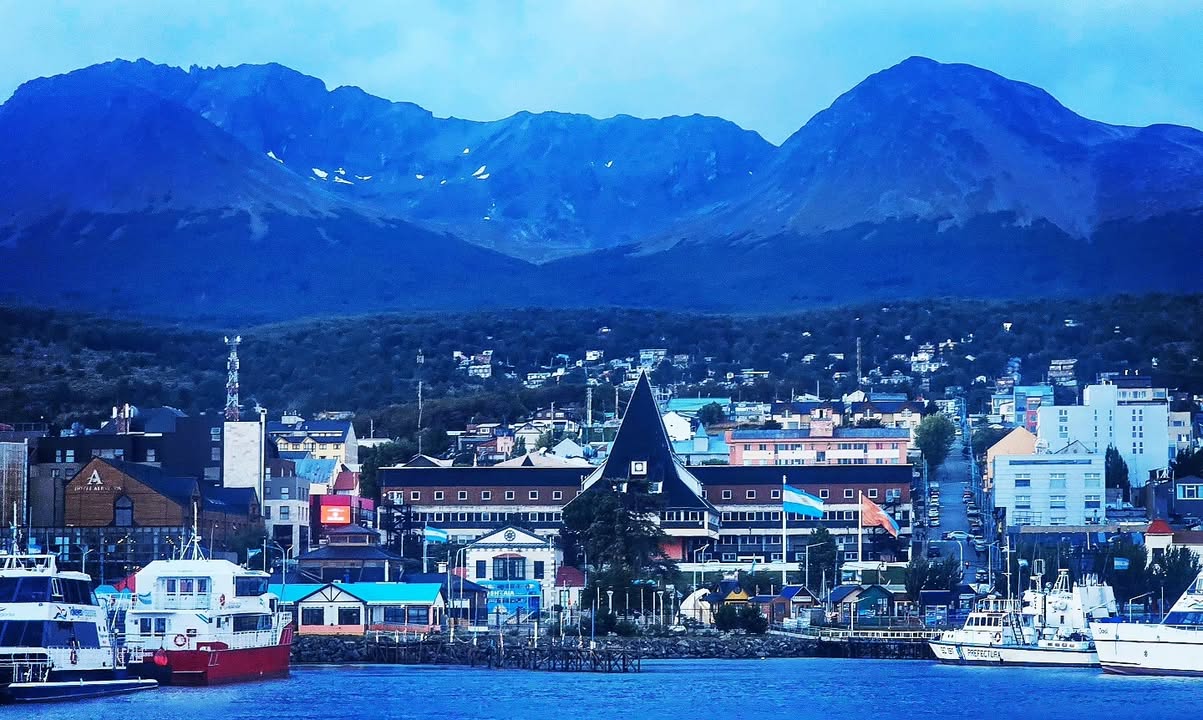
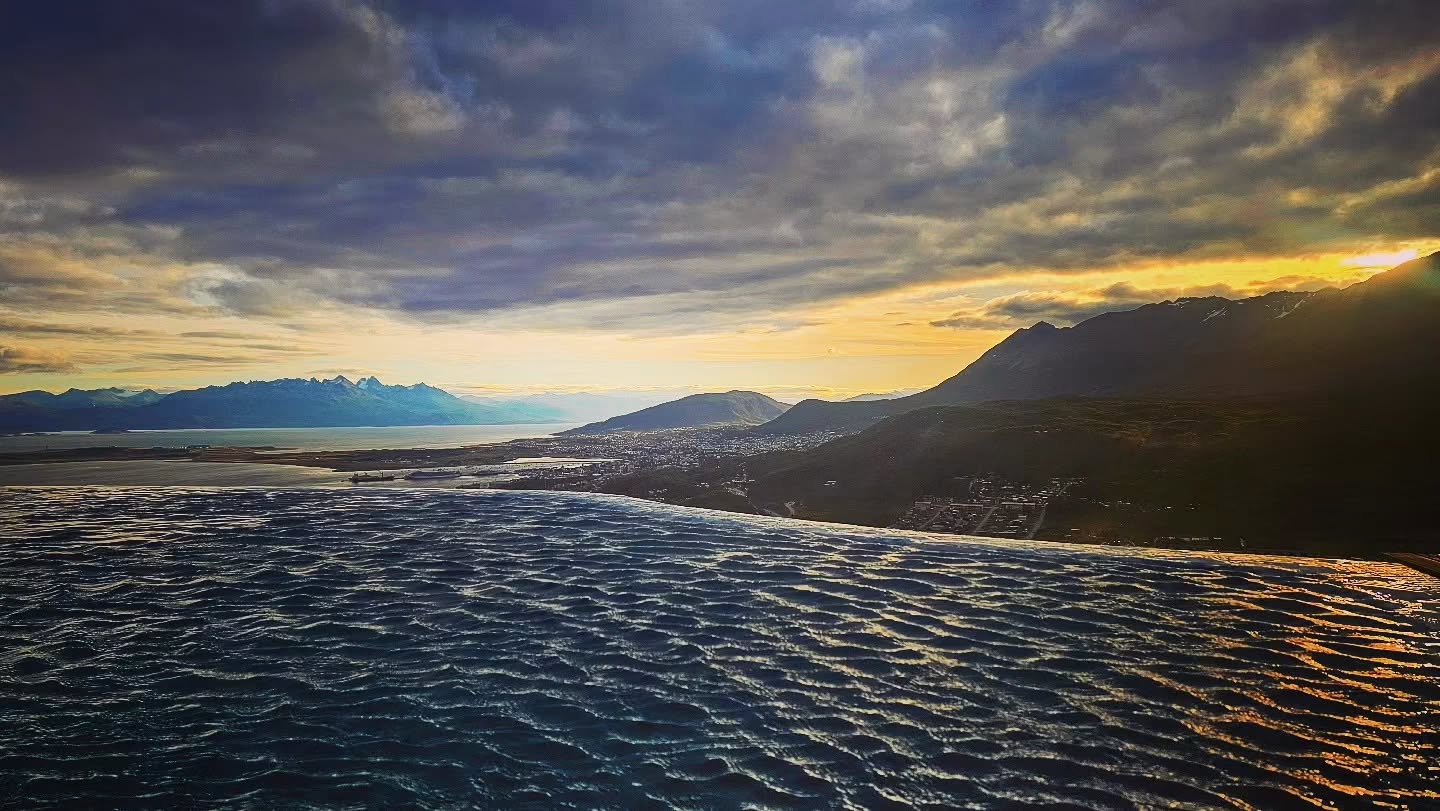
Ushuaia welcomed me back to dry land and to hotel life, with great views and great service at the Arakur, a resort high on the hill above town. From up there the whole town spreads out below, with the Beagle Channel and the mountains of Tierra del Fuego beyond. A restaurant chalkboard promised a kitchen open until one in the morning: finally, I noted, reasonable dinner times again.
In the evening the hotel's infinity pool looked out over the bay as the sky turned gold. Bearable, I wrote. I watched the sunset with a Fernet and Coke, Argentina’s favourite mix, for my nerves. If you visit Ushuaia, that pool, those views and those sunsets are highly recommended.
Tastings in Mendoza and my own vines
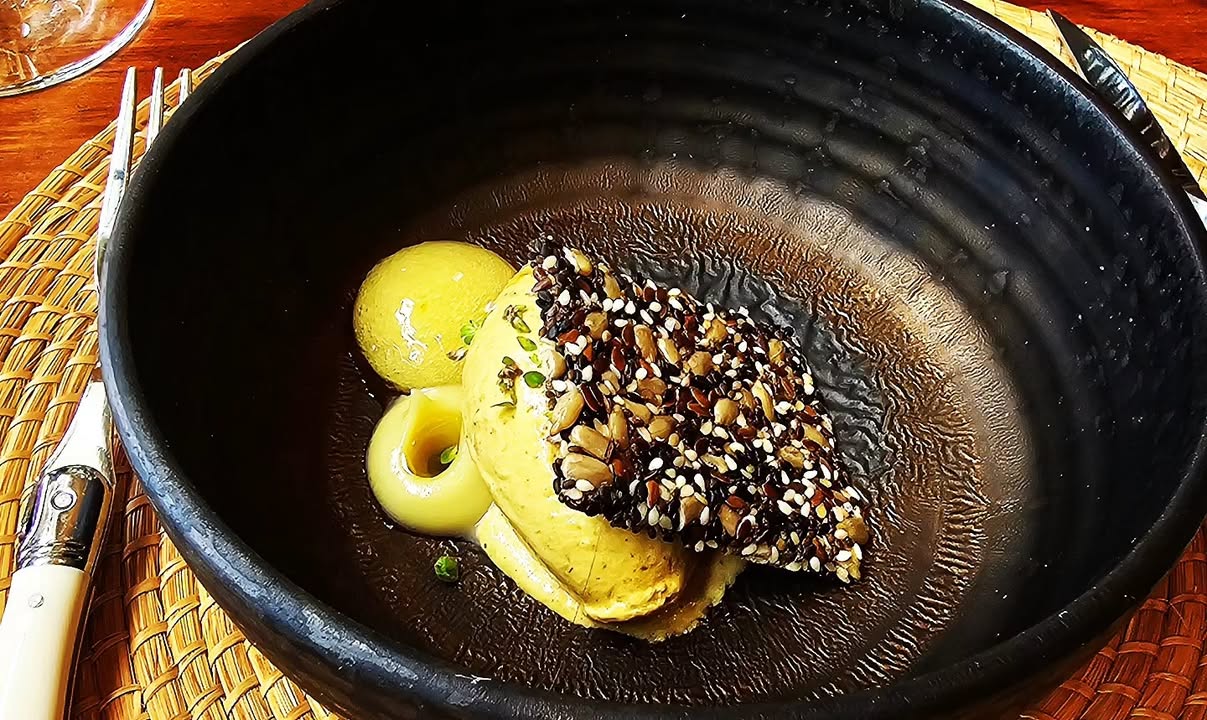
After a short lunch in Palermo in Buenos Aires, I continued to Mendoza, Argentina's wine capital at the foot of the Andes. The programme for the next days was simple: tastings, and lots of them. At 9.30 the next morning it was time for the first one, at La Cava de Karim Mussi, where a Lebanese winemaker produces some very interesting wines. Lunch that same day was a seven-course menu with wine pairing at Zonda, the restaurant of Bodega Lagarde and one of the best in Argentina, named after the hot, dry wind that blows down from the Andes.
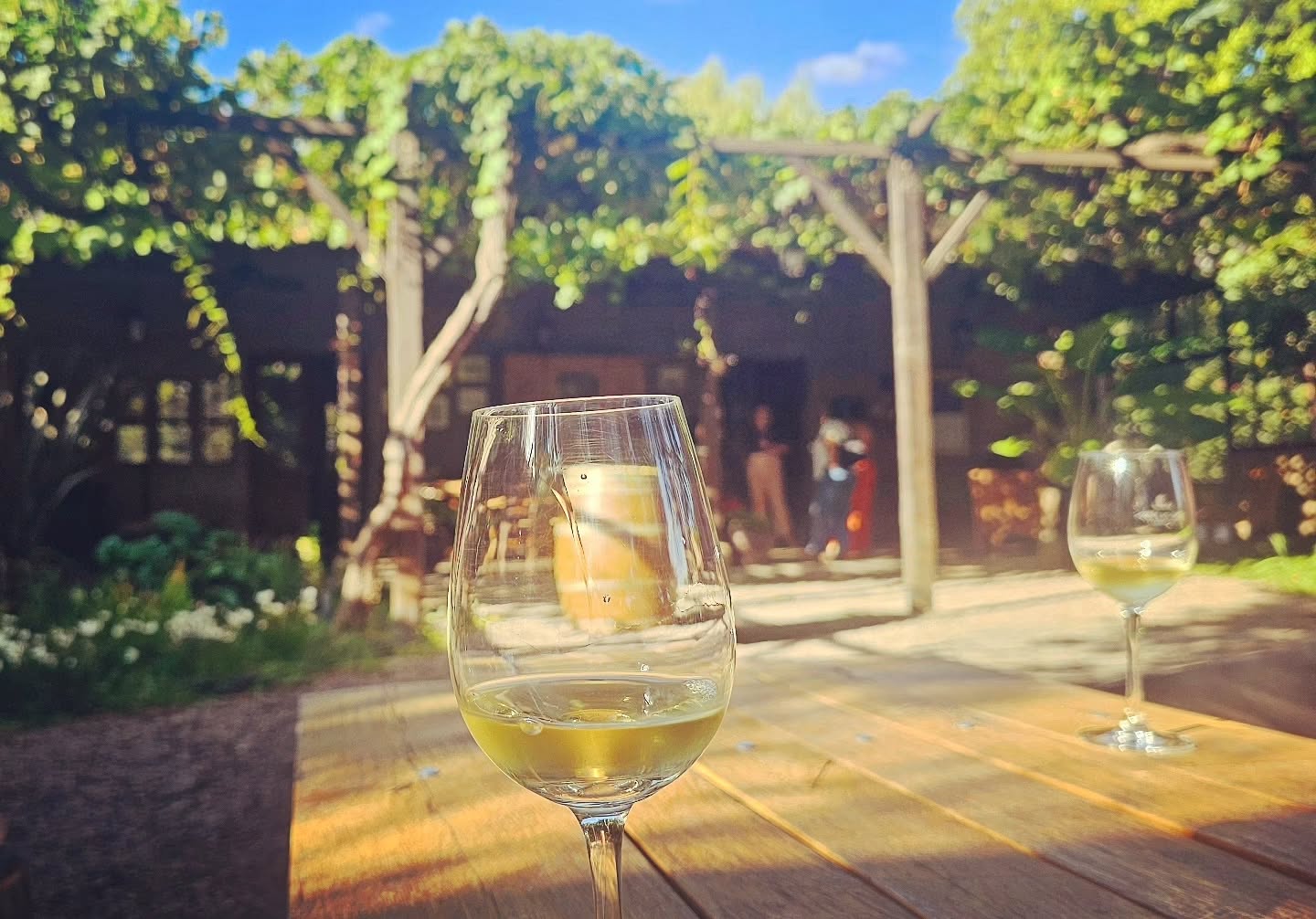
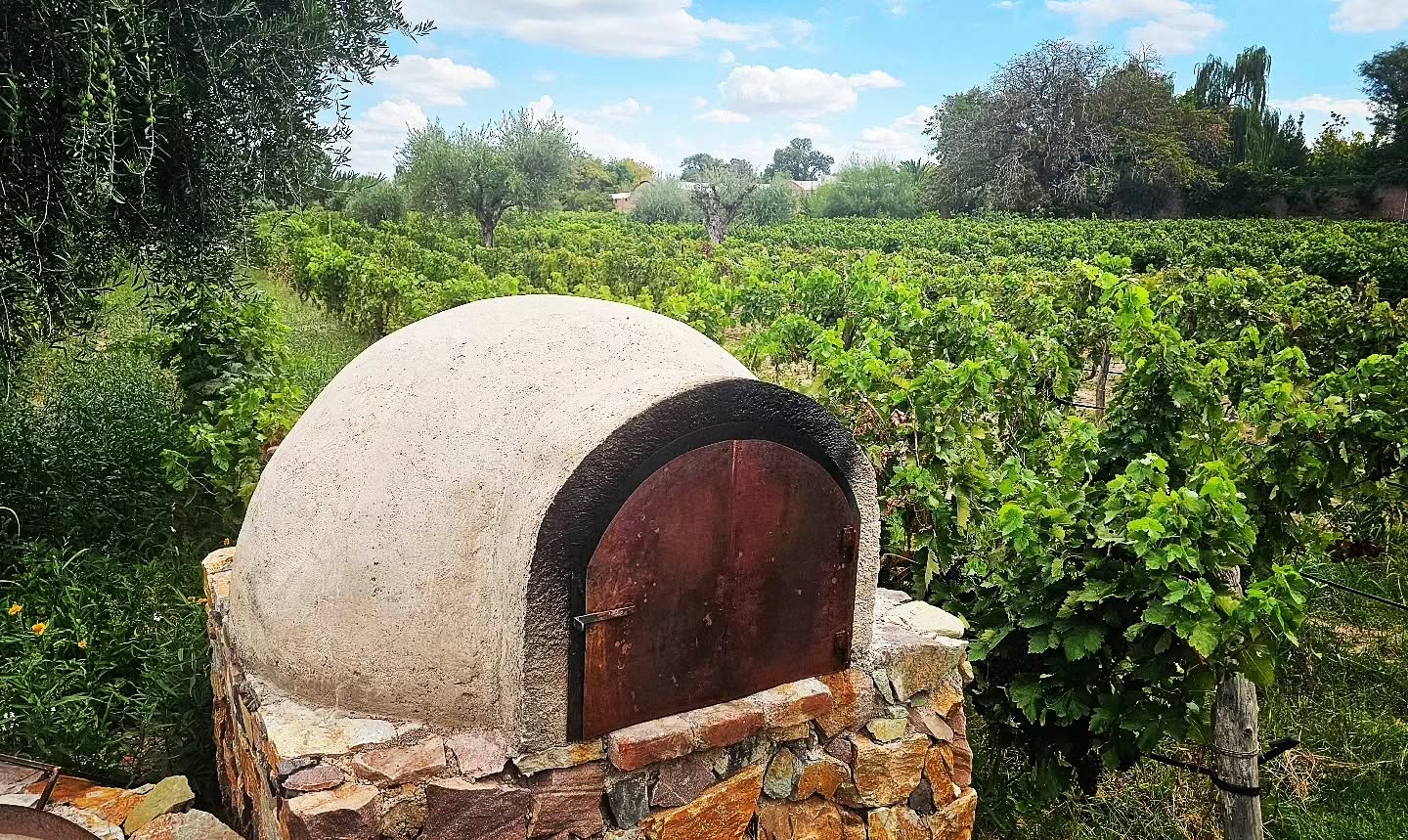
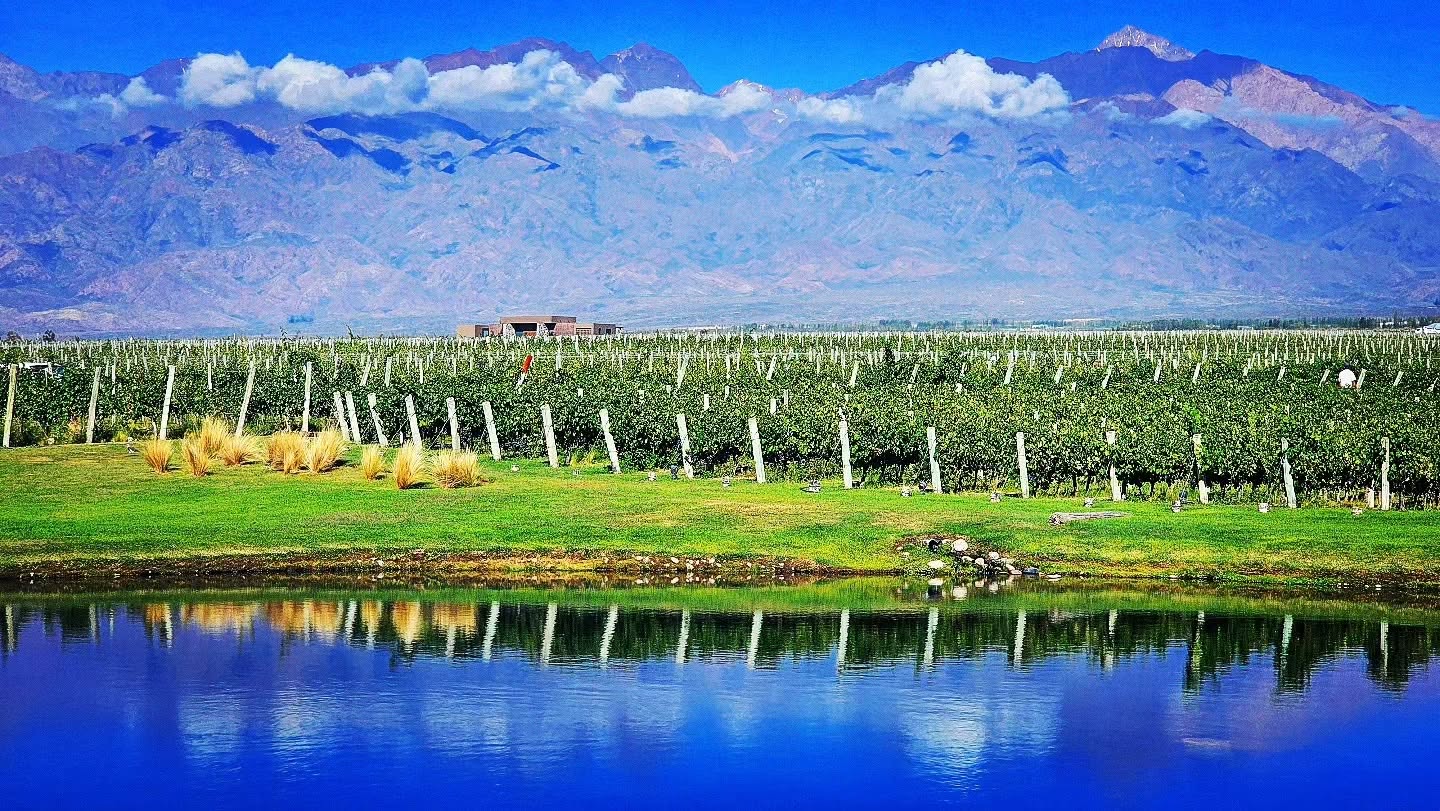
Then it was time for the Uco Valley and The Vines, where my own vineyard lies. I spent a great day there, with the snow-capped Andes reflected in a pond between the vines.
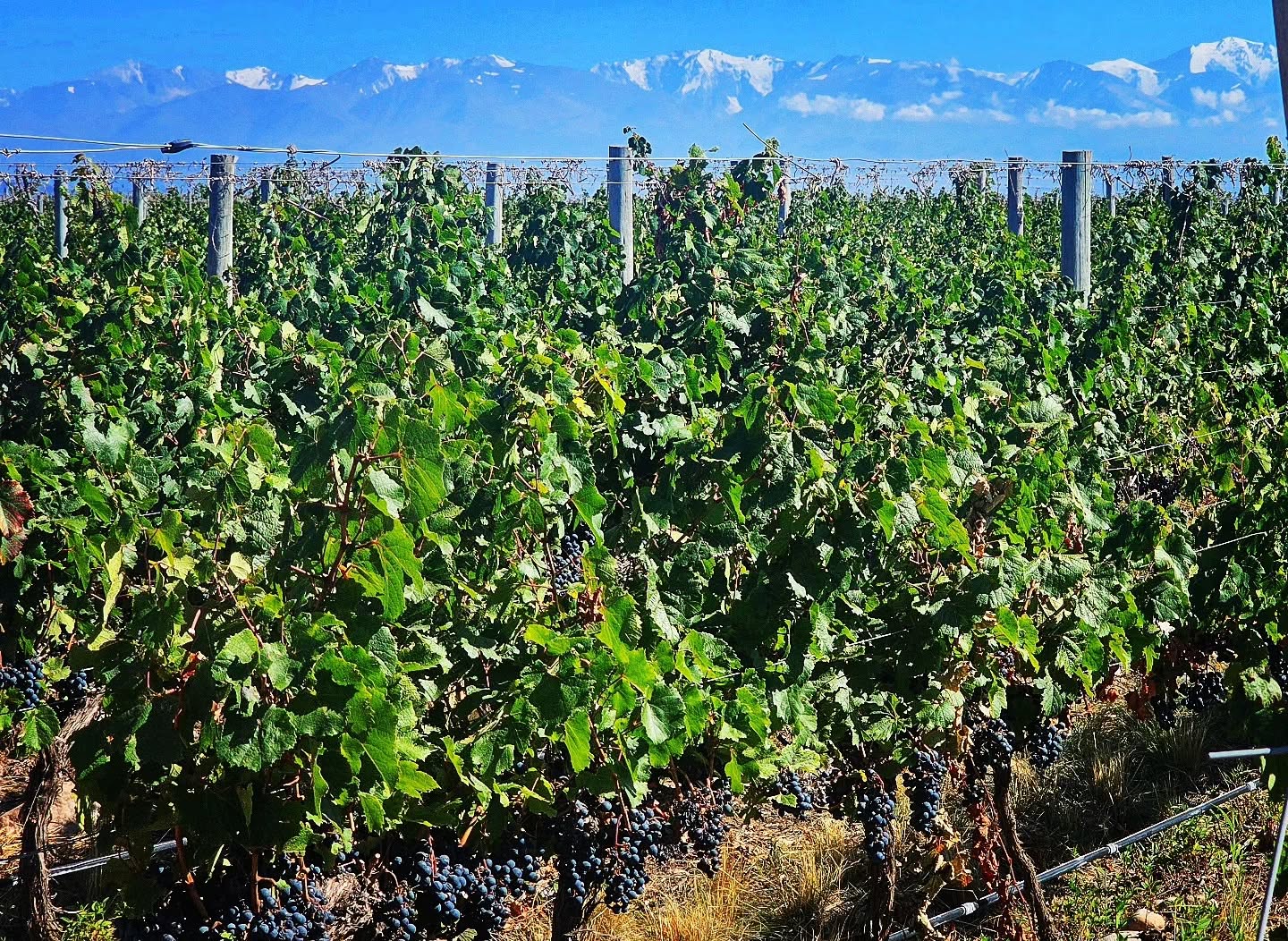
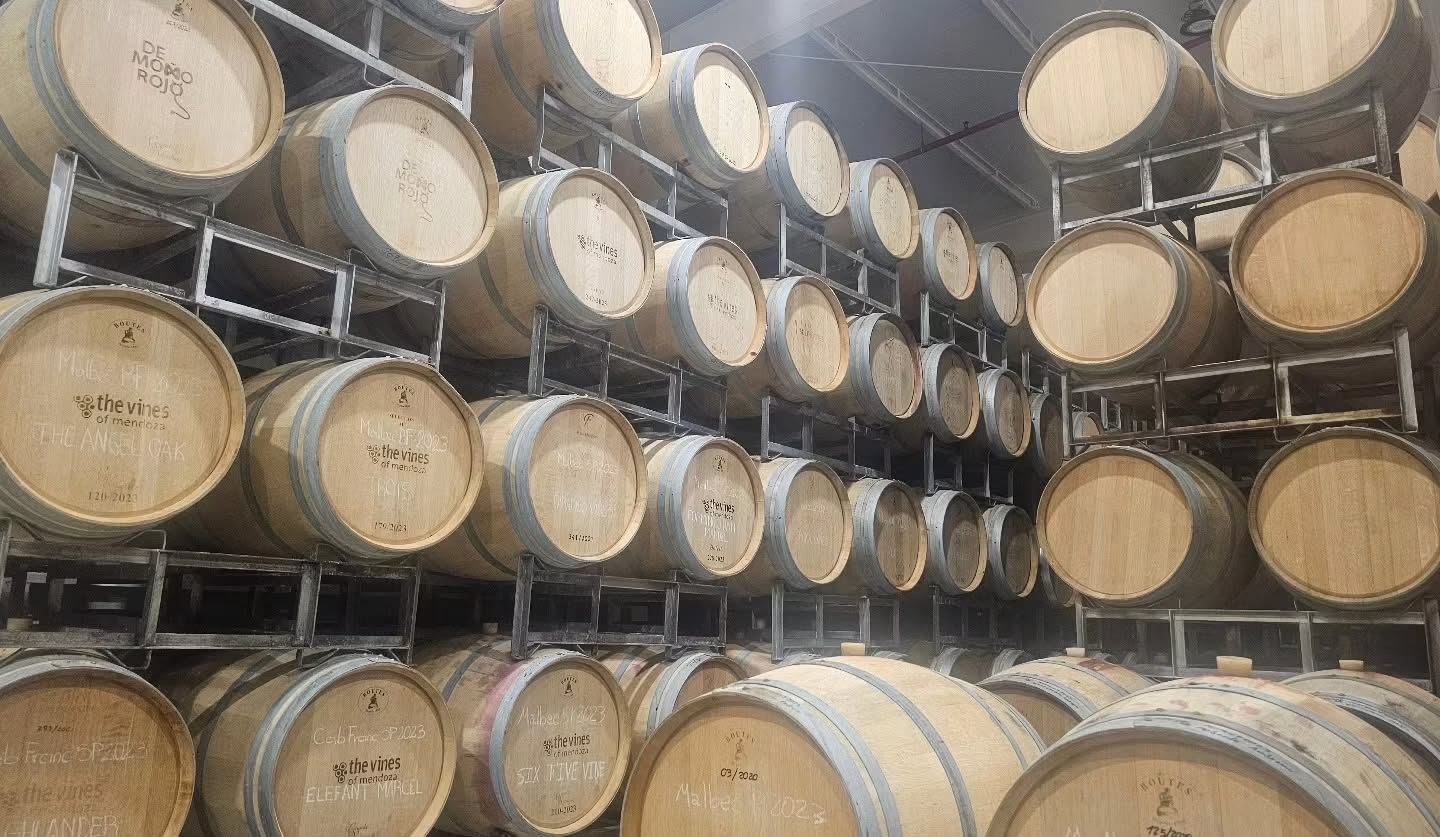
My vineyard is called Apatrida, Spanish for stateless, the same word as Staatenlos in German. Shortly before the harvest the vines hung heavy with dark grapes. In the cellar, three of the barrels are mine, 100 per cent French oak, of course.
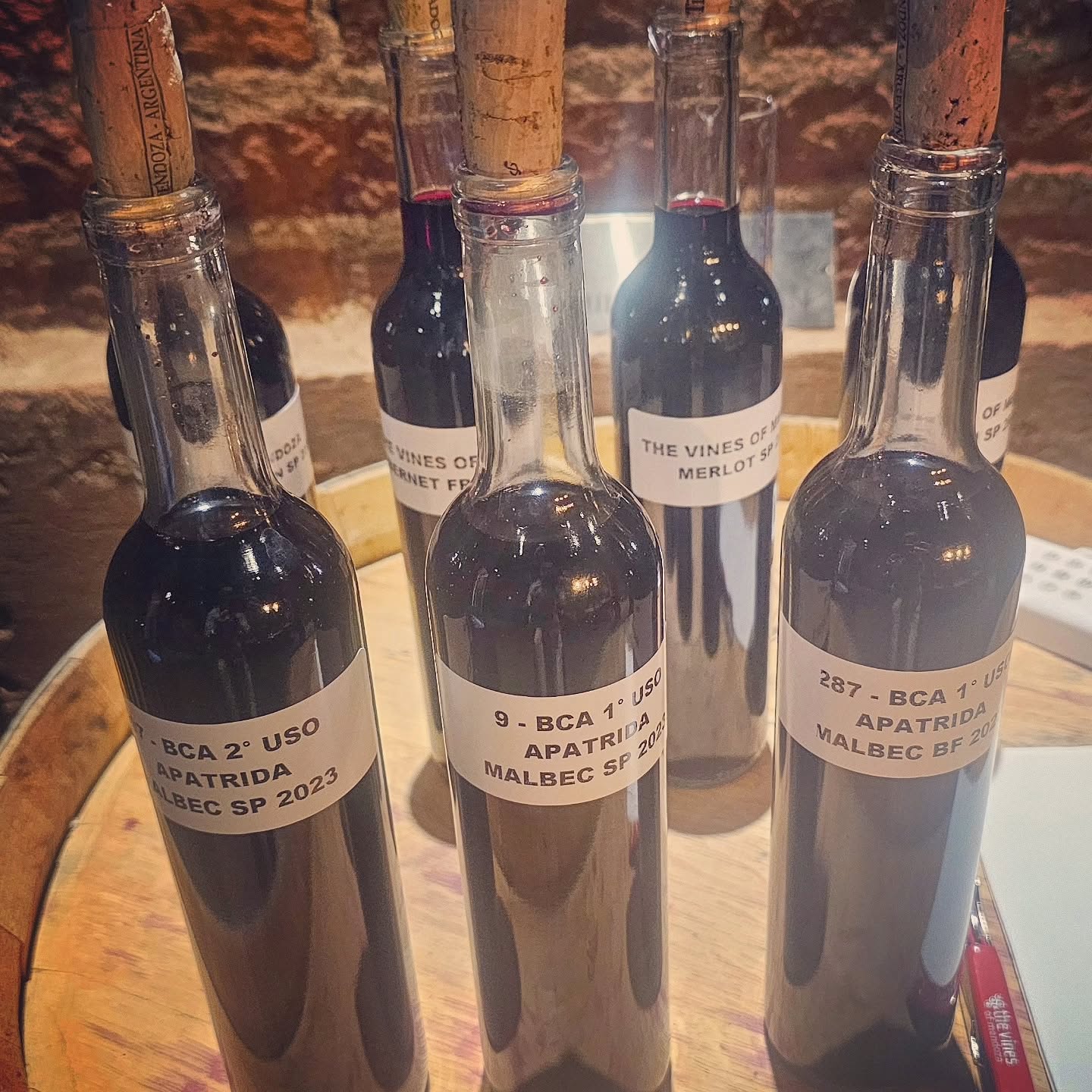
Another day, another tasting, this time at Bodega Bianchi. After one more pleasant morning in the Uco Valley I left, already planning to come back. I had been here with my father in early 2023, and I returned in November 2025, as told in Buenos Aires, the Aconcagua and the Uco Valley.
A weekend in Buenos Aires and a full house in Asunción
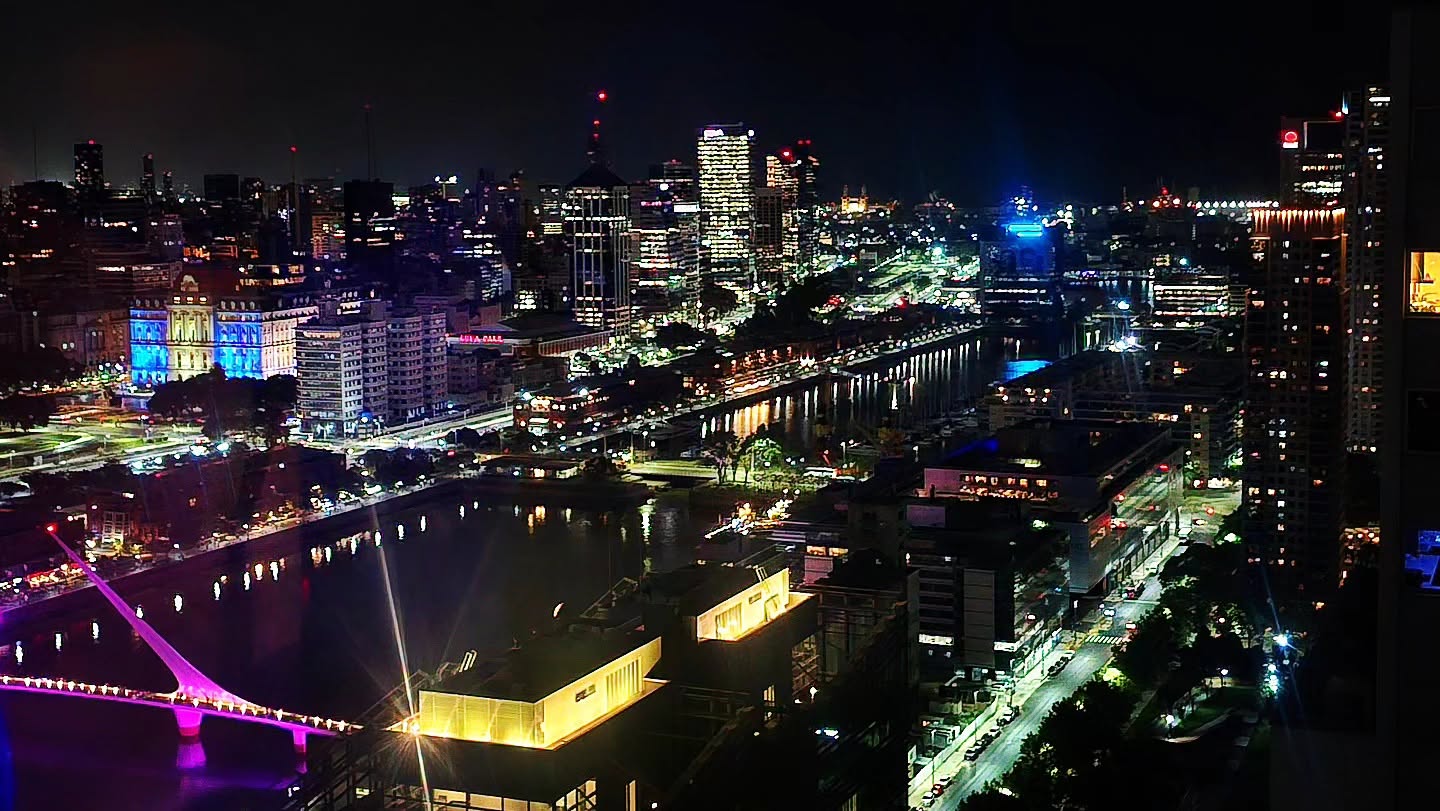
The weekend belonged to Buenos Aires. From my hotel in Puerto Madero I looked out over the city lights at night.
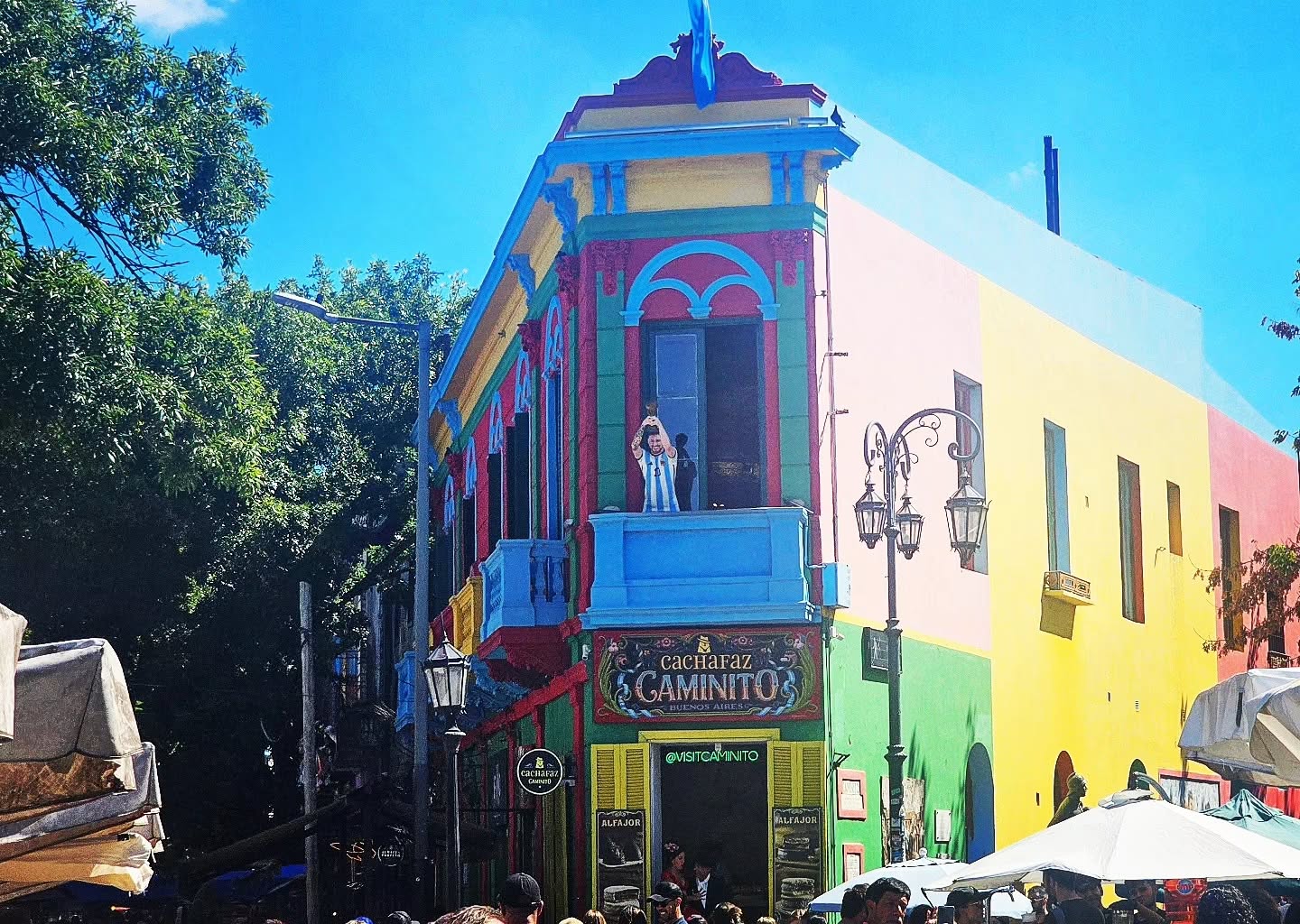
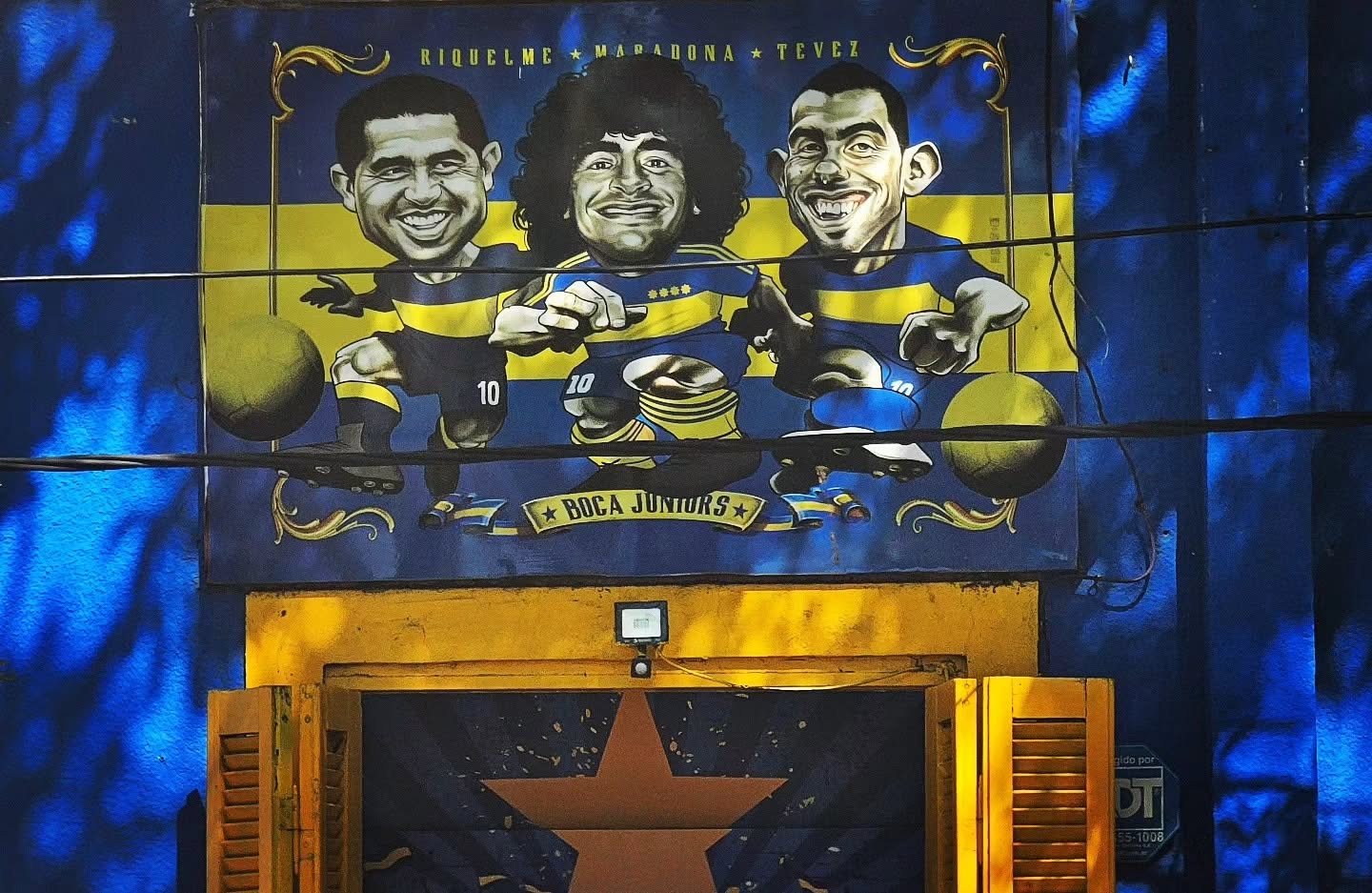
The next day began with a hangover pizza lunch at Güerrin, a Buenos Aires institution on Avenida Corrientes, and continued in La Boca. The old port quarter grew up at the mouth of the Riachuelo, where Italian immigrants, many of them from Genoa, worked in the docks and painted their corrugated-iron houses with leftover paint from the ships. It is also home to the Boca Juniors football club, and Diego Maradona looks down from its murals.
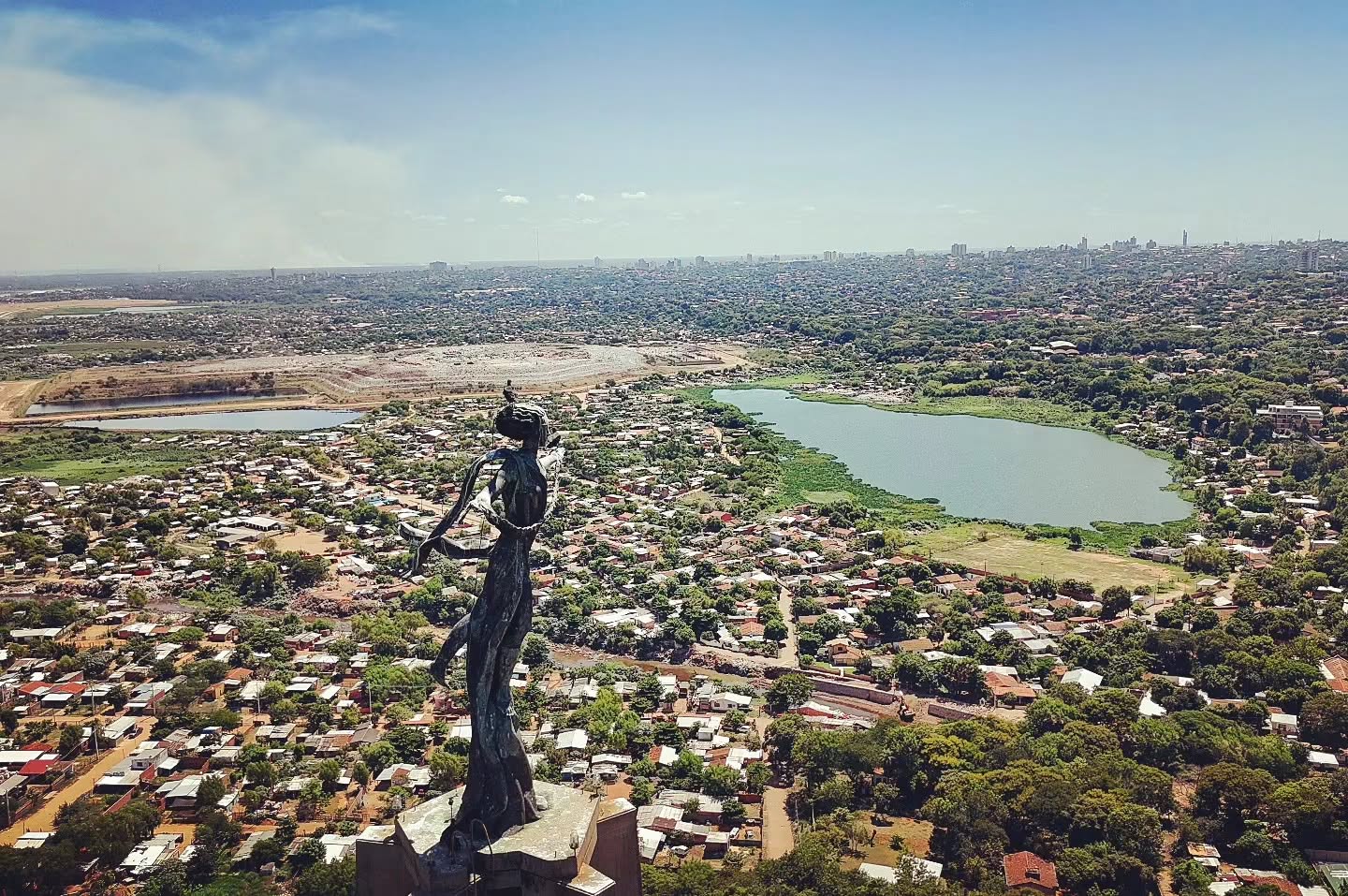
Then I continued to Paraguay, where I have held permanent residency since my first visit in 2018. Having missed out on a proper steak in Buenos Aires, I made up for it with a fine lunch at the local Cabrera steakhouse. On the evening of 11 March we held a Staatenlos meetup: more than 60 people had registered, and we had a full house. Before leaving I went up Lambaré hill on the southern edge of the city, where a statue of the Guaraní chief Lambaré looks out over Asunción and a lagoon on its edge.
After a very social week with little time for work, it was time to get back to country collecting. On 13 March I flew to Bonaire, the first of my last five Caribbean territories, a story told in Finishing the Caribbean.