Icebreaking to the Emperors: The Weddell Sea and Snow Hill Island on Le Commandant Charcot
24 November – 6 December 2025 · Ushuaia, Drake Passage, Antarctic Sound, Weddell Sea, Snow Hill Island, James Ross Island, Half Moon Island · Regions: Argentina (Tierra del Fuego), Antarctica
After a few days of mountains, wine and long lunches in Buenos Aires and Mendoza, I flew to Ushuaia for the first of three Antarctic cruises this season, and the most ambitious of them. Le Commandant Charcot, Ponant's icebreaker, was heading deep into the Weddell Sea for the emperor penguin chicks of Snow Hill Island. At the time, other ships were turning back because of the heavy ice. Ours was built to break through it. I had been to Antarctica several times before, by plane and by ship, but never on this route.
A day at the end of the world
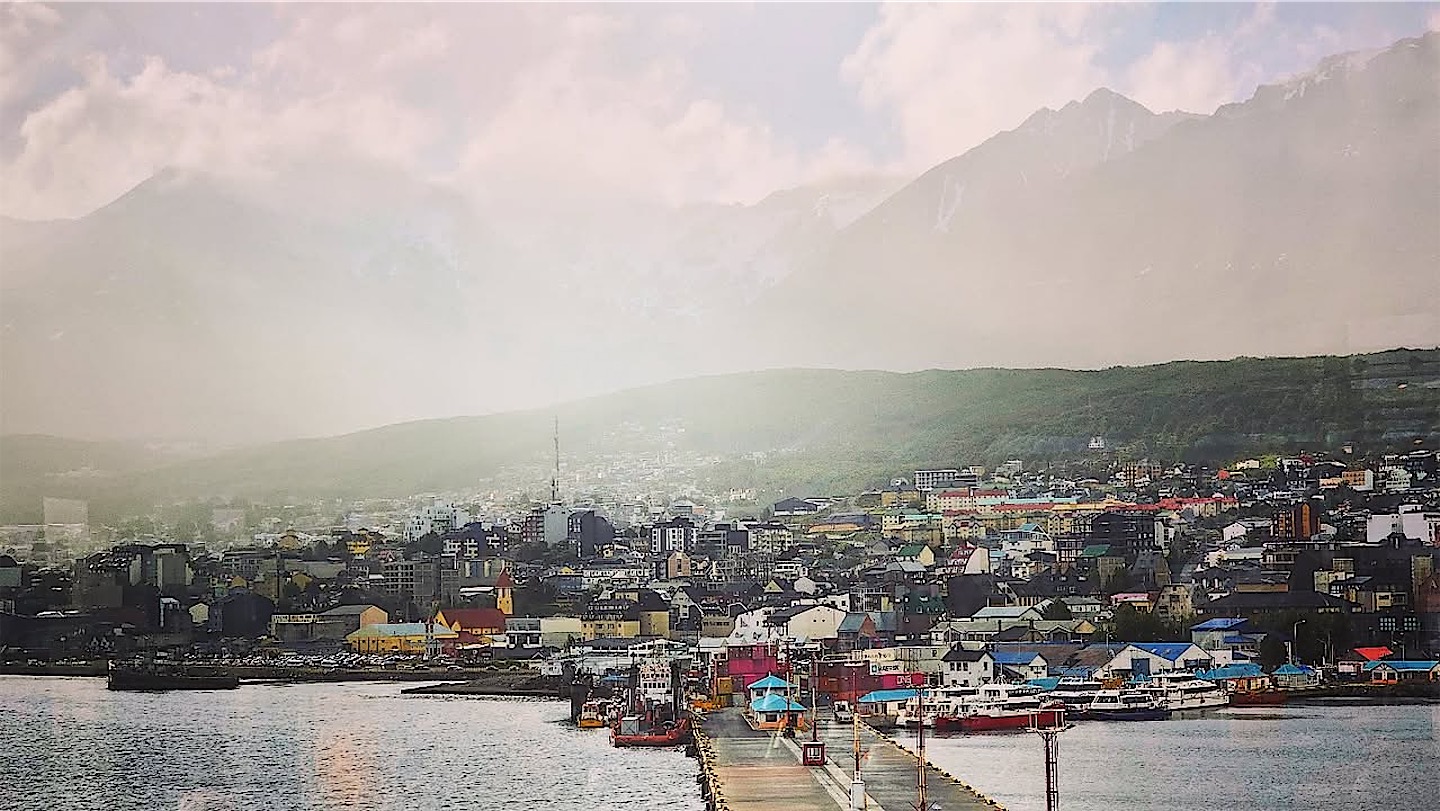
Ushuaia, on the Beagle Channel in Argentine Tierra del Fuego, is the main gateway for Antarctic cruises, and in late November its port is busy. I watched the two Ponant ships Le Austral and Le Commandant Charcot meet off the town, and the Scenic Eclipse sail out for the south. I stayed at the Arakur resort on the hill above town, one of my favourite hotel spas, not least because it stays open until midnight.
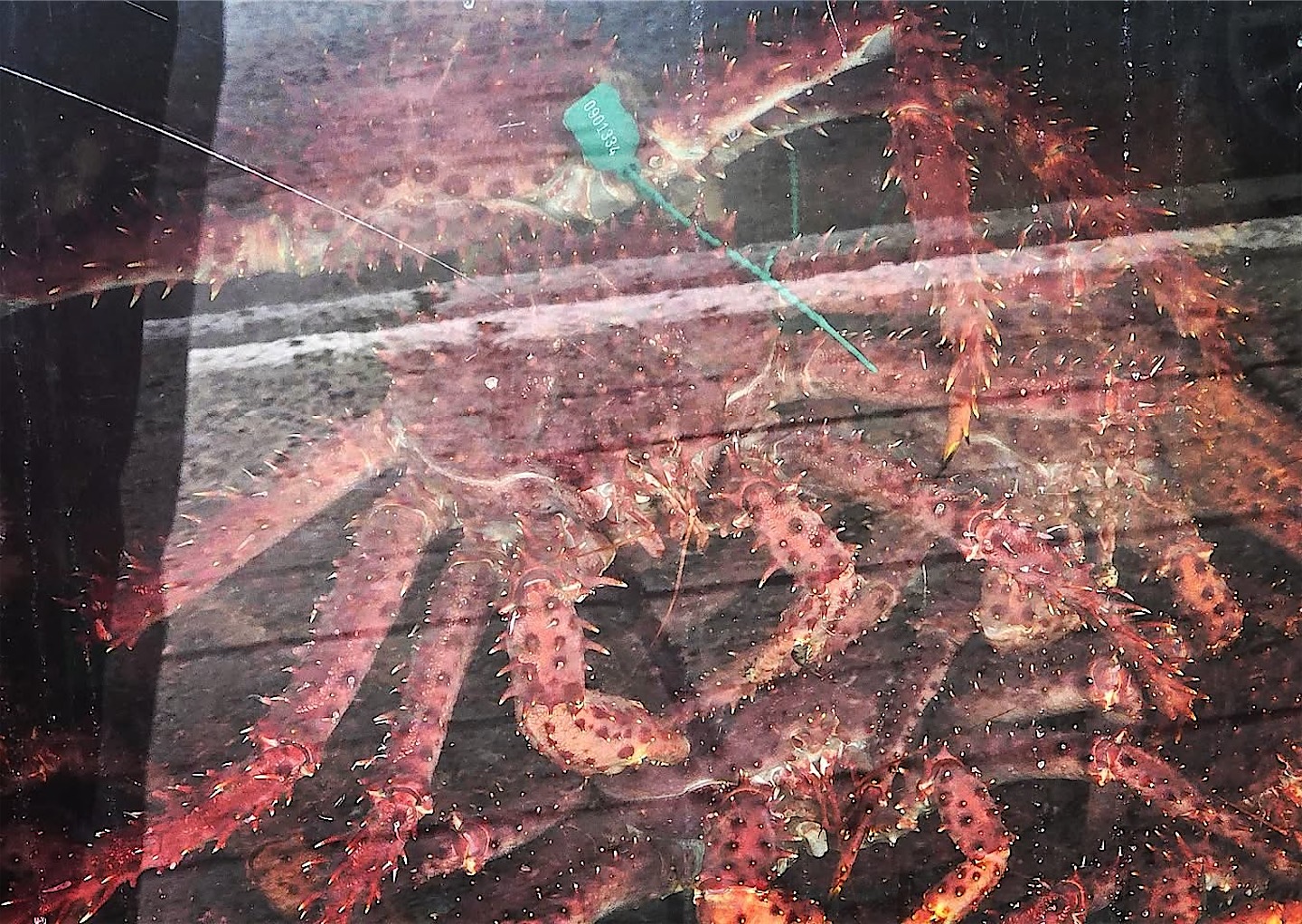
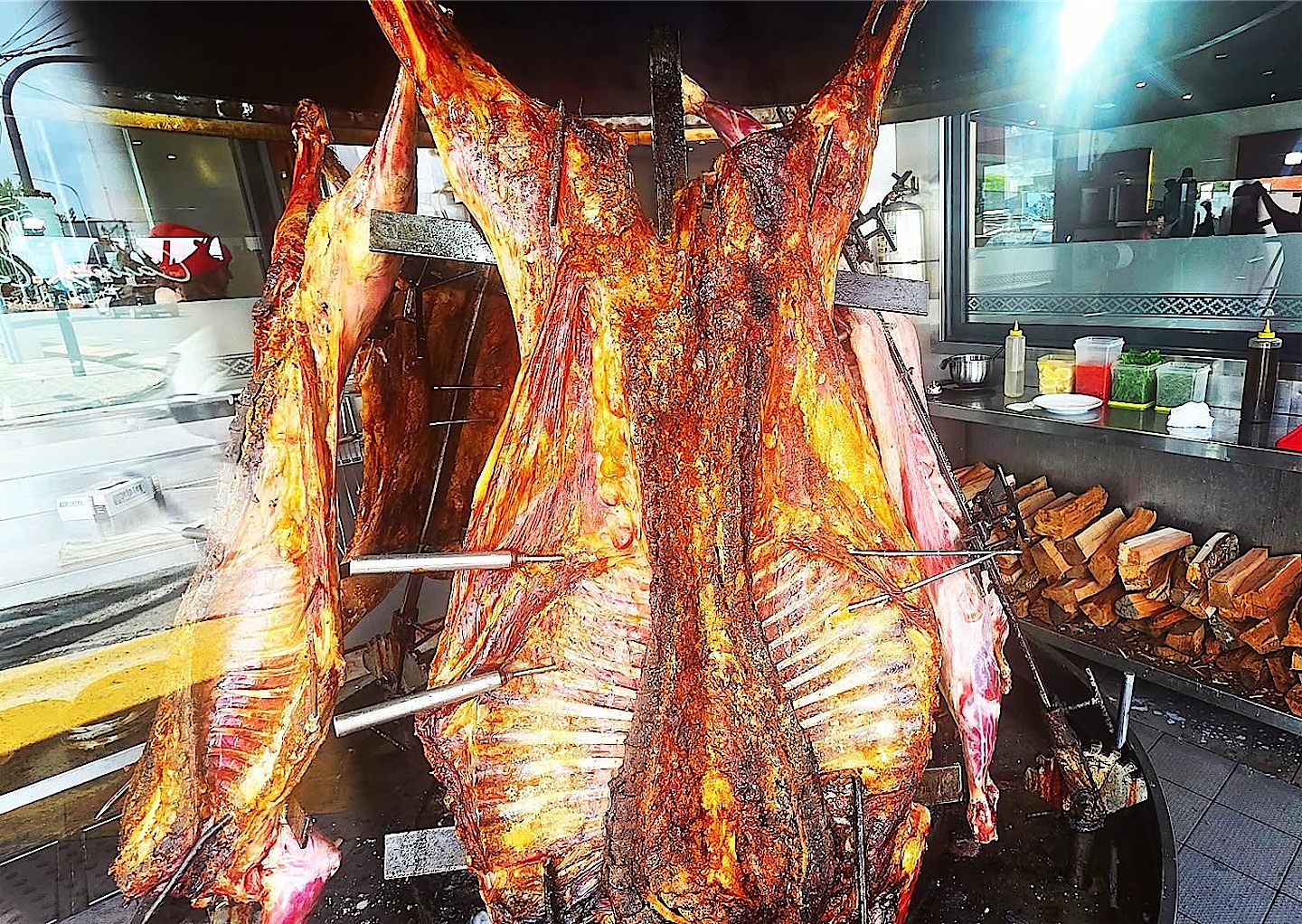
Before boarding I took a helicopter over the Beagle Channel to toast the coming voyage on a remote beach. The weather was too poor to fly into the mountains, but the flight over Ushuaia and out to an old shipwreck was scenic enough. At the table came the classic local question: king crab or Patagonian lamb? The southern king crab, called centolla here, waits in tanks until it is cooked, while the lamb roasts slowly on an iron cross beside an open fire.
Across the Drake
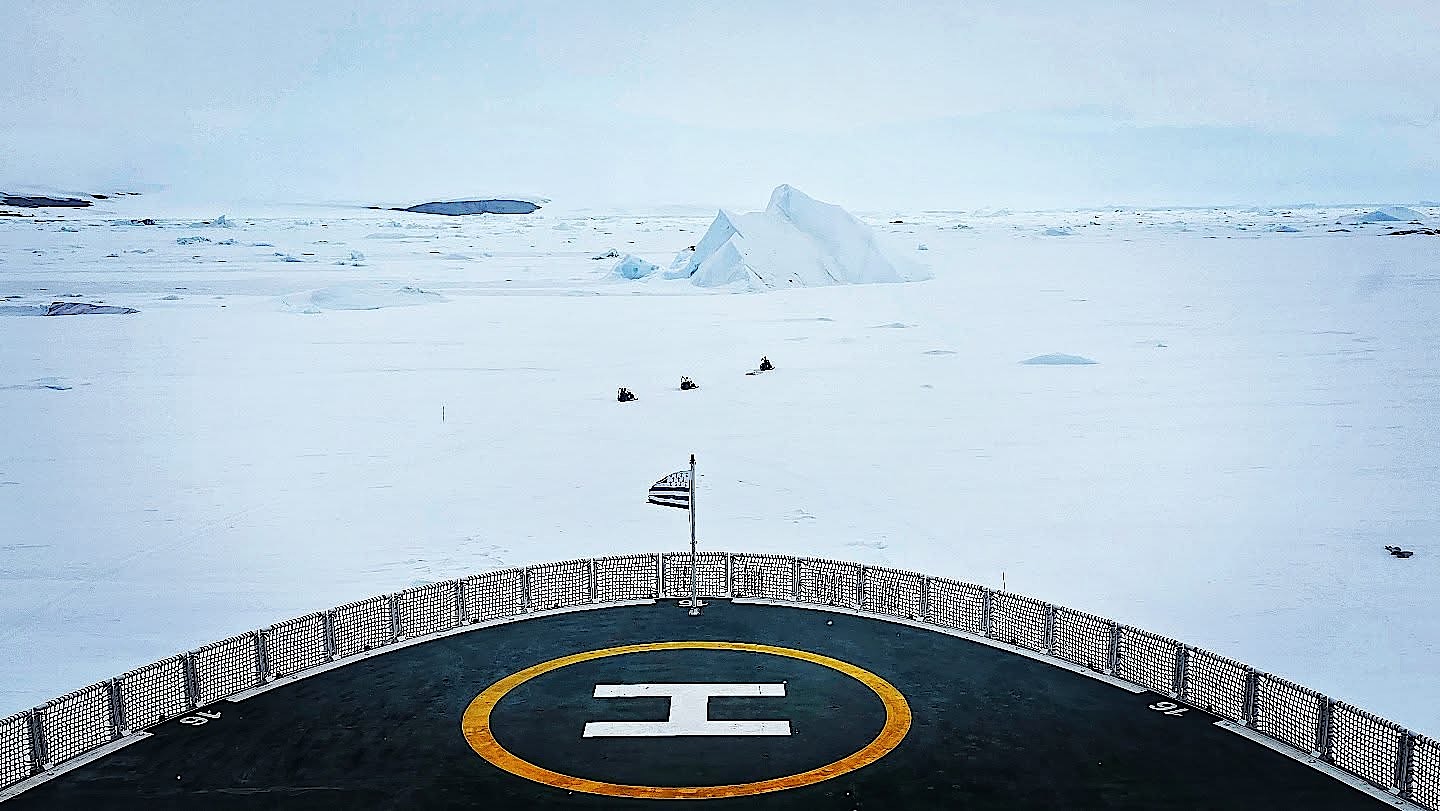
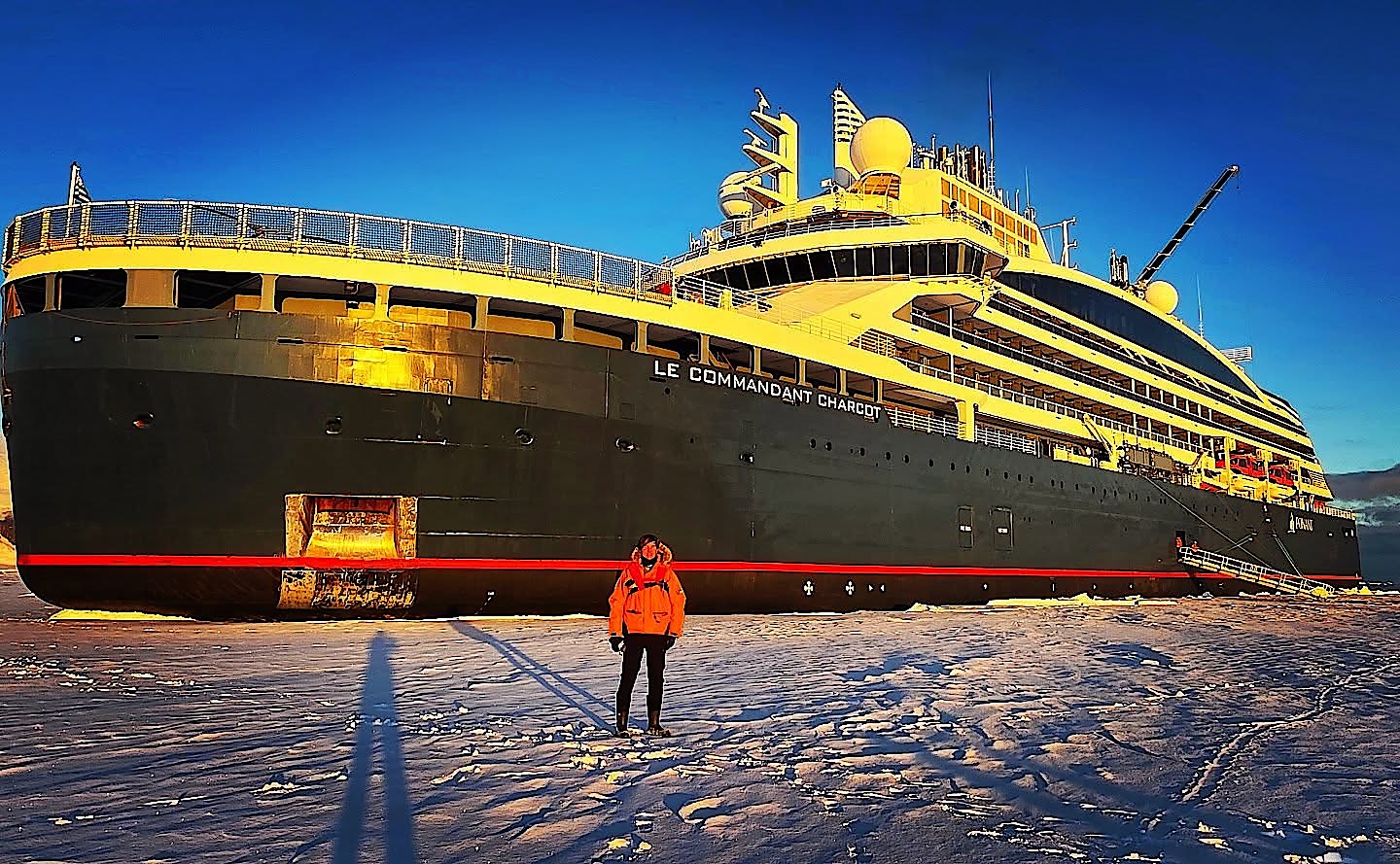
Le Commandant Charcot is not an ordinary cruise ship. With her own helicopter and a hull made for heavy ice, she is one of very few passenger ships with a real chance of reaching Snow Hill Island in a difficult ice year.
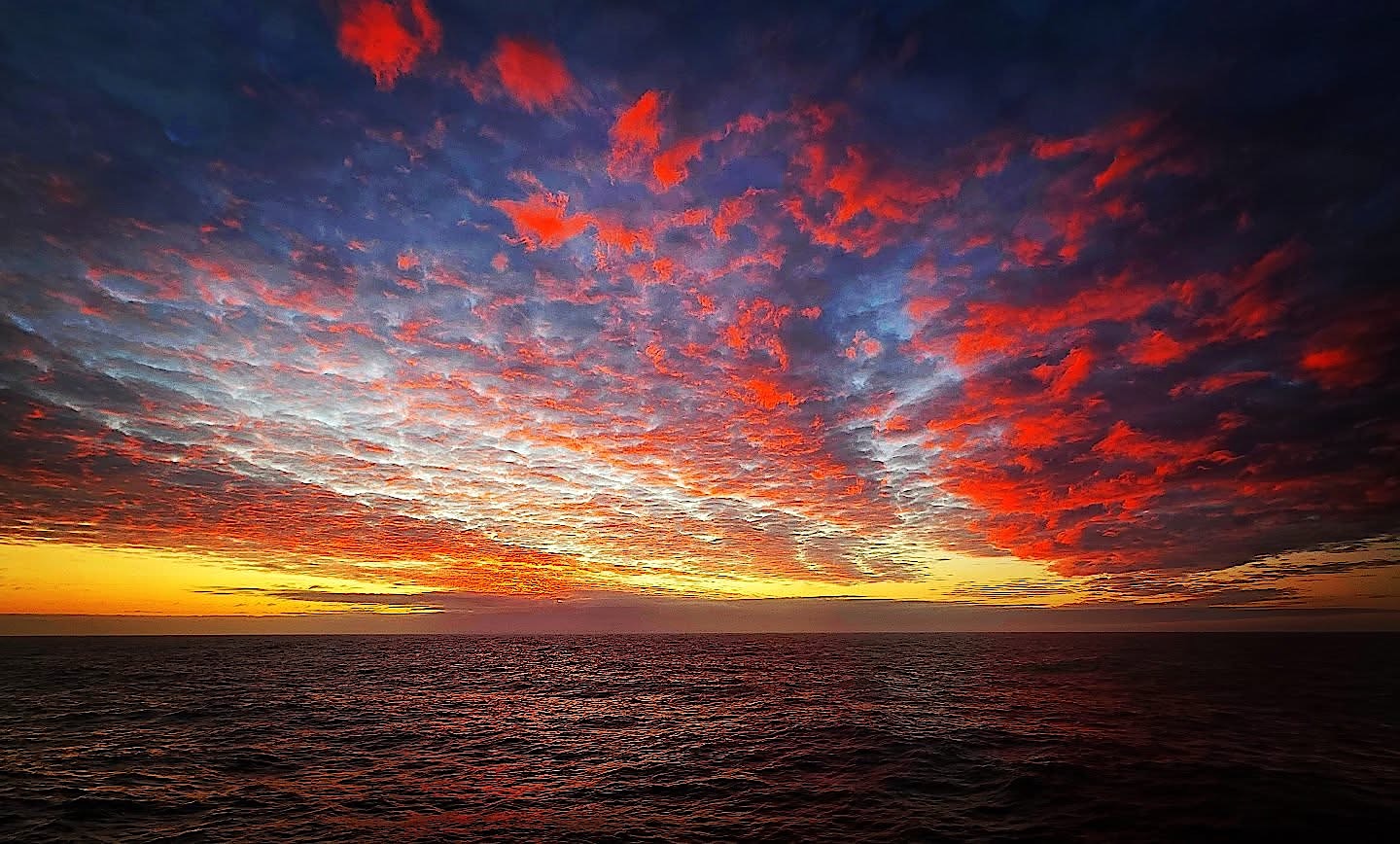
First, though, came the Drake Passage, the roughly 800 kilometres of open ocean between Cape Horn and the South Shetland Islands. Expedition crews speak of the "Drake Lake" when it is calm and the "Drake Shake" when it is not. We got neither: waves of about three metres, which is quite comfortable for a stretch of sea where they can reach fifteen. One evening the Southern Ocean set the sky on fire at ten o'clock, and the next day we slipped between two of the South Shetland Islands.
Into the Weddell Sea
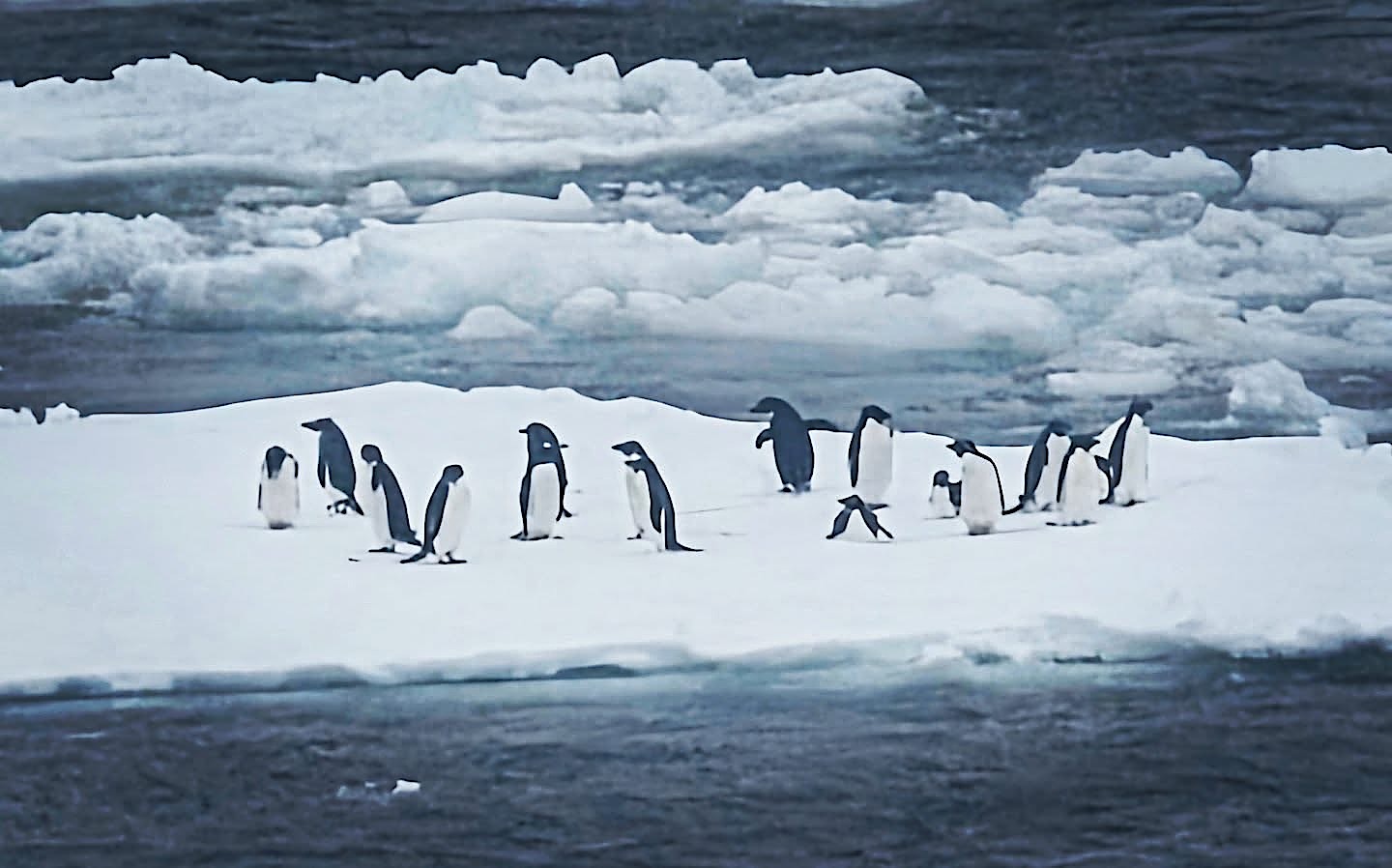
The icebergs grew more numerous, and soon the first penguins stood on the floes. We passed the northernmost tip of the Antarctic continent, where the Antarctic Sound leads into the Weddell Sea, and despite all my earlier trips I had never been here. The sound is named after the ship of Otto Nordenskjöld's Swedish expedition and is known for the huge, flat-topped tabular icebergs that drift up from the south. Only fifty hours after leaving Ushuaia, I had already completed a long walk on the sea ice, which surprised even me.
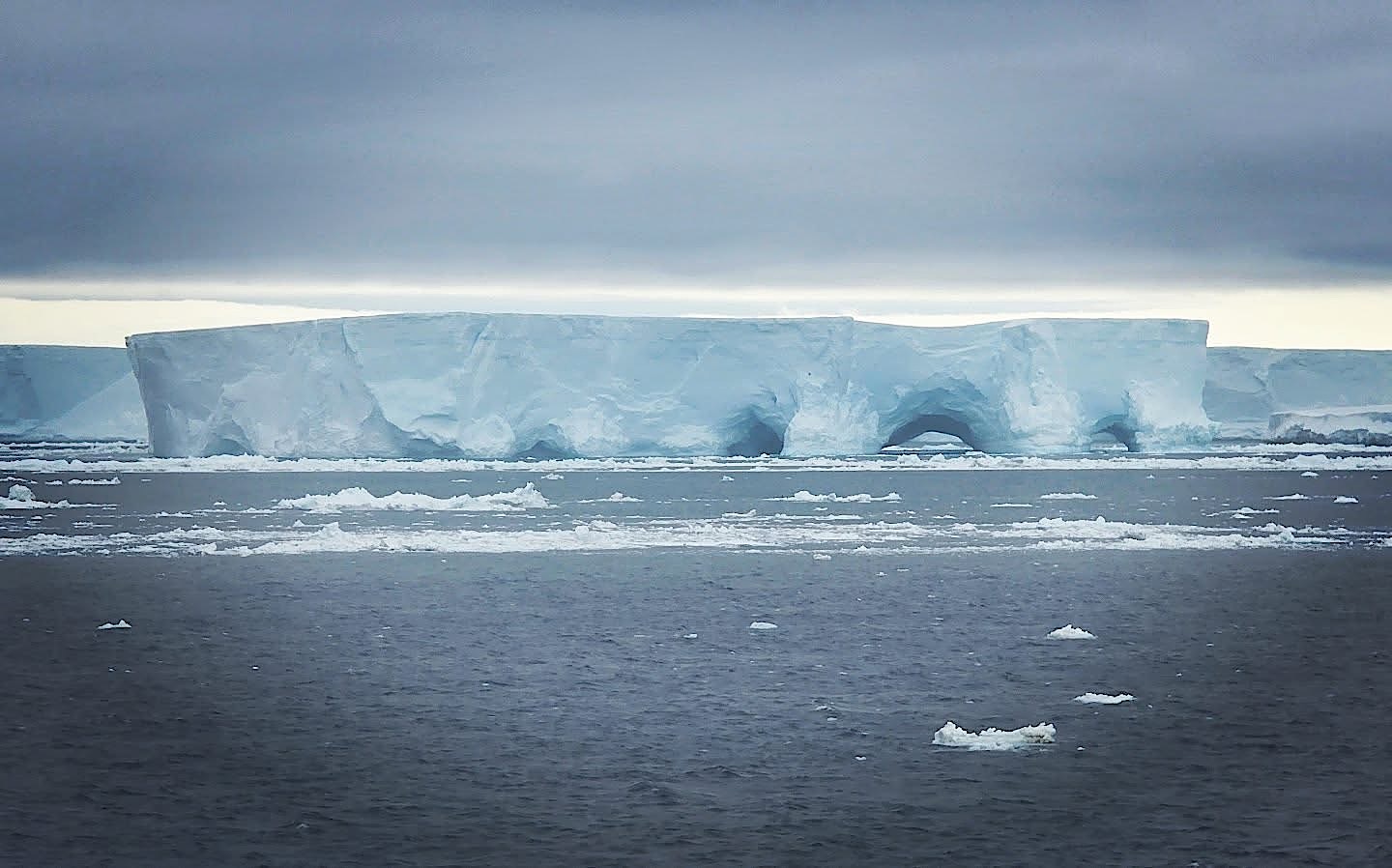
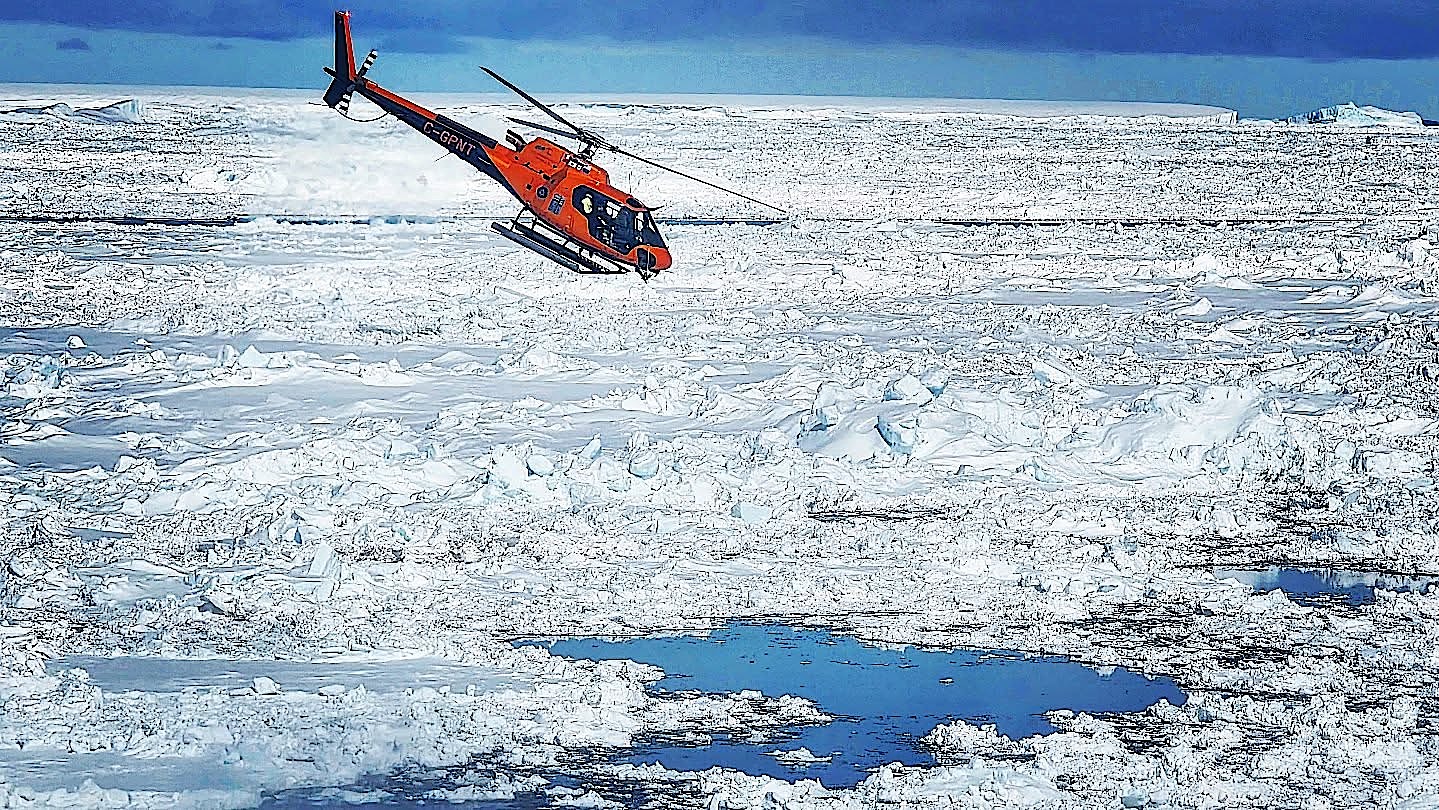
Yet this was only the edge of the Weddell Sea, and we still had about 80 kilometres of icebreaking ahead of us before Snow Hill Island. An icebreaker doesn't really cut the ice; it rides up onto it and breaks it under its own weight. The helicopter on board flew ahead to help the bridge find a way through the thickest ice.
James Ross Island and a leopard seal
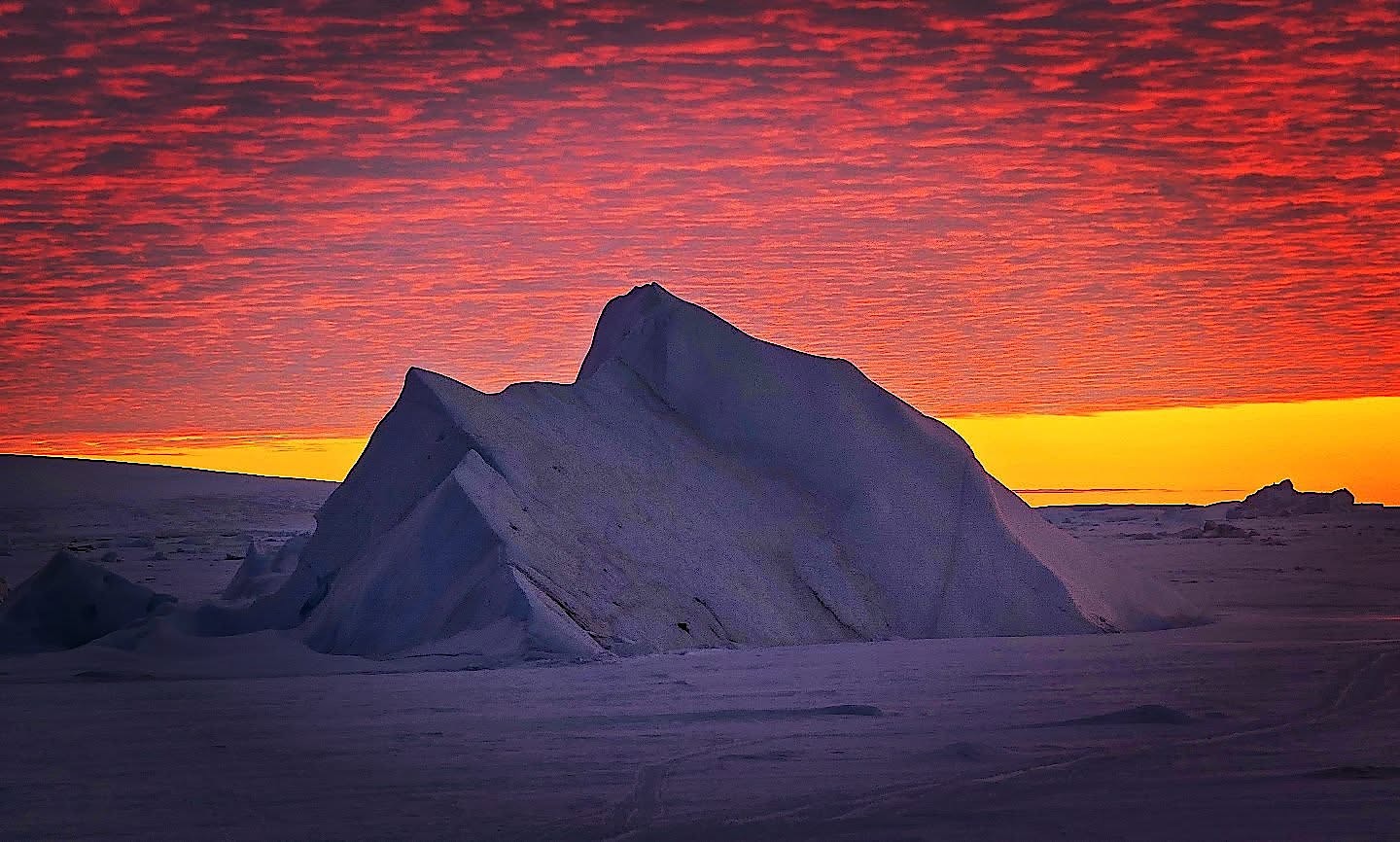
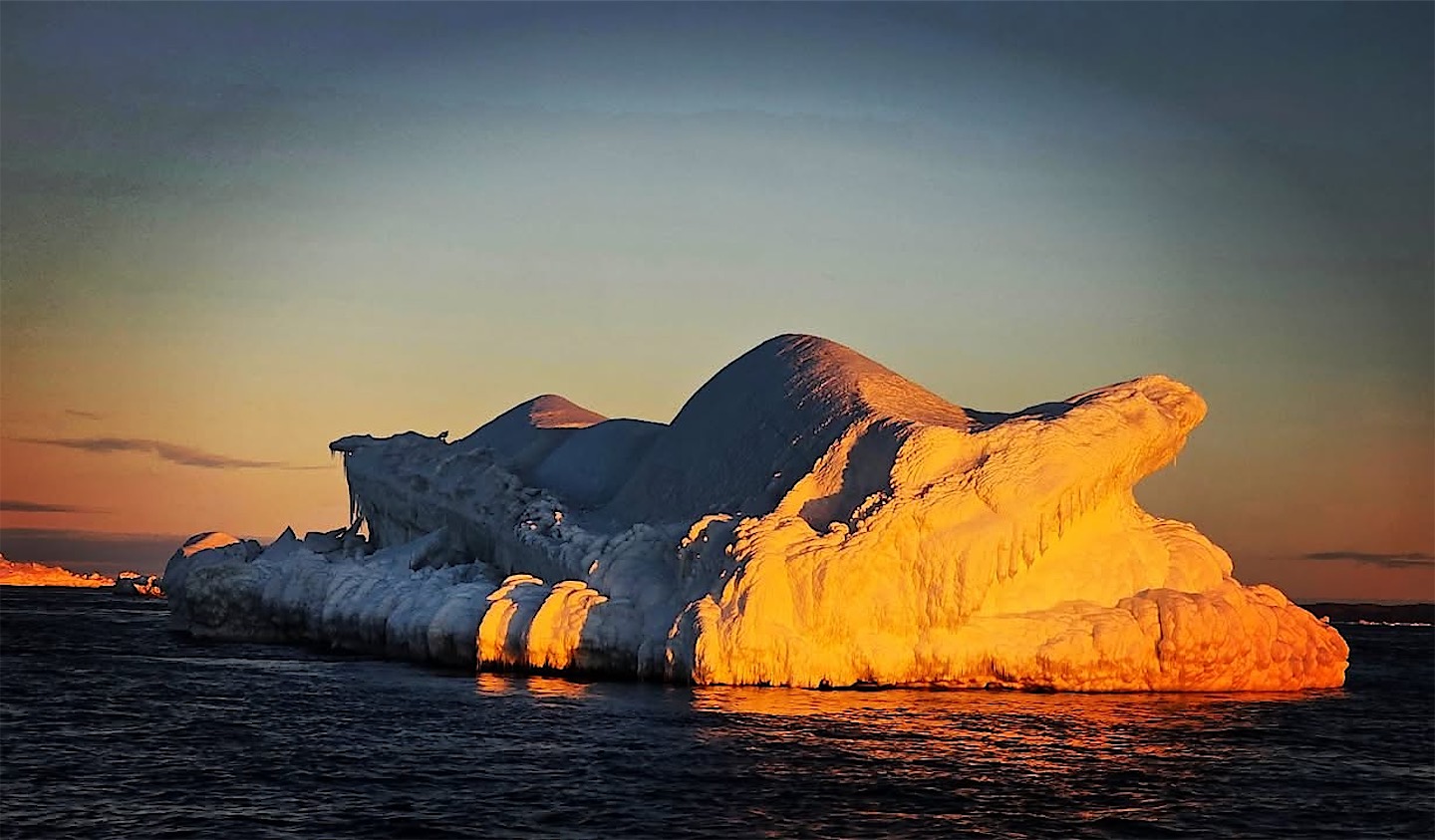
We arrived off Snow Hill Island sooner than I had expected, with James Ross Island close by. That evening the sun set at eleven, and its last light turned an iceberg to gold.
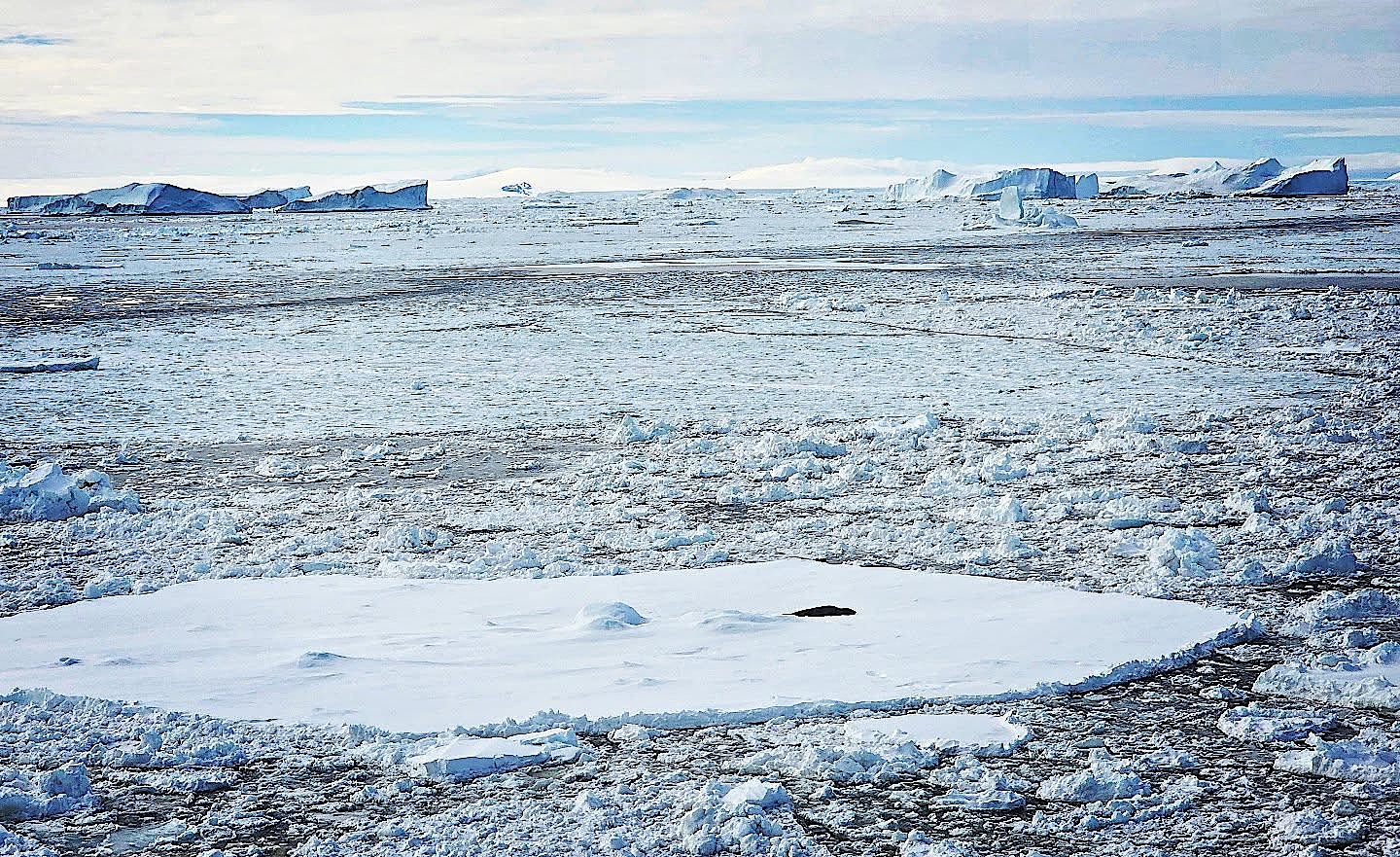
A leopard seal lay resting on a floe among the tabular icebergs. Leopard seals eat almost anything, from krill to penguins and other seals, yet in the Weddell Sea even they end up on the menu of the orcas.
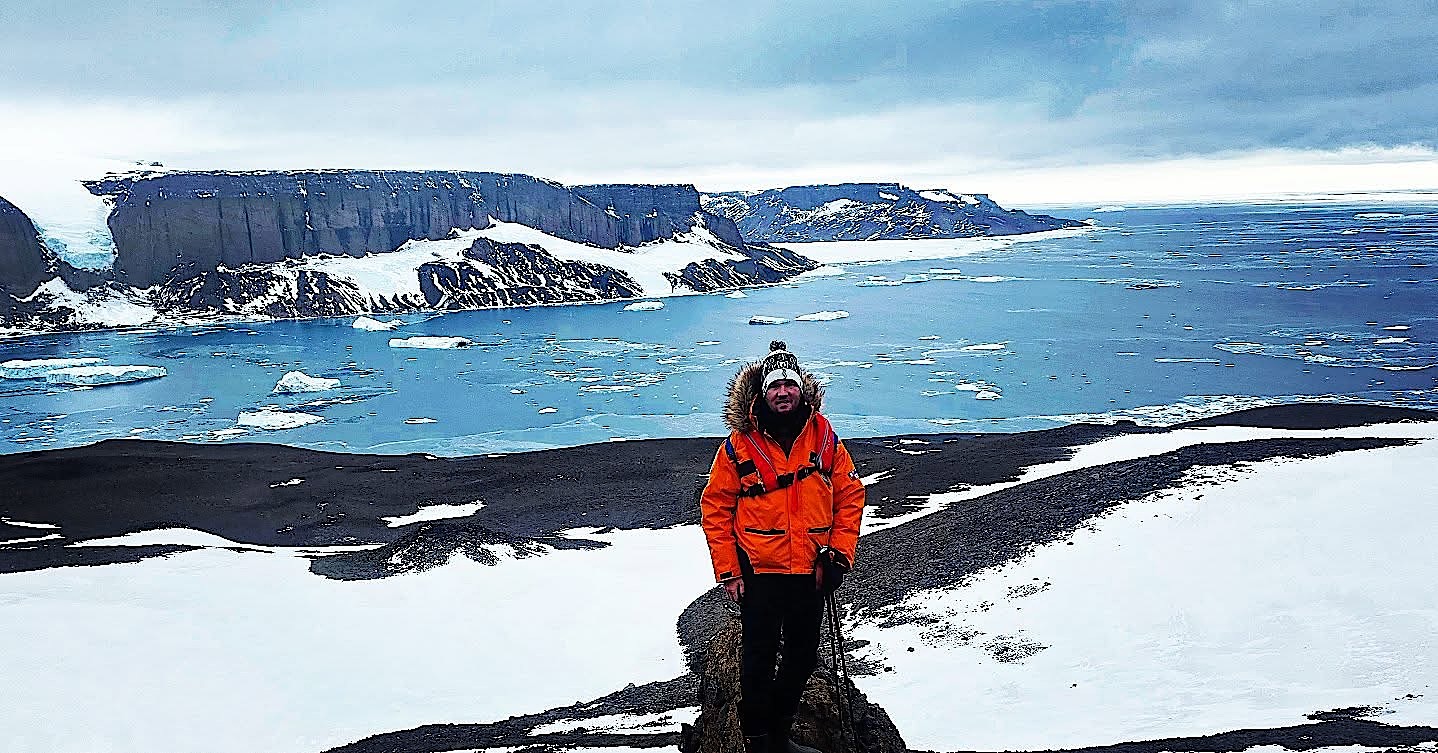
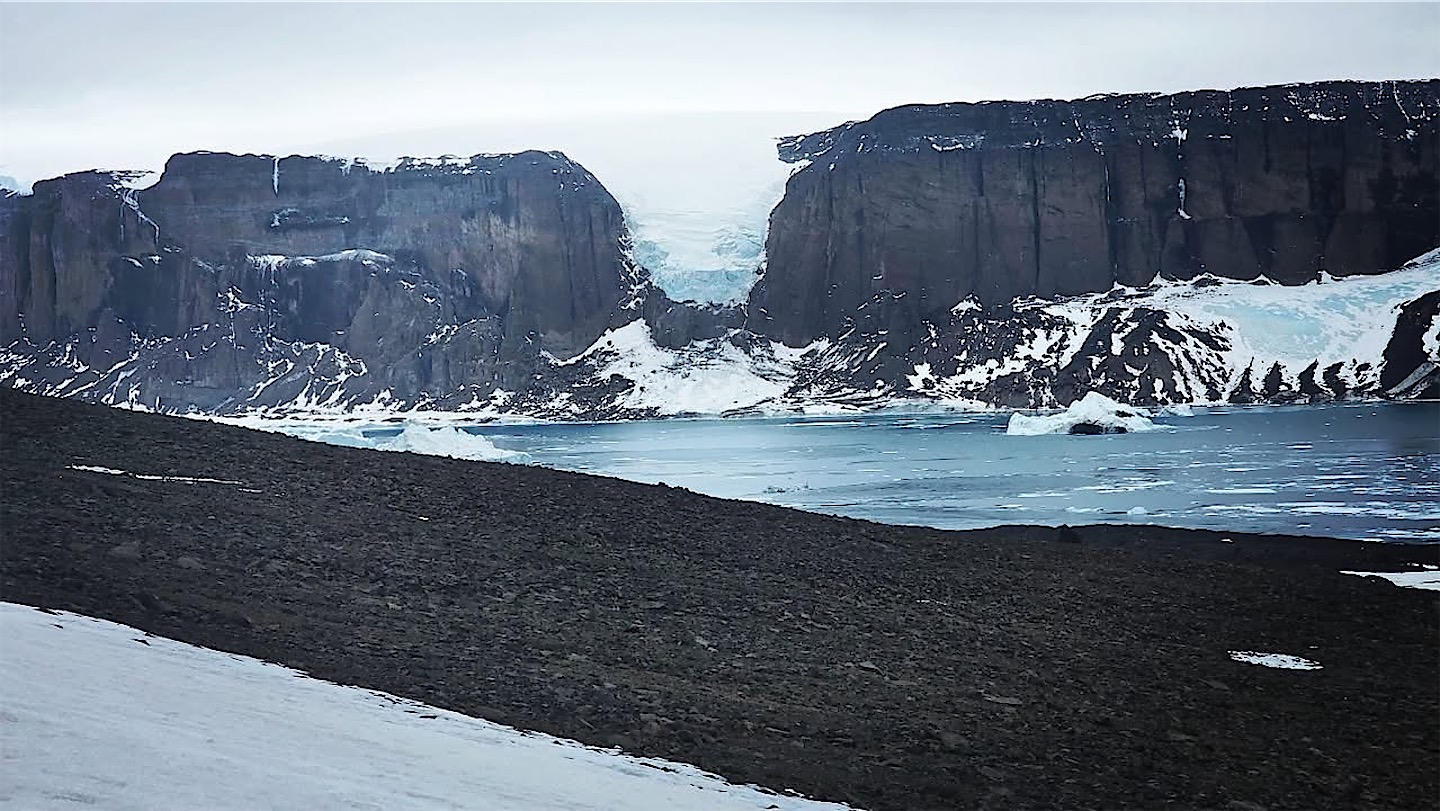
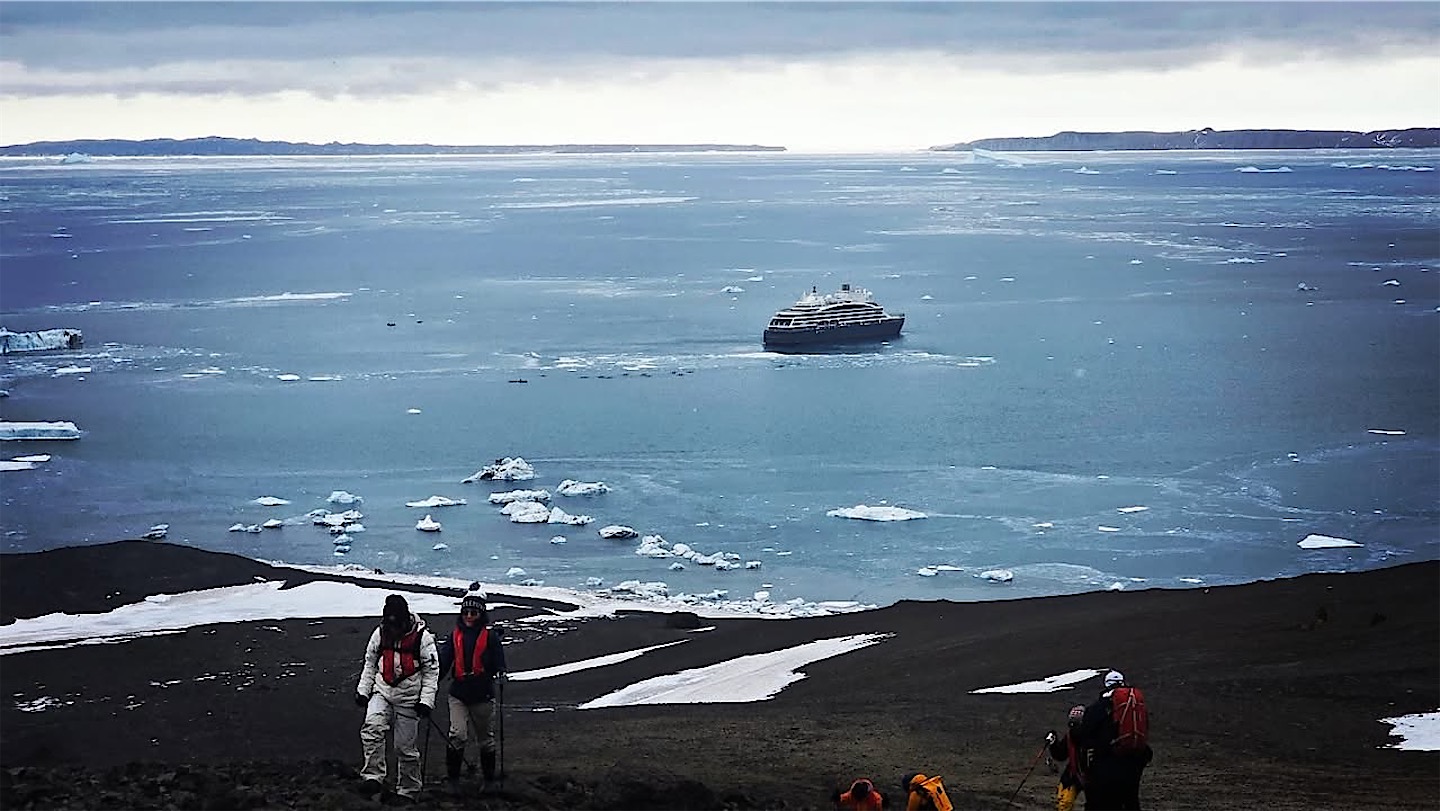
The next day we went ashore for a five-hour polar hike and climbed a peak of about 400 metres on James Ross Island. This is not the white Antarctica of the postcards: dark volcanic rock, gravel slopes and steep table-shaped cliffs, with our ship looking tiny in the bay below. Back on board, I relaxed by the ship's pool, which looks straight out onto the ice.
The emperors of Snow Hill Island
That evening the Charcot pushed as far into the fast ice, the sea ice frozen to the coast, as even an icebreaker can go. From there the emperor colony was a five-kilometre walk away, and the expedition team went ahead on skidoos simply to check that the penguins were still there.
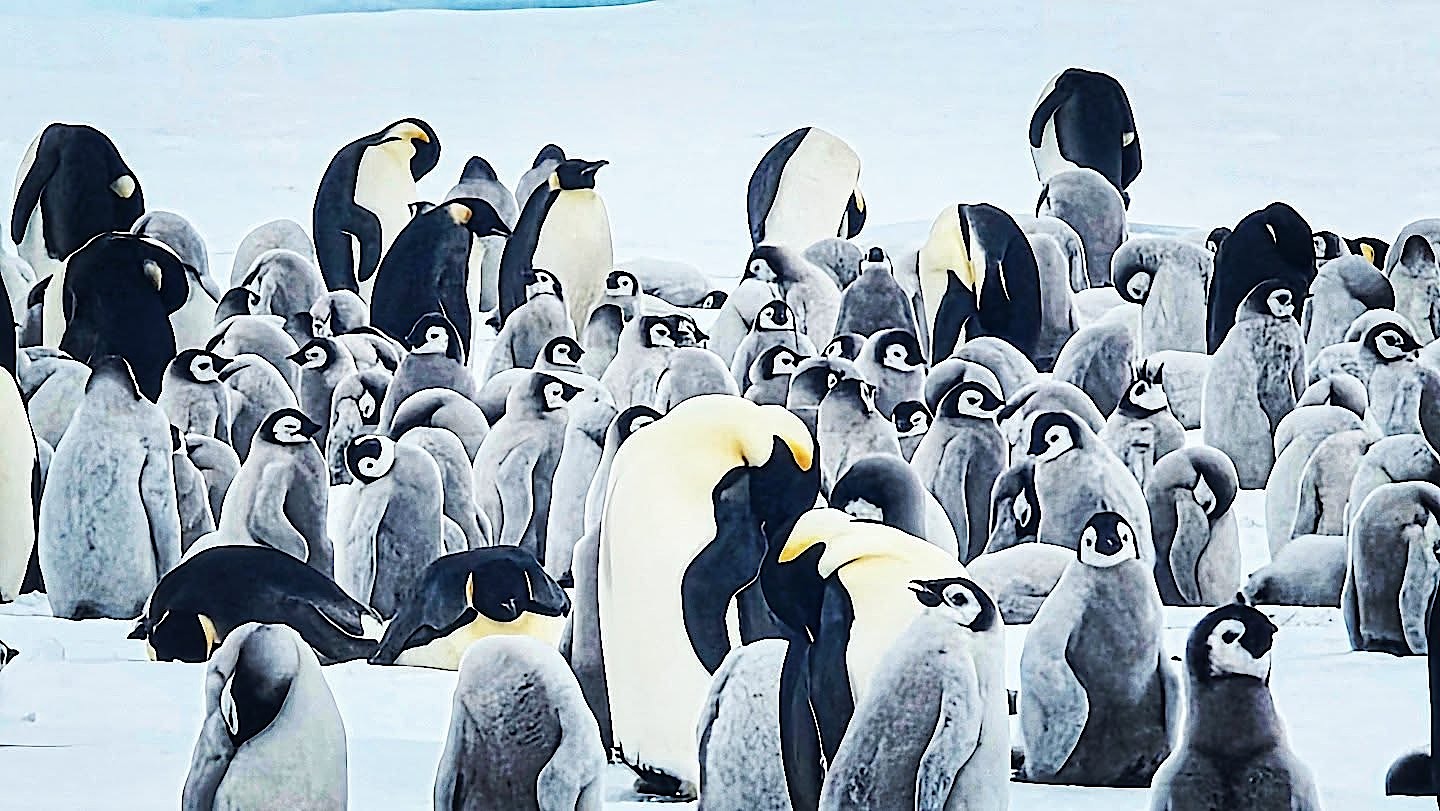
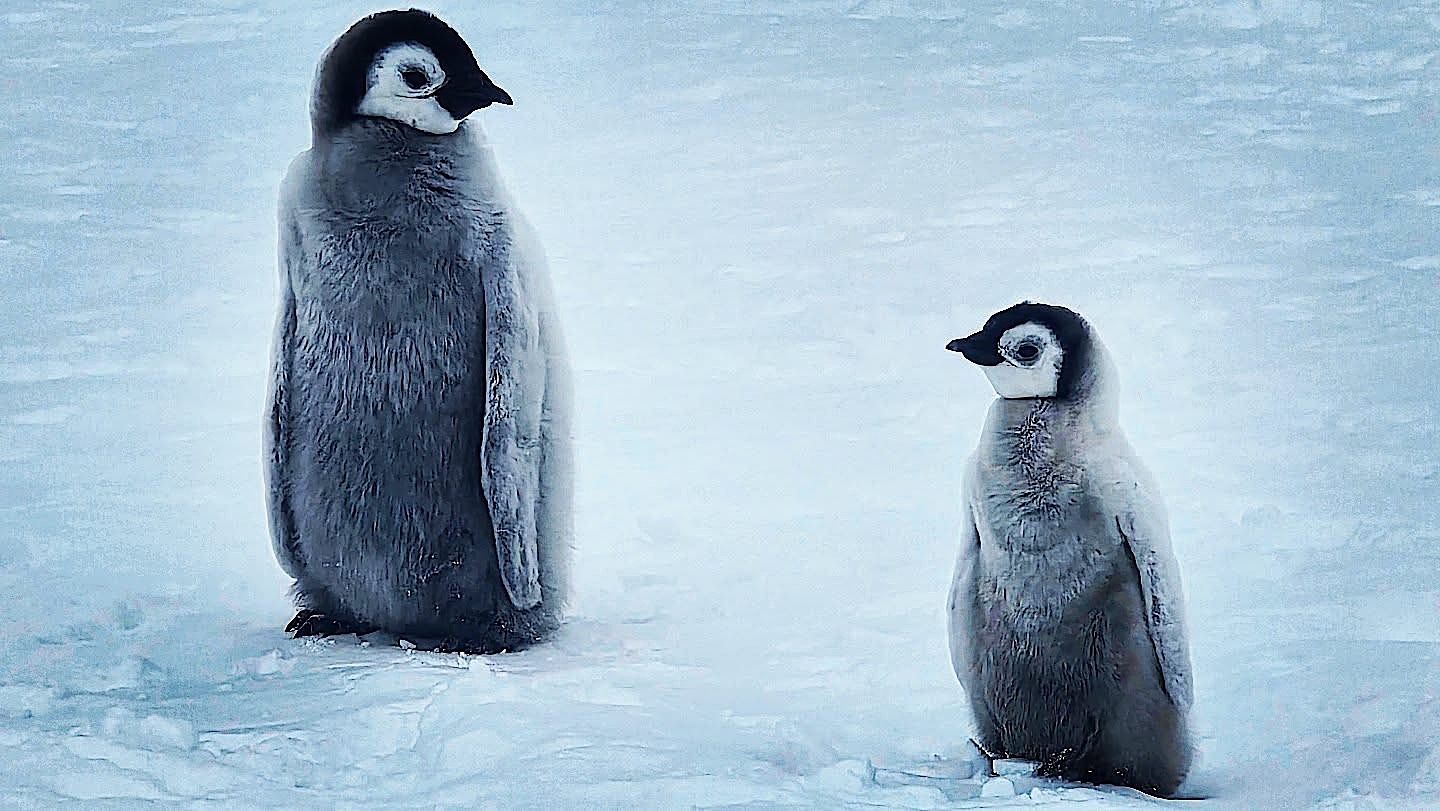
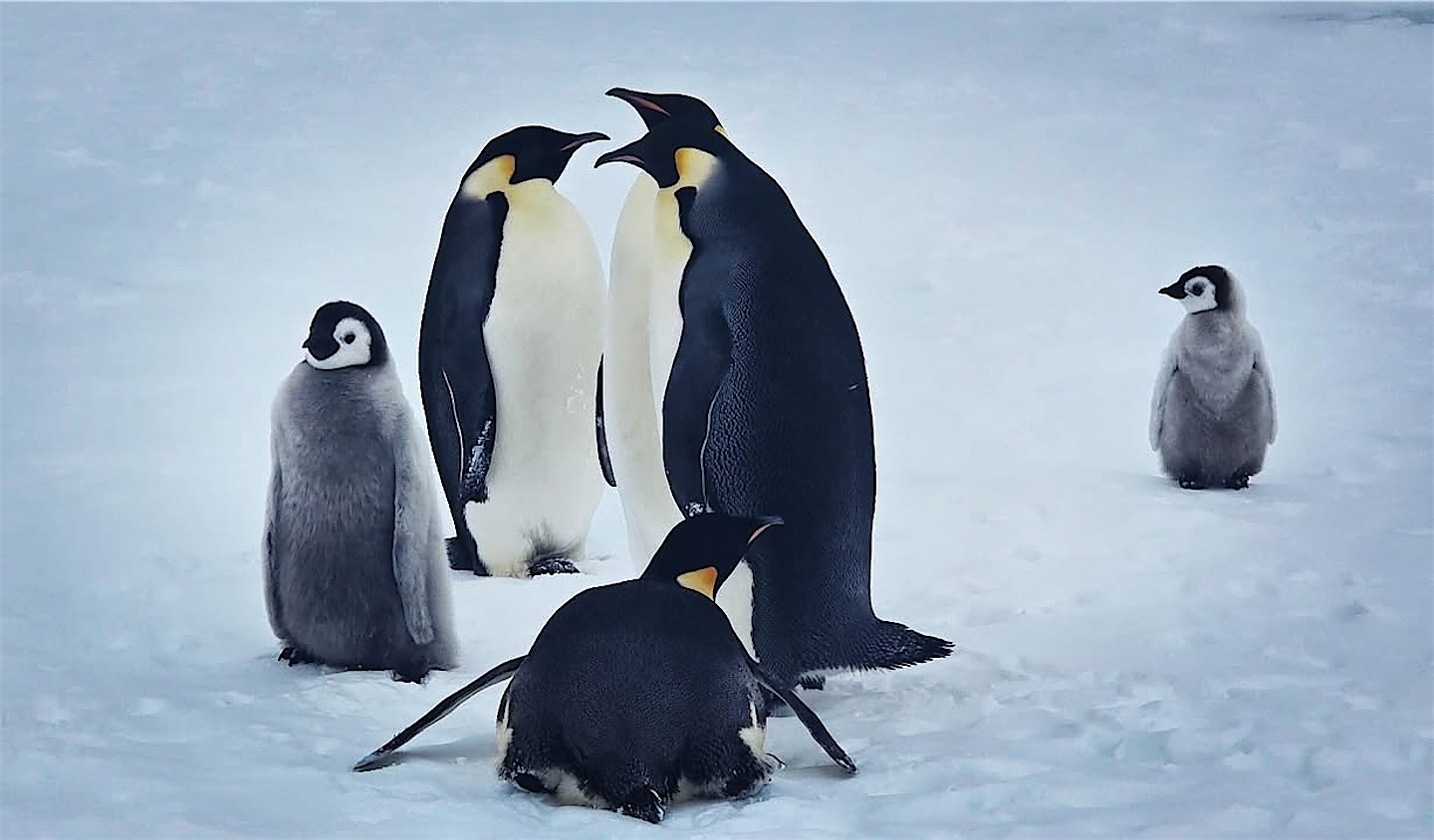
They were. The next day we walked out through deep snow and found grey, fluffy chicks of every size, some huddled together, others wandering about alone among the adults. A year after the emperors of Atka Bay in Queen Maud Land, these tough birds charmed me all over again. The walk added up to fifteen kilometres, which I celebrated with a bottle of my favourite sweet wine (a good French ship naturally keeps it in stock), and the next day brought more emperors.
One evening it was only −15 °C, which I decided was warm enough for a T-shirt on deck. Evenings like these are why I keep coming back to Antarctica.
Fast ice, Adélies and orcas
With half the voyage behind us, there was still a lot to discover. The light alone was worth staying up for: sunsets around midnight, and a sky still glowing outside my window at two in the morning.
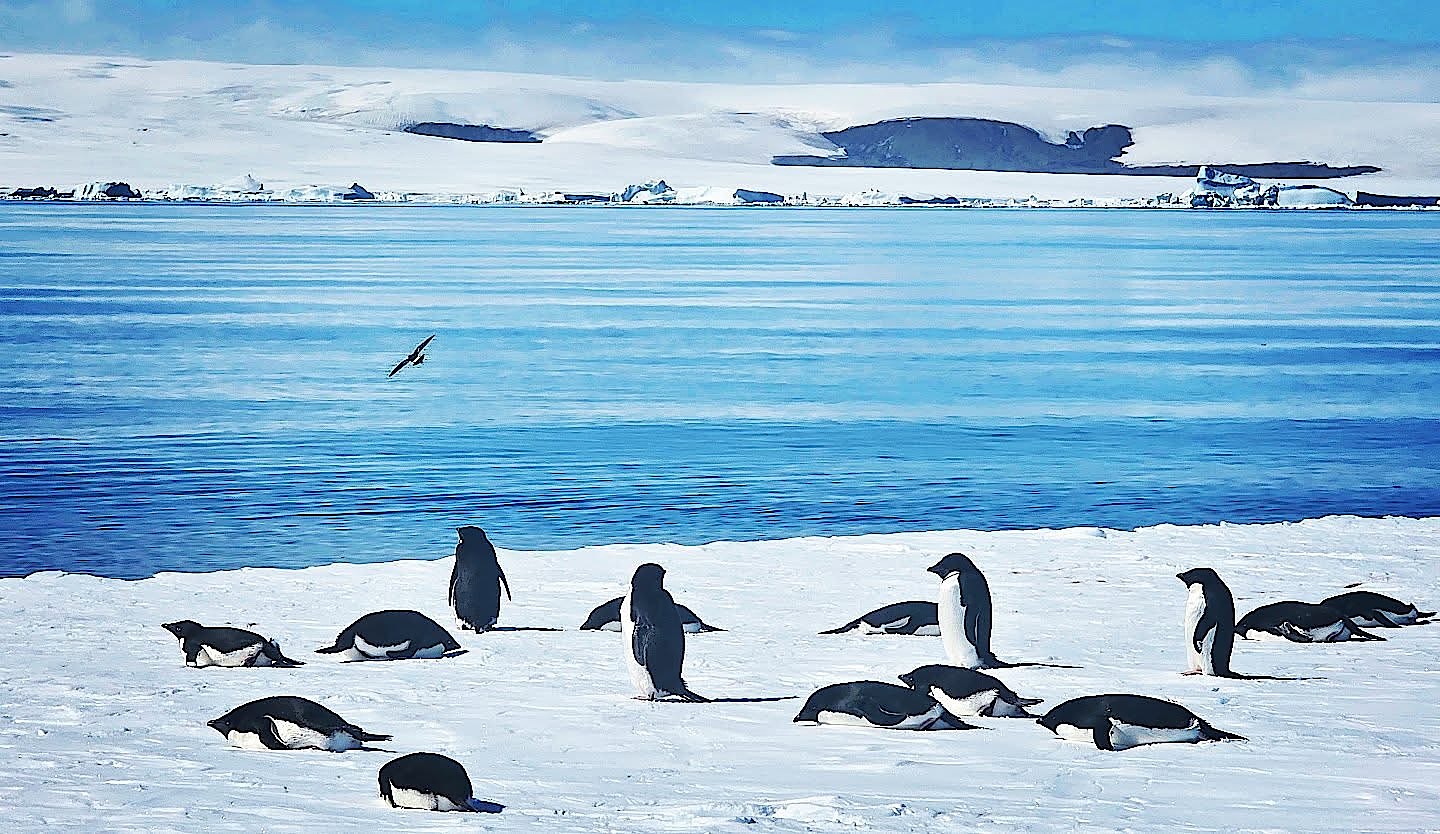
One day we watched Adélie penguins at the edge of the fast ice, then simply walked off the ship onto the ice. No Zodiac was needed, but everyone wore a rescue vest, since you can still break through and drown. We enjoyed the sunshine while it lasted, and afterwards the sauna and a hanging chair by the window became my happy place.
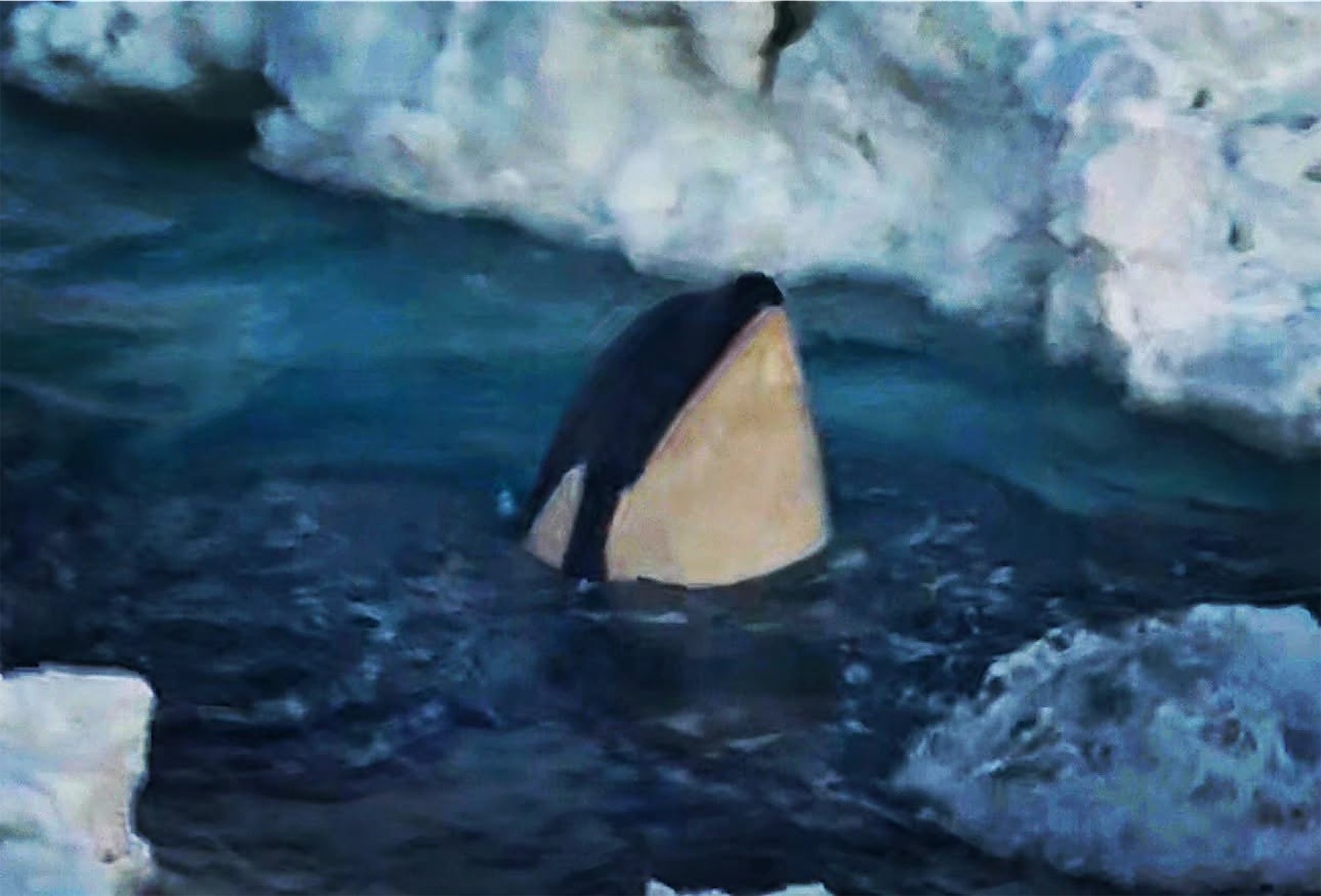
Just when I thought it couldn't get any better, four orcas surfaced in the middle of this ice desert, an unreal sight. One of them rose vertically out of the water to look around, a behaviour called spyhopping. Later an orca family patrolled the edge of the ice.
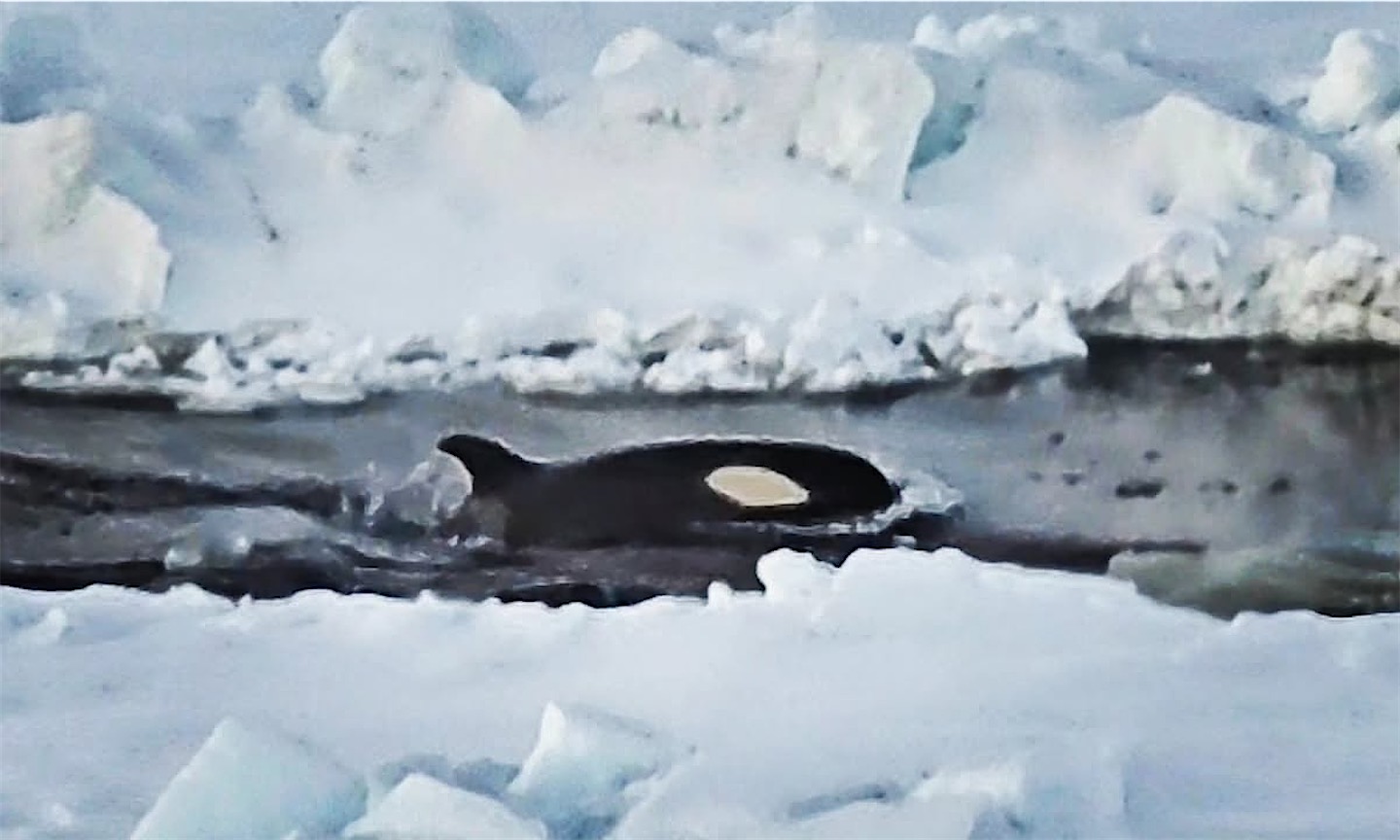
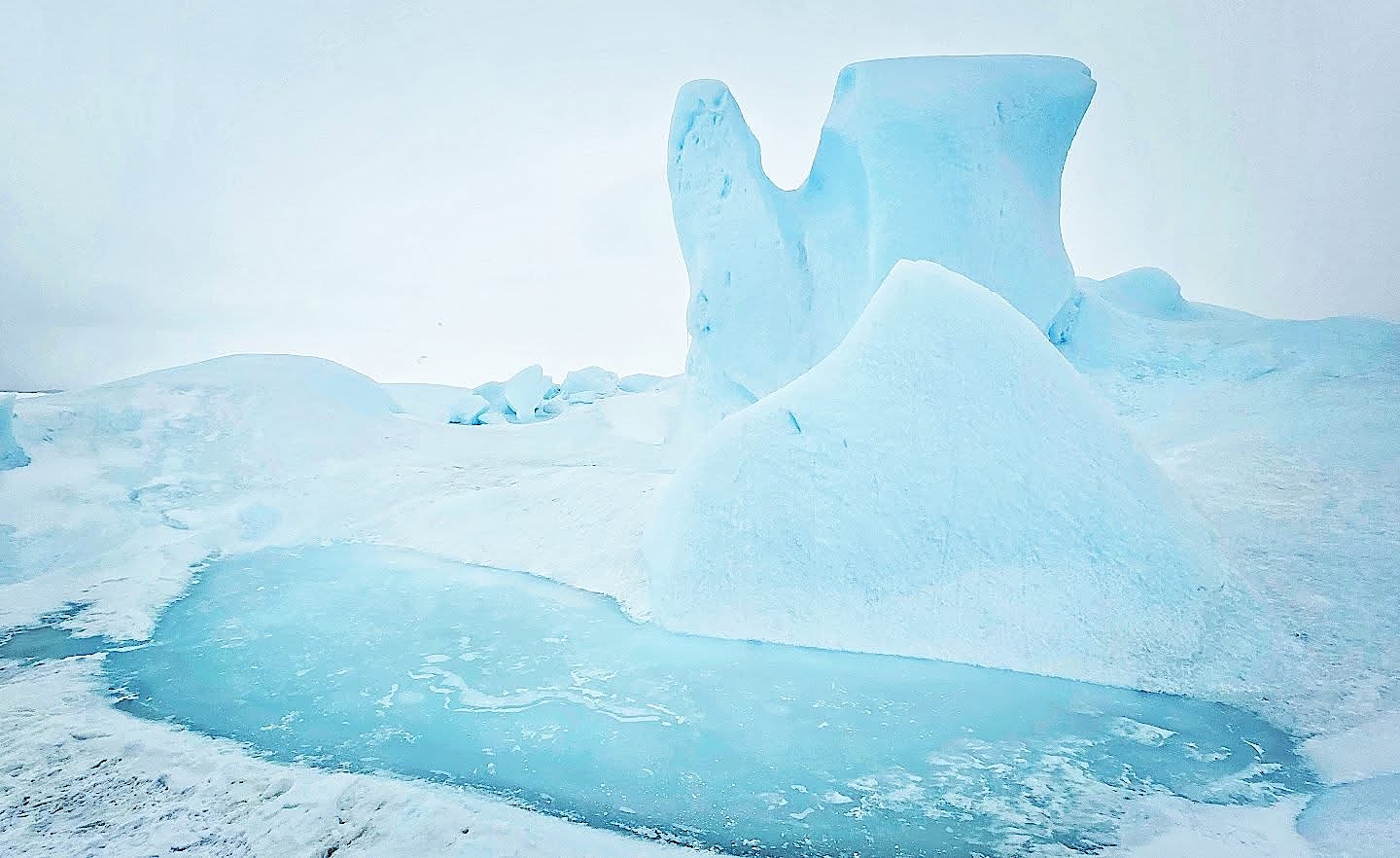
On the way north we left the Weddell Sea through the Antarctic Sound, with more penguins and more orcas, a seal fleeing from them, and long lines of Adélies marching across the ice. I even stood on top of an iceberg, where frozen pools glowed in every shade of blue.
Gentoos, chinstraps and a humpback
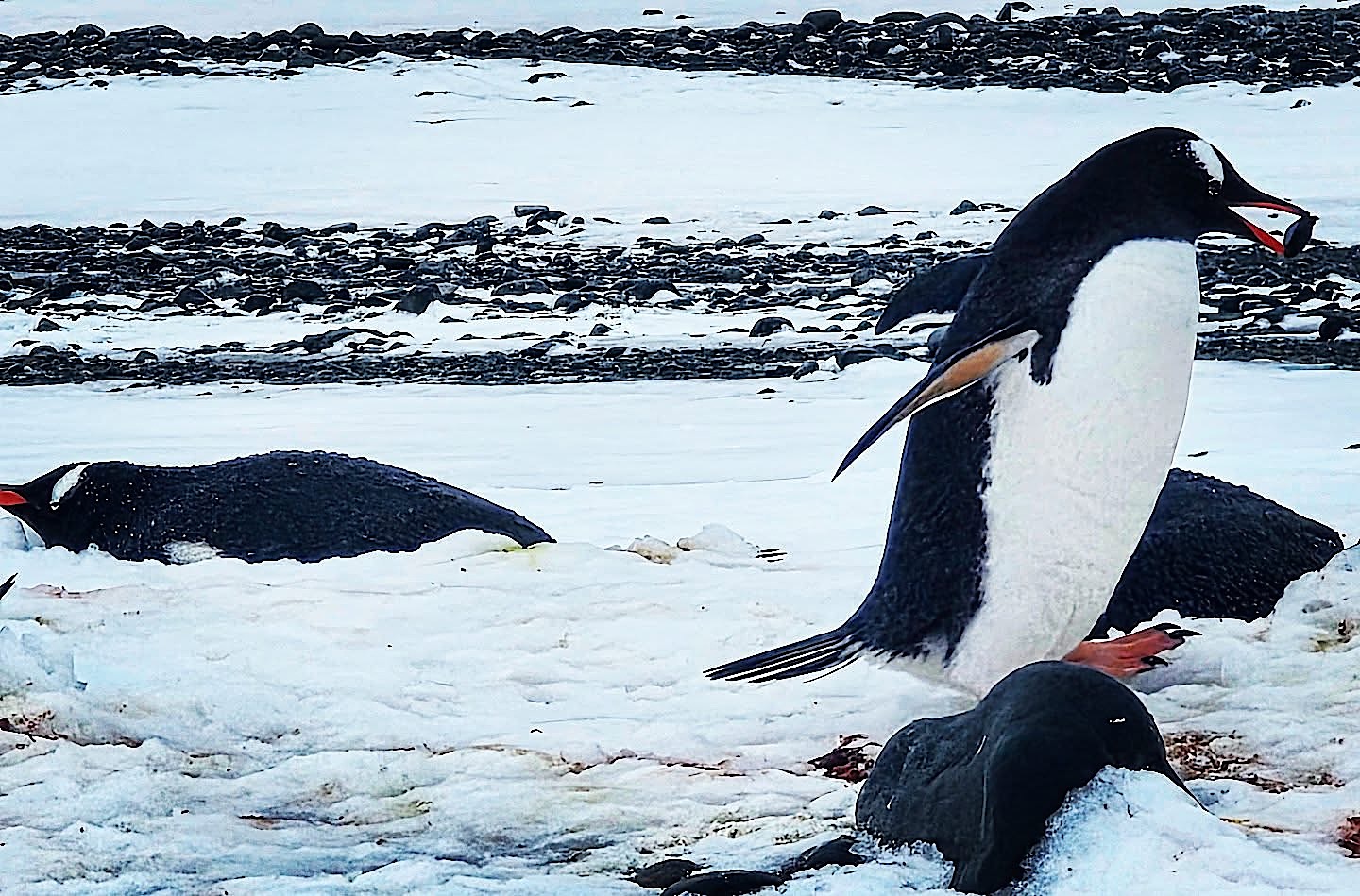
Our last stop was a surprise: Half Moon Island, a small crescent of rock and snow in the South Shetlands, sheltered between Livingston and Greenwich Islands. It was well worth it. Here we met the first gentoo penguins of the trip, busy carrying small stones to their nests to keep their eggs above the meltwater. With the chinstraps, named after the thin black line under their chin, we had seen all four penguin species of the Antarctic continent: emperor, Adélie, gentoo and chinstrap.
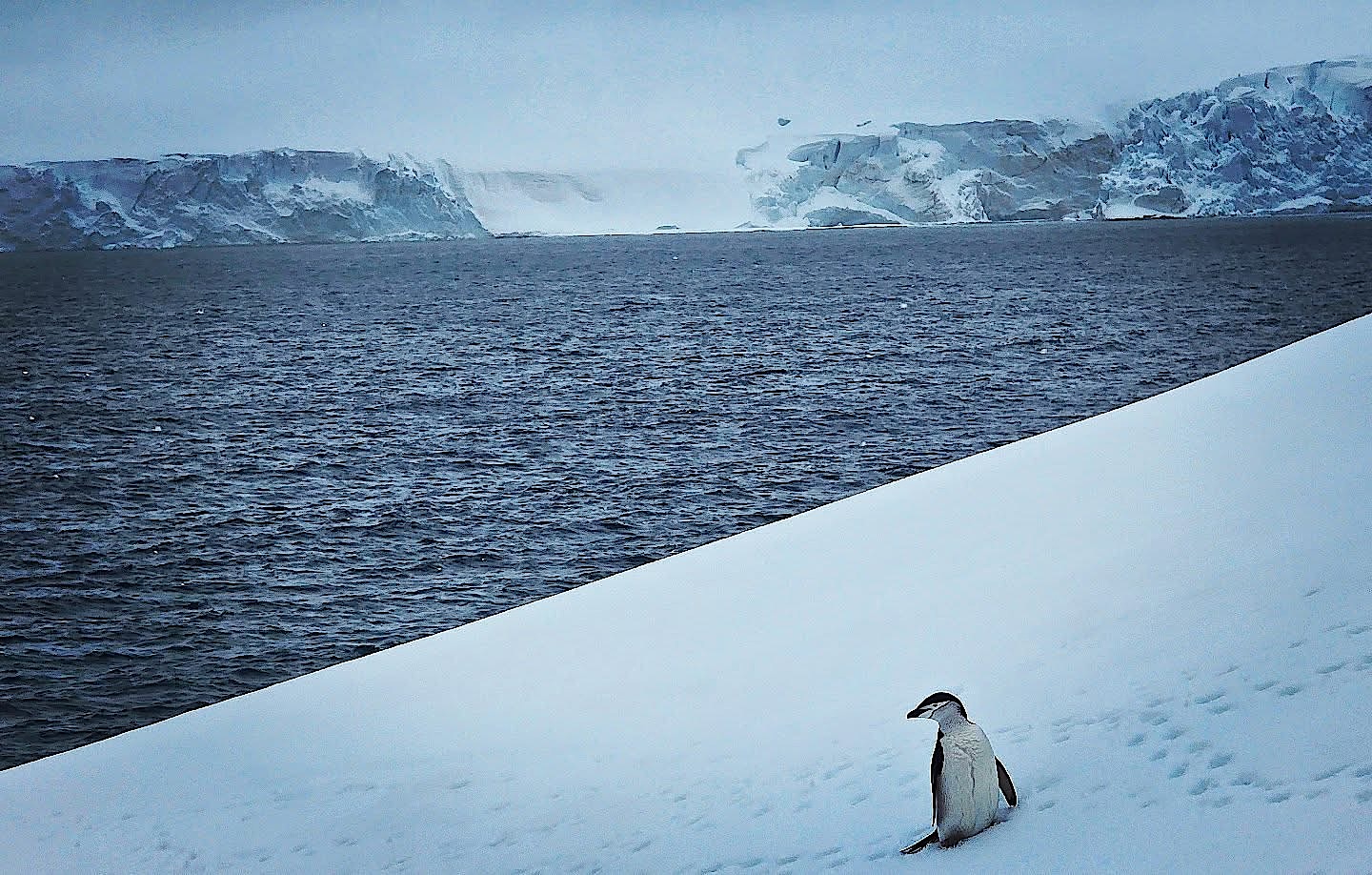
I have seen all 18 generally recognised penguin species, something I suspect fewer than fifty people can say. Emperors need a deep Antarctic voyage but are fairly common; much harder are the species of remote subantarctic islands, such as those south of New Zealand, which I visited in early 2024. My favourites remain the royal penguins, which breed only on Australia's Macquarie Island.
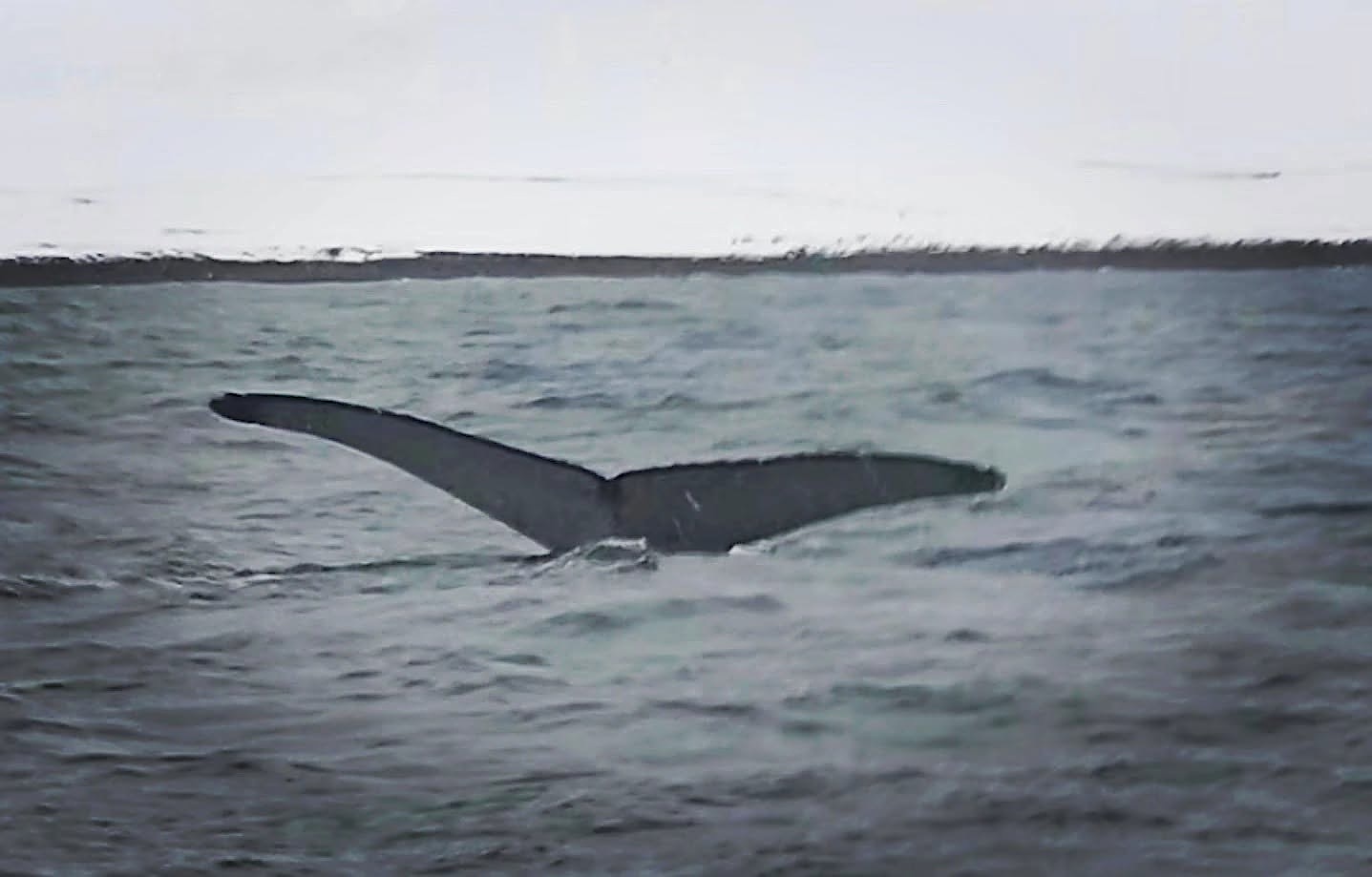
Half Moon Island had one more gift: we had barely set off in the Zodiac when a humpback whale raised its tail and began a dive.
Back across the Drake
After a few last hours in Antarctica we turned north into the Drake Passage again. This was only the first of my three Antarctic voyages this season, and I was due back within a week on a more classic Peninsula cruise. The return to Ushuaia came after dark days, as my father had passed away. From there my journey continued into Patagonia: El Chaltén, Torres del Paine and Perito Moreno.