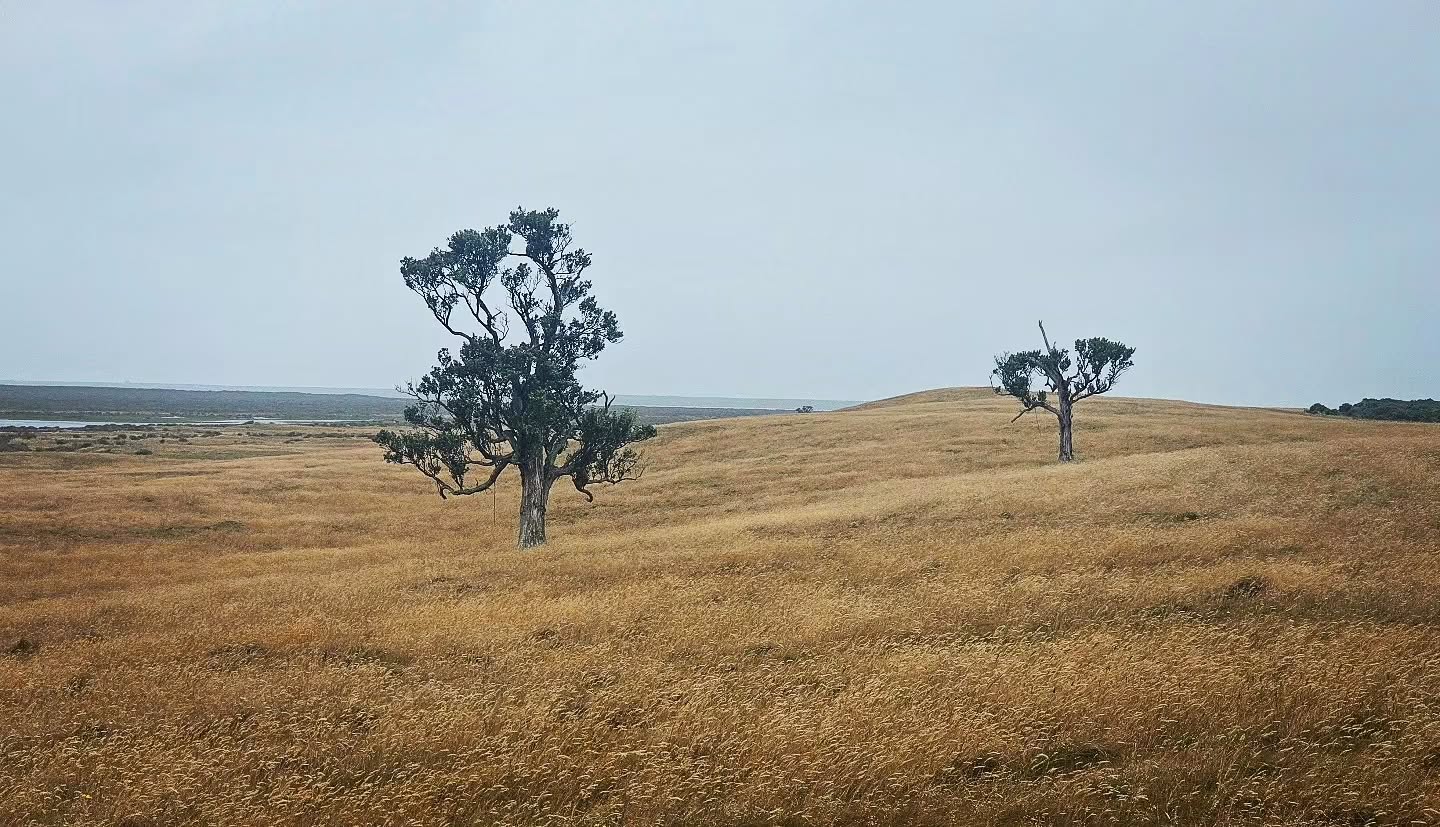
The Chatham Islands: Gravel Roads, Empty Beaches and the First Sunrise on the Planet
19–22 January 2024 · Dunedin, Chatham Island · Regions: New Zealand, Chatham Islands
On 19 January 2024 I was back in Dunedin after a long trip. Behind me lay two weeks on an expedition ship in the Southern Ocean, a loop of 2,563 nautical miles via the Snares, the Auckland Islands, Macquarie Island, Campbell Island and the Antipodes, and Dunedin was the first port in all that time. I didn't stay long. The next day I flew on to the remote Chatham Islands, the one major part of New Zealand I was still missing. The detour belonged to my five weeks in New Zealand, which I describe in Five Weeks in Aotearoa.
The Chathams had been on my list for a while. When I completed all 193 UN member states in April 2023, I wrote down what remained on the Travelers' Century Club and UN+ lists: mostly islands in every ocean, a few hard cruises and some autonomous regions. The Chatham Islands were on that list, and a few days of driving and swimming were enough to cross them off.
First to see the sun
The welcome sign sums up how the islanders see themselves: first to see the sun. Lying near the International Date Line, the Chathams are the south-easternmost inhabited islands in that part of the world and the first place to start the new day, at least if you go by real sunrise times in summer. Several islands of Kiribati, which I had visited on my South Pacific trip in November, are a few minutes further ahead on the clock, but because they are closer to the equator, the sun technically rises there later. For my Travelers' Century Club count, the Chathams were number 289.
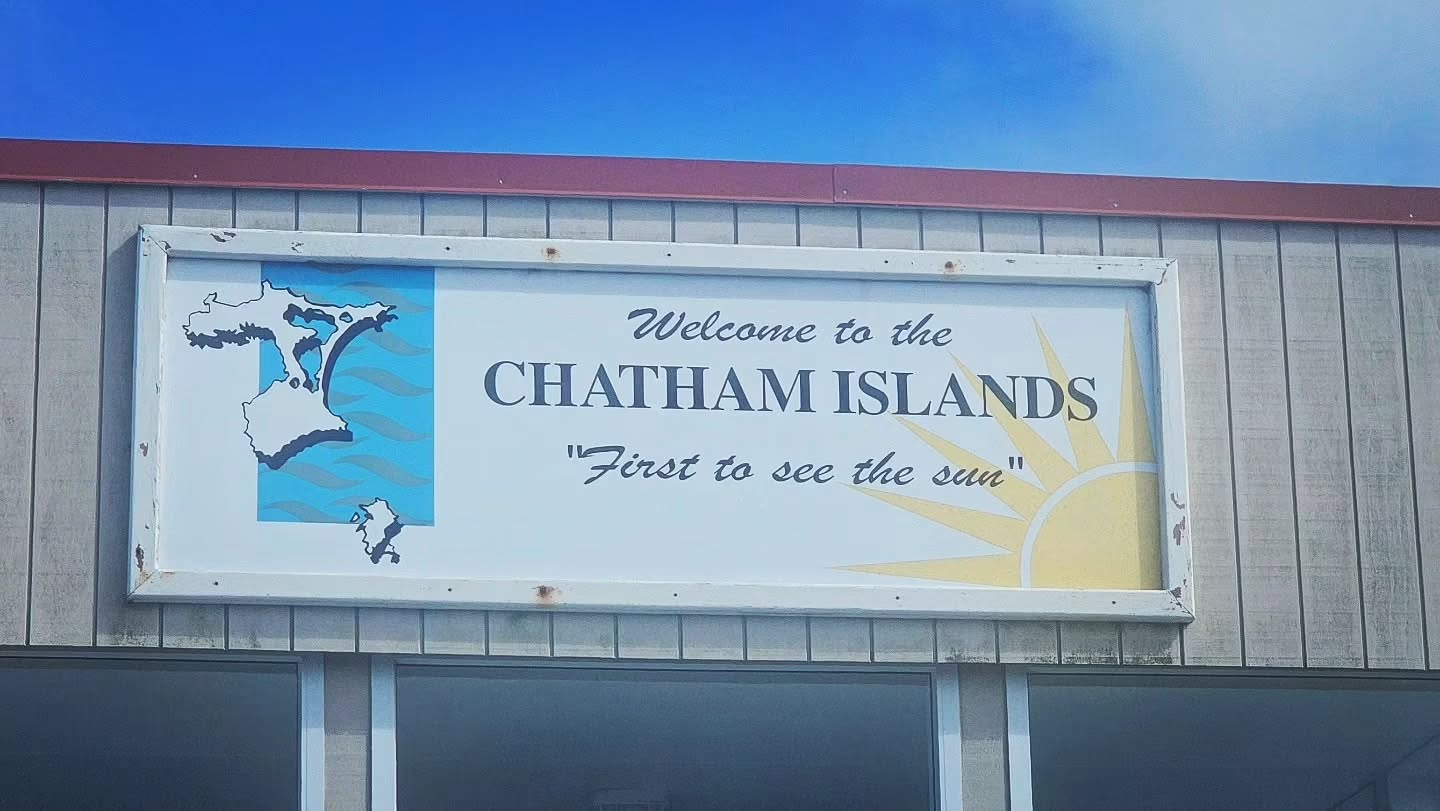
Island time is meant literally here. My phone showed Auckland at GMT+13:00 and the Chathams at GMT+13:45. The islands keep their own clock, 45 minutes ahead of the rest of the country, and no other place on the planet uses this offset.
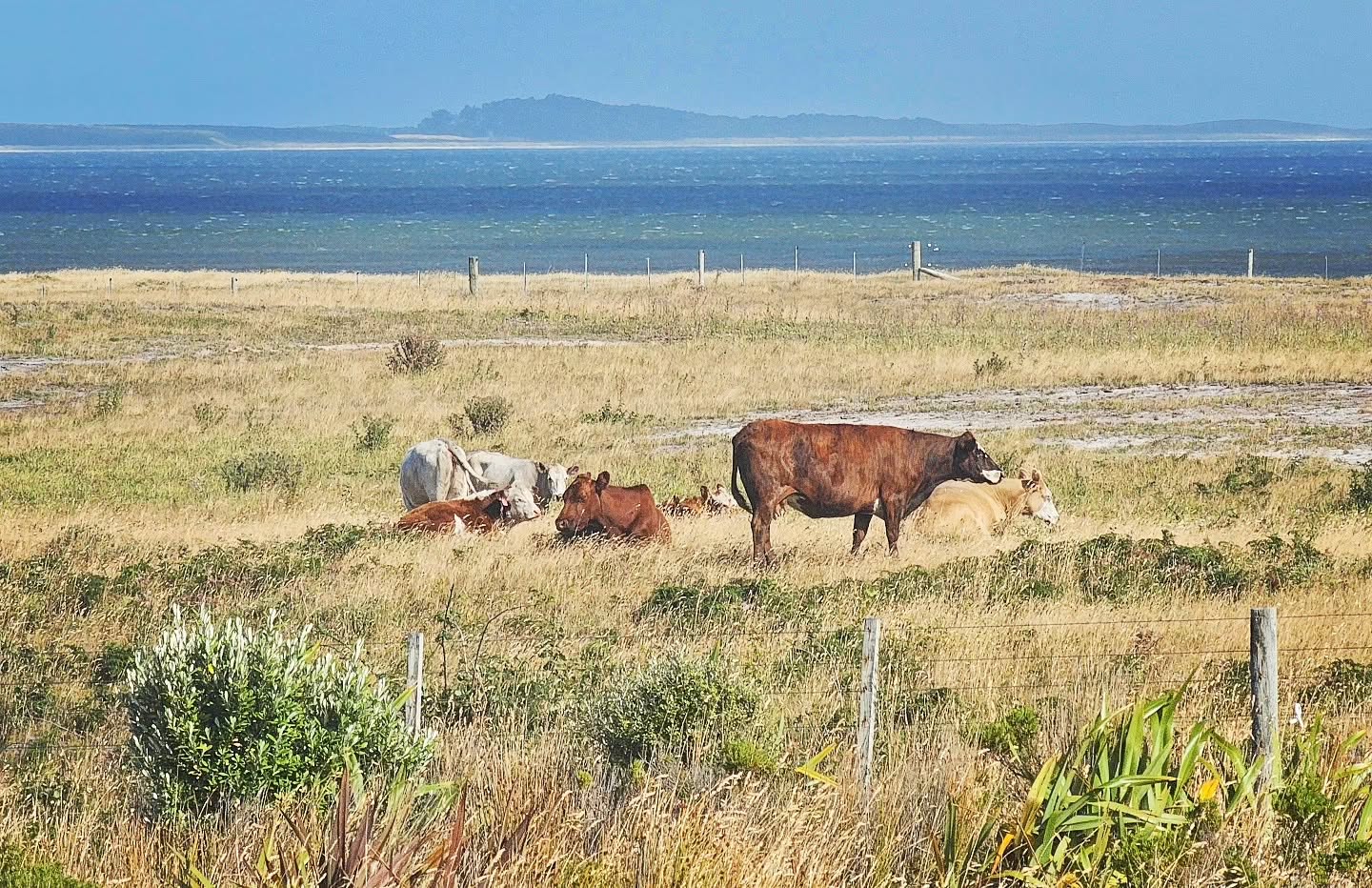
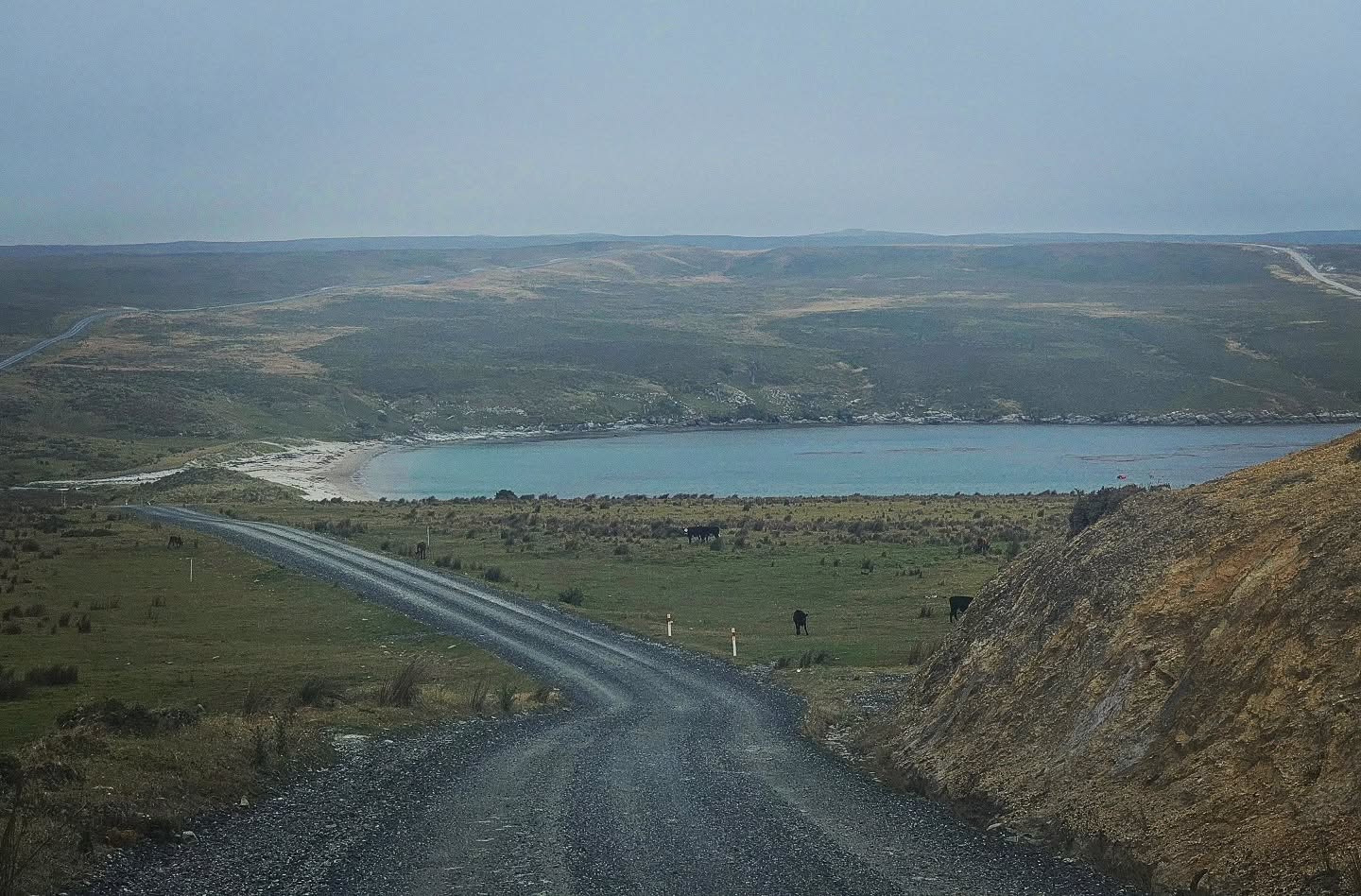
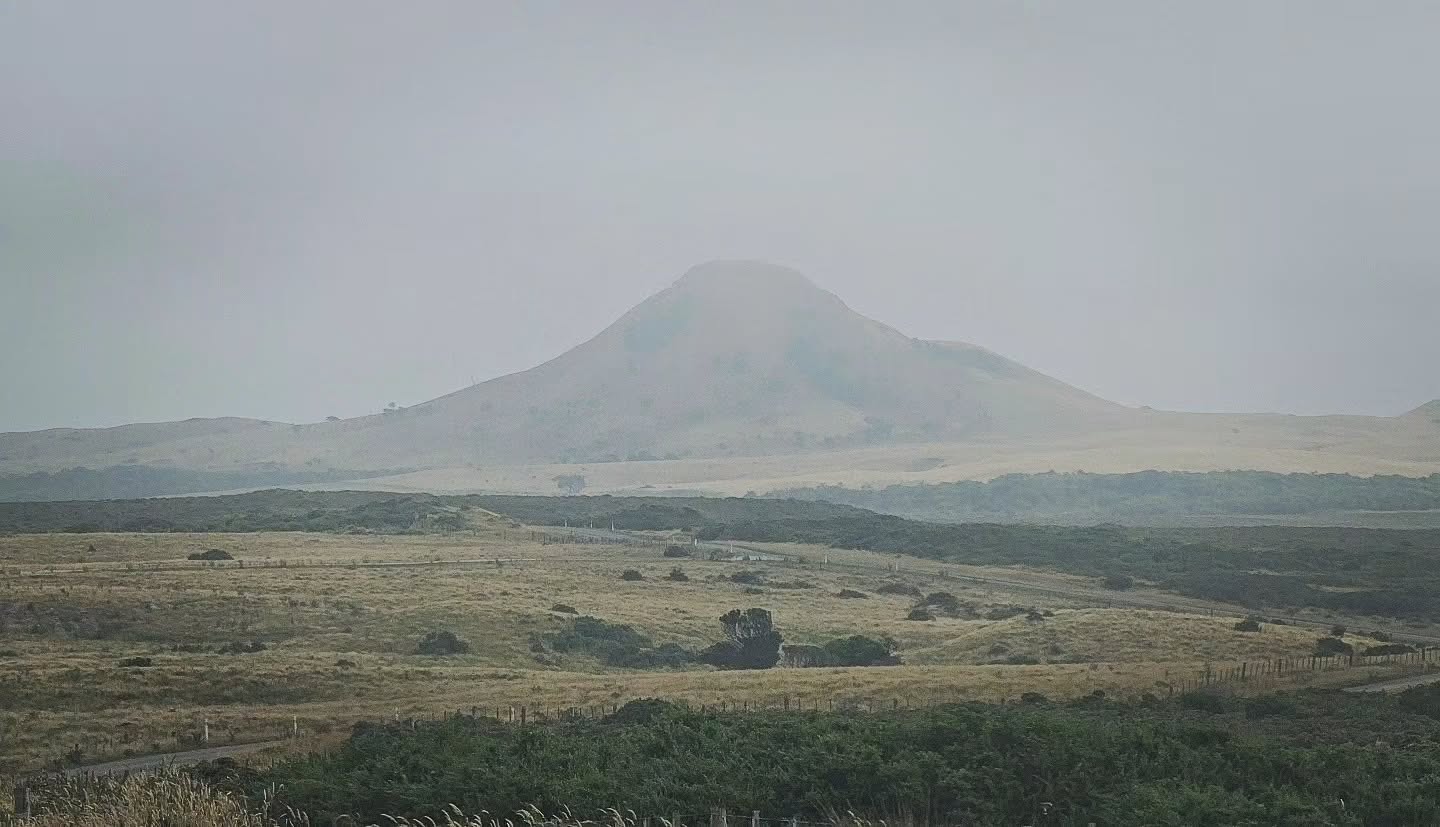
My first impressions were of open, windswept farmland running down to the sea, with cattle resting in the long grass and a distant coastline on the horizon.
Every road in a Hilux
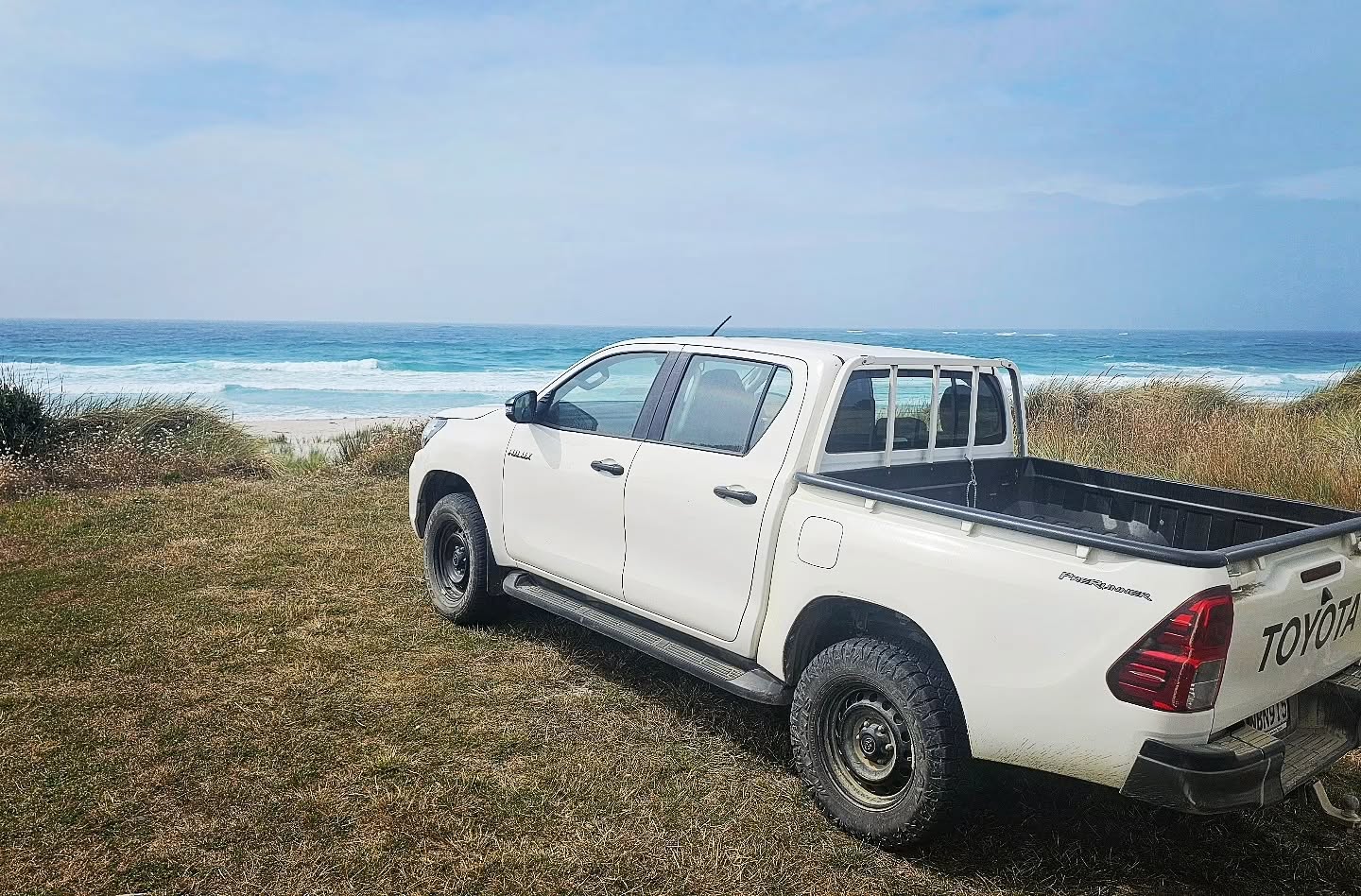
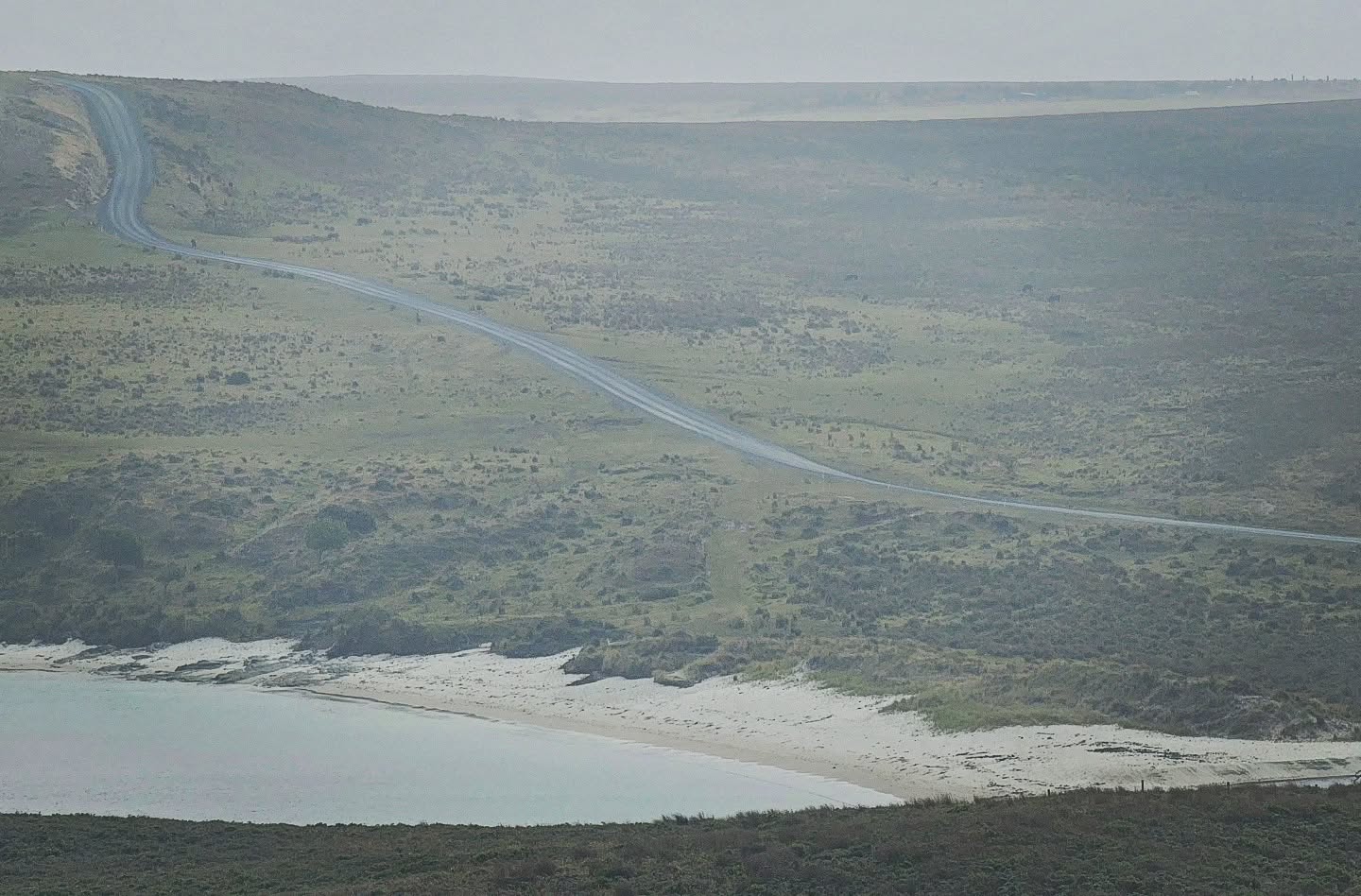
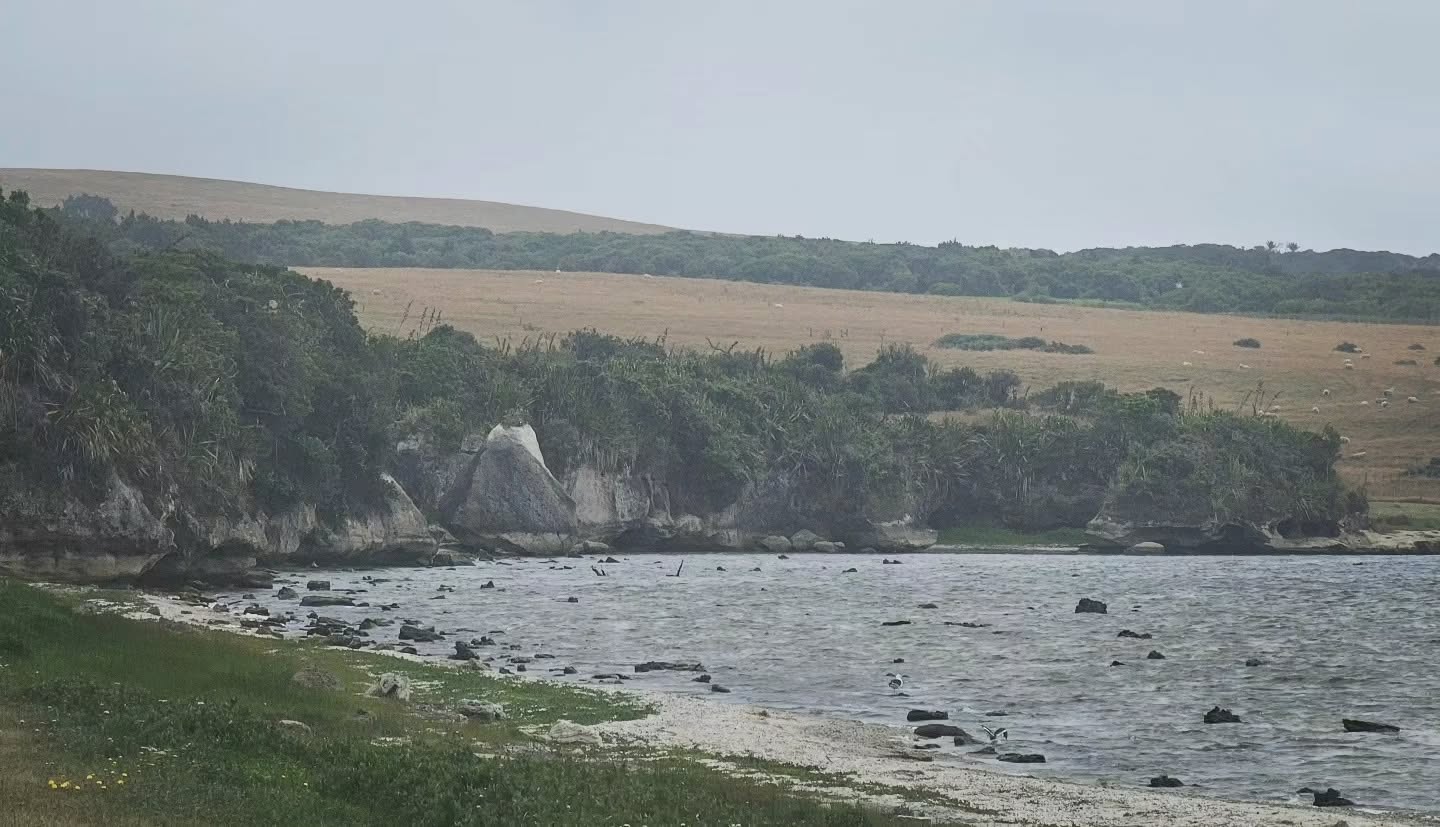
I took a Toyota Hilux and set out to drive every road on Chatham Island. It took me ten hours. The island is quite big, and most of the roads are gravel. What I found was rough desolation: almost no people, but lots of cows and sheep. Several times the road dropped down to a lagoon or a bay.
Ice-cold water and white sharks
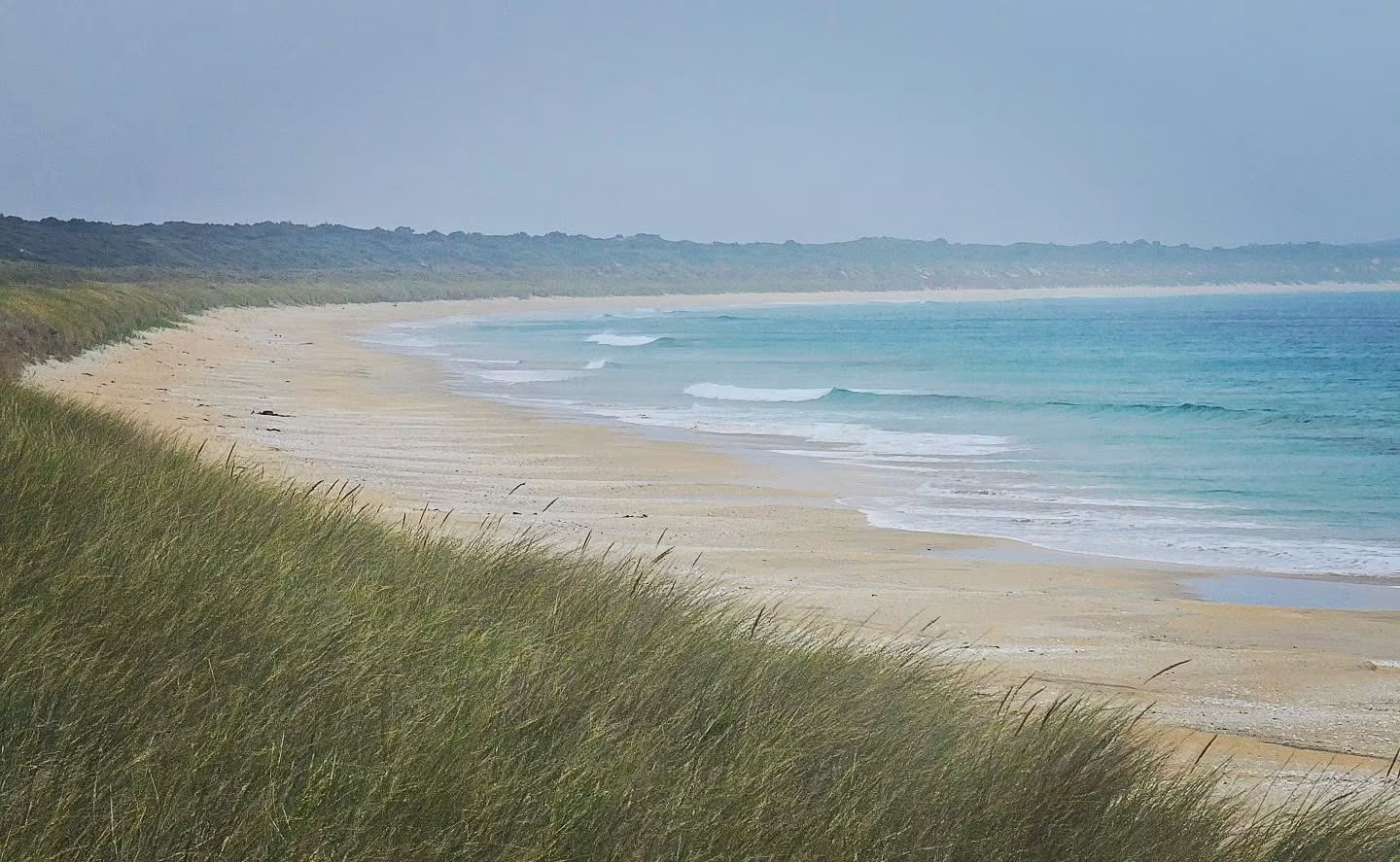
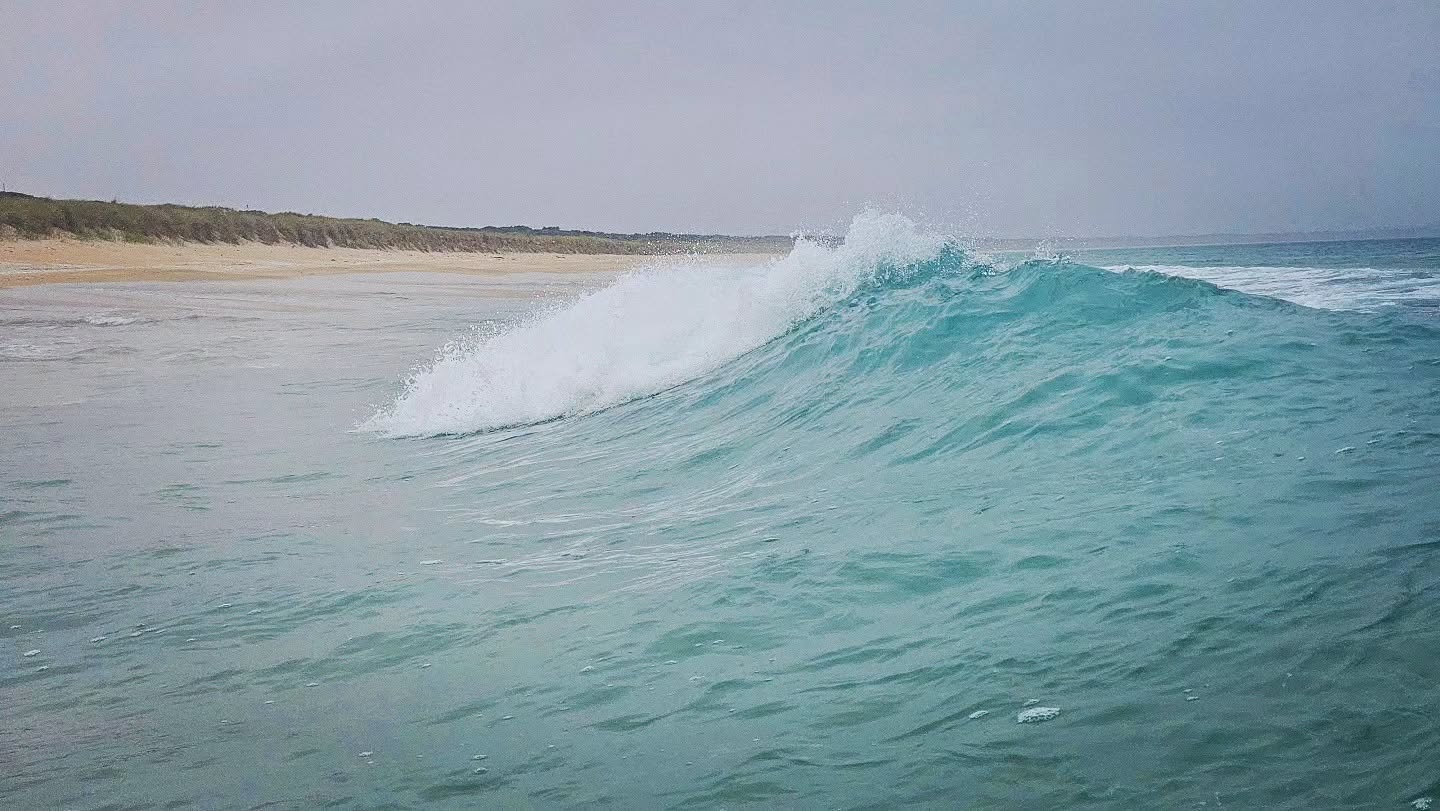
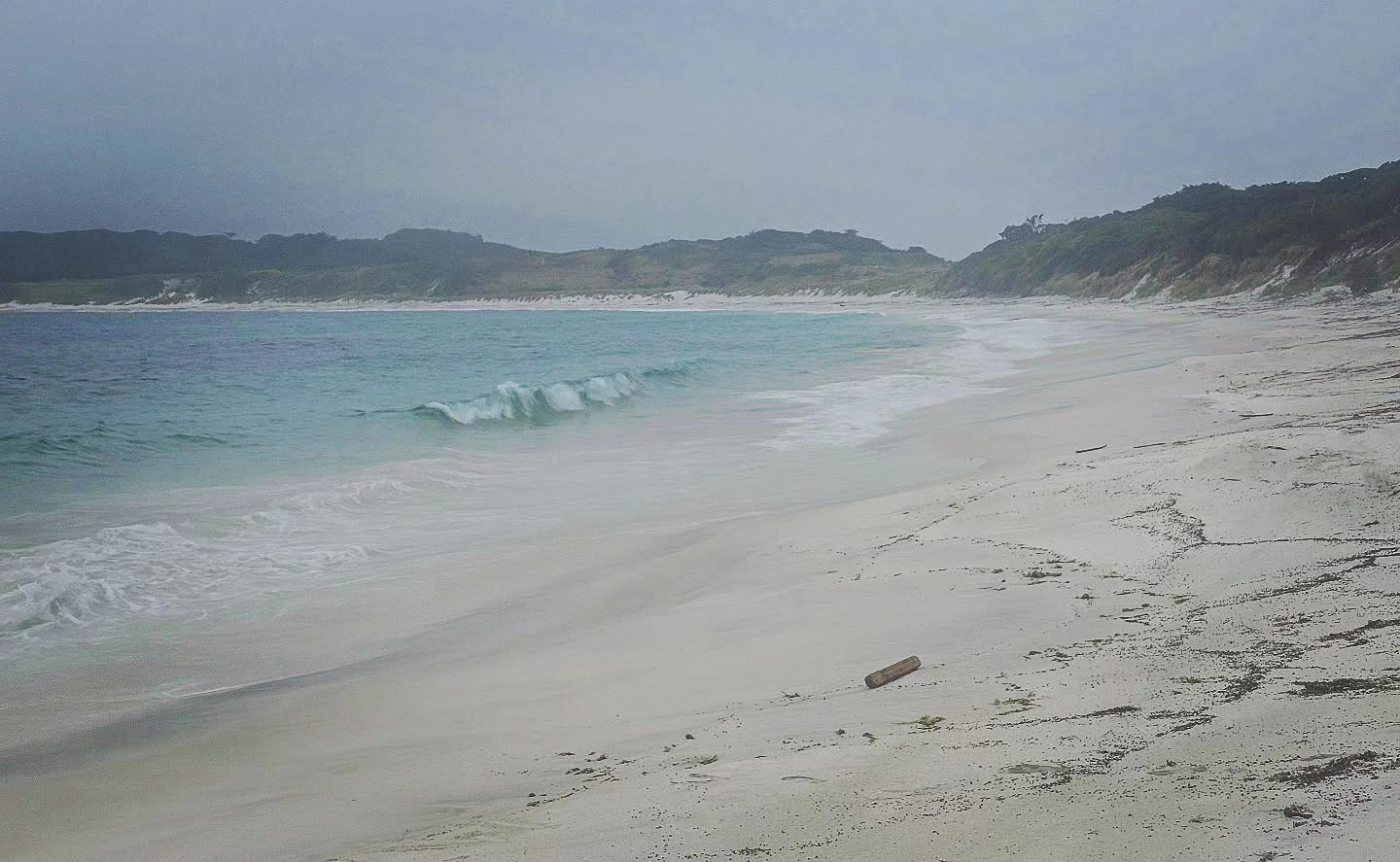
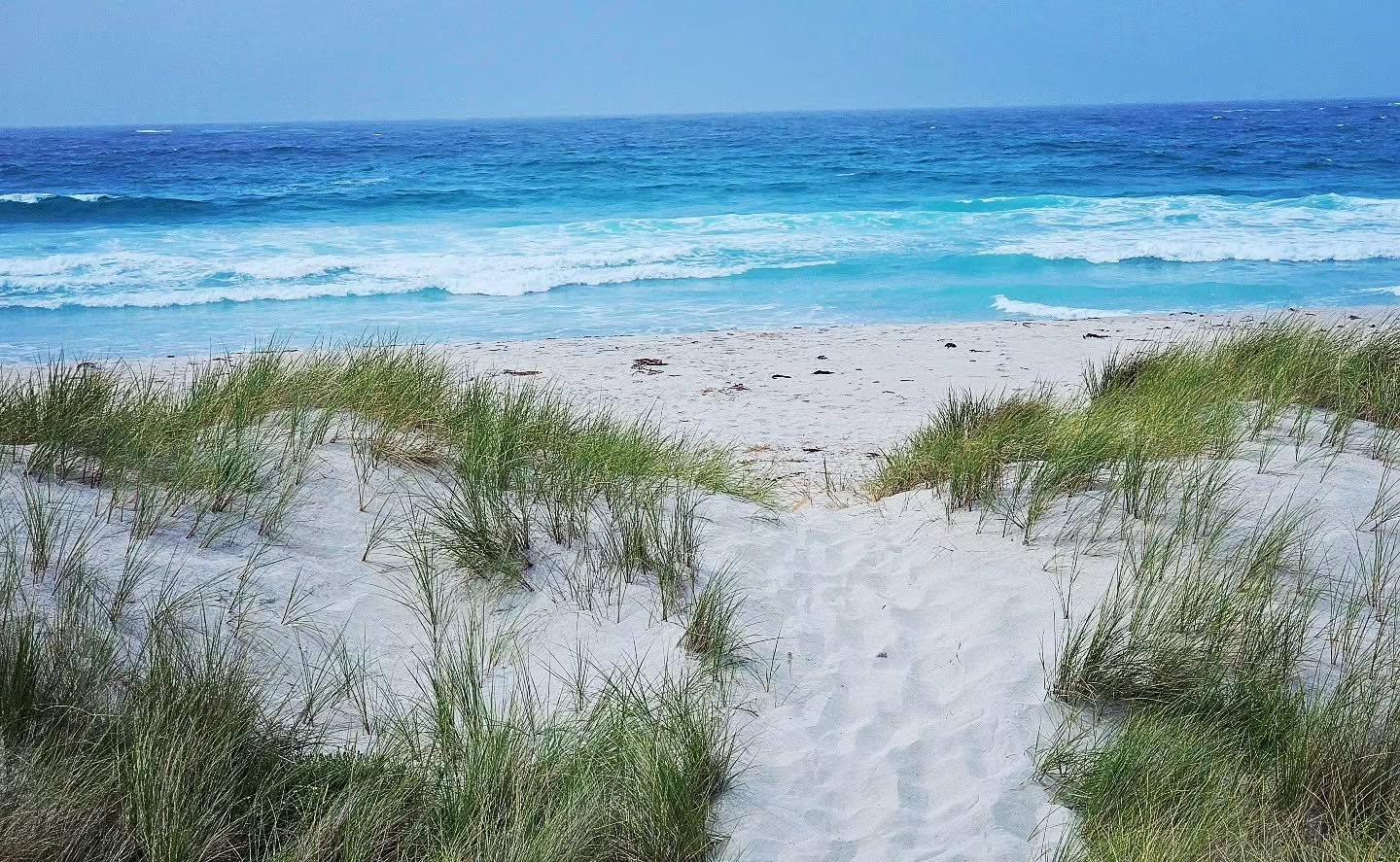
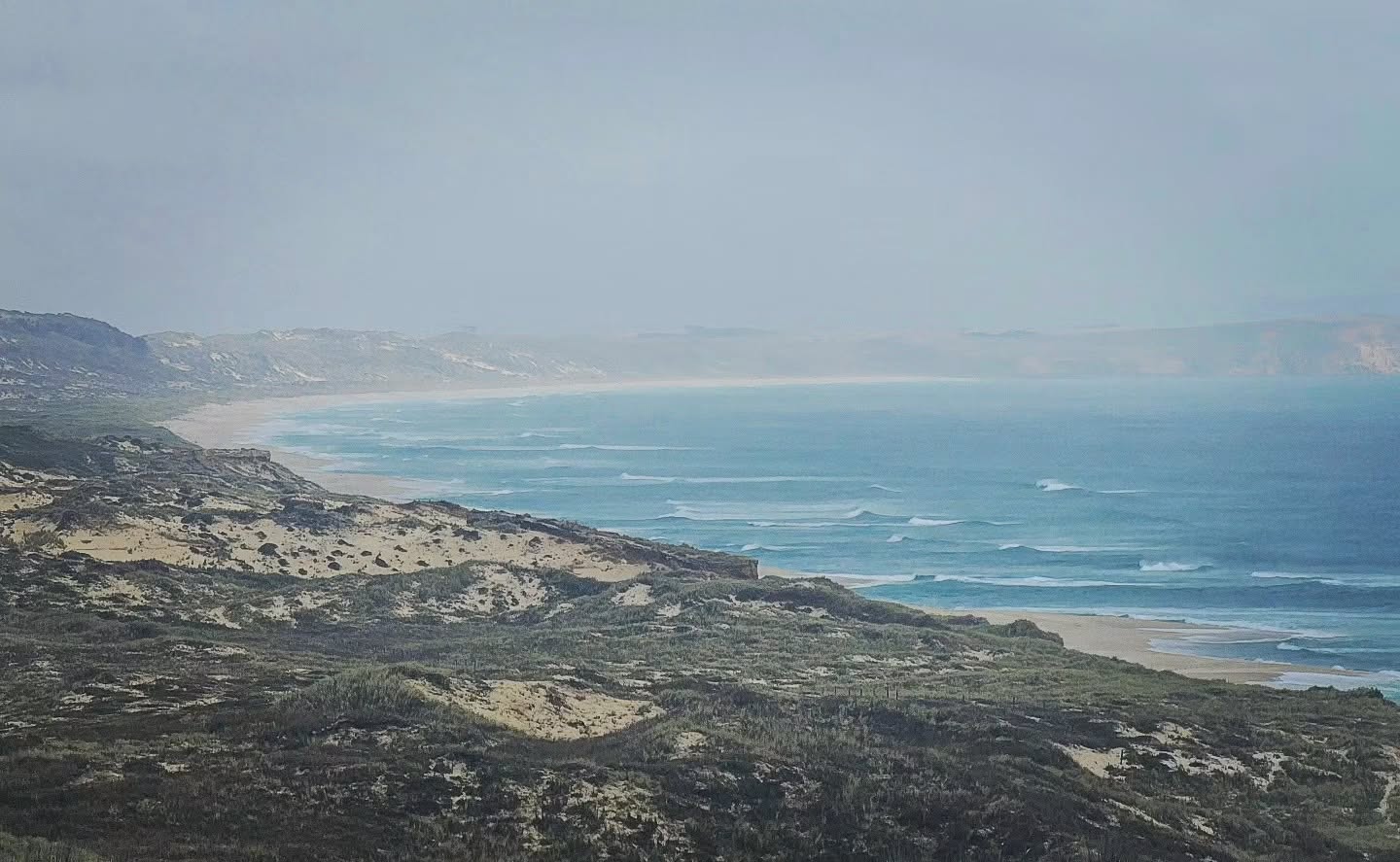
And yes, I swam. The water was ice cold, the waves were powerful, and somewhere out there great white sharks were lurking. The surf in the photo gives an idea of what I was dealing with.
Beaches all to myself
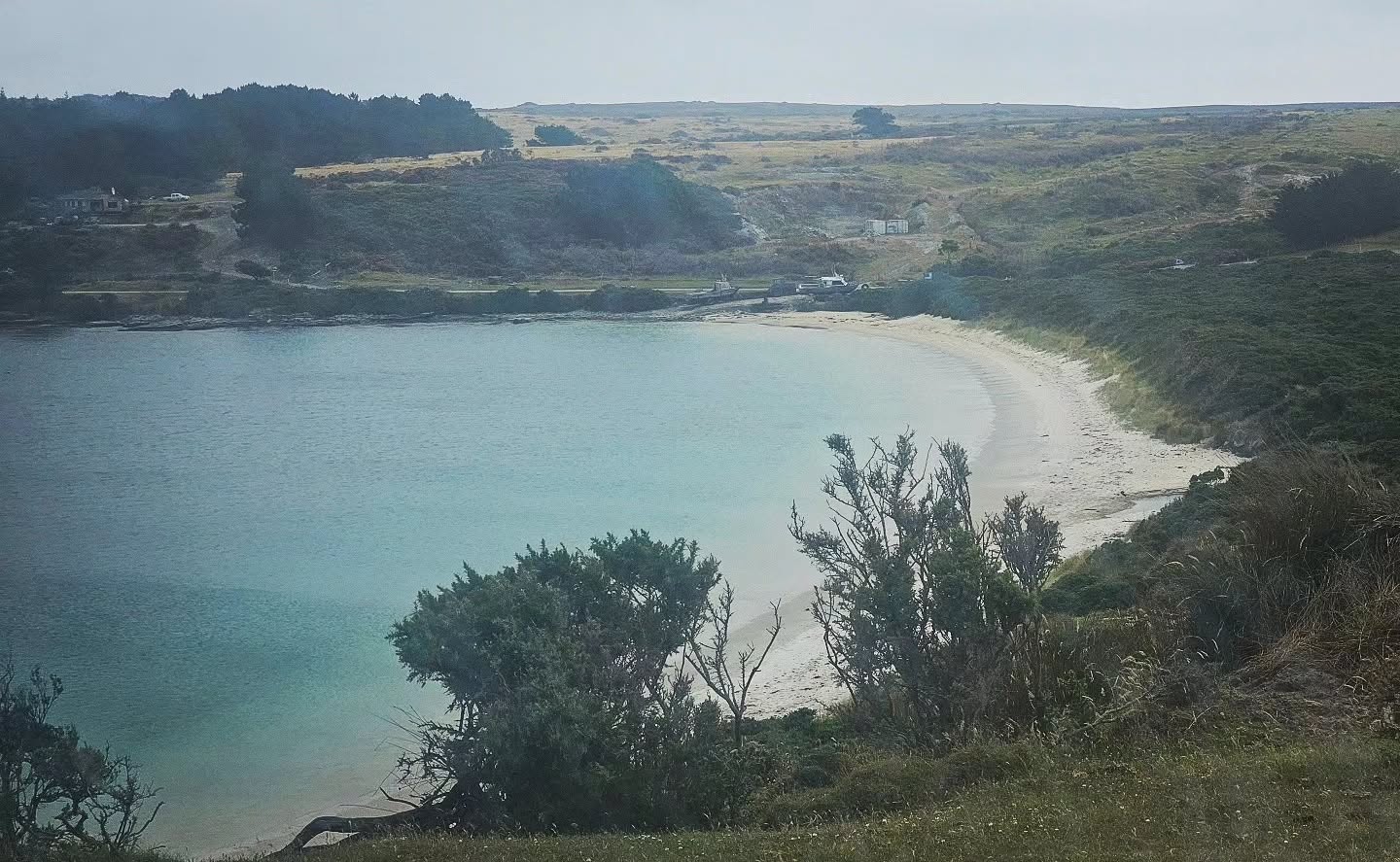
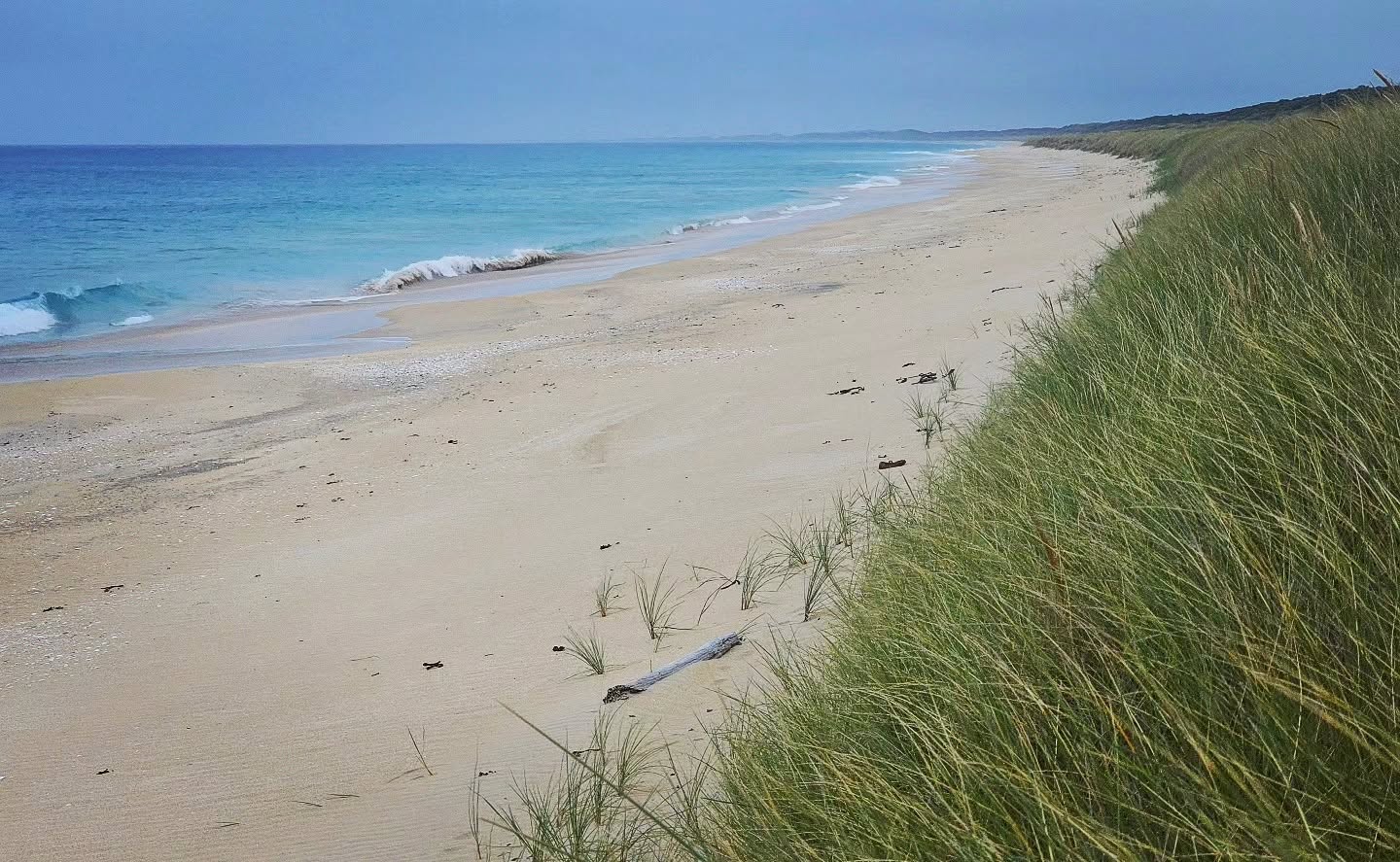
The beaches of the Chathams deserve a section of their own. Long arcs of white sand backed by dunes and grass, water that turned turquoise whenever the sun broke through the haze, and nobody else in sight. Every beach I found, I had to myself.
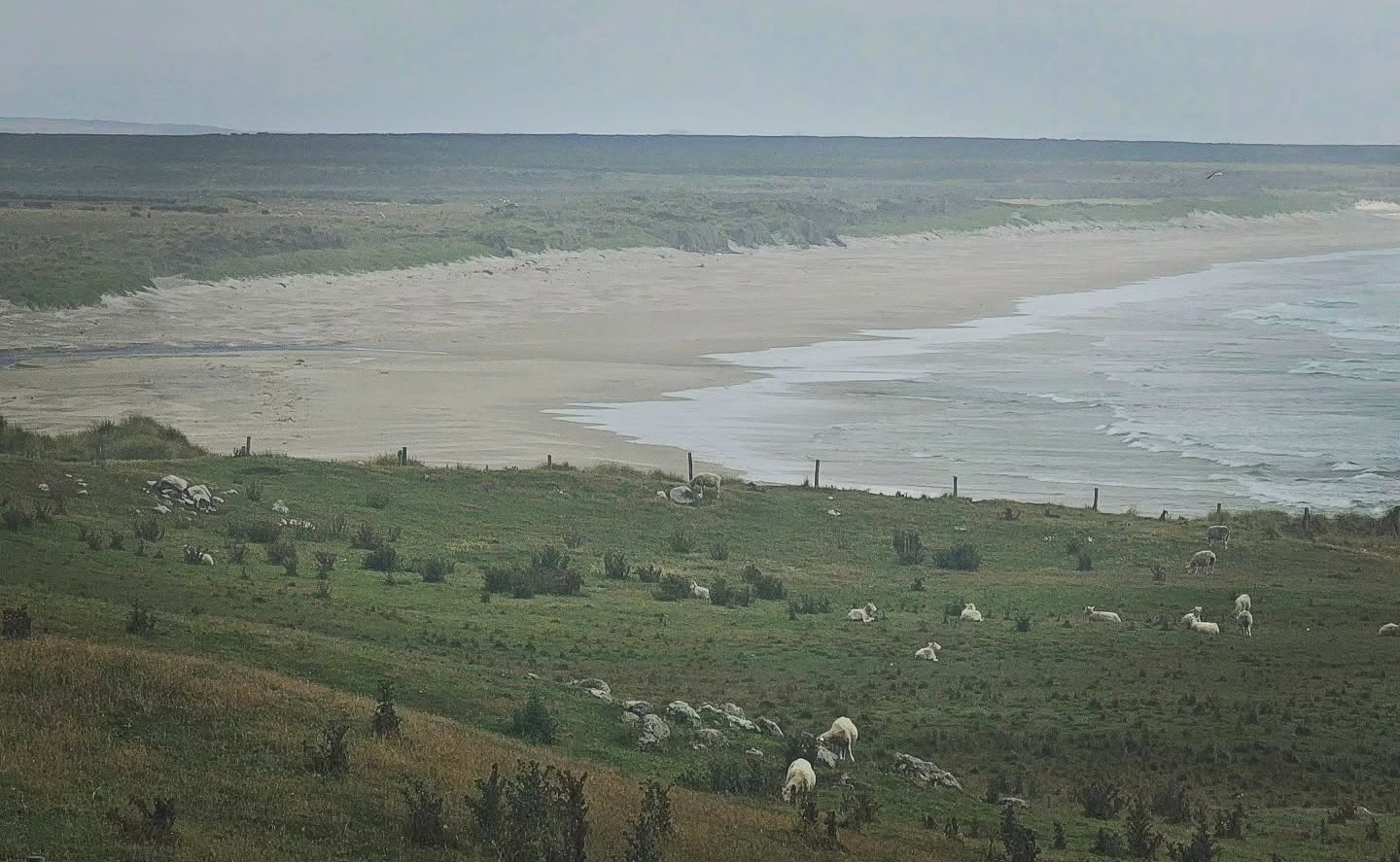
Some lay in sheltered bays where a few boats were pulled up on the shore, others stretched for kilometres along the open ocean. On the cliffs above one of them, sheep were grazing almost down to the sand.
Wrecks, shags and misty hills
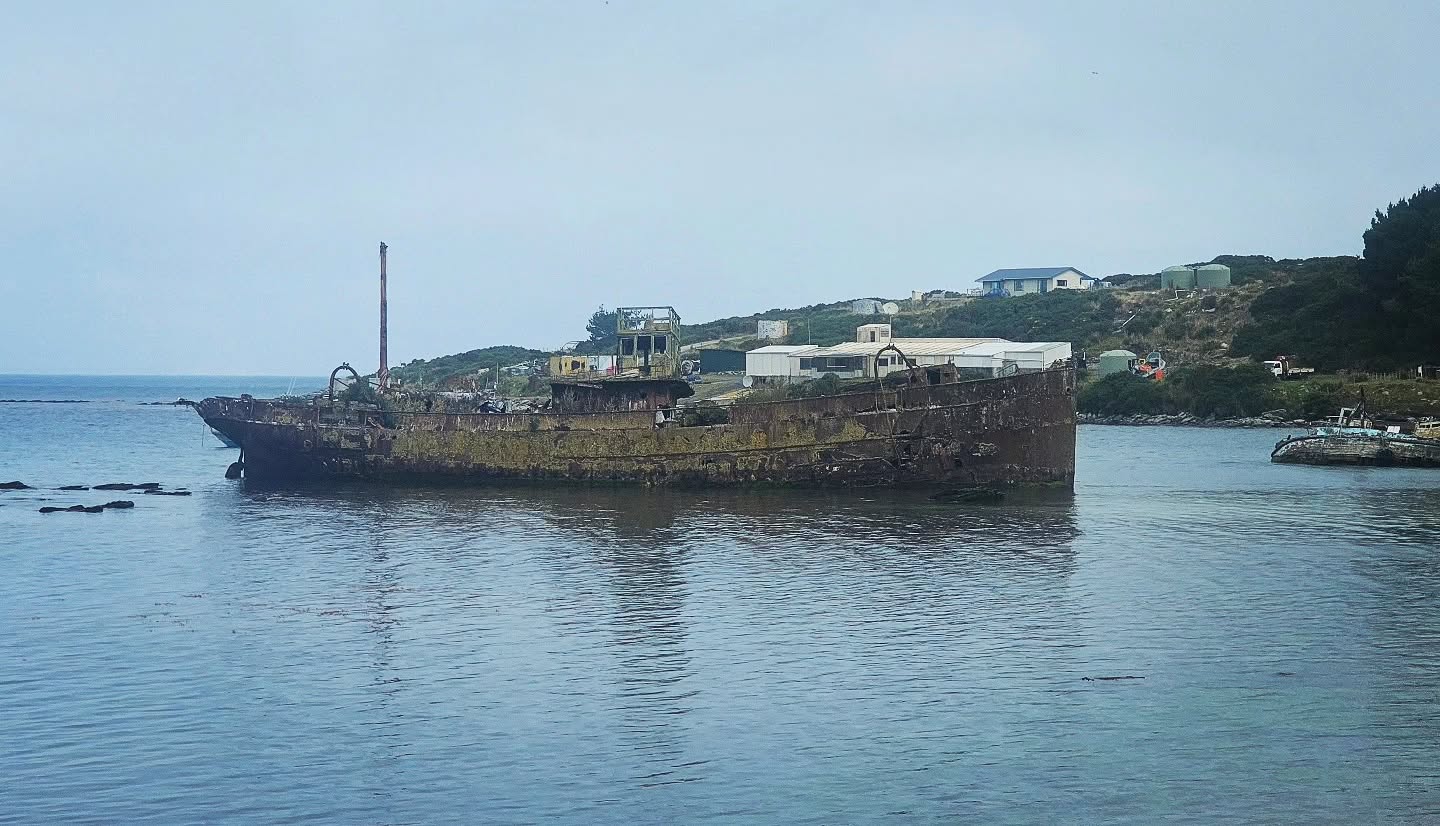
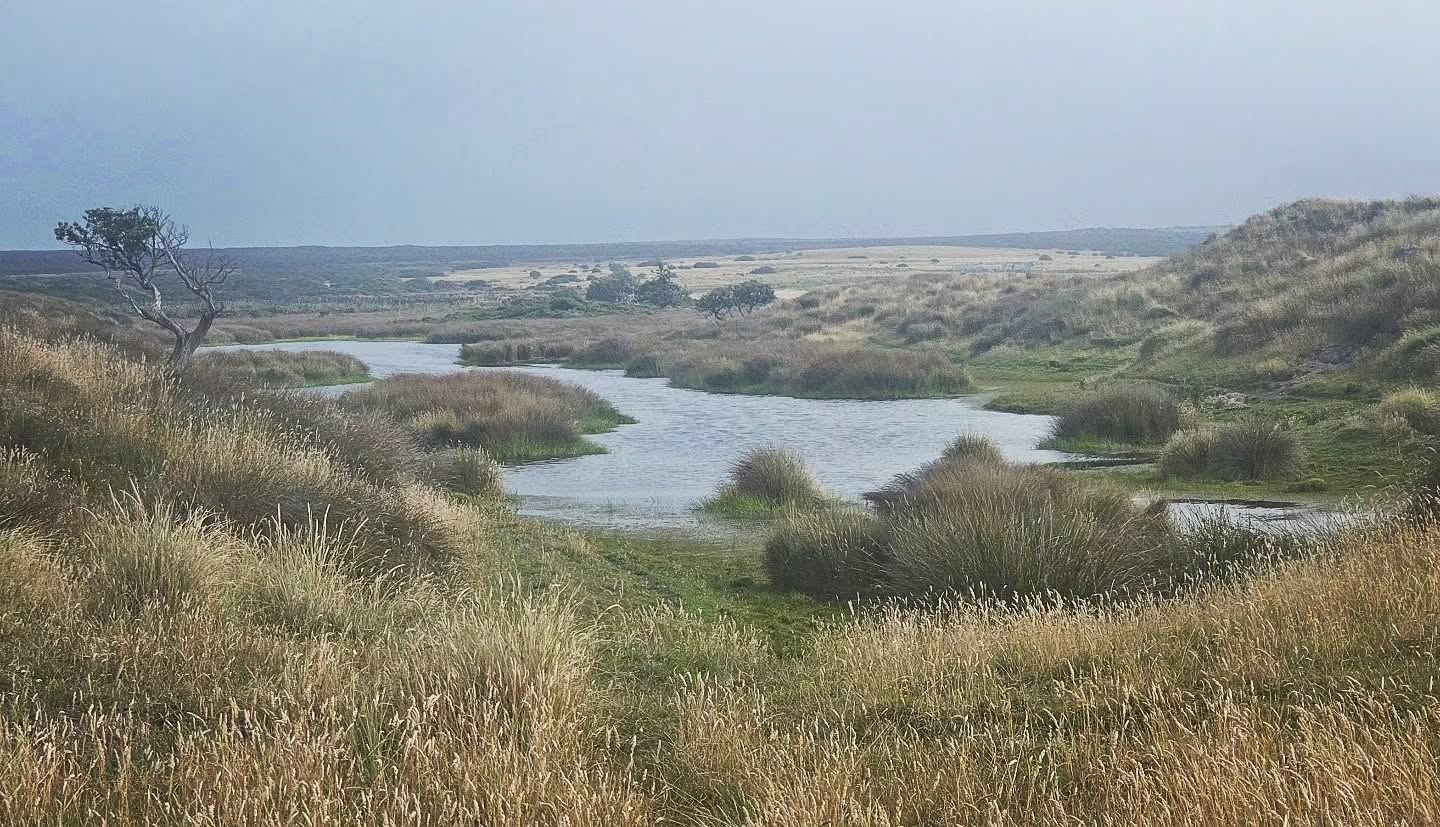
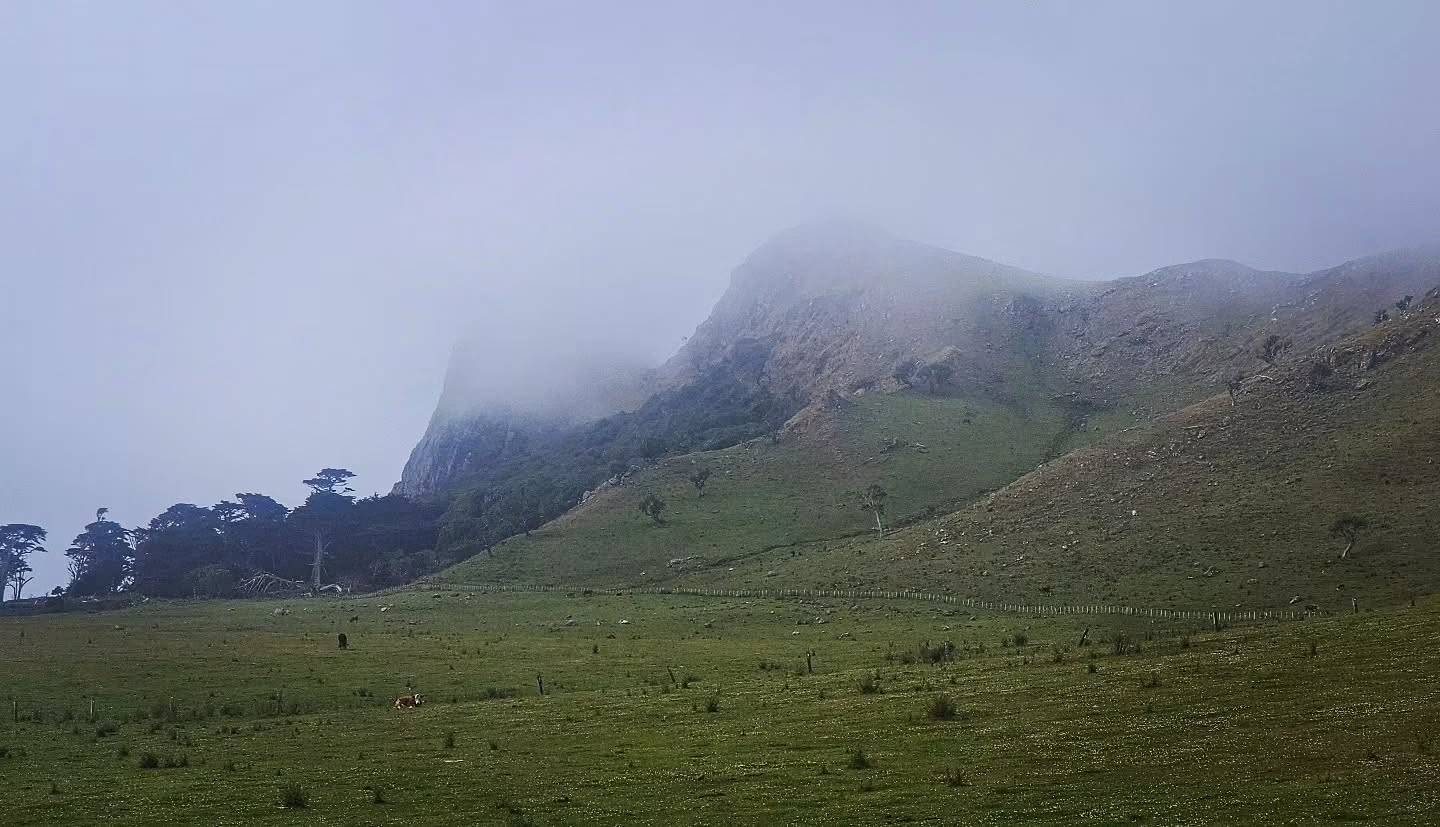
The Chathams' landscapes are as varied as they are empty. In one harbour a rusting wreck lay in the shallow water below a handful of houses. Elsewhere shags stood on the rocks in the spray, a small river wound through tussock towards the coast, and low cloud hung over the hills.
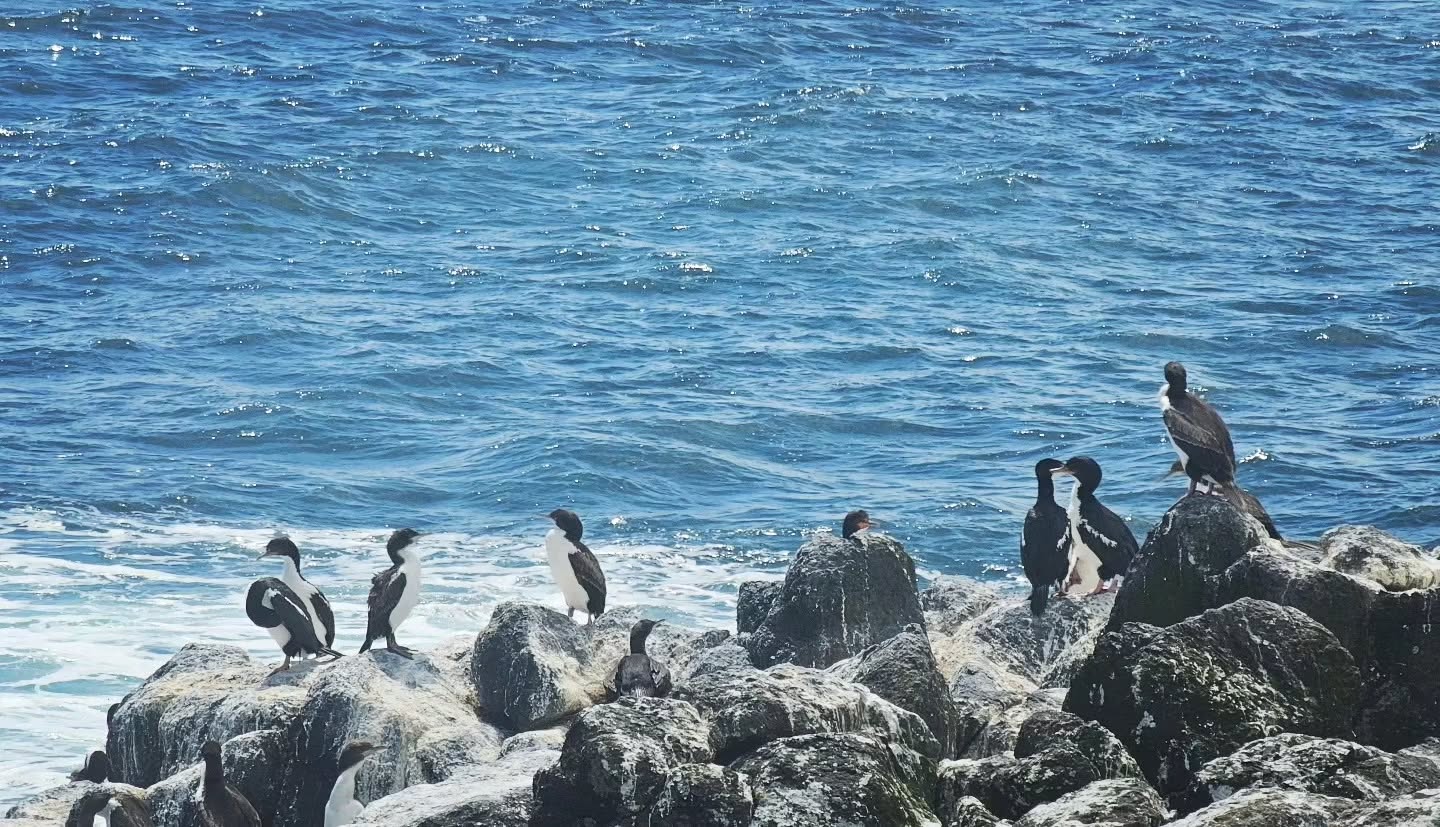
The isolation that makes the Chathams so quiet for visitors has also made them a refuge for birds found nowhere else, including two species of shag.
Back to the mainland
From the Chathams I flew back to the mainland. As I had announced in Dunedin, the next weeks held another road trip in New Zealand before and after a long-awaited week in the Cook Islands. On 24 January I was already circling Mount Ruapehu and Ngauruhoe, the Mount Doom of the films, on a scenic flight; that part of the journey continues in Five Weeks in Aotearoa. For a few days I had the roads and beaches at the edge of the new day almost to myself.