
Island-Hopping the South Pacific: American Samoa, Kiritimati, New Caledonia, Wallis and Norfolk
26 October – 14 November 2023 · Pago Pago, Mamanuca Islands, Kiritimati, Nouméa, Hienghène, Voh, Wallis, Norfolk Island · Regions: American Samoa, Fiji, Kiribati (Line Islands), New Caledonia, Wallis and Futuna, Norfolk Island
By late 2023 I had long visited every independent country of the South Pacific, but several island territories were still missing. Our family road trip through the US ended in Hawaii, whose sunsets were as good as during my month of hostel-hopping there in 2017. Karyna and the family then flew back to Dubai westwards via Sydney, while I set off alone for three weeks of collecting: American Samoa, Kiritimati, New Caledonia, Wallis and Futuna and Norfolk Island, with Fiji as a base in between.
The trip almost failed before it started. I had got used to the idea that I hardly need visas any more, and only found out by chance, a week before departure, that American Samoa runs its own border and requires a travel authorisation, which I quickly applied for online.
A rainy welcome in American Samoa
I landed in Pago Pago late at night. At 11 pm almost everything was closed, so exploring had to wait for the next day, which turned out rainy. That suited Tutuila, the main island: steep, lush and green, with clouds hanging on its ridges. I found it actually quite nice.
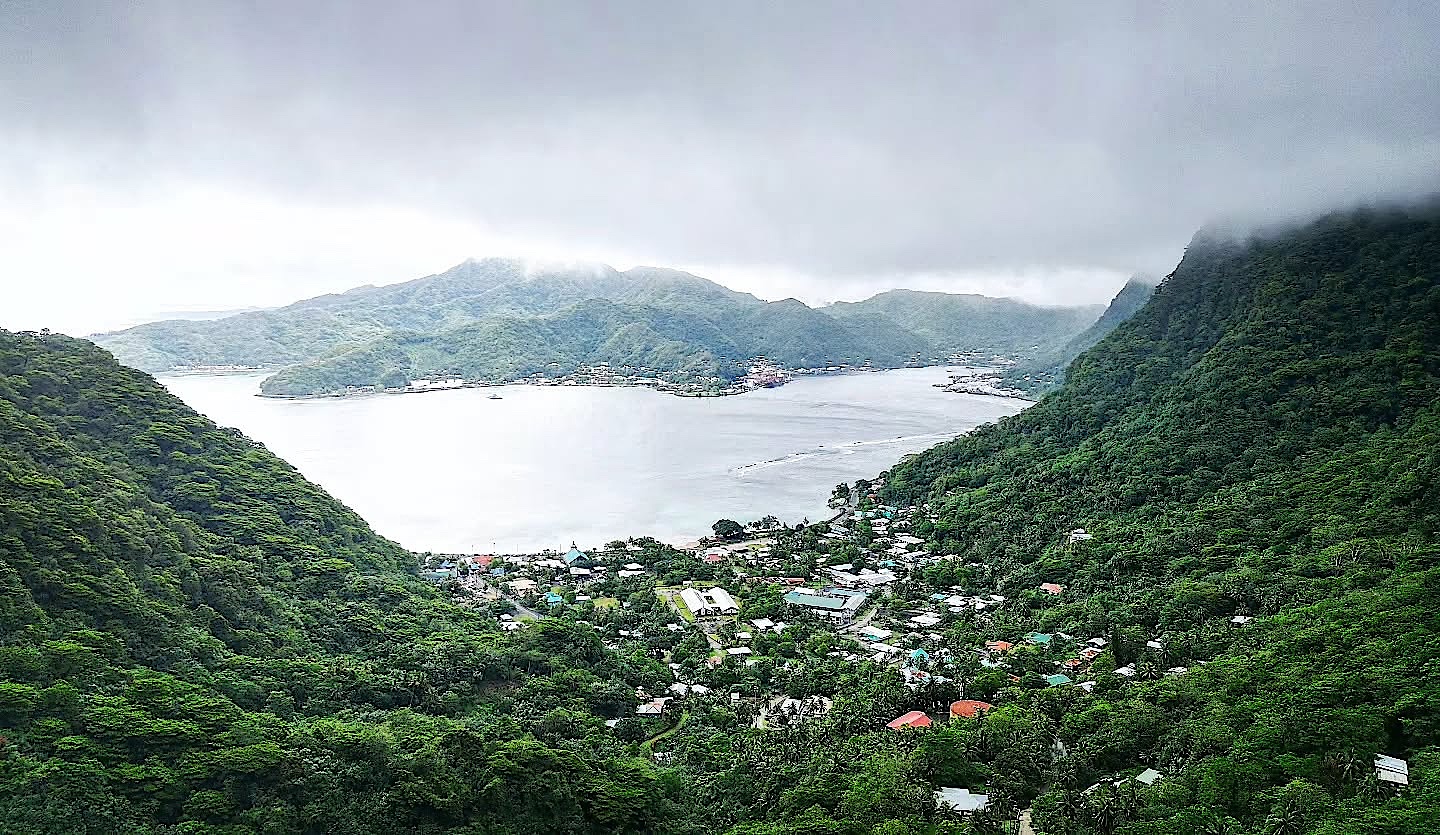
Pago Pago lies on a deep bay that cuts far into the island, one of the great natural harbours of the Pacific.
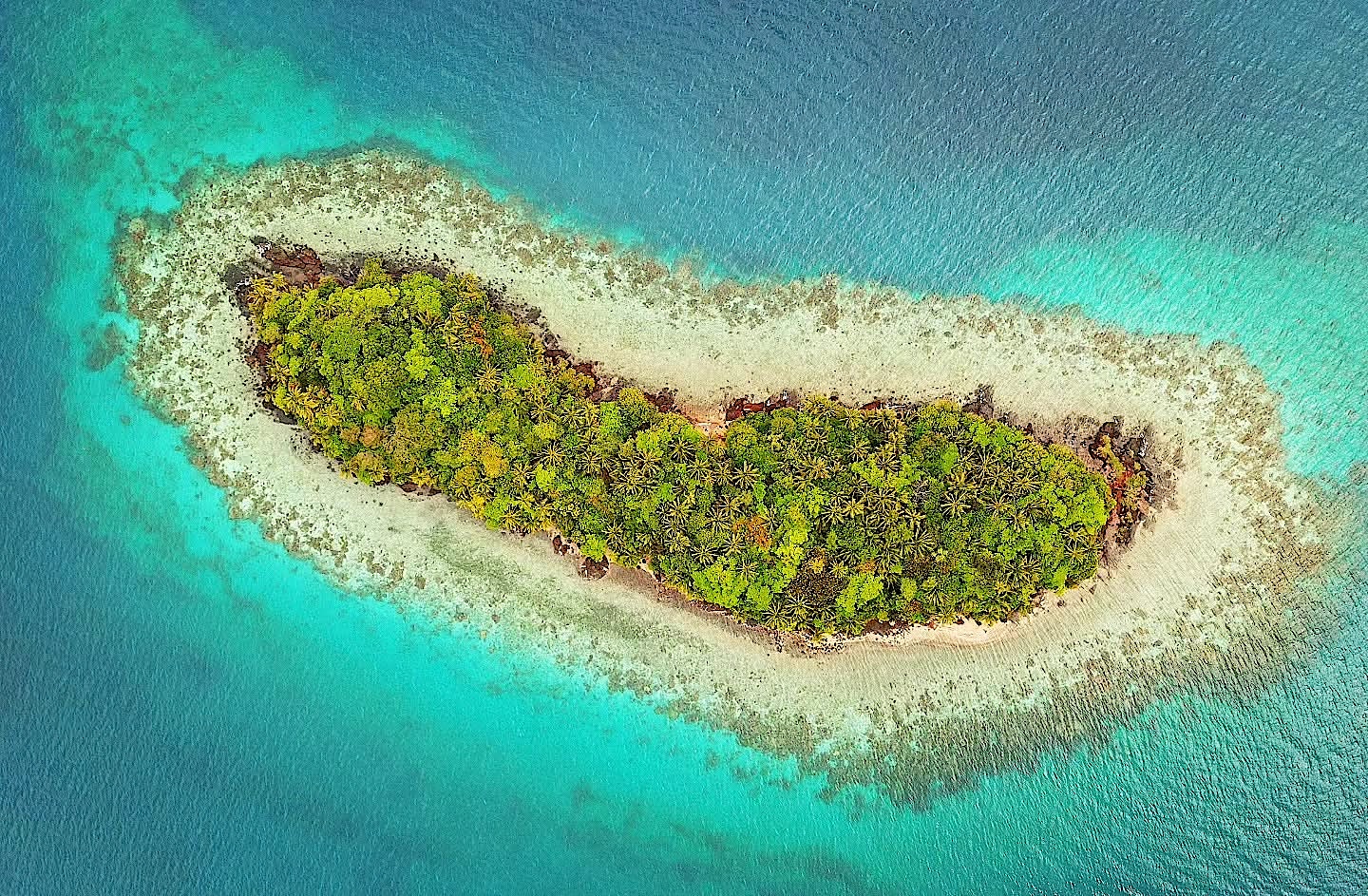
From the drone, Tutuila is a chain of green headlands, villages tucked into bays and turquoise reefs.
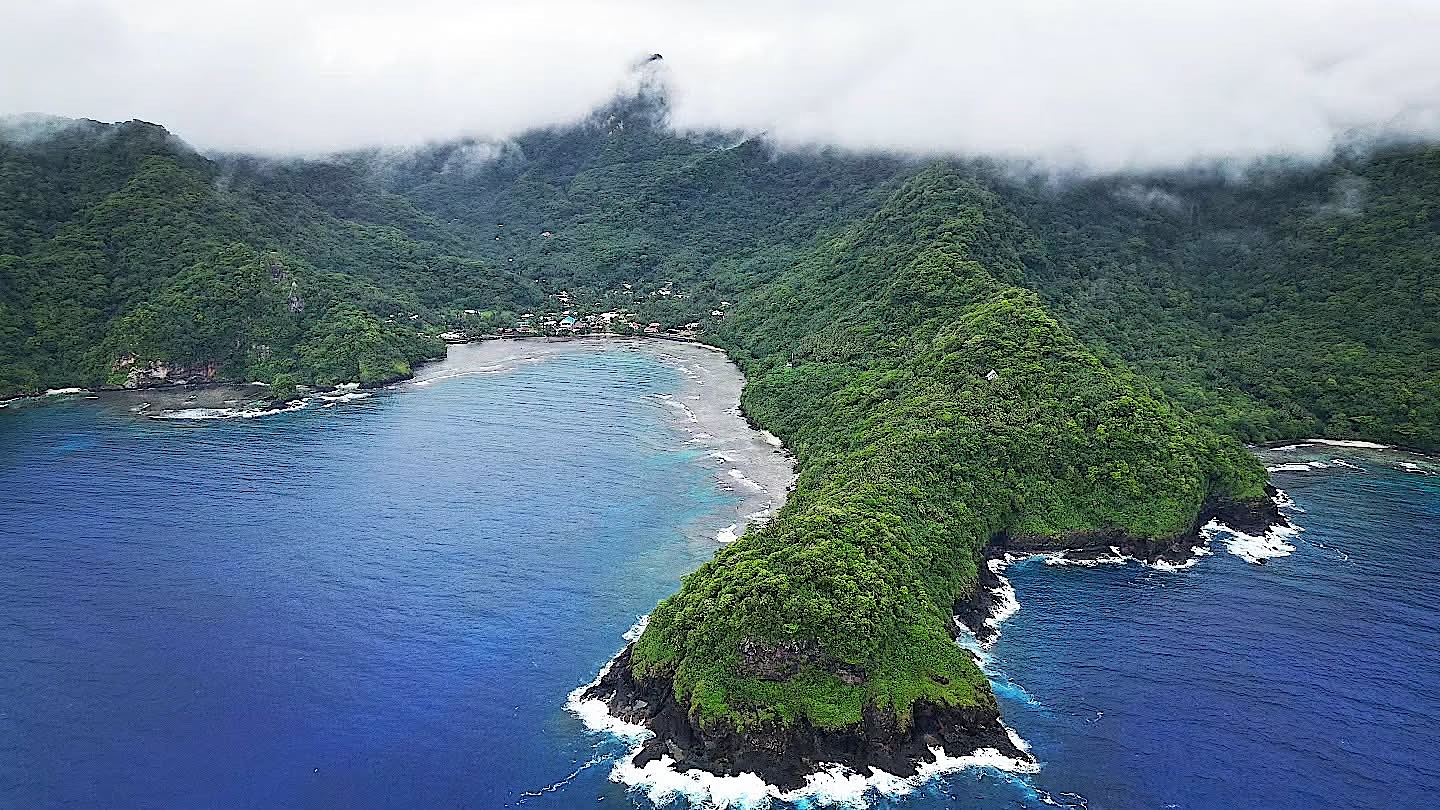
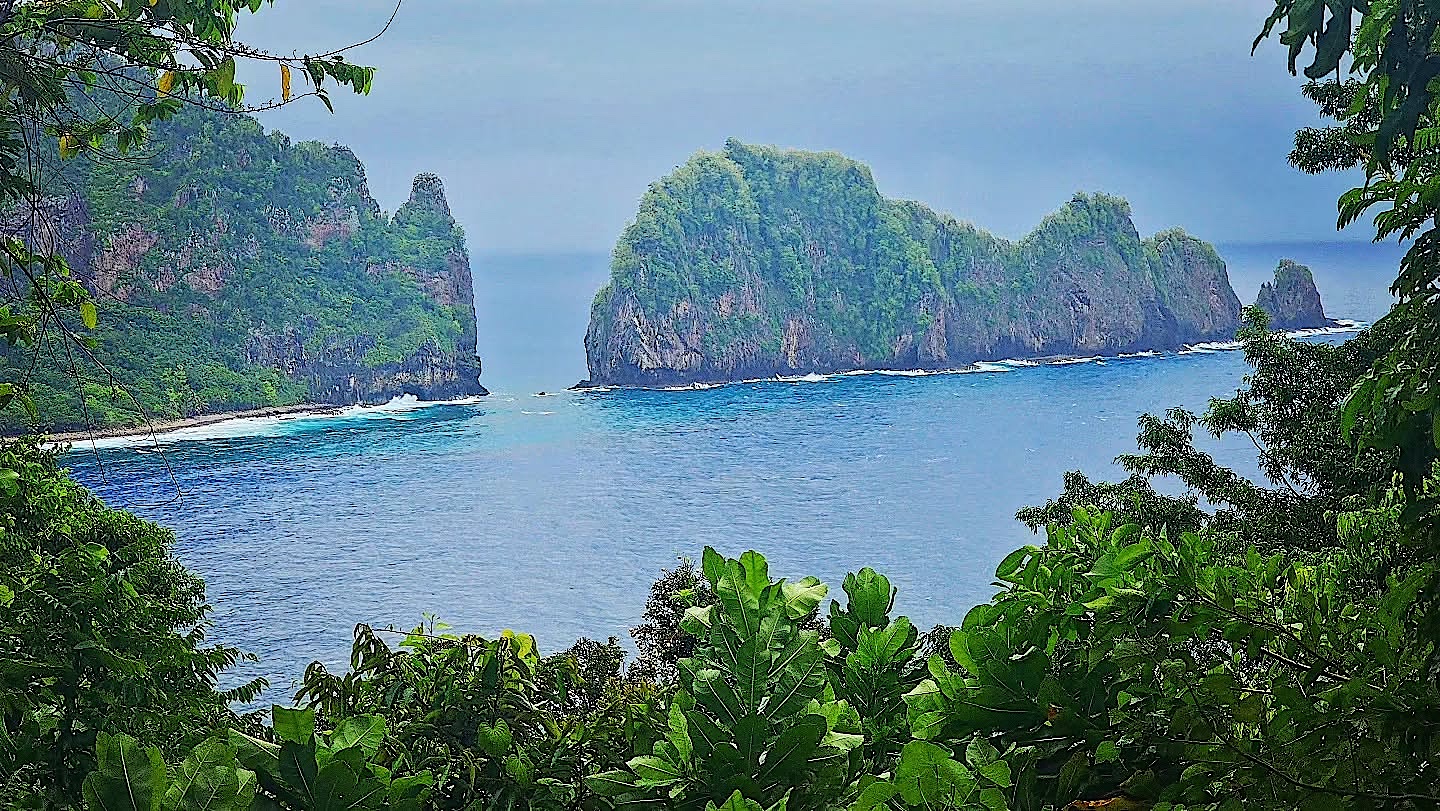
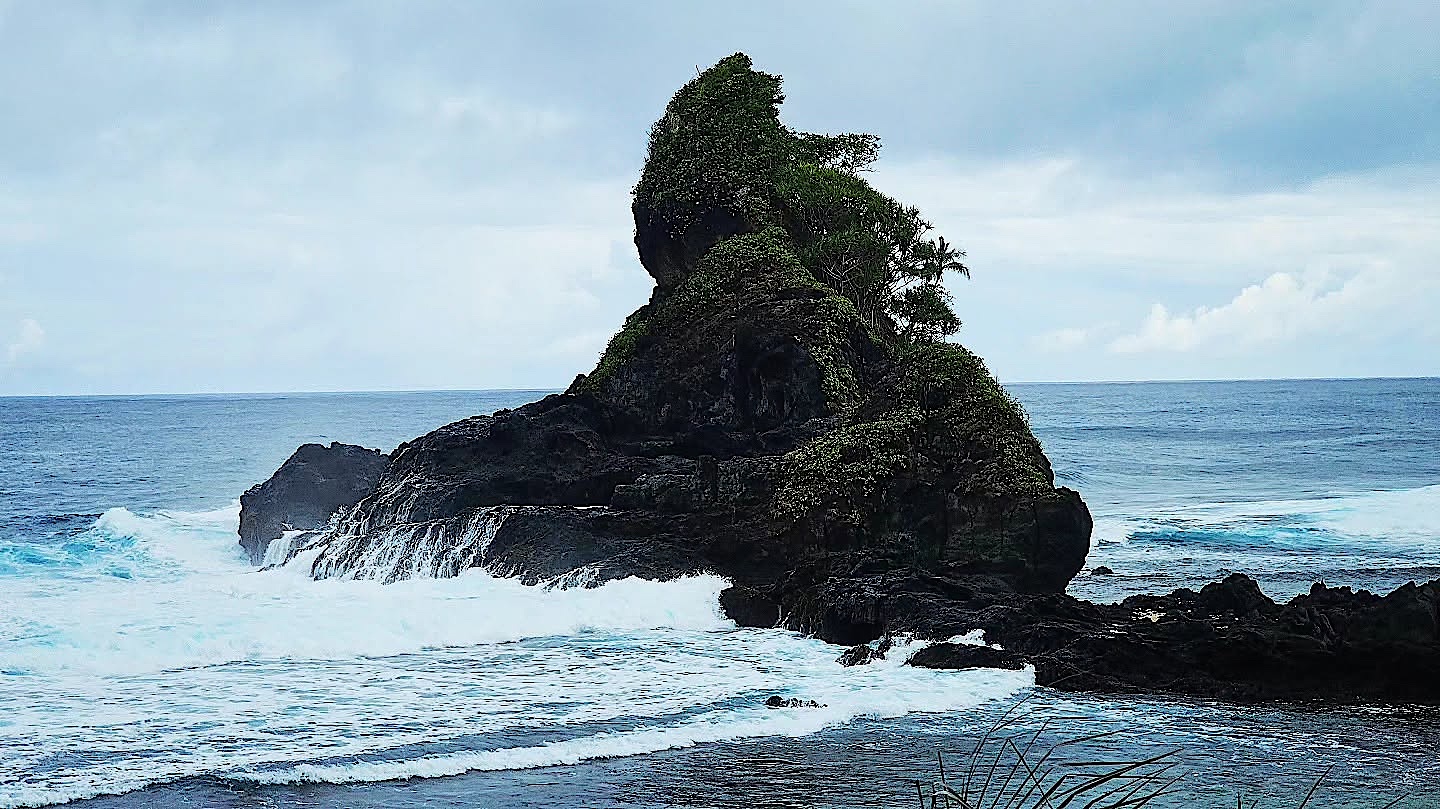
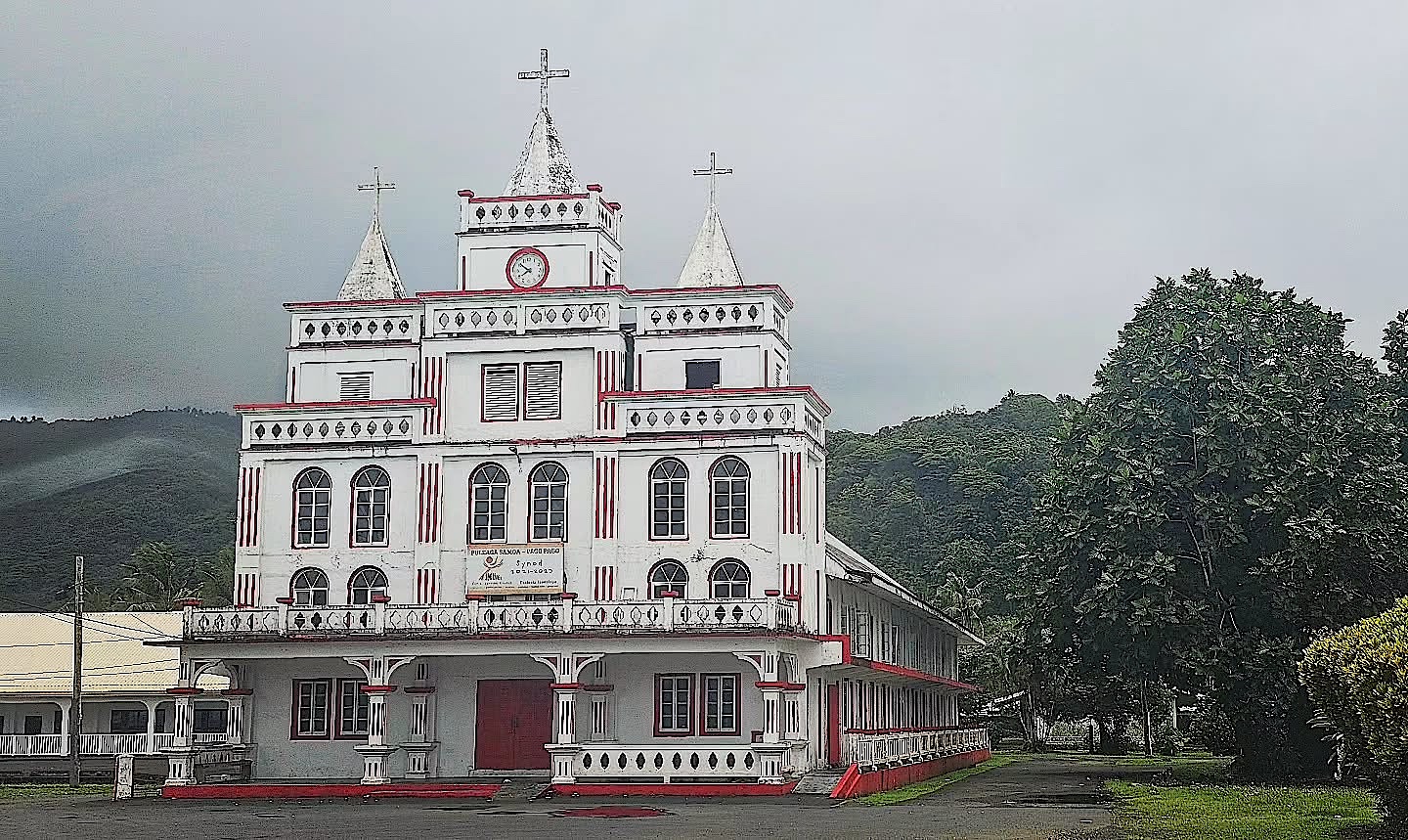
The east of the island had quiet beaches, sea stacks in the surf and mountains disappearing in the clouds. I also passed one huge church after another; faith is central to Samoan life.
Losing a day on the way to Fiji
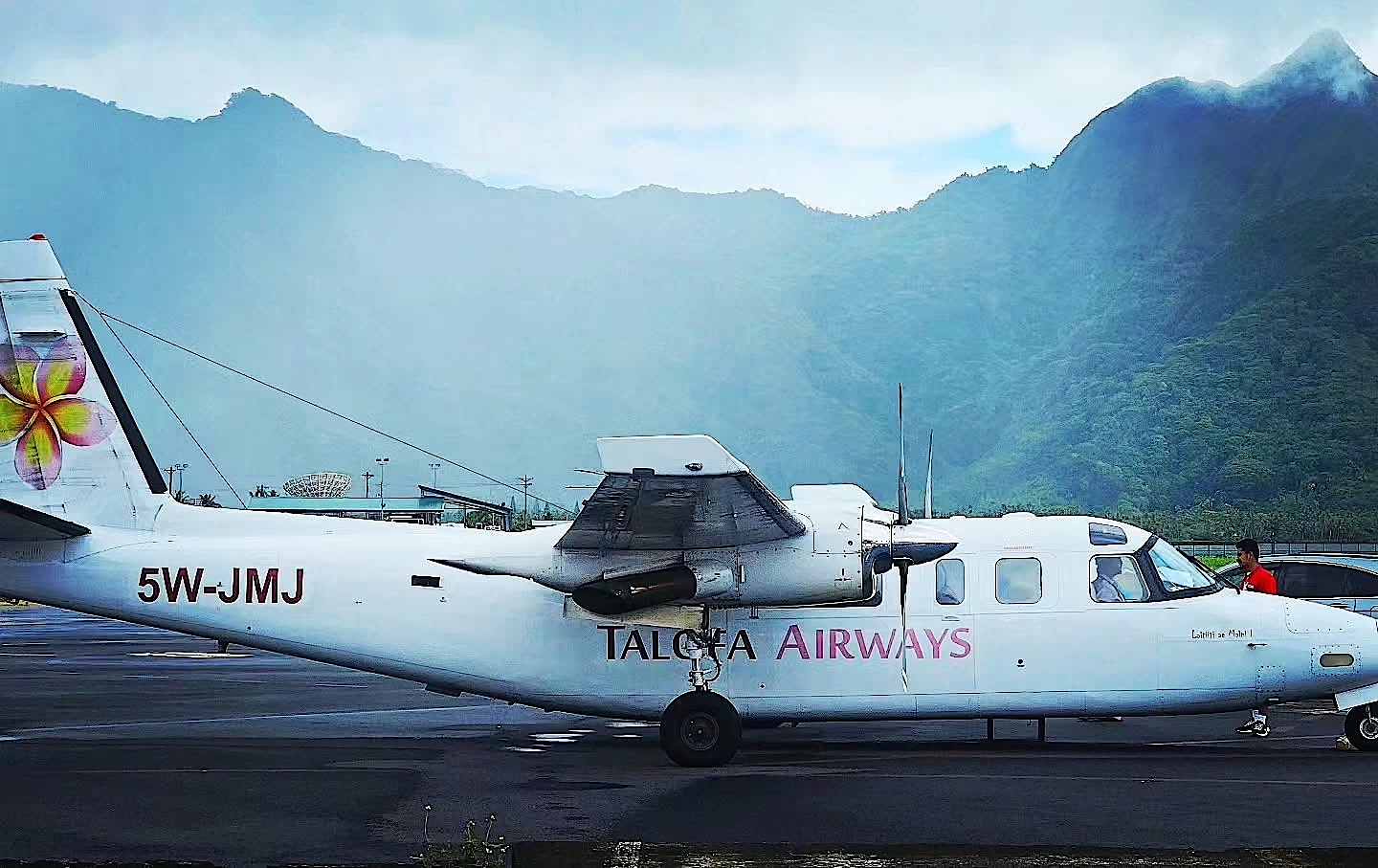
On Sunday morning I boarded a small twin-prop for the 30-minute hop to Apia. Because Samoa moved to the other side of the international date line in 2011, we landed on Monday afternoon: a whole day of my life gone in half an hour. I had explored Samoa itself in 2020, so I continued the same day to Fiji, my base for the next days.
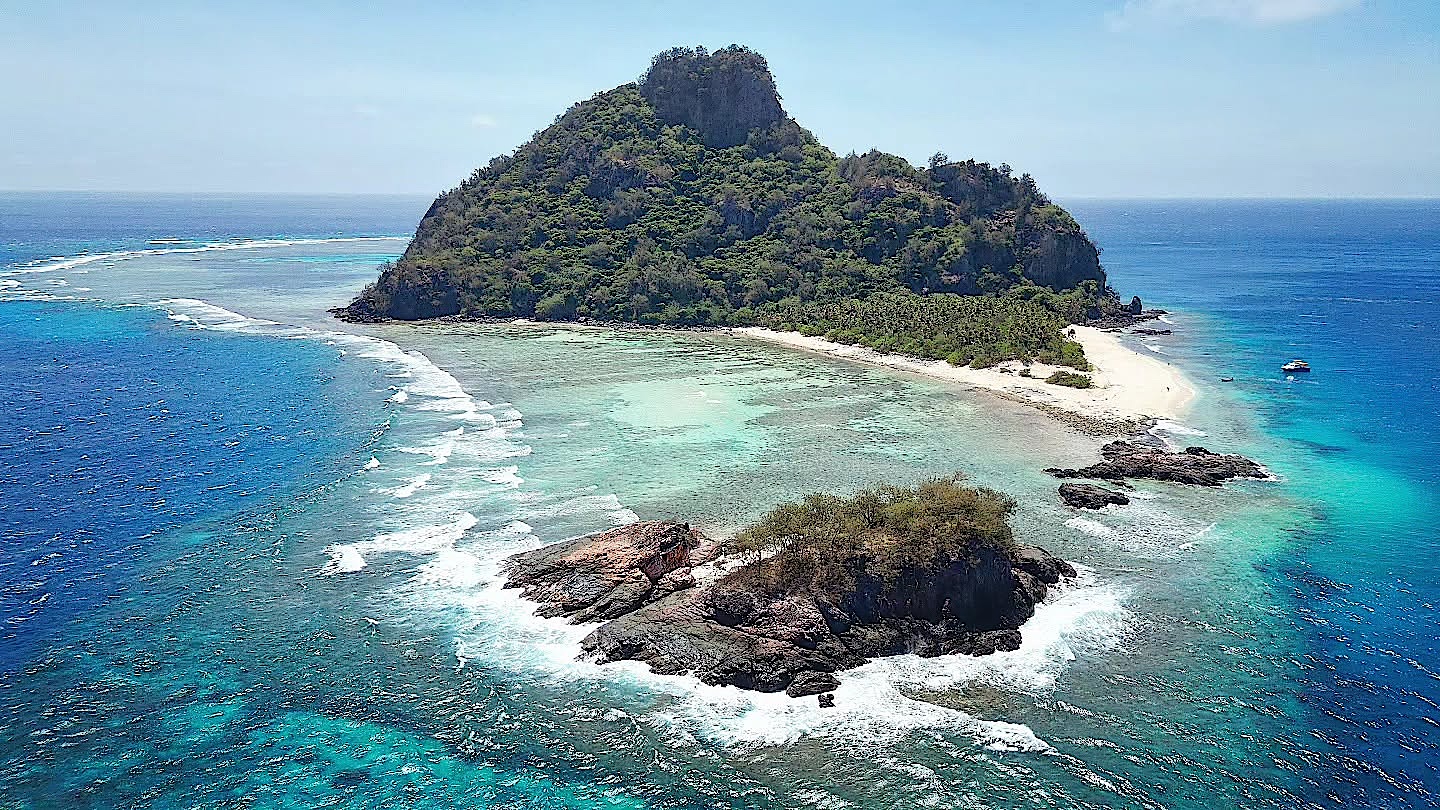
Fiji's Hindu temples are a reminder that around 30 per cent of Fijians are Hindu, descendants of workers brought from India under British rule. The South Sea feeling finally came with a stunning day in the Mamanuca Islands: sandbanks, turquoise water and Monuriki, where Cast Away with Tom Hanks was filmed.
Eight hours on Kiritimati
The main goal of the trip was Kiritimati, also called Christmas Island, the largest coral atoll in the world by land area, halfway between Fiji and Hawaii. A plane flies there from Fiji once a week, four and a half hours each way; it continues to Hawaii and picks you up on the way back, leaving about eight hours on the island. So I did it as a day trip.
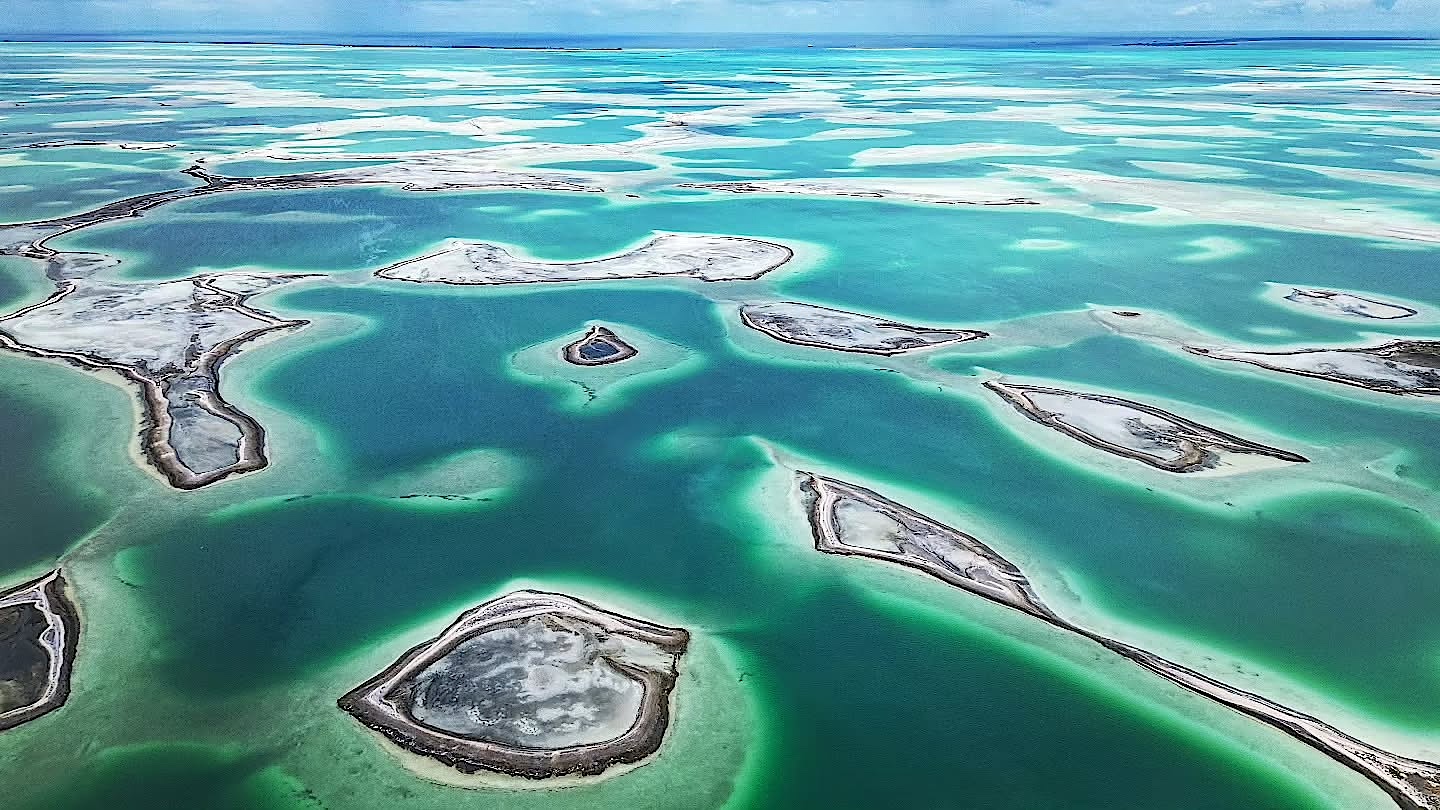
The lagoon is best appreciated from above, a maze of turquoise channels, sandbanks and coral islets. In the water I even encountered some manta rays.
The other highlight was the birdlife: boobies and frigatebirds nesting in low shrubs, many with fluffy white chicks.
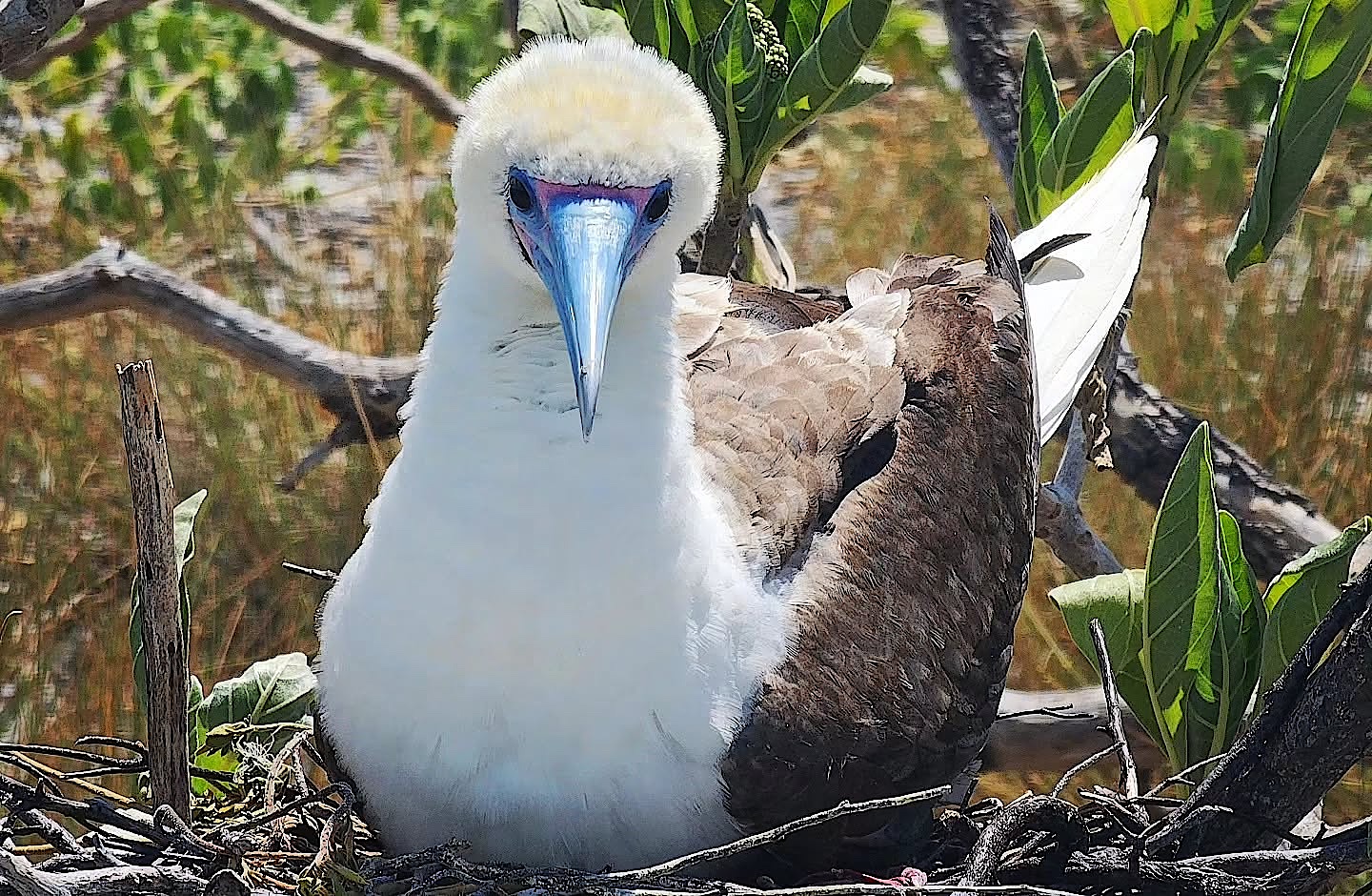
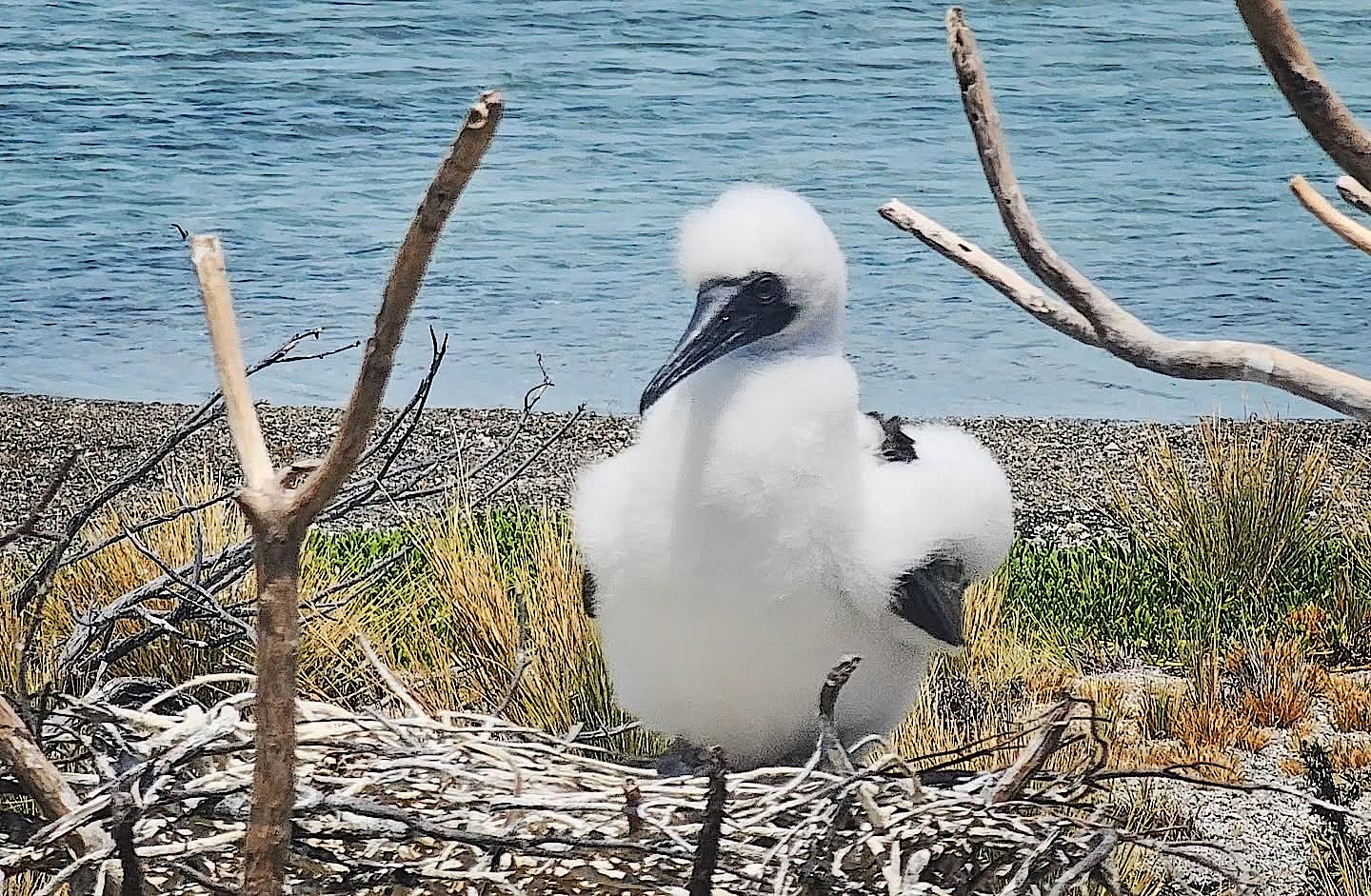
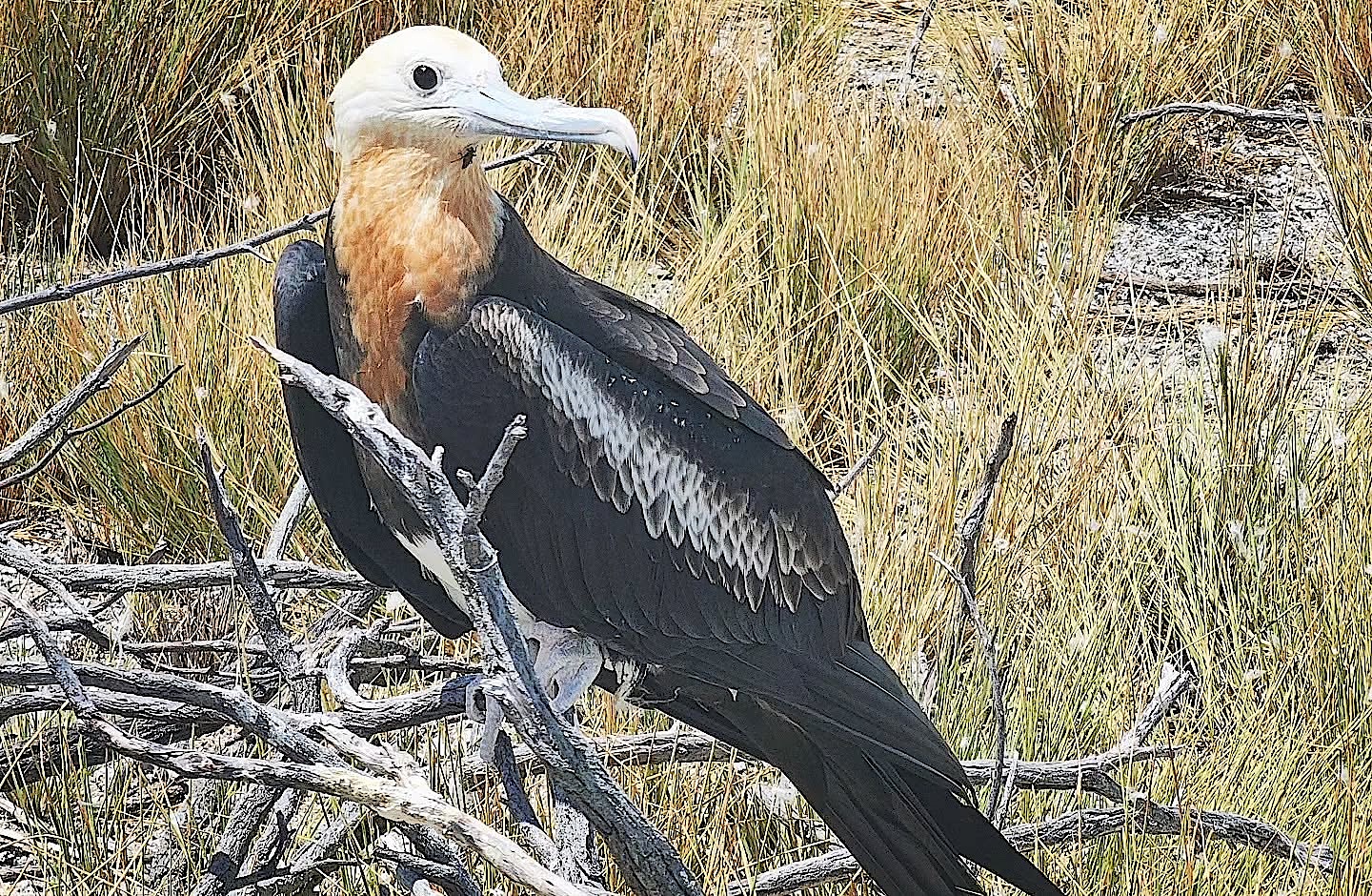
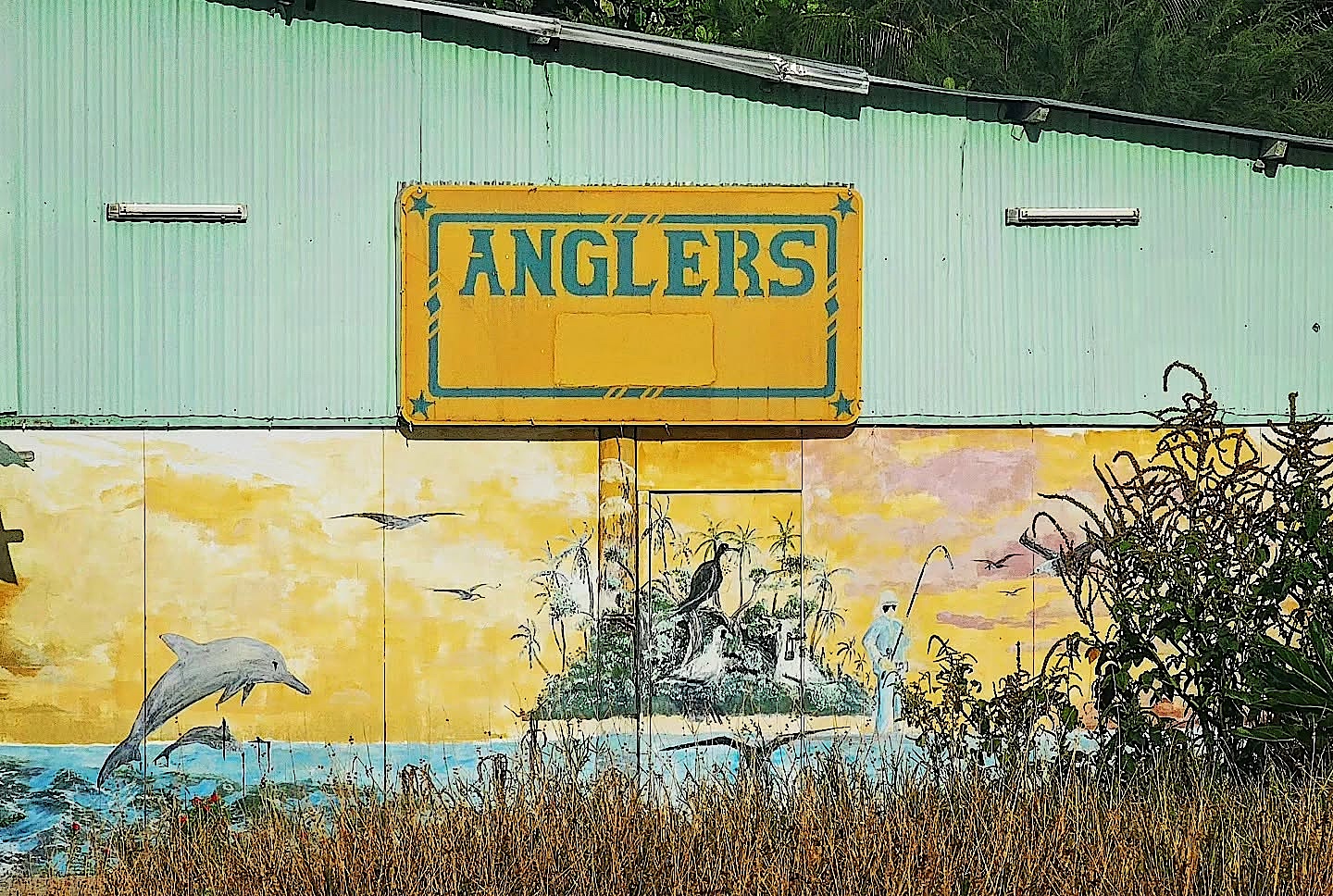
Away from the lagoon, Kiritimati is quite undeveloped. It is a popular fishing destination, but that is probably the only reason to stay longer than a day. Kiribati also became the 75th country I have visited at least twice, though I am not sure I want to repeat all of them.
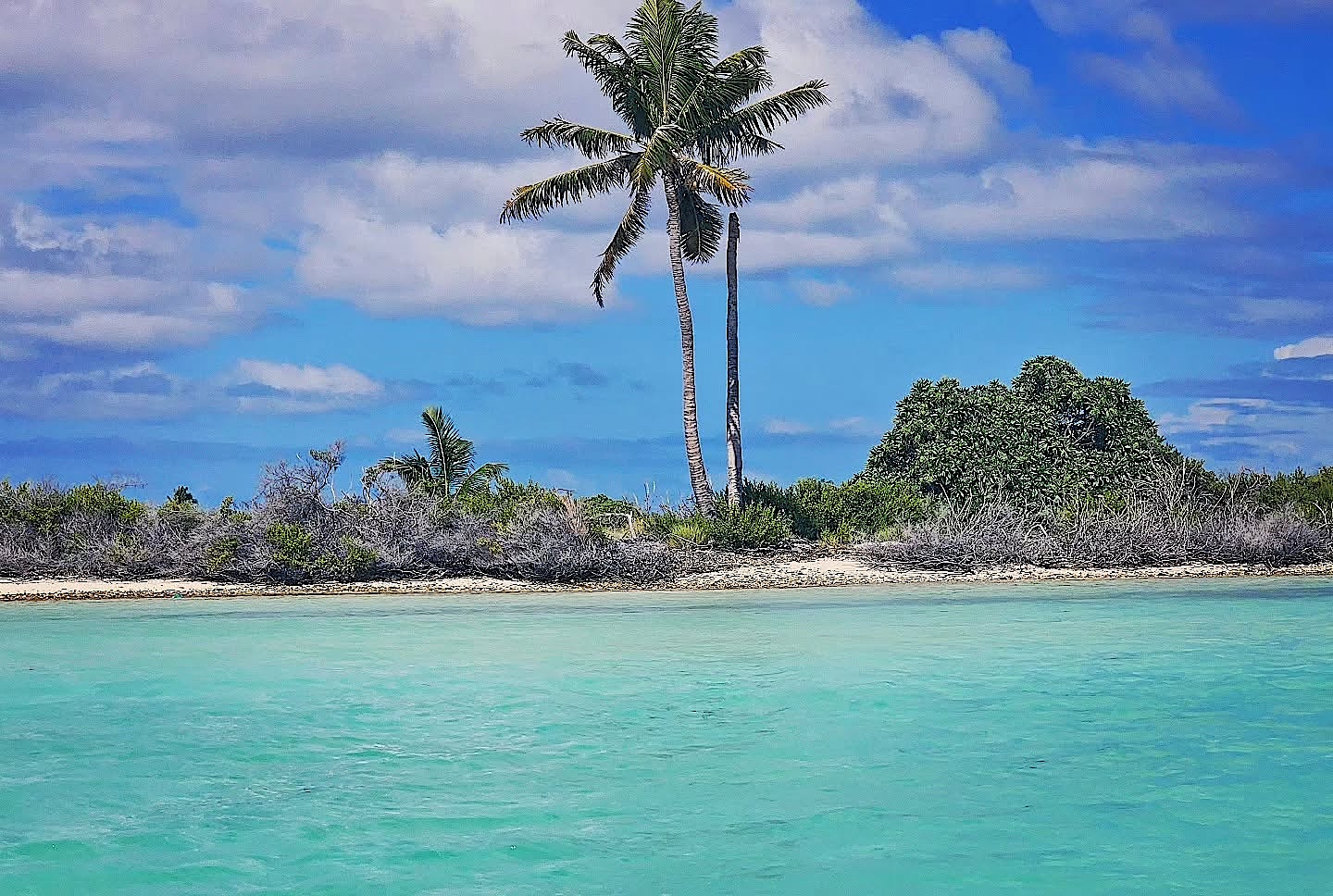
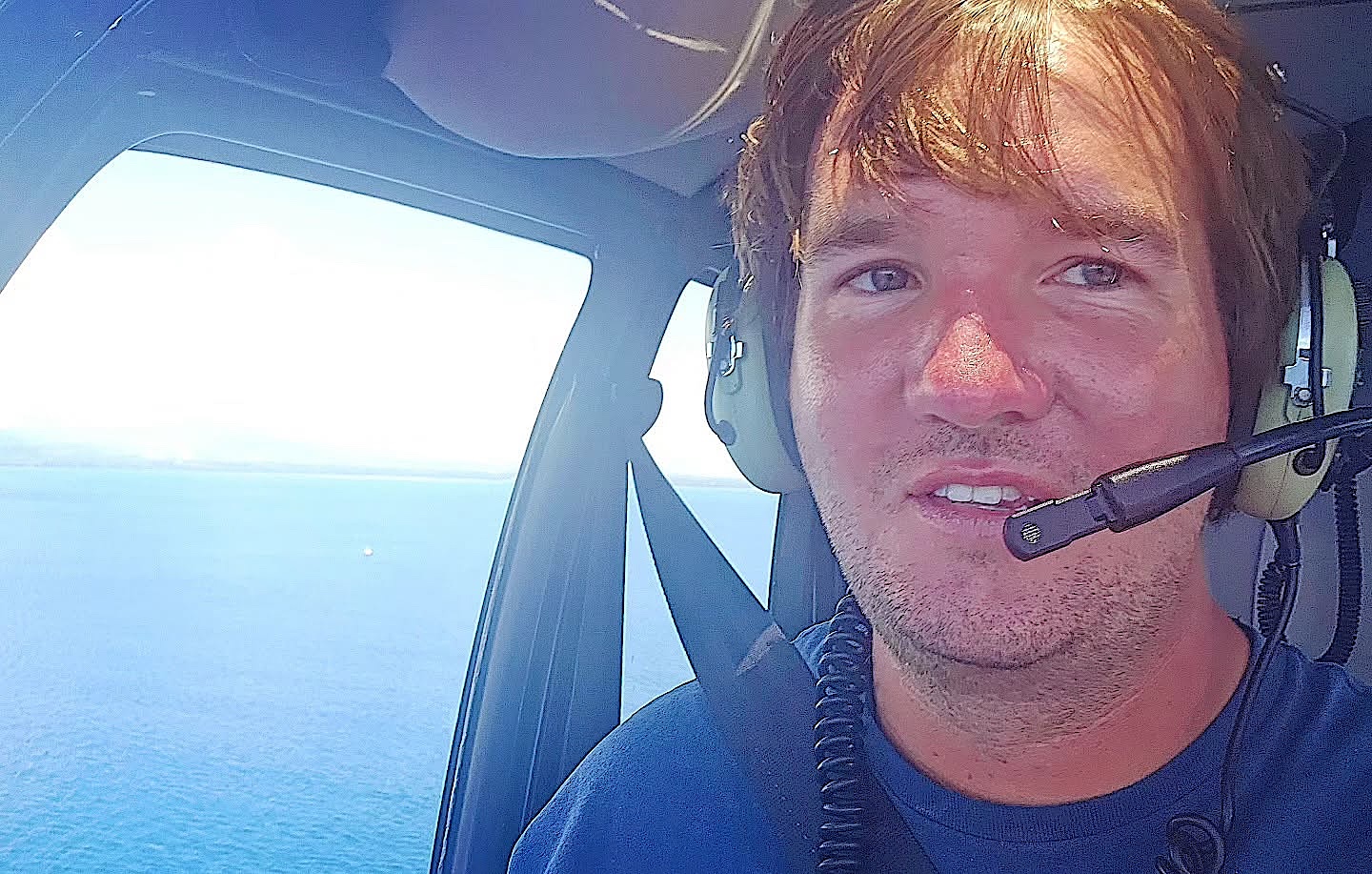
I arrived back in Fiji 24 hours later, very tired, but Kiritimati was well worth the hassle. The next day I took a helicopter over Fiji's coastal islands and reefs, one of my favourite hobbies; one day I might even get a helicopter licence. Looking down at the tiny resort islands, I wondered whether we would make it here one day with our catamaran, SY Staatenlos.
Red earth and lagoons in New Caledonia
I flew on to Nouméa via Auckland, where I enjoyed my favourite lemonade, only found in New Zealand, for the first time in six years. In New Caledonia it was time to speak French again, although my first meal was at McDonald's.
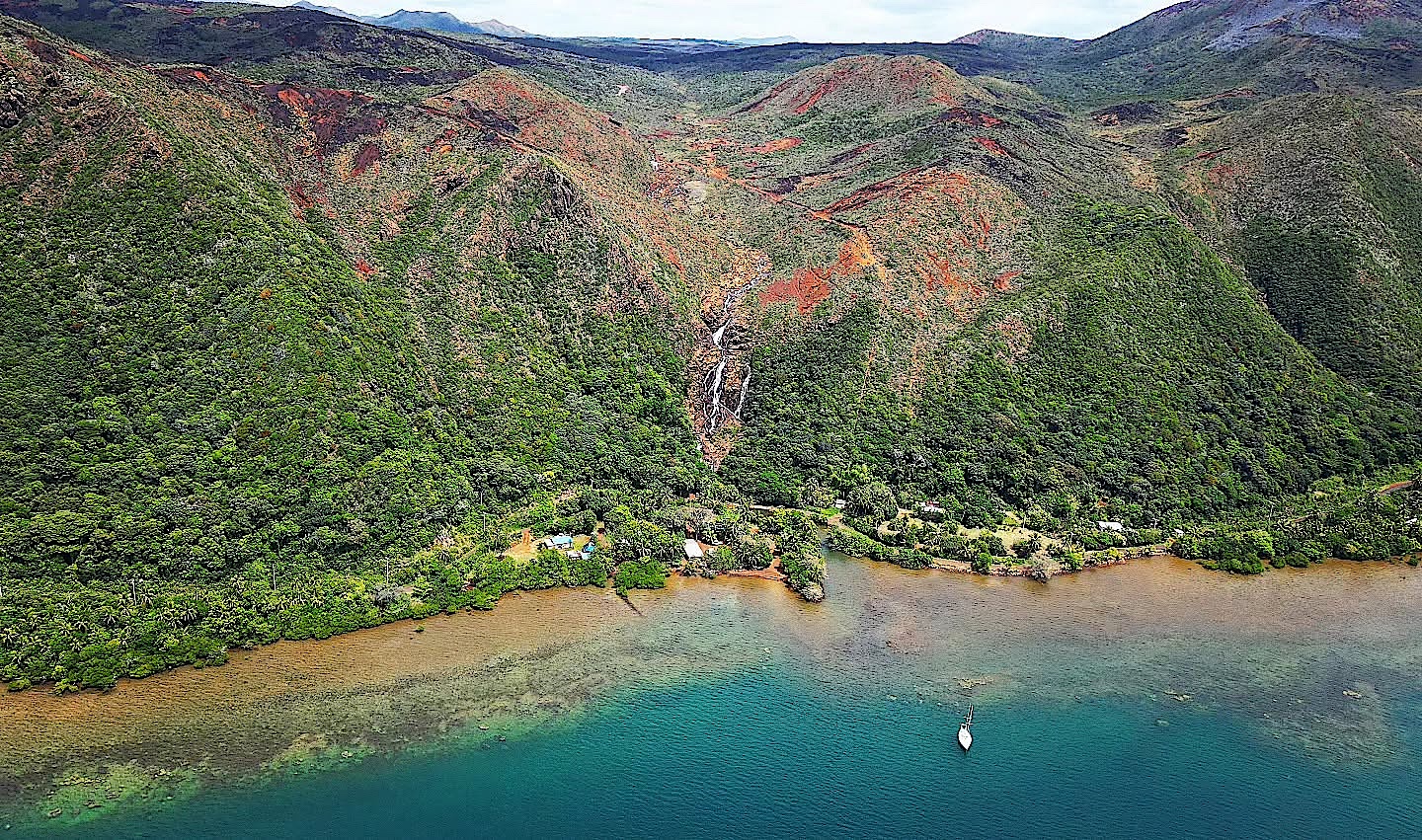
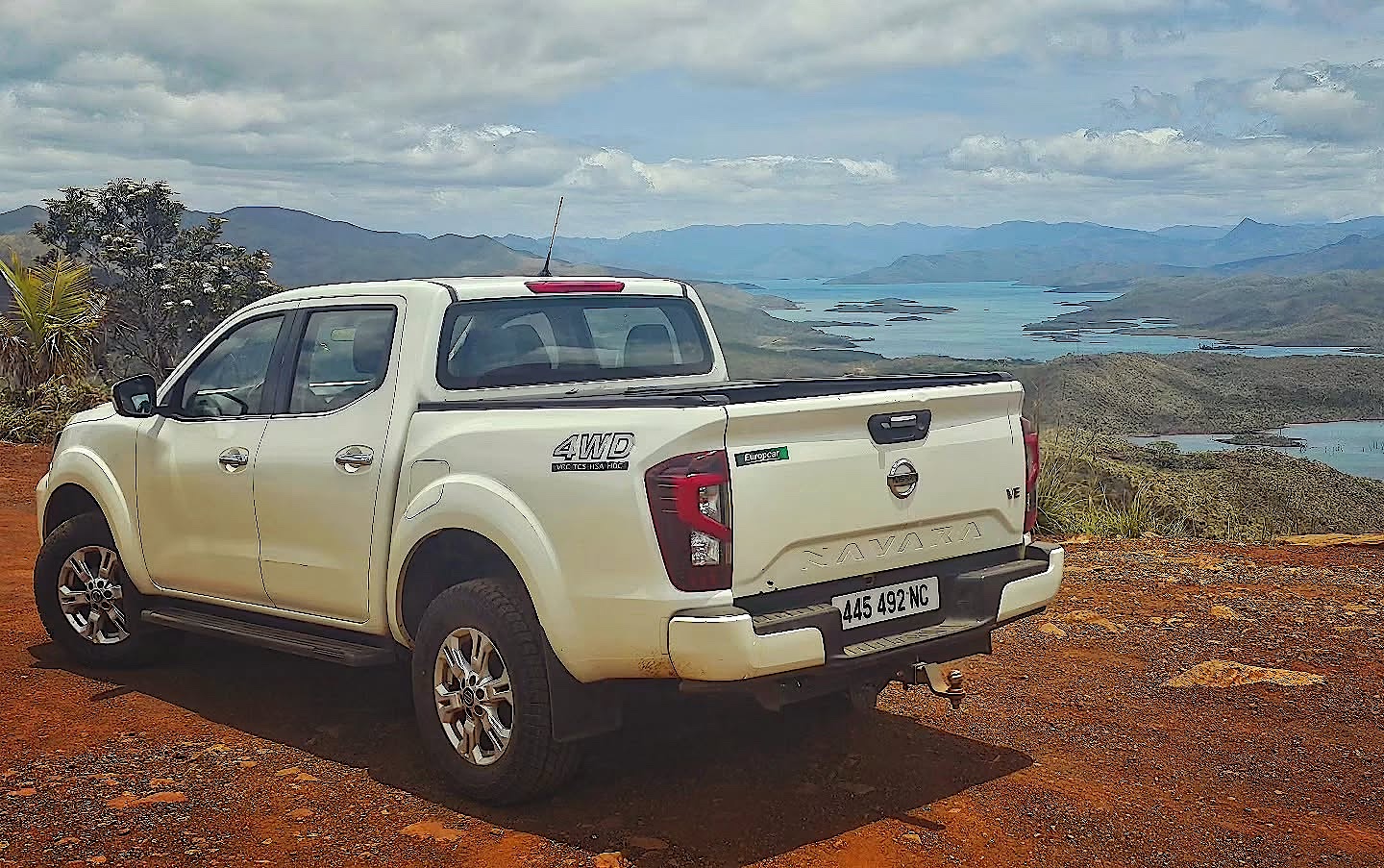
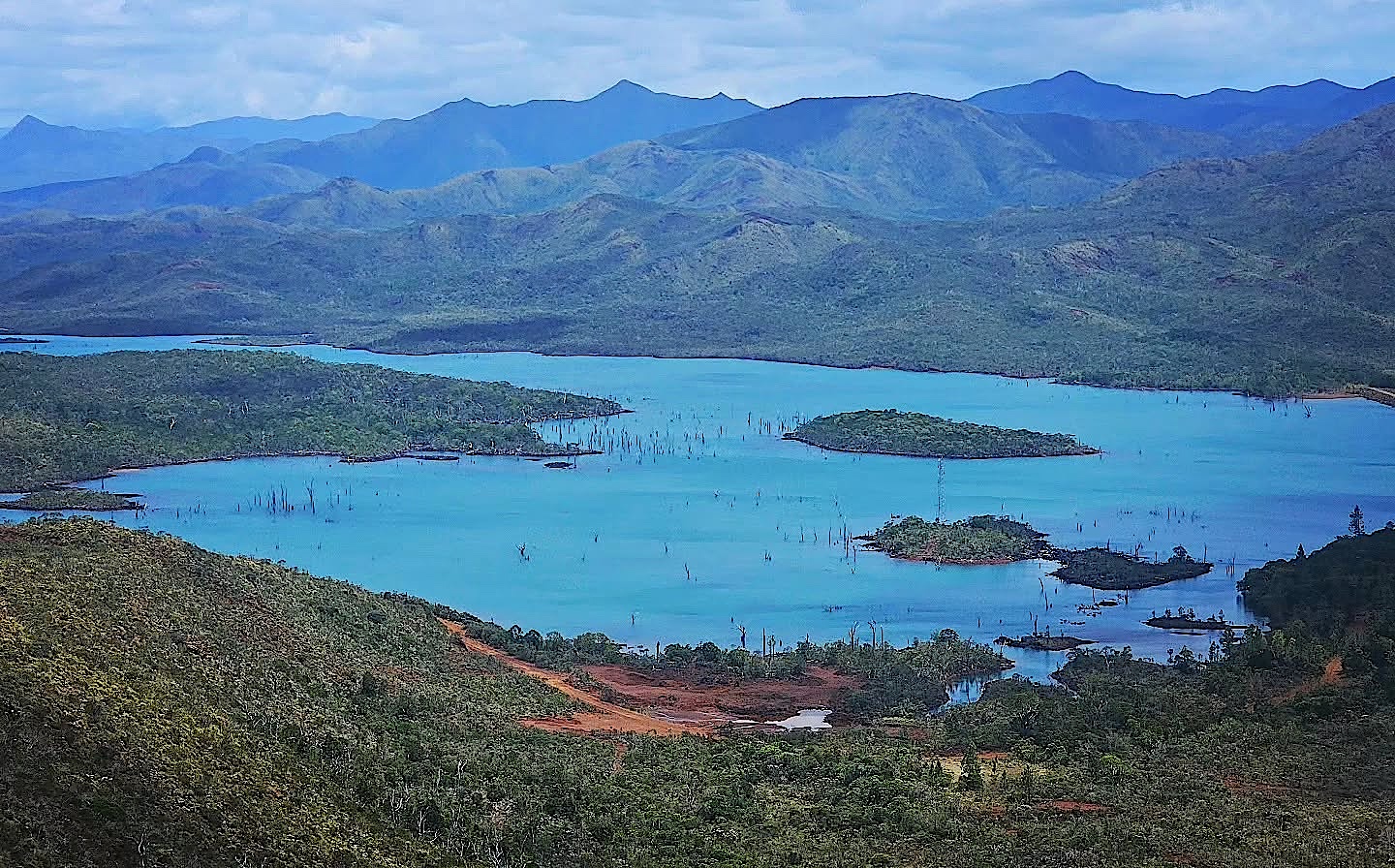
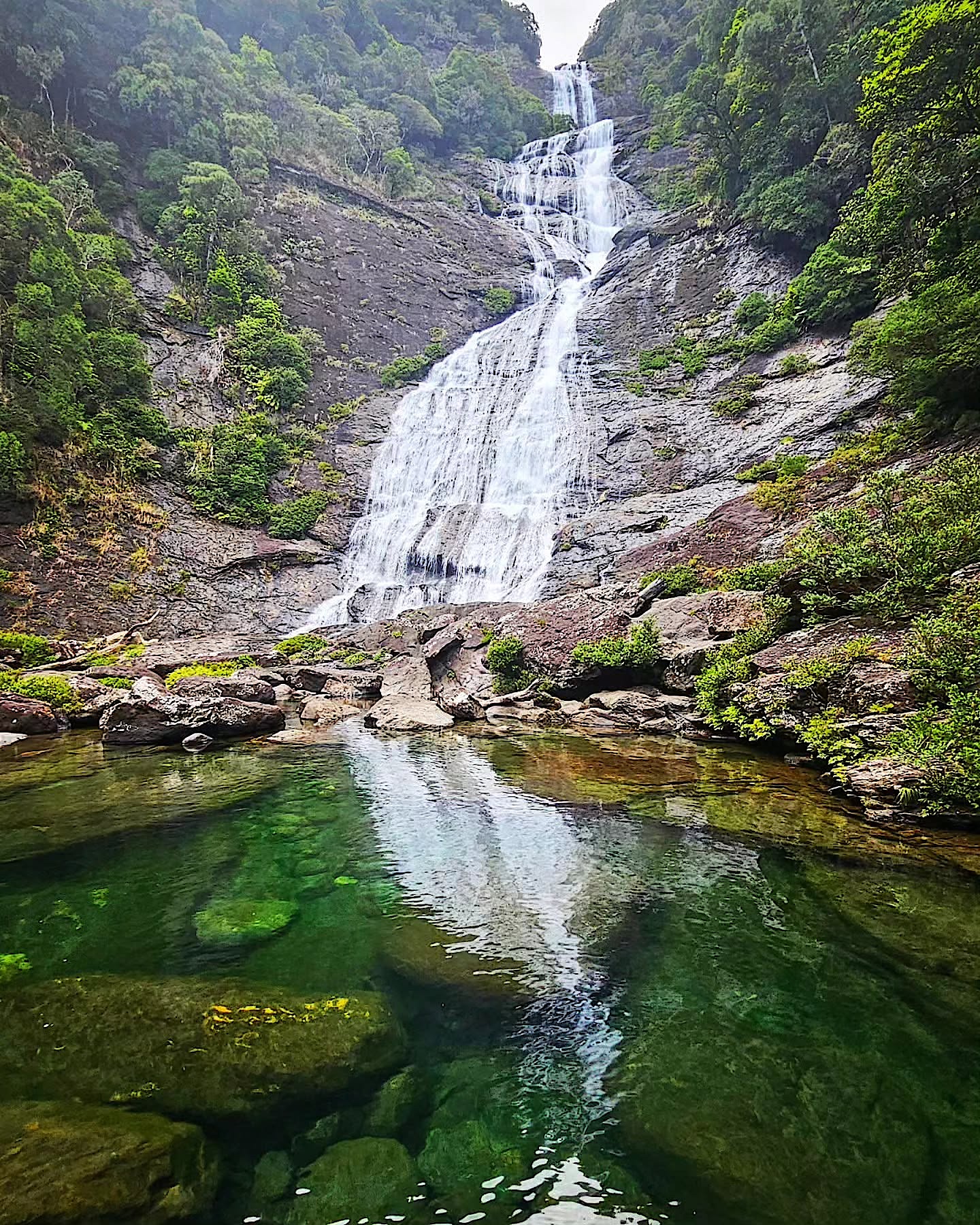
The first morning I snorkelled from the resort, then explored the stunning south: red earth, lakes, waterfalls and rainforest with giant trees. My car was an old, rusty 4WD pick-up, and driving manual again was fun. Beach holidays are boring, and luckily there is much more than beaches here.
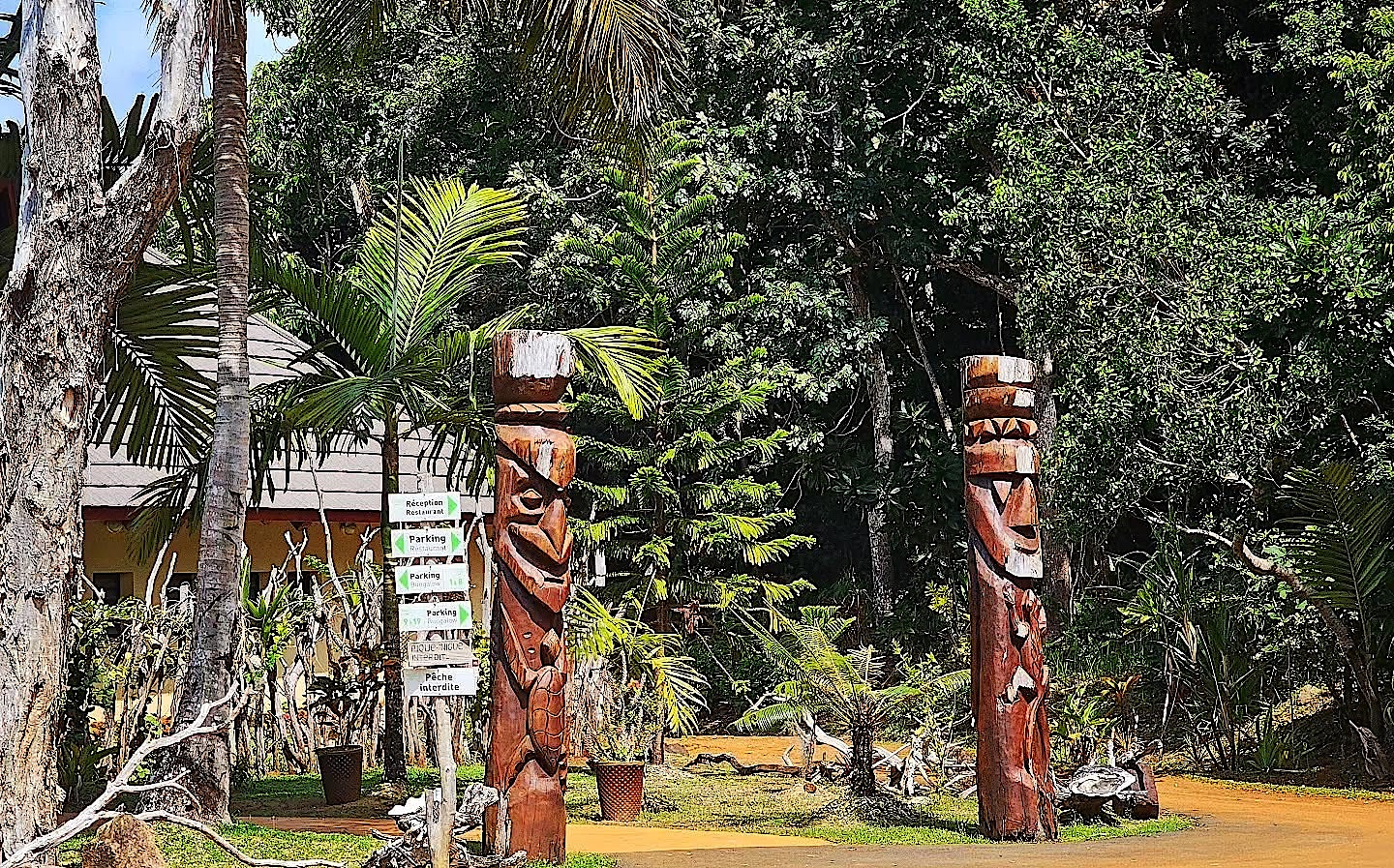
Kanak culture shows in carved wooden posts and in the tall, pointed roofs of traditional houses.
The east coast and the Heart of Voh
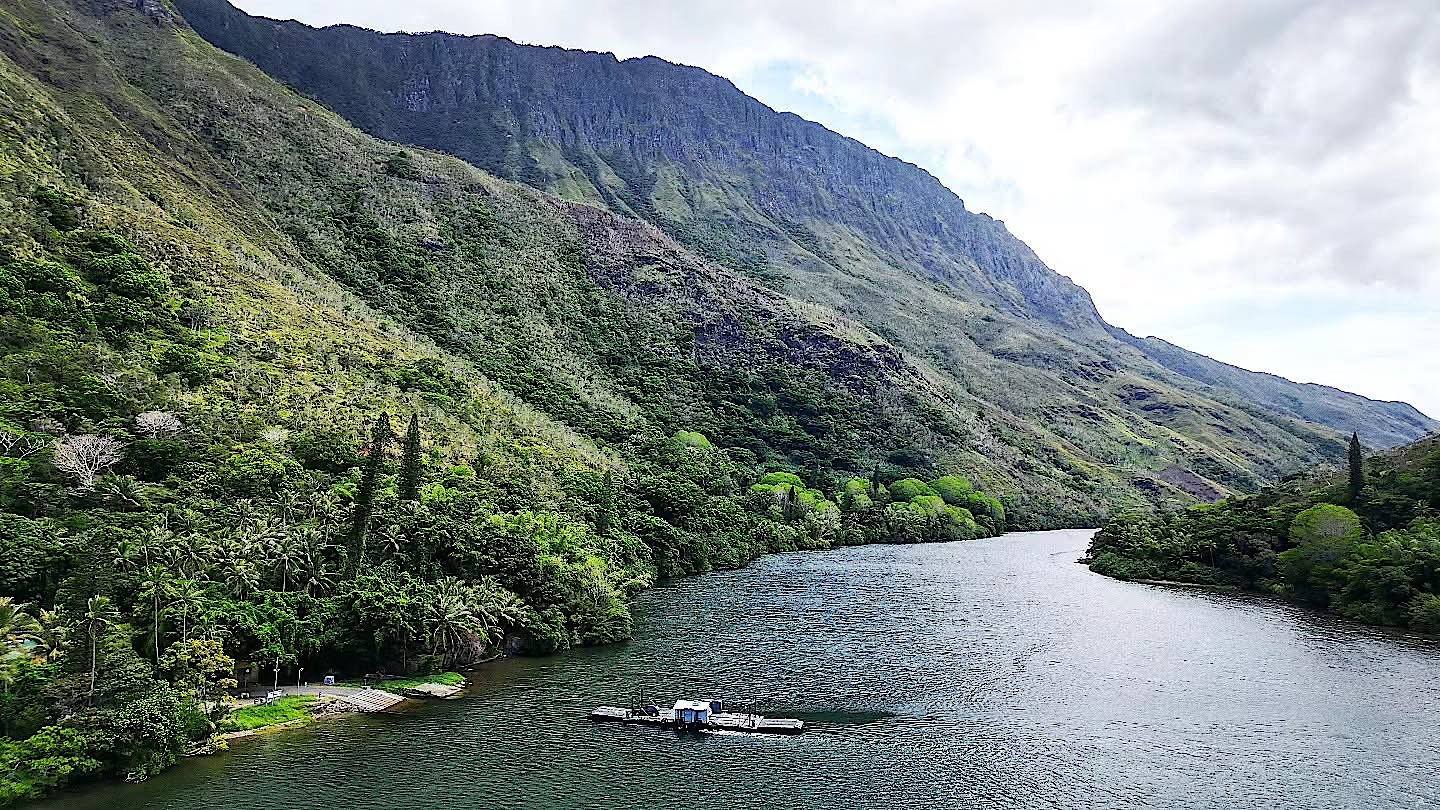
The east coast was magnificent. Steep green mountains drop straight into the sea, the coastline is cut by many river mouths, and waterfalls abound.
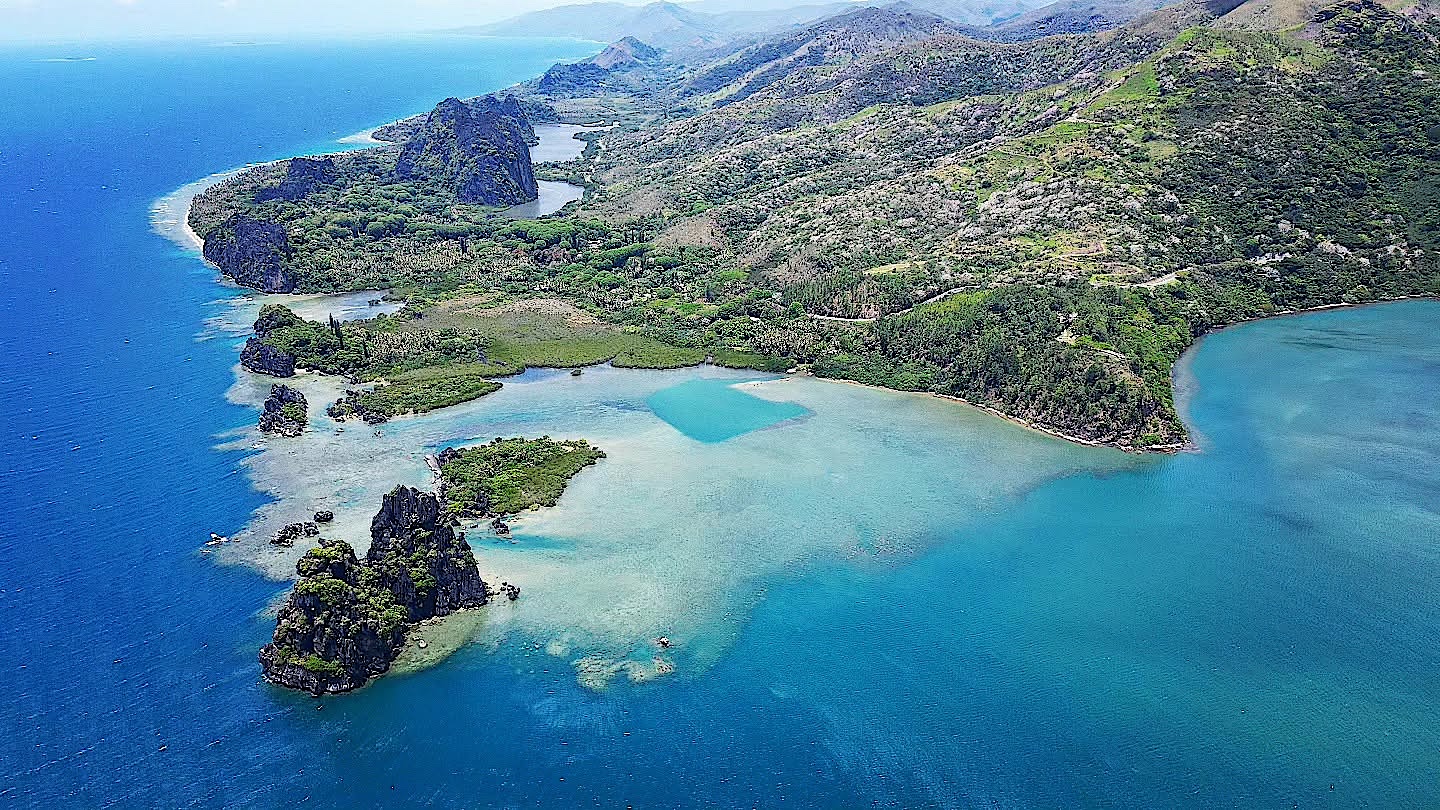
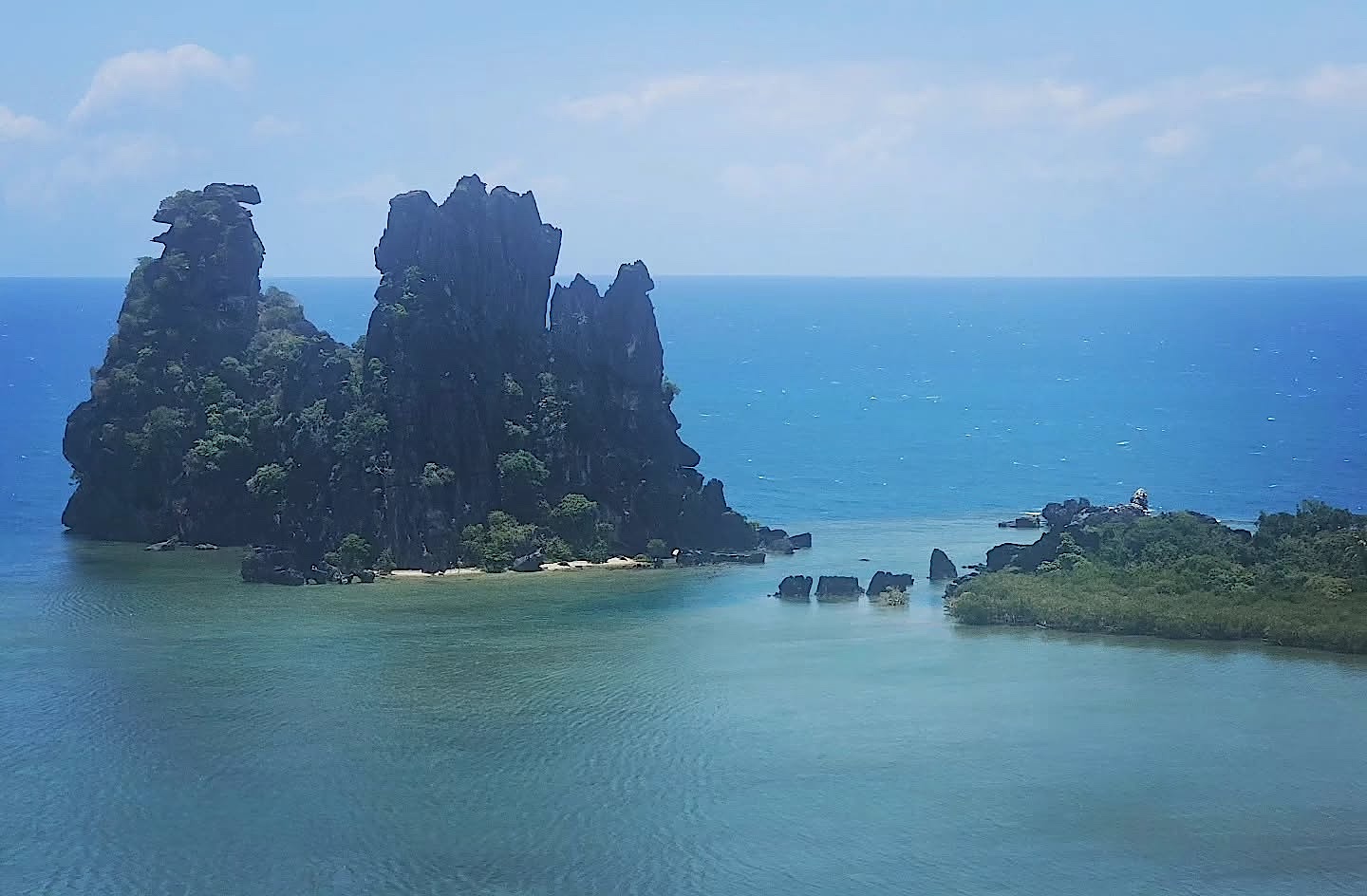
At one river the road still continues on a small car ferry, and near Hienghène black limestone towers rise out of the lagoon.
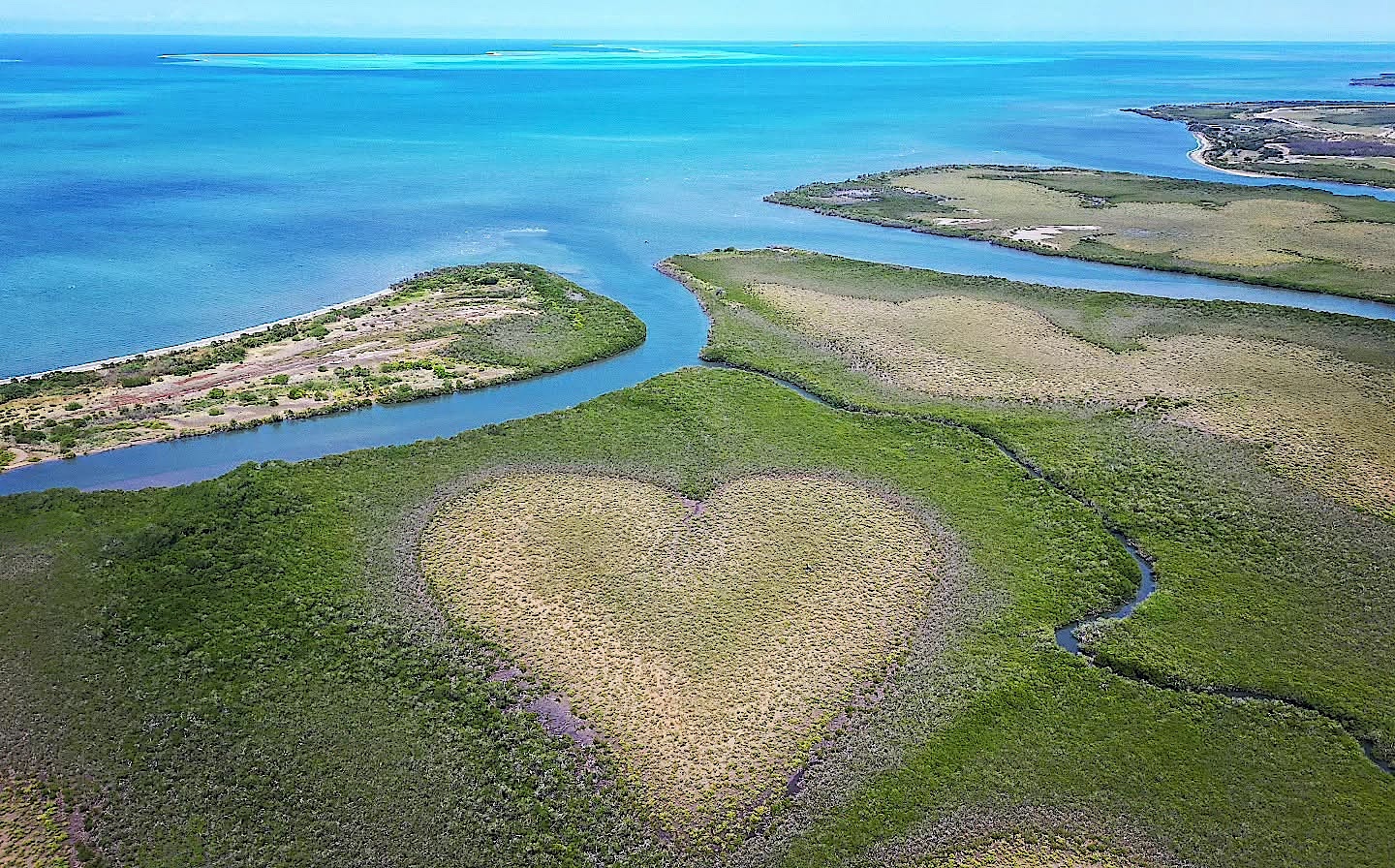
Back on the west coast I saw the island's most famous view, the Heart of Voh.
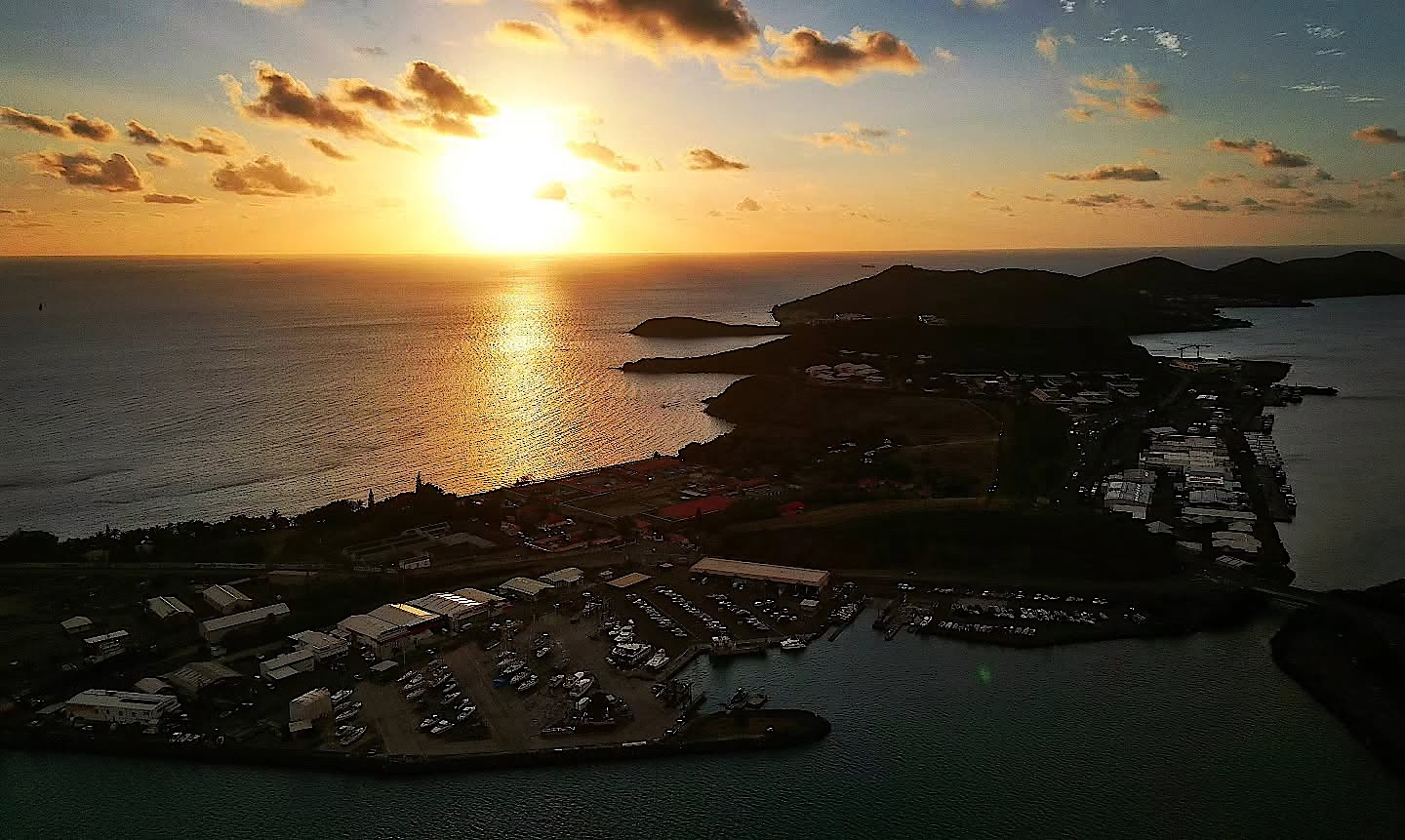
If you are looking for empty beaches, look no further. Driving all the major roads and flying the drone a lot gave me a great impression of this country, or rather territory. My last evening I spent in the capital, Nouméa.
Two nights on Wallis
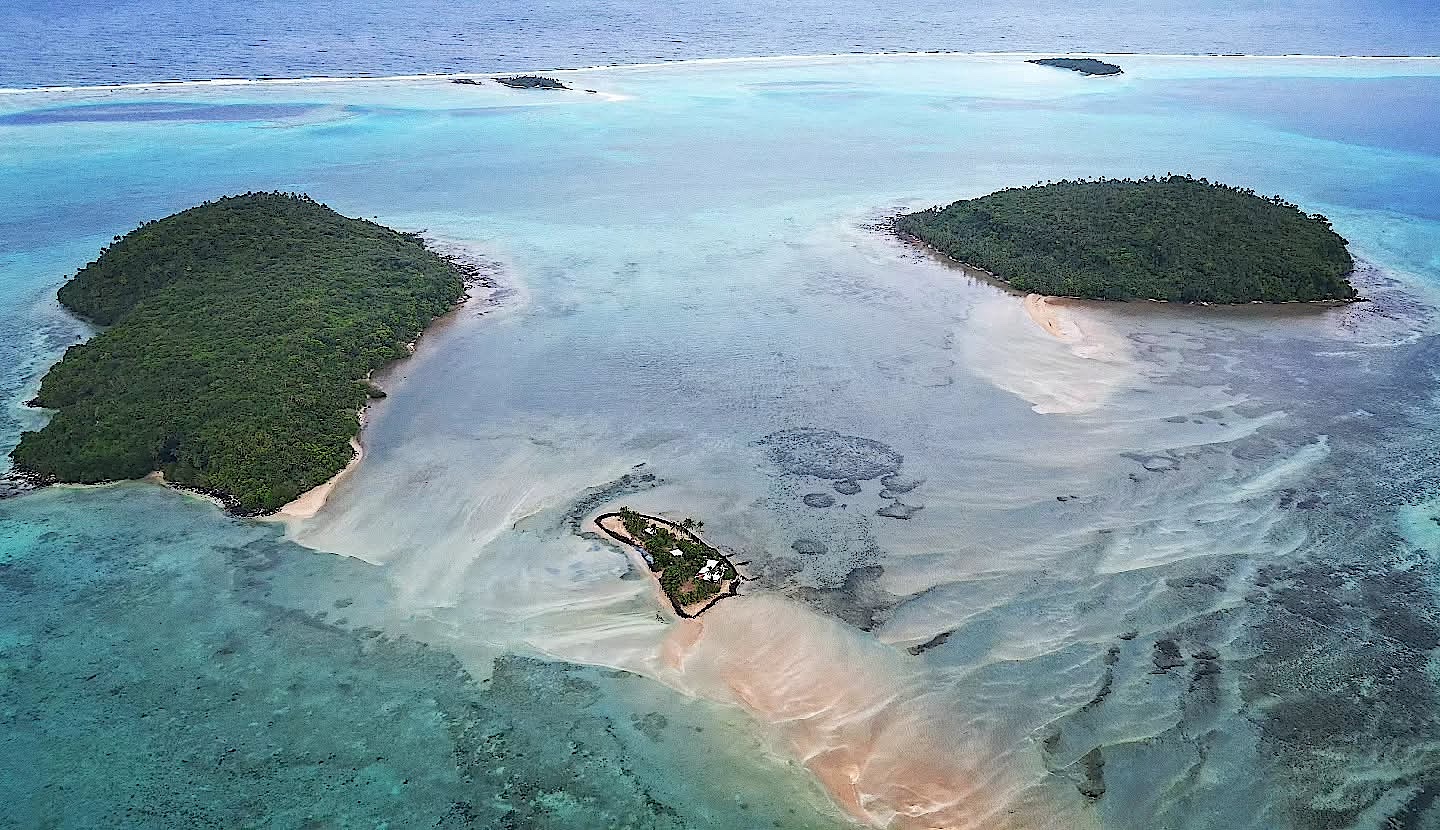
From Nouméa I backtracked north-east to Wallis, the French overseas territory farthest from mainland France. After it, only Mayotte, Réunion and Martinique remained of the French territories on my list. First impression from the drone: I would survive two nights here.
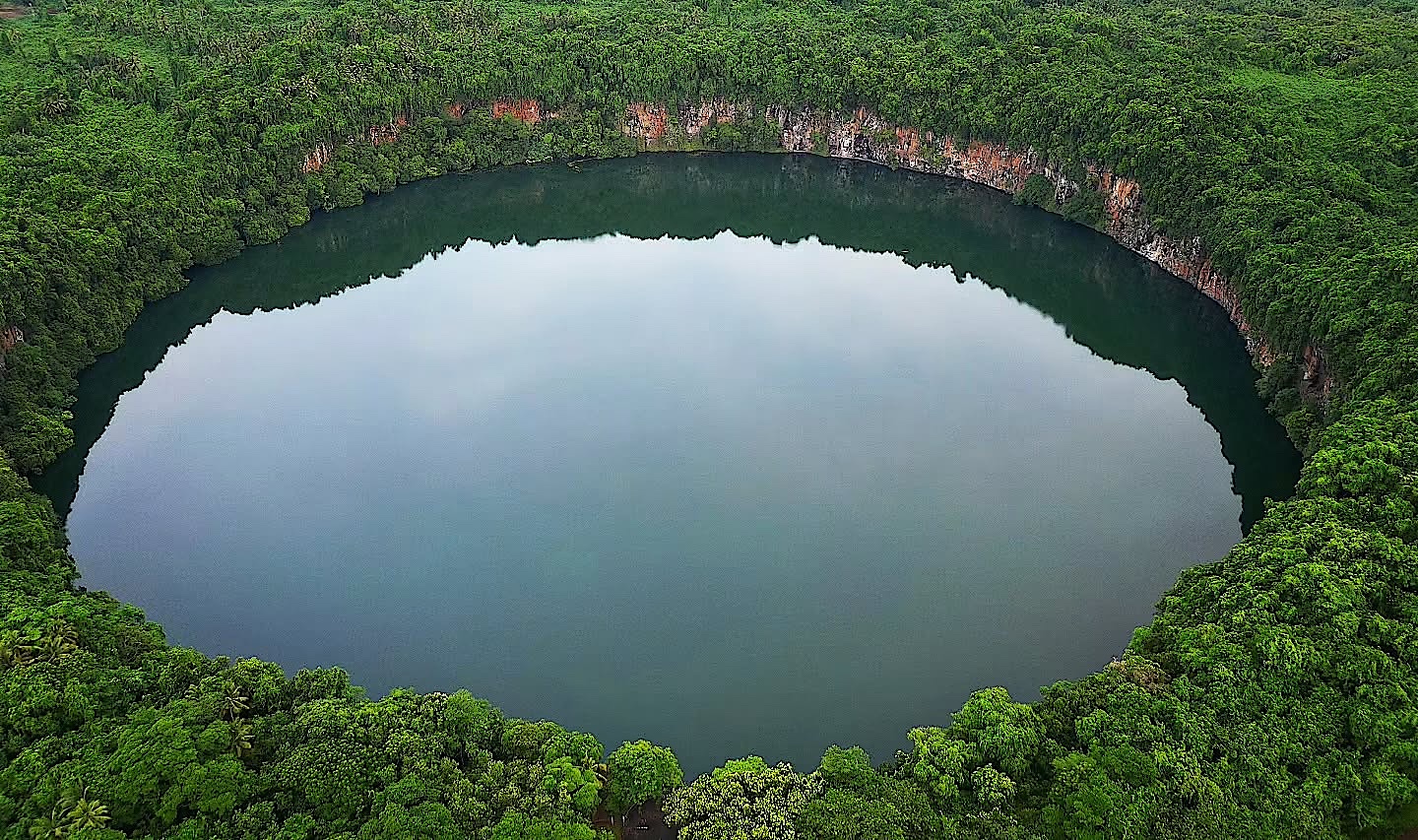
An unexpected sight was Lalolalo, an almost perfectly round crater lake with sheer walls, hidden in the forest.
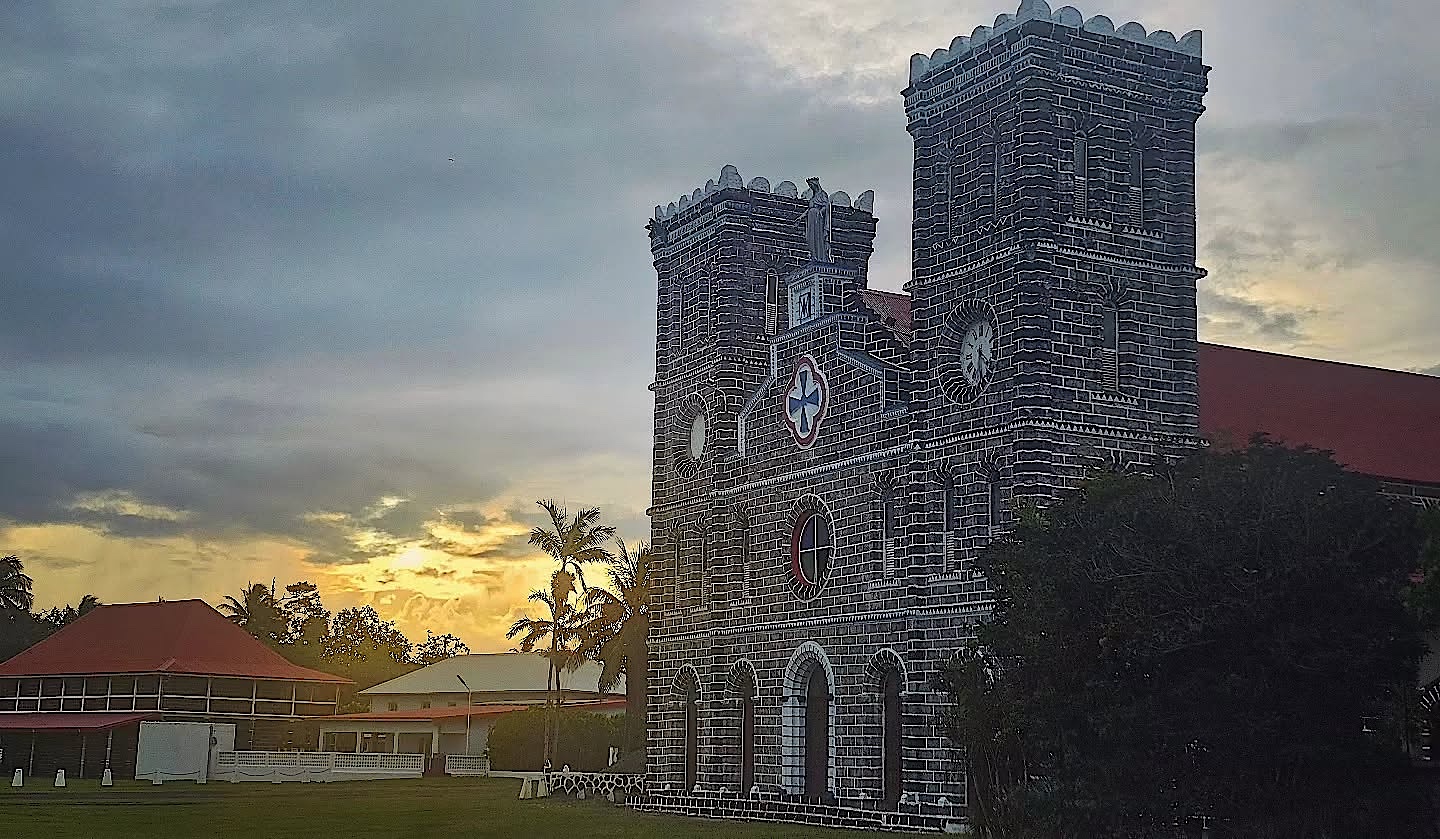
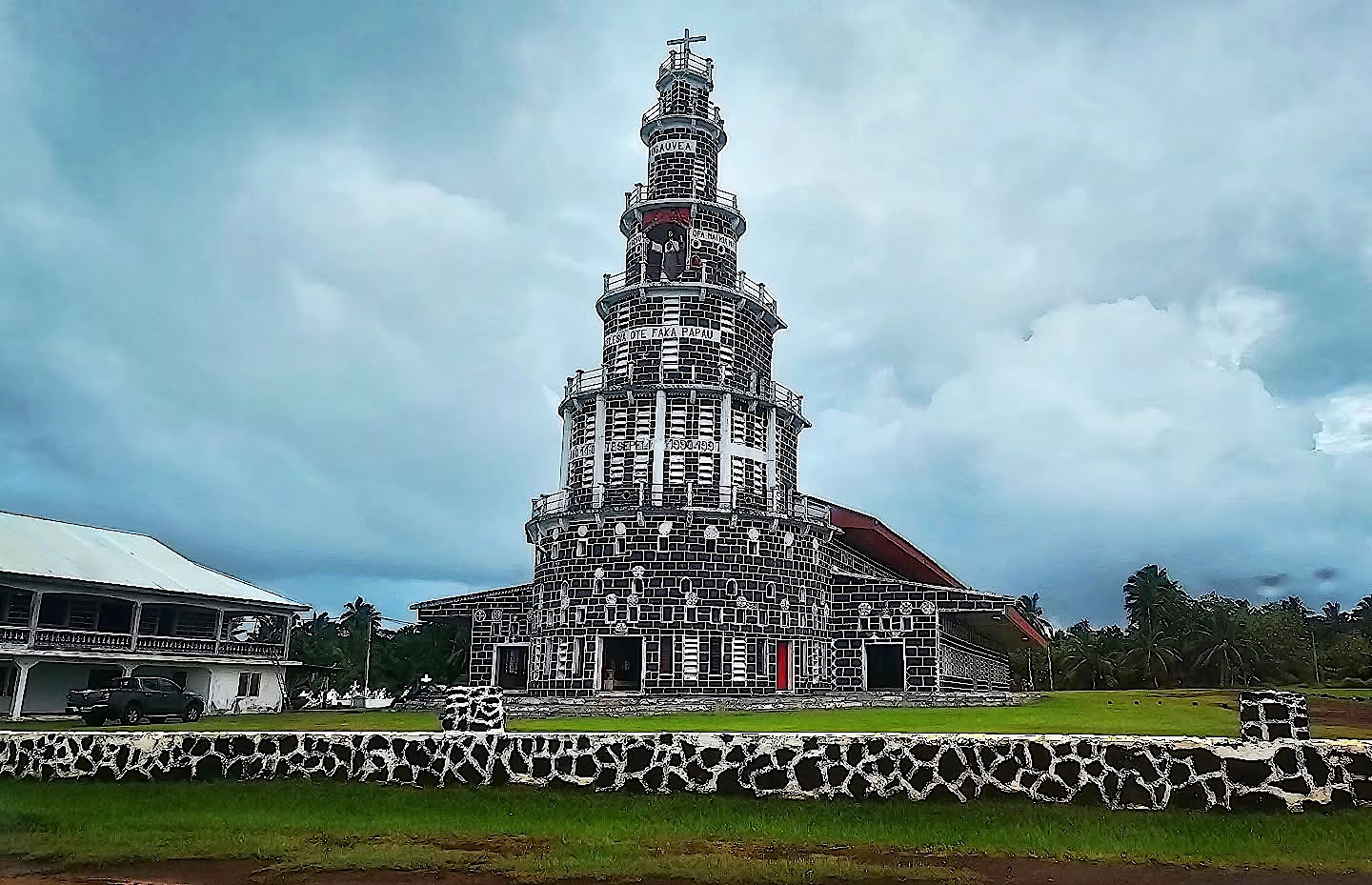
I also had the best meal in weeks; there are some good things about France having colonised remote islands. Wallis is a notorious tax haven, especially for ships: all of Ponant's cruise ships are registered in Mata-Utu, including Le Commandant Charcot, which later took me to the coast of East Antarctica. There are no income or corporate taxes either, even for French citizens, unlike in Monaco. The churches were interesting too.
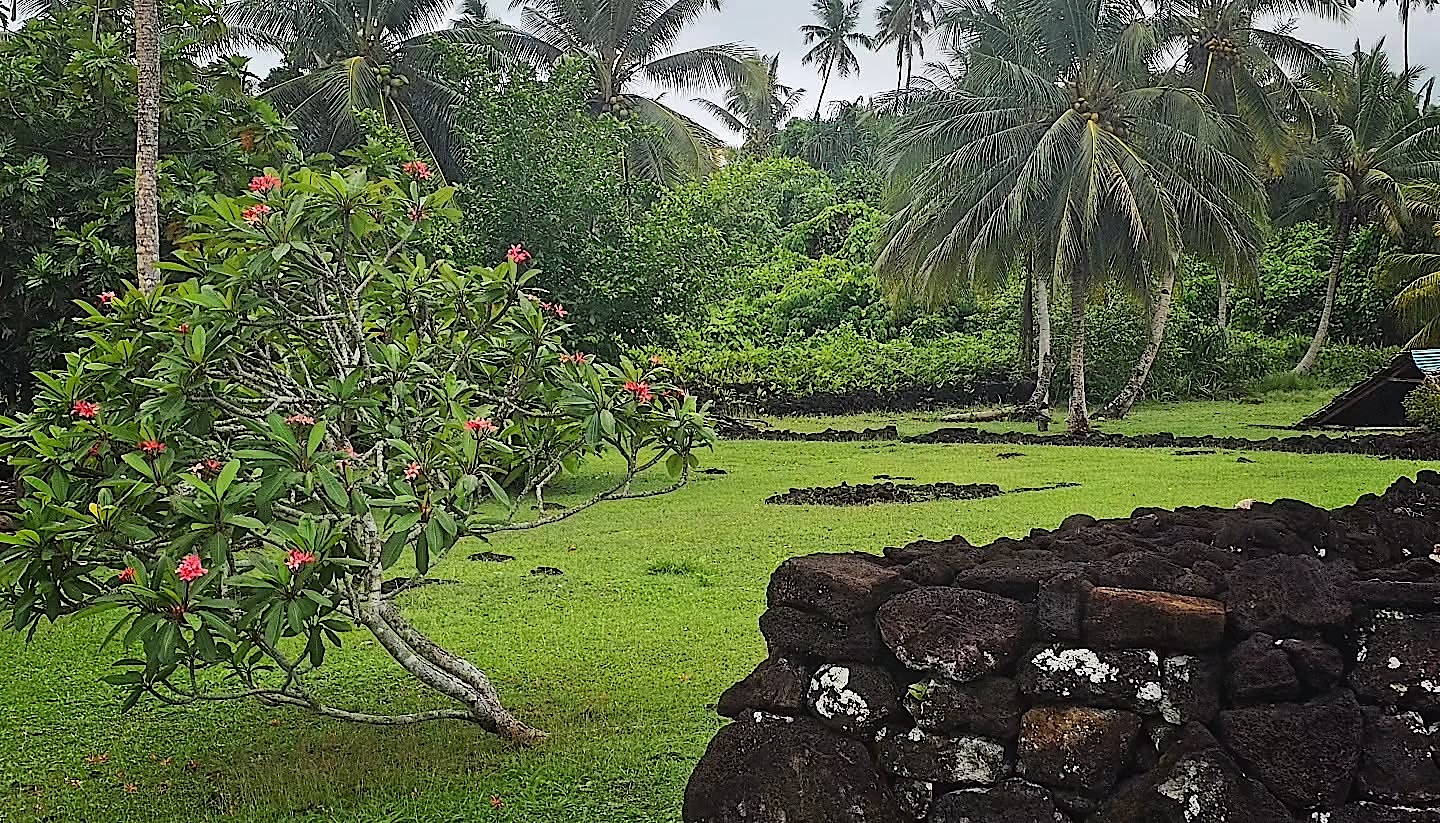
The islets in the lagoon look inviting from above, and inland red roads lead past shrines, old stone walls and frangipani trees.
Norfolk Island and the way home
After a short break with Karyna and the family in Sydney, I flew to Norfolk Island on 12 November, the last territory of the trip. It brought my count to 244 of 266 on the UN+ list and 286 of 330 on the Travelers' Century Club list.
Two days later I flew home to Dubai for some rest after weeks of solo travel, before heading to Miami and the Caribbean in early December for some sailing. In the end 2023 brought me only one new country, Turkmenistan, but ten new territories, five of them on this trip. Just two months later I was back in the region for five weeks in New Zealand and the Cook Islands.