Leopards, Lions and a Portuguese Farewell: Overland from Rajasthan to Diu
29 October – 9 November 2026 · Jaisalmer, Jodhpur, Jawai, Ranakpur, Udaipur, Ahmedabad, Gir National Park, Diu · Regions: India (Rajasthan, Gujarat, Diu)
From the Himalayas straight into the Thar Desert: after Nepal, Everest and Upper Mustang I flew from Kathmandu to Jaisalmer for ten more days in India. I had already seen the south, the islands and the far north of the country in early 2025 (Chennai, Pondicherry and the Andaman Islands and Lakshadweep, Goa, Kashmir and Amritsar). This time the plan was the west: overland from western Rajasthan through Gujarat to the former Portuguese territory of Diu, with one driver for the whole route. There were golden forts, a blue city and marble temples along the way, but the real stars turned out to be the big cats.
From the mountains to the golden city
The contrast could hardly have been bigger. One day I was looking at snow peaks, the next at the dry, golden scrub of western Rajasthan.
Travelling through India can be intense, so I chose my bases carefully. No other country does boutique and palace hotels quite like India: royal architecture, tranquillity and excellent service at a fraction of Western prices.
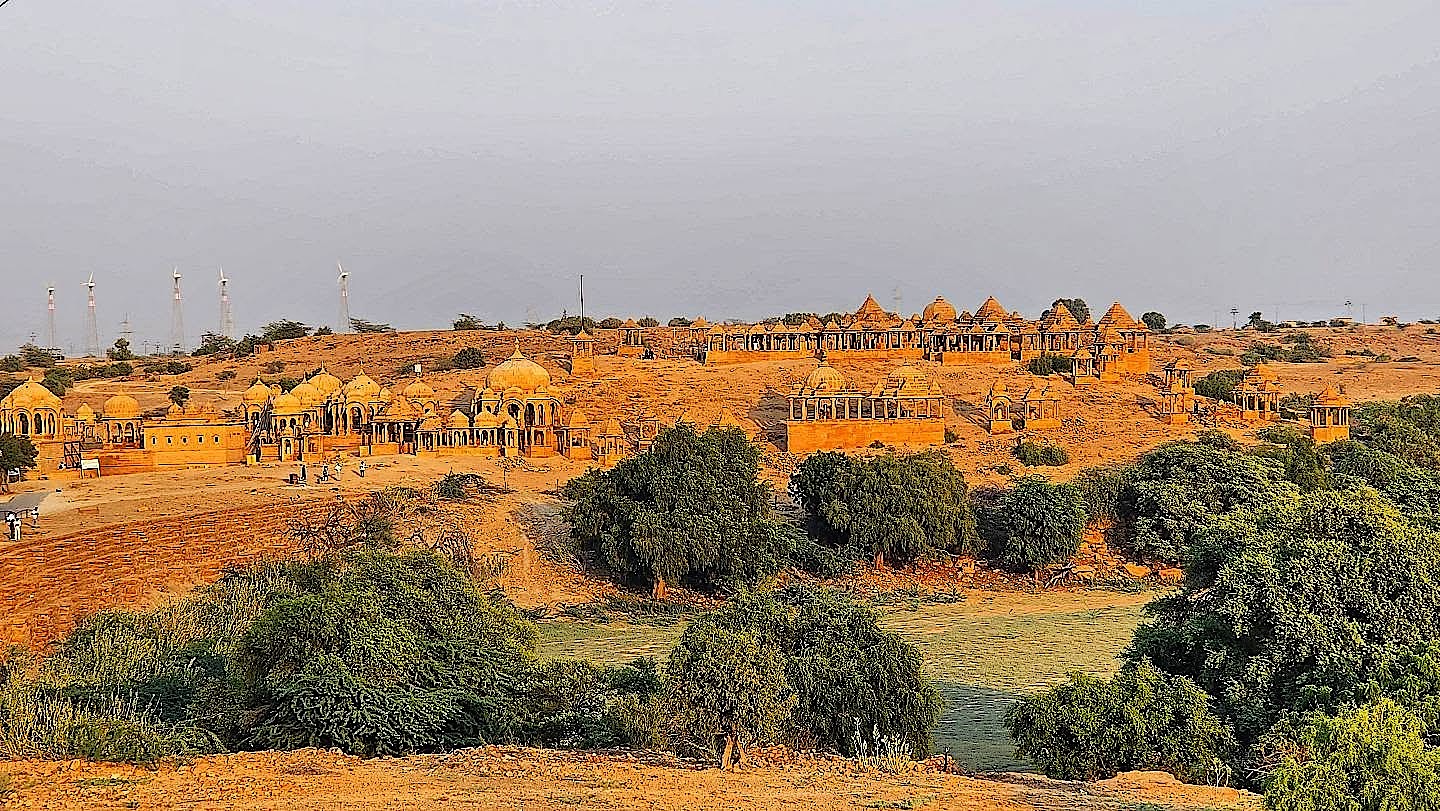
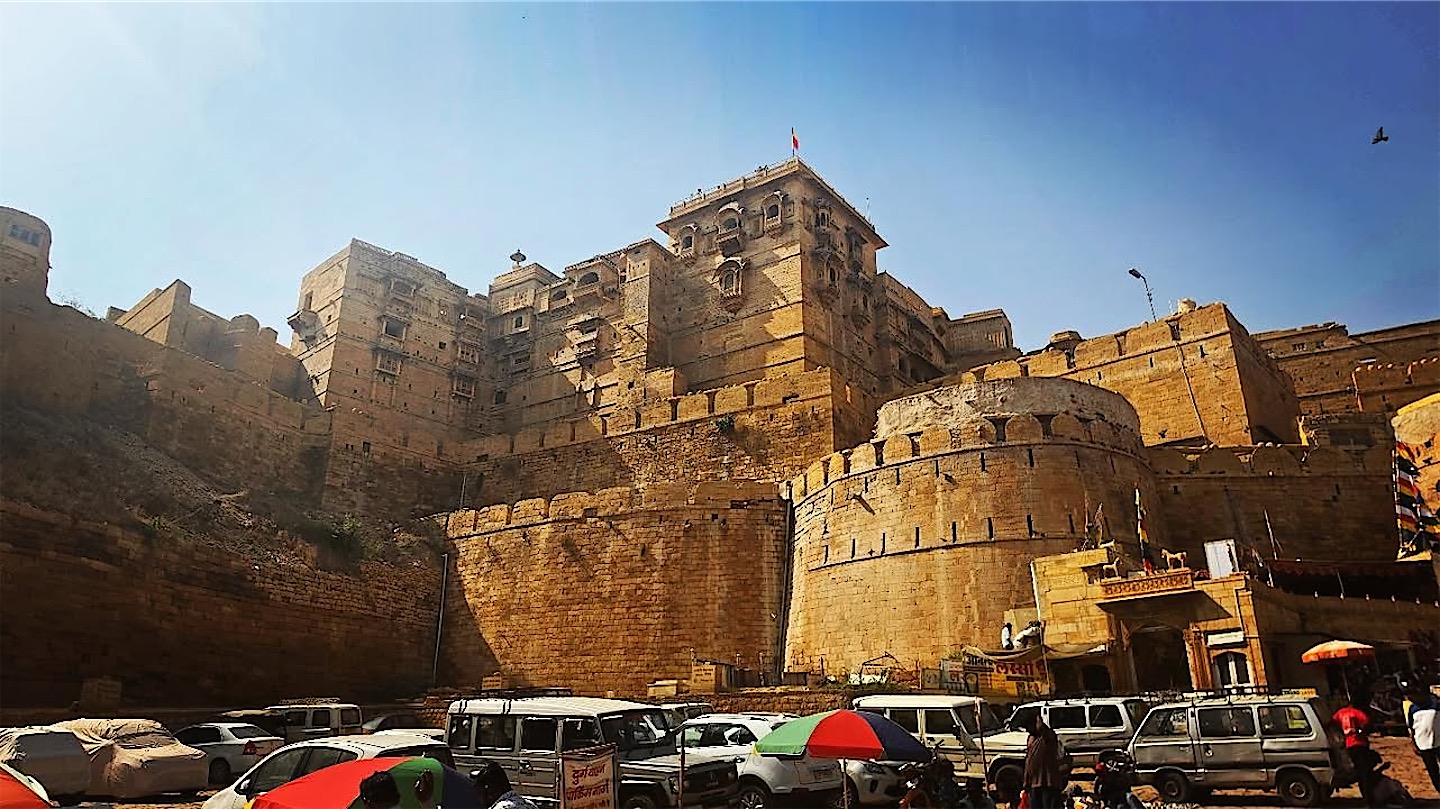
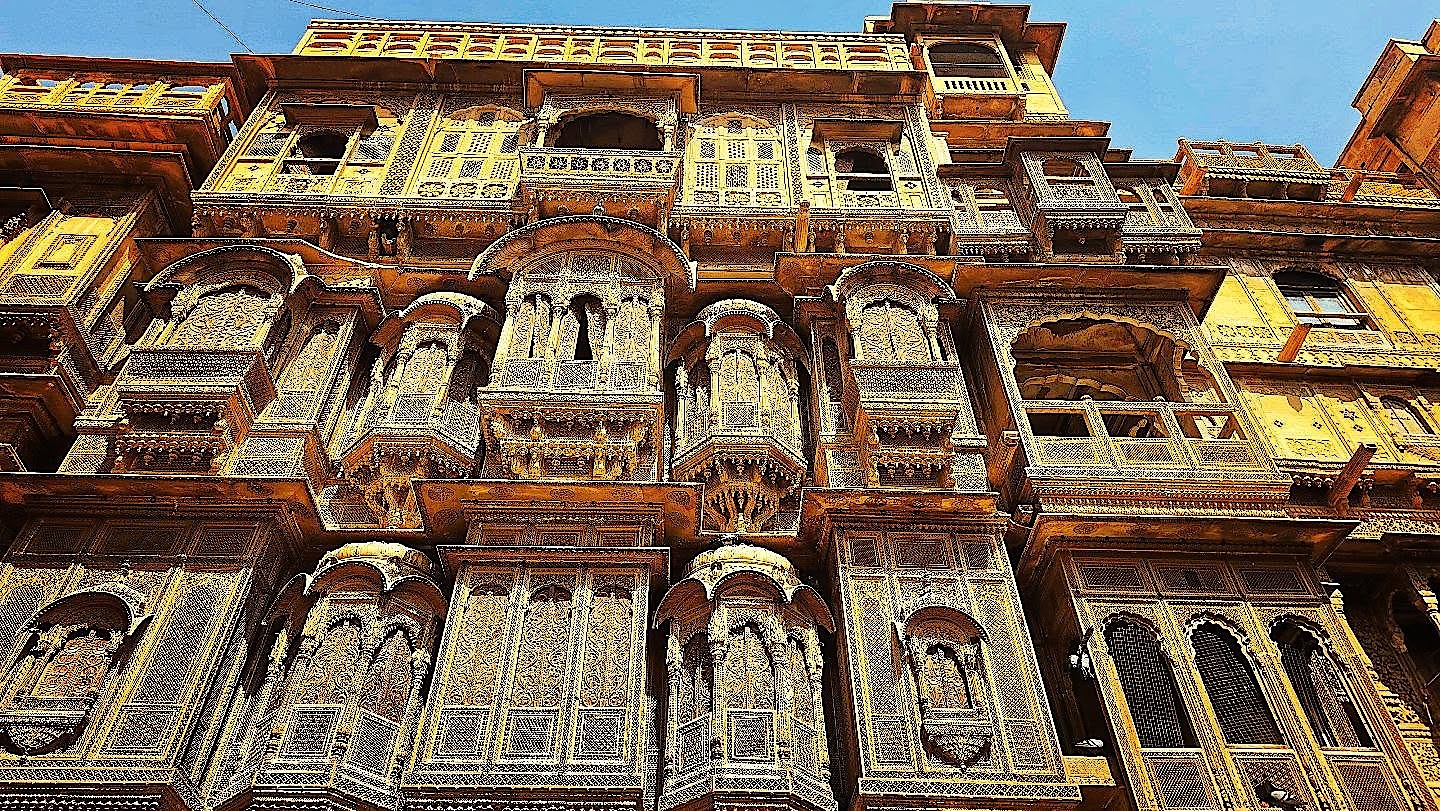
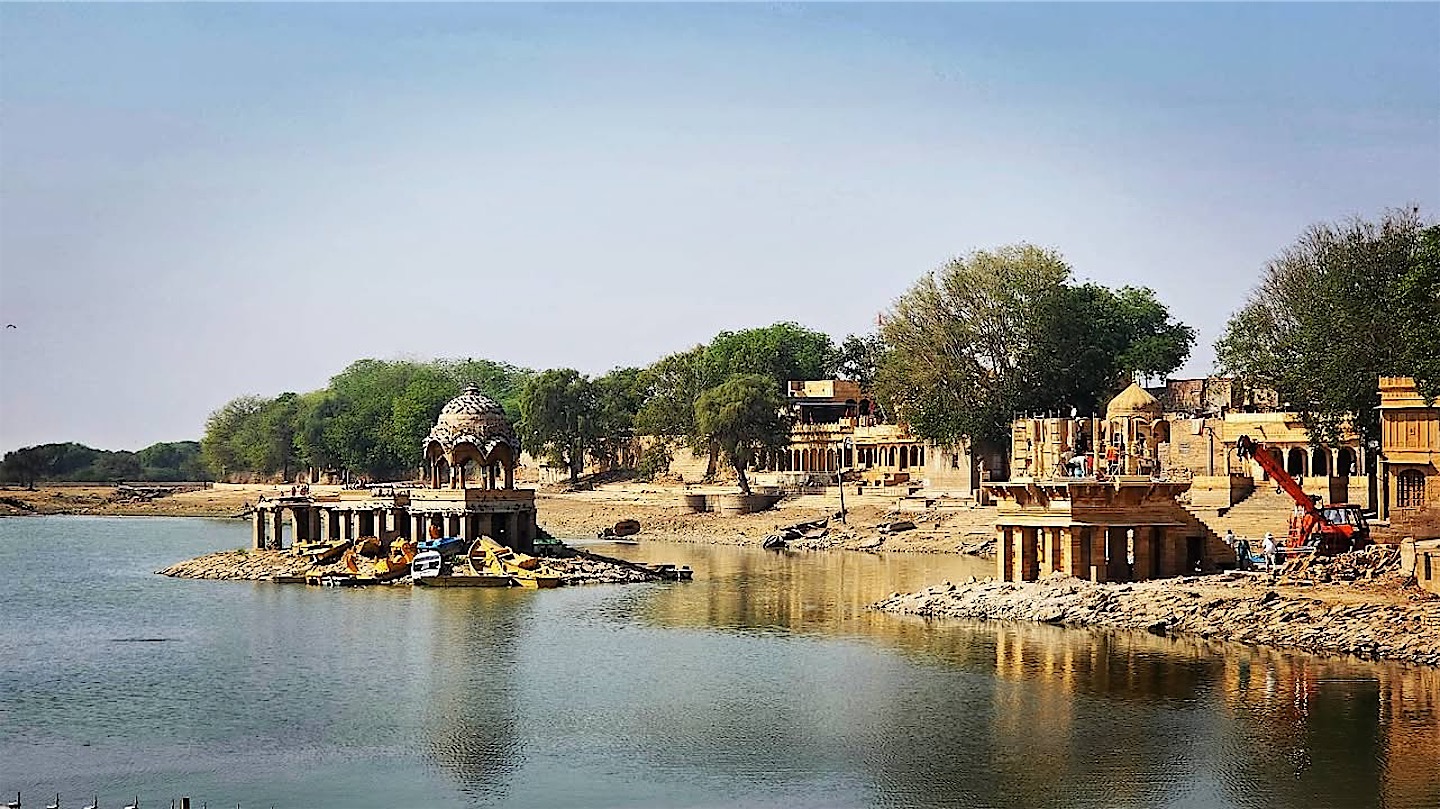
Jaisalmer rises out of the desert like a giant sandcastle. Its fort, built from the same yellow stone as almost everything else in town, sits on a ridge above the old city, and unlike most forts in India it is still very much alive, with shops, guesthouses, homes and temples in the lanes inside the walls.
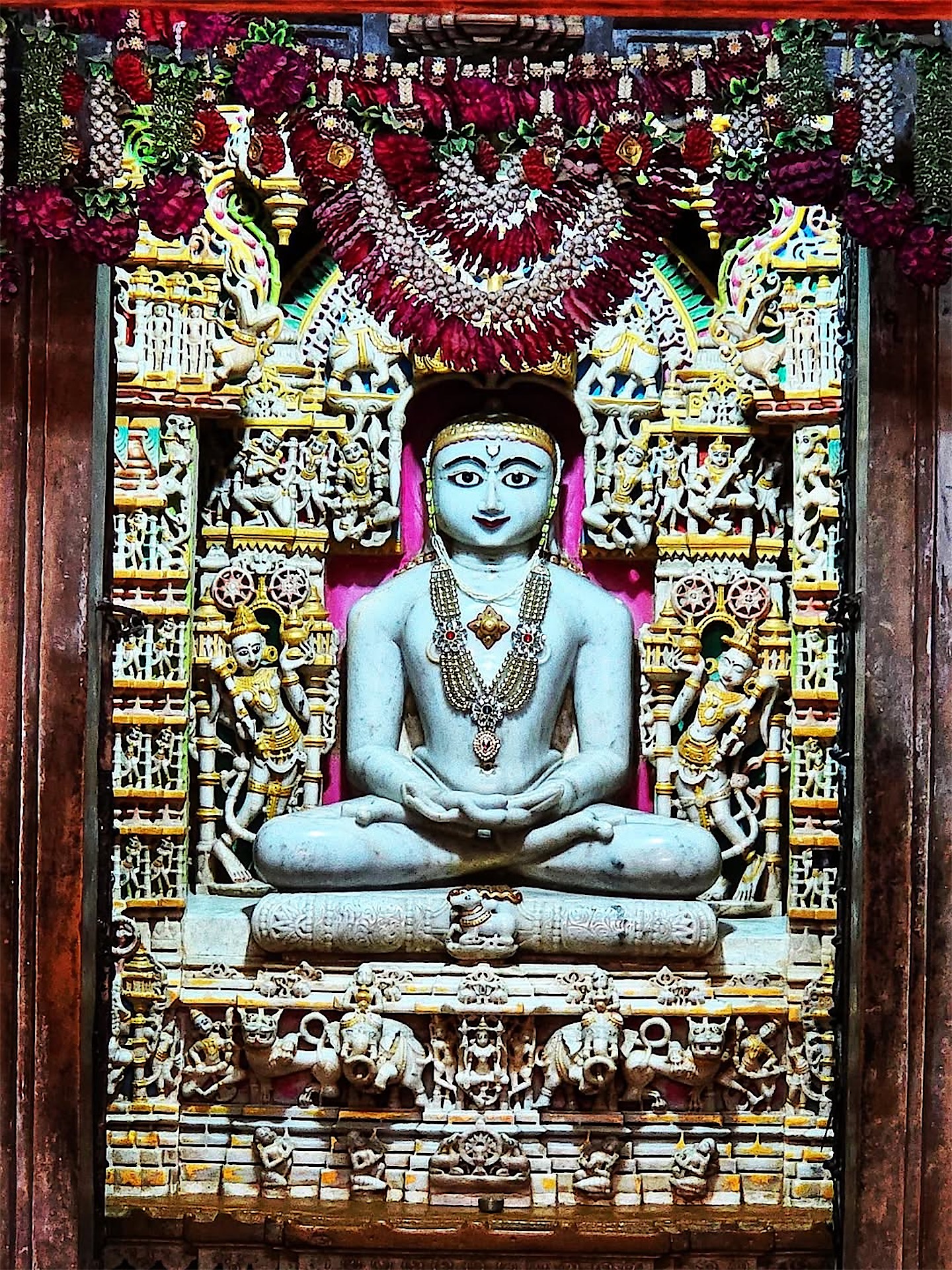
Below the fort, merchant families built havelis, townhouses whose façades are carved so finely that the sandstone looks like lace. Even more fascinating to me were the Jain temples. At first glance the seated figures look like Buddhas, but this is not Buddhism. The Jain saints sit with their eyes wide open, and that idea stayed with me: a religion of open eyes, of actually seeing the world as it is.
Jodhpur, the Blue City
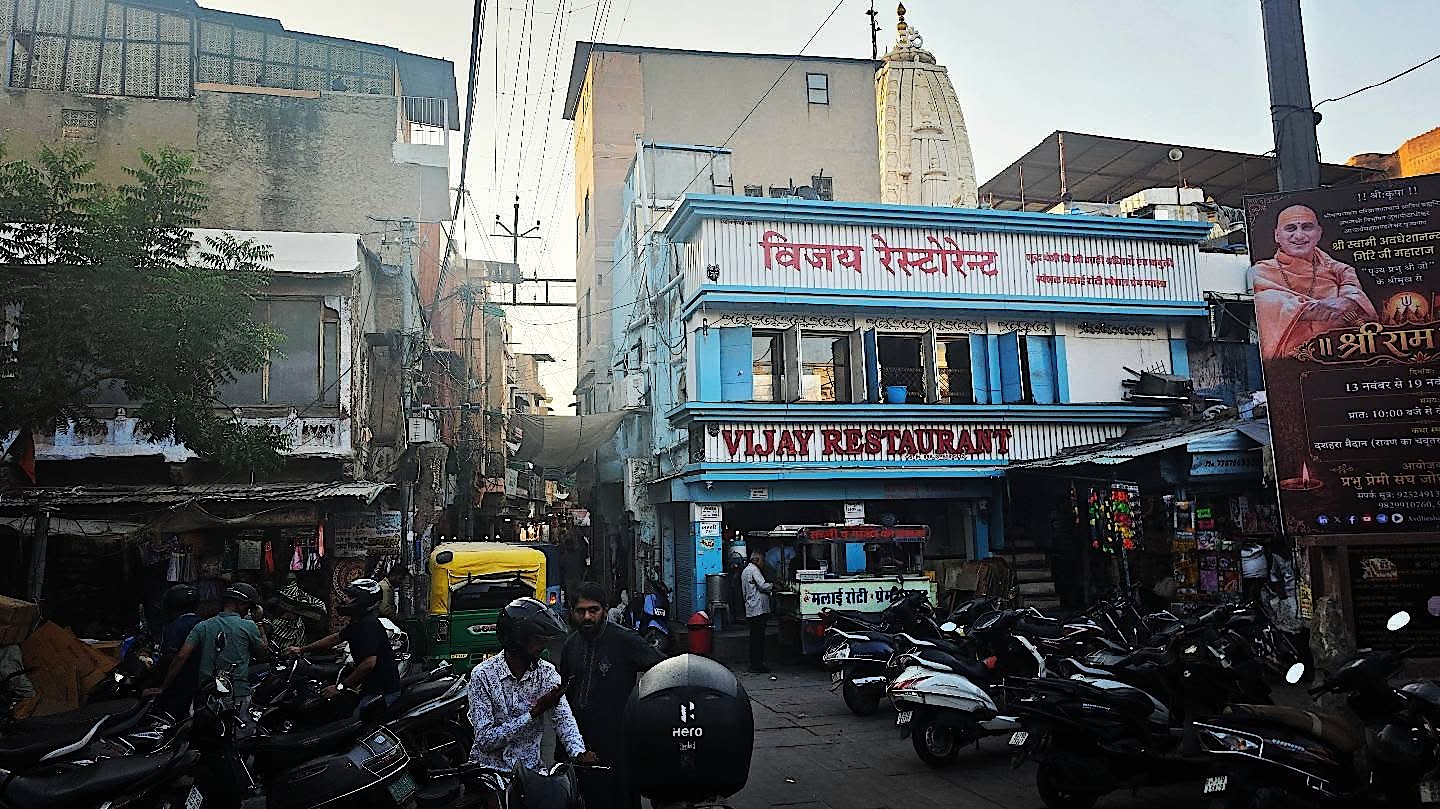
Jodhpur was a lot crazier: a chaotic city of auto-rickshaws, motorbikes and market stalls, and a real street food haven, where I happily got stuffed with spicy carbs. The reward for the chaos is a beautiful fort and some of the best views in Rajasthan.
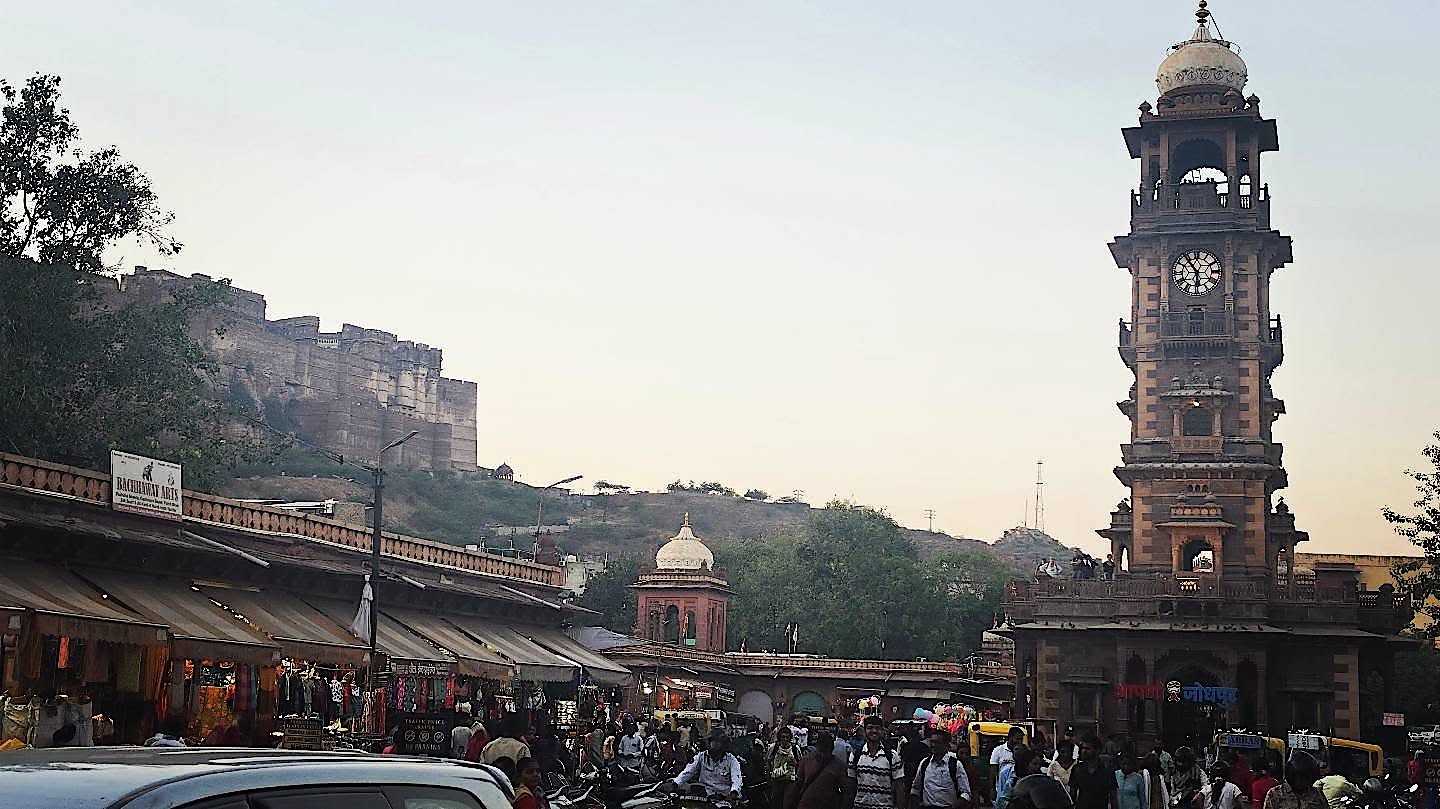
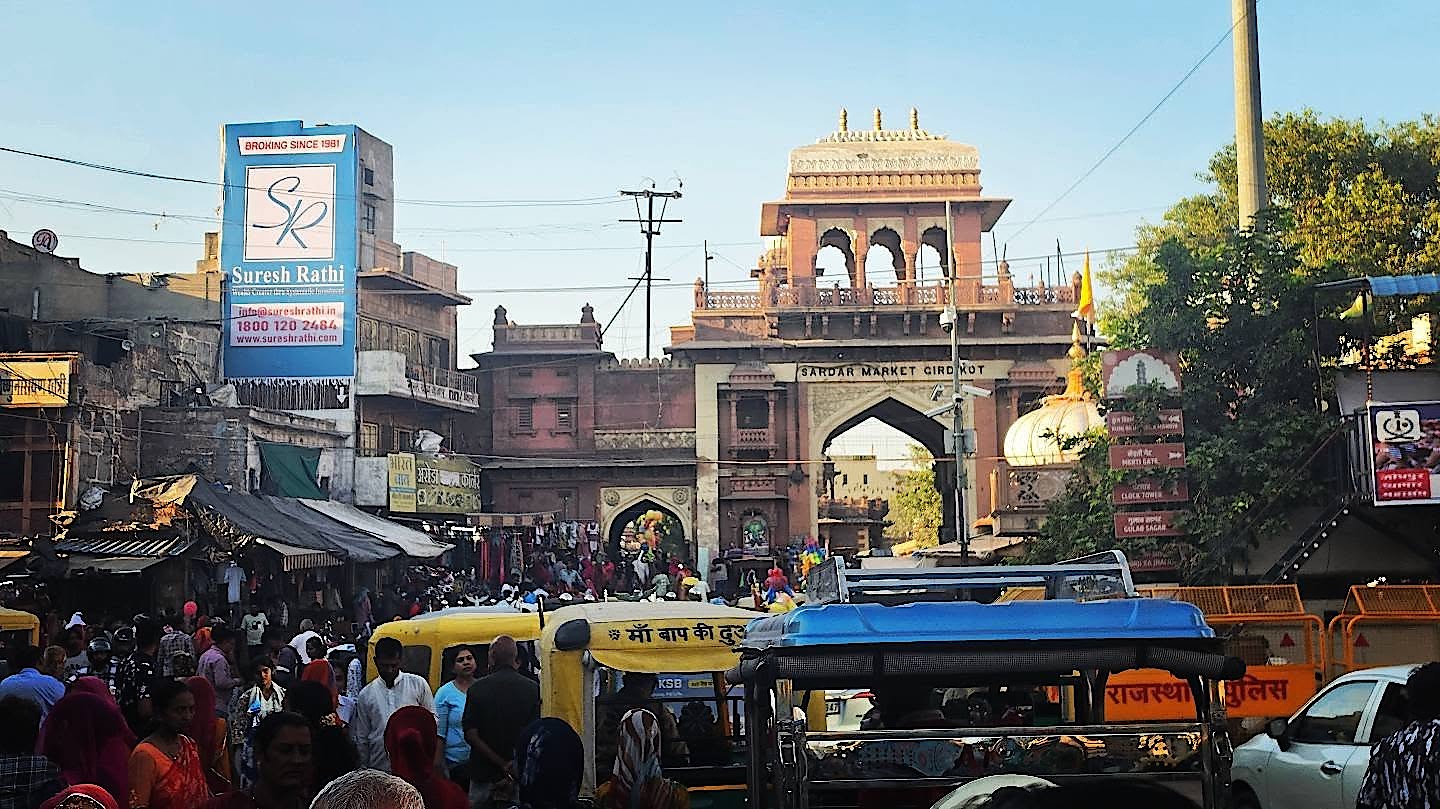
The heart of the old town is Sardar Market around the Ghanta Ghar, the clock tower. Both were built by Maharaja Sardar Singh, who ruled Jodhpur from 1880 to 1911, and the bazaar still carries his name. Arched gateways lead into it from the surrounding lanes, and in between rickshaws, scooters and shoppers all try to squeeze through at the same time.
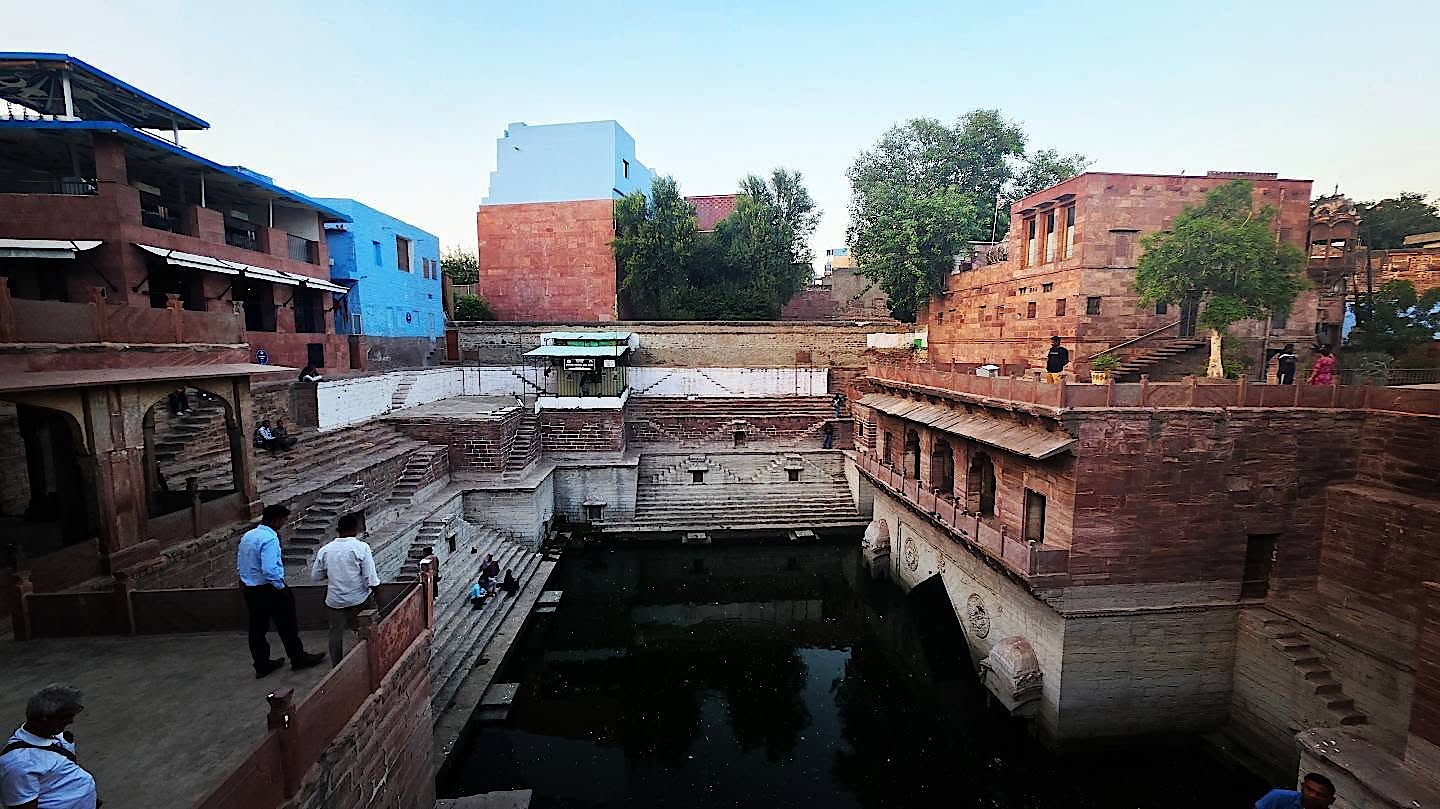
Only a short walk away lies a much quieter corner: Toorji ka Jhalra, a stepwell of red sandstone whose staircases zigzag down to the water between the houses.
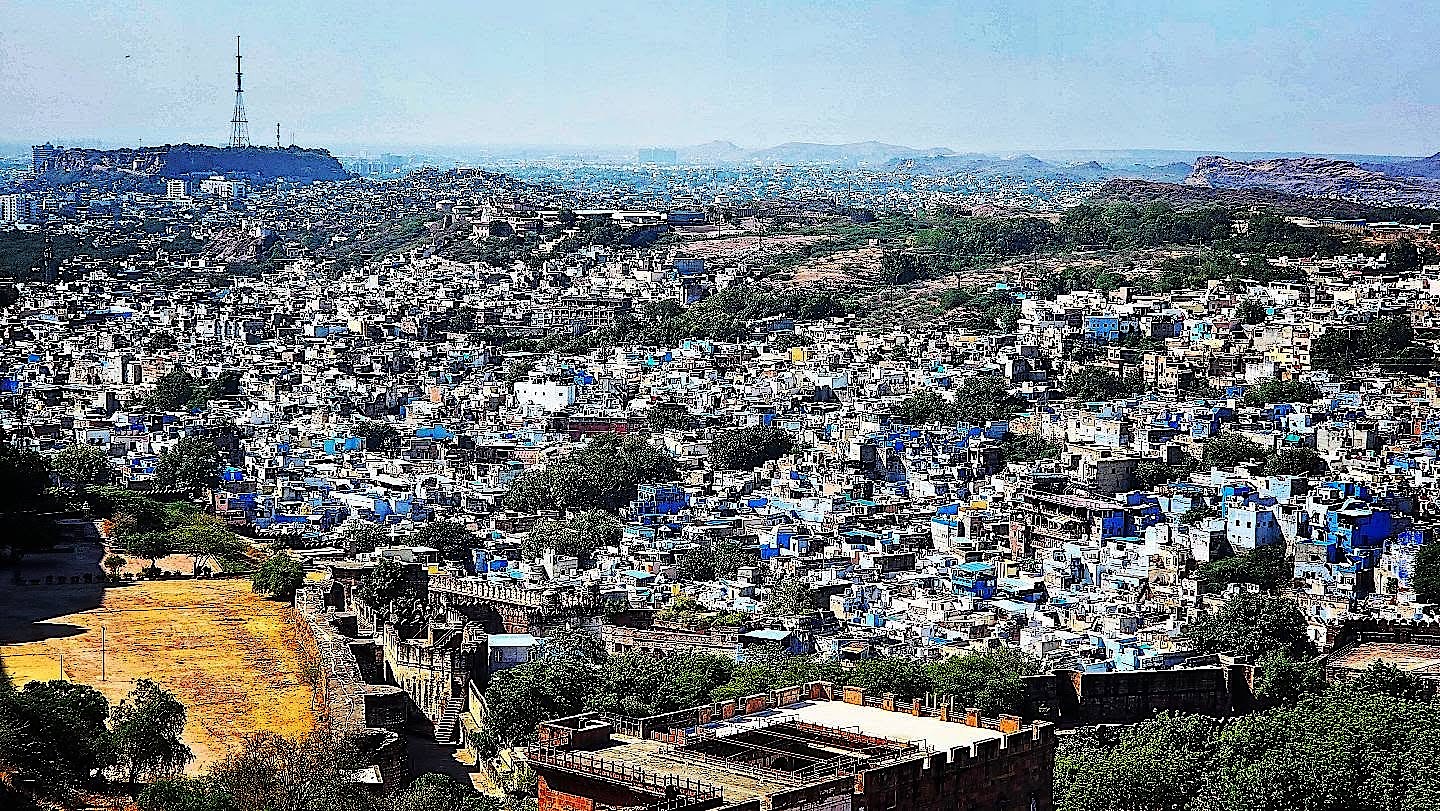
From the heights you see where the city's nickname comes from: the old town is a sea of blue houses. The most common explanation is that blue first marked the homes of Brahmins, the priestly caste, before others copied it; some say the colour also keeps houses cool and insects away.
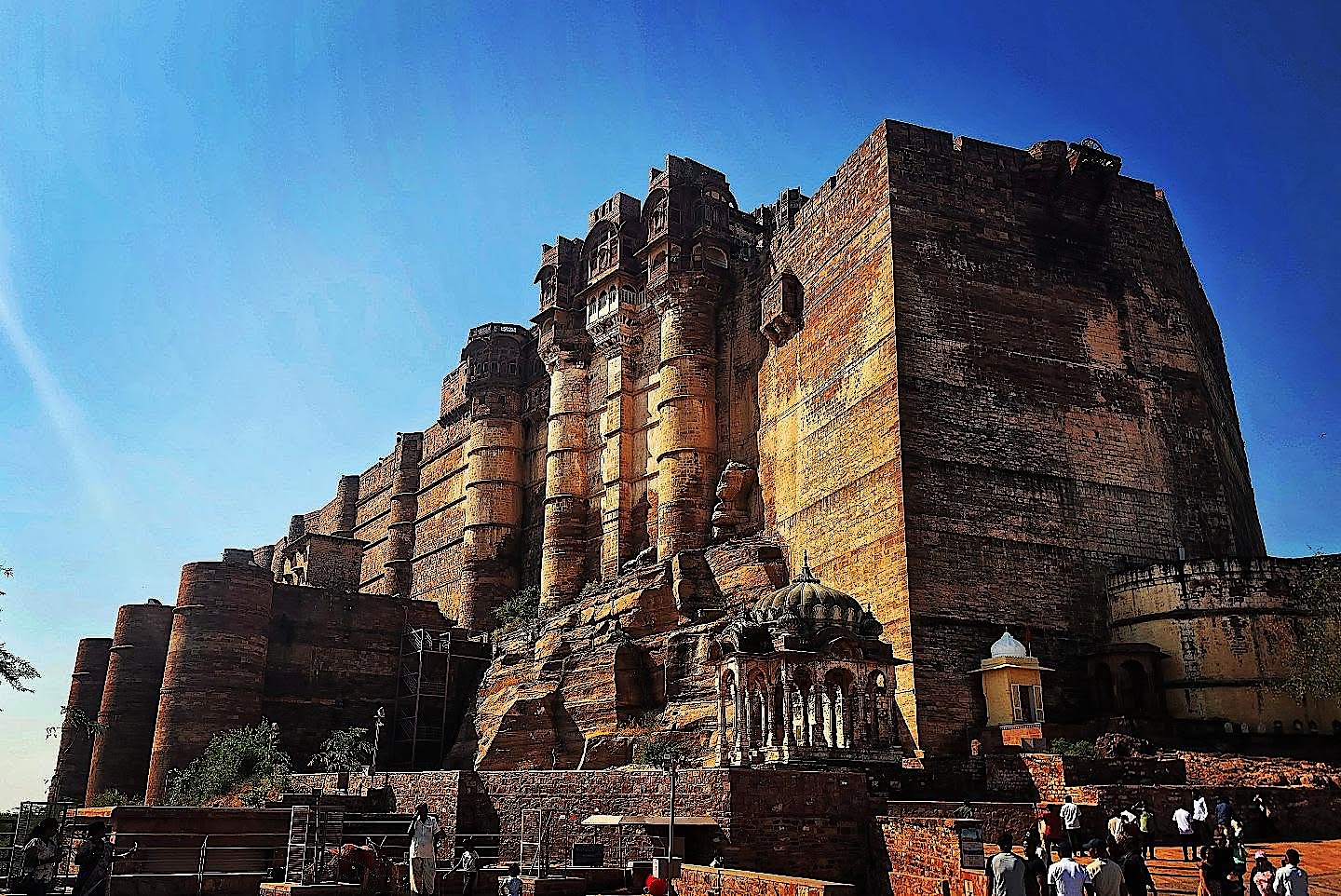
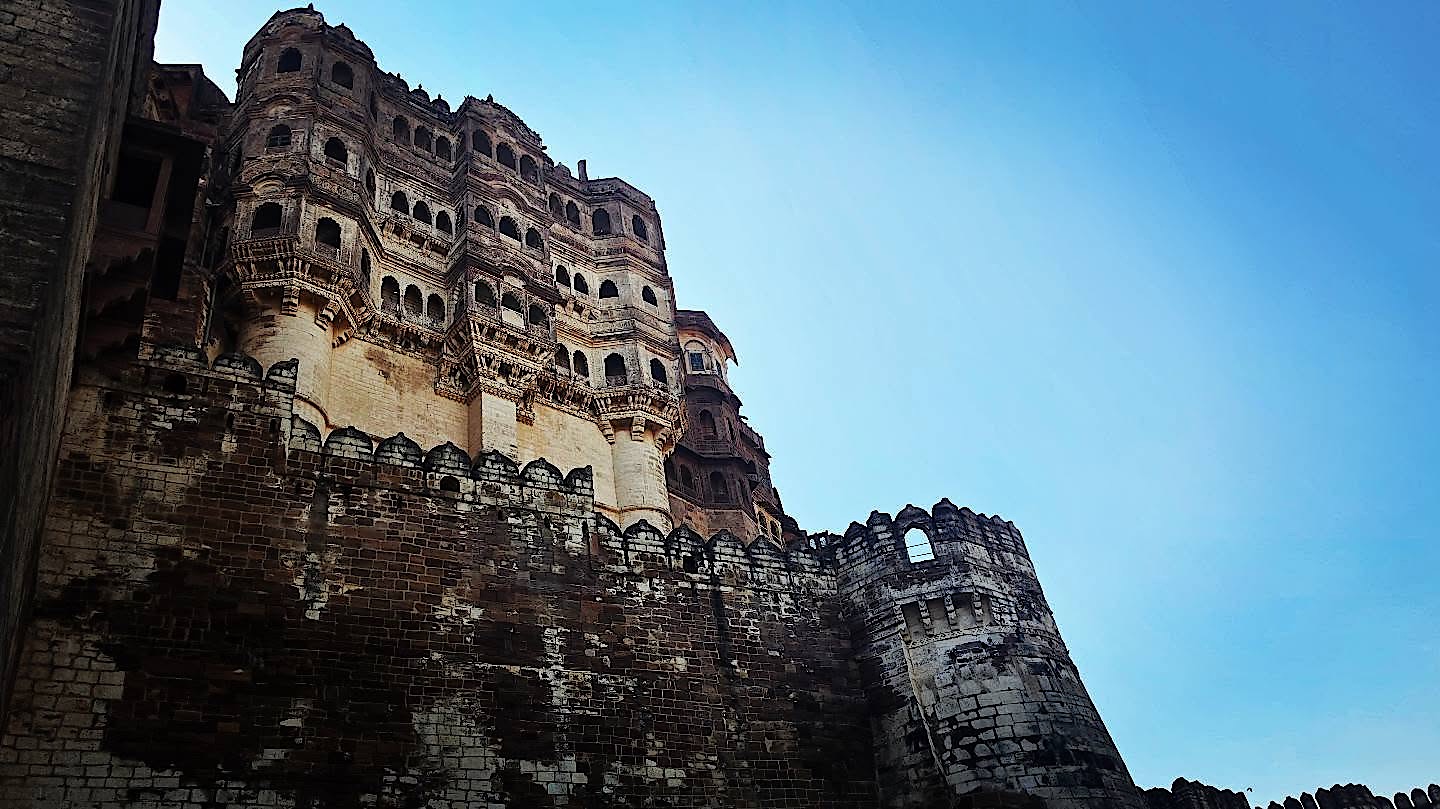
Above it all towers Mehrangarh, founded by Rao Jodha in the 15th century and one of the largest forts in India. Its walls seem to grow straight out of the sheer rock, and from below they look even more forbidding.
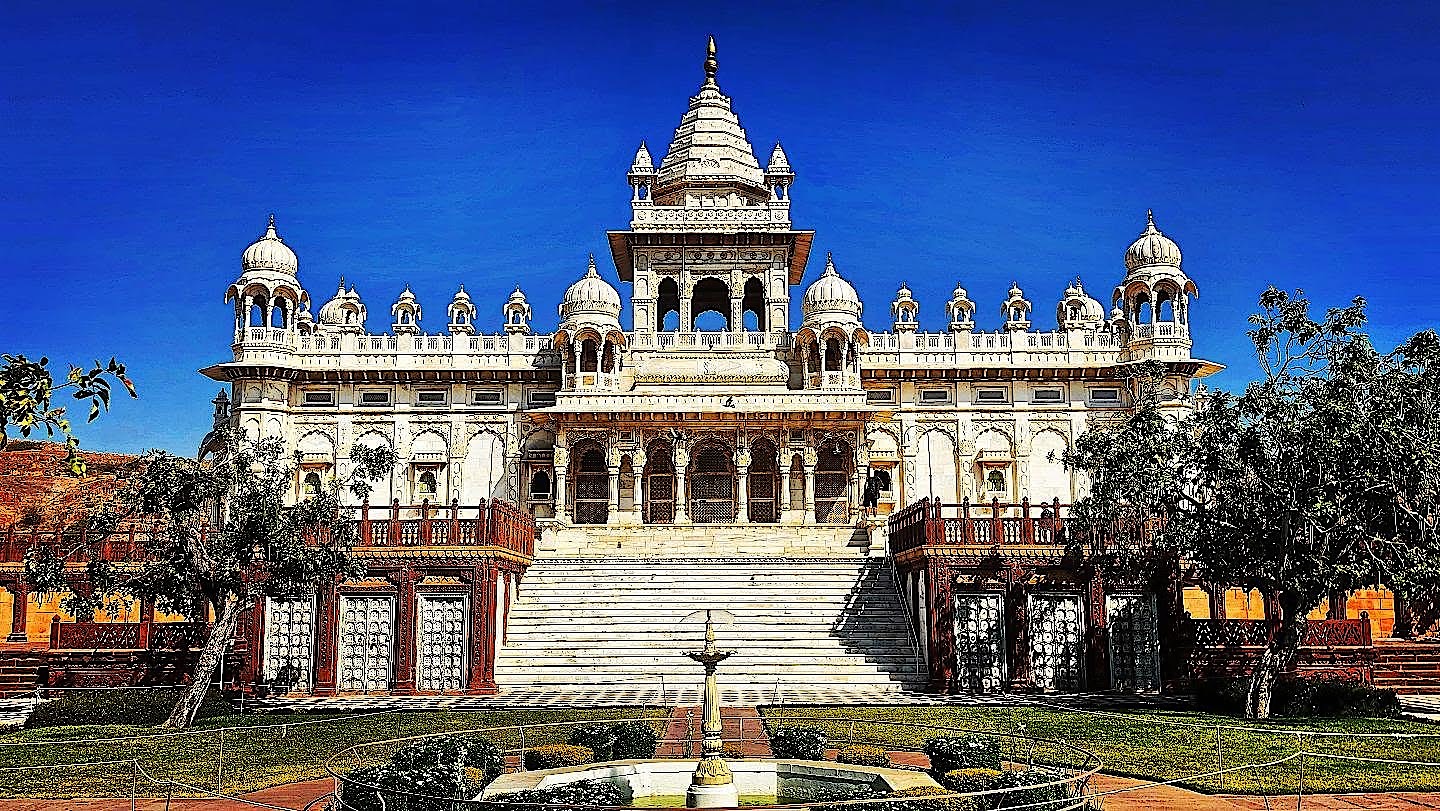
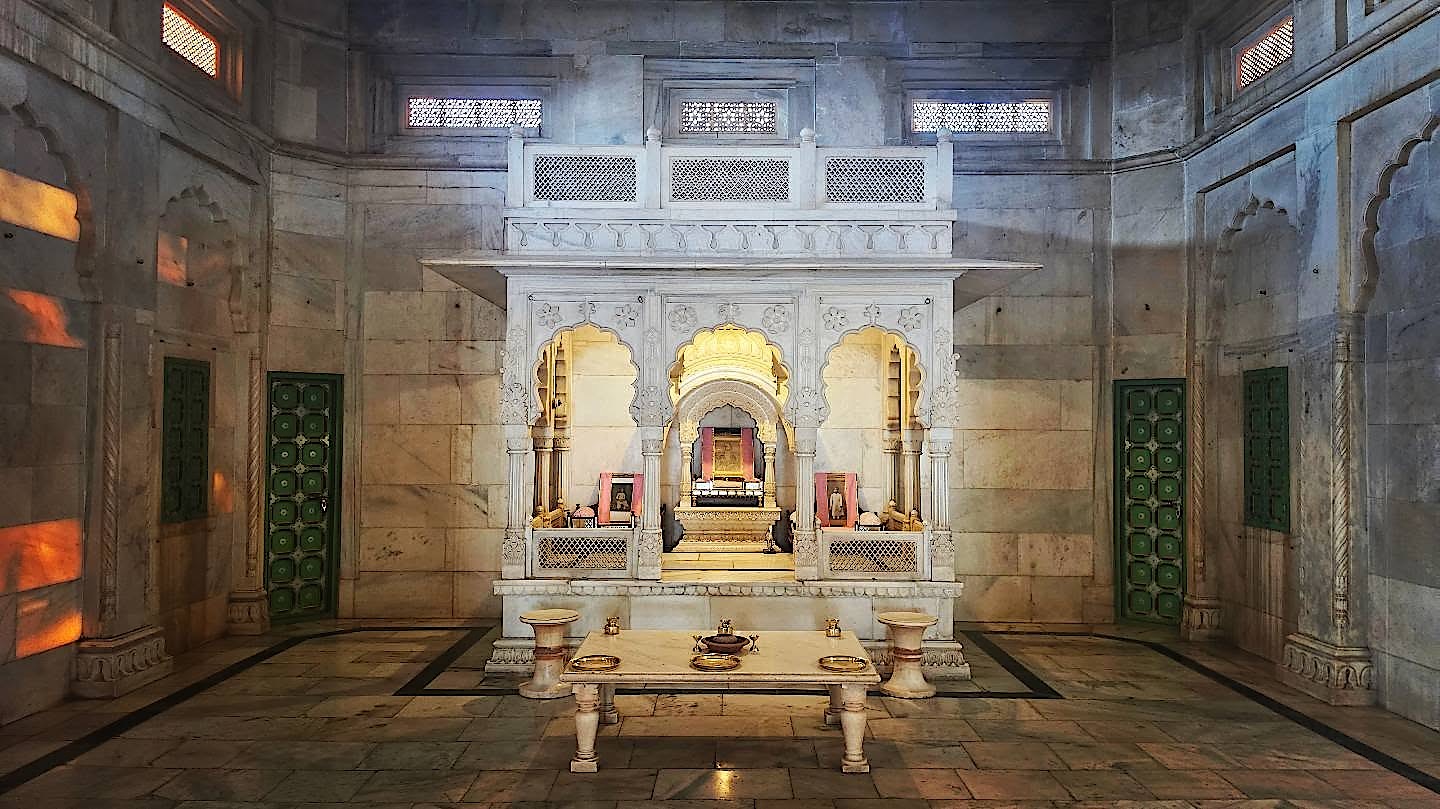
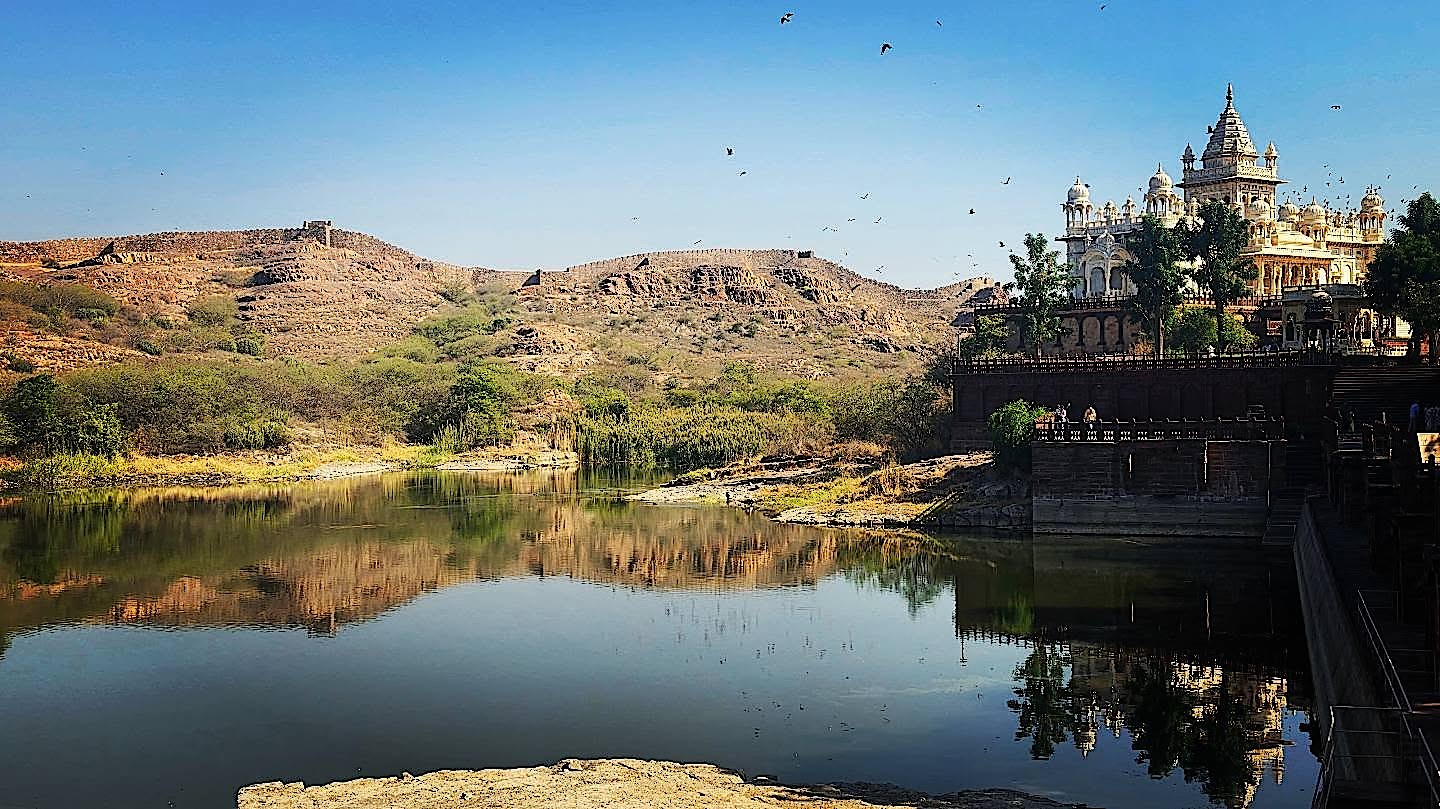
Near the fort stands Jaswant Thada, often called the "Mini Taj Mahal" of Jodhpur. Maharaja Sardar Singh built the white marble memorial in 1899 for his father, Maharaja Jaswant Singh II, and it became the cremation ground of the rulers of Marwar, as the old kingdom of Jodhpur is called. Its walls are made of marble sheets so thin and polished that the whole building glows warmly when the sun is on it, and a small lake lies at its foot.
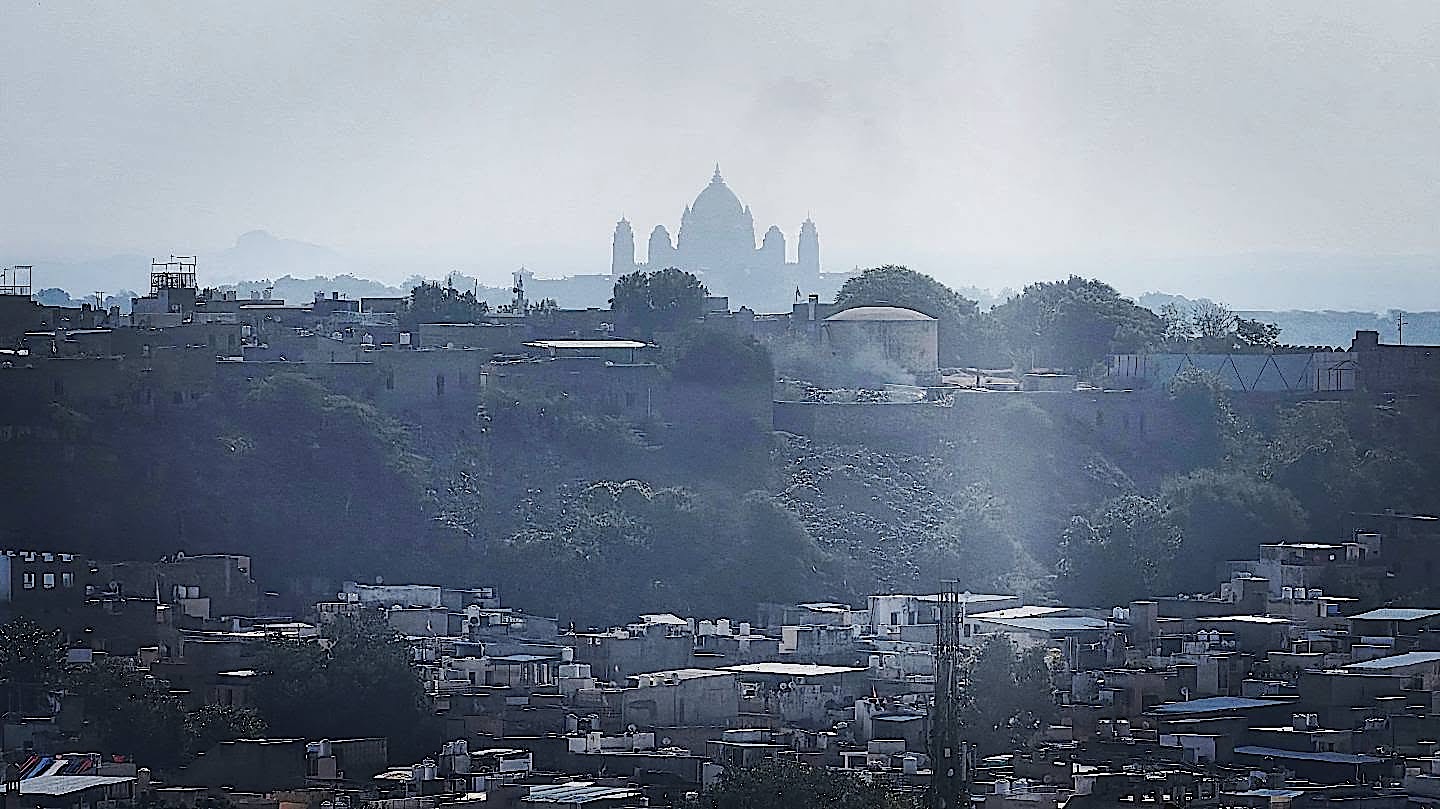
On the far side of the city, Umaid Bhawan Palace floats in the haze above the rooftops. Built between 1929 and 1943 for Maharaja Umaid Singh, it was one of the last great royal palaces in India and is still partly the home of the former royal family, with a museum and a luxury hotel in its other wings.
Leopards among the herders of Jawai
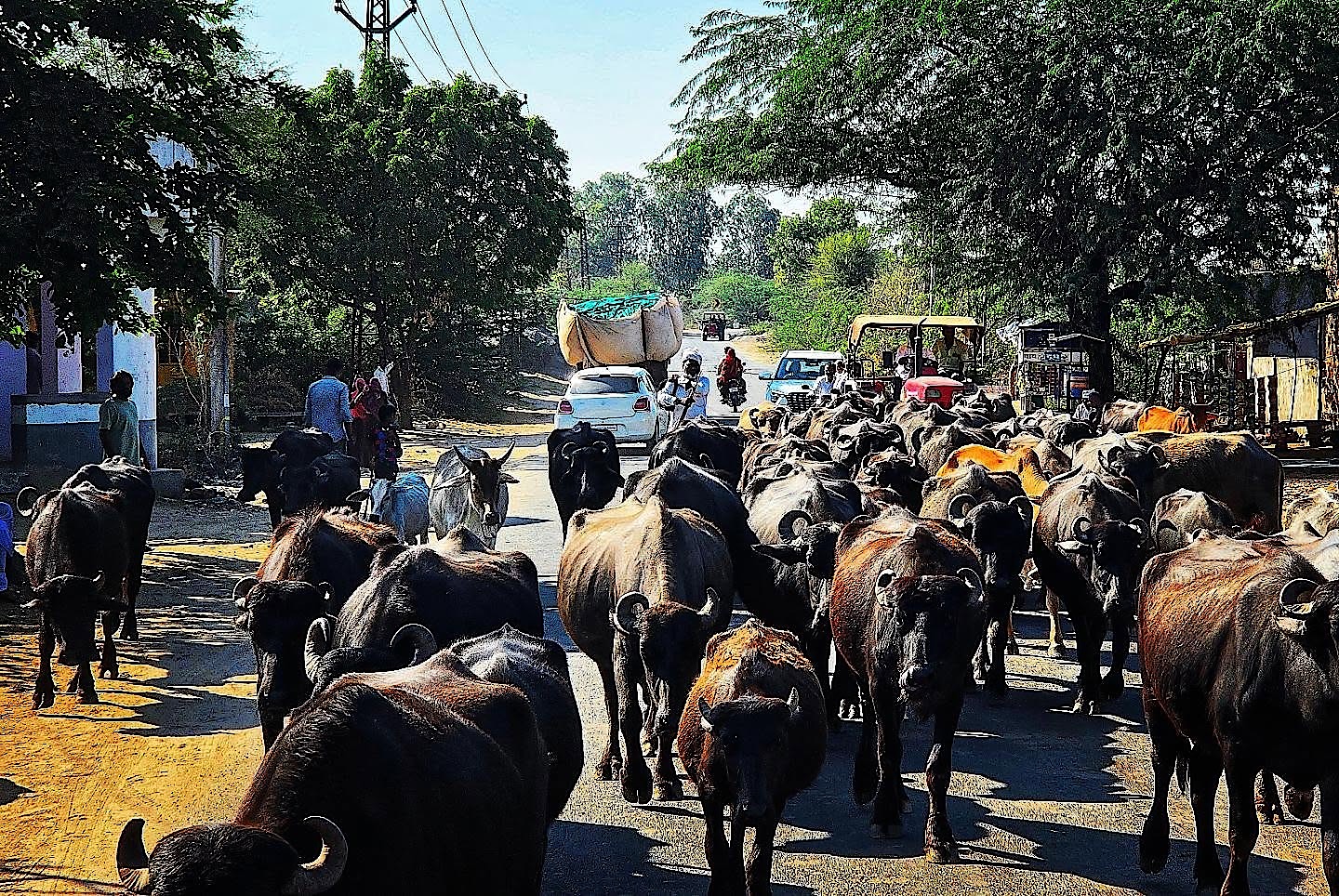
After the cities I was glad to be back in nature. Jawai, south of Jodhpur, is famous for its free-roaming leopards, yet it is not a national park. The granite hills are dotted with villages, and the leopards share them with the Rabari, semi-nomadic herders whose cattle filled the road on my first morning.
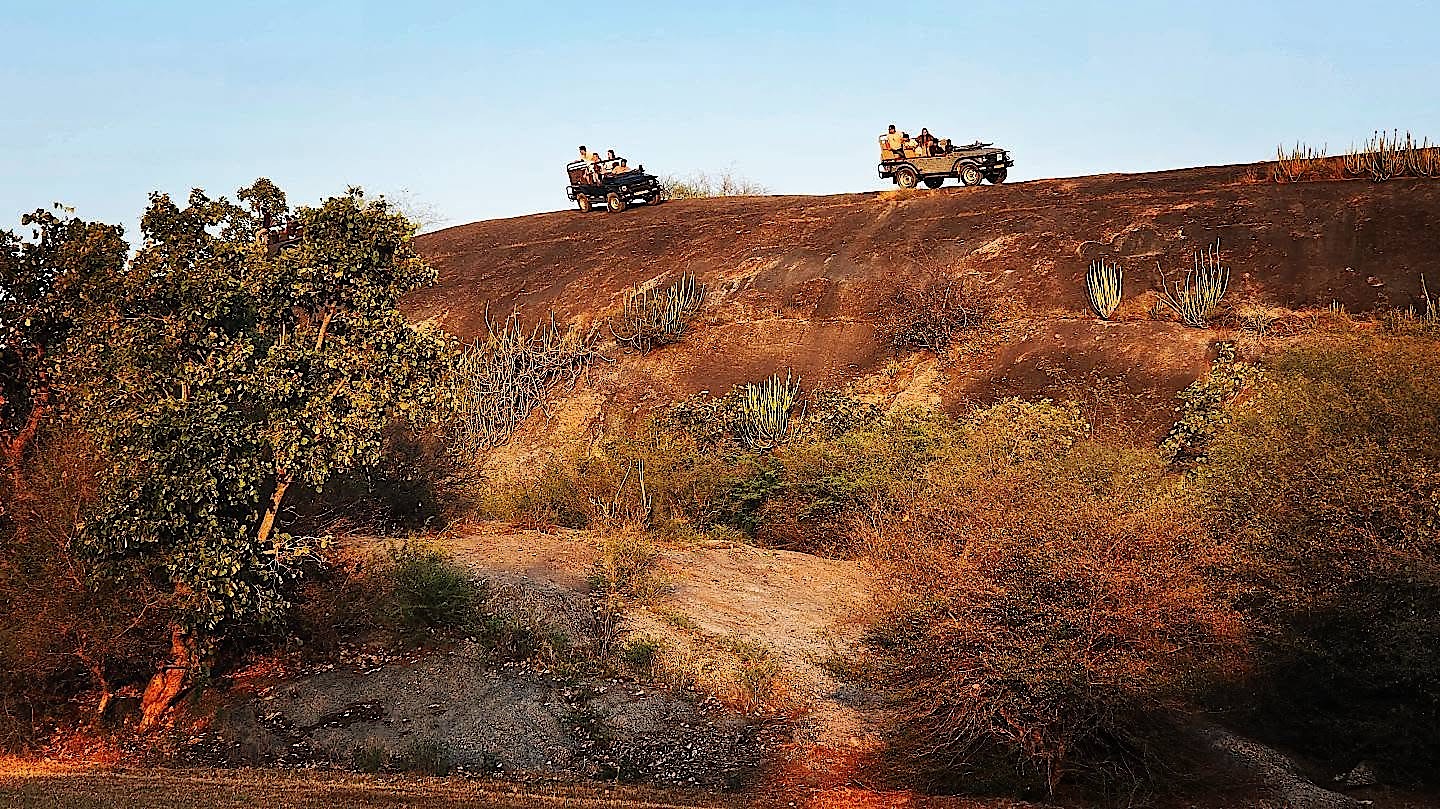
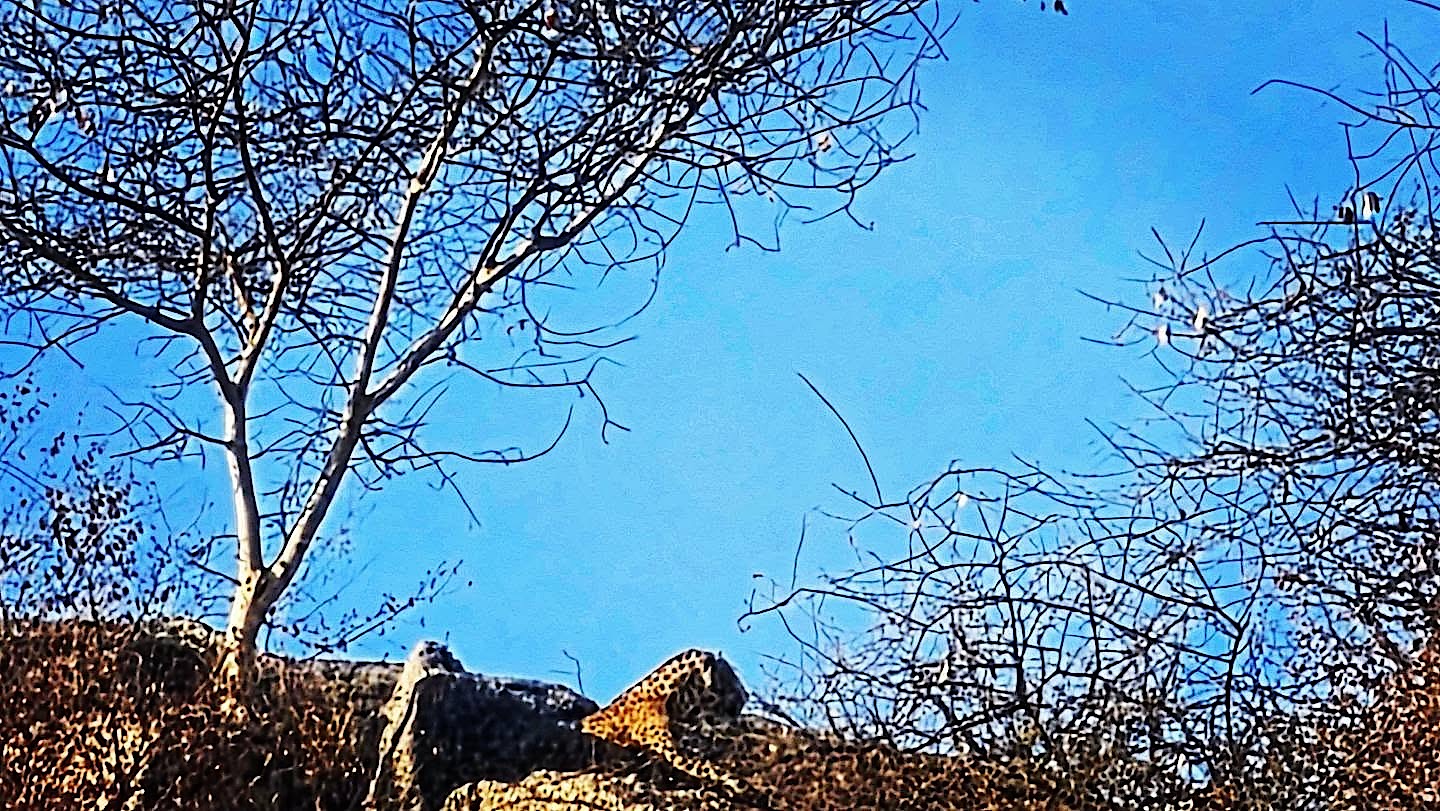
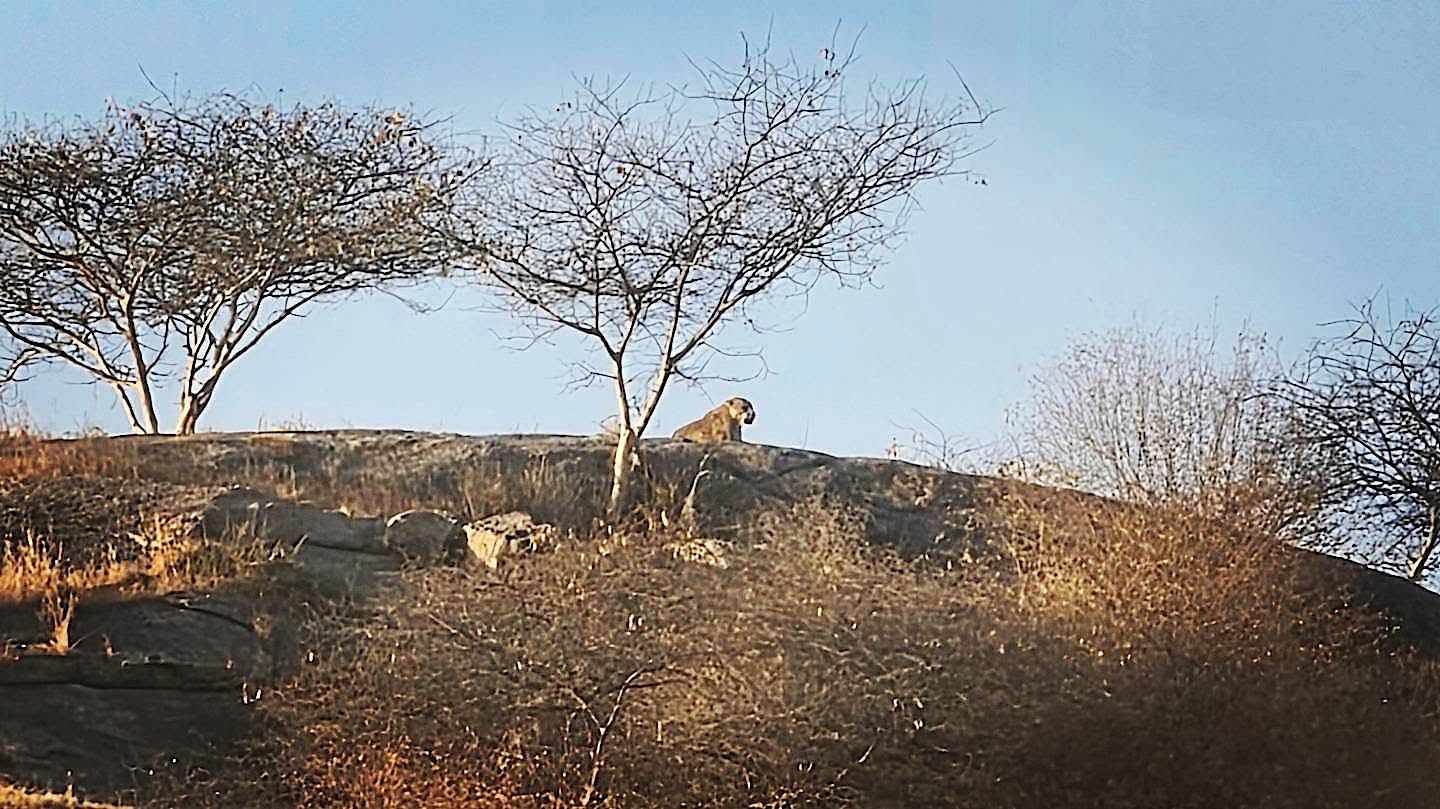
The safaris here are an adventure of their own. The guides drive their jeeps up and down the boulders at angles that seem impossible, and the leopards are remarkably relaxed about noise: we saw three of them right next to the railway line, with honking trains passing every five minutes. By the end of the day we had seen five different leopards and even a shy sloth bear, my first ever. It was one of the most special safaris I have ever done.
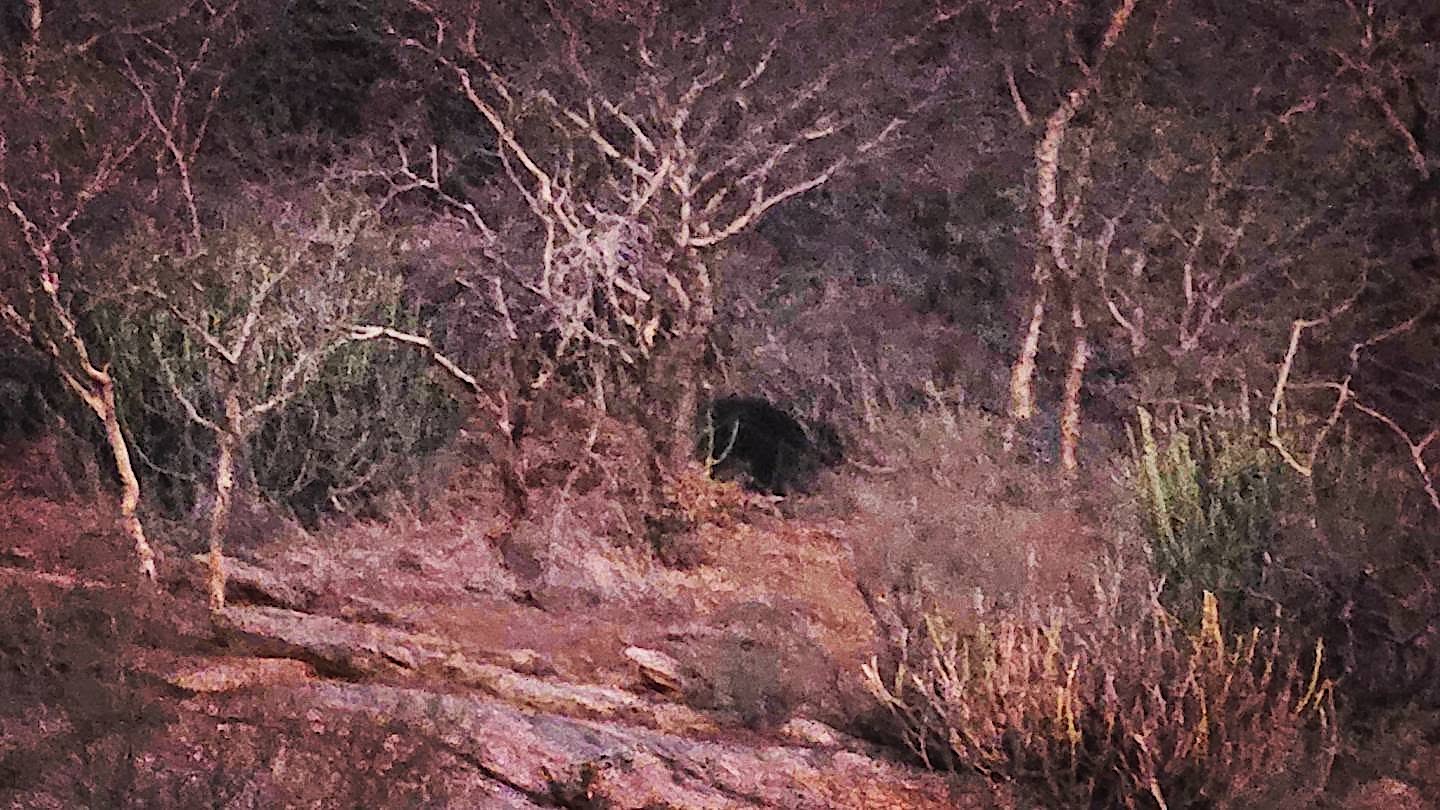
Sloth bears live only on the Indian subcontinent and feed largely on termites, which they suck up through a gap in their front teeth. Mostly active at night, they are very elusive, as my photo shows.
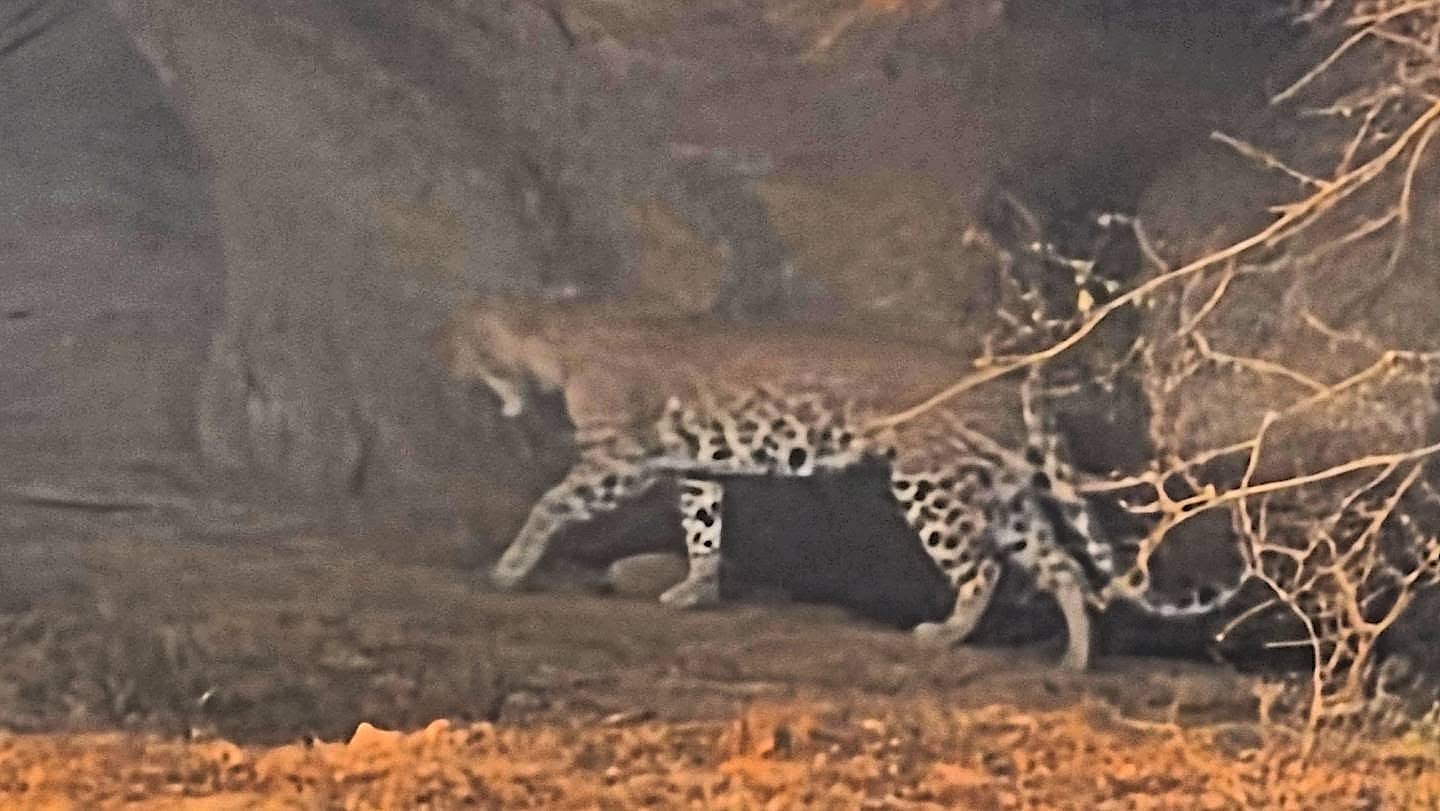
Most of the time, though, a leopard in Jawai is a small golden shape on top of a granite boulder, often right under an acacia, keeping an eye on the valley below. Once you know what to look for, you start scanning every rock on the horizon.
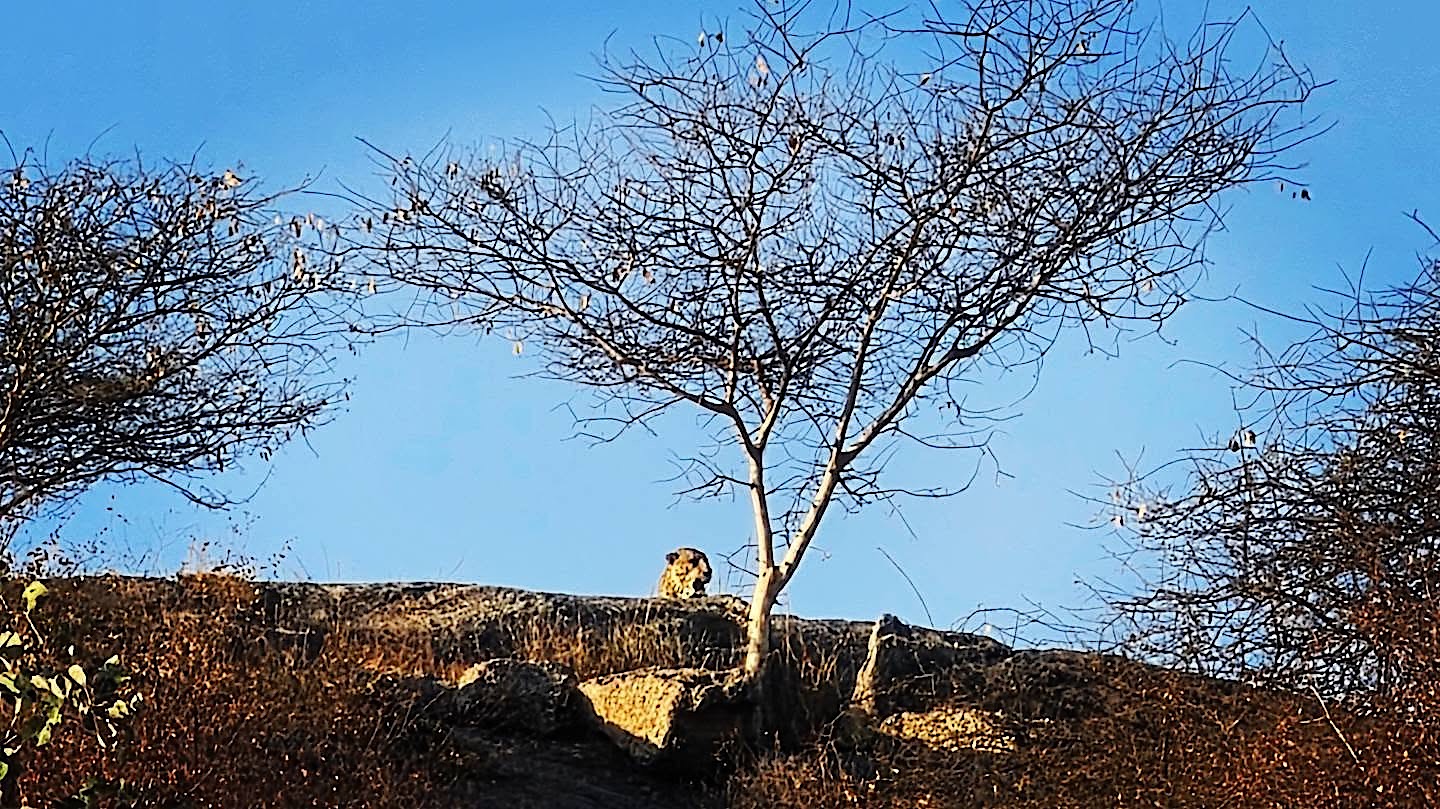
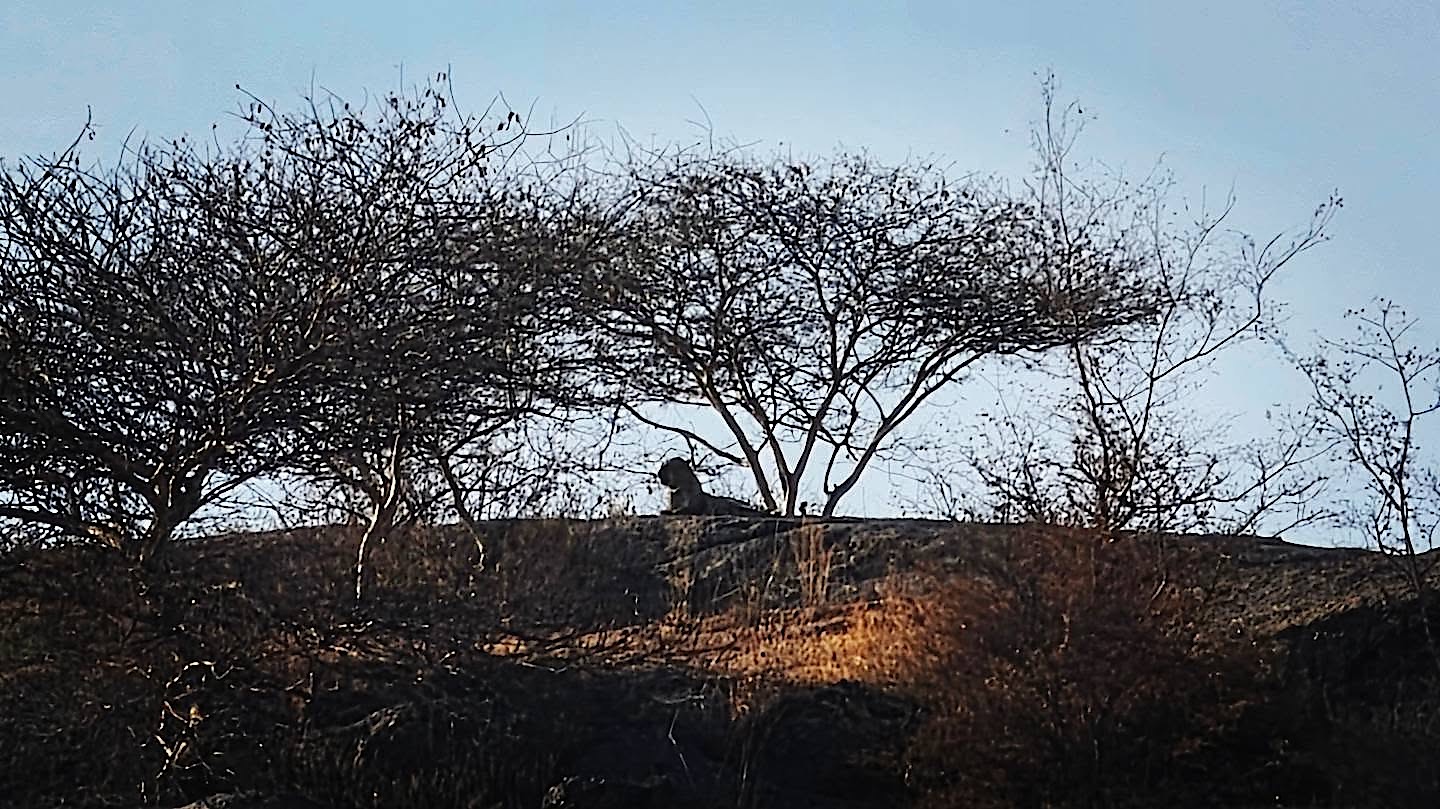
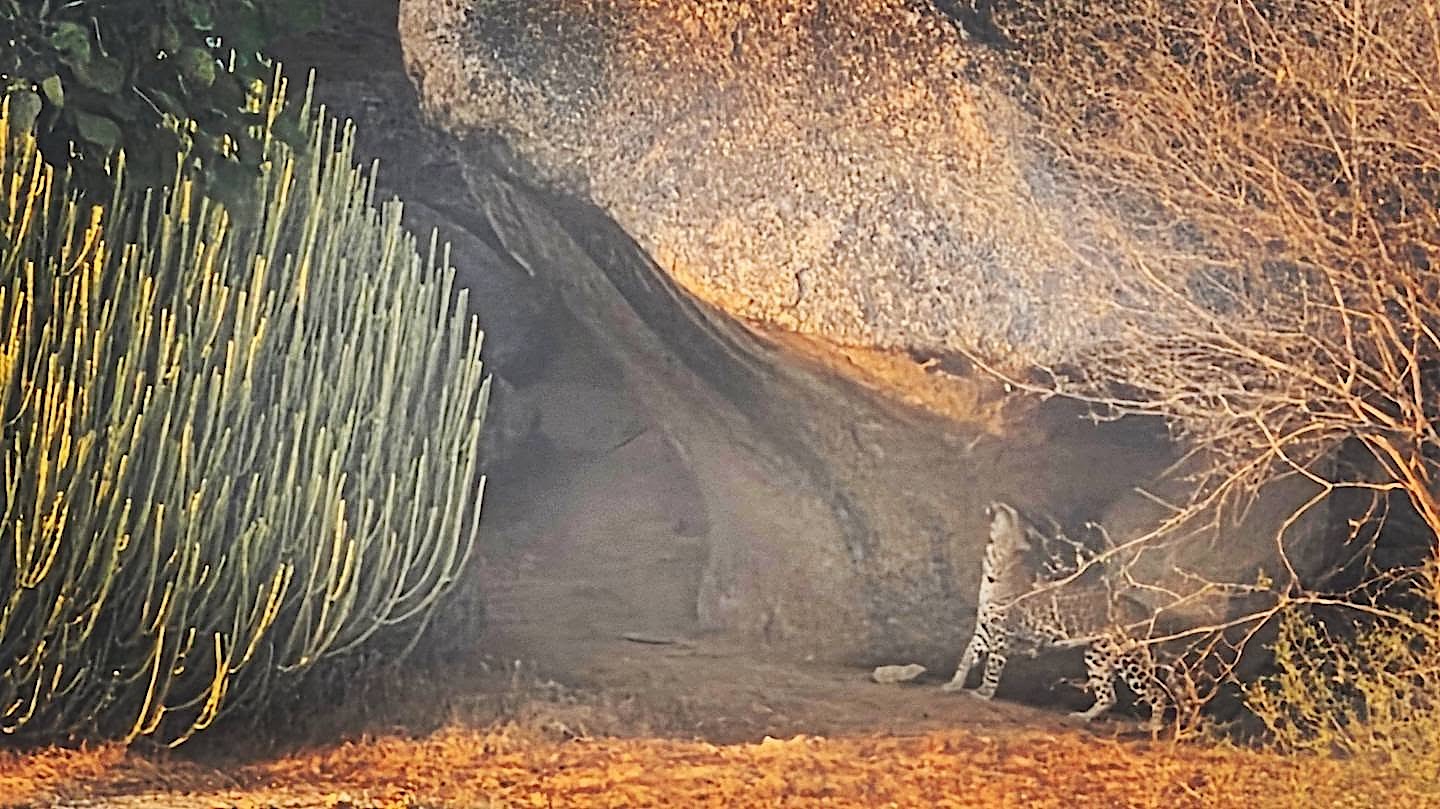
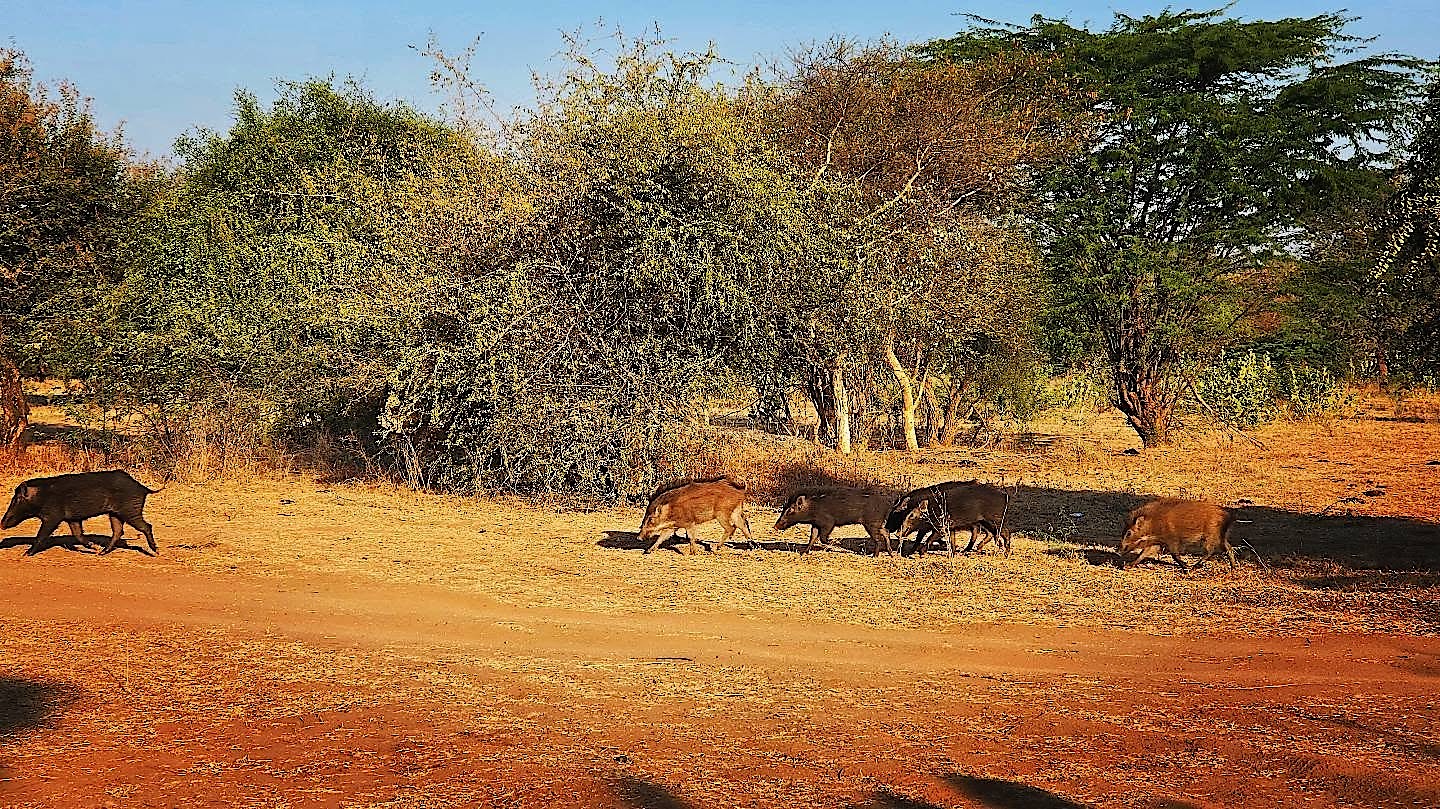
The leopards were not the only animals out there: small groups of wild boar trotted across the dusty tracks between the bushes.
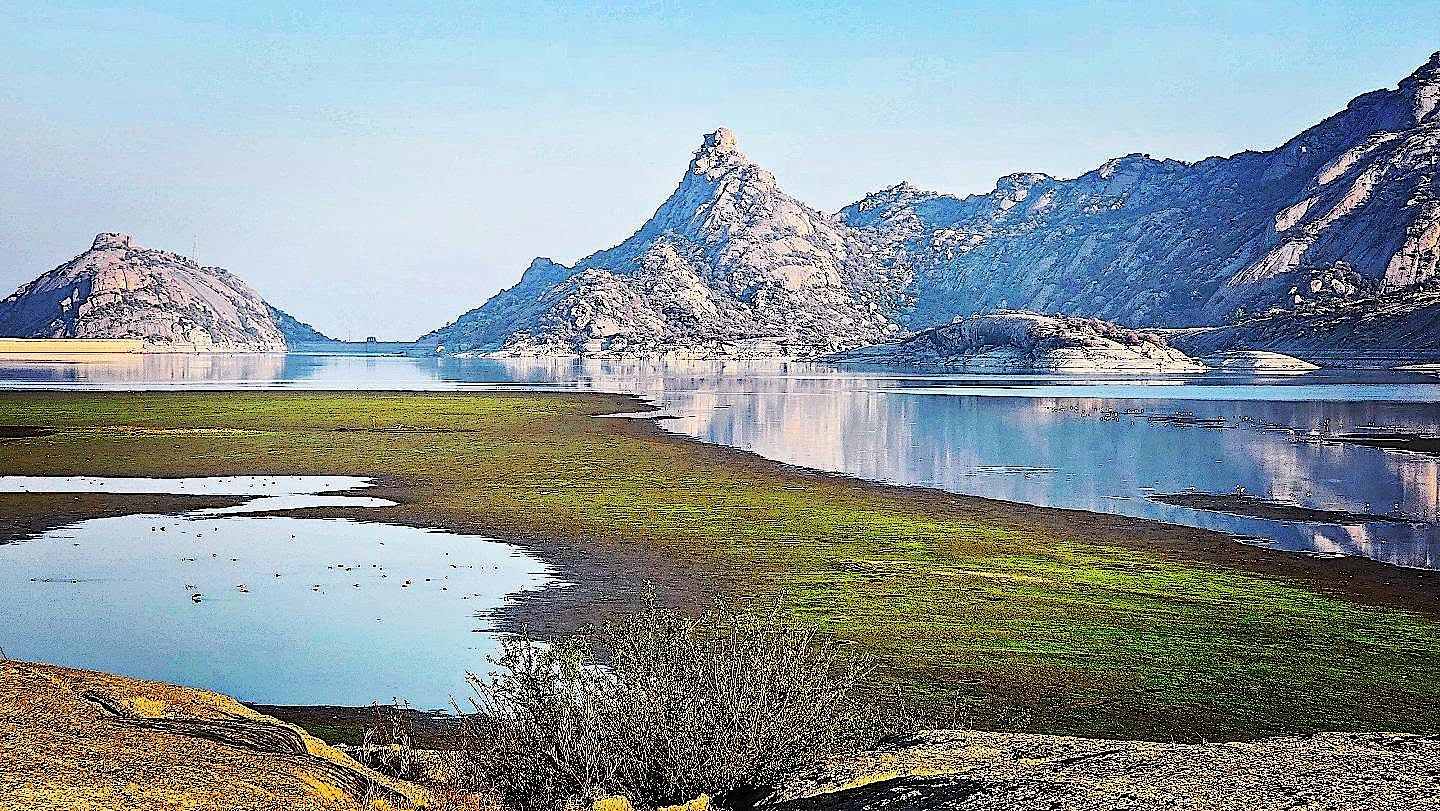
The Jawai reservoir, built by the Maharaja of Jodhpur in the mid-20th century, had almost dried up. It made for some of the most beautiful scenery of the trip: green grass where the water used to be and granite peaks reflected in the last pools. Farmers were working the fields below the peaks, followed by white egrets, and I even spotted a flamingo wading in the shallow water that was left.
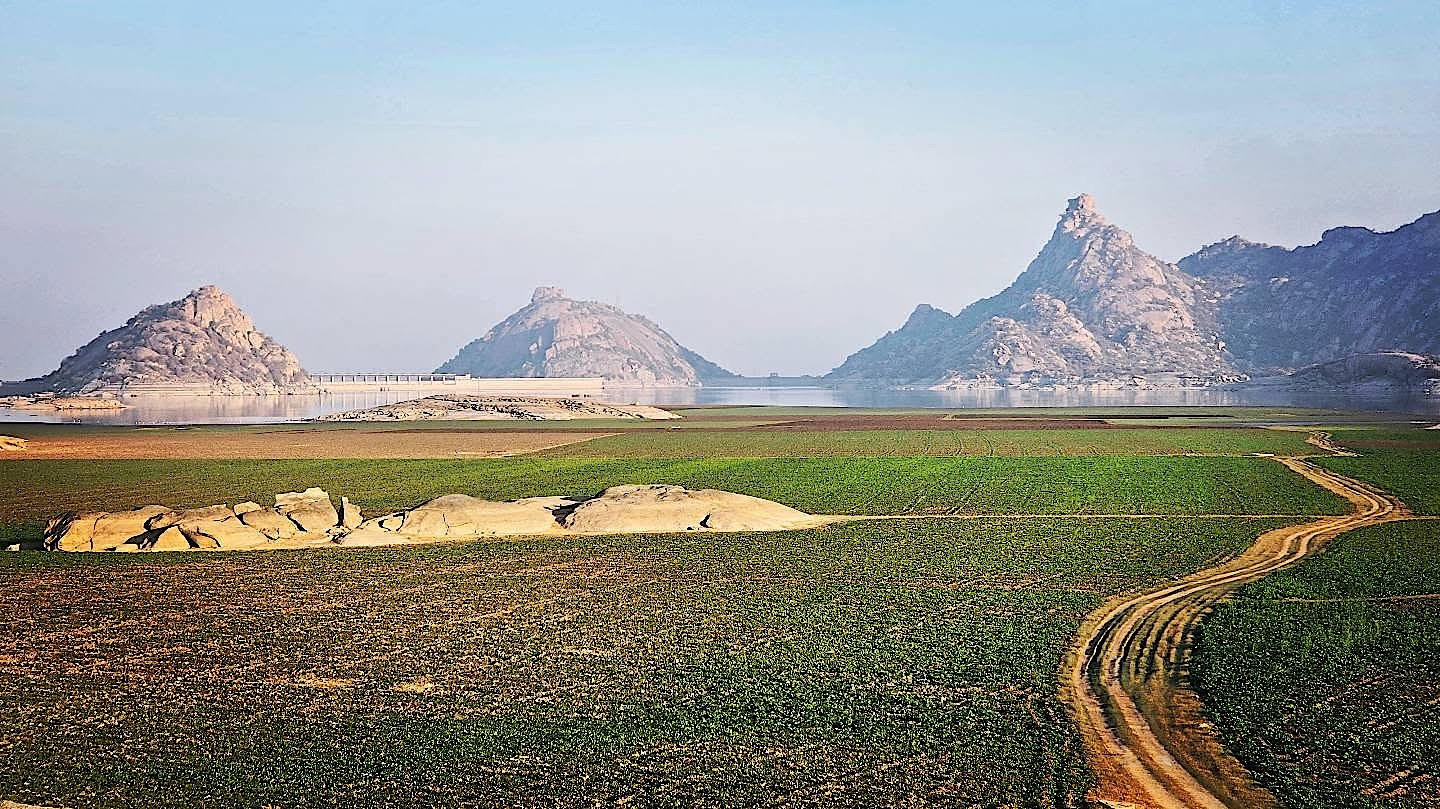
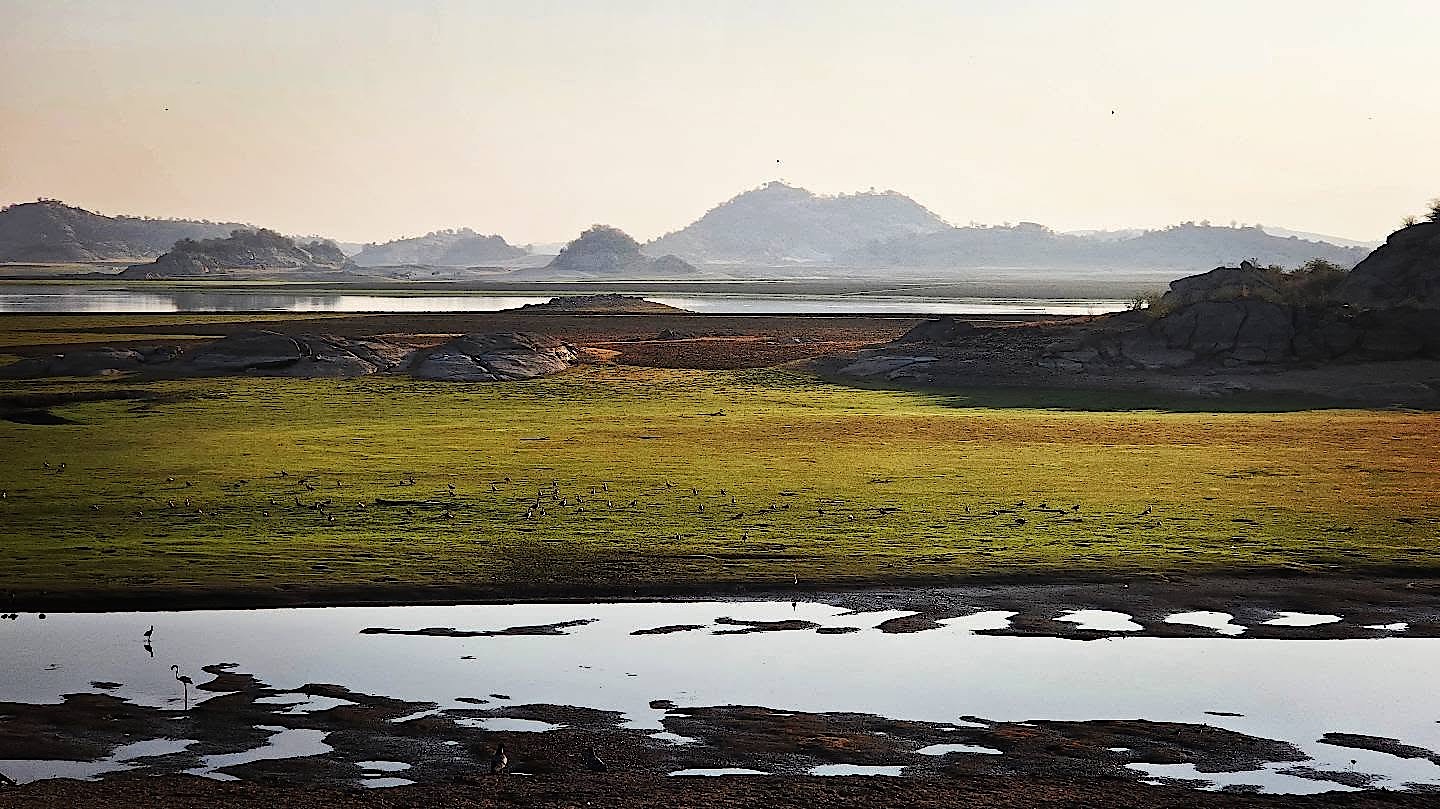
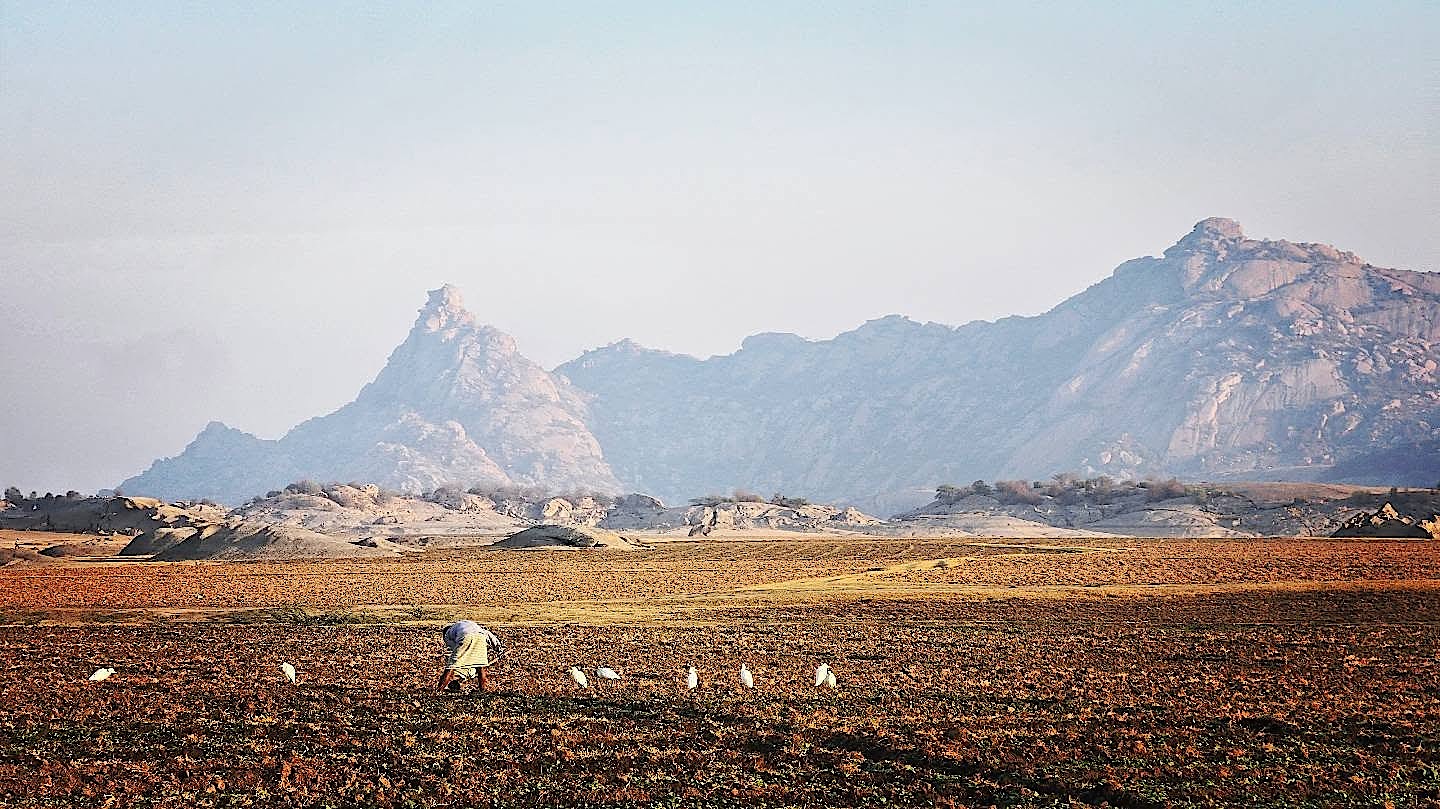
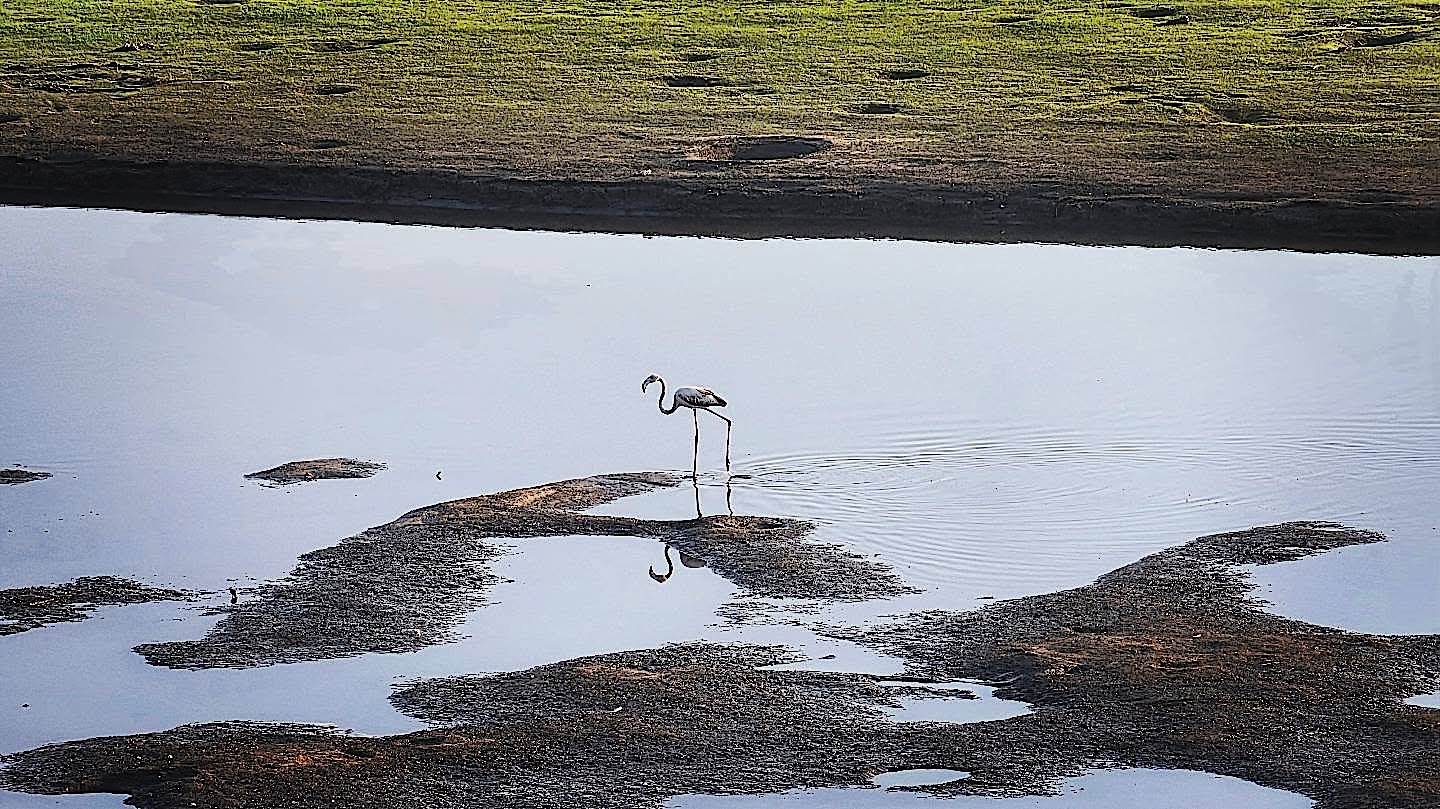
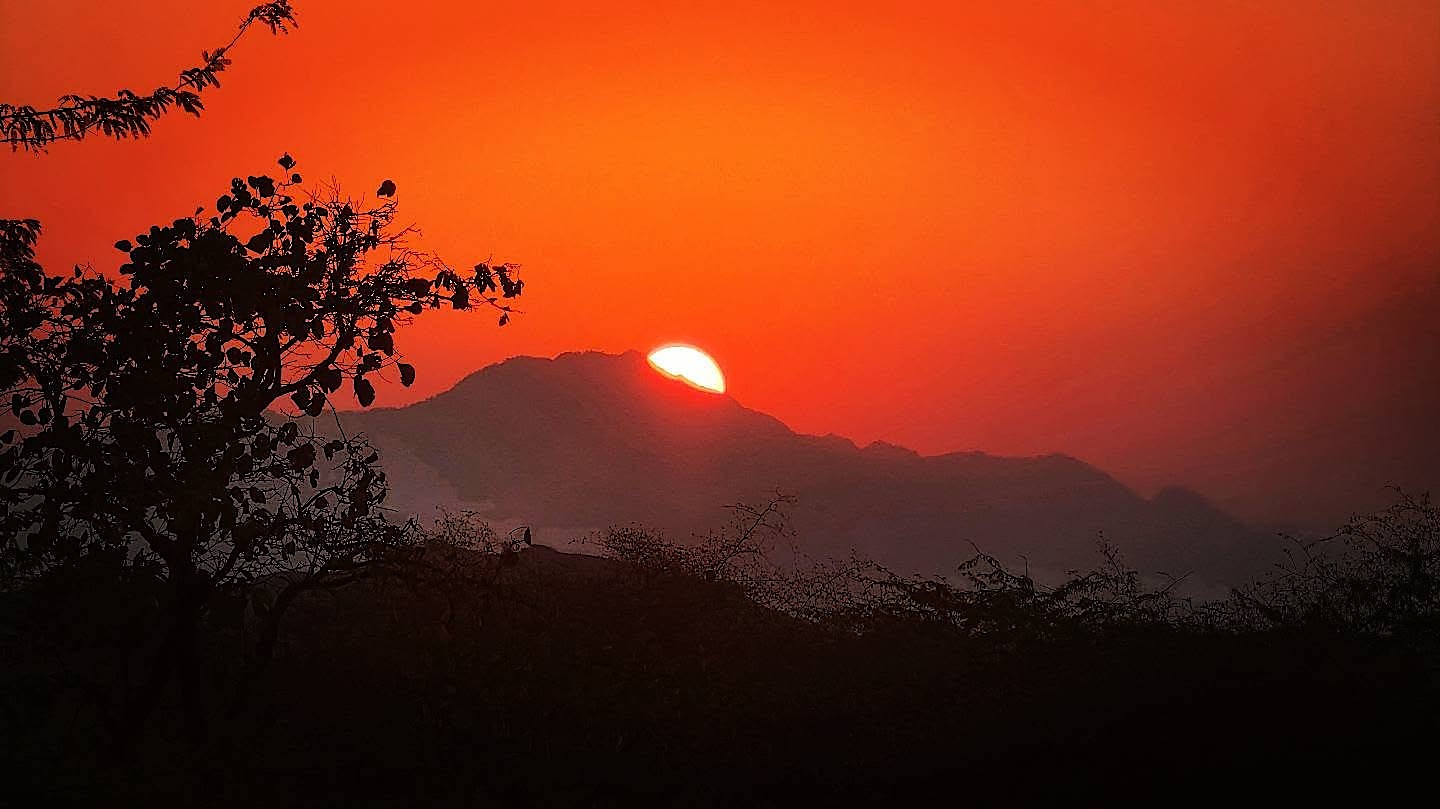
And the days in Jawai ended with the sun dropping behind the hills in a deep red glow.
Ranakpur and the lakes of Udaipur
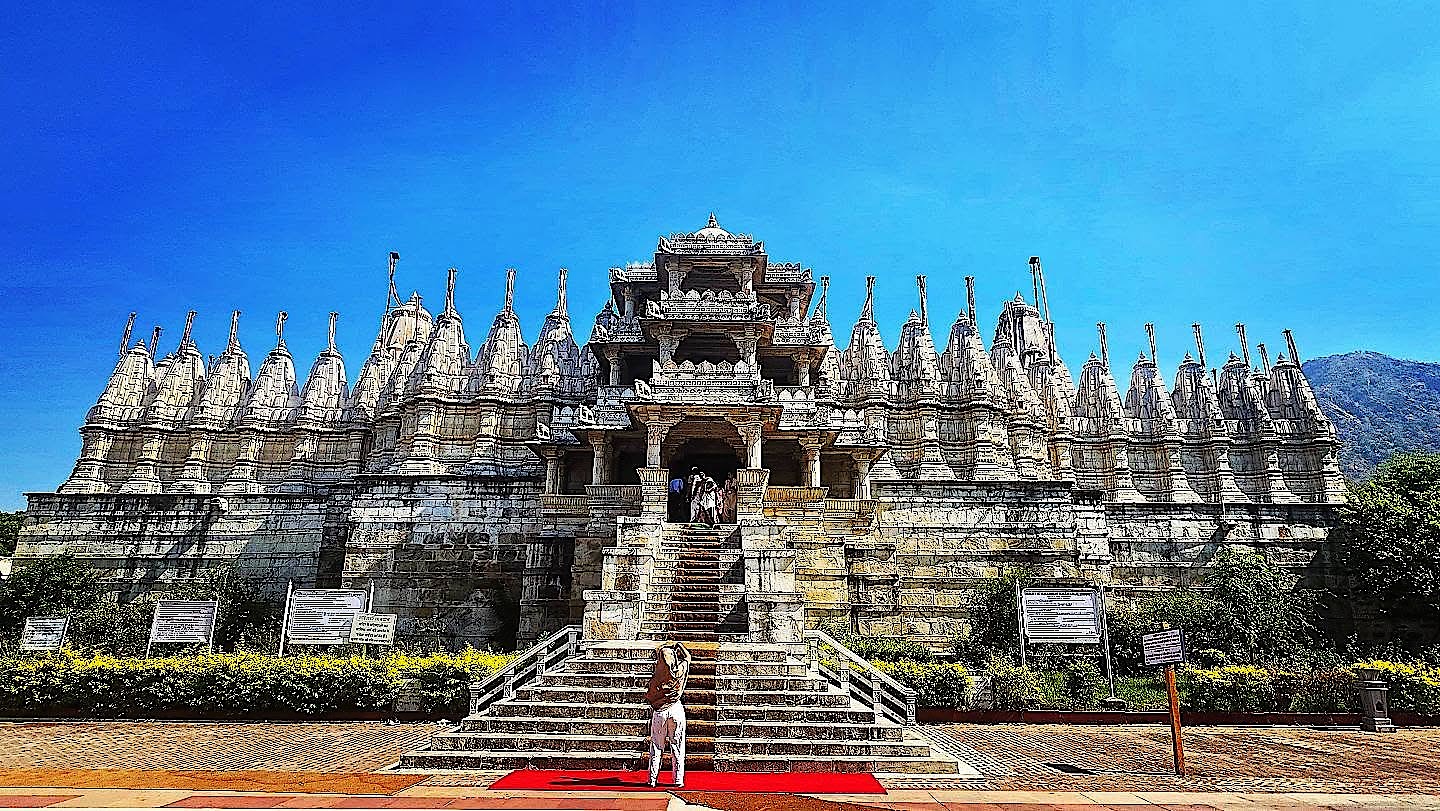
On the way south I stopped at Ranakpur, one of the largest Jain temples in India. The 15th-century marble temple stands on 1,444 carved pillars, said to be no two alike. It convinced me that this religion is the real deal: Jains don't just preach non-violence, they live it. Many avoid even root vegetables, because pulling them up kills the whole plant and the small creatures in the soil, while dairy stays on the menu. As vegetarianism goes, that is about as consistent as it gets.
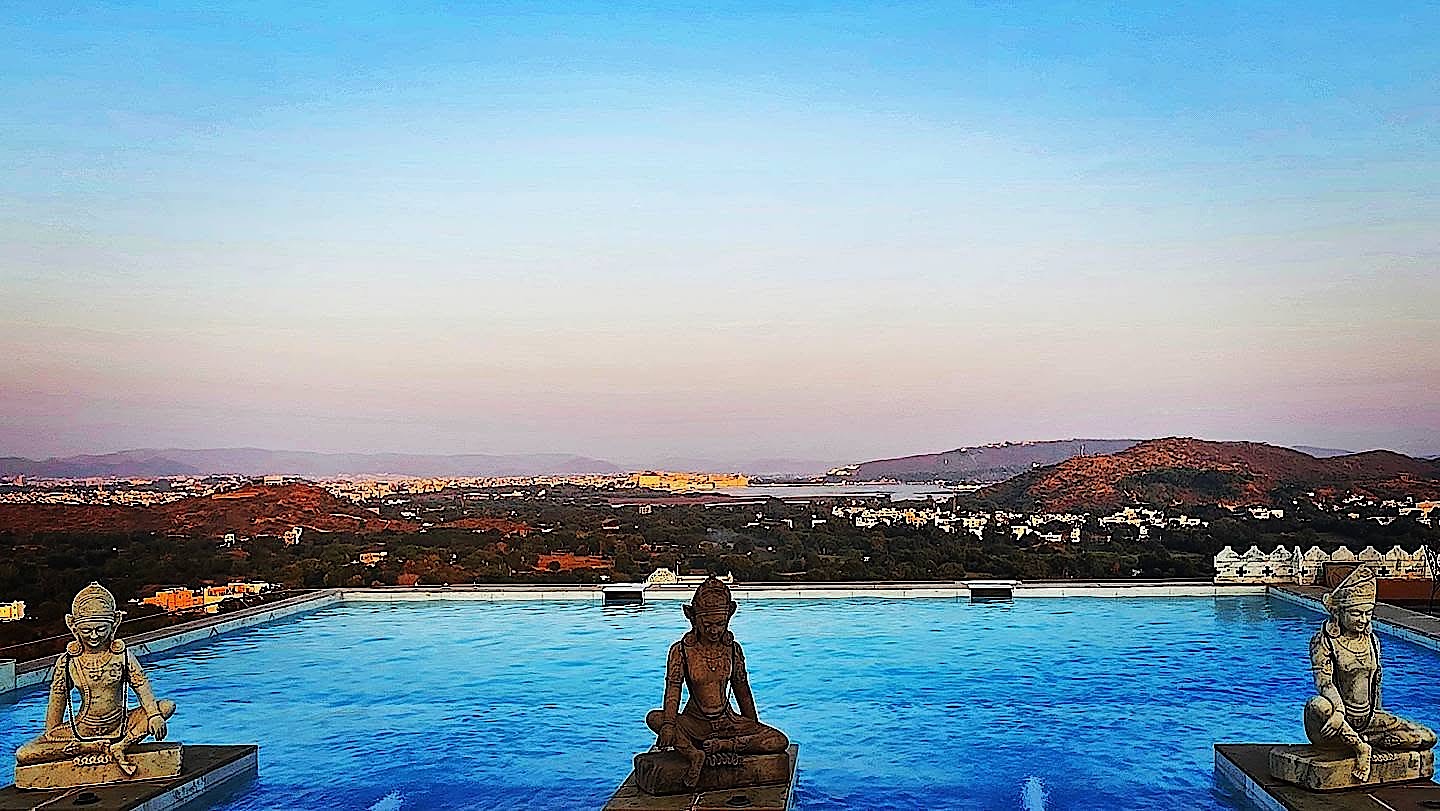
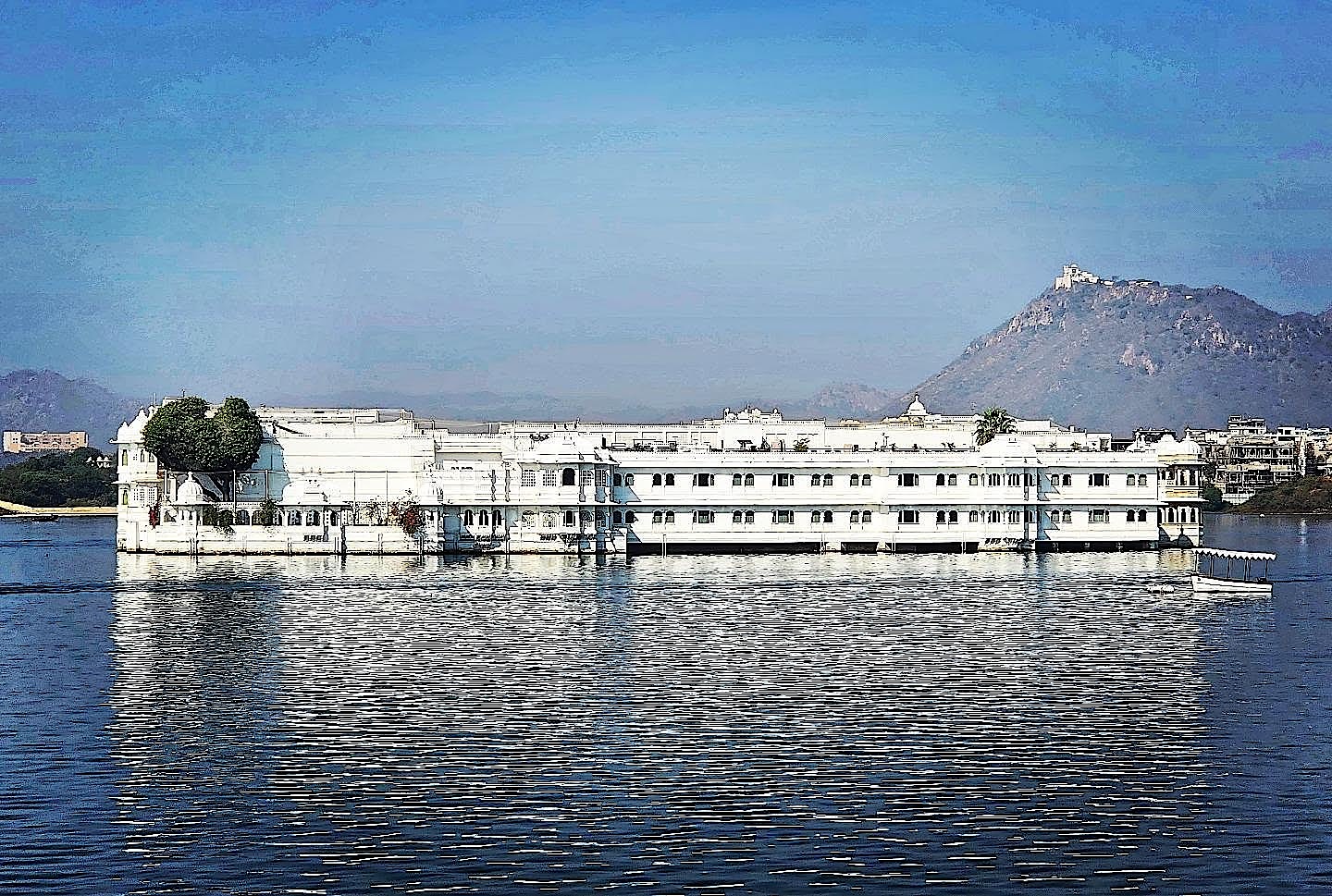
In Udaipur I could finally laze by a pool on a hill outside the city and watch the sun set over the hills. Udaipur, founded in the 16th century as the capital of the Mewar kingdom, is called the City of Lakes for good reason. The white Lake Palace seems to float on Lake Pichola, with the Monsoon Palace on the mountain behind it. Both were sets for the James Bond film Octopussy.
Gujarat and the last Asiatic lions
Crossing into Gujarat meant a culinary change for a meat lover like me. The state has been dry since it was founded in 1960, beef is strictly banned, and even ordering chicken can get you seated in a separate room, out of sight of the vegetarian guests. I treated it as an endurance test until Diu.
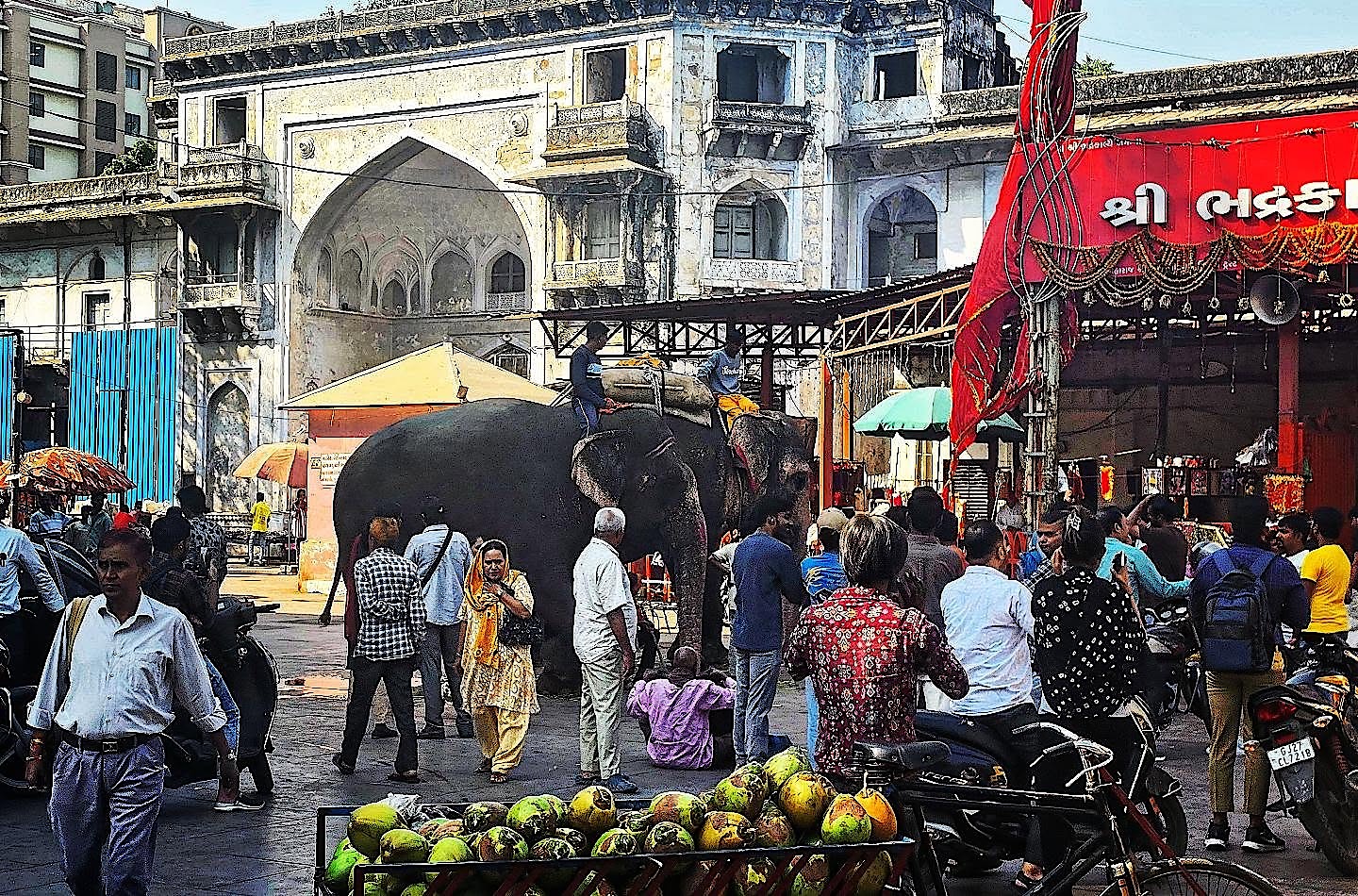
A morning walk through the old city of Ahmedabad was my introduction to the state. Between fruit carts, scooters and temple crowds near the old Bhadra Fort, an elephant waited patiently.
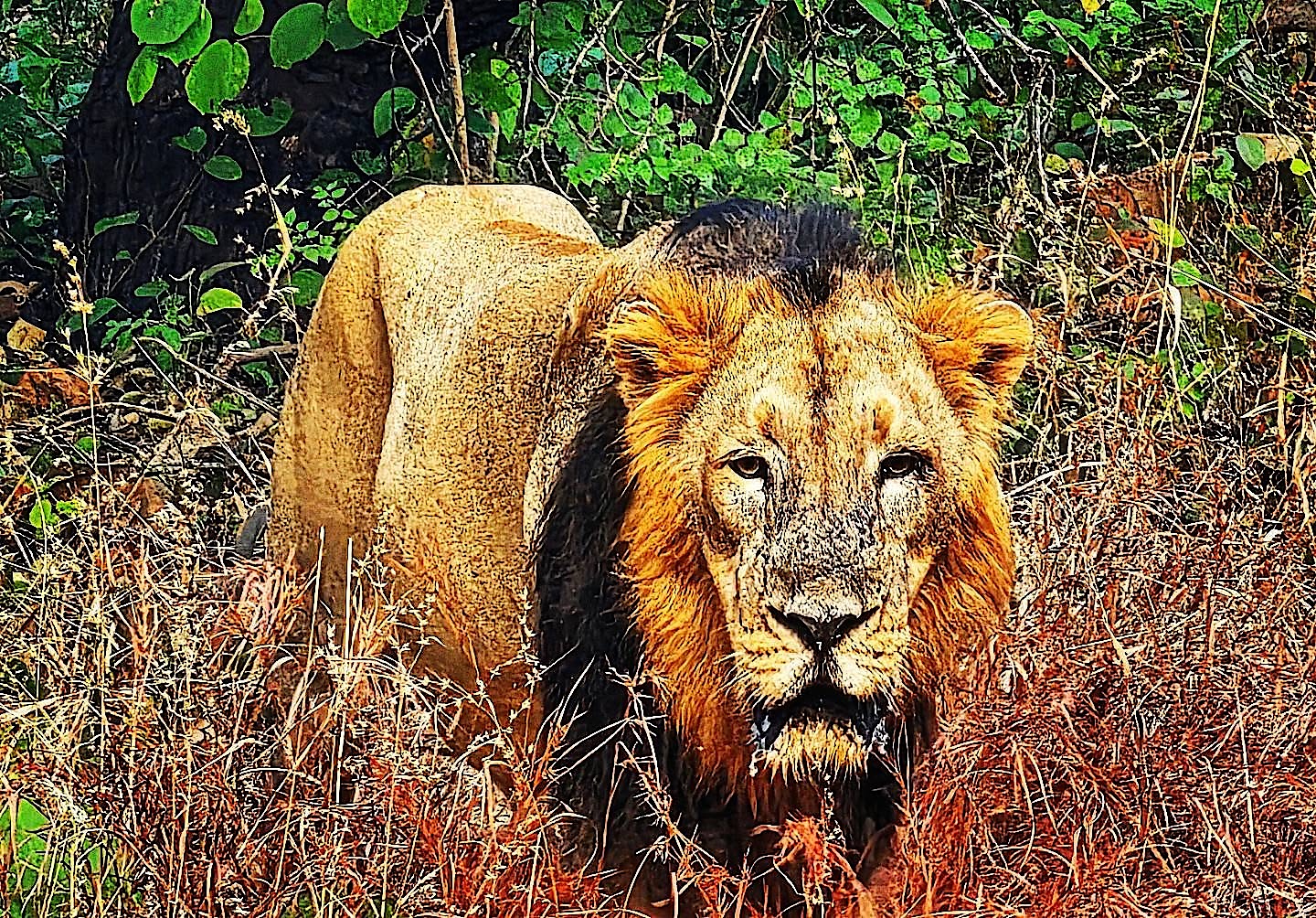
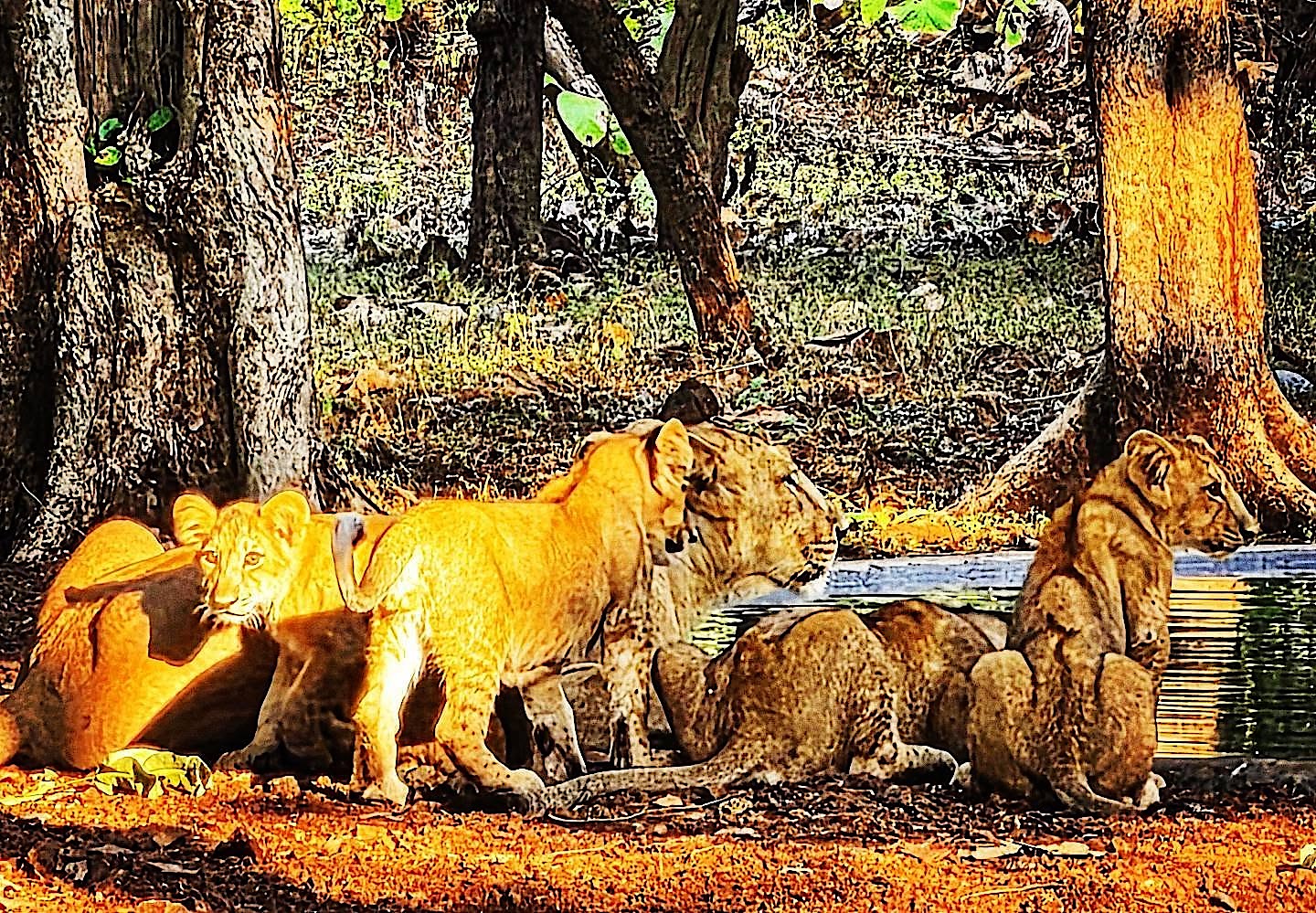
Then came a full day on the road to Gir National Park, a safari that had been on my bucket list for a long time. Gir is the only place in the world where Asiatic lions still live in the wild. The first morning greeted me with the king of the forest himself, a big male with a dark mane in the dry grass. Later we found a lioness with her cubs resting in the shade, the cutest scene of the trip.
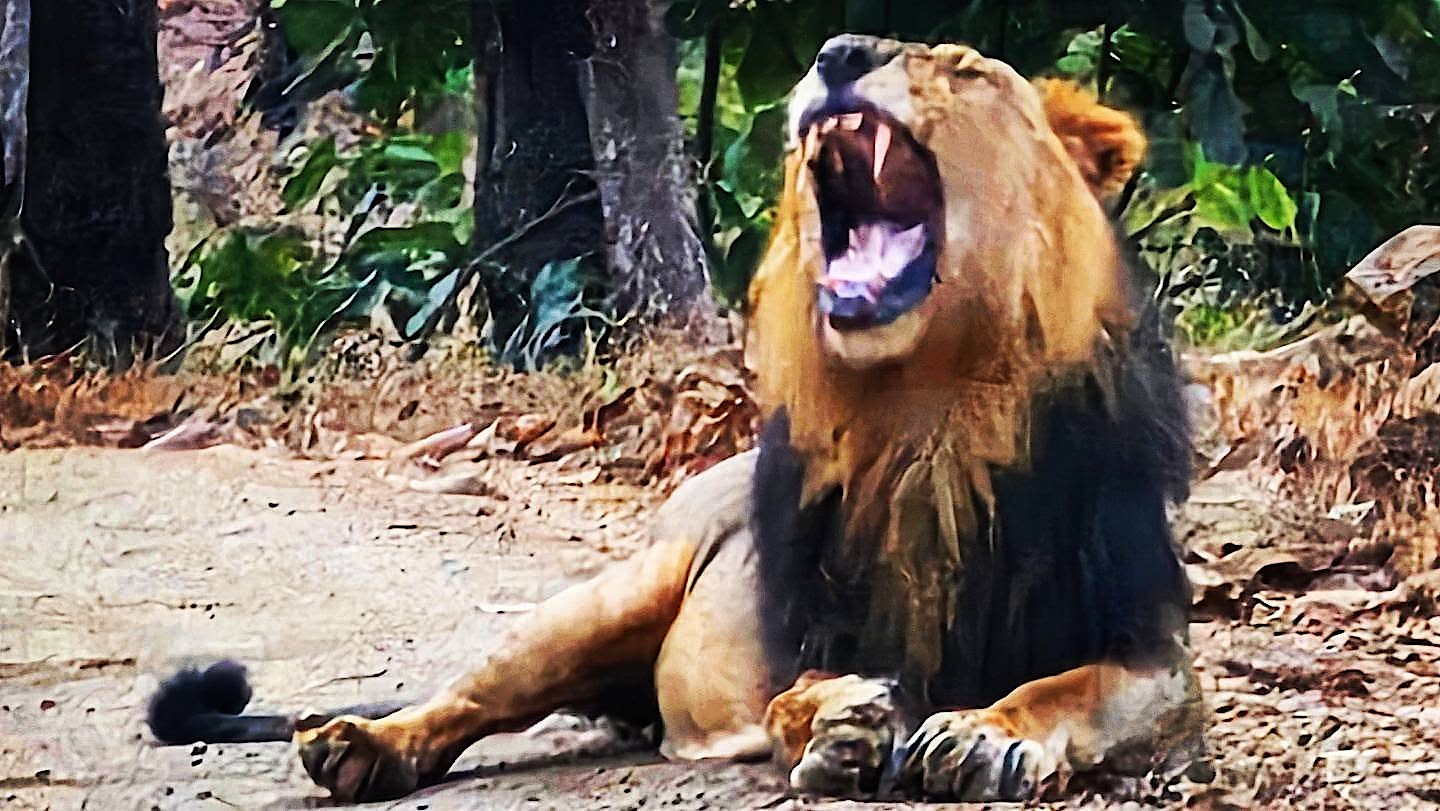
The next morning brought a few more lions, and one encounter that was a rather close call.
A Portuguese farewell in Diu
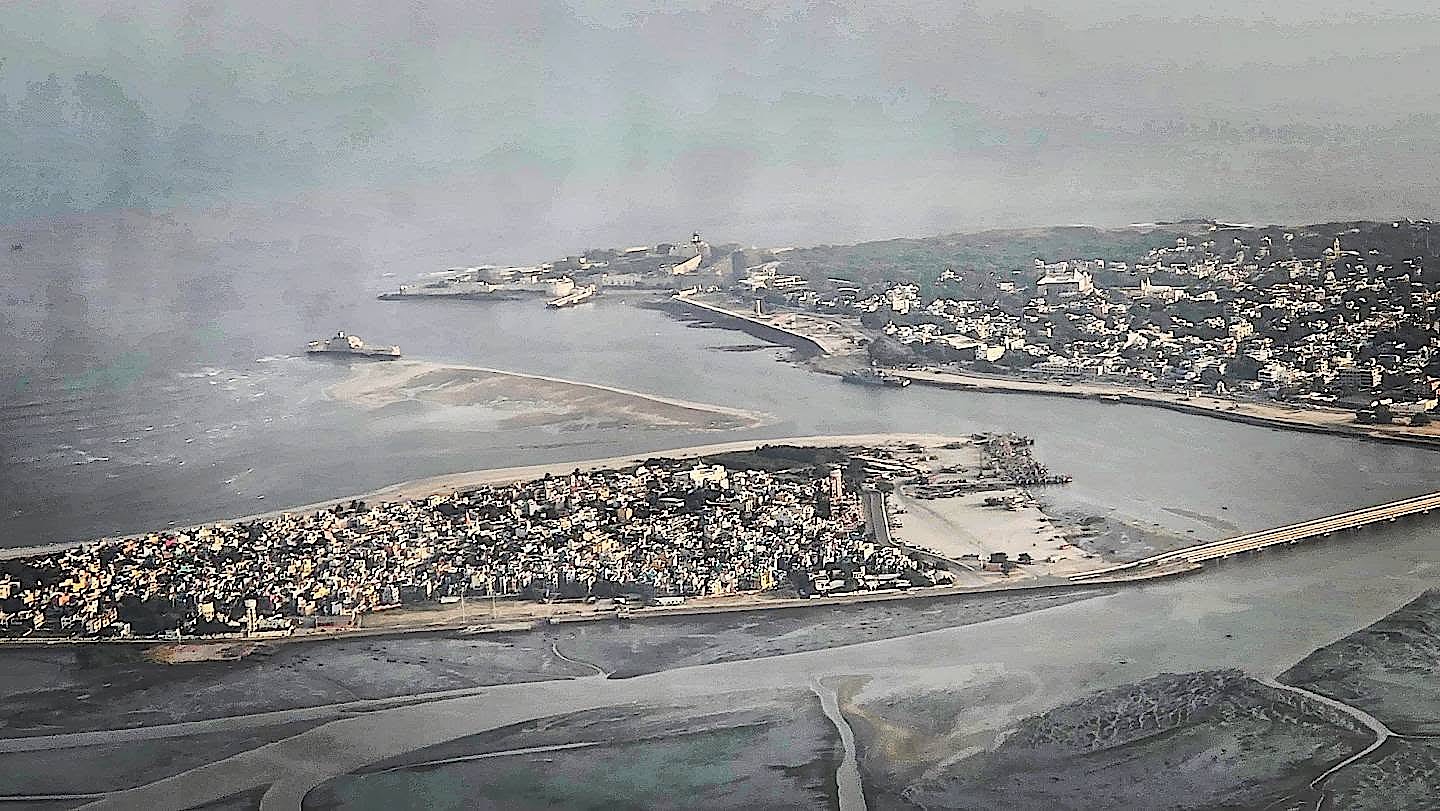
After ten days on the road we reached the Indian Ocean. Diu, a small island off the coast of Gujarat and joined to it by a bridge, was Portuguese until 1961 and is still not part of the state, so it is not dry either. I spent my last night in India here.
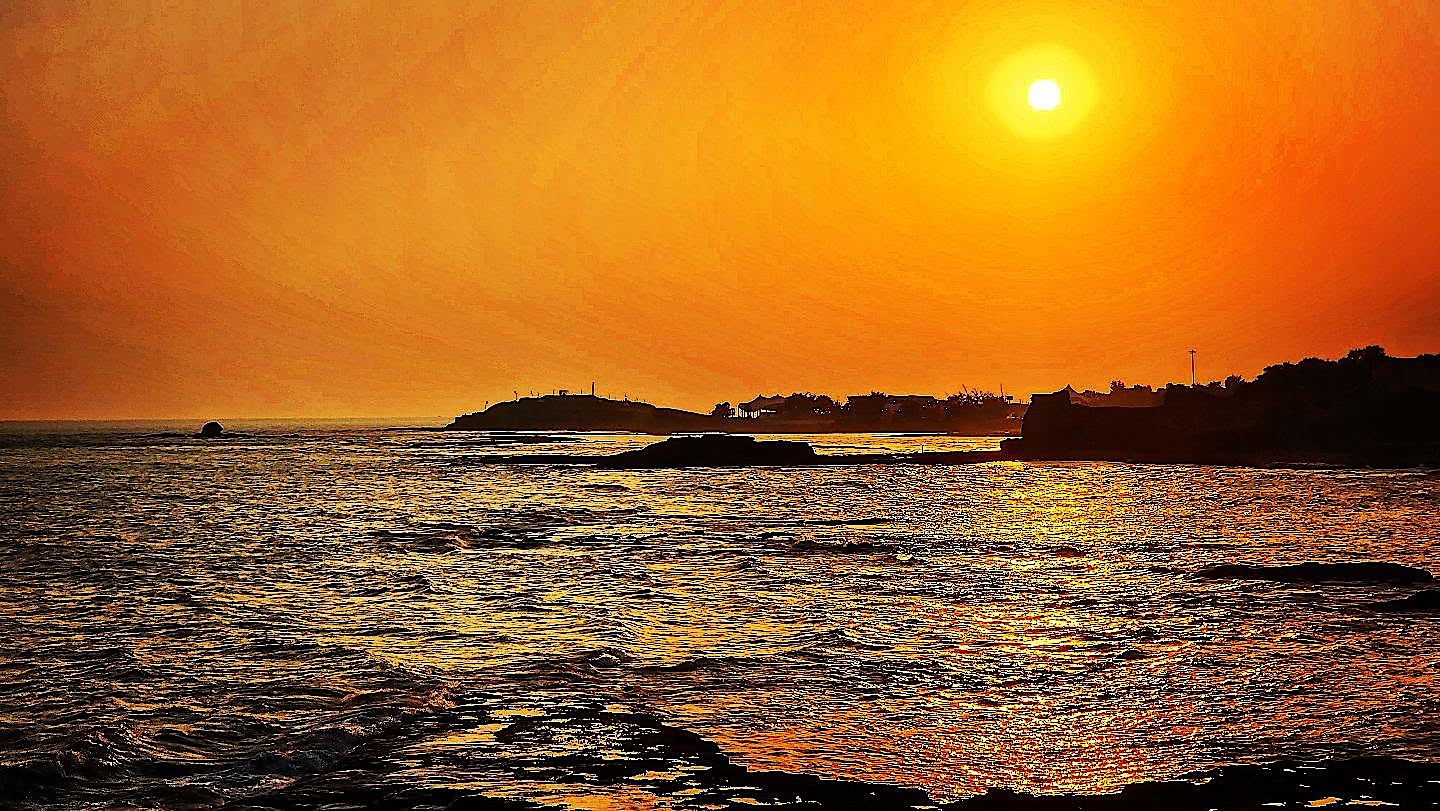
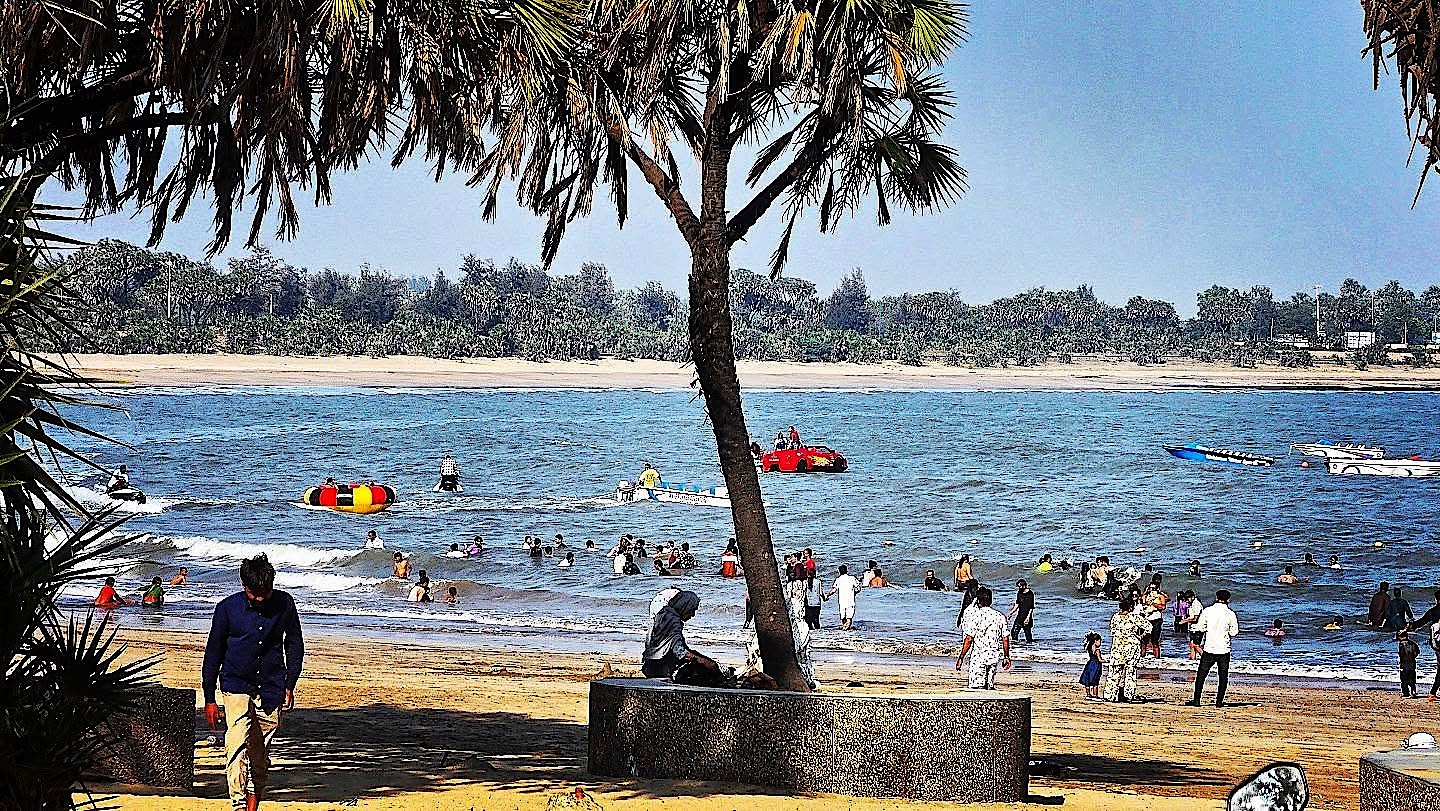
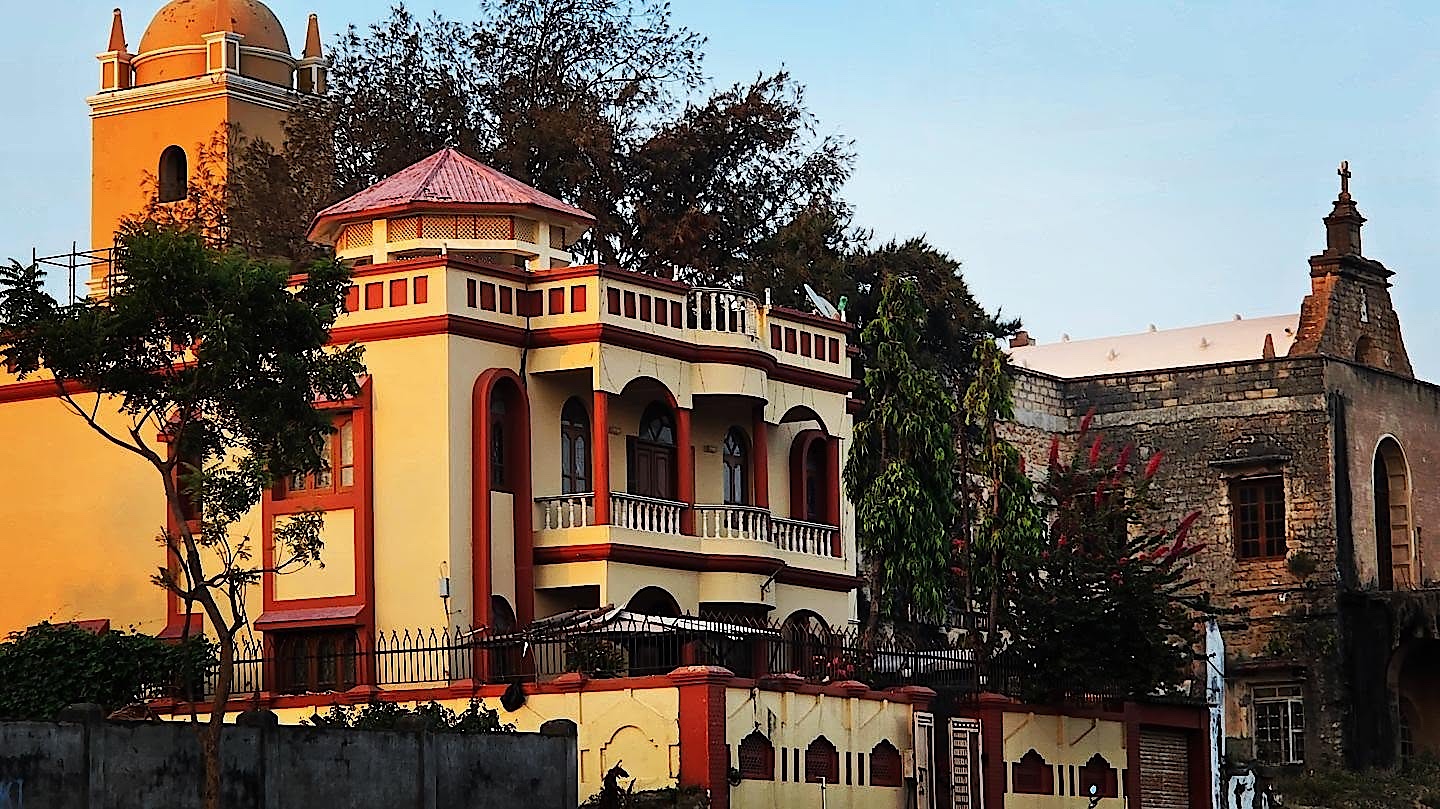
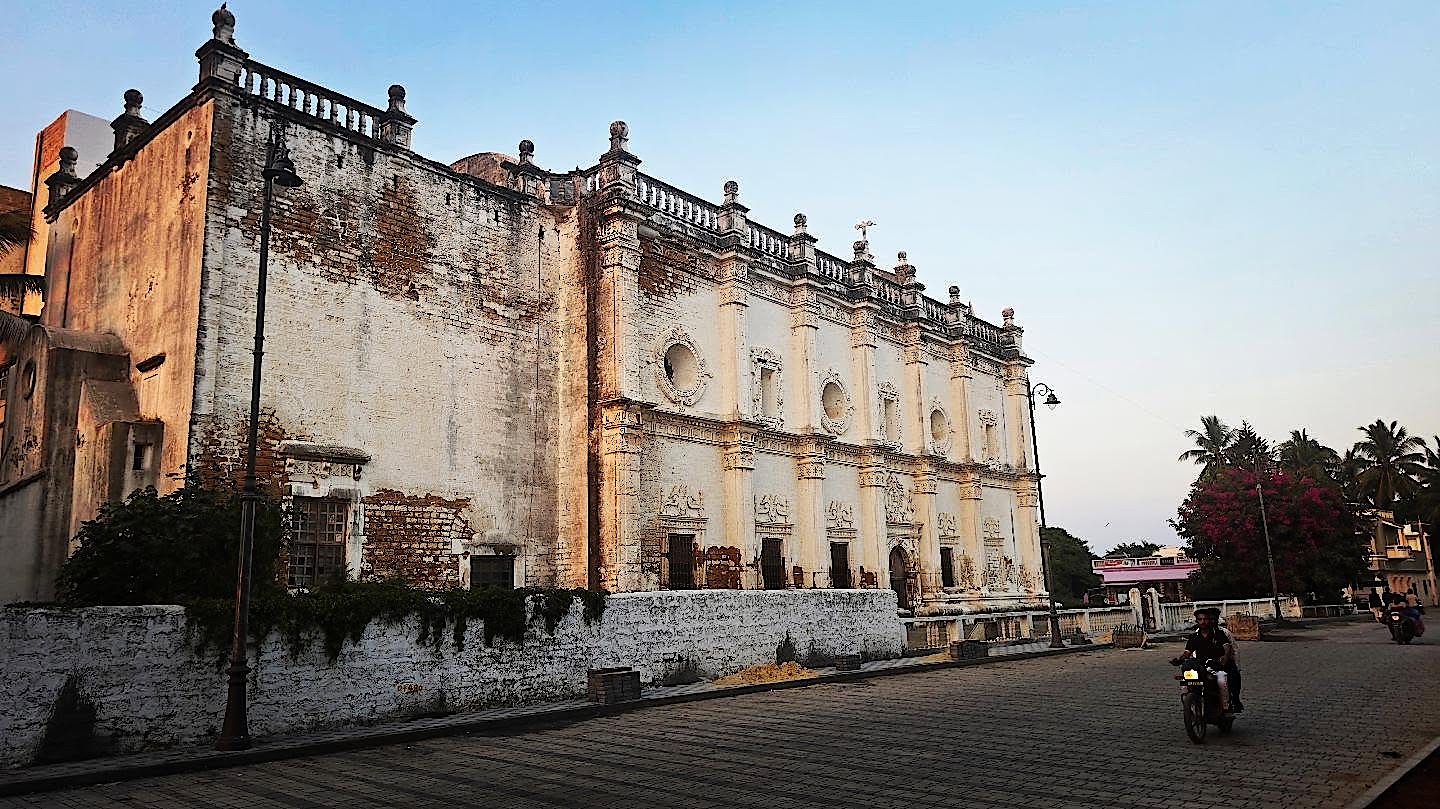
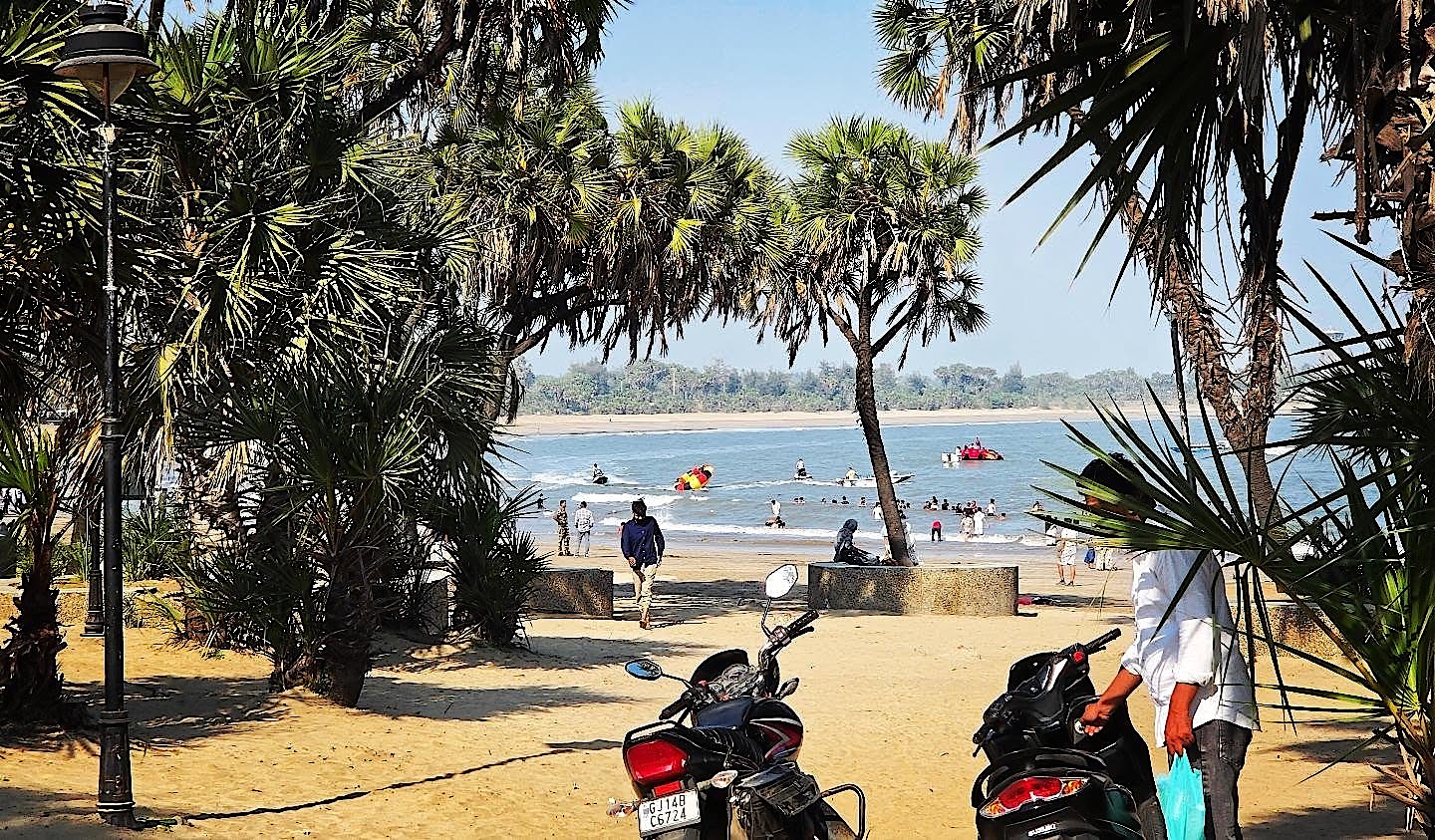
The Portuguese left behind a massive sea fort, narrow lanes and whitewashed churches. St Paul's Church, its white baroque façade framed by bougainvillea, is arguably the most beautiful church in India. Karyna and I explored the town and the fort, and on the beach Indian beach life was in full swing.
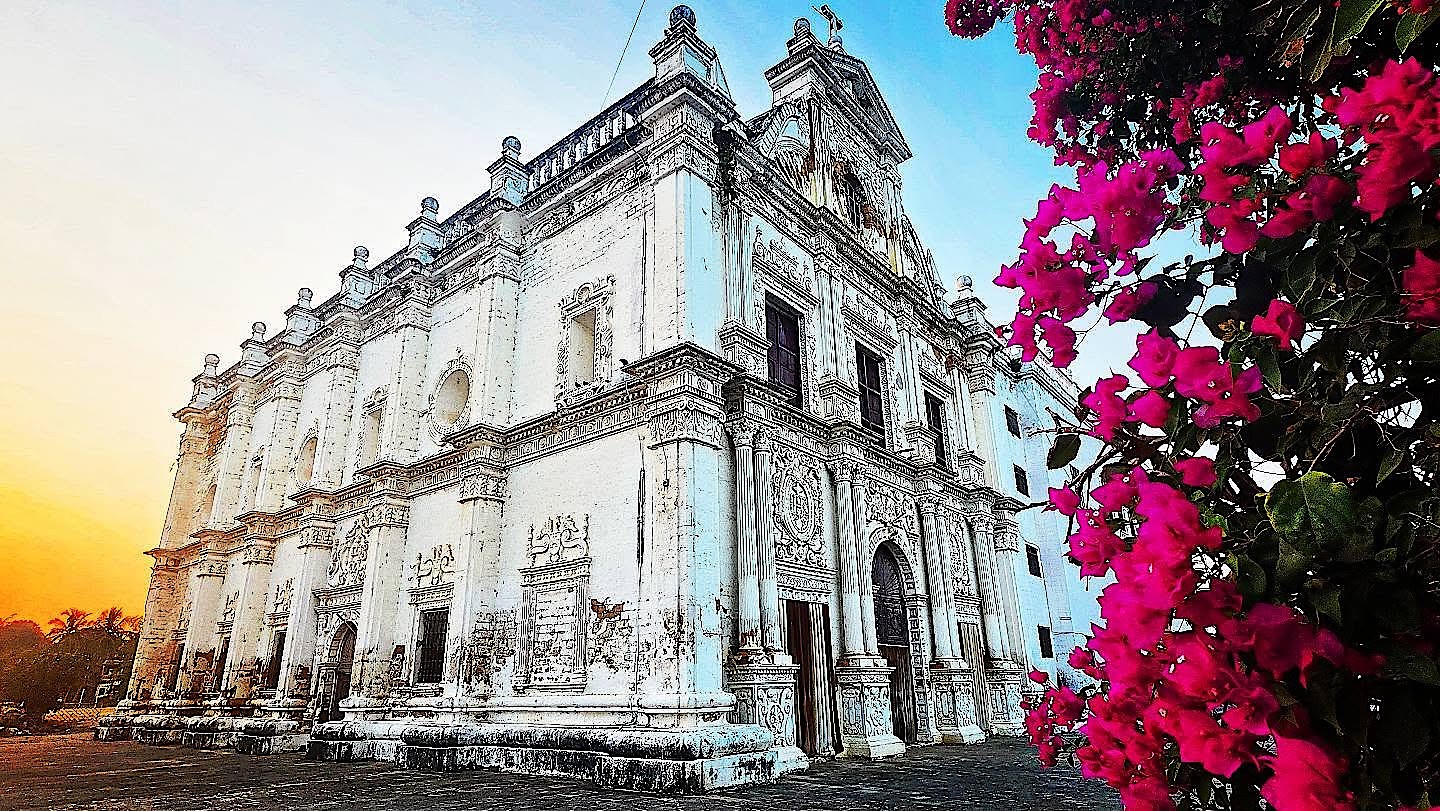
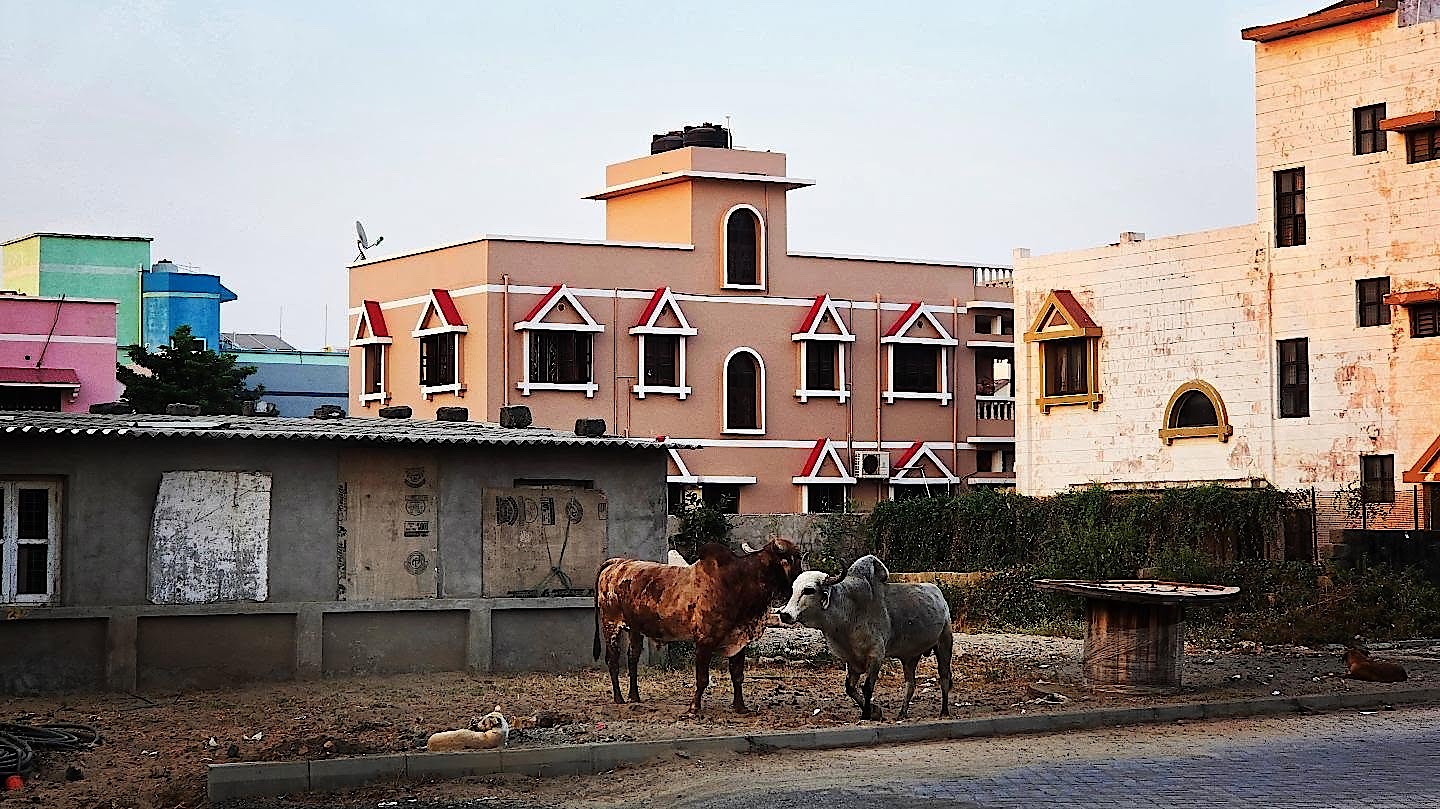
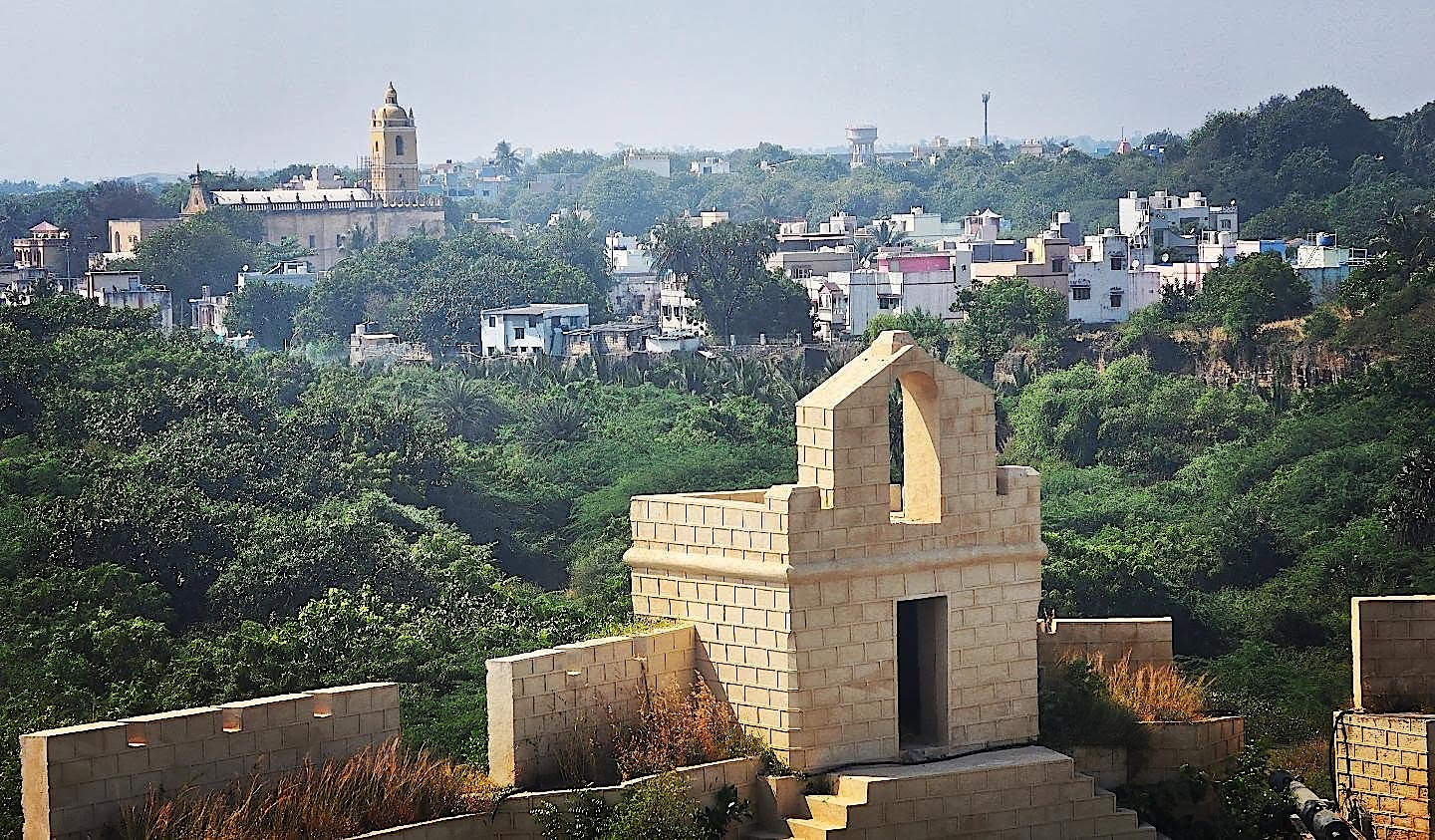
Diu is not as nice as Goa, but it is still an interesting part of India. Away from the beach, cows wander through lanes of colourful colonial houses, and besides St Paul's, several more Portuguese churches still stand in the old town.
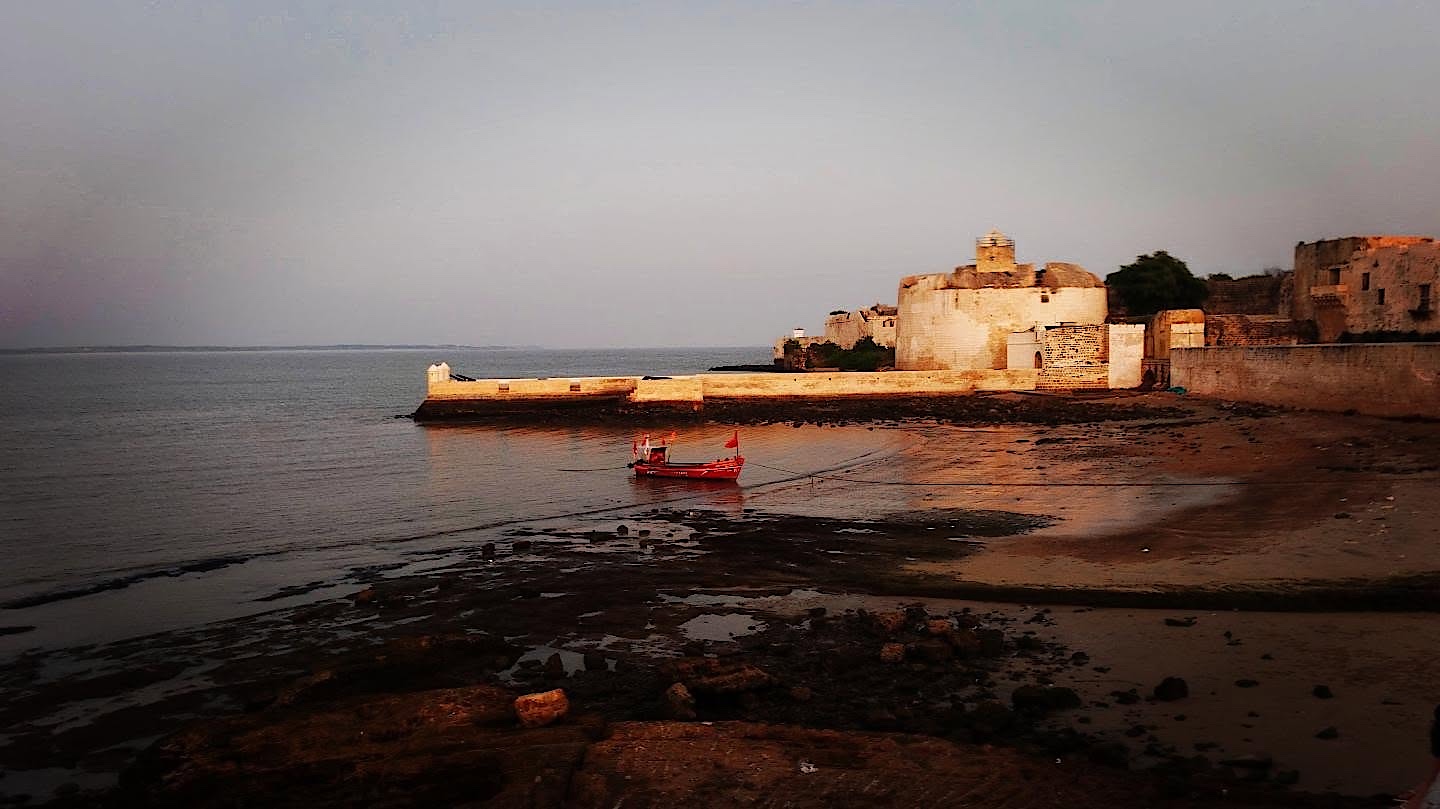
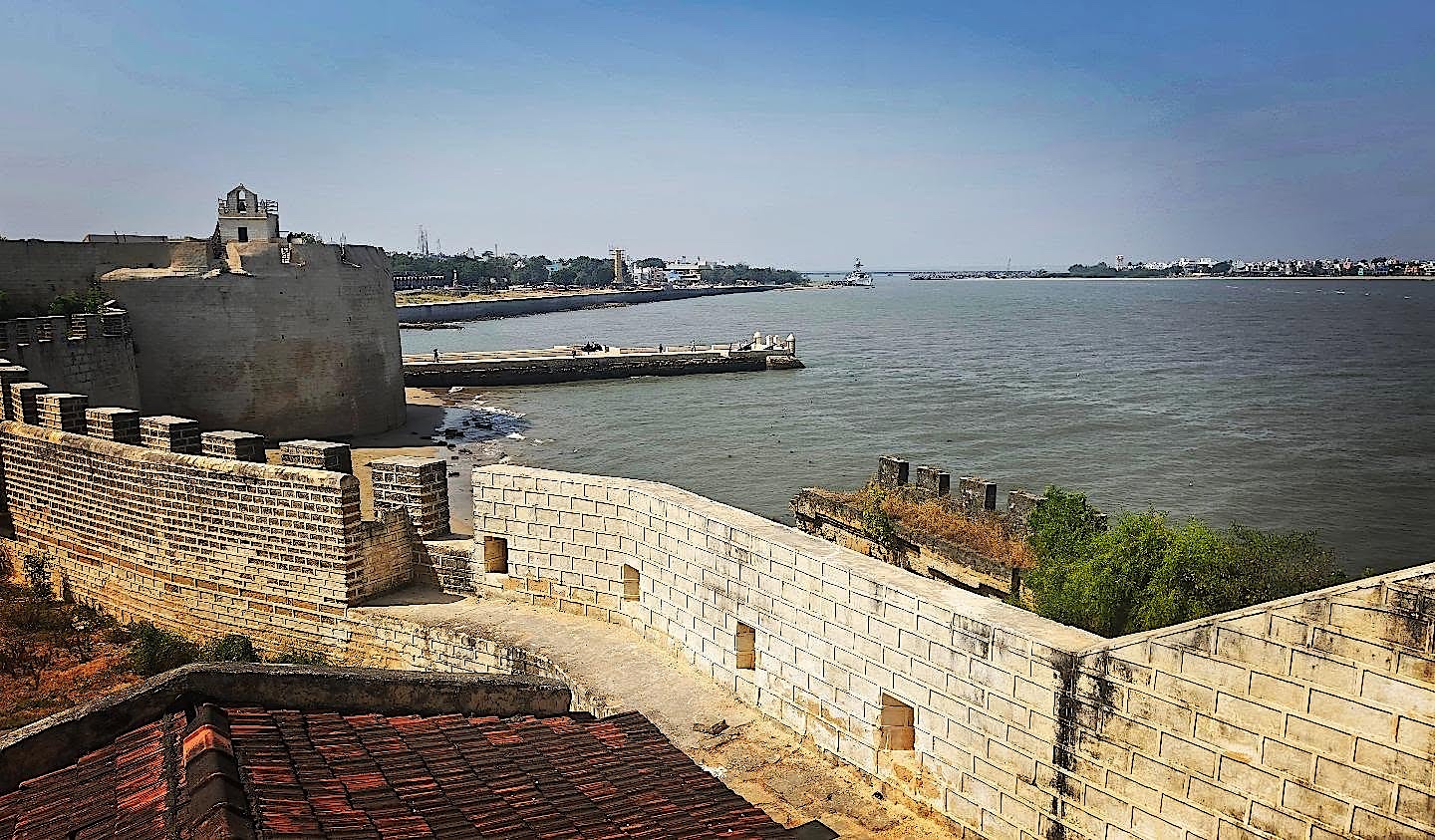
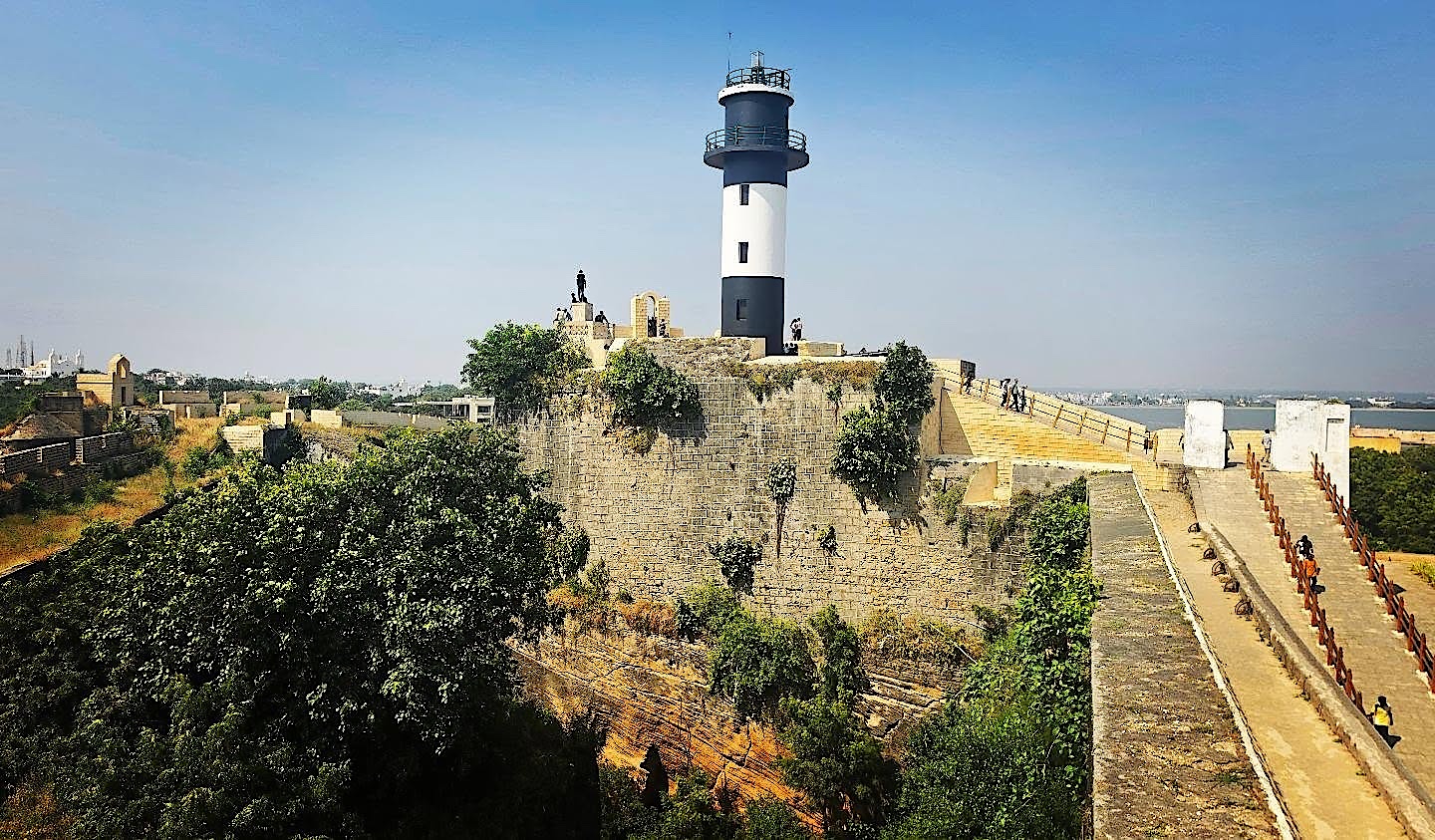
The fort takes up the eastern tip of the island. From its ramparts, with a lighthouse on one of the bastions, you look over the old town on one side and across the water to Panikota on the other, a small fortress on a rock at the mouth of the creek.
The beaches outside town are lined with hoka palms, the branching palms Diu is known for.
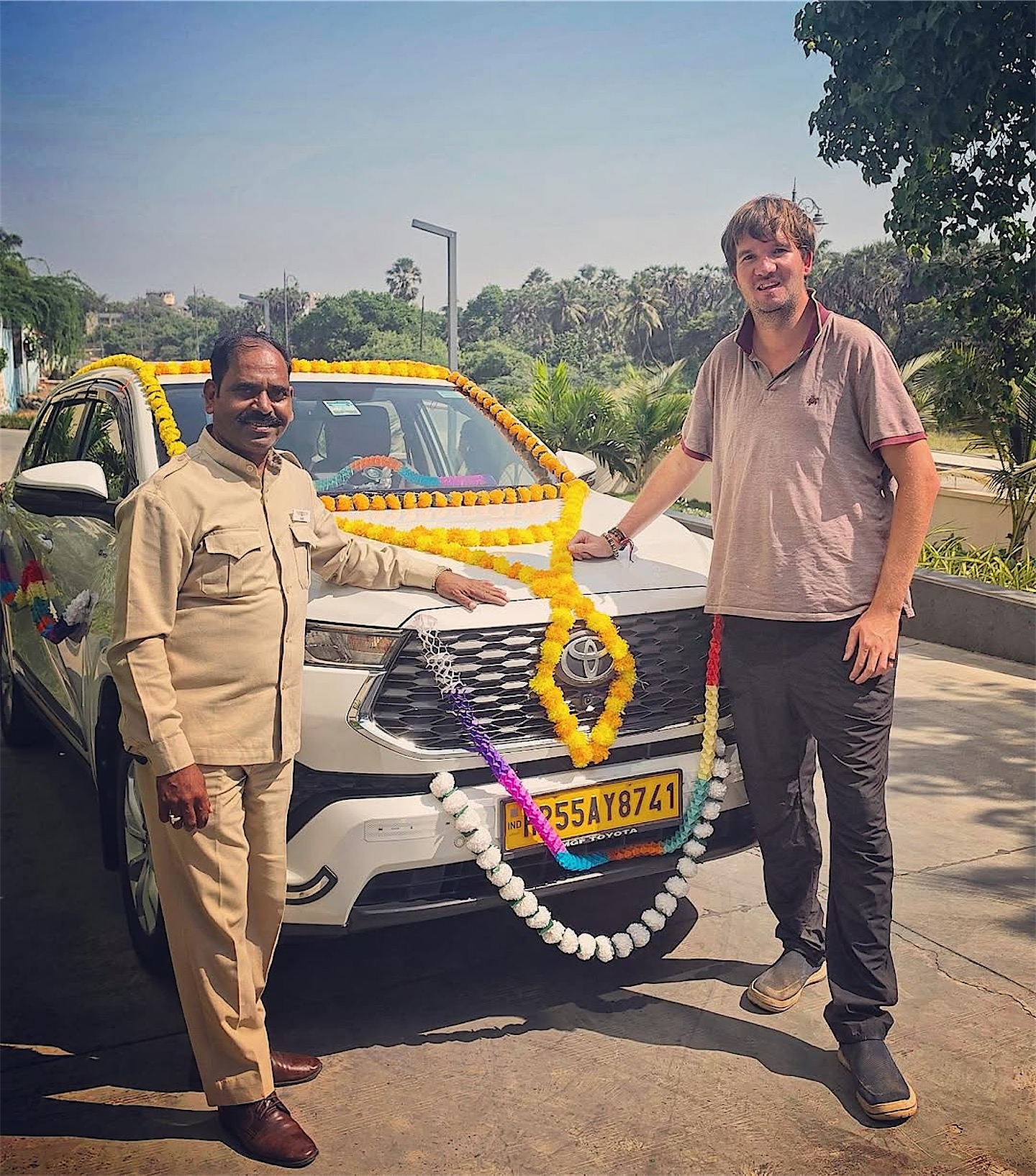
It was also Diwali, the festival of lights, and time to say goodbye to my driver. He had brought me all the way from the Thar Desert to the shores of the Indian Ocean in ten days, and for the festival his car was decked out with garlands.
From the plane I had one last view of Diu town and the bridge to the mainland. Golden and blue cities, five leopards in a day, a sloth bear and the last wild Asiatic lions: not bad for ten days. Next stop: a few days in the United Arab Emirates, where after India even a pizza felt guilt-free again.