Chiloé, Robinson Crusoe Island and Valparaíso: Wooden Churches, Fur Seals and a Castaway's Lookout
8–16 March 2025 · Chonchi, Castro, Dalcahue, Santiago, San Juan Bautista, Viña del Mar, Valparaíso · Regions: Chile (Chiloé, Juan Fernández Islands, Valparaíso)
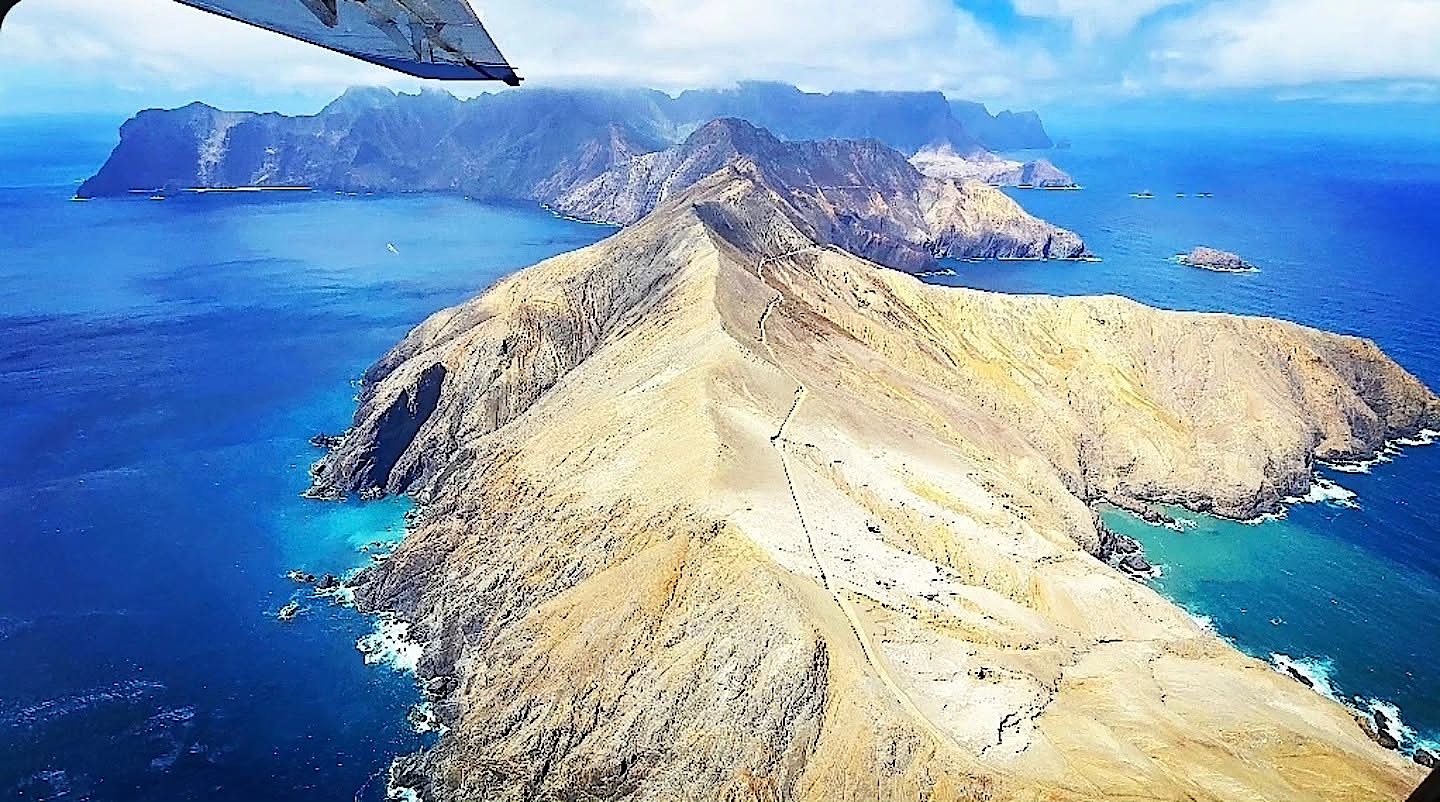
After Rio, Brasília and the Chapada dos Veadeiros, I swapped Florianópolis on its Atlantic island for Chile's Pacific islands. The real goal was the Juan Fernández archipelago, my last missing TCC territory in the Americas. The small plane there had already been rescheduled four times, so I took nothing for granted and used the wait for a quick visit to Chiloé and an afternoon of wine near Santiago.
Chiloé in a shared rental car
I came to Chiloé spontaneously and without any reservations, which nearly backfired: the man ahead of me in the queue got the last available rental car. Instead of leaving me stranded, he offered to share it. He turned out to be a 60-year-old electrician from Alsace who spoke good German, and the perfect companion for a short but very rewarding visit.
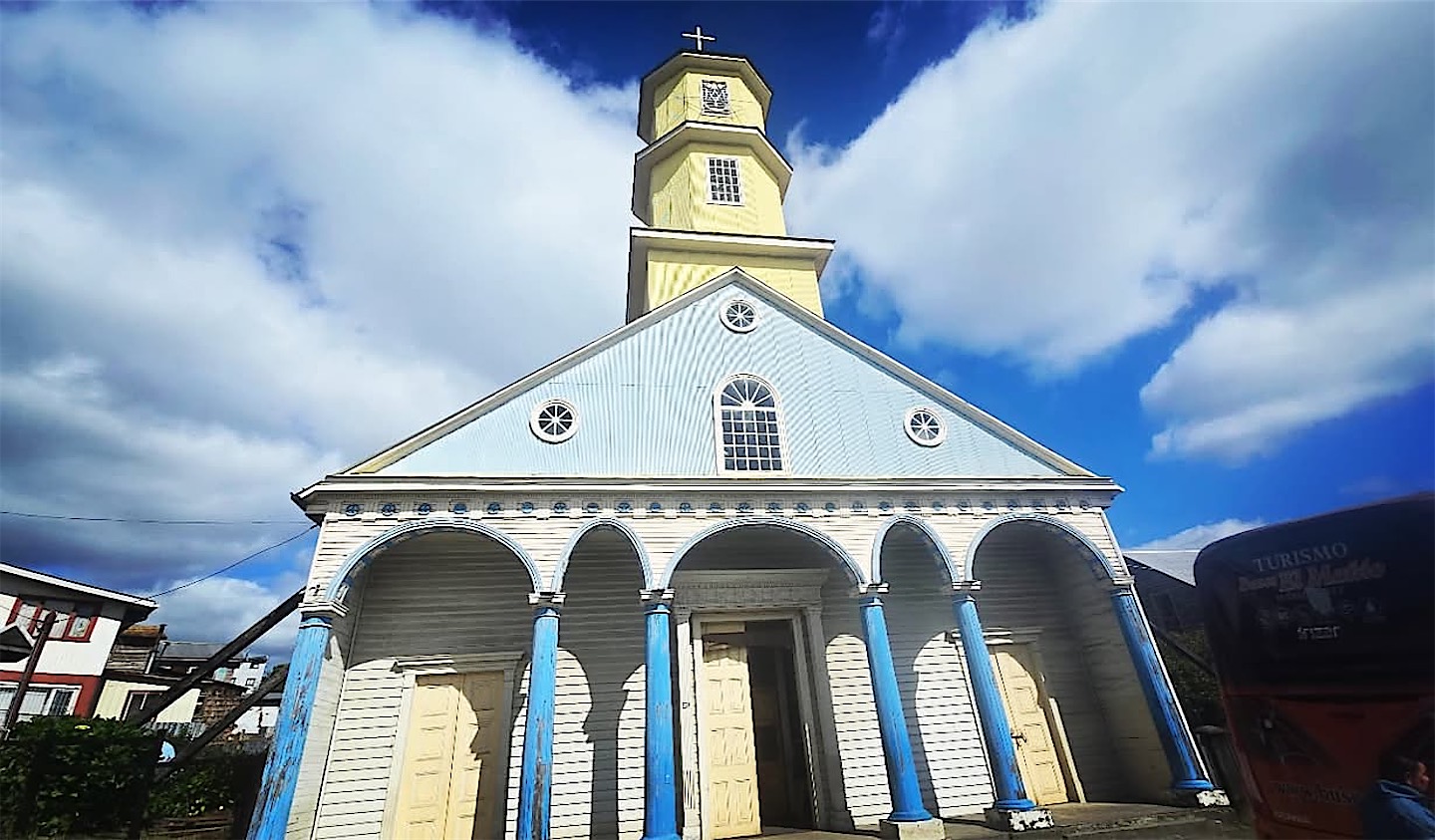
We drove from one wooden church to the next, starting with Chonchi and its blue-pillared portico. In Castro, the island's capital, colourful palafitos stand on stilts above the tidal flats. It was an eventful day, and we managed to see a lot.
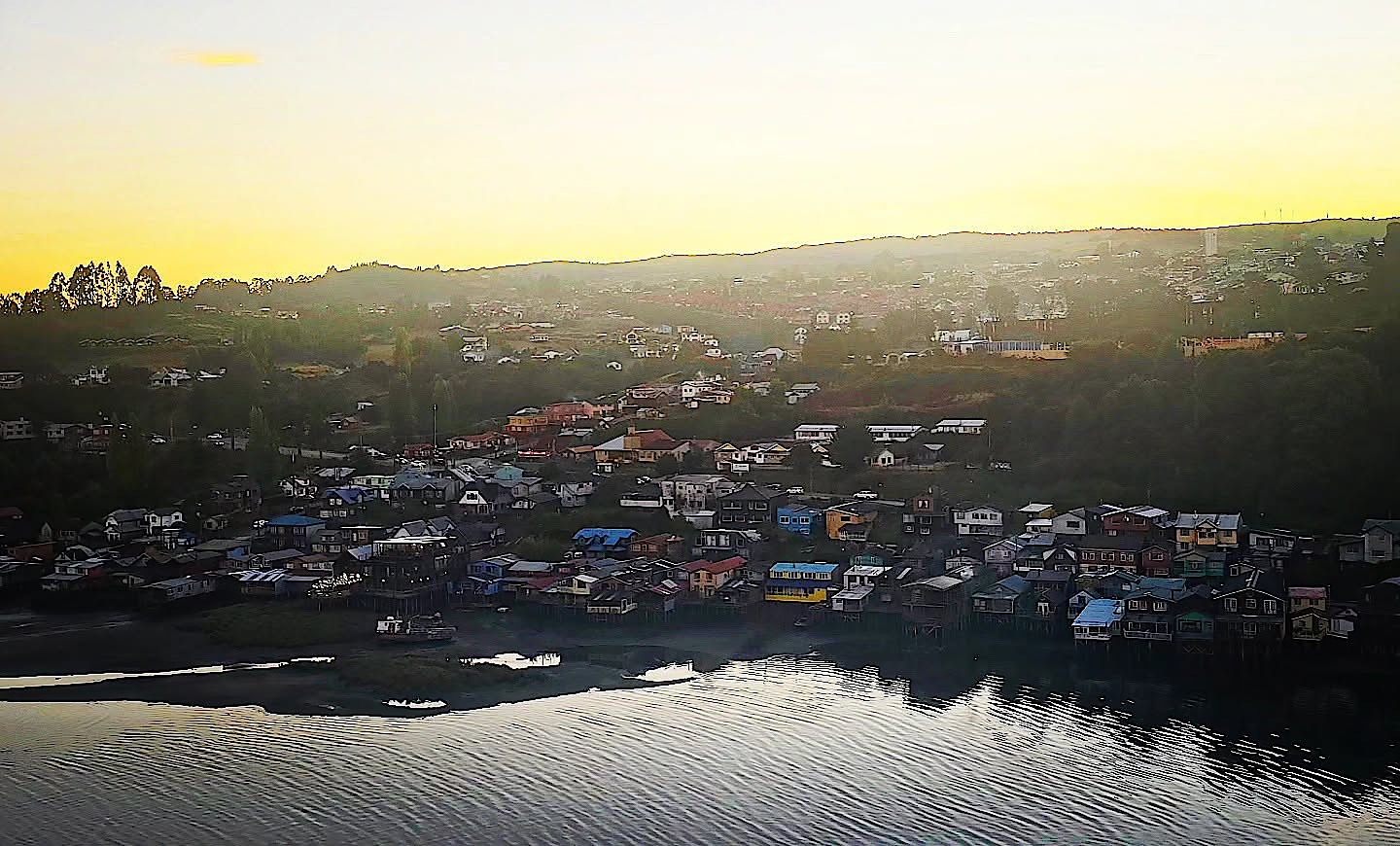
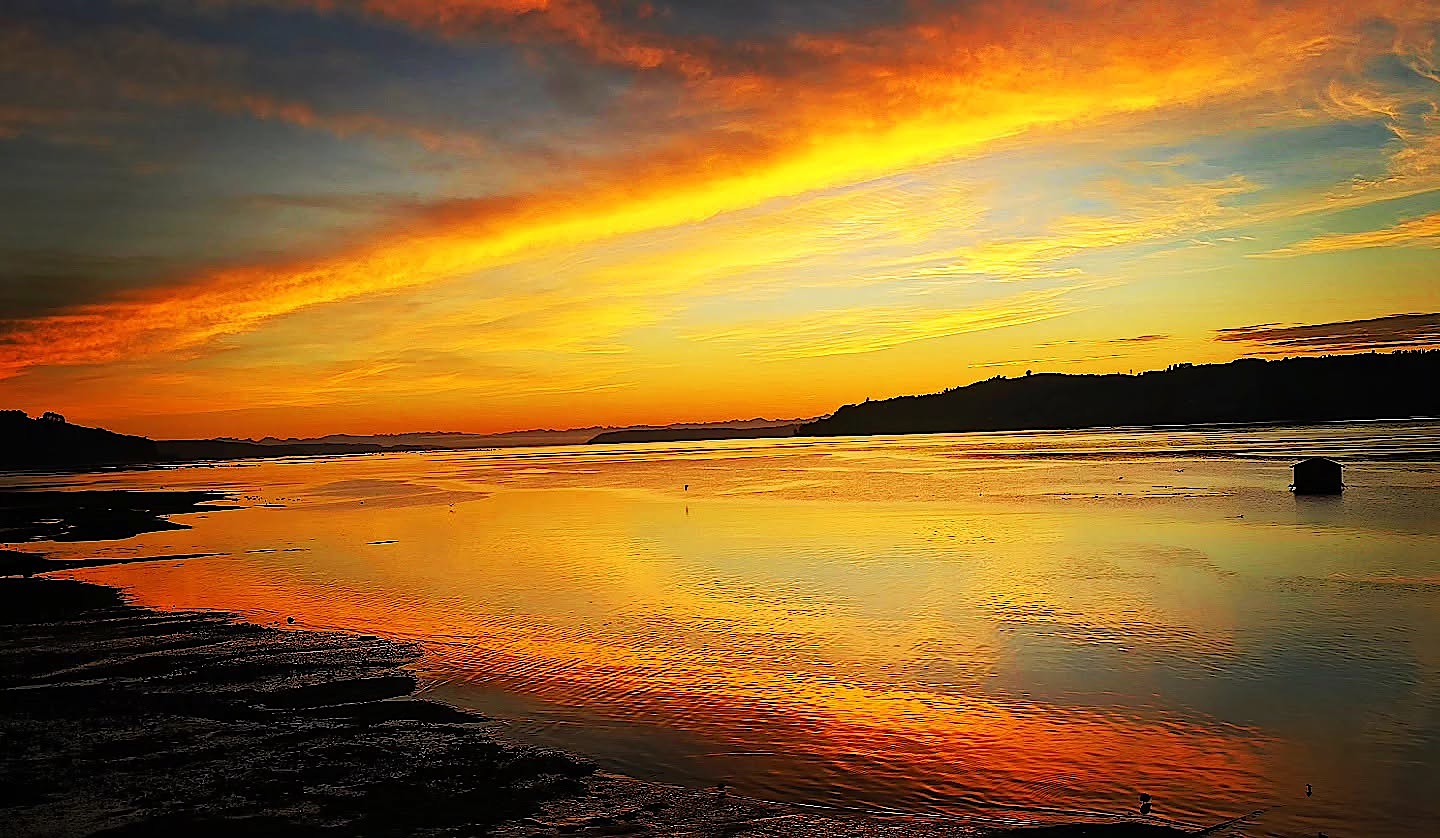
An early start the next morning brought a golden sunrise at Dalcahue, home to another of the UNESCO churches. For once the German proverb about the morning hour having gold in its mouth was literally true. Then we crossed the temperate rainforest to the wild Pacific coast, all on a beautiful early autumn day.
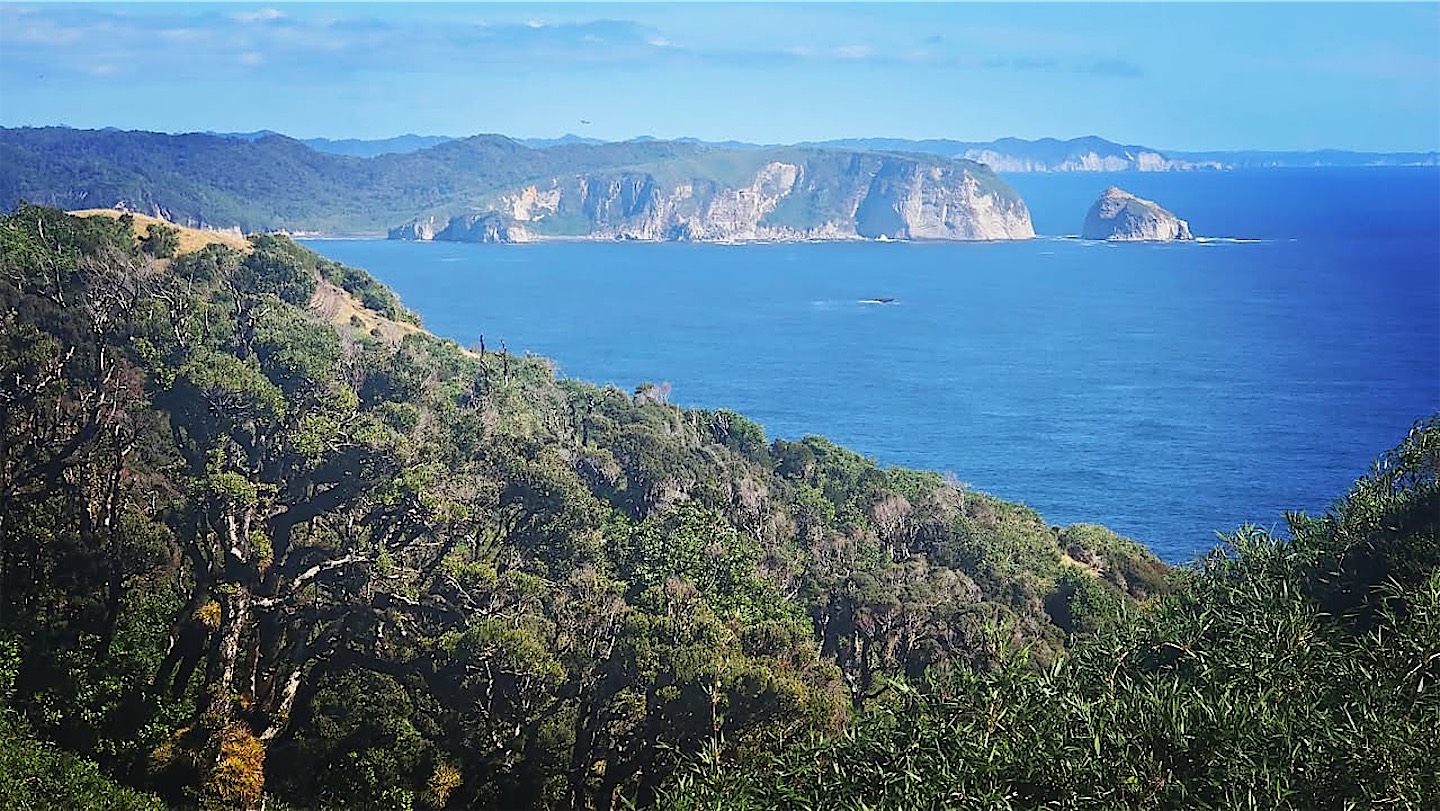
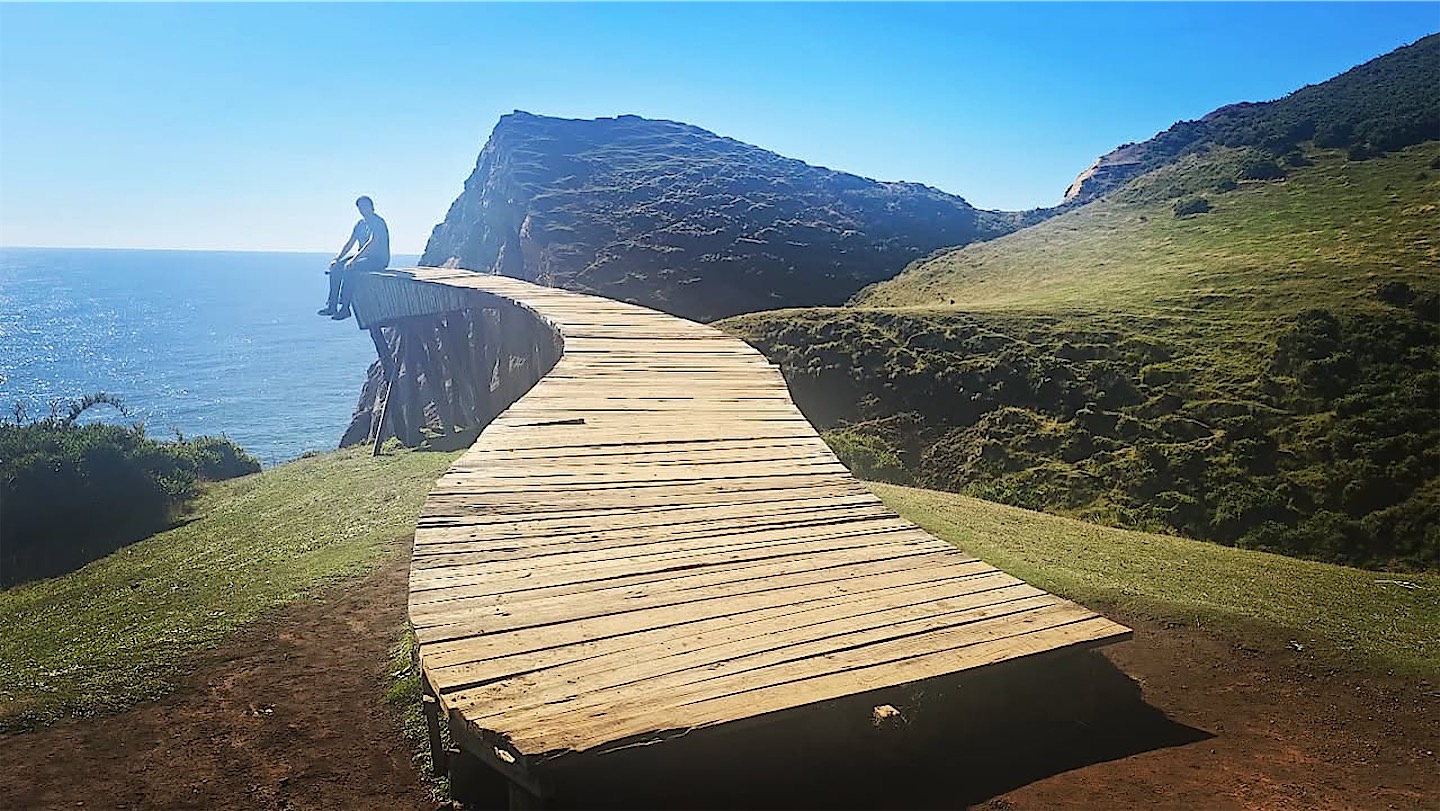
On the cliffs of the west coast, a wooden walkway runs across a meadow and ends in mid-air above the ocean. It is the Muelle de las Almas, the Pier of Souls.
An afternoon in the devil's cellar
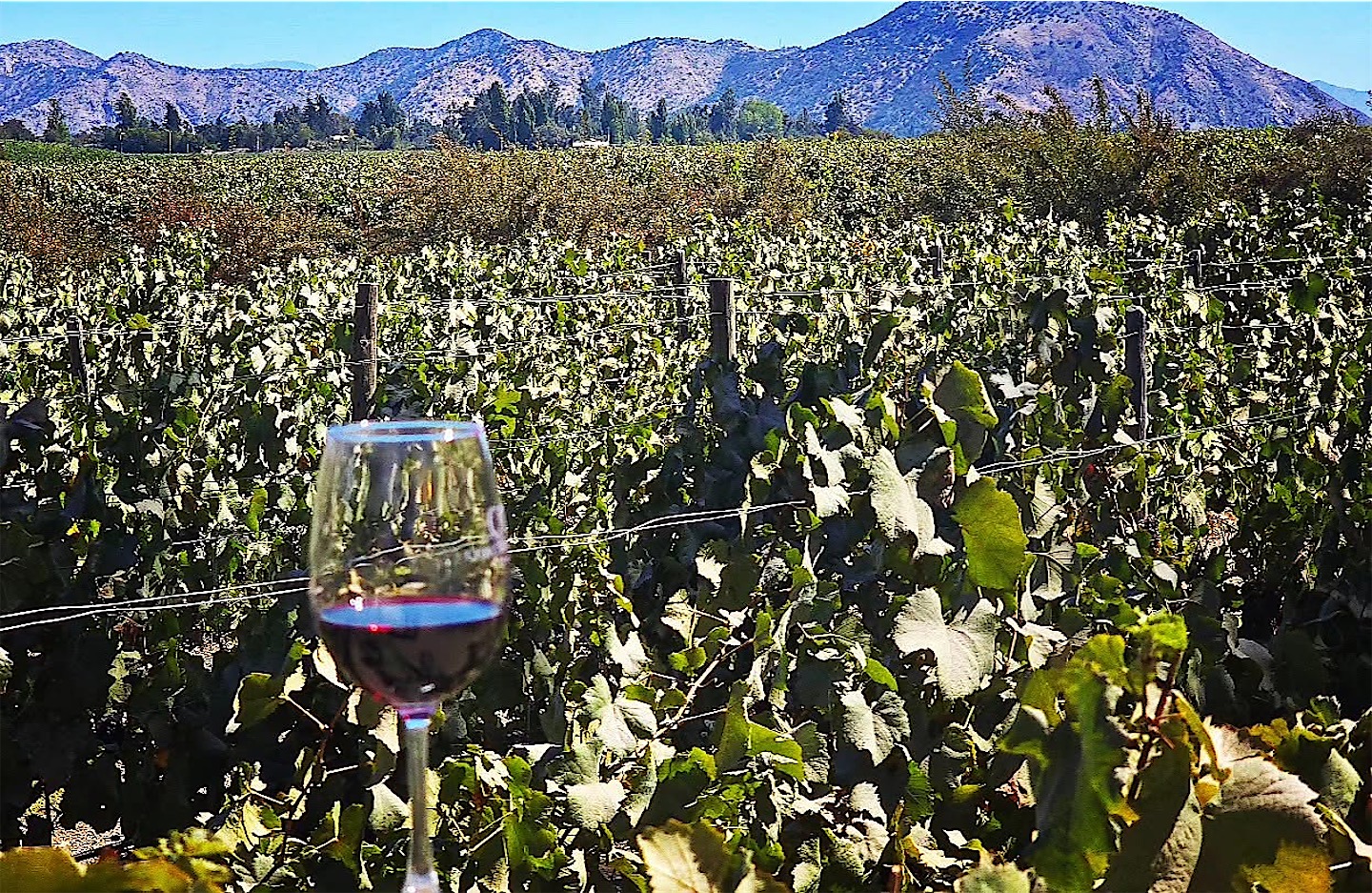
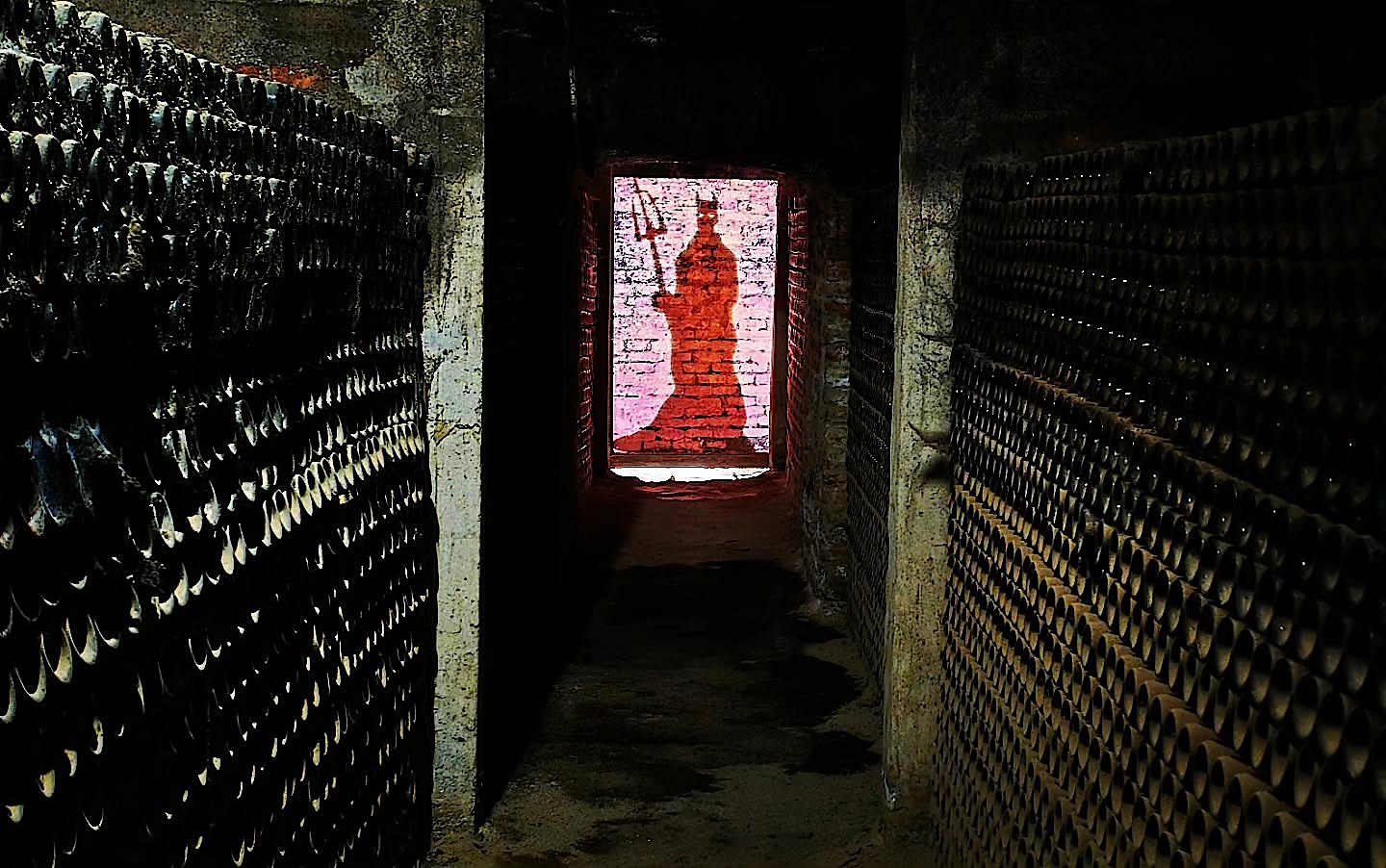
Back on the mainland, I had a free afternoon in Santiago. Strangely, I had never done a wine tasting in Chile, although my own vines grow just across the Andes in Argentina's Uco Valley. So I went to Concha y Toro in the Maipo Valley, where the tour ends in a dark cellar with a famous name: the Casillero del Diablo.
A small plane to Robinson Crusoe Island
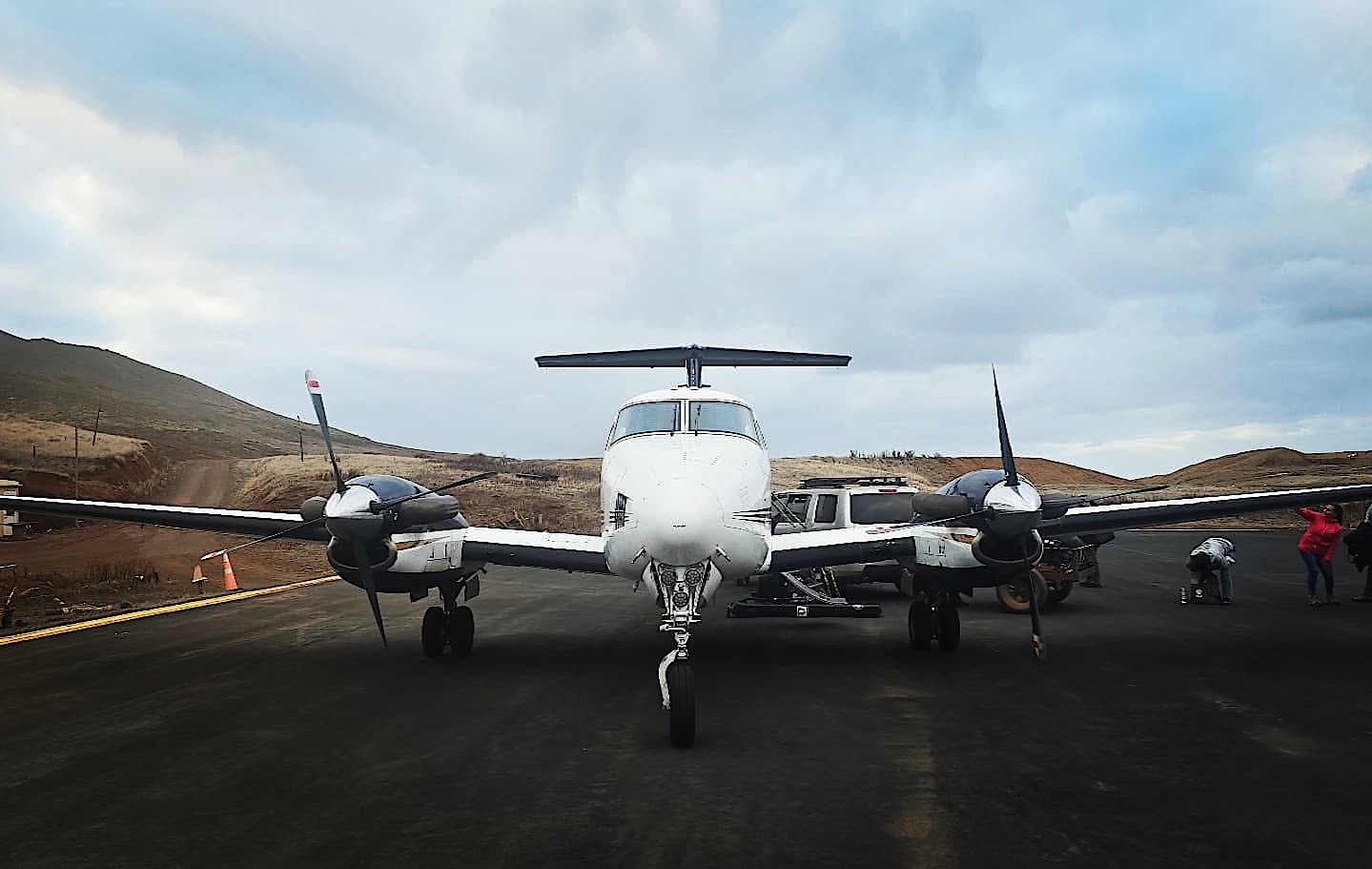
Then, with fingers crossed, I went back to the airport, and after four reschedulings we finally took off. With only one other passenger on board, the small turboprop felt almost like a private jet. After this island, I knew, the remaining territories on my list would all be comparatively easy to reach.
The approach to the short airstrip on the island's dry western tip is notoriously tricky, and only a few turboprop types can manage it. This time there were heavy crosswinds, and a recent cyclone off Australia had sent huge swells all the way across the Pacific, so it was uncertain whether we could land at all. In 2011 an air force plane carrying volunteers crashed into the sea here on approach, killing all 21 people on board.
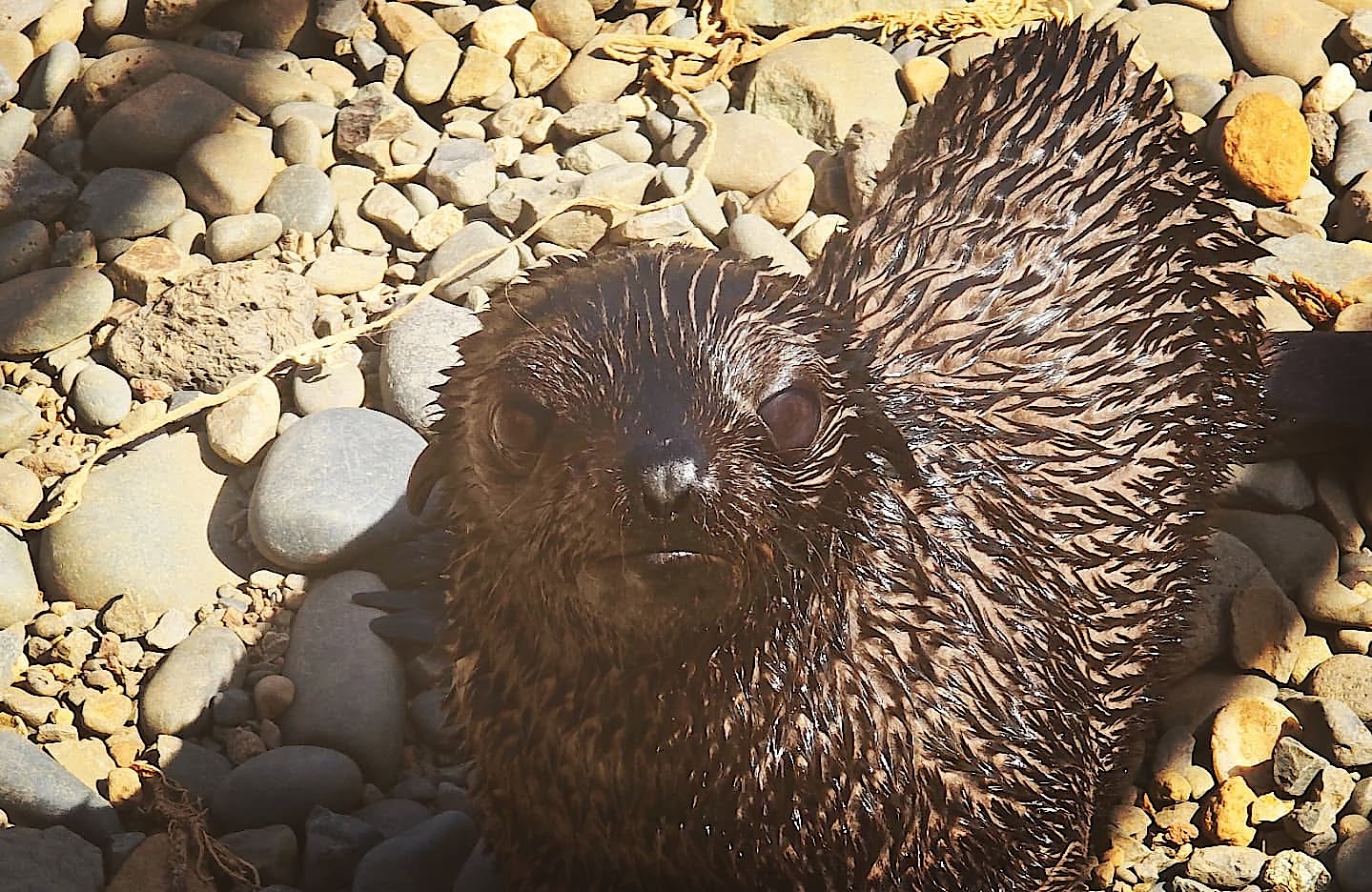
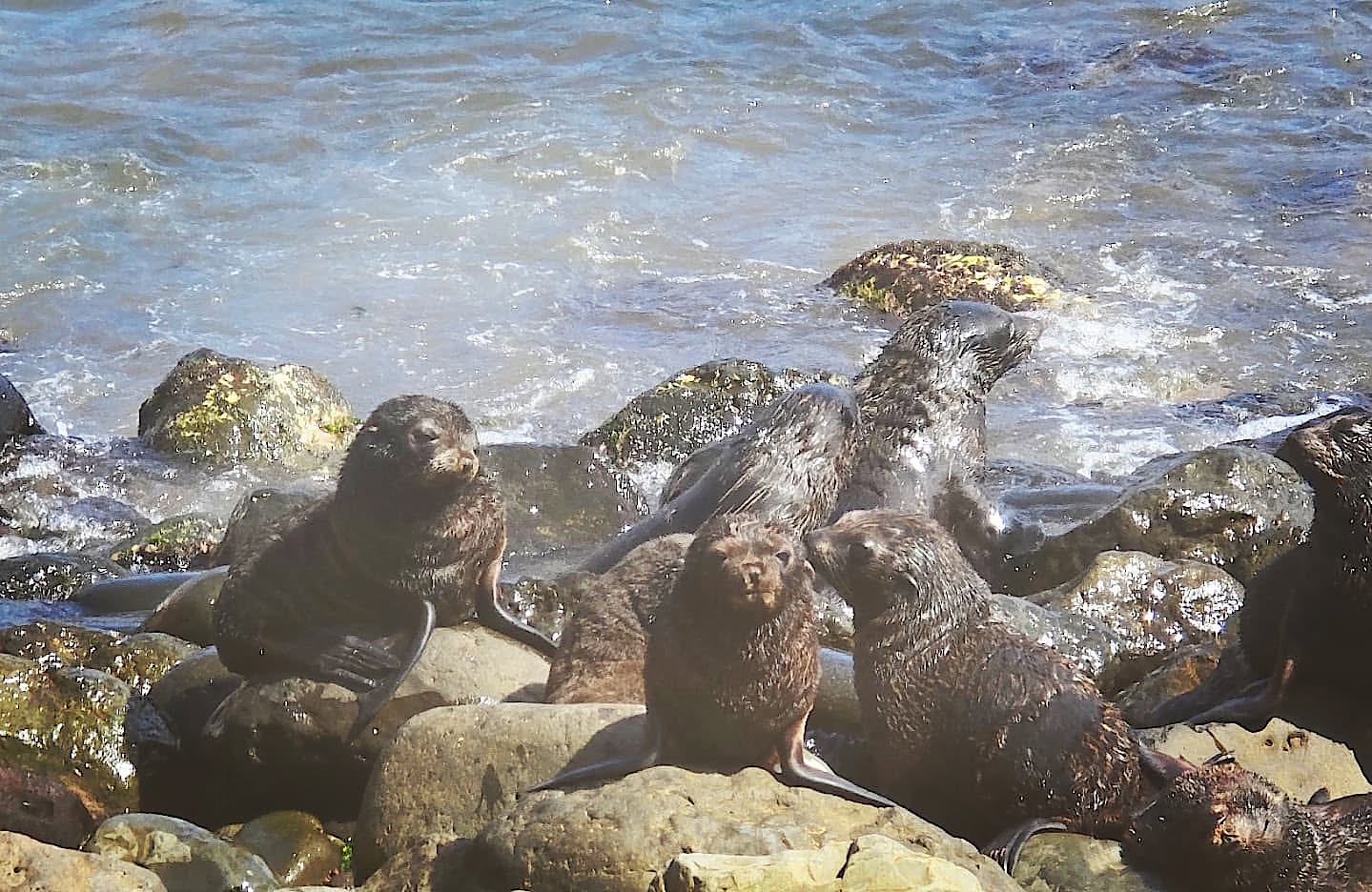
We landed safely. The island is too rugged for a road to the village, so after a five-minute drive to a sheltered port, a boat took us along the cliffs for half an hour to San Juan Bautista, the only settlement. Plenty of cute fur seal pups were waiting on the rocks.
Diving, seals and Selkirk's lookout
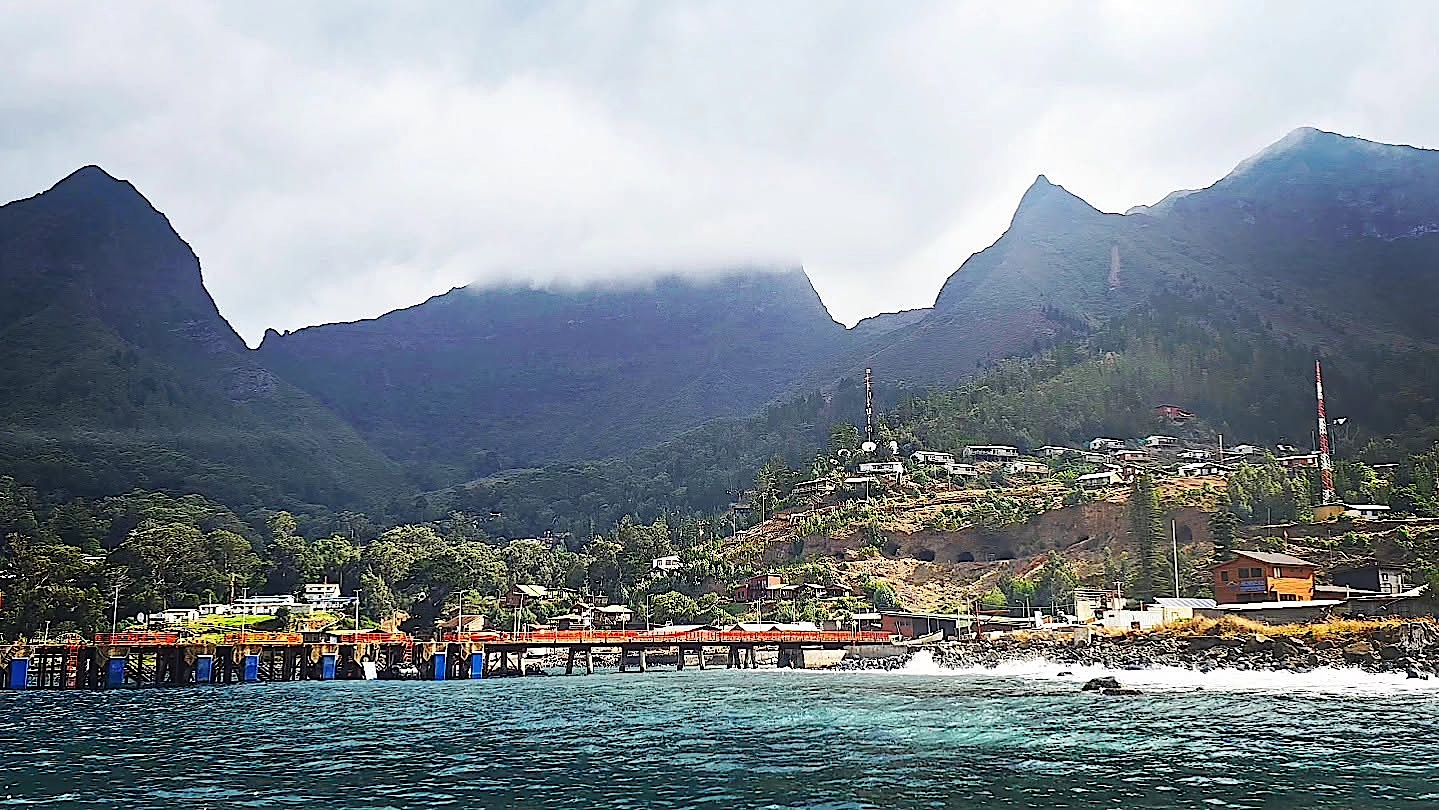
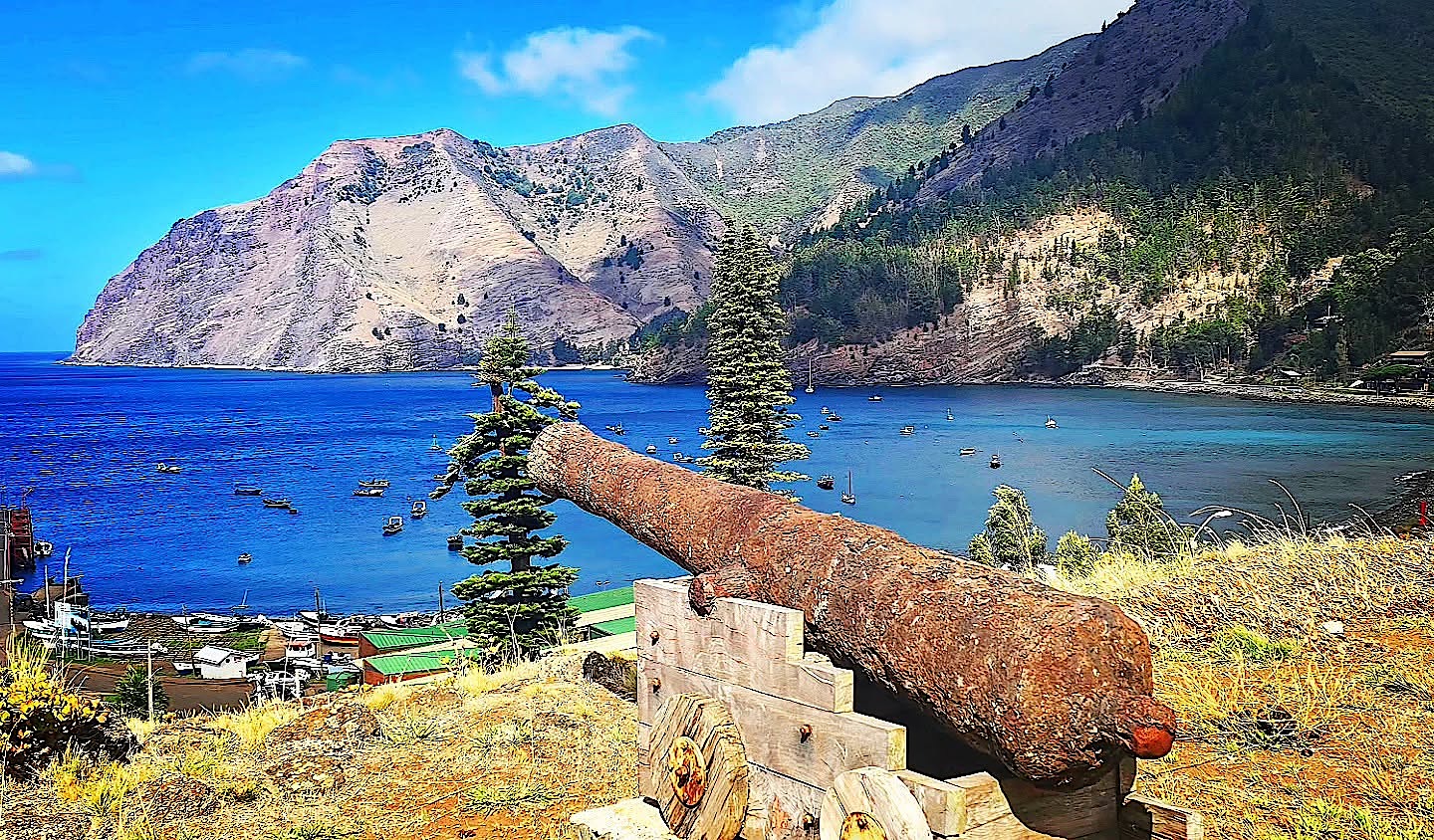
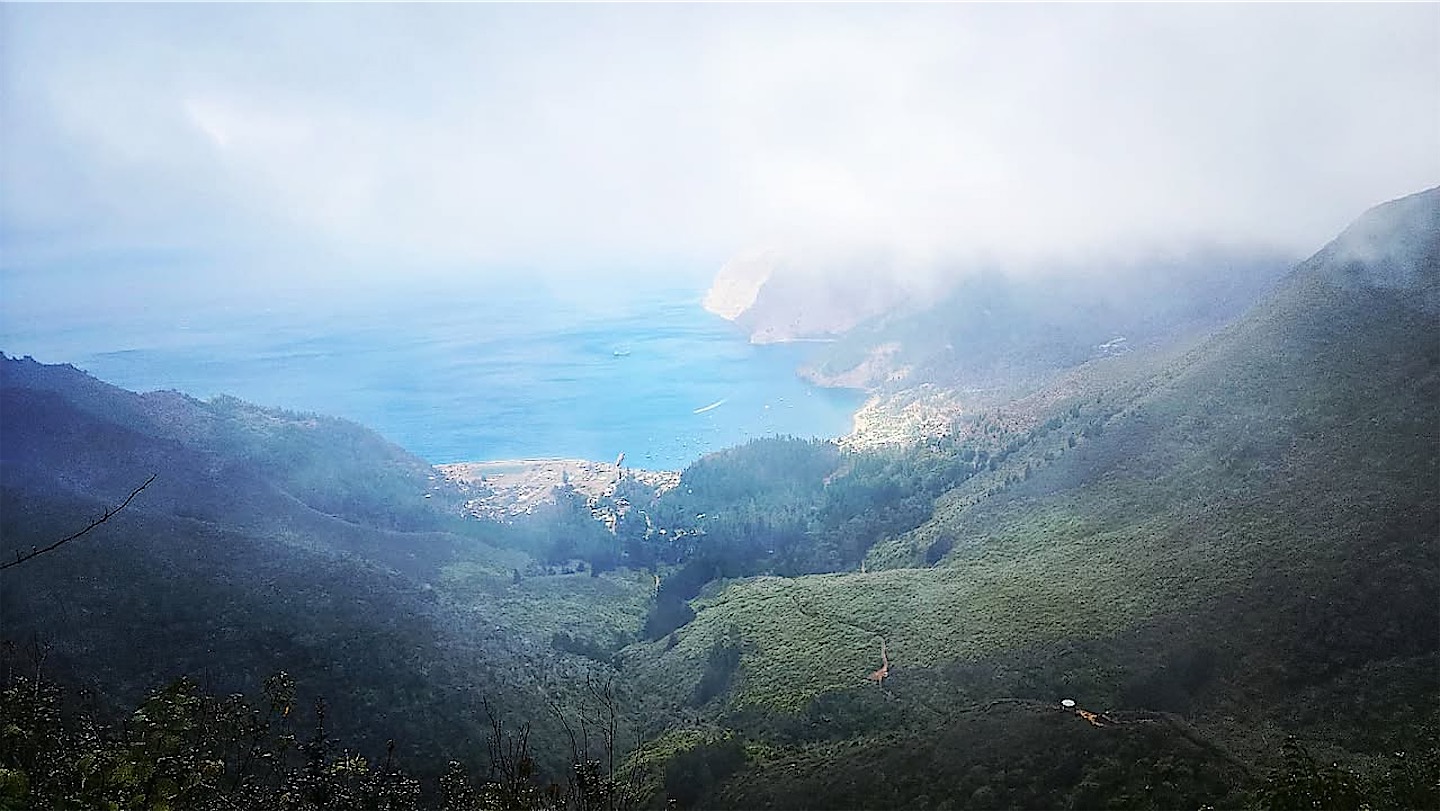
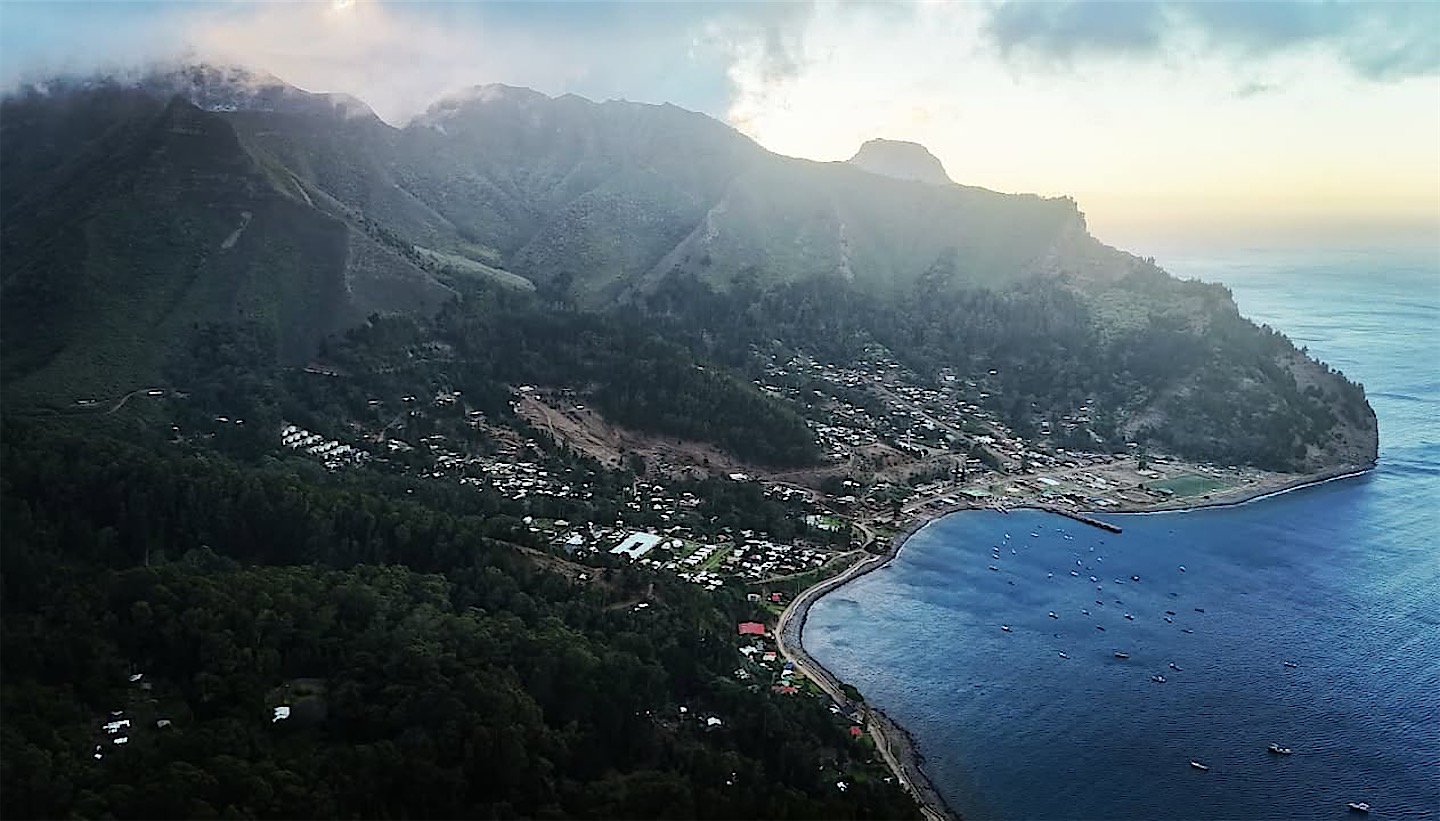
San Juan Bautista is home to almost 1,000 people, squeezed between Cumberland Bay and steep green mountains that are often hidden in cloud. Old Spanish cannons still point at the bay, and in 2010 a tsunami from the great earthquake on the mainland swept through the lower village. Germans may know the bay from naval history: in March 1915 the cruiser Dresden, the only German cruiser to escape the Battle of the Falklands, was cornered here by the British and scuttled by her crew. I was there almost exactly 110 years later.
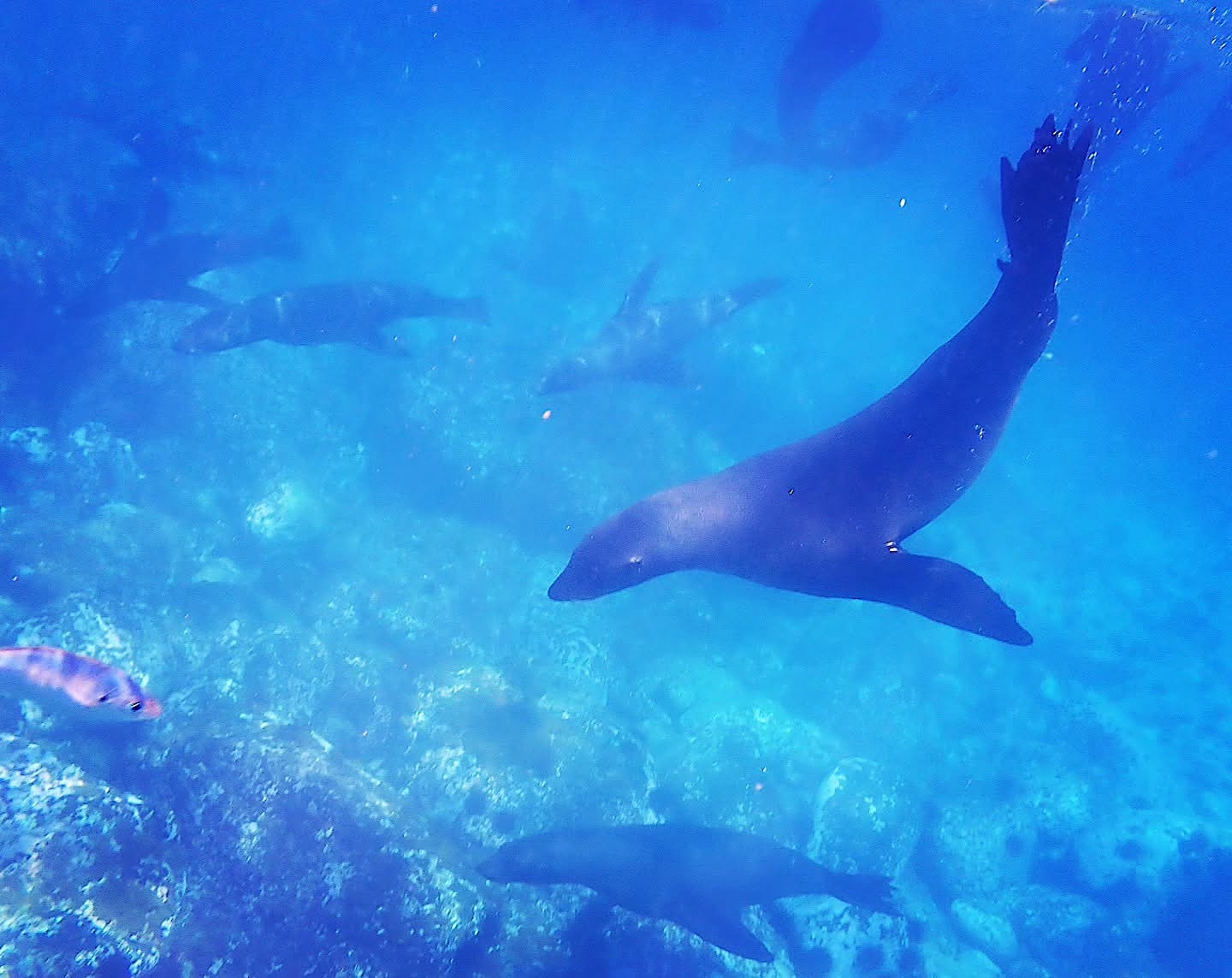
The days were busy with diving and hiking. The marine life was modest, mostly endemic moray eels and fish, but the drift dives were challenging and gave me a new personal depth record of 33 metres. The real stars were the playful fur seals, which made snorkelling great fun.
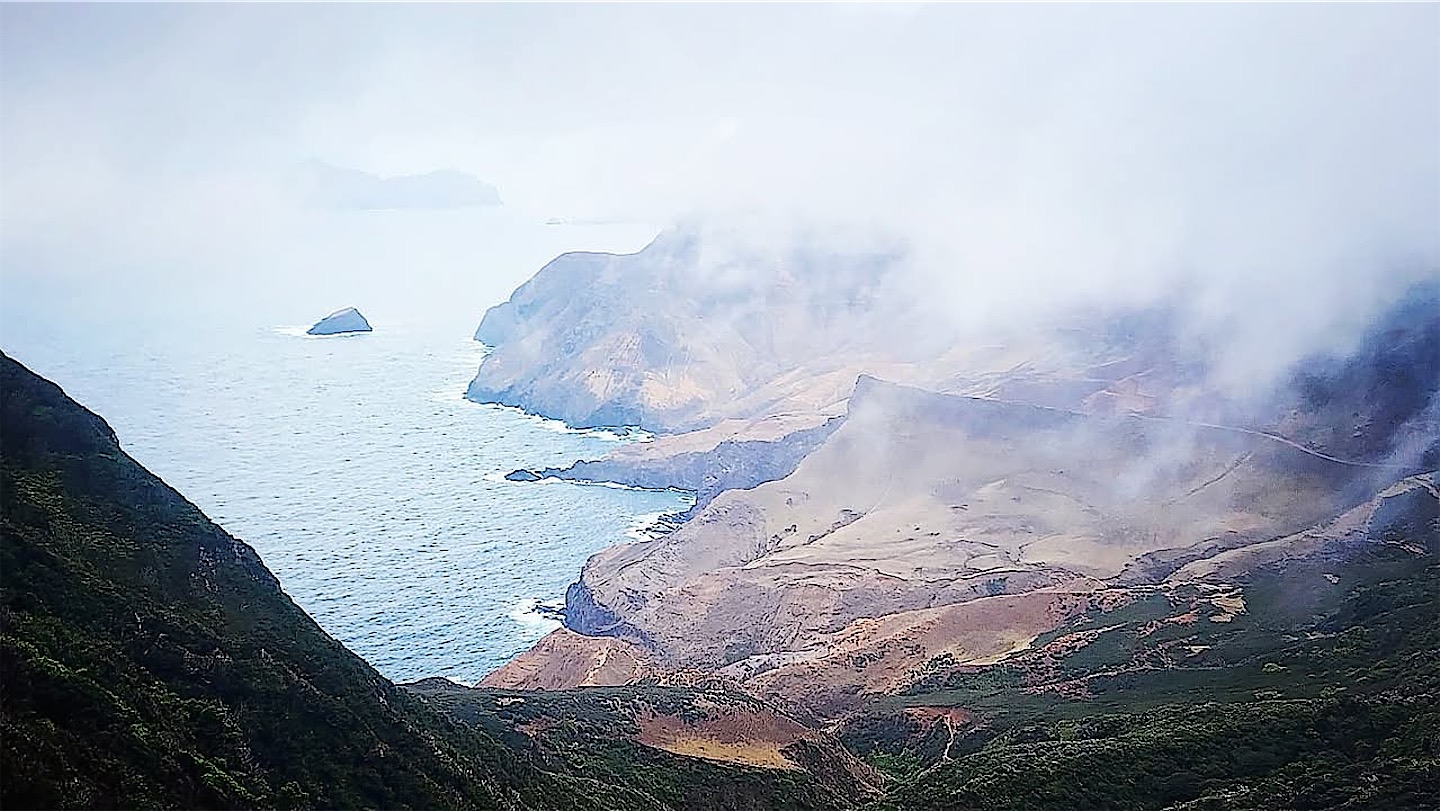
The classic hike climbs about 600 metres into the clouds to the Mirador de Selkirk, where the castaway is said to have watched for ships. It is seven kilometres in total, and the view over the island is well worth it.
On my last day I flew my drone for the first time in a long while and captured a 360° panorama of San Juan Bautista. The wind made it a gamble. Gusts here can push a drone 50 metres down within seconds, and at one point mine was pushed 200 metres lower and could no longer make it back. I crash-landed it on the roof of a viewpoint hut and hiked 30 minutes to rescue it.
Getting off the island
Reaching a remote island is only half the job; you also have to leave it again. My flight was delayed by several hours, but after the cumbersome journey back from Cumberland Bay by boat and car, a small twin-engined plane took me to the mainland that Friday evening, as planned. It dropped me at Santiago's remote private-jet terminal, an unlikely place to be stuck, since no Uber can come there.
A last day in Valparaíso
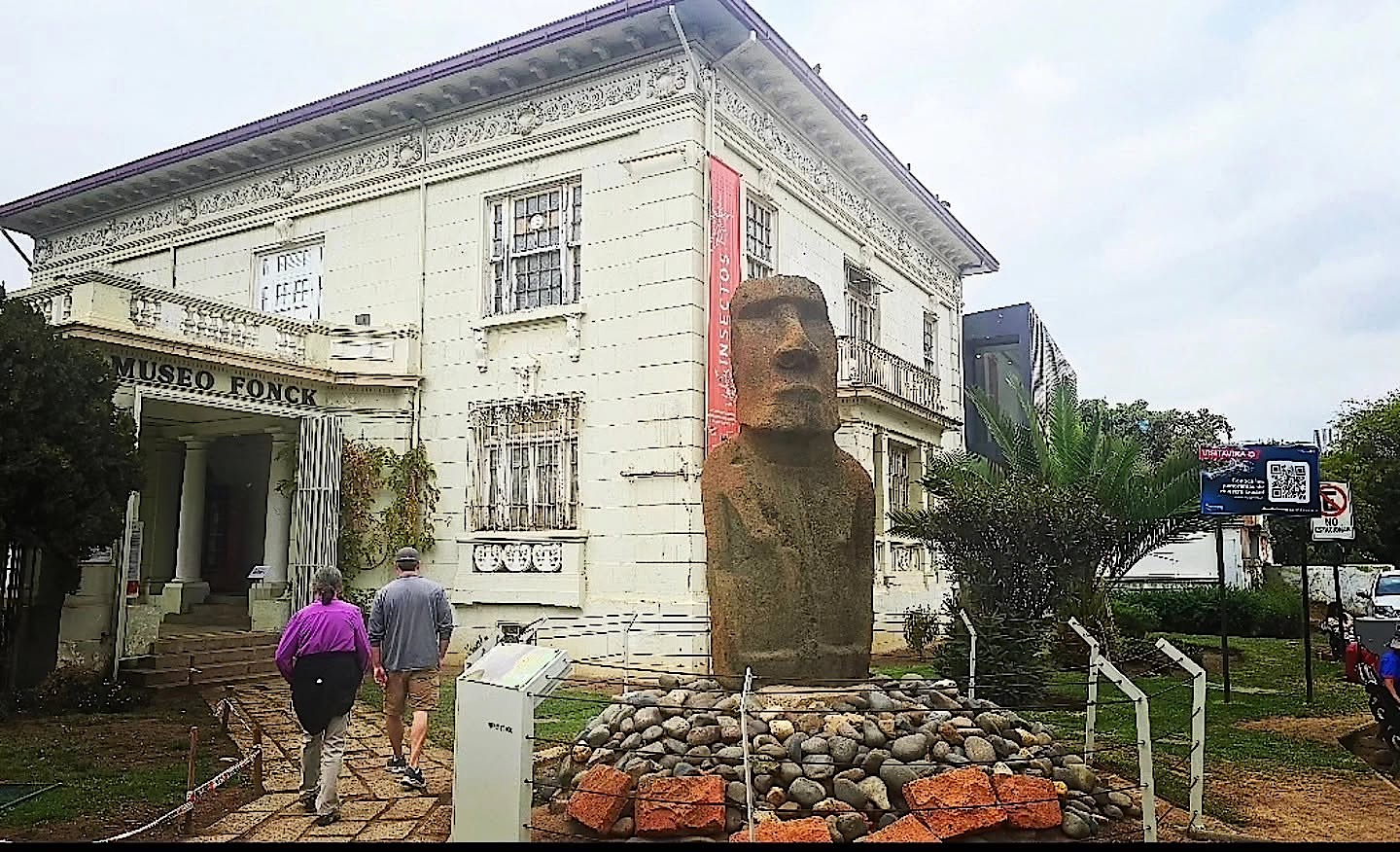
In Viña del Mar, a genuine moai from Easter Island stands in front of the Fonck Museum, one of very few outside the island. At a fish market in Valparaíso the usual freeloaders, sea lions and gulls, were waiting for scraps.
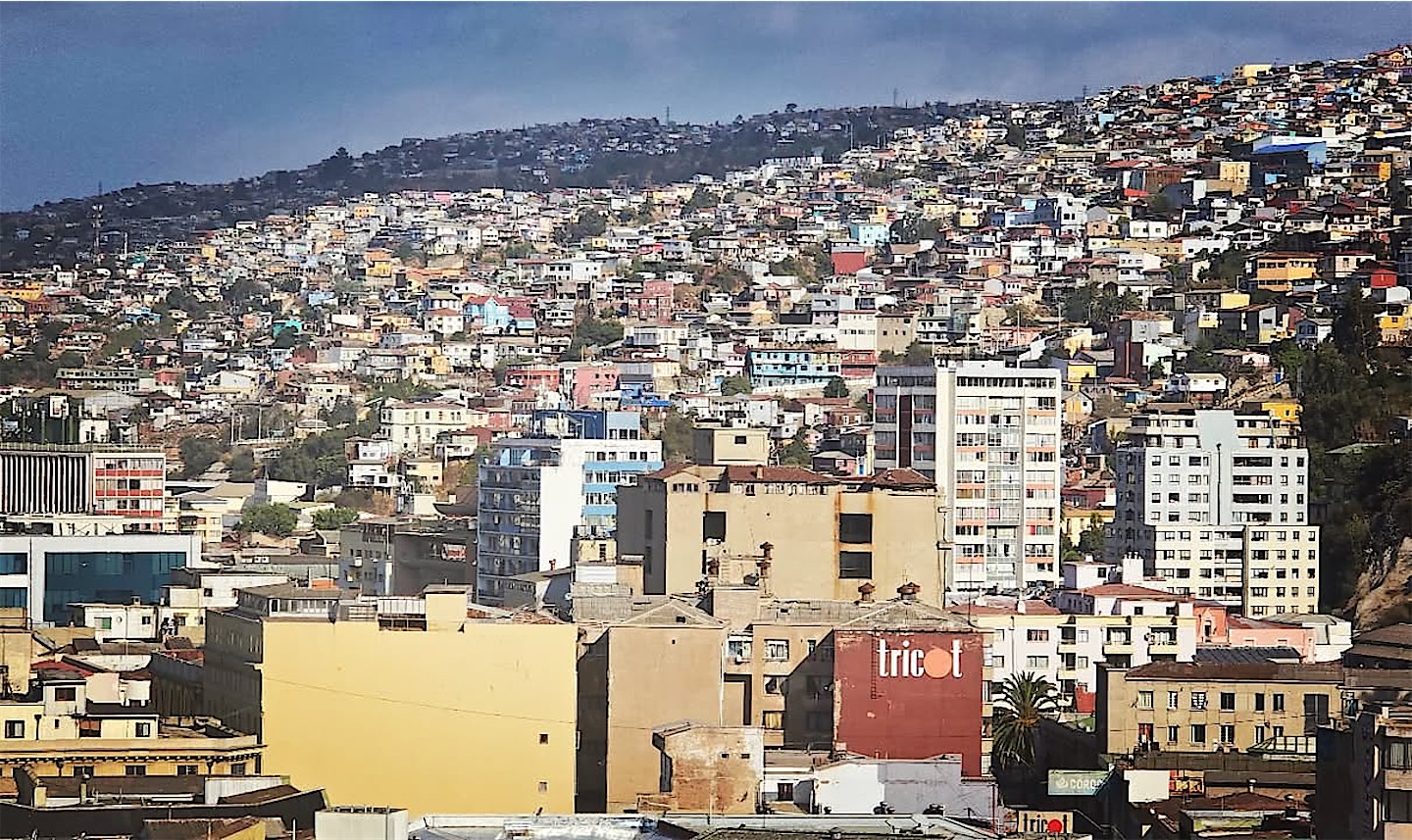
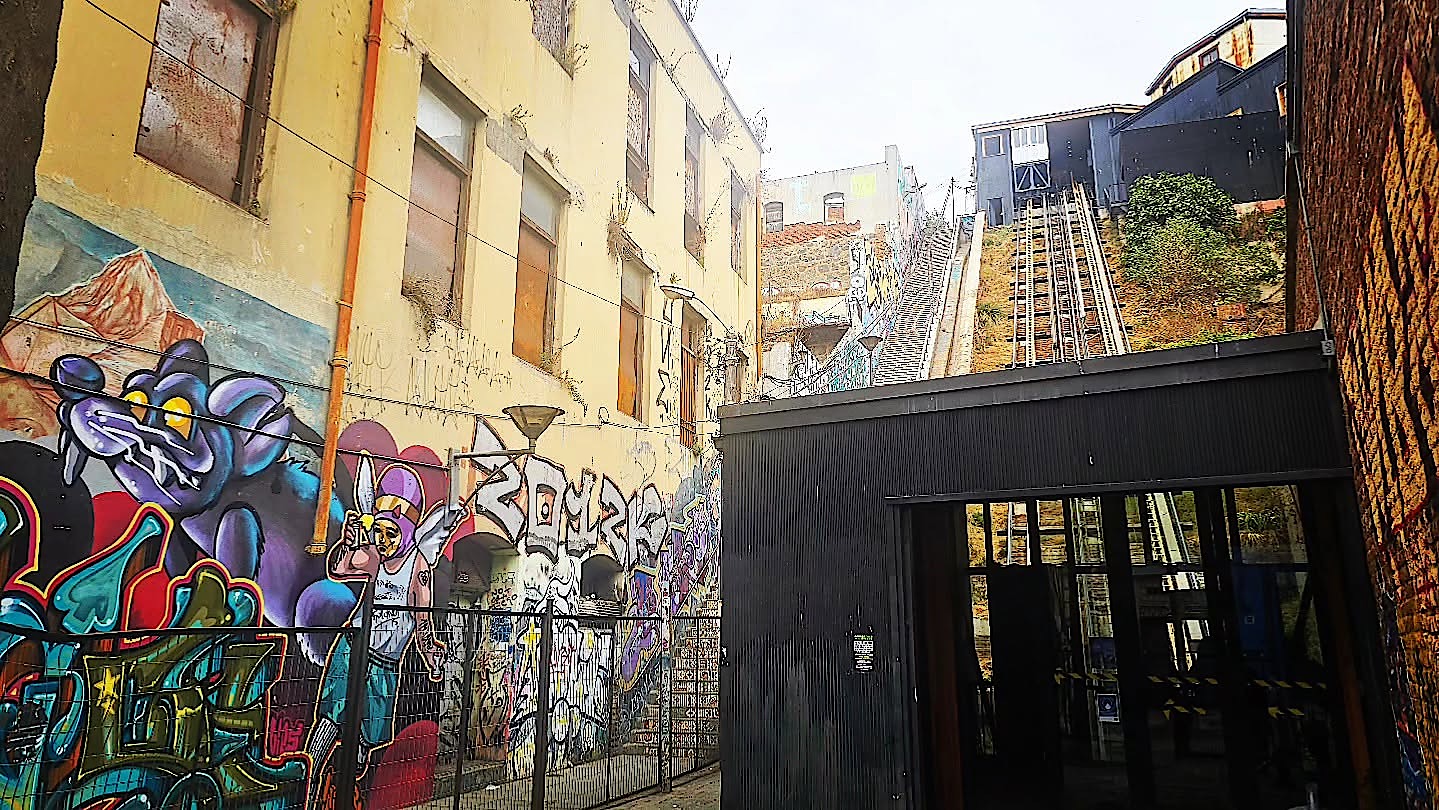
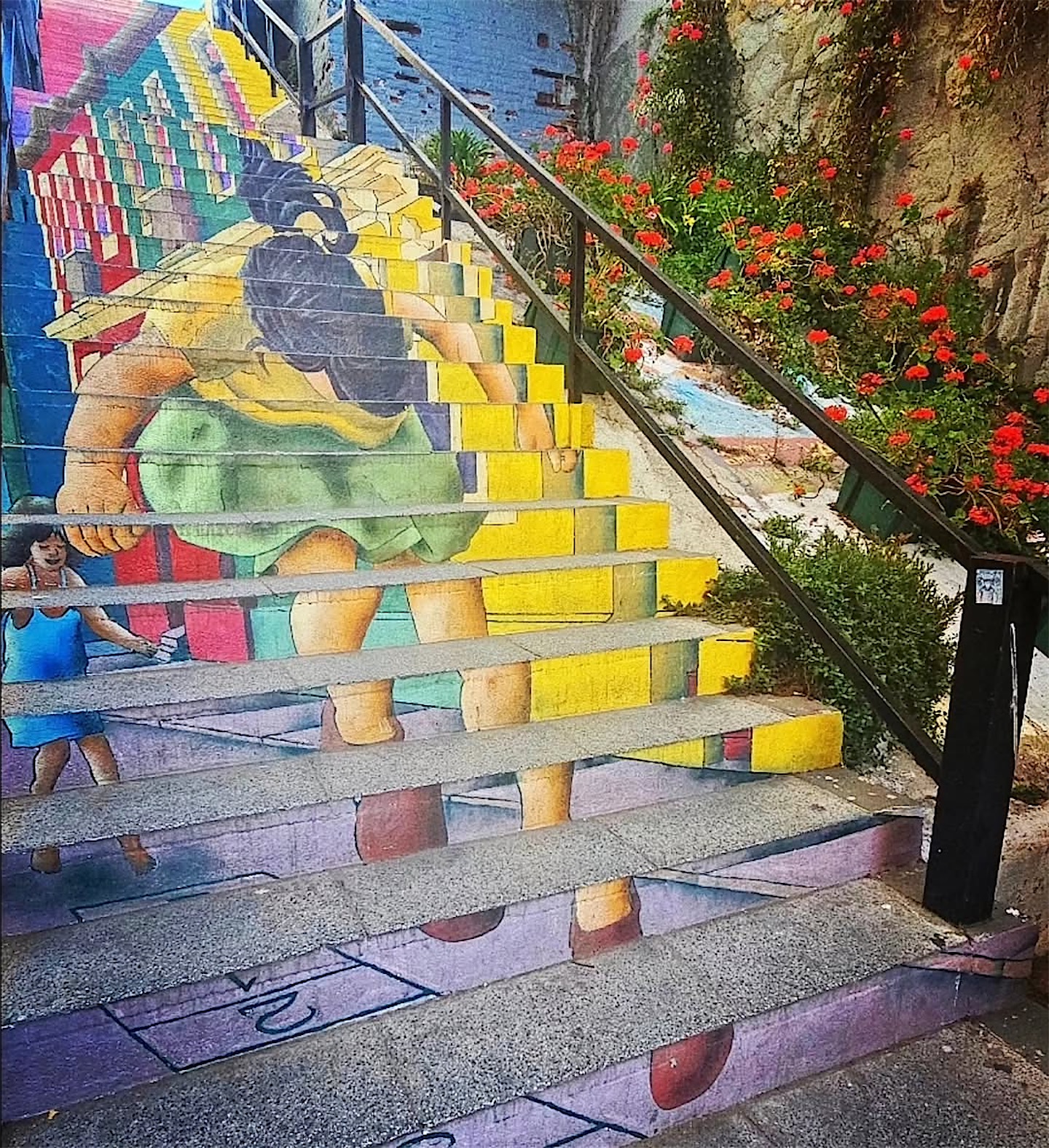
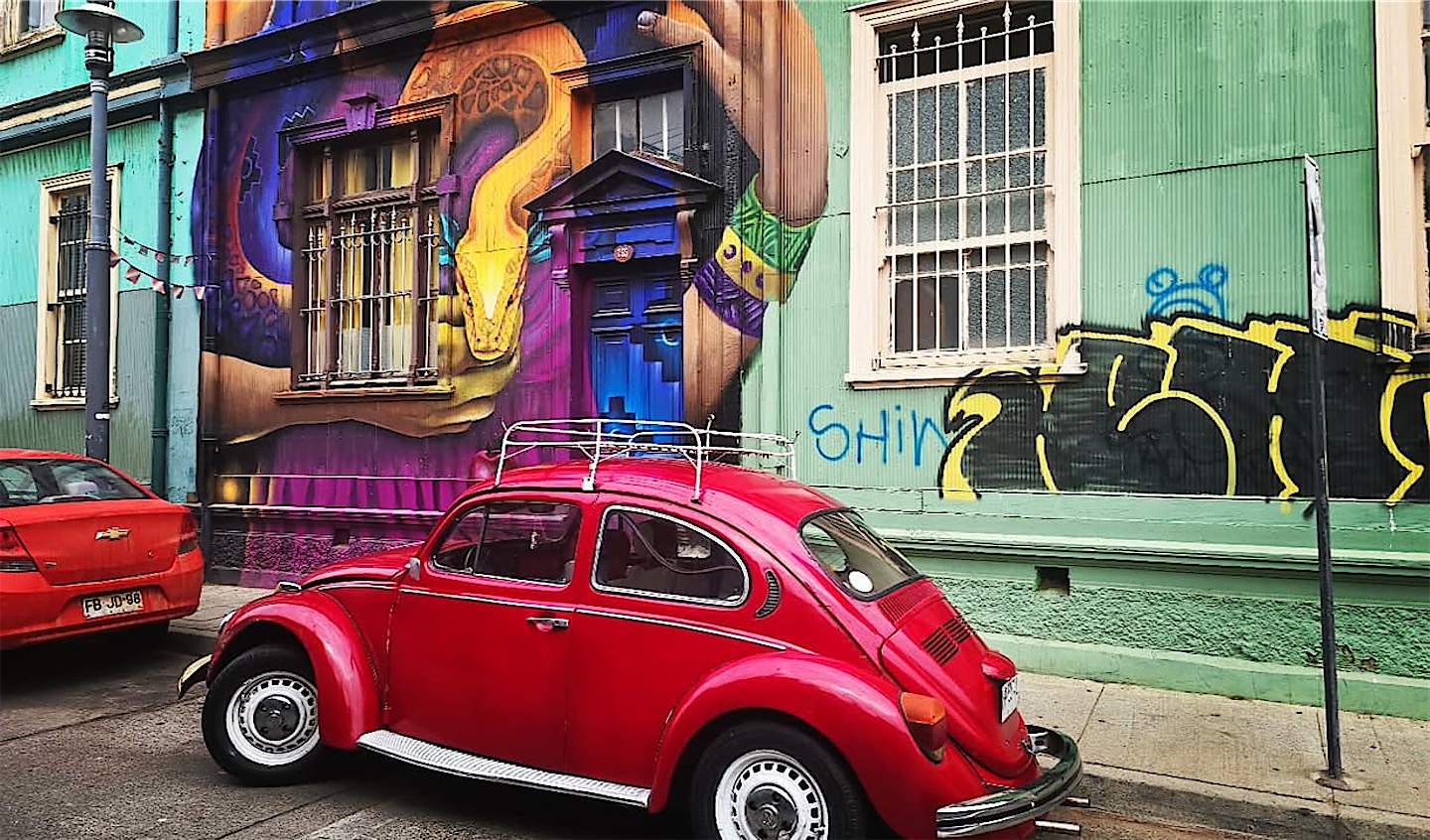
Valparaíso is a city of street art and funiculars, and much nicer than Santiago. Murals cover walls, stairs and whole houses, and it was a good place to spend my last hours in Chile.
That night I flew to Sydney: 15 hours, my longest flight in a long time, on a route that almost touched Antarctica, and a Sunday lost to the date line. The next remote island, at almost the same latitude on the other side of an empty Pacific, was a long-awaited highlight. Chile would see me again in December for an Antarctic cruise. The story continues in Lord Howe Island and Tasmania.